the Creative Commons Attribution 4.0 License.
the Creative Commons Attribution 4.0 License.
 | 22 Jun 2026
Measurement report: Spatial variability of VOCs, ozone, and carbonaceous aerosols during the 2022 European summer heatwave

Thérèse Salameh
Robert Wegener
Heidi Hellén
Jean-Luc Jaffrezo
Pontus Roldin
Elisabeth Alonso-Blanco
Andres Alastuey
Crist Amelynck
Jgor Arduini
Benjamin Bergmans
Marie Bertrand
Agnes Borbon
Efstratios Bourtsoukidis
Laetitia Bouvier
David Butterfield
Iris Buxbaum
Darius Ceburnis
Anja Claude
Augustin Colette
Aurélie Colomb
Sophie Darfeuil
James Dernie
Maximilien Desservettaz
Elías Díaz-Ramiro
Marvin Dufresne
René Dubus
Mario Duval
Marie Dury
Anna Font
Kirsten N. Fossum
Evelyn Freney
Gotzon Gangoiti
Maria Carmen Gomez
Francisco J. Gómez-Moreno
Marie Gohy
Valérie Gros
Paul Hamer
Bryan Hellack
Hartmut Herrmann
Robert Holla
Adéla Holubová
Niels R. Jensen
Tuija Jokinen
Matthew Jones
Uwe Käfer
Lukas Kesper
Dieter Klemp
Dagmar Kubistin
Angela Marinoni
Martina Mazzini
Vy Ngoc Thuy Dinh
Jurgita Ovadnevaite
Tuukka Petäjä
Miguel Portillo-Estrada
Jitka Přívozníková
Jean-Philippe Putaud
Stefan Reimann
Laura Renzi
Veronique Riffault
Stuart Ritchie
Chris Robins
Begoña Artíñano Rodríguez de Torres
Laurent Poulain
Julian Rüdiger
Agnieszka Sanocka
Estibaliz Saez de Camara Oleaga
Niels Schoon
Roger Seco
Ivan Simmons
Leïla Simon
David Simpson
Sverre Solberg
Emmanuel Tison
August Thomasson
Svetlana Tsyro
Marsailidh Twigg
Toni Tykkä
Bert Verreyken
Ågot Watne
Katie Williams
Ana Maria Yáñez-Serrano
Karen Yeung
Ilona Ylivinkka
Karl Espen Yttri
Related authors


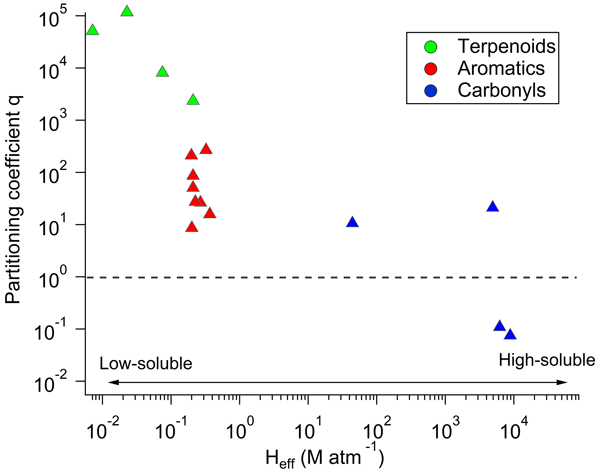
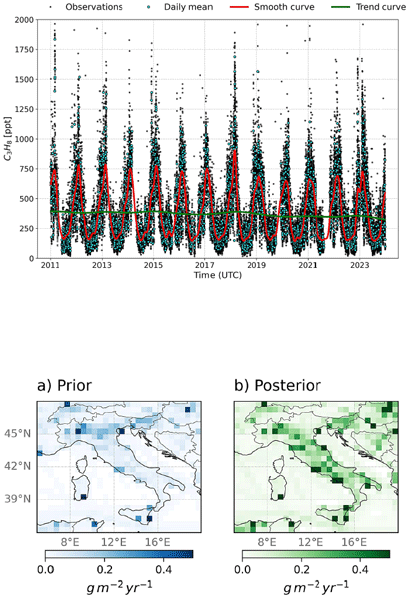
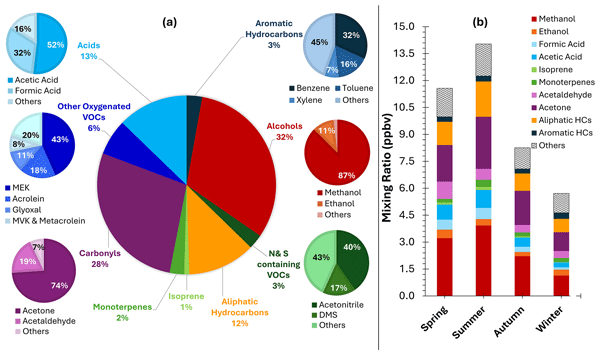
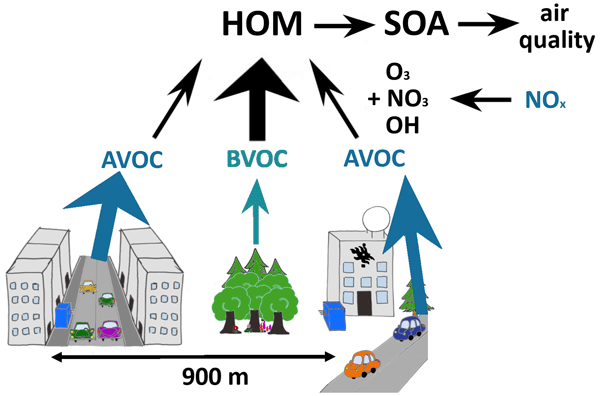
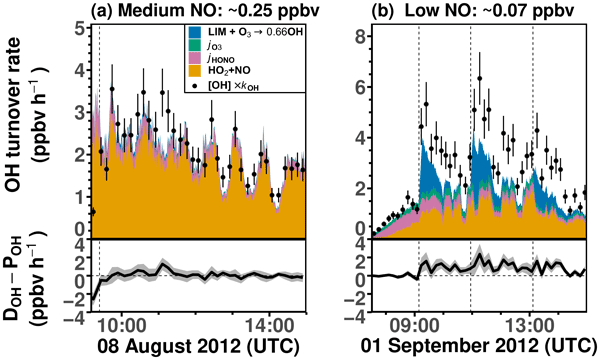
This study presents a new approach to quantify anthropogenic terpene emissions by measuring VOCs during winter, when biogenic emissions are negligible. Measurements in Helsinki showed that although anthropogenic terpenes accounted for less than 1 % of VOC mass, they made a disproportionately large contribution to atmospheric reactivity. The findings highlight the importance of including anthropogenic terpene emissions in urban air quality studies and atmospheric chemistry models.
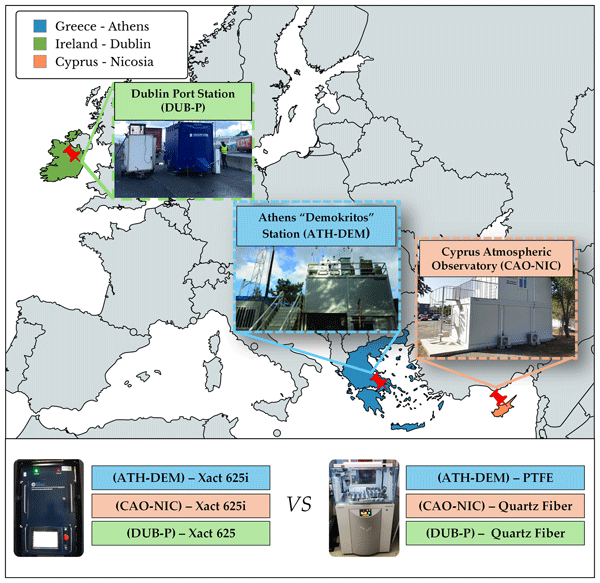
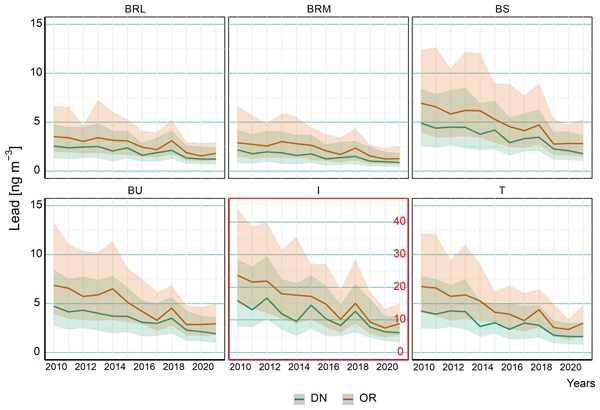
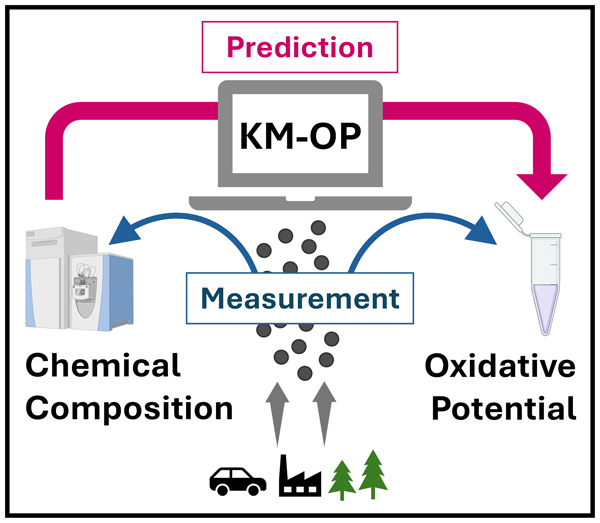
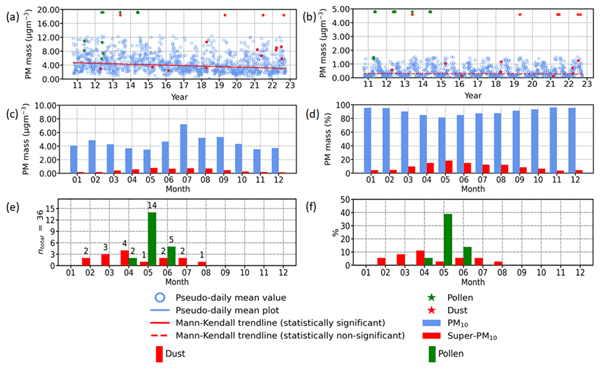
We compared near real-time and benchtop XRF spectrometers measuring trace elements in airborne particles across three European cities. Results show filter material dictates accuracy: Teflon yielded strong inter-instrument agreement, while quartz caused systematic attenuation errors for light elements. Because empirical corrections left residual biases, using optimal substrates—preferably Teflon—is essential for accurately tracking pollution sources.
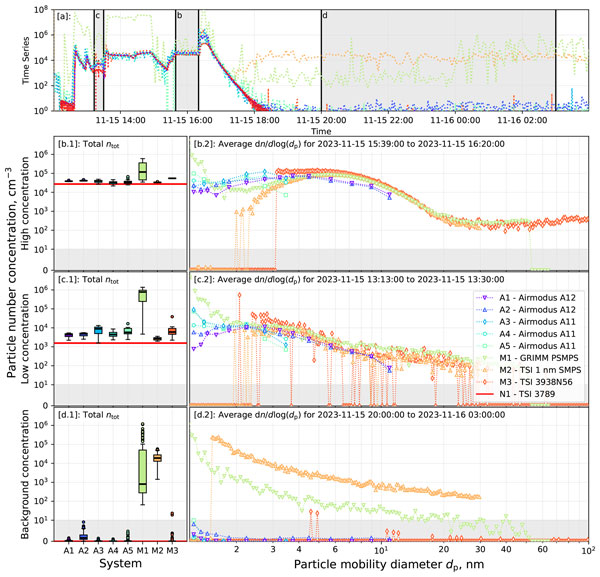

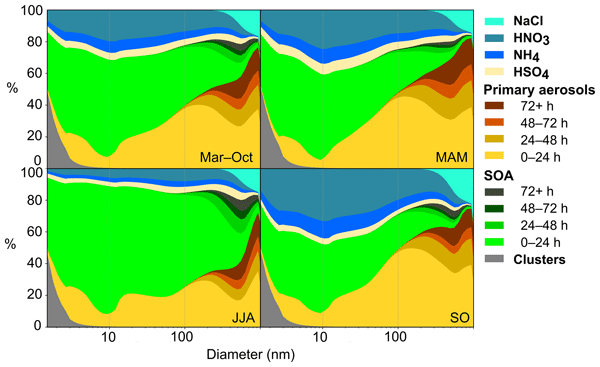
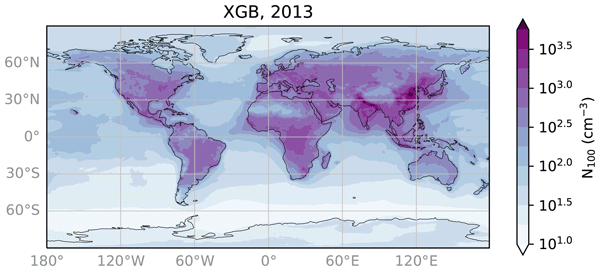

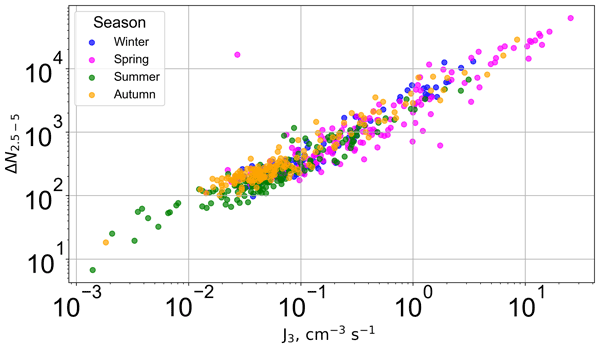

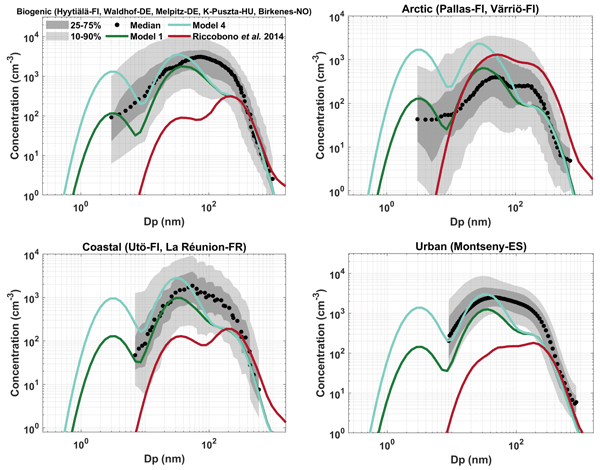
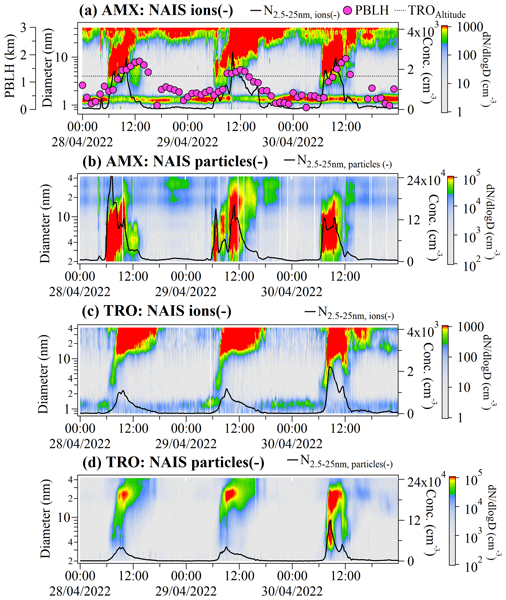



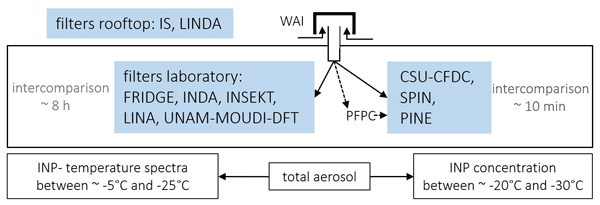
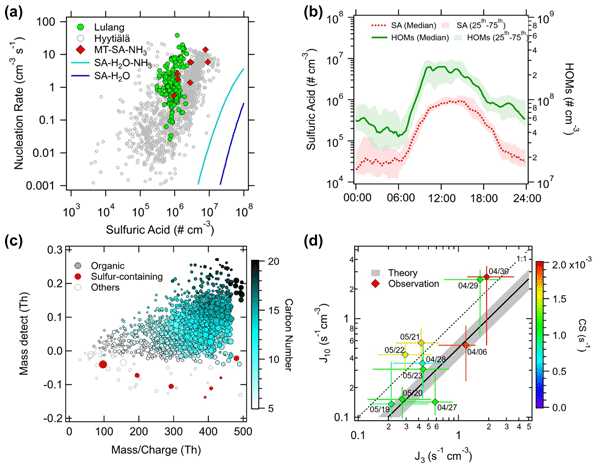
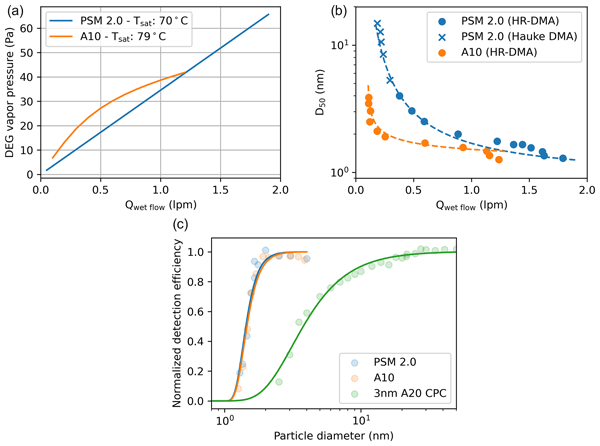
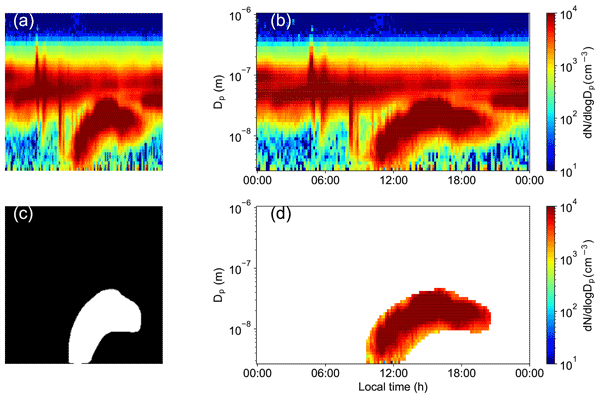
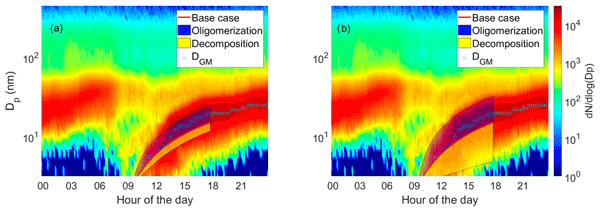
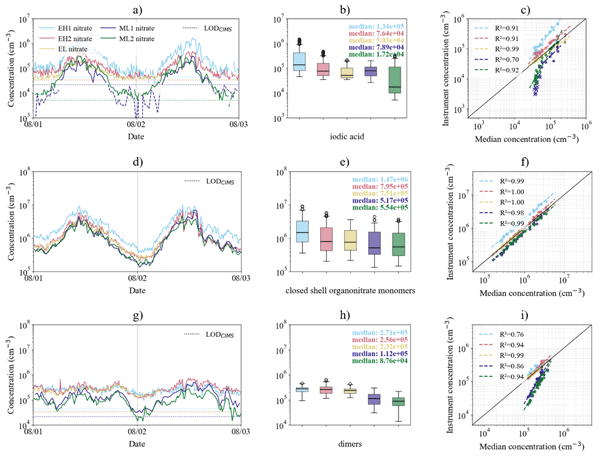
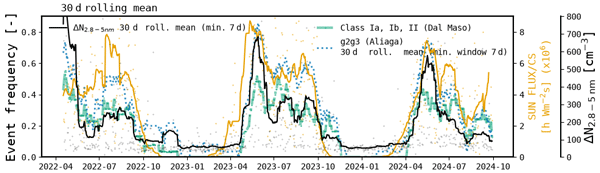
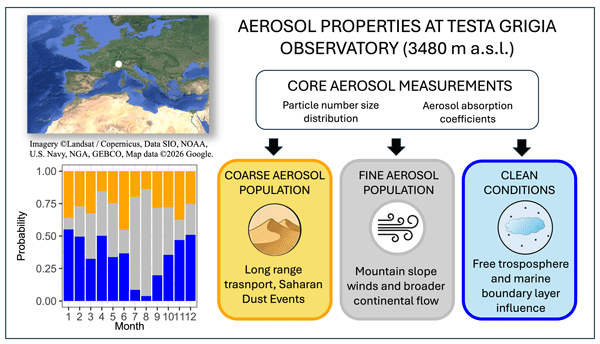
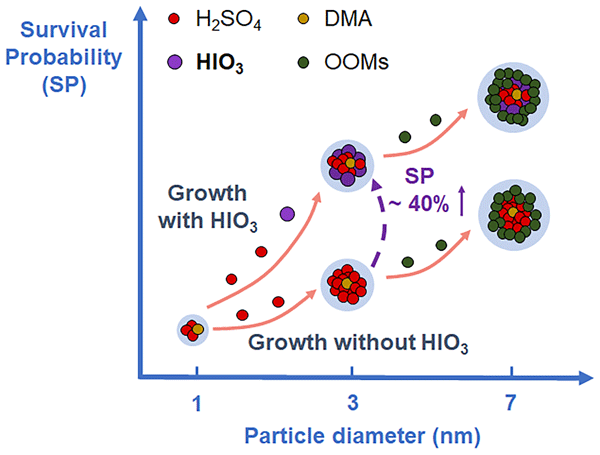
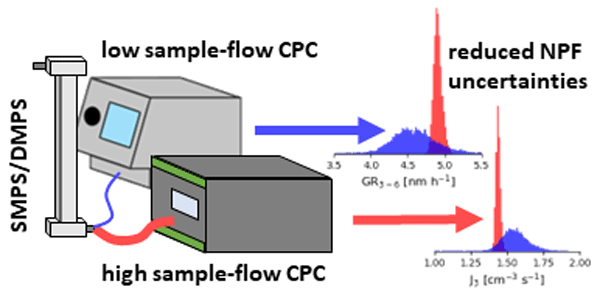
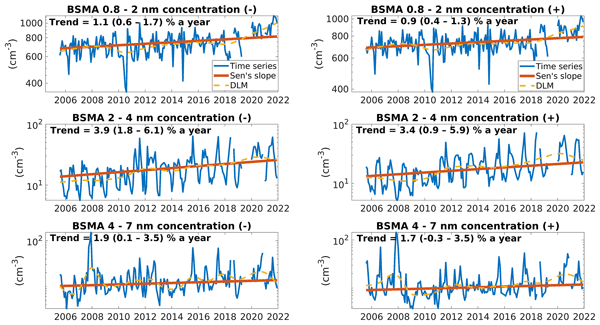
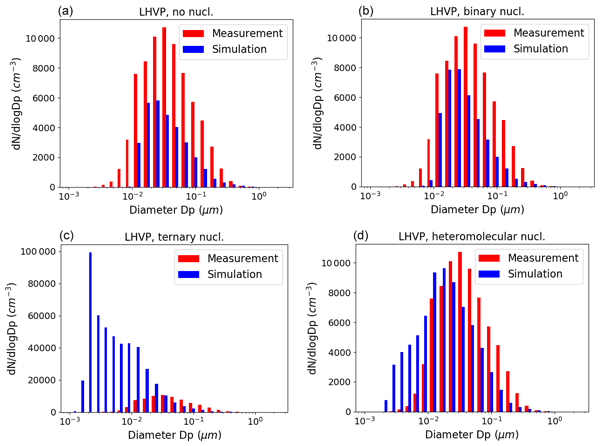
We present a novel version of an aerosol number size distribution instrument, showcasing its capability to measure particle number concentration and particle number size distribution between 1 and 12 nm. Our results show that the instrument agrees well with existing instrumentation and allows for both the accurate measurement of the smallest particles and overlap with more conventional aerosol number size distribution instruments.

globalapproach is proposed to drastically reduce the period necessary to train the models and thus facilitate the implementation in an operational context.



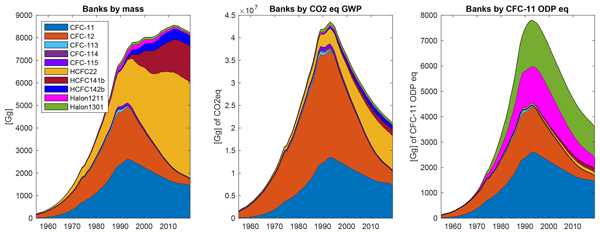
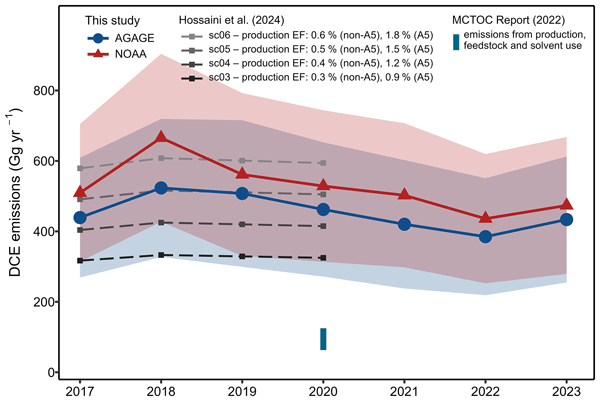
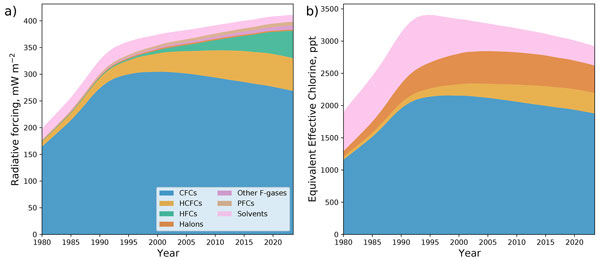
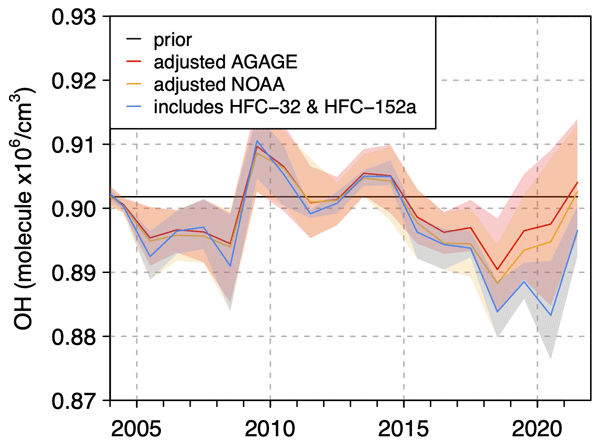
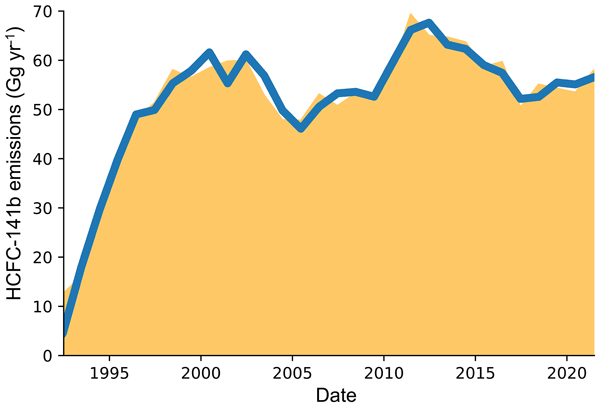
banksmust be carefully accounted for in evaluating compliance with the Montreal Protocol. We extend a Bayesian model to the suite of regulated chemicals subject to banking. We find that banks are substantially larger than previous estimates, and we identify banks by chemical and equipment type whose future emissions will contribute to global warming and delay ozone-hole recovery if left unrecovered.
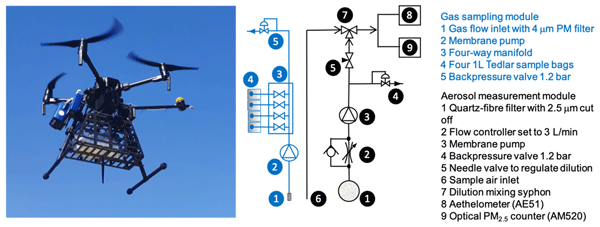



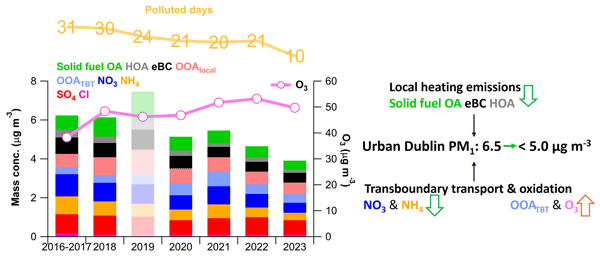
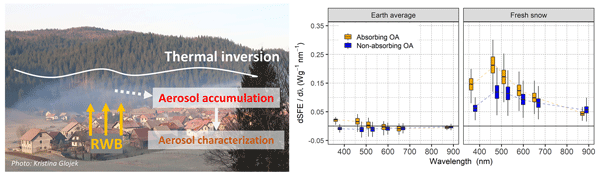
real-world laboratoryconditions was conducted. We found that measured black carbon (eBC) and particulate matter (PM) in rural shallow terrain depressions with residential wood burning could be much greater than predicted by models. The exceeding levels are a cause for concern since similar conditions can be expected in numerous hilly and mountainous regions across Europe, where approximately 20 % of the total population lives.