
the Creative Commons Attribution 4.0 License.
the Creative Commons Attribution 4.0 License.
 | 03 Nov 2026
A closed-to-open cell mixed-phase cloud transition observed over the Nordic Seas under high aerosol loading and strong surface fluxes
Samuel Ephraim

Aaron Bansemer
Lintong Cai
Markus Petters
Elise Rosky
Jefferson R. Snider
Zhien Wang
Sarah Woods
Kevin Barry
Theresa Campos
Owen Cruikshank
Sabine Eckhardt
Nikolaos Evangeliou
Romanos Foskinis
Jeffrey R. French
Bart Geerts
Coltin Grasmick
Silvia Henning
Varun Kumar
Andreas Massling
Camille Mavis
Greg M. McFarquhar
Athanasios Nenes
Gunnar Noer
Ryan Patnaude
Russell Perkins
Lise Lotte Sørensen
Henrik Skov
Tyler Tatro
Florian Tornow
Related authors
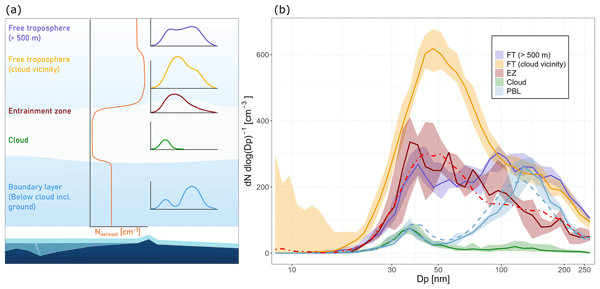
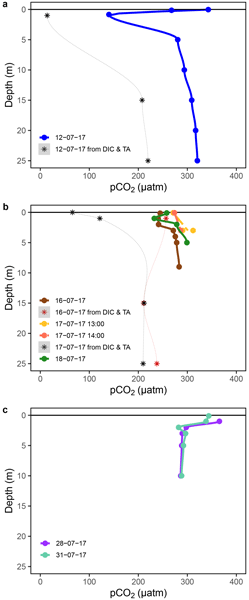
Sea ice melt adds less-saline water to the surface ocean. This creates vertical gradients in salinity, temperature, and partial pressures of carbon dioxide (pCO2). The concentration difference of pCO2 across the air-ocean boundary is used to estimate gas transfer. Thus, the depth that we measure will impact our estimates. Similar patterns were observed in multiple Arctic fjords years apart, suggesting these vertical gradients may be common during the spring melt season.
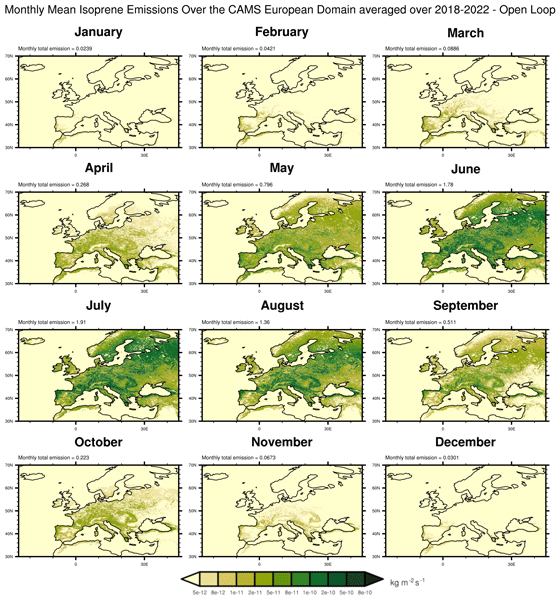

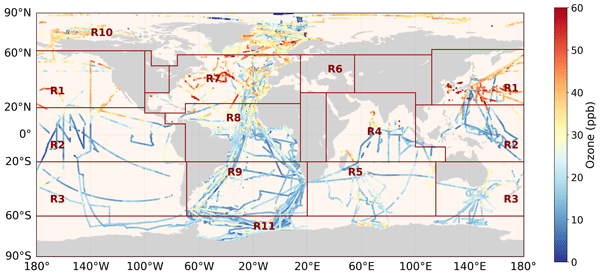

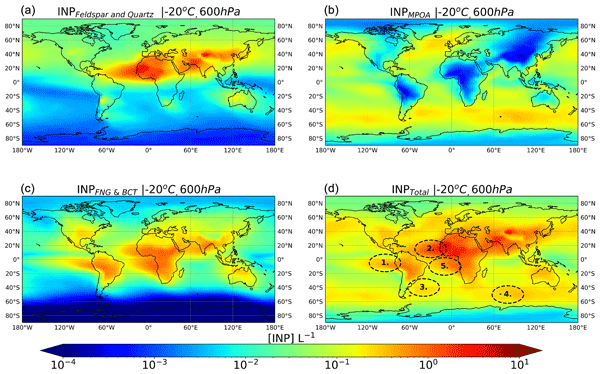
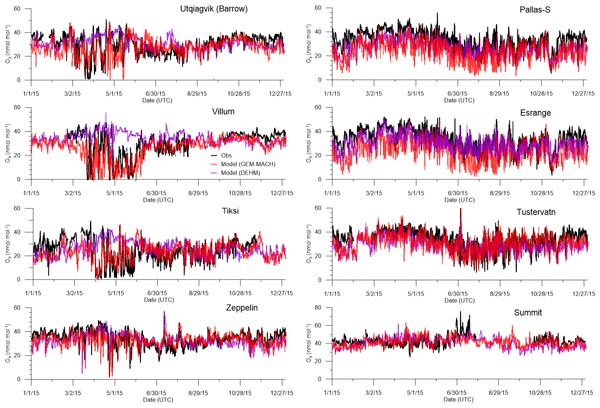
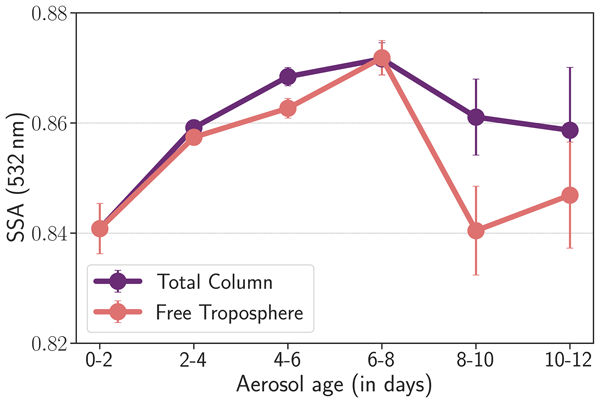





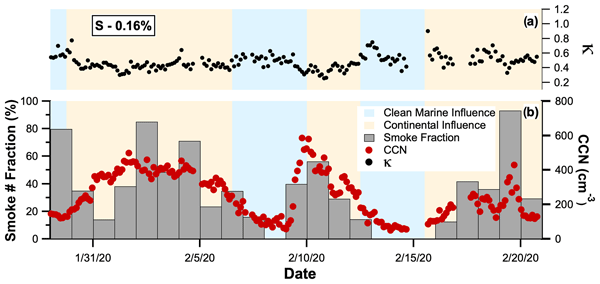
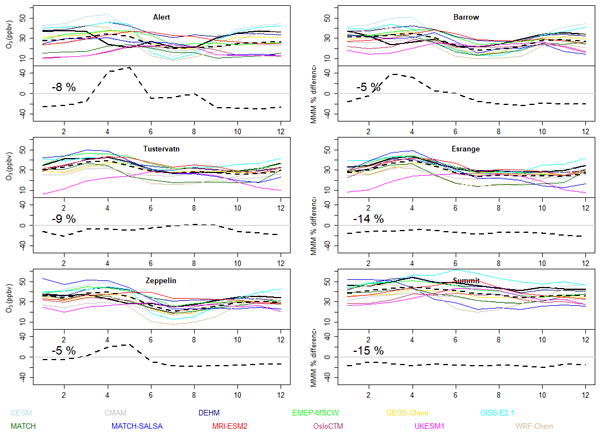
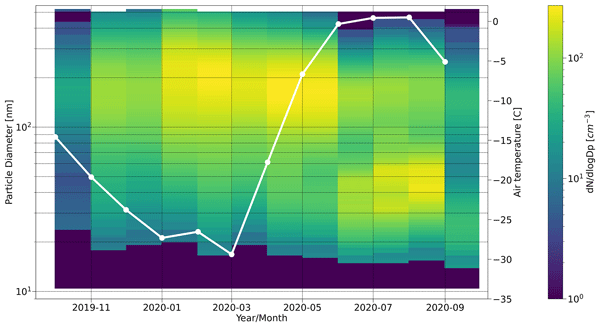

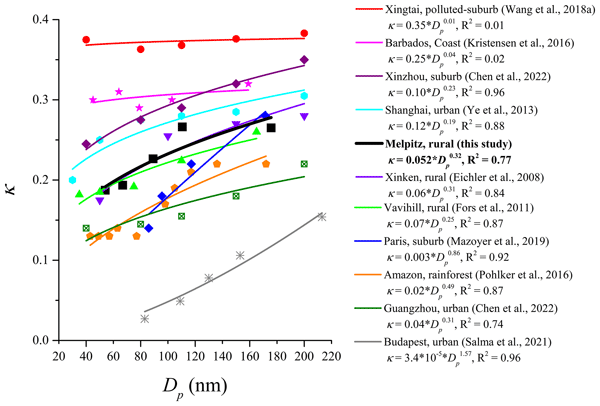












hotspotsof interaction. Code and data are open access.

Cited articles
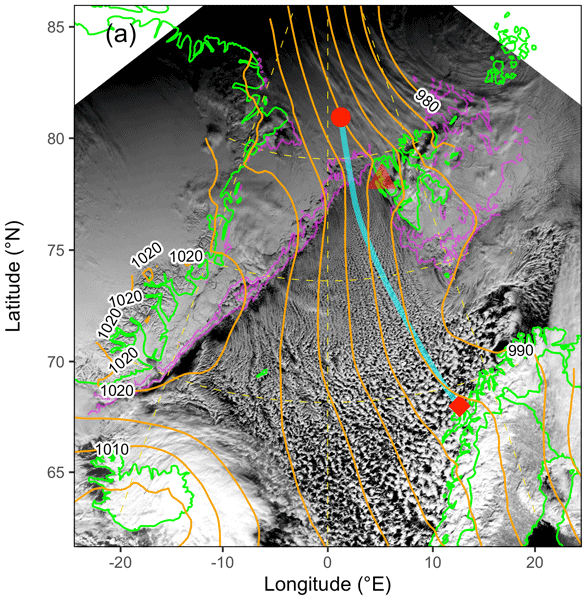
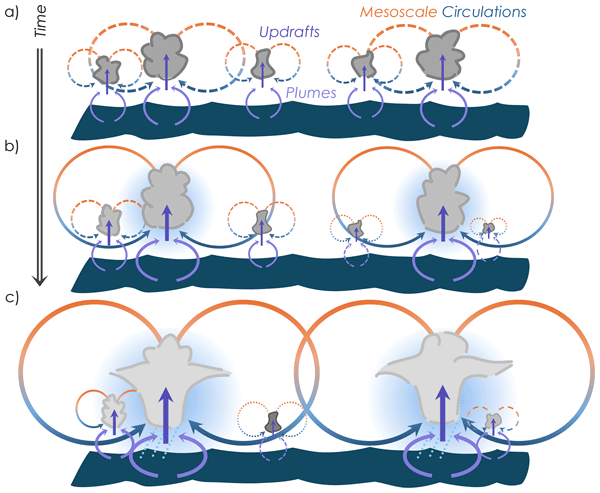
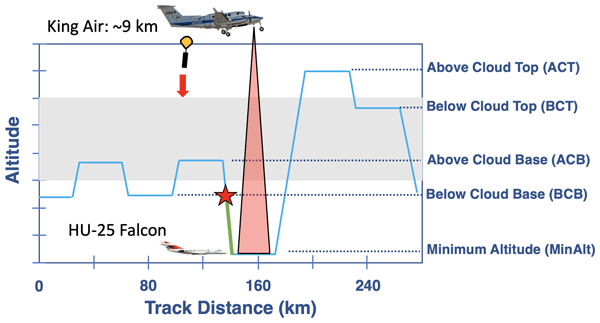
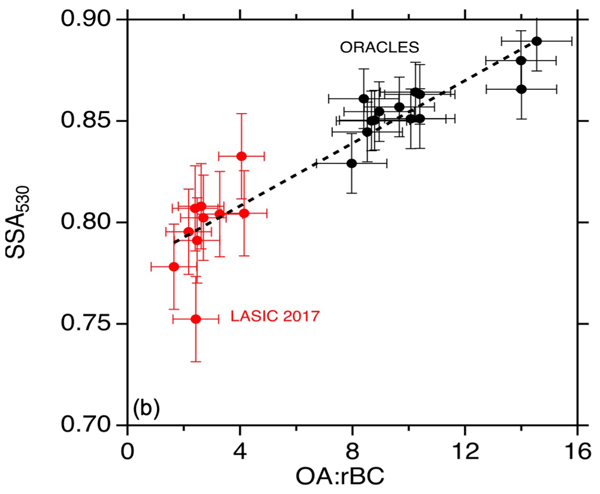
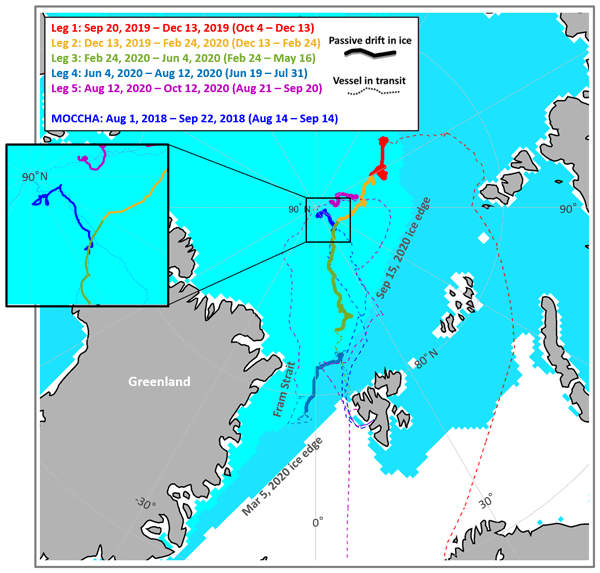
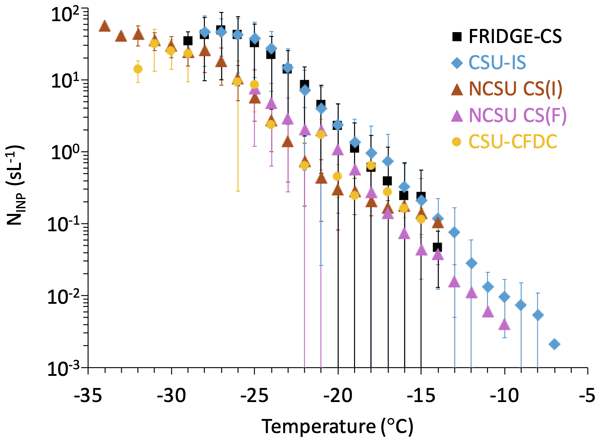
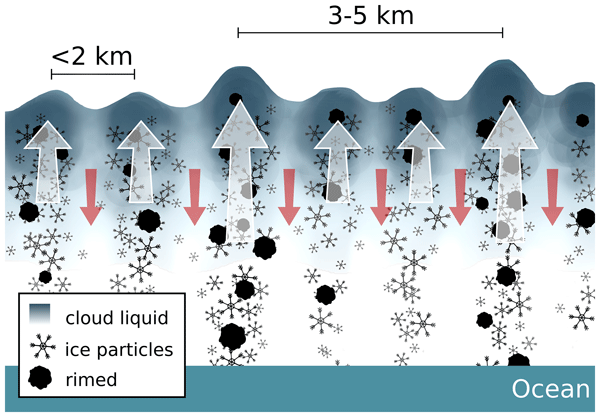
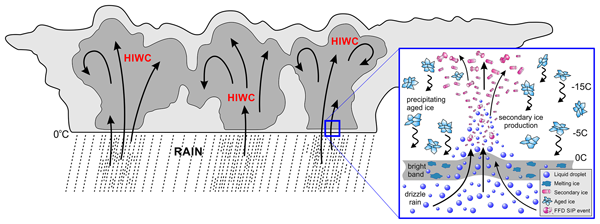
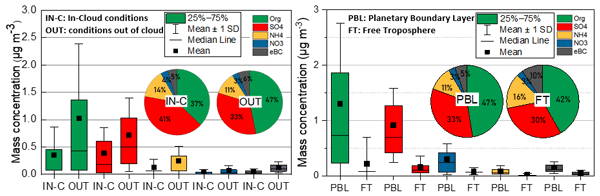
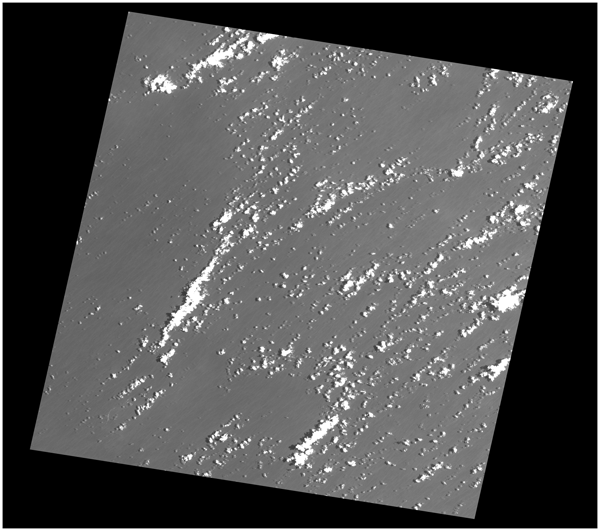
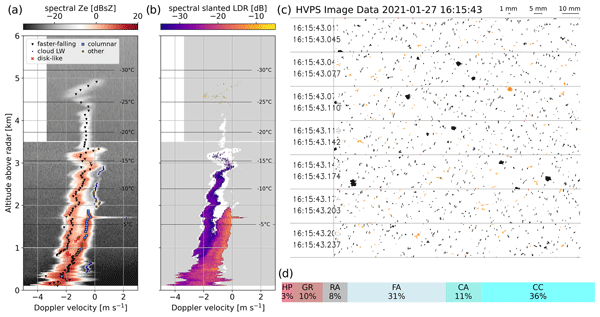
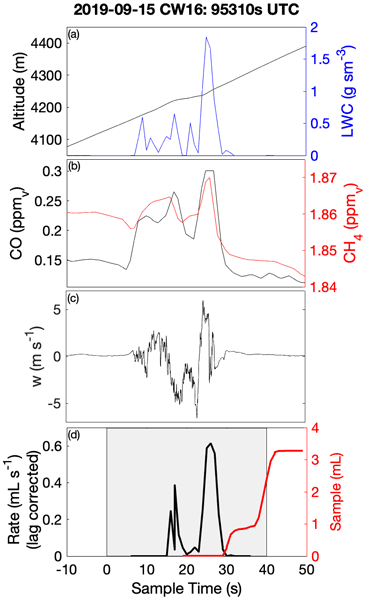
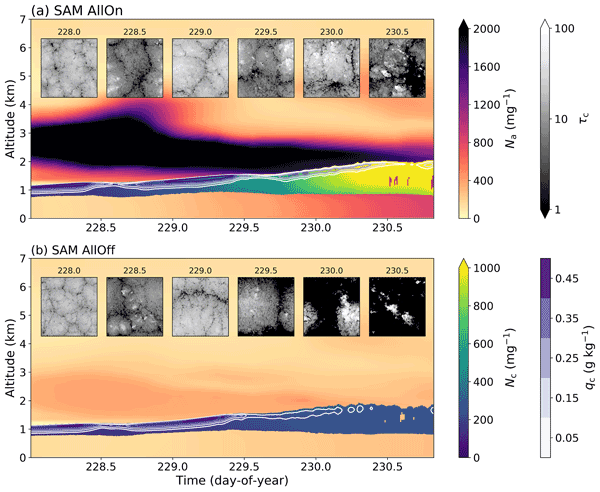
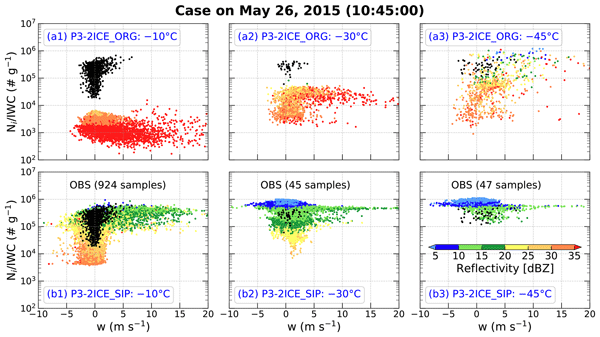
The processes that establish how mixed-phase closed-cell clouds transition to open-cells are poorly known. First-of-its kind aircraft observations document such a transition in the presence of anomalously high aerosol concentrations, reducing the drop size thereby discouraging riming, over the Nordic Seas at cloud temperatures < −15 °C. Eventually, ice precipitation produces surface cold pools that appear to drive the convective transition, despite strong counteracting surface fluxes.
The processes that establish how mixed-phase closed-cell clouds transition to open-cells are...


