the Creative Commons Attribution 4.0 License.
the Creative Commons Attribution 4.0 License.
 | 22 Jun 2026
Overview: The Network for the Detection of Atmospheric Composition Change at 35 years: achievements and future strategy
Irina Petropavlovskikh

Martine De Mazière
Jeannette D. Wild
James W. Hannigan
Henry B. Selkirk
Reem A. Hannun
Wolfgang Steinbrecht
Jean-Christopher Lambert
Roeland Van Malderen
Elizabeth Asher
Raul R. Cordero
Sophie Godin-Beekmann
Daan Hubert
Sergey Khaykin
Karin Kreher
Thierry Leblanc
Emmanuel Mahieu
Eliane Maillard Barras
Glen McConville
Gerald Nedoluha
Ivan Ortega
Alberto Redondas Marrero
Gunther Seckmeyer
Ryan M. Stauffer
Sarah A. Strode
Kim Strong
Takafumi Sugita
Michel Van Roozendael
Voltaire Velazco
Corinne Vigouroux
Bärbel Vogel
Related authors

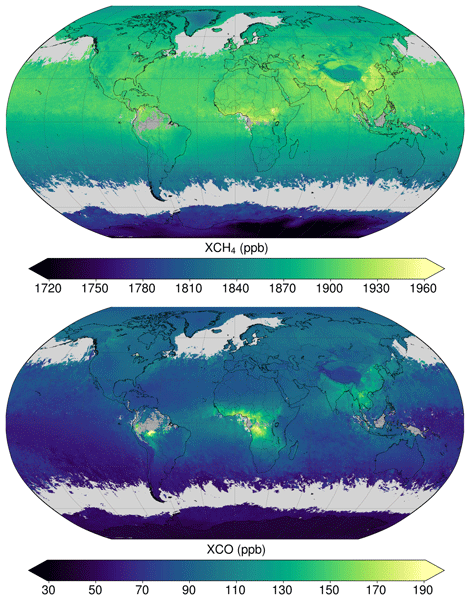
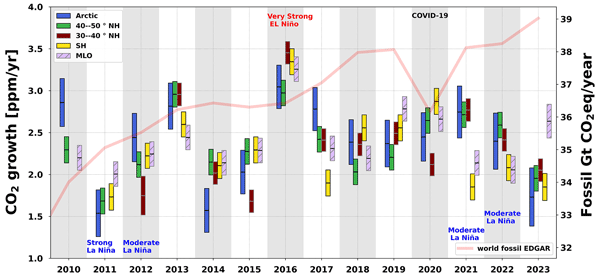
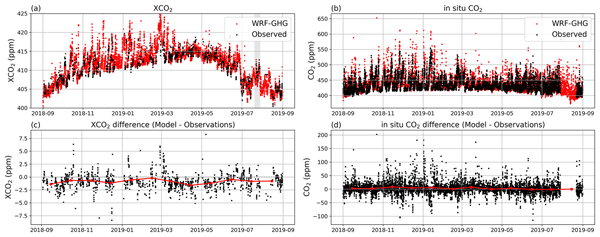
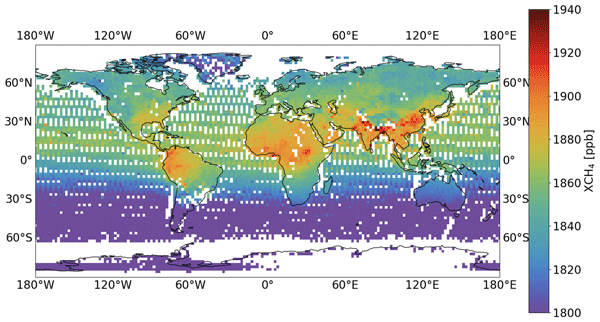
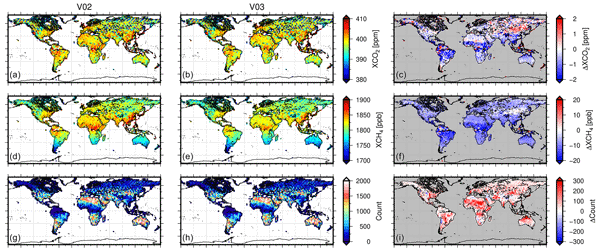
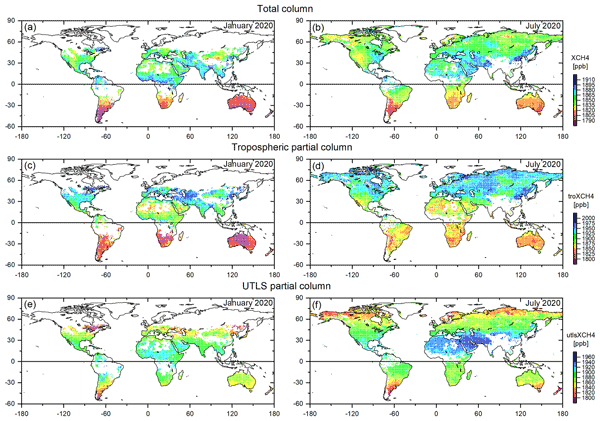
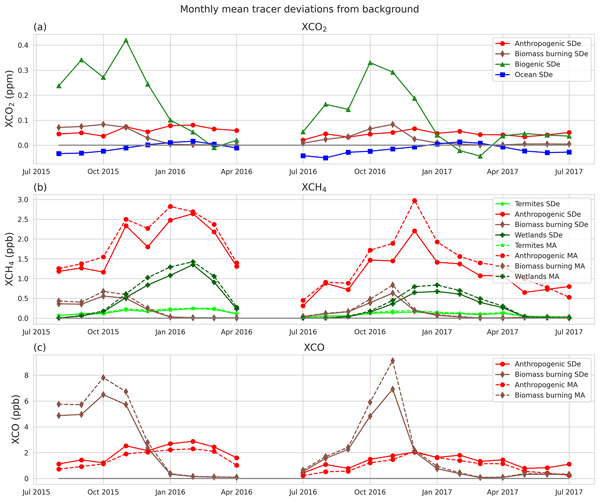
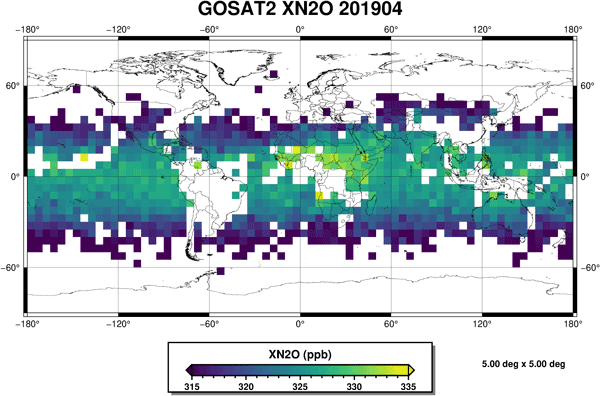
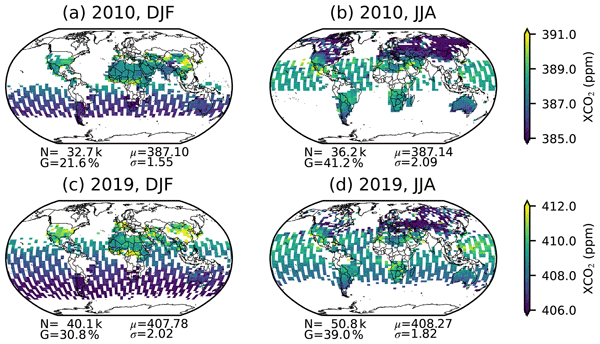
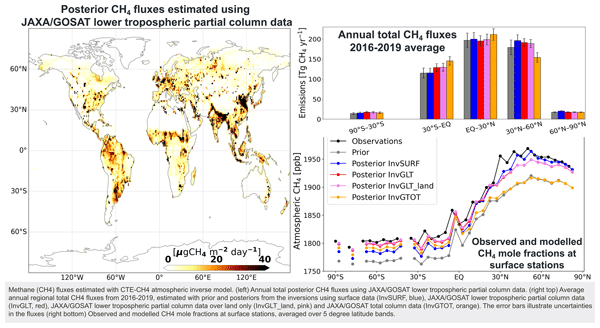
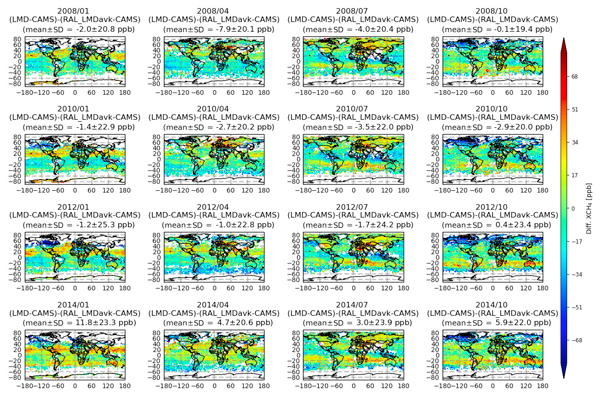
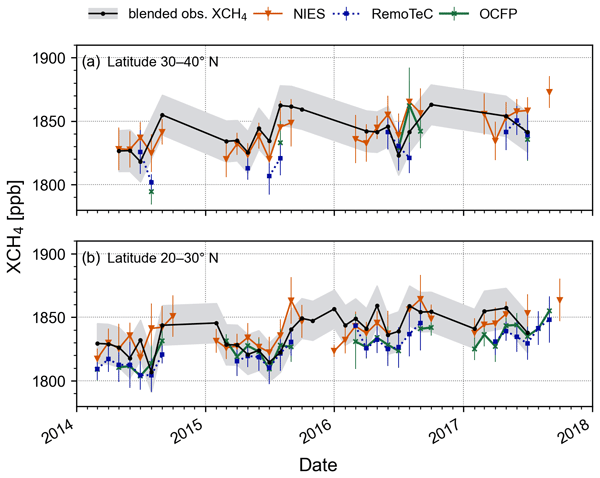
The Greenhouse Gases Observing Satellite-2 (GOSAT-2) is a satellite dedicated to measuring concentrations of greenhouse gases from space. Since its launch, the increase of CH4 and CO2 concentrations in the atmosphere is clear. The datasets obtained from GOSAT-2 are used in the Copernicus atmospheric services to monitor the climate, in light of the Paris Agreement. Here we present robust datasets of these gases from GOSAT-2, including a novel machine learning approach to data quality filtering.


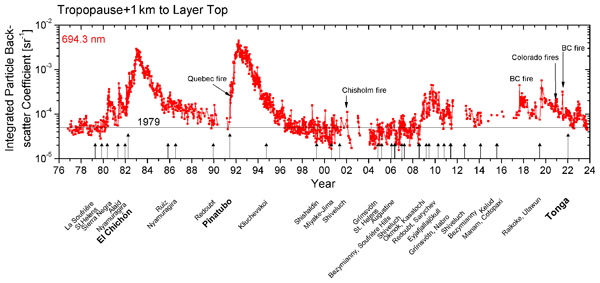
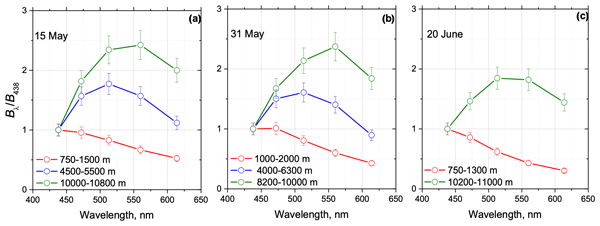
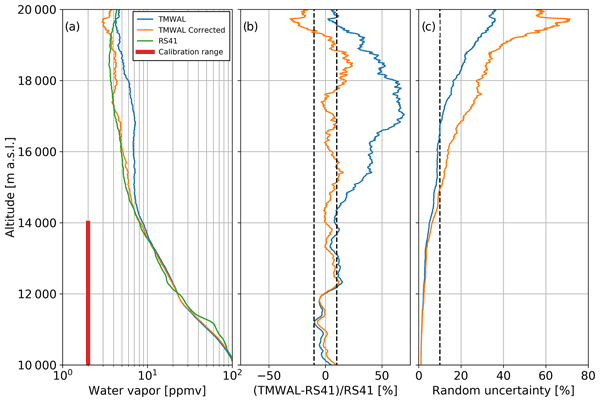
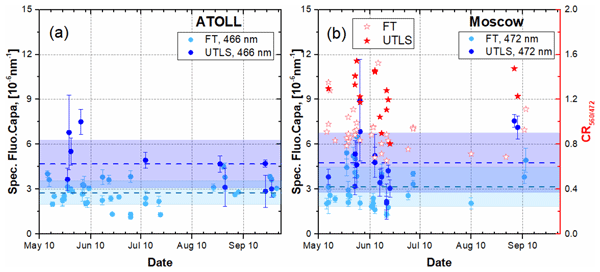
Measurements of transported smoke layers were performed with a lidar in Lille and a five-channel fluorescence lidar in Moscow. Results show the peak of fluorescence in the boundary layer is at 438 nm, while in the smoke layer it shifts to longer wavelengths. The fluorescence depolarization is 45 % to 55 %. The depolarization ratio of the water vapor channel is low (2 ± 0.5 %) in the absence of fluorescence and can be used to evaluate the contribution of fluorescence to water vapor signal.