the Creative Commons Attribution 4.0 License.
the Creative Commons Attribution 4.0 License.
 | 05 Sep 2025
Ground-based tropospheric ozone measurements: regional tropospheric ozone column trends from the TOAR-II/HEGIFTOM homogenized datasets
Roeland Van Malderen

Zhou Zang
Kai-Lan Chang
Robin Björklund
Owen R. Cooper
Eliane Maillard Barras
Corinne Vigouroux
Irina Petropavlovskikh
Thierry Leblanc
Valérie Thouret
Pawel Wolff
Peter Effertz
Audrey Gaudel
David W. Tarasick
Herman G. J. Smit
Anne M. Thompson
Ryan M. Stauffer
Debra E. Kollonige
Deniz Poyraz
Gérard Ancellet
Marie-Renée De Backer
Matthias M. Frey
James W. Hannigan
José L. Hernandez
Bryan J. Johnson
Nicholas Jones
Rigel Kivi
Emmanuel Mahieu
Isamu Morino
Glen McConville
Katrin Müller
Isao Murata
Justus Notholt
Ankie Piters
Maxime Prignon
Richard Querel
Vincenzo Rizi
Dan Smale
Wolfgang Steinbrecht
Kimberly Strong
Ralf Sussmann
Related authors

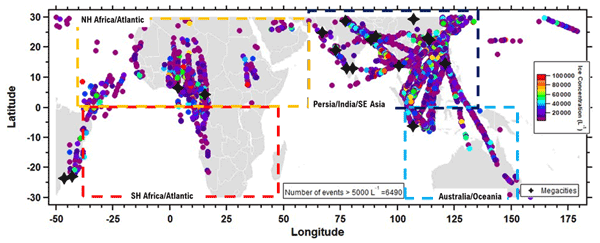
Saharan dust can reach the high Arctic within only a few days, but it was unclear whether such rapid transport occurs regularly. Using atmospheric models, satellite observations, and 21 years of air-mass trajectories, we identify a recurrent pathway across the North Atlantic. This pathway becomes increasingly important at higher Arctic latitudes and efficiently carries large dust particles northward, with potential consequences for Arctic clouds and climate.
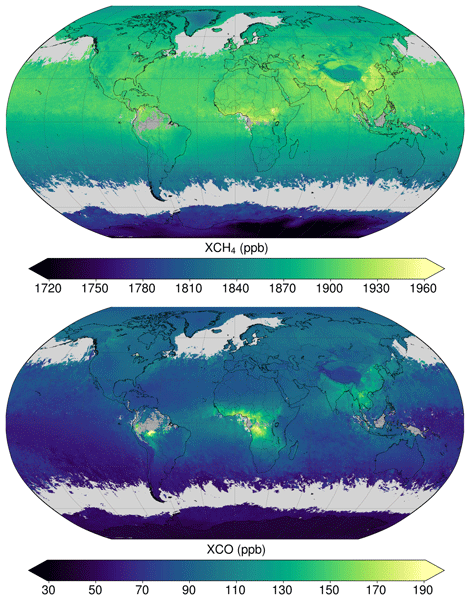

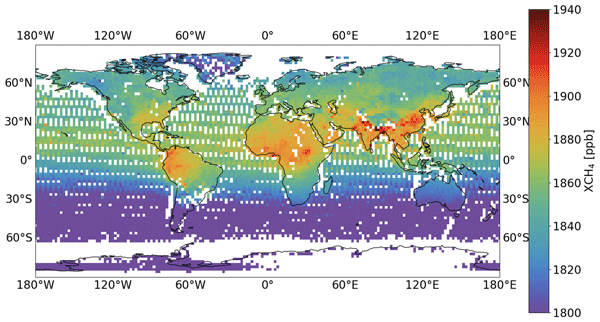
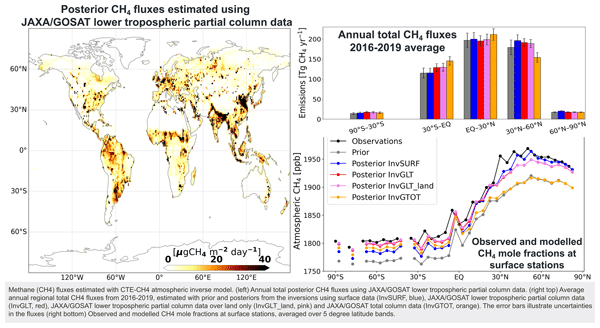
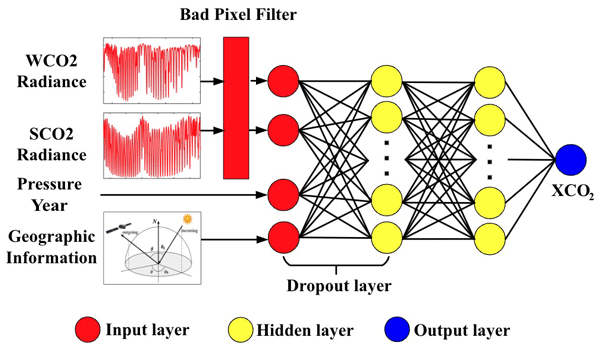
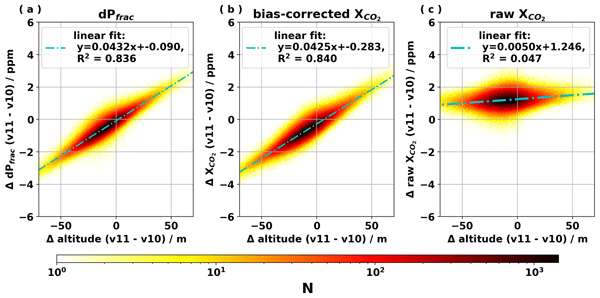
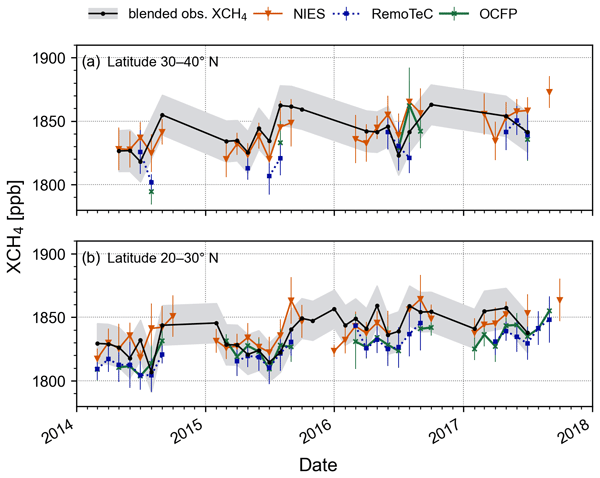
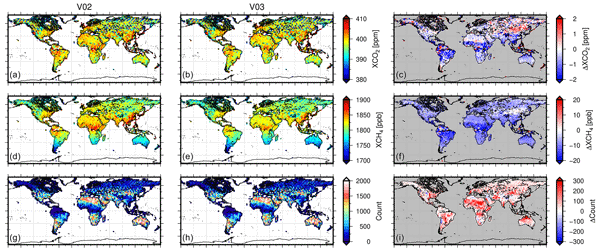
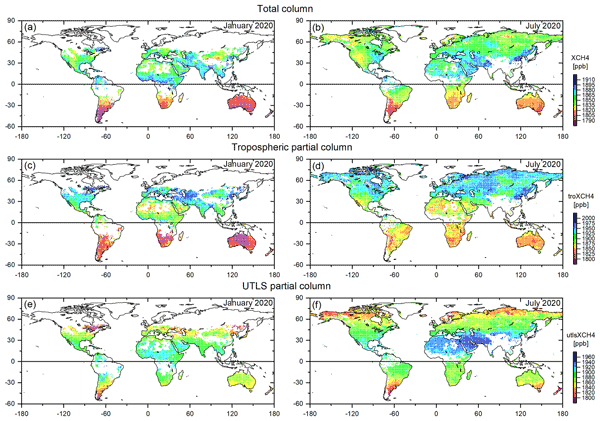
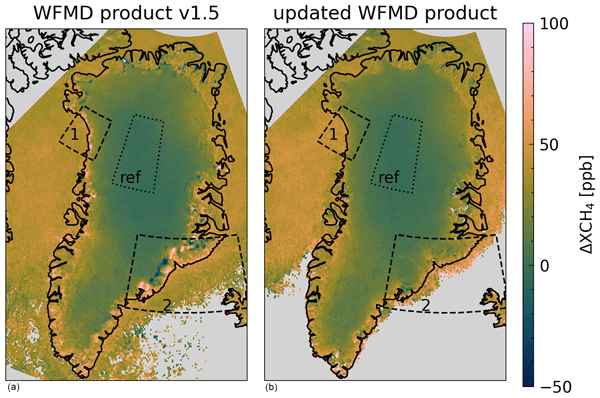
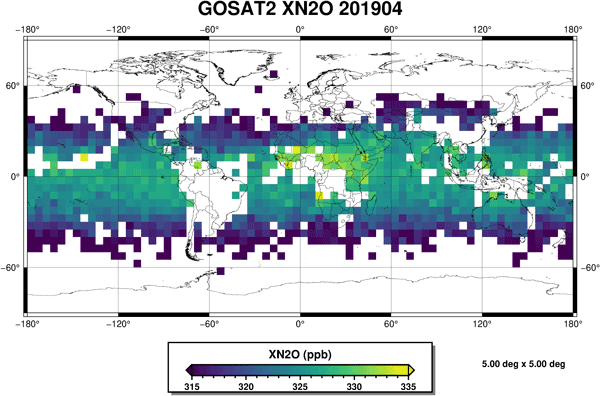
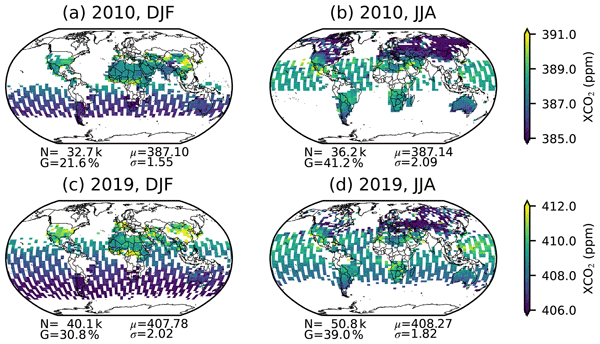
The Greenhouse Gases Observing Satellite-2 (GOSAT-2) is a satellite dedicated to measuring concentrations of greenhouse gases from space. Since its launch, the increase of CH4 and CO2 concentrations in the atmosphere is clear. The datasets obtained from GOSAT-2 are used in the Copernicus atmospheric services to monitor the climate, in light of the Paris Agreement. Here we present robust datasets of these gases from GOSAT-2, including a novel machine learning approach to data quality filtering.