
Articles | Volume 26, issue 14
https://doi.org/10.5194/acp-26-10399-2026
© Author(s) 2026. This work is distributed under
the Creative Commons Attribution 4.0 License.
the Creative Commons Attribution 4.0 License.
Special issue:
https://doi.org/10.5194/acp-26-10399-2026
© Author(s) 2026. This work is distributed under
the Creative Commons Attribution 4.0 License.
the Creative Commons Attribution 4.0 License.
Research article
| 
24 Jul 2026
Research article |
| 24 Jul 2026
| 24 Jul 2026
Enhancement of ammonium nitrate aerosol in the Northern Hemisphere lower stratosphere linked to Asian summer monsoon outflow
Fatih Ekinci
Institute for Atmospheric Physics, University of Mainz, Mainz, Germany
Particle Chemistry Department, Max Planck Institute for Chemistry, Mainz, Germany
Institute for Applied Geosciences (Environmental Mineralogy), Technical University of Darmstadt, Darmstadt, Germany
now at: Aerosol Chemistry Department, Max Planck Institute for Chemistry, Mainz, Germany
Oliver Eppers
Particle Chemistry Department, Max Planck Institute for Chemistry, Mainz, Germany
now at: Aerosol Chemistry Department, Max Planck Institute for Chemistry, Mainz, Germany
Oliver Appel
Institute for Atmospheric Physics, University of Mainz, Mainz, Germany
Particle Chemistry Department, Max Planck Institute for Chemistry, Mainz, Germany
now at: Aerosol Chemistry Department, Max Planck Institute for Chemistry, Mainz, Germany
Felix Ploeger
Institute of Climate and Energy Systems (ICE-4), Forschungszentrum Jülich, Jülich, Germany
Institute for Atmospheric and Environmental Research, University of Wuppertal, Wuppertal, Germany
Antonis Dragoneas
Climate Geochemistry Department, Max Planck Institute for Chemistry, Mainz, Germany
Sergej Molleker
Instrument Development Group, Max Planck Institute for Chemistry, Mainz, Germany
Philipp Brauner
Particle Chemistry Department, Max Planck Institute for Chemistry, Mainz, Germany
now at: Aerosol Chemistry Department, Max Planck Institute for Chemistry, Mainz, Germany
Hans-Christoph Lachnitt
Institute for Atmospheric Physics, University of Mainz, Mainz, Germany
Franziska Weyland
Institute for Atmospheric Physics, University of Mainz, Mainz, Germany
Linda Ort
Atmospheric Chemistry Department, Max Planck Institute for Chemistry, Mainz, Germany
Nicolas Emig
Institute for Atmospheric Physics, University of Mainz, Mainz, Germany
Hans-Christian Clemen
Particle Chemistry Department, Max Planck Institute for Chemistry, Mainz, Germany
now at: Aerosol Chemistry Department, Max Planck Institute for Chemistry, Mainz, Germany
Laura Tomsche
Institute for Atmospheric Physics, University of Mainz, Mainz, Germany
Institut für Physik der Atmosphäre, Deutsches Zentrum für Luft- und Raumfahrt (DLR), Oberpfaffenhofen, Germany
Martin Ebert
Institute for Applied Geosciences (Environmental Mineralogy), Technical University of Darmstadt, Darmstadt, Germany
Peter Hoor
Institute for Atmospheric Physics, University of Mainz, Mainz, Germany
Bärbel Vogel
Institute of Climate and Energy Systems (ICE-4), Forschungszentrum Jülich, Jülich, Germany
Yafang Cheng
Aerosol Chemistry Department, Max Planck Institute for Chemistry, Mainz, Germany
Johannes Schneider
Particle Chemistry Department, Max Planck Institute for Chemistry, Mainz, Germany
now at: Aerosol Chemistry Department, Max Planck Institute for Chemistry, Mainz, Germany
Stephan Borrmann
Institute for Atmospheric Physics, University of Mainz, Mainz, Germany
Particle Chemistry Department, Max Planck Institute for Chemistry, Mainz, Germany

Institute for Atmospheric Physics, University of Mainz, Mainz, Germany
Particle Chemistry Department, Max Planck Institute for Chemistry, Mainz, Germany
now at: Aerosol Chemistry Department, Max Planck Institute for Chemistry, Mainz, Germany
Related authors
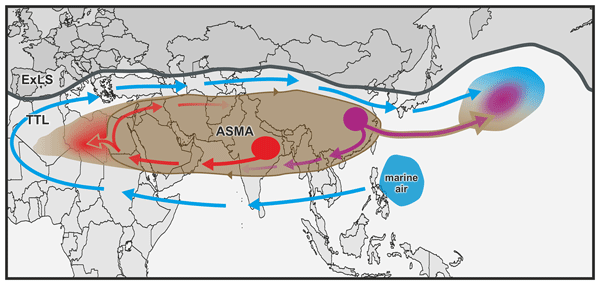
Bärbel Vogel, Valentin Lauther, Franziska Köllner, Fatih Ekinci, Christian Rolf, Johannes Strobel, Ronja van Luijt, C. Michael Volk, Stephan Borrmann, Antonis Dragoneas, Oliver Eppers, Sergej Molleker, Peter Hoor, Linda Ort, Franziska Weyland, Andreas Zahn, Jan Clemens, Gebhard Günther, Oleh Kachula, Rolf Müller, Felix Ploeger, and Martin Riese
Atmos. Chem. Phys., 26, 6283–6319, https://doi.org/10.5194/acp-26-6283-2026, https://doi.org/10.5194/acp-26-6283-2026, 2026
Short summary
Short summary
This work highlights the impact of the Asian summer monsoon on the chemical composition of the upper troposphere and lower stratosphere. Measurements of trace gases and aerosol particles uplifted by the Asian summer monsoon to higher altitudes are sparse. Here, we had the opportunity to use a whole suite of different measured trace gases and the chemical composition of aerosols, in combination with simulations, to better understand the complex transport and mixing processes in this region.
Nicolas Emig, Annette Miltenberger, Heiko Bozem, Martina Krämer, Armin Afchine, Daniel Kunkel, Hans-Christoph Lachnitt, Yun Li, Philipp Reutter, Christian Rolf, Nicole Spelten, Holger Tost, and Peter Hoor
EGUsphere, https://doi.org/10.5194/egusphere-2026-4614, https://doi.org/10.5194/egusphere-2026-4614, 2026
This preprint is open for discussion and under review for Atmospheric Chemistry and Physics (ACP).
Short summary
Short summary
In this study we show mixing of ice particles across the extratropical tropopause via turbulence in the jet shear zone based on in situ measurements from the TPEx campaign over the North Sea, combined with Lagrangian model analysis. Trace gas correlations and subsaturated ice particles constrain the timing and mechanism, while backward trajectories indicate suitable turbulent conditions beforehand. This process possibly impacts the water vapour budget of the extratropical lowermost stratosphere.
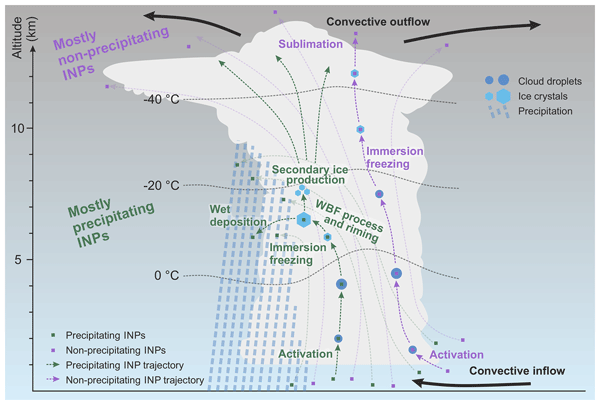
Jonas Schaefer, Sarah Grawe, Hans-Christian Clemen, Stephan Mertes, Johannes Schneider, Bruno Wetzel, Daniel Sauer, Jennifer Wolf, Laura Tomsche, Johanna Mayer, Roland Schrödner, Silvia Henning, Tina Jurkat-Witschas, Christiane Voigt, Helmut Ziereis, Theresa Harlaß, Mira Pöhlker, and Frank Stratmann
Atmos. Chem. Phys., 26, 12505–12520, https://doi.org/10.5194/acp-26-12505-2026, https://doi.org/10.5194/acp-26-12505-2026, 2026
Short summary
Short summary
Ice-nucleating particles (INP) are aerosol particles important for ice formation in clouds droplets and thereby influence climate. This study uses airborne measurements over Europe to show how INP are transported through thunderstorms. We show which particles are washed out and which are are transported into the higher troposphere, where they can again affect cloud ice formation. The findings improve understanding of atmospheric particle distribution and help refine climate models.
Florian Voet, Felix Ploeger, Johannes C. Laube, Laura N. Saunders, Patrick E. Sheese, Attahir Mainika, Peter Preusse, Jens-Uwe Grooß, Kaley A. Walker, Susann Tegtmeier, and Michaela Imelda Hegglin
EGUsphere, https://doi.org/10.5194/egusphere-2026-4647, https://doi.org/10.5194/egusphere-2026-4647, 2026
This preprint is open for discussion and under review for Atmospheric Chemistry and Physics (ACP).
Short summary
Short summary
We developed a better way to estimate how long air remains in the upper atmosphere, because satellite estimates can be too noisy to show long-term changes. Using measurements of several gases from a satellite, we found that combining them cuts uncertainty by about half and gives estimates with about 0.3 years of average uncertainty. Results for 2004–2021 show older air in the Northern Hemisphere and younger air in the tropics and Southern Hemisphere, suggesting slower circulation in the north.
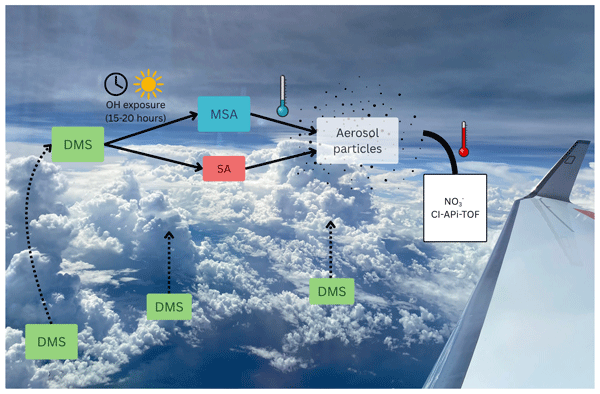
Hannah Klebach, Martin Heinritzi, Katharina Kaiser, Lisa Beck, Samuel Ruhl, Samira Atabakhsh, Nirvan Bhattacharyya, Lucía Caudillo-Plath, Philipp Joppe, Thomas Klimach, Peter Lloyd, Mira Pöhlker, Ulrich Pöschl, Sarah Richter, Douglas M. Russell, Johannes Schneider, Marcel Zauner-Wieczorek, and Joachim Curtius
Atmos. Chem. Phys., 26, 12355–12393, https://doi.org/10.5194/acp-26-12355-2026, https://doi.org/10.5194/acp-26-12355-2026, 2026
Short summary
Short summary
Marine atmospheric aerosols remain a major uncertainty in climate models. We report gas and particle phase measurements of two important aerosol forming vapours, sulfuric acid and methanesulfonic acid in the Indo-Pacific. We find that the latter typically dominates over sulfuric acid and contributes significantly to free tropospheric aerosol. Deep convection transports the precursor of both acids to the upper troposphere, providing a key aerosol source in the pristine remote Pacific Ocean.
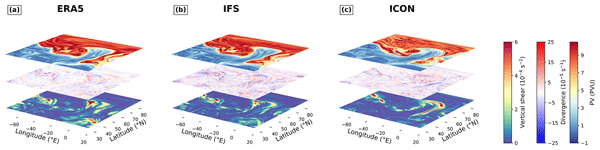
Madhuri Umbarkar, Daniel Kunkel, Annette Miltenberger, Hans-Christoph Lachnitt, Thorsten Kaluza, Cornelis Schwenk, and Peter Hoor
Atmos. Chem. Phys., 26, 12067–12096, https://doi.org/10.5194/acp-26-12067-2026, https://doi.org/10.5194/acp-26-12067-2026, 2026
Short summary
Short summary
We present an extratropical cyclone case study over the North Atlantic focusing on the role of atmospheric gravity waves (GW) in the generation of strong vertical shear and (clear-air) turbulence (CAT), as well as their impact on tracer distribution in the lowermost stratosphere. Our findings suggest that GW related processes should be considered as a key for upper troposphere lower stratosphere (UTLS) transport and mixing, and as an important candidate for the interpretation of CAT in the UTLS.
Ning Yang, Qiaoqiao Wang, Nan Ma, Guangjin Liu, Zheng Yang, Yuanwei Zhong, Zechao Hu, Yaqing Zhou, Jiangchuan Tao, Juan Hong, Yafang Cheng, and Hang Su
EGUsphere, https://doi.org/10.5194/egusphere-2026-4328, https://doi.org/10.5194/egusphere-2026-4328, 2026
Short summary
Short summary
Summer ozone pollution is becoming a growing challenge in China. Using air quality observations and computer simulations, we found that differences between cities and surrounding areas depend strongly on how they are defined and how well monitoring sites represent local conditions. Weather and emission changes also influence ozone differently across regions. These findings support more reliable assessments of ozone pollution and more targeted control strategies.
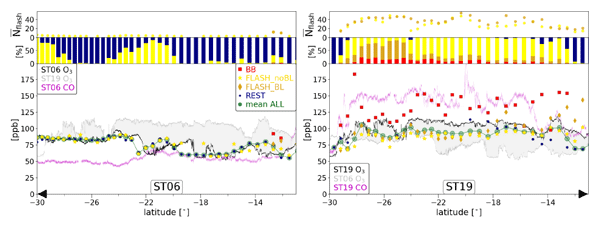
Linda Smoydzin, Vera Bense, Heiko Bozem, Philipp Joppe, Daniel Kunkel, Hans-Christoph Lachnitt, Holger Tost, Andreas Zahn, Helmut Ziereis, Martin Riese, and Peter Hoor
Atmos. Chem. Phys., 26, 11857–11874, https://doi.org/10.5194/acp-26-11857-2026, https://doi.org/10.5194/acp-26-11857-2026, 2026
Short summary
Short summary
During a research flight in early October elevated upper tropospheric mixing ratios of CO, NO, NOy and O3 were observed over a distance of more than 1000 km east of the Brasilian coast. Ozone mixing ratios are 20–40 ppbv higher than during a flight in early September. By combining aircraft observations with model simulations we find that ozone production from biomass burning over Amazonia caused predominantly the ozone enhancements which have a local effect on the radiative forcing of 50 mW m−2.
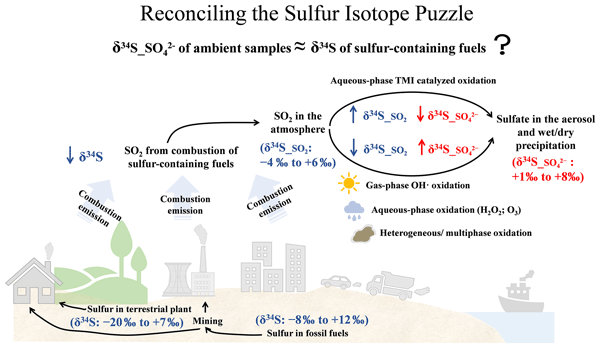
Lianfang Wei, Xueshun Chen, Wenyi Yang, Zhe Wang, Jie Li, Di Liu, Huiyun Du, Xiaole Pan, Yafang Cheng, Pingqing Fu, and Zifa Wang
Atmos. Chem. Phys., 26, 11667–11682, https://doi.org/10.5194/acp-26-11667-2026, https://doi.org/10.5194/acp-26-11667-2026, 2026
Short summary
Short summary
Current models cannot track sulfur isotope changes during atmospheric transformations. We developed a new model that simulates these processes. It reproduces the isotope fractionation patterns, capturing both spatial and seasonal variations. This validation shows sulfate isotope signatures often resemble those of fuels despite chemical processing. Our results suggest combustion alters sulfur isotope ratios, counterbalancing chemical effects.
Wolfgang Woiwode, Bärbel Vogel, Valentin Lauther, Jens-Uwe Grooß, Jeremy Harrison, Sören Johansson, Jörn Ungermann, Peter Braesicke, Markus Dick, Andreas Engel, Felix Friedl-Vallon, Norbert Glatthor, Thomas Gulde, Michael Höpfner, Markus Jesswein, Jan Kaumanns, Timo Keber, Anne Kleinert, Erik Kretschmer, Guido Maucher, Tom Neubert, Hans Nordmeyer, Christof Piesch, Felix Plöger, Peter Preusse, Markus Retzlaff, Sebastian Rhode, Heinz Rongen, Georg Schardt, Tanja Schuck, Björn-Martin Sinnhuber, Johannes Strobel, Franziska Trinkl, Ronja Van Luijt, Stefan Versick, C. Michael Volk, Gerald Wetzel, Peter Hoor, and Martin Riese
EGUsphere, https://doi.org/10.5194/egusphere-2026-3271, https://doi.org/10.5194/egusphere-2026-3271, 2026
This preprint is open for discussion and under review for Atmospheric Chemistry and Physics (ACP).
Short summary
Short summary
Filaments of CH2Cl2-rich air are revealed by airborne infrared limb-imaging observations in late summer 2023 above the North Pacific, Canada and Alaska and traced back to the Asian Summer Monsoon region. Involving new spectroscopic data, high CH2Cl2 levels were retrieved in the troposphere and moderate enhancements also in air masses with characteristics of the lowermost stratosphere. Mesoscale filaments are shown to transport substantial amounts of CH2Cl2 across the North Pacific.
Jan Kaumanns, Florian Voet, Felix Ploeger, Peter Preuße, Jörn Ungermann, and Michaela Imelda Hegglin
EGUsphere, https://doi.org/10.5194/egusphere-2026-4183, https://doi.org/10.5194/egusphere-2026-4183, 2026
Short summary
Short summary
Age-of-Air (AoA) denotes the time an air parcel has spent inside the stratosphere and is an important diagnostic quantity for the Brewer Dobson Circulation (BDC). We present a novel approach using neural networks to accurately and robustly derive AoA from inert chemical species with considerable measurement noise even far beyond the training domain. We also present an alternative view of AoA by using autoencoders to derive a model-independent proxy quantity for it and validate its robustness.
Oleh Kachula, Bärbel Vogel, Gebhard Günther, Rolf Müller, and Felix Ploeger
EGUsphere, https://doi.org/10.5194/egusphere-2026-3509, https://doi.org/10.5194/egusphere-2026-3509, 2026
This preprint is open for discussion and under review for Atmospheric Chemistry and Physics (ACP).
Short summary
Short summary
Locating the boundary of the Asian summer monsoon anticyclone (ASMA) in the upper atmosphere is important for understanding how this system distributes pollutants. We show that while different methodologies generally agree on the boundary's location and shape, certain methods are preferred under specific conditions. These findings will be of broad interest to researchers studying large-scale atmospheric circulations in upper atmosphere.
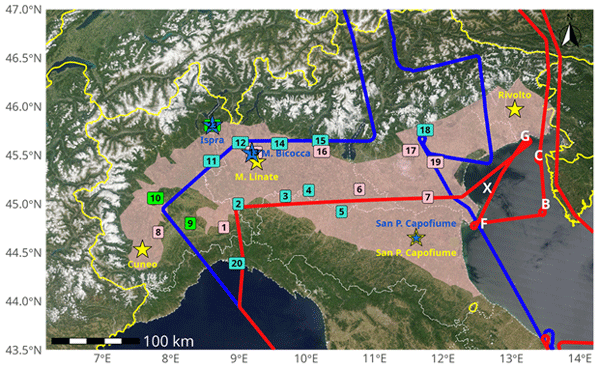
Costanza Civale, Maria Dolores Andrés Hernández, Jean-Philippe Putaud, Francesca Barnaba, Henri Diémoz, Johannes Schneider, Helmut Ziereis, Katharina Kaiser, Jörg Schmidt, Ovid Oktavian Krüger, Bruna Holanda, Robert Baumann, Benjamin Weyland, Eric Förster, Midhun George, Yangzhuoran Liu, Daniel Sauer, Jennifer Wolf, Annachiara Bellini, Birger Bohn, Klaus Pfeilsticker, and John Philip Burrows
Atmos. Chem. Phys., 26, 9827–9855, https://doi.org/10.5194/acp-26-9827-2026, https://doi.org/10.5194/acp-26-9827-2026, 2026
Short summary
Short summary
This study combines measurements of gases and particles at the ground and on-board an instrumented aircraft to investigate pollution transport over the Po Valley, a major atmospheric pollution hotspot in Europe. Overall, the extensive data set obtained at different altitudes provides insight into the mixing of pollution plumes and their export towards the Adriatic coast as well as with naturally occurring dust and its impact on air quality over the Po Plain.
Matthias Kohl, Christoph Brühl, Holger Tost, Christos Xenofontos, Theodoros Christoudias, Sergey Gromov, Oliver Appel, Stephan Borrmann, Adam Bourassa, Pedro Campunzano-Jost, Yafang Cheng, Oliver Eppers, Karl D. Froyd, Bruna A. Holanda, Jose L. Jimenez, Patrick Jöckel, Philipp Joppe, Katharina Kaiser, Joseph M. Katich, Klaus Klingmüller, Franziska Köllner, Agnieszka Kupc, Anna Martin, Christopher Pöhlker, Mira L. Pöhlker, Ulrich Pöschl, Landon Rieger, Samuel Ruhl, Gregory P. Schill, Johannes Schneider, Christiane Schulz, Joshua P. Schwarz, Alexandra P. Tsimpidi, Ryan Vella, Christina J. Williamson, Yifan Yang, Daniel Zawada, Jos Lelieveld, and Andrea Pozzer
EGUsphere, https://doi.org/10.5194/egusphere-2026-3649, https://doi.org/10.5194/egusphere-2026-3649, 2026
Short summary
Short summary
Aerosols are crucial for Earth's climate, yet their vertical distribution remains poorly understood. We present first consistent global simulations of aerosol distributions and composition from the Earth's surface to the stratosphere, validated by extensive observations. Key findings include a global minimum in aerosol mass in the free troposphere, a significant contribution of organic aerosol in the lower stratosphere, and limited transport of primary particles to the stratosphere.
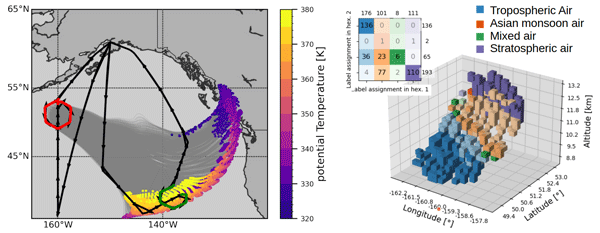
Jan Kaumanns, Jörn Ungermann, Bärbel Vogel, Sören Johansson, Erik Kretschmer, Felix Plöger, Peter Preuße, Wolfgang Woiwode, and Martin Riese
Atmos. Chem. Phys., 26, 9083–9111, https://doi.org/10.5194/acp-26-9083-2026, https://doi.org/10.5194/acp-26-9083-2026, 2026
Short summary
Short summary
During the PHILEAS aircraft campaign a self-matching experiment was conducted to study the mixing of Asian Summer monsoon air into the upper troposphere – lower stratosphere. We present the first 3-D tomographic observations of this mixing for multiple trace gas species. We use advanced clustering to identify the types of air and their transport pathways, particularly into the stratosphere. Simulations of surface-origin tracers link several of these air types to different source regions.
Corinna Kloss, Gwenaël Berthet, Pasquale Sellitto, Irene Bartolome Garcia, Emmanuel Briaud, Rubel Chandra Das, Stéphane Chevrier, Nicolas Dumelié, Lilian Joly, Thomas Lecas, Pauline Marbach, Felix Ploeger, Jean-Baptiste Renard, Jean-Paul Vernier, Frank G. Wienhold, and Michaela I. Hegglin
Atmos. Chem. Phys., 26, 8981–8997, https://doi.org/10.5194/acp-26-8981-2026, https://doi.org/10.5194/acp-26-8981-2026, 2026
Short summary
Short summary
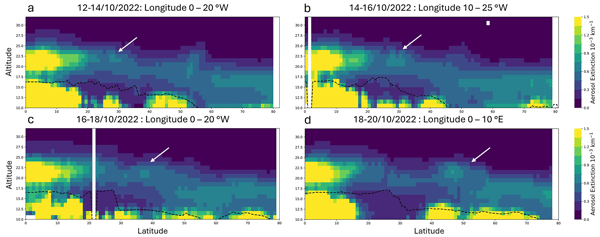
In October 2022, we detected volcanic particles in the stratosphere over France, linked to the January 2022 Hunga eruption in the South Pacific. Found between 17 and 23 km altitude, they were traced back to the tropics using trajectory simulations and satellite data. Their optical properties matched those in the Southern Hemisphere. The particles spread across the Northern Hemisphere, reflecting sunlight and slightly cooling the surface – a small but non-negligible effect.
Irina Petropavlovskikh, Martine De Mazière, Anne M. Thompson, Jeannette D. Wild, James W. Hannigan, Henry B. Selkirk, Reem A. Hannun, Wolfgang Steinbrecht, Jean-Christopher Lambert, Roeland Van Malderen, Elizabeth Asher, Raul R. Cordero, Sophie Godin-Beekmann, Daan Hubert, Sergey Khaykin, Karin Kreher, Thierry Leblanc, Emmanuel Mahieu, Eliane Maillard Barras, Glen McConville, Gerald Nedoluha, Ivan Ortega, Alberto Redondas Marrero, Gunther Seckmeyer, Ryan M. Stauffer, Sarah A. Strode, Kim Strong, Takafumi Sugita, Michel Van Roozendael, Voltaire Velazco, Corinne Vigouroux, and Bärbel Vogel
Atmos. Chem. Phys., 26, 8637–8675, https://doi.org/10.5194/acp-26-8637-2026, https://doi.org/10.5194/acp-26-8637-2026, 2026
Short summary
Short summary
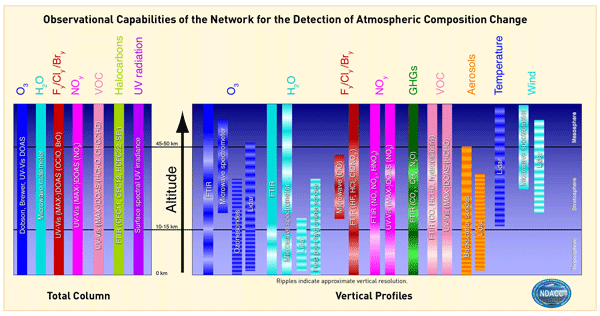
This introduction to the special issue "Achievements and perspectives of the Network for the Detection of Atmospheric Composition Change after 35 years of operation” provides an overview of important research findings achieved under the NDACC objectives. The future of NDACC is discussed in the light of the evolution of the scientific questions, evolving collaborations with partners and Cooperating Networks, and the current landscape of gaps in satellite and ground-based observations.
Bärbel Vogel, Valentin Lauther, Franziska Köllner, Fatih Ekinci, Christian Rolf, Johannes Strobel, Ronja van Luijt, C. Michael Volk, Stephan Borrmann, Antonis Dragoneas, Oliver Eppers, Sergej Molleker, Peter Hoor, Linda Ort, Franziska Weyland, Andreas Zahn, Jan Clemens, Gebhard Günther, Oleh Kachula, Rolf Müller, Felix Ploeger, and Martin Riese
Atmos. Chem. Phys., 26, 6283–6319, https://doi.org/10.5194/acp-26-6283-2026, https://doi.org/10.5194/acp-26-6283-2026, 2026
Short summary
Short summary
This work highlights the impact of the Asian summer monsoon on the chemical composition of the upper troposphere and lower stratosphere. Measurements of trace gases and aerosol particles uplifted by the Asian summer monsoon to higher altitudes are sparse. Here, we had the opportunity to use a whole suite of different measured trace gases and the chemical composition of aerosols, in combination with simulations, to better understand the complex transport and mixing processes in this region.
Daun Jeong, Rebecca S. Hornbrook, Alan J. Hills, Glenn Diskin, Hannah S. Halliday, Joshua P. DiGangi, Alan Fried, Dirk Richter, James Walega, Petter Weibring, Thomas F. Hanisco, Glenn M. Wolfe, Jason St. Clair, Jeff Peischl, Armin Wisthaler, Tomas Mikoviny, John B. Nowak, Felix Piel, Laura Tomsche, Christopher D. Holmes, Amber Soja, Emily Gargulinski, James H. Crawford, Jack Dibb, Carsten Warneke, Joshua Schwarz, and Eric C. Apel
Atmos. Meas. Tech., 19, 2985–3000, https://doi.org/10.5194/amt-19-2985-2026, https://doi.org/10.5194/amt-19-2985-2026, 2026
Short summary
Short summary
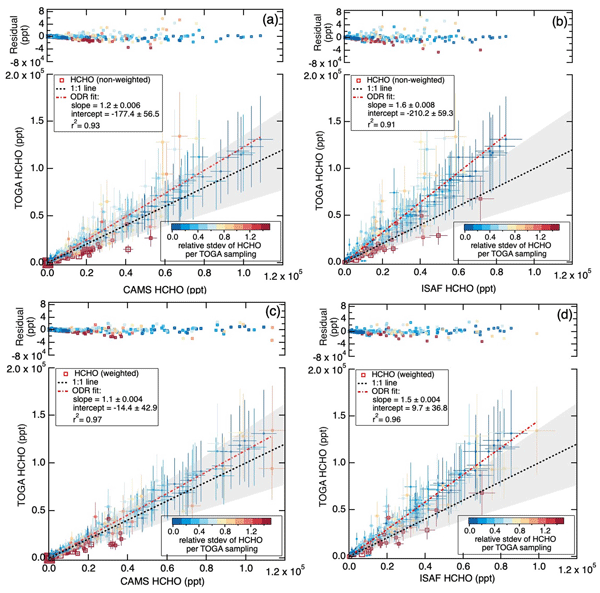
Formaldehyde is an important atmospheric species that is present at all times throughout the troposphere. Accurately measuring formaldehyde is necessary for understanding key atmospheric chemical cycles. We describe here the first wide-scale demonstration of the gas chromatographic mass spectrometric (GC/MS) technique (NSF NCAR TOGA-TOF (National Science Foundation - National Center for Atmospheric Research - Trace Organic Gas Analyzer with Time-of-Flight mass spectrometer)) for quantifying formaldehyde in the atmosphere and we show this technique to be highly sensitive and selective.
Philipp Brauner, Oliver Appel, Oliver Eppers, Franziska Köllner, Hans-Christian Clemen, Tiziana Bräuer, Hans-Christoph Lachnitt, Katharina Kaiser, Johannes Schneider, Antonis Dragoneas, Andreas Hünig, Sergej Molleker, Bruce E. Anderson, Yafang Cheng, Hans Schlager, Christiane Voigt, and Stephan Borrmann
EGUsphere, https://doi.org/10.5194/egusphere-2026-2161, https://doi.org/10.5194/egusphere-2026-2161, 2026
Preprint archived
Short summary
Short summary
Airborne measurements of the aerosol chemical composition were conducted in the 2018 wintertime tropopause region over Germany using a hybrid aerosol mass spectrometer, regarding the atmospheric background and aircraft exhaust plumes. Biomass burning aerosol of North American wildfires contributes to the aerosol population. Soot and engine oil were attributed to aircraft exhaust, and were detected in contrail residuals, implying their impact on chemical processes and properties of contrails.
Zhen Yang, Bärbel Vogel, Felix Plöger, Zhixuan Bai, Dan Li, Sabine Griessbach, Lars Hoffmann, Frank G. Wienhold, Elizabeth Asher, Alexandre A. Baron, Katie R. Smith, Troy Thornberry, Jianchun Bian, and Michaela I. Hegglin
Atmos. Chem. Phys., 26, 4749–4769, https://doi.org/10.5194/acp-26-4749-2026, https://doi.org/10.5194/acp-26-4749-2026, 2026
Short summary
Short summary
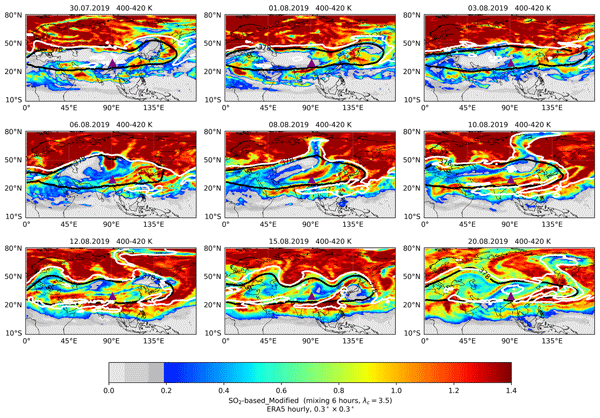
Balloon measurements over Lhasa, China, combined with satellite guided modelling, tracked aerosol from the 2019 Raikoke eruption through the Asian summer monsoon anticyclone. We find two altitude dependent routes into the anticyclone. It partly blocks transport but also allows entry and mixing, explaining the gradual weakening of the layers. Balloon measurements over Boulder, United States, outside the anticyclone, provide an independent check outside the region.
Rolf Müller, Bärbel Vogel, Martina Krämer, Christian Rolf, Nicole Spelten, and Fabrizio Ravegnani
Atmos. Chem. Phys., 26, 4359–4376, https://doi.org/10.5194/acp-26-4359-2026, https://doi.org/10.5194/acp-26-4359-2026, 2026
Short summary
Short summary
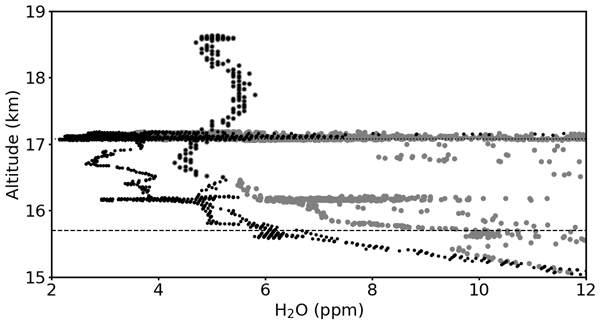
In the Asian summer monsoon anticyclone the lapse rate tropopause, and not the cold point, constitutes a good estimate of the upper boundary of the well mixed tropospheric air mass. For strong convection there is substantial dehydration at the cold point tropopause (in summer 2017). Above the cold point tropopause, under such conditions, neither ice particle occurrence, nor enhanced molar mixing ratios of water vapour (above ≲ 6 ppm) are observed.

Chun Hang Chau, Peter Hoor, Katharina Kaiser, and Holger Tost
Atmos. Chem. Phys., 26, 3637–3652, https://doi.org/10.5194/acp-26-3637-2026, https://doi.org/10.5194/acp-26-3637-2026, 2026
Short summary
Short summary
This study examines the potential impact of different greenhouse gases to vertical mixing by clear air turbulence in the upper troposphere and lower stratosphere . We found that ozone is most sensitive to vertical mixing and could lead to cooling at the top of the atmosphere by -0.2 W/m2. We also found that the vertical mixing by clear air turbulence could lead to changes in atmospheric chemistry including changing the methane lifetime and the ozone sensitivity.
Manuel Moser, Christiane Voigt, Oliver Eppers, Johannes Lucke, Elena De La Torre Castro, Johanna Mayer, Regis Dupuy, Guillaume Mioche, Olivier Jourdan, Hans-Christian Clemen, Johannes Schneider, Philipp Joppe, Stephan Mertes, Bruno Wetzel, Stephan Borrmann, Marcus Klingebiel, Mario Mech, Christof Lüpkes, Susanne Crewell, André Ehrlich, Andreas Herber, and Manfred Wendisch
Atmos. Chem. Phys., 26, 1867–1887, https://doi.org/10.5194/acp-26-1867-2026, https://doi.org/10.5194/acp-26-1867-2026, 2026
Short summary
Short summary
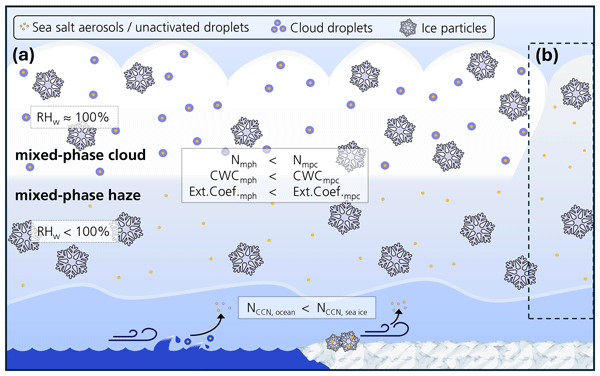
In this study we analyzed Arctic mixed-phase clouds using airborne in-situ measurements in spring 2022. Based on microphysical properties, we show that within these clouds a distinction must be made between classic mixed-phase clouds and a mixed-phase haze regime. Instead of supercooled droplets, the haze regime contains large wet sea salt aerosols. These findings improve our understanding of Arctic low-level cloud processes.

Patrick Konjari, Christian Rolf, Martina Krämer, Armin Afchine, Nicole Spelten, Irene Bartolome Garcia, Annette Miltenberger, Nicolas Emig, Philipp Joppe, Johannes Schneider, Yun Li, Andreas Petzold, Heiko Bozem, and Peter Hoor
Atmos. Chem. Phys., 25, 18031–18050, https://doi.org/10.5194/acp-25-18031-2025, https://doi.org/10.5194/acp-25-18031-2025, 2025
Short summary
Short summary
We investigated how a powerful storm over southern Sweden in June 2024 transported ice particles and moist air into the normally dry stratosphere. We observed unusually high water vapor and ice levels up to 1.5 kilometers above the tropopause. Although the extra water vapor lasted only a few days to weeks, it shows how such storms can temporarily alter the upper atmosphere’s composition.

Paul Konopka, Felix Ploeger, Francesco D'Amato, Teresa Campos, Marc von Hobe, Shawn B. Honomichl, Peter Hoor, Laura L. Pan, Michelle L. Santee, Silvia Viciani, Kaley A. Walker, and Michaela I. Hegglin
Atmos. Chem. Phys., 25, 17973–17996, https://doi.org/10.5194/acp-25-17973-2025, https://doi.org/10.5194/acp-25-17973-2025, 2025
Short summary
Short summary
We present an improved version of the Chemical Lagrangian Model of the Stratosphere (CLaMS-3.0), which better represents transport from the lower atmosphere to the upper troposphere and lower stratosphere. By refining grid resolution and improving convection representation, the model more accurately simulates carbon monoxide transport. Comparisons with satellite and in situ observations highlight its ability to capture seasonal variations and improve our understanding of atmospheric transport.
Jianqiang Zhu, Guo Li, Uwe Kuhn, Bruno Backes Meller, Christopher Pöhlker, Paulo Artaxo, Ulrich Pöschl, Yafang Cheng, and Hang Su
Atmos. Chem. Phys., 25, 17667–17684, https://doi.org/10.5194/acp-25-17667-2025, https://doi.org/10.5194/acp-25-17667-2025, 2025
Short summary
Short summary
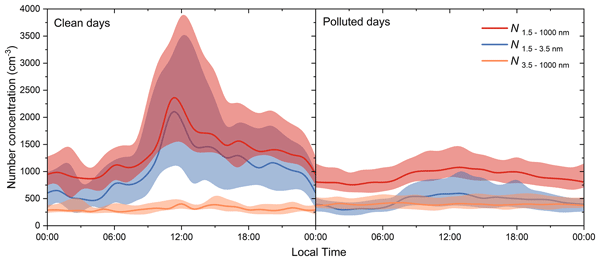
The manuscript reports unique measurements of sub-40 nm particles and ions, especially those smaller than 10 nm, in the Amazon from December 2022 to January 2023. A large number of sub-3 nm particles and naturally charged ions were present in the Amazonia boundary layer, and they showed a clear diurnal variation. The research will contribute to a better understanding of atmospheric processes in the pristine environment.
Valerie Reppert, Olaf Eisen, Holger Schmithüsen, Stefanie Arndt, Guido Ascenso, Linda Ort, and Zsófia Jurányi
EGUsphere, https://doi.org/10.5194/egusphere-2025-5199, https://doi.org/10.5194/egusphere-2025-5199, 2025
Short summary
Short summary
We analyzed 33 years of snow accumulation measurements at Neumayer Station, Antarctica, to understand changes in the amount of snow building up on the surface over time. The long-term, high-resolution data show mostly stable accumulation, but rare positive extremes appeared in 2021 and 2023. Seasonal and multi-year patterns were identified, providing valuable data to improve climate models and satellite observations.
Anna Breuninger, Philipp Joppe, Jonas Wilsch, Cornelis Schwenk, Heiko Bozem, Nicolas Emig, Laurin Merkel, Rainer Rossberg, Timo Keber, Arthur Kutschka, Philipp Waleska, Stefan Hofmann, Sarah Richter, Florian Ungeheuer, Konstantin Dörholt, Thorsten Hoffmann, Annette Miltenberger, Johannes Schneider, Peter Hoor, and Alexander L. Vogel
Atmos. Chem. Phys., 25, 16533–16551, https://doi.org/10.5194/acp-25-16533-2025, https://doi.org/10.5194/acp-25-16533-2025, 2025
Short summary
Short summary
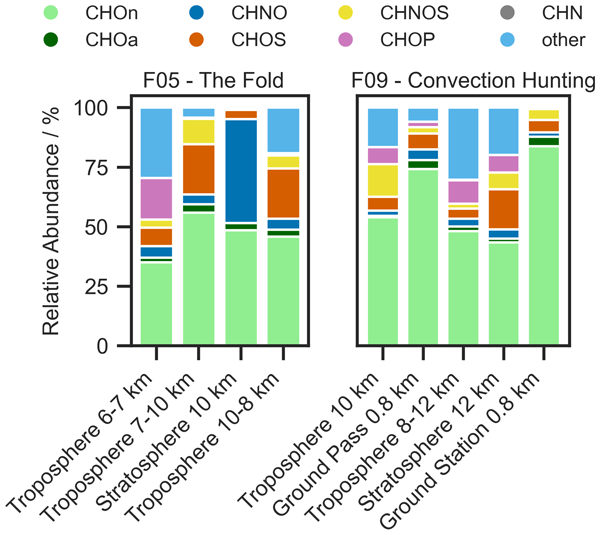
This study investigates molecular organic aerosol composition in the upper troposphere and lower stratosphere from an airborne campaign over Central Europe in summer 2024. Via ultra-high-performance liquid chromatography and high-resolution mass spectrometry of tropospheric and stratospheric filter samples, we identified various organic compounds. Our findings underscore the significant cross-tropopause transport of biogenic secondary organic aerosol and anthropogenic pollutants.
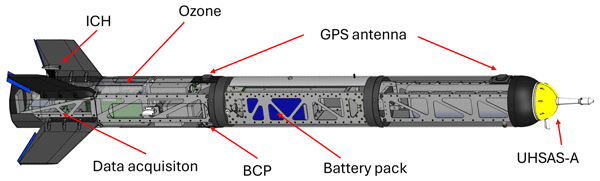
Heiko Bozem, Philipp Joppe, Yun Li, Nicolas Emig, Armin Afchine, Anna Breuninger, Joachim Curtius, Stefan Hofmann, Sadath Ismayil, Konrad Kandler, Daniel Kunkel, Arthur Kutschka, Hans-Christoph Lachnitt, Andreas Petzold, Sarah Richter, Timo Röschenthaler, Christian Rolf, Lisa Schneider, Johannes Schneider, Alexander Vogel, and Peter Hoor
Atmos. Meas. Tech., 18, 6545–6568, https://doi.org/10.5194/amt-18-6545-2025, https://doi.org/10.5194/amt-18-6545-2025, 2025
Short summary
Short summary
Deployed on a Learjet as a tandem measurement platform during the TPEx I (TropoPause composition gradients and mixing Experiment) campaign in June 2024, the new TPC-TOSS (TropoPause Composition Towed Sensor Shuttle) system delivers high-resolution in situ data on ozone, aerosol, and key meteorological parameters. Laboratory and in-flight tests confirmed its precision and stability. Observed gradients near the tropopause reveal active mixing and transport processes in the tropopause region.
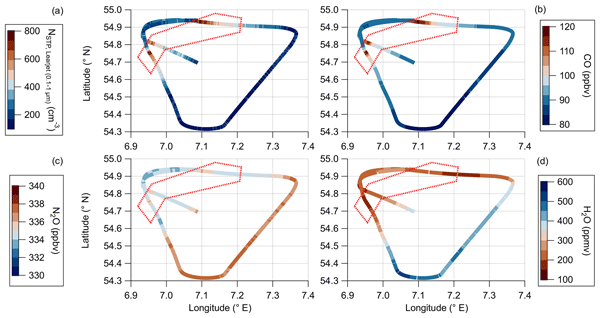
Philipp Joppe, Johannes Schneider, Jonas Wilsch, Heiko Bozem, Anna Breuninger, Joachim Curtius, Martin Ebert, Nicolas Emig, Peter Hoor, Sadath Ismayil, Konrad Kandler, Daniel Kunkel, Isabel Kurth, Hans-Christoph Lachnitt, Yun Li, Annette Miltenberger, Sarah Richter, Christian Rolf, Lisa Schneider, Cornelis Schwenk, Nicole Spelten, Alexander L. Vogel, Yafang Cheng, and Stephan Borrmann
Atmos. Chem. Phys., 25, 15077–15103, https://doi.org/10.5194/acp-25-15077-2025, https://doi.org/10.5194/acp-25-15077-2025, 2025
Short summary
Short summary
We show measurements of a filament with biomass burning influence transported by a warm conveyor belt (WCB) into the tropopause region over Europe. The pollution originates from Canadian forest fires and is transported in the lower troposphere towards Europe. The WCB transport is followed by mixing with air masses of stratospheric chemical signatures. We hypothesize that this mixing leads to a change in the vertical gradient of the potential temperature.
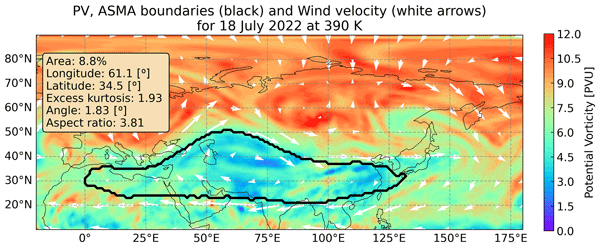
Oleh Kachula, Bärbel Vogel, Gebhard Günther, and Rolf Müller
Atmos. Chem. Phys., 25, 15171–15195, https://doi.org/10.5194/acp-25-15171-2025, https://doi.org/10.5194/acp-25-15171-2025, 2025
Short summary
Short summary
We propose a novel method to define the boundary of the Asian summer monsoon anticyclone (ASMA) and provide the inter-annual and intra-seasonal analyses based on 44 years (1980–2023) and highlight individual years – 2017, 2022 and 2023 during which aircraft campaigns StratoClim, ACCLIP and PHILEAS took place respectively. Our method shows consistent results with previous studies but also provide new information about possible bimodality of the ASMA and inter-annual decrease of the ASMA area.
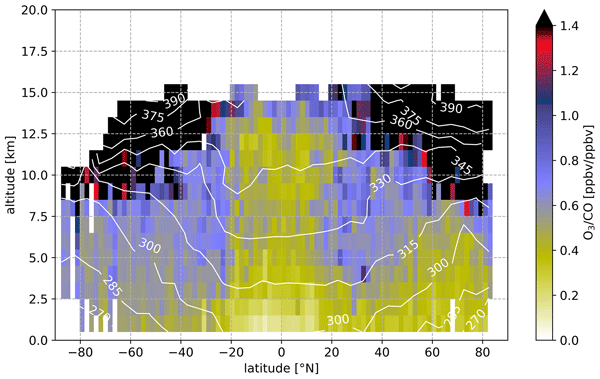
Linda Ort, Andrea Pozzer, Peter Hoor, Florian Obersteiner, Andreas Zahn, Thomas B. Ryerson, Chelsea R. Thompson, Jeff Peischl, Róisín Commane, Bruce Daube, Ilann Bourgeois, Jos Lelieveld, and Horst Fischer
Atmos. Chem. Phys., 25, 14987–15007, https://doi.org/10.5194/acp-25-14987-2025, https://doi.org/10.5194/acp-25-14987-2025, 2025
Short summary
Short summary
This study investigates the role of lightning emissions on the O3–CO ratio in the northern subtropics. We used in situ observations and a global circulation model to show an effect of up to 40 % onto the subtropical O3–CO ratio by tropical air masses transported via the Hadley cell. This influence of lightning emissions and its photochemistry has a global effect on trace and greenhouse gases and needs to be considered for global chemical distributions.
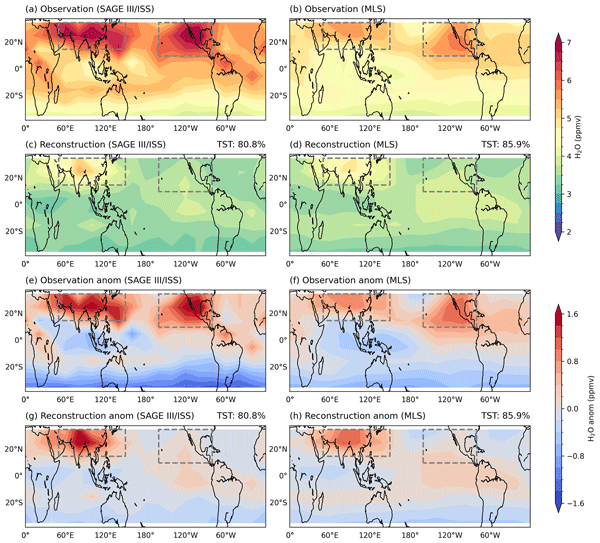
Hongyue Wang, Mijeong Park, Mengchu Tao, Cristina Peña-Ortiz, Nuria P. Plaza-Martin, Felix Ploeger, and Paul Konopka
Atmos. Chem. Phys., 25, 14703–14718, https://doi.org/10.5194/acp-25-14703-2025, https://doi.org/10.5194/acp-25-14703-2025, 2025
Short summary
Short summary
We investigate how water vapor in the upper atmosphere gains moisture during the Asian and North American monsoons using a simplified modeling approach. Our results show that the Asian monsoon is mainly controlled by large-scale temperature, whereas the North American monsoon may be more influenced by convective moistening. These differences point to distinct mechanisms shaping moisture transport in the two monsoon systems.
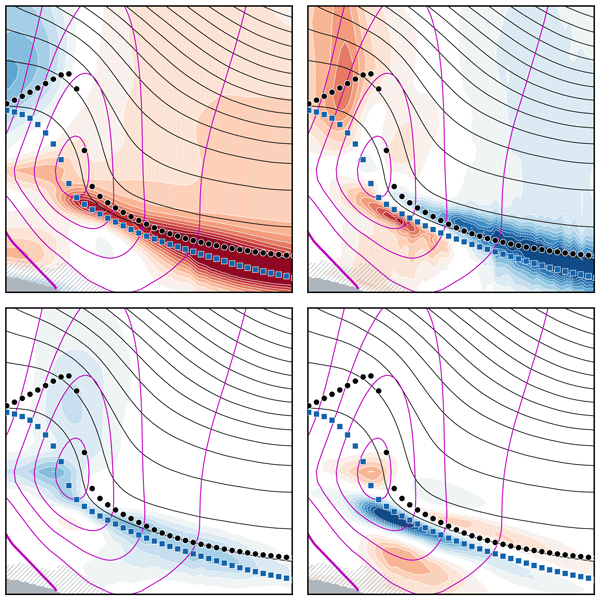
Frederik Harzer, Hella Garny, Felix Ploeger, J. Moritz Menken, and Thomas Birner
Atmos. Chem. Phys., 25, 14909–14921, https://doi.org/10.5194/acp-25-14909-2025, https://doi.org/10.5194/acp-25-14909-2025, 2025
Short summary
Short summary
We study ozone transport in the extratropical lowermost stratosphere using potential temperature as vertical coordinate, thereby distinguishing adiabatic and diabatic processes. We find that on top of known dominant transport processes (quasi-horizontal mixing, slow diabatic descent) vertical mixing plays an important role near the tropopause. Our findings are relevant for understanding ozone's role in climate including its imprint on tropospheric ozone via stratosphere-troposphere air exchange.
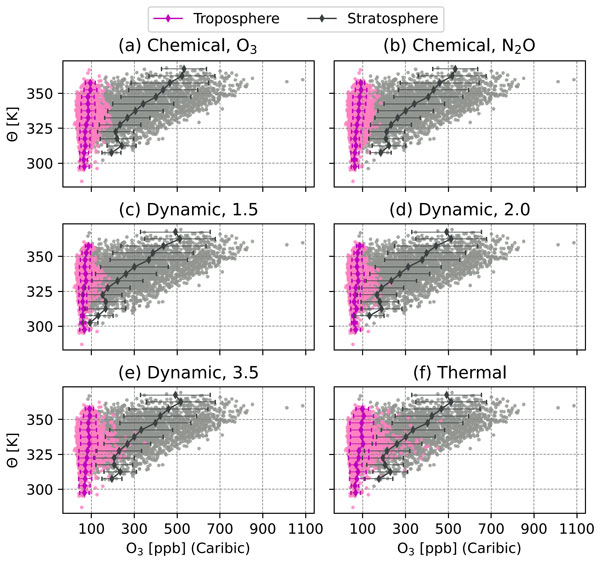
Sophie Bauchinger, Andreas Engel, Markus Jesswein, Timo Keber, Harald Bönisch, Florian Obersteiner, Andreas Zahn, Nicolas Emig, Peter Hoor, Hans-Christoph Lachnitt, Franziska Weyland, Linda Ort, and Tanja J. Schuck
Atmos. Chem. Phys., 25, 14167–14186, https://doi.org/10.5194/acp-25-14167-2025, https://doi.org/10.5194/acp-25-14167-2025, 2025
Short summary
Short summary
We compared different ways to define the upper barrier of the troposphere in the extra-tropics, the “tropopause”. By analysing ozone distributions sorted by different definitions, we found that the traditional temperature-based tropopause works less well than dynamic or tracer-based definitions. We saw a sharper transition of ozone across the tropopause using a higher value of potential vorticity than often used and recommend this value for future studies of exchange processes in this region.
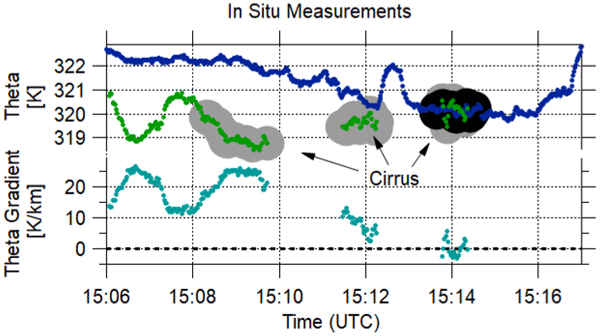
Nicolas Emig, Annette K. Miltenberger, Peter M. Hoor, and Andreas Petzold
Atmos. Chem. Phys., 25, 13077–13101, https://doi.org/10.5194/acp-25-13077-2025, https://doi.org/10.5194/acp-25-13077-2025, 2025
Short summary
Short summary
This study presents in situ observations of cirrus occurrence from aircraft measurements in the extratropical transition layer (ExTL) using simultaneous measurements from two platforms. Lagrangian diagnostics based on high-resolution ICON simulations show long residence times of the cirrus in stratospheric air, allowing us to separate different diabatic processes during transit. The findings suggest that radiative diabatic cloud processes significantly impact the tropopause thermodynamic structure.
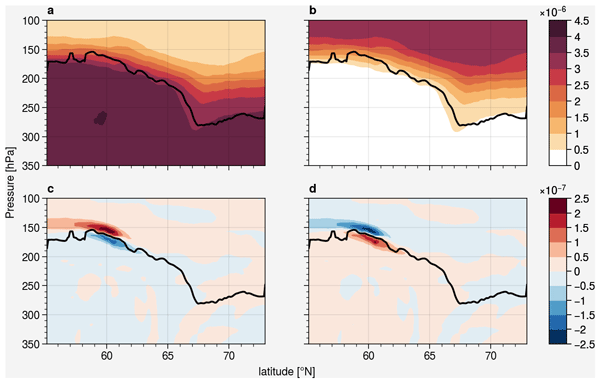
Chun Hang Chau, Peter Hoor, and Holger Tost
Atmos. Chem. Phys., 25, 13123–13140, https://doi.org/10.5194/acp-25-13123-2025, https://doi.org/10.5194/acp-25-13123-2025, 2025
Short summary
Short summary
This study examines how the turbulence in the upper troposphere/lower stratosphere (UTLS) could modify the tracer distribution under different situations. Using a multi-scale chemistry model with a novel diagnostic, we found that both the pre-existing tracer gradient and the dynamical and thermodynamical forcing play a role in modifying the tracer distribution. These results allow further research on the UTLS turbulent mixing and its implications for the climate system.
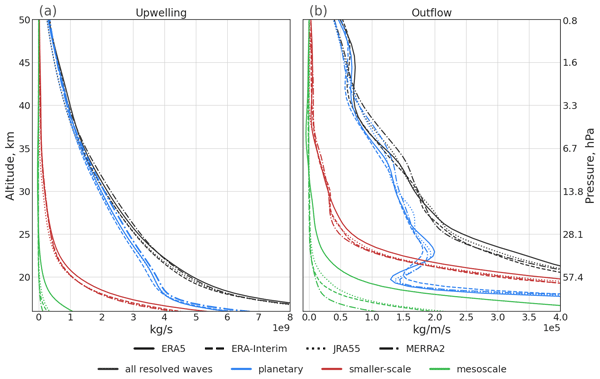
Rasul Baikhadzhaev, Felix Ploeger, Peter Preusse, Manfred Ern, and Thomas Birner
Atmos. Chem. Phys., 25, 12753–12777, https://doi.org/10.5194/acp-25-12753-2025, https://doi.org/10.5194/acp-25-12753-2025, 2025
Short summary
Short summary
Across four reanalyses, the shallow branch of the stratospheric overturning circulation was found to be driven by planetary waves 1 to 3, and the deep branch of the circulation was found to be driven by smaller-scale waves (wave 4 and higher). However, the height of the level separating the branches is dependent on the reanalysis considered. Thus, using the appropriate separation levels in model inter-comparisons could reduce the spread between models regarding climatology and trends in the circulation.
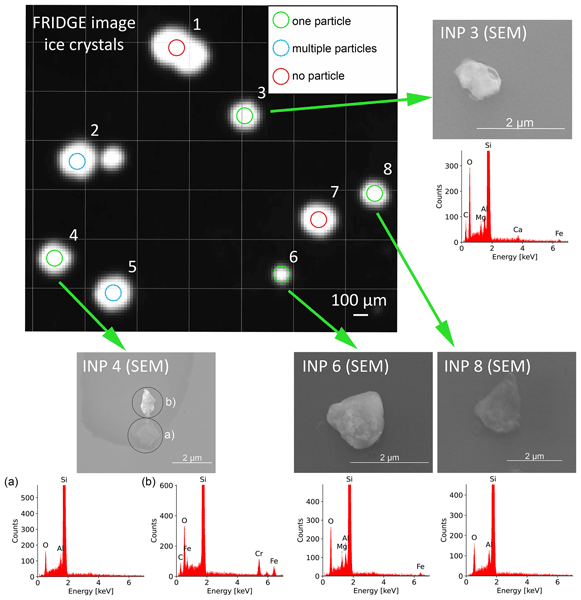
Lisa Schneider, Jann Schrod, Daniel Weber, Heinz Bingemer, Konrad Kandler, Joachim Curtius, and Martin Ebert
Atmos. Meas. Tech., 18, 5223–5245, https://doi.org/10.5194/amt-18-5223-2025, https://doi.org/10.5194/amt-18-5223-2025, 2025
Short summary
Short summary
Ice-nucleating particles (INPs) are important for cloud formation and properties affecting weather and climate. This article presents a method coupling an offline ice nucleus counter to an electron microscope to obtain information, not only about INP number concentrations but also about physico-chemical properties (e.g., size and chemical composition) relevant to ice nucleation on single particles. The method was evaluated on the basis of a case study at the high-altitude research station Jungfraujoch.
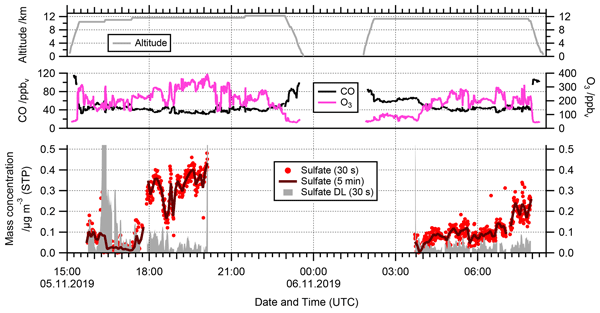
Johannes Schneider, Christiane Schulz, Florian Rubach, Anna Ludwig, Jonas Wilsch, Philipp Joppe, Christian Gurk, Sergej Molleker, Laurent Poulain, Florian Obersteiner, Torsten Gehrlein, Harald Bönisch, Andreas Zahn, Peter Hoor, Nicolas Emig, Heiko Bozem, Stephan Borrmann, and Markus Hermann
Atmos. Meas. Tech., 18, 5103–5128, https://doi.org/10.5194/amt-18-5103-2025, https://doi.org/10.5194/amt-18-5103-2025, 2025
Short summary
Short summary
An instrumented container laboratory is operated on regular commercial passenger flights to obtain a long-term representative dataset on the composition of the upper troposphere and lower stratosphere. Here we report on the development of a fully automated aerosol mass spectrometer for this project. We present technical specifications, necessary modifications for the automation, instrument calibration and comparisons, detection limits, and the first in-flight data.
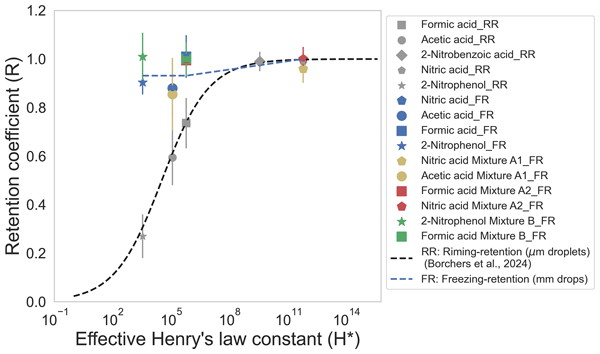
Martanda Gautam, Alexander Theis, Jackson Seymore, Moritz Hey, Stephan Borrmann, Karoline Diehl, Subir K. Mitra, and Miklós Szakáll
Atmos. Chem. Phys., 25, 11813–11828, https://doi.org/10.5194/acp-25-11813-2025, https://doi.org/10.5194/acp-25-11813-2025, 2025
Short summary
Short summary
We investigated the retention of chemical species and their binary mixtures during freezing of raindrops via acoustic levitation. Our results reveal high retention, with nearly all substances being fully retained during freezing. This could be attributed to a faster freezing time compared to a slower mass expulsion time, along with ice shell formation during freezing. This result helps improve our understanding of the interaction between ice microphysical processes and chemistry in deep convective clouds.
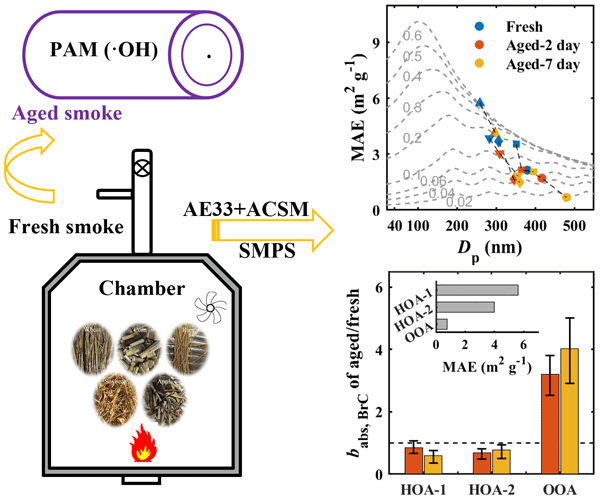
Zheng Yang, Qiaoqiao Wang, Qiyuan Wang, Nan Ma, Jie Tian, Yaqing Zhou, Ge Xu, Miao Gao, Xiaoxian Zhou, Yang Zhang, Weikang Ran, Ning Yang, Jiangchuan Tao, Juan Hong, Yunfei Wu, Junji Cao, Hang Su, and Yafang Cheng
Atmos. Chem. Phys., 25, 11051–11065, https://doi.org/10.5194/acp-25-11051-2025, https://doi.org/10.5194/acp-25-11051-2025, 2025
Short summary
Short summary
Our results demonstrate that the reduction in mass absorption efficiency from biomass burning is mainly driven by the decline in the imaginary part, with particle size playing a minor role. And light absorption of oxygenated brown carbon (BrC) increases significantly with aging, but hydrocarbon-like BrC decreases over time. These results emphasize the necessity to classify BrC into different groups based on their mass absorption efficiency and atmospheric behavior in climate models.
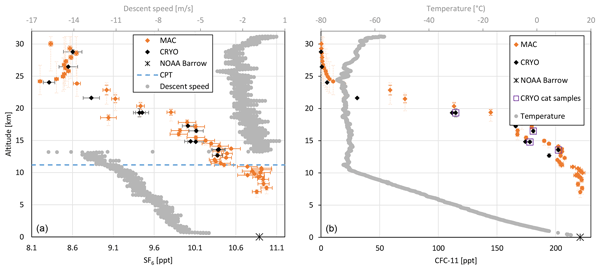
Johannes C. Laube, Tanja J. Schuck, Sophie Baartman, Huilin Chen, Markus Geldenhuys, Steven van Heuven, Timo Keber, Maria Elena Popa, Elinor Tuffnell, Florian Voet, Bärbel Vogel, Thomas Wagenhäuser, Alessandro Zanchetta, and Andreas Engel
Atmos. Meas. Tech., 18, 4087–4102, https://doi.org/10.5194/amt-18-4087-2025, https://doi.org/10.5194/amt-18-4087-2025, 2025
Short summary
Short summary
A large balloon was launched in summer 2021 in the Arctic to carry instruments for trace gas measurements up to 32 km, above the reach of aircraft. The main aims were to evaluate different techniques and atmospheric processes. We focus on halogenated greenhouse gases and ozone-depleting substances. For this, air was collected with the AirCore technique and a cryogenic air sampler and measured after the flight. A companion paper reports observations of major greenhouse gases.
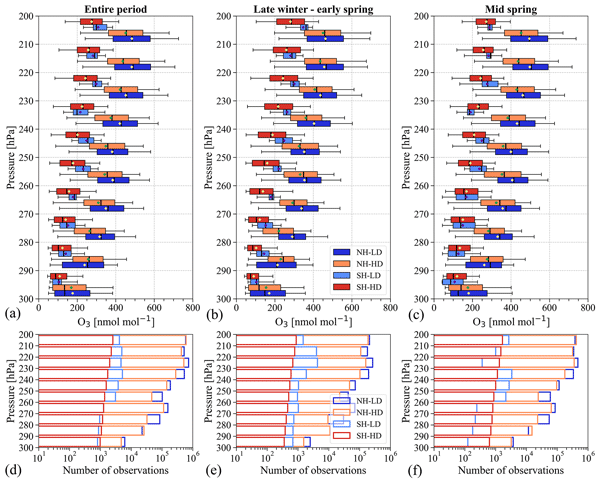
Rodrigo J. Seguel, Charlie Opazo, Yann Cohen, Owen R. Cooper, Laura Gallardo, Björn-Martin Sinnhuber, Florian Obersteiner, Andreas Zahn, Peter Hoor, Susanne Rohs, and Andreas Marsing
Atmos. Chem. Phys., 25, 8553–8573, https://doi.org/10.5194/acp-25-8553-2025, https://doi.org/10.5194/acp-25-8553-2025, 2025
Short summary
Short summary
We explored ozone differences between the Northern Hemisphere and Southern Hemispheres in the upper troposphere–lower stratosphere. We found lower ozone (with stratospheric origin) in the Southern Hemisphere, especially during years of severe ozone depletion. Sudden stratospheric warming events increased the ozone in each hemisphere, highlighting the relationship between stratospheric processes and ozone in the upper troposphere, where ozone is an important greenhouse gas.
Markus Jesswein, Valentin Lauther, Nicolas Emig, Peter Hoor, Timo Keber, Hans-Christoph Lachnitt, Linda Ort, Tanja Schuck, Johannes Strobel, Ronja Van Luijt, C. Michael Volk, Franziska Weyland, and Andreas Engel
Atmos. Chem. Phys., 25, 8107–8126, https://doi.org/10.5194/acp-25-8107-2025, https://doi.org/10.5194/acp-25-8107-2025, 2025
Short summary
Short summary
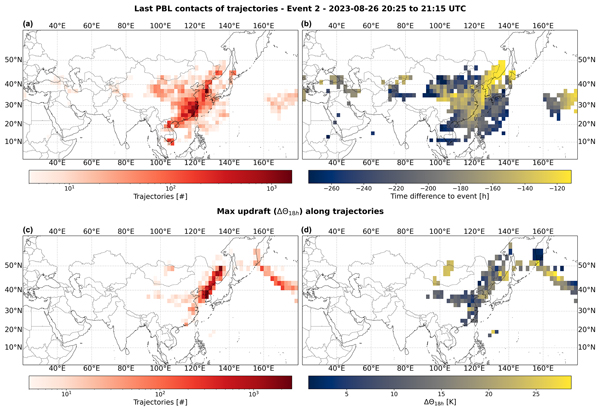
The study investigates transport within the Asian Summer Monsoon, focusing on how CH2Cl2 reaches the subarctic tropopause region. Using data from the PHILEAS campaign in 2023, events with increased mixing ratios were detected. Their origin, the transport paths to the tropopause region, and the potential entry into the stratosphere were analyzed. The East Asian Summer Monsoon was identified as the main transport pathway, with only a small contribution to the stratosphere in the following days.
Laura N. Saunders, Kaley A. Walker, Gabriele P. Stiller, Thomas von Clarmann, Florian Haenel, Hella Garny, Harald Bönisch, Chris D. Boone, Ariana E. Castillo, Andreas Engel, Johannes C. Laube, Marianna Linz, Felix Ploeger, David A. Plummer, Eric A. Ray, and Patrick E. Sheese
Atmos. Chem. Phys., 25, 4185–4209, https://doi.org/10.5194/acp-25-4185-2025, https://doi.org/10.5194/acp-25-4185-2025, 2025
Short summary
Short summary
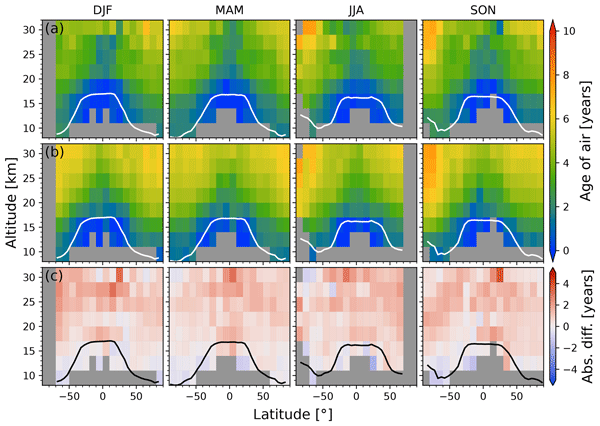
We present a 17-year stratospheric age-of-air dataset derived from ACE-FTS satellite measurements of sulfur hexafluoride. This is the longest continuous, global, and vertically resolved age of air time series available to date. In this paper, we show that this dataset agrees well with age-of-air datasets based on measurements from other instruments. We also present trends in the midlatitude lower stratosphere that indicate changes in the global circulation that are predicted by climate models.

André Ehrlich, Susanne Crewell, Andreas Herber, Marcus Klingebiel, Christof Lüpkes, Mario Mech, Sebastian Becker, Stephan Borrmann, Heiko Bozem, Matthias Buschmann, Hans-Christian Clemen, Elena De La Torre Castro, Henning Dorff, Regis Dupuy, Oliver Eppers, Florian Ewald, Geet George, Andreas Giez, Sarah Grawe, Christophe Gourbeyre, Jörg Hartmann, Evelyn Jäkel, Philipp Joppe, Olivier Jourdan, Zsófia Jurányi, Benjamin Kirbus, Johannes Lucke, Anna E. Luebke, Maximilian Maahn, Nina Maherndl, Christian Mallaun, Johanna Mayer, Stephan Mertes, Guillaume Mioche, Manuel Moser, Hanno Müller, Veronika Pörtge, Nils Risse, Greg Roberts, Sophie Rosenburg, Johannes Röttenbacher, Michael Schäfer, Jonas Schaefer, Andreas Schäfler, Imke Schirmacher, Johannes Schneider, Sabrina Schnitt, Frank Stratmann, Christian Tatzelt, Christiane Voigt, Andreas Walbröl, Anna Weber, Bruno Wetzel, Martin Wirth, and Manfred Wendisch
Earth Syst. Sci. Data, 17, 1295–1328, https://doi.org/10.5194/essd-17-1295-2025, https://doi.org/10.5194/essd-17-1295-2025, 2025
Short summary
Short summary
This paper provides an overview of the HALO–(AC)3 aircraft campaign data sets, the campaign-specific instrument operation, data processing, and data quality. The data set comprises in situ and remote sensing observations from three research aircraft: HALO, Polar 5, and Polar 6. All data are published in the PANGAEA database by instrument-separated data subsets. It is highlighted how the scientific analysis of the HALO–(AC)3 data benefits from the coordinated operation of three aircraft.
Florian Voet, Felix Ploeger, Johannes Laube, Peter Preusse, Paul Konopka, Jens-Uwe Grooß, Jörn Ungermann, Björn-Martin Sinnhuber, Michael Höpfner, Bernd Funke, Gerald Wetzel, Sören Johansson, Gabriele Stiller, Eric Ray, and Michaela I. Hegglin
Atmos. Chem. Phys., 25, 3541–3565, https://doi.org/10.5194/acp-25-3541-2025, https://doi.org/10.5194/acp-25-3541-2025, 2025
Short summary
Short summary
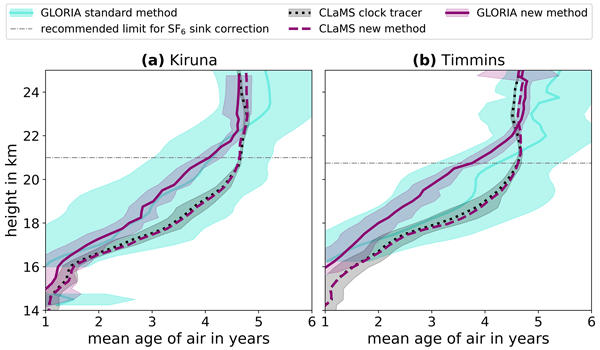
This study refines estimates of the stratospheric “age of air”, a measure of how long air circulates in the stratosphere. By analyzing correlations between trace gases measurable by satellites, the research introduces a method that reduces uncertainties and detects small-scale atmospheric features. This improved understanding of stratospheric circulation is crucial for better climate models and predictions, enhancing our ability to assess the impacts of climate change on the atmosphere.
Kimberlee Dubé, Susann Tegtmeier, Felix Ploeger, and Kaley A. Walker
Atmos. Chem. Phys., 25, 1433–1447, https://doi.org/10.5194/acp-25-1433-2025, https://doi.org/10.5194/acp-25-1433-2025, 2025
Short summary
Short summary
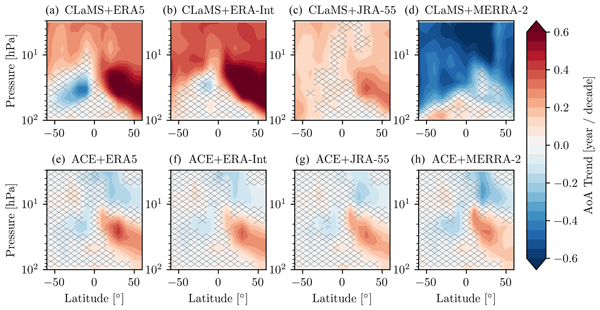
The transport rate of air in the stratosphere has changed in response to human emissions of greenhouse gases and ozone-depleting substances. This transport rate can be approximated using measurements of long-lived trace gases. We use observations and model results to derive anomalies and trends in the mean rate of stratospheric air transport. We find that air in the Northern Hemisphere aged by up to 0.3 years per decade relative to air in the Southern Hemisphere over 2004–2017.
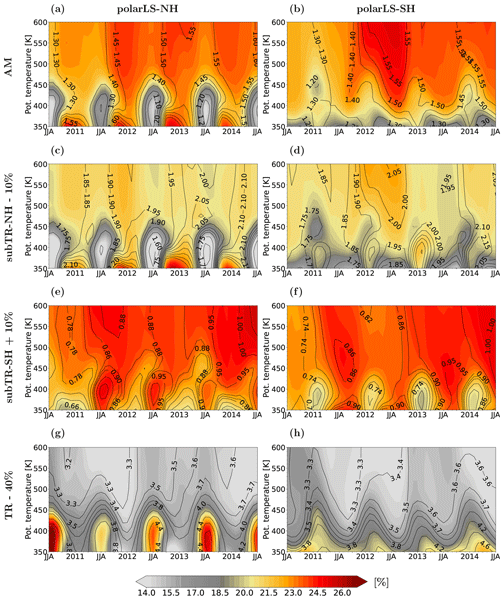
Xiaolu Yan, Paul Konopka, Felix Ploeger, and Aurélien Podglajen
Atmos. Chem. Phys., 25, 1289–1305, https://doi.org/10.5194/acp-25-1289-2025, https://doi.org/10.5194/acp-25-1289-2025, 2025
Short summary
Short summary
Our study finds that the air mass fractions (AMFs) from the Asian boundary layer (ABL) to the polar regions are about 1.5 times larger than those from the same latitude band in the Southern Hemisphere. The transport of AMFs from the ABL to the polar vortex primarily occurs above 20 km and over timescales exceeding 2 years. Our analysis reveals a strong correlation between the polar pollutants and the AMFs from the ABL. About 20 % of SF6 in the polar stratosphere originates from the ABL.
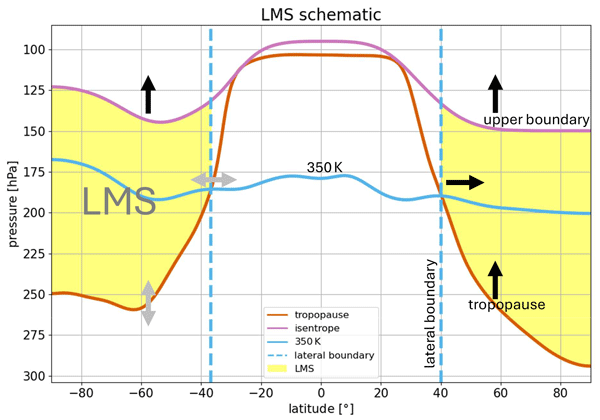
Franziska Weyland, Peter Hoor, Daniel Kunkel, Thomas Birner, Felix Plöger, and Katharina Turhal
Atmos. Chem. Phys., 25, 1227–1252, https://doi.org/10.5194/acp-25-1227-2025, https://doi.org/10.5194/acp-25-1227-2025, 2025
Short summary
Short summary
The lowermost stratosphere (LMS) plays an important role in the Earth's climate, containing strong gradients of ozone and water vapor. Our results indicate that the thermodynamic structure of the LMS was changing between 1979–2019 in response to anthropogenic climate change and the recovery of stratospheric ozone, also indicating large-scale circulation changes. We find that both the upper and the lower LMS boundaries show an (upward) trend, which has implications for the LMS mass.
Mega Octaviani, Benjamin A. Musa Bandowe, Qing Mu, Jake Wilson, Holger Tost, Hang Su, Yafang Cheng, Manabu Shiraiwa, Ulrich Pöschl, Thomas Berkemeier, and Gerhard Lammel
EGUsphere, https://doi.org/10.5194/egusphere-2025-186, https://doi.org/10.5194/egusphere-2025-186, 2025
This preprint is open for discussion and under review for The Cryosphere (TC).
Short summary
Short summary
This research explores the atmospheric concentration of benzo(a)pyrene (BaP), a harmful air pollutant linked to lung cancer. Using advanced Earth system modeling, the study examines how BaP's degradation varies with temperature and humidity, affecting its global distribution and associated lung cancer risks. The findings reveal that BaP persists longer in colder, less humid regions, leading to higher lung cancer risks in parts of Europe and Asia.
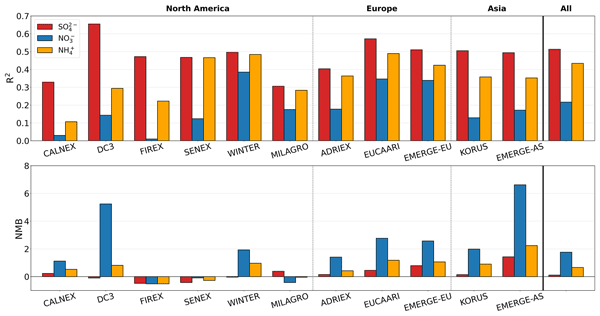
Olivia G. Norman, Colette L. Heald, Solomon Bililign, Pedro Campuzano-Jost, Hugh Coe, Marc N. Fiddler, Jaime R. Green, Jose L. Jimenez, Katharina Kaiser, Jin Liao, Ann M. Middlebrook, Benjamin A. Nault, John B. Nowak, Johannes Schneider, and André Welti
Atmos. Chem. Phys., 25, 771–795, https://doi.org/10.5194/acp-25-771-2025, https://doi.org/10.5194/acp-25-771-2025, 2025
Short summary
Short summary
This study finds that one component of secondary inorganic aerosols, nitrate, is greatly overestimated by a global atmospheric chemistry model compared to observations from 11 flight campaigns. None of the loss and production pathways explored can explain the nitrate bias alone. The model’s inability to capture the variability in the observations remains and requires future investigation to avoid biases in policy-related studies (i.e., air quality, health, climate impacts of these aerosols).
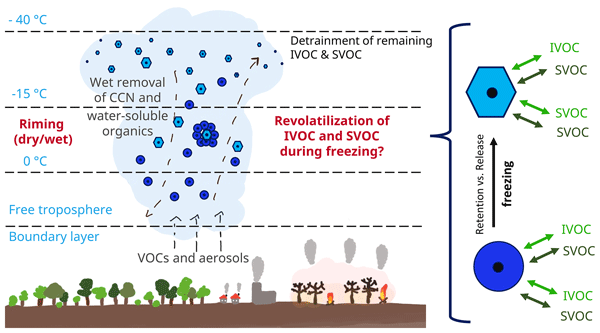
Christine Borchers, Jackson Seymore, Martanda Gautam, Konstantin Dörholt, Yannik Müller, Andreas Arndt, Laura Gömmer, Florian Ungeheuer, Miklós Szakáll, Stephan Borrmann, Alexander Theis, Alexander L. Vogel, and Thorsten Hoffmann
Atmos. Chem. Phys., 24, 13961–13974, https://doi.org/10.5194/acp-24-13961-2024, https://doi.org/10.5194/acp-24-13961-2024, 2024
Short summary
Short summary
Riming, a crucial process in cloud dynamics, influences the vertical distribution of compounds in the atmosphere. Experiments in Mainz's wind tunnel investigated retention coefficients of organic compounds under varying conditions. Findings suggest a correlation between the Henry's law constant and retention, applicable even to complex organic molecules.

Katharina Turhal, Felix Plöger, Jan Clemens, Thomas Birner, Franziska Weyland, Paul Konopka, and Peter Hoor
Atmos. Chem. Phys., 24, 13653–13679, https://doi.org/10.5194/acp-24-13653-2024, https://doi.org/10.5194/acp-24-13653-2024, 2024
Short summary
Short summary
The tropopause separates the troposphere, where many greenhouse gases originate, from the stratosphere. This study examines a tropopause defined by potential vorticity – an analogue for angular momentum that changes sharply in the subtropics, creating a transport barrier. Between 1980 and 2017, this tropopause shifted poleward at lower altitudes and equatorward above, suggesting height-dependent changes in atmospheric circulation that may affect greenhouse gas distribution and global warming.
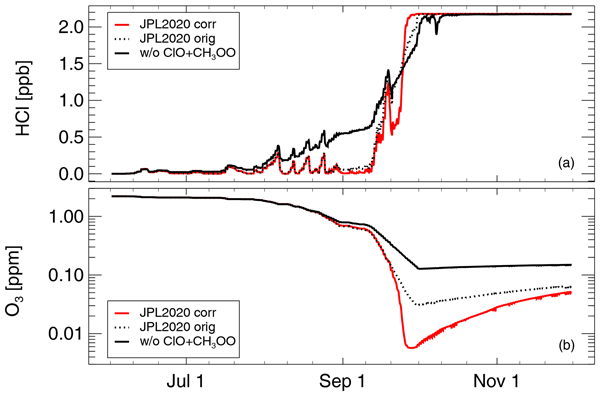
Yiran Zhang-Liu, Rolf Müller, Jens-Uwe Grooß, Sabine Robrecht, Bärbel Vogel, Abdul Mannan Zafar, and Ralph Lehmann
Atmos. Chem. Phys., 24, 12557–12574, https://doi.org/10.5194/acp-24-12557-2024, https://doi.org/10.5194/acp-24-12557-2024, 2024
Short summary
Short summary
HCl null cycles in Antarctica are important for maintaining high values of ozone-destroying chlorine in Antarctic spring. These HCl null cycles are not affected by (1) using the most recent recommendations of chemical kinetics (compared to older recommendations), (2) accounting for dehydration in the Antarctic winter vortex, and (3) considering the observed (but unexplained) depletion of HCl in mid-winter in the Antarctic vortex throughout Antarctic winter.
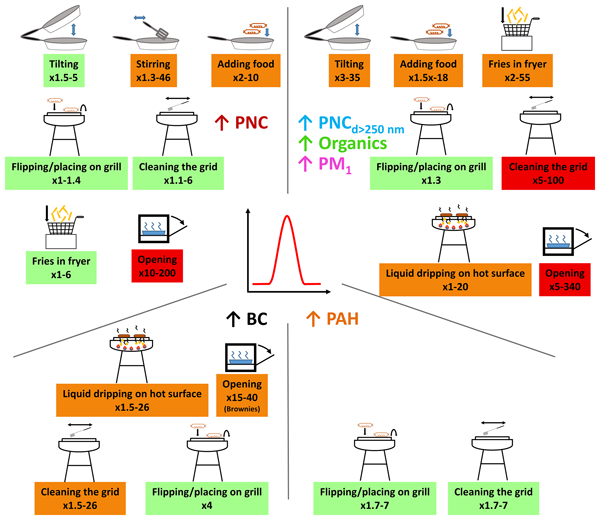
Julia Pikmann, Frank Drewnick, Friederike Fachinger, and Stephan Borrmann
Atmos. Chem. Phys., 24, 12295–12321, https://doi.org/10.5194/acp-24-12295-2024, https://doi.org/10.5194/acp-24-12295-2024, 2024
Short summary
Short summary
Cooking activities can contribute substantially to indoor and ambient aerosol. We performed a comprehensive study with laboratory measurements cooking 19 different dishes and ambient measurements at two Christmas markets measuring various particle properties and trace gases of emissions in real time. Similar emission characteristics were observed for dishes with the same preparation method, mainly due to similar cooking temperature and use of oil, with barbecuing as an especially strong source.
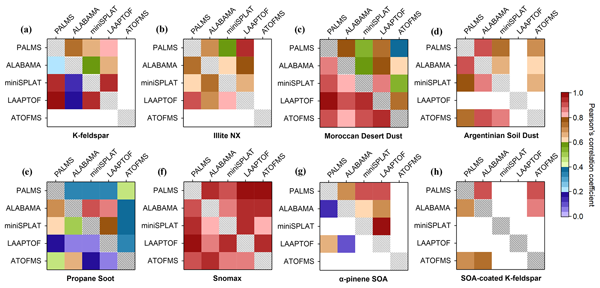
Xiaoli Shen, David M. Bell, Hugh Coe, Naruki Hiranuma, Fabian Mahrt, Nicholas A. Marsden, Claudia Mohr, Daniel M. Murphy, Harald Saathoff, Johannes Schneider, Jacqueline Wilson, Maria A. Zawadowicz, Alla Zelenyuk, Paul J. DeMott, Ottmar Möhler, and Daniel J. Cziczo
Atmos. Chem. Phys., 24, 10869–10891, https://doi.org/10.5194/acp-24-10869-2024, https://doi.org/10.5194/acp-24-10869-2024, 2024
Short summary
Short summary
Single-particle mass spectrometry (SPMS) is commonly used to measure the chemical composition and mixing state of aerosol particles. Intercomparison of SPMS instruments was conducted. All instruments reported similar size ranges and common spectral features. The instrument-specific detection efficiency was found to be more dependent on particle size than type. All differentiated secondary organic aerosol, soot, and soil dust but had difficulties differentiating among minerals and dusts.
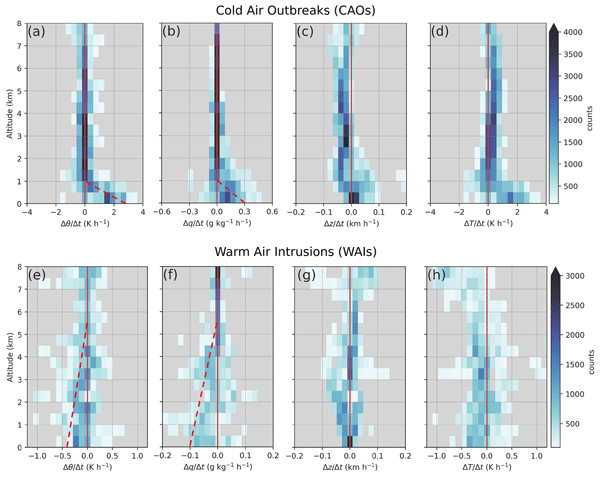
Manfred Wendisch, Susanne Crewell, André Ehrlich, Andreas Herber, Benjamin Kirbus, Christof Lüpkes, Mario Mech, Steven J. Abel, Elisa F. Akansu, Felix Ament, Clémantyne Aubry, Sebastian Becker, Stephan Borrmann, Heiko Bozem, Marlen Brückner, Hans-Christian Clemen, Sandro Dahlke, Georgios Dekoutsidis, Julien Delanoë, Elena De La Torre Castro, Henning Dorff, Regis Dupuy, Oliver Eppers, Florian Ewald, Geet George, Irina V. Gorodetskaya, Sarah Grawe, Silke Groß, Jörg Hartmann, Silvia Henning, Lutz Hirsch, Evelyn Jäkel, Philipp Joppe, Olivier Jourdan, Zsofia Jurányi, Michail Karalis, Mona Kellermann, Marcus Klingebiel, Michael Lonardi, Johannes Lucke, Anna E. Luebke, Maximilian Maahn, Nina Maherndl, Marion Maturilli, Bernhard Mayer, Johanna Mayer, Stephan Mertes, Janosch Michaelis, Michel Michalkov, Guillaume Mioche, Manuel Moser, Hanno Müller, Roel Neggers, Davide Ori, Daria Paul, Fiona M. Paulus, Christian Pilz, Felix Pithan, Mira Pöhlker, Veronika Pörtge, Maximilian Ringel, Nils Risse, Gregory C. Roberts, Sophie Rosenburg, Johannes Röttenbacher, Janna Rückert, Michael Schäfer, Jonas Schaefer, Vera Schemann, Imke Schirmacher, Jörg Schmidt, Sebastian Schmidt, Johannes Schneider, Sabrina Schnitt, Anja Schwarz, Holger Siebert, Harald Sodemann, Tim Sperzel, Gunnar Spreen, Bjorn Stevens, Frank Stratmann, Gunilla Svensson, Christian Tatzelt, Thomas Tuch, Timo Vihma, Christiane Voigt, Lea Volkmer, Andreas Walbröl, Anna Weber, Birgit Wehner, Bruno Wetzel, Martin Wirth, and Tobias Zinner
Atmos. Chem. Phys., 24, 8865–8892, https://doi.org/10.5194/acp-24-8865-2024, https://doi.org/10.5194/acp-24-8865-2024, 2024
Short summary
Short summary
The Arctic is warming faster than the rest of the globe. Warm-air intrusions (WAIs) into the Arctic may play an important role in explaining this phenomenon. Cold-air outbreaks (CAOs) out of the Arctic may link the Arctic climate changes to mid-latitude weather. In our article, we describe how to observe air mass transformations during CAOs and WAIs using three research aircraft instrumented with state-of-the-art remote-sensing and in situ measurement devices.
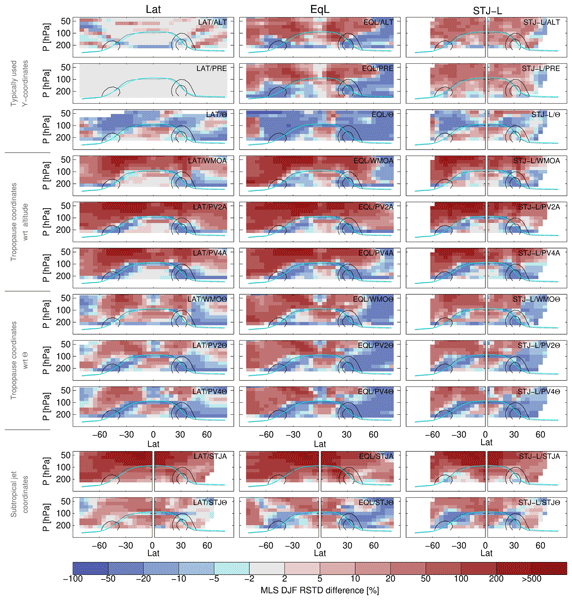
Luis F. Millán, Peter Hoor, Michaela I. Hegglin, Gloria L. Manney, Harald Boenisch, Paul Jeffery, Daniel Kunkel, Irina Petropavlovskikh, Hao Ye, Thierry Leblanc, and Kaley Walker
Atmos. Chem. Phys., 24, 7927–7959, https://doi.org/10.5194/acp-24-7927-2024, https://doi.org/10.5194/acp-24-7927-2024, 2024
Short summary
Short summary
In the Observed Composition Trends And Variability in the UTLS (OCTAV-UTLS) Stratosphere-troposphere Processes And their Role in Climate (SPARC) activity, we have mapped multiplatform ozone datasets into coordinate systems to systematically evaluate the influence of these coordinates on binned climatological variability. This effort unifies the work of studies that focused on individual coordinate system variability. Our goal was to create the most comprehensive assessment of this topic.
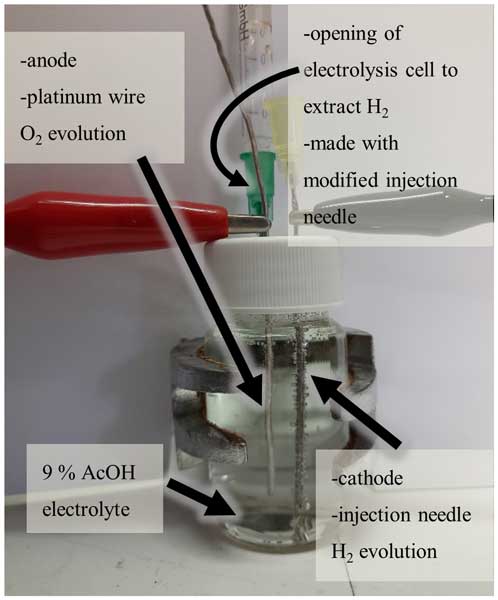
Niklas Karbach, Lisa Höhler, Peter Hoor, Heiko Bozem, Nicole Bobrowski, and Thorsten Hoffmann
Atmos. Meas. Tech., 17, 4081–4086, https://doi.org/10.5194/amt-17-4081-2024, https://doi.org/10.5194/amt-17-4081-2024, 2024
Short summary
Short summary
The system presented here can accurately generate and reproduce a stable flow of gas mixtures of known concentrations over several days using ambient air as a dilution medium. In combination with the small size and low weight of the system, this enables the calibration of hydrogen sensors in the field, reducing the influence of matrix effects on the accuracy of the sensor. The system is inexpensive to assemble and easy to maintain, which is the key to reliable measurement results.
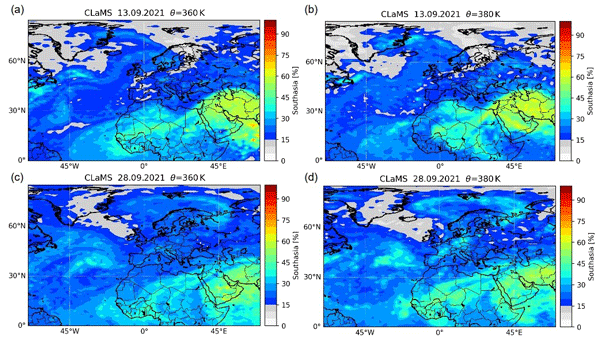
Sandra Graßl, Christoph Ritter, Ines Tritscher, and Bärbel Vogel
Atmos. Chem. Phys., 24, 7535–7557, https://doi.org/10.5194/acp-24-7535-2024, https://doi.org/10.5194/acp-24-7535-2024, 2024
Short summary
Short summary
Arctic lidar data for 1 year are compared with global modeling of aerosol tracers in the stratosphere. A trend in the aerosol backscatter can be found. These observations are further compared with a model study to investigate the aerosol origin of the observed arctic aerosol. We found a correlation with increased backscatter signal during summer and early autumn and pathways from the Southeast Asian monsoon region and remains of the Asian tropopause aerosol layer in the Arctic.
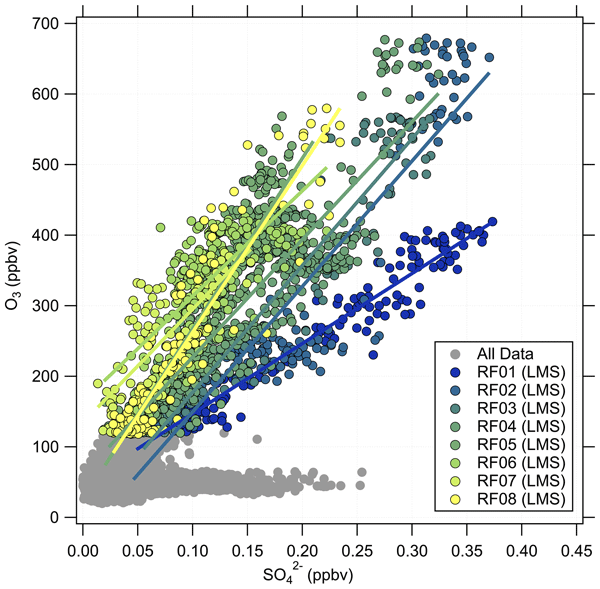
Philipp Joppe, Johannes Schneider, Katharina Kaiser, Horst Fischer, Peter Hoor, Daniel Kunkel, Hans-Christoph Lachnitt, Andreas Marsing, Lenard Röder, Hans Schlager, Laura Tomsche, Christiane Voigt, Andreas Zahn, and Stephan Borrmann
Atmos. Chem. Phys., 24, 7499–7522, https://doi.org/10.5194/acp-24-7499-2024, https://doi.org/10.5194/acp-24-7499-2024, 2024
Short summary
Short summary
From aircraft measurements in the upper troposphere/lower stratosphere, we find a correlation between the ozone and particulate sulfate in the lower stratosphere. The correlation exhibits some variability over the measurement period exceeding the background sulfate-to-ozone correlation. From our analysis, we conclude that gas-to-particle conversion of volcanic sulfur dioxide leads to observed enhanced sulfate aerosol mixing ratios.

Linda Ort, Lenard Lukas Röder, Uwe Parchatka, Rainer Königstedt, Daniel Crowley, Frank Kunz, Ralf Wittkowski, Jos Lelieveld, and Horst Fischer
Atmos. Meas. Tech., 17, 3553–3565, https://doi.org/10.5194/amt-17-3553-2024, https://doi.org/10.5194/amt-17-3553-2024, 2024
Short summary
Short summary
Airborne in situ measurements are of great importance to collect valuable data to improve our knowledge of the atmosphere but also present challenges which demand specific designs. This study presents an IR spectrometer for airborne trace-gas measurements with high data efficiency and a simple, compact design. Its in-flight performance is characterized with the help of a test flight and a comparison with another spectrometer. Moreover, results from its first campaign highlight its benefits.
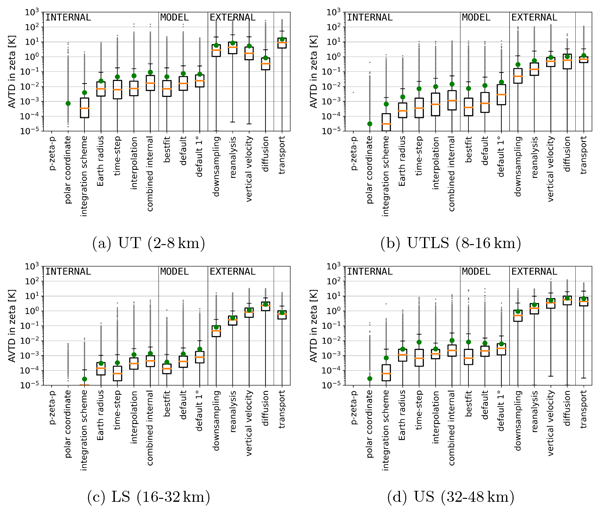
Jan Clemens, Lars Hoffmann, Bärbel Vogel, Sabine Grießbach, and Nicole Thomas
Geosci. Model Dev., 17, 4467–4493, https://doi.org/10.5194/gmd-17-4467-2024, https://doi.org/10.5194/gmd-17-4467-2024, 2024
Short summary
Short summary
Lagrangian transport models simulate the transport of air masses in the atmosphere. For example, one model (CLaMS) is well suited to calculating transport as it uses a special coordinate system and special vertical wind. However, it only runs inefficiently on modern supercomputers. Hence, we have implemented the benefits of CLaMS into a new model (MPTRAC), which is already highly efficient on modern supercomputers. Finally, in extensive tests, we showed that CLaMS and MPTRAC agree very well.
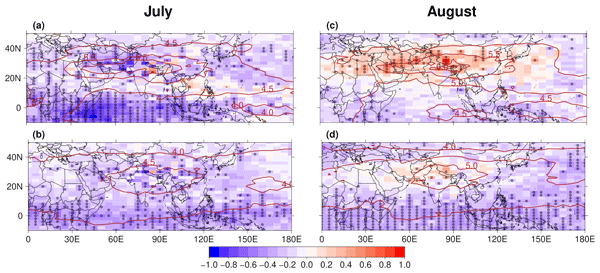
Cristina Peña-Ortiz, Nuria Pilar Plaza, David Gallego, and Felix Ploeger
Atmos. Chem. Phys., 24, 5457–5478, https://doi.org/10.5194/acp-24-5457-2024, https://doi.org/10.5194/acp-24-5457-2024, 2024
Short summary
Short summary
Although water vapour (H2O) in the lower stratosphere is only a few molecules among 1 million air molecules, atmospheric radiative forcing and surface temperature are sensitive to changes in its concentration. Monsoon regions play a key role in H2O transport and its concentration in the lower stratosphere. We show how the quasi-biennial oscillation (QBO) has a major impact on H2O over the Asian monsoon during August through changes in temperature caused by QBO modulation of tropical clouds.
Bjorn Stevens, Stefan Adami, Tariq Ali, Hartwig Anzt, Zafer Aslan, Sabine Attinger, Jaana Bäck, Johanna Baehr, Peter Bauer, Natacha Bernier, Bob Bishop, Hendryk Bockelmann, Sandrine Bony, Guy Brasseur, David N. Bresch, Sean Breyer, Gilbert Brunet, Pier Luigi Buttigieg, Junji Cao, Christelle Castet, Yafang Cheng, Ayantika Dey Choudhury, Deborah Coen, Susanne Crewell, Atish Dabholkar, Qing Dai, Francisco Doblas-Reyes, Dale Durran, Ayoub El Gaidi, Charlie Ewen, Eleftheria Exarchou, Veronika Eyring, Florencia Falkinhoff, David Farrell, Piers M. Forster, Ariane Frassoni, Claudia Frauen, Oliver Fuhrer, Shahzad Gani, Edwin Gerber, Debra Goldfarb, Jens Grieger, Nicolas Gruber, Wilco Hazeleger, Rolf Herken, Chris Hewitt, Torsten Hoefler, Huang-Hsiung Hsu, Daniela Jacob, Alexandra Jahn, Christian Jakob, Thomas Jung, Christopher Kadow, In-Sik Kang, Sarah Kang, Karthik Kashinath, Katharina Kleinen-von Königslöw, Daniel Klocke, Uta Kloenne, Milan Klöwer, Chihiro Kodama, Stefan Kollet, Tobias Kölling, Jenni Kontkanen, Steve Kopp, Michal Koran, Markku Kulmala, Hanna Lappalainen, Fakhria Latifi, Bryan Lawrence, June Yi Lee, Quentin Lejeun, Christian Lessig, Chao Li, Thomas Lippert, Jürg Luterbacher, Pekka Manninen, Jochem Marotzke, Satoshi Matsouoka, Charlotte Merchant, Peter Messmer, Gero Michel, Kristel Michielsen, Tomoki Miyakawa, Jens Müller, Ramsha Munir, Sandeep Narayanasetti, Ousmane Ndiaye, Carlos Nobre, Achim Oberg, Riko Oki, Tuba Özkan-Haller, Tim Palmer, Stan Posey, Andreas Prein, Odessa Primus, Mike Pritchard, Julie Pullen, Dian Putrasahan, Johannes Quaas, Krishnan Raghavan, Venkatachalam Ramaswamy, Markus Rapp, Florian Rauser, Markus Reichstein, Aromar Revi, Sonakshi Saluja, Masaki Satoh, Vera Schemann, Sebastian Schemm, Christina Schnadt Poberaj, Thomas Schulthess, Cath Senior, Jagadish Shukla, Manmeet Singh, Julia Slingo, Adam Sobel, Silvina Solman, Jenna Spitzer, Philip Stier, Thomas Stocker, Sarah Strock, Hang Su, Petteri Taalas, John Taylor, Susann Tegtmeier, Georg Teutsch, Adrian Tompkins, Uwe Ulbrich, Pier-Luigi Vidale, Chien-Ming Wu, Hao Xu, Najibullah Zaki, Laure Zanna, Tianjun Zhou, and Florian Ziemen
Earth Syst. Sci. Data, 16, 2113–2122, https://doi.org/10.5194/essd-16-2113-2024, https://doi.org/10.5194/essd-16-2113-2024, 2024
Short summary
Short summary
To manage Earth in the Anthropocene, new tools, new institutions, and new forms of international cooperation will be required. Earth Virtualization Engines is proposed as an international federation of centers of excellence to empower all people to respond to the immense and urgent challenges posed by climate change.
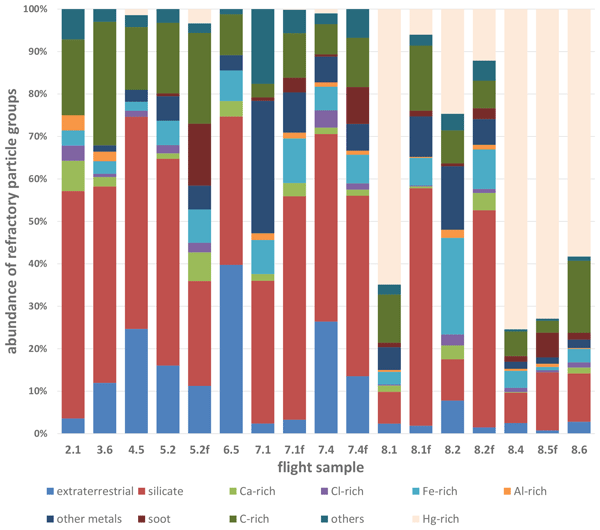
Martin Ebert, Ralf Weigel, Stephan Weinbruch, Lisa Schneider, Konrad Kandler, Stefan Lauterbach, Franziska Köllner, Felix Plöger, Gebhard Günther, Bärbel Vogel, and Stephan Borrmann
Atmos. Chem. Phys., 24, 4771–4788, https://doi.org/10.5194/acp-24-4771-2024, https://doi.org/10.5194/acp-24-4771-2024, 2024
Short summary
Short summary
Particles were collected during the flight campaign StratoClim 2017 within the Asian tropopause aerosol layer (ATAL). Refractory particles from seven different flights were characterized by scanning and transmission electron microscopy (SEM, TEM). The most abundant refractory particles are silicates and non-volatile organics. The most important sources are combustion processes at the ground and the agitation of soil material. During one flight, small cinnabar particles (HgS) were also detected.
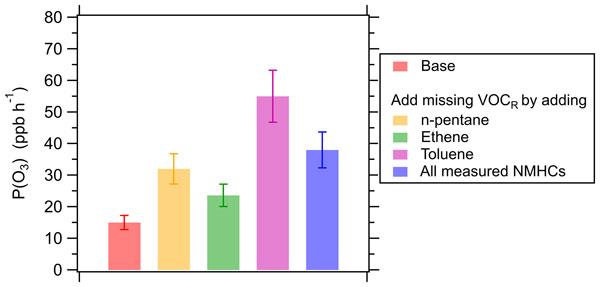
Wenjie Wang, Bin Yuan, Hang Su, Yafang Cheng, Jipeng Qi, Sihang Wang, Wei Song, Xinming Wang, Chaoyang Xue, Chaoqun Ma, Fengxia Bao, Hongli Wang, Shengrong Lou, and Min Shao
Atmos. Chem. Phys., 24, 4017–4027, https://doi.org/10.5194/acp-24-4017-2024, https://doi.org/10.5194/acp-24-4017-2024, 2024
Short summary
Short summary
This study investigates the important role of unmeasured volatile organic compounds (VOCs) in ozone formation. Based on results in a megacity of China, we show that unmeasured VOCs can contribute significantly to ozone fomation and also influence the determination of ozone control strategy. Our results show that these unmeasured VOCs are mainly from human sources.
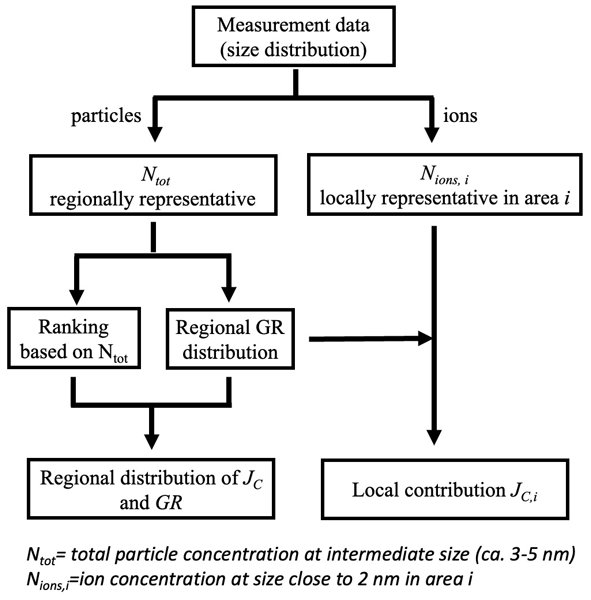
Markku Kulmala, Diego Aliaga, Santeri Tuovinen, Runlong Cai, Heikki Junninen, Chao Yan, Federico Bianchi, Yafang Cheng, Aijun Ding, Douglas R. Worsnop, Tuukka Petäjä, Katrianne Lehtipalo, Pauli Paasonen, and Veli-Matti Kerminen
Aerosol Research, 2, 49–58, https://doi.org/10.5194/ar-2-49-2024, https://doi.org/10.5194/ar-2-49-2024, 2024
Short summary
Short summary
Atmospheric new particle formation (NPF), together with secondary production of particulate matter in the atmosphere, dominates aerosol particle number concentrations and submicron particle mass loads in many environments globally. In this opinion paper, we describe the paradigm shift to understand NPF in a continuous way instead of using traditional binary event–non-event analysis.
Adrien Deroubaix, Marco Vountas, Benjamin Gaubert, Maria Dolores Andrés Hernández, Stephan Borrmann, Guy Brasseur, Bruna Holanda, Yugo Kanaya, Katharina Kaiser, Flora Kluge, Ovid Oktavian Krüger, Inga Labuhn, Michael Lichtenstern, Klaus Pfeilsticker, Mira Pöhlker, Hans Schlager, Johannes Schneider, Guillaume Siour, Basudev Swain, Paolo Tuccella, Kameswara S. Vinjamuri, Mihalis Vrekoussis, Benjamin Weyland, and John P. Burrows
EGUsphere, https://doi.org/10.5194/egusphere-2024-516, https://doi.org/10.5194/egusphere-2024-516, 2024
Preprint archived
Short summary
Short summary
This study assesses atmospheric composition using air quality models during aircraft campaigns in Europe and Asia, focusing on carbonaceous aerosols and trace gases. While carbon monoxide is well modeled, other pollutants have moderate to weak agreement with observations. Wind speed modeling is reliable for identifying pollution plumes, where models tend to overestimate concentrations. This highlights challenges in accurately modeling aerosol and trace gas composition, particularly in cities.
Adrien Deroubaix, Marco Vountas, Benjamin Gaubert, Maria Dolores Andrés Hernández, Stephan Borrmann, Guy Brasseur, Bruna Holanda, Yugo Kanaya, Katharina Kaiser, Flora Kluge, Ovid Oktavian Krüger, Inga Labuhn, Michael Lichtenstern, Klaus Pfeilsticker, Mira Pöhlker, Hans Schlager, Johannes Schneider, Guillaume Siour, Basudev Swain, Paolo Tuccella, Kameswara S. Vinjamuri, Mihalis Vrekoussis, Benjamin Weyland, and John P. Burrows
EGUsphere, https://doi.org/10.5194/egusphere-2024-521, https://doi.org/10.5194/egusphere-2024-521, 2024
Preprint archived
Short summary
Short summary
This study explores the proportional relationships between carbonaceous aerosols (black and organic carbon) and trace gases using airborne measurements from two campaigns in Europe and East Asia. Differences between regions were found, but air quality models struggled to reproduce them accurately. We show that these proportional relationships can help to constrain models and can be used to infer aerosol concentrations from satellite observations of trace gases, especially in urban areas.
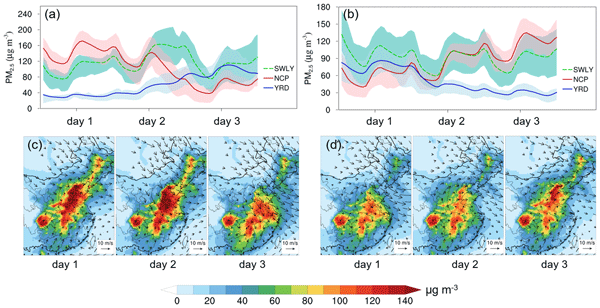
Feifan Yan, Hang Su, Yafang Cheng, Rujin Huang, Hong Liao, Ting Yang, Yuanyuan Zhu, Shaoqing Zhang, Lifang Sheng, Wenbin Kou, Xinran Zeng, Shengnan Xiang, Xiaohong Yao, Huiwang Gao, and Yang Gao
Atmos. Chem. Phys., 24, 2365–2376, https://doi.org/10.5194/acp-24-2365-2024, https://doi.org/10.5194/acp-24-2365-2024, 2024
Short summary
Short summary
PM2.5 pollution is a major air quality issue deteriorating human health, and previous studies mostly focus on regions like the North China Plain and Yangtze River Delta. However, the characteristics of PM2.5 concentrations between these two regions are studied less often. Focusing on the transport corridor region, we identify an interesting seesaw transport phenomenon with stagnant weather conditions, conducive to PM2.5 accumulation over this region, resulting in large health effects.
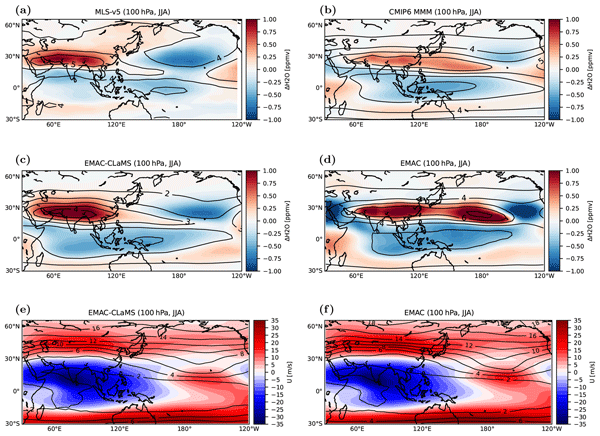
Felix Ploeger, Thomas Birner, Edward Charlesworth, Paul Konopka, and Rolf Müller
Atmos. Chem. Phys., 24, 2033–2043, https://doi.org/10.5194/acp-24-2033-2024, https://doi.org/10.5194/acp-24-2033-2024, 2024
Short summary
Short summary
We present a novel mechanism of how regional anomalies in water vapour concentrations in the upper troposphere and lower stratosphere impact regional atmospheric circulation systems. These impacts include a displaced upper-level Asian monsoon circulation and strengthened prevailing westerlies in the Pacific region. Current climate models have biases in simulating these regional water vapour anomalies and circulation impacts, but the biases can be avoided by improving the model transport.
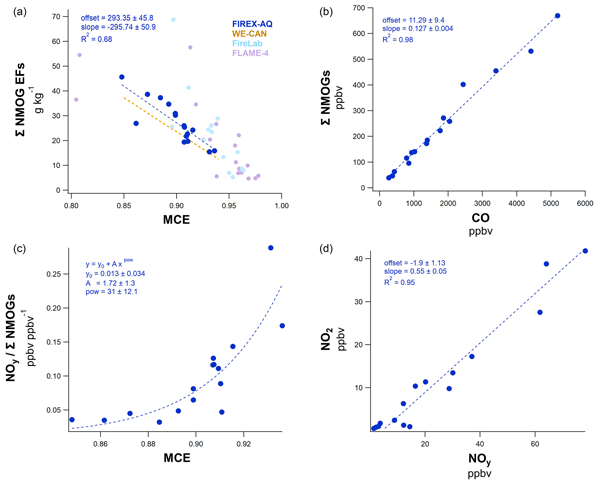
Georgios I. Gkatzelis, Matthew M. Coggon, Chelsea E. Stockwell, Rebecca S. Hornbrook, Hannah Allen, Eric C. Apel, Megan M. Bela, Donald R. Blake, Ilann Bourgeois, Steven S. Brown, Pedro Campuzano-Jost, Jason M. St. Clair, James H. Crawford, John D. Crounse, Douglas A. Day, Joshua P. DiGangi, Glenn S. Diskin, Alan Fried, Jessica B. Gilman, Hongyu Guo, Johnathan W. Hair, Hannah S. Halliday, Thomas F. Hanisco, Reem Hannun, Alan Hills, L. Gregory Huey, Jose L. Jimenez, Joseph M. Katich, Aaron Lamplugh, Young Ro Lee, Jin Liao, Jakob Lindaas, Stuart A. McKeen, Tomas Mikoviny, Benjamin A. Nault, J. Andrew Neuman, John B. Nowak, Demetrios Pagonis, Jeff Peischl, Anne E. Perring, Felix Piel, Pamela S. Rickly, Michael A. Robinson, Andrew W. Rollins, Thomas B. Ryerson, Melinda K. Schueneman, Rebecca H. Schwantes, Joshua P. Schwarz, Kanako Sekimoto, Vanessa Selimovic, Taylor Shingler, David J. Tanner, Laura Tomsche, Krystal T. Vasquez, Patrick R. Veres, Rebecca Washenfelder, Petter Weibring, Paul O. Wennberg, Armin Wisthaler, Glenn M. Wolfe, Caroline C. Womack, Lu Xu, Katherine Ball, Robert J. Yokelson, and Carsten Warneke
Atmos. Chem. Phys., 24, 929–956, https://doi.org/10.5194/acp-24-929-2024, https://doi.org/10.5194/acp-24-929-2024, 2024
Short summary
Short summary
This study reports emissions of gases and particles from wildfires. These emissions are related to chemical proxies that can be measured by satellite and incorporated into models to improve predictions of wildfire impacts on air quality and climate.
Jan Clemens, Bärbel Vogel, Lars Hoffmann, Sabine Griessbach, Nicole Thomas, Suvarna Fadnavis, Rolf Müller, Thomas Peter, and Felix Ploeger
Atmos. Chem. Phys., 24, 763–787, https://doi.org/10.5194/acp-24-763-2024, https://doi.org/10.5194/acp-24-763-2024, 2024
Short summary
Short summary
The source regions of the Asian tropopause aerosol layer (ATAL) are debated. We use balloon-borne measurements of the layer above Nainital (India) in August 2016 and atmospheric transport models to find ATAL source regions. Most air originated from the Tibetan plateau. However, the measured ATAL was stronger when more air originated from the Indo-Gangetic Plain and weaker when more air originated from the Pacific. Hence, the results indicate important anthropogenic contributions to the ATAL.
Tanja J. Schuck, Johannes Degen, Eric Hintsa, Peter Hoor, Markus Jesswein, Timo Keber, Daniel Kunkel, Fred Moore, Florian Obersteiner, Matt Rigby, Thomas Wagenhäuser, Luke M. Western, Andreas Zahn, and Andreas Engel
Atmos. Chem. Phys., 24, 689–705, https://doi.org/10.5194/acp-24-689-2024, https://doi.org/10.5194/acp-24-689-2024, 2024
Short summary
Short summary
We study the interhemispheric gradient of sulfur hexafluoride (SF6), a strong long-lived greenhouse gas. Its emissions are stronger in the Northern Hemisphere; therefore, mixing ratios in the Southern Hemisphere lag behind. Comparing the observations to a box model, the model predicts air in the Southern Hemisphere to be older. For a better agreement, the emissions used as model input need to be increased (and their spatial pattern changed), and we need to modify north–south transport.
Bärbel Vogel, C. Michael Volk, Johannes Wintel, Valentin Lauther, Jan Clemens, Jens-Uwe Grooß, Gebhard Günther, Lars Hoffmann, Johannes C. Laube, Rolf Müller, Felix Ploeger, and Fred Stroh
Atmos. Chem. Phys., 24, 317–343, https://doi.org/10.5194/acp-24-317-2024, https://doi.org/10.5194/acp-24-317-2024, 2024
Short summary
Short summary
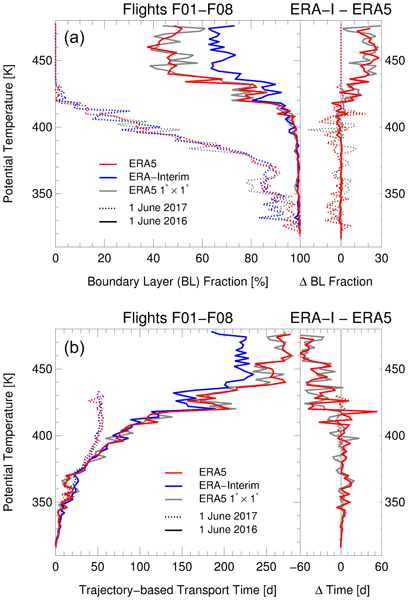
Over the Indian subcontinent, polluted air is rapidly uplifted to higher altitudes during the Asian monsoon season. We present an assessment of vertical transport in this region using different wind data provided by the European Centre for Medium-Range Weather Forecasts (ECMWF), as well as high-resolution aircraft measurements. In general, our findings confirm that the newest ECMWF reanalysis product, ERA5, yields a better representation of transport compared to the predecessor, ERA-Interim.
Francesco Cairo, Martina Krämer, Armin Afchine, Guido Di Donfrancesco, Luca Di Liberto, Sergey Khaykin, Lorenza Lucaferri, Valentin Mitev, Max Port, Christian Rolf, Marcel Snels, Nicole Spelten, Ralf Weigel, and Stephan Borrmann
Atmos. Meas. Tech., 16, 4899–4925, https://doi.org/10.5194/amt-16-4899-2023, https://doi.org/10.5194/amt-16-4899-2023, 2023
Short summary
Short summary
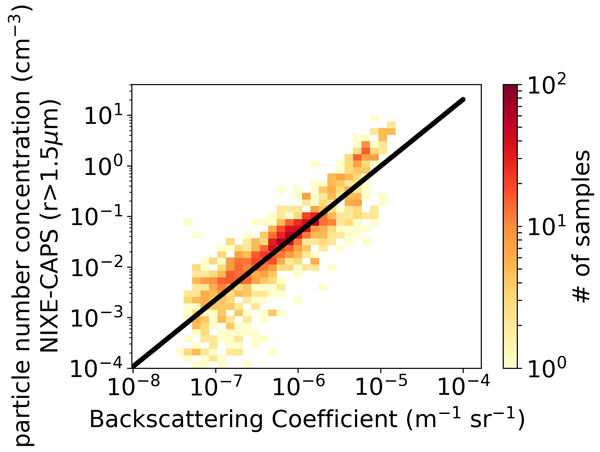
Cirrus clouds have been observed over the Himalayan region between 10 km and the tropopause at 17–18 km. Data from backscattersonde, hygrometers, and particle cloud spectrometers have been compared to assess their consistency. Empirical relationships between optical parameters accessible with remote sensing lidars and cloud microphysical parameters (such as ice water content, particle number and surface area density, and particle aspherical fraction) have been established.
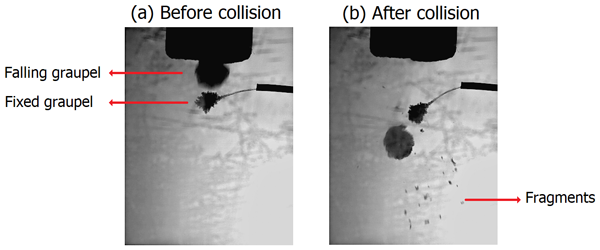
Pierre Grzegorczyk, Sudha Yadav, Florian Zanger, Alexander Theis, Subir K. Mitra, Stephan Borrmann, and Miklós Szakáll
Atmos. Chem. Phys., 23, 13505–13521, https://doi.org/10.5194/acp-23-13505-2023, https://doi.org/10.5194/acp-23-13505-2023, 2023
Short summary
Short summary
Secondary ice production generates high concentrations of ice crystals in clouds. These processes have been poorly understood. We conducted experiments at the wind tunnel laboratory of the Johannes Gutenberg University, Mainz, on graupel–graupel and graupel–snowflake collisions. From these experiments fragment number, size, cross-sectional area, and aspect ratio were determined.
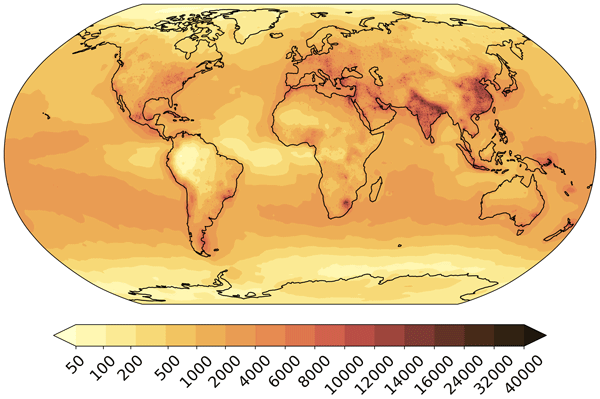
Matthias Kohl, Jos Lelieveld, Sourangsu Chowdhury, Sebastian Ehrhart, Disha Sharma, Yafang Cheng, Sachchida Nand Tripathi, Mathew Sebastian, Govindan Pandithurai, Hongli Wang, and Andrea Pozzer
Atmos. Chem. Phys., 23, 13191–13215, https://doi.org/10.5194/acp-23-13191-2023, https://doi.org/10.5194/acp-23-13191-2023, 2023
Short summary
Short summary
Knowledge on atmospheric ultrafine particles (UFPs) with a diameter smaller than 100 nm is crucial for public health and the hydrological cycle. We present a new global dataset of UFP concentrations at the Earth's surface derived with a comprehensive chemistry–climate model and evaluated with ground-based observations. The evaluation results are combined with high-resolution primary emissions to downscale UFP concentrations to an unprecedented horizontal resolution of 0.1° × 0.1°.
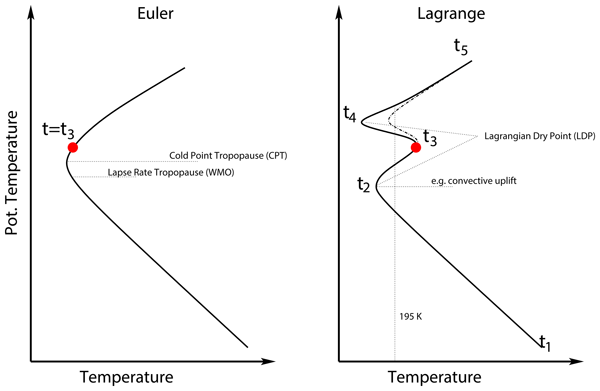
Paul Konopka, Christian Rolf, Marc von Hobe, Sergey M. Khaykin, Benjamin Clouser, Elisabeth Moyer, Fabrizio Ravegnani, Francesco D'Amato, Silvia Viciani, Nicole Spelten, Armin Afchine, Martina Krämer, Fred Stroh, and Felix Ploeger
Atmos. Chem. Phys., 23, 12935–12947, https://doi.org/10.5194/acp-23-12935-2023, https://doi.org/10.5194/acp-23-12935-2023, 2023
Short summary
Short summary
We studied water vapor in a critical region of the atmosphere, the Asian summer monsoon anticyclone, using rare in situ observations. Our study shows that extremely high water vapor values observed in the stratosphere within the Asian monsoon anticyclone still undergo significant freeze-drying and that water vapor concentrations set by the Lagrangian dry point are a better proxy for the stratospheric water vapor budget than rare observations of enhanced water mixing ratios.
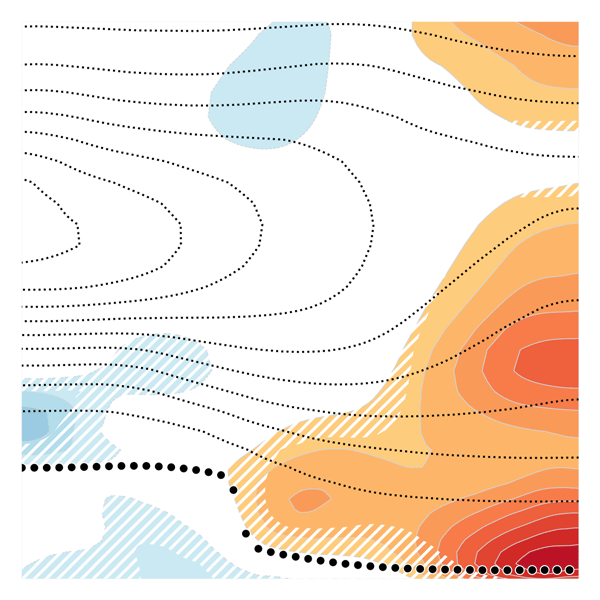
Frederik Harzer, Hella Garny, Felix Ploeger, Harald Bönisch, Peter Hoor, and Thomas Birner
Atmos. Chem. Phys., 23, 10661–10675, https://doi.org/10.5194/acp-23-10661-2023, https://doi.org/10.5194/acp-23-10661-2023, 2023
Short summary
Short summary
We study the statistical relation between year-by-year fluctuations in winter-mean ozone and the strength of the stratospheric polar vortex. In the latitude–pressure plane, regression analysis shows that anomalously weak polar vortex years are associated with three pronounced local ozone maxima over the polar cap relative to the winter climatology. These response maxima primarily reflect the non-trivial combination of different ozone transport processes with varying relative contributions.
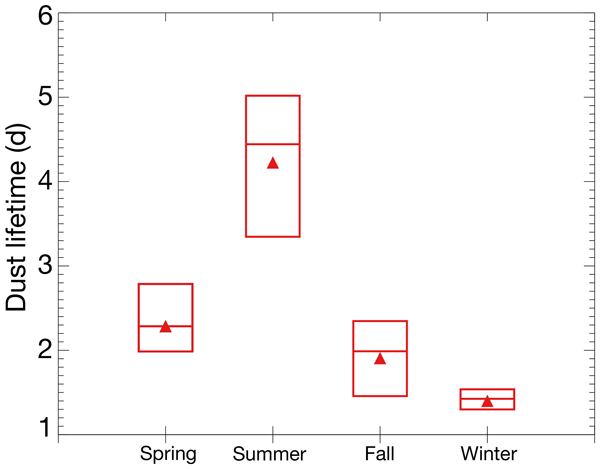
Xurong Wang, Qiaoqiao Wang, Maria Prass, Christopher Pöhlker, Daniel Moran-Zuloaga, Paulo Artaxo, Jianwei Gu, Ning Yang, Xiajie Yang, Jiangchuan Tao, Juan Hong, Nan Ma, Yafang Cheng, Hang Su, and Meinrat O. Andreae
Atmos. Chem. Phys., 23, 9993–10014, https://doi.org/10.5194/acp-23-9993-2023, https://doi.org/10.5194/acp-23-9993-2023, 2023
Short summary
Short summary
In this work, with an optimized particle mass size distribution, we captured observed aerosol optical depth (AOD) and coarse aerosol concentrations over source and/or receptor regions well, demonstrating good performance in simulating export of African dust toward the Amazon Basin. In addition to factors controlling the transatlantic transport of African dust, the study investigated the impact of African dust over the Amazon Basin, including the nutrient inputs associated with dust deposition.
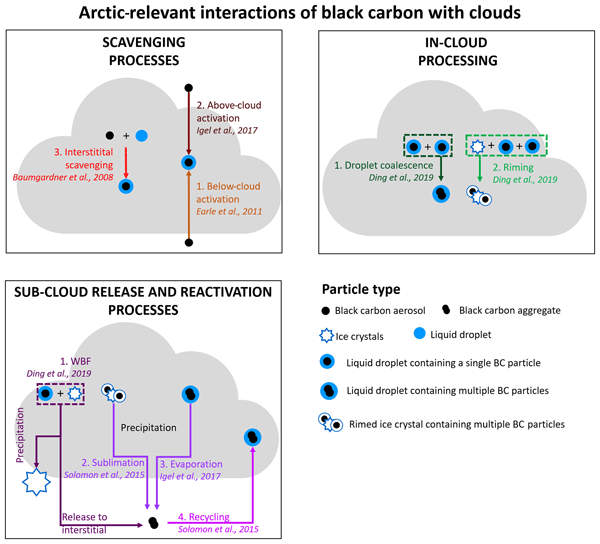
Marco Zanatta, Stephan Mertes, Olivier Jourdan, Regis Dupuy, Emma Järvinen, Martin Schnaiter, Oliver Eppers, Johannes Schneider, Zsófia Jurányi, and Andreas Herber
Atmos. Chem. Phys., 23, 7955–7973, https://doi.org/10.5194/acp-23-7955-2023, https://doi.org/10.5194/acp-23-7955-2023, 2023
Short summary
Short summary
Black carbon (BC) particles influence the Arctic radiative balance. Vertical measurements of black carbon were conducted during the ACLOUD campaign in the European Arctic to study the interaction of BC with clouds. This study shows that clouds influence the vertical variability of BC properties across the inversion layer and that multiple activation and transformation mechanisms of BC may occur in the presence of low-level, persistent, mixed-phase clouds.
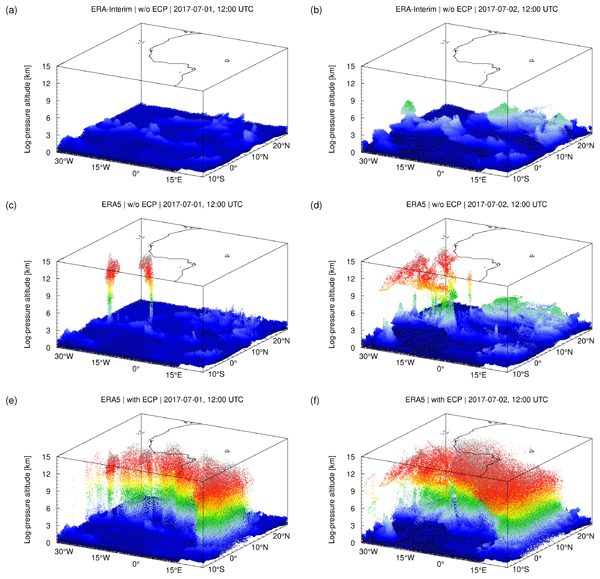
Lars Hoffmann, Paul Konopka, Jan Clemens, and Bärbel Vogel
Atmos. Chem. Phys., 23, 7589–7609, https://doi.org/10.5194/acp-23-7589-2023, https://doi.org/10.5194/acp-23-7589-2023, 2023
Short summary
Short summary
Atmospheric convection plays a key role in tracer transport in the troposphere. Global meteorological forecasts and reanalyses typically have a coarse spatiotemporal resolution that does not adequately resolve the dynamics, transport, and mixing of air associated with storm systems or deep convection. We discuss the application of the extreme convection parameterization in a Lagrangian transport model to improve simulations of tracer transport from the boundary layer into the free troposphere.
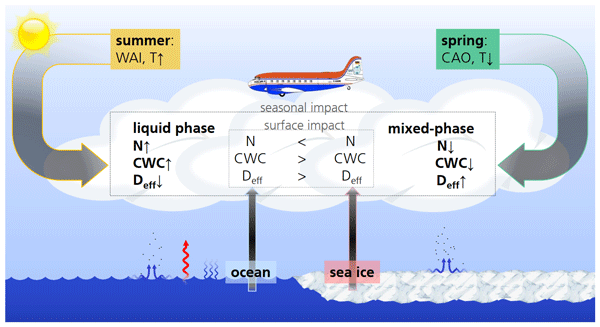
Manuel Moser, Christiane Voigt, Tina Jurkat-Witschas, Valerian Hahn, Guillaume Mioche, Olivier Jourdan, Régis Dupuy, Christophe Gourbeyre, Alfons Schwarzenboeck, Johannes Lucke, Yvonne Boose, Mario Mech, Stephan Borrmann, André Ehrlich, Andreas Herber, Christof Lüpkes, and Manfred Wendisch
Atmos. Chem. Phys., 23, 7257–7280, https://doi.org/10.5194/acp-23-7257-2023, https://doi.org/10.5194/acp-23-7257-2023, 2023
Short summary
Short summary
This study provides a comprehensive microphysical and thermodynamic phase analysis of low-level clouds in the northern Fram Strait, above the sea ice and the open ocean, during spring and summer. Using airborne in situ cloud data, we show that the properties of Arctic low-level clouds vary significantly with seasonal meteorological situations and surface conditions. The observations presented in this study can help one to assess the role of clouds in the Arctic climate system.
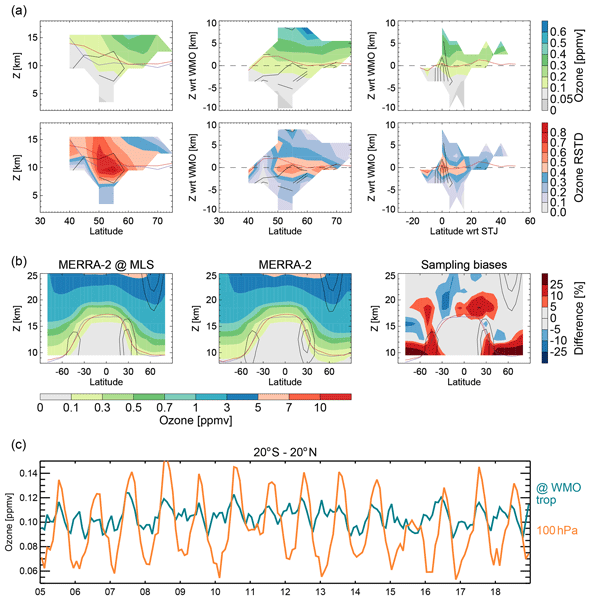
Luis F. Millán, Gloria L. Manney, Harald Boenisch, Michaela I. Hegglin, Peter Hoor, Daniel Kunkel, Thierry Leblanc, Irina Petropavlovskikh, Kaley Walker, Krzysztof Wargan, and Andreas Zahn
Atmos. Meas. Tech., 16, 2957–2988, https://doi.org/10.5194/amt-16-2957-2023, https://doi.org/10.5194/amt-16-2957-2023, 2023
Short summary
Short summary
The determination of atmospheric composition trends in the upper troposphere and lower stratosphere (UTLS) is still highly uncertain. We present the creation of dynamical diagnostics to map several ozone datasets (ozonesondes, lidars, aircraft, and satellite measurements) in geophysically based coordinate systems. The diagnostics can also be used to analyze other greenhouse gases relevant to surface climate and UTLS chemistry.
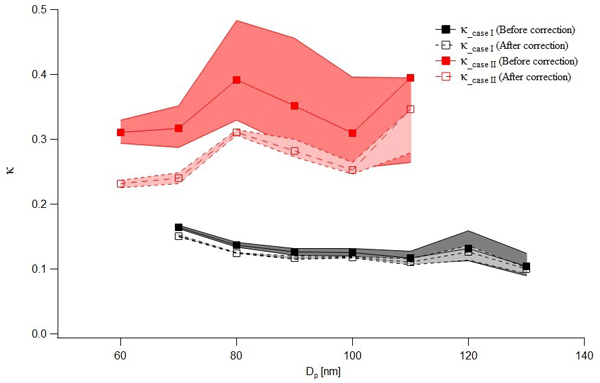
Najin Kim, Hang Su, Nan Ma, Ulrich Pöschl, and Yafang Cheng
Atmos. Meas. Tech., 16, 2771–2780, https://doi.org/10.5194/amt-16-2771-2023, https://doi.org/10.5194/amt-16-2771-2023, 2023
Short summary
Short summary
We propose a multiple-charging correction algorithm for a broad-supersaturation scanning cloud condensation nuclei (BS2-CCN) system which can obtain high time-resolution aerosol hygroscopicity and CCN activity. The correction algorithm aims at deriving the activation fraction's true value for each particle size. The meaningful differences between corrected and original κ values (single hygroscopicity parameter) emphasize the correction algorithm's importance for ambient aerosol measurement.
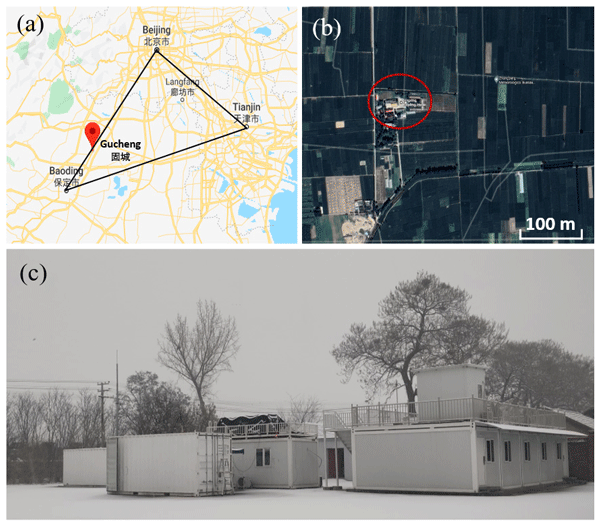
Juan Hong, Min Tang, Qiaoqiao Wang, Nan Ma, Shaowen Zhu, Shaobin Zhang, Xihao Pan, Linhong Xie, Guo Li, Uwe Kuhn, Chao Yan, Jiangchuan Tao, Ye Kuang, Yao He, Wanyun Xu, Runlong Cai, Yaqing Zhou, Zhibin Wang, Guangsheng Zhou, Bin Yuan, Yafang Cheng, and Hang Su
Atmos. Chem. Phys., 23, 5699–5713, https://doi.org/10.5194/acp-23-5699-2023, https://doi.org/10.5194/acp-23-5699-2023, 2023
Short summary
Short summary
A comprehensive investigation of the characteristics of new particle formation (NPF) events was conducted at a rural site on the North China Plain (NCP), China, during the wintertime of 2018 by covering the particle number size distribution down to sub–3 nm. Potential mechanisms for NPF under the current environment were explored, followed by a further discussion on the factors governing the occurrence of NPF at this rural site compared with other regions (e.g., urban areas) in the NCP region.
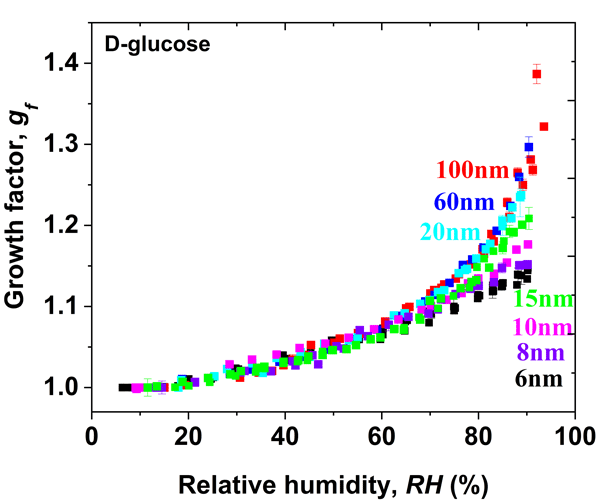
Ting Lei, Hang Su, Nan Ma, Ulrich Pöschl, Alfred Wiedensohler, and Yafang Cheng
Atmos. Chem. Phys., 23, 4763–4774, https://doi.org/10.5194/acp-23-4763-2023, https://doi.org/10.5194/acp-23-4763-2023, 2023
Short summary
Short summary
We investigate the hygroscopic behavior of levoglucosan and D-glucose nanoparticles using a nano-HTDMA. There is a weak size dependence of the hygroscopic growth factor of levoglucosan and D-glucose with diameters down to 20 nm, while a strong size dependence of the hygroscopic growth factor of D-glucose has been clearly observed in the size range 6 to 20 nm. The use of the DKA method leads to good agreement with the hygroscopic growth factor of glucose nanoparticles with diameters down to 6 nm.
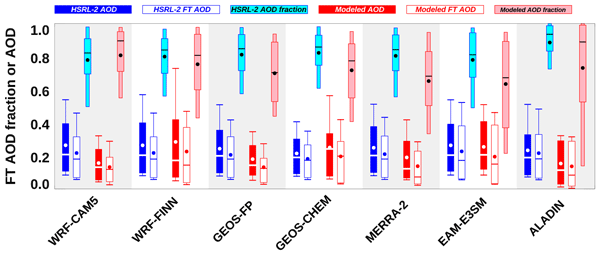
Ian Chang, Lan Gao, Connor J. Flynn, Yohei Shinozuka, Sarah J. Doherty, Michael S. Diamond, Karla M. Longo, Gonzalo A. Ferrada, Gregory R. Carmichael, Patricia Castellanos, Arlindo M. da Silva, Pablo E. Saide, Calvin Howes, Zhixin Xue, Marc Mallet, Ravi Govindaraju, Qiaoqiao Wang, Yafang Cheng, Yan Feng, Sharon P. Burton, Richard A. Ferrare, Samuel E. LeBlanc, Meloë S. Kacenelenbogen, Kristina Pistone, Michal Segal-Rozenhaimer, Kerry G. Meyer, Ju-Mee Ryoo, Leonhard Pfister, Adeyemi A. Adebiyi, Robert Wood, Paquita Zuidema, Sundar A. Christopher, and Jens Redemann
Atmos. Chem. Phys., 23, 4283–4309, https://doi.org/10.5194/acp-23-4283-2023, https://doi.org/10.5194/acp-23-4283-2023, 2023
Short summary
Short summary
Abundant aerosols are present above low-level liquid clouds over the southeastern Atlantic during late austral spring. The model simulation differences in the proportion of aerosol residing in the planetary boundary layer and in the free troposphere can greatly affect the regional aerosol radiative effects. This study examines the aerosol loading and fractional aerosol loading in the free troposphere among various models and evaluates them against measurements from the NASA ORACLES campaign.
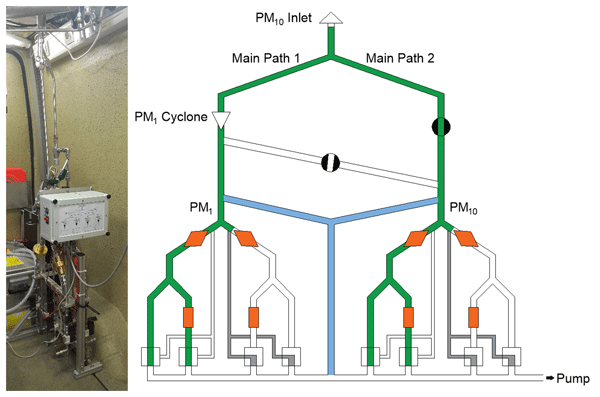
Julia Pikmann, Lasse Moormann, Frank Drewnick, and Stephan Borrmann
Atmos. Meas. Tech., 16, 1323–1341, https://doi.org/10.5194/amt-16-1323-2023, https://doi.org/10.5194/amt-16-1323-2023, 2023
Short summary
Short summary
Aerosols measured in complex environments are usually a mixture of emissions from different sources. To characterize sources individually, we developed a sampling system for particles and organic trace gases which is coupled to real-time data of physical and chemical aerosol properties, gas concentrations, and meteorological variables. Using suitable sampling conditions for individual aerosols which are compared with the real-time data the desired aerosols are sampled separately from each other.
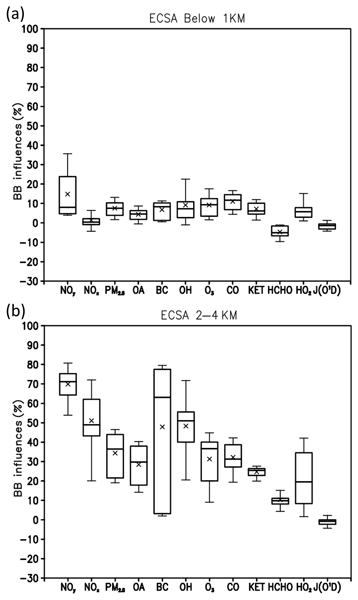
Chuan-Yao Lin, Wan-Chin Chen, Yi-Yun Chien, Charles C. K. Chou, Chian-Yi Liu, Helmut Ziereis, Hans Schlager, Eric Förster, Florian Obersteiner, Ovid O. Krüger, Bruna A. Holanda, Mira L. Pöhlker, Katharina Kaiser, Johannes Schneider, Birger Bohn, Klaus Pfeilsticker, Benjamin Weyland, Maria Dolores Andrés Hernández, and John P. Burrows
Atmos. Chem. Phys., 23, 2627–2647, https://doi.org/10.5194/acp-23-2627-2023, https://doi.org/10.5194/acp-23-2627-2023, 2023
Short summary
Short summary
During the EMeRGe campaign in Asia, atmospheric pollutants were measured on board the HALO aircraft. The WRF-Chem model was employed to evaluate the biomass burning (BB) plume transported from Indochina and its impact on the downstream areas. The combination of BB aerosol enhancement with cloud water resulted in a reduction in incoming shortwave radiation at the surface in southern China and the East China Sea, which potentially has significant regional climate implications.
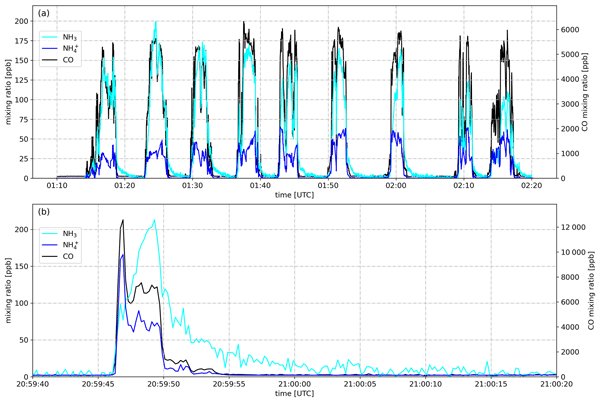
Laura Tomsche, Felix Piel, Tomas Mikoviny, Claus J. Nielsen, Hongyu Guo, Pedro Campuzano-Jost, Benjamin A. Nault, Melinda K. Schueneman, Jose L. Jimenez, Hannah Halliday, Glenn Diskin, Joshua P. DiGangi, John B. Nowak, Elizabeth B. Wiggins, Emily Gargulinski, Amber J. Soja, and Armin Wisthaler
Atmos. Chem. Phys., 23, 2331–2343, https://doi.org/10.5194/acp-23-2331-2023, https://doi.org/10.5194/acp-23-2331-2023, 2023
Short summary
Short summary
Ammonia (NH3) is an important trace gas in the atmosphere and fires are among the poorly investigated sources. During the 2019 Fire Influence on Regional to Global Environments and Air Quality (FIREX-AQ) aircraft campaign, we measured gaseous NH3 and particulate ammonium (NH4+) in smoke plumes emitted from 6 wildfires in the Western US and 66 small agricultural fires in the Southeastern US. We herein present a comprehensive set of emission factors of NH3 and NHx, where NHx = NH3 + NH4+.

Shujun Zhong, Shuang Chen, Junjun Deng, Yanbing Fan, Qiang Zhang, Qiaorong Xie, Yulin Qi, Wei Hu, Libin Wu, Xiaodong Li, Chandra Mouli Pavuluri, Jialei Zhu, Xin Wang, Di Liu, Xiaole Pan, Yele Sun, Zifa Wang, Yisheng Xu, Haijie Tong, Hang Su, Yafang Cheng, Kimitaka Kawamura, and Pingqing Fu
Atmos. Chem. Phys., 23, 2061–2077, https://doi.org/10.5194/acp-23-2061-2023, https://doi.org/10.5194/acp-23-2061-2023, 2023
Short summary
Short summary
This study investigated the role of the secondary organic aerosol (SOA) loading on the molecular composition of wintertime urban aerosols by ultrahigh-resolution mass spectrometry. Results demonstrate that the SOA loading is an important factor associated with the oxidation degree, nitrate group content, and chemodiversity of nitrooxy–organosulfates. Our study also found that the hydrolysis of nitrooxy–organosulfates is a possible pathway for the formation of organosulfates.
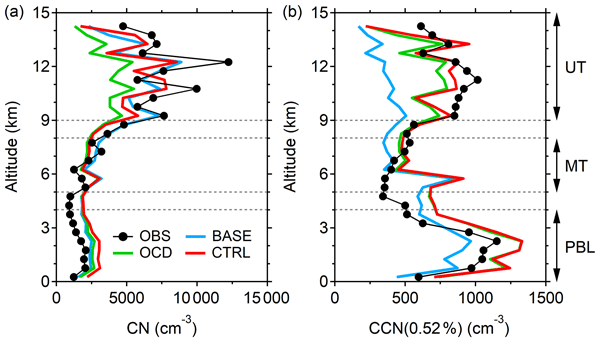
Yunfan Liu, Hang Su, Siwen Wang, Chao Wei, Wei Tao, Mira L. Pöhlker, Christopher Pöhlker, Bruna A. Holanda, Ovid O. Krüger, Thorsten Hoffmann, Manfred Wendisch, Paulo Artaxo, Ulrich Pöschl, Meinrat O. Andreae, and Yafang Cheng
Atmos. Chem. Phys., 23, 251–272, https://doi.org/10.5194/acp-23-251-2023, https://doi.org/10.5194/acp-23-251-2023, 2023
Short summary
Short summary
The origins of the abundant cloud condensation nuclei (CCN) in the upper troposphere (UT) of the Amazon remain unclear. With model developments of new secondary organic aerosol schemes and constrained by observation, we show that strong aerosol nucleation and condensation in the UT is triggered by biogenic organics, and organic condensation is key for UT CCN production. This UT CCN-producing mechanism may prevail over broader vegetation canopies and deserves emphasis in aerosol–climate feedback.
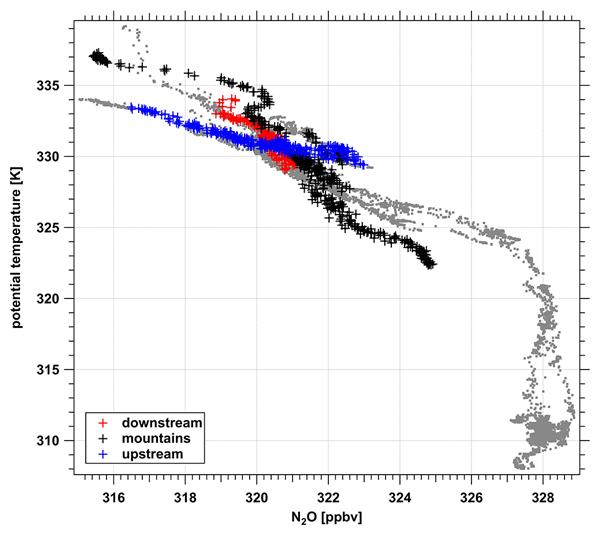
Hans-Christoph Lachnitt, Peter Hoor, Daniel Kunkel, Martina Bramberger, Andreas Dörnbrack, Stefan Müller, Philipp Reutter, Andreas Giez, Thorsten Kaluza, and Markus Rapp
Atmos. Chem. Phys., 23, 355–373, https://doi.org/10.5194/acp-23-355-2023, https://doi.org/10.5194/acp-23-355-2023, 2023
Short summary
Short summary
We present an analysis of high-resolution airborne measurements during a flight of the DEEPWAVE 2014 campaign in New Zealand. The focus of this flight was to study the effects of enhanced mountain wave activity over the Southern Alps. We discuss changes in the upstream and downstream distributions of N2O and CO and show that these changes are related to turbulence-induced trace gas fluxes which have persistent effects on the trace gas composition in the lower stratosphere.
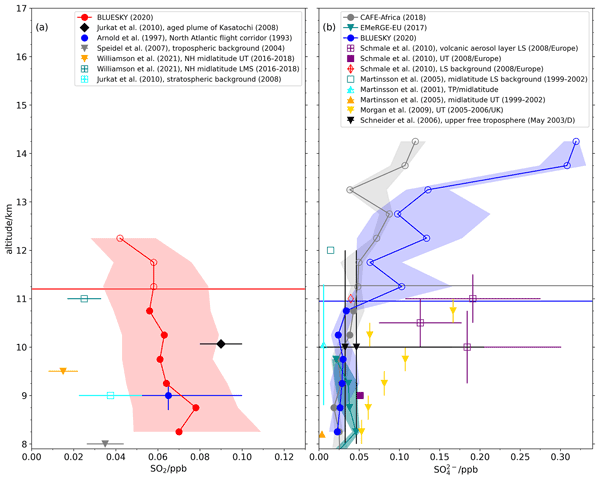
Laura Tomsche, Andreas Marsing, Tina Jurkat-Witschas, Johannes Lucke, Stefan Kaufmann, Katharina Kaiser, Johannes Schneider, Monika Scheibe, Hans Schlager, Lenard Röder, Horst Fischer, Florian Obersteiner, Andreas Zahn, Martin Zöger, Jos Lelieveld, and Christiane Voigt
Atmos. Chem. Phys., 22, 15135–15151, https://doi.org/10.5194/acp-22-15135-2022, https://doi.org/10.5194/acp-22-15135-2022, 2022
Short summary
Short summary
The detection of sulfur compounds in the upper troposphere (UT) and lower stratosphere (LS) is a challenge. In-flight measurements of SO2 and sulfate aerosol were performed during the BLUESKY mission in spring 2020 under exceptional atmospheric conditions. Reduced sinks in the dry UTLS and lower but still significant air traffic influenced the enhanced SO2 in the UT, and aged volcanic plumes enhanced the LS sulfate aerosol impacting the atmospheric radiation budget and global climate.
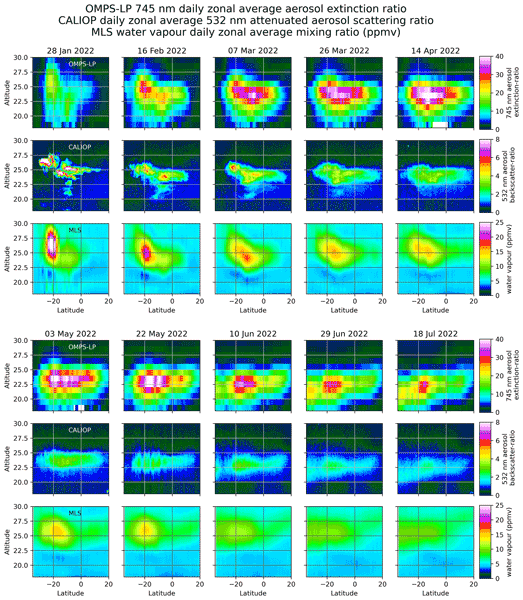
Bernard Legras, Clair Duchamp, Pasquale Sellitto, Aurélien Podglajen, Elisa Carboni, Richard Siddans, Jens-Uwe Grooß, Sergey Khaykin, and Felix Ploeger
Atmos. Chem. Phys., 22, 14957–14970, https://doi.org/10.5194/acp-22-14957-2022, https://doi.org/10.5194/acp-22-14957-2022, 2022
Short summary
Short summary
The long-duration atmospheric impact of the Tonga eruption in January 2022 is a plume of water and sulfate aerosols in the stratosphere that persisted for more than 6 months. We study this evolution using several satellite instruments and analyse the unusual behaviour of this plume as sulfates and water first moved down rapidly and then separated into two layers. We also report the self-organization in compact and long-lived patches.
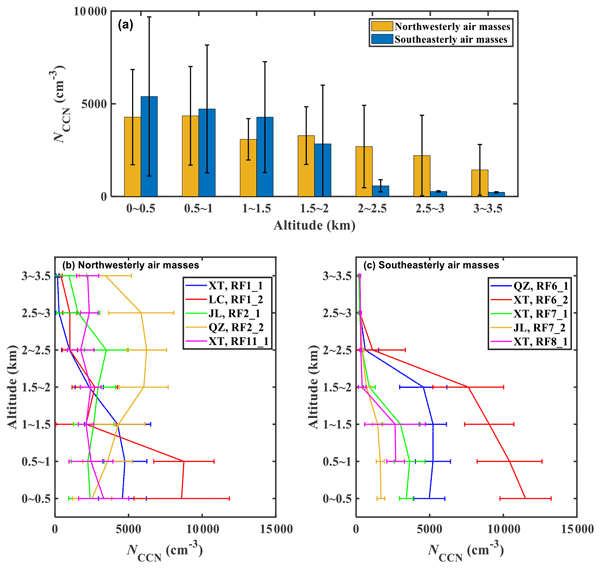
Rui Zhang, Yuying Wang, Zhanqing Li, Zhibin Wang, Russell R. Dickerson, Xinrong Ren, Hao He, Fei Wang, Ying Gao, Xi Chen, Jialu Xu, Yafang Cheng, and Hang Su
Atmos. Chem. Phys., 22, 14879–14891, https://doi.org/10.5194/acp-22-14879-2022, https://doi.org/10.5194/acp-22-14879-2022, 2022
Short summary
Short summary
Factors of cloud condensation nuclei number concentration (NCCN) profiles determined in the North China Plain include air mass sources, temperature structure, anthropogenic emissions, and terrain distribution. Cloud condensation nuclei (CCN) spectra suggest that the ability of aerosol activation into CCN is stronger in southeasterly than in northwesterly air masses and stronger in the free atmosphere than near the surface. A good method to parameterize NCCN from aerosol optical data is found.
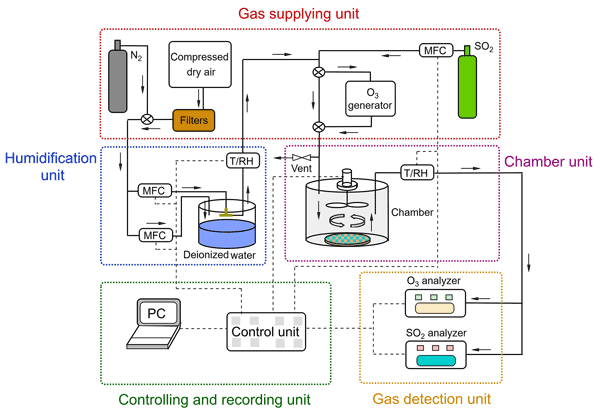
Guo Li, Hang Su, Meng Li, Uwe Kuhn, Guangjie Zheng, Lei Han, Fengxia Bao, Ulrich Pöschl, and Yafang Cheng
Atmos. Meas. Tech., 15, 6433–6446, https://doi.org/10.5194/amt-15-6433-2022, https://doi.org/10.5194/amt-15-6433-2022, 2022
Short summary
Short summary
A large fraction of previous work using dynamic flow chambers was to quantify gas exchange in terms of flux or deposition/emission rate. Here, we extended the usage of this technique to examine uptake kinetics on sample surfaces. The good performance of the chamber system was validated. This technique can be further used for liquid samples and real atmospheric aerosol samples without complicated coating procedures, which complements the existing techniques in atmospheric kinetic studies.
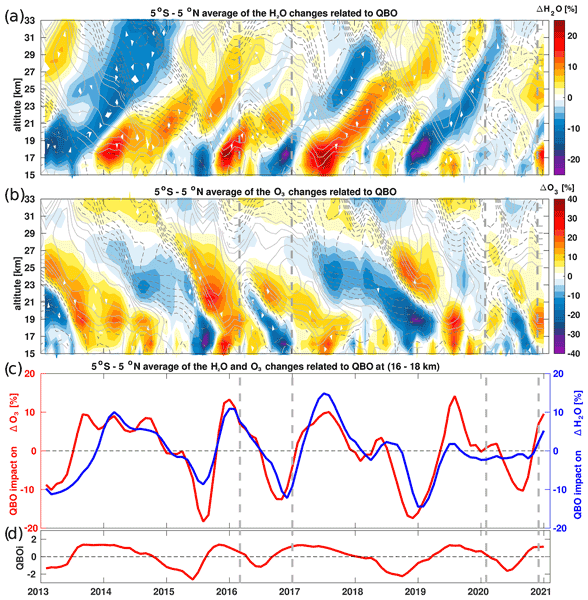
Mohamadou A. Diallo, Felix Ploeger, Michaela I. Hegglin, Manfred Ern, Jens-Uwe Grooß, Sergey Khaykin, and Martin Riese
Atmos. Chem. Phys., 22, 14303–14321, https://doi.org/10.5194/acp-22-14303-2022, https://doi.org/10.5194/acp-22-14303-2022, 2022
Short summary
Short summary
The quasi-biennial oacillation disruption events in both 2016 and 2020 decreased lower-stratospheric water vapour and ozone. Differences in the strength and depth of the anomalous lower-stratospheric circulation and ozone are due to differences in tropical upwelling and cold-point temperature induced by lower-stratospheric planetary and gravity wave breaking. The differences in water vapour are due to higher cold-point temperature in 2020 induced by Australian wildfire.
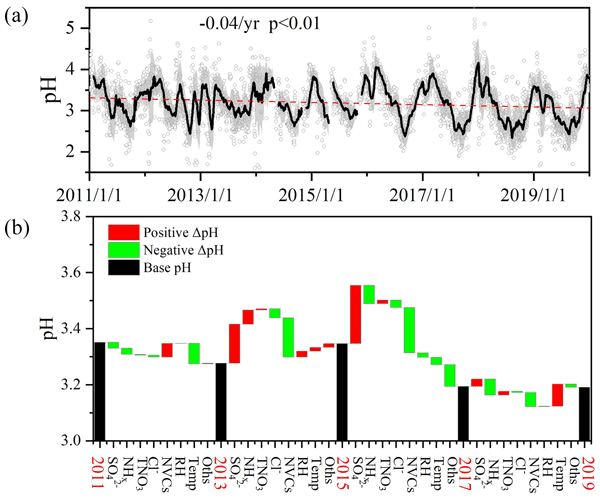
Min Zhou, Guangjie Zheng, Hongli Wang, Liping Qiao, Shuhui Zhu, DanDan Huang, Jingyu An, Shengrong Lou, Shikang Tao, Qian Wang, Rusha Yan, Yingge Ma, Changhong Chen, Yafang Cheng, Hang Su, and Cheng Huang
Atmos. Chem. Phys., 22, 13833–13844, https://doi.org/10.5194/acp-22-13833-2022, https://doi.org/10.5194/acp-22-13833-2022, 2022
Short summary
Short summary
The trend of aerosol pH and its drivers is crucial in understanding the multiphase formation pathways of aerosols. We reported the first trend analysis of aerosol pH from 2011 to 2019 in eastern China. Although significant variations of aerosol compositions were observed from 2011 to 2019, the aerosol pH estimated by model only slightly declined by 0.24. Our work shows that the opposite effects of SO42− and non-volatile cation changes play key roles in determining the moderate pH trend.
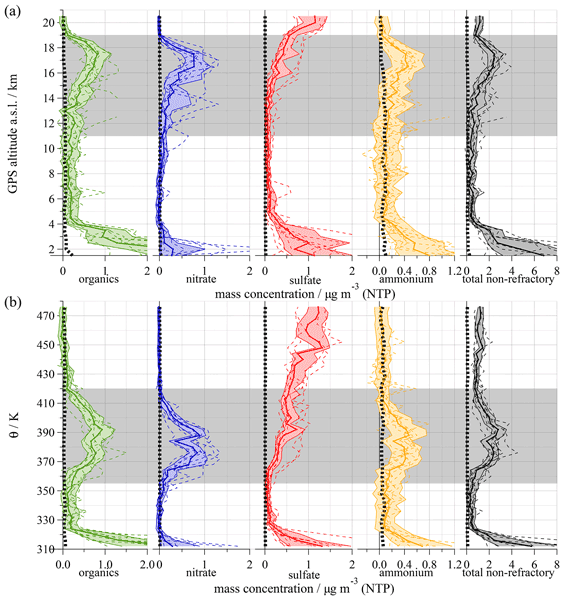
Oliver Appel, Franziska Köllner, Antonis Dragoneas, Andreas Hünig, Sergej Molleker, Hans Schlager, Christoph Mahnke, Ralf Weigel, Max Port, Christiane Schulz, Frank Drewnick, Bärbel Vogel, Fred Stroh, and Stephan Borrmann
Atmos. Chem. Phys., 22, 13607–13630, https://doi.org/10.5194/acp-22-13607-2022, https://doi.org/10.5194/acp-22-13607-2022, 2022
Short summary
Short summary
This paper clarifies the chemical composition of the Asian tropopause aerosol layer (ATAL) by means of airborne in situ aerosol mass spectrometry (AMS). Ammonium nitrate and organics are found to significantly contribute to the particle layer, while sulfate does not show a layered structure. An analysis of the single-particle mass spectra suggests that secondary particle formation and subsequent growth dominate the particle composition, rather than condensation on pre-existing primary particles.
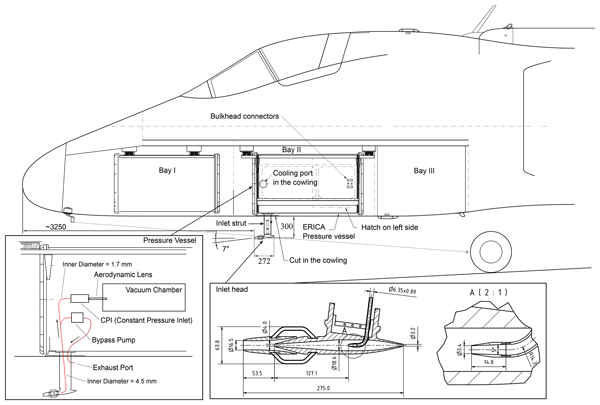
Antonis Dragoneas, Sergej Molleker, Oliver Appel, Andreas Hünig, Thomas Böttger, Markus Hermann, Frank Drewnick, Johannes Schneider, Ralf Weigel, and Stephan Borrmann
Atmos. Meas. Tech., 15, 5719–5742, https://doi.org/10.5194/amt-15-5719-2022, https://doi.org/10.5194/amt-15-5719-2022, 2022
Short summary
Short summary
The ERICA is a specially designed aerosol particle mass spectrometer for in situ, real-time chemical composition analysis of aerosols. It can operate completely autonomously, in the absence of an instrument operator. Its design has enabled its operation under harsh conditions, like those experienced in the upper troposphere and lower stratosphere, aboard unpressurized high-altitude research aircraft. The instrument has successfully participated in several aircraft operations around the world.
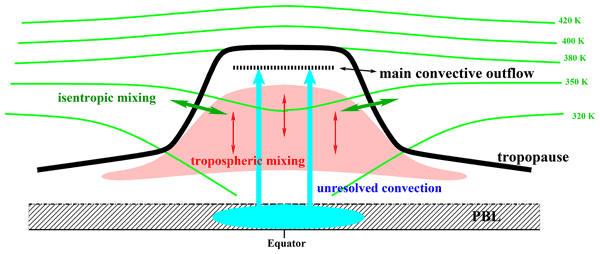
Paul Konopka, Mengchu Tao, Marc von Hobe, Lars Hoffmann, Corinna Kloss, Fabrizio Ravegnani, C. Michael Volk, Valentin Lauther, Andreas Zahn, Peter Hoor, and Felix Ploeger
Geosci. Model Dev., 15, 7471–7487, https://doi.org/10.5194/gmd-15-7471-2022, https://doi.org/10.5194/gmd-15-7471-2022, 2022
Short summary
Short summary
Pure trajectory-based transport models driven by meteorology derived from reanalysis products (ERA5) take into account only the resolved, advective part of transport. That means neither mixing processes nor unresolved subgrid-scale advective processes like convection are included. The Chemical Lagrangian Model of the Stratosphere (CLaMS) includes these processes. We show that isentropic mixing dominates unresolved transport. The second most important transport process is unresolved convection.
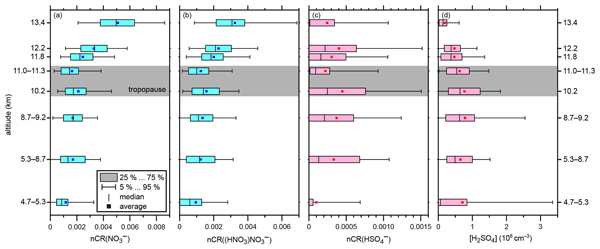
Marcel Zauner-Wieczorek, Martin Heinritzi, Manuel Granzin, Timo Keber, Andreas Kürten, Katharina Kaiser, Johannes Schneider, and Joachim Curtius
Atmos. Chem. Phys., 22, 11781–11794, https://doi.org/10.5194/acp-22-11781-2022, https://doi.org/10.5194/acp-22-11781-2022, 2022
Short summary
Short summary
We present measurements of ambient ions in the free troposphere and lower stratosphere over Europe in spring 2020. We observed nitrate and hydrogen sulfate, amongst others. From their ratio, the number concentrations of gaseous sulfuric acid were inferred. Nitrate increased towards the stratosphere, whilst sulfuric acid was slightly decreased there. The average values for sulfuric acid were 1.9 to 7.8 × 105 cm-3. Protonated pyridine was identified in an altitude range of 4.6 to 8.5 km.
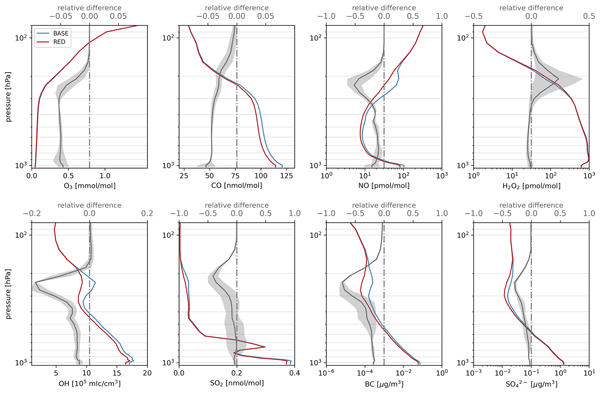
Simon F. Reifenberg, Anna Martin, Matthias Kohl, Sara Bacer, Zaneta Hamryszczak, Ivan Tadic, Lenard Röder, Daniel J. Crowley, Horst Fischer, Katharina Kaiser, Johannes Schneider, Raphael Dörich, John N. Crowley, Laura Tomsche, Andreas Marsing, Christiane Voigt, Andreas Zahn, Christopher Pöhlker, Bruna A. Holanda, Ovid Krüger, Ulrich Pöschl, Mira Pöhlker, Patrick Jöckel, Marcel Dorf, Ulrich Schumann, Jonathan Williams, Birger Bohn, Joachim Curtius, Hardwig Harder, Hans Schlager, Jos Lelieveld, and Andrea Pozzer
Atmos. Chem. Phys., 22, 10901–10917, https://doi.org/10.5194/acp-22-10901-2022, https://doi.org/10.5194/acp-22-10901-2022, 2022
Short summary
Short summary
In this work we use a combination of observational data from an aircraft campaign and model results to investigate the effect of the European lockdown due to COVID-19 in spring 2020. Using model results, we show that the largest relative changes to the atmospheric composition caused by the reduced emissions are located in the upper troposphere around aircraft cruise altitude, while the largest absolute changes are present at the surface.
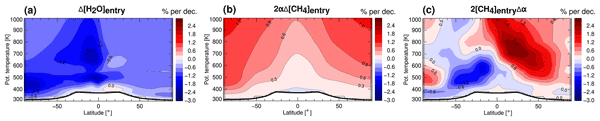
Liubov Poshyvailo-Strube, Rolf Müller, Stephan Fueglistaler, Michaela I. Hegglin, Johannes C. Laube, C. Michael Volk, and Felix Ploeger
Atmos. Chem. Phys., 22, 9895–9914, https://doi.org/10.5194/acp-22-9895-2022, https://doi.org/10.5194/acp-22-9895-2022, 2022
Short summary
Short summary
Brewer–Dobson circulation (BDC) controls the composition of the stratosphere, which in turn affects radiation and climate. As the BDC cannot be measured directly, it is necessary to infer its strength and trends indirectly. In this study, we test in the
model worlddifferent methods for estimating the mean age of air trends based on a combination of stratospheric water vapour and methane data. We also provide simple practical advice of a more reliable estimation of the mean age of air trends.
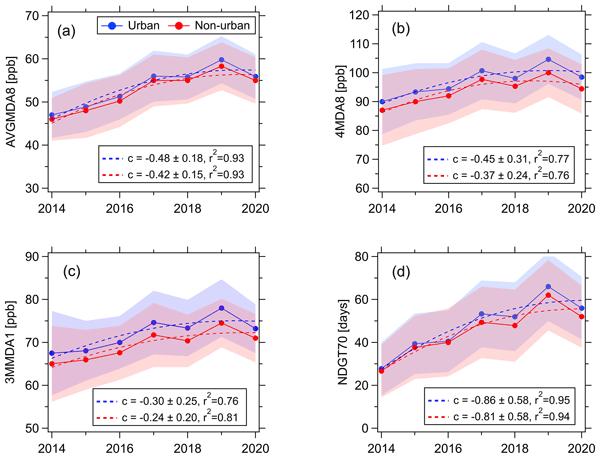
Wenjie Wang, David D. Parrish, Siwen Wang, Fengxia Bao, Ruijing Ni, Xin Li, Suding Yang, Hongli Wang, Yafang Cheng, and Hang Su
Atmos. Chem. Phys., 22, 8935–8949, https://doi.org/10.5194/acp-22-8935-2022, https://doi.org/10.5194/acp-22-8935-2022, 2022
Short summary
Short summary
Tropospheric ozone is an air pollutant that is detrimental to human health, vegetation and ecosystem productivity. A comprehensive characterisation of the spatial and temporal distribution of tropospheric ozone is critical to our understanding of these issues. Here we summarise this distribution over China from the available observational records to the extent possible. This study provides insights into efficient future ozone control strategies in China.
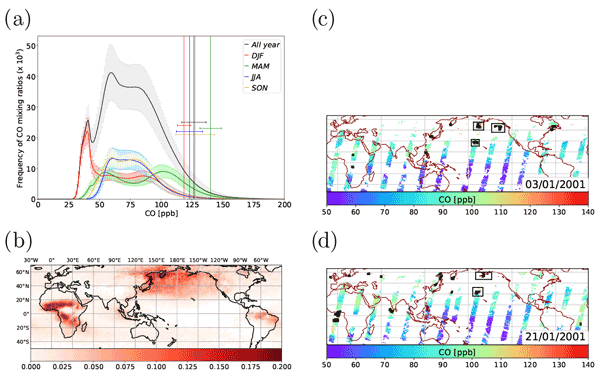
Linda Smoydzin and Peter Hoor
Atmos. Chem. Phys., 22, 7193–7206, https://doi.org/10.5194/acp-22-7193-2022, https://doi.org/10.5194/acp-22-7193-2022, 2022
Short summary
Short summary
Our study presents a detailed analysis of the spatial and temporal distribution of elevated CO level in the upper troposphere over the Pacific using 20 years of MOPITT data. We create a climatology of severe pollution episodes and use trajectory calculations to link each particular pollution event detected in MOPITT satellite data with a distinct source region. Additionally, we analyse uplift mechanisms such as WCB-related upward transport.
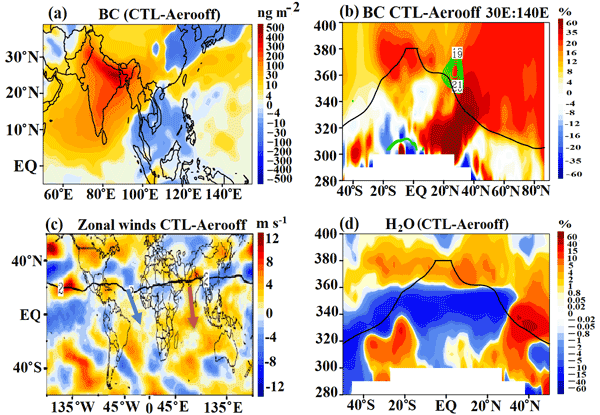
Suvarna Fadnavis, Prashant Chavan, Akash Joshi, Sunil M. Sonbawne, Asutosh Acharya, Panuganti C. S. Devara, Alexandru Rap, Felix Ploeger, and Rolf Müller
Atmos. Chem. Phys., 22, 7179–7191, https://doi.org/10.5194/acp-22-7179-2022, https://doi.org/10.5194/acp-22-7179-2022, 2022
Short summary
Short summary
We show that large amounts of anthropogenic aerosols are transported from South Asia to the northern Indian Ocean. These aerosols are then lifted into the UTLS by the ascending branch of the Hadley circulation. They are further transported to the Southern Hemisphere and downward via westerly ducts over the tropical Atlantic and Pacific. These aerosols increase tropospheric heating, resulting in an increase in water vapor, which is then transported to the UTLS.
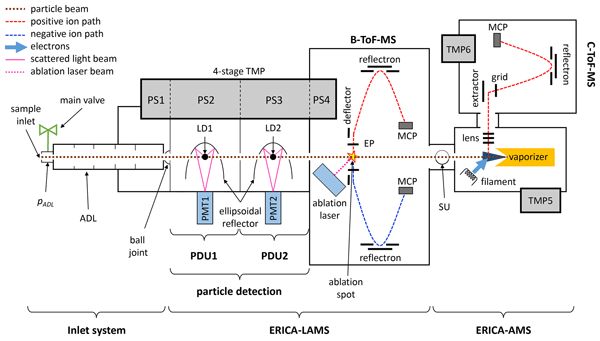
Andreas Hünig, Oliver Appel, Antonis Dragoneas, Sergej Molleker, Hans-Christian Clemen, Frank Helleis, Thomas Klimach, Franziska Köllner, Thomas Böttger, Frank Drewnick, Johannes Schneider, and Stephan Borrmann
Atmos. Meas. Tech., 15, 2889–2921, https://doi.org/10.5194/amt-15-2889-2022, https://doi.org/10.5194/amt-15-2889-2022, 2022
Short summary
Short summary
We have serially combined the two well-established methods for in situ real-time measurement of fine particle chemical composition, the single-particle laser ablation method and the flash evaporation with electron impact ionization method, into a novel instrument. Here we present the design; instrument characteristics, as derived from laboratory and field measurements; and results from the first field deployment during the 2017 StratoClim aircraft campaign.
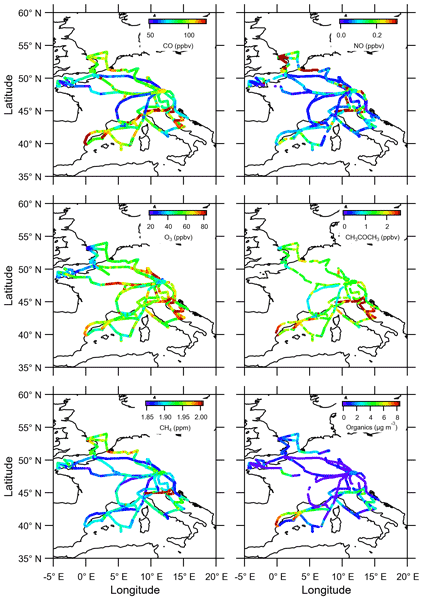
M. Dolores Andrés Hernández, Andreas Hilboll, Helmut Ziereis, Eric Förster, Ovid O. Krüger, Katharina Kaiser, Johannes Schneider, Francesca Barnaba, Mihalis Vrekoussis, Jörg Schmidt, Heidi Huntrieser, Anne-Marlene Blechschmidt, Midhun George, Vladyslav Nenakhov, Theresa Harlass, Bruna A. Holanda, Jennifer Wolf, Lisa Eirenschmalz, Marc Krebsbach, Mira L. Pöhlker, Anna B. Kalisz Hedegaard, Linlu Mei, Klaus Pfeilsticker, Yangzhuoran Liu, Ralf Koppmann, Hans Schlager, Birger Bohn, Ulrich Schumann, Andreas Richter, Benjamin Schreiner, Daniel Sauer, Robert Baumann, Mariano Mertens, Patrick Jöckel, Markus Kilian, Greta Stratmann, Christopher Pöhlker, Monica Campanelli, Marco Pandolfi, Michael Sicard, José L. Gómez-Amo, Manuel Pujadas, Katja Bigge, Flora Kluge, Anja Schwarz, Nikos Daskalakis, David Walter, Andreas Zahn, Ulrich Pöschl, Harald Bönisch, Stephan Borrmann, Ulrich Platt, and John P. Burrows
Atmos. Chem. Phys., 22, 5877–5924, https://doi.org/10.5194/acp-22-5877-2022, https://doi.org/10.5194/acp-22-5877-2022, 2022
Short summary
Short summary
EMeRGe provides a unique set of in situ and remote sensing airborne measurements of trace gases and aerosol particles along selected flight routes in the lower troposphere over Europe. The interpretation uses also complementary collocated ground-based and satellite measurements. The collected data help to improve the current understanding of the complex spatial distribution of trace gases and aerosol particles resulting from mixing, transport, and transformation of pollution plumes over Europe.
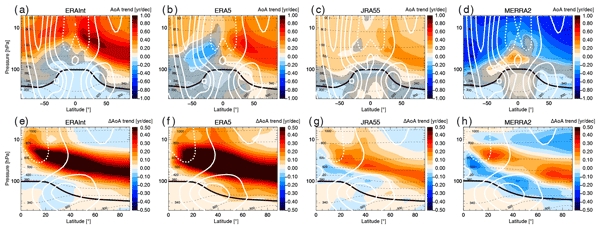
Felix Ploeger and Hella Garny
Atmos. Chem. Phys., 22, 5559–5576, https://doi.org/10.5194/acp-22-5559-2022, https://doi.org/10.5194/acp-22-5559-2022, 2022
Short summary
Short summary
We investigate hemispheric asymmetries in stratospheric circulation changes in the last 2 decades in model simulations and atmospheric observations. We find that observed trace gas changes can be explained by a structural circulation change related to a deepening circulation in the Northern Hemisphere relative to the Southern Hemisphere. As this asymmetric signal is small compared to internal variability observed circulation trends over the recent past are not in contradiction to climate models.
Mireia Papke Chica, Valerian Hahn, Tiziana Braeuer, Elena de la Torre Castro, Florian Ewald, Mathias Gergely, Simon Kirschler, Luca Bugliaro Goggia, Stefanie Knobloch, Martina Kraemer, Johannes Lucke, Johanna Mayer, Raphael Maerkl, Manuel Moser, Laura Tomsche, Tina Jurkat-Witschas, Martin Zoeger, Christian von Savigny, and Christiane Voigt
Atmos. Chem. Phys. Discuss., https://doi.org/10.5194/acp-2022-255, https://doi.org/10.5194/acp-2022-255, 2022
Preprint withdrawn
Short summary
Short summary
The mixed-phase temperature regime in convective clouds challenges our understanding of microphysical and radiative cloud properties. We provide a rare and unique dataset of aircraft in situ measurements in a strong mid-latitude convective system. We find that mechanisms initiating ice nucleation and growth strongly depend on temperature, relative humidity, and vertical velocity and variate within the measured system, resulting in altitude dependent changes of the cloud liquid and ice fraction.
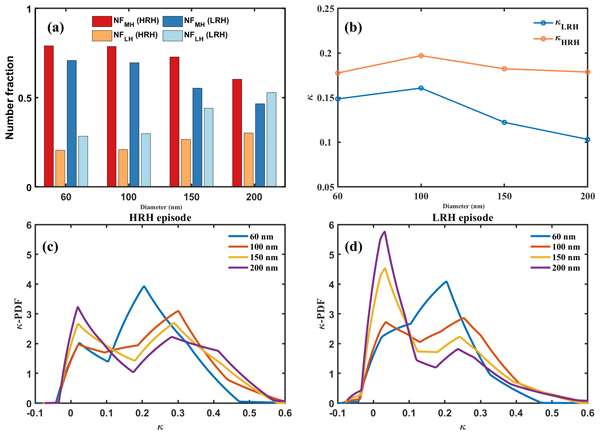
Jingnan Shi, Juan Hong, Nan Ma, Qingwei Luo, Yao He, Hanbing Xu, Haobo Tan, Qiaoqiao Wang, Jiangchuan Tao, Yaqing Zhou, Shuang Han, Long Peng, Linhong Xie, Guangsheng Zhou, Wanyun Xu, Yele Sun, Yafang Cheng, and Hang Su
Atmos. Chem. Phys., 22, 4599–4613, https://doi.org/10.5194/acp-22-4599-2022, https://doi.org/10.5194/acp-22-4599-2022, 2022
Short summary
Short summary
In this study, we investigated the hygroscopicity of submicron aerosols at a rural site in the North China Plain during the winter of 2018, using a HTDMA and a CV-ToF-ACSM. We observed differences in aerosol hygroscopicity during two distinct episodes with different primary emissions and secondary aerosol formation processes. These results provide an improved understanding of the complex influence of sources and aerosol evolution processes on their hygroscopicity.
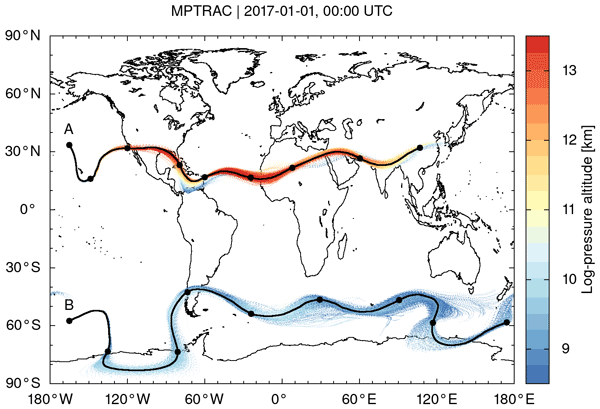
Lars Hoffmann, Paul F. Baumeister, Zhongyin Cai, Jan Clemens, Sabine Griessbach, Gebhard Günther, Yi Heng, Mingzhao Liu, Kaveh Haghighi Mood, Olaf Stein, Nicole Thomas, Bärbel Vogel, Xue Wu, and Ling Zou
Geosci. Model Dev., 15, 2731–2762, https://doi.org/10.5194/gmd-15-2731-2022, https://doi.org/10.5194/gmd-15-2731-2022, 2022
Short summary
Short summary
We describe the new version (2.2) of the Lagrangian transport model MPTRAC, which has been ported for application on GPUs. The model was verified by comparing kinematic trajectories and synthetic tracer simulations for the free troposphere and stratosphere from GPUs and CPUs. Benchmarking showed a speed-up of a factor of 16 of GPU-enabled simulations compared to CPU-only runs, indicating the great potential of applying GPUs for Lagrangian transport simulations on upcoming HPC systems.
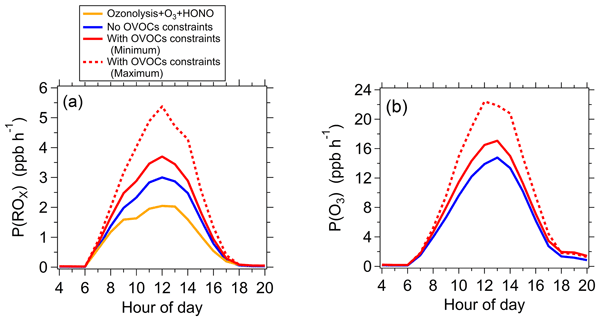
Wenjie Wang, Bin Yuan, Yuwen Peng, Hang Su, Yafang Cheng, Suxia Yang, Caihong Wu, Jipeng Qi, Fengxia Bao, Yibo Huangfu, Chaomin Wang, Chenshuo Ye, Zelong Wang, Baolin Wang, Xinming Wang, Wei Song, Weiwei Hu, Peng Cheng, Manni Zhu, Junyu Zheng, and Min Shao
Atmos. Chem. Phys., 22, 4117–4128, https://doi.org/10.5194/acp-22-4117-2022, https://doi.org/10.5194/acp-22-4117-2022, 2022
Short summary
Short summary
From thorough measurements of numerous oxygenated volatile organic compounds, we show that their photodissociation can be important for radical production and ozone formation in the atmosphere. This effect was underestimated in previous studies, as measurements of them were lacking.
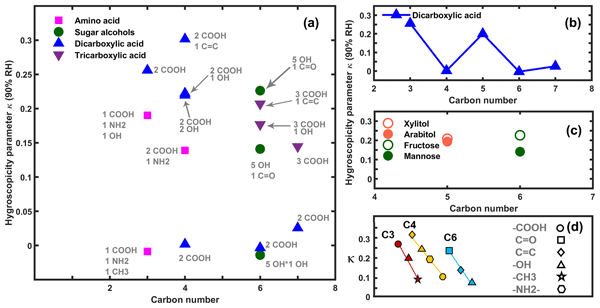
Shuang Han, Juan Hong, Qingwei Luo, Hanbing Xu, Haobo Tan, Qiaoqiao Wang, Jiangchuan Tao, Yaqing Zhou, Long Peng, Yao He, Jingnan Shi, Nan Ma, Yafang Cheng, and Hang Su
Atmos. Chem. Phys., 22, 3985–4004, https://doi.org/10.5194/acp-22-3985-2022, https://doi.org/10.5194/acp-22-3985-2022, 2022
Short summary
Short summary
We present the hygroscopicity of 23 organic species with different physicochemical properties using a hygroscopicity tandem differential mobility analyzer (HTDMA) and compare the results with previous studies. Based on the hygroscopicity parameter κ, the influence of different physicochemical properties that potentially drive hygroscopicity, such as the functionality, water solubility, molar volume, and O : C ratio of organics, are examined separately.
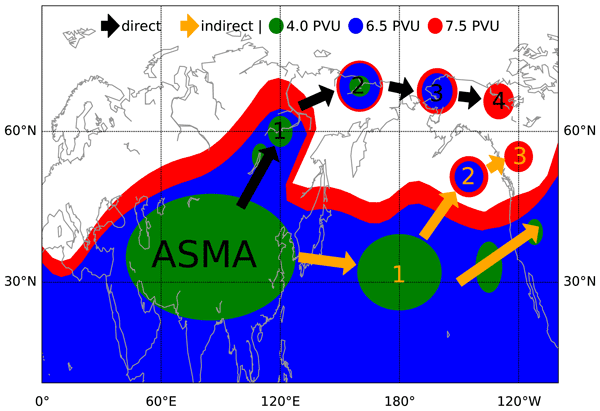
Jan Clemens, Felix Ploeger, Paul Konopka, Raphael Portmann, Michael Sprenger, and Heini Wernli
Atmos. Chem. Phys., 22, 3841–3860, https://doi.org/10.5194/acp-22-3841-2022, https://doi.org/10.5194/acp-22-3841-2022, 2022
Short summary
Short summary
Highly polluted air flows from the surface to higher levels of the atmosphere during the Asian summer monsoon. At high levels, the air is trapped within eddies. Here, we study how air masses can leave the eddy within its cutoff, how they distribute, and how their chemical composition changes. We found evidence for transport from the eddy to higher latitudes over the North Pacific and even Alaska. During transport, trace gas concentrations within cutoffs changed gradually, showing steady mixing.
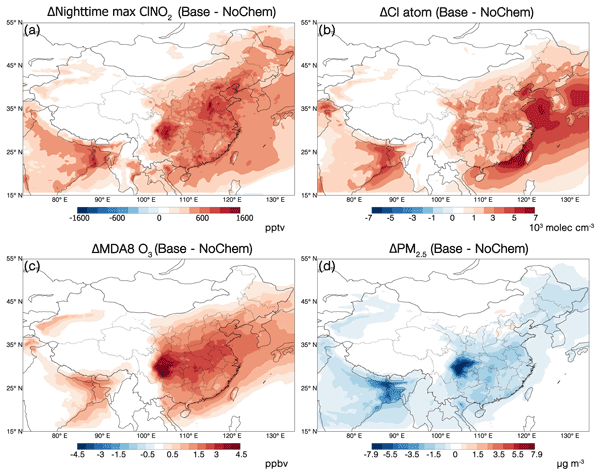
Xiajie Yang, Qiaoqiao Wang, Nan Ma, Weiwei Hu, Yang Gao, Zhijiong Huang, Junyu Zheng, Bin Yuan, Ning Yang, Jiangchuan Tao, Juan Hong, Yafang Cheng, and Hang Su
Atmos. Chem. Phys., 22, 3743–3762, https://doi.org/10.5194/acp-22-3743-2022, https://doi.org/10.5194/acp-22-3743-2022, 2022
Short summary
Short summary
We use the GEOS-Chem model with additional anthropogenic and biomass burning chlorine emissions combined with updated parameterizations for N2O5 + Cl chemistry to investigate the impacts of chlorine chemistry on air quality in China. Our study not only significantly improves the model's performance but also demonstrates the importance of non-sea-salt chlorine sources as well as an appropriate parameterization for N2O5 + Cl chemistry to the impact of chlorine chemistry in China.
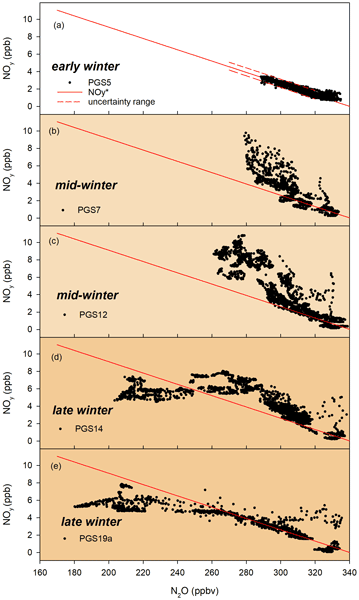
Helmut Ziereis, Peter Hoor, Jens-Uwe Grooß, Andreas Zahn, Greta Stratmann, Paul Stock, Michael Lichtenstern, Jens Krause, Vera Bense, Armin Afchine, Christian Rolf, Wolfgang Woiwode, Marleen Braun, Jörn Ungermann, Andreas Marsing, Christiane Voigt, Andreas Engel, Björn-Martin Sinnhuber, and Hermann Oelhaf
Atmos. Chem. Phys., 22, 3631–3654, https://doi.org/10.5194/acp-22-3631-2022, https://doi.org/10.5194/acp-22-3631-2022, 2022
Short summary
Short summary
Airborne observations were conducted in the lowermost Arctic stratosphere during the winter of 2015/2016. The observed distribution of reactive nitrogen shows clear indications of nitrification in mid-winter and denitrification in late winter. This was caused by the formation of polar stratospheric cloud particles, which were observed during several flights. The sedimentation and evaporation of these particles and the descent of air masses cause a redistribution of reactive nitrogen.
Rupert Holzinger, Oliver Eppers, Kouji Adachi, Heiko Bozem, Markus Hartmann, Andreas Herber, Makoto Koike, Dylan B. Millet, Nobuhiro Moteki, Sho Ohata, Frank Stratmann, and Atsushi Yoshida
Atmos. Chem. Phys. Discuss., https://doi.org/10.5194/acp-2022-95, https://doi.org/10.5194/acp-2022-95, 2022
Revised manuscript not accepted
Short summary
Short summary
In spring 2018 the research aircraft Polar 5 conducted flights in the Arctic atmosphere. The flight operation was from Station Nord in Greenland, 1700 km north of the Arctic Circle (81°43'N, 17°47'W). Using a mass spectrometer we measured more than 100 organic compounds in the air. We found a clear signature of natural organic compounds that are transported from forests to the high Arctic. These compounds have the potential to change the cloud cover and energy budget of the Arctic region.
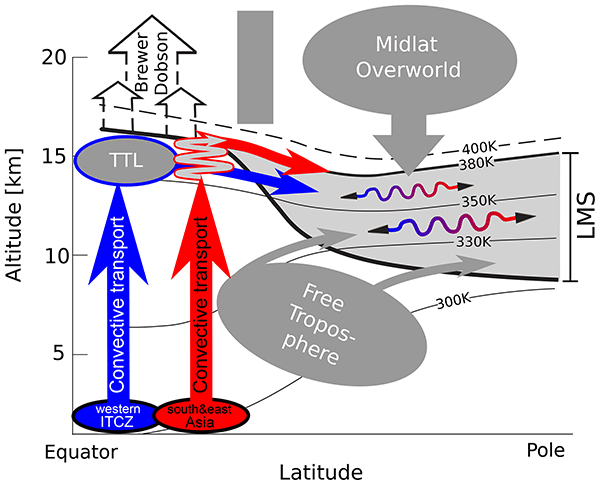
Valentin Lauther, Bärbel Vogel, Johannes Wintel, Andrea Rau, Peter Hoor, Vera Bense, Rolf Müller, and C. Michael Volk
Atmos. Chem. Phys., 22, 2049–2077, https://doi.org/10.5194/acp-22-2049-2022, https://doi.org/10.5194/acp-22-2049-2022, 2022
Short summary
Short summary
We show airborne in situ measurements of the very short-lived ozone-depleting substances CH2Cl2 and CHCl3, revealing particularly high concentrations of both species in the lower stratosphere. Back-trajectory calculations and 3D model simulations show that the air masses with high concentrations originated in the Asian boundary layer and were transported via the Asian summer monsoon. We also identify a fast transport pathway into the stratosphere via the North American monsoon and by hurricanes.
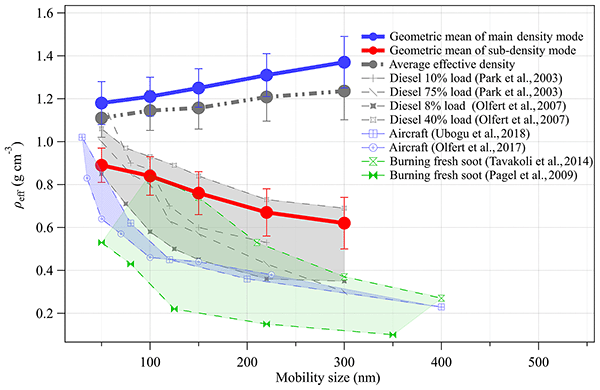
Yaqing Zhou, Nan Ma, Qiaoqiao Wang, Zhibin Wang, Chunrong Chen, Jiangchuan Tao, Juan Hong, Long Peng, Yao He, Linhong Xie, Shaowen Zhu, Yuxuan Zhang, Guo Li, Wanyun Xu, Peng Cheng, Uwe Kuhn, Guangsheng Zhou, Pingqing Fu, Qiang Zhang, Hang Su, and Yafang Cheng
Atmos. Chem. Phys., 22, 2029–2047, https://doi.org/10.5194/acp-22-2029-2022, https://doi.org/10.5194/acp-22-2029-2022, 2022
Short summary
Short summary
This study characterizes size-resolved particle effective densities and their evolution associated with emissions and aging processes in a rural area of the North China Plain. Particle effective density exhibits a high-frequency bimodal distribution, and two density modes exhibit opposite trends with increasing particle size. SIA and BC mass fractions are key factors of particle effective density, and a value of 0.6 g cm−3 is appropriate to represent BC effective density in bulk particles.
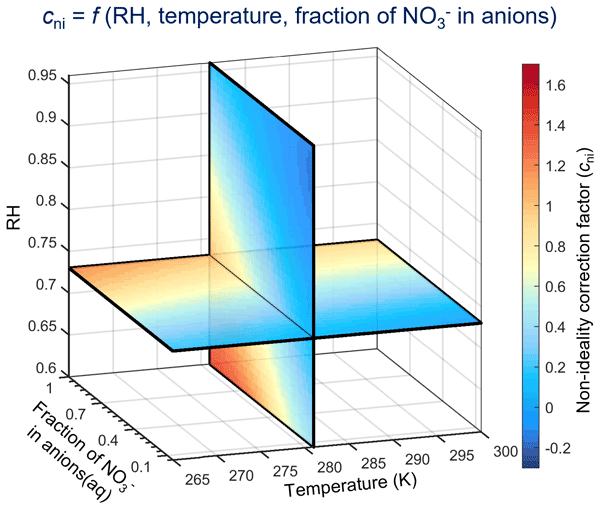
Guangjie Zheng, Hang Su, Siwen Wang, Andrea Pozzer, and Yafang Cheng
Atmos. Chem. Phys., 22, 47–63, https://doi.org/10.5194/acp-22-47-2022, https://doi.org/10.5194/acp-22-47-2022, 2022
Short summary
Short summary
The recently proposed multiphase buffer theory provides a framework to reconstruct long-term trends and spatial variations in aerosol pH, while non-ideality is a major limitation for its broad applications. Here we proposed a parameterization method to estimate the impact of non-ideality and validated it against long-term observations and global simulations. With this method, the multiphase buffer theory can reproduce well aerosol pH variations estimated by comprehensive thermodynamic models.

Clara M. Nussbaumer, John N. Crowley, Jan Schuladen, Jonathan Williams, Sascha Hafermann, Andreas Reiffs, Raoul Axinte, Hartwig Harder, Cheryl Ernest, Anna Novelli, Katrin Sala, Monica Martinez, Chinmay Mallik, Laura Tomsche, Christian Plass-Dülmer, Birger Bohn, Jos Lelieveld, and Horst Fischer
Atmos. Chem. Phys., 21, 18413–18432, https://doi.org/10.5194/acp-21-18413-2021, https://doi.org/10.5194/acp-21-18413-2021, 2021
Short summary
Short summary
HCHO is an important atmospheric trace gas influencing the photochemical processes in the Earth’s atmosphere, including the budget of HOx and the abundance of tropospheric O3. This research presents the photochemical calculations of HCHO and O3 based on three field campaigns across Europe. We show that HCHO production via the oxidation of only four volatile organic compound precursors, i.e., CH4, CH3CHO, C5H8 and CH3OH, can balance the observed loss at all sites well.
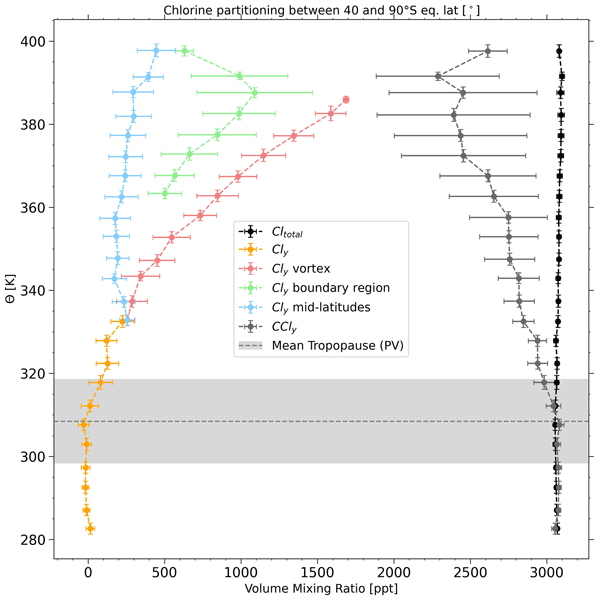
Markus Jesswein, Heiko Bozem, Hans-Christoph Lachnitt, Peter Hoor, Thomas Wagenhäuser, Timo Keber, Tanja Schuck, and Andreas Engel
Atmos. Chem. Phys., 21, 17225–17241, https://doi.org/10.5194/acp-21-17225-2021, https://doi.org/10.5194/acp-21-17225-2021, 2021
Short summary
Short summary
This study presents and compares inorganic chlorine (Cly) derived from observations with the HALO research aircraft in the Antarctic late winter–early fall 2019 and the Arctic winter 2015–2016. Trend-corrected correlations from the Northern Hemisphere show excellent agreement with those from the Southern Hemisphere. After observation allocation inside and outside the vortex based on N2O measurements, results of the two campaigns reveal substantial differences in Cly within the respective vortex.
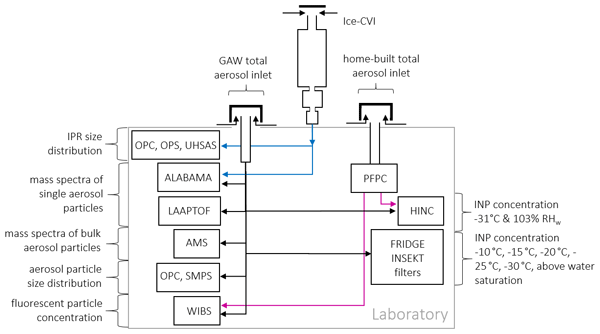
Larissa Lacher, Hans-Christian Clemen, Xiaoli Shen, Stephan Mertes, Martin Gysel-Beer, Alireza Moallemi, Martin Steinbacher, Stephan Henne, Harald Saathoff, Ottmar Möhler, Kristina Höhler, Thea Schiebel, Daniel Weber, Jann Schrod, Johannes Schneider, and Zamin A. Kanji
Atmos. Chem. Phys., 21, 16925–16953, https://doi.org/10.5194/acp-21-16925-2021, https://doi.org/10.5194/acp-21-16925-2021, 2021
Short summary
Short summary
We investigate ice-nucleating particle properties at Jungfraujoch during the 2017 joint INUIT/CLACE field campaign, to improve the knowledge about those rare particles in a cloud-relevant environment. By quantifying ice-nucleating particles in parallel to single-particle mass spectrometry measurements, we find that mineral dust and aged sea spray particles are potential candidates for ice-nucleating particles. Our findings are supported by ice residual analysis and source region modeling.

Najin Kim, Yafang Cheng, Nan Ma, Mira L. Pöhlker, Thomas Klimach, Thomas F. Mentel, Ovid O. Krüger, Ulrich Pöschl, and Hang Su
Atmos. Meas. Tech., 14, 6991–7005, https://doi.org/10.5194/amt-14-6991-2021, https://doi.org/10.5194/amt-14-6991-2021, 2021
Short summary
Short summary
A broad supersaturation scanning CCN (BS2-CCN) system, in which particles are exposed to a range of supersaturation simultaneously, can measure a broad range of CCN activity distribution with a high time resolution. We describe how the BS2-CCN system can be effectively calibrated and which factors can affect the calibration curve. Intercomparison experiments between typical DMA-CCN and BS2-CCN measurements to evaluate the BS2-CCN system showed high correlation and good agreement.
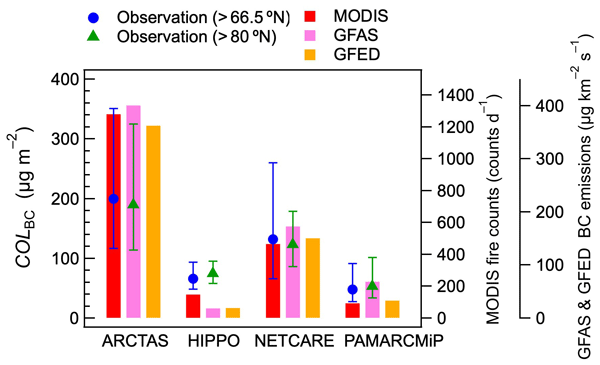
Sho Ohata, Makoto Koike, Atsushi Yoshida, Nobuhiro Moteki, Kouji Adachi, Naga Oshima, Hitoshi Matsui, Oliver Eppers, Heiko Bozem, Marco Zanatta, and Andreas B. Herber
Atmos. Chem. Phys., 21, 15861–15881, https://doi.org/10.5194/acp-21-15861-2021, https://doi.org/10.5194/acp-21-15861-2021, 2021
Short summary
Short summary
Vertical profiles of black carbon (BC) in the Arctic were measured during the PAMARCMiP aircraft-based experiment in spring 2018 and compared with those observed during previous aircraft campaigns in 2008, 2010, and 2015. Their differences were explained primarily by the year-to-year variation of biomass burning activities in northern midlatitudes over Eurasia. Our observations provide a bases to evaluate numerical model simulations that assess the BC radiative effects in the Arctic spring.
Yu-Wen Chen, Yi-Chun Chen, Charles C.-K. Chou, Hui-Ming Hung, Shih-Yu Chang, Lisa Eirenschmalz, Michael Lichtenstern, Helmut Ziereis, Hans Schlager, Greta Stratmann, Katharina Kaiser, Johannes Schneider, Stephan Borrmann, Florian Obersteiner, Eric Förster, Andreas Zahn, Wei-Nai Chen, Po-Hsiung Lin, Shuenn-Chin Chang, Maria Dolores Andrés Hernández, Pao-Kuan Wang, and John P. Burrows
Atmos. Chem. Phys. Discuss., https://doi.org/10.5194/acp-2021-788, https://doi.org/10.5194/acp-2021-788, 2021
Preprint withdrawn
Short summary
Short summary
By presenting an approach using EMeRGe-Asia airborne field measurements and surface observations, this study shows that the fraction of OH reactivity due to SO2-OH reaction has a significant correlation with the sulfate concentration. Approximately 30 % of sulfate is produced by SO2-OH reaction. Our results underline the importance of SO2-OH gas-phase oxidation in sulfate formation, and demonstrate that the method can be applied to other regions and under different meteorological conditions.
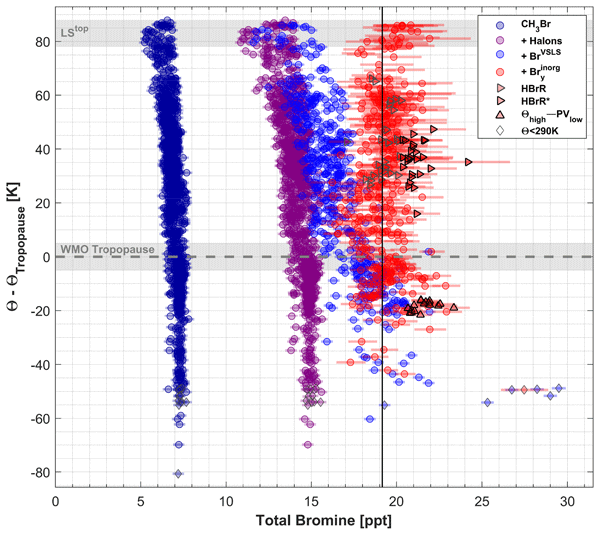
Meike K. Rotermund, Vera Bense, Martyn P. Chipperfield, Andreas Engel, Jens-Uwe Grooß, Peter Hoor, Tilman Hüneke, Timo Keber, Flora Kluge, Benjamin Schreiner, Tanja Schuck, Bärbel Vogel, Andreas Zahn, and Klaus Pfeilsticker
Atmos. Chem. Phys., 21, 15375–15407, https://doi.org/10.5194/acp-21-15375-2021, https://doi.org/10.5194/acp-21-15375-2021, 2021
Short summary
Short summary
Airborne total bromine (Brtot) and tracer measurements suggest Brtot-rich air masses persistently protruded into the lower stratosphere (LS), creating a high Brtot region over the North Atlantic in fall 2017. The main source is via isentropic transport by the Asian monsoon and to a lesser extent transport across the extratropical tropopause as quantified by a Lagrange model. The transport of Brtot via Central American hurricanes is also observed. Lastly, the impact of Brtot on LS O3 is assessed.

Christoph Mahnke, Ralf Weigel, Francesco Cairo, Jean-Paul Vernier, Armin Afchine, Martina Krämer, Valentin Mitev, Renaud Matthey, Silvia Viciani, Francesco D'Amato, Felix Ploeger, Terry Deshler, and Stephan Borrmann
Atmos. Chem. Phys., 21, 15259–15282, https://doi.org/10.5194/acp-21-15259-2021, https://doi.org/10.5194/acp-21-15259-2021, 2021
Short summary
Short summary
In 2017, in situ aerosol measurements were conducted aboard the M55 Geophysica in the Asian monsoon region. The vertical particle mixing ratio profiles show a distinct layer (15–18.5 km), the Asian tropopause aerosol layer (ATAL). The backscatter ratio (BR) was calculated based on the aerosol size distributions and compared with the BRs detected by a backscatter probe and a lidar aboard M55, and by the CALIOP lidar. All four methods show enhanced BRs in the ATAL altitude range (max. at 17.5 km).
Cited articles
Andreae, M. O. and Merlet, P.: Emission of trace gases and aerosols from biomass burning, Global Biogeochem. Cy., 15, 955–966, https://doi.org/10.1029/2000GB001382, 2001. a
Andreae, M. O., Afchine, A., Albrecht, R., Holanda, B. A., Artaxo, P., Barbosa, H. M. J., Borrmann, S., Cecchini, M. A., Costa, A., Dollner, M., Fütterer, D., Järvinen, E., Jurkat, T., Klimach, T., Konemann, T., Knote, C., Krämer, M., Krisna, T., Machado, L. A. T., Mertes, S., Minikin, A., Pöhlker, C., Pöhlker, M. L., Pöschl, U., Rosenfeld, D., Sauer, D., Schlager, H., Schnaiter, M., Schneider, J., Schulz, C., Spanu, A., Sperling, V. B., Voigt, C., Walser, A., Wang, J., Weinzierl, B., Wendisch, M., and Ziereis, H.: Aerosol characteristics and particle production in the upper troposphere over the Amazon Basin, Atmos. Chem. Phys., 18, 921–961, https://doi.org/10.5194/acp-18-921-2018, 2018. a
Annamalai, H. and Slingo, J. M.: Active break cycles: diagnosis of the intraseasonal variability of the Asian Summer Monsoon, Clim. Dynam., 18, 1432–0894, https://doi.org/10.1007/s003820100161, 2001. a
Appel, O., Köllner, F., Dragoneas, A., Hünig, A., Molleker, S., Schlager, H., Mahnke, C., Weigel, R., Port, M., Schulz, C., Drewnick, F., Vogel, B., Stroh, F., and Borrmann, S.: Chemical analysis of the Asian tropopause aerosol layer (ATAL) with emphasis on secondary aerosol particles using aircraft-based in situ aerosol mass spectrometry, Atmos. Chem. Phys., 22, 13607–13630, https://doi.org/10.5194/acp-22-13607-2022, 2022. a, b, c, d, e, f, g, h, i, j, k, l, m, n
Baboomian, V. J., Gu, Y., and Nizkorodov, S. A.: Photodegradation of Secondary Organic Aerosols by Long-Term Exposure to Solar Actinic Radiation, ACS Earth Space Chem., 4, 1078–1089, https://doi.org/10.1021/acsearthspacechem.0c00088, 2020. a
Barth, M. C., Stuart, A. L., and Skamarock, W. C.: Numerical simulations of the July 10, 1996, Stratospheric-Tropospheric Experiment: Radiation, Aerosols, and Ozone (STERAO)-Deep Convection experiment storm: Redistribution of soluble tracers, J. Geophys. Res., 106, 12381–12400, https://doi.org/10.1029/2001JD900139, 2001. a
Barth, M. C., Kim, S.-W., Skamarock, W. C., Stuart, A. L., Pickering, K. E., and Ott, L. E.: Simulations of the redistribution of formaldehyde, formic acid, and peroxides in the 10 July 1996 Stratospheric-Tropospheric Experiment: Radiation, Aerosols, and Ozone deep convection storm, J. Geophys. Res., 112, D13310, https://doi.org/10.1029/2006JD008046, 2007a. a
Barth, M. C., Kim, S.-W., Wang, C., Pickering, K. E., Ott, L. E., Stenchikov, G., Leriche, M., Cautenet, S., Pinty, J.-P., Barthe, Ch., Mari, C., Helsdon, J. H., Farley, R. D., Fridlind, A. M., Ackerman, A. S., Spiridonov, V., and Telenta, B.: Cloud-scale model intercomparison of chemical constituent transport in deep convection, Atmos. Chem. Phys., 7, 4709–4731, https://doi.org/10.5194/acp-7-4709-2007, 2007b. a
Berberich, J., Jacoby, S. A., Michailoudi, G., Schwarz, J. P., Viciani, S., D’Amato, F., Bianchini, G., Barucci, M., Campos, T., Ullman, K., Podolske, J. R., Gurganus, C., Smith, W. P., Ueyama, R., Honomichl, S. B., Pan, L. L., Woods, S., Wienzierl, B., Dollner, M., and Perring, A. E.: Black Carbon Reflects Extremely Efficient Aerosol Wet Removal in Monsoonal Convective Transport, J. Geophys. Res.-Atmos., 130, e2024JD042692, https://doi.org/10.1029/2024JD042692, 2025. a
Bergman, J. W., Fierli, F., Jensen, E. J., Honomichl, S., and Pan, L. L.: Boundary layer sources for the Asian anticyclone: Regional contributions to a vertical conduit, J. Geophys. Res.-Atmos., 118, 2560–2575, https://doi.org/10.1002/jgrd.50142, 2013. a
Bi, X., Zhang, G., Li, L., Wang, X., Li, M., Sheng, G., Fu, J., and Zhou, Z.: Mixing state of biomass burning particles by single particle aerosol mass spectrometer in the urban area of PRD, China, Atmos. Environ., 45, 3447–3453, https://doi.org/10.1016/j.atmosenv.2011.03.034, 2011. a, b, c
Bian, J., Li, D., Bai, Z., Li, Q., Lyu, D., and Zhou, X.: Transport of Asian surface pollutants to the global stratosphere from the Tibetan Plateau region during the Asian summer monsoon, Natl. Sci. Rev., 7, 516–533, https://doi.org/10.1093/nsr/nwaa005, 2020. a
Brunamonti, S., Jorge, T., Oelsner, P., Hanumanthu, S., Singh, B. B., Kumar, K. R., Sonbawne, S., Meier, S., Singh, D., Wienhold, F. G., Luo, B. P., Boettcher, M., Poltera, Y., Jauhiainen, H., Kayastha, R., Karmacharya, J., Dirksen, R., Naja, M., Rex, M., Fadnavis, S., and Peter, T.: Balloon-borne measurements of temperature, water vapor, ozone and aerosol backscatter on the southern slopes of the Himalayas during StratoClim 2016–2017, Atmos. Chem. Phys., 18, 15937–15957, https://doi.org/10.5194/acp-18-15937-2018, 2018. a, b
Bönisch, H., Engel, A., Curtius, J., Birner, Th., and Hoor, P.: Quantifying transport into the lowermost stratosphere using simultaneous in-situ measurements of SF6 and CO2, Atmos. Chem. Phys., 9, 5905–5919, https://doi.org/10.5194/acp-9-5905-2009, 2009. a
Clemens, J., Ploeger, F., Konopka, P., Portmann, R., Sprenger, M., and Wernli, H.: Characterization of transport from the Asian summer monsoon anticyclone into the UTLS via shedding of low potential vorticity cutoffs, Atmos. Chem. Phys., 22, 3841–3860, https://doi.org/10.5194/acp-22-3841-2022, 2022. a, b
Clemens, J., Vogel, B., Hoffmann, L., Griessbach, S., Thomas, N., Fadnavis, S., Müller, R., Peter, T., and Ploeger, F.: A multi-scenario Lagrangian trajectory analysis to identify source regions of the Asian tropopause aerosol layer on the Indian subcontinent in August 2016, Atmos. Chem. Phys., 24, 763–787, https://doi.org/10.5194/acp-24-763-2024, 2024. a
Dragoneas, A., Molleker, S., Appel, O., Hünig, A., Böttger, T., Hermann, M., Drewnick, F., Schneider, J., Weigel, R., and Borrmann, S.: The realization of autonomous, aircraft-based, real-time aerosol mass spectrometry in the upper troposphere and lower stratosphere, Atmos. Meas. Tech., 15, 5719–5742, https://doi.org/10.5194/amt-15-5719-2022, 2022. a
Ebert, M., Weigel, R., Weinbruch, S., Schneider, L., Kandler, K., Lauterbach, S., Köllner, F., Plöger, F., Günther, G., Vogel, B., and Borrmann, S.: Characterization of refractory aerosol particles collected in the tropical upper troposphere–lower stratosphere (UTLS) within the Asian tropopause aerosol layer (ATAL), Atmos. Chem. Phys., 24, 4771–4788, https://doi.org/10.5194/acp-24-4771-2024, 2024. a
Fadnavis, S., Roy, C., Chattopadhyay, R., Sioris, C. E., Rap, A., Müller, R., Kumar, K. R., and Krishnan, R.: Transport of trace gases via eddy shedding from the Asian summer monsoon anticyclone and associated impacts on ozone heating rates, Atmos. Chem. Phys., 18, 11493–11506, https://doi.org/10.5194/acp-18-11493-2018, 2018. a, b, c
Fadnavis, S., Sabin, T. P., Roy, C., Rowlinson, M., Rap, A., Vernier, J. P., and Sioris, C. E.: Elevated aerosol layer over South Asia worsens the Indian droughts, Sci. Rep., 9, 1–11, https://doi.org/10.1038/s41598-019-46704-9, 2019. a
Fadnavis, S., Sonbawne, S. M., Laakso, A., Ploeger, F., Rap, A., Heinold, B., Sabin, T. P., and Müller, R.: Long range transport of South and East Asian anthropogenic aerosols counteracting Arctic warming, npj Clim. Atmos. Sci., 7, https://doi.org/10.1038/s41612-024-00633-1, 2024. a, b, c
Fairlie, T. D., Liu, H., Vernier, J., Campuzano‐Jost, P., Jimenez, J. L., Jo, D. S., Zhang, B., Natarajan, M., Avery, M. A., and Huey, G.: Estimates of Regional Source Contributions to the Asian Tropopause Aerosol Layer Using a Chemical Transport Model, J. Geophys. Res.-Atmos., 125, e2019JD031506, https://doi.org/10.1029/2019JD031506, 2020. a
Fischer, H., Wienhold, F. G., Hoor, P., Bujok, O., Schiller, C., Siegmund, P., Ambaum, M., Scheeren, H. A., and Lelieveld, J.: Tracer correlations in the northern high latitude lowermost stratosphere: Influence of cross-tropopause mass exchange, Geophys. Res. Lett., 27, 97–100, https://doi.org/10.1029/1999GL010879, 2000. a
Fujiwara, M., Sakai, T., Nagai, T., Shiraishi, K., Inai, Y., Khaykin, S., Xi, H., Shibata, T., Shiotani, M., and Pan, L. L.: Lower-stratospheric aerosol measurements in eastward-shedding vortices over Japan from the Asian summer monsoon anticyclone during the summer of 2018, Atmos. Chem. Phys., 21, 3073–3090, https://doi.org/10.5194/acp-21-3073-2021, 2021. a
Garny, H. and Randel, W. J.: Dynamic variability of the Asian monsoon anticyclone observed in potential vorticity and correlations with tracer distributions, J. Geophys. Res.-Atmo., 118, 13421–13433, https://doi.org/10.1002/2013JD020908, 2013. a
Garny, H. and Randel, W. J.: Transport pathways from the Asian monsoon anticyclone to the stratosphere, Atmos. Chem. Phys., 16, 2703–2718, https://doi.org/10.5194/acp-16-2703-2016, 2016. a
Gettelman, A., Hoor, P., Pan, L. L., Randel, W. J., Hegglin, M. I., and Birner, T.: The extratropical upper troposphere and lower stratosphere, Rev. Geophys., 49, RG3003, https://doi.org/10.1029/2011RG000355, 2011. a
Gottschaldt, K.-D., Schlager, H., Baumann, R., Cai, D. S., Eyring, V., Graf, P., Grewe, V., Jöckel, P., Jurkat-Witschas, T., Voigt, C., Zahn, A., and Ziereis, H.: Dynamics and composition of the Asian summer monsoon anticyclone, Atmos. Chem. Phys., 18, 5655–5675, https://doi.org/10.5194/acp-18-5655-2018, 2018. a
Graßl, S., Ritter, C., Tritscher, I., and Vogel, B.: Does the Asian summer monsoon play a role in the stratospheric aerosol budget of the Arctic?, Atmos. Chem. Phys., 24, 7535–7557, https://doi.org/10.5194/acp-24-7535-2024, 2024. a, b, c
Hanumanthu, S., Vogel, B., Müller, R., Brunamonti, S., Fadnavis, S., Li, D., Ölsner, P., Naja, M., Singh, B. B., Kumar, K. R., Sonbawne, S., Jauhiainen, H., Vömel, H., Luo, B., Jorge, T., Wienhold, F. G., Dirkson, R., and Peter, T.: Strong day-to-day variability of the Asian Tropopause Aerosol Layer (ATAL) in August 2016 at the Himalayan foothills, Atmos. Chem. Phys., 20, 14273–14302, https://doi.org/10.5194/acp-20-14273-2020, 2020. a, b, c
Healy, R. M., Sciare, J., Poulain, L., Crippa, M., Wiedensohler, A., Prévôt, A. S. H., Baltensperger, U., Sarda-Estève, R., McGuire, M. L., Jeong, C.-H., McGillicuddy, E., O'Connor, I. P., Sodeau, J. R., Evans, G. J., and Wenger, J. C.: Quantitative determination of carbonaceous particle mixing state in Paris using single-particle mass spectrometer and aerosol mass spectrometer measurements, Atmos. Chem. Phys., 13, 9479–9496, https://doi.org/10.5194/acp-13-9479-2013, 2013. a
Healy, R. M., Riemer, N., Wenger, J. C., Murphy, M., West, M., Poulain, L., Wiedensohler, A., O'Connor, I. P., McGillicuddy, E., Sodeau, J. R., and Evans, G. J.: Single particle diversity and mixing state measurements, Atmospheric Chemistry and Physics, 14, 6289–6299, https://doi.org/10.5194/acp-14-6289-2014, 2014. a
Hegglin, M. I., Brunner, D., Peter, T., Hoor, P., Fischer, H., Staehelin, J., Krebsbach, M., Schiller, C., Parchatka, U., and Weers, U.: Measurements of NO, NOy, N2O, and O3 during SPURT: implications for transport and chemistry in the lowermost stratosphere, Atmos. Chem. Phys., 6, 1331–1350, https://doi.org/10.5194/acp-6-1331-2006, 2006. a
Hersbach, H., Bell, B., Berrisford, P., Hirahara, S., Horányi, A., Muñoz-Sabater, J., Nicolas, J., Peubey, C., Radu, R., Schepers, D., Simmons, A., Soci, C., Abdalla, S., Abellan, X., Balsamo, G., Bechtold, P., Biavati, G., Bidlot, J., Bonavita, M., De Chiara, G., Dahlgren, P., Dee, D., Diamantakis, M., Dragani, R., Flemming, J., Forbes, R., Fuentes, M., Geer, A., Haimberger, L., Healy, S., Hogan, R. J., Hólm, E., Janisková, M., Keeley, S., Laloyaux, P., Lopez, P., Lupu, C., Radnoti, G., de Rosnay, P., Rozum, I., Vamborg, F., Villaume, S., and Thépaut, J. N.: The ERA5 global reanalysis, Q. J. Roy. Meteor. Soc., 146, 1999–2049, https://doi.org/10.1002/qj.3803, 2020. a
Honomichl, S. B. and Pan, L. L.: Transport from the Asian Summer Monsoon Anticyclone Over the Western Pacific, J. Geophys. Res.-Atmos., 125, e2019JD032094, https://doi.org/10.1029/2019JD032094, 2020. a
Höpfner, M., Ungermann, J., Borrmann, S., Wagner, R., Spang, R., Riese, M., Stiller, G., Appel, O., Batenburg, A. M., Bucci, S., Cairo, F., Dragoneas, A., Friedl-Vallon, F., Hünig, A., Johansson, S., Krasauskas, L., Legras, B., Leisner, T., Mahnke, C., Möhler, O., Molleker, S., Müller, R., Neubert, T., Orphal, J., Preusse, P., Rex, M., Saathoff, H., Stroh, F., Weigel, R., and Wohltmann, I.: Ammonium nitrate particles formed in upper troposphere from ground ammonia sources during Asian monsoons, Nat. Geosci., 12, 608–612, https://doi.org/10.1038/s41561-019-0385-8, 2019. a, b
Hsu, C. J. and Plumb, R. A.: Nonaxisymmetric Thermally Driven Circulations and Upper-Tropospheric Monsoon Dynamics, J. Atmos. Sci., 57, 1255–1276, https://doi.org/10.1175/1520-0469(2000)057<1255:NTDCAU>2.0.CO;2, 1999. a
Hu, W., Liu, D., Su, S., Ren, L., Ren, H., Wei, L., Yue, S., Xie, Q., Zhang, Z., Wang, Z., Yang, N., Wu, L., Deng, J., Qi, Y., and Fu, P.: Photochemical Degradation of Organic Matter in the Atmosphere, Adv. Sustain. Syst., 5, 2100027, https://doi.org/10.1002/adsu.202100027, 2021. a
Hudson, P. K., Murphy, D. M., Cziczo, D. J., Thomson, D. S., de Gouw, J. A., Warneke, C., Holloway, J., Jost, H.-J., and Hübler, G.: Biomass-burning particle measurements: Characteristic composition and chemical processing, J. Geophys. Res.-Atmos., 109, D23S27, https://doi.org/10.1029/2003JD004398, 2004. a, b
Hünig, A., Appel, O., Dragoneas, A., Molleker, S., Clemen, H.-C., Helleis, F., Klimach, T., Köllner, F., Böttger, T., Drewnick, F., Schneider, J., and Borrmann, S.: Design, characterization, and first field deployment of a novel aircraft-based aerosol mass spectrometer combining the laser ablation and flash vaporization techniques, Atmos. Meas. Tech., 15, 2889–2921, https://doi.org/10.5194/amt-15-2889-2022, 2022. a, b, c
Joppe, P., Schneider, J., Kaiser, K., Fischer, H., Hoor, P., Kunkel, D., Lachnitt, H.-C., Marsing, A., Röder, L., Schlager, H., Tomsche, L., Voigt, C., Zahn, A., and Borrmann, S.: The influence of extratropical cross-tropopause mixing on the correlation between ozone and sulfate aerosol in the lowermost stratosphere, Atmos. Chem. Phys., 24, 7499–7522, https://doi.org/10.5194/acp-24-7499-2024, 2024. a
Junge, C. E. and Manson, J. E.: Stratospheric Aerosol Studies, J. Geophys. Res., 66, 2163–2182, https://doi.org/10.1029/JZ066i007p02163, 1961. a
Katich, J. M., Apel, E. C., Bourgeois, I., Brock, C. A., Bui, T. P., Campuzano-Jost, P., Commane, R., Daube, B., Dollner, M., Fromm, M., Froyd, K. D., Hills, A. J., Hornbrook, R. S., Jimenez, J. L., Kupc, A., Lamb, K. D., McKain, K., Moore, F., Murphy, D. M., Nault, B. A., Peischl, J., Perring, A. E., Peterson, D. A., Ray, E. A., Rosenlof, K. H., Ryerson, T., Schill, G. P., Schroder, J. C., Weinzierl, B., Thompson, C., Williamson, C. J., Wofsy, S. C., Yu, P., and Schwarz, J. P.: Pyrocumulonimbus affect average stratospheric aerosol composition, Science, 379, 815–820, https://doi.org/10.1126/science.add3101, 2023. a, b
Khaykin, S. M., Godin-Beekmann, S., Keckhut, P., Hauchecorne, A., Jumelet, J., Vernier, J.-P., Bourassa, A., Degenstein, D. A., Rieger, L. A., Bingen, C., Vanhellemont, F., Robert, C., DeLand, M., and Bhartia, P. K.: Variability and evolution of the midlatitude stratospheric aerosol budget from 22 years of ground-based lidar and satellite observations, Atmos. Chem. Phys., 17, 1829–1845, https://doi.org/10.5194/acp-17-1829-2017, 2017. a
Klimach, T.: Chemische Zusammensetzung der Aerosole: Design und Datenauswertung eines Einzelpartikel-Laserablationsmassenspektrometers, Ph.D. thesis, Johannes Gutenberg University Mainz, https://doi.org/10.25358/openscience-4386, 2012. a
Kremser, S., Thomason, L. W., von Hobe, M., Hermann, M., Deshler, T., Timmreck, C., Toohey, M., Stenke, A., Schwarz, J. P., Weigel, R., Fueglistaler, S., Prata, F. J., Vernier, J.-P., Schlager, H., Barnes, J. E., Antuña-Marrero, J.-C., Fairlie, D., Palm, M., Mahieu, E., Notholt, J., Rex, M., Bingen, C., Vanhellemont, F., Bourassa, A., Plane, J. M. C., Klocke, D., Carn, S. A., Clarisse, L., Trickl, T., Neely, R., James, A. D., Rieger, L., Wilson, J. C., and Meland, B.: Stratospheric aerosol – Observations, processes, and impact on climate, Rev. Geophys., 54, 278–335, https://doi.org/10.1002/2015RG000511, 2016. a
Köllner, F., Schneider, J., Willis, M. D., Klimach, T., Helleis, F., Bozem, H., Kunkel, D., Hoor, P., Burkart, J., Leaitch, W. R., Aliabadi, A. A., Abbatt, J. P. D., Herber, A. B., and Borrmann, S.: Particulate trimethylamine in the summertime Canadian high Arctic lower troposphere, Atmos. Chem. Phys., 17, 13747–13766, https://doi.org/10.5194/acp-17-13747-2017, 2017. a
Köllner, F., Kohl, M., Ekinci, F., Eppers, O., Schneider, J., Dragoneas, A., Molleker, S., Johansson, S., Ungermann, J., Kretschmer, E., Höpfner, M., Lauther, V., Volk, C. M., Appel, O., Brauner, P., Kunkel, D., Lachnitt, H.-C., Bozem, H., Weyland, F., Emig, N., Ort, L., Zahn, A., Tomsche, L., Pozzer, A., Lelieveld, J., Cheng, Y., Riese, M., Hoor, P., and Borrmann, S.: Aerosol from the Asian monsoon ubiquitous throughout the extratropical stratosphere, EarthArXiv [prepint], https://doi.org/10.31223/X5RB46, 2026. a, b, c, d, e, f, g, h
Lachnitt, H.-C.: Consistent meteorological (ERA5) and chemical (CLaMS) information across airborne measurements over the globe between 1997 and 2023, Zenodo [data set], https://doi.org/10.5281/zenodo.15076520, 2025. a
Lauther, V., Vogel, B., Wintel, J., Rau, A., Hoor, P., Bense, V., Müller, R., and Volk, C. M.: In situ observations of CH2Cl2 and CHCl3 show efficient transport pathways for very short-lived species into the lower stratosphere via the Asian and the North American summer monsoon, Atmos. Chem. Phys., 22, 2049–2077, https://doi.org/10.5194/acp-22-2049-2022, 2022. a
Lawrence, M. G. and Lelieveld, J.: Atmospheric pollutant outflow from southern Asia: a review, Atmos. Chem. Phys., 10, 11017–11096, https://doi.org/10.5194/acp-10-11017-2010, 2010. a, b
Lelieveld, J., Bourtsoukidis, E., Brühl, C., Fischer, H., Fuchs, H., Harder, H., Hofzumahaus, A., Holland, F., Marno, D., Neumaier, M., Pozzer, A., Schlager, H., Williams, J., Zahn, A., and Ziereis, H.: The South Asian monsoon—pollution pump and purifier, Science, 361, 270–273, https://doi.org/10.1126/science.aar2501, 2018. a
Lucke, J. R., Jurkat, T., Baumgardner, D., Kalinka, F., Moser, M., De La Torre Castro, E., and Voigt, C.: Characterization of Atmospheric Icing Conditions during the HALO-(AC) Campaign with the Nevzorov Probe and the Backscatter Cloud Probe with Polarization Detection, SAE Technical Paper, https://doi.org/10.4271/2023-01-1485, 2023. a
Mahnke, C., Weigel, R., Cairo, F., Vernier, J.-P., Afchine, A., Krämer, M., Mitev, V., Matthey, R., Viciani, S., D'Amato, F., Ploeger, F., Deshler, T., and Borrmann, S.: The Asian tropopause aerosol layer within the 2017 monsoon anticyclone: microphysical properties derived from aircraft-borne in situ measurements, Atmos. Chem. Phys., 21, 15259–15282, https://doi.org/10.5194/acp-21-15259-2021, 2021. a, b
Martinsson, B. G., Friberg, J., Sandvik, O. S., Hermann, M., van Velthoven, P. F. J., and Zahn, A.: Formation and composition of the UTLS aerosol, npj Clim. Atmos. Sci., 2, 40, https://doi.org/10.1038/s41612-019-0097-1, 2019. a, b
McGuire, M. L., Jeong, C.-H., Slowik, J. G., Chang, R. Y.-W., Corbin, J. C., Lu, G., Mihele, C., Rehbein, P. J. G., Sills, D. M. L., Abbatt, J. P. D., Brook, J. R., and Evans, G. J.: Elucidating determinants of aerosol composition through particle-type-based receptor modeling, Atmos. Chem. Phys., 11, 8133–8155, https://doi.org/10.5194/acp-11-8133-2011, 2011. a
Minikin, A., Sauer, D., Ibrahim, A., Franke, H., Röschenthaler, T., Fütterer, D. A., and Petzold, A.: The HALO Submicrometer Aerosol Inlet (HASI): Design concept and first characterization, poster presented at the 1st HALO symposium: Airborne Research with HALO: Achievements and Prospects, Oberpfaffenhofen, Germany, 14 to 16 March 2017, https://elib.dlr.de/116282/ (last access: 9 July 2026), 2017. a
Moffet, R. C., de Foy, B., Molina, L. T., Molina, M. J., and Prather, K. A.: Measurement of ambient aerosols in northern Mexico City by single particle mass spectrometry, Atmos. Chem. Phys., 8, 4499–4516, https://doi.org/10.5194/acp-8-4499-2008, 2008. a
Molleker, S., Helleis, F., Klimach, T., Appel, O., Clemen, H.-C., Dragoneas, A., Gurk, C., Hünig, A., Köllner, F., Rubach, F., Schulz, C., Schneider, J., and Borrmann, S.: Application of an O-ring pinch device as a constant-pressure inlet (CPI) for airborne sampling, Atmos. Meas. Tech., 13, 3651–3660, https://doi.org/10.5194/amt-13-3651-2020, 2020. a
Murphy, D. M. and Thomson, D. S.: Chemical composition of single aerosol particles at Idaho Hill: Negative ion measurements, J. Geophys. Res.-Atmos., 102, 6353–6368, https://doi.org/10.1029/96JD00859, 1997. a
Murphy, D. M., Froyd, K. D., Schwarz, J. P., and Wilson, J. C.: Observations of the chemical composition of stratospheric aerosol particles, Q. J. Roy. Meteor. Soc., 140, 1269–1278, https://doi.org/10.1002/qj.2213, 2014. a
Murphy, D. M., Froyd, K. D., Bourgeois, I., Brock, C. A., Kupc, A., Peischl, J., Schill, G. P., Thompson, C. R., Williamson, C. J., and Yu, P.: Radiative and chemical implications of the size and composition of aerosol particles in the existing or modified global stratosphere, Atmos. Chem. Phys., 21, 8915–8932, https://doi.org/10.5194/acp-21-8915-2021, 2021. a
Müller, S., Hoor, P., Bozem, H., Gute, E., Vogel, B., Zahn, A., Bönisch, H., Keber, T., Krämer, M., Rolf, C., Riese, M., Schlager, H., and Engel, A.: Impact of the Asian monsoon on the extratropical lower stratosphere: trace gas observations during TACTS over Europe 2012, Atmos. Chem. Phys., 16, 10573–10589, https://doi.org/10.5194/acp-16-10573-2016, 2016. a, b, c, d, e, f, g, h
NOAA Global Monitoring Laboratory: NOAA Calibration Scales for Various Trace Gases, standard Reference Gases, Central Calibration Laboratory, https://gml.noaa.gov/ccl/scales.html, last access: 14 May 2026. a
Noble, C. A. and Prather, K. A.: Real-Time Measurement of Correlated Size and Composition Profiles of Individual Atmospheric Aerosol Particles, Environ. Sci. Technol., 30, 2667–2680, https://doi.org/10.1021/es950669j, 1996. a
Nützel, M., Dameris, M., and Garny, H.: Movement, drivers and bimodality of the South Asian High, Atmos. Chem. Phys., 16, 14755–14774, https://doi.org/10.5194/acp-16-14755-2016, 2016. a
O'Brien, R. E. and Kroll, J. H.: Photolytic aging of secondary organic aerosol: Evidence for a substantial photo-recalcitrant fraction, J. Phys. Chem. Lett., 10, 4003–4009, https://doi.org/10.1021/acs.jpclett.9b01417, 2019. a
Pan, L. L., Honomichl, S. B., Kinnison, D. E., Abalos, M., Randel, W. J., Bergman, J. W., and Bian, J.: Transport of chemical tracers from the boundary layer to stratosphere associated with the dynamics of the Asian summer monsoon, J. Geophys. Res.-Atmos., 121, 14159–14174, https://doi.org/10.1002/2016JD025616, 2016. a, b, c, d, e, f, g
Park, M., Randel, W. J., Emmons, L. K., Bernath, P. F., Walker, K. A., and Boone, C. D.: Chemical isolation in the Asian monsoon anticyclone observed in Atmospheric Chemistry Experiment (ACE-FTS) data, Atmos. Chem. Phys., 8, 757–764, https://doi.org/10.5194/acp-8-757-2008, 2008. a
Peck, J., Gonzalez, L. A., Williams, L. R., Xu, W., Croteau, P. L., Timko, M. T., Jayne, J. T., Worsnop, D. R., Miake-Lye, R. C., and Smith, K. A.: Development of an aerosol mass spectrometer lens system for PM2.5, Aerosol Sci. Tech., 50, 781–789, https://doi.org/10.1080/02786826.2016.1190444, 2016. a
Ploeger, F., Gottschling, C., Griessbach, S., Grooß, J.-U., Guenther, G., Konopka, P., Müller, R., Riese, M., Stroh, F., Tao, M., Ungermann, J., Vogel, B., and von Hobe, M.: A potential vorticity-based determination of the transport barrier in the Asian summer monsoon anticyclone, Atmos. Chem. Phys., 15, 13145–13159, https://doi.org/10.5194/acp-15-13145-2015, 2015. a
Ploeger, F., Konopka, P., Walker, K., and Riese, M.: Quantifying pollution transport from the Asian monsoon anticyclone into the lower stratosphere, Atmos. Chem. Phys., 17, 7055–7066, https://doi.org/10.5194/acp-17-7055-2017, 2017. a, b
Ploeger, F., Diallo, M., Charlesworth, E., Konopka, P., Legras, B., Laube, J. C., Grooß, J.-U., Günther, G., Engel, A., and Riese, M.: The stratospheric Brewer–Dobson circulation inferred from age of air in the ERA5 reanalysis, Atmos. Chem. Phys., 21, 8393–8412, https://doi.org/10.5194/acp-21-8393-2021, 2021. a
Pommrich, R., Müller, R., Grooß, J.-U., Konopka, P., Ploeger, F., Vogel, B., Tao, M., Hoppe, C. M., Günther, G., Spelten, N., Hoffmann, L., Pumphrey, H.-C., Viciani, S., D'Amato, F., Volk, C. M., Hoor, P., Schlager, H., and Riese, M.: Tropical troposphere to stratosphere transport of carbon monoxide and long-lived trace species in the Chemical Lagrangian Model of the Stratosphere (CLaMS), Geosci. Model Dev., 7, 2895–2916, https://doi.org/10.5194/gmd-7-2895-2014, 2014. a, b, c
Popovic, J. M. and Plumb, R. A.: Eddy Shedding from the Upper-Tropospheric Asian Monsoon Anticyclone, J. Atmos. Sci., 58, 93–104, https://doi.org/10.1175/1520-0469(2001)058<0093:ESFTUT>2.0.CO;2, 2001. a, b
Pratt, K. A., Murphy, S. M., Subramanian, R., DeMott, P. J., Kok, G. L., Campos, T., Rogers, D. C., Prenni, A. J., Heymsfield, A. J., Seinfeld, J. H., and Prather, K. A.: Flight-based chemical characterization of biomass burning aerosols within two prescribed burn smoke plumes, Atmos. Chem. Phys., 11, 12549–12565, https://doi.org/10.5194/acp-11-12549-2011, 2011. a, b
Randel, W. J. and Park, M.: Deep convective influence on the Asian summer monsoon anticyclone and associated tracer variability observed with Atmospheric Infrared Sounder (AIRS), J. Geophys. Res.-Atmos., 111, https://doi.org/10.1029/2005JD006490, 2006. a
Randel, W. J., Park, M., Emmons, L., Kinnison, D., Bernath, P., Walker, K. A., Boone, C., and Pumphrey, H.: Asian Monsoon Transport of Pollution to the Stratosphere, Science, 328, 611–613, https://doi.org/10.1126/science.1182274, 2010. a
Riese, M., Hoor, P., Rolf, C., Kunkel, D., Vogel, B., Köllner, F., Pöhlker, M., Ploeger, F., Ungermann, J., Woiwode, W., Johansson, S., Bauer, R., Barmpounis, K., Borrmann, S., Brauner, P., Clemens, J., Dragoneas, A., Ekinci, F., Emig, N., Engel, A., Eppers, O., Fadnavis, S., Friedl-Vallon, F., Geldenhuys, M., Günther, G., Grooß, J., Hegglin, M., Höpfner, M., Jesswein, M., Joppe, P., Kaumanns, J., Kachula, O., Keber, T., Kretschmer, E., Lachnitt, H., Lauther, V., Lloyd, P., Molleker, S., Müller, R., Neubert, T., Ort, L., Pöschl, U., Pöhlker, C., Rapp, M., Retzlaff, M., Rhode, S., Schneider, J., Schuck, T., Sinnhuber, B., Spelten, N., Strobel, J., Tomsche, L., Turhal, K., van Luijt, R., Versick, S., Voigt, C., Volk, M., von Hobe, M., Weyland, F., Zahn, A., Ziereis, H., and Zlotos, L.: Long-range transport of polluted Asian summer monsoon air to high latitudes during the PHILEAS campaign in the boreal summer 2023, B. Am. Meteorol. Soc., https://doi.org/10.1175/BAMS-D-24-0232.1, 2025. a, b, c, d, e, f, g
Santee, M. L., Manney, G. L., Livesey, N. J., Schwartz, M. J., Neu, J. L., and Read, W. G.: A comprehensive overview of the climatological composition of the Asian summer monsoon anticyclone based on 10 years of Aura Microwave Limb Sounder measurements, J. Geophys. Res.-Atmos., 122, 5491–5514, https://doi.org/10.1002/2016JD026408, 2017. a
Saunois, M., Stavert, A. R., Poulter, B., Bousquet, P., Canadell, J. G., Jackson, R. B., Raymond, P. A., Dlugokencky, E. J., Houweling, S., Patra, P. K., Ciais, P., Arora, V. K., Bastviken, D., Bergamaschi, P., Blake, D. R., Brailsford, G., Bruhwiler, L., Carlson, K. M., Carrol, M., Castaldi, S., Chandra, N., Crevoisier, C., Crill, P. M., Covey, K., Curry, C. L., Etiope, G., Frankenberg, C., Gedney, N., Hegglin, M. I., Höglund-Isaksson, L., Hugelius, G., Ishizawa, M., Ito, A., Janssens-Maenhout, G., Jensen, K. M., Joos, F., Kleinen, T., Krummel, P. B., Langenfelds, R. L., Laruelle, G. G., Liu, L., Machida, T., Maksyutov, S., McDonald, K. C., McNorton, J., Miller, P. A., Melton, J. R., Morino, I., Müller, J., Murguia-Flores, F., Naik, V., Niwa, Y., Noce, S., O'Doherty, S., Parker, R. J., Peng, C., Peng, S., Peters, G. P., Prigent, C., Prinn, R., Ramonet, M., Regnier, P., Riley, W. J., Rosentreter, J. A., Segers, A., Simpson, I. J., Shi, H., Smith, S. J., Steele, L. P., Thornton, B. F., Tian, H., Tohjima, Y., Tubiello, F. N., Tsuruta, A., Viovy, N., Voulgarakis, A., Weber, T. S., van Weele, M., van der Werf, G. R., Weiss, R. F., Worthy, D., Wunch, D., Yin, Y., Yoshida, Y., Zhang, W., Zhang, Z., Zhao, Y., Zheng, B., Zhu, Q., Zhu, Q., and Zhuang, Q.: The Global Methane Budget 2000–2017, Earth Syst. Sci. Data, 12, 1561–1623, https://doi.org/10.5194/essd-12-1561-2020, 2020. a
Schill, G. P., Froyd, K. D., Bian, H., Kupc, A., Williamson, C., Brock, C. A., Ray, E., Hornbrook, R. S., Hills, A. J., Apel, E. C., Chin, M., Colarco, P. R., and Murphy, D. M.: Widespread biomass burning smoke throughout the remote troposphere, Nat. Geosci., 13, 422–427, https://doi.org/10.1038/s41561-020-0586-1, 2020. a, b
Schneider, J., Weigel, R., Klimach, T., Dragoneas, A., Appel, O., Hünig, A., Molleker, S., Köllner, F., Clemen, H.-C., Eppers, O., Hoppe, P., Hoor, P., Mahnke, C., Krämer, M., Rolf, C., Grooß, J.-U., Zahn, A., Obersteiner, F., Ravegnani, F., Ulanovsky, A., Schlager, H., Scheibe, M., Diskin, G. S., DiGangi, J. P., Nowak, J. B., Zöger, M., and Borrmann, S.: Aircraft-based observation of meteoric material in lower-stratospheric aerosol particles between 15 and 68° N, Atmos. Chem. Phys., 21, 989–1013, https://doi.org/10.5194/acp-21-989-2021, 2021. a
Shen, X., Saathoff, H., Huang, W., Mohr, C., Ramisetty, R., and Leisner, T.: Understanding atmospheric aerosol particles with improved particle identification and quantification by single-particle mass spectrometry, Atmos. Meas. Tech., 12, 2219–2240, https://doi.org/10.5194/amt-12-2219-2019, 2019. a
Silva, P. J., Liu, D.-Y., Noble, C. A., and Prather, K. A.: Size and Chemical Characterization of Individual Particles Resulting from Biomass Burning of Local Southern California Species, Environ. Sci. Technol., 33, 3068–3076, https://doi.org/10.1021/es980544p, 1999. a
Spencer, M. T. and Prather, K. A.: Using ATOFMS to Determine OC/EC Mass Fractions in Particles, Aerosol Sci. Tech., 40, 585–594, https://doi.org/10.1080/02786820600729138, 2006. a
Thomason, L. W. and Vernier, J.-P.: Improved SAGE II cloud/aerosol categorization and observations of the Asian tropopause aerosol layer: 1989–2005, Atmos. Chem. Phys., 13, 4605–4616, https://doi.org/10.5194/acp-13-4605-2013, 2013. a, b, c
Tomsche, L., Pozzer, A., Ojha, N., Parchatka, U., Lelieveld, J., and Fischer, H.: Upper tropospheric CH4 and CO affected by the South Asian summer monsoon during the Oxidation Mechanism Observations mission, Atmos. Chem. Phys., 19, 1915–1939, https://doi.org/10.5194/acp-19-1915-2019, 2019. a, b
Ungermann, J., Ern, M., Kaufmann, M., Müller, R., Spang, R., Ploeger, F., Vogel, B., and Riese, M.: Observations of PAN and its confinement in the Asian summer monsoon anticyclone in high spatial resolution, Atmos. Chem. Phys., 16, 8389–8403, https://doi.org/10.5194/acp-16-8389-2016, 2016. a
Vernier, H., Rastogi, N., Liu, H., Pandit, A. K., Bedka, K., Patel, A., Ratnam, M. V., Kumar, B. S., Zhang, B., Gadhavi, H., Wienhold, F., Berthet, G., and Vernier, J.-P.: Exploring the inorganic composition of the Asian Tropopause Aerosol Layer using medium-duration balloon flights, Atmos. Chem. Phys., 22, 12675–12694, https://doi.org/10.5194/acp-22-12675-2022, 2022. a
Vernier, J.-P., Thomason, L. W., and Kar, J.: CALIPSO detection of an Asian tropopause aerosol layer, Geophys. Res. Lett., 38, https://doi.org/10.1029/2010GL046614, 2011. a, b
Vernier, J.-P., Fairlie, T. D., Natarajan, M., Wienhold, F. G., Bian, J., Martinsson, B. G., Crumeyrolle, S., Thomason, L. W., and Bedka, K. M.: Increase in upper tropospheric and lower stratospheric aerosol levels and its potential connection with Asian pollution, J. Geophys. Res.-Atmos., 120, 1608–1619, https://doi.org/10.1002/2014JD022372, 2015. a, b, c, d
Vernier, J.-P., Fairlie, T. D., Deshler, T., Ratnam, M. V., Gadhavi, H., Kumar, B. S., Natarajan, M., Pandit, A. K., Raj, S. T. A., Kumar, A. H., Jayaraman, A., Singh, A. K., Rastogi, N., Sinha, P. R., Kumar, S., Tiwari, S., Wegner, T., Baker, N., Vignelles, D., Stenchikov, G., Shevchenko, I., Smith, J., Bedka, K., Kesarkar, A., Singh, V., Bhate, J., Ravikiran, V., Rao, M. D., Ravindrababu, S., Patel, A., Vernier, H., Wienhold, F. G., Liu, H., Knepp, T. N., Thomason, L., Crawford, J., Ziemba, L., Moore, J., Crumeyrolle, S., Williamson, M., Berthet, G., Jégou, F., and Renard, J.-B.: BATAL: The Balloon Measurement Campaigns of the Asian Tropopause Aerosol Layer, B. Am. Meteorol. Soc., 99, 955–973, https://doi.org/10.1175/BAMS-D-17-0014.1, 2018. a, b, c, d
Vogel, B., Günther, G., Müller, R., Grooß, J.-U., Hoor, P., Krämer, M., Müller, S., Zahn, A., and Riese, M.: Fast transport from Southeast Asia boundary layer sources to northern Europe: rapid uplift in typhoons and eastward eddy shedding of the Asian monsoon anticyclone, Atmos. Chem. Phys., 14, 12745–12762, https://doi.org/10.5194/acp-14-12745-2014, 2014. a
Vogel, B., Günther, G., Müller, R., Grooß, J.-U., and Riese, M.: Impact of different Asian source regions on the composition of the Asian monsoon anticyclone and of the extratropical lowermost stratosphere, Atmos. Chem. Phys., 15, 13699–13716, https://doi.org/10.5194/acp-15-13699-2015, 2015. a
Vogel, B., Günther, G., Müller, R., Grooß, J.-U., Afchine, A., Bozem, H., Hoor, P., Krämer, M., Müller, S., Riese, M., Rolf, C., Spelten, N., Stiller, G. P., Ungermann, J., and Zahn, A.: Long-range transport pathways of tropospheric source gases originating in Asia into the northern lower stratosphere during the Asian monsoon season 2012, Atmos. Chem. Phys., 16, 15301–15325, https://doi.org/10.5194/acp-16-15301-2016, 2016. a, b, c, d, e, f, g
Vogel, B., Müller, R., Günther, G., Spang, R., Hanumanthu, S., Li, D., Riese, M., and Stiller, G. P.: Lagrangian simulations of the transport of young air masses to the top of the Asian monsoon anticyclone and into the tropical pipe, Atmos. Chem. Phys., 19, 6007–6034, https://doi.org/10.5194/acp-19-6007-2019, 2019. a, b, c, d, e, f
Vogel, B., Volk, C. M., Wintel, J., Lauther, V., Clemens, J., Grooß, J.-U., Günther, G., Hoffmann, L., Laube, J. C., Müller, R., Ploeger, F., and Stroh, F.: Evaluation of vertical transport in ERA5 and ERA-Interim reanalysis using high-altitude aircraft measurements in the Asian summer monsoon 2017, Atmos. Chem. Phys., 24, 317–343, https://doi.org/10.5194/acp-24-317-2024, 2024. a
Vogel, B., Lauther, V., Köllner, F., Ekinci, F., Rolf, C., Strobel, J., van Luijt, R., Volk, C. M., Borrmann, S., Dragoneas, A., Eppers, O., Molleker, S., Hoor, P., Ort, L., Weyland, F., Zahn, A., Clemens, J., Günther, G., Kachula, O., Müller, R., Ploeger, F., and Riese, M.: Continental and marine source regions contributing to the outflow of the Asian summer monsoon anticyclone during the PHILEAS campaign in summer 2023, Atmos. Chem. Phys., 26, 6283–6319, https://doi.org/10.5194/acp-26-6283-2026, 2026. a, b, c, d, e, f
Wagner, R., Bertozzi, B., Höpfner, M., Höhler, K., Möhler, O., Saathoff, H., and Leisner, T.: Solid Ammonium Nitrate Aerosols as Efficient Ice Nucleating Particles at Cirrus Temperatures, J. Geophys. Res.-Atmos., 125, e2019JD032248, https://doi.org/10.1029/2019JD032248, 2020. a
Wang, X., Randel, W., Pan, L., Wu, Y., and Zhang, P.: Transient behavior of the Asian summer monsoon anticyclone associated with eastward eddy shedding, J. Geophys. Res.-Atmos., 127, e2021JD036090, https://doi.org/10.1029/2021JD036090, 2022. a
Weigel, R., Mahnke, C., Baumgartner, M., Dragoneas, A., Vogel, B., Ploeger, F., Viciani, S., D'Amato, F., Bucci, S., Legras, B., Luo, B., and Borrmann, S.: In situ observation of new particle formation (NPF) in the tropical tropopause layer of the 2017 Asian monsoon anticyclone – Part 1: Summary of StratoClim results, Atmos. Chem. Phys., 21, 11689–11722, https://doi.org/10.5194/acp-21-11689-2021, 2021. a
Xenofontos, C., Kohl, M., Ruhl, S., Almeida, J., Beckmann, H. M., Caudillo-Plath, L., Ehrhart, S., Höhler, K., Kaniyodical Sebastian, M., Kong, W., Kunkler, F., Onnela, A., Rato, P., Russell, D. M., Simon, M., Stark, L., Umo, N. S., Unfer, G. R., Yang, B., Yu, W., Zauner-Wieczorek, M., Zgheib, I., Zheng, Z., Curtius, J., Donahue, N. M., El Haddad, I., Flagan, R. C., Gordon, H., Harder, H., He, X. C., Kirkby, J., Kulmala, M., Möhler, O., Pöhlker, M. L., Schobesberger, S., Volkamer, R., Wang, M., Borrmann, S., Pozzer, A., Lelieveld, J., and Christoudias, T.: The impact of ammonia on particle formation in the Asian Tropopause Aerosol Layer, npj Clim. Atmos. Sci., 7, 12–14, https://doi.org/10.1038/s41612-024-00758-3, 2024. a, b
Xu, W., Croteau, P., Williams, L., Canagaratna, M., Onasch, T., Cross, E., Zhang, X., Robinson, W., Worsnop, D., and Jayne, J.: Laboratory characterization of an aerosol chemical speciation monitor with PM2.5 measurement capability, Aerosol Sci. Tech., 51, 69–83, https://doi.org/10.1080/02786826.2016.1241859, 2017. a
Yu, P., Toon, O. B., Neely, R. R., Martinsson, B. G., and Brenninkmeijer, C. A. M.: Composition and physical properties of the Asian Tropopause Aerosol Layer and the North American Tropospheric Aerosol Layer, Geophys. Res. Lett., 42, 2540–2546, https://doi.org/10.1002/2015GL063181, 2015. a, b, c
Yu, P., Rosenlof, K. H., Liu, S., Telg, H., Thornberry, T. D., Rollins, A. W., Portmann, R. W., Bai, Z., Ray, E. A., Duan, Y., Pan, L. L., Toon, O. B., Bian, J., and Gao, R.-S.: Efficient transport of tropospheric aerosol into the stratosphere via the Asian summer monsoon anticyclone, P. Natl. Acad. Sci. USA, 114, 6972–6977, https://doi.org/10.1073/pnas.1701170114, 2017. a, b
Yu, P., Lian, S., Zhu, Y., Toon, O. B., Höpfner, M., and Borrmann, S.: Abundant nitrate and nitric acid aerosol in the upper troposphere and lower stratosphere, Geophys. Res. Lett., 49, e2022GL100258, https://doi.org/10.1029/2022GL100258, 2022. a
Zahn, A. and Brenninkmeijer, C. A. M.: New Directions: A Chemical Tropopause Defined, Atmos. Environ., 37, 439–440, https://doi.org/10.1016/S1352-2310(02)00901-9, 2003. a
Zhang, Q., Wu, G., and Qian, Y.: The bimodality of the 100 hPa South Asia High and its relationship to the climate anomaly over East Asia in summer, J. Meteor. Soc. Jpn., 80, 733–744, https://doi.org/10.2151/jmsj.80.733, 2002a. a
Zhang, S., Solomon, S., Boone, C. D., and Taha, G.: Investigating the vertical extent of the 2023 summer Canadian wildfire impacts with satellite observations, Atmos. Chem. Phys., 24, 11727–11736, https://doi.org/10.5194/acp-24-11727-2024, 2024. a, b, c
Zhang, X., Smith, K. A., Worsnop, D. R., Jimenez, J., Jayne, J. T., and Kolb, C. E.: A Numerical Characterization of Particle Beam Collimation by an Aerodynamic Lens-Nozzle System: Part I. An Individual Lens or Nozzle, Aerosol Sci. Tech., 36, 617–631, https://doi.org/10.1080/02786820252883856, 2002b. a
Zhao, R., Zhang, Q., Xu, X., Wang, W., Zhao, W., Zhang, W., and Zhang, Y.: Effect of photooxidation on size distribution, light absorption, and molecular compositions of smoke particles from rice straw combustion, Environ. Pollut., 311, 119950, https://doi.org/10.1016/j.envpol.2022.119950, 2022. a
Zhu, Y., Yu, P., Wang, X., Bardeen, C., Borrmann, S., Höpfner, M., Mahnke, C., Weigel, R., Krämer, M., Deshler, T., Bian, J., Bai, Z., Vernier, H., Portmann, R. W., Rosenlof, K. H., Kloss, C., Pan, L. L., Smith, W., Honomichl, S., Zhang, J., Stone, K. A., and Toon, O. B.: Evaluating the importance of nitrate‐containing aerosols for the Asian Tropopause Aerosol Layer, J. Geophys. Res.-Atmos., 129, e2024JD041283, https://doi.org/10.1029/2024JD041283, 2024. a
Short summary
This study shows that aerosol transported from the Asian summer monsoon region can substantially alter the background composition of the extratropical lower stratosphere. Aircraft-based measurements and model simulations reveal a strong increase of ammonium nitrate aerosol from summer to autumn 2023 caused by transport of young air masses from South and East Asia. These particles can persist for months and undergo chemical aging.
This study shows that aerosol transported from the Asian summer monsoon region can substantially...


Altmetrics
Final-revised paper
Preprint