
Articles | Volume 26, issue 2
https://doi.org/10.5194/acp-26-1483-2026
© Author(s) 2026. This work is distributed under
the Creative Commons Attribution 4.0 License.
the Creative Commons Attribution 4.0 License.
https://doi.org/10.5194/acp-26-1483-2026
© Author(s) 2026. This work is distributed under
the Creative Commons Attribution 4.0 License.
the Creative Commons Attribution 4.0 License.
Research article
| 
29 Jan 2026
Research article |
| 29 Jan 2026
| 29 Jan 2026
Divergent iron dissolution pathways controlled by sulfuric and nitric acids from the ground-level to the upper mixing layer
Guochen Wang
Department of Atmospheric Sciences, School of Earth Sciences, Zhejiang University, Hangzhou 310027, China
Xuedong Cui
Hangzhou Meteorological Bureau, Hangzhou 310051, China
Bingye Xu
Ecological and Environmental Monitoring Center of Zhejiang Province, Hangzhou 310007, China
Can Wu
Key Lab of Geographic Information Science of the Ministry of Education, School of Geographic Sciences, East China Normal University, Shanghai 210062, China
Minkang Zhi
Department of Atmospheric Sciences, School of Earth Sciences, Zhejiang University, Hangzhou 310027, China
Keliang Li
Department of Atmospheric Sciences, School of Earth Sciences, Zhejiang University, Hangzhou 310027, China
Liang Xu
College of Sciences, China Jiliang University, Hangzhou 310018, China
Qi Yuan
College of Environmental Science and Engineering, Ocean University of China, Qingdao 266100, China
Yuntao Wang
State Key Laboratory of Satellite Ocean Environment Dynamics, Second Institute of Oceanography, Ministry of Natural Resources, Hangzhou 310012, China
State Key Laboratory of Atmospheric Boundary Layer Physics and Atmospheric Chemistry, Institute of Atmospheric Physics, Chinese Academy of Sciences, Beijing 100029, China
Zongbo Shi
School of Geography, Earth and Environmental Sciences, University of Birmingham, Birmingham B17 8PS, UK
Akinori Ito
Yokohama Institute for Earth Sciences, Japan Agency for Marine-Earth Science and Technology (JAMSTEC), Yokohama, Kanagawa 236-0001, Japan
Shixian Zhai
Department of Earth and Environmental Sciences, Faculty of Science, The Chinese University of Hong Kong, Hong Kong, China
Institute of Environment, Energy and Sustainability, The Chinese University of Hong Kong, Hong Kong, China

Department of Atmospheric Sciences, School of Earth Sciences, Zhejiang University, Hangzhou 310027, China
State Key Laboratory of Atmospheric Boundary Layer Physics and Atmospheric Chemistry, Institute of Atmospheric Physics, Chinese Academy of Sciences, Beijing 100029, China
Western Zhejiang Field Research Station for Mountainous Heavy Rain, China Meteorological Administration, Hangzhou 310000, China
Related authors
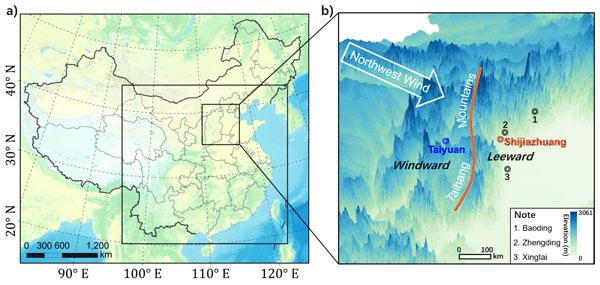
Xinpeng Xu, Shoujuan Shu, Guochen Wang, and Weijun Li
Atmos. Chem. Phys., 26, 6507–6519, https://doi.org/10.5194/acp-26-6507-2026, https://doi.org/10.5194/acp-26-6507-2026, 2026
Short summary
Short summary
We studied warm, dry winds called foehn on the east foothills of China’s Taihang Mountains, where over 30 million people live. Using synopic analysis and machine learning methods, we found these winds are driven mainly by surface conditions and the influence of them varies seasonally. These winds worsen pollution, heatwaves, and fire risk. Our findings help predict these events earlier, protecting health, crops, and air quality in a warming climate.
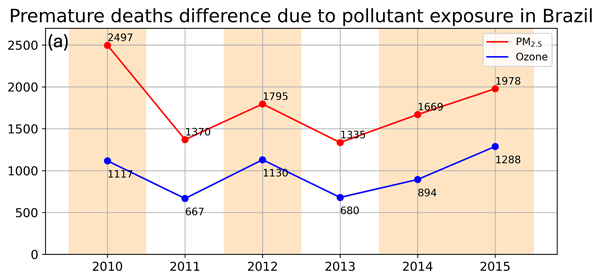
Leo T. H. Ng, Jia Mao, Xueying Liu, Shixian Zhai, Dominic Fawcett, Stephen Sitch, Luiz E. O. C. Aragao, and Amos P. K. Tai
Atmos. Chem. Phys., 26, 11835–11855, https://doi.org/10.5194/acp-26-11835-2026, https://doi.org/10.5194/acp-26-11835-2026, 2026
Short summary
Short summary
Wildfires in the Amazon worsen air pollution and threaten public health, yet the role of droughts in amplifying these effects is poorly understood. Using satellite data and atmospheric modeling, we assessed how droughts intensified fire emissions and pollution in the Brazilian Amazon from 2010–2015. During drought years, fires contributed up to 76 % of harmful particles and raised premature deaths by up to 24 %. These results stress the need for fire management that accounts for drought risks.
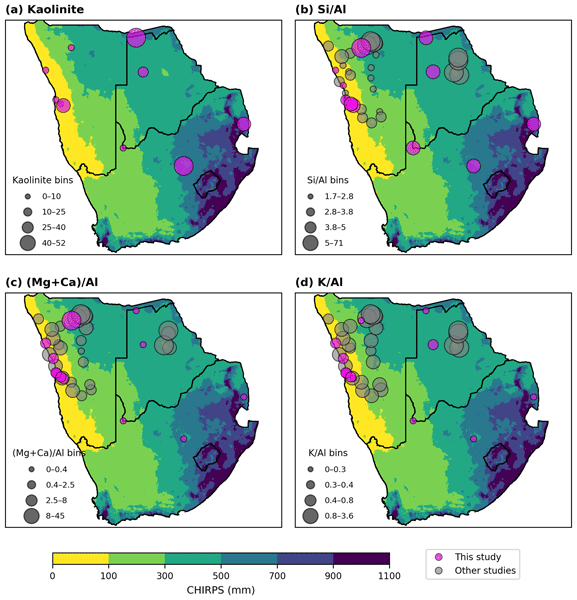
Clarissa Baldo, Servanne Chevaillier, Sophie Nowak, Gael Noyalet, Sandra Lafon, Claudia Di Biagio, Amelie Chaput, James King, Mathieu Cazaunau, Edouard Pangui, Jean-Francois Doussin, Remi Stanus, Nadine Mattielli, Heleen C. Vos, Gregory S. Okin, Brigitte Language, Tjaart Van Der Walt, Stuart Piketh, Karine Desboeufs, Akinori Ito, Silvia Becagli, Eugene Marais, Laurie Barrier, Stéphane Jacquemoud, and Paola Formenti
Atmos. Chem. Phys., 26, 10727–10749, https://doi.org/10.5194/acp-26-10727-2026, https://doi.org/10.5194/acp-26-10727-2026, 2026
Short summary
Short summary
Our results show that crustal element ratios and clay contents distinguish dust aerosols from arid western coastal areas and humid eastern inland regions in Southern Africa. This dust contains key micronutrients that can become bioaccessible during atmospheric transport to nearby and remote marine ecosystems. It is also enriched in carbonates and K-feldspar, serving as a source of cloud condensation and ice nuclei, with potential implications ranging from regional to sub-hemispheric scales.
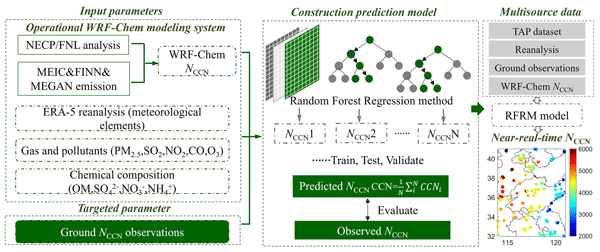
Jingye Ren, Songjian Zou, Honghao Xu, Guiquan Liu, Zhe Wang, Anran Zhang, Chuanfeng Zhao, Min Hu, Dongjie Shang, Lizi Tang, Ru-Jin Huang, Yele Sun, and Fang Zhang
Geosci. Model Dev., 19, 6403–6416, https://doi.org/10.5194/gmd-19-6403-2026, https://doi.org/10.5194/gmd-19-6403-2026, 2026
Short summary
Short summary
In this study, a new framework of cloud condensation nuclei (CCN) prediction in polluted region has been developed and it achieves well prediction of hourly-to-yearly scale across North China Plain. The study reveals the machine learning model can largely reduce the uncertainty in simulating cloud radiative forcing, illustrating the high sensitivity of climate forcing to changes in CCN. This improvement of our new model would be helpful to aerosols climate effect assessment in models.
Yi Zhang, Wei Zhou, Weiqi Xu, Yan Li, Yu Zhang, Zijun Zhang, Bojiang Su, Ning Zhang, Eleonora Aruffo, Junfeng Wang, Piero Di Carlo, Lanzhong Liu, Xiaole Pan, Zifa Wang, Douglas Worsnop, and Yele Sun
EGUsphere, https://doi.org/10.5194/egusphere-2026-3643, https://doi.org/10.5194/egusphere-2026-3643, 2026
Short summary
Short summary
We tracked OOMs that form haze and clouds at a forested mountain in southeastern China. Warm weather boosted natural emissions from plants, making them the primary source of these compounds. Conversely, cooler weather amplified the impact of pollution blowing in from other regions. Clouds also played a major role by washing away certain chemicals while transforming others. These interactions between weather, nature, and pollution offer crucial insights for improving climate models.
Hao Liu, Hao Xu, Yixin Huang, Wei Zhou, Yunting Xiao, Qinghao Guo, Xi Zhao, Junjun Deng, Yele Sun, Pingqing Fu, and Jialei Zhu
EGUsphere, https://doi.org/10.5194/egusphere-2026-3708, https://doi.org/10.5194/egusphere-2026-3708, 2026
Short summary
Short summary
To better track natural emissions from forests, we built a detailed model covering 234 tree species across China—far more precise than past methods that lumped all trees into broad categories. The study found that planting different tree species in the same location can produce very different emission patterns, affecting haze and ozone formation in distinct ways. These findings suggest that thoughtful species selection can help balance carbon goals with cleaner air.
Kaitao Chen, Zheng Li, Rui Li, Luyao Chen, Rongjie Li, Binyu Xiao, Shaojun Lv, Can Wu, Rui Li, Junke Zhang, and Gehui Wang
EGUsphere, https://doi.org/10.5194/egusphere-2026-3616, https://doi.org/10.5194/egusphere-2026-3616, 2026
Short summary
Short summary
During winter haze in Chengdu, water-soluble organic nitrogen compounds shift from gas to particles, with concentrations more than doubling. The main driver is particle water content, not acidity or temperature. As particles absorb water, they take up these compounds, fueling aerosol growth. This study reveals how nitrogen-rich organic aerosols form in humid air, aiding pollution control strategies.
Takuma Miyakawa, Chunmao Zhu, Morihisa Yokokawa, Mitsunobu Mukawa, Akinori Ito, Atsushi Shimizu, Tomoaki Nishizawa, and Yugo Kanaya
EGUsphere, https://doi.org/10.5194/egusphere-2026-3778, https://doi.org/10.5194/egusphere-2026-3778, 2026
Short summary
Short summary
Soluble iron (Fesol) in aerosol particles was investigated in the East Asian outflow in winter–spring 2023–2024. Source attribution was essential to account for the variations in Fesol fraction for fine aerosols, whereas those for coarse aerosols were largely affected by aging processes. Fesol-to-black carbon enhancement ratios can be useful constraints for evaluating numerical models to simulate anthropogenic and natural impacts on Fesol concentrations in the East Asian outflow regions.
Xinpeng Xu, Shoujuan Shu, Guochen Wang, and Weijun Li
Atmos. Chem. Phys., 26, 6507–6519, https://doi.org/10.5194/acp-26-6507-2026, https://doi.org/10.5194/acp-26-6507-2026, 2026
Short summary
Short summary
We studied warm, dry winds called foehn on the east foothills of China’s Taihang Mountains, where over 30 million people live. Using synopic analysis and machine learning methods, we found these winds are driven mainly by surface conditions and the influence of them varies seasonally. These winds worsen pollution, heatwaves, and fire risk. Our findings help predict these events earlier, protecting health, crops, and air quality in a warming climate.
Ziyue Meng, Yuntao Wang, and Lei Han
Earth Syst. Sci. Data Discuss., https://doi.org/10.5194/essd-2026-305, https://doi.org/10.5194/essd-2026-305, 2026
Revised manuscript accepted for ESSD
Short summary
Short summary
Phytoplankton play a vital role in absorbing carbon dioxide and supporting marine life. We created a 20 year global dataset that reveals the 3D distribution of phytoplankton down to five hundred meters. By combining float profiles with satellite observations using a deep learning model, we reconstructed the hidden vertical structure of chlorophyll, which successfully reproduces the features across different ocean regions.
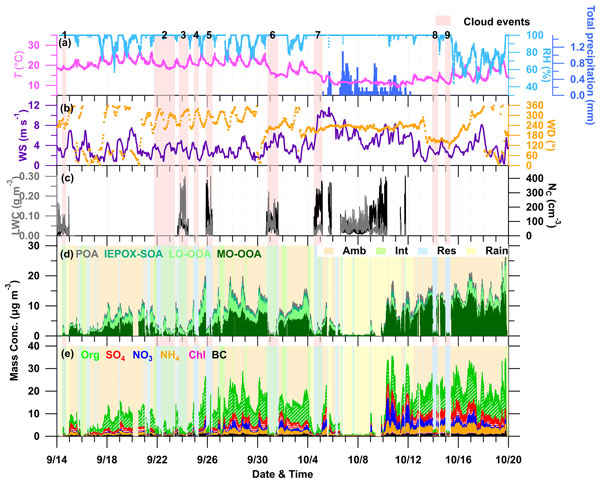
Yi Zhang, Weiqi Xu, Yan Li, Guohua Zhang, Dantong Liu, Ye Kuang, Yu Zhang, Wei Zhou, Xiaocong Peng, Bojiang Su, Weihong Huang, Zijun Zhang, Liu Yang, Yangzhou Wu, Siyuan Li, Shitong Zhao, Lanzhong Liu, Xiaole Pan, Zifa Wang, Xinhui Bi, Mikael Ehn, Douglas R. Worsnop, and Yele Sun
Atmos. Chem. Phys., 26, 5617–5634, https://doi.org/10.5194/acp-26-5617-2026, https://doi.org/10.5194/acp-26-5617-2026, 2026
Short summary
Short summary
This study explores how clouds influence the chemical composition of air particles through field research at a high-altitude station in southeastern China across different seasons. We found that different cloud types cause varying degrees of chemical changes in these particles. These findings enhance our understanding of the impact of clouds on air quality and contribute to improving climate models.
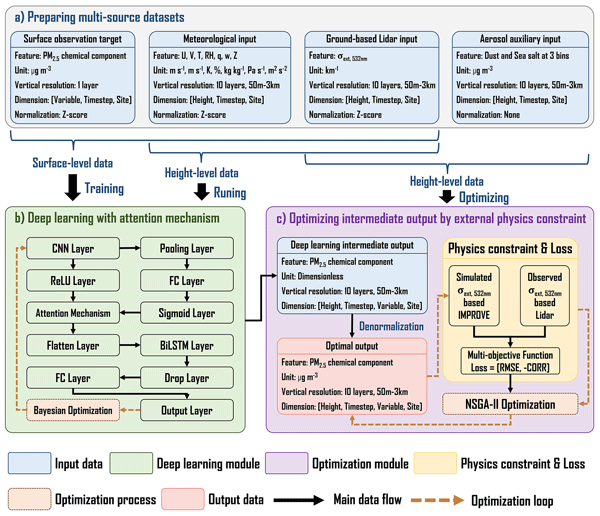
Hongyi Li, Ting Yang, Yele Sun, and Zifa Wang
Atmos. Meas. Tech., 19, 2225–2244, https://doi.org/10.5194/amt-19-2225-2026, https://doi.org/10.5194/amt-19-2225-2026, 2026
Short summary
Short summary
We develop a physics-constrained deep-learning framework to retrieve vertical profiles of particulate matter <2.5 µm chemical components from lidar measurements. Comparisons with surface, tower, and aircraft measurements validate the performance of the framework. A six-year vertical profile dataset generated for Beijing reveals that organic matter and nitrate are dominant chemical components. This work offers a new perspective on the lidar inversion of chemical component profiles.
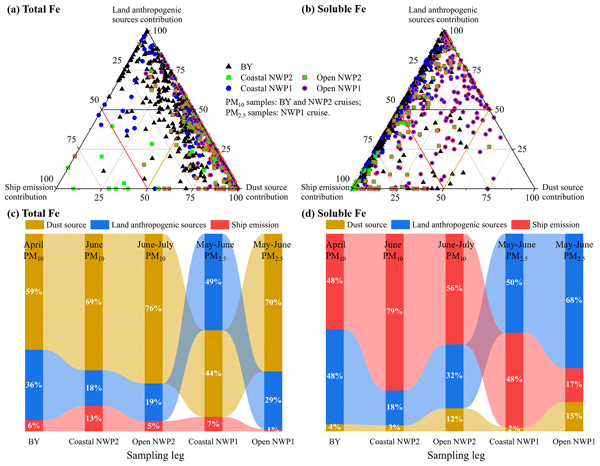
Tianle Zhang, Yaxin Xiang, Bingxing Zhu, Xiaohong Yao, Xuehua Fan, Yinan Wang, Yuntao Wang, Shuangling Chen, Shunyao Wang, Yan Zhang, Fei Chai, and Mei Zheng
Atmos. Chem. Phys., 26, 3001–3024, https://doi.org/10.5194/acp-26-3001-2026, https://doi.org/10.5194/acp-26-3001-2026, 2026
Short summary
Short summary
Based on high-time-resolution shipborne measurements, this study examines the sources of iron in aerosols over the Northwest Pacific. We found that non-dust emissions from ships and land-based activities contribute the majority of soluble iron capable of enhancing marine primary productivity, with particularly pronounced contributions in coastal regions and during the summer season. These findings provide improved insight into the influence of human activities on oceanic nutrient supply.
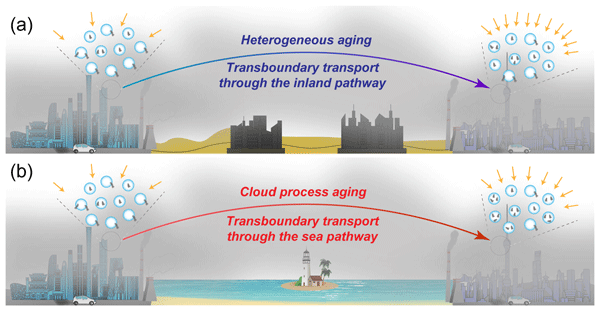
Jian Zhang, Zexuan Zhang, Keliang Li, Xiyao Chen, Xinpeng Xu, Yangmei Zhang, Anzhou Han, Yuanyuan Wang, Jing Ding, Liang Xu, Yinxiao Zhang, Hongya Niu, Shoujuan Shu, and Weijun Li
Atmos. Chem. Phys., 26, 2965–2984, https://doi.org/10.5194/acp-26-2965-2026, https://doi.org/10.5194/acp-26-2965-2026, 2026
Short summary
Short summary
To explore the evolution mechanism and radiative absorption of soot particles during transboundary transport, we conducted field campaigns and simulated their optical properties. Our results reveal that soot particles transported over the sea undergo different aging processes compared to the inland, consequently leading to distinct radiative absorption. This study provides important information for refining mixing models of aged soot and improving their radiative effect simulations.
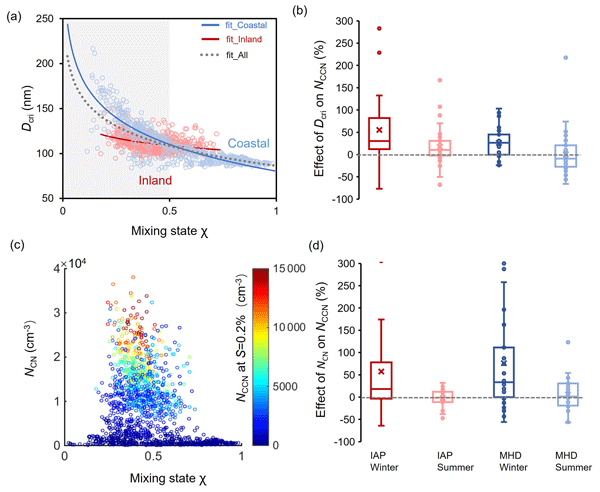
Jingye Ren, Wei Xu, Ru-Jin Huang, Fang Zhang, Ying Wang, Lu Chen, Jurgita Ovadnevaite, Darius Ceburnis, Colin O'Dowd, and Yele Sun
Atmos. Chem. Phys., 26, 2985–3000, https://doi.org/10.5194/acp-26-2985-2026, https://doi.org/10.5194/acp-26-2985-2026, 2026
Short summary
Short summary
Impact of mixing state on cloud condensation nuclei (CCN) was incorporated in limited modeling with simplified assumption. This study derived a mixing state index from hygroscopicity and systematically investigated the covariation between the mixing state and CCN activity in inland and coastal air. We propose a practical approach for estimating critical diameter from mixing state index, applicable when the aerosol particles are not highly aged.
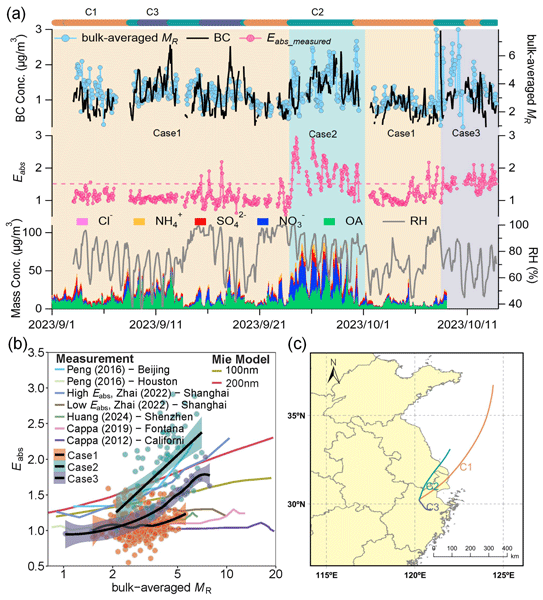
Jing Wei, Jin-Mei Ding, Yao Song, Xiao-Yuan Wang, Xiang-Yu Pei, Sheng-Chen Xu, Fei Zhang, Zheng-Ning Xu, Xu-Dong Tian, Bing-Ye Xu, and Zhi-Bin Wang
Atmos. Chem. Phys., 26, 2881–2892, https://doi.org/10.5194/acp-26-2881-2026, https://doi.org/10.5194/acp-26-2881-2026, 2026
Short summary
Short summary
Black carbon (BC) is a light-absorbing particle that contributes to atmospheric warming, but its radiative impact remains highly uncertain. We conducted field measurements in Hangzhou, China, to examine how the mass ratio (MR, coating-to-BC) affects light absorption enhancement (Eabs). Our results show that widely used optical models overestimate Eabs, especially under clean conditions. A new MR-dependent parameterization improves model accuracy and reduces this uncertainty.
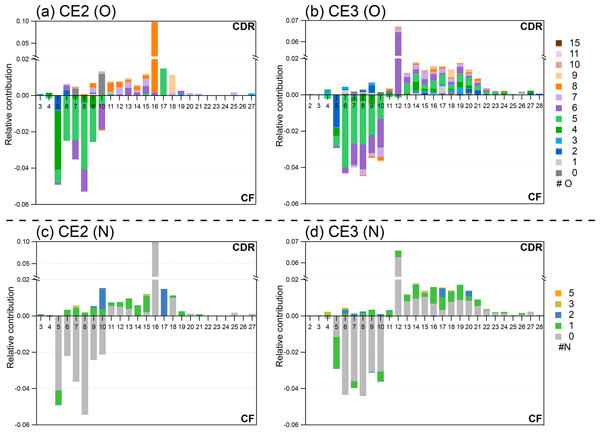
Yali Jin, Hao Luo, Siqi Tang, Shuhui Xue, Chengyu Nie, Xiaocong Peng, Yan Zheng, Weiqi Xu, Guohua Zhang, Xiaole Pan, Yele Sun, Qi Chen, Lanzhong Liu, and Defeng Zhao
Atmos. Chem. Phys., 26, 2813–2830, https://doi.org/10.5194/acp-26-2813-2026, https://doi.org/10.5194/acp-26-2813-2026, 2026
Short summary
Short summary
Cloud substantially changes the compositions organic aerosol. How cloud processing of organics occur on molecular level remains unclear. We found that compared with cloud free particles, organics in cloud contains more large molecules likely due to accretion reactions and has more nitrogen-containing compounds. We identify some new compounds formed in cloud. Such modifications of the organics in cloud can further change its physicochemical properties, and impact on climate and human health.

Wei Zhou, Liu Yang, Siqi Zeng, Yunping Kan, Lirong Yang, Weihong Zhang, Weijie Wang, Zijun Zhang, Yan Li, Weiqi Xu, Yucheng Gu, Yaozong Wang, Zhengyan Zuo, Jie Li, Zifa Wang, and Yele Sun
Atmos. Chem. Phys., 26, 2425–2441, https://doi.org/10.5194/acp-26-2425-2026, https://doi.org/10.5194/acp-26-2425-2026, 2026
Short summary
Short summary
Northwest China, situated in an arid and semi-arid climate region; air quality issues in this area have received less attention compared to other Chinese metropolitan clusters. This research identify a significant shift towards the coupling PM2.5 and O3 relationships over the past decade in northwest China, highlighting the great importance of urban terpenes and aromatic oxidation in secondary organic aerosol formation.
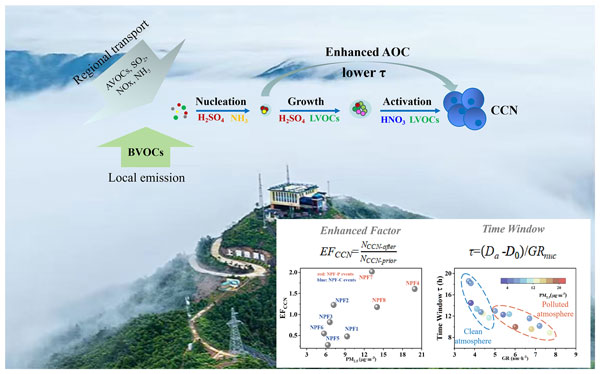
Weibin Zhu, Sai Shang, Jieqi Wang, Yunfei Wu, Zhaoze Deng, Liang Ran, Ye Kuang, Guiqian Tang, Xiangpeng Huang, Xiaole Pan, Lanzhong Liu, Weiqi Xu, Yele Sun, Bo Hu, Zifa Wang, and Zirui Liu
Atmos. Chem. Phys., 26, 1947–1965, https://doi.org/10.5194/acp-26-1947-2026, https://doi.org/10.5194/acp-26-1947-2026, 2026
Short summary
Short summary
NPF (new particle formation) is a key global CCN (cloud condensation nuclei) source, but its contribution at the polluted boundary-layer top remains unclear. Based on mountaintop observations in the Yangtze River Delta, we show that under polluted conditions, NPF at the boundary-layer top is enhanced and accelerates its conversion to CCN. Ammonia plays a key role, and a newly defined "Time Window" metric highlights the importance of oxidation-driven growth and regional transport in this process.
Juncheng Qian, Thomas Wynn, Bowen Liu, Yuli Shan, Suzanne E. Bartington, Francis D. Pope, Yuqing Dai, and Zongbo Shi
Atmos. Meas. Tech., 19, 603–615, https://doi.org/10.5194/amt-19-603-2026, https://doi.org/10.5194/amt-19-603-2026, 2026
Short summary
Short summary
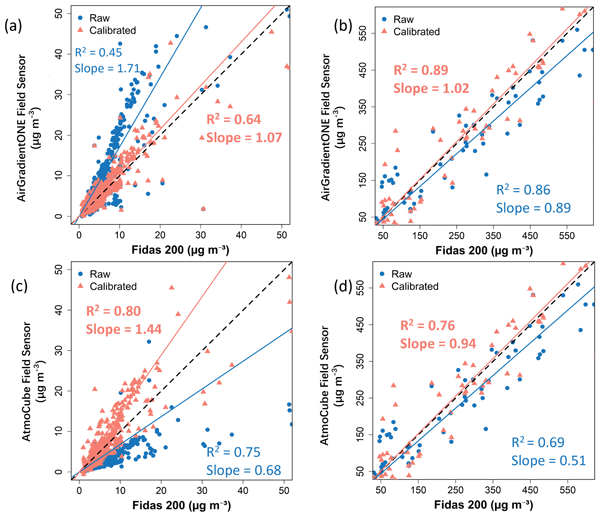
We developed a multi-stage AutoML (Automated Machine Learning) calibration framework to improve low-cost indoor PM2.5 sensor accuracy. Using chamber tests with varied emission sources, the method corrected drift, humidity effects, and non-linear responses, raising R2 above 0.9 and halving RMSE (Root Mean Square Error). The approach enables reliable, scalable indoor air quality monitoring for research and public health applications.
Claudia Di Biagio, Elisa Bru, Avila Orta, Servanne Chevaillier, Clarissa Baldo, Antonin Bergé, Mathieu Cazaunau, Sandra Lafon, Sophie Nowak, Edouard Pangui, Meinrat O. Andreae, Pavla Dagsson-Waldhauserova, Kebonyethata Dintwe, Konrad Kandler, James S. King, Amelie Chaput, Gregory S. Okin, Stuart Piketh, Thuraya Saeed, David Seibert, Zongbo Shi, Earle Williams, Pasquale Sellitto, and Paola Formenti
Atmos. Chem. Phys., 26, 1079–1091, https://doi.org/10.5194/acp-26-1079-2026, https://doi.org/10.5194/acp-26-1079-2026, 2026
Short summary
Short summary
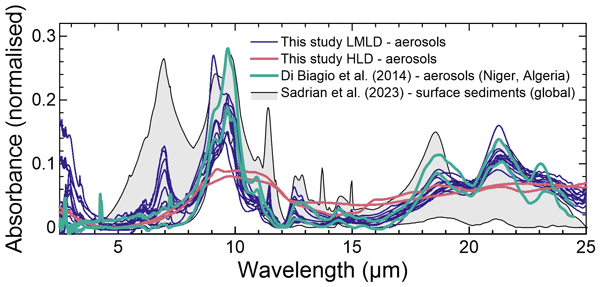
Spectroscopy measurements show that the absorbance of dust in the far-infrared up to 25 µm is comparable in intensity to that in the mid-infrared (3–15 µm) suggesting possible relevance for its direct radiative effect. Absorption signatures differ between Icelandic and low/mid-latitude dust due to differences in mineralogical composition. Spectral differences could be used to characterise the mineralogy and trace the origin of airborne dust based on infrared remote sensing observations.
Song Liu, Xiaopu Lyu, Fumo Yang, Zongbo Shi, Xin Huang, Tengyu Liu, Hongli Wang, Mei Li, Jian Gao, Nan Chen, Guoliang Shi, Yu Zou, Chenglei Pei, Chengxu Tong, Xinyi Liu, Li Zhou, Alex B. Guenther, and Nan Wang
Atmos. Chem. Phys., 26, 635–646, https://doi.org/10.5194/acp-26-635-2026, https://doi.org/10.5194/acp-26-635-2026, 2026
Short summary
Short summary
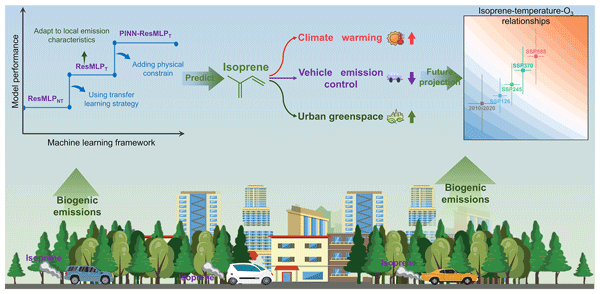
We studied the invisible gas isoprene, which trees and vehicles release into the air and which can worsen urban smog. Using advanced computer learning trained on measurements from many cities, we uncovered how temperature, sunlight, and city greening shape isoprene levels. Comparing Hong Kong and London, we found climate warming boosts isoprene and future ozone pollution, but strong cuts in anthropogenic emission could limit this impact.
Can Wu, Huijun Zhang, Kehan Sun, Rongjie Li, Ziting Yan, Yubao Chen, Zheng Li, Binyu Xiao, Yanqin Ren, and Gehui Wang
EGUsphere, https://doi.org/10.5194/egusphere-2025-6271, https://doi.org/10.5194/egusphere-2025-6271, 2026
Short summary
Short summary
Nitrogenous organic compounds represent the pivotal chromophores governing the optical properties of atmospheric brown carbon (BrC) across the North China Plain, which are mainly formed through ammonia-driven aqueous reactions. Accordingly, the mitigation of ammonia emissions is indispensable for the further abatement of haze and BrC pollution in this region.
Jialu Xu, Yingjie Zhang, Yuying Wang, Xing Yan, Bin Zhu, Chunsong Lu, Yuanjian Yang, Yele Sun, Junhui Zhang, Xiaofan Zuo, Zhanghanshu Han, and Rui Zhang
Atmos. Chem. Phys., 25, 18599–18616, https://doi.org/10.5194/acp-25-18599-2025, https://doi.org/10.5194/acp-25-18599-2025, 2025
Short summary
Short summary
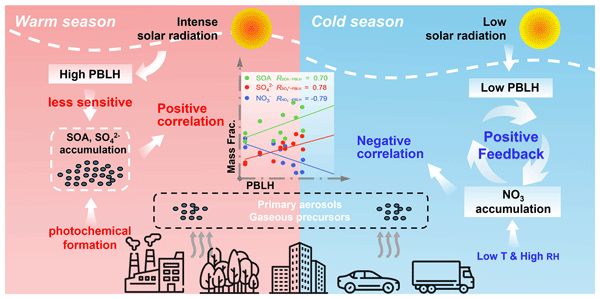
We conducted a year-long study in Nanjing to explore how the height of the atmospheric boundary layer affects fine particle pollution. We found that low boundary layers in winter trap pollutants like nitrate and primary particles, while higher layers in summer help form secondary pollutants like sulfate and organic aerosols. These findings show that boundary layer dynamics are key to understanding and managing seasonal air pollution.
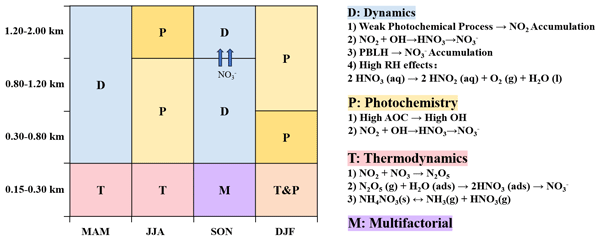
Yutong Tian, Ting Yang, Hongyi Li, Ping Tian, Yifan Song, Jiancun He, Yining Tan, Yele Sun, and Zifa Wang
Atmos. Chem. Phys., 25, 17581–17594, https://doi.org/10.5194/acp-25-17581-2025, https://doi.org/10.5194/acp-25-17581-2025, 2025
Short summary
Short summary
This study examines how nitrate pollution varies with height and season to combat urban haze. Nitrate levels peak near the ground in spring/winter due to humidity and temperature, while wind and sunlight drive high-altitude pollution in late autumn. Winter shows unique daytime peaks linked to sunlight and nighttime chemistry. Findings help cities design targeted strategies, like timing emissions cuts, to improve air quality by addressing pollution at specific heights and times.
Junhui Zhang, Yuying Wang, Jialu Xu, Xiaofan Zuo, Chunsong Lu, Bin Zhu, Yuanjian Yang, Xing Yan, and Yele Sun
Atmos. Chem. Phys., 25, 17413–17428, https://doi.org/10.5194/acp-25-17413-2025, https://doi.org/10.5194/acp-25-17413-2025, 2025
Short summary
Short summary
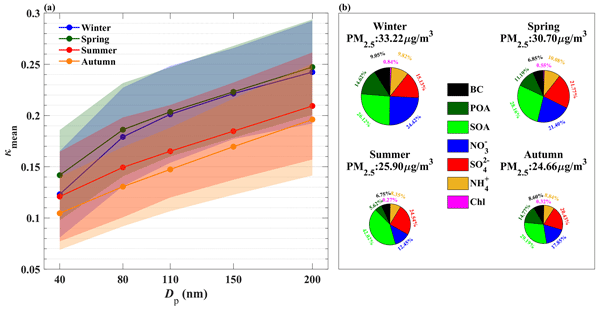
We conducted a year-long study in Nanjing to understand how tiny airborne particles take up water, which affects air quality and climate. We found that particle water uptake varies by season and size, with lower values in summer due to more organic materials. Local pollution mainly influences smaller particles, while larger ones are shaped by air mass transport. These findings help improve climate models and support better air pollution control in fast-growing cities.
Wenqing Jiang, Lijuan Li, Lu Yu, Hwajin Kim, Yele Sun, and Qi Zhang
Atmos. Chem. Phys., 25, 16817–16832, https://doi.org/10.5194/acp-25-16817-2025, https://doi.org/10.5194/acp-25-16817-2025, 2025
Short summary
Short summary
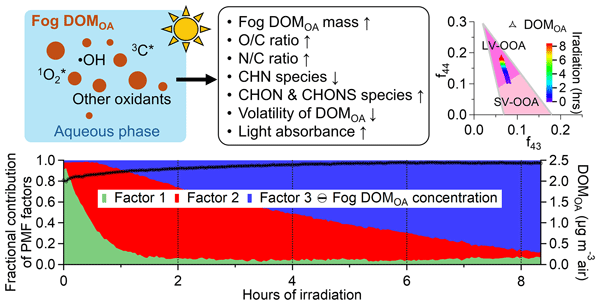
We studied how sunlight changes natural organic matter in fog droplets and the tiny airborne particles formed after the water evaporation. Advanced analyses showed that sunlight makes this material more oxidized, nitrogen-enriched, chemically transformed, and different in light absorption and volatility. These sunlight-driven changes influence the particles’ behavior in the air, affecting air quality, climate, and how long they remain suspended in the atmosphere.
Yuqing Dai, Bowen Liu, Chengxu Tong, David C. Carslaw, A. Robert MacKenzie, and Zongbo Shi
Atmos. Chem. Phys., 25, 13585–13596, https://doi.org/10.5194/acp-25-13585-2025, https://doi.org/10.5194/acp-25-13585-2025, 2025
Short summary
Short summary
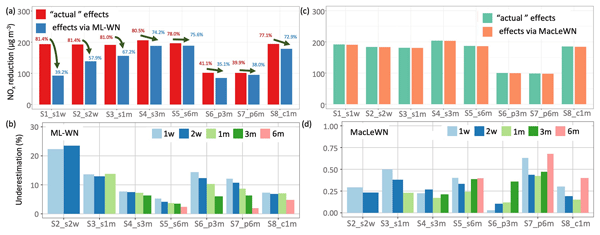
Air pollution causes millions of deaths annually, driving policies to improve air quality. However, assessing these policies is challenging because weather changes can hide their true impact. We created a logical evaluation framework and found that a widely applied machine learning approach that adjusts for weather effects could underestimate the effectiveness of short-term policies, like emergency traffic controls. We proposed a refined approach that could largely reduce such underestimation.
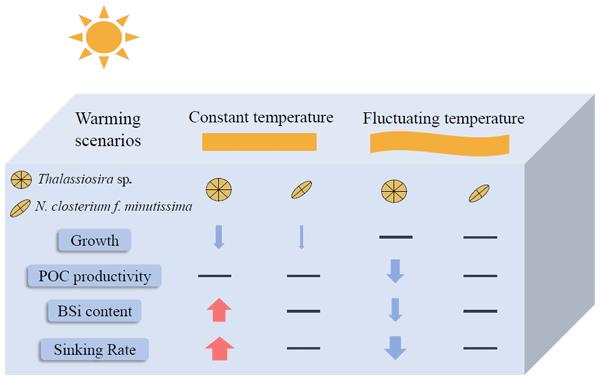
Yangjie Sheng, Yanan Wang, Ting Cai, Yuntao Wang, Afef Fathalli, Sana Ben Ismail, and Yuanyuan Feng
Biogeosciences, 22, 5961–5974, https://doi.org/10.5194/bg-22-5961-2025, https://doi.org/10.5194/bg-22-5961-2025, 2025
Short summary
Short summary
We conducted semi-continuous incubation experiments on two ecologically significant marine diatom species, Thalassiosira sp. and Nitzschia closterium f. minutissima, to examine their physiological responses to ocean warming and temperature fluctuation. These findings highlight the influence of temperature fluctuation on the physiology of marine diatoms in the context of global warming, thus having implications for a further understanding of biogeochemical feedbacks.
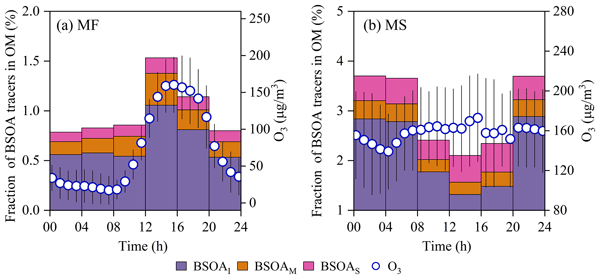
Can Wu, Yubao Chen, Yuwei Sun, Huijun Zhang, Si Zhang, Cong Cao, Jianjun Li, and Gehui Wang
Atmos. Chem. Phys., 25, 11975–11989, https://doi.org/10.5194/acp-25-11975-2025, https://doi.org/10.5194/acp-25-11975-2025, 2025
Short summary
Short summary
Biogenic secondary organic aerosol (BSOA), as an important atmospheric component, is prevalent within the boundary layer and can influence air quality and human health. Our observations demonstrate that anthropogenic NOx and the enhanced aerosol water driven by sulfate inhibit BSOA formation in lifting air masses, leading to a moderate reduction in the SOA burden in the upper boundary layer.
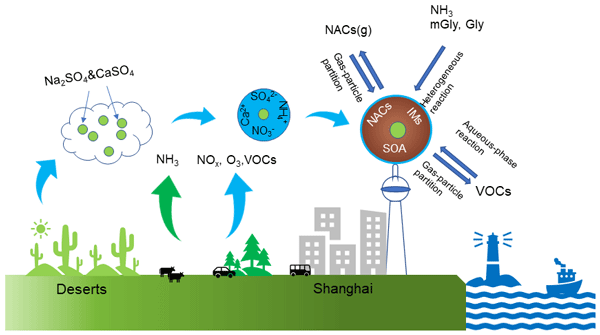
Zheng Li, Gehui Wang, Binyu Xiao, Rongjie Li, Can Wu, Shaojun Lv, Feng Wu, Qingyan Fu, and Yusen Duan
Atmos. Chem. Phys., 25, 12037–12049, https://doi.org/10.5194/acp-25-12037-2025, https://doi.org/10.5194/acp-25-12037-2025, 2025
Short summary
Short summary
Gas-to-aerosol partitioning of organics was investigated in Shanghai during the 2023 dust storm period. We found the partitioning coefficients (Fp) of water-soluble organic compounds in the dust storm period (DS) were comparable to those during a haze episode (HE), and aerosol liquid water content primarily drove Fp variation in HE, while pH was the dominant factor in DS. Moreover, an enhanced light absorption of Asian dust by brown carbon, mainly in coarse mode, formation was revealed.
Xinyao Hu, Aoyuan Yu, Xiaojing Shen, Jiayuan Lu, Yangmei Zhang, Quan Liu, Lei Liu, Linlin Liang, Hongfei Tong, Qianli Ma, Shuxian Zhang, Bing Qi, Rongguang Du, Huizheng Che, Xiaoye Zhang, and Junying Sun
EGUsphere, https://doi.org/10.5194/egusphere-2025-3796, https://doi.org/10.5194/egusphere-2025-3796, 2025
Preprint archived
Short summary
Short summary
Simultaneous measurements of aerosol hygroscopicity and volatility were performed using Volatility-Hygroscopicity Tandem Differential Mobility Analyzer in Beijing. The results reveal that hygroscopicity and volatility of accumulated mode particles are significantly influenced by dust. The size dependences of hygroscopicity and volatility during dust period were different from that before dust period. During dust period, the particles at 300 nm were hydrophobic and less volatile.
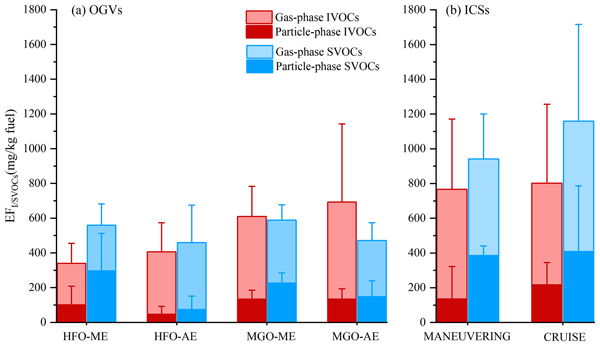
Binyu Xiao, Fan Zhang, Zeyu Liu, Yan Zhang, Rui Li, Can Wu, Xinyi Wan, Yi Wang, Yubao Chen, Yong Han, Min Cui, Libo Zhang, Yingjun Chen, and Gehui Wang
Atmos. Chem. Phys., 25, 7053–7069, https://doi.org/10.5194/acp-25-7053-2025, https://doi.org/10.5194/acp-25-7053-2025, 2025
Short summary
Short summary
Intermediate-volatility/semi-volatile organic compounds in gas and particle phases from ship exhausts are enhanced due to the switch of fuels from low sulfur to ultra-low sulfur. The findings indicate that optimization is necessary for the forthcoming global implementation of an ultra-low-sulfur oil policy. Besides, we find that organic diagnostic markers of hopanes in conjunction with the ratio of octadecanoic to tetradecanoic could be considered potential tracers for heavy fuel oil exhausts.
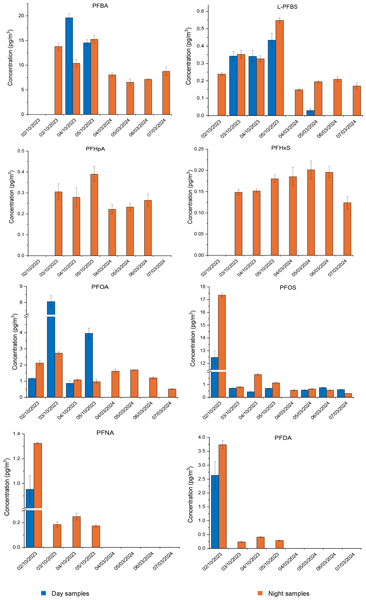
Jishnu Pandamkulangara Kizhakkethil, Zongbo Shi, Anna Bogush, and Ivan Kourtchev
Atmos. Chem. Phys., 25, 5947–5958, https://doi.org/10.5194/acp-25-5947-2025, https://doi.org/10.5194/acp-25-5947-2025, 2025
Short summary
Short summary
Pollution with per- and polyfluoroalkyl substances (PFAS) has received attention due to their environmental persistence and bioaccumulation, but their sources remain poorly understood. PM10 (particulate matter) collected above a scaled-down activated sludge tank treating domestic sewage in the UK was analysed for a range of short-, medium-, and long-chain PFAS. Eight PFAS were detected in the PM10. Our results suggest that wastewater treatment processes, i.e. activated sludge aeration, could aerosolise PFAS into airborne PM.
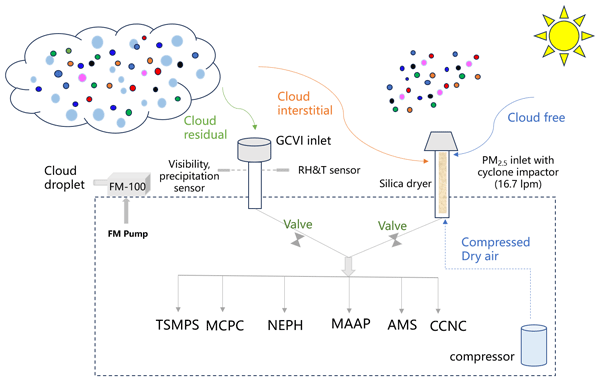
Xiaojing Shen, Quan Liu, Junying Sun, Wanlin Kong, Qianli Ma, Bing Qi, Lujie Han, Yangmei Zhang, Linlin Liang, Lei Liu, Shuo Liu, Xinyao Hu, Jiayuan Lu, Aoyuan Yu, Huizheng Che, and Xiaoye Zhang
Atmos. Chem. Phys., 25, 5711–5725, https://doi.org/10.5194/acp-25-5711-2025, https://doi.org/10.5194/acp-25-5711-2025, 2025
Short summary
Short summary
In this work, an automatic switched inlet system was developed and employed to investigate the aerosols and cloud droplets at a mountain site with frequent cloud processes. It showed different characteristics of cloud residual and interstitial particles. Stronger particle hygroscopicity reduced liquid water content and smaller cloud droplet diameters. This investigation contributes to understanding aerosol–cloud interactions by assessing the impact of aerosol particles on cloud microphysics.
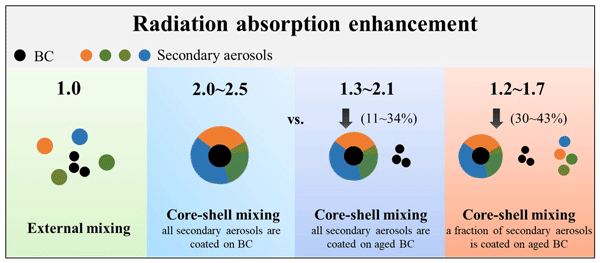
Huiyun Du, Jie Li, Xueshun Chen, Gabriele Curci, Fangqun Yu, Yele Sun, Xu Dao, Song Guo, Zhe Wang, Wenyi Yang, Lianfang Wei, and Zifa Wang
Atmos. Chem. Phys., 25, 5665–5681, https://doi.org/10.5194/acp-25-5665-2025, https://doi.org/10.5194/acp-25-5665-2025, 2025
Short summary
Short summary
Inadequate consideration of mixing states and coatings on black carbon (BC) hinders aerosol radiation forcing quantification. Core–shell mixing aligns well with observations, but partial internal mixing is a more realistic representation. We used a microphysics module to determine the fraction of embedded BC and coating aerosols, constraining the mixing state. This reduced absorption enhancement by 30 %–43 % in northern China, offering insights into BC's radiative effects.
Jingye Ren, Songjian Zou, Honghao Xu, Guiquan Liu, Zhe Wang, Anran Zhang, Chuanfeng Zhao, Min Hu, Dongjie Shang, Lizi Tang, Ru-Jin Huang, Yele Sun, and Fang Zhang
EGUsphere, https://doi.org/10.5194/egusphere-2025-1483, https://doi.org/10.5194/egusphere-2025-1483, 2025
Preprint archived
Short summary
Short summary
In this study, a new framework of cloud condensation nuclei (CCN) prediction in polluted region has been developed and it achieves well prediction of hourly-to-yearly scale across North China Plain. The study reveals a significant long-term decreasing trend of CCN concentration at typical supersaturations due to a rapid reduction in aerosol concentrations from 2014 to 2018. This improvement of our new model would be helpful to aerosols climate effect assessment in models.
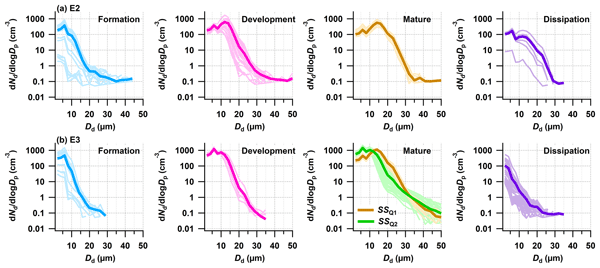
Quan Liu, Xiaojing Shen, Junying Sun, Yangmei Zhang, Bing Qi, Qianli Ma, Lujie Han, Honghui Xu, Xinyao Hu, Jiayuan Lu, Shuo Liu, Aoyuan Yu, Linlin Liang, Qian Gao, Hong Wang, Huizheng Che, and Xiaoye Zhang
Atmos. Chem. Phys., 25, 3253–3267, https://doi.org/10.5194/acp-25-3253-2025, https://doi.org/10.5194/acp-25-3253-2025, 2025
Short summary
Short summary
Through simultaneous measurements of aerosol particles and fog droplets, the evolution of droplets size distribution during the eight observed fog events was investigated. The results showed that the concentration and size distribution of pre-fog aerosol had significant impacts on fog microphysical characteristics. The extinction of fog interstitial particles played an important role in visibility degradation for light fogs, especially in polluted regions.
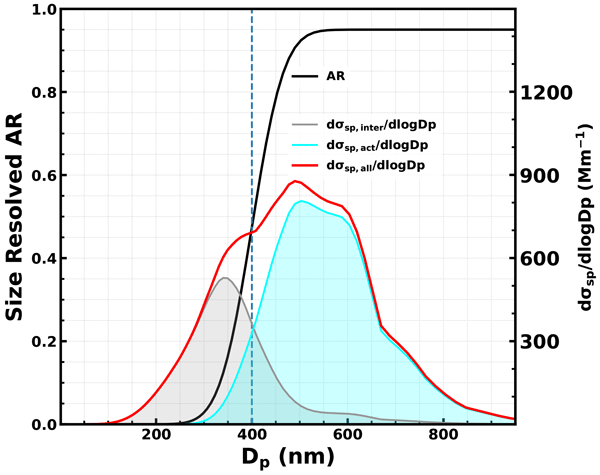
Ye Kuang, Jiangchuan Tao, Hanbing Xu, Li Liu, Pengfei Liu, Wanyun Xu, Weiqi Xu, Yele Sun, and Chunsheng Zhao
Atmos. Chem. Phys., 25, 1163–1174, https://doi.org/10.5194/acp-25-1163-2025, https://doi.org/10.5194/acp-25-1163-2025, 2025
Short summary
Short summary
This study presents a novel optical framework to measure supersaturation, a fundamental parameter in cloud physics, by observing the scattering properties of particles that have or have not grown into cloud droplets. The technique offers high-resolution measurements, capturing essential fluctuations in supersaturation necessary for understanding cloud physics.
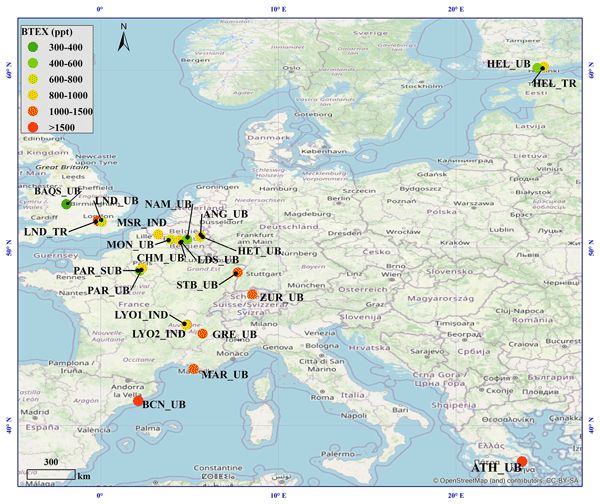
Xiansheng Liu, Xun Zhang, Marvin Dufresne, Tao Wang, Lijie Wu, Rosa Lara, Roger Seco, Marta Monge, Ana Maria Yáñez-Serrano, Marie Gohy, Paul Petit, Audrey Chevalier, Marie-Pierre Vagnot, Yann Fortier, Alexia Baudic, Véronique Ghersi, Grégory Gille, Ludovic Lanzi, Valérie Gros, Leïla Simon, Heidi Héllen, Stefan Reimann, Zoé Le Bras, Michelle Jessy Müller, David Beddows, Siqi Hou, Zongbo Shi, Roy M. Harrison, William Bloss, James Dernie, Stéphane Sauvage, Philip K. Hopke, Xiaoli Duan, Taicheng An, Alastair C. Lewis, James R. Hopkins, Eleni Liakakou, Nikolaos Mihalopoulos, Xiaohu Zhang, Andrés Alastuey, Xavier Querol, and Thérèse Salameh
Atmos. Chem. Phys., 25, 625–638, https://doi.org/10.5194/acp-25-625-2025, https://doi.org/10.5194/acp-25-625-2025, 2025
Short summary
Short summary
This study examines BTEX (benzene, toluene, ethylbenzene, xylenes) pollution in urban areas across seven European countries. Analyzing data from 22 monitoring sites, we found traffic and industrial activities significantly impact BTEX levels, with peaks during rush hours. The risk from BTEX exposure remains moderate, especially in high-traffic and industrial zones, highlighting the need for targeted air quality management to protect public health and improve urban air quality.
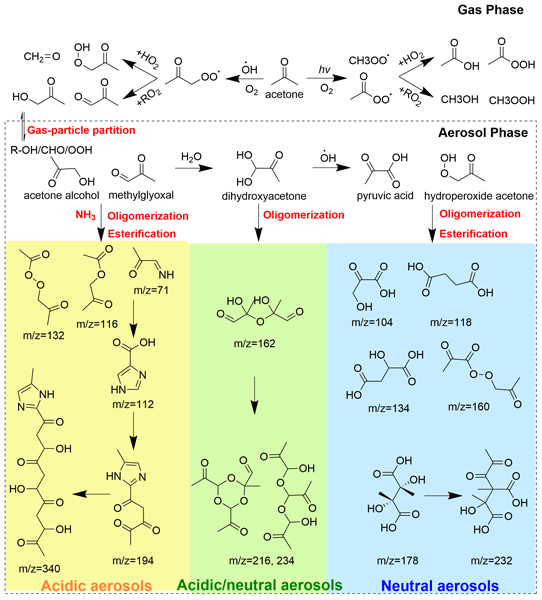
Si Zhang, Yining Gao, Xinbei Xu, Luyao Chen, Can Wu, Zheng Li, Rongjie Li, Binyu Xiao, Xiaodi Liu, Rui Li, Fan Zhang, and Gehui Wang
Atmos. Chem. Phys., 24, 14177–14190, https://doi.org/10.5194/acp-24-14177-2024, https://doi.org/10.5194/acp-24-14177-2024, 2024
Short summary
Short summary
Secondary organic aerosols (SOAs) from acetone photooxidation in the presence of various seeds were studied to illustrate SOA formation kinetics under ammonia-rich conditions. The oxidation mechanism of acetone was investigated using an observation-based model incorporating a Master Chemical Mechanism model. A higher SOA yield of acetone was observed compared to methylglyoxal due to an enhanced uptake of the small photooxidation products of acetone.
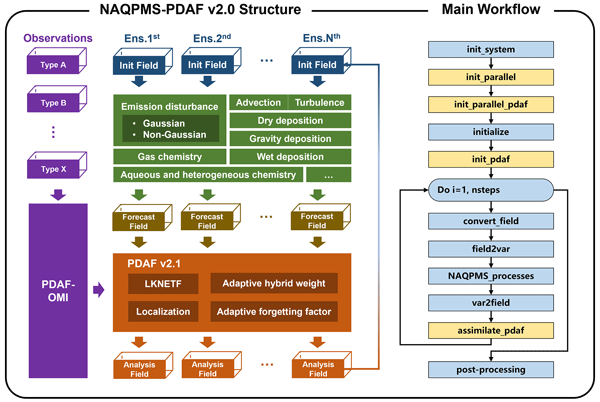
Hongyi Li, Ting Yang, Lars Nerger, Dawei Zhang, Di Zhang, Guigang Tang, Haibo Wang, Yele Sun, Pingqing Fu, Hang Su, and Zifa Wang
Geosci. Model Dev., 17, 8495–8519, https://doi.org/10.5194/gmd-17-8495-2024, https://doi.org/10.5194/gmd-17-8495-2024, 2024
Short summary
Short summary
To accurately characterize the spatiotemporal distribution of particulate matter <2.5 µm chemical components, we developed the Nested Air Quality Prediction Model System with the Parallel Data Assimilation Framework (NAQPMS-PDAF) v2.0 for chemical components with non-Gaussian and nonlinear properties. NAQPMS-PDAF v2.0 has better computing efficiency, excels when used with a small ensemble size, and can significantly improve the simulation performance of chemical components.
Alex Rowell, James Brean, David C. S. Beddows, Zongbo Shi, Avinash Kumar, Matti Rissanen, Miikka Dal Maso, Peter Mettke, Kay Weinhold, Maik Merkel, and Roy M. Harrison
Atmos. Chem. Phys., 24, 10349–10361, https://doi.org/10.5194/acp-24-10349-2024, https://doi.org/10.5194/acp-24-10349-2024, 2024
Short summary
Short summary
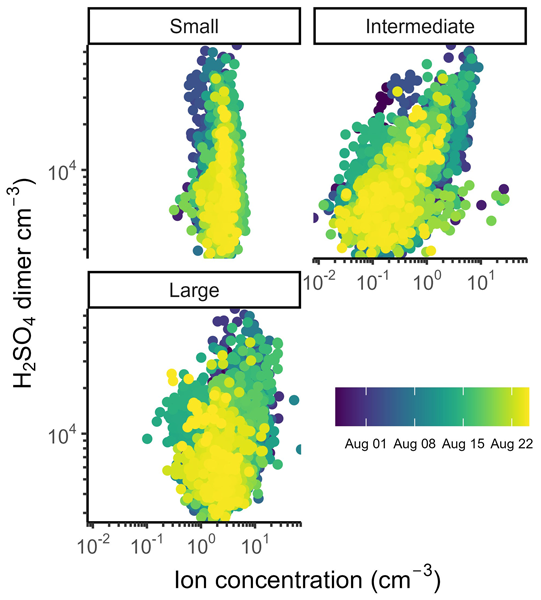
Ions enhance the formation and growth rates of new particles, affecting the Earth's radiation budget. Despite these effects, there is little published data exploring the sources of ions in the urban environment and their role in new particle formation (NPF). Here we show that natural ion sources dominate in urban environments, while traffic is a secondary source. Ions contribute up to 12.7 % of the formation rate of particles, indicating that they are important for forming urban PM.
Romanos Foskinis, Ghislain Motos, Maria I. Gini, Olga Zografou, Kunfeng Gao, Stergios Vratolis, Konstantinos Granakis, Ville Vakkari, Kalliopi Violaki, Andreas Aktypis, Christos Kaltsonoudis, Zongbo Shi, Mika Komppula, Spyros N. Pandis, Konstantinos Eleftheriadis, Alexandros Papayannis, and Athanasios Nenes
Atmos. Chem. Phys., 24, 9827–9842, https://doi.org/10.5194/acp-24-9827-2024, https://doi.org/10.5194/acp-24-9827-2024, 2024
Short summary
Short summary
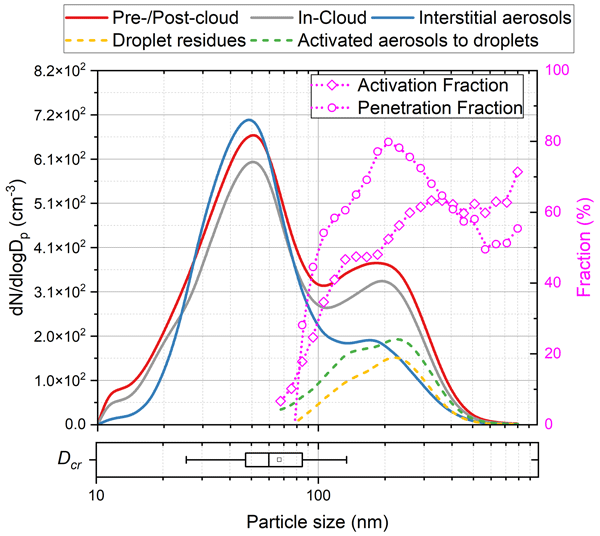
Analysis of modeling, in situ, and remote sensing measurements reveals the microphysical state of orographic clouds and their response to aerosol from the boundary layer and free troposphere. We show that cloud response to aerosol is robust, as predicted supersaturation and cloud droplet number levels agree with those determined from in-cloud measurements. The ability to determine if clouds are velocity- or aerosol-limited allows for novel model constraints and remote sensing products.
Alex Rowell, James Brean, David C. S. Beddows, Tuukka Petäjä, Máté Vörösmarty, Imre Salma, Jarkko V. Niemi, Hanna E. Manninen, Dominik van Pinxteren, Thomas Tuch, Kay Weinhold, Zongbo Shi, and Roy M. Harrison
Atmos. Chem. Phys., 24, 9515–9531, https://doi.org/10.5194/acp-24-9515-2024, https://doi.org/10.5194/acp-24-9515-2024, 2024
Short summary
Short summary
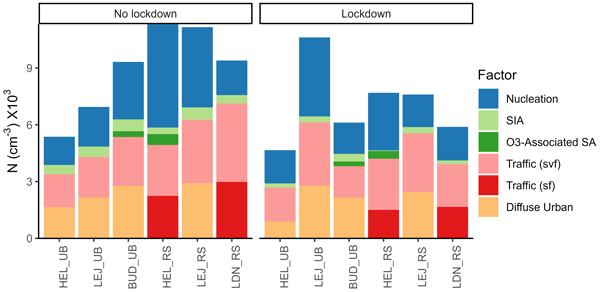
Different sources of airborne particles in the atmospheres of four European cities were distinguished by recognising their particle size distributions using a statistical procedure, positive matrix factorisation. The various sources responded differently to the changes in emissions associated with COVID-19 lockdowns, and the reasons are investigated. While traffic emissions generally decreased, particles formed from reactions of atmospheric gases decreased in some cities but increased in others.
Weiqi Xu, Ye Kuang, Wanyun Xu, Zhiqiang Zhang, Biao Luo, Xiaoyi Zhang, Jiangchuang Tao, Hongqin Qiao, Li Liu, and Yele Sun
Atmos. Chem. Phys., 24, 9387–9399, https://doi.org/10.5194/acp-24-9387-2024, https://doi.org/10.5194/acp-24-9387-2024, 2024
Short summary
Short summary
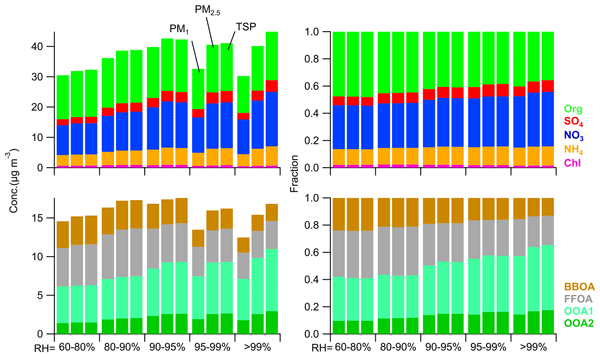
We deployed an advanced aerosol–fog sampling system at a rural site in the North China Plain to investigate impacts of aerosol hygroscopic growth and activation on the physicochemical properties of submicron aerosols. Observed results highlighted remarkably different aqueous processing of primary and secondary submicron aerosol components under distinct ambient relative humidity (RH) conditions and that RH levels significantly impact aerosol sampling through the aerosol swelling effect.
Can Wu, Xiaodi Liu, Ke Zhang, Si Zhang, Cong Cao, Jianjun Li, Rui Li, Fan Zhang, and Gehui Wang
Atmos. Chem. Phys., 24, 9263–9275, https://doi.org/10.5194/acp-24-9263-2024, https://doi.org/10.5194/acp-24-9263-2024, 2024
Short summary
Short summary
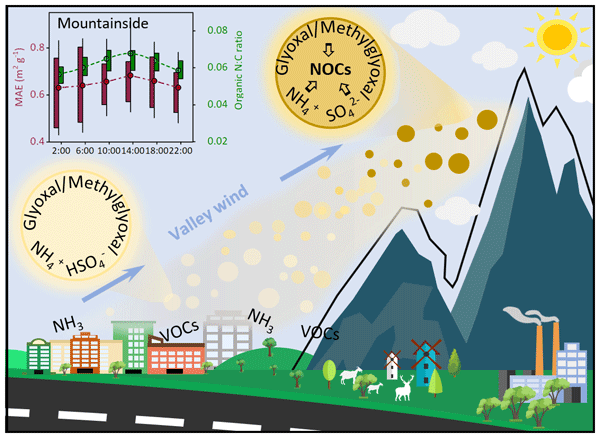
Brown carbon (BrC) is prevalent in the troposphere and can efficiently absorb solar and terrestrial radiation. Our observations show that the enhanced light absorption of BrC relative to black carbon at the tropopause can be attributed to the formation of nitrogen-containing organic compounds through the aqueous-phase reactions of carbonyls with ammonium.
Jiangchuan Tao, Biao Luo, Weiqi Xu, Gang Zhao, Hanbin Xu, Biao Xue, Miaomiao Zhai, Wanyun Xu, Huarong Zhao, Sanxue Ren, Guangsheng Zhou, Li Liu, Ye Kuang, and Yele Sun
Atmos. Chem. Phys., 24, 9131–9154, https://doi.org/10.5194/acp-24-9131-2024, https://doi.org/10.5194/acp-24-9131-2024, 2024
Short summary
Short summary
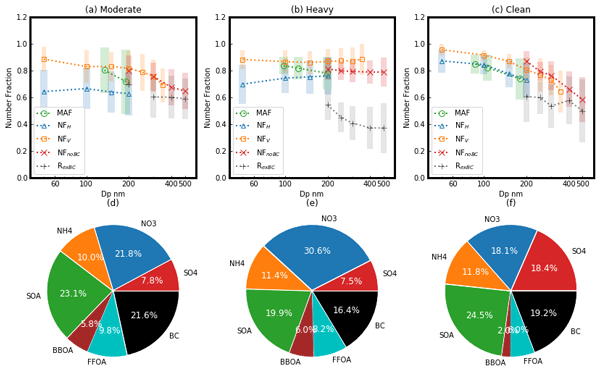
Using simultaneous measurements of DMA–CCNC, H(/V)TDMA, and DMA–SP2, impacts of primary emissions and secondary aerosol formations on changes in aerosol physicochemical properties were comprehensively investigated. It was found that intercomparisons among aerosol mixing-state parameters derived from different techniques can help us gain more insight into aerosol physical properties which, in turn, will aid the investigation of emission characteristics and secondary aerosol formation pathways.
Beth S. Nelson, Zhenze Liu, Freya A. Squires, Marvin Shaw, James R. Hopkins, Jacqueline F. Hamilton, Andrew R. Rickard, Alastair C. Lewis, Zongbo Shi, and James D. Lee
Atmos. Chem. Phys., 24, 9031–9044, https://doi.org/10.5194/acp-24-9031-2024, https://doi.org/10.5194/acp-24-9031-2024, 2024
Short summary
Short summary
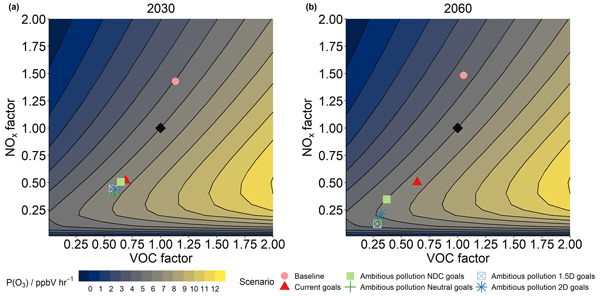
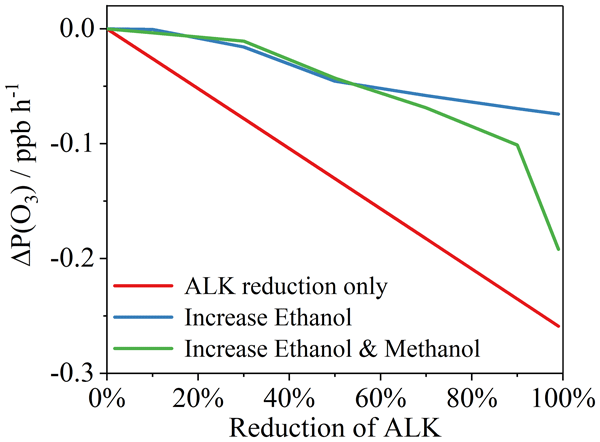
The impact of combined air quality and carbon neutrality policies on O3 formation in Beijing was investigated. Emissions inventory data were used to estimate future pollutant mixing ratios relative to ground-level observations. O3 production was found to be most sensitive to changes in alkenes, but large reductions in less reactive compounds led to larger reductions in future O3 production. This study highlights the importance of understanding the emissions of organic pollutants.
Fan Zhang, Binyu Xiao, Zeyu Liu, Yan Zhang, Chongguo Tian, Rui Li, Can Wu, Yali Lei, Si Zhang, Xinyi Wan, Yubao Chen, Yong Han, Min Cui, Cheng Huang, Hongli Wang, Yingjun Chen, and Gehui Wang
Atmos. Chem. Phys., 24, 8999–9017, https://doi.org/10.5194/acp-24-8999-2024, https://doi.org/10.5194/acp-24-8999-2024, 2024
Short summary
Short summary
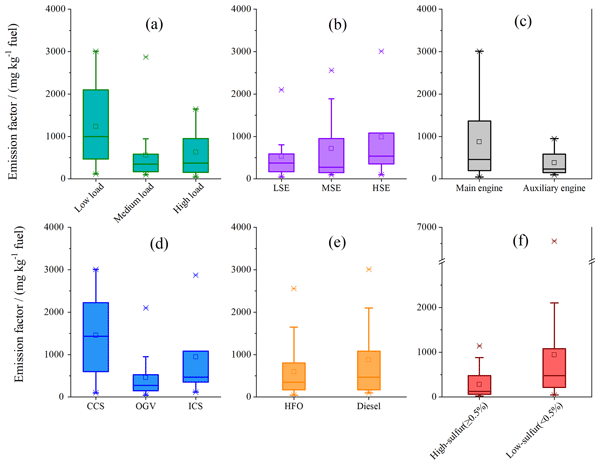
Mandatory use of low-sulfur fuel due to global sulfur limit regulations means large uncertainties in volatile organic compound (VOC) emissions. On-board tests of VOCs from nine cargo ships in China were carried out. Results showed that switching from heavy-fuel oil to diesel increased emission factor VOCs by 48 % on average, enhancing O3 and the secondary organic aerosol formation potential. Thus, implementing a global ultra-low-sulfur oil policy needs to be optimized in the near future.
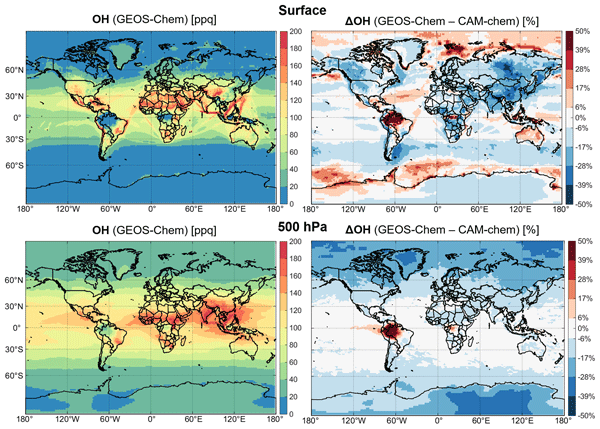
Haipeng Lin, Louisa K. Emmons, Elizabeth W. Lundgren, Laura Hyesung Yang, Xu Feng, Ruijun Dang, Shixian Zhai, Yunxiao Tang, Makoto M. Kelp, Nadia K. Colombi, Sebastian D. Eastham, Thibaud M. Fritz, and Daniel J. Jacob
Atmos. Chem. Phys., 24, 8607–8624, https://doi.org/10.5194/acp-24-8607-2024, https://doi.org/10.5194/acp-24-8607-2024, 2024
Short summary
Short summary
Tropospheric ozone is a major air pollutant, a greenhouse gas, and a major indicator of model skill. Global atmospheric chemistry models show large differences in simulations of tropospheric ozone, but isolating sources of differences is complicated by different model environments. By implementing the GEOS-Chem model side by side to CAM-chem within a common Earth system model, we identify and evaluate specific differences between the two models and their impacts on key chemical species.
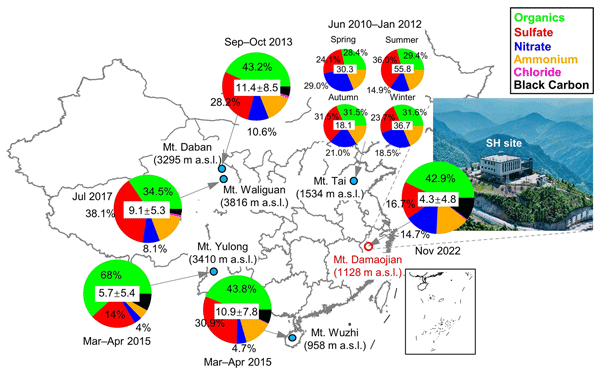
Zijun Zhang, Weiqi Xu, Yi Zhang, Wei Zhou, Xiangyu Xu, Aodong Du, Yinzhou Zhang, Hongqin Qiao, Ye Kuang, Xiaole Pan, Zifa Wang, Xueling Cheng, Lanzhong Liu, Qingyan Fu, Douglas R. Worsnop, Jie Li, and Yele Sun
Atmos. Chem. Phys., 24, 8473–8488, https://doi.org/10.5194/acp-24-8473-2024, https://doi.org/10.5194/acp-24-8473-2024, 2024
Short summary
Short summary
We investigated aerosol composition and sources and the interaction between secondary organic aerosol (SOA) and clouds at a regional mountain site in southeastern China. Clouds efficiently scavenge more oxidized SOA; however, cloud evaporation leads to the production of less oxidized SOA. The unexpectedly high presence of nitrate in aerosol particles indicates that nitrate formed in polluted areas has undergone interactions with clouds, significantly influencing the regional background site.
Shijie Liu, Xinbei Xu, Si Zhang, Rongjie Li, Zheng Li, Can Wu, Rui Li, Guiqin Zhang, and Gehui Wang
EGUsphere, https://doi.org/10.5194/egusphere-2024-1599, https://doi.org/10.5194/egusphere-2024-1599, 2024
Preprint archived
Short summary
Short summary
We conducted α-pinene photooxidation experiments in an atmospheric chamber at different NOx concentrations. The increased distribution coefficient of the oxidation products between the aerosol and gas phases with NOx was responsible for the increased SOA yields with NOx under low-NOx conditions. We also found the fraction of SOA made up of nitrogen-containing organic compounds (NOCs) increased with NOx.
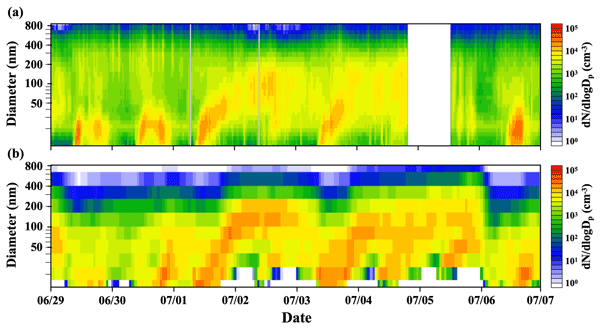
Ming Chu, Xing Wei, Shangfei Hai, Yang Gao, Huiwang Gao, Yujiao Zhu, Biwu Chu, Nan Ma, Juan Hong, Yele Sun, and Xiaohong Yao
Atmos. Chem. Phys., 24, 6769–6786, https://doi.org/10.5194/acp-24-6769-2024, https://doi.org/10.5194/acp-24-6769-2024, 2024
Short summary
Short summary
We used a 20-bin WRF-Chem model to simulate NPF events in the NCP during a three-week observational period in the summer of 2019. The model was able to reproduce the observations during June 29–July 6, which was characterized by a high frequency of NPF occurrence.
Jianghao Li, Alastair C. Lewis, Jim R. Hopkins, Stephen J. Andrews, Tim Murrells, Neil Passant, Ben Richmond, Siqi Hou, William J. Bloss, Roy M. Harrison, and Zongbo Shi
Atmos. Chem. Phys., 24, 6219–6231, https://doi.org/10.5194/acp-24-6219-2024, https://doi.org/10.5194/acp-24-6219-2024, 2024
Short summary
Short summary
A summertime ozone event at an urban site in Birmingham is sensitive to volatile organic compounds (VOCs) – particularly those of oxygenated VOCs. The roles of anthropogenic VOC sources in urban ozone chemistry are examined by integrating the 1990–2019 national atmospheric emission inventory into model scenarios. Road transport remains the most powerful means of further reducing ozone in this case study, but the benefits may be offset if solvent emissions of VOCs continue to increase.
Drew C. Pendergrass, Daniel J. Jacob, Yujin J. Oak, Jeewoo Lee, Minseok Kim, Jhoon Kim, Seoyoung Lee, Shixian Zhai, Hitoshi Irie, and Hong Liao
Earth Syst. Sci. Data Discuss., https://doi.org/10.5194/essd-2024-172, https://doi.org/10.5194/essd-2024-172, 2024
Preprint withdrawn
Short summary
Short summary
Fine particles suspended in the atmosphere are a major form of air pollution and an important public health burden. However, measurements of particulate matter are sparse in space and in places like East Asia monitors are established after regulatory policies to improve pollution have changed. In this paper, we use machine learning to fill in the gaps. We train an algorithm to predict pollution at the surface from the atmosphere’s opacity, then produce high resolution maps of data without gaps.
Zhiqiang Zhang, Ying Li, Haiyan Ran, Junling An, Yu Qu, Wei Zhou, Weiqi Xu, Weiwei Hu, Hongbin Xie, Zifa Wang, Yele Sun, and Manabu Shiraiwa
Atmos. Chem. Phys., 24, 4809–4826, https://doi.org/10.5194/acp-24-4809-2024, https://doi.org/10.5194/acp-24-4809-2024, 2024
Short summary
Short summary
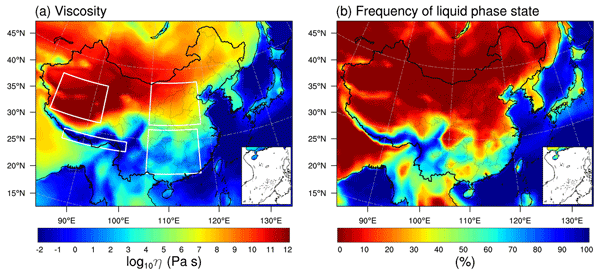
Secondary organic aerosols (SOAs) can exist in liquid, semi-solid, or amorphous solid states, which are rarely accounted for in current chemical transport models. We predict the phase state of SOA particles over China and find that in northwestern China SOA particles are mostly highly viscous or glassy solid. Our results indicate that the particle phase state should be considered in SOA formation in chemical transport models for more accurate prediction of SOA mass concentrations.
Kaori Kawana, Fumikazu Taketani, Kazuhiko Matsumoto, Yutaka Tobo, Yoko Iwamoto, Takuma Miyakawa, Akinori Ito, and Yugo Kanaya
Atmos. Chem. Phys., 24, 1777–1799, https://doi.org/10.5194/acp-24-1777-2024, https://doi.org/10.5194/acp-24-1777-2024, 2024
Short summary
Short summary
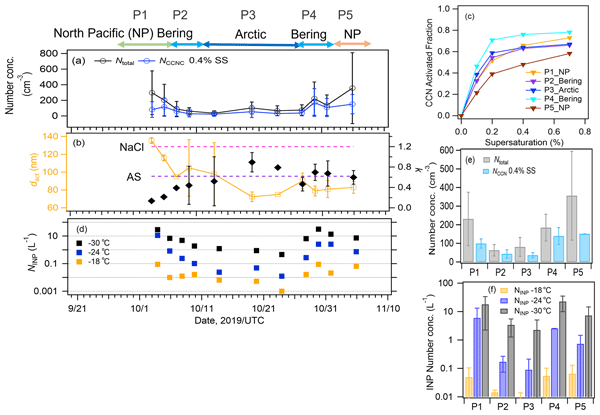
Based on comprehensive shipborne observations, we found strong links between sea-surface biological materials and the formation of atmospheric fluorescent bioaerosols, cloud condensation nuclei, and ice-nucleating particles over the Arctic Ocean and Bering Sea during autumn 2019. Taking the wind-speed effect into account, we propose equations to approximate the links for this cruise, which can be used as a guide for modeling as well as for systematic comparisons with other observations.
Xiao-San Luo, Weijie Huang, Guofeng Shen, Yuting Pang, Mingwei Tang, Weijun Li, Zhen Zhao, Hanhan Li, Yaqian Wei, Longjiao Xie, and Tariq Mehmood
Atmos. Chem. Phys., 24, 1345–1360, https://doi.org/10.5194/acp-24-1345-2024, https://doi.org/10.5194/acp-24-1345-2024, 2024
Short summary
Short summary
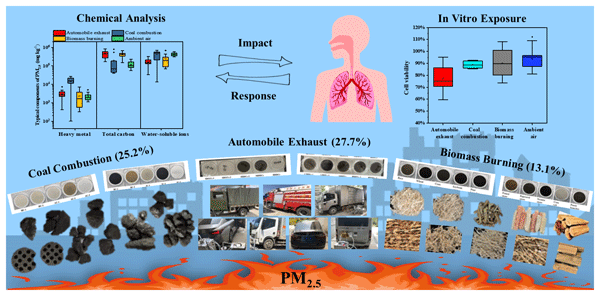
PM2.5 are air pollutants threatening health globally, but they are a mixture of chemical compositions from many sources and result in unequal toxicity. Which composition from which source of PM2.5 as the most hazardous object is a question hindering effective pollution control policy-making. With chemical and toxicity experiments, we found automobile exhaust and coal combustion to be priority emissions with higher toxic compositions for precise air pollution control, ensuring public health.
Xinlei Ge, Yele Sun, Justin Trousdell, Mindong Chen, and Qi Zhang
Atmos. Meas. Tech., 17, 423–439, https://doi.org/10.5194/amt-17-423-2024, https://doi.org/10.5194/amt-17-423-2024, 2024
Short summary
Short summary
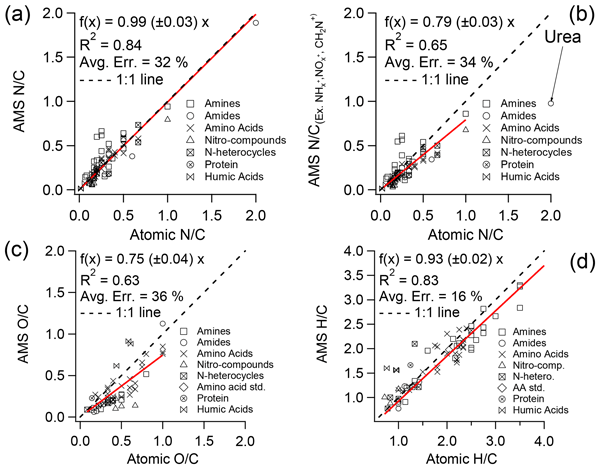
This study aims to enhance the application of the Aerodyne high-resolution aerosol mass spectrometer (HR-AMS) in characterizing organic nitrogen (ON) species within aerosol particles and droplets. A thorough analysis was conducted on 75 ON standards that represent a diverse spectrum of ambient ON types. The results underscore the capacity of the HR-AMS in examining the concentration and chemistry of atmospheric ON compounds, thereby offering insights into their sources and environmental impacts.
Morgane M. G. Perron, Susanne Fietz, Douglas S. Hamilton, Akinori Ito, Rachel U. Shelley, and Mingjin Tang
Atmos. Meas. Tech., 17, 165–166, https://doi.org/10.5194/amt-17-165-2024, https://doi.org/10.5194/amt-17-165-2024, 2024
Short summary
Short summary
The solubility of vital and toxic trace elements delivered by the atmosphere determines their potential to fertilise or limit ocean productivity. A poor understanding of aeolian trace element solubility and the absence of a standard method to define this parameter hinder accurate model representation of the impact of atmospheric deposition on ocean productivity in a changing climate. The inter-journal special issue aims at “Reducing Uncertainty in Soluble aerosol Trace Element Deposition”.
Adolfo González-Romero, Cristina González-Flórez, Agnesh Panta, Jesús Yus-Díez, Cristina Reche, Patricia Córdoba, Natalia Moreno, Andres Alastuey, Konrad Kandler, Martina Klose, Clarissa Baldo, Roger N. Clark, Zongbo Shi, Xavier Querol, and Carlos Pérez García-Pando
Atmos. Chem. Phys., 23, 15815–15834, https://doi.org/10.5194/acp-23-15815-2023, https://doi.org/10.5194/acp-23-15815-2023, 2023
Short summary
Short summary
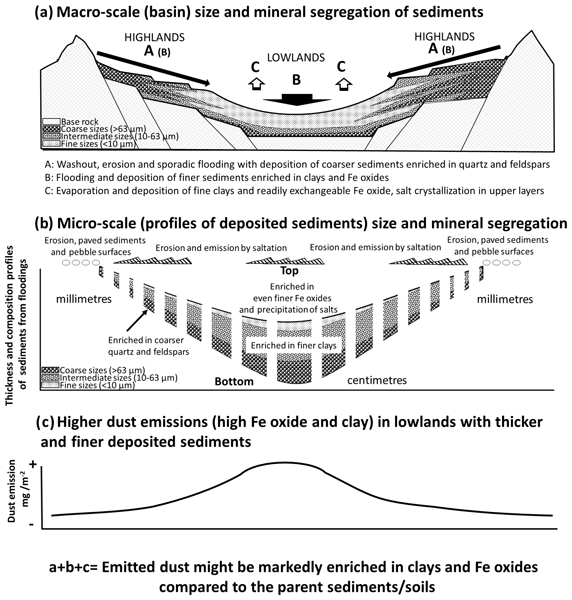
The effect of dust emitted from desertic surfaces upon climate and ecosystems depends on size and mineralogy, but data from soil mineral atlases of desert soils are scarce. We performed particle-size distribution, mineralogy, and Fe speciation in southern Morocco. Results show coarser particles with high quartz proportion are near the elevated areas, while in depressed areas, sizes are finer, and proportions of clays and nano-Fe oxides are higher. This difference is important for dust modelling.
Takuma Miyakawa, Akinori Ito, Chunmao Zhu, Atsushi Shimizu, Erika Matsumoto, Yusuke Mizuno, and Yugo Kanaya
Atmos. Chem. Phys., 23, 14609–14626, https://doi.org/10.5194/acp-23-14609-2023, https://doi.org/10.5194/acp-23-14609-2023, 2023
Short summary
Short summary
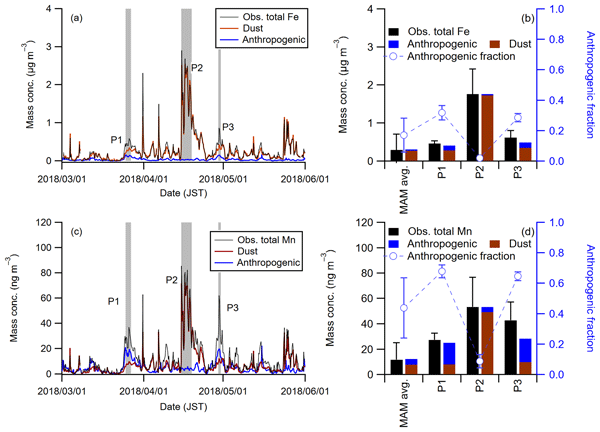
This study conducted semi-continuous measurements of PM2.5 aerosols and their elemental composition in western Japan, during spring 2018. It analyzed the emissions, transport, and wet removal of elements such as Pb, Cu, Fe, and Mn. It also assessed the accuracy of modeled concentrations and found overestimations of BC and underestimations of Cu and anthropogenic Fe in East Asia. Insights into emissions, removals, and source apportionment of trace metals in the East Asian outflow were provided.
Aodong Du, Jiaxing Sun, Hang Liu, Weiqi Xu, Wei Zhou, Yuting Zhang, Lei Li, Xubing Du, Yan Li, Xiaole Pan, Zifa Wang, and Yele Sun
Atmos. Chem. Phys., 23, 13597–13611, https://doi.org/10.5194/acp-23-13597-2023, https://doi.org/10.5194/acp-23-13597-2023, 2023
Short summary
Short summary
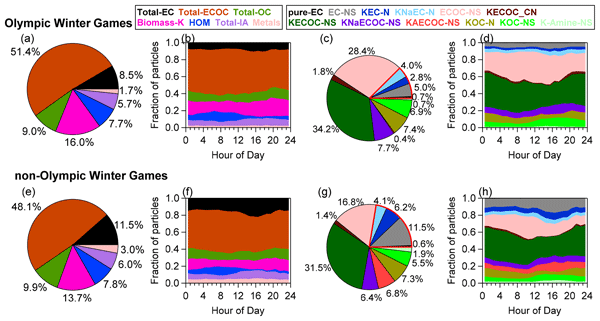
We characterized the impacts of emission controls on particle mixing state and density during the Beijing Olympic Winter Games using a SPAMS in tandem with a DMA and an AAC. OC and sulfate-containing particles increased, while those from primary emissions decreased. The effective particle densities increased and varied largely for different particles, highlighting the impacts of aging and formation processes on the changes of particle density and mixing state.
Tao Wang, Hang Liu, Jie Li, Shuai Wang, Youngseob Kim, Yele Sun, Wenyi Yang, Huiyun Du, Zhe Wang, and Zifa Wang
Geosci. Model Dev., 16, 5585–5599, https://doi.org/10.5194/gmd-16-5585-2023, https://doi.org/10.5194/gmd-16-5585-2023, 2023
Short summary
Short summary
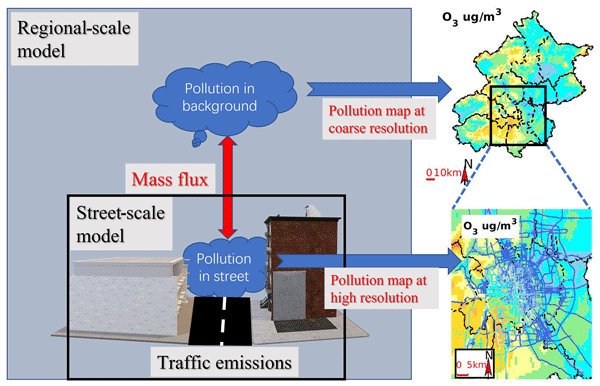
This paper developed a two-way coupled module in a new version of a regional urban–street network model, IAQMS-street v2.0, in which the mass flux from streets to background is considered. Test cases are defined to evaluate the performance of IAQMS-street v2.0 in Beijing by comparing it with that simulated by IAQMS-street v1.0 and a regional model. The contribution of local emissions and the influence of on-road vehicle control measures on air quality are evaluated by using IAQMS-street v2.0.
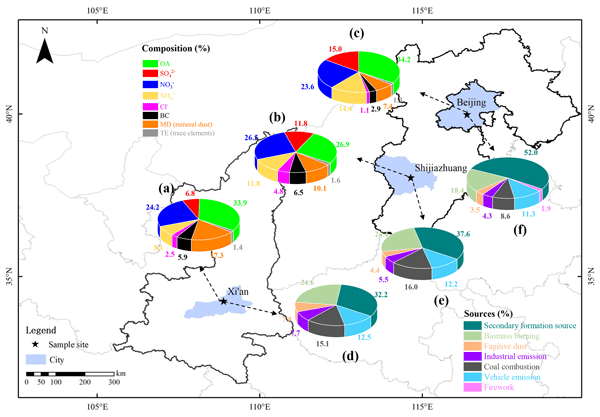
Yong Zhang, Jie Tian, Qiyuan Wang, Lu Qi, Manousos Ioannis Manousakas, Yuemei Han, Weikang Ran, Yele Sun, Huikun Liu, Renjian Zhang, Yunfei Wu, Tianqu Cui, Kaspar Rudolf Daellenbach, Jay Gates Slowik, André S. H. Prévôt, and Junji Cao
Atmos. Chem. Phys., 23, 9455–9471, https://doi.org/10.5194/acp-23-9455-2023, https://doi.org/10.5194/acp-23-9455-2023, 2023
Short summary
Short summary
PM2.5 pollution still frequently occurs in northern China during winter, and it is necessary to figure out the causes of air pollution based on intensive real-time measurement. The findings elaborate the chemical characteristics and source contributions of PM2.5 in three pilot cities, reveal potential formation mechanisms of secondary aerosols, and highlight the importance of controlling biomass burning and inhibiting generation of secondary aerosol for air quality improvement.
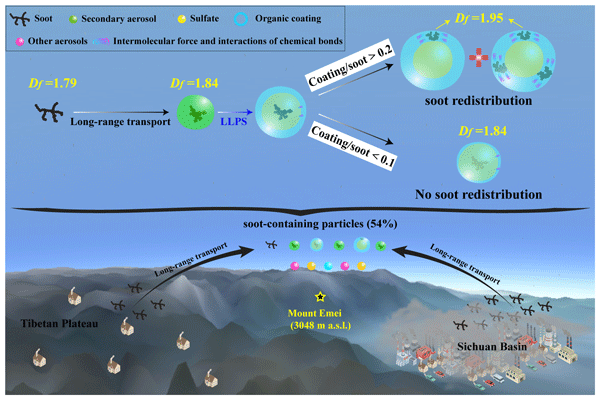
Qi Yuan, Yuanyuan Wang, Yixin Chen, Siyao Yue, Jian Zhang, Yinxiao Zhang, Liang Xu, Wei Hu, Dantong Liu, Pingqing Fu, Huiwang Gao, and Weijun Li
Atmos. Chem. Phys., 23, 9385–9399, https://doi.org/10.5194/acp-23-9385-2023, https://doi.org/10.5194/acp-23-9385-2023, 2023
Short summary
Short summary
This study for the first time found large amounts of liquid–liquid phase separation particles with soot redistributing in organic coatings instead of sulfate cores in the eastern Tibetan Plateau atmosphere. The particle size and the ratio of the organic matter coating thickness to soot size are two of the major possible factors that likely affect the soot redistribution process. The soot redistribution process promoted the morphological compaction of soot particles.
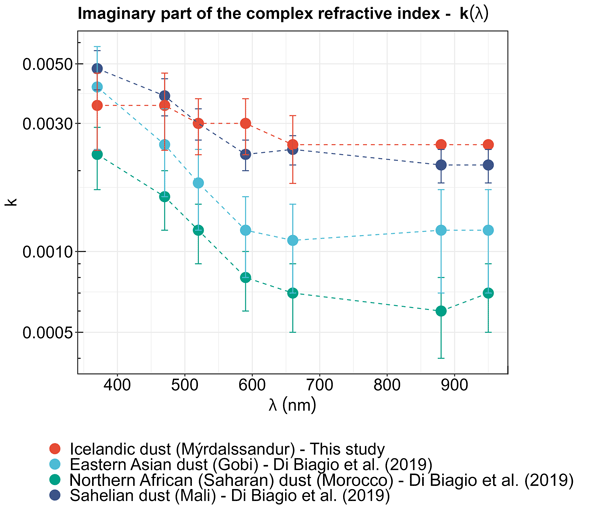
Clarissa Baldo, Paola Formenti, Claudia Di Biagio, Gongda Lu, Congbo Song, Mathieu Cazaunau, Edouard Pangui, Jean-Francois Doussin, Pavla Dagsson-Waldhauserova, Olafur Arnalds, David Beddows, A. Robert MacKenzie, and Zongbo Shi
Atmos. Chem. Phys., 23, 7975–8000, https://doi.org/10.5194/acp-23-7975-2023, https://doi.org/10.5194/acp-23-7975-2023, 2023
Short summary
Short summary
This paper presents new shortwave spectral complex refractive index and single scattering albedo data for Icelandic dust. Our results show that the imaginary part of the complex refractive index of Icelandic dust is at the upper end of the range of low-latitude dust. Furthermore, we observed that Icelandic dust is more absorbing towards the near-infrared, which we attribute to its high magnetite content. These findings are important for modeling dust aerosol radiative effects in the Arctic.
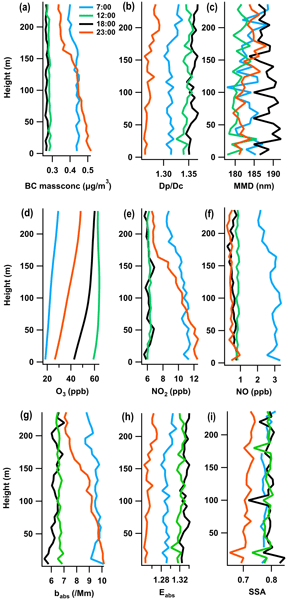
Hang Liu, Xiaole Pan, Shandong Lei, Yuting Zhang, Aodong Du, Weijie Yao, Guiqian Tang, Tao Wang, Jinyuan Xin, Jie Li, Yele Sun, Junji Cao, and Zifa Wang
Atmos. Chem. Phys., 23, 7225–7239, https://doi.org/10.5194/acp-23-7225-2023, https://doi.org/10.5194/acp-23-7225-2023, 2023
Short summary
Short summary
We provide the average vertical profiles of black carbon (BC) concentration, size distribution and coating thickness at different times of the day in an urban area based on 112 vertical profiles. In addition, it is found that BC in the residual layer generally has a thicker coating, higher absorption enhancement and hygroscopicity than on the surface. Such aged BC could enter into the boundary layer and influence the BC properties in the early morning.
Lei Kong, Xiao Tang, Jiang Zhu, Zifa Wang, Yele Sun, Pingqing Fu, Meng Gao, Huangjian Wu, Miaomiao Lu, Qian Wu, Shuyuan Huang, Wenxuan Sui, Jie Li, Xiaole Pan, Lin Wu, Hajime Akimoto, and Gregory R. Carmichael
Atmos. Chem. Phys., 23, 6217–6240, https://doi.org/10.5194/acp-23-6217-2023, https://doi.org/10.5194/acp-23-6217-2023, 2023
Short summary
Short summary
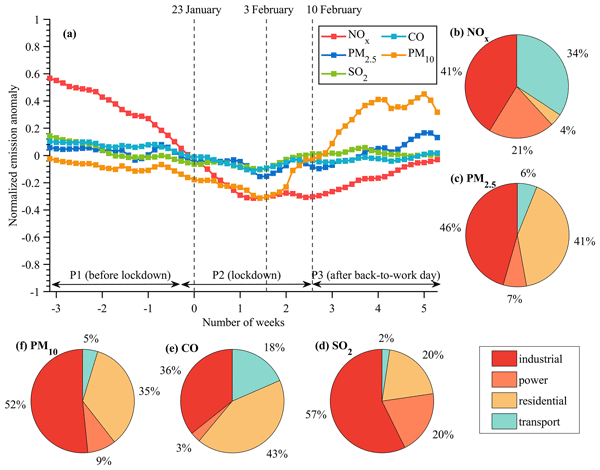
A multi-air-pollutant inversion system has been developed in this study to estimate emission changes in China during COVID-19 lockdown. The results demonstrate that the lockdown is largely a nationwide road traffic control measure with NOx emissions decreasing by ~40 %. Emissions of other species only decreased by ~10 % due to smaller effects of lockdown on other sectors. Assessment results further indicate that the lockdown only had limited effects on the control of PM2.5 and O3 in China.
Joanna E. Dyson, Lisa K. Whalley, Eloise J. Slater, Robert Woodward-Massey, Chunxiang Ye, James D. Lee, Freya Squires, James R. Hopkins, Rachel E. Dunmore, Marvin Shaw, Jacqueline F. Hamilton, Alastair C. Lewis, Stephen D. Worrall, Asan Bacak, Archit Mehra, Thomas J. Bannan, Hugh Coe, Carl J. Percival, Bin Ouyang, C. Nicholas Hewitt, Roderic L. Jones, Leigh R. Crilley, Louisa J. Kramer, W. Joe F. Acton, William J. Bloss, Supattarachai Saksakulkrai, Jingsha Xu, Zongbo Shi, Roy M. Harrison, Simone Kotthaus, Sue Grimmond, Yele Sun, Weiqi Xu, Siyao Yue, Lianfang Wei, Pingqing Fu, Xinming Wang, Stephen R. Arnold, and Dwayne E. Heard
Atmos. Chem. Phys., 23, 5679–5697, https://doi.org/10.5194/acp-23-5679-2023, https://doi.org/10.5194/acp-23-5679-2023, 2023
Short summary
Short summary
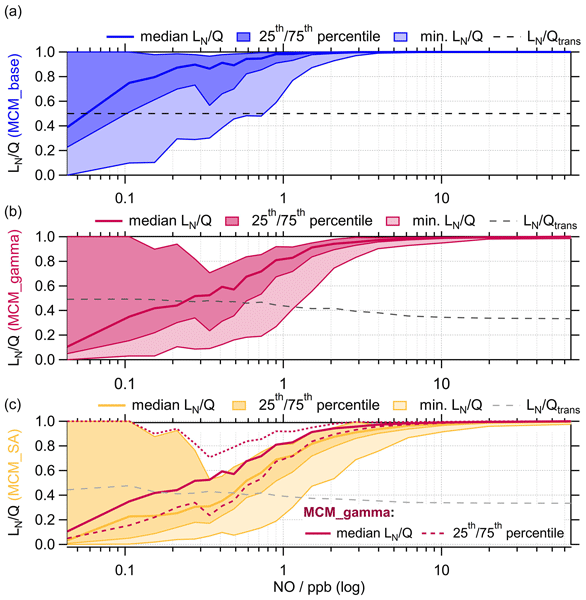
The hydroxyl (OH) and closely coupled hydroperoxyl (HO2) radicals are vital for their role in the removal of atmospheric pollutants. In less polluted regions, atmospheric models over-predict HO2 concentrations. In this modelling study, the impact of heterogeneous uptake of HO2 onto aerosol surfaces on radical concentrations and the ozone production regime in Beijing in the summertime is investigated, and the implications for emissions policies across China are considered.
Cheng Hu, Junqing Zhang, Bing Qi, Rongguang Du, Xiaofei Xu, Haoyu Xiong, Huili Liu, Xinyue Ai, Yiyi Peng, and Wei Xiao
Atmos. Chem. Phys., 23, 4501–4520, https://doi.org/10.5194/acp-23-4501-2023, https://doi.org/10.5194/acp-23-4501-2023, 2023
Short summary
Short summary
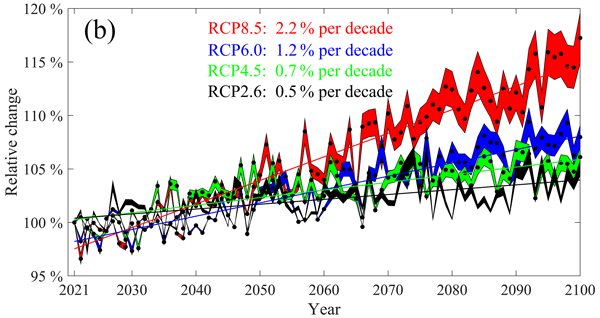
We build the first city-scale tower-based atmospheric CH4 concentration observation network in China. The a priori total annual anthropogenic CH4 emissions and emissions from waste treatment were overestimated by 36.0 % and 47.1 %, respectively, in Hangzhou. Global warming will largely enhance the CH4 emission factor of waste treatment, which will increase by 17.6 %, 9.6 %, 5.6 % and 4.0 % for Representative Concentration Pathway (RCP) 8.5, RCP6.0, RCP4.5 and RCP2.6, respectively, by 2100.
Shixian Zhai, Daniel J. Jacob, Drew C. Pendergrass, Nadia K. Colombi, Viral Shah, Laura Hyesung Yang, Qiang Zhang, Shuxiao Wang, Hwajin Kim, Yele Sun, Jin-Soo Choi, Jin-Soo Park, Gan Luo, Fangqun Yu, Jung-Hun Woo, Younha Kim, Jack E. Dibb, Taehyoung Lee, Jin-Seok Han, Bruce E. Anderson, Ke Li, and Hong Liao
Atmos. Chem. Phys., 23, 4271–4281, https://doi.org/10.5194/acp-23-4271-2023, https://doi.org/10.5194/acp-23-4271-2023, 2023
Short summary
Short summary
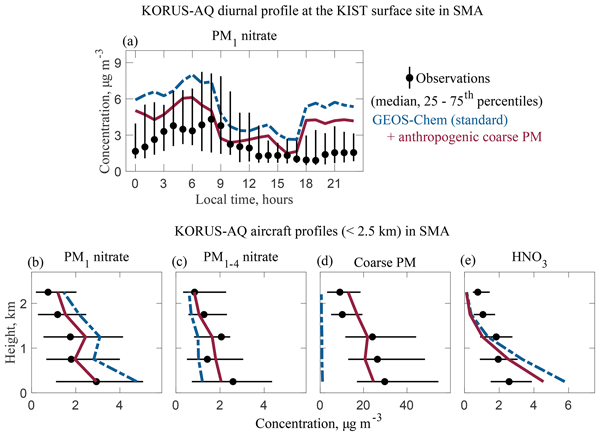
Anthropogenic fugitive dust in East Asia not only causes severe coarse particulate matter air pollution problems, but also affects fine particulate nitrate. Due to emission control efforts, coarse PM decreased steadily. We find that the decrease of coarse PM is a major driver for a lack of decrease of fine particulate nitrate, as it allows more nitric acid to form fine particulate nitrate. The continuing decrease of coarse PM requires more stringent ammonia and nitrogen oxides emission controls.

Shujun Zhong, Shuang Chen, Junjun Deng, Yanbing Fan, Qiang Zhang, Qiaorong Xie, Yulin Qi, Wei Hu, Libin Wu, Xiaodong Li, Chandra Mouli Pavuluri, Jialei Zhu, Xin Wang, Di Liu, Xiaole Pan, Yele Sun, Zifa Wang, Yisheng Xu, Haijie Tong, Hang Su, Yafang Cheng, Kimitaka Kawamura, and Pingqing Fu
Atmos. Chem. Phys., 23, 2061–2077, https://doi.org/10.5194/acp-23-2061-2023, https://doi.org/10.5194/acp-23-2061-2023, 2023
Short summary
Short summary
This study investigated the role of the secondary organic aerosol (SOA) loading on the molecular composition of wintertime urban aerosols by ultrahigh-resolution mass spectrometry. Results demonstrate that the SOA loading is an important factor associated with the oxidation degree, nitrate group content, and chemodiversity of nitrooxy–organosulfates. Our study also found that the hydrolysis of nitrooxy–organosulfates is a possible pathway for the formation of organosulfates.

Can Wu, Cong Cao, Jianjun Li, Shaojun Lv, Jin Li, Xiaodi Liu, Si Zhang, Shijie Liu, Fan Zhang, Jingjing Meng, and Gehui Wang
Atmos. Chem. Phys., 22, 15621–15635, https://doi.org/10.5194/acp-22-15621-2022, https://doi.org/10.5194/acp-22-15621-2022, 2022
Short summary
Short summary
Over the past decade, the relative abundance of NH4NO3 in aerosol has been enhanced in most urban areas of China, which profoundly affects the PM2.5 pollution episodes. Our work finds that fine-particle nitrate and ammonium exhibited distinct, different physicochemical behaviors in the aerosol aging process.
Yuying Wang, Rong Hu, Qiuyan Wang, Zhanqing Li, Maureen Cribb, Yele Sun, Xiaorui Song, Yi Shang, Yixuan Wu, Xin Huang, and Yuxiang Wang
Atmos. Chem. Phys., 22, 14133–14146, https://doi.org/10.5194/acp-22-14133-2022, https://doi.org/10.5194/acp-22-14133-2022, 2022
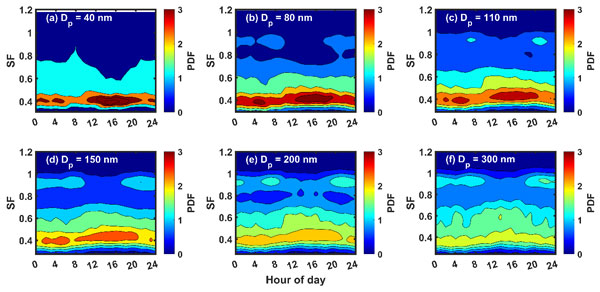
Short summary
Short summary
The mixing state of size-resolved soot particles and their influencing factors were investigated. The results suggest anthropogenic emissions and aging processes have diverse impacts on the mixing state of soot particles in different modes. Considering that the mixing state of soot particles is crucial to model aerosol absorption, this finding is important to study particle growth and the warming effect of black carbon aerosols.
Futing Wang, Ting Yang, Zifa Wang, Haibo Wang, Xi Chen, Yele Sun, Jianjun Li, Guigang Tang, and Wenxuan Chai
Atmos. Meas. Tech., 15, 6127–6144, https://doi.org/10.5194/amt-15-6127-2022, https://doi.org/10.5194/amt-15-6127-2022, 2022
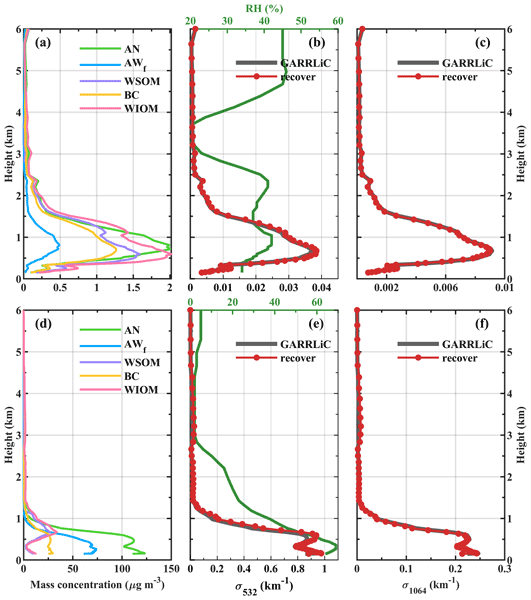
Short summary
Short summary
We develop a new algorithm to get the vertical mass concentration profiles of fine aerosol components based on the synergy of ground-based remote sensing for the first time. The comparisons with in situ observations and chemistry transport models validate the performance of the algorithm. Uncertainties caused by input parameters are also assessed in this paper. We expected that the algorithm can provide a new idea for lidar inversion and promote the development of aerosol component profiles.
Chao Yan, Yicheng Shen, Dominik Stolzenburg, Lubna Dada, Ximeng Qi, Simo Hakala, Anu-Maija Sundström, Yishuo Guo, Antti Lipponen, Tom V. Kokkonen, Jenni Kontkanen, Runlong Cai, Jing Cai, Tommy Chan, Liangduo Chen, Biwu Chu, Chenjuan Deng, Wei Du, Xiaolong Fan, Xu-Cheng He, Juha Kangasluoma, Joni Kujansuu, Mona Kurppa, Chang Li, Yiran Li, Zhuohui Lin, Yiliang Liu, Yuliang Liu, Yiqun Lu, Wei Nie, Jouni Pulliainen, Xiaohui Qiao, Yonghong Wang, Yifan Wen, Ye Wu, Gan Yang, Lei Yao, Rujing Yin, Gen Zhang, Shaojun Zhang, Feixue Zheng, Ying Zhou, Antti Arola, Johanna Tamminen, Pauli Paasonen, Yele Sun, Lin Wang, Neil M. Donahue, Yongchun Liu, Federico Bianchi, Kaspar R. Daellenbach, Douglas R. Worsnop, Veli-Matti Kerminen, Tuukka Petäjä, Aijun Ding, Jingkun Jiang, and Markku Kulmala
Atmos. Chem. Phys., 22, 12207–12220, https://doi.org/10.5194/acp-22-12207-2022, https://doi.org/10.5194/acp-22-12207-2022, 2022
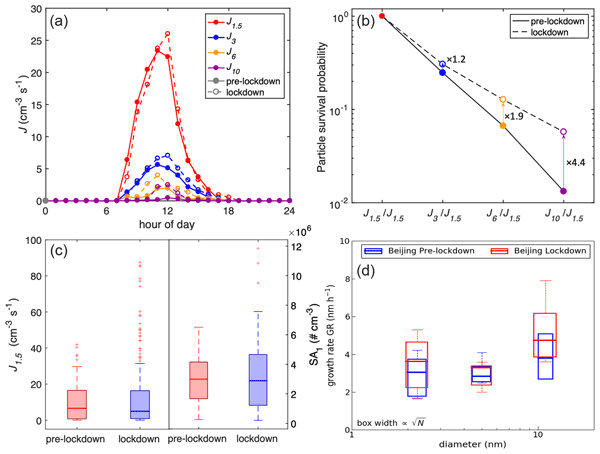
Short summary
Short summary
Atmospheric new particle formation (NPF) is a dominant source of atmospheric ultrafine particles. In urban environments, traffic emissions are a major source of primary pollutants, but their contribution to NPF remains under debate. During the COVID-19 lockdown, traffic emissions were significantly reduced, providing a unique chance to examine their relevance to NPF. Based on our comprehensive measurements, we demonstrate that traffic emissions alone are not able to explain the NPF in Beijing.
Outi Meinander, Pavla Dagsson-Waldhauserova, Pavel Amosov, Elena Aseyeva, Cliff Atkins, Alexander Baklanov, Clarissa Baldo, Sarah L. Barr, Barbara Barzycka, Liane G. Benning, Bojan Cvetkovic, Polina Enchilik, Denis Frolov, Santiago Gassó, Konrad Kandler, Nikolay Kasimov, Jan Kavan, James King, Tatyana Koroleva, Viktoria Krupskaya, Markku Kulmala, Monika Kusiak, Hanna K. Lappalainen, Michał Laska, Jerome Lasne, Marek Lewandowski, Bartłomiej Luks, James B. McQuaid, Beatrice Moroni, Benjamin Murray, Ottmar Möhler, Adam Nawrot, Slobodan Nickovic, Norman T. O’Neill, Goran Pejanovic, Olga Popovicheva, Keyvan Ranjbar, Manolis Romanias, Olga Samonova, Alberto Sanchez-Marroquin, Kerstin Schepanski, Ivan Semenkov, Anna Sharapova, Elena Shevnina, Zongbo Shi, Mikhail Sofiev, Frédéric Thevenet, Throstur Thorsteinsson, Mikhail Timofeev, Nsikanabasi Silas Umo, Andreas Uppstu, Darya Urupina, György Varga, Tomasz Werner, Olafur Arnalds, and Ana Vukovic Vimic
Atmos. Chem. Phys., 22, 11889–11930, https://doi.org/10.5194/acp-22-11889-2022, https://doi.org/10.5194/acp-22-11889-2022, 2022
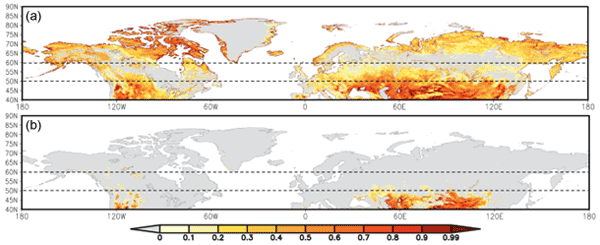
Short summary
Short summary
High-latitude dust (HLD) is a short-lived climate forcer, air pollutant, and nutrient source. Our results suggest a northern HLD belt at 50–58° N in Eurasia and 50–55° N in Canada and at >60° N in Eurasia and >58° N in Canada. Our addition to the previously identified global dust belt (GDB) provides crucially needed information on the extent of active HLD sources with both direct and indirect impacts on climate and environment in remote regions, which are often poorly understood and predicted.
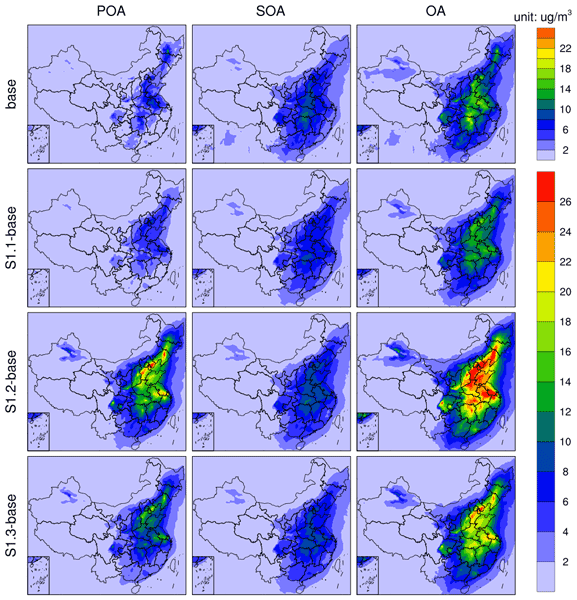
Mengying Li, Shaocai Yu, Xue Chen, Zhen Li, Yibo Zhang, Zhe Song, Weiping Liu, Pengfei Li, Xiaoye Zhang, Meigen Zhang, Yele Sun, Zirui Liu, Caiping Sun, Jingkun Jiang, Shuxiao Wang, Benjamin N. Murphy, Kiran Alapaty, Rohit Mathur, Daniel Rosenfeld, and John H. Seinfeld
Atmos. Chem. Phys., 22, 11845–11866, https://doi.org/10.5194/acp-22-11845-2022, https://doi.org/10.5194/acp-22-11845-2022, 2022
Short summary
Short summary
This study constructed an emission inventory of condensable particulate matter (CPM) in China with a focus on organic aerosols (OAs), based on collected CPM emission information. The results show that OA emissions are enhanced twofold for the years 2014 and 2017 after the inclusion of CPM in the new inventory. Sensitivity cases demonstrated the significant contributions of CPM emissions from stationary combustion and mobile sources to primary, secondary, and total OA concentrations.
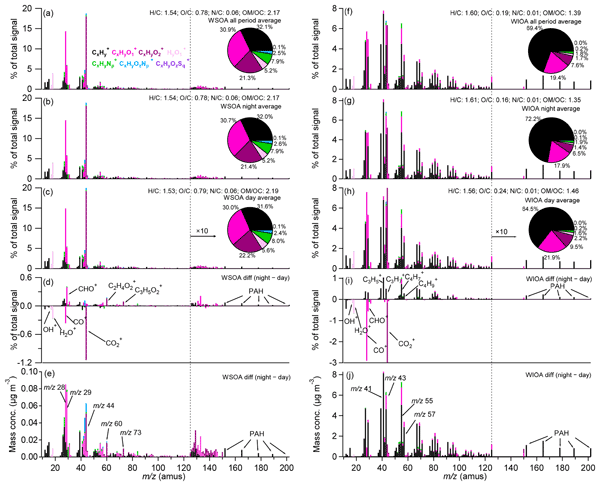
Zhiqiang Zhang, Yele Sun, Chun Chen, Bo You, Aodong Du, Weiqi Xu, Yan Li, Zhijie Li, Lu Lei, Wei Zhou, Jiaxing Sun, Yanmei Qiu, Lianfang Wei, Pingqing Fu, and Zifa Wang
Atmos. Chem. Phys., 22, 10409–10423, https://doi.org/10.5194/acp-22-10409-2022, https://doi.org/10.5194/acp-22-10409-2022, 2022
Short summary
Short summary
We present a comprehensive characterization of water-soluble organic aerosol and the first mass spectral characterization of water-insoluble organic aerosol in the cold season in Beijing by integrating online and offline aerosol mass spectrometer measurements. WSOA comprised dominantly secondary OA and showed large changes during the transition season from autumn to winter. WIOA was characterized by prominent hydrocarbon ions series, low oxidation states, and significant day–night differences.
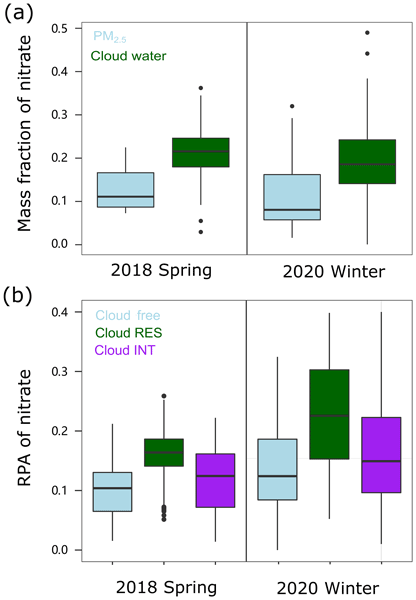
Guohua Zhang, Xiaodong Hu, Wei Sun, Yuxiang Yang, Ziyong Guo, Yuzhen Fu, Haichao Wang, Shengzhen Zhou, Lei Li, Mingjin Tang, Zongbo Shi, Duohong Chen, Xinhui Bi, and Xinming Wang
Atmos. Chem. Phys., 22, 9571–9582, https://doi.org/10.5194/acp-22-9571-2022, https://doi.org/10.5194/acp-22-9571-2022, 2022
Short summary
Short summary
We show a significant enhancement of nitrate mass fraction in cloud water and relative intensity of nitrate in the cloud residual particles and highlight that hydrolysis of N2O5 serves as the critical route for the in-cloud formation of nitrate, even during the daytime. Given that N2O5 hydrolysis acts as a major sink of NOx in the atmosphere, further model updates may improve our understanding about the processes contributing to nitrate production in cloud and the cycling of odd nitrogen.
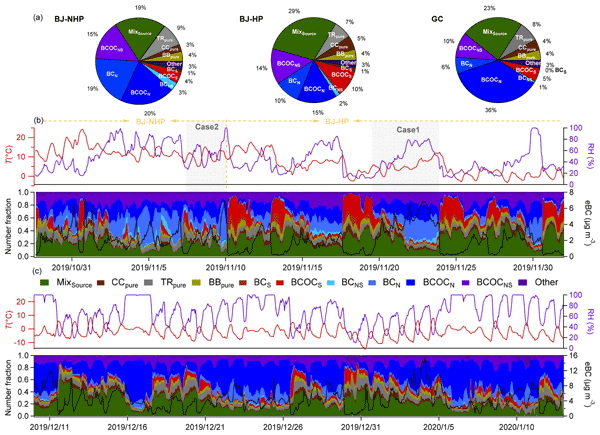
Jiaxing Sun, Yele Sun, Conghui Xie, Weiqi Xu, Chun Chen, Zhe Wang, Lei Li, Xubing Du, Fugui Huang, Yan Li, Zhijie Li, Xiaole Pan, Nan Ma, Wanyun Xu, Pingqing Fu, and Zifa Wang
Atmos. Chem. Phys., 22, 7619–7630, https://doi.org/10.5194/acp-22-7619-2022, https://doi.org/10.5194/acp-22-7619-2022, 2022
Short summary
Short summary
We analyzed the chemical composition and mixing state of BC-containing particles at urban and rural sites in winter in the North China Plain and evaluated their impact on light absorption enhancement. BC was dominantly mixed with organic carbon, nitrate, and sulfate, and the mixing state evolved significantly as a function of relative humidity (RH) at both sites. The absorption enhancement depended strongly on coated secondary inorganic aerosol and was up to ~1.3–1.4 during aging processes.
Shipra Jain, Ruth M. Doherty, David Sexton, Steven Turnock, Chaofan Li, Zixuan Jia, Zongbo Shi, and Lin Pei
Atmos. Chem. Phys., 22, 7443–7460, https://doi.org/10.5194/acp-22-7443-2022, https://doi.org/10.5194/acp-22-7443-2022, 2022
Short summary
Short summary
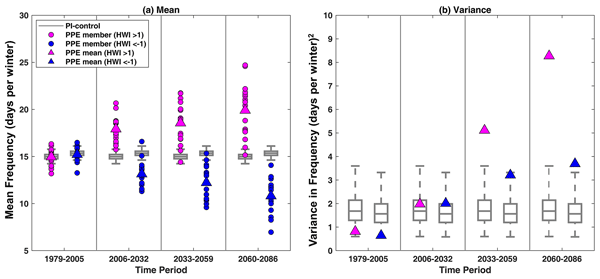
We provide a range of future projections of winter haze and clear conditions over the North China Plain (NCP) using multiple simulations from a climate model for the high-emission scenario (RCP8.5). The frequency of haze conducive weather is likely to increase whereas the frequency of clear weather is likely to decrease in future. The total number of hazy days for a given winter can be as much as ˜3.5 times higher than the number of clear days over the NCP.
Junjun Deng, Hao Ma, Xinfeng Wang, Shujun Zhong, Zhimin Zhang, Jialei Zhu, Yanbing Fan, Wei Hu, Libin Wu, Xiaodong Li, Lujie Ren, Chandra Mouli Pavuluri, Xiaole Pan, Yele Sun, Zifa Wang, Kimitaka Kawamura, and Pingqing Fu
Atmos. Chem. Phys., 22, 6449–6470, https://doi.org/10.5194/acp-22-6449-2022, https://doi.org/10.5194/acp-22-6449-2022, 2022
Short summary
Short summary
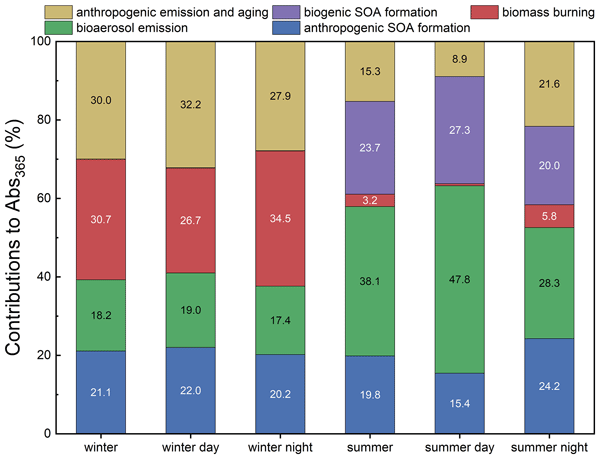
Light-absorbing brown carbon (BrC) plays an important role in climate change and atmospheric chemistry. Here we investigated the seasonal and diurnal variations in water-soluble BrC in PM2.5 in the megacity Tianjin in coastal China. Results of the source apportionments from the combination with organic molecular compositions and optical properties of water-soluble BrC reveal a large contribution from primary bioaerosol particles to BrC in the urban atmosphere.
Clarissa Baldo, Akinori Ito, Michael D. Krom, Weijun Li, Tim Jones, Nick Drake, Konstantin Ignatyev, Nicholas Davidson, and Zongbo Shi
Atmos. Chem. Phys., 22, 6045–6066, https://doi.org/10.5194/acp-22-6045-2022, https://doi.org/10.5194/acp-22-6045-2022, 2022
Short summary
Short summary
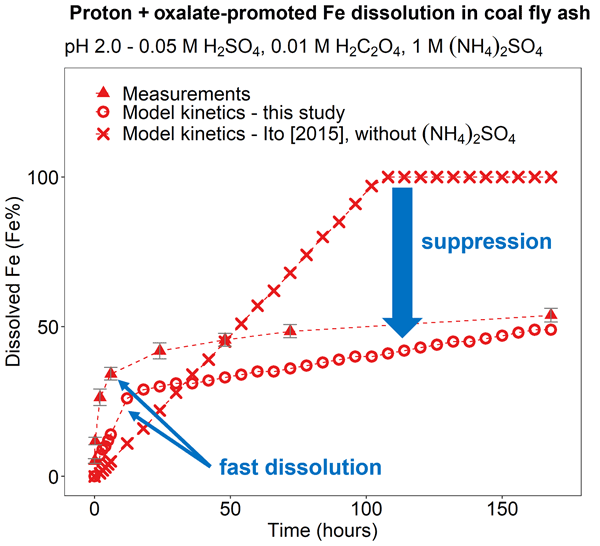
High ionic strength relevant to the aerosol-water enhanced proton-promoted dissolution of iron in coal fly ash (up to 7 times) but suppressed oxalate-promoted dissolution at low pH (< 3). Fe in coal fly ash dissolved up to 7 times faster than in Saharan dust at low pH. A global model with the updated dissolution rates of iron in coal fly ash suggested a larger contribution of pyrogenic dissolved Fe over regions with a strong impact from fossil fuel combustions.
Ülkü Alver Şahin, Roy M. Harrison, Mohammed S. Alam, David C. S. Beddows, Dimitrios Bousiotis, Zongbo Shi, Leigh R. Crilley, William Bloss, James Brean, Isha Khanna, and Rulan Verma
Atmos. Chem. Phys., 22, 5415–5433, https://doi.org/10.5194/acp-22-5415-2022, https://doi.org/10.5194/acp-22-5415-2022, 2022
Short summary
Short summary
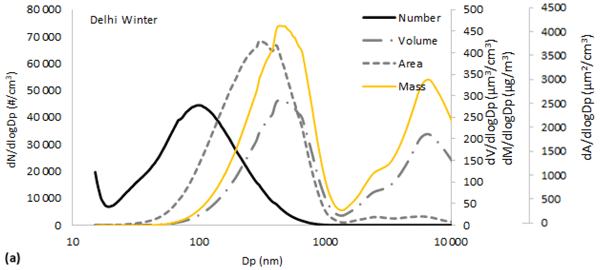
Wide-range particle size spectra have been measured in three seasons in Delhi and are interpreted in terms of sources and processes. Condensational growth is a major feature of the fine fraction, and a coarse fraction contributes substantially – but only in summer.
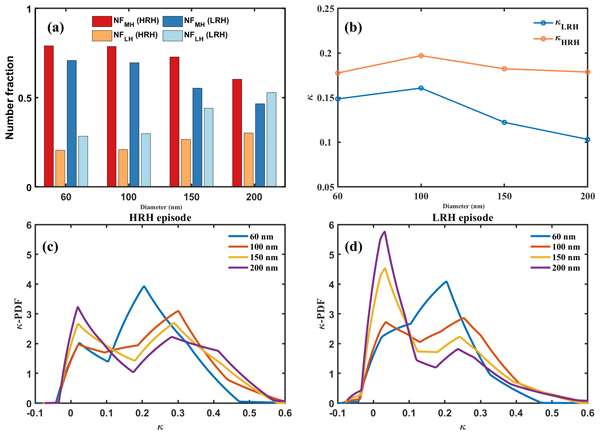
Jingnan Shi, Juan Hong, Nan Ma, Qingwei Luo, Yao He, Hanbing Xu, Haobo Tan, Qiaoqiao Wang, Jiangchuan Tao, Yaqing Zhou, Shuang Han, Long Peng, Linhong Xie, Guangsheng Zhou, Wanyun Xu, Yele Sun, Yafang Cheng, and Hang Su
Atmos. Chem. Phys., 22, 4599–4613, https://doi.org/10.5194/acp-22-4599-2022, https://doi.org/10.5194/acp-22-4599-2022, 2022
Short summary
Short summary
In this study, we investigated the hygroscopicity of submicron aerosols at a rural site in the North China Plain during the winter of 2018, using a HTDMA and a CV-ToF-ACSM. We observed differences in aerosol hygroscopicity during two distinct episodes with different primary emissions and secondary aerosol formation processes. These results provide an improved understanding of the complex influence of sources and aerosol evolution processes on their hygroscopicity.
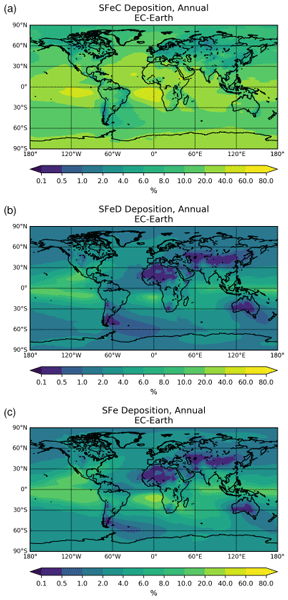
Stelios Myriokefalitakis, Elisa Bergas-Massó, María Gonçalves-Ageitos, Carlos Pérez García-Pando, Twan van Noije, Philippe Le Sager, Akinori Ito, Eleni Athanasopoulou, Athanasios Nenes, Maria Kanakidou, Maarten C. Krol, and Evangelos Gerasopoulos
Geosci. Model Dev., 15, 3079–3120, https://doi.org/10.5194/gmd-15-3079-2022, https://doi.org/10.5194/gmd-15-3079-2022, 2022
Short summary
Short summary
We here describe the implementation of atmospheric multiphase processes in the EC-Earth Earth system model. We provide global budgets of oxalate, sulfate, and iron-containing aerosols, along with an analysis of the links among atmospheric composition, aqueous-phase processes, and aerosol dissolution, supported by comparison to observations. This work is a first step towards an interactive calculation of the deposition of bioavailable atmospheric iron coupled to the model’s ocean component.
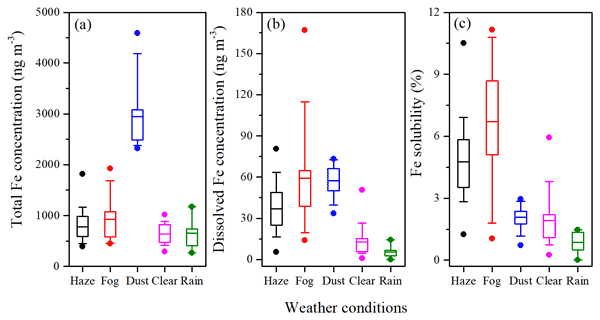
Yanhong Zhu, Weijun Li, Yue Wang, Jian Zhang, Lei Liu, Liang Xu, Jingsha Xu, Jinhui Shi, Longyi Shao, Pingqing Fu, Daizhou Zhang, and Zongbo Shi
Atmos. Chem. Phys., 22, 2191–2202, https://doi.org/10.5194/acp-22-2191-2022, https://doi.org/10.5194/acp-22-2191-2022, 2022
Short summary
Short summary
The solubilities of iron in fine particles in a megacity in Eastern China were studied under haze, fog, dust, clear, and rain weather conditions. For the first time, a receptor model was used to quantify the sources of dissolved and total iron aerosol. Microscopic analysis further confirmed the aging of iron aerosol during haze and fog conditions that facilitated dissolution of insoluble iron.
Yingze Tian, Xiaoning Wang, Peng Zhao, Zongbo Shi, and Roy M. Harrison
Atmos. Chem. Phys. Discuss., https://doi.org/10.5194/acp-2021-1007, https://doi.org/10.5194/acp-2021-1007, 2022
Revised manuscript not accepted
Short summary
Short summary
Chemical mass balance (CMB) is a widely used method to apportion the sources of PM2.5. We explore the sensitivity of CMB results to input data of organic markers only (OM-CMB) with a combination of organic and inorganic markers (IOM-CMB), as well as using different chemical profiles for sources. Our results indicate the superiority of combining inorganic and organic tracers and using locally-relevant source profiles in source apportionment of PM.
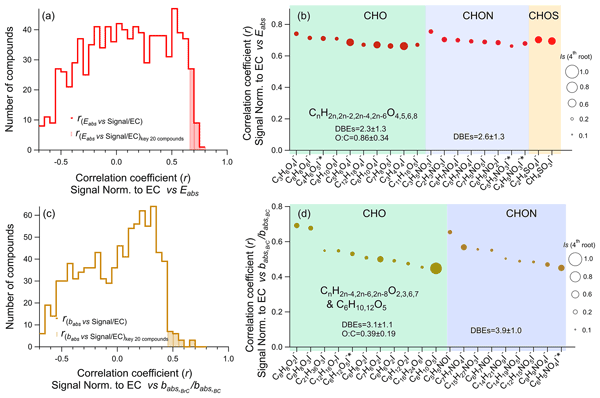
Jing Cai, Cheng Wu, Jiandong Wang, Wei Du, Feixue Zheng, Simo Hakala, Xiaolong Fan, Biwu Chu, Lei Yao, Zemin Feng, Yongchun Liu, Yele Sun, Jun Zheng, Chao Yan, Federico Bianchi, Markku Kulmala, Claudia Mohr, and Kaspar R. Daellenbach
Atmos. Chem. Phys., 22, 1251–1269, https://doi.org/10.5194/acp-22-1251-2022, https://doi.org/10.5194/acp-22-1251-2022, 2022
Short summary
Short summary
This study investigates the connection between organic aerosol (OA) molecular composition and particle absorptive properties in autumn in Beijing. We find that the molecular properties of OA compounds in different episodes influence particle light absorption properties differently: the light absorption enhancement of black carbon and light absorption coefficient of brown carbon were mostly related to more oxygenated OA (low C number and four O atoms) and aromatics/nitro-aromatics, respectively.
Jiaxing Sun, Zhe Wang, Wei Zhou, Conghui Xie, Cheng Wu, Chun Chen, Tingting Han, Qingqing Wang, Zhijie Li, Jie Li, Pingqing Fu, Zifa Wang, and Yele Sun
Atmos. Chem. Phys., 22, 561–575, https://doi.org/10.5194/acp-22-561-2022, https://doi.org/10.5194/acp-22-561-2022, 2022
Short summary
Short summary
We analyzed 9-year measurements of BC and aerosol optical properties from 2012 to 2020 in Beijing, China. Our results showed large reductions in BC and light extinction coefficient due to the Clean Air Action Plan. As a response, both SSA and mass extinction efficiency (MEE) showed considerable increases, demonstrating a future challenge in visibility improvement. The primary and secondary BrC was also separated and quantified, and the changes in radiative forcing of BC and BrC were estimated.
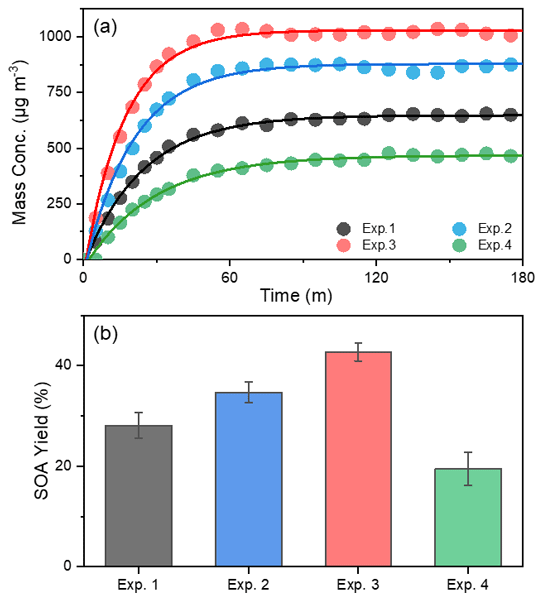
Shijie Liu, Dandan Huang, Yiqian Wang, Si Zhang, Xiaodi Liu, Can Wu, Wei Du, and Gehui Wang
Atmos. Chem. Phys., 21, 17759–17773, https://doi.org/10.5194/acp-21-17759-2021, https://doi.org/10.5194/acp-21-17759-2021, 2021
Short summary
Short summary
A series of chamber experiments was performed to probe the individual and common effects of NH3 and NOx on toluene secondary organic aerosol (SOA) formation through OH photooxidation. The synergetic effects of NH3 and NOx on the toluene SOA concentration and optical absorption were observed. The higher-volatility products formed in the presence of NOx could precipitate into the particle phase when NH3 was added. The formation pathways of N-containing OAs through NOx or NH3 are also discussed.
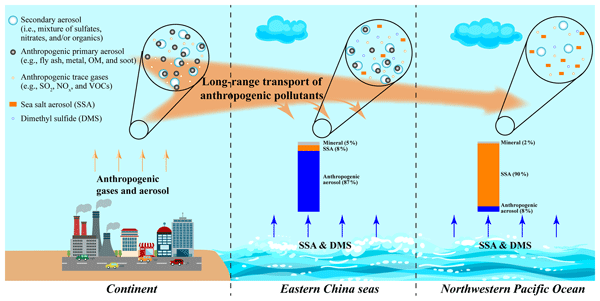
Liang Xu, Xiaohuan Liu, Huiwang Gao, Xiaohong Yao, Daizhou Zhang, Lei Bi, Lei Liu, Jian Zhang, Yinxiao Zhang, Yuanyuan Wang, Qi Yuan, and Weijun Li
Atmos. Chem. Phys., 21, 17715–17726, https://doi.org/10.5194/acp-21-17715-2021, https://doi.org/10.5194/acp-21-17715-2021, 2021
Short summary
Short summary
We quantified different types of marine aerosols and explored the Cl depletion of sea salt aerosol (SSA) in the eastern China seas and the northwestern Pacific Ocean. We found that anthropogenic acidic gases in the troposphere were transported longer distances compared to the anthropogenic aerosols and could significantly impact remote marine aerosols. Meanwhile, variations of chloride depletion in SSA can serve as a potential indicator for anthropogenic gaseous pollutants in remote marine air.
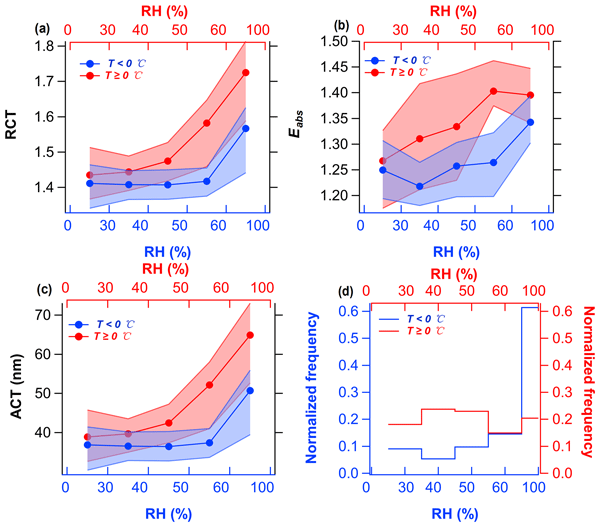
Yuting Zhang, Hang Liu, Shandong Lei, Wanyun Xu, Yu Tian, Weijie Yao, Xiaoyong Liu, Qi Liao, Jie Li, Chun Chen, Yele Sun, Pingqing Fu, Jinyuan Xin, Junji Cao, Xiaole Pan, and Zifa Wang
Atmos. Chem. Phys., 21, 17631–17648, https://doi.org/10.5194/acp-21-17631-2021, https://doi.org/10.5194/acp-21-17631-2021, 2021
Short summary
Short summary
In this study, the authors used a single-particle soot photometer (SP2) to characterize the particle size, mixing state, and optical properties of black carbon aerosols in rural areas of the North China Plain in winter. Relatively warm and high-RH environments (RH > 50 %, −4° < T < 4 °) were more favorable to rBC aging than dry and cold environments (RH < 60 %, T < −8°). The paper emphasizes the importance of meteorological parameters in the mixing state of black carbon.
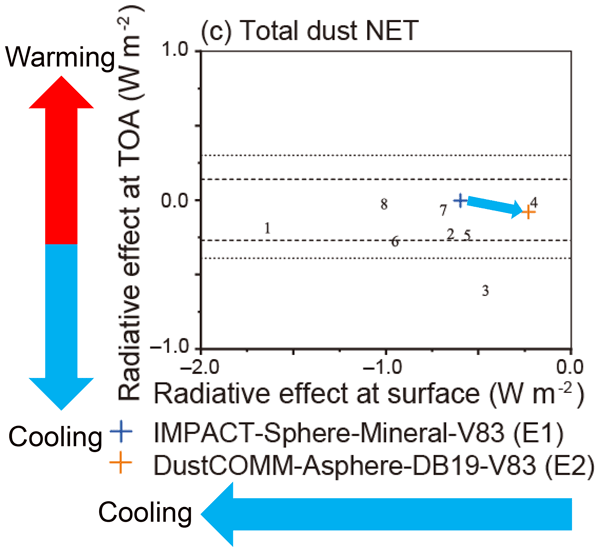
Akinori Ito, Adeyemi A. Adebiyi, Yue Huang, and Jasper F. Kok
Atmos. Chem. Phys., 21, 16869–16891, https://doi.org/10.5194/acp-21-16869-2021, https://doi.org/10.5194/acp-21-16869-2021, 2021
Short summary
Short summary
We improve the simulated dust properties of size-resolved dust concentration and particle shape. The improved simulation suggests much less atmospheric radiative heating near the major source regions, because of enhanced longwave warming at the surface by the synergy of coarser size and aspherical shape. Less intensified atmospheric heating could substantially modify the vertical temperature profile in Earth system models and thus has important implications for the projection of dust feedback.
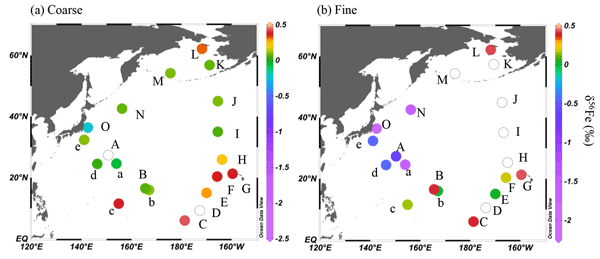
Minako Kurisu, Kohei Sakata, Mitsuo Uematsu, Akinori Ito, and Yoshio Takahashi
Atmos. Chem. Phys., 21, 16027–16050, https://doi.org/10.5194/acp-21-16027-2021, https://doi.org/10.5194/acp-21-16027-2021, 2021
Short summary
Short summary
Aerosol iron (Fe) input can enhance oceanic primary production. We analyzed Fe isotope ratios of size-fractionated aerosols over the northwestern Pacific to evaluate the contribution of natural and combustion Fe. It was found that combustion Fe was an important soluble Fe source in marine aerosols and possibly in surface seawater when air masses were from East Asia. This study shows the applicability of Fe isotope ratios for a more quantitative understanding of the Fe cycle in the surface ocean.
Cited articles
Abbaspour, N., Hurrell, R., and Kelishadi, R.: Review on iron and its importance for human health, Journal of Research in Medical Sciences, 19, 164–174, 2014.
Baker, A. R., Kanakidou, M., Nenes, A., Myriokefalitakis, S., Croot, P. L., Duce, R. A., Gao, Y., Guieu, C., Ito, A., Jickells, T. D., Mahowald, N. M., Middag, R., Perron, M. M. G., Sarin, M. M., Shelley, R., and Turner, D. R.: Changing atmospheric acidity as a modulator of nutrient deposition and ocean biogeochemistry, Sci. Adv., 7, eabd8800, https://doi.org/10.1126/sciadv.abd8800, 2021.
Bougiatioti, A., Nikolaou, P., Stavroulas, I., Kouvarakis, G., Weber, R., Nenes, A., Kanakidou, M., and Mihalopoulos, N.: Particle water and pH in the eastern Mediterranean: source variability and implications for nutrient availability, Atmos. Chem. Phys., 16, 4579–4591, https://doi.org/10.5194/acp-16-4579-2016, 2016.
Boyd, P. W. and Ellwood, M. J.: The biogeochemical cycle of iron in the ocean, Nat. Geosci., 3, 675–682, https://doi.org/10.1038/ngeo964, 2010.
Boyd, P. W., Jickells, T., Law, C. S., Blain, S., Boyle, E. A., Buesseler, K. O., Coale, K. H., Cullen, J. J., de Baar, H. J. W., Follows, M., Harvey, M., Lancelot, C., Levasseur, M., Owens, N. P. J., Pollard, R., Rivkin, R. B., Sarmiento, J., Schoemann, V., Smetacek, V., Takeda, S., Tsuda, A., Turner, S., and Watson, A. J.: Mesoscale Iron Enrichment Experiments 1993–2005: Synthesis and Future Directions, Science, 315, 612–617, https://doi.org/10.1126/science.1131669, 2007.
Chen, C., Tan, H., Hong, Y., Yin, C., Deng, X., Chan, P., Wu, M., Bu, Q., Weng, J., and Gan, Q.: Characteristics, formation mechanisms, and sources of non-refractory submicron aerosols in Guangzhou, China, Atmos. Environ., 250, 118255, https://doi.org/10.1016/j.atmosenv.2021.118255, 2021.
Chen, H., Laskin, A., Baltrusaitis, J., Gorski, C. A., Scherer, M. M., and Grassian, V. H.: Coal fly ash as a source of iron in atmospheric dust, Environ. Sci. Technol., 46, 2112–2120, https://doi.org/10.1021/es204102f, 2012.
Chen, X., Wu, D., Zheng, L., Chen, Y., Cheng, A., and Li, Q.: Variable Valence State of Trace Elements Regulating Toxic Potencies of Inorganic Particulate Matter, Environ. Sci. Technol. Lett., 11, 223–229, https://doi.org/10.1021/acs.estlett.4c00019, 2024a.
Chen, Y., Wang, Z., Fang, Z., Huang, C., Xu, H., Zhang, H., Zhang, T., Wang, F., Luo, L., Shi, G., Wang, X., and Tang, M.: Dominant Contribution of Non-dust Primary Emissions and Secondary Processes to Dissolved Aerosol Iron, Environ. Sci. Technol., 58, 17355–17363, https://doi.org/10.1021/acs.est.4c05816, 2024b.
Cwiertny, D. M., Baltrusaitis, J., Hunter, G. J., Laskin, A., Scherer, M. M., and Grassian, V. H.: Characterization and acid-mobilization study of iron-containing mineral dust source materials, J. Geophys. Res.: Atmos., 113, D05202, https://doi.org/10.1029/2007jd009332, 2008.
Fang, T., Guo, H., Zeng, L., Verma, V., Nenes, A., and Weber, R. J.: Highly Acidic Ambient Particles, Soluble Metals, and Oxidative Potential: A Link between Sulfate and Aerosol Toxicity, Environ. Sci. Technol., 51, 2611–2620, https://doi.org/10.1021/acs.est.6b06151, 2017.
Fountoukis, C. and Nenes, A.: ISORROPIA II: a computationally efficient thermodynamic equilibrium model for K+–Ca2+–Mg2+–
Geng, G., Liu, Y., Liu, Y., Liu, S., Cheng, J., Yan, L., Wu, N., Hu, H., Tong, D., Zheng, B., Yin, Z., He, K., and Zhang, Q.: Efficacy of China's clean air actions to tackle PM2.5 pollution between 2013 and 2020, Nat. Geosci., 17, 987–994, https://doi.org/10.1038/s41561-024-01540-z, 2024.
Hamilton, D. S., Scanza, R. A., Feng, Y., Guinness, J., Kok, J. F., Li, L., Liu, X., Rathod, S. D., Wan, J. S., Wu, M., and Mahowald, N. M.: Improved methodologies for Earth system modelling of atmospheric soluble iron and observation comparisons using the Mechanism of Intermediate complexity for Modelling Iron (MIMI v1.0), Geosci. Model Dev., 12, 3835–3862, https://doi.org/10.5194/gmd-12-3835-2019, 2019.
Hangzhou Municipal Government: Hangzhou Overview-Population and Employment, https://eng.hangzhou.gov.cn/art/2025/5/7/art_1229874662_58876528.html, last access: 12 May 2025.
Hsu, S. C., Liu, S. C., Arimoto, R., Shiah, F. K., Gong, G. C., Huang, Y. T., Kao, S. J., Chen, J. P., Lin, F. J., Lin, C. Y., Huang, J. C., Tsai, F., and Lung, S. C. C.: Effects of acidic processing, transport history, and dust and sea salt loadings on the dissolution of iron from Asian dust, J. Geophys. Res.: Atmos., 115, D19313, https://doi.org/10.1029/2009jd013442, 2010.
Hsu, S.-C., Gong, G.-C., Shiah, F.-K., Hung, C.-C., Kao, S.-J., Zhang, R., Chen, W.-N., Chen, C.-C., Chou, C. C.-K., Lin, Y.-C., Lin, F.-J., and Lin, S.-H.: Sources, solubility, and acid processing of aerosol iron and phosphorous over the South China Sea: East Asian dust and pollution outflows vs. Southeast Asian biomass burning, Atmos. Chem. Phys. Discuss., 14, 21433–21472, https://doi.org/10.5194/acpd-14-21433-2014, 2014.
Ingall, E. D., Feng, Y., Longo, A. F., Lai, B., Shelley, R. U., Landing, W. M., Morton, P. L., Violaki, K., Gao, Y., Sahai, S., and Castorina, E.: Enhanced Iron Solubility at Low pH in Global Aerosols, Atmosphere, 9, 201, https://doi.org/10.3390/atmos9050201, 2018.
Itahashi, S., Yumimoto, K., Uno, I., Hayami, H., Fujita, S.-I., Pan, Y., and Wang, Y.: A 15-year record (2001–2015) of the ratio of nitrate to non-sea-salt sulfate in precipitation over East Asia, Atmos. Chem. Phys., 18, 2835–2852, https://doi.org/10.5194/acp-18-2835-2018, 2018.
Itahashi, S., Hattori, S., Ito, A., Sadanaga, Y., Yoshida, N., and Matsuki, A.: Role of Dust and Iron Solubility in Sulfate Formation during the Long-Range Transport in East Asia Evidenced by 17O-Excess Signatures, Environ. Sci. Technol., 56, 13634–13643, https://doi.org/10.1021/acs.est.2c03574, 2022.
Ito, A.: Mega fire emissions in Siberia: potential supply of bioavailable iron from forests to the ocean, Biogeosciences, 8, 1679–1697, https://doi.org/10.5194/bg-8-1679-2011, 2011.
Ito, A.: Contrasting the Effect of Iron Mobilization on Soluble Iron Deposition to the Ocean in the Northern and Southern Hemispheres, Journal of the Meteorological Society of Japan. Ser. II, 90A, 167–188, https://doi.org/10.2151/jmsj.2012-A09, 2012.
Ito, A. and Miyakawa, T.: Aerosol Iron from Metal Production as a Secondary Source of Bioaccessible Iron, Environ. Sci. Technol., 57, 4091–4100, https://doi.org/10.1021/acs.est.2c06472, 2023.
Ito, A. and Shi, Z.: Delivery of anthropogenic bioavailable iron from mineral dust and combustion aerosols to the ocean, Atmos. Chem. Phys., 16, 85–99, https://doi.org/10.5194/acp-16-85-2016, 2016.
Ito, A. and Xu, L.: Response of acid mobilization of iron-containing mineral dust to improvement of air quality projected in the future, Atmos. Chem. Phys., 14, 3441–3459, https://doi.org/10.5194/acp-14-3441-2014, 2014.
Ito, A., Myriokefalitakis, S., Kanakidou, M., Mahowald, N. M., Scanza, R. A., Hamilton, D. S., Baker, A. R., Jickells, T., Sarin, M., Bikkina, S., Gao, Y., Shelley, R. U., Buck, C. S., Landing, W. M., Bowie, A. R., Perron, M. M. G., Guieu, C., Meskhidze, N., Johnson, M. S., Feng, Y., Kok, J. F., Nenes, A., and Duce, R. A.: Pyrogenic iron: The missing link to high iron solubility in aerosols, Sci. Adv., 5, eaau7671, https://doi.org/10.1126/sciadv.aau7671, 2019.
Jickells, T. D., An, Z. S., Andersen, K. K., Baker, A. R., Bergametti, G., Brooks, N., Cao, J. J., Boyd, P. W., Duce, R. A., Hunter, K. A., Kawahata, H., Kubilay, N., laRoche, J., Liss, P. S., Mahowald, N., Prospero, J. M., Ridgwell, A. J., Tegen, I., and Torres, R.: Global Iron Connections Between Desert Dust, Ocean Biogeochemistry, and Climate, Science, 308, 67–71, https://doi.org/10.1126/science.1105959, 2005.
Kirschvink, J. L., Kobayashi-Kirschvink, A., and Woodford, B. J.: Magnetite biomineralization in the human brain, Proc. Natl. Acad. Sci., 89, 7683–7687, https://doi.org/10.1073/pnas.89.16.7683, 1992.
Kunwar, B. and Kawamura, K.: One-year observations of carbonaceous and nitrogenous components and major ions in the aerosols from subtropical Okinawa Island, an outflow region of Asian dusts, Atmos. Chem. Phys., 14, 1819–1836, https://doi.org/10.5194/acp-14-1819-2014, 2014.
Lei, Y., Li, D., Lu, D., Zhang, T., Sun, J., Wang, X., Xu, H., and Shen, Z.: Insights into the roles of aerosol soluble iron in secondary aerosol formation, Atmos. Environ., 294, 119507, https://doi.org/10.1016/j.atmosenv.2022.119507, 2023.
Li, W. J., Xu, L., Liu, X. H., Zhang, J. C., Lin, Y. T., Yao, X. H., Gao, H. W., Zhang, D. Z., Chen, J. M., Wang, W. X., Harrison, R. M., Zhang, X. Y., Shao, L. Y., Fu, P. Q., Nenes, A., and Shi, Z. B.: Air pollution-aerosol interactions produce more bioavailable iron for ocean ecosystems, Sci. Adv., 3, e1601749, https://doi.org/10.1126/sciadv.1601749, 2017.
Liu, L., Lin, Q., Liang, Z., Du, R., Zhang, G., Zhu, Y., Qi, B., Zhou, S., and Li, W.: Variations in concentration and solubility of iron in atmospheric fine particles during the COVID-19 pandemic: An example from China, Gondwana Res., 97, 138–144, https://doi.org/10.1016/j.gr.2021.05.022, 2021.
Liu, M. X., Matsui, H., Hamilton, D. S., and Lamb, K. D.: The underappreciated role of anthropogenic sources in atmospheric soluble iron flux to the Southern Ocean, npj Clim. Atmos. Sci., 5, 28, https://doi.org/10.1038/s41612-022-00250-w, 2022.
Longo, A. F., Feng, Y., Lai, B., Landing, W. M., Shelley, R. U., Nenes, A., Mihalopoulos, N., Violaki, K., and Ingall, E. D.: Influence of Atmospheric Processes on the Solubility and Composition of Iron in Saharan Dust, Environ. Sci. Technol., 50, 6912–6920, https://doi.org/10.1021/acs.est.6b02605, 2016.
Lu, D., Luo, Q., Chen, R., Zhuansun, Y., Jiang, J., Wang, W., Yang, X., Zhang, L., Liu, X., Li, F., Liu, Q., and Jiang, G.: Chemical multi-fingerprinting of exogenous ultrafine particles in human serum and pleural effusion, Nat. Commun., 11, 2567, https://doi.org/10.1038/s41467-020-16427-x, 2020.
Luo, C., Mahowald, N. M., Meskhidze, N., Chen, Y., Siefert, R. L., Baker, A. R., and Johansen, A. M.: Estimation of iron solubility from observations and a global aerosol model, J. Geophys. Res., 110, D23307, https://doi.org/10.1029/2005JD006059, 2005.
Maher, B. A., Ahmed, I. A., Karloukovski, V., MacLaren, D. A., Foulds, P. G., Allsop, D., Mann, D. M., Torres-Jardon, R., and Calderon-Garciduenas, L.: Magnetite pollution nanoparticles in the human brain, Proc. Natl. Acad. Sci., 113, 10797–10801, https://doi.org/10.1073/pnas.1605941113, 2016.
Mahowald, N. M., Engelstaedter, S., Luo, C., Sealy, A., Artaxo, P., Benitez-Nelson, C., Bonnet, S., Chen, Y., Chuang, P. Y., Cohen, D. D., Dulac, F., Herut, B., Johansen, A. M., Kubilay, N., Losno, R., Maenhaut, W., Paytan, A., Prospero, J. M., Shank, L. M., and Siefert, R. L.: Atmospheric Iron Deposition: Global Distribution, Variability, and Human Perturbations, Annu. Rev. Mar. Science, 1, 245–278, https://doi.org/10.1146/annurev.marine.010908.163727, 2009.
Martin, J. H.: Glacial-interglacial CO2 change: The Iron Hypothesis, Paleoceanography, 5, 1–13, https://doi.org/10.1029/PA005i001p00001, 1990.
Martínez-García, A., Sigman, D. M., Ren, H. J., Anderson, R. F., Straub, M., Hodell, D. A., Jaccard, S. L., Eglinton, T. I., and Haug, G. H.: Iron Fertilization of the Subantarctic Ocean During the Last Ice Age, Science, 343, 1347–1350, https://doi.org/10.1126/science.1246848, 2014.
Meskhidze, N.: Iron mobilization in mineral dust: Can anthropogenic SO2 emissions affect ocean productivity?, Geophys. Res. Lett., 30, 2085, https://doi.org/10.1029/2003gl018035, 2003.
Meskhidze, N.: Dust and pollution: A recipe for enhanced ocean fertilization?, J. Geophys. Res., 110, D03301, https://doi.org/10.1029/2004jd005082, 2005.
Myriokefalitakis, S., Bergas-Massó, E., Gonçalves-Ageitos, M., Pérez García-Pando, C., van Noije, T., Le Sager, P., Ito, A., Athanasopoulou, E., Nenes, A., Kanakidou, M., Krol, M. C., and Gerasopoulos, E.: Multiphase processes in the EC-Earth model and their relevance to the atmospheric oxalate, sulfate, and iron cycles, Geosci. Model Dev., 15, 3079–3120, https://doi.org/10.5194/gmd-15-3079-2022, 2022.
Oakes, M., Rastogi, N., Majestic, B. J., Shafer, M., Schauer, J. J., Edgerton, E. S., and Weber, R. J.: Characterization of soluble iron in urban aerosols using near-real time data, J. Geophys. Res.: Atmos., 115, D15302, https://doi.org/10.1029/2009jd012532, 2010.
Oakes, M., Ingall, E. D., Lai, B., Shafer, M. M., Hays, M. D., Liu, Z. G., Russell, A. G., and Weber, R. J.: Iron Solubility Related to Particle Sulfur Content in Source Emission and Ambient Fine Particles, Environ. Sci. Technol., 46, 6637–6644, https://doi.org/10.1021/es300701c, 2012.
Ooki, A. and Uematsu, M.: Chemical interactions between mineral dust particles and acid gases during Asian dust events, J. Geophys. Res.: Atmos., 110, D03201, https://doi.org/10.1029/2004jd004737, 2005.
Rubasinghege, G., Lentz, R. W., Scherer, M. M., and Grassian, V. H.: Simulated atmospheric processing of iron oxyhydroxide minerals at low pH: roles of particle size and acid anion in iron dissolution, Proc. Natl. Acad. Sci., 107, 6628–6633, https://doi.org/10.1073/pnas.0910809107, 2010.
Sakata, K., Kurisu, M., Takeichi, Y., Sakaguchi, A., Tanimoto, H., Tamenori, Y., Matsuki, A., and Takahashi, Y.: Iron (Fe) speciation in size-fractionated aerosol particles in the Pacific Ocean: The role of organic complexation of Fe with humic-like substances in controlling Fe solubility, Atmos. Chem. Phys., 22, 9461–9482, https://doi.org/10.5194/acp-22-9461-2022, 2022.
Sakata, K., Sakaguchi, A., Yamakawa, Y., Miyamoto, C., Kurisu, M., and Takahashi, Y.: Measurement report: Stoichiometry of dissolved iron and aluminum as an indicator of the factors controlling the fractional solubility of aerosol iron – results of the annual observations of size-fractionated aerosol particles in Japan, Atmos. Chem. Phys., 23, 9815–9836, https://doi.org/10.5194/acp-23-9815-2023, 2023.
Scanza, R. A., Hamilton, D. S., Perez Garcia-Pando, C., Buck, C., Baker, A., and Mahowald, N. M.: Atmospheric processing of iron in mineral and combustion aerosols: development of an intermediate-complexity mechanism suitable for Earth system models, Atmos. Chem. Phys., 18, 14175–14196, https://doi.org/10.5194/acp-18-14175-2018, 2018.
Shi, J., Guan, Y., Ito, A., Gao, H., Yao, X., Baker, A. R., and Zhang, D.: High Production of Soluble Iron Promoted by Aerosol Acidification in Fog, Geophys. Res. Lett., 47, e2019GL086124, https://doi.org/10.1029/2019gl086124, 2020.
Shi, J., Guan, Y., Gao, H., Yao, X., Wang, R., and Zhang, D.: Aerosol Iron Solubility Specification in the Global Marine Atmosphere with Machine Learning, Environ. Sci. Technol., 56, 16453–16461, https://doi.org/10.1021/acs.est.2c05266, 2022.
Shi, Z., Krom, M. D., Bonneville, S., and Benning, L. G.: Atmospheric processing outside clouds increases soluble iron in mineral dust, Environ. Sci. Technol., 49, 1472–1477, https://doi.org/10.1021/es504623x, 2015.
Song, X., Wu, D., Chen, X., Ma, Z., Li, Q., and Chen, J.: Toxic Potencies of Particulate Matter from Typical Industrial Plants Mediated with Acidity via Metal Dissolution, Environ. Sci. Technol., 58, 6736–6743, https://doi.org/10.1021/acs.est.4c00929, 2024.
Srinivas, B., Sarin, M. M., and Kumar, A.: Impact of anthropogenic sources on aerosol iron solubility over the Bay of Bengal and the Arabian Sea, Biogeochemistry, 110, 257–268, https://doi.org/10.1007/s10533-011-9680-1, 2011.
Srinivas, B., Sarin, M. M., and Rengarajan, R.: Atmospheric transport of mineral dust from the Indo-Gangetic Plain: Temporal variability, acid processing, and iron solubility, Geochem. Geophys. Geosyst., 15, 3226–3243, https://doi.org/10.1002/2014GC005395, 2014.
Tang, M., Perron, M. M. G., Baker, A. R., Li, R., Bowie, A. R., Buck, C. S., Kumar, A., Shelley, R., Ussher, S. J., Clough, R., Meyerink, S., Panda, P. P., Townsend, A. T., and Wyatt, N.: Measurement of soluble aerosol trace elements: inter-laboratory comparison of eight leaching protocols, Atmos. Meas. Tech., 18, 6125–6141, https://doi.org/10.5194/amt-18-6125-2025, 2025.
Uno, I., Wang, Z., Itahashi, S., Yumimoto, K., Yamamura, Y., Yoshino, A., Takami, A., Hayasaki, M., and Kim, B. G.: Paradigm shift in aerosol chemical composition over regions downwind of China, Sci. Rep., 10, 6450, https://doi.org/10.1038/s41598-020-63592-6, 2020.
van der A, R. J., Mijling, B., Ding, J., Koukouli, M. E., Liu, F., Li, Q., Mao, H., and Theys, N.: Cleaning up the air: effectiveness of air quality policy for SO2 and NOx emissions in China, Atmos. Chem. Phys., 17, 1775–1789, https://doi.org/10.5194/acp-17-1775-2017, 2017.
Vidrio, E., Jung, H., and Anastasio, C.: Generation of Hydroxyl Radicals from Dissolved Transition Metals in Surrogate Lung Fluid Solutions, Atmos. Environ., 42, 4369–4379, https://doi.org/10.1016/j.atmosenv.2008.01.004, 2008.
Wang, G. C., Chen, J., Xu, J., Yun, L., Zhang, M. D., Li, H., Qin, X. F., Deng, C. R., Zheng, H. T., Gui, H. Q., Liu, J. G., and Huang, K.: Atmospheric Processing at the Sea-Land Interface Over the South China Sea: Secondary Aerosol Formation, Aerosol Acidity, and Role of Sea Salts, J. Geophys. Res.: Atmos., 127, e2021JD036255, https://doi.org/10.1029/2021JD036255, 2022.
Wang, Z., Wang, T., Fu, H., Zhang, L., Tang, M., George, C., Grassian, V. H., and Chen, J.: Enhanced heterogeneous uptake of sulfur dioxide on mineral particles through modification of iron speciation during simulated cloud processing, Atmos. Chem. Phys., 19, 12569–12585, https://doi.org/10.5194/acp-19-12569-2019, 2019.
Wong, J. P. S., Yang, Y., Fang, T., Mulholland, J. A., Russell, A. G., Ebelt, S., Nenes, A., and Weber, R. J.: Fine Particle Iron in Soils and Road Dust Is Modulated by Coal-Fired Power Plant Sulfur, Environ. Sci. Technol., 54, 7088–7096, https://doi.org/10.1021/acs.est.0c00483, 2020.
Wu, C., Zhang, S., Wang, G., Lv, S., Li, D., Liu, L., Li, J., Liu, S., Du, W., Meng, J., Qiao, L., Zhou, M., Huang, C., and Wang, H.: Efficient Heterogeneous Formation of Ammonium Nitrate on the Saline Mineral Particle Surface in the Atmosphere of East Asia during Dust Storm Periods, Environ. Sci. Technol., 54, 15622–15630, https://doi.org/10.1021/acs.est.0c04544, 2020.
Xie, X., Hu, J., Qin, M., Guo, S., Hu, M., Ji, D., Wang, H., Lou, S., Huang, C., Liu, C., Zhang, H., Ying, Q., Liao, H., and Zhang, Y.: Evolution of atmospheric age of particles and its implications for the formation of a severe haze event in eastern China, Atmos. Chem. Phys., 23, 10563–10578, https://doi.org/10.5194/acp-23-10563-2023, 2023.
Xu, L., Zhi, M., Liu, X., Gao, H., Yao, X., Yuan, Q., Fu, P., and Li, W.: Direct evidence of pyrogenic aerosol iron by intrusions of continental polluted air into the Eastern China Seas, Atmos. Res., 292, 106839, https://doi.org/10.1016/j.atmosres.2023.106839, 2023.
Zhang, H., Li, R., Dong, S., Wang, F., Zhu, Y., Meng, H., Huang, C., Ren, Y., Wang, X., Hu, X., Li, T., Peng, C., Zhang, G., Xue, L., Wang, X., and Tang, M.: Abundance and Fractional Solubility of Aerosol Iron During Winter at a Coastal City in Northern China: Similarities and Contrasts Between Fine and Coarse Particles, J. Geophys. Res.: Atmos., 127, e2021JD036070, https://doi.org/10.1029/2021jd036070, 2022.
Zheng, B., Tong, D., Li, M., Liu, F., Hong, C., Geng, G., Li, H., Li, X., Peng, L., Qi, J., Yan, L., Zhang, Y., Zhao, H., Zheng, Y., He, K., and Zhang, Q.: Trends in China's anthropogenic emissions since 2010 as the consequence of clean air actions, Atmos. Chem. Phys., 18, 14095–14111, https://doi.org/10.5194/acp-18-14095-2018, 2018.
Zhi, M., Wang, G., Xu, L., Li, K., Nie, W., Niu, H., Shao, L., Liu, Z., Yi, Z., Wang, Y., Shi, Z., Ito, A., Zhai, S., and Li, W.: How Acid Iron Dissolution in Aged Dust Particles Responds to the Buffering Capacity of Carbonate Minerals during Asian Dust Storms, Environ. Sci. Technol., 59, 6167–6178, https://doi.org/10.1021/acs.est.4c12370, 2025.
Zhu, X. R., Prospero, J. M., and Millero, F. J.: Diel variability of soluble Fe(II) and soluble total Fe in North African dust in the trade winds at Barbados, J. Geophys. Res.: Atmos., 102, 21297–21305, https://doi.org/10.1029/97jd01313, 1997.
Zhu, Y., Li, W., Wang, Y., Zhang, J., Liu, L., Xu, L., Xu, J., Shi, J., Shao, L., Fu, P., Zhang, D., and Shi, Z.: Sources and processes of iron aerosols in a megacity in Eastern China, Atmos. Chem. Phys., 22, 2191–2202, https://doi.org/10.5194/acp-22-2191-2022, 2022.
Zhu, Y. H., Li, W. J., Lin, Q. H., Yuan, Q., Liu, L., Zhang, J., Zhang, Y. X., Shao, L. Y., Niu, H. Y., Yang, S. S., and Shi, Z. B.: Iron solubility in fine particles associated with secondary acidic aerosols in east China, Environ. Pollut., 264, 114769, https://doi.org/10.1016/j.envpol.2020.114769, 2020.
Zhuang, G. S., Yi, Z., Duce, R. A., and Brown, P. R.: Link between iron and sulphur cycles suggested by detection of Fe(n) in remote marine aerosols, Nature, 355, 537–539, 1992.
Short summary
Iron acidification process is primarily driven by sulphuric acid in the upper mixing layer different from nitric acid at the ground-level. Enhanced atmospheric aging process contributes to high iron solubility in the upper mixing layer. Numerical models should consider vertical variations in iron dissolution to improve simulation accuracy.
Iron acidification process is primarily driven by sulphuric acid in the upper mixing layer...


Altmetrics
Final-revised paper
Preprint