
Articles | Volume 26, issue 1
https://doi.org/10.5194/acp-26-135-2026
© Author(s) 2026. This work is distributed under
the Creative Commons Attribution 4.0 License.
the Creative Commons Attribution 4.0 License.
https://doi.org/10.5194/acp-26-135-2026
© Author(s) 2026. This work is distributed under
the Creative Commons Attribution 4.0 License.
the Creative Commons Attribution 4.0 License.
Research article
| 
06 Jan 2026
Research article |
| 06 Jan 2026
| 06 Jan 2026
Strong primary contribution to brown carbon light absorption in Tibet and urban areas: insights based on in situ measurements
Wenhui Zhao
State Key Laboratory of Advanced Environmental Technology, Guangzhou Institute of Geochemistry, Chinese Academy of Sciences, Guangzhou 510640, China
University of Chinese Academy of Sciences, Beijing 100049, China

State Key Laboratory of Advanced Environmental Technology, Guangzhou Institute of Geochemistry, Chinese Academy of Sciences, Guangzhou 510640, China
Guangdong–Hong Kong–Macao Greater Bay Area Environmental Pollution Research and Control Joint Laboratory, Guangzhou Institute of Geochemistry, Chinese Academy of Sciences, Guangzhou 510640, China
Guangdong Key Laboratory of Environmental Resource Utilization and Protection, Guangzhou Institute of Geochemistry, Chinese Academy of Sciences, Guangzhou 510640, China
Zhaoce Liu
State Key Laboratory of Advanced Environmental Technology, Guangzhou Institute of Geochemistry, Chinese Academy of Sciences, Guangzhou 510640, China
University of Chinese Academy of Sciences, Beijing 100049, China
Tianle Pan
State Key Laboratory of Advanced Environmental Technology, Guangzhou Institute of Geochemistry, Chinese Academy of Sciences, Guangzhou 510640, China
University of Chinese Academy of Sciences, Beijing 100049, China
Tingting Feng
State Key Laboratory of Advanced Environmental Technology, Guangzhou Institute of Geochemistry, Chinese Academy of Sciences, Guangzhou 510640, China
University of Chinese Academy of Sciences, Beijing 100049, China
Jun Wang
State Key Laboratory of Advanced Environmental Technology, Guangzhou Institute of Geochemistry, Chinese Academy of Sciences, Guangzhou 510640, China
University of Chinese Academy of Sciences, Beijing 100049, China
Yiyu Cai
State Key Laboratory of Advanced Environmental Technology, Guangzhou Institute of Geochemistry, Chinese Academy of Sciences, Guangzhou 510640, China
University of Chinese Academy of Sciences, Beijing 100049, China
Lin Liang
College of Environment and Climate, Jinan University, Guangzhou 511443, China
Guangdong–Hongkong–Macau Joint Laboratory of Collaborative Innovation for Environmental Quality, Guangzhou 511443, China
College of Environment and Climate, Jinan University, Guangzhou 511443, China
Guangdong–Hongkong–Macau Joint Laboratory of Collaborative Innovation for Environmental Quality, Guangzhou 511443, China
College of Environment and Climate, Jinan University, Guangzhou 511443, China
Guangdong–Hongkong–Macau Joint Laboratory of Collaborative Innovation for Environmental Quality, Guangzhou 511443, China
Nan Ma
College of Environment and Climate, Jinan University, Guangzhou 511443, China
Guangdong–Hongkong–Macau Joint Laboratory of Collaborative Innovation for Environmental Quality, Guangzhou 511443, China
Min Shao
College of Environment and Climate, Jinan University, Guangzhou 511443, China
Guangdong–Hongkong–Macau Joint Laboratory of Collaborative Innovation for Environmental Quality, Guangzhou 511443, China
Guohua Zhang
State Key Laboratory of Advanced Environmental Technology, Guangzhou Institute of Geochemistry, Chinese Academy of Sciences, Guangzhou 510640, China
Guangdong–Hong Kong–Macao Greater Bay Area Environmental Pollution Research and Control Joint Laboratory, Guangzhou Institute of Geochemistry, Chinese Academy of Sciences, Guangzhou 510640, China
Guangdong Key Laboratory of Environmental Resource Utilization and Protection, Guangzhou Institute of Geochemistry, Chinese Academy of Sciences, Guangzhou 510640, China
Xinhui Bi
State Key Laboratory of Advanced Environmental Technology, Guangzhou Institute of Geochemistry, Chinese Academy of Sciences, Guangzhou 510640, China
Guangdong–Hong Kong–Macao Greater Bay Area Environmental Pollution Research and Control Joint Laboratory, Guangzhou Institute of Geochemistry, Chinese Academy of Sciences, Guangzhou 510640, China
Guangdong Key Laboratory of Environmental Resource Utilization and Protection, Guangzhou Institute of Geochemistry, Chinese Academy of Sciences, Guangzhou 510640, China
Xinming Wang
State Key Laboratory of Advanced Environmental Technology, Guangzhou Institute of Geochemistry, Chinese Academy of Sciences, Guangzhou 510640, China
Guangdong–Hong Kong–Macao Greater Bay Area Environmental Pollution Research and Control Joint Laboratory, Guangzhou Institute of Geochemistry, Chinese Academy of Sciences, Guangzhou 510640, China
Guangdong Key Laboratory of Environmental Resource Utilization and Protection, Guangzhou Institute of Geochemistry, Chinese Academy of Sciences, Guangzhou 510640, China
Pengfei Yu
College of Environment and Climate, Jinan University, Guangzhou 511443, China
Guangdong–Hongkong–Macau Joint Laboratory of Collaborative Innovation for Environmental Quality, Guangzhou 511443, China
Related authors
No articles found.
Sara L. Farrell, Quazi Z. Rasool, Havala O. T. Pye, Yue Zhang, Ying Li, Yuzhi Chen, Chi-Tsan Wang, Haofei Zhang, Ryan Schmedding, Manabu Shiraiwa, Jaime Green, Sri H. Budisulistiorini, Jose L. Jimenez, Weiwei Hu, Jason D. Surratt, and William Vizuete
Atmos. Chem. Phys., 26, 13557–13579, https://doi.org/10.5194/acp-26-13557-2026, https://doi.org/10.5194/acp-26-13557-2026, 2026
Short summary
Short summary
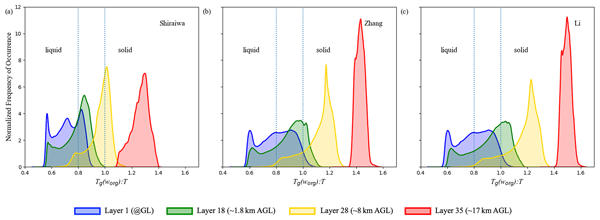
Fine particulate matter (PM2.5) has become increasingly important to regulate and model. In this study, we parameterize non-ideal aerosol mixing and phase state into the Community Multiscale Air Quality (CMAQ) model and analyze its impact on the formation of a globally important source of PM2.5, isoprene epoxydiol (IEPOX)-derived PM2.5. Incorporating these features furthers model bias in IEPOX-derived PM2.5, however, this work provides potential phase state bounds for future PM2.5 modeling work.
Shan Huang, Lina Wu, Yi Kuang, Yuan Liu, Weiwei Hu, Ye Kuang, Wei Li, Qicong Song, Yuwen Peng, Suxia Yang, Mingfu Cai, Duohong Chen, Dingli Yue, Wei Song, Bin Yuan, Xinming Wang, and Min Shao
EGUsphere, https://doi.org/10.5194/egusphere-2026-4552, https://doi.org/10.5194/egusphere-2026-4552, 2026
This preprint is open for discussion and under review for Atmospheric Chemistry and Physics (ACP).
Short summary
Short summary
This study reports field measurements of particulate organonitrates in a mixed anthropogenic-biogenic subtropical atmosphere, revealing contrasting formation regimes between urban and rural sites. Daytime photochemistry and regional transport dominated urban organonitrates, while nighttime formation from anthropogenic precursors and refractory organic nitrate from biomass burning both contributed to rural organonitrates. Our findings improve understanding of organonitrate formation.
Ning Yang, Qiaoqiao Wang, Nan Ma, Guangjin Liu, Zheng Yang, Yuanwei Zhong, Zechao Hu, Yaqing Zhou, Jiangchuan Tao, Juan Hong, Yafang Cheng, and Hang Su
EGUsphere, https://doi.org/10.5194/egusphere-2026-4328, https://doi.org/10.5194/egusphere-2026-4328, 2026
This preprint is open for discussion and under review for Atmospheric Chemistry and Physics (ACP).
Short summary
Short summary
Summer ozone pollution is becoming a growing challenge in China. Using air quality observations and computer simulations, we found that differences between cities and surrounding areas depend strongly on how they are defined and how well monitoring sites represent local conditions. Weather and emission changes also influence ozone differently across regions. These findings support more reliable assessments of ozone pollution and more targeted control strategies.
Hua Fang, Hongling Xu, Jun Li, Qina Jia, Shutan Ma, Xuanxuan Duan, Bing Hong, Ting Wu, Fuliu Xu, and Xinming Wang
EGUsphere, https://doi.org/10.5194/egusphere-2026-4389, https://doi.org/10.5194/egusphere-2026-4389, 2026
Short summary
Short summary
We conducted four‑season field measurements of primary intermediate‑volatility organic compounds (IVOCs) at an urban site in the Yangtze River Delta, China. Measured IVOCs peaked in summer and reached a minimum in winter, driven by temperature‑dependent evaporative emissions and gas/particle partitioning. Our findings highlight that evaporative emissions are increasingly important for urban IVOC budgets under climate warming and should be considered in air quality models and control strategies.
Xiao Tian, Hongcheng Lu, Wei Song, Xue Yu, and Xinming Wang
Atmos. Meas. Tech., 19, 4797–4813, https://doi.org/10.5194/amt-19-4797-2026, https://doi.org/10.5194/amt-19-4797-2026, 2026
Short summary
Short summary
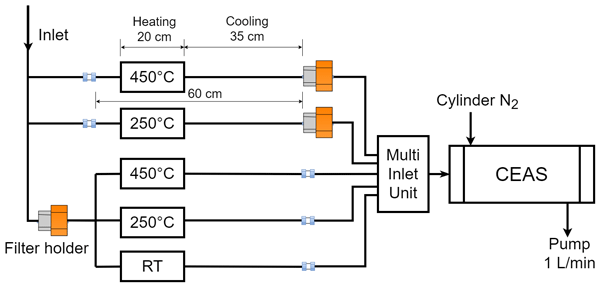
Organic nitrates influence ozone formation and fine particle pollution, yet measuring them in both gas and particle phases remains challenging. We developed an instrument using thermal dissociation with NO2 detector to quantify two organic nitrate classes in both phases. A correction-model corrects biases from nitrogen oxides. Field tests in Guangzhou showed continuous tracking of organic nitrate levels and phase distribution, a tool for studying reactive nitrogen in urban air.
Yifan Zhang, Guanhong Zhu, Rui Li, Mingyuan Liu, Yi Yang, Tianyu Zhang, Yizhu Chen, Jinlong Ma, Xinming Wang, and Mingjin Tang
EGUsphere, https://doi.org/10.5194/egusphere-2026-3780, https://doi.org/10.5194/egusphere-2026-3780, 2026
Short summary
Short summary
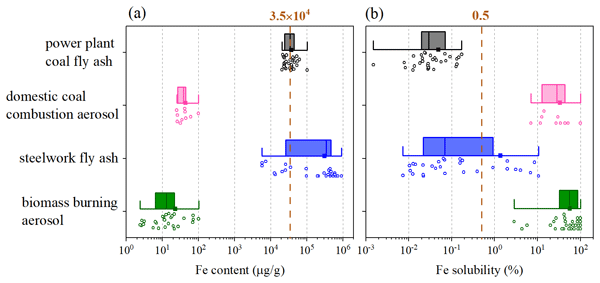
This work measured isotopic compositions for aerosol Fe from desert dust and several anthropogenic sources. We revealed large variability in the Fe isotopic endmember values both among and within different anthropogenic aerosols, and found that not all the anthropogenic aerosol Fe is isotopically lighter than natural dust Fe.
Rui Li, Haley E. Plaas, Yifan Zhang, Yizhu Chen, Tianyu Zhang, Yi Yang, Sagar Rathod, Guohua Zhang, Xinming Wang, Douglas S. Hamilton, and Mingjin Tang
Atmos. Chem. Phys., 26, 9037–9060, https://doi.org/10.5194/acp-26-9037-2026, https://doi.org/10.5194/acp-26-9037-2026, 2026
Short summary
Short summary
This work measured solubility of aerosol Fe from several distinct anthropogenic sources, updated aerosol Fe solubility parameterizations used in the Community Earth System model, and found that residential burning is a significant source of soluble aerosol Fe to the ocean.
Ruqian Miao, Ruochong Xu, Shan Huang, Sihan Xiao, Hao Wang, Yan Zheng, Siyi Liu, Jingxian Li, Guannan Geng, Manish Shrivastava, Xu Dao, Claire Granier, Guy Brasseur, Vlassis A. Karydis, Alexandra P. Tsimpidi, Jianhui Jiang, Kaspar R. Daellenbach, Imad El Haddad, André S. H. Prévôt, and Qi Chen
EGUsphere, https://doi.org/10.5194/egusphere-2026-3160, https://doi.org/10.5194/egusphere-2026-3160, 2026
Short summary
Short summary
Primary and secondary organic aerosols (POA and SOA) have distinct climate and human health impacts. We develop an OA simulation framework resolving the full volatility spectrum of organic precursor emissions, which improves global POA and SOA characterization. Reassessing their global distributions and budgets, this study shows greater POA and SOA burdens than previous estimates and presents region-dependent OA sources and variability to guide health-oriented pollution mitigation strategies.
Xiufeng Lian, Chenglei Pei, Wei Sun, Chen Lv, Kunlun Huang, Lei Lei, Bo Huang, Chunlei Cheng, Guohua Zhang, Xinhui Bi, Zhen Zhou, and Mei Li
EGUsphere, https://doi.org/10.5194/egusphere-2026-1853, https://doi.org/10.5194/egusphere-2026-1853, 2026
Short summary
Short summary
Fireworks release tiny particles that affect air quality. In Guangzhou, we tracked how barium particles from fireworks change in the air. Fireworks raised barium levels up to one thousand times above normal. These particles transformed through chemical reactions. Local policies cut pollution in restricted areas. Long-term health risks stay low, but short-term exposure can be much higher, which may concern children. Our findings help explain particle aging and guide air quality management.
Ilaria Quaglia, Daniele Visioni, Ewa M. Bednarz, Yunqian Zhu, Georgiy Stenchikov, Valentina Aquila, Cheng-Cheng Liu, Graham W. Mann, Yifeng Peng, Takashi Sekiya, Simone Tilmes, Xinyue Wang, Shingo Watanabe, Pengfei Yu, Jun Zhang, Wandi Yu, and Zhihong Zhuo
Atmos. Chem. Phys., 26, 7677–7704, https://doi.org/10.5194/acp-26-7677-2026, https://doi.org/10.5194/acp-26-7677-2026, 2026
Short summary
Short summary
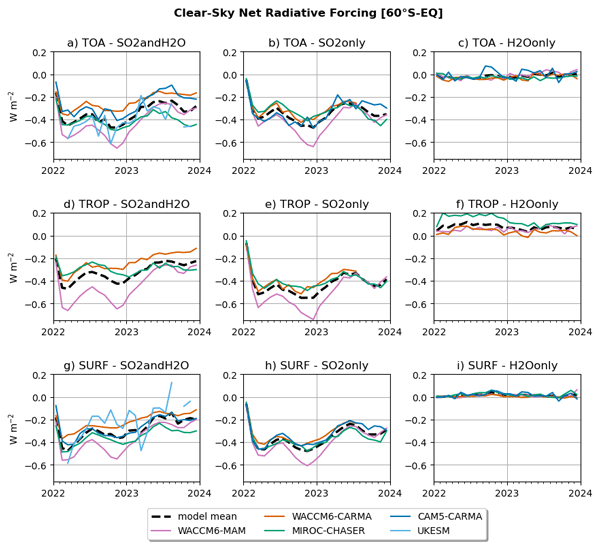
On January 15, 2022, the Hunga volcano eruption released unprecedented amounts of water vapor into the atmosphere alongside a modest amount of SO2. In this work we analyse results from multiple Earth system models. The models agree that the eruption led to small negative radiative forcing from sulfate aerosols and that the contribution from water vapor was minimal. Therefore, the Hunga eruption cannot explain the exceptional surface warming observed in 2023.
Chao Zhang, Leyi Liu, Shaopeng Li, Haoyang Lin, Yang Yang, Nan Ma, Yueshe Wang, and Alfred Wiedensohler
EGUsphere, https://doi.org/10.5194/egusphere-2026-1577, https://doi.org/10.5194/egusphere-2026-1577, 2026
Short summary
Short summary
This study uses computer simulations to reveal how atmospheric particles composed of water and oil-like substances arrange internally. The research reveals that the contact angle between the two liquids depends on temperature, water content, inorganic salt, and surfactant. This internal structure affects sunlight interaction and cloud formation, impacting climate predictions. The work improves our ability to model these complex atmospheric processes accurately.
Xiao Tian, Jianqiang Zeng, Yanli Zhang, Weihua Pang, Yuting Lu, Haofan Ran, Hao Guo, Zhaobin Mu, Wei Song, and Xinming Wang
Atmos. Chem. Phys., 26, 6213–6221, https://doi.org/10.5194/acp-26-6213-2026, https://doi.org/10.5194/acp-26-6213-2026, 2026
Short summary
Short summary
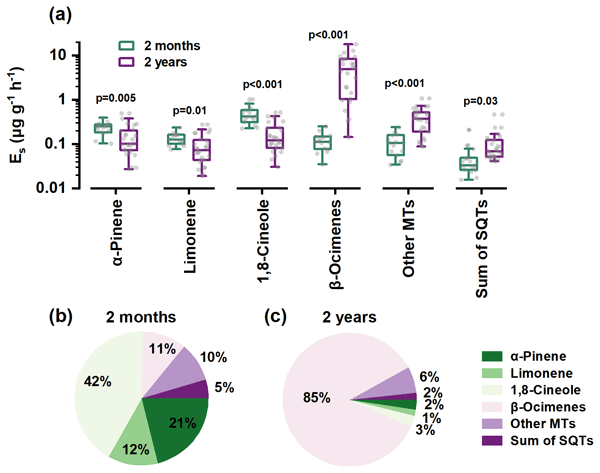
This study measured a statistically representative number of 2-month-old and 2-year-old eucalyptus trees using both leaf cuvettes and dynamic branch chambers. It demonstrated equivalent isoprene results between the two enclosure methods, yet contrasting emission magnitude and speciation among age groups. Current seedling- and adult-tree-mixed emission factor databases may thus misjudge ozone and secondary organic aerosol simulation, thus age-resolved data will improve air quality forecasts.
Yi Zhang, Weiqi Xu, Yan Li, Guohua Zhang, Dantong Liu, Ye Kuang, Yu Zhang, Wei Zhou, Xiaocong Peng, Bojiang Su, Weihong Huang, Zijun Zhang, Liu Yang, Yangzhou Wu, Siyuan Li, Shitong Zhao, Lanzhong Liu, Xiaole Pan, Zifa Wang, Xinhui Bi, Mikael Ehn, Douglas R. Worsnop, and Yele Sun
Atmos. Chem. Phys., 26, 5617–5634, https://doi.org/10.5194/acp-26-5617-2026, https://doi.org/10.5194/acp-26-5617-2026, 2026
Short summary
Short summary
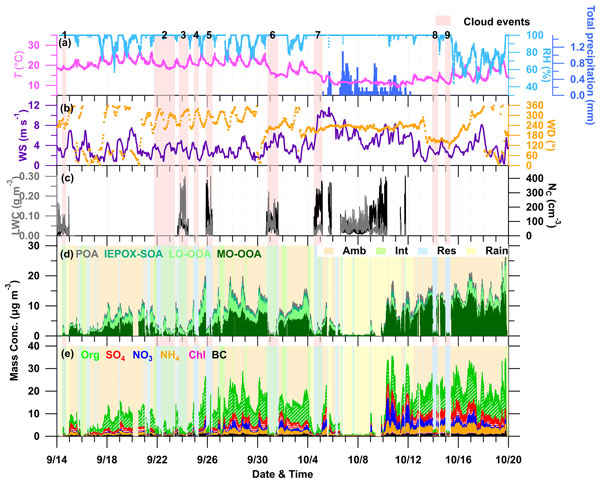
This study explores how clouds influence the chemical composition of air particles through field research at a high-altitude station in southeastern China across different seasons. We found that different cloud types cause varying degrees of chemical changes in these particles. These findings enhance our understanding of the impact of clouds on air quality and contribute to improving climate models.
Aoxing Zhang, Tzung-May Fu, Yuhang Wang, Enyu Xiong, Wenlu Wu, Yumin Li, Lei Zhu, Wei Tao, Kelley C. Wells, Dylan B. Millet, Zhe Wang, Bin Yuan, Min Shao, Christophe Lerot, Thomas Danckaert, Ruixiong Zhang, and Kelvin H. Bates
Atmos. Chem. Phys., 26, 5123–5150, https://doi.org/10.5194/acp-26-5123-2026, https://doi.org/10.5194/acp-26-5123-2026, 2026
Short summary
Short summary
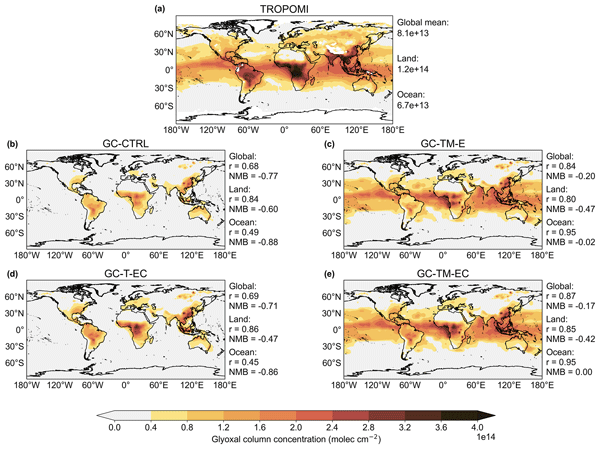
Glyoxal, a product of volatile organic compound oxidation, influences atmospheric oxidation and aerosol formation but is underestimated in models. By improving emissions, chemistry, and marine sources in GEOS-Chem, we better reproduce observed glyoxal over land and ocean, which strengthens global oxidation capacity and aerosol formation. The results highlight glyoxal's role as a proxy of atmospheric oxidation, and emphasize the needs of accurately representing glyoxal chemistry.
Yali Jin, Hao Luo, Siqi Tang, Shuhui Xue, Chengyu Nie, Xiaocong Peng, Yan Zheng, Weiqi Xu, Guohua Zhang, Xiaole Pan, Yele Sun, Qi Chen, Lanzhong Liu, and Defeng Zhao
Atmos. Chem. Phys., 26, 2813–2830, https://doi.org/10.5194/acp-26-2813-2026, https://doi.org/10.5194/acp-26-2813-2026, 2026
Short summary
Short summary
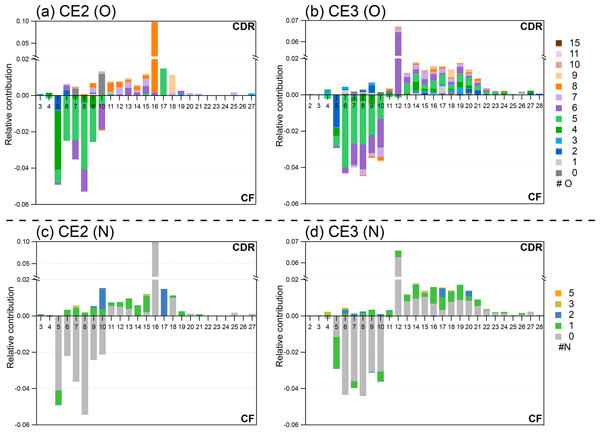
Cloud substantially changes the compositions organic aerosol. How cloud processing of organics occur on molecular level remains unclear. We found that compared with cloud free particles, organics in cloud contains more large molecules likely due to accretion reactions and has more nitrogen-containing compounds. We identify some new compounds formed in cloud. Such modifications of the organics in cloud can further change its physicochemical properties, and impact on climate and human health.
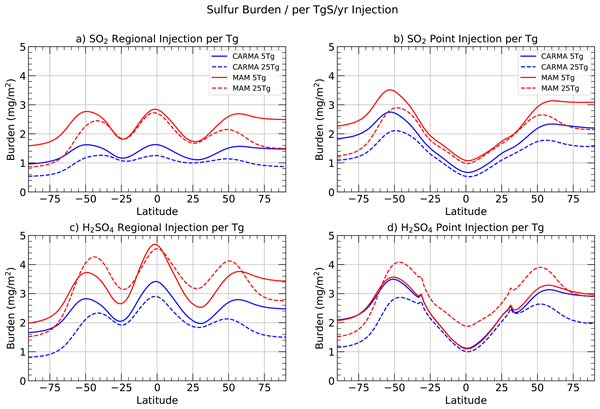
Simone Tilmes, Daniele Visioni, Ilaria Quaglia, Yunqian Zhu, Charles G. Bardeen, Francis Vitt, and Pengfei Yu
Atmos. Chem. Phys., 26, 2649–2666, https://doi.org/10.5194/acp-26-2649-2026, https://doi.org/10.5194/acp-26-2649-2026, 2026
Short summary
Short summary
This study compares two sets of stratospheric aerosol injection (SAI) experiments using the same modeling framework, differing only in their aerosol microphysical schemes. Results show that these two schemes can yield substantially different aerosol burdens, radiative changes, and impacts when simulating the same injection scenarios. These findings suggest that more sophisticated aerosol models may be necessary to accurately assess the efficacy, side effects, and climate impacts of SAI.
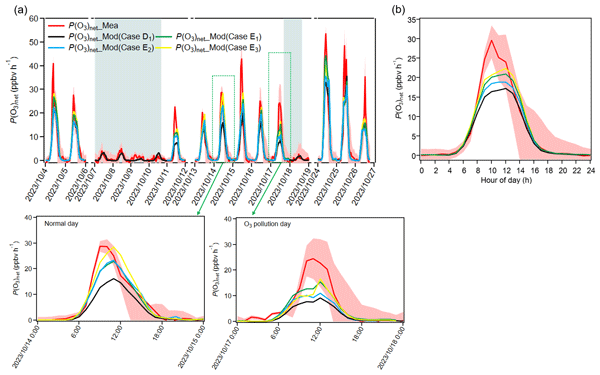
Jun Zhou, Bin Jiang, Bowen Zhong, Tao Zhang, Duohong Chen, Yuhong Zhai, Li Zhong, Zhijiong Huang, Junqing Luo, Minhui Deng, Mao Xiao, Jianhui Jiang, Jing Li, and Min Shao
Atmos. Chem. Phys., 26, 1889–1906, https://doi.org/10.5194/acp-26-1889-2026, https://doi.org/10.5194/acp-26-1889-2026, 2026
Short summary
Short summary
We quantitatively assessed the P(O3)net simulation deficits and their impact on O3 formation sensitivity (OFS diagnosis) by comparing the measured and modelled P(O3)net. Unmeasured oxygenated VOCs (OVOCs) were the most effective compensating factor for the discrepancies in both P(O3)net and OFS. OFS exhibiting a diurnal shift dominated by the morning regime; prioritizing VOCs while co-controlling NOx is the most effective strategy for O3 pollution control in the PRD region.
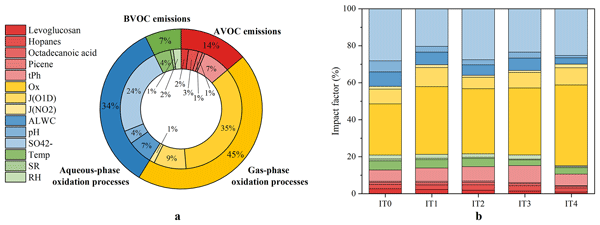
Yunfeng He, Xiang Ding, Quanfu He, Yuqing Zhang, Metin Baykara, Duohong Chen, Tao Zhang, Kong Yang, Junqi Wang, Qian Cheng, Hao Jiang, Zirui Wang, Ping Liu, Xinming Wang, and Michael Boy
Atmos. Chem. Phys., 26, 1093–1107, https://doi.org/10.5194/acp-26-1093-2026, https://doi.org/10.5194/acp-26-1093-2026, 2026
Short summary
Short summary
This study conducted long-term measurements of oxalic acid and molecular markers of primary anthropogenic emissions and secondary organic aerosols (SOA). We found that the reductions in anthropogenic precursors had limited impacts on SOA formation. The results highlight the increasing role of gas-phase oxidation under low-pollution conditions, emphasizing the need for effective ozone control strategies to mitigate SOA formation.
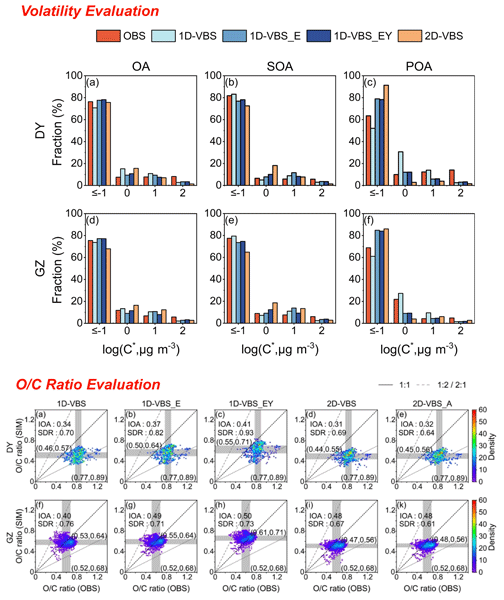
Yu Li, Momei Qin, Weiwei Hu, Bin Zhao, Ying Li, Havala O. T. Pye, Jingyi Li, Linghan Zeng, Song Guo, Min Hu, and Jianlin Hu
Atmos. Chem. Phys., 26, 1001–1020, https://doi.org/10.5194/acp-26-1001-2026, https://doi.org/10.5194/acp-26-1001-2026, 2026
Short summary
Short summary
We evaluated how well a widely used air quality model simulates key properties of organic particles in the atmosphere, such as volatility and oxygen content, which influence how particles age, spread, and affect both air quality and climate. Using observations in eastern China, we found the model underestimated particle mass and misrepresented their properties. Our results highlight the need for improved emissions and chemical treatments to better predict air quality and climate impacts.
Jie Fang, Yunjiang Zhang, Didier Hauglustaine, Bo Zheng, Ming Wang, Jingyi Li, Yong Sun, Haiwei Li, Junfeng Wang, Yun Wu, Bin Yuan, Mindong Chen, and Xinlei Ge
Atmos. Chem. Phys., 26, 851–867, https://doi.org/10.5194/acp-26-851-2026, https://doi.org/10.5194/acp-26-851-2026, 2026
Short summary
Short summary
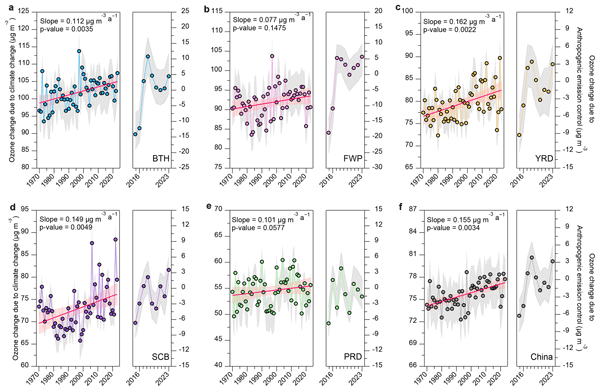
Surface ozone pollution is a pressing global challenge driven by human activities and a warming climate. Using nationwide observations (2013–2023) across China together with satellite data, we developed a new machine learning approach to decouple the impacts of emission controls and weather changes. Our results show that while emission reductions improved ozone in some regions, climate change is increasingly offsetting these gains, underscoring the need for joint air quality and climate actions.
Mingfu Cai, Bin Yuan, Weiwei Hu, Ye Chenshuo, Shan Huang, Suxia Yang, Wei Chen, Yuwen Peng, Zhaoxiong Deng, Jun Zhao, Duohong Chen, Jiaren Sun, and Min Shao
Atmos. Chem. Phys., 26, 769–788, https://doi.org/10.5194/acp-26-769-2026, https://doi.org/10.5194/acp-26-769-2026, 2026
Short summary
Short summary
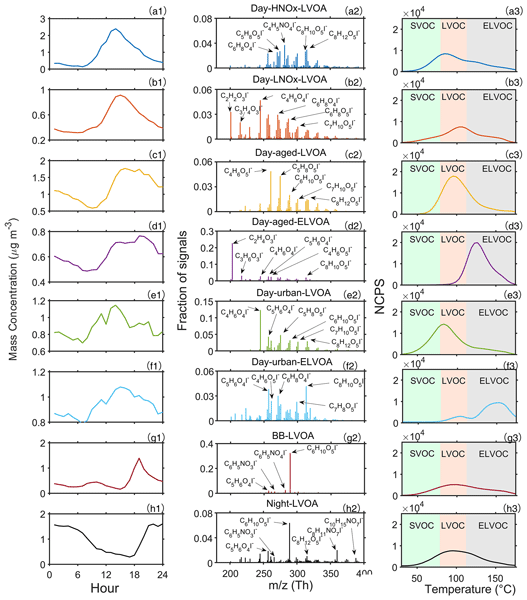
This study investigates how the formation and aging processes of secondary organic aerosol (SOA) influence the evolution of SOA volatility in downwind regions. Our results reveal that elevated NOₓ levels enhanced the daytime SOA volatility by modifying gas-particle partitioning, particularly through suppressing the production of low-volatility organic vapors. In contrast, photochemical aging was associated with reduced SOA volatility.
Jingnan Shi, Zhisheng Zhang, Li Li, Li Liu, Yaqing Zhou, Shuang Han, Shaobin Zhang, Minghua Liang, Linhong Xie, Weikang Ran, Shaowen Zhu, Hanbing Xu, Jiangchuan Tao, Alfred Wiedensohler, Qiaoqiao Wang, Qiyuan Wang, Nan Ma, and Juan Hong
Atmos. Chem. Phys., 26, 1–13, https://doi.org/10.5194/acp-26-1-2026, https://doi.org/10.5194/acp-26-1-2026, 2026
Short summary
Short summary
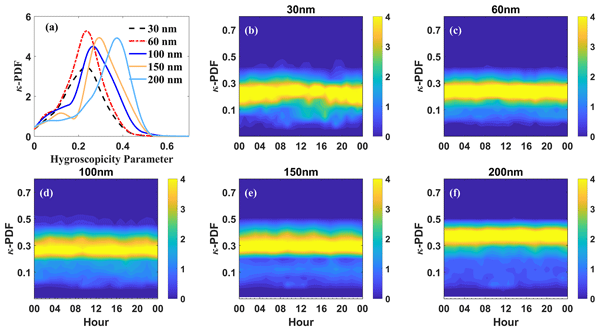
This study examines the aerosol hygroscopicity and mixing state at Huashan (2060 m), a key free tropospheric site in central China. We find that hygroscopicity depends on particle size, source-related changes, and moisture-driven processing, which distinguishes this region from other high-altitude regions and may provide key constraints for aerosol-cloud and regional climate models.
Pengfei Yu, Yifeng Peng, Karen H. Rosenlof, Ru-Shan Gao, Robert W. Portmann, Martin Ross, Eric Ray, Jianchun Bian, Simone Tilmes, and Owen B. Toon
Atmos. Chem. Phys., 25, 18449–18460, https://doi.org/10.5194/acp-25-18449-2025, https://doi.org/10.5194/acp-25-18449-2025, 2025
Short summary
Short summary
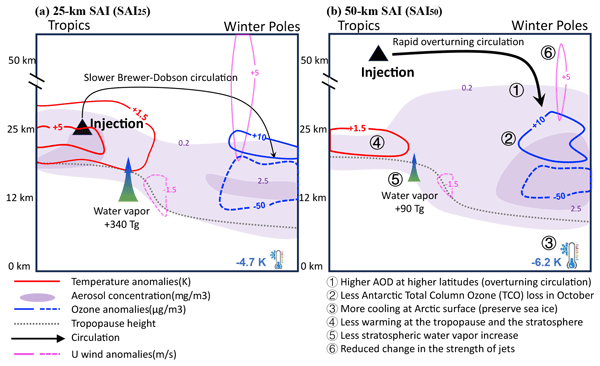
Injecting sulfur dioxide at 50 km – near the stratopause – offers a far safer and more effective climate intervention than conventional 25 km injection. Rapid downward–poleward transport distributes aerosols across 20–30 km, halving tropical stratospheric warming, reducing ozone recovery delays from decades to about 5 years, and enhancing global and polar cooling by over 20 %, while better preserving Arctic sea ice.
Yibo Huangfu, Ziyang Liu, Bin Yuan, Sihang Wang, Xianjun He, Wei Zhou, Fei Wang, Ping Tian, Wei Xiao, Yuanmou Du, Jiujiang Sheng, and Min Shao
Atmos. Chem. Phys., 25, 17613–17628, https://doi.org/10.5194/acp-25-17613-2025, https://doi.org/10.5194/acp-25-17613-2025, 2025
Short summary
Short summary
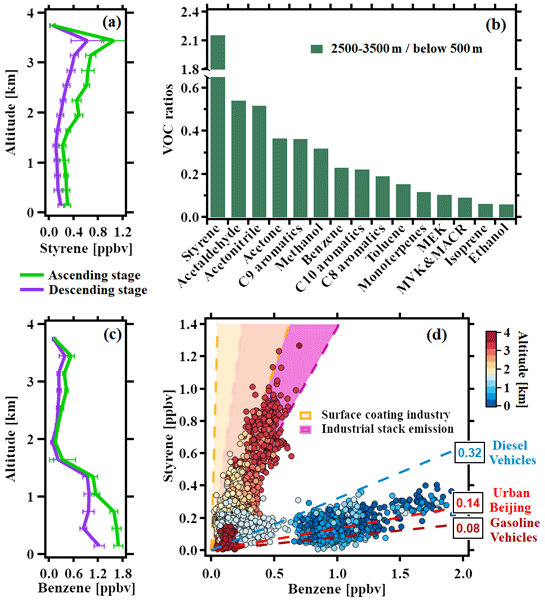
Severe air pollution over the North China Plain has posed significant threats to human health. Emerging evidence highlights the vital role of vertical pollutant transport in influencing surface air quality. In this study, we summarized the vertical profiles of key pollutants based on aircraft surveys up to 4000 m. The influence of regional transport on the vertical distribution patterns was analyzed, offering essential data for evaluating the impact of aloft pollutants on surface air quality.
Tianyu Zhang, Yizhu Chen, Huanhuan Zhang, Lei Liu, Chengpeng Huang, Zhengyang Fang, Yifan Zhang, Fu Wang, Lan Luo, Guohua Zhang, Xinming Wang, and Mingjin Tang
Atmos. Chem. Phys., 25, 17091–17106, https://doi.org/10.5194/acp-25-17091-2025, https://doi.org/10.5194/acp-25-17091-2025, 2025
Short summary
Short summary
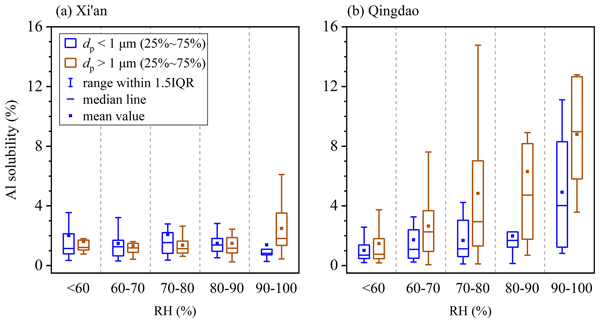
This work investigated seasonal variations of aerosol aluminium solubility for supermicron and submicron particles at two locations in northern China. We conclude that atmospheric chemical processing, in which aerosol liquid water and acidity play vital roles, dictates aerosol aluminium solubility.
Shengjun Xi, Yuhang Wang, Xiangyang Yuan, Zhaozhong Feng, Fanghe Zhao, Yanli Zhang, and Xinming Wang
Geosci. Model Dev., 18, 8627–8649, https://doi.org/10.5194/gmd-18-8627-2025, https://doi.org/10.5194/gmd-18-8627-2025, 2025
Short summary
Short summary
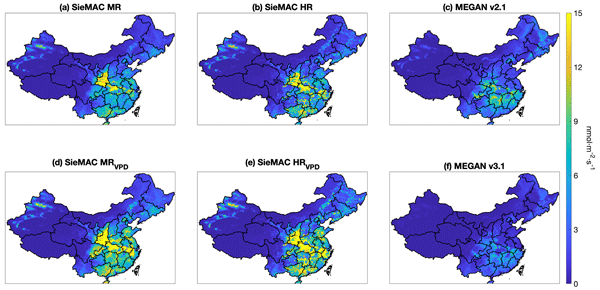
We developed the Speciated Isoprene Emission Model with Model of Emissions of Gases and Aerosols from Nature Algorithm for China to improve biogenic emission estimates using updated vegetation data and local measurements. The model predicts summer 2013 emissions of 10.92–11.37 teragrams of carbon. Validation shows our model performs better than the existing models, revealing underestimated isoprene impacts on ozone pollution in eastern China.
Weichao Huang, Sihang Wang, Peng Cheng, Bingna Chen, Bin Yuan, Pengfei Yu, Haichao Wang, Nan Ma, Mei Li, and Keding Lu
Atmos. Chem. Phys., 25, 15403–15414, https://doi.org/10.5194/acp-25-15403-2025, https://doi.org/10.5194/acp-25-15403-2025, 2025
Short summary
Short summary
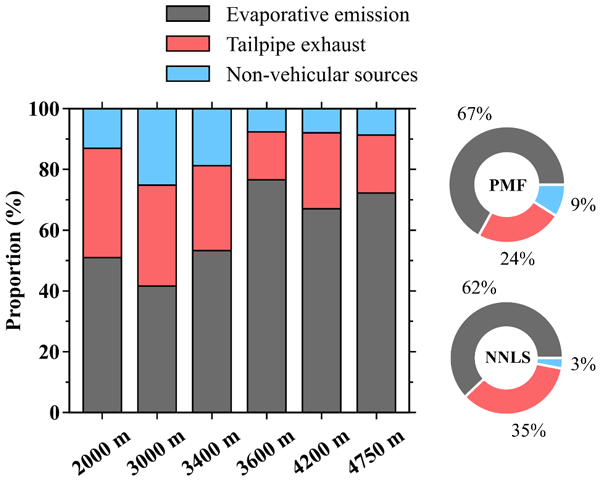
We studied vehicle emissions from ten 3000-meter tunnels on the Tibetan Plateau. Emissions of volatile organic compounds (VOCs) increase with elevation due to the evaporation of fuel oil from low pressure, unlike at lower elevations where tailpipe is predominant. This suggests that specific emission control measures are needed. This research aims to understand emissions at high altitudes and to guide cleaner transport.
Chujun Chen, Weihua Chen, Linhao Guo, Yongkang Wu, Xianzhong Duan, Xuemei Wang, and Min Shao
Atmos. Chem. Phys., 25, 15145–15169, https://doi.org/10.5194/acp-25-15145-2025, https://doi.org/10.5194/acp-25-15145-2025, 2025
Short summary
Short summary
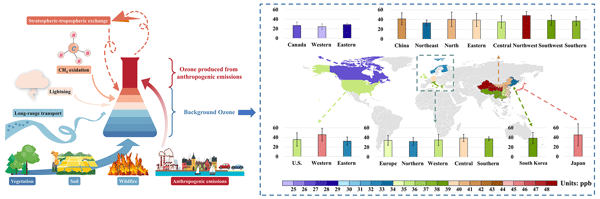
Background O3 forms the baseline level of O3 pollution, even without local human activities. This review examines how background O3 is defined and estimated, revealing significant variations across China, with higher level in the Northwest and lower in the Northeast region. Globally, China’s background O3 levels are medium-to-high and rising. The study calls for integrated estimation methods, international collaboration, and research on climate-ozone links to improve air quality strategies.
Yunfeng He, Xiang Ding, Quanfu He, Yuqing Zhang, Duohong Chen, Tao Zhang, Kong Yang, Junqi Wang, Qian Cheng, Hao Jiang, Zirui Wang, Ping Liu, Xinming Wang, and Michael Boy
Atmos. Chem. Phys., 25, 13729–13745, https://doi.org/10.5194/acp-25-13729-2025, https://doi.org/10.5194/acp-25-13729-2025, 2025
Short summary
Short summary
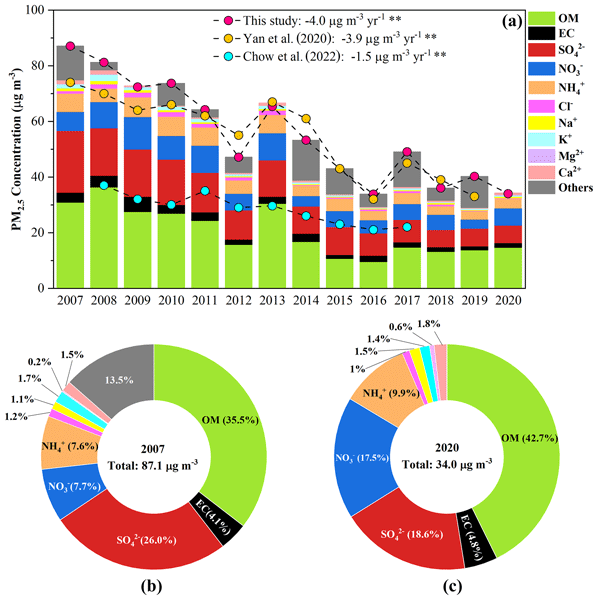
This study presented field measurements of PM2.5 and its chemical composition at a regional background site in the Pearl River Delta (PRD) from 2007 to 2020. As air quality improved, secondary species became more dominant. The changes in chemical composition led to the reductions in aerosol acidity, liquid water content and light extinction coefficient. Our results help to improve understanding of the secondary species formation under decreasing anthropogenic emissions.
Xueqin Zheng, Junwen Liu, Nima Chuduo, Bian Ba, Pengfei Yu, Phu Drolgar, Fang Cao, and Yanlin Zhang
Atmos. Chem. Phys., 25, 12451–12465, https://doi.org/10.5194/acp-25-12451-2025, https://doi.org/10.5194/acp-25-12451-2025, 2025
Short summary
Short summary
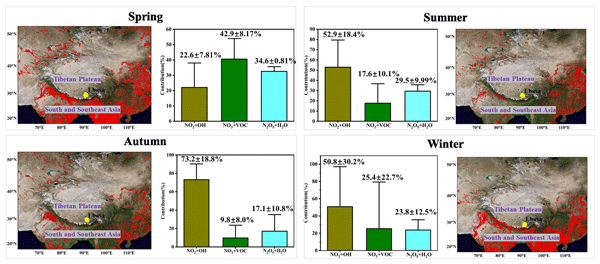
In this study, we present the first report on the annual variation of stable oxygen isotope anomalies in nitrate (NO3−) collected from the urban area of Lhasa, on the Tibetan Plateau, China. Using a Bayesian isotope mixture model, we found that the relative contribution of the NO3 + volatile organic compound (VOC) pathway to NO3− formation in spring in Lhasa was several times higher than that in urban cities, highlighting the significant influence of VOCs transported from outside the Tibetan Plateau.
Zheng Yang, Qiaoqiao Wang, Qiyuan Wang, Nan Ma, Jie Tian, Yaqing Zhou, Ge Xu, Miao Gao, Xiaoxian Zhou, Yang Zhang, Weikang Ran, Ning Yang, Jiangchuan Tao, Juan Hong, Yunfei Wu, Junji Cao, Hang Su, and Yafang Cheng
Atmos. Chem. Phys., 25, 11051–11065, https://doi.org/10.5194/acp-25-11051-2025, https://doi.org/10.5194/acp-25-11051-2025, 2025
Short summary
Short summary
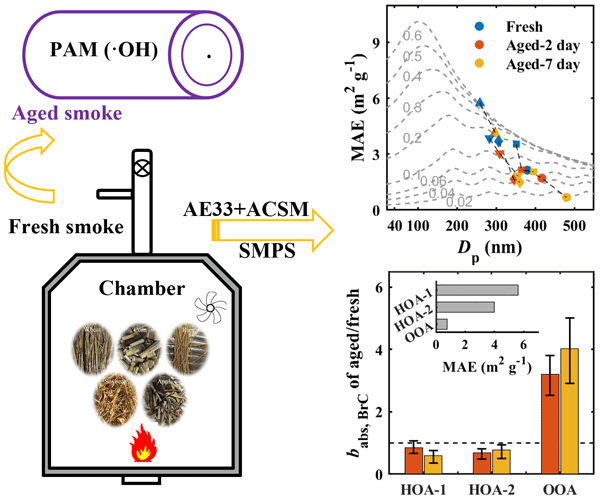
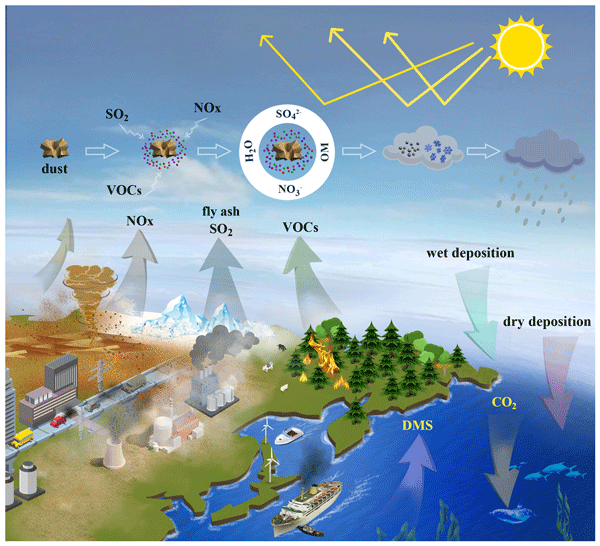
Our results demonstrate that the reduction in mass absorption efficiency from biomass burning is mainly driven by the decline in the imaginary part, with particle size playing a minor role. And light absorption of oxygenated brown carbon (BrC) increases significantly with aging, but hydrocarbon-like BrC decreases over time. These results emphasize the necessity to classify BrC into different groups based on their mass absorption efficiency and atmospheric behavior in climate models.
Yifan Zhang, Rui Li, Zachary B. Bunnell, Yizhu Chen, Guanhong Zhu, Jinlong Ma, Guohua Zhang, Tim M. Conway, and Mingjin Tang
Atmos. Chem. Phys., 25, 11067–11086, https://doi.org/10.5194/acp-25-11067-2025, https://doi.org/10.5194/acp-25-11067-2025, 2025
Short summary
Short summary
The sources of aerosol Fe, especially soluble aerosol Fe, remain to be constrained. The stable isotope ratio of Fe has emerged as a potential tracer for discriminating and quantifying sources of aerosol Fe. In this review, we examine the state of the field for using Fe isotopes as an aerosol source tracer, and constraints on endmember signatures.
Yunqian Zhu, Hideharu Akiyoshi, Valentina Aquila, Elizabeth Asher, Ewa M. Bednarz, Slimane Bekki, Christoph Brühl, Amy H. Butler, Parker Case, Simon Chabrillat, Gabriel Chiodo, Margot Clyne, Peter R. Colarco, Sandip Dhomse, Lola Falletti, Eric Fleming, Ben Johnson, Andrin Jörimann, Mahesh Kovilakam, Gerbrand Koren, Ales Kuchar, Nicolas Lebas, Qing Liang, Cheng-Cheng Liu, Graham Mann, Michael Manyin, Marion Marchand, Olaf Morgenstern, Paul Newman, Luke D. Oman, Freja F. Østerstrøm, Yifeng Peng, David Plummer, Ilaria Quaglia, William Randel, Samuel Rémy, Takashi Sekiya, Stephen Steenrod, Timofei Sukhodolov, Simone Tilmes, Kostas Tsigaridis, Rei Ueyama, Daniele Visioni, Xinyue Wang, Shingo Watanabe, Yousuke Yamashita, Pengfei Yu, Wandi Yu, Jun Zhang, and Zhihong Zhuo
Geosci. Model Dev., 18, 5487–5512, https://doi.org/10.5194/gmd-18-5487-2025, https://doi.org/10.5194/gmd-18-5487-2025, 2025
Short summary
Short summary
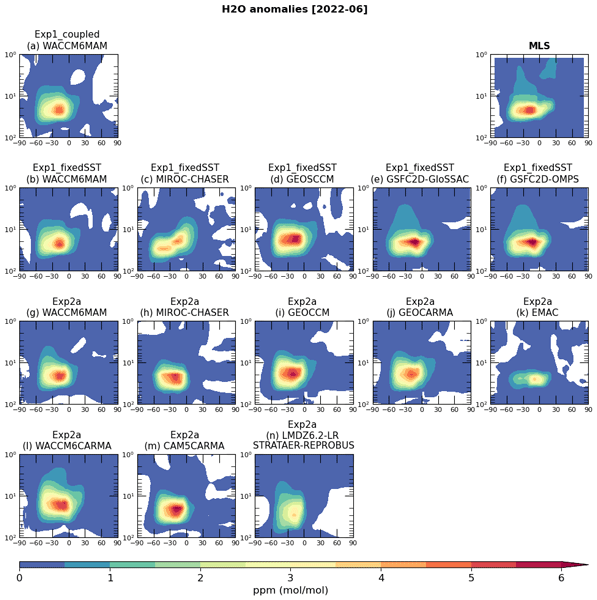
To understand the climate impact of the 2022 Hunga volcanic eruption, we developed a climate model–observation comparison project. The paper describes the protocols and models that participate in the experiments. We designed several experiments to achieve our goals of this activity: (1) to evaluate the climate model performance and (2) to understand the Earth system responses to this eruption.
Xiufeng Lian, Yongjiang Xu, Fengxian Liu, Long Peng, Xiaodong Hu, Guigang Tang, Xu Dao, Hui Guo, Liwei Wang, Bo Huang, Chunlei Cheng, Lei Li, Guohua Zhang, Xinhui Bi, Xiaofei Wang, Zhen Zhou, and Mei Li
Atmos. Chem. Phys., 25, 8891–8905, https://doi.org/10.5194/acp-25-8891-2025, https://doi.org/10.5194/acp-25-8891-2025, 2025
Short summary
Short summary
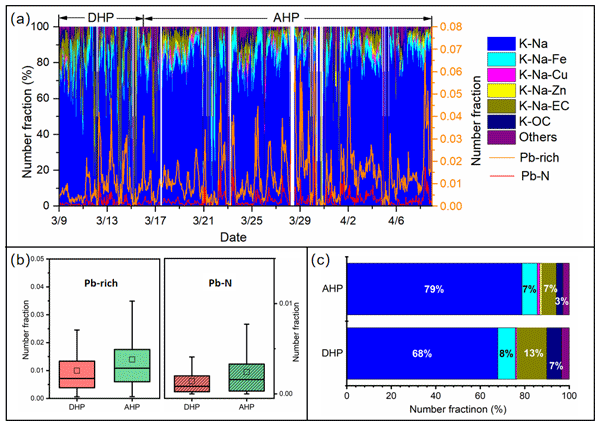
In this study, we analyzed the mixing state and atmospheric chemical processes of Pb-rich single particles in Beijing. We focused on analyzing the differences in Pb-rich particles between the heating period and non-heating period, as well as the formation mechanism of lead nitrate after coal-to-gas conversion. Our results highlighted the improvement of Pb levels in the particulate as a result of coal-to-gas conversion.
Zhouxing Zou, Tianshu Chen, Qianjie Chen, Weihang Sun, Shichun Han, Zhuoyue Ren, Xinyi Li, Wei Song, Aoqi Ge, Qi Wang, Xiao Tian, Chenglei Pei, Xinming Wang, Yanli Zhang, and Tao Wang
Atmos. Chem. Phys., 25, 8147–8161, https://doi.org/10.5194/acp-25-8147-2025, https://doi.org/10.5194/acp-25-8147-2025, 2025
Short summary
Short summary
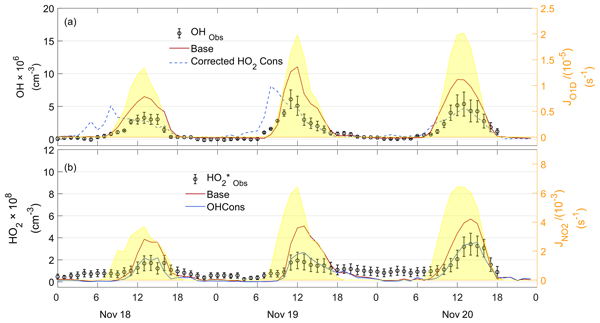
We measured ambient OH and HO2* (HO2 and contribution from RO2, organic peroxyl radicals) concentrations at a subtropical rural site and compared our observations with model results. During warm periods, the model overestimated concentrations of OH and HO2, leading to overestimation of ozone and nitric acid production. Our findings highlight the need to better understand how OH and HO2 are formed and removed, which is important for accurate air quality and climate predictions.
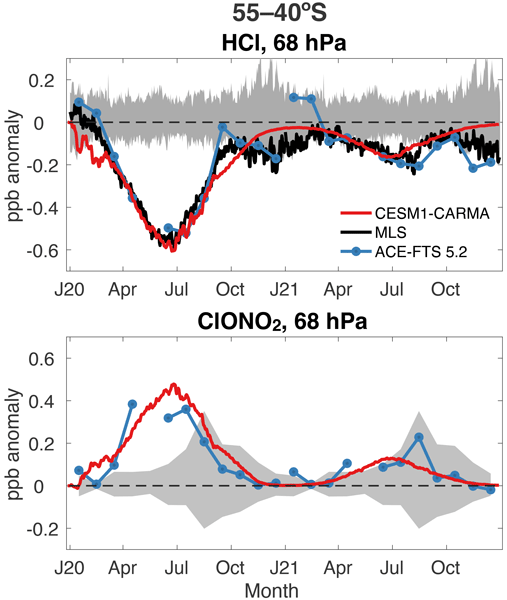
Kane Stone, Susan Solomon, Pengfei Yu, Daniel M. Murphy, Douglas Kinnison, and Jian Guan
Atmos. Chem. Phys., 25, 7683–7697, https://doi.org/10.5194/acp-25-7683-2025, https://doi.org/10.5194/acp-25-7683-2025, 2025
Short summary
Short summary
The Australian 2019–2020 wildfires injected a substantial amount of smoke into the upper atmosphere, causing unusual chemical reactions that altered the chemical makeup of the upper atmosphere. This led to ozone depletion in the Southern Hemisphere midlatitudes that likely did not fully recover until 2 years after the initial event due to the persistent chemical effects of the smoke.
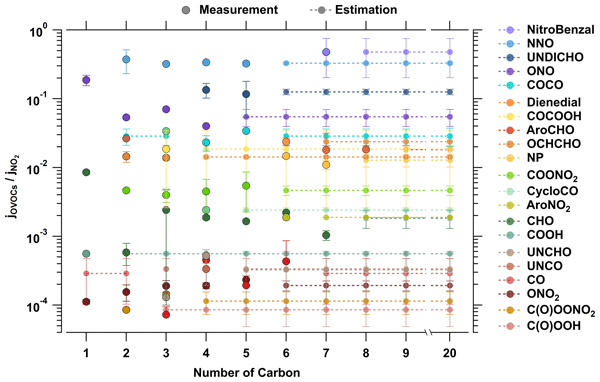
Yuwen Peng, Bin Yuan, Sihang Wang, Xin Song, Zhe Peng, Wenjie Wang, Suxia Yang, Jipeng Qi, Xianjun He, Yibo Huangfu, Xiao-Bing Li, and Min Shao
Atmos. Chem. Phys., 25, 7037–7052, https://doi.org/10.5194/acp-25-7037-2025, https://doi.org/10.5194/acp-25-7037-2025, 2025
Short summary
Short summary
A structural-based parameterization for the photolysis rates of oxygenated volatile organic compounds (OVOCs) was integrated into an updated chemical mechanism. This method links photolysis rates to species' structure, bypassing limitations of insufficient quantum yield data. Box model results show that non-HCHO OVOCs, particularly multifunctional carbonyl compounds, significantly contribute to radical production, with alkene and aromatic oxidation products playing key roles.
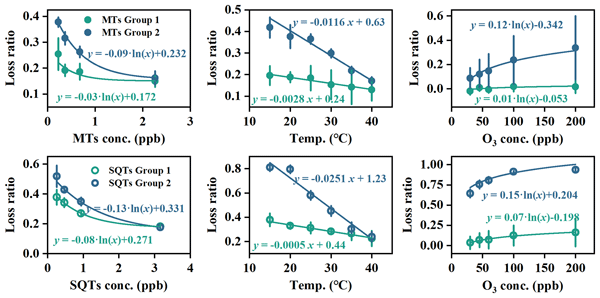
Jianqiang Zeng, Yanli Zhang, Haofan Ran, Weihua Pang, Hao Guo, Zhaobin Mu, Wei Song, and Xinming Wang
Atmos. Meas. Tech., 18, 1811–1821, https://doi.org/10.5194/amt-18-1811-2025, https://doi.org/10.5194/amt-18-1811-2025, 2025
Short summary
Short summary
This study revealed the existence of significant species-specific adsorptive and reactive losses of monoterpenes and sesquiterpenes in dynamic chambers. The deuterated α-pinene-d3 and β-caryophyllene-d2 were proven as effective surrogates in tracing these losses for some key monoterpenes and sesquiterpenes. The findings highlight the importance of selecting internal surrogates that closely match the adsorptive and reactive behaviors of target compounds for precise loss correction.
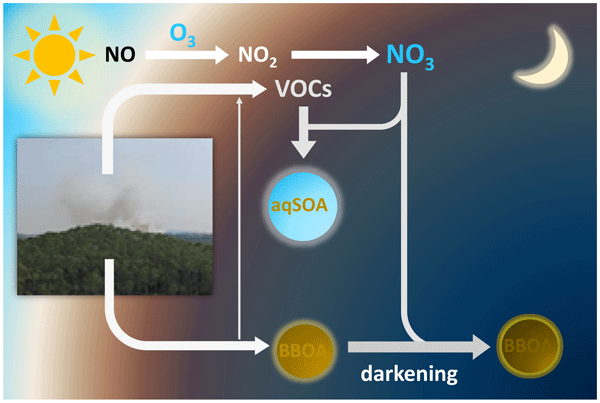
Ye Kuang, Biao Luo, Shan Huang, Junwen Liu, Weiwei Hu, Yuwen Peng, Duohong Chen, Dingli Yue, Wanyun Xu, Bin Yuan, and Min Shao
Atmos. Chem. Phys., 25, 3737–3752, https://doi.org/10.5194/acp-25-3737-2025, https://doi.org/10.5194/acp-25-3737-2025, 2025
Short summary
Short summary
This research reveals the potential importance of nighttime NO3 radical chemistry and aerosol water in the rapid formation of secondary brown carbon from diluted biomass burning emissions. The findings enhance our understanding of nighttime biomass burning evolution and its implications for climate and regional air quality, especially regarding interactions with background aerosol water and water-rich fogs and clouds.
Xiao-Bing Li, Bin Yuan, Yibo Huangfu, Suxia Yang, Xin Song, Jipeng Qi, Xianjun He, Sihang Wang, Yubin Chen, Qing Yang, Yongxin Song, Yuwen Peng, Guiqian Tang, Jian Gao, Dasa Gu, and Min Shao
Atmos. Chem. Phys., 25, 2459–2472, https://doi.org/10.5194/acp-25-2459-2025, https://doi.org/10.5194/acp-25-2459-2025, 2025
Short summary
Short summary
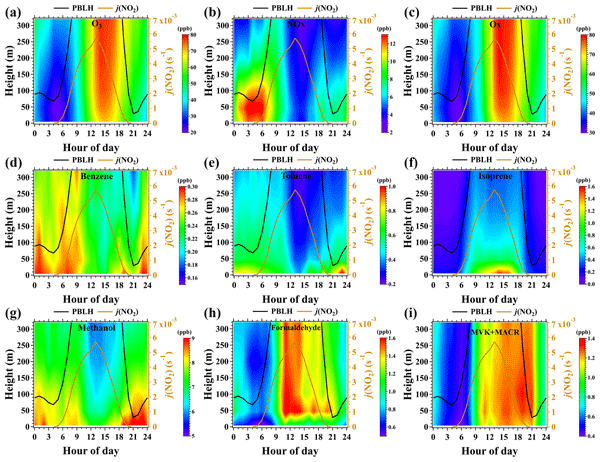
Online vertical gradient measurements of volatile organic compounds (VOCs), ozone, and NOx were conducted based on a 325 m tall tower in urban Beijing. Vertical changes in the concentrations, compositions, key drivers, and environmental impacts of VOCs were analyzed in this study. We find that VOC species display differentiated vertical variation patterns and distinct roles in contributing to photochemical ozone formation with increasing height in the urban planetary boundary layer.
Mingfu Cai, Chenshuo Ye, Bin Yuan, Shan Huang, E Zheng, Suxia Yang, Zelong Wang, Yi Lin, Tiange Li, Weiwei Hu, Wei Chen, Qicong Song, Wei Li, Yuwen Peng, Baoling Liang, Qibin Sun, Jun Zhao, Duohong Chen, Jiaren Sun, Zhiyong Yang, and Min Shao
Atmos. Chem. Phys., 24, 13065–13079, https://doi.org/10.5194/acp-24-13065-2024, https://doi.org/10.5194/acp-24-13065-2024, 2024
Short summary
Short summary
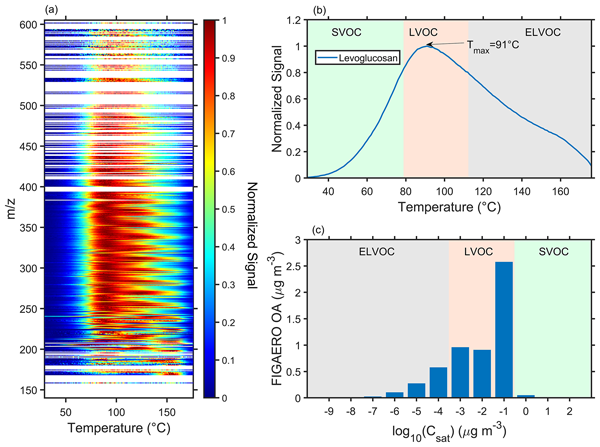
This study investigated the daytime secondary organic aerosol (SOA) formation in urban plumes. We observed a significant daytime SOA formation through gas–particle partitioning when the site was affected by urban plumes. A box model simulation indicated that urban pollutants (nitrogen oxide and volatile organic compounds) could enhance the oxidizing capacity, while the elevated volatile organic compounds were mainly responsible for promoting daytime SOA formation.
Jia Sun, Markus Hermann, Kay Weinhold, Maik Merkel, Wolfram Birmili, Yifan Yang, Thomas Tuch, Harald Flentje, Björn Briel, Ludwig Ries, Cedric Couret, Michael Elsasser, Ralf Sohmer, Klaus Wirtz, Frank Meinhardt, Maik Schütze, Olaf Bath, Bryan Hellack, Veli-Matti Kerminen, Markku Kulmala, Nan Ma, and Alfred Wiedensohler
Atmos. Chem. Phys., 24, 10667–10687, https://doi.org/10.5194/acp-24-10667-2024, https://doi.org/10.5194/acp-24-10667-2024, 2024
Short summary
Short summary
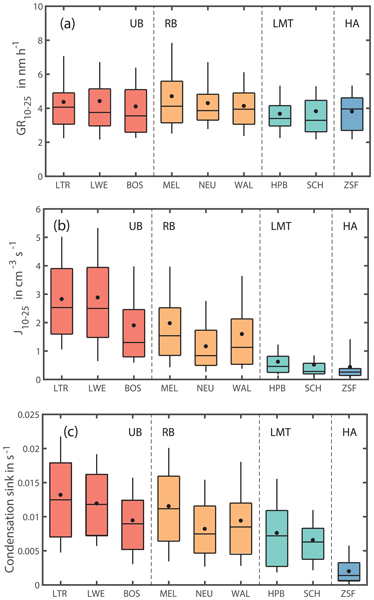
We investigated the characteristics of new particle formation (NPF) for various environments from urban background to high Alpine and the impacts of NPF on cloud condensation nuclei and aerosol radiative forcing. NPF features differ between site categories, implying the crucial role of local environmental factors such as the degree of emissions and meteorological conditions. The results also underscore the importance of local environments when assessing the impact of NPF on climate in models.
Shengqian Zhou, Ying Chen, Shan Huang, Xianda Gong, Guipeng Yang, Honghai Zhang, Hartmut Herrmann, Alfred Wiedensohler, Laurent Poulain, Yan Zhang, Fanghui Wang, Zongjun Xu, and Ke Yan
Earth Syst. Sci. Data, 16, 4267–4290, https://doi.org/10.5194/essd-16-4267-2024, https://doi.org/10.5194/essd-16-4267-2024, 2024
Short summary
Short summary
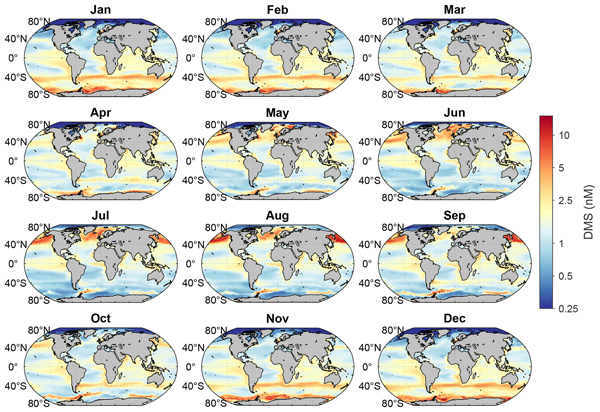
Dimethyl sulfide (DMS) is a crucial natural reactive gas in the global climate system due to its great contribution to aerosols and subsequent impact on clouds over remote oceans. Leveraging machine learning techniques, we constructed a long-term global sea surface DMS gridded dataset with daily resolution. Compared to previous datasets, our new dataset holds promise for improving atmospheric chemistry modeling and advancing our comprehension of the climate effects associated with oceanic DMS.
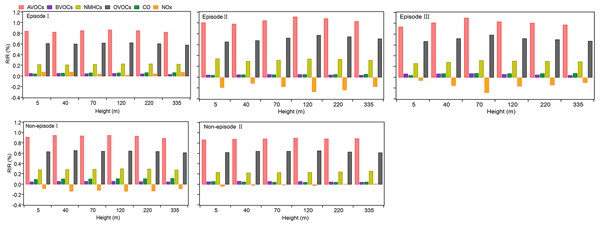
Jun Zhou, Chunsheng Zhang, Aiming Liu, Bin Yuan, Yan Wang, Wenjie Wang, Jie-Ping Zhou, Yixin Hao, Xiao-Bing Li, Xianjun He, Xin Song, Yubin Chen, Suxia Yang, Shuchun Yang, Yanfeng Wu, Bin Jiang, Shan Huang, Junwen Liu, Yuwen Peng, Jipeng Qi, Minhui Deng, Bowen Zhong, Yibo Huangfu, and Min Shao
Atmos. Chem. Phys., 24, 9805–9826, https://doi.org/10.5194/acp-24-9805-2024, https://doi.org/10.5194/acp-24-9805-2024, 2024
Short summary
Short summary
In-depth understanding of the near-ground vertical variability in photochemical ozone (O3) formation is crucial for mitigating O3 pollution. Utilizing a self-built vertical observation system, a direct net photochemical O3 production rate detection system, and an observation-based model, we diagnosed the vertical distributions and formation mechanism of net photochemical O3 production rates and sensitivity in the Pearl River Delta region, one of the most O3-polluted areas in China.
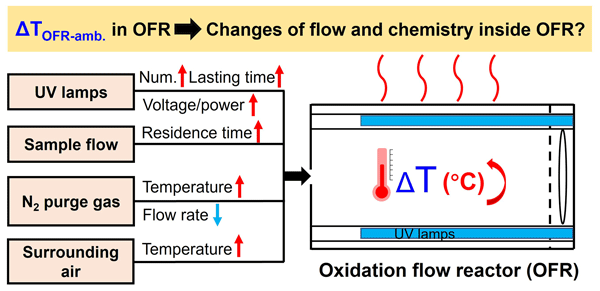
Tianle Pan, Andrew T. Lambe, Weiwei Hu, Yicong He, Minghao Hu, Huaishan Zhou, Xinming Wang, Qingqing Hu, Hui Chen, Yue Zhao, Yuanlong Huang, Doug R. Worsnop, Zhe Peng, Melissa A. Morris, Douglas A. Day, Pedro Campuzano-Jost, Jose-Luis Jimenez, and Shantanu H. Jathar
Atmos. Meas. Tech., 17, 4915–4939, https://doi.org/10.5194/amt-17-4915-2024, https://doi.org/10.5194/amt-17-4915-2024, 2024
Short summary
Short summary
This study systematically characterizes the temperature enhancement in the lamp-enclosed oxidation flow reactor (OFR). The enhancement varied multiple dimensional factors, emphasizing the complexity of temperature inside of OFR. The effects of temperature on the flow field and gas- or particle-phase reaction inside OFR were also evaluated with experiments and model simulations. Finally, multiple mitigation strategies were demonstrated to minimize this temperature increase.
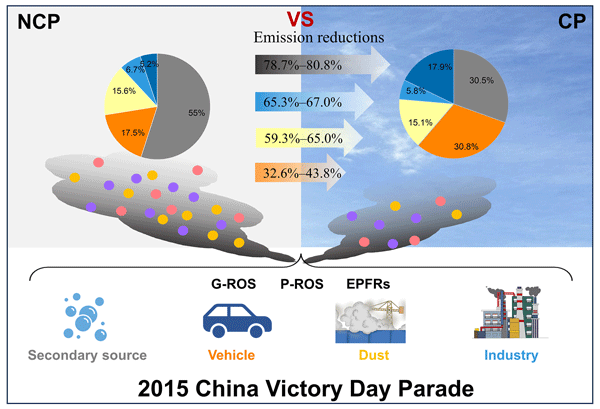
Yuanyuan Qin, Xinghua Zhang, Wei Huang, Juanjuan Qin, Xiaoyu Hu, Yuxuan Cao, Tianyi Zhao, Yang Zhang, Jihua Tan, Ziyin Zhang, Xinming Wang, and Zhenzhen Wang
Atmos. Chem. Phys., 24, 8737–8750, https://doi.org/10.5194/acp-24-8737-2024, https://doi.org/10.5194/acp-24-8737-2024, 2024
Short summary
Short summary
Environmental persistent free radicals (EPFRs) and reactive oxygen species (ROSs) play an active role in the atmosphere. Despite control measures having effectively reduced their emissions, reductions were less than in PM2.5. Emission control measures performed well in achieving Parade Blue, but reducing the impact of the atmosphere on human health remains challenging. Thus, there is a need to reassess emission control measures to better address the challenges posed by EPFRs and ROSs.
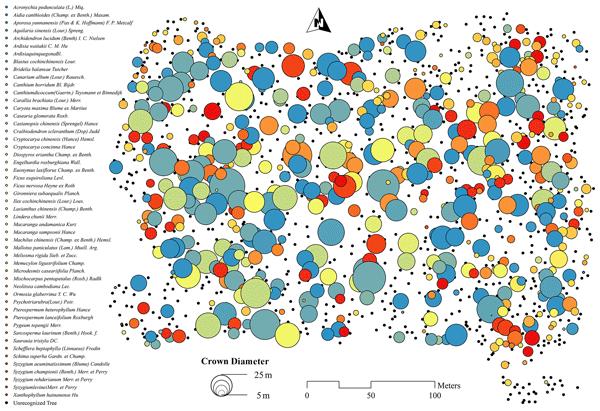
Xianzhong Duan, Ming Chang, Guotong Wu, Suping Situ, Shengjie Zhu, Qi Zhang, Yibo Huangfu, Weiwen Wang, Weihua Chen, Bin Yuan, and Xuemei Wang
Atmos. Meas. Tech., 17, 4065–4079, https://doi.org/10.5194/amt-17-4065-2024, https://doi.org/10.5194/amt-17-4065-2024, 2024
Short summary
Short summary
Accurately estimating biogenic volatile organic compound (BVOC) emissions in forest ecosystems has been challenging. This research presents a framework that utilizes drone-based lidar, photogrammetry, and image recognition technologies to identify plant species and estimate BVOC emissions. The largest cumulative isoprene emissions were found in the Myrtaceae family, while those of monoterpenes were from the Rubiaceae family.
Juanjuan Qin, Leiming Zhang, Yuanyuan Qin, Shaoxuan Shi, Jingnan Li, Zhao Shu, Yuwei Gao, Ting Qi, Jihua Tan, and Xinming Wang
Atmos. Chem. Phys., 24, 7575–7589, https://doi.org/10.5194/acp-24-7575-2024, https://doi.org/10.5194/acp-24-7575-2024, 2024
Short summary
Short summary
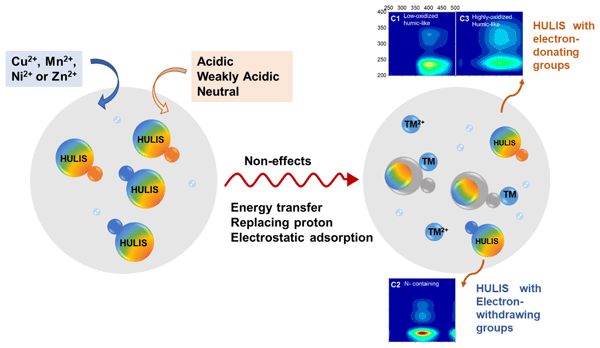
The present research unveiled that acidity dominates while transition metal ions harmonize with the light absorption properties of humic-like substances (HULIS). Cu2+ has quenching effects on HULIS by complexation, hydrogen substitution, or electrostatic adsorption, with aromatic structures of HULIS. Such effects are less pronounced if from Mn2+, Ni2+, Zn2+, and Cu2+. Oxidized HULIS might contain electron-donating groups, whereas N-containing compounds might contain electron-withdrawing groups.
Sihang Wang, Bin Yuan, Xianjun He, Ru Cui, Xin Song, Yubin Chen, Caihong Wu, Chaomin Wang, Yibo Huangfu, Xiao-Bing Li, Boguang Wang, and Min Shao
Atmos. Chem. Phys., 24, 7101–7121, https://doi.org/10.5194/acp-24-7101-2024, https://doi.org/10.5194/acp-24-7101-2024, 2024
Short summary
Short summary
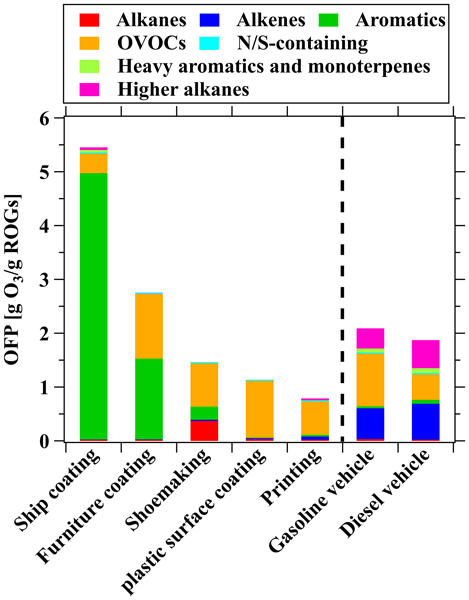
Emissions of reactive organic gases from industrial volatile chemical product sources are measured. There are large differences among these industrial sources. We show that oxygenated species account for significant contributions to reactive organic gas emissions, especially for industrial sources utilizing water-borne chemicals.
Wei Sun, Xiaodong Hu, Yuzhen Fu, Guohua Zhang, Yujiao Zhu, Xinfeng Wang, Caiqing Yan, Likun Xue, He Meng, Bin Jiang, Yuhong Liao, Xinming Wang, Ping'an Peng, and Xinhui Bi
Atmos. Chem. Phys., 24, 6987–6999, https://doi.org/10.5194/acp-24-6987-2024, https://doi.org/10.5194/acp-24-6987-2024, 2024
Short summary
Short summary
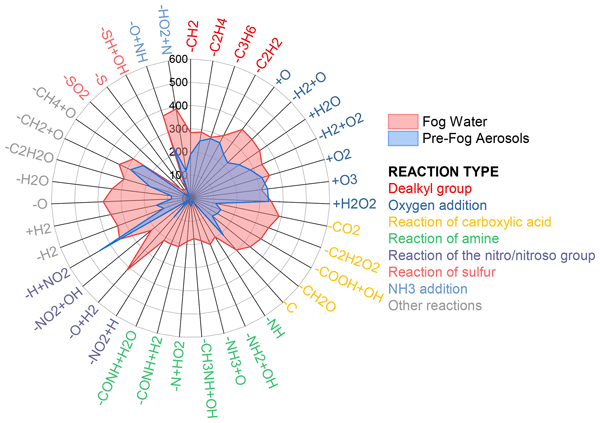
The formation pathways of nitrogen-containing compounds (NOCs) in the atmosphere remain unclear. We investigated the composition of aerosols and fog water by state-of-the-art mass spectrometry and compared the formation pathways of NOCs. We found that NOCs in aerosols were mainly formed through nitration reaction, while ammonia addition played a more important role in fog water. The results deepen our understanding of the processes of organic particulate pollution.
Qing Yang, Xiao-Bing Li, Bin Yuan, Xiaoxiao Zhang, Yibo Huangfu, Lei Yang, Xianjun He, Jipeng Qi, and Min Shao
Atmos. Chem. Phys., 24, 6865–6882, https://doi.org/10.5194/acp-24-6865-2024, https://doi.org/10.5194/acp-24-6865-2024, 2024
Short summary
Short summary
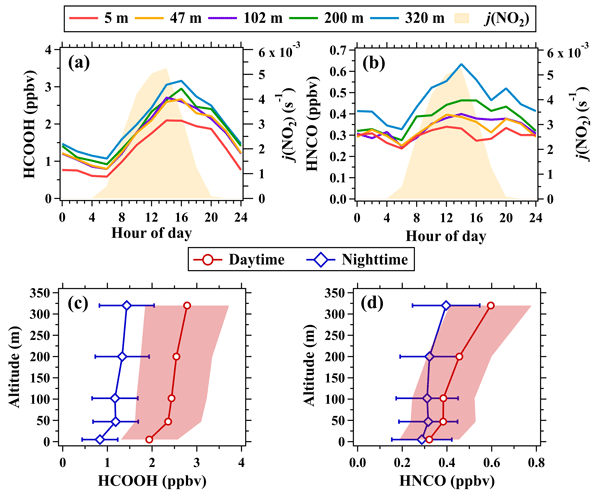
Online vertical gradient measurements of formic and isocyanic acids were made based on a 320 m tower in a megacity. Vertical variations and sources of the two acids were analyzed in this study. We find that formic and isocyanic acids exhibited positive vertical gradients and were mainly contributed by photochemical formations. The formation of formic and isocyanic acids was also significantly enhanced in urban regions aloft.
Karam Mansour, Stefano Decesari, Darius Ceburnis, Jurgita Ovadnevaite, Lynn M. Russell, Marco Paglione, Laurent Poulain, Shan Huang, Colin O'Dowd, and Matteo Rinaldi
Earth Syst. Sci. Data, 16, 2717–2740, https://doi.org/10.5194/essd-16-2717-2024, https://doi.org/10.5194/essd-16-2717-2024, 2024
Short summary
Short summary
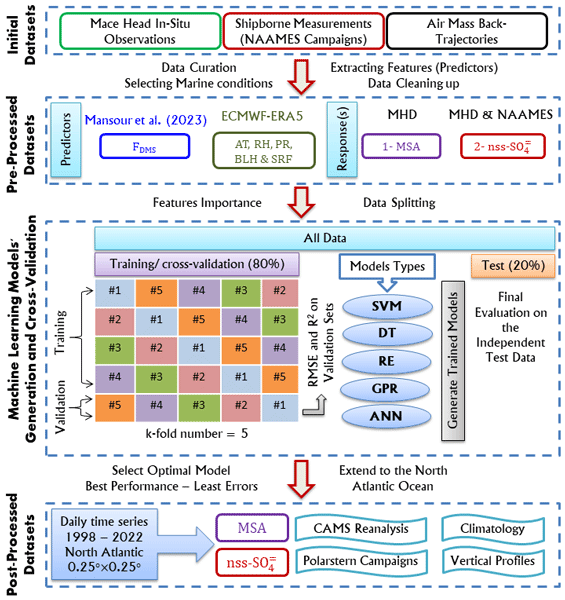
We propose and evaluate machine learning predictive algorithms to model freshly formed biogenic methanesulfonic acid and sulfate concentrations. The long-term constructed dataset covers the North Atlantic at an unprecedented resolution. The improved parameterization of biogenic sulfur aerosols at regional scales is essential for determining their radiative forcing, which could help further understand marine-aerosol–cloud interactions and reduce uncertainties in climate models
Ming Chu, Xing Wei, Shangfei Hai, Yang Gao, Huiwang Gao, Yujiao Zhu, Biwu Chu, Nan Ma, Juan Hong, Yele Sun, and Xiaohong Yao
Atmos. Chem. Phys., 24, 6769–6786, https://doi.org/10.5194/acp-24-6769-2024, https://doi.org/10.5194/acp-24-6769-2024, 2024
Short summary
Short summary
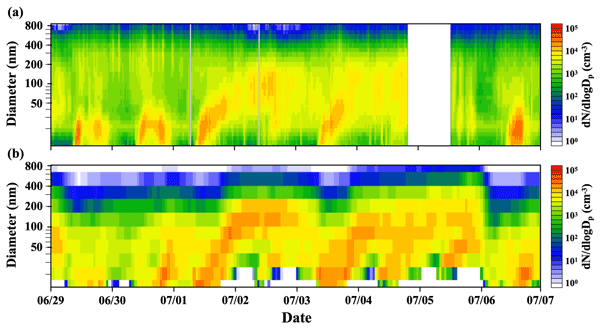
We used a 20-bin WRF-Chem model to simulate NPF events in the NCP during a three-week observational period in the summer of 2019. The model was able to reproduce the observations during June 29–July 6, which was characterized by a high frequency of NPF occurrence.
Ping Liu, Xiang Ding, Bo-Xuan Li, Yu-Qing Zhang, Daniel J. Bryant, and Xin-Ming Wang
Atmos. Meas. Tech., 17, 3067–3079, https://doi.org/10.5194/amt-17-3067-2024, https://doi.org/10.5194/amt-17-3067-2024, 2024
Short summary
Short summary
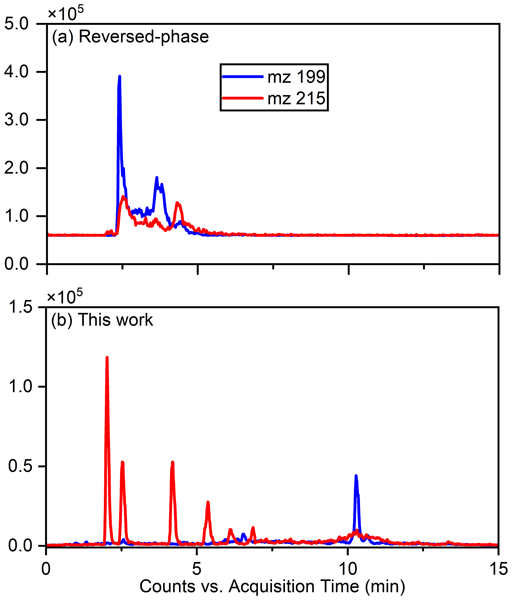
In this paper, we further optimize the measurement of atmospheric organosulfates by hydrophilic interaction liquid chromatography (HILIC), offering an improved method for quantifying and speciating atmospheric organosulfates. These efforts will contribute to a deeper understanding of secondary organic aerosol precursors, formation mechanisms, and the contribution of organosulfate to atmospheric aerosols, ultimately guiding research in the field of air pollution prevention and control.

Christina V. Brodowsky, Timofei Sukhodolov, Gabriel Chiodo, Valentina Aquila, Slimane Bekki, Sandip S. Dhomse, Michael Höpfner, Anton Laakso, Graham W. Mann, Ulrike Niemeier, Giovanni Pitari, Ilaria Quaglia, Eugene Rozanov, Anja Schmidt, Takashi Sekiya, Simone Tilmes, Claudia Timmreck, Sandro Vattioni, Daniele Visioni, Pengfei Yu, Yunqian Zhu, and Thomas Peter
Atmos. Chem. Phys., 24, 5513–5548, https://doi.org/10.5194/acp-24-5513-2024, https://doi.org/10.5194/acp-24-5513-2024, 2024
Short summary
Short summary
The aerosol layer is an essential part of the climate system. We characterize the sulfur budget in a volcanically quiescent (background) setting, with a special focus on the sulfate aerosol layer using, for the first time, a multi-model approach. The aim is to identify weak points in the representation of the atmospheric sulfur budget in an intercomparison of nine state-of-the-art coupled global circulation models.
Zhiqiang Zhang, Ying Li, Haiyan Ran, Junling An, Yu Qu, Wei Zhou, Weiqi Xu, Weiwei Hu, Hongbin Xie, Zifa Wang, Yele Sun, and Manabu Shiraiwa
Atmos. Chem. Phys., 24, 4809–4826, https://doi.org/10.5194/acp-24-4809-2024, https://doi.org/10.5194/acp-24-4809-2024, 2024
Short summary
Short summary
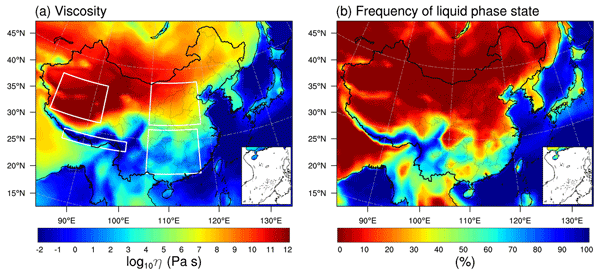
Secondary organic aerosols (SOAs) can exist in liquid, semi-solid, or amorphous solid states, which are rarely accounted for in current chemical transport models. We predict the phase state of SOA particles over China and find that in northwestern China SOA particles are mostly highly viscous or glassy solid. Our results indicate that the particle phase state should be considered in SOA formation in chemical transport models for more accurate prediction of SOA mass concentrations.
Fangbing Li, Dan Dan Huang, Linhui Tian, Bin Yuan, Wen Tan, Liang Zhu, Penglin Ye, Douglas Worsnop, Ka In Hoi, Kai Meng Mok, and Yong Jie Li
Atmos. Meas. Tech., 17, 2415–2427, https://doi.org/10.5194/amt-17-2415-2024, https://doi.org/10.5194/amt-17-2415-2024, 2024
Short summary
Short summary
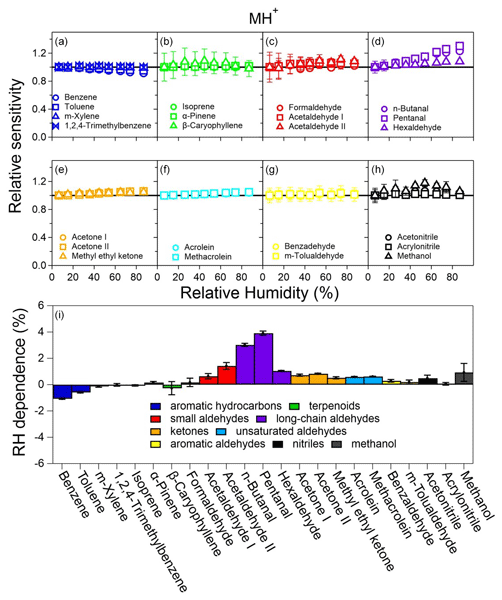
The responses of protonated, adduct, and fragmented ions of 21 volatile organic compounds (VOCs) were investigated with varying instrument settings and relative humidity (RH) in a Vocus proton-transfer-reaction mass spectrometer (PTR-MS). The protonated ions of most VOCs studied show < 15 % variation in sensitivity, except for some long-chain aldehydes. The relationship between sensitivity and PTR rate constant is complicated by the influences from ion transmission and protonated ion fraction.
Wenjie Wang, Bin Yuan, Hang Su, Yafang Cheng, Jipeng Qi, Sihang Wang, Wei Song, Xinming Wang, Chaoyang Xue, Chaoqun Ma, Fengxia Bao, Hongli Wang, Shengrong Lou, and Min Shao
Atmos. Chem. Phys., 24, 4017–4027, https://doi.org/10.5194/acp-24-4017-2024, https://doi.org/10.5194/acp-24-4017-2024, 2024
Short summary
Short summary
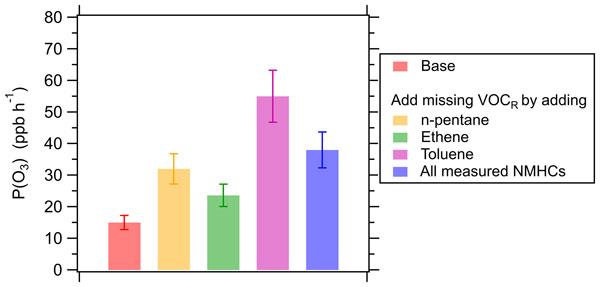
This study investigates the important role of unmeasured volatile organic compounds (VOCs) in ozone formation. Based on results in a megacity of China, we show that unmeasured VOCs can contribute significantly to ozone fomation and also influence the determination of ozone control strategy. Our results show that these unmeasured VOCs are mainly from human sources.
Hua Fang, Ting Wu, Shutan Ma, Qina Jia, Fengyu Zan, Juan Zhao, Jintao Zhang, Zhi Yang, Hongling Xu, Yuzhe Huang, and Xinming Wang
EGUsphere, https://doi.org/10.5194/egusphere-2023-2998, https://doi.org/10.5194/egusphere-2023-2998, 2024
Preprint archived
Short summary
Short summary
Using in situ VOC flux measurements, we reveal that the freshwater wetland is a potential source of atmospheric VOCs and that litter decomposition enhances net VOC emission. Ambient temperature is the key factor driving the seasonal variation of net VOC flux. Notably, the release or uptake of VOCs varies depending on chemical groups and is jointly controlled by biotic and abiotic processes.
Weilun Zhao, Ying Li, Gang Zhao, Song Guo, Nan Ma, Shuya Hu, and Chunsheng Zhao
Atmos. Chem. Phys., 23, 14889–14902, https://doi.org/10.5194/acp-23-14889-2023, https://doi.org/10.5194/acp-23-14889-2023, 2023
Short summary
Short summary
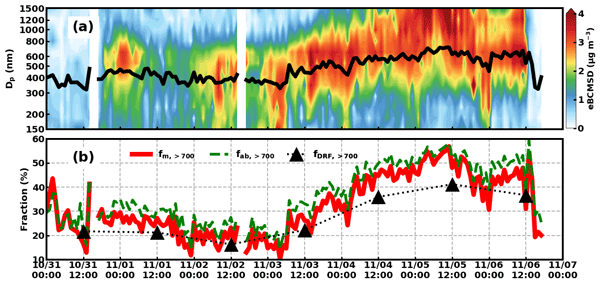
Studies have concentrated on particles containing black carbon (BC) smaller than 700 nm because of technical limitations. In this study, BC-containing particles larger than 700 nm (BC>700) were measured, highlighting their importance to total BC mass and absorption. The contribution of BC>700 to the BC direct radiative effect was estimated, highlighting the necessity to consider the whole size range of BC-containing particles in the model estimation of BC radiative effects.
Simone Tilmes, Michael J. Mills, Yunqian Zhu, Charles G. Bardeen, Francis Vitt, Pengfei Yu, David Fillmore, Xiaohong Liu, Brian Toon, and Terry Deshler
Geosci. Model Dev., 16, 6087–6125, https://doi.org/10.5194/gmd-16-6087-2023, https://doi.org/10.5194/gmd-16-6087-2023, 2023
Short summary
Short summary
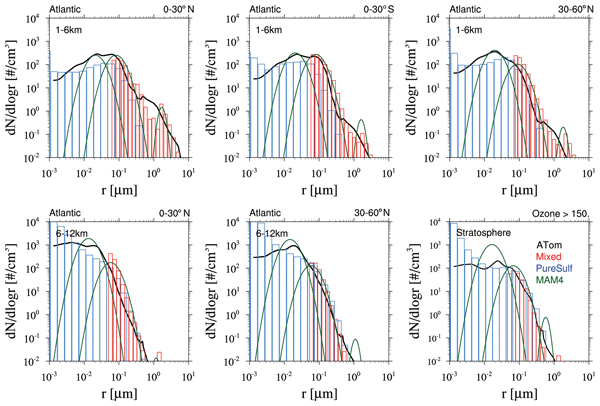
We implemented an alternative aerosol scheme in the high- and low-top model versions of the Community Earth System Model Version 2 (CESM2) with a more detailed description of tropospheric and stratospheric aerosol size distributions than the existing aerosol model. This development enables the comparison of different aerosol schemes with different complexity in the same model framework. It identifies improvements compared to a range of observations in both the troposphere and stratosphere.
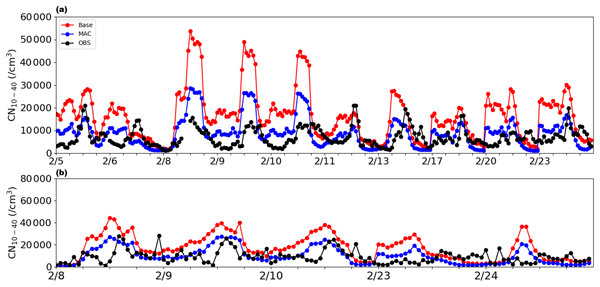
Chupeng Zhang, Shangfei Hai, Yang Gao, Yuhang Wang, Shaoqing Zhang, Lifang Sheng, Bin Zhao, Shuxiao Wang, Jingkun Jiang, Xin Huang, Xiaojing Shen, Junying Sun, Aura Lupascu, Manish Shrivastava, Jerome D. Fast, Wenxuan Cheng, Xiuwen Guo, Ming Chu, Nan Ma, Juan Hong, Qiaoqiao Wang, Xiaohong Yao, and Huiwang Gao
Atmos. Chem. Phys., 23, 10713–10730, https://doi.org/10.5194/acp-23-10713-2023, https://doi.org/10.5194/acp-23-10713-2023, 2023
Short summary
Short summary
New particle formation is an important source of atmospheric particles, exerting critical influences on global climate. Numerical models are vital tools to understanding atmospheric particle evolution, which, however, suffer from large biases in simulating particle numbers. Here we improve the model chemical processes governing particle sizes and compositions. The improved model reveals substantial contributions of newly formed particles to climate through effects on cloud condensation nuclei.
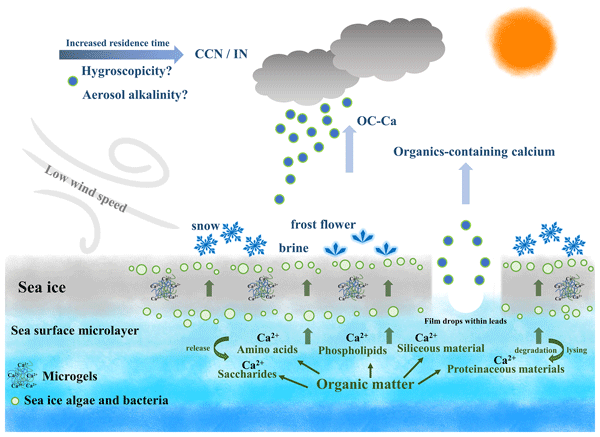
Bojiang Su, Xinhui Bi, Zhou Zhang, Yue Liang, Congbo Song, Tao Wang, Yaohao Hu, Lei Li, Zhen Zhou, Jinpei Yan, Xinming Wang, and Guohua Zhang
Atmos. Chem. Phys., 23, 10697–10711, https://doi.org/10.5194/acp-23-10697-2023, https://doi.org/10.5194/acp-23-10697-2023, 2023
Short summary
Short summary
During the R/V Xuelong cruise observation over the Ross Sea, Antarctica, the mass concentrations of water-soluble Ca2+ and the mass spectra of individual calcareous particles were measured. Our results indicated that lower temperature, lower wind speed, and the presence of sea ice may facilitate Ca2+ enrichment in sea spray aerosols and highlighted the potential contribution of organically complexed calcium to calcium enrichment, which is inaccurate based solely on water-soluble Ca2+ estimation.
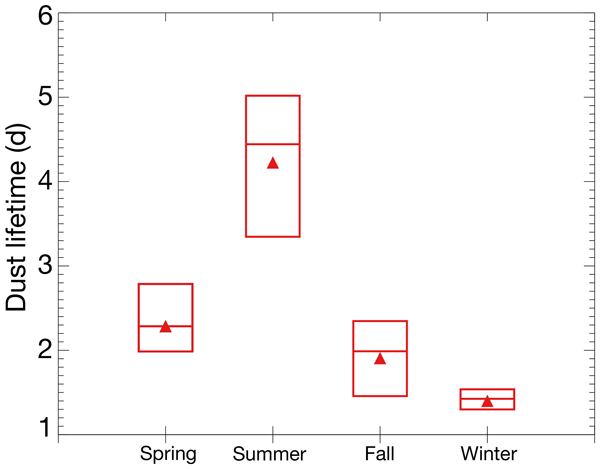
Xurong Wang, Qiaoqiao Wang, Maria Prass, Christopher Pöhlker, Daniel Moran-Zuloaga, Paulo Artaxo, Jianwei Gu, Ning Yang, Xiajie Yang, Jiangchuan Tao, Juan Hong, Nan Ma, Yafang Cheng, Hang Su, and Meinrat O. Andreae
Atmos. Chem. Phys., 23, 9993–10014, https://doi.org/10.5194/acp-23-9993-2023, https://doi.org/10.5194/acp-23-9993-2023, 2023
Short summary
Short summary
In this work, with an optimized particle mass size distribution, we captured observed aerosol optical depth (AOD) and coarse aerosol concentrations over source and/or receptor regions well, demonstrating good performance in simulating export of African dust toward the Amazon Basin. In addition to factors controlling the transatlantic transport of African dust, the study investigated the impact of African dust over the Amazon Basin, including the nutrient inputs associated with dust deposition.
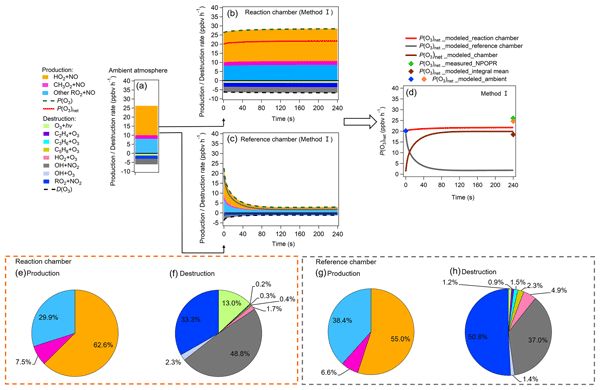
Yixin Hao, Jun Zhou, Jie-Ping Zhou, Yan Wang, Suxia Yang, Yibo Huangfu, Xiao-Bing Li, Chunsheng Zhang, Aiming Liu, Yanfeng Wu, Yaqing Zhou, Shuchun Yang, Yuwen Peng, Jipeng Qi, Xianjun He, Xin Song, Yubin Chen, Bin Yuan, and Min Shao
Atmos. Chem. Phys., 23, 9891–9910, https://doi.org/10.5194/acp-23-9891-2023, https://doi.org/10.5194/acp-23-9891-2023, 2023
Short summary
Short summary
By employing an improved net photochemical ozone production rate (NPOPR) detection system based on the dual-channel reaction chamber technique, we measured the net photochemical ozone production rate in the Pearl River Delta in China. The photochemical ozone formation mechanisms in the reaction and reference chambers were investigated using the observation-data-constrained box model, which helped us to validate the NPOPR detection system and understand photochemical ozone formation mechanism.
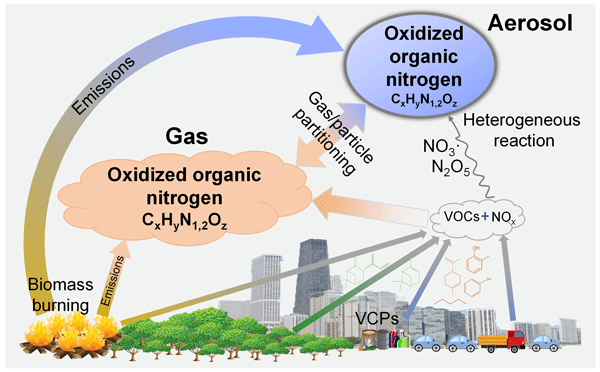
Yiyu Cai, Chenshuo Ye, Wei Chen, Weiwei Hu, Wei Song, Yuwen Peng, Shan Huang, Jipeng Qi, Sihang Wang, Chaomin Wang, Caihong Wu, Zelong Wang, Baolin Wang, Xiaofeng Huang, Lingyan He, Sasho Gligorovski, Bin Yuan, Min Shao, and Xinming Wang
Atmos. Chem. Phys., 23, 8855–8877, https://doi.org/10.5194/acp-23-8855-2023, https://doi.org/10.5194/acp-23-8855-2023, 2023
Short summary
Short summary
We studied the variability and molecular composition of ambient oxidized organic nitrogen (OON) in both gas and particle phases using a state-of-the-art online mass spectrometer in urban air. Biomass burning and secondary formation were found to be the two major sources of OON. Daytime nitrate radical chemistry for OON formation was more important than previously thought. Our results improved the understanding of the sources and molecular composition of OON in the polluted urban atmosphere.
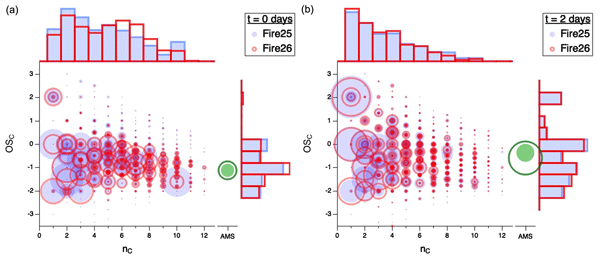
Kevin J. Nihill, Matthew M. Coggon, Christopher Y. Lim, Abigail R. Koss, Bin Yuan, Jordan E. Krechmer, Kanako Sekimoto, Jose L. Jimenez, Joost de Gouw, Christopher D. Cappa, Colette L. Heald, Carsten Warneke, and Jesse H. Kroll
Atmos. Chem. Phys., 23, 7887–7899, https://doi.org/10.5194/acp-23-7887-2023, https://doi.org/10.5194/acp-23-7887-2023, 2023
Short summary
Short summary
In this work, we collect emissions from controlled burns of biomass fuels that can be found in the western United States into an environmental chamber in order to simulate their oxidation as they pass through the atmosphere. These findings provide a detailed characterization of the composition of the atmosphere downwind of wildfires. In turn, this will help to explore the effects of these changing emissions on downwind populations and will also directly inform atmospheric and climate models.
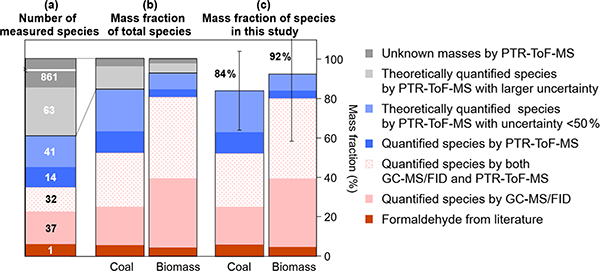
Yaqin Gao, Hongli Wang, Lingling Yuan, Shengao Jing, Bin Yuan, Guofeng Shen, Liang Zhu, Abigail Koss, Yingjie Li, Qian Wang, Dan Dan Huang, Shuhui Zhu, Shikang Tao, Shengrong Lou, and Cheng Huang
Atmos. Chem. Phys., 23, 6633–6646, https://doi.org/10.5194/acp-23-6633-2023, https://doi.org/10.5194/acp-23-6633-2023, 2023
Short summary
Short summary
A near-complete speciation of reactive organic gases from residential combustion was developed to get more insights into their atmospheric effects. Oxygenated species, higher hydrocarbons and nitrogen-containing species played larger roles in these emissions compared with common hydrocarbons. Based on the near-complete speciation, these emissions were largely underestimated, leading to more underestimation of their hydroxyl radical reactivity and secondary organic aerosol formation potential.
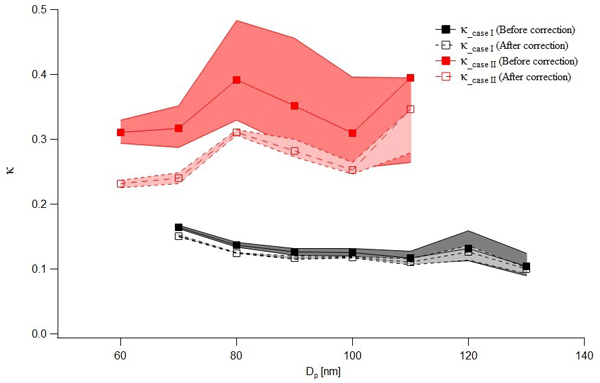
Najin Kim, Hang Su, Nan Ma, Ulrich Pöschl, and Yafang Cheng
Atmos. Meas. Tech., 16, 2771–2780, https://doi.org/10.5194/amt-16-2771-2023, https://doi.org/10.5194/amt-16-2771-2023, 2023
Short summary
Short summary
We propose a multiple-charging correction algorithm for a broad-supersaturation scanning cloud condensation nuclei (BS2-CCN) system which can obtain high time-resolution aerosol hygroscopicity and CCN activity. The correction algorithm aims at deriving the activation fraction's true value for each particle size. The meaningful differences between corrected and original κ values (single hygroscopicity parameter) emphasize the correction algorithm's importance for ambient aerosol measurement.
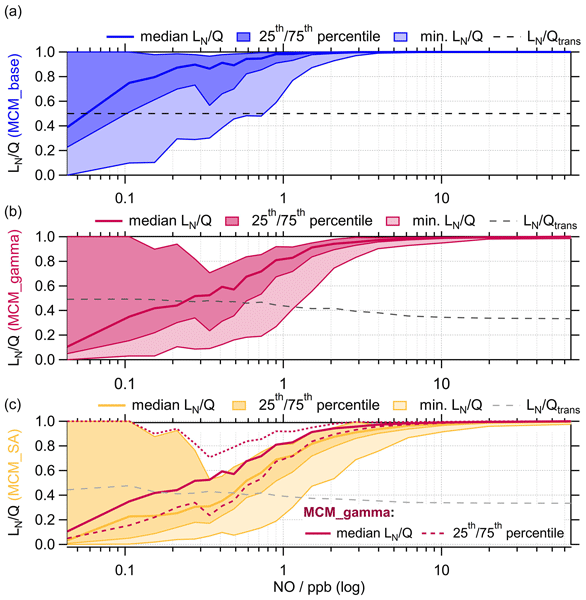
Joanna E. Dyson, Lisa K. Whalley, Eloise J. Slater, Robert Woodward-Massey, Chunxiang Ye, James D. Lee, Freya Squires, James R. Hopkins, Rachel E. Dunmore, Marvin Shaw, Jacqueline F. Hamilton, Alastair C. Lewis, Stephen D. Worrall, Asan Bacak, Archit Mehra, Thomas J. Bannan, Hugh Coe, Carl J. Percival, Bin Ouyang, C. Nicholas Hewitt, Roderic L. Jones, Leigh R. Crilley, Louisa J. Kramer, W. Joe F. Acton, William J. Bloss, Supattarachai Saksakulkrai, Jingsha Xu, Zongbo Shi, Roy M. Harrison, Simone Kotthaus, Sue Grimmond, Yele Sun, Weiqi Xu, Siyao Yue, Lianfang Wei, Pingqing Fu, Xinming Wang, Stephen R. Arnold, and Dwayne E. Heard
Atmos. Chem. Phys., 23, 5679–5697, https://doi.org/10.5194/acp-23-5679-2023, https://doi.org/10.5194/acp-23-5679-2023, 2023
Short summary
Short summary
The hydroxyl (OH) and closely coupled hydroperoxyl (HO2) radicals are vital for their role in the removal of atmospheric pollutants. In less polluted regions, atmospheric models over-predict HO2 concentrations. In this modelling study, the impact of heterogeneous uptake of HO2 onto aerosol surfaces on radical concentrations and the ozone production regime in Beijing in the summertime is investigated, and the implications for emissions policies across China are considered.
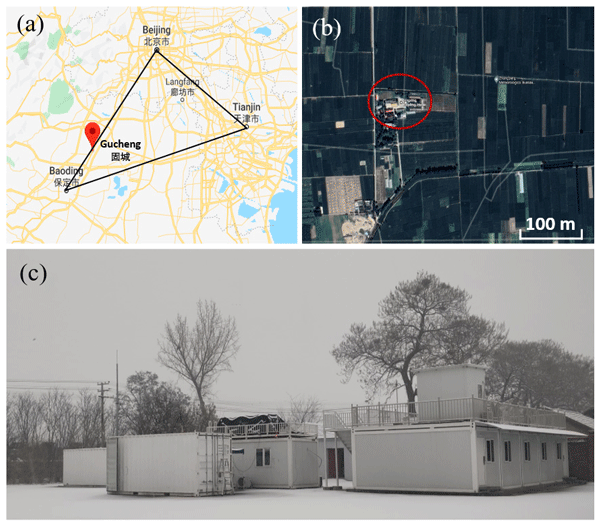
Juan Hong, Min Tang, Qiaoqiao Wang, Nan Ma, Shaowen Zhu, Shaobin Zhang, Xihao Pan, Linhong Xie, Guo Li, Uwe Kuhn, Chao Yan, Jiangchuan Tao, Ye Kuang, Yao He, Wanyun Xu, Runlong Cai, Yaqing Zhou, Zhibin Wang, Guangsheng Zhou, Bin Yuan, Yafang Cheng, and Hang Su
Atmos. Chem. Phys., 23, 5699–5713, https://doi.org/10.5194/acp-23-5699-2023, https://doi.org/10.5194/acp-23-5699-2023, 2023
Short summary
Short summary
A comprehensive investigation of the characteristics of new particle formation (NPF) events was conducted at a rural site on the North China Plain (NCP), China, during the wintertime of 2018 by covering the particle number size distribution down to sub–3 nm. Potential mechanisms for NPF under the current environment were explored, followed by a further discussion on the factors governing the occurrence of NPF at this rural site compared with other regions (e.g., urban areas) in the NCP region.
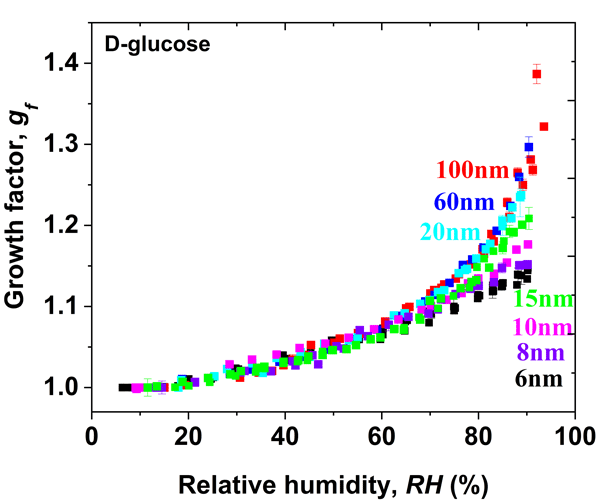
Ting Lei, Hang Su, Nan Ma, Ulrich Pöschl, Alfred Wiedensohler, and Yafang Cheng
Atmos. Chem. Phys., 23, 4763–4774, https://doi.org/10.5194/acp-23-4763-2023, https://doi.org/10.5194/acp-23-4763-2023, 2023
Short summary
Short summary
We investigate the hygroscopic behavior of levoglucosan and D-glucose nanoparticles using a nano-HTDMA. There is a weak size dependence of the hygroscopic growth factor of levoglucosan and D-glucose with diameters down to 20 nm, while a strong size dependence of the hygroscopic growth factor of D-glucose has been clearly observed in the size range 6 to 20 nm. The use of the DKA method leads to good agreement with the hygroscopic growth factor of glucose nanoparticles with diameters down to 6 nm.
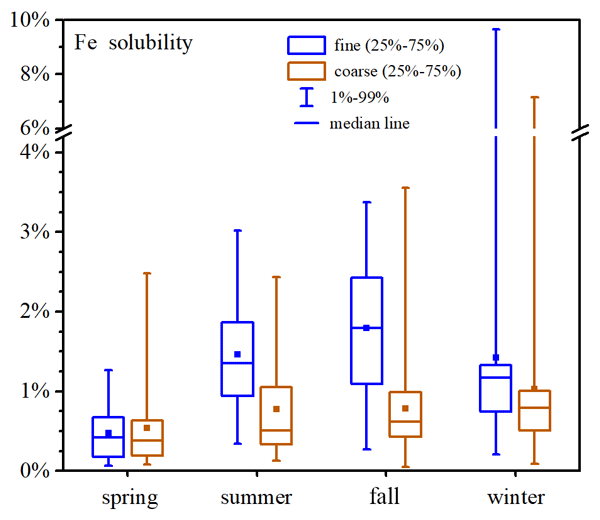
Huanhuan Zhang, Rui Li, Chengpeng Huang, Xiaofei Li, Shuwei Dong, Fu Wang, Tingting Li, Yizhu Chen, Guohua Zhang, Yan Ren, Qingcai Chen, Ru-jin Huang, Siyu Chen, Tao Xue, Xinming Wang, and Mingjin Tang
Atmos. Chem. Phys., 23, 3543–3559, https://doi.org/10.5194/acp-23-3543-2023, https://doi.org/10.5194/acp-23-3543-2023, 2023
Short summary
Short summary
This work investigated the seasonal variation of aerosol Fe solubility for coarse and fine particles in Xi’an, a megacity in northwestern China severely affected by anthropogenic emission and desert dust aerosol. In addition, we discussed in depth what controlled aerosol Fe solubility at different seasons for coarse and fine particles.
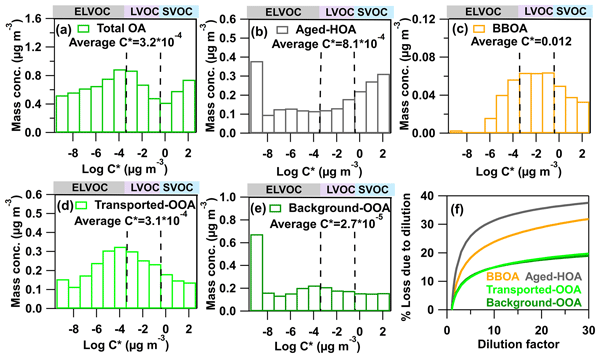
Tingting Feng, Yingkun Wang, Weiwei Hu, Ming Zhu, Wei Song, Wei Chen, Yanyan Sang, Zheng Fang, Wei Deng, Hua Fang, Xu Yu, Cheng Wu, Bin Yuan, Shan Huang, Min Shao, Xiaofeng Huang, Lingyan He, Young Ro Lee, Lewis Gregory Huey, Francesco Canonaco, Andre S. H. Prevot, and Xinming Wang
Atmos. Chem. Phys., 23, 611–636, https://doi.org/10.5194/acp-23-611-2023, https://doi.org/10.5194/acp-23-611-2023, 2023
Short summary
Short summary
To investigate the impact of aging processes on organic aerosols (OA), we conducted a comprehensive field study at a continental remote site using an on-line mass spectrometer. The results show that OA in the Chinese outflows were strongly influenced by upwind anthropogenic emissions. The aging processes can significantly decrease the OA volatility and result in a varied viscosity of OA under different circumstances, signifying the complex physiochemical properties of OA in aged plumes.
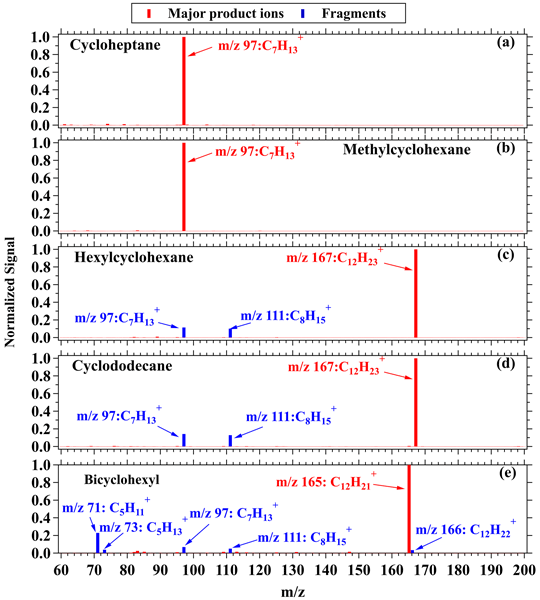
Yubin Chen, Bin Yuan, Chaomin Wang, Sihang Wang, Xianjun He, Caihong Wu, Xin Song, Yibo Huangfu, Xiao-Bing Li, Yijia Liao, and Min Shao
Atmos. Meas. Tech., 15, 6935–6947, https://doi.org/10.5194/amt-15-6935-2022, https://doi.org/10.5194/amt-15-6935-2022, 2022
Short summary
Short summary
In this study, we demonstrate that selective online measurements of cycloalkanes can be achieved using proton transfer reaction time-of-flight mass spectrometry with NO+ chemical ionization (NO+ PTR-ToF-MS), with fast response and low detection limits. Applications of this method in both urban air and emission sources will be shown.

Weilun Zhao, Gang Zhao, Ying Li, Song Guo, Nan Ma, Lizi Tang, Zirui Zhang, and Chunsheng Zhao
Atmos. Meas. Tech., 15, 6807–6817, https://doi.org/10.5194/amt-15-6807-2022, https://doi.org/10.5194/amt-15-6807-2022, 2022
Short summary
Short summary
A new method to determine black carbon mass size distribution (BCMSD) was proposed using the size-resolved absorption coefficient measured by an aerodynamic aerosol classifier in tandem with an aethalometer. This new method fills the gap in the high-time-resolution measurement of BCMSD ranging from upper submicron particle sizes to larger than 1 µm. This method can be applied to field measurement of BCMSD extensively for better understanding BC aging and better estimating the BC climate effect.
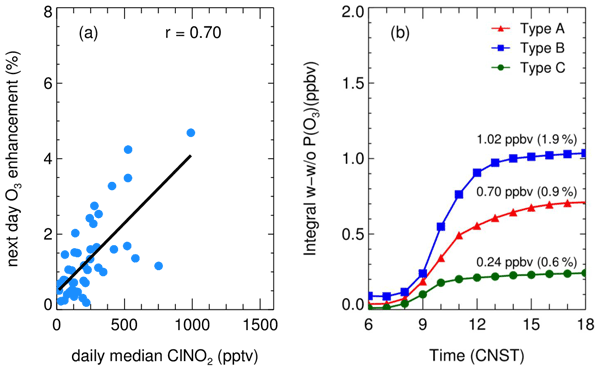
Haichao Wang, Bin Yuan, E Zheng, Xiaoxiao Zhang, Jie Wang, Keding Lu, Chenshuo Ye, Lei Yang, Shan Huang, Weiwei Hu, Suxia Yang, Yuwen Peng, Jipeng Qi, Sihang Wang, Xianjun He, Yubin Chen, Tiange Li, Wenjie Wang, Yibo Huangfu, Xiaobing Li, Mingfu Cai, Xuemei Wang, and Min Shao
Atmos. Chem. Phys., 22, 14837–14858, https://doi.org/10.5194/acp-22-14837-2022, https://doi.org/10.5194/acp-22-14837-2022, 2022
Short summary
Short summary
We present intensive field measurement of ClNO2 in the Pearl River Delta in 2019. Large variation in the level, formation, and atmospheric impacts of ClNO2 was found in different air masses. ClNO2 formation was limited by the particulate chloride (Cl−) and aerosol surface area. Our results reveal that Cl− originated from various anthropogenic emissions rather than sea sources and show minor contribution to the O3 pollution and photochemistry.
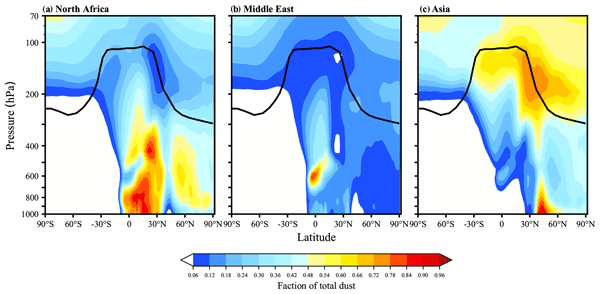
Siying Lian, Luxi Zhou, Daniel M. Murphy, Karl D. Froyd, Owen B. Toon, and Pengfei Yu
Atmos. Chem. Phys., 22, 13659–13676, https://doi.org/10.5194/acp-22-13659-2022, https://doi.org/10.5194/acp-22-13659-2022, 2022
Short summary
Short summary
Parameterizations of dust lifting and microphysical properties of dust in climate models are still subject to large uncertainty. Here we use a sectional aerosol climate model to investigate the global vertical distributions of the dust. Constrained by a suite of observations, the model suggests that, although North African dust dominates global dust mass loading at the surface, the relative contribution of Asian dust increases with altitude and becomes dominant in the upper troposphere.

Biao Luo, Ye Kuang, Shan Huang, Qicong Song, Weiwei Hu, Wei Li, Yuwen Peng, Duohong Chen, Dingli Yue, Bin Yuan, and Min Shao
Atmos. Chem. Phys., 22, 12401–12415, https://doi.org/10.5194/acp-22-12401-2022, https://doi.org/10.5194/acp-22-12401-2022, 2022
Short summary
Short summary
We performed comprehensive analysis on biomass burning organic aerosol (BBOA) size distributions, as well as mass scattering and absorption efficiencies, with an improved method of on-line quantification of brown carbon absorptions. Both BBOA volume size distribution and retrieved refractive index depend highly on combustion conditions represented by the black carbon content, which has significant implications for BBOA climate effect simulations.
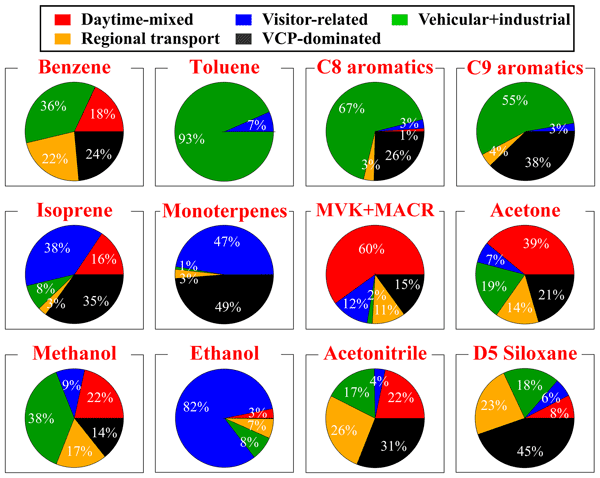
Xiao-Bing Li, Bin Yuan, Sihang Wang, Chunlin Wang, Jing Lan, Zhijie Liu, Yongxin Song, Xianjun He, Yibo Huangfu, Chenglei Pei, Peng Cheng, Suxia Yang, Jipeng Qi, Caihong Wu, Shan Huang, Yingchang You, Ming Chang, Huadan Zheng, Wenda Yang, Xuemei Wang, and Min Shao
Atmos. Chem. Phys., 22, 10567–10587, https://doi.org/10.5194/acp-22-10567-2022, https://doi.org/10.5194/acp-22-10567-2022, 2022
Short summary
Short summary
High-time-resolution measurements of volatile organic compounds (VOCs) were made using an online mass spectrometer at a 600 m tall tower in urban region. Compositions, temporal variations, and sources of VOCs were quantitatively investigated in this study. We find that VOC measurements in urban regions aloft could better characterize source characteristics of anthropogenic emissions. Our results could provide important implications in making future strategies for control of VOCs.
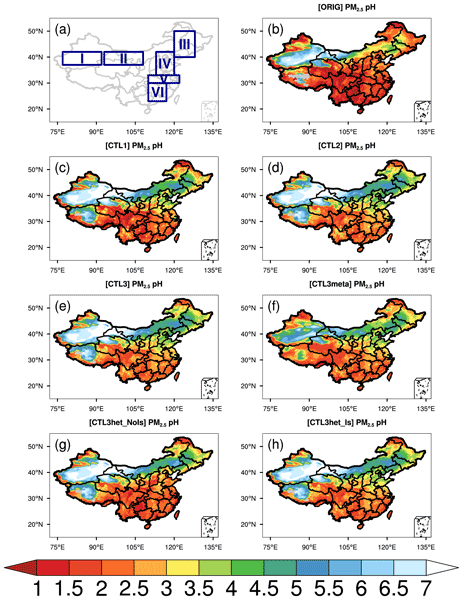
Xueyin Ruan, Chun Zhao, Rahul A. Zaveri, Pengzhen He, Xinming Wang, Jingyuan Shao, and Lei Geng
Geosci. Model Dev., 15, 6143–6164, https://doi.org/10.5194/gmd-15-6143-2022, https://doi.org/10.5194/gmd-15-6143-2022, 2022
Short summary
Short summary
Accurate prediction of aerosol pH in chemical transport models is essential to aerosol modeling. This study examines the performance of the Weather Research and Forecasting model coupled with Chemistry (WRF-Chem) on aerosol pH predictions and the sensitivities to emissions of nonvolatile cations and NH3, aerosol-phase state assumption, and heterogeneous sulfate production. Temporal evolution of aerosol pH during haze cycles in Beijing and the driving factors are also presented and discussed.
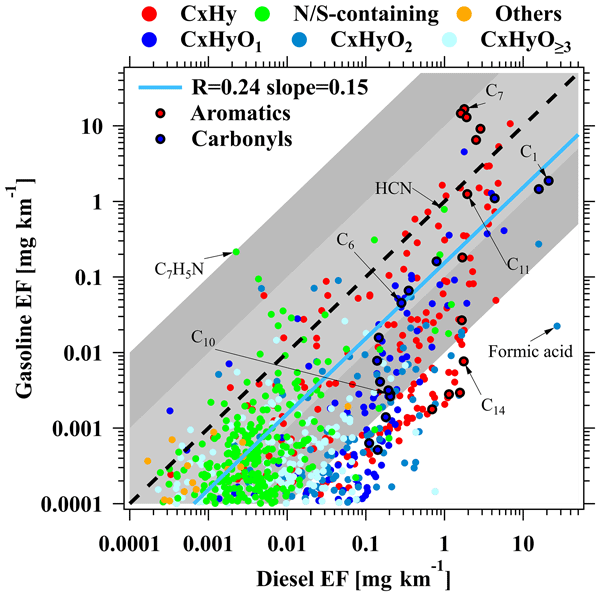
Sihang Wang, Bin Yuan, Caihong Wu, Chaomin Wang, Tiange Li, Xianjun He, Yibo Huangfu, Jipeng Qi, Xiao-Bing Li, Qing'e Sha, Manni Zhu, Shengrong Lou, Hongli Wang, Thomas Karl, Martin Graus, Zibing Yuan, and Min Shao
Atmos. Chem. Phys., 22, 9703–9720, https://doi.org/10.5194/acp-22-9703-2022, https://doi.org/10.5194/acp-22-9703-2022, 2022
Short summary
Short summary
Volatile organic compound (VOC) emissions from vehicles are measured using online mass spectrometers. Differences between gasoline and diesel vehicles are observed with higher emission factors of most oxygenated VOCs (OVOCs) and heavier aromatics from diesel vehicles. A higher aromatics / toluene ratio could provide good indicators to distinguish emissions from both vehicle types. We show that OVOCs account for significant contributions to VOC emissions from vehicles, especially diesel vehicles.
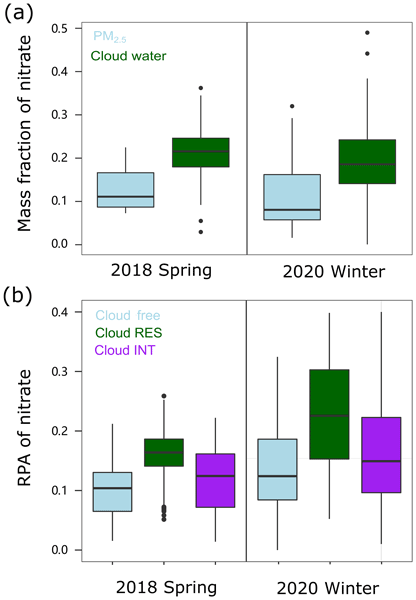
Guohua Zhang, Xiaodong Hu, Wei Sun, Yuxiang Yang, Ziyong Guo, Yuzhen Fu, Haichao Wang, Shengzhen Zhou, Lei Li, Mingjin Tang, Zongbo Shi, Duohong Chen, Xinhui Bi, and Xinming Wang
Atmos. Chem. Phys., 22, 9571–9582, https://doi.org/10.5194/acp-22-9571-2022, https://doi.org/10.5194/acp-22-9571-2022, 2022
Short summary
Short summary
We show a significant enhancement of nitrate mass fraction in cloud water and relative intensity of nitrate in the cloud residual particles and highlight that hydrolysis of N2O5 serves as the critical route for the in-cloud formation of nitrate, even during the daytime. Given that N2O5 hydrolysis acts as a major sink of NOx in the atmosphere, further model updates may improve our understanding about the processes contributing to nitrate production in cloud and the cycling of odd nitrogen.
Xuan Li, Lei Li, Zeming Zhuo, Guohua Zhang, Xubing Du, Xue Li, Zhengxu Huang, Zhen Zhou, and Zhi Cheng
EGUsphere, https://doi.org/10.5194/egusphere-2022-598, https://doi.org/10.5194/egusphere-2022-598, 2022
Preprint archived
Short summary
Short summary
The particle size and chemical composition of bioaerosol were analyzed based on single particle aerosol mass spectrometer. Fungal aerosol of 10 μm was measured for the first time and the characteristic spectrum of bioaerosol was updated. The ion peak ratio method can distinguish bioaerosols from interferers by 97 %. The factors influencing the differentiation of bioaerosols are also discussed. Single particle mass spectrometry can be a new method for real-time identification of bioaerosols.
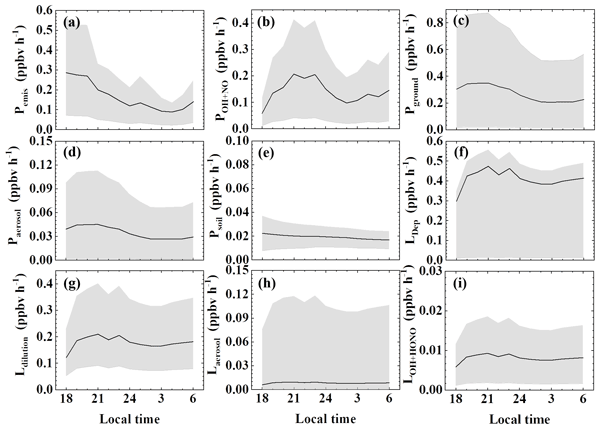
Yihang Yu, Peng Cheng, Huirong Li, Wenda Yang, Baobin Han, Wei Song, Weiwei Hu, Xinming Wang, Bin Yuan, Min Shao, Zhijiong Huang, Zhen Li, Junyu Zheng, Haichao Wang, and Xiaofang Yu
Atmos. Chem. Phys., 22, 8951–8971, https://doi.org/10.5194/acp-22-8951-2022, https://doi.org/10.5194/acp-22-8951-2022, 2022
Short summary
Short summary
We have investigated the budget of HONO at an urban site in Guangzhou. Budget and comprehensive uncertainty analysis suggest that at such locations as ours, HONO direct emissions and NO + OH can become comparable or even surpass other HONO sources that typically receive greater attention and interest, such as the NO2 heterogeneous source and the unknown daytime photolytic source. Our findings emphasize the need to reduce the uncertainties of both conventional and novel HONO sources and sinks.
Qi Zhang, Shiguo Jia, Weihua Chen, Jingying Mao, Liming Yang, Padmaja Krishnan, Sayantan Sarkar, Min Shao, and Xuemei Wang
Atmos. Chem. Phys. Discuss., https://doi.org/10.5194/acp-2022-394, https://doi.org/10.5194/acp-2022-394, 2022
Revised manuscript not accepted
Short summary
Short summary
We use satellite data in the establishment of methylamines marine biological emission (MBE) inventory for the first time, which considers effects of actual marine environment on methylamines emission fluxes. MBE fluxes of monomethylamine and trimethylamines can be comparable with or even higher than that of terrestrial anthropogenic emissions , while for dimethylamines, the ocean acts as a sink. Wind and Chlorophyll-a were potentially the most important factors affecting MBE fluxes.
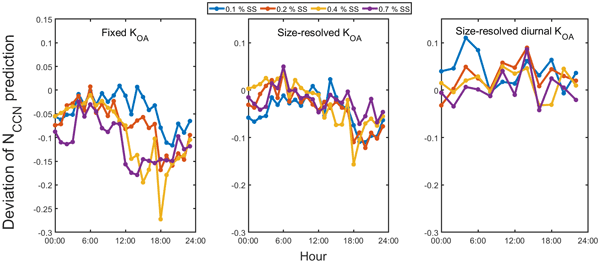
Mingfu Cai, Shan Huang, Baoling Liang, Qibin Sun, Li Liu, Bin Yuan, Min Shao, Weiwei Hu, Wei Chen, Qicong Song, Wei Li, Yuwen Peng, Zelong Wang, Duohong Chen, Haobo Tan, Hanbin Xu, Fei Li, Xuejiao Deng, Tao Deng, Jiaren Sun, and Jun Zhao
Atmos. Chem. Phys., 22, 8117–8136, https://doi.org/10.5194/acp-22-8117-2022, https://doi.org/10.5194/acp-22-8117-2022, 2022
Short summary
Short summary
This study investigated the size dependence and diurnal variation in organic aerosol hygroscopicity, volatility, and cloud condensation nuclei (CCN) activity. We found that the physical properties of OA could vary in a large range at different particle sizes and affected the number concentration of CCN (NCCN) at all supersaturations. Our results highlight the importance of evaluating the atmospheric evolution processes of OA at different size ranges and their impact on climate effects.
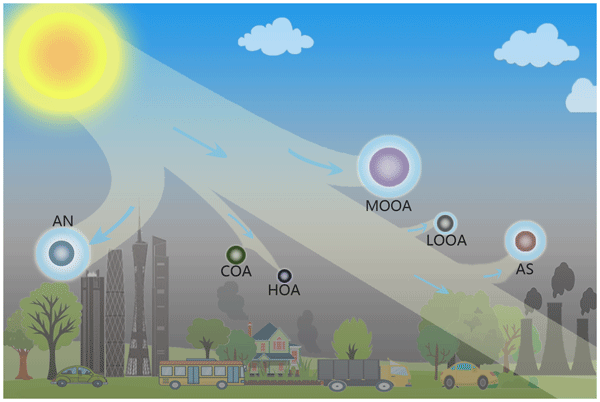
Li Liu, Ye Kuang, Miaomiao Zhai, Biao Xue, Yao He, Jun Tao, Biao Luo, Wanyun Xu, Jiangchuan Tao, Changqin Yin, Fei Li, Hanbing Xu, Tao Deng, Xuejiao Deng, Haobo Tan, and Min Shao
Atmos. Chem. Phys., 22, 7713–7726, https://doi.org/10.5194/acp-22-7713-2022, https://doi.org/10.5194/acp-22-7713-2022, 2022
Short summary
Short summary
Using simultaneous measurements of a humidified nephelometer system and an aerosol chemical speciation monitor in winter in Guangzhou, the strongest scattering ability of more oxidized oxygenated organic aerosol (MOOA) among aerosol components considering their dry-state scattering ability and water uptake ability was revealed, leading to large impacts of MOOA on visibility degradation. This has important implications for visibility improvement in China and aerosol radiative effect simulation.
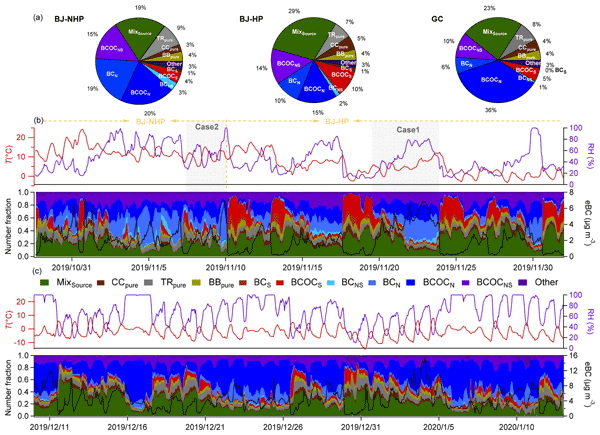
Jiaxing Sun, Yele Sun, Conghui Xie, Weiqi Xu, Chun Chen, Zhe Wang, Lei Li, Xubing Du, Fugui Huang, Yan Li, Zhijie Li, Xiaole Pan, Nan Ma, Wanyun Xu, Pingqing Fu, and Zifa Wang
Atmos. Chem. Phys., 22, 7619–7630, https://doi.org/10.5194/acp-22-7619-2022, https://doi.org/10.5194/acp-22-7619-2022, 2022
Short summary
Short summary
We analyzed the chemical composition and mixing state of BC-containing particles at urban and rural sites in winter in the North China Plain and evaluated their impact on light absorption enhancement. BC was dominantly mixed with organic carbon, nitrate, and sulfate, and the mixing state evolved significantly as a function of relative humidity (RH) at both sites. The absorption enhancement depended strongly on coated secondary inorganic aerosol and was up to ~1.3–1.4 during aging processes.
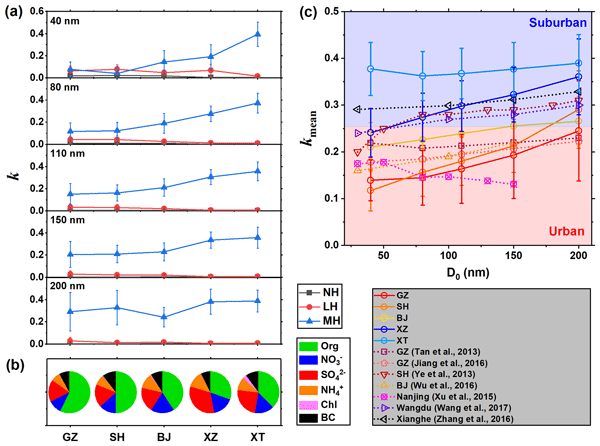
Lu Chen, Fang Zhang, Dongmei Zhang, Xinming Wang, Wei Song, Jieyao Liu, Jingye Ren, Sihui Jiang, Xue Li, and Zhanqing Li
Atmos. Chem. Phys., 22, 6773–6786, https://doi.org/10.5194/acp-22-6773-2022, https://doi.org/10.5194/acp-22-6773-2022, 2022
Short summary
Short summary
Aerosol hygroscopicity is critical when evaluating its effect on visibility and climate. Here, the size-resolved particle hygroscopicity at five sites in China is characterized using field measurements. We show the distinct behavior of hygroscopic particles during pollution evolution among the five sites. Moreover, different hygroscopic behavior during NPF events were also observed. The dataset is helpful for understanding the spatial variability in particle composition and formation mechanisms.
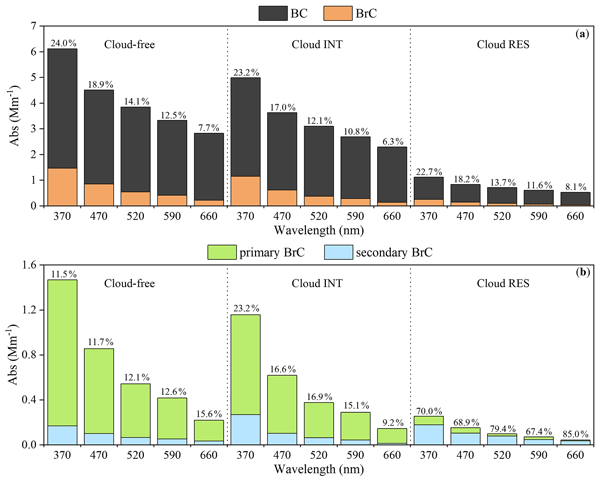
Ziyong Guo, Yuxiang Yang, Xiaodong Hu, Xiaocong Peng, Yuzhen Fu, Wei Sun, Guohua Zhang, Duohong Chen, Xinhui Bi, Xinming Wang, and Ping'an Peng
Atmos. Chem. Phys., 22, 4827–4839, https://doi.org/10.5194/acp-22-4827-2022, https://doi.org/10.5194/acp-22-4827-2022, 2022
Short summary
Short summary
We show that in-cloud aqueous processing facilitates the formation of brown carbon (BrC), based on the simultaneous measurements of the light-absorption properties of the cloud residuals, cloud interstitial, and cloud-free particles. While extensive laboratory evidence indicated the formation of BrC in aqueous phase, our study represents the first attempt to show the possibility in real clouds, which would have potential implications in the atmospheric evolution and radiation forcing of BrC.
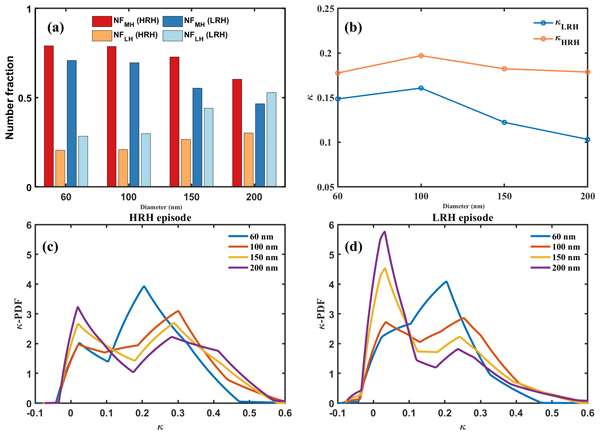
Jingnan Shi, Juan Hong, Nan Ma, Qingwei Luo, Yao He, Hanbing Xu, Haobo Tan, Qiaoqiao Wang, Jiangchuan Tao, Yaqing Zhou, Shuang Han, Long Peng, Linhong Xie, Guangsheng Zhou, Wanyun Xu, Yele Sun, Yafang Cheng, and Hang Su
Atmos. Chem. Phys., 22, 4599–4613, https://doi.org/10.5194/acp-22-4599-2022, https://doi.org/10.5194/acp-22-4599-2022, 2022
Short summary
Short summary
In this study, we investigated the hygroscopicity of submicron aerosols at a rural site in the North China Plain during the winter of 2018, using a HTDMA and a CV-ToF-ACSM. We observed differences in aerosol hygroscopicity during two distinct episodes with different primary emissions and secondary aerosol formation processes. These results provide an improved understanding of the complex influence of sources and aerosol evolution processes on their hygroscopicity.
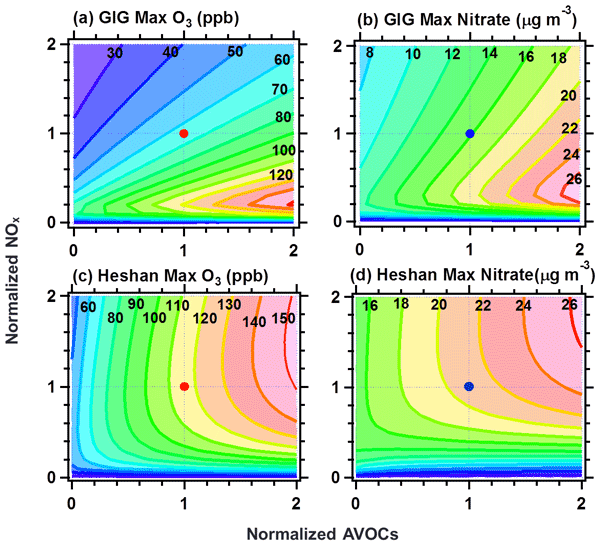
Suxia Yang, Bin Yuan, Yuwen Peng, Shan Huang, Wei Chen, Weiwei Hu, Chenglei Pei, Jun Zhou, David D. Parrish, Wenjie Wang, Xianjun He, Chunlei Cheng, Xiao-Bing Li, Xiaoyun Yang, Yu Song, Haichao Wang, Jipeng Qi, Baolin Wang, Chen Wang, Chaomin Wang, Zelong Wang, Tiange Li, E Zheng, Sihang Wang, Caihong Wu, Mingfu Cai, Chenshuo Ye, Wei Song, Peng Cheng, Duohong Chen, Xinming Wang, Zhanyi Zhang, Xuemei Wang, Junyu Zheng, and Min Shao
Atmos. Chem. Phys., 22, 4539–4556, https://doi.org/10.5194/acp-22-4539-2022, https://doi.org/10.5194/acp-22-4539-2022, 2022
Short summary
Short summary
We use a model constrained using observations to study the formation of nitrate aerosol in and downwind of a representative megacity. We found different contributions of various chemical reactions to ground-level nitrate concentrations between urban and suburban regions. We also show that controlling VOC emissions are effective for decreasing nitrate formation in both urban and regional environments, although VOCs are not direct precursors of nitrate aerosol.
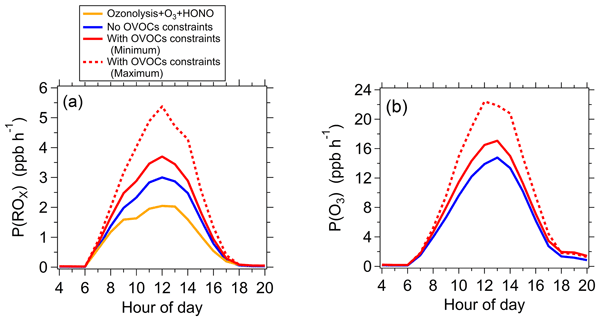
Wenjie Wang, Bin Yuan, Yuwen Peng, Hang Su, Yafang Cheng, Suxia Yang, Caihong Wu, Jipeng Qi, Fengxia Bao, Yibo Huangfu, Chaomin Wang, Chenshuo Ye, Zelong Wang, Baolin Wang, Xinming Wang, Wei Song, Weiwei Hu, Peng Cheng, Manni Zhu, Junyu Zheng, and Min Shao
Atmos. Chem. Phys., 22, 4117–4128, https://doi.org/10.5194/acp-22-4117-2022, https://doi.org/10.5194/acp-22-4117-2022, 2022
Short summary
Short summary
From thorough measurements of numerous oxygenated volatile organic compounds, we show that their photodissociation can be important for radical production and ozone formation in the atmosphere. This effect was underestimated in previous studies, as measurements of them were lacking.
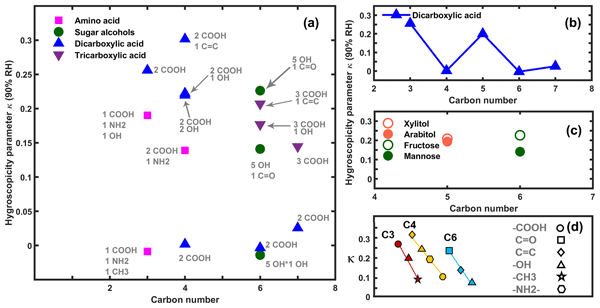
Shuang Han, Juan Hong, Qingwei Luo, Hanbing Xu, Haobo Tan, Qiaoqiao Wang, Jiangchuan Tao, Yaqing Zhou, Long Peng, Yao He, Jingnan Shi, Nan Ma, Yafang Cheng, and Hang Su
Atmos. Chem. Phys., 22, 3985–4004, https://doi.org/10.5194/acp-22-3985-2022, https://doi.org/10.5194/acp-22-3985-2022, 2022
Short summary
Short summary
We present the hygroscopicity of 23 organic species with different physicochemical properties using a hygroscopicity tandem differential mobility analyzer (HTDMA) and compare the results with previous studies. Based on the hygroscopicity parameter κ, the influence of different physicochemical properties that potentially drive hygroscopicity, such as the functionality, water solubility, molar volume, and O : C ratio of organics, are examined separately.
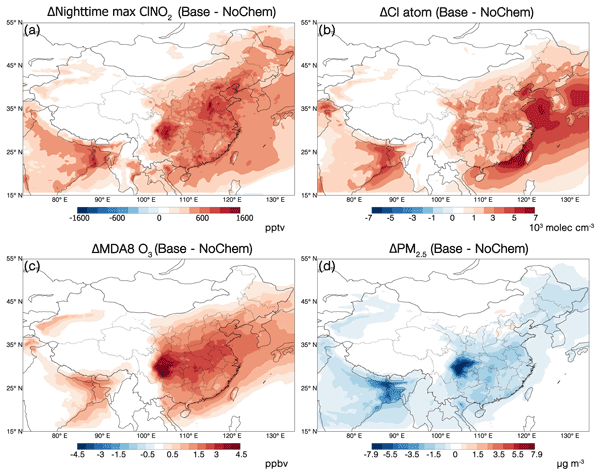
Xiajie Yang, Qiaoqiao Wang, Nan Ma, Weiwei Hu, Yang Gao, Zhijiong Huang, Junyu Zheng, Bin Yuan, Ning Yang, Jiangchuan Tao, Juan Hong, Yafang Cheng, and Hang Su
Atmos. Chem. Phys., 22, 3743–3762, https://doi.org/10.5194/acp-22-3743-2022, https://doi.org/10.5194/acp-22-3743-2022, 2022
Short summary
Short summary
We use the GEOS-Chem model with additional anthropogenic and biomass burning chlorine emissions combined with updated parameterizations for N2O5 + Cl chemistry to investigate the impacts of chlorine chemistry on air quality in China. Our study not only significantly improves the model's performance but also demonstrates the importance of non-sea-salt chlorine sources as well as an appropriate parameterization for N2O5 + Cl chemistry to the impact of chlorine chemistry in China.
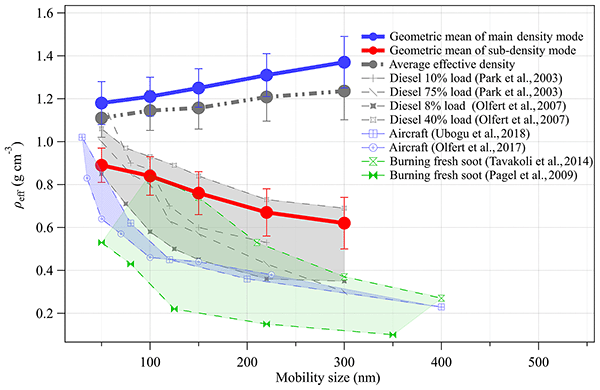
Yaqing Zhou, Nan Ma, Qiaoqiao Wang, Zhibin Wang, Chunrong Chen, Jiangchuan Tao, Juan Hong, Long Peng, Yao He, Linhong Xie, Shaowen Zhu, Yuxuan Zhang, Guo Li, Wanyun Xu, Peng Cheng, Uwe Kuhn, Guangsheng Zhou, Pingqing Fu, Qiang Zhang, Hang Su, and Yafang Cheng
Atmos. Chem. Phys., 22, 2029–2047, https://doi.org/10.5194/acp-22-2029-2022, https://doi.org/10.5194/acp-22-2029-2022, 2022
Short summary
Short summary
This study characterizes size-resolved particle effective densities and their evolution associated with emissions and aging processes in a rural area of the North China Plain. Particle effective density exhibits a high-frequency bimodal distribution, and two density modes exhibit opposite trends with increasing particle size. SIA and BC mass fractions are key factors of particle effective density, and a value of 0.6 g cm−3 is appropriate to represent BC effective density in bulk particles.
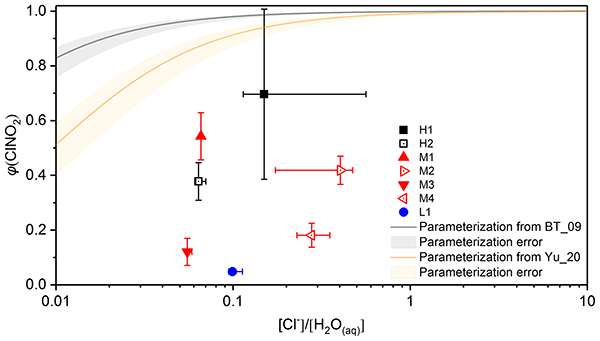
Haichao Wang, Chao Peng, Xuan Wang, Shengrong Lou, Keding Lu, Guicheng Gan, Xiaohong Jia, Xiaorui Chen, Jun Chen, Hongli Wang, Shaojia Fan, Xinming Wang, and Mingjin Tang
Atmos. Chem. Phys., 22, 1845–1859, https://doi.org/10.5194/acp-22-1845-2022, https://doi.org/10.5194/acp-22-1845-2022, 2022
Short summary
Short summary
Via combining laboratory and modeling work, we found that heterogeneous reaction of N2O5 with saline mineral dust aerosol could be an important source of tropospheric ClNO2 in inland regions.
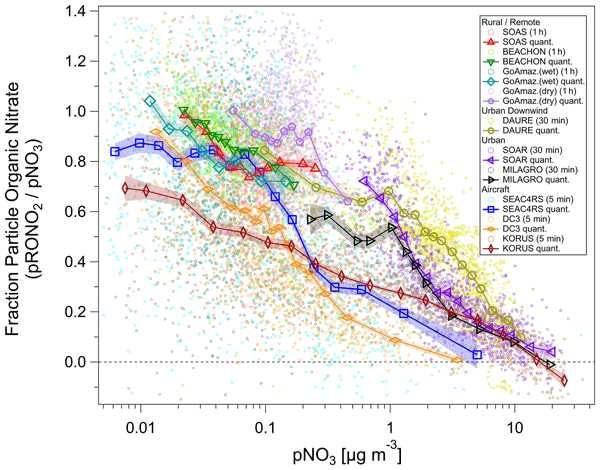
Douglas A. Day, Pedro Campuzano-Jost, Benjamin A. Nault, Brett B. Palm, Weiwei Hu, Hongyu Guo, Paul J. Wooldridge, Ronald C. Cohen, Kenneth S. Docherty, J. Alex Huffman, Suzane S. de Sá, Scot T. Martin, and Jose L. Jimenez
Atmos. Meas. Tech., 15, 459–483, https://doi.org/10.5194/amt-15-459-2022, https://doi.org/10.5194/amt-15-459-2022, 2022
Short summary
Short summary
Particle-phase nitrates are an important component of atmospheric aerosols and chemistry. In this paper, we systematically explore the application of aerosol mass spectrometry (AMS) to quantify the organic and inorganic nitrate fractions of aerosols in the atmosphere. While AMS has been used for a decade to quantify nitrates, methods are not standardized. We make recommendations for a more universal approach based on this analysis of a large range of field and laboratory observations.
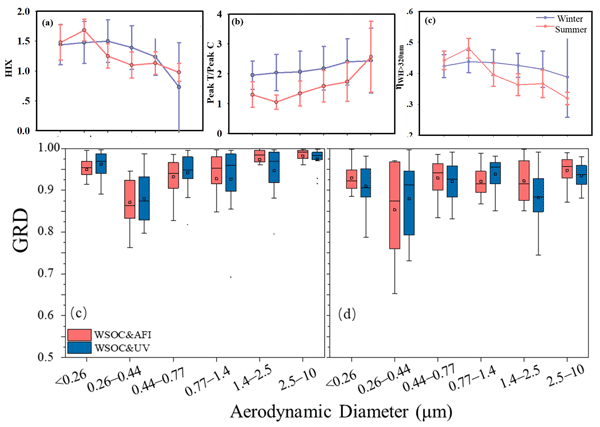
Juanjuan Qin, Jihua Tan, Xueming Zhou, Yanrong Yang, Yuanyuan Qin, Xiaobo Wang, Shaoxuan Shi, Kang Xiao, and Xinming Wang
Atmos. Chem. Phys., 22, 465–479, https://doi.org/10.5194/acp-22-465-2022, https://doi.org/10.5194/acp-22-465-2022, 2022
Short summary
Short summary
Water-soluble organic compounds (WSOCs) play important roles in atmospheric particle formation, migration, and transformation processes. In this work, size-segregated atmospheric particles were collected in a rural area of Beijing, and 3D fluorescence spectroscopy was used to investigate the optical properties of WSOCs as a means of inferring information about their atmospheric sources. It was found that these data could efficiently reveal the secondary transformation processes of WSOCs.
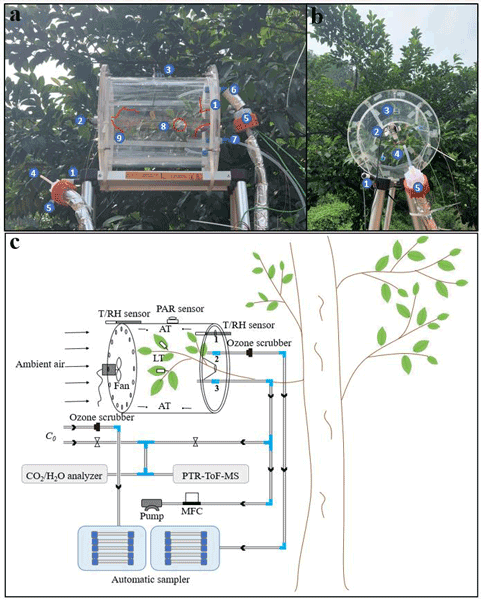
Jianqiang Zeng, Yanli Zhang, Huina Zhang, Wei Song, Zhenfeng Wu, and Xinming Wang
Atmos. Meas. Tech., 15, 79–93, https://doi.org/10.5194/amt-15-79-2022, https://doi.org/10.5194/amt-15-79-2022, 2022
Short summary
Short summary
The emission of biogenic volatile organic compounds (BVOCs) from plant leaves is an essential part of biosphere–atmosphere interactions. Here we demonstrate how a dynamic chamber for measuring branch-scale BVOC emissions could be characterized both in the lab for adsorptive losses and in the field for ambient–enclosure environmental differences. The results also imply emission factors for terpenes might be underestimated if measured using dynamic chambers without certified transfer efficiencies.
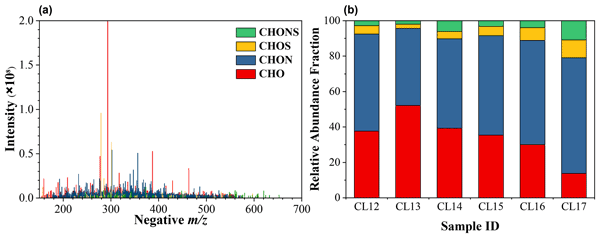
Wei Sun, Yuzhen Fu, Guohua Zhang, Yuxiang Yang, Feng Jiang, Xiufeng Lian, Bin Jiang, Yuhong Liao, Xinhui Bi, Duohong Chen, Jianmin Chen, Xinming Wang, Jie Ou, Ping'an Peng, and Guoying Sheng
Atmos. Chem. Phys., 21, 16631–16644, https://doi.org/10.5194/acp-21-16631-2021, https://doi.org/10.5194/acp-21-16631-2021, 2021
Short summary
Short summary
We sampled cloud water at a remote mountain site and investigated the molecular characteristics. CHON and CHO are dominant in cloud water. No statistical difference in the oxidation state is observed between cloud water and interstitial PM2.5. Most of the formulas are aliphatic and olefinic species. CHON, with aromatic structures and organosulfates, are abundant, especially in nighttime samples. The in-cloud and multi-phase dark reactions likely contribute significantly.

Najin Kim, Yafang Cheng, Nan Ma, Mira L. Pöhlker, Thomas Klimach, Thomas F. Mentel, Ovid O. Krüger, Ulrich Pöschl, and Hang Su
Atmos. Meas. Tech., 14, 6991–7005, https://doi.org/10.5194/amt-14-6991-2021, https://doi.org/10.5194/amt-14-6991-2021, 2021
Short summary
Short summary
A broad supersaturation scanning CCN (BS2-CCN) system, in which particles are exposed to a range of supersaturation simultaneously, can measure a broad range of CCN activity distribution with a high time resolution. We describe how the BS2-CCN system can be effectively calibrated and which factors can affect the calibration curve. Intercomparison experiments between typical DMA-CCN and BS2-CCN measurements to evaluate the BS2-CCN system showed high correlation and good agreement.
Cited articles
Andreae, M. O. and Gelencsér, A.: Black carbon or brown carbon? The nature of light-absorbing carbonaceous aerosols, Atmos. Chem. Phys., 6, 3131–3148, https://doi.org/10.5194/acp-6-3131-2006, 2006.
Bao, M., Zhang, Y.-L., Cao, F., Lin, Y.-C., Hong, Y., Fan, M., Zhang, Y., Yang, X., and Xie, F.: Light absorption and source apportionment of water soluble humic-like substances (HULIS) in PM2.5 at Nanjing, China, Environmental Research, 206, https://doi.org/10.1016/j.envres.2021.112554, 2022.
Barrett, T. E. and Sheesley, R. J.: Year-round optical properties and source characterization of Arctic organic carbon aerosols on the North Slope Alaska, Journal of Geophysical Research-Atmospheres, 122, 9319–9331, https://doi.org/10.1002/2016jd026194, 2017.
Bond, T. C. and Bergstrom, R. W.: Light Absorption by Carbonaceous Particles: An Investigative Review, Aerosol Science and Technology, 40, 27–67, https://doi.org/10.1080/02786820500421521, 2006.
Brown, H., Liu, X., Feng, Y., Jiang, Y., Wu, M., Lu, Z., Wu, C., Murphy, S., and Pokhrel, R.: Radiative effect and climate impacts of brown carbon with the Community Atmosphere Model (CAM5), Atmos. Chem. Phys., 18, 17745–17768, https://doi.org/10.5194/acp-18-17745-2018, 2018.
Budisulistiorini, S. H., Riva, M., Williams, M., Chen, J., Itoh, M., Surratt, J. D., and Kuwata, M.: Light-Absorbing Brown Carbon Aerosol Constituents from Combustion of Indonesian Peat and Biomass, Environ. Sci. Technol., 51, 4415–4423, https://doi.org/10.1021/acs.est.7b00397, 2017.
Cai, Y., Ye, C., Chen, W., Hu, W., Song, W., Peng, Y., Huang, S., Qi, J., Wang, S., Wang, C., Wu, C., Wang, Z., Wang, B., Huang, X., He, L., Gligorovski, S., Yuan, B., Shao, M., and Wang, X.: The important contribution of secondary formation and biomass burning to oxidized organic nitrogen (OON) in a polluted urban area: insights from in situ measurements of a chemical ionization mass spectrometer (CIMS), Atmos. Chem. Phys., 23, 8855–8877, https://doi.org/10.5194/acp-23-8855-2023, 2023.
Canonaco, F., Crippa, M., Slowik, J. G., Baltensperger, U., and Prévôt, A. S. H.: SoFi, an IGOR-based interface for the efficient use of the generalized multilinear engine (ME-2) for the source apportionment: ME-2 application to aerosol mass spectrometer data, Atmos. Meas. Tech., 6, 3649–3661, https://doi.org/10.5194/amt-6-3649-2013, 2013.
Cappa, C. D., Onasch, T. B., Massoli, P., Worsnop, D. R., Bates, T. S., Cross, E. S., Davidovits, P., Hakala, J., Hayden, K. L., Jobson, B. T., Kolesar, K. R., Lack, D. A., Lerner, B. M., Li, S.-M., Mellon, D., Nuaaman, I., Olfert, J. S., Petäjä, T., Quinn, P. K., Song, C., Subramanian, R., Williams, E. J., and Zaveri, R. A.: Radiative Absorption Enhancements Due to the Mixing State of Atmospheric Black Carbon, Science, 337, 1078–1081, https://doi.org/10.1126/science.1223447, 2012.
Cappa, C. D., Zhang, X., Russell, L. M., Collier, S., Lee, A. K. Y., Chen, C. L., Betha, R., Chen, S., Liu, J., Price, D. J., Sanchez, K. J., McMeeking, G. R., Williams, L. R., Onasch, T. B., Worsnop, D. R., Abbatt, J., and Zhang, Q.: Light Absorption by Ambient Black and Brown Carbon and its Dependence on Black Carbon Coating State for Two California, USA, Cities in Winter and Summer, Journal of Geophysical Research-Atmospheres, 124, 1550–1577, https://doi.org/10.1029/2018jd029501, 2019.
Chelluboyina, G. S., Kapoor, T. S., and Chakrabarty, R. K.: Dark brown carbon from wildfires: a potent snow radiative forcing agent?, npj Climate and Atmospheric Science, 7, https://doi.org/10.1038/s41612-024-00738-7, 2024.
Chen, P., Kang, S., Hu, Y., Pu, T., Liu, Y., Wang, S., Rai, M., Wang, K., Tripathee, L., and Li, C.: South and Southeast Asia controls black carbon characteristics of Meili Snow Mountains in southeast Tibetan Plateau, Science of The Total Environment, 927, https://doi.org/10.1016/j.scitotenv.2024.172262, 2024.
Chen, W., Ye, Y., Hu, W., Zhou, H., Pan, T., Wang, Y., Song, W., Song, Q., Ye, C., Wang, C., Wang, B., Huang, S., Yuan, B., Zhu, M., Lian, X., Zhang, G., Bi, X., Jiang, F., Liu, J., Canonaco, F., Prevot, A. S. H., Shao, M., and Wang, X.: Real-Time Characterization of Aerosol Compositions, Sources, and Aging Processes in Guangzhou During PRIDE-GBA 2018 Campaign, Journal of Geophysical Research-Atmospheres, 126, https://doi.org/10.1029/2021jd035114, 2021.
Chen, Y. and Bond, T. C.: Light absorption by organic carbon from wood combustion, Atmos. Chem. Phys., 10, 1773–1787, https://doi.org/10.5194/acp-10-1773-2010, 2010.
Chen, Y., Xie, X., Shi, Z., Li, Y., Gai, X., Wang, J., Li, H., Wu, Y., Zhao, X., Chen, M., and Ge, X.: Brown carbon in atmospheric fine particles in Yangzhou, China: Light absorption properties and source apportionment, Atmospheric Research, 244, https://doi.org/10.1016/j.atmosres.2020.105028, 2020.
Cheng, Y., He, K.-B., Zheng, M., Duan, F.-K., Du, Z.-Y., Ma, Y.-L., Tan, J.-H., Yang, F.-M., Liu, J.-M., Zhang, X.-L., Weber, R. J., Bergin, M. H., and Russell, A. G.: Mass absorption efficiency of elemental carbon and water-soluble organic carbon in Beijing, China, Atmos. Chem. Phys., 11, 11497–11510, https://doi.org/10.5194/acp-11-11497-2011, 2011.
Chung, C. E., Ramanathan, V., and Decremer, D.: Observationally constrained estimates of carbonaceous aerosol radiative forcing, Proc. Natl. Acad. Sci. USA, 109, 11624–11629, https://doi.org/10.1073/pnas.1203707109, 2012.
Chylek, P. and Wong, J.: Effect of absorbing aerosols on global radiation budget, Geophysical Research Letters, 22, 929–931, https://doi.org/10.1029/95GL00800, 1995.
Collaud Coen, M., Weingartner, E., Apituley, A., Ceburnis, D., Fierz-Schmidhauser, R., Flentje, H., Henzing, J. S., Jennings, S. G., Moerman, M., Petzold, A., Schmid, O., and Baltensperger, U.: Minimizing light absorption measurement artifacts of the Aethalometer: evaluation of five correction algorithms, Atmos. Meas. Tech., 3, 457–474, https://doi.org/10.5194/amt-3-457-2010, 2010.
Corr, C. A., Hall, S. R., Ullmann, K., Anderson, B. E., Beyersdorf, A. J., Thornhill, K. L., Cubison, M. J., Jimenez, J. L., Wisthaler, A., and Dibb, J. E.: Spectral absorption of biomass burning aerosol determined from retrieved single scattering albedo during ARCTAS, Atmos. Chem. Phys., 12, 10505–10518, https://doi.org/10.5194/acp-12-10505-2012, 2012.
de Sá, S. S., Rizzo, L. V., Palm, B. B., Campuzano-Jost, P., Day, D. A., Yee, L. D., Wernis, R., Isaacman-VanWertz, G., Brito, J., Carbone, S., Liu, Y. J., Sedlacek, A., Springston, S., Goldstein, A. H., Barbosa, H. M. J., Alexander, M. L., Artaxo, P., Jimenez, J. L., and Martin, S. T.: Contributions of biomass-burning, urban, and biogenic emissions to the concentrations and light-absorbing properties of particulate matter in central Amazonia during the dry season, Atmos. Chem. Phys., 19, 7973–8001, https://doi.org/10.5194/acp-19-7973-2019, 2019.
Drinovec, L., Močnik, G., Zotter, P., Prévôt, A. S. H., Ruckstuhl, C., Coz, E., Rupakheti, M., Sciare, J., Müller, T., Wiedensohler, A., and Hansen, A. D. A.: The ”dual-spot” Aethalometer: an improved measurement of aerosol black carbon with real-time loading compensation, Atmos. Meas. Tech., 8, 1965–1979, https://doi.org/10.5194/amt-8-1965-2015, 2015.
Du, Z., He, K., Cheng, Y., Duan, F., Ma, Y., Liu, J., Zhang, X., Zheng, M., and Weber, R.: A yearlong study of water-soluble organic carbon in Beijing II: Light absorption properties, Atmospheric Environment, 89, 235–241, https://doi.org/10.1016/j.atmosenv.2014.02.022, 2014.
Efremenko, D. and Kokhanovsky, A.: Radiative Transfer Models, in: Foundations of Atmospheric Remote Sensing, edited by: Efremenko, D. and Kokhanovsky, A., Springer International Publishing, Cham, https://doi.org/10.1007/978-3-030-66745-0_4, 149–232, 2021.
Feng, Y., Ramanathan, V., and Kotamarthi, V. R.: Brown carbon: a significant atmospheric absorber of solar radiation?, Atmos. Chem. Phys., 13, 8607–8621, https://doi.org/10.5194/acp-13-8607-2013, 2013.
Fröhlich, R., Cubison, M. J., Slowik, J. G., Bukowiecki, N., Prévôt, A. S. H., Baltensperger, U., Schneider, J., Kimmel, J. R., Gonin, M., Rohner, U., Worsnop, D. R., and Jayne, J. T.: The ToF-ACSM: a portable aerosol chemical speciation monitor with TOFMS detection, Atmos. Meas. Tech., 6, 3225–3241, https://doi.org/10.5194/amt-6-3225-2013, 2013.
Gustafsson, O. and Ramanathan, V.: Convergence on climate warming by black carbon aerosols, Proc. Natl. Acad. Sci. USA, 113, 4243–4245, https://doi.org/10.1073/pnas.1603570113, 2016.
Hems, R. F. and Abbatt, J. P. D.: Aqueous Phase Photo-oxidation of Brown Carbon Nitrophenols: Reaction Kinetics, Mechanism, and Evolution of Light Absorption, ACS Earth and Space Chemistry, 2, 225–234, https://doi.org/10.1021/acsearthspacechem.7b00123, 2018.
Hems, R. F., Schnitzler, E. G., Liu-Kang, C., Cappa, C. D., and Abbatt, J. P. D.: Aging of Atmospheric Brown Carbon Aerosol, ACS Earth and Space Chemistry, 5, 722–748, https://doi.org/10.1021/acsearthspacechem.0c00346, 2021.
Hu, W., Hu, M., Hu, W., Jimenez, J. L., Yuan, B., Chen, W., Wang, M., Wu, Y., Chen, C., Wang, Z., Peng, J., Zeng, L., and Shao, M.: Chemical composition, sources, and aging process of submicron aerosols in Beijing: Contrast between summer and winter, Journal of Geophysical Research-Atmospheres, 121, 1955–1977, https://doi.org/10.1002/2015jd024020, 2016.
Hu, W. W., Hu, M., Yuan, B., Jimenez, J. L., Tang, Q., Peng, J. F., Hu, W., Shao, M., Wang, M., Zeng, L. M., Wu, Y. S., Gong, Z. H., Huang, X. F., and He, L. Y.: Insights on organic aerosol aging and the influence of coal combustion at a regional receptor site of central eastern China, Atmos. Chem. Phys., 13, 10095–10112, https://doi.org/10.5194/acp-13-10095-2013, 2013.
Huang, R.-J., Yuan, W., Yang, L., Yang, H., Cao, W., Guo, J., Zhang, N., Zhu, C., Wu, Y., and Zhang, R.: Concentration, optical characteristics, and emission factors of brown carbon emitted by on-road vehicles, Science of The Total Environment, 810, https://doi.org/10.1016/j.scitotenv.2021.151307, 2022.
Jacobson, M. Z.: Strong radiative heating due to the mixing state of black carbon in atmospheric aerosols, Nature, 409, 695–697, https://doi.org/10.1038/35055518, 2001.
Jiang, H., Frie, A. L., Lavi, A., Chen, J. Y., Zhang, H., Bahreini, R., and Lin, Y.-H.: Brown Carbon Formation from Nighttime Chemistry of Unsaturated Heterocyclic Volatile Organic Compounds, Environmental Science & Technology Letters, 6, 184–190, https://doi.org/10.1021/acs.estlett.9b00017, 2019.
Kang, S., Zhang, Q., Qian, Y., Ji, Z., Li, C., Cong, Z., Zhang, Y., Guo, J., Du, W., Huang, J., You, Q., Panday, A. K., Rupakheti, M., Chen, D., Gustafsson, O., Thiemens, M. H., and Qin, D.: Linking atmospheric pollution to cryospheric change in the Third Pole region: current progress and future prospects, Natl. Sci. Rev., 6, 796–809, https://doi.org/10.1093/nsr/nwz031, 2019.
Kaskaoutis, D. G., Grivas, G., Stavroulas, I., Bougiatioti, A., Liakakou, E., Dumka, U. C., Gerasopoulos, E., and Mihalopoulos, N.: Apportionment of black and brown carbon spectral absorption sources in the urban environment of Athens, Greece, during winter, Science of The Total Environment, 801, https://doi.org/10.1016/j.scitotenv.2021.149739, 2021.
Kasthuriarachchi, N. Y., Rivellini, L. H., Adam, M. G., and Lee, A. K. Y.: Light Absorbing Properties of Primary and Secondary Brown Carbon in a Tropical Urban Environment, Environ. Sci. Technol., 54, 10808–10819, https://doi.org/10.1021/acs.est.0c02414, 2020a.
Kasthuriarachchi, N. Y., Rivellini, L. H., Chen, X., Li, Y. J., and Lee, A. K. Y.: Effect of Relative Humidity on Secondary Brown Carbon Formation in Aqueous Droplets, Environ. Sci. Technol., 54, 13207–13216, https://doi.org/10.1021/acs.est.0c01239, 2020b.
Kirchstetter, T. W. and Thatcher, T. L.: Contribution of organic carbon to wood smoke particulate matter absorption of solar radiation, Atmos. Chem. Phys., 12, 6067–6072, https://doi.org/10.5194/acp-12-6067-2012, 2012.
Kirchstetter, T. W., Novakov, T., and Hobbs, P. V.: Evidence that the spectral dependence of light absorption by aerosols is affected by organic carbon, Journal of Geophysical Research-Atmospheres, 109, https://doi.org/10.1029/2004jd004999, 2004.
Lack, D. A. and Langridge, J. M.: On the attribution of black and brown carbon light absorption using the Ångström exponent, Atmos. Chem. Phys., 13, 10535–10543, https://doi.org/10.5194/acp-13-10535-2013, 2013.
Lack, D. A., Richardson, M. S., Law, D., Langridge, J. M., Cappa, C. D., McLaughlin, R. J., and Murphy, D. M.: Aircraft Instrument for Comprehensive Characterization of Aerosol Optical Properties, Part 2: Black and Brown Carbon Absorption and Absorption Enhancement Measured with Photo Acoustic Spectroscopy, Aerosol Science and Technology, 46, 555–568, https://doi.org/10.1080/02786826.2011.645955, 2012.
Lack, D. A., Moosmuller, H., McMeeking, G. R., Chakrabarty, R. K., and Baumgardner, D.: Characterizing elemental, equivalent black, and refractory black carbon aerosol particles: a review of techniques, their limitations and uncertainties, Anal. Bioanal. Chem., 406, 99–122, https://doi.org/10.1007/s00216-013-7402-3, 2014.
Lambe, A. T., Cappa, C. D., Massoli, P., Onasch, T. B., Forestieri, S. D., Martin, A. T., Cummings, M. J., Croasdale, D. R., Brune, W. H., Worsnop, D. R., and Davidovits, P.: Relationship between oxidation level and optical properties of secondary organic aerosol, Environ. Sci. Technol., 47, 6349–6357, https://doi.org/10.1021/es401043j, 2013.
Laskin, J., Laskin, A., Nizkorodov, S. A., Roach, P., Eckert, P., Gilles, M. K., Wang, B., Lee, H. J., and Hu, Q.: Molecular selectivity of brown carbon chromophores, Environ. Sci. Technol., 48, 12047–12055, https://doi.org/10.1021/es503432r, 2014.
Laskin, A., Laskin, J., and Nizkorodov, S. A.: Chemistry of atmospheric brown carbon, Chem Rev, 115, 4335–4382, https://doi.org/10.1021/cr5006167, 2015.
Lee, H. J., Aiona, P. K., Laskin, A., Laskin, J., and Nizkorodov, S. A.: Effect of Solar Radiation on the Optical Properties and Molecular Composition of Laboratory Proxies of Atmospheric Brown Carbon, Environmental Science & Technology, 48, 10217–10226, https://doi.org/10.1021/es502515r, 2014.
Lei, Y., Shen, Z., Zhang, T., Lu, D., Zeng, Y., Zhang, Q., Xu, H., Bei, N., Wang, X., and Cao, J.: High time resolution observation of PM2.5 Brown carbon over Xi'an in northwestern China: Seasonal variation and source apportionment, Chemosphere, 237, https://doi.org/10.1016/j.chemosphere.2019.124530, 2019.
Li, C., He, Q., Hettiyadura, A. P. S., Kafer, U., Shmul, G., Meidan, D., Zimmermann, R., Brown, S. S., George, C., Laskin, A., and Rudich, Y.: Formation of Secondary Brown Carbon in Biomass Burning Aerosol Proxies through NO3) Radical Reactions, Environ. Sci. Technol., 54, 1395–1405, https://doi.org/10.1021/acs.est.9b05641, 2020.
Li, X., Kang, S., He, X., Qu, B., Tripathee, L., Jing, Z., Paudyal, R., Li, Y., Zhang, Y., Yan, F., Li, G., and Li, C.: Light-absorbing impurities accelerate glacier melt in the Central Tibetan Plateau, Science of The Total Environment, 587–588, 482–490, https://doi.org/10.1016/j.scitotenv.2017.02.169, 2017.
Li, Y., Fu, T.-M., Yu, J. Z., Zhang, A., Yu, X., Ye, J., Zhu, L., Shen, H., Wang, C., Yang, X., Tao, S., Chen, Q., Li, Y., Li, L., Che, H., and Heald, C. L.: Nitrogen dominates global atmospheric organic aerosol absorption, Science, 387, 989–995, https://doi.org/10.1126/science.adr4473, 2025.
Liu, D., Whitehead, J., Alfarra, M. R., Reyes-Villegas, E., Spracklen, Dominick V., Reddington, Carly L., Kong, S., Williams, Paul I., Ting, Y.-C., Haslett, S., Taylor, Jonathan W., Flynn, Michael J., Morgan, William T., McFiggans, G., Coe, H., and Allan, James D.: Black-carbon absorption enhancement in the atmosphere determined by particle mixing state, Nature Geoscience, 10, 184–188, https://doi.org/10.1038/ngeo2901, 2017.
Liu, Y., Wang, Y., Cao, Y., Yang, X., Zhang, T., Luan, M., Lyu, D., Hansen, A. D. A., Liu, B., and Zheng, M.: Impacts of COVID-19 on Black Carbon in Two Representative Regions in China: Insights Based on Online Measurement in Beijing and Tibet, Geophys. Res. Lett., 48, e2021GL092770, https://doi.org/10.1029/2021GL092770, 2021.
Luo, B., Kuang, Y., Huang, S., Song, Q., Hu, W., Li, W., Peng, Y., Chen, D., Yue, D., Yuan, B., and Shao, M.: Parameterizations of size distribution and refractive index of biomass burning organic aerosol with black carbon content, Atmos. Chem. Phys., 22, 12401–12415, https://doi.org/10.5194/acp-22-12401-2022, 2022.
Martinsson, J., Eriksson, A. C., Nielsen, I. E., Malmborg, V. B., Ahlberg, E., Andersen, C., Lindgren, R., Nystrom, R., Nordin, E. Z., Brune, W. H., Svenningsson, B., Swietlicki, E., Boman, C., and Pagels, J. H.: Impacts of Combustion Conditions and Photochemical Processing on the Light Absorption of Biomass Combustion Aerosol, Environ. Sci. Technol., 49, 14663–14671, https://doi.org/10.1021/acs.est.5b03205, 2015.
Middlebrook, A. M., Bahreini, R., Jimenez, J. L., and Canagaratna, M. R.: Evaluation of Composition-Dependent Collection Efficiencies for the Aerodyne Aerosol Mass Spectrometer using Field Data, Aerosol Science and Technology, 46, 258–271, https://doi.org/10.1080/02786826.2011.620041, 2012.
Ming, J., Xiao, C., Du, Z., and Yang, X.: An overview of black carbon deposition in High Asia glaciers and its impacts on radiation balance, Advances in Water Resources, 55, 80–87, https://doi.org/10.1016/j.advwatres.2012.05.015, 2013.
Mo, Y., Li, J., Liu, J., Zhong, G., Cheng, Z., Tian, C., Chen, Y., and Zhang, G.: The influence of solvent and pH on determination of the light absorption properties of water-soluble brown carbon, Atmospheric Environment, 161, 90–98, https://doi.org/10.1016/j.atmosenv.2017.04.037, 2017.
Moschos, V., Christensen, C., Mouton, M., Fiddler, M. N., Isolabella, T., Mazzei, F., Massabò, D., Turpin, B. J., Bililign, S., and Surratt, J. D.: Quantifying the Light-Absorption Properties and Molecular Composition of Brown Carbon Aerosol from Sub-Saharan African Biomass Combustion, Environmental Science & Technology, 58, https://doi.org/10.1021/acs.est.3c09378, 2024.
Ni, H., Huang, R. J., Pieber, S. M., Corbin, J. C., Stefenelli, G., Pospisilova, V., Klein, F., Gysel-Beer, M., Yang, L., Baltensperger, U., Haddad, I. E., Slowik, J. G., Cao, J., Prevot, A. S. H., and Dusek, U.: Brown Carbon in Primary and Aged Coal Combustion Emission, Environ. Sci. Technol., 55, 5701–5710, https://doi.org/10.1021/acs.est.0c08084, 2021.
Onasch, T. B., Trimborn, A., Fortner, E. C., Jayne, J. T., Kok, G. L., Williams, L. R., Davidovits, P., and Worsnop, D. R.: Soot Particle Aerosol Mass Spectrometer: Development, Validation, and Initial Application, Aerosol Science and Technology, 46, 804–817, https://doi.org/10.1080/02786826.2012.663948, 2012.
Peng, J., Hu, M., Guo, S., Du, Z., Zheng, J., Shang, D., Levy Zamora, M., Zeng, L., Shao, M., Wu, Y. S., Zheng, J., Wang, Y., Glen, C. R., Collins, D. R., Molina, M. J., and Zhang, R.: Markedly enhanced absorption and direct radiative forcing of black carbon under polluted urban environments, Proc. Natl. Acad. Sci. USA, 113, 4266–4271, https://doi.org/10.1073/pnas.1602310113, 2016.
Phillips, S. M., Bellcross, A. D., and Smith, G. D.: Light Absorption by Brown Carbon in the Southeastern United States is pH-dependent, Environ. Sci. Technol., 51, 6782–6790, https://doi.org/10.1021/acs.est.7b01116, 2017.
Powelson, M. H., Espelien, B. M., Hawkins, L. N., Galloway, M. M., and De Haan, D. O.: Brown carbon formation by aqueous-phase carbonyl compound reactions with amines and ammonium sulfate, Environ. Sci. Technol., 48, 985–993, https://doi.org/10.1021/es4038325, 2014.
Qin, Y. M., Tan, H. B., Li, Y. J., Li, Z. J., Schurman, M. I., Liu, L., Wu, C., and Chan, C. K.: Chemical characteristics of brown carbon in atmospheric particles at a suburban site near Guangzhou, China, Atmos. Chem. Phys., 18, 16409–16418, https://doi.org/10.5194/acp-18-16409-2018, 2018.
Retama, A., Ramos-Cerón, M., Rivera-Hernández, O., Allen, G., and Velasco, E.: Aerosol optical properties and brown carbon in Mexico City, Environmental Science-Atmospheres, 2, 315–334, https://doi.org/10.1039/d2ea00006g, 2022.
Saleh, R.: From Measurements to Models: Toward Accurate Representation of Brown Carbon in Climate Calculations, Current Pollution Reports, 6, 90–104, https://doi.org/10.1007/s40726-020-00139-3, 2020.
Saleh, R., Robinson, E. S., Tkacik, D. S., Ahern, A. T., Liu, S., Aiken, A. C., Sullivan, R. C., Presto, A. A., Dubey, M. K., Yokelson, R. J., Donahue, N. M., and Robinson, A. L.: Brownness of organics in aerosols from biomass burning linked to their black carbon content, Nature Geoscience, 7, 647–650, https://doi.org/10.1038/ngeo2220, 2014.
Shen, G., Xiong, R., Cheng, H., and Tao, S.: Rural residential energy carrier structure and primary PM2.5 emissions from the Qinghai-Tibet Plateau, Chinese Science Bulletin, 66, 1900–1911, https://doi.org/10.1360/tb-2020-0408, 2021.
Singh, A., Rastogi, N., Kumar, V., Slowik, J. G., Satish, R., Lalchandani, V., Thamban, N. M., Rai, P., Bhattu, D., Vats, P., Ganguly, D., Tripathi, S. N., and Prévôt, A. S. H.: Sources and characteristics of light-absorbing fine particulates over Delhi through the synergy of real-time optical and chemical measurements, Atmospheric Environment, 252, https://doi.org/10.1016/j.atmosenv.2021.118338, 2021.
Sumlin, B. J., Pandey, A., Walker, M. J., Pattison, R. S., Williams, B. J., and Chakrabarty, R. K.: Atmospheric Photooxidation Diminishes Light Absorption by Primary Brown Carbon Aerosol from Biomass Burning, Environmental Science & Technology Letters, 4, 540–545, https://doi.org/10.1021/acs.estlett.7b00393, 2017.
Sun, J., Xie, C., Xu, W., Chen, C., Ma, N., Xu, W., Lei, L., Li, Z., He, Y., Qiu, Y., Wang, Q., Pan, X., Su, H., Cheng, Y., Wu, C., Fu, P., Wang, Z., and Sun, Y.: Light absorption of black carbon and brown carbon in winter in North China Plain: comparisons between urban and rural sites, Science of The Total Environment, 770, https://doi.org/10.1016/j.scitotenv.2020.144821, 2021.
Tang, J., Li, J., Su, T., Han, Y., Mo, Y., Jiang, H., Cui, M., Jiang, B., Chen, Y., Tang, J., Song, J., Peng, P., and Zhang, G.: Molecular compositions and optical properties of dissolved brown carbon in biomass burning, coal combustion, and vehicle emission aerosols illuminated by excitation–emission matrix spectroscopy and Fourier transform ion cyclotron resonance mass spectrometry analysis, Atmos. Chem. Phys., 20, 2513–2532, https://doi.org/10.5194/acp-20-2513-2020, 2020.
Tang, S., Li, F., Lv, J., Liu, L., Wu, G., Wang, Y., Yu, W., Wang, Y., and Jiang, G.: Unexpected molecular diversity of brown carbon formed by Maillard-like reactions in aqueous aerosols, Chem. Sci., 13, 8401–8411, https://doi.org/10.1039/d2sc02857c, 2022.
Tian, J., Wang, Q., Ma, Y., Wang, J., Han, Y., and Cao, J.: Impacts of biomass burning and photochemical processing on the light absorption of brown carbon in the southeastern Tibetan Plateau, Atmos. Chem. Phys., 23, 1879–1892, https://doi.org/10.5194/acp-23-1879-2023, 2023.
Ulbrich, I. M., Canagaratna, M. R., Zhang, Q., Worsnop, D. R., and Jimenez, J. L.: Interpretation of organic components from Positive Matrix Factorization of aerosol mass spectrometric data, Atmos. Chem. Phys., 9, 2891–2918, https://doi.org/10.5194/acp-9-2891-2009, 2009.
Usha, K. H., Nair, V. S., and Babu, S. S.: Effects of Aerosol–Induced Snow Albedo Feedback on the Seasonal Snowmelt Over the Himalayan Region, Water Resources Research, 58, https://doi.org/10.1029/2021wr030140, 2022.
Wang, D., Shen, Z., Zhang, Q., Lei, Y., Zhang, T., Huang, S., Sun, J., Xu, H., and Cao, J.: Winter brown carbon over six of China's megacities: light absorption, molecular characterization, and improved source apportionment revealed by multilayer perceptron neural network, Atmos. Chem. Phys., 22, 14893–14904, https://doi.org/10.5194/acp-22-14893-2022, 2022a.
Wang, L. Y., Qu, Y., Wang, N., Shi, J. L., Zhou, Y., Cao, Y., Yang, X. L., Shi, Y. Q., Liu, S. X., Zhu, C. S., and Cao, J. J.: Long-term spatial distribution and implication of black and brown carbon in the Tibetan Plateau, Science of The Total Environment, 945, 174093, https://doi.org/10.1016/j.scitotenv.2024.174093, 2024.
Wang, Q., Han, Y., Ye, J., Liu, S., Pongpiachan, S., Zhang, N., Han, Y., Tian, J., Wu, C., Long, X., Zhang, Q., Zhang, W., Zhao, Z., and Cao, J.: High Contribution of Secondary Brown Carbon to Aerosol Light Absorption in the Southeastern Margin of Tibetan Plateau, Geophysical Research Letters, 46, 4962–4970, https://doi.org/10.1029/2019gl082731, 2019a.
Wang, Q., Ye, J., Wang, Y., Zhang, T., Ran, W., Wu, Y., Tian, J., Li, L., Zhou, Y., Hang Ho, S. S., Dang, B., Zhang, Q., Zhang, R., Chen, Y., Zhu, C., and Cao, J.: Wintertime Optical Properties of Primary and Secondary Brown Carbon at a Regional Site in the North China Plain, Environmental Science & Technology, 53, 12389–12397, https://doi.org/10.1021/acs.est.9b03406, 2019b.
Wang, Q., Zhou, Y., Ma, N., Zhu, Y., Zhao, X., Zhu, S., Tao, J., Hong, J., Wu, W., Cheng, Y., and Su, H.: Review of Brown Carbon Aerosols in China: Pollution Level, Optical Properties, and Emissions, Journal of Geophysical Research-Atmospheres, 127, https://doi.org/10.1029/2021jd035473, 2022b.
Wang, X., Heald, C. L., Liu, J., Weber, R. J., Campuzano-Jost, P., Jimenez, J. L., Schwarz, J. P., and Perring, A. E.: Exploring the observational constraints on the simulation of brown carbon, Atmos. Chem. Phys., 18, 635–653, https://doi.org/10.5194/acp-18-635-2018, 2018.
Wang, X., Chakrabarty, R. K., Schwarz, J. P., Murphy, S. M., Levin, E. J. T., Howell, S. G., Guo, H., Campuzano-Jost, P., and Jimenez, J. L.: Dark brown carbon from biomass burning contributes to significant global-scale positive forcing, One Earth, 8, https://doi.org/10.1016/j.oneear.2025.101205, 2025.
Wang, Y., Hu, M., Lin, P., Guo, Q., Wu, Z., Li, M., Zeng, L., Song, Y., Zeng, L., Wu, Y., Guo, S., Huang, X., and He, L.: Molecular Characterization of Nitrogen-Containing Organic Compounds in Humic-like Substances Emitted from Straw Residue Burning, Environmental Science & Technology, 51, 5951–5961, https://doi.org/10.1021/acs.est.7b00248, 2017.
Wang, Y. Q.: An Open Source Software Suite for Multi-Dimensional Meteorological Data Computation and Visualisation, Journal of Open Research Software, 7, https://doi.org/10.5334/jors.267, 2019.
Washenfelder, R. A., Attwood, A. R., Brock, C. A., Guo, H., Xu, L., Weber, R. J., Ng, N. L., Allen, H. M., Ayres, B. R., Baumann, K., Cohen, R. C., Draper, D. C., Duffey, K. C., Edgerton, E., Fry, J. L., Hu, W. W., Jimenez, J. L., Palm, B. B., Romer, P., Stone, E. A., Wooldridge, P. J., and Brown, S. S.: Biomass burning dominates brown carbon absorption in the rural southeastern United States, Geophysical Research Letters, 42, 653–664, https://doi.org/10.1002/2014GL062444, 2015.
Wong, J. P. S., Nenes, A., and Weber, R. J.: Changes in Light Absorptivity of Molecular Weight Separated Brown Carbon Due to Photolytic Aging, Environ. Sci. Technol., 51, 8414–8421, https://doi.org/10.1021/acs.est.7b01739, 2017.
Xiang, Y., Li, X., Zhang, T., Cheng, Q., Yan, C., Liu, X., Liu, Y., Wang, Y., Kang, S., Ding, X., and Zheng, M.: Characteristics and Sources of Organic Aerosol in PM2.5 at Yangbajing in Tibetan Plateau, Atmospheric Environment, 333, https://doi.org/10.1016/j.atmosenv.2024.120662, 2024.
Xie, M., Hays, M. D., and Holder, A. L.: Light-absorbing organic carbon from prescribed and laboratory biomass burning and gasoline vehicle emissions, Sci. Rep., 7, 7318, https://doi.org/10.1038/s41598-017-06981-8, 2017.
Xu, J., Zhang, Q., Shi, J., Ge, X., Xie, C., Wang, J., Kang, S., Zhang, R., and Wang, Y.: Chemical characteristics of submicron particles at the central Tibetan Plateau: insights from aerosol mass spectrometry, Atmos. Chem. Phys., 18, 427–443, https://doi.org/10.5194/acp-18-427-2018, 2018.
Xu, L., Lin, G., Liu, X., Wu, C., Wu, Y., and Lou, S.: Constraining Light Absorption of Brown Carbon in China and Implications for Aerosol Direct Radiative Effect, Geophysical Research Letters, 51, https://doi.org/10.1029/2024gl109861, 2024.
Yao, T., Thompson, L. G., Mosbrugger, V., Zhang, F., Ma, Y., Luo, T., Xu, B., Yang, X., Joswiak, D. R., Wang, W., Joswiak, M. E., Devkota, L. P., Tayal, S., Jilani, R., and Fayziev, R.: Third Pole Environment (TPE), Environmental Development, 3, 52–64, https://doi.org/10.1016/j.envdev.2012.04.002, 2012.
Yu, L., Smith, J., Laskin, A., George, K. M., Anastasio, C., Laskin, J., Dillner, A. M., and Zhang, Q.: Molecular transformations of phenolic SOA during photochemical aging in the aqueous phase: competition among oligomerization, functionalization, and fragmentation, Atmos. Chem. Phys., 16, 4511–4527, https://doi.org/10.5194/acp-16-4511-2016, 2016.
Yue, S., Bikkina, S., Gao, M., Barrie, L. A., Kawamura, K., and Fu, P.: Sources and Radiative Absorption of Water-Soluble Brown Carbon in the High Arctic Atmosphere, Geophysical Research Letters, 46, 14881–14891, https://doi.org/10.1029/2019gl085318, 2019.
Yue, S., Zhu, J., Chen, S., Xie, Q., Li, W., Li, L., Ren, H., Su, S., Li, P., Ma, H., Fan, Y., Cheng, B., Wu, L., Deng, J., Hu, W., Ren, L., Wei, L., Zhao, W., Tian, Y., Pan, X., Sun, Y., Wang, Z., Wu, F., Liu, C.-Q., Su, H., Penner, J. E., Pöschl, U., Andreae, M. O., Cheng, Y., and Fu, P.: Brown carbon from biomass burning imposes strong circum-Arctic warming, One Earth, 5, 293–304, https://doi.org/10.1016/j.oneear.2022.02.006, 2022.
Zhai, J., Yang, X., Li, L., Bai, B., Liu, P., Huang, Y., Fu, T.-M., Zhu, L., Zeng, Z., Tao, S., Lu, X., Ye, X., Wang, X., Wang, L., and Chen, J.: Absorption Enhancement of Black Carbon Aerosols Constrained by Mixing-State Heterogeneity, Environmental Science & Technology, 56, 1586–1593, https://doi.org/10.1021/acs.est.1c06180, 2022.
Zhang, Q., Jimenez, J. L., Canagaratna, M. R., Ulbrich, I. M., Ng, N. L., Worsnop, D. R., and Sun, Y.: Understanding atmospheric organic aerosols via factor analysis of aerosol mass spectrometry: a review, Anal. Bioanal. Chem., 401, 3045–3067, https://doi.org/10.1007/s00216-011-5355-y, 2011.
Zhang, Q., Shen, Z., Zhang, L., Zeng, Y., Ning, Z., Zhang, T., Lei, Y., Wang, Q., Li, G., Sun, J., Westerdahl, D., Xu, H., and Cao, J.: Investigation of Primary and Secondary Particulate Brown Carbon in Two Chinese Cities of Xi'an and Hong Kong in Wintertime, Environmental Science & Technology, 54, 3803–3813, https://doi.org/10.1021/acs.est.9b05332, 2020a.
Zhang, X., Xu, J., and Kang, S.: Chemical characterization of submicron particulate matter (PM1) emitted by burning highland barley in the northeastern part of the Qinghai–Tibet Plateau, Atmospheric Environment, 224, https://doi.org/10.1016/j.atmosenv.2020.117351, 2020b.
Zhang, X., Xu, J., Kang, S., Sun, J., Shi, J., Gong, C., Sun, X., Du, H., Ge, X., and Zhang, Q.: Regional Differences in the Light Absorption Properties of Fine Particulate Matter Over the Tibetan Plateau: Insights From HR-ToF-AMS and Aethalometer Measurements, Journal of Geophysical Research-Atmospheres, 126, https://doi.org/10.1029/2021jd035562, 2021.
Zhang, X., Xu, J., Zhai, L., and Zhao, W.: Characterization of Aerosol Properties from the Burning Emissions of Typical Residential Fuels on the Tibetan Plateau, Environ. Sci. Technol., https://doi.org/10.1021/acs.est.2c04211, 2022a.
Zhang, Y., Albinet, A., Petit, J.-E., Jacob, V., Chevrier, F., Gille, G., Pontet, S., Chrétien, E., Dominik-Sègue, M., Levigoureux, G., Moènik, G., Gros, V., Jaffrezo, J.-L., and Favez, O.: Substantial brown carbon emissions from wintertime residential wood burning over France, Science of The Total Environment, 743, https://doi.org/10.1016/j.scitotenv.2020.140752, 2020c.
Zhang, Y., Wang, Q., Tian, J., Li, Y., Liu, H., Ran, W., Han, Y., Prévôt, A. S. H., and Cao, J.: Impact of COVID-19 lockdown on the optical properties and radiative effects of urban brown carbon aerosol, Geoscience Frontiers, 13, 101320, https://doi.org/10.1016/j.gsf.2021.101320, 2022b.
Zhao, Z., Cao, J., Shen, Z., Xu, B., Zhu, C., Chen, L.-W. A., Su, X., Liu, S., Han, Y., Wang, G., and Ho, K.: Aerosol particles at a high-altitude site on the Southeast Tibetan Plateau, China: Implications for pollution transport from South Asia, Journal of Geophysical Research: Atmospheres, 118, 11360–11375, https://doi.org/10.1002/jgrd.50599, 2013.
Zhao, R., Lee, A. K. Y., Huang, L., Li, X., Yang, F., and Abbatt, J. P. D.: Photochemical processing of aqueous atmospheric brown carbon, Atmos. Chem. Phys., 15, 6087–6100, https://doi.org/10.5194/acp-15-6087-2015, 2015.
Zhao, W.: 2025_1205_BrCTibet_GZ_Dataset_zwh_v1, V1, Mendeley Data [data set], https://doi.org/10.17632/5xtd3hn25g.1, 2025.
Zhao, W., Zhang, X., Zhai, L., Shen, X., and Xu, J.: Chemical characterization and sources of submicron aerosols in Lhasa on the Qinghai–Tibet Plateau: Insights from high-resolution mass spectrometry, Science of The Total Environment, 152866, https://doi.org/10.1016/j.scitotenv.2021.152866, 2022.
Zhong, M. and Jang, M.: Dynamic light absorption of biomass-burning organic carbon photochemically aged under natural sunlight, Atmos. Chem. Phys., 14, 1517–1525, https://doi.org/10.5194/acp-14-1517-2014, 2014.
Zhong, M., Xu, J., Wang, H., Gao, L., Zhu, H., Zhai, L., Zhang, X., and Zhao, W.: Characterizing water-soluble brown carbon in fine particles in four typical cities in northwestern China during wintertime: integrating optical properties with chemical processes, Atmos. Chem. Phys., 23, 12609–12630, https://doi.org/10.5194/acp-23-12609-2023, 2023.
Zhu, C.-S., Cao, J.-J., Hu, T.-F., Shen, Z.-X., Tie, X.-X., Huang, H., Wang, Q.-Y., Huang, R.-J., Zhao, Z.-Z., Moènik, G., and Hansen, A. D. A.: Spectral dependence of aerosol light absorption at an urban and a remote site over the Tibetan Plateau, Science of The Total Environment, 590–591, 14–21, https://doi.org/10.1016/j.scitotenv.2017.03.057, 2017.
Zhu, C.-S., Qu, Y., Huang, H., Chen, J., Dai, W. T., Huang, R. J., and Cao, J. J.: Black Carbon and Secondary Brown Carbon, the Dominant Light Absorption and Direct Radiative Forcing Contributors of the Atmospheric Aerosols Over the Tibetan Plateau, Geophysical Research Letters, 48, https://doi.org/10.1029/2021gl092524, 2021.
Zhu, C.-S., Qu, Y., Huang, H., Shi, J.-L., Dai, W.-T., Zhang, N.-N., Wang, N., Wang, L.-Y., Ji, S.-S., and Cao, J.-J.: Brown Carbon From Biomass Burning Reinforces the Himalayas and Tibetan Plateau Warming, Geophysical Research Letters, 51, e2023GL107269, https://doi.org/10.1029/2023GL107269, 2024.
Short summary
Our study examined brown carbon – organic aerosols that absorb light – at the remote Tibet and urban Guangzhou. Field data showed Tibet’s brown carbon absorbs about 10 times less than Guangzhou’s, due to cleaner air. Yet, over 75 % of its light absorption still comes from primary emission, which causes over 98 % of its climate-warming effect in both places. This study advances understanding of brown carbon dynamics and its sources in diverse environments for global climate effects.
Our study examined brown carbon – organic aerosols that absorb light – at the remote Tibet and...


Altmetrics
Final-revised paper
Preprint