the Creative Commons Attribution 4.0 License.
the Creative Commons Attribution 4.0 License.
 | 31 May 2023
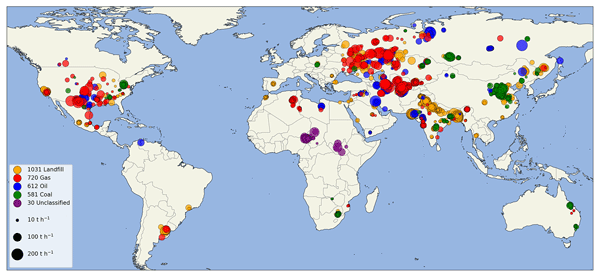
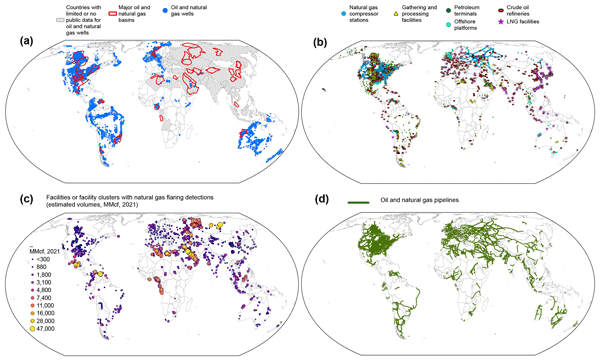
Satellite quantification of methane emissions and oil–gas methane intensities from individual countries in the Middle East and North Africa: implications for climate action
Zichong Chen
Daniel J. Jacob
Ritesh Gautam
Mark Omara
Robert N. Stavins
Robert C. Stowe
Hannah Nesser
Melissa P. Sulprizio
Alba Lorente
Daniel J. Varon
Lu Shen
Drew C. Pendergrass
Sarah Hancock
Related authors
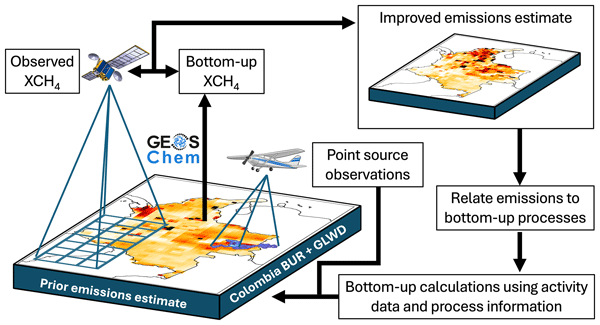
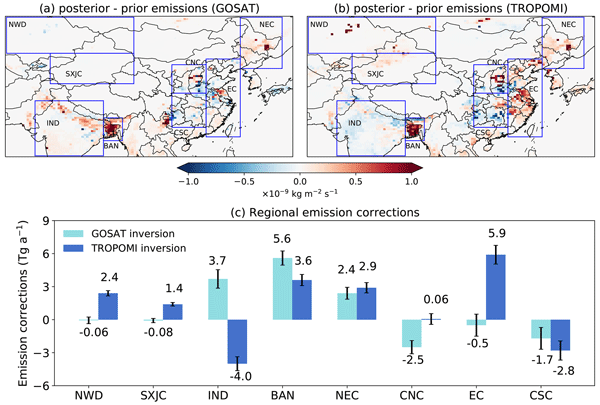

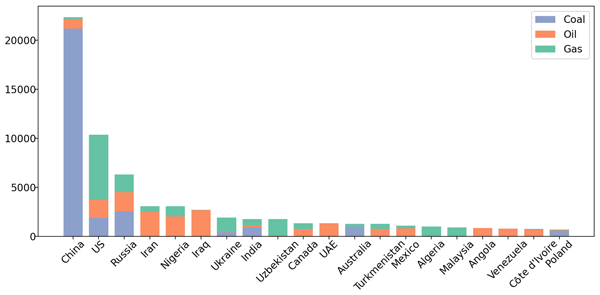
coal-to-gasenergy transition in China. However, this small loss rate can be misleading given China's high gas imports.
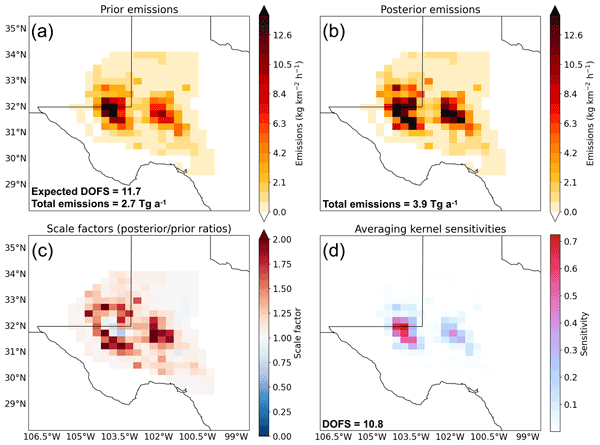
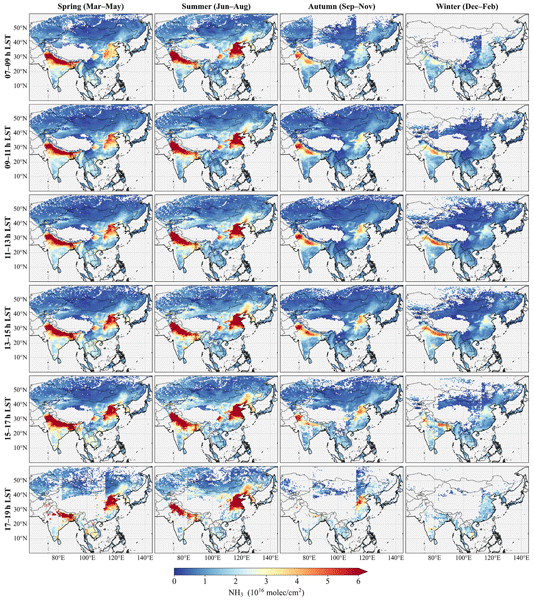
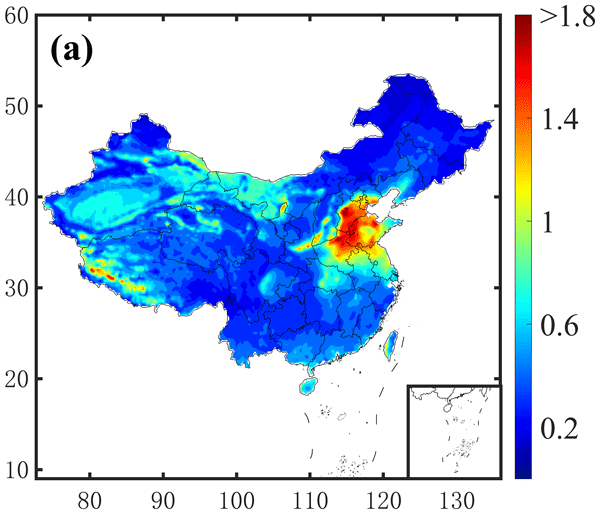
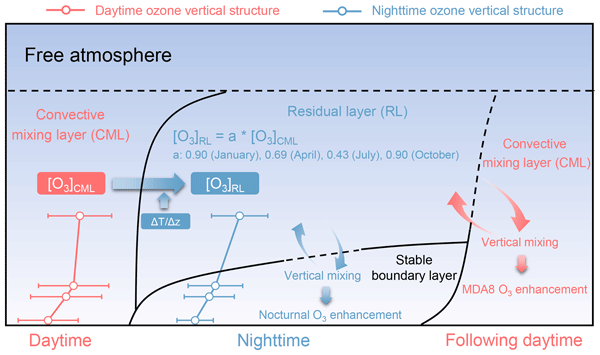
We develop a novel, dual-CTM bias correction framework to attribute summertime PM2.5 and ozone changes over eastern China during 2015–2024. The framework substantially reduces the CTM biases and reconciles the inter-model discrepancies in the attribution. Emission reductions dominate both the PM2.5 decline and ozone increase, but there is a marked transition of their role after 2019. Persistent unfavorable meteorological conditions contribute to ozone increase especially before 2019.
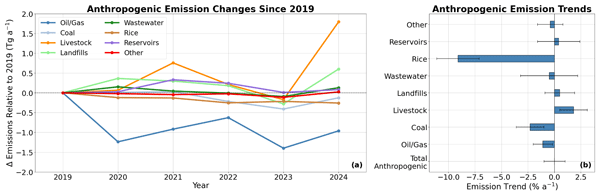
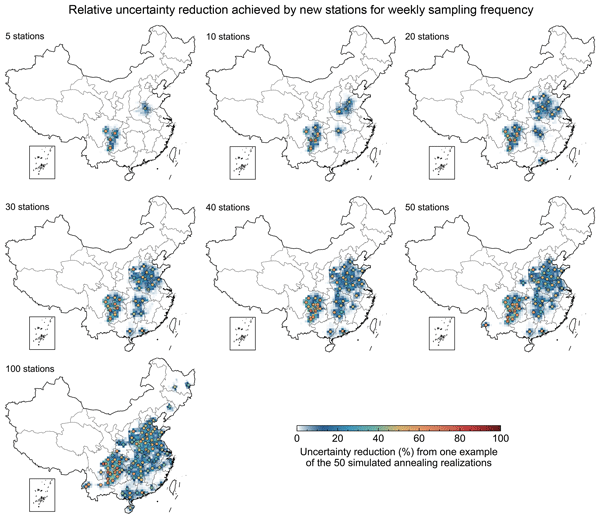
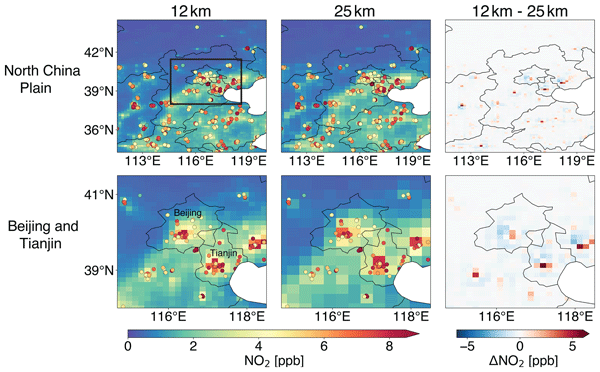
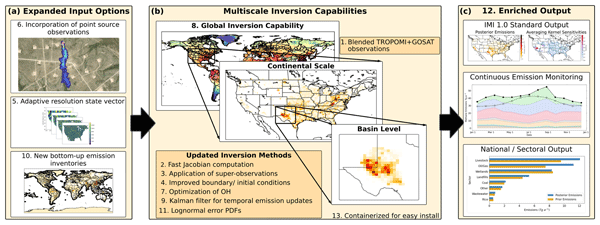
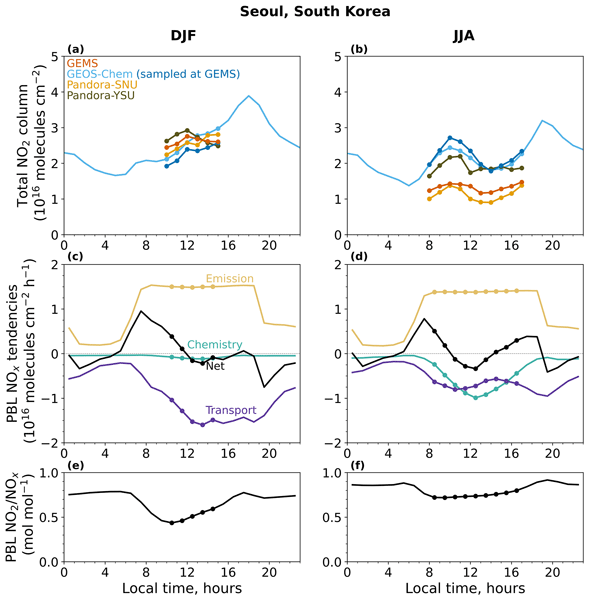
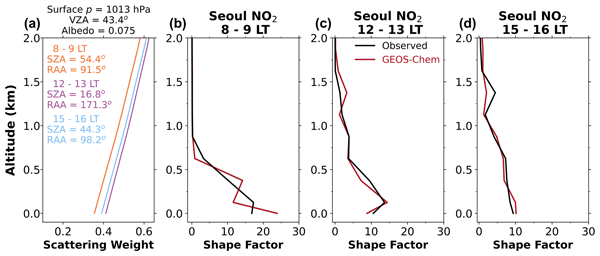
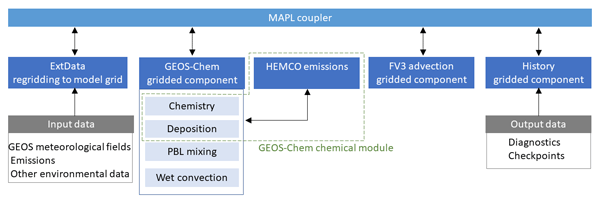
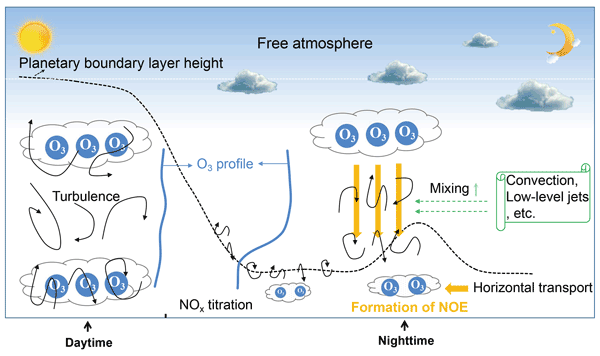
We implement a new 12-km global nested simulation capability in GEOS-Chem, an open-source global 3-D model of atmospheric chemistry. Compared with the standard 25-km simulation, the 12-km simulation features stronger vertical transport due to better resolved horizontal convergence, along with improved representation of urban NO2 and ozone titration. Application to methane emission inversion yields higher information content and resolves finer spatial structure in emission sectors.
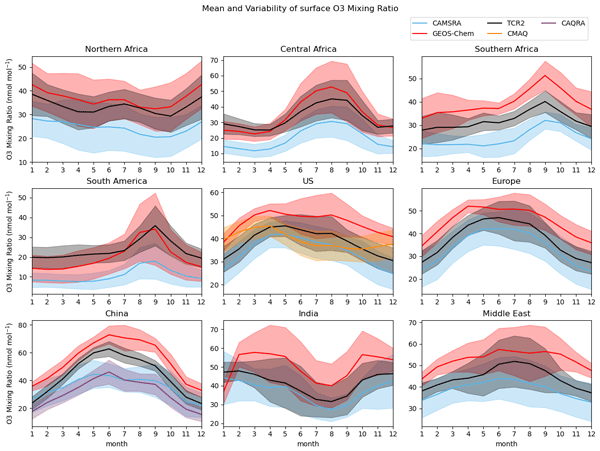

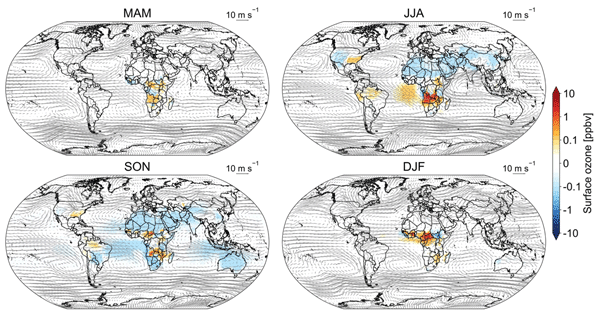
We examine the impact of diurnally varying African biomass burning (BB) emissions on tropospheric ozone using GEOS-Chem simulations with a high-resolution satellite-derived emission inventory. Compared to coarser temporal resolutions, incorporating diurnal variations leads to significant changes in surface ozone and atmospheric oxidation capacity. Our findings highlight the importance of accurately representing BB emission timing in chemical transport models to improve ozone predictions.


coal-to-gasenergy transition in China. However, this small loss rate can be misleading given China's high gas imports.