
Articles | Volume 26, issue 16
https://doi.org/10.5194/acp-26-12019-2026
© Author(s) 2026. This work is distributed under
the Creative Commons Attribution 4.0 License.
the Creative Commons Attribution 4.0 License.
https://doi.org/10.5194/acp-26-12019-2026
© Author(s) 2026. This work is distributed under
the Creative Commons Attribution 4.0 License.
the Creative Commons Attribution 4.0 License.
Research article
| 
24 Aug 2026
Research article |
| 24 Aug 2026
| 24 Aug 2026
Radiocarbon in atmospheric CH4 and CO2 at Jungfraujoch in 2019–2024: influence of regional nuclear emissions and current global atmospheric 14CH4 signal

Department of Chemistry, Biochemistry and Pharmaceutical Sciences, University of Bern, Bern, Switzerland
Oeschger Centre for Climate Change Research, University of Bern, Bern, Switzerland
now at: WANNER Expert GmbH, Solothurn, Switzerland
Dylan Geissbühler
Department of Chemistry, Biochemistry and Pharmaceutical Sciences, University of Bern, Bern, Switzerland
Oeschger Centre for Climate Change Research, University of Bern, Bern, Switzerland
now at: Institute for Marine and Atmospheric Research Utrecht, Utrecht University, Utrecht, the Netherlands
Stephan Henne
Empa, Swiss Federal Laboratories for Materials Science and Technology, Dübendorf, Switzerland
Ryo Fujita
Meteorological Research Institute, Japan Meteorological Agency, Tsukuba, Japan
Heather Graven
Department of Physics, Imperial College London, London, United Kingdom
Christophe Espic
Department of Chemistry, Biochemistry and Pharmaceutical Sciences, University of Bern, Bern, Switzerland
Oeschger Centre for Climate Change Research, University of Bern, Bern, Switzerland
now at: MIRO Analytical AG, Wallisellen, Switzerland
Matthias Bantle
Department of Chemistry, Biochemistry and Pharmaceutical Sciences, University of Bern, Bern, Switzerland
Negar Haghipour
Department of Earth and Planetary Sciences and Laboratory of Ion Beam Physics, ETH Zurich, Zurich, Switzerland
Franz Conen
Department of Environmental Sciences, University of Basel, Basel, Switzerland
Dominik Brunner
Empa, Swiss Federal Laboratories for Materials Science and Technology, Dübendorf, Switzerland
Martin Steinbacher
Empa, Swiss Federal Laboratories for Materials Science and Technology, Dübendorf, Switzerland
Giulia Zazzeri
Ricerca sul Sistema Energetico – RSE S.p.A., Milan, Italy
Samuel Hammer
Institute of Environmental Physics, Heidelberg University, ICOS-CRL, Heidelberg, Germany
Markus Leuenberger
Oeschger Centre for Climate Change Research, University of Bern, Bern, Switzerland
Climate and Environmental Physics, University of Bern, Bern, Switzerland
Department of Chemistry, Biochemistry and Pharmaceutical Sciences, University of Bern, Bern, Switzerland
Oeschger Centre for Climate Change Research, University of Bern, Bern, Switzerland
Related authors
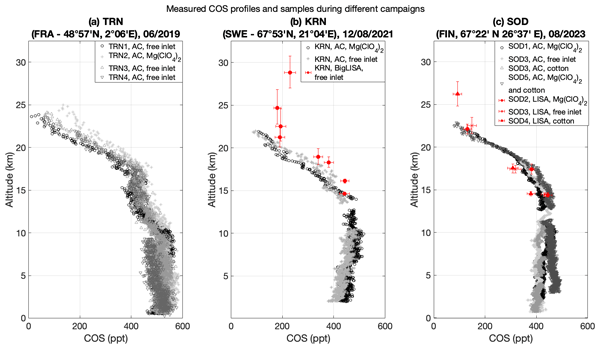
Alessandro Zanchetta, Steven van Heuven, Joram Hooghiem, Rigel Kivi, Thomas Laemmel, Michel Ramonet, Markus Leuenberger, Peter Nyfeler, Sophie L. Baartman, Maarten Krol, and Huilin Chen
Atmos. Meas. Tech., 19, 1465–1486, https://doi.org/10.5194/amt-19-1465-2026, https://doi.org/10.5194/amt-19-1465-2026, 2026
Short summary
Short summary
Continuous vertical profiles and discrete stratospheric samples of carbonyl sulfide (COS) were collected deploying the balloon-borne AirCore, LIghtweight Stratospheric Air (LISA) and BigLISA samplers and measured on a Quantum Cascade Laser Spectrometer (QCLS). Our measurements show good accordance with previous COS observations. Moreover, laboratory tests of ozone (O3) scrubbers proved squalene to remove O3 very efficiently without biasing the measurements of other trace gases.
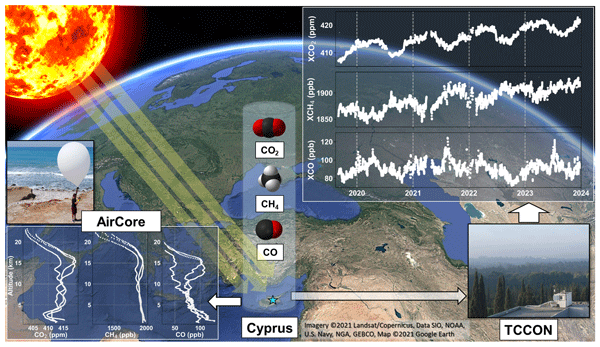
Constantina Rousogenous, Christof Petri, Pierre-Yves Quéhé, Thomas Laemmel, Joshua L. Laughner, Maximilien Desservettaz, Michael Pikridas, Michel Ramonet, Efstratios Bourtsoukidis, Matthias Buschmann, Justus Notholt, Thorsten Warneke, Jean-Daniel Paris, Jean Sciare, and Mihalis Vrekoussis
Atmos. Meas. Tech., 19, 565–581, https://doi.org/10.5194/amt-19-565-2026, https://doi.org/10.5194/amt-19-565-2026, 2026
Short summary
Short summary
The Eastern Mediterranean and Middle East is a greenhouse gas emission hotspot but lacks atmospheric monitoring. Our study introduces the first Total Carbon Column Observing Network site in this region, in Cyprus, providing high-precision columnar measurement of key greenhouse gases. This new dataset enhances global climate monitoring efforts, supports the validation of satellites, will help assess regional emission trends, filling a critical observational gap in this climate-sensitive region.
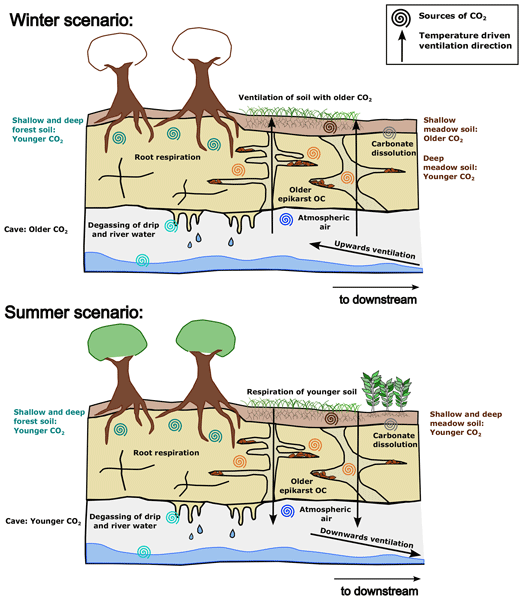
Sarah Ann Rowan, Marc Luetscher, Thomas Laemmel, Anna Harrison, Sönke Szidat, and Franziska A. Lechleitner
Biogeosciences, 22, 6173–6203, https://doi.org/10.5194/bg-22-6173-2025, https://doi.org/10.5194/bg-22-6173-2025, 2025
Short summary
Short summary
We explored CO2 from the soil to subsurface at Milandre cave, finding very high concentrations at all depths. While forest soils produced modern CO2 year-round, cave and meadow soil CO2 influences vary with temperature-controlled cave ventilation, with older CO2 input in winter from old organic matter stored underground. These findings show that CO2 fluxes in karst systems are highly dynamic, and a better understanding of them is important for accurate carbon cycle modelling.
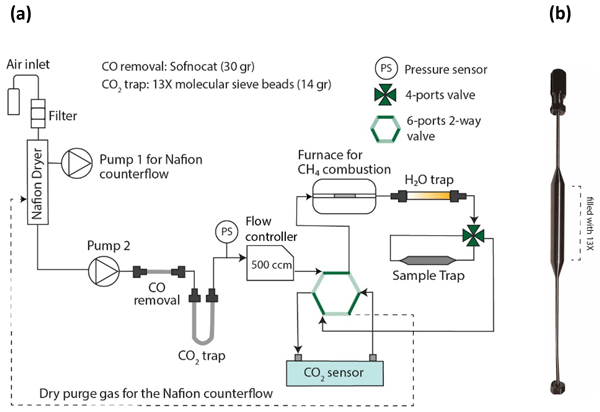
Giulia Zazzeri, Lukas Wacker, Negar Haghipour, Philip Gautschi, Thomas Laemmel, Sönke Szidat, and Heather Graven
Atmos. Meas. Tech., 18, 319–325, https://doi.org/10.5194/amt-18-319-2025, https://doi.org/10.5194/amt-18-319-2025, 2025
Short summary
Short summary
Radiocarbon (14C) is an optimal tracer of methane (CH4) emissions, as 14C measurements enable distinguishing between fossil methane and biogenic methane. However, these measurements are particularly challenging, mainly due to technical difficulties in the sampling procedure. We made the sample extraction much simpler and time efficient, providing a new technology that can be used by any research group, with the goal of expanding 14C measurements for an improved understanding of methane sources.
Joshua L. Laughner, Geoffrey C. Toon, Joseph Mendonca, Christof Petri, Sébastien Roche, Debra Wunch, Jean-Francois Blavier, David W. T. Griffith, Pauli Heikkinen, Ralph F. Keeling, Matthäus Kiel, Rigel Kivi, Coleen M. Roehl, Britton B. Stephens, Bianca C. Baier, Huilin Chen, Yonghoon Choi, Nicholas M. Deutscher, Joshua P. DiGangi, Jochen Gross, Benedikt Herkommer, Pascal Jeseck, Thomas Laemmel, Xin Lan, Erin McGee, Kathryn McKain, John Miller, Isamu Morino, Justus Notholt, Hirofumi Ohyama, David F. Pollard, Markus Rettinger, Haris Riris, Constantina Rousogenous, Mahesh Kumar Sha, Kei Shiomi, Kimberly Strong, Ralf Sussmann, Yao Té, Voltaire A. Velazco, Steven C. Wofsy, Minqiang Zhou, and Paul O. Wennberg
Earth Syst. Sci. Data, 16, 2197–2260, https://doi.org/10.5194/essd-16-2197-2024, https://doi.org/10.5194/essd-16-2197-2024, 2024
Short summary
Short summary
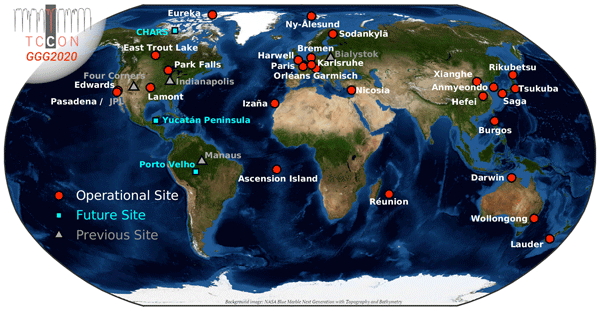
This paper describes a new version, called GGG2020, of a data set containing column-integrated observations of greenhouse and related gases (including CO2, CH4, CO, and N2O) made by ground stations located around the world. Compared to the previous version (GGG2014), improvements have been made toward site-to-site consistency. This data set plays a key role in validating space-based greenhouse gas observations and in understanding the carbon cycle.
Joshua L. Laughner, Sébastien Roche, Matthäus Kiel, Geoffrey C. Toon, Debra Wunch, Bianca C. Baier, Sébastien Biraud, Huilin Chen, Rigel Kivi, Thomas Laemmel, Kathryn McKain, Pierre-Yves Quéhé, Constantina Rousogenous, Britton B. Stephens, Kaley Walker, and Paul O. Wennberg
Atmos. Meas. Tech., 16, 1121–1146, https://doi.org/10.5194/amt-16-1121-2023, https://doi.org/10.5194/amt-16-1121-2023, 2023
Short summary
Short summary
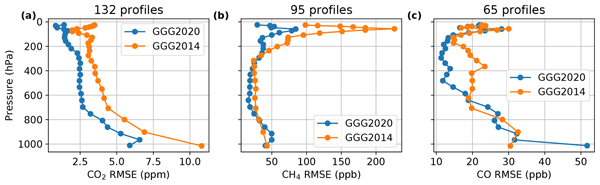
Observations using sunlight to measure surface-to-space total column of greenhouse gases in the atmosphere need an initial guess of the vertical distribution of those gases to start from. We have developed an approach to provide those initial guess profiles that uses readily available meteorological data as input. This lets us make these guesses without simulating them with a global model. The profiles generated this way match independent observations well.
Matthias Schneider, Benjamin Ertl, Qiansi Tu, Christopher J. Diekmann, Farahnaz Khosrawi, Amelie N. Röhling, Frank Hase, Darko Dubravica, Omaira E. García, Eliezer Sepúlveda, Tobias Borsdorff, Jochen Landgraf, Alba Lorente, André Butz, Huilin Chen, Rigel Kivi, Thomas Laemmel, Michel Ramonet, Cyril Crevoisier, Jérome Pernin, Martin Steinbacher, Frank Meinhardt, Kimberly Strong, Debra Wunch, Thorsten Warneke, Coleen Roehl, Paul O. Wennberg, Isamu Morino, Laura T. Iraci, Kei Shiomi, Nicholas M. Deutscher, David W. T. Griffith, Voltaire A. Velazco, and David F. Pollard
Atmos. Meas. Tech., 15, 4339–4371, https://doi.org/10.5194/amt-15-4339-2022, https://doi.org/10.5194/amt-15-4339-2022, 2022
Short summary
Short summary
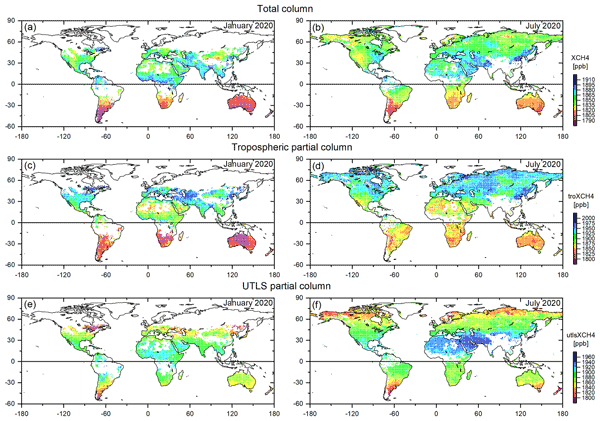
We present a computationally very efficient method for the synergetic use of level 2 remote-sensing data products. We apply the method to IASI vertical profile and TROPOMI total column space-borne methane observations and thus gain sensitivity for the tropospheric methane partial columns, which is not achievable by the individual use of TROPOMI and IASI. These synergetic effects are evaluated theoretically and empirically by inter-comparisons to independent references of TCCON, AirCore, and GAW.
Daniel Kühbacher, Jia Chen, Patrick Aigner, Adrian Wenzel, Pascal Rubli, Dominik Brunner, Lukas Emmenegger, and Stuart K. Grange
EGUsphere, https://doi.org/10.5194/egusphere-2026-6001, https://doi.org/10.5194/egusphere-2026-6001, 2026
This preprint is open for discussion and under review for Atmospheric Measurement Techniques (AMT).
Short summary
Short summary
SCOUT is a network of 100 battery-powered sensor nodes deployed at street level in Munich (Germany). We developed novel methods to improve the measurement accuracy and correct for a gradually drifting sensor signal, achieving a median RMSE of 9.95 ppm for hourly CO2 measurements. The sensors capture the diurnal characteristics of urban CO2 across different sites well, and the measured enhancements correlate strongly with the local emissions from the city inventory at the corresponding sites.
Vivek K. Arora, Chris D. Jones, Pierre Friedlingstein, Tatiana Ilyina, Guilherme L. Torres Mendonça, Benjamin Sanderson, Charles Koven, Heather Graven, Michio Kawamiya, Victor Brovkin, John Dunne, Forrest M. Hoffman, Julia Pongratz, James T. Randerson, Anastasia Romanou, Sönke Zaehle, and Kirsten Zickfeld
EGUsphere, https://doi.org/10.5194/egusphere-2026-5533, https://doi.org/10.5194/egusphere-2026-5533, 2026
This preprint is open for discussion and under review for Geoscientific Model Development (GMD).
Short summary
Short summary
Earth system models (ESM) are important tools for understanding how the Earth’s climate and carbon cycle interact, and how Earth system responds to anthropogenic CO2 emissions. The Coupled Climate-Carbon Cycle Model Intercomparison Project (C4MIP) compares Earth system models from around the world in context of climate and carbon cycle interactions. This manuscript describes the new set of experiments for C4MIP for the seventh phase of the coupled modelling intercomparison project (CMIP7).
Bernard Grobety, Philippe Favreau, Juanita Rausch, David Jaramillo-Vogel, Martin Steinbacher, and Christoph Neururer
Aerosol Research, 4, 485–500, https://doi.org/10.5194/ar-4-485-2026, https://doi.org/10.5194/ar-4-485-2026, 2026
Short summary
Short summary
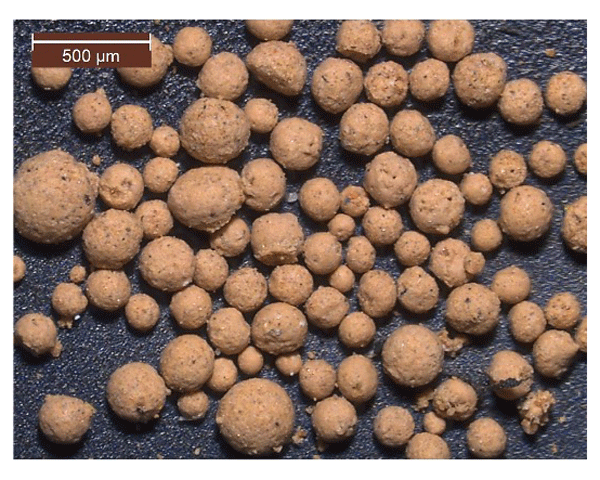
The iberulite fall was, to our knowledge, the first reported in central Europe. What was special was that the fall was observed in situ and that the meteorological conditions during the fall are well known. The meteorology and the particle size distribution inside the iberulites strongly corroborate below-cloud scavenging as a probable formation mechanism. The discovery of further iberulites Saharan dust event (SDE) samples collected since suggests that iberulites are common but overlooked by other researchers.
Sarah Rowan, Marc Luetscher, Negar Haghipour, Heather M. Stoll, Laura Endres, Sönke Szidat, and Franziska A. Lechleitner
EGUsphere, https://doi.org/10.5194/egusphere-2026-5813, https://doi.org/10.5194/egusphere-2026-5813, 2026
This preprint is open for discussion and under review for Biogeosciences (BG).
Short summary
Short summary
Soils and plants store three times as much carbon as the atmosphere but how carbon is lost to inland water bodies remains uncertain. We present two years of data from a cave system, revealing contrasting sources and ages of dissolved carbon pools, as well as strong seasonal dynamics. A speleothem (secondary cave carbonate deposit) allows us to trace these signatures back in time. Our findings highlight the complexity of belowground transport and transformation of carbon.
Sandro Meier, Dominik Brunner, and Gerrit Kuhlmann
EGUsphere, https://doi.org/10.5194/egusphere-2026-5235, https://doi.org/10.5194/egusphere-2026-5235, 2026
This preprint is open for discussion and under review for Atmospheric Chemistry and Physics (ACP).
Short summary
Short summary
Accurate computer-generated methane plumes could improve efforts to find and measure greenhouse gas emissions. We compared metre-scale simulations with images of controlled methane releases collected from an aircraft in France. The model reproduced most observed plume shapes and variations, but the viewing geometry caused important differences. Accounting for these effects can make satellite measurements and automated plume detection more reliable.
Cuiqi Zhang, Xiaoli Shen, Justin Jacquot, Larissa Lacher, Selvakumar Vishnupriya, Benjamin T. Brem, Robin L. Modini, Nora Nowak, Michael Sprenger, Martin Steinbacher, Stephan Henne, Martine Collaud Coen, Franz Conen, Kristina Höhler, Ottmar Möhler, Martin Gysel-Beer, Daniel J. Cziczo, and Zamin A. Kanji
EGUsphere, https://doi.org/10.5194/egusphere-2026-5645, https://doi.org/10.5194/egusphere-2026-5645, 2026
This preprint is open for discussion and under review for Atmospheric Chemistry and Physics (ACP).
Short summary
Short summary
Clouds play a key role in weather and climate, but the particles that trigger cloud ice formation are difficult to identify directly. By simulating clouds in a cloud chamber and particle measurements at a mountain station, we found that mineral dust was the main trigger of cloud ice formation. Dust from local construction and transported from higher atmospheric layers both contributed. The study shows that both human activities and atmospheric processes can influence cloud formation.
Arash Hamzehloo, Erik F. M. Koene, Nikolai Ponomarev, Michael Steiner, Sven Werchner, Xavier Lapillonne, William B. Sawyer, Michael Jähn, Lukas Emmenegger, and Dominik Brunner
EGUsphere, https://doi.org/10.5194/egusphere-2026-2531, https://doi.org/10.5194/egusphere-2026-2531, 2026
This preprint is open for discussion and under review for Geoscientific Model Development (GMD).
Short summary
Short summary
Tracking where greenhouse gases and air pollutants come from, and where plants absorb carbon dioxide, requires demanding computer simulations of the atmosphere. We rewrote key parts of a widely used atmospheric model so that they run efficiently on graphics processors. The new code runs six times faster than before and uses energy more efficiently. This supports air-quality monitoring, climate research, and combining satellite data with high-resolution simulations of cities and ecosystems.
Nabir Mamnun, Branwen Williams, Rena Mukherjee, Roberta L. Hansman, Rolf Sonnerup, Nikita Tournebise, Tim DeVries, and Heather Graven
Earth Syst. Sci. Data Discuss., https://doi.org/10.5194/essd-2026-691, https://doi.org/10.5194/essd-2026-691, 2026
Revised manuscript under review for ESSD
Short summary
Short summary
Radiocarbon in the ocean reveals how seawater mixes and stores atmospheric carbon, yet measurements were spread across many separate studies. We compiled nearly 70,000 ship-based seawater and marine archive records from 1700 to 2024 into a harmonized global dataset, with quality checks and open archiving. The product captures pre-industrial conditions, changes from nuclear weapons testing, and recent decades, supporting climate and ocean model evaluation.
Joseph Ovwemuvwose, Ian Colin Prentice, and Heather Graven
Biogeosciences, 23, 5593–5605, https://doi.org/10.5194/bg-23-5593-2026, https://doi.org/10.5194/bg-23-5593-2026, 2026
Short summary
Short summary
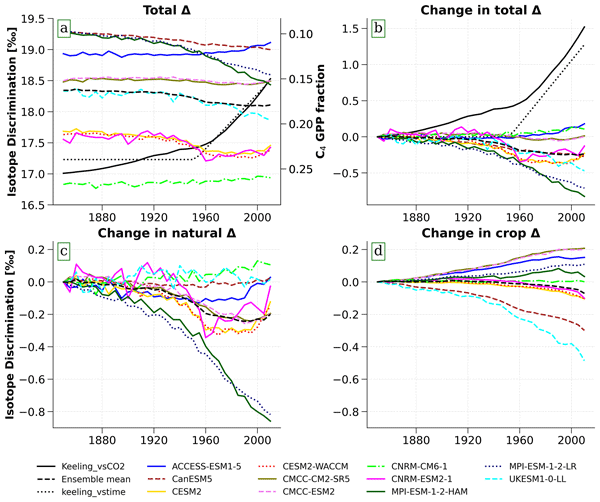
This work examines the roles of cropland representation and the treatment of photosynthetic pathways in the uncertainties of carbon flux simulations in Earth System Models (ESMs). Our results show that reducing these uncertainties will require improvements in the representation of C3 and C4 crops and natural vegetation area coverage, as well as the theories underpinning the simulation of their carbon uptake processes, specifically the implementation of photosynthetic pathways.
Joël Thanwerdas, Paolo Cristofanelli, Angela Fiore, Rianne Dröge, Sophie Van Mil, Yohanna Villalobos, Zhendong Wu, and Dominik Brunner
Atmos. Chem. Phys., 26, 10477–10507, https://doi.org/10.5194/acp-26-10477-2026, https://doi.org/10.5194/acp-26-10477-2026, 2026
Short summary
Short summary
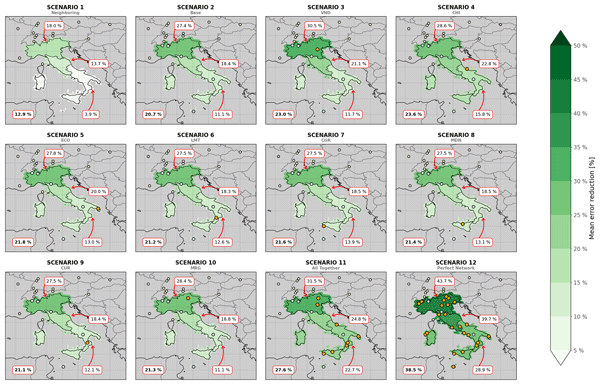
We assess how expanding Italy’s sparse ICOS (Integrated Carbon Observation System) methane network could improve methane emission estimates. Using transport modelling, data assimilation methods and synthetic observations, we test eight candidate sites. Chieti, in Central Italy and Mount Venda, in Northern Italy, provide the strongest added constraints, respectively. The framework developed here can be applied to other countries to optimize their atmospheric measurement networks and to improve constraints on greenhouse gas emissions.
Joseph R. Pitt, Dominique Rust, Anita Ganesan, Luke M. Western, Martin K. Vollmer, Jens Mühle, Tobias Bühlmann, Christina M. Harth, Stephen A. Montzka, Brad D. Hall, Isaac J. Vimont, Alistair J. Manning, Alison L. Redington, Stephan Henne, Daniela B. Melo, Saurabh Annadate, Lionel Constantin, Brendan M. Murphy, Matthew Rigby, Dickon Young, Simon O'Doherty, Angelina Wenger, Chris R. Lunder, Ove Hermansen, Thomas Wagenhäuser, Andreas Engel, Jgor Arduini, Michela Maione, Jaegeun Yun, Blagoj Mitrevski, Paul B. Krummel, Paul J. Fraser, Jooil Kim, Ray H. J. Wang, Tae Siek Rhee, Peter K. Salameh, T. Gerard Spain, Stefan Reimann, Ronald G. Prinn, Ray F. Weiss, and Kieran M. Stanley
Atmos. Chem. Phys., 26, 10167–10195, https://doi.org/10.5194/acp-26-10167-2026, https://doi.org/10.5194/acp-26-10167-2026, 2026
Short summary
Short summary
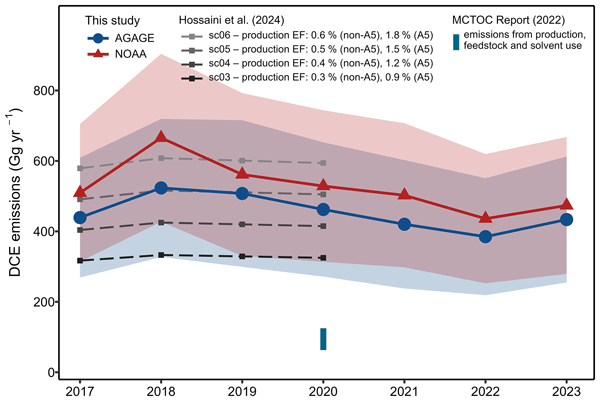
1,2‑Dichloroethane (DCE) can contribute to the depletion of the stratospheric ozone layer. Whether DCE reaches the stratosphere depends on where and when it is emitted. We present the ongoing measurements of DCE from the Advanced Global Atmospheric Gases Experiment (AGAGE) and National Oceanic and Atmospheric Administration (NOAA) global monitoring networks. For the period 2017–2023, our modelled average global emissions based on these observations align with another study, while regional estimates differ. This suggests remaining uncertainty in the geographical distribution of emissions.
Audrey McManemin, Catherine Juéry, Vincent Blandin, Matthew Baker, Stéphane Bauguitte, Dominik Brunner, Philippine Burdeau, James Lawrence France, Anders M. Fredenslund, Andreas Hueni, Gerrit Kuhlmann, Patryk Łakomiec, Sando Meier, Roberto Paglini, Roubina Papaconstantinou, Jean-Daniel Paris, Pierre-Yves Quehe, Thomas Röckmann, Charlotte Scheutz, Martina Schmidt, Marius Vögtli, Julia B. Wietzel, and Adam R. Brandt
EGUsphere, https://doi.org/10.5194/egusphere-2026-1744, https://doi.org/10.5194/egusphere-2026-1744, 2026
Short summary
Short summary
Researchers tested five university-led systems to measure methane leaks at a facility in France. By releasing known amounts of gas, researchers checked if mobile tools on vehicles and planes could accurately detect and quantify emissions. Most sensors were excellent at finding leaks, but their accuracy in measuring the exact emission rate varied. Weather, especially low wind, significantly impacted results. These findings help improve how we track greenhouse gases to meet climate goals.
Michelle Marie Worek, David Wachs, Anja Eichler, Matthias Huss, Raphael Moser, Sabina Brütsch, Sönke Szidat, Margit Schwikowski, and Theo Manuel Jenk
EGUsphere, https://doi.org/10.5194/egusphere-2026-3356, https://doi.org/10.5194/egusphere-2026-3356, 2026
Short summary
Short summary
To assess whether current glacier loss in the Alps is unprecedented, we drilled ice cores from the Tödi summit glacier in Switzerland. We dated the ice with radionuclides and modelling, finding that the surface ice is from about 1960, and the deepest ice is 10,000 years old. Our results show that summit glaciers can preserve very old ice through warm periods, indicating local factors matter more than elevation, and some cold-based glaciers at risk of melting may preserve ancient climate data.
Julian Weng, Yufang Hao, Benjamin T. Brem, Tianqu Cui, Peeyush Khare, Lubna Dada, Kaspar R. Daellenbach, Sophie Darfeuil, Gaëlle Uzu, Jean-Luc Jaffrezo, Martin Steinbacher, Stefan Reimann, Thaleia Gkraikou, Konstantina Oikonomou, Jean Sciare, Martine Collaud Coen, Claudia Mohr, Andre S. H. Prévôt, Martin Gysel-Beer, Imad El Haddad, and Patrik Winiger
EGUsphere, https://doi.org/10.5194/egusphere-2026-3660, https://doi.org/10.5194/egusphere-2026-3660, 2026
Short summary
Short summary
Long-term observations at the Jungfraujoch High Altitude Research Station show that, alongside air mass transport, sustained oxidative processing shaped by atmospheric water vapor plays a central role in driving aerosol loading and composition. Combining detailed aerosol chemical characterization with process-level insights, we provide important observational benchmarks for improving atmospheric model performance in the remote free troposphere, where uncertainties remain particularly high.
Gaurav Kumar, Yama Dixit, Anubhav Singh, Shyam Ranjan, and Markus Leuenberger
EGUsphere, https://doi.org/10.5194/egusphere-2026-220, https://doi.org/10.5194/egusphere-2026-220, 2026
Short summary
Short summary
We established a high-altitude, realtime-water vapor isotopes (triple oxygen and hydrogen) monitoring laboratory in remote region of Northwest Himalayas (Manali, India) using a Cavity Ring Down Spectrometer. This work highlights the technological advancements used to obtain high precision long-term vapour isotope data addressing challenges such as cloud bursts, snowfall, extreme rainfall and frequent power cuts, through a custom-engineered heated inlet system and robust power backups.
Bibhasvata Dasgupta, Sudhanshu Pandey, Sander Houweling, Malika Menoud, Carina van der Veen, John Miller, Ben Riddell-Young, Sylvia Englund Michel, Peter Sperlich, Shinji Morimoto, Ryo Fujita, Stephen Platt, Christine Groot Zwaaftink, Ingeborg Levin, Cordelia Veidt, Cathrine Lund Myhre, Ceres Woolley Maisch, Rebecca Fisher, Euan G. Nisbet, James France, Rowena Moss, Nicola Warwick, and Thomas Röckmann
Atmos. Chem. Phys., 26, 8601–8616, https://doi.org/10.5194/acp-26-8601-2026, https://doi.org/10.5194/acp-26-8601-2026, 2026
Short summary
Short summary
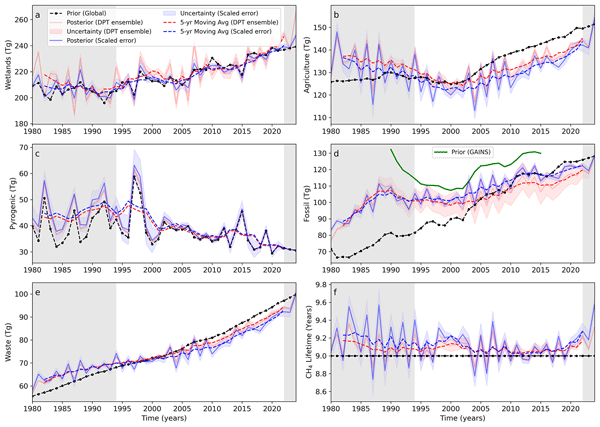
Methane is a strong greenhouse gas, and its rise since the mid-2000s is debated in terms of sources and sinks. Using top-down and bottom-up data, along with inversion models and methane isotopes (δ13C-CH4 and δD-CH4), we find that wetlands are the primary driver of post-2006 increases, followed by agriculture and fossil fuels. Methane's lifetime has decreased by about 0.1 years. We also assess how isotope signatures and sink processes influence uncertainties.
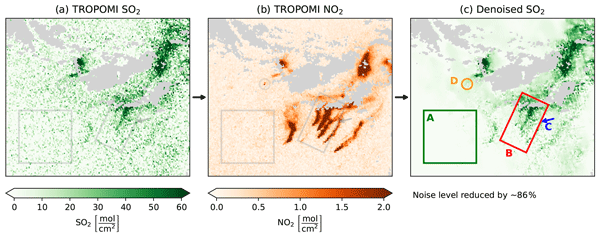
Erik Franciscus Maria Koene, Gerrit Kuhlmann, and Dominik Brunner
Atmos. Meas. Tech., 19, 3999–4012, https://doi.org/10.5194/amt-19-3999-2026, https://doi.org/10.5194/amt-19-3999-2026, 2026
Short summary
Short summary
We developed methods to reduce noise in satellite images that track air pollution. By using clearer measurements of a related gas, our techniques improve image quality by up to 80 percent, allowing more accurate identification of pollution sources. Tested with simulated and real satellite data, this approach could enhance monitoring of emissions and support better environmental decisions.
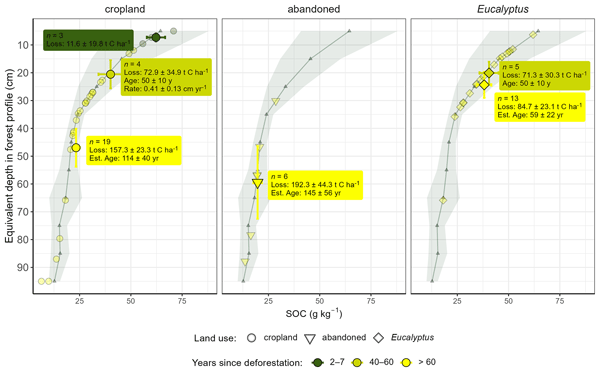
Laura Summerauer, Fernando Bamba, Bendicto Akoraebirungi, Ahurra Wobusobozi, Marijn Bauters, Travis William Drake, Negar Haghipour, Clovis Kabaseke, Daniel Muhindo, Landry Cizungu Ntaboba, Leonardo Ramirez-Lopez, Johan Six, Daniel Wasner, and Sebastian Doetterl
Biogeosciences, 23, 3907–3938, https://doi.org/10.5194/bg-23-3907-2026, https://doi.org/10.5194/bg-23-3907-2026, 2026
Short summary
Short summary
Deforestation for croplands on tropical hillslopes causes severe soil degradation and loss of fertile topsoil. We found that this leads to a steep decline in soil fertility, including organic carbon, nitrogen, and phosphorus. This makes the land unproductive, often leading farmers to abandon it. Replanting with Eucalyptus trees doesn't restore fertility. This degradation leads to cropland lifespans of only 145±56 years and poses a serious threat to future food production.
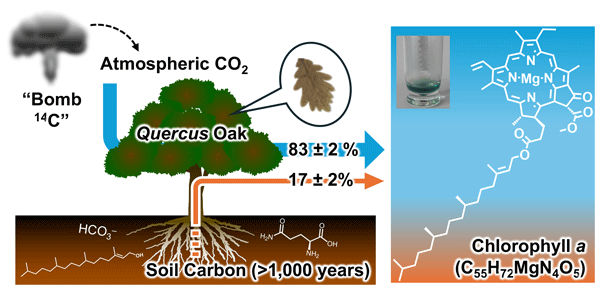
Naoto F. Ishikawa, Hisami Suga, Tessa S. van der Voort, Reto Nyffeler, Nanako O. Ogawa, Negar Haghipour, Lukas Wacker, Timothy I. Eglinton, and Naohiko Ohkouchi
Biogeosciences, 23, 3855–3869, https://doi.org/10.5194/bg-23-3855-2026, https://doi.org/10.5194/bg-23-3855-2026, 2026
Short summary
Short summary
The main finding of this work is that chlorophyll a in plant leaves is made from atmospheric CO2 (83 ± 2 %) as well as soil carbon (17 ± 2 %), the latter of which is older than 1000 years. The results suggest that radiocarbon age and provenance within a single tree are more diverse than previously thought.
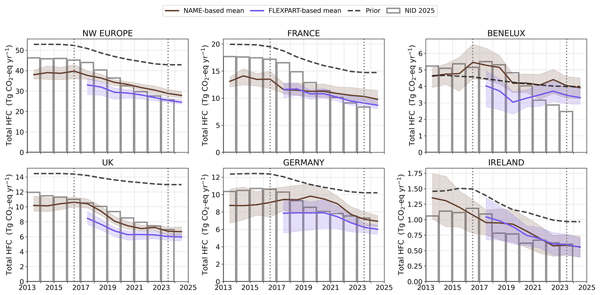
Hélène De Longueville, Daniela B. Melo, Alison L. Redington, Alice Ramsden, Alexandre Danjou, Peter Andrews, Joseph Pitt, Brendan Murphy, Lionel Constantin, Kieran M. Stanley, Simon O'Doherty, Angelina Wenger, Dickon Young, Andreas Engel, Tanja Schuck, Katharina Meixner, Thomas Wagenhaeuser, Fides Gad, Martin K. Vollmer, Stefan Reimann, Michela Maoine, Jgor Arduini, Chris Lunder, Norbert Schmidtbauer, László Haszpra, Mihály Molnár, Arnoud Frumau, Cedric Couret, Matthew Rigby, Stephan Henne, Alistair Manning, and Anita L. Ganesan
Atmos. Chem. Phys., 26, 7647–7675, https://doi.org/10.5194/acp-26-7647-2026, https://doi.org/10.5194/acp-26-7647-2026, 2026
Short summary
Short summary
This study estimates emissions of hydrofluorocarbons, potent greenhouse gases, in north-western Europe using atmospheric observations and atmospheric modelling. The estimates are compared with nationally reported emissions submitted to the United Nations. Overall, our results are consistent with reported values, although differences are found for some gases and countries. The findings indicate that emissions in north-western Europe are declining, reflecting the effects of climate regulations.
Liang Feng, Paul I. Palmer, Haolin Wang, Robert Parker, Hartmut Boesch, Sébastien C. Biraud, Łukasz Chmura, Emanuel Gloor, László Haszpra, Elena Kozlova, Euan G. Nisbet, Steffen M. Noe, Thomas Röckmann, Rodrigo Augusto Ferreira de Souza, and Martin Steinbacher
EGUsphere, https://doi.org/10.5194/egusphere-2026-2662, https://doi.org/10.5194/egusphere-2026-2662, 2026
Short summary
Short summary
This study examines the relative roles of emissions and oxidation in recent rapid methane growth. Using an ensemble Kalman filter, we quantify global methane sources and sinks for 2018–2024. Emission changes dominate the increase, except in 2020 when a COVID‑19‑related OH decline strongly affected sinks. Atmospheric photochemistry—including OH and CH₄ variability and temperature‑dependent oxidation—also significantly shapes the methane budget.
Martin K. Vollmer, Joseph R. Pitt, Dickon Young, Stephan Henne, Blagoj Mitrevski, Jens Mühle, Anita Ganesan, Jgor Arduini, Alistair J. Manning, Thomas Wagenhäuser, Alison L. Redington, Daniela B. Melo, Brendan Murphy, Ray Gluckmann, Kieran M. Stanley, Paul B. Krummel, Chris R. Lunder, Jaegeun Yun, Dominique Rust, Angelina Wenger, Myriam Guillevic, Jooil Kim, Ray H. J. Wang, Tae Siek Rhee, Lionel Constantin, Arnoud Frumau, Christina M. Harth, Peter K. Salameh, Ove Hermansen, Matthew Rigby, Luke M. Western, Andreas Engel, Simon O'Doherty, Sunyoung Park, Michela Maione, Paul J. Fraser, Ronald G. Prinn, Ray F. Weiss, and Stefan Reimann
Atmos. Chem. Phys., 26, 6993–7012, https://doi.org/10.5194/acp-26-6993-2026, https://doi.org/10.5194/acp-26-6993-2026, 2026
Short summary
Short summary
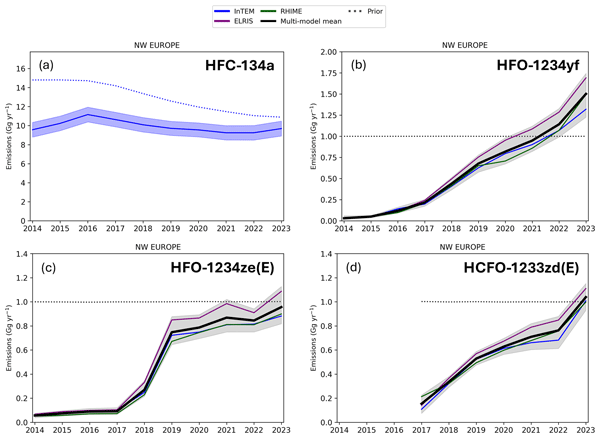
Halogenated olefins (HFOs) are newly emerging compounds in the atmosphere. They are in reach of the definition of PFAS (Per- and polyfluoroalkyl substances) and some decay to the eternal chemical trifluoroacetate (TFA). We provide atmospheric measurements of three HFOs from the large Advanced Global Atmospheric Gases Experiment (AGAGE) network and estimate emissions for Northwest Europe for the first time. We find a quasi-ubiquitous presence in the atmosphere and rapidly increasing emissions.
Leonie Bernet, Benjamin T. Brem, Nicolas Bukowiecki, Stephan Henne, Jörg Klausen, Mathew Mutuku, David Njiru, Patricia Nying'uro, Christoph Zellweger, and Martin Steinbacher
Atmos. Chem. Phys., 26, 6741–6762, https://doi.org/10.5194/acp-26-6741-2026, https://doi.org/10.5194/acp-26-6741-2026, 2026
Short summary
Short summary
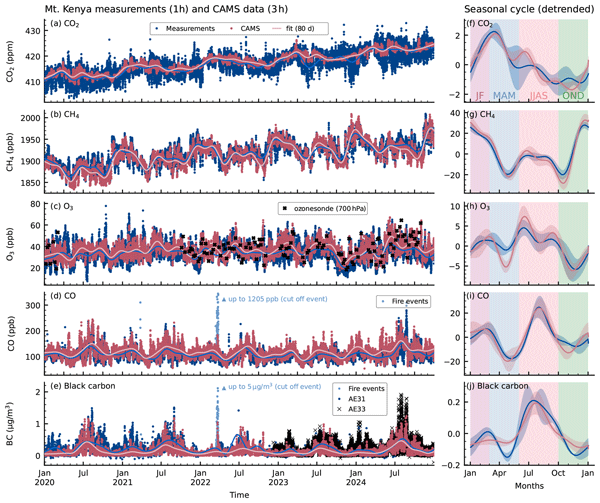
Long-term atmospheric measurements are crucial to understanding climate change but remain scarce across Africa. We monitored atmospheric species at Mt. Kenya from 2020 to 2024. Our data reveal equatorial seasonal and daily variability and show that models miss local patterns. Emissions at Mt. Kenya mainly come from households, industry, and agriculture, though with large uncertainties. These findings stress the need for more ground stations to improve climate models and emission estimates.
Jacoline van Es, Juan Bettinelli, Jia Chen, Carina van der Veen, Stephan Henne, and Thomas Röckmann
EGUsphere, https://doi.org/10.5194/egusphere-2026-1813, https://doi.org/10.5194/egusphere-2026-1813, 2026
Short summary
Short summary
The increase in atmospheric methane needs to be reversed to mitigate ongoing global warming. To design effective mitigation strategies at the local/regional level, we need to know what the main sources in different regions. We show that in Hamburg, Germany, biogenic sources are the main contributor to local emissions, with additional contributions from waste and fossil CH4 sources. An unexpected source is the Elbe River, with spiking emissions at low tide when the river banks are exposed.
Shuang Fu, Xuemei Qing, Kunpeng Zang, Yi Lin, Shuo Liu, Yuanyuan Chen, Bingjiang Chen, Wei Gao, Martin Steinbacher, and Shuangxi Fang
Atmos. Chem. Phys., 26, 5477–5496, https://doi.org/10.5194/acp-26-5477-2026, https://doi.org/10.5194/acp-26-5477-2026, 2026
Short summary
Short summary
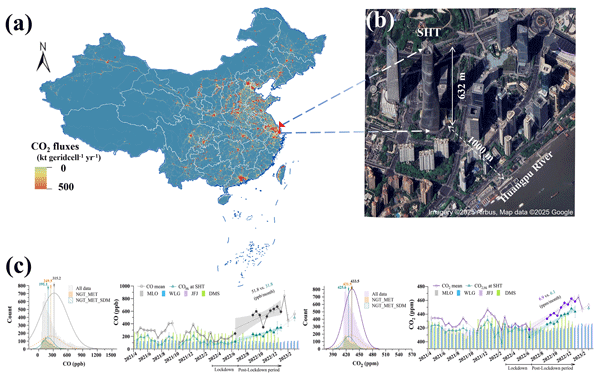
Urban carbon dynamics are critical for climate action, yet remote background monitoring often misses key details. This study utilized the unique vantage point of the 632-m Shanghai Tower to investigate carbon dioxide and carbon monoxide dynamics directly above the urban core. Our research confirms such elevated observations can effectively track metropolitan-scale footprint, revealing fossil fuels as the dominant source (85%) of excess carbon dioxide and supporting targeted reduction measures.
Ann-Kristin Kunz, Samuel Hammer, Patrick Aigner, Laura Bignotti, Lars Borchardt, Jia Chen, Julian Della Coletta, Lukas Emmenegger, Markus Eritt, Xochilt Gutiérrez, Josh Hashemi, Rainer Hilland, Christopher Holst, Armin Jordan, Natascha Kljun, Richard Kneißl, Changxing Lan, Virgile Legendre, Ingeborg Levin, Benjamin Loubet, Matthias Mauder, Betty Molinier, Susanne Preunkert, Michel Ramonet, Stavros Stagakis, and Andreas Christen
Atmos. Chem. Phys., 26, 4967–5003, https://doi.org/10.5194/acp-26-4967-2026, https://doi.org/10.5194/acp-26-4967-2026, 2026
Short summary
Short summary
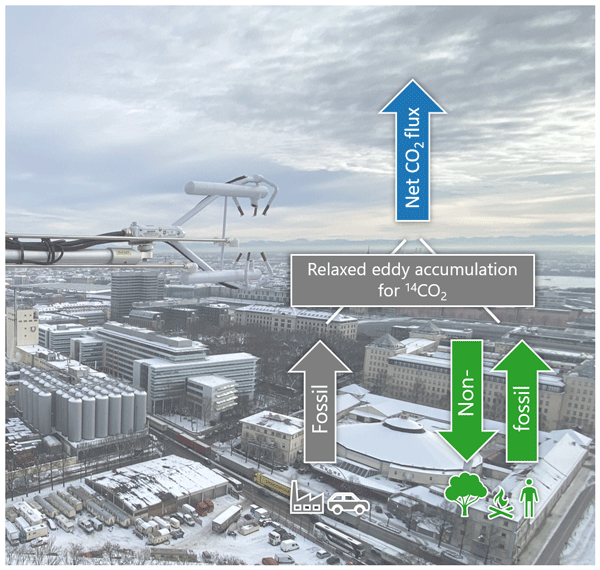
We present radiocarbon (14C)-based fossil fuel CO2 fluxes from relaxed eddy accumulation measurements on tall towers in the cities of Zurich, Paris, and Munich. By separating net CO2 fluxes into fossil and non-fossil components, these data reveal significant and variable contributions from human, plant, and soil respiration, as well as point-source emissions. These unique insights into CO2 flux composition offer crucial information for observation-based validation of urban emission estimates.
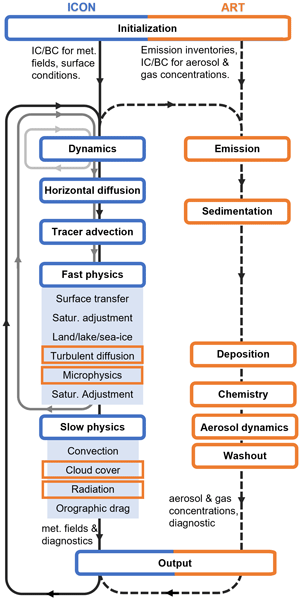
Gholam Ali Hoshyaripour, Andreas Baer, Sascha Bierbauer, Julia Bruckert, Dominik Brunner, Jochen Förstner, Arash Hamzehloo, Valentin Hanft, Corina Keller, Martina Klose, Pankaj Kumar, Patrick Ludwig, Enrico Metzner, Lisa Muth, Andreas Pauling, Nikolas Porz, Maryam Ramezani Ziarani, Thomas Reddmann, Luca Reißig, Roland Ruhnke, Khompat Satitkovitchai, Axel Seifert, Miriam Sinnhuber, Michael Steiner, Stefan Versick, Heike Vogel, Michael Weimer, Sven Werchner, and Corinna Hoose
Geosci. Model Dev., 19, 1645–1681, https://doi.org/10.5194/gmd-19-1645-2026, https://doi.org/10.5194/gmd-19-1645-2026, 2026
Short summary
Short summary
This paper presents recent advances in ICON-ART, a modeling system that simulates atmospheric composition – such as gases and particles – and their interactions with weather and climate. By integrating updated chemistry, emissions, and aerosol processes, ICON-ART enables detailed, scale-spanning simulations. It supports both scientific research and operational forecasts, contributing to improved air quality, weather and climate predictions.
Alessandro Zanchetta, Steven van Heuven, Joram Hooghiem, Rigel Kivi, Thomas Laemmel, Michel Ramonet, Markus Leuenberger, Peter Nyfeler, Sophie L. Baartman, Maarten Krol, and Huilin Chen
Atmos. Meas. Tech., 19, 1465–1486, https://doi.org/10.5194/amt-19-1465-2026, https://doi.org/10.5194/amt-19-1465-2026, 2026
Short summary
Short summary
Continuous vertical profiles and discrete stratospheric samples of carbonyl sulfide (COS) were collected deploying the balloon-borne AirCore, LIghtweight Stratospheric Air (LISA) and BigLISA samplers and measured on a Quantum Cascade Laser Spectrometer (QCLS). Our measurements show good accordance with previous COS observations. Moreover, laboratory tests of ozone (O3) scrubbers proved squalene to remove O3 very efficiently without biasing the measurements of other trace gases.
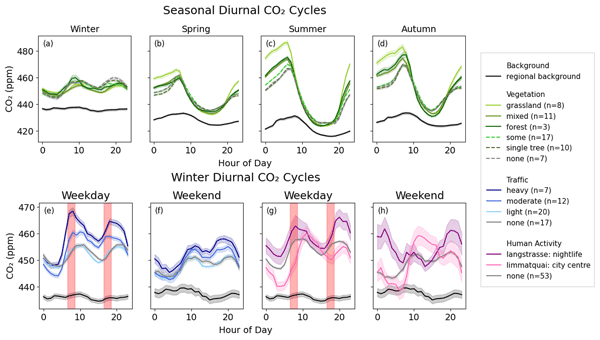
Luce Creman, Stuart K. Grange, Pascal Rubli, Andrea Fischer, Dominik Brunner, Christoph Hueglin, Lukas Emmenegger, and Leonie Bernet
Atmos. Meas. Tech., 19, 1441–1463, https://doi.org/10.5194/amt-19-1441-2026, https://doi.org/10.5194/amt-19-1441-2026, 2026
Short summary
Short summary
ZiCOS-L is a network of low-cost sensors in Zurich (Switzerland) to monitor carbon dioxide (CO2) concentrations. After correcting for drift and checking the sensor performance, we found that local factors like traffic, public events and vegetation affect CO2 levels. Even though the sensors have higher uncertainties than other sensors, the lower cost allows for a denser network with detailed insights into CO2 levels across the city, helping cities track emissions and support climate action plans.
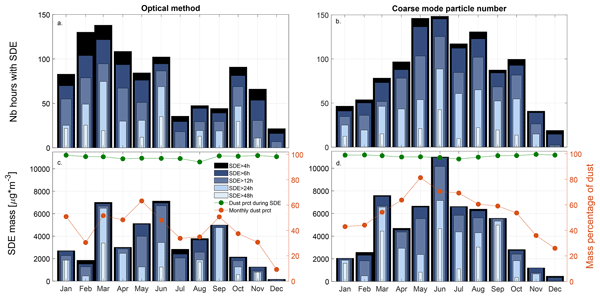
Martine Collaud Coen, Benjamin Tobias Brem, Martin Gysel-Beer, Robin Modini, Stephan Henne, Martin Steinbacher, Davide Putero, Maria I. Gini, and Kostantinos Eleftheriadis
Atmos. Chem. Phys., 26, 1623–1645, https://doi.org/10.5194/acp-26-1623-2026, https://doi.org/10.5194/acp-26-1623-2026, 2026
Short summary
Short summary
Saharan dust (SD) is transported over long distances by large-scale atmospheric circulation, reaching the Jungfraujoch high-altitude station 30 to 150 times per year. This study analyses the influence of instrument types on the SD detection using the single scattering albedo spectral dependence. This optical method is then compared to those based on size distribution and back-trajectories. The 23-year climatology of dust frequency and mass as well as the source sensitivity are also examined.

Luisa I. Minich, Dylan Geissbühler, Stefan Tobler, Annegret Udke, Alexander S. Brunmayr, Margaux Moreno Duborgel, Ciriaco McMackin, Lukas Wacker, Philip Gautschi, Negar Haghipour, Markus Egli, Ansgar Kahmen, Jens Leifeld, Timothy I. Eglinton, and Frank Hagedorn
Biogeosciences, 23, 811–829, https://doi.org/10.5194/bg-23-811-2026, https://doi.org/10.5194/bg-23-811-2026, 2026
Short summary
Short summary
We developed a conceptual framework using rates and 14C-derived ages of soil-respired CO2 and its sources (autotrophic, heterotrophic) to identify carbon cycling pathways in different land-use types. Rates, ages and sources of respired CO2 varied across forests, grasslands, croplands, and managed peatlands. Our results suggest that the relationship between rates and ages of respired CO2 serves as a robust indicator of carbon retention and loss from natural to disturbed systems.
Constantina Rousogenous, Christof Petri, Pierre-Yves Quéhé, Thomas Laemmel, Joshua L. Laughner, Maximilien Desservettaz, Michael Pikridas, Michel Ramonet, Efstratios Bourtsoukidis, Matthias Buschmann, Justus Notholt, Thorsten Warneke, Jean-Daniel Paris, Jean Sciare, and Mihalis Vrekoussis
Atmos. Meas. Tech., 19, 565–581, https://doi.org/10.5194/amt-19-565-2026, https://doi.org/10.5194/amt-19-565-2026, 2026
Short summary
Short summary
The Eastern Mediterranean and Middle East is a greenhouse gas emission hotspot but lacks atmospheric monitoring. Our study introduces the first Total Carbon Column Observing Network site in this region, in Cyprus, providing high-precision columnar measurement of key greenhouse gases. This new dataset enhances global climate monitoring efforts, supports the validation of satellites, will help assess regional emission trends, filling a critical observational gap in this climate-sensitive region.
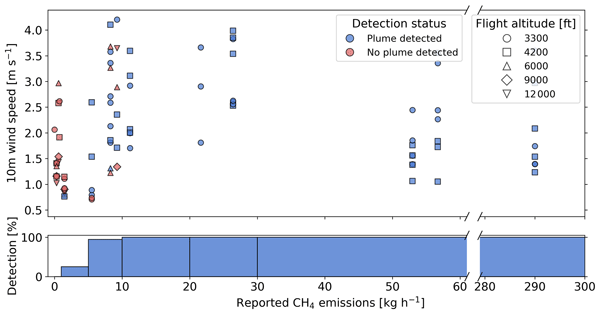
Sandro Meier, Marius Vögtli, Andreas Hueni, Audrey McManemin, Adam R. Brandt, Catherine Juéry, Vincent Blandin, Dominik Brunner, and Gerrit Kuhlmann
Atmos. Meas. Tech., 19, 333–358, https://doi.org/10.5194/amt-19-333-2026, https://doi.org/10.5194/amt-19-333-2026, 2026
Short summary
Short summary
We tested a new airborne imaging instrument to detect and measure methane emissions. Flying over controlled test releases in France, we compared our measurements with known release rates. The instrument detected emissions as low as 5.5 kilograms per hour in good weather and 1.45 kilograms per hour in ideal conditions. Our results show that better wind information is crucial for accurate totals. Our new instrument is important for helping target methane leaks in energy and waste systems.
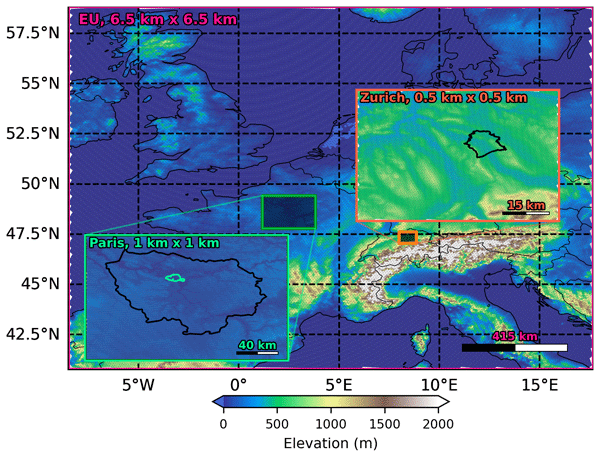
Nikolai Ponomarev, Michael Steiner, Erik Koene, Pascal Rubli, Stuart Grange, Lionel Constantin, Michel Ramonet, Leslie David, Arash Hamzehloo, Lukas Emmenegger, and Dominik Brunner
Atmos. Chem. Phys., 26, 547–570, https://doi.org/10.5194/acp-26-547-2026, https://doi.org/10.5194/acp-26-547-2026, 2026
Short summary
Short summary
Urban inversions are gaining increasing attention, as cities are major contributors to anthropogenic emissions, making accurate emission estimates at this scale essential for supporting climate action plans and verifying reported emission reductions. We estimated carbon dioxide emissions in Zurich and Paris over one year by combining atmospheric observations with mesoscale model simulations. Our study shows how factors like city size, terrain, and measurement methods affect emission estimates.
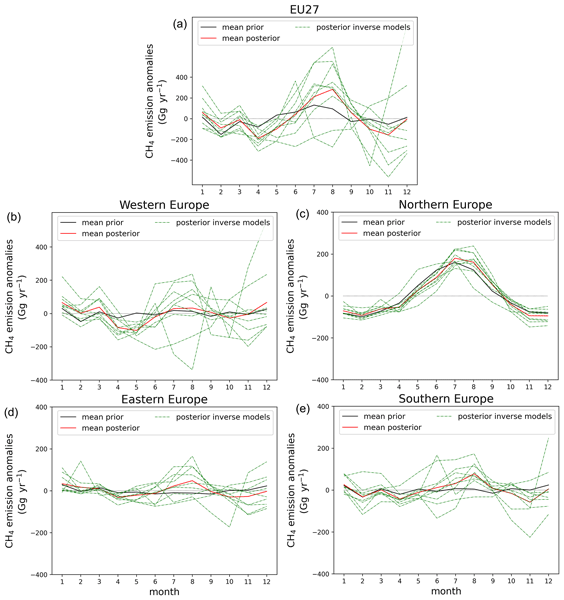
Eleftherios Ioannidis, Antoon Meesters, Michael Steiner, Dominik Brunner, Friedemann Reum, Isabelle Pison, Antoine Berchet, Rona Thompson, Espen Sollum, Frank-Thomas Koch, Christoph Gerbig, Fenjuan Wang, Shamil Maksyutov, Aki Tsuruta, Maria Tenkanen, Tuula Aalto, Guillaume Monteil, Hong Lin, Ge Ren, Marko Scholze, and Sander Houweling
Earth Syst. Sci. Data, 18, 167–198, https://doi.org/10.5194/essd-18-167-2026, https://doi.org/10.5194/essd-18-167-2026, 2026
Short summary
Short summary
This paper describes a detailed study on CH4 European emissions, using different methodologies (9 total inverse models). The study spans over 15 years and provides detailed information on European CH4 emission trends and seasonality, using in-situ data, including Integrated Carbon Observation System (ICOS) network. Our results highlight the importance of improving details in the inversion setup, such as the treatment of lateral boundary conditions to narrow the uncertainty ranges further.
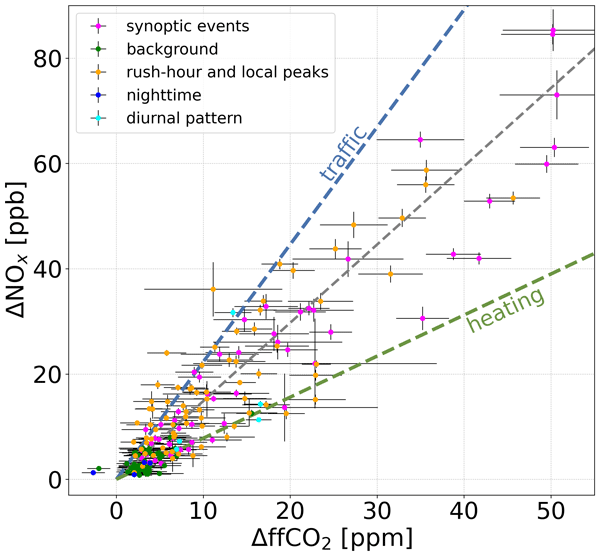
Hannes Juchem, Fabian Maier, Ingeborg Levin, Armin Jordan, Denis Pöhler, Claudius Rosendahl, Julian Della Coletta, Susanne Preunkert, and Samuel Hammer
Atmos. Chem. Phys., 25, 18373–18388, https://doi.org/10.5194/acp-25-18373-2025, https://doi.org/10.5194/acp-25-18373-2025, 2025
Short summary
Short summary
This study explores how in situ NOx observations can be used to estimate fossil fuel CO2 (ffCO2) enhancements in an urban context, based on radiocarbon measurements. Even with a simple approach to account for atmospheric chemistry and ratio variability, a strong correlation could be observed, allowing the construction of a high temporal resolution NOx-based ffCO2 record with uncertainties comparable to the use of CO as proxy. Comparisons with independent records show good agreement between them.
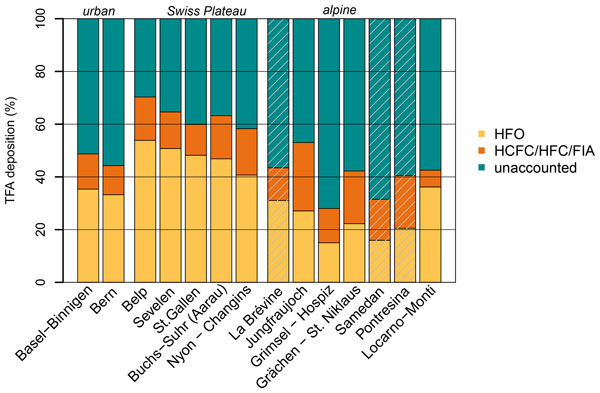
Stephan Henne, Florian R. Storck, Henry Wöhrnschimmel, Markus Leuenberger, Martin K. Vollmer, and Stefan Reimann
Atmos. Chem. Phys., 25, 18157–18186, https://doi.org/10.5194/acp-25-18157-2025, https://doi.org/10.5194/acp-25-18157-2025, 2025
Short summary
Short summary
We observed the persistent, man-made trifluoroacetate (TFA) in precipitation and surface waters. Atmospheric simulations attributed TFA to precursor gases in the atmosphere. Although recently increasing concentrations could be followed, gaps in the budget indicate limited understanding of the atmospheric degradation of widely used fluorocarbons. Without additional regulation, environmental TFA concentrations are expected to rise strongly, necessitating continued monitoring and risk assessment.
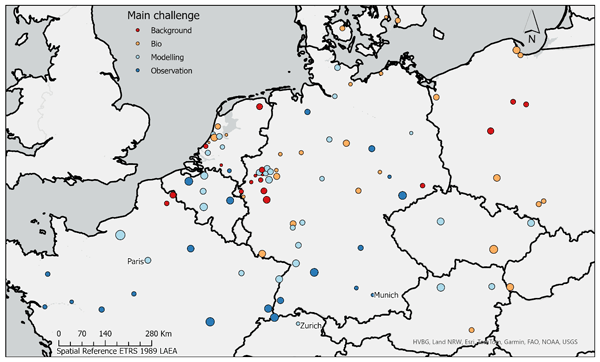
Ida Storm, Ute Karstens, Claudio D'Onofrio, Alex Vermeulen, Samuel Hammer, Ingrid Super, Theo Glauch, and Wouter Peters
Earth Syst. Sci. Data, 17, 6681–6701, https://doi.org/10.5194/essd-17-6681-2025, https://doi.org/10.5194/essd-17-6681-2025, 2025
Short summary
Short summary
Many cities are committed to ambitious CO2 emission reduction targets, supported by climate action plans. Atmospheric measurements are essential to verify that these efforts lead to the expected reductions. Here, we characterise and compare 96 European cities across 18 metrics, linking them to four major challenges in CO2 emissions monitoring. Our framework includes a tool with additional cities and metrics, as well as "mapbooks" for the 96 cities.
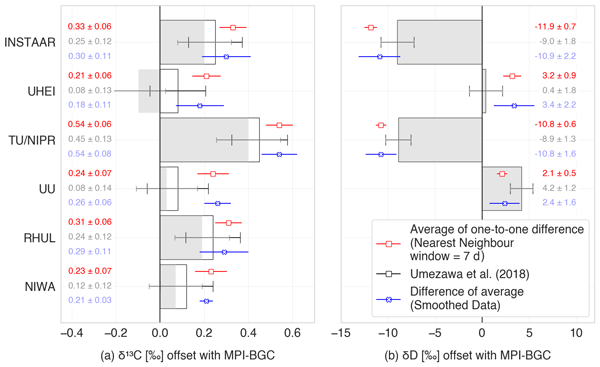
Bibhasvata Dasgupta, Malika Menoud, Carina van der Veen, Ingeborg Levin, Cordelia Veidt, Heiko Moossen, Sylvia Englund Michel, Peter Sperlich, Shinji Morimoto, Ryo Fujita, Taku Umezawa, Stephen Platt, Christine Groot Zwaaftink, Cathrine Lund Myhre, Rebecca Fisher, David Lowry, Euan G. Nisbet, James France, Ceres Woolley Maisch, Gordon Brailsford, Rowena Moss, Daisuke Goto, Sudhanshu Pandey, Sander Houweling, Nicola Warwick, and Thomas Röckmann
Atmos. Meas. Tech., 18, 6591–6607, https://doi.org/10.5194/amt-18-6591-2025, https://doi.org/10.5194/amt-18-6591-2025, 2025
Short summary
Short summary
We combined long-term methane mole fraction and isotope measurements from eight laboratories that sample high-latitude stations to compare, offset correct and harmonise the datasets into a hemisphere merged timeseries. Because each laboratory uses slightly different methods, we adjusted the data to make it directly comparable. This allowed us to create a consistent record of atmospheric methane concentration and its isotopes from 1988 to 2023.
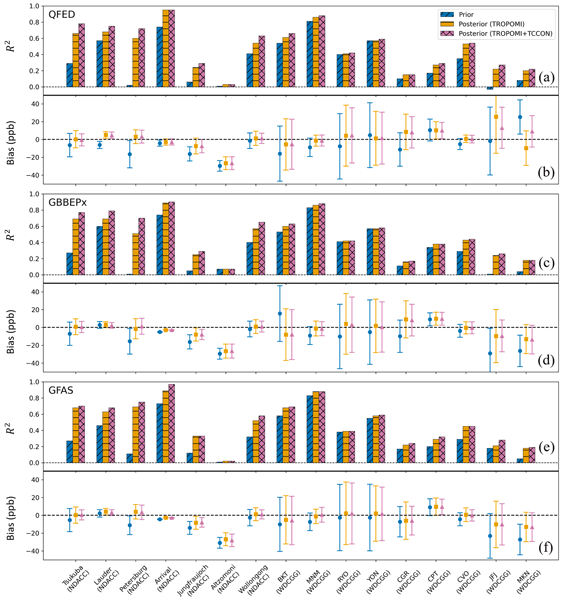
Sina Voshtani, Dylan B. A. Jones, Debra Wunch, Drew C. Pendergrass, Paul O. Wennberg, David F. Pollard, Isamu Morino, Hirofumi Ohyama, Nicholas M. Deutscher, Frank Hase, Ralf Sussmann, Damien Weidmann, Rigel Kivi, Omaira García, Yao Té, Jack Chen, Kerry Anderson, Robin Stevens, Shobha Kondragunta, Aihua Zhu, Douglas Worthy, Senen Racki, Kathryn McKain, Maria V. Makarova, Nicholas Jones, Emmanuel Mahieu, Andrea Cadena-Caicedo, Paolo Cristofanelli, Casper Labuschagne, Elena Kozlova, Thomas Seitz, Martin Steinbacher, Reza Mahdi, and Isao Murata
Atmos. Chem. Phys., 25, 15527–15565, https://doi.org/10.5194/acp-25-15527-2025, https://doi.org/10.5194/acp-25-15527-2025, 2025
Short summary
Short summary
We assess the complementarity of the greater temporal coverage provided by ground-based remote sensing data with the spatial coverage of satellite observations when these data are used together to quantify CO emissions from extreme wildfires in 2023. Our results reveal that the commonly used biomass burning emission inventories significantly underestimate the fire emissions and emphasize the importance of the ground-based remote sensing data in reducing uncertainties in the estimated emissions.
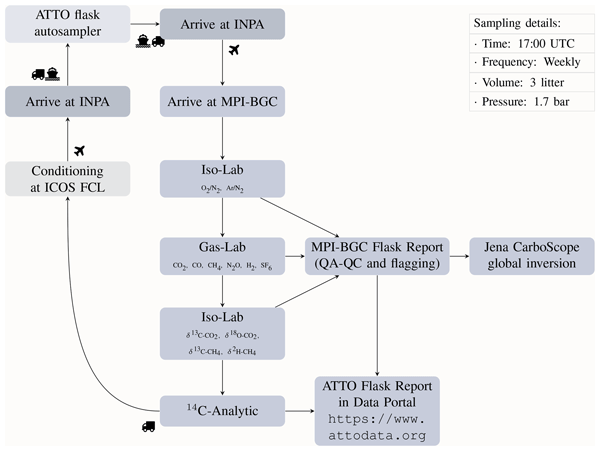
Carlos A. Sierra, Ingrid Chanca, Meinrat O. Andreae, Alessandro Carioca de Araújo, Hella van Asperen, Lars Borchardt, Santiago Botía, Luiz Antonio Candido, Caio S. C. Correa, Cléo Quaresma Dias-Junior, Markus Eritt, Annica Fröhlich, Luciana V. Gatti, Marcus Guderle, Samuel Hammer, Martin Heimann, Viviana Horna, Armin Jordan, Steffen Knabe, Richard Kneißl, Jost Valentin Lavric, Ingeborg Levin, Kita Macario, Juliana Menger, Heiko Moossen, Carlos Alberto Quesada, Michael Rothe, Christian Rödenbeck, Yago Santos, Axel Steinhof, Bruno Takeshi, Susan Trumbore, and Sönke Zaehle
Earth Syst. Sci. Data, 17, 5871–5884, https://doi.org/10.5194/essd-17-5871-2025, https://doi.org/10.5194/essd-17-5871-2025, 2025
Short summary
Short summary
We present here a unique dataset of atmospheric observations of greenhouse gases and isotopes that provide key information on land-atmosphere interactions for the Amazon forests of central Brazil. The data show a relatively large level of variability, but also important trends in greenhouse gases, and signals from fires as well as seasonal biological activity.
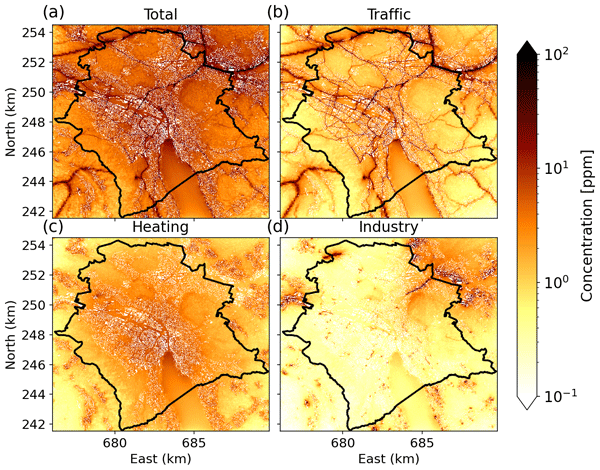
Dominik Brunner, Ivo Suter, Leonie Bernet, Lionel Constantin, Stuart K. Grange, Pascal Rubli, Junwei Li, Jia Chen, Alessandro Bigi, and Lukas Emmenegger
Atmos. Chem. Phys., 25, 14387–14410, https://doi.org/10.5194/acp-25-14387-2025, https://doi.org/10.5194/acp-25-14387-2025, 2025
Short summary
Short summary
To support the city of Zurich in tracking its path to net-zero greenhouse gas emissions planned to be reached by 2040, a CO2 emission monitoring system was established. The system combines a dense network of CO2 sensors with a high-resolution atmospheric transport model GRAMM/GRAL. This study presents the setup of the model together with its numerous inputs and evaluates its performance in comparison with observations from the CO2 sensor network.
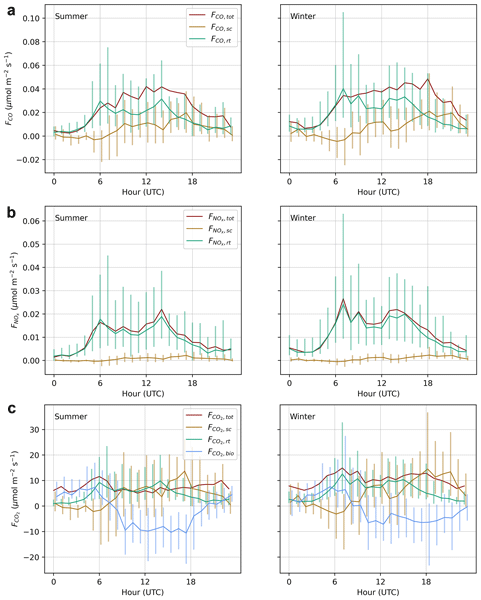
Rainer Hilland, Josh Hashemi, Stavros Stagakis, Dominik Brunner, Lionel Constantin, Natascha Kljun, Ann-Kristin Kunz, Betty Molinier, Samuel Hammer, Lukas Emmenegger, and Andreas Christen
Atmos. Chem. Phys., 25, 14279–14299, https://doi.org/10.5194/acp-25-14279-2025, https://doi.org/10.5194/acp-25-14279-2025, 2025
Short summary
Short summary
We present a study of simultaneously measured fluxes of carbon dioxide (CO2) and co-emitted species in the city of Zurich. Flux measurements of CO2 alone cannot be attributed to specific emission sectors, such as road transport or residential heating. We present a model which uses the measured ratios of CO2 to carbon monoxide (CO) and nitrogen oxides (NOx) as well as sector-specific reference ratios, to attribute measured fluxes to their emission sectors.
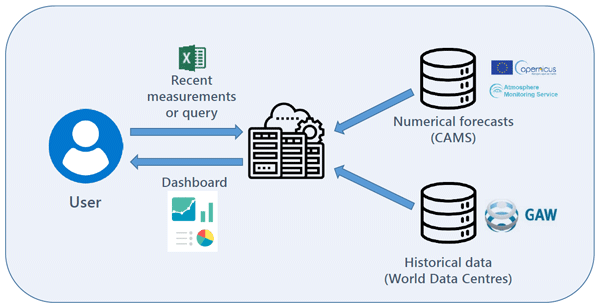
Yuri Brugnara, Martin Steinbacher, Simone Baffelli, and Lukas Emmenegger
Atmos. Chem. Phys., 25, 14221–14236, https://doi.org/10.5194/acp-25-14221-2025, https://doi.org/10.5194/acp-25-14221-2025, 2025
Short summary
Short summary
GAW-QC (Global Atmosphere Watch-Quality Control) is an interactive dashboard for the quality control of in-situ atmospheric composition measurements made at stations taking part in the Global Atmosphere Watch network. Even though it is mainly targeted at station operators who want to analyze recent, not yet published measurements, it allows anybody to verify the quality of already published measurements using various anomaly detection algorithms as well as visual comparisons.
Sarah Ann Rowan, Marc Luetscher, Thomas Laemmel, Anna Harrison, Sönke Szidat, and Franziska A. Lechleitner
Biogeosciences, 22, 6173–6203, https://doi.org/10.5194/bg-22-6173-2025, https://doi.org/10.5194/bg-22-6173-2025, 2025
Short summary
Short summary
We explored CO2 from the soil to subsurface at Milandre cave, finding very high concentrations at all depths. While forest soils produced modern CO2 year-round, cave and meadow soil CO2 influences vary with temperature-controlled cave ventilation, with older CO2 input in winter from old organic matter stored underground. These findings show that CO2 fluxes in karst systems are highly dynamic, and a better understanding of them is important for accurate carbon cycle modelling.
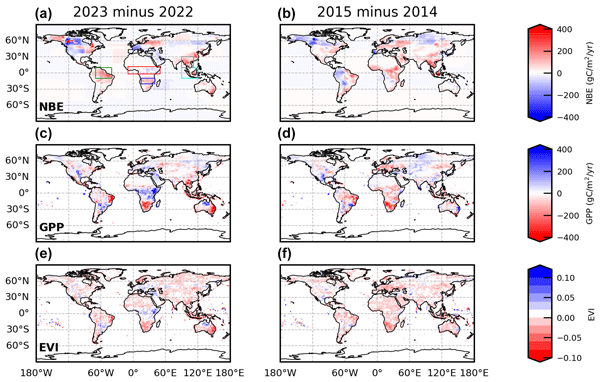
Liang Feng, Paul I. Palmer, Luke Smallman, Jingfeng Xiao, Paolo Cristofanelli, Ove Hermansen, John Lee, Casper Labuschagne, Simonetta Montaguti, Steffen M. Noe, Stephen M. Platt, Xinrong Ren, Martin Steinbacher, and Irène Xueref-Remy
Atmos. Chem. Phys., 25, 13053–13076, https://doi.org/10.5194/acp-25-13053-2025, https://doi.org/10.5194/acp-25-13053-2025, 2025
Short summary
Short summary
The year 2023 saw unexpectedly large global atmospheric CO2 growth. Satellite data reveal a role for increased tropical emissions. Larger emissions over eastern Brazil can be explained by warmer temperatures, which has led to exceptional drought, while hydrological changes play more of a role in emission increases elsewhere in the tropics. Broadly, we find that this situation continues into 2024.
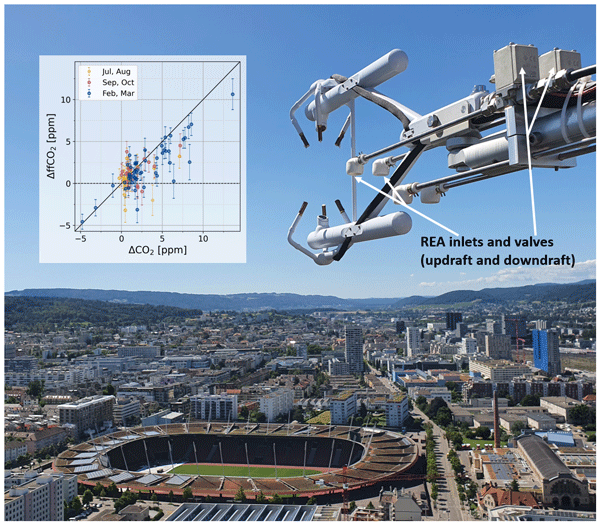
Ann-Kristin Kunz, Lars Borchardt, Andreas Christen, Julian Della Coletta, Markus Eritt, Xochilt Gutiérrez, Josh Hashemi, Rainer Hilland, Armin Jordan, Richard Kneißl, Virgile Legendre, Ingeborg Levin, Susanne Preunkert, Pascal Rubli, Stavros Stagakis, and Samuel Hammer
Atmos. Meas. Tech., 18, 5349–5373, https://doi.org/10.5194/amt-18-5349-2025, https://doi.org/10.5194/amt-18-5349-2025, 2025
Short summary
Short summary
We present, to our knowledge, the first relaxed eddy accumulation system explicitly tailored to a radiocarbon (14C)-based partitioning of fossil and non-fossil urban CO2 fluxes. Laboratory tests and in-depth quality and performance checks prove that the system meets the technical requirements. A pilot application on a tall tower in the city of Zurich, Switzerland, demonstrates the ability to separate fossil and non-fossil CO2 components within the typical precision of 14C measurements.
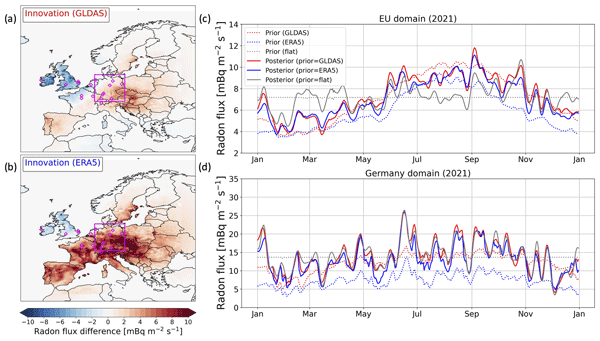
Fabian Maier, Eva Falge, Maksym Gachkivskyi, Stephan Henne, Ute Karstens, Dafina Kikaj, Ingeborg Levin, Alistair Manning, Christian Rödenbeck, and Christoph Gerbig
Atmos. Chem. Phys., 25, 12779–12809, https://doi.org/10.5194/acp-25-12779-2025, https://doi.org/10.5194/acp-25-12779-2025, 2025
Short summary
Short summary
The radioactive noble gas radon (222Rn) is a suitable natural tracer for atmospheric transport and mixing processes that can be used to validate and calibrate atmospheric transport models. However, this requires accurate estimates of the 222Rn flux from the soil into the atmosphere. In our study, we evaluate the reliability of process-based 222Rn flux maps for Europe using a 222Rn inversion. Our inversion results can give some indications on how to improve the process-based 222Rn flux maps.
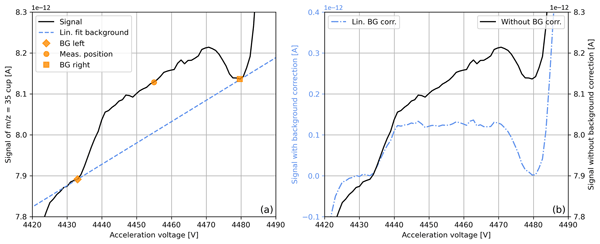
Stephan Räss, Peter Nyfeler, Paul Wheeler, Will Price, and Markus Christian Leuenberger
Atmos. Meas. Tech., 18, 3691–3714, https://doi.org/10.5194/amt-18-3691-2025, https://doi.org/10.5194/amt-18-3691-2025, 2025
Short summary
Short summary
Clumped-isotope signals obtained through gas source mass spectrometry are typically small and require pressure baseline corrections. While such corrections have been developed for square-shaped peaks, we present an approach for correcting peaks with complex shapes. Our method is demonstrated using oxygen clumped isotopes measured in pure oxygen, where the peak tops are linearly increasing and/or negatively curved.
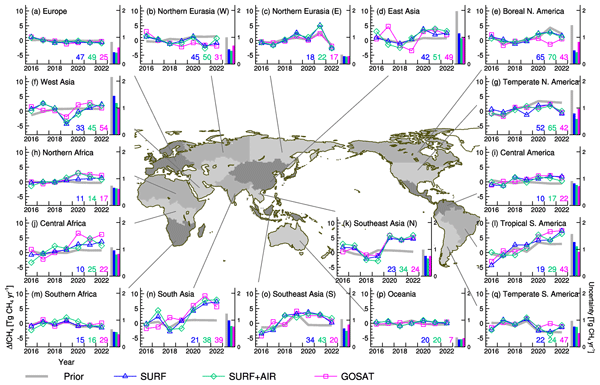
Yosuke Niwa, Yasunori Tohjima, Yukio Terao, Tazu Saeki, Akihiko Ito, Taku Umezawa, Kyohei Yamada, Motoki Sasakawa, Toshinobu Machida, Shin-Ichiro Nakaoka, Hideki Nara, Hiroshi Tanimoto, Hitoshi Mukai, Yukio Yoshida, Shinji Morimoto, Shinya Takatsuji, Kazuhiro Tsuboi, Yousuke Sawa, Hidekazu Matsueda, Kentaro Ishijima, Ryo Fujita, Daisuke Goto, Xin Lan, Kenneth Schuldt, Michal Heliasz, Tobias Biermann, Lukasz Chmura, Jarsolaw Necki, Irène Xueref-Remy, and Damiano Sferlazzo
Atmos. Chem. Phys., 25, 6757–6785, https://doi.org/10.5194/acp-25-6757-2025, https://doi.org/10.5194/acp-25-6757-2025, 2025
Short summary
Short summary
This study estimated regional and sectoral emission contributions to the unprecedented surge of atmospheric methane for 2020–2022. The methane is the second most important greenhouse gas, and its emissions reduction is urgently required to mitigate global warming. Numerical modeling-based estimates with three different sets of atmospheric observations consistently suggested large contributions of biogenic emissions from South Asia and Southeast Asia to the surge of atmospheric methane.
Jakob Boyd Pernov, William H. Aeberhard, Michele Volpi, Eliza Harris, Benjamin Hohermuth, Sakiko Ishino, Ragnhild B. Skeie, Stephan Henne, Ulas Im, Patricia K. Quinn, Lucia M. Upchurch, and Julia Schmale
Atmos. Chem. Phys., 25, 6497–6537, https://doi.org/10.5194/acp-25-6497-2025, https://doi.org/10.5194/acp-25-6497-2025, 2025
Short summary
Short summary
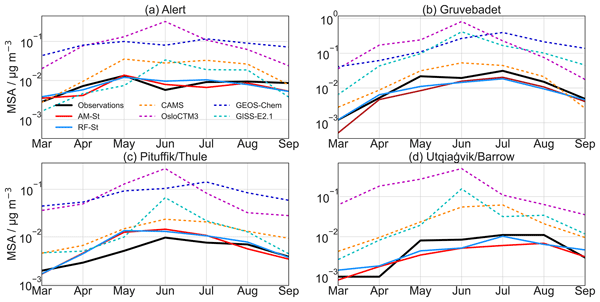
Particulate methanesulfonic acid (MSAp) is vital for the Arctic climate system. Numerical models struggle to reproduce the MSAp seasonal cycle. We evaluate three numerical models and one reanalysis product’s ability to simulate MSAp. We develop data-driven models for MSAp at four Arctic stations. The data-driven models outperform the numerical models and reanalysis product and identified precursor source-, chemical-processing-, and removal-related features as being important for modeling MSAp.
Lubna Dada, Benjamin T. Brem, Lidia-Marta Amarandi-Netedu, Martine Collaud Coen, Nikolaos Evangeliou, Christoph Hueglin, Nora Nowak, Robin Modini, Martin Steinbacher, and Martin Gysel-Beer
Aerosol Research, 3, 315–336, https://doi.org/10.5194/ar-3-315-2025, https://doi.org/10.5194/ar-3-315-2025, 2025
Short summary
Short summary
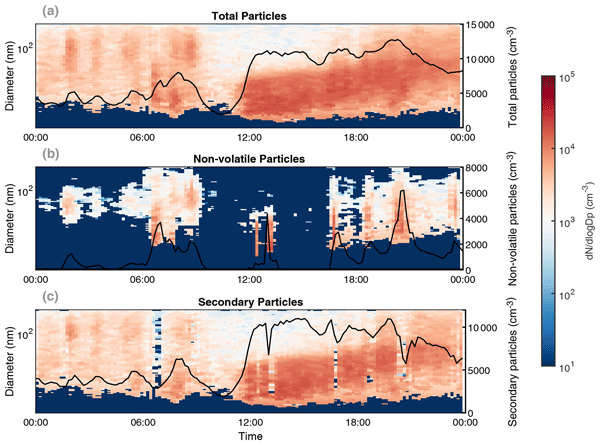
We investigated the sources of ultrafine particles (UFPs) in Payerne, Switzerland, highlighting the significant role of secondary processes in elevating UFP concentrations to levels comparable to urban areas. As the first study in rural midland Switzerland to analyze new particle formation events and secondary contributions, it offers key insights for air quality regulation and the role of agriculture in Switzerland and central Europe.
Gerrit Kuhlmann, Foteini Stavropoulou, Stefan Schwietzke, Daniel Zavala-Araiza, Andrew Thorpe, Andreas Hueni, Lukas Emmenegger, Andreea Calcan, Thomas Röckmann, and Dominik Brunner
Atmos. Chem. Phys., 25, 5371–5385, https://doi.org/10.5194/acp-25-5371-2025, https://doi.org/10.5194/acp-25-5371-2025, 2025
Short summary
Short summary
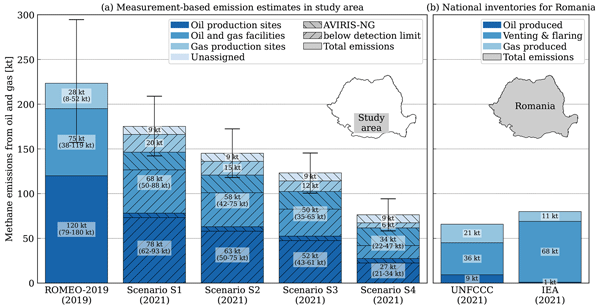
A measurement campaign in 2019 found that methane emissions from oil and gas in Romania were significantly higher than reported. In 2021, our follow-up campaign using airborne remote sensing showed a marked decreases in emissions by 20 %–60 % due to improved infrastructure. The study highlights the importance of measurement-based emission monitoring and illustrates the value of a multi-scale assessment integrating ground-based observations with large-scale airborne remote sensing campaigns.
Stavros Stagakis, Dominik Brunner, Junwei Li, Leif Backman, Anni Karvonen, Lionel Constantin, Leena Järvi, Minttu Havu, Jia Chen, Sophie Emberger, and Liisa Kulmala
Biogeosciences, 22, 2133–2161, https://doi.org/10.5194/bg-22-2133-2025, https://doi.org/10.5194/bg-22-2133-2025, 2025
Short summary
Short summary
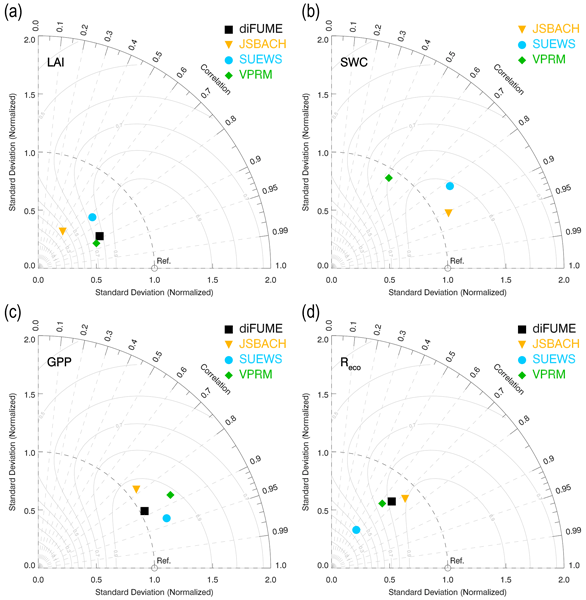
The balance between CO2 uptake and emissions from urban green areas is still not well understood. This study evaluated for the first time the urban park CO2 exchange simulations with four different types of biosphere model by comparing them with observations. Even though some advantages and disadvantages of the different model types were identified, there was no strong evidence that more complex models performed better than simple ones.
Szabina Karancz, Lennart J. de Nooijer, Bas van der Wagt, Marcel T. J. van der Meer, Sambuddha Misra, Rick Hennekam, Zeynep Erdem, Julie Lattaud, Negar Haghipour, Stefan Schouten, and Gert-Jan Reichart
Clim. Past, 21, 679–704, https://doi.org/10.5194/cp-21-679-2025, https://doi.org/10.5194/cp-21-679-2025, 2025
Short summary
Short summary
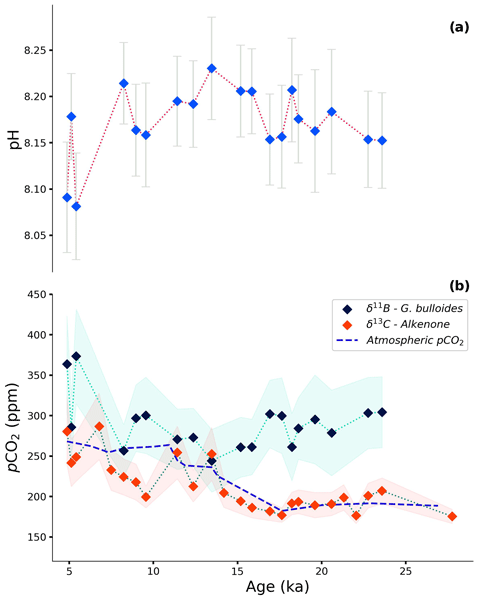
Changes in upwelling intensity of the Benguela upwelling region during the last glacial motivated us to investigate the local CO2 history during the last glacial-to-interglacial transition. Using various geochemical tracers on archives from both subsurface and surface waters reveals enhanced storage of carbon at depth during the Last Glacial Maximum. An efficient biological pump likely prevented outgassing of CO2 from intermediate depth to the atmosphere.
Joël Thanwerdas, Antoine Berchet, Lionel Constantin, Aki Tsuruta, Michael Steiner, Friedemann Reum, Stephan Henne, and Dominik Brunner
Geosci. Model Dev., 18, 1505–1544, https://doi.org/10.5194/gmd-18-1505-2025, https://doi.org/10.5194/gmd-18-1505-2025, 2025
Short summary
Short summary
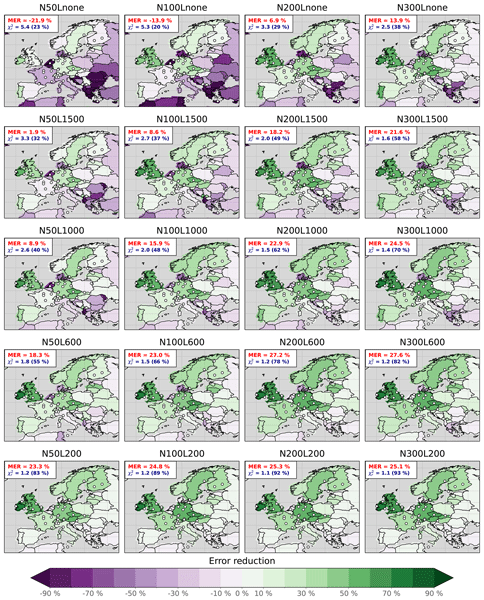
The Community Inversion Framework (CIF) brings together methods for estimating greenhouse gas fluxes from atmospheric observations. The initial ensemble method implemented in CIF was found to be incomplete and could hardly be compared to other ensemble methods employed in the inversion community. In this paper, we present and evaluate a new implementation of the ensemble mode, building upon the initial developments.
Stuart K. Grange, Pascal Rubli, Andrea Fischer, Dominik Brunner, Christoph Hueglin, and Lukas Emmenegger
Atmos. Chem. Phys., 25, 2781–2806, https://doi.org/10.5194/acp-25-2781-2025, https://doi.org/10.5194/acp-25-2781-2025, 2025
Short summary
Short summary
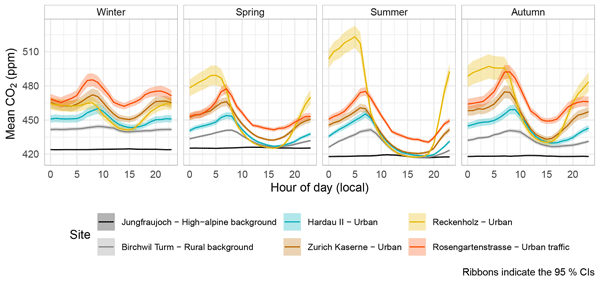
Carbon dioxide (CO2) is a very important atmospheric pollutant, and to better understand the gas's source and sink dynamics, a mid-cost sensor network hosting 26 sites was deployed in and around Zurich, Switzerland. The sensor measurement performance was quantified, and natural and anthropogenic CO2 emission sources were explored with a focus on what drives high CO2 levels. The observations will be used further by others to validate what is thought to be known about CO2 emissions in the region.
Hossein Maazallahi, Foteini Stavropoulou, Samuel Jonson Sutanto, Michael Steiner, Dominik Brunner, Mariano Mertens, Patrick Jöckel, Antoon Visschedijk, Hugo Denier van der Gon, Stijn Dellaert, Nataly Velandia Salinas, Stefan Schwietzke, Daniel Zavala-Araiza, Sorin Ghemulet, Alexandru Pana, Magdalena Ardelean, Marius Corbu, Andreea Calcan, Stephen A. Conley, Mackenzie L. Smith, and Thomas Röckmann
Atmos. Chem. Phys., 25, 1497–1511, https://doi.org/10.5194/acp-25-1497-2025, https://doi.org/10.5194/acp-25-1497-2025, 2025
Short summary
Short summary
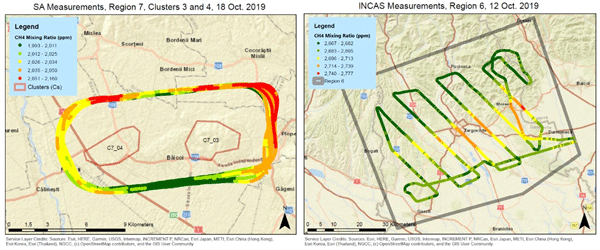
This article presents insights from airborne in situ measurements collected during the ROmanian Methane Emissions from Oil and gas (ROMEO) campaign supported by two models. Results reveal Romania's oil and gas methane emissions were significantly under-reported to the United Nations Framework Convention on Climate Change (UNFCCC) in 2019. A large underestimation was also found in the Emissions Database for Global Atmospheric Research (EDGAR) v7.0 for the study domain in the same year.
Giulia Zazzeri, Lukas Wacker, Negar Haghipour, Philip Gautschi, Thomas Laemmel, Sönke Szidat, and Heather Graven
Atmos. Meas. Tech., 18, 319–325, https://doi.org/10.5194/amt-18-319-2025, https://doi.org/10.5194/amt-18-319-2025, 2025
Short summary
Short summary
Radiocarbon (14C) is an optimal tracer of methane (CH4) emissions, as 14C measurements enable distinguishing between fossil methane and biogenic methane. However, these measurements are particularly challenging, mainly due to technical difficulties in the sampling procedure. We made the sample extraction much simpler and time efficient, providing a new technology that can be used by any research group, with the goal of expanding 14C measurements for an improved understanding of methane sources.
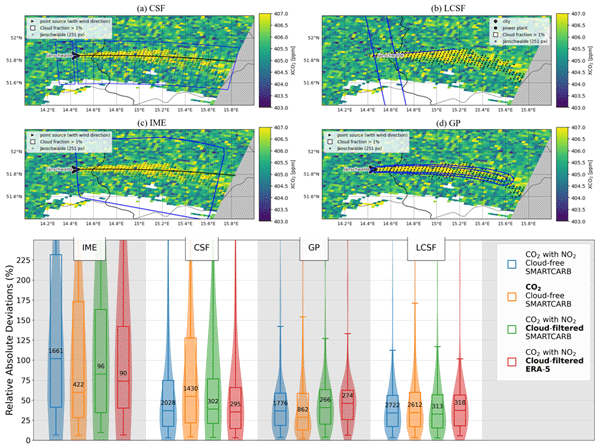
Diego Santaren, Janne Hakkarainen, Gerrit Kuhlmann, Erik Koene, Frédéric Chevallier, Iolanda Ialongo, Hannakaisa Lindqvist, Janne Nurmela, Johanna Tamminen, Laia Amorós, Dominik Brunner, and Grégoire Broquet
Atmos. Meas. Tech., 18, 211–239, https://doi.org/10.5194/amt-18-211-2025, https://doi.org/10.5194/amt-18-211-2025, 2025
Short summary
Short summary
This study evaluates data-driven inversion methods for estimating CO2 emissions from local sources, such as power plants and cities, using meteorological data and XCO2 and NO2 satellite images rather than atmospheric transport modeling. We assess and compare the performance of five different methods using simulations of 1 year of satellite images, taken from the upcoming Copernicus CO2 Monitoring Mission, covering 15 power plants and the city of Berlin, Germany.
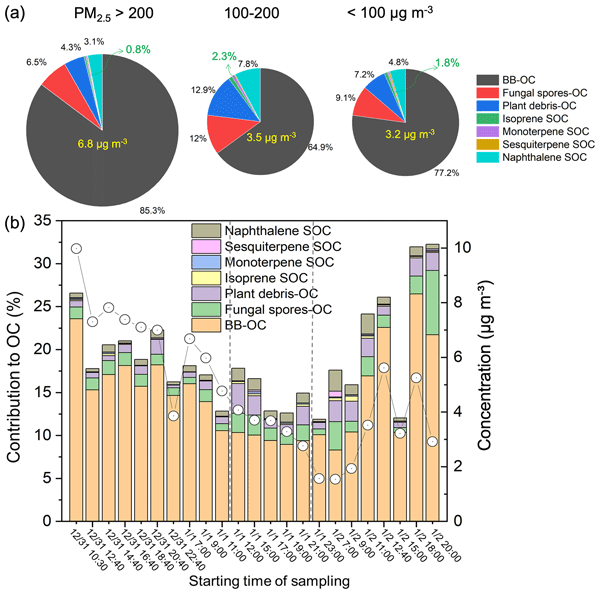
Mingjie Kang, Mengying Bao, Wenhuai Song, Aduburexiati Abulimiti, Changliu Wu, Fang Cao, Sönke Szidat, and Yanlin Zhang
Atmos. Chem. Phys., 25, 73–91, https://doi.org/10.5194/acp-25-73-2025, https://doi.org/10.5194/acp-25-73-2025, 2025
Short summary
Short summary
Reports on molecular-level knowledge of high-temporal-resolution particulate matter ≤2.5 µm in diameter (PM2.5) on hazy days are limited. We investigated various PM2.5 species and their sources. The results show biomass burning (BB) was the main source of organic carbon. Moreover, BB enhanced fungal spore emissions and secondary aerosol formation. The contribution of non-fossil sources increased with increasing haze pollution, suggesting BB may be an important driver of haze events in winter.
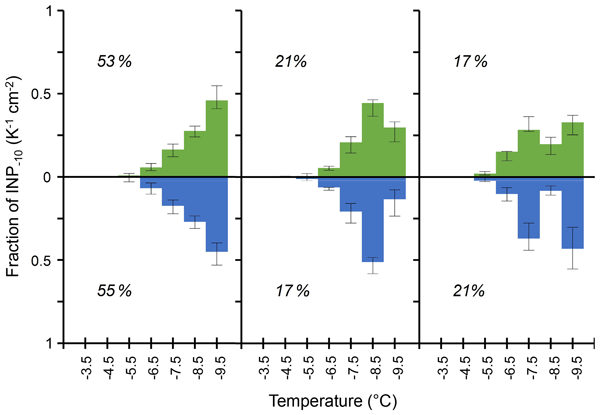
Annika Einbock and Franz Conen
Biogeosciences, 21, 5219–5231, https://doi.org/10.5194/bg-21-5219-2024, https://doi.org/10.5194/bg-21-5219-2024, 2024
Short summary
Short summary
A small fraction of particles found at great heights in the atmosphere can freeze cloud droplets at temperatures of ≥ −10 °C and thus influence cloud properties. We provide a novel type of evidence that plant canopies are a major source of such biological ice-nucleating particles in the air above the Alps, potentially affecting mixed-phase cloud development.
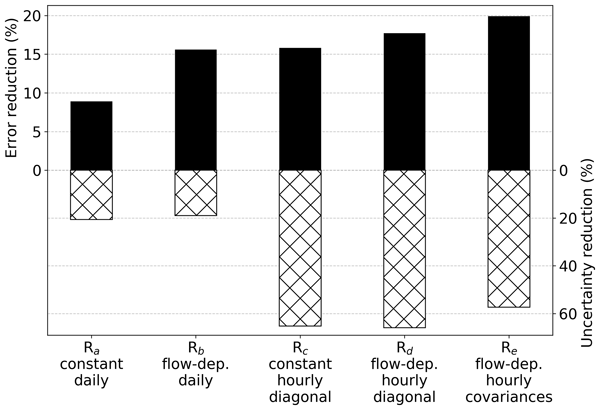
Michael Steiner, Luca Cantarello, Stephan Henne, and Dominik Brunner
Atmos. Chem. Phys., 24, 12447–12463, https://doi.org/10.5194/acp-24-12447-2024, https://doi.org/10.5194/acp-24-12447-2024, 2024
Short summary
Short summary
Atmospheric greenhouse gas inversions have great potential to independently check reported bottom-up emissions; however they are subject to large uncertainties. It is paramount to address and reduce the largest source of uncertainty, which stems from the representation of atmospheric transport in the models. In this study, we show that the use of a temporally varying flow-dependent atmospheric transport uncertainty can enhance the accuracy of emission estimation in an idealized experiment.
Lucie Bakels, Daria Tatsii, Anne Tipka, Rona Thompson, Marina Dütsch, Michael Blaschek, Petra Seibert, Katharina Baier, Silvia Bucci, Massimo Cassiani, Sabine Eckhardt, Christine Groot Zwaaftink, Stephan Henne, Pirmin Kaufmann, Vincent Lechner, Christian Maurer, Marie D. Mulder, Ignacio Pisso, Andreas Plach, Rakesh Subramanian, Martin Vojta, and Andreas Stohl
Geosci. Model Dev., 17, 7595–7627, https://doi.org/10.5194/gmd-17-7595-2024, https://doi.org/10.5194/gmd-17-7595-2024, 2024
Short summary
Short summary
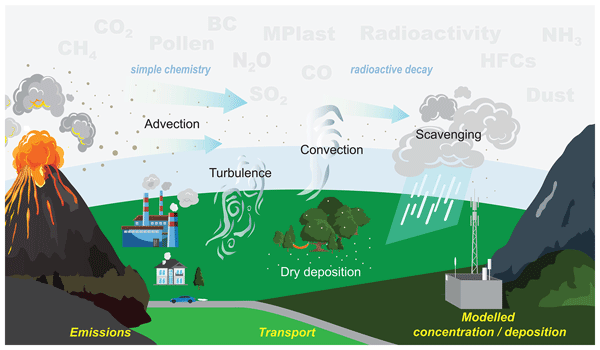
Computer models are essential for improving our understanding of how gases and particles move in the atmosphere. We present an update of the atmospheric transport model FLEXPART. FLEXPART 11 is more accurate due to a reduced number of interpolations and a new scheme for wet deposition. It can simulate non-spherical aerosols and includes linear chemical reactions. It is parallelised using OpenMP and includes new user options. A new user manual details how to use FLEXPART 11.
Ana Maria Roxana Petrescu, Glen P. Peters, Richard Engelen, Sander Houweling, Dominik Brunner, Aki Tsuruta, Bradley Matthews, Prabir K. Patra, Dmitry Belikov, Rona L. Thompson, Lena Höglund-Isaksson, Wenxin Zhang, Arjo J. Segers, Giuseppe Etiope, Giancarlo Ciotoli, Philippe Peylin, Frédéric Chevallier, Tuula Aalto, Robbie M. Andrew, David Bastviken, Antoine Berchet, Grégoire Broquet, Giulia Conchedda, Stijn N. C. Dellaert, Hugo Denier van der Gon, Johannes Gütschow, Jean-Matthieu Haussaire, Ronny Lauerwald, Tiina Markkanen, Jacob C. A. van Peet, Isabelle Pison, Pierre Regnier, Espen Solum, Marko Scholze, Maria Tenkanen, Francesco N. Tubiello, Guido R. van der Werf, and John R. Worden
Earth Syst. Sci. Data, 16, 4325–4350, https://doi.org/10.5194/essd-16-4325-2024, https://doi.org/10.5194/essd-16-4325-2024, 2024
Short summary
Short summary
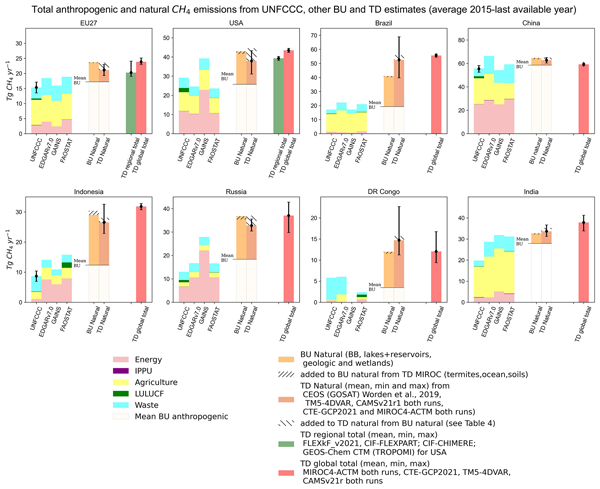
This study provides an overview of data availability from observation- and inventory-based CH4 emission estimates. It systematically compares them and provides recommendations for robust comparisons, aiming to steadily engage more parties in using observational methods to complement their UNFCCC submissions. Anticipating improvements in atmospheric modelling and observations, future developments need to resolve knowledge gaps in both approaches and to better quantify remaining uncertainty.
Alexander S. Brunmayr, Frank Hagedorn, Margaux Moreno Duborgel, Luisa I. Minich, and Heather D. Graven
Geosci. Model Dev., 17, 5961–5985, https://doi.org/10.5194/gmd-17-5961-2024, https://doi.org/10.5194/gmd-17-5961-2024, 2024
Short summary
Short summary
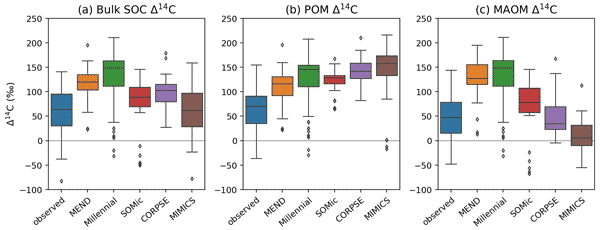
A new generation of soil models promises to more accurately predict the carbon cycle in soils under climate change. However, measurements of 14C (the radioactive carbon isotope) in soils reveal that the new soil models face similar problems to the traditional models: they underestimate the residence time of carbon in soils and may therefore overestimate the net uptake of CO2 by the land ecosystem. Proposed solutions include restructuring the models and calibrating model parameters with 14C data.
Fabian Maier, Ingeborg Levin, Sébastien Conil, Maksym Gachkivskyi, Hugo Denier van der Gon, and Samuel Hammer
Atmos. Chem. Phys., 24, 8205–8223, https://doi.org/10.5194/acp-24-8205-2024, https://doi.org/10.5194/acp-24-8205-2024, 2024
Short summary
Short summary
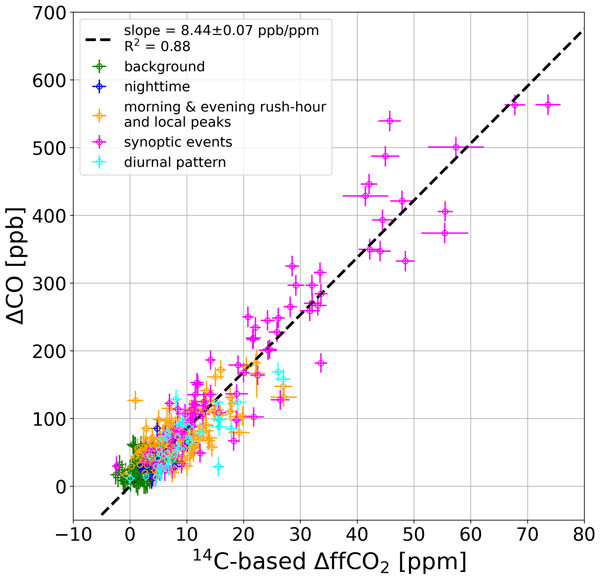
We assess the uncertainty in continuous fossil fuel carbon dioxide (ffCO2) estimates derived from carbon monoxide (CO) observations and radiocarbon (14CO2) flask measurements from an urban and a rural site. This study provides the basis for using continuous CO-based ffCO2 observations in atmospheric transport inversion frameworks to derive ffCO2 emission estimates. We also compare the flask-based CO / ffCO2 ratios with modeled ratios to validate an emission inventory for central Europe.
Fabian Maier, Christian Rödenbeck, Ingeborg Levin, Christoph Gerbig, Maksym Gachkivskyi, and Samuel Hammer
Atmos. Chem. Phys., 24, 8183–8203, https://doi.org/10.5194/acp-24-8183-2024, https://doi.org/10.5194/acp-24-8183-2024, 2024
Short summary
Short summary
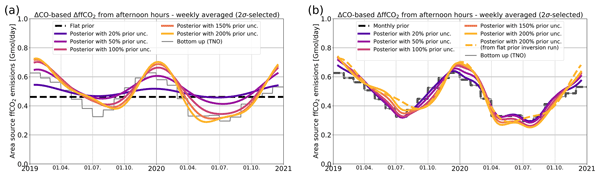
We investigate the usage of discrete radiocarbon (14C)-based fossil fuel carbon dioxide (ffCO2) concentration estimates vs. continuous carbon monoxide (CO)-based ffCO2 estimates to evaluate the seasonal cycle of ffCO2 emissions in an urban region with an inverse modeling framework. We find that the CO-based ffCO2 estimates allow us to reconstruct robust seasonal cycles, which show the distinct COVID-19 drawdown in 2020 and can be used to validate emission inventories.
Sandro Meier, Erik F. M. Koene, Maarten Krol, Dominik Brunner, Alexander Damm, and Gerrit Kuhlmann
Atmos. Chem. Phys., 24, 7667–7686, https://doi.org/10.5194/acp-24-7667-2024, https://doi.org/10.5194/acp-24-7667-2024, 2024
Short summary
Short summary
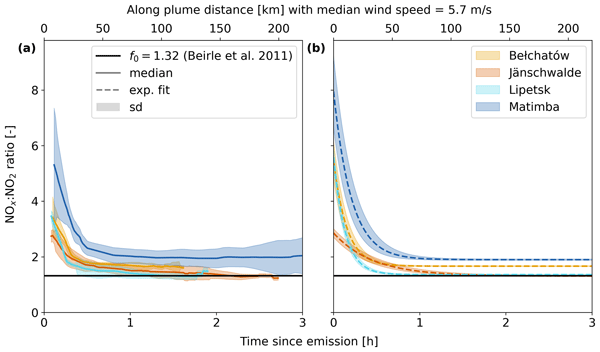
Nitrogen oxides (NOx = NO + NO2) are important air pollutants. This study addresses the challenge of accurately estimating NOx emissions from NO2 satellite observations. We develop a realistic model to convert NO2 to NOx by using simulated plumes from various power plants. We apply the model to satellite NO2 observations, significantly reducing biases in estimated NOx emissions. The study highlights the potential for a consistent, high-resolution estimation of NOx emissions using satellite data.
Gerrit Kuhlmann, Erik Koene, Sandro Meier, Diego Santaren, Grégoire Broquet, Frédéric Chevallier, Janne Hakkarainen, Janne Nurmela, Laia Amorós, Johanna Tamminen, and Dominik Brunner
Geosci. Model Dev., 17, 4773–4789, https://doi.org/10.5194/gmd-17-4773-2024, https://doi.org/10.5194/gmd-17-4773-2024, 2024
Short summary
Short summary
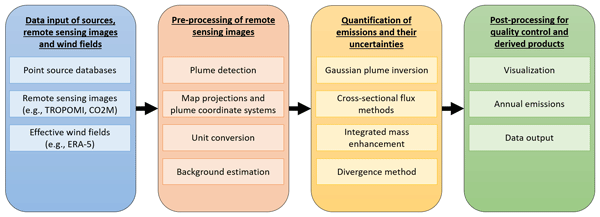
We present a Python software library for data-driven emission quantification (ddeq). It can be used to determine the emissions of hot spots (cities, power plants and industry) from remote sensing images using different methods. ddeq can be extended for new datasets and methods, providing a powerful community tool for users and developers. The application of the methods is shown using Jupyter notebooks included in the library.
Joshua L. Laughner, Geoffrey C. Toon, Joseph Mendonca, Christof Petri, Sébastien Roche, Debra Wunch, Jean-Francois Blavier, David W. T. Griffith, Pauli Heikkinen, Ralph F. Keeling, Matthäus Kiel, Rigel Kivi, Coleen M. Roehl, Britton B. Stephens, Bianca C. Baier, Huilin Chen, Yonghoon Choi, Nicholas M. Deutscher, Joshua P. DiGangi, Jochen Gross, Benedikt Herkommer, Pascal Jeseck, Thomas Laemmel, Xin Lan, Erin McGee, Kathryn McKain, John Miller, Isamu Morino, Justus Notholt, Hirofumi Ohyama, David F. Pollard, Markus Rettinger, Haris Riris, Constantina Rousogenous, Mahesh Kumar Sha, Kei Shiomi, Kimberly Strong, Ralf Sussmann, Yao Té, Voltaire A. Velazco, Steven C. Wofsy, Minqiang Zhou, and Paul O. Wennberg
Earth Syst. Sci. Data, 16, 2197–2260, https://doi.org/10.5194/essd-16-2197-2024, https://doi.org/10.5194/essd-16-2197-2024, 2024
Short summary
Short summary
This paper describes a new version, called GGG2020, of a data set containing column-integrated observations of greenhouse and related gases (including CO2, CH4, CO, and N2O) made by ground stations located around the world. Compared to the previous version (GGG2014), improvements have been made toward site-to-site consistency. This data set plays a key role in validating space-based greenhouse gas observations and in understanding the carbon cycle.
Hannah Chawner, Eric Saboya, Karina E. Adcock, Tim Arnold, Yuri Artioli, Caroline Dylag, Grant L. Forster, Anita Ganesan, Heather Graven, Gennadi Lessin, Peter Levy, Ingrid T. Luijkx, Alistair Manning, Penelope A. Pickers, Chris Rennick, Christian Rödenbeck, and Matthew Rigby
Atmos. Chem. Phys., 24, 4231–4252, https://doi.org/10.5194/acp-24-4231-2024, https://doi.org/10.5194/acp-24-4231-2024, 2024
Short summary
Short summary
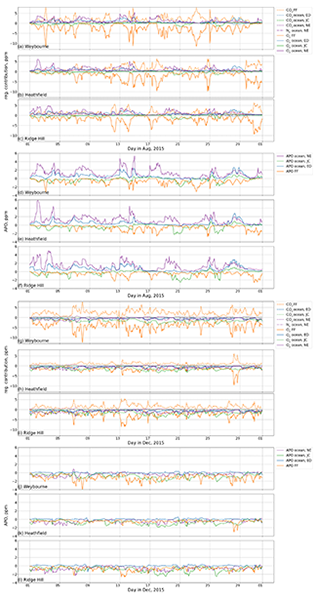
The quantity of atmospheric potential oxygen (APO), derived from coincident measurements of carbon dioxide (CO2) and oxygen (O2), has been proposed as a tracer for fossil fuel CO2 emissions. In this model sensitivity study, we examine the use of APO for this purpose in the UK and compare our model to observations. We find that our model simulations are most sensitive to uncertainties relating to ocean fluxes and boundary conditions.
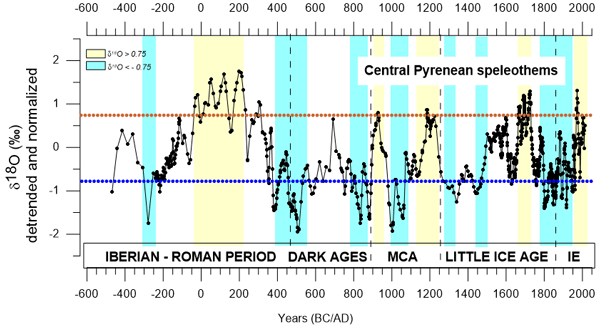
Miguel Bartolomé, Ana Moreno, Carlos Sancho, Isabel Cacho, Heather Stoll, Negar Haghipour, Ánchel Belmonte, Christoph Spötl, John Hellstrom, R. Lawrence Edwards, and Hai Cheng
Clim. Past, 20, 467–494, https://doi.org/10.5194/cp-20-467-2024, https://doi.org/10.5194/cp-20-467-2024, 2024
Short summary
Short summary
Reconstructing past temperatures at regional scales during the Common Era is necessary to place the current warming in the context of natural climate variability. We present a climate reconstruction based on eight stalagmites from four caves in the Pyrenees, NE Spain. These stalagmites were dated precisely and analysed for their oxygen isotopes, which appear dominated by temperature changes. Solar variability and major volcanic eruptions are the two main drivers of observed climate variability.
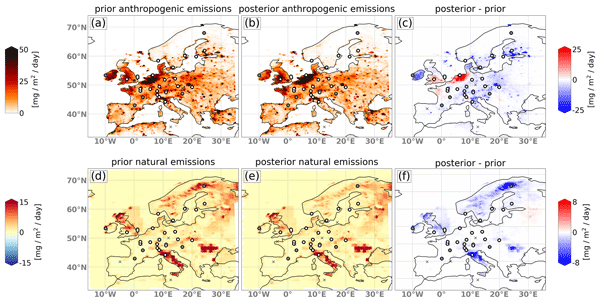
Michael Steiner, Wouter Peters, Ingrid Luijkx, Stephan Henne, Huilin Chen, Samuel Hammer, and Dominik Brunner
Atmos. Chem. Phys., 24, 2759–2782, https://doi.org/10.5194/acp-24-2759-2024, https://doi.org/10.5194/acp-24-2759-2024, 2024
Short summary
Short summary
The Paris Agreement increased interest in estimating greenhouse gas (GHG) emissions of individual countries, but top-down emission estimation is not yet considered policy-relevant. It is therefore paramount to reduce large errors and to build systems that are based on the newest atmospheric transport models. In this study, we present the first application of ICON-ART in the inverse modeling of GHG fluxes with an ensemble Kalman filter and present our results for European CH4 emissions.
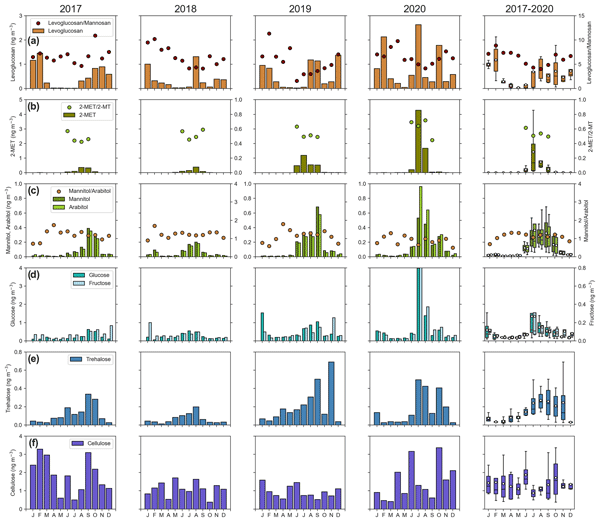
Karl Espen Yttri, Are Bäcklund, Franz Conen, Sabine Eckhardt, Nikolaos Evangeliou, Markus Fiebig, Anne Kasper-Giebl, Avram Gold, Hans Gundersen, Cathrine Lund Myhre, Stephen Matthew Platt, David Simpson, Jason D. Surratt, Sönke Szidat, Martin Rauber, Kjetil Tørseth, Martin Album Ytre-Eide, Zhenfa Zhang, and Wenche Aas
Atmos. Chem. Phys., 24, 2731–2758, https://doi.org/10.5194/acp-24-2731-2024, https://doi.org/10.5194/acp-24-2731-2024, 2024
Short summary
Short summary
We discuss carbonaceous aerosol (CA) observed at the high Arctic Zeppelin Observatory (2017 to 2020). We find that organic aerosol is a significant fraction of the Arctic aerosol, though less than sea salt aerosol and mineral dust, as well as non-sea-salt sulfate, originating mainly from anthropogenic sources in winter and from natural sources in summer, emphasizing the importance of wildfires for biogenic secondary organic aerosol and primary biological aerosol particles observed in the Arctic.
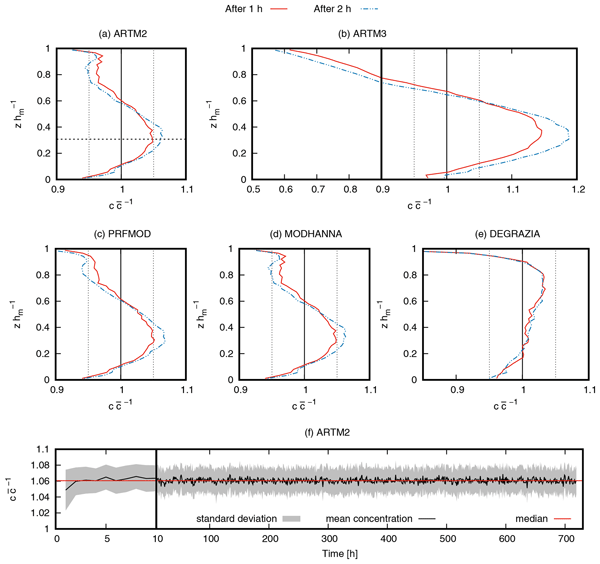
Robert Hanfland, Dominik Brunner, Christiane Voigt, Alina Fiehn, Anke Roiger, and Margit Pattantyús-Ábrahám
Atmos. Chem. Phys., 24, 2511–2534, https://doi.org/10.5194/acp-24-2511-2024, https://doi.org/10.5194/acp-24-2511-2024, 2024
Short summary
Short summary
To show that the three-dimensional dispersion of plumes simulated by the Atmospheric Radionuclide Transport Model within the planetary boundary layer agrees with real plumes, we identify the most important input parameters and analyse the turbulence properties of five different turbulence models in very unstable stratification conditions using their deviation from the well-mixed state. Simulations show that one model agrees slightly better in unstable stratification conditions.
Kirsi H. Keskitalo, Lisa Bröder, Tommaso Tesi, Paul J. Mann, Dirk J. Jong, Sergio Bulte Garcia, Anna Davydova, Sergei Davydov, Nikita Zimov, Negar Haghipour, Timothy I. Eglinton, and Jorien E. Vonk
Biogeosciences, 21, 357–379, https://doi.org/10.5194/bg-21-357-2024, https://doi.org/10.5194/bg-21-357-2024, 2024
Short summary
Short summary
Permafrost thaw releases organic carbon into waterways. Decomposition of this carbon pool emits greenhouse gases into the atmosphere, enhancing climate warming. We show that Arctic river carbon and water chemistry are different between the spring ice breakup and summer and that primary production is initiated in small Arctic rivers right after ice breakup, in contrast to in large rivers. This may have implications for fluvial carbon dynamics and greenhouse gas uptake and emission balance.
Christian Rödenbeck, Karina E. Adcock, Markus Eritt, Maksym Gachkivskyi, Christoph Gerbig, Samuel Hammer, Armin Jordan, Ralph F. Keeling, Ingeborg Levin, Fabian Maier, Andrew C. Manning, Heiko Moossen, Saqr Munassar, Penelope A. Pickers, Michael Rothe, Yasunori Tohjima, and Sönke Zaehle
Atmos. Chem. Phys., 23, 15767–15782, https://doi.org/10.5194/acp-23-15767-2023, https://doi.org/10.5194/acp-23-15767-2023, 2023
Short summary
Short summary
The carbon dioxide content of the Earth atmosphere is increasing due to human emissions from burning of fossil fuels, causing global climate change. The strength of the fossil-fuel emissions is estimated by inventories based on energy data, but independent validation of these inventories has been recommended by the Intergovernmental Panel on Climate Change. Here we investigate the potential to validate inventories based on measurements of small changes in the atmospheric oxygen content.
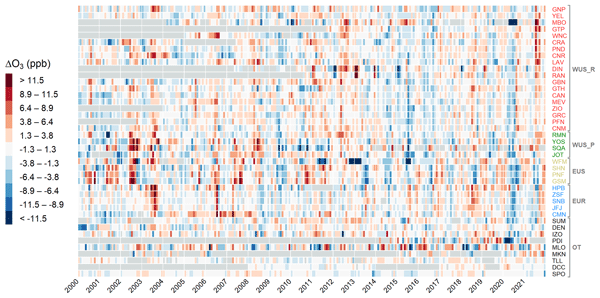
Davide Putero, Paolo Cristofanelli, Kai-Lan Chang, Gaëlle Dufour, Gregory Beachley, Cédric Couret, Peter Effertz, Daniel A. Jaffe, Dagmar Kubistin, Jason Lynch, Irina Petropavlovskikh, Melissa Puchalski, Timothy Sharac, Barkley C. Sive, Martin Steinbacher, Carlos Torres, and Owen R. Cooper
Atmos. Chem. Phys., 23, 15693–15709, https://doi.org/10.5194/acp-23-15693-2023, https://doi.org/10.5194/acp-23-15693-2023, 2023
Short summary
Short summary
We investigated the impact of societal restriction measures during the COVID-19 pandemic on surface ozone at 41 high-elevation sites worldwide. Negative ozone anomalies were observed for spring and summer 2020 for all of the regions considered. In 2021, negative anomalies continued for Europe and partially for the eastern US, while western US sites showed positive anomalies due to wildfires. IASI satellite data and the Carbon Monitor supported emission reductions as a cause of the anomalies.
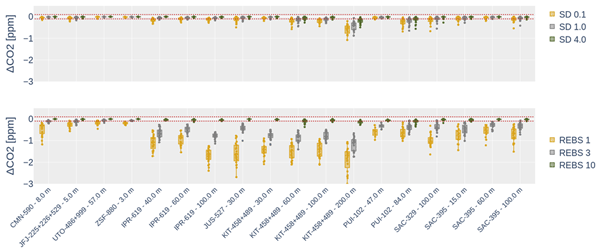
Paolo Cristofanelli, Cosimo Fratticioli, Lynn Hazan, Mali Chariot, Cedric Couret, Orestis Gazetas, Dagmar Kubistin, Antti Laitinen, Ari Leskinen, Tuomas Laurila, Matthias Lindauer, Giovanni Manca, Michel Ramonet, Pamela Trisolino, and Martin Steinbacher
Atmos. Meas. Tech., 16, 5977–5994, https://doi.org/10.5194/amt-16-5977-2023, https://doi.org/10.5194/amt-16-5977-2023, 2023
Short summary
Short summary
We investigated the application of two automatic methods for detecting spikes due to local emissions in greenhouse gas (GHG) observations at a subset of sites from the ICOS Atmosphere network. We analysed the sensitivity to the spike frequency of using different methods and settings. We documented the impact of the de-spiking on different temporal aggregations (i.e. hourly, monthly and seasonal averages) of CO2, CH4 and CO 1 min time series.
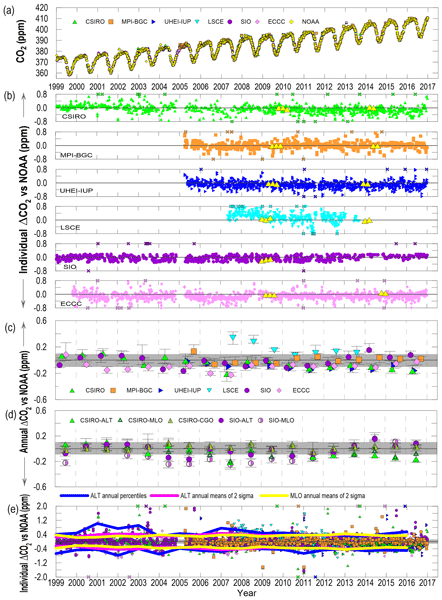
Douglas E. J. Worthy, Michele K. Rauh, Lin Huang, Felix R. Vogel, Alina Chivulescu, Kenneth A. Masarie, Ray L. Langenfelds, Paul B. Krummel, Colin E. Allison, Andrew M. Crotwell, Monica Madronich, Gabrielle Pétron, Ingeborg Levin, Samuel Hammer, Sylvia Michel, Michel Ramonet, Martina Schmidt, Armin Jordan, Heiko Moossen, Michael Rothe, Ralph Keeling, and Eric J. Morgan
Atmos. Meas. Tech., 16, 5909–5935, https://doi.org/10.5194/amt-16-5909-2023, https://doi.org/10.5194/amt-16-5909-2023, 2023
Short summary
Short summary
Network compatibility is important for inferring greenhouse gas fluxes at global or regional scales. This study is the first assessment of the measurement agreement among seven individual programs within the World Meteorological Organization community. It compares co-located flask air measurements at the Alert Observatory in Canada over a 17-year period. The results provide stronger confidence in the uncertainty estimation while using those datasets in various data interpretation applications.
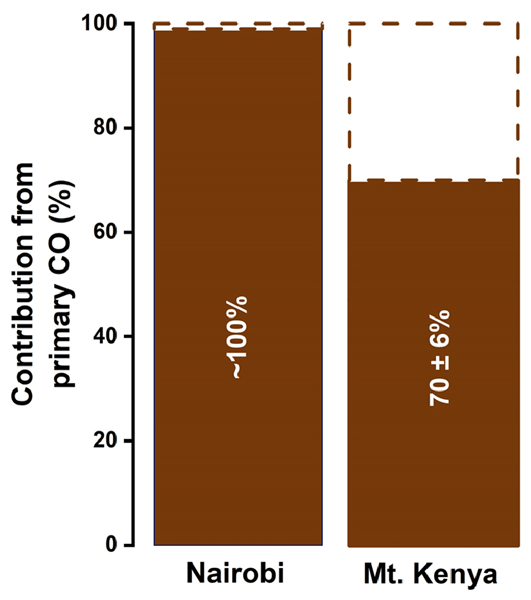
Leonard Kirago, Örjan Gustafsson, Samuel Mwaniki Gaita, Sophie L. Haslett, Michael J. Gatari, Maria Elena Popa, Thomas Röckmann, Christoph Zellweger, Martin Steinbacher, Jörg Klausen, Christian Félix, David Njiru, and August Andersson
Atmos. Chem. Phys., 23, 14349–14357, https://doi.org/10.5194/acp-23-14349-2023, https://doi.org/10.5194/acp-23-14349-2023, 2023
Short summary
Short summary
This study provides ground-observational evidence that supports earlier suggestions that savanna fires are the main emitters and modulators of carbon monoxide gas in Africa. Using isotope-based techniques, the study has shown that about two-thirds of this gas is emitted from savanna fires, while for urban areas, in this case Nairobi, primary sources approach 100 %. The latter has implications for air quality policy, suggesting primary emissions such as traffic should be targeted.
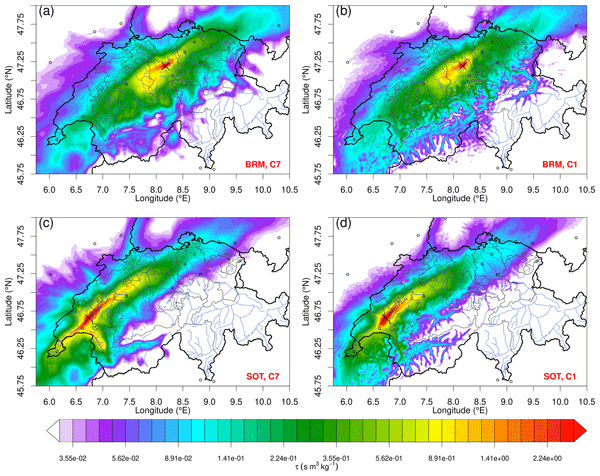
Ioannis Katharopoulos, Dominique Rust, Martin K. Vollmer, Dominik Brunner, Stefan Reimann, Simon J. O'Doherty, Dickon Young, Kieran M. Stanley, Tanja Schuck, Jgor Arduini, Lukas Emmenegger, and Stephan Henne
Atmos. Chem. Phys., 23, 14159–14186, https://doi.org/10.5194/acp-23-14159-2023, https://doi.org/10.5194/acp-23-14159-2023, 2023
Short summary
Short summary
The effectiveness of climate change mitigation needs to be scrutinized by monitoring greenhouse gas (GHG) emissions. Countries report their emissions to the UN in a bottom-up manner. By combining atmospheric observations and transport models someone can independently validate emission estimates in a top-down fashion. We report Swiss emissions of synthetic GHGs based on kilometer-scale transport and inverse modeling, highlighting the role of appropriate resolution in complex terrain.
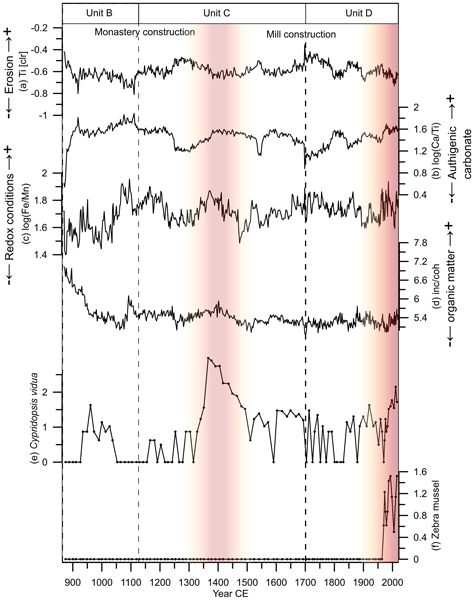
Sudip Acharya, Maximilian Prochnow, Thomas Kasper, Linda Langhans, Peter Frenzel, Paul Strobel, Marcel Bliedtner, Gerhard Daut, Christopher Berndt, Sönke Szidat, Gary Salazar, Antje Schwalb, and Roland Zech
E&G Quaternary Sci. J., 72, 219–234, https://doi.org/10.5194/egqsj-72-219-2023, https://doi.org/10.5194/egqsj-72-219-2023, 2023
Short summary
Short summary
This study presents a palaeoenvironmental record from Lake Höglwörth, Bavaria, Germany. Before 870 CE peat deposits existed. Erosion increased from 1240 to 1380 CE, followed by aquatic productivity and anoxia from 1310 to 1470 CE. Increased allochthonous input and a substantial shift in the aquatic community in 1701 were caused by construction of a mill. Recent anoxia has been observed since the 1960s.
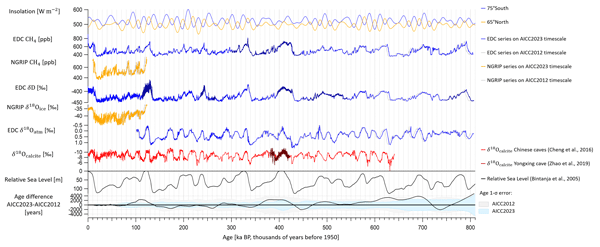
Marie Bouchet, Amaëlle Landais, Antoine Grisart, Frédéric Parrenin, Frédéric Prié, Roxanne Jacob, Elise Fourré, Emilie Capron, Dominique Raynaud, Vladimir Ya Lipenkov, Marie-France Loutre, Thomas Extier, Anders Svensson, Etienne Legrain, Patricia Martinerie, Markus Leuenberger, Wei Jiang, Florian Ritterbusch, Zheng-Tian Lu, and Guo-Min Yang
Clim. Past, 19, 2257–2286, https://doi.org/10.5194/cp-19-2257-2023, https://doi.org/10.5194/cp-19-2257-2023, 2023
Short summary
Short summary
A new federative chronology for five deep polar ice cores retrieves 800 000 years of past climate variations with improved accuracy. Precise ice core timescales are key to studying the mechanisms linking changes in the Earth’s orbit to the diverse climatic responses (temperature and atmospheric greenhouse gas concentrations). To construct the chronology, new measurements from the oldest continuous ice core as well as glaciological modeling estimates were combined in a statistical model.
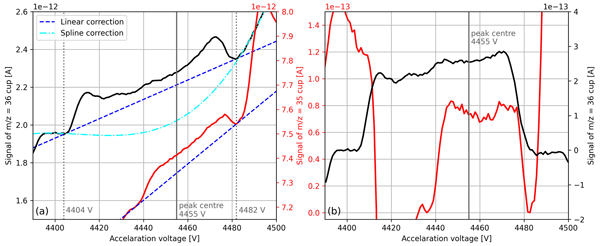
Stephan Räss, Peter Nyfeler, Paul Wheeler, Will Price, and Markus Christian Leuenberger
Atmos. Meas. Tech., 16, 4489–4505, https://doi.org/10.5194/amt-16-4489-2023, https://doi.org/10.5194/amt-16-4489-2023, 2023
Short summary
Short summary
Due to technological advances clumped-isotope studies have gained importance in recent years. Typically, these studies are performed with high-resolution isotope ratio mass spectrometers (IRMSs) along with a changeover-valve-based dual-inlet system (DIS). We are taking a different approach, namely performing clumped-isotope measurements with a compact low-resolution IRMS with an open-split-based DIS. Currently, we are working with pure-oxygen gas for which we are providing a proof of concept.
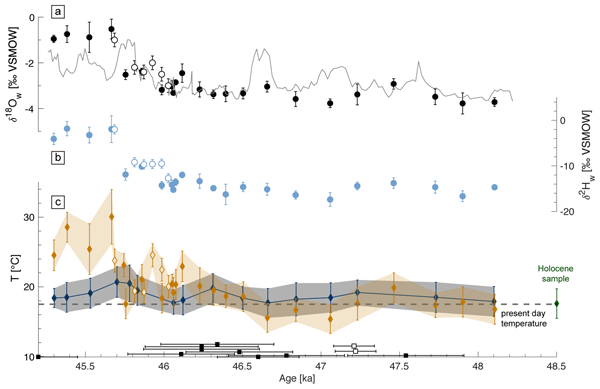
Jenny Maccali, Anna Nele Meckler, Stein-Erik Lauritzen, Torill Brekken, Helen Aase Rokkan, Alvaro Fernandez, Yves Krüger, Jane Adigun, Stéphane Affolter, and Markus Leuenberger
Clim. Past, 19, 1847–1862, https://doi.org/10.5194/cp-19-1847-2023, https://doi.org/10.5194/cp-19-1847-2023, 2023
Short summary
Short summary
The southern coast of South Africa hosts some key archeological sites for the study of early human evolution. Here we present a short but high-resolution record of past changes in the hydroclimate and temperature on the southern coast of South Africa based on the study of a speleothem collected from Bloukrantz Cave. Overall, the paleoclimate indicators suggest stable temperature from 48.3 to 45.2 ka, whereas precipitation was variable, with marked short drier episodes.
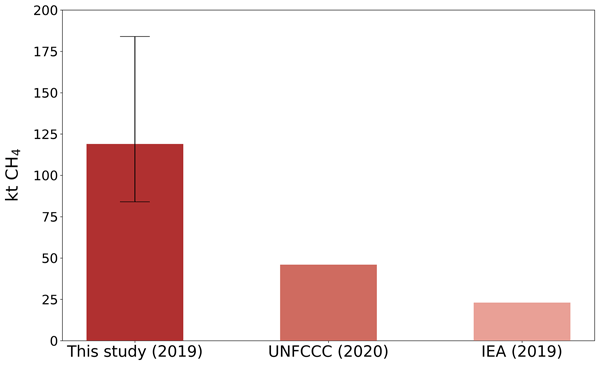
Foteini Stavropoulou, Katarina Vinković, Bert Kers, Marcel de Vries, Steven van Heuven, Piotr Korbeń, Martina Schmidt, Julia Wietzel, Pawel Jagoda, Jaroslav M. Necki, Jakub Bartyzel, Hossein Maazallahi, Malika Menoud, Carina van der Veen, Sylvia Walter, Béla Tuzson, Jonas Ravelid, Randulph Paulo Morales, Lukas Emmenegger, Dominik Brunner, Michael Steiner, Arjan Hensen, Ilona Velzeboer, Pim van den Bulk, Hugo Denier van der Gon, Antonio Delre, Maklawe Essonanawe Edjabou, Charlotte Scheutz, Marius Corbu, Sebastian Iancu, Denisa Moaca, Alin Scarlat, Alexandru Tudor, Ioana Vizireanu, Andreea Calcan, Magdalena Ardelean, Sorin Ghemulet, Alexandru Pana, Aurel Constantinescu, Lucian Cusa, Alexandru Nica, Calin Baciu, Cristian Pop, Andrei Radovici, Alexandru Mereuta, Horatiu Stefanie, Alexandru Dandocsi, Bas Hermans, Stefan Schwietzke, Daniel Zavala-Araiza, Huilin Chen, and Thomas Röckmann
Atmos. Chem. Phys., 23, 10399–10412, https://doi.org/10.5194/acp-23-10399-2023, https://doi.org/10.5194/acp-23-10399-2023, 2023
Short summary
Short summary
In this study, we quantify CH4 emissions from onshore oil production sites in Romania at source and facility level using a combination of ground- and drone-based measurement techniques. We show that the total CH4 emissions in our studied areas are much higher than the emissions reported to UNFCCC, and up to three-quarters of the detected emissions are related to operational venting. Our results suggest that oil and gas production infrastructure in Romania holds a massive mitigation potential.
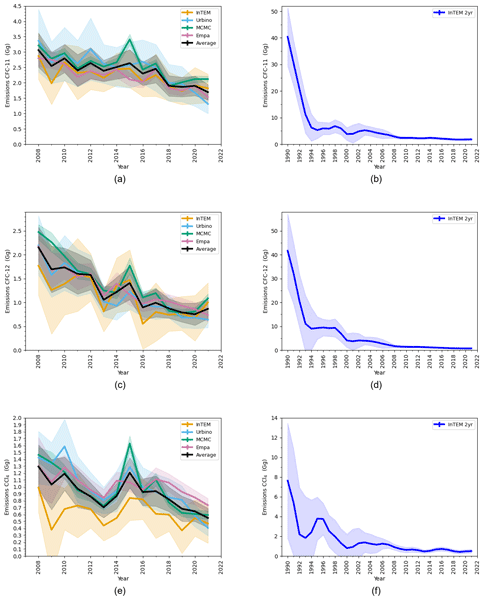
Alison L. Redington, Alistair J. Manning, Stephan Henne, Francesco Graziosi, Luke M. Western, Jgor Arduini, Anita L. Ganesan, Christina M. Harth, Michela Maione, Jens Mühle, Simon O'Doherty, Joseph Pitt, Stefan Reimann, Matthew Rigby, Peter K. Salameh, Peter G. Simmonds, T. Gerard Spain, Kieran Stanley, Martin K. Vollmer, Ray F. Weiss, and Dickon Young
Atmos. Chem. Phys., 23, 7383–7398, https://doi.org/10.5194/acp-23-7383-2023, https://doi.org/10.5194/acp-23-7383-2023, 2023
Short summary
Short summary
Chlorofluorocarbons (CFCs) were used in Europe pre-1990, damaging the stratospheric ozone layer. Legislation has controlled production and use, and global emissions have decreased sharply. The global rate of decline in CFC-11 recently slowed and was partly attributed to illegal emission in eastern China. This study concludes that emissions of CFC-11 in western Europe have not contributed to the unexplained part of the global increase in CFC-11 observed in the last decade.
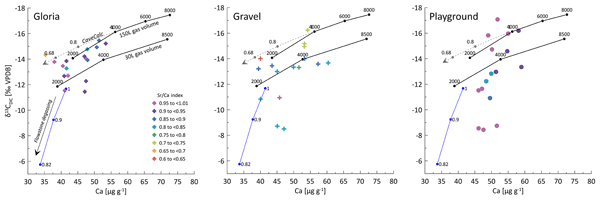
Oliver Kost, Saúl González-Lemos, Laura Rodríguez-Rodríguez, Jakub Sliwinski, Laura Endres, Negar Haghipour, and Heather Stoll
Hydrol. Earth Syst. Sci., 27, 2227–2255, https://doi.org/10.5194/hess-27-2227-2023, https://doi.org/10.5194/hess-27-2227-2023, 2023
Short summary
Short summary
Cave monitoring studies including cave drip water are unique opportunities to sample water which has percolated through the soil and rock. The change in drip water chemistry is resolved over the course of 16 months, inferring seasonal and hydrological variations in soil and karst processes at the water–air and water–rock interface. Such data sets improve the understanding of hydrological and hydrochemical processes and ultimately advance the interpretation of geochemical stalagmite records.
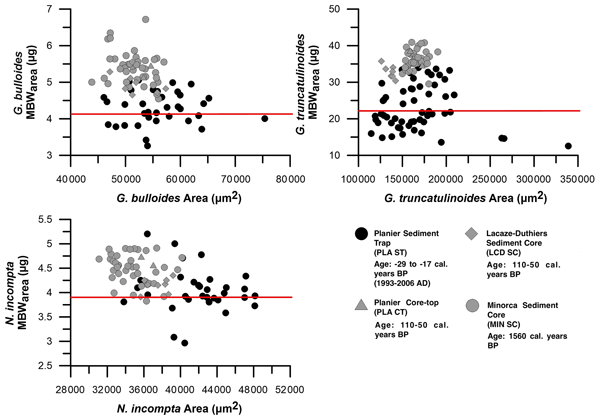
Thibauld M. Béjard, Andrés S. Rigual-Hernández, José A. Flores, Javier P. Tarruella, Xavier Durrieu de Madron, Isabel Cacho, Neghar Haghipour, Aidan Hunter, and Francisco J. Sierro
Biogeosciences, 20, 1505–1528, https://doi.org/10.5194/bg-20-1505-2023, https://doi.org/10.5194/bg-20-1505-2023, 2023
Short summary
Short summary
The Mediterranean Sea is undergoing a rapid and unprecedented environmental change. Planktic foraminifera calcification is affected on different timescales. On seasonal and interannual scales, calcification trends differ according to the species and are linked mainly to sea surface temperatures and carbonate system parameters, while comparison with pre/post-industrial assemblages shows that all three species have reduced their calcification between 10 % to 35 % according to the species.
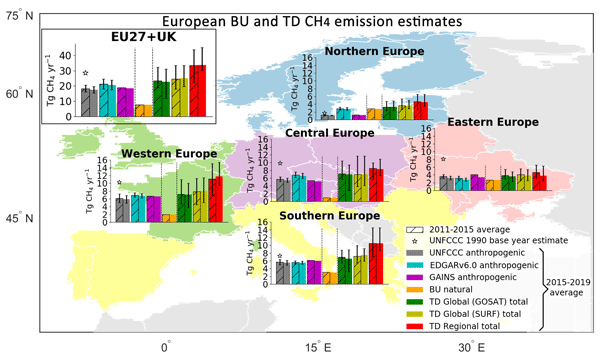
Ana Maria Roxana Petrescu, Chunjing Qiu, Matthew J. McGrath, Philippe Peylin, Glen P. Peters, Philippe Ciais, Rona L. Thompson, Aki Tsuruta, Dominik Brunner, Matthias Kuhnert, Bradley Matthews, Paul I. Palmer, Oksana Tarasova, Pierre Regnier, Ronny Lauerwald, David Bastviken, Lena Höglund-Isaksson, Wilfried Winiwarter, Giuseppe Etiope, Tuula Aalto, Gianpaolo Balsamo, Vladislav Bastrikov, Antoine Berchet, Patrick Brockmann, Giancarlo Ciotoli, Giulia Conchedda, Monica Crippa, Frank Dentener, Christine D. Groot Zwaaftink, Diego Guizzardi, Dirk Günther, Jean-Matthieu Haussaire, Sander Houweling, Greet Janssens-Maenhout, Massaer Kouyate, Adrian Leip, Antti Leppänen, Emanuele Lugato, Manon Maisonnier, Alistair J. Manning, Tiina Markkanen, Joe McNorton, Marilena Muntean, Gabriel D. Oreggioni, Prabir K. Patra, Lucia Perugini, Isabelle Pison, Maarit T. Raivonen, Marielle Saunois, Arjo J. Segers, Pete Smith, Efisio Solazzo, Hanqin Tian, Francesco N. Tubiello, Timo Vesala, Guido R. van der Werf, Chris Wilson, and Sönke Zaehle
Earth Syst. Sci. Data, 15, 1197–1268, https://doi.org/10.5194/essd-15-1197-2023, https://doi.org/10.5194/essd-15-1197-2023, 2023
Short summary
Short summary
This study updates the state-of-the-art scientific overview of CH4 and N2O emissions in the EU27 and UK in Petrescu et al. (2021a). Yearly updates are needed to improve the different respective approaches and to inform on the development of formal verification systems. It integrates the most recent emission inventories, process-based model and regional/global inversions, comparing them with UNFCCC national GHG inventories, in support to policy to facilitate real-time verification procedures.
Joshua L. Laughner, Sébastien Roche, Matthäus Kiel, Geoffrey C. Toon, Debra Wunch, Bianca C. Baier, Sébastien Biraud, Huilin Chen, Rigel Kivi, Thomas Laemmel, Kathryn McKain, Pierre-Yves Quéhé, Constantina Rousogenous, Britton B. Stephens, Kaley Walker, and Paul O. Wennberg
Atmos. Meas. Tech., 16, 1121–1146, https://doi.org/10.5194/amt-16-1121-2023, https://doi.org/10.5194/amt-16-1121-2023, 2023
Short summary
Short summary
Observations using sunlight to measure surface-to-space total column of greenhouse gases in the atmosphere need an initial guess of the vertical distribution of those gases to start from. We have developed an approach to provide those initial guess profiles that uses readily available meteorological data as input. This lets us make these guesses without simulating them with a global model. The profiles generated this way match independent observations well.
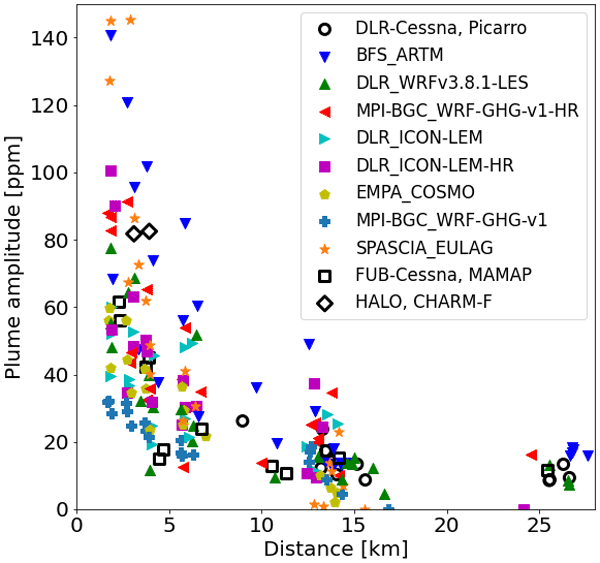
Dominik Brunner, Gerrit Kuhlmann, Stephan Henne, Erik Koene, Bastian Kern, Sebastian Wolff, Christiane Voigt, Patrick Jöckel, Christoph Kiemle, Anke Roiger, Alina Fiehn, Sven Krautwurst, Konstantin Gerilowski, Heinrich Bovensmann, Jakob Borchardt, Michal Galkowski, Christoph Gerbig, Julia Marshall, Andrzej Klonecki, Pascal Prunet, Robert Hanfland, Margit Pattantyús-Ábrahám, Andrzej Wyszogrodzki, and Andreas Fix
Atmos. Chem. Phys., 23, 2699–2728, https://doi.org/10.5194/acp-23-2699-2023, https://doi.org/10.5194/acp-23-2699-2023, 2023
Short summary
Short summary
We evaluated six atmospheric transport models for their capability to simulate the CO2 plumes from two of the largest power plants in Europe by comparing the models against aircraft observations collected during the CoMet (Carbon Dioxide and Methane Mission) campaign in 2018. The study analyzed how realistically such plumes can be simulated at different model resolutions and how well the planned European satellite mission CO2M will be able to quantify emissions from power plants.
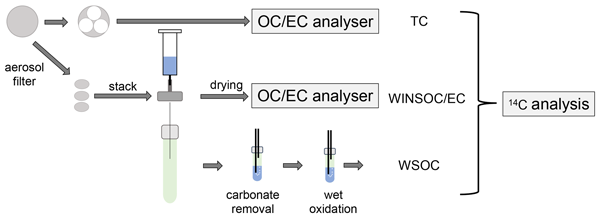
Martin Rauber, Gary Salazar, Karl Espen Yttri, and Sönke Szidat
Atmos. Meas. Tech., 16, 825–844, https://doi.org/10.5194/amt-16-825-2023, https://doi.org/10.5194/amt-16-825-2023, 2023
Short summary
Short summary
Carbon-containing aerosols from ambient air are analysed for radioactive isotope radiocarbon to determine the contribution from fossil-fuel emissions. Light-absorbing soot-like aerosols are isolated by water extraction and thermal separation. This separation is affected by artefacts, for which we developed a new correction method. The investigation of aerosols from the Arctic shows that our approach works well for such samples, where many artefacts are expected.
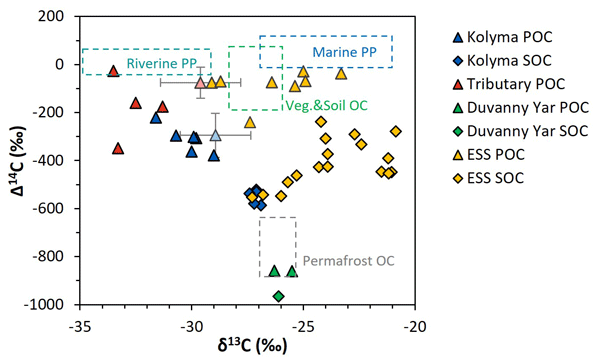
Dirk Jong, Lisa Bröder, Tommaso Tesi, Kirsi H. Keskitalo, Nikita Zimov, Anna Davydova, Philip Pika, Negar Haghipour, Timothy I. Eglinton, and Jorien E. Vonk
Biogeosciences, 20, 271–294, https://doi.org/10.5194/bg-20-271-2023, https://doi.org/10.5194/bg-20-271-2023, 2023
Short summary
Short summary
With this study, we want to highlight the importance of studying both land and ocean together, and water and sediment together, as these systems function as a continuum, and determine how organic carbon derived from permafrost is broken down and its effect on global warming. Although on the one hand it appears that organic carbon is removed from sediments along the pathway of transport from river to ocean, it also appears to remain relatively ‘fresh’, despite this removal and its very old age.
Andreas Plach, Rolf Rüfenacht, Simone Kotthaus, and Markus Leuenberger
EGUsphere, https://doi.org/10.5194/egusphere-2022-1019, https://doi.org/10.5194/egusphere-2022-1019, 2022
Preprint archived
Short summary
Short summary
Greenhouse gases emissions are contributing to global warming and it is essential to better understand where they originate from and how they are transported. In this study we analyze greenhouse gas observations at a Swiss tall tower where measurements are taken more than 200 m above ground and investigate their origin by looking at the condition of the atmosphere at the time of the observations. We find that most pollution at this site is caused from emissions transported from further away.

Melissa Sophia Schwab, Hannah Gies, Chantal Valérie Freymond, Maarten Lupker, Negar Haghipour, and Timothy Ian Eglinton
Biogeosciences, 19, 5591–5616, https://doi.org/10.5194/bg-19-5591-2022, https://doi.org/10.5194/bg-19-5591-2022, 2022
Short summary
Short summary
The majority of river studies focus on headwater or floodplain systems, while often neglecting intermediate river segments. Our study on the subalpine Sihl River bridges the gap between streams and lowlands and demonstrates that moderately steep river segments are areas of significant instream alterations, modulating the export of organic carbon over short distances.
Charlotte Decock, Juhwan Lee, Matti Barthel, Elizabeth Verhoeven, Franz Conen, and Johan Six
Biogeosciences Discuss., https://doi.org/10.5194/bg-2022-221, https://doi.org/10.5194/bg-2022-221, 2022
Preprint withdrawn
Short summary
Short summary
One of the least well understood processes in the nitrogen (N) cycle is the loss of nitrogen gas (N2), referred to as total denitrification. This is mainly due to the difficulty of quantifying total denitrification in situ. In this study, we developed and tested a novel modeling approach to estimate total denitrification over the depth profile, based on concentrations and isotope values of N2O. Our method will help close N budgets and identify management strategies that reduce N pollution.
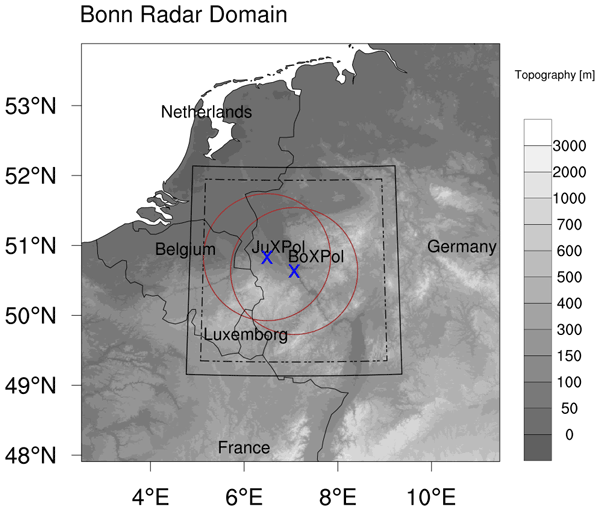
Prabhakar Shrestha, Jana Mendrok, and Dominik Brunner
Atmos. Chem. Phys., 22, 14095–14117, https://doi.org/10.5194/acp-22-14095-2022, https://doi.org/10.5194/acp-22-14095-2022, 2022
Short summary
Short summary
The study extends the Terrestrial Systems Modeling Platform with gas-phase chemistry aerosol dynamics and a radar forward operator to enable detailed studies of aerosol–cloud–precipitation interactions. This is demonstrated using a case study of a deep convective storm, which showed that the strong updraft in the convective core of the storm produced aerosol-tower-like features, which affected the size of the hydrometeors and the simulated polarimetric features (e.g., ZDR and KDP columns).
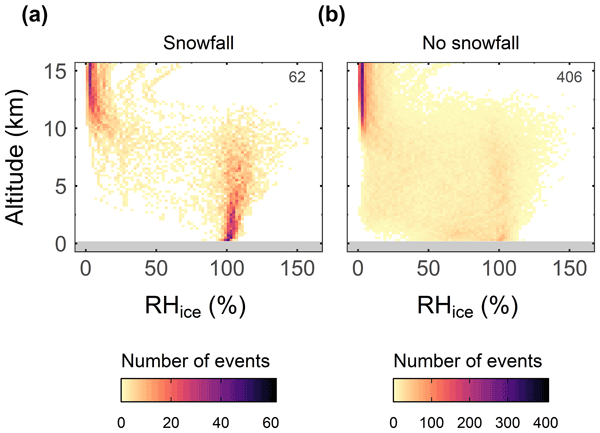
Claudia Mignani, Lukas Zimmermann, Rigel Kivi, Alexis Berne, and Franz Conen
Atmos. Chem. Phys., 22, 13551–13568, https://doi.org/10.5194/acp-22-13551-2022, https://doi.org/10.5194/acp-22-13551-2022, 2022
Short summary
Short summary
We determined over the course of 8 winter months the phase of clouds associated with snowfall in Northern Finland using radiosondes and observations of ice particle habits at ground level. We found that precipitating clouds were extending from near ground to at least 2.7 km altitude and approximately three-quarters of them were likely glaciated. Possible moisture sources and ice formation processes are discussed.
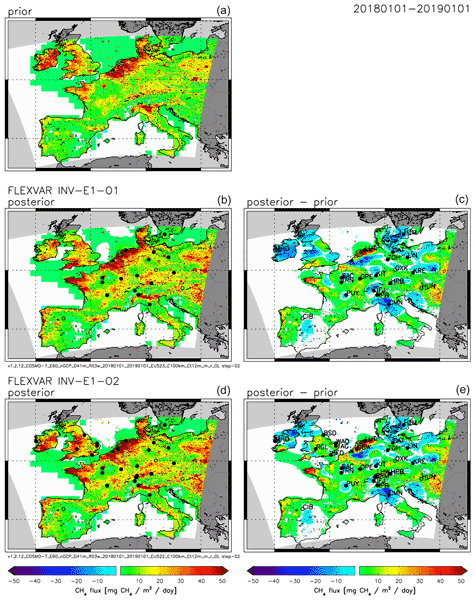
Peter Bergamaschi, Arjo Segers, Dominik Brunner, Jean-Matthieu Haussaire, Stephan Henne, Michel Ramonet, Tim Arnold, Tobias Biermann, Huilin Chen, Sebastien Conil, Marc Delmotte, Grant Forster, Arnoud Frumau, Dagmar Kubistin, Xin Lan, Markus Leuenberger, Matthias Lindauer, Morgan Lopez, Giovanni Manca, Jennifer Müller-Williams, Simon O'Doherty, Bert Scheeren, Martin Steinbacher, Pamela Trisolino, Gabriela Vítková, and Camille Yver Kwok
Atmos. Chem. Phys., 22, 13243–13268, https://doi.org/10.5194/acp-22-13243-2022, https://doi.org/10.5194/acp-22-13243-2022, 2022
Short summary
Short summary
We present a novel high-resolution inverse modelling system, "FLEXVAR", and its application for the inverse modelling of European CH4 emissions in 2018. The new system combines a high spatial resolution of 7 km x 7 km with a variational data assimilation technique, which allows CH4 emissions to be optimized from individual model grid cells. The high resolution allows the observations to be better reproduced, while the derived emissions show overall good consistency with two existing models.
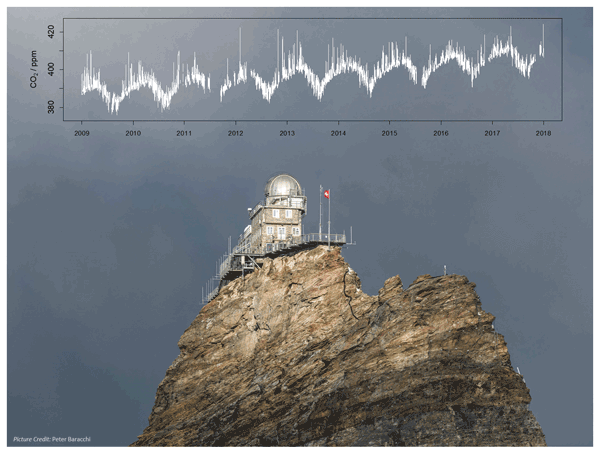
Simone M. Pieber, Béla Tuzson, Stephan Henne, Ute Karstens, Christoph Gerbig, Frank-Thomas Koch, Dominik Brunner, Martin Steinbacher, and Lukas Emmenegger
Atmos. Chem. Phys., 22, 10721–10749, https://doi.org/10.5194/acp-22-10721-2022, https://doi.org/10.5194/acp-22-10721-2022, 2022
Short summary
Short summary
Understanding regional greenhouse gas emissions into the atmosphere is a prerequisite to mitigate climate change. In this study, we investigated the regional contributions of carbon dioxide (CO2) at the location of the high Alpine observatory Jungfraujoch (JFJ, Switzerland, 3580 m a.s.l.). To this purpose, we combined receptor-oriented atmospheric transport simulations for CO2 concentration in the period 2009–2017 with stable carbon isotope (δ13C–CO2) information.
Matthias Schneider, Benjamin Ertl, Qiansi Tu, Christopher J. Diekmann, Farahnaz Khosrawi, Amelie N. Röhling, Frank Hase, Darko Dubravica, Omaira E. García, Eliezer Sepúlveda, Tobias Borsdorff, Jochen Landgraf, Alba Lorente, André Butz, Huilin Chen, Rigel Kivi, Thomas Laemmel, Michel Ramonet, Cyril Crevoisier, Jérome Pernin, Martin Steinbacher, Frank Meinhardt, Kimberly Strong, Debra Wunch, Thorsten Warneke, Coleen Roehl, Paul O. Wennberg, Isamu Morino, Laura T. Iraci, Kei Shiomi, Nicholas M. Deutscher, David W. T. Griffith, Voltaire A. Velazco, and David F. Pollard
Atmos. Meas. Tech., 15, 4339–4371, https://doi.org/10.5194/amt-15-4339-2022, https://doi.org/10.5194/amt-15-4339-2022, 2022
Short summary
Short summary
We present a computationally very efficient method for the synergetic use of level 2 remote-sensing data products. We apply the method to IASI vertical profile and TROPOMI total column space-borne methane observations and thus gain sensitivity for the tropospheric methane partial columns, which is not achievable by the individual use of TROPOMI and IASI. These synergetic effects are evaluated theoretically and empirically by inter-comparisons to independent references of TCCON, AirCore, and GAW.
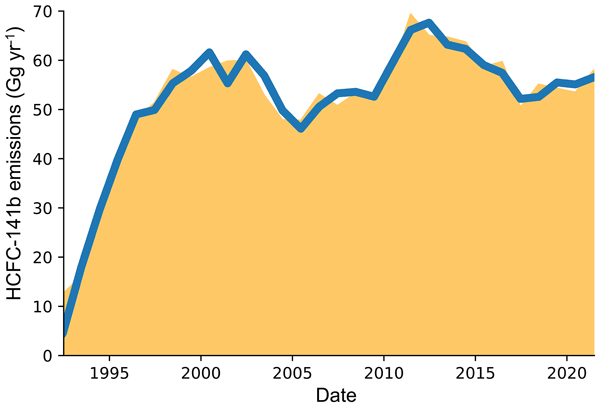
Luke M. Western, Alison L. Redington, Alistair J. Manning, Cathy M. Trudinger, Lei Hu, Stephan Henne, Xuekun Fang, Lambert J. M. Kuijpers, Christina Theodoridi, David S. Godwin, Jgor Arduini, Bronwyn Dunse, Andreas Engel, Paul J. Fraser, Christina M. Harth, Paul B. Krummel, Michela Maione, Jens Mühle, Simon O'Doherty, Hyeri Park, Sunyoung Park, Stefan Reimann, Peter K. Salameh, Daniel Say, Roland Schmidt, Tanja Schuck, Carolina Siso, Kieran M. Stanley, Isaac Vimont, Martin K. Vollmer, Dickon Young, Ronald G. Prinn, Ray F. Weiss, Stephen A. Montzka, and Matthew Rigby
Atmos. Chem. Phys., 22, 9601–9616, https://doi.org/10.5194/acp-22-9601-2022, https://doi.org/10.5194/acp-22-9601-2022, 2022
Short summary
Short summary
The production of ozone-destroying gases is being phased out. Even though production of one of the main ozone-depleting gases, called HCFC-141b, has been declining for many years, the amount that is being released to the atmosphere has been increasing since 2017. We do not know for sure why this is. A possible explanation is that HCFC-141b that was used to make insulating foams many years ago is only now escaping to the atmosphere, or a large part of its production is not being reported.
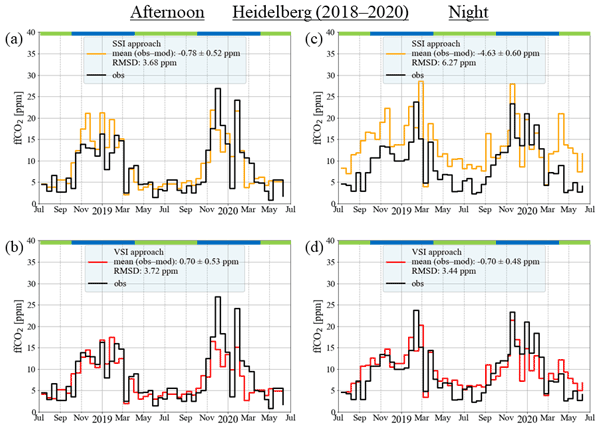
Fabian Maier, Christoph Gerbig, Ingeborg Levin, Ingrid Super, Julia Marshall, and Samuel Hammer
Geosci. Model Dev., 15, 5391–5406, https://doi.org/10.5194/gmd-15-5391-2022, https://doi.org/10.5194/gmd-15-5391-2022, 2022
Short summary
Short summary
We show that the default representation of point source emissions in WRF–STILT leads to large overestimations when modelling fossil fuel CO2 concentrations for a 30 m high observation site during stable atmospheric conditions. We therefore introduce a novel point source modelling approach in WRF-STILT that takes into account their effective emission heights and results in a much better agreement with observations.
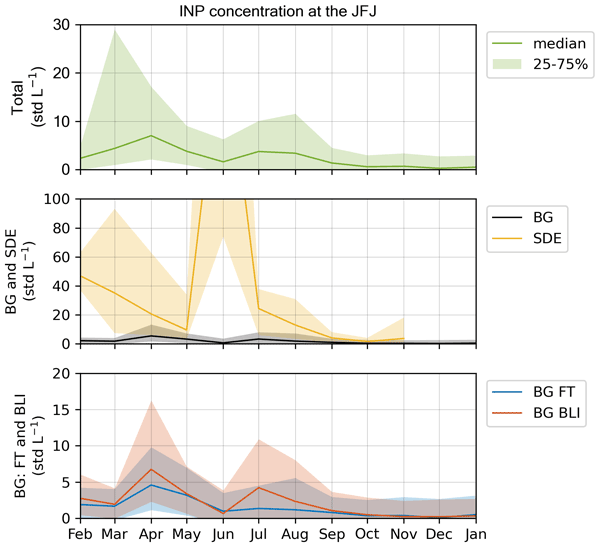
Cyril Brunner, Benjamin T. Brem, Martine Collaud Coen, Franz Conen, Martin Steinbacher, Martin Gysel-Beer, and Zamin A. Kanji
Atmos. Chem. Phys., 22, 7557–7573, https://doi.org/10.5194/acp-22-7557-2022, https://doi.org/10.5194/acp-22-7557-2022, 2022
Short summary
Short summary
Microscopic particles called ice-nucleating particles (INPs) are essential for ice crystals to form in clouds. INPs are a tiny proportion of atmospheric aerosol, and their abundance is poorly constrained. We study how the concentration of INPs changes diurnally and seasonally at a mountaintop station in central Europe. Unsurprisingly, a diurnal cycle is only found when considering air masses that have had lower-altitude ground contact. The highest INP concentrations occur in spring.
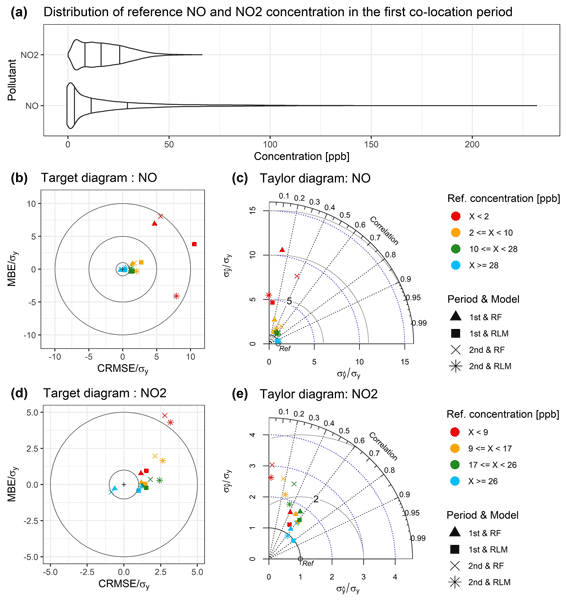
Horim Kim, Michael Müller, Stephan Henne, and Christoph Hüglin
Atmos. Meas. Tech., 15, 2979–2992, https://doi.org/10.5194/amt-15-2979-2022, https://doi.org/10.5194/amt-15-2979-2022, 2022
Short summary
Short summary
In this study, the performance of electrochemical sensors for NO and NO2 for measuring air quality was determined over a longer operating period. The performance of NO sensors remained reliable for more than 18 months. However, the NO2 sensors showed decreasing performance over time. During deployment, we found that the NO2 sensors can distinguish general pollution levels, but they proved unsuitable for accurate measurements due to significant biases.
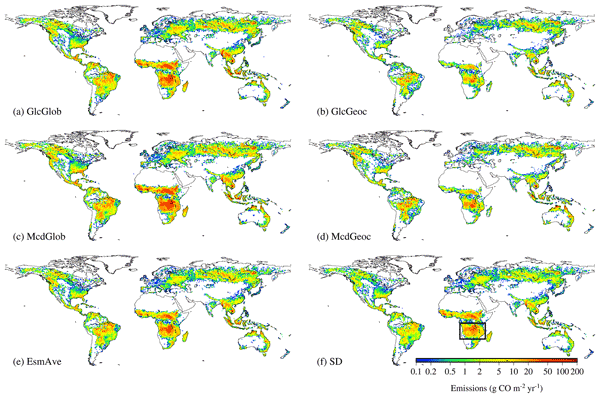
Makoto Saito, Tomohiro Shiraishi, Ryuichi Hirata, Yosuke Niwa, Kazuyuki Saito, Martin Steinbacher, Doug Worthy, and Tsuneo Matsunaga
Biogeosciences, 19, 2059–2078, https://doi.org/10.5194/bg-19-2059-2022, https://doi.org/10.5194/bg-19-2059-2022, 2022
Short summary
Short summary
This study tested combinations of two sources of AGB data and two sources of LCC data and used the same burned area satellite data to estimate BB CO emissions. Our analysis showed large discrepancies in annual mean CO emissions and explicit differences in the simulated CO concentrations among the BB emissions estimates. This study has confirmed that BB emissions estimates are sensitive to the land surface information on which they are based.
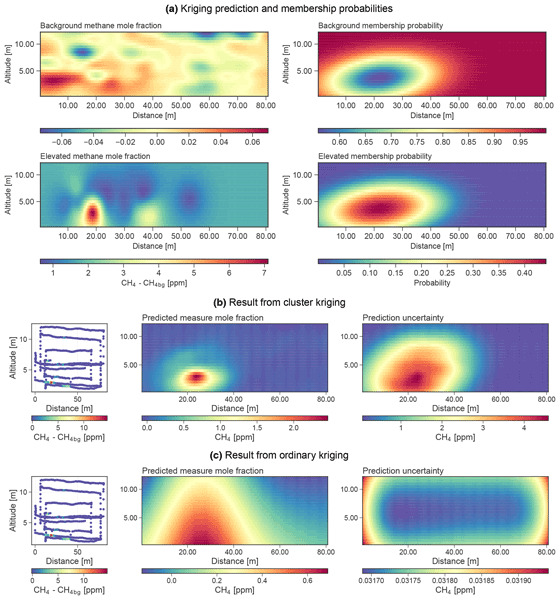
Randulph Morales, Jonas Ravelid, Katarina Vinkovic, Piotr Korbeń, Béla Tuzson, Lukas Emmenegger, Huilin Chen, Martina Schmidt, Sebastian Humbel, and Dominik Brunner
Atmos. Meas. Tech., 15, 2177–2198, https://doi.org/10.5194/amt-15-2177-2022, https://doi.org/10.5194/amt-15-2177-2022, 2022
Short summary
Short summary
Mapping trace gas emission plumes using in situ measurements from unmanned aerial vehicles (UAVs) is an emerging and attractive possibility to quantify emissions from localized sources. We performed an extensive controlled-release experiment to develop an optimal quantification method and to determine the related uncertainties under various environmental and sampling conditions. Our approach was successful in quantifying local methane sources from drone-based measurements.
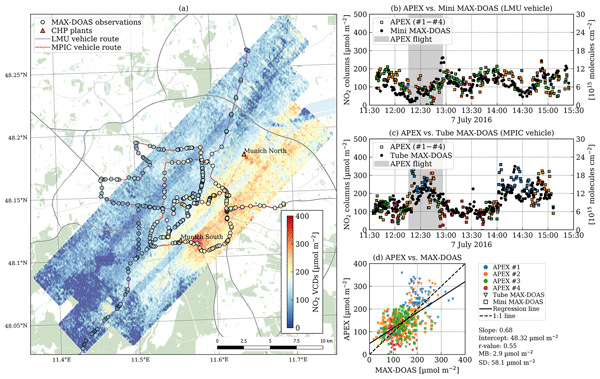
Gerrit Kuhlmann, Ka Lok Chan, Sebastian Donner, Ying Zhu, Marc Schwaerzel, Steffen Dörner, Jia Chen, Andreas Hueni, Duc Hai Nguyen, Alexander Damm, Annette Schütt, Florian Dietrich, Dominik Brunner, Cheng Liu, Brigitte Buchmann, Thomas Wagner, and Mark Wenig
Atmos. Meas. Tech., 15, 1609–1629, https://doi.org/10.5194/amt-15-1609-2022, https://doi.org/10.5194/amt-15-1609-2022, 2022
Short summary
Short summary
Nitrogen dioxide (NO2) is an air pollutant whose concentration often exceeds air quality guideline values, especially in urban areas. To map the spatial distribution of NO2 in Munich, we conducted the Munich NO2 Imaging Campaign (MuNIC), where NO2 was measured with stationary, mobile, and airborne in situ and remote sensing instruments. The campaign provides a unique dataset that has been used to compare the different instruments and to study the spatial variability of NO2 and its sources.
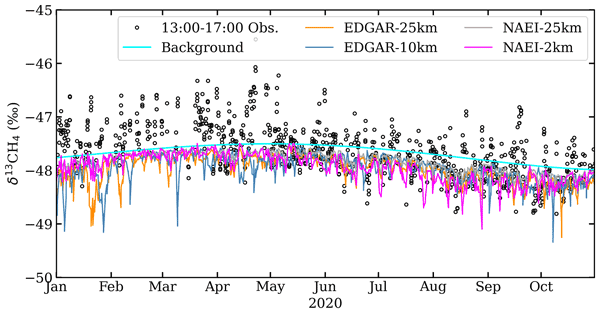
Eric Saboya, Giulia Zazzeri, Heather Graven, Alistair J. Manning, and Sylvia Englund Michel
Atmos. Chem. Phys., 22, 3595–3613, https://doi.org/10.5194/acp-22-3595-2022, https://doi.org/10.5194/acp-22-3595-2022, 2022
Short summary
Short summary
Continuous measurements of atmospheric methane concentrations and its carbon-13 isotope have been made in central London since early 2018. These measurements were used to evaluate methane emissions reported in global and UK-specific emission inventories for the London area. Compared to atmospheric methane measurements from March 2018 to October 2020, both inventories are under-reporting natural gas leakage for the London area.
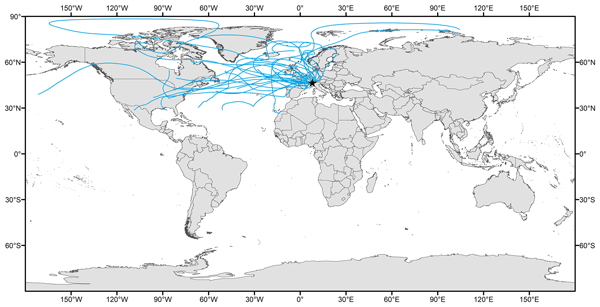
Franz Conen, Annika Einbock, Claudia Mignani, and Christoph Hüglin
Atmos. Chem. Phys., 22, 3433–3444, https://doi.org/10.5194/acp-22-3433-2022, https://doi.org/10.5194/acp-22-3433-2022, 2022
Short summary
Short summary
Above western Europe, ice typically starts to form in clouds a few kilometres above the ground if suitable aerosol particles are present. In air masses typical for that altitude, we found that such particles most likely originate from bacteria and fungi living on plants. Occasional Saharan dust intrusions seem to contribute little to the number concentration of particles able to freeze cloud droplets between 0°C and −15°C.
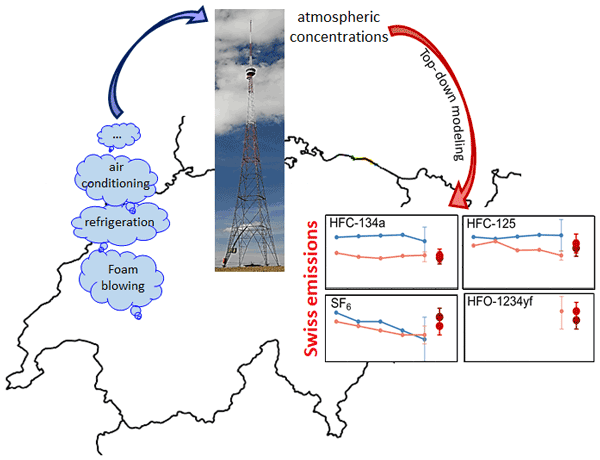
Dominique Rust, Ioannis Katharopoulos, Martin K. Vollmer, Stephan Henne, Simon O'Doherty, Daniel Say, Lukas Emmenegger, Renato Zenobi, and Stefan Reimann
Atmos. Chem. Phys., 22, 2447–2466, https://doi.org/10.5194/acp-22-2447-2022, https://doi.org/10.5194/acp-22-2447-2022, 2022
Short summary
Short summary
Artificial halocarbons contribute to ozone layer depletion and to global warming. We measured the atmospheric concentrations of halocarbons at the Beromünster tower, modelled the Swiss emissions, and compared the results to the internationally reported Swiss emissions inventory. For most of the halocarbons, we found good agreement, whereas one refrigerant might be overestimated in the inventory. In addition, we present first emission estimates of the newest types of halocarbons.
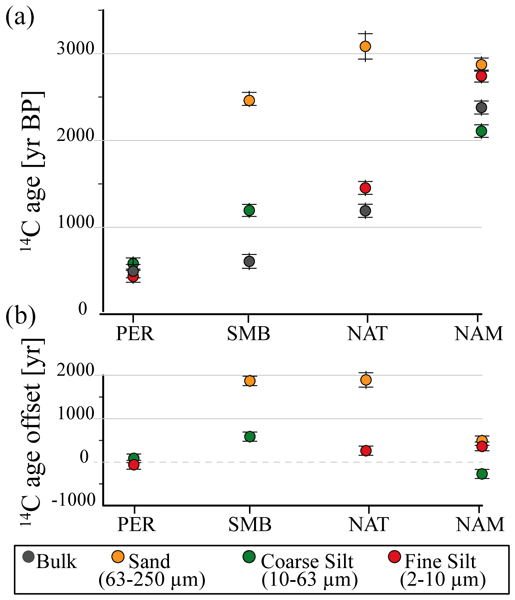
Blanca Ausín, Negar Haghipour, Elena Bruni, and Timothy Eglinton
Biogeosciences, 19, 613–627, https://doi.org/10.5194/bg-19-613-2022, https://doi.org/10.5194/bg-19-613-2022, 2022
Short summary
Short summary
The preservation and distribution of alkenones – organic molecules produced by marine algae – in marine sediments allows us to reconstruct past variations in sea surface temperature, primary productivity and CO2. Here, we explore the impact of remobilization and lateral transport of sedimentary alkenones on their fate in marine sediments. We demonstrate the pervasive influence of these processes on alkenone-derived environmental signals, compromising the reliability of related paleorecords.
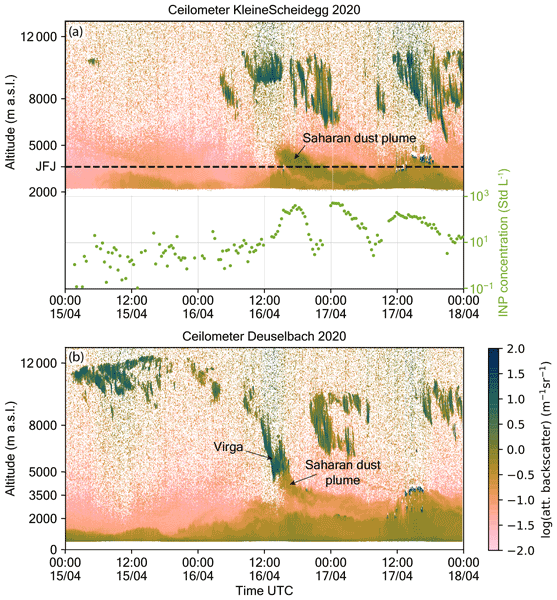
Cyril Brunner, Benjamin T. Brem, Martine Collaud Coen, Franz Conen, Maxime Hervo, Stephan Henne, Martin Steinbacher, Martin Gysel-Beer, and Zamin A. Kanji
Atmos. Chem. Phys., 21, 18029–18053, https://doi.org/10.5194/acp-21-18029-2021, https://doi.org/10.5194/acp-21-18029-2021, 2021
Short summary
Short summary
Special microscopic particles called ice-nucleating particles (INPs) are essential for ice crystals to form in the atmosphere. INPs are sparse and their atmospheric concentration and properties are not well understood. Mineral dust particles make up a significant fraction of INPs but how much remains unknown. Here, we address this knowledge gap by studying periods when mineral particles are present in large quantities at a mountaintop station in central Europe.
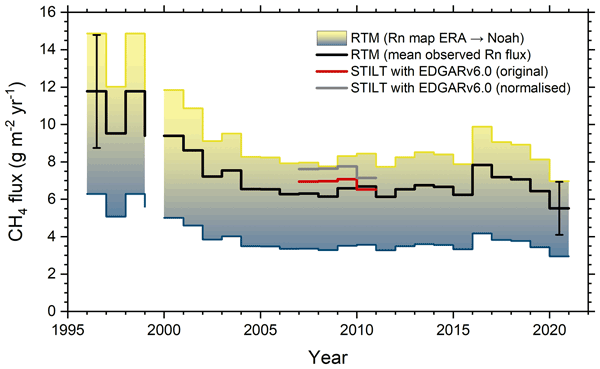
Ingeborg Levin, Ute Karstens, Samuel Hammer, Julian DellaColetta, Fabian Maier, and Maksym Gachkivskyi
Atmos. Chem. Phys., 21, 17907–17926, https://doi.org/10.5194/acp-21-17907-2021, https://doi.org/10.5194/acp-21-17907-2021, 2021
Short summary
Short summary
The radon tracer method is applied to atmospheric methane and radon observations from the upper Rhine valley to independently estimate methane emissions from the region. Comparison of our top-down results with bottom-up inventory data requires high-resolution footprint modelling and representative radon flux data. In agreement with inventories, observed emissions decreased, but only until 2005. A limitation of this method is that point-source emissions are not captured or not fully captured.
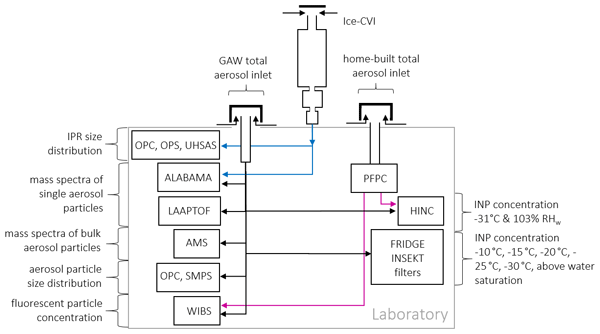
Larissa Lacher, Hans-Christian Clemen, Xiaoli Shen, Stephan Mertes, Martin Gysel-Beer, Alireza Moallemi, Martin Steinbacher, Stephan Henne, Harald Saathoff, Ottmar Möhler, Kristina Höhler, Thea Schiebel, Daniel Weber, Jann Schrod, Johannes Schneider, and Zamin A. Kanji
Atmos. Chem. Phys., 21, 16925–16953, https://doi.org/10.5194/acp-21-16925-2021, https://doi.org/10.5194/acp-21-16925-2021, 2021
Short summary
Short summary
We investigate ice-nucleating particle properties at Jungfraujoch during the 2017 joint INUIT/CLACE field campaign, to improve the knowledge about those rare particles in a cloud-relevant environment. By quantifying ice-nucleating particles in parallel to single-particle mass spectrometry measurements, we find that mineral dust and aged sea spray particles are potential candidates for ice-nucleating particles. Our findings are supported by ice residual analysis and source region modeling.
Cited articles
Basu, S., Lehman, S. J., Miller, J. B., Andrews, A. E., Sweeney, C., Gurney, K. R., Xu, X., Southon, J., and Tans, P. P.: Estimating US fossil fuel CO2 emissions from measurements of 14C in atmospheric CO2, P. Natl. Acad. Sci. USA, 117, 13300–13307, https://doi.org/10.1073/pnas.1919032117, 2020.
Berhanu, T. A., Szidat, S., Brunner, D., Satar, E., Schanda, R., Nyfeler, P., Battaglia, M., Steinbacher, M., Hammer, S., and Leuenberger, M.: Estimation of the fossil fuel component in atmospheric CO2 based on radiocarbon measurements at the Beromünster tall tower, Switzerland, Atmos. Chem. Phys., 17, 10753–10766, https://doi.org/10.5194/acp-17-10753-2017, 2017.
Bharath, Arya Krishnan, K., D'Souza, R. S., Rashmi Nayak, S., Dileep, B. N., Ravi, P. M., Mangavi, S. S., Salunke, G. S., Veerendra, D., and Karunakara, N.: Carbon-14 emission from the pressurized heavy water reactor nuclear power plant at Kaiga, India, J. Environ. Radioactiv., 255, 107006, https://doi.org/10.1016/j.jenvrad.2022.107006, 2022.
Conen, F.: Radon Monitors Jungfraujoch & Uni Bern Near Realtime Data, https://sievju.org/pl/radon.pl (last access: 19 August 2026), 2025.
Conen, F. and Zimmermann, L.: Separating “free tropospheric conditions” from those “influenced by the planetary boundary layer”, International Foundation HFSJG, https://www.hfsjg.ch/reports/2020/pdf/120_UniBasel_Conen_radon_cf.pdf (last access: 19 August 2026), 2020.
Ehhalt, D. H.: The atmospheric cycle of methane, Tellus, 26, 58–70, https://doi.org/10.1111/j.2153-3490.1974.tb01952.x, 1974.
Eisma, R., Borg, K. van der, de Jong, A. F. M., Kieskamp, W. M., and Veltkamp, A. C.: Measurements of the 14C content of atmospheric methane in The Netherlands to determine the regional emissions of 14CH4, Nucl. Instrum. Meth. B, 92, https://doi.org/10.1016/0168-583X(94)96044-5, 1994.
Eisma, R., Vermeulen, A. T., and Borg, K. V. D.: 14CH4 emissions from nuclear power plants in northwestern Europe, Radiocarbon, 37, https://doi.org/10.1017/S0033822200030952, 1995.
Emmenegger, L., Leuenberger, M., and Steinbacher, M.: ICOS ATC 14C Release analysed by ICOS CRL from Jungfraujoch (6.0 m), 2015-09-21–2024-11-25, ICOS RI, https://hdl.handle.net/11676/AtmTz0jbjTlwKST7jLLrHSHh, 2025a.
Emmenegger, L., Harris, E., Leuenberger, M., and Steinbacher, M.: ICOS ATC CH4 Release from Jungfraujoch (13.9 m), 2016-12-12–2025-03-31, ICOS RI, https://hdl.handle.net/11676/_qRWgJ01HGIxRzpTZjGCWWJF, 2025b.
Emmenegger, L., Harris, E., Leuenberger, M., and Steinbacher, M.: ICOS ATC CO2 Release from Jungfraujoch (13.9 m), 2016-12-12–2025-03-31, ICOS RI, https://hdl.handle.net/11676/4ba-uo4FsoZbxFyfj0S6CaUQ, 2025c.
Emmenegger, L., Harris, E., Leuenberger, M., Steinbacher, M., and Roulet, Y.-A.: ICOS ATC Meteo Release from Jungfraujoch (1.0 m), 2016-12-12–2025-03-31, ICOS RI, https://hdl.handle.net/11676/6XYAzIL0CPWhQmPTAY-Swghh, 2025d.
Espic, C., Liechti, M., Battaglia, M., Paul, D., Röckmann, T., and Szidat, S.: Compound-Specific Radiocarbon Analysis of Atmospheric Methane: A New Preconcentration and Purification Setup, Radiocarbon, 61, 1461–1476, https://doi.org/10.1017/RDC.2019.76, 2019.
Espic, C., Laemmel, T., Henne, S., Purtschert, R., and Szidat, S.: Atmospheric 14CH4, 14CO2 and 37Ar measurements around a Swiss pressurized water reactor during an annual revision period, J. Environ. Radioactiv., 281, 107576, https://doi.org/10.1016/j.jenvrad.2024.107576, 2025.
Etheridge, D. M., Steele, L. P., Langenfelds, R. L., Francey, R. J., Barnola, J. ‐M., and Morgan, V. I.: Natural and anthropogenic changes in atmospheric CO2 over the last 1000 years from air in Antarctic ice and firn, J. Geophys. Res., 101, 4115–4128, https://doi.org/10.1029/95JD03410, 1996.
Etiope, G., Ciotoli, G., Benà, E., Mazzoli, C., Röckmann, T., Sivan, M., Squartini, A., Laemmel, T., Szidat, S., Haghipour, N., and Sassi, R.: Surprising concentrations of hydrogen and non-geological methane and carbon dioxide in the soil, Sci. Total Environ., 948, 174890, https://doi.org/10.1016/j.scitotenv.2024.174890, 2024.
European Commission Joint Research Centre: GHG emissions of all world countries: 2023, Publications Office, LU, https://data.europa.eu/doi/10.2760/953322 (last access: 19 August 2026), 2023.
Fujita, R., Graven, H., Zazzeri, G., Hmiel, B., Petrenko, V. V., Smith, A. M., Michel, S. E., and Morimoto, S.: Global fossil methane emissions constrained by multi-isotopic atmospheric methane histories, J. Geophys. Res.-Atmos., https://doi.org/10.1029/2024JD041266, 2025.
Gaiko, V. B., Korablev, N. A., Solov'ev, E. N., Trosheva, T. I., Shamov, V. P., Umanets, M. P., and Shcherbina, V. G.: Discharge of 14C by nuclear power stations with RBMK-1000 reactors, Atom. Energy, 59, 703–705, https://doi.org/10.1007/BF01122497, 1985.
Gidden, M. J., Riahi, K., Smith, S. J., Fujimori, S., Luderer, G., Kriegler, E., van Vuuren, D. P., van den Berg, M., Feng, L., Klein, D., Calvin, K., Doelman, J. C., Frank, S., Fricko, O., Harmsen, M., Hasegawa, T., Havlik, P., Hilaire, J., Hoesly, R., Horing, J., Popp, A., Stehfest, E., and Takahashi, K.: Global emissions pathways under different socioeconomic scenarios for use in CMIP6: a dataset of harmonized emissions trajectories through the end of the century, Geosci. Model Dev., 12, 1443–1475, https://doi.org/10.5194/gmd-12-1443-2019, 2019.
Gonzalez Moguel, R., Vogel, F., Ars, S., Schaefer, H., Turnbull, J. C., and Douglas, P. M. J.: Using carbon-14 and carbon-13 measurements for source attribution of atmospheric methane in the Athabasca oil sands region, Atmos. Chem. Phys., 22, 2121–2133, https://doi.org/10.5194/acp-22-2121-2022, 2022.
Graven, H., Fischer, M. L., Lueker, T., Jeong, S., Guilderson, T. P., Keeling, R. F., Bambha, R., Brophy, K., Callahan, W., Cui, X., Frankenberg, C., Gurney, K. R., LaFranchi, B. W., Lehman, S. J., Michelsen, H., Miller, J. B., Newman, S., Paplawsky, W., Parazoo, N. C., Sloop, C., and Walker, S. J.: Assessing fossil fuel CO2 emissions in California using atmospheric observations and models, Environ. Res. Lett., 13, 065007, https://doi.org/10.1088/1748-9326/aabd43, 2018.
Graven, H., Hocking, T., and Zazzeri, G.: Detection of Fossil and Biogenic Methane at Regional Scales Using Atmospheric Radiocarbon, Earth's Future, 7, 283–299, https://doi.org/10.1029/2018EF001064, 2019.
Graven, H., Keeling, R. F., and Rogelj, J.: Changes to Carbon Isotopes in Atmospheric CO2 Over the Industrial Era and Into the Future, Global Biogeochem. Cy., 34, e2019GB006170, https://doi.org/10.1029/2019GB006170, 2020.
Graven, H. D., Warren, H., Gibbs, H. K., Khatiwala, S., Koven, C., Lester, J., Levin, I., Spawn-Lee, S. A., and Wieder, W.: Bomb radiocarbon evidence for strong global carbon uptake and turnover in terrestrial vegetation, Science, 384, 1335–1339, https://doi.org/10.1126/science.adl4443, 2024.
Griffiths, A. D., Conen, F., Weingartner, E., Zimmermann, L., Chambers, S. D., Williams, A. G., and Steinbacher, M.: Surface-to-mountaintop transport characterised by radon observations at the Jungfraujoch, Atmos. Chem. Phys., 14, 12763–12779, https://doi.org/10.5194/acp-14-12763-2014, 2014.
Hammer, S. and Levin, I.: CORSO Deliverable 3.1 – Database of existing Δ14CO2 measurements, https://hdl.handle.net/11676/HnpnYFcQljQ-SJer66F-hr-b, 2023.
Hammer, S., Friedrich, R., Kromer, B., Cherkinsky, A., Lehman, S. J., Meijer, H. A. J., Nakamura, T., Palonen, V., Reimer, R. W., Smith, A. M., Southon, J. R., Szidat, S., Turnbull, J., and Uchida, M.: Compatibility of Atmospheric 14CO2 Measurements: Comparing the Heidelberg Low-Level Counting Facility to International Accelerator Mass Spectrometry (AMS) Laboratories, Radiocarbon, 59, 875–883, https://doi.org/10.1017/RDC.2016.62, 2017.
Heiskanen, J., Brümmer, C., Buchmann, N., Calfapietra, C., Chen, H., Gielen, B., Gkritzalis, T., Hammer, S., Hartman, S., Herbst, M., Janssens, I. A., Jordan, A., Juurola, E., Karstens, U., Kasurinen, V., Kruijt, B., Lankreijer, H., Levin, I., Linderson, M.-L., Loustau, D., Merbold, L., Myhre, C. L., Papale, D., Pavelka, M., Pilegaard, K., Ramonet, M., Rebmann, C., Rinne, J., Rivier, L., Saltikoff, E., Sanders, R., Steinbacher, M., Steinhoff, T., Watson, A., Vermeulen, A. T., Vesala, T., Vítková, G., and Kutsch, W.: The Integrated Carbon Observation System in Europe, B. Am. Meteor. Soc., 103, E855–E872, https://doi.org/10.1175/BAMS-D-19-0364.1, 2022.
Henne, S., Brunner, D., Folini, D., Solberg, S., Klausen, J., and Buchmann, B.: Assessment of parameters describing representativeness of air quality in-situ measurement sites, Atmos. Chem. Phys., 10, 3561–3581, https://doi.org/10.5194/acp-10-3561-2010, 2010.
Henne, S., Brunner, D., Oney, B., Leuenberger, M., Eugster, W., Bamberger, I., Meinhardt, F., Steinbacher, M., and Emmenegger, L.: Validation of the Swiss methane emission inventory by atmospheric observations and inverse modelling, Atmos. Chem. Phys., 16, 3683–3710, https://doi.org/10.5194/acp-16-3683-2016, 2016.
Hmiel, B., Petrenko, V. V., Dyonisius, M. N., Buizert, C., Smith, A. M., Place, P. F., Harth, C., Beaudette, R., Hua, Q., Yang, B., Vimont, I., Michel, S. E., Severinghaus, J. P., Etheridge, D., Bromley, T., Schmitt, J., Faïn, X., Weiss, R. F., and Dlugokencky, E.: Preindustrial 14CH4 indicates greater anthropogenic fossil CH4 emissions, Nature, 578, 409–412, https://doi.org/10.1038/s41586-020-1991-8, 2020.
IAEA: Management of Waste Containing Tritium and Carbon-14, Technical Reports Series, 421, https://www.iaea.org/publications/6634/management-of-waste-containing-tritium-and-carbon-14 (last access: 19 August 2026), 2004.
IAEA PRIS: World Statistics, https://pris-stats.iaea.org/ (last access: 19 August 2026), 2025.
IPCC: Climate Change 2021 – The Physical Science Basis: Working Group I Contribution to the Sixth Assessment Report of the Intergovernmental Panel on Climate Change, 1st ed., Cambridge University Press, https://doi.org/10.1017/9781009157896, 2023.
Joshi, M. L., Ramamirtham, B., and Soman, S. D.: Measurement of 14C Emission Rates From a Pressurised Heavy Water Reactor, Health Phys., 52, 787–791, https://doi.org/10.1097/00004032-198706000-00009, 1987.
Juodis, L., Maceika, E., Barisevičiūtė, R., Pabedinskas, A., Ežerinskis, Ž., Šapolaitė, J., Plukis, A., Remeikis, V., and Remeikis, V.: Radiocarbon generation and atmospheric release assessment from nuclear power plant with RBMK type reactors, Nucl. Eng. Des., 394, 111822, https://doi.org/10.1016/j.nucengdes.2022.111822, 2022.
Katharopoulos, I., Rust, D., Vollmer, M. K., Brunner, D., Reimann, S., O'Doherty, S. J., Young, D., Stanley, K. M., Schuck, T., Arduini, J., Emmenegger, L., and Henne, S.: Impact of transport model resolution and a priori assumptions on inverse modeling of Swiss F-gas emissions, Atmos. Chem. Phys., 23, 14159–14186, https://doi.org/10.5194/acp-23-14159-2023, 2023.
Konstantinov, E. A., Korablev, N. A., Solov'ev, E. N., Shamov, V. P., Fedorov, V. L., and Litvinov, A. M.: 14C emission from RBMK-1500 reactors and features determining it, Atom. Energy, 66, 77–79, https://doi.org/10.1007/BF01121081, 1989.
Kunz, C.: Carbon-14 Discharge at Three Light-water Reactors, Health Phys., 49, 25–35, https://doi.org/10.1097/00004032-198507000-00002, 1985.
Kutschera, W.: Applications of accelerator mass spectrometry, Int. J. Mass Spectrom., 349–350, 203–218, https://doi.org/10.1016/j.ijms.2013.05.023, 2013.
Laemmel, T. and Szidat, S.: Compilation of annual nuclear electricity production per reactor from 1954 to 2023, Zenodo, https://doi.org/10.5281/zenodo.14535156, 2025.
Laemmel, T., Knaack, T., Heckel, A., Wenger, A., and Szidat, S.: Compilation of nuclear industry's gaseous radiocarbon emissions from 1950 to 2023, Zenodo, https://doi.org/10.5281/zenodo.15034662, 2025.
Laemmel, T., Geissbühler, D., Henne, S., Fujita, R., Graven, H., Espic, C., Bantle, M., Haghipour, N., Conen, F., Brunner, D., Steinbacher, M., Zazzeri, G., Hammer, S., Leuenberger, M. C., and Szidat, S.: Data: Radiocarbon in atmospheric CH4 and CO2 at Jungfraujoch in 2019–2024: influence of regional nuclear emissions and current global atmospheric 14CH4 signal, Zenodo [data set], https://doi.org/10.5281/zenodo.18518087, 2026.
Lan, X., Thoning, K., and Dlugokencky, E.: Trends in globally-averaged CH4, N2O, and SF6 determined from NOAA Global Monitoring Laboratory measurements, Version 2025-08 (2025-08), NOAA, https://doi.org/10.15138/P8XG-AA10, 2025a.
Lan, X., Tans, P., and Thoning, K.: Trends in globally-averaged CO2 determined from NOAA Global Monitoring Laboratory measurements, Version 2025-08 (2025-08), NOAA, https://doi.org/10.15138/9N0H-ZH07, 2025b.
Lassey, K. R., Etheridge, D. M., Lowe, D. C., Smith, A. M., and Ferretti, D. F.: Centennial evolution of the atmospheric methane budget: what do the carbon isotopes tell us?, Atmos. Chem. Phys., 7, 2119–2139, https://doi.org/10.5194/acp-7-2119-2007, 2007a.
Lassey, K. R., Lowe, D. C., and Smith, A. M.: The atmospheric cycling of radiomethane and the ”fossil fraction” of the methane source, Atmos. Chem. Phys., 7, 2141–2149, https://doi.org/10.5194/acp-7-2141-2007, 2007b.
Leuenberger, M. and Flückiger, E.: Research at Jungfraujoch, Sci. Total Environ., 391, 169–176, https://doi.org/10.1016/j.scitotenv.2007.10.044, 2008.
Levin, I. and Kromer, B.: The Tropospheric 14CO2 Level in Mid-Latitudes of the Northern Hemisphere (1959–2003), Radiocarbon, 46, 1261–1272, https://doi.org/10.1017/S0033822200033130, 2004.
Levin, I., Kromer, B., Schoch-Fischer, H., Bruns, M., Münnich, M., Berdau, D., Vogel, J. C., and Münnich, K. O.: 25 Years of Tropospheric 14C Observations in Central Europe, Radiocarbon, 27, 1–19, https://doi.org/10.1017/S0033822200006895, 1985.
Levin, I., Bösinger, R., Bonani, G., Francey, R. J., Kromer, B., Münnich, K. O., Suter, M., Trivett, N. B. A., and Wölfli, W.: Radiocarbon in Atmospheric Carbon Dioxide and Methane: Global Distribution and Trends, in: Radiocarbon After Four Decades, edited by: Taylor, R. E., Long, A., and Kra, R. S., Springer New York, New York, NY, 503–518, https://doi.org/10.1007/978-1-4757-4249-7_31, 1992.
Levin, I., Kromer, B., Schmidt, M., and Sartorius, H.: A novel approach for independent budgeting of fossil fuel CO2 over Europe by 14CO2 observations, Geophys. Res. Lett., 30, 2003GL018477, https://doi.org/10.1029/2003GL018477, 2003.
Levin, I., Kromer, B., and Hammer, S.: Atmospheric Δ14CO2 trend in Western European background air from 2000 to 2012, Tellus B, 65, 20092, https://doi.org/10.3402/tellusb.v65i0.20092, 2013.
Levin, I., Preunkert, S., Graven, H., Lewis, C., Miller, J. B., Turnbull, J. C., Xu, X., and Hammer, S.: Database of existing 14CO2 measurements – CO2MVS Research on Supplementary Observations (CORSO), European Union, https://www.corso-project.eu/sites/default/files/2023-10/CORSO-D3.1-V1.0.pdf (last access: 19 August 2026), 2023.
Lowe, D. C., Brenninkmeijer, C. A. M., Manning, M. R., Sparks, R., and Wallace, G.: Radiocarbon determination of atmospheric methane at Baring Head, New Zealand, Nature, 332, 522–525, https://doi.org/10.1038/332522a0, 1988.
MacFarling Meure, C., Etheridge, D., Trudinger, C., Steele, P., Langenfelds, R., Van Ommen, T., Smith, A., and Elkins, J.: Law Dome CO2, CH4 and N2O ice core records extended to 2000 years BP, Geophys. Res. Lett., 33, 2006GL026152, https://doi.org/10.1029/2006GL026152, 2006.
Manning, M. R., Lowe, D. C., Melhuish, W. H., Sparks, R. J., Wallace, G., Brenninkmeijer, C. A. M., and McGill, R. C.: The Use of Radiocarbon Measurements in Atmospheric Studies, Radiocarbon, 32, 37–58, https://doi.org/10.1017/S0033822200039941, 1990.
Milton, G. M., Kramer, S. J., Brown, R. M., Repta, C. J. W., King, K. J., and Rao, R. R.: Radiocarbon Dispersion around Canadian Nuclear Facilities, Radiocarbon, 37, 485–496, https://doi.org/10.1017/S0033822200030964, 1995.
Nazarov, E. I., Kruzhalov, A. V., Vasyanovich, M. E., Ekidin, A. A., Pyshkina, M. D., Kukarskikh, V. V., and Parkhomchuk, E. V.: 14C in tree rings in the vicinity of the RBMK reactor nuclear power plant, Radiocarbon, 65, 1343–1350, https://doi.org/10.1017/RDC.2023.125, 2023.
Němec, M., Wacker, L., and Gäggeler, H.: Optimization of the Graphitization Process at Age-1, Radiocarbon, 52, 1380–1393, https://doi.org/10.1017/S0033822200046464, 2010.
Nydal, R. and Lövseth, K.: Tracing bomb 14C in the atmosphere 1962–1980, J. Geophys. Res., 88, 3621–3642, https://doi.org/10.1029/JC088iC06p03621, 1983.
Oeschger, H., Siegenthaler, U., Schotterer, U., and Gugelmann, A.: A box diffusion model to study the carbon dioxide exchange in nature, Tellus, 27, 168–192, https://doi.org/10.1111/j.2153-3490.1975.tb01671.x, 1975.
Pieber, S. M., Tuzson, B., Henne, S., Karstens, U., Gerbig, C., Koch, F.-T., Brunner, D., Steinbacher, M., and Emmenegger, L.: Analysis of regional CO2 contributions at the high Alpine observatory Jungfraujoch by means of atmospheric transport simulations and δ13C, Atmos. Chem. Phys., 22, 10721–10749, https://doi.org/10.5194/acp-22-10721-2022, 2022.
Pisso, I., Sollum, E., Grythe, H., Kristiansen, N. I., Cassiani, M., Eckhardt, S., Arnold, D., Morton, D., Thompson, R. L., Groot Zwaaftink, C. D., Evangeliou, N., Sodemann, H., Haimberger, L., Henne, S., Brunner, D., Burkhart, J. F., Fouilloux, A., Brioude, J., Philipp, A., Seibert, P., and Stohl, A.: The Lagrangian particle dispersion model FLEXPART version 10.4, Geosci. Model Dev., 12, 4955–4997, https://doi.org/10.5194/gmd-12-4955-2019, 2019.
Quay, P., Stutsman, J., Wilbur, D., Snover, A., Dlugokencky, E., and Brown, T.: The isotopic composition of atmospheric methane, Global Biogeochem. Cy., 13, 445–461, https://doi.org/10.1029/1998GB900006, 1999.
Rafter, T. A. and Fergusson, G. J.: “Atom Bomb Effect” – Recent Increase of Carbon-14 Content of the Atmosphere and Biosphere, Science, 126, 557–558, https://doi.org/10.1126/science.126.3273.557, 1957.
Roberts, M. L. and Southon, J. R.: A Preliminary Determination of the Absolute14 C/12 C Ratio of OX-I, Radiocarbon, 49, 441–445, https://doi.org/10.1017/S0033822200042363, 2007.
Ruff, M., Wacker, L., Gäggeler, H. W., Suter, M., Synal, H.-A., and Szidat, S.: A Gas Ion Source for Radiocarbon Measurements at 200 kV, Radiocarbon, 49, 307–314, https://doi.org/10.1017/S0033822200042235, 2007.
Schraff, C., Reich, H., Rhodin, A., Schomburg, A., Stephan, K., Periáñez, A., and Potthast, R.: Kilometre‐scale ensemble data assimilation for the COSMO model (KENDA), Q. J. Roy. Meteor. Soc., 142, 1453–1472, https://doi.org/10.1002/qj.2748, 2016.
Sparrow, K. J., Kessler, J. D., Southon, J. R., Garcia-Tigreros, F., Schreiner, K. M., Ruppel, C. D., Miller, J. B., Lehman, S. J., and Xu, X.: Limited contribution of ancient methane to surface waters of the U.S. Beaufort Sea shelf, Sci. Adv., 4, eaao4842, https://doi.org/10.1126/sciadv.aao4842, 2018.
Stenström, K., Erlandsson, B., Hellborg, R., Wiebert, A., and Skog, G.: 14CO2 and total airborne 14C releases from a PWR and a BWR at Ringhals nuclear power plant measured with accelerator mass spectrometry, Report for project SSI P781.93, Lund, Sweden, 8 pp., https://inis.iaea.org/records/g8vhw-5c986/files/27022036.pdf (last access: 19 August 2026), 1995a.
Stenström, K., Erlandsson, B., Hellborg, R., Wiebert, A., Skog, S., Vesanen, R., Alpsten, M., and Bjurman, B.: A one-year study of the total air-borne 14C effluents from two Swedish light-water reactors, one boiling water- and one pressurized water reactor, J. Radioanal. Nucl. Ch. Ar., 198, 203–213, https://doi.org/10.1007/BF02038258, 1995b.
Stuiver, M. and Polach, H. A.: Discussion Reporting of 14C Data, Radiocarbon, 19, 355–363, https://doi.org/10.1017/S0033822200003672, 1977.
Synal, H.-A., Stocker, M., and Suter, M.: MICADAS: A new compact radiocarbon AMS system, Nucl. Instrum. Meth. B, 259, 7–13, https://doi.org/10.1016/j.nimb.2007.01.138, 2007.
Szidat, S.: 14C Research at the Laboratory for the Analysis of Radiocarbon with AMS (LARA), University of Bern, Chimia, 74, 1010, https://doi.org/10.2533/chimia.2020.1010, 2020.
Townsend-Small, A., Tyler, S. C., Pataki, D. E., Xu, X., and Christensen, L. E.: Isotopic measurements of atmospheric methane in Los Angeles, California, USA: Influence of “fugitive” fossil fuel emissions, J. Geophys. Res.-Atmos., 117, https://doi.org/10.1029/2011JD016826, 2012.
Turnbull, J. C., Lehman, S. J., Miller, J. B., Sparks, R. J., Southon, J. R., and Tans, P. P.: A new high precision 14CO2 time series for North American continental air, J. Geophys. Res., 112, 2006JD008184, https://doi.org/10.1029/2006JD008184, 2007.
Vance, J. N., Cline, J. E., and Robertson, D. E.: Characterization of Carbon-14 generated by the Nuclear Power industry, EPRI, Electric Power Research Institute, Palo Alto, California, Final Report EPRI TR-105715, Project 2724-04, 1995.
Wacker, L., Christl, M., and Synal, H.-A.: Bats: A new tool for AMS data reduction, Nucl. Instrum. Meth. B, 268, 976–979, https://doi.org/10.1016/j.nimb.2009.10.078, 2010.
Wacker, L., Fahrni, S. M., Hajdas, I., Molnar, M., Synal, H.-A., Szidat, S., and Zhang, Y. L.: A versatile gas interface for routine radiocarbon analysis with a gas ion source, Nucl. Instrum. Meth. B, 294, 315–319, https://doi.org/10.1016/j.nimb.2012.02.009, 2013.
Wahlen, M., Tanaka, N., Henry, R., Deck, B., Zeglen, J., Vogel, J. S., Southon, J., Shemesh, A., Fairbanks, R., and Broecker, W.: Carbon-14 in Methane Sources and in Atmospheric Methane: The Contribution from Fossil Carbon, Science, 245, 286–290, https://doi.org/10.1126/science.245.4915.286, 1989.
WMO: The State of Greenhouse Gases in the Atmosphere Based on Global Observations through 2024, WMO, Geneva, https://library.wmo.int/viewer/69654/download?file=GHG-21_en.pdf&type=pdf&navigator=1 (last access: 19 August 2026), 2025.
Yver-Kwok, C., Philippon, C., Bergamaschi, P., Biermann, T., Calzolari, F., Chen, H., Conil, S., Cristofanelli, P., Delmotte, M., Hatakka, J., Heliasz, M., Hermansen, O., Komínková, K., Kubistin, D., Kumps, N., Laurent, O., Laurila, T., Lehner, I., Levula, J., Lindauer, M., Lopez, M., Mammarella, I., Manca, G., Marklund, P., Metzger, J.-M., Mölder, M., Platt, S. M., Ramonet, M., Rivier, L., Scheeren, B., Sha, M. K., Smith, P., Steinbacher, M., Vítková, G., and Wyss, S.: Evaluation and optimization of ICOS atmosphere station data as part of the labeling process, Atmos. Meas. Tech., 14, 89–116, https://doi.org/10.5194/amt-14-89-2021, 2021.
Zazzeri, G., Yeomans, E. A., and Graven, H. D.: Global and Regional Emissions of Radiocarbon from Nuclear Power Plants from 1972 to 2016, Radiocarbon, 60, 1067–1081, https://doi.org/10.1017/RDC.2018.42, 2018.
Zazzeri, G., Xu, X., and Graven, H.: Efficient Sampling of Atmospheric Methane for Radiocarbon Analysis and Quantification of Fossil Methane, Environ. Sci. Technol., 55, 8535–8541, https://doi.org/10.1021/acs.est.0c03300, 2021.
Zazzeri, G., Graven, H., Xu, X., Saboya, E., Blyth, L., Manning, A. J., Chawner, H., Wu, D., and Hammer, S.: Radiocarbon Measurements Reveal Underestimated Fossil CH4 and CO2 Emissions in London, Geophys. Res. Lett., 50, e2023GL103834, https://doi.org/10.1029/2023GL103834, 2023.
Zazzeri, G., Wacker, L., Haghipour, N., Gautschi, P., Laemmel, T., Szidat, S., and Graven, H.: A new portable sampler of atmospheric methane for radiocarbon measurements, Atmos. Meas. Tech., 18, 319–325, https://doi.org/10.5194/amt-18-319-2025, 2025.
Short summary
Carbon dioxide and methane are the two main anthropogenic greenhouse gases responsible for current climate change. Beside the measurement of their atmospheric concentration, the analysis of the abundance of their isotope carbon-14 (14C) gives hints about their origin, either biogenic or fossil. Here we present six years of atmospheric 14CH4 and 14CO2 measurements at a high-elevation alpine site in Switzerland (Jungfraujoch) and discuss the observed trends in both local and global views.
Carbon dioxide and methane are the two main anthropogenic greenhouse gases responsible for...


Altmetrics
Final-revised paper
Preprint