
Articles | Volume 18, issue 10
https://doi.org/10.5194/acp-18-7057-2018
© Author(s) 2018. This work is distributed under
the Creative Commons Attribution 4.0 License.
the Creative Commons Attribution 4.0 License.
https://doi.org/10.5194/acp-18-7057-2018
© Author(s) 2018. This work is distributed under
the Creative Commons Attribution 4.0 License.
the Creative Commons Attribution 4.0 License.
Research article
| 
23 May 2018
Research article |
| 23 May 2018
| 23 May 2018
Ice nucleation activity of silicates and aluminosilicates in pure water and aqueous solutions – Part 1: The K-feldspar microcline
Institute for Atmospheric and Climate Sciences, ETH Zurich, Zurich, 8092,
Switzerland
Claudia Marcolli
Institute for Atmospheric and Climate Sciences, ETH Zurich, Zurich, 8092,
Switzerland
Beiping Luo
Institute for Atmospheric and Climate Sciences, ETH Zurich, Zurich, 8092,
Switzerland
Thomas Peter
Institute for Atmospheric and Climate Sciences, ETH Zurich, Zurich, 8092,
Switzerland
Related authors
Anand Kumar, Kristian Klumpp, Chen Barak, Giora Rytwo, Michael Plötze, Thomas Peter, and Claudia Marcolli
Atmos. Chem. Phys., 23, 4881–4902, https://doi.org/10.5194/acp-23-4881-2023, https://doi.org/10.5194/acp-23-4881-2023, 2023
Short summary
Short summary
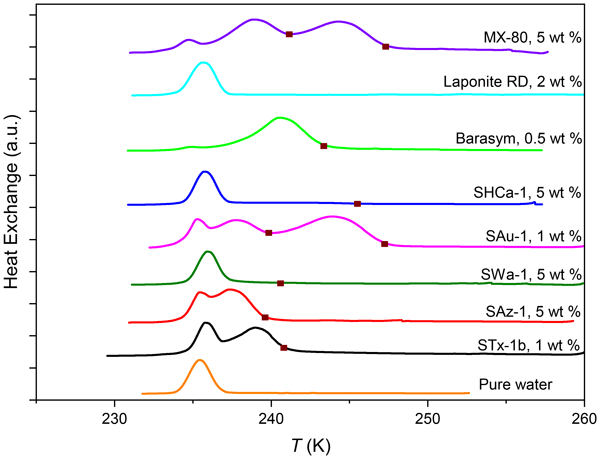
Smectites are a major class of clay minerals that are ice nucleation (IN) active. They form platelets that swell or even delaminate in water by intercalation of water between their layers. We hypothesize that at least three smectite layers need to be stacked together to host a critical ice embryo on clay mineral edges and that the larger the surface edge area is, the higher the freezing temperature. Edge sites on such clay particles play a crucial role in imparting IN ability to such particles.
Soleil E. Worthy, Anand Kumar, Yu Xi, Jingwei Yun, Jessie Chen, Cuishan Xu, Victoria E. Irish, Pierre Amato, and Allan K. Bertram
Atmos. Chem. Phys., 21, 14631–14648, https://doi.org/10.5194/acp-21-14631-2021, https://doi.org/10.5194/acp-21-14631-2021, 2021
Short summary
Short summary
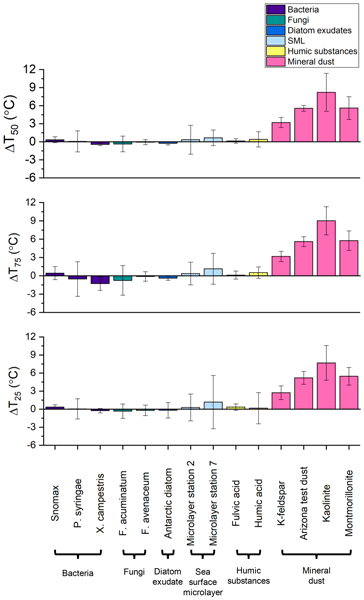
We studied the effect of (NH4)2SO4 on the immersion freezing of non-mineral dust ice-nucleating substances (INSs) and mineral dusts. (NH4)2SO4 had no effect on the median freezing temperature of 9 of the 10 tested non-mineral dust INSs, slightly decreased that of the other, and increased that of all the mineral dusts. The difference in the response of mineral dust and non-mineral dust INSs to (NH4)2SO4 suggests that they nucleate ice and/or interact with (NH4)2SO4 via different mechanisms.
Nadia Shardt, Florin N. Isenrich, Julia Nette, Christopher Dreimol, Ning Ma, Zamin A. Kanji, Andrew J. deMello, and Claudia Marcolli
Atmos. Chem. Phys., 25, 17997–18014, https://doi.org/10.5194/acp-25-17997-2025, https://doi.org/10.5194/acp-25-17997-2025, 2025
Short summary
Short summary
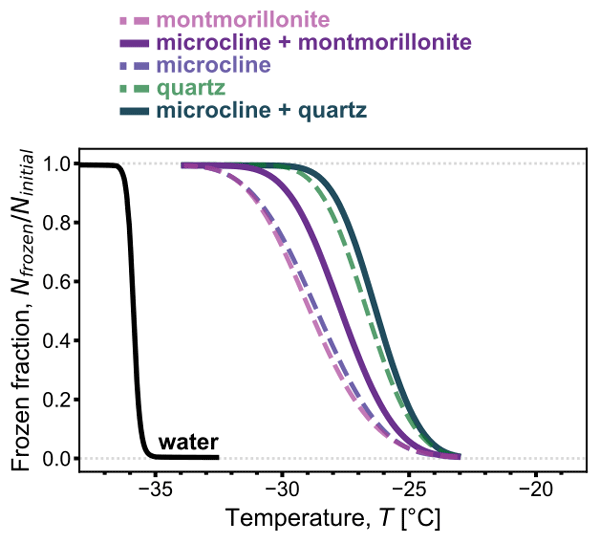
In the atmosphere, minerals suspended in cloud droplets promote the formation of ice. We investigated ice formation in the presence of pure and binary mixtures of common minerals using a microfluidic device. The mineral with the best ability to initiate ice formation alone (that is, at the highest temperature) typically determined when ice formed in the binary mixture.

Andrin Jörimann, Timofei Sukhodolov, Beiping Luo, Gabriel Chiodo, Graham Mann, and Thomas Peter
Geosci. Model Dev., 18, 6023–6041, https://doi.org/10.5194/gmd-18-6023-2025, https://doi.org/10.5194/gmd-18-6023-2025, 2025
Short summary
Short summary
Aerosol particles in the stratosphere affect our climate. Climate models therefore need an accurate description of their properties and evolution. Satellites measure how strongly aerosol particles extinguish light passing through the stratosphere. We describe a method to use such aerosol extinction data to retrieve the number and sizes of the aerosol particles and calculate their optical effects. The resulting data sets for models are validated against ground-based and balloon observations.
Yu Wang, Beiping Luo, Judith Kleinheins, Gang I. Chen, Liine Heikkinen, and Claudia Marcolli
EGUsphere, https://doi.org/10.5194/egusphere-2025-4319, https://doi.org/10.5194/egusphere-2025-4319, 2025
Short summary
Short summary
Ubiquitous semi-volatile compounds can co-condense on aerosol particles with water vapour when relative humidity increases. Simulations of cloud formation at a boreal forest site with a cloud parcel model that accounts for non-ideal organic–inorganic interactions yield an enhancement of cloud droplet number concentration from co-condensing NH3, HNO3, and organics up to 39–52 %, with strong sensitivities to volatility distributions, aerosol size distribution, and updraft velocity.
Yann Poltera, Beiping Luo, Frank G. Wienhold, and Thomas Peter
EGUsphere, https://doi.org/10.5194/egusphere-2025-2003, https://doi.org/10.5194/egusphere-2025-2003, 2025
Short summary
Short summary
Frost point hygrometers are the most reliable instruments for measuring water vapor in the upper troposphere and lower stratosphere. Their greatest source of uncertainty arises from controller instabilities, which have been poorly investigated to date. The “Golden Points” and nonequilibrium correction is a new chilled mirror processing technique that enables existing instruments to measure the water vapor mixing ratio from the ground to the middle stratosphere with an unprecedented 4 % accuracy.
Anna J. Miller, Christopher Fuchs, Fabiola Ramelli, Huiying Zhang, Nadja Omanovic, Robert Spirig, Claudia Marcolli, Zamin A. Kanji, Ulrike Lohmann, and Jan Henneberger
Atmos. Chem. Phys., 25, 5387–5407, https://doi.org/10.5194/acp-25-5387-2025, https://doi.org/10.5194/acp-25-5387-2025, 2025
Short summary
Short summary
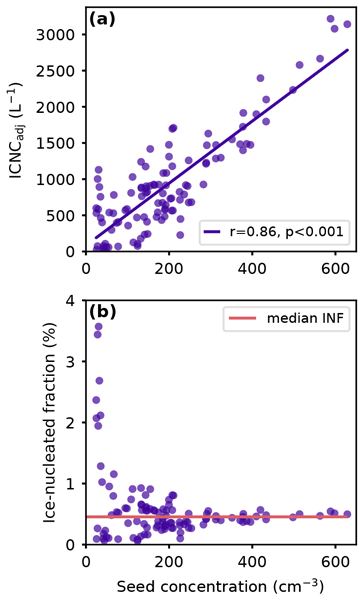
We analyzed the ability of silver iodide particles (a commonly used cloud-seeding agent) to form ice crystals in naturally occurring liquid clouds at −5 to −8 °C and found that only ≈ 0.1 %−1 % of particles nucleate ice, with a negative dependence on temperature. By contextualizing our results with previous laboratory studies, we help to bridge the gap between laboratory and field experiments, which also helps to inform future cloud-seeding projects.
Judith Kleinheins, Nadia Shardt, Ulrike Lohmann, and Claudia Marcolli
Atmos. Chem. Phys., 25, 881–903, https://doi.org/10.5194/acp-25-881-2025, https://doi.org/10.5194/acp-25-881-2025, 2025
Short summary
Short summary
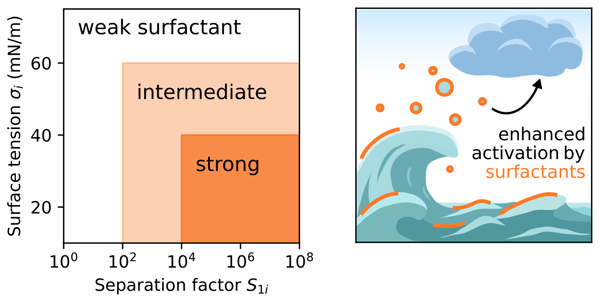
We model the cloud condensation nuclei (CCN) activation of sea spray aerosol particles with classical Köhler theory and with a new model approach that takes surface tension lowering into account. We categorize organic compounds into weak, intermediate, and strong surfactants, and we outline for which composition surface tension lowering is important. The results suggest that surface tension lowering allows sea spray aerosol particles in the Aitken mode to be a source of CCN in marine updraughts.
Sandro Vattioni, Rahel Weber, Aryeh Feinberg, Andrea Stenke, John A. Dykema, Beiping Luo, Georgios A. Kelesidis, Christian A. Bruun, Timofei Sukhodolov, Frank N. Keutsch, Thomas Peter, and Gabriel Chiodo
Geosci. Model Dev., 17, 7767–7793, https://doi.org/10.5194/gmd-17-7767-2024, https://doi.org/10.5194/gmd-17-7767-2024, 2024
Short summary
Short summary
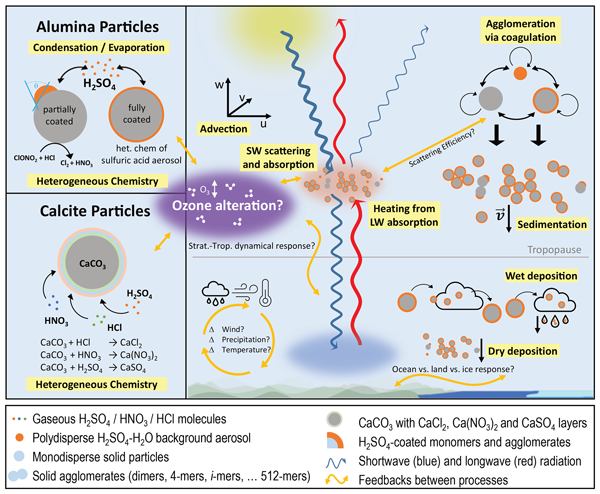
We quantified impacts and efficiency of stratospheric solar climate intervention via solid particle injection. Microphysical interactions of solid particles with the sulfur cycle were interactively coupled to the heterogeneous chemistry scheme and the radiative transfer code of an aerosol–chemistry–climate model. Compared to injection of SO2 we only find a stronger cooling efficiency for solid particles when normalizing to the aerosol load but not when normalizing to the injection rate.
Sandro Vattioni, Andrea Stenke, Beiping Luo, Gabriel Chiodo, Timofei Sukhodolov, Elia Wunderlin, and Thomas Peter
Geosci. Model Dev., 17, 4181–4197, https://doi.org/10.5194/gmd-17-4181-2024, https://doi.org/10.5194/gmd-17-4181-2024, 2024
Short summary
Short summary
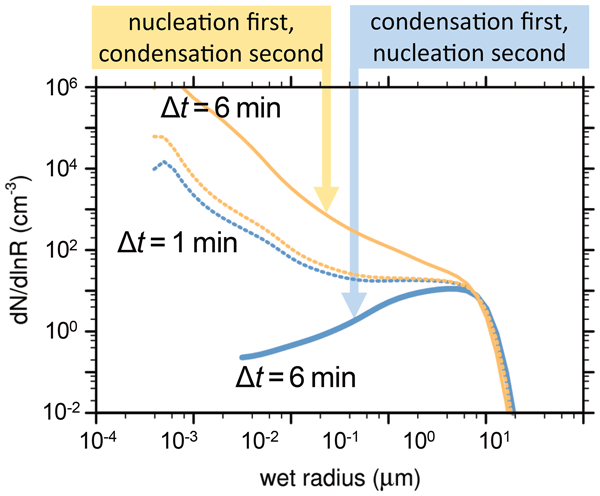
We investigate the sensitivity of aerosol size distributions in the presence of strong SO2 injections for climate interventions or after volcanic eruptions to the call sequence and frequency of the routines for nucleation and condensation in sectional aerosol models with operator splitting. Using the aerosol–chemistry–climate model SOCOL-AERv2, we show that the radiative and chemical outputs are sensitive to these settings at high H2SO4 supersaturations and how to obtain reliable results.

Christina V. Brodowsky, Timofei Sukhodolov, Gabriel Chiodo, Valentina Aquila, Slimane Bekki, Sandip S. Dhomse, Michael Höpfner, Anton Laakso, Graham W. Mann, Ulrike Niemeier, Giovanni Pitari, Ilaria Quaglia, Eugene Rozanov, Anja Schmidt, Takashi Sekiya, Simone Tilmes, Claudia Timmreck, Sandro Vattioni, Daniele Visioni, Pengfei Yu, Yunqian Zhu, and Thomas Peter
Atmos. Chem. Phys., 24, 5513–5548, https://doi.org/10.5194/acp-24-5513-2024, https://doi.org/10.5194/acp-24-5513-2024, 2024
Short summary
Short summary
The aerosol layer is an essential part of the climate system. We characterize the sulfur budget in a volcanically quiescent (background) setting, with a special focus on the sulfate aerosol layer using, for the first time, a multi-model approach. The aim is to identify weak points in the representation of the atmospheric sulfur budget in an intercomparison of nine state-of-the-art coupled global circulation models.
Jan Clemens, Bärbel Vogel, Lars Hoffmann, Sabine Griessbach, Nicole Thomas, Suvarna Fadnavis, Rolf Müller, Thomas Peter, and Felix Ploeger
Atmos. Chem. Phys., 24, 763–787, https://doi.org/10.5194/acp-24-763-2024, https://doi.org/10.5194/acp-24-763-2024, 2024
Short summary
Short summary
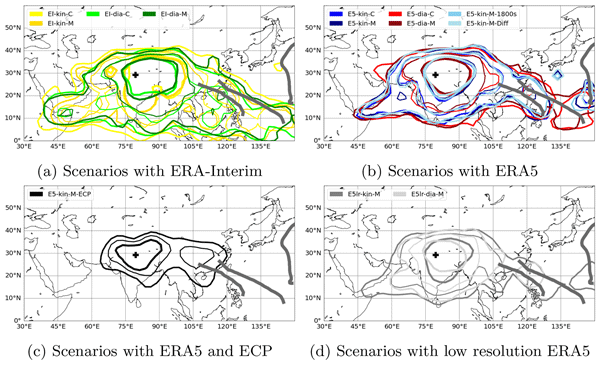
The source regions of the Asian tropopause aerosol layer (ATAL) are debated. We use balloon-borne measurements of the layer above Nainital (India) in August 2016 and atmospheric transport models to find ATAL source regions. Most air originated from the Tibetan plateau. However, the measured ATAL was stronger when more air originated from the Indo-Gangetic Plain and weaker when more air originated from the Pacific. Hence, the results indicate important anthropogenic contributions to the ATAL.
Rolf Müller, Ulrich Pöschl, Thomas Koop, Thomas Peter, and Ken Carslaw
Atmos. Chem. Phys., 23, 15445–15453, https://doi.org/10.5194/acp-23-15445-2023, https://doi.org/10.5194/acp-23-15445-2023, 2023
Short summary
Short summary
Paul J. Crutzen was a pioneer in atmospheric sciences and a kind-hearted, humorous person with empathy for the private lives of his colleagues and students. He made fundamental scientific contributions to a wide range of scientific topics in all parts of the atmosphere. Paul was among the founders of the journal Atmospheric Chemistry and Physics. His work will continue to be a guide for generations of scientists and environmental policymakers to come.
Franziska Zilker, Timofei Sukhodolov, Gabriel Chiodo, Marina Friedel, Tatiana Egorova, Eugene Rozanov, Jan Sedlacek, Svenja Seeber, and Thomas Peter
Atmos. Chem. Phys., 23, 13387–13411, https://doi.org/10.5194/acp-23-13387-2023, https://doi.org/10.5194/acp-23-13387-2023, 2023
Short summary
Short summary
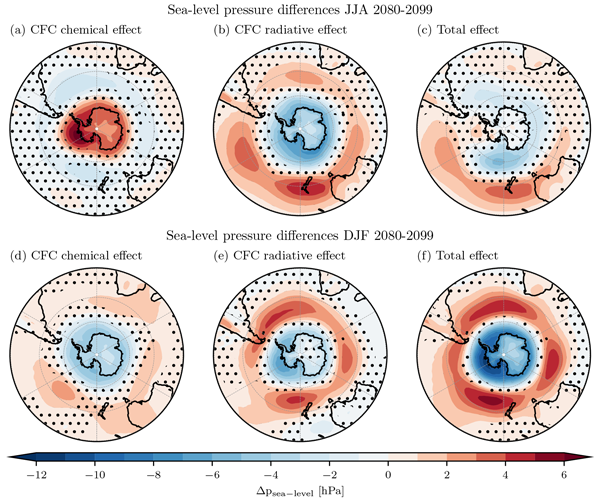
The Montreal Protocol (MP) has successfully reduced the Antarctic ozone hole by banning chlorofluorocarbons (CFCs) that destroy the ozone layer. Moreover, CFCs are strong greenhouse gases (GHGs) that would have strengthened global warming. In this study, we investigate the surface weather and climate in a world without the MP at the end of the 21st century, disentangling ozone-mediated and GHG impacts of CFCs. Overall, we avoided 1.7 K global surface warming and a poleward shift in storm tracks.
Marina Friedel, Gabriel Chiodo, Timofei Sukhodolov, James Keeble, Thomas Peter, Svenja Seeber, Andrea Stenke, Hideharu Akiyoshi, Eugene Rozanov, David Plummer, Patrick Jöckel, Guang Zeng, Olaf Morgenstern, and Béatrice Josse
Atmos. Chem. Phys., 23, 10235–10254, https://doi.org/10.5194/acp-23-10235-2023, https://doi.org/10.5194/acp-23-10235-2023, 2023
Short summary
Short summary
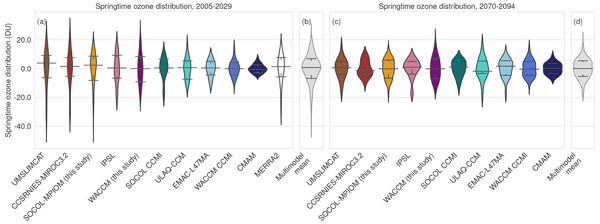
Previously, it has been suggested that springtime Arctic ozone depletion might worsen in the coming decades due to climate change, which might counteract the effect of reduced ozone-depleting substances. Here, we show with different chemistry–climate models that springtime Arctic ozone depletion will likely decrease in the future. Further, we explain why models show a large spread in the projected development of Arctic ozone depletion and use the model spread to constrain future projections.
Anand Kumar, Kristian Klumpp, Chen Barak, Giora Rytwo, Michael Plötze, Thomas Peter, and Claudia Marcolli
Atmos. Chem. Phys., 23, 4881–4902, https://doi.org/10.5194/acp-23-4881-2023, https://doi.org/10.5194/acp-23-4881-2023, 2023
Short summary
Short summary
Smectites are a major class of clay minerals that are ice nucleation (IN) active. They form platelets that swell or even delaminate in water by intercalation of water between their layers. We hypothesize that at least three smectite layers need to be stacked together to host a critical ice embryo on clay mineral edges and that the larger the surface edge area is, the higher the freezing temperature. Edge sites on such clay particles play a crucial role in imparting IN ability to such particles.
Arseniy Karagodin-Doyennel, Eugene Rozanov, Timofei Sukhodolov, Tatiana Egorova, Jan Sedlacek, and Thomas Peter
Atmos. Chem. Phys., 23, 4801–4817, https://doi.org/10.5194/acp-23-4801-2023, https://doi.org/10.5194/acp-23-4801-2023, 2023
Short summary
Short summary
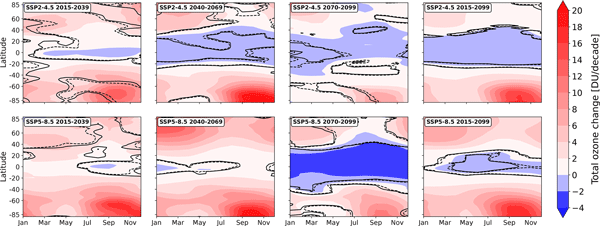
The future ozone evolution in SOCOLv4 simulations under SSP2-4.5 and SSP5-8.5 scenarios has been assessed for the period 2015–2099 and subperiods using the DLM approach. The SOCOLv4 projects a decline in tropospheric ozone in the 2030s in SSP2-4.5 and in the 2060s in SSP5-8.5. The stratospheric ozone increase is ~3 times higher in SSP5-8.5, confirming the important role of GHGs in ozone evolution. We also showed that tropospheric ozone strongly impacts the total column in the tropics.
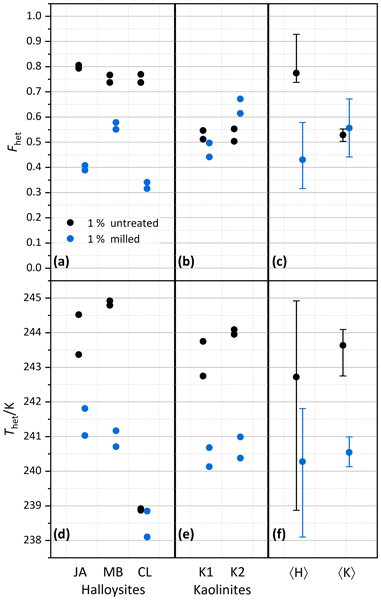
Kristian Klumpp, Claudia Marcolli, Ana Alonso-Hellweg, Christopher H. Dreimol, and Thomas Peter
Atmos. Chem. Phys., 23, 1579–1598, https://doi.org/10.5194/acp-23-1579-2023, https://doi.org/10.5194/acp-23-1579-2023, 2023
Short summary
Short summary
The prerequisites of a particle surface for efficient ice nucleation are still poorly understood. This study compares the ice nucleation activity of two chemically identical but morphologically different minerals (kaolinite and halloysite). We observe, on average, not only higher ice nucleation activities for halloysite than kaolinite but also higher diversity between individual samples. We identify the particle edges as being the most likely site for ice nucleation.

Arseniy Karagodin-Doyennel, Eugene Rozanov, Timofei Sukhodolov, Tatiana Egorova, Jan Sedlacek, William Ball, and Thomas Peter
Atmos. Chem. Phys., 22, 15333–15350, https://doi.org/10.5194/acp-22-15333-2022, https://doi.org/10.5194/acp-22-15333-2022, 2022
Short summary
Short summary
Applying the dynamic linear model, we confirm near-global ozone recovery (55°N–55°S) in the mesosphere, upper and middle stratosphere, and a steady increase in the troposphere. We also show that modern chemistry–climate models (CCMs) like SOCOLv4 may reproduce the observed trend distribution of lower stratospheric ozone, despite exhibiting a lower magnitude and statistical significance. The obtained ozone trend pattern in SOCOLv4 is generally consistent with observations and reanalysis datasets.
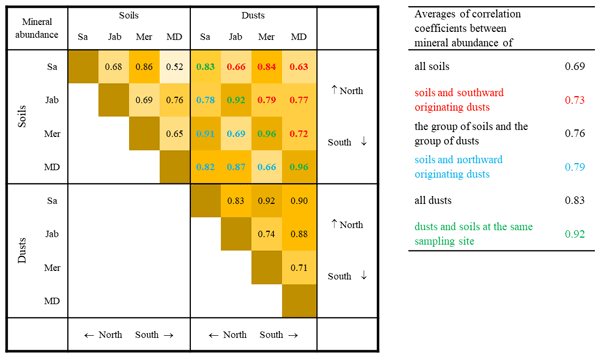
Nikou Hamzehpour, Claudia Marcolli, Sara Pashai, Kristian Klumpp, and Thomas Peter
Atmos. Chem. Phys., 22, 14905–14930, https://doi.org/10.5194/acp-22-14905-2022, https://doi.org/10.5194/acp-22-14905-2022, 2022
Short summary
Short summary
Playa surfaces in Iran that emerged through Lake Urmia (LU) desiccation have become a relevant dust source of regional relevance. Here, we identify highly erodible LU playa surfaces and determine their physicochemical properties and mineralogical composition and perform emulsion-freezing experiments with them. We find high ice nucleation activities (up to 250 K) that correlate positively with organic matter and clay content and negatively with pH, salinity, K-feldspars, and quartz.

Nikou Hamzehpour, Claudia Marcolli, Kristian Klumpp, Debora Thöny, and Thomas Peter
Atmos. Chem. Phys., 22, 14931–14956, https://doi.org/10.5194/acp-22-14931-2022, https://doi.org/10.5194/acp-22-14931-2022, 2022
Short summary
Short summary
Dust aerosols from dried lakebeds contain mineral particles, as well as soluble salts and (bio-)organic compounds. Here, we investigate ice nucleation (IN) activity of dust samples from Lake Urmia playa, Iran. We find high IN activity of the untreated samples that decreases after organic matter removal but increases after removing soluble salts and carbonates, evidencing inhibiting effects of soluble salts and carbonates on the IN activity of organic matter and minerals, especially microcline.
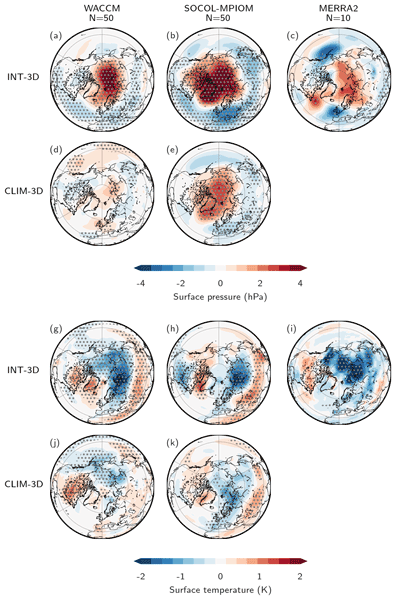
Marina Friedel, Gabriel Chiodo, Andrea Stenke, Daniela I. V. Domeisen, and Thomas Peter
Atmos. Chem. Phys., 22, 13997–14017, https://doi.org/10.5194/acp-22-13997-2022, https://doi.org/10.5194/acp-22-13997-2022, 2022
Short summary
Short summary
In spring, winds the Arctic stratosphere change direction – an event called final stratospheric warming (FSW). Here, we examine whether the interannual variability in Arctic stratospheric ozone impacts the timing of the FSW. We find that Arctic ozone shifts the FSW to earlier and later dates in years with high and low ozone via the absorption of UV light. The modulation of the FSW by ozone has consequences for surface climate in ozone-rich years, which may result in better seasonal predictions.
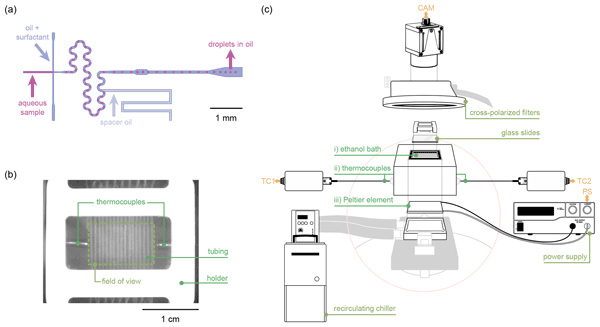
Florin N. Isenrich, Nadia Shardt, Michael Rösch, Julia Nette, Stavros Stavrakis, Claudia Marcolli, Zamin A. Kanji, Andrew J. deMello, and Ulrike Lohmann
Atmos. Meas. Tech., 15, 5367–5381, https://doi.org/10.5194/amt-15-5367-2022, https://doi.org/10.5194/amt-15-5367-2022, 2022
Short summary
Short summary
Ice nucleation in the atmosphere influences cloud properties and lifetimes. Microfluidic instruments have recently been used to investigate ice nucleation, but these instruments are typically made out of a polymer that contributes to droplet instability over extended timescales and relatively high temperature uncertainty. To address these drawbacks, we develop and validate a new microfluidic instrument that uses fluoropolymer tubing to extend droplet stability and improve temperature accuracy.
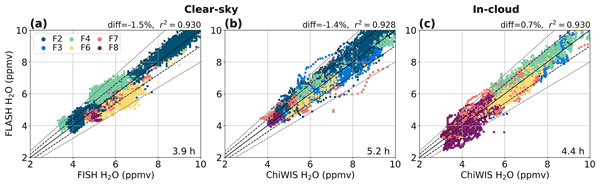
Clare E. Singer, Benjamin W. Clouser, Sergey M. Khaykin, Martina Krämer, Francesco Cairo, Thomas Peter, Alexey Lykov, Christian Rolf, Nicole Spelten, Armin Afchine, Simone Brunamonti, and Elisabeth J. Moyer
Atmos. Meas. Tech., 15, 4767–4783, https://doi.org/10.5194/amt-15-4767-2022, https://doi.org/10.5194/amt-15-4767-2022, 2022
Short summary
Short summary
In situ measurements of water vapor in the upper troposphere are necessary to study cloud formation and hydration of the stratosphere but challenging due to cold–dry conditions. We compare measurements from three water vapor instruments from the StratoClim campaign in 2017. In clear sky (clouds), point-by-point differences were <1.5±8 % (<1±8 %). This excellent agreement allows detection of fine-scale structures required to understand the impact of convection on stratospheric water vapor.
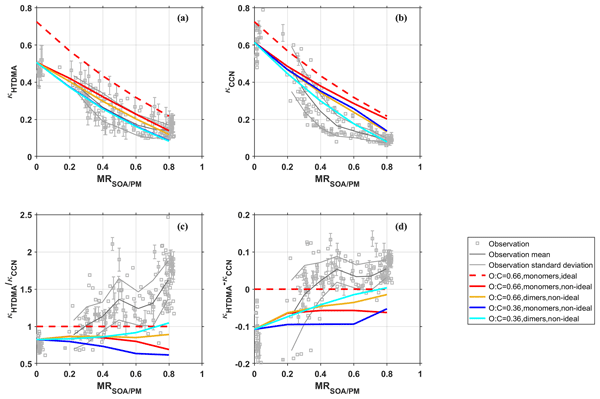
Yu Wang, Aristeidis Voliotis, Dawei Hu, Yunqi Shao, Mao Du, Ying Chen, Judith Kleinheins, Claudia Marcolli, M. Rami Alfarra, and Gordon McFiggans
Atmos. Chem. Phys., 22, 4149–4166, https://doi.org/10.5194/acp-22-4149-2022, https://doi.org/10.5194/acp-22-4149-2022, 2022
Short summary
Short summary
Aerosol water uptake plays a key role in atmospheric physicochemical processes. We designed chamber experiments on aerosol water uptake of secondary organic aerosol (SOA) from mixed biogenic and anthropogenic precursors with inorganic seed. Our results highlight this chemical composition influences the reconciliation of the sub- and super-saturated water uptake, providing laboratory evidence for understanding the chemical controls of water uptake of the multi-component aerosol.
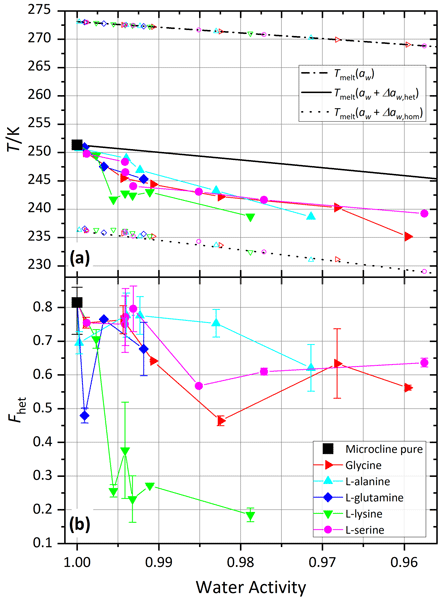
Kristian Klumpp, Claudia Marcolli, and Thomas Peter
Atmos. Chem. Phys., 22, 3655–3673, https://doi.org/10.5194/acp-22-3655-2022, https://doi.org/10.5194/acp-22-3655-2022, 2022
Short summary
Short summary
Surface interactions with solutes can significantly alter the ice nucleation activity of mineral dust. Past studies revealed the sensitivity of microcline, one of the most ice-active types of dust in the atmosphere, to inorganic solutes. This study focuses on the interaction of microcline with bio-organic substances and the resulting effects on its ice nucleation activity. We observe strongly hampered ice nucleation activity due to the presence of carboxylic and amino acids but not for polyols.
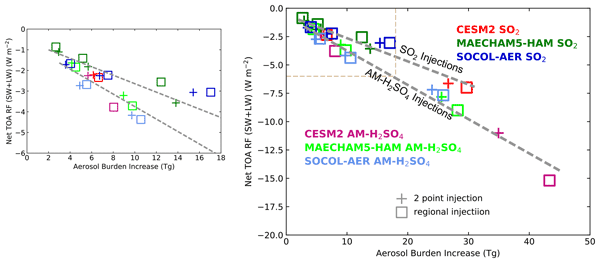
Debra K. Weisenstein, Daniele Visioni, Henning Franke, Ulrike Niemeier, Sandro Vattioni, Gabriel Chiodo, Thomas Peter, and David W. Keith
Atmos. Chem. Phys., 22, 2955–2973, https://doi.org/10.5194/acp-22-2955-2022, https://doi.org/10.5194/acp-22-2955-2022, 2022
Short summary
Short summary
This paper explores a potential method of geoengineering that could be used to slow the rate of change of climate over decadal scales. We use three climate models to explore how injections of accumulation-mode sulfuric acid aerosol change the large-scale stratospheric particle size distribution and radiative forcing response for the chosen scenarios. Radiative forcing per unit sulfur injected and relative to the change in aerosol burden is larger with particulate than with SO2 injections.
Arseniy Karagodin-Doyennel, Eugene Rozanov, Timofei Sukhodolov, Tatiana Egorova, Alfonso Saiz-Lopez, Carlos A. Cuevas, Rafael P. Fernandez, Tomás Sherwen, Rainer Volkamer, Theodore K. Koenig, Tanguy Giroud, and Thomas Peter
Geosci. Model Dev., 14, 6623–6645, https://doi.org/10.5194/gmd-14-6623-2021, https://doi.org/10.5194/gmd-14-6623-2021, 2021
Short summary
Short summary
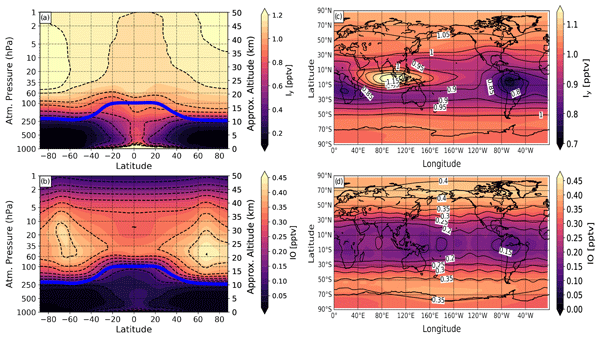
Here, we present the iodine chemistry module in the SOCOL-AERv2 model. The obtained iodine distribution demonstrated a good agreement when validated against other simulations and available observations. We also estimated the iodine influence on ozone in the case of present-day iodine emissions, the sensitivity of ozone to doubled iodine emissions, and when considering only organic or inorganic iodine sources. The new model can be used as a tool for further studies of iodine effects on ozone.
Bernd Kärcher and Claudia Marcolli
Atmos. Chem. Phys., 21, 15213–15220, https://doi.org/10.5194/acp-21-15213-2021, https://doi.org/10.5194/acp-21-15213-2021, 2021
Short summary
Short summary
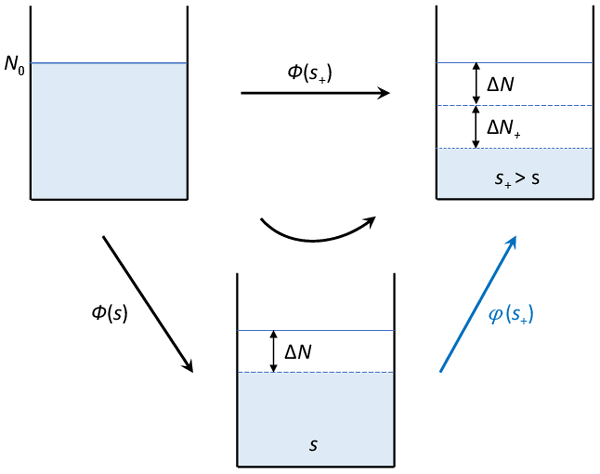
Aerosol–cloud interactions play an important role in climate change. Simulations of the competition between homogeneous solution droplet freezing and heterogeneous ice nucleation can be compromised by the misapplication of ice-active particle fractions frequently derived from laboratory measurements or parametrizations. Our study frames the problem and establishes a solution that is easy to implement in cloud models.
Soleil E. Worthy, Anand Kumar, Yu Xi, Jingwei Yun, Jessie Chen, Cuishan Xu, Victoria E. Irish, Pierre Amato, and Allan K. Bertram
Atmos. Chem. Phys., 21, 14631–14648, https://doi.org/10.5194/acp-21-14631-2021, https://doi.org/10.5194/acp-21-14631-2021, 2021
Short summary
Short summary
We studied the effect of (NH4)2SO4 on the immersion freezing of non-mineral dust ice-nucleating substances (INSs) and mineral dusts. (NH4)2SO4 had no effect on the median freezing temperature of 9 of the 10 tested non-mineral dust INSs, slightly decreased that of the other, and increased that of all the mineral dusts. The difference in the response of mineral dust and non-mineral dust INSs to (NH4)2SO4 suggests that they nucleate ice and/or interact with (NH4)2SO4 via different mechanisms.

Timofei Sukhodolov, Tatiana Egorova, Andrea Stenke, William T. Ball, Christina Brodowsky, Gabriel Chiodo, Aryeh Feinberg, Marina Friedel, Arseniy Karagodin-Doyennel, Thomas Peter, Jan Sedlacek, Sandro Vattioni, and Eugene Rozanov
Geosci. Model Dev., 14, 5525–5560, https://doi.org/10.5194/gmd-14-5525-2021, https://doi.org/10.5194/gmd-14-5525-2021, 2021
Short summary
Short summary
This paper features the new atmosphere–ocean–aerosol–chemistry–climate model SOCOLv4.0 and its validation. The model performance is evaluated against reanalysis products and observations of atmospheric circulation and trace gas distribution, with a focus on stratospheric processes. Although we identified some problems to be addressed in further model upgrades, we demonstrated that SOCOLv4.0 is already well suited for studies related to chemistry–climate–aerosol interactions.
Ralf Weigel, Christoph Mahnke, Manuel Baumgartner, Antonis Dragoneas, Bärbel Vogel, Felix Ploeger, Silvia Viciani, Francesco D'Amato, Silvia Bucci, Bernard Legras, Beiping Luo, and Stephan Borrmann
Atmos. Chem. Phys., 21, 11689–11722, https://doi.org/10.5194/acp-21-11689-2021, https://doi.org/10.5194/acp-21-11689-2021, 2021
Short summary
Short summary
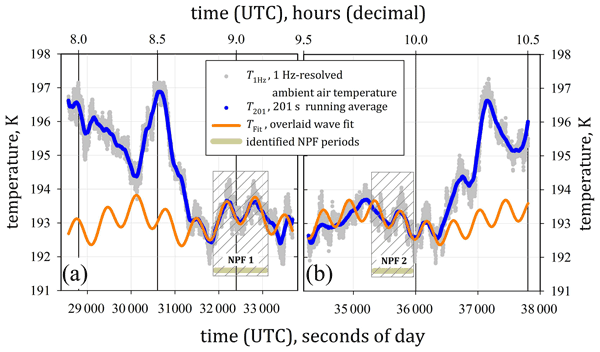
In July and August 2017, eight StratoClim mission flights of the Geophysica reached up to 20 km in the Asian monsoon anticyclone. New particle formation (NPF) was identified in situ by abundant nucleation-mode aerosols (6–15 nm in diameter) with mixing ratios of up to 50 000 mg−1. NPF occurred most frequently at 12–16 km with fractions of non-volatile residues of down to 15 %. Abundance and productivity of observed NPF indicate its ability to promote the Asian tropopause aerosol layer.
Michael Weimer, Jennifer Buchmüller, Lars Hoffmann, Ole Kirner, Beiping Luo, Roland Ruhnke, Michael Steiner, Ines Tritscher, and Peter Braesicke
Atmos. Chem. Phys., 21, 9515–9543, https://doi.org/10.5194/acp-21-9515-2021, https://doi.org/10.5194/acp-21-9515-2021, 2021
Short summary
Short summary
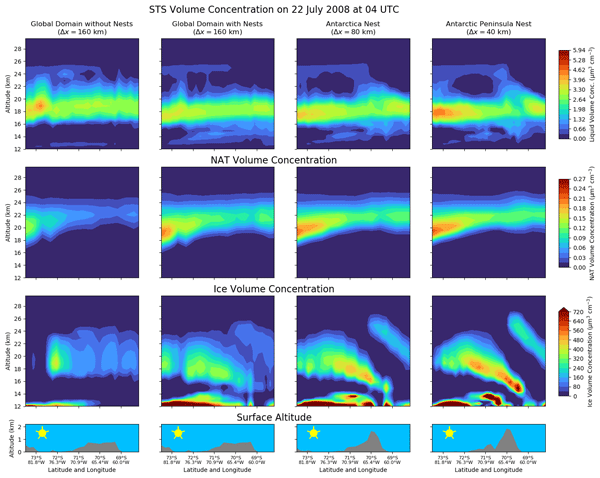
We show that we are able to directly simulate polar stratospheric clouds formed locally in a mountain wave and represent their effect on the ozone chemistry with the global atmospheric chemistry model ICON-ART. Thus, we show the first simulations that close the gap between directly resolved mountain-wave-induced polar stratospheric clouds and their representation at coarse global resolutions.
Claudia Marcolli, Fabian Mahrt, and Bernd Kärcher
Atmos. Chem. Phys., 21, 7791–7843, https://doi.org/10.5194/acp-21-7791-2021, https://doi.org/10.5194/acp-21-7791-2021, 2021
Short summary
Short summary
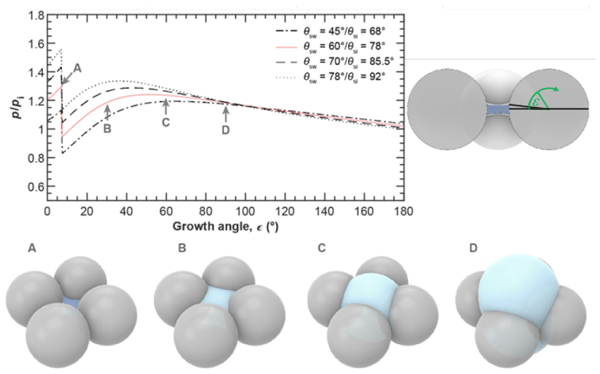
Pores are aerosol particle features that trigger ice nucleation, as they take up water by capillary condensation below water saturation that freezes at low temperatures. The pore ice can then grow into macroscopic ice crystals making up cirrus clouds. Here, we investigate the pores in soot aggregates responsible for pore condensation and freezing (PCF). Moreover, we present a framework to parameterize soot PCF that is able to predict the ice nucleation activity based on soot properties.
Manuel Graf, Philipp Scheidegger, André Kupferschmid, Herbert Looser, Thomas Peter, Ruud Dirksen, Lukas Emmenegger, and Béla Tuzson
Atmos. Meas. Tech., 14, 1365–1378, https://doi.org/10.5194/amt-14-1365-2021, https://doi.org/10.5194/amt-14-1365-2021, 2021
Short summary
Short summary
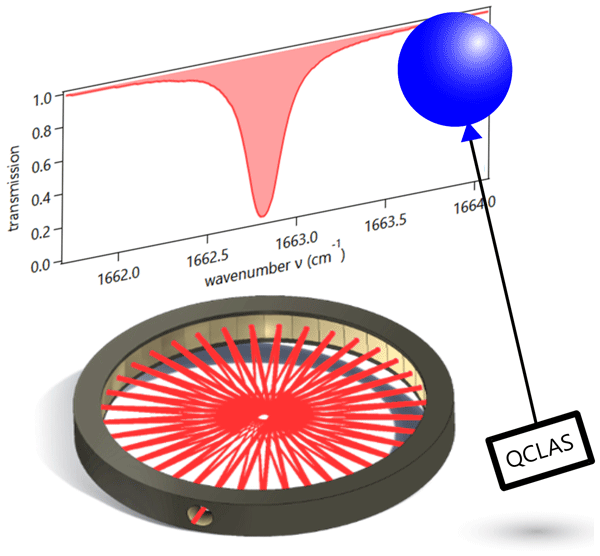
Water vapor is the most important natural greenhouse gas. The accurate and frequent measurement of its abundance, especially in the upper troposphere and lower stratosphere (UTLS), is technically challenging. We developed and characterized a mid-IR absorption spectrometer for highly accurate water vapor measurements in the UTLS. The instrument is sufficiently small and lightweight (3.9 kg) to be carried by meteorological balloons, which enables frequent and cost-effective soundings.
Michael Steiner, Beiping Luo, Thomas Peter, Michael C. Pitts, and Andrea Stenke
Geosci. Model Dev., 14, 935–959, https://doi.org/10.5194/gmd-14-935-2021, https://doi.org/10.5194/gmd-14-935-2021, 2021
Short summary
Short summary
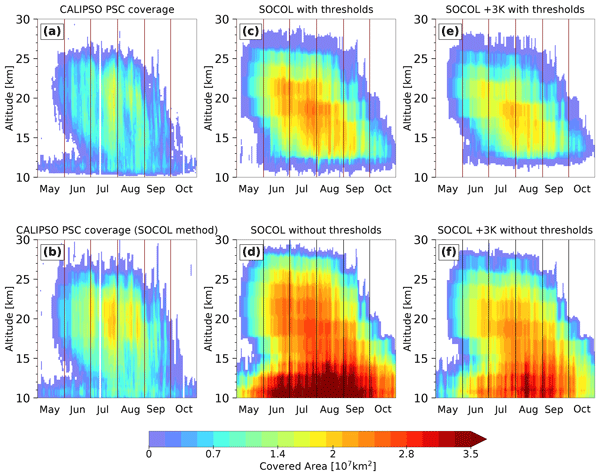
We evaluate polar stratospheric clouds (PSCs) as simulated by the chemistry–climate model (CCM) SOCOLv3.1 in comparison with measurements by the CALIPSO satellite. A cold bias results in an overestimated PSC area and mountain-wave ice is underestimated, but we find overall good temporal and spatial agreement of PSC occurrence and composition. This work confirms previous studies indicating that simplified PSC schemes may also achieve good approximations of the fundamental properties of PSCs.
Teresa Jorge, Simone Brunamonti, Yann Poltera, Frank G. Wienhold, Bei P. Luo, Peter Oelsner, Sreeharsha Hanumanthu, Bhupendra B. Singh, Susanne Körner, Ruud Dirksen, Manish Naja, Suvarna Fadnavis, and Thomas Peter
Atmos. Meas. Tech., 14, 239–268, https://doi.org/10.5194/amt-14-239-2021, https://doi.org/10.5194/amt-14-239-2021, 2021
Short summary
Short summary
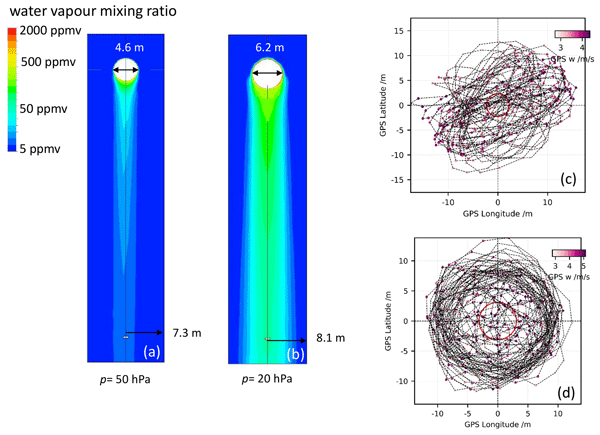
Balloon-borne frost point hygrometers are crucial for the monitoring of water vapour in the upper troposphere and lower stratosphere. We found that when traversing a mixed-phase cloud with big supercooled droplets, the intake tube of the instrument collects on its inner surface a high percentage of these droplets. The newly formed ice layer will sublimate at higher levels and contaminate the measurement. The balloon is also a source of contamination, but only at higher levels during the ascent.
Jing Dou, Peter A. Alpert, Pablo Corral Arroyo, Beiping Luo, Frederic Schneider, Jacinta Xto, Thomas Huthwelker, Camelia N. Borca, Katja D. Henzler, Jörg Raabe, Benjamin Watts, Hartmut Herrmann, Thomas Peter, Markus Ammann, and Ulrich K. Krieger
Atmos. Chem. Phys., 21, 315–338, https://doi.org/10.5194/acp-21-315-2021, https://doi.org/10.5194/acp-21-315-2021, 2021
Short summary
Short summary
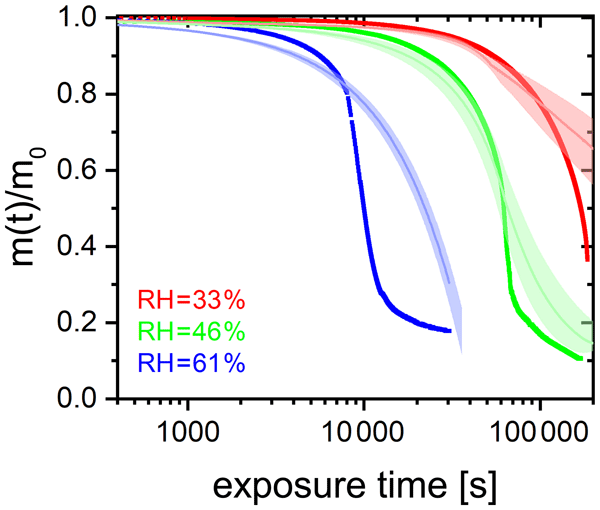
Photochemistry of iron(III) complexes plays an important role in aerosol aging, especially in the lower troposphere. Ensuing radical chemistry leads to decarboxylation, and the production of peroxides, and oxygenated volatile compounds, resulting in particle mass loss due to release of the volatile products to the gas phase. We investigated kinetic transport limitations due to high particle viscosity under low relative humidity conditions. For quantification a numerical model was developed.
Arseniy Karagodin-Doyennel, Eugene Rozanov, Ales Kuchar, William Ball, Pavle Arsenovic, Ellis Remsberg, Patrick Jöckel, Markus Kunze, David A. Plummer, Andrea Stenke, Daniel Marsh, Doug Kinnison, and Thomas Peter
Atmos. Chem. Phys., 21, 201–216, https://doi.org/10.5194/acp-21-201-2021, https://doi.org/10.5194/acp-21-201-2021, 2021
Short summary
Short summary
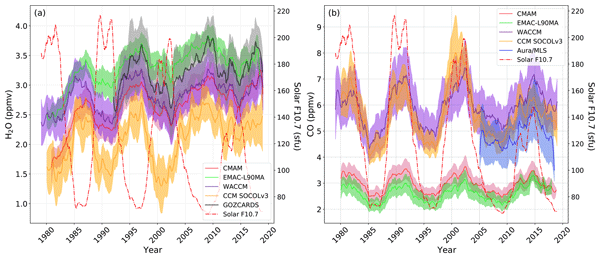
The solar signal in the mesospheric H2O and CO was extracted from the CCMI-1 model simulations and satellite observations using multiple linear regression (MLR) analysis. MLR analysis shows a pronounced and statistically robust solar signal in both H2O and CO. The model results show a general agreement with observations reproducing a negative/positive solar signal in H2O/CO. The pattern of the solar signal varies among the considered models, reflecting some differences in the model setup.
Cited articles
Abdelmonem, A., Backus, E. H. G., Hoffmann, N., Sánchez, M. A., Cyran, J.
D., Kiselev, A., and Bonn, M.: Surface-charge-induced orientation of
interfacial water suppresses heterogeneous ice nucleation on a-alumina
(0001), Atmos. Chem. Phys., 17, 7827–7837,
https://doi.org/10.5194/acp-17-7827-2017, 2017.
Abramov, A. A.: Flotation methods in mineral processing, Nedra Publishing
House, Moscow, 1993 (in Russian).
Alekseyev, V. A., Medvedeva, L. S., Prisyagina, N. I., Meshalkin, S. S., and
Balabin, A. I.: Change in the dissolution rates of alkali feldspars as a
result of secondary mineral precipitation and approach to equilibrium,
Geochim. Cosmochim. Ac., 61, 1125–1142, https://doi.org/10.1016/S0016-7037(96)00405-X,
1997.
Anim-Danso, E., Zhang, Y., and Dhinojwala, A.: Surface charge affects the
structure of interfacial ice, J. Phys. Chem. C, 120, 3741–3748,
https://doi.org/10.1021/acs.jpcc.5b08371, 2016.
Ansmann, A., Mattis, I., Müller, D., Wandinger, U., Radlach, M.,
Althausen, D., and Damoah, R.: Ice formation in Saharan dust over central
europe observed with temperature/humidity/aerosol raman lidar, J. Geophys.
Res.-Atmos., 110, D18S12, https://doi.org/10.1029/2004JD005000, 2005.
Ansmann, A., Tesche, M., Seifert, P., Althausen, D., Engelmann, R., Fruntke,
J., Wandinger, U., Mattis, I., and Müller, D.: Evolution of the ice phase
in tropical altocumulus: Samum lidar observations over cape verde, J.
Geophys. Res.-Atmos., 114, D17208, https://doi.org/10.1029/2008JD011659, 2009.
Archuleta, C. M., DeMott, P. J., and Kreidenweis, S. M.: Ice nucleation by
surrogates for atmospheric mineral dust and mineral dust/sulfate particles at
cirrus temperatures, Atmos. Chem. Phys., 5, 2617–2634,
https://doi.org/10.5194/acp-5-2617-2005, 2005.
Atkinson, J. D., Murray, B. J., Woodhouse, M. T., Whale, T. F., Baustian, K.
J., Carslaw, K. S., Dobbie, S., O'Sullivan, D., and Malkin, T. L.: The
importance of feldspar for ice nucleation by mineral dust in mixed-phase
clouds, Nature, 498, 355–358, https://doi.org/10.1038/nature12278, 2013.
Auerbach, S. M., Carrado, K. A., and Dutta, P. K.: Handbook of zeolite
science and technology, CRC Press, Boca Raton, USA, 2003.
Augustin-Bauditz, S., Wex, H., Kanter, S., Ebert, M., Niedermeier, D., Stolz,
F., Prager, A., and Stratmann, F.: The immersion mode ice nucleation behavior
of mineral dusts: A comparison of different pure and surface modified dusts,
Geophys. Res. Lett., 41, 7375–7382, https://doi.org/10.1002/2014GL061317, 2014.
Baker, B. A. and Lawson, R. P.: In situ observations of the microphysical
properties of wave, cirrus, and anvil clouds. Part I: Wave clouds, J. Atmos.
Sci., 63, 3160–3185, https://doi.org/10.1175/jas3802.1, 2006.
Banfield, J. F. and Eggleton, R. A.: Analytical transmission electron
microscope studies of plagioclase, muscovite, and k-feldspar weathering,
Clay. Clay Miner., 38, 77–89, https://doi.org/10.1346/CCMN.1990.0380111 1990.
Barker, D. S.: Ammonium in alkali feldspars, Am. Mineral., 49, 851–858,
1964.
Beard, K. V.: Ice initiation in warm-base convective clouds: An assessment of
microphysical mechanisms, Atmos. Res., 28, 125–152,
https://doi.org/10.1016/0169-8095(92)90024-5, 1992.
Beddows, D. C. S., Dall'osto, M., and Harrison, R. M.: An enhanced procedure
for the merging of atmospheric particle size distribution data measured using
electrical mobility and time-of-flight analysers, Aerosol Sci. Tech., 44,
930–938, https://doi.org/10.1080/02786826.2010.502159, 2010.
Belchinskaya, L., Novikova, L., Khokhlov, V., and Ly Tkhi, J.: Contribution
of ion-exchange and non-ion-exchange reactions to sorption of ammonium ions
by natural and activated aluminosilicate sorbent, J. Appl. Chem., 2013,
9 pp., https://doi.org/10.1155/2013/789410, 2013.
Berner, R. A. and Holdren, G. R.: Mechanism of feldspar weathering – II.
Observations of feldspars from soils, Geochim. Cosmochim. Ac., 43,
1173–1186, https://doi.org/10.1016/0016-7037(79)90110-8, 1979.
Boose, Y., Sierau, B., García, M. I., Rodríguez, S., Alastuey, A.,
Linke, C., Schnaiter, M., Kupiszewski, P., Kanji, Z. A., and Lohmann, U.: Ice
nucleating particles in the Saharan Air Layer, Atmos. Chem. Phys., 16,
9067–9087, https://doi.org/10.5194/acp-16-9067-2016, 2016.
Burkert-Kohn, M., Wex, H., Welti, A., Hartmann, S., Grawe, S., Hellner, L.,
Herenz, P., Atkinson, J. D., Stratmann, F., and Kanji, Z. A.: Leipzig Ice
Nucleation chamber Comparison (LINC): intercomparison of four online ice
nucleation counters, Atmos. Chem. Phys., 17, 11683–11705,
https://doi.org/10.5194/acp-17-11683-2017, 2017.
Busenberg, E. and Clemency, C. V.: The dissolution kinetics of feldspars at
25 ∘C and 1 atm CO2 partial pressure, Geochim. Cosmochim. Ac.,
40, 41–49, https://doi.org/10.1016/0016-7037(76)90192-7, 1976.
Chardon, E. S., Livens, F. R., and Vaughan, D. J.: Reactions of feldspar
surfaces with aqueous solutions, Earth-Sci. Rev., 78, 1–26,
https://doi.org/10.1016/j.earscirev.2006.03.002, 2006.
Chernoff, D. I. and Bertram, A. K.: Effects of sulfate coatings on the ice
nucleation properties of a biological ice nucleus and several typs of
minerals, J. Geophys. Res., 115, D20205, https://doi.org/10.1029/2010JD014254, 2010.
Corti, T. and Peter, T.: A simple model for cloud radiative forcing, Atmos.
Chem. Phys., 9, 5751–5758, https://doi.org/10.5194/acp-9-5751-2009, 2009.
Cotton, R. J. and Field, P. R.: Ice nucleation characteristics of an isolated
wave cloud, Q. J. Roy. Meteor. Soc., 128, 2417–2437, https://doi.org/10.1256/qj.01.150,
2002.
Cziczo, D. J., Froyd, K. D., Gallavardin, S. J., Moehler, O., Benz, S.,
Saathoff, H., and Murphy, D. M.: Deactivation of ice nuclei due to
atmospherically relevant surface coatings, Environ. Res. Lett., 4, 044013,
https://doi.org/10.1088/1748-9326/4/4/044013,
2009.
Cziczo, D. J., Froyd, K. D., Hoose, C., Jensen, E. J., Diao, M., Zondlo, M.
A., Smith, J. B., Twohy, C. H., and Murphy, D. M.: Clarifying the dominant
sources and mechanisms of cirrus cloud formation, Science, 340, 1320, https://doi.org/10.1126/science.1234145,
2013.
de Boer, G., Morrison, H., Shupe, M. D., and Hildner, R.: Evidence of liquid
dependent ice nucleation in high-latitude stratiform clouds from surface
remote sensors, Geophys. Res. Lett., 38, L01803, https://doi.org/10.1029/2010GL046016,
2011.
Demir, C., Abramov, A. A., and Çelik, M. S.: Flotation separation of
Na-feldspar from K-feldspar by monovalent salts, Miner. Eng., 14, 733–740,
https://doi.org/10.1016/S0892-6875(01)00069-3, 2001.
Demir, C., Bentli, I., Gülgönül, I., and Çelik, M. S.:
Effects of bivalent salts on the flotation separation of Na-feldspar from
K-feldspar, Miner. Eng., 16, 551–554, https://doi.org/10.1016/S0892-6875(03)00078-5,
2003.
DeMott, P. J., Cziczo, D. J., Prenni, A. J., Murphy, D. M., Kreidenweis, S.
M., Thomson, D. S., Borys, R., and Rogers, D. C.: Measurements of the
concentration and composition of nuclei for cirrus formation, P. Natl. Acad.
Sci. USA, 100, 14655, https://doi.org/10.1073/pnas.2532677100, 2003a.
DeMott, P. J., Sassen, K., Poellot, M. R., Baumgardner, D., Rogers, D. C.,
Brooks, S. D., Prenni, A. J., and Kreidenweis, S. M.: African dust aerosols
as atmospheric ice nuclei, Geophys. Res. Lett., 30, 1732,
https://doi.org/10.1029/2003GL017410, 2003b.
Denjean, C., Caquineau, S., Desboeufs, K., Laurent, B., Maille, M.,
Quiñones Rosado, M., Vallejo, P., Mayol-Bracero, O. L., and Formenti, P.:
Long-range transport across the atlantic in summertime does not enhance the
hygroscopicity of african mineral dust, Geophys. Res. Lett., 42, 7835,
https://doi.org/10.1002/2015GL065693,
2015.
DeVore, G. W.: The surface chemistry of feldspars as an influence on their
decomposition products, Clay. Clay Miner., 6, 26–41,
https://doi.org/10.1346/CCMN.1957.0060104, 1957.
Dontsova, K. M., Norton, L. D., and Johnston, C. T.: Calcium and magnesium
effects on ammonia adsorption by soil clays, Soil Sci. Soc. Am. J., 69,
1225–1232, https://doi.org/10.2136/sssaj2004.0335, 2005.
Durant, A. J. and Shaw, R. A.: Evaporation freezing by contact nucleation
inside-out, Geophys. Res. Lett., 32, L20814, https://doi.org/10.1029/2005GL024175, 2005.
Emersic, C., Connolly, P. J., Boult, S., Campana, M., and Li, Z.:
Investigating the discrepancy between wet-suspension- and
dry-dispersion-derived ice nucleation efficiency of mineral particles, Atmos.
Chem. Phys., 15, 11311–11326, https://doi.org/10.5194/acp-15-11311-2015,
2015.
Fenter, P., Teng, H., Geissbühler, P., Hanchar, J. M., Nagy, K. L., and
Sturchio, N. C.: Atomic-scale structure of the orthoclase (001)-water
interface measured with high-resolution X-ray reflectivity, Geochim.
Cosmochim. Ac., 64, 3663, https://doi.org/10.1016/S0016-7037(00)00455-5, 2000.
Fenter, P., Cheng, L., Park, C., Zhang, Z., and Sturchio, N. C.: Structure of
the orthoclase (001)- and (010)-water interfaces by high-resolution X-ray
reflectivity, Geochim. Cosmochim. Ac., 67, 4267, https://doi.org/10.1016/S0016-7037(03)00374-0, 2003.
Fitzgerald, E., Ault, A. P., Zauscher, M. D., Mayol-Bracero, O. L., and
Prather, K. A.: Comparison of the mixing state of long-range transported
asian and african mineral dust, Atmos. Environ., 115, 19, https://doi.org/10.1016/j.atmosenv.2015.04.031,
2015.
Ganbavale, G., Marcolli, C., Krieger, U. K., Zuend, A., Stratmann, G., and
Peter, T.: Experimental determination of the temperature dependence of water
activities for a selection of aqueous organic solutions, Atmos. Chem. Phys.,
14, 9993–10012, https://doi.org/10.5194/acp-14-9993-2014, 2014.
Garrels, R. M. and Howard, P.: Reactions of feldspar and mica with water at
low temperature and pressure, Clay. Clay Miner., 6, 68–88,
https://doi.org/10.1346/CCMN.1957.0060107 1959.
Ginoux, P., Prospero, J. M., Gill, T. E., Hsu, N. C., and Zhao, M.:
Global-scale attribution of anthropogenic and natural dust sources and their
emission rates based on modis deep blue aerosol products, Rev. Geophys., 50,
RG3005, https://doi.org/10.1029/2012RG000388, 2012.
Grassian, V. H.: Chemical reactions of nitrogen oxides on the surface of
oxide, carbonate, soot, and mineral dust particles:? Implications for the
chemical balance of the troposphere, J. Phys. Chem. A, 106, 860–877,
https://doi.org/10.1021/jp012139h, 2002.
Gülgönül, İ., Karagüzel, C., Çınar, M., and
Çelik, M. S.: Interaction of sodium ions with feldspar surfaces and its
effect on the selective separation of Na- and K-Feldspars, Miner. Process.
Extra. M., 33, 233–245, https://doi.org/10.1080/08827508.2011.562952, 2012.
Harrison, A. D., Whale, T. F., Carpenter, M. A., Holden, M. A., Neve, L.,
O'Sullivan, D., Vergara Temprado, J., and Murray, B. J.: Not all feldspars
are equal: a survey of ice nucleating properties across the feldspar group of
minerals, Atmos. Chem. Phys., 16, 10927–10940,
https://doi.org/10.5194/acp-16-10927-2016, 2016.
He, H., Wang, Y., Ma, Q., Ma, J., Chu, B., Ji, D., Tang, G., Liu, C., Zhang,
H., and Hao, J.: Mineral dust and NOx promote the conversion of SO2
to sulfate in heavy pollution days, Sci. Rep., 4, 4172,
https://doi.org/10.1038/srep04172, 2014.
Helgeson, H. C., Murphy, W. M., and Aagaard, P.: Thermodynamic and kinetic
constraints on reaction rates among minerals and aqueous solutions. II. Rate
constants, effective surface area, and the hydrolysis of feldspar, Geochim.
Cosmochim. Ac., 48, 2405–2432, https://doi.org/10.1016/0016-7037(84)90294-1, 1984.
Herich, H., Tritscher, T., Wiacek, A., Gysel, M., Weingartner, E., Lohmann,
U., Baltensperger, U., and Cziczo, D. J.: Water uptake of clay and desert
dust aerosol particles at sub- and supersaturated water vapor conditions,
Phys. Chem. Chem. Phys., 11, 7804, https://doi.org/10.1039/B901585J, 2009.
Hobbs, P. V. and Rangno, A. L.: Ice particle concentrations in clouds, J.
Atmos. Sci., 42, 2523–2549,
https://doi.org/10.1175/1520-0469(1985)042<2523:ipcic>2.0.co;2, 1985.
Hoose, C. and Möhler, O.: Heterogeneous ice nucleation on atmospheric
aerosols: a review of results from laboratory experiments, Atmos. Chem.
Phys., 12, 9817–9854, https://doi.org/10.5194/acp-12-9817-2012, 2012.
Huneeus, N., Schulz, M., Balkanski, Y., Griesfeller, J., Prospero, J., Kinne,
S., Bauer, S., Boucher, O., Chin, M., Dentener, F., Diehl, T., Easter, R.,
Fillmore, D., Ghan, S., Ginoux, P., Grini, A., Horowitz, L., Koch, D., Krol,
M. C., Landing, W., Liu, X., Mahowald, N., Miller, R., Morcrette, J.-J.,
Myhre, G., Penner, J., Perlwitz, J., Stier, P., Takemura, T., and Zender, C.
S.: Global dust model intercomparison in AeroCom phase I, Atmos. Chem. Phys.,
11, 7781–7816, https://doi.org/10.5194/acp-11-7781-2011, 2011.
Ickes, L., Welti, A., Hoose, C., and Lohmann, U.: Classical nucleation theory
of homogeneous freezing of water: Thermodynamic and kinetic parameters, Phys.
Chem. Chem. Phys., 17, 5514–5537, https://doi.org/10.1039/C4CP04184D, 2015.
IPCC: Climate change 2013: The physical science basis. Contribution of
working group I to the fifth assessment report of the intergovernmental panel
on climate change, Cambridge University Press, Cambridge, UK and New York,
NY, USA, 1535 pp., 2013.
Johari, G. P., Fleissner, G., Hallbrucker, A., and Mayer, E.: Thermodynamic
continuity between glassy and normal water, J. Phys. Chem., 98, 4719–4725,
https://doi.org/10.1021/j100068a038, 1994.
Kandler, K., Lieke, K., Benker, N., Emmel, C., Küpper, M.,
Müller-Ebert, D., Ebert, M., Scheuvens, D., Schladitz, A., Schütz,
L., and Weinbruch, S.: Electron microscopy of particles collected at praia,
cape verde, during the Saharan mineral dust experiment: Particle chemistry,
shape, mixing state and complex refractive index, Tellus B, 63, 475–496,
https://doi.org/10.1111/j.1600-0889.2011.00550.x, 2011.
Karagüzel, C., Can, M. F., Sönmez, E., and Çelik, M. S.: Effect
of electrolyte on surface free energy components of feldspar minerals using
thin-layer wicking method, J. Colloid Interf. Sci., 285, 192–200,
https://doi.org/10.1016/j.jcis.2004.11.018, 2005.
Kassander, A. R., Sims, L. L., and McDonald, J. E.: Observations of freezing
nuclei over the southwestern U.S., in: Artificial stimulation of rain, edited
by: Weikmann, H. and Smith, W., Pergamon Press, New York, 1957.
Kaufmann, L., Marcolli, C., Hofer, J., Pinti, V., Hoyle, C. R., and Peter,
T.: Ice nucleation efficiency of natural dust samples in the immersion mode,
Atmos. Chem. Phys., 16, 11177–11206,
https://doi.org/10.5194/acp-16-11177-2016, 2016.
Kaufmann, L., Marcolli, C., Luo, B., and Peter, T.: Refreeze experiments with
water droplets containing different types of ice nuclei interpreted by
classical nucleation theory, Atmos. Chem. Phys., 17, 3525–3552,
https://doi.org/10.5194/acp-17-3525-2017, 2017.
Kiselev, A., Bachmann, F., Pedevilla, P., Cox, S. J., Michaelides, A.,
Gerthsen, D., and Leisner, T.: Active sites in heterogeneous ice nucleation
– the example of K-rich feldspars, Science, 355, 367–371,
https://doi.org/10.1126/science.aai8034, 2016.
Knopf, D. A. and Alpert, P. A.: A water activity based model of heterogeneous
ice nucleation kinetics for freezing of water and aqueous solution droplets,
Faraday Discuss., 165, 513–534, https://doi.org/10.1039/C3FD00035D, 2013.
Knopf, D. A., Alpert, P. A., Wang, B., and Aller, J. Y.: Stimulation of ice
nucleation by marine diatoms, Nat. Geosci., 4, 88–90, 2011.
Knopf, D. A., Alpert, P. A., and Wang, B.: The role of organic aerosol in
atmospheric ice nucleation: A review, ACS Earth and Space Chemistry, 2,
168–202, https://doi.org/10.1021/acsearthspacechem.7b00120, 2018.
Kolb, C. E., Cox, R. A., Abbatt, J. P. D., Ammann, M., Davis, E. J.,
Donaldson, D. J., Garrett, B. C., George, C., Griffiths, P. T., Hanson, D.
R., Kulmala, M., McFiggans, G., Pöschl, U., Riipinen, I., Rossi, M. J.,
Rudich, Y., Wagner, P. E., Winkler, P. M., Worsnop, D. R., and O' Dowd, C.
D.: An overview of current issues in the uptake of atmospheric trace gases by
aerosols and clouds, Atmos. Chem. Phys., 10, 10561–10605,
https://doi.org/10.5194/acp-10-10561-2010, 2010.
Koop, T. and Zobrist, B.: Parameterizations for ice nucleation in biological
and atmospheric systems, Phys. Chem. Chem. Phys., 11, 10839–10850,
https://doi.org/10.1039/B914289D, 2009.
Koop, T., Luo, B., Tsias, A., and Peter, T.: Water activity as the
determinant for homogeneous ice nucleation in aqueous solutions, Nature, 406,
611–614, 2000.
Kulkarni, G., Fan, J., Comstock, J. M., Liu, X., and Ovchinnikov, M.:
Laboratory measurements and model sensitivity studies of dust deposition ice
nucleation, Atmos. Chem. Phys., 12, 7295–7308,
https://doi.org/10.5194/acp-12-7295-2012, 2012.
Kulkarni, G., Sanders, C., Zhang, K., Liu, X., and Zhao, C.: Ice nucleation
of bare and sulfuric acid-coated mineral dust particles and implication for
cloud properties, J. Geophys. Res.-Atmos., 119, 9993–10011,
https://doi.org/10.1002/2014JD021567, 2014.
Kumar, A., Marcolli, C., Luo, B., and Peter, T.: Enhanced ice nucleation
efficiency of microcline immersed in dilute NH3 and NH
Kumar, A., Marcolli, C., and Peter, T.: Ice nucleation activity of silicates
and aluminosilicates in pure water and aqueous solutions – Part 2: Aluminosilicates, in preparation, 2018b.
Kumar, A., Marcolli, C., and Peter, T.: Ice nucleation activity of silicates and
aluminosilicates in pure water and aqueous solutions – Part 3: Quartz (Silicate), in preparation, 2018c.
Lee, M. R., Hodson, M. E., Brown, D. J., MacKenzie, M., and Smith, C. L.: The
composition and crystallinity of the near-surface regions of weathered alkali
feldspars, Geochim. Cosmochim. Ac., 72, 4962–4975,
https://doi.org/10.1016/j.gca.2008.08.001, 2008.
Levin, Z., Ganor, E., and Gladstein, V.: The effects of desert particles
coated with sulfate on rain formation in the eastern mediterranean, J. Appl.
Meteorol., 35, 1511–1523,
https://doi.org/10.1175/1520-0450(1996)035<1511:teodpc>2.0.co;2, 1996.
Lohmann, U.: Aerosol effects on clouds and climate, Space Sci. Rev., 125,
129–137, https://doi.org/10.1007/s11214-006-9051-8, 2006.
Lüönd, F., Stetzer, O., Welti, A., and Lohmann, U.: Experimental
study on the ice nucleation ability of size-selected kaolinite particles in
the immersion mode, J. Geophys. Res.-Atmos., 115, D14201,
https://doi.org/10.1029/2009JD012959, 2010.
Lupi, L. and Molinero, V.: Does hydrophilicity of carbon particles improve
their ice nucleation ability?, J. Phys. Chem. A, 118, 7330–7337,
https://doi.org/10.1021/jp4118375, 2014.
Lupi, L., Hudait, A., and Molinero, V.: Heterogeneous nucleation of ice on
carbon surfaces, J. Am. Chem. Soc., 136, 3156–3164, https://doi.org/10.1021/ja411507a,
2014.
Ma, Q., Liu, Y., Liu, C., Ma, J., and He, H.: A case study of asian dust
storm particles: Chemical composition, reactivity to SO2 and hygroscopic
properties, J. Environ. Sci. (China), 24, 62–71,
https://doi.org/10.1016/S1001-0742(11)60729-8, 2012.
Marcolli, C.: Deposition nucleation viewed as homogeneous or immersion
freezing in pores and cavities, Atmos. Chem. Phys., 14, 2071–2104,
https://doi.org/10.5194/acp-14-2071-2014, 2014.
Marcolli, C., Gedamke, S., Peter, T., and Zobrist, B.: Efficiency of
immersion mode ice nucleation on surrogates of mineral dust, Atmos. Chem.
Phys., 7, 5081–5091, https://doi.org/10.5194/acp-7-5081-2007, 2007.
Marshall, C. E.: Reactions of feldspars and micas with aqueous solutions,
Econ. Geol., 57, 1219–1227, https://doi.org/10.2113/gsecongeo.57.8.1219, 1962.
Matsuki, A., Iwasaka, Y., Shi, G.-Y., Chen, H.-B., Osada, K., Zhang, D., Kido, M.,
Inomata, Y., Kim, Y.-S., Trochkine, D., Nishita, C., Yamada, M., Nagatani, T., Nagatani, M., and Nakata, H.: Heterogeneous sulfate
formation on dust surface and its dependence on mineralogy: Balloon-borne
observations from balloon-borne measurements in the surface atmosphere of
beijing, china, Water Air Soil Poll., 5, 101, https://doi.org/10.1007/s11267-005-0730-3, 2005a.
Matsuki, A., Iwasaka, Y., Shi, G. Y., Zhang, D. Z., Trochkine, D., Yamada,
M., Kim, Y. S., Chen, B., Nagatani, T., and Miyazawa, T.: Morphological and
chemical modification of mineral dust: Observational insight into the
heterogeneous uptake of acidic gases, Geophys. Res. Lett., 32, L22806,
https://doi.org/10.1029/2005GL024176,
2005b.
Matsuki, A., Schwarzenboeck, A., Venzac, H., Laj, P., Crumeyrolle, S., and
Gomes, L.: Cloud processing of mineral dust: direct comparison of cloud
residual and clear sky particles during AMMA aircraft campaign in summer
2006, Atmos. Chem. Phys., 10, 1057–1069,
https://doi.org/10.5194/acp-10-1057-2010, 2010.
Min, Y., Kubicki, J. D., and Jun, Y.: Plagioclase dissolution during
CO2–SO2 cosequestration: Effects of sulfate, Environ. Sci.
Technol., 49, 1946–1954, https://doi.org/10.1021/es504586u, 2015.
Möhler, O., Benz, S., Saathoff, H., Schnaiter, M., Wagner, R., Schneider,
J., Walter, S., Ebert, V., and Wagner, S.: The effect of organic coating on
the heterogeneous ice nucleation efficiency of mineral dust aerosols,
Environ. Res. Lett., 3, 025007, https://doi.org/10.1088/1748-9326/3/2/025007, 2008.
Murphy, D. M. and Thomson, D. S.: Chemical composition of single aerosol
particles at idaho hill: Positive ion measurements, J. Geophys. Res.-Atmos.,
102, 6341–6352, https://doi.org/10.1029/96JD00858, 1997.
Murray, B. J., Broadley, S. L., Wilson, T. W., Atkinson, J. D., and Wills, R.
H.: Heterogeneous freezing of water droplets containing kaolinite particles,
Atmos. Chem. Phys., 11, 4191–4207, https://doi.org/10.5194/acp-11-4191-2011,
2011.
Murray, B. J., O'Sullivan, D., Atkinson, J. D., and Webb, M. E.: Ice
nucleation by particles immersed in supercooled cloud droplets, Chem. Soc.
Rev., 41, 6519–6554, https://doi.org/10.1039/C2CS35200A, 2012.
Nagare, B., Marcolli, C., Welti, A., Stetzer, O., and Lohmann, U.: Comparing
contact and immersion freezing from continuous flow diffusion chambers,
Atmos. Chem. Phys., 16, 8899–8914, https://doi.org/10.5194/acp-16-8899-2016,
2016.
Nash, V. E. and Marshall, C. E.: Cationic reactions of feldspar surfaces,
Soil Sci. Soc. Am. J., 21, 149–153,
https://doi.org/10.2136/sssaj1957.03615995002100020005x, 1957.
Negi, A. S. and Anand, S. C.: A textbook of physical chemistry, New Age
International (P) Limited, India, 442–467, 1985.
Neiburger, M. and Chien, C. W.: Computation of the growth of cloud drop by
condensation using an electronic digital computer, Meteorological Monographs,
No. 5, American Geophysical Union, 1960.
Niedermeier, D., Augustin-Bauditz, S., Hartmann, S., Wex, H., Ignatius, K.,
and Stratmann, F.: Can we define an asymptotic value for the ice active
surface site density for heterogeneous ice nucleation?, J. Geophys.
Res.-Atmos., 120, 5036–5046, https://doi.org/10.1002/2014JD022814, 2015.
Ohlin, C. A., Villa, E. M., Rustad, J. R., and Casey, W. H.: Dissolution of
insulating oxide materials at the molecular scale, Nat. Mater., 9, 11–19,
2010.
Peckhaus, A., Kiselev, A., Hiron, T., Ebert, M., and Leisner, T.: A
comparative study of K-rich and Na/Ca-rich feldspar ice-nucleating particles
in a nanoliter droplet freezing assay, Atmos. Chem. Phys., 16, 11477–11496,
https://doi.org/10.5194/acp-16-11477-2016, 2016.
Pedevilla, P., Cox, S. J., Slater, B., and Michaelides, A.: Can ice-like
structures form on non-ice-like substrates? The example of the K-feldspar
microcline, J. Phys. Chem. C, 120, 6704–6713, https://doi.org/10.1021/acs.jpcc.6b01155,
2016.
Petrović, R., Berner, R. A., and Goldhaber, M. B.: Rate control in
dissolution of alkali feldspars – I. Study of residual feldspar grains by
X-ray photoelectron spectroscopy, Geochim. Cosmochim. Ac., 40, 537–548,
https://doi.org/10.1016/0016-7037(76)90221-0, 1976.
Pinti, V., Marcolli, C., Zobrist, B., Hoyle, C. R., and Peter, T.: Ice
nucleation efficiency of clay minerals in the immersion mode, Atmos. Chem.
Phys., 12, 5859–5878, https://doi.org/10.5194/acp-12-5859-2012, 2012.
Priyantha, N. and Perera, S.: Removal of sulfate, phosphate and colored
substances in wastewater effluents using feldspar, Water Resour. Manage., 14,
417–434, https://doi.org/10.1023/a:1011171330097, 2000.
Prospero, J. M.: Long-range transport of mineral dust in the global
atmosphere: Impact of african dust on the environment of the Southeastern
United States, P. Natl. Acad. Sci. USA, 96, 3396, https://doi.org/10.1073/pnas.96.7.3396, 1999.
Pruppacher, H. R. and Klett, J. D.: Microphysics of clouds and precipitation,
Kluwer Academic Publishers: Dordrecht, the Netherlands, 1994.
Reid, J. P. and Sayer, R. M.: Heterogeneous atmospheric aerosol chemistry:
Laboratory studies of chemistry on water droplets, Chem. Soc. Rev., 32, 70,
https://doi.org/10.1039/B204463N,
2003.
Rietveld, H.: Line profiles of neutron powder-diffraction peaks for structure
refinement, Acta Crystallogr., 22, 151–152, https://doi.org/10.1107/S0365110X67000234,
1967.
Rietveld, H.: A profile refinement method for nuclear and magnetic
structures, J. Appl. Crystallogr., 2, 65–71, https://doi.org/10.1107/S0021889869006558,
1969.
Rodríguez, S., Alastuey, A., Alonso-Pérez, S., Querol, X., Cuevas,
E., Abreu-Afonso, J., Viana, M., Pérez, N., Pandolfi, M., and de la Rosa,
J.: Transport of desert dust mixed with North African industrial pollutants
in the subtropical Saharan Air Layer, Atmos. Chem. Phys., 11, 6663–6685,
https://doi.org/10.5194/acp-11-6663-2011, 2011.
Russell, J. D.: Infra-red study of the reactions of ammonia with
montmorillonite and saponite, T. Faraday Soc., 61, 2284–2294,
https://doi.org/10.1039/TF9656102284, 1965.
Salam, A., Lohmann, U., and Lesins, G.: Ice nucleation of ammonia gas exposed
montmorillonite mineral dust particles, Atmos. Chem. Phys., 7, 3923–3931,
https://doi.org/10.5194/acp-7-3923-2007, 2007.
Salam, A., Lesins, G., and Lohmann, U.: Laboratory study of heterogeneous ice
nucleation in deposition mode of montmorillonite mineral dust particles aged
with ammonia, sulfur dioxide, and ozone at polluted atmospheric
concentrations, Air Qual. Atmos. Hlth., 1, 135–142,
https://doi.org/10.1007/s11869-008-0019-6, 2008.
Sassen, K., DeMott, P. J., Prospero, J. M., and Poellot, M. R.: Saharan dust
storms and indirect aerosol effects on clouds: Crystal-face results, Geophys.
Res. Lett., 30, 1633, https://doi.org/10.1029/2003GL017371, 2003.
Satoh, I., Fushinobu, K., and Hashimoto, Y.: Freezing of a water droplet due
to evaporation–heat transfer dominating the evaporation–freezing phenomena
and the effect of boiling on freezing characteristics, Int. J. Refrig., 25,
226–234, https://doi.org/10.1016/S0140-7007(01)00083-4, 2002.
Shaw, R. A. and Lamb, D.: Homogeneous freezing of evaporating cloud droplets,
Geophys. Res. Lett., 26, 1181–1184, https://doi.org/10.1029/1999GL900170, 1999.
Shaw, R. A., Durant, A. J., and Mi, Y.: Heterogeneous surface crystallization
observed in undercooled water, J. Phys. Chem. B, 109, 9865–9868,
https://doi.org/10.1021/jp0506336, 2005.
Skorina, T. and Allanore, A.: Aqueous alteration of potassium-bearing
aluminosilicate minerals: From mechanism to processing, Green Chem., 17,
2123–2136, https://doi.org/10.1039/C4GC02084G, 2015.
Smith, J. V.: Feldspars and their reactions. Nato asi series (series C:
Mathematical and physical sciences), edited by: Parsons, I., Springer,
Dordrecht, 541–593, 1994.
Speedy, R. J.: Thermodynamic properties of supercooled water at 1 atm, J.
Phys. Chem., 91, 3354–3358, https://doi.org/10.1021/j100296a049, 1987.
Stephens, G. L., Tsay, S.-C., Stackhouse Jr., P. W., and Flatau, P. J.: The relevance of the microphysical and radiative
properties of cirrus clouds to climate and climatic feedback, J. Atmos. Sci.,
47, 1742–1754, https://doi.org/10.1175/1520-0469(1990)047<1742:trotma>2.0.co;2, 1990.
Sullivan, R. C., Guazzotti, S. A., Sodeman, D. A., and Prather, K. A.: Direct
observations of the atmospheric processing of Asian mineral dust, Atmos.
Chem. Phys., 7, 1213–1236, https://doi.org/10.5194/acp-7-1213-2007, 2007.
Sullivan, R. C., Petters, M. D., DeMott, P. J., Kreidenweis, S. M., Wex, H.,
Niedermeier, D., Hartmann, S., Clauss, T., Stratmann, F., Reitz, P.,
Schneider, J., and Sierau, B.: Irreversible loss of ice nucleation active
sites in mineral dust particles caused by sulphuric acid condensation, Atmos.
Chem. Phys., 10, 11471–11487, https://doi.org/10.5194/acp-10-11471-2010,
2010a.
Sullivan, R. C., Miñambres, L., DeMott, P. J., Prenni, A. J., Carrico, C.
M., Levin, E. J. T., and Kreidenweis, S. M.: Chemical processing does not
always impair heterogeneous ice nucleation of mineral dust particles,
Geophys. Res. Lett., 37, L24805, https://doi.org/10.1029/2010GL045540, 2010b.
Tang, M., Cziczo, D. J., and Grassian, V. H.: Interactions of water with
mineral dust aerosol: Water adsorption, hygroscopicity, cloud condensation,
and ice nucleation, Chem. Rev., 116, 4205–4259,
https://doi.org/10.1021/acs.chemrev.5b00529, 2016.
Tobo, Y., DeMott, P. J., Raddatz, M., Niedermeier, D., Hartmann, S.,
Kreidenweis, S. M., Stratmann, F., and Wex, H.: Impacts of chemical
reactivity on ice nucleation of kaolinite particles: A case study of
levoglucosan and sulfuric acid, Geophys. Res. Lett., 39, L19803,
https://doi.org/10.1029/2012GL053007, 2012.
Usher, C. R., Michel, A. E., and Grassian, V. H.: Reactions on mineral dust,
Chem. Rev., 103, 4883–4940, https://doi.org/10.1021/cr020657y, 2003.
Vali, G.: Interpretation of freezing nucleation experiments: singular and
stochastic; sites and surfaces, Atmos. Chem. Phys., 14, 5271–5294,
https://doi.org/10.5194/acp-14-5271-2014, 2014.
Vali, G., DeMott, P. J., Möhler, O., and Whale, T. F.: Technical Note: A
proposal for ice nucleation terminology, Atmos. Chem. Phys., 15,
10263–10270, https://doi.org/10.5194/acp-15-10263-2015, 2015.
Wei, X., Miranda, P. B., Zhang, C., and Shen, Y. R.: Sum-frequency
spectroscopic studies of ice interfaces, Phys. Rev. B, 66, 085401,
https://doi.org/10.1103/PhysRevB.66.085401, 2002.
Wex, H., DeMott, P. J., Tobo, Y., Hartmann, S., Rösch, M., Clauss, T.,
Tomsche, L., Niedermeier, D., and Stratmann, F.: Kaolinite particles as ice
nuclei: learning from the use of different kaolinite samples and different
coatings, Atmos. Chem. Phys., 14, 5529–5546,
https://doi.org/10.5194/acp-14-5529-2014, 2014.
Whale, T. F., Holden, M. A., Kulak, A. N., Kim, Y.-Y., Meldrum, F. C.,
Christenson, H. K., and Murray, B. J.: The role of phase separation and
related topography in the exceptional ice-nucleating ability of alkali
feldspars, Phys. Chem. Chem. Phys., 19, 31186–31193, https://doi.org/10.1039/C7CP04898J,
2017.
Wiacek, A., Peter, T., and Lohmann, U.: The potential influence of Asian and
African mineral dust on ice, mixed-phase and liquid water clouds, Atmos.
Chem. Phys., 10, 8649–8667, https://doi.org/10.5194/acp-10-8649-2010, 2010.
Wollast, R.: Kinetics of the alteration of K-feldspar in buffered solutions
at low temperature, Geochim. Cosmochim. Ac., 31, 635–648,
https://doi.org/10.1016/0016-7037(67)90040-3, 1967.
Yang, Y., Min, Y., Lococo, J., and Jun, Y.: Effects of Al/Si ordering on
feldspar dissolution: Part I. Crystallographic control on the stoichiometry
of dissolution reaction, Geochim. Cosmochim. Ac., 126, 574, https://doi.org/10.1016/j.gca.2013.10.047,
2014.
Yukselen-Aksoy, Y. and Kaya, A.: A study of factors affecting on the zeta
potential of kaolinite and quartz powder, Environ. Earth Sci., 62, 697–705,
https://doi.org/10.1007/s12665-010-0556-9, 2011.
Zhu, C.: In situ feldspar dissolution rates in an aquifer, Geochim.
Cosmochim. Ac., 69, 1435–1453, https://doi.org/10.1016/j.gca.2004.09.005, 2005.
Zhu, C. and Lu, P.: Alkali feldspar dissolution and secondary mineral
precipitation in batch systems: 3. Saturation states of product minerals and
reaction paths, Geochim. Cosmochim. Ac., 73, 3171–3200,
https://doi.org/10.1016/j.gca.2009.03.015, 2009.
Zobrist, B., Marcolli, C., Koop, T., Luo, B. P., Murphy, D. M., Lohmann, U.,
Zardini, A. A., Krieger, U. K., Corti, T., Cziczo, D. J., Fueglistaler, S.,
Hudson, P. K., Thomson, D. S., and Peter, T.: Oxalic acid as a heterogeneous
ice nucleus in the upper troposphere and its indirect aerosol effect, Atmos.
Chem. Phys., 6, 3115–3129, https://doi.org/10.5194/acp-6-3115-2006, 2006.
Zobrist, B., Marcolli, C., Peter, T., and Koop, T.: Heterogeneous ice
nucleation in aqueous solutions:? The role of water activity, J. Phys. Chem.
A, 112, 3965–3975, https://doi.org/10.1021/jp7112208, 2008.
Zolles, T., Burkart, J., Häusler, T., Pummer, B., Hitzenberger, R., and
Grothe, H.: Identification of ice nucleation active sites on feldspar dust
particles, J. Phys. Chem. A, 119, 2692–2700, https://doi.org/10.1021/jp509839x, 2015.
Zuberi, B., Bertram, A. K., Cassa, C. A., Molina, L. T., and Molina, M. J.:
Heterogeneous nucleation of ice in (NH4)2SO4-H2O
particles with mineral dust immersions, Geophys. Res. Lett., 29,
142-141–142-144, https://doi.org/10.1029/2001GL014289, 2002.
Zuend, A., Marcolli, C., Luo, B. P., and Peter, T.: A thermodynamic model of
mixed organic-inorganic aerosols to predict activity coefficients, Atmos.
Chem. Phys., 8, 4559–4593, https://doi.org/10.5194/acp-8-4559-2008, 2008.
Zuend, A., Marcolli, C., Booth, A. M., Lienhard, D. M., Soonsin, V., Krieger,
U. K., Topping, D. O., McFiggans, G., Peter, T., and Seinfeld, J. H.: New and
extended parameterization of the thermodynamic model AIOMFAC: calculation of
activity coefficients for organic-inorganic mixtures containing carboxyl,
hydroxyl, carbonyl, ether, ester, alkenyl, alkyl, and aromatic functional
groups, Atmos. Chem. Phys., 11, 9155–9206,
https://doi.org/10.5194/acp-11-9155-2011, 2011.
Download
- Article
(1032 KB) - Full-text XML
Short summary
We have performed immersion freezing experiments with microcline (most active ice nucleation, IN, K-feldspar polymorph) and investigated the effect of ammonium and non-ammonium solutes on its IN efficiency. We report increased IN efficiency of microcline in dilute ammonia- or ammonium-containing solutions, which opens up a pathway for condensation freezing occurring at a warmer temperature than immersion freezing.
We have performed immersion freezing experiments with microcline (most active ice nucleation,...


Altmetrics
Final-revised paper
Preprint