
Articles | Volume 26, issue 14
https://doi.org/10.5194/acp-26-10605-2026
© Author(s) 2026. This work is distributed under
the Creative Commons Attribution 4.0 License.
the Creative Commons Attribution 4.0 License.
https://doi.org/10.5194/acp-26-10605-2026
© Author(s) 2026. This work is distributed under
the Creative Commons Attribution 4.0 License.
the Creative Commons Attribution 4.0 License.
Research article
| 
29 Jul 2026
Research article |
| 29 Jul 2026
| 29 Jul 2026
Aerosol oxidative potential and reactive species predicted with a chemical kinetics model (KM-OP)

Multiphase Chemistry Department, Max Planck Institute for Chemistry, 55128 Mainz, Germany
Steven Lelieveld
Multiphase Chemistry Department, Max Planck Institute for Chemistry, 55128 Mainz, Germany
Matteo Krüger
Multiphase Chemistry Department, Max Planck Institute for Chemistry, 55128 Mainz, Germany
Steven J. Campbell
MRC Centre for Environment and Health, Environmental Research Group, Imperial College London, 86 Wood Lane, London W12 0BZ, UK
Deepchandra Srivastava
School of Geography, Earth and Environmental Sciences, University of Birmingham, Edgbaston, Birmingham B15 2TT, United Kingdom
Grazia Maria Lanzafame
Institut National de l'Environnement Industriel et des Risques (Ineris), Verneuil en Halatte, France
Sophie Tomaz
INRS, 1 rue du Morvan CS 60027, 54519, Vandoeuvre-lès-Nancy, France
Olivier Favez
Institut National de l'Environnement Industriel et des Risques (Ineris), Verneuil en Halatte, France
Nicolas Bonnaire
Laboratoire des Sciences du Climat et de l'Environnement, CNRS-CEA-UVSQ, Gif-sur-Yvette, 91191, France
Franco Lucarelli
University of Florence, Dipartimento di Fisica Astronomia and INFN, 50019 Sesto Fiorentino, Italy
Laurent Y. Alleman
IMT Nord Europe, Université de Lille, Centre for Energy and Environment, 59000 Lille, France
Gaëlle Uzu
Univ. Grenoble Alpes, IRD, CNRS, INRAE, Grenoble INP, IGE, UMR 5001, 38000, Grenoble, France
Jean-Luc Jaffrezo
Univ. Grenoble Alpes, IRD, CNRS, INRAE, Grenoble INP, IGE, UMR 5001, 38000, Grenoble, France
Gang I. Chen
MRC Centre for Environment and Health, Environmental Research Group, Imperial College London, 86 Wood Lane, London W12 0BZ, UK
David C. Green
MRC Centre for Environment and Health, Environmental Research Group, Imperial College London, 86 Wood Lane, London W12 0BZ, UK
Max Priestman
MRC Centre for Environment and Health, Environmental Research Group, Imperial College London, 86 Wood Lane, London W12 0BZ, UK
Anja H. Tremper
MRC Centre for Environment and Health, Environmental Research Group, Imperial College London, 86 Wood Lane, London W12 0BZ, UK
Alexandre Barth
Department of Environmental Sciences, University of Basel, 4056 Basel, Switzerland
Markus Kalberer
Department of Environmental Sciences, University of Basel, 4056 Basel, Switzerland
Benjamin A. Musa Bandowe
Multiphase Chemistry Department, Max Planck Institute for Chemistry, 55128 Mainz, Germany
Gerhard Lammel
Multiphase Chemistry Department, Max Planck Institute for Chemistry, 55128 Mainz, Germany
RECETOX, Faculty of Science, Masaryk University, 60200 Brno, Czech Republic
Ulrich Pöschl
Multiphase Chemistry Department, Max Planck Institute for Chemistry, 55128 Mainz, Germany
Pourya Shahpoury
Environmental and Life Sciences, Trent University, Peterborough, Canada
Alexandre Albinet
Institut National de l'Environnement Industriel et des Risques (Ineris), Verneuil en Halatte, France
Multiphase Chemistry Department, Max Planck Institute for Chemistry, 55128 Mainz, Germany
Related authors
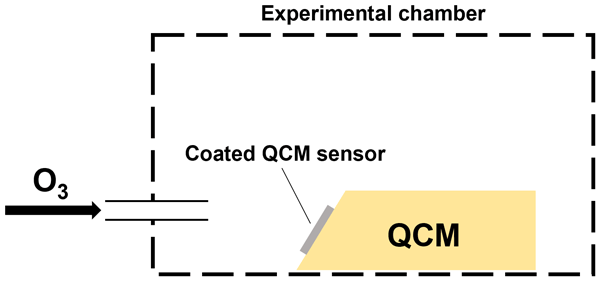
Adam Milsom, Shaojun Qi, Ashmi Mishra, Thomas Berkemeier, Zhenyu Zhang, and Christian Pfrang
Atmos. Chem. Phys., 23, 10835–10843, https://doi.org/10.5194/acp-23-10835-2023, https://doi.org/10.5194/acp-23-10835-2023, 2023
Short summary
Short summary
Aerosols and films are found indoors and outdoors. Our study measures and models reactions of a cooking aerosol proxy with the atmospheric oxidant ozone relying on a low-cost but sensitive technique based on mass changes and film rigidity. We found that film morphology changed and film rigidity increased with evidence of surface crust formation during ozone exposure. Our modelling results demonstrate clear potential to take this robust method to the field for reaction monitoring.
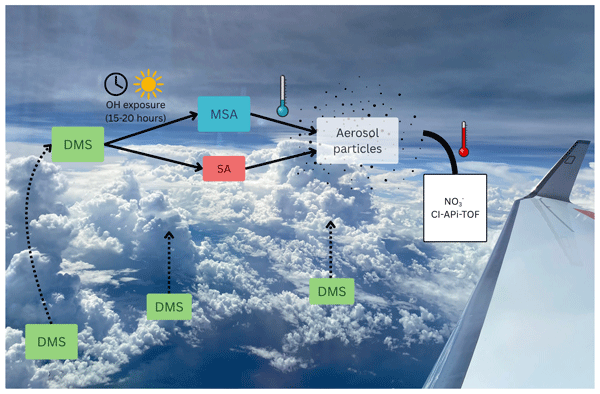
Hannah Klebach, Martin Heinritzi, Katharina Kaiser, Lisa Beck, Samuel Ruhl, Samira Atabakhsh, Nirvan Bhattacharyya, Lucía Caudillo-Plath, Philipp Joppe, Thomas Klimach, Peter Lloyd, Mira Pöhlker, Ulrich Pöschl, Sarah Richter, Douglas M. Russell, Johannes Schneider, Marcel Zauner-Wieczorek, and Joachim Curtius
Atmos. Chem. Phys., 26, 12355–12393, https://doi.org/10.5194/acp-26-12355-2026, https://doi.org/10.5194/acp-26-12355-2026, 2026
Short summary
Short summary
Marine atmospheric aerosols remain a major uncertainty in climate models. We report gas and particle phase measurements of two important aerosol forming vapours, sulfuric acid and methanesulfonic acid in the Indo-Pacific. We find that the latter typically dominates over sulfuric acid and contributes significantly to free tropospheric aerosol. Deep convection transports the precursor of both acids to the upper troposphere, providing a key aerosol source in the pristine remote Pacific Ocean.
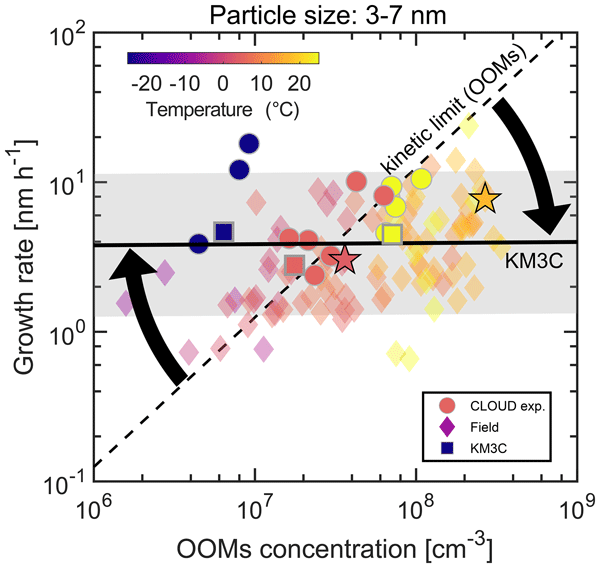
Zhiqiang Zhang, Hyun Gu Kang, Ulrich Pöschl, and Thomas Berkemeier
Atmos. Chem. Phys., 26, 12037–12047, https://doi.org/10.5194/acp-26-12037-2026, https://doi.org/10.5194/acp-26-12037-2026, 2026
Short summary
Short summary
New particle formation in the atmosphere has long been a scientific conundrum because nanoparticle growth rates are less dependent on condensable vapor concentration than expected. We have developed a new multiphase chemical kinetics model that reconciles observational data from field measurements and chamber experiments. We uncover an effective buffering of particle growth rates through antagonistic effects concerning particle phase state and shifts in volatility distributions.
Juliette Brochet, Hasna Chebaicheb, Olivier Favez, Laura Cadeo, Tanguy Amodeo, Yunjiang Zhang, Antonin Bergé, Philip Croteau, Vincent Crenn, Valérie Gros, and Jean-Eudes Petit
Earth Syst. Sci. Data Discuss., https://doi.org/10.5194/essd-2026-490, https://doi.org/10.5194/essd-2026-490, 2026
Preprint under review for ESSD
Short summary
Short summary
This work proposes a new methodology for robust, homogeneous processing of long-term datasets of aerosol mass spectrometer measurements to remedy the challenges posed by the emergence of juxtaposed data processing periods over the years. The results showed a global decrease in PM1 at a semi-urban site in the Paris region between 2011 and 2024, along with a decrease in the frequency of persistent pollution episodes. Finally, it highlights the need for Sulfate source apportionment analysis.
Thomas Audoux, Ambre Delater, Manuella Ghanem, Jean-Baptiste Lily, Mathieu Cazaunau, Edouard Pangui, Benedicte Picquet-Varrault, Patrice Coll, Esperanza Perdrix, Laurent Alleman, and Davy Rousset
EGUsphere, https://doi.org/10.5194/egusphere-2026-4293, https://doi.org/10.5194/egusphere-2026-4293, 2026
This preprint is open for discussion and under review for Atmospheric Measurement Techniques (AMT).
Short summary
Short summary
Air pollution can affect human health, but not all particles are equally harmful. We developed a new instrument that measure the oxidative properties of the atmosphere continuously. Laboratory experiments showed that pollutants formed through sunlight-driven chemical reactions have a greater oxidative potential than particles containing higher levels of metals under night-time conditions. This will help us to better understand how rapid changes in air pollution may affect health.
Anouk Marsal, Fabrizia Cavalli, Elise Di Antonio, Stephan Houdier, Pamela Dominutti, Sophie Darfeuil, Jean-Luc Jaffrezo, Stéphane Sauvage, Jean-Philippe Putaud, Ian S. Mudway, Athanasios Nenes, Aikaterini Bougiatioti, Nikolaos Mihalopoulos, André S. H. Prévôt, Despina Paraskevopoulou, Ana Cvitešić Kušan, Sanja Frka, Ana Kroflič, Ajda Delić, Blanka Tariba Lovaković, Andreja Jurič, Carolina Molina, Daniele Contini, Maria Rachele Guascito, Mathilde Lintz, Davy Rousset, Hartmut Herrmann, Eduardo J. d. S. Souza, Frédéric Ledoux, Marc Fadel, Haoran Yu, Jianzhen Yu, Maria Teresa Baeza Romero, Maria Cerrato-Alvarez, Marloes F. van Os, Mathilde N. Delaval, Yamaris Mercedes Mena Cabrera, Nicole Trieu, Greg Evans, Nuria Galindo, Noelia Gómez-Sanchez, Hana Hlaváčková, Pavel Mikuška, Shrutika Kadam, Pourya Shahpoury, Purificación López-Mahía, Jorge Moreda-Piñeiro, Rico K. Y. Cheung, Markus Kalberer, Micol Introna, Sarah S. Steimer, Zhuoying Lin, Suzanne E. Paulson, Saima Iram, Svetlana Stevanovic, Thomas Audoux, Laurent Y. Alleman, Jianing Liu, Ting Fang, P. S. Ganesh Subramanian, Vishal Verma, Tuukka Petäjä, Xavier Querol, Gerard Hoek, Roy M. Harrison, and Gaëlle Uzu
EGUsphere, https://doi.org/10.5194/egusphere-2026-3918, https://doi.org/10.5194/egusphere-2026-3918, 2026
Short summary
Short summary
This collaborative work from 26 worldwide laboratories assessed the measurement of atmospheric particles' oxidative potential (OP) using a common protocol. OP is a metric designed to inform on particles’ harmful effects. Over half of the laboratories obtained satisfactory results, and some critical steps such as liquid handling and OP mathematical determination were identified. Recommendations for future measurements and interlaboratory comparisons are also provided.
Matthias Kohl, Christoph Brühl, Holger Tost, Christos Xenofontos, Theodoros Christoudias, Sergey Gromov, Oliver Appel, Stephan Borrmann, Adam Bourassa, Pedro Campunzano-Jost, Yafang Cheng, Oliver Eppers, Karl D. Froyd, Bruna A. Holanda, Jose L. Jimenez, Patrick Jöckel, Philipp Joppe, Katharina Kaiser, Joseph M. Katich, Klaus Klingmüller, Franziska Köllner, Agnieszka Kupc, Anna Martin, Christopher Pöhlker, Mira L. Pöhlker, Ulrich Pöschl, Landon Rieger, Samuel Ruhl, Gregory P. Schill, Johannes Schneider, Christiane Schulz, Joshua P. Schwarz, Alexandra P. Tsimpidi, Ryan Vella, Christina J. Williamson, Yifan Yang, Daniel Zawada, Jos Lelieveld, and Andrea Pozzer
EGUsphere, https://doi.org/10.5194/egusphere-2026-3649, https://doi.org/10.5194/egusphere-2026-3649, 2026
Short summary
Short summary
Aerosols are crucial for Earth's climate, yet their vertical distribution remains poorly understood. We present first consistent global simulations of aerosol distributions and composition from the Earth's surface to the stratosphere, validated by extensive observations. Key findings include a global minimum in aerosol mass in the free troposphere, a significant contribution of organic aerosol in the lower stratosphere, and limited transport of primary particles to the stratosphere.
Julian Weng, Yufang Hao, Benjamin T. Brem, Tianqu Cui, Peeyush Khare, Lubna Dada, Kaspar R. Daellenbach, Sophie Darfeuil, Gaëlle Uzu, Jean-Luc Jaffrezo, Martin Steinbacher, Stefan Reimann, Thaleia Gkraikou, Konstantina Oikonomou, Jean Sciare, Martine Collaud Coen, Claudia Mohr, Andre S. H. Prévôt, Martin Gysel-Beer, Imad El Haddad, and Patrik Winiger
EGUsphere, https://doi.org/10.5194/egusphere-2026-3660, https://doi.org/10.5194/egusphere-2026-3660, 2026
Short summary
Short summary
Long-term observations at the Jungfraujoch High Altitude Research Station show that, alongside air mass transport, sustained oxidative processing shaped by atmospheric water vapor plays a central role in driving aerosol loading and composition. Combining detailed aerosol chemical characterization with process-level insights, we provide important observational benchmarks for improving atmospheric model performance in the remote free troposphere, where uncertainties remain particularly high.
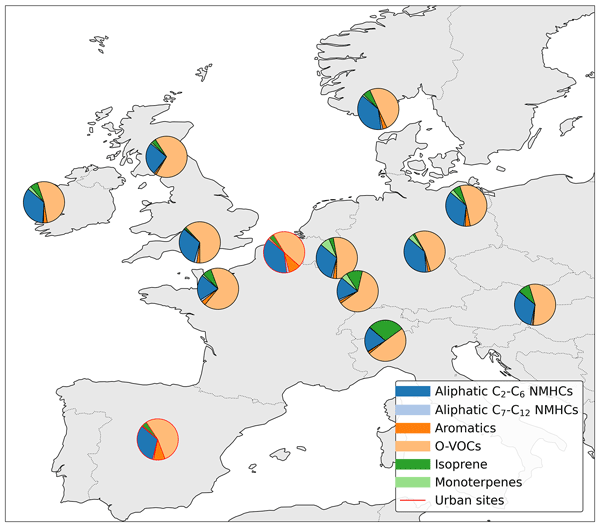
Wenche Aas, Thérèse Salameh, Robert Wegener, Heidi Hellén, Jean-Luc Jaffrezo, Pontus Roldin, Elisabeth Alonso-Blanco, Andres Alastuey, Crist Amelynck, Jgor Arduini, Benjamin Bergmans, Marie Bertrand, Agnes Borbon, Efstratios Bourtsoukidis, Laetitia Bouvier, David Butterfield, Iris Buxbaum, Darius Ceburnis, Anja Claude, Augustin Colette, Aurélie Colomb, Sophie Darfeuil, James Dernie, Maximilien Desservettaz, Elías Díaz-Ramiro, Marvin Dufresne, René Dubus, Mario Duval, Marie Dury, Anna Font, Kirsten N. Fossum, Evelyn Freney, Gotzon Gangoiti, Yao Ge, Maria Carmen Gomez, Francisco J. Gómez-Moreno, Marie Gohy, Valérie Gros, Paul Hamer, Bryan Hellack, Hartmut Herrmann, Robert Holla, Adéla Holubová, Niels R. Jensen, Tuija Jokinen, Matthew Jones, Uwe Käfer, Lukas Kesper, Dieter Klemp, Dagmar Kubistin, Angela Marinoni, Martina Mazzini, Vy Ngoc Thuy Dinh, Jurgita Ovadnevaite, Tuukka Petäjä, Miguel Portillo-Estrada, Jitka Přívozníková, Jean-Philippe Putaud, Stefan Reimann, Laura Renzi, Veronique Riffault, Stuart Ritchie, Chris Robins, Begoña Artíñano Rodríguez de Torres, Laurent Poulain, Julian Rüdiger, Agnieszka Sanocka, Estibaliz Saez de Camara Oleaga, Niels Schoon, Roger Seco, Ivan Simmons, Leïla Simon, David Simpson, Sverre Solberg, Emmanuel Tison, August Thomasson, Svetlana Tsyro, Marsailidh Twigg, Toni Tykkä, Bert Verreyken, Ågot Watne, Katie Williams, Ana Maria Yáñez-Serrano, Karen Yeung, Ilona Ylivinkka, and Karl Espen Yttri
Atmos. Chem. Phys., 26, 8717–8751, https://doi.org/10.5194/acp-26-8717-2026, https://doi.org/10.5194/acp-26-8717-2026, 2026
Short summary
Short summary
A one-week intensive measurement campaign during the 2022 European heatwave included monitoring of ozone, volatile organic compounds, aerosol chemical composition, and organic tracers to investigate air pollution sources. Results showed that emissions from vegetation and human activities contributed to peaks in ozone and secondary organic aerosol particles. Differences between measurements and model simulations underline the need for better characterization of sources and formation pathways.
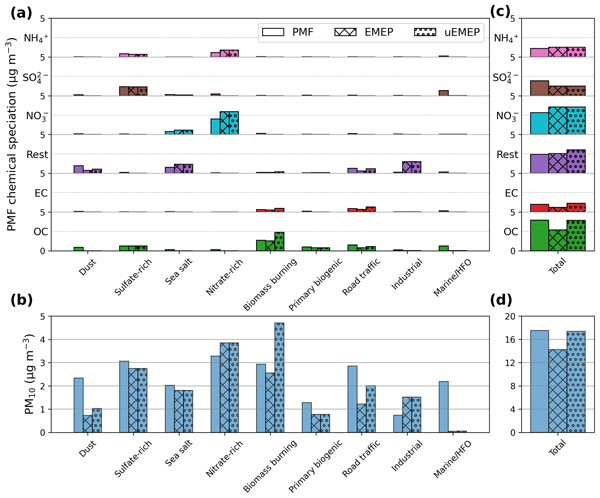
Willem E. van Caspel, Olivier Favez, Jean-Luc Jaffrezo, Gaëlle Uzu, Kaspar R. Daellenbach, Imad El Haddad, and David Simpson
Atmos. Chem. Phys., 26, 8575–8600, https://doi.org/10.5194/acp-26-8575-2026, https://doi.org/10.5194/acp-26-8575-2026, 2026
Short summary
Short summary
Exposure to particulate matter (aerosols) is the most important environmental risk factor relating to negative health impacts. Understanding the sources of aerosols is thereby of great importance. This paper compares modelled aerosol source contributions to those from three European observationally derived datasets. Urban-scale modelling is shown to be impactful, although modelling of aerosols from some anthropogenic sources remains challenging.
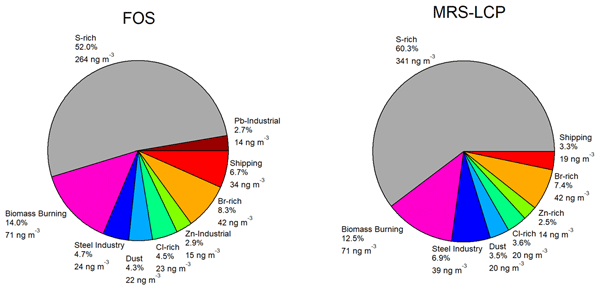
Mathilde Brezins, Benjamin Chazeau, Nicolas Marchand, Amandine Durand, Grégory Gille, Romain Bourjot, Andre S. H. Prévôt, Jean-Luc Jaffrezo, Gaëlle Uzu, and Barbara D'Anna
Aerosol Research, 4, 231–254, https://doi.org/10.5194/ar-4-231-2026, https://doi.org/10.5194/ar-4-231-2026, 2026
Short summary
Short summary
The Marseille–Fos basin faces high anthropogenic pressure from industry and maritime and road transport combined with specific weather conditions that further degrade air quality. Our study focuses on fine metallic pollution, which can penetrate deep into the lungs and cause harmful effects. Using 1 year of measurements at two sites, we identified 10 main pollution sources, half directly linked to human activities, highlighting clear risks for the environment and public health.
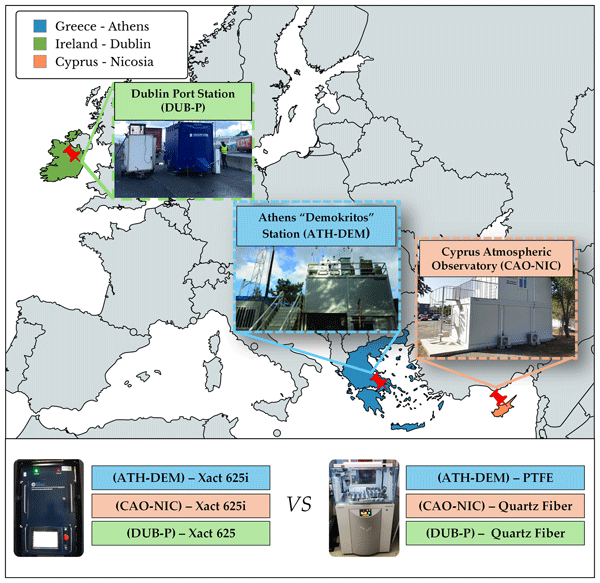
Stefanos Papagiannis, Manousos I. Manousakas, Dimitrios F. Anagnostopoulos, Michael Pikridas, Rima Baalbaki, Jean Sciare, Niall O'Sullivan, Stig Hellebust, John Wenger, Kirsten N. Fossum, Jurgita Ovadnevaite, Anja Tremper, David Green, Konstantinos Eleftheriadis, and Evangelia Diapouli
Atmos. Meas. Tech., 19, 3491–3509, https://doi.org/10.5194/amt-19-3491-2026, https://doi.org/10.5194/amt-19-3491-2026, 2026
Short summary
Short summary
We compared near real-time and benchtop XRF spectrometers measuring trace elements in airborne particles across three European cities. Results show filter material dictates accuracy: Teflon yielded strong inter-instrument agreement, while quartz caused systematic attenuation errors for light elements. Because empirical corrections left residual biases, using optimal substrates—preferably Teflon—is essential for accurately tracking pollution sources.
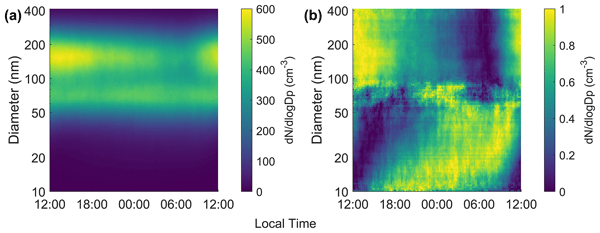
Bruno B. Meller, Marco A. Franco, Rafael Valiati, Christopher Pöhlker, Luiz A. T. Machado, Florian Ditas, Leslie A. Kremper, Subha S. Raj, Cleo Q. Dias-Júnior, Flávio A. F. D'Oliveira, Luciana V. Rizzo, Ulrich Pöschl, and Paulo Artaxo
Atmos. Chem. Phys., 26, 4885–4899, https://doi.org/10.5194/acp-26-4885-2026, https://doi.org/10.5194/acp-26-4885-2026, 2026
Short summary
Short summary
Aerosols are tiny particles that help clouds form and influence the climate. In the Amazon, clear events of new aerosol particle formation are rare, making it difficult to explain their origin. Using ten years of measurements, we discovered a subtle but frequent process called Quiet New Particle Formation. This hidden mechanism slowly produces and grows small particles and is responsible for nearly half of the smallest aerosols observed during the wet season.
Matteo Krüger, Rodrigo Paidano Alves, Alexandra Kratz, Minsu Kim, Bettina Weber, and Thomas Berkemeier
EGUsphere, https://doi.org/10.5194/egusphere-2026-1530, https://doi.org/10.5194/egusphere-2026-1530, 2026
This preprint is open for discussion and under review for Biogeosciences (BG).
Short summary
Short summary
In this study, we present and compare two methods for the modelling of gas exchange rates of biological soil crusts, artificial neural networks and parametric equations. The models are trained on laboratory data, can be applied to field data for the evaluation of long-term carbon balances, and can be applied to other organisms and species in a similar fashion.
Marta Via, Jure Demšar, Yufang Hao, Manousos Manousakas, Anton Rusanen, Jianhui Jiang, Stuart K. Grange, Jean-Luc Jaffrezo, Vy Ngoc Thuy Dinh, Gaëlle Uzu, Griša Močnik, and Kaspar R. Daellenbach
Atmos. Meas. Tech., 19, 2175–2195, https://doi.org/10.5194/amt-19-2175-2026, https://doi.org/10.5194/amt-19-2175-2026, 2026
Short summary
Short summary
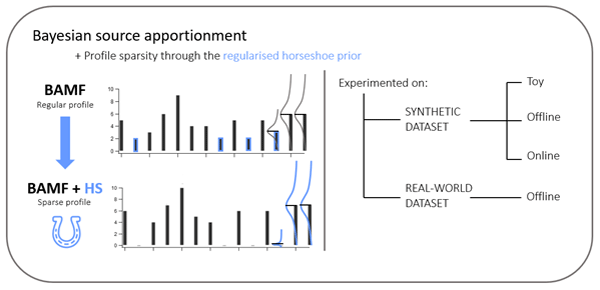
We introduce BAMF+HS (Bayesian Autocorrelated Matrix Factorisation+Horseshoe), an enhanced Bayesian receptor model for particulate matter (PM) source apportionment. By applying a regularised horseshoe prior to the chemical composition matrix, BAMF+HS enforces sparsity, filtering out irrelevant species and improving source separation. Tests on synthetic and real datasets show BAMF+HS consistently outperforms previous models in accuracy and clarity.
Yu Wang, Beiping Luo, Judith Kleinheins, Gang I. Chen, Liine Heikkinen, and Claudia Marcolli
Atmos. Chem. Phys., 26, 1735–1749, https://doi.org/10.5194/acp-26-1735-2026, https://doi.org/10.5194/acp-26-1735-2026, 2026
Short summary
Short summary
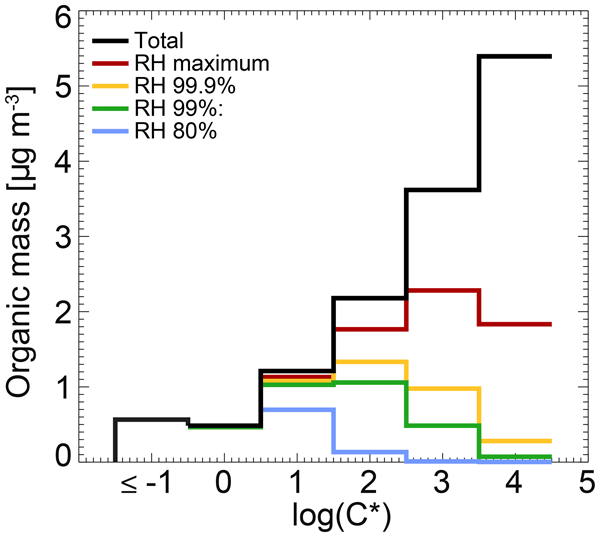
Ubiquitous semi-volatile compounds can co-condense on aerosol particles with water vapour when relative humidity increases. Simulations of cloud formation at a boreal forest site with a cloud parcel model that accounts for non-ideal organic–inorganic interactions yield an enhancement of cloud droplet number concentration from co-condensing NH3, HNO3, and organics up to 44%, with strong sensitivities to volatility distributions, aerosol size distribution, and updraft velocity.
Denis Leppla, Stefanie Hildmann, Nora Zannoni, Leslie A. Kremper, Bruna A. Holanda, Jonathan Williams, Christopher Pöhlker, Stefan Wolff, Marta Sà, Maria Christina Solci, Ulrich Pöschl, and Thorsten Hoffmann
Atmos. Chem. Phys., 26, 365–390, https://doi.org/10.5194/acp-26-365-2026, https://doi.org/10.5194/acp-26-365-2026, 2026
Short summary
Short summary
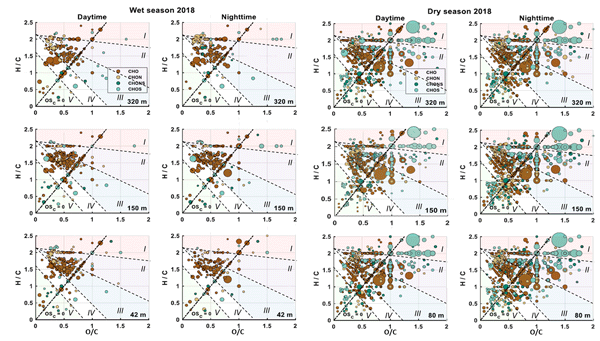
The chemical composition of organic particles in the Amazon rainforest was investigated to understand how biogenic and human emissions influence the atmosphere in this unique ecosystem. Seasonal patterns were found where wet seasons were dominated by biogenic compounds from natural sources while dry seasons showed increased fire-related pollutants. These findings reveal how emissions, fires and long-range transport affect atmospheric chemistry, with implications for climate models.
Vy Ngoc Thuy Dinh, Jean-Luc Jaffrezo, Pamela A. Dominutti, Rhabira Elazzouzi, Sophie Darfeuil, Céline Voiron, Anouk Marsal, Stéphane Socquet, Gladys Mary, Julie Cozic, Catherine Coulaud, Marc Durif, Olivier Favez, and Gaëlle Uzu
Atmos. Chem. Phys., 26, 247–268, https://doi.org/10.5194/acp-26-247-2026, https://doi.org/10.5194/acp-26-247-2026, 2026
Short summary
Short summary
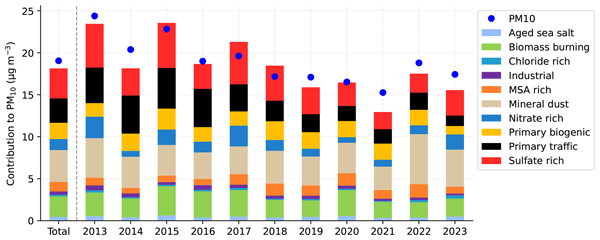
Long-term particulate matter (PM) filter sampling at a French urban background and temperature measurements at different altitudes were used to investigate decadal trends of the main PM sources and related oxidative potential metrics. Positive Matrix Factorization analyses were conducted on the corresponding 11-year dataset, which determined ten PM sources. Temporal evolution of these sources is investigated, highlighting a strong downward trend of anthropogenic sources over 11 years.
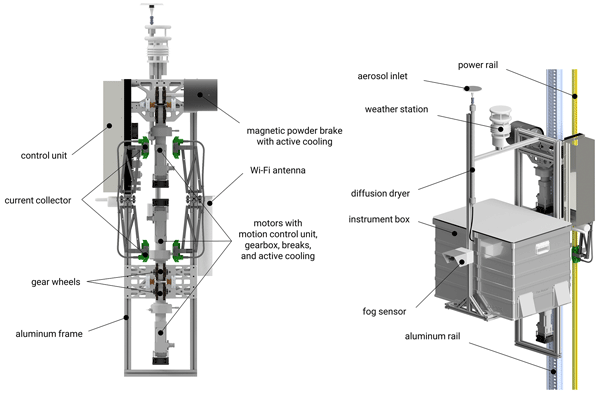
Sebastian Brill, Björn Nillius, Jan-David Förster, Paulo Artaxo, Florian Ditas, Dennis Geis, Christian Gurk, Thomas Kenntner, Thomas Klimach, Mark Lamneck, Rafael Valiati, Bettina Weber, Stefan Wolff, Ulrich Pöschl, and Christopher Pöhlker
Atmos. Meas. Tech., 19, 101–118, https://doi.org/10.5194/amt-19-101-2026, https://doi.org/10.5194/amt-19-101-2026, 2026
Short summary
Short summary
Highly resolved vertical profiles are crucial for understanding ecosystem–atmosphere interactions. We developed the robotic lift (RoLi) as a platform for vertical profile measurements at the Amazon Tall Tower Observatory in the central Amazon basin. First results reveal spatiotemporal patterns in temperature, humidity, fog, and aerosol profiles, proving RoLi's technical capability to resolve the diel interplay of convectively mixed daytime and stable stratified nighttime conditions.
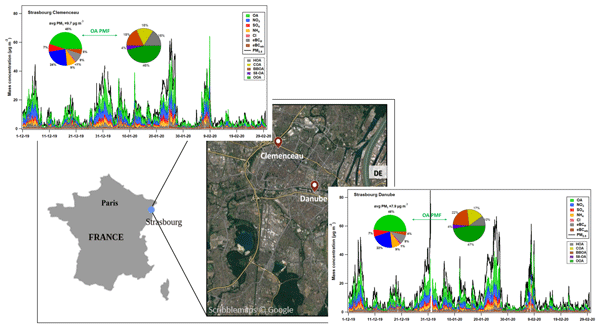
Hasna Chebaicheb, Mélodie Chatain, Olivier Favez, Joel F. de Brito, Vincent Crenn, Tanguy Amodeo, Mohamed Gherras, Emmanuel Jantzem, Caroline Marchand, and Véronique Riffault
Atmos. Chem. Phys., 26, 155–169, https://doi.org/10.5194/acp-26-155-2026, https://doi.org/10.5194/acp-26-155-2026, 2026
Short summary
Short summary
This study compares carbonaceous aerosols source apportionment at paired traffic and background locations in urban environment (Strasbourg, France). Positive matrix factorization was applied (individually and in a combined input dataset) to aerosol mass spectrometry measurements at both sites, providing notably insights into the challenges of attributing real sources to organic aerosol (OA) factors and the impact of instrumental result specificities leading to differences in OA mass spectra.
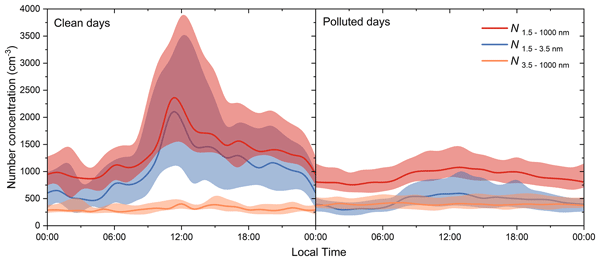
Jianqiang Zhu, Guo Li, Uwe Kuhn, Bruno Backes Meller, Christopher Pöhlker, Paulo Artaxo, Ulrich Pöschl, Yafang Cheng, and Hang Su
Atmos. Chem. Phys., 25, 17667–17684, https://doi.org/10.5194/acp-25-17667-2025, https://doi.org/10.5194/acp-25-17667-2025, 2025
Short summary
Short summary
The manuscript reports unique measurements of sub-40 nm particles and ions, especially those smaller than 10 nm, in the Amazon from December 2022 to January 2023. A large number of sub-3 nm particles and naturally charged ions were present in the Amazonia boundary layer, and they showed a clear diurnal variation. The research will contribute to a better understanding of atmospheric processes in the pristine environment.
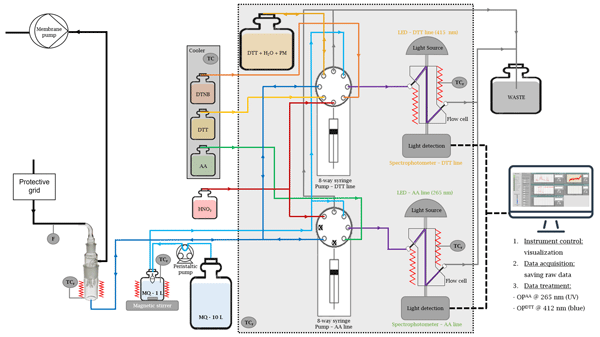
Albane Barbero, Guilhem Freche, Luc Piard, Lucile Richard, Takoua Mhadhbi, Anouk Marsal, Stephan Houdier, Julie Camman, Mathilde Brezins, Benjamin Golly, Jean-Luc Jaffrezo, and Gaëlle Uzu
Atmos. Meas. Tech., 18, 7085–7104, https://doi.org/10.5194/amt-18-7085-2025, https://doi.org/10.5194/amt-18-7085-2025, 2025
Short summary
Short summary
Air pollution can harm our health by triggering harmful chemical reactions in our lungs. To better understand this, we developed a new instrument that measures how air particles may cause such effects in near real time. Unlike current methods that may miss key signals, our system captures and analyzes air more efficiently and continuously. Our results show it works reliably, offering a promising new tool to monitor pollution’s health impacts more accurately.
Camille Noblet, Francois Lestremau, Adrien Dermigny, Nicolas Karoski, Claudine Chatellier, Jérôme Beaumont, Yao Liu, Boris Vansevenant, Jean-Luc Besombes, and Alexandre Albinet
Aerosol Research, 3, 569–587, https://doi.org/10.5194/ar-3-569-2025, https://doi.org/10.5194/ar-3-569-2025, 2025
Short summary
Short summary
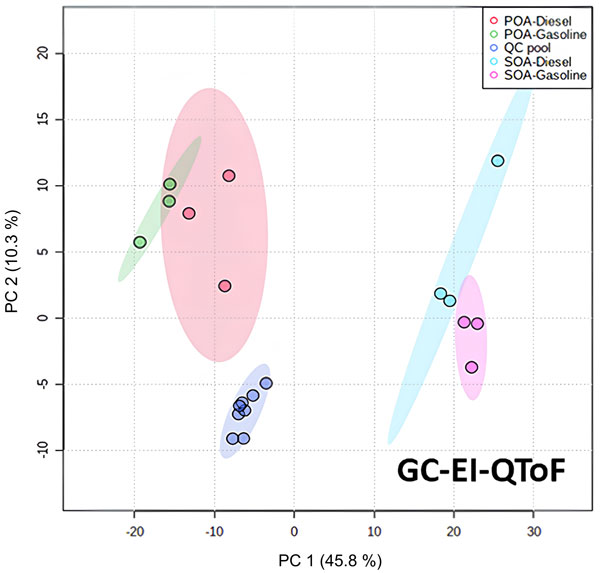
Vehicle emissions significantly impact air quality, but distinguishing between gasoline and diesel aerosol sources in the air is still difficult. This study used advanced chemical analysis and statistical methods to discover unique aerosol molecular markers from each vehicle type. By simulating real-world driving and atmospheric ageing, researchers found specific markers for both primary and secondary particle emissions, offering a promising new approach to improve air pollution source tracking.
Vy Ngoc Thuy Dinh, Gaëlle Uzu, Pamela Dominutti, Stéphane Sauvage, Rhabira Elazzouzi, Sophie Darfeuil, Céline Voiron, Abdoulaye Samaké, Shouwen Zhang, Stéphane Socquet, Olivier Favez, and Jean-Luc Jaffrezo
Atmos. Meas. Tech., 18, 6817–6833, https://doi.org/10.5194/amt-18-6817-2025, https://doi.org/10.5194/amt-18-6817-2025, 2025
Short summary
Short summary
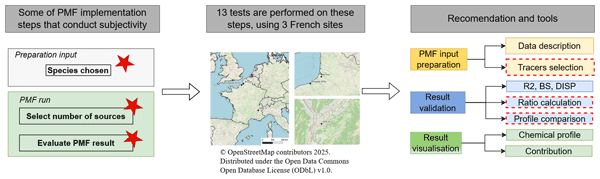
Positive matrix factorization (PMF) is widely used for apportion the source of particulate matter. However, the inherent model has some subjective aspects which should be reduce to ensure the robustness of the result. To do so, this study developed a systematic method, by performing tests on the input and the result validation. Finally, we proposed recommendations for input selection and result validation. A Python package is developed, providing advanced tools for input preparation, validation and visualization results.
Laura Bouillon, Valérie Gros, Morgan Lopez, Nicolas Bonnaire, Carole Philippon, Camille Yver Kwok, Leslie David, Olivier Perrussel, Olivier Sanchez, Simone Kotthaus, Jean-Eudes Petit, Philippe Ciais, and Michel Ramonet
Earth Syst. Sci. Data Discuss., https://doi.org/10.5194/essd-2025-602, https://doi.org/10.5194/essd-2025-602, 2025
Revised manuscript accepted for ESSD
Short summary
Short summary
The Saclay observatory, 20 km southwest of Paris, monitored greenhouse and reactive gases, as well as aerosols, over 10 years to assess the impact of urban emissions. By comparing downwind and background conditions, the study revealed significant reductions in pollutants linked to traffic: -35.6 % for CO, -52.3 % for NOₓ, -56.7 % for eBC, and -15 % for CO2. These trends align with emission decrease estimates from AIRPARIF inventories over the same period.
Gang I. Chen, Anja H. Tremper, Max Priestman, Anna Font, and David C. Green
Atmos. Chem. Phys., 25, 14825–14838, https://doi.org/10.5194/acp-25-14825-2025, https://doi.org/10.5194/acp-25-14825-2025, 2025
Short summary
Short summary
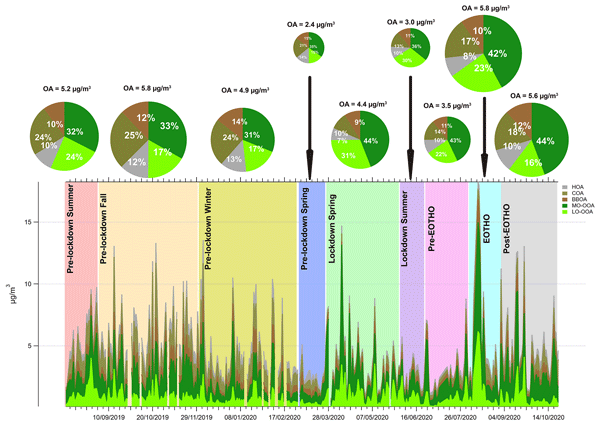
This study quantified the impact of the COVID lockdown and the Eat Out To Help Out (EOTHO) on the sources/compositions of aerosols. The lockdown significantly reduced the primary emission sources. This study confirmed the important presence of cooking emissions from commercial kitchens in Central London by detecting the enhancement caused by the EOTHO policy after the lockdown. Biomass burning organic aerosol co-emitted with cooking activities from either the fuels or food ingredients used.
Pauline Bros, Sophie Darfeuil, Véronique Jacob, Rhabira Elazzouzi, Dielleza Tusha, Tristan Rousseau, Julian Weng, Patrik Winiger, Imad El Haddad, Christoph Hueglin, Gaëlle Uzu, and Jean-Luc Jaffrezo
Atmos. Meas. Tech., 18, 6315–6327, https://doi.org/10.5194/amt-18-6315-2025, https://doi.org/10.5194/amt-18-6315-2025, 2025
Short summary
Short summary
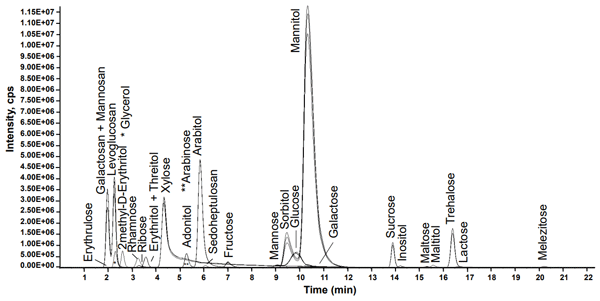
We present and validate an ultra-high-performance liquid chromatography tandem mass spectrometry method for the quantification of 21 sugars in atmospheric particulate matter. The method is fast, sensitive, and suitable for low-mass samples. Its application to a 6-year dataset from the Jungfraujoch site highlights its potential for source identification and understanding of biogenic and biomass burning tracers.
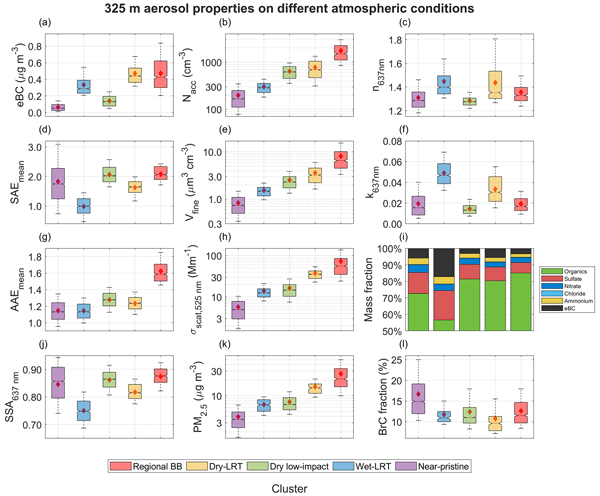
Rafael Valiati, Bruno B. Meller, Marco A. Franco, Luciana V. Rizzo, Luiz A. T. Machado, Sebastian Brill, Bruna A. Holanda, Leslie A. Kremper, Subha S. Raj, Samara Carbone, Cléo Q. Dias-Júnior, Fernando G. Morais, Meinrat O. Andreae, Ulrich Pöschl, Christopher Pöhlker, and Paulo Artaxo
Atmos. Chem. Phys., 25, 14923–14944, https://doi.org/10.5194/acp-25-14923-2025, https://doi.org/10.5194/acp-25-14923-2025, 2025
Short summary
Short summary
This study highlights the different aerosol populations that are commonly observed in the central Amazon. Vertical gradients of aerosol optical and chemical properties were evaluated on different atmospheric conditions, and showed distinct characteristics of these particles. Intercontinental transport events bring to the region particles with a contrasting chemical composition, while vertical transport processes influence the aerosol properties by promoting the development of coating and aging.
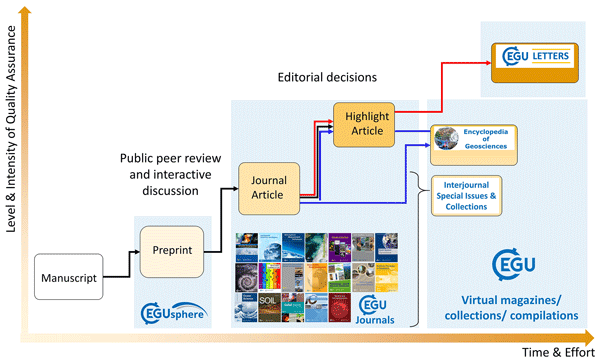
Barbara Ervens, Ken S. Carslaw, Thomas Koop, and Ulrich Pöschl
Atmos. Chem. Phys., 25, 13903–13952, https://doi.org/10.5194/acp-25-13903-2025, https://doi.org/10.5194/acp-25-13903-2025, 2025
Short summary
Short summary
Over 25 years, the European Geosciences Union (EGU) has demonstrated the success, viability and benefits of interactive open-access (OA) publishing with public peer review in its journals, its publishing platform EGUsphere and virtual compilations. The article summarizes the evolution of the EGU/Copernicus publications and of OA publishing with interactive public peer review at large by placing the EGU/Copernicus publications in the context of current and future global open science.
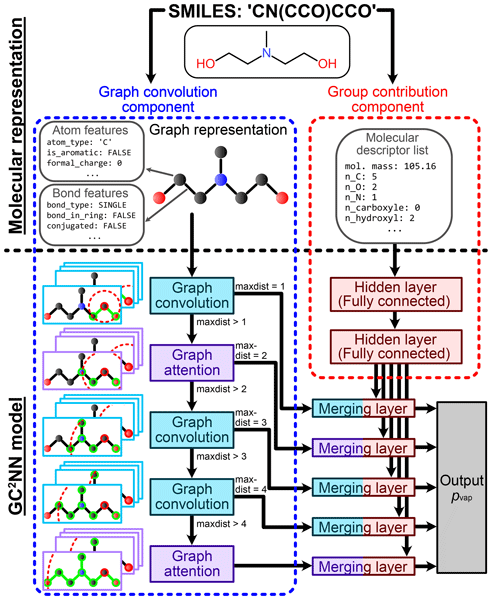
Matteo Krüger, Tommaso Galeazzo, Ivan Eremets, Bertil Schmidt, Ulrich Pöschl, Manabu Shiraiwa, and Thomas Berkemeier
Geosci. Model Dev., 18, 7357–7371, https://doi.org/10.5194/gmd-18-7357-2025, https://doi.org/10.5194/gmd-18-7357-2025, 2025
Short summary
Short summary
This work uses machine learning to predict saturation vapor pressures of atmospherically-relevant organic compounds, crucial for partitioning of secondary organic aerosol (SOA). We introduce a new method using graph convolutional neural networks, in which molecular graphs enable the model to capture molecular connectivity better than with non-structural embeddings. The method shows strong agreement with experimentally determined vapor pressures, and outperforms existing estimation methods.
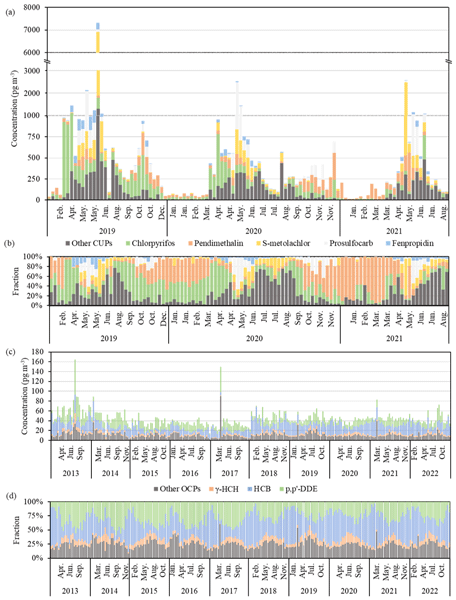
Ludovic Mayer, Lisa Melymuk, Adela Holubová Šmejkalová, Jiři Kalina, Petr Kukučka, Jakub Martiník, Petra Přibylová, Petr Šenk, Pourya Shahpoury, and Gerhard Lammel
Atmos. Chem. Phys., 25, 12467–12482, https://doi.org/10.5194/acp-25-12467-2025, https://doi.org/10.5194/acp-25-12467-2025, 2025
Short summary
Short summary
This study explored pesticides in the air at a rural site in the Czech Republic. Older pesticides, banned decades ago, are still found due to their release from soils, especially in summer. While levels of many have declined over time, some show new emissions from local or distant sources. Newer pesticides peaked during application seasons but declined after bans, though traces lingered. These findings highlight the lasting impacts of pesticide use and the importance of regulations.
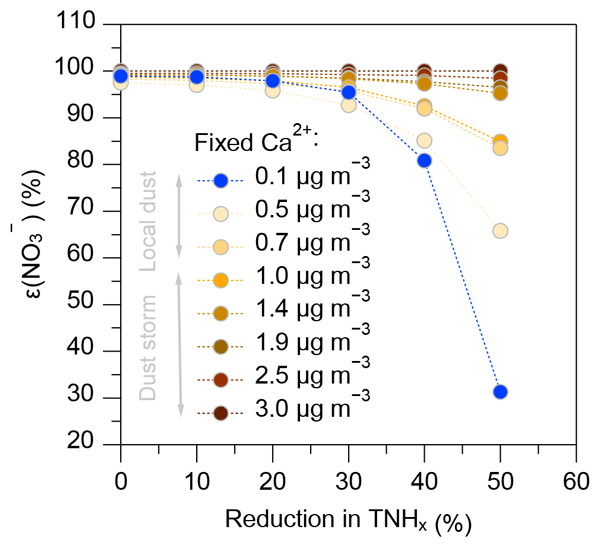
Hanrui Lang, Yunjiang Zhang, Sheng Zhong, Yongcai Rao, Minfeng Zhou, Jian Qiu, Jingyi Li, Diwen Liu, Florian Couvidat, Olivier Favez, Didier Hauglustaine, and Xinlei Ge
Atmos. Chem. Phys., 25, 10587–10601, https://doi.org/10.5194/acp-25-10587-2025, https://doi.org/10.5194/acp-25-10587-2025, 2025
Short summary
Short summary
This study investigates how dust pollution influences particulate nitrate formation. We found that dust pollution could reduce the effectiveness of ammonia emission controls by altering aerosol chemistry. Using field observations and modeling, we showed that dust particles affect nitrate distribution between gas and particle phases. Our findings highlight the need for pollution control strategies that consider both human emissions and dust sources for better urban air quality management.
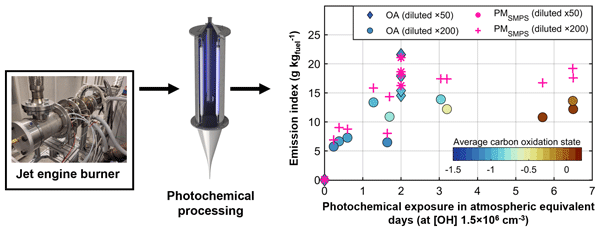
Anni Hartikainen, Mika Ihalainen, Deeksha Shukla, Marius Rohkamp, Arya Mukherjee, Quanfu He, Sandra Piel, Aki Virkkula, Delun Li, Tuukka Kokkola, Seongho Jeong, Hanna Koponen, Uwe Etzien, Anusmita Das, Krista Luoma, Lukas Schwalb, Thomas Gröger, Alexandre Barth, Martin Sklorz, Thorsten Streibel, Hendryk Czech, Benedikt Gündling, Markus Kalberer, Bert Buchholz, Andreas Hupfer, Thomas Adam, Thorsten Hohaus, Johan Øvrevik, Ralf Zimmermann, and Olli Sippula
Atmos. Chem. Phys., 25, 9275–9294, https://doi.org/10.5194/acp-25-9275-2025, https://doi.org/10.5194/acp-25-9275-2025, 2025
Short summary
Short summary
Photochemical reactions altered the properties of kerosene-operated jet engine burner exhaust emissions, which were studied in a laboratory using an oxidation flow reactor. Particle mass increased 300-fold as particles and gases became more oxidized. Light absorption increased, but the total direct radiative forcing efficiency was estimated to have shifted from positive to negative. The results highlight the importance of considering secondary aerosol formation when assessing the impacts of aviation.
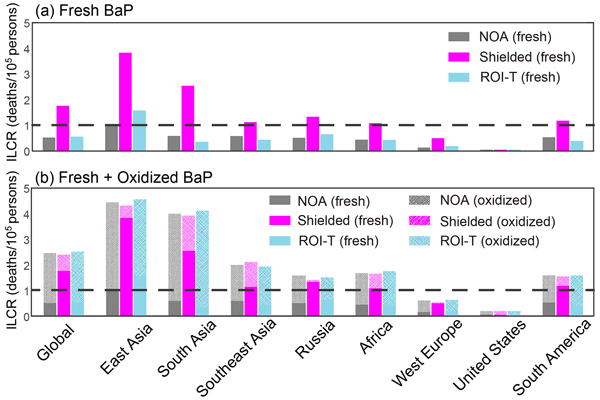
Sijia Lou, Manish Shrivastava, Alexandre Albinet, Sophie Tomaz, Deepchandra Srivastava, Olivier Favez, Huizhong Shen, and Aijun Ding
Atmos. Chem. Phys., 25, 8163–8183, https://doi.org/10.5194/acp-25-8163-2025, https://doi.org/10.5194/acp-25-8163-2025, 2025
Short summary
Short summary
Polycyclic aromatic hydrocarbons (PAHs), emitted from incomplete combustion, pose serious health risks due to their carcinogenic properties. This research demonstrates that viscous organic aerosol coatings significantly hinder PAH oxidation, with spatial distributions sensitive to the degradation modeling approach. Our findings emphasize the need for accurate modeling of PAH oxidation processes in risk assessments, considering both fresh and oxidized PAHs in evaluating human health risks.
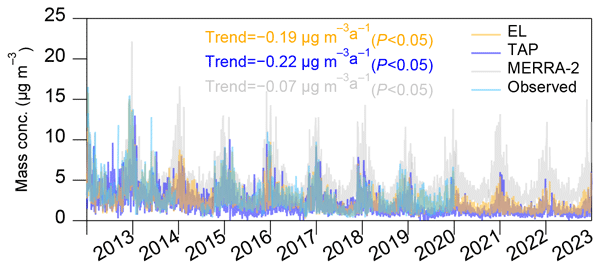
Qingxiao Meng, Yunjiang Zhang, Sheng Zhong, Jie Fang, Lili Tang, Yongcai Rao, Minfeng Zhou, Jian Qiu, Xiaofeng Xu, Jean-Eudes Petit, Olivier Favez, and Xinlei Ge
Atmos. Chem. Phys., 25, 7485–7498, https://doi.org/10.5194/acp-25-7485-2025, https://doi.org/10.5194/acp-25-7485-2025, 2025
Short summary
Short summary
We developed a machine-learning-based method to reconstruct missing elemental carbon (EC) data in four Chinese cities from 2013 to 2023. Using machine learning, we filled data gaps and introduced a new approach to analyze EC trends. Our findings reveal a significant decline in EC due to stricter pollution controls, though this slowed after 2020. This study provides a versatile framework for addressing data gaps and supports strategies to reduce urban air pollution and its climate impacts.
Benjamin Gfeller, Mariia Becker, Adrian D. Aebi, Nicolas Bukowiecki, Marcus Wyss, and Markus Kalberer
Aerosol Research, 3, 351–369, https://doi.org/10.5194/ar-3-351-2025, https://doi.org/10.5194/ar-3-351-2025, 2025
Short summary
Short summary
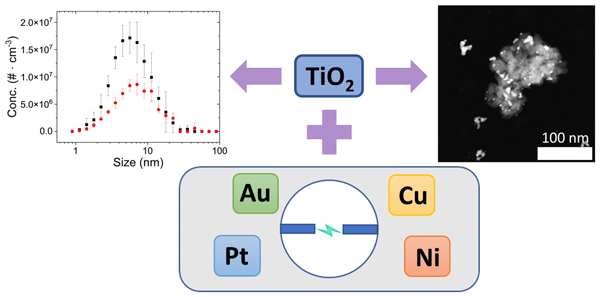
Metal nanoparticles (Au, Pt, Cu and Ni) were generated in the aerosol phase using spark ablation and analysed for size, shape and number concentration. Particles as small as 1 nm and up to > 60 nm show shapes from fully spherical to fractal-like as characterized by electron microscopy. Furthermore, the metal particles were mixed with TiO2 nanoparticles, and the number and size of metal particles coating the TiO2 were determined.
Lise Le Berre, Brice Temime-Roussel, Grazia Maria Lanzafame, Barbara D'Anna, Nicolas Marchand, Stéphane Sauvage, Marvin Dufresne, Liselotte Tinel, Thierry Leonardis, Joel Ferreira de Brito, Alexandre Armengaud, Grégory Gille, Ludovic Lanzi, Romain Bourjot, and Henri Wortham
Atmos. Chem. Phys., 25, 6575–6605, https://doi.org/10.5194/acp-25-6575-2025, https://doi.org/10.5194/acp-25-6575-2025, 2025
Short summary
Short summary
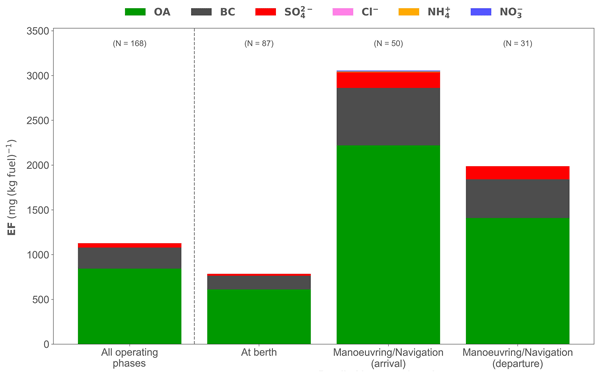
A summer campaign in a Mediterranean port examined pollution caused by ships. Two stations in the port measured pollution levels and captured over 350 ship plumes to study their chemical composition. Results showed that pollution levels, such as ultra-fine particles, were higher in the port than in the city and offer strong support to improve emission inventories. These findings may also serve as reference to assess the benefits of a sulfur Emission Control Area in the Mediterranean in 2025.
Kevin Kilchhofer, Alexandre Barth, Battist Utinger, Markus Kalberer, and Markus Ammann
Aerosol Research, 3, 337–349, https://doi.org/10.5194/ar-3-337-2025, https://doi.org/10.5194/ar-3-337-2025, 2025
Short summary
Short summary
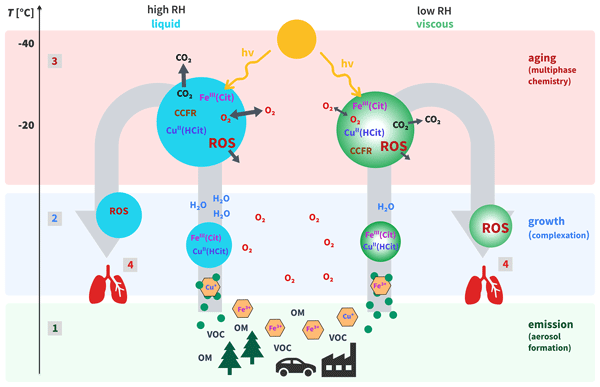
We report a substantial buildup of reactive molecules (due to sunlight) in organic particulate matter, causing adverse health effects. Metals, which occur naturally or are emitted by traffic, can complex with organic materials and initiate photochemical processes. At low humidity, organic particles may become highly viscous, which allows for the accumulation of reactive species. We found that copper acts as an reducing species to remove some of these harmful species from particles.
Christopher N. Rapp, Sining Niu, N. Cazimir Armstrong, Xiaoli Shen, Thomas Berkemeier, Jason D. Surratt, Yue Zhang, and Daniel J. Cziczo
Atmos. Chem. Phys., 25, 5519–5536, https://doi.org/10.5194/acp-25-5519-2025, https://doi.org/10.5194/acp-25-5519-2025, 2025
Short summary
Short summary
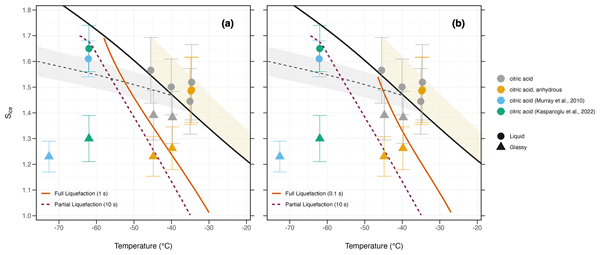
Atmospheric ice formation is initiated by particulate matter suspended in air and has profound impacts on Earth's climate. This study focuses on examining the effectiveness of ice formation by a subset of particles composed of organic matter and sulfate. We used experiments and computer modeling to obtain the result that these particles are not effective ice-nucleating particles, suggesting that molecular structure is important for ice formation on these types of particles.
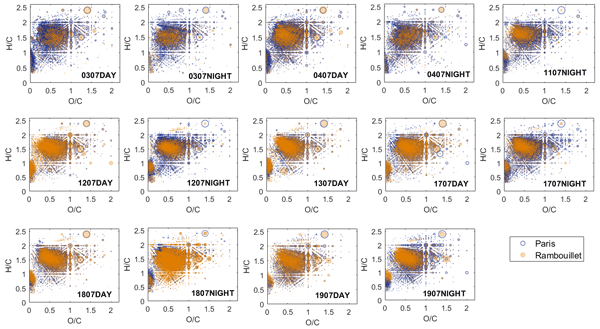
Diana L. Pereira, Chiara Giorio, Aline Gratien, Alexander Zherebker, Gael Noyalet, Servanne Chevaillier, Stéphanie Alage, Elie Almarj, Antonin Bergé, Thomas Bertin, Mathieu Cazaunau, Patrice Coll, Ludovico Di Antonio, Sergio Harb, Johannes Heuser, Cécile Gaimoz, Oscar Guillemant, Brigitte Language, Olivier Lauret, Camilo Macias, Franck Maisonneuve, Bénédicte Picquet-Varrault, Raquel Torres, Sylvain Triquet, Pascal Zapf, Lelia Hawkins, Drew Pronovost, Sydney Riley, Pierre-Marie Flaud, Emilie Perraudin, Pauline Pouyes, Eric Villenave, Alexandre Albinet, Olivier Favez, Robin Aujay-Plouzeau, Vincent Michoud, Christopher Cantrell, Manuela Cirtog, Claudia Di Biagio, Jean-François Doussin, and Paola Formenti
Atmos. Chem. Phys., 25, 4885–4905, https://doi.org/10.5194/acp-25-4885-2025, https://doi.org/10.5194/acp-25-4885-2025, 2025
Short summary
Short summary
In order to study aerosols in environments influenced by anthropogenic and biogenic emissions, we performed analyses of samples collected during the ACROSS (Atmospheric Chemistry Of the Suburban Forest) campaign in summer 2022 in the greater Paris area. After analysis of the chemical composition by means of total carbon determination and high-resolution mass spectrometry, this work highlights the influence of anthropogenic inputs on the chemical composition of both urban and forested areas.
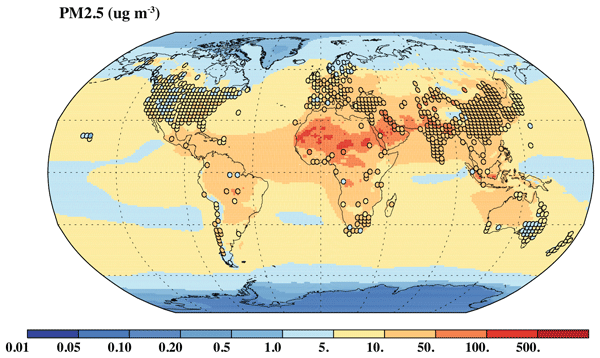
Natalie M. Mahowald, Longlei Li, Julius Vira, Marje Prank, Douglas S. Hamilton, Hitoshi Matsui, Ron L. Miller, P. Louis Lu, Ezgi Akyuz, Daphne Meidan, Peter Hess, Heikki Lihavainen, Christine Wiedinmyer, Jenny Hand, Maria Grazia Alaimo, Célia Alves, Andres Alastuey, Paulo Artaxo, Africa Barreto, Francisco Barraza, Silvia Becagli, Giulia Calzolai, Shankararaman Chellam, Ying Chen, Patrick Chuang, David D. Cohen, Cristina Colombi, Evangelia Diapouli, Gaetano Dongarra, Konstantinos Eleftheriadis, Johann Engelbrecht, Corinne Galy-Lacaux, Cassandra Gaston, Dario Gomez, Yenny González Ramos, Roy M. Harrison, Chris Heyes, Barak Herut, Philip Hopke, Christoph Hüglin, Maria Kanakidou, Zsofia Kertesz, Zbigniew Klimont, Katriina Kyllönen, Fabrice Lambert, Xiaohong Liu, Remi Losno, Franco Lucarelli, Willy Maenhaut, Beatrice Marticorena, Randall V. Martin, Nikolaos Mihalopoulos, Yasser Morera-Gómez, Adina Paytan, Joseph Prospero, Sergio Rodríguez, Patricia Smichowski, Daniela Varrica, Brenna Walsh, Crystal L. Weagle, and Xi Zhao
Atmos. Chem. Phys., 25, 4665–4702, https://doi.org/10.5194/acp-25-4665-2025, https://doi.org/10.5194/acp-25-4665-2025, 2025
Short summary
Short summary
Aerosol particles are an important part of the Earth system, but their concentrations are spatially and temporally heterogeneous, as well as being variable in size and composition. Here, we present a new compilation of PM2.5 and PM10 aerosol observations, focusing on the spatial variability across different observational stations, including composition, and demonstrate a method for comparing the data sets to model output.
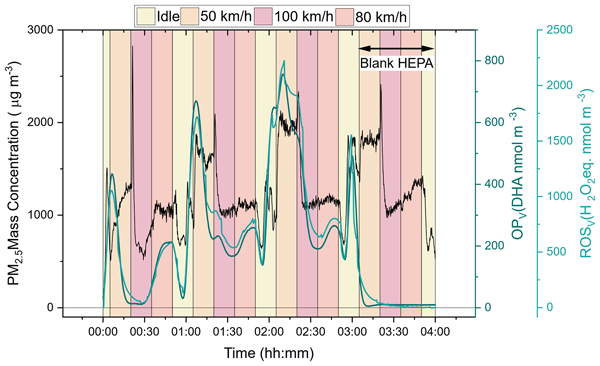
Battist Utinger, Alexandre Barth, Andreas Paul, Arya Mukherjee, Steven John Campbell, Christa-Maria Müller, Mika Ihalainen, Pasi Yli-Pirilä, Miika Kortelainen, Zheng Fang, Patrick Martens, Markus Somero, Juho Louhisalmi, Thorsten Hohaus, Hendryk Czech, Olli Sippula, Yinon Rudich, Ralf Zimmermann, and Markus Kalberer
Aerosol Research, 3, 205–218, https://doi.org/10.5194/ar-3-205-2025, https://doi.org/10.5194/ar-3-205-2025, 2025
Short summary
Short summary
The oxidative potential (OP) of air pollution particles might be a metric explaining particle toxicity. This study quantifies the OP of fresh and aged car and wood burning emission particles and explores how the OP changes over time, using novel high-temporal-resolution instruments. We show that emissions from wood burning are more toxic than car exhaust per unit particle mass, especially as they age in the atmosphere. We also calculate emission factors for the OP, which could help to improve air pollution policies.
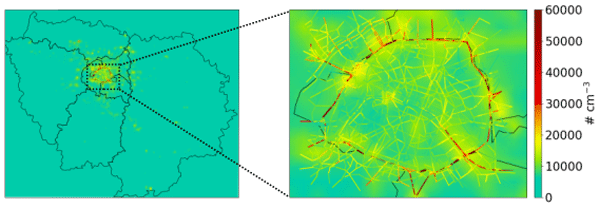
Soo-Jin Park, Lya Lugon, Oscar Jacquot, Youngseob Kim, Alexia Baudic, Barbara D'Anna, Ludovico Di Antonio, Claudia Di Biagio, Fabrice Dugay, Olivier Favez, Véronique Ghersi, Aline Gratien, Julien Kammer, Jean-Eudes Petit, Olivier Sanchez, Myrto Valari, Jérémy Vigneron, and Karine Sartelet
Atmos. Chem. Phys., 25, 3363–3387, https://doi.org/10.5194/acp-25-3363-2025, https://doi.org/10.5194/acp-25-3363-2025, 2025
Short summary
Short summary
To accurately represent the population exposure to outdoor concentrations of pollutants of interest to health (NO2, PM2.5, black carbon, and ultrafine particles), multi-scale modelling down to the street scale is set up and evaluated using measurements from field campaigns. An exposure scaling factor is defined, allowing regional-scale simulations to be corrected to evaluate population exposure. Urban heterogeneities strongly influence NO2, black carbon, and ultrafine particles but less strongly PM2.5.
Ludovico Di Antonio, Claudia Di Biagio, Paola Formenti, Aline Gratien, Vincent Michoud, Christopher Cantrell, Astrid Bauville, Antonin Bergé, Mathieu Cazaunau, Servanne Chevaillier, Manuela Cirtog, Patrice Coll, Barbara D'Anna, Joel F. de Brito, David O. De Haan, Juliette R. Dignum, Shravan Deshmukh, Olivier Favez, Pierre-Marie Flaud, Cecile Gaimoz, Lelia N. Hawkins, Julien Kammer, Brigitte Language, Franck Maisonneuve, Griša Močnik, Emilie Perraudin, Jean-Eudes Petit, Prodip Acharja, Laurent Poulain, Pauline Pouyes, Eva Drew Pronovost, Véronique Riffault, Kanuri I. Roundtree, Marwa Shahin, Guillaume Siour, Eric Villenave, Pascal Zapf, Gilles Foret, Jean-François Doussin, and Matthias Beekmann
Atmos. Chem. Phys., 25, 3161–3189, https://doi.org/10.5194/acp-25-3161-2025, https://doi.org/10.5194/acp-25-3161-2025, 2025
Short summary
Short summary
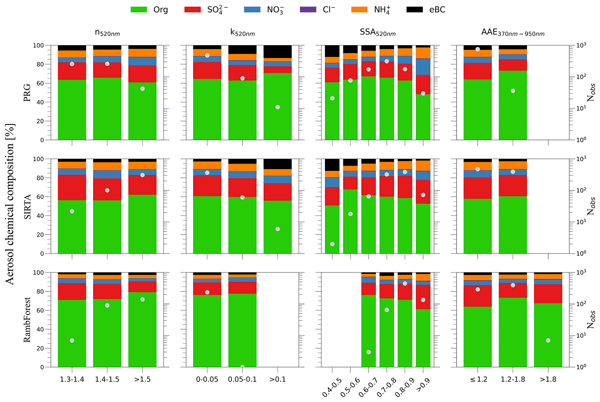
The spectral complex refractive index (CRI) and single scattering albedo were retrieved from submicron aerosol measurements at three sites within the greater Paris area during the ACROSS field campaign (June–July 2022). Measurements revealed urban emission impact on surrounding areas. CRI full period averages at 520 nm were 1.41 – 0.037i (urban), 1.52 – 0.038i (peri-urban), and 1.50 – 0.025i (rural). Organic aerosols dominated the aerosol mass and contributed up to 22 % of absorption at 370 nm.
Hector Navarro-Barboza, Jordi Rovira, Vincenzo Obiso, Andrea Pozzer, Marta Via, Andres Alastuey, Xavier Querol, Noemi Perez, Marjan Savadkoohi, Gang Chen, Jesus Yus-Díez, Matic Ivancic, Martin Rigler, Konstantinos Eleftheriadis, Stergios Vratolis, Olga Zografou, Maria Gini, Benjamin Chazeau, Nicolas Marchand, Andre S. H. Prevot, Kaspar Dallenbach, Mikael Ehn, Krista Luoma, Tuukka Petäjä, Anna Tobler, Jaroslaw Necki, Minna Aurela, Hilkka Timonen, Jarkko Niemi, Olivier Favez, Jean-Eudes Petit, Jean-Philippe Putaud, Christoph Hueglin, Nicolas Pascal, Aurélien Chauvigné, Sébastien Conil, Marco Pandolfi, and Oriol Jorba
Atmos. Chem. Phys., 25, 2667–2694, https://doi.org/10.5194/acp-25-2667-2025, https://doi.org/10.5194/acp-25-2667-2025, 2025
Short summary
Short summary
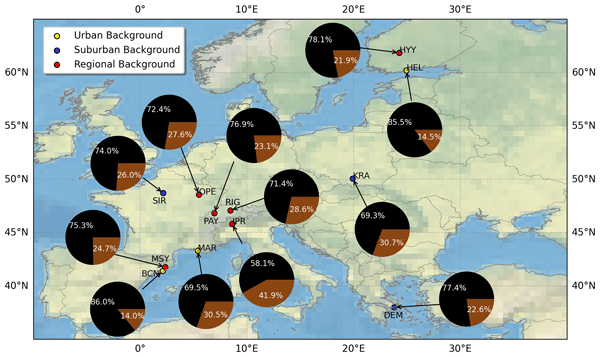
Brown carbon (BrC) absorbs ultraviolet (UV) and visible light, influencing climate. This study explores BrC's imaginary refractive index (k) using data from 12 European sites. Residential emissions are a major organic aerosol (OA) source in winter, while secondary organic aerosol (SOA) dominates in summer. Source-specific k values were derived, improving model accuracy. The findings highlight BrC's climate impact and emphasize source-specific constraints in atmospheric models.
Mega Octaviani, Benjamin A. Musa Bandowe, Qing Mu, Jake Wilson, Holger Tost, Hang Su, Yafang Cheng, Manabu Shiraiwa, Ulrich Pöschl, Thomas Berkemeier, and Gerhard Lammel
EGUsphere, https://doi.org/10.5194/egusphere-2025-186, https://doi.org/10.5194/egusphere-2025-186, 2025
This preprint is open for discussion and under review for Biogeosciences (BG).
Short summary
Short summary
This research explores the atmospheric concentration of benzo(a)pyrene (BaP), a harmful air pollutant linked to lung cancer. Using advanced Earth system modeling, the study examines how BaP's degradation varies with temperature and humidity, affecting its global distribution and associated lung cancer risks. The findings reveal that BaP persists longer in colder, less humid regions, leading to higher lung cancer risks in parts of Europe and Asia.
Shravan Deshmukh, Laurent Poulain, Birgit Wehner, Silvia Henning, Jean-Eudes Petit, Pauline Fombelle, Olivier Favez, Hartmut Herrmann, and Mira Pöhlker
Atmos. Chem. Phys., 25, 741–758, https://doi.org/10.5194/acp-25-741-2025, https://doi.org/10.5194/acp-25-741-2025, 2025
Short summary
Short summary
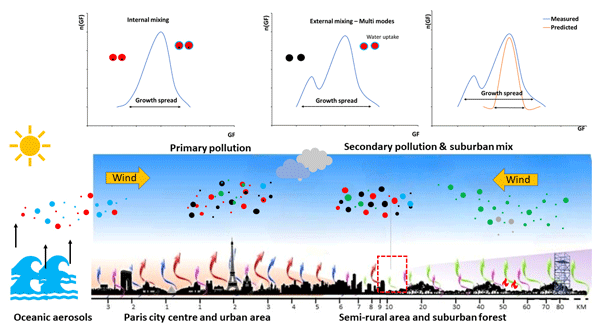
Aerosol hygroscopicity has been investigated at a sub-urban site in Paris; analysis shows the sub-saturated regime's measured hygroscopicity and the chemically derived hygroscopic growth, shedding light on the large effect of external particle mixing and its influence on predicting hygroscopicity.
Diego Aliaga, Victoria A. Sinclair, Radovan Krejci, Marcos Andrade, Paulo Artaxo, Luis Blacutt, Runlong Cai, Samara Carbone, Yvette Gramlich, Liine Heikkinen, Dominic Heslin-Rees, Wei Huang, Veli-Matti Kerminen, Alkuin Maximilian Koenig, Markku Kulmala, Paolo Laj, Valeria Mardoñez-Balderrama, Claudia Mohr, Isabel Moreno, Pauli Paasonen, Wiebke Scholz, Karine Sellegri, Laura Ticona, Gaëlle Uzu, Fernando Velarde, Alfred Wiedensohler, Doug Worsnop, Cheng Wu, Chen Xuemeng, Qiaozhi Zha, and Federico Bianchi
Aerosol Research, 3, 15–44, https://doi.org/10.5194/ar-3-15-2025, https://doi.org/10.5194/ar-3-15-2025, 2025
Short summary
Short summary
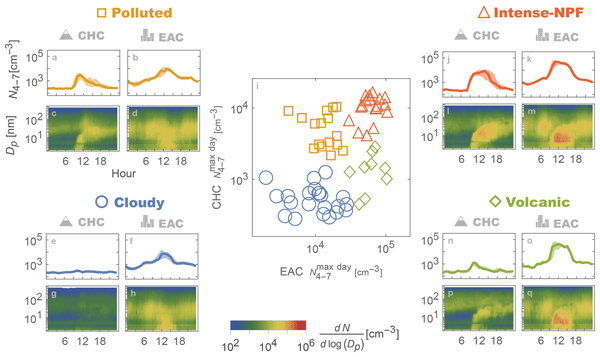
This study examines new particle formation (NPF) in the Bolivian Andes at Chacaltaya mountain (CHC) and the urban El Alto–La Paz area (EAC). Days are clustered into four categories based on NPF intensity. Differences in particle size, precursor gases, and pollution levels are found. High NPF intensities increased Aitken mode particle concentrations at both sites, while volcanic influence selectively diminished NPF intensity at CHC but not EAC. This study highlights NPF dynamics in the Andes.
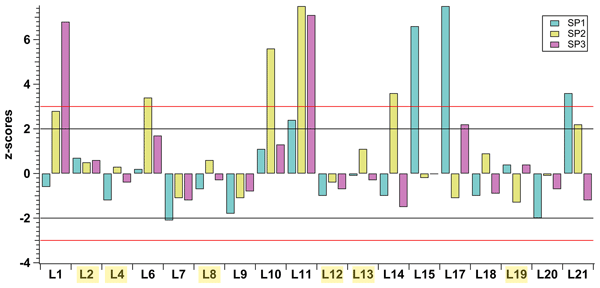
Pamela A. Dominutti, Jean-Luc Jaffrezo, Anouk Marsal, Takoua Mhadhbi, Rhabira Elazzouzi, Camille Rak, Fabrizia Cavalli, Jean-Philippe Putaud, Aikaterini Bougiatioti, Nikolaos Mihalopoulos, Despina Paraskevopoulou, Ian Mudway, Athanasios Nenes, Kaspar R. Daellenbach, Catherine Banach, Steven J. Campbell, Hana Cigánková, Daniele Contini, Greg Evans, Maria Georgopoulou, Manuella Ghanem, Drew A. Glencross, Maria Rachele Guascito, Hartmut Herrmann, Saima Iram, Maja Jovanović, Milena Jovašević-Stojanović, Markus Kalberer, Ingeborg M. Kooter, Suzanne E. Paulson, Anil Patel, Esperanza Perdrix, Maria Chiara Pietrogrande, Pavel Mikuška, Jean-Jacques Sauvain, Katerina Seitanidi, Pourya Shahpoury, Eduardo J. d. S. Souza, Sarah Steimer, Svetlana Stevanovic, Guillaume Suarez, P. S. Ganesh Subramanian, Battist Utinger, Marloes F. van Os, Vishal Verma, Xing Wang, Rodney J. Weber, Yuhan Yang, Xavier Querol, Gerard Hoek, Roy M. Harrison, and Gaëlle Uzu
Atmos. Meas. Tech., 18, 177–195, https://doi.org/10.5194/amt-18-177-2025, https://doi.org/10.5194/amt-18-177-2025, 2025
Short summary
Short summary
In this work, 20 labs worldwide collaborated to evaluate the measurement of air pollution's oxidative potential (OP), a key indicator of its harmful effects. The study aimed to identify disparities in the widely used OP dithiothreitol assay and assess the consistency of OP among labs using the same protocol. The results showed that half of the labs achieved acceptable results. However, variability was also found, highlighting the need for standardisation in OP procedures.
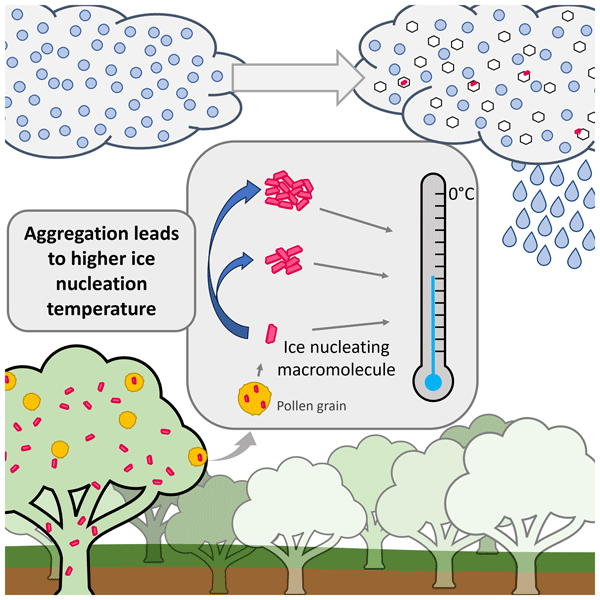
Florian Wieland, Nadine Bothen, Ralph Schwidetzky, Teresa M. Seifried, Paul Bieber, Ulrich Pöschl, Konrad Meister, Mischa Bonn, Janine Fröhlich-Nowoisky, and Hinrich Grothe
Biogeosciences, 22, 103–115, https://doi.org/10.5194/bg-22-103-2025, https://doi.org/10.5194/bg-22-103-2025, 2025
Short summary
Short summary
Betula pendula is a widespread birch tree species containing ice nucleation agents that can trigger the freezing of cloud droplets and thereby alter the evolution of clouds. Our study identifies three distinct ice-nucleating macromolecule (INM) aggregates of varying size that can nucleate ice at temperatures up to –5.4°C. Our findings suggest that these vegetation-derived particles may influence atmospheric processes, weather, and climate more strongly than previously thought.
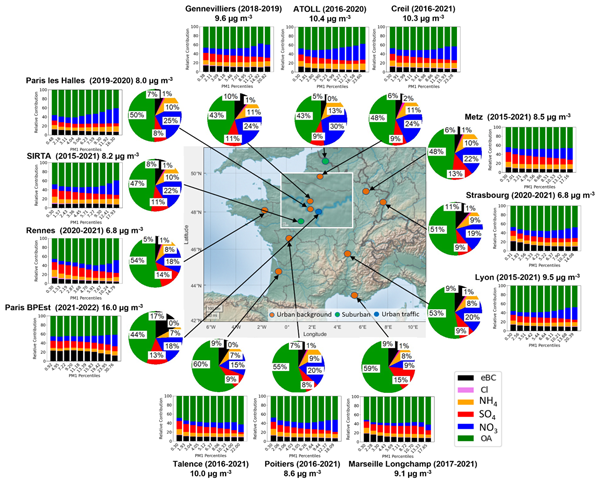
Hasna Chebaicheb, Joel F. de Brito, Tanguy Amodeo, Florian Couvidat, Jean-Eudes Petit, Emmanuel Tison, Gregory Abbou, Alexia Baudic, Mélodie Chatain, Benjamin Chazeau, Nicolas Marchand, Raphaële Falhun, Florie Francony, Cyril Ratier, Didier Grenier, Romain Vidaud, Shouwen Zhang, Gregory Gille, Laurent Meunier, Caroline Marchand, Véronique Riffault, and Olivier Favez
Earth Syst. Sci. Data, 16, 5089–5109, https://doi.org/10.5194/essd-16-5089-2024, https://doi.org/10.5194/essd-16-5089-2024, 2024
Short summary
Short summary
Long-term (2015–2021) quasi-continuous measurements have been obtained at 13 French urban sites using online mass spectrometry, to acquire the comprehensive chemical composition of submicron particulate matter. The results show their spatial and temporal differences and confirm the predominance of organics in France (40–60 %). These measurements can be used for many future studies, such as trend and epidemiological analyses, or comparisons with chemical transport models.
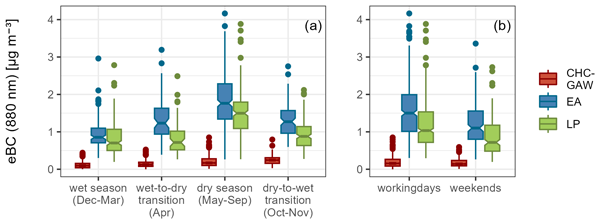
Valeria Mardoñez-Balderrama, Griša Močnik, Marco Pandolfi, Robin L. Modini, Fernando Velarde, Laura Renzi, Angela Marinoni, Jean-Luc Jaffrezo, Isabel Moreno R., Diego Aliaga, Federico Bianchi, Claudia Mohr, Martin Gysel-Beer, Patrick Ginot, Radovan Krejci, Alfred Wiedensohler, Gaëlle Uzu, Marcos Andrade, and Paolo Laj
Atmos. Chem. Phys., 24, 12055–12077, https://doi.org/10.5194/acp-24-12055-2024, https://doi.org/10.5194/acp-24-12055-2024, 2024
Short summary
Short summary
Levels of black carbon (BC) are scarcely reported in the Southern Hemisphere, especially in high-altitude conditions. This study provides insight into the concentration level, variability, and optical properties of BC in La Paz and El Alto and at the Chacaltaya Global Atmosphere Watch Station. Two methods of source apportionment of absorption were tested and compared showing traffic as the main contributor to absorption in the urban area, in addition to biomass and open waste burning.
Kirsten N. Fossum, Chunshui Lin, Niall O'Sullivan, Lu Lei, Stig Hellebust, Darius Ceburnis, Aqeel Afzal, Anja Tremper, David Green, Srishti Jain, Steigvilė Byčenkienė, Colin O'Dowd, John Wenger, and Jurgita Ovadnevaite
Atmos. Chem. Phys., 24, 10815–10831, https://doi.org/10.5194/acp-24-10815-2024, https://doi.org/10.5194/acp-24-10815-2024, 2024
Short summary
Short summary
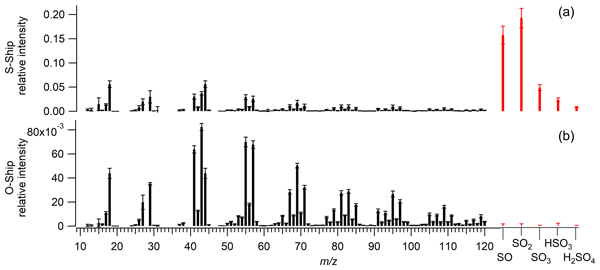
The chemical composition and sources of submicron aerosol in the Dublin Port area were investigated over a month-long campaign. Two distinct types of ship emissions were identified and characterised: sulfate-rich plumes from the use of heavy fuel oil with scrubbers and organic-rich plumes from the use of low-sulfur fuels. The latter were more frequent, emitting double the particle number and having a typical V / Ni ratio for ship emission.
Matthieu Vida, Gilles Foret, Guillaume Siour, Florian Couvidat, Olivier Favez, Gaelle Uzu, Arineh Cholakian, Sébastien Conil, Matthias Beekmann, and Jean-Luc Jaffrezo
Atmos. Chem. Phys., 24, 10601–10615, https://doi.org/10.5194/acp-24-10601-2024, https://doi.org/10.5194/acp-24-10601-2024, 2024
Short summary
Short summary
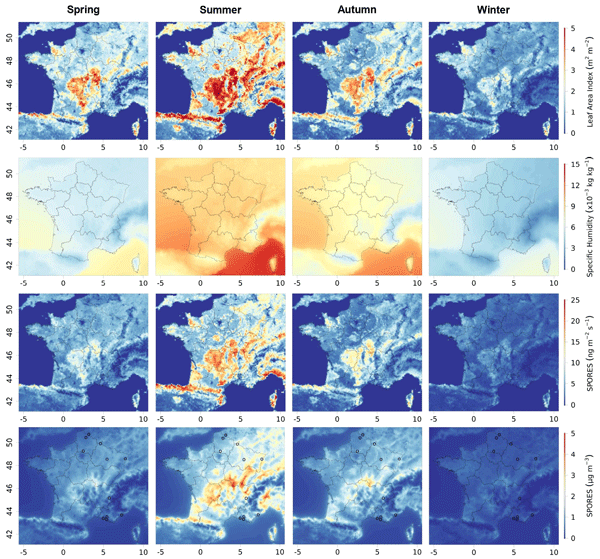
We simulate 2 years of atmospheric fungal spores over France and use observations of polyols and primary biogenic factors from positive matrix factorisation. The representation of emissions taking into account a proxy for vegetation surface and specific humidity enables us to reproduce very accurately the seasonal cycle of fungal spores. Furthermore, we estimate that fungal spores can account for 20 % of PM10 and 40 % of the organic fraction of PM10 over vegetated areas in summer.
Dandan Li, Dongyu Wang, Lucia Caudillo, Wiebke Scholz, Mingyi Wang, Sophie Tomaz, Guillaume Marie, Mihnea Surdu, Elias Eccli, Xianda Gong, Loic Gonzalez-Carracedo, Manuel Granzin, Joschka Pfeifer, Birte Rörup, Benjamin Schulze, Pekka Rantala, Sébastien Perrier, Armin Hansel, Joachim Curtius, Jasper Kirkby, Neil M. Donahue, Christian George, Imad El-Haddad, and Matthieu Riva
Atmos. Meas. Tech., 17, 5413–5428, https://doi.org/10.5194/amt-17-5413-2024, https://doi.org/10.5194/amt-17-5413-2024, 2024
Short summary
Short summary
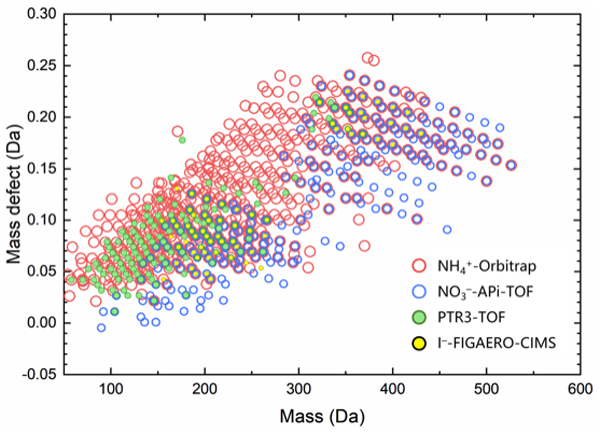
Due to the analytical challenges of measuring organic vapors, it remains challenging to identify and quantify organic molecules present in the atmosphere. Here, we explore the performance of the Orbitrap chemical ionization mass spectrometer (CI-Orbitrap) using ammonium ion chemistry. This study shows that ammonium-ion-based chemistry associated with the high mass resolution of the Orbitrap mass analyzer can measure almost all inclusive compounds.
Luiz A. T. Machado, Jürgen Kesselmeier, Santiago Botía, Hella van Asperen, Meinrat O. Andreae, Alessandro C. de Araújo, Paulo Artaxo, Achim Edtbauer, Rosaria R. Ferreira, Marco A. Franco, Hartwig Harder, Sam P. Jones, Cléo Q. Dias-Júnior, Guido G. Haytzmann, Carlos A. Quesada, Shujiro Komiya, Jost Lavric, Jos Lelieveld, Ingeborg Levin, Anke Nölscher, Eva Pfannerstill, Mira L. Pöhlker, Ulrich Pöschl, Akima Ringsdorf, Luciana Rizzo, Ana M. Yáñez-Serrano, Susan Trumbore, Wanda I. D. Valenti, Jordi Vila-Guerau de Arellano, David Walter, Jonathan Williams, Stefan Wolff, and Christopher Pöhlker
Atmos. Chem. Phys., 24, 8893–8910, https://doi.org/10.5194/acp-24-8893-2024, https://doi.org/10.5194/acp-24-8893-2024, 2024
Short summary
Short summary
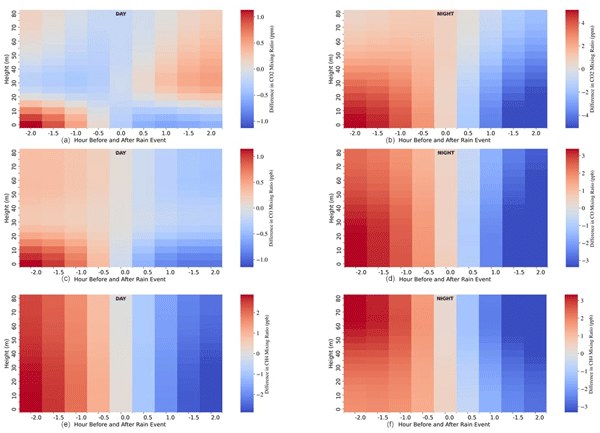
Composite analysis of gas concentration before and after rainfall, during the day and night, gives insight into the complex relationship between trace gas variability and precipitation. The analysis helps us to understand the sources and sinks of trace gases within a forest ecosystem. It elucidates processes that are not discernible under undisturbed conditions and contributes to a deeper understanding of the trace gas life cycle and its intricate interactions with cloud dynamics in the Amazon.
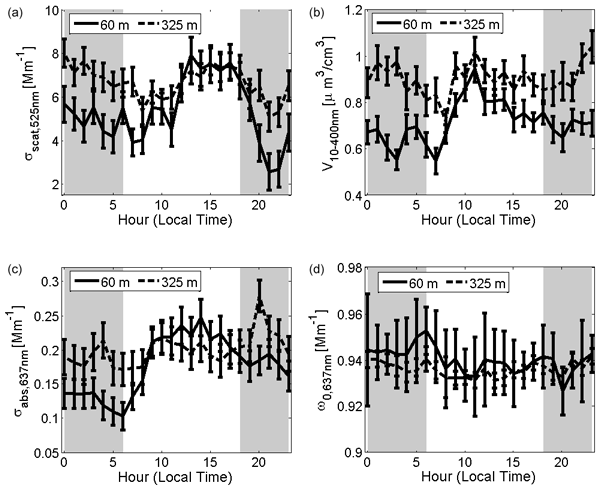
Marco A. Franco, Rafael Valiati, Bruna A. Holanda, Bruno B. Meller, Leslie A. Kremper, Luciana V. Rizzo, Samara Carbone, Fernando G. Morais, Janaína P. Nascimento, Meinrat O. Andreae, Micael A. Cecchini, Luiz A. T. Machado, Milena Ponczek, Ulrich Pöschl, David Walter, Christopher Pöhlker, and Paulo Artaxo
Atmos. Chem. Phys., 24, 8751–8770, https://doi.org/10.5194/acp-24-8751-2024, https://doi.org/10.5194/acp-24-8751-2024, 2024
Short summary
Short summary
The Amazon wet-season atmosphere was studied at the Amazon Tall Tower Observatory site, revealing vertical variations (between 60 and 325 m) in natural aerosols. Daytime mixing contrasted with nighttime stratification, with distinct rain-induced changes in aerosol populations. Notably, optical property recovery at higher levels was faster, while near-canopy aerosols showed higher scattering efficiency. These findings enhance our understanding of aerosol impacts on climate dynamics.
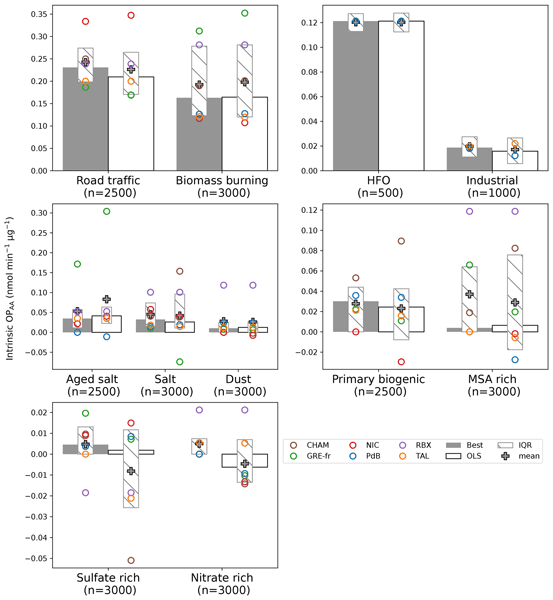
Vy Dinh Ngoc Thuy, Jean-Luc Jaffrezo, Ian Hough, Pamela A. Dominutti, Guillaume Salque Moreton, Grégory Gille, Florie Francony, Arabelle Patron-Anquez, Olivier Favez, and Gaëlle Uzu
Atmos. Chem. Phys., 24, 7261–7282, https://doi.org/10.5194/acp-24-7261-2024, https://doi.org/10.5194/acp-24-7261-2024, 2024
Short summary
Short summary
The capacity of particulate matter (PM) to generate reactive oxygen species in vivo is represented by oxidative potential (OP). This study focuses on finding the appropriate model to evaluate the oxidative character of PM sources in six sites using the PM sources and OP. Eight regression techniques are introduced to assess the OP of PM. The study highlights the importance of selecting a model according to the input data characteristics and establishes some recommendations for the procedure.
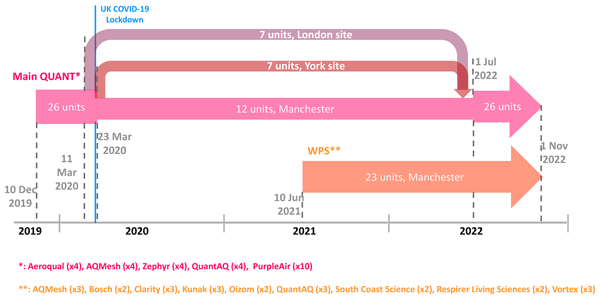
Sebastian Diez, Stuart Lacy, Hugh Coe, Josefina Urquiza, Max Priestman, Michael Flynn, Nicholas Marsden, Nicholas A. Martin, Stefan Gillott, Thomas Bannan, and Pete M. Edwards
Atmos. Meas. Tech., 17, 3809–3827, https://doi.org/10.5194/amt-17-3809-2024, https://doi.org/10.5194/amt-17-3809-2024, 2024
Short summary
Short summary
In this paper we present an overview of the QUANT project, which to our knowledge is one of the largest evaluations of commercial sensors to date. The objective was to evaluate the performance of a range of commercial products and also to nourish the different applications in which these technologies can offer relevant information.
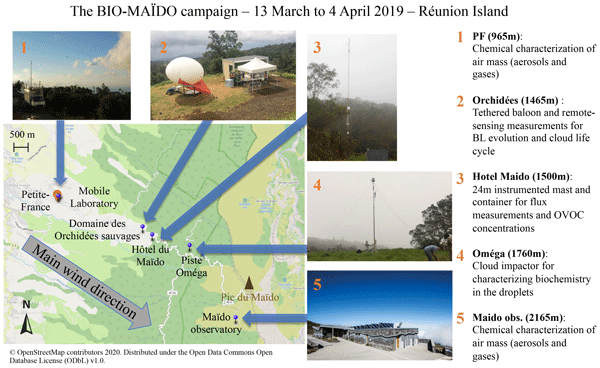
Maud Leriche, Pierre Tulet, Laurent Deguillaume, Frédéric Burnet, Aurélie Colomb, Agnès Borbon, Corinne Jambert, Valentin Duflot, Stéphan Houdier, Jean-Luc Jaffrezo, Mickaël Vaïtilingom, Pamela Dominutti, Manon Rocco, Camille Mouchel-Vallon, Samira El Gdachi, Maxence Brissy, Maroua Fathalli, Nicolas Maury, Bert Verreyken, Crist Amelynck, Niels Schoon, Valérie Gros, Jean-Marc Pichon, Mickael Ribeiro, Eric Pique, Emmanuel Leclerc, Thierry Bourrianne, Axel Roy, Eric Moulin, Joël Barrie, Jean-Marc Metzger, Guillaume Péris, Christian Guadagno, Chatrapatty Bhugwant, Jean-Mathieu Tibere, Arnaud Tournigand, Evelyn Freney, Karine Sellegri, Anne-Marie Delort, Pierre Amato, Muriel Joly, Jean-Luc Baray, Pascal Renard, Angelica Bianco, Anne Réchou, and Guillaume Payen
Atmos. Chem. Phys., 24, 4129–4155, https://doi.org/10.5194/acp-24-4129-2024, https://doi.org/10.5194/acp-24-4129-2024, 2024
Short summary
Short summary
Aerosol particles in the atmosphere play a key role in climate change and air pollution. A large number of aerosol particles are formed from the oxidation of volatile organic compounds (VOCs and secondary organic aerosols – SOA). An important field campaign was organized on Réunion in March–April 2019 to understand the formation of SOA in a tropical atmosphere mostly influenced by VOCs emitted by forest and in the presence of clouds. This work synthesizes the results of this campaign.
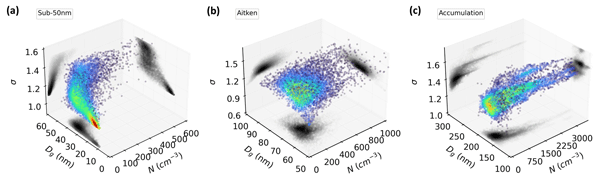
Gabriela R. Unfer, Luiz A. T. Machado, Paulo Artaxo, Marco A. Franco, Leslie A. Kremper, Mira L. Pöhlker, Ulrich Pöschl, and Christopher Pöhlker
Atmos. Chem. Phys., 24, 3869–3882, https://doi.org/10.5194/acp-24-3869-2024, https://doi.org/10.5194/acp-24-3869-2024, 2024
Short summary
Short summary
Amazonian aerosols and their interactions with precipitation were studied by understanding them in a 3D space based on three parameters that characterize the concentration and size distribution of aerosols. The results showed characteristic arrangements regarding seasonal and diurnal cycles, as well as when interacting with precipitation. The use of this 3D space appears to be a promising tool for aerosol population analysis and for model validation and parameterization.
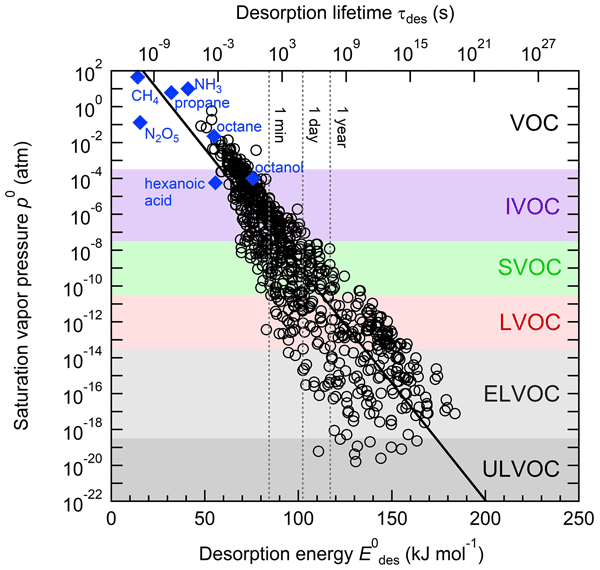
Daniel A. Knopf, Markus Ammann, Thomas Berkemeier, Ulrich Pöschl, and Manabu Shiraiwa
Atmos. Chem. Phys., 24, 3445–3528, https://doi.org/10.5194/acp-24-3445-2024, https://doi.org/10.5194/acp-24-3445-2024, 2024
Short summary
Short summary
The initial step of interfacial and multiphase chemical processes involves adsorption and desorption of gas species. This study demonstrates the role of desorption energy governing the residence time of the gas species at the environmental interface. A parameterization is formulated that enables the prediction of desorption energy based on the molecular weight, polarizability, and oxygen-to-carbon ratio of the desorbing chemical species. Its application to gas–particle interactions is discussed.
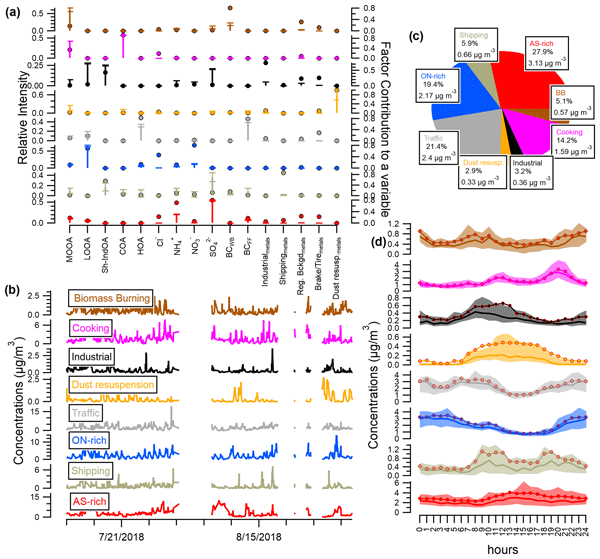
Julie Camman, Benjamin Chazeau, Nicolas Marchand, Amandine Durand, Grégory Gille, Ludovic Lanzi, Jean-Luc Jaffrezo, Henri Wortham, and Gaëlle Uzu
Atmos. Chem. Phys., 24, 3257–3278, https://doi.org/10.5194/acp-24-3257-2024, https://doi.org/10.5194/acp-24-3257-2024, 2024
Short summary
Short summary
Fine particle (PM1) pollution is a major health issue in the city of Marseille, which is subject to numerous pollution sources. Sampling carried out during the summer enabled a fine characterization of the PM1 sources and their oxidative potential, a promising new metric as a proxy for health impact. PM1 came mainly from combustion sources, secondary ammonium sulfate, and organic nitrate, while the oxidative potential of PM1 came from these sources and from resuspended dust in the atmosphere.
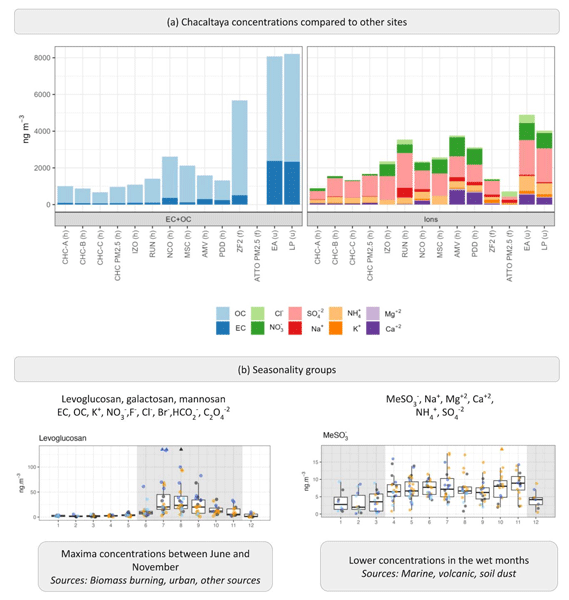
C. Isabel Moreno, Radovan Krejci, Jean-Luc Jaffrezo, Gaëlle Uzu, Andrés Alastuey, Marcos F. Andrade, Valeria Mardóñez, Alkuin Maximilian Koenig, Diego Aliaga, Claudia Mohr, Laura Ticona, Fernando Velarde, Luis Blacutt, Ricardo Forno, David N. Whiteman, Alfred Wiedensohler, Patrick Ginot, and Paolo Laj
Atmos. Chem. Phys., 24, 2837–2860, https://doi.org/10.5194/acp-24-2837-2024, https://doi.org/10.5194/acp-24-2837-2024, 2024
Short summary
Short summary
Aerosol chemical composition (ions, sugars, carbonaceous matter) from 2011 to 2020 was studied at Mt. Chacaltaya (5380 m a.s.l., Bolivian Andes). Minimum concentrations occur in the rainy season with maxima in the dry and transition seasons. The origins of the aerosol are located in a radius of hundreds of kilometers: nearby urban and rural areas, natural biogenic emissions, vegetation burning from Amazonia and Chaco, Pacific Ocean emissions, soil dust, and Peruvian volcanism.
Natalie M. Mahowald, Longlei Li, Julius Vira, Marje Prank, Douglas S. Hamilton, Hitoshi Matsui, Ron L. Miller, Louis Lu, Ezgi Akyuz, Daphne Meidan, Peter Hess, Heikki Lihavainen, Christine Wiedinmyer, Jenny Hand, Maria Grazia Alaimo, Célia Alves, Andres Alastuey, Paulo Artaxo, Africa Barreto, Francisco Barraza, Silvia Becagli, Giulia Calzolai, Shankarararman Chellam, Ying Chen, Patrick Chuang, David D. Cohen, Cristina Colombi, Evangelia Diapouli, Gaetano Dongarra, Konstantinos Eleftheriadis, Corinne Galy-Lacaux, Cassandra Gaston, Dario Gomez, Yenny González Ramos, Hannele Hakola, Roy M. Harrison, Chris Heyes, Barak Herut, Philip Hopke, Christoph Hüglin, Maria Kanakidou, Zsofia Kertesz, Zbiginiw Klimont, Katriina Kyllönen, Fabrice Lambert, Xiaohong Liu, Remi Losno, Franco Lucarelli, Willy Maenhaut, Beatrice Marticorena, Randall V. Martin, Nikolaos Mihalopoulos, Yasser Morera-Gomez, Adina Paytan, Joseph Prospero, Sergio Rodríguez, Patricia Smichowski, Daniela Varrica, Brenna Walsh, Crystal Weagle, and Xi Zhao
Earth Syst. Sci. Data Discuss., https://doi.org/10.5194/essd-2024-1, https://doi.org/10.5194/essd-2024-1, 2024
Preprint withdrawn
Short summary
Short summary
Aerosol particles can interact with incoming solar radiation and outgoing long wave radiation, change cloud properties, affect photochemistry, impact surface air quality, and when deposited impact surface albedo of snow and ice, and modulate carbon dioxide uptake by the land and ocean. Here we present a new compilation of aerosol observations including composition, a methodology for comparing the datasets to model output, and show the implications of these results using one model.
Rolf Müller, Ulrich Pöschl, Thomas Koop, Thomas Peter, and Ken Carslaw
Atmos. Chem. Phys., 23, 15445–15453, https://doi.org/10.5194/acp-23-15445-2023, https://doi.org/10.5194/acp-23-15445-2023, 2023
Short summary
Short summary
Paul J. Crutzen was a pioneer in atmospheric sciences and a kind-hearted, humorous person with empathy for the private lives of his colleagues and students. He made fundamental scientific contributions to a wide range of scientific topics in all parts of the atmosphere. Paul was among the founders of the journal Atmospheric Chemistry and Physics. His work will continue to be a guide for generations of scientists and environmental policymakers to come.
Abd El Rahman El Mais, Barbara D'Anna, Luka Drinovec, Andrew T. Lambe, Zhe Peng, Jean-Eudes Petit, Olivier Favez, Selim Aït-Aïssa, and Alexandre Albinet
Atmos. Chem. Phys., 23, 15077–15096, https://doi.org/10.5194/acp-23-15077-2023, https://doi.org/10.5194/acp-23-15077-2023, 2023
Short summary
Short summary
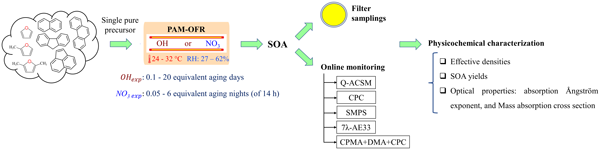
Polycyclic aromatic hydrocarbons (PAHS) and furans are key precursors of secondary organic aerosols (SOAs) related to biomass burning emissions. We evaluated and compared the formation yields, and the physical and light absorption properties, of laboratory-generated SOAs from the oxidation of such compounds for both, day- and nighttime reactivities. The results illustrate that PAHs are large SOA precursors and may contribute significantly to the biomass burning brown carbon in the atmosphere.
Hyun Gu Kang, Yanfang Chen, Yoojin Park, Thomas Berkemeier, and Hwajin Kim
Atmos. Chem. Phys., 23, 14307–14323, https://doi.org/10.5194/acp-23-14307-2023, https://doi.org/10.5194/acp-23-14307-2023, 2023
Short summary
Short summary
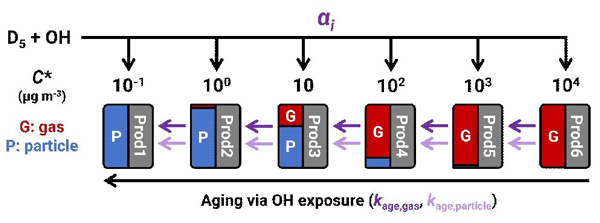
D5 is an emerging anthropogenic pollutant that is ubiquitous in indoor and urban environments, and the OH oxidation of D5 forms secondary organosiloxane aerosol (SOSiA). Application of a kinetic box model that uses a volatility basis set (VBS) showed that consideration of oxidative aging (aging-VBS) predicts SOSiA formation much better than using a standard-VBS model. Ageing-dependent parameterization is needed to accurately model SOSiA to assess the implications of siloxanes for air quality.
Máté Vörösmarty, Gaëlle Uzu, Jean-Luc Jaffrezo, Pamela Dominutti, Zsófia Kertész, Enikő Papp, and Imre Salma
Atmos. Chem. Phys., 23, 14255–14269, https://doi.org/10.5194/acp-23-14255-2023, https://doi.org/10.5194/acp-23-14255-2023, 2023
Short summary
Short summary
Poor air quality caused by high concentrations of particulate matter is one of the most severe public health concerns for humans worldwide. One of the most important biological mechanisms inducing adverse health effects is the oxidant–antioxidant imbalance. We showed that the oxidative stress changed substantially and in a complex manner with location and season. Biomass burning exhibited the dominant influence, while motor vehicles played an important role in the non-heating period.
Adam Milsom, Shaojun Qi, Ashmi Mishra, Thomas Berkemeier, Zhenyu Zhang, and Christian Pfrang
Atmos. Chem. Phys., 23, 10835–10843, https://doi.org/10.5194/acp-23-10835-2023, https://doi.org/10.5194/acp-23-10835-2023, 2023
Short summary
Short summary
Aerosols and films are found indoors and outdoors. Our study measures and models reactions of a cooking aerosol proxy with the atmospheric oxidant ozone relying on a low-cost but sensitive technique based on mass changes and film rigidity. We found that film morphology changed and film rigidity increased with evidence of surface crust formation during ozone exposure. Our modelling results demonstrate clear potential to take this robust method to the field for reaction monitoring.
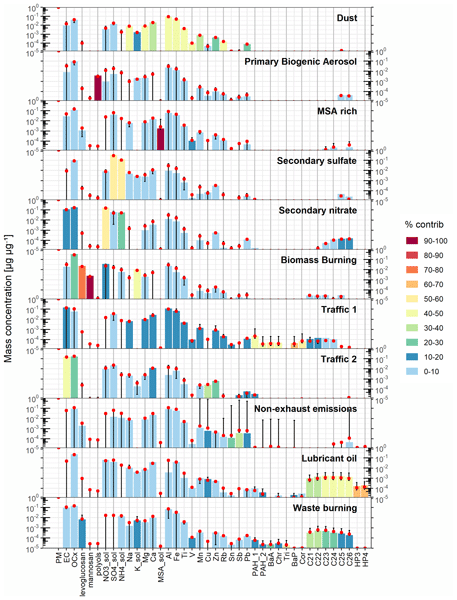
Valeria Mardoñez, Marco Pandolfi, Lucille Joanna S. Borlaza, Jean-Luc Jaffrezo, Andrés Alastuey, Jean-Luc Besombes, Isabel Moreno R., Noemi Perez, Griša Močnik, Patrick Ginot, Radovan Krejci, Vladislav Chrastny, Alfred Wiedensohler, Paolo Laj, Marcos Andrade, and Gaëlle Uzu
Atmos. Chem. Phys., 23, 10325–10347, https://doi.org/10.5194/acp-23-10325-2023, https://doi.org/10.5194/acp-23-10325-2023, 2023
Short summary
Short summary
La Paz and El Alto are two fast-growing, high-altitude Bolivian cities forming the second-largest metropolitan area in the country. The sources of particulate matter (PM) in this conurbation were not previously investigated. This study identified 11 main sources of PM, of which dust and vehicular emissions stand out as the main ones. The influence of regional biomass combustion and local waste combustion was also observed, with the latter being a major source of hazardous compounds.
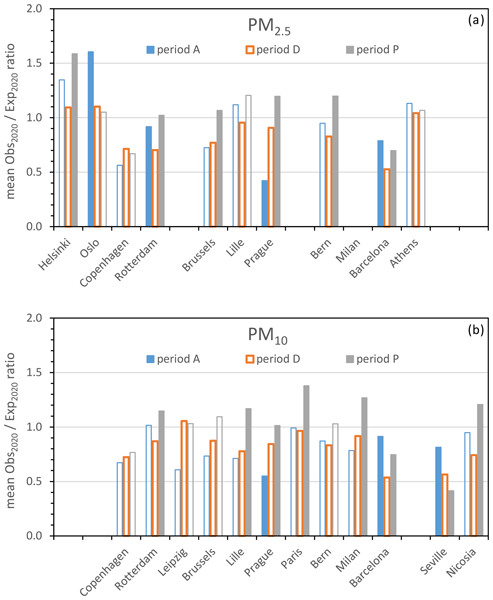
Jean-Philippe Putaud, Enrico Pisoni, Alexander Mangold, Christoph Hueglin, Jean Sciare, Michael Pikridas, Chrysanthos Savvides, Jakub Ondracek, Saliou Mbengue, Alfred Wiedensohler, Kay Weinhold, Maik Merkel, Laurent Poulain, Dominik van Pinxteren, Hartmut Herrmann, Andreas Massling, Claus Nordstroem, Andrés Alastuey, Cristina Reche, Noemí Pérez, Sonia Castillo, Mar Sorribas, Jose Antonio Adame, Tuukka Petaja, Katrianne Lehtipalo, Jarkko Niemi, Véronique Riffault, Joel F. de Brito, Augustin Colette, Olivier Favez, Jean-Eudes Petit, Valérie Gros, Maria I. Gini, Stergios Vratolis, Konstantinos Eleftheriadis, Evangelia Diapouli, Hugo Denier van der Gon, Karl Espen Yttri, and Wenche Aas
Atmos. Chem. Phys., 23, 10145–10161, https://doi.org/10.5194/acp-23-10145-2023, https://doi.org/10.5194/acp-23-10145-2023, 2023
Short summary
Short summary
Many European people are still exposed to levels of air pollution that can affect their health. COVID-19 lockdowns in 2020 were used to assess the impact of the reduction in human mobility on air pollution across Europe by comparing measurement data with values that would be expected if no lockdown had occurred. We show that lockdown measures did not lead to consistent decreases in the concentrations of fine particulate matter suspended in the air, and we investigate why.
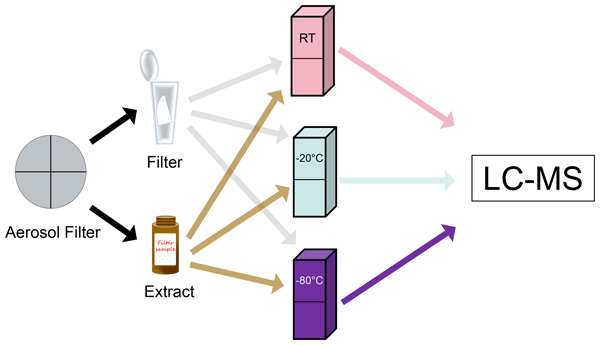
Julian Resch, Kate Wolfer, Alexandre Barth, and Markus Kalberer
Atmos. Chem. Phys., 23, 9161–9171, https://doi.org/10.5194/acp-23-9161-2023, https://doi.org/10.5194/acp-23-9161-2023, 2023
Short summary
Short summary
Detailed chemical analysis of organic aerosols is necessary to better understand their effects on climate and health. Aerosol samples are often stored for days to months before analysis. We examined the effects of storage conditions (i.e., time, temperature, and aerosol storage on filters or as solvent extracts) on composition and found significant changes in the concentration of individual compounds, indicating that sample storage can strongly affect the detailed chemical particle composition.
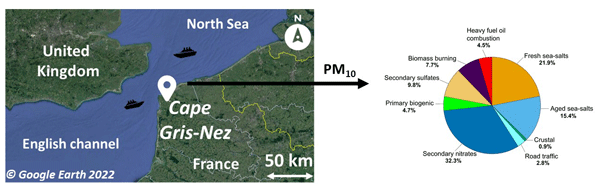
Frédéric Ledoux, Cloé Roche, Gilles Delmaire, Gilles Roussel, Olivier Favez, Marc Fadel, and Dominique Courcot
Atmos. Chem. Phys., 23, 8607–8622, https://doi.org/10.5194/acp-23-8607-2023, https://doi.org/10.5194/acp-23-8607-2023, 2023
Short summary
Short summary
We quantify the emissions from the marine sector in northern France, whether from natural or human-made sources. Therefore, a 1-year PM10 sampling campaign was conducted at a French coastal site. Results showed that sea salts contributed 37 %, while secondary nitrate and sulfate contributed 42 %, biomass burning 8 %, and heavy-fuel-oil combustion from shipping emissions 5 %. Sources contributing more than 80 % of PM10 are of regional and/or long-range origin.
Samira Atabakhsh, Laurent Poulain, Gang Chen, Francesco Canonaco, André S. H. Prévôt, Mira Pöhlker, Alfred Wiedensohler, and Hartmut Herrmann
Atmos. Chem. Phys., 23, 6963–6988, https://doi.org/10.5194/acp-23-6963-2023, https://doi.org/10.5194/acp-23-6963-2023, 2023
Short summary
Short summary
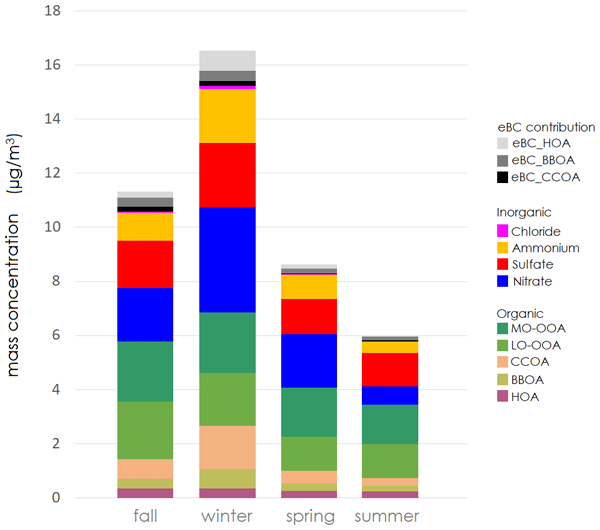
The study focuses on the aerosol chemical variations found in the rural-background station of Melpitz based on ACSM and MAAP measurements. Source apportionment on both organic aerosol (OA) and black carbon (eBC) was performed, and source seasonality was also linked to air mass trajectories. Overall, three anthropogenic sources were identified in OA and eBC plus two additional aged OA. Our results demonstrate the influence of transported coal-combustion-related OA even during summer time.
Najin Kim, Hang Su, Nan Ma, Ulrich Pöschl, and Yafang Cheng
Atmos. Meas. Tech., 16, 2771–2780, https://doi.org/10.5194/amt-16-2771-2023, https://doi.org/10.5194/amt-16-2771-2023, 2023
Short summary
Short summary
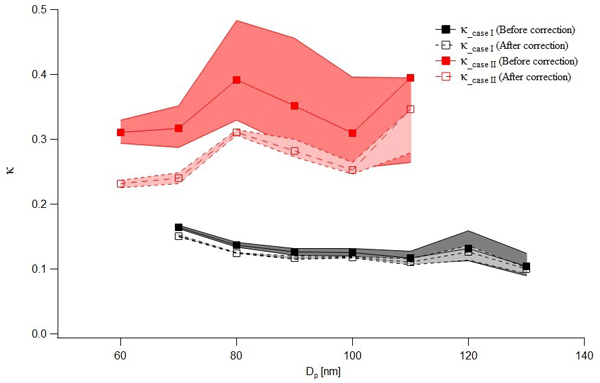
We propose a multiple-charging correction algorithm for a broad-supersaturation scanning cloud condensation nuclei (BS2-CCN) system which can obtain high time-resolution aerosol hygroscopicity and CCN activity. The correction algorithm aims at deriving the activation fraction's true value for each particle size. The meaningful differences between corrected and original κ values (single hygroscopicity parameter) emphasize the correction algorithm's importance for ambient aerosol measurement.
Battist Utinger, Steven John Campbell, Nicolas Bukowiecki, Alexandre Barth, Benjamin Gfeller, Ray Freshwater, Hans-Rudolf Rüegg, and Markus Kalberer
Atmos. Meas. Tech., 16, 2641–2654, https://doi.org/10.5194/amt-16-2641-2023, https://doi.org/10.5194/amt-16-2641-2023, 2023
Short summary
Short summary
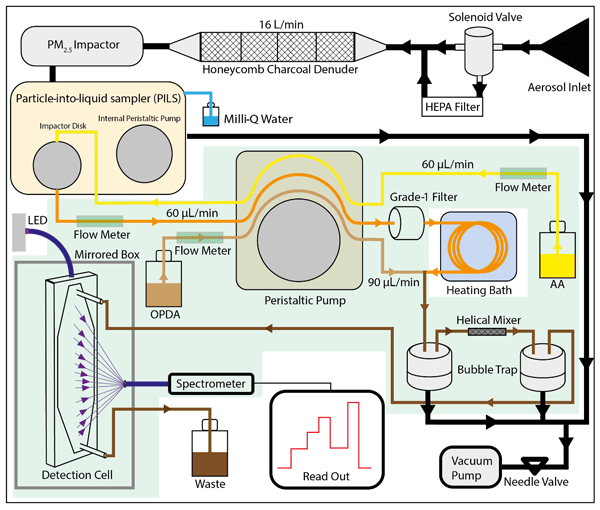
Exposure to atmospheric aerosols can lead to adverse health effect, but particle components responsible for this are unknown. Redox-active compounds, some with very short lifetimes, are considered to be a toxic class of compounds in particles. We developed the first online field instrument to quantify short-lived and stable redox-active compounds with a physiological assay based on ascorbic acid and a high time resolution and detection limits to allow measurements at unpolluted locations.
Leïla Simon, Valérie Gros, Jean-Eudes Petit, François Truong, Roland Sarda-Estève, Carmen Kalalian, Alexia Baudic, Caroline Marchand, and Olivier Favez
Earth Syst. Sci. Data, 15, 1947–1968, https://doi.org/10.5194/essd-15-1947-2023, https://doi.org/10.5194/essd-15-1947-2023, 2023
Short summary
Short summary
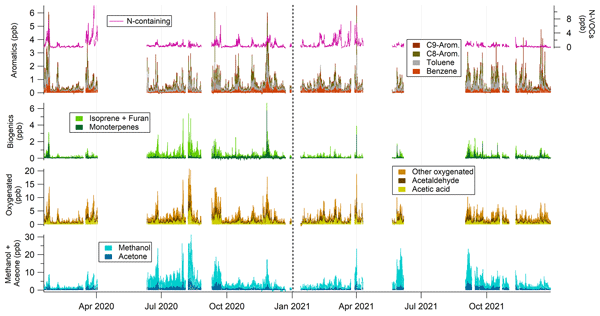
Long-term measurements of volatile organic compounds (VOCs) have been set up to better characterize the atmospheric chemistry at the SIRTA national facility (Paris area, France). Results obtained from the first 2 years (2020–2021) confirm the importance of local sources for short-lived compounds and the role played by meteorology and air mass origins in the long-term analysis of VOCs. They also point to a substantial influence of anthropogenic on the monoterpene loadings.
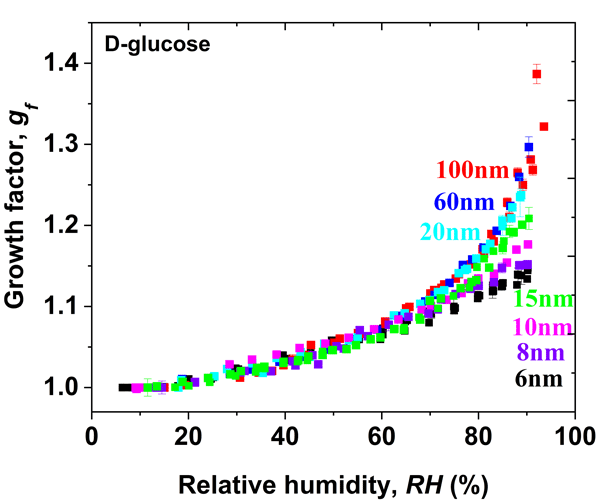
Ting Lei, Hang Su, Nan Ma, Ulrich Pöschl, Alfred Wiedensohler, and Yafang Cheng
Atmos. Chem. Phys., 23, 4763–4774, https://doi.org/10.5194/acp-23-4763-2023, https://doi.org/10.5194/acp-23-4763-2023, 2023
Short summary
Short summary
We investigate the hygroscopic behavior of levoglucosan and D-glucose nanoparticles using a nano-HTDMA. There is a weak size dependence of the hygroscopic growth factor of levoglucosan and D-glucose with diameters down to 20 nm, while a strong size dependence of the hygroscopic growth factor of D-glucose has been clearly observed in the size range 6 to 20 nm. The use of the DKA method leads to good agreement with the hygroscopic growth factor of glucose nanoparticles with diameters down to 6 nm.
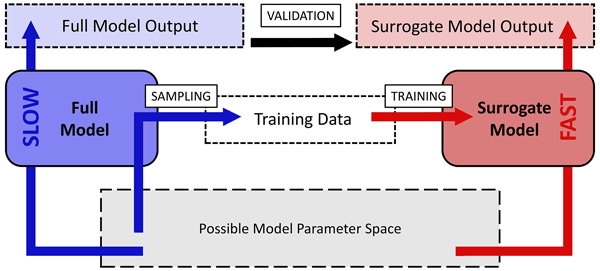
Thomas Berkemeier, Matteo Krüger, Aryeh Feinberg, Marcel Müller, Ulrich Pöschl, and Ulrich K. Krieger
Geosci. Model Dev., 16, 2037–2054, https://doi.org/10.5194/gmd-16-2037-2023, https://doi.org/10.5194/gmd-16-2037-2023, 2023
Short summary
Short summary
Kinetic multi-layer models (KMs) successfully describe heterogeneous and multiphase atmospheric chemistry. In applications requiring repeated execution, however, these models can be too expensive. We trained machine learning surrogate models on output of the model KM-SUB and achieved high correlations. The surrogate models run orders of magnitude faster, which suggests potential applicability in global optimization tasks and as sub-modules in large-scale atmospheric models.
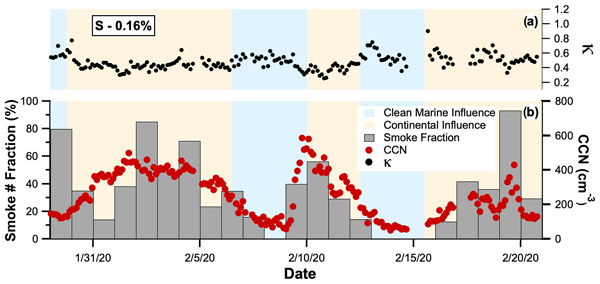
Haley M. Royer, Mira L. Pöhlker, Ovid Krüger, Edmund Blades, Peter Sealy, Nurun Nahar Lata, Zezhen Cheng, Swarup China, Andrew P. Ault, Patricia K. Quinn, Paquita Zuidema, Christopher Pöhlker, Ulrich Pöschl, Meinrat Andreae, and Cassandra J. Gaston
Atmos. Chem. Phys., 23, 981–998, https://doi.org/10.5194/acp-23-981-2023, https://doi.org/10.5194/acp-23-981-2023, 2023
Short summary
Short summary
This paper presents atmospheric particle chemical composition and measurements of aerosol water uptake properties collected at Ragged Point, Barbados, during the winter of 2020. The result of this study indicates the importance of small African smoke particles for cloud droplet formation in the tropical North Atlantic and highlights the large spatial and temporal pervasiveness of smoke over the Atlantic Ocean.
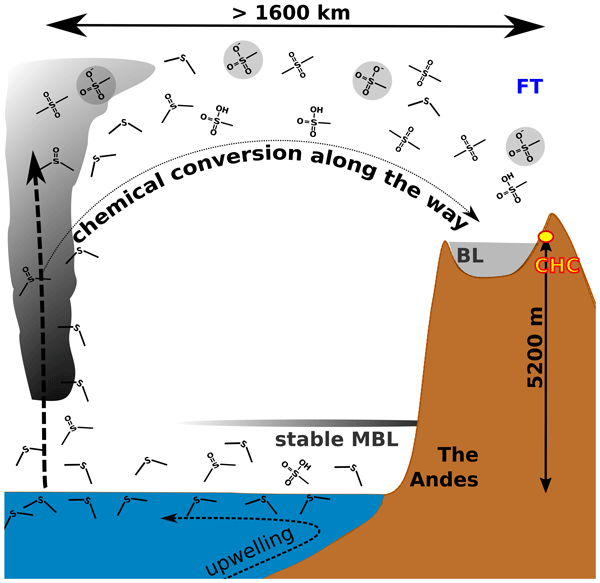
Wiebke Scholz, Jiali Shen, Diego Aliaga, Cheng Wu, Samara Carbone, Isabel Moreno, Qiaozhi Zha, Wei Huang, Liine Heikkinen, Jean Luc Jaffrezo, Gaelle Uzu, Eva Partoll, Markus Leiminger, Fernando Velarde, Paolo Laj, Patrick Ginot, Paolo Artaxo, Alfred Wiedensohler, Markku Kulmala, Claudia Mohr, Marcos Andrade, Victoria Sinclair, Federico Bianchi, and Armin Hansel
Atmos. Chem. Phys., 23, 895–920, https://doi.org/10.5194/acp-23-895-2023, https://doi.org/10.5194/acp-23-895-2023, 2023
Short summary
Short summary
Dimethyl sulfide (DMS), emitted from the ocean, is the most abundant biogenic sulfur emission into the atmosphere. OH radicals, among others, can oxidize DMS to sulfuric and methanesulfonic acid, which are relevant for aerosol formation. We quantified DMS and nearly all DMS oxidation products with novel mass spectrometric instruments for gas and particle phase at the high mountain station Chacaltaya (5240 m a.s.l.) in the Bolivian Andes in free tropospheric air after long-range transport.
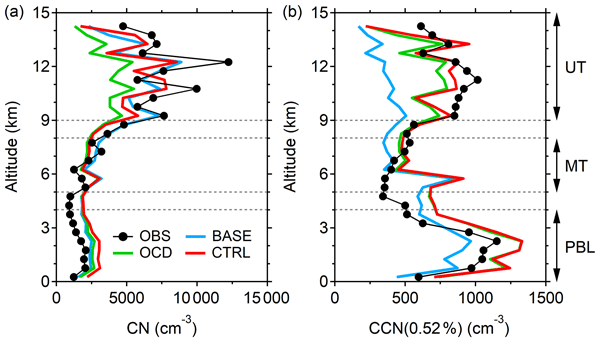
Yunfan Liu, Hang Su, Siwen Wang, Chao Wei, Wei Tao, Mira L. Pöhlker, Christopher Pöhlker, Bruna A. Holanda, Ovid O. Krüger, Thorsten Hoffmann, Manfred Wendisch, Paulo Artaxo, Ulrich Pöschl, Meinrat O. Andreae, and Yafang Cheng
Atmos. Chem. Phys., 23, 251–272, https://doi.org/10.5194/acp-23-251-2023, https://doi.org/10.5194/acp-23-251-2023, 2023
Short summary
Short summary
The origins of the abundant cloud condensation nuclei (CCN) in the upper troposphere (UT) of the Amazon remain unclear. With model developments of new secondary organic aerosol schemes and constrained by observation, we show that strong aerosol nucleation and condensation in the UT is triggered by biogenic organics, and organic condensation is key for UT CCN production. This UT CCN-producing mechanism may prevail over broader vegetation canopies and deserves emphasis in aerosol–climate feedback.
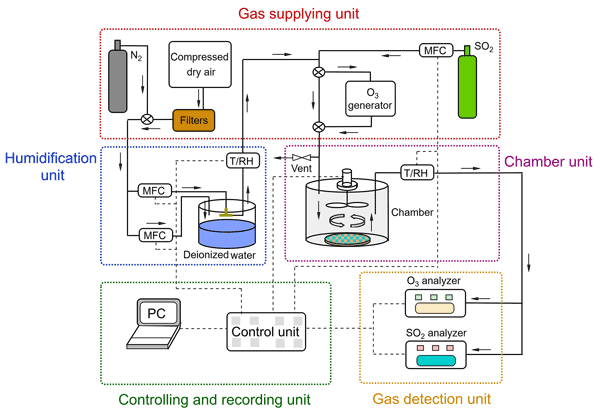
Guo Li, Hang Su, Meng Li, Uwe Kuhn, Guangjie Zheng, Lei Han, Fengxia Bao, Ulrich Pöschl, and Yafang Cheng
Atmos. Meas. Tech., 15, 6433–6446, https://doi.org/10.5194/amt-15-6433-2022, https://doi.org/10.5194/amt-15-6433-2022, 2022
Short summary
Short summary
A large fraction of previous work using dynamic flow chambers was to quantify gas exchange in terms of flux or deposition/emission rate. Here, we extended the usage of this technique to examine uptake kinetics on sample surfaces. The good performance of the chamber system was validated. This technique can be further used for liquid samples and real atmospheric aerosol samples without complicated coating procedures, which complements the existing techniques in atmospheric kinetic studies.
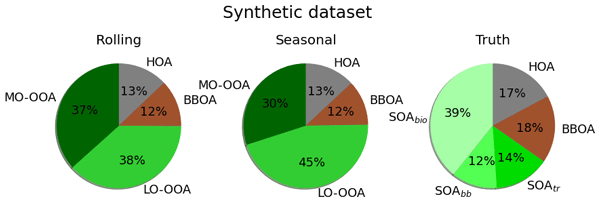
Marta Via, Gang Chen, Francesco Canonaco, Kaspar R. Daellenbach, Benjamin Chazeau, Hasna Chebaicheb, Jianhui Jiang, Hannes Keernik, Chunshui Lin, Nicolas Marchand, Cristina Marin, Colin O'Dowd, Jurgita Ovadnevaite, Jean-Eudes Petit, Michael Pikridas, Véronique Riffault, Jean Sciare, Jay G. Slowik, Leïla Simon, Jeni Vasilescu, Yunjiang Zhang, Olivier Favez, André S. H. Prévôt, Andrés Alastuey, and María Cruz Minguillón
Atmos. Meas. Tech., 15, 5479–5495, https://doi.org/10.5194/amt-15-5479-2022, https://doi.org/10.5194/amt-15-5479-2022, 2022
Short summary
Short summary
This work presents the differences resulting from two techniques (rolling and seasonal) of the positive matrix factorisation model that can be run for organic aerosol source apportionment. The current state of the art suggests that the rolling technique is more accurate, but no proof of its effectiveness has been provided yet. This paper tackles this issue in the context of a synthetic dataset and a multi-site real-world comparison.
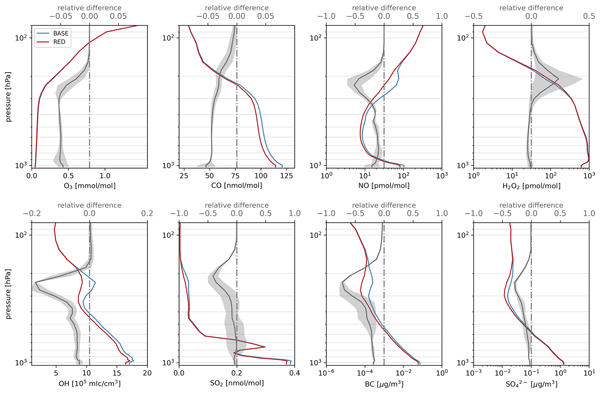
Simon F. Reifenberg, Anna Martin, Matthias Kohl, Sara Bacer, Zaneta Hamryszczak, Ivan Tadic, Lenard Röder, Daniel J. Crowley, Horst Fischer, Katharina Kaiser, Johannes Schneider, Raphael Dörich, John N. Crowley, Laura Tomsche, Andreas Marsing, Christiane Voigt, Andreas Zahn, Christopher Pöhlker, Bruna A. Holanda, Ovid Krüger, Ulrich Pöschl, Mira Pöhlker, Patrick Jöckel, Marcel Dorf, Ulrich Schumann, Jonathan Williams, Birger Bohn, Joachim Curtius, Hardwig Harder, Hans Schlager, Jos Lelieveld, and Andrea Pozzer
Atmos. Chem. Phys., 22, 10901–10917, https://doi.org/10.5194/acp-22-10901-2022, https://doi.org/10.5194/acp-22-10901-2022, 2022
Short summary
Short summary
In this work we use a combination of observational data from an aircraft campaign and model results to investigate the effect of the European lockdown due to COVID-19 in spring 2020. Using model results, we show that the largest relative changes to the atmospheric composition caused by the reduced emissions are located in the upper troposphere around aircraft cruise altitude, while the largest absolute changes are present at the surface.
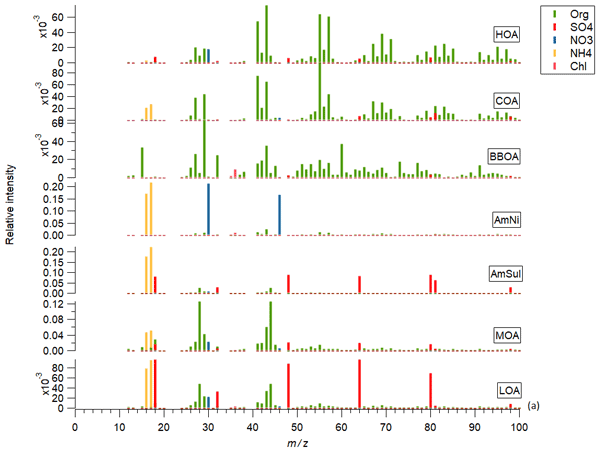
Olga Zografou, Maria Gini, Manousos I. Manousakas, Gang Chen, Athina C. Kalogridis, Evangelia Diapouli, Athina Pappa, and Konstantinos Eleftheriadis
Atmos. Meas. Tech., 15, 4675–4692, https://doi.org/10.5194/amt-15-4675-2022, https://doi.org/10.5194/amt-15-4675-2022, 2022
Short summary
Short summary
A yearlong ToF-ACSM dataset was used to characterize ambient aerosols over a suburban Athenian site, and innovative software for source apportionment was implemented in order to distinguish the sources of the total non-refractory species of PM1. A comparison between the methodology of combined organic and inorganic PMF analysis and the conventional organic PMF took place.
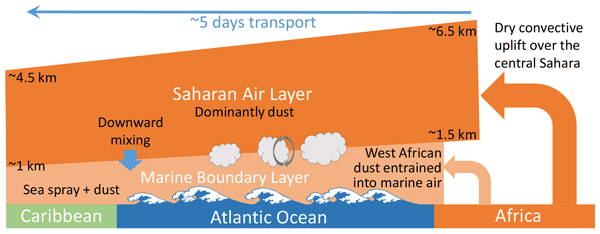
Alexander D. Harrison, Daniel O'Sullivan, Michael P. Adams, Grace C. E. Porter, Edmund Blades, Cherise Brathwaite, Rebecca Chewitt-Lucas, Cassandra Gaston, Rachel Hawker, Ovid O. Krüger, Leslie Neve, Mira L. Pöhlker, Christopher Pöhlker, Ulrich Pöschl, Alberto Sanchez-Marroquin, Andrea Sealy, Peter Sealy, Mark D. Tarn, Shanice Whitehall, James B. McQuaid, Kenneth S. Carslaw, Joseph M. Prospero, and Benjamin J. Murray
Atmos. Chem. Phys., 22, 9663–9680, https://doi.org/10.5194/acp-22-9663-2022, https://doi.org/10.5194/acp-22-9663-2022, 2022
Short summary
Short summary
The formation of ice in clouds fundamentally alters cloud properties; hence it is important we understand the special aerosol particles that can nucleate ice when immersed in supercooled cloud droplets. In this paper we show that African desert dust that has travelled across the Atlantic to the Caribbean nucleates ice much less well than we might have expected.
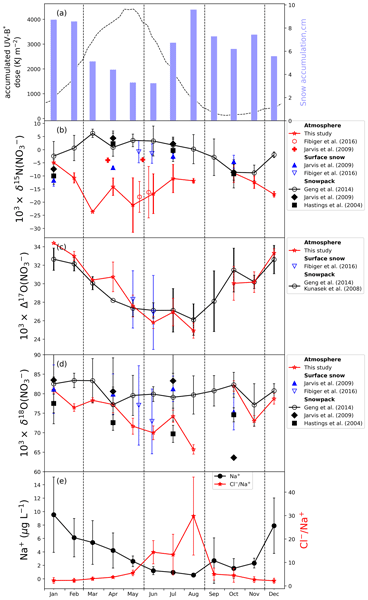
Zhuang Jiang, Joel Savarino, Becky Alexander, Joseph Erbland, Jean-Luc Jaffrezo, and Lei Geng
The Cryosphere, 16, 2709–2724, https://doi.org/10.5194/tc-16-2709-2022, https://doi.org/10.5194/tc-16-2709-2022, 2022
Short summary
Short summary
A record of year-round atmospheric nitrate isotopic composition along with snow nitrate isotopic data from Summit, Greenland, revealed apparent enrichments in nitrogen isotopes in snow nitrate compared to atmospheric nitrate, in addition to a relatively smaller degree of changes in oxygen isotopes. The results suggest that at this site post-depositional processing takes effect, which should be taken into account when interpreting ice-core nitrate isotope records.
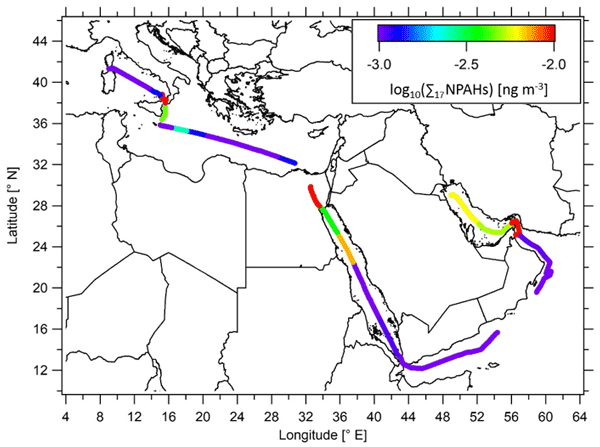
Marco Wietzoreck, Marios Kyprianou, Benjamin A. Musa Bandowe, Siddika Celik, John N. Crowley, Frank Drewnick, Philipp Eger, Nils Friedrich, Minas Iakovides, Petr Kukučka, Jan Kuta, Barbora Nežiková, Petra Pokorná, Petra Přibylová, Roman Prokeš, Roland Rohloff, Ivan Tadic, Sebastian Tauer, Jake Wilson, Hartwig Harder, Jos Lelieveld, Ulrich Pöschl, Euripides G. Stephanou, and Gerhard Lammel
Atmos. Chem. Phys., 22, 8739–8766, https://doi.org/10.5194/acp-22-8739-2022, https://doi.org/10.5194/acp-22-8739-2022, 2022
Short summary
Short summary
A unique dataset of concentrations and sources of polycyclic aromatic hydrocarbons (PAHs) and their alkylated, oxygenated and nitrated derivatives, in total 74 individual species, in the marine atmosphere is presented. Exposure to these substances poses a major health risk. We found very low concentrations over the Arabian Sea, while both local and long-range-transported pollution caused elevated levels over the Mediterranean Sea and the Arabian Gulf.
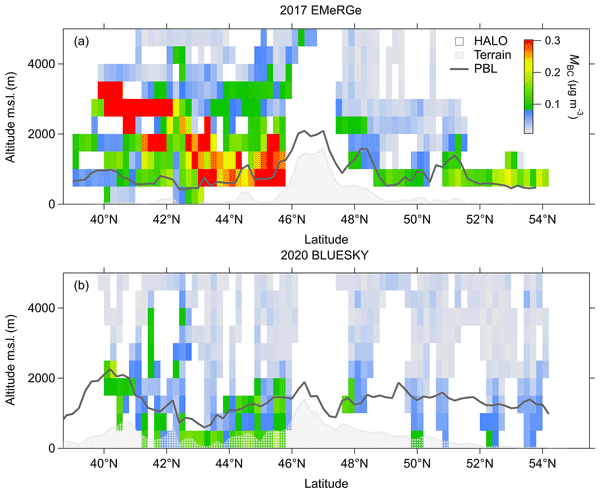
Ovid O. Krüger, Bruna A. Holanda, Sourangsu Chowdhury, Andrea Pozzer, David Walter, Christopher Pöhlker, Maria Dolores Andrés Hernández, John P. Burrows, Christiane Voigt, Jos Lelieveld, Johannes Quaas, Ulrich Pöschl, and Mira L. Pöhlker
Atmos. Chem. Phys., 22, 8683–8699, https://doi.org/10.5194/acp-22-8683-2022, https://doi.org/10.5194/acp-22-8683-2022, 2022
Short summary
Short summary
The abrupt reduction in human activities during the first COVID-19 lockdown created unprecedented atmospheric conditions. We took the opportunity to quantify changes in black carbon (BC) as a major anthropogenic air pollutant. Therefore, we measured BC on board a research aircraft over Europe during the lockdown and compared the results to measurements from 2017. With model simulations we account for different weather conditions and find a lockdown-related decrease in BC of 41 %.
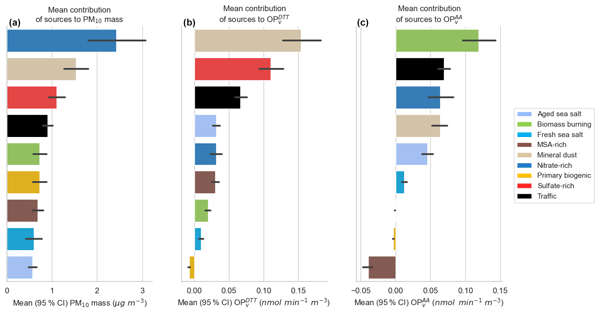
Lucille Joanna Borlaza, Samuël Weber, Anouk Marsal, Gaëlle Uzu, Véronique Jacob, Jean-Luc Besombes, Mélodie Chatain, Sébastien Conil, and Jean-Luc Jaffrezo
Atmos. Chem. Phys., 22, 8701–8723, https://doi.org/10.5194/acp-22-8701-2022, https://doi.org/10.5194/acp-22-8701-2022, 2022
Short summary
Short summary
A 9-year dataset of the chemical and oxidative potential (OP) of PM10 was investigated at a rural background site. Extensive source apportionment led to identification of differences in source impacts between mass and OP, underlining the importance of PM redox activity when considering health effects. The influence of mixing and ageing processes was also tackled. Traffic contributions have decreased here over the years, attributed to regulations limiting vehicular emissions in bigger cities.
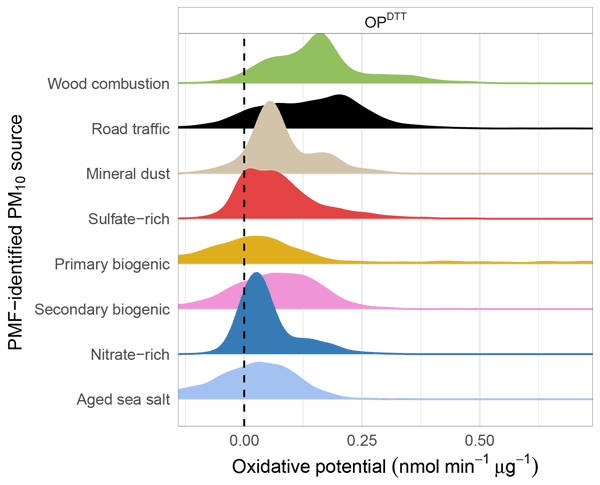
Stuart K. Grange, Gaëlle Uzu, Samuël Weber, Jean-Luc Jaffrezo, and Christoph Hueglin
Atmos. Chem. Phys., 22, 7029–7050, https://doi.org/10.5194/acp-22-7029-2022, https://doi.org/10.5194/acp-22-7029-2022, 2022
Short summary
Short summary
Oxidative potential (OP), a biologically relevant metric for particulate matter (PM), was linked to PM10 and PM2.5 sources and constituents across Switzerland between 2018 and 2019. Wood burning and non-exhaust traffic emissions were identified as key processes that led to enhanced OP. Therefore, the make-up of the PM mix was very important for OP. The results highlight the importance of the management of wood burning and non-exhaust emissions to reduce OP, and presumably biological harm.
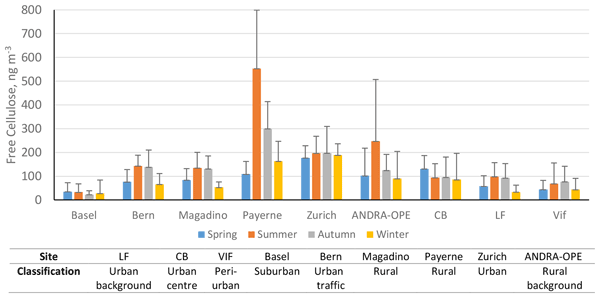
Adam Brighty, Véronique Jacob, Gaëlle Uzu, Lucille Borlaza, Sébastien Conil, Christoph Hueglin, Stuart K. Grange, Olivier Favez, Cécile Trébuchon, and Jean-Luc Jaffrezo
Atmos. Chem. Phys., 22, 6021–6043, https://doi.org/10.5194/acp-22-6021-2022, https://doi.org/10.5194/acp-22-6021-2022, 2022
Short summary
Short summary
With an revised analytical method and long-term sampling strategy, we have been able to elucidate much more information about atmospheric plant debris, a poorly understood class of particulate matter. We found weaker seasonal patterns at urban locations compared to rural locations and significant interannual variability in concentrations between previous years and 2020, during the COVID-19 pandemic. This suggests a possible man-made influence on plant debris concentration and source strength.
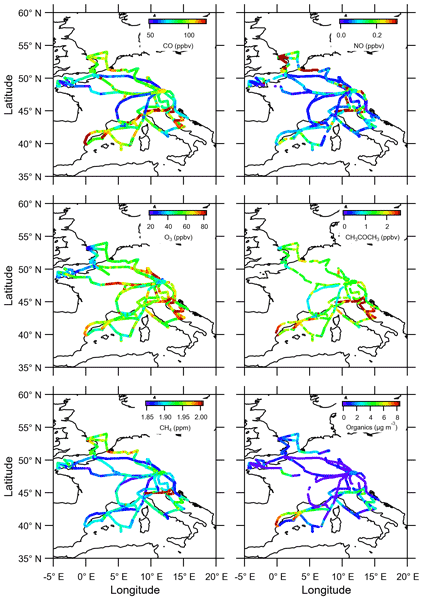
M. Dolores Andrés Hernández, Andreas Hilboll, Helmut Ziereis, Eric Förster, Ovid O. Krüger, Katharina Kaiser, Johannes Schneider, Francesca Barnaba, Mihalis Vrekoussis, Jörg Schmidt, Heidi Huntrieser, Anne-Marlene Blechschmidt, Midhun George, Vladyslav Nenakhov, Theresa Harlass, Bruna A. Holanda, Jennifer Wolf, Lisa Eirenschmalz, Marc Krebsbach, Mira L. Pöhlker, Anna B. Kalisz Hedegaard, Linlu Mei, Klaus Pfeilsticker, Yangzhuoran Liu, Ralf Koppmann, Hans Schlager, Birger Bohn, Ulrich Schumann, Andreas Richter, Benjamin Schreiner, Daniel Sauer, Robert Baumann, Mariano Mertens, Patrick Jöckel, Markus Kilian, Greta Stratmann, Christopher Pöhlker, Monica Campanelli, Marco Pandolfi, Michael Sicard, José L. Gómez-Amo, Manuel Pujadas, Katja Bigge, Flora Kluge, Anja Schwarz, Nikos Daskalakis, David Walter, Andreas Zahn, Ulrich Pöschl, Harald Bönisch, Stephan Borrmann, Ulrich Platt, and John P. Burrows
Atmos. Chem. Phys., 22, 5877–5924, https://doi.org/10.5194/acp-22-5877-2022, https://doi.org/10.5194/acp-22-5877-2022, 2022
Short summary
Short summary
EMeRGe provides a unique set of in situ and remote sensing airborne measurements of trace gases and aerosol particles along selected flight routes in the lower troposphere over Europe. The interpretation uses also complementary collocated ground-based and satellite measurements. The collected data help to improve the current understanding of the complex spatial distribution of trace gases and aerosol particles resulting from mixing, transport, and transformation of pollution plumes over Europe.
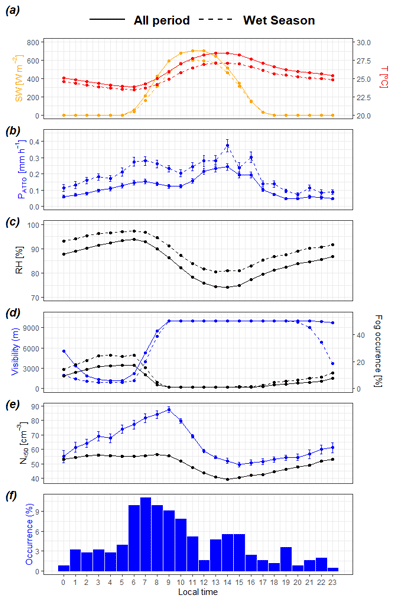
Marco A. Franco, Florian Ditas, Leslie A. Kremper, Luiz A. T. Machado, Meinrat O. Andreae, Alessandro Araújo, Henrique M. J. Barbosa, Joel F. de Brito, Samara Carbone, Bruna A. Holanda, Fernando G. Morais, Janaína P. Nascimento, Mira L. Pöhlker, Luciana V. Rizzo, Marta Sá, Jorge Saturno, David Walter, Stefan Wolff, Ulrich Pöschl, Paulo Artaxo, and Christopher Pöhlker
Atmos. Chem. Phys., 22, 3469–3492, https://doi.org/10.5194/acp-22-3469-2022, https://doi.org/10.5194/acp-22-3469-2022, 2022
Short summary
Short summary
In Central Amazonia, new particle formation in the planetary boundary layer is rare. Instead, there is the appearance of sub-50 nm aerosols with diameters larger than about 20 nm that eventually grow to cloud condensation nuclei size range. Here, 254 growth events were characterized which have higher predominance in the wet season. About 70 % of them showed direct relation to convective downdrafts, while 30 % occurred partly under clear-sky conditions, evidencing still unknown particle sources.
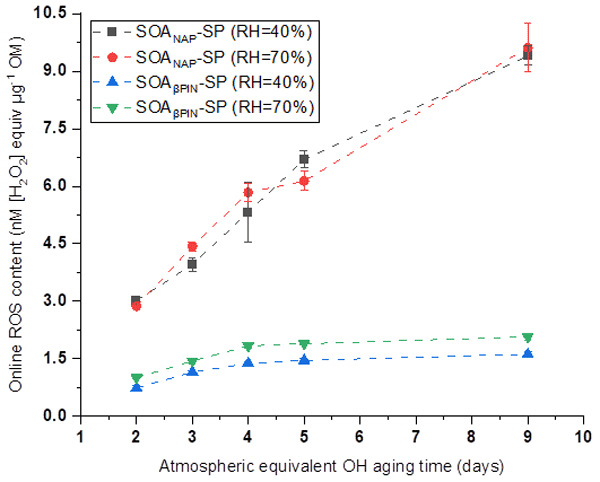
Zhi-Hui Zhang, Elena Hartner, Battist Utinger, Benjamin Gfeller, Andreas Paul, Martin Sklorz, Hendryk Czech, Bin Xia Yang, Xin Yi Su, Gert Jakobi, Jürgen Orasche, Jürgen Schnelle-Kreis, Seongho Jeong, Thomas Gröger, Michal Pardo, Thorsten Hohaus, Thomas Adam, Astrid Kiendler-Scharr, Yinon Rudich, Ralf Zimmermann, and Markus Kalberer
Atmos. Chem. Phys., 22, 1793–1809, https://doi.org/10.5194/acp-22-1793-2022, https://doi.org/10.5194/acp-22-1793-2022, 2022
Short summary
Short summary
Using a novel setup, we comprehensively characterized the formation of particle-bound reactive oxygen species (ROS) in anthropogenic and biogenic secondary organic aerosols (SOAs). We found that more than 90 % of all ROS components in both SOA types have a short lifetime. Our results also show that photochemical aging promotes particle-bound ROS production and enhances the oxidative potential of the aerosols. We found consistent results between chemical-based and biological-based ROS analyses.
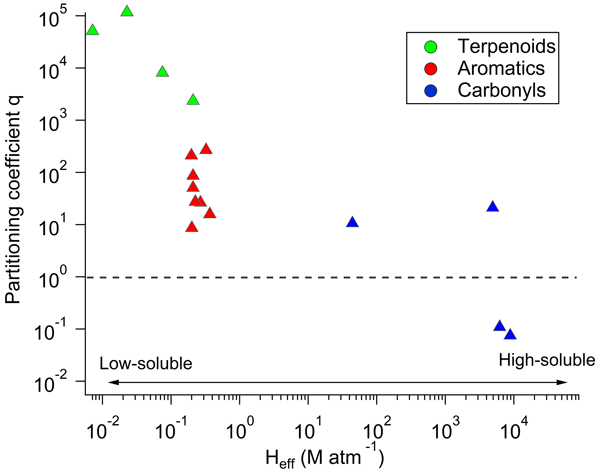
Pamela A. Dominutti, Pascal Renard, Mickaël Vaïtilingom, Angelica Bianco, Jean-Luc Baray, Agnès Borbon, Thierry Bourianne, Frédéric Burnet, Aurélie Colomb, Anne-Marie Delort, Valentin Duflot, Stephan Houdier, Jean-Luc Jaffrezo, Muriel Joly, Martin Leremboure, Jean-Marc Metzger, Jean-Marc Pichon, Mickaël Ribeiro, Manon Rocco, Pierre Tulet, Anthony Vella, Maud Leriche, and Laurent Deguillaume
Atmos. Chem. Phys., 22, 505–533, https://doi.org/10.5194/acp-22-505-2022, https://doi.org/10.5194/acp-22-505-2022, 2022
Short summary
Short summary
We present here the results obtained during an intensive field campaign conducted in March to April 2019 in Reunion. Our study integrates a comprehensive chemical and microphysical characterization of cloud water. Our investigations reveal that air mass history and cloud microphysical properties do not fully explain the variability observed in their chemical composition. This highlights the complexity of emission sources, multiphasic exchanges, and transformations in clouds.
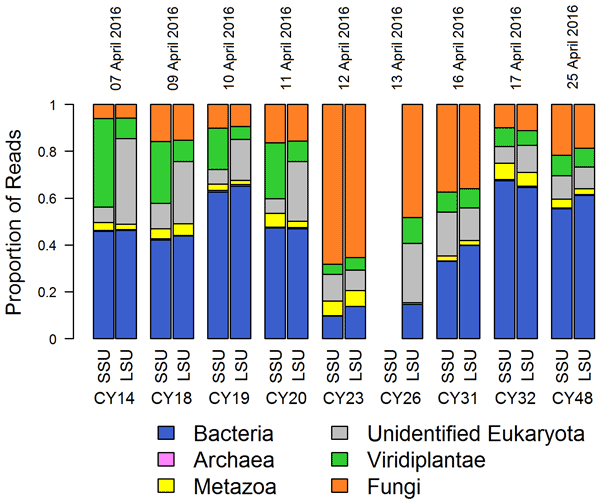
Kai Tang, Beatriz Sánchez-Parra, Petya Yordanova, Jörn Wehking, Anna T. Backes, Daniel A. Pickersgill, Stefanie Maier, Jean Sciare, Ulrich Pöschl, Bettina Weber, and Janine Fröhlich-Nowoisky
Biogeosciences, 19, 71–91, https://doi.org/10.5194/bg-19-71-2022, https://doi.org/10.5194/bg-19-71-2022, 2022
Short summary
Short summary
Metagenomic sequencing and freezing experiments of aerosol samples collected on Cyprus revealed rain-related short-term changes of bioaerosol and ice nuclei composition. Filtration experiments showed a rain-related enhancement of biological ice nuclei > 5 µm and < 0.1 µm. The observed effects of rainfall on the composition of atmospheric bioaerosols and ice nuclei may influence the hydrological cycle as well as the health effects of air particulate matter (pathogens, allergens).
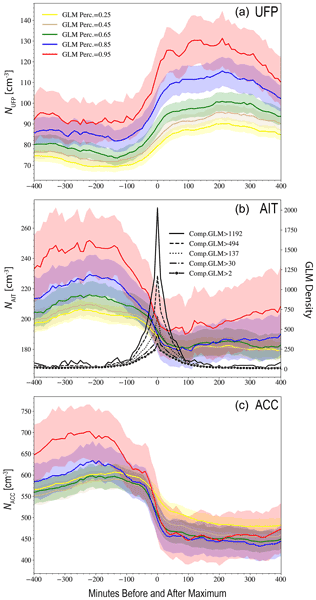
Luiz A. T. Machado, Marco A. Franco, Leslie A. Kremper, Florian Ditas, Meinrat O. Andreae, Paulo Artaxo, Micael A. Cecchini, Bruna A. Holanda, Mira L. Pöhlker, Ivan Saraiva, Stefan Wolff, Ulrich Pöschl, and Christopher Pöhlker
Atmos. Chem. Phys., 21, 18065–18086, https://doi.org/10.5194/acp-21-18065-2021, https://doi.org/10.5194/acp-21-18065-2021, 2021
Short summary
Short summary
Several studies evaluate aerosol–cloud interactions, but only a few attempted to describe how clouds modify aerosol properties. This study evaluates the effect of weather events on the particle size distribution at the ATTO, combining remote sensing and in situ data. Ultrafine, Aitken and accumulation particles modes have different behaviors for the diurnal cycle and for rainfall events. This study opens up new scientific questions that need to be pursued in detail in new field campaigns.
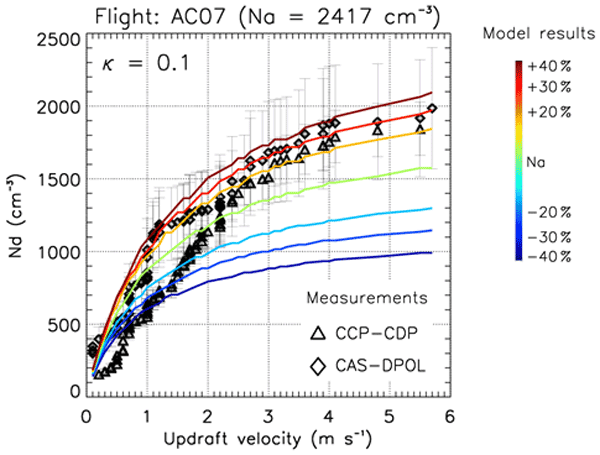
Ramon Campos Braga, Barbara Ervens, Daniel Rosenfeld, Meinrat O. Andreae, Jan-David Förster, Daniel Fütterer, Lianet Hernández Pardo, Bruna A. Holanda, Tina Jurkat-Witschas, Ovid O. Krüger, Oliver Lauer, Luiz A. T. Machado, Christopher Pöhlker, Daniel Sauer, Christiane Voigt, Adrian Walser, Manfred Wendisch, Ulrich Pöschl, and Mira L. Pöhlker
Atmos. Chem. Phys., 21, 17513–17528, https://doi.org/10.5194/acp-21-17513-2021, https://doi.org/10.5194/acp-21-17513-2021, 2021
Short summary
Short summary
Interactions of aerosol particles with clouds represent a large uncertainty in estimates of climate change. Properties of aerosol particles control their ability to act as cloud condensation nuclei. Using aerosol measurements in the Amazon, we performed model studies to compare predicted and measured cloud droplet number concentrations at cloud bases. Our results confirm previous estimates of particle hygroscopicity in this region.
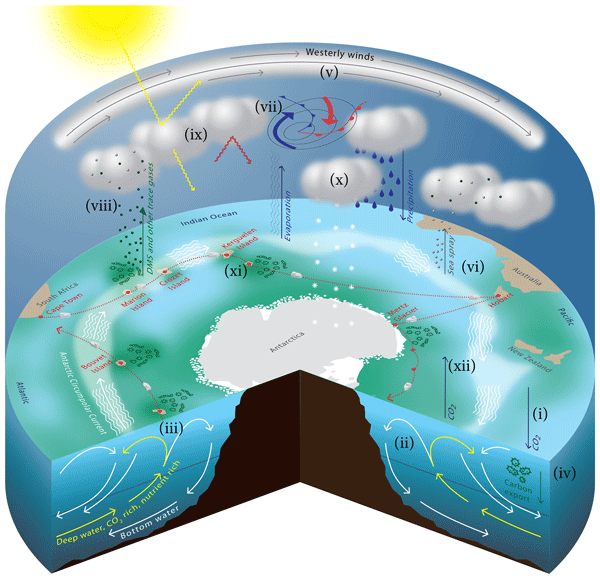
Sebastian Landwehr, Michele Volpi, F. Alexander Haumann, Charlotte M. Robinson, Iris Thurnherr, Valerio Ferracci, Andrea Baccarini, Jenny Thomas, Irina Gorodetskaya, Christian Tatzelt, Silvia Henning, Rob L. Modini, Heather J. Forrer, Yajuan Lin, Nicolas Cassar, Rafel Simó, Christel Hassler, Alireza Moallemi, Sarah E. Fawcett, Neil Harris, Ruth Airs, Marzieh H. Derkani, Alberto Alberello, Alessandro Toffoli, Gang Chen, Pablo Rodríguez-Ros, Marina Zamanillo, Pau Cortés-Greus, Lei Xue, Conor G. Bolas, Katherine C. Leonard, Fernando Perez-Cruz, David Walton, and Julia Schmale
Earth Syst. Dynam., 12, 1295–1369, https://doi.org/10.5194/esd-12-1295-2021, https://doi.org/10.5194/esd-12-1295-2021, 2021
Short summary
Short summary
The Antarctic Circumnavigation Expedition surveyed a large number of variables describing the dynamic state of ocean and atmosphere, freshwater cycle, atmospheric chemistry, ocean biogeochemistry, and microbiology in the Southern Ocean. To reduce the dimensionality of the dataset, we apply a sparse principal component analysis and identify temporal patterns from diurnal to seasonal cycles, as well as geographical gradients and
hotspotsof interaction. Code and data are open access.
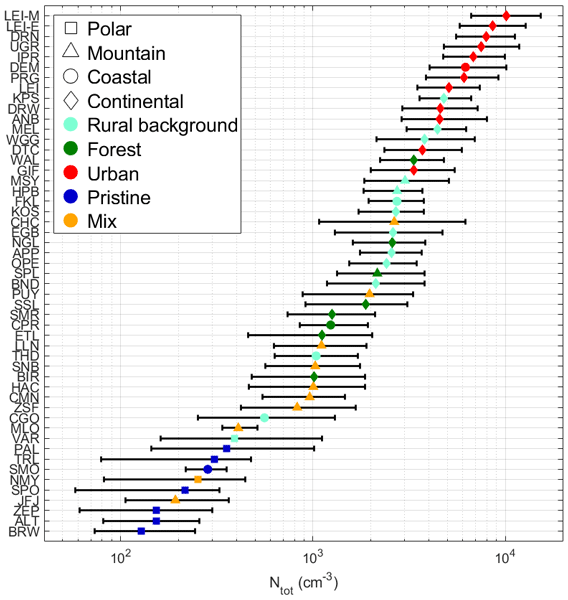
Clémence Rose, Martine Collaud Coen, Elisabeth Andrews, Yong Lin, Isaline Bossert, Cathrine Lund Myhre, Thomas Tuch, Alfred Wiedensohler, Markus Fiebig, Pasi Aalto, Andrés Alastuey, Elisabeth Alonso-Blanco, Marcos Andrade, Begoña Artíñano, Todor Arsov, Urs Baltensperger, Susanne Bastian, Olaf Bath, Johan Paul Beukes, Benjamin T. Brem, Nicolas Bukowiecki, Juan Andrés Casquero-Vera, Sébastien Conil, Konstantinos Eleftheriadis, Olivier Favez, Harald Flentje, Maria I. Gini, Francisco Javier Gómez-Moreno, Martin Gysel-Beer, Anna Gannet Hallar, Ivo Kalapov, Nikos Kalivitis, Anne Kasper-Giebl, Melita Keywood, Jeong Eun Kim, Sang-Woo Kim, Adam Kristensson, Markku Kulmala, Heikki Lihavainen, Neng-Huei Lin, Hassan Lyamani, Angela Marinoni, Sebastiao Martins Dos Santos, Olga L. Mayol-Bracero, Frank Meinhardt, Maik Merkel, Jean-Marc Metzger, Nikolaos Mihalopoulos, Jakub Ondracek, Marco Pandolfi, Noemi Pérez, Tuukka Petäjä, Jean-Eudes Petit, David Picard, Jean-Marc Pichon, Veronique Pont, Jean-Philippe Putaud, Fabienne Reisen, Karine Sellegri, Sangeeta Sharma, Gerhard Schauer, Patrick Sheridan, James Patrick Sherman, Andreas Schwerin, Ralf Sohmer, Mar Sorribas, Junying Sun, Pierre Tulet, Ville Vakkari, Pieter Gideon van Zyl, Fernando Velarde, Paolo Villani, Stergios Vratolis, Zdenek Wagner, Sheng-Hsiang Wang, Kay Weinhold, Rolf Weller, Margarita Yela, Vladimir Zdimal, and Paolo Laj
Atmos. Chem. Phys., 21, 17185–17223, https://doi.org/10.5194/acp-21-17185-2021, https://doi.org/10.5194/acp-21-17185-2021, 2021
Short summary
Short summary
Aerosol particles are a complex component of the atmospheric system the effects of which are among the most uncertain in climate change projections. Using data collected at 62 stations, this study provides the most up-to-date picture of the spatial distribution of particle number concentration and size distribution worldwide, with the aim of contributing to better representation of aerosols and their interactions with clouds in models and, therefore, better evaluation of their impact on climate.
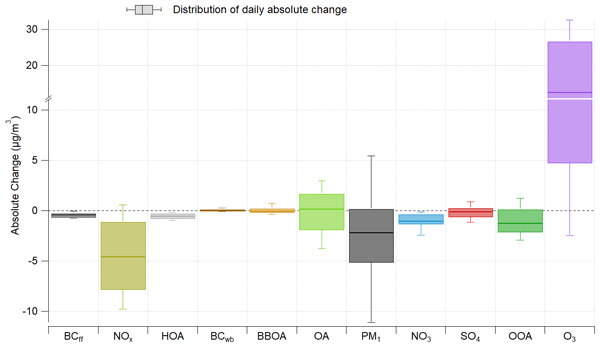
Jean-Eudes Petit, Jean-Charles Dupont, Olivier Favez, Valérie Gros, Yunjiang Zhang, Jean Sciare, Leila Simon, François Truong, Nicolas Bonnaire, Tanguy Amodeo, Robert Vautard, and Martial Haeffelin
Atmos. Chem. Phys., 21, 17167–17183, https://doi.org/10.5194/acp-21-17167-2021, https://doi.org/10.5194/acp-21-17167-2021, 2021
Short summary
Short summary
The COVID-19 outbreak led to lockdowns at national scales in spring 2020. Large cuts in emissions occurred, but the quantitative assessment of their role from observations is hindered by weather and interannual variability. That is why we developed an innovative methodology in order to best characterize the impact of lockdown on atmospheric chemistry. We find that a local decrease in traffic-related pollutants triggered a decrease of secondary aerosols and an increase in ozone.

Najin Kim, Yafang Cheng, Nan Ma, Mira L. Pöhlker, Thomas Klimach, Thomas F. Mentel, Ovid O. Krüger, Ulrich Pöschl, and Hang Su
Atmos. Meas. Tech., 14, 6991–7005, https://doi.org/10.5194/amt-14-6991-2021, https://doi.org/10.5194/amt-14-6991-2021, 2021
Short summary
Short summary
A broad supersaturation scanning CCN (BS2-CCN) system, in which particles are exposed to a range of supersaturation simultaneously, can measure a broad range of CCN activity distribution with a high time resolution. We describe how the BS2-CCN system can be effectively calibrated and which factors can affect the calibration curve. Intercomparison experiments between typical DMA-CCN and BS2-CCN measurements to evaluate the BS2-CCN system showed high correlation and good agreement.
Cited articles
Abrams, J. Y., Weber, R. J., Klein, M., Samat, S. E., Chang, H. H., Strickland, M. J., Verma, V., Fang, T., Bates, J. T., Mulholland, J. A., Russell, A. G., and Tolbert, P. E.: Associations between Ambient Fine Particulate Oxidative Potential and Cardiorespiratory Emergency Department Visits, Environ. Health Persp., 125, 107008, https://doi.org/10.1289/EHP1545, 2017. a
Antiñolo, M., Willis, M. D., Zhou, S., and Abbatt, J. P.: Connecting the oxidation of soot to its redox cycling abilities, Nat. Commun., 6, 6812, https://doi.org/10.1038/ncomms7812, 2015. a, b
Ayres, J. G., Borm, P., Cassee, F. R., Castranova, V., Donaldson, K., Ghio, A., Harrison, R. M., Hider, R., Kelly, F., Kooter, I. M., Marano, F., Maynard, R. L., Mudway, I., Nel, A., Sioutas, C., Smith, S., Baeza-Squiban, A., Cho, A., Duggan, S., and Froines, J.: Evaluating the Toxicity of Airborne Particulate Matter and Nanoparticles by Measuring Oxidative Stress Potential – A Workshop Report and Consensus Statement, Inhal. Toxicol., 20, 75–99, https://doi.org/10.1080/08958370701665517, 2008. a, b
Bates, J. T., Weber, R. J., Abrams, J., Verma, V., Fang, T., Klein, M., Strickland, M. J., Sarnat, S. E., Chang, H. H., Mulholland, J. A., Tolbert, P. E., and Russell, A. G.: Reactive Oxygen Species Generation Linked to Sources of Atmospheric Particulate Matter and Cardiorespiratory Effects, Environ. Sci. Technol., 49, 13605–13612, https://doi.org/10.1021/acs.est.5b02967, 2015. a, b
Bates, J. T., Fang, T., Verma, V., Zeng, L., Weber, R. J., Tolbert, P. E., Abrams, J. Y., Sarnat, S. E., Klein, M., Mulholland, J. A., and Russell, A. G.: Review of Acellular Assays of Ambient Particulate Matter Oxidative Potential: Methods and Relationships with Composition, Sources, and Health Effects, Environ. Sci. Technol., 53, 4003–4019, https://doi.org/10.1021/acs.est.8b03430, 2019. a, b, c
Berkemeier, T., Ammann, M., Krieger, U. K., Peter, T., Spichtinger, P., Pöschl, U., Shiraiwa, M., and Huisman, A. J.: Technical note: Monte Carlo genetic algorithm (MCGA) for model analysis of multiphase chemical kinetics to determine transport and reaction rate coefficients using multiple experimental data sets, Atmos. Chem. Phys., 17, 8021–8029, https://doi.org/10.5194/acp-17-8021-2017, 2017. a, b
Berkemeier, T., Mishra, A., Mattei, C., Huisman, A. J., Krieger, U. K., and Pöschl, U.: Ozonolysis of Oleic Acid Aerosol Revisited: Multiphase Chemical Kinetics and Reaction Mechanisms, ACS Earth Space Chem., 5, 3313–3323, https://doi.org/10.1021/acsearthspacechem.1c00232, 2021. a
Bhattu, D., Tripathi, S. N., Bhowmik, H. S., Moschos, V., Lee, C. P., Rauber, M., Salazar, G., Abbaszade, G., Cui, T., Slowik, J. G., Vats, P., Mishra, S., Lalchandani, V., Satish, R., Rai, P., Casotto, R., Tobler, A., Kumar, V., Hao, Y., Qi, L., Khare, P., Manousakas, M. I., Wang, Q., Han, Y., Tian, J., Darfeuil, S., Minguillon, M. C., Hueglin, C., Conil, S., Rastogi, N., Srivastava, A. K., Ganguly, D., Bjelic, S., Canonaco, F., Schnelle-Kreis, J., Dominutti, P. A., Jaffrezo, J.-L., Szidat, S., Chen, Y., Cao, J., Baltensperger, U., Uzu, G., Daellenbach, K. R., El Haddad, I., and Prévôt, A. S. H.: Local incomplete combustion emissions define the PM2.5 oxidative potential in Northern India, Nat. Commun., 15, 3517, https://doi.org/10.1038/s41467-024-47785-5, 2024. a, b, c
Borlaza, L. J. S., Weber, S., Jaffrezo, J.-L., Houdier, S., Slama, R., Rieux, C., Albinet, A., Micallef, S., Trébluchon, C., and Uzu, G.: Disparities in particulate matter (PM10) origins and oxidative potential at a city scale (Grenoble, France) – Part 2: Sources of PM10 oxidative potential using multiple linear regression analysis and the predictive applicability of multilayer perceptron neural network analysis, Atmos. Chem. Phys., 21, 9719–9739, https://doi.org/10.5194/acp-21-9719-2021, 2021. a
Borm, P. J. A., Kelly, F., Künzli, N., Schins, R. P. F., and Donaldson, K.: Oxidant generation by particulate matter: from biologically effective dose to a promising, novel metric, Occup. Environ. Med., 64, 73, https://doi.org/10.1136/oem.2006.029090, 2007. a
Brauer, M., Roth, G. A., Aravkin, A. Y., et al.: Global burden and strength of evidence for 88 risk factors in 204 countries and 811 subnational locations, 1990–2021: a systematic analysis for the Global Burden of Disease Study 2021, Lancet, 403, 2162–2203, https://doi.org/10.1016/S0140-6736(24)00933-4, 2024. a
Calas, A., Uzu, G., Martins, J. M. F., Voisin, D., Spadini, L., Lacroix, T., and Jaffrezo, J.-L.: The importance of simulated lung fluid (SLF) extractions for a more relevant evaluation of the oxidative potential of particulate matter, Sci. Rep., 7, 11617, https://doi.org/10.1038/s41598-017-11979-3, 2017. a, b, c, d, e
Calas, A., Uzu, G., Kelly, F. J., Houdier, S., Martins, J. M. F., Thomas, F., Molton, F., Charron, A., Dunster, C., Oliete, A., Jacob, V., Besombes, J.-L., Chevrier, F., and Jaffrezo, J.-L.: Comparison between five acellular oxidative potential measurement assays performed with detailed chemistry on PM10 samples from the city of Chamonix (France), Atmos. Chem. Phys., 18, 7863–7875, https://doi.org/10.5194/acp-18-7863-2018, 2018. a, b, c
Camman, J., Chazeau, B., Marchand, N., Durand, A., Gille, G., Lanzi, L., Jaffrezo, J.-L., Wortham, H., and Uzu, G.: Oxidative potential apportionment of atmospheric PM1: a new approach combining high-sensitive online analysers for chemical composition and offline OP measurement technique, Atmos. Chem. Phys., 24, 3257–3278, https://doi.org/10.5194/acp-24-3257-2024, 2024. a
Campbell, S. J., Utinger, B., Lienhard, D. M., Paulson, S. E., Shen, J., Griffiths, P. T., Stell, A. C., and Kalberer, M.: Development of a Physiologically Relevant Online Chemical Assay To Quantify Aerosol Oxidative Potential, Anal. Chem., 91, 13088–13095, https://doi.org/10.1021/acs.analchem.9b03282, 2019. a, b, c
Campbell, S. J., Utinger, B., Barth, A., Paulson, S. E., and Kalberer, M.: Iron and Copper Alter the Oxidative Potential of Secondary Organic Aerosol: Insights from Online Measurements and Model Development, Environ. Sci. Technol., 57, 13546–13558, https://doi.org/10.1021/acs.est.3c01975, 2023. a, b, c, d, e, f, g, h
Campbell, S. J., Barth, A., Chen, G. I., Tremper, A. H., Priestman, M., Ek, D., Gu, S., Kelly, F. J., Kalberer, M., and Green, D. C.: High time resolution quantification of PM2.5 oxidative potential at a Central London roadside supersite, Environ. Int., 193, 109102, https://doi.org/10.1016/j.envint.2024.109102, 2024a. a, b, c
Campbell, S. J., La, C., Zhou, Q., Le, J., Galvez-Reyes, J., Banach, C., Houk, K. N., Chen, J. R., and Paulson, S. E.: Characterizing Hydroxyl Radical Formation from the Light-Driven Fe(II)–Peracetic Acid Reaction, a Key Process for Aerosol-Cloud Chemistry, Environ. Sci. Technol., 58, 7505–7515, https://doi.org/10.1021/acs.est.3c10684, 2024b. a
Campbell, S. J., Utinger, B., Barth, A., Leni, Z., Zhang, Z.-H., Resch, J., Li, K., Steimer, S. S., Banach, C., Gfeller, B., Wragg, F. P. H., Westwood, J., Wolfer, K., Bukowiecki, N., Ihalainen, M., Yli-Pirilä, P., Somero, M., Kortelainen, M., Louhisalmi, J., Sklorz, M., Czech, H., di Bucchianico, S., Streibel, T., Delaval, M. N., Ruger, C., Baumlin, N., Salathe, M., Fang, Z., Pardo, M., D'Aronco, S., Giorio, C., Shi, Z., Harrison, R. M., Green, D. C., Kelly, F. J., Rudich, Y., Paulson, S. E., Sippula, O., Zimmermann, R., Geiser, M., and Kalberer, M.: Short-lived reactive components substantially contribute to particulate matter oxidative potential, Sci. Adv., 11, eadp8100, https://doi.org/10.1126/sciadv.adp8100, 2025. a, b, c, d
Campbell, S. J., Barth, A., Mishra, A., Chen, G. I., Punter, P. B., Tremper, A. H., Voliotis, A., Alfosea-Simon, M., Priestman, M., Kelly, F. J., Berkemeier, T., Kalberer, M., and Green, C. D.: Dynamic Episodes of Elevated PM2.5 Oxidative Potential Driven by Wood Burning Emissions and Firework Activity in Suburban London, in preparation, 2026. a, b
Carlino, A., Romano, M. P., Lionetto, M. G., Contini, D., and Guascito, M. R.: An Overview of the Automated and On-Line Systems to Assess the Oxidative Potential of Particulate Matter, Atmosphere, 14, https://doi.org/10.3390/atmos14020256, 2023. a
Charrier, J. G. and Anastasio, C.: On dithiothreitol (DTT) as a measure of oxidative potential for ambient particles: evidence for the importance of soluble transition metals, Atmos. Chem. Phys., 12, 9321–9333, https://doi.org/10.5194/acp-12-9321-2012, 2012. a, b, c, d, e, f, g, h, i, j, k, l, m, n, o
Charrier, J. G. and Anastasio, C.: Rates of Hydroxyl Radical Production from Transition Metals and Quinones in a Surrogate Lung Fluid, Environ. Sci. Technol., 49, 9317–9325, https://doi.org/10.1021/acs.est.5b01606, 2015. a, b, c, d
Charrier, J. G., Richards-Henderson, N. K., Bein, K. J., McFall, A. S., Wexler, A. S., and Anastasio, C.: Oxidant production from source-oriented particulate matter – Part 1: Oxidative potential using the dithiothreitol (DTT) assay, Atmos. Chem. Phys., 15, 2327–2340, https://doi.org/10.5194/acp-15-2327-2015, 2015. a, b
Charrier, J. G., McFall, A. S., Vu, K. K.-T., Baroi, J., Olea, C., Hasson, A., and Anastasio, C.: A bias in the “mass-normalized” DTT response – An effect of non-linear concentration-response curves for copper and manganese, Atmos. Environ., 144, 325–334, https://doi.org/10.1016/j.atmosenv.2016.08.071, 2016. a
Cheung, K. L., Polidori, A., Ntziachristos, L., Tzamkiozis, T., Samaras, Z., Cassee, F. R., Gerlofs, M., and Sioutas, C.: Chemical Characteristics and Oxidative Potential of Particulate Matter Emissions from Gasoline, Diesel, and Biodiesel Cars, Environ. Sci. Technol., 43, 6334–6340, https://doi.org/10.1021/es900819t, 2009. a
Chevallier, E., Jolibois, R., Meunier, N., Carlier, P., and Monod, A.: “Fenton-like” reactions of methylhydroperoxide and ethylhydroperoxide with Fe2+ in liquid aerosols under tropospheric conditions, Atmos. Environ., 38, 921–933, https://doi.org/10.1016/j.atmosenv.2003.10.027, 2004. a
Cho, A. K., Sioutas, C., Miguel, A. H., Kumagai, Y., Schmitz, D. A., Singh, M., Eiguren-Fernandez, A., and Froines, J. R.: Redox activity of airborne particulate matter at different sites in the Los Angeles Basin, Environ. Res., 99, 40–47, https://doi.org/10.1016/j.envres.2005.01.003, 2005. a, b
Chowdhury, P. H., He, Q., Lasitza Male, T., Brune, W. H., Rudich, Y., and Pardo, M.: Exposure of Lung Epithelial Cells to Photochemically Aged Secondary Organic Aerosol Shows Increased Toxic Effects, Environ. Sci. Tech. Let., 5, 424–430, https://doi.org/10.1021/acs.estlett.8b00256, 2018. a, b, c
Cohen, A. J., Brauer, M., Burnett, R., Anderson, H. R., Frostad, J., Estep, K., Balakrishnan, K., Brunekreef, B., Dandona, L., Dandona, R., Feigin, V., Freedman, G., Hubbell, B., Jobling, A., Kan, H., Knibbs, L., Liu, Y., Martin, R., Morawska, L., Pope, III, C. A., Shin, H., Straif, K., Shaddick, G., Thomas, M., van Dingenen, R., van Donkelaar, A., Vos, T., Murray, C. J. L., and Forouzanfar, M. H.: Estimates and 25-year trends of the global burden of disease attributable to ambient air pollution: an analysis of data from the Global Burden of Diseases Study 2015, Lancet, 389, 1907–1918, https://doi.org/10.1016/S0140-6736(17)30505-6, 2017. a
Connell, D. P., Winter, S. E., Conrad, V. B., Kim, M., and Crist, K. C.: The Steubenville Comprehensive Air Monitoring Program (SCAMP): Concentrations and Solubilities of PM2.5 Trace Elements and Their Implications for Source Apportionment and Health Research, J. Air Waste Manage., 56, 1750–1766, https://doi.org/10.1080/10473289.2006.10464580, 2006. a
Daellenbach, K. R., Uzu, G., Jiang, J., Cassagnes, L.-E., Leni, Z., Vlachou, A., Stefenelli, G., Canonaco, F., Weber, S., Segers, A., Kuenen, J. J. P., Schaap, M., Favez, O., Albinet, A., Aksoyoglu, S., Dommen, J., Baltensperger, U., Geiser, M., El Haddad, I., Jaffrezo, J.-L., and Prévôt, A. S. H.: Sources of particulate-matter air pollution and its oxidative potential in Europe, Nature, 587, 414–419, https://doi.org/10.1038/s41586-020-2902-8, 2020. a, b, c, d, e
Docherty, K. S., Wu, W., Lim, Y. B., and Ziemann, P. J.: Contributions of Organic Peroxides to Secondary Aerosol Formed from Reactions of Monoterpenes with O3, Environ. Sci. Technol., 39, 4049–4059, https://doi.org/10.1021/es050228s, 2005. a, b, c
Dockery, D. W., Pope, C. A., Xu, X., Spengler, J. D., Ware, J. H., Fay, M. E., Ferris, B. G., and Speizer, F. E.: An Association between Air Pollution and Mortality in Six US Cities, New Engl. J. Med., 329, 1753–1759, https://doi.org/10.1056/NEJM199312093292401, 1993. a
Dominutti, P. A., Jaffrezo, J.-L., Marsal, A., Mhadhbi, T., Elazzouzi, R., Rak, C., Cavalli, F., Putaud, J.-P., Bougiatioti, A., Mihalopoulos, N., Paraskevopoulou, D., Mudway, I., Nenes, A., Daellenbach, K. R., Banach, C., Campbell, S. J., Cigánková, H., Contini, D., Evans, G., Georgopoulou, M., Ghanem, M., Glencross, D. A., Guascito, M. R., Herrmann, H., Iram, S., Jovanović, M., Jovašević-Stojanović, M., Kalberer, M., Kooter, I. M., Paulson, S. E., Patel, A., Perdrix, E., Pietrogrande, M. C., Mikuška, P., Sauvain, J.-J., Seitanidi, K., Shahpoury, P., Souza, E. J. d. S., Steimer, S., Stevanovic, S., Suarez, G., Subramanian, P. S. G., Utinger, B., van Os, M. F., Verma, V., Wang, X., Weber, R. J., Yang, Y., Querol, X., Hoek, G., Harrison, R. M., and Uzu, G.: An interlaboratory comparison to quantify oxidative potential measurement in aerosol particles: challenges and recommendations for harmonisation, Atmos. Meas. Tech., 18, 177–195, https://doi.org/10.5194/amt-18-177-2025, 2025. a, b
Donaldson, K., Stone, V., Seaton, A., and MacNee, W.: Ambient particle inhalation and the cardiovascular system: potential mechanisms., Environ. Health Persp., 109, 523–527, https://doi.org/10.1289/ehp.01109s4523, 2001. a
Dovrou, E., Lelieveld, S., Mishra, A., Pöschl, U., and Berkemeier, T.: Influence of ambient and endogenous H2O2 on reactive oxygen species concentrations and OH radical production in the respiratory tract, Environ. Sci.: Atmos., https://doi.org/10.1039/D2EA00179A, 2023. a, b
El Haddad, I., Vienneau, D., Daellenbach, K. R., Modini, R., Slowik, J. G., Upadhyay, A., Vasilakos, P. N., Bell, D., de Hoogh, K., and Prevot, A. S. H.: Opinion: How will advances in aerosol science inform our understanding of the health impacts of outdoor particulate pollution?, Atmos. Chem. Phys., 24, 11981–12011, https://doi.org/10.5194/acp-24-11981-2024, 2024. a
Expósito, A., Maillo, J., Uriarte, I., Santibáñez, M., and Fernández-Olmo, I.: Kinetics of ascorbate and dithiothreitol oxidation by soluble copper, iron, and manganese, and 1,4-naphthoquinone: Influence of the species concentration and the type of fluid, Chemosphere, 361, 142435, https://doi.org/10.1016/j.chemosphere.2024.142435, 2024. a, b, c, d, e, f, g, h, i, j, k
Fang, T., Verma, V., Guo, H., King, L. E., Edgerton, E. S., and Weber, R. J.: A semi-automated system for quantifying the oxidative potential of ambient particles in aqueous extracts using the dithiothreitol (DTT) assay: results from the Southeastern Center for Air Pollution and Epidemiology (SCAPE), Atmos. Meas. Tech., 8, 471–482, https://doi.org/10.5194/amt-8-471-2015, 2015. a, b, c, d, e
Fang, T., Zeng, L., Gao, D., Verma, V., Stefaniak, A. B., and Weber, R. J.: Ambient Size Distributions and Lung Deposition of Aerosol Dithiothreitol-Measured Oxidative Potential: Contrast between Soluble and Insoluble Particles, Environ. Sci. Technol., 51, 6802–6811, https://doi.org/10.1021/acs.est.7b01536, 2017. a
Fang, T., Lakey, P. S. J., Weber, R. J., and Shiraiwa, M.: Oxidative Potential of Particulate Matter and Generation of Reactive Oxygen Species in Epithelial Lining Fluid, Environ. Sci. Technol., 53, 12784–12792, https://doi.org/10.1021/acs.est.9b03823, 2019. a
Fang, T., Huang, Y.-K., Wei, J., Monterrosa Mena, J. E., Lakey, P. S. J., Kleinman, M. T., Digman, M. A., and Shiraiwa, M.: Superoxide Release by Macrophages through NADPH Oxidase Activation Dominating Chemistry by Isoprene Secondary Organic Aerosols and Quinones to Cause Oxidative Damage on Membranes, Environ. Sci. Technol., 56, 17029–17038, https://doi.org/10.1021/acs.est.2c03987, 2022. a
Fang, Z., Lai, A., Cai, D., Li, C., Carmieli, R., Chen, J., Wang, X., and Rudich, Y.: Secondary Organic Aerosol Generated from Biomass Burning Emitted Phenolic Compounds: Oxidative Potential, Reactive Oxygen Species, and Cytotoxicity, Environ. Sci. Technol., 58, 8194–8206, https://doi.org/10.1021/acs.est.3c09903, 2024. a
Farahani, V. J., Altuwayjiri, A., Pirhadi, M., Verma, V., Ruprecht, A. A., Diapouli, E., Eleftheriadis, K., and Sioutas, C.: The oxidative potential of particulate matter (PM) in different regions around the world and its relation to air pollution sources, Environ. Sci.: Atmos., 2, 1076–1086, https://doi.org/10.1039/D2EA00043A, 2022. a
Font, A., F. de Brito, J., Riffault, V., Conil, S., Jaffrezo, J.-L., and Bourin, A.: Calculations of the conversion factor from organic carbon to organic matter for aerosol mass balance, Atmos. Pollut. Res., 15, 102301, https://doi.org/10.1016/j.apr.2024.102301, 2024. a, b
Frezzini, M. A., De Francesco, N., Massimi, L., and Canepari, S.: Effects of operating conditions on PM oxidative potential assays, Atmos. Environ., 268, 118802, https://doi.org/10.1016/j.atmosenv.2021.118802, 2022. a
Fuller, S., Wragg, F., Nutter, J., and Kalberer, M.: Comparison of on-line and off-line methods to quantify reactive oxygen species (ROS) in atmospheric aerosols, Atmos. Environ., 92, 97–103, https://doi.org/10.1016/j.atmosenv.2014.04.006, 2014. a
Gao, D., Godri Pollitt, K. J., Mulholland, J. A., Russell, A. G., and Weber, R. J.: Characterization and comparison of PM2.5 oxidative potential assessed by two acellular assays, Atmos. Chem. Phys., 20, 5197–5210, https://doi.org/10.5194/acp-20-5197-2020, 2020a. a
Gao, D., Ripley, S., Weichenthal, S., and Godri Pollitt, K. J.: Ambient particulate matter oxidative potential: Chemical determinants, associated health effects, and strategies for risk management, Free Radical Bio. Med., 151, 7–25, https://doi.org/10.1016/j.freeradbiomed.2020.04.028, 2020b. a, b, c, d
Giorio, C., Borca, C. N., Zherebker, A., D'Aronco, S., Saidikova, M., Sheikh, H. A., Harrison, R. J., Badocco, D., Soldà, L., Pastore, P., Ammann, M., and Huthwelker, T.: Iron Speciation in Urban Atmospheric Aerosols: Comparison between Thermodynamic Modeling and Direct Measurements, ACS Earth Space Chem., 9, 649–661, https://doi.org/10.1021/acsearthspacechem.4c00359, 2025. a
Gonzalez, D. H., Cala, C. K., Peng, Q., and Paulson, S. E.: HULIS Enhancement of Hydroxyl Radical Formation from Fe(II): kinetics of Fulvic Acid–Fe(II) Complexes in the Presence of Lung Antioxidants, Environ. Sci. Technol., 51, 7676–7685, https://doi.org/10.1021/acs.est.7b01299, 2017. a, b, c
Gonzalez, D. H., Kuang, X. M., Scott, J. A., Olimpio Rocha, G., and Paulson, S. E.: Terephthalate Probe for Hydroxyl Radicals: Yield of 2-Hydroxyterephthalic Acid and Transition Metal Interference, Anal. Lett., 51, 2488–2497, https://doi.org/10.1080/00032719.2018.1431246, 2018. a
Gonzalez, D. H., Diaz, D. A., Baumann, J. P., Ghio, A. J., and Paulson, S. E.: Effects of albumin, transferrin and humic-like substances on iron-mediated OH radical formation in human lung fluids, Free Radical Bio. Med., 165, 79–87, https://doi.org/10.1016/j.freeradbiomed.2021.01.021, 2021. a, b
Hayes, J. D., Dinkova-Kostova, A. T., and Tew, K. D.: Oxidative Stress in Cancer, Cancer Cell, 38, 167–197, https://doi.org/10.1016/j.ccell.2020.06.001, 2020. a
Heal, M. R., Hibbs, L. R., Agius, R. M., and Beverland, I. J.: Total and water-soluble trace metal content of urban background PM10, PM2.5 and black smoke in Edinburgh, UK, Atmos. Environ., 39, 1417–1430, https://doi.org/10.1016/j.atmosenv.2004.11.026, 2005. a
Hwang, B., Fang, T., Pham, R., Wei, J., Gronstal, S., Lopez, B., Frederickson, C., Galeazzo, T., Wang, X., Jung, H., and Shiraiwa, M.: Environmentally Persistent Free Radicals, Reactive Oxygen Species Generation, and Oxidative Potential of Highway PM2.5, ACS Earth Space Chem., 5, 1865–1875, https://doi.org/10.1021/acsearthspacechem.1c00135, 2021. a
Janssen, N. A., Yang, A., Strak, M., Steenhof, M., Hellack, B., Gerlofs-Nijland, M. E., Kuhlbusch, T., Kelly, F., Harrison, R., Brunekreef, B., Hoek, G., and Cassee, F.: Oxidative potential of particulate matter collected at sites with different source characteristics, Sci. Total Environ., 472, 572–581, https://doi.org/10.1016/j.scitotenv.2013.11.099, 2014. a
Kachur, A. V., Held, K. D., Koch, C. J., and Biaglow, J. E.: Mechanism of Production of Hydroxyl Radicals in the Copper-Catalyzed Oxidation of Dithiothreitol, Radiat. Res., 147, 409–415, https://doi.org/10.2307/3579496, 1997. a, b, c, d
Kelly, F. J.: Oxidative stress: its role in air pollution and adverse health effects, Occup. Environ. Med., 60, 612, https://doi.org/10.1136/oem.60.8.612, 2003. a
Khan, F., Jaoui, M., Rudziński, K., Kwapiszewska, K., Martinez-Romero, A., Gil-Casanova, D., Lewandowski, M., Kleindienst, T. E., Offenberg, J. H., Krug, J. D., Surratt, J. D., and Szmigielski, R.: Cytotoxicity and oxidative stress induced by atmospheric mono-nitrophenols in human lung cells, Environ. Pollut., 301, 119010, https://doi.org/10.1016/j.envpol.2022.119010, 2022. a
Kramer, A. J., Rattanavaraha, W., Zhang, Z., Gold, A., Surratt, J. D., and Lin, Y.-H.: Assessing the oxidative potential of isoprene-derived epoxides and secondary organic aerosol, Atmos. Environ., 130, 211–218, https://doi.org/10.1016/j.atmosenv.2015.10.018, 2016. a
Krapf, M., El Haddad, I., Bruns, E., Molteni, U., Daellenbach, K., Prévôt, A., Baltensperger, U., and Dommen, J.: Labile Peroxides in Secondary Organic Aerosol, Chem, 1, 603–616, https://doi.org/10.1016/j.chempr.2016.09.007, 2016. a, b
Kumagai, Y., Koide, S., Taguchi, K., Endo, A., Nakai, Y., Yoshikawa, T., and Shimojo, N.: Oxidation of Proximal Protein Sulfhydryls by Phenanthraquinone, a Component of Diesel Exhaust Particles, Chem. Res. Toxicol., 15, 483–489, https://doi.org/10.1021/tx0100993, 2002. a, b, c
Lammel, G., Kitanovski, Z., Kukučka, P., Novák, J., Arangio, A. M., Codling, G. P., Filippi, A., Hovorka, J., Kuta, J., Leoni, C., Příbylová, P., Prokeš, R., Sáňka, O., Shahpoury, P., Tong, H., and Wietzoreck, M.: Oxygenated and Nitrated Polycyclic Aromatic Hydrocarbons in Ambient Air–Levels, Phase Partitioning, Mass Size Distributions, and Inhalation Bioaccessibility, Environ. Sci. Technol., 54, 2615–2625, https://doi.org/10.1021/acs.est.9b06820, 2020. a
Laulagnet, A., Sauvain, J., Concha-Lozano, N., Riediker, M., and Suárez, G.: Sensitive Photonic System to Measure Oxidative Potential of Airborne Nanoparticles and ROS Levels in Exhaled Air, Procedia Eng., 120, 632–636, https://doi.org/10.1016/j.proeng.2015.08.659, 2015. a
Lelieveld, S., Wilson, J., Dovrou, E., Mishra, A., Lakey, P. S. J., Shiraiwa, M., Pöschl, U., and Berkemeier, T.: Hydroxyl Radical Production by Air Pollutants in Epithelial Lining Fluid Governed by Interconversion and Scavenging of Reactive Oxygen Species, Environ. Sci. Technol., 55, 14069–14079, https://doi.org/10.1021/acs.est.1c03875, 2021. a
Li, K., Resch, J., and Kalberer, M.: Synthesis and Characterization of Organic Peroxides from Monoterpene-Derived Criegee Intermediates in Secondary Organic Aerosol, Environ. Sci. Technol., 58, 3322–3331, https://doi.org/10.1021/acs.est.3c07048, 2024. a
Li, K., Zheng, Z., Resch, J., Ma, J., Hansel, A., and Kalberer, M.: Molecular Composition of Organic Peroxides in Secondary Organic Aerosols Revealed by Peroxide-Iodide Reactivity, Environ. Sci. Technol., 59, 17126–17136, https://doi.org/10.1021/acs.est.5c03241, 2025. a
Lin, P. and Yu, J. Z.: Generation of Reactive Oxygen Species Mediated by Humic-like Substances in Atmospheric Aerosols, Environ. Sci. Technol., 45, 10362–10368, https://doi.org/10.1021/es2028229, 2011. a
Liu, X., Zhang, X., Jin, B., Wang, T., Qian, S., Zou, J., Dinh, V. N. T., Jaffrezo, J.-L., Uzu, G., Dominutti, P., Darfeuil, S., Favez, O., Conil, S., Marchand, N., Castillo, S., de la Rosa, J. D., Grange, S., Hueglin, C., Eleftheriadis, K., Diapouli, E., Manousakas, M.-I., Gini, M., Nava, S., Calzolai, G., Alves, C., Monge, M., Reche, C., Harrison, R. M., Hopke, P. K., Alastuey, A., and Querol, X.: Source apportionment of PM10 based on offline chemical speciation data at 24 European sites, npj Clim. Atmos. Sci., 8, 255, https://doi.org/10.1038/s41612-025-01097-7, 2025. a
Lu, Y., Su, S., Jin, W., Wang, B., Li, N., Shen, H., Li, W., Huang, Y., Chen, H., Zhang, Y., Chen, Y., Lin, N., Wang, X., and Tao, S.: Characteristics and cellular effects of ambient particulate matter from Beijing, Environ. Pollut., 191, 63–69, https://doi.org/10.1016/j.envpol.2014.04.008, 2014. a, b
Manousakas, M., Papaefthymiou, H., Eleftheriadis, K., and Katsanou, K.: Determination of water-soluble and insoluble elements in PM2.5 by ICP-MS, Sci. Total Environ., 493, 694–700, https://doi.org/10.1016/j.scitotenv.2014.06.043, 2014. a
McWhinney, R. D., Badali, K., Liggio, J., Li, S.-M., and Abbatt, J. P. D.: Filterable Redox Cycling Activity: A Comparison between Diesel Exhaust Particles and Secondary Organic Aerosol Constituents, Environ. Sci. Technol., 47, 3362–3369, https://doi.org/10.1021/es304676x, 2013a. a
McWhinney, R. D., Zhou, S., and Abbatt, J. P. D.: Naphthalene SOA: redox activity and naphthoquinone gas–particle partitioning, Atmos. Chem. Phys., 13, 9731–9744, https://doi.org/10.5194/acp-13-9731-2013, 2013b. a, b
Miller, M. R.: Oxidative stress and the cardiovascular effects of air pollution, Free Radical Bio. Med., 151, 69–87, https://doi.org/10.1016/j.freeradbiomed.2020.01.004, 2020. a
Mishra, A., Lelieveld, S., Pöschl, U., and Berkemeier, T.: Multiphase Kinetic Modeling of Air Pollutant Effects on Protein Modification and Nitrotyrosine Formation in Epithelial Lining Fluid, Environ. Sci. Technol., 57, 12642–12653, https://doi.org/10.1021/acs.est.3c03556, 2023. a, b
Mishra, A., Kilchhofer, K., Iezzi, L., Pöschl, U., Alpert, P. A., Ammann, M., and Berkemeier, T.: Photochemical Degradation of Iron Citrate in Anoxic Viscous Films Enhanced by Redox Cascades, ACS Earth Space Chem., 9, 689–698, https://doi.org/10.1021/acsearthspacechem.4c00364, 2025. a
Mouchel-Vallon, C., Deguillaume, L., Monod, A., Perroux, H., Rose, C., Ghigo, G., Long, Y., Leriche, M., Aumont, B., Patryl, L., Armand, P., and Chaumerliac, N.: CLEPS 1.0: A new protocol for cloud aqueous phase oxidation of VOC mechanisms, Geosci. Model Dev., 10, 1339–1362, https://doi.org/10.5194/gmd-10-1339-2017, 2017. a
Müller, M., Mishra, A., Berkemeier, T., Hausammann, E., Peter, T., and Krieger, U. K.: Electrodynamic balance–mass spectrometry reveals impact of oxidant concentration on product composition in the ozonolysis of oleic acid, Phys. Chem. Chem. Phys., 24, 27086–27104, https://doi.org/10.1039/D2CP03289A, 2022. a
Netto, L. E. and Stadtman, E. R.: The Iron-Catalyzed Oxidation of Dithiothreitol Is a Biphasic Process: Hydrogen Peroxide Is Involved in the Initiation of a Free Radical Chain of Reactions, Arch. Biochem. Biophys., 333, 233–242, https://doi.org/10.1006/abbi.1996.0386, 1996. a, b, c
Ngoc Thuy, V. D., Jaffrezo, J.-L., Hough, I., Dominutti, P. A., Salque Moreton, G., Gille, G., Francony, F., Patron-Anquez, A., Favez, O., and Uzu, G.: Unveiling the optimal regression model for source apportionment of the oxidative potential of PM10, Atmos. Chem. Phys., 24, 7261–7282, https://doi.org/10.5194/acp-24-7261-2024, 2024. a
Paatero, P. and Tapper, U.: Positive matrix factorization: A non-negative factor model with optimal utilization of error estimates of data values, Environmetrics, 5, 111–126, https://doi.org/10.1002/env.3170050203, 1994. a, b
Page, S. E., Arnold, W. A., and McNeill, K.: Terephthalate as a probe for photochemically generated hydroxyl radical, J. Environ. Monit., 12, 1658–1665, https://doi.org/10.1039/C0EM00160K, 2010. a
Pan, S., Qiu, Y., Li, M., Yang, Z., and Liang, D.: Recent Developments in the Determination of PM2.5 Chemical Composition, B. Environ. Contam. Tox., 108, 819–823, https://doi.org/10.1007/s00128-022-03510-w, 2022. a
Pietrogrande, M. C., Bertoli, I., Manarini, F., and Russo, M.: Ascorbate assay as a measure of oxidative potential for ambient particles: Evidence for the importance of cell-free surrogate lung fluid composition, Atmos. Environ., 211, 103–112, https://doi.org/10.1016/j.atmosenv.2019.05.012, 2019. a, b, c, d, e
Puthussery, J. V., Singh, A., Rai, P., Bhattu, D., Kumar, V., Vats, P., Furger, M., Rastogi, N., Slowik, J. G., Ganguly, D., Prevot, A. S. H., Tripathi, S. N., and Verma, V.: Real-Time Measurements of PM2.5 Oxidative Potential Using a Dithiothreitol Assay in Delhi, India, Environ. Sci. Tech. Let., 7, 504–510, https://doi.org/10.1021/acs.estlett.0c00342, 2020. a
Ram, K., Sarin, M. M., and Tripathi, S. N.: Temporal Trends in Atmospheric PM2.5, PM10, Elemental Carbon, Organic Carbon, Water-Soluble Organic Carbon, and Optical Properties: Impact of Biomass Burning Emissions in The Indo-Gangetic Plain, Environ. Sci. Technol., 46, 686–695, https://doi.org/10.1021/es202857w, 2012. a
Rapp, C. N., Niu, S., Armstrong, N. C., Shen, X., Berkemeier, T., Surratt, J. D., Zhang, Y., and Cziczo, D. J.: Ice-nucleating properties of glassy organic and organosulfate aerosol, Atmos. Chem. Phys., 25, 5519–5536, https://doi.org/10.5194/acp-25-5519-2025, 2025. a
Rush, J. and Koppenol, W.: Reactions of Fe(II)-ATP and Fe(II)-citrate complexes with t-butyl hydroperoxide and cumyl hydroperoxide, FEBS Lett., 275, 114–116, https://doi.org/10.1016/0014-5793(90)81452-T, 1990. a, b
Samake, A., Uzu, G., Martins, J. M. F., Calas, A., Vince, E., Parat, S., and Jaffrezo, J. L.: The unexpected role of bioaerosols in the Oxidative Potential of PM, Sci. Rep., 7, 10978, https://doi.org/10.1038/s41598-017-11178-0, 2017. a
Sciare, J., d'Argouges, O., Sarda-Estève, R., Gaimoz, C., Dolgorouky, C., Bonnaire, N., Favez, O., Bonsang, B., and Gros, V.: Large contribution of water-insoluble secondary organic aerosols in the region of Paris (France) during wintertime, J. Geophys. Res.-Atmos., 116, https://doi.org/10.1029/2011JD015756, 2011. a
Shahpoury, P., Harner, T., Lammel, G., Lelieveld, S., Tong, H., and Wilson, J.: Development of an antioxidant assay to study oxidative potential of airborne particulate matter, Atmos. Meas. Tech., 12, 6529–6539, https://doi.org/10.5194/amt-12-6529-2019, 2019. a
Shahpoury, P., Zhang, Z. W., Filippi, A., Hildmann, S., Lelieveld, S., Mashtakov, B., Patel, B. R., Traub, A., Umbrio, D., Wietzoreck, M., Wilson, J., Berkemeier, T., Celo, V., Dabek-Zlotorzynska, E., Evans, G., Harner, T., Kerman, K., Lammel, G., Noroozifar, M., Pöschl, U., and Tong, H.: Inter-comparison of oxidative potential metrics for airborne particles identifies differences between acellular chemical assays, Atmos. Pollut. Res., 13, 101596, https://doi.org/10.1016/j.apr.2022.101596, 2022. a
Shahpoury, P., Lelieveld, S., Johannessen, C., Berkemeier, T., Celo, V., Dabek-Zlotorzynska, E., Harner, T., Lammel, G., and Nenes, A.: Influence of aerosol acidity and organic ligands on transition metal solubility and oxidative potential of fine particulate matter in urban environments, Sci. Total Environ., 906, 167405, https://doi.org/10.1016/j.scitotenv.2023.167405, 2024a. a, b, c, d
Shahpoury, P., Lelieveld, S., Srivastava, D., Baccarini, A., Mastin, J., Berkemeier, T., Celo, V., Dabek-Zlotorzynska, E., Harner, T., Lammel, G., and Nenes, A.: Seasonal Changes in the Oxidative Potential of Urban Air Pollutants: The Influence of Emission Sources and Proton- and Ligand-Mediated Dissolution of Transition Metals, Environ. Sci. Technol. Air, 1, 1262–1275, https://doi.org/10.1021/acsestair.4c00093, 2024b. a, b
Shahpoury, P., Berkemeier, T., Zhang, Z. W., Traub, A., Umbrio, D., Evans, G., Harner, T., Su, K., and Su, Y.: Influence of Particle Size and Gaseous Oxidants on Oxidative Potential of Urban Air, Environ. Sci. Technol. Air, https://doi.org/10.1021/acsestair.5c00203, 2026. a
Shapley, L. S.: Contributions to the Theory of Games, vol. II, Princeton University Press, 307–318, https://doi.org/10.1515/9781400881970-018, 1953. a, b
Shen, J., Griffiths, P. T., Campbell, S. J., Utinger, B., Kalberer, M., and Paulson, S. E.: Ascorbate oxidation by iron, copper and reactive oxygen species: review, model development, and derivation of key rate constants, Sci. Rep., 11, 7417, https://doi.org/10.1038/s41598-021-86477-8, 2021. a, b, c, d, e, f, g, h, i
Shen, J., Taghvaee, S., La, C., Oroumiyeh, F., Liu, J., Jerrett, M., Weichenthal, S., Del Rosario, I., Shafer, M. M., Ritz, B., Zhu, Y., and Paulson, S. E.: Aerosol Oxidative Potential in the Greater Los Angeles Area: Source Apportionment and Associations with Socioeconomic Position, Environ. Sci. Technol., 56, 17795–17804, https://doi.org/10.1021/acs.est.2c02788, 2022. a
Sies, H.: Hydrogen peroxide as a central redox signaling molecule in physiological oxidative stress: Oxidative eustress, Redox Biol., 11, 613–619, https://doi.org/10.1016/j.redox.2016.12.035, 2017. a
Sies, H.: Oxidative eustress: On constant alert for redox homeostasis, Redox Biol., 41, 101867, https://doi.org/10.1016/j.redox.2021.101867, 2021. a
Son, Y., Mishin, V., Welsh, W., Lu, S.-E., Laskin, J. D., Kipen, H., and Meng, Q.: A Novel High-Throughput Approach to Measure Hydroxyl Radicals Induced by Airborne Particulate Matter, Int. J. Env. Res. Pub. He., 12, 13678–13695, https://doi.org/10.3390/ijerph121113678, 2015. a
Srivastava, D., Favez, O., Bonnaire, N., Lucarelli, F., Haeffelin, M., Perraudin, E., Gros, V., Villenave, E., and Albinet, A.: Speciation of organic fractions does matter for aerosol source apportionment. Part 2: Intensive short-term campaign in the Paris area (France), Sci. Total Environ., 634, 267–278, https://doi.org/10.1016/j.scitotenv.2018.03.296, 2018a. a, b, c, d
Srivastava, D., Tomaz, S., Favez, O., Lanzafame, G. M., Golly, B., Besombes, J.-L., Alleman, L. Y., Jaffrezo, J.-L., Jacob, V., Perraudin, E., Villenave, E., and Albinet, A.: Speciation of organic fraction does matter for source apportionment. Part 1: A one-year campaign in Grenoble (France), Sci. Total Environ., 624, 1598–1611, https://doi.org/10.1016/j.scitotenv.2017.12.135, 2018b. a, b, c, d
Srivastava, D., Daellenbach, K., Zhang, Y., Bonnaire, N., Chazeau, B., Perraudin, E., Gros, V., Lucarelli, F., Villenave, E., Prévôt, A., El Haddad, I., Favez, O., and Albinet, A.: Comparison of five methodologies to apportion organic aerosol sources during a PM pollution event, Sci. Total Environ., 757, 143168, https://doi.org/10.1016/j.scitotenv.2020.143168, 2021. a
Tomaz, S., Shahpoury, P., Jaffrezo, J.-L., Lammel, G., Perraudin, E., Villenave, E., and Albinet, A.: One-year study of polycyclic aromatic compounds at an urban site in Grenoble (France): Seasonal variations, gas/particle partitioning and cancer risk estimation, Sci. Total Environ., 565, 1071–1083, https://doi.org/10.1016/j.scitotenv.2016.05.137, 2016. a, b
Tomaz, S., Jaffrezo, J.-L., Favez, O., Perraudin, E., Villenave, E., and Albinet, A.: Sources and atmospheric chemistry of oxy- and nitro-PAHs in the ambient air of Grenoble (France), Atmos. Environ., 161, 144–154, https://doi.org/10.1016/j.atmosenv.2017.04.042, 2017. a, b
Tong, H., Arangio, A. M., Lakey, P. S. J., Berkemeier, T., Liu, F., Kampf, C. J., Brune, W. H., Pöschl, U., and Shiraiwa, M.: Hydroxyl radicals from secondary organic aerosol decomposition in water, Atmos. Chem. Phys., 16, 1761–1771, https://doi.org/10.5194/acp-16-1761-2016, 2016. a, b, c, d
Tong, H., Lakey, P. S. J., Arangio, A. M., Socorro, J., Shen, F., Lucas, K., Brune, W. H., Pöschl, U., and Shiraiwa, M.: Reactive Oxygen Species Formed by Secondary Organic Aerosols in Water and Surrogate Lung Fluid, Environ. Sci. Technol., 52, 11642–11651, https://doi.org/10.1021/acs.est.8b03695, 2018. a, b, c, d, e, f, g, h
Tuet, W. Y., Chen, Y., Xu, L., Fok, S., Gao, D., Weber, R. J., and Ng, N. L.: Chemical oxidative potential of secondary organic aerosol (SOA) generated from the photooxidation of biogenic and anthropogenic volatile organic compounds, Atmos. Chem. Phys., 17, 839–853, https://doi.org/10.5194/acp-17-839-2017, 2017. a, b, c, d, e, f, g, h, i, j, k, l
Utinger, B., Campbell, S. J., Bukowiecki, N., Barth, A., Gfeller, B., Freshwater, R., Rüegg, H.-R., and Kalberer, M.: An automated online field instrument to quantify the oxidative potential of aerosol particles via ascorbic acid oxidation, Atmos. Meas. Tech., 16, 2641–2654, https://doi.org/10.5194/amt-16-2641-2023, 2023. a, b, c, d, e, f
Verma, V., Fang, T., Guo, H., King, L., Bates, J. T., Peltier, R. E., Edgerton, E., Russell, A. G., and Weber, R. J.: Reactive oxygen species associated with water-soluble PM2.5 in the southeastern United States: spatiotemporal trends and source apportionment, Atmos. Chem. Phys., 14, 12915–12930, https://doi.org/10.5194/acp-14-12915-2014, 2014. a
Verma, V., Fang, T., Xu, L., Peltier, R. E., Russell, A. G., Ng, N. L., and Weber, R. J.: Organic Aerosols Associated with the Generation of Reactive Oxygen Species (ROS) by Water-Soluble PM2.5, Environ. Sci. Technol., 49, 4646–4656, https://doi.org/10.1021/es505577w, 2015. a
Walling, C.: Some aspects of the chemistry of alkoxy radicals, Pure Appl. Chem., 15, 69–80, https://doi.org/10.1351/pac196715010069, 1967. a
Wang, Q., Song, H., Dong, H., Guo, S., Yao, M., Wan, Y., and Lu, K.: Multiphase Radical Chemical Processes Induced by Air Pollutants and the Associated Health Effects, Environ. Health-UK, 3, 1–13, https://doi.org/10.1021/envhealth.4c00157, 2025. a
Wang, S., Ye, J., Soong, R., Wu, B., Yu, L., Simpson, A. J., and Chan, A. W. H.: Relationship between chemical composition and oxidative potential of secondary organic aerosol from polycyclic aromatic hydrocarbons, Atmos. Chem. Phys., 18, 3987–4003, https://doi.org/10.5194/acp-18-3987-2018, 2018. a, b
Wang, S., Zhao, Y., Chan, A. W. H., Yao, M., Chen, Z., and Abbatt, J. P. D.: Organic Peroxides in Aerosol: Key Reactive Intermediates for Multiphase Processes in the Atmosphere, Chem. Rev., 123, 1635–1679, https://doi.org/10.1021/acs.chemrev.2c00430, 2023. a
Wang, W., Cao, G., Zhang, J., Chen, Z., Dong, C., Chen, J., and Cai, Z.: p-Phenylenediamine-Derived Quinones as New Contributors to the Oxidative Potential of Fine Particulate Matter, Environ. Sci. Tech. Let., 9, 712–717, https://doi.org/10.1021/acs.estlett.2c00484, 2022. a
Weber, S., Uzu, G., Favez, O., Borlaza, L. J. S., Calas, A., Salameh, D., Chevrier, F., Allard, J., Besombes, J.-L., Albinet, A., Pontet, S., Mesbah, B., Gille, G., Zhang, S., Pallares, C., Leoz-Garziandia, E., and Jaffrezo, J.-L.: Source apportionment of atmospheric PM10 oxidative potential: synthesis of 15 year-round urban datasets in France, Atmos. Chem. Phys., 21, 11353–11378, https://doi.org/10.5194/acp-21-11353-2021, 2021. a
Wei, J., Yu, H., Wang, Y., and Verma, V.: Complexation of Iron and Copper in Ambient Particulate Matter and Its Effect on the Oxidative Potential Measured in a Surrogate Lung Fluid, Environ. Sci. Technol., 53, 1661–1671, https://doi.org/10.1021/acs.est.8b05731, 2019. a
Wei, J., Fang, T., Wong, C., Lakey, P. S. J., Nizkorodov, S. A., and Shiraiwa, M.: Superoxide Formation from Aqueous Reactions of Biogenic Secondary Organic Aerosols, Environ. Sci. Technol., 55, 260–270, https://doi.org/10.1021/acs.est.0c07789, 2021. a, b
Wei, J., Fang, T., Lakey, P. S. J., and Shiraiwa, M.: Iron-Facilitated Organic Radical Formation from Secondary Organic Aerosols in Surrogate Lung Fluid, Environ. Sci. Technol., 56, 7234–7243, https://doi.org/10.1021/acs.est.1c04334, 2022. a
Weichenthal, S., Crouse, D. L., Pinault, L., Godri-Pollitt, K., Lavigne, E., Evans, G., van Donkelaar, A., Martin, R. V., and Burnett, R. T.: Oxidative burden of fine particulate air pollution and risk of cause-specific mortality in the Canadian Census Health and Environment Cohort (CanCHEC), Environ. Res., 146, 92–99, https://doi.org/10.1016/j.envres.2015.12.013, 2016. a
Wragg, F. P. H., Fuller, S. J., Freshwater, R., Green, D. C., Kelly, F. J., and Kalberer, M.: An automated online instrument to quantify aerosol-bound reactive oxygen species (ROS) for ambient measurement and health-relevant aerosol studies, Atmos. Meas. Tech., 9, 4891–4900, https://doi.org/10.5194/amt-9-4891-2016, 2016. a
Xia, Q., Yin, J.-J., Zhao, Y., Wu, Y.-S., Wang, Y.-Q., Ma, L., Chen, S., Sun, X., Fu, P. P., and Yu, H.: UVA Photoirradiation of Nitro-Polycyclic Aromatic Hydrocarbons–Induction of Reactive Oxygen Species and Formation of Lipid Peroxides, Int. J. Env. Res. Pub. He., 10, 1062–1084, https://doi.org/10.3390/ijerph10031062, 2013. a
Xiong, Q., Yu, H., Wang, R., Wei, J., and Verma, V.: Rethinking Dithiothreitol-Based Particulate Matter Oxidative Potential: Measuring Dithiothreitol Consumption versus Reactive Oxygen Species Generation, Environ. Sci. Technol., 51, 6507–6514, https://doi.org/10.1021/acs.est.7b01272, 2017. a, b, c, d, e, f, g, h
Yalamanchili, J., Hennigan, C. J., and Reed, B. E.: Precipitation of aqueous transition metals in particulate matter during the dithiothreitol (DTT) oxidative potential assay, Environ. Sci.-Proc. Imp., 24, 762–772, https://doi.org/10.1039/D2EM00005A, 2022. a
Yu, H., Wei, J., Cheng, Y., Subedi, K., and Verma, V.: Synergistic and Antagonistic Interactions among the Particulate Matter Components in Generating Reactive Oxygen Species Based on the Dithiothreitol Assay, Environ. Sci. Technol., 52, 2261–2270, https://doi.org/10.1021/acs.est.7b04261, 2018. a, b, c
Yu, H., Wang, Y., Puthussery, J. V., and Verma, V.: Sources of acellular oxidative potential of water-soluble fine ambient particulate matter in the midwestern United States, J. Hazard. Mater., 474, 134763, https://doi.org/10.1016/j.jhazmat.2024.134763, 2024. a
Zielinski, H., Mudway, I. S., Bérubé, K. A., Murphy, S., Richards, R., and Kelly, F. J.: Modeling the interactions of particulates with epithelial lining fluid antioxidants, Am. J. Physiol., 277, L719–L726, https://doi.org/10.1152/ajplung.1999.277.4.L719, 1999. a
Short summary
In this study, we develop and apply a kinetic model that estimates oxidative potential (OP) based on particulate matter (PM) composition. The model consolidates a large set of laboratory data from different OP assays in the presence of organic molecules, metals, and quinones. We applied the model to field data of PM composition and OP and found good agreement across three sites. The model analysis indicates that OP is mainly driven by organic molecules and copper.
In this study, we develop and apply a kinetic model that estimates oxidative potential (OP)...


Altmetrics
Final-revised paper
Preprint