
Articles | Volume 26, issue 16
https://doi.org/10.5194/acp-26-11733-2026
© Author(s) 2026. This work is distributed under
the Creative Commons Attribution 4.0 License.
the Creative Commons Attribution 4.0 License.
https://doi.org/10.5194/acp-26-11733-2026
© Author(s) 2026. This work is distributed under
the Creative Commons Attribution 4.0 License.
the Creative Commons Attribution 4.0 License.
Research article
| 
19 Aug 2026
Research article |
| 19 Aug 2026
| 19 Aug 2026
Chromophores and chemical compositions of brown carbon aerosol before and after photooxidation of combustion emissions
Feng Jiang
CORRESPONDING AUTHOR

School of Earth and Environment, Anhui University of Science and Technology, Huainan, 232001, China
Institute of Meteorology and Climate Research, Karlsruhe Institute of Technology, 76344 Eggenstein–Leopoldshafen, Germany
O'Neill School of Public and Environmental Affairs, Indiana University, Bloomington, Indiana 47405, United States
Jun Zhang
Laboratory of Atmospheric Chemistry, Paul Scherrer Institute, Villigen 5232, Switzerland
David M. Bell
Laboratory of Atmospheric Chemistry, Paul Scherrer Institute, Villigen 5232, Switzerland
Laboratory of Atmospheric Chemistry, Paul Scherrer Institute, Villigen 5232, Switzerland
now at: Environmental Research Institute, Shandong University, Qingdao, 266237, China
Nadine Borduas-Dedekind
Department of Chemistry, University of British Columbia, Vancouver, BC V6T 1Z1, Canada
Andre S. H. Prevot
Laboratory of Atmospheric Chemistry, Paul Scherrer Institute, Villigen 5232, Switzerland
Hongbiao Cui
School of Earth and Environment, Anhui University of Science and Technology, Huainan, 232001, China
Institute of Meteorology and Climate Research, Karlsruhe Institute of Technology, 76344 Eggenstein–Leopoldshafen, Germany
Thomas Leisner
Institute of Meteorology and Climate Research, Karlsruhe Institute of Technology, 76344 Eggenstein–Leopoldshafen, Germany
Related authors
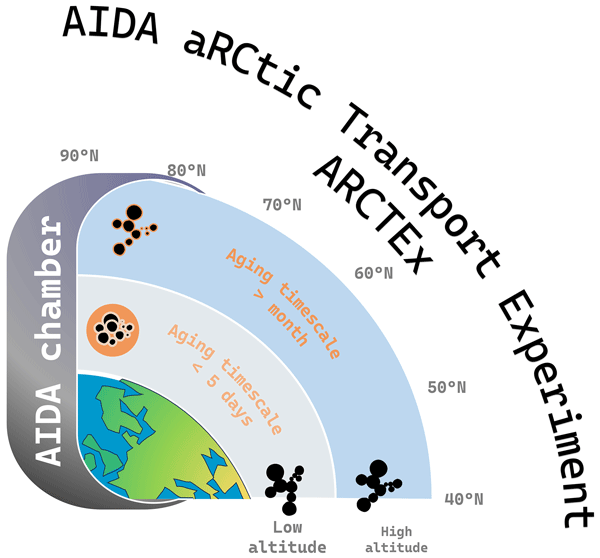
Marco Zanatta, Pia Bogert, Patrick Ginot, Yiwei Gong, Gholam Ali Hoshyaripour, Yaqiong Hu, Feng Jiang, Paolo Laj, Yanxia Li, Claudia Linke, Ottmar Möhler, Harald Saathoff, Martin Schnaiter, Nsikanabasi Silas Umo, Franziska Vogel, and Robert Wagner
Aerosol Research, 3, 477–502, https://doi.org/10.5194/ar-3-477-2025, https://doi.org/10.5194/ar-3-477-2025, 2025
Short summary
Short summary
Back carbon is an atmospheric pollutant from combustion and contributes to the Arctic warming. However, its properties change as it travels through the atmosphere, affecting its impact. We recreated Arctic transport conditions in a laboratory to study how black carbon evolves over time. Our findings show that temperature and altitude strongly influence its transformation, providing key insights for improving climate models and understanding Arctic pollution.
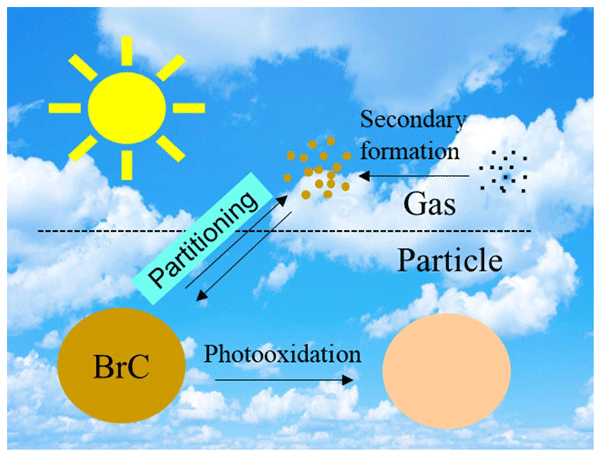
Feng Jiang, Harald Saathoff, Uzoamaka Ezenobi, Junwei Song, Hengheng Zhang, Linyu Gao, and Thomas Leisner
Atmos. Chem. Phys., 25, 1917–1930, https://doi.org/10.5194/acp-25-1917-2025, https://doi.org/10.5194/acp-25-1917-2025, 2025
Short summary
Short summary
The chemical composition of brown carbon in the particle and gas phase was determined by mass spectrometry. BrC in the gas phase was mainly controlled by secondary formation and particle-to-gas partitioning. BrC in the particle phase was mainly from secondary formation. This work helps to get a better understanding of diurnal variations and the sources of brown carbon aerosol at a rural location in central Europe.
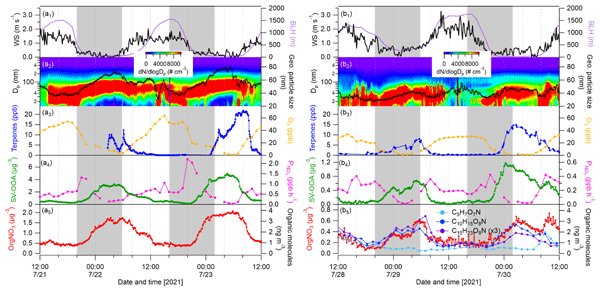
Junwei Song, Harald Saathoff, Feng Jiang, Linyu Gao, Hengheng Zhang, and Thomas Leisner
Atmos. Chem. Phys., 24, 6699–6717, https://doi.org/10.5194/acp-24-6699-2024, https://doi.org/10.5194/acp-24-6699-2024, 2024
Short summary
Short summary
This study presents concurrent online measurements of organic gas and particles (VOCs and OA) at a forested site in summer. Both VOCs and OA were largely contributed by oxygenated organic compounds. Semi-volatile oxygenated OA and organic nitrate formed from monoterpenes and sesquiterpenes contributed significantly to nighttime particle growth. The results help us to understand the causes of nighttime particle growth regularly observed in summer in central European rural forested environments.
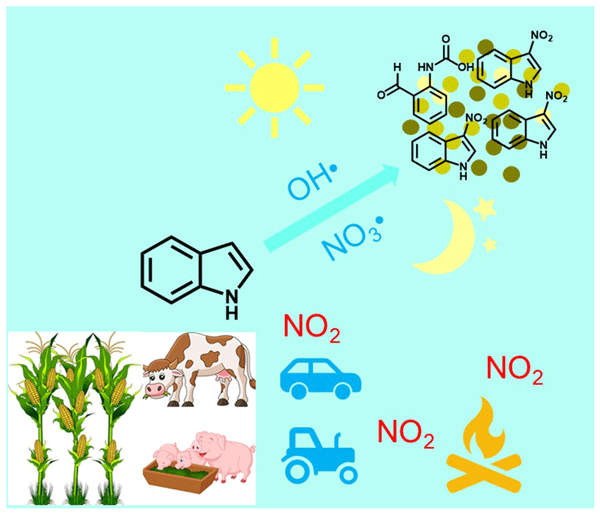
Feng Jiang, Kyla Siemens, Claudia Linke, Yanxia Li, Yiwei Gong, Thomas Leisner, Alexander Laskin, and Harald Saathoff
Atmos. Chem. Phys., 24, 2639–2649, https://doi.org/10.5194/acp-24-2639-2024, https://doi.org/10.5194/acp-24-2639-2024, 2024
Short summary
Short summary
We investigated the optical properties, chemical composition, and formation mechanisms of secondary organic aerosol (SOA) and brown carbon (BrC) from the oxidation of indole with and without NO2 in the Aerosol Interaction and Dynamics in the Atmosphere (AIDA) simulation chamber. This work is one of the very few to link the optical properties and chemical composition of indole SOA with and without NO2 by simulation chamber experiments.
Wei Huang, Cheng Wu, Linyu Gao, Yvette Gramlich, Sophie L. Haslett, Joel Thornton, Felipe D. Lopez-Hilfiker, Ben H. Lee, Junwei Song, Harald Saathoff, Xiaoli Shen, Ramakrishna Ramisetty, Sachchida N. Tripathi, Dilip Ganguly, Feng Jiang, Magdalena Vallon, Siegfried Schobesberger, Taina Yli-Juuti, and Claudia Mohr
Atmos. Chem. Phys., 24, 2607–2624, https://doi.org/10.5194/acp-24-2607-2024, https://doi.org/10.5194/acp-24-2607-2024, 2024
Short summary
Short summary
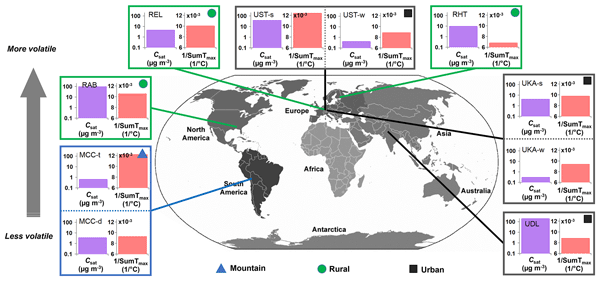
We present distinct molecular composition and volatility of oxygenated organic aerosol particles in different rural, urban, and mountain environments. We do a comprehensive investigation of the relationship between the chemical composition and volatility of oxygenated organic aerosol particles across different systems and environments. This study provides implications for volatility descriptions of oxygenated organic aerosol particles in different model frameworks.
Yiwei Gong, Feng Jiang, Yanxia Li, Thomas Leisner, and Harald Saathoff
Atmos. Chem. Phys., 24, 167–184, https://doi.org/10.5194/acp-24-167-2024, https://doi.org/10.5194/acp-24-167-2024, 2024
Short summary
Short summary
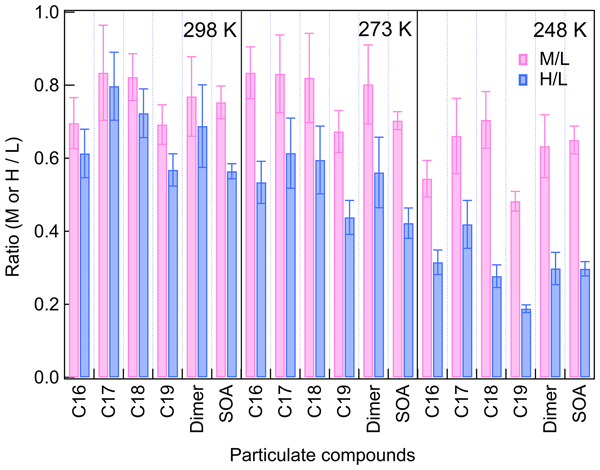
This study investigates the role of the important atmospheric reactive intermediates in the formation of dimers and aerosol in monoterpene ozonolysis at different temperatures. Through conducting a series of chamber experiments and utilizing chemical kinetic and aerosol dynamic models, the SOA formation processes are better described, especially for colder regions. The results can be used to improve the chemical mechanism modeling of monoterpenes and SOA parameterization in transport models.
Feng Jiang, Junwei Song, Jonas Bauer, Linyu Gao, Magdalena Vallon, Reiner Gebhardt, Thomas Leisner, Stefan Norra, and Harald Saathoff
Atmos. Chem. Phys., 22, 14971–14986, https://doi.org/10.5194/acp-22-14971-2022, https://doi.org/10.5194/acp-22-14971-2022, 2022
Short summary
Short summary
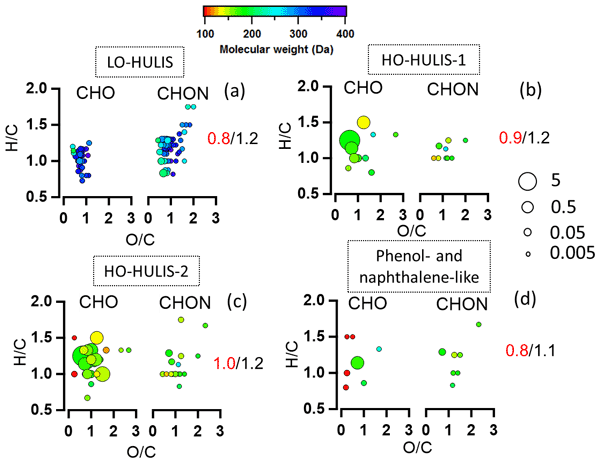
We studied brown carbon aerosol during typical summer and winter periods in downtown Karlsruhe in southwestern Germany. The chromophore and chemical composition of brown carbon was determined by excitation–emission spectroscopy and mass spectrometry. The chromophore types and sources were substantially different in winter and summer. Humic-like chromophores of different degrees of oxidation dominated and were associated with molecules of different molecular weight and nitrogen content.
Linyu Gao, Junwei Song, Claudia Mohr, Wei Huang, Magdalena Vallon, Feng Jiang, Thomas Leisner, and Harald Saathoff
Atmos. Chem. Phys., 22, 6001–6020, https://doi.org/10.5194/acp-22-6001-2022, https://doi.org/10.5194/acp-22-6001-2022, 2022
Short summary
Short summary
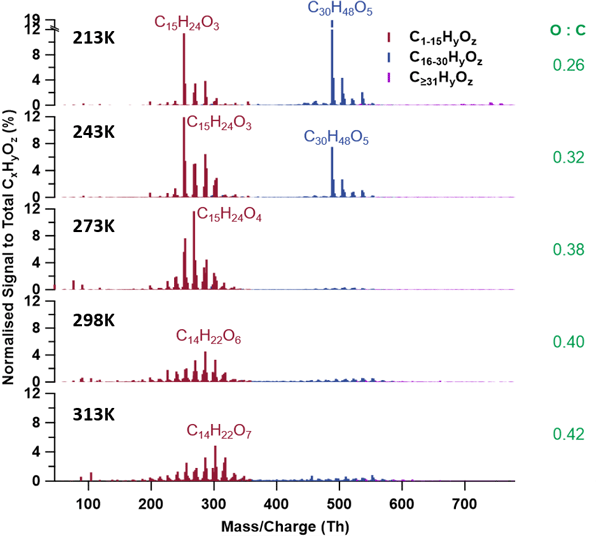
We study secondary organic aerosol (SOA) from β-caryophyllene (BCP) ozonolysis with and without nitrogen oxides over 213–313 K in the simulation chamber. The yields and the rate constants were determined at 243–313 K. Chemical compositions varied at different temperatures, indicating a strong impact on the BCP ozonolysis pathways. This work helps to better understand the SOA from BCP ozonolysis for conditions representative of the real atmosphere from the boundary layer to the upper troposphere.
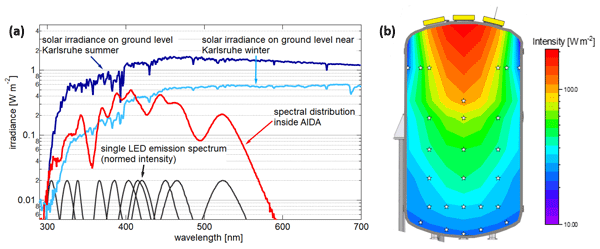
Magdalena Vallon, Linyu Gao, Feng Jiang, Bianca Krumm, Jens Nadolny, Junwei Song, Thomas Leisner, and Harald Saathoff
Atmos. Meas. Tech., 15, 1795–1810, https://doi.org/10.5194/amt-15-1795-2022, https://doi.org/10.5194/amt-15-1795-2022, 2022
Short summary
Short summary
A LED-based light source has been constructed for the AIDA simulation chamber at the Karlsruhe Institute of Technology. It allows aerosol formation and ageing studies under atmospherically relevant illumination intensities and spectral characteristics at temperatures from –90 °C to 30 °C with the possibility of changing the photon flux and irradiation spectrum at any point. The first results of photolysis experiments with 2,3-pentanedione, iron oxalate and a brown carbon component are shown.
McKenna Stanford, Alice Keinert, Ann Fridlind, Alexei Kiselev, Daniel Knopf, Andrew Ackerman, Thomas Leisner, and Paul Lawson
EGUsphere, https://doi.org/10.5194/egusphere-2026-4713, https://doi.org/10.5194/egusphere-2026-4713, 2026
Short summary
Short summary
Clouds containing a mixture of liquid and ice are poorly simulated because ice crystals multiply via poorly understood mechanisms. This study uses laboratory experiments to represent ice multiplication from freezing drops and evaluates that representation in high-resolution simulations against aircraft observations. Ice fragment production increases ice crystal numbers but is modulated by the evolution of raindrops prior to freezing, with direct implications for weather and climate models.
Anouk Marsal, Fabrizia Cavalli, Elise Di Antonio, Stephan Houdier, Pamela Dominutti, Sophie Darfeuil, Jean-Luc Jaffrezo, Stéphane Sauvage, Jean-Philippe Putaud, Ian S. Mudway, Athanasios Nenes, Aikaterini Bougiatioti, Nikolaos Mihalopoulos, André S. H. Prévôt, Despina Paraskevopoulou, Ana Cvitešić Kušan, Sanja Frka, Ana Kroflič, Ajda Delić, Blanka Tariba Lovaković, Andreja Jurič, Carolina Molina, Daniele Contini, Maria Rachele Guascito, Mathilde Lintz, Davy Rousset, Hartmut Herrmann, Eduardo J. d. S. Souza, Frédéric Ledoux, Marc Fadel, Haoran Yu, Jianzhen Yu, Maria Teresa Baeza Romero, Maria Cerrato-Alvarez, Marloes F. van Os, Mathilde N. Delaval, Yamaris Mercedes Mena Cabrera, Nicole Trieu, Greg Evans, Nuria Galindo, Noelia Gómez-Sanchez, Hana Hlaváčková, Pavel Mikuška, Shrutika Kadam, Pourya Shahpoury, Purificación López-Mahía, Jorge Moreda-Piñeiro, Rico K. Y. Cheung, Markus Kalberer, Micol Introna, Sarah S. Steimer, Zhuoying Lin, Suzanne E. Paulson, Saima Iram, Svetlana Stevanovic, Thomas Audoux, Laurent Y. Alleman, Jianing Liu, Ting Fang, P. S. Ganesh Subramanian, Vishal Verma, Tuukka Petäjä, Xavier Querol, Gerard Hoek, Roy M. Harrison, and Gaëlle Uzu
EGUsphere, https://doi.org/10.5194/egusphere-2026-3918, https://doi.org/10.5194/egusphere-2026-3918, 2026
Short summary
Short summary
This collaborative work from 26 worldwide laboratories assessed the measurement of atmospheric particles' oxidative potential (OP) using a common protocol. OP is a metric designed to inform on particles’ harmful effects. Over half of the laboratories obtained satisfactory results, and some critical steps such as liquid handling and OP mathematical determination were identified. Recommendations for future measurements and interlaboratory comparisons are also provided.
Julian Weng, Yufang Hao, Benjamin T. Brem, Tianqu Cui, Peeyush Khare, Lubna Dada, Kaspar R. Daellenbach, Sophie Darfeuil, Gaëlle Uzu, Jean-Luc Jaffrezo, Martin Steinbacher, Stefan Reimann, Thaleia Gkraikou, Konstantina Oikonomou, Jean Sciare, Martine Collaud Coen, Claudia Mohr, Andre S. H. Prévôt, Martin Gysel-Beer, Imad El Haddad, and Patrik Winiger
EGUsphere, https://doi.org/10.5194/egusphere-2026-3660, https://doi.org/10.5194/egusphere-2026-3660, 2026
Short summary
Short summary
Long-term observations at the Jungfraujoch High Altitude Research Station show that, alongside air mass transport, sustained oxidative processing shaped by atmospheric water vapor plays a central role in driving aerosol loading and composition. Combining detailed aerosol chemical characterization with process-level insights, we provide important observational benchmarks for improving atmospheric model performance in the remote free troposphere, where uncertainties remain particularly high.
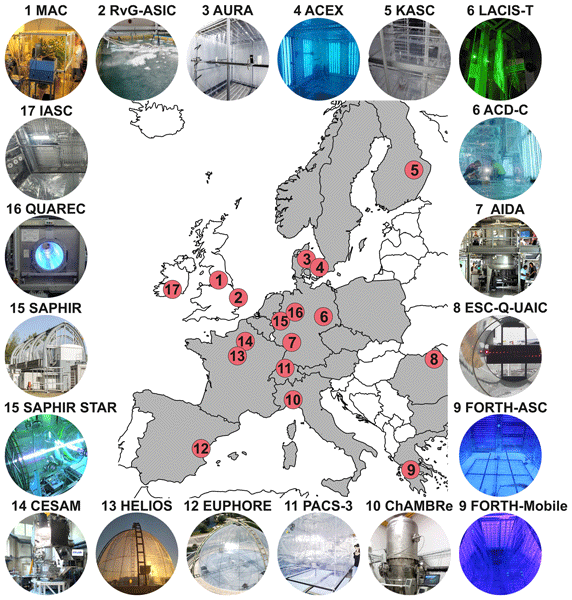
Hendrik Fuchs, Niklas Illmann, Amalia Muñoz, Mila Ródenas, Bénédicte Picquet-Varrault, M. Rami Alfarra, Cecilia Arsene, Iustinian G. Bejan, David M. Bell, Merete Bilde, Alexander Böhmländer, Mixtli Campos-Pineda, Mathieu Cazaunau, Patrice Coll, Véronique Daële, Claudia Di Biagio, Michael Flynn, Paola Formenti, Hartmut Herrmann, Kristina Höhler, Thorsten Hohaus, Matthew S. Johnson, Eija Juurola, Niku Kivekäs, Jan Kaiser, Christos Kaltsonoudis, Paolo Laj, Dario Massabò, Federico Mazzei, Gordon McFiggans, Max R. McGillen, Abdelwahid Mellouki, Peter Mettke, Ottmar Möhler, Falk Mothes, Dennis Niedermeier, Anna Novelli, Romeo I. Olariu, Spyros N. Pandis, Iulia Patroescu-Klotz, Rosa Maria Petracca Altieri, Paolo Prati, Claudiu Roman, Albert A. Ruth, Harald Saathoff, Silvio Schmalfuß, Frank Stratmann, Virginia Vernocchi, Aristeidis Voliotis, Jens Voigtländer, Annele Virtanen, Andreas Wahner, Robert Wagner, John Wenger, Sören Zorn, Peter Wiesen, and Jean-Francois Doussin
Atmos. Meas. Tech., 19, 4165–4199, https://doi.org/10.5194/amt-19-4165-2026, https://doi.org/10.5194/amt-19-4165-2026, 2026
Short summary
Short summary
Atmospheric simulation chambers enable experiments to be conducted under controlled conditions, improving our understanding of, and ability to predict, changes in the composition of the atmosphere. This is important for assessing air quality and its effects on human health, climate, the environment, and the economy. This paper describes the chambers of the European ACTRIS research infrastructure and discusses topics and directions that can be addressed in future chamber experiments.
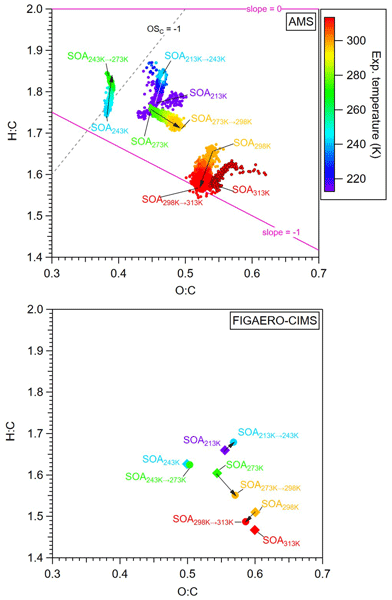
Linyu Gao, Stella E. I. Manavi, Claudia Mohr, Junwei Song, Cheng Wu, Thomas Leisner, Spyros N. Pandis, and Harald Saathoff
Atmos. Chem. Phys., 26, 8875–8892, https://doi.org/10.5194/acp-26-8875-2026, https://doi.org/10.5194/acp-26-8875-2026, 2026
Short summary
Short summary
We investigate how temperature (213–313K) affects secondary organic aerosol (SOA) particles derived from isoprene and α-pinene mixtures. Isoprene's suppression on α-pinene dimer formation varied with temperatures. Particles formed at higher temperatures are more oxidized yet more volatile than those formed at lower temperatures and then warmed. This work highlights the need to consider both temperature and biogenic vapor interaction to accurately describe SOA formation, aging, and global burden.
Ruqian Miao, Ruochong Xu, Shan Huang, Sihan Xiao, Hao Wang, Yan Zheng, Siyi Liu, Jingxian Li, Guannan Geng, Manish Shrivastava, Xu Dao, Claire Granier, Guy Brasseur, Vlassis A. Karydis, Alexandra P. Tsimpidi, Jianhui Jiang, Kaspar R. Daellenbach, Imad El Haddad, André S. H. Prévôt, and Qi Chen
EGUsphere, https://doi.org/10.5194/egusphere-2026-3160, https://doi.org/10.5194/egusphere-2026-3160, 2026
Short summary
Short summary
Primary and secondary organic aerosols (POA and SOA) have distinct climate and human health impacts. We develop an OA simulation framework resolving the full volatility spectrum of organic precursor emissions, which improves global POA and SOA characterization. Reassessing their global distributions and budgets, this study shows greater POA and SOA burdens than previous estimates and presents region-dependent OA sources and variability to guide health-oriented pollution mitigation strategies.
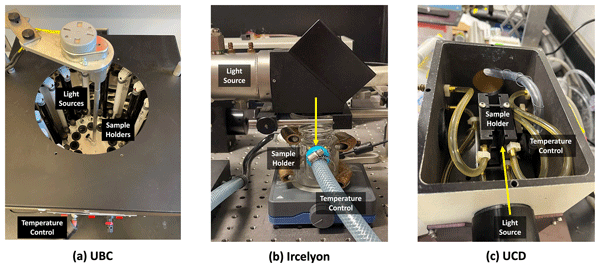
Keighan J. Gemmell, Laura Marie Dahler Heinlein, Emma A. Petersen-Sonn, Claudia Sardena, Zhongyu Guo, Nory Mariño-Ocampo, Belinda Heyne, Christian George, Cort Anastasio, and Nadine Borduas-Dedekind
Atmos. Meas. Tech., 19, 3961–3982, https://doi.org/10.5194/amt-19-3961-2026, https://doi.org/10.5194/amt-19-3961-2026, 2026
Short summary
Short summary
Molecular singlet oxygen (1O2*) is the first excited state of O2 and is produced when sunlight excites light-absorbing molecules in aerosols in the atmosphere. 1O2* can drive oxidation reactions and impact aerosol properties. This study is an inter-comparison of photoreactors, light sources and data analysis across 3 atmospheric chemistry laboratories, yielding a critical assessment of practices and recommendations for intercomparing 1O2* measurements and extrapolating to ambient particles.
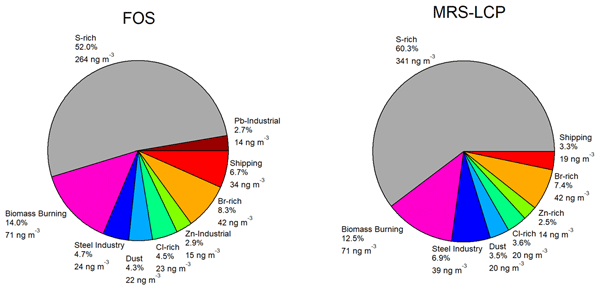
Mathilde Brezins, Benjamin Chazeau, Nicolas Marchand, Amandine Durand, Grégory Gille, Romain Bourjot, Andre S. H. Prévôt, Jean-Luc Jaffrezo, Gaëlle Uzu, and Barbara D'Anna
Aerosol Research, 4, 231–254, https://doi.org/10.5194/ar-4-231-2026, https://doi.org/10.5194/ar-4-231-2026, 2026
Short summary
Short summary
The Marseille–Fos basin faces high anthropogenic pressure from industry and maritime and road transport combined with specific weather conditions that further degrade air quality. Our study focuses on fine metallic pollution, which can penetrate deep into the lungs and cause harmful effects. Using 1 year of measurements at two sites, we identified 10 main pollution sources, half directly linked to human activities, highlighting clear risks for the environment and public health.
Yanxia Li, Hengheng Zhang, Xuefeng Shi, Yaowei Li, Sophie Abou-Rizk, Jessica B. Smith, Zhaojin An, Adrian Wenzel, Junwei Song, Thomas Leisner, Frank Keutsch, Jia Chen, and Harald Saathoff
EGUsphere, https://doi.org/10.5194/egusphere-2026-2195, https://doi.org/10.5194/egusphere-2026-2195, 2026
Short summary
Short summary
Urban ultrafine particles (<100 nm) sources and growth mechanisms remain poorly constrained. Measurements in a Munich street canyon reveal that UFP number concentrations peak at night due to traffic and cooking emissions trapped under a shallow boundary layer. Particle growth is instead driven by condensation of organic vapours with strong seasonal shifts: biogenic and barbeque charcoal biomass-burning compounds dominate in summer, while combustion-related organics control winter growth.
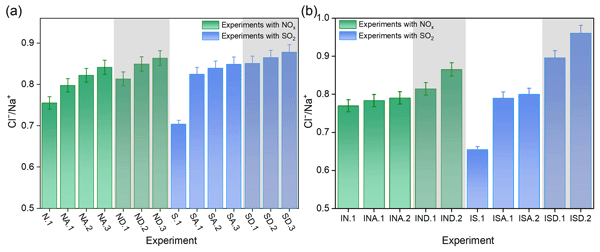
Aijing Song, Kun Li, Zhaomin Yang, Li Xu, Narcisse Tsona Tchinda, and Lin Du
Atmos. Chem. Phys., 26, 6727–6739, https://doi.org/10.5194/acp-26-6727-2026, https://doi.org/10.5194/acp-26-6727-2026, 2026
Short summary
Short summary
This study characterized the changes in chloride depletion under the influence of alkaline species, and further analyzed subsequent formation of corresponding organic chlorinated compounds using high-resolution mass spectrometry. Results demonstrated that the weakening effect of organic amine on chloride depletion is more pronounced than that of NH3 due its stronger alkalinity and nucleation ability. This further enhances our understanding of the mechanism influencing chloride depletion.
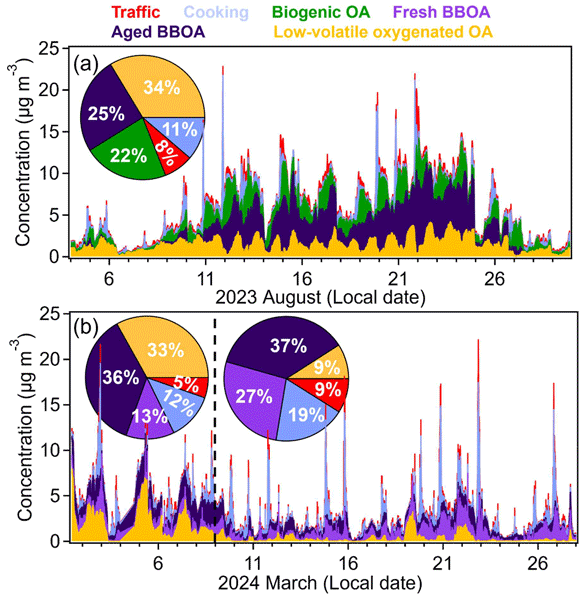
Yanxia Li, Hengheng Zhang, Xuefeng Shi, Yaowei Li, Sophie Abou-Rizk, Jessica B. Smith, Zhaojin An, Adrian Wenzel, Junwei Song, Thomas Leisner, Frank Keutsch, Jia Chen, and Harald Saathoff
Atmos. Chem. Phys., 26, 5813–5837, https://doi.org/10.5194/acp-26-5813-2026, https://doi.org/10.5194/acp-26-5813-2026, 2026
Short summary
Short summary
We analyzed Munich air samples across seasons to identify pollution sources. Traffic contributes less to particles than expected, while biomass burning dominates year-round. Summer barbecuing and winter heating release significant pollution. Monoterpene emissions from plants produce particles at night. Effective air quality improvement requires year-round strategies targeting biomass burning, not just vehicles. Understanding each city's pollution patterns is essential for public health.
Karin Stegelius, Pauline Thompson, Pia Karbiener, Piotr Markuszewski, Andre S. H. Prevot, Sachchida N. Tripathi, Claudia Mohr, Liine Heikkinen, Krishnakant Budhavant, and Sophie L. Haslett
EGUsphere, https://doi.org/10.5194/egusphere-2026-914, https://doi.org/10.5194/egusphere-2026-914, 2026
Short summary
Short summary
High-time-resolution observations in the Maldives indicate that submicron aerosol over the northern Indian Ocean is primarily composed of inorganic sulfate and highly oxidised organic matter, indicative of aged continental outflow. The consistent composition across various air mass origins, alongside identification of sulfur-containing organics, underscores the influence of long-range transport and sulfate-driven secondary chemistry on regional aerosol characteristics and their climate impacts.
Marije van den Born, Hengjia J. Ou, Jan Mulder, Jinglan Fu, Harald Saathof, and Ulrike Dusek
Aerosol Research Discuss., https://doi.org/10.5194/ar-2026-8, https://doi.org/10.5194/ar-2026-8, 2026
Revised manuscript accepted for AR
Short summary
Short summary
Sea spray aerosol plays an important role in climate and atmospheric chemistry, yet sea salt is rarely quantified by online mass spectrometers due to its refractory nature. This study shows that a Capture Vaporizer Time-of-Flight Aerosol Chemical Speciation Monitor can detect sea salt aerosol using Na and NaCl fragments. Laboratory and field results demonstrate robust real-time measurements of NaCl surface area, while accurate mass concentrations require particle size information.
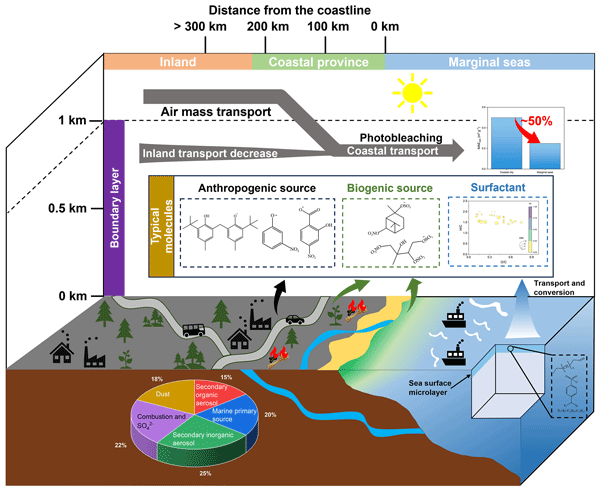
Kuanyun Hu, Narcisse Tsona Tchinda, Kun Li, Hartmut Herrmann, Jianlong Li, and Lin Du
Atmos. Chem. Phys., 26, 2225–2240, https://doi.org/10.5194/acp-26-2225-2026, https://doi.org/10.5194/acp-26-2225-2026, 2026
Short summary
Short summary
This study reveals that summer aerosols over the Bohai and Yellow Seas are mainly influenced by coastal emissions. Despite a high proportion of marine air masses, molecular and isotopic analyses of aerosols show strong terrestrial characteristics. Biomass burning contributes 60–80 % of carbonaceous aerosols, while marine sources account for only ~ 20 %. The findings highlight that controlling coastal emissions within ~ 260 km is crucial for mitigating marginal sea pollution.
Hengheng Zhang, Gholam Ali Hoshyaripour, Heike Vogel, Frank Wagner, Thomas Leisner, Jochen Förstner, and Harald Saathoff
EGUsphere, https://doi.org/10.5194/egusphere-2025-5980, https://doi.org/10.5194/egusphere-2025-5980, 2026
Short summary
Short summary
We studied several major dust storms that traveled from the Sahara to Europe using ground-based light measurements, sunlight sensors, particle counters, and a modern weather and dust model. We reveal when the dust arrived, how it moved and mixed in the air, and why each event behaved differently. Our results help improve forecasts of dust episodes that influence air quality, visibility, and solar energy across Europe.
Laurence C. Windell, Saliou Mbengue, Petra Pokorná, Jaroslav Schwarz, André S. H. Prévôt, Manousos I. Manousakas, Stefanos Papagiannis, Jakub Ondráček, Roman Prokeš, and Vladimir Ždímal
Atmos. Meas. Tech., 18, 7021–7038, https://doi.org/10.5194/amt-18-7021-2025, https://doi.org/10.5194/amt-18-7021-2025, 2025
Short summary
Short summary
In this work, we compare the two most widely used online XRF monitors for ambient elemental analysis, the Xact625i and PX-375. We found strong correlations between the online instruments and the reference method (better so for the Xact625i), while in terms of absolute concentrations, some elements were over- and underestimated. Overall, we determined both instruments can be used as powerful tools to produce high-time resolution elemental data for use in air quality monitoring.
Alexander Böhmländer, Larissa Lacher, Kristina Höhler, David Brus, Konstantinos-Matthaios Doulgeris, Jessica Girdwood, Thomas Leisner, and Ottmar Möhler
Earth Syst. Sci. Data, 17, 6157–6164, https://doi.org/10.5194/essd-17-6157-2025, https://doi.org/10.5194/essd-17-6157-2025, 2025
Short summary
Short summary
Clouds play a key role in weather and climate. Pure liquid water droplets are liquid until about −35 °C without the presence of a small subset of aerosols, ice-nucleating particles (INPs). These INPs lead to primary ice formation and therefore impact the phase of clouds. The dataset described herein provides INP concentration measurements at two altitudes. Connecting this data to synoptic conditions and ambient data might provide a better understanding of INPs in Finnish Lapland.
Laura Cadeo, Beatrice Biffi, Benjamin Chazeau, Cristina Colombi, Rosario Cosenza, Eleonora Cuccia, Manousos-Ioannis Manousakas, Kaspar R. Daellenbach, André S. H. Prévôt, and Roberta Vecchi
Atmos. Meas. Tech., 18, 6435–6448, https://doi.org/10.5194/amt-18-6435-2025, https://doi.org/10.5194/amt-18-6435-2025, 2025
Short summary
Short summary
This study presents the deployment of the Xact® 625i Ambient Metals Monitor in Milan (Po Valley, Italy) and its performance in measuring particulate matter elemental composition at a high temporal resolution. Our findings demonstrate strong agreement between online and offline X-ray fluorescence analyses, underscoring the potential of advanced monitoring technologies for air quality research.
Marco Zanatta, Pia Bogert, Patrick Ginot, Yiwei Gong, Gholam Ali Hoshyaripour, Yaqiong Hu, Feng Jiang, Paolo Laj, Yanxia Li, Claudia Linke, Ottmar Möhler, Harald Saathoff, Martin Schnaiter, Nsikanabasi Silas Umo, Franziska Vogel, and Robert Wagner
Aerosol Research, 3, 477–502, https://doi.org/10.5194/ar-3-477-2025, https://doi.org/10.5194/ar-3-477-2025, 2025
Short summary
Short summary
Back carbon is an atmospheric pollutant from combustion and contributes to the Arctic warming. However, its properties change as it travels through the atmosphere, affecting its impact. We recreated Arctic transport conditions in a laboratory to study how black carbon evolves over time. Our findings show that temperature and altitude strongly influence its transformation, providing key insights for improving climate models and understanding Arctic pollution.
Ahmed Abdelmonem, Dana Glikman, Yiwei Gong, Björn Braunschweig, Harald Saathoff, Johannes Lützenkirchen, and Mohammed H. Fawey
Atmos. Chem. Phys., 25, 13019–13035, https://doi.org/10.5194/acp-25-13019-2025, https://doi.org/10.5194/acp-25-13019-2025, 2025
Short summary
Short summary
This study examines how environmental factors (sunlight, pH, salinity, and surface chemistry) affect air–water interface reactions. Using a surface-specific technique, sum-frequency generation (SFG) spectroscopy, we found that compounds like 4-benzoylbenzoic acid (4-BBA) not only act as photosensitizers but also generate new surface-active products under UV light. These reactions have implications for oceans, lakes, and clouds, providing crucial insights for modeling natural processes.
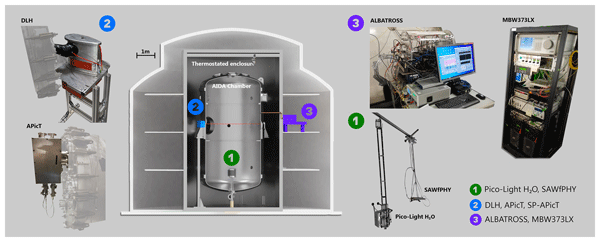
Simone Brunamonti, Harald Saathoff, Albert Hertzog, Glenn Diskin, Masatomo Fujiwara, Karen Rosenlof, Ottmar Möhler, Béla Tuzson, Lukas Emmenegger, Nadir Amarouche, Georges Durry, Fabien Frérot, Jean-Christophe Samake, Claire Cenac, Julio Lopez, Paul Monnier, and Mélanie Ghysels
Atmos. Meas. Tech., 18, 5321–5348, https://doi.org/10.5194/amt-18-5321-2025, https://doi.org/10.5194/amt-18-5321-2025, 2025
Short summary
Short summary
Water vapor is a strong greenhouse gas, and accurate measurements of its concentration in the upper atmosphere (~8–25 km altitude) are crucial for reliable climate predictions. We investigated the performance of four airborne hygrometers, deployed on aircraft or stratospheric balloon platforms and based on different techniques, in a climate simulation chamber. The results demonstrate the high accuracy and reliability of the involved sensors for atmospheric monitoring and research applications.
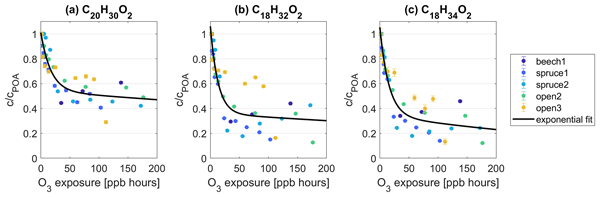
Sophie Bogler, Jun Zhang, Rico K. Y. Cheung, Kun Li, André S. H. Prévôt, Imad El Haddad, and David M. Bell
Atmos. Chem. Phys., 25, 10229–10243, https://doi.org/10.5194/acp-25-10229-2025, https://doi.org/10.5194/acp-25-10229-2025, 2025
Short summary
Short summary
Authentic aerosols emitted from residential wood stoves and open burning processes are only slightly oxidized by ozone in the atmosphere. Under dry conditions, the reaction does not proceed to completion, while under high humidity conditions, the reactivity proceeds further. These results indicate that the reactivity with ozone is likely impacted by aerosol phase state (e.g., aerosol viscosity).
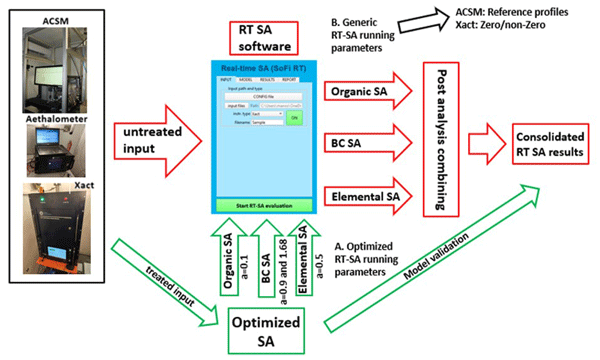
Manousos I. Manousakas, Olga Zografou, Francesco Canonaco, Evangelia Diapouli, Stefanos Papagiannis, Maria Gini, Vasiliki Vasilatou, Anna Tobler, Stergios Vratolis, Jay G. Slowik, Kaspar R. Daellenbach, André S. H. Prevot, and Konstantinos Eleftheriadis
Atmos. Meas. Tech., 18, 3983–4002, https://doi.org/10.5194/amt-18-3983-2025, https://doi.org/10.5194/amt-18-3983-2025, 2025
Short summary
Short summary
Air pollution from airborne particles is a major health and environmental concern, especially in cities. Understanding the particles' sources is key to addressing this issue, but traditional methods require time-consuming sampling, delaying action. Our study introduces a real-time monitoring system that uses advanced instruments and software to track pollution instantly. This technology allows faster, more precise pollution analysis, helping cities create targeted strategies to improve air quality.
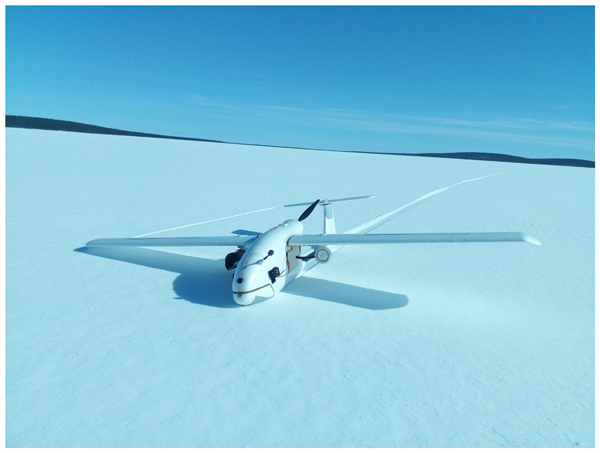
Alexander Böhmländer, Larissa Lacher, David Brus, Konstantinos-Matthaios Doulgeris, Zoé Brasseur, Matthew Boyer, Joel Kuula, Thomas Leisner, and Ottmar Möhler
Atmos. Meas. Tech., 18, 3959–3971, https://doi.org/10.5194/amt-18-3959-2025, https://doi.org/10.5194/amt-18-3959-2025, 2025
Short summary
Short summary
Clouds and aerosol are important for weather and climate. Typically, pure water cloud droplets stay liquid until around −35 °C, unless they come into contact with ice-nucleating particles (INPs). INPs are a rare subset of aerosol particles. Using uncrewed aerial vehicles (UAVs), it is possible to collect aerosol particles and analyse their ice-nucleating ability. This study describes the test and validation of a sampling set-up that can be used to collect aerosol particles onto a filter.
Rickey J. M. Lee, Ayomide A. Akande, Saeid Kamal, Paul A. Heine, Pritesh Padhiar, David Tonkin, Wesley Rusinoff, Mohamad Rezaei, and Nadine Borduas-Dedekind
EGUsphere, https://doi.org/10.5194/egusphere-2025-3041, https://doi.org/10.5194/egusphere-2025-3041, 2025
Short summary
Short summary
The University of British Columbia (UBC)'s Advanced Techniques for Mechanisms of OXidation (ATMOX) chamber is a modular 8 m3 environmental chamber capable of operating under batch and continuous mode experiments with a unique setup of light-emitting diodes (LEDs) producing irradiance peaks at 275, 310, 325, 340, 365, 385 nm, as well as between 450 and 630 nm. This chamber enables wavelength-specific photochemical experiments without temperature increases while being energy efficient.
Junke Zhang, Xinyi Fu, Chunying Chen, Yunfei Su, Siyu Liu, Luyao Chen, Yubao Chen, Gehui Wang, and Andre S. H. Prevot
Atmos. Chem. Phys., 25, 8983–9004, https://doi.org/10.5194/acp-25-8983-2025, https://doi.org/10.5194/acp-25-8983-2025, 2025
Short summary
Short summary
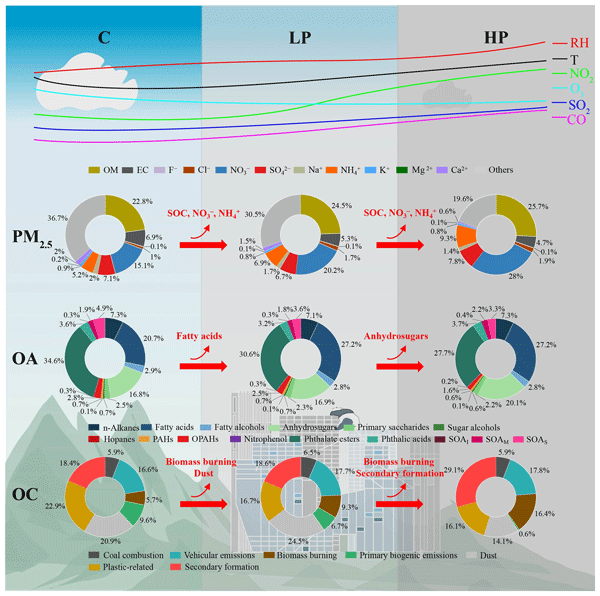
We measured (at the molecular level) the 125 organic aerosol (OA) compounds present in Chengdu in winter. OA was dominated by fatty acids, phthalate esters, and anhydrosugars, and it was deeply influenced by anthropogenic sources. As pollution worsened, secondary inorganic species and secondary organic carbon (OC) dominated the increase in PM2.5, fatty acids and anhydrosugars dominated the increase in OA, and the contributions of secondary formation and biomass burning to OC increased markedly.
Jiamao Zhou, Jiarui Wu, Xiaoli Su, Ruonan Wang, Imad EI Haddad, Xia Li, Qian Jiang, Ting Zhang, Wenting Dai, Junji Cao, Andre S. H. Prevot, Xuexi Tie, and Guohui Li
Atmos. Chem. Phys., 25, 7563–7580, https://doi.org/10.5194/acp-25-7563-2025, https://doi.org/10.5194/acp-25-7563-2025, 2025
Short summary
Short summary
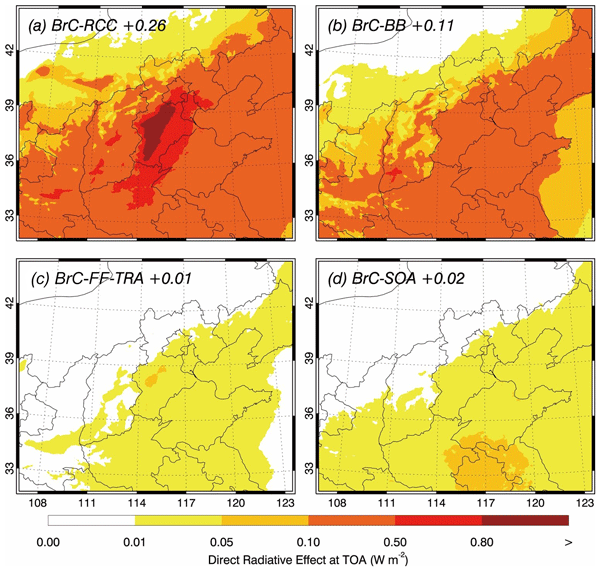
Brown carbon (BrC) is a type of airborne particle produced from various combustion sources which is light absorption. Historically, climate models have categorizing organic particles as either non-absorbing or purely reflective. Our study shows that BrC can reduce the usual cooling effect of organic particles. While BrC is often linked to biomass burning, however, BrC from fossil fuels contributes significantly to atmospheric heating.
Farhan R. Nursanto, Douglas A. Day, Roy Meinen, Rupert Holzinger, Harald Saathoff, Jinglan Fu, Jan Mulder, Ulrike Dusek, and Juliane L. Fry
Atmos. Meas. Tech., 18, 3051–3072, https://doi.org/10.5194/amt-18-3051-2025, https://doi.org/10.5194/amt-18-3051-2025, 2025
Short summary
Short summary
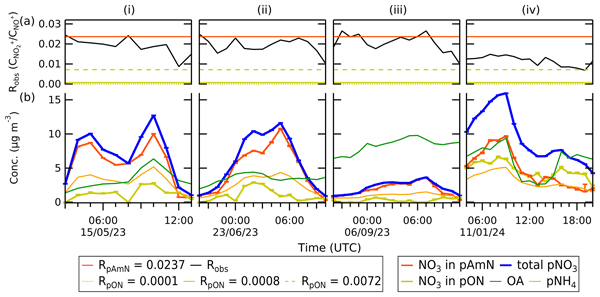
It is of increasing importance to monitor nitrate pollution that can harm ecosystems. However, commonly used aerosol monitoring equipment cannot distinguish inorganic from organic forms of nitrate, which may have different consequences for the environment. We describe a method to differentiate types of nitrates that can be applied to ambient monitoring to improve understanding of its formation and impact.
Kathleen A. Alden, Paul Bieber, Anna J. Miller, Nicole Link, Benjamin J. Murray, and Nadine Borduas-Dedekind
Atmos. Chem. Phys., 25, 6179–6195, https://doi.org/10.5194/acp-25-6179-2025, https://doi.org/10.5194/acp-25-6179-2025, 2025
Short summary
Short summary
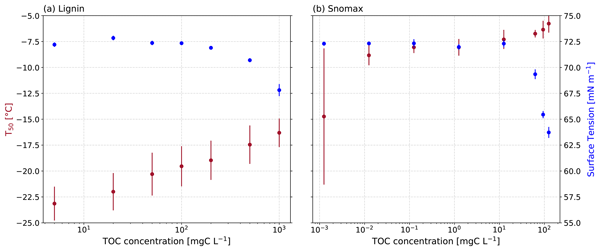
Lignin and Snomax are surface-active macromolecules that show a relationship between increasing concentrations, decreasing surface tension, and increasing ice-nucleating ability. However, this relationship did not hold for agricultural soil extracts collected in the UK and Canada. To explain this difference, we propose that as the complexity of the sample increases, the hydrophobic interfaces in the bulk compete with the air–water interface.
Ashutosh K. Shukla, Sachchida N. Tripathi, Shamitaksha Talukdar, Vishnu Murari, Sreenivas Gaddamidi, Manousos-Ioannis Manousakas, Vipul Lalchandani, Kuldeep Dixit, Vinayak M. Ruge, Peeyush Khare, Mayank Kumar, Vikram Singh, Neeraj Rastogi, Suresh Tiwari, Atul K. Srivastava, Dilip Ganguly, Kaspar Rudolf Daellenbach, and André S. H. Prévôt
Atmos. Chem. Phys., 25, 3765–3784, https://doi.org/10.5194/acp-25-3765-2025, https://doi.org/10.5194/acp-25-3765-2025, 2025
Short summary
Short summary
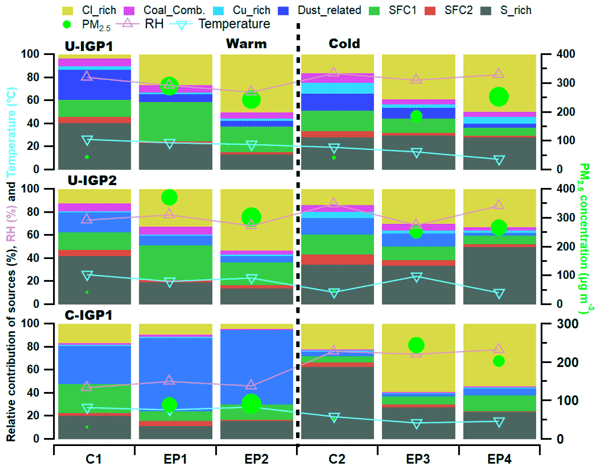
Our study delves into the elemental composition of aerosols at three sites across the Indo-Gangetic Plain (IGP), revealing distinct patterns during pollution episodes. We found significant increases in chlorine (Cl)-rich and solid fuel combustion (SFC) sources, indicating dynamic emission sources, agricultural burning impacts, and meteorological influences. Surges in Cl-rich particles during cold periods highlight their role in particle growth under high-relative-humidity conditions.
Tiantian Wang, Jun Zhang, Houssni Lamkaddam, Kun Li, Ka Yuen Cheung, Lisa Kattner, Erlend Gammelsæter, Michael Bauer, Zachary C. J. Decker, Deepika Bhattu, Rujin Huang, Rob L. Modini, Jay G. Slowik, Imad El Haddad, Andre S. H. Prevot, and David M. Bell
Atmos. Chem. Phys., 25, 2707–2724, https://doi.org/10.5194/acp-25-2707-2025, https://doi.org/10.5194/acp-25-2707-2025, 2025
Short summary
Short summary
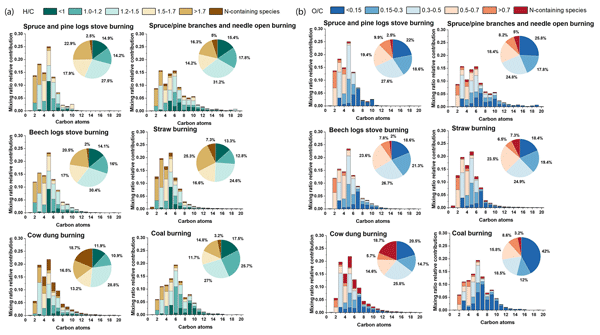
Our study analyzes real-time emissions of organic vapors from solid fuel combustion. Using the mass spectrometer, we tested various fuels, finding higher emission factors for organic vapors from wood burning. Intermediate-volatility organic compounds constituted a significant fraction of emissions in solid fuel combustion. Statistical tests identified unique potential markers. Our insights benefit air quality, climate, and health, aiding accurate emission assessments.
Hector Navarro-Barboza, Jordi Rovira, Vincenzo Obiso, Andrea Pozzer, Marta Via, Andres Alastuey, Xavier Querol, Noemi Perez, Marjan Savadkoohi, Gang Chen, Jesus Yus-Díez, Matic Ivancic, Martin Rigler, Konstantinos Eleftheriadis, Stergios Vratolis, Olga Zografou, Maria Gini, Benjamin Chazeau, Nicolas Marchand, Andre S. H. Prevot, Kaspar Dallenbach, Mikael Ehn, Krista Luoma, Tuukka Petäjä, Anna Tobler, Jaroslaw Necki, Minna Aurela, Hilkka Timonen, Jarkko Niemi, Olivier Favez, Jean-Eudes Petit, Jean-Philippe Putaud, Christoph Hueglin, Nicolas Pascal, Aurélien Chauvigné, Sébastien Conil, Marco Pandolfi, and Oriol Jorba
Atmos. Chem. Phys., 25, 2667–2694, https://doi.org/10.5194/acp-25-2667-2025, https://doi.org/10.5194/acp-25-2667-2025, 2025
Short summary
Short summary
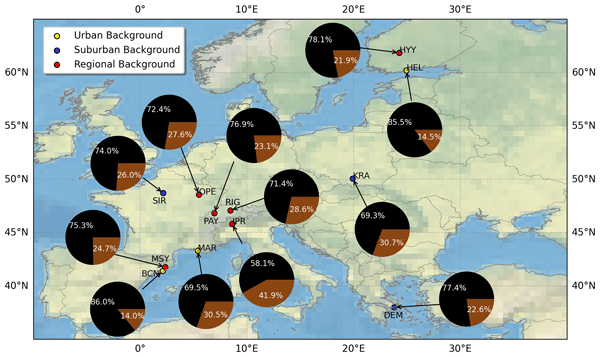
Brown carbon (BrC) absorbs ultraviolet (UV) and visible light, influencing climate. This study explores BrC's imaginary refractive index (k) using data from 12 European sites. Residential emissions are a major organic aerosol (OA) source in winter, while secondary organic aerosol (SOA) dominates in summer. Source-specific k values were derived, improving model accuracy. The findings highlight BrC's climate impact and emphasize source-specific constraints in atmospheric models.
Michael F. Link, Megan S. Claflin, Christina E. Cecelski, Ayomide A. Akande, Delaney Kilgour, Paul A. Heine, Matthew Coggon, Chelsea E. Stockwell, Andrew Jensen, Jie Yu, Han N. Huynh, Jenna C. Ditto, Carsten Warneke, William Dresser, Keighan Gemmell, Spiro Jorga, Rileigh L. Robertson, Joost de Gouw, Timothy Bertram, Jonathan P. D. Abbatt, Nadine Borduas-Dedekind, and Dustin Poppendieck
Atmos. Meas. Tech., 18, 1013–1038, https://doi.org/10.5194/amt-18-1013-2025, https://doi.org/10.5194/amt-18-1013-2025, 2025
Short summary
Short summary
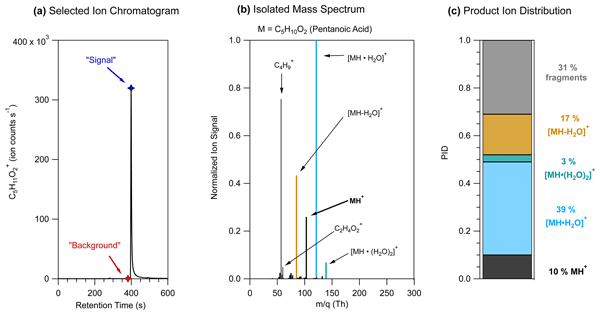
Proton-transfer-reaction mass spectrometry (PTR-MS) is widely used for the measurement of volatile organic compounds (VOCs) both indoors and outdoors. An analytical challenge for PTR-MS measurements is the formation of unintended measurement interferences, product ion distributions (PIDs), that may appear in the data as VOCs of interest. We developed a method for quantifying PID formation and use interlaboratory comparison data to put quantitative constraints on PID formation.
Feng Jiang, Harald Saathoff, Uzoamaka Ezenobi, Junwei Song, Hengheng Zhang, Linyu Gao, and Thomas Leisner
Atmos. Chem. Phys., 25, 1917–1930, https://doi.org/10.5194/acp-25-1917-2025, https://doi.org/10.5194/acp-25-1917-2025, 2025
Short summary
Short summary
The chemical composition of brown carbon in the particle and gas phase was determined by mass spectrometry. BrC in the gas phase was mainly controlled by secondary formation and particle-to-gas partitioning. BrC in the particle phase was mainly from secondary formation. This work helps to get a better understanding of diurnal variations and the sources of brown carbon aerosol at a rural location in central Europe.
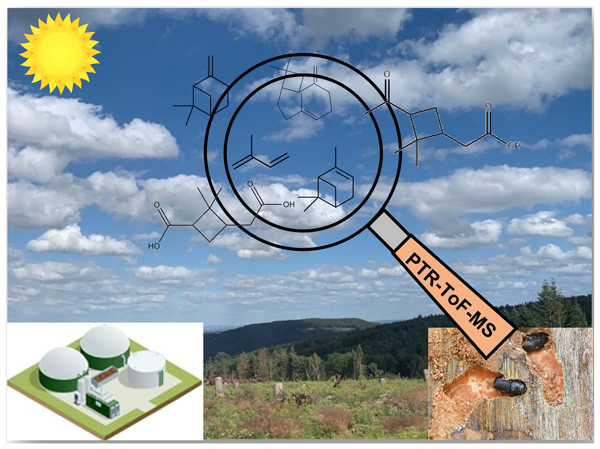
Junwei Song, Georgios I. Gkatzelis, Ralf Tillmann, Nicolas Brüggemann, Thomas Leisner, and Harald Saathoff
Atmos. Chem. Phys., 24, 13199–13217, https://doi.org/10.5194/acp-24-13199-2024, https://doi.org/10.5194/acp-24-13199-2024, 2024
Short summary
Short summary
Biogenic volatile organic compounds (BVOCs) and organic aerosol (OA) particles were measured online in a stressed spruce-dominated forest. OA was mainly attributed to the monoterpene oxidation products. The mixing ratios of BVOCs were higher than the values previously measured in other temperate forests. The results demonstrate that BVOCs are influenced not only by meteorology and biogenic emissions but also by local anthropogenic emissions and subsequent chemical transformation processes.
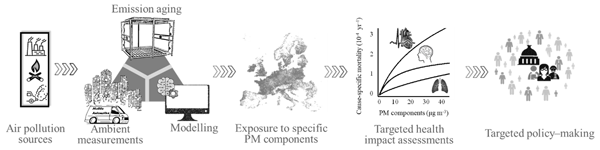
Imad El Haddad, Danielle Vienneau, Kaspar R. Daellenbach, Robin Modini, Jay G. Slowik, Abhishek Upadhyay, Petros N. Vasilakos, David Bell, Kees de Hoogh, and Andre S. H. Prevot
Atmos. Chem. Phys., 24, 11981–12011, https://doi.org/10.5194/acp-24-11981-2024, https://doi.org/10.5194/acp-24-11981-2024, 2024
Short summary
Short summary
This opinion paper explores how advances in aerosol science inform our understanding of the health impacts of outdoor particulate pollution. We advocate for a shift in the way we target PM pollution, focusing on the most harmful anthropogenic emissions. We highlight key observations, modelling developments, and emission measurements needed to achieve this shift.
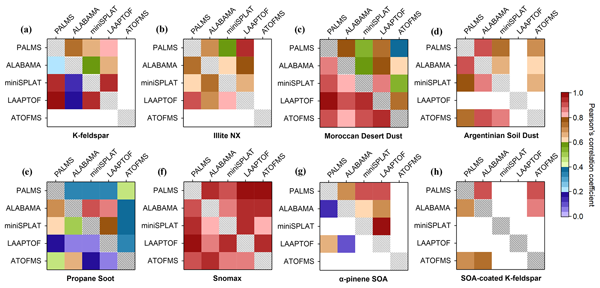
Xiaoli Shen, David M. Bell, Hugh Coe, Naruki Hiranuma, Fabian Mahrt, Nicholas A. Marsden, Claudia Mohr, Daniel M. Murphy, Harald Saathoff, Johannes Schneider, Jacqueline Wilson, Maria A. Zawadowicz, Alla Zelenyuk, Paul J. DeMott, Ottmar Möhler, and Daniel J. Cziczo
Atmos. Chem. Phys., 24, 10869–10891, https://doi.org/10.5194/acp-24-10869-2024, https://doi.org/10.5194/acp-24-10869-2024, 2024
Short summary
Short summary
Single-particle mass spectrometry (SPMS) is commonly used to measure the chemical composition and mixing state of aerosol particles. Intercomparison of SPMS instruments was conducted. All instruments reported similar size ranges and common spectral features. The instrument-specific detection efficiency was found to be more dependent on particle size than type. All differentiated secondary organic aerosol, soot, and soil dust but had difficulties differentiating among minerals and dusts.
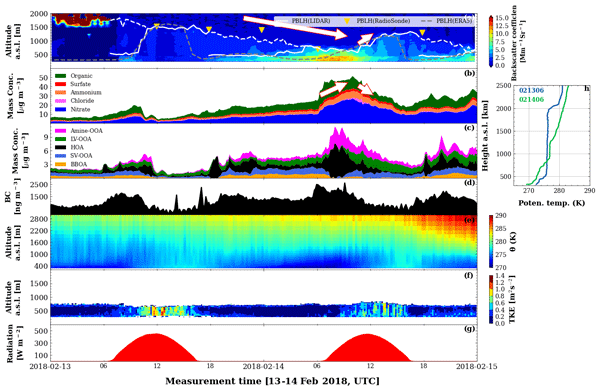
Hengheng Zhang, Wei Huang, Xiaoli Shen, Ramakrishna Ramisetty, Junwei Song, Olga Kiseleva, Christopher Claus Holst, Basit Khan, Thomas Leisner, and Harald Saathoff
Atmos. Chem. Phys., 24, 10617–10637, https://doi.org/10.5194/acp-24-10617-2024, https://doi.org/10.5194/acp-24-10617-2024, 2024
Short summary
Short summary
Our study unravels how stagnant winter conditions elevate aerosol levels in Stuttgart. Cloud cover at night plays a pivotal role, impacting morning air quality. Validating a key model, our findings aid accurate air quality predictions, crucial for effective pollution mitigation in urban areas.
Junwei Song, Harald Saathoff, Feng Jiang, Linyu Gao, Hengheng Zhang, and Thomas Leisner
Atmos. Chem. Phys., 24, 6699–6717, https://doi.org/10.5194/acp-24-6699-2024, https://doi.org/10.5194/acp-24-6699-2024, 2024
Short summary
Short summary
This study presents concurrent online measurements of organic gas and particles (VOCs and OA) at a forested site in summer. Both VOCs and OA were largely contributed by oxygenated organic compounds. Semi-volatile oxygenated OA and organic nitrate formed from monoterpenes and sesquiterpenes contributed significantly to nighttime particle growth. The results help us to understand the causes of nighttime particle growth regularly observed in summer in central European rural forested environments.
Hengheng Zhang, Christian Rolf, Ralf Tillmann, Christian Wesolek, Frank Gunther Wienhold, Thomas Leisner, and Harald Saathoff
Aerosol Research, 2, 135–151, https://doi.org/10.5194/ar-2-135-2024, https://doi.org/10.5194/ar-2-135-2024, 2024
Short summary
Short summary
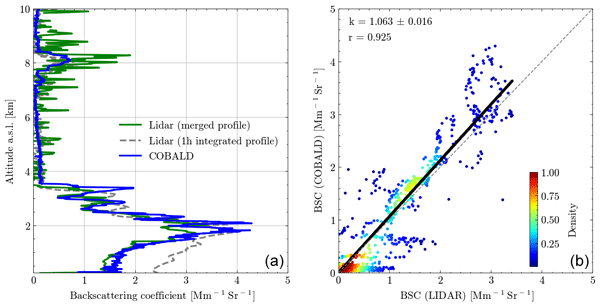
Our study employs advanced tools, including scanning lidar, balloons, and UAVs, to explore aerosol particles in the atmosphere. The scanning lidar offers distinctive near-ground-level insights, enriching our comprehension of aerosol distribution from ground level to the free troposphere. This research provides valuable data for comparing remote sensing and in situ aerosol measurements, advancing our understanding of aerosol impacts on radiative transfer, clouds, and air quality.
Yaru Song, Jianlong Li, Narcisse Tsona Tchinda, Kun Li, and Lin Du
Atmos. Chem. Phys., 24, 5847–5862, https://doi.org/10.5194/acp-24-5847-2024, https://doi.org/10.5194/acp-24-5847-2024, 2024
Short summary
Short summary
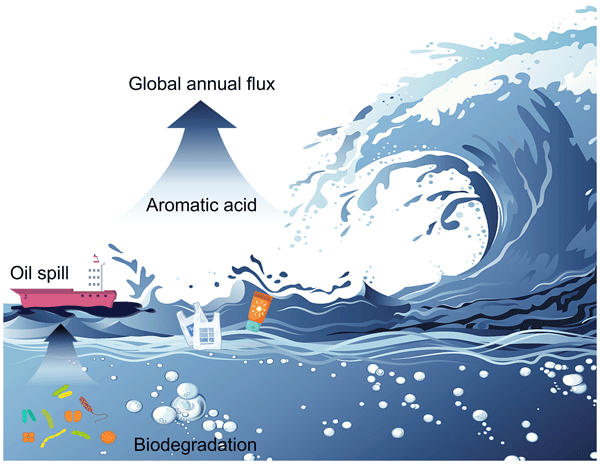
Aromatic acids can be transferred from seawater to the atmosphere through bubble bursting. The air–sea transfer efficiency of aromatic acids was evaluated by simulating SSA generation with a plunging jet. As a whole, the transfer capacity of aromatic acids may depend on their functional groups and on the bridging effect of cations, as well as their concentration in seawater, as these factors influence the global emission flux of aromatic acids via SSA.
Johanna S. Seidel, Alexei A. Kiselev, Alice Keinert, Frank Stratmann, Thomas Leisner, and Susan Hartmann
Atmos. Chem. Phys., 24, 5247–5263, https://doi.org/10.5194/acp-24-5247-2024, https://doi.org/10.5194/acp-24-5247-2024, 2024
Short summary
Short summary
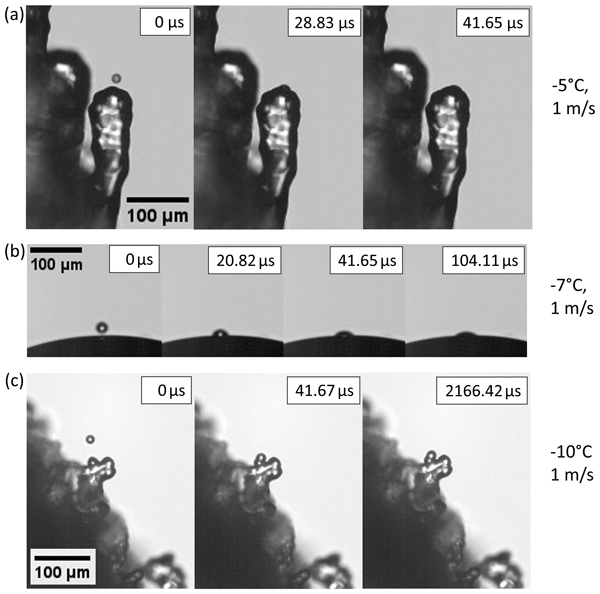
Clouds often contain several thousand times more ice crystals than aerosol particles catalyzing ice formation. This phenomenon, commonly known as ice multiplication, is often explained by secondary ice formation due to the collisions between falling ice particles and droplets. In this study, we mimic this riming process. Contrary to earlier experiments, we found no efficient ice multiplication, which fundamentally questions the importance of the rime-splintering mechanism.
Xiaowen Chen, Lin Du, Zhaomin Yang, Shan Zhang, Narcisse Tsona Tchinda, Jianlong Li, and Kun Li
EGUsphere, https://doi.org/10.5194/egusphere-2023-2960, https://doi.org/10.5194/egusphere-2023-2960, 2024
Preprint archived
Short summary
Short summary
In this study, the interactions between α-pinene and marine emission dimethyl sulfide (DMS) are investigated. It is found that the yield of secondary organic aerosol initially increases and then decreases with the increasing DMS/α-pinene ratio. This trend can be explained by OH regeneration, acid-catalyzed reactions, and the change in OH reactivity, etc. These findings can improve our understanding of atmospheric processes in coastal areas.
Feng Jiang, Kyla Siemens, Claudia Linke, Yanxia Li, Yiwei Gong, Thomas Leisner, Alexander Laskin, and Harald Saathoff
Atmos. Chem. Phys., 24, 2639–2649, https://doi.org/10.5194/acp-24-2639-2024, https://doi.org/10.5194/acp-24-2639-2024, 2024
Short summary
Short summary
We investigated the optical properties, chemical composition, and formation mechanisms of secondary organic aerosol (SOA) and brown carbon (BrC) from the oxidation of indole with and without NO2 in the Aerosol Interaction and Dynamics in the Atmosphere (AIDA) simulation chamber. This work is one of the very few to link the optical properties and chemical composition of indole SOA with and without NO2 by simulation chamber experiments.
Wei Huang, Cheng Wu, Linyu Gao, Yvette Gramlich, Sophie L. Haslett, Joel Thornton, Felipe D. Lopez-Hilfiker, Ben H. Lee, Junwei Song, Harald Saathoff, Xiaoli Shen, Ramakrishna Ramisetty, Sachchida N. Tripathi, Dilip Ganguly, Feng Jiang, Magdalena Vallon, Siegfried Schobesberger, Taina Yli-Juuti, and Claudia Mohr
Atmos. Chem. Phys., 24, 2607–2624, https://doi.org/10.5194/acp-24-2607-2024, https://doi.org/10.5194/acp-24-2607-2024, 2024
Short summary
Short summary
We present distinct molecular composition and volatility of oxygenated organic aerosol particles in different rural, urban, and mountain environments. We do a comprehensive investigation of the relationship between the chemical composition and volatility of oxygenated organic aerosol particles across different systems and environments. This study provides implications for volatility descriptions of oxygenated organic aerosol particles in different model frameworks.
Lin Du, Xiaofan Lv, Makroni Lily, Kun Li, and Narcisse Tsona Tchinda
Atmos. Chem. Phys., 24, 1841–1853, https://doi.org/10.5194/acp-24-1841-2024, https://doi.org/10.5194/acp-24-1841-2024, 2024
Short summary
Short summary
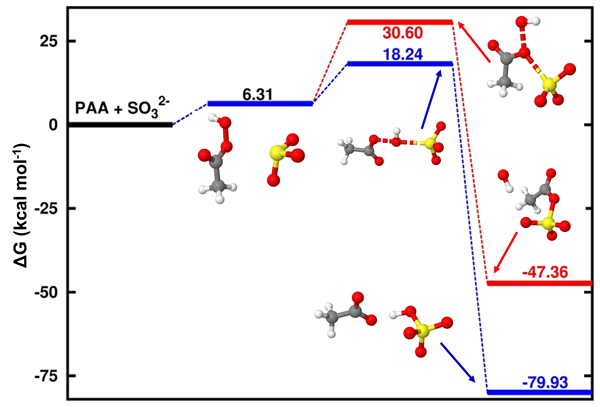
This study explores the pH effect on the reaction of dissolved SO2 with selected organic peroxides. Results show that the formation of organic and/or inorganic sulfate from these peroxides strongly depends on their electronic structures, and these processes are likely to alter the chemical composition of dissolved organic matter in different ways. The rate constants of these reactions exhibit positive pH and temperature dependencies within pH 1–10 and 240–340 K ranges.
Yiwei Gong, Feng Jiang, Yanxia Li, Thomas Leisner, and Harald Saathoff
Atmos. Chem. Phys., 24, 167–184, https://doi.org/10.5194/acp-24-167-2024, https://doi.org/10.5194/acp-24-167-2024, 2024
Short summary
Short summary
This study investigates the role of the important atmospheric reactive intermediates in the formation of dimers and aerosol in monoterpene ozonolysis at different temperatures. Through conducting a series of chamber experiments and utilizing chemical kinetic and aerosol dynamic models, the SOA formation processes are better described, especially for colder regions. The results can be used to improve the chemical mechanism modeling of monoterpenes and SOA parameterization in transport models.
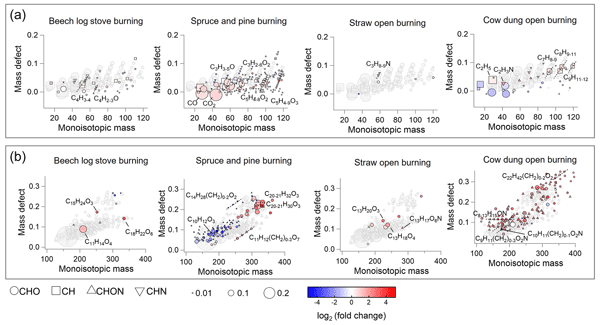
Jun Zhang, Kun Li, Tiantian Wang, Erlend Gammelsæter, Rico K. Y. Cheung, Mihnea Surdu, Sophie Bogler, Deepika Bhattu, Dongyu S. Wang, Tianqu Cui, Lu Qi, Houssni Lamkaddam, Imad El Haddad, Jay G. Slowik, Andre S. H. Prevot, and David M. Bell
Atmos. Chem. Phys., 23, 14561–14576, https://doi.org/10.5194/acp-23-14561-2023, https://doi.org/10.5194/acp-23-14561-2023, 2023
Short summary
Short summary
We conducted burning experiments to simulate various types of solid fuel combustion, including residential burning, wildfires, agricultural burning, cow dung, and plastic bag burning. The chemical composition of the particles was characterized using mass spectrometers, and new potential markers for different fuels were identified using statistical analysis. This work improves our understanding of emissions from solid fuel burning and offers support for refined source apportionment.
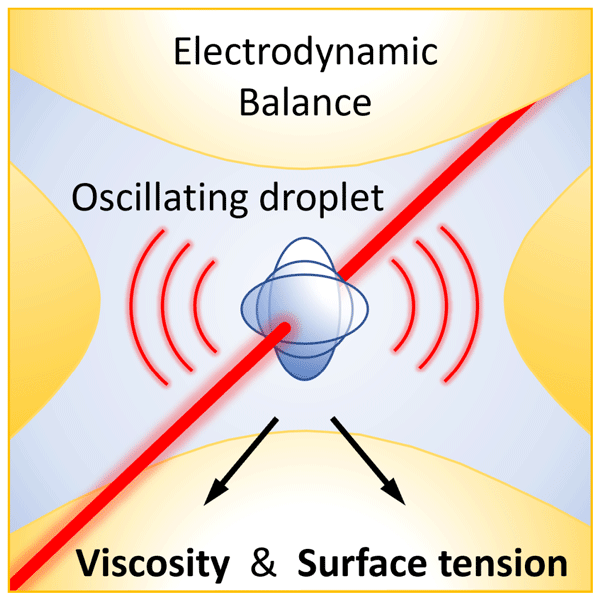
Mohit Singh, Stephanie Helen Jones, Alexei Kiselev, Denis Duft, and Thomas Leisner
Atmos. Meas. Tech., 16, 5205–5215, https://doi.org/10.5194/amt-16-5205-2023, https://doi.org/10.5194/amt-16-5205-2023, 2023
Short summary
Short summary
We introduce a novel method for simultaneous measurement of the viscosity and surface tension of metastable liquids. Our approach is based on the phase analysis of excited shape oscillations in levitated droplets. It is applicable to a wide range of atmospheric conditions and can monitor changes in real time. The technique holds great promise for investigating the effect of atmospheric processing on the viscosity and surface tension of solution droplets in equilibrium with water vapour.
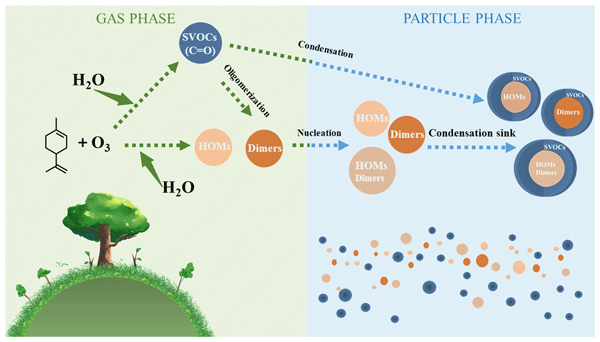
Shan Zhang, Lin Du, Zhaomin Yang, Narcisse Tsona Tchinda, Jianlong Li, and Kun Li
Atmos. Chem. Phys., 23, 10809–10822, https://doi.org/10.5194/acp-23-10809-2023, https://doi.org/10.5194/acp-23-10809-2023, 2023
Short summary
Short summary
In this study, we have investigated the distinct impacts of humidity on the ozonolysis of two structurally different monoterpenes (limonene and Δ3-carene). We found that the molecular structure of precursors can largely influence the SOA formation under high RH by impacting the multi-generation reactions. Our results could advance knowledge on the roles of water content in aerosol formation and inform ongoing research on particle environmental effects and applications in models.
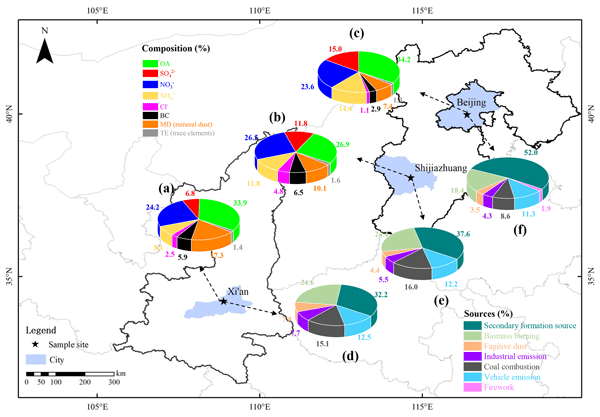
Yong Zhang, Jie Tian, Qiyuan Wang, Lu Qi, Manousos Ioannis Manousakas, Yuemei Han, Weikang Ran, Yele Sun, Huikun Liu, Renjian Zhang, Yunfei Wu, Tianqu Cui, Kaspar Rudolf Daellenbach, Jay Gates Slowik, André S. H. Prévôt, and Junji Cao
Atmos. Chem. Phys., 23, 9455–9471, https://doi.org/10.5194/acp-23-9455-2023, https://doi.org/10.5194/acp-23-9455-2023, 2023
Short summary
Short summary
PM2.5 pollution still frequently occurs in northern China during winter, and it is necessary to figure out the causes of air pollution based on intensive real-time measurement. The findings elaborate the chemical characteristics and source contributions of PM2.5 in three pilot cities, reveal potential formation mechanisms of secondary aerosols, and highlight the importance of controlling biomass burning and inhibiting generation of secondary aerosol for air quality improvement.
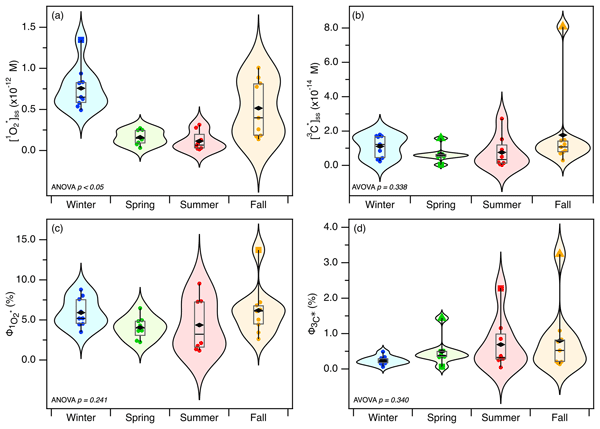
Yuting Lyu, Yin Hau Lam, Yitao Li, Nadine Borduas-Dedekind, and Theodora Nah
Atmos. Chem. Phys., 23, 9245–9263, https://doi.org/10.5194/acp-23-9245-2023, https://doi.org/10.5194/acp-23-9245-2023, 2023
Short summary
Short summary
We measured singlet oxygen (1O2*) and triplet excited states of organic matter (3C*) in illuminated aqueous extracts of PM2.5 collected in different seasons at different sites in Hong Kong SAR, South China. In contrast to the locations, seasonality had significant effects on 3C* and 1O2* production due to seasonal variations in long-range air mass transport. The steady-state concentrations of 3C* and 1O2* correlated with the concentration and absorbance of water-soluble organic carbon.
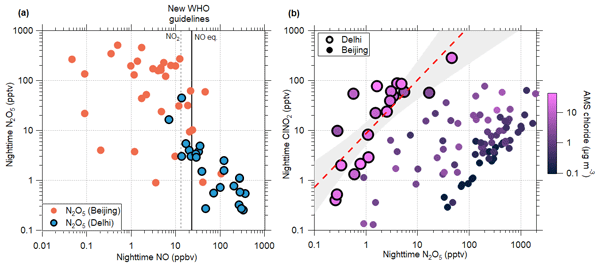
Sophie L. Haslett, David M. Bell, Varun Kumar, Jay G. Slowik, Dongyu S. Wang, Suneeti Mishra, Neeraj Rastogi, Atinderpal Singh, Dilip Ganguly, Joel Thornton, Feixue Zheng, Yuanyuan Li, Wei Nie, Yongchun Liu, Wei Ma, Chao Yan, Markku Kulmala, Kaspar R. Daellenbach, David Hadden, Urs Baltensperger, Andre S. H. Prevot, Sachchida N. Tripathi, and Claudia Mohr
Atmos. Chem. Phys., 23, 9023–9036, https://doi.org/10.5194/acp-23-9023-2023, https://doi.org/10.5194/acp-23-9023-2023, 2023
Short summary
Short summary
In Delhi, some aspects of daytime and nighttime atmospheric chemistry are inverted, and parodoxically, vehicle emissions may be limiting other forms of particle production. This is because the nighttime emissions of nitrogen oxide (NO) by traffic and biomass burning prevent some chemical processes that would otherwise create even more particles and worsen the urban haze.
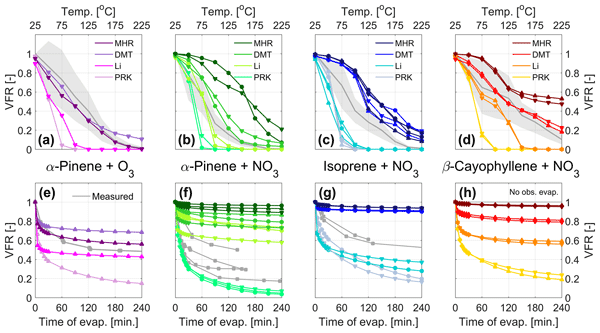
Emelie L. Graham, Cheng Wu, David M. Bell, Amelie Bertrand, Sophie L. Haslett, Urs Baltensperger, Imad El Haddad, Radovan Krejci, Ilona Riipinen, and Claudia Mohr
Atmos. Chem. Phys., 23, 7347–7362, https://doi.org/10.5194/acp-23-7347-2023, https://doi.org/10.5194/acp-23-7347-2023, 2023
Short summary
Short summary
The volatility of an aerosol particle is an important parameter for describing its atmospheric lifetime. We studied the volatility of secondary organic aerosols from nitrate-initiated oxidation of three biogenic precursors with experimental methods and model simulations. We saw higher volatility than for the corresponding ozone system, and our simulations produced variable results with different parameterizations which warrant a re-evaluation of the treatment of the nitrate functional group.
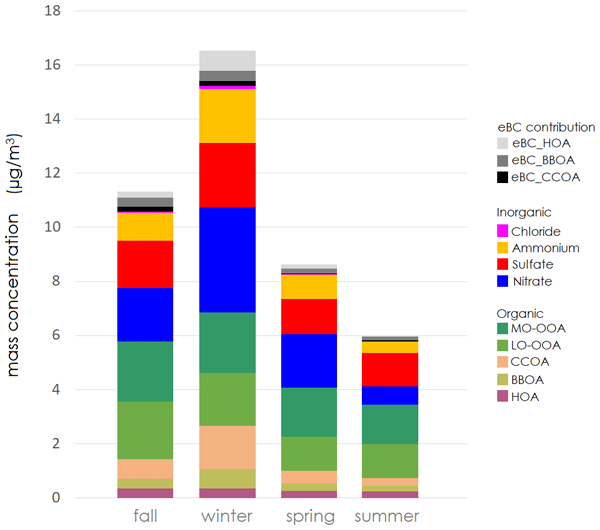
Samira Atabakhsh, Laurent Poulain, Gang Chen, Francesco Canonaco, André S. H. Prévôt, Mira Pöhlker, Alfred Wiedensohler, and Hartmut Herrmann
Atmos. Chem. Phys., 23, 6963–6988, https://doi.org/10.5194/acp-23-6963-2023, https://doi.org/10.5194/acp-23-6963-2023, 2023
Short summary
Short summary
The study focuses on the aerosol chemical variations found in the rural-background station of Melpitz based on ACSM and MAAP measurements. Source apportionment on both organic aerosol (OA) and black carbon (eBC) was performed, and source seasonality was also linked to air mass trajectories. Overall, three anthropogenic sources were identified in OA and eBC plus two additional aged OA. Our results demonstrate the influence of transported coal-combustion-related OA even during summer time.
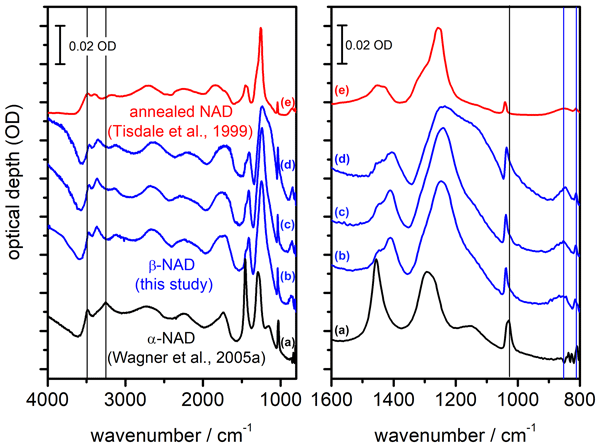
Robert Wagner, Alexander D. James, Victoria L. Frankland, Ottmar Möhler, Benjamin J. Murray, John M. C. Plane, Harald Saathoff, Ralf Weigel, and Martin Schnaiter
Atmos. Chem. Phys., 23, 6789–6811, https://doi.org/10.5194/acp-23-6789-2023, https://doi.org/10.5194/acp-23-6789-2023, 2023
Short summary
Short summary
Polar stratospheric clouds (PSCs) play an important role in the depletion of stratospheric ozone. They can consist of different chemical species, including crystalline nitric acid hydrates. We found that mineral dust or meteoric ablation material can efficiently catalyse the formation of a specific phase of nitric acid dihydrate crystals. We determined predominant particle shapes and infrared optical properties of these crystals, which are important inputs for remote sensing detection of PSCs.
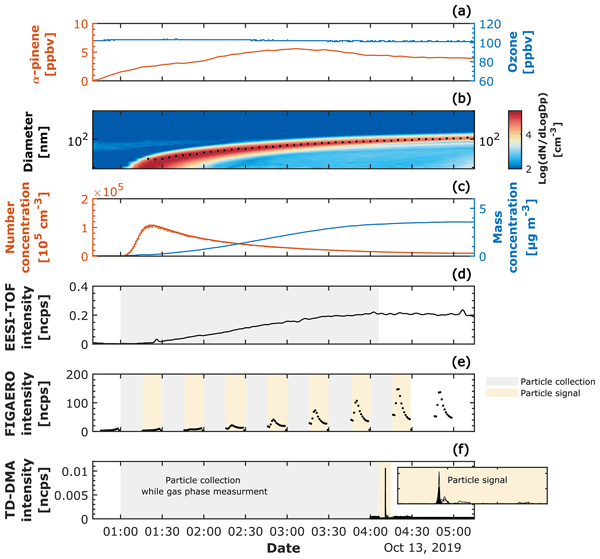
Lucía Caudillo, Mihnea Surdu, Brandon Lopez, Mingyi Wang, Markus Thoma, Steffen Bräkling, Angela Buchholz, Mario Simon, Andrea C. Wagner, Tatjana Müller, Manuel Granzin, Martin Heinritzi, Antonio Amorim, David M. Bell, Zoé Brasseur, Lubna Dada, Jonathan Duplissy, Henning Finkenzeller, Xu-Cheng He, Houssni Lamkaddam, Naser G. A. Mahfouz, Vladimir Makhmutov, Hanna E. Manninen, Guillaume Marie, Ruby Marten, Roy L. Mauldin, Bernhard Mentler, Antti Onnela, Tuukka Petäjä, Joschka Pfeifer, Maxim Philippov, Ana A. Piedehierro, Birte Rörup, Wiebke Scholz, Jiali Shen, Dominik Stolzenburg, Christian Tauber, Ping Tian, António Tomé, Nsikanabasi Silas Umo, Dongyu S. Wang, Yonghong Wang, Stefan K. Weber, André Welti, Marcel Zauner-Wieczorek, Urs Baltensperger, Richard C. Flagan, Armin Hansel, Jasper Kirkby, Markku Kulmala, Katrianne Lehtipalo, Douglas R. Worsnop, Imad El Haddad, Neil M. Donahue, Alexander L. Vogel, Andreas Kürten, and Joachim Curtius
Atmos. Chem. Phys., 23, 6613–6631, https://doi.org/10.5194/acp-23-6613-2023, https://doi.org/10.5194/acp-23-6613-2023, 2023
Short summary
Short summary
In this study, we present an intercomparison of four different techniques for measuring the chemical composition of nanoparticles. The intercomparison was performed based on the observed chemical composition, calculated volatility, and analysis of the thermograms. We found that the methods generally agree on the most important compounds that are found in the nanoparticles. However, they do see different parts of the organic spectrum. We suggest potential explanations for these differences.
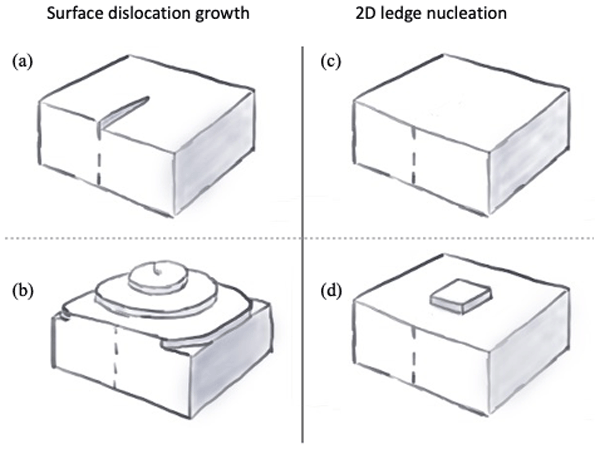
Kara D. Lamb, Jerry Y. Harrington, Benjamin W. Clouser, Elisabeth J. Moyer, Laszlo Sarkozy, Volker Ebert, Ottmar Möhler, and Harald Saathoff
Atmos. Chem. Phys., 23, 6043–6064, https://doi.org/10.5194/acp-23-6043-2023, https://doi.org/10.5194/acp-23-6043-2023, 2023
Short summary
Short summary
This study investigates how ice grows directly from vapor in cirrus clouds by comparing observations of populations of ice crystals growing in a cloud chamber against models developed in the context of single-crystal laboratory studies. We demonstrate that previous discrepancies between different experimental measurements do not necessarily point to different physical interpretations but are rather due to assumptions that were made in terms of how experiments were modeled in previous studies.

Nadine Borduas-Dedekind, Karen C. Short, and Samuel P. Carlson
Earth Syst. Sci. Data, 15, 1437–1440, https://doi.org/10.5194/essd-15-1437-2023, https://doi.org/10.5194/essd-15-1437-2023, 2023
Short summary
Short summary
This article describes the use of the open-discussion manuscript review process as an educational exercise for early career scientists.
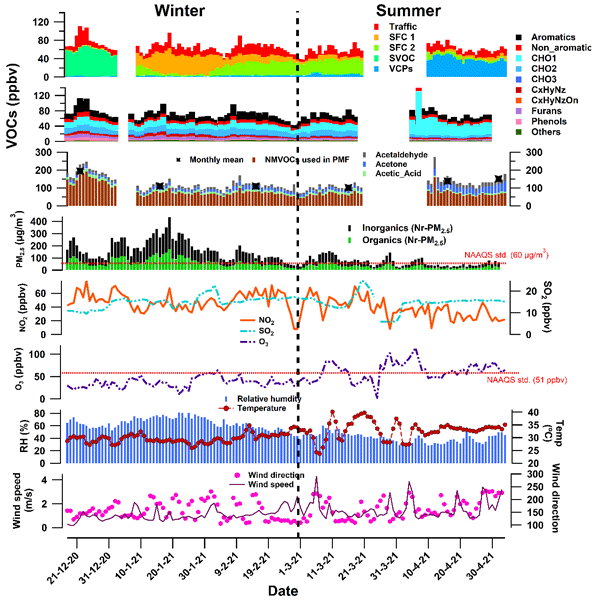
Vaishali Jain, Nidhi Tripathi, Sachchida N. Tripathi, Mansi Gupta, Lokesh K. Sahu, Vishnu Murari, Sreenivas Gaddamidi, Ashutosh K. Shukla, and Andre S. H. Prevot
Atmos. Chem. Phys., 23, 3383–3408, https://doi.org/10.5194/acp-23-3383-2023, https://doi.org/10.5194/acp-23-3383-2023, 2023
Short summary
Short summary
This research chemically characterises 173 different NMVOCs (non-methane volatile organic compounds) measured in real time for three seasons in the city of the central Indo-Gangetic basin of India, Lucknow. Receptor modelling is used to analyse probable sources of NMVOCs and their crucial role in forming ozone and secondary organic aerosols. It is observed that vehicular emissions and solid fuel combustion are the highest contributors to the emission of primary and secondary NMVOCs.
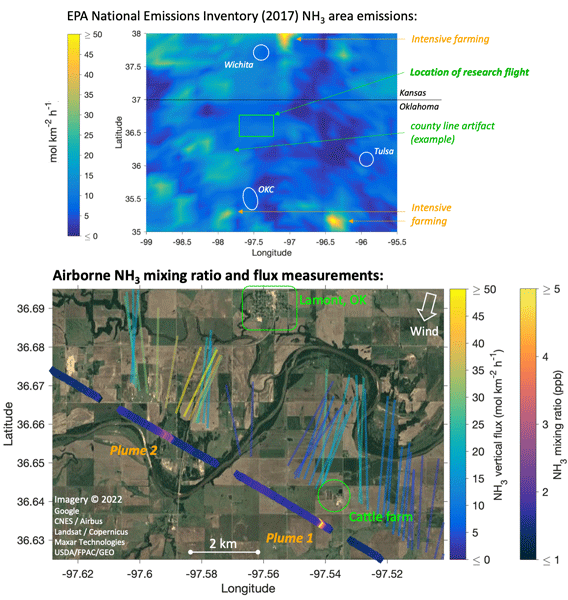
Siegfried Schobesberger, Emma L. D'Ambro, Lejish Vettikkat, Ben H. Lee, Qiaoyun Peng, David M. Bell, John E. Shilling, Manish Shrivastava, Mikhail Pekour, Jerome Fast, and Joel A. Thornton
Atmos. Meas. Tech., 16, 247–271, https://doi.org/10.5194/amt-16-247-2023, https://doi.org/10.5194/amt-16-247-2023, 2023
Short summary
Short summary
We present a new, highly sensitive technique for measuring atmospheric ammonia, an important trace gas that is emitted mainly by agriculture. We deployed the instrument on an aircraft during research flights over rural Oklahoma. Due to its fast response, we could analyze correlations with turbulent winds and calculate ammonia emissions from nearby areas at 1 to 2 km resolution. We observed high spatial variability and point sources that are not resolved in the US National Emissions Inventory.
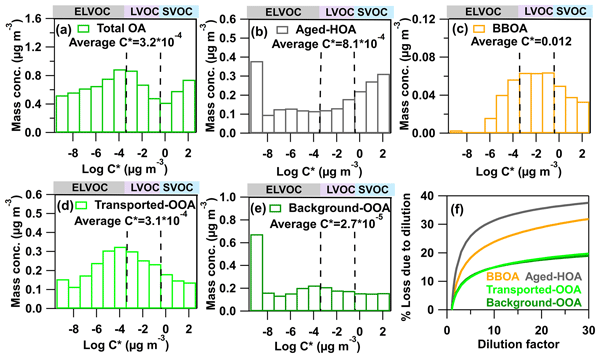
Tingting Feng, Yingkun Wang, Weiwei Hu, Ming Zhu, Wei Song, Wei Chen, Yanyan Sang, Zheng Fang, Wei Deng, Hua Fang, Xu Yu, Cheng Wu, Bin Yuan, Shan Huang, Min Shao, Xiaofeng Huang, Lingyan He, Young Ro Lee, Lewis Gregory Huey, Francesco Canonaco, Andre S. H. Prevot, and Xinming Wang
Atmos. Chem. Phys., 23, 611–636, https://doi.org/10.5194/acp-23-611-2023, https://doi.org/10.5194/acp-23-611-2023, 2023
Short summary
Short summary
To investigate the impact of aging processes on organic aerosols (OA), we conducted a comprehensive field study at a continental remote site using an on-line mass spectrometer. The results show that OA in the Chinese outflows were strongly influenced by upwind anthropogenic emissions. The aging processes can significantly decrease the OA volatility and result in a varied viscosity of OA under different circumstances, signifying the complex physiochemical properties of OA in aged plumes.
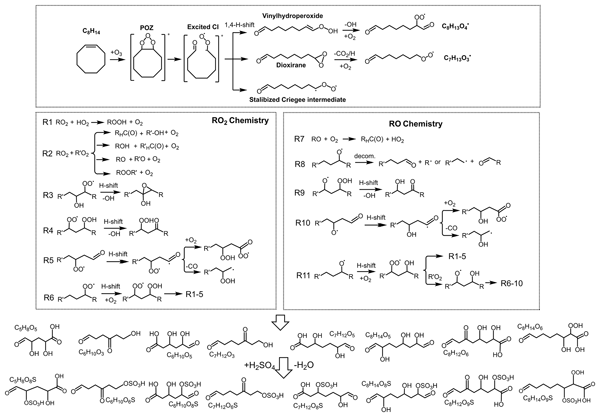
Zhaomin Yang, Kun Li, Narcisse T. Tsona, Xin Luo, and Lin Du
Atmos. Chem. Phys., 23, 417–430, https://doi.org/10.5194/acp-23-417-2023, https://doi.org/10.5194/acp-23-417-2023, 2023
Short summary
Short summary
SO2 significantly promotes particle formation during cyclooctene ozonolysis. Carboxylic acids and their dimers were major products in particles formed in the absence of SO2. SO2 can induce production of organosulfates with stronger particle formation ability than their precursors, leading to the enhancement in particle formation. Formation mechanisms and structures of organosulfates were proposed, which is helpful for better understanding how SO2 perturbs the formation and fate of particles.
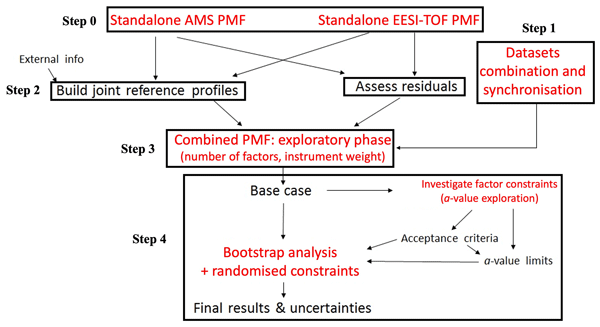
Yandong Tong, Lu Qi, Giulia Stefenelli, Dongyu Simon Wang, Francesco Canonaco, Urs Baltensperger, André Stephan Henry Prévôt, and Jay Gates Slowik
Atmos. Meas. Tech., 15, 7265–7291, https://doi.org/10.5194/amt-15-7265-2022, https://doi.org/10.5194/amt-15-7265-2022, 2022
Short summary
Short summary
We present a method for positive matrix factorisation (PMF) analysis on a single dataset that includes measurements from both EESI-TOF and AMS in Zurich, Switzerland. For the first time, we resolved and quantified secondary organic aerosol (SOA) sources. Meanwhile, we also determined the retrieved EESI-TOF factor-dependent sensitivities. This method provides a framework for exploiting semi-quantitative, high-resolution instrumentation for quantitative source apportionment.
Feng Jiang, Junwei Song, Jonas Bauer, Linyu Gao, Magdalena Vallon, Reiner Gebhardt, Thomas Leisner, Stefan Norra, and Harald Saathoff
Atmos. Chem. Phys., 22, 14971–14986, https://doi.org/10.5194/acp-22-14971-2022, https://doi.org/10.5194/acp-22-14971-2022, 2022
Short summary
Short summary
We studied brown carbon aerosol during typical summer and winter periods in downtown Karlsruhe in southwestern Germany. The chromophore and chemical composition of brown carbon was determined by excitation–emission spectroscopy and mass spectrometry. The chromophore types and sources were substantially different in winter and summer. Humic-like chromophores of different degrees of oxidation dominated and were associated with molecules of different molecular weight and nitrogen content.
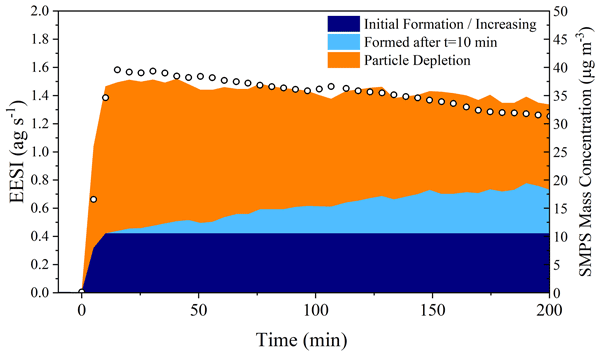
David M. Bell, Cheng Wu, Amelie Bertrand, Emelie Graham, Janne Schoonbaert, Stamatios Giannoukos, Urs Baltensperger, Andre S. H. Prevot, Ilona Riipinen, Imad El Haddad, and Claudia Mohr
Atmos. Chem. Phys., 22, 13167–13182, https://doi.org/10.5194/acp-22-13167-2022, https://doi.org/10.5194/acp-22-13167-2022, 2022
Short summary
Short summary
A series of studies designed to investigate the evolution of organic aerosol were performed in an atmospheric simulation chamber, using a common oxidant found at night (NO3). The chemical composition steadily changed from its initial composition via different chemical reactions that were taking place inside of the aerosol particle. These results show that the composition of organic aerosol steadily changes during its lifetime in the atmosphere.
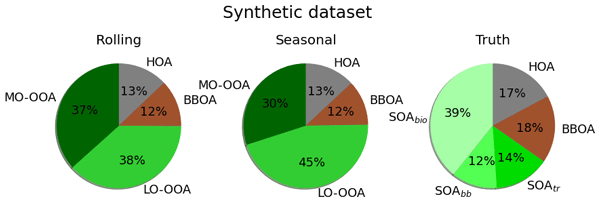
Marta Via, Gang Chen, Francesco Canonaco, Kaspar R. Daellenbach, Benjamin Chazeau, Hasna Chebaicheb, Jianhui Jiang, Hannes Keernik, Chunshui Lin, Nicolas Marchand, Cristina Marin, Colin O'Dowd, Jurgita Ovadnevaite, Jean-Eudes Petit, Michael Pikridas, Véronique Riffault, Jean Sciare, Jay G. Slowik, Leïla Simon, Jeni Vasilescu, Yunjiang Zhang, Olivier Favez, André S. H. Prévôt, Andrés Alastuey, and María Cruz Minguillón
Atmos. Meas. Tech., 15, 5479–5495, https://doi.org/10.5194/amt-15-5479-2022, https://doi.org/10.5194/amt-15-5479-2022, 2022
Short summary
Short summary
This work presents the differences resulting from two techniques (rolling and seasonal) of the positive matrix factorisation model that can be run for organic aerosol source apportionment. The current state of the art suggests that the rolling technique is more accurate, but no proof of its effectiveness has been provided yet. This paper tackles this issue in the context of a synthetic dataset and a multi-site real-world comparison.

Jerome D. Fast, David M. Bell, Gourihar Kulkarni, Jiumeng Liu, Fan Mei, Georges Saliba, John E. Shilling, Kaitlyn Suski, Jason Tomlinson, Jian Wang, Rahul Zaveri, and Alla Zelenyuk
Atmos. Chem. Phys., 22, 11217–11238, https://doi.org/10.5194/acp-22-11217-2022, https://doi.org/10.5194/acp-22-11217-2022, 2022
Short summary
Short summary
Recent aircraft measurements from the HI-SCALE campaign conducted over the Southern Great Plains (SGP) site in Oklahoma are used to quantify spatial variability of aerosol properties in terms of grid spacings typically used by weather and climate models. Surprisingly large horizontal gradients in aerosol properties were frequently observed in this rural area. This spatial variability can be used as an uncertainty range when comparing surface point measurements with model predictions.
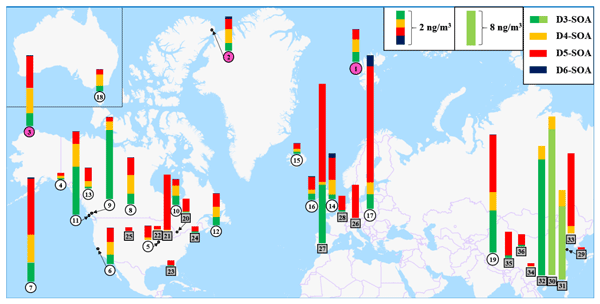
Chong Han, Hongxing Yang, Kun Li, Patrick Lee, John Liggio, Amy Leithead, and Shao-Meng Li
Atmos. Chem. Phys., 22, 10827–10839, https://doi.org/10.5194/acp-22-10827-2022, https://doi.org/10.5194/acp-22-10827-2022, 2022
Short summary
Short summary
We presented yields and compositions of Si-containing SOAs generated from the reaction of cVMSs (D3–D6) with OH radicals. NOx played a negative role in cVMS SOA formation, while ammonium sulfate seeds enhanced D3–D5 SOA yields at short photochemical ages under high-NOx conditions. The aerosol mass spectra confirmed that the components of cVMS SOAs significantly relied on OH exposure. A global cVMS-derived SOA source strength was estimated in order to understand SOA formation potentials of cVMSs.
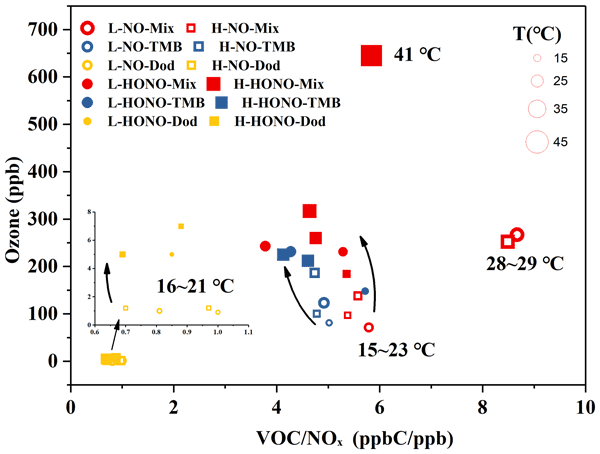
Junling Li, Kun Li, Hao Zhang, Xin Zhang, Yuanyuan Ji, Wanghui Chu, Yuxue Kong, Yangxi Chu, Yanqin Ren, Yujie Zhang, Haijie Zhang, Rui Gao, Zhenhai Wu, Fang Bi, Xuan Chen, Xuezhong Wang, Weigang Wang, Hong Li, and Maofa Ge
Atmos. Chem. Phys., 22, 10489–10504, https://doi.org/10.5194/acp-22-10489-2022, https://doi.org/10.5194/acp-22-10489-2022, 2022
Short summary
Short summary
Ozone formation is enhanced by higher OH concentration and higher temperature but is influenced little by SO2. SO2 can largely enhance the particle formation. Organo-sulfates and organo-nitrates are detected in the formed particles, and the presence of SO2 can promote the formation of organo-sulfates. The results provide a scientific basis for systematically evaluating the effects of SO2, OH concentration, and temperature on the oxidation of mixed organic gases in the atmosphere.
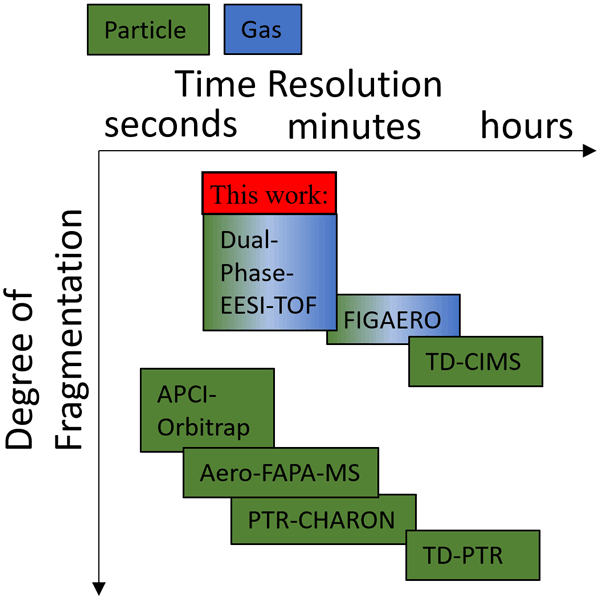
Chuan Ping Lee, Mihnea Surdu, David M. Bell, Josef Dommen, Mao Xiao, Xueqin Zhou, Andrea Baccarini, Stamatios Giannoukos, Günther Wehrle, Pascal André Schneider, Andre S. H. Prevot, Jay G. Slowik, Houssni Lamkaddam, Dongyu Wang, Urs Baltensperger, and Imad El Haddad
Atmos. Meas. Tech., 15, 3747–3760, https://doi.org/10.5194/amt-15-3747-2022, https://doi.org/10.5194/amt-15-3747-2022, 2022
Short summary
Short summary
Real-time detection of both the gas and particle phase is needed to elucidate the sources and chemical reaction pathways of organic vapors and particulate matter. The Dual-EESI was developed to measure gas- and particle-phase species to provide new insights into aerosol sources or formation mechanisms. After characterizing the relative gas and particle response factors of EESI via organic aerosol uptake experiments, the Dual-EESI is more sensitive toward gas-phase analyes.

Varun Kumar, Stamatios Giannoukos, Sophie L. Haslett, Yandong Tong, Atinderpal Singh, Amelie Bertrand, Chuan Ping Lee, Dongyu S. Wang, Deepika Bhattu, Giulia Stefenelli, Jay S. Dave, Joseph V. Puthussery, Lu Qi, Pawan Vats, Pragati Rai, Roberto Casotto, Rangu Satish, Suneeti Mishra, Veronika Pospisilova, Claudia Mohr, David M. Bell, Dilip Ganguly, Vishal Verma, Neeraj Rastogi, Urs Baltensperger, Sachchida N. Tripathi, André S. H. Prévôt, and Jay G. Slowik
Atmos. Chem. Phys., 22, 7739–7761, https://doi.org/10.5194/acp-22-7739-2022, https://doi.org/10.5194/acp-22-7739-2022, 2022
Short summary
Short summary
Here we present source apportionment results from the first field deployment in Delhi of an extractive electrospray ionization time-of-flight mass spectrometer (EESI-TOF). The EESI-TOF is a recently developed instrument capable of providing uniquely detailed online chemical characterization of organic aerosol (OA), in particular the secondary OA (SOA) fraction. Here, we are able to apportion not only primary OA but also SOA to specific sources, which is performed for the first time in Delhi.

Fritz Waitz, Martin Schnaiter, Thomas Leisner, and Emma Järvinen
Atmos. Chem. Phys., 22, 7087–7103, https://doi.org/10.5194/acp-22-7087-2022, https://doi.org/10.5194/acp-22-7087-2022, 2022
Short summary
Short summary
Riming, i.e., the accretion of small droplets on the surface of ice particles via collision, is one of the major uncertainties in model prediction of mixed-phase clouds. We discuss the occurrence (up to 50% of particles) and aging of rimed ice particles and show correlations of the occurrence and the degree of riming with ambient meteorological parameters using data gathered by the Particle Habit Imaging and Polar Scattering (PHIPS) probe during three airborne in situ field campaigns.
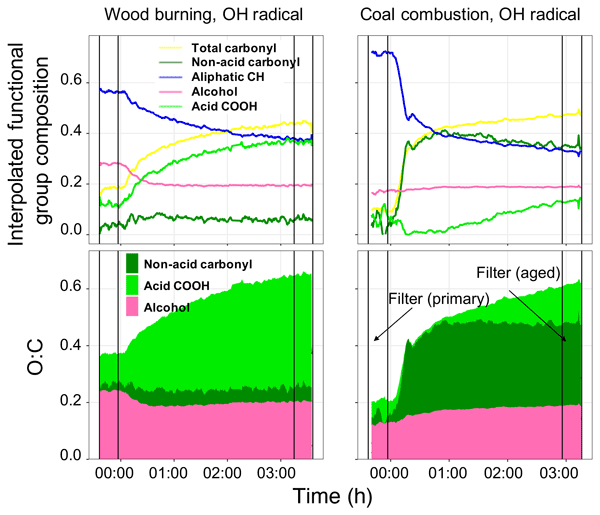
Amir Yazdani, Nikunj Dudani, Satoshi Takahama, Amelie Bertrand, André S. H. Prévôt, Imad El Haddad, and Ann M. Dillner
Atmos. Meas. Tech., 15, 2857–2874, https://doi.org/10.5194/amt-15-2857-2022, https://doi.org/10.5194/amt-15-2857-2022, 2022
Short summary
Short summary
While the aerosol mass spectrometer provides high-time-resolution characterization of the overall extent of oxidation, the extensive fragmentation of molecules and specificity of the technique have posed challenges toward deeper understanding of molecular structures in aerosols. This work demonstrates how functional group information can be extracted from a suite of commonly measured mass fragments using collocated infrared spectroscopy measurements.
Linyu Gao, Junwei Song, Claudia Mohr, Wei Huang, Magdalena Vallon, Feng Jiang, Thomas Leisner, and Harald Saathoff
Atmos. Chem. Phys., 22, 6001–6020, https://doi.org/10.5194/acp-22-6001-2022, https://doi.org/10.5194/acp-22-6001-2022, 2022
Short summary
Short summary
We study secondary organic aerosol (SOA) from β-caryophyllene (BCP) ozonolysis with and without nitrogen oxides over 213–313 K in the simulation chamber. The yields and the rate constants were determined at 243–313 K. Chemical compositions varied at different temperatures, indicating a strong impact on the BCP ozonolysis pathways. This work helps to better understand the SOA from BCP ozonolysis for conditions representative of the real atmosphere from the boundary layer to the upper troposphere.
Magdalena Vallon, Linyu Gao, Feng Jiang, Bianca Krumm, Jens Nadolny, Junwei Song, Thomas Leisner, and Harald Saathoff
Atmos. Meas. Tech., 15, 1795–1810, https://doi.org/10.5194/amt-15-1795-2022, https://doi.org/10.5194/amt-15-1795-2022, 2022
Short summary
Short summary
A LED-based light source has been constructed for the AIDA simulation chamber at the Karlsruhe Institute of Technology. It allows aerosol formation and ageing studies under atmospherically relevant illumination intensities and spectral characteristics at temperatures from –90 °C to 30 °C with the possibility of changing the photon flux and irradiation spectrum at any point. The first results of photolysis experiments with 2,3-pentanedione, iron oxalate and a brown carbon component are shown.
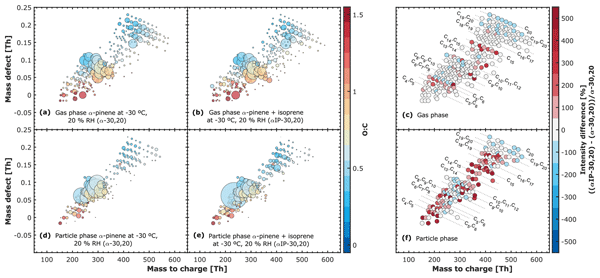
Lucía Caudillo, Birte Rörup, Martin Heinritzi, Guillaume Marie, Mario Simon, Andrea C. Wagner, Tatjana Müller, Manuel Granzin, Antonio Amorim, Farnoush Ataei, Rima Baalbaki, Barbara Bertozzi, Zoé Brasseur, Randall Chiu, Biwu Chu, Lubna Dada, Jonathan Duplissy, Henning Finkenzeller, Loïc Gonzalez Carracedo, Xu-Cheng He, Victoria Hofbauer, Weimeng Kong, Houssni Lamkaddam, Chuan P. Lee, Brandon Lopez, Naser G. A. Mahfouz, Vladimir Makhmutov, Hanna E. Manninen, Ruby Marten, Dario Massabò, Roy L. Mauldin, Bernhard Mentler, Ugo Molteni, Antti Onnela, Joschka Pfeifer, Maxim Philippov, Ana A. Piedehierro, Meredith Schervish, Wiebke Scholz, Benjamin Schulze, Jiali Shen, Dominik Stolzenburg, Yuri Stozhkov, Mihnea Surdu, Christian Tauber, Yee Jun Tham, Ping Tian, António Tomé, Steffen Vogt, Mingyi Wang, Dongyu S. Wang, Stefan K. Weber, André Welti, Wang Yonghong, Wu Yusheng, Marcel Zauner-Wieczorek, Urs Baltensperger, Imad El Haddad, Richard C. Flagan, Armin Hansel, Kristina Höhler, Jasper Kirkby, Markku Kulmala, Katrianne Lehtipalo, Ottmar Möhler, Harald Saathoff, Rainer Volkamer, Paul M. Winkler, Neil M. Donahue, Andreas Kürten, and Joachim Curtius
Atmos. Chem. Phys., 21, 17099–17114, https://doi.org/10.5194/acp-21-17099-2021, https://doi.org/10.5194/acp-21-17099-2021, 2021
Short summary
Short summary
We performed experiments in the CLOUD chamber at CERN at low temperatures to simulate new particle formation in the upper free troposphere (at −30 ºC and −50 ºC). We measured the particle and gas phase and found that most of the compounds present in the gas phase are detected as well in the particle phase. The major compounds in the particles are C8–10 and C18–20. Specifically, we showed that C5 and C15 compounds are detected in a mixed system with isoprene and α-pinene at −30 ºC, 20 % RH.
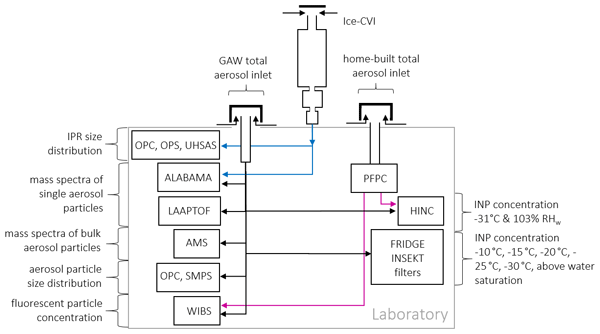
Larissa Lacher, Hans-Christian Clemen, Xiaoli Shen, Stephan Mertes, Martin Gysel-Beer, Alireza Moallemi, Martin Steinbacher, Stephan Henne, Harald Saathoff, Ottmar Möhler, Kristina Höhler, Thea Schiebel, Daniel Weber, Jann Schrod, Johannes Schneider, and Zamin A. Kanji
Atmos. Chem. Phys., 21, 16925–16953, https://doi.org/10.5194/acp-21-16925-2021, https://doi.org/10.5194/acp-21-16925-2021, 2021
Short summary
Short summary
We investigate ice-nucleating particle properties at Jungfraujoch during the 2017 joint INUIT/CLACE field campaign, to improve the knowledge about those rare particles in a cloud-relevant environment. By quantifying ice-nucleating particles in parallel to single-particle mass spectrometry measurements, we find that mineral dust and aged sea spray particles are potential candidates for ice-nucleating particles. Our findings are supported by ice residual analysis and source region modeling.
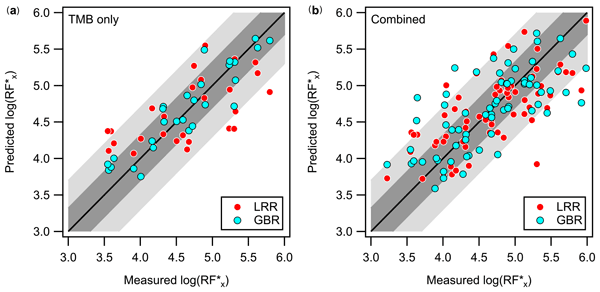
Dongyu S. Wang, Chuan Ping Lee, Jordan E. Krechmer, Francesca Majluf, Yandong Tong, Manjula R. Canagaratna, Julia Schmale, André S. H. Prévôt, Urs Baltensperger, Josef Dommen, Imad El Haddad, Jay G. Slowik, and David M. Bell
Atmos. Meas. Tech., 14, 6955–6972, https://doi.org/10.5194/amt-14-6955-2021, https://doi.org/10.5194/amt-14-6955-2021, 2021
Short summary
Short summary
To understand the sources and fate of particulate matter in the atmosphere, the ability to quantitatively describe its chemical composition is essential. In this work, we developed a calibration method for a state-of-the-art measurement technique without the need for chemical standards. Statistical analyses identified the driving factors behind instrument sensitivity variability towards individual components of particulate matter.
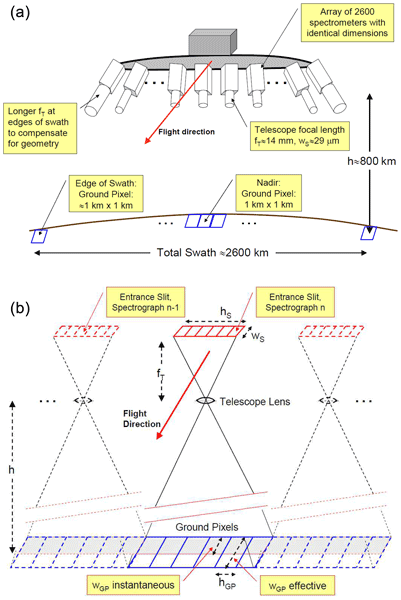
Ulrich Platt, Thomas Wagner, Jonas Kuhn, and Thomas Leisner
Atmos. Meas. Tech., 14, 6867–6883, https://doi.org/10.5194/amt-14-6867-2021, https://doi.org/10.5194/amt-14-6867-2021, 2021
Short summary
Short summary
Absorption spectroscopy of scattered sunlight is extremely useful for the analysis of atmospheric trace gas distributions. A central parameter for the achievable sensitivity of spectroscopic instruments is the light throughput, which can be enhanced in a number of ways. We present new ideas and considerations of how instruments could be optimized. Particular emphasis is on arrays of massively parallel instruments. Such arrays can reduce the size and weight of instruments by orders of magnitude.
Cited articles
Bhattarai, H., Saikawa, E., Wan, X., Zhu, H. X., Ram, K., Gao, S. P., Kang, S. C., Zhang, Q. G., Zhang, Y. L., Wu, G. M., Wang, X. P., Kawamura, K., Fu, P. Q., and Cong, Z. Y.: Levoglucosan as a tracer of biomass burning: Recent progress and perspectives, Atmos. Res., 220, 20–33, https://doi.org/10.1016/j.atmosres.2019.01.004, 2019.
Bogler, S., Zhang, J., Cheung, R. K. Y., Li, K., Prévôt, A. S. H., El Haddad, I., and Bell, D. M.: Ozonolysis of primary biomass burning organic aerosol particles: insights into reactivity and phase state, Atmos. Chem. Phys., 25, 10229–10243, https://doi.org/10.5194/acp-25-10229-2025, 2025.
Cai, J., Wu, C., Wang, J., Du, W., Zheng, F., Hakala, S., Fan, X., Chu, B., Yao, L., Feng, Z., Liu, Y., Sun, Y., Zheng, J., Yan, C., Bianchi, F., Kulmala, M., Mohr, C., and Daellenbach, K. R.: Influence of organic aerosol molecular composition on particle absorptive properties in autumn Beijing, Atmos. Chem. Phys., 22, 1251–1269, https://doi.org/10.5194/acp-22-1251-2022, 2022.
Census of India: Households by Availability of Separate Kitchen and Type of Fuel Used for Cooking, https://censusindia.gov.in/census.website/data/census-tables (last access: 2 November 2023), 2011.
Chen, Q., Hua, X., and Dyussenova, A.: Evolution of the chromophore aerosols and its driving factors in summertime Xi'an, Northwest China, Chemosphere, 281, 130838, https://doi.org/10.1016/j.chemosphere.2021.130838, 2021a.
Chen, Q. C., Miyazaki, Y., Kawamura, K., Matsumoto, K., Coburn, S., Volkamer, R., Iwamoto, Y., Kagami, S., Deng, Y. G., Ogawa, S., Ramasamy, S., Kato, S., Ida, A., Kajii, Y., and Mochida, M.: Characterization of Chromophoric Water-Soluble Organic Matter in Urban, Forest, and Marine Aerosols by HR-ToF-AMS Analysis and Excitation–Emission Matrix Spectroscopy, Environ. Sci. Technol., 50, 10351–10360, https://doi.org/10.1021/acs.est.6b01643, 2016.
Chen, Q. C., Li, J. W., Hua, X. Y., Jiang, X. T., Mu, Z., Wang, M. M., Wang, J., Shan, M., Yang, X. D., Fan, X. J., Song, J. Z., Wang, Y. Q., Guan, D. J., and Du, L.: Identification of species and sources of atmospheric chromophores by fluorescence excitation-emission matrix with parallel factor analysis, Sci. Total Environ., 718, https://doi.org/10.1016/j.scitotenv.2020.137322, 2020.
Chen, Q. C., Hua, X. Y., Li, J. W., Chang, T., and Wang, Y. Q.: Diurnal evolutions and sources of water-soluble chromophoric aerosols over Xi'an during haze event, in Northwest China, Sci. Total Environ., 786, https://doi.org/10.1016/j.scitotenv.2021.147412, 2021b.
Cheng, Y., He, K.-b., Du, Z.-y., Engling, G., Liu, J.-m., Ma, Y.-l., Zheng, M., and Weber, R. J.: The characteristics of brown carbon aerosol during winter in Beijing, Atmos. Environ., 127, 355–364, https://doi.org/10.1016/j.atmosenv.2015.12.035, 2016.
Cory, R. M. and McKnight, D. M.: Fluorescence spectroscopy reveals ubiquitous presence of oxidized and reduced quinones in dissolved organic matter, Environ. Sci. Technol., 39, 8142–8149, https://doi.org/10.1021/es0506962, 2005.
Courtemanche, B. and Levendis, Y. A.: A laboratory study on the NO, NO2, SO2, CO and CO2 emissions from the combustion of pulverized coal, municipal waste plastics and tires, Fuel, 77, 183–196, https://doi.org/10.1016/S0016-2361(97)00191-9, 1998.
Deng, J., Ma, H., Wang, X., Zhong, S., Zhang, Z., Zhu, J., Fan, Y., Hu, W., Wu, L., Li, X., Ren, L., Pavuluri, C. M., Pan, X., Sun, Y., Wang, Z., Kawamura, K., and Fu, P.: Measurement report: Optical properties and sources of water-soluble brown carbon in Tianjin, North China – insights from organic molecular compositions, Atmos. Chem. Phys., 22, 6449–6470, https://doi.org/10.5194/acp-22-6449-2022, 2022.
Fan, X., Cao, T., Yu, X., Wang, Y., Xiao, X., Li, F., Xie, Y., Ji, W., Song, J., and Peng, P.: The evolutionary behavior of chromophoric brown carbon during ozone aging of fine particles from biomass burning, Atmos. Chem. Phys., 20, 4593–4605, https://doi.org/10.5194/acp-20-4593-2020, 2020.
Feng, Y., Ramanathan, V., and Kotamarthi, V. R.: Brown carbon: a significant atmospheric absorber of solar radiation?, Atmos. Chem. Phys., 13, 8607–8621, https://doi.org/10.5194/acp-13-8607-2013, 2013.
Fleming, L. T., Lin, P., Roberts, J. M., Selimovic, V., Yokelson, R., Laskin, J., Laskin, A., and Nizkorodov, S. A.: Molecular composition and photochemical lifetimes of brown carbon chromophores in biomass burning organic aerosol, Atmos. Chem. Phys., 20, 1105–1129, https://doi.org/10.5194/acp-20-1105-2020, 2020.
Haque, Md. M., Kawamura, K., Deshmukh, D. K., Fang, C., Song, W., Mengying, B., and Zhang, Y.-L.: Characterization of organic aerosols from a Chinese megacity during winter: predominance of fossil fuel combustion, Atmos. Chem. Phys., 19, 5147–5164, https://doi.org/10.5194/acp-19-5147-2019, 2019.
Huang, R. J., Yang, L., Shen, J. C., Yuan, W., Gong, Y. Q., Ni, H. Y., Duan, J., Yan, J., Huang, H. B., You, Q. H., and Li, Y. J.: Chromophoric Fingerprinting of Brown Carbon from Residential Biomass Burning, Environ. Sci. Tech. Let., 9, 102–111, https://doi.org/10.1021/acs.estlett.1c00837, 2021.
Huang, W., Saathoff, H., Shen, X., Ramisetty, R., Leisner, T., and Mohr, C.: Chemical Characterization of Highly Functionalized Organonitrates Contributing to Night-Time Organic Aerosol Mass Loadings and Particle Growth, Environ. Sci. Technol., 53, 1165–1174, https://doi.org/10.1021/acs.est.8b05826, 2019.
Jiang, F., Song, J., Bauer, J., Gao, L., Vallon, M., Gebhardt, R., Leisner, T., Norra, S., and Saathoff, H.: Chromophores and chemical composition of brown carbon characterized at an urban kerbside by excitation–emission spectroscopy and mass spectrometry, Atmos. Chem. Phys., 22, 14971–14986, https://doi.org/10.5194/acp-22-14971-2022, 2022.
Jiang, F., Siemens, K., Linke, C., Li, Y., Gong, Y., Leisner, T., Laskin, A., and Saathoff, H.: Molecular analysis of secondary organic aerosol and brown carbon from the oxidation of indole, Atmos. Chem. Phys., 24, 2639–2649, https://doi.org/10.5194/acp-24-2639-2024, 2024.
Jiang, F., Saathoff, H., Ezenobi, U., Song, J., Zhang, H., Gao, L., and Leisner, T.: Measurement report: Brown carbon aerosol in rural Germany – sources, chemistry, and diurnal variations, Atmos. Chem. Phys., 25, 1917–1930, https://doi.org/10.5194/acp-25-1917-2025, 2025.
Jiang, F., Zhang, J., Bell, D. M., Li, K., Boduas-Dedekind, N., Prevot, A. S. H., Cui, H., Saathoff, H., and Leisner, T.: Data for Chromophores and chemical compositions of brown carbon aerosol before and after photooxidation of combustion emissions, Karlsruhe Institute of Technology [data set], https://doi.org/10.35097/224dcybs1n7cphxm, 2026.
Kodros, J. K., Papanastasiou, D. K., Paglione, M., Masiol, M., Squizzato, S., Florou, K., Skyllakou, K., Kaltsonoudis, C., Nenes, A., and Pandis, S. N.: Rapid dark aging of biomass burning as an overlooked source of oxidized organic aerosol, P. Natl. Acad. Sci. USA, 117, 33028–33033, https://doi.org/10.1073/pnas.2010365117, 2020.
Kodros, J. K., Kaltsonoudis, C., Paglione, M., Florou, K., Jorga, S., Vasilakopoulou, C., Cirtog, M., Cazaunau, M., Picquet-Varrault, B., Nenes, A., and Pandis, S. N.: Secondary aerosol formation during the dark oxidation of residential biomass burning emissions, Environ. Sci.: Atmos., 2, 1221–1236, https://doi.org/10.1039/D2EA00031H, 2022.
Kong, X. R., Salvador, C. M., Carlsson, S., Pathak, R., Davidsson, K. O., Le Breton, M., Gaita, S. M., Mitra, K., Hallquist, A. M., Hallquist, M., and Pettersson, J. B. C.: Molecular characterization and optical properties of primary emissions from a residential wood burning boiler, Sci. Total Environ., 754, https://doi.org/10.1016/j.scitotenv.2020.142143, 2021.
Laskin, A., Laskin, J., and Nizkorodov, S. A.: Chemistry of Atmospheric Brown Carbon, Chem. Rev., 115, 4335–4382, https://doi.org/10.1021/cr5006167, 2015.
Laskin, A., West, C. P., and Hettiyadura, A. P. S.: Molecular insights into the composition, sources, and aging of atmospheric brown carbon, Chem. Soc. Rev., 54, 1583–1612, https://doi.org/10.1039/D3CS00609C, 2025.
Lee, B. H., Lopez-Hilfiker, F. D., D'Ambro, E. L., Zhou, P., Boy, M., Petäjä, T., Hao, L., Virtanen, A., and Thornton, J. A.: Semi-volatile and highly oxygenated gaseous and particulate organic compounds observed above a boreal forest canopy, Atmos. Chem. Phys., 18, 11547–11562, https://doi.org/10.5194/acp-18-11547-2018, 2018.
Li, C. L., He, Q. F., Fang, Z., Brown, S. S., Laskin, A., Cohen, S. R., and Rudich, Y.: Laboratory Insights into the Diel Cycle of Optical and Chemical Transformations of Biomass Burning Brown Carbon Aerosols, Environ. Sci. Technol., 54, 11827–11837, https://doi.org/10.1021/acs.est.0c04310, 2020.
Li, K., Zhang, J., Bell, D. M., Wang, T., Lamkaddam, H., Cui, T., Qi, L., Surdu, M., Wang, D., Du, L., El Haddad, I., Slowik, J. G., and Prevot, A. S. H.: Uncovering the dominant contribution of intermediate volatility compounds in secondary organic aerosol formation from biomass-burning emissions, Natl. Sci. Rev., 11, https://doi.org/10.1093/nsr/nwae014, 2024.
Lin, P., Aiona, P. K., Li, Y., Shiraiwa, M., Laskin, J., Nizkorodov, S. A., and Laskin, A.: Molecular Characterization of Brown Carbon in Biomass Burning Aerosol Particles, Environ. Sci. Technol., 50, 11815–11824, https://doi.org/10.1021/acs.est.6b03024, 2016.
Lin, P., Bluvshtein, N., Rudich, Y., Nizkorodov, S. A., Laskin, J., and Laskin, A.: Molecular Chemistry of Atmospheric Brown Carbon Inferred from a Nationwide Biomass Burning Event, Environ. Sci. Technol., 51, 11561–11570, https://doi.org/10.1021/acs.est.7b02276, 2017.
Lopez-Hilfiker, F. D., Mohr, C., Ehn, M., Rubach, F., Kleist, E., Wildt, J., Mentel, Th. F., Lutz, A., Hallquist, M., Worsnop, D., and Thornton, J. A.: A novel method for online analysis of gas and particle composition: description and evaluation of a Filter Inlet for Gases and AEROsols (FIGAERO), Atmos. Meas. Tech., 7, 983–1001, https://doi.org/10.5194/amt-7-983-2014, 2014.
Lopez-Hilfiker, F. D., Iyer, S., Mohr, C., Lee, B. H., D'Ambro, E. L., Kurtén, T., and Thornton, J. A.: Constraining the sensitivity of iodide adduct chemical ionization mass spectrometry to multifunctional organic molecules using the collision limit and thermodynamic stability of iodide ion adducts, Atmos. Meas. Tech., 9, 1505–1512, https://doi.org/10.5194/amt-9-1505-2016, 2016.
Mohr, C., Lopez-Hilfiker, F. D., Zotter, P., Prevot, A. S. H., Xu, L., Ng, N. L., Herndon, S. C., Williams, L. R., Franklin, J. P., Zahniser, M. S., Worsnop, D. R., Knighton, W. B., Aiken, A. C., Gorkowski, K. J., Dubey, M. K., Allan, J. D., and Thornton, J. A.: Contribution of Nitrated Phenols to Wood Burning Brown Carbon Light Absorption in Detling, United Kingdom during Winter Time, Environ. Sci. Technol., 47, 6316–6324, https://doi.org/10.1021/es400683v, 2013.
Moise, T., Flores, J. M., and Rudich, Y.: Optical Properties of Secondary Organic Aerosols and Their Changes by Chemical Processes, Chem. Rev., 115, 4400–4439, https://doi.org/10.1021/cr5005259, 2015.
Moschos, V., Kumar, N. K., Daellenbach, K. R., Baltensperger, U., Prevot, A. S. H., and El Haddad, I.: Source Apportionment of Brown Carbon Absorption by Coupling Ultraviolet-Visible Spectroscopy with Aerosol Mass Spectrometry, Environ. Sci. Tech. Let., 5, 302–308, https://doi.org/10.1021/acs.estlett.8b00118, 2018.
Murphy, K. R., Stedmon, C. A., Graeber, D., and Bro, R.: Fluorescence spectroscopy and multi-way techniques. PARAFAC, Anal. Methods, 5, 6557–6566, https://doi.org/10.1039/c3ay41160e, 2013.
Pucher, M., Wunsch, U., Weigelhofer, G., Murphy, K., Hein, T., and Graeber, D.: staRdom: Versatile Software for Analyzing Spectroscopic Data of Dissolved Organic Matter in R, Water, 11, https://doi.org/10.3390/w11112366, 2019.
Saleh, R.: From Measurements to Models: Toward Accurate Representation of Brown Carbon in Climate Calculations, Curr. Pollut. Rep., 6, 90–104, https://doi.org/10.1007/s40726-020-00139-3, 2020.
Salvador, C. M. G., Tang, R., Priestley, M., Li, L., Tsiligiannis, E., Le Breton, M., Zhu, W., Zeng, L., Wang, H., Yu, Y., Hu, M., Guo, S., and Hallquist, M.: Ambient nitro-aromatic compounds – biomass burning versus secondary formation in rural China, Atmos. Chem. Phys., 21, 1389–1406, https://doi.org/10.5194/acp-21-1389-2021, 2021.
Sardena, C., Gemmell, K. J., Zhang, J., Jiang, F., Saathoff, H., Bell, D. M., and Borduas-Dedekind, N.: Singlet Oxygen and Triplet Excited State Organics Produced by Primary Biomass Burning Organic Aerosol from Wood, Dung, Straw, and Plastic Fuels: Role of Solvent-Dependent Photochemistry, ACS ES&T Air, 3, 611–626, https://doi.org/10.1021/acsestair.5c00462, 2026.
Shrivastava, M., Cappa, C. D., Fan, J. W., Goldstein, A. H., Guenther, A. B., Jimenez, J. L., Kuang, C., Laskin, A., Martin, S. T., Ng, N. L., Petaja, T., Pierce, J. R., Rasch, P. J., Roldin, P., Seinfeld, J. H., Shilling, J., Smith, J. N., Thornton, J. A., Volkamer, R., Wang, J., Worsnop, D. R., Zaveri, R. A., Zelenyuk, A., and Zhang, Q.: Recent advances in understanding secondary organic aerosol: Implications for global climate forcing, Rev. Geophys., 55, 509–559, https://doi.org/10.1002/2016rg000540, 2017.
Simoneit, B. R. T.: Biomass burning — a review of organic tracers for smoke from incomplete combustion, Appl. Geochem., 17, 129–162, https://doi.org/10.1016/S0883-2927(01)00061-0, 2002.
Smith, K. R., Bruce, N., Balakrishnan, K., Adair-Rohani, H., Balmes, J., Chafe, Z., Dherani, M., Hosgood, H. D., Mehta, S., Pope, D., and Rehfuess, E.: Millions Dead: How Do We Know and What Does It Mean? Methods Used in the Comparative Risk Assessment of Household Air Pollution, Annu. Rev. Publ. Heal., 35, 185–206, https://doi.org/10.1146/annurev-publhealth-032013-182356, 2014.
Song, J., Li, M., Zou, C., Cao, T., Fan, X., Jiang, B., Yu, Z., Jia, W., and Peng, P. A.: Molecular Characterization of Nitrogen-Containing Compounds in Humic-like Substances Emitted from Biomass Burning and Coal Combustion, Environ. Sci. Technol., 56, 119–130, https://doi.org/10.1021/acs.est.1c04451, 2022.
Stubbins, A., Lapierre, J. F., Berggren, M., Prairie, Y. T., Dittmar, T., and del Giorgio, P. A.: What's in an EEM? Molecular Signatures Associated with Dissolved Organic Fluorescence in Boreal Canada, Environ. Sci. Technol., 48, 10598–10606, https://doi.org/10.1021/es502086e, 2014.
Sumlin, B. J., Pandey, A., Walker, M. J., Pattison, R. S., Williams, B. J., and Chakrabarty, R. K.: Atmospheric Photooxidation Diminishes Light Absorption by Primary Brown Carbon Aerosol from Biomass Burning, Environ. Sci. Technol. Lett., 4, 540–545, https://doi.org/10.1021/acs.estlett.7b00393, 2017.
Tang, J., Li, J., Su, T., Han, Y., Mo, Y., Jiang, H., Cui, M., Jiang, B., Chen, Y., Tang, J., Song, J., Peng, P., and Zhang, G.: Molecular compositions and optical properties of dissolved brown carbon in biomass burning, coal combustion, and vehicle emission aerosols illuminated by excitation–emission matrix spectroscopy and Fourier transform ion cyclotron resonance mass spectrometry analysis, Atmos. Chem. Phys., 20, 2513–2532, https://doi.org/10.5194/acp-20-2513-2020, 2020.
Tang, J., Li, J., Zhao, S., Zhong, G., Mo, Y., Jiang, H., Jiang, B., Chen, Y., Tang, J., Tian, C., Zong, Z., Hussain Syed, J., Song, J., and Zhang, G.: Molecular signatures and formation mechanisms of water-soluble chromophores in particulate matter from Karachi in Pakistan, Sci. Total Environ., 914, 169890, https://doi.org/10.1016/j.scitotenv.2024.169890, 2024.
Wang, T., Zhang, J., Lamkaddam, H., Li, K., Cheung, K. Y., Kattner, L., Gammelsæter, E., Bauer, M., Decker , Z. C. J., Bhattu, D., Huang, R., Modini, R. L., Slowik, J. G., El Haddad, I., Prevot, A. S. H., and Bell, D. M.: Chemical characterization of organic vapors from wood, straw, cow dung, and coal burning, Atmos. Chem. Phys., 25, 2707–2724, https://doi.org/10.5194/acp-25-2707-2025, 2025.
Washenfelder, R. A., Attwood, A. R., Brock, C. A., Guo, H., Xu, L., Weber, R. J., Ng, N. L., Allen, H. M., Ayres, B. R., Baumann, K., Cohen, R. C., Draper, D. C., Duffey, K. C., Edgerton, E., Fry, J. L., Hu, W. W., Jimenez, J. L., Palm, B. B., Romer, P., Stone, E. A., Wooldridge, P. J., and Brown, S. S.: Biomass burning dominates brown carbon absorption in the rural southeastern United States, Geophys. Res. Lett., 42, 653–664, https://doi.org/10.1002/2014GL062444, 2015.
Winter, F., Wartha, C., and Hofbauer, H.: NO and N2O formation during the combustion of wood, straw, malt waste and peat, Bioresource Technol., 70, 39–49, https://doi.org/10.1016/S0960-8524(99)00019-X, 1999.
Xie, M., Chen, X., Hays, M. D., Lewandowski, M., Offenberg, J., Kleindienst, T. E., and Holder, A. L.: Light Absorption of Secondary Organic Aerosol: Composition and Contribution of Nitroaromatic Compounds, Environ. Sci. Technol., 51, 11607–11616, https://doi.org/10.1021/acs.est.7b03263, 2017.
Xiong, R., Li, J., Zhang, Y., Zhang, L., Jiang, K., Zheng, H., Kong, S., Shen, H., Cheng, H., Shen, G., and Tao, S.: Global brown carbon emissions from combustion sources, Environ. Sci. Ecotechnology, 12, 100201, https://doi.org/10.1016/j.ese.2022.100201, 2022.
Yan, G. and Kim, G.: Speciation and Sources of Brown Carbon in Precipitation at Seoul, Korea: Insights from Excitation-Emission Matrix Spectroscopy and Carbon Isotopic Analysis, Environ. Sci. Technol., 51, 11580–11587, https://doi.org/10.1021/acs.est.7b02892, 2017.
Yang, Z., Tsona, N. T., George, C., and Du, L.: Nitrogen-Containing Compounds Enhance Light Absorption of Aromatic-Derived Brown Carbon, Environ. Sci. Technol., 56, 4005–4016, https://doi.org/10.1021/acs.est.1c08794, 2022.
Yazdani, A., Takahama, S., Kodros, J. K., Paglione, M., Masiol, M., Squizzato, S., Florou, K., Kaltsonoudis, C., Jorga, S. D., Pandis, S. N., and Nenes, A.: Chemical evolution of primary and secondary biomass burning aerosols during daytime and nighttime, Atmos. Chem. Phys., 23, 7461–7477, https://doi.org/10.5194/acp-23-7461-2023, 2023.
Yue, S., Zhu, J., Chen, S., Xie, Q., Li, W., Li, L., Ren, H., Su, S., Li, P., Ma, H., Fan, Y., Cheng, B., Wu, L., Deng, J., Hu, W., Ren, L., Wei, L., Zhao, W., Tian, Y., Pan, X., Sun, Y., Wang, Z., Wu, F., Liu, C.-Q., Su, H., Penner, J. E., Pöschl, U., Andreae, M. O., Cheng, Y., and Fu, P.: Brown carbon from biomass burning imposes strong circum-Arctic warming, One Earth, 5, 293–304, https://doi.org/10.1016/j.oneear.2022.02.006, 2022.
Zeng, L. H., Zhang, A. X., Wang, Y. H., Wagner, N. L., Katich, J. M., Schwarz, J. P., Schill, G. P., Brock, C., Froyd, K. D., Murphy, D. M., Williamson, C. J., Kupc, A., Scheuer, E., Dibb, J., and Weber, R. J.: Global Measurements of Brown Carbon and Estimated Direct Radiative Effects, Geophys. Res. Lett., 47, https://doi.org/10.1029/2020gl088747, 2020.
Zhang, J., Li, K., Wang, T., Gammelsæter, E., Cheung, R. K. Y., Surdu, M., Bogler, S., Bhattu, D., Wang, D. S., Cui, T., Qi, L., Lamkaddam, H., El Haddad, I., Slowik, J. G., Prevot, A. S. H., and Bell, D. M.: Bulk and molecular-level composition of primary organic aerosol from wood, straw, cow dung, and plastic burning, Atmos. Chem. Phys., 23, 14561–14576, https://doi.org/10.5194/acp-23-14561-2023, 2023.
Zhang, L., Hu, B., Liu, X., Luo, Z., Xing, R., Li, Y., Xiong, R., Li, G., Cheng, H., Lu, Q., Shen, G., and Tao, S.: Variabilities in Primary N-Containing Aromatic Compound Emissions from Residential Solid Fuel Combustion and Implications for Source Tracers, Environ. Sci. Technol., 56, 13622–13633, https://doi.org/10.1021/acs.est.2c03000, 2022.
Zhu, C.-S., Qu, Y., Huang, H., Shi, J.-L., Dai, W.-T., Zhang, N.-N., Wang, N., Wang, L.-Y., Ji, S.-S., and Cao, J.-J.: Brown Carbon From Biomass Burning Reinforces the Himalayas and Tibetan Plateau Warming, Geophys. Res. Lett., 51, e2023GL107269, https://doi.org/10.1029/2023GL107269, 2024.
Short summary
We studied chemical compositions and chromophores of brown carbon aerosol from combustion emission before and after photooxidation using an oxidative flow reactor. The chromophore and chemical composition of brown carbon were determined by excitation-emission spectroscopy and mass spectrometry. This work helps to get a better understanding of evolution process of the chromophores from primary combustion emissions during the real atmospheric transportation.
We studied chemical compositions and chromophores of brown carbon aerosol from combustion...


Altmetrics
Final-revised paper
Preprint