
Articles | Volume 26, issue 1
https://doi.org/10.5194/acp-26-365-2026
© Author(s) 2026. This work is distributed under
the Creative Commons Attribution 4.0 License.
the Creative Commons Attribution 4.0 License.
https://doi.org/10.5194/acp-26-365-2026
© Author(s) 2026. This work is distributed under
the Creative Commons Attribution 4.0 License.
the Creative Commons Attribution 4.0 License.
Research article
| 
07 Jan 2026
Research article |
| 07 Jan 2026
| 07 Jan 2026
Comprehensive non-targeted molecular characterization of organic aerosols in the Amazon rainforest
Denis Leppla
Chemistry Department, Johannes Gutenberg University, 55128 Mainz, Germany
Stefanie Hildmann
Chemistry Department, Johannes Gutenberg University, 55128 Mainz, Germany
Nora Zannoni
Multiphase Chemistry Department, Max Planck-Institute for Chemistry, 55128 Mainz, Germany
now at: Institute of Atmospheric Sciences and Climate, National Research Council (CNR-ISAC), 40129 Bologna, Italy
Leslie A. Kremper
Multiphase Chemistry Department, Max Planck-Institute for Chemistry, 55128 Mainz, Germany
now at: Hessian Agency for Nature Conservation, Environment and Geology, Wiesbaden, Germany
Bruna A. Holanda
Multiphase Chemistry Department, Max Planck-Institute for Chemistry, 55128 Mainz, Germany
now at: Hessian Agency for Nature Conservation, Environment and Geology, Wiesbaden, Germany
Jonathan Williams
Multiphase Chemistry Department, Max Planck-Institute for Chemistry, 55128 Mainz, Germany
Climate and Atmosphere Research Center, The Cyprus Institute, Nicosia, Cyprus
Christopher Pöhlker
Multiphase Chemistry Department, Max Planck-Institute for Chemistry, 55128 Mainz, Germany
Stefan Wolff
Multiphase Chemistry Department, Max Planck-Institute for Chemistry, 55128 Mainz, Germany
now at: German Weather Service, 63067 Offenbach am Main, Germany
Marta Sà
Large-Scale Biosphere–Atmosphere Experiment in Amazonia (LBA), Instituto Nacional de Resquisas da Amazônia/INPA, Manaus, AM, Brazil
Maria Christina Solci
Department of Chemistry Universidade Estadual de Londrina, Londrina, PR, Brazil
Ulrich Pöschl
Multiphase Chemistry Department, Max Planck-Institute for Chemistry, 55128 Mainz, Germany
Thorsten Hoffmann
CORRESPONDING AUTHOR

Chemistry Department, Johannes Gutenberg University, 55128 Mainz, Germany
Related authors
No articles found.
Johanna Margaretha Schüttler, Monika Frankowska, Achim Edtbauer, Joseph Byron, Miriam Ressler, Bettina Weber, and Jonathan Williams
EGUsphere, https://doi.org/10.5194/egusphere-2026-4600, https://doi.org/10.5194/egusphere-2026-4600, 2026
This preprint is open for discussion and under review for Atmospheric Chemistry and Physics (ACP).
Short summary
Short summary
Organisms forming biological soil crusts (biocrusts), like mosses, lichens, and bacteria cover much of Earth's dry regions but their gas emissions are poorly understood. We measured airborne chemical compounds released by these biocrusts from South Africa under different light and moisture conditions. They emitted many different compounds similar to other organism groups. These findings reveal biocrusts as an overlooked source of reactive gases affecting local air chemistry in dry landscapes.
Bianca E. Krumm, Matthias Kohl, Anna Martin, Joseph Byron, Alexandra Gutmann, Michael Hewson, Jos Lelieveld, Andrea Pozzer, and Jonathan Williams
EGUsphere, https://doi.org/10.5194/egusphere-2026-5595, https://doi.org/10.5194/egusphere-2026-5595, 2026
This preprint is open for discussion and under review for Atmospheric Chemistry and Physics (ACP).
Short summary
Short summary
We present airborne DMS observations (0.3-14 km) over the Amazon rainforest and Pacific Ocean, revealing frequent high DMS in marine upper‑tropospheric convective outflows. EMAC model comparisons show the global terrestrial inventory overestimates Amazonian DMS threefold and convection parameterisations control the vertical distribution of DMS and its oxidation products. The results call for improved emission inventories and further research on the fate of lofted DMS in the upper troposphere.
Hannah Klebach, Martin Heinritzi, Katharina Kaiser, Lisa Beck, Samuel Ruhl, Samira Atabakhsh, Nirvan Bhattacharyya, Lucía Caudillo-Plath, Philipp Joppe, Thomas Klimach, Peter Lloyd, Mira Pöhlker, Ulrich Pöschl, Sarah Richter, Douglas M. Russell, Johannes Schneider, Marcel Zauner-Wieczorek, and Joachim Curtius
Atmos. Chem. Phys., 26, 12355–12393, https://doi.org/10.5194/acp-26-12355-2026, https://doi.org/10.5194/acp-26-12355-2026, 2026
Short summary
Short summary
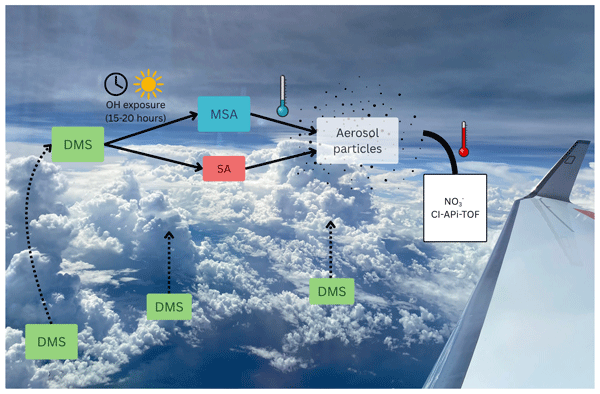
Marine atmospheric aerosols remain a major uncertainty in climate models. We report gas and particle phase measurements of two important aerosol forming vapours, sulfuric acid and methanesulfonic acid in the Indo-Pacific. We find that the latter typically dominates over sulfuric acid and contributes significantly to free tropospheric aerosol. Deep convection transports the precursor of both acids to the upper troposphere, providing a key aerosol source in the pristine remote Pacific Ocean.
Lianet Hernández Pardo, Joachim Curtius, Patrick Jöckel, J. Moritz Menken, Christopher Pöhlker, Mira Pöhlker, and Anna Possner
Atmos. Chem. Phys., 26, 12275–12293, https://doi.org/10.5194/acp-26-12275-2026, https://doi.org/10.5194/acp-26-12275-2026, 2026
Short summary
Short summary
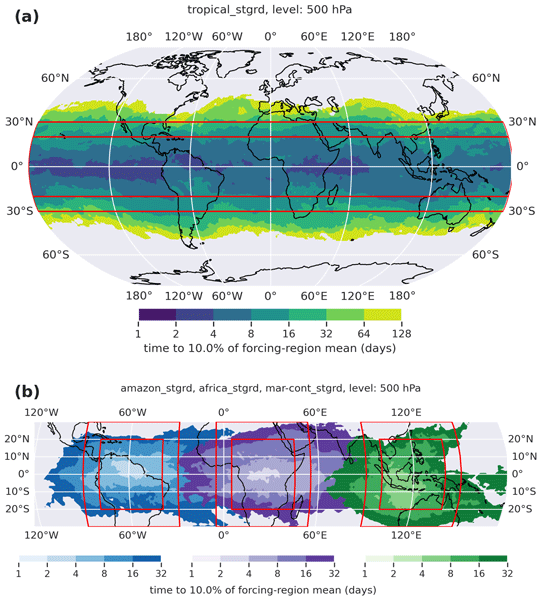
Many tiny particles are formed high in the tropical atmosphere, but their impact lower down is unclear. We studied how these particles move downward using long-term computer simulations. We found that particles can reach middle levels of the atmosphere within a week, carried by winds. These results help us understand how pollution and clouds might change as particles spread around the world.
Pauline Buysse, Florence Lafouge, Raluca Ciuraru, Brigitte Durand, Olivier Zurfluh, Céline Décuq, Olivier Fanucci, Lais Gonzaga Gomez, Jean-Christophe Gueudet, Sandy Bsaibes, Nora Zannoni, Valérie Gros, and Benjamin Loubet
Atmos. Chem. Phys., 26, 12131–12150, https://doi.org/10.5194/acp-26-12131-2026, https://doi.org/10.5194/acp-26-12131-2026, 2026
Short summary
Short summary
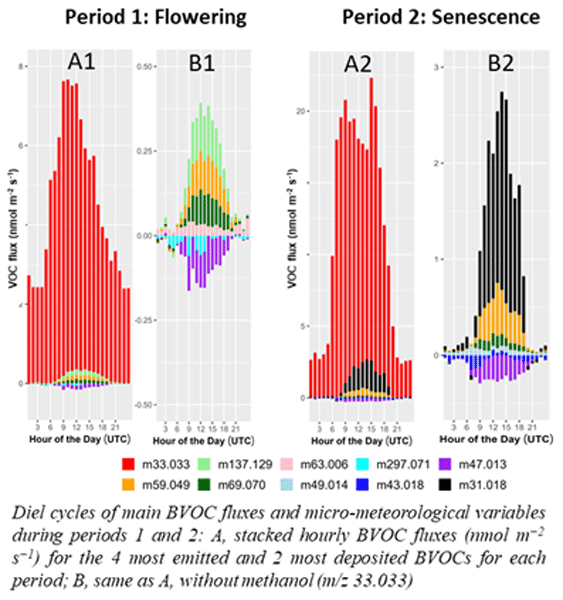
This research aimed at quantifying biogenic volatile organic compounds (BVOCs) emissions by a rapeseed crop field. Such compounds are precursors of atmospheric pollutants. Our study revealed that methanol, a BVOC that is not very reactive in the atmosphere, is by far the most emitted BVOC, while monoterpenes, being highly reactive, were emitted in larger quantities than expected. Our study therefore points out the potentially more significant contribution of croplands to atmospheric pollution.
Zhiqiang Zhang, Hyun Gu Kang, Ulrich Pöschl, and Thomas Berkemeier
Atmos. Chem. Phys., 26, 12037–12047, https://doi.org/10.5194/acp-26-12037-2026, https://doi.org/10.5194/acp-26-12037-2026, 2026
Short summary
Short summary
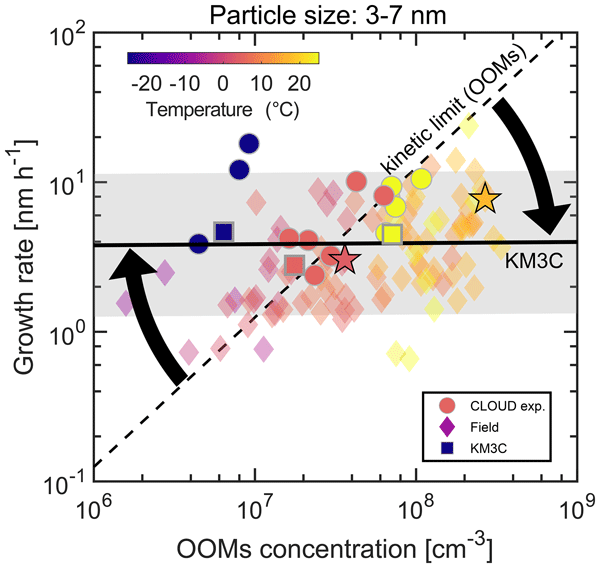
New particle formation in the atmosphere has long been a scientific conundrum because nanoparticle growth rates are less dependent on condensable vapor concentration than expected. We have developed a new multiphase chemical kinetics model that reconciles observational data from field measurements and chamber experiments. We uncover an effective buffering of particle growth rates through antagonistic effects concerning particle phase state and shifts in volatility distributions.
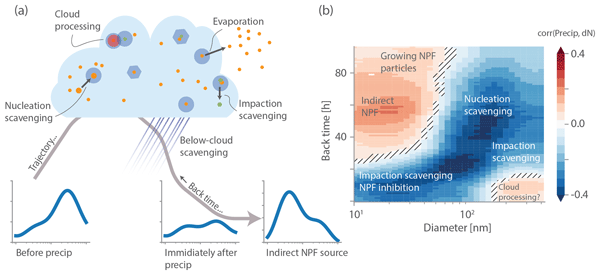
Sara M. Blichner, Theodore Khadir, Sini Talvinen, Paulo Artaxo, Liine Heikkinen, Harri Kokkola, Radovan Krejci, Muhammed Irfan, Twan van Noije, Tuukka Petäjä, Christopher Pöhlker, Øyvind Seland, Carl Svenhag, Antti Vartiainen, and Ilona Riipinen
Atmos. Chem. Phys., 26, 11281–11307, https://doi.org/10.5194/acp-26-11281-2026, https://doi.org/10.5194/acp-26-11281-2026, 2026
Short summary
Short summary
This study looks at how well climate models capture the impact of rain on particles that help form cloud droplets. Using data from three measurement stations and applying both a correlation analysis and a machine learning approach, we found that models often miss how new particles form after rain and struggle in cold environments. This matters because these particles influence cloud formation and climate.
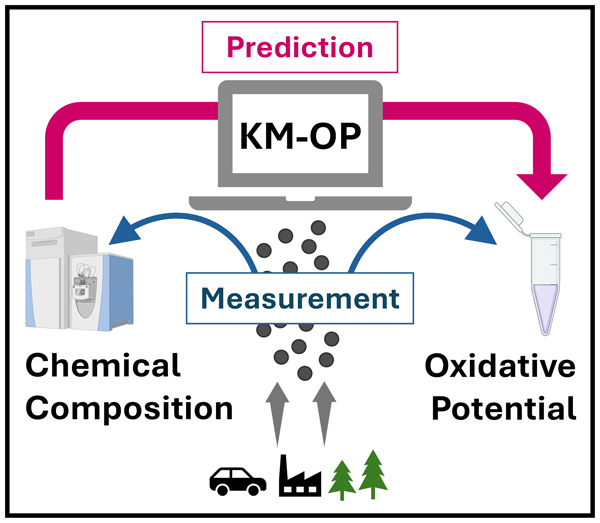
Ashmi Mishra, Steven Lelieveld, Matteo Krüger, Steven J. Campbell, Deepchandra Srivastava, Grazia Maria Lanzafame, Sophie Tomaz, Olivier Favez, Nicolas Bonnaire, Franco Lucarelli, Laurent Y. Alleman, Gaëlle Uzu, Jean-Luc Jaffrezo, Gang I. Chen, David C. Green, Max Priestman, Anja H. Tremper, Alexandre Barth, Markus Kalberer, Benjamin A. Musa Bandowe, Gerhard Lammel, Ulrich Pöschl, Pourya Shahpoury, Alexandre Albinet, and Thomas Berkemeier
Atmos. Chem. Phys., 26, 10605–10627, https://doi.org/10.5194/acp-26-10605-2026, https://doi.org/10.5194/acp-26-10605-2026, 2026
Short summary
Short summary
In this study, we develop and apply a kinetic model that estimates oxidative potential (OP) based on particulate matter (PM) composition. The model consolidates a large set of laboratory data from different OP assays in the presence of organic molecules, metals, and quinones. We applied the model to field data of PM composition and OP and found good agreement across three sites. The model analysis indicates that OP is mainly driven by organic molecules and copper.
Fobang Liu, Yun Zhang, Siyao Yue, Helmi-Marja K. Keskinen, Tuukka Petäjä, Markku Kulmala, Pingqing Fu, Thorsten Hoffmann, Kai Wang, and Haijie Tong
EGUsphere, https://doi.org/10.5194/egusphere-2026-3897, https://doi.org/10.5194/egusphere-2026-3897, 2026
Short summary
Short summary
Reactive oxygen species (ROS) produced by airborne particles are linked to adverse health effects, but the organic compounds responsible remain unclear. We developed a new molecular framework to classify complex organic compounds using advanced mass spectrometry. The framework shows that particles rich in oxidized organic compounds produce more ROS per unit mass, while polluted urban air produces more total ROS mainly because of higher particle concentrations.
Aino Ovaska, Daniel Holmberg, Elio Rauth, Mansour Alghamdi, Paulo Artaxo, Eija Asmi, John Backman, Benjamin Bergmans, Matthew Boyer, Liezl Bredenkamp, Maurizio Busetto, Delano Campos De Oliveira, Juan Andrés Casquero-Vera, Darius Ceburnis, Tak Chan, Tommy Chan, Sebastien Conil, Daniele Contini, Suzanne Crumeyrolle, Valentin Duflot, Kostas Eleftheriadis, Johan Esveld, Ekaterina Ezhova, Markus Fiebig, Shahzad Gani, Olga Garmash, Francisco Gómez-Moreno, Roy M. Harrison, Andras Hoffer, Rakesh Hooda, Antti Hyvärinen, Tareq Hussein, Jorma Joutsensaari, Nikos Kalivitis, Heinz Kaminski, Jutta Kesti, Radovan Krejci, Adam Kristensson, Chongai Kuang, Markku Kulmala, Lauri Laakso, Ari Leskinen, Heikki Lihavainen, Andreas Massling, Maik Merkel, Steffen Noe, Jakub Ondracek, Noemí Perez, Jean-Eudes Petit, Tuukka Petäjä, Michael Pikridas, Christopher Pöhlker, Mira Pöhlker, Jean-Philippe Putaud, Ximeng Qi, Cristina Reche, Sergio Rodríguez, Petr Roztocil, Jean Sciare, Karine Sellegri, Dongjie Shang, Ashish Singh, Mikko Sipilä, Henrik Skov, Mar Sorribas, Tamanna Subba, Junying Sun, Peter Tunved, Ville Vakkari, Pieter G. Van Zyl, Aki Virkkula, Jens Voigtländer, Kay Weinhold, Alfred Wiedensohler, Hee-Jung Yoo, Putian Zhou, Kai Puolamäki, Tuomo Nieminen, Veli-Matti Kerminen, Victoria A. Sinclair, and Pauli Paasonen
Earth Syst. Sci. Data Discuss., https://doi.org/10.5194/essd-2026-415, https://doi.org/10.5194/essd-2026-415, 2026
Preprint under review for ESSD
Short summary
Short summary
All clouds form around aerosol particles, and their abundance influences cloud properties. In turn, clouds affect climate by changing how energy moves through the atmosphere, making them important for climate change. To better understand these interactions, we need accurate information on how many aerosol particles are in the atmosphere. Therefore, we have developed a new 21-year global dataset of particle concentrations relevant for cloud formation.
Matthias Kohl, Christoph Brühl, Holger Tost, Christos Xenofontos, Theodoros Christoudias, Sergey Gromov, Oliver Appel, Stephan Borrmann, Adam Bourassa, Pedro Campunzano-Jost, Yafang Cheng, Oliver Eppers, Karl D. Froyd, Bruna A. Holanda, Jose L. Jimenez, Patrick Jöckel, Philipp Joppe, Katharina Kaiser, Joseph M. Katich, Klaus Klingmüller, Franziska Köllner, Agnieszka Kupc, Anna Martin, Christopher Pöhlker, Mira L. Pöhlker, Ulrich Pöschl, Landon Rieger, Samuel Ruhl, Gregory P. Schill, Johannes Schneider, Christiane Schulz, Joshua P. Schwarz, Alexandra P. Tsimpidi, Ryan Vella, Christina J. Williamson, Yifan Yang, Daniel Zawada, Jos Lelieveld, and Andrea Pozzer
EGUsphere, https://doi.org/10.5194/egusphere-2026-3649, https://doi.org/10.5194/egusphere-2026-3649, 2026
Short summary
Short summary
Aerosols are crucial for Earth's climate, yet their vertical distribution remains poorly understood. We present first consistent global simulations of aerosol distributions and composition from the Earth's surface to the stratosphere, validated by extensive observations. Key findings include a global minimum in aerosol mass in the free troposphere, a significant contribution of organic aerosol in the lower stratosphere, and limited transport of primary particles to the stratosphere.
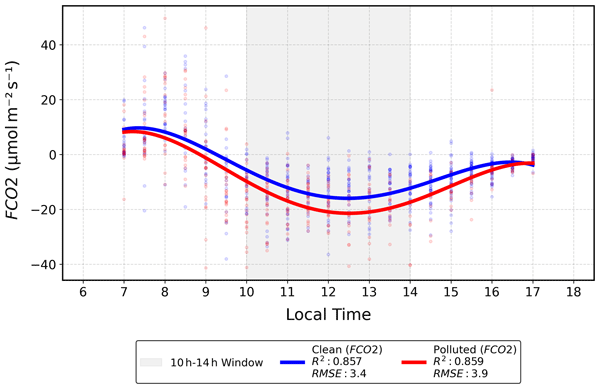
Mariano A. B. da Rocha, Cléo Q. Dias-Júnior, Anne C. S. Mendonça, Julia C. P. Cohen, Flávio A. F. D'Oliveira, Christopher Pöhlker, Subha Raj, Alessandro C. de Araujo, Marco A. Franco, Paulo Artaxo, Carlos A. Quesada, and Rafael S. Palácios
Atmos. Chem. Phys., 26, 8051–8066, https://doi.org/10.5194/acp-26-8051-2026, https://doi.org/10.5194/acp-26-8051-2026, 2026
Short summary
Short summary
We studied how airborne particles like smoke affect a pristine Amazon rainforest. Using long-term data, we found that high aerosol pollution reduces the heat and water vapor released by the forest, causing a cooling effect. Surprisingly, it also substantially boosts the forest's carbon dioxide absorption by scattering sunlight, which helps plants with photosynthesis. This shows that aerosols significantly alter the Amazon's microclimate and its crucial role in the global carbon and water cycles.
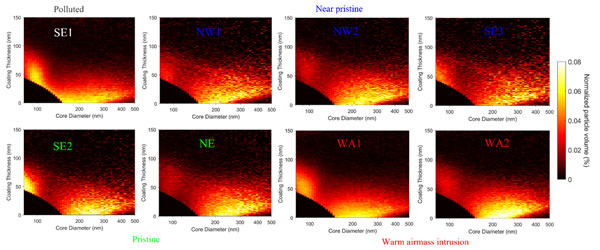
Babu Suja Arun, Thomas Müller, Mira L. Pöhlker, Andreas Held, Christopher Pöhlker, Manuela van Pinxteren, Yifan Yang, Sabine Lüchtrath, Andreas Walbröl, Janna E. Rückert, Philipp Oehlke, Maik Merkel, and Birgit Wehner
Atmos. Chem. Phys., 26, 7287–7310, https://doi.org/10.5194/acp-26-7287-2026, https://doi.org/10.5194/acp-26-7287-2026, 2026
Short summary
Short summary
Black carbon (BC) aerosols absorb solar radiation and perturb the Arctic energy budget, yet in-situ studies of their microphysical properties and mixing state in the Arctic remain scarce. Based on observations from a shipborne expedition in the Arctic Ocean, we found substantial BC concentrations and showed that warm airmass intrusions enhanced BC levels. Aged BC exhibited enhanced light absorption. These findings will help improve the representation of BC in climate models.
Patrick Dewald, Tobias Seubert, Laura Wüst, Jan Schuladen, Frank Drewnick, Friederike Fachinger, Thorsten Hoffmann, and John N. Crowley
Atmos. Meas. Tech., 19, 3445–3457, https://doi.org/10.5194/amt-19-3445-2026, https://doi.org/10.5194/amt-19-3445-2026, 2026
Short summary
Short summary
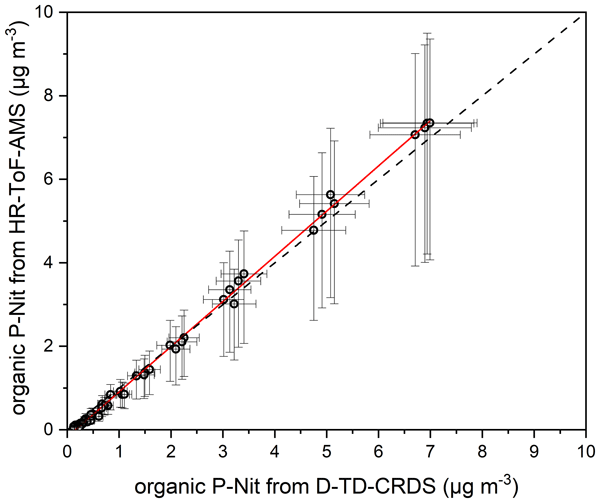
We have developed and tested an instrument that quantitatively detects particulate nitrate. Gas-phase reactive nitrogen species are denuded using an active-carbon surface and particle nitrate is converted to NO2, which is detected using cavity-ringdown-spectroscopy. Key to accurate measurement of particulate nitrate is drying of the sampled air. Excellent agreement with an aerosol-mass-spectrometer indicates that the instrument detects both organic and inorganic nitrate particle mass accurately.
Johannes Degen, Nicole Bobrowski, Mélisende M. Bossard, Lucie Boucher, Huilin Chen, Andreas Engel, Bastien H. Geil, Giovanni B. Giuffrida, Steven van Heuven, Thorsten Hoffmann, Niklas Karbach, Gianluigi Ortenzi, and Tanja J. Schuck
EGUsphere, https://doi.org/10.5194/egusphere-2026-1865, https://doi.org/10.5194/egusphere-2026-1865, 2026
This preprint is open for discussion and under review for Atmospheric Measurement Techniques (AMT).
Short summary
Short summary
Observations in volcanic plumes often rely on Uncrewed Aerial Systems (UAS). In July 2024, we used the active AirCore technique with UAS to probe the plumes of Mount Etna (Italy). This was the first time to use this technique inside volcanic plumes. AirCore samples are stored in long coils for laboratory analyses delivering high-quality trace gas measurements. We observed enhanced mole fractions of CO2 and often also of CO. allowing conclusions on oxidation processes inside the crater.
Johanna Margaretha Schüttler, Giovanni Pugliese, Joseph Byron, Cléo Quaresma Dias-Júnior, Carolina de A. Monteiro, Hartwig Harder, Jos Lelieveld, and Jonathan Williams
Biogeosciences, 23, 3467–3498, https://doi.org/10.5194/bg-23-3467-2026, https://doi.org/10.5194/bg-23-3467-2026, 2026
Short summary
Short summary
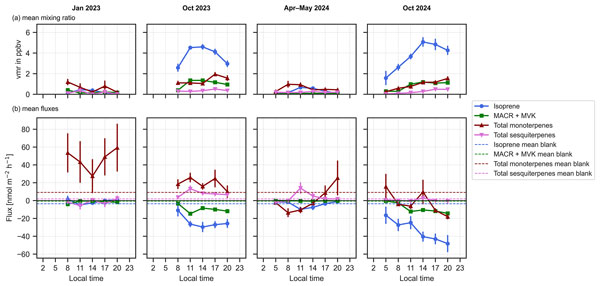
We measured how Amazon rainforest soils release and uptake compounds commonly produced by plants across seasons, including the severe 2023 El Niño drought. Soils took up isoprene most in the afternoon of dry seasons, while emissions of very reactive sesquiterpenes peaked during the drought. Removing the leaf litter changed which compounds transferred to and from the soil. These soil exchanges, though small compared to the canopy, can shape air chemistry near the ground and influence soil biota.
Benjamin Weyland, Simon Rosanka, Domenico Taraborrelli, Birger Bohn, Andreas Zahn, Florian Obersteiner, Eric Förster, Mariano Mertens, Patrick Jöckel, Helmut Ziereis, Katharina Kaiser, Horst Fischer, John N. Crowley, Nijing Wang, Achim Edtbauer, Jonathan Williams, Maria Dolores Andrés Hernández, John P. Burrows, Flora Kluge, Meike K. Rotermund, Andre Butz, and Klaus Pfeilsticker
Atmos. Chem. Phys., 26, 6825–6856, https://doi.org/10.5194/acp-26-6825-2026, https://doi.org/10.5194/acp-26-6825-2026, 2026
Short summary
Short summary
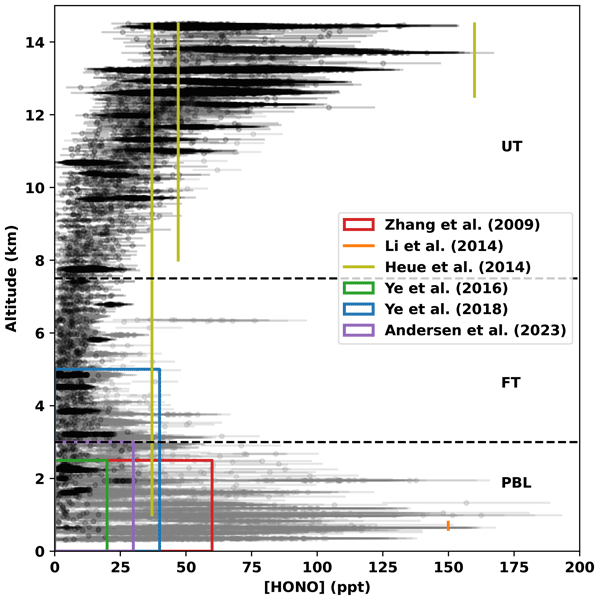
The destruction by sunlight of nitrous acid (HONO) produces the so-called detergent of the atmosphere. HONO has been measured in concentrations which exceed predictions based on known chemistry for decades. Several reactions have been proposed which may explain this excess HONO. This study reports on airborne measurements of HONO; the observations exceed predictions and form a C-shaped profile in the troposphere. Together with a host of other measurements, various reactions are investigated.
Niklas Karbach, Pauline Pouyes, Emilie Perraudin, Eric Villenave, and Thorsten Hoffmann
EGUsphere, https://doi.org/10.5194/egusphere-2026-2473, https://doi.org/10.5194/egusphere-2026-2473, 2026
Short summary
Short summary
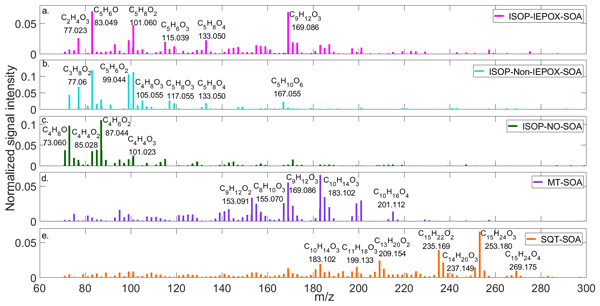
We investigated the chemical composition of organic aerosol near Paris to distinguish contributions from urban emissions and surrounding biogenic sources. By combining high resolution mass spectrometry with statistical clustering and wind information, we identified clear source specific patterns. Urban influence was associated with sulfur and nitrogen containing compounds, whereas biogenic influence was dominated by oxidized organic compounds.
Carolina Ramírez-Romero, Olatunde Murana, Hichem Bouzidi, Marina Jamar, Sébastien Dusanter, Alexandre Tomas, Ahmad Lahib, Layal Fayad, Véronique Riffault, Christopher Pöhlker, Stéphane Sauvage, and Joel F. de Brito
Atmos. Meas. Tech., 19, 3049–3062, https://doi.org/10.5194/amt-19-3049-2026, https://doi.org/10.5194/amt-19-3049-2026, 2026
Short summary
Short summary
Understanding how volatile organic compounds from plants and soils contribute to aerosol particles is essential for predicting air quality and climate effects. This study used advanced mass spectrometry to analyze particles formed from these compounds under controlled conditions. By identifying distinct chemical fingerprints, we can trace particle sources and reactions more accurately, improving our understanding of particle formation processes in the atmosphere.
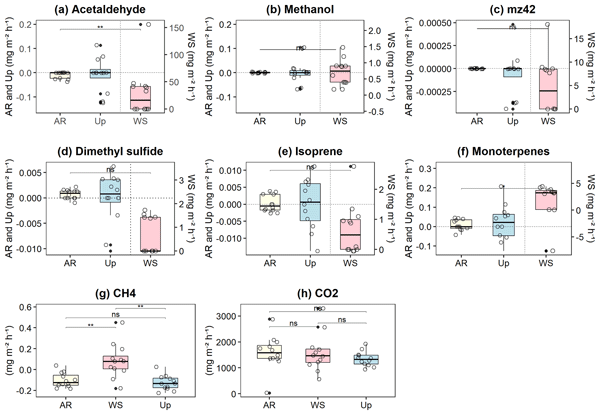
Débora Pinheiro-Oliveira, Hella van Asperen, Murielli Garcia Caetano, Michelle Robin, Achim Edtbauer, Nora Zannoni, Joseph Byron, Jonathan Williams, Layon Oreste Demarchi, Maria Teresa Fernandez Piedade, Jochen Schöngart, Florian Wittmann, Sergio Duvoisin-Junior, Carla Batista, Rodrigo Augusto Ferreira de Souza, and Eliane Gomes Alves
Biogeosciences, 23, 2451–2476, https://doi.org/10.5194/bg-23-2451-2026, https://doi.org/10.5194/bg-23-2451-2026, 2026
Short summary
Short summary
Forests release trace gases that influence air and climate. While plants are the main source, soil and leaf litter can also release significant amounts, especially in tropical forests like the Amazon. We measured these fluxes in different forest types and found soil and litter to be active sources and sinks. This can improves climate models by including realistic forest processes, vital for understanding and protecting the Amazon.
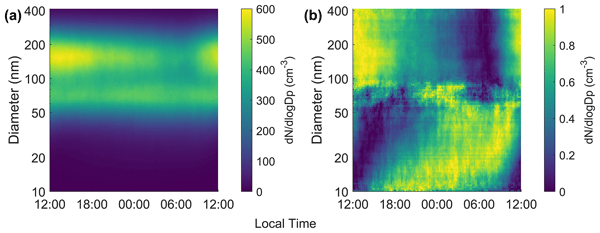
Bruno B. Meller, Marco A. Franco, Rafael Valiati, Christopher Pöhlker, Luiz A. T. Machado, Florian Ditas, Leslie A. Kremper, Subha S. Raj, Cleo Q. Dias-Júnior, Flávio A. F. D'Oliveira, Luciana V. Rizzo, Ulrich Pöschl, and Paulo Artaxo
Atmos. Chem. Phys., 26, 4885–4899, https://doi.org/10.5194/acp-26-4885-2026, https://doi.org/10.5194/acp-26-4885-2026, 2026
Short summary
Short summary
Aerosols are tiny particles that help clouds form and influence the climate. In the Amazon, clear events of new aerosol particle formation are rare, making it difficult to explain their origin. Using ten years of measurements, we discovered a subtle but frequent process called Quiet New Particle Formation. This hidden mechanism slowly produces and grows small particles and is responsible for nearly half of the smallest aerosols observed during the wet season.
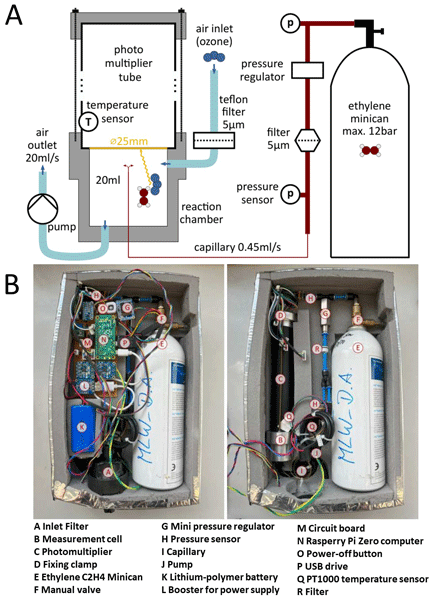
Maja Rüth, Nicole Bobrowski, Ellen Bräutigam, Alexander Nies, Jonas Kuhn, Thorsten Hoffmann, Niklas Karbach, Bastien Geil, Ralph Kleinschek, Stefan Schmitt, and Ulrich Platt
Atmos. Meas. Tech., 19, 2047–2059, https://doi.org/10.5194/amt-19-2047-2026, https://doi.org/10.5194/amt-19-2047-2026, 2026
Short summary
Short summary
UV absorption and electrochemical O3 sensor measurement techniques suffer from interferences, especially from SO2, which is a main constituent of volcanic plumes. Only chemiluminescence (CL) O3 monitors have no known interference with SO2. However, modern CL O3 monitors are impractical because they are heavy and bulky. We developed and applied a lightweight version of a CL O3 instrument (l.5 kg, shoebox size) and present the result of those drone based CL O3 measurements.
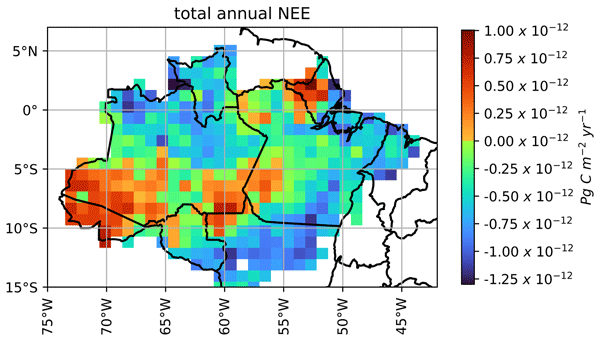
Amauri C. Prudente Jr., Luiz A. T. Machado, Felipe S. Silva, Tercio Ambrizzi, Paulo Artaxo, Santiago Botia, Luan P. Cordeiro, Cleo Q. Dias Jr., Edmilson Freitas, Demerval S. Moreira, Christopher Pöhlker, Ivan M. C. Toro, Xiyan Xu, and Luciana V. Rizzo
Biogeosciences, 23, 1771–1793, https://doi.org/10.5194/bg-23-1771-2026, https://doi.org/10.5194/bg-23-1771-2026, 2026
Short summary
Short summary
This study propoes a new method of spatialization to estimate carbon fluxes in the Brazilian Amazon biome. To do so, was used a land surface model (JULES) and two vegetation properties. The results of this spatialization resulted in a carbon fluxes of -1.34 Pg C during the year of 2021 in the entire Brazilian Amazon biome being the states of Amapa and Acre main relevant regions of carbon source.
Anchal Garg, Maximilien Desservettaz, Aliki Christodoulou, Theodoros Christoudias, Vijay Punjaji Kanawade, Chrysanthos Savvides, Mihalis Vrekoussis, Shahid Naqui, Tuija Jokinen, Joseph Byron, Jonathan Williams, Nikos Mihalopoulos, Eleni Liakakou, Jean Sciare, and Efstratios Bourtsoukidis
Atmos. Chem. Phys., 26, 2597–2622, https://doi.org/10.5194/acp-26-2597-2026, https://doi.org/10.5194/acp-26-2597-2026, 2026
Short summary
Short summary
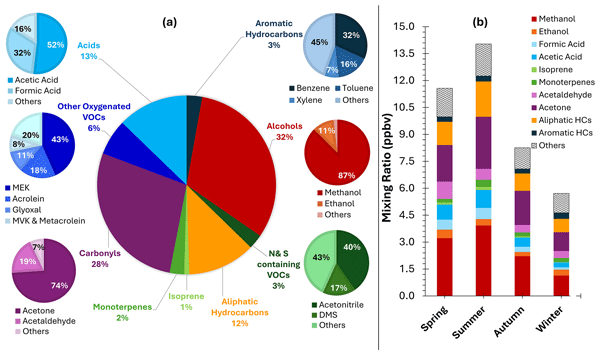
This study reports multi-year (2022–2024) measurements of 76 volatile organic compounds (VOCs) at a rural site in Cyprus. Oxygenated VOCs were the most abundant and showed strong daytime increases due to sunlight-driven chemistry. Air-mass analysis showed that transport from Middle East strongly influenced aromatic VOC levels. Climate–chemistry modeling underestimated most VOCs, highlighting gaps in current emission and chemical processes.
Sebastian Brill, Björn Nillius, Jan-David Förster, Paulo Artaxo, Florian Ditas, Dennis Geis, Christian Gurk, Thomas Kenntner, Thomas Klimach, Mark Lamneck, Rafael Valiati, Bettina Weber, Stefan Wolff, Ulrich Pöschl, and Christopher Pöhlker
Atmos. Meas. Tech., 19, 101–118, https://doi.org/10.5194/amt-19-101-2026, https://doi.org/10.5194/amt-19-101-2026, 2026
Short summary
Short summary
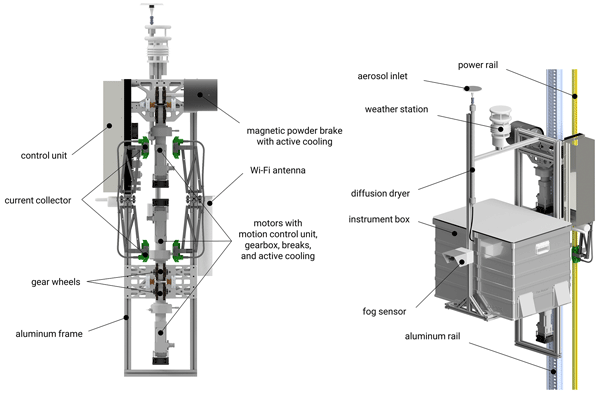
Highly resolved vertical profiles are crucial for understanding ecosystem–atmosphere interactions. We developed the robotic lift (RoLi) as a platform for vertical profile measurements at the Amazon Tall Tower Observatory in the central Amazon basin. First results reveal spatiotemporal patterns in temperature, humidity, fog, and aerosol profiles, proving RoLi's technical capability to resolve the diel interplay of convectively mixed daytime and stable stratified nighttime conditions.
Jackson Seymore, Miklós Szakáll, Alexander Theis, Subir K. Mitra, Christine Borchers, and Thorsten Hoffmann
Atmos. Chem. Phys., 25, 18249–18265, https://doi.org/10.5194/acp-25-18249-2025, https://doi.org/10.5194/acp-25-18249-2025, 2025
Short summary
Short summary
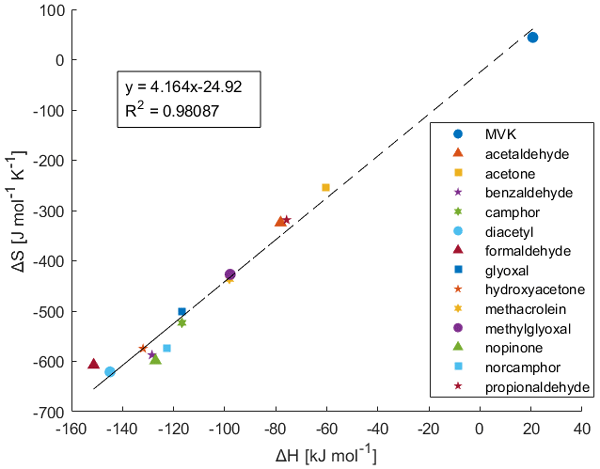
Laboratory studies examined carbonyl deposition into ice crystals using a flowtube setup. Ice crystals were grown under conditions that mimic cirrus clouds in the presence of carbonyl vapors. Ice and gas samples were collected and analyzed to calculate ice uptake coefficients for 14 carbonyls at different temperatures. This revealed an inverse relationship between uptake and temperature. Vapor pressure and molar mass were found to be the most significant factors in uptake.
Jianqiang Zhu, Guo Li, Uwe Kuhn, Bruno Backes Meller, Christopher Pöhlker, Paulo Artaxo, Ulrich Pöschl, Yafang Cheng, and Hang Su
Atmos. Chem. Phys., 25, 17667–17684, https://doi.org/10.5194/acp-25-17667-2025, https://doi.org/10.5194/acp-25-17667-2025, 2025
Short summary
Short summary
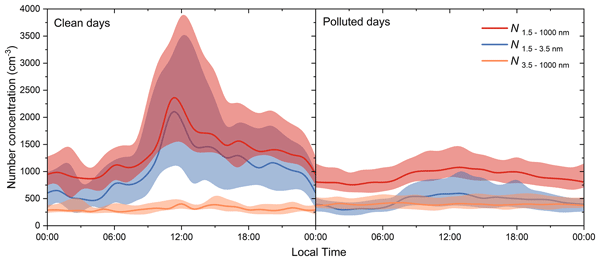
The manuscript reports unique measurements of sub-40 nm particles and ions, especially those smaller than 10 nm, in the Amazon from December 2022 to January 2023. A large number of sub-3 nm particles and naturally charged ions were present in the Amazonia boundary layer, and they showed a clear diurnal variation. The research will contribute to a better understanding of atmospheric processes in the pristine environment.
Christine Borchers, Lasse Moormann, Bastien Geil, Niklas Karbach, David Wasserzier, and Thorsten Hoffmann
Atmos. Meas. Tech., 18, 7231–7242, https://doi.org/10.5194/amt-18-7231-2025, https://doi.org/10.5194/amt-18-7231-2025, 2025
Short summary
Short summary
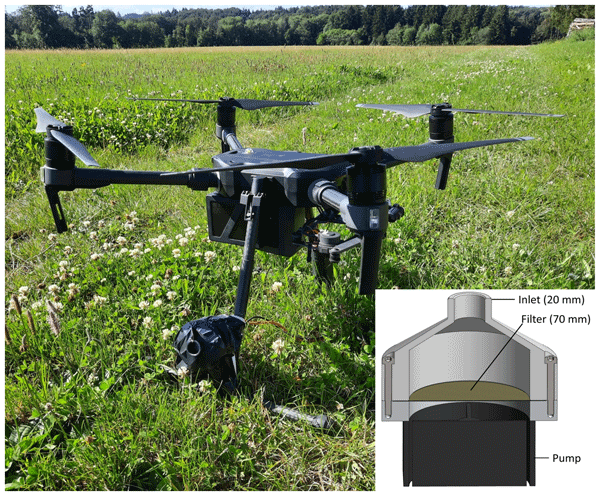
A three-dimensionally printed filter holder is connected to a lightweight, high-performance pump. This sampling system allows for easy and cost-effective measurements of organic aerosols at different heights and locations. By elucidating the chemical composition of organic aerosol, sources and processing of the compounds can be identified. Measurements at different altitudes and times of the day provide insight into the chemical aging and daytime trends of the aerosol particles.
Anna Breuninger, Philipp Joppe, Jonas Wilsch, Cornelis Schwenk, Heiko Bozem, Nicolas Emig, Laurin Merkel, Rainer Rossberg, Timo Keber, Arthur Kutschka, Philipp Waleska, Stefan Hofmann, Sarah Richter, Florian Ungeheuer, Konstantin Dörholt, Thorsten Hoffmann, Annette Miltenberger, Johannes Schneider, Peter Hoor, and Alexander L. Vogel
Atmos. Chem. Phys., 25, 16533–16551, https://doi.org/10.5194/acp-25-16533-2025, https://doi.org/10.5194/acp-25-16533-2025, 2025
Short summary
Short summary
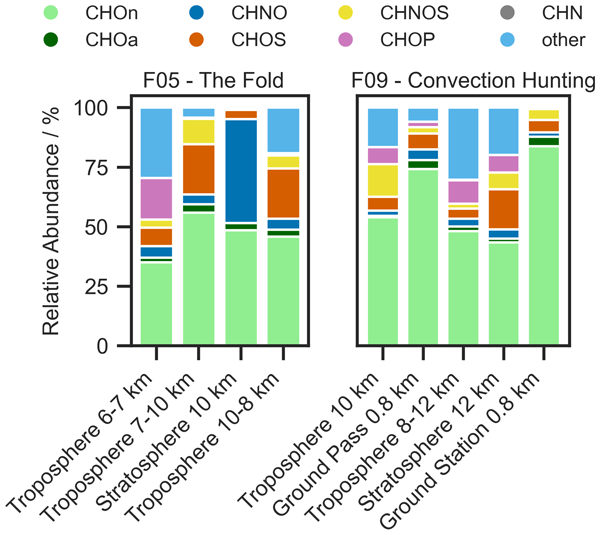
This study investigates molecular organic aerosol composition in the upper troposphere and lower stratosphere from an airborne campaign over Central Europe in summer 2024. Via ultra-high-performance liquid chromatography and high-resolution mass spectrometry of tropospheric and stratospheric filter samples, we identified various organic compounds. Our findings underscore the significant cross-tropopause transport of biogenic secondary organic aerosol and anthropogenic pollutants.
Shihan Sun, Paul I. Palmer, Richard Siddans, Brian J. Kerridge, Lucy Ventress, Achim Edtbauer, Akima Ringsdorf, Eva Y. Pfannerstill, and Jonathan Williams
Atmos. Chem. Phys., 25, 15801–15818, https://doi.org/10.5194/acp-25-15801-2025, https://doi.org/10.5194/acp-25-15801-2025, 2025
Short summary
Short summary
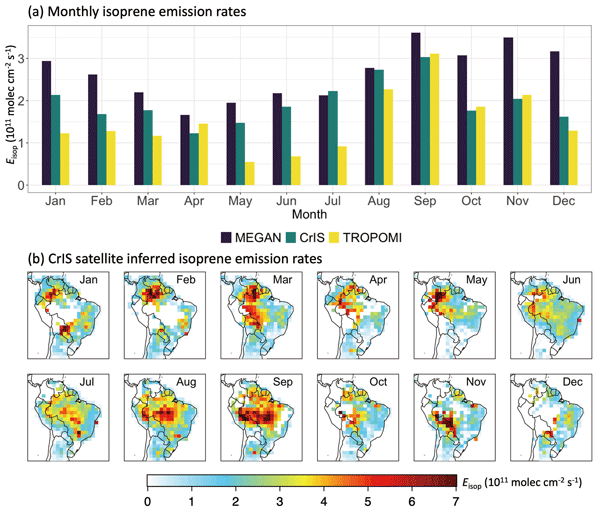
Isoprene released by plants can impact atmospheric chemistry and climate. The Amazon rainforest is a major source of isoprene. We derived isoprene emissions using satellite retrievals of isoprene columns and a chemical transport model. We evaluated our isoprene emission estimates using ground-based isoprene observations and satellite retrievals of formaldehyde. We found that using satellite retrievals of isoprene can help us better understand isoprene emissions over the Amazon.
Rafael Valiati, Bruno B. Meller, Marco A. Franco, Luciana V. Rizzo, Luiz A. T. Machado, Sebastian Brill, Bruna A. Holanda, Leslie A. Kremper, Subha S. Raj, Samara Carbone, Cléo Q. Dias-Júnior, Fernando G. Morais, Meinrat O. Andreae, Ulrich Pöschl, Christopher Pöhlker, and Paulo Artaxo
Atmos. Chem. Phys., 25, 14923–14944, https://doi.org/10.5194/acp-25-14923-2025, https://doi.org/10.5194/acp-25-14923-2025, 2025
Short summary
Short summary
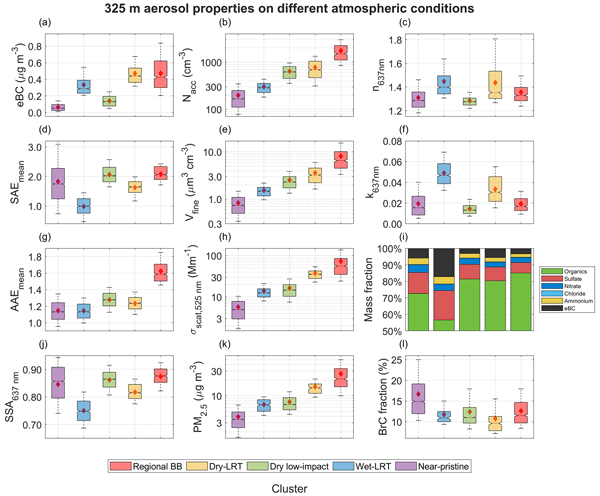
This study highlights the different aerosol populations that are commonly observed in the central Amazon. Vertical gradients of aerosol optical and chemical properties were evaluated on different atmospheric conditions, and showed distinct characteristics of these particles. Intercontinental transport events bring to the region particles with a contrasting chemical composition, while vertical transport processes influence the aerosol properties by promoting the development of coating and aging.
Barbara Ervens, Ken S. Carslaw, Thomas Koop, and Ulrich Pöschl
Atmos. Chem. Phys., 25, 13903–13952, https://doi.org/10.5194/acp-25-13903-2025, https://doi.org/10.5194/acp-25-13903-2025, 2025
Short summary
Short summary
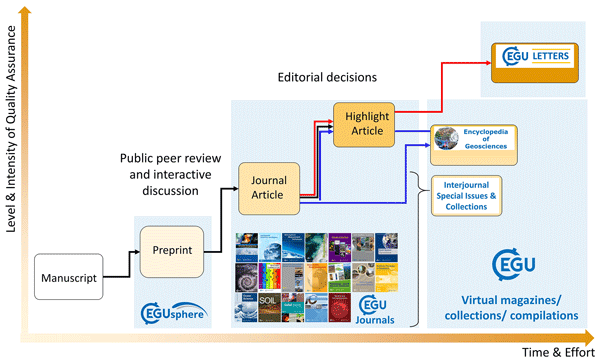
Over 25 years, the European Geosciences Union (EGU) has demonstrated the success, viability and benefits of interactive open-access (OA) publishing with public peer review in its journals, its publishing platform EGUsphere and virtual compilations. The article summarizes the evolution of the EGU/Copernicus publications and of OA publishing with interactive public peer review at large by placing the EGU/Copernicus publications in the context of current and future global open science.
Matteo Krüger, Tommaso Galeazzo, Ivan Eremets, Bertil Schmidt, Ulrich Pöschl, Manabu Shiraiwa, and Thomas Berkemeier
Geosci. Model Dev., 18, 7357–7371, https://doi.org/10.5194/gmd-18-7357-2025, https://doi.org/10.5194/gmd-18-7357-2025, 2025
Short summary
Short summary
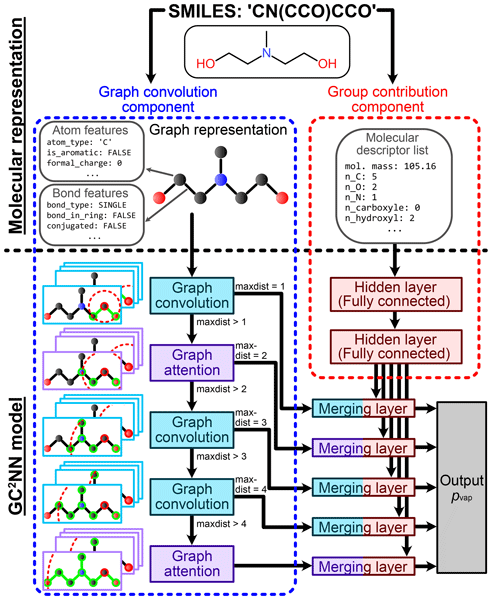
This work uses machine learning to predict saturation vapor pressures of atmospherically-relevant organic compounds, crucial for partitioning of secondary organic aerosol (SOA). We introduce a new method using graph convolutional neural networks, in which molecular graphs enable the model to capture molecular connectivity better than with non-structural embeddings. The method shows strong agreement with experimentally determined vapor pressures, and outperforms existing estimation methods.
Jackson Seymore, Martanda Gautam, Miklós Szakáll, Alexander Theis, Thorsten Hoffmann, Jialiang Ma, Lingli Zhou, and Alexander L. Vogel
Atmos. Chem. Phys., 25, 11829–11845, https://doi.org/10.5194/acp-25-11829-2025, https://doi.org/10.5194/acp-25-11829-2025, 2025
Short summary
Short summary
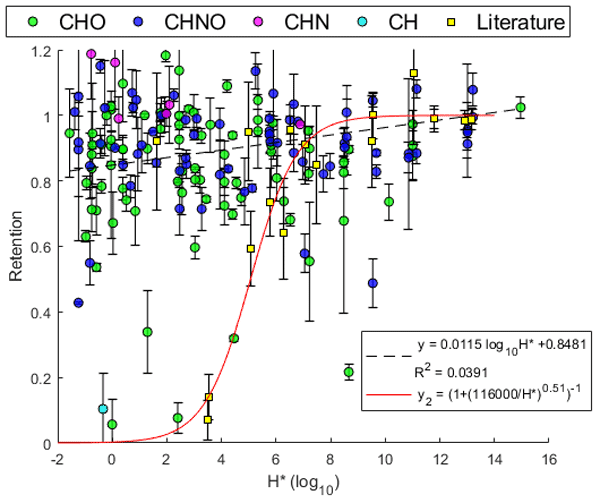
We investigated the chemical retention of water-soluble organic compounds in Beijing aerosols using an acoustic levitator and drop-freezing experiments. Samples from PM2.5 filter extracts were frozen at -15 °C in an acoustic levitator without artificial nucleators and analyzed using ultra-high resolution mass spectrometry. Our findings reveal a non-normal distribution of retention coefficients that differs from current literature on cloud droplets.
Yifan Yang, Thomas Müller, Laurent Poulain, Samira Atabakhsh, Bruna A. Holanda, Jens Voigtländer, Shubhi Arora, and Mira L. Pöhlker
Atmos. Chem. Phys., 25, 8637–8655, https://doi.org/10.5194/acp-25-8637-2025, https://doi.org/10.5194/acp-25-8637-2025, 2025
Short summary
Short summary
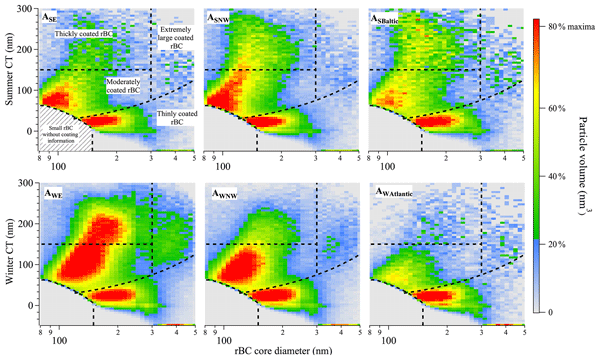
Black carbon (BC) is the major atmospheric aerosol that can absorb light and influence climate. We measured the physical properties of BC at a background site in Germany. In summer, BC particles were smaller and the mixture with other atmospheric components occurred during the daytime. In winter, emissions from residential heating significantly influenced BC's properties. Understanding these characteristics of BC can help to improve the accuracy of aerosol optic simulation.
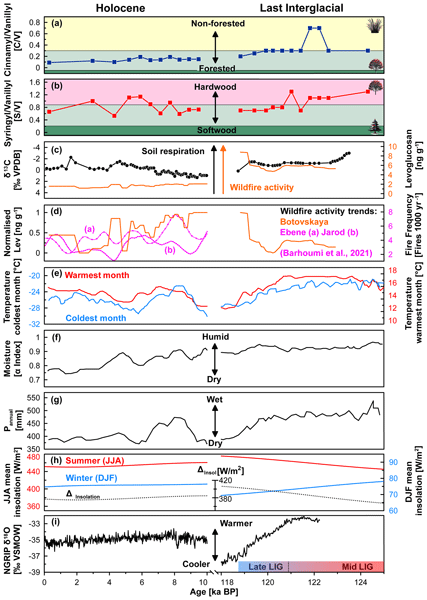
Jade Margerum, Julia Homann, Stuart Umbo, Gernot Nehrke, Thorsten Hoffmann, Anton Vaks, Aleksandr Kononov, Alexander Osintsev, Alena Giesche, Andrew Mason, Franziska A. Lechleitner, Gideon M. Henderson, Ola Kwiecien, and Sebastian F. M. Breitenbach
Clim. Past, 21, 661–677, https://doi.org/10.5194/cp-21-661-2025, https://doi.org/10.5194/cp-21-661-2025, 2025
Short summary
Short summary
We analyse a southern Siberian stalagmite to reconstruct soil respiration, wildfire, and vegetation trends during the Last Interglacial (LIG) (124.1–118.8 ka) and the Holocene (10–0 ka). Wildfires were more prevalent during the LIG than the Holocene and were supported by fire-prone species, low soil respiration, and a greater difference between summer and winter temperature. We show that vegetation type and summer/winter temperature contrast are strong drivers of Siberian wildfires.
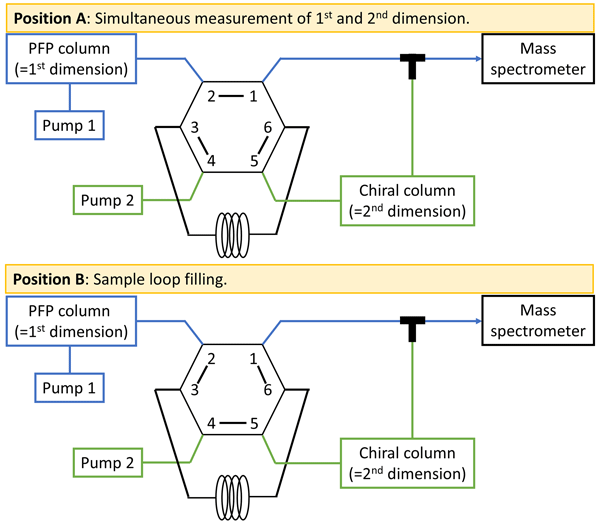
Johanna Schäfer, Anja Beschnitt, François Burgay, Thomas Singer, Margit Schwikowski, and Thorsten Hoffmann
Atmos. Meas. Tech., 18, 421–430, https://doi.org/10.5194/amt-18-421-2025, https://doi.org/10.5194/amt-18-421-2025, 2025
Short summary
Short summary
Glaciers preserve organic compounds from atmospheric aerosols, which can serve as markers for emission sources. Most studies overlook the enantiomers of chiral compounds. We developed a two-dimensional liquid chromatography method to determine the chiral ratios of the monoterpene oxidation products cis-pinic acid and cis-pinonic acid in ice-core samples. Applied to samples from the Belukha Glacier (1870–1970 CE), the method revealed fluctuating chiral ratios for the analytes.
Mega Octaviani, Benjamin A. Musa Bandowe, Qing Mu, Jake Wilson, Holger Tost, Hang Su, Yafang Cheng, Manabu Shiraiwa, Ulrich Pöschl, Thomas Berkemeier, and Gerhard Lammel
EGUsphere, https://doi.org/10.5194/egusphere-2025-186, https://doi.org/10.5194/egusphere-2025-186, 2025
This preprint is open for discussion and under review for Atmospheric Chemistry and Physics (ACP).
Short summary
Short summary
This research explores the atmospheric concentration of benzo(a)pyrene (BaP), a harmful air pollutant linked to lung cancer. Using advanced Earth system modeling, the study examines how BaP's degradation varies with temperature and humidity, affecting its global distribution and associated lung cancer risks. The findings reveal that BaP persists longer in colder, less humid regions, leading to higher lung cancer risks in parts of Europe and Asia.
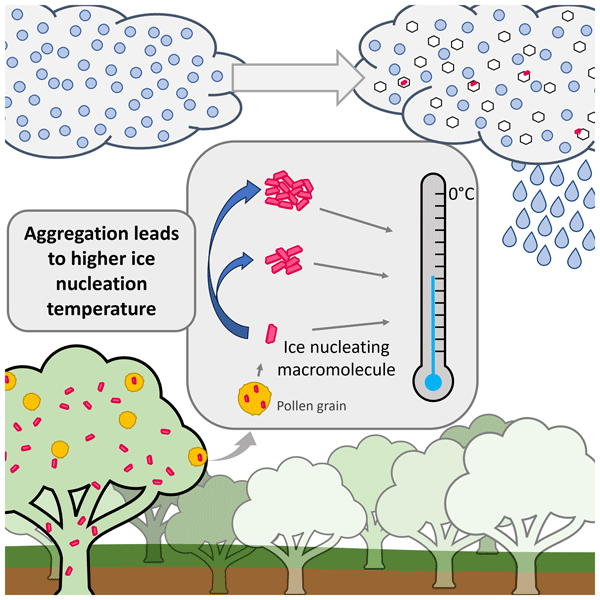
Florian Wieland, Nadine Bothen, Ralph Schwidetzky, Teresa M. Seifried, Paul Bieber, Ulrich Pöschl, Konrad Meister, Mischa Bonn, Janine Fröhlich-Nowoisky, and Hinrich Grothe
Biogeosciences, 22, 103–115, https://doi.org/10.5194/bg-22-103-2025, https://doi.org/10.5194/bg-22-103-2025, 2025
Short summary
Short summary
Betula pendula is a widespread birch tree species containing ice nucleation agents that can trigger the freezing of cloud droplets and thereby alter the evolution of clouds. Our study identifies three distinct ice-nucleating macromolecule (INM) aggregates of varying size that can nucleate ice at temperatures up to –5.4°C. Our findings suggest that these vegetation-derived particles may influence atmospheric processes, weather, and climate more strongly than previously thought.
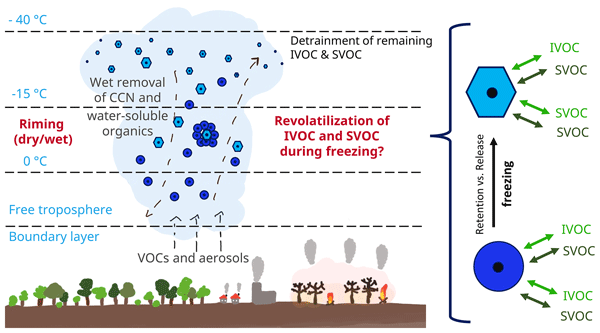
Christine Borchers, Jackson Seymore, Martanda Gautam, Konstantin Dörholt, Yannik Müller, Andreas Arndt, Laura Gömmer, Florian Ungeheuer, Miklós Szakáll, Stephan Borrmann, Alexander Theis, Alexander L. Vogel, and Thorsten Hoffmann
Atmos. Chem. Phys., 24, 13961–13974, https://doi.org/10.5194/acp-24-13961-2024, https://doi.org/10.5194/acp-24-13961-2024, 2024
Short summary
Short summary
Riming, a crucial process in cloud dynamics, influences the vertical distribution of compounds in the atmosphere. Experiments in Mainz's wind tunnel investigated retention coefficients of organic compounds under varying conditions. Findings suggest a correlation between the Henry's law constant and retention, applicable even to complex organic molecules.
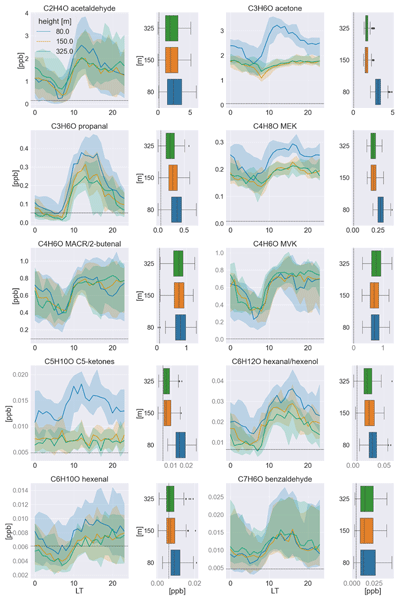
Akima Ringsdorf, Achim Edtbauer, Bruna Holanda, Christopher Poehlker, Marta O. Sá, Alessandro Araújo, Jürgen Kesselmeier, Jos Lelieveld, and Jonathan Williams
Atmos. Chem. Phys., 24, 11883–11910, https://doi.org/10.5194/acp-24-11883-2024, https://doi.org/10.5194/acp-24-11883-2024, 2024
Short summary
Short summary
We show the average height distribution of separately observed aldehydes and ketones over a day and discuss their rainforest-specific sources and sinks as well as their seasonal changes above the Amazon. Ketones have much longer atmospheric lifetimes than aldehydes and thus different implications for atmospheric chemistry. However, they are commonly observed together, which we overcome by measuring with a NO+ chemical ionization mass spectrometer for the first time in the Amazon rainforest.
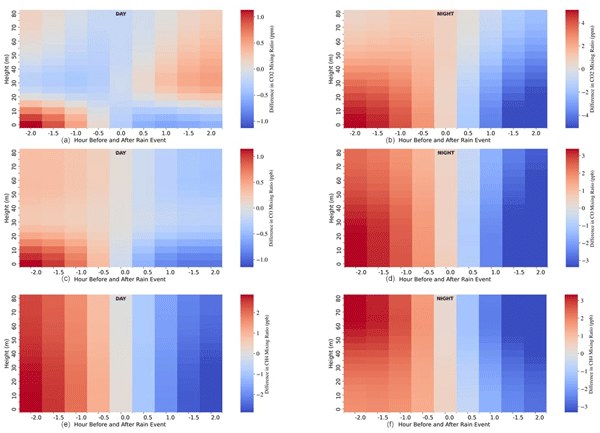
Luiz A. T. Machado, Jürgen Kesselmeier, Santiago Botía, Hella van Asperen, Meinrat O. Andreae, Alessandro C. de Araújo, Paulo Artaxo, Achim Edtbauer, Rosaria R. Ferreira, Marco A. Franco, Hartwig Harder, Sam P. Jones, Cléo Q. Dias-Júnior, Guido G. Haytzmann, Carlos A. Quesada, Shujiro Komiya, Jost Lavric, Jos Lelieveld, Ingeborg Levin, Anke Nölscher, Eva Pfannerstill, Mira L. Pöhlker, Ulrich Pöschl, Akima Ringsdorf, Luciana Rizzo, Ana M. Yáñez-Serrano, Susan Trumbore, Wanda I. D. Valenti, Jordi Vila-Guerau de Arellano, David Walter, Jonathan Williams, Stefan Wolff, and Christopher Pöhlker
Atmos. Chem. Phys., 24, 8893–8910, https://doi.org/10.5194/acp-24-8893-2024, https://doi.org/10.5194/acp-24-8893-2024, 2024
Short summary
Short summary
Composite analysis of gas concentration before and after rainfall, during the day and night, gives insight into the complex relationship between trace gas variability and precipitation. The analysis helps us to understand the sources and sinks of trace gases within a forest ecosystem. It elucidates processes that are not discernible under undisturbed conditions and contributes to a deeper understanding of the trace gas life cycle and its intricate interactions with cloud dynamics in the Amazon.
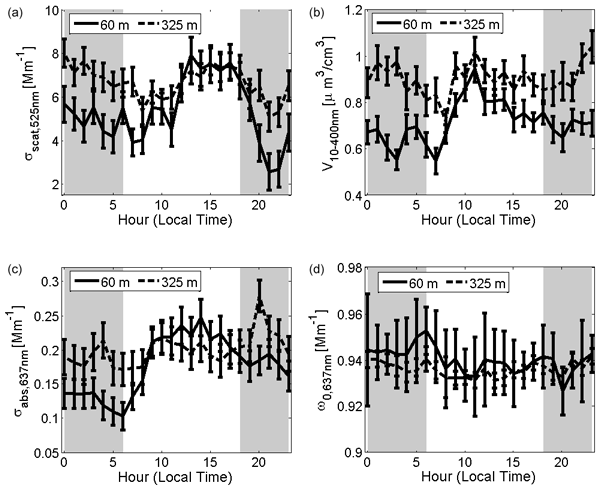
Marco A. Franco, Rafael Valiati, Bruna A. Holanda, Bruno B. Meller, Leslie A. Kremper, Luciana V. Rizzo, Samara Carbone, Fernando G. Morais, Janaína P. Nascimento, Meinrat O. Andreae, Micael A. Cecchini, Luiz A. T. Machado, Milena Ponczek, Ulrich Pöschl, David Walter, Christopher Pöhlker, and Paulo Artaxo
Atmos. Chem. Phys., 24, 8751–8770, https://doi.org/10.5194/acp-24-8751-2024, https://doi.org/10.5194/acp-24-8751-2024, 2024
Short summary
Short summary
The Amazon wet-season atmosphere was studied at the Amazon Tall Tower Observatory site, revealing vertical variations (between 60 and 325 m) in natural aerosols. Daytime mixing contrasted with nighttime stratification, with distinct rain-induced changes in aerosol populations. Notably, optical property recovery at higher levels was faster, while near-canopy aerosols showed higher scattering efficiency. These findings enhance our understanding of aerosol impacts on climate dynamics.
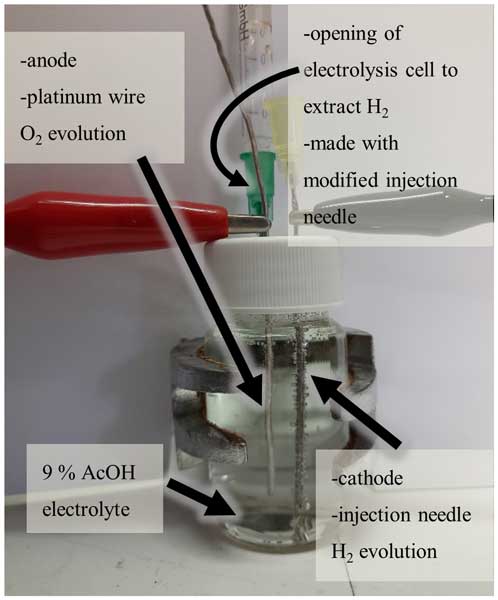
Niklas Karbach, Lisa Höhler, Peter Hoor, Heiko Bozem, Nicole Bobrowski, and Thorsten Hoffmann
Atmos. Meas. Tech., 17, 4081–4086, https://doi.org/10.5194/amt-17-4081-2024, https://doi.org/10.5194/amt-17-4081-2024, 2024
Short summary
Short summary
The system presented here can accurately generate and reproduce a stable flow of gas mixtures of known concentrations over several days using ambient air as a dilution medium. In combination with the small size and low weight of the system, this enables the calibration of hydrogen sensors in the field, reducing the influence of matrix effects on the accuracy of the sensor. The system is inexpensive to assemble and easy to maintain, which is the key to reliable measurement results.
Hella van Asperen, Thorsten Warneke, Alessandro Carioca de Araújo, Bruce Forsberg, Sávio José Filgueiras Ferreira, Thomas Röckmann, Carina van der Veen, Sipko Bulthuis, Leonardo Ramos de Oliveira, Thiago de Lima Xavier, Jailson da Mata, Marta de Oliveira Sá, Paulo Ricardo Teixeira, Julie Andrews de França e Silva, Susan Trumbore, and Justus Notholt
Biogeosciences, 21, 3183–3199, https://doi.org/10.5194/bg-21-3183-2024, https://doi.org/10.5194/bg-21-3183-2024, 2024
Short summary
Short summary
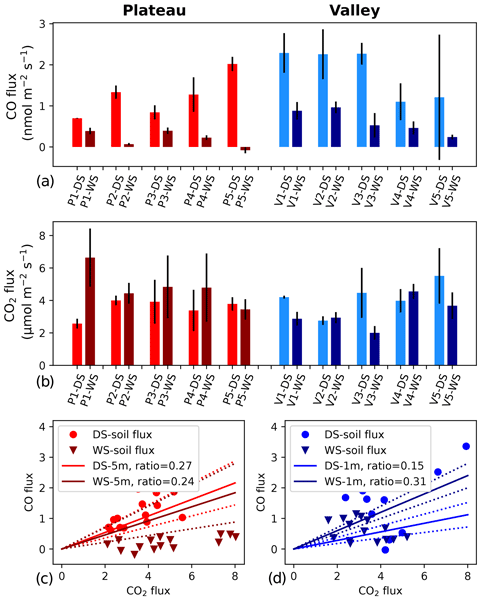
Carbon monoxide (CO) is regarded as an important indirect greenhouse gas. Soils can emit and take up CO, but, until now, uncertainty remains as to which process dominates in tropical rainforests. We present the first soil CO flux measurements from a tropical rainforest. Based on our observations, we report that tropical rainforest soils are a net source of CO. In addition, we show that valley streams and inundated areas are likely additional hot spots of CO in the ecosystem.
Gabriela R. Unfer, Luiz A. T. Machado, Paulo Artaxo, Marco A. Franco, Leslie A. Kremper, Mira L. Pöhlker, Ulrich Pöschl, and Christopher Pöhlker
Atmos. Chem. Phys., 24, 3869–3882, https://doi.org/10.5194/acp-24-3869-2024, https://doi.org/10.5194/acp-24-3869-2024, 2024
Short summary
Short summary
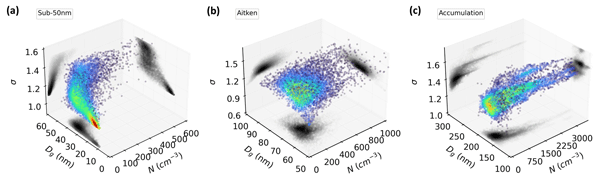
Amazonian aerosols and their interactions with precipitation were studied by understanding them in a 3D space based on three parameters that characterize the concentration and size distribution of aerosols. The results showed characteristic arrangements regarding seasonal and diurnal cycles, as well as when interacting with precipitation. The use of this 3D space appears to be a promising tool for aerosol population analysis and for model validation and parameterization.
Daniel A. Knopf, Markus Ammann, Thomas Berkemeier, Ulrich Pöschl, and Manabu Shiraiwa
Atmos. Chem. Phys., 24, 3445–3528, https://doi.org/10.5194/acp-24-3445-2024, https://doi.org/10.5194/acp-24-3445-2024, 2024
Short summary
Short summary
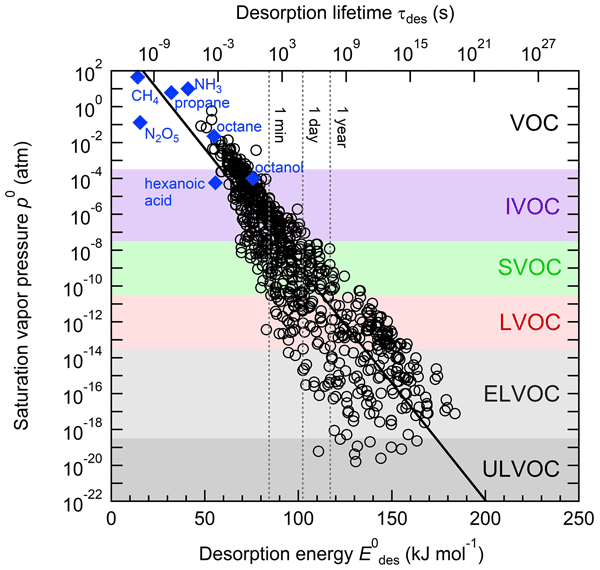
The initial step of interfacial and multiphase chemical processes involves adsorption and desorption of gas species. This study demonstrates the role of desorption energy governing the residence time of the gas species at the environmental interface. A parameterization is formulated that enables the prediction of desorption energy based on the molecular weight, polarizability, and oxygen-to-carbon ratio of the desorbing chemical species. Its application to gas–particle interactions is discussed.
Jing Cai, Juha Sulo, Yifang Gu, Sebastian Holm, Runlong Cai, Steven Thomas, Almuth Neuberger, Fredrik Mattsson, Marco Paglione, Stefano Decesari, Matteo Rinaldi, Rujing Yin, Diego Aliaga, Wei Huang, Yuanyuan Li, Yvette Gramlich, Giancarlo Ciarelli, Lauriane Quéléver, Nina Sarnela, Katrianne Lehtipalo, Nora Zannoni, Cheng Wu, Wei Nie, Juha Kangasluoma, Claudia Mohr, Markku Kulmala, Qiaozhi Zha, Dominik Stolzenburg, and Federico Bianchi
Atmos. Chem. Phys., 24, 2423–2441, https://doi.org/10.5194/acp-24-2423-2024, https://doi.org/10.5194/acp-24-2423-2024, 2024
Short summary
Short summary
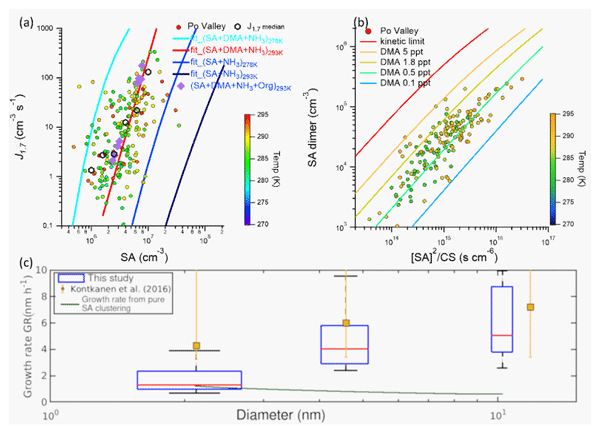
By combining field measurements, simulations and recent chamber experiments, we investigate new particle formation (NPF) and growth in the Po Valley, where both haze and frequent NPF occur. Our results show that sulfuric acid, ammonia and amines are the dominant NPF precursors there. A high NPF rate and a lower condensation sink lead to a greater survival probability for newly formed particles, highlighting the importance of gas-to-particle conversion for aerosol concentrations.
Pauline Buysse, Benjamin Loubet, Raluca Ciuraru, Florence Lafouge, Brigitte Durand, Olivier Zurfluh, Céline Décuq, Olivier Fanucci, Lais Gonzaga Gomez, Jean-Christophe Gueudet, Sandy Bsaibes, Nora Zannoni, and Valérie Gros
EGUsphere, https://doi.org/10.5194/egusphere-2023-2438, https://doi.org/10.5194/egusphere-2023-2438, 2024
Preprint withdrawn
Short summary
Short summary
This research aimed at quantifying biogenic volatile organic compounds (BVOCs) emissions by a rapeseed crop field. Such compounds are precursors of atmospheric pollutants. Our study revealed that methanol, a BVOC that is not very reactive in the atmosphere, is by far the most emitted BVOC, while monoterpenes, being highly reactive, were emitted in larger quantities than expected. Our study therefore points out the potentially more significant contribution of croplands to atmospheric pollution.

Rolf Müller, Ulrich Pöschl, Thomas Koop, Thomas Peter, and Ken Carslaw
Atmos. Chem. Phys., 23, 15445–15453, https://doi.org/10.5194/acp-23-15445-2023, https://doi.org/10.5194/acp-23-15445-2023, 2023
Short summary
Short summary
Paul J. Crutzen was a pioneer in atmospheric sciences and a kind-hearted, humorous person with empathy for the private lives of his colleagues and students. He made fundamental scientific contributions to a wide range of scientific topics in all parts of the atmosphere. Paul was among the founders of the journal Atmospheric Chemistry and Physics. His work will continue to be a guide for generations of scientists and environmental policymakers to come.
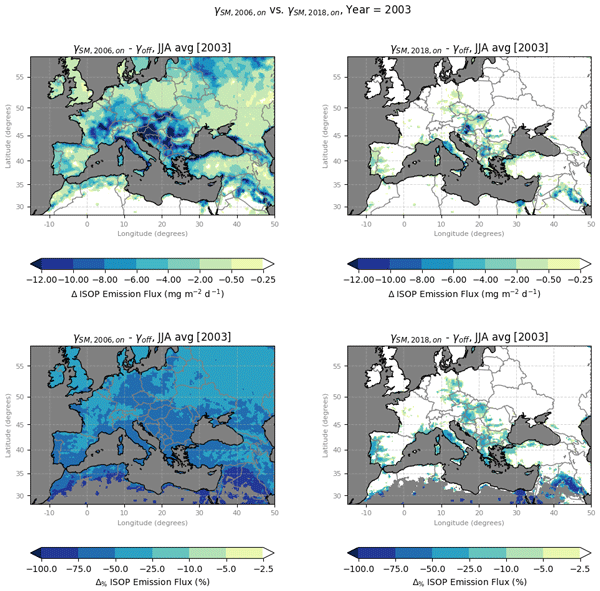
Susanna Strada, Andrea Pozzer, Graziano Giuliani, Erika Coppola, Fabien Solmon, Xiaoyan Jiang, Alex Guenther, Efstratios Bourtsoukidis, Dominique Serça, Jonathan Williams, and Filippo Giorgi
Atmos. Chem. Phys., 23, 13301–13327, https://doi.org/10.5194/acp-23-13301-2023, https://doi.org/10.5194/acp-23-13301-2023, 2023
Short summary
Short summary
Water deficit modifies emissions of isoprene, an aromatic compound released by plants that influences the production of an air pollutant such as ozone. Numerical modelling shows that, during the warmest and driest summers, isoprene decreases between −20 and −60 % over the Euro-Mediterranean region, while near-surface ozone only diminishes by a few percent. Decreases in isoprene emissions not only happen under dry conditions, but also could occur after prolonged or repeated water deficits.
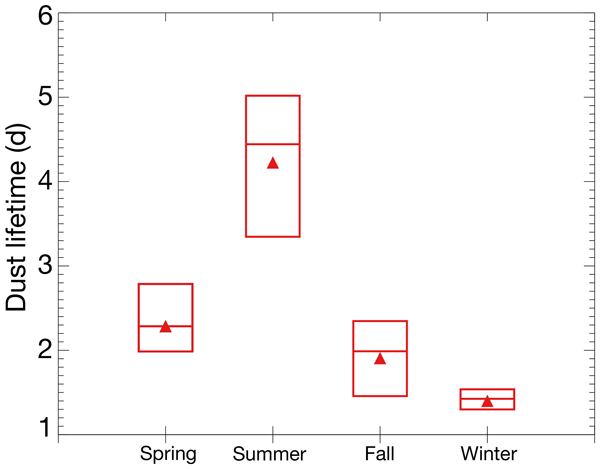
Xurong Wang, Qiaoqiao Wang, Maria Prass, Christopher Pöhlker, Daniel Moran-Zuloaga, Paulo Artaxo, Jianwei Gu, Ning Yang, Xiajie Yang, Jiangchuan Tao, Juan Hong, Nan Ma, Yafang Cheng, Hang Su, and Meinrat O. Andreae
Atmos. Chem. Phys., 23, 9993–10014, https://doi.org/10.5194/acp-23-9993-2023, https://doi.org/10.5194/acp-23-9993-2023, 2023
Short summary
Short summary
In this work, with an optimized particle mass size distribution, we captured observed aerosol optical depth (AOD) and coarse aerosol concentrations over source and/or receptor regions well, demonstrating good performance in simulating export of African dust toward the Amazon Basin. In addition to factors controlling the transatlantic transport of African dust, the study investigated the impact of African dust over the Amazon Basin, including the nutrient inputs associated with dust deposition.
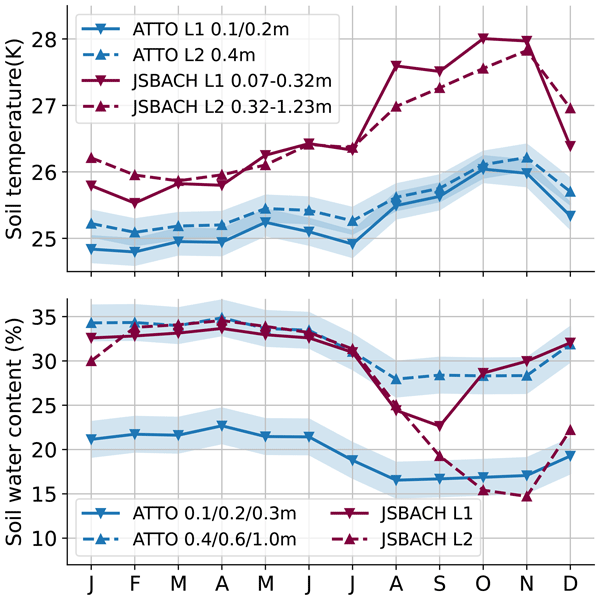
Amelie U. Schmitt, Felix Ament, Alessandro C. de Araújo, Marta Sá, and Paulo Teixeira
Atmos. Chem. Phys., 23, 9323–9346, https://doi.org/10.5194/acp-23-9323-2023, https://doi.org/10.5194/acp-23-9323-2023, 2023
Short summary
Short summary
Tall vegetation in forests affects the exchange of heat and moisture between the atmosphere and the land surface. We compared measurements from the Amazon Tall Tower Observatory to results from a land surface model to identify model shortcomings. Our results suggest that soil temperatures in the model could be improved by incorporating a separate canopy layer which represents the heat storage within the forest.
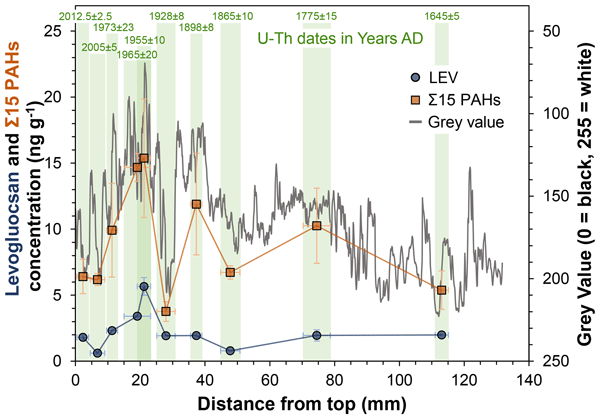
Julia Homann, Niklas Karbach, Stacy A. Carolin, Daniel H. James, David Hodell, Sebastian F. M. Breitenbach, Ola Kwiecien, Mark Brenner, Carlos Peraza Lope, and Thorsten Hoffmann
Biogeosciences, 20, 3249–3260, https://doi.org/10.5194/bg-20-3249-2023, https://doi.org/10.5194/bg-20-3249-2023, 2023
Short summary
Short summary
Cave stalagmites contain substances that can be used to reconstruct past changes in local and regional environmental conditions. We used two classes of biomarkers (polycyclic aromatic hydrocarbons and monosaccharide anhydrides) to detect the presence of fire and to also explore changes in fire regime (e.g. fire frequency, intensity, and fuel source). We tested our new method on a stalagmite from Mayapan, a large Maya city on the Yucatán Peninsula.
Eliane Gomes Alves, Raoni Aquino Santana, Cléo Quaresma Dias-Júnior, Santiago Botía, Tyeen Taylor, Ana Maria Yáñez-Serrano, Jürgen Kesselmeier, Efstratios Bourtsoukidis, Jonathan Williams, Pedro Ivo Lembo Silveira de Assis, Giordane Martins, Rodrigo de Souza, Sérgio Duvoisin Júnior, Alex Guenther, Dasa Gu, Anywhere Tsokankunku, Matthias Sörgel, Bruce Nelson, Davieliton Pinto, Shujiro Komiya, Diogo Martins Rosa, Bettina Weber, Cybelli Barbosa, Michelle Robin, Kenneth J. Feeley, Alvaro Duque, Viviana Londoño Lemos, Maria Paula Contreras, Alvaro Idarraga, Norberto López, Chad Husby, Brett Jestrow, and Iván Mauricio Cely Toro
Atmos. Chem. Phys., 23, 8149–8168, https://doi.org/10.5194/acp-23-8149-2023, https://doi.org/10.5194/acp-23-8149-2023, 2023
Short summary
Short summary
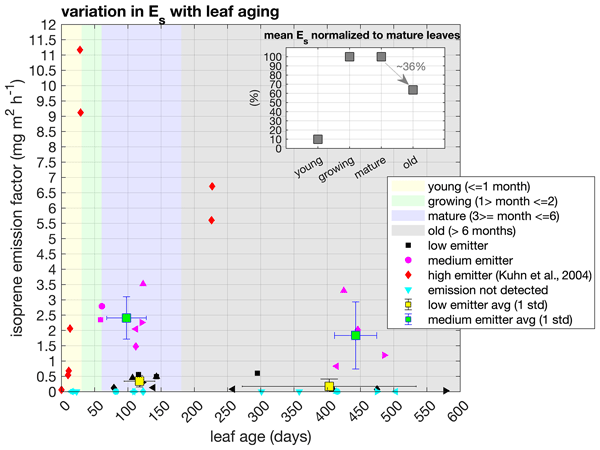
Isoprene is emitted mainly by plants and can influence atmospheric chemistry and air quality. But, there are uncertainties in model emission estimates and follow-up atmospheric processes. In our study, with long-term observational datasets of isoprene and biological and environmental factors from central Amazonia, we show that isoprene emission estimates could be improved when biological processes were mechanistically incorporated into the model.
Najin Kim, Hang Su, Nan Ma, Ulrich Pöschl, and Yafang Cheng
Atmos. Meas. Tech., 16, 2771–2780, https://doi.org/10.5194/amt-16-2771-2023, https://doi.org/10.5194/amt-16-2771-2023, 2023
Short summary
Short summary
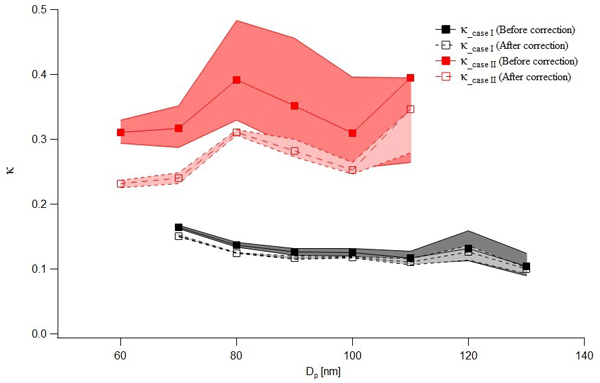
We propose a multiple-charging correction algorithm for a broad-supersaturation scanning cloud condensation nuclei (BS2-CCN) system which can obtain high time-resolution aerosol hygroscopicity and CCN activity. The correction algorithm aims at deriving the activation fraction's true value for each particle size. The meaningful differences between corrected and original κ values (single hygroscopicity parameter) emphasize the correction algorithm's importance for ambient aerosol measurement.
Ting Lei, Hang Su, Nan Ma, Ulrich Pöschl, Alfred Wiedensohler, and Yafang Cheng
Atmos. Chem. Phys., 23, 4763–4774, https://doi.org/10.5194/acp-23-4763-2023, https://doi.org/10.5194/acp-23-4763-2023, 2023
Short summary
Short summary
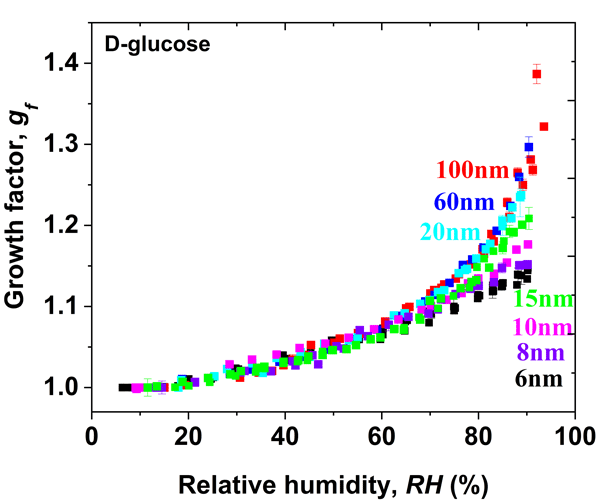
We investigate the hygroscopic behavior of levoglucosan and D-glucose nanoparticles using a nano-HTDMA. There is a weak size dependence of the hygroscopic growth factor of levoglucosan and D-glucose with diameters down to 20 nm, while a strong size dependence of the hygroscopic growth factor of D-glucose has been clearly observed in the size range 6 to 20 nm. The use of the DKA method leads to good agreement with the hygroscopic growth factor of glucose nanoparticles with diameters down to 6 nm.
Thomas Berkemeier, Matteo Krüger, Aryeh Feinberg, Marcel Müller, Ulrich Pöschl, and Ulrich K. Krieger
Geosci. Model Dev., 16, 2037–2054, https://doi.org/10.5194/gmd-16-2037-2023, https://doi.org/10.5194/gmd-16-2037-2023, 2023
Short summary
Short summary
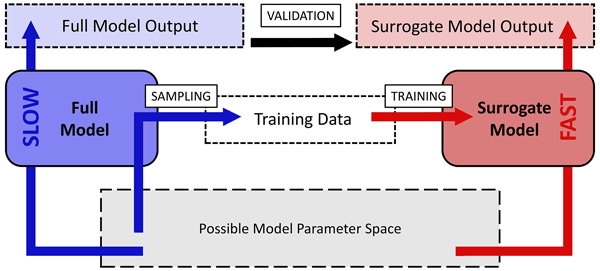
Kinetic multi-layer models (KMs) successfully describe heterogeneous and multiphase atmospheric chemistry. In applications requiring repeated execution, however, these models can be too expensive. We trained machine learning surrogate models on output of the model KM-SUB and achieved high correlations. The surrogate models run orders of magnitude faster, which suggests potential applicability in global optimization tasks and as sub-modules in large-scale atmospheric models.
Lisa Ernle, Monika Akima Ringsdorf, and Jonathan Williams
Atmos. Meas. Tech., 16, 1179–1194, https://doi.org/10.5194/amt-16-1179-2023, https://doi.org/10.5194/amt-16-1179-2023, 2023
Short summary
Short summary
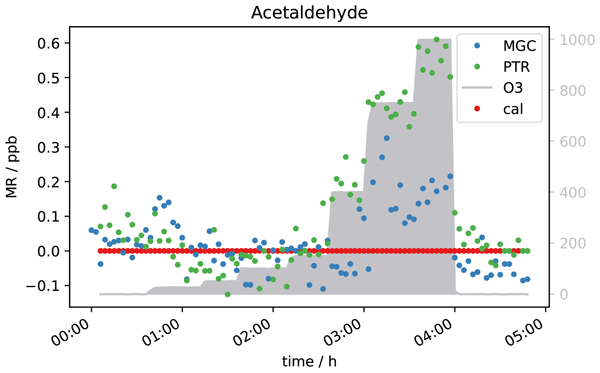
Atmospheric ozone can induce artefacts in volatile organic compound measurements. Laboratory tests were made using GC-MS and PTR-MS aircraft systems under tropospheric and stratospheric conditions of humidity and ozone, with and without sodium thiosulfate filter scrubbers. Ozone in dry air produces some carbonyls and degrades alkenes. The scrubber lifetime depends on ozone concentration, flow rate and humidity. For the troposphere with scrubber, no significant artefacts were found over 14 d.
Haley M. Royer, Mira L. Pöhlker, Ovid Krüger, Edmund Blades, Peter Sealy, Nurun Nahar Lata, Zezhen Cheng, Swarup China, Andrew P. Ault, Patricia K. Quinn, Paquita Zuidema, Christopher Pöhlker, Ulrich Pöschl, Meinrat Andreae, and Cassandra J. Gaston
Atmos. Chem. Phys., 23, 981–998, https://doi.org/10.5194/acp-23-981-2023, https://doi.org/10.5194/acp-23-981-2023, 2023
Short summary
Short summary
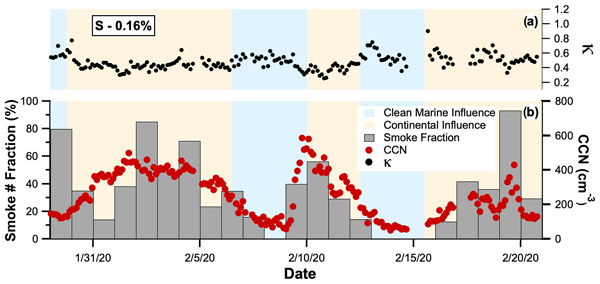
This paper presents atmospheric particle chemical composition and measurements of aerosol water uptake properties collected at Ragged Point, Barbados, during the winter of 2020. The result of this study indicates the importance of small African smoke particles for cloud droplet formation in the tropical North Atlantic and highlights the large spatial and temporal pervasiveness of smoke over the Atlantic Ocean.
Denis Leppla, Nora Zannoni, Leslie Kremper, Jonathan Williams, Christopher Pöhlker, Marta Sá, Maria Christina Solci, and Thorsten Hoffmann
Atmos. Chem. Phys., 23, 809–820, https://doi.org/10.5194/acp-23-809-2023, https://doi.org/10.5194/acp-23-809-2023, 2023
Short summary
Short summary
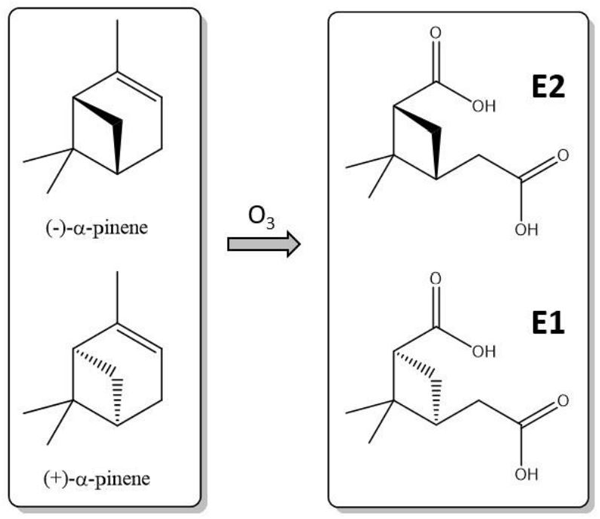
Chiral chemodiversity plays a critical role in biochemical processes such as insect and plant communication. Here we report on the measurement of chiral-specified secondary organic aerosol in the Amazon rainforest. The results show that the chiral ratio is mainly determined by large-scale emission processes. Characteristic emissions of chiral aerosol precursors from different forest ecosystems can thus provide large-scale information on different biogenic sources via chiral particle analysis.
Yunfan Liu, Hang Su, Siwen Wang, Chao Wei, Wei Tao, Mira L. Pöhlker, Christopher Pöhlker, Bruna A. Holanda, Ovid O. Krüger, Thorsten Hoffmann, Manfred Wendisch, Paulo Artaxo, Ulrich Pöschl, Meinrat O. Andreae, and Yafang Cheng
Atmos. Chem. Phys., 23, 251–272, https://doi.org/10.5194/acp-23-251-2023, https://doi.org/10.5194/acp-23-251-2023, 2023
Short summary
Short summary
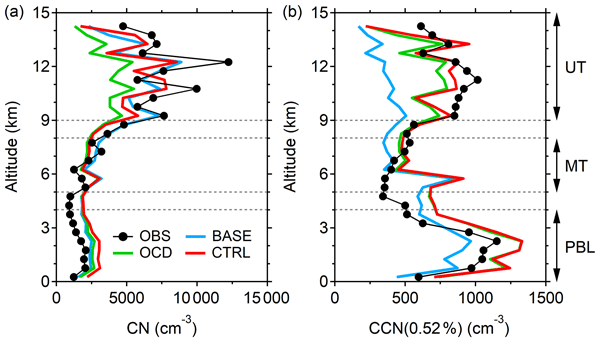
The origins of the abundant cloud condensation nuclei (CCN) in the upper troposphere (UT) of the Amazon remain unclear. With model developments of new secondary organic aerosol schemes and constrained by observation, we show that strong aerosol nucleation and condensation in the UT is triggered by biogenic organics, and organic condensation is key for UT CCN production. This UT CCN-producing mechanism may prevail over broader vegetation canopies and deserves emphasis in aerosol–climate feedback.
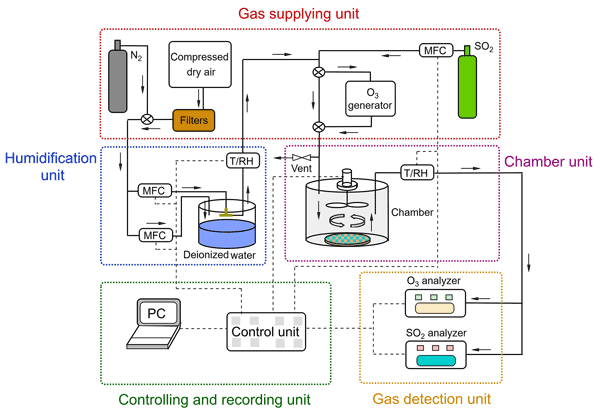
Guo Li, Hang Su, Meng Li, Uwe Kuhn, Guangjie Zheng, Lei Han, Fengxia Bao, Ulrich Pöschl, and Yafang Cheng
Atmos. Meas. Tech., 15, 6433–6446, https://doi.org/10.5194/amt-15-6433-2022, https://doi.org/10.5194/amt-15-6433-2022, 2022
Short summary
Short summary
A large fraction of previous work using dynamic flow chambers was to quantify gas exchange in terms of flux or deposition/emission rate. Here, we extended the usage of this technique to examine uptake kinetics on sample surfaces. The good performance of the chamber system was validated. This technique can be further used for liquid samples and real atmospheric aerosol samples without complicated coating procedures, which complements the existing techniques in atmospheric kinetic studies.
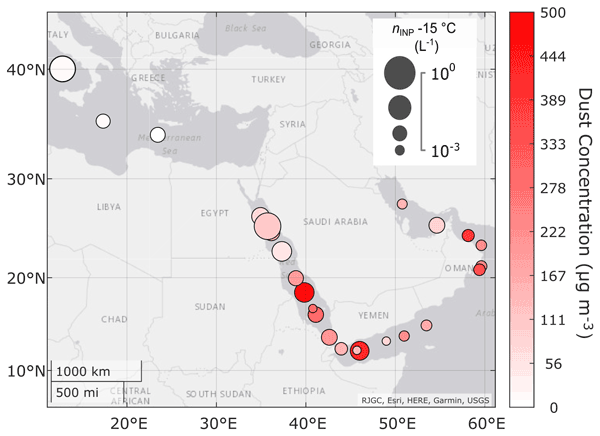
Charlotte M. Beall, Thomas C. J. Hill, Paul J. DeMott, Tobias Köneman, Michael Pikridas, Frank Drewnick, Hartwig Harder, Christopher Pöhlker, Jos Lelieveld, Bettina Weber, Minas Iakovides, Roman Prokeš, Jean Sciare, Meinrat O. Andreae, M. Dale Stokes, and Kimberly A. Prather
Atmos. Chem. Phys., 22, 12607–12627, https://doi.org/10.5194/acp-22-12607-2022, https://doi.org/10.5194/acp-22-12607-2022, 2022
Short summary
Short summary
Ice-nucleating particles (INPs) are rare aerosols that can trigger ice formation in clouds and affect climate-relevant cloud properties such as phase, reflectivity and lifetime. Dust is the dominant INP source, yet few measurements have been reported near major dust sources. We report INP observations within hundreds of kilometers of the biggest dust source regions globally: the Sahara and the Arabian Peninsula. Results show that at temperatures > −15 °C, INPs are dominated by organics.
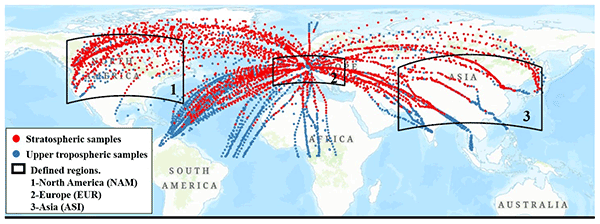
Mengze Li, Andrea Pozzer, Jos Lelieveld, and Jonathan Williams
Earth Syst. Sci. Data, 14, 4351–4364, https://doi.org/10.5194/essd-14-4351-2022, https://doi.org/10.5194/essd-14-4351-2022, 2022
Short summary
Short summary
We present a northern hemispheric airborne measurement dataset of atmospheric ethane, propane and methane and temporal trends for the time period 2006–2016 in the upper troposphere and lower stratosphere. The growth rates of ethane, methane, and propane in the upper troposphere are -2.24, 0.33, and -0.78 % yr-1, respectively, and in the lower stratosphere they are -3.27, 0.26, and -4.91 % yr-1, respectively, in 2006–2016.
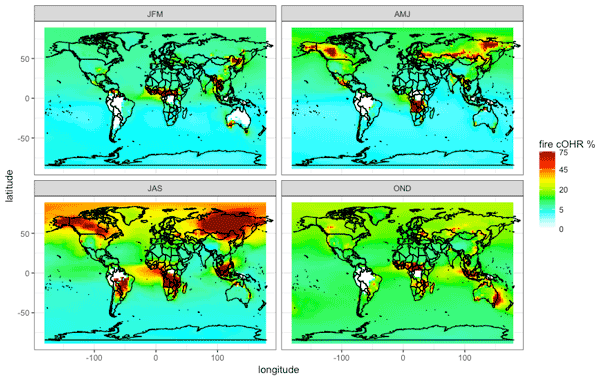
Therese S. Carter, Colette L. Heald, Jesse H. Kroll, Eric C. Apel, Donald Blake, Matthew Coggon, Achim Edtbauer, Georgios Gkatzelis, Rebecca S. Hornbrook, Jeff Peischl, Eva Y. Pfannerstill, Felix Piel, Nina G. Reijrink, Akima Ringsdorf, Carsten Warneke, Jonathan Williams, Armin Wisthaler, and Lu Xu
Atmos. Chem. Phys., 22, 12093–12111, https://doi.org/10.5194/acp-22-12093-2022, https://doi.org/10.5194/acp-22-12093-2022, 2022
Short summary
Short summary
Fires emit many gases which can contribute to smog and air pollution. However, the amount and properties of these chemicals are not well understood, so this work updates and expands their representation in a global atmospheric model, including by adding new chemicals. We confirm that this updated representation generally matches measurements taken in several fire regions. We then show that fires provide ~15 % of atmospheric reactivity globally and more than 75 % over fire source regions.
Simon F. Reifenberg, Anna Martin, Matthias Kohl, Sara Bacer, Zaneta Hamryszczak, Ivan Tadic, Lenard Röder, Daniel J. Crowley, Horst Fischer, Katharina Kaiser, Johannes Schneider, Raphael Dörich, John N. Crowley, Laura Tomsche, Andreas Marsing, Christiane Voigt, Andreas Zahn, Christopher Pöhlker, Bruna A. Holanda, Ovid Krüger, Ulrich Pöschl, Mira Pöhlker, Patrick Jöckel, Marcel Dorf, Ulrich Schumann, Jonathan Williams, Birger Bohn, Joachim Curtius, Hardwig Harder, Hans Schlager, Jos Lelieveld, and Andrea Pozzer
Atmos. Chem. Phys., 22, 10901–10917, https://doi.org/10.5194/acp-22-10901-2022, https://doi.org/10.5194/acp-22-10901-2022, 2022
Short summary
Short summary
In this work we use a combination of observational data from an aircraft campaign and model results to investigate the effect of the European lockdown due to COVID-19 in spring 2020. Using model results, we show that the largest relative changes to the atmospheric composition caused by the reduced emissions are located in the upper troposphere around aircraft cruise altitude, while the largest absolute changes are present at the surface.
Jing Duan, Ru-Jin Huang, Yifang Gu, Chunshui Lin, Haobin Zhong, Wei Xu, Quan Liu, Yan You, Jurgita Ovadnevaite, Darius Ceburnis, Thorsten Hoffmann, and Colin O'Dowd
Atmos. Chem. Phys., 22, 10139–10153, https://doi.org/10.5194/acp-22-10139-2022, https://doi.org/10.5194/acp-22-10139-2022, 2022
Short summary
Short summary
Biomass-burning-influenced oxygenated organic aerosol (OOA-BB), formed from the photochemical oxidation and aging of biomass burning OA (BBOA), was resolved in urban Xi’an. The aqueous-phase processed oxygenated OA (aq-OOA) concentration was more dependent on secondary inorganic aerosol (SIA) content and aerosol liquid water content (ALWC). The increased aq-OOA contribution during SIA-enhanced periods likely reflects OA evolution due to the addition of alcohol or peroxide groups
Alexander D. Harrison, Daniel O'Sullivan, Michael P. Adams, Grace C. E. Porter, Edmund Blades, Cherise Brathwaite, Rebecca Chewitt-Lucas, Cassandra Gaston, Rachel Hawker, Ovid O. Krüger, Leslie Neve, Mira L. Pöhlker, Christopher Pöhlker, Ulrich Pöschl, Alberto Sanchez-Marroquin, Andrea Sealy, Peter Sealy, Mark D. Tarn, Shanice Whitehall, James B. McQuaid, Kenneth S. Carslaw, Joseph M. Prospero, and Benjamin J. Murray
Atmos. Chem. Phys., 22, 9663–9680, https://doi.org/10.5194/acp-22-9663-2022, https://doi.org/10.5194/acp-22-9663-2022, 2022
Short summary
Short summary
The formation of ice in clouds fundamentally alters cloud properties; hence it is important we understand the special aerosol particles that can nucleate ice when immersed in supercooled cloud droplets. In this paper we show that African desert dust that has travelled across the Atlantic to the Caribbean nucleates ice much less well than we might have expected.
Marco Wietzoreck, Marios Kyprianou, Benjamin A. Musa Bandowe, Siddika Celik, John N. Crowley, Frank Drewnick, Philipp Eger, Nils Friedrich, Minas Iakovides, Petr Kukučka, Jan Kuta, Barbora Nežiková, Petra Pokorná, Petra Přibylová, Roman Prokeš, Roland Rohloff, Ivan Tadic, Sebastian Tauer, Jake Wilson, Hartwig Harder, Jos Lelieveld, Ulrich Pöschl, Euripides G. Stephanou, and Gerhard Lammel
Atmos. Chem. Phys., 22, 8739–8766, https://doi.org/10.5194/acp-22-8739-2022, https://doi.org/10.5194/acp-22-8739-2022, 2022
Short summary
Short summary
A unique dataset of concentrations and sources of polycyclic aromatic hydrocarbons (PAHs) and their alkylated, oxygenated and nitrated derivatives, in total 74 individual species, in the marine atmosphere is presented. Exposure to these substances poses a major health risk. We found very low concentrations over the Arabian Sea, while both local and long-range-transported pollution caused elevated levels over the Mediterranean Sea and the Arabian Gulf.
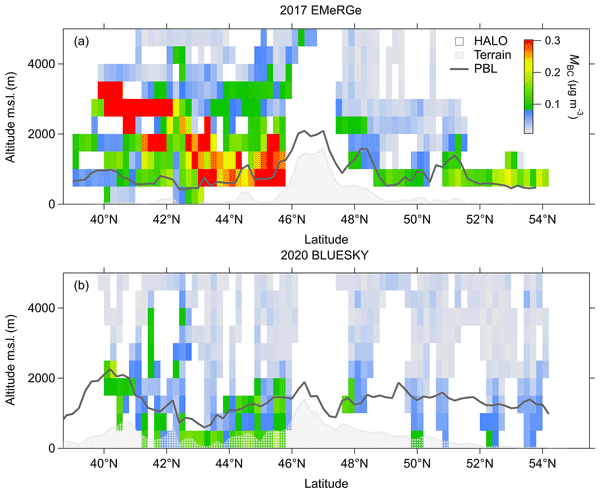
Ovid O. Krüger, Bruna A. Holanda, Sourangsu Chowdhury, Andrea Pozzer, David Walter, Christopher Pöhlker, Maria Dolores Andrés Hernández, John P. Burrows, Christiane Voigt, Jos Lelieveld, Johannes Quaas, Ulrich Pöschl, and Mira L. Pöhlker
Atmos. Chem. Phys., 22, 8683–8699, https://doi.org/10.5194/acp-22-8683-2022, https://doi.org/10.5194/acp-22-8683-2022, 2022
Short summary
Short summary
The abrupt reduction in human activities during the first COVID-19 lockdown created unprecedented atmospheric conditions. We took the opportunity to quantify changes in black carbon (BC) as a major anthropogenic air pollutant. Therefore, we measured BC on board a research aircraft over Europe during the lockdown and compared the results to measurements from 2017. With model simulations we account for different weather conditions and find a lockdown-related decrease in BC of 41 %.
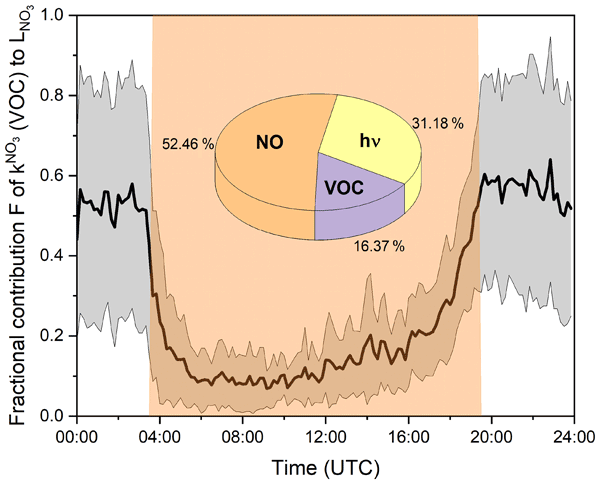
Patrick Dewald, Clara M. Nussbaumer, Jan Schuladen, Akima Ringsdorf, Achim Edtbauer, Horst Fischer, Jonathan Williams, Jos Lelieveld, and John N. Crowley
Atmos. Chem. Phys., 22, 7051–7069, https://doi.org/10.5194/acp-22-7051-2022, https://doi.org/10.5194/acp-22-7051-2022, 2022
Short summary
Short summary
We measured the gas-phase reactivity of the NO3 radical on the summit (825 m a.s.l.) of a semi-rural mountain in southwestern Germany in July 2021. The impact of VOC-induced NO3 losses (mostly monoterpenes) competing with a loss by reaction with NO and photolysis throughout the diel cycle was estimated. Besides chemistry, boundary layer dynamics and plant-physiological processes presumably have a great impact on our observations, which were compared to previous NO3 measurements at the same site.
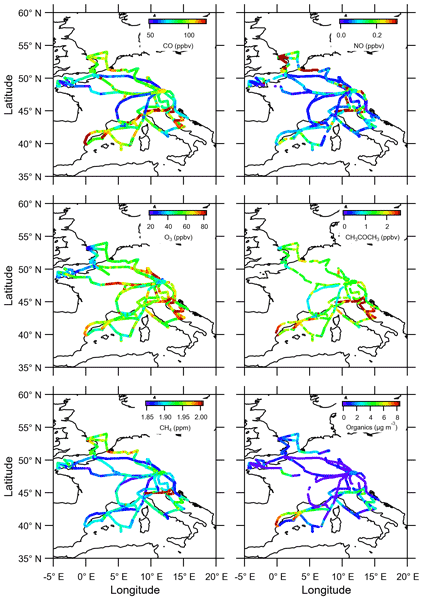
M. Dolores Andrés Hernández, Andreas Hilboll, Helmut Ziereis, Eric Förster, Ovid O. Krüger, Katharina Kaiser, Johannes Schneider, Francesca Barnaba, Mihalis Vrekoussis, Jörg Schmidt, Heidi Huntrieser, Anne-Marlene Blechschmidt, Midhun George, Vladyslav Nenakhov, Theresa Harlass, Bruna A. Holanda, Jennifer Wolf, Lisa Eirenschmalz, Marc Krebsbach, Mira L. Pöhlker, Anna B. Kalisz Hedegaard, Linlu Mei, Klaus Pfeilsticker, Yangzhuoran Liu, Ralf Koppmann, Hans Schlager, Birger Bohn, Ulrich Schumann, Andreas Richter, Benjamin Schreiner, Daniel Sauer, Robert Baumann, Mariano Mertens, Patrick Jöckel, Markus Kilian, Greta Stratmann, Christopher Pöhlker, Monica Campanelli, Marco Pandolfi, Michael Sicard, José L. Gómez-Amo, Manuel Pujadas, Katja Bigge, Flora Kluge, Anja Schwarz, Nikos Daskalakis, David Walter, Andreas Zahn, Ulrich Pöschl, Harald Bönisch, Stephan Borrmann, Ulrich Platt, and John P. Burrows
Atmos. Chem. Phys., 22, 5877–5924, https://doi.org/10.5194/acp-22-5877-2022, https://doi.org/10.5194/acp-22-5877-2022, 2022
Short summary
Short summary
EMeRGe provides a unique set of in situ and remote sensing airborne measurements of trace gases and aerosol particles along selected flight routes in the lower troposphere over Europe. The interpretation uses also complementary collocated ground-based and satellite measurements. The collected data help to improve the current understanding of the complex spatial distribution of trace gases and aerosol particles resulting from mixing, transport, and transformation of pollution plumes over Europe.
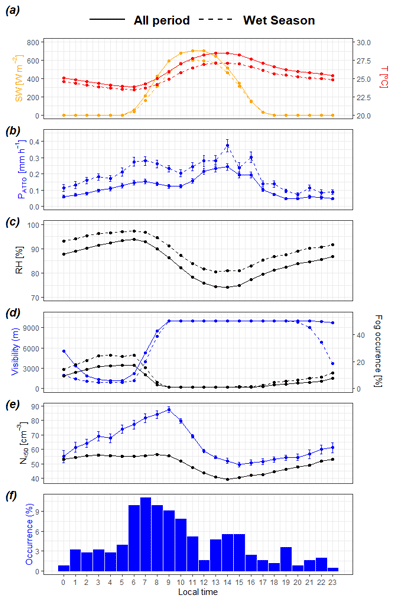
Marco A. Franco, Florian Ditas, Leslie A. Kremper, Luiz A. T. Machado, Meinrat O. Andreae, Alessandro Araújo, Henrique M. J. Barbosa, Joel F. de Brito, Samara Carbone, Bruna A. Holanda, Fernando G. Morais, Janaína P. Nascimento, Mira L. Pöhlker, Luciana V. Rizzo, Marta Sá, Jorge Saturno, David Walter, Stefan Wolff, Ulrich Pöschl, Paulo Artaxo, and Christopher Pöhlker
Atmos. Chem. Phys., 22, 3469–3492, https://doi.org/10.5194/acp-22-3469-2022, https://doi.org/10.5194/acp-22-3469-2022, 2022
Short summary
Short summary
In Central Amazonia, new particle formation in the planetary boundary layer is rare. Instead, there is the appearance of sub-50 nm aerosols with diameters larger than about 20 nm that eventually grow to cloud condensation nuclei size range. Here, 254 growth events were characterized which have higher predominance in the wet season. About 70 % of them showed direct relation to convective downdrafts, while 30 % occurred partly under clear-sky conditions, evidencing still unknown particle sources.
Benjamin Loubet, Pauline Buysse, Lais Gonzaga-Gomez, Florence Lafouge, Raluca Ciuraru, Céline Decuq, Julien Kammer, Sandy Bsaibes, Christophe Boissard, Brigitte Durand, Jean-Christophe Gueudet, Olivier Fanucci, Olivier Zurfluh, Letizia Abis, Nora Zannoni, François Truong, Dominique Baisnée, Roland Sarda-Estève, Michael Staudt, and Valérie Gros
Atmos. Chem. Phys., 22, 2817–2842, https://doi.org/10.5194/acp-22-2817-2022, https://doi.org/10.5194/acp-22-2817-2022, 2022
Short summary
Short summary
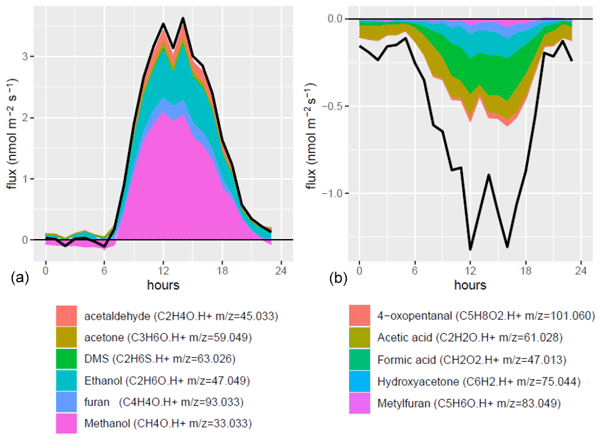
Volatile organic compounds (VOCs) are precursors of tropospheric pollutants like ozone or aerosols. Emission by agricultural land was still poorly characterized. We report experimental measurements of ecosystem-scale VOC fluxes above a wheat field with a highly sensitive proton transfer mass spectrometer. We report the fluxes of 123 compounds and confirm that methanol is the most emitted VOC by wheat. The second most emitted compound was C6H4O. Around 75 % of the compounds were deposited.
Meinrat O. Andreae, Tracey W. Andreae, Florian Ditas, and Christopher Pöhlker
Atmos. Chem. Phys., 22, 2487–2505, https://doi.org/10.5194/acp-22-2487-2022, https://doi.org/10.5194/acp-22-2487-2022, 2022
Short summary
Short summary
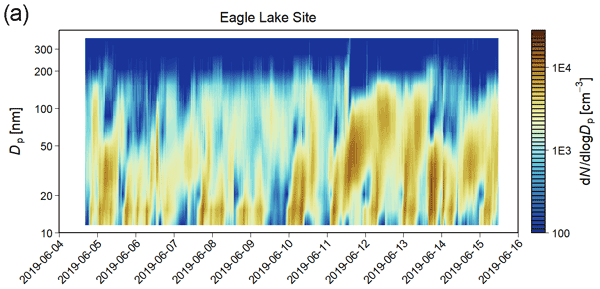
Atmospheric aerosol particles are key players in the Earth’s climate system, but there is still considerable uncertainty about where and how these particles are initially formed. We present the first study of new particle formation (NPF) at a pristine site in a subboreal forest region of North America. Our data suggest that, in this environment, there is frequent NPF from biogenic organic precursor compounds, which was likely the predominant source of particles in the preindustrial environment.
Yanan Zhao, Dennis Booge, Christa A. Marandino, Cathleen Schlundt, Astrid Bracher, Elliot L. Atlas, Jonathan Williams, and Hermann W. Bange
Biogeosciences, 19, 701–714, https://doi.org/10.5194/bg-19-701-2022, https://doi.org/10.5194/bg-19-701-2022, 2022
Short summary
Short summary
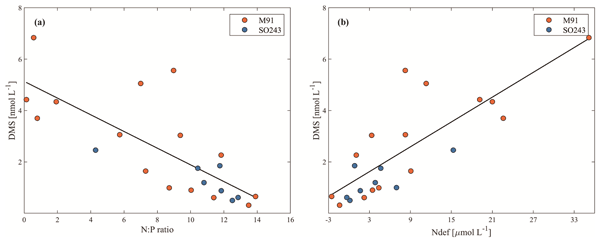
We present here, for the first time, simultaneously measured dimethylsulfide (DMS) seawater concentrations and DMS atmospheric mole fractions from the Peruvian upwelling region during two cruises in December 2012 and October 2015. Our results indicate low oceanic DMS concentrations and atmospheric DMS molar fractions in surface waters and the atmosphere, respectively. In addition, the Peruvian upwelling region was identified as an insignificant source of DMS emissions during both periods.
Kai Tang, Beatriz Sánchez-Parra, Petya Yordanova, Jörn Wehking, Anna T. Backes, Daniel A. Pickersgill, Stefanie Maier, Jean Sciare, Ulrich Pöschl, Bettina Weber, and Janine Fröhlich-Nowoisky
Biogeosciences, 19, 71–91, https://doi.org/10.5194/bg-19-71-2022, https://doi.org/10.5194/bg-19-71-2022, 2022
Short summary
Short summary
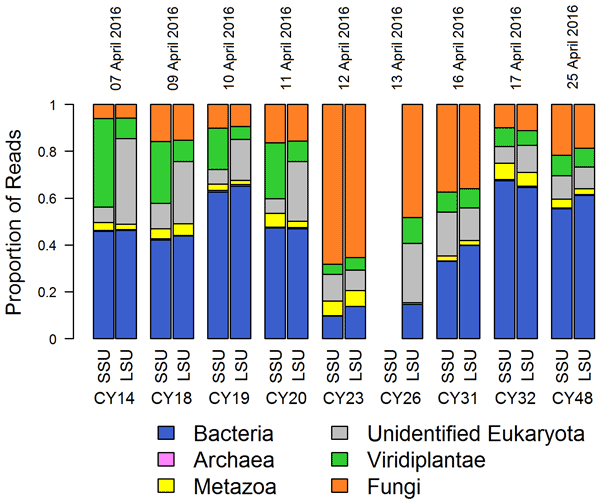
Metagenomic sequencing and freezing experiments of aerosol samples collected on Cyprus revealed rain-related short-term changes of bioaerosol and ice nuclei composition. Filtration experiments showed a rain-related enhancement of biological ice nuclei > 5 µm and < 0.1 µm. The observed effects of rainfall on the composition of atmospheric bioaerosols and ice nuclei may influence the hydrological cycle as well as the health effects of air particulate matter (pathogens, allergens).

Clara M. Nussbaumer, John N. Crowley, Jan Schuladen, Jonathan Williams, Sascha Hafermann, Andreas Reiffs, Raoul Axinte, Hartwig Harder, Cheryl Ernest, Anna Novelli, Katrin Sala, Monica Martinez, Chinmay Mallik, Laura Tomsche, Christian Plass-Dülmer, Birger Bohn, Jos Lelieveld, and Horst Fischer
Atmos. Chem. Phys., 21, 18413–18432, https://doi.org/10.5194/acp-21-18413-2021, https://doi.org/10.5194/acp-21-18413-2021, 2021
Short summary
Short summary
HCHO is an important atmospheric trace gas influencing the photochemical processes in the Earth’s atmosphere, including the budget of HOx and the abundance of tropospheric O3. This research presents the photochemical calculations of HCHO and O3 based on three field campaigns across Europe. We show that HCHO production via the oxidation of only four volatile organic compound precursors, i.e., CH4, CH3CHO, C5H8 and CH3OH, can balance the observed loss at all sites well.
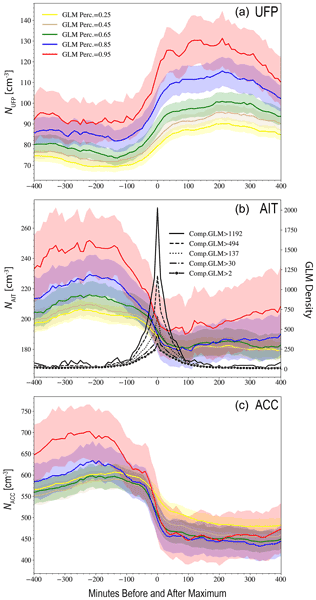
Luiz A. T. Machado, Marco A. Franco, Leslie A. Kremper, Florian Ditas, Meinrat O. Andreae, Paulo Artaxo, Micael A. Cecchini, Bruna A. Holanda, Mira L. Pöhlker, Ivan Saraiva, Stefan Wolff, Ulrich Pöschl, and Christopher Pöhlker
Atmos. Chem. Phys., 21, 18065–18086, https://doi.org/10.5194/acp-21-18065-2021, https://doi.org/10.5194/acp-21-18065-2021, 2021
Short summary
Short summary
Several studies evaluate aerosol–cloud interactions, but only a few attempted to describe how clouds modify aerosol properties. This study evaluates the effect of weather events on the particle size distribution at the ATTO, combining remote sensing and in situ data. Ultrafine, Aitken and accumulation particles modes have different behaviors for the diurnal cycle and for rainfall events. This study opens up new scientific questions that need to be pursued in detail in new field campaigns.
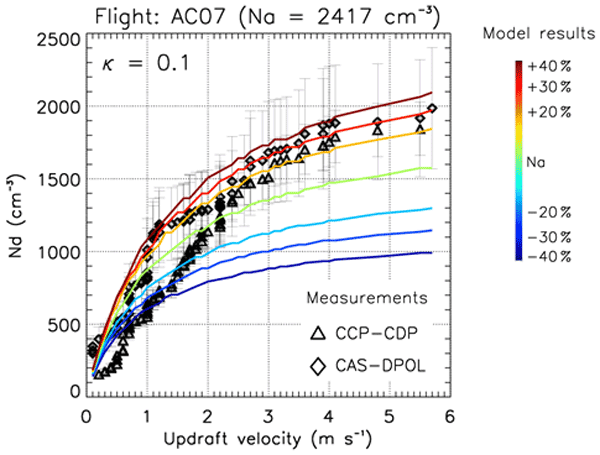
Ramon Campos Braga, Barbara Ervens, Daniel Rosenfeld, Meinrat O. Andreae, Jan-David Förster, Daniel Fütterer, Lianet Hernández Pardo, Bruna A. Holanda, Tina Jurkat-Witschas, Ovid O. Krüger, Oliver Lauer, Luiz A. T. Machado, Christopher Pöhlker, Daniel Sauer, Christiane Voigt, Adrian Walser, Manfred Wendisch, Ulrich Pöschl, and Mira L. Pöhlker
Atmos. Chem. Phys., 21, 17513–17528, https://doi.org/10.5194/acp-21-17513-2021, https://doi.org/10.5194/acp-21-17513-2021, 2021
Short summary
Short summary
Interactions of aerosol particles with clouds represent a large uncertainty in estimates of climate change. Properties of aerosol particles control their ability to act as cloud condensation nuclei. Using aerosol measurements in the Amazon, we performed model studies to compare predicted and measured cloud droplet number concentrations at cloud bases. Our results confirm previous estimates of particle hygroscopicity in this region.
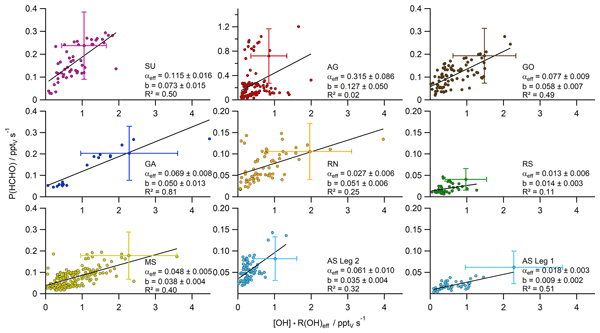
Dirk Dienhart, John N. Crowley, Efstratios Bourtsoukidis, Achim Edtbauer, Philipp G. Eger, Lisa Ernle, Hartwig Harder, Bettina Hottmann, Monica Martinez, Uwe Parchatka, Jean-Daniel Paris, Eva Y. Pfannerstill, Roland Rohloff, Jan Schuladen, Christof Stönner, Ivan Tadic, Sebastian Tauer, Nijing Wang, Jonathan Williams, Jos Lelieveld, and Horst Fischer
Atmos. Chem. Phys., 21, 17373–17388, https://doi.org/10.5194/acp-21-17373-2021, https://doi.org/10.5194/acp-21-17373-2021, 2021
Short summary
Short summary
We present the first ship-based in situ measurements of formaldehyde (HCHO), hydroxyl radicals (OH) and the OH reactivity around the Arabian Peninsula. Regression analysis of the HCHO production rate and the related OH chemistry revealed the regional HCHO yield αeff, which represents the different chemical regimes encountered. Highest values were found for the Arabian Gulf (also known as the Persian Gulf), which highlights this region as a hotspot of photochemical air pollution.

Najin Kim, Yafang Cheng, Nan Ma, Mira L. Pöhlker, Thomas Klimach, Thomas F. Mentel, Ovid O. Krüger, Ulrich Pöschl, and Hang Su
Atmos. Meas. Tech., 14, 6991–7005, https://doi.org/10.5194/amt-14-6991-2021, https://doi.org/10.5194/amt-14-6991-2021, 2021
Short summary
Short summary
A broad supersaturation scanning CCN (BS2-CCN) system, in which particles are exposed to a range of supersaturation simultaneously, can measure a broad range of CCN activity distribution with a high time resolution. We describe how the BS2-CCN system can be effectively calibrated and which factors can affect the calibration curve. Intercomparison experiments between typical DMA-CCN and BS2-CCN measurements to evaluate the BS2-CCN system showed high correlation and good agreement.

Alexandra Gutmann, Nicole Bobrowski, Marcello Liotta, and Thorsten Hoffmann
Atmos. Meas. Tech., 14, 6395–6406, https://doi.org/10.5194/amt-14-6395-2021, https://doi.org/10.5194/amt-14-6395-2021, 2021
Short summary
Short summary
Motivated by a special interest in bromine chemistry in volcanic plumes, the study presented here describes a new method for the quantitative collection of gaseous hydrogen bromide in gas diffusion denuders. The hydrogen bromide reacted during sampling with appropriate epoxides applied to the denuder walls. The denuder sampling assembly was successfully deployed in the volcanic plume of Masaya volcano, Nicaragua.
Cited articles
Andreae, M. O., Acevedo, O. C., Araùjo, A., Artaxo, P., Barbosa, C. G. G., Barbosa, H. M. J., Brito, J., Carbone, S., Chi, X., Cintra, B. B. L., da Silva, N. F., Dias, N. L., Dias-Júnior, C. Q., Ditas, F., Ditz, R., Godoi, A. F. L., Godoi, R. H. M., Heimann, M., Hoffmann, T., Kesselmeier, J., Könemann, T., Krüger, M. L., Lavric, J. V., Manzi, A. O., Lopes, A. P., Martins, D. L., Mikhailov, E. F., Moran-Zuloaga, D., Nelson, B. W., Nölscher, A. C., Santos Nogueira, D., Piedade, M. T. F., Pöhlker, C., Pöschl, U., Quesada, C. A., Rizzo, L. V., Ro, C.-U., Ruckteschler, N., Sá, L. D. A., de Oliveira Sá, M., Sales, C. B., dos Santos, R. M. N., Saturno, J., Schöngart, J., Sörgel, M., de Souza, C. M., de Souza, R. A. F., Su, H., Targhetta, N., Tóta, J., Trebs, I., Trumbore, S., van Eijck, A., Walter, D., Wang, Z., Weber, B., Williams, J., Winderlich, J., Wittmann, F., Wolff, S., and Yáñez-Serrano, A. M.: The Amazon Tall Tower Observatory (ATTO): overview of pilot measurements on ecosystem ecology, meteorology, trace gases, and aerosols, Atmos. Chem. Phys., 15, 10723–10776, https://doi.org/10.5194/acp-15-10723-2015, 2015.
Artaxo, P.: Physical and chemical properties of aerosols in the wet and dry seasons in Rondônia, Amazonia, J. Geophys. Res., 107, 1052, https://doi.org/10.1029/2001JD000666, 2002.
Artaxo, P., Rizzo, L. V., Brito, J. F., Barbosa, H. M. J., Arana, A., Sena, E. T., Cirino, G. G., Bastos, W., Martin, S. T., and Andreae, M. O.: Atmospheric aerosols in Amazonia and land use change: From natural biogenic to biomass burning conditions, Faraday Discuss., 165, 203, https://doi.org/10.1039/c3fd00052d, 2013.
Artaxo, P., Hansson, H.-C., Andreae, M. O., Bäck, J., Alves, E. G., Barbosa, H. M. J., Bender, F., Bourtsoukidis, E., Carbone, S., Chi, J., Decesari, V. R., Després, V. R., Ditas, F., Ezhova, E., Fuzzi, S., Hasselquist, N. J., Heintzenberg, J., Holanda, B. A., Guenther, A., Hakola, H., Heikkinen, L., Kerminen, V.-M., Kontkanen, J., Krejci, R., Kulmala, M., Lavric, J. V., de Leeuw, G., Lehtipalo, K., Machado, L. A. T., McFiggans, G., Franco, M. A. M., Meller, B. B., Morais, F. G., Mohr, C., Morgan, W., Nilsson, M. B., Peichl, M., Petäjä, T., Praß, M., Pöhlker, C., Pöhlker, M. L., Pöschl, U., Randow, C. V., Riipinen, I., Rinne, J., Rizzo, L. V., Rosenfeld, D., Dias, M. A. D. S., Sogacheva, L., Stier, P., Swietlicki, E., Sörgel, M., Tunved, P., Virkkula, A., Wang, J., Weber, B., Yáñez-Serrano, A. M., Zieger, P., Mikhailov, E., Smith, J. N., and Kesselmeier, J.: Tropical and Boreal Forest – Atmosphere Interactions: A Review, Tellus B: Chemical and Physical Meteorology, 74, 24–163, https://doi.org/10.16993/tellusb.34, 2022.
Baccini, A., Goetz, S. J., Walker, W. S., Laporte, N. T., Sun, M., Sulla-Menashe, D., Hackler, J., Beck, P. S. A., Dubayah, R., Friedl, M. A., Samanta, S., and Houghton, R. A.: Estimated carbon dioxide emissions from tropical deforestation improved by carbon-density maps, Nature Clim. Change, 2, 182–185, https://doi.org/10.1038/nclimate1354, 2012.
Badertscher, M., Bischofberger, K., Munk, M. E., and Pretsch, E.: A novel formalism to characterize the degree of unsaturation of organic molecules, J. Chem. Inf. Comput. Sci., 41, 889–893, https://doi.org/10.1021/ci000135o, 2001.
Barbaro, E., Zangrando, R., Moret, I., Barbante, C., Cescon, P., and Gambaro, A.: Free amino acids in atmospheric particulate matter of Venice, Italy, Atmospheric Environment, 45, 5050–5057, https://doi.org/10.1016/j.atmosenv.2011.01.068, 2011.
Bateman, A. P., Walser, M. L., Desyaterik, Y., Laskin, J., Laskin, A., and Nizkorodov, S. A.: The effect of solvent on the analysis of secondary organic aerosol using electrospray ionization mass spectrometry, Environ. Sci. Technol., 42, 7341–7346, https://doi.org/10.1021/es801226w, 2008.
Baumann, K., Wietzoreck, M., Shahpoury, P., Filippi, A., Hildmann, S., Lelieveld, S., Berkemeier, T., Tong, H., Pöschl, U., and Lammel, G.: Is the oxidative potential of components of fine particulate matter surface-mediated?, Environ. Sci. Pollut. Res., 30, 16749–16755, https://doi.org/10.1007/s11356-022-24897-3, 2023.
Bianchi, F., Tröstl, J., Junninen, H., Frege, C., Henne, S., Hoyle, C. R., Molteni, U., Herrmann, E., Adamov, A., Bukowiecki, N., Chen, X., Duplissy, J., Gysel, M., Hutterli, M., Kangasluoma, J., Kontkanen, J., Kürten, A., Manninen, H. E., Münch, S., Peräkylä, O., Petäjä, T., Rondo, L., Williamson, C., Weingartner, E., Curtius, J., Worsnop, D. R., Kulmala, M., Dommen, J., and Baltensperger, U.: New particle formation in the free troposphere: A question of chemistry and timing, Science, 352, 1109–1112, https://doi.org/10.1126/science.aad5456, 2016.
Bruns, E. A., Krapf, M., Orasche, J., Huang, Y., Zimmermann, R., Drinovec, L., Močnik, G., El-Haddad, I., Slowik, J. G., Dommen, J., Baltensperger, U., and Prévôt, A. S. H.: Characterization of primary and secondary wood combustion products generated under different burner loads, Atmos. Chem. Phys., 15, 2825–2841, https://doi.org/10.5194/acp-15-2825-2015, 2015.
Burgay, F., Salionov, D., Huber, C.J., Singer, T., Eichler, A., Ungeheuer, F., Vogel, A., Schwikowski, M., and Bjelic, S.: Hybrid Targeted/Untargeted Screening Method for the Determination of Wildfire and Water-Soluble Organic Tracers in Ice Cores and Snow, Anal. Chem., 95, 11456–11466, https://doi.org/10.1021/acs.analchem.3c01852, 2023.
Chan, A. W. H., Kautzman, K. E., Chhabra, P. S., Surratt, J. D., Chan, M. N., Crounse, J. D., Kürten, A., Wennberg, P. O., Flagan, R. C., and Seinfeld, J. H.: Secondary organic aerosol formation from photooxidation of naphthalene and alkylnaphthalenes: implications for oxidation of intermediate volatility organic compounds (IVOCs), Atmos. Chem. Phys., 9, 3049–3060, https://doi.org/10.5194/acp-9-3049-2009, 2009.
Chen, J. and Griffin, R.: Modeling secondary organic aerosol formation from oxidation of α-pinene, β-pinene, and d-limonene, Atmos. Environ., 39, 7731–7744, https://doi.org/10.1016/j.atmosenv.2005.05.049, 2005.
Chen, Y., Takeuchi, M., Nah, T., Xu, L., Canagaratna, M. R., Stark, H., Baumann, K., Canonaco, F., Prévôt, A. S. H., Huey, L. G., Weber, R. J., and Ng, N. L.: Chemical characterization of secondary organic aerosol at a rural site in the southeastern US: insights from simultaneous high-resolution time-of-flight aerosol mass spectrometer (HR-ToF-AMS) and FIGAERO chemical ionization mass spectrometer (CIMS) measurements, Atmos. Chem. Phys., 20, 8421–8440, https://doi.org/10.5194/acp-20-8421-2020, 2020.
Chhabra, P. S., Lambe, A. T., Canagaratna, M. R., Stark, H., Jayne, J. T., Onasch, T. B., Davidovits, P., Kimmel, J. R., and Worsnop, D. R.: Application of high-resolution time-of-flight chemical ionization mass spectrometry measurements to estimate volatility distributions of α-pinene and naphthalene oxidation products, Atmos. Meas. Tech., 8, 1–18, https://doi.org/10.5194/amt-8-1-2015, 2015.
Claeys, M., Graham, B., Vas, G., Wang, W., Vermeylen, R., Pashynska, V., Cafmeyer, J., Guyon, P., Andreae, M. O., Artaxo, P., and Maenhaut, W.: Formation of secondary organic aerosols through photooxidation of isoprene, Science, 303, 1173–1176, https://doi.org/10.1126/science.1092805, 2004.
Claeys, M., Vermeylen, R., Yasmeen, F., Gómez-González, Y., Chi, X., Maenhaut, W., Mészáros, T., and Salma, I.: Chemical characterisation of humic-like substances from urban, rural and tropical biomass burning environments using liquid chromatography with UV/vis photodiode array detection and electrospray ionisation mass spectrometry, Environ. Chem., 9, 273, https://doi.org/10.1071/EN11163, 2012.
Clark, C. H., Nakao, S., Asa-Awuku, A., Sato, K., and Cocker, D. R.: Real-Time Study of Particle- Phase Products from α-Pinene Ozonolysis and Isoprene Photooxidation Using Particle into Liquid Sampling Directly Coupled to a Time-of-Flight Mass Spectrometer (PILS-ToF), Aerosol Sci. Technol., 47, 1374–1382, https://doi.org/10.1080/02786826.2013.844333, 2013.
Daumit, K. E., Kessler, S. H., and Kroll, J. H.: Average chemical properties and potential formation pathways of highly oxidized organic aerosol, Faraday Discuss., 165, 181–202, https://doi.org/10.1039/c3fd00045a, 2013.
Donahue, N. M., Epstein, S. A., Pandis, S. N., and Robinson, A. L.: A two-dimensional volatility basis set: 1. organic-aerosol mixing thermodynamics, Atmos. Chem. Phys., 11, 3303–3318, https://doi.org/10.5194/acp-11-3303-2011, 2011.
Eddingsaas, N. C., Loza, C. L., Yee, L. D., Chan, M., Schilling, K. A., Chhabra, P. S., Seinfeld, J. H., and Wennberg, P. O.: α-pinene photooxidation under controlled chemical conditions – Part 2: SOA yield and composition in low- and high-NOx environments, Atmos. Chem. Phys., 12, 7413–7427, https://doi.org/10.5194/acp-12-7413-2012, 2012.
Florou, K., Blaziak, A., Jorga, S., Uruci, P., Vasilakopoulou, C. N., Szmigielski, R., and Pandis, S. N.: Properties and atmospheric oxidation of terebic acid aerosol, ACS Earth Space Chem., 8, 2090–2100, https://doi.org/10.1021/acsearthspacechem.4c00201, 2024.
Frauenheim, M., Offenberg, J., Zhang, Z. F., Surratt, J. D., and Gold, A.: Chemical composition of secondary organic aerosol formed from the oxidation of semivolatile isoprene epoxydiol isomerization products, Environ. Sci. Technol., 58, 22571–22582, https://doi.org/10.1021/acs.est.4c06850, 2024.
Gao, L., Song, J., Mohr, C., Huang, W., Vallon, M., Jiang, F., Leisner, T., and Saathoff, H.: Kinetics, SOA yields, and chemical composition of secondary organic aerosol from β-caryophyllene ozonolysis with and without nitrogen oxides between 213 and 313 K, Atmos. Chem. Phys., 22, 6001–6020, https://doi.org/10.5194/acp-22-6001-2022, 2022.
Goldstein, A. H. and Galbally, I. E.: Known and unknown organic constituents in the Earth' s atmosphere, Environ. Sci. Technol., 41, 1514–1521, https://doi.org/10.1021/es072476p, 2007.
Gómez-González, Y., Wang, W., Vermeylen, R., Chi, X., Neirynck, J., Janssens, I. A., Maenhaut, W., and Claeys, M.: Chemical characterisation of atmospheric aerosols during a 2007 summer field campaign at Brasschaat, Belgium: sources and source processes of biogenic secondary organic aerosol, Atmos. Chem. Phys., 12, 125–138, https://doi.org/10.5194/acp-12-125-2012, 2012.
Goulding, M., Barthem, R., and Ferreira, E.: The Smithsonian atlas of the Amazon, Smithsonian Institution, Combined Academic, Washington, D.C., Chesham, 325 pp., ISBN 1-58834-135-62003, 2003.
Greenberg, J. P., Guenther, A. B., Pétron, G., Wiedinmyer, C., Vega, O., Gatti, L. V., Tota, J., and Fisch, G.: Biogenic VOC emissions from forested Amazonian landscapes, Global Change Biology, 10, 651–662, https://doi.org/10.1111/j.1365-2486.2004.00758.x, 2004.
Guenther, A., Hewitt, C. N., Erickson, D., Fall, R., Geron, C., Graedel, T., Harley, P., Klinger, L., Lerdau, M., Mckay, W. A., Pierce, T., Scholes, B., Steinbrecher, R., Tallamraju, R., Taylor, J., and Zimmerman, P.: A global model of natural volatile organic compound emissions, J. Geophys. Res., 100, 8873, https://doi.org/10.1029/94JD02950, 1995.
Guenther, A. B., Monson, R. K., and Fall, R.: Isoprene and monoterpene emission rate variability: Observations with eucalyptus and emission rate algorithm development, J. Geophys. Res., 96, 10799, https://doi.org/10.1029/91JD00960, 1991.
Hallquist, M., Wenger, J. C., Baltensperger, U., Rudich, Y., Simpson, D., Claeys, M., Dommen, J., Donahue, N. M., George, C., Goldstein, A. H., Hamilton, J. F., Herrmann, H., Hoffmann, T., Iinuma, Y., Jang, M., Jenkin, M. E., Jimenez, J. L., Kiendler-Scharr, A., Maenhaut, W., McFiggans, G., Mentel, Th. F., Monod, A., Prévôt, A. S. H., Seinfeld, J. H., Surratt, J. D., Szmigielski, R., and Wildt, J.: The formation, properties and impact of secondary organic aerosol: current and emerging issues, Atmos. Chem. Phys., 9, 5155–5236, https://doi.org/10.5194/acp-9-5155-2009, 2009.
Hammes, J., Lutz, A., Mentel, T., Faxon, C., and Hallquist, M.: Carboxylic acids from limonene oxidation by ozone and hydroxyl radicals: insights into mechanisms derived using a FIGAERO-CIMS, Atmos. Chem. Phys., 19, 13037–13052, https://doi.org/10.5194/acp-19-13037-2019, 2019.
Henze, D. K., Seinfeld, J. H., Ng, N. L., Kroll, J. H., Fu, T.-M., Jacob, D. J., and Heald, C. L.: Global modeling of secondary organic aerosol formation from aromatic hydrocarbons: high- vs. low-yield pathways, Atmos. Chem. Phys., 8, 2405–2420, https://doi.org/10.5194/acp-8-2405-2008, 2008.
Hettiyadura, A. P. S. and Laskin, A.: Quantitative analysis of polycyclic aromatic hydrocarbons using high-performance liquid chromatography-photodiode array-high-resolution mass spectrometric detection platform coupled to electrospray and atmospheric pressure photoionization sources, J. Mass Spectrom., 57, e4804, https://doi.org/10.1002/jms.4804, 2022.
Hildmann, S. and Hoffmann, T.: Characterisation of atmospheric organic aerosols with one-and multidimensional liquid chromatography and mass spectrometry: State of the art and future perspectives, TrAC Trends in Analytical Chemistry, 175, 117698, https://doi.org/10.1016/j.trac.2024.117698, 2024.
Hoffmann, T., Huang, R.-J., and Kalberer, M.: Atmospheric analytical chemistry, Anal. Chem., 83, 4649–4664, https://doi.org/10.1021/ac2010718, 2011.
Holanda, B. A., Pöhlker, M. L., Walter, D., Saturno, J., Sörgel, M., Ditas, J., Ditas, F., Schulz, C., Franco, M. A., Wang, Q., Donth, T., Artaxo, P., Barbosa, H. M. J., Borrmann, S., Braga, R., Brito, J., Cheng, Y., Dollner, M., Kaiser, J. W., Klimach, T., Knote, C., Krüger, O. O., Fütterer, D., Lavrič, J. V., Ma, N., Machado, L. A. T., Ming, J., Morais, F. G., Paulsen, H., Sauer, D., Schlager, H., Schneider, J., Su, H., Weinzierl, B., Walser, A., Wendisch, M., Ziereis, H., Zöger, M., Pöschl, U., Andreae, M. O., and Pöhlker, C.: Influx of African biomass burning aerosol during the Amazonian dry season through layered transatlantic transport of black carbon-rich smoke, Atmos. Chem. Phys., 20, 4757–4785, https://doi.org/10.5194/acp-20-4757-2020, 2020.
Holanda, B. A., Franco, M. A., Walter, D., Artaxo, P., Carbone, S., Cheng, Y., Chowdhury, S., Ditas, F., Gysel-Beer, M., Klimach, T., Kremper, L. A., Krüger, O. O., Lavric, J. V., Lelieveld, J., Ma, C., Machado, L. A. T., Modini, R. L., Morais, F. G., Pozzer, A., Saturno, J., Su, H., Wendisch, M., Wolff, S., Pöhlker, M. L., Andreae, M. O., Pöschl, U., and Pöhlker, C.: African biomass burning affects aerosol cycling over the Amazon, Commun. Earth Environ., 4, 154, https://doi.org/10.1038/s43247-023-00795-5, 2023.
Hughey, C. A., Hendrickson, C. L., Rodgers, R. P., Marshall, A. G., and Qian, K.: Kendrick Mass Defect Spectrum: A Compact Visual Analysis for Ultrahigh-Resolution Broadband Mass Spectra, Anal. Chem., 73, 4676–4681, https://doi.org/10.1021/ac010560w, 2001.
Iinuma, Y., Böge, O., Gräfe, R., and Herrmann, H.: Methyl-nitrocatechols: atmospheric tracer compounds for biomass burning secondary organic aerosols, Environmental Science & Technology, 44, 8453–8459, https://doi.org/10.1021/es102938a, 2010.
Instituto Nacional de Pesquisas Espaciais (INPE): Portal do Monitoramento de Queimadas e Incêndios Florestais, Programa Queimadas, http://www.inpe.br/queimadas (last access: 14 December 2020), 2020.
Jaoui, M., Szmigielski, R., Nestorowicz, K., Kolodziejczyk, A., Sarang, K., Rudzinski, K. J., Konopka, A., Bulska, E., Lewandowski, M., and Kleindienst, T. E.: Organic Hydroxy Acids as Highly Oxygenated Molecular (HOM) Tracers for Aged Isoprene Aerosol, Environmental Science & Technology, 53, 14516–14527, https://doi.org/10.1021/acs.est.9b05075, 2019.
Jenkin, M. E.: Modelling the formation and composition of secondary organic aerosol from α- and β-pinene ozonolysis using MCM v3, Atmos. Chem. Phys., 4, 1741–1757, https://doi.org/10.5194/acp-4-1741-2004, 2004.
Jimenez, J. L., Canagaratna, M. R., Donahue, N. M., Prevot, A. S. H., Zhang, Q., Kroll, J. H., DeCarlo, P. F., Allan, J. D., Coe, H., Ng, N. L., Aiken, A. C., Docherty, K. S., Ulbrich, I. M., Grieshop, A. P., Robinson, A. L., Duplissy, J., Smith, J. D., Wilson, K. R., Lanz, V. A., Hueglin, C., Sun, Y. L., Tian, J., Laaksonen, A., Raatikainen, T., Rautiainen, J., Vaattovaara, P., Ehn, M., Kulmala, M., Tomlinson, J. M., Collins, D. R., Cubison, M. J., Dunlea, E. J., Huffman, J. A., Onasch, T. B., Alfarra, M. R., Williams, P. I., Bower, K., Kondo, Y., Schneider, J., Drewnick, F., Borrmann, S., Weimer, S., Demerjian, K., Salcedo, D., Cottrell, L., Griffin, R., Takami, A., Miyoshi, T., Hatakeyama, S., Shimono, A., Sun, J. Y., Zhang, Y. M., Dzepina, K., Kimmel, J. R., Sueper, D., Jayne, J. T., Herndon, S. C., Trimborn, A. M., Williams, L. R., Wood, E. C., Middlebrook, A. M., Kolb, C. E., Baltensperger, U., and Worsnop, D. R.: Evolution of organic aerosols in the atmosphere, Science, 326, 1525–1529, https://doi.org/10.1126/science.1180353, 2009.
Joo, T., Rivera-Rios, J. C., Takeuchi, M., Alvarado, M. J., and Ng, N. L.: Secondary Organic Aerosol Formation from Reaction of 3-Methylfuran with Nitrate Radicals, ACS Earth Space Chem., 3, 922–934, https://doi.org/10.1021/acsearthspacechem.9b00068, 2019.
Kahnt, A., Behrouzi, S., Vermeylen, R., Safi Shalamzari, M., Vercauteren, J., Roekens, E., Claeys, M., and Maenhaut, W.: One-year study of nitro-organic compounds and their relation to wood burning in PM10 aerosol from a rural site in Belgium, Atmospheric Environment, 81, 561–568, https://doi.org/10.1016/j.atmosenv.2013.09.041, 2013.
Kanakidou, M., Seinfeld, J. H., Pandis, S. N., Barnes, I., Dentener, F. J., Facchini, M. C., Van Dingenen, R., Ervens, B., Nenes, A., Nielsen, C. J., Swietlicki, E., Putaud, J. P., Balkanski, Y., Fuzzi, S., Horth, J., Moortgat, G. K., Winterhalter, R., Myhre, C. E. L., Tsigaridis, K., Vignati, E., Stephanou, E. G., and Wilson, J.: Organic aerosol and global climate modelling: a review, Atmos. Chem. Phys., 5, 1053–1123, https://doi.org/10.5194/acp-5-1053-2005, 2005.
Kautzman, K. E., Surratt, J. D., Chan, M. N., Chan, A. W. H., Hersey, S. P., Chhabra, P. S., Dalleska, N. F., Wennberg, P. O., Flagan, R. C., and Seinfeld, J. H.: Chemical composition of gas- and aerosol-phase products from the photooxidation of naphthalene, The Journal of Physical Chemistry A, 114, 913–934, https://doi.org/10.1021/jp908530s, 2010.
Kendrick, E.: A Mass Scale Based on CH2 = 14.0000 for High Resolution Mass Spectrometry of Organic Compounds, Anal. Chem., 35, 2146–2154, https://doi.org/10.1021/ac60206a048, 1963.
Kesselmeier, J. and Staudt, M.: Biogenic Volatile Organic Compounds (VOC): An Overview on Emission, Physiology and Ecology, Journal of Atmospheric Chemistry, 33, 23–88, https://doi.org/10.1023/A:1006127516791, 1999.
Kitanovski, Z., Grgić, I., Yasmeen, F., Claeys, M., and Cusak, A.: Development of a liquid chromatographic method based on ultraviolet-visible and electrospray ionization mass spectrometric detection for the identification of nitrocatechols and related tracers in biomass burning atmospheric organic aerosol, Rapid Communications in Mass Spectrometry RCM, 26, 793–804, https://doi.org/10.1002/rcm.6170, 2012.
Kleindienst, T. E., Jaoui, M., Lewandowski, M., Offenberg, J. H., Lewis, C. W., Bhave, P. V., and Edney, E. O.: Estimates of the contributions of biogenic and anthropogenic hydrocarbons to secondary organic aerosol at a southeastern US location, Atmospheric Environment, 41, 8288–8300, https://doi.org/10.1016/j.atmosenv.2007.06.045, 2007.
Kong, X., Salvador, C. M., Carlsson, S., Pathak, R., Davidsson, K. O., Le Breton, M., Gaita, S. M., Mitra, K., Hallquist, Å. M., Hallquist, M., and Pettersson, J. B. C.: Molecular characterization and optical properties of primary emissions from a residential wood burning boiler, The Science of the Total Environment, 754, 142143, https://doi.org/10.1016/j.scitotenv.2020.142143, 2021.
Kourtchev, I., Fuller, S., Aalto, J., Ruuskanen, T. M., McLeod, M. W., Maenhaut, W., Jones, R., Kulmala, M., and Kalberer, M.: Molecular composition of boreal forest aerosol from Hyytiälä, Finland, using ultrahigh resolution mass spectrometry, Environmental Science & Technology, 47, 4069–4079, https://doi.org/10.1021/es3051636, 2013.
Kourtchev, I., Fuller, S. J., Giorio, C., Healy, R. M., Wilson, E., O'Connor, I., Wenger, J. C., McLeod, M., Aalto, J., Ruuskanen, T. M., Maenhaut, W., Jones, R., Venables, D. S., Sodeau, J. R., Kulmala, M., and Kalberer, M.: Molecular composition of biogenic secondary organic aerosols using ultrahigh-resolution mass spectrometry: comparing laboratory and field studies, Atmos. Chem. Phys., 14, 2155–2167, https://doi.org/10.5194/acp-14-2155-2014, 2014a.
Kourtchev, I., O'Connor, I. P., Giorio, C., Fuller, S. J., Kristensen, K., Maenhaut, W., Wenger, J. C., Sodeau, J. R., Glasius, M., and Kalberer, M.: Effects of anthropogenic emissions on the molecular composition of urban organic aerosols: An ultrahigh resolution mass spectrometry study, Atmospheric Environment, 89, 525–532, https://doi.org/10.1016/j.atmosenv.2014.02.051, 2014b.
Kourtchev, I., Godoi, R. H. M., Connors, S., Levine, J. G., Archibald, A. T., Godoi, A. F. L., Paralovo, S. L., Barbosa, C. G. G., Souza, R. A. F., Manzi, A. O., Seco, R., Sjostedt, S., Park, J.-H., Guenther, A., Kim, S., Smith, J., Martin, S. T., and Kalberer, M.: Molecular composition of organic aerosols in central Amazonia: an ultra-high-resolution mass spectrometry study, Atmos. Chem. Phys., 16, 11899–11913, https://doi.org/10.5194/acp-16-11899-2016, 2016.
Kourtchev, I., Sebben, B. G., Brill, S., Cybelli, G. G. B., Weber, B., Ferreira, R. R., D'Oliveira, F. A. F., Dias Jr., C. Q., Popoola, O. A. M., Williams, J., Pöhlker, C., and Godoi, R. H. M.: Occurrence of a “forever chemical” in the atmosphere above pristine Amazon Forest, Sci. Total Environ., 944, 173918, https://doi.org/10.1016/j.scitotenv.2024.173918, 2024.
Krechmer, J. E., Coggon, M. M., Massoli, P., Nguyen, T. B., Crounse, J. D., Hu, W., Day, D. A., Tyndall, G. S., Henze, D. K., Rivera-Rios, J. C., Nowak, J. B., Kimmel, J. R., Mauldin, R. L., Stark, H., Jayne, J. T., Sipilä, M., Junninen, H., Clair, J. M. S., Zhang, X., Feiner, P. A., Zhang, L., Miller, D. O., Brune, W. H., Keutsch, F. N., Wennberg, P. O., Seinfeld, J. H., Worsnop, D. R., Jimenez, J. L., and Canagaratna, M. R.: Formation of Low Volatility Organic Compounds and Secondary Organic Aerosol from Isoprene Hydroxyhydroperoxide Low-NO Oxidation, Environmental Science & Technology, 49, 10330–10339, https://doi.org/10.1021/acs.est.5b02031, 2015.
Kristensen, K., Enggrob, K. L., King, S. M., Worton, D. R., Platt, S. M., Mortensen, R., Rosenoern, T., Surratt, J. D., Bilde, M., Goldstein, A. H., and Glasius, M.: Formation and occurrence of dimer esters of pinene oxidation products in atmospheric aerosols, Atmos. Chem. Phys., 13, 3763–3776, https://doi.org/10.5194/acp-13-3763-2013, 2013.
Kroll, J. H. and Seinfeld, J. H.: Chemistry of secondary organic aerosol: Formation and evolution of low-volatility organics in the atmosphere, Atmospheric Environment, 42, 3593–3624, https://doi.org/10.1016/j.atmosenv.2008.01.003, 2008.
Kroll, J. H., Donahue, N. M., Jimenez, J. L., Kessler, S. H., Canagaratna, M. R., Wilson, K. R., Altieri, K. E., Mazzoleni, L. R., Wozniak, A. S., Bluhm, H., Mysak, E. R., Smith, J. D., Kolb, C. E., and Worsnop, D. R.: Carbon oxidation state as a metric for describing the chemistry of atmospheric organic aerosol, Nature Chemistry, 3, 133–139, https://doi.org/10.1038/nchem.948, 2011.
Kundu, S., Fisseha, R., Putman, A. L., Rahn, T. A., and Mazzoleni, L. R.: High molecular weight SOA formation during limonene ozonolysis: insights from ultrahigh-resolution FT-ICR mass spectrometry characterization, Atmos. Chem. Phys., 12, 5523–5536, https://doi.org/10.5194/acp-12-5523-2012, 2012.
Laskin, A., Smith, J. S., and Laskin, J.: Molecular characterization of nitrogen-containing organic compounds in biomass burning aerosols using high-resolution mass spectrometry, Environ. Sci. Technol., 43, 3764–3771, https://doi.org/10.1021/es803456n, 2009.
Li, Y., Pöschl, U., and Shiraiwa, M.: Molecular corridors and parameterizations of volatility in the chemical evolution of organic aerosols, Atmos. Chem. Phys., 16, 3327–3344, https://doi.org/10.5194/acp-16-3327-2016, 2016.
Lin, P., Rincon, A. G., Kalberer, M., and Yu, J. Z.: Elemental composition of HULIS in the Pearl River Delta Region, China: results inferred from positive and negative electrospray high resolution mass spectrometric data, Environmental Science & Technology, 46, 7454–7462, https://doi.org/10.1021/es300285d, 2012.
Lin, P., Aiona, P. K., Li, Y., Shiraiwa, M., Laskin, J., Nizkorodov, S. A., and Laskin, A.: Molecular Characterization of Brown Carbon in Biomass Burning Aerosol Particles, Environmental Science & Technology, 50, 11815–11824, https://doi.org/10.1021/acs.est.6b03024, 2016.
Lin, P., Fleming, L. T., Nizkorodov, S. A., Laskin, J., and Laskin, A.: Comprehensive Molecular Characterization of Atmospheric Brown Carbon by High Resolution Mass Spectrometry with Electrospray and Atmospheric, Pressure Photoionization, Anal. Chem., 90, 12493–12502, https://doi.org/10.1021/acs.analchem.8b02177, 2018.
Mazzoleni, L. R., Saranjampour, P., Dalbec, M. M., Samburova, V., Hallar, A. G., Zielinska, B., Lowenthal, D. H., and Kohl, S.: Identification of water-soluble organic carbon in non-urban aerosols using ultrahigh-resolution FT-ICR mass spectrometry: organic anions, Environ. Chem., 9, 285, https://doi.org/10.1071/EN11167, 2012.
McGregor, K. G. and Anastasio, C.: Chemistry of fog waters in California's Central Valley: 2. Photochemical transformations of amino acids and alkyl amines, Atmospheric Environment, 35, 1091–1104, https://doi.org/10.1016/S1352-2310(00)00282-X, 2001.
Mendonça, A. C. S, Dias-Junior, C. Q., Acevedo, O. C., Marra, D. M., Cely-Toro, I. M., Fisch, G., Brondani, D. V., Manzi, A. O., Portela, B. T. T., Quesada, C. A., and Mortarini, L.: Estimation of the nocturnal boundary layer height over the Central Amazon forest using turbulence measurements, Agriculture and Forest Meteorology, 367, 110469, https://doi.org/10.1016/j.agrformet.2025.110469, 2025.
Mettler, M. S., Mushrif, S. H., Paulsen, A. D., Javadekar, A. D., Vlachos, D. G., and Dauenhauer, P. J.: Revealing pyrolysis chemistry for biofuels production: Conversion of cellulose to furans and small oxygenates, Energy Environ. Sci., 5, 5414–5424, https://doi.org/10.1039/C1EE02743C, 2012.
Milne, P. J. and Zika, R. G.: Amino acid nitrogen in atmospheric aerosols: Occurrence, sources and photochemical modification, J Atmos Chem, 16, 361–398, https://doi.org/10.1007/BF01032631, 1993.
Molteni, U., Bianchi, F., Klein, F., El Haddad, I., Frege, C., Rossi, M. J., Dommen, J., and Baltensperger, U.: Formation of highly oxygenated organic molecules from aromatic compounds, Atmos. Chem. Phys., 18, 1909–1921, https://doi.org/10.5194/acp-18-1909-2018, 2018.
Mopper, K. and Zika, R. G.: Free amino acids in marine rains: evidence for oxidation and potential role in nitrogen cycling, Nature, 325, 246–249, https://doi.org/10.1038/325246a0, 1987.
Murphy, B. N., Donahue, N. M., Robinson, A. L., and Pandis, S. N.: A naming convention for atmospheric organic aerosol, Atmos. Chem. Phys., 14, 5825–5839, https://doi.org/10.5194/acp-14-5825-2014, 2014.
Myers, O. D., Sumner, S. J., Li, S., Barnes, S., and Du, X.: One Step Forward for Reducing False Positive and False Negative Compound Identifications from Mass Spectrometry Metabolomics Data: New Algorithms for Constructing Extracted Ion Chromatograms and Detecting Chromatographic Peaks, Analytical chemistry [code], 89, 8696–8703, https://doi.org/10.1021/acs.analchem.7b00947, 2017.
Nagori, J., Janssen, R. H. H., Fry, J. L., Krol, M., Jimenez, J. L., Hu, W., and Vilà-Guerau de Arellano, J.: Biogenic emissions and land–atmosphere interactions as drivers of the daytime evolution of secondary organic aerosol in the southeastern US, Atmos. Chem. Phys., 19, 701–729, https://doi.org/10.5194/acp-19-701-2019, 2019.
Nguyen, T. B., Bateman, A. P., Bones, D. L., Nizkorodov, S. A., Laskin, J., and Laskin, A.: High- resolution mass spectrometry analysis of secondary organic aerosol generated by ozonolysis of isoprene, Atmospheric Environment, 44, 1032–1042, https://doi.org/10.1016/j.atmosenv.2009.12.019, 2010.
Nguyen, T. B., Roach, P. J., Laskin, J., Laskin, A., and Nizkorodov, S. A.: Effect of humidity on the composition of isoprene photooxidation secondary organic aerosol, Atmos. Chem. Phys., 11, 6931–6944, https://doi.org/10.5194/acp-11-6931-2011, 2011.
Nizkorodov, S. A., Laskin, J., and Laskin, A.: Molecular chemistry of organic aerosols through the application of high resolution mass spectrometry, Physical Chemistry Chemical Physics PCCP, 13, 3612–3629, https://doi.org/10.1039/C0CP02032J, 2011.
Nolte, C. G., Schauer, J. J., Cass, G. R., and Simoneit, B. R.: Highly polar organic compounds present in wood smoke and in the ambient atmosphere, Environ. Sci. Technol., 35, 1912–1919, https://doi.org/10.1021/es001420r, 2001.
Nozière, B., Kalberer, M., Claeys, M., Allan, J., D'Anna, B., Decesari, S., Finessi, E., Glasius, M., Grgić, I., Hamilton, J. F., Hoffmann, T., Iinuma, Y., Jaoui, M., Kahnt, A., Kampf, C. J., Kourtchev, I., Maenhaut, W., Marsden, N., Saarikoski, S., Schnelle-Kreis, J., Surratt, J. D., Szidat, S., Szmigielski, R., and Wisthaler, A.: The molecular identification of organic compounds in the atmosphere: state of the art and challenges, Chemical Reviews, 115, 3919–3983, https://doi.org/10.1021/cr5003485, 2015.
Odum, J. R., Hoffmann, T., Bowman, F., Collins, D. R., Flagan, R. C., and Seinfeld, J. H.: Gas/Particle Partitioning and Secondary Organic Aerosol Yields, Environ. Sci. Technol., 30, 2580–2585, https://doi.org/10.1021/es950943+, 1996.
Oros, D. R. and Simoneit, B. R. T.: Identification and emission factors of molecular tracers in organic aerosols from biomass burning Part 1. Temperate climate conifers, Applied Geochemistry, 16, 1513–1544, https://doi.org/10.1016/S0883-2927(01)00021-X, 2001.
Pankow, J. F.: An absorption model of the gas/aerosol partitioning involved in the formation of secondary organic aerosol, Atmospheric Environment, 28, 189–193, https://doi.org/10.1016/1352-2310(94)90094-9, 1994.
Paulot, F., Crounse, J. D., Kjaergaard, H. G., Kurten, A., St Clair, J. M., Seinfeld, J. H., and Wennberg, P. O.: Unexpected epoxide formation in the gas-phase photooxidation of isoprene, Science, 325, 730–733, https://doi.org/10.1126/science.1172910, 2009.
Pluskal, T., Castillo, S., Villar-Briones, A., and Oresic, M.: MZmine 2: modular framework for processing, visualizing, and analyzing mass spectrometry-based molecular profile data, BMC bioinformatics [code], 11, 395, https://doi.org/10.1186/1471-2105-11-395, 2010.
Pöhlker, M. L., Ditas, F., Saturno, J., Klimach, T., Hrabě de Angelis, I., Araùjo, A. C., Brito, J., Carbone, S., Cheng, Y., Chi, X., Ditz, R., Gunthe, S. S., Holanda, B. A., Kandler, K., Kesselmeier, J., Könemann, T., Krüger, O. O., Lavrič, J. V., Martin, S. T., Mikhailov, E., Moran-Zuloaga, D., Rizzo, L. V., Rose, D., Su, H., Thalman, R., Walter, D., Wang, J., Wolff, S., Barbosa, H. M. J., Artaxo, P., Andreae, M. O., Pöschl, U., and Pöhlker, C.: Long-term observations of cloud condensation nuclei over the Amazon rain forest – Part 2: Variability and characteristics of biomass burning, long-range transport, and pristine rain forest aerosols, Atmos. Chem. Phys., 18, 10289–10331, https://doi.org/10.5194/acp-18-10289-2018, 2018.
Pöhlker, C., Walter, D., Paulsen, H., Könemann, T., Rodríguez-Caballero, E., Moran-Zuloaga, D., Brito, J., Carbone, S., Degrendele, C., Després, V. R., Ditas, F., Holanda, B. A., Kaiser, J. W., Lammel, G., Lavrič, J. V., Ming, J., Pickersgill, D., Pöhlker, M. L., Praß, M., Löbs, N., Saturno, J., Sörgel, M., Wang, Q., Weber, B., Wolff, S., Artaxo, P., Pöschl, U., and Andreae, M. O.: Land cover and its transformation in the backward trajectory footprint region of the Amazon Tall Tower Observatory, Atmos. Chem. Phys., 19, 8425–8470, https://doi.org/10.5194/acp-19-8425-2019, 2019.
Pöhlker, M. L., Pöhlker, C., Quaas, J., Mülmenstädt, J., Pozzer, A., Andreae, M. O., Artaxo, P., Block, K., Coe, H., Ervens, B., Gallimore, P., Gaston, C. J., Gunthe, S. S., Henning, S., Herrmann, H., Krüger, O. O., McFiggans, G., Poulain, L., Raj, S. S., Reyes-Villegas, E., Royer, H. M., Walter, D., Wang, Y., and Pöschl, U.: Global organic and inorganic aerosol hygroscopicity and its effect on radiative forcing, Nat. Commun., 14, 6139, https://doi.org/10.1038/s41467-023-41695-8, 2023.
Pöschl, U.: Atmospheric aerosols: composition, transformation, climate and health effects, Angewandte Chemie (International ed. in English), 44, 7520–7540, https://doi.org/10.1002/anie.200501122, 2005.
Pöschl, U., Martin, S. T., Sinha, B., Chen, Q., Gunthe, S. S., Huffman, J. A., Borrmann, S., Farmer, D. K., Garland, R. M., Helas, G., Jimenez, J. L., King, S. M., Manzi, A., Mikhailov, E., Pauliquevis, T., Petters, M. D., Prenni, A. J., Roldin, P., Rose, D., Schneider, J., Su, H., Zorn, S. R., Artaxo, P., and Andreae, M. O.: Rainforest aerosols as biogenic nuclei of clouds and precipitation in the Amazon, Science, 329, 1513–1516, https://doi.org/10.1126/science.1191056, 2010.
Putman, A. L., Offenberg, J. H., Fisseha, R., Kundu, S., Rahn, T. A., and Mazzoleni, L. R.: Ultrahigh- resolution FT-ICR mass spectrometry characterization of α-pinene ozonolysis SOA, Atmospheric Environment, 46, 164–172, https://doi.org/10.1016/j.atmosenv.2011.10.003, 2012.
Reinhardt, A., Emmenegger, C., Gerrits, B., Panse, C., Dommen, J., Baltensperger, U., Zenobi, R., and Kalberer, M.: Ultrahigh mass resolution and accurate mass measurements as a tool to characterize oligomers in secondary organic aerosols, Anal. Chem., 79, 4074–4082, https://doi.org/10.1021/ac062425v, 2007.
Rincón, A. G., Calvo, A. I., Dietzel, M., and Kalberer, M.: Seasonal differences of urban organic aerosol composition – an ultra-high resolution mass spectrometry study, Environ. Chem., 9, 298, https://doi.org/10.1071/EN12016, 2012.
Rolph, G., Stein, A., and Stunder, B.: Real-time Environmental Applications and Display sYstem: READY, Environmental Modelling & Software, 95, 210–228, https://doi.org/10.1016/j.envsoft.2017.06.025, 2017.
Samburova, V., Connolly, J., Gyawali, M., Yatavelli, R. L. N., Watts, A. C., Chakrabarty, R. K., Zielinska, B., Moosmüller, H., and Khlystov, A.: Polycyclic aromatic hydrocarbons in biomass- burning emissions and their contribution to light absorption and aerosol toxicity, The Science of the total environment, 568, 391–401, https://doi.org/10.1016/j.scitotenv.2016.06.026, 2016.
Schauer, J. J., Kleeman, M. J., Cass, G. R., and Simoneit, B. R.: Measurement of emissions from air pollution sources. 3. C1-C29 organic compounds from fireplace combustion of wood, Environ. Sci. Technol., 35, 1716–1728, https://doi.org/10.1021/es001331e, 2001.
Seinfeld, J. H. and Pankow, J. F.: Organic atmospheric particulate material, Annual Review of Physical Chemistry, 54, 121–140, https://doi.org/10.1146/annurev.physchem.54.011002.103756, 2003.
Shiraiwa, M., Berkemeier, T., Schilling-Fahnestock, K. A., Seinfeld, J. H., and Pöschl, U.: Molecular corridors and kinetic regimes in the multiphase chemical evolution of secondary organic aerosol, Atmos. Chem. Phys., 14, 8323–8341, https://doi.org/10.5194/acp-14-8323-2014, 2014.
Shrivastava, M., Andreae, M. O., Artaxo, P., Barbosa, H. M., Berg, L. K., Brito, J., Ching, J., Easter, R. C., Fan, J., Fast, J. D., and Feng, Z.: Urban pollution greatly enhances formation of natural aerosols over the Amazon rainforest, Nature Communications, 10, https://doi.org/10.1038/s41467-019-08909-4, 2019.
Siemens, K. S. A., Pagonis, D., Guo, H. Y., Schueneman, M. K., Dibb, J. E., Campuzano-Jost, P., Jimenez, J. L., and Laskin, A.: Probing Atmospheric Aerosols by Multimodal Mass Spectrometry Techniques: Revealing Aging Characteristics of Its Individual Molecular Components, ACS Earth Space Chem., 7, 2498–2510, https://doi.org/10.1021/acsearthspacechem.3c00228, 2023.
Simoneit, B. R. T., Schauer, J. J., Nolte, C. G., Oros, D. R., Elias, V. O., Fraser, M. P., Rogge, W. F., and Cass, G. R.: Levoglucosan, a tracer for cellulose in biomass burning and atmospheric particles, Atmospheric Environment, 33, 173–182, https://doi.org/10.1016/S1352-2310(98)00145-9, 1999.
Stein, A. F., Draxler, R. R., Rolph, G. D., Stunder, B. J. B., Cohen, M. D., and Ngan, F.: NOAA's HYSPLIT Atmospheric Transport and Dispersion Modeling System, Bulletin of the American Meteorological Society [code], 96, 2059–2077, https://doi.org/10.1175/BAMS-D-14-00110.1, 2015.
Stephanou, E. G. and Stratigakis, N.: Oxocarboxylic and alpha, omega-dicarboxylic acids: photooxidation products of biogenic unsaturated fatty acids present in urban aerosols, Environ. Sci. Technol., 27, 1403–1407, https://doi.org/10.1021/es00044a016, 1993.
Surratt, J. D., Kroll, J. H., Kleindienst, T. E., Edney, E. O., Claeys, M., Sorooshian, A., Ng, N. L., Offenberg, J. H., Lewandowski, M., Jaoui, M., Flagan, R. C., and Seinfeld, J. H.: Evidence for Organosulfates in Secondary Organic Aerosol, Environ. Sci. Technol., 41, 517–527, https://doi.org/10.1021/es062081q, 2007.
Surratt, J. D., Gómez-González, Y., Chan, A. W. H., Vermeylen, R., Shahgholi, M., Kleindienst, T. E., Edney, E. O., Offenberg, J. H., Lewandowski, M., Jaoui, M., Maenhaut, W., Claeys, M., Flagan, R. C., and Seinfeld, J. H.: Organosulfate formation in biogenic secondary organic aerosol, The Journal of Physical Chemistry A, 112, 8345–8378, https://doi.org/10.1021/jp802310p, 2008.
Szmigielski, R., Surratt, J. D., Gómez-González, Y., van der Veken, P., Kourtchev, I., Vermeylen, R., Blockhuys, F., Jaoui, M., Kleindienst, T. E., Lewandowski, M., Offenberg, J. H., Edney, E. O., Seinfeld, J. H., Maenhaut, W., and Claeys, M.: 3-methyl-1,2,3-butanetricarboxylic acid: An atmospheric tracer for terpene secondary organic aerosol, Geophys. Res. Lett., 34, D16312, https://doi.org/10.1029/2007GL031338, 2007.
Tervahattu, H., Juhanoja, J., and Kupiainen, K.: Identification of an organic coating on marine aerosol particles by TOF-SIMS, J. Geophys. Res., 107, https://doi.org/10.1029/2001JD001403, 2002.
Thoma, M., Bachmeier, F., Gottwald, F. L., Simon, M., and Vogel, A. L.: Mass spectrometry-based Aerosolomics: a new approach to resolve sources, composition, and partitioning of secondary organic aerosol, Atmos. Meas. Tech., 15, 7137–7154, https://doi.org/10.5194/amt-15-7137-2022, 2022.
Tolocka, M. P., Jang, M., Ginter, J. M., Cox, F. J., Kamens, R. M., and Johnston, M. V.: Formation of Oligomers in Secondary Organic Aerosol, Environ. Sci. Technol., 38, 1428–1434, https://doi.org/10.1021/es035030r, 2004.
Tong, H., Kourtchev, I., Pant, P., Keyte, I. J., O'Connor, I. P., Wenger, J. C., Pope, F. D., Harrison, R. M., and Kalberer, M.: Molecular composition of organic aerosols at urban background and road tunnel sites using ultra-high resolution mass spectrometry, Faraday Discuss., 189, 51–68, https://doi.org/10.1039/c5fd00206k, 2016.
Tu, P., Hall, W. A., and Johnston, M. V.: Characterization of Highly Oxidized Molecules in Fresh and Aged Biogenic Secondary Organic Aerosol, Analytical Chemistry, 88, 4495–4501, https://doi.org/10.1021/acs.analchem.6b00378, 2016.
Wang, X., Hayeck, N., Brüggemann, M., Yao, L., Chen, H., Zhang, C., Emmelin, C., Chen, J., George, C., and Wang, L.: Chemical Characteristics of Organic Aerosols in Shanghai: A Study by Ultrahigh-Performance Liquid Chromatography Coupled With Orbitrap Mass Spectrometry, J. Geophys. Res., 122, 11703-11722, https://doi.org/10.1002/2017JD026930, 2017.
Worton, D. R., Surratt, J. D., Lafranchi, B. W., Chan, A. W. H., Zhao, Y., Weber, R. J., Park, J.-H., Gilman, J. B., Gouw, J. de, Park, C., Schade, G., Beaver, M., Clair, J. M. S., Crounse, J., Wennberg, P., Wolfe, G. M., Harrold, S., Thornton, J. A., Farmer, D. K., Docherty, K. S., Cubison, M. J., Jimenez, J.-L., Frossard, A. A., Russell, L. M., Kristensen, K., Glasius, M., Mao, J., Ren, X., Brune, W., Browne, E. C., Pusede, S. E., Cohen, R. C., Seinfeld, J. H., and Goldstein, A. H.: Observational insights into aerosol formation from isoprene, Environmental Science & Technology, 47, 11403–11413, https://doi.org/10.1021/es4011064, 2013.
Wozniak, A. S., Bauer, J. E., Sleighter, R. L., Dickhut, R. M., and Hatcher, P. G.: Technical Note: Molecular characterization of aerosol-derived water soluble organic carbon using ultrahigh resolution electrospray ionization Fourier transform ion cyclotron resonance mass spectrometry, Atmos. Chem. Phys., 8, 5099–5111, https://doi.org/10.5194/acp-8-5099-2008, 2008.
Xie, Q. R. and Laskin, A.: Molecular characterization of atmospheric organic aerosols: Contemporary applications of high-resolution mass spectrometry, TrAC, Trends Anal. Chem., 181, https://doi.org/10.1016/j.trac.2024.117986, 2024.
Yáñez-Serrano, A. M., Nölscher, A. C., Bourtsoukidis, E., Gomes Alves, E., Ganzeveld, L., Bonn, B., Wolff, S., Sa, M., Yamasoe, M., Williams, J., Andreae, M. O., and Kesselmeier, J.: Monoterpene chemical speciation in a tropical rainforest:variation with season, height, and time of dayat the Amazon Tall Tower Observatory (ATTO), Atmos. Chem. Phys., 18, 3403–3418, https://doi.org/10.5194/acp-18-3403-2018, 2018.
Yassine, M. M., Harir, M., Dabek-Zlotorzynska, E., and Schmitt-Kopplin, P.: Structural characterization of organic aerosol using Fourier transform ion cyclotron resonance mass spectrometry: aromaticity equivalent approach, Rapid Communications in Mass Spectrometry RCM, 28, 2445–2454, https://doi.org/10.1002/rcm.7038, 2014.
Zannoni, N., Leppla, D., de Assis, P. I. L. S., Hoffmann, T., Sá, M., Araújo, A., and Williams, J.: Surprising chiral composition changes over the Amazon rainforest with height, time and season, Commun. Earth Environ., 1, 4, https://doi.org/10.1038/s43247-020-0007-9, 2020.
Zhang, Q., Jimenez, J. L., Canagaratna, M. R., Allan, J. D., Coe, H., Ulbrich, I., Alfarra, M. R., Takami, A., Middlebrook, A. M., Sun, Y. L., Dzepina, K., Dunlea, E., Docherty, K., DeCarlo, P. F., Salcedo, D., Onasch, T., Jayne, J. T., Miyoshi, T., Shimono, A., Hatakeyama, S., Takegawa, N., Kondo, Y., Schneider, J., Drewnick, F., Borrmann, S., Weimer, S., Demerjian, K., Williams, P., Bower, K., Bahreini, R., Cottrell, L., Griffin, R. J., Rautiainen, J., Sun, J. Y., Zhang, Y. M., and Worsnop, D. R.: Ubiquity and dominance of oxygenated species in organic aerosols in anthropogenically-influenced Northern Hemisphere midlatitudes, Geophys. Res. Lett., 34, https://doi.org/10.1029/2007GL029979, 2007.
Zhang, W., Wang, W., Li, J., Peng, C., Li, K., Zhou, L., Shi, B., Chen, Y., Liu, M., and Ge, M.: Effects of SO2 on optical properties of secondary organic aerosol generated from photooxidation of toluene under different relative humidity conditions, Atmos. Chem. Phys., 20, 4477–4492, https://doi.org/10.5194/acp-20-4477-2020, 2020.
Zhang, Y., Wang, K., Tong, H., Huang, R. J., and Hoffmann, T.: The maximum carbonyl ratio (MCR) as a new index for the structural classification of secondary organic aerosol components, Rapid Commun. Mass Spectrom., 35, e9113, https://doi.org/10.1002/rcm.9113, 2021.
Zhang, Y. Y., Müller, L., Winterhalter, R., Moortgat, G. K., Hoffmann, T., and Pöschl, U.: Seasonal cycle and temperature dependence of pinene oxidation products, dicarboxylic acids and nitrophenols in fine and coarse air particulate matter, Atmos. Chem. Phys., 10, 7859–7873, https://doi.org/10.5194/acp-10-7859-2010, 2010.
Short summary
The chemical composition of organic particles in the Amazon rainforest was investigated to understand how biogenic and human emissions influence the atmosphere in this unique ecosystem. Seasonal patterns were found where wet seasons were dominated by biogenic compounds from natural sources while dry seasons showed increased fire-related pollutants. These findings reveal how emissions, fires and long-range transport affect atmospheric chemistry, with implications for climate models.
The chemical composition of organic particles in the Amazon rainforest was investigated to...


Altmetrics
Final-revised paper
Preprint