
Articles | Volume 26, issue 3
https://doi.org/10.5194/acp-26-2191-2026
© Author(s) 2026. This work is distributed under
the Creative Commons Attribution 4.0 License.
the Creative Commons Attribution 4.0 License.
https://doi.org/10.5194/acp-26-2191-2026
© Author(s) 2026. This work is distributed under
the Creative Commons Attribution 4.0 License.
the Creative Commons Attribution 4.0 License.
Research article
| 
12 Feb 2026
Research article |
| 12 Feb 2026
| 12 Feb 2026
Sea-to-air transfer of dissolved organic carbon via sea spray aerosol during phytoplankton bloom
Jie Hu
Qingdao Key Laboratory for Prevention and Control of Atmospheric Pollution in Coastal Cities, Environment Research Institute, Shandong University, Qingdao 266237, China
Jianlong Li
Qingdao Key Laboratory for Prevention and Control of Atmospheric Pollution in Coastal Cities, Environment Research Institute, Shandong University, Qingdao 266237, China
Narcisse Tsona Tchinda
Qingdao Key Laboratory for Prevention and Control of Atmospheric Pollution in Coastal Cities, Environment Research Institute, Shandong University, Qingdao 266237, China
Christian George
School of Environmental Science and Engineering, Shandong University, Qingdao 266237, China
Universite Claude Bernard Lyon 1, CNRS, IRCELYON, UMR 5256, 69100 Villeurbanne, France
State Key Laboratory of Regional Environment and Sustainability, International Joint Research Center for Atmospheric Research (IJRC), College of Environmental Sciences and Engineering, Peking University, Beijing 100871, China
State Key Laboratory of Regional Environment and Sustainability, International Joint Research Center for Atmospheric Research (IJRC), College of Environmental Sciences and Engineering, Peking University, Beijing 100871, China

Qingdao Key Laboratory for Prevention and Control of Atmospheric Pollution in Coastal Cities, Environment Research Institute, Shandong University, Qingdao 266237, China
School of Environmental Science and Engineering, Shandong University, Qingdao 266237, China
State Key Laboratory of Microbial Technology, Shandong University, Qingdao 266237, China
Related authors
No articles found.

Ruizhe Shen, Song Guo, Hui Wang, Ying Yu, Zichao Wan, Rui Tan, Wenfei Zhu, Zheng Chen, Shiyi Chen, Zhijun Wu, Shuangde Li, Yunfa Chen, and Min Hu
Atmos. Chem. Phys., 26, 12793–12811, https://doi.org/10.5194/acp-26-12793-2026, https://doi.org/10.5194/acp-26-12793-2026, 2026
Short summary
Short summary
Cooking fumes change in the air. Fresh emissions rapidly form tiny particles; within half a day, reactions create medium-sized secondary particles that linger and can be inhaled. The study maps gas-particle partitioning, showing most secondary products reach equilibrium quickly, while some early and large molecules are limited by surface processes. These insights help improve air quality models and strategies to reduce exposure risks from cooking emissions in cities and indoors.
Jiawei Yang, Jingchuan Chen, Jie Chen, Zeyu Feng, Wenxu Fang, Yanting Qiu, Junrui Wang, Ruiqi Man, Taomou Zong, Yuechen Liu, Zhijun Wu, Ning Tang, and Min Hu
Atmos. Chem. Phys., 26, 11771–11784, https://doi.org/10.5194/acp-26-11771-2026, https://doi.org/10.5194/acp-26-11771-2026, 2026
Short summary
Short summary
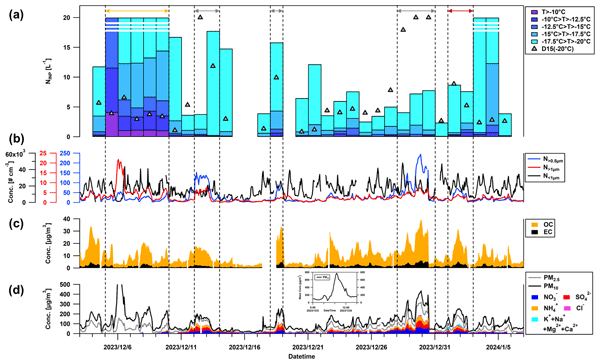
In clouds containing liquid water and ice (about 0 to −38 °C), ice-nucleating particles act as tiny “seeds” that help supercooled water freeze. We studied these particles in winter air in Taiyuan, an industrial city in northern China. The strongest increases occurred during a desert dust intrusion, while haze and pollution showed weak links to fine-particle pollution sources. This suggests urban freezing particles can be strongly affected by transported dust, not pollution intensity alone.
Zhen-Fei Liu, Wen-Zhu Qiao, Ze-Yun Yang, Feng Xu, Gao-Bin Xu, Jian Wang, Hao Qiao, Cheng-Shuai Li, and Hong-Hai Zhang
Biogeosciences, 23, 4911–4925, https://doi.org/10.5194/bg-23-4911-2026, https://doi.org/10.5194/bg-23-4911-2026, 2026
Short summary
Short summary
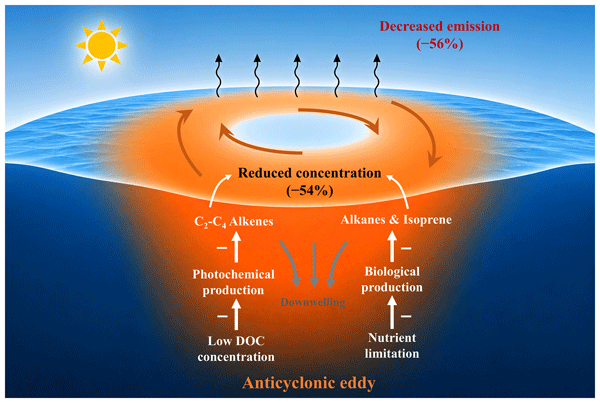
Mesoscale eddies can influence the biogeochemistry of non‑methane hydrocarbons (NMHCs). Eddy‑induced downwelling reduces nutrient availability in the euphotic zone, thereby suppressing phytoplankton growth and the biological production of alkanes and isoprene, while limited dissolved organic carbon constrains the photochemical production of alkenes. As a result, NMHC emissions within eddies were substantially reduced, weakening their contribution to ozone and secondary organic aerosol formation.
Jingye Ren, Songjian Zou, Honghao Xu, Guiquan Liu, Zhe Wang, Anran Zhang, Chuanfeng Zhao, Min Hu, Dongjie Shang, Lizi Tang, Ru-Jin Huang, Yele Sun, and Fang Zhang
Geosci. Model Dev., 19, 6403–6416, https://doi.org/10.5194/gmd-19-6403-2026, https://doi.org/10.5194/gmd-19-6403-2026, 2026
Short summary
Short summary
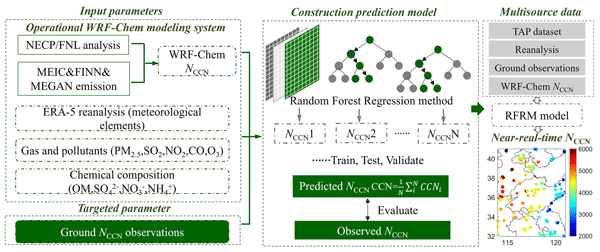
In this study, a new framework of cloud condensation nuclei (CCN) prediction in polluted region has been developed and it achieves well prediction of hourly-to-yearly scale across North China Plain. The study reveals the machine learning model can largely reduce the uncertainty in simulating cloud radiative forcing, illustrating the high sensitivity of climate forcing to changes in CCN. This improvement of our new model would be helpful to aerosols climate effect assessment in models.
Keighan J. Gemmell, Laura Marie Dahler Heinlein, Emma A. Petersen-Sonn, Claudia Sardena, Zhongyu Guo, Nory Mariño-Ocampo, Belinda Heyne, Christian George, Cort Anastasio, and Nadine Borduas-Dedekind
Atmos. Meas. Tech., 19, 3961–3982, https://doi.org/10.5194/amt-19-3961-2026, https://doi.org/10.5194/amt-19-3961-2026, 2026
Short summary
Short summary
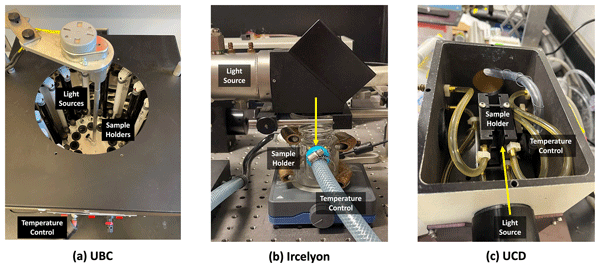
Molecular singlet oxygen (1O2*) is the first excited state of O2 and is produced when sunlight excites light-absorbing molecules in aerosols in the atmosphere. 1O2* can drive oxidation reactions and impact aerosol properties. This study is an inter-comparison of photoreactors, light sources and data analysis across 3 atmospheric chemistry laboratories, yielding a critical assessment of practices and recommendations for intercomparing 1O2* measurements and extrapolating to ambient particles.
Aijing Song, Kun Li, Zhaomin Yang, Li Xu, Narcisse Tsona Tchinda, and Lin Du
Atmos. Chem. Phys., 26, 6727–6739, https://doi.org/10.5194/acp-26-6727-2026, https://doi.org/10.5194/acp-26-6727-2026, 2026
Short summary
Short summary
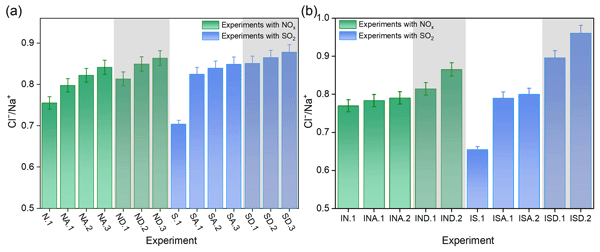
This study characterized the changes in chloride depletion under the influence of alkaline species, and further analyzed subsequent formation of corresponding organic chlorinated compounds using high-resolution mass spectrometry. Results demonstrated that the weakening effect of organic amine on chloride depletion is more pronounced than that of NH3 due its stronger alkalinity and nucleation ability. This further enhances our understanding of the mechanism influencing chloride depletion.
Yanting Qiu, Tao Qiu, Yuechen Liu, Yu Gu, Ruiqi Man, Dapeng Liang, Taomou Zong, Zhijun Wu, and Min Hu
Atmos. Chem. Phys., 26, 2785–2796, https://doi.org/10.5194/acp-26-2785-2026, https://doi.org/10.5194/acp-26-2785-2026, 2026
Short summary
Short summary
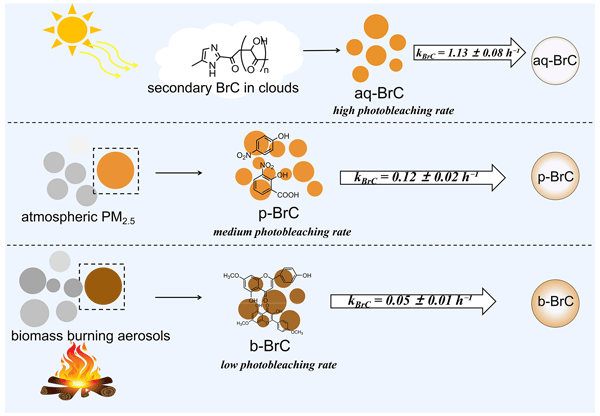
Brown Carbon (BrC) is considered as one of the least understood atmospheric warming agents. BrC’s photobleaching has been determined as a key reason to the uncertainty in its global radiative effect, which has been poorly constrained. This study revelas the source-dependent BrC photobleaching rates, and explained this difference from molecular perspective. Consequently, the OH oxidation reactivity of molecular composition of different types of BrC determines their distinct photobleaching rates.
Yanting Qiu, Junrui Wang, Tao Qiu, Jiajie Li, Yanxin Bai, Teng Liu, Ruiqi Man, Taomou Zong, Wenxu Fang, Jiawei Yang, Yu Xie, Zeyu Feng, Chenhui Li, Ying Wei, Kai Bi, Dapeng Liang, Ziqi Gao, Zhijun Wu, Yuchen Wang, and Min Hu
Atmos. Chem. Phys., 26, 2411–2423, https://doi.org/10.5194/acp-26-2411-2026, https://doi.org/10.5194/acp-26-2411-2026, 2026
Short summary
Short summary
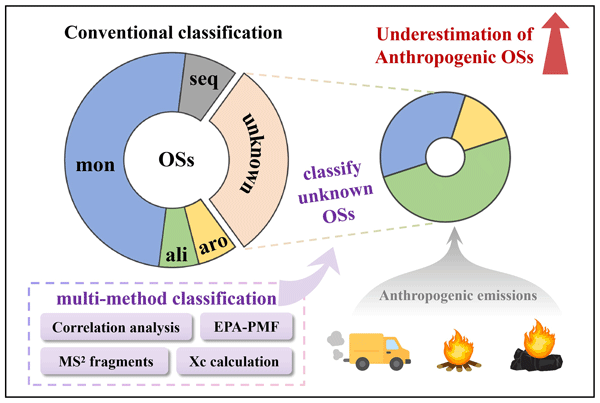
This study reveals that anthropogenic organosulfates (OSs), especially Aliphatic OSs in urban areas have been significantly underestimated. We also discovered that humidity, acidity, inorganic sulfate and Ox mass concentrations play key roles in the formation of Aliphatic OSs. These findings improve our understanding of how air pollution forms in urban environments and are crucial for developing effective environmental policies.
Kuanyun Hu, Narcisse Tsona Tchinda, Kun Li, Hartmut Herrmann, Jianlong Li, and Lin Du
Atmos. Chem. Phys., 26, 2225–2240, https://doi.org/10.5194/acp-26-2225-2026, https://doi.org/10.5194/acp-26-2225-2026, 2026
Short summary
Short summary
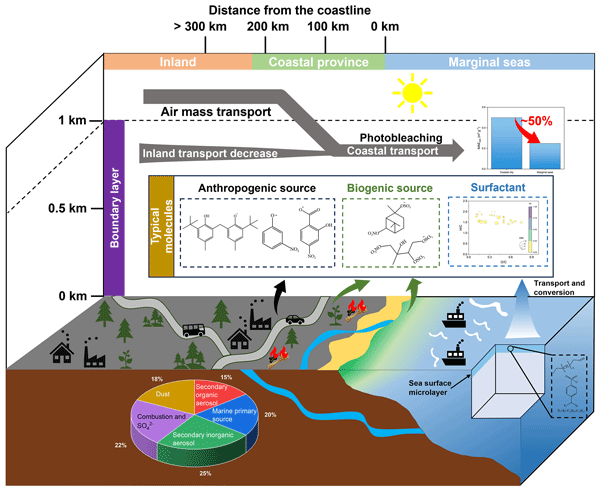
This study reveals that summer aerosols over the Bohai and Yellow Seas are mainly influenced by coastal emissions. Despite a high proportion of marine air masses, molecular and isotopic analyses of aerosols show strong terrestrial characteristics. Biomass burning contributes 60–80 % of carbonaceous aerosols, while marine sources account for only ~ 20 %. The findings highlight that controlling coastal emissions within ~ 260 km is crucial for mitigating marginal sea pollution.
Yu Li, Momei Qin, Weiwei Hu, Bin Zhao, Ying Li, Havala O. T. Pye, Jingyi Li, Linghan Zeng, Song Guo, Min Hu, and Jianlin Hu
Atmos. Chem. Phys., 26, 1001–1020, https://doi.org/10.5194/acp-26-1001-2026, https://doi.org/10.5194/acp-26-1001-2026, 2026
Short summary
Short summary
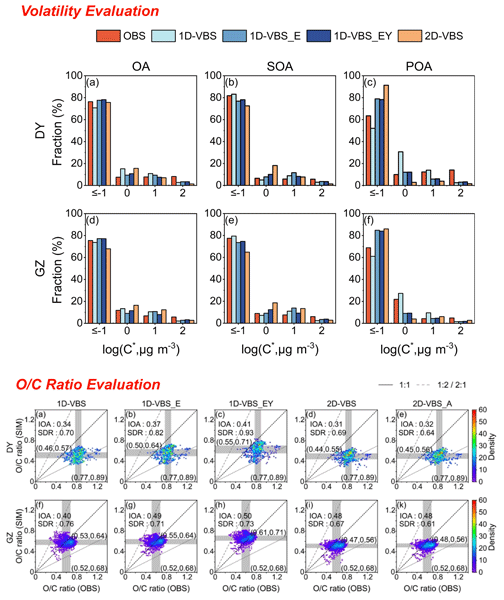
We evaluated how well a widely used air quality model simulates key properties of organic particles in the atmosphere, such as volatility and oxygen content, which influence how particles age, spread, and affect both air quality and climate. Using observations in eastern China, we found the model underestimated particle mass and misrepresented their properties. Our results highlight the need for improved emissions and chemical treatments to better predict air quality and climate impacts.
Ruiqi Man, Yishu Zhu, Zhijun Wu, Peter Aaron Alpert, Bingbing Wang, Jing Dou, Jie Chen, Yan Zheng, Yanli Ge, Qi Chen, Shiyi Chen, Xiangrui Kong, Markus Ammann, and Min Hu
Atmos. Chem. Phys., 26, 349–363, https://doi.org/10.5194/acp-26-349-2026, https://doi.org/10.5194/acp-26-349-2026, 2026
Short summary
Short summary
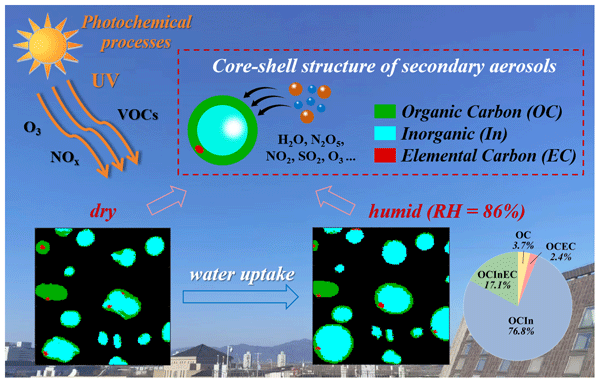
The particle chemical morphology is important to atmospheric multiphase and heterogeneous chemistry. This work directly observed the core-shell structure and water uptake behavior of individual submicron aerosol particles at an urban site and elucidated the potential impact on particle reactive uptake and heterogeneous reactions.
Jianjiong Mao, Lei Jiang, Zhicheng Feng, Jingyi Li, Yanhong Zhu, Momei Qin, Song Guo, Min Hu, and Jianlin Hu
Geosci. Model Dev., 18, 8423–8438, https://doi.org/10.5194/gmd-18-8423-2025, https://doi.org/10.5194/gmd-18-8423-2025, 2025
Short summary
Short summary
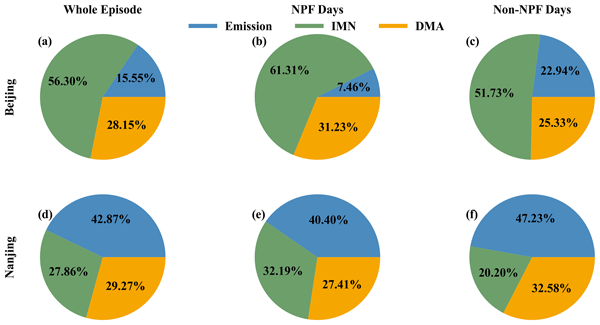
Tiny air particles impact air quality and climate change. Our study improved their prediction in eastern cities by modeling two key formation processes: ions + sulfuric acid + ammonia (daytime) and sulfuric acid + dimethylamine (morning/evening). This improved model increases predictions by 36–84 % in Beijing and Nanjing. These advancements enable better demonstrate how these chemical processes significantly influence China eastern cities' particulate pollution.
Shubin Li, Yujue Wang, Yiwen Zhang, Yizhe Yi, Yuchen Wang, Yuqi Guo, Chao Yu, Yue Jiang, Jinhui Shi, Chao Zhang, Jialei Zhu, Wei Hu, Jianzhen Yu, Xiaohong Yao, Huiwang Gao, and Min Hu
Atmos. Chem. Phys., 25, 12585–12598, https://doi.org/10.5194/acp-25-12585-2025, https://doi.org/10.5194/acp-25-12585-2025, 2025
Short summary
Short summary
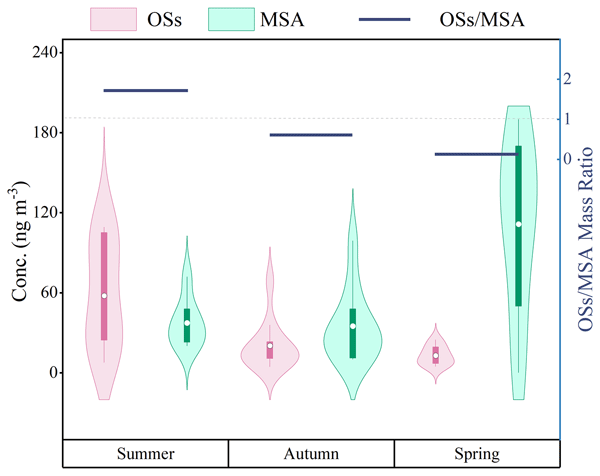
Organosulfates (OSs) are an unrecognized and potentially important component in marine organic aerosols. In this study, we quantified and characterized the OSs over East Asian marginal seas. The chemical nature and spatiotemporal distribution of OSs were modified by the joint influence of marine emissions and transported terrestrial pollutants. The results highlight the vital roles of OSs in shaping organic aerosol formation and sulfur cycle during summer in the marine boundary layer.
Narcisse Tsona Tchinda, Xiaofan Lv, Stanley Numbonui Tasheh, Julius Numbonui Ghogomu, and Lin Du
Atmos. Chem. Phys., 25, 8575–8590, https://doi.org/10.5194/acp-25-8575-2025, https://doi.org/10.5194/acp-25-8575-2025, 2025
Short summary
Short summary
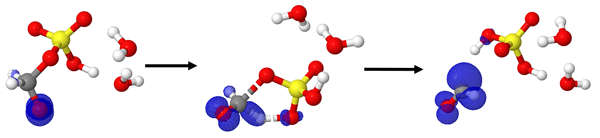
This study examines the transformation of organosulfates through reaction with HO• radicals. The results show that the nature of substituents on the carbon chain can effectively affect the decomposition rate of organosulfates, and ozone is unveiled as a complementary oxidant in the intermediate steps of this decomposition. The primary products from these reactions include carbonyl compounds and inorganic sulfate, which highlights the role of organosulfates in altering aerosol chemical composition.
Jingye Ren, Songjian Zou, Honghao Xu, Guiquan Liu, Zhe Wang, Anran Zhang, Chuanfeng Zhao, Min Hu, Dongjie Shang, Lizi Tang, Ru-Jin Huang, Yele Sun, and Fang Zhang
EGUsphere, https://doi.org/10.5194/egusphere-2025-1483, https://doi.org/10.5194/egusphere-2025-1483, 2025
Preprint archived
Short summary
Short summary
In this study, a new framework of cloud condensation nuclei (CCN) prediction in polluted region has been developed and it achieves well prediction of hourly-to-yearly scale across North China Plain. The study reveals a significant long-term decreasing trend of CCN concentration at typical supersaturations due to a rapid reduction in aerosol concentrations from 2014 to 2018. This improvement of our new model would be helpful to aerosols climate effect assessment in models.
Haibiao Chen, Caiqing Yan, Liubin Huang, Lin Du, Yang Yue, Xinfeng Wang, Qingcai Chen, Mingjie Xie, Junwen Liu, Fengwen Wang, Shuhong Fang, Qiaoyun Yang, Hongya Niu, Mei Zheng, Yan Wu, and Likun Xue
Atmos. Chem. Phys., 25, 3647–3667, https://doi.org/10.5194/acp-25-3647-2025, https://doi.org/10.5194/acp-25-3647-2025, 2025
Short summary
Short summary
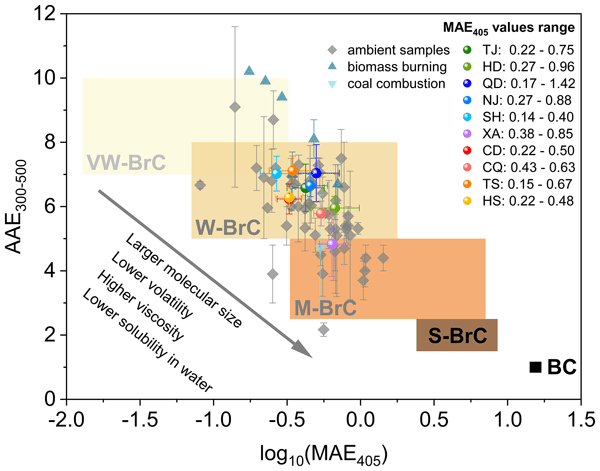
A comprehensive understanding of the optical properties of brown carbon (BrC) is essential to accurately assess its climatic effects. Based on multi-site spectroscopic measurements, this study demonstrated the significant spatial heterogeneity in the optical and structural properties of water-soluble organic carbon (WSOC) in different regions of China and revealed factors affecting WSOC light absorption and the relationship between fluorophores and light absorption of WSOC.
Dandan Li, Dongyu Wang, Lucia Caudillo, Wiebke Scholz, Mingyi Wang, Sophie Tomaz, Guillaume Marie, Mihnea Surdu, Elias Eccli, Xianda Gong, Loic Gonzalez-Carracedo, Manuel Granzin, Joschka Pfeifer, Birte Rörup, Benjamin Schulze, Pekka Rantala, Sébastien Perrier, Armin Hansel, Joachim Curtius, Jasper Kirkby, Neil M. Donahue, Christian George, Imad El-Haddad, and Matthieu Riva
Atmos. Meas. Tech., 17, 5413–5428, https://doi.org/10.5194/amt-17-5413-2024, https://doi.org/10.5194/amt-17-5413-2024, 2024
Short summary
Short summary
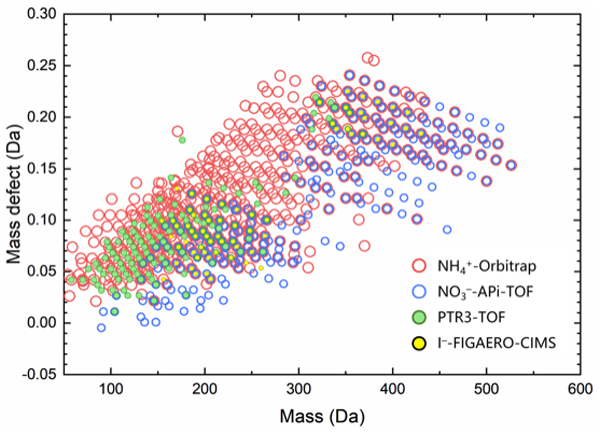
Due to the analytical challenges of measuring organic vapors, it remains challenging to identify and quantify organic molecules present in the atmosphere. Here, we explore the performance of the Orbitrap chemical ionization mass spectrometer (CI-Orbitrap) using ammonium ion chemistry. This study shows that ammonium-ion-based chemistry associated with the high mass resolution of the Orbitrap mass analyzer can measure almost all inclusive compounds.
Jian Wang, Lei Xue, Qianyao Ma, Feng Xu, Gaobin Xu, Shibo Yan, Jiawei Zhang, Jianlong Li, Honghai Zhang, Guiling Zhang, and Zhaohui Chen
Atmos. Chem. Phys., 24, 8721–8736, https://doi.org/10.5194/acp-24-8721-2024, https://doi.org/10.5194/acp-24-8721-2024, 2024
Short summary
Short summary
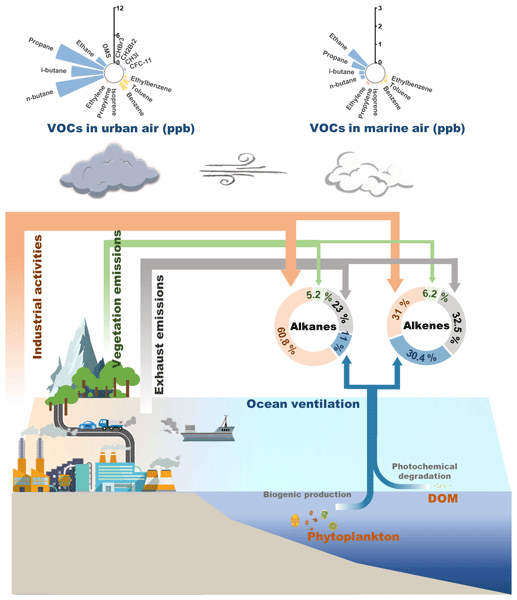
This study investigated the distribution and sources of non-methane hydrocarbons (NMHCs) in the lower atmosphere over the marginal seas of China. NMHCs, a subset of volatile organic compounds (VOCs), play a crucial role in atmospheric chemistry. Derived from systematic atmospheric sampling in coastal cities and marginal sea regions, this study offers valuable insights into the interaction between land and sea in shaping offshore atmospheric NMHCs.
Yaru Song, Jianlong Li, Narcisse Tsona Tchinda, Kun Li, and Lin Du
Atmos. Chem. Phys., 24, 5847–5862, https://doi.org/10.5194/acp-24-5847-2024, https://doi.org/10.5194/acp-24-5847-2024, 2024
Short summary
Short summary
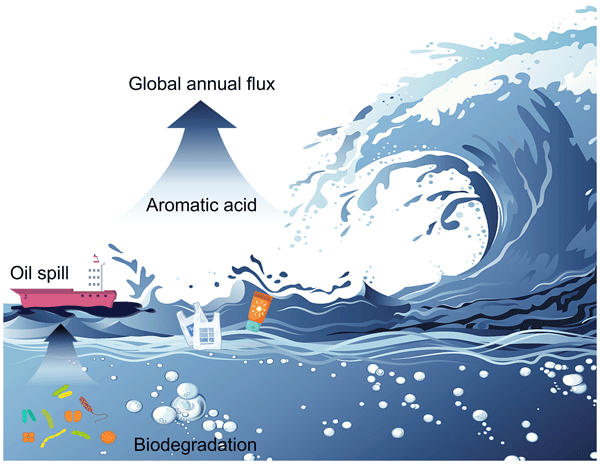
Aromatic acids can be transferred from seawater to the atmosphere through bubble bursting. The air–sea transfer efficiency of aromatic acids was evaluated by simulating SSA generation with a plunging jet. As a whole, the transfer capacity of aromatic acids may depend on their functional groups and on the bridging effect of cations, as well as their concentration in seawater, as these factors influence the global emission flux of aromatic acids via SSA.
Yu-Kai Tong, Zhijun Wu, Min Hu, and Anpei Ye
Atmos. Chem. Phys., 24, 2937–2950, https://doi.org/10.5194/acp-24-2937-2024, https://doi.org/10.5194/acp-24-2937-2024, 2024
Short summary
Short summary
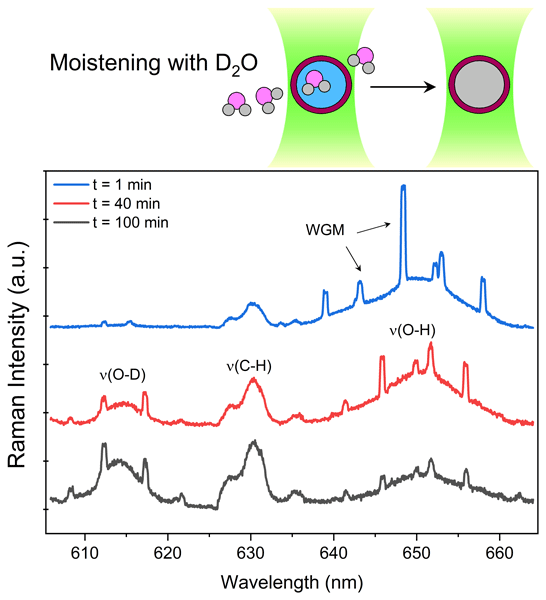
The interplay between aerosols and moisture is one of the most crucial atmospheric processes. However, to date, literature results on the influence of phase separation on water diffusion in aerosols are divergent. This work directly unveiled the water diffusion process in single suspended phase-separated microdroplets and quantitatively analyzed the diffusion rate and extent. The results show that diffusion limitations and certain molecule clusters existed in the phase-separated aerosols.
Xiaowen Chen, Lin Du, Zhaomin Yang, Shan Zhang, Narcisse Tsona Tchinda, Jianlong Li, and Kun Li
EGUsphere, https://doi.org/10.5194/egusphere-2023-2960, https://doi.org/10.5194/egusphere-2023-2960, 2024
Preprint archived
Short summary
Short summary
In this study, the interactions between α-pinene and marine emission dimethyl sulfide (DMS) are investigated. It is found that the yield of secondary organic aerosol initially increases and then decreases with the increasing DMS/α-pinene ratio. This trend can be explained by OH regeneration, acid-catalyzed reactions, and the change in OH reactivity, etc. These findings can improve our understanding of atmospheric processes in coastal areas.
Xiangxinyue Meng, Zhijun Wu, Jingchuan Chen, Yanting Qiu, Taomou Zong, Mijung Song, Jiyi Lee, and Min Hu
Atmos. Chem. Phys., 24, 2399–2414, https://doi.org/10.5194/acp-24-2399-2024, https://doi.org/10.5194/acp-24-2399-2024, 2024
Short summary
Short summary
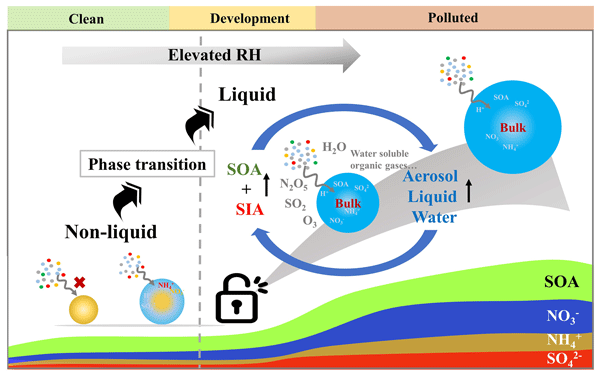
Our study revealed that particles predominantly exist in a semi-solid or solid state during clean winter days with RH below 30 %. However, a non-liquid to a liquid phase transition occurred when the aerosol liquid water (ALW) mass fraction surpassed 15 % (dry mass) at transition RH thresholds ranging from 40 % to 60 %. We also provide insights into the increasingly important roles of particle phase state variation and ALW in secondary particulate growth during haze formation in Beijing, China.
Lin Du, Xiaofan Lv, Makroni Lily, Kun Li, and Narcisse Tsona Tchinda
Atmos. Chem. Phys., 24, 1841–1853, https://doi.org/10.5194/acp-24-1841-2024, https://doi.org/10.5194/acp-24-1841-2024, 2024
Short summary
Short summary
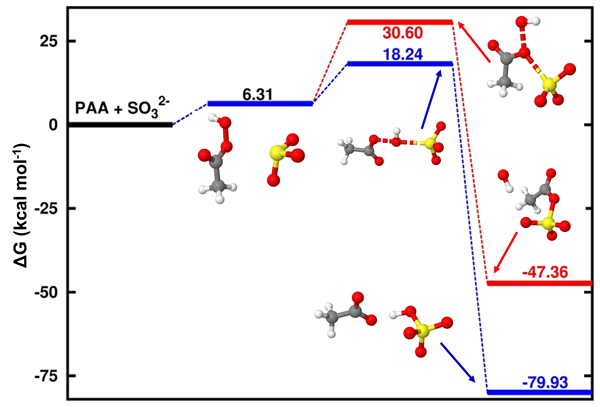
This study explores the pH effect on the reaction of dissolved SO2 with selected organic peroxides. Results show that the formation of organic and/or inorganic sulfate from these peroxides strongly depends on their electronic structures, and these processes are likely to alter the chemical composition of dissolved organic matter in different ways. The rate constants of these reactions exhibit positive pH and temperature dependencies within pH 1–10 and 240–340 K ranges.
Can Ye, Keding Lu, Xuefei Ma, Wanyi Qiu, Shule Li, Xinping Yang, Chaoyang Xue, Tianyu Zhai, Yuhan Liu, Xuan Li, Yang Li, Haichao Wang, Zhaofeng Tan, Xiaorui Chen, Huabin Dong, Limin Zeng, Min Hu, and Yuanhang Zhang
Atmos. Chem. Phys., 23, 15455–15472, https://doi.org/10.5194/acp-23-15455-2023, https://doi.org/10.5194/acp-23-15455-2023, 2023
Short summary
Short summary
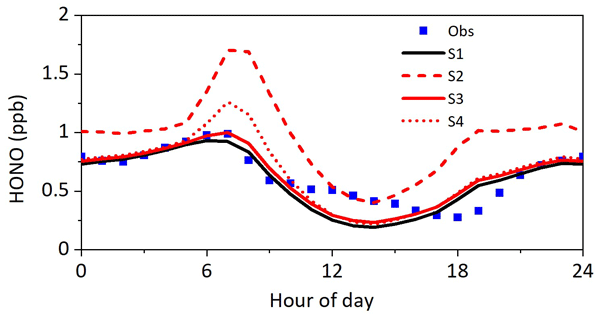
In this study, combining comprehensive field measurements and a box model, we found NO2 conversion on the ground surface was the most important source for HONO production among the proposed heterogeneous and gas-phase HONO sources. In addition, HONO was found to evidently enhance O3 production and aggravate O3 pollution in summer in China. Our study improved our understanding of the relative importance of different HONO sources and the crucial role of HONO in O3 formation in polluted areas.
Shan Zhang, Lin Du, Zhaomin Yang, Narcisse Tsona Tchinda, Jianlong Li, and Kun Li
Atmos. Chem. Phys., 23, 10809–10822, https://doi.org/10.5194/acp-23-10809-2023, https://doi.org/10.5194/acp-23-10809-2023, 2023
Short summary
Short summary
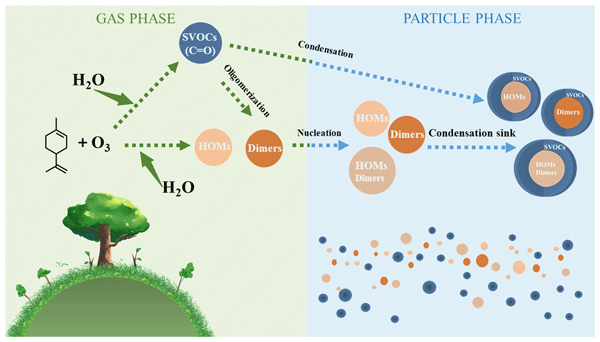
In this study, we have investigated the distinct impacts of humidity on the ozonolysis of two structurally different monoterpenes (limonene and Δ3-carene). We found that the molecular structure of precursors can largely influence the SOA formation under high RH by impacting the multi-generation reactions. Our results could advance knowledge on the roles of water content in aerosol formation and inform ongoing research on particle environmental effects and applications in models.
Xiaodong Xie, Jianlin Hu, Momei Qin, Song Guo, Min Hu, Dongsheng Ji, Hongli Wang, Shengrong Lou, Cheng Huang, Chong Liu, Hongliang Zhang, Qi Ying, Hong Liao, and Yuanhang Zhang
Atmos. Chem. Phys., 23, 10563–10578, https://doi.org/10.5194/acp-23-10563-2023, https://doi.org/10.5194/acp-23-10563-2023, 2023
Short summary
Short summary
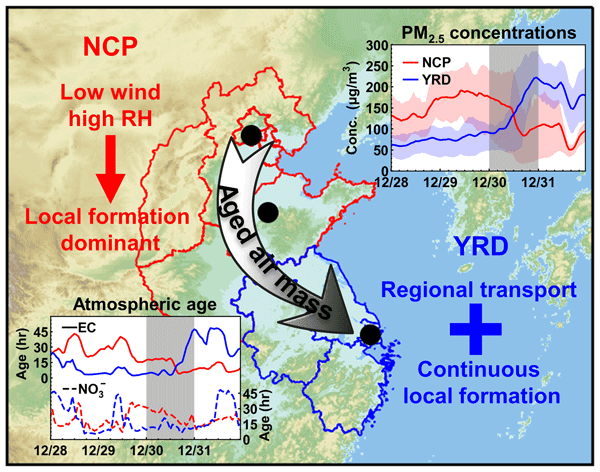
The atmospheric age of particles reflects how long particles have been formed and suspended in the atmosphere, which is closely associated with the evolution processes of particles. An analysis of the atmospheric age of PM2.5 provides a unique perspective on the evolution processes of different PM2.5 components. The results also shed lights on how to design effective emission control actions under unfavorable meteorological conditions.
Taomou Zong, Zhijun Wu, Junrui Wang, Kai Bi, Wenxu Fang, Yanrong Yang, Xuena Yu, Zhier Bao, Xiangxinyue Meng, Yuheng Zhang, Song Guo, Yang Chen, Chunshan Liu, Yue Zhang, Shao-Meng Li, and Min Hu
Atmos. Meas. Tech., 16, 3679–3692, https://doi.org/10.5194/amt-16-3679-2023, https://doi.org/10.5194/amt-16-3679-2023, 2023
Short summary
Short summary
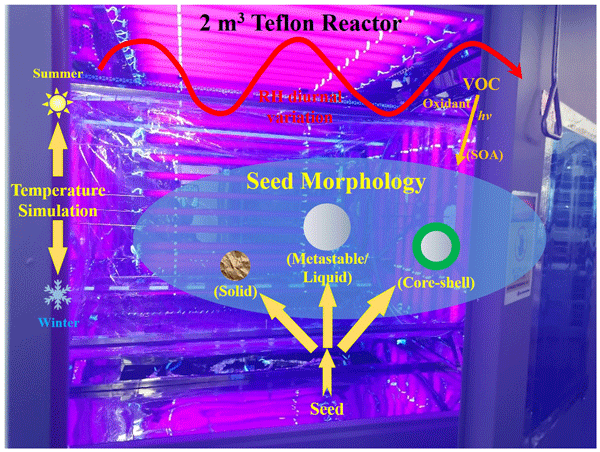
This study developed and characterized an indoor chamber system (AIR) to simulate atmospheric multiphase chemistry processes. The AIR chamber can accurately control temperature and relative humidity (RH) over a broad range and simulate diurnal variation of ambient atmospheric RH. The aerosol generation unit can generate organic-coating seed particles with different phase states. The AIR chamber demonstrates high-quality performance in simulating secondary aerosol formation.
Hejun Hu, Haichao Wang, Keding Lu, Jie Wang, Zelong Zheng, Xuezhen Xu, Tianyu Zhai, Xiaorui Chen, Xiao Lu, Wenxing Fu, Xin Li, Limin Zeng, Min Hu, Yuanhang Zhang, and Shaojia Fan
Atmos. Chem. Phys., 23, 8211–8223, https://doi.org/10.5194/acp-23-8211-2023, https://doi.org/10.5194/acp-23-8211-2023, 2023
Short summary
Short summary
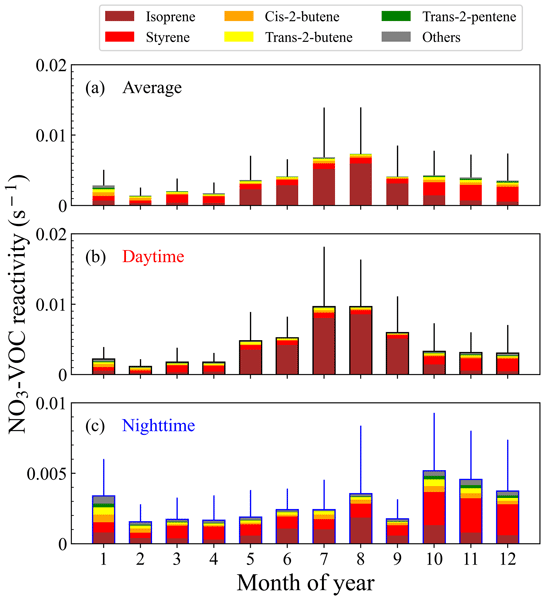
Nitrate radical chemistry is critical to the degradation of volatile organic compounds (VOCs) and secondary organic aerosol formation. This work investigated the level, seasonal variation, and trend of nitrate radical reactivity towards volatile organic compounds (kNO3) in Beijing. We show the key role of isoprene and styrene in regulating seasonal variation in kNO3 and rebuild a long-term record of kNO3 based on the reported VOC measurements.
Lizi Tang, Min Hu, Dongjie Shang, Xin Fang, Jianjiong Mao, Wanyun Xu, Jiacheng Zhou, Weixiong Zhao, Yaru Wang, Chong Zhang, Yingjie Zhang, Jianlin Hu, Limin Zeng, Chunxiang Ye, Song Guo, and Zhijun Wu
Atmos. Chem. Phys., 23, 4343–4359, https://doi.org/10.5194/acp-23-4343-2023, https://doi.org/10.5194/acp-23-4343-2023, 2023
Short summary
Short summary
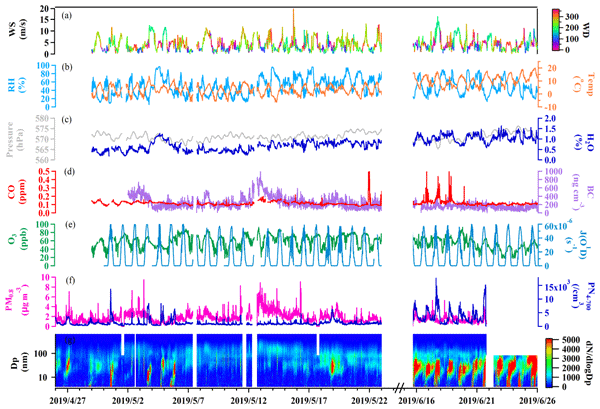
There was an evident distinction in the frequency of new particle formation (NPF) events at Nam Co station on the Tibetan Plateau: 15 % in pre-monsoon season and 80 % in monsoon season. The frequent NPF events in monsoon season resulted from the higher frequency of southerly air masses, which brought the organic precursors to participate in the NPF process. It increased the amount of aerosol and CCN compared with those in pre-monsoon season, which may markedly affect earth's radiation balance.
Yiqun Lu, Yingge Ma, Dan Dan Huang, Shengrong Lou, Sheng'ao Jing, Yaqin Gao, Hongli Wang, Yanjun Zhang, Hui Chen, Yunhua Chang, Naiqiang Yan, Jianmin Chen, Christian George, Matthieu Riva, and Cheng Huang
Atmos. Chem. Phys., 23, 3233–3245, https://doi.org/10.5194/acp-23-3233-2023, https://doi.org/10.5194/acp-23-3233-2023, 2023
Short summary
Short summary
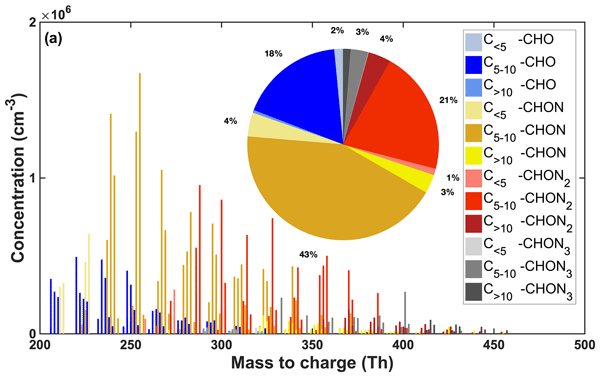
N-containing oxygenated organic molecules have been identified as important precursors of aerosol particles. We used an ultra-high-resolution mass spectrometer coupled with an online sample inlet to accurately measure their molecular composition, concentration level and variation patterns. We show their formation process and influencing factors in a Chinese megacity involving various volatile organic compound precursors and atmospheric oxidants, and we highlight the influence of PM2.5 episodes.
Minglan Xu, Narcisse Tsona Tchinda, Jianlong Li, and Lin Du
Atmos. Chem. Phys., 23, 2235–2249, https://doi.org/10.5194/acp-23-2235-2023, https://doi.org/10.5194/acp-23-2235-2023, 2023
Short summary
Short summary
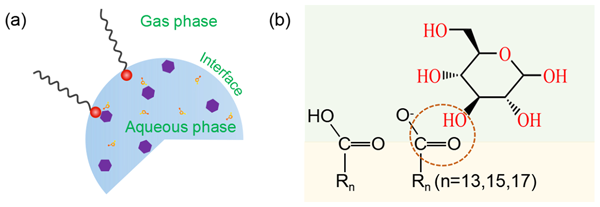
The promotion of soluble saccharides on sea spray aerosol (SSA) generation and the changes in particle morphology were observed. On the contrary, the coexistence of surface insoluble fatty acid film and soluble saccharides significantly inhibited the production of SSA. This is the first demonstration that hydrogen bonding mediated by surface-insoluble fatty acids contributes to saccharide transfer in seawater, providing a new mechanism for saccharide enrichment in SSA.
Zhaomin Yang, Kun Li, Narcisse T. Tsona, Xin Luo, and Lin Du
Atmos. Chem. Phys., 23, 417–430, https://doi.org/10.5194/acp-23-417-2023, https://doi.org/10.5194/acp-23-417-2023, 2023
Short summary
Short summary
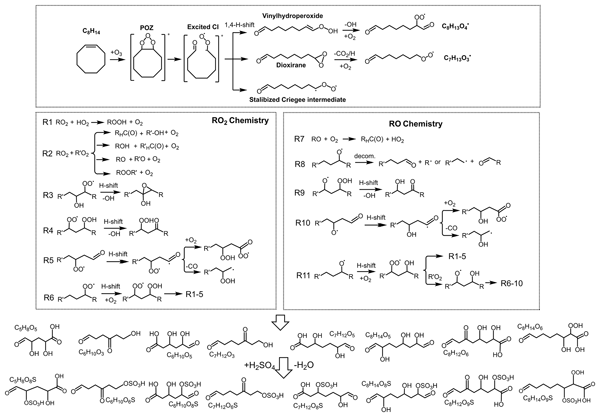
SO2 significantly promotes particle formation during cyclooctene ozonolysis. Carboxylic acids and their dimers were major products in particles formed in the absence of SO2. SO2 can induce production of organosulfates with stronger particle formation ability than their precursors, leading to the enhancement in particle formation. Formation mechanisms and structures of organosulfates were proposed, which is helpful for better understanding how SO2 perturbs the formation and fate of particles.
Ruiqi Man, Zhijun Wu, Taomou Zong, Aristeidis Voliotis, Yanting Qiu, Johannes Größ, Dominik van Pinxteren, Limin Zeng, Hartmut Herrmann, Alfred Wiedensohler, and Min Hu
Atmos. Chem. Phys., 22, 12387–12399, https://doi.org/10.5194/acp-22-12387-2022, https://doi.org/10.5194/acp-22-12387-2022, 2022
Short summary
Short summary
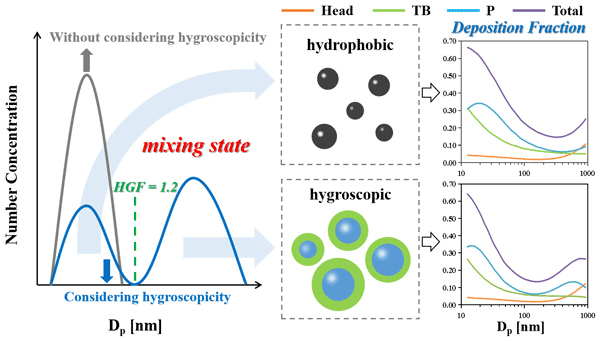
Regional and total deposition doses for different age groups were quantified based on explicit hygroscopicity measurements. We found that particle hygroscopic growth led to a reduction (~24 %) in the total dose. The deposition rate of hygroscopic particles was higher in the daytime, while hydrophobic particles exhibited a higher rate at night and during rush hours. The results will deepen the understanding of the impact of hygroscopicity and the mixing state on deposition patterns in the lungs.
Gang Zhao, Tianyi Tan, Shuya Hu, Zhuofei Du, Dongjie Shang, Zhijun Wu, Song Guo, Jing Zheng, Wenfei Zhu, Mengren Li, Limin Zeng, and Min Hu
Atmos. Chem. Phys., 22, 10861–10873, https://doi.org/10.5194/acp-22-10861-2022, https://doi.org/10.5194/acp-22-10861-2022, 2022
Short summary
Short summary
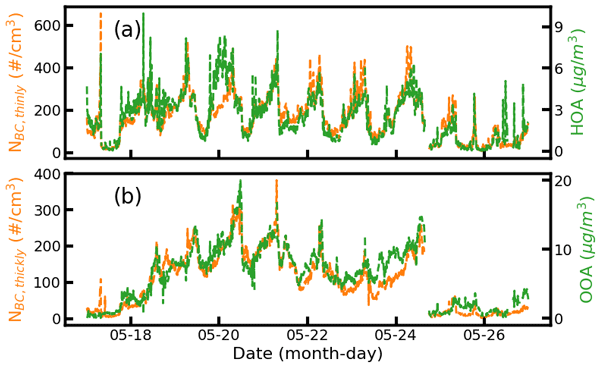
Black carbon is the second strongest absorbing component in the atmosphere that exerts warming effects on climate. One critical challenge in quantifying the ambient black carbon's radiative effects is addressing the BC microphysical properties. In this study, the microphysical properties of the aged and fresh BC particles are synthetically analyzed under different atmospheres. The measurement results can be further used in models to help constrain the uncertainties of the BC radiative effects.
Kai Song, Song Guo, Yuanzheng Gong, Daqi Lv, Yuan Zhang, Zichao Wan, Tianyu Li, Wenfei Zhu, Hui Wang, Ying Yu, Rui Tan, Ruizhe Shen, Sihua Lu, Shuangde Li, Yunfa Chen, and Min Hu
Atmos. Chem. Phys., 22, 9827–9841, https://doi.org/10.5194/acp-22-9827-2022, https://doi.org/10.5194/acp-22-9827-2022, 2022
Short summary
Short summary
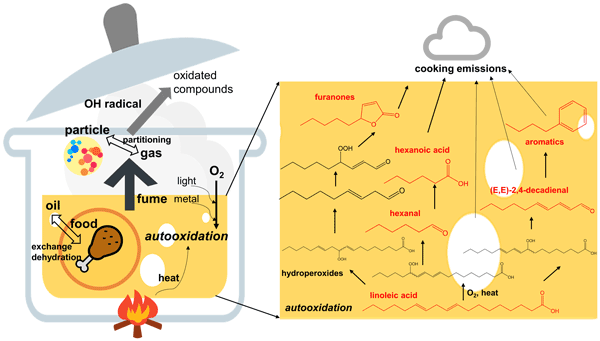
Emissions from four typical Chinese domestic cooking and fried chicken using four kinds of oils were investigated to illustrate the impact of cooking style and oil. Of the estimated SOA, 10.2 %–32.0 % could be explained by S/IVOC oxidation. Multiway principal component analysis (MPCA) emphasizes the importance of the unsaturated fatty acid-alkadienal volatile product mechanism (oil autoxidation) accelerated by the cooking and heating procedure.
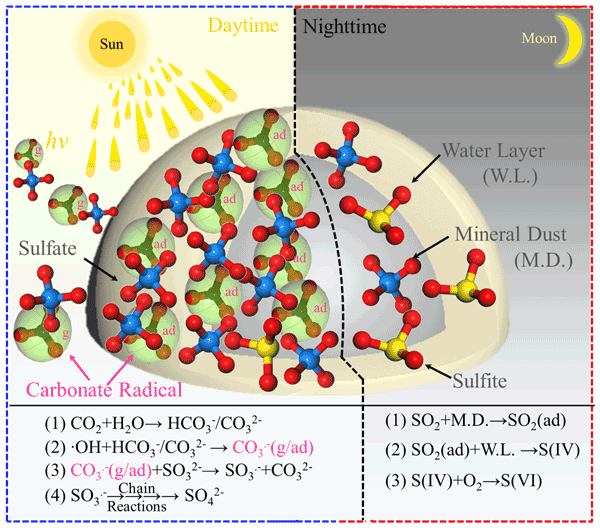
Yangyang Liu, Yue Deng, Jiarong Liu, Xiaozhong Fang, Tao Wang, Kejian Li, Kedong Gong, Aziz U. Bacha, Iqra Nabi, Qiuyue Ge, Xiuhui Zhang, Christian George, and Liwu Zhang
Atmos. Chem. Phys., 22, 9175–9197, https://doi.org/10.5194/acp-22-9175-2022, https://doi.org/10.5194/acp-22-9175-2022, 2022
Short summary
Short summary
Both CO2 and carbonate salt work as the precursor of carbonate radicals, which largely promotes sulfate formation during the daytime. This study provides the first indication that the carbonate radical not only plays a role as an intermediate in tropospheric anion chemistry but also as a strong oxidant for the surface processing of trace gas in the atmosphere. CO2, carbponate radicals, and sulfate receive attention from those looking at the environment, atmosphere, aerosol, and photochemistry.
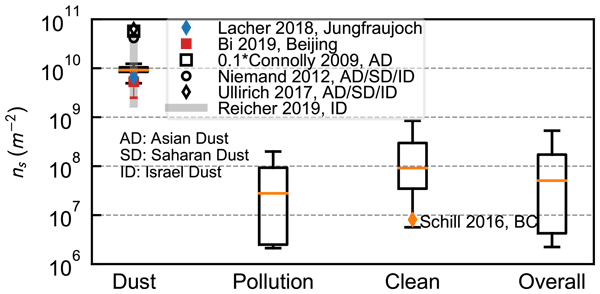
Cuiqi Zhang, Zhijun Wu, Jingchuan Chen, Jie Chen, Lizi Tang, Wenfei Zhu, Xiangyu Pei, Shiyi Chen, Ping Tian, Song Guo, Limin Zeng, Min Hu, and Zamin A. Kanji
Atmos. Chem. Phys., 22, 7539–7556, https://doi.org/10.5194/acp-22-7539-2022, https://doi.org/10.5194/acp-22-7539-2022, 2022
Short summary
Short summary
The immersion ice nucleation effectiveness of aerosols from multiple sources in the urban environment remains elusive. In this study, we demonstrate that the immersion ice-nucleating particle (INP) concentration increased dramatically during a dust event in an urban atmosphere. Pollutant aerosols, including inorganic salts formed through secondary transformation (SIA) and black carbon (BC), might not act as effective INPs under mixed-phase cloud conditions.
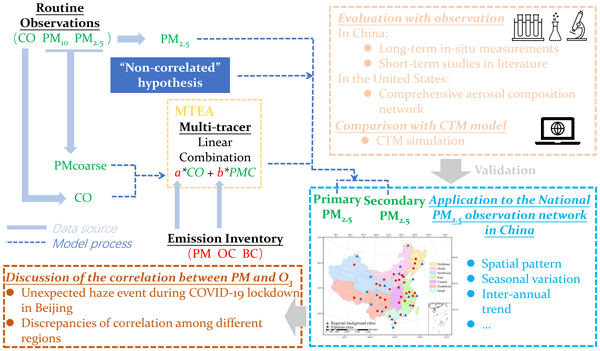
Haoran Zhang, Nan Li, Keqin Tang, Hong Liao, Chong Shi, Cheng Huang, Hongli Wang, Song Guo, Min Hu, Xinlei Ge, Mindong Chen, Zhenxin Liu, Huan Yu, and Jianlin Hu
Atmos. Chem. Phys., 22, 5495–5514, https://doi.org/10.5194/acp-22-5495-2022, https://doi.org/10.5194/acp-22-5495-2022, 2022
Short summary
Short summary
We developed a new algorithm with low economic/technique costs to identify primary and secondary components of PM2.5. Our model was shown to be reliable by comparison with different observation datasets. We systematically explored the patterns and changes in the secondary PM2.5 pollution in China at large spatial and time scales. We believe that this method is a promising tool for efficiently estimating primary and secondary PM2.5, and has huge potential for future PM mitigation.
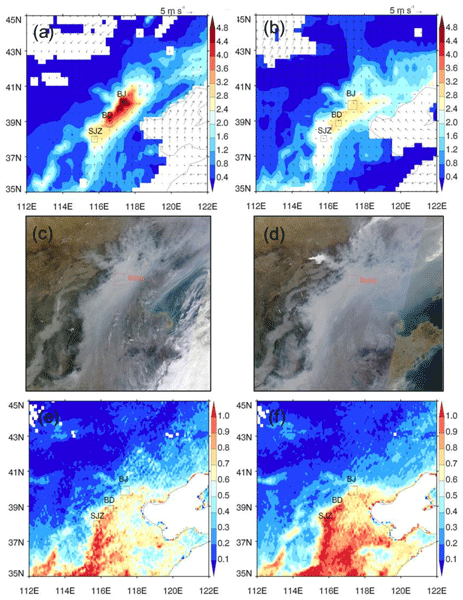
Yun Lin, Yuan Wang, Bowen Pan, Jiaxi Hu, Song Guo, Misti Levy Zamora, Pengfei Tian, Qiong Su, Yuemeng Ji, Jiayun Zhao, Mario Gomez-Hernandez, Min Hu, and Renyi Zhang
Atmos. Chem. Phys., 22, 4951–4967, https://doi.org/10.5194/acp-22-4951-2022, https://doi.org/10.5194/acp-22-4951-2022, 2022
Short summary
Short summary
Severe regional haze events, which are characterized by exceedingly high levels of fine particulate matter (PM), occur frequently in many developing countries (such as China and India), with profound implications for human health, weather, and climate. Our work establishes a synthetic view for the dominant regional features during severe haze events, unraveling rapid in situ PM production and inefficient transport, both of which are amplified by atmospheric stagnation.

Narcisse Tsona Tchinda, Lin Du, Ling Liu, and Xiuhui Zhang
Atmos. Chem. Phys., 22, 1951–1963, https://doi.org/10.5194/acp-22-1951-2022, https://doi.org/10.5194/acp-22-1951-2022, 2022
Short summary
Short summary
This study explores the effect of pyruvic acid (PA) both in the SO3 hydrolysis and in sulfuric-acid-based aerosol formation. Results show that in dry and polluted areas, PA-catalyzed SO3 hydrolysis is about 2 orders of magnitude more efficient at forming sulfuric acid than the water-catalyzed reaction. Moreover, PA can effectively enhance the ternary SA-PA-NH3 particle formation rate by up to 4.7×10² relative to the binary SA-NH3 particle formation rate at cold temperatures.
Gang Zhao, Tianyi Tan, Yishu Zhu, Min Hu, and Chunsheng Zhao
Atmos. Chem. Phys., 21, 18055–18063, https://doi.org/10.5194/acp-21-18055-2021, https://doi.org/10.5194/acp-21-18055-2021, 2021
Short summary
Short summary
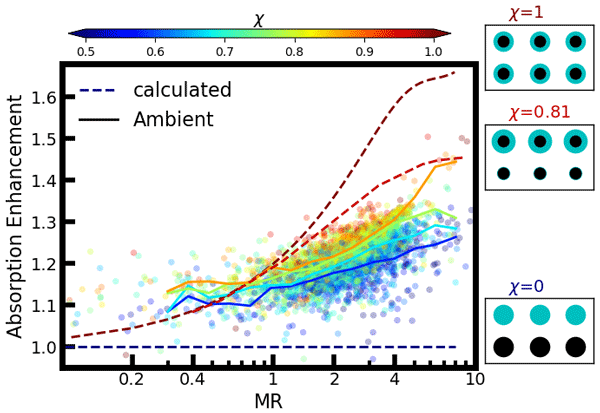
In this study, the black carbon (BC) mixing state index (χ) is developed to quantify the dispersion of ambient black carbon aerosol mixing states based on binary systems of BC and other non-black carbon components. We demonstrate that the BC light absorption enhancement increases with χ for the same MR, which indicates that χ can be employed as a factor to constrain the light absorption enhancement of ambient BC.
Zirui Zhang, Wenfei Zhu, Min Hu, Kefan Liu, Hui Wang, Rongzhi Tang, Ruizhe Shen, Ying Yu, Rui Tan, Kai Song, Yuanju Li, Wenbin Zhang, Zhou Zhang, Hongming Xu, Shijin Shuai, Shuangde Li, Yunfa Chen, Jiayun Li, Yuesi Wang, and Song Guo
Atmos. Chem. Phys., 21, 15221–15237, https://doi.org/10.5194/acp-21-15221-2021, https://doi.org/10.5194/acp-21-15221-2021, 2021
Short summary
Short summary
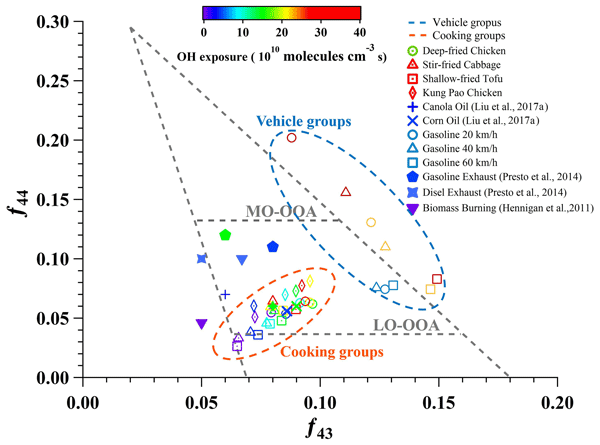
We comprehensively investigated the mass growth potential, oxidation degree, formation pathway, and mass spectra features of typical urban-lifestyle secondary organic aerosols (SOAs) including vehicle SOAs and cooking SOAs. The mass spectra we acquired could provide necessary references to estimate the mass fractions of vehicle and cooking SOAs in the atmosphere, which would greatly decrease the uncertainty in air quality evaluation and health risk assessment in urban areas.
Wenfei Zhu, Song Guo, Zirui Zhang, Hui Wang, Ying Yu, Zheng Chen, Ruizhe Shen, Rui Tan, Kai Song, Kefan Liu, Rongzhi Tang, Yi Liu, Shengrong Lou, Yuanju Li, Wenbin Zhang, Zhou Zhang, Shijin Shuai, Hongming Xu, Shuangde Li, Yunfa Chen, Min Hu, Francesco Canonaco, and Andre S. H. Prévôt
Atmos. Chem. Phys., 21, 15065–15079, https://doi.org/10.5194/acp-21-15065-2021, https://doi.org/10.5194/acp-21-15065-2021, 2021
Short summary
Short summary
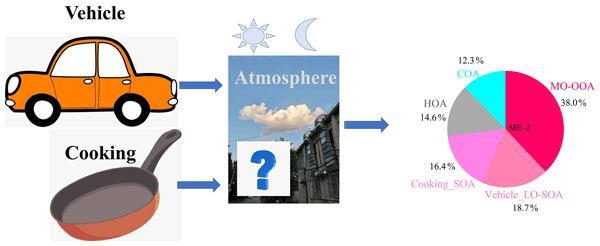
The experiments of primary emissions and secondary organic aerosol (SOA) formation from urban lifestyle sources (cooking and vehicles) were conducted. The mass spectral features of primary organic aerosol (POA) and SOA were characterized by using a high-resolution time-of-flight aerosol mass spectrometer. This work, for the first time, establishes the vehicle and cooking SOA source profiles and can be further used as source constraints in the OA source apportionment in the ambient atmosphere.
Cited articles
Ahlm, L., Jones, A., Stjern, C. W., Muri, H., Kravitz, B., and Kristjánsson, J. E.: Marine cloud brightening – as effective without clouds, Atmos. Chem. Phys., 17, 13071–13087, https://doi.org/10.5194/acp-17-13071-2017, 2017.
Barsotti, F., Ghigo, G., and Vione, D.: Computational assessment of the fluorescence emission of phenol oligomers: A possible insight into the fluorescence properties of humic-like substances (HULIS), J. Photoch. Photobio. A, 315, 87–93, https://doi.org/10.1016/j.jphotochem.2015.09.012, 2016.
Bates, T. S., Quinn, P. K., Frossard, A. A., Russell, L. M., Hakala, J., Petäjä, T., Kulmala, M., Covert, D. S., Cappa, C. D., Li, S. M., Hayden, K. L., Nuaaman, I., McLaren, R., Massoli, P., Canagaratna, M. R., Onasch, T. B., Sueper, D., Worsnop, D. R., and Keene, W. C.: Measurements of ocean derived aerosol off the coast of California, J. Geophys. Res. Atmos., 117, https://doi.org/10.1029/2012JD017588, 2012.
Bates, T. S., Quinn, P. K., Coffman, D. J., Johnson, J. E., Upchurch, L., Saliba, G., Lewis, S., Graff, J., Russell, L. M., and Behrenfeld, M. J.: Variability in Marine Plankton Ecosystems Are Not Observed in Freshly Emitted Sea Spray Aerosol Over the North Atlantic Ocean, Geophys. Res. Lett., 47, https://doi.org/10.1029/2019GL085938, 2020.
Bertram, T. H., Cochran, R. E., Grassian, V. H., and Stone, E. A.: Sea spray aerosol chemical composition: elemental and molecular mimics for laboratory studies of heterogeneous and multiphase reactions, Chem. Soc. Rev., 47, 2374–2400, https://doi.org/10.1039/C7CS00008A, 2018.
Bhaskar, P. V. and Bhosle, N. B.: Microbial extracellular polymeric substances in marine biogeochemical processes, Curr. Sci., 88, 45–53, 2005.
Biermann, A., Engel, A., and Riebesell, U.: Changes in organic matter cycling in a plankton community exposed to warming under different light intensities, J. Plankton Res., 36, 658–671, https://doi.org/10.1093/plankt/fbu005, 2014.
Brooks, S. D. and Thornton, D. C. O.: Marine Aerosols and Clouds, Annu. Rev. Mar. Sci., 10, 289–313, https://doi.org/10.1146/annurev-marine-121916-063148, 2018.
Cai, H. and Jiao, N.: Diversity and Abundance of Nitrate Assimilation Genes in the Northern South China Sea, Microb. Ecol., 56, 751–764, https://doi.org/10.1007/s00248-008-9394-7, 2008.
Cao, L., Qiu, Y., Xue, L., Zhang, Y., Zhang, S., Wu, N., Yuan, D., Li, Q., Zhao, Z., Wang, N., Zhou, Y., Yang, W., Li, C., and Liu, Y.: Sea surface carbon dioxide during early summer at the Tuandao nearshore time series site, Mar. Environ. Res., 201, https://doi.org/10.1016/j.marenvres.2024.106699, 2024.
Carlson, C. A., Giovannoni, S. J., Hansell, D. A., Goldberg, S. J., Parsons, R., and Vergin, K.: Interactions among dissolved organic carbon, microbial processes, and community structure in the mesopelagic zone of the northwestern Sargasso Sea, Limnol. Oceanogr., 4, https://doi.org/10.4319/lo.2004.49.4.1073, 2004.
Chen, H., Yan, C., Fu, Q., Wang, X., Tang, J., Jiang, B., Sun, H., Luan, T., Yang, Q., Zhao, Q., Li, J., Zhang, G., Zheng, M., Zhou, X., Chen, B., Du, L., Zhou, R., Zhou, T., and Xue, L.: Optical properties and molecular composition of wintertime atmospheric water-soluble organic carbon in different coastal cities of eastern China, Sci. Total Environ., 892, https://doi.org/10.1016/j.scitotenv.2023.164702, 2023.
Christiansen, S., Ickes, L., Bulatovic, I., Leck, C., Murray, B. J., Bertram, A. K., Wagner, R., Gorokhova, E., Salter, M. E., Ekman, A. M. L., and Bilde, M.: Influence of Arctic Microlayers and Algal Cultures on Sea Spray Hygroscopicity and the Possible Implications for Mixed-Phase Clouds, J. Geophys. Res. Atmos., 125, https://doi.org/10.1029/2020jd032808, 2020.
Cochran, R. E., Ryder, O. S., Grassian, V. H., and Prather, K. A.: Sea Spray Aerosol: The Chemical Link between the Oceans, Atmosphere, and Climate, Acc. Chem. Res., 50, 599–604, https://doi.org/10.1021/acs.accounts.6b00603, 2017.
Collins, D. B., Zhao, D. F., Ruppel, M. J., Laskina, O., Grandquist, J. R., Modini, R. L., Stokes, M. D., Russell, L. M., Bertram, T. H., Grassian, V. H., Deane, G. B., and Prather, K. A.: Direct aerosol chemical composition measurements to evaluate the physicochemical differences between controlled sea spray aerosol generation schemes, Atmos. Meas. Tech., 7, 3667–3683, https://doi.org/10.5194/amt-7-3667-2014, 2014.
Cravigan, L. T., Mallet, M. D., Vaattovaara, P., Harvey, M. J., Law, C. S., Modini, R. L., Russell, L. M., Stelcer, E., Cohen, D. D., Olsen, G., Safi, K., Burrell, T. J., and Ristovski, Z.: Sea spray aerosol organic enrichment, water uptake and surface tension effects, Atmos. Chem. Phys., 20, 7955–7977, https://doi.org/10.5194/acp-20-7955-2020, 2020.
Crocker, D. R., Kaluarachchi, C. P., Cao, R., Dinasquet, J., Franklin, E. B., Morris, C. K., Amiri, S., Petras, D., Nguyen, T., Torres, R. R., Martz, T. R., Malfatti, F., Goldstein, A. H., Tivanski, A. V., Prather, K. A., and Thiemens, M. H.: Isotopic Insights into Organic Composition Differences between Supermicron and Submicron Sea Spray Aerosol, Environ. Sci. Technol., 56, 9947–9958, https://doi.org/10.1021/acs.est.2c02154, 2022.
Dai, Y., Yang, S., Zhao, D., Hu, C., Xu, W., Anderson, D. M., Li, Y., Song, X.-P., Boyce, D. G., Gibson, L., Zheng, C., and Feng, L.: Coastal phytoplankton blooms expand and intensify in the 21st century, Nature, 615, 280–284, https://doi.org/10.1038/s41586-023-05760-y, 2023.
De Leeuw, G., Andreas, E. L., Anguelova, M. D., Fairall, C. W., Lewis, E. R., O'Dowd, C., Schulz, M., and Schwartz, S. E.: Production flux of sea spray aerosol, Rev. Geophys., 49, https://doi.org/10.1029/2010RG000349, 2011.
Diamond, M. S., Gettelman, A., Lebsock, M. D., McComiskey, A., Russell, L. M., Wood, R., and Feingold, G.: To assess marine cloud brightening's technical feasibility, we need to know what to study – and when to stop, Proc. Natl. Acad. Sci. USA, 119, https://doi.org/10.1073/pnas.2118379119, 2022.
Dubitsky, L., McRae, O., and Bird, J. C.: Enrichment of Scavenged Particles in Jet Drops Determined by Bubble Size and Particle Position, Phys. Rev. Lett., 130, https://doi.org/10.1103/PhysRevLett.130.054001, 2023.
Dubitsky, L., Deane, G. B., Stokes, D. M., and Bird, J. C.: Modeling the Concentration Enhancement and Selectivity of Plastic Particle Transport in Sea Spray Aerosols, J. Geophys. Res. Oceans, 129, https://doi.org/10.1029/2023JC020396, 2024.
Engel, A. and Händel, N.: A novel protocol for determining the concentration and composition of sugars in particulate and in high molecular weight dissolved organic matter (HMW-DOM) in seawater, Mar. Chem., 127, 180–191, https://doi.org/10.1016/j.marchem.2011.09.004, 2011.
Engel, A., Thoms, S., Riebesell, U., Rochelle-Newall, E., and Zondervan, I.: Polysaccharide aggregation as a potential sink of marine dissolved organic carbon, Nature, 428, 929–932, https://doi.org/10.1038/nature02453, 2004.
Feingold, G., Ghate, V. P., Russell, L. M., Blossey, P., Cantrell, W., Christensen, M. W., Diamond, M. S., Gettelman, A., Glassmeier, F., Gryspeerdt, E., Haywood, J., Hoffmann, F., Kaul, C. M., Lebsock, M., McComiskey, A. C., McCoy, D. T., Ming, Y., Mülmenstädt, J., Possner, A., Prabhakaran, P., Quinn, P. K., Schmidt, K. S., Shaw, R. A., Singer, C. E., Sorooshian, A., Toll, V., Wan, J. S., Wood, R., Yang, F., Zhang, J., and Zheng, X.: Physical science research needed to evaluate the viability and risks of marine cloud brightening, Sci. Adv., 10, https://doi.org/10.1126/sciadv.adi8594, 2024.
Gao, J. and Chi, J.: Biodegradation of phthalate acid esters by different marine microalgal species, Mar. Pollut. Bull., 99, 70–75, https://doi.org/10.1016/j.marpolbul.2015.07.061, 2015.
Harb, C. and Foroutan, H.: Experimental development of a lake spray source function and its model implementation for Great Lakes surface emissions, Atmos. Chem. Phys., 22, 11759–11779, https://doi.org/10.5194/acp-22-11759-2022, 2022.
Hartery, S., MacInnis, J., and Chang, R. Y.: Effect of Sodium Dodecyl Benzene Sulfonate on the Production of Cloud Condensation Nuclei from Breaking Waves, ACS Earth Space Chem., 6, 2944–2954, 2022.
Hartmann, S., Schrödner, R., Hassett, B. T., Hartmann, M., van Pinxteren, M., Fomba, K. W., Stratmann, F., Herrmann, H., Pöhlker, M., and Zeppenfeld, S.: Polysaccharides-Important Constituents of Ice-Nucleating Particles of Marine Origin, Environ. Sci. Technol., 59, 5098–5108, https://doi.org/10.1021/acs.est.4c08014, 2025.
Hasenecz, E. S., Kaluarachchi, C. P., Lee, H. D., Tivanski, A. V., and Stone, E. A.: Saccharide Transfer to Sea Spray Aerosol Enhanced by Surface Activity, Calcium, and Protein Interactions, ACS Earth Space Chem., 3, 2539–2548, https://doi.org/10.1021/acsearthspacechem.9b00197, 2019.
Hasenecz, E. S., Jayarathne, T., Pendergraft, M. A., Santander, M. V., Mayer, K. J., Sauer, J., Lee, C., Gibson, W. S., Kruse, S. M., Malfatti, F., Prather, K. A., and Stone, E. A.: Marine Bacteria Affect Saccharide Enrichment in Sea Spray Aerosol during a Phytoplankton Bloom, ACS Earth Space Chem., 4, 1638–1649, https://doi.org/10.1021/acsearthspacechem.0c00167, 2020.
He, J., Jiao, L., Zhi, G., Wu, X., Yang, Y., Ding, S., Zheng, J., Shao, Z., and Xia, R.: Heterogeneity of molecular-level and photochemical of dissolved organic matter derived from decomposing submerged macrophyte and algae, J. Environ. Manage., 334, https://doi.org/10.1016/j.jenvman.2023.117420, 2023.
Hu, J., Li, J., Tsona Tchinda, N., Song, Y., Xu, M., Li, K., and Du, L.: Underestimated role of sea surface temperature in sea spray aerosol formation and climate effects, npj Clim. Atmos. Sci., 7, https://doi.org/10.1038/s41612-024-00823-x, 2024.
Jayarathne, T., Sultana, C. M., Lee, C., Malfatti, F., Cox, J. L., Pendergraft, M. A., Moore, K. A., Azam, F., Tivanski, A. V., Cappa, C. D., Bertram, T. H., Grassian, V. H., Prather, K. A., and Stone, E. A.: Enrichment of Saccharides and Divalent Cations in Sea Spray Aerosol During Two Phytoplankton Blooms, Environ. Sci. Technol., 50, 11511–11520, https://doi.org/10.1021/acs.est.6b02988, 2016.
Jayarathne, T., Gamage, D. K., Prather, K. A., and Stone, E. A.: Enrichment of saccharides at the air-water interface: a quantitative comparison of sea surface microlayer and foam, Environ. Chem., 19, 506–516, https://doi.org/10.1071/EN22094, 2022.
Ji, B., Singh, A., and Feng, J.: Water-to-Air Transfer of Nano/Microsized Particulates: Enrichment Effect in Bubble Bursting Jet Drops, Nano Lett., 22, 5626–5634, https://doi.org/10.1021/acs.nanolett.2c01102, 2022.
Jiang, X., Rotily, L., Villermaux, E., and Wang, X.: Submicron drops from flapping bursting bubbles, Proc. Natl. Acad. Sci. USA, 119, https://doi.org/10.1073/pnas.2112924119, 2022.
Jiao, N., Herndl, G. J., Hansell, D. A., Benner, R., Kattner, G., Wilhelm, S. W., Kirchman, D. L., Weinbauer, M. G., Luo, T., Chen, F., and Azam, F.: Microbial production of recalcitrant dissolved organic matter: long-term carbon storage in the global ocean, Nat. Rev. Microbiol., 8, 593–599, https://doi.org/10.1038/nrmicro2386, 2010.
Kaiser, K. and Benner, R.: Biochemical composition and size distribution of organic matter at the Pacific and Atlantic time-series stations, Mar. Chem., 113, 63–77, https://doi.org/10.1016/j.marchem.2008.12.004, 2009.
Kim, S., Kramer, R. W., and Hatcher, P. G.: Graphical Method for Analysis of Ultrahigh-Resolution Broadband Mass Spectra of Natural Organic Matter, the Van Krevelen Diagram, Anal. Chem., 75, 5336–5344, https://doi.org/10.1021/ac034415p, 2003.
Labeeuw, L., Martone, P. T., Boucher, Y., and Case, R. J.: Ancient origin of the biosynthesis of lignin precursors, Biol. Direct, 10, https://doi.org/10.1186/s13062-015-0052-y, 2015.
Lee, H. D., Morris, H. S., Laskina, O., Sultana, C. M., Lee, C., Jayarathne, T., Cox, J. L., Wang, X., Hasenecz, E. S., DeMott, P. J., Bertram, T. H., Cappa, C. D., Stone, E. A., Prather, K. A., Grassian, V. H., and Tivanski, A. V.: Organic Enrichment, Physical Phase State, and Surface Tension Depression of Nascent Core-Shell Sea Spray Aerosols during Two Phytoplankton Blooms, ACS Earth Space Chem., 4, 650–660, 2020.
Lhuissier, H. and Villermaux, E.: Bursting bubble aerosols, J. Fluid Mech., 696, 5–44, https://doi.org/10.1017/jfm.2011.418, 2012.
Liang, J., Ji, X., Feng, X., Su, P., Xu, W., Zhang, Q., Ren, Z., Li, Y., Zhu, Q., Qu, G., and Liu, R.: Phthalate acid esters: A review of aquatic environmental occurrence and their interactions with plants, J. Hazard. Mater., 470, https://doi.org/10.1016/j.jhazmat.2024.134187, 2024.
Lu, M., Jones, S., McKinney, M., Kandow, A., Donahoe, R., Cobb Faulk, B., Chen, S., and Lu, Y.: Assessment of phthalic acid esters plasticizers in sediments of coastal Alabama, USA: Occurrence, source, and ecological risk, Sci. Total Environ., 897, https://doi.org/10.1016/j.scitotenv.2023.165345, 2023.
Meon, B. and Kirchman, D. L.: Dynamics and molecular composition of dissolved organic material during experimental phytoplankton blooms, Mar. Chem., 75, 185–199, https://doi.org/10.1016/S0304-4203(01)00036-6, 2001.
Mühlenbruch, M., Grossart, H.-P., Eigemann, F., and Voss, M.: Mini-review: Phytoplankton-derived polysaccharides in the marine environment and their interactions with heterotrophic bacteria, Environ. Microbiol., 20, 2671–2685, https://doi.org/10.1111/1462-2920.14302, 2018.
Murphy, K., Stedmon, C., Graeber, D., and Bro, R.: Fluorescence spectroscopy and multi-way techniques. PARAFAC, Anal. Methods, 5, 6541–6882, https://doi.org/10.1039/c3ay41160e, 2013.
Murray, A. E., Arnosti, C., De La Rocha, C. L., Grossart, H. P., and Passow, U.: Microbial dynamics in autotrophic and heterotrophic seawater mesocosms. II. Bacterioplankton community structure and hydrolytic enzyme activities, Aquat. Microb. Ecol., 49, 123–141, https://doi.org/10.3354/ame01139, 2007.
O'Dowd, C. D., Langmann, B., Varghese, S., Scannell, C., Ceburnis, D., and Facchini, M. C.: A combined organic-inorganic sea-spray source function, Geophys. Res. Lett., 35, https://doi.org/10.1029/2007GL030331, 2008.
Pandey, R., Usui, K., Livingstone, R. A., Fischer, S. A., Pfaendtner, J., Backus, E. H. G., Nagata, Y., Fröhlich-Nowoisky, J., Schmüser, L., Mauri, S., Scheel, J. F., Knopf, D. A., Pöschl, U., Bonn, M., and Weidner, T.: Ice-nucleating bacteria control the order and dynamics of interfacial water, Sci. Adv., 2, https://doi.org/10.1126/sciadv.1501630, 2016.
Passow, U.: Transparent exopolymer particles (TEP) in aquatic environments, Prog. Oceanogr., 55, 287–333, https://doi.org/10.1016/S0079-6611(02)00138-6, 2002.
Pramanik, A., Sundararaman, M., Das, S., Ghosh, U., and Mukherjee, J.: Isolation and characterization of cyanobacteria possessing antimicrobial activity from the sundarbans, the world's largest tidal mangrove forest, J. Phycol., 47, 731–743, https://doi.org/10.1111/j.1529-8817.2011.01017.x, 2011.
Quinn, P. K., Bates, T. S., Schulz, K. S., Coffman, D. J., Frossard, A. A., Russell, L. M., Keene, W. C., and Kieber, D. J.: Contribution of sea surface carbon pool to organic matter enrichment in sea spray aerosol, Nat. Geosci., 7, 228–232, https://doi.org/10.1038/ngeo2092, 2014.
Quinn, P. K., Collins, D. B., Grassian, V. H., Prather, K. A., and Bates, T. S.: Chemistry and Related Properties of Freshly Emitted Sea Spray Aerosol, Chem. Rev., 115, 4383–4399, https://doi.org/10.1021/cr500713g, 2015.
Radoman, N., Christiansen, S., Johansson, J. H., Hawkes, J. A., Bilde, M., Cousins, I. T., and Salter, M. E.: Probing the impact of a phytoplankton bloom on the chemistry of nascent sea spray aerosol using high-resolution mass spectrometry, Environ. Sci.: Atmos., 2, 1152–1169, https://doi.org/10.1039/D2EA00028H, 2022.
Rahlff, J., Stolle, C., Giebel, H.-A., Ribas-Ribas, M., Damgaard, L. R., and Wurl, O.: Oxygen Profiles Across the Sea-Surface Microlayer-Effects of Diffusion and Biological Activity, Front. Mar. Sci., 6, 11, https://doi.org/10.3389/fmars.2019.00011, 2019.
Rahlff, J., Esser, S. P., Plewka, J., Heinrichs, M. E., Soares, A., Scarchilli, C., Grigioni, P., Wex, H., Giebel, H.-A., and Probst, A. J.: Marine viruses disperse bidirectionally along the natural water cycle, Nat. Commun., 14, https://doi.org/10.1038/s41467-023-42125-5, 2023.
Reinthaler, T., Sintes, E., and Herndl, G. J.: Dissolved organic matter and bacterial production and respiration in the sea-surface microlayer of the open Atlantic and the western Mediterranean Sea, Limnol. Oceanogr., 53, 122–136, https://doi.org/10.4319/lo.2008.53.1.0122, 2008.
Rinaldi, M., Fuzzi, S., Decesari, S., Marullo, S., Santoleri, R., Provenzale, A., von Hardenberg, J., Ceburnis, D., Vaishya, A., O'Dowd, C. D., and Facchini, M. C.: Is chlorophyll a the best surrogate for organic matter enrichment in submicron primary marine aerosol?, J. Geophys. Res. Atmos., 118, 4964–4973, https://doi.org/10.1002/jgrd.50417, 2013.
Rocchi, A., von Jackowski, A., Welti, A., Li, G., Kanji, Z. A., Povazhnyy, V., Engel, A., Schmale, J., Nenes, A., Berdalet, E., Simó, R., and Dall'Osto, M.: Glucose Enhances Salinity-Driven Sea Spray Aerosol Production in Eastern Arctic Waters, Environ. Sci. Technol., 58, 8748–8759, https://doi.org/10.1021/acs.est.4c02826, 2024.
Santander, M. V., Schiffer, J. M., Lee, C., Axson, J. L., Tauber, M. J., and Prather, K. A.: Factors controlling the transfer of biogenic organic species from seawater to sea spray aerosol, Sci. Rep., 12, https://doi.org/10.1038/s41598-022-07335-9, 2022.
Santander, M. V., Malfatti, F., Pendergraft, M. A., Morris, C., Kimble, K. L., Mitts, B. A., Wang, X., Mayer, K. J., Sauer, J., Lee, C., and Prather, K. A.: Bacterial Control of Marine Humic-Like Substance Production, Composition, Size, and Transfer to Sea Spray Aerosols During Phytoplankton Blooms, J. Geophys. Res. Atmos., 128, https://doi.org/10.1029/2022jd036869, 2023.
Schill, S. R., Burrows, S. M., Hasenecz, E. S., Stone, E. A., and Bertram, T. H.: The Impact of Divalent Cations on the Enrichment of Soluble Saccharides in Primary Sea Spray Aerosol, Atmosphere, 9, 476, https://doi.org/10.3390/atmos9120476, 2018.
Schmitt-Kopplin, P., Liger-Belair, G., Koch, B. P., Flerus, R., Kattner, G., Harir, M., Kanawati, B., Lucio, M., Tziotis, D., Hertkorn, N., and Gebefügi, I.: Dissolved organic matter in sea spray: a transfer study from marine surface water to aerosols, Biogeosciences, 9, 1571–1582, https://doi.org/10.5194/bg-9-1571-2012, 2012.
Schum, S. K., Brown, L. E., and Mazzoleni, L. R.: MFAssignR: Molecular formula assignment software for ultrahigh resolution mass spectrometry analysis of environmental complex mixtures, Environ. Res., 191, https://doi.org/10.1016/j.envres.2020.110114, 2020.
Sellegri, K., O'Dowd, C. D., Yoon, Y. J., Jennings, S. G., and De Leeuw, G.: Surfactants and submicron sea spray generation, J. Geophys. Res., 111, https://doi.org/10.1029/2005jd006658, 2006.
Song, Y., Li, J., Tsona Tchinda, N., Li, K., and Du, L.: Role of sea spray aerosol at the air–sea interface in transporting aromatic acids to the atmosphere, Atmos. Chem. Phys., 24, 5847–5862, https://doi.org/10.5194/acp-24-5847-2024, 2024.
Stedmon, C. A. and Bro, R.: Characterizing dissolved organic matter fluorescence with parallel factor analysis: a tutorial, Limnol. Oceanogr. Meth., 6, 572–579, https://doi.org/10.4319/lom.2008.6.572, 2008.
Stokes, M. D., Deane, G., Collins, D. B., Cappa, C., Bertram, T., Dommer, A., Schill, S., Forestieri, S., and Survilo, M.: A miniature Marine Aerosol Reference Tank (miniMART) as a compact breaking wave analogue, Atmos. Meas. Tech., 9, 4257–4267, https://doi.org/10.5194/amt-9-4257-2016, 2016.
Suo, C., Zhao, W., Liu, S., Ren, Y., Zhang, Y., Qiu, Y., and Wu, F.: Molecular insight into algae-derived dissolved organic matters via Fourier-transform ion cyclotron resonance mass spectrometry: Effects of pretreatment methods and electrospray ionization modes, J. Hazard. Mater., 480, https://doi.org/10.1016/j.jhazmat.2024.136220, 2024.
Tammaro, D., Chandran Suja, V., Kannan, A., Gala, L. D., Di Maio, E., Fuller, G. G., and Maffettone, P. L.: Flowering in bursting bubbles with viscoelastic interfaces, Proc. Natl. Acad. Sci. USA, 118, https://doi.org/10.1073/pnas.2105058118, 2021.
Thornton, D. C. O.: Dissolved organic matter (DOM) release by phytoplankton in the contemporary and future ocean, Eur. J. Phycol., 49, 20–46, https://doi.org/10.1080/09670262.2013.875596, 2014.
Triesch, N., van Pinxteren, M., Engel, A., and Herrmann, H.: Concerted measurements of free amino acids at the Cabo Verde islands: high enrichments in submicron sea spray aerosol particles and cloud droplets, Atmos. Chem. Phys., 21, 163–181, https://doi.org/10.5194/acp-21-163-2021, 2021a.
Triesch, N., van Pinxteren, M., Salter, M., Stolle, C., Pereira, R., Zieger, P., and Herrmann, H.: Sea Spray Aerosol Chamber Study on Selective Transfer and Enrichment of Free and Combined Amino Acids, ACS Earth Space Chem., 5, 1564–1574, https://doi.org/10.1021/acsearthspacechem.1c00080, 2021b.
Tumminello, P. R., Niles, R., Valdez, V., Madawala, C. K., Gamage, D. K., Kimble, K. L. A., Leibensperger, R. J., Huang, C., Kaluarachchi, C., Dinasquet, J., Malfatti, F., Lee, C., Deane, G. B., Stokes, M. D., Stone, E., Tivanski, A., Prather, K. A., Boor, B. E., and Slade, J. H.: Size-Dependent Nascent Sea Spray Aerosol Bounce Fractions and Estimated Viscosity: The Role of Divalent Cation Enrichment, Surface Tension, and the Kelvin Effect, Environ. Sci. Technol., 58, 19666–19678, https://doi.org/10.1021/acs.est.4c04312, 2024.
Tyree, C. A., Hellion, V. M., Alexandrova, O. A., and Allen, J. O.: Foam droplets generated from natural and artificial seawaters, J. Geophys. Res., 112, https://doi.org/10.1029/2006jd007729, 2007.
Vaishya, A., Ovadnevaite, J., Bialek, J., Jennings, S. G., Ceburnis, D., and O'Dowd, C. D.: Bistable effect of organic enrichment on sea spray radiative properties, Geophys. Res. Lett., 40, 6395–6398, https://doi.org/10.1002/2013GL058452, 2013.
Veron, F.: Ocean Spray, Annu. Rev. Fluid Mech., 47, 507–538, https://doi.org/10.1146/annurev-fluid-010814-014651, 2015.
Villacorte, L. O., Ekowati, Y., Neu, T. R., Kleijn, J. M., Winters, H., Amy, G., Schippers, J. C., and Kennedy, M. D.: Characterisation of algal organic matter produced by bloom-forming marine and freshwater algae, Water Res., 73, 216–230, https://doi.org/10.1016/j.watres.2015.01.028, 2015.
Wan, Y., Xing, C., Wang, X., Yang, Z., Huang, X., Ge, X., Du, L., Wang, Q., and Yu, H.: Nontarget Tandem High-Resolution Mass Spectrometry Analysis of Functionalized Organic Compounds in Atmospherically Relevant Samples, Environ. Sci. Technol. Lett., 9, 1022–1029, https://doi.org/10.1021/acs.estlett.2c00788, 2022.
Wang, X., Sultana, C. M., Trueblood, J., Hill, T. C. J., Malfatti, F., Lee, C., Laskina, O., Moore, K. A., Beall, C. M., McCluskey, C. S., Cornwell, G. C., Zhou, Y., Cox, J. L., Pendergraft, M. A., Santander, M. V., Bertram, T. H., Cappa, C. D., Azam, F., DeMott, P. J., Grassian, V. H., and Prather, K. A.: Microbial Control of Sea Spray Aerosol Composition: A Tale of Two Blooms, ACS Cent. Sci., 1, 124–131, https://doi.org/10.1021/acscentsci.5b00148, 2015.
Wang, X., Deane, G. B., Moore, K. A., Ryder, O. S., Stokes, M. D., Beall, C. M., Collins, D. B., Santander, M. V., Burrows, S. M., Sultana, C. M., and Prather, K. A.: The role of jet and film drops in controlling the mixing state of submicron sea spray aerosol particles, Proc. Natl. Acad. Sci. USA, 114, 6978–6983, https://doi.org/10.1073/pnas.1702420114, 2017.
Wang, Z. and Liu, L.: Effect of film characteristics on bursting behavior of a bubble in gas space, Chem. Eng. Sci., 307, https://doi.org/10.1016/j.ces.2025.121355, 2025.
Xu, M., Tsona Tchinda, N., Li, J., and Du, L.: Insoluble lipid film mediates transfer of soluble saccharides from the sea to the atmosphere: the role of hydrogen bonding, Atmos. Chem. Phys., 23, 2235–2249, https://doi.org/10.5194/acp-23-2235-2023, 2023.
Xu, M. L., Tchinda, N. T., Li, S. Y., and Du, L.: Enhanced saccharide enrichment in sea spray aerosols by coupling surface-active fatty acids, Sci. Total Environ., 916, https://doi.org/10.1016/j.scitotenv.2024.170322, 2024.
Xu, W., Ovadnevaite, J., Fossum, K. N., Lin, C., Huang, R.-J., Ceburnis, D., and O'Dowd, C.: Sea spray as an obscured source for marine cloud nuclei, Nat. Geosci., 15, 282–286, https://doi.org/10.1038/s41561-022-00917-2, 2022.
Zhang, Z., Chen, Y., Wang, R., Cai, R., Fu, Y., and Jiao, N.: The Fate of Marine Bacterial Exopolysaccharide in Natural Marine Microbial Communities, PloS one, 10, https://doi.org/10.1371/journal.pone.0142690, 2015.
Zhong, X. and Ran, X.: Deciphering and quantifying nitrate sources and processes in the central Yellow Sea using dual isotopes of nitrate, Water Res., 261, https://doi.org/10.1016/j.watres.2024.121995, 2024.
Short summary
Phytoplankton blooms dynamically enrich dissolved organic carbon (DOC) in sea spray aerosol by 10–30 times, with proteins and saccharides transferring at different bloom stages. The sea-to-air transfer of DOC is driven by the synergy of biological and the interaction between DOC and bubble rupture. This synergistically-driven DOC flux affects aerosol properties and climate, highlighting the ocean–atmosphere link in organic carbon cycling.
Phytoplankton blooms dynamically enrich dissolved organic carbon (DOC) in sea spray aerosol by...


Altmetrics
Final-revised paper
Preprint