
Articles | Volume 26, issue 22
https://doi.org/10.5194/acp-26-16203-2026
© Author(s) 2026. This work is distributed under
the Creative Commons Attribution 4.0 License.
the Creative Commons Attribution 4.0 License.
https://doi.org/10.5194/acp-26-16203-2026
© Author(s) 2026. This work is distributed under
the Creative Commons Attribution 4.0 License.
the Creative Commons Attribution 4.0 License.
Research article
| 
16 Nov 2026
Research article |
| 16 Nov 2026
| 16 Nov 2026
Photochemical mechanism–dependent ozone formation and precursor sensitivity under varying NOx conditions
Yuelin Liu
College of Carbon Neutrality Future Technology, Sichuan University, Chengdu, 610207, China
College of Architecture and Environment, Sichuan University, Chengdu, 610207, China
Yuanjun Gong
College of Environmental Sciences and Engineering, Peking University, Beijing, 100871, China

College of Carbon Neutrality Future Technology, Sichuan University, Chengdu, 610207, China
Guangming Shi
College of Carbon Neutrality Future Technology, Sichuan University, Chengdu, 610207, China
College of Architecture and Environment, Sichuan University, Chengdu, 610207, China
Fumo Yang
College of Carbon Neutrality Future Technology, Sichuan University, Chengdu, 610207, China
College of Architecture and Environment, Sichuan University, Chengdu, 610207, China
Yuanhang Zhang
College of Environmental Sciences and Engineering, Peking University, Beijing, 100871, China
College of Environmental Sciences and Engineering, Peking University, Beijing, 100871, China
Related authors
No articles found.
Kun Qu, Xuesong Wang, Yu Yan, Xipeng Jin, Xuhui Cai, Jin Shen, Teng Xiao, Meiqing Jiang, Zhaofeng Tan, Xuefei Ma, Keding Lu, Jianing Dai, Mihalis Vrekoussis, Maria Kanakidou, Guy P. Brasseur, Nikos Daskalakis, Limin Zeng, and Yuanhang Zhang
EGUsphere, https://doi.org/10.5194/egusphere-2026-6493, https://doi.org/10.5194/egusphere-2026-6493, 2026
This preprint is open for discussion and under review for Atmospheric Chemistry and Physics (ACP).
Short summary
Short summary
Typhoons strongly affect ozone pollution in South China. Although their overall effects are recognized, the specific transport and chemical processes behind them remain unclear. We show that typhoons enhance ozone transport in different directions, increase the influence of transported ozone-forming pollutants, and modify different aspects of local ozone chemistry. Our findings explain how extreme weather influences air pollution and highlight the importance of understanding these processes.
Heng Xie, Yuqi Hu, Yaohan Xian, Chuan Wan, Yuan Li, Guowei Qi, Fumo Yang, and Nan Wang
EGUsphere, https://doi.org/10.5194/egusphere-2026-6251, https://doi.org/10.5194/egusphere-2026-6251, 2026
This preprint is open for discussion and under review for Atmospheric Chemistry and Physics (ACP).
Short summary
Short summary
Wildfire inventories often use fixed emission factors, ignoring fuel moisture and state. We measured emissions factors from live and dead pine needles at varying moisture levels and developed a moisture- and fuel-state-resolved inventory of wildfire emissions in Southwest China. Compared with fixed factors, although total gaseous carbon emissions changed little, carbon partitioning among CO2, CO, and CH4 shifted markedly. This may affect atmospheric chemistry and climate simulations.
Zhengliang Dong, Hongbin Jiang, Haichuan Wei, Wei Qin, Yukun Cao, Li Zhou, Dongyang Chen, Song Liu, Fumo Yang, Weigang Wang, and Maofa Ge
EGUsphere, https://doi.org/10.5194/egusphere-2026-5149, https://doi.org/10.5194/egusphere-2026-5149, 2026
This preprint is open for discussion and under review for Atmospheric Chemistry and Physics (ACP).
Short summary
Short summary
Understanding peroxyacetyl nitrate (PAN) drivers is crucial to mitigate photochemical smog. Using one-year observations and a box model–machine learning framework in a basin city, we show that PAN drivers shift from warm-season chemical recycling to winter meteorology. PA radical production surges by 77 % during O3 episodes. NOx shows opposing seasonal impacts, while VOC reduction enables coordinated PAN-O3 control. These findings highlight the need for seasonally tailored mitigation strategies.
Tan Mi, Xueting Pu, Xi Zheng, Guangcheng Nie, Xinyi Liu, Han Zhang, Michael L. Grieneisen, Yu Zhan, Maohua Wang, and Fumo Yang
Earth Syst. Sci. Data Discuss., https://doi.org/10.5194/essd-2026-554, https://doi.org/10.5194/essd-2026-554, 2026
Preprint under review for ESSD
Short summary
Short summary
We present a temporally continuous hourly CO2 dataset for global GAW stations from 2000 to 2024. Gaps in the original hourly observations can bias daily, monthly, and annual mean CO2 estimates and obscure diurnal variability and short-lived events. The dataset enables improved estimates of global mean surface CO2, regional short-term CO2 variability, and regional carbon-emission inversions.
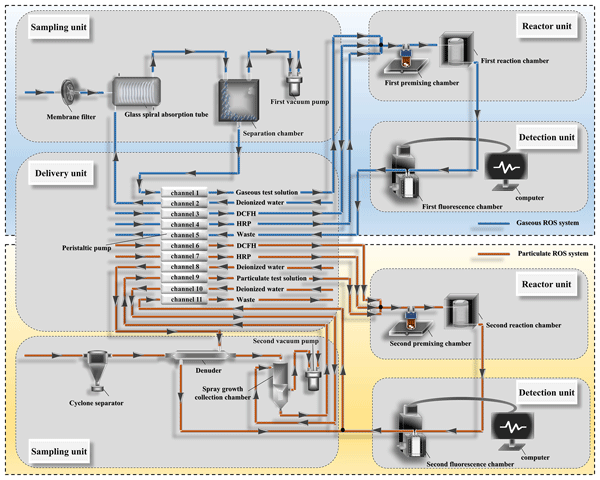
Yihui Wang, Huan Song, Huabin Dong, Shiyi Chen, Linghan Zeng, and Keding Lu
Atmos. Meas. Tech., 19, 4721–4742, https://doi.org/10.5194/amt-19-4721-2026, https://doi.org/10.5194/amt-19-4721-2026, 2026
Short summary
Short summary
We developed an online instrument to measure reactive oxygen species in air and particles at the same time, because these oxidants drive air pollution and can harm health. Tested in Beijing across four seasons, it showed stable performance. Levels were highest in spring and lowest in autumn. Humid autumn haze increased particle mass but not these oxidants, while strong sunlight in spring and summer increased them in both air and particles, showing how pollution type shapes atmospheric oxidation.
Keyu Chen, Yanrong Yang, Yufei Huang, Yuheng Zhang, Jietao Zhou, Haijiong Sun, Chang Liu, Ling Kang, Keding Lu, Zhijun Wu, and Shao-Meng Li
EGUsphere, https://doi.org/10.5194/egusphere-2026-2441, https://doi.org/10.5194/egusphere-2026-2441, 2026
Short summary
Short summary
Vehicle-mounted wind sensors are useful for mobile atmospheric measurements, but the vehicle itself disturbs the measured wind. We developed a correction method based on airflow simulations and vehicle motion data. Tests against ground observations showed that the method improves wind speed, wind direction, and vertical wind measurements, supporting more reliable mobile observations.
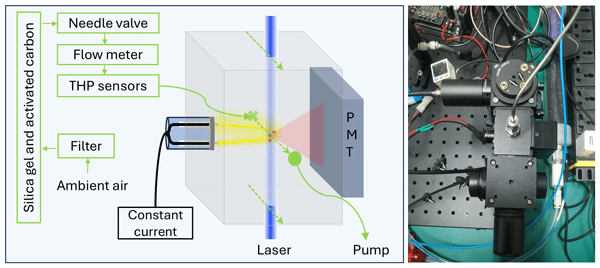
Shiyi Chen, Cuihong Zhang, Yihui Wang, Qi Zang, Xuefei Ma, Zhaofeng Tan, Limin Zeng, Yuanhang Zhang, and Keding Lu
Atmos. Meas. Tech., 19, 3397–3406, https://doi.org/10.5194/amt-19-3397-2026, https://doi.org/10.5194/amt-19-3397-2026, 2026
Short summary
Short summary
We have developed a real-time reference system that can actively lock the wavelength of the detection laser, like a "navigation" system, overcoming the challenge of data inaccuracies caused by laser wavelength drift in previous measurements. This technological advancement will enable scientists to monitor the OH, a key component in the atmosphere, more reliably and over longer periods.
Yunsong Du, Fumo Yang, Sijia Lou, Baolei Lyu, Ran Huang, Guangming Shi, Yongtao Hu, Yan Jiang, and Nan Wang
Atmos. Chem. Phys., 26, 6223–6241, https://doi.org/10.5194/acp-26-6223-2026, https://doi.org/10.5194/acp-26-6223-2026, 2026
Short summary
Short summary
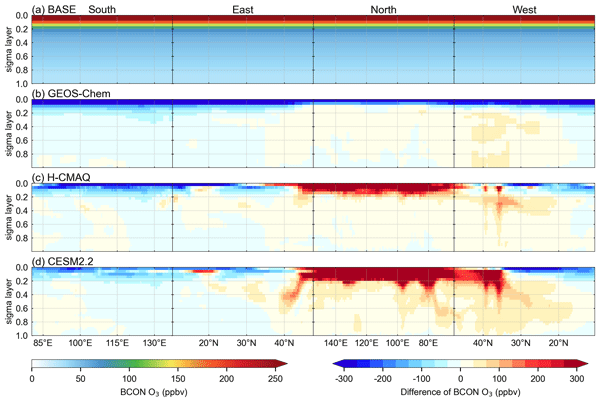
This study shows that using dynamically changing chemical boundary conditions is essential for accurately simulating summer ozone pollution in China. By integrating real-time global data, we improve model performance and reveal how large-scale weather patterns drive cross-border and stratospheric transport. These results support more reliable ozone forecasting and pollution mitigation.
Chao Peng, Yan Ding, Zhenliang Li, Tianyu Zhai, Xinping Yang, Mi Tian, Yang Chen, Xin Long, Haohui Tang, Guangming Shi, Liuyi Zhang, Kangyin Zhang, Fumo Yang, and Chongzhi Zhai
Atmos. Chem. Phys., 26, 4131–4152, https://doi.org/10.5194/acp-26-4131-2026, https://doi.org/10.5194/acp-26-4131-2026, 2026
Short summary
Short summary
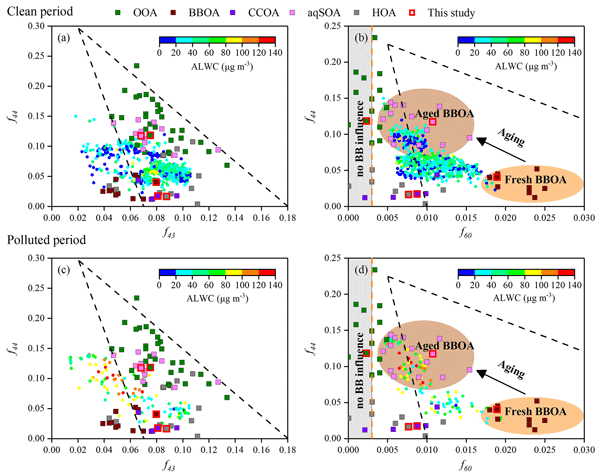
Organic aerosol is a dominant component of atmospheric aerosol worldwide, and it is recognized as a key factor affecting air quality and possibly climate. We revealed the aqueous secondary organic aerosol formation and brownness from aged biomass-burning emissions and highlighted the importance of aqueous-phase reactions on air quality and climate. The aqueous secondary organic aerosol from aged biomass-burning emissions should be taken into account in air quality and climate models.
Song Liu, Xiaopu Lyu, Fumo Yang, Zongbo Shi, Xin Huang, Tengyu Liu, Hongli Wang, Mei Li, Jian Gao, Nan Chen, Guoliang Shi, Yu Zou, Chenglei Pei, Chengxu Tong, Xinyi Liu, Li Zhou, Alex B. Guenther, and Nan Wang
Atmos. Chem. Phys., 26, 635–646, https://doi.org/10.5194/acp-26-635-2026, https://doi.org/10.5194/acp-26-635-2026, 2026
Short summary
Short summary
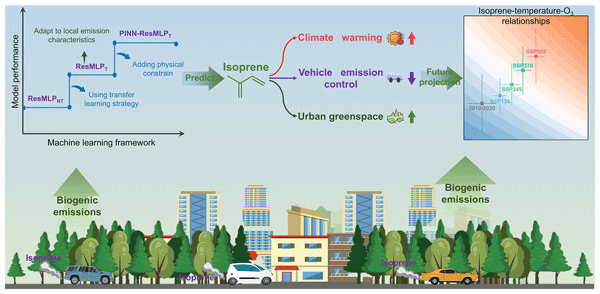
We studied the invisible gas isoprene, which trees and vehicles release into the air and which can worsen urban smog. Using advanced computer learning trained on measurements from many cities, we uncovered how temperature, sunlight, and city greening shape isoprene levels. Comparing Hong Kong and London, we found climate warming boosts isoprene and future ozone pollution, but strong cuts in anthropogenic emission could limit this impact.
Kun Qu, Xuesong Wang, Yu Yan, Xipeng Jin, Ling-Yan He, Xiao-Feng Huang, Xuhui Cai, Jin Shen, Zimu Peng, Teng Xiao, Mihalis Vrekoussis, Maria Kanakidou, Guy P. Brasseur, Nikos Daskalakis, Limin Zeng, and Yuanhang Zhang
Atmos. Chem. Phys., 25, 16983–17007, https://doi.org/10.5194/acp-25-16983-2025, https://doi.org/10.5194/acp-25-16983-2025, 2025
Short summary
Short summary
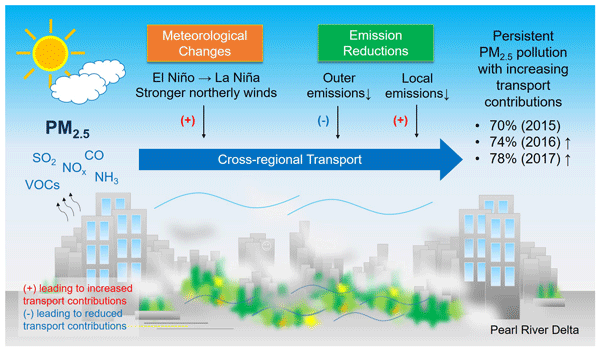
Persistent cold-season PM2.5 pollution in a South China region during 2015–2017 was studied to assess the roles of drastic meteorological and emission changes. We found that meteorological variations, induced by a transition from El Niño to La Niña, were the main cause of persistent pollution, as stronger northerly winds enhanced pollutant transport into the region. In contrast, the effect of rapid emission reductions was limited. Recommendations for air quality improvement were also proposed.
Yi Liu, Xin Li, Ying Liu, Shuyu He, Yuqing Qiu, Mengdi Song, Jiarong Ye, Shengrong Lou, Sihua Lu, Limin Zeng, and Yuanhang Zhang
Atmos. Chem. Phys., 25, 15819–15834, https://doi.org/10.5194/acp-25-15819-2025, https://doi.org/10.5194/acp-25-15819-2025, 2025
Short summary
Short summary
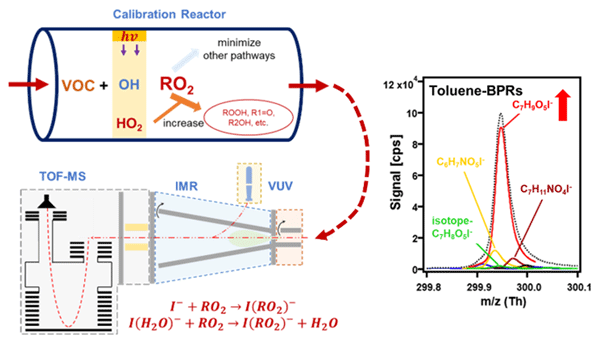
We developed a method for speciated and quantitative measurement of peroxy radicals formed during the breakdown of aromatic hydrocarbons. These measurements revealed missing reaction pathways in current chemical mechanisms. Our findings help improve predictions of air quality and deepen understanding of chemical processes in the atmosphere.
Zhuozhi Shu, Fumo Yang, Guangming Shi, Yuqing Zhang, Yongjie Huang, Xinning Yu, Baiwan Pan, and Tianliang Zhao
Atmos. Chem. Phys., 25, 15437–15451, https://doi.org/10.5194/acp-25-15437-2025, https://doi.org/10.5194/acp-25-15437-2025, 2025
Short summary
Short summary
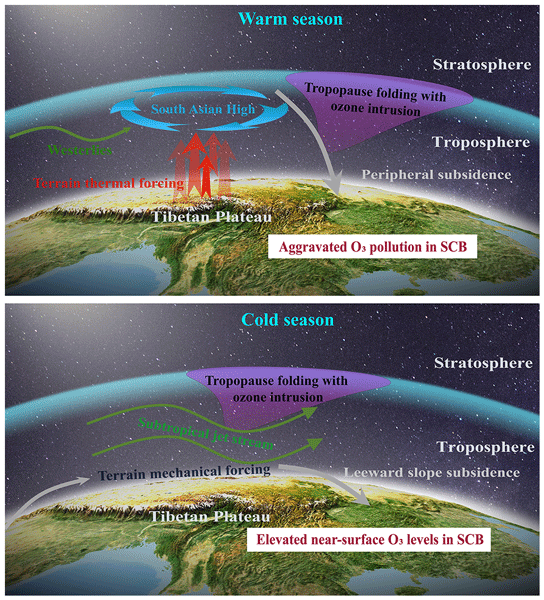
We targeted four stratospheric intrusion episodes to investigate the impacts of cross-layer transport of stratospheric O3 on the near-surface environmental atmosphere over Sichuan Basin and uncover multi-scale atmospheric circulation coupling mechanisms with the seasonally discrepant terrain effects of Tibetan Plateau. Results provided the critical insights into understanding of regional O3 pollution genesis with the exceptional natural sources contribution derived from the stratosphere.
Weichao Huang, Sihang Wang, Peng Cheng, Bingna Chen, Bin Yuan, Pengfei Yu, Haichao Wang, Nan Ma, Mei Li, and Keding Lu
Atmos. Chem. Phys., 25, 15403–15414, https://doi.org/10.5194/acp-25-15403-2025, https://doi.org/10.5194/acp-25-15403-2025, 2025
Short summary
Short summary
We studied vehicle emissions from ten 3000-meter tunnels on the Tibetan Plateau. Emissions of volatile organic compounds (VOCs) increase with elevation due to the evaporation of fuel oil from low pressure, unlike at lower elevations where tailpipe is predominant. This suggests that specific emission control measures are needed. This research aims to understand emissions at high altitudes and to guide cleaner transport.
Liuwei Kong, Xin Li, Yu Wang, Sihua Lu, Ying Liu, Shengrong Lou, Wenxin Zhou, Xinping Yang, Yan Ding, Yi Liu, Mengdi Song, Shuyu He, Kai Wang, Feng Wang, Xiaocen Shi, Jian Wang, Yun Zou, Chaofan Lian, Hefan Liu, Miao Feng, Xiaoya Dou, Limin Zeng, and Yuanhang Zhang
Atmos. Chem. Phys., 25, 13311–13326, https://doi.org/10.5194/acp-25-13311-2025, https://doi.org/10.5194/acp-25-13311-2025, 2025
Short summary
Short summary
Our research investigates the volatile organic compounds evaporative emission characteristics of China's typical representative vehicle regulatory standards. The emission factors, chemical composition characteristics and source profiles of volatile organic compounds were determined. The hydroxyl radical total reactivity and compositions of evaporative emissions were quantified, and identified key volatile organic compounds reactive species contributing to atmospheric photochemical processes.
Hua Lu, Min Xie, Nan Wang, Bojun Liu, Jinyue Jiang, Bingliang Zhuang, Ying Zhang, Meixuan Wu, Jianfeng Yang, Kunqin Lv, and Danyang Ma
Atmos. Chem. Phys., 25, 10141–10158, https://doi.org/10.5194/acp-25-10141-2025, https://doi.org/10.5194/acp-25-10141-2025, 2025
Short summary
Short summary
Fires are important sources of air pollution in many regions. This study isolates fire-specific PM2.5 from observations, showing its increasing proportion in recent years. Our findings indicate that fire-specific PM2.5 disproportionately affects impoverished populations in the Asia Pacific. Furthermore, we suggest that, under future climate change, fire-specific PM2.5 will likely continue rising. This highlights the need for interventions to reduce fire-related air pollution and its health impacts.
Nan Wang, Song Liu, Jiawei Xu, Yanyu Wang, Chun Li, Yuning Xie, Hua Lu, and Fumo Yang
Atmos. Chem. Phys., 25, 8859–8870, https://doi.org/10.5194/acp-25-8859-2025, https://doi.org/10.5194/acp-25-8859-2025, 2025
Short summary
Short summary
We found that climate warming and changes in vegetation have increased biogenic volatile organic compound emissions in the Pearl River Delta region. These increasing natural emissions, mainly due to climate warming, are weakening the benefits of reducing human-made emissions through control, leading to higher ozone levels. This work helps us understand how climate change influences air quality and provides important insights for improving pollution control strategies in the future.
Xiao Lu, Yiming Liu, Jiayin Su, Xiang Weng, Tabish Ansari, Yuqiang Zhang, Guowen He, Yuqi Zhu, Haolin Wang, Ganquan Zeng, Jingyu Li, Cheng He, Shuai Li, Teerachai Amnuaylojaroen, Tim Butler, Qi Fan, Shaojia Fan, Grant L. Forster, Meng Gao, Jianlin Hu, Yugo Kanaya, Mohd Talib Latif, Keding Lu, Philippe Nédélec, Peer Nowack, Bastien Sauvage, Xiaobin Xu, Lin Zhang, Ke Li, Ja-Ho Koo, and Tatsuya Nagashima
Atmos. Chem. Phys., 25, 7991–8028, https://doi.org/10.5194/acp-25-7991-2025, https://doi.org/10.5194/acp-25-7991-2025, 2025
Short summary
Short summary
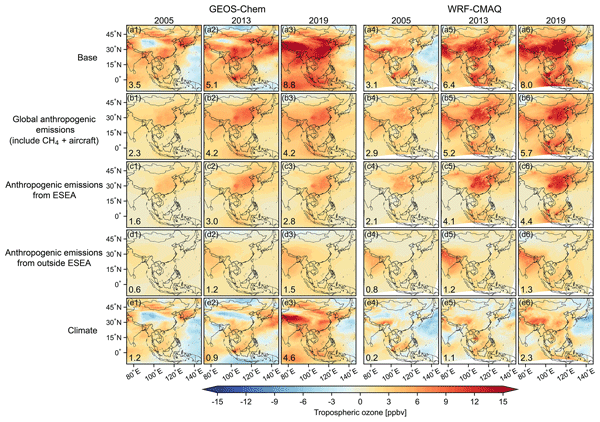
This study analyzes summertime ozone trends in East and Southeast Asia derived from a comprehensive observational database spanning from 1995 to 2019, incorporating aircraft observations, ozonesonde data, and measurements from 2500 surface sites. Multiple models are applied to attribute to changes in anthropogenic emissions and climate. The results highlight that increases in anthropogenic emissions are the primary driver of ozone increases both in the free troposphere and at the surface.
Can Ye, Pengfei Liu, Chaoyang Xue, Chenglong Zhang, Zhuobiao Ma, Chengtang Liu, Junfeng Liu, Keding Lu, Yujing Mu, and Yuanhang Zhang
Atmos. Chem. Phys., 25, 6991–7005, https://doi.org/10.5194/acp-25-6991-2025, https://doi.org/10.5194/acp-25-6991-2025, 2025
Short summary
Short summary
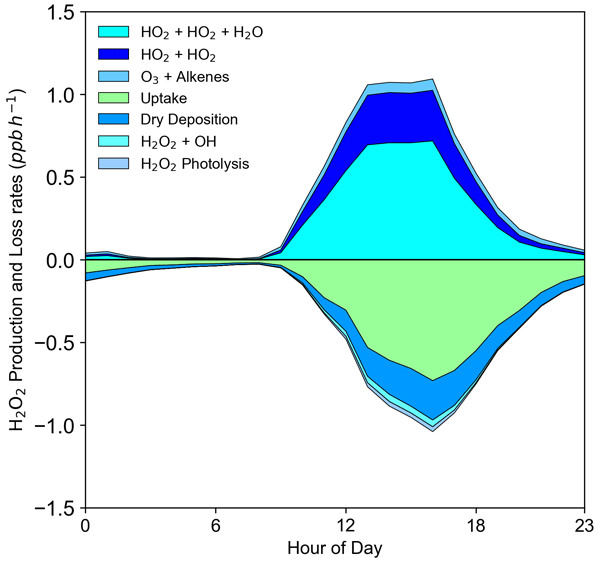
This study investigates H2O2 chemistry in rural North China. The observed H2O2 showed distinct diurnal variations influenced by photochemical reactions. A box model revealed that H2O2 is primarily produced by HO2 recombination and removed mainly via particle uptake. Reductions in NOx, PM2.5, and alkanes raised H2O2 levels, while cutting alkenes, aromatics, CO, and HONO lowered them. A dual strategy focusing on VOC and NOx control is essential to reduce both H2O2 and ozone pollution.
Jiayin Li, Tianyu Zhai, Xiaorui Chen, Haichao Wang, Shuyang Xie, Shiyi Chen, Chunmeng Li, Yuanjun Gong, Huabin Dong, and Keding Lu
Atmos. Chem. Phys., 25, 6395–6406, https://doi.org/10.5194/acp-25-6395-2025, https://doi.org/10.5194/acp-25-6395-2025, 2025
Short summary
Short summary
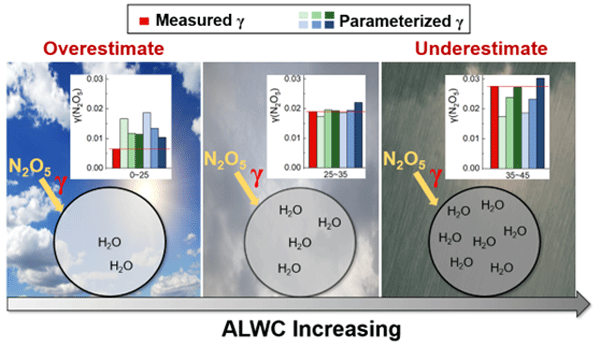
We directly measured the dinitrogen pentoxide (N2O5) uptake coefficient using an aerosol flow tube, which critically impacts the NOx fate and particulate nitrate formation in a typical highland city, Kunming, in China. We found that the performance of current γ (N2O5) parameterizations showed deviations with the varying aerosol liquid water content (ALWC). Such differences would lead to biased estimation of particulate nitrate production potential. We give suggestions for future research directions.

Chunmeng Li, Xiaorui Chen, Haichao Wang, Tianyu Zhai, Xuefei Ma, Xinping Yang, Shiyi Chen, Min Zhou, Shengrong Lou, Xin Li, Limin Zeng, and Keding Lu
Atmos. Chem. Phys., 25, 3905–3918, https://doi.org/10.5194/acp-25-3905-2025, https://doi.org/10.5194/acp-25-3905-2025, 2025
Short summary
Short summary
This study reports an observation of organic nitrate (including total peroxy nitrates and total alkyl nitrates) in Shanghai, China, during the summer of 2021, by homemade thermal dissociation cavity-enhanced absorption spectroscopy (TD-CEAS; Atmos. Meas. Tech., 14, 4033–4051, 2021). The distribution of organic nitrates and their effects on local ozone production are analyzed based on field observations in conjunction with model simulations.
Renzhi Hu, Guoxian Zhang, Haotian Cai, Jingyi Guo, Keding Lu, Xin Li, Shengrong Lou, Zhaofeng Tan, Changjin Hu, Pinhua Xie, and Wenqing Liu
Atmos. Chem. Phys., 25, 3011–3028, https://doi.org/10.5194/acp-25-3011-2025, https://doi.org/10.5194/acp-25-3011-2025, 2025
Short summary
Short summary
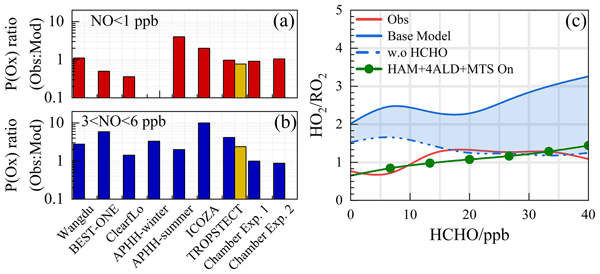
A full suite of radical measurements (OH, HO2, RO2, and kOH) was established to accurately elucidate the limitations of oxidation in a chemically complex atmosphere. Sensitivity tests revealed that the incorporation of complex processes enabled a balance in both radical concentrations and coordinate ratios, effectively addressing the deficiency in the ozone generation mechanism. The full-chain radical detection bridged the gap between the photochemistry and the intensive oxidation level.
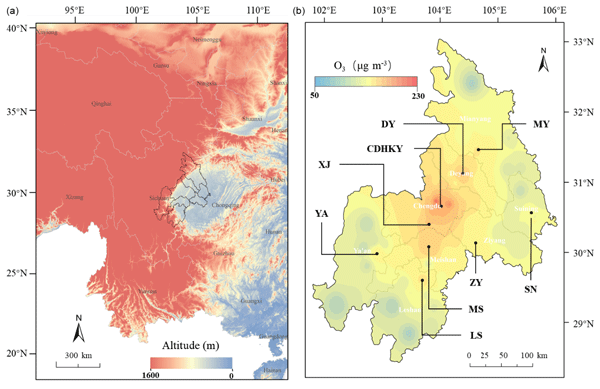
Jiemeng Bao, Xin Zhang, Zhenhai Wu, Li Zhou, Jun Qian, Qinwen Tan, Fumo Yang, Junhui Chen, Yunfeng Li, Hefan Liu, Liqun Deng, and Hong Li
Atmos. Chem. Phys., 25, 1899–1916, https://doi.org/10.5194/acp-25-1899-2025, https://doi.org/10.5194/acp-25-1899-2025, 2025
Short summary
Short summary
We studied carbonyl compounds' role in ozone pollution in the Chengdu Plain Urban Agglomeration, China. During heavy pollution in August 2019, we measured carbonyls at nine sites and analyzed their impact. Areas with higher carbonyl levels, like Chengdu, had worse ozone pollution. While their abundance matters, chemical reactions with other pollutants are the main drivers. Our findings show regional cooperation is vital to reducing ozone pollution effectively.
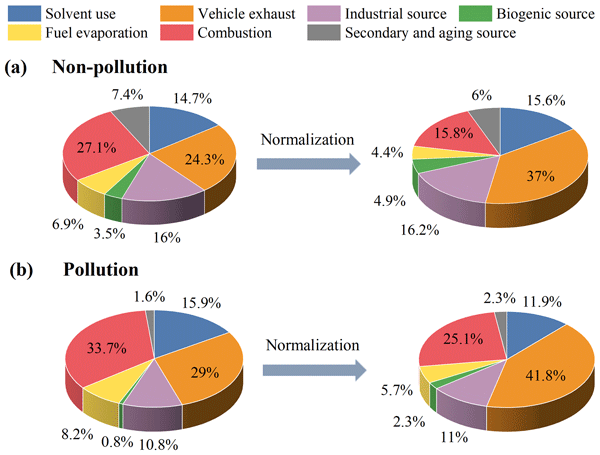
Yuqing Qiu, Xin Li, Wenxuan Chai, Yi Liu, Mengdi Song, Xudong Tian, Qiaoli Zou, Wenjun Lou, Wangyao Zhang, Juan Li, and Yuanhang Zhang
Atmos. Chem. Phys., 25, 1749–1763, https://doi.org/10.5194/acp-25-1749-2025, https://doi.org/10.5194/acp-25-1749-2025, 2025
Short summary
Short summary
The chemical reactions of ozone (O3) formation are related to meteorology and local emissions. Here, a random forest approach was used to eliminate the effects of meteorological factors (dispersion or transport) on O3 and its precursors. Variations in the sensitivity of O3 formation and the apportionment of emission sources were revealed after meteorological normalization. Our results suggest that meteorological variations should be considered when diagnosing O3 formation.
Mengdi Song, Shuyu He, Xin Li, Ying Liu, Shengrong Lou, Sihua Lu, Limin Zeng, and Yuanhang Zhang
Atmos. Meas. Tech., 17, 5113–5127, https://doi.org/10.5194/amt-17-5113-2024, https://doi.org/10.5194/amt-17-5113-2024, 2024
Short summary
Short summary
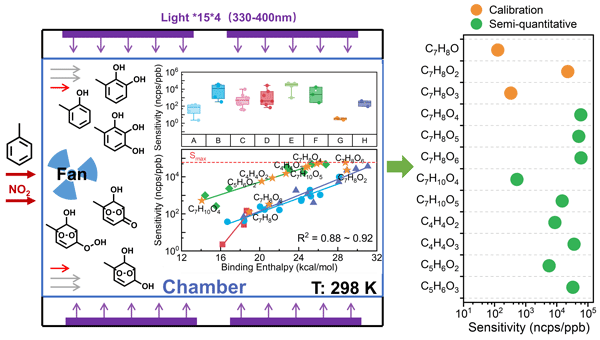
We introduce detailed and improved quantitation and semi-quantitation methods of iodide-adduct time-of-flight chemical ionization mass spectrometry (I-CIMS) to measure toluene oxidation intermediates. We assess the experimental sensitivity of various functional group species and their binding energy with iodide ions in I-CIMS. A novel classification approach was introduced to significantly enhance the accuracy of semi-quantitative methods (improving R2 values from 0.52 to beyond 0.88).
Shuzhuang Feng, Fei Jiang, Tianlu Qian, Nan Wang, Mengwei Jia, Songci Zheng, Jiansong Chen, Fang Ying, and Weimin Ju
Atmos. Chem. Phys., 24, 7481–7498, https://doi.org/10.5194/acp-24-7481-2024, https://doi.org/10.5194/acp-24-7481-2024, 2024
Short summary
Short summary
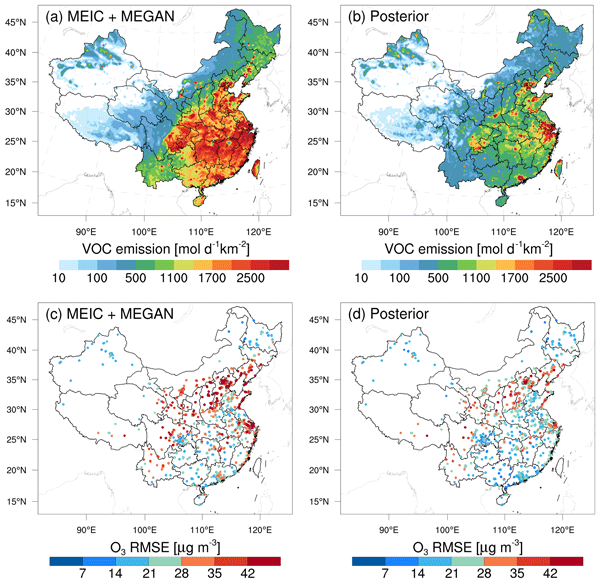
We developed a multi-air-pollutant inversion system to estimate non-methane volatile organic compound (NMVOC) emissions using TROPOMI formaldehyde retrievals. We found that the inversion significantly improved formaldehyde simulations and reduced NMVOC emission uncertainties. The optimized NMVOC emissions effectively corrected the overestimation of O3 levels, mainly by decreasing the rate of the RO2 + NO reaction and increasing the rate of the NO2 + OH reaction.
Fei Ye, Jingyi Li, Yaqin Gao, Hongli Wang, Jingyu An, Cheng Huang, Song Guo, Keding Lu, Kangjia Gong, Haowen Zhang, Momei Qin, and Jianlin Hu
Atmos. Chem. Phys., 24, 7467–7479, https://doi.org/10.5194/acp-24-7467-2024, https://doi.org/10.5194/acp-24-7467-2024, 2024
Short summary
Short summary
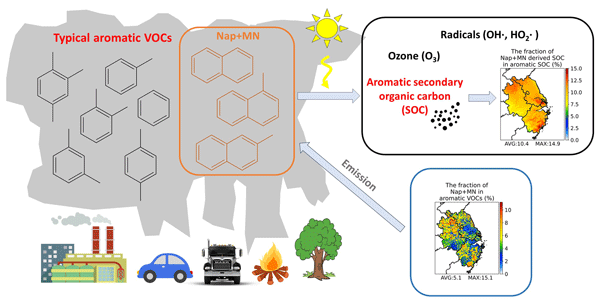
Naphthalene (Nap) and methylnaphthalene (MN) are key precursors of secondary organic aerosol (SOA), yet their sources and sinks are often inadequately represented in air quality models. In this study, we incorporated detailed emissions, gas-phase chemistry, and SOA parameterization of Nap and MN into CMAQ to address this issue. The findings revealed remarkably high SOA formation potentials for these compounds despite their low emissions in the Yangtze River Delta region during summer.
Nan Wang, Yunsong Du, Dongyang Chen, Haiyan Meng, Xi Chen, Li Zhou, Guangming Shi, Yu Zhan, Miao Feng, Wei Li, Mulan Chen, Zhenliang Li, and Fumo Yang
Atmos. Chem. Phys., 24, 3029–3042, https://doi.org/10.5194/acp-24-3029-2024, https://doi.org/10.5194/acp-24-3029-2024, 2024
Short summary
Short summary
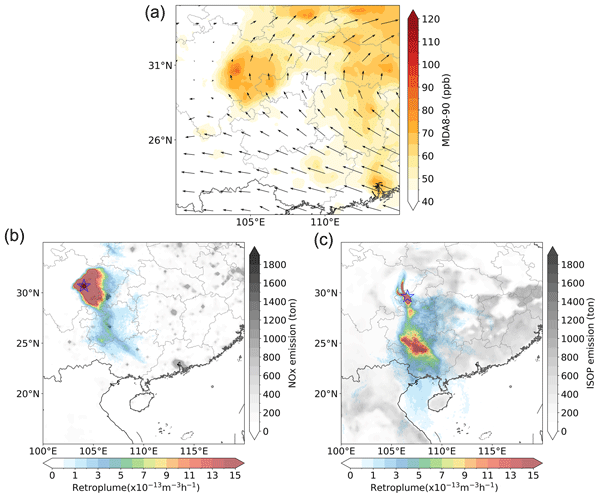
In the scorching August 2022 heatwave, China's Sichuan Basin saw a stark contrast in ozone (O3) levels between Chengdu and Chongqing. The regional disparities were studied considering meteorology, precursors, photochemistry, and transportation. The study highlighted the importance of tailored pollution control measures and underlined the necessity for region-specific strategies to combat O3 pollution on a regional scale.
Ziyan Guo, Keding Lu, Pengxiang Qiu, Mingyi Xu, and Zhaobing Guo
Atmos. Chem. Phys., 24, 2195–2205, https://doi.org/10.5194/acp-24-2195-2024, https://doi.org/10.5194/acp-24-2195-2024, 2024
Short summary
Short summary
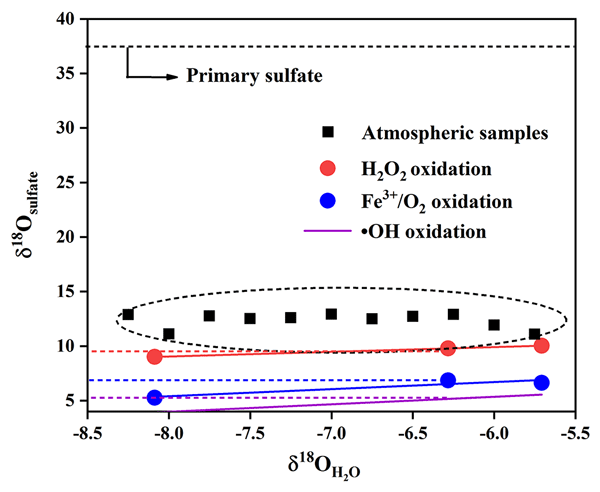
The formation of secondary sulfate needs to be further explored. In this work, we simultaneously measured sulfur and oxygen isotopic compositions to gain an increased understanding of specific sulfate formation processes. The results indicated that secondary sulfate was mainly ascribed to SO2 homogeneous oxidation by OH radicals and heterogeneous oxidation by H2O2 and Fe3+ / O2. This study is favourable for deeply investigating the sulfur cycle in the atmosphere.
Chen He, Hanxiong Che, Zier Bao, Yiliang Liu, Qing Li, Miao Hu, Jiawei Zhou, Shumin Zhang, Xiaojiang Yao, Quan Shi, Chunmao Chen, Yan Han, Lingshuo Meng, Xin Long, Fumo Yang, and Yang Chen
Atmos. Chem. Phys., 24, 1627–1639, https://doi.org/10.5194/acp-24-1627-2024, https://doi.org/10.5194/acp-24-1627-2024, 2024
Short summary
Short summary
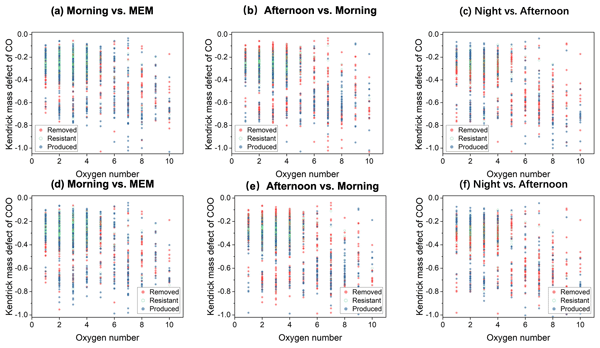
We examined the daily evolution of high molecular-weight organic compounds with a molecular weight of up to 1000 Da in order to comprehend their behaviors in the atmosphere under actual conditions. These compounds were proven to undergo multi-generation oxidation, carboxylation, and nitrification via both day- and nighttime chemistry.
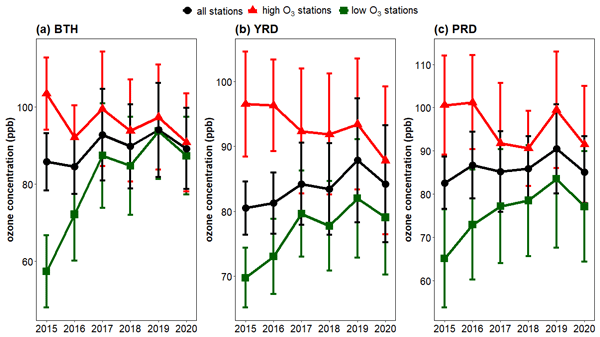
Tingting Hu, Yu Lin, Run Liu, Yuepeng Xu, Shanshan Ouyang, Boguang Wang, Yuanhang Zhang, and Shaw Chen Liu
Atmos. Chem. Phys., 24, 1607–1626, https://doi.org/10.5194/acp-24-1607-2024, https://doi.org/10.5194/acp-24-1607-2024, 2024
Short summary
Short summary
We hypothesize that the cause of the worsening O3 trends in the Beijing–Tianjin–Hebei region, the Yangtze River Delta, and Pearl River Delta from 2015 to 2020 is attributable to the increased occurrence of meteorological conditions of high solar radiation and a positive temperature anomaly under the influence of West Pacific subtropical high, tropical cyclones, and mid–high-latitude wave activities.
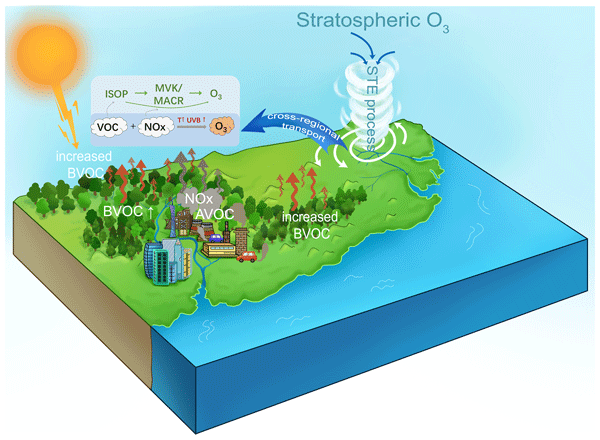
Nan Wang, Hongyue Wang, Xin Huang, Xi Chen, Yu Zou, Tao Deng, Tingyuan Li, Xiaopu Lyu, and Fumo Yang
Atmos. Chem. Phys., 24, 1559–1570, https://doi.org/10.5194/acp-24-1559-2024, https://doi.org/10.5194/acp-24-1559-2024, 2024
Short summary
Short summary
This study explores the influence of extreme-weather-induced natural processes on ozone pollution, which is often overlooked. By analyzing meteorological factors, natural emissions, chemistry pathways and atmospheric transport, we discovered that these natural processes could substantially exacerbate ozone pollution. The findings contribute to a deeper understanding of ozone pollution and offer valuable insights for controlling ozone pollution in the context of global warming.
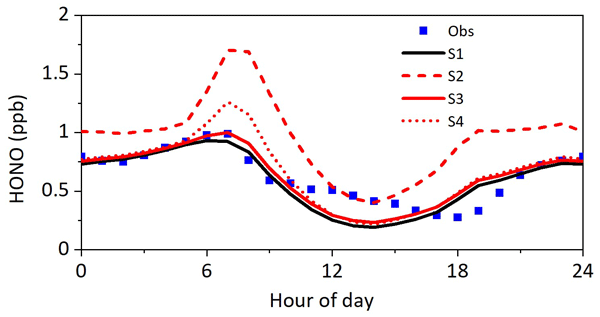
Can Ye, Keding Lu, Xuefei Ma, Wanyi Qiu, Shule Li, Xinping Yang, Chaoyang Xue, Tianyu Zhai, Yuhan Liu, Xuan Li, Yang Li, Haichao Wang, Zhaofeng Tan, Xiaorui Chen, Huabin Dong, Limin Zeng, Min Hu, and Yuanhang Zhang
Atmos. Chem. Phys., 23, 15455–15472, https://doi.org/10.5194/acp-23-15455-2023, https://doi.org/10.5194/acp-23-15455-2023, 2023
Short summary
Short summary
In this study, combining comprehensive field measurements and a box model, we found NO2 conversion on the ground surface was the most important source for HONO production among the proposed heterogeneous and gas-phase HONO sources. In addition, HONO was found to evidently enhance O3 production and aggravate O3 pollution in summer in China. Our study improved our understanding of the relative importance of different HONO sources and the crucial role of HONO in O3 formation in polluted areas.
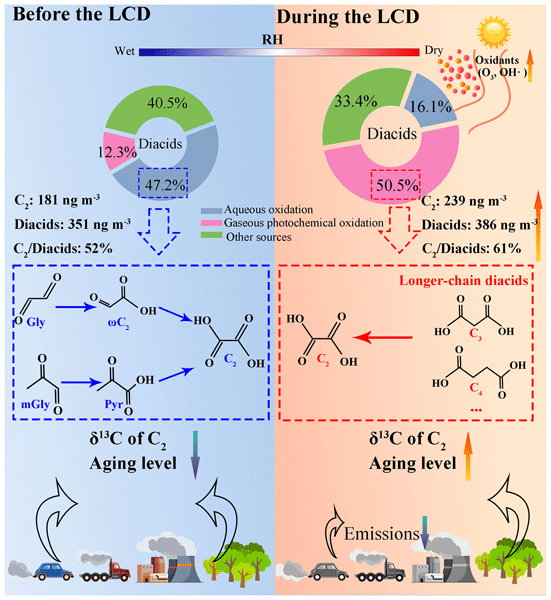
Jingjing Meng, Yachen Wang, Yuanyuan Li, Tonglin Huang, Zhifei Wang, Yiqiu Wang, Min Chen, Zhanfang Hou, Houhua Zhou, Keding Lu, Kimitaka Kawamura, and Pingqing Fu
Atmos. Chem. Phys., 23, 14481–14503, https://doi.org/10.5194/acp-23-14481-2023, https://doi.org/10.5194/acp-23-14481-2023, 2023
Short summary
Short summary
This study investigated the effect of COVID-19 lockdown (LCD) measures on the formation and evolutionary process of diacids and related compounds from field observations. Results demonstrate that more aged organic aerosols are observed during the LCD due to the enhanced photochemical oxidation. Our study also found that the reactivity of 13C was higher than that of 12C in the gaseous photochemical oxidation, leading to higher δ13C values of C2 during the LCD than before the LCD.
Shasha Tian, Kexin Zu, Huabin Dong, Limin Zeng, Keding Lu, and Qi Chen
Atmos. Meas. Tech., 16, 5525–5535, https://doi.org/10.5194/amt-16-5525-2023, https://doi.org/10.5194/amt-16-5525-2023, 2023
Short summary
Short summary
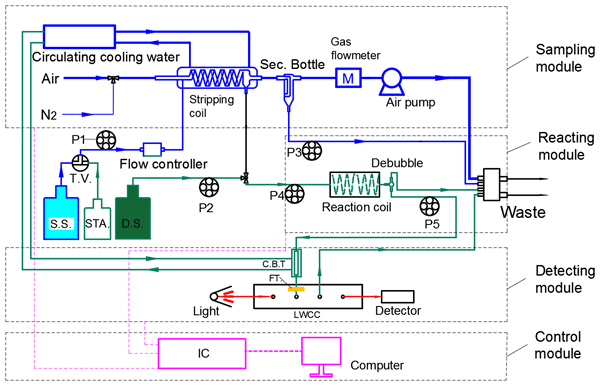
We developed an online NH3 monitoring system based on a selective colorimetric reaction and a long-path absorption photometer (SAC-LOPAP), which can run statically for a long time and be applied to the continuous online measurement of low concentrations of ambient air by optimizing the reaction conditions, adding a constant-temperature module and liquid flow controller. It is well suited for the investigation of the NH3 budget for urban to rural conditions in China.
Xiaodong Xie, Jianlin Hu, Momei Qin, Song Guo, Min Hu, Dongsheng Ji, Hongli Wang, Shengrong Lou, Cheng Huang, Chong Liu, Hongliang Zhang, Qi Ying, Hong Liao, and Yuanhang Zhang
Atmos. Chem. Phys., 23, 10563–10578, https://doi.org/10.5194/acp-23-10563-2023, https://doi.org/10.5194/acp-23-10563-2023, 2023
Short summary
Short summary
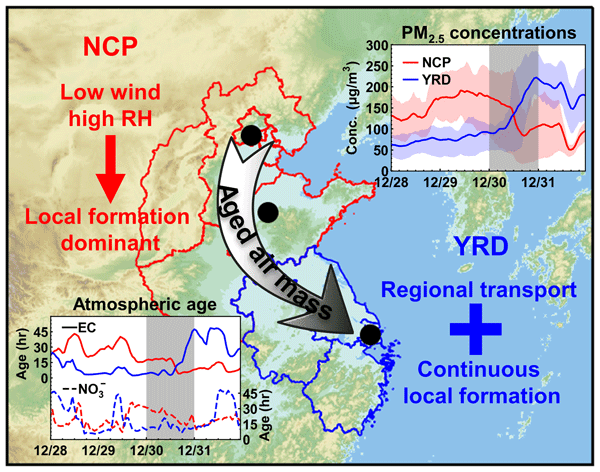
The atmospheric age of particles reflects how long particles have been formed and suspended in the atmosphere, which is closely associated with the evolution processes of particles. An analysis of the atmospheric age of PM2.5 provides a unique perspective on the evolution processes of different PM2.5 components. The results also shed lights on how to design effective emission control actions under unfavorable meteorological conditions.
Hejun Hu, Haichao Wang, Keding Lu, Jie Wang, Zelong Zheng, Xuezhen Xu, Tianyu Zhai, Xiaorui Chen, Xiao Lu, Wenxing Fu, Xin Li, Limin Zeng, Min Hu, Yuanhang Zhang, and Shaojia Fan
Atmos. Chem. Phys., 23, 8211–8223, https://doi.org/10.5194/acp-23-8211-2023, https://doi.org/10.5194/acp-23-8211-2023, 2023
Short summary
Short summary
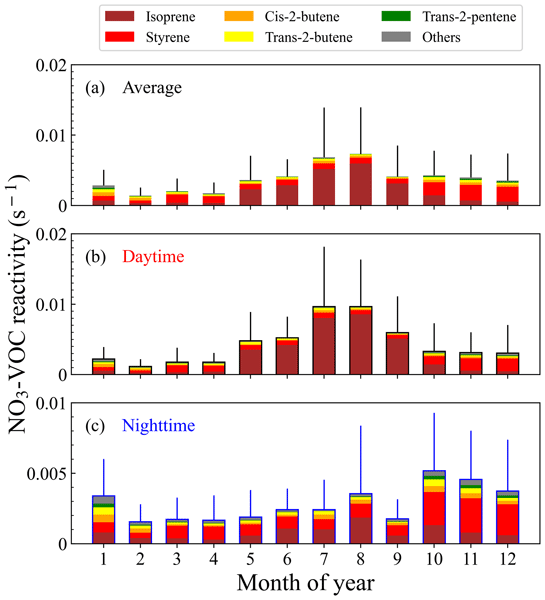
Nitrate radical chemistry is critical to the degradation of volatile organic compounds (VOCs) and secondary organic aerosol formation. This work investigated the level, seasonal variation, and trend of nitrate radical reactivity towards volatile organic compounds (kNO3) in Beijing. We show the key role of isoprene and styrene in regulating seasonal variation in kNO3 and rebuild a long-term record of kNO3 based on the reported VOC measurements.
Kun Qu, Xuesong Wang, Xuhui Cai, Yu Yan, Xipeng Jin, Mihalis Vrekoussis, Maria Kanakidou, Guy P. Brasseur, Jin Shen, Teng Xiao, Limin Zeng, and Yuanhang Zhang
Atmos. Chem. Phys., 23, 7653–7671, https://doi.org/10.5194/acp-23-7653-2023, https://doi.org/10.5194/acp-23-7653-2023, 2023
Short summary
Short summary
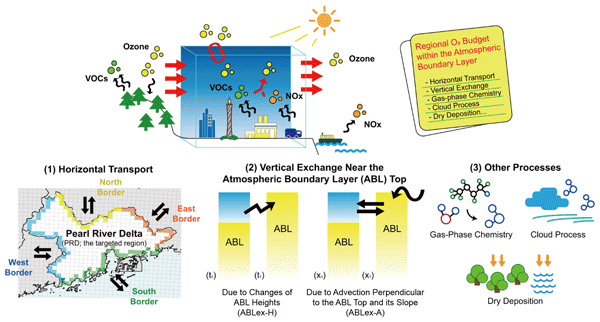
Basic understandings of ozone processes, especially transport and chemistry, are essential to support ozone pollution control, but studies often have different views on their relative importance. We developed a method to quantify their contributions in the ozone mass and concentration budgets based on the WRF-CMAQ model. Results in a polluted region highlight the differences between two budgets. For future studies, two budgets are both needed to fully understand the effects of ozone processes.
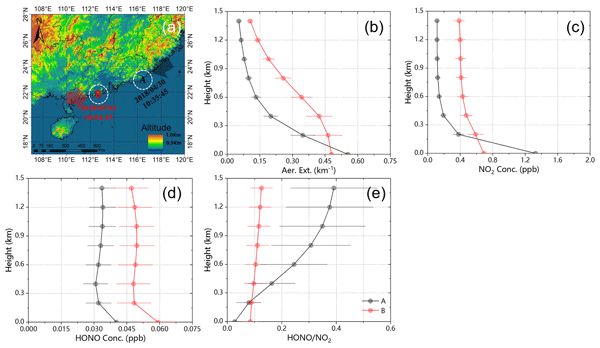
Chengzhi Xing, Shiqi Xu, Yuhang Song, Cheng Liu, Yuhan Liu, Keding Lu, Wei Tan, Chengxin Zhang, Qihou Hu, Shanshan Wang, Hongyu Wu, and Hua Lin
Atmos. Chem. Phys., 23, 5815–5834, https://doi.org/10.5194/acp-23-5815-2023, https://doi.org/10.5194/acp-23-5815-2023, 2023
Short summary
Short summary
High RH could contribute to the secondary formation of HONO in the sea atmosphere. High temperature could promote the formation of HONO from NO2 heterogeneous reactions in the sea and coastal atmosphere. The aerosol surface plays a more important role during the above process in coastal and sea cases. The generation rate of HONO from the NO2 heterogeneous reaction in the sea cases is larger than that in inland cases in higher atmospheric layers above 600 m.
Junhua Wang, Baozhu Ge, Xueshun Chen, Jie Li, Keding Lu, Yayuan Dong, Lei Kong, Zifa Wang, and Yuanhang Zhang
Geosci. Model Dev. Discuss., https://doi.org/10.5194/gmd-2023-22, https://doi.org/10.5194/gmd-2023-22, 2023
Revised manuscript not accepted
Short summary
Short summary
We developed a quantitative decoupling analysis (QDA) method to quantify the contributions of emissions, meteorology, chemical reactions, and their nonlinear interactions on PM2.5. We found the effects of adverse meteorological conditions and the importance of nonlinear interactions. This method can provide valuable information for understanding of key factors to heavy pollution, but also help the modelers to find out the sources of uncertainties in numerical models.
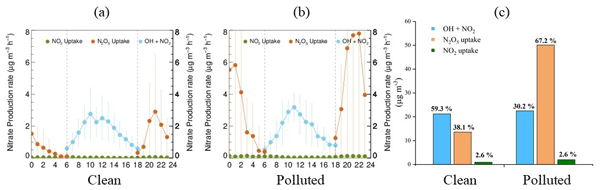
Tianyu Zhai, Keding Lu, Haichao Wang, Shengrong Lou, Xiaorui Chen, Renzhi Hu, and Yuanhang Zhang
Atmos. Chem. Phys., 23, 2379–2391, https://doi.org/10.5194/acp-23-2379-2023, https://doi.org/10.5194/acp-23-2379-2023, 2023
Short summary
Short summary
Particulate nitrate is a growing issue in air pollution. Based on comprehensive field measurement, we show heavy nitrate pollution in eastern China in summer. OH reacting with NO2 at daytime dominates nitrate formation on clean days, while N2O5 hydrolysis largely enhances and become comparable with that of OH reacting with O2 on polluted days (67.2 % and 30.2 %). Model simulation indicates that VOC : NOx = 2 : 1 is effective in mitigating the O3 and nitrate pollution coordinately.

Suding Yang, Xin Li, Limin Zeng, Xuena Yu, Ying Liu, Sihua Lu, Xiaofeng Huang, Dongmei Zhang, Haibin Xu, Shuchen Lin, Hefan Liu, Miao Feng, Danlin Song, Qinwen Tan, Jinhui Cui, Lifan Wang, Ying Chen, Wenjie Wang, Haijiong Sun, Mengdi Song, Liuwei Kong, Yi Liu, Linhui Wei, Xianwu Zhu, and Yuanhang Zhang
Atmos. Meas. Tech., 16, 501–512, https://doi.org/10.5194/amt-16-501-2023, https://doi.org/10.5194/amt-16-501-2023, 2023
Short summary
Short summary
Vertical observation of volatile organic compounds (VOCs) is essential to study the spatial distribution and evolution patterns of VOCs in the planetary boundary layer (PBL). This paper describes multi-channel whole-air sampling equipment onboard an unmanned aerial vehicle (UAV) for near-continuous VOC vertical observation. Vertical profiles of VOCs and trace gases during the evolution of the PBL in south-western China have been successfully obtained by deploying the newly developed UAV system.
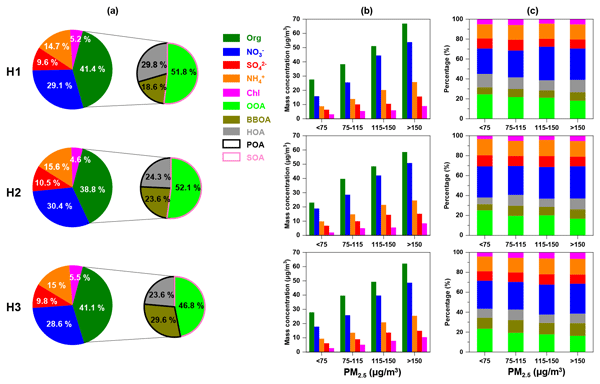
Zhier Bao, Xinyi Zhang, Qing Li, Jiawei Zhou, Guangming Shi, Li Zhou, Fumo Yang, Shaodong Xie, Dan Zhang, Chongzhi Zhai, Zhenliang Li, Chao Peng, and Yang Chen
Atmos. Chem. Phys., 23, 1147–1167, https://doi.org/10.5194/acp-23-1147-2023, https://doi.org/10.5194/acp-23-1147-2023, 2023
Short summary
Short summary
We characterised non-refractory fine particulate matter (PM2.5) during winter in the Sichuan Basin (SCB), Southwest China. The factors driving severe aerosol pollution were revealed, highlighting the importance of rapid nitrate formation and intensive biomass burning. Nitrate was primarily formed through gas-phase oxidation during daytime and aqueous-phase oxidation during nighttime. Controlling nitrate and biomass burning will benefit the mitigation of haze formation in the SCB.
Tingting Hu, Yu Lin, Run Liu, Yuepeng Xu, Boguang Wang, Yuanhang Zhang, and Shaw Chen Liu
Atmos. Chem. Phys. Discuss., https://doi.org/10.5194/acp-2022-781, https://doi.org/10.5194/acp-2022-781, 2023
Revised manuscript not accepted
Short summary
Short summary
We hypothesize that the cause of the worsening O3 trends in the Beijing-Tianjin-Hebei region, the Yangtze River Delta, and the Pearl River Delta from 2015 to 2020 is attributable to the increased occurrence of meteorological conditions of high solar radiation and positive temperature anomaly under the influence of West Pacific Subtropical High, tropical cyclones as well as mid-high latitude wave activities.
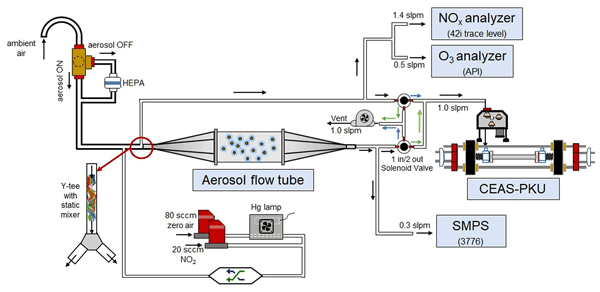
Xiaorui Chen, Haichao Wang, Tianyu Zhai, Chunmeng Li, and Keding Lu
Atmos. Meas. Tech., 15, 7019–7037, https://doi.org/10.5194/amt-15-7019-2022, https://doi.org/10.5194/amt-15-7019-2022, 2022
Short summary
Short summary
N2O5 is an important reservoir of atmospheric nitrogen, on whose interface reaction ambient particles can largely influence the fate of nitrogen oxides and air quality. In this study, we develop an approach to enable the reactions of N2O5 on ambient particles directly in a tube reactor, deriving the reaction rates with high accuracy by means of a chemistry model. Its successful application helps complement the data scarcity and to fill the knowledge gap between laboratory and field results.
Haichao Wang, Bin Yuan, E Zheng, Xiaoxiao Zhang, Jie Wang, Keding Lu, Chenshuo Ye, Lei Yang, Shan Huang, Weiwei Hu, Suxia Yang, Yuwen Peng, Jipeng Qi, Sihang Wang, Xianjun He, Yubin Chen, Tiange Li, Wenjie Wang, Yibo Huangfu, Xiaobing Li, Mingfu Cai, Xuemei Wang, and Min Shao
Atmos. Chem. Phys., 22, 14837–14858, https://doi.org/10.5194/acp-22-14837-2022, https://doi.org/10.5194/acp-22-14837-2022, 2022
Short summary
Short summary
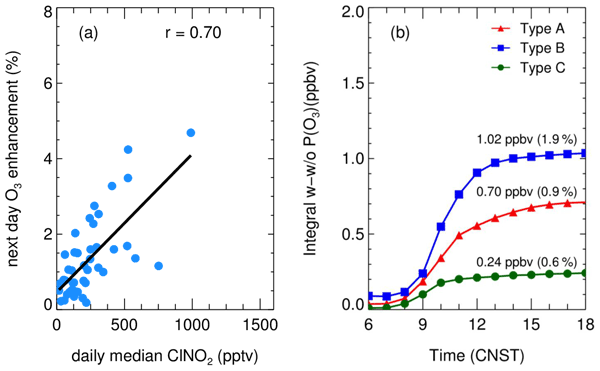
We present intensive field measurement of ClNO2 in the Pearl River Delta in 2019. Large variation in the level, formation, and atmospheric impacts of ClNO2 was found in different air masses. ClNO2 formation was limited by the particulate chloride (Cl−) and aerosol surface area. Our results reveal that Cl− originated from various anthropogenic emissions rather than sea sources and show minor contribution to the O3 pollution and photochemistry.
Xinping Yang, Keding Lu, Xuefei Ma, Yue Gao, Zhaofeng Tan, Haichao Wang, Xiaorui Chen, Xin Li, Xiaofeng Huang, Lingyan He, Mengxue Tang, Bo Zhu, Shiyi Chen, Huabin Dong, Limin Zeng, and Yuanhang Zhang
Atmos. Chem. Phys., 22, 12525–12542, https://doi.org/10.5194/acp-22-12525-2022, https://doi.org/10.5194/acp-22-12525-2022, 2022
Short summary
Short summary
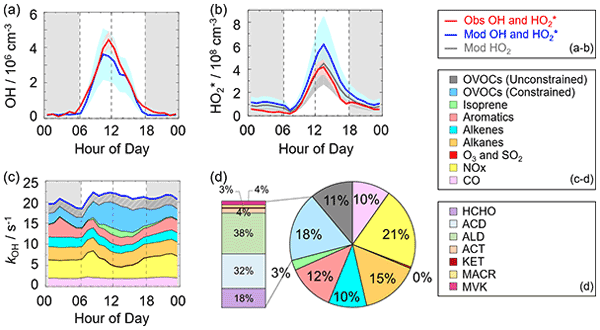
We present the OH and HO2 radical observations at the Shenzhen site (Pearl River Delta, China) in the autumn of 2018. The diurnal maxima were 4.5 × 106 cm−3 for OH and 4.2 × 108 cm−3 for HO2 (including an estimated interference of 23 %–28 % from RO2 radicals during the daytime). The OH underestimation was identified again, and it was attributable to the missing OH sources. HO2 heterogeneous uptake, ROx sources and sinks, and the atmospheric oxidation capacity were evaluated as well.
Xuefei Ma, Zhaofeng Tan, Keding Lu, Xinping Yang, Xiaorui Chen, Haichao Wang, Shiyi Chen, Xin Fang, Shule Li, Xin Li, Jingwei Liu, Ying Liu, Shengrong Lou, Wanyi Qiu, Hongli Wang, Limin Zeng, and Yuanhang Zhang
Atmos. Chem. Phys., 22, 7005–7028, https://doi.org/10.5194/acp-22-7005-2022, https://doi.org/10.5194/acp-22-7005-2022, 2022
Short summary
Short summary
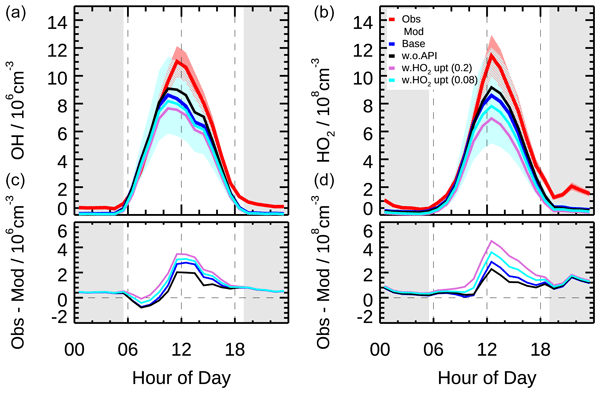
This paper presents the first OH and HO2 radical observations made in the Yangtze River Delta in China, and strong oxidation capacity is discovered based on direct measurements. The impacts of new OH regeneration mechanisms, monoterpene oxidation, and HO2 uptake processes are examined and discussed. The sources and the factors to sustain such strong oxidation are the key to understanding the ozone pollution formed in this area.

Xiaorui Chen, Haichao Wang, and Keding Lu
Atmos. Chem. Phys., 22, 3525–3533, https://doi.org/10.5194/acp-22-3525-2022, https://doi.org/10.5194/acp-22-3525-2022, 2022
Short summary
Short summary
We use a complete set of simulations to evaluate whether equilibrium and steady state are appropriate for a chemical system involving several reactive nitrogen-containing species (NO2, NO3, and N2O5) under various conditions. A previously neglected bias for the coefficient applied for interpreting their effects is disclosed, and the relevant ambient factors are examined. We therefore provide a good solution to an accurate representation of nighttime chemistry in high-aerosol areas.
Chaoyang Xue, Can Ye, Jörg Kleffmann, Chenglong Zhang, Valéry Catoire, Fengxia Bao, Abdelwahid Mellouki, Likun Xue, Jianmin Chen, Keding Lu, Yong Zhao, Hengde Liu, Zhaoxin Guo, and Yujing Mu
Atmos. Chem. Phys., 22, 3149–3167, https://doi.org/10.5194/acp-22-3149-2022, https://doi.org/10.5194/acp-22-3149-2022, 2022
Short summary
Short summary
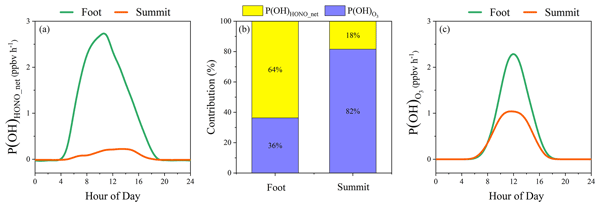
Summertime measurements of nitrous acid (HONO) and related parameters were conducted at the foot and the summit of Mt. Tai (1534 m above sea level). We proposed a rapid vertical air mass exchange between the foot and the summit level, which enhances the role of HONO in the oxidizing capacity of the upper boundary layer. Kinetics for aerosol-derived HONO sources were constrained. HONO formation from different paths was quantified and discussed.
Haichao Wang, Chao Peng, Xuan Wang, Shengrong Lou, Keding Lu, Guicheng Gan, Xiaohong Jia, Xiaorui Chen, Jun Chen, Hongli Wang, Shaojia Fan, Xinming Wang, and Mingjin Tang
Atmos. Chem. Phys., 22, 1845–1859, https://doi.org/10.5194/acp-22-1845-2022, https://doi.org/10.5194/acp-22-1845-2022, 2022
Short summary
Short summary
Via combining laboratory and modeling work, we found that heterogeneous reaction of N2O5 with saline mineral dust aerosol could be an important source of tropospheric ClNO2 in inland regions.
Chaoyang Xue, Can Ye, Jörg Kleffmann, Wenjin Zhang, Xiaowei He, Pengfei Liu, Chenglong Zhang, Xiaoxi Zhao, Chengtang Liu, Zhuobiao Ma, Junfeng Liu, Jinhe Wang, Keding Lu, Valéry Catoire, Abdelwahid Mellouki, and Yujing Mu
Atmos. Chem. Phys., 22, 1035–1057, https://doi.org/10.5194/acp-22-1035-2022, https://doi.org/10.5194/acp-22-1035-2022, 2022
Short summary
Short summary
Nitrous acid (HONO) and related parameters were measured at the foot and the summit of Mt. Tai in the summer of 2018. Based on measurements at the foot station, we utilized a box model to explore the roles of different sources in the HONO budget. We also studied radical chemistry in this high-ozone region.
Cited articles
Ashmore, M. R.: Assessing the future global impacts of ozone on vegetation, Plant Cell Environ., 28, 949–964, https://doi.org/10.1111/j.1365-3040.2005.01341.x, 2005.
Byun, D. and Schere, K. L.: Review of the governing equations, computational algorithms, and other components of the models-3 Community Multiscale Air Quality (CMAQ) modeling system, Appl. Mech. Rev., 59, 51–77, https://doi.org/10.1115/1.2128636, 2006.
Carter, W. P. L.: Condensed atmospheric photooxidation mechanisms for isoprene, Atmos. Environ., 30, 4275–4290, https://doi.org/10.1016/1352-2310(96)00088-X, 1996.
Carter, W. P. L.: Development of the SAPRC-07 chemical mechanism, Atmos. Environ., 44, 5324–5335, https://doi.org/10.1016/j.atmosenv.2010.01.026, 2010a.
Carter, W. P. L.: Development of the SAPRC-07 chemical mechanism, Atmos. Environ., 44, 5324–5335, https://doi.org/10.1016/j.atmosenv.2010.01.026, 2010b.
Carter, W. P. L., Jiang, J., Wang, Z., and Barsanti, K. C.: The SAPRC atmospheric chemical mechanism generation system (MechGen), Geosci. Model Dev., 18, 8461–8483, https://doi.org/10.5194/gmd-18-8461-2025, 2025.
Cohan, D. S., Hakami, A., Hu, Y., and Russell, A. G.: Nonlinear Response of Ozone to Emissions: Source Apportionment and Sensitivity Analysis, Environ. Sci. Technol., 39, 6739–6748, https://doi.org/10.1021/es048664m, 2005.
Cordiner, S., Baciocchi, R., and Attinà, M.: A sensitivity analysis of ozone formation to ambient air composition by means of photochemical models, Water Air Soil Pollut. Focus, 2, 573–585, https://doi.org/10.1023/A:1021397115187, 2002.
Cui, L. L., Li, R., Fu, H. B., Meng, Y., Zhao, Y. L., Li, Q., and Chen, J. M.: Nitrous acid emission from open burning of major crop residues in mainland China, Atmos. Environ., 244, https://doi.org/10.1016/j.atmosenv.2020.117950, 2021.
Deng, Y. Y., Li, J., Li, Y. Q., Wu, R. R., and Xie, S. D.: Characteristics of volatile organic compounds, NO2, and effects on ozone formation at a site with high ozone level in Chengdu, J. Environ. Sci., 75, 334–345, https://doi.org/10.1016/j.jes.2018.05.004, 2019.
Dickerson, R. R., Stedman, D. H., and Delany, A. C.: Direct measurements of ozone and nitrogen dioxide photolysis rates in the troposphere, J. Geophys. Res.-Oceans, 87, 4933–4946, https://doi.org/10.1029/JC087iC07p04933, 1982.
Dodge, M. C.: Chemical oxidant mechanisms for air quality modeling: critical review, Atmos. Environ., 34, 2103–2130, https://doi.org/10.1016/S1352-2310(99)00461-6, 2000.
Du, Y., Yang, F., Lou, S., Lyu, B., Huang, R., Shi, G., Hu, Y., Jiang, Y., and Wang, N.: The role of chemical boundary conditions in simulating summer ozone and cross-boundary transport over China, Atmos. Chem. Phys., 26, 6223–6241, https://doi.org/10.5194/acp-26-6223-2026, 2026.
Du, Y., Huang, R., Wang, X., Qin, M., Zhang, W., Zhang, Y., Yang, Y., Zhang, W., Luo, B., Hu, Y., and Russell, A. G.: Implementing Reduced Form Model to Construct Ozone Isopleths and Its Application, Acta Scientiarum Naturalium Universitatis Pekinensis, 57, 311–321, https://doi.org/10.13209/j.0479-8023.2020.120, 2021.
Dunker, A. M.: The decoupled direct method for calculating sensitivity coefficients in chemical kinetics, J. Chem. Phys., 81, 2385–2393, https://doi.org/10.1063/1.447938, 1984.
Dunker, A. M., Yarwood, G., Ortmann, J. P., and Wilson, G. M.: The Decoupled Direct Method for Sensitivity Analysis in a Three-Dimensional Air Quality Model Implementation, Accuracy, and Efficiency, Environ. Sci. Technol., 36, 2965–2976, https://doi.org/10.1021/es0112691, 2002.
Ehhalt, D. H., Dorn, H. P., and Poppe, D.: The chemistry of the hydroxyl radical in the troposphere, P. Roy. Soc. Edinb. B, 97, 17–34, https://doi.org/10.1017/S0269727000005273, 1990.
Emery, C. A., Tai, E., and Yarwood, G.: Enhanced meteorological modeling and performance evaluation for two Texas ozone episodes, Final Report prepared for the Texas Natural Resource Conservation Commission, ENVIRON International Corporation, Novato, CA, USA, https://wayback.archive-it.org/414/20210529064218/https://www.tceq.texas.gov/assets/public/implementation/air/am/contracts/reports/mm/EnhancedMetModelingAndPerformanceEvaluation.pdf (last access: 12 November 2026), 2001.
Friedlander, S. K. and Seinfeld, J. H.: Dynamic model of photochemical smog, Environ. Sci. Technol., 3, 1175–1181, https://doi.org/10.1021/es60034a003, 1969.
Fu, X., Wang, T., Gao, J., Wang, P., Liu, Y., Wang, S., Zhao, B., and Xue, L.: Persistent Heavy Winter Nitrate Pollution Driven by Increased Photochemical Oxidants in Northern China, Environ. Sci. Technol., 54, 3881–3889, https://doi.org/10.1021/acs.est.9b07248, 2020.
Fuchs, H., Holland, F., and Hofzumahaus, A.: Measurement of tropospheric RO2 and HO2 radicals by a laser-induced fluorescence instrument, Rev. Sci. Instrum., 79, https://doi.org/10.1063/1.2968712, 2008.
Gao, Z. and Zhou, X.: A review of the CAMx, CMAQ, WRF-Chem and NAQPMS models: Application, evaluation and uncertainty factors, Environ. Pollut., 343, 123183, https://doi.org/10.1016/j.envpol.2023.123183, 2024.
Geng, G., Liu, Y., Liu, Y., Liu, S., Cheng, J., Yan, L., Wu, N., Hu, H., Tong, D., Zheng, B., Yin, Z., He, K., and Zhang, Q.: Efficacy of China's clean air actions to tackle PM2.5 pollution between 2013 and 2020, Nat. Geosci., 17, 987–994, https://doi.org/10.1038/s41561-024-01540-z, 2024.
Goliff, W. S., Stockwell, W. R., and Lawson, C. V.: The regional atmospheric chemistry mechanism, version 2, Atmos. Environ., 68, 174–185, https://doi.org/10.1016/j.atmosenv.2012.11.038, 2013.
Guenther, A. B., Jiang, X., Heald, C. L., Sakulyanontvittaya, T., Duhl, T., Emmons, L. K., and Wang, X.: The Model of Emissions of Gases and Aerosols from Nature version 2.1 (MEGAN2.1): an extended and updated framework for modeling biogenic emissions, Geosci. Model Dev., 5, 1471–1492, https://doi.org/10.5194/gmd-5-1471-2012, 2012.
Gupta, M. and Mohan, M.: Validation of WRF/Chem model and sensitivity of chemical mechanisms to ozone simulation over megacity Delhi, Atmos. Environ., 122, 220–229, https://doi.org/10.1016/j.atmosenv.2015.09.039, 2015.
Han, H., Zhang, L., Wang, X. L., and Lu, X.: Contrasting Domestic and Global Impacts of Emission Reductions in China on Tropospheric Ozone, J. Geophys. Res.-Atmos., 129, https://doi.org/10.1029/2024JD041453, 2024.
Huang, L., Liu, H., Yarwood, G., Wilson, G., Tao, J., Han, Z., Ji, D., Wang, Y., and Li, L.: Modeling of secondary organic aerosols (SOA) based on two commonly used air quality models in China: Consistent S/IVOCs contribution but large differences in SOA aging, Sci. Total Environ., 903, 166162, https://doi.org/10.1016/j.scitotenv.2023.166162, 2023.
Huang, L., Zhang, X., Emery, C., Mu, Q., Yarwood, G., Zhai, H., Sun, Z., Xue, S., Wang, Y., Fu, J. S., and Li, L.: Recommendations on benchmarks for numerical air quality model applications in China – Part 2: Ozone and uncertainty analysis, Atmos. Chem. Phys., 25, 4233–4249, https://doi.org/10.5194/acp-25-4233-2025, 2025.
Huang, X., Ding, A., Gao, J., Zheng, B., Zhou, D., Qi, X., Tang, R., Wang, J., Ren, C., Nie, W., Chi, X., Xu, Z., Chen, L., Li, Y., Che, F., Pang, N., Wang, H., Tong, D., Qin, W., Cheng, W., Liu, W., Fu, Q., Liu, B., Chai, F., Davis, S. J., Zhang, Q., and He, K.: Enhanced secondary pollution offset reduction of primary emissions during COVID-19 lockdown in China, Natl. Sci. Rev., 8, nwaa137, https://doi.org/10.1093/nsr/nwaa137, 2021.
Jenkin, M. E., Young, J. C., and Rickard, A. R.: The MCM v3.3.1 degradation scheme for isoprene, Atmos. Chem. Phys., 15, 11433–11459, https://doi.org/10.5194/acp-15-11433-2015, 2015.
Kaynak, B., Hu, Y., and Russell, A. G.: Analysis of NO, NO2, and O3 Between Model Simulations and Ground-Based, Aircraft, and Satellite Observations, Water Air Soil Poll., 224, 1674, https://doi.org/10.1007/s11270-013-1674-2, 2013.
Kitayama, K., Morino, Y., Yamaji, K., and Chatani, S.: Uncertainties in O3 concentrations simulated by CMAQ over Japan using four chemical mechanisms, Atmos. Environ., 198, 448–462, https://doi.org/10.1016/j.atmosenv.2018.11.003, 2019.
Kuai, L., Bowman, K. W., Worden, H. M., Herman, R. L., and Kulawik, S. S.: Hydrological controls on the tropospheric ozone greenhouse gas effect, Elementa – Science of the Anthropocene, 5, https://doi.org/10.1525/elementa.208, 2017.
Li, F., Newman, P., Pawson, S., and Perlwitz, J.: Effects of Greenhouse Gas Increase and Stratospheric Ozone Depletion on Stratospheric Mean Age of Air in 1960–2010, J. Geophys. Res.-Atmos., 123, 2098–2110, https://doi.org/10.1002/2017JD027562, 2018.
Li, J., Huang, J., Huang, Y., Liu, C., Zhang, X., Chen, Y., Cheung, V. T. F., Sobnack, M. B., and Fung, J.: Improving ozone episode predictions in the Great Bay Area: An evaluation of the contribution of gas-phase chemical mechanisms, Atmos. Environ. X, 28, 100392, https://doi.org/10.1016/j.aeaoa.2025.100392, 2025a.
Li, L., Chen, C., Huang, C., Huang, H., Zhang, G., Wang, Y., Chen, M., Wang, H., Chen, Y., Streets, D. G., and Fu, J.: Ozone sensitivity analysis with the MM5-CMAQ modeling system for Shanghai, J. Environ. Sci.-China, 23, 1150–1157, https://doi.org/10.1016/S1001-0742(10)60527-X, 2011.
Li, M., Liu, H., Geng, G. N., Hong, C. P., Liu, F., Song, Y., Tong, D., Zheng, B., Cui, H. Y., Man, H. Y., Zhang, Q., and He, K. B.: Anthropogenic emission inventories in China: a review, Natl. Sci. Rev., 4, 834–866, https://doi.org/10.1093/nsr/nwx150, 2017.
Li, M., Chen, S., Jiang, X., Ye, L., Guo, Y., Li, W., Zhang, J., Liu, W., Yang, Y., Ou, Z., Chen, L., Dong, G., Wu, W., Li, D., and Chen, W.: Subchronic ozone exposure leads to multi-organ injuries with differential reversibility in male C57BL/6J mice, J. Hazard. Mater., 492, 138049, https://doi.org/10.1016/j.jhazmat.2025.138049, 2025b.
Liu, X. H., Zhang, Y., Xing, J., Zhang, Q. A., Wang, K., Streets, D. G., Jang, C., Wang, W. X., and Hao, J. M.: Understanding of regional air pollution over China using CMAQ, part II. Process analysis and sensitivity of ozone and particulate matter to precursor emissions, Atmos. Environ., 44, 3719–3727, https://doi.org/10.1016/j.atmosenv.2010.03.036, 2010.
Liu, Y., Li, J., Ma, Y., Zhou, M., Tan, Z., Zeng, L., Lu, K., and Zhang, Y.: A review of gas-phase chemical mechanisms commonly used in atmospheric chemistry modelling, J. Environ. Sci., 123, 522–534, https://doi.org/10.1016/j.jes.2022.10.031, 2023.
Liu, Y. and Wang, T.: Worsening urban ozone pollution in China from 2013 to 2017 – Part 2: The effects of emission changes and implications for multi-pollutant control, Atmos. Chem. Phys., 20, 6323–6337, https://doi.org/10.5194/acp-20-6323-2020, 2020.
Lu, K. D., Hofzumahaus, A., Holland, F., Bohn, B., Brauers, T., Fuchs, H., Hu, M., Häseler, R., Kita, K., Kondo, Y., Li, X., Lou, S. R., Oebel, A., Shao, M., Zeng, L. M., Wahner, A., Zhu, T., Zhang, Y. H., and Rohrer, F.: Missing OH source in a suburban environment near Beijing: observed and modelled OH and HO2 concentrations in summer 2006, Atmos. Chem. Phys., 13, 1057–1080, https://doi.org/10.5194/acp-13-1057-2013, 2013.
Lu, K. D., Rohrer, F., Holland, F., Fuchs, H., Bohn, B., Brauers, T., Chang, C. C., Häseler, R., Hu, M., Kita, K., Kondo, Y., Li, X., Lou, S. R., Nehr, S., Shao, M., Zeng, L. M., Wahner, A., Zhang, Y. H., and Hofzumahaus, A.: Observation and modelling of OH and HO2 concentrations in the Pearl River Delta 2006: a missing OH source in a VOC rich atmosphere, Atmos. Chem. Phys., 12, 1541–1569, https://doi.org/10.5194/acp-12-1541-2012, 2012.
Luecken, D. J., Yarwood, G., and Hutzell, W. T.: Multipollutant modeling of ozone, reactive nitrogen and HAPs across the continental US with CMAQ-CB6, Atmos. Environ., 201, 62–72, https://doi.org/10.1016/j.atmosenv.2018.11.060, 2019.
Marvin, M. R., Wolfe, G. M., Salawitch, R. J., Canty, T. P., Roberts, S. J., Travis, K. R., Aikin, K. C., de Gouw, J. A., Graus, M., Hanisco, T. F., Holloway, J. S., Hübler, G., Kaiser, J., Keutsch, F. N., Peischl, J., Pollack, I. B., Roberts, J. M., Ryerson, T. B., Veres, P. R., and Warneke, C.: Impact of evolving isoprene mechanisms on simulated formaldehyde: An inter-comparison supported by in situ observations from SENEX, Atmos. Environ., 164, 325–336, https://doi.org/10.1016/j.atmosenv.2017.05.049, 2017.
Monks, P. S.: Gas-phase radical chemistry in the troposphere, Chem. Soc. Rev., 34, 376, https://doi.org/10.1039/b307982c, 2005.
Napelenok, S. L., Cohan, D. S., Hu, Y., and Russell, A. G.: Decoupled direct 3D sensitivity analysis for particulate matter (DDM-3D/PM), Atmos. Environ., 40, 6112–6121, https://doi.org/10.1016/j.atmosenv.2006.05.039, 2006.
Napelenok, S. L., Cohan, D. S., Odman, M. T., and Tonse, S.: Extension and evaluation of sensitivity analysis capabilities in a photochemical model, Environ. Modell. Softw., 23, 994–999, https://doi.org/10.1016/j.envsoft.2007.11.004, 2008.
Nelson, B. S., Liu, Z., Squires, F. A., Shaw, M., Hopkins, J. R., Hamilton, J. F., Rickard, A. R., Lewis, A. C., Shi, Z., and Lee, J. D.: The effect of different climate and air quality policies in China on in situ ozone production in Beijing, Atmos. Chem. Phys., 24, 9031–9044, https://doi.org/10.5194/acp-24-9031-2024, 2024.
Park, C., Schade, G. W., and Boedeker, I.: Characteristics of the flux of isoprene and its oxidation products in an urban area, J. Geophys. Res.-Atmos., 116, https://doi.org/10.1029/2011JD015856, 2011.
Pennington, E. A., Wang, Y., Schulze, B. C., Seltzer, K. M., Yang, J., Zhao, B., Jiang, Z., Shi, H., Venecek, M., Chau, D., Murphy, B. N., Kenseth, C. M., Ward, R. X., Pye, H. O. T., and Seinfeld, J. H.: An updated modeling framework to simulate Los Angeles air quality – Part 1: Model development, evaluation, and source apportionment, Atmos. Chem. Phys., 24, 2345–2363, https://doi.org/10.5194/acp-24-2345-2024, 2024.
Qiao, X., Guo, H., Wang, P., Tang, Y., Ying, Q., Zhao, X., Deng, W., and Zhang, H.: Fine Particulate Matter and Ozone Pollution in the 18 Cities of the Sichuan Basin in Southwestern China: Model Performance and Characteristics, Aerosol Air Qual. Res., 19, 2308–2319, https://doi.org/10.4209/aaqr.2019.05.0235, 2019.
Sarwar, G., Godowitch, J., Henderson, B. H., Fahey, K., Pouliot, G., Hutzell, W. T., Mathur, R., Kang, D., Goliff, W. S., and Stockwell, W. R.: A comparison of atmospheric composition using the Carbon Bond and Regional Atmospheric Chemistry Mechanisms, Atmos. Chem. Phys., 13, 9695–9712, https://doi.org/10.5194/acp-13-9695-2013, 2013.
Scharko, N. K., Berke, A. E., and Raff, J. D.: Release of Nitrous Acid and Nitrogen Dioxide from Nitrate Photolysis in Acidic Aqueous Solutions, Environ. Sci. Technol., 48, 11991–12001, https://doi.org/10.1021/es503088x, 2014.
Sha, Q. E., Zhu, M., Huang, H., Wang, Y., Huang, Z., Zhang, X., Tang, M., Lu, M., Chen, C., Shi, B., Chen, Z., Wu, L., Zhong, Z., Li, C., Xu, Y., Yu, F., Jia, G., Liao, S., Cui, X., Liu, J., and Zheng, J.: A newly integrated dataset of volatile organic compounds (VOCs) source profiles and implications for the future development of VOCs profiles in China, Sci. Total Environ., 793, 148348, https://doi.org/10.1016/j.scitotenv.2021.148348, 2021.
Shareef, M., Cho, S., Lyder, D., Zelensky, M., and Heckbert, S.: Evaluation of Different Chemical Mechanisms on O3 and PM2.5 Predictions in Alberta, Canada, https://doi.org/10.3390/app12178576, 2022.
She, Y., Li, J., Lyu, X., Guo, H., Qin, M., Xie, X., Gong, K., Ye, F., Mao, J., Huang, L., and Hu, J.: Current status of model predictions of volatile organic compounds and impacts on surface ozone predictions during summer in China, Atmos. Chem. Phys., 24, 219–233, https://doi.org/10.5194/acp-24-219-2024, 2024.
Shu, Z., Liu, Y., Zhao, T., Xia, J., Wang, C., Cao, L., Wang, H., Zhang, L., Zheng, Y., Shen, L., Luo, L., and Li, Y.: Elevated 3D structures of PM2.5 and impact of complex terrain-forcing circulations on heavy haze pollution over Sichuan Basin, China, Atmos. Chem. Phys., 21, 9253–9268, https://doi.org/10.5194/acp-21-9253-2021, 2021.
Simonaitis, R., Meagher, J. F., and Bailey, E. M.: Evaluation of the condensed carbon bond (CB-IV) mechanism against smog chamber data at low VOC and NOx concentrations, Atmos. Environ., 31, 27–43, https://doi.org/10.1016/S1352-2310(96)00155-0, 1997.
Stockwell, W. R., Kirchner, F., Kuhn, M., and Seefeld, S.: A new mechanism for regional atmospheric chemistry modeling, J. Geophys. Res.-Atmos., 102, 25847–25879, https://doi.org/10.1029/97JD00849, 1997.
Stockwell, W. R., Middleton, P., Chang, J. S., and Tang, X.: The second generation regional acid deposition model chemical mechanism for regional air quality modeling, J. Geophys. Res.-Atmos., 95, 16343–16367, https://doi.org/10.1029/JD095iD10p16343, 1990.
Tan, Z., Fuchs, H., Lu, K., Hofzumahaus, A., Bohn, B., Broch, S., Dong, H., Gomm, S., Häseler, R., He, L., Holland, F., Li, X., Liu, Y., Lu, S., Rohrer, F., Shao, M., Wang, B., Wang, M., Wu, Y., Zeng, L., Zhang, Y., Wahner, A., and Zhang, Y.: Radical chemistry at a rural site (Wangdu) in the North China Plain: observation and model calculations of OH, HO2 and RO2 radicals, Atmos. Chem. Phys., 17, 663–690, https://doi.org/10.5194/acp-17-663-2017, 2017.
Tan, Z., Lu, K., Jiang, M., Su, R., Dong, H., Zeng, L., Xie, S., Tan, Q., and Zhang, Y.: Exploring ozone pollution in Chengdu, southwestern China: A case study from radical chemistry to O3–VOC–NOx sensitivity, Sci. Total Environ., 636, 775–786, https://doi.org/10.1016/j.scitotenv.2018.04.286, 2018.
Tan, Z., Lu, K., Hofzumahaus, A., Fuchs, H., Bohn, B., Holland, F., Liu, Y., Rohrer, F., Shao, M., Sun, K., Wu, Y., Zeng, L., Zhang, Y., Zou, Q., Kiendler-Scharr, A., Wahner, A., and Zhang, Y.: Experimental budgets of OH, HO2, and RO2 radicals and implications for ozone formation in the Pearl River Delta in China 2014, Atmos. Chem. Phys., 19, 7129–7150, https://doi.org/10.5194/acp-19-7129-2019, 2019.
Tan, Z., Ma, X., Lu, K., Li, X., Zhu, Q., Rohrer, F., Novelli, A., Fuchs, H., Wahner, A., Whalley, L., Heard, D., Brown, S., Zhang, X., and Zhang, Y.: Governing atmospheric oxidation capacity is the key to synergistic air quality and climate gains, One Earth, 9, 101569, https://doi.org/10.1016/j.oneear.2025.101569, 2026.
Tang, X. Y., Zhang, Y. H., and Shao, M.: Atmospheric Environmental Chemistry, 2nd edn., Higher Education Press, Beijing, ISBN 978-7-04-019361-9, 2006.
Trinh, H. T., Imanishi, K., Morikawa, T., Hagino, H., and Takenaka, N.: Gaseous nitrous acid (HONO) and nitrogen oxides (NOx) emission from gasoline and diesel vehicles under real-world driving test cycles, J. Air WASTE Manage., 67, 412–420, https://doi.org/10.1080/10962247.2016.1240726, 2017.
von Kuhlmann, R., Lawrence, M. G., Pöschl, U., and Crutzen, P. J.: Sensitivities in global scale modeling of isoprene, Atmos. Chem. Phys., 4, 1–17, https://doi.org/10.5194/acp-4-1-2004, 2004.
Wang, H., Li, Y., Liu, Y., Lu, X., Zhang, Y., Fan, Q., Shen, C., Lai, S., Zhou, Y., Zhang, T., and Yue, D.: Underappreciated contributions of biogenic volatile organic compounds from urban green spaces to ozone pollution, Atmos. Chem. Phys., 25, 5233–5250, https://doi.org/10.5194/acp-25-5233-2025, 2025a.
Wang, N., Du, Y., Chen, D., Meng, H., Chen, X., Zhou, L., Shi, G., Zhan, Y., Feng, M., Li, W., Chen, M., Li, Z., and Yang, F.: Spatial disparities of ozone pollution in the Sichuan Basin spurred by extreme, hot weather, Atmos. Chem. Phys., 24, 3029–3042, https://doi.org/10.5194/acp-24-3029-2024, 2024.
Wang, T., Xue, L., Brimblecombe, P., Lam, Y. F., Li, L., and Zhang, L.: Ozone pollution in China: A review of concentrations, meteorological influences, chemical precursors, and effects, Sci. Total Environ., 575, 1582–1596, https://doi.org/10.1016/j.scitotenv.2016.10.081, 2017.
Wang, Y., Fu, X., Wu, D., Wang, M., Lu, K., Mu, Y., Liu, Z., Zhang, Y., and Wang, T.: Agricultural Fertilization Aggravates Air Pollution by Stimulating Soil Nitrous Acid Emissions at High Soil Moisture, Environ. Sci. Technol., 55, 14556–14566, https://doi.org/10.1021/acs.est.1c04134, 2021.
Wang, Y., Yang, X., Wu, K., Mei, H., De Smedt, I., Wang, S., Fan, J., Lyu, S., and He, C.: Long-term trends of ozone and precursors from 2013 to 2020 in a megacity (Chengdu), China: Evidence of changing emissions and chemistry, Atmos. Res., 278, 106309, https://doi.org/10.1016/j.atmosres.2022.106309, 2022.
Wang, Y., Li, Q., Wang, Y., Ren, C., Saiz-Lopez, A., Xue, L., and Wang, T.: Increasing soil nitrous acid emissions driven by climate and fertilization change aggravate global ozone pollution, Nat. Commun., 16, 2463, https://doi.org/10.1038/s41467-025-57161-6, 2025b.
Wei, W., Lv, Z. F., Li, Y., Wang, L. T., Cheng, S. Y., and Liu, H.: A WRF-Chem model study of the impact of VOCs emission of a huge petrochemical industrial zone on the summertime ozone in Beijing, China, Atmos. Environ., 175, 44–53, https://doi.org/10.1016/j.atmosenv.2017.11.058, 2018.
Whitten, G. Z., Hogo, H., and Killus, J. P.: The carbon-bond mechanism: a condensed kinetic mechanism for photochemical smog, Environ. Sci. Technol., 14, 690–700, https://doi.org/10.1021/es60166a008, 1980.
Xie, Y., Paulot, F., Carter, W. P. L., Nolte, C. G., Luecken, D. J., Hutzell, W. T., Wennberg, P. O., Cohen, R. C., and Pinder, R. W.: Understanding the impact of recent advances in isoprene photooxidation on simulations of regional air quality, Atmos. Chem. Phys., 13, 8439–8455, https://doi.org/10.5194/acp-13-8439-2013, 2013.
Xing, J., Ding, D., Wang, S., Dong, Z., Kelly, J. T., Jang, C., Zhu, Y., and Hao, J.: Development and application of observable response indicators for design of an effective ozone and fine-particle pollution control strategy in China, Atmos. Chem. Phys., 19, 13627–13646, https://doi.org/10.5194/acp-19-13627-2019, 2019.
Xuan, H. Y., Liu, C., Zhang, P., Chu, B. W., Liang, L. L., Ma, Q. X., and He, H.: A Review of Laboratory Studies on the Heterogeneous Chemistry of NO2: Mechanisms and Uptake Kinetics, J. Phys. Chem. A, 129, 815–835, https://doi.org/10.1021/acs.jpca.4c07943, 2025.
Xue, L., Gu, R., Wang, T., Wang, X., Saunders, S., Blake, D., Louie, P. K. K., Luk, C. W. Y., Simpson, I., Xu, Z., Wang, Z., Gao, Y., Lee, S., Mellouki, A., and Wang, W.: Oxidative capacity and radical chemistry in the polluted atmosphere of Hong Kong and Pearl River Delta region: analysis of a severe photochemical smog episode, Atmos. Chem. Phys., 16, 9891–9903, https://doi.org/10.5194/acp-16-9891-2016, 2016.
Yan, D., Jin, Z. P., Zhou, Y. T., Li, M. M., Zhang, Z. H., Wang, T. J., Zhuang, B. L., Li, S., and Xie, M.: Anthropogenically and meteorologically modulated summertime ozone trends and their health implications since China's clean air actions, Environ. Pollut., 343, https://doi.org/10.1016/j.envpol.2023.123234, 2024.
Yang, X., Lu, K., Ma, X., Liu, Y., Wang, H., Hu, R., Li, X., Lou, S., Chen, S., Dong, H., Wang, F., Wang, Y., Zhang, G., Li, S., Yang, S., Yang, Y., Kuang, C., Tan, Z., Chen, X., Qiu, P., Zeng, L., Xie, P., and Zhang, Y.: Observations and modeling of OH and HO2 radicals in Chengdu, China in summer 2019, Sci. Total Environ., 772, 144829, https://doi.org/10.1016/j.scitotenv.2020.144829, 2021.
Ye, C., Zhang, N., Gao, H., and Zhou, X.: Photolysis of Particulate Nitrate as a Source of HONO and NOx, Environ. Sci. Technol., 51, 6849–6856, https://doi.org/10.1021/acs.est.7b00387, 2017.
Yu, S., Mathur, R., Sarwar, G., Kang, D., Tong, D., Pouliot, G., and Pleim, J.: Eta-CMAQ air quality forecasts for O3 and related species using three different photochemical mechanisms (CB4, CB05, SAPRC-99): comparisons with measurements during the 2004 ICARTT study, Atmos. Chem. Phys., 10, 3001–3025, https://doi.org/10.5194/acp-10-3001-2010, 2010.
Zaveri, R. A. and Peters, L. K.: A new lumped structure photochemical mechanism for large-scale applications, J. Geophys. Res.-Atmos., 104, 30387–30415, https://doi.org/10.1029/1999JD900876, 1999.
Zhang, L., Guo, X., Zhao, T., Gong, S., Xu, X., Li, Y., Luo, L., Gui, K., Wang, H., Zheng, Y., and Yin, X.: A modelling study of the terrain effects on haze pollution in the Sichuan Basin, Atmos. Environ., 196, 77–85, https://doi.org/10.1016/j.atmosenv.2018.10.007, 2019.
Zhang, S., Sarwar, G., Xing, J., Chu, B., Xue, C., Sarav, A., Ding, D., Zheng, H., Mu, Y., Duan, F., Ma, T., and He, H.: Improving the representation of HONO chemistry in CMAQ and examining its impact on haze over China, Atmos. Chem. Phys., 21, 15809–15826, https://doi.org/10.5194/acp-21-15809-2021, 2021.
Zheng, B., Tong, D., Li, M., Liu, F., Hong, C., Geng, G., Li, H., Li, X., Peng, L., Qi, J., Yan, L., Zhang, Y., Zhao, H., Zheng, Y., He, K., and Zhang, Q.: Trends in China's anthropogenic emissions since 2010 as the consequence of clean air actions, Atmos. Chem. Phys., 18, 14095–14111, https://doi.org/10.5194/acp-18-14095-2018, 2018.
Zhou, M., Liu, Y., Lu, K., Yu, D., Li, C., Zhai, T., Yang, S., Tan, Z., Ma, X., Li, X., Dong, H., Zeng, L., Chen, S., Chen, J., Tan, Q., Song, D., Zhang, X., and Zhang, Y.: Ozone production sensitivity analysis for the Chengdu Plain Urban Agglomeration based on a multi-site and two-episode observation, Sci. Total Environ., 950, 175068, https://doi.org/10.1016/j.scitotenv.2024.175068, 2024.
Zhou, Z., Tan, Q., Deng, Y., Wu, K., Yang, X., and Zhou, X.: Emission inventory of anthropogenic air pollutant sources and characteristics of VOCs species in Sichuan Province, China, J. Atmos. Chem., 76, 21–58, https://doi.org/10.1007/s10874-019-9386-7, 2019.
Zhu, Z., Do, K., Ivey, C. E., and Collins, D. R.: Assessing CMAQ model discrepancies in a heavily polluted air basin using UAV vertical profiles and sensitivity analyses, Environ. Sci.: Atmos., 4, 1051–1063, https://doi.org/10.1039/d4ea00004h, 2024.
Short summary
Ozone pollution is difficult to predict because its formation depends on complex chemical reactions that vary under different pollution conditions. By comparing multiple modeling approaches during a pollution event in Chengdu, China, we examine how ozone formation and the underlying chemical processes, particularly radical-driven reactions, differ between low- and high-pollution environments.
Ozone pollution is difficult to predict because its formation depends on complex chemical...


Altmetrics
Final-revised paper
Preprint