
Articles | Volume 26, issue 19
https://doi.org/10.5194/acp-26-14165-2026
© Author(s) 2026. This work is distributed under
the Creative Commons Attribution 4.0 License.
the Creative Commons Attribution 4.0 License.
https://doi.org/10.5194/acp-26-14165-2026
© Author(s) 2026. This work is distributed under
the Creative Commons Attribution 4.0 License.
the Creative Commons Attribution 4.0 License.
Research article
| 
09 Oct 2026
Research article |
| 09 Oct 2026
| 09 Oct 2026
Chemical characterization and source apportionment of PM10 in Belgrade, Serbia: influence of local and regional anthropogenic and natural sources
Bojana Petrović
VIDIS Centre, Vinča Institute of Nuclear Sciences, National Institute of the Republic of Serbia, University of Belgrade, Belgrade, Serbia
Andres Alastuey
Institute of Environmental Assessment and Water Research (IDAEA CSIC), Barcelona, Spain
Karl Espen Yttri
NILU, 2027, Kjeller, Norway
Marco Pandolfi
Institute of Environmental Assessment and Water Research (IDAEA CSIC), Barcelona, Spain
Maja Jovanović
VIDIS Centre, Vinča Institute of Nuclear Sciences, National Institute of the Republic of Serbia, University of Belgrade, Belgrade, Serbia
Bojan Radović
Mining and Metallurgy Institute Bor, Bor, Serbia
Renata Kovačević
Mining and Metallurgy Institute Bor, Bor, Serbia
Danka B. Stojanović
VIDIS Centre, Vinča Institute of Nuclear Sciences, National Institute of the Republic of Serbia, University of Belgrade, Belgrade, Serbia
Miloš Davidović
VIDIS Centre, Vinča Institute of Nuclear Sciences, National Institute of the Republic of Serbia, University of Belgrade, Belgrade, Serbia
Stephen M. Platt
NILU, 2027, Kjeller, Norway
Alena Bartonova
NILU, 2027, Kjeller, Norway
Milena Jovašević-Stojanović
CORRESPONDING AUTHOR

VIDIS Centre, Vinča Institute of Nuclear Sciences, National Institute of the Republic of Serbia, University of Belgrade, Belgrade, Serbia
Related authors
Stephen M. Platt, Milos Davidović, Alena Bartonova, Željko Ćirović, Sabine Eckhardt, Nikolaos Evangeliou, Hans Gundersen, Maja Jovanović, Milena Jovašević-Stojanović, Griša Močnik, Bojana Petrović, Philipp Schneider, and Karl Espen Yttri
EGUsphere, https://doi.org/10.5194/egusphere-2026-1708, https://doi.org/10.5194/egusphere-2026-1708, 2026
This preprint is open for discussion and under review for Atmospheric Chemistry and Physics (ACP).
Short summary
Short summary
We present year-round (2023 to 2025) carbonaceous aerosol measurements from Ada Marina, Belgrade, combining tracers, the aethalometer model, a new NNMF application, and FLEXPART. All methods show residential wood combustion is important, driving winter increases in eBC and OC, enhanced secondary OC, and brown carbon absorption. FLEXPART highlights regional transport within Serbia and the Pannonian Basin, with good model–observation agreement, underscoring the need to reduce RWC emissions.
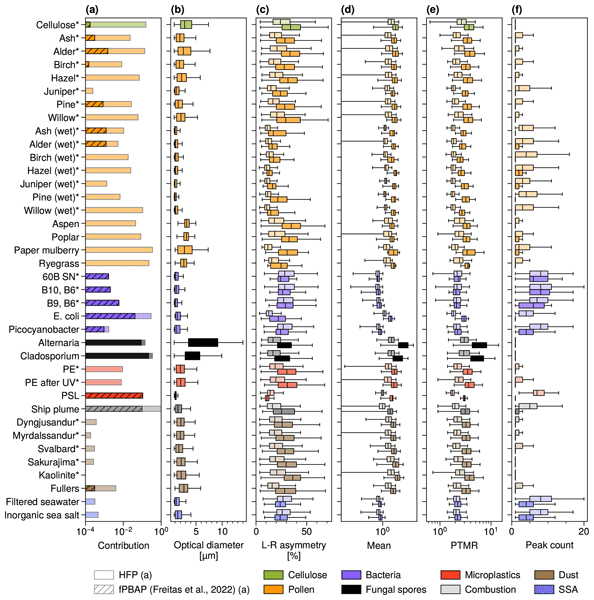
Aiden Jönsson, Jinglan Fu, Gabriel Pereira Freitas, Ian Crawford, Pavla Dagsson-Waldhauserová, Radovan Krejci, Yutaka Tobo, Karl Espen Yttri, and Paul Zieger
Atmos. Chem. Phys., 26, 13617–13643, https://doi.org/10.5194/acp-26-13617-2026, https://doi.org/10.5194/acp-26-13617-2026, 2026
Short summary
Short summary
Coarse-mode aerosols, like dust and bioaerosols, play important roles in environmental and climate processes. We measured fluorescence and morphological properties of key coarse-mode particle types, compared them with previous characterizations, and trained machine learning models with these data to classify unknown particles. This algorithm improves bioaerosol identification and successfully reproduces the annual bioaerosol cycle previously identified in a year of observations from Svalbard.
Stephen M. Platt, Milos Davidović, Alena Bartonova, Željko Ćirović, Sabine Eckhardt, Nikolaos Evangeliou, Hans Gundersen, Maja Jovanović, Milena Jovašević-Stojanović, Griša Močnik, Bojana Petrović, Philipp Schneider, and Karl Espen Yttri
EGUsphere, https://doi.org/10.5194/egusphere-2026-1708, https://doi.org/10.5194/egusphere-2026-1708, 2026
This preprint is open for discussion and under review for Atmospheric Chemistry and Physics (ACP).
Short summary
Short summary
We present year-round (2023 to 2025) carbonaceous aerosol measurements from Ada Marina, Belgrade, combining tracers, the aethalometer model, a new NNMF application, and FLEXPART. All methods show residential wood combustion is important, driving winter increases in eBC and OC, enhanced secondary OC, and brown carbon absorption. FLEXPART highlights regional transport within Serbia and the Pannonian Basin, with good model–observation agreement, underscoring the need to reduce RWC emissions.
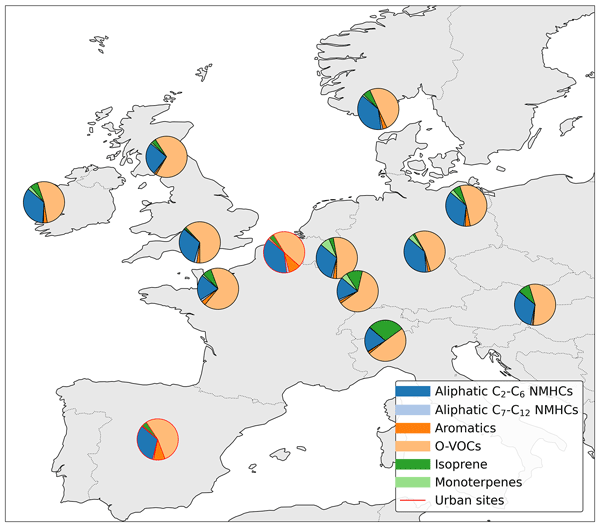
Wenche Aas, Thérèse Salameh, Robert Wegener, Heidi Hellén, Jean-Luc Jaffrezo, Pontus Roldin, Elisabeth Alonso-Blanco, Andres Alastuey, Crist Amelynck, Jgor Arduini, Benjamin Bergmans, Marie Bertrand, Agnes Borbon, Efstratios Bourtsoukidis, Laetitia Bouvier, David Butterfield, Iris Buxbaum, Darius Ceburnis, Anja Claude, Augustin Colette, Aurélie Colomb, Sophie Darfeuil, James Dernie, Maximilien Desservettaz, Elías Díaz-Ramiro, Marvin Dufresne, René Dubus, Mario Duval, Marie Dury, Anna Font, Kirsten N. Fossum, Evelyn Freney, Gotzon Gangoiti, Yao Ge, Maria Carmen Gomez, Francisco J. Gómez-Moreno, Marie Gohy, Valérie Gros, Paul Hamer, Bryan Hellack, Hartmut Herrmann, Robert Holla, Adéla Holubová, Niels R. Jensen, Tuija Jokinen, Matthew Jones, Uwe Käfer, Lukas Kesper, Dieter Klemp, Dagmar Kubistin, Angela Marinoni, Martina Mazzini, Vy Ngoc Thuy Dinh, Jurgita Ovadnevaite, Tuukka Petäjä, Miguel Portillo-Estrada, Jitka Přívozníková, Jean-Philippe Putaud, Stefan Reimann, Laura Renzi, Veronique Riffault, Stuart Ritchie, Chris Robins, Begoña Artíñano Rodríguez de Torres, Laurent Poulain, Julian Rüdiger, Agnieszka Sanocka, Estibaliz Saez de Camara Oleaga, Niels Schoon, Roger Seco, Ivan Simmons, Leïla Simon, David Simpson, Sverre Solberg, Emmanuel Tison, August Thomasson, Svetlana Tsyro, Marsailidh Twigg, Toni Tykkä, Bert Verreyken, Ågot Watne, Katie Williams, Ana Maria Yáñez-Serrano, Karen Yeung, Ilona Ylivinkka, and Karl Espen Yttri
Atmos. Chem. Phys., 26, 8717–8751, https://doi.org/10.5194/acp-26-8717-2026, https://doi.org/10.5194/acp-26-8717-2026, 2026
Short summary
Short summary
A one-week intensive measurement campaign during the 2022 European heatwave included monitoring of ozone, volatile organic compounds, aerosol chemical composition, and organic tracers to investigate air pollution sources. Results showed that emissions from vegetation and human activities contributed to peaks in ozone and secondary organic aerosol particles. Differences between measurements and model simulations underline the need for better characterization of sources and formation pathways.
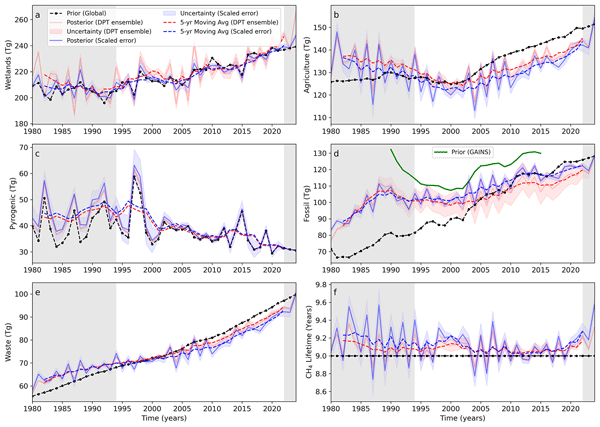
Bibhasvata Dasgupta, Sudhanshu Pandey, Sander Houweling, Malika Menoud, Carina van der Veen, John Miller, Ben Riddell-Young, Sylvia Englund Michel, Peter Sperlich, Shinji Morimoto, Ryo Fujita, Stephen Platt, Christine Groot Zwaaftink, Ingeborg Levin, Cordelia Veidt, Cathrine Lund Myhre, Ceres Woolley Maisch, Rebecca Fisher, Euan G. Nisbet, James France, Rowena Moss, Nicola Warwick, and Thomas Röckmann
Atmos. Chem. Phys., 26, 8601–8616, https://doi.org/10.5194/acp-26-8601-2026, https://doi.org/10.5194/acp-26-8601-2026, 2026
Short summary
Short summary
Methane is a strong greenhouse gas, and its rise since the mid-2000s is debated in terms of sources and sinks. Using top-down and bottom-up data, along with inversion models and methane isotopes (δ13C-CH4 and δD-CH4), we find that wetlands are the primary driver of post-2006 increases, followed by agriculture and fossil fuels. Methane's lifetime has decreased by about 0.1 years. We also assess how isotope signatures and sink processes influence uncertainties.
Elena Barbaro, Francisco Ardini, Silvia Becagli, Stefano Bertinetti, Federica Bruschi, Giulia Calzolai, Alice Cavaliere, David Cappelletti, Stefano Crocchianti, Matteo Feltracco, Andrea Gambaro, Fabio Giardi, Stefania Gilardoni, Marco Grotti, Dominic Heslin-Rees, Radovan Krejci, Mery Malandrino, Matilde Mataloni, Simonetta Montaguti, Silvia Nava, Marco Paglione, Matteo Rinaldi, Chiara Ripa, Mirko Severi, Andrea Spolaor, Rita Traversi, Hilde Uggerud, Giulio Verazzo, Tessa Viglezio, Karl Espen Yttri, Wenche Aas, and Mauro Mazzola
EGUsphere, https://doi.org/10.5194/egusphere-2026-1467, https://doi.org/10.5194/egusphere-2026-1467, 2026
Short summary
Short summary
This study analyzes how Arctic atmospheric layering affects aerosol distribution by comparing data from the Gruvebadet (61 m) and Zeppelin (472 m) observatories in Svalbard. Results show consistent levels of human-made pollutants like sulfate at both heights, confirming long-range transport from Eurasia. Conversely, natural biogenic tracers were more concentrated at lower altitudes. By integrating chemical and meteorological data, the research highlights the need for multi-level monitoring.
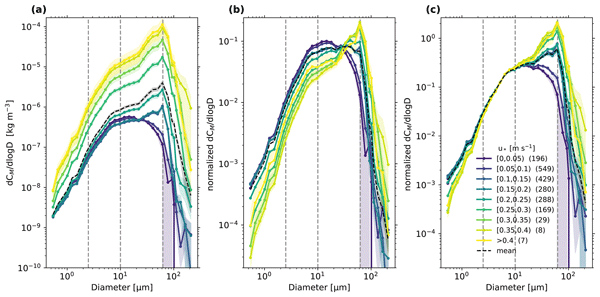
Hannah Meyer, Konrad Kandler, Sylvain Dupont, Jerónimo Escribano, Jessica Girdwood, George Nikolich, Andrés Alastuey, Vicken Etyemezian, Cristina González-Flórez, Adolfo González-Romero, Tareq Hussein, Mark Irvine, Peter Knippertz, Ottmar Möhler, Xavier Querol, Chris Stopford, Franziska Vogel, Frederik Weis, Andreas Wieser, Carlos Pérez García-Pando, and Martina Klose
Atmos. Meas. Tech., 19, 21–61, https://doi.org/10.5194/amt-19-21-2026, https://doi.org/10.5194/amt-19-21-2026, 2026
Short summary
Short summary
Mineral dust particles emitted from dry soils are of various sizes, yet the abundance of very large particles is not well understood. Here we measured the dust size distribution from fine to giant particles at an emission source during a field campaign in Jordan (J-WADI) using multiple instruments. Our findings show that large particles make up a significant part of the total dust mass. This knowledge is essential to improve climate models and to predict dust impacts on climate and environment.
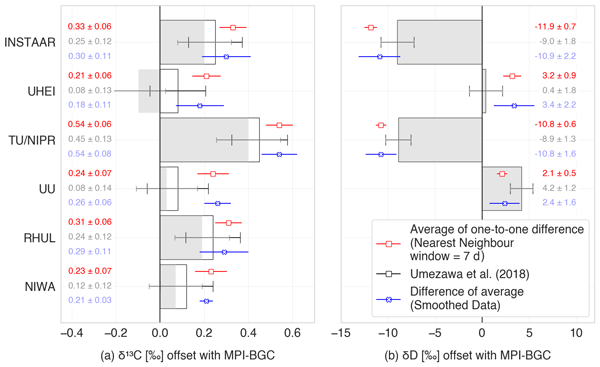
Bibhasvata Dasgupta, Malika Menoud, Carina van der Veen, Ingeborg Levin, Cordelia Veidt, Heiko Moossen, Sylvia Englund Michel, Peter Sperlich, Shinji Morimoto, Ryo Fujita, Taku Umezawa, Stephen Platt, Christine Groot Zwaaftink, Cathrine Lund Myhre, Rebecca Fisher, David Lowry, Euan G. Nisbet, James France, Ceres Woolley Maisch, Gordon Brailsford, Rowena Moss, Daisuke Goto, Sudhanshu Pandey, Sander Houweling, Nicola Warwick, and Thomas Röckmann
Atmos. Meas. Tech., 18, 6591–6607, https://doi.org/10.5194/amt-18-6591-2025, https://doi.org/10.5194/amt-18-6591-2025, 2025
Short summary
Short summary
We combined long-term methane mole fraction and isotope measurements from eight laboratories that sample high-latitude stations to compare, offset correct and harmonise the datasets into a hemisphere merged timeseries. Because each laboratory uses slightly different methods, we adjusted the data to make it directly comparable. This allowed us to create a consistent record of atmospheric methane concentration and its isotopes from 1988 to 2023.
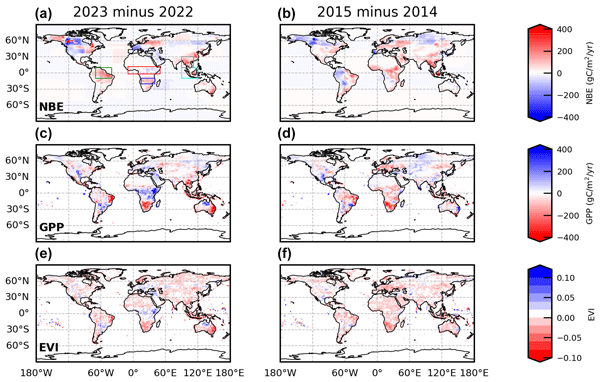
Liang Feng, Paul I. Palmer, Luke Smallman, Jingfeng Xiao, Paolo Cristofanelli, Ove Hermansen, John Lee, Casper Labuschagne, Simonetta Montaguti, Steffen M. Noe, Stephen M. Platt, Xinrong Ren, Martin Steinbacher, and Irène Xueref-Remy
Atmos. Chem. Phys., 25, 13053–13076, https://doi.org/10.5194/acp-25-13053-2025, https://doi.org/10.5194/acp-25-13053-2025, 2025
Short summary
Short summary
The year 2023 saw unexpectedly large global atmospheric CO2 growth. Satellite data reveal a role for increased tropical emissions. Larger emissions over eastern Brazil can be explained by warmer temperatures, which has led to exceptional drought, while hydrological changes play more of a role in emission increases elsewhere in the tropics. Broadly, we find that this situation continues into 2024.
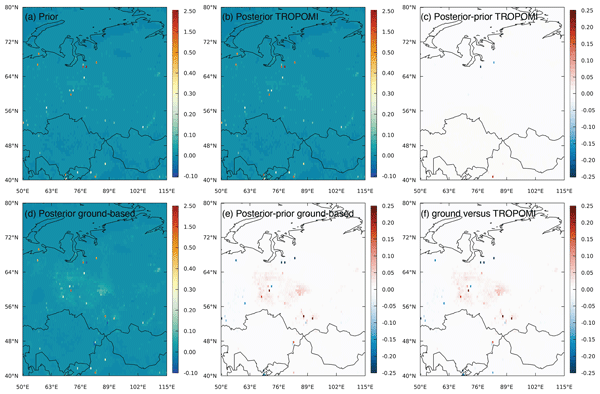
Rona L. Thompson, Nalini Krishnankutty, Ignacio Pisso, Philipp Schneider, Kerstin Stebel, Motoki Sasakawa, Andreas Stohl, and Stephen M. Platt
Atmos. Chem. Phys., 25, 12737–12751, https://doi.org/10.5194/acp-25-12737-2025, https://doi.org/10.5194/acp-25-12737-2025, 2025
Short summary
Short summary
Satellite remote sensing of atmospheric mixing ratios of greenhouse gases (GHGs) can provide information on their emissions. This study presents a novel method to use atmospheric mixing ratios observed by satellites with a Lagrangian model of atmospheric transport to estimate GHG emissions. This method can reduce model errors resulting from how an observation is represented by an atmospheric model, thereby helping to reduce the errors in the GHG emissions derived.
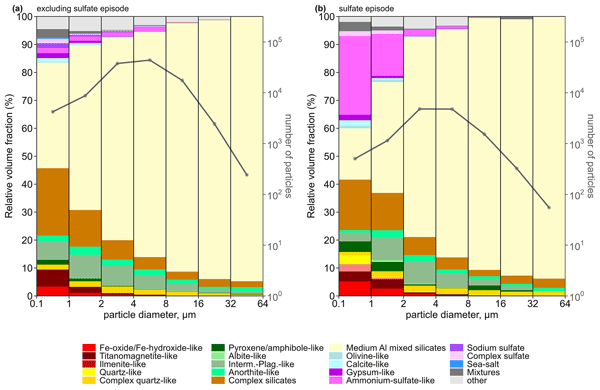
Agnesh Panta, Konrad Kandler, Kerstin Schepanski, Andres Alastuey, Pavla Dagsson Waldhauserova, Sylvain Dupont, Melanie Eknayan, Cristina González-Flórez, Adolfo González-Romero, Martina Klose, Mara Montag, Xavier Querol, Jesús Yus-Díez, and Carlos Pérez García-Pando
Atmos. Chem. Phys., 25, 10457–10478, https://doi.org/10.5194/acp-25-10457-2025, https://doi.org/10.5194/acp-25-10457-2025, 2025
Short summary
Short summary
Iceland is among the most active dust source areas in the world. Dust properties are influenced by particle size, mineralogy, shape, and mixing state. This work characterizes freshly emitted individual aerosol particles of Icelandic dust using electron microscopy. Our study provides insights into critical particle-specific information and will contribute to better constraining climate models that consider mineralogical variations in their representation of the dust cycle.
Jesús Yus-Díez, Jeronimo Escribano, Marco Pandolfi, Andres Alastuey, Cristina González-Flórez, Adolfo Gonzalez-Romero, Maria Gonçalves Ageitos, Matic Ivančič, Martina Klose, Konrad Kandler, Vicenzo Obiso, Agnesh Panta, Cristina Reche, Martin Rigler, Xavier Querol, and Carlos Perez Garćia-Pando
EGUsphere, https://doi.org/10.5194/egusphere-2025-2571, https://doi.org/10.5194/egusphere-2025-2571, 2025
Short summary
Short summary
Here we present measurements of dust optical properties during active emissions at a source region in the Moroccan Sahara. We present results on its single scattering albedo, absorption and scattering wavelength dependence and mass efficiency. Furthermore, we have performed imaginary refractive index (k) retrieval under varying assumptions of the refractive index real part, and particle sphericity. We also provide a comparison between the k retrievals and estimations on dust k from AERONET.
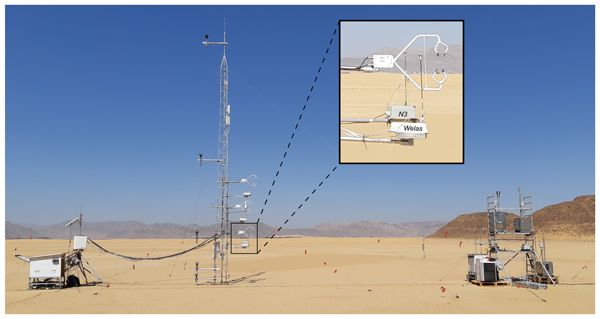
Sylvain Dupont, Eric Lamaud, Mark R. Irvine, Jean-Marc Bonnefond, Adolfo González-Romero, Andrés Alastuey, Cristina González-Flórez, Xavier Querol, Konrad Kandler, Martina Klose, and Carlos Pérez García-Pando
Atmos. Meas. Tech., 18, 2183–2200, https://doi.org/10.5194/amt-18-2183-2025, https://doi.org/10.5194/amt-18-2183-2025, 2025
Short summary
Short summary
Low-cost optical particle counters (OPCs) offer new opportunities to monitor dust particles from wind soil erosion. Their price, size, and power consumption are lower than those of traditional OPCs. We tested the ability of the low-cost OPC-N3 from Alphasense to estimate dust emission flux during erosion events in Jordan. N3 estimated the dust flux well, with differences of less than 30 % compared to a traditional OPC. Our results confirm the potential of low-cost OPCs for dust erosion research.
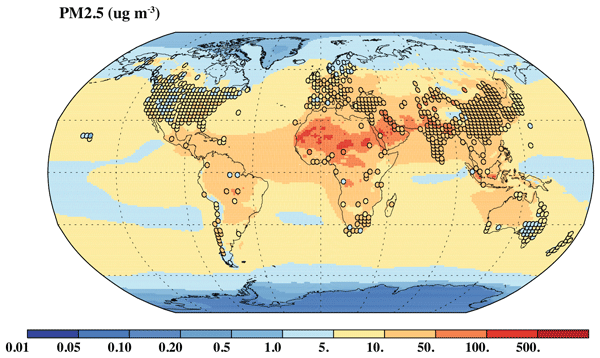
Natalie M. Mahowald, Longlei Li, Julius Vira, Marje Prank, Douglas S. Hamilton, Hitoshi Matsui, Ron L. Miller, P. Louis Lu, Ezgi Akyuz, Daphne Meidan, Peter Hess, Heikki Lihavainen, Christine Wiedinmyer, Jenny Hand, Maria Grazia Alaimo, Célia Alves, Andres Alastuey, Paulo Artaxo, Africa Barreto, Francisco Barraza, Silvia Becagli, Giulia Calzolai, Shankararaman Chellam, Ying Chen, Patrick Chuang, David D. Cohen, Cristina Colombi, Evangelia Diapouli, Gaetano Dongarra, Konstantinos Eleftheriadis, Johann Engelbrecht, Corinne Galy-Lacaux, Cassandra Gaston, Dario Gomez, Yenny González Ramos, Roy M. Harrison, Chris Heyes, Barak Herut, Philip Hopke, Christoph Hüglin, Maria Kanakidou, Zsofia Kertesz, Zbigniew Klimont, Katriina Kyllönen, Fabrice Lambert, Xiaohong Liu, Remi Losno, Franco Lucarelli, Willy Maenhaut, Beatrice Marticorena, Randall V. Martin, Nikolaos Mihalopoulos, Yasser Morera-Gómez, Adina Paytan, Joseph Prospero, Sergio Rodríguez, Patricia Smichowski, Daniela Varrica, Brenna Walsh, Crystal L. Weagle, and Xi Zhao
Atmos. Chem. Phys., 25, 4665–4702, https://doi.org/10.5194/acp-25-4665-2025, https://doi.org/10.5194/acp-25-4665-2025, 2025
Short summary
Short summary
Aerosol particles are an important part of the Earth system, but their concentrations are spatially and temporally heterogeneous, as well as being variable in size and composition. Here, we present a new compilation of PM2.5 and PM10 aerosol observations, focusing on the spatial variability across different observational stations, including composition, and demonstrate a method for comparing the data sets to model output.
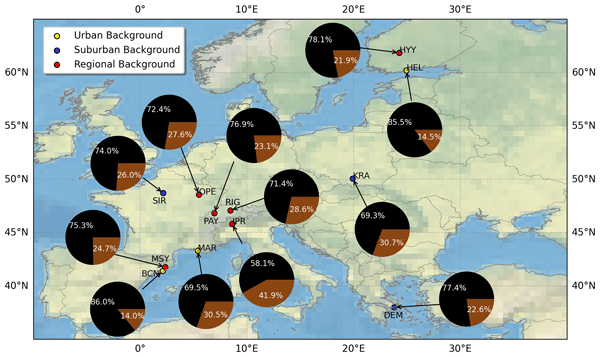
Hector Navarro-Barboza, Jordi Rovira, Vincenzo Obiso, Andrea Pozzer, Marta Via, Andres Alastuey, Xavier Querol, Noemi Perez, Marjan Savadkoohi, Gang Chen, Jesus Yus-Díez, Matic Ivancic, Martin Rigler, Konstantinos Eleftheriadis, Stergios Vratolis, Olga Zografou, Maria Gini, Benjamin Chazeau, Nicolas Marchand, Andre S. H. Prevot, Kaspar Dallenbach, Mikael Ehn, Krista Luoma, Tuukka Petäjä, Anna Tobler, Jaroslaw Necki, Minna Aurela, Hilkka Timonen, Jarkko Niemi, Olivier Favez, Jean-Eudes Petit, Jean-Philippe Putaud, Christoph Hueglin, Nicolas Pascal, Aurélien Chauvigné, Sébastien Conil, Marco Pandolfi, and Oriol Jorba
Atmos. Chem. Phys., 25, 2667–2694, https://doi.org/10.5194/acp-25-2667-2025, https://doi.org/10.5194/acp-25-2667-2025, 2025
Short summary
Short summary
Brown carbon (BrC) absorbs ultraviolet (UV) and visible light, influencing climate. This study explores BrC's imaginary refractive index (k) using data from 12 European sites. Residential emissions are a major organic aerosol (OA) source in winter, while secondary organic aerosol (SOA) dominates in summer. Source-specific k values were derived, improving model accuracy. The findings highlight BrC's climate impact and emphasize source-specific constraints in atmospheric models.
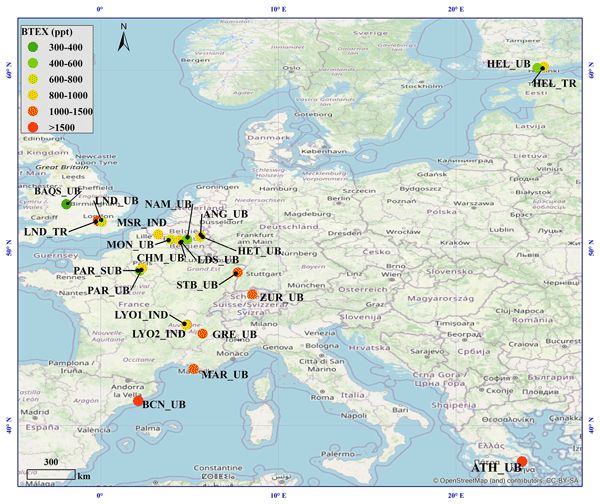
Xiansheng Liu, Xun Zhang, Marvin Dufresne, Tao Wang, Lijie Wu, Rosa Lara, Roger Seco, Marta Monge, Ana Maria Yáñez-Serrano, Marie Gohy, Paul Petit, Audrey Chevalier, Marie-Pierre Vagnot, Yann Fortier, Alexia Baudic, Véronique Ghersi, Grégory Gille, Ludovic Lanzi, Valérie Gros, Leïla Simon, Heidi Héllen, Stefan Reimann, Zoé Le Bras, Michelle Jessy Müller, David Beddows, Siqi Hou, Zongbo Shi, Roy M. Harrison, William Bloss, James Dernie, Stéphane Sauvage, Philip K. Hopke, Xiaoli Duan, Taicheng An, Alastair C. Lewis, James R. Hopkins, Eleni Liakakou, Nikolaos Mihalopoulos, Xiaohu Zhang, Andrés Alastuey, Xavier Querol, and Thérèse Salameh
Atmos. Chem. Phys., 25, 625–638, https://doi.org/10.5194/acp-25-625-2025, https://doi.org/10.5194/acp-25-625-2025, 2025
Short summary
Short summary
This study examines BTEX (benzene, toluene, ethylbenzene, xylenes) pollution in urban areas across seven European countries. Analyzing data from 22 monitoring sites, we found traffic and industrial activities significantly impact BTEX levels, with peaks during rush hours. The risk from BTEX exposure remains moderate, especially in high-traffic and industrial zones, highlighting the need for targeted air quality management to protect public health and improve urban air quality.
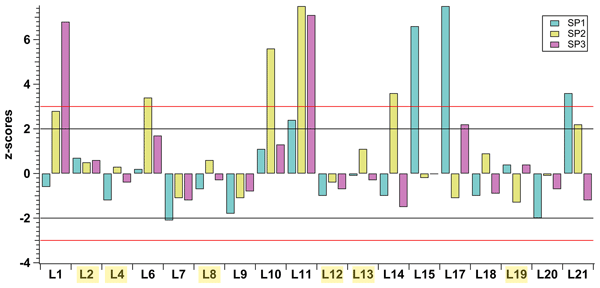
Pamela A. Dominutti, Jean-Luc Jaffrezo, Anouk Marsal, Takoua Mhadhbi, Rhabira Elazzouzi, Camille Rak, Fabrizia Cavalli, Jean-Philippe Putaud, Aikaterini Bougiatioti, Nikolaos Mihalopoulos, Despina Paraskevopoulou, Ian Mudway, Athanasios Nenes, Kaspar R. Daellenbach, Catherine Banach, Steven J. Campbell, Hana Cigánková, Daniele Contini, Greg Evans, Maria Georgopoulou, Manuella Ghanem, Drew A. Glencross, Maria Rachele Guascito, Hartmut Herrmann, Saima Iram, Maja Jovanović, Milena Jovašević-Stojanović, Markus Kalberer, Ingeborg M. Kooter, Suzanne E. Paulson, Anil Patel, Esperanza Perdrix, Maria Chiara Pietrogrande, Pavel Mikuška, Jean-Jacques Sauvain, Katerina Seitanidi, Pourya Shahpoury, Eduardo J. d. S. Souza, Sarah Steimer, Svetlana Stevanovic, Guillaume Suarez, P. S. Ganesh Subramanian, Battist Utinger, Marloes F. van Os, Vishal Verma, Xing Wang, Rodney J. Weber, Yuhan Yang, Xavier Querol, Gerard Hoek, Roy M. Harrison, and Gaëlle Uzu
Atmos. Meas. Tech., 18, 177–195, https://doi.org/10.5194/amt-18-177-2025, https://doi.org/10.5194/amt-18-177-2025, 2025
Short summary
Short summary
In this work, 20 labs worldwide collaborated to evaluate the measurement of air pollution's oxidative potential (OP), a key indicator of its harmful effects. The study aimed to identify disparities in the widely used OP dithiothreitol assay and assess the consistency of OP among labs using the same protocol. The results showed that half of the labs achieved acceptable results. However, variability was also found, highlighting the need for standardisation in OP procedures.
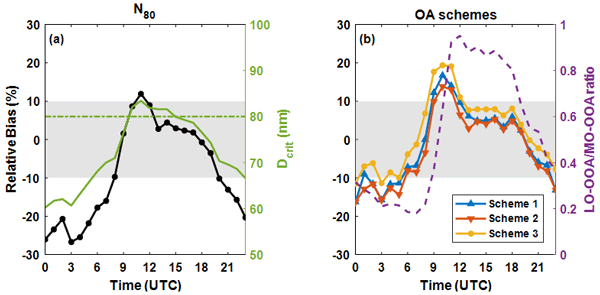
Fernando Rejano, Andrea Casans, Marta Via, Juan Andrés Casquero-Vera, Sonia Castillo, Hassan Lyamani, Alberto Cazorla, Elisabeth Andrews, Daniel Pérez-Ramírez, Andrés Alastuey, Francisco Javier Gómez-Moreno, Lucas Alados-Arboledas, Francisco José Olmo, and Gloria Titos
Atmos. Chem. Phys., 24, 13865–13888, https://doi.org/10.5194/acp-24-13865-2024, https://doi.org/10.5194/acp-24-13865-2024, 2024
Short summary
Short summary
This study provides valuable insights to improve cloud condensation nuclei (CCN) estimations at a high-altitude remote site which is influenced by nearby urban pollution. Understanding the factors that affect CCN estimations is essential to improve the CCN data coverage worldwide and assess aerosol–cloud interactions on a global scale. This is crucial for improving climate models, since aerosol–cloud interactions are the most important source of uncertainty in climate projections.
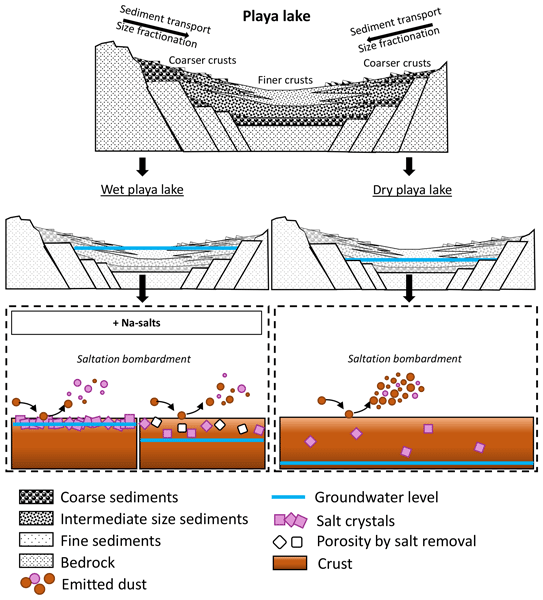
Adolfo González-Romero, Cristina González-Flórez, Agnesh Panta, Jesús Yus-Díez, Patricia Córdoba, Andres Alastuey, Natalia Moreno, Melani Hernández-Chiriboga, Konrad Kandler, Martina Klose, Roger N. Clark, Bethany L. Ehlmann, Rebecca N. Greenberger, Abigail M. Keebler, Phil Brodrick, Robert Green, Paul Ginoux, Xavier Querol, and Carlos Pérez García-Pando
Atmos. Chem. Phys., 24, 9155–9176, https://doi.org/10.5194/acp-24-9155-2024, https://doi.org/10.5194/acp-24-9155-2024, 2024
Short summary
Short summary
In this research, we studied the dust-emitting properties of crusts and aeolian ripples from the Mojave Desert. These properties are key to understanding the effect of dust upon climate. We found two different playa lakes according to the groundwater regime, which implies differences in crusts' cohesion state and mineralogy, which can affect the dust emission potential and properties. We also compare them with Moroccan Sahara crusts and Icelandic top sediments.
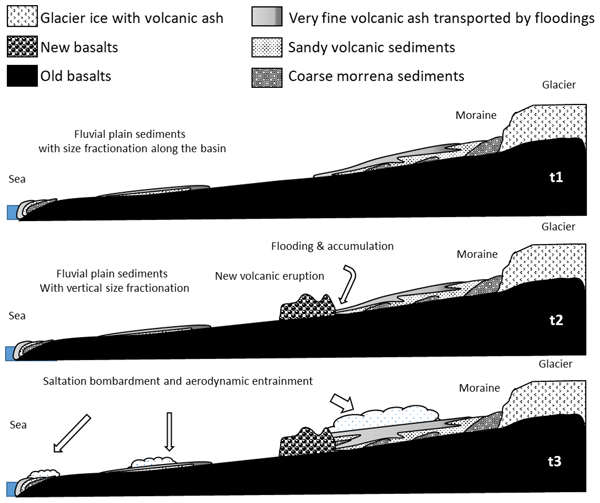
Adolfo González-Romero, Cristina González-Flórez, Agnesh Panta, Jesús Yus-Díez, Patricia Córdoba, Andres Alastuey, Natalia Moreno, Konrad Kandler, Martina Klose, Roger N. Clark, Bethany L. Ehlmann, Rebecca N. Greenberger, Abigail M. Keebler, Phil Brodrick, Robert O. Green, Xavier Querol, and Carlos Pérez García-Pando
Atmos. Chem. Phys., 24, 6883–6910, https://doi.org/10.5194/acp-24-6883-2024, https://doi.org/10.5194/acp-24-6883-2024, 2024
Short summary
Short summary
The knowledge of properties from dust emitted in high latitudes such as in Iceland is scarce. This study focuses on the particle size, mineralogy, cohesion, and iron mode of occurrence and reflectance spectra of dust-emitting sediments. Icelandic top sediments have lower cohesion state, coarser particle size, distinctive mineralogy, and 3-fold bulk Fe content, with a large presence of magnetite compared to Saharan crusts.

Gabriel Pereira Freitas, Ben Kopec, Kouji Adachi, Radovan Krejci, Dominic Heslin-Rees, Karl Espen Yttri, Alun Hubbard, Jeffrey M. Welker, and Paul Zieger
Atmos. Chem. Phys., 24, 5479–5494, https://doi.org/10.5194/acp-24-5479-2024, https://doi.org/10.5194/acp-24-5479-2024, 2024
Short summary
Short summary
Bioaerosols can participate in ice formation within clouds. In the Arctic, where global warming manifests most, they may become more important as their sources prevail for longer periods of the year. We have directly measured bioaerosols within clouds for a full year at an Arctic mountain site using a novel combination of cloud particle sampling and single-particle techniques. We show that bioaerosols act as cloud seeds and may influence the presence of ice within clouds.
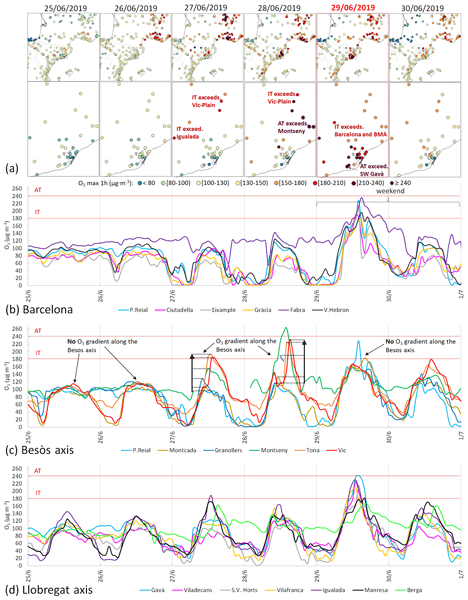
Jordi Massagué, Eduardo Torre-Pascual, Cristina Carnerero, Miguel Escudero, Andrés Alastuey, Marco Pandolfi, Xavier Querol, and Gotzon Gangoiti
Atmos. Chem. Phys., 24, 4827–4850, https://doi.org/10.5194/acp-24-4827-2024, https://doi.org/10.5194/acp-24-4827-2024, 2024
Short summary
Short summary
This study analyses three acute ozone episodes in Barcelona (NE Spain) which have occurred only in recent years and are of particular concern due to the city's significant population. The findings uncover a complex interplay of factors, notably shared among episodes, including pollution transport at different scales and specific weather and emission patterns. These insights significantly enhance our understanding of these occurrences and improve predictive capabilities.
Celia Herrero del Barrio, Roberto Román, Ramiro González, Alberto Cazorla, Marcos Herreras-Giralda, Juan Carlos Antuña-Sánchez, Francisco Molero, Francisco Navas-Guzmán, Antonio Serrano, María Ángeles Obregón, Yolanda Sola, Marco Pandolfi, Sara Herrero-Anta, Daniel González-Fernández, Jorge Muñiz-Rosado, David Mateos, Abel Calle, Carlos Toledano, Victoria Eugenia Cachorro, and Ángel Máximo de Frutos
EGUsphere, https://doi.org/10.5194/egusphere-2024-581, https://doi.org/10.5194/egusphere-2024-581, 2024
Preprint withdrawn
Short summary
Short summary
Introducing CAECENET, a novel system that combines sun-sky photometer and ceilometer data, enabling the continuous monitoring and automatic retrieval of both vertical and columnar aerosol properties in near real-time. A case study on a Saharan dust outbreak illustrates it's efficacy in tracking aerosol events. Additionally, the analysis of Canadian wildfires' long-range transport is presented, showing it's utility in monitoring event propagation, aerosol concentration, and optical properties.
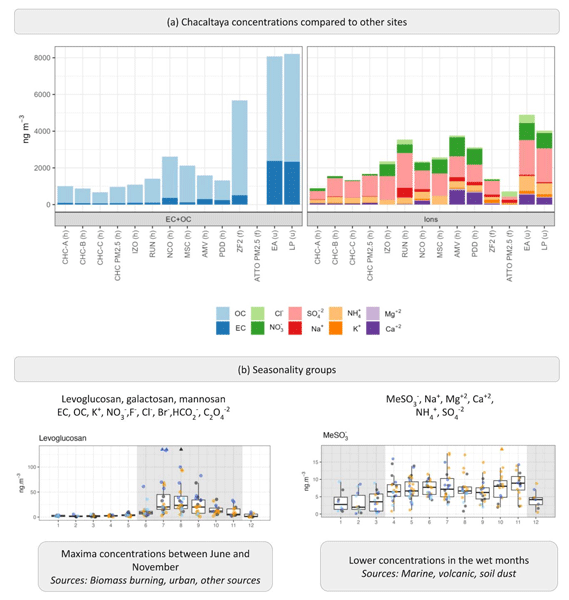
C. Isabel Moreno, Radovan Krejci, Jean-Luc Jaffrezo, Gaëlle Uzu, Andrés Alastuey, Marcos F. Andrade, Valeria Mardóñez, Alkuin Maximilian Koenig, Diego Aliaga, Claudia Mohr, Laura Ticona, Fernando Velarde, Luis Blacutt, Ricardo Forno, David N. Whiteman, Alfred Wiedensohler, Patrick Ginot, and Paolo Laj
Atmos. Chem. Phys., 24, 2837–2860, https://doi.org/10.5194/acp-24-2837-2024, https://doi.org/10.5194/acp-24-2837-2024, 2024
Short summary
Short summary
Aerosol chemical composition (ions, sugars, carbonaceous matter) from 2011 to 2020 was studied at Mt. Chacaltaya (5380 m a.s.l., Bolivian Andes). Minimum concentrations occur in the rainy season with maxima in the dry and transition seasons. The origins of the aerosol are located in a radius of hundreds of kilometers: nearby urban and rural areas, natural biogenic emissions, vegetation burning from Amazonia and Chaco, Pacific Ocean emissions, soil dust, and Peruvian volcanism.
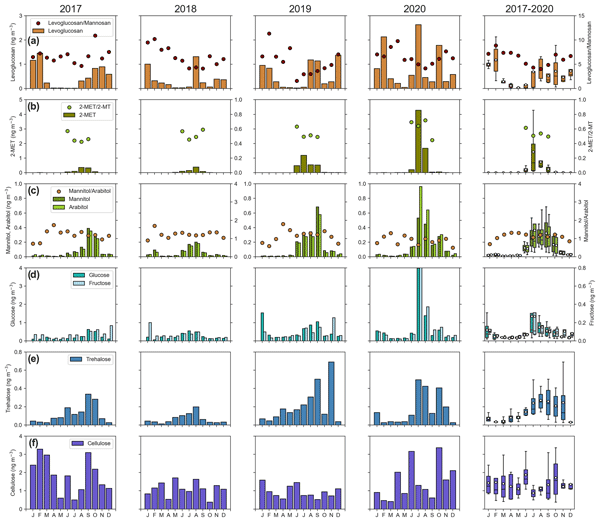
Karl Espen Yttri, Are Bäcklund, Franz Conen, Sabine Eckhardt, Nikolaos Evangeliou, Markus Fiebig, Anne Kasper-Giebl, Avram Gold, Hans Gundersen, Cathrine Lund Myhre, Stephen Matthew Platt, David Simpson, Jason D. Surratt, Sönke Szidat, Martin Rauber, Kjetil Tørseth, Martin Album Ytre-Eide, Zhenfa Zhang, and Wenche Aas
Atmos. Chem. Phys., 24, 2731–2758, https://doi.org/10.5194/acp-24-2731-2024, https://doi.org/10.5194/acp-24-2731-2024, 2024
Short summary
Short summary
We discuss carbonaceous aerosol (CA) observed at the high Arctic Zeppelin Observatory (2017 to 2020). We find that organic aerosol is a significant fraction of the Arctic aerosol, though less than sea salt aerosol and mineral dust, as well as non-sea-salt sulfate, originating mainly from anthropogenic sources in winter and from natural sources in summer, emphasizing the importance of wildfires for biogenic secondary organic aerosol and primary biological aerosol particles observed in the Arctic.
Natalie M. Mahowald, Longlei Li, Julius Vira, Marje Prank, Douglas S. Hamilton, Hitoshi Matsui, Ron L. Miller, Louis Lu, Ezgi Akyuz, Daphne Meidan, Peter Hess, Heikki Lihavainen, Christine Wiedinmyer, Jenny Hand, Maria Grazia Alaimo, Célia Alves, Andres Alastuey, Paulo Artaxo, Africa Barreto, Francisco Barraza, Silvia Becagli, Giulia Calzolai, Shankarararman Chellam, Ying Chen, Patrick Chuang, David D. Cohen, Cristina Colombi, Evangelia Diapouli, Gaetano Dongarra, Konstantinos Eleftheriadis, Corinne Galy-Lacaux, Cassandra Gaston, Dario Gomez, Yenny González Ramos, Hannele Hakola, Roy M. Harrison, Chris Heyes, Barak Herut, Philip Hopke, Christoph Hüglin, Maria Kanakidou, Zsofia Kertesz, Zbiginiw Klimont, Katriina Kyllönen, Fabrice Lambert, Xiaohong Liu, Remi Losno, Franco Lucarelli, Willy Maenhaut, Beatrice Marticorena, Randall V. Martin, Nikolaos Mihalopoulos, Yasser Morera-Gomez, Adina Paytan, Joseph Prospero, Sergio Rodríguez, Patricia Smichowski, Daniela Varrica, Brenna Walsh, Crystal Weagle, and Xi Zhao
Earth Syst. Sci. Data Discuss., https://doi.org/10.5194/essd-2024-1, https://doi.org/10.5194/essd-2024-1, 2024
Preprint withdrawn
Short summary
Short summary
Aerosol particles can interact with incoming solar radiation and outgoing long wave radiation, change cloud properties, affect photochemistry, impact surface air quality, and when deposited impact surface albedo of snow and ice, and modulate carbon dioxide uptake by the land and ocean. Here we present a new compilation of aerosol observations including composition, a methodology for comparing the datasets to model output, and show the implications of these results using one model.
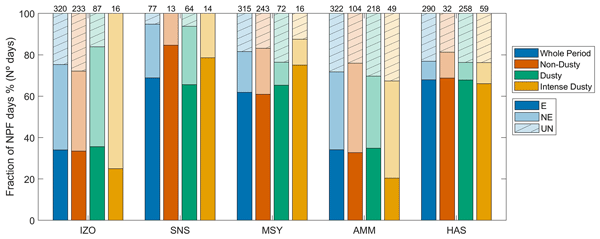
Juan Andrés Casquero-Vera, Daniel Pérez-Ramírez, Hassan Lyamani, Fernando Rejano, Andrea Casans, Gloria Titos, Francisco José Olmo, Lubna Dada, Simo Hakala, Tareq Hussein, Katrianne Lehtipalo, Pauli Paasonen, Antti Hyvärinen, Noemí Pérez, Xavier Querol, Sergio Rodríguez, Nikos Kalivitis, Yenny González, Mansour A. Alghamdi, Veli-Matti Kerminen, Andrés Alastuey, Tuukka Petäjä, and Lucas Alados-Arboledas
Atmos. Chem. Phys., 23, 15795–15814, https://doi.org/10.5194/acp-23-15795-2023, https://doi.org/10.5194/acp-23-15795-2023, 2023
Short summary
Short summary
Here we present the first study of the effect of mineral dust on the inhibition/promotion of new particle formation (NPF) events in different dust-influenced areas. Unexpectedly, we show that the occurrence of NPF events is highly frequent during mineral dust outbreaks, occurring even during extreme dust outbreaks. We also show that the occurrence of NPF events during mineral dust outbreaks significantly affects the potential cloud condensation nuclei budget.
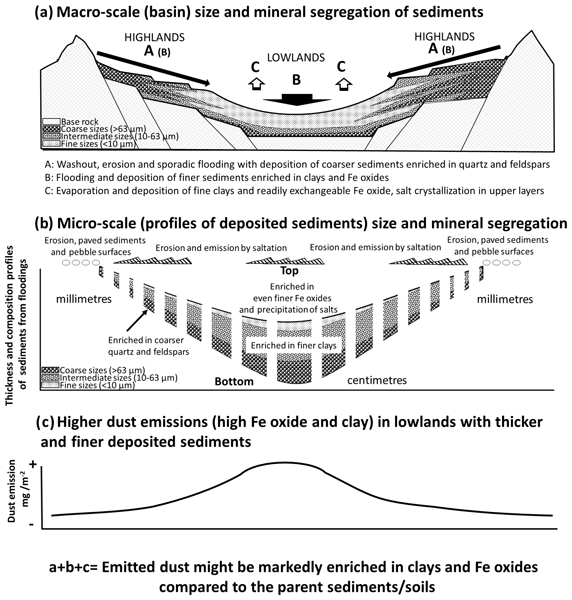
Adolfo González-Romero, Cristina González-Flórez, Agnesh Panta, Jesús Yus-Díez, Cristina Reche, Patricia Córdoba, Natalia Moreno, Andres Alastuey, Konrad Kandler, Martina Klose, Clarissa Baldo, Roger N. Clark, Zongbo Shi, Xavier Querol, and Carlos Pérez García-Pando
Atmos. Chem. Phys., 23, 15815–15834, https://doi.org/10.5194/acp-23-15815-2023, https://doi.org/10.5194/acp-23-15815-2023, 2023
Short summary
Short summary
The effect of dust emitted from desertic surfaces upon climate and ecosystems depends on size and mineralogy, but data from soil mineral atlases of desert soils are scarce. We performed particle-size distribution, mineralogy, and Fe speciation in southern Morocco. Results show coarser particles with high quartz proportion are near the elevated areas, while in depressed areas, sizes are finer, and proportions of clays and nano-Fe oxides are higher. This difference is important for dust modelling.
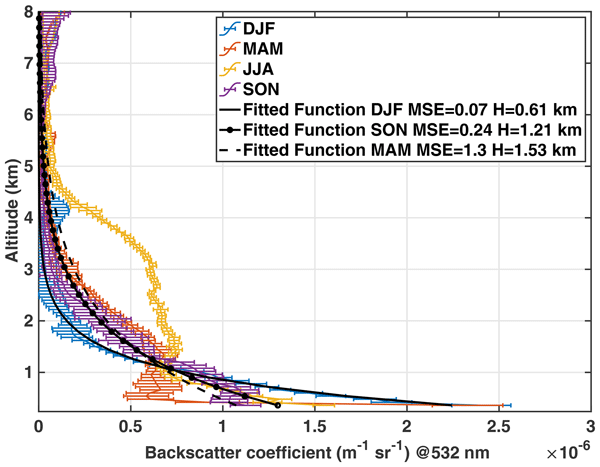
Simone Lolli, Michaël Sicard, Francesco Amato, Adolfo Comeron, Cristina Gíl-Diaz, Tony C. Landi, Constantino Munoz-Porcar, Daniel Oliveira, Federico Dios Otin, Francesc Rocadenbosch, Alejandro Rodriguez-Gomez, Andrés Alastuey, Xavier Querol, and Cristina Reche
Atmos. Chem. Phys., 23, 12887–12906, https://doi.org/10.5194/acp-23-12887-2023, https://doi.org/10.5194/acp-23-12887-2023, 2023
Short summary
Short summary
We evaluated the long-term trends and seasonal variability of the vertically resolved aerosol properties over the past 17 years in Barcelona. Results shows that air quality is improved, with a consistent drop in PM concentrations at the surface, as well as the column aerosol optical depth. The results also show that natural dust outbreaks are more likely in summer, with aerosols reaching an altitude of 5 km, while in winter, aerosols decay as an exponential with a scale height of 600 m.
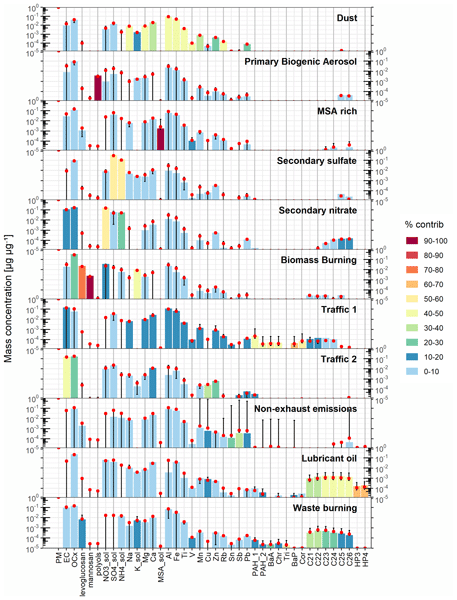
Valeria Mardoñez, Marco Pandolfi, Lucille Joanna S. Borlaza, Jean-Luc Jaffrezo, Andrés Alastuey, Jean-Luc Besombes, Isabel Moreno R., Noemi Perez, Griša Močnik, Patrick Ginot, Radovan Krejci, Vladislav Chrastny, Alfred Wiedensohler, Paolo Laj, Marcos Andrade, and Gaëlle Uzu
Atmos. Chem. Phys., 23, 10325–10347, https://doi.org/10.5194/acp-23-10325-2023, https://doi.org/10.5194/acp-23-10325-2023, 2023
Short summary
Short summary
La Paz and El Alto are two fast-growing, high-altitude Bolivian cities forming the second-largest metropolitan area in the country. The sources of particulate matter (PM) in this conurbation were not previously investigated. This study identified 11 main sources of PM, of which dust and vehicular emissions stand out as the main ones. The influence of regional biomass combustion and local waste combustion was also observed, with the latter being a major source of hazardous compounds.
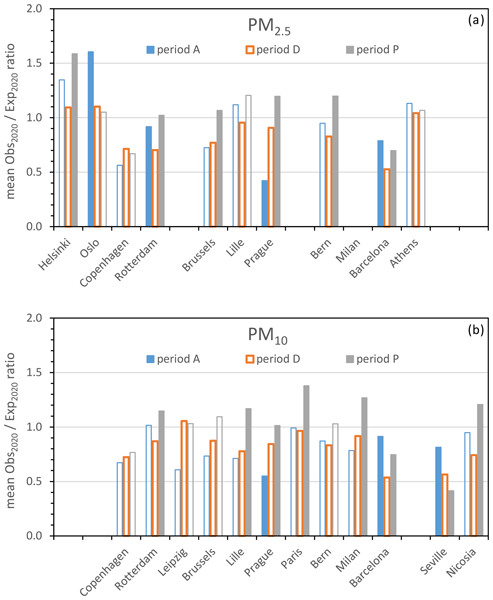
Jean-Philippe Putaud, Enrico Pisoni, Alexander Mangold, Christoph Hueglin, Jean Sciare, Michael Pikridas, Chrysanthos Savvides, Jakub Ondracek, Saliou Mbengue, Alfred Wiedensohler, Kay Weinhold, Maik Merkel, Laurent Poulain, Dominik van Pinxteren, Hartmut Herrmann, Andreas Massling, Claus Nordstroem, Andrés Alastuey, Cristina Reche, Noemí Pérez, Sonia Castillo, Mar Sorribas, Jose Antonio Adame, Tuukka Petaja, Katrianne Lehtipalo, Jarkko Niemi, Véronique Riffault, Joel F. de Brito, Augustin Colette, Olivier Favez, Jean-Eudes Petit, Valérie Gros, Maria I. Gini, Stergios Vratolis, Konstantinos Eleftheriadis, Evangelia Diapouli, Hugo Denier van der Gon, Karl Espen Yttri, and Wenche Aas
Atmos. Chem. Phys., 23, 10145–10161, https://doi.org/10.5194/acp-23-10145-2023, https://doi.org/10.5194/acp-23-10145-2023, 2023
Short summary
Short summary
Many European people are still exposed to levels of air pollution that can affect their health. COVID-19 lockdowns in 2020 were used to assess the impact of the reduction in human mobility on air pollution across Europe by comparing measurement data with values that would be expected if no lockdown had occurred. We show that lockdown measures did not lead to consistent decreases in the concentrations of fine particulate matter suspended in the air, and we investigate why.
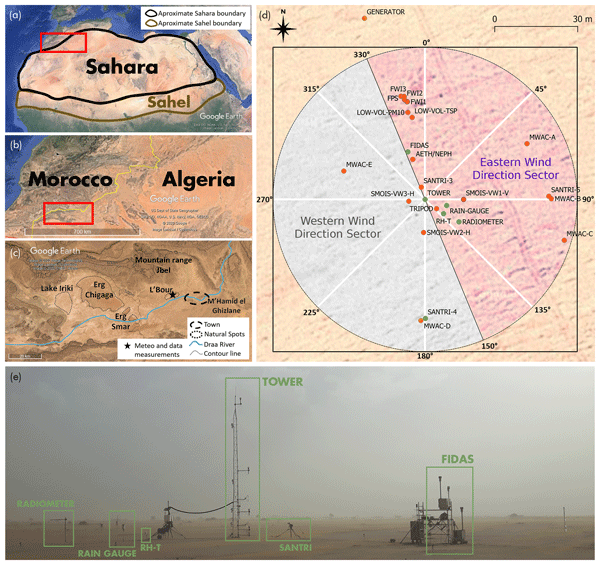
Cristina González-Flórez, Martina Klose, Andrés Alastuey, Sylvain Dupont, Jerónimo Escribano, Vicken Etyemezian, Adolfo Gonzalez-Romero, Yue Huang, Konrad Kandler, George Nikolich, Agnesh Panta, Xavier Querol, Cristina Reche, Jesús Yus-Díez, and Carlos Pérez García-Pando
Atmos. Chem. Phys., 23, 7177–7212, https://doi.org/10.5194/acp-23-7177-2023, https://doi.org/10.5194/acp-23-7177-2023, 2023
Short summary
Short summary
Atmospheric mineral dust consists of tiny mineral particles that are emitted by wind erosion from arid regions. Its particle size distribution (PSD) affects its impact on the Earth's system. Nowadays, there is an incomplete understanding of the emitted dust PSD and a lot of debate about its variability. Here, we try to address these issues based on the measurements performed during a wind erosion and dust emission field campaign in the Moroccan Sahara within the framework of FRAGMENT project.
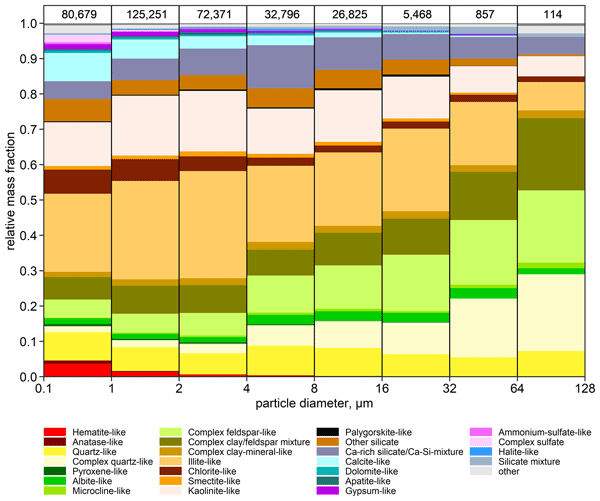
Agnesh Panta, Konrad Kandler, Andres Alastuey, Cristina González-Flórez, Adolfo González-Romero, Martina Klose, Xavier Querol, Cristina Reche, Jesús Yus-Díez, and Carlos Pérez García-Pando
Atmos. Chem. Phys., 23, 3861–3885, https://doi.org/10.5194/acp-23-3861-2023, https://doi.org/10.5194/acp-23-3861-2023, 2023
Short summary
Short summary
Desert dust is a major aerosol component of the Earth system and affects the climate. Dust properties are influenced by particle size, mineralogy, shape, and mixing state. This work characterizes freshly emitted individual mineral dust particles from a major source region using electron microscopy. Our new insights into critical particle-specific information will contribute to better constraining climate models that consider mineralogical variations in their representation of the dust cycle.
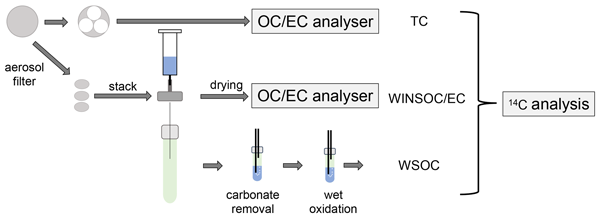
Martin Rauber, Gary Salazar, Karl Espen Yttri, and Sönke Szidat
Atmos. Meas. Tech., 16, 825–844, https://doi.org/10.5194/amt-16-825-2023, https://doi.org/10.5194/amt-16-825-2023, 2023
Short summary
Short summary
Carbon-containing aerosols from ambient air are analysed for radioactive isotope radiocarbon to determine the contribution from fossil-fuel emissions. Light-absorbing soot-like aerosols are isolated by water extraction and thermal separation. This separation is affected by artefacts, for which we developed a new correction method. The investigation of aerosols from the Arctic shows that our approach works well for such samples, where many artefacts are expected.
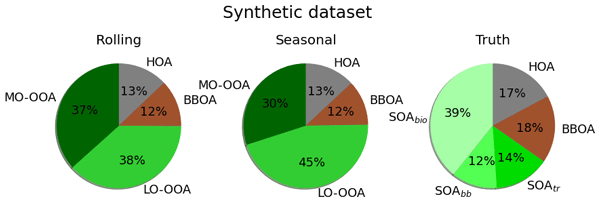
Marta Via, Gang Chen, Francesco Canonaco, Kaspar R. Daellenbach, Benjamin Chazeau, Hasna Chebaicheb, Jianhui Jiang, Hannes Keernik, Chunshui Lin, Nicolas Marchand, Cristina Marin, Colin O'Dowd, Jurgita Ovadnevaite, Jean-Eudes Petit, Michael Pikridas, Véronique Riffault, Jean Sciare, Jay G. Slowik, Leïla Simon, Jeni Vasilescu, Yunjiang Zhang, Olivier Favez, André S. H. Prévôt, Andrés Alastuey, and María Cruz Minguillón
Atmos. Meas. Tech., 15, 5479–5495, https://doi.org/10.5194/amt-15-5479-2022, https://doi.org/10.5194/amt-15-5479-2022, 2022
Short summary
Short summary
This work presents the differences resulting from two techniques (rolling and seasonal) of the positive matrix factorisation model that can be run for organic aerosol source apportionment. The current state of the art suggests that the rolling technique is more accurate, but no proof of its effectiveness has been provided yet. This paper tackles this issue in the context of a synthetic dataset and a multi-site real-world comparison.
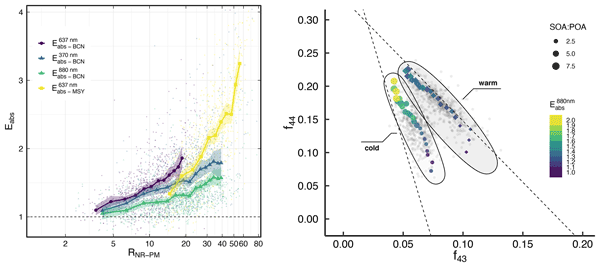
Jesús Yus-Díez, Marta Via, Andrés Alastuey, Angeliki Karanasiou, María Cruz Minguillón, Noemí Perez, Xavier Querol, Cristina Reche, Matic Ivančič, Martin Rigler, and Marco Pandolfi
Atmos. Chem. Phys., 22, 8439–8456, https://doi.org/10.5194/acp-22-8439-2022, https://doi.org/10.5194/acp-22-8439-2022, 2022
Short summary
Short summary
This study presents the absorption enhancement of internally and externally mixed black carbon (BC) particles in a Mediterranean city and countryside. We showed the importance of secondary organic aerosols (SOAs) and particle ageing by increasing the BC absorption enhancement. We performed a trend analysis on the absorption enhancement. We found a positive trend of the absorption enhancement at the regional station in summer driven by the increase over time of the relative contribution of SOA.
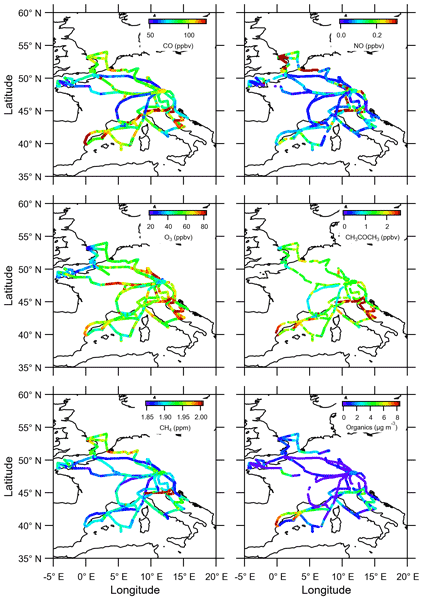
M. Dolores Andrés Hernández, Andreas Hilboll, Helmut Ziereis, Eric Förster, Ovid O. Krüger, Katharina Kaiser, Johannes Schneider, Francesca Barnaba, Mihalis Vrekoussis, Jörg Schmidt, Heidi Huntrieser, Anne-Marlene Blechschmidt, Midhun George, Vladyslav Nenakhov, Theresa Harlass, Bruna A. Holanda, Jennifer Wolf, Lisa Eirenschmalz, Marc Krebsbach, Mira L. Pöhlker, Anna B. Kalisz Hedegaard, Linlu Mei, Klaus Pfeilsticker, Yangzhuoran Liu, Ralf Koppmann, Hans Schlager, Birger Bohn, Ulrich Schumann, Andreas Richter, Benjamin Schreiner, Daniel Sauer, Robert Baumann, Mariano Mertens, Patrick Jöckel, Markus Kilian, Greta Stratmann, Christopher Pöhlker, Monica Campanelli, Marco Pandolfi, Michael Sicard, José L. Gómez-Amo, Manuel Pujadas, Katja Bigge, Flora Kluge, Anja Schwarz, Nikos Daskalakis, David Walter, Andreas Zahn, Ulrich Pöschl, Harald Bönisch, Stephan Borrmann, Ulrich Platt, and John P. Burrows
Atmos. Chem. Phys., 22, 5877–5924, https://doi.org/10.5194/acp-22-5877-2022, https://doi.org/10.5194/acp-22-5877-2022, 2022
Short summary
Short summary
EMeRGe provides a unique set of in situ and remote sensing airborne measurements of trace gases and aerosol particles along selected flight routes in the lower troposphere over Europe. The interpretation uses also complementary collocated ground-based and satellite measurements. The collected data help to improve the current understanding of the complex spatial distribution of trace gases and aerosol particles resulting from mixing, transport, and transformation of pollution plumes over Europe.

Christine D. Groot Zwaaftink, Wenche Aas, Sabine Eckhardt, Nikolaos Evangeliou, Paul Hamer, Mona Johnsrud, Arve Kylling, Stephen M. Platt, Kerstin Stebel, Hilde Uggerud, and Karl Espen Yttri
Atmos. Chem. Phys., 22, 3789–3810, https://doi.org/10.5194/acp-22-3789-2022, https://doi.org/10.5194/acp-22-3789-2022, 2022
Short summary
Short summary
We investigate causes of a poor-air-quality episode in northern Europe in October 2020 during which EU health limits for air quality were vastly exceeded. Such episodes may trigger measures to improve air quality. Analysis based on satellite observations, transport simulations, and surface observations revealed two sources of pollution. Emissions of mineral dust in Central Asia and biomass burning in Ukraine arrived almost simultaneously in Norway, and transport continued into the Arctic.
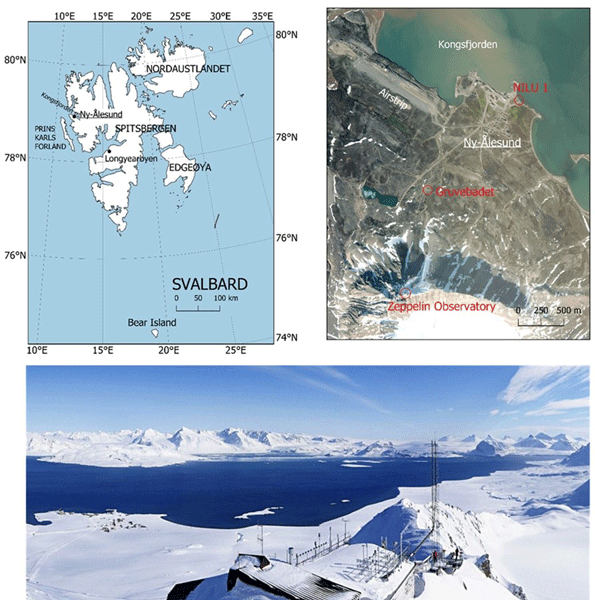
Stephen M. Platt, Øystein Hov, Torunn Berg, Knut Breivik, Sabine Eckhardt, Konstantinos Eleftheriadis, Nikolaos Evangeliou, Markus Fiebig, Rebecca Fisher, Georg Hansen, Hans-Christen Hansson, Jost Heintzenberg, Ove Hermansen, Dominic Heslin-Rees, Kim Holmén, Stephen Hudson, Roland Kallenborn, Radovan Krejci, Terje Krognes, Steinar Larssen, David Lowry, Cathrine Lund Myhre, Chris Lunder, Euan Nisbet, Pernilla B. Nizzetto, Ki-Tae Park, Christina A. Pedersen, Katrine Aspmo Pfaffhuber, Thomas Röckmann, Norbert Schmidbauer, Sverre Solberg, Andreas Stohl, Johan Ström, Tove Svendby, Peter Tunved, Kjersti Tørnkvist, Carina van der Veen, Stergios Vratolis, Young Jun Yoon, Karl Espen Yttri, Paul Zieger, Wenche Aas, and Kjetil Tørseth
Atmos. Chem. Phys., 22, 3321–3369, https://doi.org/10.5194/acp-22-3321-2022, https://doi.org/10.5194/acp-22-3321-2022, 2022
Short summary
Short summary
Here we detail the history of the Zeppelin Observatory, a unique global background site and one of only a few in the high Arctic. We present long-term time series of up to 30 years of atmospheric components and atmospheric transport phenomena. Many of these time series are important to our understanding of Arctic and global atmospheric composition change. Finally, we discuss the future of the Zeppelin Observatory and emerging areas of future research on the Arctic atmosphere.
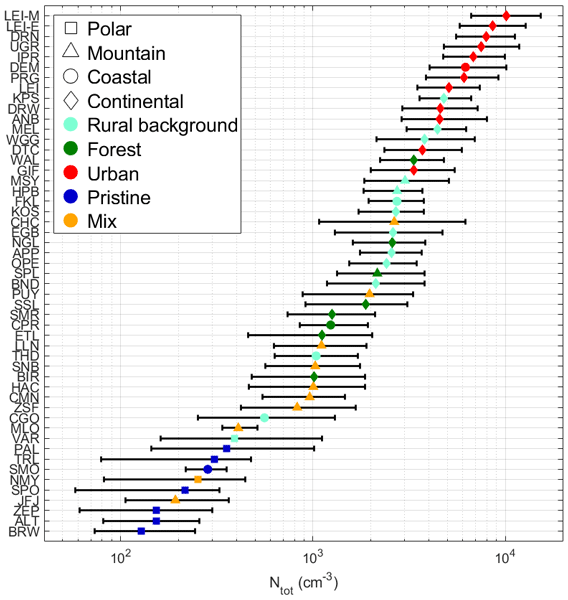
Clémence Rose, Martine Collaud Coen, Elisabeth Andrews, Yong Lin, Isaline Bossert, Cathrine Lund Myhre, Thomas Tuch, Alfred Wiedensohler, Markus Fiebig, Pasi Aalto, Andrés Alastuey, Elisabeth Alonso-Blanco, Marcos Andrade, Begoña Artíñano, Todor Arsov, Urs Baltensperger, Susanne Bastian, Olaf Bath, Johan Paul Beukes, Benjamin T. Brem, Nicolas Bukowiecki, Juan Andrés Casquero-Vera, Sébastien Conil, Konstantinos Eleftheriadis, Olivier Favez, Harald Flentje, Maria I. Gini, Francisco Javier Gómez-Moreno, Martin Gysel-Beer, Anna Gannet Hallar, Ivo Kalapov, Nikos Kalivitis, Anne Kasper-Giebl, Melita Keywood, Jeong Eun Kim, Sang-Woo Kim, Adam Kristensson, Markku Kulmala, Heikki Lihavainen, Neng-Huei Lin, Hassan Lyamani, Angela Marinoni, Sebastiao Martins Dos Santos, Olga L. Mayol-Bracero, Frank Meinhardt, Maik Merkel, Jean-Marc Metzger, Nikolaos Mihalopoulos, Jakub Ondracek, Marco Pandolfi, Noemi Pérez, Tuukka Petäjä, Jean-Eudes Petit, David Picard, Jean-Marc Pichon, Veronique Pont, Jean-Philippe Putaud, Fabienne Reisen, Karine Sellegri, Sangeeta Sharma, Gerhard Schauer, Patrick Sheridan, James Patrick Sherman, Andreas Schwerin, Ralf Sohmer, Mar Sorribas, Junying Sun, Pierre Tulet, Ville Vakkari, Pieter Gideon van Zyl, Fernando Velarde, Paolo Villani, Stergios Vratolis, Zdenek Wagner, Sheng-Hsiang Wang, Kay Weinhold, Rolf Weller, Margarita Yela, Vladimir Zdimal, and Paolo Laj
Atmos. Chem. Phys., 21, 17185–17223, https://doi.org/10.5194/acp-21-17185-2021, https://doi.org/10.5194/acp-21-17185-2021, 2021
Short summary
Short summary
Aerosol particles are a complex component of the atmospheric system the effects of which are among the most uncertain in climate change projections. Using data collected at 62 stations, this study provides the most up-to-date picture of the spatial distribution of particle number concentration and size distribution worldwide, with the aim of contributing to better representation of aerosols and their interactions with clouds in models and, therefore, better evaluation of their impact on climate.
Cited articles
Aas, W., Fagerli, H., Alastuey, A., Cavalli, F., Degórska, A., Feigenspan, S., Brenna, H., Gliß, J., Heinesen, D., Hueglin, C., Holubová, A., Jaffrezo, J.-L., Mortier, A., Murovec, M., Putaud, J.-P., Rüdiger, J., Simpson, D., Solberg, S., Tsyro, S., Tørseth, K., and Yttri, K. E.: Trends in air pollution in Europe, 2000–2019, Aerosol Air Qual. Res., 24, 230237, https://doi.org/10.4209/aaqr.230237, 2024.
Almeida, S., M., Manousakas, M., Diapouli, E., Kertesz, Z., Samek, L., Hristova, E., Šega, K., Padilla Alvarez, R., Belis, C. A., Eleftheriadis, K., and The IAEA European Region Study Group: Ambient particulate matter source apportionment using receptor modelling in European and Central Asia urban areas, Environ. Pollut., 266, 115199, https://doi.org/10.1016/j.envpol.2020.115199, 2020.
Amato, F., Pandolfi, M., Viana, M., Querol, X., Alastuey, A., and Moreno, T.: Spatial and chemical patterns of PM10 in road dust deposited in urban environment, Atmos. Environ., 43, 1650–1659, https://doi.org/10.1016/j.atmosenv.2008.12.009, 2009.
Amato, F., Alastuey, A., Karanasiou, A., Lucarelli, F., Nava, S., Calzolai, G., Severi, M., Becagli, S., Gianelle, V. L., Colombi, C., Alves, C., Custódio, D., Nunes, T., Cerqueira, M., Pio, C., Eleftheriadis, K., Diapouli, E., Reche, C., Minguillón, M. C., Manousakas, M.-I., Maggos, T., Vratolis, S., Harrison, R. M., and Querol, X.: AIRUSE-LIFE+: a harmonized PM speciation and source apportionment in five southern European cities, Atmos. Chem. Phys., 16, 3289–3309, https://doi.org/10.5194/acp-16-3289-2016, 2016.
Barbaro, E., Feltracco, M., De Blasi, F., Turetta, C., Radaelli, M., Cairns, W., Cozzi, G., Mazzi, G., Casula, M., Gabrieli, J., Barbante, C., and Gambaro, A.: Chemical characterization of atmospheric aerosols at a high-altitude mountain site: a study of source apportionment, Atmos. Chem. Phys., 24, 2821–2835, https://doi.org/10.5194/acp-24-2821-2024, 2024.
Bauer, H., Claeys, M., Vermeylen, R., Schueller, E., Weinke, G., Berger, A., and Puxbaum, H.: Arabitol and mannitol as tracers for the quantification of airborne fungal spores, Atmos. Environ., 42, 588–593, https://doi.org/10.1016/j.atmosenv.2007.10.013, 2008.
Belgrade's air quality action plan: Belgrade's air quality action plan (2021–2031), The Official Gazette of Belgrade, 46/2021 http://demo.paragraf.rs/demo/combined/Old/t/t2021_07/BG_046_2021_001.htm (last access: 8 August 2026), 2021 (in Serbian).
Belis, C. A., Karagulian, F., Larsen, B. R., and Hopke, P. K.: Critical review and meta-analysis of ambient particulate matter source apportionment using receptor models in Europe, Atmos. Environ., 69, 94–108, https://doi.org/10.1016/j.atmosenv.2012.11.009, 2013.
Belis, C. A., Favez, O., Mircea, M., Diapouli, E., Manousakas M.-I., Vratolis, S., Gilardoni, S., Paglione, M., Decesari, S., Mocnik, G., Mooibroek, D., Salvador, P., Takahama, S., Vecchi, R., and Paatero P.: European guide on air pollution source apportionment with receptor models – Revised version 2019, EUR 29816 EN, Publications Office of the European Union, Luxembourg, https://data.europa.eu/doi/10.2760/439106 (last access: 8 August 2026), 2019a.
Belis, C. A., Pisoni, E., Degraeuwe, B., Peduzzi, E., Thunis, P., Monforti-Ferrario, F., and Guizzardi, D.: Urban pollution in the Danube and Western Balkans regions: The impact of major PM2.5 sources, Environ. Int., 133, 105158, https://doi.org/10.1016/j.envint.2019.105158, 2019b.
Beuck, H., Quass, U., Klemm, O., and Kuhlbusch, T. A. J.: Assessment of sea salt and mineral dust contributions to PM10 in NW Germany using tracer models and positive matrix factorization, Atmos. Environ., 45, 5813–5821, https://doi.org/10.1016/j.atmosenv.2011.07.010, 2011.
Borbély-Kiss, I., Kiss, A. Z., Koltay, E., Szabó, G., and Bozó, L.: Saharan dust episodes in Hungarian aerosol: elemental signatures and transport trajectories, J. Aerosol Sci., 35, 1205–1224, https://doi.org/10.1016/j.jaerosci.2004.05.001, 2004.
Borlaza, L. J. S., Weber, S., Uzu, G., Jacob, V., Cañete, T., Micallef, S., Trébuchon, C., Slama, R., Favez, O., and Jaffrezo, J.-L.: Disparities in particulate matter (PM10) origins and oxidative potential at a city scale (Grenoble, France) – Part 1: Source apportionment at three neighbouring sites, Atmos. Chem. Phys., 21, 5415–5437, https://doi.org/10.5194/acp-21-5415-2021, 2021.
Bozzetti, C., Daellenbach, K, R., Hueglin, C., Fermo, P., Sciare, J., Kasper-Giebl, A., Mazar, Y., Abbaszade, G., El Kazzi, M., Gonzalez, R., Shuster-Mieseles, T., Flasch, M., Wolf, R., Krepelova, A., Canonaco, F., Schnelle-Kreis, J., Slowik, J. G., Zimmermann, R., Rudich, Y., Baltensperger, U., El Haddad, I., and Prevot, A. S. H.: Size-resolved identification, characterization, and quantification of primary biological organic aerosol at a European rural site, Environ. Sci. Technol., 50, 3425–3434, https://doi.org/10.1021/acs.est.5b05960, 2016.
Burnett, R., Chen, H., Szyszkowicz, M., Fann, N., Hubbell, B., Pope III, C. A., Apte, J. S., Brauer, M., Cohen, A., Weichenthal, S., Coggins, J., Di, Q., Brunekreef, B., Frostad, J., Lim, S. S., Kan, H., Walker, K. D., Thurston, G. D., Hayes, R. B., Lim, C. C., Turner, M. C., Jerrett, M., Krewski, D., Gapstur, S. M., Diver, W. R., Ostro, B., Goldberg, D., Crouse, D. L., Martin, R. V., Peters, P., Pinault, L., Tjepkema, M., van Donkelaar, A., Villeneuve, P. J., Miller, A. B., Yin, P., Zhou, M., Wang, L., Janssen, N. A. H., Marra, M., Atkinson, R. W., Tsang, H., Thach, T. Q., Kan, H., Cannon, J. B., Allen, R. T., Hart, J. E., Laden, F., Cesaroni, G., Forastiere, F., Weinmayr, G., Jaensch, A., Nagel, G., Concin, H., and Spadaro, J. V.: Global estimates of mortality associated with long-term exposure to outdoor fine particulate matter, P. Natl. Acad. Sci. USA, 115, 9592–9597, https://doi.org/10.1073/pnas.1803222115, 2018.
Cavalli, F., Viana, M., Yttri, K. E., Genberg, J., and Putaud, J.-P.: Toward a standardised thermal-optical protocol for measuring atmospheric organic and elemental carbon: the EUSAAR protocol, Atmos. Meas. Tech., 3, 79–89, https://doi.org/10.5194/amt-3-79-2010, 2010.
Carslaw, D. C.: The Openair Manual – Open-Source Tools for Analysing Air Pollution Data, Manual for version 0.6-0, University of York, https://cran.r-project.org/web/packages/openair/openair.pdf (last access: 8 August 2026), 2012.
Choi, Y., Byun, G., Kim, H., Stewart, R., Song, Y., Heo, S., Lee, J.-T., Tong, S., Lavigne, E., Valdés Ortega, N., Matus Correa, P., Osorio, S., Achilleos, S., Kyselý, J., Urban, A., Roye, D., Orru, H., Maasikmets, M., Jaakkola, J. J. K., Ryti, N., Pascal, M., Schneider, A., Breitner, S., Katsouyanni, K., Samoli, E., Krage Carlsen, H., Entezari, A., Mayvaneh, F., Raz, R., Stafoggia, M., de'Donato, F., Hashizume, M., Ng, C. F. S., Madaniyazi, L., Hurtado Diaz, M., Félix Arellano, E. E., Klompmaker, J., Rao, S., Madureira, J., Gaio, V., Guo, Y., Scovronick, N., Garland, R. M., Kim, H., Lee, W., Forsberg, B., Vicedo-Cabrera, A. M., Ragettli, M. S., Guo, Y. L., Pan, S.-C., Armstrong, B., Sera, F., Gasparrini, A., Masselot, P., Mistry, M., Zanobetti, A., Schwartz, J., and Bell, M. L.: Temporal changes in mortality risk associated with PM10 across 143 cities in 26 countries: a multicountry, multicity time-series study, Lancet Planet. Health, 10, 101465, https://doi.org/10.1016/j.lanplh.2026.101465, 2026.
Ćirović, Ž., Stojanović, D. B., Davidović, M., Onjia, A., Garcia-Marlès, M., Lozano, N. P., Alastuey, A., and Jovašević-Stojanović, M.: Concentrations and Estimation of Sources of Ultrafine Particles in the City of Belgrade at Ada Marina Urban Background Site, Environments, 13, 47, https://doi.org/10.3390/environments13010047, 2026.
Claeys, M., Graham, B., Vas, G., Wang, W., Vermeylen, R., Pashynska, V., Cafmeyer, J., Guyon, P., Andreae, M. O., Artaxo, P., and Maenhaut, W.: Formation of secondary organic aerosols through photooxidation of isoprene, Science, 303, 1173–1176, https://doi.org/10.1126/science.1092805, 2004.
Cohen, A. J., Brauer, M., Burnett, R., Anderson, H. R., Frostad, J., Estep, K., Balakrishnan, K., Brunekreef, B., Dandona, L., Dandona, R., Feigin, V., Freedman, G., Hubbell, B., Jobling, A., Kan, H., Knibbs, L., Liu, Y., Martin, R., Morawska, L., Pope III, C. A., Shin, H., Straif, K., Shaddick, G., Thomas, M., van Dingenen, R., van Donkelaar, A., Vos, T., Murray, C. J. L., and Forouzanfar, M. H.: Estimates and 25-year trends of the global burden of disease attributable to ambient air pollution: an analysis of data from the Global Burden of Diseases Study 2015, The Lancet, 389, 1907–1918, https://doi.org/10.1016/S0140-6736(17)30505-6, 2017.
Cvetković, A., Jovašević-Stojanović, M., Marković, D., and Ristovski, Z.: Concentration and source identification of polycyclic aromatic hydrocarbons in the metropolitan area of Belgrade, Serbia, Atmos. Environ., 112, 335–343, https://doi.org/10.1016/j.atmosenv.2015.04.034, 2015.
De Hoogh, K., Hoek, G., Flückiger, B., Bussalleu, A., Vienneau, D., Jeong, A., Probst-Hensch, N., de Pinho, M. G. M., Mackenbach, J. D., Lakerveld, J., Beulens, J. W. J., Castagné, R., Delpierre, C., Kelly-Irving, M., Shen, Y., Huss, A., Dadvand, P., Cirach Pradas, M., Nieuwenhuijsen, M., Vlaanderen, J., and Vermeulen, R.: A Europe-wide characterization of the external exposome: A spatio temporal analysis, Environ. Int., 200, 109542, https://doi.org/10.1016/j.envint.2025.109542, 2025.
Đorđević, D., Mihajlidi-Zelić, A., Relić, D., Ignjatović, L., Huremović, J., Stortini, A. M., and Gambaro, A.: Size-segregated mass concentration and water soluble inorganic ions in an urban aerosol of the Central Balkans (Belgrade), Atmos. Environ., 46, 309–317, https://doi.org/10.1016/j.atmosenv.2011.09.057, 2012.
European Council: On Ambient Air Quality and Cleaner Air for Europe 2008/50/EC, Off. J. Eur. Union, 1, 1–44, https://eur-lex.europa.eu/legal-content/EN/TXT/PDF/?uri=CELEX:32008L0050&from=en (last access: 8 August 2026), 2008.
European Council: On Ambient Air Quality and Cleaner Air for Europe 2024/2881, Off. J. Eur. Union, 1, 1–70, https://eur-lex.europa.eu/legal-content/EN/TXT/PDF/?uri=OJ:L_202402881 (last access: 8 August 2026), 2024.
European Environment Agency: Harm to human health from air pollution in Europe: burden of disease status, https://www.eea.europa.eu/en/analysis/publications/harm-to-human-health-from-air-pollution-burden-of-disease-status-2025 (last access: 4 December 2025), 2025a.
European Environment Agency: Air quality status report 2025: Particulate matter – PM2.5
Fröhlich-Nowoisky, J., Kampf, C. J., Weber, B., Huffman, J. A., Pöhlker, C., Andreae M. O., Lang-Yona, N., Burrows, S. M, Gunthe, S. S., Elbert, W., Su, H., Hoor, P., Thines, E., Hoffmann, T., and Després, V. R.: Bioaerosols in the Earth system: Climate, health, and ecosystem interactions, Atmos. Res., 182, 346–376, https://doi.org/10.1016/j.atmosres.2016.07.018, 2016.
Gajović, V. and Todorović, B.: Spatial and temporal analysis of fires in Serbia for period 2000–2013, J. Geogr. Inst. Jovan Cvijić SASA, 63, 297–312, https://doi.org/10.2298/IJGI1303297G, 2013.
Gilardoni, S., Vignati, E., Cavalli, F., Putaud, J. P., Larsen, B. R., Karl, M., Stenström, K., Genberg, J., Henne, S., and Dentener, F.: Better constraints on sources of carbonaceous aerosols using a combined 14C – macro tracer analysis in a European rural background site, Atmos. Chem. Phys., 11, 5685–5700, https://doi.org/10.5194/acp-11-5685-2011, 2011.
Glojek, K., Močnik, G., Alas, H. D. C., Cuesta-Mosquera, A., Drinovec, L., Gregorič, A., Ogrin, M., Weinhold, K., Ježek, I., Müller, T., Rigler, M., Remškar, M., van Pinxteren, D., Herrmann, H., Ristorini, M., Merkel, M., Markelj, M., and Wiedensohler, A.: The impact of temperature inversions on black carbon and particle mass concentrations in a mountainous area, Atmos. Chem. Phys., 22, 5577–5601, https://doi.org/10.5194/acp-22-5577-2022, 2022.
Government of the Republic of Serbia: Regulation on conditions for monitoring and air quality requirements, Official Gazette of Republic of Serbia, 63, https://www.paragraf.rs/propisi/uredba-uslovima-monitoring-zahtevima-kvaliteta-vazduha.html (last access: 8 August 2026), 2013.
Government of the Republic of Serbia: Law on air protection, Official Gazette of Republic of Serbia, 51, https://www.paragraf.rs/propisi/zakon_o_zastiti_vazduha.html (last access: 8 August 2026), 2025.
Groot Zwaaftink, C. D., Grythe, H., Skov, H., and Stohl, A.: Substantial contribution of northern high-latitude sources to mineral dust in the Arctic. J. Geophys. Res.-Atmos., 121, 678–697, https://doi.org/10.1002/2016JD025482, 2016.
Health Effects Institute: Trends in Air Quality and Health in the Republic of Serbia: A State of Global Air Special Report. Boston, MA, Health Effects Institute, https://www.stateofglobalair.org/sites/default/files/documents/2022-09/soga-southeast-europe-serbia-report-english.pdf (last access: 8 August 2026), 2022.
Health Effects Institute: State of Global Air 2024, Special Report, Boston, MA:Health Effects Institute, https://www.stateofglobalair.org/resources/archived/state-global-air-report-2024 (last access: 8 August 2026), 2024.
Hersbach, H., Bell, B., Berrisford, P., Hirahara, S., Horányi, A., Muñoz-Sabater, J., Nicolás, J., Peubey, C., Radu, R., Schepers, D., Simmons, A., Soci, C., Abdalla, S., Abellan, X., Balsamo, G., Bechtold, P., Biavati, G., Bidlot, J., Bonavita, M., De Chiara, G., Dahlgren, P., Dee, D., Diamantakis, M., Dragani, R., Flemming, J., Forbes, R., Fuentes, M., Geer, A., Haimberger, L., Healy, S., Hogan, R. J., Hólm, E., Janisková, M., Keeley, S., Laloyaux, P., Lopez, P., Lupu, C., Radnoti, G., de Rosnay, P., Rozum, I., Vamborg, F., Villaume, S., and Thépaut, J.-N.: The ERA5 global reanalysis, Q. J. Roy. Meteor. Soc., 146, 1999–2049, https://doi.org/10.1002/qj.3803, 2020.
Hristova, E., Veleva, B., Georgieva, E., and Branzov, H.: Application of positive matrix factorization receptor model for source identification of PM10 in the city of Sofia, Bulgaria, Atmos., 11, 890, https://doi.org/10.3390/atmos11090890, 2020.
Huang, Z., Yu, X., Liu, Q., Maki, T., Alam, K., Wang, Y., Xue, F., Tang, S., Du, P., Dong, Q., Wang, D., and Huang, J.: Bioaerosols in the atmosphere: A comprehensive review on detection methods, concentration and influencing factors, Sci. Total Environ., 912, 168818, https://doi.org/10.1016/j.scitotenv.2023.168818, 2024.
IARC: IARC monographs on the evaluation of carcinogenic risks to humans Volume 109 Outdoor air pollution, International Agency for Research on Cancer, Lyon, France, https://publications.iarc.who.int/Book-And-Report-Series/Iarc-Monographs-On-The-Identification-Of-Carcinogenic-Hazards-To-Humans/Outdoor-Air-Pollution-2015 (last access: 8 August 2026), 2016.
Ivezić, D., Živković, M., Danilović, D., Madžarević, A., and Tanasijević, M.: The state and perspective of the natural gas sector in Serbia, Energ. Source Part B, 11, 1061–1067, https://doi.org/10.1080/15567249.2013.858796, 2016.
Jovasevic-Stojanovic, M., Kovacevic, R., and Radovic, B.: Inorganics in air and particle phase at Beograd Ada Marina, EBAS [data set], https://doi.org/10.48597/5JNE-638V (last access: 8 August 2026), 2024a.
Jovasevic-Stojanovic, M., Kovacevic, R., and Radovic, B.: Heavy metals and inorganics in air and particle phase at Beograd Ada Marina, EBAS [data set], https://doi.org/10.48597/8TQV-HXDA (last access: 8 August 2026), 2024b.
Jovasevic-Stojanovic, M., Petrovic, B., and Davidovic, M.: OC/EC at Beograd Ada Marina, EBAS [data set], https://doi.org/10.48597/J32C-ZYJW (last access: 8 August 2026), 2024c.
Khan, S., Gurjar, B. R., and Sahu, V.: Deposition modeling of ambient particulate matter in the human respiratory tract, Atmos. Pollut. Res., 13, 101565, https://doi.org/10.1016/j.apr.2022.101565, 2022.
Koçak, M., Theodosi, C., Zarmpas, P., Im, U., Bougiatioti, A., Yenigun, O., and Mihalopoulos, N.: Particulate matter (PM10) in Istanbul: Origin, source areas and potential impact on surrounding regions, Atmos. Environ., 45, 6891–6900, https://doi.org/10.1016/j.atmosenv.2010.10.007, 2011.
Liu, X., Turner, J. R., Hand, J. L., Schichtel, B. A., and Martin, R. V.: A global‐scale mineral dust equation, J. Geophys. Res.-Atmos., 127, e2022JD036937, https://doi.org/10.1029/2022JD036937, 2022.
Liu, X., Zhang, X., Jin, B., Wang, T., Qian, S., Zou, J., Dinh, V. N. T., Jaffrezo, J. L., Uzu, G., Dominutti, P., Darfeuil, S., Favez, O., Conil, S., Marchand, N., Castillo, S., de la Rosa, J. D., Grange, S., Hueglin, C., Eleftheriadis, K., Diapouli, E., Manousakas, M. I., Gini, M., Nava, S., Calzolai, G., Alves, C., Monge, M., Reche, C., Harrison, R. M., Hopke, P. K., and Querol, X.: Source apportionment of PM10 based on offline chemical speciation data at 24 European sites, npj Clim. Atmos. Sci., 8, 255, https://doi.org/10.1038/s41612-025-01097-7, 2025.
Marcovecchio, F. and Perrino, C.: Contribution of primary biological aerosol particles to airborne particulate matter in indoor and outdoor environments, Chemosphere, 264, 128510, https://doi.org/10.1016/j.chemosphere.2020.128510, 2021.
Massimi, L., Simonetti, G., Buiarelli, F., Di Filippo, P., Pomata, D., Riccardi, C., Ristorini, M., Astolfi, M. L., and Canepari, S.: Spatial distribution of levoglucosan and alternative biomass burning tracers in atmospheric aerosols in an urban and industrial hot-spot of Central Italy, Atmos. Environ., 239, 117740, https://doi.org/10.1016/j.atmosres.2020.104904, 2020.
McDuffie, E. E., Martin, R. V., Spadaro, J. V., Burnett, R., Smith, S. J., O'Rourke, P., Hammer, M. S., van Donkelaar, A., Bindle, L., Shah, V., Jaeglé, L., Luo, G., Yu, F., Adeniran, J. A., Lin, J., and Brauer, M.: Source sector and fuel contributions to ambient PM2.5 and attributable mortality across multiple spatial scales, Nat. Commun., 12, 3594, https://doi.org/10.1038/s41467-021-23853-y, 2021.
Mifka, B., Žurga, P., Kontošić, D., Odorčić, D., Mezlar, M., Merico, E., Grasso, F. M., Conte, M., Contini, D., and Alebić-Juretić, A.: Characterization of airborne particulate fractions from the port city of Rijeka, Croatia, Mar. Pollut. Bull., 166, 112236, https://doi.org/10.1016/j.marpolbul.2021.112236, 2021.
Mijailović, R., Marković, N., Pešić, D., and Vlajić, J. V.: Evaluation of scenarios for improving energy efficiency and reducing exhaust emissions of a passenger car fleet: A methodology, Transp. Res. D, 73, 352–366, https://doi.org/10.1016/j.trd.2019.07.005, 2019.
Mijić, Z., Stojić, A., Perišić, M., Rajšić, S., and Tasić, M.: Receptor modeling studies for the characterization of PM10 pollution sources in Belgrade, CI&CEQ, 18, 623–634, https://doi.org/10.2298/CICEQ120104108M, 2012.
Mirakovski, D., Boev, B., Boev, I., Hadzi-Nikolova, M., Reka, A., and Sijakova-Ivanova, T.: Urban air pollution in Skopje aglomeration–trafic vs background case, Contrib. Sect. Nat. Math. Biotech. Sci., MASA, 40, 41–48, e-ISNN 1857-9949, https://eprints.ugd.edu.mk/26594/1/Prilozi-41-12020-1.pdf (last access: 8 August 2026), 2020.
Moreno, T., Querol, X., Castillo, S., Alastuey, A., Cuevas, E., Herrmann, L., Mounkaila, M., Elvira, J., and Gibbons, W.: Geochemical variations in aeolian mineral particles from the Sahara–Sahel Dust Corridor, Chemosphere, 65, 261–270, https://doi.org/10.1016/j.chemosphere.2006.02.052, 2006.
Newell, K., Kartsonaki, C., Lam, K. B. H., and Kurmi, O. P.: Cardiorespiratory health effects of particulate ambient air pollution exposure in low-income and middle-income countries: a systematic review and meta-analysis, Lancet Planet. Health, 1, e368–e380, https://doi.org/10.1016/S2542-5196(17)30166-3, 2017.
Nicolás, J., Chiari, M., Crespo, J., Orellana, I. G., Lucarelli, F., Nava, S., Pastor, C., and Yubero, E.: Quantification of Saharan and local dust impact in an arid Mediterranean area by the positive matrix factorization (PMF) technique, Atmos. Environ., 42, 8872–8882, https://doi.org/10.1016/j.atmosenv.2008.09.018, 2008.
Norris, G., Duvall, R., Brown, S., and Bai, S.: EPA positive matrix factorization (PMF) 5.0 fundamentals and user guide, US Environmental Protection Agency, Washington, DC, https://www.epa.gov/sites/default/files/2015-02/documents/pmf_5.0_user_guide.pdf (last access: 8 August 2026), 2014.
Ooki, A., Uematsu, M., Miura, K., and Nakae, S.: Sources of sodium in atmospheric fine particles, Atmos. Environ., 36, 4367–4374, https://doi.org/10.1016/S1352-2310(02)00341-2, 2002.
Paatero, P. and Hopke, P. K.: Rotational tools for factor analytic models, J. Chemom., 23, 92–100, https://doi.org/10.1002/cem.1197, 2009.
Paatero, P. and Tapper, U.: Positive matrix factorization: A non-negative factor model with optimal utilization of error estimates of data values, Environmetrics, 5, 111–126, https://doi.org/10.1002/env.3170050203, 1994.
Pandolfi, M., Alastuey, A., Pérez, N., Reche, C., Castro, I., Shatalov, V., and Querol, X.: Trends analysis of PM source contributions and chemical tracers in NE Spain during 2004–2014: a multi-exponential approach, Atmos. Chem. Phys., 16, 11787–11805, https://doi.org/10.5194/acp-16-11787-2016, 2016.
Pandolfi, M., Mooibroek, D., Hopke, P., van Pinxteren, D., Querol, X., Herrmann, H., Alastuey, A., Favez, O., Hüglin, C., Perdrix, E., Riffault, V., Sauvage, S., van der Swaluw, E., Tarasova, O., and Colette, A.: Long-range and local air pollution: what can we learn from chemical speciation of particulate matter at paired sites?, Atmos. Chem. Phys., 20, 409–429, https://doi.org/10.5194/acp-20-409-2020, 2020.
Pereira, G. M., Yoshiaki Kamigauti, L., Pereira, R. F., Monteiro dos Santos, D., da Silva Santos, T., Martins, J. V., Alves, C., Gonçalves, C., Casotti Rienda, I., Kováts, N., Nogueira, T., Rizzo, L., Artaxo, P., Maura de Miranda, R., Yamasoe, M. A., Dias de Freitas, E., de Castro Vasconcellos, P., and de Fatima Andrade, M.: Source apportionment and ecotoxicity of PM2.5 pollution events in a major Southern Hemisphere megacity: influence of a biofuel-impacted fleet and biomass burning, Atmos. Chem. Phys., 25, 4587–4616, https://doi.org/10.5194/acp-25-4587-2025, 2025.
Perrone, M. G., Vratolis, S., Georgieva, E., Török, S., Šega, K., Veleva, B., Osan, J., Bešlić, I., Kertész, Z., Pernigotti, D., Eleftheriadis, K., and Belis, C. A.: Sources and geographic origin of particulate matter in urban areas of the Danube macro-region: The cases of Zagreb (Croatia), Budapest (Hungary) and Sofia (Bulgaria), Sci. Total Environ., 619, 1515–1529, https://doi.org/10.1016/j.scitotenv.2017.11.092, 2018.
Pio, C., Cerqueira, M., Harrison, R. M., Nunes, T., Mirante, F., Alves, C., Oliveira, C., Sanchez de la Campa, A., Artinano, B., and Matos, M.: OC
Pisso, I., Sollum, E., Grythe, H., Kristiansen, N. I., Cassiani, M., Eckhardt, S., Arnold, D., Morton, D., Thompson, R. L., Groot Zwaaftink, C. D., Evangeliou, N., Sodemann, H., Haimberger, L., Henne, S., Brunner, D., Burkhart, J. F., Fouilloux, A., Brioude, J., Philipp, A., Seibert, P., and Stohl, A.: The Lagrangian particle dispersion model FLEXPART version 10.4, Geosci. Model Dev., 12, 4955–4997, https://doi.org/10.5194/gmd-12-4955-2019, 2019.
Platt, S. M., Davidović, M., Bartonova, A., Ćirović, Ž., Eckhardt, S., Evangeliou, N., Gundersen, H., Jovanović, M., Jovašević-Stojanović, M., Močnik, G., Petrović, B., Schneider, P., and Yttri, K. E.: Measurement report: Sources of carbonaceous aerosol in a South-East European metropolis, EGUsphere [preprint], https://doi.org/10.5194/egusphere-2026-1708, 2026.
Polichetti, G., Cocco, S., Spinali, A., Trimarco, V., and Nunziata, A.: Effects of particulate matter (PM10, PM2.5 and PM1) on the cardiovascular system, Toxicology, 261, 1–8, https://doi.org/10.1016/j.tox.2009.04.035, 2009.
Polissar, A. V., Hopke, P., K., Paatero, P., Malm, W., C., and Sisler, J., F.: Atmospheric aerosol over Alaska: 2. Elemental composition and sources, J. Geophys. Res.-Atmos., 103, 19045–19057, https://doi.org/10.1029/98JD01212, 1998.
Pope III, C. A., Burnett, R. T., Thun, M. J., Calle, E. E., Krewski, D., Ito, K., and Thurston, G.: Lung cancer, cardiopulmonary mortality, and long-term exposure to fine particulate air pollution, JAMA, 287, 1132–1141, https://doi.org/10.1001/jama.287.9.1132, 2002.
Querol, X., Alastuey, A., Rodriguez, S., Plana, F., Ruiz, C. R., Cots, N., Massagué, G., and Puig, O.: PM10 and PM2.5 source apportionment in the Barcelona Metropolitan Area, Catalonia, Spain, Atmos. Environ., 35, 6407–6419, https://doi.org/10.1016/S1352-2310(01)00361-2, 2001.
Querol, X., Viana, M., Alastuey, A., Amato, F., Moreno, T., Castillo, S., Pey, J., de la Rosa, J., Sanchez de la Campa, A., Artinano, B., Salvador, P., Dos Santos, S. G., Fernandez-Patier, R., Moreno-Grau, S., Negral, L., Minguillon, M. C., Monfort, E., Gil, J. I., Ortega, L. A., Santamaria J. M., and Zabalza, J.: Source origin of trace elements in PM from regional background, urban and industrial sites of Spain, Atmos. Environ., 41, 7219–7231, https://doi.org/10.1016/j.atmosenv.2007.05.022, 2007.
Rajšić, S., Mijić, Z., Tasić, M., Radenković, M., and Joksić, J.: Evaluation of the levels and sources of trace elements in urban particulate matter, Environ. Chem. Lett., 6, 95–100, https://doi.org/10.1007/s10311-007-0115-0, 2008.
Rowell, R. M., Pettersen, R., and Tshabalala, M. A.: Handbook of wood chemistry and wood composites, CRC press, https://www.academia.edu/download/112691927/b12487-5.pdf (last access: 8 August 2026), 2012.
Ruuskanen, J., Tuch, T., Ten Brink, H., Peters, A., Khlystov, A., Mirme, A., Kos, G. P. A., Brunekreef, B., Wichmann, H. E., Buzorius, G., Vallius, M., Kreyling, W. G., and Pekkanen, J.: Concentrations of ultrafine, fine and PM2.5 particles in three European cities, Atmos. Environ., 35, 3729–3738, https://doi.org/10.1016/S1352-2310(00)00373-3, 2001.
Samaké, A., Jaffrezo, J.-L., Favez, O., Weber, S., Jacob, V., Canete, T., Albinet, A., Charron, A., Riffault, V., Perdrix, E., Waked, A., Golly, B., Salameh, D., Chevrier, F., Oliveira, D. M., Besombes, J.-L., Martins, J. M. F., Bonnaire, N., Conil, S., Guillaud, G., Mesbah, B., Rocq, B., Robic, P.-Y., Hulin, A., Le Meur, S., Descheemaecker, M., Chretien, E., Marchand, N., and Uzu, G.: Arabitol, mannitol, and glucose as tracers of primary biogenic organic aerosol: the influence of environmental factors on ambient air concentrations and spatial distribution over France, Atmos. Chem. Phys., 19, 11013–11030, https://doi.org/10.5194/acp-19-11013-2019, 2019.
Seinfeld, J. H. and Pandis, S. N.: Atmospheric chemistry and physics: from air pollution to climate change, 3rd edn., John Wiley & Sons, ISBN 978-1-119-22117-3, 2016.
Serbian Environmental Protection Agency: Annual Report on the State of Air Quality in the Republic of Serbia for 2023, Serbian Environmental Protection Agency, Ministry of Environmental Protection, Republic of Serbia, https://sepa.gov.rs/wp-content/uploads/2024/10/Vazduh2023.pdf (last access: 8 August 2026), 2024.
Serbian Environmental Protection Agency: Annual Report on the State of Air Quality in the Republic of Serbia for 2024, Serbian Environmental Protection Agency, Ministry of Environmental Protection, Republic of Serbia, https://sepa.gov.rs/wp-content/uploads/2026/01/Vazduh2024.pdf (last access: 8 August 2026), 2026.
Schmidl, C., Marr, I. L., Caseiro, A., Kotianová, P., Berner, A., Bauer, H., Kasper-Giebl, A., and Puxbaum, H.: Chemical characterisation of fine particle emissions from wood stove combustion of common woods growing in mid-European Alpine regions, Atmos. Environ., 42, 126–141, https://doi.org/10.1016/j.atmosenv.2007.09.028, 2008.
Srivastava, D., Tomaz, S., Favez, O., Lanzafame, G. M., Golly, B., Besombes, J. L., Alleman, L. Y., Jaffrezo, J. L., Jacob, V., Perraudin, E., Villenave, E., and Albinet, A.: Speciation of organic fraction does matter for source apportionment. Part 1: A one-year campaign in Grenoble (France), Sci. Total Environ., 624, 1598–1611, https://doi.org/10.1016/j.scitotenv.2017.12.135, 2018.
Stafoggia, M., Oftedal, B., Chen, J., Rodopoulou, S., Renzi, M., Atkinson, R. W., Bauwelinck, M., Klompmaker, J. O., Mehta, A., Vienneau, D., Andersen, Z. J., Bellander, T., Brandt, J., Cesaroni, G., De Hoogh, K., Fecht, D., Gulliver, J., Hertel, O., Hoffmann, B., Hvidtfeldt, U. A., Jockel, K. H., Jorgensen, J. T., Katsouyanni, K., Ketzel, M., Kristoffersen, D. T., Lager, A., Leander, K., Liu, S., Ljungman, P. L. S., Nagel, G., Pershagen, G., Peters, A., Raaschou-Nielsen, O., Rizzuto, D., Schramm, S., Schwarze, P. E., Severi, G., Sigsgaard, T., Strak, M., van der Schouw, Y. T., Verschuren, M., Weinmayr, G., Wolf, K., Zitt, E., Samoli, E., Forastiere, F., Brunekreef, B., Hoek, G., and Janssen, N. A. H.: Long-term exposure to low ambient air pollution concentrations and mortality among 28 million people: results from seven large European cohorts within the ELAPSE project, Lancet Planet. Health, 6, e9–e18, https://doi.org/10.1016/S2542-5196(21)00277-1, 2022.
Stojić, A., Stojić, S. S., Reljin, I., Čabarkapa, M., Šoštarić, A., Perišić, M., and Mijić, Z.: Comprehensive analysis of PM10 in Belgrade urban area on the basis of long-term measurements, Environ. Sci. Pollut. Res., 23, 10722–10732, https://doi.org/10.1007/s11356-016-6266-4, 2016.
Terzi, E., Argyropoulos, G., Bougatioti, A., Mihalopoulos, N., Nikolaou, K., and Samara, C.: Chemical composition and mass closure of ambient PM10 at urban sites, Atmos. Environ., 44, 2231–3329, https://doi.org/10.1016/j.atmosenv.2010.02.019, 2010.
Tian, F., Qi, J., Wang, L., Yin, P., Qian, Z. M., Ruan, Z., Liu, J., Liu, Y., McMillin, S. E., Wang, C., Lin, H., and Zhou, M.: Differentiating the effects of ambient fine and coarse particles on mortality from cardiopulmonary diseases: A nationwide multicity study, Environ. Int., 145, 106096, https://doi.org/10.1016/j.envint.2020.106096, 2020.
Todorović, M. N., Radenković, M. B., Onjia, A. E., and Ignjatović, L. M.: Characterization of PM2.5 sources in a Belgrade suburban area: a multi-scale receptor-oriented approach, Environ. Sci. Pollut. Res., 27, 41717–41730, https://doi.org/10.1007/s11356-020-10129-z, 2020.
Tonon, T., Li, Y., and McQueen-Mason, S. Mannitol biosynthesis in algae: more widespread and diverse than previously thought, New Phytol., 213, 1573–1579, https://doi.org/10.1111/nph.14358, 2017.
Turpin, B. J. and Lim, H. J.: Species contributions to PM2.5 mass concentrations: Revisiting common assumptions for estimating organic mass, Aerosol Sci. Technol., 35, 602–610, https://doi.org/10.1080/02786820119445, 2001.
Tursun, K., Omarova, A., Ibragimova, O., P., Bukenov, B., Tursumbayeva, M., Mukhtarov, R., Radelyuk, I., Yenisoy, S., Karakas, D., Ergin, H., Karaca, F., and Baimatova, N.: Dominant sources of PM2.5 in Kazakhstan's urban cities: A PMF and HYSPLIT-based study for air quality management in Central Asia, Urban Clim., 64, 102706, https://doi.org/10.1016/j.uclim.2025.102706, 2025.
van Drooge, B. L. and Grimalt, J. O.: Particle size-resolved source apportionment of primary and secondary organic tracer compounds at urban and rural locations in Spain, Atmos. Chem. Phys., 15, 7735–7752, https://doi.org/10.5194/acp-15-7735-2015, 2015.
Waked, A., Favez, O., Alleman, L. Y., Piot, C., Petit, J.-E., Delaunay, T., Verlinden, E., Golly, B., Besombes, J.-L., Jaffrezo, J.-L., and Leoz-Garziandia, E.: Source apportionment of PM10 in a north-western Europe regional urban background site (Lens, France) using positive matrix factorization and including primary biogenic emissions, Atmos. Chem. Phys., 14, 3325–3346, https://doi.org/10.5194/acp-14-3325-2014, 2014.
Weber, S., Salameh, D., Albinet, A., Alleman, L. Y., Waked, A., Besombes, J. L., Jacob, V., Guillaud, G., Meshbah, B., Rocq, B., Hulin, A., Dominik-Segue, M., Chretien, E., Jaffrezo, J. L., and Favez, O.: Comparison of PM10 sources profiles at 15 French sites using a harmonized constrained positive matrix factorization approach, Atmosphere, 10, 310, https://doi.org/10.3390/atmos10060310, 2019.
World Health Organization: Ambient (outdoor) air pollution, https://www.who.int/news-room/fact-sheets/detail/ambient-(outdoor)-air-quality-and-health (last access: 4 December 2025), 2024.
Yao, W., Zhao, Y., Chen, R., Wang, M., Song, W., and Yu, D.: Emissions of toxic substances from biomass burning: a review of methods and technical influencing factors, Process., 11, 853, https://doi.org/10.3390/pr11030853, 2023.
Yttri, K.: Organic tracers at Beograd Ada Marina, EBAS [data set], https://doi.org/10.48597/AJ4A-EZ64 (last access: 8 August 2026), 2024.
Yttri, K. E., Simpson, D., Stenström, K., Puxbaum, H., and Svendby, T.: Source apportionment of the carbonaceous aerosol in Norway – quantitative estimates based on 14C, thermal-optical and organic tracer analysis, Atmos. Chem. Phys., 11, 9375–9394, https://doi.org/10.5194/acp-11-9375-2011, 2011.
Yttri, K. E., Canonaco, F., Eckhardt, S., Evangeliou, N., Fiebig, M., Gundersen, H., Hjellbrekke, A.-G., Lund Myhre, C., Platt, S. M., Prévôt, A. S. H., Simpson, D., Solberg, S., Surratt, J., Tørseth, K., Uggerud, H., Vadset, M., Wan, X., and Aas, W.: Trends, composition, and sources of carbonaceous aerosol at the Birkenes Observatory, northern Europe, 2001–2018, Atmos. Chem. Phys., 21, 7149–7170, https://doi.org/10.5194/acp-21-7149-2021, 2021.
Yttri, K. E., Bäcklund, A., Conen, F., Eckhardt, S., Evangeliou, N., Fiebig, M., Kasper-Giebl, A., Gold, A., Gundersen, H., Myhre, C. L., Platt, S. M., Simpson, D., Surratt, J. D., Szidat, S., Rauber, M., Tørseth, K., Ytre-Eide, M. A., Zhang, Z., and Aas, W.: Composition and sources of carbonaceous aerosol in the European Arctic at Zeppelin Observatory, Svalbard (2017 to 2020), Atmos. Chem. Phys., 24, 2731–2758, https://doi.org/10.5194/acp-24-2731-2024, 2024.
Zangrando, R., Barbaro, E., Kirchgeorg, T., Vecchiato, M., Scalabrin, E., Radaelli, M., Dordjevic, D., Barbante, C., and Gambaro, A.: Five primary sources of organic aerosols in the urban atmosphere of Belgrade (Serbia), Sci. Total Environ., 571, 1441–1453, https://doi.org/10.1016/j.scitotenv.2016.06.188, 2016.
Zhai, J., Shao, S., Yang, X., Zeng, Y., Fu, T. M., Zhu, L., Shen, H., Ye, J., Wng, C., and Tao, S.: Chemically Resolved Respiratory Deposition of Ultrafine Particles Characterized by Number Concentration in the Urban Atmosphere, Environ. Sci. Technol., 58, 16507–16516, https://doi.org/10.1021/acs.est.4c03279, 2024.
Zotter, P., Ciobanu, V. G., Zhang, Y. L., El-Haddad, I., Macchia, M., Daellenbach, K. R., Salazar, G. A., Huang, R.-J., Wacker, L., Hueglin, C., Piazzalunga, A., Fermo, P., Schwikowski, M., Baltensperger, U., Szidat, S., and Prévôt, A. S. H.: Radiocarbon analysis of elemental and organic carbon in Switzerland during winter-smog episodes from 2008 to 2012 – Part 1: Source apportionment and spatial variability, Atmos. Chem. Phys., 14, 13551–13570, https://doi.org/10.5194/acp-14-13551-2014, 2014.
Short summary
Source apportionment based on daily levels of organic and elemental carbon, metals, ions, and organic tracers identified 7 factors, interpreted as anthropogenic and natural sources at both regional and local scales. Mitigation measures would reduce the biomass burning factor, which contributes 21 % to airborne particulate matter annually, primarily during the heating season. Two biogenic factors account for 20 %, the remaining 4 factors are influenced by both anthropogenic and natural sources.
Source apportionment based on daily levels of organic and elemental carbon, metals, ions, and...


Altmetrics
Final-revised paper
Preprint