
Articles | Volume 26, issue 7
https://doi.org/10.5194/acp-26-5085-2026
© Author(s) 2026. This work is distributed under
the Creative Commons Attribution 4.0 License.
the Creative Commons Attribution 4.0 License.
https://doi.org/10.5194/acp-26-5085-2026
© Author(s) 2026. This work is distributed under
the Creative Commons Attribution 4.0 License.
the Creative Commons Attribution 4.0 License.
Research article
| Highlight paper
| 
16 Apr 2026
Research article | Highlight paper |
| 16 Apr 2026
| 16 Apr 2026
Drivers and implications of declining fossil fuel CO2 concentrations in Chinese cities revealed by radiocarbon measurements
Pingyang Li
State Key Laboratory of Advanced Environmental Technology, Guangzhou Institute of Geochemistry, Chinese Academy of Sciences, Guangzhou 510640, People's Republic of China
Guangdong Key Laboratory of Environmental Protection and Resources Utilization, and Joint Laboratory of the Guangdong-Hong Kong-Macao Greater Bay Area for the Environment, Guangzhou Institute of Geochemistry, Chinese Academy of Sciences, Guangzhou 510640, People's Republic of China
Boji Lin
State Key Laboratory of Advanced Environmental Technology, Guangzhou Institute of Geochemistry, Chinese Academy of Sciences, Guangzhou 510640, People's Republic of China
Guangdong Key Laboratory of Environmental Protection and Resources Utilization, and Joint Laboratory of the Guangdong-Hong Kong-Macao Greater Bay Area for the Environment, Guangzhou Institute of Geochemistry, Chinese Academy of Sciences, Guangzhou 510640, People's Republic of China
University of Chinese Academy of Sciences, Beijing 100049, People's Republic of China
Zhineng Cheng
State Key Laboratory of Advanced Environmental Technology, Guangzhou Institute of Geochemistry, Chinese Academy of Sciences, Guangzhou 510640, People's Republic of China
Guangdong Key Laboratory of Environmental Protection and Resources Utilization, and Joint Laboratory of the Guangdong-Hong Kong-Macao Greater Bay Area for the Environment, Guangzhou Institute of Geochemistry, Chinese Academy of Sciences, Guangzhou 510640, People's Republic of China
Jing Li
State Key Laboratory of Advanced Environmental Technology, Guangzhou Institute of Geochemistry, Chinese Academy of Sciences, Guangzhou 510640, People's Republic of China
Guangdong Key Laboratory of Environmental Protection and Resources Utilization, and Joint Laboratory of the Guangdong-Hong Kong-Macao Greater Bay Area for the Environment, Guangzhou Institute of Geochemistry, Chinese Academy of Sciences, Guangzhou 510640, People's Republic of China
State Key Laboratory of Advanced Environmental Technology, Guangzhou Institute of Geochemistry, Chinese Academy of Sciences, Guangzhou 510640, People's Republic of China
Guangdong Key Laboratory of Environmental Protection and Resources Utilization, and Joint Laboratory of the Guangdong-Hong Kong-Macao Greater Bay Area for the Environment, Guangzhou Institute of Geochemistry, Chinese Academy of Sciences, Guangzhou 510640, People's Republic of China
Duohong Chen
CORRESPONDING AUTHOR
Environmental Key Laboratory of Regional Air Quality Monitoring, Ministry of Ecology and Environment, Guangdong Ecological and Environmental Monitoring Center, Guangzhou 510308, People's Republic of China
Tao Zhang
Environmental Key Laboratory of Regional Air Quality Monitoring, Ministry of Ecology and Environment, Guangdong Ecological and Environmental Monitoring Center, Guangzhou 510308, People's Republic of China
Run Lin
State Key Laboratory of Advanced Environmental Technology, Guangzhou Institute of Geochemistry, Chinese Academy of Sciences, Guangzhou 510640, People's Republic of China
Guangdong Key Laboratory of Environmental Protection and Resources Utilization, and Joint Laboratory of the Guangdong-Hong Kong-Macao Greater Bay Area for the Environment, Guangzhou Institute of Geochemistry, Chinese Academy of Sciences, Guangzhou 510640, People's Republic of China
Sanyuan Zhu
State Key Laboratory of Advanced Environmental Technology, Guangzhou Institute of Geochemistry, Chinese Academy of Sciences, Guangzhou 510640, People's Republic of China
Guangdong Key Laboratory of Environmental Protection and Resources Utilization, and Joint Laboratory of the Guangdong-Hong Kong-Macao Greater Bay Area for the Environment, Guangzhou Institute of Geochemistry, Chinese Academy of Sciences, Guangzhou 510640, People's Republic of China
Jun Liu
Environmental Key Laboratory of Regional Air Quality Monitoring, Ministry of Ecology and Environment, Guangdong Ecological and Environmental Monitoring Center, Guangzhou 510308, People's Republic of China
Yujun Lin
Environmental Key Laboratory of Regional Air Quality Monitoring, Ministry of Ecology and Environment, Guangdong Ecological and Environmental Monitoring Center, Guangzhou 510308, People's Republic of China
Shizhen Zhao
State Key Laboratory of Advanced Environmental Technology, Guangzhou Institute of Geochemistry, Chinese Academy of Sciences, Guangzhou 510640, People's Republic of China
Guangdong Key Laboratory of Environmental Protection and Resources Utilization, and Joint Laboratory of the Guangdong-Hong Kong-Macao Greater Bay Area for the Environment, Guangzhou Institute of Geochemistry, Chinese Academy of Sciences, Guangzhou 510640, People's Republic of China
Guangcai Zhong
State Key Laboratory of Advanced Environmental Technology, Guangzhou Institute of Geochemistry, Chinese Academy of Sciences, Guangzhou 510640, People's Republic of China
Guangdong Key Laboratory of Environmental Protection and Resources Utilization, and Joint Laboratory of the Guangdong-Hong Kong-Macao Greater Bay Area for the Environment, Guangzhou Institute of Geochemistry, Chinese Academy of Sciences, Guangzhou 510640, People's Republic of China
Zhenchuan Niu
State Key Laboratory of Loess, Institute of Earth Environment, Chinese Academy of Sciences, Xi'an 710061, People's Republic of China
Institute of Global Environmental Change, Xi'an Jiaotong University, Xi'an 710061, People's Republic of China
Ping Ding
State Key Laboratory of Deep Earth Processes and Resources, Guangzhou Institute of Geochemistry, Chinese Academy of Sciences, Guangzhou 510640, People's Republic of China
Gan Zhang
CORRESPONDING AUTHOR

State Key Laboratory of Advanced Environmental Technology, Guangzhou Institute of Geochemistry, Chinese Academy of Sciences, Guangzhou 510640, People's Republic of China
Guangdong Key Laboratory of Environmental Protection and Resources Utilization, and Joint Laboratory of the Guangdong-Hong Kong-Macao Greater Bay Area for the Environment, Guangzhou Institute of Geochemistry, Chinese Academy of Sciences, Guangzhou 510640, People's Republic of China
Related authors
Pingyang Li, Boji Lin, Zhihua Zhou, Jing Li, Zhineng Cheng, Jun Li, Sanyuan Zhu, Shizhen Zhao, Guangcai Zhong, and Gan Zhang
EGUsphere, https://doi.org/10.5194/egusphere-2025-3882, https://doi.org/10.5194/egusphere-2025-3882, 2025
Short summary
Short summary
Urban areas exhibit high carbon footprints yet significant mitigation potential, requiring precise quantification of CO2 sources for effective carbon budgeting. While previous studies focused predominantly on fossil fuel CO2, biogenic CO2 (CO2bio) dynamics remain less understood. Here we show that Δ14CO2 tracers – combined with multi-source data – enable partitioning of CO2bio into three components and identification of their seasonal drivers, advancing our understanding of urban carbon budgets.
Caiqing Yan, Haibiao Chen, Buqing Xu, Gan Zhang, Bin Jiang, Qinglong Fu, Ruiyu Li, Xuehua Zhou, and Mei Zheng
EGUsphere, https://doi.org/10.5194/egusphere-2026-5498, https://doi.org/10.5194/egusphere-2026-5498, 2026
This preprint is open for discussion and under review for Atmospheric Chemistry and Physics (ACP).
Short summary
Short summary
Relative humidity (RH) affects brown carbon (BrC) light absorption and radiative forcing, but this relationship is still unclear. Using field observations across wide RH and pollution ranges with molecular-level measurements, this study shows that RH non-linearly affects water-soluble BrC absorption, with magnitude varying by pollution level. Molecular analysis reveals the mechanisms, improving understanding of BrC radiative effects and aiding humidity-dependent absorption in climate models.
Xiaocong Peng, Wei Song, Guohua Zhang, Qinhao Lin, Jianlin Cheng, Yang Li, Xinru Huang, Baoyi Chen, Jianzhong Song, Yingjun Chen, Gan Zhang, Ping’an Peng, Xinming Wang, and Xinhui Bi
EGUsphere, https://doi.org/10.5194/egusphere-2026-5314, https://doi.org/10.5194/egusphere-2026-5314, 2026
This preprint is open for discussion and under review for Atmospheric Chemistry and Physics (ACP).
Short summary
Short summary
Burning biomass releases black carbon (BC), but its precursors are unclear. We burned two fuels at three temperatures, measuring particles, gases, and BC. Furans, oxygenated aromatics, single-ring aromatics, and polycyclic aromatic hydrocarbons correlated with BC in the particle phase. Higher temperatures boosted BC—not by producing more precursors, but by converting them efficiently. Different fuels also produced distinct molecular fingerprints. These explain why BC emissions vary so much.
Lingze Meng, Ni Lu, Yixin Guo, Ziru Lan, Zhao-Cheng Zeng, Zichong Chen, Yuanhong Zhao, Zhuangmin Zhong, Tao Zhang, Duohong Chen, Xuejun Liu, Lin Zhang, and Junyu Zheng
EGUsphere, https://doi.org/10.5194/egusphere-2026-4773, https://doi.org/10.5194/egusphere-2026-4773, 2026
This preprint is open for discussion and under review for Atmospheric Chemistry and Physics (ACP).
Short summary
Short summary
Ammonia contributes to formation of health-damaging PM2.5 air pollution, but its emission estimations involve substantial uncertainties. Combining ground and satellite observations, a local inventory, and atmospheric modeling, we improved ammonia emissions in Guangdong, China. We found that current inventories overestimated agricultural emissions but underestimated non-agricultural emissions, especially in urban areas during the cool season, informing effective PM2.5 mitigation policy design.
Shan Huang, Lina Wu, Yi Kuang, Yuan Liu, Weiwei Hu, Ye Kuang, Wei Li, Qicong Song, Yuwen Peng, Suxia Yang, Mingfu Cai, Duohong Chen, Dingli Yue, Wei Song, Bin Yuan, Xinming Wang, and Min Shao
EGUsphere, https://doi.org/10.5194/egusphere-2026-4552, https://doi.org/10.5194/egusphere-2026-4552, 2026
Short summary
Short summary
This study reports field measurements of particulate organonitrates in a mixed anthropogenic-biogenic subtropical atmosphere, revealing contrasting formation regimes between urban and rural sites. Daytime photochemistry and regional transport dominated urban organonitrates, while nighttime formation from anthropogenic precursors and refractory organic nitrate from biomass burning both contributed to rural organonitrates. Our findings improve understanding of organonitrate formation.
Yuchen Li, Zheng Zong, Xiaoping Wang, Xiaolan Shi, Zeyu Sun, Zhineng Cheng, Ziyang Zhang, Xuehua Yin, Zhifeng Lou, Rong Sun, Roland Kallenborn, and Chongguo Tian
EGUsphere, https://doi.org/10.5194/egusphere-2026-3299, https://doi.org/10.5194/egusphere-2026-3299, 2026
Short summary
Short summary
Long-term measurements at Tuoji Island show that fine-particle pollution in coastal North China is not characterised solely by mass decline under emission controls. Primary-combustion and sulfate signals weakened, but nitrate was increasingly amplified in high-PM2.5 samples, pointing to a growing need for coordinated control of NOx and NH3, with attention to VOC-related oxidation chemistry and humid cold-season conditions.
Dan Liang, Hongxing Zhang, Zhenchuan Niu, Sen Wang, Weijian Zhou, Xuxiang Li, Jingjing Jia, Yifan Tao, Guowei Wang, Xue Feng, Wanyu Liu, Zhao Jin, Yongming Han, Xuefeng Lu, Jan B. C. Pettersson, and Xiangrui Kong
EGUsphere, https://doi.org/10.5194/egusphere-2026-4203, https://doi.org/10.5194/egusphere-2026-4203, 2026
This preprint is open for discussion and under review for Atmospheric Chemistry and Physics (ACP).
Short summary
Short summary
Cities dominate global CO2 emissions, yet observational evidence linking changes to climate policies is scarce. We studied Beijing and Xi’an from 2020 to 2024, measuring CO2 fluxes and tree-ring radiocarbon to quantify emissions and trace fossil sources. We find a sustained decline in urban emissions, driven by decreasing fossil fuel combustion. This is linked to structural shifts in energy and transport. These results prove that climate policies produce measurable atmospheric responses.
Jiao Tang, Shujie Hu, Xiao Wang, Jiaqi Wang, Shaojun Lv, Xiaofei Geng, Guangcai Zhong, Yangzhi Mo, Surat Bualert, Jun Li, Shizhen Zhao, and Gan Zhang
Atmos. Chem. Phys., 26, 8341–8353, https://doi.org/10.5194/acp-26-8341-2026, https://doi.org/10.5194/acp-26-8341-2026, 2026
Short summary
Short summary
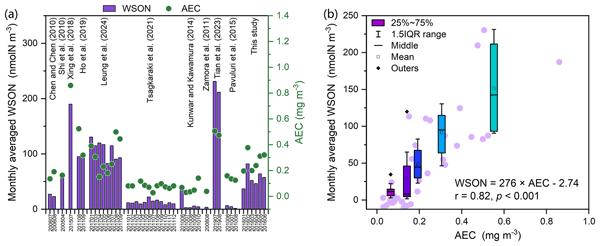
Water-soluble organic nitrogen (WSON) in coastal aerosols is critical for atmospheric chemistry and climate processes. This Bangkok study found sea-spray aerosol (SSA) is an important contributor to coastal aerosol WSON under marine air, its contribution surging from 3.8 % (continental) to 34 %. SSA-associated WSON strongly correlated (r=0.96) with trajectory-based air-mass exposure to chlorophyll-a, which is consistent with marine-biogenic enhancement.
Jun Zhou, Bin Jiang, Bowen Zhong, Tao Zhang, Duohong Chen, Yuhong Zhai, Li Zhong, Zhijiong Huang, Junqing Luo, Minhui Deng, Mao Xiao, Jianhui Jiang, Jing Li, and Min Shao
Atmos. Chem. Phys., 26, 1889–1906, https://doi.org/10.5194/acp-26-1889-2026, https://doi.org/10.5194/acp-26-1889-2026, 2026
Short summary
Short summary
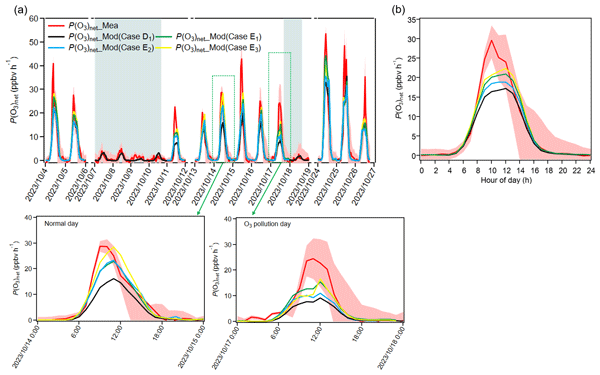
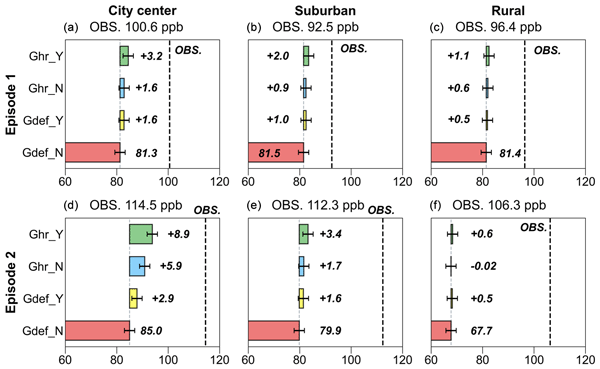
We quantitatively assessed the P(O3)net simulation deficits and their impact on O3 formation sensitivity (OFS diagnosis) by comparing the measured and modelled P(O3)net. Unmeasured oxygenated VOCs (OVOCs) were the most effective compensating factor for the discrepancies in both P(O3)net and OFS. OFS exhibiting a diurnal shift dominated by the morning regime; prioritizing VOCs while co-controlling NOx is the most effective strategy for O3 pollution control in the PRD region.
Yunfeng He, Xiang Ding, Quanfu He, Yuqing Zhang, Metin Baykara, Duohong Chen, Tao Zhang, Kong Yang, Junqi Wang, Qian Cheng, Hao Jiang, Zirui Wang, Ping Liu, Xinming Wang, and Michael Boy
Atmos. Chem. Phys., 26, 1093–1107, https://doi.org/10.5194/acp-26-1093-2026, https://doi.org/10.5194/acp-26-1093-2026, 2026
Short summary
Short summary
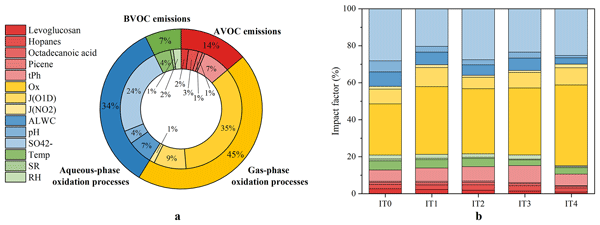
This study conducted long-term measurements of oxalic acid and molecular markers of primary anthropogenic emissions and secondary organic aerosols (SOA). We found that the reductions in anthropogenic precursors had limited impacts on SOA formation. The results highlight the increasing role of gas-phase oxidation under low-pollution conditions, emphasizing the need for effective ozone control strategies to mitigate SOA formation.
Mingfu Cai, Bin Yuan, Weiwei Hu, Ye Chenshuo, Shan Huang, Suxia Yang, Wei Chen, Yuwen Peng, Zhaoxiong Deng, Jun Zhao, Duohong Chen, Jiaren Sun, and Min Shao
Atmos. Chem. Phys., 26, 769–788, https://doi.org/10.5194/acp-26-769-2026, https://doi.org/10.5194/acp-26-769-2026, 2026
Short summary
Short summary
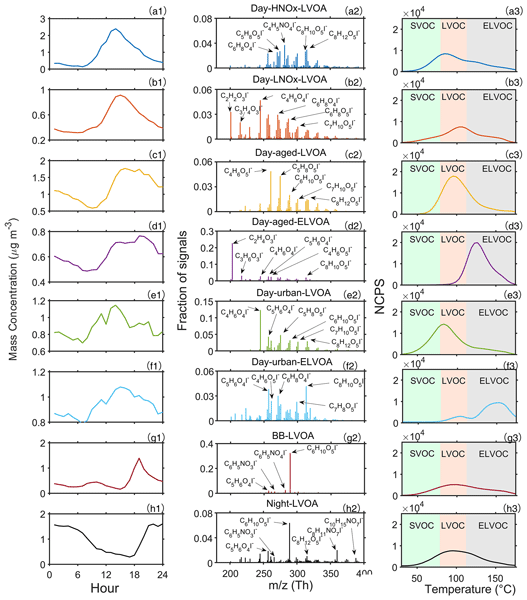
This study investigates how the formation and aging processes of secondary organic aerosol (SOA) influence the evolution of SOA volatility in downwind regions. Our results reveal that elevated NOₓ levels enhanced the daytime SOA volatility by modifying gas-particle partitioning, particularly through suppressing the production of low-volatility organic vapors. In contrast, photochemical aging was associated with reduced SOA volatility.
Yunfeng He, Xiang Ding, Quanfu He, Yuqing Zhang, Duohong Chen, Tao Zhang, Kong Yang, Junqi Wang, Qian Cheng, Hao Jiang, Zirui Wang, Ping Liu, Xinming Wang, and Michael Boy
Atmos. Chem. Phys., 25, 13729–13745, https://doi.org/10.5194/acp-25-13729-2025, https://doi.org/10.5194/acp-25-13729-2025, 2025
Short summary
Short summary
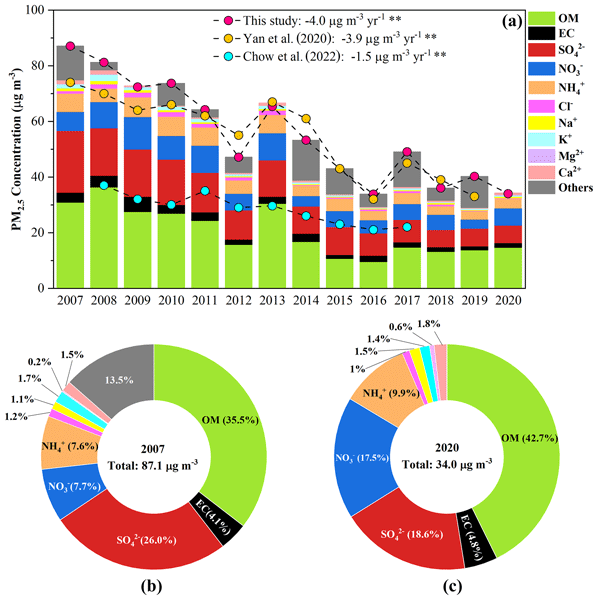
This study presented field measurements of PM2.5 and its chemical composition at a regional background site in the Pearl River Delta (PRD) from 2007 to 2020. As air quality improved, secondary species became more dominant. The changes in chemical composition led to the reductions in aerosol acidity, liquid water content and light extinction coefficient. Our results help to improve understanding of the secondary species formation under decreasing anthropogenic emissions.
Tao Cao, Cuncun Xu, Hao Chen, Jianzhong Song, Jun Li, Haiyan Song, Bin Jiang, Yin Zhong, and Ping'an Peng
Atmos. Chem. Phys., 25, 11597–11610, https://doi.org/10.5194/acp-25-11597-2025, https://doi.org/10.5194/acp-25-11597-2025, 2025
Short summary
Short summary
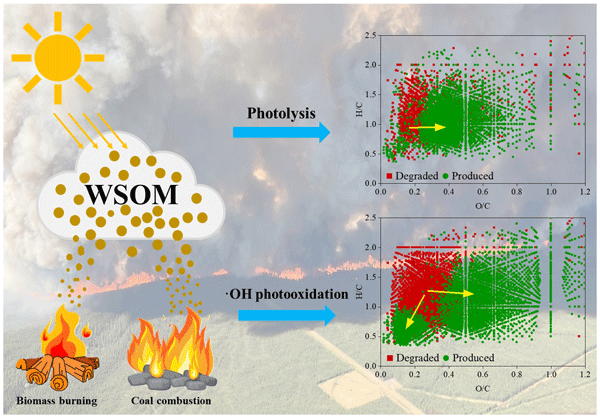
This study investigated the evolution of biomass and water-soluble organic matter (WSOM) derived from coal combustion during an aqueous photochemical process. The results indicate that photochemical aging induces distinct changes in the optical and molecular properties of WSOM. More pronounced alterations were observed during OH photooxidation than direct photolysis. Our results also demonstrate that atmospheric photooxidation may represent a significant source of black-carbon-like substances.
Pingyang Li, Boji Lin, Zhihua Zhou, Jing Li, Zhineng Cheng, Jun Li, Sanyuan Zhu, Shizhen Zhao, Guangcai Zhong, and Gan Zhang
EGUsphere, https://doi.org/10.5194/egusphere-2025-3882, https://doi.org/10.5194/egusphere-2025-3882, 2025
Short summary
Short summary
Urban areas exhibit high carbon footprints yet significant mitigation potential, requiring precise quantification of CO2 sources for effective carbon budgeting. While previous studies focused predominantly on fossil fuel CO2, biogenic CO2 (CO2bio) dynamics remain less understood. Here we show that Δ14CO2 tracers – combined with multi-source data – enable partitioning of CO2bio into three components and identification of their seasonal drivers, advancing our understanding of urban carbon budgets.
Yuying Wu, Yuhan Wang, Wenzheng Yang, Jie Zhang, Yanhong Wu, Jun Li, Gan Zhang, and Haijian Bing
Earth Syst. Sci. Data, 17, 4779–4797, https://doi.org/10.5194/essd-17-4779-2025, https://doi.org/10.5194/essd-17-4779-2025, 2025
Short summary
Short summary
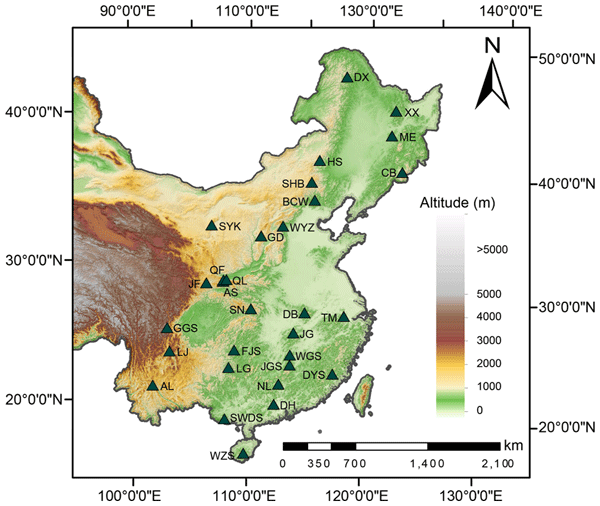
We developed a large, open-access dataset of mountain soil chemistry in China, based on over 1,300 samples from 166 sites across diverse climates and vegetation types. The dataset includes concentrations of 24 elements and key environmental variables like temperature, rainfall, and soil properties. This dataset offers a valuable resource for studying mountain ecosystems, supporting Earth system modeling, and predicting how soils respond to environmental change.
Haofan Wang, Yuejin Li, Yiming Liu, Xiao Lu, Yang Zhang, Qi Fan, Chong Shen, Senchao Lai, Yan Zhou, Tao Zhang, and Dingli Yue
Atmos. Chem. Phys., 25, 5233–5250, https://doi.org/10.5194/acp-25-5233-2025, https://doi.org/10.5194/acp-25-5233-2025, 2025
Short summary
Short summary
This study explores how urban green spaces (UGSs) in Guangzhou influence ozone levels. By using advanced models, we found that natural emissions from these areas can significantly affect air quality. Our results suggest that the design and planning of UGSs should not only consider aesthetics and social factors but also their environmental impacts on air quality.
Ye Kuang, Biao Luo, Shan Huang, Junwen Liu, Weiwei Hu, Yuwen Peng, Duohong Chen, Dingli Yue, Wanyun Xu, Bin Yuan, and Min Shao
Atmos. Chem. Phys., 25, 3737–3752, https://doi.org/10.5194/acp-25-3737-2025, https://doi.org/10.5194/acp-25-3737-2025, 2025
Short summary
Short summary
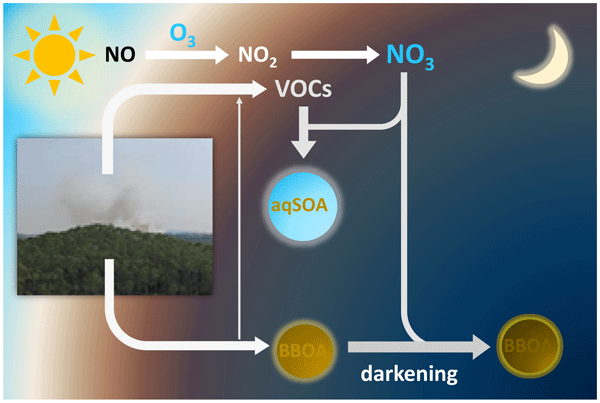
This research reveals the potential importance of nighttime NO3 radical chemistry and aerosol water in the rapid formation of secondary brown carbon from diluted biomass burning emissions. The findings enhance our understanding of nighttime biomass burning evolution and its implications for climate and regional air quality, especially regarding interactions with background aerosol water and water-rich fogs and clouds.
Mingfu Cai, Chenshuo Ye, Bin Yuan, Shan Huang, E Zheng, Suxia Yang, Zelong Wang, Yi Lin, Tiange Li, Weiwei Hu, Wei Chen, Qicong Song, Wei Li, Yuwen Peng, Baoling Liang, Qibin Sun, Jun Zhao, Duohong Chen, Jiaren Sun, Zhiyong Yang, and Min Shao
Atmos. Chem. Phys., 24, 13065–13079, https://doi.org/10.5194/acp-24-13065-2024, https://doi.org/10.5194/acp-24-13065-2024, 2024
Short summary
Short summary
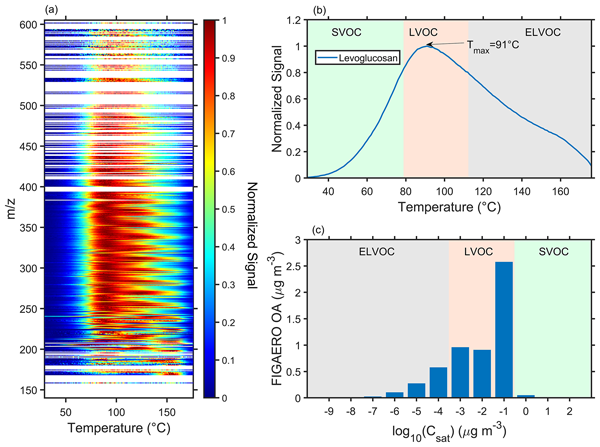
This study investigated the daytime secondary organic aerosol (SOA) formation in urban plumes. We observed a significant daytime SOA formation through gas–particle partitioning when the site was affected by urban plumes. A box model simulation indicated that urban pollutants (nitrogen oxide and volatile organic compounds) could enhance the oxidizing capacity, while the elevated volatile organic compounds were mainly responsible for promoting daytime SOA formation.
Lei Kong, Xiao Tang, Zifa Wang, Jiang Zhu, Jianjun Li, Huangjian Wu, Qizhong Wu, Huansheng Chen, Lili Zhu, Wei Wang, Bing Liu, Qian Wang, Duohong Chen, Yuepeng Pan, Jie Li, Lin Wu, and Gregory R. Carmichael
Earth Syst. Sci. Data, 16, 4351–4387, https://doi.org/10.5194/essd-16-4351-2024, https://doi.org/10.5194/essd-16-4351-2024, 2024
Short summary
Short summary
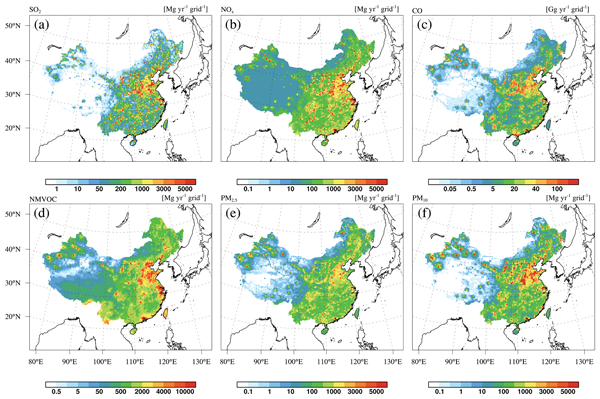
A new long-term inversed emission inventory for Chinese air quality (CAQIEI) is developed in this study, which contains constrained monthly emissions of NOx, SO2, CO, PM2.5, PM10, and NMVOCs in China from 2013 to 2020 with a horizontal resolution of 15 km. Emissions of different air pollutants and their changes during 2013–2020 were investigated and compared with previous emission inventories, which sheds new light on the complex variations of air pollutant emissions in China.
Yangzhi Mo, Jun Li, Guangcai Zhong, Sanyuan Zhu, Shizhen Zhao, Jiao Tang, Hongxing Jiang, Zhineng Cheng, Chongguo Tian, Yingjun Chen, and Gan Zhang
Atmos. Chem. Phys., 24, 7755–7772, https://doi.org/10.5194/acp-24-7755-2024, https://doi.org/10.5194/acp-24-7755-2024, 2024
Short summary
Short summary
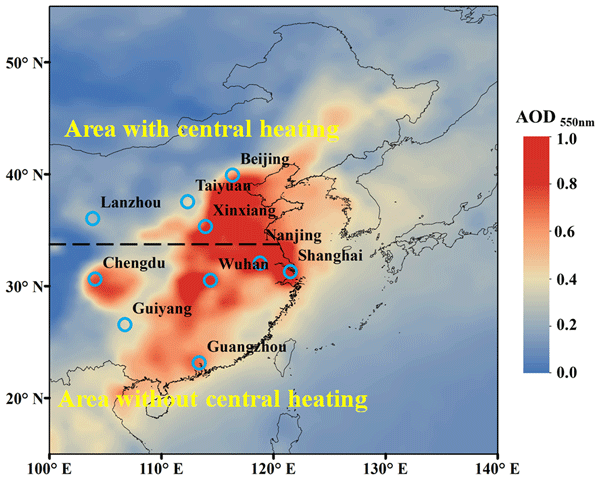
In this study, we found that biomass burning (31.0 %) and coal combustion (31.1 %) were the dominant sources of water-insoluble organic carbon in China, with coal combustion sources exhibiting the strongest light-absorbing capacity. Additionally, we propose a light-absorbing carbonaceous continuum, revealing that components enriched with fossil sources tend to have stronger light-absorbing capacity, higher aromaticity, higher molecular weights, and greater recalcitrance in the atmosphere.
Wenwen Ma, Rong Sun, Xiaoping Wang, Zheng Zong, Shizhen Zhao, Zeyu Sun, Chongguo Tian, Jianhui Tang, Song Cui, Jun Li, and Gan Zhang
Atmos. Chem. Phys., 24, 1509–1523, https://doi.org/10.5194/acp-24-1509-2024, https://doi.org/10.5194/acp-24-1509-2024, 2024
Short summary
Short summary
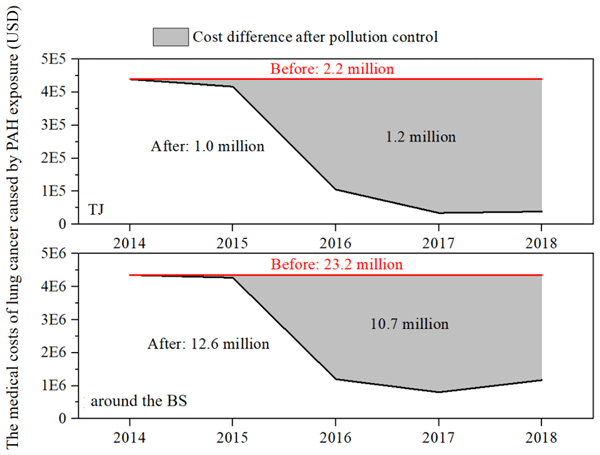
This is the first report of long-term atmospheric PAH monitoring around the Bohai Sea. The results showed that the concentrations of PAHs in the atmosphere around the Bohai Sea decreased from June 2014 to May 2019, especially the concentrations of highly toxic PAHs. This indicates that the contributions from PAH sources changed to a certain extent in different areas, and it also led to reductions in the related health risk and medical costs following pollution prevention and control.
Zeyu Sun, Zheng Zong, Yang Tan, Chongguo Tian, Zeyu Liu, Fan Zhang, Rong Sun, Yingjun Chen, Jun Li, and Gan Zhang
Atmos. Chem. Phys., 23, 12851–12865, https://doi.org/10.5194/acp-23-12851-2023, https://doi.org/10.5194/acp-23-12851-2023, 2023
Short summary
Short summary
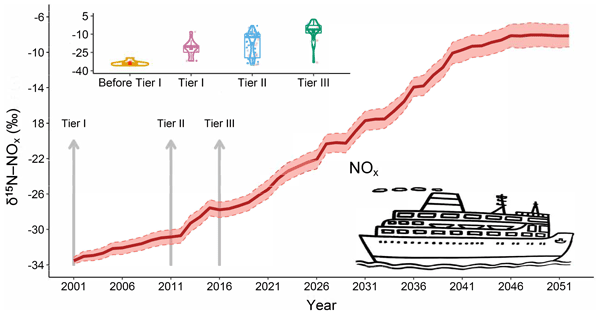
This is the first report of ship-emitted nitrogen stable isotope composition (δ15N) of nitrogen oxides (NOx). The results showed that δ15N–NOx from ships was −18.5 ± 10.9 ‰ and increased monotonically with tightening emission regulations. The selective catalytic reduction system was the most vital factor. The temporal variation in δ15N–NOx was evaluated and can be used to select suitable δ15N–NOx for a more accurate assessment of the contribution of ship-emitted exhaust to atmospheric NOx.
Mengying Bao, Yan-Lin Zhang, Fang Cao, Yihang Hong, Yu-Chi Lin, Mingyuan Yu, Hongxing Jiang, Zhineng Cheng, Rongshuang Xu, and Xiaoying Yang
Atmos. Chem. Phys., 23, 8305–8324, https://doi.org/10.5194/acp-23-8305-2023, https://doi.org/10.5194/acp-23-8305-2023, 2023
Short summary
Short summary
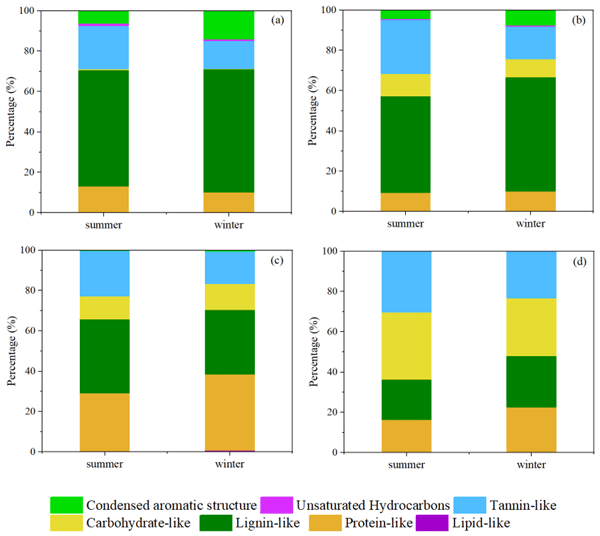
The interaction between the sources and molecular compositions of humic-like substances (HULIS) at Nanjing, China, was explored. Significant fossil fuel source contributions to HULIS were found in the 14C results from biomass burnng and traffic emissions. Increasing biogenic secondary organic aerosol (SOA) products and anthropogenic aromatic compounds were detected in summer and winter, respectively.
Xiangyun Zhang, Jun Li, Sanyuan Zhu, Junwen Liu, Ping Ding, Shutao Gao, Chongguo Tian, Yingjun Chen, Ping'an Peng, and Gan Zhang
Atmos. Chem. Phys., 23, 7495–7502, https://doi.org/10.5194/acp-23-7495-2023, https://doi.org/10.5194/acp-23-7495-2023, 2023
Short summary
Short summary
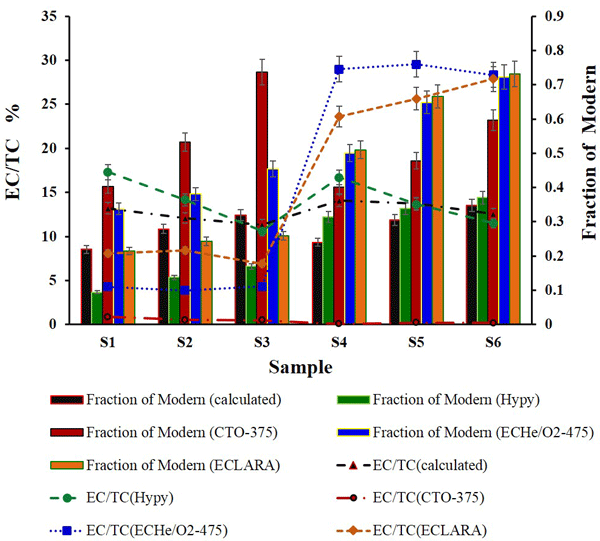
The results show that 14C elemental carbon (EC) was not only related to the isolation method but also to the types and proportions of the biomass sources in the sample. The hydropyrolysis (Hypy) method, which can be used to isolate a highly stable portion of ECHypy and avoid charring, is a more effective and stable approach for the matrix-independent 14C quantification of EC in aerosols, and the 13C–ECHypy and non-fossil ECHypy values of SRM1649b were –24.9 ‰ and 11 %, respectively.
Tingting Li, Jun Li, Zeyu Sun, Hongxing Jiang, Chongguo Tian, and Gan Zhang
Atmos. Chem. Phys., 23, 6395–6407, https://doi.org/10.5194/acp-23-6395-2023, https://doi.org/10.5194/acp-23-6395-2023, 2023
Short summary
Short summary
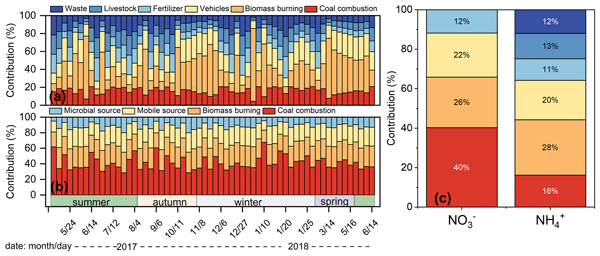
N-NH4+ and N-NO3- were vital components in nitrogenous aerosols and contributed 69 % to total nitrogen in PM2.5. Coal combustion was still the most important source of urban atmospheric NO3-. However, the non-agriculture sources play an increasingly important role in NH4+ emissions.
Jiao Tang, Jun Li, Shizhen Zhao, Guangcai Zhong, Yangzhi Mo, Hongxing Jiang, Bin Jiang, Yingjun Chen, Jianhui Tang, Chongguo Tian, Zheng Zong, Jabir Hussain Syed, Jianzhong Song, and Gan Zhang
EGUsphere, https://doi.org/10.5194/egusphere-2023-403, https://doi.org/10.5194/egusphere-2023-403, 2023
Preprint archived
Short summary
Short summary
This study provides a comprehensive molecular identification of atmospheric common fluorescent components and deciphers their related formation pathways. The fluorescent components varied in molecular composition, and a dominant oxidation pathway for the formation of humic-like fluorescent components was suggested, notwithstanding their different precursor types. Our findings are expected to be helpful to further studies using the EEM-PARAFAC as a tool to study atmospheric BrC.
Tao Cao, Meiju Li, Cuncun Xu, Jianzhong Song, Xingjun Fan, Jun Li, Wanglu Jia, and Ping'an Peng
Atmos. Chem. Phys., 23, 2613–2625, https://doi.org/10.5194/acp-23-2613-2023, https://doi.org/10.5194/acp-23-2613-2023, 2023
Short summary
Short summary
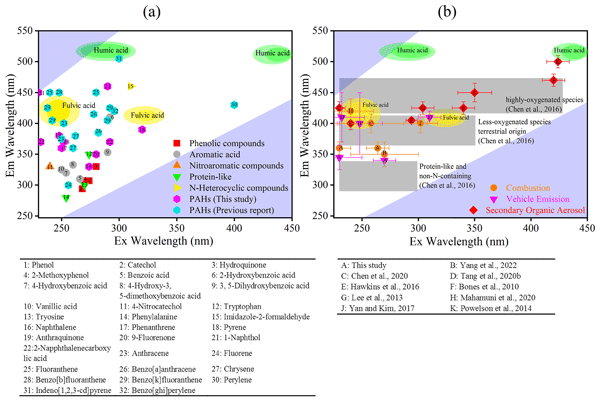
This work comprehensively investigated the fluorescence data of light-absorbing organic compounds, water-soluble organic matter in different types of aerosol samples, soil dust, and fulvic and humic acids using an excitation–emission matrix (EEM) method and parallel factor modeling. The results revealed which light-absorbing species can be detected by EEM and also provided important information for identifying the chemical composition and possible sources of these species in atmospheric samples.
Buqing Xu, Jiao Tang, Tiangang Tang, Shizhen Zhao, Guangcai Zhong, Sanyuan Zhu, Jun Li, and Gan Zhang
Atmos. Chem. Phys., 23, 1565–1578, https://doi.org/10.5194/acp-23-1565-2023, https://doi.org/10.5194/acp-23-1565-2023, 2023
Short summary
Short summary
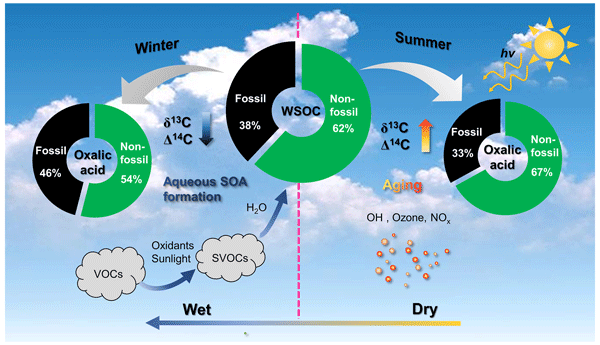
We analyzed compound-specific dual-carbon isotope signatures (Δ14C and δ13C) of dominant secondary organic aerosol (SOA) tracer molecules (i.e., oxalic acid) to investigate the fates of SOAs in the atmosphere at five emission hotspots in China. The results indicated that SOA carbon sources and chemical processes producing SOAs vary spatially and seasonally, and these variations need to be included in Chinese climate projection models and air quality management practices.
Chunlin Zou, Tao Cao, Meiju Li, Jianzhong Song, Bin Jiang, Wanglu Jia, Jun Li, Xiang Ding, Zhiqiang Yu, Gan Zhang, and Ping'an Peng
Atmos. Chem. Phys., 23, 963–979, https://doi.org/10.5194/acp-23-963-2023, https://doi.org/10.5194/acp-23-963-2023, 2023
Short summary
Short summary
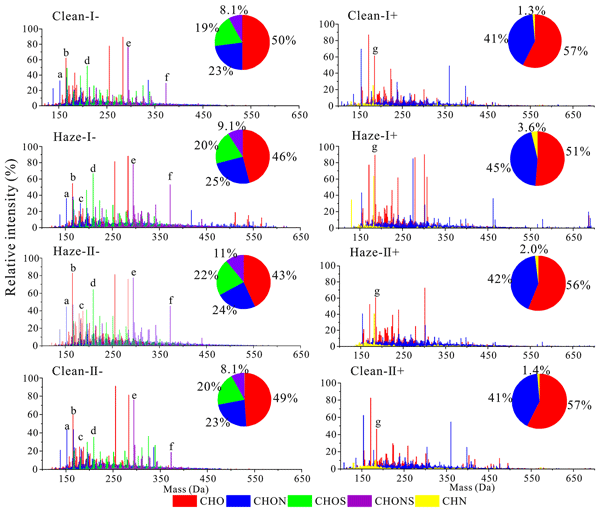
In this study, PM2.5 samples were obtained during a winter haze event in Guangzhou, China, and light absorption and molecular composition of humic-like substances (HULIS) were investigated by UV–Vis spectrophotometry and ultrahigh-resolution mass spectrometry. The findings obtained present some differences from the results reported in other regions of China and significantly enhanced our understanding of HULIS evolution during haze bloom-decay processes in the subtropic region of southern China.

Biao Luo, Ye Kuang, Shan Huang, Qicong Song, Weiwei Hu, Wei Li, Yuwen Peng, Duohong Chen, Dingli Yue, Bin Yuan, and Min Shao
Atmos. Chem. Phys., 22, 12401–12415, https://doi.org/10.5194/acp-22-12401-2022, https://doi.org/10.5194/acp-22-12401-2022, 2022
Short summary
Short summary
We performed comprehensive analysis on biomass burning organic aerosol (BBOA) size distributions, as well as mass scattering and absorption efficiencies, with an improved method of on-line quantification of brown carbon absorptions. Both BBOA volume size distribution and retrieved refractive index depend highly on combustion conditions represented by the black carbon content, which has significant implications for BBOA climate effect simulations.
Mingfu Cai, Shan Huang, Baoling Liang, Qibin Sun, Li Liu, Bin Yuan, Min Shao, Weiwei Hu, Wei Chen, Qicong Song, Wei Li, Yuwen Peng, Zelong Wang, Duohong Chen, Haobo Tan, Hanbin Xu, Fei Li, Xuejiao Deng, Tao Deng, Jiaren Sun, and Jun Zhao
Atmos. Chem. Phys., 22, 8117–8136, https://doi.org/10.5194/acp-22-8117-2022, https://doi.org/10.5194/acp-22-8117-2022, 2022
Short summary
Short summary
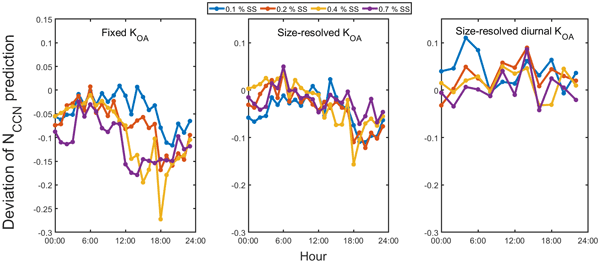
This study investigated the size dependence and diurnal variation in organic aerosol hygroscopicity, volatility, and cloud condensation nuclei (CCN) activity. We found that the physical properties of OA could vary in a large range at different particle sizes and affected the number concentration of CCN (NCCN) at all supersaturations. Our results highlight the importance of evaluating the atmospheric evolution processes of OA at different size ranges and their impact on climate effects.
Hongxing Jiang, Jun Li, Jiao Tang, Min Cui, Shizhen Zhao, Yangzhi Mo, Chongguo Tian, Xiangyun Zhang, Bin Jiang, Yuhong Liao, Yingjun Chen, and Gan Zhang
Atmos. Chem. Phys., 22, 6919–6935, https://doi.org/10.5194/acp-22-6919-2022, https://doi.org/10.5194/acp-22-6919-2022, 2022
Short summary
Short summary
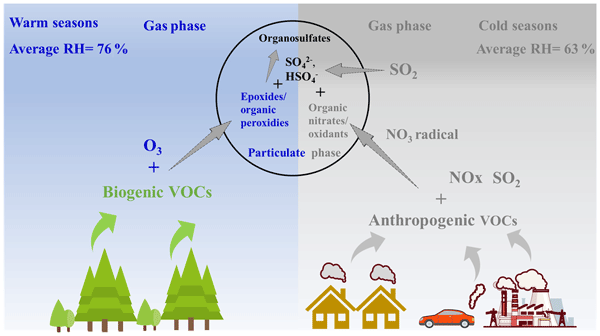
We conducted field observation employing Fourier transform ion cyclotron resonance mass spectrometry to characterize the molecular composition and major formation pathways or sources of organosulfur compounds in Guangzhou, where is heavily influenced by biogenic–anthropogenic interactions and has high relative humidity and temperature. We suggested that heterogeneous reactions such as SO2 uptake and heterogeneous oxidations are important to the molecular variations of organosulfur compounds.

Huiyizhe Zhao, Zhenchuan Niu, Weijian Zhou, Sen Wang, Xue Feng, Shugang Wu, Xuefeng Lu, and Hua Du
Atmos. Chem. Phys., 22, 6255–6274, https://doi.org/10.5194/acp-22-6255-2022, https://doi.org/10.5194/acp-22-6255-2022, 2022
Short summary
Short summary
In this study, we investigated the characteristics and changes in the sources of carbonaceous aerosols in northern Chinese cities using dual-carbon isotopes (13C and 14C) and levoglucosan during 2018 to 2019 and compared them with the research in previous decades. The results show that the contribution of fossil sources has decreased (6–16%) significantly, and non-fossil sources have become the main part of carbonaceous aerosols, which verified the effectiveness of air quality management.
Suxia Yang, Bin Yuan, Yuwen Peng, Shan Huang, Wei Chen, Weiwei Hu, Chenglei Pei, Jun Zhou, David D. Parrish, Wenjie Wang, Xianjun He, Chunlei Cheng, Xiao-Bing Li, Xiaoyun Yang, Yu Song, Haichao Wang, Jipeng Qi, Baolin Wang, Chen Wang, Chaomin Wang, Zelong Wang, Tiange Li, E Zheng, Sihang Wang, Caihong Wu, Mingfu Cai, Chenshuo Ye, Wei Song, Peng Cheng, Duohong Chen, Xinming Wang, Zhanyi Zhang, Xuemei Wang, Junyu Zheng, and Min Shao
Atmos. Chem. Phys., 22, 4539–4556, https://doi.org/10.5194/acp-22-4539-2022, https://doi.org/10.5194/acp-22-4539-2022, 2022
Short summary
Short summary
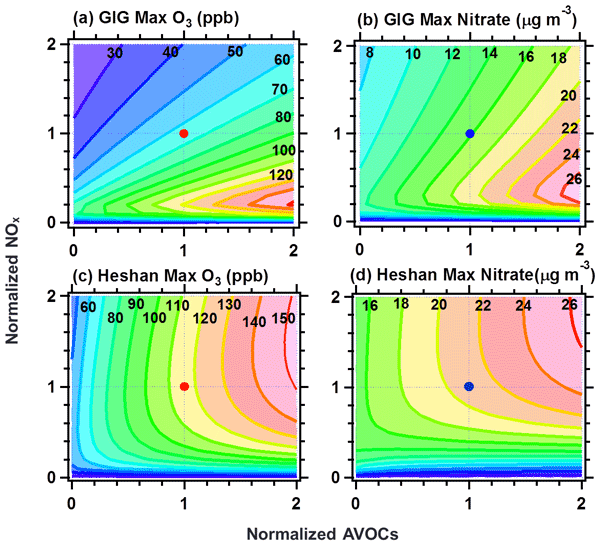
We use a model constrained using observations to study the formation of nitrate aerosol in and downwind of a representative megacity. We found different contributions of various chemical reactions to ground-level nitrate concentrations between urban and suburban regions. We also show that controlling VOC emissions are effective for decreasing nitrate formation in both urban and regional environments, although VOCs are not direct precursors of nitrate aerosol.
Qi En Zhong, Chunlei Cheng, Zaihua Wang, Lei Li, Mei Li, Dafeng Ge, Lei Wang, Yuanyuan Li, Wei Nie, Xuguang Chi, Aijun Ding, Suxia Yang, Duohong Chen, and Zhen Zhou
Atmos. Chem. Phys., 21, 17953–17967, https://doi.org/10.5194/acp-21-17953-2021, https://doi.org/10.5194/acp-21-17953-2021, 2021
Short summary
Short summary
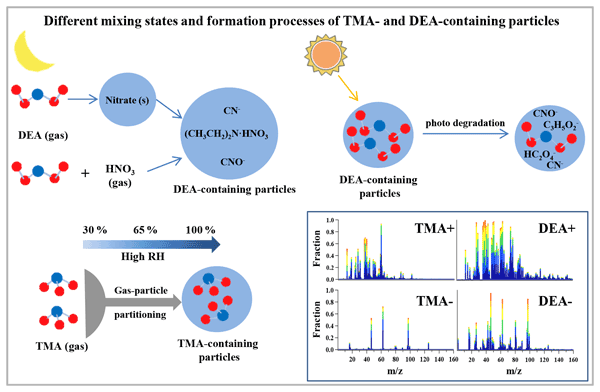
Particulate amines play important roles in new particle formation, aerosol acidity, and hygroscopicity. Most of the field observations did not distinguish the different behavior of each type amine under the same ambient influencing factors. In this study, two amine-containing single particles exhibited different mixing states and disparate enrichment of secondary organics, which provide insight into the discriminated fates of organics during the formation and evolution processes.
Cited articles
Akagi, S. K., Yokelson, R. J., Wiedinmyer, C., Alvarado, M. J., Reid, J. S., Karl, T., Crounse, J. D., and Wennberg, P. O.: Emission factors for open and domestic biomass burning for use in atmospheric models, Atmos. Chem. Phys., 11, 4039–4072, https://doi.org/10.5194/acp-11-4039-2011, 2011.
Bakwin, P. S., Tans, P. P., White, J. W. C., and Andres, R. J.: Determination of the isotopic (13C/12C) discrimination by terrestrial biology from a global network of observations, Global Biogeochem. Cy., 12, 555–562, https://doi.org/10.1029/98GB02265, 1998.
Chen, Y., Yao, B., Wu, J., Yang, H., Ding, A., Liu, S., Li, X., O'Doherty, S., Li, J., Li, Y., Yu, H., Wang, W., Chen, L., Yang, X., Fu, T.-M., Shen, H., Ye, J., Wang, C., and Zhu, L.: Observations and emission constraints of trichlorofluoromethane (CFC-11) in southeastern China: first-year results from a new AGAGE station, Environ. Res. Lett., 19, 074043, https://doi.org/10.1088/1748-9326/ad5857, 2024.
Cheng, P., Xiao, X. M., Tian, H., Huang, B. J., Wilkins, R. W. T., and Zhang, Y. Z.: Source controls on geochemical characteristics of crude oils from the Qionghai Uplift in the western Pearl River Mouth Basin, offshore South China Sea, Mar. Petrol. Geol., 40, 85–98, https://doi.org/10.1016/j.marpetgeo.2012.10.003, 2013.
Coplen, T. B.: New guidelines for reporting stable hydrogen, carbon, and oxygen isotope-ratio data, Geochim. Cosmochim. Ac., 60, 3359–3360, 1996.
Crippa, M., Oreggioni, G., Guizzardi, D., Muntean, M., Schaaf, E., Lo Vullo, E., Solazzo, E., Monforti-Ferrario, F., Olivier, J., and Vignati, E.: Fossil CO2 and GHG emissions of all world countries, EUR 29849 EN, Publications Office of the European Union, Luxembourg, ISBN 978-92-76-11100-9, https://doi.org/10.2760/687800, 2019.
Crippa, M., Guizzardi, D., Pagani, F., Banja, M., Muntean, M., E., S., Becker, W., Monforti-Ferrario, F., Quadrelli, R., Risquez Martin, A., Taghavi-Moharamli, P., Köykkä, J., Grassi, G., Rossi, S., Brandao De Melo, J., Oom, D., Branco, A., San-Miguel, J., and Vignati, E.: GHG emissions of all world countries, Publications Office of the European Union, Luxembourg, JRC134504, https://doi.org/10.2760/953322, 2023.
Dhakal, S.: Urban energy use and carbon emissions from cities in China and policy implications, Energ. Policy, 37, 4208–4219, https://doi.org/10.1016/j.enpol.2009.05.020, 2009.
Ding, P., Shen, C., Yi, W., Wang, N., Ding, X., Fu, D., and Liu, K.: Fossil-Fuel-Derived CO2 Contribution to the Urban Atmosphere in Guangzhou, South China, Estimated by 14CO2 Observation, 2010–2011, Radiocarbon, 55, 791–803, 2013.
Djuricin, S., Pataki, D. E., and Xu, X.: A comparison of tracer methods for quantifying CO2 sources in an urban region, J. Geophys. Res.-Atmos., 115, D11303, https://doi.org/10.1029/2009JD012236, 2010.
Duren, R. M. and Miller, C. E.: Measuring the carbon emissions of megacities, Nat. Clim. Change, 2, 560–562, https://doi.org/10.1038/nclimate1629, 2012.
EDGAR: Emissions Database for Global Atmospheric Research (EDGAR_2024_GHG), https://edgar.jrc.ec.europa.eu/dataset_ghg2024 (last access: 22 January 2025), 2024.
Emmenegger, L., Leuenberger, M., and Steinbacher, M.: ICOS ATC CO2 Release, Jungfraujoch (13.9 m), 2016-12-12–2024-03-31, ICOS RI, https://hdl.handle.net/11676/4-Kot58QX1b5u-e8SGD8XTPy (last access: 28 July 2024), 2024a.
Emmenegger, L., Leuenberger, M., and Steinbacher, M.: ICOS ATC/CAL 14C Release, Jungfraujoch (6.0 m), 2015-09-21–2023-10-02, ICOS RI, https://hdl.handle.net/11676/6c_RZ7NHc2dnZv7d84BMY_YY (last access: 28 July 2024), 2024b.
Fu, X. W., Zhang, H., Lin, C.-J., Feng, X. B., Zhou, L. X., and Fang, S. X.: Correlation slopes of GEM/CO, GEM/CO2, and GEM/CH4 and estimated mercury emissions in China, South Asia, the Indochinese Peninsula, and Central Asia derived from observations in northwestern and southwestern China, Atmos. Chem. Phys., 15, 1013–1028, https://doi.org/10.5194/acp-15-1013-2015, 2015.
Graven, H., Fischer, M. L., Lueker, T., Jeong, S., Guilderson, T. P., Keeling, R. F., Bambha, R., Brophy, K., Callahan, W., Cui, X., Frankenberg, C., Gurney, K. R., LaFranchi, B. W., Lehman, S. J., Michelsen, H., Miller, J. B., Newman, S., Paplawsky, W., Parazoo, N. C., Sloop, C., and Walker, S. J.: Assessing fossil fuel CO2 emissions in California using atmospheric observations and models, Environ. Res. Lett., 13, 065007, https://doi.org/10.1088/1748-9326/aabd43, 2018.
Graven, H. D. and Gruber, N.: Continental-scale enrichment of atmospheric 14CO2 from the nuclear power industry: potential impact on the estimation of fossil fuel-derived CO2, Atmos. Chem. Phys., 11, 12339–12349, https://doi.org/10.5194/acp-11-12339-2011, 2011.
Graven, H. D., Stephens, B. B., Guilderson, T. P., Campos, T. L., Schimel, D. S., Campbell, J. E., and Keeling, R. F.: Vertical profiles of biospheric and fossil fuel-derived CO2 and fossil fuel CO2:CO ratios from airborne measurements of Ä14C, CO2 and CO above Colorado, USA, Tellus B, 61, 536–546, https://doi.org/10.1111/j.1600-0889.2009.00421.x, 2009.
Gurney, K. R., Liang, J. M., Roest, G., Song, Y., Mueller, K., and Lauvaux, T.: Under-reporting of greenhouse gas emissions in U. S. cities, Nat. Commun., 12, 553, https://doi.org/10.1038/s41467-020-20871-0, 2021.
Han, P., Zeng, N., Oda, T., Lin, X., Crippa, M., Guan, D., Janssens-Maenhout, G., Ma, X., Liu, Z., Shan, Y., Tao, S., Wang, H., Wang, R., Wu, L., Yun, X., Zhang, Q., Zhao, F., and Zheng, B.: Evaluating China's fossil-fuel CO2 emissions from a comprehensive dataset of nine inventories, Atmos. Chem. Phys., 20, 11371–11385, https://doi.org/10.5194/acp-20-11371-2020, 2020.
Han, S., Kondo, Y., Oshima, N., Takegawa, N., Miyazaki, Y., Hu, M., Lin, P., Deng, Z., Zhao, Y., and Sugimoto, N.: Temporal variations of elemental carbon in Beijing, J. Geophys. Res.-Atmos., 114, D23202, https://doi.org/10.1029/2009JD012027, 2009.
Hua, Q., Turnbull, J. C., Santos, G. M., Rakowski, A. Z., Ancapichún, S., De Pol-Holz, R., Hammer, S., Lehman, S. J., Levin, I., and Miller, J. B.: Atmospheric radiocarbon for the period 1950–2019, Radiocarbon, 64, 723–745, https://doi.org/10.1017/RDC.2021.95, 2022.
Huang, X., Li, M., Li, J., and Song, Y.: A high-resolution emission inventory of crop burning in fields in China based on MODIS Thermal Anomalies/Fire products, Atmos. Environ., 50, 9–15, https://doi.org/10.1016/j.atmosenv.2012.01.017, 2012.
IAEA: Management of waste containing tritium and carbon-14, Technical Report Series No. 421, International Atomic Energy Agency, Vienna, Austria, ISBN 92-0-114303-6, 2004.
Karion, A., Lopez-Coto, I., Gourdji, S. M., Mueller, K., Ghosh, S., Callahan, W., Stock, M., DiGangi, E., Prinzivalli, S., and Whetstone, J.: Background conditions for an urban greenhouse gas network in the Washington, DC, and Baltimore metropolitan region, Atmos. Chem. Phys., 21, 6257–6273, https://doi.org/10.5194/acp-21-6257-2021, 2021.
Kuc, T., Rozanski, K., Zimnoch, M., Necki, J. M., and Korus, A.: Anthropogenic emissions of CO2 and CH4 in an urban environment, Appl. Energ., 75, 193–203, https://doi.org/10.1016/S0306-2619(03)00032-1, 2003.
Lan, X., Mund, J. W., Crotwell, A. M., Thoning, K. W., Moglia, E., Madronich, M., Baugh, K., Petron, G., Crotwell, M. J., Neff, D., Wolter, S., Mefford, T., and DeVogel, S.: Atmospheric Carbon Dioxide Dry Air Mole Fractions from the NOAA GML Carbon Cycle Cooperative Global Air Sampling Network, 1968–2023, Version: 2024-07-30, NOAA, https://doi.org/10.15138/wkgj-f215 2024.
Lee, H., Dlugokencky, E. J., Turnbull, J. C., Lee, S., Lehman, S. J., Miller, J. B., Pétron, G., Lim, J.-S., Lee, G.-W., Lee, S.-S., and Park, Y.-S.: Observations of atmospheric 14CO2 at Anmyeondo GAW station, South Korea: implications for fossil fuel CO2 and emission ratios, Atmos. Chem. Phys., 20, 12033–12045, https://doi.org/10.5194/acp-20-12033-2020, 2020.
Le Quéré, C., Andrew, R. M., Canadell, J. G., Sitch, S., Korsbakken, J. I., Peters, G. P., Manning, A. C., Boden, T. A., Tans, P. P., Houghton, R. A., Keeling, R. F., Alin, S., Andrews, O. D., Anthoni, P., Barbero, L., Bopp, L., Chevallier, F., Chini, L. P., Ciais, P., Currie, K., Delire, C., Doney, S. C., Friedlingstein, P., Gkritzalis, T., Harris, I., Hauck, J., Haverd, V., Hoppema, M., Klein Goldewijk, K., Jain, A. K., Kato, E., Körtzinger, A., Landschützer, P., Lefèvre, N., Lenton, A., Lienert, S., Lombardozzi, D., Melton, J. R., Metzl, N., Millero, F., Monteiro, P. M. S., Munro, D. R., Nabel, J. E. M. S., Nakaoka, S., O'Brien, K., Olsen, A., Omar, A. M., Ono, T., Pierrot, D., Poulter, B., Rödenbeck, C., Salisbury, J., Schuster, U., Schwinger, J., Séférian, R., Skjelvan, I., Stocker, B. D., Sutton, A. J., Takahashi, T., Tian, H., Tilbrook, B., van der Laan-Luijkx, I. T., van der Werf, G. R., Viovy, N., Walker, A. P., Wiltshire, A. J., and Zaehle, S.: Global Carbon Budget 2016, Earth Syst. Sci. Data, 8, 605–649, https://doi.org/10.5194/essd-8-605-2016, 2016.
Levin, I. and Rödenbeck, C.: Can the envisaged reductions of fossil fuel CO2 emissions be detected by atmospheric observations?, Naturwissenschaften, 95, 203–208, 2008.
Levin, I., Kromer, B., Schmidt, M., and Sartorius, H.: A novel approach for independent budgeting of fossil fuel CO2 over Europe by 14CO2 observations, Geophys. Res. Lett., 30, 2194, https://doi.org/10.1029/2003GL018477, 2003.
Lewis, C. W., Klouda, G. A., and Ellenson, W. D.: Radiocarbon measurement of the biogenic contribution to summertime PM-2.5 ambient aerosol in Nashville, TN, Atmos. Environ., 38, 6053–6061, https://doi.org/10.1016/j.atmosenv.2004.06.011, 2004.
Li, J., Lin, B., Wang, W., Li, P., Li, J., Han, P., Feng, W., Cheng, Z., Zhu, S., Zhang, T., Chen, D., and Zhang, G.: High-Resolution Mapping of Fossil Fuel CO2 Using Plant Radiocarbon and Bayesian Inversion: Toward a City-Scale Emission Audit, Environ. Sci. Technol., https://doi.org/10.1021/acs.est.5c09553, 2025a.
Li, J., Wei, N., Wang, X., Li, P., Sun, Y., Feng, W., Cheng, Z., Zhu, S., Wang, W., Chen, D., Zhao, S., Zhong, G., Zhou, G., Li, J., and Zhang, G.: Continental-scale impact of bomb radiocarbon affects historical fossil fuel carbon dioxide reconstruction, Communications Earth and Environment, 6, 603, https://doi.org/10.1038/s43247-025-02532-6, 2025b.
Li, L.: A Decade of Transformative Achievements in Energy Consumption Revolution, China Energy News, https://www.cnenergynews.cn/article/4OGTF3rMmzo (last access: 28 July 2024), 2023.
Li, M., Liu, H., Geng, G., Hong, C., Liu, F., Song, Y., Tong, D., Zheng, B., Cui, H., Man, H., Zhang, Q., and He, K.: Anthropogenic emission inventories in China: a review, Natl. Sci. Rev., 4, 834–866, https://doi.org/10.1093/nsr/nwx150, 2017.
Li, M., Zhang, Q., Zheng, B., Tong, D., Lei, Y., Liu, F., Hong, C., Kang, S., Yan, L., Zhang, Y., Bo, Y., Su, H., Cheng, Y., and He, K.: Persistent growth of anthropogenic non-methane volatile organic compound (NMVOC) emissions in China during 1990–2017: drivers, speciation and ozone formation potential, Atmos. Chem. Phys., 19, 8897–8913, https://doi.org/10.5194/acp-19-8897-2019, 2019.
Li, M., Kurokawa, J., Zhang, Q., Woo, J.-H., Morikawa, T., Chatani, S., Lu, Z., Song, Y., Geng, G., Hu, H., Kim, J., Cooper, O. R., and McDonald, B. C.: MIXv2: a long-term mosaic emission inventory for Asia (2010–2017), Atmos. Chem. Phys., 24, 3925–3952, https://doi.org/10.5194/acp-24-3925-2024, 2024.
Li, Q., Guo, X., Zhai, W., Xu, Y., and Dai, M.: Partial pressure of CO2 and air–sea CO2 fluxes in the South China Sea: Synthesis of an 18 year dataset, Prog. Oceanogr., 182, 102272, https://doi.org/10.1016/j.pocean.2020.102272, 2020.
Liu, W., Niu, Z., Feng, X., Zhou, W., Liang, D., Lyu, M., Wang, G., Lu, X., Liu, L., and Turnbull, J. C.: Atmospheric CO2 and 14CO2 observations at the northern foot of the Qinling Mountains in China: Temporal characteristics and source quantification, Sci. Total Environ., 920, 170682, https://doi.org/10.1016/j.scitotenv.2024.170682, 2024.
Lopez, M., Schmidt, M., Delmotte, M., Colomb, A., Gros, V., Janssen, C., Lehman, S. J., Mondelain, D., Perrussel, O., Ramonet, M., Xueref-Remy, I., and Bousquet, P.: CO, NOx and 13CO2 as tracers for fossil fuel CO2: results from a pilot study in Paris during winter 2010, Atmos. Chem. Phys., 13, 7343–7358, https://doi.org/10.5194/acp-13-7343-2013, 2013.
Mai, B., Deng, X., Liu, X., Li, T., Guo, J., and Ma, Q.: The climatology of ambient CO2 concentrations from long-term observation in the Pearl River Delta region of China: Roles of anthropogenic and biogenic processes, Atmos. Environ., 251, 118266, https://doi.org/10.1016/j.atmosenv.2021.118266, 2021.
Maier, F., Levin, I., Conil, S., Gachkivskyi, M., Denier van der Gon, H., and Hammer, S.: Uncertainty in continuous ΔCO-based ΔffCO2 estimates derived from 14C flask and bottom-up ΔCO-ΔffCO2 ratios, Atmos. Chem. Phys., 24, 8205–8223, https://doi.org/10.5194/acp-24-8205-2024, 2024.
MEIC: Multi-resolution Emission Inventory model for China, http://meicmodel.org.cn (last access: 14 March 2024), 2023.
Miller, J. B. and Tans, P. P.: Calculating isotopic fractionation from atmospheric measurements at various scales, Tellus B, 55, 207–214, https://doi.org/10.1034/j.1600-0889.2003.00020.x, 2003.
Miller, J. B., Lehman, S. J., Verhulst, K. R., Miller, C. E., Duren, R. M., Yadav, V., Newman, S., and Sloop, C. D.: Large and seasonally varying biospheric CO2 fluxes in the Los Angeles megacity revealed by atmospheric radiocarbon, P. Natl. Acad. Sci. USA, 117, 26681–26687, 2020.
Mohn, J., Szidat, S., Fellner, J., Rechberger, H., Quartier, R., Buchmann, B., and Emmenegger, L.: Determination of biogenic and fossil CO2 emitted by waste incineration based on 14CO2 and mass balances, Bioresource Technol., 99, 6471–6479, https://doi.org/10.1016/j.biortech.2007.11.042, 2008.
Molnár, M., Major, I., Haszpra, L., Svetlík, I., Svingor, É., and Veres, M.: Fossil fuel CO2 estimation by atmospheric 14C measurement and CO2 mixing ratios in the city of Debrecen, Hungary, J. Radioanal. Nucl., 286, 471–476, https://doi.org/10.1007/s10967-010-0791-2, 2010.
Newman, S., Xu, X., Gurney, K. R., Hsu, Y. K., Li, K. F., Jiang, X., Keeling, R., Feng, S., O'Keefe, D., Patarasuk, R., Wong, K. W., Rao, P., Fischer, M. L., and Yung, Y. L.: Toward consistency between trends in bottom-up CO2 emissions and top-down atmospheric measurements in the Los Angeles megacity, Atmos. Chem. Phys., 16, 3843–3863, https://doi.org/10.5194/acp-16-3843-2016, 2016.
Niu, Z. C., Zhou, W. J., Wu, S. G., Cheng, P., Lu, X., Xiong, X., Du, H., Fu, Y., and Wang, G.: Atmospheric fossil fuel CO2 traced by Ä14C in Beijing and Xiamen, China: temporal variations, inland/coastal differences and influencing factors, Environ. Sci. Technol., 50, 5474–5480, 2016.
Niu, Z., Zhou, W., Feng, X., Feng, T., Wu, S., Cheng, P., Lu, X., Du, H., Xiong, X., and Fu, Y.: Atmospheric fossil fuel CO2 traced by 14CO2 and air quality index pollutant observations in Beijing and Xiamen, China, Environ. Sci. Pollut. R., 25, 17109–17117, https://doi.org/10.1007/s11356-018-1616-z, 2018.
Niu, Z., Zhou, W., Huang, Y., Wang, S., Zhang, G., Feng, X., Lu, X., Lyu, M., and Turnbull, J. C.: Identification of Urban Carbon Emission Peaks through Tree-Ring 14C, Environ. Sci. Technol., 58, 17313–17319, https://doi.org/10.1021/acs.est.4c06041, 2024.
Oda, T. and Maksyutov, S.: A very high-resolution (1 km×1 km) global fossil fuel CO2 emission inventory derived using a point source database and satellite observations of nighttime lights, Atmos. Chem. Phys., 11, 543–556, https://doi.org/10.5194/acp-11-543-2011, 2011.
Oda, T. and Maksyutov, S.: ODIAC Fossil Fuel CO2 Emissions Dataset (Version name: ODIAC2022), Center for Global Environmental Research, National Institute for Environmental Studies, https://db.cger.nies.go.jp/dataset/ODIAC/ (last access: 22 January 2024), 2024.
Office of the Leading Group of the State Council for the Seventh National Population Census (Ed.): Tabulation on 2020 China Population Census by County, China Statistics Press, Beijing, China, ISBN 978-7-5037-9772-9, 2022.
Pataki, D. E., Ehleringer, J. R., Flanagan, L. B., Yakir, D., Bowling, D. R., Still, C. J., Buchmann, N., Kaplan, J. O., and Berry, J. A.: The application and interpretation of Keeling plots in terrestrial carbon cycle research, Global Biogeochem. Cy., 17, 1022, https://doi.org/10.1029/2001GB001850, 2003.
Ping, H., Chen, H., Zhu, J., George, S. C., Mi, L., Pang, X., and Zhai, P.: Origin, source, mixing, and thermal maturity of natural gases in the Panyu lower uplift and the Baiyun depression, Pearl River Mouth Basin, northern South China Sea, AAPG Bull., 102, 2171–2200, https://doi.org/10.1306/04121817160, 2018.
Piotrowska, N., Pazdur, A., Pawełczyk, S., Rakowski, A. Z., Sensuła, B., and Tudyka, K.: Human Activity Recorded in Carbon Isotopic Composition of Atmospheric CO2 in Gliwice Urban Area and Surroundings (Southern Poland) in the Years 2011–2013, Radiocarbon, 62, 141–156, https://doi.org/10.1017/RDC.2019.92, 2020.
Pisso, I., Sollum, E., Grythe, H., Kristiansen, N. I., Cassiani, M., Eckhardt, S., Arnold, D., Morton, D., Thompson, R. L., Groot Zwaaftink, C. D., Evangeliou, N., Sodemann, H., Haimberger, L., Henne, S., Brunner, D., Burkhart, J. F., Fouilloux, A., Brioude, J., Philipp, A., Seibert, P., and Stohl, A.: The Lagrangian particle dispersion model FLEXPART version 10.4, Geosci. Model Dev., 12, 4955–4997, https://doi.org/10.5194/gmd-12-4955-2019, 2019.
Quan, Y., Liu, J., Hao, F., Bao, X., Xu, S., Teng, C., and Wang, Z.: Geochemical characteristics and origins of natural gas in the Zhu III sub-basin, Pearl River Mouth Basin, China, Mar. Petrol. Geol., 101, 117–131, https://doi.org/10.1016/j.marpetgeo.2018.12.007, 2018.
Randerson, J. T., van der Werf, G. R., Giglio, L., Collatz, G. J., and Kasibhatla, P. S.: Global Fire Emissions Database, Version 4.1 (GFEDv4), NASA, https://doi.org/10.3334/ORNLDAAC/1293), 2017.
Rosendahl, C.: Proxy to fossil-fuel CO2 emission ratios: in-situ versus inventory data, PhD thesis, Heidelberg University, Germany, 147 pp., 2022.
Saha, S., Moorthi, S., Wu, X., Wang, J., Nadiga, S., Tripp, P., Behringer, D., Hou, Y.-T., Chuang, H.-Y., Iredell, M., Ek, M., Meng, J., Yang, R., Mendez, M. P., van den Dool, H., Zhang, Q., Wang, W., Chen, M., and Becker, E.: NCEP Climate Forecast System Version 2 (CFSv2) Selected Hourly Time-Series Products, Research Data Archive at the National Center for Atmospheric Research, Computational and Information Systems Laboratory [data set], https://doi.org/10.5065/D6N877VB, 2011.
Shi, Q., Zheng, B., Zheng, Y., Tong, D., Liu, Y., Ma, H., Hong, C., Geng, G., Guan, D., He, K., and Zhang, Q.: Co-benefits of CO2 emission reduction from China's clean air actions between 2013–2020, Nat. Commun., 13, 5061, https://doi.org/10.1038/s41467-022-32656-8, 2022.
Silva, S. J., Arellano, A. F., and Worden, H. M.: Toward anthropogenic combustion emission constraints from space-based analysis of urban CO2/CO sensitivity, Geophys. Res. Lett., 40, 4971–4976, https://doi.org/10.1002/grl.50954, 2013.
Shaoguan Municipal Bureau of Statistics: Shaoguan Statistical Yearbook 2023, https://www.sg.gov.cn/sgtjj/gkmlpt/content/2/2565/post_2565540.html#6602, last access: 14 March 2024.
Song, Y., Liu, B., Miao, W., Chang, D., and Zhang, Y.: Spatiotemporal variation in nonagricultural open fire emissions in China from 2000–2007, Global Biogeochem. Cy., 23, https://doi.org/10.1029/2008GB003344, 2009.
Stein, A. F., Draxler, R. R., Rolph, G. D., Stunder, B. J. B., Cohen, M. D., and Ngan, F.: NOAA's HYSPLIT Atmospheric Transport and Dispersion Modeling System, B. Am. Meteorol. Soc., 96, 2059–2077, https://doi.org/10.1175/bams-d-14-00110.1, 2015.
Stock, B., Jackson, A., Ward, E., Parnell, A., Phillips, D., and Semmens, B.: Analyzing mixing systems using a new generation of Bayesian tracer mixing models, PeerJ, https://doi.org/10.7287/peerj.preprints.26884, 2018.
Stuiver, M. and Polach, H. A.: Discussion reporting of 14C data, Radiocarbon, 19, 355–363, 1977.
Suntharalingam, P., Jacob, D. J., Palmer, P. I., Logan, J. A., Yantosca, R. M., Xiao, Y., Evans, M. J., Streets, D. G., Vay, S. L., and Sachse, G. W.: Improved quantification of Chinese carbon fluxes using CO2/CO correlations in Asian outflow, J. Geophys. Res.-Atmos., 109, D18S18, https://doi.org/10.1029/2003JD004362, 2004.
Svetlik, I., Povinec, P. P., Molnár, M., Vána, M., Šivo, A., and Bujtás, T.: Radiocarbon in the Air of Central Europe: Long-Term Investigations, Radiocarbon, 52, 823–834, https://doi.org/10.1017/S0033822200045847, 2010.
Tang, W., Arellano, A. F., DiGangi, J. P., Choi, Y., Diskin, G. S., Agustí-Panareda, A., Parrington, M., Massart, S., Gaubert, B., Lee, Y., Kim, D., Jung, J., Hong, J., Hong, J.-W., Kanaya, Y., Lee, M., Stauffer, R. M., Thompson, A. M., Flynn, J. H., and Woo, J.-H.: Evaluating high-resolution forecasts of atmospheric CO and CO2 from a global prediction system during KORUS-AQ field campaign, Atmos. Chem. Phys., 18, 11007–11030, https://doi.org/10.5194/acp-18-11007-2018, 2018.
Tanimoto, H., Sawa, Y., Yonemura, S., Yumimoto, K., Matsueda, H., Uno, I., Hayasaka, T., Mukai, H., Tohjima, Y., Tsuboi, K., and Zhang, L.: Diagnosing recent CO emissions and ozone evolution in East Asia using coordinated surface observations, adjoint inverse modeling, and MOPITT satellite data, Atmos. Chem. Phys., 8, 3867–3880, https://doi.org/10.5194/acp-8-3867-2008, 2008.
Taubenböck, H., Weigand, M., Esch, T., Staab, J., Wurm, M., Mast, J., and Dech, S.: A new ranking of the world's largest cities – Do administrative units obscure morphological realities?, Remote Sens. Environ., 232, 111353, https://doi.org/10.1016/j.rse.2019.111353, 2019.
Tohjima, Y., Kubo, M., Minejima, C., Mukai, H., Tanimoto, H., Ganshin, A., Maksyutov, S., Katsumata, K., Machida, T., and Kita, K.: Temporal changes in the emissions of CH4 and CO from China estimated from CH4/CO2 and CO/CO2 correlations observed at Hateruma Island, Atmos. Chem. Phys., 14, 1663–1677, 2014.
Turi, G., Lachkar, Z., and Gruber, N.: Spatiotemporal variability and drivers of pCO2 and air–sea CO2 fluxes in the California Current System: an eddy-resolving modeling study, Biogeosciences, 11, 671–690, https://doi.org/10.5194/bg-11-671-2014, 2014.
Turnbull, J., Rayner, P., Miller, J., Naegler, T., Ciais, P., and Cozic, A.: On the use of 14CO2 as a tracer for fossil fuel CO2: Quantifying uncertainties using an atmospheric transport model, J. Geophys. Res.-Atmos., 114, D22302, https://doi.org/10.1029/2009JD012308, 2009.
Turnbull, J. C., Miller, J., Lehman, S., Tans, P., Sparks, R., and Southon, J.: Comparison of 14CO2, CO, and SF6 as tracers for recently added fossil fuel CO2 in the atmosphere and implications for biological CO2 exchange, Geophys. Res. Lett., 33, L01817, https://doi.org/10.1029/2005GL024213, 2006.
Turnbull, J. C., Tans, P. P., Lehman, S. J., Baker, D., Conway, T. J., Chung, Y. S., Gregg, J., Miller, J. B., Southon, J. R., and Zhou, L.-X.: Atmospheric observations of carbon monoxide and fossil fuel CO2 emissions from East Asia, J. Geophys. Res.-Atmos., 116, D24306, https://doi.org/10.1029/2011JD016691, 2011.
Turnbull, J. C., Sweeney, C., Karion, A., Newberger, T., Lehman, S. J., Tans, P. P., Davis, K. J., Lauvaux, T., Miles, N. L., Richardson, S. J., Cambaliza, M. O., Shepson, P. B., Gurney, K., Patarasuk, R., and Razlivanov, I.: Toward quantification and source sector identification of fossil fuel CO2 emissions from an urban area: Results from the INFLUX experiment, J. Geophys. Res.-Atmos., 120, 292–312, https://doi.org/10.1002/2014JD022555, 2015.
van der Werf, G. R., Randerson, J. T., Giglio, L., Collatz, G. J., Mu, M., Kasibhatla, P. S., Morton, D. C., DeFries, R. S., Jin, Y., and van Leeuwen, T. T.: Global fire emissions and the contribution of deforestation, savanna, forest, agricultural, and peat fires (1997–2009), Atmos. Chem. Phys., 10, 11707–11735, https://doi.org/10.5194/acp-10-11707-2010, 2010.
van der Werf, G. R., Randerson, J. T., Giglio, L., van Leeuwen, T. T., Chen, Y., Rogers, B. M., Mu, M., van Marle, M. J. E., Morton, D. C., Collatz, G. J., Yokelson, R. J., and Kasibhatla, P. S.: Global fire emissions estimates during 1997–2016, Earth Syst. Sci. Data, 9, 697–720, https://doi.org/10.5194/essd-9-697-2017, 2017.
Wang, P., Zhou, W., Niu, Z., Cheng, P., Wu, S., Xiong, X., Lu, X., and Du, H.: Emission characteristics of atmospheric carbon dioxide in Xi'an, China based on the measurements of CO2 concentration, Δ14C and δ13C, Sci. Total Environ., 619, 1163–1169, 2018.
Wang, P., Zhou, W., Xiong, X., Wu, S., Niu, Z., Cheng, P., Du, H., and Hou, Y.: Stable carbon isotopic characteristics of fossil fuels in China, Sci. Total Environ., 805, 150240, https://doi.org/10.1016/j.scitotenv.2021.150240, 2022a.
Wang, P., Zhou, W., Xiong, X., Wu, S., Niu, Z., Yu, Y., Liu, J., Feng, T., Cheng, P., Du, H., Lu, X., Chen, N., and Hou, Y.: Source attribution of atmospheric CO2 using 14C and 13C as tracers in two Chinese megacities during winter, J. Geophys. Res.-Atmos., 127, e2022JD036504, https://doi.org/10.1029/2022JD036504, 2022b.
Wang, Y., Munger, J. W., Xu, S., McElroy, M. B., Hao, J., Nielsen, C. P., and Ma, H.: CO2 and its correlation with CO at a rural site near Beijing: implications for combustion efficiency in China, Atmos. Chem. Phys., 10, 8881–8897, https://doi.org/10.5194/acp-10-8881-2010, 2010.
Wen, X.-F., Meng, Y., Zhang, X.-Y., Sun, X.-M., and Lee, X.: Evaluating calibration strategies for isotope ratio infrared spectroscopy for atmospheric 13CO2/12CO2 measurement, Atmos. Meas. Tech., 6, 1491–1501, https://doi.org/10.5194/amt-6-1491-2013, 2013.
Wu, F., Li, F., Zhao, X., Bolan, N. S., Fu, P., Lam, S. S., Mašek, O., Ong, H. C., Pan, B., Qiu, X., Rinklebe, J., Tsang, D. C. W., Van Zwieten, L., Vithanage, M., Wang, S., Xing, B., Zhang, G., and Wang, H.: Meet the challenges in the “Carbon Age”, Carbon Research, 1, 1, https://doi.org/10.1007/s44246-022-00001-9, 2022.
Xu, R., Tong, D., Xiao, Q., Qin, X., Chen, C., Yan, L., Cheng, J., Cui, C., Hu, H., Liu, W., Yan, X., Wang, H., Liu, X., Geng, G., Lei, Y., Guan, D., He, K., and Zhang, Q.: MEIC-global-CO2: A new global CO2 emission inventory with highly-resolved source category and sub-country information, Sci. China Earth Sci., 67, 450–465, https://doi.org/10.1007/s11430-023-1230-3, 2024.
Xu, X., Trumbore, S. E., Zheng, S., Southon, J. R., McDuffee, K. E., Luttgen, M., and Liu, J. C.: Modifying a sealed tube zinc reduction method for preparation of AMS graphite targets: Reducing background and attaining high precision, Nucl. Instrum. Meth. B, 259, 320–329, https://doi.org/10.1016/j.nimb.2007.01.175, 2007.
Yang, B.: Nuclear Power Industry Report: The Development of Fourth-Generation Nuclear Power Accelerates, and Controllable Nuclear Fusion Moves Forward Steadily, https://pdf.dfcfw.com/pdf/H3_AP202401221617892738_1.pdf?1705938486000.pdf (last access: 14 March 2025), 2024.
Zazzeri, G., Acuña Yeomans, E., and Graven, H. D.: Global and Regional Emissions of Radiocarbon from Nuclear Power Plants from 1972 to 2016, Radiocarbon, 60, 1067–1081, https://doi.org/10.1017/RDC.2018.42, 2018.
Zazzeri, G., Graven, H., Xu, X., Saboya, E., Blyth, L., Manning, A., Chawner, H., Wu, D., and Hammer, S.: Radiocarbon Measurements Reveal Underestimated Fossil CH4 and CO2 Emissions in London, Geophys. Res. Lett., 50, e2023GL103834, https://doi.org/10.1029/2023GL103834, 2023.
Zhang, C. L., Wu, G. C., Wang, H., Wang, Y., Gong, D., and Wang, B.: Regional effect as a probe of atmospheric carbon dioxide reduction in southern China, J. Clean. Prod., 340, 130713, https://doi.org/10.1016/j.jclepro.2022.130713, 2022.
Zhang, J., Liang, Y., Pei, C., Huang, B., Huang, Y., Lian, X., Song, S., Cheng, C., Wu, C., Zhou, Z., Li, J., and Li, M.: Atmospheric CO2 dynamics in a coastal megacity: spatiotemporal patterns, sea–land breeze impacts, and anthropogenic–biogenic emission partitioning, Atmos. Chem. Phys., 26, 3253–3276, https://doi.org/10.5194/acp-26-3253-2026, 2026.
Zhang, L., Ruan, J., Zhang, Z., Qin, Z., Lei, Z., Cai, B., Wang, S., and Tang, L.: City-level pathways to carbon peak and neutrality in China, Cell Reports Sustainability, 1, 100102, https://doi.org/10.1016/j.crsus.2024.100102, 2024.
Zhang, Q., Zheng, Y., Tong, D., Shao, M., Wang, S., Zhang, Y., Xu, X., Wang, J., He, H., Liu, W., Ding, Y., Lei, Y., Li, J., Wang, Z., Zhang, X., Wang, Y., Cheng, J., Liu, Y., Shi, Q., Yan, L., Geng, G., Hong, C., Li, M., Liu, F., Zheng, B., Cao, J., Ding, A., Gao, J., Fu, Q., Huo, J., Liu, B., Liu, Z., Yang, F., He, K., and Hao, J.: Drivers of improved PM2.5 air quality in China from 2013 to 2017, P. Natl. Acad. Sci. USA, 116, 24463–24469, https://doi.org/10.1073/pnas.1907956116, 2019.
Zhanjiang Municipal Bureau of Statistics: Zhanjiang Statistical Yearbook 2024, https://www.zhanjiang.gov.cn/zjsfw/bmdh/tjxxw/zwgk/tjsjzl/tjnj/content/post_1984676.html (last access: 14 February 2025).
Zheng, B., Tong, D., Li, M., Liu, F., Hong, C., Geng, G., Li, H., Li, X., Peng, L., Qi, J., Yan, L., Zhang, Y., Zhao, H., Zheng, Y., He, K., and Zhang, Q.: Trends in China's anthropogenic emissions since 2010 as the consequence of clean air actions, Atmos. Chem. Phys., 18, 14095–14111, https://doi.org/10.5194/acp-18-14095-2018, 2018.
Zheng, Y., Cao, W., Zhao, H., Chen, C., Lei, Y., Feng, Y., Qi, Z., Wang, Y., Wang, X., Xue, W., and Yan, G.: Identifying Key Sources for Air Pollution and CO2 Emission Co-control in China, Environ. Sci. Technol., https://doi.org/10.1021/acs.est.4c03299, 2024.
Zhou, W., Wu, S., Huo, W., Xiong, X., Cheng, P., Lu, X., and Niu, Z.: Tracing fossil fuel CO2 using Δ14C in Xi'an City, China, Atmos. Environ., 94, 538–545, 2014.
Zhou, W., Niu, Z., Wu, S., Xiaohu, X., Wang, P., Cheng, P., Hou, Y., Du, H., Chen, N., and Lu, X.: Recent progress in atmospheric fossil fuel CO2 trends traced by radiocarbon in China, Radiocarbon, 64, 1–11, https://doi.org/10.1017/RDC.2022.32, 2022.
Zhou, W. J., Niu, Z. C., Wu, S. G., Xiong, X., Hou, Y., Wang, P., Feng, T., Cheng, P., Du, H., and Lu, X.: Fossil fuel CO2 traced by radiocarbon in fifteen Chinese cities, Sci. Total Environ., 729, 138639, https://doi.org/10.1016/j.scitotenv.2020.138639, 2020.
Zhou, Z., Li, P., Cheng, Z., Li, J., Li, J., Chen, D., Zhang, T., Xiong, X., Sa, R., Ma, S., and Zhang, G.: Selection of background stations and values for urban atmospheric Δ14CO2 observation: a case study in Shenzhen, Geochimica, 53, 309–319, 2024 (in Chinese).
Zhu, S., Ding, P., Wang, N., Shen, C., Jia, G., and Zhang, G.: The compact AMS facility at Guangzhou Institute of Geochemistry, Chinese Academy of Sciences, Nucl. Instrum. Meth. B, 361, 72–75, 2015.
Zimnoch, M., Jelen, D., Galkowski, M., Kuc, T., Necki, J., Chmura, L., Gorczyca, Z., Jasek, A., and Rozanski, K.: Partitioning of atmospheric carbon dioxide over Central Europe: insights from combined measurements of CO2 mixing ratios and their carbon isotope composition, Isot. Environ. Healt. S., 48, 421–433, https://doi.org/10.1080/10256016.2012.663368, 2012.
Editorial statement
This study presents the first multi-city observational assessment of fossil-fuel CO₂ emissions in major and mid-sized Chinese cities using Δ(¹⁴C) and δ(¹³C). The measurements reveal substantial declines in fossil-fuel CO₂ concentrations, consistent with documented reductions in coal consumption, increased reliance on natural gas, and notable improvements in combustion efficiency. However, the observed decreases are larger than those reported by bottom‑up emission inventories, suggesting that current inventories may systematically underestimate real-world CO₂ mitigation. These findings hold important policy implications for evaluating the effectiveness of China’s clean‑air measures and for advancing accurate urban emissions monitoring.
This study presents the first multi-city observational assessment of fossil-fuel CO₂ emissions...
Short summary
Our study indicates fossil fuel CO2 (CO2ff) reductions in Chinese megacities via atmospheric Δ(14CO2) and δ(13CO2) measurements, driven by coal-to-gas transitions and combustion efficiency improvement. The 24-year record show steeper declined urban RCO/CO2ff ratios than inventory estimates, implying underestimation of efficiency improvements and CO reductions. Integrating top-down observations with inventories is critical to track policy-driven emission shifts and optimize co-benefit strategies.
Our study indicates fossil fuel CO2 (CO2ff) reductions in Chinese megacities via atmospheric...


Altmetrics
Final-revised paper
Preprint