
Articles | Volume 26, issue 10
https://doi.org/10.5194/acp-26-7721-2026
© Author(s) 2026. This work is distributed under
the Creative Commons Attribution 4.0 License.
the Creative Commons Attribution 4.0 License.
https://doi.org/10.5194/acp-26-7721-2026
© Author(s) 2026. This work is distributed under
the Creative Commons Attribution 4.0 License.
the Creative Commons Attribution 4.0 License.
Research article
| 
01 Jun 2026
Research article |
| 01 Jun 2026
| 01 Jun 2026
Elevated anthropogenic contributions to trace elements in marine aerosols compared to coastal Qingdao in eastern China
Yuxuan Qi
State Key Laboratory of Physical Oceanography, Ocean University of China, Qingdao, 266100, China
College of Oceanic and Atmospheric Sciences, Ocean University of China, Qingdao, 266100, China
Wenshuai Li
State Key Laboratory of Physical Oceanography, Ocean University of China, Qingdao, 266100, China
College of Oceanic and Atmospheric Sciences, Ocean University of China, Qingdao, 266100, China
Key Laboratory of Marine Environment and Ecology, Ministry of Education, Ocean University of China, Qingdao, 266100, China
Laboratory for Marine Ecology and Environmental Science, Qingdao National Laboratory for Marine Science and Technology, Qingdao, 266237, China
Wen Qu
North Sea Bureau of Ministry of Natural Resources of the People's Republic of China, Qingdao, 266061, China
Haizhou Zhang
North Sea Bureau of Ministry of Natural Resources of the People's Republic of China, Qingdao, 266061, China
Wenqing Zhu
Zhongke Tianji Meteorological Technology Co., Ltd., Qingdao, 100193, China
Jinhui Shi
Key Laboratory of Marine Environment and Ecology, Ministry of Education, Ocean University of China, Qingdao, 266100, China
Laboratory for Marine Ecology and Environmental Science, Qingdao National Laboratory for Marine Science and Technology, Qingdao, 266237, China
Daizhou Zhang
Faculty of Environmental and Symbiotic Sciences, Prefectural University of Kumamoto, Kumamoto 862-8502, Japan
Yanjing Zhang
State Key Laboratory of Physical Oceanography, Ocean University of China, Qingdao, 266100, China
College of Oceanic and Atmospheric Sciences, Ocean University of China, Qingdao, 266100, China
Lifang Sheng
State Key Laboratory of Physical Oceanography, Ocean University of China, Qingdao, 266100, China
College of Oceanic and Atmospheric Sciences, Ocean University of China, Qingdao, 266100, China
Wencai Wang
State Key Laboratory of Physical Oceanography, Ocean University of China, Qingdao, 266100, China
College of Oceanic and Atmospheric Sciences, Ocean University of China, Qingdao, 266100, China
Yunhui Zhao
Laixi Meteorological Bureau, Qingdao, 266600, China
Yuanyuan Ma
Southern Marine Science and Engineering Guangdong Laboratory (Zhuhai), Zhuhai, 519080, China
Danyang Ren
Xi'an Meteorological Bureau, Xi'an, 710000, China
Guanru Wu
State Key Laboratory of Physical Oceanography, Ocean University of China, Qingdao, 266100, China
College of Oceanic and Atmospheric Sciences, Ocean University of China, Qingdao, 266100, China
Xinfeng Wang
Environment Research Institute, Shandong University, Qingdao, 266237, China
Xiaohong Yao
Key Laboratory of Marine Environment and Ecology, Ministry of Education, Ocean University of China, Qingdao, 266100, China
Laboratory for Marine Ecology and Environmental Science, Qingdao National Laboratory for Marine Science and Technology, Qingdao, 266237, China
Yang Zhou
CORRESPONDING AUTHOR

State Key Laboratory of Physical Oceanography, Ocean University of China, Qingdao, 266100, China
College of Oceanic and Atmospheric Sciences, Ocean University of China, Qingdao, 266100, China
Related authors
Wenshuai Li, Yuxuan Qi, Yingchen Liu, Guanru Wu, Yanjing Zhang, Jinhui Shi, Wenjun Qu, Lifang Sheng, Wencai Wang, Daizhou Zhang, and Yang Zhou
Atmos. Chem. Phys., 24, 6495–6508, https://doi.org/10.5194/acp-24-6495-2024, https://doi.org/10.5194/acp-24-6495-2024, 2024
Short summary
Short summary
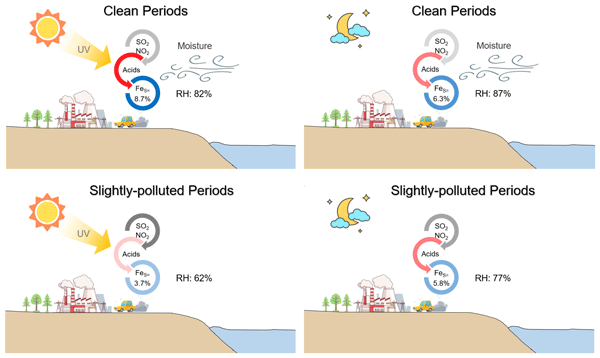
Aerosol particles from mainland can transport to oceans and deposit, providing soluble Fe and affecting phytoplankton growth. Thus, we studied the dissolution process of aerosol Fe and found that photochemistry played a key role in promoting Fe dissolution in clean conditions. RH-dependent reactions were more influential in slightly polluted conditions. These results highlight the distinct roles of two weather-related parameters (radiation and RH) in influencing geochemical cycles related to Fe.
Chao Yu, Lin Zheng, Yujue Wang, Meijing Guo, Xu Yu, Yuqi Guo, Sisi Song, Kyoung-Soon Jang, Xiaohong Yao, Jian Zhen Yu, and Huiwang Gao
Atmos. Chem. Phys., 26, 13175–13188, https://doi.org/10.5194/acp-26-13175-2026, https://doi.org/10.5194/acp-26-13175-2026, 2026
Short summary
Short summary
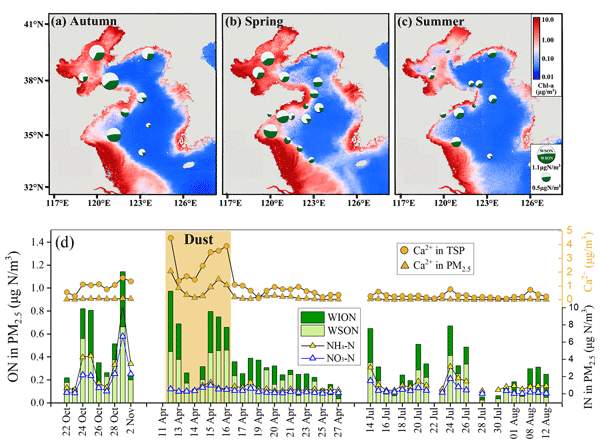
Atmospheric organic nitrogen is an important fraction in marine aerosols, and plays vital roles in organic aerosol absorption and maintaining primary productivity in the open ocean. However, abundance or sources of aerosol organic nitrogen remain unclear in the marine boundary layer. Here, we found that anthropogenic secondary pollutants and dust drove the organic nitrogen formation and the light absorption by organic aerosols over East Asian marginal seas.
Wanju Li, Lifang Sheng, Xueyan Bi, Zehao Huang, Yali Luo, Shiqi Xiao, Chao Liu, Yang Yang, Jiandong Wang, Yuanjian Yang, and Simone Lolli
Atmos. Chem. Phys., 26, 11943–11965, https://doi.org/10.5194/acp-26-11943-2026, https://doi.org/10.5194/acp-26-11943-2026, 2026
Short summary
Short summary
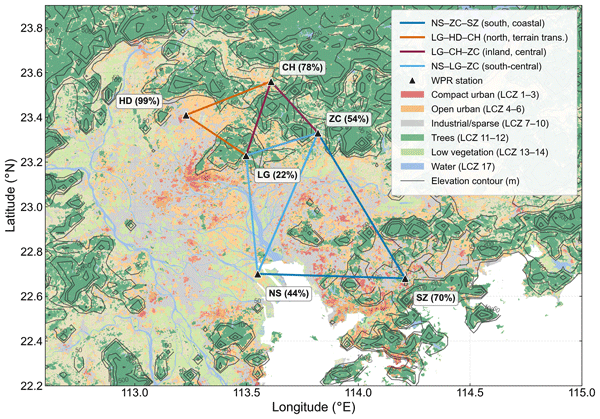
Heavy rain in South China often strikes suddenly far from weather fronts and is hard to forecast. Using five years of radar wind data and rainfall records from Guangdong, we studied 226 events and found warning signs one to four hours before onset that differ by region. In the west, strengthening low-level winds drive the rain; in the Pearl River Delta, friction reshapes the surface wind; in the east, warm surface air stores energy that fuels the storm.
Tafeng Hu, Niu Jin, Yingpan Song, Feng Wu, Jing Duan, Yuqing Zhu, Hong Huang, Yu Huang, Junji Cao, and Daizhou Zhang
Atmos. Chem. Phys., 26, 5947–5959, https://doi.org/10.5194/acp-26-5947-2026, https://doi.org/10.5194/acp-26-5947-2026, 2026
Short summary
Short summary
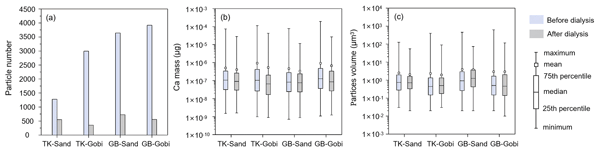
The dissolution behavior and climate impact of atmospheric calcium dust are governed by its size-resolved mineralogy. Our analysis of Asian dust reveals that a significant fraction of water-soluble calcium originates from calcite and gypsum present as soluble coatings on other dust particles. This specific mixing state facilitates rapid dissolution during atmospheric processing and constrains the role of Asian dust in atmospheric acid neutralization and the mitigation of ocean acidification.
Qinchu Fan, Xiaohong Yao, and Leiming Zhang
Atmos. Chem. Phys., 26, 4917–4936, https://doi.org/10.5194/acp-26-4917-2026, https://doi.org/10.5194/acp-26-4917-2026, 2026
Short summary
Short summary
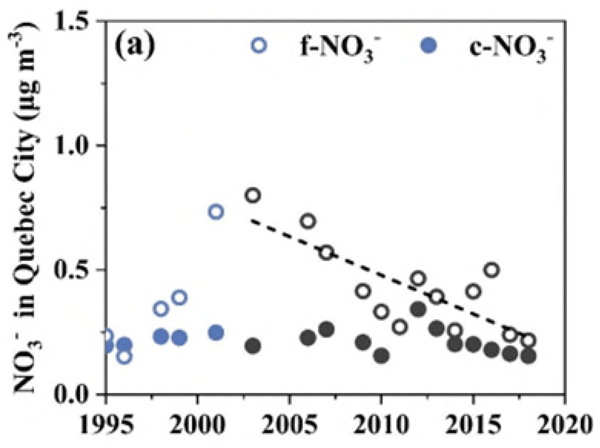
This study finds that the disproportionate multi-decadal trends between particulate nitrate and NOx emissions in Canadian urban atmospheres are driven by reductions in primary fine-fraction nitrate emissions, localized dispersion processes, and wind anomalies modulated by the Arctic Oscillation. These results help explain the weak or absent response of fine-fraction nitrate to NOx emission reductions observed globally, particularly in cold-climate regions.
Tianle Zhang, Yaxin Xiang, Bingxing Zhu, Xiaohong Yao, Xuehua Fan, Yinan Wang, Yuntao Wang, Shuangling Chen, Shunyao Wang, Yan Zhang, Fei Chai, and Mei Zheng
Atmos. Chem. Phys., 26, 3001–3024, https://doi.org/10.5194/acp-26-3001-2026, https://doi.org/10.5194/acp-26-3001-2026, 2026
Short summary
Short summary
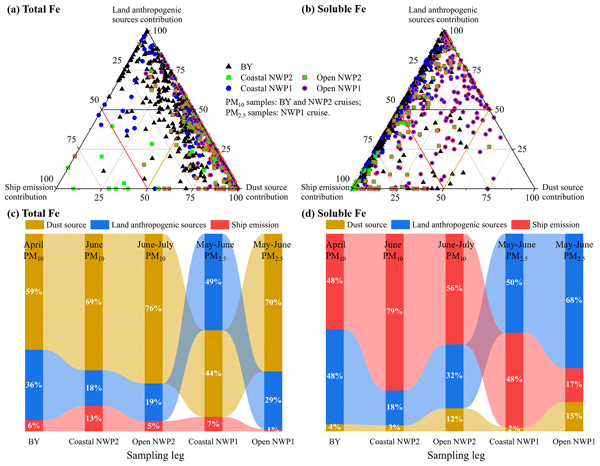
Based on high-time-resolution shipborne measurements, this study examines the sources of iron in aerosols over the Northwest Pacific. We found that non-dust emissions from ships and land-based activities contribute the majority of soluble iron capable of enhancing marine primary productivity, with particularly pronounced contributions in coastal regions and during the summer season. These findings provide improved insight into the influence of human activities on oceanic nutrient supply.
Yujue Wang, Yizhe Yi, Wei Xu, Yiwen Zhang, Shubin Li, Hong-Hai Zhang, Mingliang Gu, Shibo Yan, Jialei Zhu, Chao Zhang, Jinhui Shi, Yang Gao, Xiaohong Yao, and Huiwang Gao
Biogeosciences, 23, 77–93, https://doi.org/10.5194/bg-23-77-2026, https://doi.org/10.5194/bg-23-77-2026, 2026
Short summary
Short summary
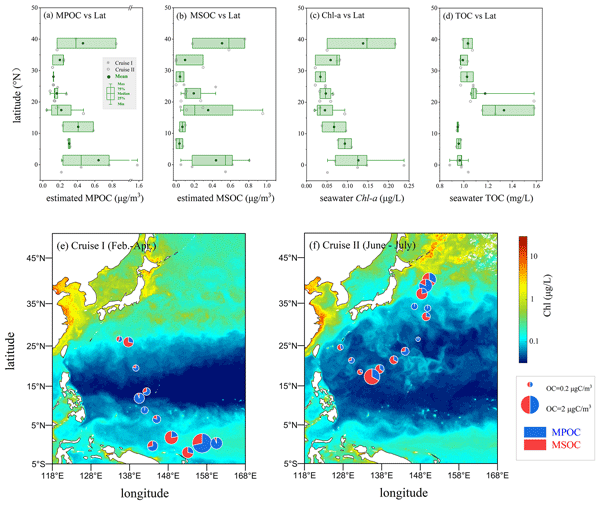
Marine organic aerosols remain poorly quantified, which limits our understanding on the climate regulation of marine aerosols. Based on shipboard cruises over the Pacific Ocean, we proposed an observation-based parameterization approach to estimate the primary and secondary marine organic aerosols using sea surface chlorophyll a and sea salts in marine aerosols. The results highlight that the spatial distribution of marine organic aerosols was driven by the marine biological activities.
Xiadong An, Wen Chen, Tianjiao Ma, and Lifang Sheng
Atmos. Chem. Phys., 25, 13343–13357, https://doi.org/10.5194/acp-25-13343-2025, https://doi.org/10.5194/acp-25-13343-2025, 2025
Short summary
Short summary
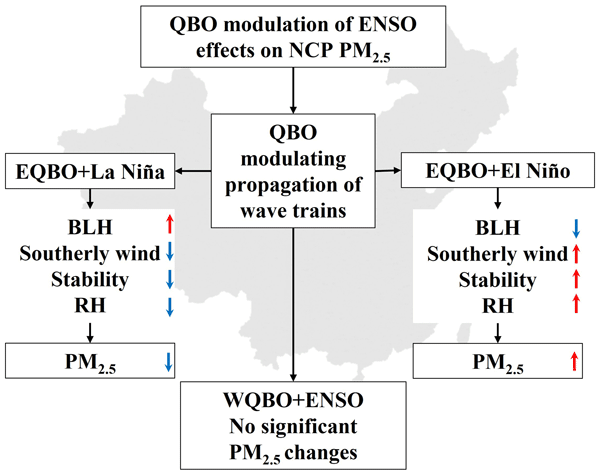
Air pollution in the North China Plain is tends to be influenced by El Niño-Southern Oscillation (ENSO) and stratospheric Quasi-Biennial Oscillation (QBO). During El Niño and easterly QBO, pollution rises, while La Niña and easterly QBO improve air quality through changes in atmospheric circulation and weather conditions.
Shubin Li, Yujue Wang, Yiwen Zhang, Yizhe Yi, Yuchen Wang, Yuqi Guo, Chao Yu, Yue Jiang, Jinhui Shi, Chao Zhang, Jialei Zhu, Wei Hu, Jianzhen Yu, Xiaohong Yao, Huiwang Gao, and Min Hu
Atmos. Chem. Phys., 25, 12585–12598, https://doi.org/10.5194/acp-25-12585-2025, https://doi.org/10.5194/acp-25-12585-2025, 2025
Short summary
Short summary
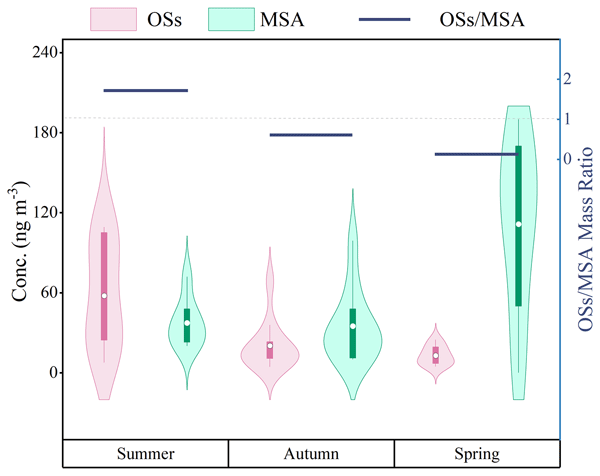
Organosulfates (OSs) are an unrecognized and potentially important component in marine organic aerosols. In this study, we quantified and characterized the OSs over East Asian marginal seas. The chemical nature and spatiotemporal distribution of OSs were modified by the joint influence of marine emissions and transported terrestrial pollutants. The results highlight the vital roles of OSs in shaping organic aerosol formation and sulfur cycle during summer in the marine boundary layer.
Tenglong Shi, Jiayao Wang, Daizhou Zhang, Jiecan Cui, Zihang Wang, Yue Zhou, Wei Pu, Yang Bai, Zhigang Han, Meng Liu, Yanbiao Liu, Hongbin Xie, Minghui Yang, Ying Li, Meng Gao, and Xin Wang
The Cryosphere, 19, 2821–2835, https://doi.org/10.5194/tc-19-2821-2025, https://doi.org/10.5194/tc-19-2821-2025, 2025
Short summary
Short summary
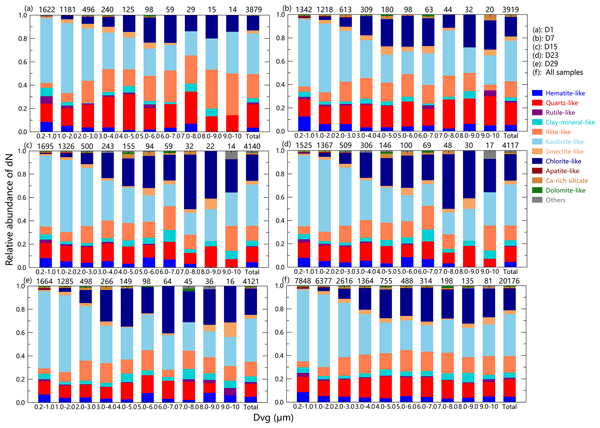
This study examines the properties of dust in snow in Changchun, China, using advanced technology to analyze its size, shape, and light absorption. We found that dust composition affects how much heat is absorbed by snow, with certain minerals, such as hematite, making snowmelt faster. Our research highlights the importance of creating clear standards for classifying dust, which could improve climate models and field observations. This work helps better understand dust's role in climate change.
Min Li, Xinfeng Wang, Tianshuai Li, Yujia Wang, Yueru Jiang, Yujiao Zhu, Wei Nie, Rui Li, Jian Gao, Likun Xue, Qingzhu Zhang, and Wenxing Wang
Atmos. Chem. Phys., 25, 8407–8425, https://doi.org/10.5194/acp-25-8407-2025, https://doi.org/10.5194/acp-25-8407-2025, 2025
Short summary
Short summary
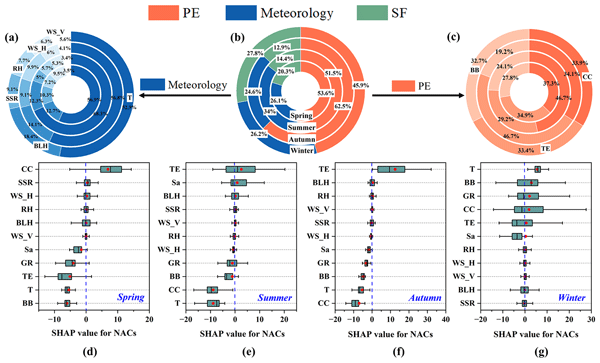
By integrating field measurements with an interpretable ensemble machine learning framework, we comprehensively identified key driving factors of nitro-aromatic compounds (NACs), demonstrated complex interrelationships, and quantified their contributions across different locations. This work provides a reliable modeling approach for recognizing causes of NAC pollution, enhances our understanding of variations of atmospheric NACs, and highlights the necessity of strengthening emission controls.
Yue Sun, Yujiao Zhu, Hengde Liu, Lanxiadi Chen, Hongyong Li, Yujian Bi, Di Wu, Xiangkun Yin, Can Cui, Ping Liu, Yu Yang, Jisheng Zhang, Yanqiu Nie, Lanxin Zhang, Jiangshan Mu, Yuhong Liu, Zhaoxin Guo, Qinyi Li, Yuqiang Zhang, Xinfeng Wang, Mingjin Tang, Wenxing Wang, and Likun Xue
EGUsphere, https://doi.org/10.5194/egusphere-2025-2855, https://doi.org/10.5194/egusphere-2025-2855, 2025
Preprint archived
Short summary
Short summary
Rainwater samples collected at the summit of Mount Tai were analyzed for ice-nucleating particles (INPs). Our findings revealed that INP concentrations peaked in spring, driven predominantly by long-range transport of dust aerosols. Mineral dust contributed 43.6 % of annual INPs, with its contribution rising sharply to 71.7 % in spring. Satellite observations further revealed that the long-range transport of dust in spring promotes large-scale cloud formation over the NCP region.
Yujia Wang, Hongbin Wang, Bo Zhang, Peng Liu, Xinfeng Wang, Shuchun Si, Likun Xue, Qingzhu Zhang, and Qiao Wang
Atmos. Chem. Phys., 25, 5537–5555, https://doi.org/10.5194/acp-25-5537-2025, https://doi.org/10.5194/acp-25-5537-2025, 2025
Short summary
Short summary
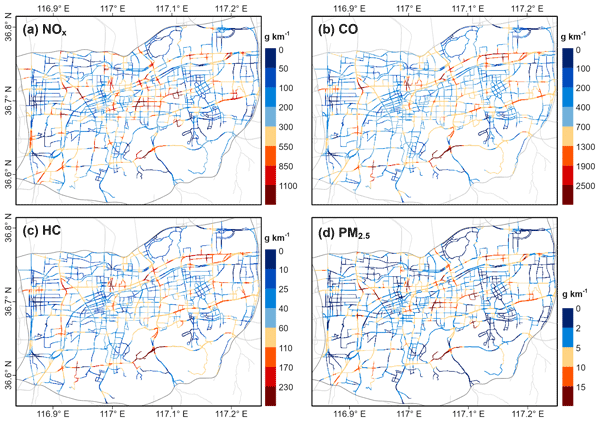
This study established a bottom-up approach that employs real-time traffic flows and interpolation to obtain a spatially continuous on-road vehicle emission mapping for the main urban area of Jinan. The diurnal variation, spatial distribution, and emission hotspots were analyzed with clustering and hotspot analysis, showing unique fine-scale variation characteristics of on-road vehicle emissions. Future scenario analysis demonstrates remarkable benefits of electrification on emission reduction.
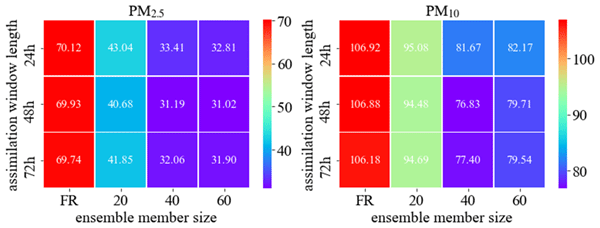
Jianyu Lin, Tie Dai, Lifang Sheng, Weihang Zhang, Shangfei Hai, and Yawen Kong
Geosci. Model Dev., 18, 2231–2248, https://doi.org/10.5194/gmd-18-2231-2025, https://doi.org/10.5194/gmd-18-2231-2025, 2025
Short summary
Short summary
The effectiveness of this assimilation system and its sensitivity to the ensemble member size and length of the assimilation window are investigated. This study advances our understanding of the selection of basic parameters in the four-dimensional local ensemble transform Kalman filter assimilation system and the performance of ensemble simulation in a particulate-matter-polluted environment.
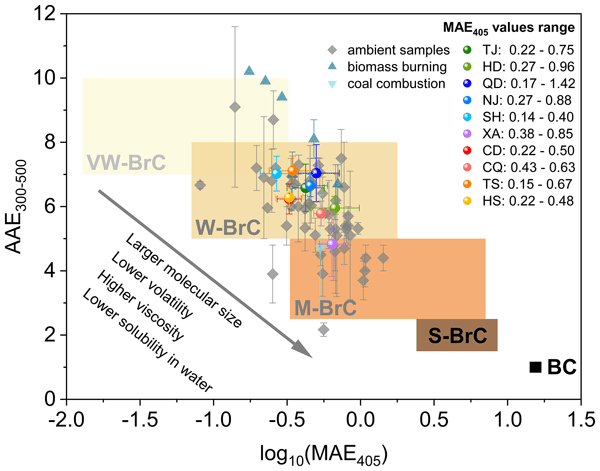
Haibiao Chen, Caiqing Yan, Liubin Huang, Lin Du, Yang Yue, Xinfeng Wang, Qingcai Chen, Mingjie Xie, Junwen Liu, Fengwen Wang, Shuhong Fang, Qiaoyun Yang, Hongya Niu, Mei Zheng, Yan Wu, and Likun Xue
Atmos. Chem. Phys., 25, 3647–3667, https://doi.org/10.5194/acp-25-3647-2025, https://doi.org/10.5194/acp-25-3647-2025, 2025
Short summary
Short summary
A comprehensive understanding of the optical properties of brown carbon (BrC) is essential to accurately assess its climatic effects. Based on multi-site spectroscopic measurements, this study demonstrated the significant spatial heterogeneity in the optical and structural properties of water-soluble organic carbon (WSOC) in different regions of China and revealed factors affecting WSOC light absorption and the relationship between fluorophores and light absorption of WSOC.
Zizhen Han, Yuqiang Zhang, Zhou Liu, Kexin Zhang, Zhuyi Wang, Bin Luo, Likun Xue, and Xinfeng Wang
EGUsphere, https://doi.org/10.5194/egusphere-2024-2951, https://doi.org/10.5194/egusphere-2024-2951, 2024
Preprint archived
Short summary
Short summary
During the COVID-19 lockdown, changes in air pollutants offered a real-world test of emission reductions. JPL’s chemical reanalysis data showed a general decrease in CO, NO2, O3, and nitrate aerosols across most African countries, but an increase in SO2, sulfate aerosols, and O3 in Southern Africa during winter. We concluded that air quality changes are influenced by both natural and anthropogenic factors, emphasizing the need for stricter emission standards and clean energy promotion in Africa.
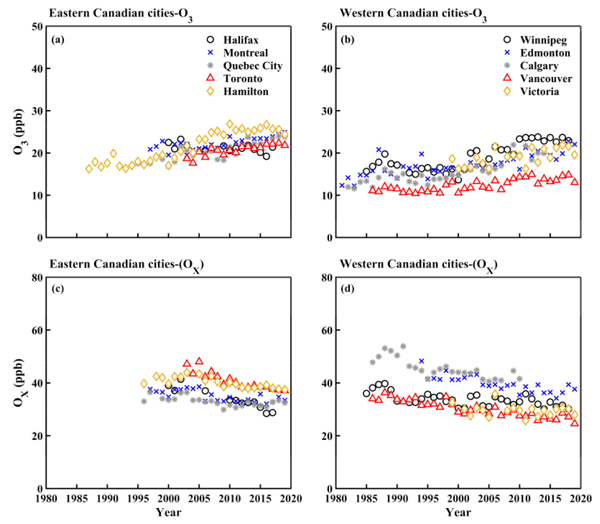
Xiaohong Yao and Leiming Zhang
Atmos. Chem. Phys., 24, 7773–7791, https://doi.org/10.5194/acp-24-7773-2024, https://doi.org/10.5194/acp-24-7773-2024, 2024
Short summary
Short summary
This study investigates long-term trends of criteria air pollutants, including NO2, CO, SO2, O3 and PM2.5, and NO2+O3 measured in 10 Canadian cities during the last 2 to 3 decades. We also investigate associated driving forces in terms of emission reductions, perturbations from varying weather conditions and large-scale wildfires, as well as changes in O3 sources and sinks.
Wei Sun, Xiaodong Hu, Yuzhen Fu, Guohua Zhang, Yujiao Zhu, Xinfeng Wang, Caiqing Yan, Likun Xue, He Meng, Bin Jiang, Yuhong Liao, Xinming Wang, Ping'an Peng, and Xinhui Bi
Atmos. Chem. Phys., 24, 6987–6999, https://doi.org/10.5194/acp-24-6987-2024, https://doi.org/10.5194/acp-24-6987-2024, 2024
Short summary
Short summary
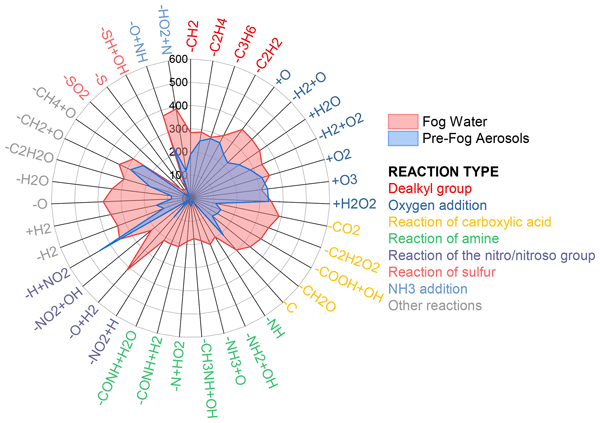
The formation pathways of nitrogen-containing compounds (NOCs) in the atmosphere remain unclear. We investigated the composition of aerosols and fog water by state-of-the-art mass spectrometry and compared the formation pathways of NOCs. We found that NOCs in aerosols were mainly formed through nitration reaction, while ammonia addition played a more important role in fog water. The results deepen our understanding of the processes of organic particulate pollution.
Ming Chu, Xing Wei, Shangfei Hai, Yang Gao, Huiwang Gao, Yujiao Zhu, Biwu Chu, Nan Ma, Juan Hong, Yele Sun, and Xiaohong Yao
Atmos. Chem. Phys., 24, 6769–6786, https://doi.org/10.5194/acp-24-6769-2024, https://doi.org/10.5194/acp-24-6769-2024, 2024
Short summary
Short summary
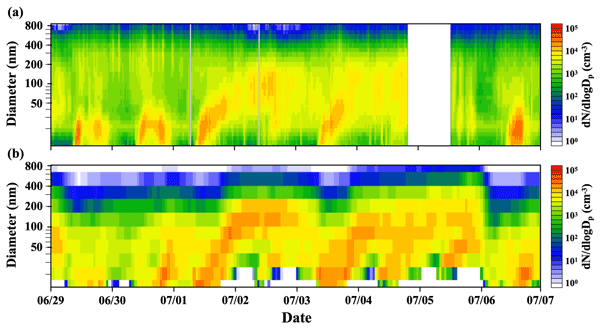
We used a 20-bin WRF-Chem model to simulate NPF events in the NCP during a three-week observational period in the summer of 2019. The model was able to reproduce the observations during June 29–July 6, which was characterized by a high frequency of NPF occurrence.
Wenshuai Li, Yuxuan Qi, Yingchen Liu, Guanru Wu, Yanjing Zhang, Jinhui Shi, Wenjun Qu, Lifang Sheng, Wencai Wang, Daizhou Zhang, and Yang Zhou
Atmos. Chem. Phys., 24, 6495–6508, https://doi.org/10.5194/acp-24-6495-2024, https://doi.org/10.5194/acp-24-6495-2024, 2024
Short summary
Short summary
Aerosol particles from mainland can transport to oceans and deposit, providing soluble Fe and affecting phytoplankton growth. Thus, we studied the dissolution process of aerosol Fe and found that photochemistry played a key role in promoting Fe dissolution in clean conditions. RH-dependent reactions were more influential in slightly polluted conditions. These results highlight the distinct roles of two weather-related parameters (radiation and RH) in influencing geochemical cycles related to Fe.
Yue Sun, Yujiao Zhu, Yanbin Qi, Lanxiadi Chen, Jiangshan Mu, Ye Shan, Yu Yang, Yanqiu Nie, Ping Liu, Can Cui, Ji Zhang, Mingxuan Liu, Lingli Zhang, Yufei Wang, Xinfeng Wang, Mingjin Tang, Wenxing Wang, and Likun Xue
Atmos. Chem. Phys., 24, 3241–3256, https://doi.org/10.5194/acp-24-3241-2024, https://doi.org/10.5194/acp-24-3241-2024, 2024
Short summary
Short summary
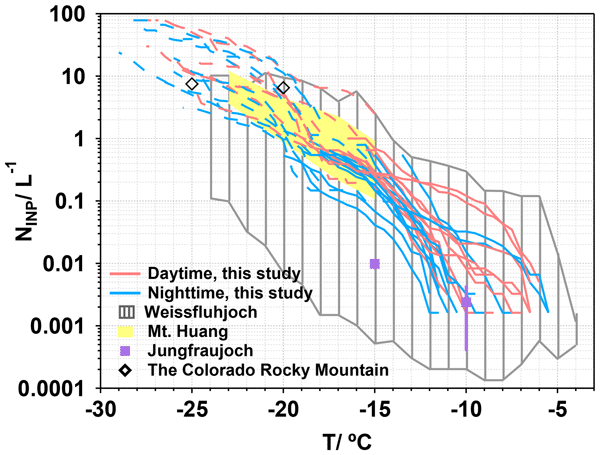
Field observations were conducted at the summit of Changbai Mountain in northeast Asia. The cumulative number concentration of ice-nucleating particles (INPs) varied from 1.6 × 10⁻³ to 78.3 L−1 over the temperature range of −5.5 to −29.0 ℃. Biological INPs (bio-INPs) accounted for the majority of INPs, and the proportion exceeded 90% above −13.0 ℃. Planetary boundary layer height, valley breezes, and long-distance transport of air mass influence the abundance of bio-INPs.
Jiawei Li, Zhiwei Han, Pingqing Fu, Xiaohong Yao, and Mingjie Liang
Atmos. Chem. Phys., 24, 3129–3161, https://doi.org/10.5194/acp-24-3129-2024, https://doi.org/10.5194/acp-24-3129-2024, 2024
Short summary
Short summary
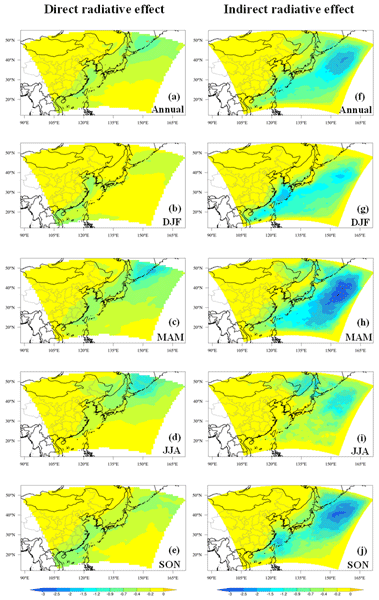
Organic aerosols of marine origin are important for aerosol climatic effects but are poorly understood. For the first time, an online coupled regional chemistry–climate model is applied to explore the characteristics of emission, distribution, and direct and indirect radiative effects of marine organic aerosols over the western Pacific, which reveals an important role of marine organic aerosols in perturbing cloud and radiation and promotes understanding of global aerosol climatic impact.
Feifan Yan, Hang Su, Yafang Cheng, Rujin Huang, Hong Liao, Ting Yang, Yuanyuan Zhu, Shaoqing Zhang, Lifang Sheng, Wenbin Kou, Xinran Zeng, Shengnan Xiang, Xiaohong Yao, Huiwang Gao, and Yang Gao
Atmos. Chem. Phys., 24, 2365–2376, https://doi.org/10.5194/acp-24-2365-2024, https://doi.org/10.5194/acp-24-2365-2024, 2024
Short summary
Short summary
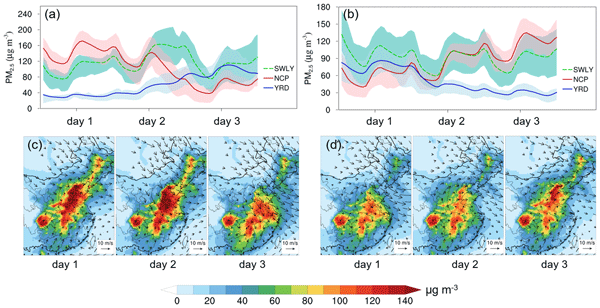
PM2.5 pollution is a major air quality issue deteriorating human health, and previous studies mostly focus on regions like the North China Plain and Yangtze River Delta. However, the characteristics of PM2.5 concentrations between these two regions are studied less often. Focusing on the transport corridor region, we identify an interesting seesaw transport phenomenon with stagnant weather conditions, conducive to PM2.5 accumulation over this region, resulting in large health effects.
Xing Wei, Yanjie Shen, Xiao-Ying Yu, Yang Gao, Huiwang Gao, Ming Chu, Yujiao Zhu, and Xiaohong Yao
Atmos. Chem. Phys., 23, 15325–15350, https://doi.org/10.5194/acp-23-15325-2023, https://doi.org/10.5194/acp-23-15325-2023, 2023
Short summary
Short summary
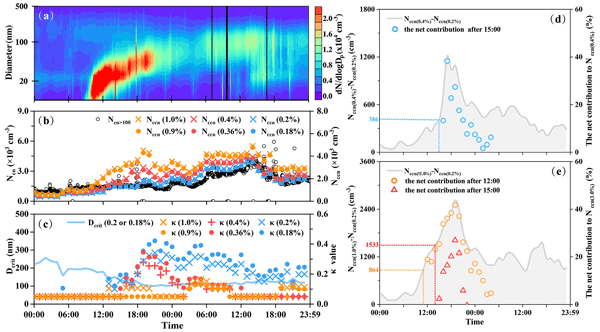
We investigate the contribution of grown new particles to Nccn at a rural mountain site in the North China Plain. The total particle number concentrations (Ncn) observed on 8 new particle formation (NPF) days were higher compared to non-NPF days. The Nccn at 0.2 % supersaturation (SS) and 0.4 % SS on the NPF days was significantly lower than on non-NPF days. Only one of eight NPF events had detectable net contributions to Nccn at 0.4 % SS and 1.0 % SS with increased κ values.
Xuelian Zhong, Hengqing Shen, Min Zhao, Ji Zhang, Yue Sun, Yuhong Liu, Yingnan Zhang, Ye Shan, Hongyong Li, Jiangshan Mu, Yu Yang, Yanqiu Nie, Jinghao Tang, Can Dong, Xinfeng Wang, Yujiao Zhu, Mingzhi Guo, Wenxing Wang, and Likun Xue
Atmos. Chem. Phys., 23, 14761–14778, https://doi.org/10.5194/acp-23-14761-2023, https://doi.org/10.5194/acp-23-14761-2023, 2023
Short summary
Short summary
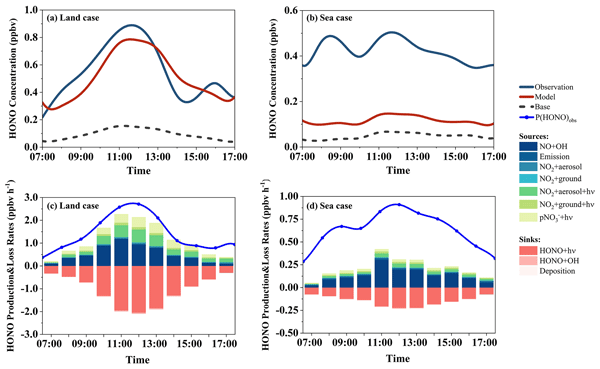
Nitrous acid (HONO) is vital for atmospheric oxidation. In research at Mount Lao, China, models revealed a significant unidentified marine HONO source. Overlooking this could skew our understanding of air quality and climate change. This finding emphasizes HONO’s importance in the coastal atmosphere, uncovering previously unnoticed interactions.
Chupeng Zhang, Shangfei Hai, Yang Gao, Yuhang Wang, Shaoqing Zhang, Lifang Sheng, Bin Zhao, Shuxiao Wang, Jingkun Jiang, Xin Huang, Xiaojing Shen, Junying Sun, Aura Lupascu, Manish Shrivastava, Jerome D. Fast, Wenxuan Cheng, Xiuwen Guo, Ming Chu, Nan Ma, Juan Hong, Qiaoqiao Wang, Xiaohong Yao, and Huiwang Gao
Atmos. Chem. Phys., 23, 10713–10730, https://doi.org/10.5194/acp-23-10713-2023, https://doi.org/10.5194/acp-23-10713-2023, 2023
Short summary
Short summary
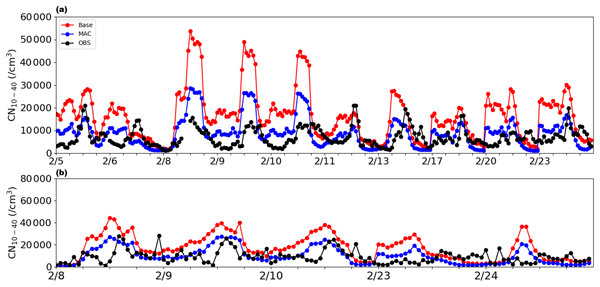
New particle formation is an important source of atmospheric particles, exerting critical influences on global climate. Numerical models are vital tools to understanding atmospheric particle evolution, which, however, suffer from large biases in simulating particle numbers. Here we improve the model chemical processes governing particle sizes and compositions. The improved model reveals substantial contributions of newly formed particles to climate through effects on cloud condensation nuclei.
Yu Lin, Leiming Zhang, Qinchu Fan, He Meng, Yang Gao, Huiwang Gao, and Xiaohong Yao
Atmos. Chem. Phys., 22, 16073–16090, https://doi.org/10.5194/acp-22-16073-2022, https://doi.org/10.5194/acp-22-16073-2022, 2022
Short summary
Short summary
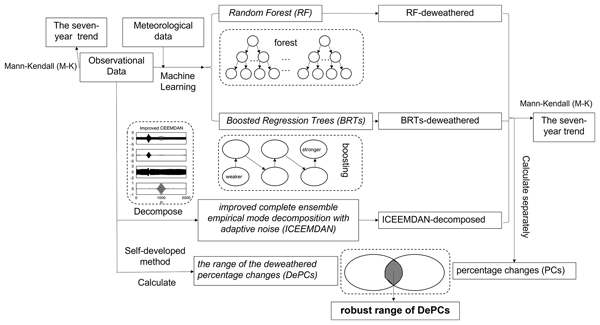
In this study, we analyzed 7-year (from May 2014 to April 2021) concentration data of six criteria air pollutants (PM2.5, PM10, O3, NO2, CO and SO2) as well as the sum of NO2 and O3 in six cities in South China. Three different analysis methods were used to identify emission-driven interannual variations and perturbations from varying weather conditions. In addition, a self-developed method was further introduced to constrain analysis uncertainties.
Qian Liu, Guixing Chen, Lifang Sheng, and Toshiki Iwasaki
Atmos. Chem. Phys., 22, 13371–13388, https://doi.org/10.5194/acp-22-13371-2022, https://doi.org/10.5194/acp-22-13371-2022, 2022
Short summary
Short summary
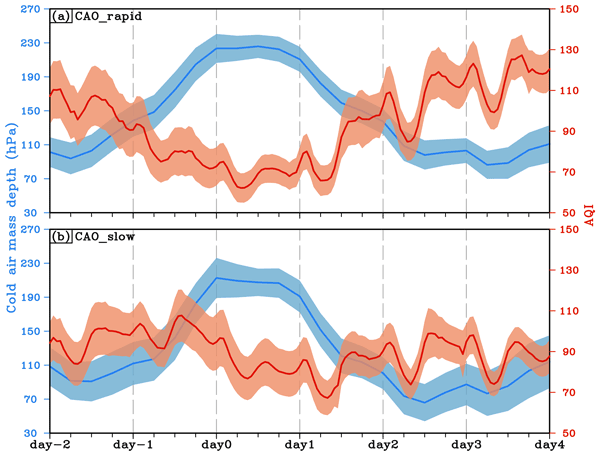
Air pollution can be cleaned up quickly by a cold air outbreak (CAO) but reappears after a CAO. By quantifying the CAO properties, we find the coldness and depth of the cold air mass are key factors affecting the rapid (slow) reappearance of air pollution through modulating the atmospheric boundary layer height and stability. We also find that the spatial pattern of CAO in high-latitude Eurasia a few days ahead can be recognized as a precursor for the reappearance of air pollution.
Junjun Deng, Hao Ma, Xinfeng Wang, Shujun Zhong, Zhimin Zhang, Jialei Zhu, Yanbing Fan, Wei Hu, Libin Wu, Xiaodong Li, Lujie Ren, Chandra Mouli Pavuluri, Xiaole Pan, Yele Sun, Zifa Wang, Kimitaka Kawamura, and Pingqing Fu
Atmos. Chem. Phys., 22, 6449–6470, https://doi.org/10.5194/acp-22-6449-2022, https://doi.org/10.5194/acp-22-6449-2022, 2022
Short summary
Short summary
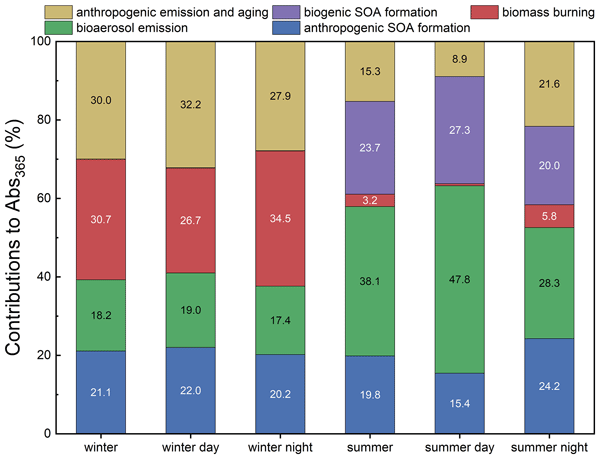
Light-absorbing brown carbon (BrC) plays an important role in climate change and atmospheric chemistry. Here we investigated the seasonal and diurnal variations in water-soluble BrC in PM2.5 in the megacity Tianjin in coastal China. Results of the source apportionments from the combination with organic molecular compositions and optical properties of water-soluble BrC reveal a large contribution from primary bioaerosol particles to BrC in the urban atmosphere.
Xiadong An, Wen Chen, Peng Hu, Shangfeng Chen, and Lifang Sheng
Atmos. Chem. Phys., 22, 6507–6521, https://doi.org/10.5194/acp-22-6507-2022, https://doi.org/10.5194/acp-22-6507-2022, 2022
Short summary
Short summary
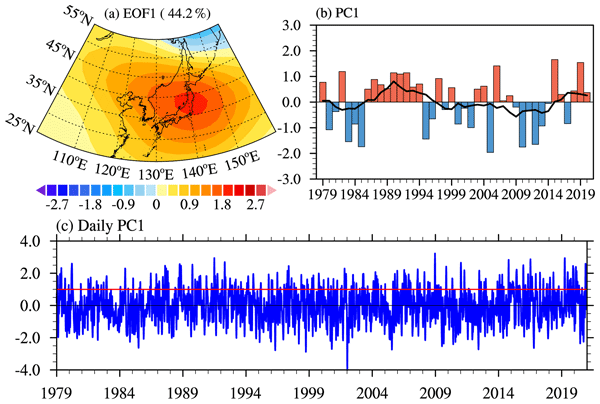
The intraseasonal NAAA usually establishes quickly on day −3 with a life span of 8 days. Further results revealed that the probability of regional PM2.5 pollution related to the NAAA for at least 2 days in the NCP is 80% in NDJ period 2000–2021. Particularly, air quality in the NCP tends to deteriorate on day 2 prior to the peak day of the NAAA and reaches a peak on day −1 with a life cycle of 4 days. The corresponding meteorological conditions support these conclusions.
Yanhong Zhu, Weijun Li, Yue Wang, Jian Zhang, Lei Liu, Liang Xu, Jingsha Xu, Jinhui Shi, Longyi Shao, Pingqing Fu, Daizhou Zhang, and Zongbo Shi
Atmos. Chem. Phys., 22, 2191–2202, https://doi.org/10.5194/acp-22-2191-2022, https://doi.org/10.5194/acp-22-2191-2022, 2022
Short summary
Short summary
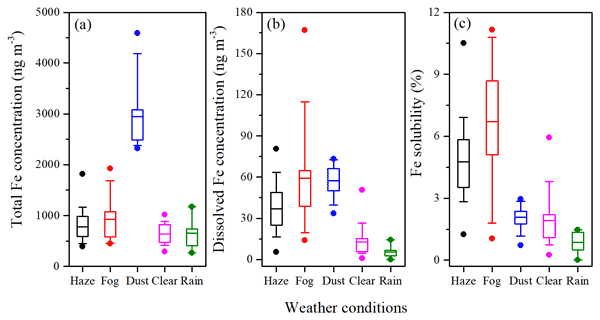
The solubilities of iron in fine particles in a megacity in Eastern China were studied under haze, fog, dust, clear, and rain weather conditions. For the first time, a receptor model was used to quantify the sources of dissolved and total iron aerosol. Microscopic analysis further confirmed the aging of iron aerosol during haze and fog conditions that facilitated dissolution of insoluble iron.
Yating Gao, Dihui Chen, Yanjie Shen, Yang Gao, Huiwang Gao, and Xiaohong Yao
Atmos. Chem. Phys., 22, 1515–1528, https://doi.org/10.5194/acp-22-1515-2022, https://doi.org/10.5194/acp-22-1515-2022, 2022
Short summary
Short summary
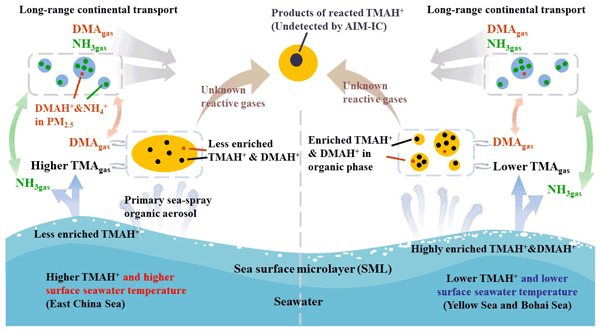
This study focuses on spatiotemporal heterogeneity of observed gaseous amines, NH3, their particulate counterparts in PM2.5 over different sea zones, and the disproportional release of alkaline gases and corresponding particulate counterparts from seawater in the sea zones in terms of different extents of enrichment of TMAH+ and DMAH+ in the sea surface microlayer (SML). A novel hypothesis is delivered.
Xiadong An, Lifang Sheng, Chun Li, Wen Chen, Yulian Tang, and Jingliang Huangfu
Atmos. Chem. Phys., 22, 725–738, https://doi.org/10.5194/acp-22-725-2022, https://doi.org/10.5194/acp-22-725-2022, 2022
Short summary
Short summary
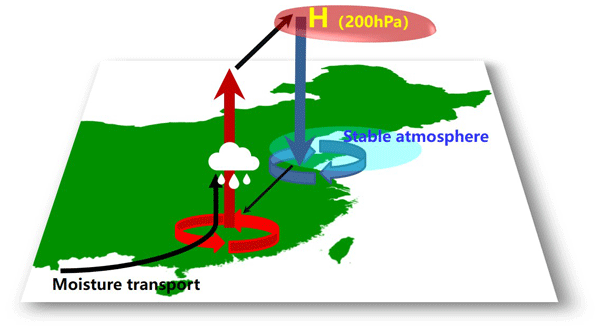
The North China Plain (NCP) suffered many periods of haze in winter during 1985–2015, related to the rainfall-induced diabatic heating over southern China. The haze over the NCP is modulated by an anomalous anticyclone caused by the Rossby wave and a north–south circulation (NSC) induced mainly by diabatic heating. As a Rossby wave source, rainfall-induced diabatic heating supports waves and finally strengthens the anticyclone over the NCP. These changes favor haze over the NCP.
Ying Zhou, Simo Hakala, Chao Yan, Yang Gao, Xiaohong Yao, Biwu Chu, Tommy Chan, Juha Kangasluoma, Shahzad Gani, Jenni Kontkanen, Pauli Paasonen, Yongchun Liu, Tuukka Petäjä, Markku Kulmala, and Lubna Dada
Atmos. Chem. Phys., 21, 17885–17906, https://doi.org/10.5194/acp-21-17885-2021, https://doi.org/10.5194/acp-21-17885-2021, 2021
Short summary
Short summary
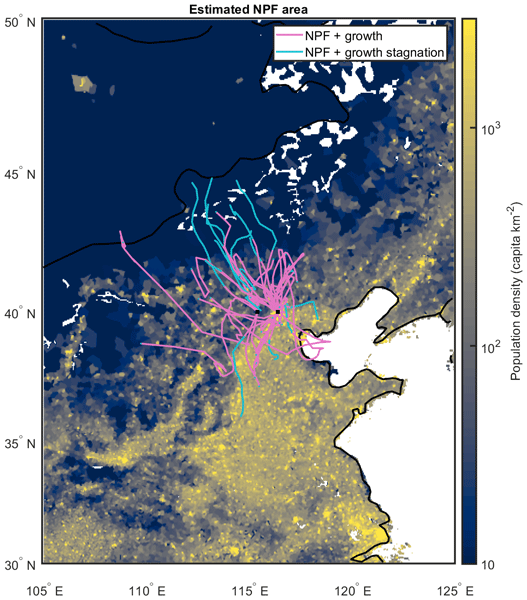
We characterized the connection between new particle formation (NPF) events in terms of frequency, intensity and growth at a near-highway location in central Beijing and at a background mountain site 80 km away. Due to the substantial contribution of NPF to the global aerosol budget, identifying the conditions that promote the occurrence of regional NPF events could help understand their contribution on a large scale and would improve their implementation in global models.
Liang Xu, Xiaohuan Liu, Huiwang Gao, Xiaohong Yao, Daizhou Zhang, Lei Bi, Lei Liu, Jian Zhang, Yinxiao Zhang, Yuanyuan Wang, Qi Yuan, and Weijun Li
Atmos. Chem. Phys., 21, 17715–17726, https://doi.org/10.5194/acp-21-17715-2021, https://doi.org/10.5194/acp-21-17715-2021, 2021
Short summary
Short summary
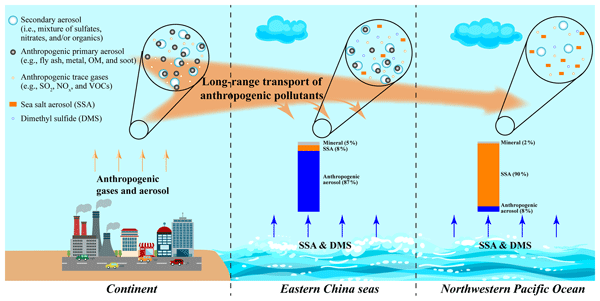
We quantified different types of marine aerosols and explored the Cl depletion of sea salt aerosol (SSA) in the eastern China seas and the northwestern Pacific Ocean. We found that anthropogenic acidic gases in the troposphere were transported longer distances compared to the anthropogenic aerosols and could significantly impact remote marine aerosols. Meanwhile, variations of chloride depletion in SSA can serve as a potential indicator for anthropogenic gaseous pollutants in remote marine air.

Dihui Chen, Yanjie Shen, Juntao Wang, Yang Gao, Huiwang Gao, and Xiaohong Yao
Atmos. Chem. Phys., 21, 16413–16425, https://doi.org/10.5194/acp-21-16413-2021, https://doi.org/10.5194/acp-21-16413-2021, 2021
Short summary
Short summary
The study provides solid evidence to demonstrate that atmospheric trimethylamine (TMAgas) and particulate trimethylaminium in PM2.5 (TMAH+) observed in marine atmospheres were uniquely derived from seawater emissions. As sea-derived TMAgas correlated significantly with DMAgas and NH3gas, sea-derived DMAgas and NH3gas can be estimated and can quantify the contribution to the observed species in the marine atmosphere. Similarly, the contributions of primary DMAH+ have also been estimated.
Men Xia, Xiang Peng, Weihao Wang, Chuan Yu, Zhe Wang, Yee Jun Tham, Jianmin Chen, Hui Chen, Yujing Mu, Chenglong Zhang, Pengfei Liu, Likun Xue, Xinfeng Wang, Jian Gao, Hong Li, and Tao Wang
Atmos. Chem. Phys., 21, 15985–16000, https://doi.org/10.5194/acp-21-15985-2021, https://doi.org/10.5194/acp-21-15985-2021, 2021
Short summary
Short summary
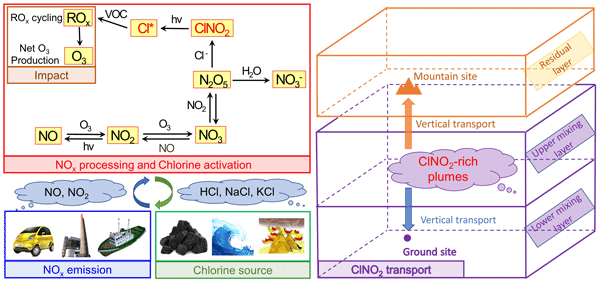
ClNO2 is an important precursor of chlorine radical that affects photochemistry. However, its production and impact are not well understood. Our study presents field observations of ClNO2 at three sites in northern China. These observations provide new insights into nighttime processes that produce ClNO2 and the significant impact of ClNO2 on secondary pollutions during daytime. The results improve the understanding of photochemical pollution in the lower part of the atmosphere.
Cited articles
Adachi, K., Oshima, N., Gong, Z., de Sá, S., Bateman, A. P., Martin, S. T., de Brito, J. F., Artaxo, P., Cirino, G. G., Sedlacek III, A. J., and Buseck, P. R.: Mixing states of Amazon basin aerosol particles transported over long distances using transmission electron microscopy, Atmos. Chem. Phys., 20, 11923–11939, https://doi.org/10.5194/acp-20-11923-2020, 2020.
Amil, N., Latif, M. T., Khan, M. F., and Mohamad, M.: Seasonal variability of PM2.5 composition and sources in the Klang Valley urban-industrial environment, Atmos. Chem. Phys., 16, 5357–5381, https://doi.org/10.5194/acp-16-5357-2016, 2016.
Andreae, M. O., Charlson, R. J., Bruynseels, F., Storms, H., Grieken, R. Van, and Maenhaut, W.: Internal mixture of sea salt, silicates, and excess sulfate in marine aerosols, Science, 232, 1620–1623, https://doi.org/10.1126/science.232.4758.1620, 1986.
Baker, A. R. and Jickells, T. D.: Mineral particle size as a control on aerosol iron solubility, Geophys. Res. Lett., 33, L17608, https://doi.org/10.1029/2006GL026557, 2006.
Baker, A. R., Jickells, T. D., Witt, M., and Linge, K. L.: Trends in the solubility of iron, aluminium, manganese and phosphorus in aerosol collected over the Atlantic Ocean, Mar. Chem., 98, 43–58, https://doi.org/10.1016/j.marchem.2005.06.004, 2006.
Bie, S., Yang, L., Zhang, Y., Huang, Q., Li, J., Zhao, T., Zhang, X., Wang, P., and Wang, W.: Source appointment of PM2.5 in Qingdao Port, East of China, Sci. Total. Environ., 755, https://doi.org/10.1016/j.scitotenv.2020.142456, 2021.
Borai, E. H., El-Sofany, E. A., Abdel-Halim, A. S., and Soliman, A. A.: Speciation of hexavalent chromium in atmospheric particulate samples by selective extraction and ion chromatographic determination, Trac-Trend. Anal. Chem., 21, 741–745, https://doi.org/10.1016/S0165-9936(02)01102-0, 2002.
Boyd, P. W., Watson, A. J., Law, C. S., Abraham, E. R., Trull, T., Murdoch, R., Bakker, D. C. E., Bowie, A. R., Buesseler, K. O., Chang, H., Charette, M., Croot, P., Downing, K., Frew, R., Gall, M., Hadfield, M., Hall, J., Harvey, M., Jameson, G., LaRoche, J., Liddicoat, M., Ling, R., Maldonado, M. T., McKay, R. M., Nodder, S., Pickmere, S., Pridmore, R., Rintoul, S., Safi, K., Sutton, P., Strzepek, R., Tanneberger, K., Turner, S., Waite, A., and Zeldis, J.: A mesoscale phytoplankton bloom in the polar Southern Ocean stimulated by iron fertilization, Nature, 407, 695–702, https://doi.org/10.1038/35037500, 2000.
Buck, C. S., Landing, W. M., and Resing, J. A.: Particle size and aerosol iron solubility: A high-resolution analysis of Atlantic aerosols, Mar. Chem., 120, 14–24, https://doi.org/10.1016/j.marchem.2008.11.002, 2010.
Chance, R., Jickells, T. D., and Baker, A. R.: Atmospheric trace metal concentrations, solubility and deposition fluxes in remote marine air over the south-east Atlantic, Mar. Chem., 177, 45–56, https://doi.org/10.1016/j.marchem.2015.06.028, 2015.
Chang, Y., Huang, K., Xie, M., Deng, C., Zou, Z., Liu, S., and Zhang, Y.: First long-term and near real-time measurement of trace elements in China's urban atmosphere: temporal variability, source apportionment and precipitation effect, Atmos. Chem. Phys., 18, 11793–11812, https://doi.org/10.5194/acp-18-11793-2018, 2018.
Chen, J., Tan, M., Li, Y., Zheng, J., Zhang, Y., Shan, Z., Zhang, G., and Li, Y.: Characteristics of trace elements and lead isotope ratios in PM2.5 from four sites in Shanghai, J. Hazard. Mater., 156, 36–43, https://doi.org/10.1016/j.jhazmat.2007.11.122, 2008.
Chen, J., Liu, G., Kang, Y., Wu, B., Sun, R. Y., Zhou, C. C., and Wu., D.: Atmospheric emissions of F, As, Se, Hg, and Sb from coal-fired power and heat generation in China, Chemosphere, 90, 1925–1932, https://doi.org/10.1016/j.chemosphere.2012.10.032, 2013.
Chen, Y., Wang, Z., Fang, Z., Huang, C., Xu, H., Zhang, H., Zhang, T., Wang, F., Luo, L., Shi, G., Wang, X., and Tang, M.: Dominant contribution of non-dust primary emissions and secondary processes to dissolved aerosol iron, Environ. Sci. Technol., 58, 17355–17363, https://doi.org/10.1021/acs.est.4c05816, 2024.
Choobari, O. A., Zawar-Reza, P., and Sturman, A.: The global distribution of mineral dust and its impacts on the climate system: A review, Atmos. Res., 138, 152–165, https://doi.org/10.1016/j.atmosres.2013.11.007, 2014.
Draxler, R. R. and Rolph, G. D.: HYSPLIT (HYbrid Single-Particle Lagrangian Integrated Trajectory) Model access via NOAA ARL READY Website, NOAA Air Resources Laboratory, College Park, MD, https://www.ready.noaa.gov/HYSPLIT.php (last access: 14 May 2026), 2014.
Falkowski, P. G., Barber, R. T., and Smetacek, V.: Biogeochemical controls and feedbacks on ocean primary production, Science, 281, 200–206, https://doi.org/10.1126/science.281.5374.200, 1998.
Feng, L., Shen, H., Zhu, Y., Gao, H., and Yao, X.: Insight into Generation and Evolution of Sea-Salt Aerosols from Field Measurements in Diversified Marine and Coastal Atmospheres, Sci. Rep., 7, 41260, https://doi.org/10.1038/srep41260, 2017.
Geng, H., Hwang, H., Liu, X., Dong, S., and Ro, C.-U.: Investigation of aged aerosols in size-resolved Asian dust storm particles transported from Beijing, China, to Incheon, Korea, using low-Z particle EPMA, Atmos. Chem. Phys., 14, 3307–3323, https://doi.org/10.5194/acp-14-3307-2014, 2014.
Gu, J., Pitz, M., Schnelle-Kreis, J., Diemer, J., Reller, A., Zimmermann, R., Soentgen, J., Stoelzel, M., Wichmann, H.-E., Peters, A., and Cyrys, J.: Source apportionment of ambient particles: Comparison of positive matrix factorization analysis applied to particle size distribution and chemical composition data, Atmos. Environ., 45, 1849–1857, https://doi.org/10.1016/j.atmosenv.2011.01.009, 2011.
Gugamsetty, B., Wei, H., Liu, C. N., Awasthi, A., Hsu, S. C., Tsai, C. J., Roam, G. D., Wu, Y. C., and Chen, C. F.: Source Characterization and Apportionment of PM10, PM2.5 and PM0.1 by Using Positive Matrix Factorization, Aerosol Air Qual. Res., 12, 476–491, https://doi.org/10.4209/aaqr.2012.04.0084, 2012.
Hawco, N. J., Tagliabue, A. and Twining, B. S.: Manganese limitation of phytoplankton physiology and productivity in the Southern Ocean, Global Biogeochem. Cycles, 36, e2022GB007382. https://doi.org/10.1029/2022GB007382, 2022.
Hilario, M. R. A., Cruz, M. T., Cambaliza, M. O. L., Reid, J. S., Xian, P., Simpas, J. B., Lagrosas, N. D., Uy, S. N. Y., Cliff, S., and Zhao, Y.: Investigating size-segregated sources of elemental composition of particulate matter in the South China Sea during the 2011 Vasco cruise, Atmos. Chem. Phys., 20, 1255–1276, https://doi.org/10.5194/acp-20-1255-2020, 2020.
Hsieh, C.-C., Chen, H.-Y., and Ho, T.-Y.: The effect of aerosol size on Fe solubility and deposition flux: A case study in the East China Sea, Mar. Chem., 241, 104106, https://doi.org/10.1016/j.marchem.2022.104106, 2022.
Hsu, S.-C., Liu, S. C., Arimoto, R., Shiah, F.-K., Gong, G.-C., Huang, Y.-T., Kao, S.-J., Chen, J.-P., Lin, F.-J., Lin, C.-Y., Huang, J.-C., Tsai, F., and Lung, S.-C. C.: Effects of acidic processing, transport history, and dust and sea salt loadings on the dissolution of iron from Asian dust, J. Geophys. Res.-Atmos., 115, D19313. https://doi.org/10.1029/2009JD013442, 2010a.
Hsu, S. C., Wong, G. T. F., Gong, G. C., Shiah, F. K., Huang, Y. T., Kao, S. J., Tsai, F. J., Lung, S. C. C., Lin, F. J., Lin, II, Hung, C. C., and Tseng, C. M.: Sources, solubility, and dry deposition of aerosol trace elements over the East China Sea, Mar. Chem., 120, 116–127, https://doi.org/10.1016/j.marchem.2008.10.003, 2010b.
Huang, J., Wang, T., Wang, W., Li, Z., and Yan, H.: Climate effects of dust aerosols over East Asian arid and semiarid regions, J. Geophys. Res.-Atmos., 119, 11398–11416, https://doi.org/10.1002/2014JD021796, 2014.
Ito, A. and Feng, Y.: Iron mobilization in North African Dust, Proc. Environ. Sci., 6, 27–34, https://doi.org/10.1016/j.proenv.2011.05.004, 2011.
Ito, A., Ye, Y., Baldo, C., and Shi, Z. B.: Ocean fertilization by pyrogenic aerosol iron, npj Clim. Atmos. Sci., 4, https://doi.org/10.1038/s41612-021-00185-8, 2021.
Jickells, T. D., An, Z. S., Andersen, K. K., Baker, A. R., Bergametti, G., Brooks, N., Cao, J. J., Boyd, P. W., Duce, R. A., Hunter, K. A., Kawahata, H., Kubilay, N., laRoche, J., Liss, P. S., Mahowald, N., Prospero, J. M., Ridgwell, A. J., Tegen, I., and Torres, R.: Global iron connections between desert dust, ocean biogeochemistry, and climate, Science, 308, 67–71, https://doi.org/10.1126/science.1105959, 2005.
Karar, K., Gupta, A. K., Kumar, A., and Biswas, A. K.: Characterization and identification of the sources of chromium, zinc, lead, cadmium, nickel, manganese and iron in Pm-10 particulates at the two sites of kolkata, india, Environ. Monit. Assess., 120, 347–360, https://doi.org/10.1007/s10661-005-9067-7, 2006.
Kim, N., Yum, S. S., Cho, S., Jung, J., Lee, G., and Kim, H.: Atmospheric sulfate formation in the Seoul Metropolitan Area during spring/summer: Effect of trace metal ions, Environ. Pollut., 315, 120379, https://doi.org/10.1016/j.envpol.2022.120379, 2022.
Knopf, D. A., Charnawskas, J. C., Wang, P., Wong, B., Tomlin, J. M., Jankowski, K. A., Fraund, M., Veghte, D. P., China, S., Laskin, A., Moffet, R. C., Gilles, M. K., Aller, J. Y., Marcus, M. A., Raveh-Rubin, S., and Wang, J.: Micro-spectroscopic and freezing characterization of ice-nucleating particles collected in the marine boundary layer in the eastern North Atlantic, Atmos. Chem. Phys., 22, 5377–5398, https://doi.org/10.5194/acp-22-5377-2022, 2022.
Kwak, N., Lee, H., Maeng, H., Seo, A., Lee, K., Kim, S., Lee, M., Cha, J. W., Shin, B., and Park, K.: Morphological and chemical classification of fine particles over the Yellow Sea during spring, Environ. Pollut., 305, 2015–2018, 119286, https://doi.org/10.1016/j.envpol.2022.119286, 2022.
Lee, J. H., Hopke, P. K., and Turner, J. R.: Source identification of airborne PM2.5 at the St. Louis-Midwest Supersite, J. Geophys. Res.-Atmos., 111, https://doi.org/10.1029/2005JD006329, 2006.
Li, P., Li, Q., Shi, J., Gao, H., and Yao, X.: Concentration, solubility, and dry deposition flux of trace elements in fine and coarse particles in Qingdao during summer, Environ. Sci., 39, 3067–3074, https://doi.org/10.13227/j.hjkx.201712231, 2018 (in Chinese).
Li, Q., Cheng, H., Zhou, T., Lin, C., and Guo, S.: The estimated atmospheric lead emissions in China, Atmos. Environ., 60, 1990–2009, https://doi.org/10.1016/j.atmosenv.2012.06.025, 2012.
Li, R., Wang, Q., He, X., Zhu, S., Zhang, K., Duan, Y., Fu, Q., Qiao, L., Wang, Y., Huang, L., Li, L., and Yu, J. Z.: Source apportionment of PM2.5 in Shanghai based on hourly organic molecular markers and other source tracers, Atmos. Chem. Phys., 20, 12047–12061, https://doi.org/10.5194/acp-20-12047-2020, 2020.
Li, T., Wang, Y., Li, W. J., Chen, J. M., Wang, T., and Wang, W. X.: Concentrations and solubility of trace elements in fine particles at a mountain site, southern China: regional sources and cloud processing, Atmos. Chem. Phys., 15, 8987–9002, https://doi.org/10.5194/acp-15-8987-2015, 2015.
Li, W., Wang, W., Zhou, Y., Ma, Y., Zhang, D., and Sheng, L.: Occurrence and Reverse Transport of Severe Dust Storms Associated with Synoptic Weather in East Asia, Atmosphere, 10, https://doi.org/10.3390/atmos10010004, 2019.
Li, W., Qi, Y., Qu, W., Qu, W., Shi, J., Zhang, D., Liu, Y., Wu, F., Ma, Y., Zhang, Y., Ren, D., Du, X., Yang, S., Wang, X., Yi, L., Gao, X., Wang, W., Ma, Y., Sheng, L., and Zhou, Y.: Sulfate and nitrate elevation in reverse-transport dust plumes over coastal areas of China, Atmos. Environ., 295, 119518, https://doi.org/10.1016/j.atmosenv.2022.119518, 2023.
Li, W., Qi, Y., Liu, Y., Wu, G., Zhang, Y., Shi, J., Qu, W., Sheng, L., Wang, W., Zhang, D., and Zhou, Y.: Daytime and nighttime aerosol soluble iron formation in clean and slightly polluted moist air in a coastal city in eastern China, Atmos. Chem. Phys., 24, 6495–6508, https://doi.org/10.5194/acp-24-6495-2024, 2024.
Li, W., Qi, W., Wu, G., Zhang, Y., Han, R., Liu, Y., Qu, W., Song, Y., Wang, X., Chen, T., Sheng, L., Shi, J., Zhang, D., and Zhou, Y.: Anthropogenic dominance and secondary processes drive aerosol iron solubility in Asian continental outflow: insights from spring Qingdao, China, Environ. Sci. Technol. Air, 2, 1840–1848, https://doi.org/10.1021/acsestair.5c00049, 2025.
Li, X., Wang, S, Duan, L., Hao, J., Li, C., Chen, Y., and Yang, L.: Particulate and trace gas emissions from open burning of wheat straw and corn stover in China, Environ. Sci. Technol, 41, 6052–6058, https://doi.org/10.1021/es0705137, 2007.
Lin, Y.-C., Yu, M., Xie, F., and Zhang, Y.: Anthropogenic Emission Sources of Sulfate Aerosols in Hangzhou, East China: Insights from Isotope Techniques with Consideration of Fractionation Effects between Gas-to-Particle Transformations, Environ. Sci. Technol., 56, 3905–3914, https://doi.org/10.1021/acs.est.1c05823, 2022.
Liu, B., Song, N., Dai, Q., Mei, R., Sui, B., Bi, X., and Feng, Y.: Chemical composition and source apportionment of ambient PM2.5 during the non-heating period in Taian, China, Atmos. Res., 170, 23–33, https://doi.org/10.1016/j.atmosres.2015.11.002, 2016.
Liu, B., Sun, X., Zhang, J., Bi, X., Li, Y., Li, L., Dong, H., Xiao, Z., Zhang, Y., and Feng, Y.: Characterization and Spatial Source Apportionments of Ambient PM10 and PM2.5 during the Heating Period in Tian'jin, China, Aerosol Air Qual. Res., 20, 1–13, https://doi.org/10.4209/aaqr.2019.06.0281, 2020.
Liu, X., Zhang, X., Jin, B., Wang, T., Qian, S., Zou, J., Dinh, V. N. T., Jaffrezo, J.-L., Uzu, G., Dominutti, P., Darfeuil, S., Fzvez, O., Conil, S., Marchand, N., Castillo, S., de la Rosa, J., Grange, S., Hueglin, C., Eleftheriadis, K., Diapouli, E., Manousakas, M.-I., Gini, M., Nava, S., Calzolai, G., Alves, C., Monge, M., Reche, C., Harrison, R. M., Hopke, P. K., Alastuey, A., and Querol, X.: Source apportionment of PM10 based on offline chemical speciation data at 24 European sites, npj Clim. Atmos. Sci., 8, 255, https://doi.org/10.1038/s41612-025-01097-7, 2025.
López-García, P., Gelado-Caballero, M. D., Collado-Sánchez, C., and Hernández-Brito, J. J.: Solubility of aerosol trace elements: Sources and deposition fluxes in the Canary Region, Atmos. Environ., 148, 167–174, https://doi.org/10.1016/j.atmosenv.2016.10.035, 2017.
Luo, C., Mahowald, N., Bond, T., Chuang, P. Y., Artaxo, P., Siefert, R., Chen, Y., and Schauer, J.: Combustion iron distribution and deposition, Global Biogeochem. Cy., 22, https://doi.org/10.1029/2007GB002964, 2008.
Luo, C. H., Wang, W. C., Sheng, L. F., Zhou, Y., Hu, Z. Y., Qu, W. J., Li, X. D., and Hai, S. F.: Influence of polluted dust on chlorophyll-a concentration and particulate organic carbon in the subarctic North Pacific Ocean based on satellite observation and the WRF-Chem simulation, Atmos. Res., 236, 104812, https://doi.org/10.1016/j.atmosres.2019.104812, 2020.
Ma, Y. N., Ma, Y. J., Zhang, X. G., Wu, F. K., Liu, Q., Wu, X. Y., Lyu, Y., Jiang, J. W., Zhao, D. D., Ren, X. B., Li, Z., Jia, X., Li, M. C., Yao, J. Y., Gao, Z. M., Hai, S. F., and Xin, J. Y.: Shipboard Observations of Aerosol Chemical Properties Over the Western Pacific Ocean in Winter 2018, J. Geophys. Res.-Atmos., 128, https://doi.org/10.1029/2023JD039422, 2023.
Mackey, K. R. M., Buck, K. N., Casey, J. R., Cid, A., Lomas, M. W., Sohrin, Y., and Paytan, A.: Phytoplankton responses to atmospheric metal deposition in the coastal and open-ocean Sargasso Sea, Front. Microbiol., 3, https://doi.org/10.3389/fmicb.2012.00359, 2012.
Mahowald, N.: Aerosol Indirect Effect on Biogeochemical Cycles and Climate, Science, 334, 794–796, https://doi.org/10.1126/science.1207374, 2011.
Mann, E. L., Ahlgren, N., Moffett, J. W., and Chisholm, S. W.: Copper toxicity and cyanobacteria ecology in the Sargasso Sea, Limnol. Oceanogr., 47, 976–988, https://doi.org/10.4319/lo.2002.47.4.0976, 2002.
Martin, J. H.: Glacial-interglacial CO2 change: The iron hypothesis, Paleoceanography, 5, 1–13, https://doi.org/10.1029/PA005i001p00001, 1990.
Morel, F. M. M. and Price, N. M.: The biogeochemical cycles of trace metals in the oceans, Science, 300, 944–947, https://doi.org/10.1126/science.1083545, 2003.
Mustaffa, N. I. H., Latif, M. T., Ali, M. M., and Khan, M. F.: Source apportionment of surfactants in marine aerosols at different locations along the Malacca Straits, Environ. Sci. Pollut. R., 21, 6590–6602, https://doi.org/10.1007/s11356-014-2562-z, 2014.
Nagajyoti, P. C., Lee, K. D., and Sreekanth, T. V. M.: Heavy metals, occurrence and toxicity for plants: a review, Environ. Chem. Lett., 8, 199–216, https://doi.org/10.1007/s10311-010-0297-8, 2010.
National Bureau of Statistics of China: China Statistical Yearbook 2018, National Bureau of Statistics of China, Beijing, https://www.stats.gov.cn/sj/ndsj/2008/indexch.htm (last access: 14 May 2026), 2008.
National Bureau of Statistics of China: China Statistical Yearbook 2018, National Bureau of Statistics of China, Beijing, https://www.stats.gov.cn/sj/ndsj/2018/indexch.htm (last access: 14 May 2026), 2018.
Norris, G., Duvall, R., Brown, S., and Bai, S.: EPA positive matrix factorization (PMF) 5.0 fundamentals and user guide, US Environmental Protection Agency Office of Research and Development, Washington, DC, https://www.epa.gov/air-research/epa-positive-matrix-factorization-50-fundamentals-and-user-guide (last access: 14 May 2026), 2014.
Okada, K., Naruse, H., Tanaka, T., Nemoto, O., Iwasaka, Y., Wu, P.-M., Ono, A., Duce, R. A., Uematsu, M., Merrill, J. T., and Arao, K.: X-ray spectrometry of individual Asian dust-storm particles over the Japanese islands and the North Pacific Ocean, Atmos. Environ., 24, 1369–1378, https://doi.org/10.1016/0960-1686(90)90043-M, 1990.
Paatero, P. and Tapper, U.: Positive matrix factorization – a nonnegative factor model with optimal utilization of error-estimates of data values, Environmetrics, 5, 111–126, https://doi.org/10.1002/env.3170050203, 1994.
Pant, P. and Harrison, R. M.: Estimation of the contribution of road traffic emissions to particulate matter concentrations from field measurements: A review, Atmos. Environ., 77, 78–97, https://doi.org/10.1016/j.atmosenv.2013.04.028, 2013.
Peng, L., Cui, X., Wang, X., Guo, Y., Ma, Y., Wen, Y., Wang, Z., Guo, Y., and Sun, J.: Occurrence, source, and ecological impacts of dry depositing aerosol metal elements in the Bohai Bay, Mar. Environ. Res., 208, 107137, https://doi.org/10.1016/j.marenvres.2025.107137, 2025.
Pey, J., Alastuey, A., and Querol, X.: PM10 and PM2.5 sources at an insular location in the western Mediterranean by using source apportionment techniques, Sci. Total. Environ., 456–457, 267–277, https://doi.org/10.1016/j.scitotenv.2013.03.084, 2013.
Polissar, A. V., Hopke, P. K., and Poirot, R. L.: Atmospheric aerosol over Vermont: Chemical composition and sources, Environ. Sci. Technol., 35, 4604–4621, https://doi.org/10.1021/es0105865, 2001.
Prijith, S. S., Aloysius, M., and Mohan, M.: Relationship between wind speed and sea salt aerosol production: A new approach, J. Atmos. Sol.-Terr. Phy., 108, 34–40, https://doi.org/10.1016/j.jastp.2013.12.009, 2014.
Qi, Y. and Zhou, Y.: A review of the iron and its solubility in atmospheric aerosols, J. Mar. Meteorol., 41, 1–13, https://doi.org/10.19513/j.cnki.issn2096-3599.2021.02.001, 2021 (in Chinese).
Qiu, S.: Solubility of iron in atmospheric aerosols and related factors in Marginal Seas, China, M.S. Thesis, Ocean University of China, Qingdao, China, 2015 (in Chinese).
Rai, P., Chakraborty, A., Mandariya, A. K., and Gupta, T.: Composition and source apportionment of PM1 at urban site Kanpur in India using PMF coupled with CBPF, Atmos. Res., 178, 506–520, https://doi.org/10.1016/j.atmosres.2016.04.015, 2016.
Ramanathan, V., Ramana, M. V., Roberts, G., Kim, D., Corrigan, C., Chung, C., and Winker, D.: Warming trends in Asia amplified by brown cloud solar absorption, Nature, 448, 575–U575, https://doi.org/10.1038/nature06019, 2007.
Sakata, K., Kurisu, M., Takeichi, Y., Sakaguchi, A., Tanimoto, H., Tamenori, Y., Matsuki, A., and Takahashi, Y.: Iron (Fe) speciation in size-fractionated aerosol particles in the Pacific Ocean: The role of organic complexation of Fe with humic-like substances in controlling Fe solubility, Atmos. Chem. Phys., 22, 9461–9482, https://doi.org/10.5194/acp-22-9461-2022, 2022.
Schroth, A. W., Crusius, J., Sholkovitz, E. R., and Bostick, B. C.: Iron solubility driven by speciation in dust sources to the ocean, Nat. Geosci., 2, 337–340, https://doi.org/10.1038/NGEO501, 2009.
Sharma, S. K., Sharma, A., Saxena, M., Choudhary, N., Masiwal, R., Mandal, T. K., and Sharma, C.: Chemical characterization and source apportionment of aerosol at an urban area of Central Delhi, India, Atmos. Pollut. Res., 7, 110–121, https://doi.org/10.1016/j.apr.2015.08.002, 2016.
Shelley, R. U., Morton, P. L., and Landing, W. M.: Elemental ratios and enrichment factors in aerosols from the US-GEOTRMES North Atlantic transects, Deep-Sea Res. Pt. II, 116, 262–272, https://doi.org/10.1016/j.dsr2.2014.12.005, 2015.
Shi, J.-H., Gao, H.-W., Zhang, J., Tan, S.-C., Ren, J.-L., Liu, C.-G., Liu, Y., and Yao, X.: Examination of causative link between a spring bloom and dry/wetdeposition of Asian dust in the Yellow Sea, China, J. Geophys. Res.-Atmos., 117, D17394, https://doi.org/10.1029/2012JD017983, 2012a.
Shi, J.-H., Zhang, J., Gao, H.-W., Tan, S.-C., Yao, X.-H., and Ren, J.-L.: Concentration, solubility and deposition flux of atmospheric particulate nutrients over the Yellow Sea, Deep-Sea Res. Pt. II, 97, 43–50, https://doi.org/10.1016/j.dsr2.2013.05.004, 2013.
Shi, Z., Krom, M. D., Jickells, T. D., Bonneville, S., Carslaw, K. S., Mihalopoulos, N., Baker, A. R., and Benning, L. G.: Impacts on iron solubility in the mineral dust by processes in the source region and the atmosphere: A review, Aeolian Res., 5, 21–42, https://doi.org/10.1016/j.aeolia.2012.03.001, 2012b.
Shi, J., Guan, Y., Ito, A., Gao, H., Yao, X., Baker, A. R., and Zhang, D.: High production of soluble iron promoted by aerosol acidification in fog, Geophys. Res. Lett., 47, e2019GL086124, https://doi.org/10.1029/2019GL086124, 2020.
Sholkovitz, E. R., Sedwick, P. N., Church, T. M., Baker, A. R., and Powell, C. F.: Fractional solubility of aerosol iron: Synthesis of a global-scale data set, Geochim. Cosmochim. Ac., 89, 173–189, https://doi.org/10.1016/j.gca.2012.04.022, 2012.
Sun, H., Sun, J., Zhu, C., Yu, L., Lou, Y., Li, R., and Lin, Z.: Chemical characterizations and sources of PM2.5 over the offshore Eastern China sea: Water soluble ions, stable isotopic compositions, and metal elements, Atmos. Pollut. Res., 13, 101410, https://doi.org/10.1016/j.apr.2022.101410, 2022.
Sun, M., Qi, Y., Li, W., Zhu, W., Yang, Y., Wu, G., Zhang, Y., Zhao, Y., Shi, J., Sheng, L., Wang, W., Liu, Y., Qu, W., Wang, X., and Zhou, Y. Investigation of a haze-to-dust and dust swing process at a coastal city in northern China part II: A study on the solubility of iron and manganese across aerosol sources and secondary processes, Atmos. Environ., 328, 120532, https://doi.org/10.1016/j.atmosenv.2024.120532, 2024.
Tang, W. Y., Llort, J., Weis, J., Perron, M. M. G., Basart, S., Li, Z. C., Sathyendranath, S., Jackson, T., Rodriguez, E. S., Proemse, B. C., Bowie, A. R., Schallenberg, C., Strutton, P. G., Matear, R., and Cassar, N.: Widespread phytoplankton blooms triggered by 2019–2020 Australian wildfires, Nature, 597, 370–375, https://doi.org/10.1038/s41586-021-03805-8, 2021.
Taylor, S. R.: Trace element abundances and the chondritic earth model, Geochim. Cosmochim. Ac., 28, 1989–1998, https://doi.org/10.1016/0016-7037(64)90142-5, 1964.
Tian, H., Cheng, K., Wang, Y., Zhao, D., Lu, L., Jia, W., and Hao, J.: Temporal and spatial variation characteristics of atmospheric emissions of Cd, Cr, and Pb from coal in China, Atmos. Environ., 50, 157–163, https://doi.org/10.1016/j.atmosenv.2011.12.045, 2012.
Tian, H., Liu, K., Zhou, J., Lu, L., Hao, J., Qiu, P., Gao, J., Zhu, C., Wang, K., and Hua, S.: Atmospheric Emission Inventory of Hazardous Trace Elements from China's Coal-Fired Power Plants-Temporal Trends and Spatial Variation Characteristics, Environ. Sci. Technol., 48, 3575–3582, https://doi.org/10.1021/es404730j, 2014.
Tian, H. Z., Zhu, C. Y., Gao, J. J., Cheng, K., Hao, J. M., Wang, K., Hua, S. B., Wang, Y., and Zhou, J. R.: Quantitative assessment of atmospheric emissions of toxic heavy metals from anthropogenic sources in China: historical trend, spatial distribution, uncertainties, and control policies, Atmos. Chem. Phys., 15, 10127–10147, https://doi.org/10.5194/acp-15-10127-2015, 2015.
van Pinxteren, D., Brüggemann, E., Gnauk, T., Müller, K., Thiel, C., and Herrmann, H.: A GIS based approach to back trajectory analysis for the source apportionment of aerosol constituents and its first application, J. Atmos. Chem., 67, 1–28, https://doi.org/10.1007/s10874-011-9199-9, 2010.
Vu, T. V., Delgado-Saborit, J. M., and Harrison, R. M.: Review: Particle number size distributions from seven major sources and implications for source apportionment studies, Atmos. Environ., 122, 114–132, https://doi.org/10.1016/j.atmosenv.2015.09.027, 2015.
Wagener, T., Guieu, C., Losno, R., Bonnet, S., and Mahowald, N.: Revisiting atmospheric dust export to the Southern Hemisphere ocean: Biogeochemical implications, Global Biogeochem. Cycles, 22, GB2006, https://doi.org/10.1029/2007GB002984, 2008.
Wang, L., Qi, J. H., Shi, J. H., Chen, X. J., and Gao, H. W.: Source apportionment of particulate pollutants in the atmosphere over the Northern Yellow Sea, Atmos. Environ., 70, 425–434, https://doi.org/10.1016/j.atmosenv.2012.12.041, 2013.
Wang, Q., Qiao, L., Zhou, M., Zhu, S., Griffith, S., Li, L., and Yu, J. Z.: Source Apportionment of PM2.5 Using Hourly Measurements of Elemental Tracers and Major Constituents in an Urban Environment: Investigation of Time-Resolution Influence, J. Geophys. Res.-Atmos., 123, 5284–5300, https://doi.org/10.1029/2017JD027877, 2018.
Wang, W., Luo, C., Sheng, L., Zhao, C., Zhou, Y., and Chen, Y.: Effects of biomass burning on chlorophyll-a concentration and particulate organic carbon in the subarctic North Pacific Ocean based on satellite observations and WRF-Chem model simulations: A case study, Atmos. Res., 254, 105526, https://doi.org/10.1016/j.atmosres.2021.105526, 2021.
Wang, W. C., He, Z. Z., Hai, S. F., Sheng, L. F., Han, Y. Q., and Zhou, Y.: Dust Aerosol's Deposition and its Effects on Chlorophyll-A Concentrations Based on Multi-Sensor Satellite Observations and Model Simulations: A Case Study, Front. Env. Sci.-Switz., 10, 875365, https://doi.org/10.3389/fenvs.2022.875365, 2022.
Wang, Y., Cheng, K., Tian, H.-Z., Yi, P., and Xue, Z.-G.: Emission Characteristics and Control Prospects of Primary PM2.5 from Fossil Fuel Power Plants in China, Aerosol Air Qual. Res., 16, 3290–3301, https://doi.org/10.4209/aaqr.2016.07.0324, 2016.
Wu, C., Huang, X. H. H., Ng, W. M., Griffith, S. M., and Yu, J. Z.: Inter-comparison of NIOSH and IMPROVE protocols for OC and EC determination: implications for inter-protocol data conversion, Atmos. Meas. Tech., 9, 4547–4560, https://doi.org/10.5194/amt-9-4547-2016, 2016.
Wu, H. Y., Hsieh, C. C., and Ho, T. Y.: Trace metal dissolution kinetics of East Asian size-fractionated aerosols in seawater: The effect of a model siderophore, Mar. Chem., 254, 104277, https://doi.org/10.1016/j.marchem.2023.104277, 2023.
Wu, R., Zhou, X., Wang, L., Wang, Z., Zhou, Y., Zhang, J., and Wang, W.: PM2.5 Characteristics in Qingdao and across Coastal Cities in China, Atmosphere, 8, https://doi.org/10.3390/atmos8040077, 2017.
Wu, S. P., Cai, M. J., Xu, C., Zhang, N., Zhou, J. B., Yan, J. P., Schwab, J. J., and Yuan, C. S.: Chemical nature of PM2.5 and PM10 in the coastal urban Xiamen, China: Insights into the impacts of shipping emissions and health risk, Atmos. Environ., 227, https://doi.org/10.1016/j.atmosenv.2020.117383, 2020.
Xu, B., Xu, H., Zhao, H., Gao, J., Liang, D., Li, Y., Wang, W., Feng, Y., and Shi, G.: Source apportionment of fine particulate matter at a megacity in China, using an improved regularization supervised PMF model, Sci. Total Environ., 879, 163198, https://doi.org/10.1016/j.scitotenv.2023.163198, 2023a.
Xu, L., Liu, X., Gao, H., Yao, X., Zhang, D., Bi, L., Liu, L., Zhang, J., Zhang, Y., Wang, Y., Yuan, Q., and Li, W.: Long-range transport of anthropogenic air pollutants into the marine air: insight into fine particle transport and chloride depletion on sea salts, Atmos. Chem. Phys., 21, 17715–17726, https://doi.org/10.5194/acp-21-17715-2021, 2021.
Yang, F., Tan, J., Zhao, Q., Du, Z., He, K., Ma, Y., Duan, F., Chen, G., and Zhao, Q.: Characteristics of PM2.5 speciation in representative megacities and across China, Atmos. Chem. Phys., 11, 5207–5219, https://doi.org/10.5194/acp-11-5207-2011, 2011.
Yang, T., Chen, Y., Zhou, S., Li, H., Wang, F., and Zhu, Y.: Solubilities and deposition fluxes of atmospheric Fe and Cu over the Northwest Pacific and its marginal seas, Atmos. Environ., 239, 117763, https://doi.org/10.1016/j.atmosenv.2020.117763, 2020.
Yang, X., Zheng, M., Liu, Y., Yan, C., Liu, J., Liu, J., and Cheng, Y.: Exploring sources and health risks of metals in Beijing PM2.5: Insights from long-term online measurements, Sci. Total Environ., 814, 151954, https://doi.org/10.1016/j.scitotenv.2021.151954, 2022.
Yang, Y., Sun, M., Wu, G., Qi, Y., Zhu, W., Zhao, Y., Zhu, Y., Li, W., Zhang, Y., Wang, N., Sheng, L., Wang, W., Yu, X., Yu, J., Yao, X., and Zhou, Y.: Characteristics of aerosol aminiums over a coastal city in North China: Insights from the divergent impacts of marine and terrestrial influences, Sci. Total Environ., 918, 170672, https://doi.org/10.1016/j.scitotenv.2024.170672, 2024.
Yen, P.-H., Yuan, C.-S., Ceng, J.-H., Chiang, K.-C., Tseng, Y.-L., Soong, K.-Y., and Jeng, M.-S.: Inter-comparison of chemical fingerprint and source apportionment of marine fine particles at two islands through the west and east passages of the Taiwan Island, Sci. Total Environ., 851, 158313, https://doi.org/10.1016/j.scitotenv.2022.158313, 2022a.
Yen, P.-H., Yuan, C.-S., Wu, C.-H., Yeh, M.-J., Tseng, Y.-L., Soong, K.-Y.: Transport route-based cluster analysis of chemical fingerprints and source origins of marine fine particles (PM2.5) in South China Sea, Sci. Total Environ., 806, 150591, https://doi.org/10.1016/j.scitotenv.2021.150591, 2022b.
Yoon, J.-E., Yoo, K.-C., Macdonald, A. M., Yoon, H.-I., Park, K.-T., Yang, E. J., Kim, H.-C., Lee, J. I., Lee, M. K., Jung, J., Park, J., Lee, J., Kim, S., Kim, S.-S., Kim, K., and Kim, I.-N.: Reviews and syntheses: Ocean iron fertilization experiments – past, present, and future looking to a future Korean Iron Fertilization Experiment in the Southern Ocean (KIFES) project, Biogeosciences, 15, 5847–5889, https://doi.org/10.5194/bg-15-5847-2018, 2018.
Yu, G., Zhang, Y., Yang, F., He, B., Zhang, C., Zou, Z., Yang, X., Li, N., and Chen, J.: Dynamic
Yu, J. Z., Huang, X. F., Xu, J. H., and Hu, M.: When aerosol sulfate goes up, so does oxalate: Implication for the formation mechanisms of oxalate, Environ. Sci. Technol., 39, 128–133, https://doi.org/10.1021/es049559f, 2005.
Yuan, C.-S., Hung, C.-M., Hung, K.-N., Yang, Z.-M., Cheng, P.-H., and Soong, K.-Y.: Route-based chemical significance and source origin of marine PM2.5 at three remote islands in East Asia: Spatiotemporal variation and long-range transport, Atmos. Pollut. Res., 14, 101762, https://doi.org/10.1016/j.apr.2023.101762, 2023.
Zhang, D., Iwasaka, Y., Shi, G., Zhang, J., Matsuki, A., and Trochkine, D.: Mixture state and size of Asian dust particles collected at southwestern Japan in spring 2000, J. Geophys. Res.-Atmos., 108, 4760, https://doi.org/10.1029/2003JD003869, 2003.
Zhang, D., Iwasaka, Y., Matsuki, A., Ueno, K., and Matsuzaki, T.: Coarse and accumulation mode particles associated with Asian dust in southwestern Japan, Atmos. Environ., 40, 1205–1215, https://doi.org/10.1016/j.atmosenv.2005.10.037, 2006.
Zhang, G., Lin, Q., Peng, L., Yang, Y., Jiang, F., Liu, F., Song, W., Chen, D., Cai, Z., Bi, X., Miller, M., Tang, M., Huang, W., Wang, X., Peng, P. a., and Sheng, G.: Oxalate Formation Enhanced by Fe-Containing Particles and Environmental Implications, Environ. Sci. Technol., 53, 1269–1277, https://doi.org/10.1021/acs.est.8b05280, 2019a.
Zhang, H., Li, R., Dong, S., Wang, F., Zhu, Y., Meng, H., Huang, C., Ren, Y., Wang, X., Hu, X., Li, T., Peng, C., Zhang, G., Xue, L., Wang, X., and Tang, M.: Abundance and Fractional Solubility of Aerosol Iron During Winter at a Coastal City in Northern China: Similarities and Contrasts Between Fine and Coarse Particles, J. Geophys. Res.-Atmos., 127, https://doi.org/10.1029/2021JD036070, 2022.
Zhang, J., Zhou, X., Wang, Z., Yang, L., Wang, J., and Wang, W.: Trace elements in PM2.5 in Shandong Province: Source identification and health risk assessment, Sci. Total. Environ., 621, 558–577, https://doi.org/10.1016/j.scitotenv.2017.11.292, 2018.
Zhang, L., Gao, Y., Wu, S., Zhang, S., Smith, K. R., Yao, X., and Gao, H.: Global impact of atmospheric arsenic on health risk: 2005 to 2015, P. Natl. Acad. Sci. USA, 117, 13975–13982, https://doi.org/10.1073/pnas.2002580117, 2020.
Zhang, Q., Jimenez, J. L., Canagaratna, M. R., Ulbrich, I. M., Ng, N. L., Worsnop, D. R., and Sun, Y.: Understanding atmospheric organic aerosols via factor analysis of aerosol mass spectrometry: a review, Anal. Bioanal. Chem., 401, 3045–3067, https://doi.org/10.1007/s00216-011-5355-y, 2011.
Zhang, T. L., Liu, J. Y., Xiang, Y. X., Liu, X. M., Zhang, J., Zhang, L., Ying, Q., Wang, Y. T., Wang, Y. N., Chen, S. L., Chai, F., and Zheng, M.: Quantifying anthropogenic emission of iron in marine aerosol in the Northwest Pacific with shipborne online measurements, Sci. Total Environ., 912, 169158, https://doi.org/10.1016/j.scitotenv.2023.169158, 2024.
Zhang, Y., Schauer, J. J., Zhang, Y., Zeng, L., Wei, Y., Liu, Y., and Shao, M.: Characteristics of particulate carbon emissions from real-world Chinese coal combustion, Environ. Sci. Technol., 42, 5068–5073, https://doi.org/10.1021/es7022576, 2008.
Zhang, Y., Cai, J., Wang, S., He, K., and Zheng, M.: Review of receptor-based source apportionment research of fine particulate matter and its challenges in China, Sci. Total. Environ., 586, 917–929, https://doi.org/10.1016/j.scitotenv.2017.02.071, 2017.
Zhang, Y., Deng, F., Man, H., Fu, M., Lv, Z., Xiao, Q., Jin, X., Liu, S., He, K., and Liu, H.: Compliance and port air quality features with respect to ship fuel switching regulation: a field observation campaign, SEISO-Bohai, Atmos. Chem. Phys., 19, 4899–4916, https://doi.org/10.5194/acp-19-4899-2019, 2019b.
Zhao, M., Zhang, Y., Ma, W., Fu, Q., Yang, X., Li, C., Zhou, B., Yu, Q., and Chen, L.: Characteristics and ship traffic source identification of air pollutants in China's largest port, Atmos. Environ., 64, 277–286, https://doi.org/10.1016/j.atmosenv.2012.10.007, 2013.
Zhao, R., Han, B., Lu, B., Zhang, N., Zhu, L., and Bai, Z.: Element composition and source apportionment of atmospheric aerosols over the China Sea, Atmos. Pollut. Res., 6, 191–201, https://doi.org/10.5094/APR.2015.023, 2015.
Zhou, S., Salter, M., Bertram, T., Azevedo, E. B., Reis, F., and Wang J.: Shoreline wave breaking strongly enhances the coastal sea spray aerosol population: Climate and airquality implications, Sci. Adv., 11, eadw0343, https://doi.org/10.1126/sciadv.adw0343, 2025.
Zhou, Y.: Elevated Anthropogenic Contributions to Trace Elements in Marine Aerosols Compared to Coastal Qingdao in Eastern China, Figshare [data set], https://doi.org/10.6084/m9.figshare.29625746, 2026.
Zhou, Y., Huang, X. H., Bian, Q., Griffith, S. M., Louie, P. K. K., and Yu, J. Z.: Sources and atmospheric processes impacting oxalate at a suburban coastal site in Hong Kong: Insights inferred from 1 year hourly measurements, J. Geophys. Res.-Atmos., 120, 9772–9788, https://doi.org/10.1002/2015JD023531, 2015.
Zhu, W., Qi, Y., Tao, H., Zhang, H., Li, W., Qu, W., Shi, J., Liu, Y., Sheng, L., Wang, W., Wu, G., Zhao, Y., Zhang, Y., Yao, X., Wang, X., Yi, L., Ma, Y., and Zhou, Y.: Investigation of a haze-to-dust and dust swing process at a coastal city in northern China part I: Chemical composition and contributions of anthropogenic and natural sources, Sci. Total. Environ., 851, 158270, https://doi.org/10.1016/j.scitotenv.2022.158270, 2022a.
Zhu, Y., Li, W., Wang, Y., Zhang, J., Liu, L., Xu, L., Xu, J., Shi, J., Shao, L., Fu, P., Zhang, D., and Shi, Z.: Sources and processes of iron aerosols in a megacity in Eastern China, Atmos. Chem. Phys., 22, 2191–2202, https://doi.org/10.5194/acp-22-2191-2022, 2022b.
Zhuang, G., Yi, Z., Duce, R. A., and Brown, P. R.: Link between iron and sulphur cycles suggested by detection of Fe(n) in remote marine aerosols, Nature, 355, 537–539, https://doi.org/10.1038/355537a0, 1992.
Short summary
To better constrain poorly resolved trace-element sources across the land-sea gradient, we applied a refined source apportionment to PM2.5 collected in Qingdao and adjacent seas in 2018. It showed that spring Fe, Mn and Cr were mainly dust-derived, although some dust aged and mixed into marine aerosol offshore. In summer, coal combustion enriched marine Zn, Pb, As and Cd, while residual oil combustion increased Fe and Mn, highlighting strong anthropogenic control on marine aerosols.
To better constrain poorly resolved trace-element sources across the land-sea gradient, we...


Altmetrics
Final-revised paper
Preprint