
Articles | Volume 26, issue 18
https://doi.org/10.5194/acp-26-13175-2026
© Author(s) 2026. This work is distributed under
the Creative Commons Attribution 4.0 License.
the Creative Commons Attribution 4.0 License.
https://doi.org/10.5194/acp-26-13175-2026
© Author(s) 2026. This work is distributed under
the Creative Commons Attribution 4.0 License.
the Creative Commons Attribution 4.0 License.
Research article
| 
18 Sep 2026
Research article |
| 18 Sep 2026
| 18 Sep 2026
Continental pollutants modulate organic nitrogen and light absorption of marine organic aerosols over East Asian marginal seas
Chao Yu
Frontiers Science Center for Deep Ocean Multispheres and Earth System, Key Laboratory of Marine Environment and Ecology, Ministry of Education of China, Ocean University of China, Qingdao, China
Lin Zheng
Frontiers Science Center for Deep Ocean Multispheres and Earth System, Key Laboratory of Marine Environment and Ecology, Ministry of Education of China, Ocean University of China, Qingdao, China
Yujue Wang
CORRESPONDING AUTHOR

Frontiers Science Center for Deep Ocean Multispheres and Earth System, Key Laboratory of Marine Environment and Ecology, Ministry of Education of China, Ocean University of China, Qingdao, China
Laboratory for Marine Ecology and Environmental Science, Qingdao Marine Science and Technology Center, Qingdao, China
Meijing Guo
Frontiers Science Center for Deep Ocean Multispheres and Earth System, Key Laboratory of Marine Environment and Ecology, Ministry of Education of China, Ocean University of China, Qingdao, China
Xu Yu
Jiangsu Key Laboratory of Atmospheric Environment Monitoring and Pollution Control, Jiangsu Collaborative Innovation Center of Atmospheric Environment and Equipment Technology, Joint International Research Laboratory of Climate and Environment Change, School of Environmental Science and Engineering, Nanjing University of Information Science and Technology, Nanjing, Jiangsu, China
Yuqi Guo
Frontiers Science Center for Deep Ocean Multispheres and Earth System, Key Laboratory of Marine Environment and Ecology, Ministry of Education of China, Ocean University of China, Qingdao, China
Sisi Song
Frontiers Science Center for Deep Ocean Multispheres and Earth System, Key Laboratory of Marine Environment and Ecology, Ministry of Education of China, Ocean University of China, Qingdao, China
Kyoung-Soon Jang
Bio-Chemical Analysis Team, Korea Basic Science Institute, Cheongju, 28119, Republic of Korea
Xiaohong Yao
Frontiers Science Center for Deep Ocean Multispheres and Earth System, Key Laboratory of Marine Environment and Ecology, Ministry of Education of China, Ocean University of China, Qingdao, China
Laboratory for Marine Ecology and Environmental Science, Qingdao Marine Science and Technology Center, Qingdao, China
Jian Zhen Yu
Division of Environment & Sustainability, Hong Kong University of Science & Technology, Hong Kong, China
Huiwang Gao
Frontiers Science Center for Deep Ocean Multispheres and Earth System, Key Laboratory of Marine Environment and Ecology, Ministry of Education of China, Ocean University of China, Qingdao, China
Laboratory for Marine Ecology and Environmental Science, Qingdao Marine Science and Technology Center, Qingdao, China
Related authors
Shubin Li, Yujue Wang, Yiwen Zhang, Yizhe Yi, Yuchen Wang, Yuqi Guo, Chao Yu, Yue Jiang, Jinhui Shi, Chao Zhang, Jialei Zhu, Wei Hu, Jianzhen Yu, Xiaohong Yao, Huiwang Gao, and Min Hu
Atmos. Chem. Phys., 25, 12585–12598, https://doi.org/10.5194/acp-25-12585-2025, https://doi.org/10.5194/acp-25-12585-2025, 2025
Short summary
Short summary
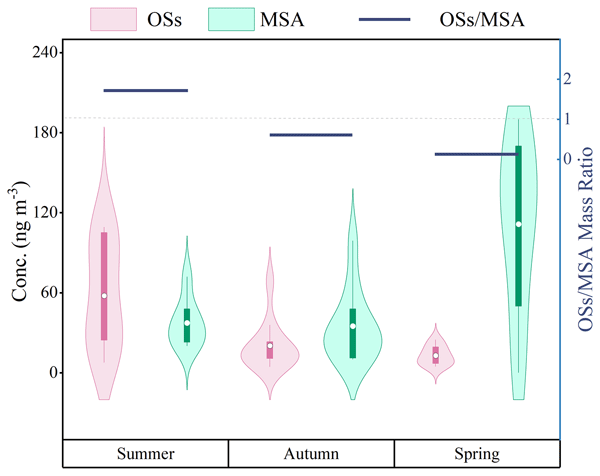
Organosulfates (OSs) are an unrecognized and potentially important component in marine organic aerosols. In this study, we quantified and characterized the OSs over East Asian marginal seas. The chemical nature and spatiotemporal distribution of OSs were modified by the joint influence of marine emissions and transported terrestrial pollutants. The results highlight the vital roles of OSs in shaping organic aerosol formation and sulfur cycle during summer in the marine boundary layer.
Qiongqiong Wang, Zhongliang Huang, Zongjun Li, Shuihui Zhu, Liping Qiao, Min Zhou, Dandan Huang, Hongli Wang, Qingyan Fu, Kezheng Liao, and Jian Zhen Yu
EGUsphere, https://doi.org/10.5194/egusphere-2026-4766, https://doi.org/10.5194/egusphere-2026-4766, 2026
Short summary
Short summary
Brown carbon (BrC) is a poorly understood carbonaceous aerosol component that significantly affects climate and air quality. We examined the sources and secondary formation of BrC based on long-term field measurements of bihourly BrC and a suite of organic and elemental tracers in urban Shanghai. Seasonal contrast of source contributions and complexity of secondary formation and evolution was observed. This study offers a scientific basis for BrC mitigation and urban air quality improvement.
Anouk Marsal, Fabrizia Cavalli, Elise Di Antonio, Stephan Houdier, Pamela Dominutti, Sophie Darfeuil, Jean-Luc Jaffrezo, Stéphane Sauvage, Jean-Philippe Putaud, Ian S. Mudway, Athanasios Nenes, Aikaterini Bougiatioti, Nikolaos Mihalopoulos, André S. H. Prévôt, Despina Paraskevopoulou, Ana Cvitešić Kušan, Sanja Frka, Ana Kroflič, Ajda Delić, Blanka Tariba Lovaković, Andreja Jurič, Carolina Molina, Daniele Contini, Maria Rachele Guascito, Mathilde Lintz, Davy Rousset, Hartmut Herrmann, Eduardo J. d. S. Souza, Frédéric Ledoux, Marc Fadel, Haoran Yu, Jianzhen Yu, Maria Teresa Baeza Romero, Maria Cerrato-Alvarez, Marloes F. van Os, Mathilde N. Delaval, Yamaris Mercedes Mena Cabrera, Nicole Trieu, Greg Evans, Nuria Galindo, Noelia Gómez-Sanchez, Hana Hlaváčková, Pavel Mikuška, Shrutika Kadam, Pourya Shahpoury, Purificación López-Mahía, Jorge Moreda-Piñeiro, Rico K. Y. Cheung, Markus Kalberer, Micol Introna, Sarah S. Steimer, Zhuoying Lin, Suzanne E. Paulson, Saima Iram, Svetlana Stevanovic, Thomas Audoux, Laurent Y. Alleman, Jianing Liu, Ting Fang, P. S. Ganesh Subramanian, Vishal Verma, Tuukka Petäjä, Xavier Querol, Gerard Hoek, Roy M. Harrison, and Gaëlle Uzu
EGUsphere, https://doi.org/10.5194/egusphere-2026-3918, https://doi.org/10.5194/egusphere-2026-3918, 2026
Short summary
Short summary
This collaborative work from 26 worldwide laboratories assessed the measurement of atmospheric particles' oxidative potential (OP) using a common protocol. OP is a metric designed to inform on particles’ harmful effects. Over half of the laboratories obtained satisfactory results, and some critical steps such as liquid handling and OP mathematical determination were identified. Recommendations for future measurements and interlaboratory comparisons are also provided.
Cong Cao, Wei Chen, Xu Yu, Wing Hei Marco Wong, Ningning Sun, Kun Zhang, Weicong Cheng, Jianping Gan, and Jian Zhen Yu
EGUsphere, https://doi.org/10.5194/egusphere-2026-3750, https://doi.org/10.5194/egusphere-2026-3750, 2026
Short summary
Short summary
Coastal waters receive reactive nitrogen from the air, but its chemical forms are poorly known. We collected fine airborne particles during a research cruise in the Guangdong–Hong Kong–Macau Greater Bay Area and compared them with samples from urban Hong Kong. Nitrogen over the ocean differed from urban nitrogen, with more chemically reduced forms. Fine-particle nitrogen deposition to coastal waters was not negligible, suggesting possible effects on nutrient supply and marine ecosystems.
Yuxuan Qi, Wenshuai Li, Wen Qu, Haizhou Zhang, Wenqing Zhu, Jinhui Shi, Daizhou Zhang, Yanjing Zhang, Lifang Sheng, Wencai Wang, Yunhui Zhao, Yuanyuan Ma, Danyang Ren, Guanru Wu, Xinfeng Wang, Xiaohong Yao, and Yang Zhou
Atmos. Chem. Phys., 26, 7721–7740, https://doi.org/10.5194/acp-26-7721-2026, https://doi.org/10.5194/acp-26-7721-2026, 2026
Short summary
Short summary
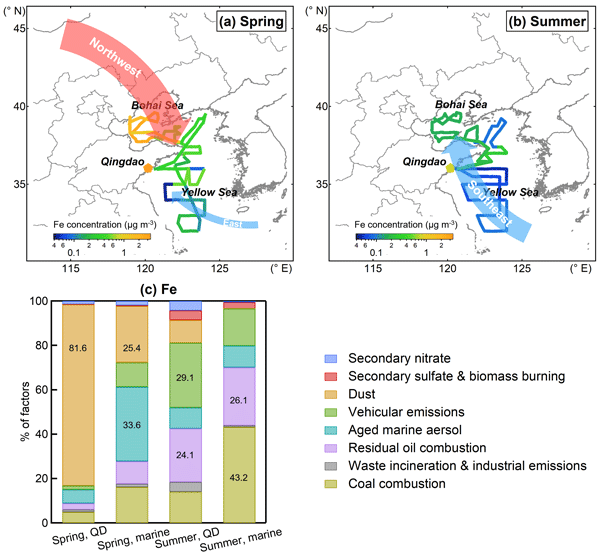
To better constrain poorly resolved trace-element sources across the land-sea gradient, we applied a refined source apportionment to PM2.5 collected in Qingdao and adjacent seas in 2018. It showed that spring Fe, Mn and Cr were mainly dust-derived, although some dust aged and mixed into marine aerosol offshore. In summer, coal combustion enriched marine Zn, Pb, As and Cd, while residual oil combustion increased Fe and Mn, highlighting strong anthropogenic control on marine aerosols.
Atta Ullah, Ji Yi Lee, Zhijun Wu, Kyoung-Soon Jang, and Mijung Song
Atmos. Chem. Phys., 26, 7311–7324, https://doi.org/10.5194/acp-26-7311-2026, https://doi.org/10.5194/acp-26-7311-2026, 2026
Short summary
Short summary
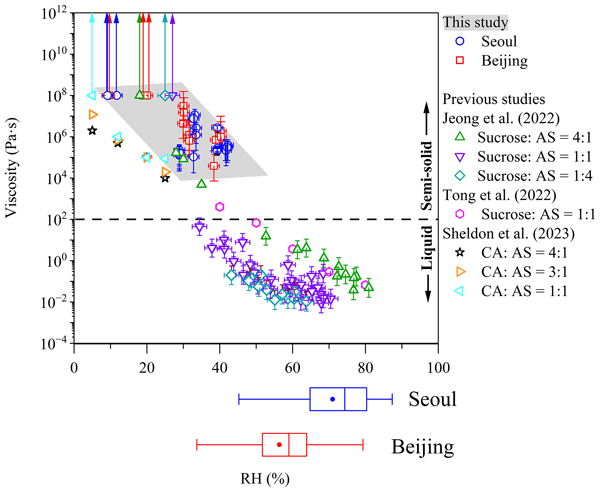
This study examines how very small airborne particles from ambient air change their physical state under everyday environmental conditions. We show that these particles can exist in semi-solid or solid forms depending on their chemical composition and humidity. These changes affect how air pollutants evolve, helping improve understanding of air quality and climate impacts.
Qinchu Fan, Xiaohong Yao, and Leiming Zhang
Atmos. Chem. Phys., 26, 4917–4936, https://doi.org/10.5194/acp-26-4917-2026, https://doi.org/10.5194/acp-26-4917-2026, 2026
Short summary
Short summary
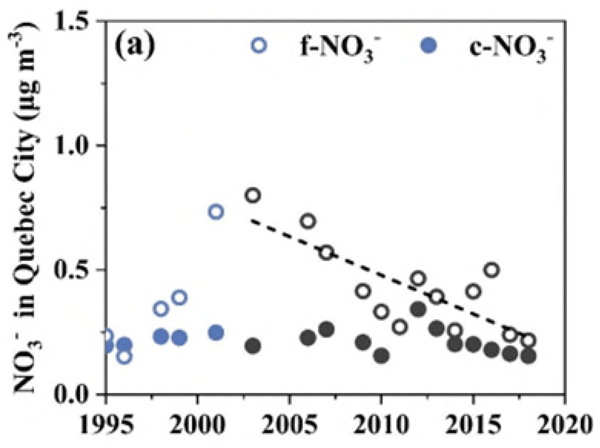
This study finds that the disproportionate multi-decadal trends between particulate nitrate and NOx emissions in Canadian urban atmospheres are driven by reductions in primary fine-fraction nitrate emissions, localized dispersion processes, and wind anomalies modulated by the Arctic Oscillation. These results help explain the weak or absent response of fine-fraction nitrate to NOx emission reductions observed globally, particularly in cold-climate regions.
Biao Zhou, Kun Zhang, Qiongqiong Wang, Jiqi Zhu, Li Li, and Jian Zhen Yu
Atmos. Chem. Phys., 26, 3589–3606, https://doi.org/10.5194/acp-26-3589-2026, https://doi.org/10.5194/acp-26-3589-2026, 2026
Short summary
Short summary
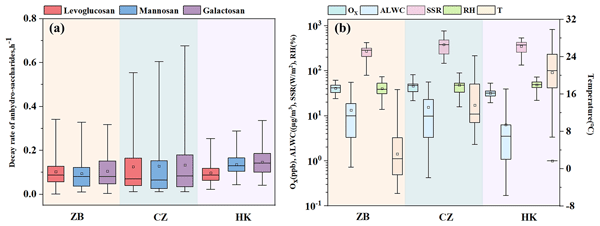
Anhydro-saccharides are key organic markers for biomass burning, but their decay rates and driving factors in real ambient environments remain unclear. This study conducted an online field measurement of PM₂.₅-bound saccharides in three eastern Chinese cities. Daytime levoglucosan decay rates were calculated, and the driving factors were investigated using a machine learning model. Findings of this study offers a strong scientific basis to support air pollution management.
Tianle Zhang, Yaxin Xiang, Bingxing Zhu, Xiaohong Yao, Xuehua Fan, Yinan Wang, Yuntao Wang, Shuangling Chen, Shunyao Wang, Yan Zhang, Fei Chai, and Mei Zheng
Atmos. Chem. Phys., 26, 3001–3024, https://doi.org/10.5194/acp-26-3001-2026, https://doi.org/10.5194/acp-26-3001-2026, 2026
Short summary
Short summary
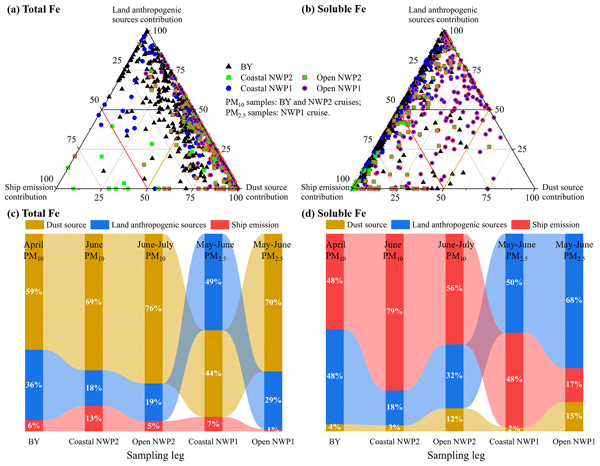
Based on high-time-resolution shipborne measurements, this study examines the sources of iron in aerosols over the Northwest Pacific. We found that non-dust emissions from ships and land-based activities contribute the majority of soluble iron capable of enhancing marine primary productivity, with particularly pronounced contributions in coastal regions and during the summer season. These findings provide improved insight into the influence of human activities on oceanic nutrient supply.
Ningning Sun, Xu Yu, Jian Zhen Yu, Bo Zhang, Yilan Li, Ye Hu, Zhe Li, Zhenlou Chen, and Guitao Shi
Atmos. Chem. Phys., 26, 1699–1712, https://doi.org/10.5194/acp-26-1699-2026, https://doi.org/10.5194/acp-26-1699-2026, 2026
Short summary
Short summary
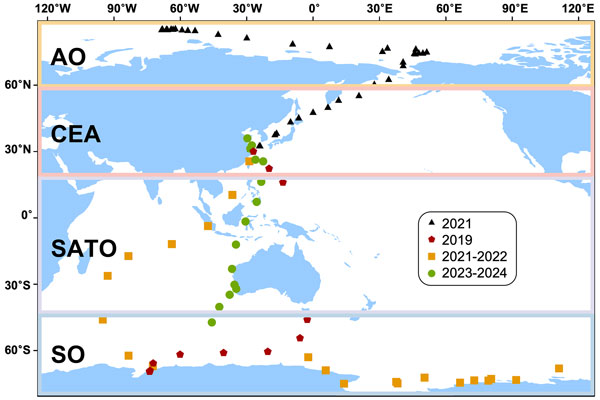
Atmospheric particles over the ocean contain organic nitrogen, affecting climate and ecosystems. This first pole-to-pole study of marine air reveals a strong latitudinal divide, with higher concentrations in the polluted Northern Hemisphere. A key discovery is that air influenced by Antarctic sea ice is enriched in organic nitrogen, revealing a major natural source. Our new dataset improves climate models by clarifying how human emissions and natural processes shape the atmosphere.
Siyu Meng, Xun Gong, Benjamin G. M. Webber, Manoj Joshi, Xiaokun Ding, Xiang Gong, Mingliang Gu, and Huiwang Gao
Biogeosciences, 23, 867–879, https://doi.org/10.5194/bg-23-867-2026, https://doi.org/10.5194/bg-23-867-2026, 2026
Short summary
Short summary
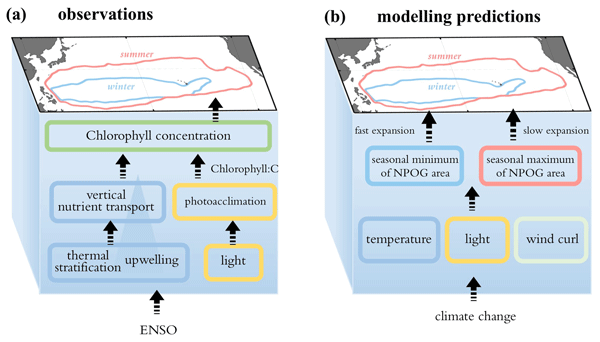
The North Pacific oligotrophic ocean gyre (NPOG), with low phytoplankton biomass, covers about 40 % of the North Pacific. The variations in NPOG seasonal cycle, which have a greater impact than its annual mean changes, are influenced by the El Niño-Southern Oscillation from 1998 to 2021. However, from 2021 to 2100, a weakened NPOG seasonal cycle is expected due to climate change. These changes in NPOG seasonal cycle could affect fisheries and marine ecosystems.
Yujue Wang, Yizhe Yi, Wei Xu, Yiwen Zhang, Shubin Li, Hong-Hai Zhang, Mingliang Gu, Shibo Yan, Jialei Zhu, Chao Zhang, Jinhui Shi, Yang Gao, Xiaohong Yao, and Huiwang Gao
Biogeosciences, 23, 77–93, https://doi.org/10.5194/bg-23-77-2026, https://doi.org/10.5194/bg-23-77-2026, 2026
Short summary
Short summary
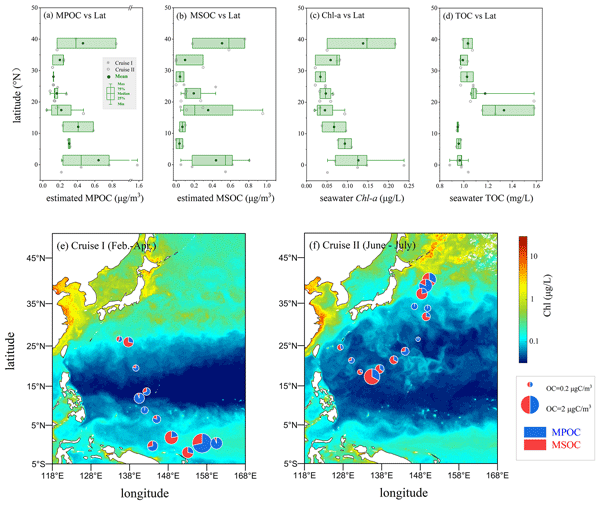
Marine organic aerosols remain poorly quantified, which limits our understanding on the climate regulation of marine aerosols. Based on shipboard cruises over the Pacific Ocean, we proposed an observation-based parameterization approach to estimate the primary and secondary marine organic aerosols using sea surface chlorophyll a and sea salts in marine aerosols. The results highlight that the spatial distribution of marine organic aerosols was driven by the marine biological activities.
Xueying Liu, Yeqi Huang, Yao Chen, Xin Feng, Jiading Li, Yang Xu, Yi Chen, Dasa Gu, Hao Sun, Zhi Ning, Jianzhen Yu, Wing Sze Chow, Changqing Lin, Yan Xiang, Tianshu Zhang, Claire Granier, Guy Brasseur, Zhe Wang, and Jimmy C. H. Fung
Atmos. Chem. Phys., 25, 17629–17649, https://doi.org/10.5194/acp-25-17629-2025, https://doi.org/10.5194/acp-25-17629-2025, 2025
Short summary
Short summary
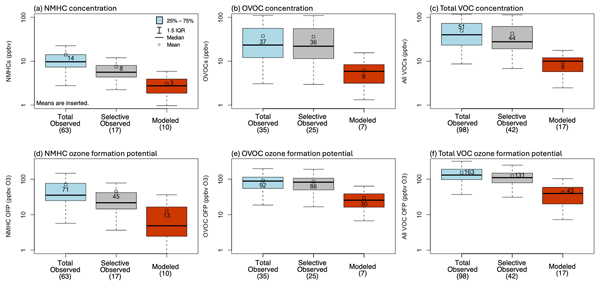
Volatile organic compounds (VOCs) affect ozone formation and air quality. However, our understanding is limited due to insufficient measurements, especially for oxygenated VOCs. This study combines land, ship, and satellite data in Hong Kong, showing that oxygenated VOCs make up a significant portion of total VOCs. Despite their importance, many are underestimated in current models. These findings highlight the need to improve VOC representation in models to enhance air quality management.
Donger Lai, Yanxin Bai, Zijing Zhang, Pui-Kin So, Yong Jie Li, Ying-Lung Steve Tse, Ying-Yeung Yeung, Thomas Schaefer, Hartmut Herrmann, Jian Zhen Yu, Yuchen Wang, and Man Nin Chan
Atmos. Chem. Phys., 25, 12569–12584, https://doi.org/10.5194/acp-25-12569-2025, https://doi.org/10.5194/acp-25-12569-2025, 2025
Short summary
Short summary
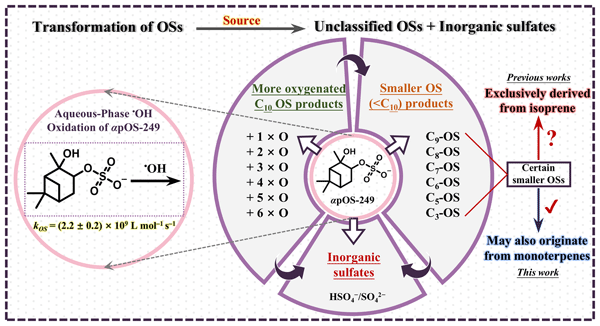
Aqueous-phase •OH oxidation can potentially act as an important atmospheric sink for α-pinene-derived organosulfates (OSs). Such oxidation can also generate a variety of new OS products, and can be as a potential source for some atmospheric OSs with previously unknown origins.
Shubin Li, Yujue Wang, Yiwen Zhang, Yizhe Yi, Yuchen Wang, Yuqi Guo, Chao Yu, Yue Jiang, Jinhui Shi, Chao Zhang, Jialei Zhu, Wei Hu, Jianzhen Yu, Xiaohong Yao, Huiwang Gao, and Min Hu
Atmos. Chem. Phys., 25, 12585–12598, https://doi.org/10.5194/acp-25-12585-2025, https://doi.org/10.5194/acp-25-12585-2025, 2025
Short summary
Short summary
Organosulfates (OSs) are an unrecognized and potentially important component in marine organic aerosols. In this study, we quantified and characterized the OSs over East Asian marginal seas. The chemical nature and spatiotemporal distribution of OSs were modified by the joint influence of marine emissions and transported terrestrial pollutants. The results highlight the vital roles of OSs in shaping organic aerosol formation and sulfur cycle during summer in the marine boundary layer.
Xu Yu, Min Zhou, Shuhui Zhu, Liping Qiao, Jinjian Li, Yingge Ma, Zijing Zhang, Kezheng Liao, Hongli Wang, and Jian Zhen Yu
Atmos. Chem. Phys., 25, 9061–9074, https://doi.org/10.5194/acp-25-9061-2025, https://doi.org/10.5194/acp-25-9061-2025, 2025
Short summary
Short summary
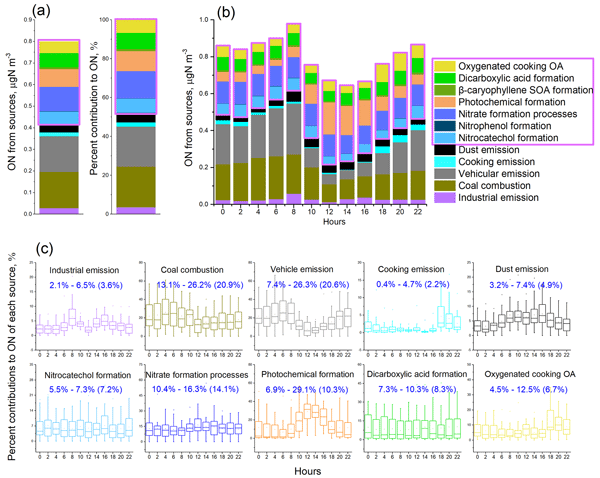
Online measurements of bulk aerosol organic nitrogen (ON), in conjunction with a comprehensive array of source markers, have revealed five emission sources and five potentially significant formation processes of nitrogenous organic aerosols. This study provides a first quantitative source analysis of ON aerosol and valuable observational evidence of secondary ON aerosol formation through NH3 and NOx chemistries.
Wenbin Kou, Yang Gao, Dan Tong, Xiaojie Guo, Xiadong An, Wenyu Liu, Mengshi Cui, Xiuwen Guo, Shaoqing Zhang, Huiwang Gao, and Lixin Wu
Atmos. Chem. Phys., 25, 3029–3048, https://doi.org/10.5194/acp-25-3029-2025, https://doi.org/10.5194/acp-25-3029-2025, 2025
Short summary
Short summary
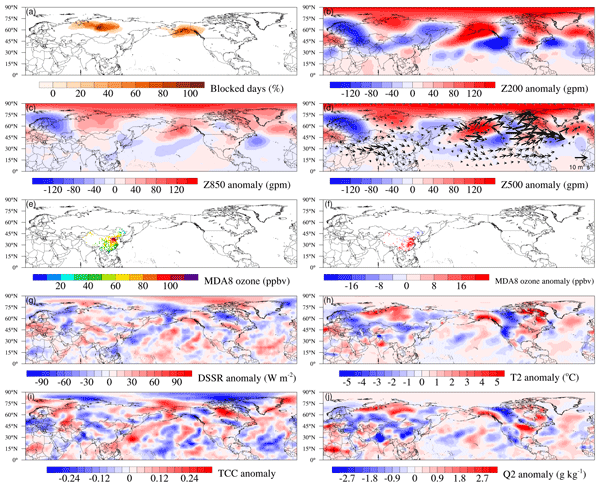
Unlike traditional numerical studies, we apply a high-resolution Earth system model, improving simulations of surface ozone and large-scale circulations such as atmospheric blocking. Besides local heat waves, we quantify the impact of atmospheric blocking on downstream ozone concentrations, which is closely associated with the blocking position. We identify three major pathways of Rossby wave propagation, stressing the critical role of large-scale circulation in regional air quality.
Liyuan Zhou, Qianyun Liu, Christian M. Salvador, Michael Le Breton, Mattias Hallquist, Jian Zhen Yu, Chak K. Chan, and Åsa M. Hallquist
Atmos. Chem. Phys., 24, 11045–11061, https://doi.org/10.5194/acp-24-11045-2024, https://doi.org/10.5194/acp-24-11045-2024, 2024
Short summary
Short summary
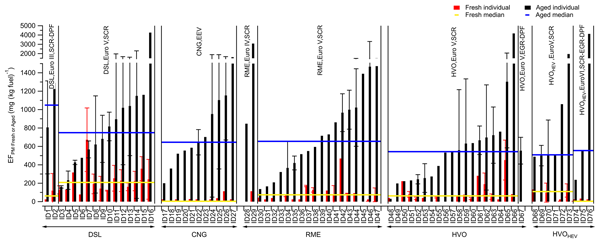
Our research on city bus emissions reveals that alternative fuels (compressed natural gas and biofuels) reduce fresh particle emissions compared to diesel. However, all fuels lead to secondary air pollution. Aiming at guiding better environmental policies, we studied 76 buses using advanced emission measurement techniques. This work sheds light on the complex effects of bus fuels on urban air quality, emphasizing the need for comprehensive evaluations of future transportation technologies.
Xiaohong Yao and Leiming Zhang
Atmos. Chem. Phys., 24, 7773–7791, https://doi.org/10.5194/acp-24-7773-2024, https://doi.org/10.5194/acp-24-7773-2024, 2024
Short summary
Short summary
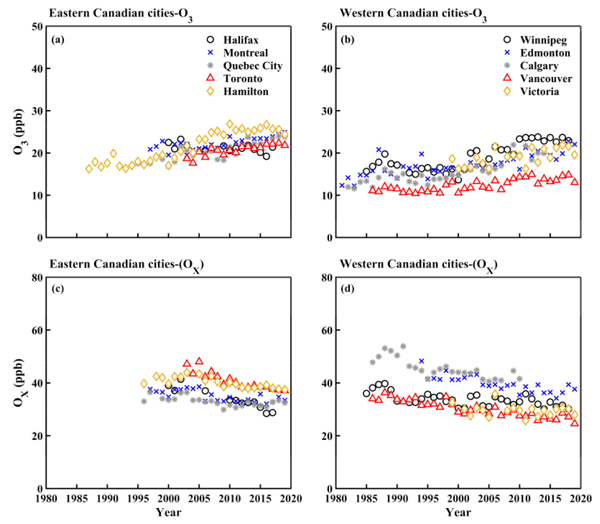
This study investigates long-term trends of criteria air pollutants, including NO2, CO, SO2, O3 and PM2.5, and NO2+O3 measured in 10 Canadian cities during the last 2 to 3 decades. We also investigate associated driving forces in terms of emission reductions, perturbations from varying weather conditions and large-scale wildfires, as well as changes in O3 sources and sinks.
Ming Chu, Xing Wei, Shangfei Hai, Yang Gao, Huiwang Gao, Yujiao Zhu, Biwu Chu, Nan Ma, Juan Hong, Yele Sun, and Xiaohong Yao
Atmos. Chem. Phys., 24, 6769–6786, https://doi.org/10.5194/acp-24-6769-2024, https://doi.org/10.5194/acp-24-6769-2024, 2024
Short summary
Short summary
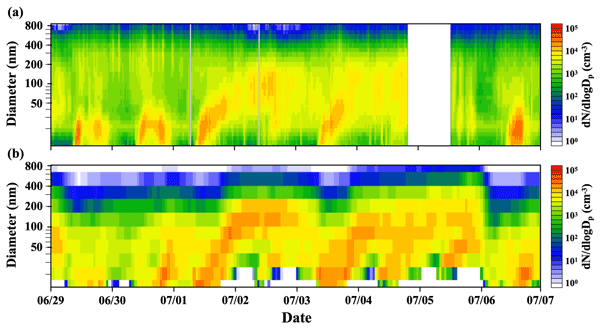
We used a 20-bin WRF-Chem model to simulate NPF events in the NCP during a three-week observational period in the summer of 2019. The model was able to reproduce the observations during June 29–July 6, which was characterized by a high frequency of NPF occurrence.
Shan Wang, Kezheng Liao, Zijing Zhang, Yuk Ying Cheng, Qiongqiong Wang, Hanzhe Chen, and Jian Zhen Yu
Atmos. Chem. Phys., 24, 5803–5821, https://doi.org/10.5194/acp-24-5803-2024, https://doi.org/10.5194/acp-24-5803-2024, 2024
Short summary
Short summary
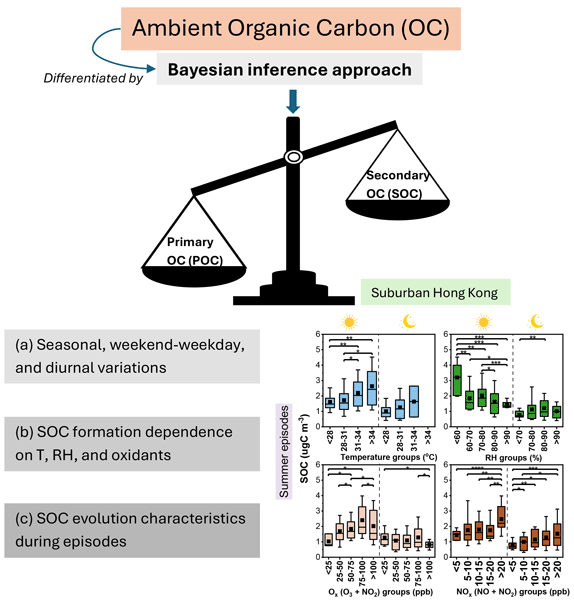
In this work, hourly primary and secondary organic carbon were estimated by a novel Bayesian inference approach in suburban Hong Kong. Their multi-temporal-scale variations and evolution characteristics during PM2.5 episodes were examined. The methodology could serve as a guide for other locations with similar monitoring capabilities. The observation-based results are helpful for understanding the evolving nature of secondary organic aerosols and refining the accuracy of model simulations.
Jiawei Li, Zhiwei Han, Pingqing Fu, Xiaohong Yao, and Mingjie Liang
Atmos. Chem. Phys., 24, 3129–3161, https://doi.org/10.5194/acp-24-3129-2024, https://doi.org/10.5194/acp-24-3129-2024, 2024
Short summary
Short summary
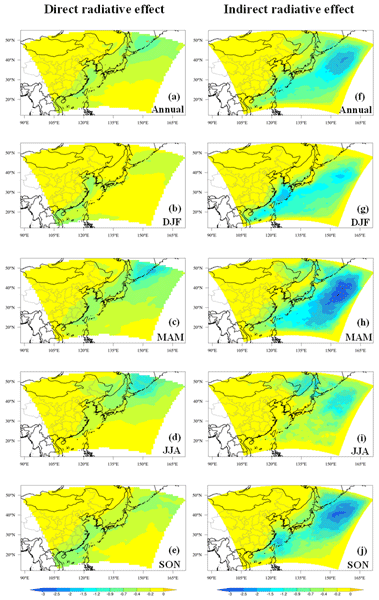
Organic aerosols of marine origin are important for aerosol climatic effects but are poorly understood. For the first time, an online coupled regional chemistry–climate model is applied to explore the characteristics of emission, distribution, and direct and indirect radiative effects of marine organic aerosols over the western Pacific, which reveals an important role of marine organic aerosols in perturbing cloud and radiation and promotes understanding of global aerosol climatic impact.
Feifan Yan, Hang Su, Yafang Cheng, Rujin Huang, Hong Liao, Ting Yang, Yuanyuan Zhu, Shaoqing Zhang, Lifang Sheng, Wenbin Kou, Xinran Zeng, Shengnan Xiang, Xiaohong Yao, Huiwang Gao, and Yang Gao
Atmos. Chem. Phys., 24, 2365–2376, https://doi.org/10.5194/acp-24-2365-2024, https://doi.org/10.5194/acp-24-2365-2024, 2024
Short summary
Short summary
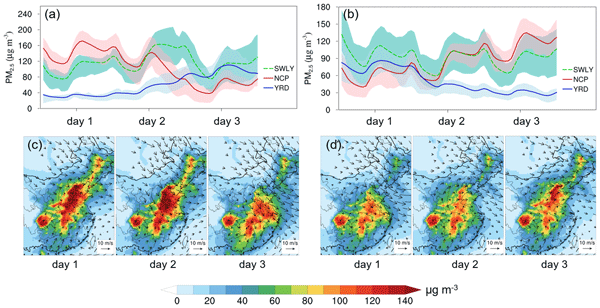
PM2.5 pollution is a major air quality issue deteriorating human health, and previous studies mostly focus on regions like the North China Plain and Yangtze River Delta. However, the characteristics of PM2.5 concentrations between these two regions are studied less often. Focusing on the transport corridor region, we identify an interesting seesaw transport phenomenon with stagnant weather conditions, conducive to PM2.5 accumulation over this region, resulting in large health effects.
Qiongqiong Wang, Shuhui Zhu, Shan Wang, Cheng Huang, Yusen Duan, and Jian Zhen Yu
Atmos. Chem. Phys., 24, 475–486, https://doi.org/10.5194/acp-24-475-2024, https://doi.org/10.5194/acp-24-475-2024, 2024
Short summary
Short summary
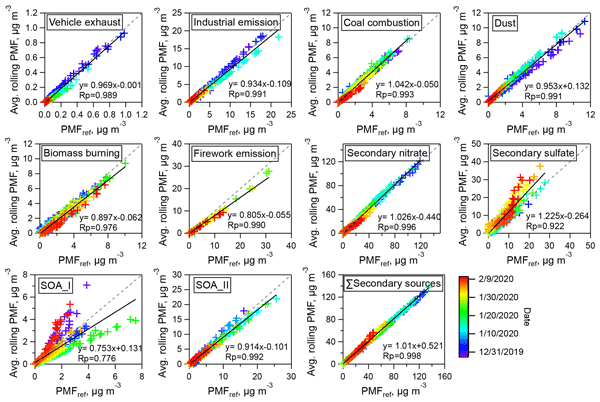
We investigated short-term source apportionment of PM2.5 utilizing rolling positive matrix factorization (PMF) and online PM chemical speciation data, which included source-specific organic tracers collected over a period of 37 d during the winter of 2019–2020 in suburban Shanghai, China. The findings highlight that by imposing constraints on the primary source profiles, short-term PMF analysis successfully replicated both the individual primary sources and the total secondary sources.
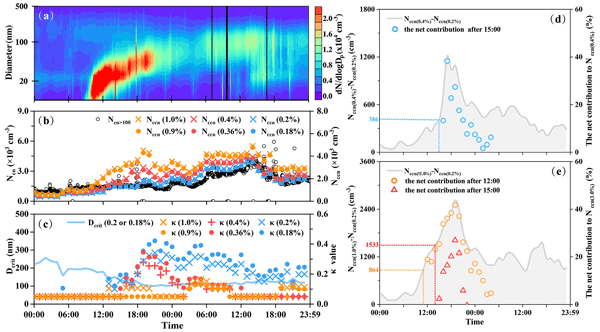
Xing Wei, Yanjie Shen, Xiao-Ying Yu, Yang Gao, Huiwang Gao, Ming Chu, Yujiao Zhu, and Xiaohong Yao
Atmos. Chem. Phys., 23, 15325–15350, https://doi.org/10.5194/acp-23-15325-2023, https://doi.org/10.5194/acp-23-15325-2023, 2023
Short summary
Short summary
We investigate the contribution of grown new particles to Nccn at a rural mountain site in the North China Plain. The total particle number concentrations (Ncn) observed on 8 new particle formation (NPF) days were higher compared to non-NPF days. The Nccn at 0.2 % supersaturation (SS) and 0.4 % SS on the NPF days was significantly lower than on non-NPF days. Only one of eight NPF events had detectable net contributions to Nccn at 0.4 % SS and 1.0 % SS with increased κ values.
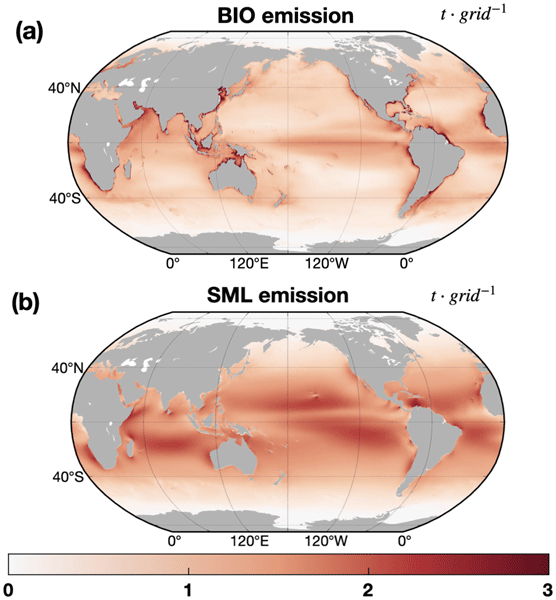
Lehui Cui, Yunting Xiao, Wei Hu, Lei Song, Yujue Wang, Chao Zhang, Pingqing Fu, and Jialei Zhu
Earth Syst. Sci. Data, 15, 5403–5425, https://doi.org/10.5194/essd-15-5403-2023, https://doi.org/10.5194/essd-15-5403-2023, 2023
Short summary
Short summary
Isoprene is a crucial non-methane biogenic volatile organic compound with the largest global emissions, which has high chemical reactivity and serves as the primary source of natural secondary organic aerosols. This study built a module to present a 20-year global hourly dataset of marine phytoplankton-generated biological and photochemistry-generated isoprene emissions in the sea microlayers based on the latest advancements in biological, physical, and chemical processes.
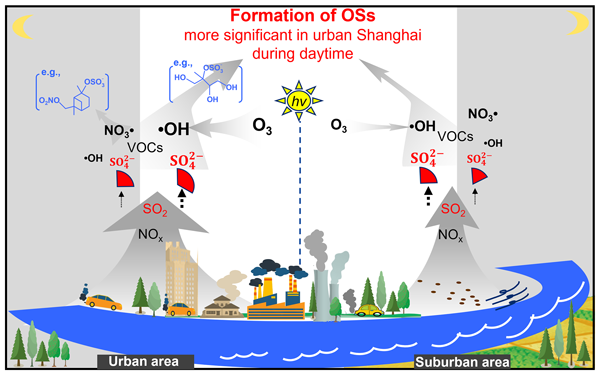
Ting Yang, Yu Xu, Qing Ye, Yi-Jia Ma, Yu-Chen Wang, Jian-Zhen Yu, Yu-Sen Duan, Chen-Xi Li, Hong-Wei Xiao, Zi-Yue Li, Yue Zhao, and Hua-Yun Xiao
Atmos. Chem. Phys., 23, 13433–13450, https://doi.org/10.5194/acp-23-13433-2023, https://doi.org/10.5194/acp-23-13433-2023, 2023
Short summary
Short summary
In this study, 130 OS species were quantified in ambient fine particulate matter (PM2.5) collected in urban and suburban Shanghai (East China) in the summer of 2021. The daytime OS formation was concretized based on the interactions among OSs, ultraviolet (UV), ozone (O3), and sulfate. Our finding provides field evidence for the influence of photochemical process and anthropogenic sulfate on OS formation and has important implications for the mitigation of organic particulate pollution.
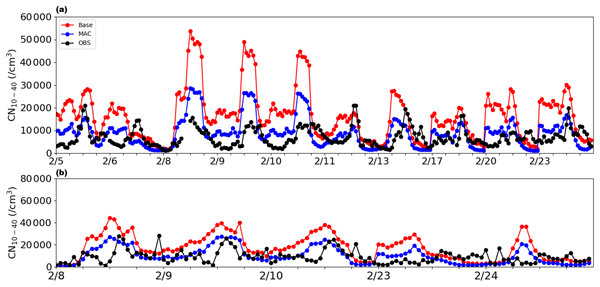
Chupeng Zhang, Shangfei Hai, Yang Gao, Yuhang Wang, Shaoqing Zhang, Lifang Sheng, Bin Zhao, Shuxiao Wang, Jingkun Jiang, Xin Huang, Xiaojing Shen, Junying Sun, Aura Lupascu, Manish Shrivastava, Jerome D. Fast, Wenxuan Cheng, Xiuwen Guo, Ming Chu, Nan Ma, Juan Hong, Qiaoqiao Wang, Xiaohong Yao, and Huiwang Gao
Atmos. Chem. Phys., 23, 10713–10730, https://doi.org/10.5194/acp-23-10713-2023, https://doi.org/10.5194/acp-23-10713-2023, 2023
Short summary
Short summary
New particle formation is an important source of atmospheric particles, exerting critical influences on global climate. Numerical models are vital tools to understanding atmospheric particle evolution, which, however, suffer from large biases in simulating particle numbers. Here we improve the model chemical processes governing particle sizes and compositions. The improved model reveals substantial contributions of newly formed particles to climate through effects on cloud condensation nuclei.
Qi Yuan, Yuanyuan Wang, Yixin Chen, Siyao Yue, Jian Zhang, Yinxiao Zhang, Liang Xu, Wei Hu, Dantong Liu, Pingqing Fu, Huiwang Gao, and Weijun Li
Atmos. Chem. Phys., 23, 9385–9399, https://doi.org/10.5194/acp-23-9385-2023, https://doi.org/10.5194/acp-23-9385-2023, 2023
Short summary
Short summary
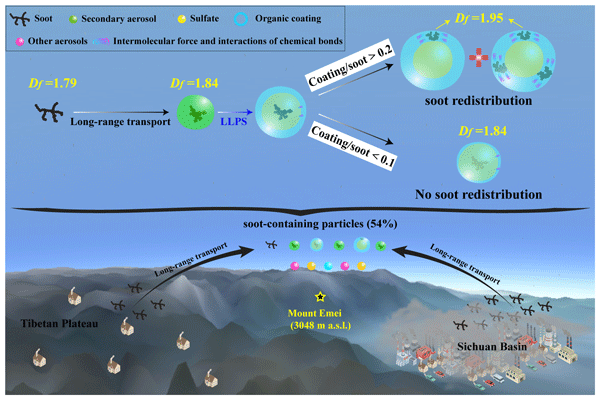
This study for the first time found large amounts of liquid–liquid phase separation particles with soot redistributing in organic coatings instead of sulfate cores in the eastern Tibetan Plateau atmosphere. The particle size and the ratio of the organic matter coating thickness to soot size are two of the major possible factors that likely affect the soot redistribution process. The soot redistribution process promoted the morphological compaction of soot particles.
Shuhui Zhu, Min Zhou, Liping Qiao, Dan Dan Huang, Qiongqiong Wang, Shan Wang, Yaqin Gao, Shengao Jing, Qian Wang, Hongli Wang, Changhong Chen, Cheng Huang, and Jian Zhen Yu
Atmos. Chem. Phys., 23, 7551–7568, https://doi.org/10.5194/acp-23-7551-2023, https://doi.org/10.5194/acp-23-7551-2023, 2023
Short summary
Short summary
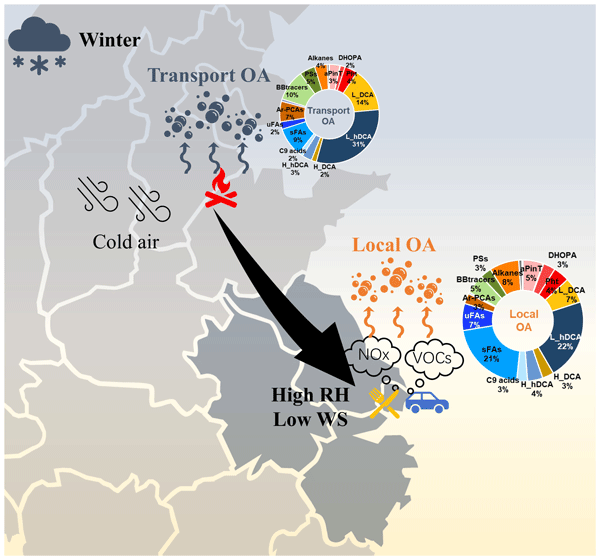
Organic aerosol (OA) is increasingly important in urban PM2.5 pollution as inorganic ions are becoming lower. We investigated the chemical characteristics of OA during nine episodes in Shanghai. The availability of bi-hourly measured molecular markers revealed that the control of local urban sources such as vehicular and cooking emissions lessened the severity of local episodes. Regional control of precursors and biomass burning would reduce PM2.5 episodes influenced by regional transport.
Rui Li, Kun Zhang, Qing Li, Liumei Yang, Shunyao Wang, Zhiqiang Liu, Xiaojuan Zhang, Hui Chen, Yanan Yi, Jialiang Feng, Qiongqiong Wang, Ling Huang, Wu Wang, Yangjun Wang, Jian Zhen Yu, and Li Li
Atmos. Chem. Phys., 23, 3065–3081, https://doi.org/10.5194/acp-23-3065-2023, https://doi.org/10.5194/acp-23-3065-2023, 2023
Short summary
Short summary
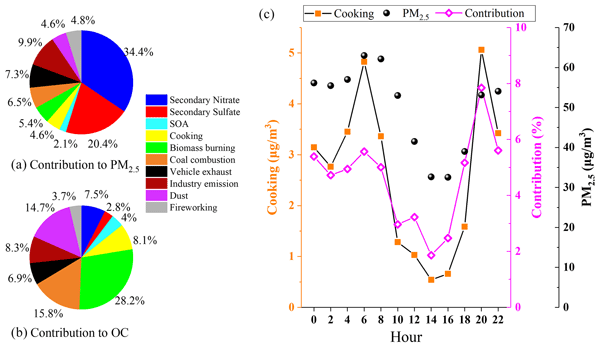
Molecular markers in organic aerosol (OA) provide specific source information on PM2.5, and the contribution of cooking emissions to OA is significant, especially in urban environments. This study investigates the variation in concentrations and oxidative degradation of fatty acids and corresponding oxidation products in ambient air, which can be a guide for the refinement of aerosol source apportionment and provide scientific support for the development of emission source control policies.
Yu Lin, Leiming Zhang, Qinchu Fan, He Meng, Yang Gao, Huiwang Gao, and Xiaohong Yao
Atmos. Chem. Phys., 22, 16073–16090, https://doi.org/10.5194/acp-22-16073-2022, https://doi.org/10.5194/acp-22-16073-2022, 2022
Short summary
Short summary
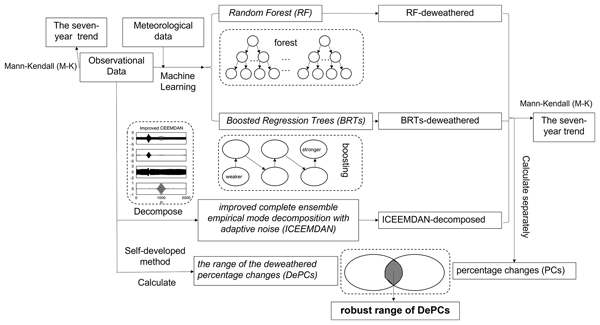
In this study, we analyzed 7-year (from May 2014 to April 2021) concentration data of six criteria air pollutants (PM2.5, PM10, O3, NO2, CO and SO2) as well as the sum of NO2 and O3 in six cities in South China. Three different analysis methods were used to identify emission-driven interannual variations and perturbations from varying weather conditions. In addition, a self-developed method was further introduced to constrain analysis uncertainties.
Wing Sze Chow, Kezheng Liao, X. H. Hilda Huang, Ka Fung Leung, Alexis K. H. Lau, and Jian Zhen Yu
Atmos. Chem. Phys., 22, 11557–11577, https://doi.org/10.5194/acp-22-11557-2022, https://doi.org/10.5194/acp-22-11557-2022, 2022
Short summary
Short summary
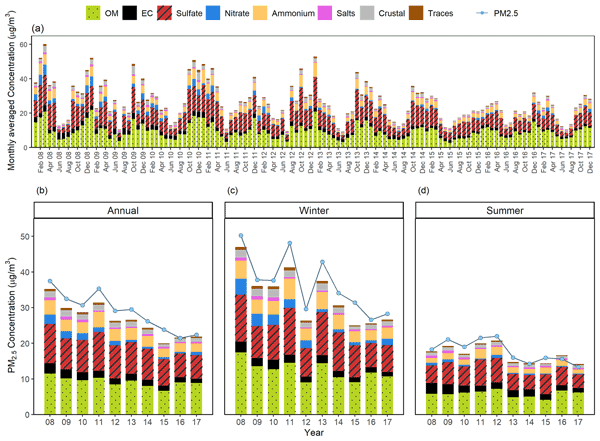
Long-term monitoring data of PM2.5 chemical composition provide essential information for evaluation and planning of control measures. Here we present a 10-year (2008–2017) time series of PM2.5, its major components, and select source markers in an urban site in Hong Kong. The dataset verified the success of local vehicular emission control measures as well as reduction of sulfate and regional sources such as industrial and coal combustion and crop residue burning emissions over the decade.
Qiongqiong Wang, Shan Wang, Yuk Ying Cheng, Hanzhe Chen, Zijing Zhang, Jinjian Li, Dasa Gu, Zhe Wang, and Jian Zhen Yu
Atmos. Chem. Phys., 22, 11239–11253, https://doi.org/10.5194/acp-22-11239-2022, https://doi.org/10.5194/acp-22-11239-2022, 2022
Short summary
Short summary
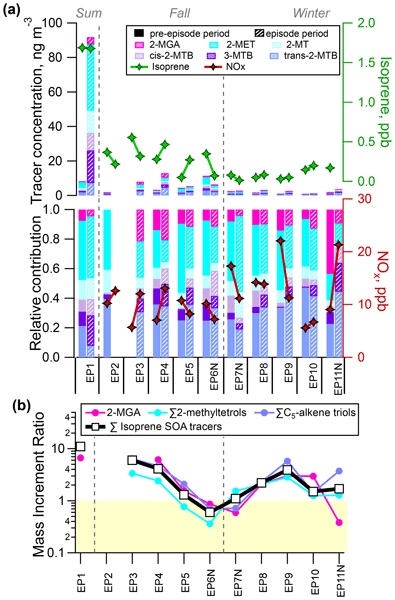
Secondary organic aerosol (SOA) is often enhanced during fine-particulate-matter (PM2.5) episodes. We examined bi-hourly measurements of SOA molecular tracers in suburban Hong Kong during 11 city-wide PM2.5 episodes. The tracers showed regional characteristics for both anthropogenic and biogenic SOA as well as biomass-burning-derived SOA. Multiple tracers of the same precursor revealed the dominance of low-NOx formation pathways for isoprene SOA and less-aged monoterpene SOA during winter.
Rongshuang Xu, Sze In Madeleine Ng, Wing Sze Chow, Yee Ka Wong, Yuchen Wang, Donger Lai, Zhongping Yao, Pui-Kin So, Jian Zhen Yu, and Man Nin Chan
Atmos. Chem. Phys., 22, 5685–5700, https://doi.org/10.5194/acp-22-5685-2022, https://doi.org/10.5194/acp-22-5685-2022, 2022
Short summary
Short summary
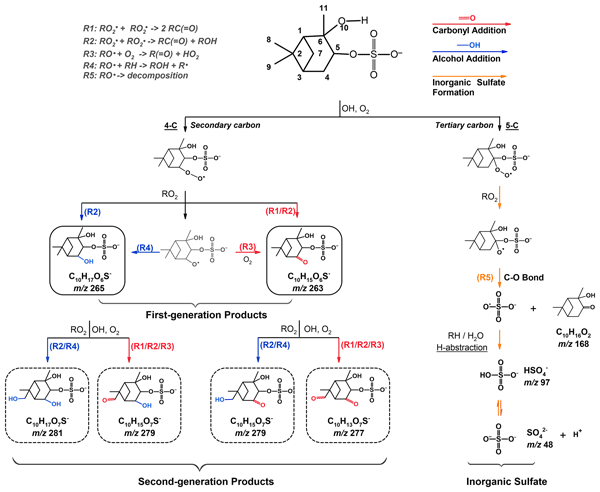
To date, while over a hundred organosulfates (OSs) have been detected in atmospheric aerosols, many of them are still unidentified, with unknown precursors and formation processes. We found the heterogeneous OH oxidation of an α-pinene-derived organosulfate (C10H17O5SNa, αpOS-249, αpOS-249) can proceed at an efficient rate and transform into more oxygenated OSs, which have been commonly detected in atmospheric aerosols and α-pinene-derived SOA in chamber studies.
Yee Ka Wong, Kin Man Liu, Claisen Yeung, Kenneth K. M. Leung, and Jian Zhen Yu
Atmos. Chem. Phys., 22, 5017–5031, https://doi.org/10.5194/acp-22-5017-2022, https://doi.org/10.5194/acp-22-5017-2022, 2022
Short summary
Short summary
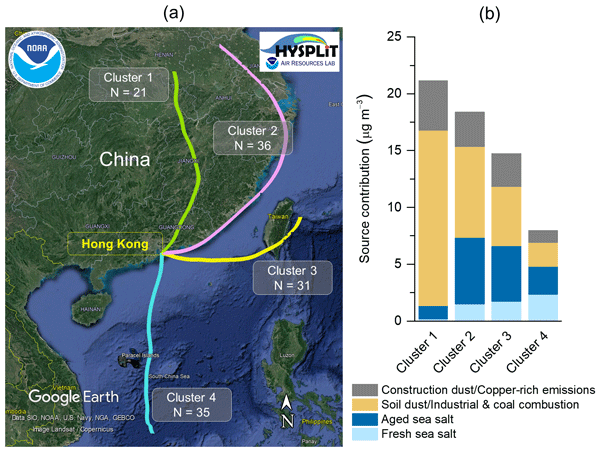
Coarse particulate matter (PM) has been shown to cause adverse health impacts, but compared to PM2.5, the source of coarse PM is less studied through field measurements. We collected chemical composition data for coarse PM in Hong Kong for a 1-year period. Using statistical models, we found that regional transport of fugitive dust is responsible for the elevated coarse PM. This work sets an example of how field measurements can be effectively utilized for evidence-based policymaking.
Yating Gao, Dihui Chen, Yanjie Shen, Yang Gao, Huiwang Gao, and Xiaohong Yao
Atmos. Chem. Phys., 22, 1515–1528, https://doi.org/10.5194/acp-22-1515-2022, https://doi.org/10.5194/acp-22-1515-2022, 2022
Short summary
Short summary
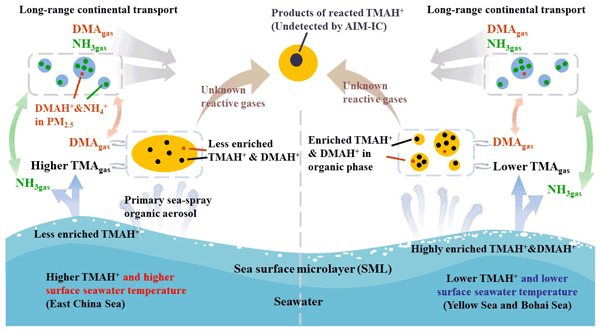
This study focuses on spatiotemporal heterogeneity of observed gaseous amines, NH3, their particulate counterparts in PM2.5 over different sea zones, and the disproportional release of alkaline gases and corresponding particulate counterparts from seawater in the sea zones in terms of different extents of enrichment of TMAH+ and DMAH+ in the sea surface microlayer (SML). A novel hypothesis is delivered.
Ying Zhou, Simo Hakala, Chao Yan, Yang Gao, Xiaohong Yao, Biwu Chu, Tommy Chan, Juha Kangasluoma, Shahzad Gani, Jenni Kontkanen, Pauli Paasonen, Yongchun Liu, Tuukka Petäjä, Markku Kulmala, and Lubna Dada
Atmos. Chem. Phys., 21, 17885–17906, https://doi.org/10.5194/acp-21-17885-2021, https://doi.org/10.5194/acp-21-17885-2021, 2021
Short summary
Short summary
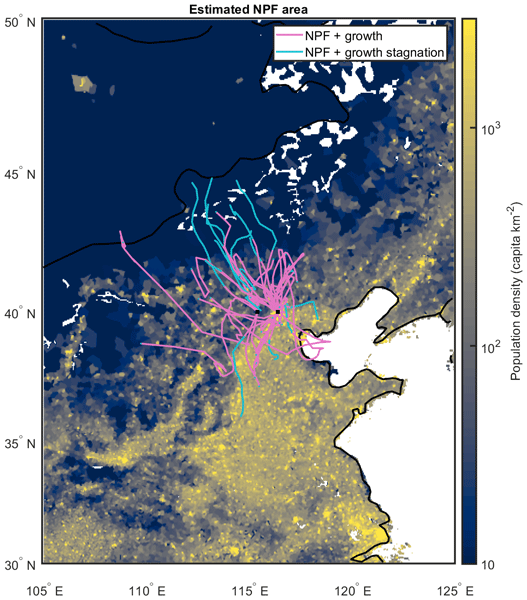
We characterized the connection between new particle formation (NPF) events in terms of frequency, intensity and growth at a near-highway location in central Beijing and at a background mountain site 80 km away. Due to the substantial contribution of NPF to the global aerosol budget, identifying the conditions that promote the occurrence of regional NPF events could help understand their contribution on a large scale and would improve their implementation in global models.
Liang Xu, Xiaohuan Liu, Huiwang Gao, Xiaohong Yao, Daizhou Zhang, Lei Bi, Lei Liu, Jian Zhang, Yinxiao Zhang, Yuanyuan Wang, Qi Yuan, and Weijun Li
Atmos. Chem. Phys., 21, 17715–17726, https://doi.org/10.5194/acp-21-17715-2021, https://doi.org/10.5194/acp-21-17715-2021, 2021
Short summary
Short summary
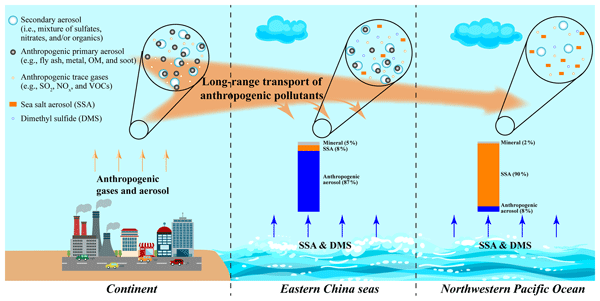
We quantified different types of marine aerosols and explored the Cl depletion of sea salt aerosol (SSA) in the eastern China seas and the northwestern Pacific Ocean. We found that anthropogenic acidic gases in the troposphere were transported longer distances compared to the anthropogenic aerosols and could significantly impact remote marine aerosols. Meanwhile, variations of chloride depletion in SSA can serve as a potential indicator for anthropogenic gaseous pollutants in remote marine air.

Dihui Chen, Yanjie Shen, Juntao Wang, Yang Gao, Huiwang Gao, and Xiaohong Yao
Atmos. Chem. Phys., 21, 16413–16425, https://doi.org/10.5194/acp-21-16413-2021, https://doi.org/10.5194/acp-21-16413-2021, 2021
Short summary
Short summary
The study provides solid evidence to demonstrate that atmospheric trimethylamine (TMAgas) and particulate trimethylaminium in PM2.5 (TMAH+) observed in marine atmospheres were uniquely derived from seawater emissions. As sea-derived TMAgas correlated significantly with DMAgas and NH3gas, sea-derived DMAgas and NH3gas can be estimated and can quantify the contribution to the observed species in the marine atmosphere. Similarly, the contributions of primary DMAH+ have also been estimated.
Cited articles
Aller, J. Y., Radway, J. C., Kilthau, W. P., Bothe, D. W., Wilson, T. W., Vaillancourt, R. D., Quinn, P. K., Coffman, D. J., Murray, B. J., and Knopf, D. A.: Size-resolved characterization of the polysaccharidic and proteinaceous components of sea spray aerosol, Atmos. Environ., 154, 331–347, https://doi.org/10.1016/j.atmosenv.2017.01.053, 2017.
Altieri, K. E., Fawcett, S. E., and Hastings, M. G.: Reactive Nitrogen Cycling in the Atmosphere and Ocean, Annu. Rev. Earth Pl. Sc., 49, 523–550, https://doi.org/10.1146/annurev-earth-083120-052147, 2021.
Brown, S. G., Eberly, S., Paatero, P., and Norris, G. A.: Methods for estimating uncertainty in PMF solutions: examples with ambient air and water quality data and guidance on reporting PMF results, Sci. Total Environ., 518–519, 626–635, https://doi.org/10.1016/j.scitotenv.2015.01.022, 2015.
Chen, L., Li, R., Xiao, B., Li, Z., Li, R., Chen, K., Li, R., Zhang, J., Cao, C., Yu, J. Z., Guo, H., and Wang, G.: Atmospheric Nitrogen-Containing Organic Aerosols in Wintertime Sichuan Basin of China: A Key Role of Aqueous-Phase Process in Secondary Production and Optical Absorption, Environ. Sci. Technol., https://doi.org/10.1021/acs.est.6c05422, 2026.
Chen, Q., Miyazaki, Y., Kawamura, K., Matsumoto, K., Coburn, S., Volkamer, R., Iwamoto, Y., Kagami, S., Deng, Y., Ogawa, S., Ramasamy, S., Kato, S., Ida, A., Kajii, Y., and Mochida, M.: Characterization of Chromophoric Water-Soluble Organic Matter in Urban, Forest, and Marine Aerosols by HR-ToF-AMS Analysis and Excitation-Emission Matrix Spectroscopy, Environ. Sci. Technol., 50, 10351–10360, https://doi.org/10.1021/acs.est.6b01643, 2016.
Dai, M., Luo, Y. W., Achterberg, E. P., Browning, T. J., Cai, Y., Cao, Z., Chai, F., Chen, B., Church, M. J., Ci, D., Du, C., Gao, K., Guo, X., Hu, Z., Kao, S. J., Laws, E. A., Lee, Z., Lin, H., Liu, Q., Liu, X., Luo, W., Meng, F., Shang, S., Shi, D., Saito, H., Song, L., Wan, X. S., Wang, Y., Wang, W. L., Wen, Z., Xiu, P., Zhang, J., Zhang, R., and Zhou, K.: Upper ocean biogeochemistry of the oligotrophic North Pacific subtropical gyre: from nutrient sources to carbon export, Rev. Geophys., 61, https://doi.org/10.1029/2022rg000800, 2023.
Dasari, S., Andersson, A., Bikkina, S., Holmstrand, H., Budhavant, K., Satheesh, S., Asmi, E., Kesti, J., Backman, J., Salam, A., Bisht, D. S., Tiwari, S., Hameed, Z., and Gustafsson, O.: Photochemical degradation affects the light absorption of water-soluble brown carbon in the South Asian outflow, Sci. Adv., 5, eaau8066, https://doi.org/10.1126/sciadv.aau8066, 2019.
De Haan, D. O., Corrigan, A. L., Smith, K. W., Stroik, D. R., Turley, J. J., Lee, F. E., Tolbert, M. A., Jimenez, J. L., Cordova, K. E., and Ferrell, G. R.: Secondary organic aerosol-forming reactions of glyoxal with amino acids, Environ. Sci. Technol., 43, 2818–2824, https://doi.org/10.1021/es803534f, 2009.
Dobashi, T., Miyazaki, Y., Tachibana, E., Takahashi, K., Horii, S., Hashihama, F., Yasui-Tamura, S., Iwamoto, Y., Wong, S.-K., and Hamasaki, K.: Marine nitrogen fixation as a possible source of atmospheric water-soluble organic nitrogen aerosols in the subtropical North Pacific, Biogeosciences, 20, 439–449, https://doi.org/10.5194/bg-20-439-2023, 2023.
Duce, R. A., LaRoche, J., Altieri, K., Arrigo, K. R., Baker, A. R., Capone, D. G., Cornell, S., Dentener, F., Galloway, J., Ganeshram, R. S., Geider, R. J., Jickells, T., Kuypers, M. M., Langlois, R., Liss, P. S., Liu, S. M., Middelburg, J. J., Moore, C. M., Nickovic, S., Oschlies, A., Pedersen, T., Prospero, J., Schlitzer, R., Seitzinger, S., Sorensen, L. L., Uematsu, M., Ulloa, O., Voss, M., Ward, B., and Zamora, L.: Impacts of atmospheric anthropogenic nitrogen on the open ocean, Science, 320, 893–897, https://doi.org/10.1126/science.1150369, 2008.
Facchini, M. C., Rinaldi, M., Decesari, S., Carbone, C., Finessi, E., Mircea, M., Fuzzi, S., Ceburnis, D., Flanagan, R., Nilsson, E. D., de Leeuw, G., Martino, M., Woeltjen, J., and O'Dowd, C. D.: Primary submicron marine aerosol dominated by insoluble organic colloids and aggregates, Geophys. Res. Lett., 35, https://doi.org/10.1029/2008gl034210, 2008.
Fang, W., Andersson, A., Lee, M., Zheng, M., Du, K., Kim, S.-W., Holmstrand, H., and Gustafsson, Ö.: Combined influences of sources and atmospheric bleaching on light absorption of water-soluble brown carbon aerosols, npj Clim. Atmos. Sci., 6, https://doi.org/10.1038/s41612-023-00438-8, 2023.
Huang, S., Wu, Z., Poulain, L., van Pinxteren, M., Merkel, M., Assmann, D., Herrmann, H., and Wiedensohler, A.: Source apportionment of the organic aerosol over the Atlantic Ocean from 53° N to 53° S: significant contributions from marine emissions and long-range transport, Atmos. Chem. Phys., 18, 18043–18062, https://doi.org/10.5194/acp-18-18043-2018, 2018.
Iinuma, Y., Boge, O., Grafe, R., and Herrmann, H.: Methyl-nitrocatechols: atmospheric tracer compounds for biomass burning secondary organic aerosols, Environ. Sci. Technol., 44, 8453–8459, https://doi.org/10.1021/es102938a, 2010.
Ito, A., Lin, G., and Penner, J. E.: Reconciling modeled and observed atmospheric deposition of soluble organic nitrogen at coastal locations, Global Biogeochem. Cy., 28, 617–630, https://doi.org/10.1002/2013gb004721, 2014.
Jickells, T. D., Buitenhuis, E., Altieri, K., Baker, A. R., Capone, D., Duce, R. A., Dentener, F., Fennel, K., Kanakidou, M., LaRoche, J., Lee, K., Liss, P., Middelburg, J. J., Moore, J. K., Okin, G., Oschlies, A., Sarin, M., Seitzinger, S., Sharples, J., Singh, A., Suntharalingam, P., Uematsu, M., and Zamora, L. M.: A reevaluation of the magnitude and impacts of anthropogenic atmospheric nitrogen inputs on the ocean, Global Biogeochem. Cy., 31, 289–305, https://doi.org/10.1002/2016gb005586, 2017.
Kroflic, A., Hus, M., Grilc, M., and Grgic, I.: Underappreciated and Complex Role of Nitrous Acid in Aromatic Nitration under Mild Environmental Conditions: The Case of Activated Methoxyphenols, Environ. Sci. Technol., 52, 13756–13765, https://doi.org/10.1021/acs.est.8b01903, 2018.
Kurosaki, Y., Matoba, S., Iizuka, Y., Fujita, K., and Shimada, R.: Increased oceanic dimethyl sulfide emissions in areas of sea ice retreat inferred from a Greenland ice core, Commun. Earth Environ., 3, https://doi.org/10.1038/s43247-022-00661-w, 2022.
Laskin, A., Laskin, J., and Nizkorodov, S. A.: Chemistry of atmospheric brown carbon, Chem. Rev., 115, 4335–4382, https://doi.org/10.1021/cr5006167, 2015.
Laskin, J., Laskin, A., Roach, P. J., Slysz, G. W., Anderson, G. A., Nizkorodov, S. A., Bones, D. L., and Nguyen, L. Q.: High-resolution desorption electrospray ionization mass spectrometry for chemical characterization of organic aerosols, Anal. Chem., 82, 2048–2058, https://doi.org/10.1021/ac902801f, 2010.
Li, C., He, Q., Hettiyadura, A. P. S., Kafer, U., Shmul, G., Meidan, D., Zimmermann, R., Brown, S. S., George, C., Laskin, A., and Rudich, Y.: Formation of Secondary Brown Carbon in Biomass Burning Aerosol Proxies through NO(3) Radical Reactions, Environ. Sci. Technol., 54, 1395–1405, https://doi.org/10.1021/acs.est.9b05641, 2020.
Li, R., Cui, L. L., Zhao, Y. L., Fu, H. B., Li, Q., Zhang, L. W., and Chen, J. M.: Size-segregated water-soluble N-bearing species in the land-sea boundary zone of East China, Atmos. Environ., 218, https://doi.org/10.1016/j.atmosenv.2019.116990, 2019.
Li, W., Ito, A., Wang, G., Zhi, M., Xu, L., Yuan, Q., Zhang, J., Liu, L., Wu, F., Laskin, A., Zhang, D., Zhang, X., Zhu, T., Chen, J., Mihalopoulos, N., Bougiatioti, A., Kanakidou, M., Wang, G., Hu, H., Zhao, Y., and Shi, Z.: Aqueous-phase secondary organic aerosol formation on mineral dust, Natl. Sci. Rev., 12, https://doi.org/10.1093/nsr/nwaf221, 2025a.
Li, Y., Fu, T. M., Yu, J. Z., Yu, X., Chen, Q., Miao, R., Zhou, Y., Zhang, A., Ye, J., Yang, X., Tao, S., Liu, H., and Yao, W.: Dissecting the contributions of organic nitrogen aerosols to global atmospheric nitrogen deposition and implications for ecosystems, Natl. Sci. Rev., 10, nwad244, https://doi.org/10.1093/nsr/nwad244, 2023.
Li, Y., Fu, T. M., Yu, J. Z., Zhang, A., Yu, X., Ye, J., Zhu, L., Shen, H., Wang, C., Yang, X., Tao, S., Chen, Q., Li, Y., Li, L., Che, H., and Heald, C. L.: Nitrogen dominates global atmospheric organic aerosol absorption, Science, 387, 989–995, https://doi.org/10.1126/science.adr4473, 2025b.
Li, Z., Wang, G., Xiao, B., Li, R., Wu, C., Lv, S., Wu, F., Fu, Q., and Duan, Y.: Measurement report: simultaneous measurement on gas- and particle-phase water-soluble organics in Shanghai: enhanced light absorption of transported Asian dust, Atmos. Chem. Phys., 25, 12037–12049, https://doi.org/10.5194/acp-25-12037-2025, 2025c.
Lin, P., Laskin, J., Nizkorodov, S. A., and Laskin, A.: Revealing Brown Carbon Chromophores Produced in Reactions of Methylglyoxal with Ammonium Sulfate, Environ. Sci. Technol., 49, 14257–14266, https://doi.org/10.1021/acs.est.5b03608, 2015.
Lin, P., Aiona, P. K., Li, Y., Shiraiwa, M., Laskin, J., Nizkorodov, S. A., and Laskin, A.: Molecular Characterization of Brown Carbon in Biomass Burning Aerosol Particles, Environ. Sci. Technol., 50, 11815–11824, https://doi.org/10.1021/acs.est.6b03024, 2016.
Lin, P., Bluvshtein, N., Rudich, Y., Nizkorodov, S. A., Laskin, J., and Laskin, A.: Molecular chemistry of atmospheric brown carbon inferred from a nationwide biomass burning event, Environ. Sci. Technol., 51, 11561–11570, https://doi.org/10.1021/acs.est.7b02276, 2017.
Lin, P., Fleming, L. T., Nizkorodov, S. A., Laskin, J., and Laskin, A.: Comprehensive Molecular Characterization of Atmospheric Brown Carbon by High Resolution Mass Spectrometry with Electrospray and Atmospheric Pressure Photoionization, Anal. Chem., 90, 12493–12502, https://doi.org/10.1021/acs.analchem.8b02177, 2018.
Liu, M., Huang, X., Song, Y., Tang, J., Cao, J., Zhang, X., Zhang, Q., Wang, S., Xu, T., Kang, L., Cai, X., Zhang, H., Yang, F., Wang, H., Yu, J. Z., Lau, A. K. H., He, L., Huang, X., Duan, L., Ding, A., Xue, L., Gao, J., Liu, B., and Zhu, T.: Ammonia emission control in China would mitigate haze pollution and nitrogen deposition, but worsen acid rain, P. Natl. Acad. Sci. USA, 201814880, https://doi.org/10.1073/pnas.1814880116, 2019.
Luo, L., Yao, X. H., Gao, H. W., Hsu, S. C., Li, J. W., and Kao, S. J.: Nitrogen speciation in various types of aerosols in spring over the northwestern Pacific Ocean, Atmos. Chem. Phys., 16, 325–341, https://doi.org/10.5194/acp-16-325-2016, 2016.
Luo, L., Kao, S.-J., Bao, H., Xiao, H., Xiao, H., Yao, X., Gao, H., Li, J., and Lu, Y.: Sources of reactive nitrogen in marine aerosol over the Northwest Pacific Ocean in spring, Atmos. Chem. Phys., 18, 6207–6222, https://doi.org/10.5194/acp-18-6207-2018, 2018.
Marrero-Ortiz, W., Hu, M., Du, Z., Ji, Y., Wang, Y., Guo, S., Lin, Y., Gomez-Hermandez, M., Peng, J., Li, Y., Secrest, J., Zamora, M. L., Wang, Y., An, T., and Zhang, R.: Formation and Optical Properties of Brown Carbon from Small α-Dicarbonyls and Amines, Environ. Sci. Technol., 53, 117–126, https://doi.org/10.1021/acs.est.8b03995, 2019.
Matsumoto, K., Kobayashi, H., Hara, K., Ishino, S., and Hayashi, M.: Water-soluble organic nitrogen in fine aerosols over the Southern Ocean, Atmos. Environ., 287, https://doi.org/10.1016/j.atmosenv.2022.119287, 2022.
Matthews, E., Bannan, T. J., Khan, M. A. H., Shallcross, D. E., Stark, H., Browne, E. C., Archibald, A. T., Mehra, A., Bauguitte, S. J., Reed, C., Thamban, N. M., Wu, H., Barker, P., Lee, J., Carpenter, L. J., Yang, M., Bell, T. G., Allen, G., Jayne, J. T., Percival, C. J., McFiggans, G., Gallagher, M., and Coe, H.: Airborne observations over the North Atlantic Ocean reveal the importance of gas-phase urea in the atmosphere, P. Natl. Acad. Sci. USA, 120, e2218127120, https://doi.org/10.1073/pnas.2218127120, 2023.
Miyazaki, Y., Kawamura, K., Jung, J., Furutani, H., and Uematsu, M.: Latitudinal distributions of organic nitrogen and organic carbon in marine aerosols over the western North Pacific, Atmos. Chem. Phys., 11, 3037–3049, https://doi.org/10.5194/acp-11-3037-2011, 2011.
Miyazaki, Y., Yamashita, Y., Kawana, K., Tachibana, E., Kagami, S., Mochida, M., Suzuki, K., and Nishioka, J.: Chemical transfer of dissolved organic matter from surface seawater to sea spray water-soluble organic aerosol in the marine atmosphere, Sci. Rep., 8, 14861, https://doi.org/10.1038/s41598-018-32864-7, 2018.
Nie, W., Ding, A., Wang, T., Kerminen, V.-M., George, C., Xue, L., Wang, W., Zhang, Q., Petäjä, T., Qi, X., Gao, X., Wang, X., Yang, X., Fu, C., and Kulmala, M.: Polluted dust promotes new particle formation and growth, Sci. Rep., 4, 6634, https://doi.org/10.1038/srep06634, 2014.
Paatero, P., Eberly, S., Brown, S. G., and Norris, G. A.: Methods for estimating uncertainty in factor analytic solutions, Atmos. Meas. Tech., 7, 781–797, https://doi.org/10.5194/amt-7-781-2014, 2014.
Polissar, A. V., Hopke, P. K., Paatero, P., Malm, W. C., and Sisler, J. F.: Atmospheric aerosol over Alaska: 2. Elemental composition and sources, J. Geophys. Res.-Atmos., 103, 19045–19057, https://doi.org/10.1029/98jd01212, 1998.
Shi, J., Gao, H., Qi, J., Zhang, J., and Yao, X.: Sources, compositions, and distributions of water-soluble organic nitrogen in aerosols over the China Sea, J. Geophys. Res.-Atmos., 115, https://doi.org/10.1029/2009jd013238, 2010.
Shi, X., Qiu, X., Li, A., Jiang, X., Wei, G., Zheng, Y., Chen, Q., Chen, S., Hu, M., Rudich, Y., and Zhu, T.: Polar Nitrated Aromatic Compounds in Urban Fine Particulate Matter: A Focus on Formation via an Aqueous-Phase Radical Mechanism, Environ. Sci. Technol., 57, 5160–5168, https://doi.org/10.1021/acs.est.2c07324, 2023.
Stefels, J., Steinke, M., Turner, S., Malin, G., and Belviso, S.: Environmental constraints on the production and removal of the climatically active gas dimethylsulphide (DMS) and implications for ecosystem modelling, Biogeochemistry, 83, 245–275, https://doi.org/10.1007/s10533-007-9091-5, 2007.
Sun, N., Yu, X., Yu, J. Z., Zhang, B., Li, Y., Hu, Y., Li, Z., Chen, Z., and Shi, G.: Aerosol organic nitrogen across the global marine boundary layer: distribution patterns and controlling factors, Atmos. Chem. Phys., 26, 1699–1712, https://doi.org/10.5194/acp-26-1699-2026, 2026.
Tang, W., Llort, J., Weis, J., Perron, M. M. G., Basart, S., Li, Z., Sathyendranath, S., Jackson, T., Sanz Rodriguez, E., Proemse, B. C., Bowie, A. R., Schallenberg, C., Strutton, P. G., Matear, R., and Cassar, N.: Widespread phytoplankton blooms triggered by 2019–2020 Australian wildfires, Nature, 597, 370–375, https://doi.org/10.1038/s41586-021-03805-8, 2021.
Tian, M., Li, H., Wang, G., Fu, M., Qin, X., Lu, D., Liu, C., Zhu, Y., Luo, X., Deng, C., Abdullaev, S. F., and Huang, K.: Seasonal source identification and formation processes of marine particulate water soluble organic nitrogen over an offshore island in the East China Sea, Sci. Total Environ., 863, 160895, https://doi.org/10.1016/j.scitotenv.2022.160895, 2023.
Triesch, N., van Pinxteren, M., Salter, M., Stolle, C., Pereira, R., Zieger, P., and Herrmann, H.: Sea spray aerosol chamber study on selective transfer and enrichment of free and combined amino acids, ACS Earth Space Chem., 5, 1564–1574, https://doi.org/10.1021/acsearthspacechem.1c00080, 2021.
Turpin, B. J. and Huntzicker, J. J.: Identification of secondary organic aerosol episodes and quantitation of primary and secondary organic aerosol concentrations during SCAQS, Atmos. Environ., 29, 3527–3544, https://doi.org/10.1016/1352-2310(94)00276-q, 1995.
Vidovic, K., Lasic Jurkovic, D., Sala, M., Kroflic, A., and Grgic, I.: Nighttime aqueous-phase formation of nitrocatechols in the atmospheric condensed phase, Environ. Sci. Technol., 52, 9722–9730, https://doi.org/10.1021/acs.est.8b01161, 2018.
Violaki, K. and Mihalopoulos, N.: Water-soluble organic nitrogen (WSON) in size-segregated atmospheric particles over the Eastern Mediterranean, Atmos. Environ., 44, 4339–4345, https://doi.org/10.1016/j.atmosenv.2010.07.056, 2010.
Violaki, K., Sciare, J., Williams, J., Baker, A. R., Martino, M., and Mihalopoulos, N.: Atmospheric water-soluble organic nitrogen (WSON) over marine environments: a global perspective, Biogeosciences, 12, 3131–3140, https://doi.org/10.5194/bg-12-3131-2015, 2015.
Wang, G., Shu, S., and Li, W.: Asian dust threatens air pollution control efforts, Science, 390, 451, https://doi.org/10.1126/science.aeb2629, 2025.
Wang, Q., Qiao, L., Zhou, M., Zhu, S., Griffith, S., Li, L., and Yu, J. Z.: Source Apportionment of PM2.5 Using Hourly Measurements of Elemental Tracers and Major Constituents in an Urban Environment: Investigation of Time‐Resolution Influence, J. Geophys. Res.-Atmos., 123, 5284–5300, https://doi.org/10.1029/2017jd027877, 2018.
Wang, X. K., Rossignol, S., Ma, Y., Yao, L., Wang, M. Y., Chen, J. M., George, C., and Wang, L.: Molecular characterization of atmospheric particulate organosulfates in three megacities at the middle and lower reaches of the Yangtze River, Atmos. Chem. Phys., 16, 2285–2298, https://doi.org/10.5194/acp-16-2285-2016, 2016.
Wang, Y.: Organic nitrogen and inorganic nitrogen in aerosols over the Yellow Sea and Bohai Sea, Zenodo [data set], https://doi.org/10.5281/zenodo.22764042, 2026.
Wang, Y., Hu, M., Lin, P., Guo, Q., Wu, Z., Li, M., Zeng, L., Song, Y., Zeng, L., Wu, Y., Guo, S., Huang, X., and He, L.: Molecular characterization of nitrogen-containing organic compounds in humic-like substances emitted from straw residue burning, Environ. Sci. Technol., 51, 5951–5961, https://doi.org/10.1021/acs.est.7b00248, 2017.
Wang, Y., Hu, M., Lin, P., Tan, T., Li, M., Xu, N., Zheng, J., Du, Z., Qin, Y., Wu, Y., Lu, S., Song, Y., Wu, Z., Guo, S., Zeng, L., Huang, X., and He, L.: Enhancement in Particulate Organic Nitrogen and Light Absorption of Humic-Like Substances over Tibetan Plateau Due to Long-Range Transported Biomass Burning Emissions, Environ. Sci. Technol., 53, 14222–14232, https://doi.org/10.1021/acs.est.9b06152, 2019a.
Wang, Y., Hu, M., Wang, Y., Zheng, J., Shang, D., Yang, Y., Liu, Y., Li, X., Tang, R., Zhu, W., Du, Z., Wu, Y., Guo, S., Wu, Z., Lou, S., Hallquist, M., and Yu, J. Z.: The formation of nitro-aromatic compounds under high NOx and anthropogenic VOC conditions in urban Beijing, China, Atmos. Chem. Phys., 19, 7649–7665, https://doi.org/10.5194/acp-19-7649-2019, 2019b.
Wang, Y., Feng, Z., Yuan, Q., Shang, D., Fang, Y., Guo, S., Wu, Z., Zhang, C., Gao, Y., Yao, X., Gao, H., and Hu, M.: Environmental factors driving the formation of water-soluble organic aerosols: A comparative study under contrasting atmospheric conditions, Sci. Total Environ., 866, https://doi.org/10.1016/j.scitotenv.2022.161364, 2023a.
Wang, Y., Zhang, Y., Li, W., Wu, G., Qi, Y., Li, S., Zhu, W., Yu, J. Z., Yu, X., Zhang, H. H., Sun, J., Wang, W., Sheng, L., Yao, X., Gao, H., Huang, C., Ma, Y., and Zhou, Y.: Important roles and formation of atmospheric organosulfates in marine organic aerosols: Influence of phytoplankton emissions and anthropogenic pollutants, Environ. Sci. Technol., 57, 10284–10294, https://doi.org/10.1021/acs.est.3c01422, 2023b.
Wang, Y., Jiang, Y., Yu, X., Yu, C., Bao, H., Li, S., Yi, Y., Zheng, L., Zhang, H. H., Zhang, C., Yao, X., Gao, H., Yu, J. Z., and Hu, M.: External Organic Nitrogen Supply by Atmospheric Aerosols is Important Over the Northwest Pacific Ocean, Geophys. Res. Lett., 53, https://doi.org/10.1029/2026gl123219, 2026.
Wu, L., Yue, S., Shi, Z., Hu, W., Chen, J., Ren, H., Deng, J., Ren, L., Fang, Y., Yan, H., Li, W., Harrison, R. M., and Fu, P.: Source forensics of inorganic and organic nitrogen using δ15N for tropospheric aerosols over Mt. Tai, npj Clim. Atmos. Sci., 4, https://doi.org/10.1038/s41612-021-00163-0, 2021.
Xiao, H.-W., Xiao, H.-Y., Shen, C.-Y., Zhang, Z.-Y., and Long, A.-M.: Chemical composition and sources of marine aerosol over the western North Pacific Ocean in winter, Atmosphere, 9, https://doi.org/10.3390/atmos9080298, 2018.
Xu, N., Hu, M., Li, X., Song, K., Qiu, Y., Sun, H. X., Wang, Y., Zeng, L., Li, M., Wang, H., Hu, S., Zong, T., Bai, Y., Zhang, Z., Li, S., Shuai, S., Chen, Y., and Guo, S.: Resolving Ultraviolet-Visible Spectra for Complex Dissolved Mixtures of Multitudinous Organic Matters in Aerosols, Anal. Chem., 96, 1834–1842, https://doi.org/10.1021/acs.analchem.3c02700, 2024.
Xu, W., Sun, Y., Wang, Q., Du, W., Zhao, J., Ge, X., Han, T., Zhang, Y., Zhou, W., Li, J., Fu, P., Wang, Z., and Worsnop, D. R.: Seasonal Characterization of Organic Nitrogen in Atmospheric Aerosols Using High Resolution Aerosol Mass Spectrometry in Beijing, China, ACS Earth Space Chem., 1, 673–682, https://doi.org/10.1021/acsearthspacechem.7b00106, 2017.
Yu, X., Li, Q., Ge, Y., Li, Y., Liao, K., Huang, X. H., Li, J., and Yu, J. Z.: Simultaneous determination of aerosol inorganic and organic nitrogen by thermal evolution and chemiluminescence detection, Environ. Sci. Technol., 55, 11579–11589, https://doi.org/10.1021/acs.est.1c04876, 2021.
Yu, X., Wong, Y. K., and Yu, J. Z.: Abundance and sources of organic nitrogen in fine (PM2.5) and coarse (PM2.5–10) particulate matter in urban Hong Kong, Sci. Total Environ., 901, 165880, https://doi.org/10.1016/j.scitotenv.2023.165880, 2023a.
Yu, X., Zhou, M., Li, J., Qiao, L., Lou, S., Han, W., Zhang, Z., Huang, C., and Yu, J. Z.: First Online Observation of Aerosol Total Organic Nitrogen at an Urban Site: Insights Into the Emission Sources and Formation Pathways of Nitrogenous Organic Aerosols, J. Geophys. Res.-Atmos., 128, e2023JD038921, https://doi.org/10.1029/2023JD038921, 2023b.
Yu, X., Li, Q., Liao, K., Li, Y., Wang, X., Zhou, Y., Liang, Y., and Yu, J. Z.: New measurements reveal a large contribution of nitrogenous molecules to ambient organic aerosol, npj Clim. Atmos. Sci., 7, https://doi.org/10.1038/s41612-024-00620-6, 2024.
Zhang, Y., Wang, Y., Li, S., Yi, Y., Guo, Y., Yu, C., Jiang, Y., Ni, Y., Hu, W., Zhu, J., Qi, J., Shi, J., Yao, X., and Gao, H.: Sources and Optical Properties of Marine Organic Aerosols Under the Influence of Marine Emissions, Asian Dust, and Anthropogenic Pollutants, J. Geophys. Res.-Atmos., 130, https://doi.org/10.1029/2025jd043472, 2025.
Short summary
Atmospheric organic nitrogen is an important fraction in marine aerosols, and plays vital roles in organic aerosol absorption and maintaining primary productivity in the open ocean. However, abundance or sources of aerosol organic nitrogen remain unclear in the marine boundary layer. Here, we found that anthropogenic secondary pollutants and dust drove the organic nitrogen formation and the light absorption by organic aerosols over East Asian marginal seas.
Atmospheric organic nitrogen is an important fraction in marine aerosols, and plays vital roles...


Altmetrics
Final-revised paper
Preprint