
Articles | Volume 26, issue 15
https://doi.org/10.5194/acp-26-11473-2026
© Author(s) 2026. This work is distributed under
the Creative Commons Attribution 4.0 License.
the Creative Commons Attribution 4.0 License.
https://doi.org/10.5194/acp-26-11473-2026
© Author(s) 2026. This work is distributed under
the Creative Commons Attribution 4.0 License.
the Creative Commons Attribution 4.0 License.
Research article
| 
14 Aug 2026
Research article |
| 14 Aug 2026
| 14 Aug 2026
High frequency of urban new particle formation on the Tibetan Plateau: quantifying formation rates, growth rates, and CCN production
Qiqi Mo
Key Laboratory of Ecology and Environment in Minority Areas, Minzu University of China, National Ethnic Affairs Commission, Beijing, 100081, China
Longjie Wen
Key Laboratory of Ecology and Environment in Minority Areas, Minzu University of China, National Ethnic Affairs Commission, Beijing, 100081, China
School of Ecology and Environment, College of Intelligence, Harbin Institute of Technology (Shenzhen), Shenzhen, 518055, China

Key Laboratory of Ecology and Environment in Minority Areas, Minzu University of China, National Ethnic Affairs Commission, Beijing, 100081, China
Key Laboratory of Biodiversity and Environment on the Qinghai-Tibet Plateau, Ministry of Education, Xizang University, Lhasa, 850000, China
SKL-ESPC & SEPKL-AERM, College of Environmental Sciences and Engineering, Institute of Tibetan Plateau, and Center for Environment and Health, Peking University, Beijing, China
Key Laboratory of Ecology and Environment in Minority Areas, Minzu University of China, National Ethnic Affairs Commission, Beijing, 100081, China
Weili Lin
Key Laboratory of Ecology and Environment in Minority Areas, Minzu University of China, National Ethnic Affairs Commission, Beijing, 100081, China
Institute of National Security, Minzu University of China, Beijing, 100081, China
Fengjun Shen
Key Laboratory of Ecology and Environment in Minority Areas, Minzu University of China, National Ethnic Affairs Commission, Beijing, 100081, China
Tong Liu
Key Laboratory of Ecology and Environment in Minority Areas, Minzu University of China, National Ethnic Affairs Commission, Beijing, 100081, China
Yicheng Gao
Key Laboratory of Ecology and Environment in Minority Areas, Minzu University of China, National Ethnic Affairs Commission, Beijing, 100081, China
Yi Chen
SKL-ESPC & SEPKL-AERM, College of Environmental Sciences and Engineering, Institute of Tibetan Plateau, and Center for Environment and Health, Peking University, Beijing, China
Tiantian Zhang
Key Laboratory of Ecology and Environment in Minority Areas, Minzu University of China, National Ethnic Affairs Commission, Beijing, 100081, China
SKL-ESPC & SEPKL-AERM, College of Environmental Sciences and Engineering, Institute of Tibetan Plateau, and Center for Environment and Health, Peking University, Beijing, China
Related authors
Xinlei Lv, Jie Sun, Bishuo He, Fengjun Shen, Gang Zhao, Tong Liu, Qiqi Mo, Linghan Zeng, Ziye Zhang, Yunxiao Li, Batu Alaxi, Weili Lin, and Chunsheng Zhao
EGUsphere, https://doi.org/10.5194/egusphere-2026-4877, https://doi.org/10.5194/egusphere-2026-4877, 2026
This preprint is open for discussion and under review for Atmospheric Chemistry and Physics (ACP).
Short summary
Short summary
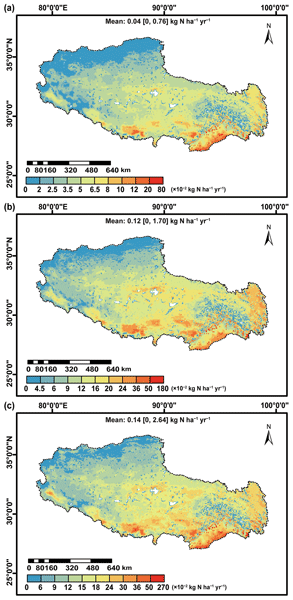
We studied how tiny airborne particles change sunlight and, in turn, the breakdown of nitrogen dioxide, an important step in ozone formation. Using optical calculations, a radiation model, and a new sensitivity method, we found that light scattering and absorption, surface reflection, particle coatings, soot absorption, humidity, and particle height all matter. Better measurements of these factors could improve air-quality predictions.
Lingling Deng, Yuhan Chen, Chunxiang Ye, Rui Wang, Ruhai Wang, Zehua Fu, Hongfang Zhao, and Dianming Wu
Atmos. Chem. Phys., 26, 14617–14636, https://doi.org/10.5194/acp-26-14617-2026, https://doi.org/10.5194/acp-26-14617-2026, 2026
Short summary
Short summary
Soil reactive nitrogen (Nr) gas emissions from the Tibetan Plateau remain poorly quantified, especially nitrous acid (HONO) and nitrogen oxides (NOx). We find soil HONO and NOx emissions are substantial across different land use types, with annual emissions of 7.0 ± 3.4 and 20.3 ± 7.0 Gg N yr−1, respectively. Soil HONO emissions contribute approximately 10.5 % of the external daytime atmospheric HONO sources and modulate the regional atmospheric chemical balance by elevating the HONO/NOx ratio.
Wenhao Zhou, Shunde Pan, Chunxiang Ye, Jianshu Wang, Chong Zhang, Haoqi Wang, Shaojie Song, Weili Lin, and Tong Zhu
EGUsphere, https://doi.org/10.5194/egusphere-2026-5878, https://doi.org/10.5194/egusphere-2026-5878, 2026
This preprint is open for discussion and under review for Atmospheric Chemistry and Physics (ACP).
Short summary
Short summary
Air quality models often miss a source of nitrous acid, a gas that drives reactions affecting pollution. We used laboratory and field data to model how sunlight turns nitrate in grime on outdoor surfaces into nitrous acid. Adding this process to an air quality model for China explained up to 85 % of the gap between modelled and measured levels. It was especially important in clean air, showing that nitrate stored on surfaces can keep shaping ozone and particle pollution after the air clears.
Xinlei Lv, Jie Sun, Bishuo He, Fengjun Shen, Gang Zhao, Tong Liu, Qiqi Mo, Linghan Zeng, Ziye Zhang, Yunxiao Li, Batu Alaxi, Weili Lin, and Chunsheng Zhao
EGUsphere, https://doi.org/10.5194/egusphere-2026-4877, https://doi.org/10.5194/egusphere-2026-4877, 2026
This preprint is open for discussion and under review for Atmospheric Chemistry and Physics (ACP).
Short summary
Short summary
We studied how tiny airborne particles change sunlight and, in turn, the breakdown of nitrogen dioxide, an important step in ozone formation. Using optical calculations, a radiation model, and a new sensitivity method, we found that light scattering and absorption, surface reflection, particle coatings, soot absorption, humidity, and particle height all matter. Better measurements of these factors could improve air-quality predictions.
Biao Tian, Minghu Ding, Kongju Zhu, Xu Yao, Yixi Zhao, Wenqian Zhang, Diyi Yang, Weijun Sun, Yining Yu, Shoudong Zhao, Yige Cui, Chuanjin Li, Jie Tang, Cunde Xiao, Tong Zhu, and Renhe Zhang
Atmos. Meas. Tech., 19, 5683–5695, https://doi.org/10.5194/amt-19-5683-2026, https://doi.org/10.5194/amt-19-5683-2026, 2026
Short summary
Short summary
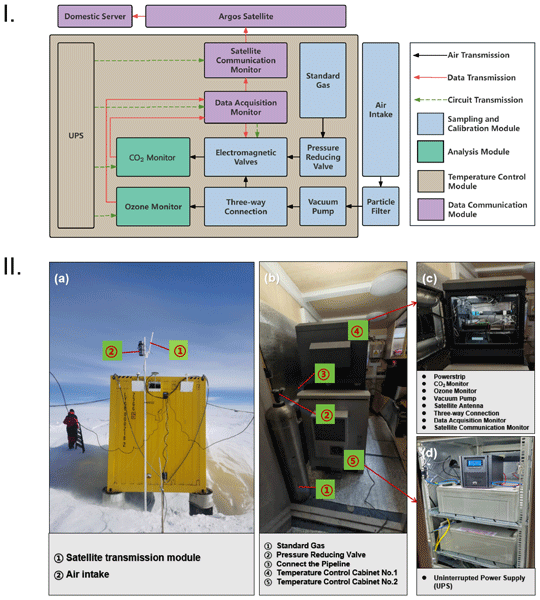
Scarce reliable greenhouse‑gas observations plague inland Antarctica. The low‑power (<350 W) CRUX‑1.0 integrates four subsystems for simultaneous CO₂‑O₃ monitoring. Its one‑month Taishan Station test shows stable performance, with post‑calibration CV (coefficient of variation) < 5.6 %. Measured mixing ratios exhibit good comparability with South Pole Station data. Capable of unattended operation, CRUX‑1.0 is promising for data‑scarce polar inland deployment.
Yihan Zou, Jianzhong Ma, Ningwei Liu, Weili Lin, Xiaobin Xu, Yunjia Li, Siyang Cheng, Xiangdong Zheng, Andrea Pozzer, and Jos Lelieveld
Atmos. Chem. Phys., 26, 10355–10377, https://doi.org/10.5194/acp-26-10355-2026, https://doi.org/10.5194/acp-26-10355-2026, 2026
Short summary
Short summary
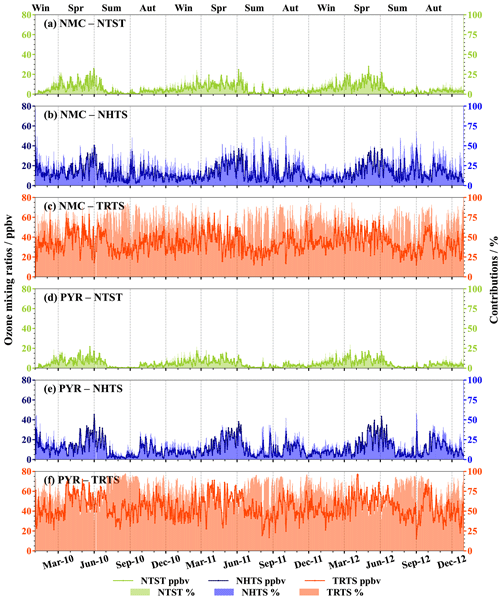
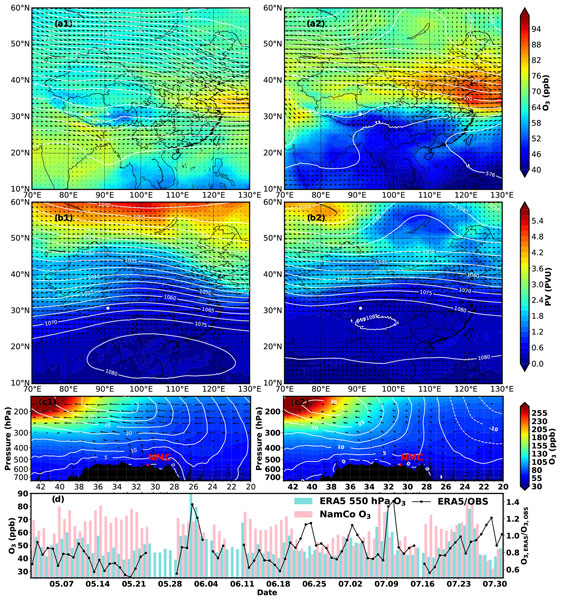
Our model simulations with the ozone-tagging technique show strong seasonal and daily variability in the contributions of various stratospheric and tropospheric sources to surface ozone over the Tibetan Plateau. Tropospheric sources from Central Asia, West Asian and Europe results in a summertime maximum over the northern Tibetan Plateau. The tropospheric source from South Asia and Southeast Asia leads to the peaks in the southern and central Tibetan Plateau during the pre-monsoon period.
Tiantian Zhang, Peng Zuo, Yi Chen, Tong Liu, Linghan Zeng, Weili Lin, and Chunxiang Ye
Atmos. Chem. Phys., 25, 16331–16346, https://doi.org/10.5194/acp-25-16331-2025, https://doi.org/10.5194/acp-25-16331-2025, 2025
Short summary
Short summary
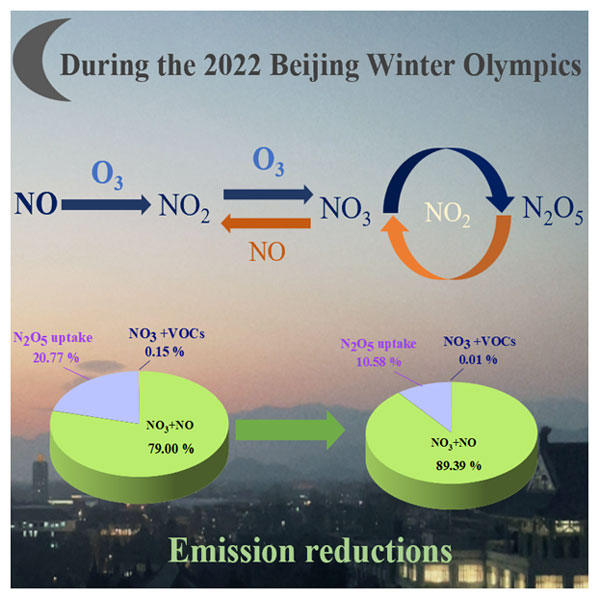
During the 2022 Beijing Winter Olympics, we conducted field observations of N2O5. By comparing pre- and post-Olympic pollutant levels, we evaluated the impact of emission reductions on nocturnal chemistry. The results showed that the reactivity of nitric oxide (NO) and volatile organic compounds (VOCs) with NO3 decreased, and that the heterogeneous uptake of N2O5 played a critical role in nocturnal nitrate formation.
Junlin Shen, Ye Kuang, Li Liu, Fengling Yuan, Biao Luo, Hongqing Qiao, Miaomiao Zhai, Gang Zhao, Hanbing Xu, Fei Li, Yu Zou, Tao Deng, and Xuejiao Deng
Atmos. Chem. Phys., 25, 11233–11246, https://doi.org/10.5194/acp-25-11233-2025, https://doi.org/10.5194/acp-25-11233-2025, 2025
Short summary
Short summary
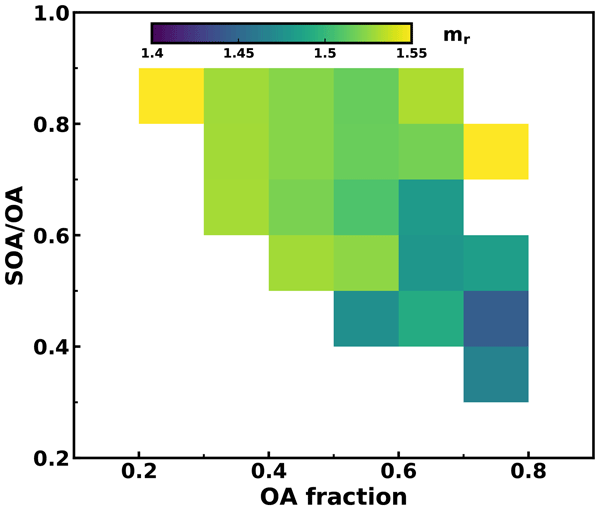
This study provides direct observational evidence that secondary organic aerosol formation enhances the aerosol scattering refractive index and has substantially higher real refractive indices than primary organic aerosols in humid southern China, challenging current model assumptions and offering recommended values that might improve the accuracy of aerosol radiative effect simulations.
Zhongyi Zhang, Chunxiang Ye, Yichao Wu, Tao Zhou, Pengfei Chen, Shichang Kang, Chong Zhang, Zhuang Jiang, and Lei Geng
Atmos. Chem. Phys., 25, 10625–10641, https://doi.org/10.5194/acp-25-10625-2025, https://doi.org/10.5194/acp-25-10625-2025, 2025
Short summary
Short summary
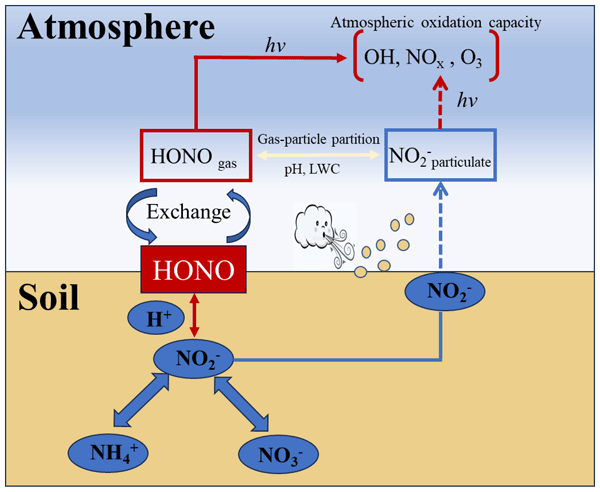
This study reveals unexpectedly high levels of particulate nitrite at the Base Camp of Mt. Qomolangma, which overwhelmingly exists in coarse mode, and demonstrates that lofted surface soil and long-range transported pollutants contribute to the high levels of nitrite. The high particulate nitrite is likely to participate in atmospheric reactive nitrogen cycling through gas-particle partitioning or photolysis, leading to production of HONO, OH and NO and thereby influencing oxidation chemistry.
Gang Zhao, Ping Tian, Chunxiang Ye, Weili Lin, Yicheng Gao, Jie Sun, Yi Chen, Fengjun Shen, and Tong Zhu
EGUsphere, https://doi.org/10.5194/egusphere-2025-3012, https://doi.org/10.5194/egusphere-2025-3012, 2025
Preprint archived
Short summary
Short summary
Understanding aerosol size distribution helps us predict how aerosols move, grow, and interact with the environment and climate. We used "maximum entropy" to demonstrate that the aerosol particle number size distribution would follow the Weibull distribution in the clean atmosphere during the new particle formation and growth process. The observations showed good consistency with the theoretical analysis.
Xiaoyi Zhang, Wanyun Xu, Weili Lin, Gen Zhang, Jinjian Geng, Li Zhou, Huarong Zhao, Sanxue Ren, Guangsheng Zhou, Jianmin Chen, and Xiaobin Xu
Atmos. Chem. Phys., 24, 12323–12340, https://doi.org/10.5194/acp-24-12323-2024, https://doi.org/10.5194/acp-24-12323-2024, 2024
Short summary
Short summary
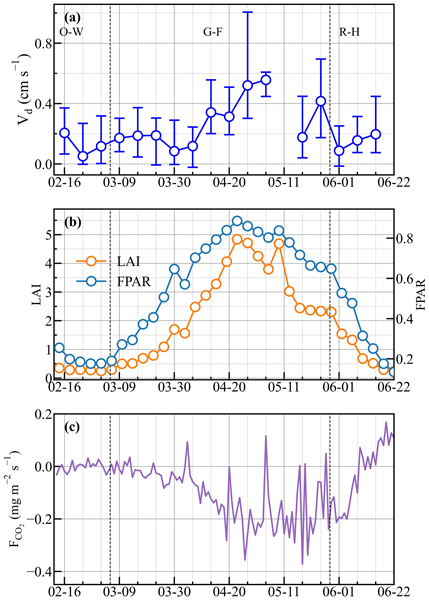
Ozone (O3) deposition is a key process that removes surface O3, affecting air quality, ecosystems and climate change. We conducted O3 deposition measurement over a wheat canopy using a newly relaxed eddy accumulation flux system. Large variabilities in O3 deposition were detected, mainly determined by crop growth and modulated by various environmental factors. More O3 deposition observations over different surfaces are needed for exploring deposition mechanisms and model optimization.
Chengzhi Xing, Cheng Liu, Chunxiang Ye, Jingkai Xue, Hongyu Wu, Xiangguang Ji, Jinping Ou, and Qihou Hu
Atmos. Chem. Phys., 24, 10093–10112, https://doi.org/10.5194/acp-24-10093-2024, https://doi.org/10.5194/acp-24-10093-2024, 2024
Short summary
Short summary
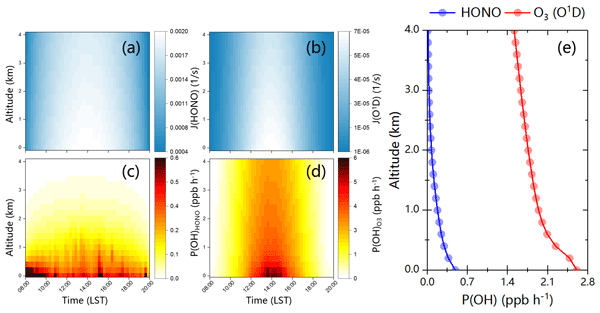
We identified the contributions of ozone (O3) and nitrous acid (HONO) to the production rates of hydroxide (OH) in vertical space on the Tibetan Plateau (TP). A new insight was offered: the contributions of HONO and O3 to the production rates of OH on the TP are even greater than in lower-altitudes areas. This study enriches the understanding of vertical distribution of atmospheric components and explains the strong atmospheric oxidation capacity (AOC) on the TP.
Ziru Lan, Xiaoyi Zhang, Weili Lin, Xiaobin Xu, Zhiqiang Ma, Jun Jin, Lingyan Wu, and Yangmei Zhang
Atmos. Chem. Phys., 24, 9355–9368, https://doi.org/10.5194/acp-24-9355-2024, https://doi.org/10.5194/acp-24-9355-2024, 2024
Short summary
Short summary
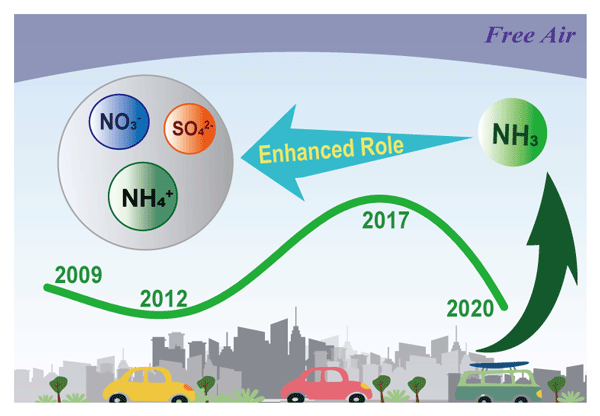
Our study examined the long-term trends of atmospheric ammonia in urban Beijing from 2009 to 2020. We found that the trends did not match satellite data or emission estimates, revealing complexities in ammonia sources. While seasonal variations in ammonia were temperature-dependent, daily variations were correlated with water vapor. We also found an increasing contribution of ammonia reduction, emphasizing its importance in mitigating the effects of fine particulate matter in Beijing.
Jiangchuan Tao, Biao Luo, Weiqi Xu, Gang Zhao, Hanbin Xu, Biao Xue, Miaomiao Zhai, Wanyun Xu, Huarong Zhao, Sanxue Ren, Guangsheng Zhou, Li Liu, Ye Kuang, and Yele Sun
Atmos. Chem. Phys., 24, 9131–9154, https://doi.org/10.5194/acp-24-9131-2024, https://doi.org/10.5194/acp-24-9131-2024, 2024
Short summary
Short summary
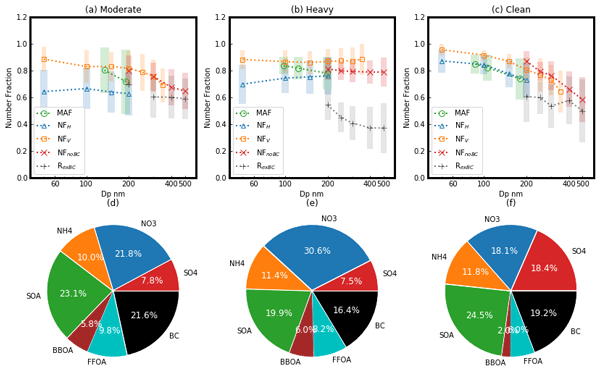
Using simultaneous measurements of DMA–CCNC, H(/V)TDMA, and DMA–SP2, impacts of primary emissions and secondary aerosol formations on changes in aerosol physicochemical properties were comprehensively investigated. It was found that intercomparisons among aerosol mixing-state parameters derived from different techniques can help us gain more insight into aerosol physical properties which, in turn, will aid the investigation of emission characteristics and secondary aerosol formation pathways.
Shuzheng Guo, Chunxiang Ye, Weili Lin, Yi Chen, Limin Zeng, Xuena Yu, Jinhui Cui, Chong Zhang, Jing Duan, Haobin Zhong, Rujin Huang, Xuguang Chi, Wei Nie, and Aijun Ding
EGUsphere, https://doi.org/10.5194/egusphere-2024-262, https://doi.org/10.5194/egusphere-2024-262, 2024
Preprint archived
Short summary
Short summary
@Tibet field campaigns 2021 discovered surprisingly high levels and activity contributions of oxygenated volatile organic compounds on the southeast of the Tibetan Plateau, which suggests that OVOCs may play a larger role in the chemical reactions that occur in high-altitude regions than previously thought.
Xi Cheng, Yong Jie Li, Yan Zheng, Keren Liao, Theodore K. Koenig, Yanli Ge, Tong Zhu, Chunxiang Ye, Xinghua Qiu, and Qi Chen
Atmos. Chem. Phys., 24, 2099–2112, https://doi.org/10.5194/acp-24-2099-2024, https://doi.org/10.5194/acp-24-2099-2024, 2024
Short summary
Short summary
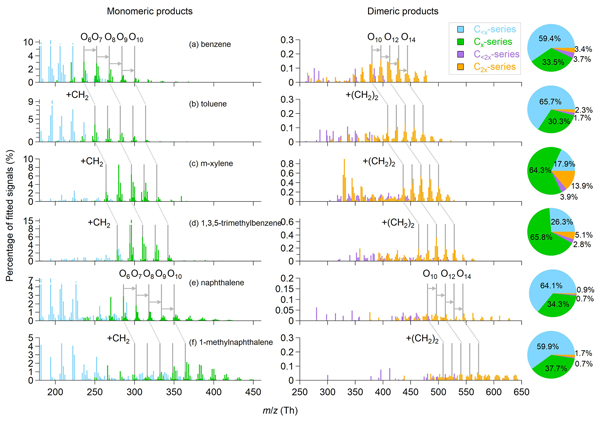
In this study we conducted laboratory measurements to investigate the formation of gas-phase oxygenated organic molecules (OOMs) from six aromatic volatile organic compounds (VOCs). We provide a thorough analysis on the effects of precursor structure (substituents and ring numbers) on product distribution and highlight from a laboratory perspective that heavy (e.g., double-ring) aromatic VOCs are important in initial particle growth during secondary organic aerosol formation.
Xipeng Jin, Xuhui Cai, Xuesong Wang, Qianqian Huang, Yu Song, Ling Kang, Hongsheng Zhang, and Tong Zhu
Atmos. Chem. Phys., 24, 259–274, https://doi.org/10.5194/acp-24-259-2024, https://doi.org/10.5194/acp-24-259-2024, 2024
Short summary
Short summary
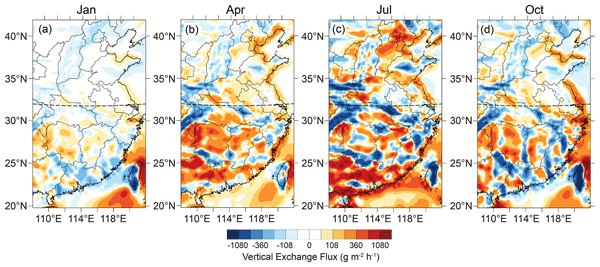
This work presents a climatology of water vapour exchange flux between the atmospheric boundary layer (ABL) and free troposphere (FT) over eastern China. The water vapour exchange maintains ABL humidity in cold months and moistens the FT in warm seasons, and its distribution has terrain-dependent features. The exchange flux is correlated with the El Niño–Southern Oscillation (ENSO) index and precipitation pattern. The study provides new insight into moisture transport and extreme weather.
Jiyuan Yang, Guoyang Lei, Jinfeng Zhu, Yutong Wu, Chang Liu, Kai Hu, Junsong Bao, Zitong Zhang, Weili Lin, and Jun Jin
Atmos. Chem. Phys., 24, 123–136, https://doi.org/10.5194/acp-24-123-2024, https://doi.org/10.5194/acp-24-123-2024, 2024
Short summary
Short summary
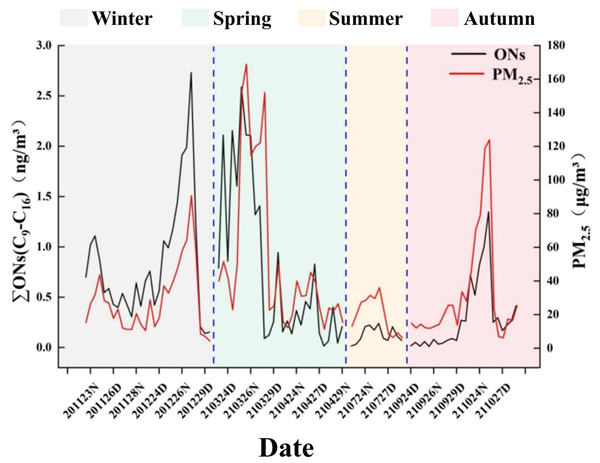
The atmospheric pollution and formation mechanisms of particulate-bound alkyl nitrate in Beijing were studied. C9–C16 long-chain n-alkyl nitrates negatively correlated with O3 but positively correlated with PM2.5 and NO2, so they may not be produced during gas-phase homogeneous reactions in the photochemical process but form through reactions between alkanes and nitrates on PM surfaces. Particulate-bound n-alkyl nitrates strongly affect both haze pollution and atmospheric visibility.
Weilun Zhao, Ying Li, Gang Zhao, Song Guo, Nan Ma, Shuya Hu, and Chunsheng Zhao
Atmos. Chem. Phys., 23, 14889–14902, https://doi.org/10.5194/acp-23-14889-2023, https://doi.org/10.5194/acp-23-14889-2023, 2023
Short summary
Short summary
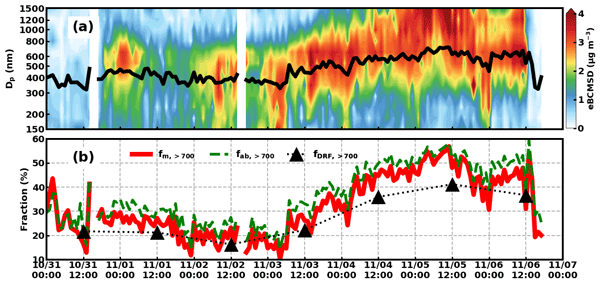
Studies have concentrated on particles containing black carbon (BC) smaller than 700 nm because of technical limitations. In this study, BC-containing particles larger than 700 nm (BC>700) were measured, highlighting their importance to total BC mass and absorption. The contribution of BC>700 to the BC direct radiative effect was estimated, highlighting the necessity to consider the whole size range of BC-containing particles in the model estimation of BC radiative effects.
Chunxiang Ye, Shuzheng Guo, Weili Lin, Fangjie Tian, Jianshu Wang, Chong Zhang, Suzhen Chi, Yi Chen, Yingjie Zhang, Limin Zeng, Xin Li, Duo Bu, Jiacheng Zhou, and Weixiong Zhao
Atmos. Chem. Phys., 23, 10383–10397, https://doi.org/10.5194/acp-23-10383-2023, https://doi.org/10.5194/acp-23-10383-2023, 2023
Short summary
Short summary
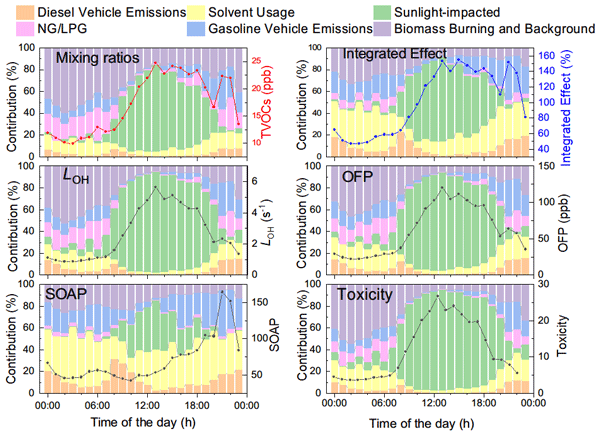
Online volatile organic compound (VOC) measurements by gas chromatography–mass spectrometry, with other O3 precursors, were used to identify key VOC and other key sources in Lhasa. Total VOCs (TVOCs), alkanes, and aromatics are half as abundant as in Beijing. Oxygenated VOCs (OVOCs) consist of 52 % of the TVOCs. Alkenes and OVOCs account for 80 % of the ozone formation potential. Aromatics dominate secondary organic aerosol potential. Positive matrix factorization decomposed residential sources.
Yaru Wang, Yi Chen, Suzhen Chi, Jianshu Wang, Chong Zhang, Weixiong Zhao, Weili Lin, and Chunxiang Ye
Atmos. Meas. Tech. Discuss., https://doi.org/10.5194/amt-2023-192, https://doi.org/10.5194/amt-2023-192, 2023
Revised manuscript not accepted
Short summary
Short summary
We reported an optimized system (Mea-OPR) for direct measurement of ozone production rate, which showed a precise, sensitive and reliable measurement of OPR for at least urban and suburban atmosphere, and active O3 photochemical production in winter Beijing. Herein, the Mea-OPR system also shows its potential in exploring the fundamental O3 photochemistry, i.e., surprisingly high ozone production even under high-NOx conditions.
Wanyun Xu, Yuxuan Bian, Weili Lin, Yingjie Zhang, Yaru Wang, Zhiqiang Ma, Xiaoyi Zhang, Gen Zhang, Chunxiang Ye, and Xiaobin Xu
Atmos. Chem. Phys., 23, 7635–7652, https://doi.org/10.5194/acp-23-7635-2023, https://doi.org/10.5194/acp-23-7635-2023, 2023
Short summary
Short summary
Tropospheric ozone (O3) and peroxyacetyl nitrate (PAN) are both photochemical pollutants harmful to the ecological environment and human health, especially in the Tibetan Plateau (TP). However, the factors determining their variations in the TP have not been comprehensively investigated. Results from field measurements and observation-based models revealed that day-to-day variations in O3 and PAN were in fact controlled by distinct physiochemical processes.
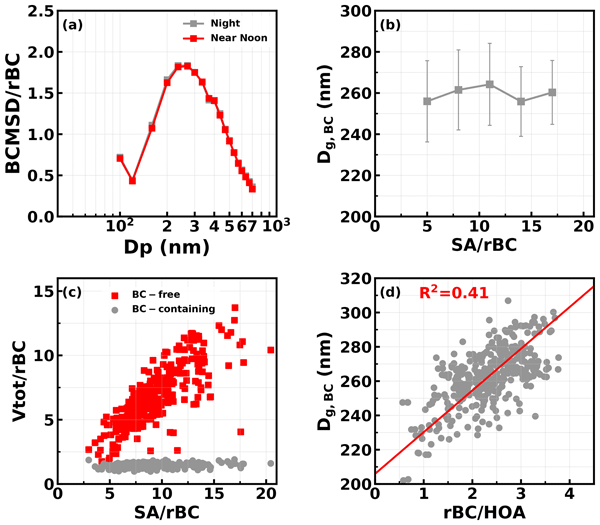
Fei Li, Biao Luo, Miaomiao Zhai, Li Liu, Gang Zhao, Hanbing Xu, Tao Deng, Xuejiao Deng, Haobo Tan, Ye Kuang, and Jun Zhao
Atmos. Chem. Phys., 23, 6545–6558, https://doi.org/10.5194/acp-23-6545-2023, https://doi.org/10.5194/acp-23-6545-2023, 2023
Short summary
Short summary
A field campaign was conducted to study black carbon (BC) mass size distributions and mixing states connected to traffic emissions using a system that combines a differential mobility analyzer and single-particle soot photometer. Results showed that the black carbon content of traffic emissions has a considerable influence on both BC mass size distributions and mixing states, which has crucial implications for accurately representing BC from various sources in regional and climate models.
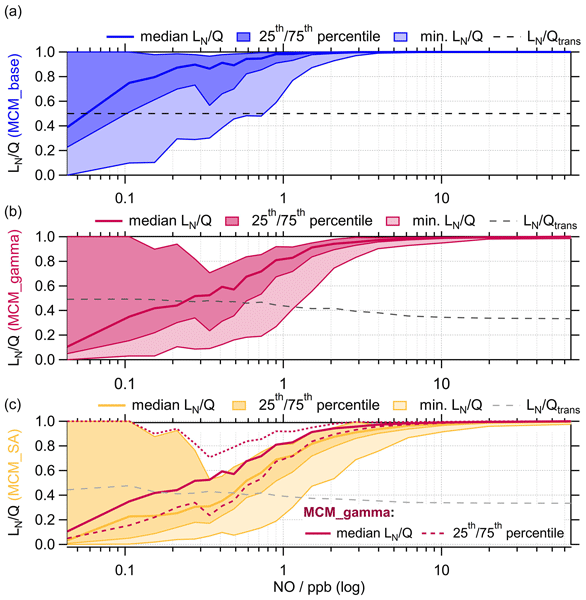
Joanna E. Dyson, Lisa K. Whalley, Eloise J. Slater, Robert Woodward-Massey, Chunxiang Ye, James D. Lee, Freya Squires, James R. Hopkins, Rachel E. Dunmore, Marvin Shaw, Jacqueline F. Hamilton, Alastair C. Lewis, Stephen D. Worrall, Asan Bacak, Archit Mehra, Thomas J. Bannan, Hugh Coe, Carl J. Percival, Bin Ouyang, C. Nicholas Hewitt, Roderic L. Jones, Leigh R. Crilley, Louisa J. Kramer, W. Joe F. Acton, William J. Bloss, Supattarachai Saksakulkrai, Jingsha Xu, Zongbo Shi, Roy M. Harrison, Simone Kotthaus, Sue Grimmond, Yele Sun, Weiqi Xu, Siyao Yue, Lianfang Wei, Pingqing Fu, Xinming Wang, Stephen R. Arnold, and Dwayne E. Heard
Atmos. Chem. Phys., 23, 5679–5697, https://doi.org/10.5194/acp-23-5679-2023, https://doi.org/10.5194/acp-23-5679-2023, 2023
Short summary
Short summary
The hydroxyl (OH) and closely coupled hydroperoxyl (HO2) radicals are vital for their role in the removal of atmospheric pollutants. In less polluted regions, atmospheric models over-predict HO2 concentrations. In this modelling study, the impact of heterogeneous uptake of HO2 onto aerosol surfaces on radical concentrations and the ozone production regime in Beijing in the summertime is investigated, and the implications for emissions policies across China are considered.
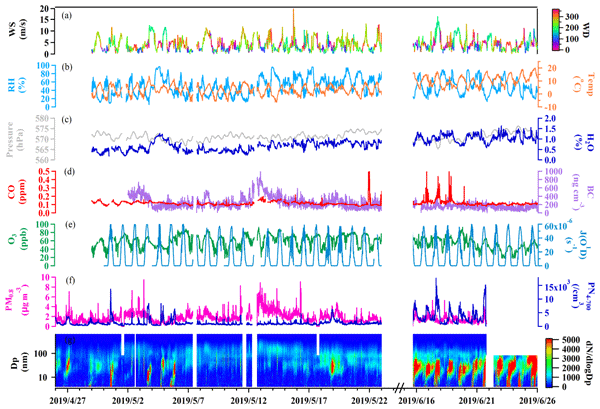
Lizi Tang, Min Hu, Dongjie Shang, Xin Fang, Jianjiong Mao, Wanyun Xu, Jiacheng Zhou, Weixiong Zhao, Yaru Wang, Chong Zhang, Yingjie Zhang, Jianlin Hu, Limin Zeng, Chunxiang Ye, Song Guo, and Zhijun Wu
Atmos. Chem. Phys., 23, 4343–4359, https://doi.org/10.5194/acp-23-4343-2023, https://doi.org/10.5194/acp-23-4343-2023, 2023
Short summary
Short summary
There was an evident distinction in the frequency of new particle formation (NPF) events at Nam Co station on the Tibetan Plateau: 15 % in pre-monsoon season and 80 % in monsoon season. The frequent NPF events in monsoon season resulted from the higher frequency of southerly air masses, which brought the organic precursors to participate in the NPF process. It increased the amount of aerosol and CCN compared with those in pre-monsoon season, which may markedly affect earth's radiation balance.
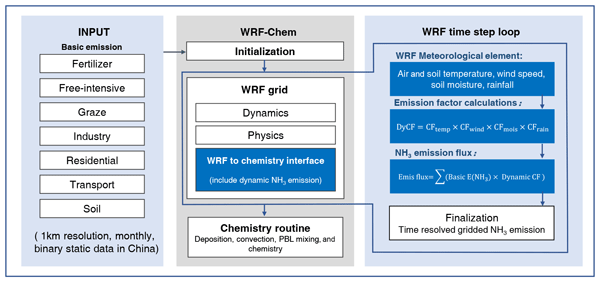
Chuanhua Ren, Xin Huang, Tengyu Liu, Yu Song, Zhang Wen, Xuejun Liu, Aijun Ding, and Tong Zhu
Geosci. Model Dev., 16, 1641–1659, https://doi.org/10.5194/gmd-16-1641-2023, https://doi.org/10.5194/gmd-16-1641-2023, 2023
Short summary
Short summary
Ammonia in the atmosphere has wide impacts on the ecological environment and air quality, and its emission from soil volatilization is highly sensitive to meteorology, making it challenging to be well captured in models. We developed a dynamic emission model capable of calculating ammonia emission interactively with meteorological and soil conditions. Such a coupling of soil emission with meteorology provides a better understanding of ammonia emission and its contribution to atmospheric aerosol.

Jiyuan Yang, Guoyang Lei, Chang Liu, Yutong Wu, Kai Hu, Jinfeng Zhu, Junsong Bao, Weili Lin, and Jun Jin
Atmos. Chem. Phys., 23, 3015–3029, https://doi.org/10.5194/acp-23-3015-2023, https://doi.org/10.5194/acp-23-3015-2023, 2023
Short summary
Short summary
The characteristics of n-alkanes and the contributions of various sources of PM2.5 in the atmosphere in Beijing were studied. There were marked seasonal and diurnal differences in the n-alkane concentrations (p<0.01). Particulate-bound n-alkanes were supplied by anthropogenic and biogenic sources; fossil fuel combustion was the dominant contributor. Vehicle exhausts strongly affect PM2.5 pollution. Controlling vehicle exhaust emissions is key to control n-alkane and PM2.5 pollution in Beijing.

Weilun Zhao, Gang Zhao, Ying Li, Song Guo, Nan Ma, Lizi Tang, Zirui Zhang, and Chunsheng Zhao
Atmos. Meas. Tech., 15, 6807–6817, https://doi.org/10.5194/amt-15-6807-2022, https://doi.org/10.5194/amt-15-6807-2022, 2022
Short summary
Short summary
A new method to determine black carbon mass size distribution (BCMSD) was proposed using the size-resolved absorption coefficient measured by an aerodynamic aerosol classifier in tandem with an aethalometer. This new method fills the gap in the high-time-resolution measurement of BCMSD ranging from upper submicron particle sizes to larger than 1 µm. This method can be applied to field measurement of BCMSD extensively for better understanding BC aging and better estimating the BC climate effect.

Hao Yin, Youwen Sun, Justus Notholt, Mathias Palm, Chunxiang Ye, and Cheng Liu
Atmos. Chem. Phys., 22, 14401–14419, https://doi.org/10.5194/acp-22-14401-2022, https://doi.org/10.5194/acp-22-14401-2022, 2022
Short summary
Short summary
Improved knowledge of the chemistry and drivers of surface ozone over the Qinghai-Tibet Plateau (QTP) is significant for regulatory and control purposes in this high-altitude region in the Himalayas. Our study investigates the processes and drivers of surface ozone anomalies by using machine-learning model-based meteorological normalization methods between 2015 and 2020 in urban areas over the QTP. This study can provide valuable implication for ozone mitigation over the QTP.
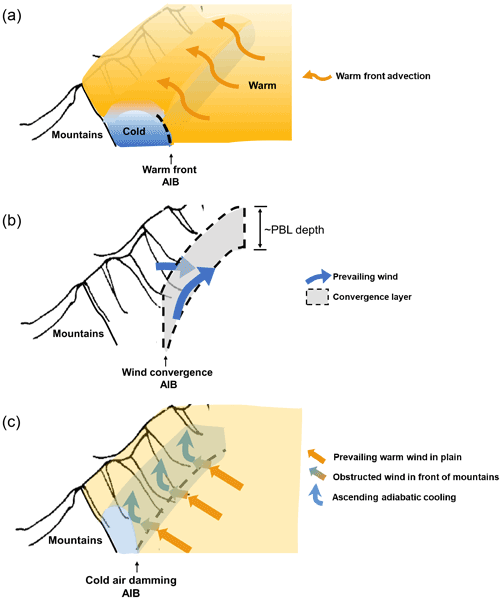
Xipeng Jin, Xuhui Cai, Mingyuan Yu, Yu Song, Xuesong Wang, Hongsheng Zhang, and Tong Zhu
Atmos. Chem. Phys., 22, 11409–11427, https://doi.org/10.5194/acp-22-11409-2022, https://doi.org/10.5194/acp-22-11409-2022, 2022
Short summary
Short summary
Meteorological discontinuities in the vertical direction define the lowest atmosphere as the boundary layer, while in the horizontal direction it identifies the contrast zone as the internal boundary. Both of them determine the polluted air mass dimension over the North China Plain. This study reveals the boundary layer structures under three categories of internal boundaries, modified by thermal, dynamical, and blending effects. It provides a new insight to understand regional pollution.
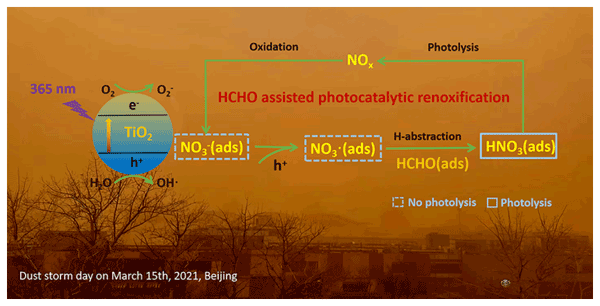
Yuhan Liu, Xuejiao Wang, Jing Shang, Weiwei Xu, Mengshuang Sheng, and Chunxiang Ye
Atmos. Chem. Phys., 22, 11347–11358, https://doi.org/10.5194/acp-22-11347-2022, https://doi.org/10.5194/acp-22-11347-2022, 2022
Short summary
Short summary
In this study, the influence of HCHO on renoxification on nitrate-doped TiO2 particles is investigated by using an experimental chamber. Mass NOx release is suggested to follow the NO−3-NO3·-HNO3-NOx pathway, with HCHO involved in the transformation of NO3· to HNO3 through hydrogen abstraction. Our proposed reaction mechanism by which HCHO promotes photocatalytic renoxification is helpful for deeply understanding the atmospheric photochemical processes and nitrogen cycling.
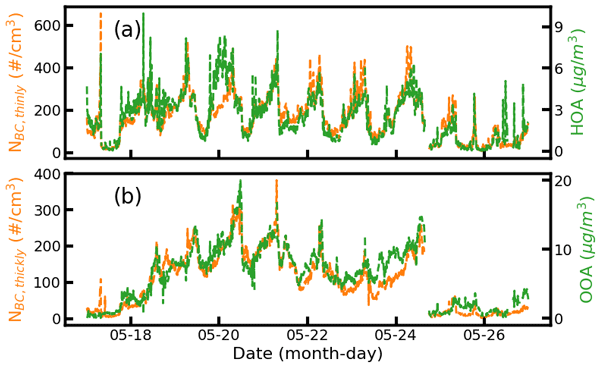
Gang Zhao, Tianyi Tan, Shuya Hu, Zhuofei Du, Dongjie Shang, Zhijun Wu, Song Guo, Jing Zheng, Wenfei Zhu, Mengren Li, Limin Zeng, and Min Hu
Atmos. Chem. Phys., 22, 10861–10873, https://doi.org/10.5194/acp-22-10861-2022, https://doi.org/10.5194/acp-22-10861-2022, 2022
Short summary
Short summary
Black carbon is the second strongest absorbing component in the atmosphere that exerts warming effects on climate. One critical challenge in quantifying the ambient black carbon's radiative effects is addressing the BC microphysical properties. In this study, the microphysical properties of the aged and fresh BC particles are synthetically analyzed under different atmospheres. The measurement results can be further used in models to help constrain the uncertainties of the BC radiative effects.
Marios Panagi, Roberto Sommariva, Zoë L. Fleming, Paul S. Monks, Gongda Lu, Eloise A. Marais, James R. Hopkins, Alastair C. Lewis, Qiang Zhang, James D. Lee, Freya A. Squires, Lisa K. Whalley, Eloise J. Slater, Dwayne E. Heard, Robert Woodward-Massey, Chunxiang Ye, and Joshua D. Vande Hey
Atmos. Chem. Phys. Discuss., https://doi.org/10.5194/acp-2022-379, https://doi.org/10.5194/acp-2022-379, 2022
Revised manuscript not accepted
Short summary
Short summary
A dispersion model and a box model were combined to investigate the evolution of VOCs in Beijing once they are emitted from anthropogenic sources. It was determined that during the winter time the VOC concentrations in Beijing are driven predominantly by sources within Beijing and by a combination of transport and chemistry during the summer. Furthermore, the results in the paper highlight the need for a season specific policy.

Xueli Liu, Liang Ran, Weili Lin, Xiaobin Xu, Zhiqiang Ma, Fan Dong, Di He, Liyan Zhou, Qingfeng Shi, and Yao Wang
Atmos. Chem. Phys., 22, 7071–7085, https://doi.org/10.5194/acp-22-7071-2022, https://doi.org/10.5194/acp-22-7071-2022, 2022
Short summary
Short summary
Significant decreases in annual mean NOx from 2011 to 2016 and SO2 from 2008 to 2016 confirm the effectiveness of relevant control measures on the reduction in NOx and SO2 emissions in the North China Plain (NCP). NOx at SDZ had a weaker influence than SO2 on the emission reduction in Beijing and other areas in the NCP. An increase in the number of motor vehicles and weak traffic restrictions have caused vehicle emissions of NOx, which indicates that NOx emission control should be strengthened.
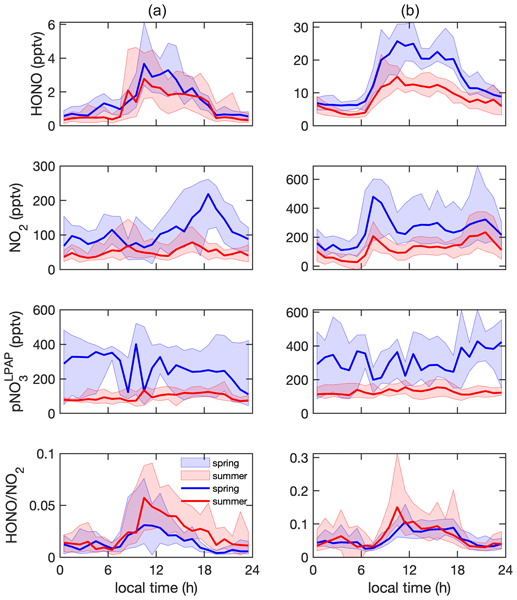
Yuting Zhu, Youfeng Wang, Xianliang Zhou, Yasin F. Elshorbany, Chunxiang Ye, Matthew Hayden, and Andrew J. Peters
Atmos. Chem. Phys., 22, 6327–6346, https://doi.org/10.5194/acp-22-6327-2022, https://doi.org/10.5194/acp-22-6327-2022, 2022
Short summary
Short summary
The daytime chemistry of nitrous acid (HONO), which plays an important role in the oxidation capacity of the troposphere, is not well understood. In this work, we report new field measurement results of HONO and the relevant parameters in the marine boundary layer at Tudor Hill Marine Atmospheric Observatory in Bermuda. We evaluate the daytime HONO budgets in air masses under different types of interaction with the island and examine the strengths of different HONO formation and loss mechanisms.

Qingqing Yin, Qianli Ma, Weili Lin, Xiaobin Xu, and Jie Yao
Atmos. Chem. Phys., 22, 1015–1033, https://doi.org/10.5194/acp-22-1015-2022, https://doi.org/10.5194/acp-22-1015-2022, 2022
Short summary
Short summary
China has been experiencing rapid changes in emissions of air pollutants in recent decades. NOx and SO2 measurements from 2006 to 2016 at the Lin’an World Meteorological Organization Global Atmospheric Watch station were used to characterize the seasonal and diurnal variations and study the long-term trends. This study reaffirms China’s success in controlling both NOx and SO2 in the Yangtze River Delta but indicates at the same time a necessity to strengthen the NOx emission control.
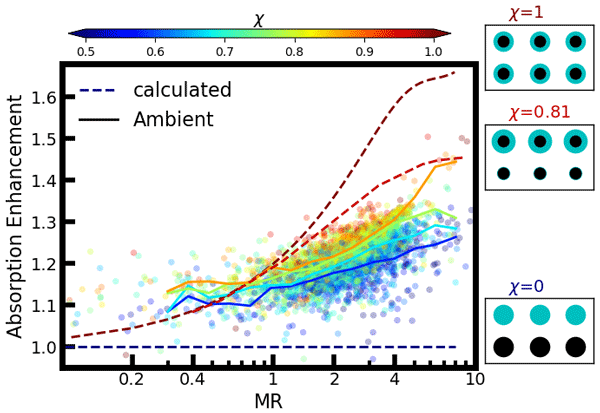
Gang Zhao, Tianyi Tan, Yishu Zhu, Min Hu, and Chunsheng Zhao
Atmos. Chem. Phys., 21, 18055–18063, https://doi.org/10.5194/acp-21-18055-2021, https://doi.org/10.5194/acp-21-18055-2021, 2021
Short summary
Short summary
In this study, the black carbon (BC) mixing state index (χ) is developed to quantify the dispersion of ambient black carbon aerosol mixing states based on binary systems of BC and other non-black carbon components. We demonstrate that the BC light absorption enhancement increases with χ for the same MR, which indicates that χ can be employed as a factor to constrain the light absorption enhancement of ambient BC.
Cited articles
Aktypis, A., Kaltsonoudis, C., Skyllakou, K., Matrali, A., Vasilakopoulou, C. N., Florou, K., and Pandis, S. N.: Infrequent new particle formation in a coastal Mediterranean city during the summer, Atmos. Environ., 302, 119732, https://doi.org/10.1016/j.atmosenv.2023.119732, 2023.
Arias, P., Bellouin, N., Coppola, E., Jones, R., Krinner, G., Marotzke, J., Naik, V., Palmer, M., Plattner, G.-K., and Rogelj, J.: Climate Change 2021: the physical science basis, in: Contribution of Working Group I to the Sixth Assessment Report of the Intergovernmental Panel on Climate Change; technical summary, Cambridge University Press, Cambridge, UK and New York, NY, USA, 33–144, https://doi.org/10.1017/9781009157896.002, 2021.
Baalbaki, R., Pikridas, M., Jokinen, T., Laurila, T., Dada, L., Bezantakos, S., Ahonen, L., Neitola, K., Maisser, A., Bimenyimana, E., Christodoulou, A., Unga, F., Savvides, C., Lehtipalo, K., Kangasluoma, J., Biskos, G., Petäjä, T., Kerminen, V. M., Sciare, J., and Kulmala, M.: Towards understanding the characteristics of new particle formation in the Eastern Mediterranean, Atmos. Chem. Phys., 21, 9223–9251, https://doi.org/10.5194/acp-21-9223-2021, 2021.
Bianchi, F., Junninen, H., Bigi, A., Sinclair, V. A., Dada, L., Hoyle, C. R., Zha, Q., Yao, L., Ahonen, L. R., Bonasoni, P., Buenrostro Mazon, S., Hutterli, M., Laj, P., Lehtipalo, K., Kangasluoma, J., Kerminen, V. M., Kontkanen, J., Marinoni, A., Mirme, S., Molteni, U., Petäjä, T., Riva, M., Rose, C., Sellegri, K., Yan, C., Worsnop, D. R., Kulmala, M., Baltensperger, U., and Dommen, J.: Biogenic particles formed in the Himalaya as an important source of free tropospheric aerosols, Nat. Geosci., 14, 4–9, https://doi.org/10.1038/s41561-020-00661-5, 2021.
Cai, R., Yang, D., Fu, Y., Wang, X., Li, X., Ma, Y., Hao, J., Zheng, J., and Jiang, J.: Aerosol surface area concentration: a governing factor in new particle formation in Beijing, Atmos. Chem. Phys., 17, 12327–12340, https://doi.org/10.5194/acp-17-12327-2017, 2017.
Casans, A., Casquero-Vera, J. A., Rejano, F., Lyamani, H., Cazorla, A., Zabala, I., Huang, W., Agro, M., Barreto, A., Rodriguez, S., Gonzalez, Y., Bianchi, F., Petaja, T., Olmo, F. J., Alados-Arboledas, L., Carinanos, P., Gysel-Beer, M., and Titos, G.: Determining the impact of new particle formation events on cloud condensation nuclei (CCN) concentrations, Sci. Total Environ., 972, 179094, https://doi.org/10.1016/j.scitotenv.2025.179094, 2025.
Cramer, K. L., Guenther, A. B., and Smith, J. N.: Ultrafine aerosol formation and growth in a Southern California desert, Aerosol Sci. Tech., 60, 665–677, https://doi.org/10.1080/02786826.2026.2619538, 2026.
Dal Maso, M., Kulmala, M., Riipinen, I., Wagner, R., Hussein, T.,Aalto, P. P., and Lehtinen, K. E.: Formation and growth of fresh atmospheric aerosols: eight years of aerosol size distribution data from SMEAR II, Hyytiälä, Finland, Boreal Environ. Res., 10, 323–336, 2005.
Dinoi, A., Weinhold, K., Wiedensohler, A., and Contini, D.: Study of new particle formation events in southern Italy, Atmos. Environ., 244, 117920, https://doi.org/10.1016/j.atmosenv.2020.117920, 2021.
Du, W., Zhao, J., Wang, Y., Zhang, Y., Wang, Q., Xu, W., Chen, C., Han, T., Zhang, F., Li, Z., Fu, P., Li, J., Wang, Z., and Sun, Y.: Simultaneous measurements of particle number size distributions at ground level and 260 m on a meteorological tower in urban Beijing, China, Atmos. Chem. Phys., 17, 6797–6811, https://doi.org/10.5194/acp-17-6797-2017, 2017.
Gao, Z., Wang, F., Du, W., Wang, S., Sun, Y., Yang, W., Wang, X., Han, B., and Bai, Z.: Elucidating particle number concentrations and unveiling source mechanisms at a prominent national background site on the northeastern Qinghai-Tibetan Plateau, Sci. Total Environ., 969, 178928, https://doi.org/10.1016/j.scitotenv.2025.178928, 2025.
Hakala, S., Vakkari, V., Bianchi, F., Dada, L., Deng, C., Dällenbach, K., Fu, Y., Jiang, J., Kangasluoma, J., and Kujansuu, J.: Observed coupling between air mass history, secondary growth of nucleation mode particles and aerosol pollution levels in Beijing, Environ. Sci.: Atmos., 2, 146–164, 2022.
Hong, J., Tang, M., Wang, Q., Ma, N., Zhu, S., Zhang, S., Pan, X., Xie, L., Li, G., Kuhn, U., Yan, C., Tao, J., Kuang, Y., He, Y., Xu, W., Cai, R., Zhou, Y., Wang, Z., Zhou, G., Yuan, B., Cheng, Y., and Su, H.: Measurement Report: Wintertime new particle formation in the rural area of the North China Plain – influencing factors and possible formation mechanism, Atmos. Chem. Phys., 23, 5699–5713, https://doi.org/10.5194/acp-23-5699-2023, 2023.
Hu, Y., Yu, H., Kang, S., Yang, J., Rai, M., Yin, X., Chen, X., and Chen, P.: Aerosol–meteorology feedback diminishes the transboundary transport of black carbon into the Tibetan Plateau, Atmos. Chem. Phys., 24, 85–107, https://doi.org/10.5194/acp-24-85-2024, 2024.
Hussein, T., Atashi, N., Sogacheva, L., Hakala, S., Dada, L., Petäjä, T., and Kulmala, M.: Characterization of Urban New Particle Formation in Amman – Jordan, Atmosphere, 11, 79, https://doi.org/10.3390/atmos11010079, 2020.
Kalivitis, N., Kerminen, V. M., Kouvarakis, G., Stavroulas, I., Tzitzikalaki, E., Kalkavouras, P., Daskalakis, N., Myriokefalitakis, S., Bougiatioti, A., Manninen, H. E., Roldin, P., Petäjä, T., Boy, M., Kulmala, M., Kanakidou, M., and Mihalopoulos, N.: Formation and growth of atmospheric nanoparticles in the eastern Mediterranean: results from long-term measurements and process simulations, Atmos. Chem. Phys., 19, 2671–2686, https://doi.org/10.5194/acp-19-2671-2019, 2019.
Kalkavouras, P., Bougiatioti, A., Kalivitis, N., Stavroulas, I., Tombrou, M., Nenes, A., and Mihalopoulos, N.: Regional new particle formation as modulators of cloud condensation nuclei and cloud droplet number in the eastern Mediterranean, Atmos. Chem. Phys., 19, 6185–6203, https://doi.org/10.5194/acp-19-6185-2019, 2019.
Kalkavouras, P., Bougiatioti, A., Grivas, G., Stavroulas, I., Kalivitis, N., Liakakou, E., Gerasopoulos, E., Pilinis, C., and Mihalopoulos, N.: On the regional aspects of new particle formation in the Eastern Mediterranean: A comparative study between a background and an urban site based on long term observations, Atmos. Res., 239, 104911, https://doi.org/10.1016/j.atmosres.2020.104911, 2020.
Kalkavouras, P., BougiatiotI, A., Hussein, T., Kalivitis, N., Stavroulas, I., Michalopoulos, P., and Mihalopoulos, N.: Regional New Particle Formation over the Eastern Mediterranean and Middle East, Atmosphere, 12, 13, https://doi.org/10.3390/atmos12010013, 2021.
Kerminen, V.-M., Chen, X., Vakkari, V., Petäjä, T., Kulmala, M., and Bianchi, F.: Atmospheric new particle formation and growth: review of field observations, Environ. Res. Lett., 13, 103003, https://doi.org/10.1088/1748-9326/aadf3c, 2018.
Kulmala, M., Maso, M. D., Mäkelä, J., Pirjola, L., Väkevä, M., Aalto, P., Miikkulainen, P., Hämeri, K., and O'dowd, C.: On the formation, growth and composition of nucleation mode particles, Tellus B, 53, 479–490, 2001.
Kulmala, M., Petäjä, T., Nieminen, T., Sipilä, M., Manninen, H. E., Lehtipalo, K., Dal Maso, M., Aalto, P. P., Junninen, H., Paasonen, P., Riipinen, I., Lehtinen, K. E. J., Laaksonen, A., and Kerminen, V.-M.: Measurement of the nucleation of atmospheric aerosol particles, Nat. Protoc., 7, 1651–1667, 10.1038/nprot.2012.091, 2012.
Lai, S., Qi, X., Huang, X., Lou, S., Chi, X., Chen, L., Liu, C., Liu, Y., Yan, C., Li, M., Liu, T., Nie, W., Kerminen, V. M., Petäjä, T., Kulmala, M., and Ding, A.: New particle formation induced by anthropogenic–biogenic interactions on the southeastern Tibetan Plateau, Atmos. Chem. Phys., 24, 2535–2553, https://doi.org/10.5194/acp-24-2535-2024, 2024.
Lampilahti, A., Garmash, O., Aliaga, D., Arshinov, M., Davydov, D., Belan, B., Lampilahti, J., Kerminen, V.-M., Petäjä, T., Kulmala, M., and Ezhova, E.: Insights into new particle formation in a Siberian boreal forest from nanoparticle ranking analysis, Aerosol Res., 3, 441–459, https://doi.org/10.5194/ar-3-441-2025, 2025.
Li, K., An, Y., Xu, J., Zhong, M., Zhao, W., and Qin, X.: Measurement report: Year-long chemical composition, optical properties, and sources of atmospheric aerosols in the northeastern Tibetan Plateau, Atmos. Chem. Phys., 25, 12433–12450, https://doi.org/10.5194/acp-25-12433-2025, 2025.
Liu, Y., Nie, W., Qi, X., Li, Y., Xu, T., Liu, C., Ge, D., Chen, L., Niu, G., Wang, J., Yang, L., Wang, L., Zhu, C., Wang, J., Zhang, Y., Liu, T., Zha, Q., Yan, C., Ye, C., Zhang, G., Hu, R., Huang, R.-J., Chi, X., Zhu, T., and Ding, A.: The Pivotal Role of Heavy Terpenes and Anthropogenic Interactions in New Particle Formation on the Southeastern Qinghai-Tibet Plateau, Environ. Sci. Technol., 58, 19748–19761, https://doi.org/10.1021/acs.est.4c04112, 2024.
Olin, M., Kuuluvainen, H., Aurela, M., Kalliokoski, J., Kuittinen, N., Isotalo, M., Timonen, H. J., Niemi, J. V., Rönkkö, T., and Dal Maso, M.: Traffic-originated nanocluster emission exceeds H2SO4-driven photochemical new particle formation in an urban area, Atmos. Chem. Phys., 20, 1–13, https://doi.org/10.5194/acp-20-1-2020, 2020.
Petters, M. D. and Kreidenweis, S. M.: A single parameter representation of hygroscopic growth and cloud condensation nucleus activity, Atmos. Chem. Phys., 7, 1961–1971, https://doi.org/10.5194/acp-7-1961-2007, 2007.
Rose, C., Sellegri, K., Moreno, I., Velarde, F., Ramonet, M., Weinhold, K., Krejci, R., Andrade, M., Wiedensohler, A., Ginot, P., and Laj, P.: CCN production by new particle formation in the free troposphere, Atmos. Chem. Phys., 17, 1529–1541, https://doi.org/10.5194/acp-17-1529-2017, 2017.
Saha, P. K., Robinson, E. S., Shah, R. U., Zimmerman, N., Apte, J. S., Robinson, A. L., and Presto, A. A.: Reduced Ultrafine Particle Concentration in Urban Air: Changes in Nucleation and Anthropogenic Emissions, Environ. Sci. Technol., 52, 6798–6806, https://doi.org/10.1021/acs.est.8b00910, 2018.
Sellegri, K., Rose, C., Marinoni, A., Lupi, A., Wiedensohler, A., Andrade, M., Bonasoni, P., and Laj, P.: New Particle Formation: A Review of Ground-Based Observations at Mountain Research Stations, Atmosphere, 10, 493, https://doi.org/10.3390/atmos10090493, 2019.
Shang, D., Hu, M., Zheng, J., Qin, Y., Du, Z., Li, M., Fang, J., Peng, J., Wu, Y., Lu, S., and Guo, S.: Particle number size distribution and new particle formation under the influence of biomass burning at a high altitude background site at Mt. Yulong (3410 m), China, Atmos. Chem. Phys., 18, 15687–15703, https://doi.org/10.5194/acp-18-15687-2018, 2018.
Shang, D., Tang, L., Fang, X., Wang, L., Yang, S., Wu, Z., Chen, S., Li, X., Zeng, L., Guo, S., and Hu, M.: Variations in source contributions of particle number concentration under long-term emission control in winter of urban Beijing, Environ. Pollut., 304, 119072, https://doi.org/10.1016/j.envpol.2022.119072, 2022.
Shen, L., Wang, H., Yin, Y., Chen, J., and Chen, K.: Observation of atmospheric new particle growth events at the summit of mountain Tai (1534 m) in Central East China, Atmos. Environ., 201, 148–157, 2019.
Shen, X., Sun, J., Ma, Q., Zhang, Y., Zhong, J., Yue, Y., Xia, C., Hu, X., Zhang, S., and Zhang, X.: Long-term trend of new particle formation events in the Yangtze River Delta, China and its influencing factors: 7-year dataset analysis, Sci. Total Environ., 807, 150783, https://doi.org/10.1016/j.scitotenv.2021.150783, 2022.
Singh, K., Gautam, A. S., Jeni Victor, N., Kumar, S., Potdar, S. S., Komsaare, K., and Siingh, D.: Characteristics of new particle formation events at high-altitude location of Western Himalayan Region, Tehri Garhwal, India, Atmos. Res., 315, 107903, https://doi.org/10.1016/j.atmosres.2024.107903, 2025.
Tang, L., Hu, M., Shang, D., Fang, X., Mao, J., Xu, W., Zhou, J., Zhao, W., Wang, Y., Zhang, C., Zhang, Y., Hu, J., Zeng, L., Ye, C., Guo, S., and Wu, Z.: High frequency of new particle formation events driven by summer monsoon in the central Tibetan Plateau, China, Atmos. Chem. Phys., 23, 4343–4359, https://doi.org/10.5194/acp-23-4343-2023, 2023.
Venzac, H., Sellegri, K., Laj, P., Villani, P., Bonasoni, P., Marinoni, A., Cristofanelli, P., Calzolari, F., Fuzzi, S., Decesari, S., Facchini, M.-C., Vuillermoz, E., and Verza, G. P.: High frequency new particle formation in the Himalayas, P. Natl. Acad. Sci. USA, 105, 15666–15671, https://doi.org/10.1073/pnas.0801355105, 2008.
Victor, J. N., Buchunde, P., Sebastian, M., Kanawade, V. P., Siingh, D., Mukherjee, S., Potdar, S. S., Dharmaraj, T., and Pandithurai, G.: Characteristics of new particle formation events in a mountain semi-rural location in India, Atmos. Environ., 324, 120414, https://doi.org/10.1016/j.atmosenv.2024.120414, 2024.
Wang, J., Li, M., Li, L., Zheng, R., Fan, X., Hong, Y., Xu, L., Chen, J., and Hu, B.: Particle number size distribution and new particle formation in Xiamen, the coastal city of Southeast China in wintertime, Sci. Total Environ., 826, 154208, https://doi.org/10.1016/j.scitotenv.2022.154208, 2022.
Wu, H., Li, Z., Jiang, M., Liang, C., Zhang, D., Wu, T., Wang, Y., and Cribb, M.: Contributions of traffic emissions and new particle formation to the ultrafine particle size distribution in the megacity of Beijing, Atmos. Environ., 262, 118652, https://doi.org/10.1016/j.atmosenv.2021.118652, 2021.
Wu, H., Li, Z., Hai, S., Gao, Y., Jiang, J., Zhao, B., Cribb, M., Zhang, D., Pu, D., Liu, M., Wang, C., Lan, J., and Wang, Y.: Vertical transport of ultrafine particles and turbulence evolution impact on new particle formation at the surface & Canton Tower, Atmos. Res., 302, https://doi.org/10.1016/j.atmosres.2024.107290, 2024.
Yang, C., Brean, J., Xu, W., Xu, L., Huang, W., Fan, X., Bianchi, F., Du, W., Lin, Z., Li, L., Chen, G., Zhang, Y., Cai, R., Chen, Y., Li, M., and Chen, J.: Anthropogenic Oxygenated Organic Molecules Dominate New Particle Growth in Moderate-Pollution Urban China, Environ. Sci. Technol., 60, 6364–6377, https://doi.org/10.1021/acs.est.5c11555, 2026.
Yao, L., Garmash, O., Bianchi, F., Zheng, J., Yan, C., Kontkanen, J., Junninen, H., Mazon, S. B., Ehn, M., and Paasonen, P.: Atmospheric new particle formation from sulfuric acid and amines in a Chinese megacity, Science, 361, 278–281, 2018.
Yeganeh, B., Shakerdonyavi, A., Zafarmomen, N., and Taheri, A.: Comprehensive spatiotemporal analysis of long-term mobile monitoring for traffic-related particles in a complex urban environment, Atmos. Pollut. Res., 17, 102870, https://doi.org/10.1016/j.apr.2025.102870, 2026.
Zhang, K., Xu, Z., Zhang, F., and Wang, Z.: Unveiling the organic contribution to the initial particle growth in 3–10 nm size range, Atmos. Chem. Phys., 26, 2241–2254, https://doi.org/10.5194/acp-26-2241-2026, 2026.
Zhang, Q., Jia, S., Yang, L., Krishnan, P., Zhou, S., Shao, M., and Wang, X.: New particle formation (NPF) events in China urban clusters given by sever composite pollution background, Chemosphere, 262, 127842, https://doi.org/10.1016/j.chemosphere.2020.127842, 2021.
Zhao, G.: High Frequency of Urban New Particle Formation on the Tibetan Plateau: Quantifying Formation Rates, Growth Rates, and CCN Production [Dataset], Zenodo [data set], https://doi.org/10.5281/zenodo.19876491, 2026a.
Zhao, G.: High Frequency of Urban New Particle Formation on the Tibetan Plateau: Quantifying Formation Rates, Growth Rates, and CCN Production Codes [Dataset], Zenodo [code], https://doi.org/10.5281/zenodo.19879178, 2026b.
Zhao, W., Zhang, X., Zhai, L., Shen, X., and Xu, J.: Chemical characterization and sources of submicron aerosols in Lhasa on the Qinghai–Tibet Plateau: Insights from high-resolution mass spectrometry, Sci. Total Environ., 815, 152866, https://doi.org/10.1016/j.scitotenv.2021.152866, 2022.
Short summary
Measurements in Lhasa show that new airborne particles formed on most observation days. They were more frequent during the autumn campaign than during the spring campaign and were linked to increases in particles that can help form clouds. The findings improve our understanding of how city air may affect clouds and climate in high-altitude regions.
Measurements in Lhasa show that new airborne particles formed on most observation days. They...


Altmetrics
Final-revised paper
Preprint