
Articles | Volume 26, issue 4
https://doi.org/10.5194/acp-26-2785-2026
© Author(s) 2026. This work is distributed under
the Creative Commons Attribution 4.0 License.
the Creative Commons Attribution 4.0 License.
https://doi.org/10.5194/acp-26-2785-2026
© Author(s) 2026. This work is distributed under
the Creative Commons Attribution 4.0 License.
the Creative Commons Attribution 4.0 License.
Research article
| 
24 Feb 2026
Research article |
| 24 Feb 2026
| 24 Feb 2026
Understanding divergent brown carbon photobleaching rates from molecular perspective
Yanting Qiu
State Key Laboratory of Regional Environment and Sustainability, International Joint Research Center for Atmospheric Research (IJRC), College of Environmental Sciences and Engineering, Peking University, Beijing, 100871, China
Tao Qiu
Key Lab of Groundwater Resources and Environment of the Ministry of Education, College of New Energy and Environment, Jilin University, Changchun 130012, China
Yuechen Liu
National Institute of Metrology, Beijing 100029, China
Yu Gu
Key Lab of Groundwater Resources and Environment of the Ministry of Education, College of New Energy and Environment, Jilin University, Changchun 130012, China
Ruiqi Man
State Key Laboratory of Regional Environment and Sustainability, International Joint Research Center for Atmospheric Research (IJRC), College of Environmental Sciences and Engineering, Peking University, Beijing, 100871, China
Dapeng Liang
Key Lab of Groundwater Resources and Environment of the Ministry of Education, College of New Energy and Environment, Jilin University, Changchun 130012, China
Taomou Zong
State Key Laboratory of Regional Environment and Sustainability, International Joint Research Center for Atmospheric Research (IJRC), College of Environmental Sciences and Engineering, Peking University, Beijing, 100871, China
Zhijun Wu
CORRESPONDING AUTHOR

State Key Laboratory of Regional Environment and Sustainability, International Joint Research Center for Atmospheric Research (IJRC), College of Environmental Sciences and Engineering, Peking University, Beijing, 100871, China
Collaborative Innovation Center of Atmospheric Environment and Equipment Technology, Nanjing University of Information Science and Technology, 210044, Nanjing, China
State Key Laboratory of Regional Environment and Sustainability, International Joint Research Center for Atmospheric Research (IJRC), College of Environmental Sciences and Engineering, Peking University, Beijing, 100871, China
Collaborative Innovation Center of Atmospheric Environment and Equipment Technology, Nanjing University of Information Science and Technology, 210044, Nanjing, China
Related authors
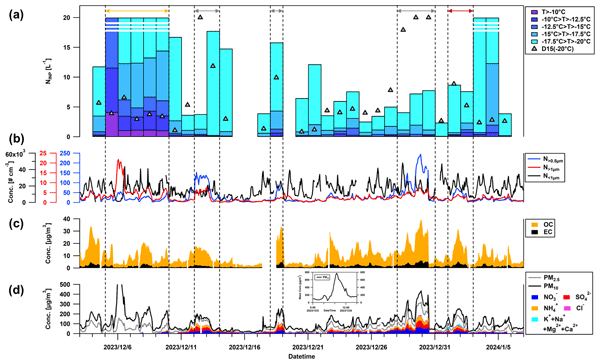
Jiawei Yang, Jingchuan Chen, Jie Chen, Zeyu Feng, Wenxu Fang, Yanting Qiu, Junrui Wang, Ruiqi Man, Taomou Zong, Yuechen Liu, Zhijun Wu, Ning Tang, and Min Hu
Atmos. Chem. Phys., 26, 11771–11784, https://doi.org/10.5194/acp-26-11771-2026, https://doi.org/10.5194/acp-26-11771-2026, 2026
Short summary
Short summary
In clouds containing liquid water and ice (about 0 to −38 °C), ice-nucleating particles act as tiny “seeds” that help supercooled water freeze. We studied these particles in winter air in Taiyuan, an industrial city in northern China. The strongest increases occurred during a desert dust intrusion, while haze and pollution showed weak links to fine-particle pollution sources. This suggests urban freezing particles can be strongly affected by transported dust, not pollution intensity alone.
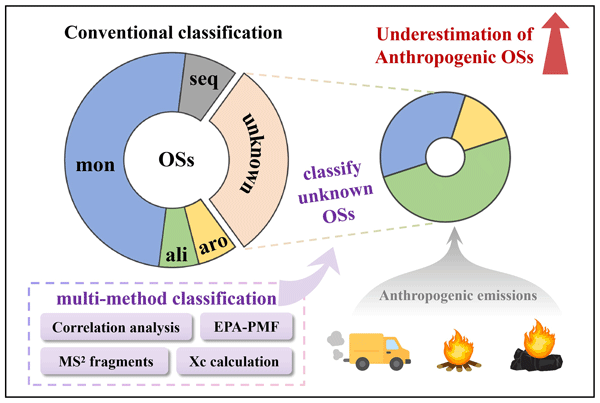
Yanting Qiu, Junrui Wang, Tao Qiu, Jiajie Li, Yanxin Bai, Teng Liu, Ruiqi Man, Taomou Zong, Wenxu Fang, Jiawei Yang, Yu Xie, Zeyu Feng, Chenhui Li, Ying Wei, Kai Bi, Dapeng Liang, Ziqi Gao, Zhijun Wu, Yuchen Wang, and Min Hu
Atmos. Chem. Phys., 26, 2411–2423, https://doi.org/10.5194/acp-26-2411-2026, https://doi.org/10.5194/acp-26-2411-2026, 2026
Short summary
Short summary
This study reveals that anthropogenic organosulfates (OSs), especially Aliphatic OSs in urban areas have been significantly underestimated. We also discovered that humidity, acidity, inorganic sulfate and Ox mass concentrations play key roles in the formation of Aliphatic OSs. These findings improve our understanding of how air pollution forms in urban environments and are crucial for developing effective environmental policies.
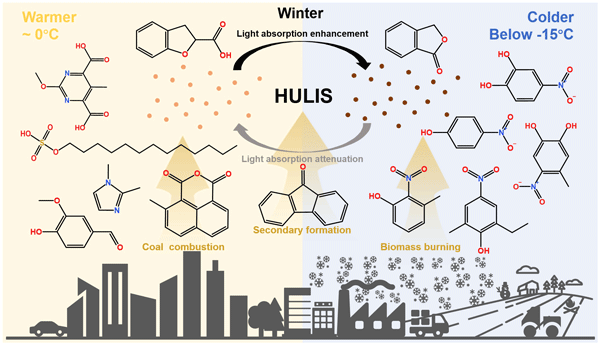
Tao Qiu, Yanting Qiu, Yongyi Yuan, Rui Su, Xiangxinyue Meng, Jialiang Ma, Xiaofan Wang, Yu Gu, Zhijun Wu, Yang Ning, Xiuyi Hua, Dapeng Liang, and Deming Dong
Atmos. Chem. Phys., 25, 11505–11516, https://doi.org/10.5194/acp-25-11505-2025, https://doi.org/10.5194/acp-25-11505-2025, 2025
Short summary
Short summary
Our research reveals that some species formed by biomass burning and coal combustion dominate the light absorption of organic aerosols during winter. Cold weather helps these species accumulate in aerosols by slowing their degradation and altering atmospheric chemical processes. This means colder regions might experience stronger and more persistent climate impacts. Our findings highlight the importance of local temperatures and pollution sources when tackling climate challenges.
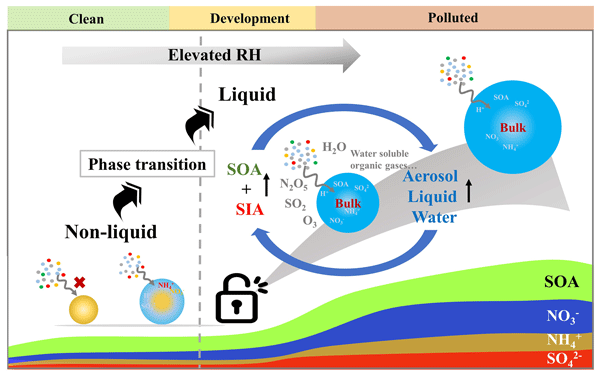
Xiangxinyue Meng, Zhijun Wu, Jingchuan Chen, Yanting Qiu, Taomou Zong, Mijung Song, Jiyi Lee, and Min Hu
Atmos. Chem. Phys., 24, 2399–2414, https://doi.org/10.5194/acp-24-2399-2024, https://doi.org/10.5194/acp-24-2399-2024, 2024
Short summary
Short summary
Our study revealed that particles predominantly exist in a semi-solid or solid state during clean winter days with RH below 30 %. However, a non-liquid to a liquid phase transition occurred when the aerosol liquid water (ALW) mass fraction surpassed 15 % (dry mass) at transition RH thresholds ranging from 40 % to 60 %. We also provide insights into the increasingly important roles of particle phase state variation and ALW in secondary particulate growth during haze formation in Beijing, China.
Ruiqi Man, Zhijun Wu, Taomou Zong, Aristeidis Voliotis, Yanting Qiu, Johannes Größ, Dominik van Pinxteren, Limin Zeng, Hartmut Herrmann, Alfred Wiedensohler, and Min Hu
Atmos. Chem. Phys., 22, 12387–12399, https://doi.org/10.5194/acp-22-12387-2022, https://doi.org/10.5194/acp-22-12387-2022, 2022
Short summary
Short summary
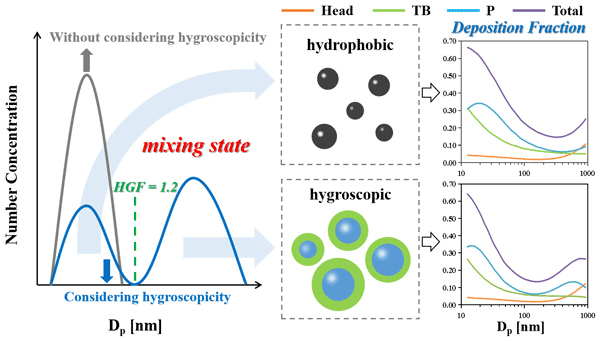
Regional and total deposition doses for different age groups were quantified based on explicit hygroscopicity measurements. We found that particle hygroscopic growth led to a reduction (~24 %) in the total dose. The deposition rate of hygroscopic particles was higher in the daytime, while hydrophobic particles exhibited a higher rate at night and during rush hours. The results will deepen the understanding of the impact of hygroscopicity and the mixing state on deposition patterns in the lungs.

Ruizhe Shen, Song Guo, Hui Wang, Ying Yu, Zichao Wan, Rui Tan, Wenfei Zhu, Zheng Chen, Shiyi Chen, Zhijun Wu, Shuangde Li, Yunfa Chen, and Min Hu
Atmos. Chem. Phys., 26, 12793–12811, https://doi.org/10.5194/acp-26-12793-2026, https://doi.org/10.5194/acp-26-12793-2026, 2026
Short summary
Short summary
Cooking fumes change in the air. Fresh emissions rapidly form tiny particles; within half a day, reactions create medium-sized secondary particles that linger and can be inhaled. The study maps gas-particle partitioning, showing most secondary products reach equilibrium quickly, while some early and large molecules are limited by surface processes. These insights help improve air quality models and strategies to reduce exposure risks from cooking emissions in cities and indoors.
Hua Zhang, Shuxiao Wang, Xi Zhao, Zhijun Wu, Yan Yin, Siyu Chen, Dantong Liu, Jingchuan Chen, Hui Jiang, Jiewen Shen, Da Gao, Dejia Yin, Yicong He, Zeqi Li, Shengyue Li, Zhaoxin Dong, Manish Shrivastava, Jonathan H. Jiang, Muyan Peng, and Bin Zhao
Atmos. Chem. Phys., 26, 12329–12354, https://doi.org/10.5194/acp-26-12329-2026, https://doi.org/10.5194/acp-26-12329-2026, 2026
Short summary
Short summary
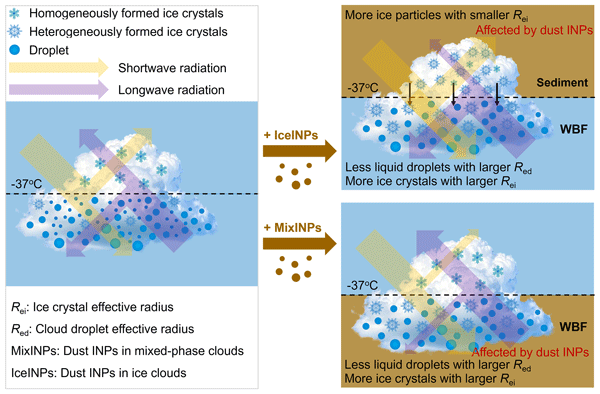
Mineral dust can initiate ice formation in clouds, affecting cloud properties and regional climate. Using an improved model, we examined their contrasting impacts in mixed-phase and ice clouds over East Asia. In mixed-phase clouds, dust promotes liquid-to-ice conversion and reduces cloud reflectivity, causing moderate warming, whereas in ice clouds, it greatly enhances ice formation and leads to stronger warming. This study advances understanding of aerosol–cloud–climate interactions.
Jiawei Yang, Jingchuan Chen, Jie Chen, Zeyu Feng, Wenxu Fang, Yanting Qiu, Junrui Wang, Ruiqi Man, Taomou Zong, Yuechen Liu, Zhijun Wu, Ning Tang, and Min Hu
Atmos. Chem. Phys., 26, 11771–11784, https://doi.org/10.5194/acp-26-11771-2026, https://doi.org/10.5194/acp-26-11771-2026, 2026
Short summary
Short summary
In clouds containing liquid water and ice (about 0 to −38 °C), ice-nucleating particles act as tiny “seeds” that help supercooled water freeze. We studied these particles in winter air in Taiyuan, an industrial city in northern China. The strongest increases occurred during a desert dust intrusion, while haze and pollution showed weak links to fine-particle pollution sources. This suggests urban freezing particles can be strongly affected by transported dust, not pollution intensity alone.
Jingye Ren, Songjian Zou, Honghao Xu, Guiquan Liu, Zhe Wang, Anran Zhang, Chuanfeng Zhao, Min Hu, Dongjie Shang, Lizi Tang, Ru-Jin Huang, Yele Sun, and Fang Zhang
Geosci. Model Dev., 19, 6403–6416, https://doi.org/10.5194/gmd-19-6403-2026, https://doi.org/10.5194/gmd-19-6403-2026, 2026
Short summary
Short summary
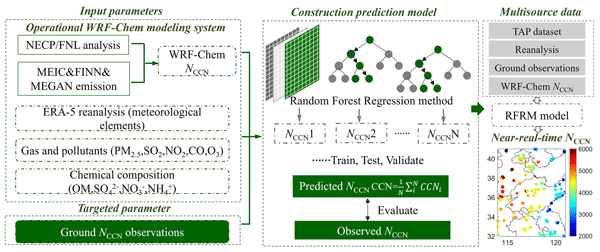
In this study, a new framework of cloud condensation nuclei (CCN) prediction in polluted region has been developed and it achieves well prediction of hourly-to-yearly scale across North China Plain. The study reveals the machine learning model can largely reduce the uncertainty in simulating cloud radiative forcing, illustrating the high sensitivity of climate forcing to changes in CCN. This improvement of our new model would be helpful to aerosols climate effect assessment in models.
Keyu Chen, Yanrong Yang, Yufei Huang, Yuheng Zhang, Jietao Zhou, Haijiong Sun, Chang Liu, Ling Kang, Keding Lu, Zhijun Wu, and Shao-Meng Li
EGUsphere, https://doi.org/10.5194/egusphere-2026-2441, https://doi.org/10.5194/egusphere-2026-2441, 2026
Short summary
Short summary
Vehicle-mounted wind sensors are useful for mobile atmospheric measurements, but the vehicle itself disturbs the measured wind. We developed a correction method based on airflow simulations and vehicle motion data. Tests against ground observations showed that the method improves wind speed, wind direction, and vertical wind measurements, supporting more reliable mobile observations.
Atta Ullah, Ji Yi Lee, Zhijun Wu, Kyoung-Soon Jang, and Mijung Song
Atmos. Chem. Phys., 26, 7311–7324, https://doi.org/10.5194/acp-26-7311-2026, https://doi.org/10.5194/acp-26-7311-2026, 2026
Short summary
Short summary
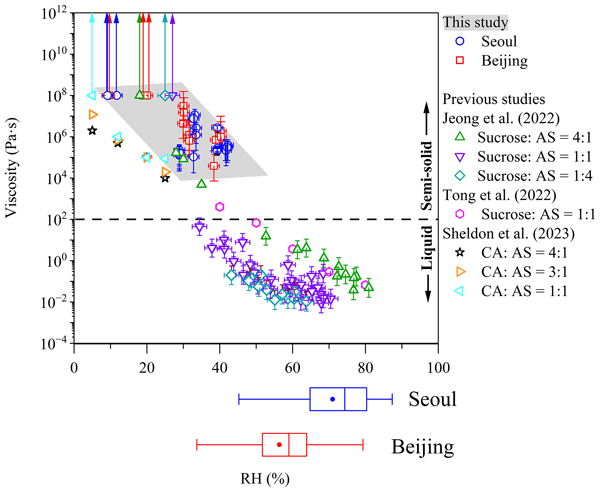
This study examines how very small airborne particles from ambient air change their physical state under everyday environmental conditions. We show that these particles can exist in semi-solid or solid forms depending on their chemical composition and humidity. These changes affect how air pollutants evolve, helping improve understanding of air quality and climate impacts.
Yanting Qiu, Junrui Wang, Tao Qiu, Jiajie Li, Yanxin Bai, Teng Liu, Ruiqi Man, Taomou Zong, Wenxu Fang, Jiawei Yang, Yu Xie, Zeyu Feng, Chenhui Li, Ying Wei, Kai Bi, Dapeng Liang, Ziqi Gao, Zhijun Wu, Yuchen Wang, and Min Hu
Atmos. Chem. Phys., 26, 2411–2423, https://doi.org/10.5194/acp-26-2411-2026, https://doi.org/10.5194/acp-26-2411-2026, 2026
Short summary
Short summary
This study reveals that anthropogenic organosulfates (OSs), especially Aliphatic OSs in urban areas have been significantly underestimated. We also discovered that humidity, acidity, inorganic sulfate and Ox mass concentrations play key roles in the formation of Aliphatic OSs. These findings improve our understanding of how air pollution forms in urban environments and are crucial for developing effective environmental policies.

Jie Hu, Jianlong Li, Narcisse Tsona Tchinda, Christian George, Feng Xu, Min Hu, and Lin Du
Atmos. Chem. Phys., 26, 2191–2208, https://doi.org/10.5194/acp-26-2191-2026, https://doi.org/10.5194/acp-26-2191-2026, 2026
Short summary
Short summary
Phytoplankton blooms dynamically enrich dissolved organic carbon (DOC) in sea spray aerosol by 10–30 times, with proteins and saccharides transferring at different bloom stages. The sea-to-air transfer of DOC is driven by the synergy of biological and the interaction between DOC and bubble rupture. This synergistically-driven DOC flux affects aerosol properties and climate, highlighting the ocean–atmosphere link in organic carbon cycling.
Yu Li, Momei Qin, Weiwei Hu, Bin Zhao, Ying Li, Havala O. T. Pye, Jingyi Li, Linghan Zeng, Song Guo, Min Hu, and Jianlin Hu
Atmos. Chem. Phys., 26, 1001–1020, https://doi.org/10.5194/acp-26-1001-2026, https://doi.org/10.5194/acp-26-1001-2026, 2026
Short summary
Short summary
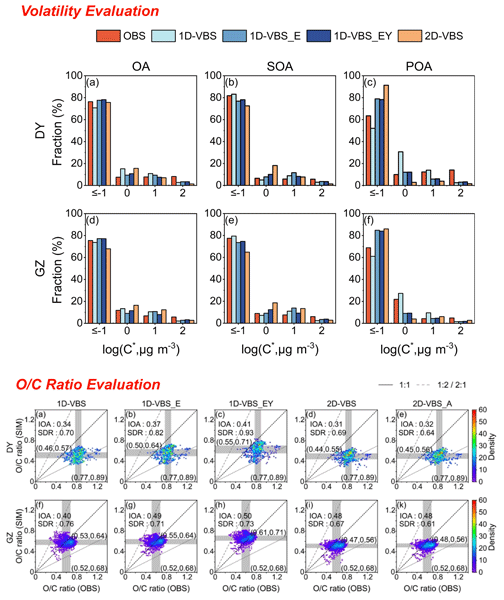
We evaluated how well a widely used air quality model simulates key properties of organic particles in the atmosphere, such as volatility and oxygen content, which influence how particles age, spread, and affect both air quality and climate. Using observations in eastern China, we found the model underestimated particle mass and misrepresented their properties. Our results highlight the need for improved emissions and chemical treatments to better predict air quality and climate impacts.
Ruiqi Man, Yishu Zhu, Zhijun Wu, Peter Aaron Alpert, Bingbing Wang, Jing Dou, Jie Chen, Yan Zheng, Yanli Ge, Qi Chen, Shiyi Chen, Xiangrui Kong, Markus Ammann, and Min Hu
Atmos. Chem. Phys., 26, 349–363, https://doi.org/10.5194/acp-26-349-2026, https://doi.org/10.5194/acp-26-349-2026, 2026
Short summary
Short summary
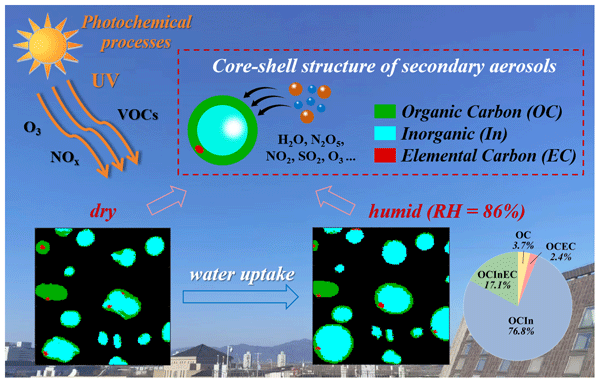
The particle chemical morphology is important to atmospheric multiphase and heterogeneous chemistry. This work directly observed the core-shell structure and water uptake behavior of individual submicron aerosol particles at an urban site and elucidated the potential impact on particle reactive uptake and heterogeneous reactions.
Jianjiong Mao, Lei Jiang, Zhicheng Feng, Jingyi Li, Yanhong Zhu, Momei Qin, Song Guo, Min Hu, and Jianlin Hu
Geosci. Model Dev., 18, 8423–8438, https://doi.org/10.5194/gmd-18-8423-2025, https://doi.org/10.5194/gmd-18-8423-2025, 2025
Short summary
Short summary
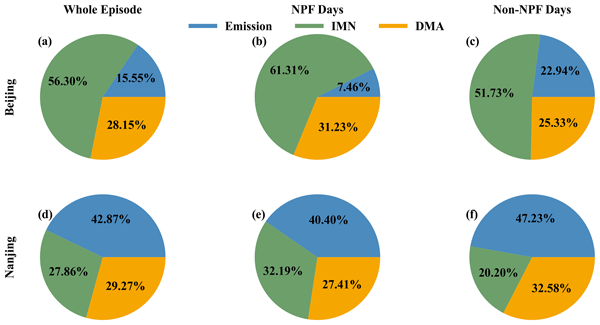
Tiny air particles impact air quality and climate change. Our study improved their prediction in eastern cities by modeling two key formation processes: ions + sulfuric acid + ammonia (daytime) and sulfuric acid + dimethylamine (morning/evening). This improved model increases predictions by 36–84 % in Beijing and Nanjing. These advancements enable better demonstrate how these chemical processes significantly influence China eastern cities' particulate pollution.
Kaiqi Wang, Kai Bi, Shuling Chen, Markus Hartmann, Zhijun Wu, Jiyu Gao, Xiaoyu Xu, Yuhan Cheng, Mengyu Huang, Yunbo Chen, Huiwen Xue, Bingbing Wang, Yaqiong Hu, Xiongying Zhang, Xincheng Ma, Ruijie Li, Ping Tian, Ottmar Möhler, Heike Wex, Frank Stratmann, Jie Chen, and Xianda Gong
Atmos. Meas. Tech., 18, 5823–5840, https://doi.org/10.5194/amt-18-5823-2025, https://doi.org/10.5194/amt-18-5823-2025, 2025
Short summary
Short summary
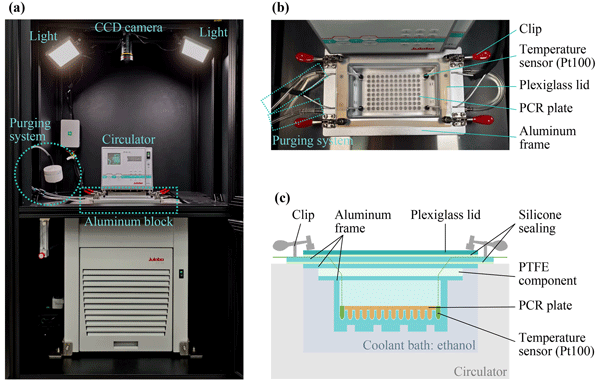
Understanding how ice forms in clouds is crucial for predicting weather and climate; however, accurately measuring the ice-nucleating particles that trigger ice formation remains challenging. We developed an advanced instrument called the Freezing Ice Nucleation Detection Analyzer. By refining temperature control, automating freezing detection, and rigorously testing, we demonstrated that this instrument can reliably measure immersion mode ice-nucleating particles across diverse conditions.
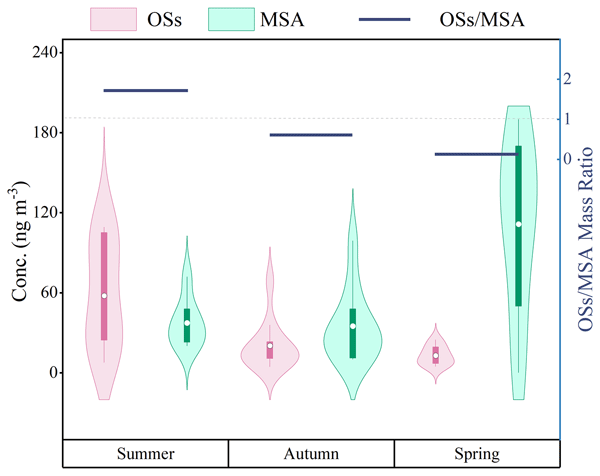
Shubin Li, Yujue Wang, Yiwen Zhang, Yizhe Yi, Yuchen Wang, Yuqi Guo, Chao Yu, Yue Jiang, Jinhui Shi, Chao Zhang, Jialei Zhu, Wei Hu, Jianzhen Yu, Xiaohong Yao, Huiwang Gao, and Min Hu
Atmos. Chem. Phys., 25, 12585–12598, https://doi.org/10.5194/acp-25-12585-2025, https://doi.org/10.5194/acp-25-12585-2025, 2025
Short summary
Short summary
Organosulfates (OSs) are an unrecognized and potentially important component in marine organic aerosols. In this study, we quantified and characterized the OSs over East Asian marginal seas. The chemical nature and spatiotemporal distribution of OSs were modified by the joint influence of marine emissions and transported terrestrial pollutants. The results highlight the vital roles of OSs in shaping organic aerosol formation and sulfur cycle during summer in the marine boundary layer.
Tao Qiu, Yanting Qiu, Yongyi Yuan, Rui Su, Xiangxinyue Meng, Jialiang Ma, Xiaofan Wang, Yu Gu, Zhijun Wu, Yang Ning, Xiuyi Hua, Dapeng Liang, and Deming Dong
Atmos. Chem. Phys., 25, 11505–11516, https://doi.org/10.5194/acp-25-11505-2025, https://doi.org/10.5194/acp-25-11505-2025, 2025
Short summary
Short summary
Our research reveals that some species formed by biomass burning and coal combustion dominate the light absorption of organic aerosols during winter. Cold weather helps these species accumulate in aerosols by slowing their degradation and altering atmospheric chemical processes. This means colder regions might experience stronger and more persistent climate impacts. Our findings highlight the importance of local temperatures and pollution sources when tackling climate challenges.
Jingye Ren, Songjian Zou, Honghao Xu, Guiquan Liu, Zhe Wang, Anran Zhang, Chuanfeng Zhao, Min Hu, Dongjie Shang, Lizi Tang, Ru-Jin Huang, Yele Sun, and Fang Zhang
EGUsphere, https://doi.org/10.5194/egusphere-2025-1483, https://doi.org/10.5194/egusphere-2025-1483, 2025
Preprint archived
Short summary
Short summary
In this study, a new framework of cloud condensation nuclei (CCN) prediction in polluted region has been developed and it achieves well prediction of hourly-to-yearly scale across North China Plain. The study reveals a significant long-term decreasing trend of CCN concentration at typical supersaturations due to a rapid reduction in aerosol concentrations from 2014 to 2018. This improvement of our new model would be helpful to aerosols climate effect assessment in models.
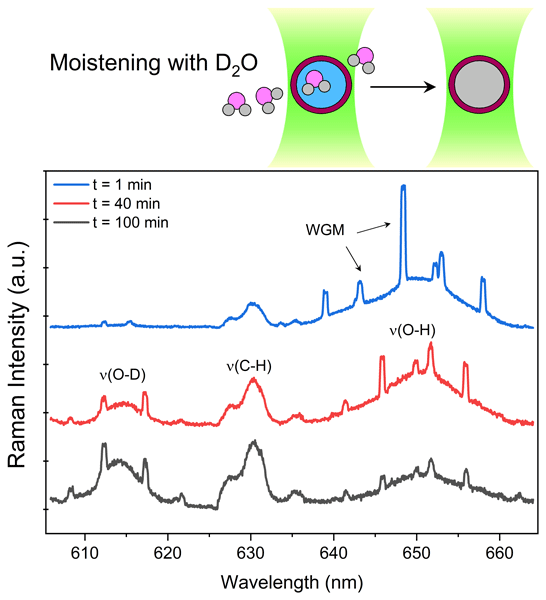
Yu-Kai Tong, Zhijun Wu, Min Hu, and Anpei Ye
Atmos. Chem. Phys., 24, 2937–2950, https://doi.org/10.5194/acp-24-2937-2024, https://doi.org/10.5194/acp-24-2937-2024, 2024
Short summary
Short summary
The interplay between aerosols and moisture is one of the most crucial atmospheric processes. However, to date, literature results on the influence of phase separation on water diffusion in aerosols are divergent. This work directly unveiled the water diffusion process in single suspended phase-separated microdroplets and quantitatively analyzed the diffusion rate and extent. The results show that diffusion limitations and certain molecule clusters existed in the phase-separated aerosols.
Xiangxinyue Meng, Zhijun Wu, Jingchuan Chen, Yanting Qiu, Taomou Zong, Mijung Song, Jiyi Lee, and Min Hu
Atmos. Chem. Phys., 24, 2399–2414, https://doi.org/10.5194/acp-24-2399-2024, https://doi.org/10.5194/acp-24-2399-2024, 2024
Short summary
Short summary
Our study revealed that particles predominantly exist in a semi-solid or solid state during clean winter days with RH below 30 %. However, a non-liquid to a liquid phase transition occurred when the aerosol liquid water (ALW) mass fraction surpassed 15 % (dry mass) at transition RH thresholds ranging from 40 % to 60 %. We also provide insights into the increasingly important roles of particle phase state variation and ALW in secondary particulate growth during haze formation in Beijing, China.
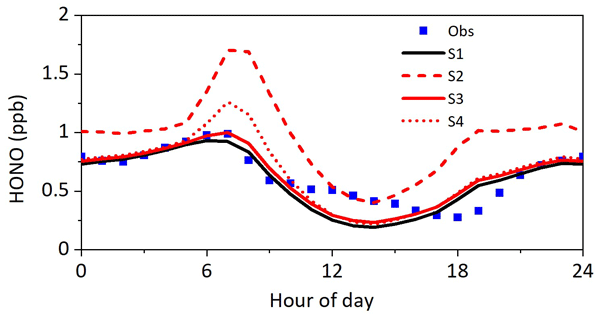
Can Ye, Keding Lu, Xuefei Ma, Wanyi Qiu, Shule Li, Xinping Yang, Chaoyang Xue, Tianyu Zhai, Yuhan Liu, Xuan Li, Yang Li, Haichao Wang, Zhaofeng Tan, Xiaorui Chen, Huabin Dong, Limin Zeng, Min Hu, and Yuanhang Zhang
Atmos. Chem. Phys., 23, 15455–15472, https://doi.org/10.5194/acp-23-15455-2023, https://doi.org/10.5194/acp-23-15455-2023, 2023
Short summary
Short summary
In this study, combining comprehensive field measurements and a box model, we found NO2 conversion on the ground surface was the most important source for HONO production among the proposed heterogeneous and gas-phase HONO sources. In addition, HONO was found to evidently enhance O3 production and aggravate O3 pollution in summer in China. Our study improved our understanding of the relative importance of different HONO sources and the crucial role of HONO in O3 formation in polluted areas.
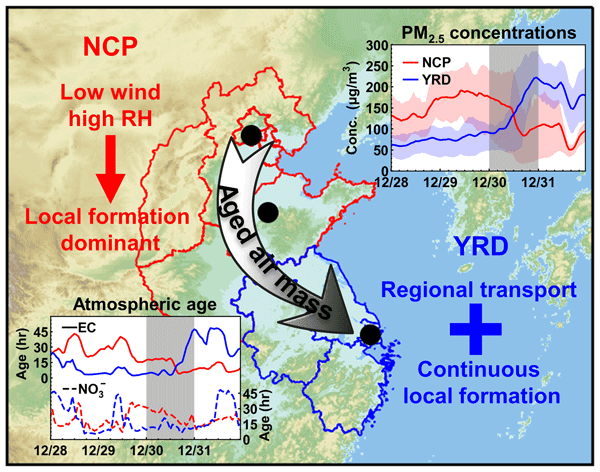
Xiaodong Xie, Jianlin Hu, Momei Qin, Song Guo, Min Hu, Dongsheng Ji, Hongli Wang, Shengrong Lou, Cheng Huang, Chong Liu, Hongliang Zhang, Qi Ying, Hong Liao, and Yuanhang Zhang
Atmos. Chem. Phys., 23, 10563–10578, https://doi.org/10.5194/acp-23-10563-2023, https://doi.org/10.5194/acp-23-10563-2023, 2023
Short summary
Short summary
The atmospheric age of particles reflects how long particles have been formed and suspended in the atmosphere, which is closely associated with the evolution processes of particles. An analysis of the atmospheric age of PM2.5 provides a unique perspective on the evolution processes of different PM2.5 components. The results also shed lights on how to design effective emission control actions under unfavorable meteorological conditions.
Taomou Zong, Zhijun Wu, Junrui Wang, Kai Bi, Wenxu Fang, Yanrong Yang, Xuena Yu, Zhier Bao, Xiangxinyue Meng, Yuheng Zhang, Song Guo, Yang Chen, Chunshan Liu, Yue Zhang, Shao-Meng Li, and Min Hu
Atmos. Meas. Tech., 16, 3679–3692, https://doi.org/10.5194/amt-16-3679-2023, https://doi.org/10.5194/amt-16-3679-2023, 2023
Short summary
Short summary
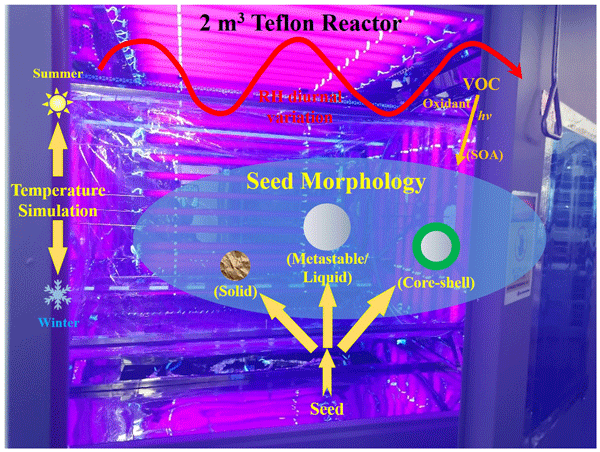
This study developed and characterized an indoor chamber system (AIR) to simulate atmospheric multiphase chemistry processes. The AIR chamber can accurately control temperature and relative humidity (RH) over a broad range and simulate diurnal variation of ambient atmospheric RH. The aerosol generation unit can generate organic-coating seed particles with different phase states. The AIR chamber demonstrates high-quality performance in simulating secondary aerosol formation.
Hejun Hu, Haichao Wang, Keding Lu, Jie Wang, Zelong Zheng, Xuezhen Xu, Tianyu Zhai, Xiaorui Chen, Xiao Lu, Wenxing Fu, Xin Li, Limin Zeng, Min Hu, Yuanhang Zhang, and Shaojia Fan
Atmos. Chem. Phys., 23, 8211–8223, https://doi.org/10.5194/acp-23-8211-2023, https://doi.org/10.5194/acp-23-8211-2023, 2023
Short summary
Short summary
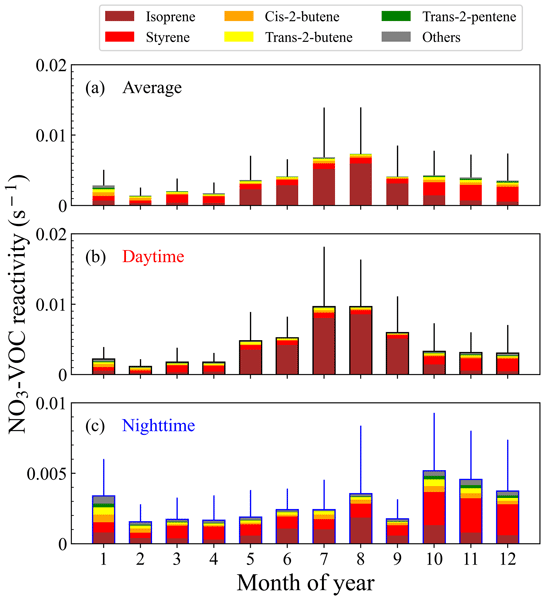
Nitrate radical chemistry is critical to the degradation of volatile organic compounds (VOCs) and secondary organic aerosol formation. This work investigated the level, seasonal variation, and trend of nitrate radical reactivity towards volatile organic compounds (kNO3) in Beijing. We show the key role of isoprene and styrene in regulating seasonal variation in kNO3 and rebuild a long-term record of kNO3 based on the reported VOC measurements.
Lizi Tang, Min Hu, Dongjie Shang, Xin Fang, Jianjiong Mao, Wanyun Xu, Jiacheng Zhou, Weixiong Zhao, Yaru Wang, Chong Zhang, Yingjie Zhang, Jianlin Hu, Limin Zeng, Chunxiang Ye, Song Guo, and Zhijun Wu
Atmos. Chem. Phys., 23, 4343–4359, https://doi.org/10.5194/acp-23-4343-2023, https://doi.org/10.5194/acp-23-4343-2023, 2023
Short summary
Short summary
There was an evident distinction in the frequency of new particle formation (NPF) events at Nam Co station on the Tibetan Plateau: 15 % in pre-monsoon season and 80 % in monsoon season. The frequent NPF events in monsoon season resulted from the higher frequency of southerly air masses, which brought the organic precursors to participate in the NPF process. It increased the amount of aerosol and CCN compared with those in pre-monsoon season, which may markedly affect earth's radiation balance.
Ruiqi Man, Zhijun Wu, Taomou Zong, Aristeidis Voliotis, Yanting Qiu, Johannes Größ, Dominik van Pinxteren, Limin Zeng, Hartmut Herrmann, Alfred Wiedensohler, and Min Hu
Atmos. Chem. Phys., 22, 12387–12399, https://doi.org/10.5194/acp-22-12387-2022, https://doi.org/10.5194/acp-22-12387-2022, 2022
Short summary
Short summary
Regional and total deposition doses for different age groups were quantified based on explicit hygroscopicity measurements. We found that particle hygroscopic growth led to a reduction (~24 %) in the total dose. The deposition rate of hygroscopic particles was higher in the daytime, while hydrophobic particles exhibited a higher rate at night and during rush hours. The results will deepen the understanding of the impact of hygroscopicity and the mixing state on deposition patterns in the lungs.
Gang Zhao, Tianyi Tan, Shuya Hu, Zhuofei Du, Dongjie Shang, Zhijun Wu, Song Guo, Jing Zheng, Wenfei Zhu, Mengren Li, Limin Zeng, and Min Hu
Atmos. Chem. Phys., 22, 10861–10873, https://doi.org/10.5194/acp-22-10861-2022, https://doi.org/10.5194/acp-22-10861-2022, 2022
Short summary
Short summary
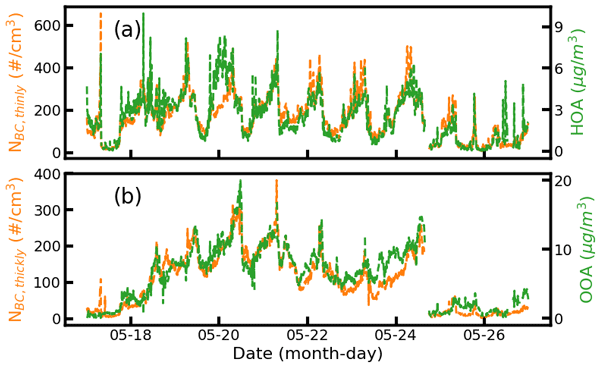
Black carbon is the second strongest absorbing component in the atmosphere that exerts warming effects on climate. One critical challenge in quantifying the ambient black carbon's radiative effects is addressing the BC microphysical properties. In this study, the microphysical properties of the aged and fresh BC particles are synthetically analyzed under different atmospheres. The measurement results can be further used in models to help constrain the uncertainties of the BC radiative effects.
Kai Song, Song Guo, Yuanzheng Gong, Daqi Lv, Yuan Zhang, Zichao Wan, Tianyu Li, Wenfei Zhu, Hui Wang, Ying Yu, Rui Tan, Ruizhe Shen, Sihua Lu, Shuangde Li, Yunfa Chen, and Min Hu
Atmos. Chem. Phys., 22, 9827–9841, https://doi.org/10.5194/acp-22-9827-2022, https://doi.org/10.5194/acp-22-9827-2022, 2022
Short summary
Short summary
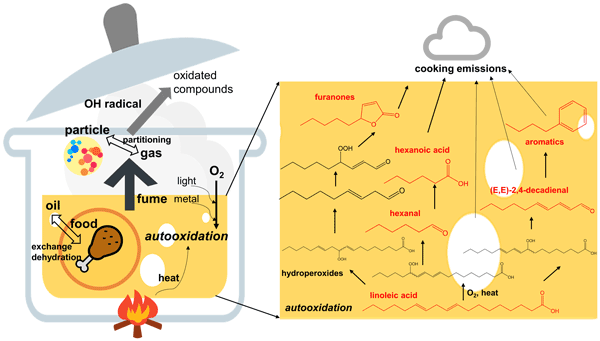
Emissions from four typical Chinese domestic cooking and fried chicken using four kinds of oils were investigated to illustrate the impact of cooking style and oil. Of the estimated SOA, 10.2 %–32.0 % could be explained by S/IVOC oxidation. Multiway principal component analysis (MPCA) emphasizes the importance of the unsaturated fatty acid-alkadienal volatile product mechanism (oil autoxidation) accelerated by the cooking and heating procedure.
Cuiqi Zhang, Zhijun Wu, Jingchuan Chen, Jie Chen, Lizi Tang, Wenfei Zhu, Xiangyu Pei, Shiyi Chen, Ping Tian, Song Guo, Limin Zeng, Min Hu, and Zamin A. Kanji
Atmos. Chem. Phys., 22, 7539–7556, https://doi.org/10.5194/acp-22-7539-2022, https://doi.org/10.5194/acp-22-7539-2022, 2022
Short summary
Short summary
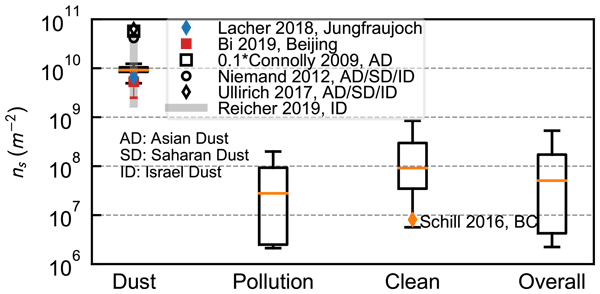
The immersion ice nucleation effectiveness of aerosols from multiple sources in the urban environment remains elusive. In this study, we demonstrate that the immersion ice-nucleating particle (INP) concentration increased dramatically during a dust event in an urban atmosphere. Pollutant aerosols, including inorganic salts formed through secondary transformation (SIA) and black carbon (BC), might not act as effective INPs under mixed-phase cloud conditions.
Haoran Zhang, Nan Li, Keqin Tang, Hong Liao, Chong Shi, Cheng Huang, Hongli Wang, Song Guo, Min Hu, Xinlei Ge, Mindong Chen, Zhenxin Liu, Huan Yu, and Jianlin Hu
Atmos. Chem. Phys., 22, 5495–5514, https://doi.org/10.5194/acp-22-5495-2022, https://doi.org/10.5194/acp-22-5495-2022, 2022
Short summary
Short summary
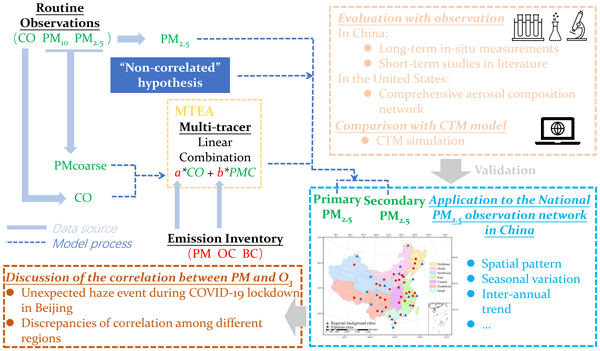
We developed a new algorithm with low economic/technique costs to identify primary and secondary components of PM2.5. Our model was shown to be reliable by comparison with different observation datasets. We systematically explored the patterns and changes in the secondary PM2.5 pollution in China at large spatial and time scales. We believe that this method is a promising tool for efficiently estimating primary and secondary PM2.5, and has huge potential for future PM mitigation.
Yun Lin, Yuan Wang, Bowen Pan, Jiaxi Hu, Song Guo, Misti Levy Zamora, Pengfei Tian, Qiong Su, Yuemeng Ji, Jiayun Zhao, Mario Gomez-Hernandez, Min Hu, and Renyi Zhang
Atmos. Chem. Phys., 22, 4951–4967, https://doi.org/10.5194/acp-22-4951-2022, https://doi.org/10.5194/acp-22-4951-2022, 2022
Short summary
Short summary
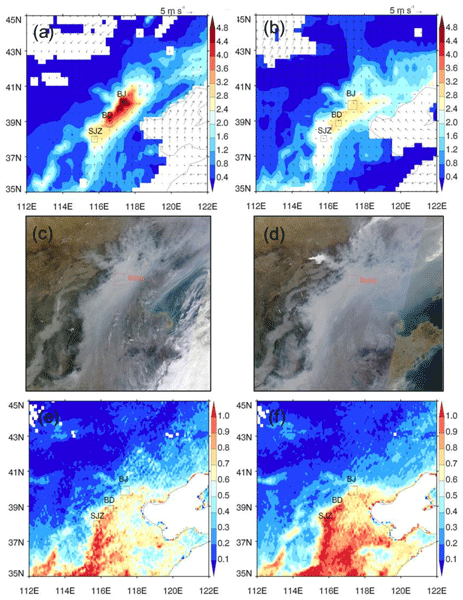
Severe regional haze events, which are characterized by exceedingly high levels of fine particulate matter (PM), occur frequently in many developing countries (such as China and India), with profound implications for human health, weather, and climate. Our work establishes a synthetic view for the dominant regional features during severe haze events, unraveling rapid in situ PM production and inefficient transport, both of which are amplified by atmospheric stagnation.
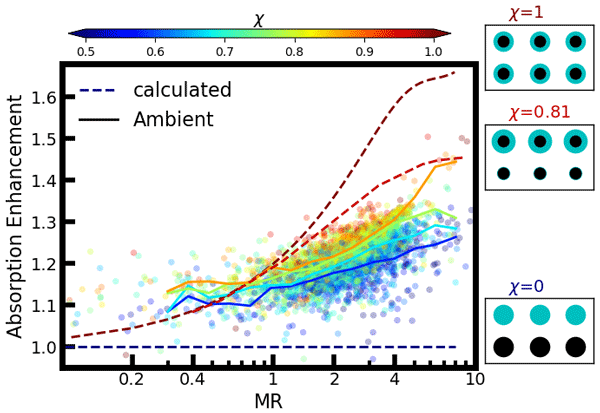
Gang Zhao, Tianyi Tan, Yishu Zhu, Min Hu, and Chunsheng Zhao
Atmos. Chem. Phys., 21, 18055–18063, https://doi.org/10.5194/acp-21-18055-2021, https://doi.org/10.5194/acp-21-18055-2021, 2021
Short summary
Short summary
In this study, the black carbon (BC) mixing state index (χ) is developed to quantify the dispersion of ambient black carbon aerosol mixing states based on binary systems of BC and other non-black carbon components. We demonstrate that the BC light absorption enhancement increases with χ for the same MR, which indicates that χ can be employed as a factor to constrain the light absorption enhancement of ambient BC.
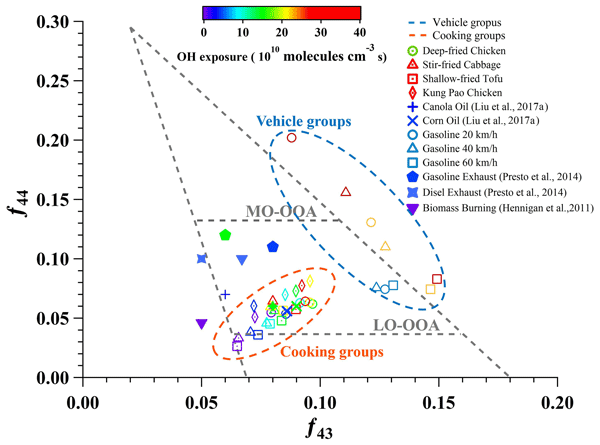
Zirui Zhang, Wenfei Zhu, Min Hu, Kefan Liu, Hui Wang, Rongzhi Tang, Ruizhe Shen, Ying Yu, Rui Tan, Kai Song, Yuanju Li, Wenbin Zhang, Zhou Zhang, Hongming Xu, Shijin Shuai, Shuangde Li, Yunfa Chen, Jiayun Li, Yuesi Wang, and Song Guo
Atmos. Chem. Phys., 21, 15221–15237, https://doi.org/10.5194/acp-21-15221-2021, https://doi.org/10.5194/acp-21-15221-2021, 2021
Short summary
Short summary
We comprehensively investigated the mass growth potential, oxidation degree, formation pathway, and mass spectra features of typical urban-lifestyle secondary organic aerosols (SOAs) including vehicle SOAs and cooking SOAs. The mass spectra we acquired could provide necessary references to estimate the mass fractions of vehicle and cooking SOAs in the atmosphere, which would greatly decrease the uncertainty in air quality evaluation and health risk assessment in urban areas.
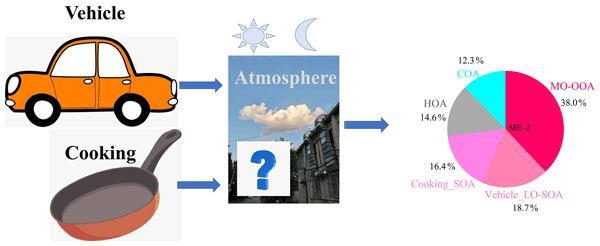
Wenfei Zhu, Song Guo, Zirui Zhang, Hui Wang, Ying Yu, Zheng Chen, Ruizhe Shen, Rui Tan, Kai Song, Kefan Liu, Rongzhi Tang, Yi Liu, Shengrong Lou, Yuanju Li, Wenbin Zhang, Zhou Zhang, Shijin Shuai, Hongming Xu, Shuangde Li, Yunfa Chen, Min Hu, Francesco Canonaco, and Andre S. H. Prévôt
Atmos. Chem. Phys., 21, 15065–15079, https://doi.org/10.5194/acp-21-15065-2021, https://doi.org/10.5194/acp-21-15065-2021, 2021
Short summary
Short summary
The experiments of primary emissions and secondary organic aerosol (SOA) formation from urban lifestyle sources (cooking and vehicles) were conducted. The mass spectral features of primary organic aerosol (POA) and SOA were characterized by using a high-resolution time-of-flight aerosol mass spectrometer. This work, for the first time, establishes the vehicle and cooking SOA source profiles and can be further used as source constraints in the OA source apportionment in the ambient atmosphere.
Cited articles
Aiona, P. K., Lee, H. J., Leslie, R., Lin, P., Laskin, A., Laskin, J., and Nizkorodov, S. A.: Photochemistry of Products of the Aqueous Reaction of Methylglyoxal with Ammonium Sulfate, ACS Earth and Space Chemistry, 1, 522–532, https://doi.org/10.1021/acsearthspacechem.7b00075, 2017.
Bai, J., Sun, X., Zhang, C., Xu, Y., and Qi, C.: The OH-initiated atmospheric reaction mechanism and kinetics for levoglucosan emitted in biomass burning, Chemosphere, 93, 2004–2010, https://doi.org/10.1016/j.chemosphere.2013.07.021, 2013.
Bond, T. C.: Spectral dependence of visible light absorption by carbonaceous particles emitted from coal combustion, Geophysical Research Letters, 28, 4075–4078, https://doi.org/10.1029/2001GL013652, 2001.
Bond, T. C., Streets, D. G., Yarber, K. F., Nelson, S. M., Woo, J.-H., and Klimont, Z.: A technology-based global inventory of black and organic carbon emissions from combustion, Journal of Geophysical Research: Atmospheres, 109, https://doi.org/10.1029/2003JD003697, 2004.
Borduas-Dedekind, N., Ossola, R., David, R. O., Boynton, L. S., Weichlinger, V., Kanji, Z. A., and McNeill, K.: Photomineralization mechanism changes the ability of dissolved organic matter to activate cloud droplets and to nucleate ice crystals, Atmos. Chem. Phys., 19, 12397–12412, https://doi.org/10.5194/acp-19-12397-2019, 2019.
Brown, H., Liu, X., Pokhrel, R., Murphy, S., Lu, Z., Saleh, R., Mielonen, T., Kokkola, H., Bergman, T., Myhre, G., Skeie, R. B., Watson-Paris, D., Stier, P., Johnson, B., Bellouin, N., Schulz, M., Vakkari, V., Beukes, J. P., van Zyl, P. G., Liu, S., and Chand, D.: Biomass burning aerosols in most climate models are too absorbing, Nature Communications, 12, 277, https://doi.org/10.1038/s41467-020-20482-9, 2021.
Chen, L.-W. A., Chow, J. C., Wang, X., Cao, J., Mao, J., and Watson, J. G.: Brownness of Organic Aerosol over the United States: Evidence for Seasonal Biomass Burning and Photobleaching Effects, Environmental Science & Technology, 55, 8561–8572, https://doi.org/10.1021/acs.est.0c08706, 2021.
Chen, Q., Sun, H., Wang, J., Shan, M., Yang, X., Deng, M., Wang, Y., and Zhang, L.: Long-life type – The dominant fraction of EPFRs in combustion sources and ambient fine particles in Xi'an, Atmos. Environ., 219, 117059, https://doi.org/10.1016/j.atmosenv.2019.117059, 2019.
Choudhary, V., Roson, M. L., Guo, X., Gautam, T., Gupta, T., and Zhao, R.: Aqueous-phase photochemical oxidation of water-soluble brown carbon aerosols arising from solid biomass fuel burning, Environmental Science: Atmospheres, 3, 816–829, https://doi.org/10.1039/D2EA00151A, 2023.
Chung, C. E., Ramanathan, V., and Decremer, D.: Observationally constrained estimates of carbonaceous aerosol radiative forcing, Proceedings of the National Academy of Sciences USA, 109, 11624–11629, https://doi.org/10.1073/pnas.1203707109, 2012.
Corr, C. A., Hall, S. R., Ullmann, K., Anderson, B. E., Beyersdorf, A. J., Thornhill, K. L., Cubison, M. J., Jimenez, J. L., Wisthaler, A., and Dibb, J. E.: Spectral absorption of biomass burning aerosol determined from retrieved single scattering albedo during ARCTAS, Atmos. Chem. Phys., 12, 10505–10518, https://doi.org/10.5194/acp-12-10505-2012, 2012.
Cunningham, C. X., Williamson, G. J., and Bowman, D. M. J. S.: Increasing frequency and intensity of the most extreme wildfires on Earth, Nature Ecology & Evolution, 8, 1420–1425, https://doi.org/10.1038/s41559-024-02452-2, 2024.
Dalton, A. B. and Nizkorodov, S. A.: Photochemical Degradation of 4-Nitrocatechol and 2,4-Dinitrophenol in a Sugar-Glass Secondary Organic Aerosol Surrogate, Environmental Science & Technology, 55, 14586–14594, https://doi.org/10.1021/acs.est.1c04975, 2021.
Dasari, S., Andersson, A., Bikkina, S., Holmstrand, H., Budhavant, K., Satheesh, S., Asmi, E., Kesti, J., Backman, J., Salam, A., Bisht, D. S., Tiwari, S., Hameed, Z., and Gustafsson, Ö.: Photochemical degradation affects the light absorption of water-soluble brown carbon in the South Asian outflow, Science Advances, 5, eaau8066, https://doi.org/10.1126/sciadv.aau8066, 2019.
De Haan, D. O., Hawkins, L. N., Welsh, H. G., Pednekar, R., Casar, J. R., Pennington, E. A., de Loera, A., Jimenez, N. G., Symons, M. A., Zauscher, M., Pajunoja, A., Caponi, L., Cazaunau, M., Formenti, P., Gratien, A., Pangui, E., and Doussin, J.-F.: Brown Carbon Production in Ammonium- or Amine-Containing Aerosol Particles by Reactive Uptake of Methylglyoxal and Photolytic Cloud Cycling, Environmental Science & Technology, 51, 7458–7466, https://doi.org/10.1021/acs.est.7b00159, 2017.
Fan, X., Yu, X., Wang, Y., Xiao, X., Li, F., Xie, Y., Wei, S., Song, J., and Peng'an, P.: The aging behaviors of chromophoric biomass burning brown carbon during dark aqueous hydroxyl radical oxidation processes in laboratory studies, Atmospheric Environment, 205, 9–18, https://doi.org/10.1016/j.atmosenv.2019.02.039, 2019.
Fleming, L. T., Ali, N. N., Blair, S. L., Roveretto, M., George, C., and Nizkorodov, S. A.: Formation of Light-Absorbing Organosulfates during Evaporation of Secondary Organic Material Extracts in the Presence of Sulfuric Acid, ACS Earth and Space Chemistry, 3, 947–957, https://doi.org/10.1021/acsearthspacechem.9b00036, 2019.
Fleming, L. T., Lin, P., Roberts, J. M., Selimovic, V., Yokelson, R., Laskin, J., Laskin, A., and Nizkorodov, S. A.: Molecular composition and photochemical lifetimes of brown carbon chromophores in biomass burning organic aerosol, Atmos. Chem. Phys., 20, 1105–1129, https://doi.org/10.5194/acp-20-1105-2020, 2020.
Fu, T.-M., Jacob, D. J., Wittrock, F., Burrows, J. P., Vrekoussis, M., and Henze, D. K.: Global budgets of atmospheric glyoxal and methylglyoxal, and implications for formation of secondary organic aerosols, Journal of Geophysical Research: Atmospheres, 113, https://doi.org/10.1029/2007JD009505, 2008.
Gao, Y. and Zhang, Y.: Optical properties investigation of the reactions between methylglyoxal and glycine/ammonium sulfate, Spectrochimica Acta Part A: Molecular and Biomolecular Spectroscopy, 215, 112–121, https://doi.org/10.1016/j.saa.2019.02.087, 2019.
Gu, J., Dutta, S., Sioud, S., Go, B. R., Maity, B., Cavallo, L., Zhang, R., and Chan, C. K.: Photoinduced Transformation in Glyoxal- and Methylglyoxal-Ammonium Solutions: Role of Photolysis and Photosensitization, Environmental Science & Technology, 59, 16628–16640, https://doi.org/10.1021/acs.est.5c04889, 2025.
Heald, C. L., Ridley, D. A., Kroll, J. H., Barrett, S. R. H., Cady-Pereira, K. E., Alvarado, M. J., and Holmes, C. D.: Contrasting the direct radiative effect and direct radiative forcing of aerosols, Atmos. Chem. Phys., 14, 5513–5527, https://doi.org/10.5194/acp-14-5513-2014, 2014.
Hems, R. F. and Abbatt, J. P. D.: Aqueous Phase Photo-oxidation of Brown Carbon Nitrophenols: Reaction Kinetics, Mechanism, and Evolution of Light Absorption, ACS Earth and Space Chemistry, 2, 225–234, https://doi.org/10.1021/acsearthspacechem.7b00123, 2018.
Hems, R. F., Schnitzler, E. G., Bastawrous, M., Soong, R., Simpson, A. J., and Abbatt, J. P. D.: Aqueous Photoreactions of Wood Smoke Brown Carbon, ACS Earth and Space Chemistry, 4, 1149–1160, https://doi.org/10.1021/acsearthspacechem.0c00117, 2020.
Hems, R. F., Schnitzler, E. G., Liu-Kang, C., Cappa, C. D., and Abbatt, J. P. D.: Aging of Atmospheric Brown Carbon Aerosol, ACS Earth and Space Chemistry, 5, 722–748, https://doi.org/10.1021/acsearthspacechem.0c00346, 2021.
Hurteau, M. D., Westerling, A. L., Wiedinmyer, C., and Bryant, B. P.: Projected Effects of Climate and Development on California Wildfire Emissions through 2100, Environmental Science & Technology, 48, 2298–2304, https://doi.org/10.1021/es4050133, 2014.
Jain, P., Castellanos-Acuna, D., Coogan, S. C. P., Abatzoglou, J. T., and Flannigan, M. D.: Observed increases in extreme fire weather driven by atmospheric humidity and temperature, Nature Climate Change, 12, 63–70, https://doi.org/10.1038/s41558-021-01224-1, 2022.
Jo, D. S., Park, R. J., Lee, S., Kim, S.-W., and Zhang, X.: A global simulation of brown carbon: implications for photochemistry and direct radiative effect, Atmos. Chem. Phys., 16, 3413–3432, https://doi.org/10.5194/acp-16-3413-2016, 2016.
Kirchstetter, T. W., Novakov, T., and Hobbs, P. V.: Evidence that the spectral dependence of light absorption by aerosols is affected by organic carbon, Journal of Geophysical Research: Atmospheres, 109, https://doi.org/10.1029/2004JD004999, 2004.
Laskin, A., Laskin, J., and Nizkorodov, S. A.: Chemistry of Atmospheric Brown Carbon, Chemical Reviews, 115, 4335–4382, https://doi.org/10.1021/cr5006167, 2015.
Li, Y., Fu, T.-M., Yu, J. Z., Zhang, A., Yu, X., Ye, J., Zhu, L., Shen, H., Wang, C., Yang, X., Tao, S., Chen, Q., Li, Y., Li, L., Che, H., and Heald, C. L.: Nitrogen dominates global atmospheric organic aerosol absorption, Science, 387, 989–995, https://doi.org/10.1126/science.adr4473, 2025.
Lin, P., Huang, X.-F., He, L.-Y., and Zhen Yu, J.: Abundance and size distribution of HULIS in ambient aerosols at a rural site in South China, Journal of Aerosol Science, 41, 74–87, https://doi.org/10.1016/j.jaerosci.2009.09.001, 2010.
Lin, P., Bluvshtein, N., Rudich, Y., Nizkorodov, S. A., Laskin, J., and Laskin, A.: Molecular Chemistry of Atmospheric Brown Carbon Inferred from a Nationwide Biomass Burning Event, Environmental Science & Technology, 51, 11561–11570, https://doi.org/10.1021/acs.est.7b02276, 2017.
Liu-Kang, C., Gallimore, P. J., Liu, T., and Abbatt, J. P. D.: Photoreaction of biomass burning brown carbon aerosol particles, Environmental Science: Atmospheres, 2, 270–278, https://doi.org/10.1039/d1ea00088h, 2022.
Liu, D., He, C., Schwarz, J. P., and Wang, X.: Lifecycle of light-absorbing carbonaceous aerosols in the atmosphere, npj Climate and Atmospheric Science, 3, 40, https://doi.org/10.1038/s41612-020-00145-8, 2020.
Liu, Y., Huang, R.-J., Lin, C., Yuan, W., Li, Y. J., Zhong, H., Yang, L., Wang, T., Huang, W., Xu, W., Huang, D. D., and Huang, C.: Nitrate-Photolysis Shortens the Lifetimes of Brown Carbon Tracers from Biomass Burning, Environmental Science & Technology, 59, 640–649, https://doi.org/10.1021/acs.est.4c06123, 2025.
Magalhães, A. C. O., Esteves da Silva, J. C. G., and Pinto da Silva, L.: Density Functional Theory Calculation of the Absorption Properties of Brown Carbon Chromophores Generated by Catechol Heterogeneous Ozonolysis, ACS Earth and Space Chemistry, 1, 353–360, https://doi.org/10.1021/acsearthspacechem.7b00061, 2017.
Müller, S., Giorio, C., and Borduas-Dedekind, N.: Tracking the Photomineralization Mechanism in Irradiated Lab-Generated and Field-Collected Brown Carbon Samples and Its Effect on Cloud Condensation Nuclei Abilities, ACS Environmental Au, 3, 164–178, https://doi.org/10.1021/acsenvironau.2c00055, 2023.
Qiu, Y., Qiu, T., Wu, Z., Liu, Y., Fang, W., Man, R., Liu, Y., Wang, J., Meng, X., Chen, J., Liang, D., Guo, S., and Hu, M.: Observational Evidence of Brown Carbon Photobleaching in Urban Atmosphere at Molecular Level, Environmental Science and Technology Letters, 11, 1032–1039, https://doi.org/10.1021/acs.estlett.4c00647, 2024.
Saleh, R.: From Measurements to Models: Toward Accurate Representation of Brown Carbon in Climate Calculations, Current Pollution Reports, 6, 90–104, https://doi.org/10.1007/s40726-020-00139-3, 2020.
Saleh, R., Marks, M., Heo, J., Adams, P. J., Donahue, N. M., and Robinson, A. L.: Contribution of brown carbon and lensing to the direct radiative effect of carbonaceous aerosols from biomass and biofuel burning emissions, Journal of Geophysical Research: Atmospheres, 120, 10285–10296, https://doi.org/10.1002/2015JD023697, 2015.
Schnitzler, E. G. and Abbatt, J. P. D.: Heterogeneous OH oxidation of secondary brown carbon aerosol, Atmos. Chem. Phys., 18, 14539–14553, https://doi.org/10.5194/acp-18-14539-2018, 2018.
Schnitzler, E. G., Gerrebos, N. G. A., Carter, T. S., Huang, Y., Heald, C. L., Bertram, A. K., and Abbatt, J. P. D.: Rate of atmospheric brown carbon whitening governed by environmental conditions, Proceedings of the National Academy of Sciences, 119, e2205610119, https://doi.org/10.1073/pnas.2205610119, 2022.
Shan, M., Carter, E., Baumgartner, J., Deng, M., Clark, S., Schauer, J. J., Ezzati, M., Li, J., Fu, Y., and Yang, X.: A user-centered, iterative engineering approach for advanced biomass cookstove design and development, Environ. Res. Lett., 12, 095009, https://doi.org/10.1088/1748-9326/aa804f, 2017.
Shen, Y., Pokhrel, R. P., Sullivan, A. P., Levin, E. J. T., Garofalo, L. A., Farmer, D. K., Permar, W., Hu, L., Toohey, D. W., Campos, T., Fischer, E. V., and Murphy, S. M.: Understanding the mechanism and importance of brown carbon bleaching across the visible spectrum in biomass burning plumes from the WE-CAN campaign, Atmos. Chem. Phys., 24, 12881–12901, https://doi.org/10.5194/acp-24-12881-2024, 2024.
Wang, Q., Zhou, Y., Ma, N., Zhu, Y., Zhao, X., Zhu, S., Tao, J., Hong, J., Wu, W., Cheng, Y., and Su, H.: Review of Brown Carbon Aerosols in China: Pollution Level, Optical Properties, and Emissions, Journal of Geophysical Research: Atmospheres, 127, e2021JD035473, https://doi.org/10.1029/2021JD035473, 2022.
Wang, X., Heald, C. L., Ridley, D. A., Schwarz, J. P., Spackman, J. R., Perring, A. E., Coe, H., Liu, D., and Clarke, A. D.: Exploiting simultaneous observational constraints on mass and absorption to estimate the global direct radiative forcing of black carbon and brown carbon, Atmos. Chem. Phys., 14, 10989–11010, https://doi.org/10.5194/acp-14-10989-2014, 2014.
Wang, X., Heald, C. L., Liu, J., Weber, R. J., Campuzano-Jost, P., Jimenez, J. L., Schwarz, J. P., and Perring, A. E.: Exploring the observational constraints on the simulation of brown carbon, Atmos. Chem. Phys., 18, 635–653, https://doi.org/10.5194/acp-18-635-2018, 2018.
Wang, X., Chakrabarty, R. K., Schwarz, J. P., Murphy, S. M., Levin, E. J. T., Howell, S. G., Guo, H., Campuzano-Jost, P., and Jimenez, J. L.: Dark brown carbon from biomass burning contributes to significant global-scale positive forcing, One Earth, 8, 101205, https://doi.org/10.1016/j.oneear.2025.101205, 2025.
Wang, Y., Hu, M., Lin, P., Guo, Q., Wu, Z., Li, M., Zeng, L., Song, Y., Zeng, L., Wu, Y., Guo, S., Huang, X., and He, L.: Molecular Characterization of Nitrogen-Containing Organic Compounds in Humic-like Substances Emitted from Straw Residue Burning, Environmental Science & Technology, 51, 5951–5961, https://doi.org/10.1021/acs.est.7b00248, 2017.
Wang, Y., Hu, M., Lin, P., Tan, T., Li, M., Xu, N., Zheng, J., Du, Z., Qin, Y., Wu, Y., Lu, S., Song, Y., Wu, Z., Guo, S., Zeng, L., Huang, X., and He, L.: Enhancement in Particulate Organic Nitrogen and Light Absorption of Humic-Like Substances over Tibetan Plateau Due to Long-Range Transported Biomass Burning Emissions, Environmental Science & Technology, 53, 14222–14232, https://doi.org/10.1021/acs.est.9b06152, 2019.
Wong, J. P. S., Tsagkaraki, M., Tsiodra, I., Mihalopoulos, N., Violaki, K., Kanakidou, M., Sciare, J., Nenes, A., and Weber, R. J.: Atmospheric evolution of molecular-weight-separated brown carbon from biomass burning, Atmos. Chem. Phys., 19, 7319–7334, https://doi.org/10.5194/acp-19-7319-2019, 2019.
Xiong, R., Li, J., Zhang, Y., Zhang, L., Jiang, K., Zheng, H., Kong, S., Shen, H., Cheng, H., Shen, G., and Tao, S.: Global brown carbon emissions from combustion sources, Environmental Science and Ecotechnology, 12, 100201, https://doi.org/10.1016/j.ese.2022.100201, 2022.
Xu, L., Lin, G., Liu, X., Wu, C., Wu, Y., and Lou, S.: Constraining Light Absorption of Brown Carbon in China and Implications for Aerosol Direct Radiative Effect, Geophysical Research Letters, 51, e2024GL109861, https://doi.org/10.1029/2024GL109861, 2024.
Yang, L., Huang, R.-J., Yuan, W., Huang, D. D., and Huang, C.: pH-Dependent Aqueous-Phase Brown Carbon Formation: Rate Constants and Implications for Solar Absorption and Atmospheric Photochemistry, Environmental Science & Technology, 1236–1243, https://doi.org/10.1021/acs.est.3c07631, 2024.
Yue, S., Zhu, J., Chen, S., Xie, Q., Li, W., Li, L., Ren, H., Su, S., Li, P., Ma, H., Fan, Y., Cheng, B., Wu, L., Deng, J., Hu, W., Ren, L., Wei, L., Zhao, W., Tian, Y., Pan, X., Sun, Y., Wang, Z., Wu, F., Liu, C.-Q., Su, H., Penner, J. E., Pöschl, U., Andreae, M. O., Cheng, Y., and Fu, P.: Brown carbon from biomass burning imposes strong circum-Arctic warming, One Earth, 5, 293–304, https://doi.org/10.1016/j.oneear.2022.02.006, 2022.
Yue, X., Mickley, L. J., Logan, J. A., and Kaplan, J. O.: Ensemble projections of wildfire activity and carbonaceous aerosol concentrations over the western United States in the mid-21st century, Atmospheric Environment, 77, 767–780, https://doi.org/10.1016/j.atmosenv.2013.06.003, 2013.
Zeng, L., Zhang, A., Wang, Y., Wagner, N. L., Katich, J. M., Schwarz, J. P., Schill, G. P., Brock, C., Froyd, K. D., Murphy, D. M., Williamson, C. J., Kupc, A., Scheuer, E., Dibb, J., and Weber, R. J.: Global Measurements of Brown Carbon and Estimated Direct Radiative Effects, Geophysical Research Letters, 47, e2020GL088747, https://doi.org/10.1029/2020GL088747, 2020.
Zeng, Y., Ning, Y., Shen, Z., Zhang, L., Zhang, T., Lei, Y., Zhang, Q., Li, G., Xu, H., Ho, S. S. H., and Cao, J.: The Roles of N, S, and O in Molecular Absorption Features of Brown Carbon in PM2.5 in a Typical Semi-Arid Megacity in Northwestern China, Journal of Geophysical Research: Atmospheres, 126, e2021JD034791, https://doi.org/10.1029/2021JD034791, 2021.
Zhang, Q., Wang, Y., Xiao, Q., Geng, G., Davis, S. J., Liu, X., Yang, J., Liu, J., Huang, W., He, C., Luo, B., Martin, R. V., Brauer, M., Randerson, J. T., and He, K.: Long-range PM2.5 pollution and health impacts from the 2023 Canadian wildfires, Nature, https://doi.org/10.1038/s41586-025-09482-1, 2025.
Zhang, X., Chen, S., Kang, L., Yuan, T., Luo, Y., Alam, K., Li, J., He, Y., Bi, H., and Zhao, D.: Direct Radiative Forcing Induced by Light-Absorbing Aerosols in Different Climate Regions Over East Asia, Journal of Geophysical Research: Atmospheres, 125, e2019JD032228, https://doi.org/10.1029/2019JD032228, 2020.
Zhao, R., Mungall, E. L., Lee, A. K. Y., Aljawhary, D., and Abbatt, J. P. D.: Aqueous-phase photooxidation of levoglucosan – a mechanistic study using aerosol time-of-flight chemical ionization mass spectrometry (Aerosol ToF-CIMS), Atmos. Chem. Phys., 14, 9695–9706, https://doi.org/10.5194/acp-14-9695-2014, 2014.
Zhao, R., Lee, A. K. Y., Huang, L., Li, X., Yang, F., and Abbatt, J. P. D.: Photochemical processing of aqueous atmospheric brown carbon, Atmos. Chem. Phys., 15, 6087–6100, https://doi.org/10.5194/acp-15-6087-2015, 2015.
Short summary
Brown Carbon (BrC) is considered as one of the least understood atmospheric warming agents. BrC’s photobleaching has been determined as a key reason to the uncertainty in its global radiative effect, which has been poorly constrained. This study revelas the source-dependent BrC photobleaching rates, and explained this difference from molecular perspective. Consequently, the OH oxidation reactivity of molecular composition of different types of BrC determines their distinct photobleaching rates.
Brown Carbon (BrC) is considered as one of the least understood atmospheric warming agents....


Altmetrics
Final-revised paper
Preprint