
Articles | Volume 26, issue 9
https://doi.org/10.5194/acp-26-5947-2026
© Author(s) 2026. This work is distributed under
the Creative Commons Attribution 4.0 License.
the Creative Commons Attribution 4.0 License.
https://doi.org/10.5194/acp-26-5947-2026
© Author(s) 2026. This work is distributed under
the Creative Commons Attribution 4.0 License.
the Creative Commons Attribution 4.0 License.
Research article
| 
05 May 2026
Research article |
| 05 May 2026
| 05 May 2026
Abundant water-soluble calcium coatings on fine Asian dust particles
Tafeng Hu
State Key Laboratory of Loess Science, National Observation and Research Station of Regional Ecological Environment Change and Comprehensive Management in the Guanzhong Plain, Institute of Earth Environment, Chinese Academy of Sciences, Xi'an 710061, China
Niu Jin
School of Resources and Environment, Nanchang University, Nanchang 330031, China
Yingpan Song
State Key Laboratory of Loess Science, National Observation and Research Station of Regional Ecological Environment Change and Comprehensive Management in the Guanzhong Plain, Institute of Earth Environment, Chinese Academy of Sciences, Xi'an 710061, China
Feng Wu
State Key Laboratory of Loess Science, National Observation and Research Station of Regional Ecological Environment Change and Comprehensive Management in the Guanzhong Plain, Institute of Earth Environment, Chinese Academy of Sciences, Xi'an 710061, China
Jing Duan
State Key Laboratory of Loess Science, National Observation and Research Station of Regional Ecological Environment Change and Comprehensive Management in the Guanzhong Plain, Institute of Earth Environment, Chinese Academy of Sciences, Xi'an 710061, China
Yuqing Zhu
State Key Laboratory of Loess Science, National Observation and Research Station of Regional Ecological Environment Change and Comprehensive Management in the Guanzhong Plain, Institute of Earth Environment, Chinese Academy of Sciences, Xi'an 710061, China
Hong Huang
School of Resources and Environment, Nanchang University, Nanchang 330031, China
Yu Huang
State Key Laboratory of Loess Science, National Observation and Research Station of Regional Ecological Environment Change and Comprehensive Management in the Guanzhong Plain, Institute of Earth Environment, Chinese Academy of Sciences, Xi'an 710061, China
Junji Cao
CORRESPONDING AUTHOR

Institute of Atmospheric Physics, Chinese Academy of Sciences, Beijing 100029, China
Faculty of Environmental and Symbiotic Sciences, Prefectural University of Kumamoto, Kumamoto 862-8502, Japan
Related authors
Mengyun Yang, Hongmei Xu, Kaiyuan Wang, Abdullah Akhtar, Tafeng Hu, and Zhenxing Shen
EGUsphere, https://doi.org/10.5194/egusphere-2026-1305, https://doi.org/10.5194/egusphere-2026-1305, 2026
Preprint archived
Short summary
Short summary
Atmospheric microplastics and plasticizers threaten health, yet urban-rural exposure gaps are unknown. We sampled air in northern China, finding rural residents inhale 3–7 times more pollutants than urban ones, with 7-fold higher health risks. Rural pollution arises from plastic use and poor waste management; urban sources vary widely. This reveals an environmental justice crisis, urging targeted rural protections.
Liyan Liu, Hongmei Xu, Mengyun Yang, Tafeng Hu, Abdullah Akhtar, Jian Sun, and Zhenxing Shen
Atmos. Chem. Phys., 25, 14371–14385, https://doi.org/10.5194/acp-25-14371-2025, https://doi.org/10.5194/acp-25-14371-2025, 2025
Short summary
Short summary
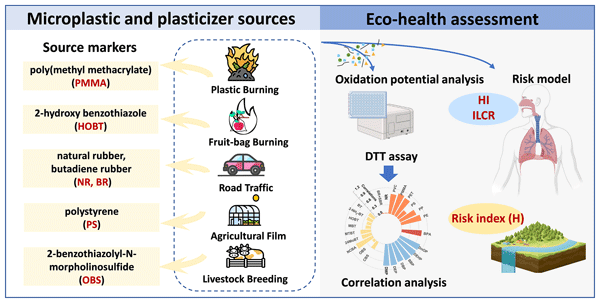
Atmospheric microplastics and plasticizers can disperse into the ecosystem and directly enter the human body, causing multiple adverse effects. The fingerprint markers of microplastic sources are very limited. We examine the concentration, size distribution, eco-health risks, and production of reactive oxygen species of microplastics from five typical sources, especially neglected rural sources. Our results could provide a scientific foundation for developing efficient management strategies.
Ju-Lian Shi, Chong-Shu Zhu, Yao Qu, Xiao Wang, Nan Wang, Lu-Yao Wang, Wen-Ting Dai, Hong Huang, and Jun-Ji Cao
EGUsphere, https://doi.org/10.5194/egusphere-2026-4438, https://doi.org/10.5194/egusphere-2026-4438, 2026
This preprint is open for discussion and under review for Atmospheric Chemistry and Physics (ACP).
Short summary
Short summary
Carbonaceous aerosols at three sites spanning the western, central, and eastern Himalayas were investigated during the pre-monsoon period. Primary brown carbon contributed substantially to light absorption and radiative forcing in the central Himalayas. Orographic effects regulated the spatial distribution of light absorption. Mineral dust, pollution-modified dust, and biomass burning emissions dominated the aerosol characteristics in the western, central, and eastern Himalayas, respectively.
Lijuan Li, Hongmei Xu, Xin Zhang, Qiyuan Wang, Hui Su, Fengxian Liu, Yang Chen, Yuemei Han, and Junji Cao
EGUsphere, https://doi.org/10.5194/egusphere-2026-4948, https://doi.org/10.5194/egusphere-2026-4948, 2026
Short summary
Short summary
We compared fine particles collected in a city road tunnel with particles from controlled tests of gasoline vehicle exhaust. The exhaust samples reproduced the main chemical pattern in the tunnel but missed many chemicals containing sulfur and substances linked to tire wear. The results show that tailpipe exhaust alone cannot fully describe traffic pollution and that road wear and chemical changes near roads should also be considered.
Jinyuan Xin, Masroor Ahmed, Yulong Tan, Guiqian Tang, Xinbing Ren, Dandan Zhao, Luoqi Yang, Nanfangyu Qiu, Junji Cao, Zhang Lei, and Yongjing Ma
EGUsphere, https://doi.org/10.5194/egusphere-2026-4121, https://doi.org/10.5194/egusphere-2026-4121, 2026
This preprint is open for discussion and under review for Atmospheric Chemistry and Physics (ACP).
Short summary
Short summary
We examined how three boundary layer heights (BLHs) change across seasons in Beijing and influence urban air pollution. Using temperature, wind, and particle observations, we compared thermal, dynamic, and material BLHs to show how deeply air is mixed over the city. Winter's weak mixing traps pollutants, whereas summer heating lifts pollutants higher and favours ozone formation. Considering multiple BLHs improves understanding of urban air pollution.
Yuxuan Qi, Wenshuai Li, Wen Qu, Haizhou Zhang, Wenqing Zhu, Jinhui Shi, Daizhou Zhang, Yanjing Zhang, Lifang Sheng, Wencai Wang, Yunhui Zhao, Yuanyuan Ma, Danyang Ren, Guanru Wu, Xinfeng Wang, Xiaohong Yao, and Yang Zhou
Atmos. Chem. Phys., 26, 7721–7740, https://doi.org/10.5194/acp-26-7721-2026, https://doi.org/10.5194/acp-26-7721-2026, 2026
Short summary
Short summary
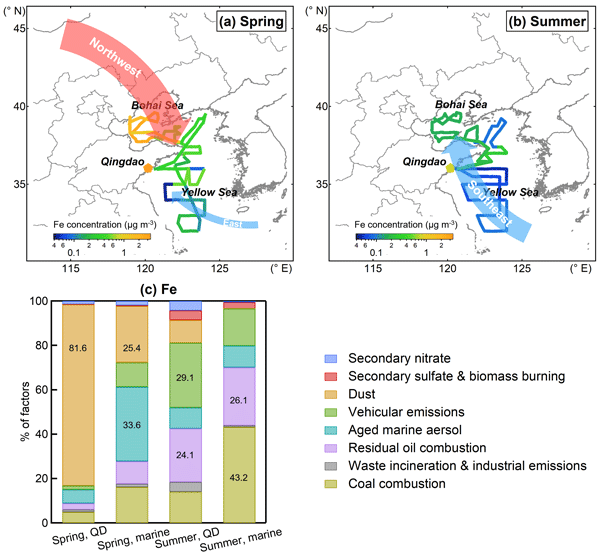
To better constrain poorly resolved trace-element sources across the land-sea gradient, we applied a refined source apportionment to PM2.5 collected in Qingdao and adjacent seas in 2018. It showed that spring Fe, Mn and Cr were mainly dust-derived, although some dust aged and mixed into marine aerosol offshore. In summer, coal combustion enriched marine Zn, Pb, As and Cd, while residual oil combustion increased Fe and Mn, highlighting strong anthropogenic control on marine aerosols.
Long Chen, Yu Huang, Yonggang Xue, Long Cui, and Zhihui Jia
Atmos. Chem. Phys., 26, 4823–4840, https://doi.org/10.5194/acp-26-4823-2026, https://doi.org/10.5194/acp-26-4823-2026, 2026
Short summary
Short summary
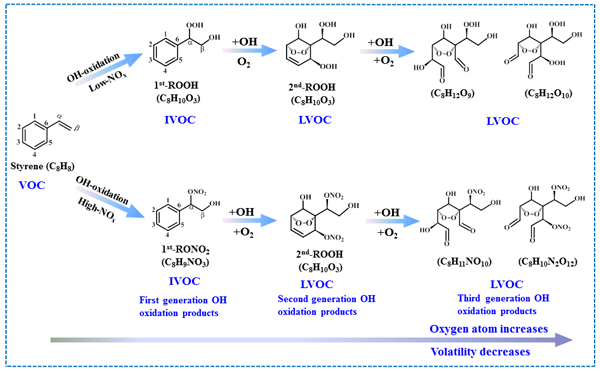
The formation mechanisms of multifunctional products from the multi-generation ·OH oxidation of styrene in the absence and presence of NOx are studied using the quantum chemistry methods. The calculations show that the major closed-shell C7- and C8-products are benzaldehyde, multifunctional hydroperoxides and organic nitrates.
Mengyun Yang, Hongmei Xu, Kaiyuan Wang, Abdullah Akhtar, Tafeng Hu, and Zhenxing Shen
EGUsphere, https://doi.org/10.5194/egusphere-2026-1305, https://doi.org/10.5194/egusphere-2026-1305, 2026
Preprint archived
Short summary
Short summary
Atmospheric microplastics and plasticizers threaten health, yet urban-rural exposure gaps are unknown. We sampled air in northern China, finding rural residents inhale 3–7 times more pollutants than urban ones, with 7-fold higher health risks. Rural pollution arises from plastic use and poor waste management; urban sources vary widely. This reveals an environmental justice crisis, urging targeted rural protections.

Xin Zhang, Lijuan Li, Jianjun Li, Yue Lin, Yan Cheng, Rui Wang, Shuyan Xing, Chongshu Zhu, Junji Cao, and Yuemei Han
Atmos. Chem. Phys., 25, 17139–17158, https://doi.org/10.5194/acp-25-17139-2025, https://doi.org/10.5194/acp-25-17139-2025, 2025
Short summary
Short summary
The influence of anthropogenic pollution on atmospheric organic composition was studied to explore the chemical processes of anthropogenic–biogenic interactions in the Qinling Mountains region of central China using advanced Orbitrap mass spectrometry. Organic molecular species exhibited distinct seasonal variabilities and were more abundant and chemically diverse in winter. Anthropogenic pollution played key roles in altering their composition and related properties under various conditions.
Liyan Liu, Hongmei Xu, Mengyun Yang, Tafeng Hu, Abdullah Akhtar, Jian Sun, and Zhenxing Shen
Atmos. Chem. Phys., 25, 14371–14385, https://doi.org/10.5194/acp-25-14371-2025, https://doi.org/10.5194/acp-25-14371-2025, 2025
Short summary
Short summary
Atmospheric microplastics and plasticizers can disperse into the ecosystem and directly enter the human body, causing multiple adverse effects. The fingerprint markers of microplastic sources are very limited. We examine the concentration, size distribution, eco-health risks, and production of reactive oxygen species of microplastics from five typical sources, especially neglected rural sources. Our results could provide a scientific foundation for developing efficient management strategies.
Zheng Li, Gehui Wang, Binyu Xiao, Rongjie Li, Can Wu, Shaojun Lv, Feng Wu, Qingyan Fu, and Yusen Duan
Atmos. Chem. Phys., 25, 12037–12049, https://doi.org/10.5194/acp-25-12037-2025, https://doi.org/10.5194/acp-25-12037-2025, 2025
Short summary
Short summary
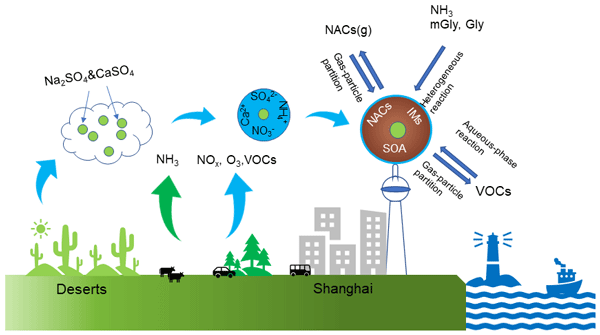
Gas-to-aerosol partitioning of organics was investigated in Shanghai during the 2023 dust storm period. We found the partitioning coefficients (Fp) of water-soluble organic compounds in the dust storm period (DS) were comparable to those during a haze episode (HE), and aerosol liquid water content primarily drove Fp variation in HE, while pH was the dominant factor in DS. Moreover, an enhanced light absorption of Asian dust by brown carbon, mainly in coarse mode, formation was revealed.
Zheng Yang, Qiaoqiao Wang, Qiyuan Wang, Nan Ma, Jie Tian, Yaqing Zhou, Ge Xu, Miao Gao, Xiaoxian Zhou, Yang Zhang, Weikang Ran, Ning Yang, Jiangchuan Tao, Juan Hong, Yunfei Wu, Junji Cao, Hang Su, and Yafang Cheng
Atmos. Chem. Phys., 25, 11051–11065, https://doi.org/10.5194/acp-25-11051-2025, https://doi.org/10.5194/acp-25-11051-2025, 2025
Short summary
Short summary
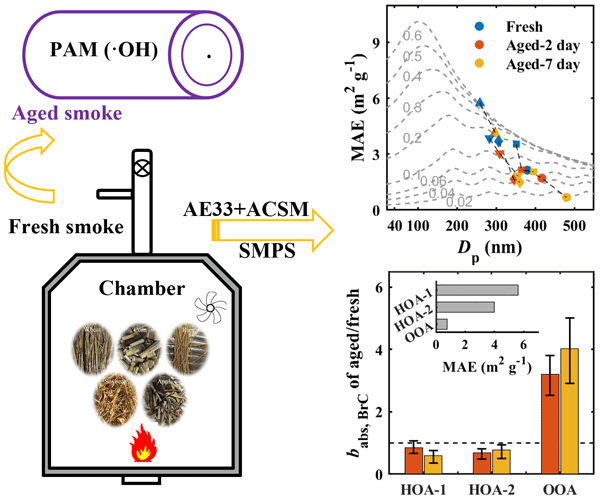
Our results demonstrate that the reduction in mass absorption efficiency from biomass burning is mainly driven by the decline in the imaginary part, with particle size playing a minor role. And light absorption of oxygenated brown carbon (BrC) increases significantly with aging, but hydrocarbon-like BrC decreases over time. These results emphasize the necessity to classify BrC into different groups based on their mass absorption efficiency and atmospheric behavior in climate models.
Sihong Zhu, Mengchu Tao, Zhaonan Cai, Yi Liu, Liang Feng, Pubu Sangmu, Zhongshui Yu, and Junji Cao
Atmos. Chem. Phys., 25, 9843–9857, https://doi.org/10.5194/acp-25-9843-2025, https://doi.org/10.5194/acp-25-9843-2025, 2025
Short summary
Short summary
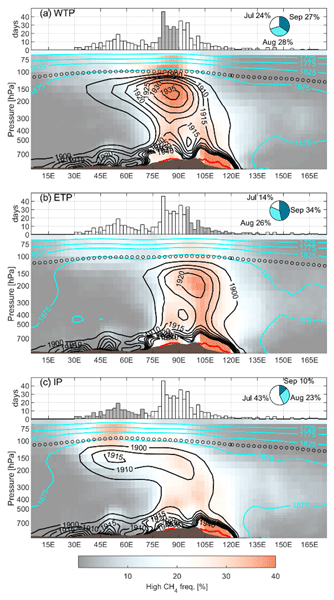
Methane (CH4) emissions can be transported into the upper troposphere (UT) via the Asian monsoon anticyclone (AMA), driving CH4 enhancements. Whether emissions or upward transport is the dominant factor remains debated. We analyzed UT CH4 variability with AMA dynamics, finding strong ties between CH4 distribution and the AMA's east–west oscillation. When centered near 80° E, vertical transport largely enhances CH4 anomalies, with circulation effects 1–2 times greater than those of emissions.
Tenglong Shi, Jiayao Wang, Daizhou Zhang, Jiecan Cui, Zihang Wang, Yue Zhou, Wei Pu, Yang Bai, Zhigang Han, Meng Liu, Yanbiao Liu, Hongbin Xie, Minghui Yang, Ying Li, Meng Gao, and Xin Wang
The Cryosphere, 19, 2821–2835, https://doi.org/10.5194/tc-19-2821-2025, https://doi.org/10.5194/tc-19-2821-2025, 2025
Short summary
Short summary
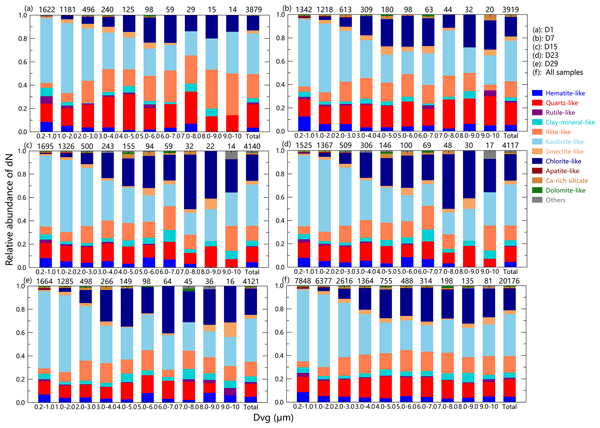
This study examines the properties of dust in snow in Changchun, China, using advanced technology to analyze its size, shape, and light absorption. We found that dust composition affects how much heat is absorbed by snow, with certain minerals, such as hematite, making snowmelt faster. Our research highlights the importance of creating clear standards for classifying dust, which could improve climate models and field observations. This work helps better understand dust's role in climate change.
Jiamao Zhou, Jiarui Wu, Xiaoli Su, Ruonan Wang, Imad EI Haddad, Xia Li, Qian Jiang, Ting Zhang, Wenting Dai, Junji Cao, Andre S. H. Prevot, Xuexi Tie, and Guohui Li
Atmos. Chem. Phys., 25, 7563–7580, https://doi.org/10.5194/acp-25-7563-2025, https://doi.org/10.5194/acp-25-7563-2025, 2025
Short summary
Short summary
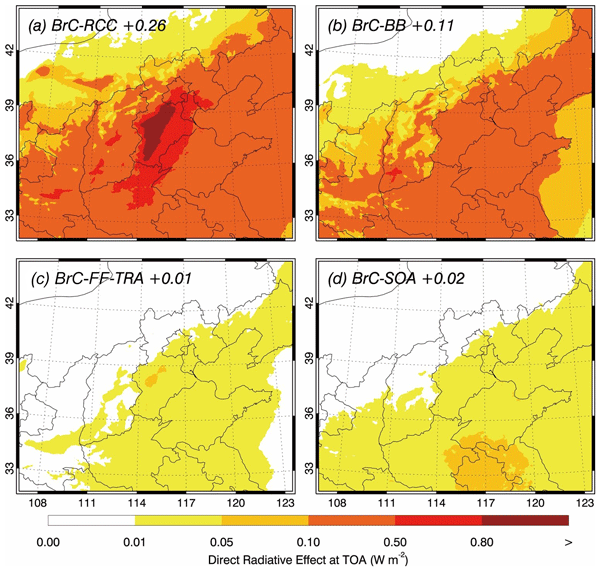
Brown carbon (BrC) is a type of airborne particle produced from various combustion sources which is light absorption. Historically, climate models have categorizing organic particles as either non-absorbing or purely reflective. Our study shows that BrC can reduce the usual cooling effect of organic particles. While BrC is often linked to biomass burning, however, BrC from fossil fuels contributes significantly to atmospheric heating.
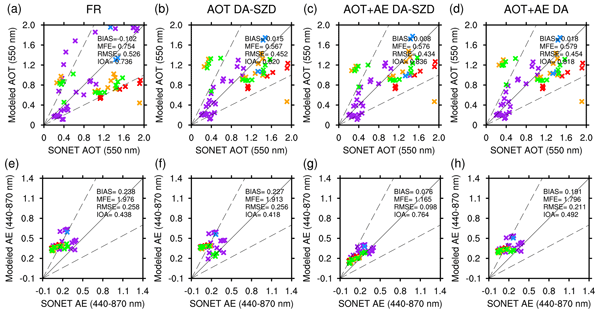
Yueming Cheng, Tie Dai, Junji Cao, Daisuke Goto, Jianbing Jin, Teruyuki Nakajima, and Guangyu Shi
Atmos. Chem. Phys., 24, 12643–12659, https://doi.org/10.5194/acp-24-12643-2024, https://doi.org/10.5194/acp-24-12643-2024, 2024
Short summary
Short summary
In March 2021, east Asia experienced an outbreak of severe dust storms after an absence of 1.5 decades. Here, we innovatively used the time-lagged ground-based aerosol size information with the fixed-lag ensemble Kalman smoother to optimize dust emission and reproduce the dust storm. This work is valuable for not only the quantification of health damage, aviation risks, and profound impacts on the Earth's system but also revealing the climatic driving force and the process of desertification.
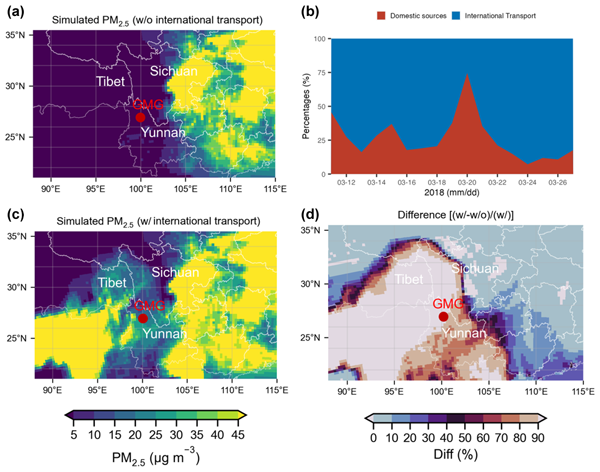
Meng Wang, Qiyuan Wang, Steven Sai Hang Ho, Jie Tian, Yong Zhang, Shun-cheng Lee, and Junji Cao
Atmos. Chem. Phys., 24, 11175–11189, https://doi.org/10.5194/acp-24-11175-2024, https://doi.org/10.5194/acp-24-11175-2024, 2024
Short summary
Short summary
We studied nitrogen-containing organic compounds (NOCs) in particulate matter <2.5 µm particles on the southeastern Tibetan Plateau. We found that biomass burning and transboundary transport are the main sources of NOCs in the high-altitude area. Understanding these aerosol sources informs how they add to regional and potentially global climate changes. Our findings could help shape effective environmental policies to enhance air quality and address climate impacts in this sensitive region.
Wenshuai Li, Yuxuan Qi, Yingchen Liu, Guanru Wu, Yanjing Zhang, Jinhui Shi, Wenjun Qu, Lifang Sheng, Wencai Wang, Daizhou Zhang, and Yang Zhou
Atmos. Chem. Phys., 24, 6495–6508, https://doi.org/10.5194/acp-24-6495-2024, https://doi.org/10.5194/acp-24-6495-2024, 2024
Short summary
Short summary
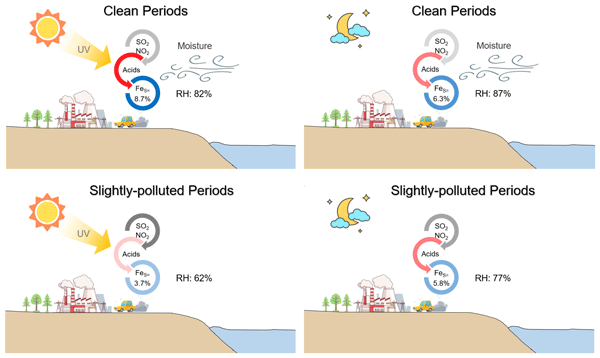
Aerosol particles from mainland can transport to oceans and deposit, providing soluble Fe and affecting phytoplankton growth. Thus, we studied the dissolution process of aerosol Fe and found that photochemistry played a key role in promoting Fe dissolution in clean conditions. RH-dependent reactions were more influential in slightly polluted conditions. These results highlight the distinct roles of two weather-related parameters (radiation and RH) in influencing geochemical cycles related to Fe.
Bjorn Stevens, Stefan Adami, Tariq Ali, Hartwig Anzt, Zafer Aslan, Sabine Attinger, Jaana Bäck, Johanna Baehr, Peter Bauer, Natacha Bernier, Bob Bishop, Hendryk Bockelmann, Sandrine Bony, Guy Brasseur, David N. Bresch, Sean Breyer, Gilbert Brunet, Pier Luigi Buttigieg, Junji Cao, Christelle Castet, Yafang Cheng, Ayantika Dey Choudhury, Deborah Coen, Susanne Crewell, Atish Dabholkar, Qing Dai, Francisco Doblas-Reyes, Dale Durran, Ayoub El Gaidi, Charlie Ewen, Eleftheria Exarchou, Veronika Eyring, Florencia Falkinhoff, David Farrell, Piers M. Forster, Ariane Frassoni, Claudia Frauen, Oliver Fuhrer, Shahzad Gani, Edwin Gerber, Debra Goldfarb, Jens Grieger, Nicolas Gruber, Wilco Hazeleger, Rolf Herken, Chris Hewitt, Torsten Hoefler, Huang-Hsiung Hsu, Daniela Jacob, Alexandra Jahn, Christian Jakob, Thomas Jung, Christopher Kadow, In-Sik Kang, Sarah Kang, Karthik Kashinath, Katharina Kleinen-von Königslöw, Daniel Klocke, Uta Kloenne, Milan Klöwer, Chihiro Kodama, Stefan Kollet, Tobias Kölling, Jenni Kontkanen, Steve Kopp, Michal Koran, Markku Kulmala, Hanna Lappalainen, Fakhria Latifi, Bryan Lawrence, June Yi Lee, Quentin Lejeun, Christian Lessig, Chao Li, Thomas Lippert, Jürg Luterbacher, Pekka Manninen, Jochem Marotzke, Satoshi Matsouoka, Charlotte Merchant, Peter Messmer, Gero Michel, Kristel Michielsen, Tomoki Miyakawa, Jens Müller, Ramsha Munir, Sandeep Narayanasetti, Ousmane Ndiaye, Carlos Nobre, Achim Oberg, Riko Oki, Tuba Özkan-Haller, Tim Palmer, Stan Posey, Andreas Prein, Odessa Primus, Mike Pritchard, Julie Pullen, Dian Putrasahan, Johannes Quaas, Krishnan Raghavan, Venkatachalam Ramaswamy, Markus Rapp, Florian Rauser, Markus Reichstein, Aromar Revi, Sonakshi Saluja, Masaki Satoh, Vera Schemann, Sebastian Schemm, Christina Schnadt Poberaj, Thomas Schulthess, Cath Senior, Jagadish Shukla, Manmeet Singh, Julia Slingo, Adam Sobel, Silvina Solman, Jenna Spitzer, Philip Stier, Thomas Stocker, Sarah Strock, Hang Su, Petteri Taalas, John Taylor, Susann Tegtmeier, Georg Teutsch, Adrian Tompkins, Uwe Ulbrich, Pier-Luigi Vidale, Chien-Ming Wu, Hao Xu, Najibullah Zaki, Laure Zanna, Tianjun Zhou, and Florian Ziemen
Earth Syst. Sci. Data, 16, 2113–2122, https://doi.org/10.5194/essd-16-2113-2024, https://doi.org/10.5194/essd-16-2113-2024, 2024
Short summary
Short summary
To manage Earth in the Anthropocene, new tools, new institutions, and new forms of international cooperation will be required. Earth Virtualization Engines is proposed as an international federation of centers of excellence to empower all people to respond to the immense and urgent challenges posed by climate change.
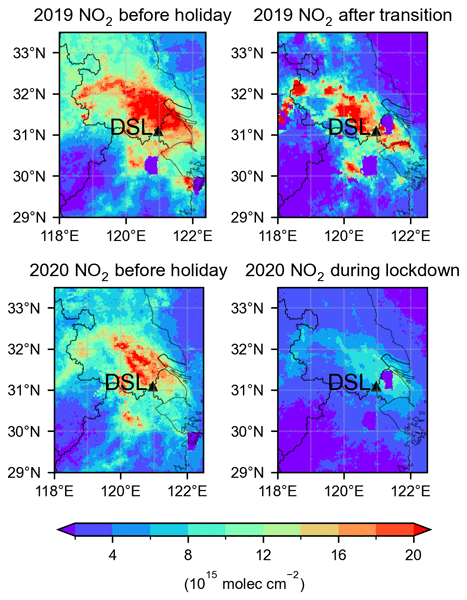
Meng Wang, Yusen Duan, Zhuozhi Zhang, Qi Yuan, Xinwei Li, Shuwen Han, Juntao Huo, Jia Chen, Yanfen Lin, Qingyan Fu, Tao Wang, Junji Cao, and Shun-cheng Lee
Atmos. Chem. Phys., 23, 10313–10324, https://doi.org/10.5194/acp-23-10313-2023, https://doi.org/10.5194/acp-23-10313-2023, 2023
Short summary
Short summary
Hourly elemental carbon (EC) and NOx were continuously measured for 5 years (2016–2020) at a sampling site near a highway in western Shanghai. We use a machine learning model to rebuild the measured EC and NOx, and a business-as-usual (BAU) scenario was assumed in 2020 and compared with the measured EC and NOx.
Li Li, Qiyuan Wang, Jie Tian, Huikun Liu, Yong Zhang, Steven Sai Hang Ho, Weikang Ran, and Junji Cao
Atmos. Chem. Phys., 23, 9597–9612, https://doi.org/10.5194/acp-23-9597-2023, https://doi.org/10.5194/acp-23-9597-2023, 2023
Short summary
Short summary
The Tibetan Plateau has a unique geographical location, but there is a lack of detailed research on the real-time characteristics of full aerosol composition. This study elaborates the changes in chemical characteristics between transport and local fine particles during the pre-monsoon, reveals the size distribution and the mixing states of different individual particles, and highlights the contributions of photooxidation and aqueous reaction to the formation of the secondary species.
Yong Zhang, Jie Tian, Qiyuan Wang, Lu Qi, Manousos Ioannis Manousakas, Yuemei Han, Weikang Ran, Yele Sun, Huikun Liu, Renjian Zhang, Yunfei Wu, Tianqu Cui, Kaspar Rudolf Daellenbach, Jay Gates Slowik, André S. H. Prévôt, and Junji Cao
Atmos. Chem. Phys., 23, 9455–9471, https://doi.org/10.5194/acp-23-9455-2023, https://doi.org/10.5194/acp-23-9455-2023, 2023
Short summary
Short summary
PM2.5 pollution still frequently occurs in northern China during winter, and it is necessary to figure out the causes of air pollution based on intensive real-time measurement. The findings elaborate the chemical characteristics and source contributions of PM2.5 in three pilot cities, reveal potential formation mechanisms of secondary aerosols, and highlight the importance of controlling biomass burning and inhibiting generation of secondary aerosol for air quality improvement.
Hang Liu, Xiaole Pan, Shandong Lei, Yuting Zhang, Aodong Du, Weijie Yao, Guiqian Tang, Tao Wang, Jinyuan Xin, Jie Li, Yele Sun, Junji Cao, and Zifa Wang
Atmos. Chem. Phys., 23, 7225–7239, https://doi.org/10.5194/acp-23-7225-2023, https://doi.org/10.5194/acp-23-7225-2023, 2023
Short summary
Short summary
We provide the average vertical profiles of black carbon (BC) concentration, size distribution and coating thickness at different times of the day in an urban area based on 112 vertical profiles. In addition, it is found that BC in the residual layer generally has a thicker coating, higher absorption enhancement and hygroscopicity than on the surface. Such aged BC could enter into the boundary layer and influence the BC properties in the early morning.
Jie Tian, Qiyuan Wang, Yongyong Ma, Jin Wang, Yongming Han, and Junji Cao
Atmos. Chem. Phys., 23, 1879–1892, https://doi.org/10.5194/acp-23-1879-2023, https://doi.org/10.5194/acp-23-1879-2023, 2023
Short summary
Short summary
We investigated the light absorption properties of brown carbon (BrC) in the Tibetan Plateau (TP). BrC made a substantial contribution to the submicron aerosol absorption, which is related to the cross-border transport of biomass burning emission and secondary aerosol from Southeast Asia. The radiative effect of BrC was half that of black carbon, which can remarkably affect the radiative balance of the TP.
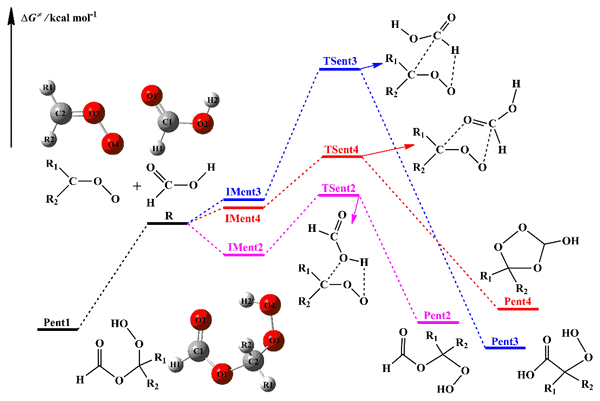
Long Chen, Yu Huang, Yonggang Xue, Zhihui Jia, and Wenliang Wang
Atmos. Chem. Phys., 22, 14529–14546, https://doi.org/10.5194/acp-22-14529-2022, https://doi.org/10.5194/acp-22-14529-2022, 2022
Short summary
Short summary
Quantum chemical methods are applied to gain insight into the oligomerization reaction mechanisms and kinetics of distinct stabilized Criegee intermediate (SCI) reactions with hydroperoxide esters, where calculations show that SCI addition reactions with hydroperoxide esters proceed through the successive insertion of SCIs to form oligomers that involve SCIs as the repeating unit. The saturated vapor pressure of the formed oligomers decreases monotonically with the increasing number of SCIs.
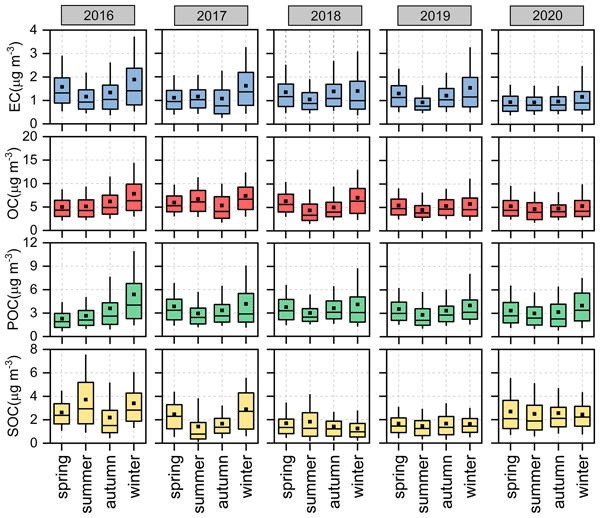
Meng Wang, Yusen Duan, Wei Xu, Qiyuan Wang, Zhuozhi Zhang, Qi Yuan, Xinwei Li, Shuwen Han, Haijie Tong, Juntao Huo, Jia Chen, Shan Gao, Zhongbiao Wu, Long Cui, Yu Huang, Guangli Xiu, Junji Cao, Qingyan Fu, and Shun-cheng Lee
Atmos. Chem. Phys., 22, 12789–12802, https://doi.org/10.5194/acp-22-12789-2022, https://doi.org/10.5194/acp-22-12789-2022, 2022
Short summary
Short summary
In this study, we report the long-term measurement of organic carbon (OC) and elementary carbon (EC) in PM2.5 with hourly time resolution conducted at a regional site in Shanghai from 2016 to 2020. The results from this study provide critical information about the long-term trend of carbonaceous aerosol, in particular secondary OC, in one of the largest megacities in the world and are helpful for developing pollution control measures from a long-term planning perspective.

Huikun Liu, Qiyuan Wang, Suixin Liu, Bianhong Zhou, Yao Qu, Jie Tian, Ting Zhang, Yongming Han, and Junji Cao
Atmos. Chem. Phys., 22, 11739–11757, https://doi.org/10.5194/acp-22-11739-2022, https://doi.org/10.5194/acp-22-11739-2022, 2022
Short summary
Short summary
Atmospheric motions play an important role in the mass concentration and the direct radiative effect (DRE) of black carbon (BC). The finding from this study elaborated the impacts of different scales of atmospheric motion on source-specific BC and its DREs, which revealed the nonlinear change between BC mass concentration and its DREs and emphasizes the importance of regionally transported BC for potential climatic effects.

Jie Tian, Qiyuan Wang, Huikun Liu, Yongyong Ma, Suixin Liu, Yong Zhang, Weikang Ran, Yongming Han, and Junji Cao
Atmos. Chem. Phys., 22, 8369–8384, https://doi.org/10.5194/acp-22-8369-2022, https://doi.org/10.5194/acp-22-8369-2022, 2022
Short summary
Short summary
We investigated aerosol optical properties and the direct radiative effect (DRE) at an urban site in China before and during the COVID-19 lockdown. The total light extinction coefficient (bext) decreased under emission control measures; however, bext from biomass burning increased due to the undiminished need for residential cooking and heating. Biomass burning, rather than traffic-related emissions, became the largest positive effect contributor to aerosol DRE in the lockdown.
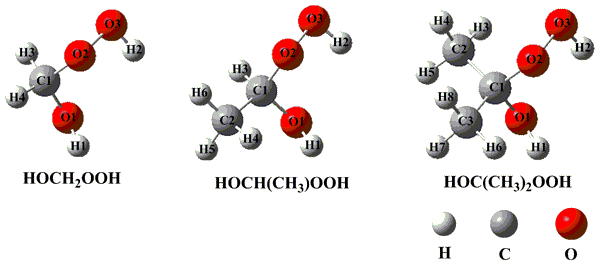
Long Chen, Yu Huang, Yonggang Xue, Zhihui Jia, and Wenliang Wang
Atmos. Chem. Phys., 22, 3693–3711, https://doi.org/10.5194/acp-22-3693-2022, https://doi.org/10.5194/acp-22-3693-2022, 2022
Short summary
Short summary
Quantum chemical methods are applied to gain insight into the detailed mechanisms of OH-initiated oxidation of distinct HHPs. The dominant pathway is H-abstraction from the -OOH group in the initiation reactions of the OH radical with HOCH2OOH and HOC(CH3)2OOH. H-abstraction from -CH group is competitive with that from the -OOH group in the reaction of the OH radical with HOCH(CH3)OOH. The barrier of H-abstraction from the -OOH group is slightly increased as the methyl group number increases.
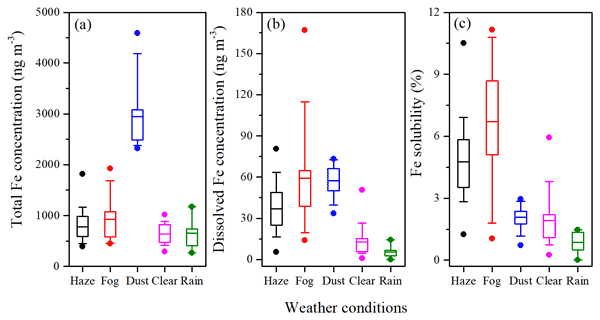
Yanhong Zhu, Weijun Li, Yue Wang, Jian Zhang, Lei Liu, Liang Xu, Jingsha Xu, Jinhui Shi, Longyi Shao, Pingqing Fu, Daizhou Zhang, and Zongbo Shi
Atmos. Chem. Phys., 22, 2191–2202, https://doi.org/10.5194/acp-22-2191-2022, https://doi.org/10.5194/acp-22-2191-2022, 2022
Short summary
Short summary
The solubilities of iron in fine particles in a megacity in Eastern China were studied under haze, fog, dust, clear, and rain weather conditions. For the first time, a receptor model was used to quantify the sources of dissolved and total iron aerosol. Microscopic analysis further confirmed the aging of iron aerosol during haze and fog conditions that facilitated dissolution of insoluble iron.
Yuting Zhang, Hang Liu, Shandong Lei, Wanyun Xu, Yu Tian, Weijie Yao, Xiaoyong Liu, Qi Liao, Jie Li, Chun Chen, Yele Sun, Pingqing Fu, Jinyuan Xin, Junji Cao, Xiaole Pan, and Zifa Wang
Atmos. Chem. Phys., 21, 17631–17648, https://doi.org/10.5194/acp-21-17631-2021, https://doi.org/10.5194/acp-21-17631-2021, 2021
Short summary
Short summary
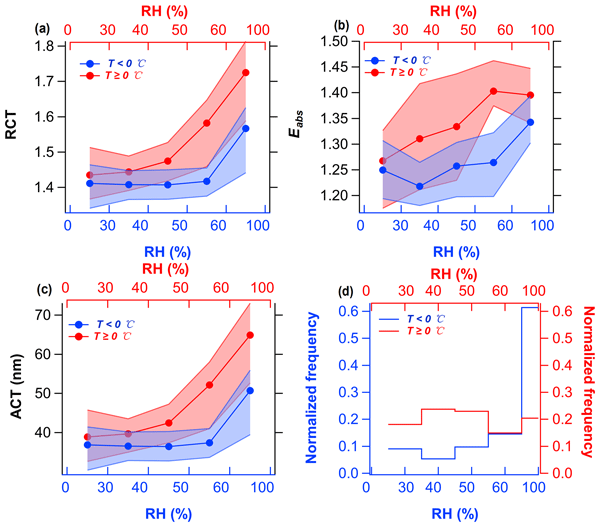
In this study, the authors used a single-particle soot photometer (SP2) to characterize the particle size, mixing state, and optical properties of black carbon aerosols in rural areas of the North China Plain in winter. Relatively warm and high-RH environments (RH > 50 %, −4° < T < 4 °) were more favorable to rBC aging than dry and cold environments (RH < 60 %, T < −8°). The paper emphasizes the importance of meteorological parameters in the mixing state of black carbon.
Liang Xu, Xiaohuan Liu, Huiwang Gao, Xiaohong Yao, Daizhou Zhang, Lei Bi, Lei Liu, Jian Zhang, Yinxiao Zhang, Yuanyuan Wang, Qi Yuan, and Weijun Li
Atmos. Chem. Phys., 21, 17715–17726, https://doi.org/10.5194/acp-21-17715-2021, https://doi.org/10.5194/acp-21-17715-2021, 2021
Short summary
Short summary
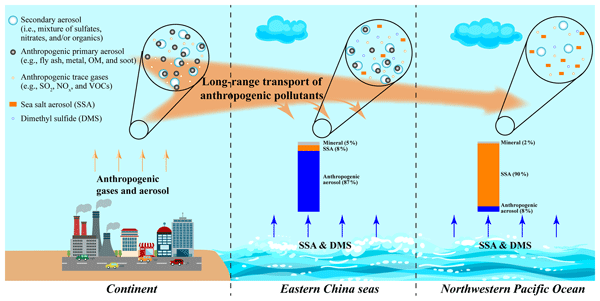
We quantified different types of marine aerosols and explored the Cl depletion of sea salt aerosol (SSA) in the eastern China seas and the northwestern Pacific Ocean. We found that anthropogenic acidic gases in the troposphere were transported longer distances compared to the anthropogenic aerosols and could significantly impact remote marine aerosols. Meanwhile, variations of chloride depletion in SSA can serve as a potential indicator for anthropogenic gaseous pollutants in remote marine air.
Cited articles
Adebiyi, A., Kok, J. F., Murray, B. J., Ryder, C. L., Stuut, J.-B. W., Kahn, R. A., Knippertz, P., Formenti, P., Mahowald, N. M., Pérez García-Pando, C., Klose, M., Ansmann, A., Samset, B. H., Ito, A., Balkanski, Y., Di Biagio, C., Romanias, M. N., Huang, Y., and Meng, J.: A review of coarse mineral dust in the Earth system, Aeolian Res., 60, 100849, https://doi.org/10.1016/j.aeolia.2022.100849, 2023.
Alfaro, S., Bouet, C., Khalfallah, B., Shao, Y., Ishizuka, M., Labiadh, M., Marticorena, B., Laurent, B., and Rajot, J. L.: Unraveling the roles of saltation bombardment and atmospheric instability on magnitude and size distribution of dust emission fluxes: Lessons from the JADE and WIND-O-V experiments, J. Geophys. Res.-Atmos., 127, e2021JD035983, https://doi.org/10.1029/2021JD035983, 2022.
Alfaro, S. C.: Influence of soil texture on the binding energies of fine mineral dust particles potentially released by wind erosion, Geomorphology, 93, 157–167, https://doi.org/10.1016/j.geomorph.2007.02.012, 2008.
Alfaro, S. C., Gaudichet, A., Gomes, L., and Maillé, M.: Modeling the size distribution of a soil aerosol produced by sandblasting, J. Geophys. Res.-Atmos., 102, 11239–11249, https://doi.org/10.1029/97JD00403, 1997.
ASTM International: Standard practice for characterization of particles, ASTM F1877-16, https://doi.org/10.1520/F1877-16, 2016.
Ault, A. P., Peters, T. M., Sawvel, E. J., Casuccio, G. S., Willis, R. D., Norris, G. A., and Grassian, V. H.: Single-particle SEM-EDX analysis of iron-containing coarse particulate matter in an urban environment: sources and distribution of iron within Cleveland, Ohio, Environ. Sci. Technol., 46, 4331–4339, https://doi.org/10.1021/es204006k, 2012.
Barker, R.: The reactivity of calcium oxide towards carbon dioxide and its use for energy storage, J. Appl. Chem. Biotechn., 24, 221–227, https://doi.org/10.1002/jctb.5020240405, 1974.
Batchelor-McAuley, C., Yang, M., Rickaby, R. E., and Compton, R. G.: Calcium carbonate dissolution from the laboratory to the ocean: Kinetics and mechanism, Chem. Eur. J., 28, e202202290, https://doi.org/10.1002/chem.202202290, 2022.
Brodusch, N., Demers, H., and Gauvin, R.: Field emission scanning electron microscopy: New perspectives for materials characterization, Springer, Singapore, 42–122, https://doi.org/10.1007/978-981-10-4433-5, 2018.
Cao, J. J., Lee, S. C., Zhang, X. Y., Chow, J. C., An, Z. S., Ho, K. F., Watson, J. G., Fung, K., Wang, Y. Q., and Shen, Z. X.: Characterization of airborne carbonate over a site near Asian dust source regions during spring 2002 and its climatic and environmental significance, J. Geophys. Res.-Atmos., 110, https://doi.org/10.1029/2004JD005244, 2005.
Carter, B. R., Toggweiler, J. R., Key, R. M., and Sarmiento, J. L.: Processes determining the marine alkalinity and calcium carbonate saturation state distributions, Biogeosciences, 11, 7349–7362, https://doi.org/10.5194/bg-11-7349-2014, 2014.
Castillo, M. D., Wagner, J., Casuccio, G. S., West, R. R., Freedman, F. R., Eisl, H. M., Wang, Z.-M., Yip, J. P., and Kinney, P. L.: Field testing a low-cost passive aerosol sampler for long-term measurement of ambient PM2.5 concentrations and particle composition, Atmos. Environ., 216, 116905, https://doi.org/10.1016/j.atmosenv.2019.116905, 2019.
Choobari, O. A., Zawar-Reza, P., and Sturman, A.: The global distribution of mineral dust and its impacts on the climate system: A review, Atmos. Res., 138, 152–165, https://doi.org/10.1016/j.atmosres.2013.11.007, 2014.
Cook, R. B.: Handbook of mineralogy, Rocks Miner., 76, 587–1442, 2001.
Craig, R. L., Peterson, P. K., Nandy, L., Lei, Z., Hossain, M. A., Camarena, S., Dodson, R. A., Cook, R. D., Dutcher, C. S., and Ault, A. P.: Direct determination of aerosol pH: Size-resolved measurements of submicrometer and supermicrometer aqueous particles, Anal. Chem., 90, 11232–11239, https://doi.org/10.1021/acs.analchem.8b00586, 2018.
El-Baz, F.: Desert and Arid Lands, Springer, Dordrecht, the Netherlands, 222 pp., https://doi.org/10.1007/978-94-009-6080-0, 2012.
Etyemezian, V., Nikolich, G., Ahonen, S., Pitchford, M., Sweeney, M., Purcell, R., Gillies, J., and Kuhns, H.: The Portable In Situ Wind Erosion Laboratory (PI-SWERL): A new method to measure PM10 windblown dust properties and potential for emissions. Atmos. Environ., 41, 3789–3796, https://doi.org/10.1016/j.atmosenv.2007.01.018, 2007.
Engelbrecht, J. P. and Derbyshire, E.: Airborne mineral dust, Elements, 6, 241–246, https://doi.org/10.2113/gselements.6.4.241, 2010.
Falkovich, A. H., Ganor, E., Levin, Z., Formenti, P., and Rudich, Y.: Chemical and mineralogical analysis of individual mineral dust particles, J. Geophys. Res.-Atmos., 106, 18029–18036, https://doi.org/10.1029/2000JD900430, 2001.
Fantle, M. S. and Tipper, E. T.: Calcium isotopes in the global biogeochemical Ca cycle: Implications for development of a Ca isotope proxy, Earth-Sci. Rev., 129, 148–177, https://doi.org/10.1016/j.earscirev.2013.10.004, 2014.
Feely, R. A., Sabine, C. L., Lee, K., Millero, F. J., Lamb, M. F., Greeley, D., Bullister, J. L., Key, R. M., Peng, T.-H., Kozyr, A., Ono, T., and Wong, C. S.: In situ calcium carbonate dissolution in the Pacific Ocean, Global Biogeochem. Cy., 16, 1144, https://doi.org/10.1029/2002GB001866, 2002.
Fitzgerald, E., Ault, A. P., Zauscher, M. D., Mayol-Bracero, O. L., and Prather, K. A.: Comparison of the mixing state of long-range transported Asian and African mineral dust, Atmos. Environ., 115, 19–25, https://doi.org/10.1016/j.atmosenv.2015.04.031, 2015.
Formenti, P., Schütz, L., Balkanski, Y., Desboeufs, K., Ebert, M., Kandler, K., Petzold, A., Scheuvens, D., Weinbruch, S., and Zhang, D.: Recent progress in understanding physical and chemical properties of African and Asian mineral dust, Atmos. Chem. Phys., 11, 8231–8256, https://doi.org/10.5194/acp-11-8231-2011, 2011.
Goldstein, J. I., Newbury, D. E., Michael, J. R., Ritchie, N. W., Scott, J. H. J., and Joy, D. C.: Scanning electron microscopy and X-ray microanalysis, Springer, New York, USA, 290 pp., https://doi.org/10.1007/978-1-4939-6676-9, 2017.
Grini, A. and Zender, C. S.: Roles of saltation, sandblasting, and wind speed variability on mineral dust aerosol size distribution during the Puerto Rican Dust Experiment (PRIDE), J. Geophys. Res.-Atmos., 109, https://doi.org/10.1029/2003JD004233, 2004.
Grini, A., Zender, C. S., and Colarco, P. R.: Saltation Sandblasting behavior during mineral dust aerosol production, Geophys. Res. Lett., 29, 15-11–15-14, https://doi.org/10.1029/2002GL015248, 2002.
Guo, L., Gu, W., Peng, C., Wang, W., Li, Y. J., Zong, T., Tang, Y., Wu, Z., Lin, Q., Ge, M., Zhang, G., Hu, M., Bi, X., Wang, X., and Tang, M.: A comprehensive study of hygroscopic properties of calcium- and magnesium-containing salts: implication for hygroscopicity of mineral dust and sea salt aerosols, Atmos. Chem. Phys., 19, 2115–2133, https://doi.org/10.5194/acp-19-2115-2019, 2019.
Gussone, N., Schmitt, A. D., Heuser, A., Wombacher, F., Dietzel, M., Tipper, E., and Schiller, M.: Calcium stable isotope geochemistry, Advances in Isotope Geochemistry, Springer, Berlin, Heidelberg, Germany, 260 pp., https://doi.org/10.1007/978-3-540-68953-9, 2016.
Hu, T., Cao, J., and Zhang, D.: Physicochemical properties of water-dialyzed single Asian Dust particles, V1, Mendeley [data set], https://doi.org/10.17632/4js9dfy9hm.1, 2025.
Jickells, T., Boyd, P., and Hunter, K. A.: Biogeochemical Impacts of Dust on the Global Carbon Cycle, in: Mineral Dust: A key player in the Earth system, edited by: Knippertz, P. and Stuut, J. B. W., Springer, Dordrecht, the Netherlands, 359–384, https://doi.org/10.1007/978-94-017-8978-3_14, 2014.
Kalinkin, A. M., Kalinkina, E. V., Zalkind, O. A., and Makarova, T. I.: Chemical interaction of calcium oxide and calcium hydroxide with CO2 during mechanical activation, Inorg. Mater+., 41, 1073–1079, https://doi.org/10.1007/s10789-005-0263-1, 2005.
Knippertz, P. and Stuut, J. B. W. (Eds.): Mineral dust: A key player in the Earth system, Springer, Dordrecht, the Netherlands, 509 pp., https://doi.org/10.1007/978-94-017-8978-3, 2014.
Kok, J. F., Adebiyi, A. A., Albani, S., Balkanski, Y., Checa-Garcia, R., Chin, M., Colarco, P. R., Hamilton, D. S., Huang, Y., Ito, A., Klose, M., Leung, D. M., Li, L., Mahowald, N. M., Miller, R. L., Obiso, V., Pérez García-Pando, C., Rocha-Lima, A., Wan, J. S., and Whicker, C. A.: Improved representation of the global dust cycle using observational constraints on dust properties and abundance, Atmos. Chem. Phys., 21, 8127–8167, https://doi.org/10.5194/acp-21-8127-2021, 2021a.
Kok, J. F., Adebiyi, A. A., Albani, S., Balkanski, Y., Checa-Garcia, R., Chin, M., Colarco, P. R., Hamilton, D. S., Huang, Y., Ito, A., Klose, M., Li, L., Mahowald, N. M., Miller, R. L., Obiso, V., Pérez García-Pando, C., Rocha-Lima, A., and Wan, J. S.: Contribution of the world's main dust source regions to the global cycle of desert dust, Atmos. Chem. Phys., 21, 8169–8193, https://doi.org/10.5194/acp-21-8169-2021, 2021b.
Kok, J. F., Storelvmo, T., Karydis, V. A., Adebiyi, A. A., Mahowald, N. M., Evan, A. T., He, C., and Leung, D. M.: Mineral dust aerosol impacts on global climate and climate change, Nat. Rev. Earth Env., 4, 71–86, https://doi.org/10.1038/s43017-022-00379-5, 2023.
Krueger, B. J., Grassian, V. H., Cowin, J. P., and Laskin, A.: Heterogeneous chemistry of individual mineral dust particles from different dust source regions: the importance of particle mineralogy, Atmos. Environ., 38, 6253–6261, https://doi.org/10.1016/j.atmosenv.2004.07.010, 2004.
Laanait, N., Callagon, E. B. R., Zhang, Z., Sturchio, N. C., Lee, S. S., and Fenter, P.: X-ray–driven reaction front dynamics at calcite-water interfaces, Science, 349, 1330–1334, https://doi.org/10.1126/science.aab3272, 2015.
Laskin, A., Iedema, M. J., Ichkovich, A., Graber, E. R., Taraniuk, I., and Rudich, Y.: Direct observation of completely processed calcium carbonate dust particles, Faraday Discuss., 130, 453–468, https://doi.org/10.1039/B417366J, 2005.
Laurent, B., Marticorena, B., Bergametti, G., Chazette, P., Maignan, F., and Schmechtig, C.: Simulation of the mineral dust emission frequencies from desert area of China and Mongolia using an aerodynamic roughness length map derived from the POLDER/ADEOS surface products, J. Geophys. Res., 110, D18S04, https://doi.org/10.1029/2004JD005013, 2005.
Maher, B. A., Prospero, J. M., Mackie, D., Gaiero, D., Hesse, P. P., and Balkanski, Y.: Global connections between aeolian dust, climate and ocean biogeochemistry at the present day and at the last glacial maximum, Earth-Sci. Rev., 99, 61–97, https://doi.org/10.1016/j.earscirev.2009.12.001, 2010.
Mahowald, N., Albani, S., Kok, J. F., Engelstaeder, S., Scanza, R., Ward, D. S., and Flanner, M. G.: The size distribution of desert dust aerosols and its impact on the Earth system, Aeolian Res., 15, 53–71, https://doi.org/10.1016/j.aeolia.2013.09.002, 2014.
Mahowald, N. M., Hamilton, D. S., Mackey, K. R. M., Moore, J. K., Baker, A. R., Scanza, R. A., and Zhang, Y.: Aerosol trace metal leaching and impacts on marine microorganisms, Nat. Commun., 9, 2614, https://doi.org/10.1038/s41467-018-04970-7, 2018.
Mamane, Y., Willis, R., and Conner, T.: Evaluation of computer-controlled scanning electron microscopy applied to an ambient urban aerosol sample, Aerosol Sci. Tech., 34, 97–107, https://doi.org/10.1080/02786820118842, 2001.
McFiggans, G., Artaxo, P., Baltensperger, U., Coe, H., Facchini, M. C., Feingold, G., Fuzzi, S., Gysel, M., Laaksonen, A., Lohmann, U., Mentel, T. F., Murphy, D. M., O'Dowd, C. D., Snider, J. R., and Weingartner, E.: The effect of physical and chemical aerosol properties on warm cloud droplet activation, Atmos. Chem. Phys., 6, 2593–2649, https://doi.org/10.5194/acp-6-2593-2006, 2006.
Mikami, M., Yamada, Y., Ishizuka, M., Ishimaru, T., Gao, W., and Zeng, F.: Measurement of saltation process over gobi and sand dunes in the Taklimakan desert, China, with newly developed sand particle counter, J. Geophys. Res.-Atmos., 110, https://doi.org/10.1029/2004JD004688, 2005.
Morse, J. W., Arvidson, R. S., and Lüttge, A.: Calcium carbonate formation and dissolution, Chem. Rev., 107, 342–381, https://doi.org/10.1021/cr050358j, 2007.
Nousiainen, T.: Optical modeling of mineral dust particles: A review, J. Quant. Spectrosc. Ra., 110, 1261–1279, https://doi.org/10.1016/j.jqsrt.2009.03.002, 2009.
Okada, K. and Kai, K.: Atmospheric mineral particles collected at Qira in the Taklamakan Desert, China, Atmos. Environ., 38, 6927–6935, https://doi.org/10.1016/j.atmosenv.2004.03.078, 2004.
Panta, A., Kandler, K., Alastuey, A., González-Flórez, C., González-Romero, A., Klose, M., Querol, X., Reche, C., Yus-Díez, J., and Pérez García-Pando, C.: Insights into the single-particle composition, size, mixing state, and aspect ratio of freshly emitted mineral dust from field measurements in the Moroccan Sahara using electron microscopy, Atmos. Chem. Phys., 23, 3861–3885, https://doi.org/10.5194/acp-23-3861-2023, 2023.
Parajuli, S. P., Zobeck, T. M., Kocurek, G., Yang, Z.-L., and Stenchikov, G. L.: New insights into the wind-dust relationship in sandblasting and direct aerodynamic entrainment from wind tunnel experiments, J. Geophys. Res.-Atmos., 121, 1776–1792, https://doi.org/10.1002/2015JD024424, 2016.
Pye, H. O. T., Nenes, A., Alexander, B., Ault, A. P., Barth, M. C., Clegg, S. L., Collett Jr., J. L., Fahey, K. M., Hennigan, C. J., Herrmann, H., Kanakidou, M., Kelly, J. T., Ku, I.-T., McNeill, V. F., Riemer, N., Schaefer, T., Shi, G., Tilgner, A., Walker, J. T., Wang, T., Weber, R., Xing, J., Zaveri, R. A., and Zuend, A.: The acidity of atmospheric particles and clouds, Atmos. Chem. Phys., 20, 4809–4888, https://doi.org/10.5194/acp-20-4809-2020, 2020.
Pye, K.: Aeolian dust and dust deposits, Elsevier, Amsterdam, the Netherlands, https://doi.org/10.1016/C2013-0-05007-4, 2015.
Quigg, A.: Micronutrients, in: The Physiology of Microalgae, Developments in Applied Phycology, edited by: Borowitzka, M. A., Beardall, J., and Raven, J. A., Springer, Cham, Switzerland, 211–231, https://doi.org/10.1007/978-3-319-24945-2_10, 2016.
Reed, S. J. B.: Electron microprobe analysis and scanning electron microscopy in geology, Cambridge University Press, UK, 160–161, https://doi.org/10.1017/CBO9780511610561, 2005.
Ren, L., Wang, W., Wang, Q., Yang, X., and Tang, D.: Comparison and trend study on acidity and acidic buffering capacity of particulate matter in China, Atmos. Environ., 45, 7503–7519, https://doi.org/10.1016/j.atmosenv.2010.08.055, 2011.
Schepanski, K.: Transport of mineral dust and its impact on climate, Geosciences, 8, 151, https://doi.org/10.3390/geosciences8050151, 2018.
Shao, Y. and Dong, C. H.: A review on East Asian dust storm climate, modelling and monitoring, Global Planet. Change, 52, 1–22, https://doi.org/10.1016/j.gloplacha.2006.02.011, 2006.
Shao, Y., Raupach, M. R., and Findlater, P. A.: Effect of saltation bombardment on the entrainment of dust by wind, J. Geophys. Res.-Atmos., 98, 12719–12726, https://doi.org/10.1029/93JD00396, 1993.
Steiner, Z., Sarkar, A., Liu, X., Berelson, W. M., Adkins, J. F., Achterberg, E. P., Sabu, P., Prakash, S., Vinaychandran, P. N., Byrne, R. H., and Turchyn, A. V.: On calcium-to-alkalinity anomalies in the North Pacific, Red Sea, Indian Ocean and Southern Ocean, Geochim. Cosmochim. Ac., 303, 1–14, https://doi.org/10.1016/j.gca.2021.03.027, 2021.
Su, J., Cai, W.-J., Brodeur, J., Chen, B., Hussain, N., Yao, Y., Ni, C., Testa, J. M., Li, M., Xie, X., Ni, W., Scaboo, K. M., Xu, Y.-y., Cornwell, J., Gurbisz, C., Owens, M. S., Waldbusser, G. G., Dai, M., and Kemp, W. M.: Chesapeake Bay acidification buffered by spatially decoupled carbonate mineral cycling, Nat. Geosci., 13, 441–447, https://doi.org/10.1038/s41561-020-0584-3, 2020.
Sullivan, R. C., Moore, M. J. K., Petters, M. D., Kreidenweis, S. M., Roberts, G. C., and Prather, K. A.: Effect of chemical mixing state on the hygroscopicity and cloud nucleation properties of calcium mineral dust particles, Atmos. Chem. Phys., 9, 3303–3316, https://doi.org/10.5194/acp-9-3303-2009, 2009.
Sulpis, O., Jeansson, E., Dinauer, A., Lauvset, S. K., and Middelburg, J. J.: Calcium carbonate dissolution patterns in the ocean, Nat. Geosci., 14, 423–428, https://doi.org/10.1038/s41561-021-00743-y, 2021.
Sun, J. and Liu, T.: The age of the Taklimakan Desert, Science, 312, 1621–1621, https://doi.org/10.1126/science.1124616, 2006.
Sweeney, M. R., Lu, H., Cui, M., Mason, J. A., Feng, H., and Xu, Z.: Sand dunes as potential sources of dust in northern China, Sci. China Earth Sci., 59, 760–769, https://doi.org/10.1007/s11430-015-5246-8, 2016.
Tipper, E. T., Schmitt, A. D., and Gussone, N.: Global Ca cycles: coupling of continental and oceanic processes, in: Calcium Stable Isotope Geochemistry, Advances in Isotope Geochemistry, Springer, Berlin, Heidelberg, Germany, 173–222, https://doi.org/10.1007/978-3-540-68953-9_6, 2016.
Uno, I., Eguchi, K., Yumimoto, K., Takemura, T., Shimizu, A., Uematsu, M., Liu, Z., Wang, Z., Hara, Y., and Sugimoto, N.: Asian dust transported one full circuit around the globe, Nat. Geosci., 2, 557–560, https://doi.org/10.1038/ngeo583, 2009.
Usher, C. R., Michel, A. E., and Grassian, V. H.: Reactions on mineral dust, Chem. Rev., 103, 4883–4940, https://doi.org/10.1021/cr020657y, 2003.
Wang, X., Xia, D., Wang, T., Xue, X., and Li, J.: Dust sources in arid and semiarid China and southern Mongolia: Impacts of geomorphological setting and surface materials, Geomorphology, 97, 583–600, https://doi.org/10.1016/j.geomorph.2007.09.006, 2008.
Wang, X., Hua, T., Zhang, C., Lang, L., and Wang, H.: Aeolian salts in Gobi deserts of the western region of Inner Mongolia: Gone with the dust aerosols, Atmos. Res., 118, 1–9, https://doi.org/10.1016/j.atmosres.2012.06.003, 2012a.
Wang, Y., Yu, W., Pan, Y., and Wu, D.: Acid neutralization of precipitation in Northern China, J. Air Waste Manage., 62, 204–211, https://doi.org/10.1080/10473289.2011.640761, 2012b.
Wu, F., Cheng, Y., Hu, T., Song, N., Zhang, F., Shi, Z., Hang Ho, S. S., Cao, J., and Zhang, D.: Saltation–sandblasting processes driving enrichment of water-soluble salts in mineral dust, Environ. Sci. Tech. Let., 9, 921–928, https://doi.org/10.1021/acs.estlett.2c00652, 2022.
Wu, F., Song, N., Hu, T., Ho, S. S. H., Cao, J., and Zhang, D.: Surrogate atmospheric dust particles generated from dune soils in laboratory: Comparison with field measurement, Particuology, 72, 29–36, https://doi.org/10.1016/j.partic.2022.02.007, 2023.
Zhang, D. and Iwasaka, Y.: Size change of Asian dust particles caused by sea salt interaction: Measurements in southwestern Japan, Geophys. Res. Lett., 31, https://doi.org/10.1029/2004GL020087, 2004.
Zhao, Y., Yue, X., Cao, Y., Zhu, J., Tian, C., Zhou, H., Chen, Y., Hu, Y., Fu, W., and Zhao, X.: Multi-model ensemble projection of the global dust cycle by the end of 21st century using the Coupled Model Intercomparison Project version 6 data, Atmos. Chem. Phys., 23, 7823–7838, https://doi.org/10.5194/acp-23-7823-2023, 2023.
Zou, X., Li, J., Cheng, H., Wang, J., Zhang, C., Kang, L., Liu, W., and Zhang, F.: Spatial variation of topsoil features in soil wind erosion areas of northern China, Catena, 167, 429–439, https://doi.org/10.1016/j.catena.2018.05.022, 2018.
Short summary
The dissolution behavior and climate impact of atmospheric calcium dust are governed by its size-resolved mineralogy. Our analysis of Asian dust reveals that a significant fraction of water-soluble calcium originates from calcite and gypsum present as soluble coatings on other dust particles. This specific mixing state facilitates rapid dissolution during atmospheric processing and constrains the role of Asian dust in atmospheric acid neutralization and the mitigation of ocean acidification.
The dissolution behavior and climate impact of atmospheric calcium dust are governed by its...


Altmetrics
Final-revised paper
Preprint