
Articles | Volume 26, issue 4
https://doi.org/10.5194/acp-26-3001-2026
© Author(s) 2026. This work is distributed under
the Creative Commons Attribution 4.0 License.
the Creative Commons Attribution 4.0 License.
https://doi.org/10.5194/acp-26-3001-2026
© Author(s) 2026. This work is distributed under
the Creative Commons Attribution 4.0 License.
the Creative Commons Attribution 4.0 License.
Research article
| 
27 Feb 2026
Research article |
| 27 Feb 2026
| 27 Feb 2026
Distinct spatiotemporal patterns of atmospheric total and soluble iron from three sources revealed by shipboard online observations in the Northwest Pacific
Tianle Zhang
Institute of Ocean Research, Peking University, Beijing 100871, China
State Key Laboratory of Regional Environment and Sustainability, College of Environmental Sciences and Engineering, and Center for Environment and Health, Peking University, Beijing 100871, China
Yaxin Xiang
State Key Laboratory of Regional Environment and Sustainability, College of Environmental Sciences and Engineering, and Center for Environment and Health, Peking University, Beijing 100871, China
Bingxing Zhu
State Key Laboratory of Regional Environment and Sustainability, College of Environmental Sciences and Engineering, and Center for Environment and Health, Peking University, Beijing 100871, China
Xiaohong Yao
Ocean University of China, Qingdao 266100, China
Xuehua Fan
Institute of Atmospheric Physics, Chinese Academy of Sciences, Beijing 100029, China
Yinan Wang
Institute of Atmospheric Physics, Chinese Academy of Sciences, Beijing 100029, China
Yuntao Wang
Second Institute of Oceanography, Ministry of Natural Resources, Hangzhou 310012, China
Shuangling Chen
Second Institute of Oceanography, Ministry of Natural Resources, Hangzhou 310012, China
Shunyao Wang
School of Environmental and Chemical Engineering, Shanghai University, Shanghai 200444, China
Yan Zhang
Department of Environmental Science and Engineering, Fudan University, Shanghai 200438, China
College of Ocean and Earth Sciences, Xiamen University, Xiamen 361005, China
Mei Zheng
CORRESPONDING AUTHOR

Institute of Ocean Research, Peking University, Beijing 100871, China
State Key Laboratory of Regional Environment and Sustainability, College of Environmental Sciences and Engineering, and Center for Environment and Health, Peking University, Beijing 100871, China
Related authors
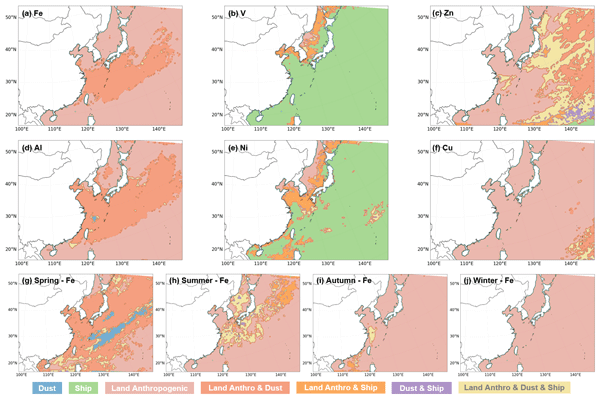
Shenglan Jiang, Yan Zhang, Guangyuan Yu, Zimin Han, Junri Zhao, Tianle Zhang, and Mei Zheng
Atmos. Chem. Phys., 24, 8363–8381, https://doi.org/10.5194/acp-24-8363-2024, https://doi.org/10.5194/acp-24-8363-2024, 2024
Short summary
Short summary
This study aims to provide gridded data on sea-wide concentrations, deposition fluxes, and soluble deposition fluxes with detailed source categories of metals using the modified CMAQ model. We developed a monthly emission inventory of six metals – Fe, Al, V, Ni, Zn, and Cu – from terrestrial anthropogenic, ship, and dust sources in East Asia in 2017. Our results reveal the contribution of each source to the emissions, concentrations, and deposition fluxes of metals in the East Asian seas.
Caiqing Yan, Haibiao Chen, Buqing Xu, Gan Zhang, Bin Jiang, Qinglong Fu, Ruiyu Li, Xuehua Zhou, and Mei Zheng
EGUsphere, https://doi.org/10.5194/egusphere-2026-5498, https://doi.org/10.5194/egusphere-2026-5498, 2026
This preprint is open for discussion and under review for Atmospheric Chemistry and Physics (ACP).
Short summary
Short summary
Relative humidity (RH) affects brown carbon (BrC) light absorption and radiative forcing, but this relationship is still unclear. Using field observations across wide RH and pollution ranges with molecular-level measurements, this study shows that RH non-linearly affects water-soluble BrC absorption, with magnitude varying by pollution level. Molecular analysis reveals the mechanisms, improving understanding of BrC radiative effects and aiding humidity-dependent absorption in climate models.
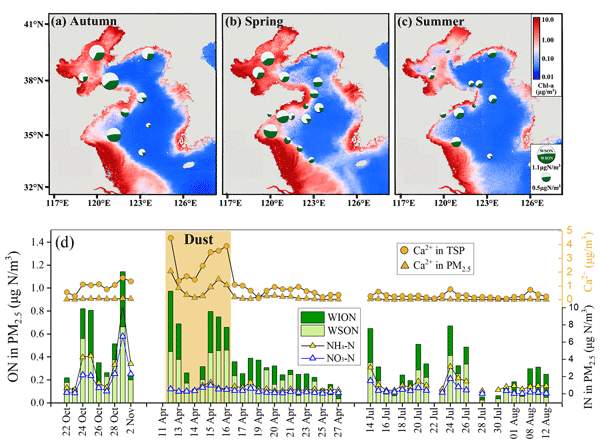
Chao Yu, Lin Zheng, Yujue Wang, Meijing Guo, Xu Yu, Yuqi Guo, Sisi Song, Kyoung-Soon Jang, Xiaohong Yao, Jian Zhen Yu, and Huiwang Gao
Atmos. Chem. Phys., 26, 13175–13188, https://doi.org/10.5194/acp-26-13175-2026, https://doi.org/10.5194/acp-26-13175-2026, 2026
Short summary
Short summary
Atmospheric organic nitrogen is an important fraction in marine aerosols, and plays vital roles in organic aerosol absorption and maintaining primary productivity in the open ocean. However, abundance or sources of aerosol organic nitrogen remain unclear in the marine boundary layer. Here, we found that anthropogenic secondary pollutants and dust drove the organic nitrogen formation and the light absorption by organic aerosols over East Asian marginal seas.
Yinan Wang, Hongxia Cui, Wei Zhao, Yongheng Bi, Tianqi Wang, and Daren Lu
Earth Syst. Sci. Data Discuss., https://doi.org/10.5194/essd-2026-552, https://doi.org/10.5194/essd-2026-552, 2026
Preprint under review for ESSD
Short summary
Short summary
We present the first openly archived multi-year, multi-wavelength Raman-lidar aerosol dataset from the clean interior Tibetan Plateau (Yangbajing, 4284 m; 2021–2024): quality-controlled profiles of backscatter, extinction, depolarisation and water vapour, with uncertainties and flags. The pristine site makes aerosol largely detection-limited. It gives a ground-truth reference for spaceborne-lidar evaluation, reanalysis and model assessment, and dust and radiative studies over the Third Pole.
Yinan Wang, Yubing Pan, and Daren Lyu
EGUsphere, https://doi.org/10.5194/egusphere-2026-3233, https://doi.org/10.5194/egusphere-2026-3233, 2026
Short summary
Short summary
Satellite columns of nitrogen dioxide show where and when NOₓ is emitted, but converting them into emissions has needed heavy computer models. Over the polluted North China Plain, we let a neural network infer emissions straight from the satellite data, with built-in physics of how the gas disperses and decays. It recovers day-by-day emissions whose pattern comes from the observations, not existing inventories, offering a fast, transferable way to monitor emissions from space.
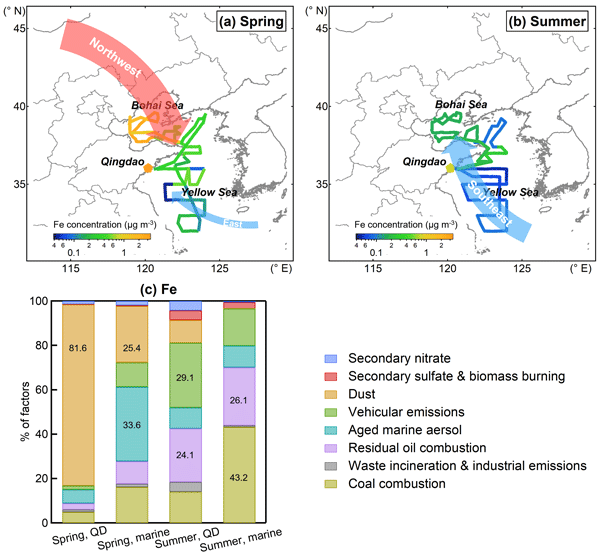
Yuxuan Qi, Wenshuai Li, Wen Qu, Haizhou Zhang, Wenqing Zhu, Jinhui Shi, Daizhou Zhang, Yanjing Zhang, Lifang Sheng, Wencai Wang, Yunhui Zhao, Yuanyuan Ma, Danyang Ren, Guanru Wu, Xinfeng Wang, Xiaohong Yao, and Yang Zhou
Atmos. Chem. Phys., 26, 7721–7740, https://doi.org/10.5194/acp-26-7721-2026, https://doi.org/10.5194/acp-26-7721-2026, 2026
Short summary
Short summary
To better constrain poorly resolved trace-element sources across the land-sea gradient, we applied a refined source apportionment to PM2.5 collected in Qingdao and adjacent seas in 2018. It showed that spring Fe, Mn and Cr were mainly dust-derived, although some dust aged and mixed into marine aerosol offshore. In summer, coal combustion enriched marine Zn, Pb, As and Cd, while residual oil combustion increased Fe and Mn, highlighting strong anthropogenic control on marine aerosols.
Ziyue Meng, Yuntao Wang, and Lei Han
Earth Syst. Sci. Data Discuss., https://doi.org/10.5194/essd-2026-305, https://doi.org/10.5194/essd-2026-305, 2026
Revised manuscript accepted for ESSD
Short summary
Short summary
Phytoplankton play a vital role in absorbing carbon dioxide and supporting marine life. We created a 20 year global dataset that reveals the 3D distribution of phytoplankton down to five hundred meters. By combining float profiles with satellite observations using a deep learning model, we reconstructed the hidden vertical structure of chlorophyll, which successfully reproduces the features across different ocean regions.
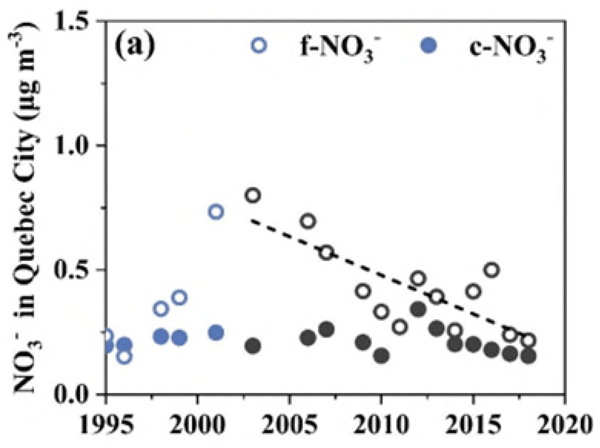
Qinchu Fan, Xiaohong Yao, and Leiming Zhang
Atmos. Chem. Phys., 26, 4917–4936, https://doi.org/10.5194/acp-26-4917-2026, https://doi.org/10.5194/acp-26-4917-2026, 2026
Short summary
Short summary
This study finds that the disproportionate multi-decadal trends between particulate nitrate and NOx emissions in Canadian urban atmospheres are driven by reductions in primary fine-fraction nitrate emissions, localized dispersion processes, and wind anomalies modulated by the Arctic Oscillation. These results help explain the weak or absent response of fine-fraction nitrate to NOx emission reductions observed globally, particularly in cold-climate regions.
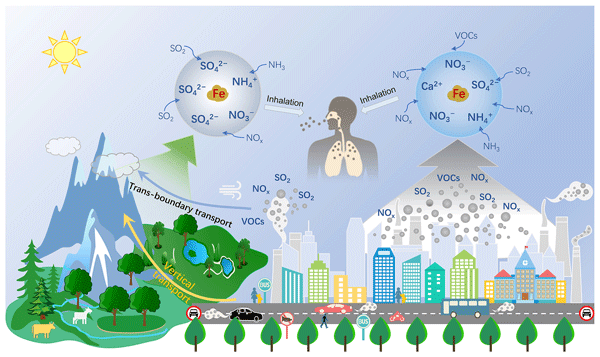
Guochen Wang, Xuedong Cui, Bingye Xu, Can Wu, Minkang Zhi, Keliang Li, Liang Xu, Qi Yuan, Yuntao Wang, Yele Sun, Zongbo Shi, Akinori Ito, Shixian Zhai, and Weijun Li
Atmos. Chem. Phys., 26, 1483–1496, https://doi.org/10.5194/acp-26-1483-2026, https://doi.org/10.5194/acp-26-1483-2026, 2026
Short summary
Short summary
Iron acidification process is primarily driven by sulphuric acid in the upper mixing layer different from nitric acid at the ground-level. Enhanced atmospheric aging process contributes to high iron solubility in the upper mixing layer. Numerical models should consider vertical variations in iron dissolution to improve simulation accuracy.
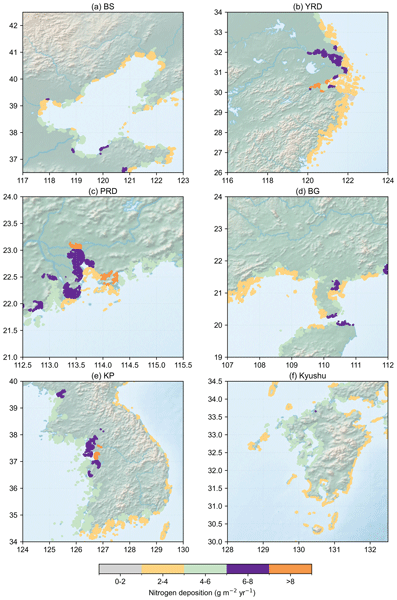
Jia Liu, Yan Zhang, Shenglan Jiang, Yuqi Xiong, Chenji Jin, Qi Yu, and Weichun Ma
Biogeosciences, 23, 709–725, https://doi.org/10.5194/bg-23-709-2026, https://doi.org/10.5194/bg-23-709-2026, 2026
Short summary
Short summary
To reveal the relationship between nitrogen deposition and carbon sink capacity in coastal wetlands of East Asia, the atmospheric chemical transport models were used in this study. We found that mangroves gained the most, capturing about 6.5 g C m-2 in summer but less than 0.1 g C m-2 in winter. The study shows pollution management must follow seasonal and local needs to keep wetlands working as strong natural carbon stores and guide better coastal protection in East Asia.
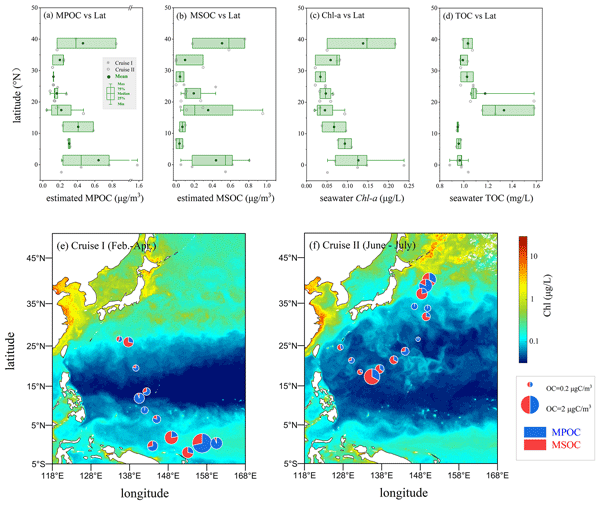
Yujue Wang, Yizhe Yi, Wei Xu, Yiwen Zhang, Shubin Li, Hong-Hai Zhang, Mingliang Gu, Shibo Yan, Jialei Zhu, Chao Zhang, Jinhui Shi, Yang Gao, Xiaohong Yao, and Huiwang Gao
Biogeosciences, 23, 77–93, https://doi.org/10.5194/bg-23-77-2026, https://doi.org/10.5194/bg-23-77-2026, 2026
Short summary
Short summary
Marine organic aerosols remain poorly quantified, which limits our understanding on the climate regulation of marine aerosols. Based on shipboard cruises over the Pacific Ocean, we proposed an observation-based parameterization approach to estimate the primary and secondary marine organic aerosols using sea surface chlorophyll a and sea salts in marine aerosols. The results highlight that the spatial distribution of marine organic aerosols was driven by the marine biological activities.
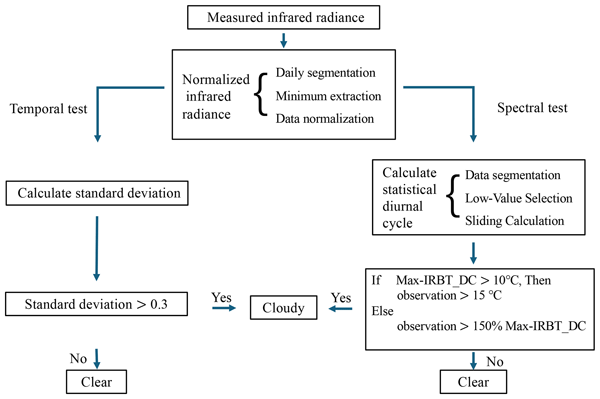
Linjun Pan, Yinan Wang, and Yongheng Bi
Atmos. Meas. Tech., 18, 6361–6370, https://doi.org/10.5194/amt-18-6361-2025, https://doi.org/10.5194/amt-18-6361-2025, 2025
Short summary
Short summary
Ground-based infrared radiometers provide low-cost cloud monitoring. Existing methods require supporting data from other instruments – making them unusable in remote regions like the Tibetan Plateau. Our innovation enables fully independent cloud identification using only the radiometer's data. This self-contained solution eliminates dependencies on external equipment or historical datasets, providing a practical cloud monitoring method for isolated sites where conventional approaches fail.
Jiaqi Liu, Shanshan Wang, Yan Zhang, Sanbao Zhang, Yuhao Yan, Zimin Han, and Bin Zhou
Atmos. Chem. Phys., 25, 13849–13862, https://doi.org/10.5194/acp-25-13849-2025, https://doi.org/10.5194/acp-25-13849-2025, 2025
Short summary
Short summary
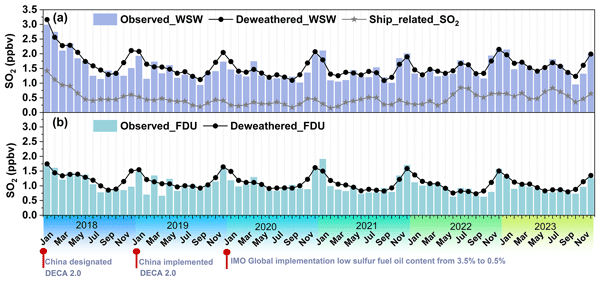
A 6-year study in a Shanghai port shows that during a low-sulfur fuel policies adjustment phase (2018–2020), ship pollution decreased by 43.47 % and 23.08 % yearly, but emissions rebounded by 19.5 % yearly post-2020 as shipping grew. Using air sensors and data analysis, researchers identified cargo ships as key polluters and created a cost-effective monitoring method for global ports. Findings warn that shipping expansion risks air quality progress, urging smarter policies while supporting trade.
Yangjie Sheng, Yanan Wang, Ting Cai, Yuntao Wang, Afef Fathalli, Sana Ben Ismail, and Yuanyuan Feng
Biogeosciences, 22, 5961–5974, https://doi.org/10.5194/bg-22-5961-2025, https://doi.org/10.5194/bg-22-5961-2025, 2025
Short summary
Short summary
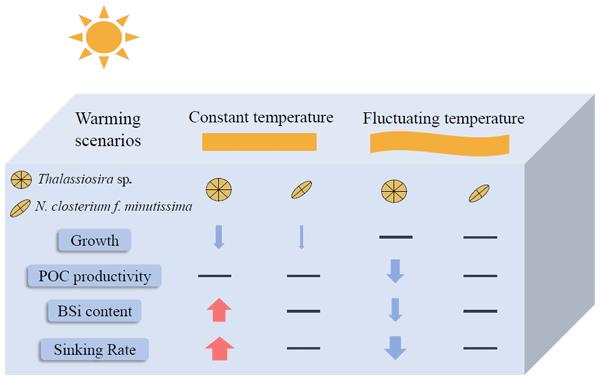
We conducted semi-continuous incubation experiments on two ecologically significant marine diatom species, Thalassiosira sp. and Nitzschia closterium f. minutissima, to examine their physiological responses to ocean warming and temperature fluctuation. These findings highlight the influence of temperature fluctuation on the physiology of marine diatoms in the context of global warming, thus having implications for a further understanding of biogeochemical feedbacks.
Shubin Li, Yujue Wang, Yiwen Zhang, Yizhe Yi, Yuchen Wang, Yuqi Guo, Chao Yu, Yue Jiang, Jinhui Shi, Chao Zhang, Jialei Zhu, Wei Hu, Jianzhen Yu, Xiaohong Yao, Huiwang Gao, and Min Hu
Atmos. Chem. Phys., 25, 12585–12598, https://doi.org/10.5194/acp-25-12585-2025, https://doi.org/10.5194/acp-25-12585-2025, 2025
Short summary
Short summary
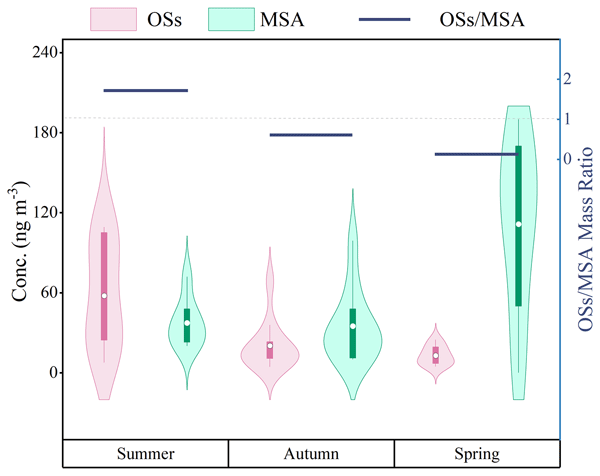
Organosulfates (OSs) are an unrecognized and potentially important component in marine organic aerosols. In this study, we quantified and characterized the OSs over East Asian marginal seas. The chemical nature and spatiotemporal distribution of OSs were modified by the joint influence of marine emissions and transported terrestrial pollutants. The results highlight the vital roles of OSs in shaping organic aerosol formation and sulfur cycle during summer in the marine boundary layer.
Guangyuan Yu, Yan Zhang, Qian Wang, Zimin Han, Shenglan Jiang, Fan Yang, Xin Yang, and Cheng Huang
Atmos. Chem. Phys., 25, 9497–9518, https://doi.org/10.5194/acp-25-9497-2025, https://doi.org/10.5194/acp-25-9497-2025, 2025
Short summary
Short summary
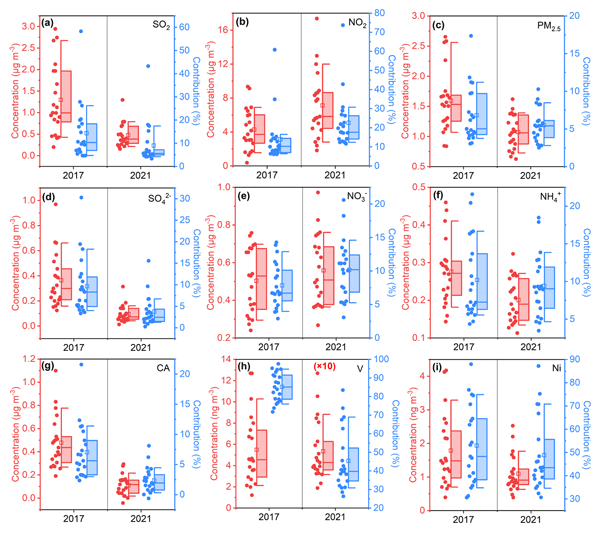
China has carried out staged low-sulfur fuel policies since 2017. This study simulated the changing spatiotemporal patterns of the impacts of ship emissions on PM2.5 from 2017 to 2021 based on the updated emission inventories and mapping of chemical species in the CMAQ (Community Multiscale Air Quality). Fuel policies caused evident relative changes in inorganic and organic components of the shipping-related PM2.5 over China’s port cities. The driving factors of the interannual, seasonal, and diurnal patterns were discussed.
Binyu Xiao, Fan Zhang, Zeyu Liu, Yan Zhang, Rui Li, Can Wu, Xinyi Wan, Yi Wang, Yubao Chen, Yong Han, Min Cui, Libo Zhang, Yingjun Chen, and Gehui Wang
Atmos. Chem. Phys., 25, 7053–7069, https://doi.org/10.5194/acp-25-7053-2025, https://doi.org/10.5194/acp-25-7053-2025, 2025
Short summary
Short summary
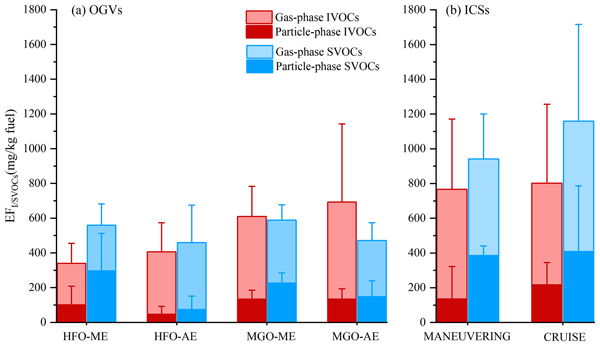
Intermediate-volatility/semi-volatile organic compounds in gas and particle phases from ship exhausts are enhanced due to the switch of fuels from low sulfur to ultra-low sulfur. The findings indicate that optimization is necessary for the forthcoming global implementation of an ultra-low-sulfur oil policy. Besides, we find that organic diagnostic markers of hopanes in conjunction with the ratio of octadecanoic to tetradecanoic could be considered potential tracers for heavy fuel oil exhausts.
Haibiao Chen, Caiqing Yan, Liubin Huang, Lin Du, Yang Yue, Xinfeng Wang, Qingcai Chen, Mingjie Xie, Junwen Liu, Fengwen Wang, Shuhong Fang, Qiaoyun Yang, Hongya Niu, Mei Zheng, Yan Wu, and Likun Xue
Atmos. Chem. Phys., 25, 3647–3667, https://doi.org/10.5194/acp-25-3647-2025, https://doi.org/10.5194/acp-25-3647-2025, 2025
Short summary
Short summary
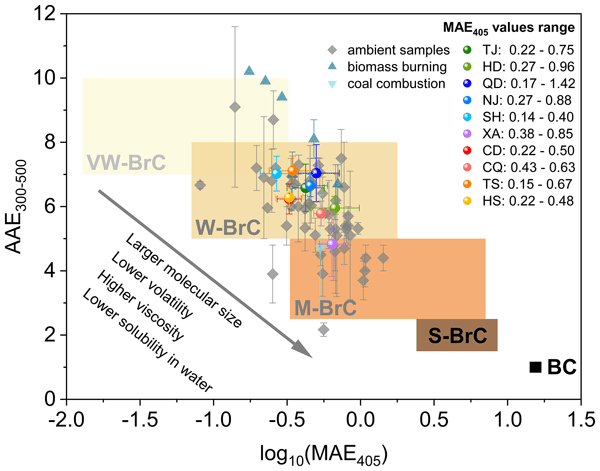
A comprehensive understanding of the optical properties of brown carbon (BrC) is essential to accurately assess its climatic effects. Based on multi-site spectroscopic measurements, this study demonstrated the significant spatial heterogeneity in the optical and structural properties of water-soluble organic carbon (WSOC) in different regions of China and revealed factors affecting WSOC light absorption and the relationship between fluorophores and light absorption of WSOC.
Viktor Gouretski, Lijing Cheng, Juan Du, Xiaogang Xing, Fei Chai, and Zhetao Tan
Earth Syst. Sci. Data, 16, 5503–5530, https://doi.org/10.5194/essd-16-5503-2024, https://doi.org/10.5194/essd-16-5503-2024, 2024
Short summary
Short summary
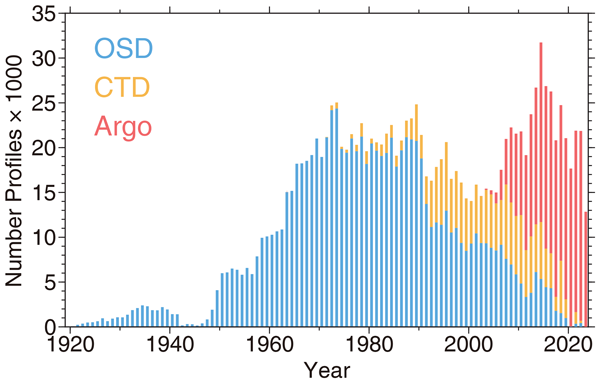
High-quality observations are crucial to understanding ocean oxygen changes and their impact on marine biota. We developed a quality control procedure to ensure the high quality of the heterogeneous ocean oxygen data archive and to prove data consistency. Oxygen data obtained by means of oxygen sensors on autonomous Argo floats were compared with reference data based on the chemical analysis, and estimates of the residual offsets were obtained.
Shengqian Zhou, Ying Chen, Shan Huang, Xianda Gong, Guipeng Yang, Honghai Zhang, Hartmut Herrmann, Alfred Wiedensohler, Laurent Poulain, Yan Zhang, Fanghui Wang, Zongjun Xu, and Ke Yan
Earth Syst. Sci. Data, 16, 4267–4290, https://doi.org/10.5194/essd-16-4267-2024, https://doi.org/10.5194/essd-16-4267-2024, 2024
Short summary
Short summary
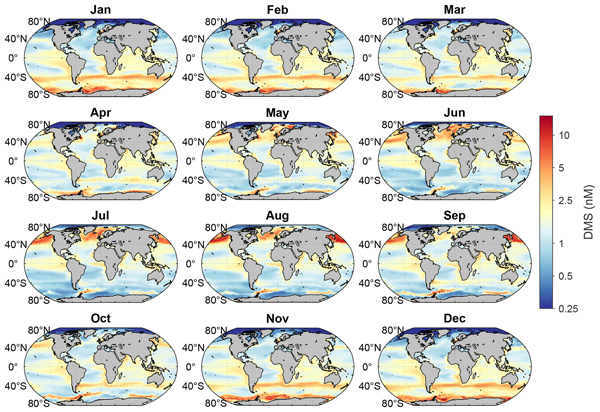
Dimethyl sulfide (DMS) is a crucial natural reactive gas in the global climate system due to its great contribution to aerosols and subsequent impact on clouds over remote oceans. Leveraging machine learning techniques, we constructed a long-term global sea surface DMS gridded dataset with daily resolution. Compared to previous datasets, our new dataset holds promise for improving atmospheric chemistry modeling and advancing our comprehension of the climate effects associated with oceanic DMS.
Qian Wang, Yang Zhang, Fei Chai, Y. Joseph Zhang, and Lorenzo Zampieri
Geosci. Model Dev., 17, 7067–7081, https://doi.org/10.5194/gmd-17-7067-2024, https://doi.org/10.5194/gmd-17-7067-2024, 2024
Short summary
Short summary
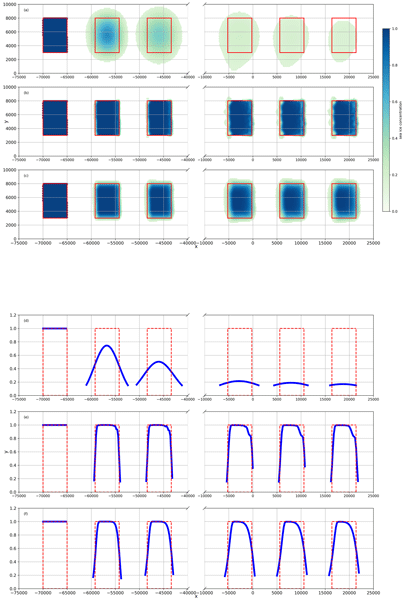
We coupled an unstructured hydro-model with an advanced column sea ice model to meet the growing demand for increased resolution and complexity in unstructured sea ice models. Additionally, we present a novel tracer transport scheme for the sea ice coupled model and demonstrate that this scheme fulfills the requirements for conservation, accuracy, efficiency, and monotonicity in an idealized test. Our new coupled model also has good performance in realistic tests.
Fan Zhang, Binyu Xiao, Zeyu Liu, Yan Zhang, Chongguo Tian, Rui Li, Can Wu, Yali Lei, Si Zhang, Xinyi Wan, Yubao Chen, Yong Han, Min Cui, Cheng Huang, Hongli Wang, Yingjun Chen, and Gehui Wang
Atmos. Chem. Phys., 24, 8999–9017, https://doi.org/10.5194/acp-24-8999-2024, https://doi.org/10.5194/acp-24-8999-2024, 2024
Short summary
Short summary
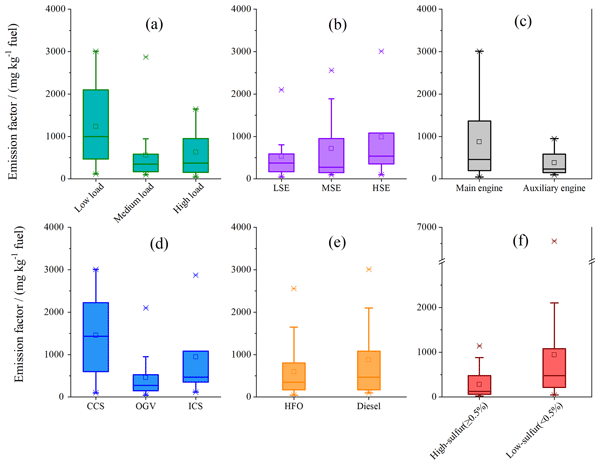
Mandatory use of low-sulfur fuel due to global sulfur limit regulations means large uncertainties in volatile organic compound (VOC) emissions. On-board tests of VOCs from nine cargo ships in China were carried out. Results showed that switching from heavy-fuel oil to diesel increased emission factor VOCs by 48 % on average, enhancing O3 and the secondary organic aerosol formation potential. Thus, implementing a global ultra-low-sulfur oil policy needs to be optimized in the near future.
Shenglan Jiang, Yan Zhang, Guangyuan Yu, Zimin Han, Junri Zhao, Tianle Zhang, and Mei Zheng
Atmos. Chem. Phys., 24, 8363–8381, https://doi.org/10.5194/acp-24-8363-2024, https://doi.org/10.5194/acp-24-8363-2024, 2024
Short summary
Short summary
This study aims to provide gridded data on sea-wide concentrations, deposition fluxes, and soluble deposition fluxes with detailed source categories of metals using the modified CMAQ model. We developed a monthly emission inventory of six metals – Fe, Al, V, Ni, Zn, and Cu – from terrestrial anthropogenic, ship, and dust sources in East Asia in 2017. Our results reveal the contribution of each source to the emissions, concentrations, and deposition fluxes of metals in the East Asian seas.
Xiaohong Yao and Leiming Zhang
Atmos. Chem. Phys., 24, 7773–7791, https://doi.org/10.5194/acp-24-7773-2024, https://doi.org/10.5194/acp-24-7773-2024, 2024
Short summary
Short summary
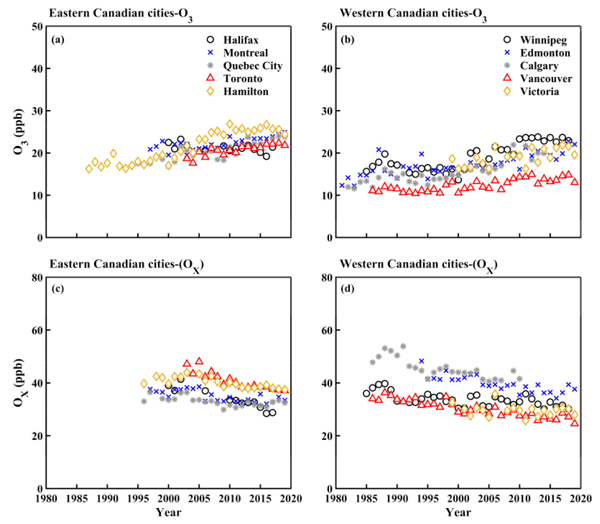
This study investigates long-term trends of criteria air pollutants, including NO2, CO, SO2, O3 and PM2.5, and NO2+O3 measured in 10 Canadian cities during the last 2 to 3 decades. We also investigate associated driving forces in terms of emission reductions, perturbations from varying weather conditions and large-scale wildfires, as well as changes in O3 sources and sinks.
Jingxuan Luo, Yubing Pan, Debin Su, Jinhua Zhong, Lingxiao Wu, Wei Zhao, Xiaoru Hu, Zhengchao Qi, Daren Lu, and Yinan Wang
Atmos. Meas. Tech., 17, 3765–3781, https://doi.org/10.5194/amt-17-3765-2024, https://doi.org/10.5194/amt-17-3765-2024, 2024
Short summary
Short summary
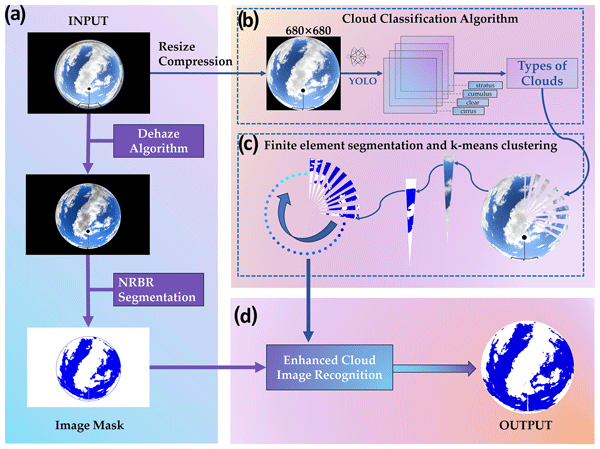
Accurate cloud quantification is critical for climate research. We developed a novel computer vision framework using deep neural networks and clustering algorithms for cloud classification and segmentation from ground-based all-sky images. After a full year of observational training, our model achieves over 95 % accuracy on four cloud types. The framework enhances quantitative analysis to support climate research by providing reliable cloud data.
Ming Chu, Xing Wei, Shangfei Hai, Yang Gao, Huiwang Gao, Yujiao Zhu, Biwu Chu, Nan Ma, Juan Hong, Yele Sun, and Xiaohong Yao
Atmos. Chem. Phys., 24, 6769–6786, https://doi.org/10.5194/acp-24-6769-2024, https://doi.org/10.5194/acp-24-6769-2024, 2024
Short summary
Short summary
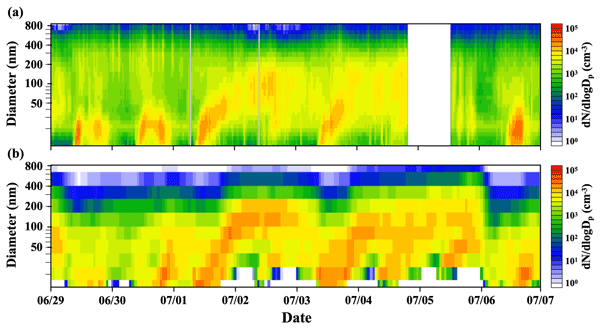
We used a 20-bin WRF-Chem model to simulate NPF events in the NCP during a three-week observational period in the summer of 2019. The model was able to reproduce the observations during June 29–July 6, which was characterized by a high frequency of NPF occurrence.
Jiawei Li, Zhiwei Han, Pingqing Fu, Xiaohong Yao, and Mingjie Liang
Atmos. Chem. Phys., 24, 3129–3161, https://doi.org/10.5194/acp-24-3129-2024, https://doi.org/10.5194/acp-24-3129-2024, 2024
Short summary
Short summary
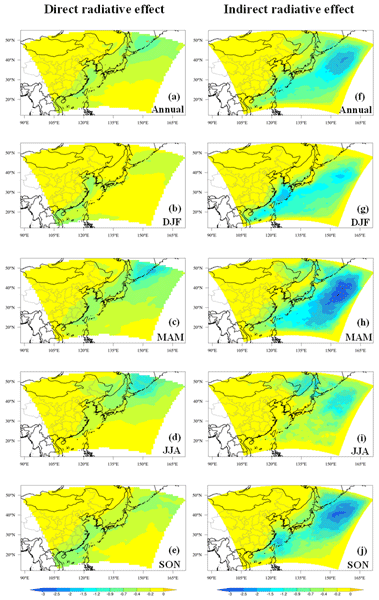
Organic aerosols of marine origin are important for aerosol climatic effects but are poorly understood. For the first time, an online coupled regional chemistry–climate model is applied to explore the characteristics of emission, distribution, and direct and indirect radiative effects of marine organic aerosols over the western Pacific, which reveals an important role of marine organic aerosols in perturbing cloud and radiation and promotes understanding of global aerosol climatic impact.
Feifan Yan, Hang Su, Yafang Cheng, Rujin Huang, Hong Liao, Ting Yang, Yuanyuan Zhu, Shaoqing Zhang, Lifang Sheng, Wenbin Kou, Xinran Zeng, Shengnan Xiang, Xiaohong Yao, Huiwang Gao, and Yang Gao
Atmos. Chem. Phys., 24, 2365–2376, https://doi.org/10.5194/acp-24-2365-2024, https://doi.org/10.5194/acp-24-2365-2024, 2024
Short summary
Short summary
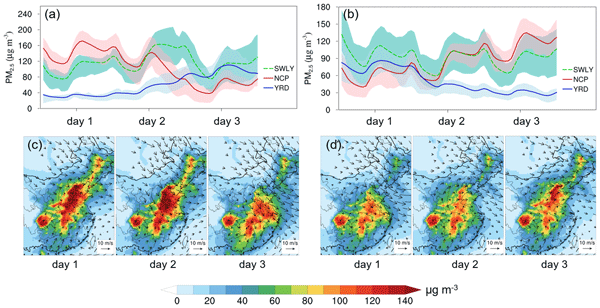
PM2.5 pollution is a major air quality issue deteriorating human health, and previous studies mostly focus on regions like the North China Plain and Yangtze River Delta. However, the characteristics of PM2.5 concentrations between these two regions are studied less often. Focusing on the transport corridor region, we identify an interesting seesaw transport phenomenon with stagnant weather conditions, conducive to PM2.5 accumulation over this region, resulting in large health effects.
Xue Wu, Lars Hoffmann, Corwin J. Wright, Neil P. Hindley, M. Joan Alexander, Silvio Kalisch, Xin Wang, Bing Chen, Yinan Wang, and Daren Lyu
EGUsphere, https://doi.org/10.5194/egusphere-2023-3008, https://doi.org/10.5194/egusphere-2023-3008, 2024
Preprint archived
Short summary
Short summary
This study identified a noteworthy time-lagged correlation between hurricane intensity and stratospheric gravity wave intensities during hurricane intensification. Meanwhile, the study reveals distinct frequencies, horizontal wavelengths, and vertical wavelengths in the inner core region during hurricane intensification, offering essential insights for monitoring hurricane intensity via satellite observations of stratospheric gravity waves.
Xing Wei, Yanjie Shen, Xiao-Ying Yu, Yang Gao, Huiwang Gao, Ming Chu, Yujiao Zhu, and Xiaohong Yao
Atmos. Chem. Phys., 23, 15325–15350, https://doi.org/10.5194/acp-23-15325-2023, https://doi.org/10.5194/acp-23-15325-2023, 2023
Short summary
Short summary
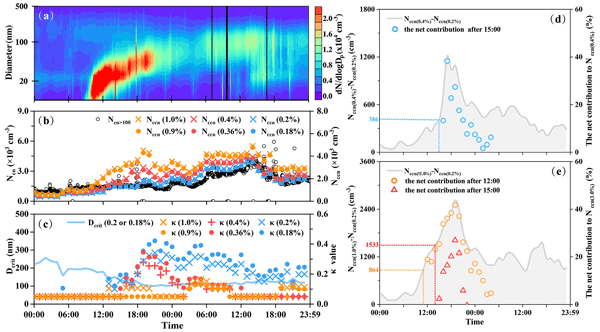
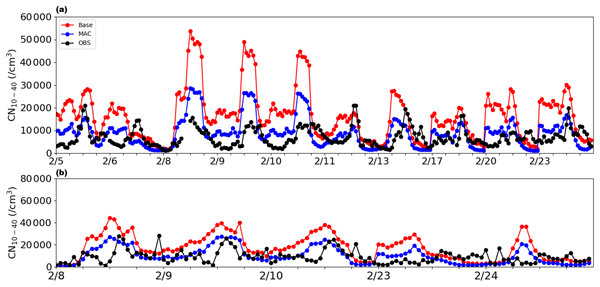
We investigate the contribution of grown new particles to Nccn at a rural mountain site in the North China Plain. The total particle number concentrations (Ncn) observed on 8 new particle formation (NPF) days were higher compared to non-NPF days. The Nccn at 0.2 % supersaturation (SS) and 0.4 % SS on the NPF days was significantly lower than on non-NPF days. Only one of eight NPF events had detectable net contributions to Nccn at 0.4 % SS and 1.0 % SS with increased κ values.
Chupeng Zhang, Shangfei Hai, Yang Gao, Yuhang Wang, Shaoqing Zhang, Lifang Sheng, Bin Zhao, Shuxiao Wang, Jingkun Jiang, Xin Huang, Xiaojing Shen, Junying Sun, Aura Lupascu, Manish Shrivastava, Jerome D. Fast, Wenxuan Cheng, Xiuwen Guo, Ming Chu, Nan Ma, Juan Hong, Qiaoqiao Wang, Xiaohong Yao, and Huiwang Gao
Atmos. Chem. Phys., 23, 10713–10730, https://doi.org/10.5194/acp-23-10713-2023, https://doi.org/10.5194/acp-23-10713-2023, 2023
Short summary
Short summary
New particle formation is an important source of atmospheric particles, exerting critical influences on global climate. Numerical models are vital tools to understanding atmospheric particle evolution, which, however, suffer from large biases in simulating particle numbers. Here we improve the model chemical processes governing particle sizes and compositions. The improved model reveals substantial contributions of newly formed particles to climate through effects on cloud condensation nuclei.
Congcong Qiao, Song Liu, Juan Huo, Xihan Mu, Ping Wang, Shengjie Jia, Xuehua Fan, and Minzheng Duan
Atmos. Meas. Tech., 16, 1539–1549, https://doi.org/10.5194/amt-16-1539-2023, https://doi.org/10.5194/amt-16-1539-2023, 2023
Short summary
Short summary
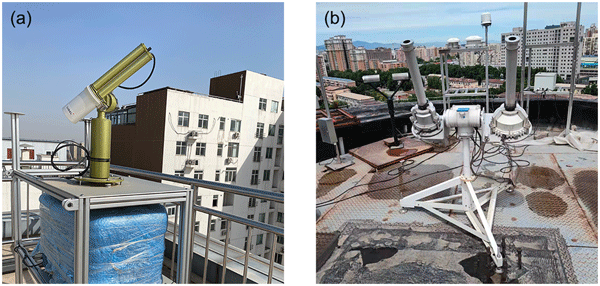
We established a spectral-fitting method to derive precipitable water vapor (PWV) and aerosol optical depth based on a strict radiative transfer theory by the spectral measurements of direct sun from EKO MS711 and MS712 spectroradiometers. The retrievals were compared with that of the colocated CE-318 photometer; the results showed a high degree of consistency. In the PWV inversion, a strong water vapor absorption band around 1370 nm is introduced to retrieve PWV in a relatively dry atmosphere.
Rui Li, Kun Zhang, Qing Li, Liumei Yang, Shunyao Wang, Zhiqiang Liu, Xiaojuan Zhang, Hui Chen, Yanan Yi, Jialiang Feng, Qiongqiong Wang, Ling Huang, Wu Wang, Yangjun Wang, Jian Zhen Yu, and Li Li
Atmos. Chem. Phys., 23, 3065–3081, https://doi.org/10.5194/acp-23-3065-2023, https://doi.org/10.5194/acp-23-3065-2023, 2023
Short summary
Short summary
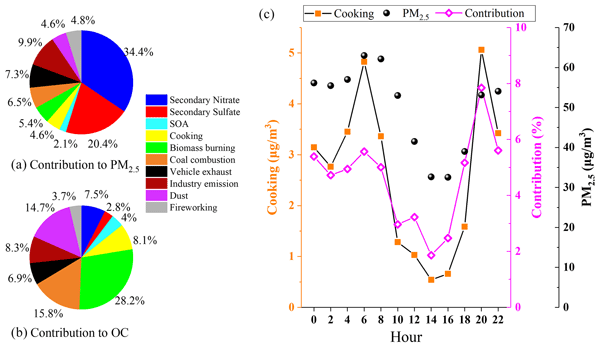
Molecular markers in organic aerosol (OA) provide specific source information on PM2.5, and the contribution of cooking emissions to OA is significant, especially in urban environments. This study investigates the variation in concentrations and oxidative degradation of fatty acids and corresponding oxidation products in ambient air, which can be a guide for the refinement of aerosol source apportionment and provide scientific support for the development of emission source control policies.
Yu Lin, Leiming Zhang, Qinchu Fan, He Meng, Yang Gao, Huiwang Gao, and Xiaohong Yao
Atmos. Chem. Phys., 22, 16073–16090, https://doi.org/10.5194/acp-22-16073-2022, https://doi.org/10.5194/acp-22-16073-2022, 2022
Short summary
Short summary
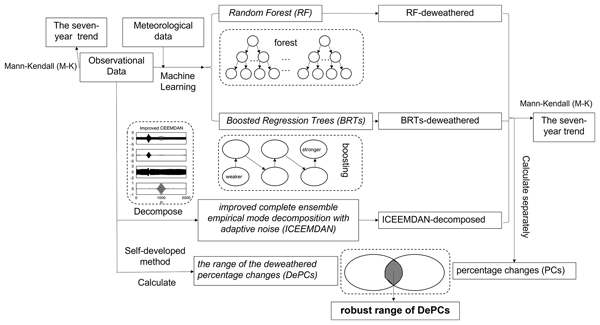
In this study, we analyzed 7-year (from May 2014 to April 2021) concentration data of six criteria air pollutants (PM2.5, PM10, O3, NO2, CO and SO2) as well as the sum of NO2 and O3 in six cities in South China. Three different analysis methods were used to identify emission-driven interannual variations and perturbations from varying weather conditions. In addition, a self-developed method was further introduced to constrain analysis uncertainties.
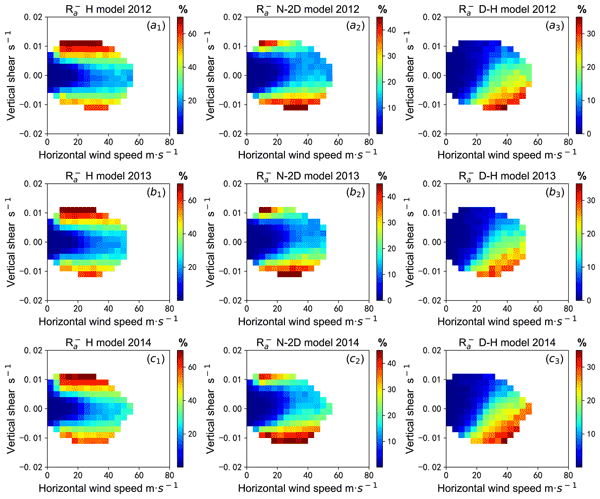
Ze Chen, Yufang Tian, Yinan Wang, Yongheng Bi, Xue Wu, Juan Huo, Linjun Pan, Yong Wang, and Daren Lü
Atmos. Meas. Tech., 15, 4785–4800, https://doi.org/10.5194/amt-15-4785-2022, https://doi.org/10.5194/amt-15-4785-2022, 2022
Short summary
Short summary
Small-scale turbulence plays a vital role in the vertical exchange of heat, momentum and mass in the atmosphere. There are currently three models that can use spectrum width data of MST radar to calculate turbulence parameters. However, few studies have explored the applicability of the three calculation models. We compared and analysed the turbulence parameters calculated by three models. These results can provide a reference for the selection of models for calculating turbulence parameters.
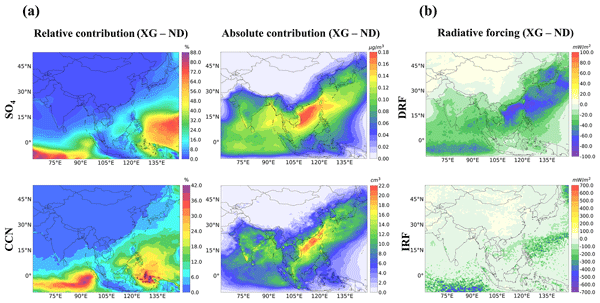
Junri Zhao, Weichun Ma, Kelsey R. Bilsback, Jeffrey R. Pierce, Shengqian Zhou, Ying Chen, Guipeng Yang, and Yan Zhang
Atmos. Chem. Phys., 22, 9583–9600, https://doi.org/10.5194/acp-22-9583-2022, https://doi.org/10.5194/acp-22-9583-2022, 2022
Short summary
Short summary
Marine dimethylsulfide (DMS) emissions play important roles in atmospheric sulfur cycle and climate effects. In this study, DMS emissions were estimated by using the machine learning method and drove the global 3D chemical transport model to simulate their climate effects. To our knowledge, this is the first study in the Asian region that quantifies the combined impacts of DMS on sulfate, particle number concentration, and radiative forcings.
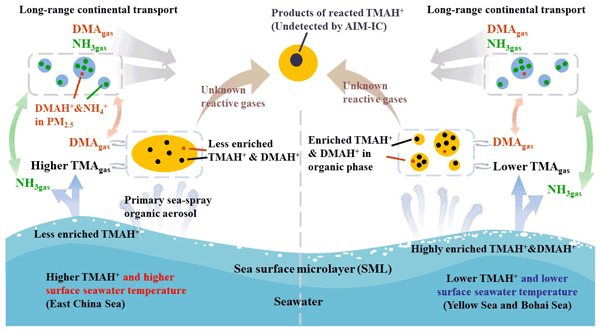
Yating Gao, Dihui Chen, Yanjie Shen, Yang Gao, Huiwang Gao, and Xiaohong Yao
Atmos. Chem. Phys., 22, 1515–1528, https://doi.org/10.5194/acp-22-1515-2022, https://doi.org/10.5194/acp-22-1515-2022, 2022
Short summary
Short summary
This study focuses on spatiotemporal heterogeneity of observed gaseous amines, NH3, their particulate counterparts in PM2.5 over different sea zones, and the disproportional release of alkaline gases and corresponding particulate counterparts from seawater in the sea zones in terms of different extents of enrichment of TMAH+ and DMAH+ in the sea surface microlayer (SML). A novel hypothesis is delivered.
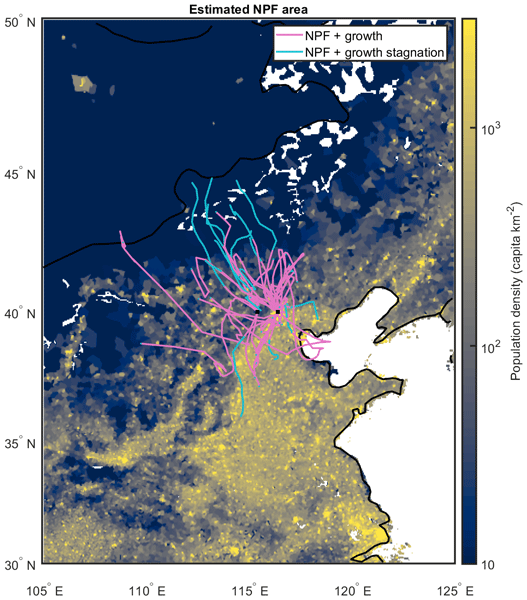
Ying Zhou, Simo Hakala, Chao Yan, Yang Gao, Xiaohong Yao, Biwu Chu, Tommy Chan, Juha Kangasluoma, Shahzad Gani, Jenni Kontkanen, Pauli Paasonen, Yongchun Liu, Tuukka Petäjä, Markku Kulmala, and Lubna Dada
Atmos. Chem. Phys., 21, 17885–17906, https://doi.org/10.5194/acp-21-17885-2021, https://doi.org/10.5194/acp-21-17885-2021, 2021
Short summary
Short summary
We characterized the connection between new particle formation (NPF) events in terms of frequency, intensity and growth at a near-highway location in central Beijing and at a background mountain site 80 km away. Due to the substantial contribution of NPF to the global aerosol budget, identifying the conditions that promote the occurrence of regional NPF events could help understand their contribution on a large scale and would improve their implementation in global models.
Liang Xu, Xiaohuan Liu, Huiwang Gao, Xiaohong Yao, Daizhou Zhang, Lei Bi, Lei Liu, Jian Zhang, Yinxiao Zhang, Yuanyuan Wang, Qi Yuan, and Weijun Li
Atmos. Chem. Phys., 21, 17715–17726, https://doi.org/10.5194/acp-21-17715-2021, https://doi.org/10.5194/acp-21-17715-2021, 2021
Short summary
Short summary
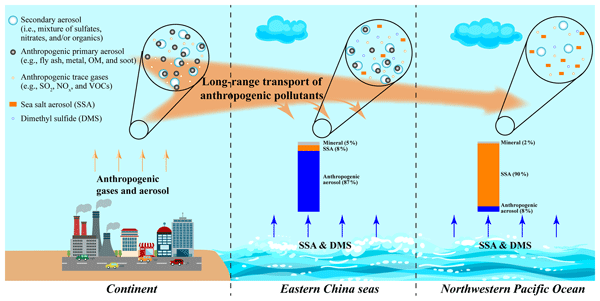
We quantified different types of marine aerosols and explored the Cl depletion of sea salt aerosol (SSA) in the eastern China seas and the northwestern Pacific Ocean. We found that anthropogenic acidic gases in the troposphere were transported longer distances compared to the anthropogenic aerosols and could significantly impact remote marine aerosols. Meanwhile, variations of chloride depletion in SSA can serve as a potential indicator for anthropogenic gaseous pollutants in remote marine air.

Dihui Chen, Yanjie Shen, Juntao Wang, Yang Gao, Huiwang Gao, and Xiaohong Yao
Atmos. Chem. Phys., 21, 16413–16425, https://doi.org/10.5194/acp-21-16413-2021, https://doi.org/10.5194/acp-21-16413-2021, 2021
Short summary
Short summary
The study provides solid evidence to demonstrate that atmospheric trimethylamine (TMAgas) and particulate trimethylaminium in PM2.5 (TMAH+) observed in marine atmospheres were uniquely derived from seawater emissions. As sea-derived TMAgas correlated significantly with DMAgas and NH3gas, sea-derived DMAgas and NH3gas can be estimated and can quantify the contribution to the observed species in the marine atmosphere. Similarly, the contributions of primary DMAH+ have also been estimated.
Shuangling Chen, Mark L. Wells, Rui Xin Huang, Huijie Xue, Jingyuan Xi, and Fei Chai
Biogeosciences, 18, 5539–5554, https://doi.org/10.5194/bg-18-5539-2021, https://doi.org/10.5194/bg-18-5539-2021, 2021
Short summary
Short summary
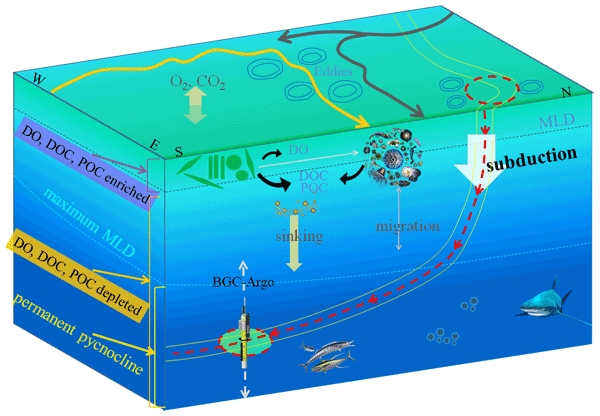
Subduction transports surface waters to the oceanic interior, which can supply significant amounts of carbon and oxygen to the twilight zone. Using a novel BGC-Argo dataset covering the western North Pacific, we successfully identified the imprints of episodic shallow subduction patches. These subduction patches were observed mainly in spring and summer (70.6 %), and roughly half of them extended below ~ 450 m, injecting carbon- and oxygen-enriched waters into the ocean interior.
Cited articles
Alexander, B., Park, R. J., Jacob, D. J., and Gong, S.: Transition metal-catalyzed oxidation of atmospheric sulfur: Global implications for the sulfur budget, J. Geophys. Res.-Atmos., 114, https://doi.org/10.1029/2008JD010486, 2009.
Baker, A. R. and Jickells, T. D.: Mineral particle size as a control on aerosol iron solubility, Geophys. Res. Lett., 33, https://doi.org/10.1029/2006GL026557, 2006.
Bi, X., Dai, Q., Wu, J., Zhang, Q., Zhang, W., Luo, R., Cheng, Y., Zhang, J., Wang, L., Yu, Z., Zhang, Y., Tian, Y., and Feng, Y.: Characteristics of the main primary source profiles of particulate matter across China from 1987 to 2017, Atmos. Chem. Phys., 19, 3223–3243, https://doi.org/10.5194/acp-19-3223-2019, 2019.
Binkowski, F. S. and Roselle, S. J.: Models-3 community multiscale air quality (CMAQ) model aerosol component 1. Model description, J. Geophys. Res.-Atmos., 108, https://doi.org/10.1029/2001JD001409, 2003.
Bunnell, Z. B., Sieber, M., Hamilton, D. S., Marsay, C. M., Buck, C. S., Landing, W. M., John, S. G., and Conway, T. M.: The influence of natural, anthropogenic, and wildfire sources on iron and zinc aerosols delivered to the North Pacific Ocean, Geophys. Res. Lett., 52, https://doi.org/10.1029/2024GL113877, 2025.
Cao, J.: PM2.5 and the environment in China, Science Press, Beijing, China, ISBN 9787030403827, 2014.
Chen, C., Huang, L., Shi, J., Zhou, Y., Wang, J., Yao, X., Gao, H., Liu, Y., Xing, J., and Liu, X.: Atmospheric outflow of anthropogenic iron and its deposition to China adjacent seas, Sci. Total Environ., 750, https://doi.org/10.1016/j.scitotenv.2020.141302, 2021.
Chen, D., Wang, X., Li, Y., Lang, J., Zhou, Y., Guo, X., and Zhao, Y.: High-spatiotemporal-resolution ship emission inventory of China based on AIS data in 2014, Sci. Total Environ., 609, 776–787, https://doi.org/10.1016/j.scitotenv.2017.07.051, 2017.
Chen, Y., Wang, Z., Fang, Z., Huang, C., Xu, H., Zhang, H., Zhang, T., Wang, F., Luo, L., Shi, G., Wang, X., and Tang, M.: Dominant contribution of non-dust primary emissions and secondary processes to dissolved aerosol iron, Environ. Sci. Technol., 58, 17355-17363, https://doi.org/10.1021/acs.est.4c05816, 2024.
China Meteorological Administration (CMA): Meteorological bulletin of atmospheric environment, https://www.cma.gov.cn/zfxxgk/gknr/qxbg/202301/t20230119_5273410.html (last access: 22 September 2025), 2021.
China Meteorological Administration (CMA): Meteorological bulletin of atmospheric environment, https://www.cma.gov.cn/zfxxgk/gknr/qxbg/202307/t20230707_5633816.html (last access: 22 September 2025), 2022.
Desboeufs, K. V., Losno, R., and Colin, J. L.: Factors influencing aerosol solubility during cloud processes, Atmos. Environ., 35, 3529–3537, https://doi.org/10.1016/S1352-2310(00)00472-6, 2001.
Dong, X., Zhang, Y., Yu, G., Xiong, Y., Han, Z., Huo, J., Huang, C., Kan, H., Zheng, M., Ning, Z., and Xie, B.: Environmental and health impacts of reduced PM2.5 and trace metals from ship emissions under low-sulfur fuel oil policy in Shanghai, China, Environ. Pollut., 377, https://doi.org/10.1016/j.envpol.2025.126409, 2025.
Fu, H., Lin, J., Shang, G., Dong, W., Grassian, V. H., Carmichael, G. R., Li, Y., and Chen, J.: Solubility of iron from combustion source particles in acidic media linked to iron speciation, Environ. Sci. Technol., 46, 11119–11127, https://doi.org/10.1021/es302558m, 2012.
Gao, Y., Xu, G., Zhan, J., Zhang, J., Li, W., Lin, Q., Chen, L., and Lin, H.: Spatial and particle size distributions of atmospheric dissolvable iron in aerosols and its input to the Southern Ocean and coastal East Antarctica, J. Geophys. Res.-Atmos., 118, 12634–12648, https://doi.org/10.1002/2013JD020367, 2013.
Gary, N., Rachelle, D., Steve, B., and Song, B.: EPA positive matrix factorization (PMF) 5.0 fundamentals and user guide, U.S. Environmental Protection Agency, Washington, USA, https://www.epa.gov/sites/default/files/2015-02/documents/pmf_5.0_user_guide.pdf (last access: 22 September 2025), 2014.
Ge, Y., Guan, W., Wong, K. H., and Zhang, R.: Spatial variability and source identification of trace elements in aerosols from Northwest Pacific Marginal Sea, Indian Ocean and South Pacific to Antarctica, Glob. Biogeochem. Cycle, 38, https://doi.org/10.1029/2024GB008235, 2024.
Gledhill, M. and Buck, K. N.: The organic complexation of iron in the marine environment: a review, Front. Microbiol., 3, https://doi.org/10.3389/fmicb.2012.00069, 2012.
Guo, L., Chen, Y., Wang, F., Meng, X., Xu, Z., and Zhuang, G.: Effects of Asian dust on the atmospheric input of trace elements to the East China Sea, Mar. Chem., 163, 19–27, https://doi.org/10.1016/j.marchem.2014.04.003, 2014.
Hamilton, D. S., Scanza, R. A., Feng, Y., Guinness, J., Kok, J. F., Li, L., Liu, X., Rathod, S. D., Wan, J. S., Wu, M., and Mahowald, N. M.: Improved methodologies for Earth system modelling of atmospheric soluble iron and observation comparisons using the Mechanism of Intermediate complexity for Modelling Iron (MIMI v1.0), Geosci. Model Dev., 12, 3835–3862, https://doi.org/10.5194/gmd-12-3835-2019, 2019.
Hamilton, D. S., Scanza, R. A., Rathod, S. D., Bond, T. C., Kok, J. F., Li, L., Matsui, H., and Mahowald, N. M.: Recent (1980 to 2015) trends and variability in daily-to-interannual soluble iron deposition from dust, fire, and anthropogenic sources, Geophys. Res. Lett., 47, https://doi.org/10.1029/2020GL089688, 2020.
Hsieh, C. C. and Ho, T. Y.: Contribution of anthropogenic and lithogenic aerosol Fe in the East China Sea, J. Geophys. Res.-Oceans, 129, https://doi.org/10.1029/2024jc021113, 2024.
Hsu, S. C., Wong, G. T. F., Gong, G. C., Shiah, F. K., Huang, Y. T., Kao, S. J., Tsai, F., Lung, S. C. C., Lin, F. J., Lin, I. I., Hung, C. C., and Tseng, C. M.: Sources, solubility, and dry deposition of aerosol trace elements over the East China Sea, Mar. Chem., 120, 116–127, https://doi.org/10.1016/j.marchem.2008.10.003, 2010.
Huang, S. L., Rahn, K. A., and Arimoto, R.: Testing and optimizing two factor-analysis techniques on aerosol at Narragansett, Rhode Island, Atmos. Environ., 33, 2169–2185, https://doi.org/10.1016/S1352-2310(98)00324-0, 1999.
Ito, A.: Global modeling study of potentially bioavailable iron input from shipboard aerosol sources to the ocean, Glob. Biogeochem. Cycle, 27, 1–10, https://doi.org/10.1029/2012GB004378, 2013.
Ito, A.: Atmospheric processing of combustion aerosols as a source of bioavailable iron, Environ. Sci. Technol. Lett., 2, 70–75, https://doi.org/10.1021/acs.estlett.5b00007, 2015.
Ito, A. and Miyakawa, T.: Aerosol iron from metal production as a secondary source of bioaccessible iron, Environ. Sci. Technol., 57, 4091–4100, https://doi.org/10.1021/acs.est.2c06472, 2023.
Ito, A., Myriokefalitakis, S., Kanakidou, M., Mahowald, N. M., Scanza, R. A., Hamilton, D. S., Baker, A. R., Jickells, T., Sarin, M., Bikkina, S., Gao, Y., Shelley, R. U., Buck, C. S., Landing, W. M., Bowie, A. R., Perron, M. M. G., Guieu, C., Meskhidze, N., Johnson, M. S., Feng, Y., Kok, J. F., Nenes, A., and Duce, R. A.: Pyrogenic iron: The missing link to high iron solubility in aerosols, Sci. Adv., 5, https://doi.org/10.1126/sciadv.aau7671, 2019.
Ito, A., Ye, Y., Baldo, C., and Shi, Z.: Ocean fertilization by pyrogenic aerosol iron, npj Clim. Atmos. Sci., 4, https://doi.org/10.1038/s41612-021-00185-8, 2021.
Ji, D., Liu, Y., Xu, X., He, J., Liu, N., Ge, B., and Wang, Y.: Abundance, distribution and deposition of PM2.5-bound iron in northern China during 2021 dust and dust storm periods, Atmos. Environ., 318, https://doi.org/10.1016/j.atmosenv.2023.120249, 2024.
Jiang, S., Zhang, Y., Yu, G., Han, Z., Zhao, J., Zhang, T., and Zheng, M.: Source-resolved atmospheric metal emissions, concentrations, and deposition fluxes into the East Asian seas, Atmos. Chem. Phys., 24, 8363–8381, https://doi.org/10.5194/acp-24-8363-2024, 2024.
Jickells, T. D., An, Z. S., Andersen, K. K., Baker, A. R., Bergametti, G., Brooks, N., Cao, J., Boyd, P. W., Duce, R. A., Hunter, K. A., Kawahata, H., Kubilay, N., laRoche, J., Liss, P. S., Mahowald, N., Prospero, J. M., Ridgwell, A. J., Tegen, I., and Torres, R.: Global iron connections between desert dust, ocean biogeochemistry, and climate, Science, 308, 67–71, https://doi.org/10.1126/science.1105959, 2005.
Johansson, L., Jalkanen, J. P., and Kukkonen, J.: Global assessment of shipping emissions in 2015 on a high spatial and temporal resolution, Atmos. Environ., 167, 403–415, https://doi.org/10.1016/j.atmosenv.2017.08.042, 2017.
Johnson, M. S. and Meskhidze, N.: Atmospheric dissolved iron deposition to the global oceans: effects of oxalate-promoted Fe dissolution, photochemical redox cycling, and dust mineralogy, Geosci. Model Dev., 6, 1137–1155, https://doi.org/10.5194/gmd-6-1137-2013, 2013.
König, D., Conway, T. M., Hamilton, D. S., and Tagliabue, A.: Surface ocean biogeochemistry regulates the impact of anthropogenic aerosol Fe deposition on the cycling of iron and iron isotopes in the North Pacific, Geophys. Res. Lett., 49, https://doi.org/10.1029/2022GL098016, 2022.
Krishnamurthy, A., Moore, J. K., Mahowald, N., Luo, C., Doney, S. C., Lindsay, K., and Zender, C. S.: Impacts of increasing anthropogenic soluble iron and nitrogen deposition on ocean biogeochemistry, Glob. Biogeochem. Cycle, 23, https://doi.org/10.1029/2008GB003440, 2009.
Kurisu, M., Sakata, K., Uematsu, M., Ito, A., and Takahashi, Y.: Contribution of combustion Fe in marine aerosols over the northwestern Pacific estimated by Fe stable isotope ratios, Atmos. Chem. Phys., 21, 16027–16050, https://doi.org/10.5194/acp-21-16027-2021, 2021.
Kurisu, M., Sakata, K., Nishioka, J., Obata, H., Conway, T. M., Hunt, H. R., Sieber, M., Suzuki, K., Kashiwabara, T., Kubo, S., Takada, M., and Takahashi, Y.: Source and fate of atmospheric iron supplied to the subarctic North Pacific traced by stable iron isotope ratios, Geochim. Cosmochim. Acta, 378, 168–185, https://doi.org/10.1016/j.gca.2024.06.009, 2024.
Lambert, F., Tagliabue, A., Shaffer, G., Lamy, F., Winckler, G., Farias, L., Gallardo, L., and De Pol-Holz, R.: Dust fluxes and iron fertilization in Holocene and Last Glacial Maximum climates, Geophys. Res. Lett., 42, 6014–6023, https://doi.org/10.1002/2015GL064250, 2015.
Lee, S., Han, C., Shin, D., Hur, S. D., Jun, S. J., Kim, Y. T., Byun, D. S., and Hong, S.: Characteristics of elemental and Pb isotopic compositions in aerosols (PM10−2.5) at the Ieodo Ocean Research Station in the East China Sea, Environ. Pollut., 231, 154–164, https://doi.org/10.1016/j.envpol.2017.08.007, 2017.
Li, T. and Yuan, H.: Element abundance in the oceanic and the continental lithospheres, Geochimica, 40, 1–5, https://doi.org/10.19700/j.0379-1726.2011.01.001, 2011.
Li, W., Qi, Y., Qu, W., Qu, W., Shi, J., Zhang, D., Liu, Y., Zhang, Y., Zhang, W., Ren, D., Ma, Y., Wang, X., Yi, L., Sheng, L., and Zhou, Y.: PM2.5 source apportionment identified with total and soluble elements in positive matrix factorization, Sci. Total Environ., 858, https://doi.org/10.1016/j.scitotenv.2022.159948, 2023a.
Li, W., Qi, Y., Wu, G., Zhang, Y., Han, R., Liu, Y., Qu, W., Song, Y., Wang, X., Chen, T., Sheng, L., Shi, J., Zhang, D., and Zhou, Y.: Anthropogenic dominance and secondary processes drive aerosol iron solubility in Asian continental outflow: Insights from spring Qingdao, China, ACS ES&T Air, 2, 1840–1848, https://doi.org/10.1021/acsestair.5c00049, 2025a.
Li, Y., Liu, S., Luo, L., Yang, S., Lu, B., Wang, C., Hsu, S. C., and Kao, S.: Seasonal variations, source apportionment and dry deposition of chemical species of total suspended particulate in Pengjia Yu Island, East China Sea, Mar. Pollut. Bull., 187, https://doi.org/10.1016/j.marpolbul.2023.114608, 2023b.
Li, Y., Luo, L., Hsu, S. C., Yao, X., Gao, H., and Kao, S.: Spatial patterns of total and water-soluble trace metals in various marine total suspended particulate over the Northwest Pacific Ocean, J. Geophys. Res.-Atmos., 130, https://doi.org/10.1029/2025jd043475, 2025b.
Lin, Y. C., Chen, J. P., Ho, T. Y., and Tsai, I. C.: Atmospheric iron deposition in the northwestern Pacific Ocean and its adjacent marginal seas: The importance of coal burning, Glob. Biogeochem. Cycle, 29, 138–159, https://doi.org/10.1002/2013GB004795, 2015.
Liu, J., Zhang, T., Ding, X., Li, X., Liu, Y., Yan, C., Shen, Y., Yao, X., and Zheng, M.: A clear north-to-south spatial gradience of chloride in marine aerosol in Chinese seas under the influence of East Asian Winter Monsoon, Sci. Total Environ., 832, https://doi.org/10.1016/j.scitotenv.2022.154929, 2022a.
Liu, M., Matsui, H., Hamilton, D. S., Lamb, K. D., Rathod, S. D., Schwarz, J. P., and Mahowald, N. M.: The underappreciated role of anthropogenic sources in atmospheric soluble iron flux to the Southern Ocean, npj Clim. Atmos. Sci., 5, https://doi.org/10.1038/s41612-022-00250-w, 2022b.
Liu, Y., Xing, J., Wang, S., Fu, X., and Zheng, H.: Source-specific speciation profiles of PM2.5 for heavy metals and their anthropogenic emissions in China, Environ. Pollut., 239, 544–553, https://doi.org/10.1016/j.envpol.2018.04.047, 2018.
Mahowald, N. M., Hamilton, D. S., Mackey, K. R. M., Moore, J. K., Baker, A. R., Scanza, R. A., and Zhang, Y.: Aerosol trace metal leaching and impacts on marine microorganisms, Nat. Commun., 9, https://doi.org/10.1038/s41467-018-04970-7, 2018.
Martin, J. H.: Glacial-interglacial CO2 change: The iron hypothesis, Paleoceanography, 5, 1–13, https://doi.org/10.1029/PA005i001p00001, 1990.
Matsui, H., Mahowald, N. M., Moteki, N., Hamilton, D. S., Ohata, S., Yoshida, A., Koike, M., Scanza, R. A., and Flanner, M. G.: Anthropogenic combustion iron as a complex climate forcer, Nat. Commun., 9, https://doi.org/10.1038/s41467-018-03997-0, 2018.
Meng, Q., Yan, C., Li, R., Zhang, T., Zheng, M., Liu, Y., Zhang, M., Wang, G., Du, Y., Shang, C., and Fu, P.: Variations of PM2.5-bound elements and their associated effects during long-distance transport of dust storms: Insights from multi-sites observations, Sci. Total Environ., 889, https://doi.org/10.1016/j.scitotenv.2023.164062, 2023.
Myriokefalitakis, S., Ito, A., Kanakidou, M., Nenes, A., Krol, M. C., Mahowald, N. M., Scanza, R. A., Hamilton, D. S., Johnson, M. S., Meskhidze, N., Kok, J. F., Guieu, C., Baker, A. R., Jickells, T. D., Sarin, M. M., Bikkina, S., Shelley, R., Bowie, A., Perron, M. M. G., and Duce, R. A.: Reviews and syntheses: the GESAMP atmospheric iron deposition model intercomparison study, Biogeosciences, 15, 6659–6684, https://doi.org/10.5194/bg-15-6659-2018, 2018.
Oakes, M., Ingall, E. D., Lai, B., Shafer, M. M., Hays, M. D., Liu, Z. G., Russell, A. G., and Weber, R. J.: Iron solubility related to particle sulfur content in source emission and ambient fine particles, Environ. Sci. Technol., 46, 6637–6644, https://doi.org/10.1021/es300701c, 2012.
Paatero, P. and Tapper, U.: Positive matrix factorization: A nonnegative factor model with optimal utilization of error estimates of data values, Environmetrics, 5, 111–126, https://doi.org/10.1002/env.3170050203, 1994.
Perron, M. M. G., Strzelec, M., Gault-Ringold, M., Proemse, B. C., Boyd, P. W., and Bowie, A. R.: Assessment of leaching protocols to determine the solubility of trace metals in aerosols, Talanta, 208, https://doi.org/10.1016/j.talanta.2019.120377, 2020.
Pinedo-González, P., Hawco, N. J., Bundy, R. M., Armbrust, E. V., Follows, M. J., Cael, B. B., White, A. E., Ferrón, S., Karl, D. M., and John, S. G.: Anthropogenic Asian aerosols provide Fe to the North Pacific Ocean, Proc. Natl. Acad. Sci. U. S. A., 117, 27862–27868, https://doi.org/10.1073/pnas.2010315117, 2020.
Qi, Y., Li, W., Qu, W., Zhang, H., Zhu, W., Shi, J., Zhang, D., Zhang, Y., Sheng, L., Wang, W., Zhao, Y., Ma, Y., Ren, D., Wu, G., Wang, X., Yao, X., and Zhou, Y.: Elevated Anthropogenic Contributions to Trace Elements in Marine Aerosols Compared to Coastal Qingdao in Eastern China, EGUsphere [preprint], https://doi.org/10.5194/egusphere-2025-4005, 2025.
Rathod, S. D., Hamilton, D. S., Mahowald, N. M., Klimont, Z., Corbett, J. J., and Bond, T. C.: A mineralogy-based anthropogenic combustion-iron emission inventory, J. Geophys. Res.-Atmos., 125, https://doi.org/10.1029/2019JD032114, 2020.
Scanza, R. A., Hamilton, D. S., Perez Garcia-Pando, C., Buck, C., Baker, A., and Mahowald, N. M.: Atmospheric processing of iron in mineral and combustion aerosols: development of an intermediate-complexity mechanism suitable for Earth system models, Atmos. Chem. Phys., 18, 14175–14196, https://doi.org/10.5194/acp-18-14175-2018, 2018.
Schlitzer, R.: Ocean Data View, https://odv.awi.de, last access: 28 December 2025.
Schroth, A. W., Crusius, J., Sholkovitz, E. R., and Bostick, B. C.: Iron solubility driven by speciation in dust sources to the ocean, Nat. Geosci., 2, 337–340, https://doi.org/10.1038/NGEO501, 2009.
Seo, H. and Kim, G.: Anthropogenic iron invasion into the ocean: results from the East Sea (Japan Sea), Environ. Sci. Technol., 57, 10745–10753, https://doi.org/10.1021/acs.est.3c01084, 2023.
Shi, J., Guan, Y., Ito, A., Gao, H., Yao, X., Baker, A. R., and Zhang, D.: High production of soluble iron promoted by aerosol acidification in fog, Geophys. Res. Lett., 47, https://doi.org/10.1029/2019GL086124, 2020.
Sholkovitz, E. R., Sedwick, P. N., Church, T. M., Baker, A. R., and Powell, C. F.: Fractional solubility of aerosol iron: Synthesis of a global-scale data set, Geochim. Cosmochim. Acta, 89, 173–189, https://doi.org/10.1016/j.gca.2012.04.022, 2012.
Tagliabue, A., Bowie, A. R., Boyd, P. W., Buck, K. N., Johnson, K. S., and Saito, M. A.: The integral role of iron in ocean biogeochemistry, Nature, 543, 51–59, https://doi.org/10.1038/nature21058, 2017.
Tai, A. P. K., Ma, P. H. L., Chan, Y. C., Chow, M. K., Ridley, D. A., and Kok, J. F.: Impacts of climate and land cover variability and trends on springtime East Asian dust emission over 1982–2010: A modeling study, Atmos. Environ., 254, https://doi.org/10.1016/j.atmosenv.2021.118348, 2021.
Takahashi, Y., Higashi, M., Furukawa, T., and Mitsunobu, S.: Change of iron species and iron solubility in Asian dust during the long-range transport from western China to Japan, Atmos. Chem. Phys., 11, 11237–11252, https://doi.org/10.5194/acp-11-11237-2011, 2011.
Tang, Y., Jia, X., Huang, C., Wang, F., Ren, Y., Gu, W., Li, R., Zhang, G., and Tang, M.: Dissolution characteristics of typical iron-containing minerals, J. Earth Environ., 14, 136–144, https://doi.org/10.7515/JEE222007, 2023.
Tian, H. Z., Zhu, C. Y., Gao, J. J., Cheng, K., Hao, J. M., Wang, K., Hua, S. B., Wang, Y., and Zhou, J. R.: Quantitative assessment of atmospheric emissions of toxic heavy metals from anthropogenic sources in China: historical trend, spatial distribution, uncertainties, and control policies, Atmos. Chem. Phys., 15, 10127–10147, https://doi.org/10.5194/acp-15-10127-2015, 2015.
Wang, L., Qi, J., Shi, J., Chen, X., and Gao, H.: Source apportionment of particulate pollutants in the atmosphere over the Northern Yellow Sea, Atmos. Environ., 70, 425–434, https://doi.org/10.1016/j.atmosenv.2012.12.041, 2013.
Wang, R., Balkanski, Y., Boucher, O., Bopp, L., Chappell, A., Ciais, P., Hauglustaine, D., Peñuelas, J., and Tao, S.: Sources, transport and deposition of iron in the global atmosphere, Atmos. Chem. Phys., 15, 6247–6270, https://doi.org/10.5194/acp-15-6247-2015, 2015.
Xu, L., Zhi, M., Liu, X., Gao, H., Yao, X., Yuan, Q., Fu, P., and Li, W.: Direct evidence of pyrogenic aerosol iron by intrusions of continental polluted air into the Eastern China Seas, Atmos. Res., 292, https://doi.org/10.1016/j.atmosres.2023.106839, 2023.
Yanca, C. A., Barth, D. C., Petterson, K. A., Nakanishi, M. P., Cooper, J. A., Johnsen, B. E., Lambert, R. H., and Bivins, D. G.: Validation of three new methods for determination of metal emissions using a modified environmental protection agency method 301, J. Air Waste Manage. Assoc., 56, 1733–1742, https://doi.org/10.1080/10473289.2006.10464578, 2006.
Yang, T., Chen, Y., Zhou, S., Li, H., Wang, F., and Zhu, Y.: Solubilities and deposition fluxes of atmospheric Fe and Cu over the Northwest Pacific and its marginal seas, Atmos. Environ., 239, https://doi.org/10.1016/j.atmosenv.2020.117763, 2020.
Yu, G., Zhang, Y., Yang, F., He, B., Zhang, C., Zou, Z., Yang, X., Li, N., and Chen, J.: Dynamic
Yu, H., Yang, Y., Wang, H., Tan, Q., Chin, M., Levy, R. C., Remer, L. A., Smith, S. J., Yuan, T., and Shi, Y.: Interannual variability and trends of combustion aerosol and dust in major continental outflows revealed by MODIS retrievals and CAM5 simulations during 2003–2017, Atmos. Chem. Phys., 20, 139–161, https://doi.org/10.5194/acp-20-139-2020, 2020.
Zhang, F., Chen, Y., Wang, X., Tian, C., Tang, J., Li, J., and Zhang, G.: Chemical compositions and seasonal variation of PM2.5 in the National Air Background Monitoring Station at Tuoji Island, Geochimica, 43, 317–328, https://doi.org/10.19700/j.0379-1726.2014.04.001, 2014a.
Zhang, F., Chen, Y., Chen, Q., Feng, Y., Shang, Y., Yang, X., Gao, H., Tian, C., Li, J., Zhang, G., Matthias, V., and Xie, Z.: Real-world emission factors of gaseous and particulate pollutants from marine fishing boats and their total emissions in China, Environ. Sci. Technol., 52, 4910–4919, https://doi.org/10.1021/acs.est.7b04002, 2018.
Zhang, H., Li, R., Dong, S., Wang, F., Zhu, Y., Meng, H., Huang, C., Ren, Y., Wang, X., Hu, X., Li, T., Peng, C., Zhang, G., Xue, L., Wang, X., and Tang, M.: Abundance and fractional solubility of aerosol iron during winter at a coastal city in Northern China: Similarities and contrasts between fine and coarse particles, J. Geophys. Res.-Atmos., 127, https://doi.org/10.1029/2021JD036070, 2022.
Zhang, J., Liu, X., Wang, J., He, H., Yao, X., and Gao, H.: Atmospheric dry deposition fluxes of trace metals over the Eastern China Marginal Seas: Impact of emission controls, Sci. Total Environ., 873, https://doi.org/10.1016/j.scitotenv.2023.162117, 2023a.
Zhang, R., Cao, J., Tang, Y., Arimoto, R., Shen, Z., Wu, F., Han, Y., Wang, G., Zhang, J., and Li, G.: Elemental profiles and signatures of fugitive dusts from Chinese deserts, Sci. Total Environ., 472, 1121–1129, https://doi.org/10.1016/j.scitotenv.2013.11.011, 2014b.
Zhang, T. and Zheng, M.: Atmospheric iron in Chinese marginal seas and the Northwest Pacific: A review, China Environ. Sci., 44, 602–619, https://doi.org/10.19674/j.cnki.issn1000-6923.2024.0046, 2024.
Zhang, T., Liu, J., Xiang, Y., Liu, X., Zhang, J., Zhang, L., Ying, Q., Wang, Y., Wang, Y., Chen, S., Chai, F., and Zheng, M.: Quantifying anthropogenic emission of iron in marine aerosol in the Northwest Pacific with shipborne online measurements, Sci. Total Environ., 912, https://doi.org/10.1016/j.scitotenv.2023.169158, 2024.
Zhang, T., Xiang, Y., Liu, Y., Yan, C., Zhu, B., Liu, X., Fan, X., Wang, Y., Zhang, H., Wang, Y., Chen, S., Chai, F., Zhu, T., and Zheng, M.: Source apportionment of atmospheric iron in Northern China based on 3-year continuous measurements, Geophys. Res. Lett., 52, https://doi.org/10.1029/2024gl114462, 2025.
Zhang, T., Zheng, M., Sun, X., Chen, H., Wang, Y., Fan, X., Pan, Y., Quan, J., Liu, J., Wang, Y., Lyu, D., Chen, S., Zhu, T., and Chai, F.: Environmental impacts of three Asian dust events in the northern China and the northwestern Pacific in spring 2021, Sci. Total Environ., 859, https://doi.org/10.1016/j.scitotenv.2022.160230, 2023b.
Zhang, Y., Yang, X., Brown, R., Yang, L., Morawska, L., Ristovski, Z., Fu, Q., and Huang, C.: Shipping emissions and their impacts on air quality in China, Sci. Total Environ., 581–582, 186–198, https://doi.org/10.1016/j.scitotenv.2016.12.098, 2017.
Zhao, M., Zhang, Y., Ma, W., Fu, Q., Yang, X., Li, C., Zhou, B., Yu, Q., and Chen, L.: Characteristics and ship traffic source identification of air pollutants in China's largest port, Atmos. Environ., 64, 277–286, https://doi.org/10.1016/j.atmosenv.2012.10.007, 2013.
Zhu, H., Liu, Y., Yue, M., Feng, S., Fu, P., Huang, K., Dong, X., and Wang, M.: Trends and drivers of soluble iron deposition from East Asian dust to the Northwest Pacific: a springtime analysis (2001–2017), Atmos. Chem. Phys., 25, 5175–5197, https://doi.org/10.5194/acp-25-5175-2025, 2025.
Zhu, Y., Li, W., Wang, Y., Zhang, J., Liu, L., Xu, L., Xu, J., Shi, J., Shao, L., Fu, P., Zhang, D., and Shi, Z.: Sources and processes of iron aerosols in a megacity in Eastern China, Atmos. Chem. Phys., 22, 2191–2202, https://doi.org/10.5194/acp-22-2191-2022, 2022.
Short summary
Based on high-time-resolution shipborne measurements, this study examines the sources of iron in aerosols over the Northwest Pacific. We found that non-dust emissions from ships and land-based activities contribute the majority of soluble iron capable of enhancing marine primary productivity, with particularly pronounced contributions in coastal regions and during the summer season. These findings provide improved insight into the influence of human activities on oceanic nutrient supply.
Based on high-time-resolution shipborne measurements, this study examines the sources of iron in...


Altmetrics
Final-revised paper
Preprint