
Articles | Volume 26, issue 19
https://doi.org/10.5194/acp-26-14229-2026
© Author(s) 2026. This work is distributed under
the Creative Commons Attribution 4.0 License.
the Creative Commons Attribution 4.0 License.
https://doi.org/10.5194/acp-26-14229-2026
© Author(s) 2026. This work is distributed under
the Creative Commons Attribution 4.0 License.
the Creative Commons Attribution 4.0 License.
Research article
| 
09 Oct 2026
Research article |
| 09 Oct 2026
Light absorption properties and composition of water-soluble brown carbon in North China Plain: implication for an enhancing role of nitrogenous organic compounds
Can Wu
Key Lab of Geographic Information Science of the Ministry of Education, School of Geographic Sciences, East China Normal University, Shanghai 210062, China
Institute of Eco-Chongming, East China Normal University, 3663 North Zhongshan Road, Shanghai 200062, China
Huijun Zhang
Key Lab of Geographic Information Science of the Ministry of Education, School of Geographic Sciences, East China Normal University, Shanghai 210062, China
Kehan Sun
Key Lab of Geographic Information Science of the Ministry of Education, School of Geographic Sciences, East China Normal University, Shanghai 210062, China
Rongjie Li
Key Lab of Geographic Information Science of the Ministry of Education, School of Geographic Sciences, East China Normal University, Shanghai 210062, China
Ziting Yan
Key Lab of Geographic Information Science of the Ministry of Education, School of Geographic Sciences, East China Normal University, Shanghai 210062, China
Yubao Chen
Key Lab of Geographic Information Science of the Ministry of Education, School of Geographic Sciences, East China Normal University, Shanghai 210062, China
Zheng Li
Key Lab of Geographic Information Science of the Ministry of Education, School of Geographic Sciences, East China Normal University, Shanghai 210062, China
Binyu Xiao
Key Lab of Geographic Information Science of the Ministry of Education, School of Geographic Sciences, East China Normal University, Shanghai 210062, China
Yanqin Ren
State Key Laboratory of Environmental Criteria and Risk Assessment, Chinese Research Academy of Environmental Sciences, Beijing 100012, China

Key Lab of Geographic Information Science of the Ministry of Education, School of Geographic Sciences, East China Normal University, Shanghai 210062, China
Institute of Eco-Chongming, East China Normal University, 3663 North Zhongshan Road, Shanghai 200062, China
Related authors
Kaitao Chen, Zheng Li, Rui Li, Luyao Chen, Rongjie Li, Binyu Xiao, Shaojun Lv, Can Wu, Rui Li, Junke Zhang, and Gehui Wang
EGUsphere, https://doi.org/10.5194/egusphere-2026-3616, https://doi.org/10.5194/egusphere-2026-3616, 2026
Short summary
Short summary
During winter haze in Chengdu, water-soluble organic nitrogen compounds shift from gas to particles, with concentrations more than doubling. The main driver is particle water content, not acidity or temperature. As particles absorb water, they take up these compounds, fueling aerosol growth. This study reveals how nitrogen-rich organic aerosols form in humid air, aiding pollution control strategies.
Guochen Wang, Xuedong Cui, Bingye Xu, Can Wu, Minkang Zhi, Keliang Li, Liang Xu, Qi Yuan, Yuntao Wang, Yele Sun, Zongbo Shi, Akinori Ito, Shixian Zhai, and Weijun Li
Atmos. Chem. Phys., 26, 1483–1496, https://doi.org/10.5194/acp-26-1483-2026, https://doi.org/10.5194/acp-26-1483-2026, 2026
Short summary
Short summary
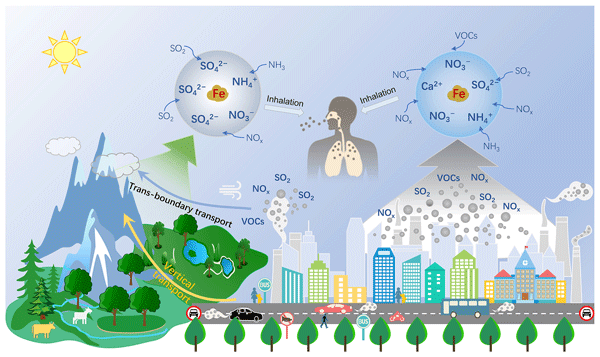
Iron acidification process is primarily driven by sulphuric acid in the upper mixing layer different from nitric acid at the ground-level. Enhanced atmospheric aging process contributes to high iron solubility in the upper mixing layer. Numerical models should consider vertical variations in iron dissolution to improve simulation accuracy.
Zheng Li, Gehui Wang, Binyu Xiao, Rongjie Li, Can Wu, Shaojun Lv, Feng Wu, Qingyan Fu, and Yusen Duan
Atmos. Chem. Phys., 25, 12037–12049, https://doi.org/10.5194/acp-25-12037-2025, https://doi.org/10.5194/acp-25-12037-2025, 2025
Short summary
Short summary
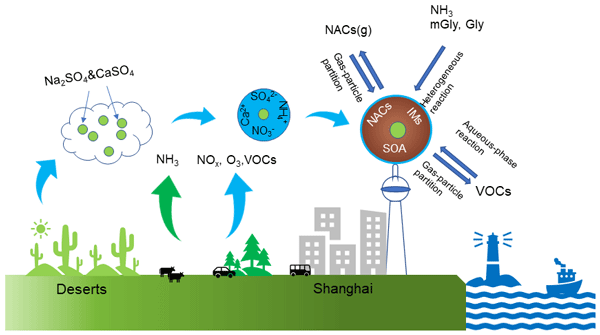
Gas-to-aerosol partitioning of organics was investigated in Shanghai during the 2023 dust storm period. We found the partitioning coefficients (Fp) of water-soluble organic compounds in the dust storm period (DS) were comparable to those during a haze episode (HE), and aerosol liquid water content primarily drove Fp variation in HE, while pH was the dominant factor in DS. Moreover, an enhanced light absorption of Asian dust by brown carbon, mainly in coarse mode, formation was revealed.
Can Wu, Yubao Chen, Yuwei Sun, Huijun Zhang, Si Zhang, Cong Cao, Jianjun Li, and Gehui Wang
Atmos. Chem. Phys., 25, 11975–11989, https://doi.org/10.5194/acp-25-11975-2025, https://doi.org/10.5194/acp-25-11975-2025, 2025
Short summary
Short summary
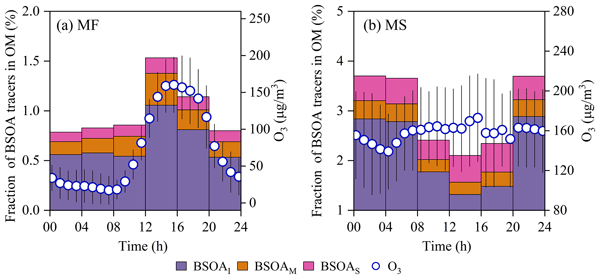
Biogenic secondary organic aerosol (BSOA), as an important atmospheric component, is prevalent within the boundary layer and can influence air quality and human health. Our observations demonstrate that anthropogenic NOx and the enhanced aerosol water driven by sulfate inhibit BSOA formation in lifting air masses, leading to a moderate reduction in the SOA burden in the upper boundary layer.
Binyu Xiao, Fan Zhang, Zeyu Liu, Yan Zhang, Rui Li, Can Wu, Xinyi Wan, Yi Wang, Yubao Chen, Yong Han, Min Cui, Libo Zhang, Yingjun Chen, and Gehui Wang
Atmos. Chem. Phys., 25, 7053–7069, https://doi.org/10.5194/acp-25-7053-2025, https://doi.org/10.5194/acp-25-7053-2025, 2025
Short summary
Short summary
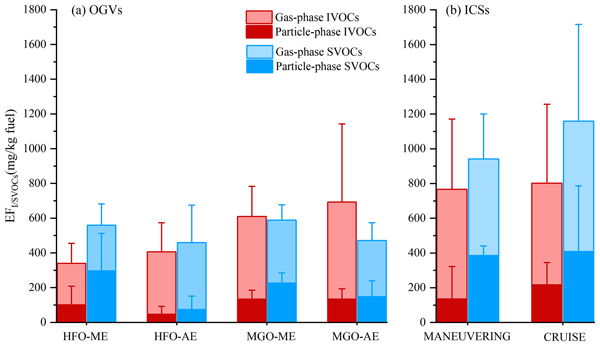
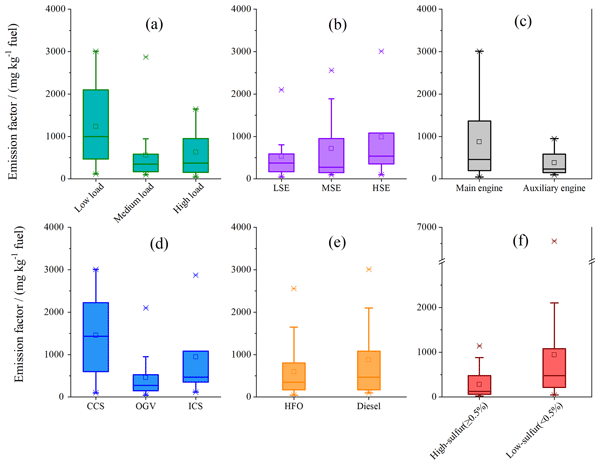
Intermediate-volatility/semi-volatile organic compounds in gas and particle phases from ship exhausts are enhanced due to the switch of fuels from low sulfur to ultra-low sulfur. The findings indicate that optimization is necessary for the forthcoming global implementation of an ultra-low-sulfur oil policy. Besides, we find that organic diagnostic markers of hopanes in conjunction with the ratio of octadecanoic to tetradecanoic could be considered potential tracers for heavy fuel oil exhausts.
Si Zhang, Yining Gao, Xinbei Xu, Luyao Chen, Can Wu, Zheng Li, Rongjie Li, Binyu Xiao, Xiaodi Liu, Rui Li, Fan Zhang, and Gehui Wang
Atmos. Chem. Phys., 24, 14177–14190, https://doi.org/10.5194/acp-24-14177-2024, https://doi.org/10.5194/acp-24-14177-2024, 2024
Short summary
Short summary
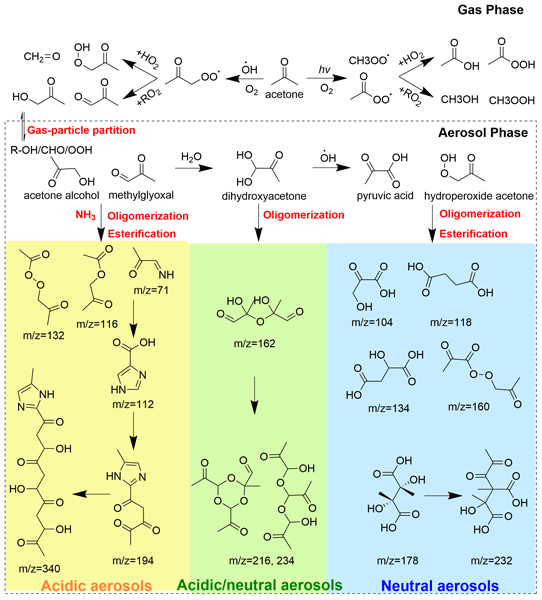
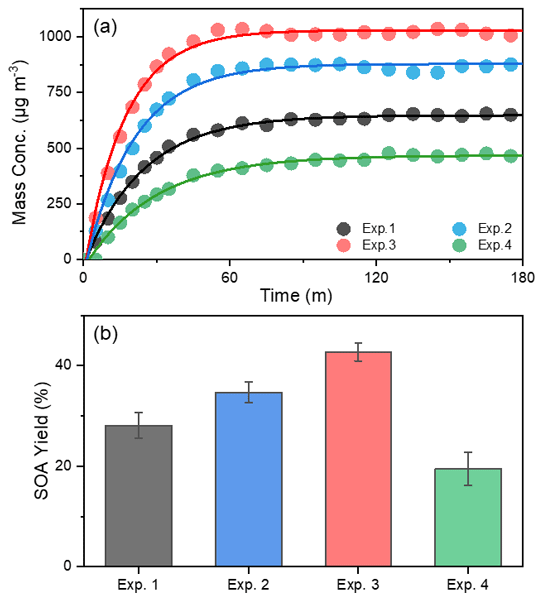
Secondary organic aerosols (SOAs) from acetone photooxidation in the presence of various seeds were studied to illustrate SOA formation kinetics under ammonia-rich conditions. The oxidation mechanism of acetone was investigated using an observation-based model incorporating a Master Chemical Mechanism model. A higher SOA yield of acetone was observed compared to methylglyoxal due to an enhanced uptake of the small photooxidation products of acetone.
Can Wu, Xiaodi Liu, Ke Zhang, Si Zhang, Cong Cao, Jianjun Li, Rui Li, Fan Zhang, and Gehui Wang
Atmos. Chem. Phys., 24, 9263–9275, https://doi.org/10.5194/acp-24-9263-2024, https://doi.org/10.5194/acp-24-9263-2024, 2024
Short summary
Short summary
Brown carbon (BrC) is prevalent in the troposphere and can efficiently absorb solar and terrestrial radiation. Our observations show that the enhanced light absorption of BrC relative to black carbon at the tropopause can be attributed to the formation of nitrogen-containing organic compounds through the aqueous-phase reactions of carbonyls with ammonium.
Fan Zhang, Binyu Xiao, Zeyu Liu, Yan Zhang, Chongguo Tian, Rui Li, Can Wu, Yali Lei, Si Zhang, Xinyi Wan, Yubao Chen, Yong Han, Min Cui, Cheng Huang, Hongli Wang, Yingjun Chen, and Gehui Wang
Atmos. Chem. Phys., 24, 8999–9017, https://doi.org/10.5194/acp-24-8999-2024, https://doi.org/10.5194/acp-24-8999-2024, 2024
Short summary
Short summary
Mandatory use of low-sulfur fuel due to global sulfur limit regulations means large uncertainties in volatile organic compound (VOC) emissions. On-board tests of VOCs from nine cargo ships in China were carried out. Results showed that switching from heavy-fuel oil to diesel increased emission factor VOCs by 48 % on average, enhancing O3 and the secondary organic aerosol formation potential. Thus, implementing a global ultra-low-sulfur oil policy needs to be optimized in the near future.
Shijie Liu, Xinbei Xu, Si Zhang, Rongjie Li, Zheng Li, Can Wu, Rui Li, Guiqin Zhang, and Gehui Wang
EGUsphere, https://doi.org/10.5194/egusphere-2024-1599, https://doi.org/10.5194/egusphere-2024-1599, 2024
Preprint archived
Short summary
Short summary
We conducted α-pinene photooxidation experiments in an atmospheric chamber at different NOx concentrations. The increased distribution coefficient of the oxidation products between the aerosol and gas phases with NOx was responsible for the increased SOA yields with NOx under low-NOx conditions. We also found the fraction of SOA made up of nitrogen-containing organic compounds (NOCs) increased with NOx.

Can Wu, Cong Cao, Jianjun Li, Shaojun Lv, Jin Li, Xiaodi Liu, Si Zhang, Shijie Liu, Fan Zhang, Jingjing Meng, and Gehui Wang
Atmos. Chem. Phys., 22, 15621–15635, https://doi.org/10.5194/acp-22-15621-2022, https://doi.org/10.5194/acp-22-15621-2022, 2022
Short summary
Short summary
Over the past decade, the relative abundance of NH4NO3 in aerosol has been enhanced in most urban areas of China, which profoundly affects the PM2.5 pollution episodes. Our work finds that fine-particle nitrate and ammonium exhibited distinct, different physicochemical behaviors in the aerosol aging process.
Shijie Liu, Dandan Huang, Yiqian Wang, Si Zhang, Xiaodi Liu, Can Wu, Wei Du, and Gehui Wang
Atmos. Chem. Phys., 21, 17759–17773, https://doi.org/10.5194/acp-21-17759-2021, https://doi.org/10.5194/acp-21-17759-2021, 2021
Short summary
Short summary
A series of chamber experiments was performed to probe the individual and common effects of NH3 and NOx on toluene secondary organic aerosol (SOA) formation through OH photooxidation. The synergetic effects of NH3 and NOx on the toluene SOA concentration and optical absorption were observed. The higher-volatility products formed in the presence of NOx could precipitate into the particle phase when NH3 was added. The formation pathways of N-containing OAs through NOx or NH3 are also discussed.
Kaitao Chen, Zheng Li, Rui Li, Luyao Chen, Rongjie Li, Binyu Xiao, Shaojun Lv, Can Wu, Rui Li, Junke Zhang, and Gehui Wang
EGUsphere, https://doi.org/10.5194/egusphere-2026-3616, https://doi.org/10.5194/egusphere-2026-3616, 2026
Short summary
Short summary
During winter haze in Chengdu, water-soluble organic nitrogen compounds shift from gas to particles, with concentrations more than doubling. The main driver is particle water content, not acidity or temperature. As particles absorb water, they take up these compounds, fueling aerosol growth. This study reveals how nitrogen-rich organic aerosols form in humid air, aiding pollution control strategies.
Yongxin Yan, Junling Li, Yufei Song, Yushi Gong, Shudan Wei, Zhaolin Wang, Haijie Zhang, Yanqin Ren, Maofa Ge, and Hong Li
Atmos. Chem. Phys., 26, 6147–6163, https://doi.org/10.5194/acp-26-6147-2026, https://doi.org/10.5194/acp-26-6147-2026, 2026
Short summary
Short summary
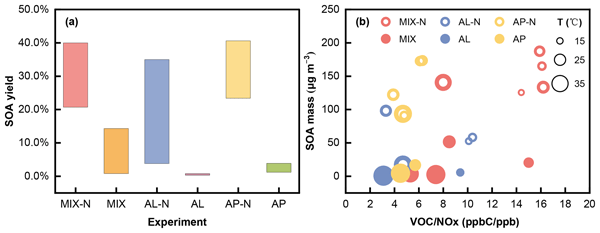
This work examines NH3 effects on photochemical oxidation of mixed anthropogenic and biogenic volatile organic compounds (VOC) under high-NOx conditions. NH3 promotes nucleation and accelerates secondary organic aerosol (SOA) formation. NH3 enhances carbonyls, strengthens SOA formation via acid-base and radical reactions, and suppresses highly oxygenated organic molecules. Results improve understanding of SOA formation in complex emissions, aiding air quality forecasting.
Guochen Wang, Xuedong Cui, Bingye Xu, Can Wu, Minkang Zhi, Keliang Li, Liang Xu, Qi Yuan, Yuntao Wang, Yele Sun, Zongbo Shi, Akinori Ito, Shixian Zhai, and Weijun Li
Atmos. Chem. Phys., 26, 1483–1496, https://doi.org/10.5194/acp-26-1483-2026, https://doi.org/10.5194/acp-26-1483-2026, 2026
Short summary
Short summary
Iron acidification process is primarily driven by sulphuric acid in the upper mixing layer different from nitric acid at the ground-level. Enhanced atmospheric aging process contributes to high iron solubility in the upper mixing layer. Numerical models should consider vertical variations in iron dissolution to improve simulation accuracy.
Can Wu, Yubao Chen, Yuwei Sun, Huijun Zhang, Si Zhang, Cong Cao, Jianjun Li, and Gehui Wang
Atmos. Chem. Phys., 25, 11975–11989, https://doi.org/10.5194/acp-25-11975-2025, https://doi.org/10.5194/acp-25-11975-2025, 2025
Short summary
Short summary
Biogenic secondary organic aerosol (BSOA), as an important atmospheric component, is prevalent within the boundary layer and can influence air quality and human health. Our observations demonstrate that anthropogenic NOx and the enhanced aerosol water driven by sulfate inhibit BSOA formation in lifting air masses, leading to a moderate reduction in the SOA burden in the upper boundary layer.
Zheng Li, Gehui Wang, Binyu Xiao, Rongjie Li, Can Wu, Shaojun Lv, Feng Wu, Qingyan Fu, and Yusen Duan
Atmos. Chem. Phys., 25, 12037–12049, https://doi.org/10.5194/acp-25-12037-2025, https://doi.org/10.5194/acp-25-12037-2025, 2025
Short summary
Short summary
Gas-to-aerosol partitioning of organics was investigated in Shanghai during the 2023 dust storm period. We found the partitioning coefficients (Fp) of water-soluble organic compounds in the dust storm period (DS) were comparable to those during a haze episode (HE), and aerosol liquid water content primarily drove Fp variation in HE, while pH was the dominant factor in DS. Moreover, an enhanced light absorption of Asian dust by brown carbon, mainly in coarse mode, formation was revealed.
Junke Zhang, Xinyi Fu, Chunying Chen, Yunfei Su, Siyu Liu, Luyao Chen, Yubao Chen, Gehui Wang, and Andre S. H. Prevot
Atmos. Chem. Phys., 25, 8983–9004, https://doi.org/10.5194/acp-25-8983-2025, https://doi.org/10.5194/acp-25-8983-2025, 2025
Short summary
Short summary
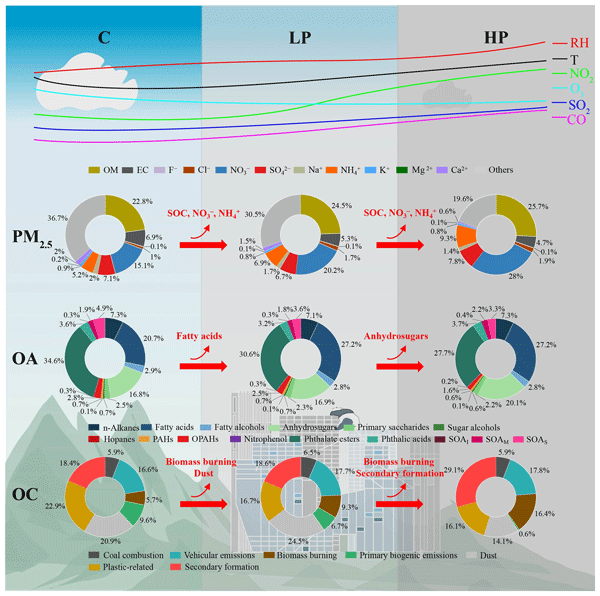
We measured (at the molecular level) the 125 organic aerosol (OA) compounds present in Chengdu in winter. OA was dominated by fatty acids, phthalate esters, and anhydrosugars, and it was deeply influenced by anthropogenic sources. As pollution worsened, secondary inorganic species and secondary organic carbon (OC) dominated the increase in PM2.5, fatty acids and anhydrosugars dominated the increase in OA, and the contributions of secondary formation and biomass burning to OC increased markedly.
Binyu Xiao, Fan Zhang, Zeyu Liu, Yan Zhang, Rui Li, Can Wu, Xinyi Wan, Yi Wang, Yubao Chen, Yong Han, Min Cui, Libo Zhang, Yingjun Chen, and Gehui Wang
Atmos. Chem. Phys., 25, 7053–7069, https://doi.org/10.5194/acp-25-7053-2025, https://doi.org/10.5194/acp-25-7053-2025, 2025
Short summary
Short summary
Intermediate-volatility/semi-volatile organic compounds in gas and particle phases from ship exhausts are enhanced due to the switch of fuels from low sulfur to ultra-low sulfur. The findings indicate that optimization is necessary for the forthcoming global implementation of an ultra-low-sulfur oil policy. Besides, we find that organic diagnostic markers of hopanes in conjunction with the ratio of octadecanoic to tetradecanoic could be considered potential tracers for heavy fuel oil exhausts.
Yanqin Ren, Zhenhai Wu, Fang Bi, Hong Li, Haijie Zhang, Junling Li, Rui Gao, Fangyun Long, Zhengyang Liu, Yuanyuan Ji, and Gehui Wang
Atmos. Chem. Phys., 25, 6975–6990, https://doi.org/10.5194/acp-25-6975-2025, https://doi.org/10.5194/acp-25-6975-2025, 2025
Short summary
Short summary
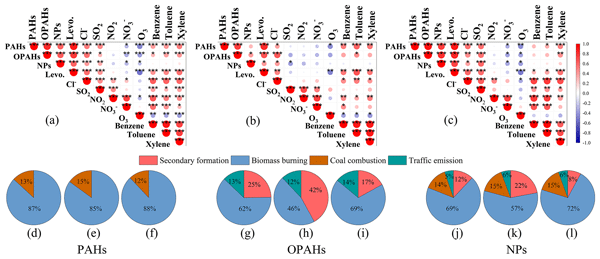
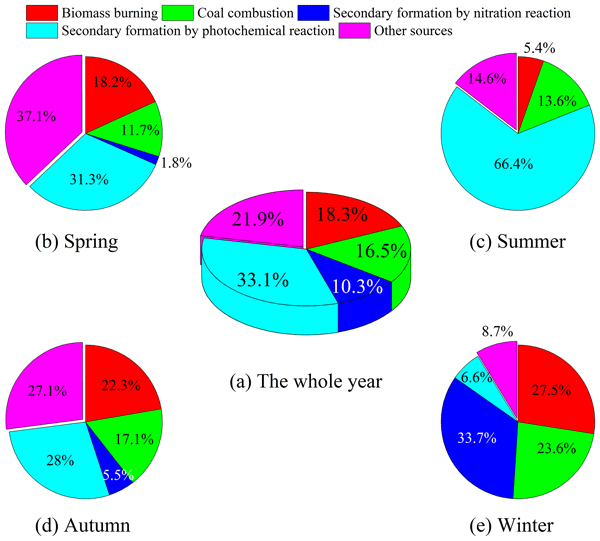
The daily concentrations of Polycyclic aromatic hydrocarbons (PAHs), oxygenated PAHs (OPAHs), and nitrated phenols (NPs) in PM2.5 were all increased during the heating season. Biomass burning was identified to be the primary source of these aromatic compounds, particularly for PAHs. Phenol and nitrobenzene are two main primary precursors for 4NP, with phenol showing lower reaction barriers. P-Cresol was identified as the primary precursor for the formation of 4-methyl-5-nitrocatechol.
Junling Li, Chaofan Lian, Mingyuan Liu, Hao Zhang, Yongxin Yan, Yufei Song, Chun Chen, Jiaqi Wang, Haijie Zhang, Yanqin Ren, Yucong Guo, Weigang Wang, Yisheng Xu, Hong Li, Jian Gao, and Maofa Ge
Atmos. Chem. Phys., 25, 2551–2568, https://doi.org/10.5194/acp-25-2551-2025, https://doi.org/10.5194/acp-25-2551-2025, 2025
Short summary
Short summary
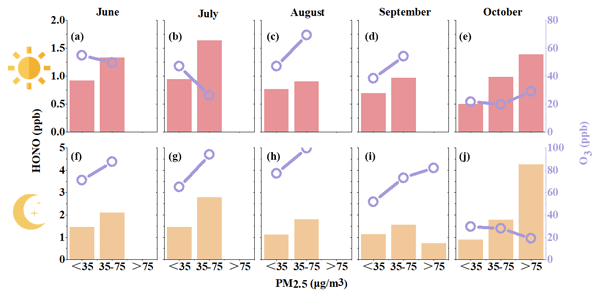
As a key source of hydroxyl (OH) radical, nitrous acid (HONO) has attracted much attention for its important role in the atmospheric oxidant capacity (AOC) increase. In this study, we made a comparison of the ambient levels, variation patterns, sources, and formation pathway in the warm season on the basis of continuous intensive observations at an urban site of Beijing. This work highlights the importance of HONO for the AOC in the warm season.
Si Zhang, Yining Gao, Xinbei Xu, Luyao Chen, Can Wu, Zheng Li, Rongjie Li, Binyu Xiao, Xiaodi Liu, Rui Li, Fan Zhang, and Gehui Wang
Atmos. Chem. Phys., 24, 14177–14190, https://doi.org/10.5194/acp-24-14177-2024, https://doi.org/10.5194/acp-24-14177-2024, 2024
Short summary
Short summary
Secondary organic aerosols (SOAs) from acetone photooxidation in the presence of various seeds were studied to illustrate SOA formation kinetics under ammonia-rich conditions. The oxidation mechanism of acetone was investigated using an observation-based model incorporating a Master Chemical Mechanism model. A higher SOA yield of acetone was observed compared to methylglyoxal due to an enhanced uptake of the small photooxidation products of acetone.
Xinbei Xu, Yining Gao, Si Zhang, Luyao Chen, Rongjie Li, Zheng Li, Rui Li, and Gehui Wang
EGUsphere, https://doi.org/10.5194/egusphere-2024-3046, https://doi.org/10.5194/egusphere-2024-3046, 2024
Preprint archived
Short summary
Short summary
This work systematically explained the nonlinear effect of NOx level on isoprene-SOA mass yield through a series of chamber experiments. We found that the turning point under various oxidants was smaller than previous reported in the presence of OH precursors, which could be attributed to the RO2 pathway competition in nucleation and condensation of low volatile products. The highest SOA yield was at a branching ratio β of 0.5, which can be used as a reference for field campaign and modeling.
Can Wu, Xiaodi Liu, Ke Zhang, Si Zhang, Cong Cao, Jianjun Li, Rui Li, Fan Zhang, and Gehui Wang
Atmos. Chem. Phys., 24, 9263–9275, https://doi.org/10.5194/acp-24-9263-2024, https://doi.org/10.5194/acp-24-9263-2024, 2024
Short summary
Short summary
Brown carbon (BrC) is prevalent in the troposphere and can efficiently absorb solar and terrestrial radiation. Our observations show that the enhanced light absorption of BrC relative to black carbon at the tropopause can be attributed to the formation of nitrogen-containing organic compounds through the aqueous-phase reactions of carbonyls with ammonium.
Fan Zhang, Binyu Xiao, Zeyu Liu, Yan Zhang, Chongguo Tian, Rui Li, Can Wu, Yali Lei, Si Zhang, Xinyi Wan, Yubao Chen, Yong Han, Min Cui, Cheng Huang, Hongli Wang, Yingjun Chen, and Gehui Wang
Atmos. Chem. Phys., 24, 8999–9017, https://doi.org/10.5194/acp-24-8999-2024, https://doi.org/10.5194/acp-24-8999-2024, 2024
Short summary
Short summary
Mandatory use of low-sulfur fuel due to global sulfur limit regulations means large uncertainties in volatile organic compound (VOC) emissions. On-board tests of VOCs from nine cargo ships in China were carried out. Results showed that switching from heavy-fuel oil to diesel increased emission factor VOCs by 48 % on average, enhancing O3 and the secondary organic aerosol formation potential. Thus, implementing a global ultra-low-sulfur oil policy needs to be optimized in the near future.
Shijie Liu, Xinbei Xu, Si Zhang, Rongjie Li, Zheng Li, Can Wu, Rui Li, Guiqin Zhang, and Gehui Wang
EGUsphere, https://doi.org/10.5194/egusphere-2024-1599, https://doi.org/10.5194/egusphere-2024-1599, 2024
Preprint archived
Short summary
Short summary
We conducted α-pinene photooxidation experiments in an atmospheric chamber at different NOx concentrations. The increased distribution coefficient of the oxidation products between the aerosol and gas phases with NOx was responsible for the increased SOA yields with NOx under low-NOx conditions. We also found the fraction of SOA made up of nitrogen-containing organic compounds (NOCs) increased with NOx.
Rui Li, Yining Gao, Lijia Zhang, Yubing Shen, Tianzhao Xu, Wenwen Sun, and Gehui Wang
Atmos. Chem. Phys., 24, 7623–7636, https://doi.org/10.5194/acp-24-7623-2024, https://doi.org/10.5194/acp-24-7623-2024, 2024
Short summary
Short summary
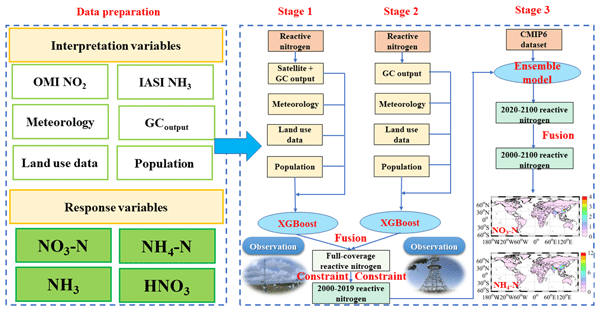
A three-stage model was developed to obtain the global maps of reactive nitrogen components during 2000–2100. The results implied that cross-validation R2 values of four species showed satisfactory performance (R2 > 0.55). Most reactive nitrogen components, except NH3, in China showed increases during 2000–2013. In the future scenarios, SSP3-7.0 (traditional-energy scenario) and SSP1-2.6 (carbon neutrality scenario) showed the highest and lowest reactive nitrogen component concentrations.
Yanqin Ren, Zhenhai Wu, Yuanyuan Ji, Fang Bi, Junling Li, Haijie Zhang, Hao Zhang, Hong Li, and Gehui Wang
Atmos. Chem. Phys., 24, 6525–6538, https://doi.org/10.5194/acp-24-6525-2024, https://doi.org/10.5194/acp-24-6525-2024, 2024
Short summary
Short summary
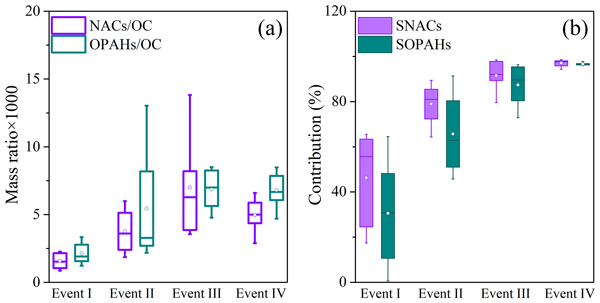
Nitrated aromatic compounds (NACs) and oxygenated derivatives of polycyclic aromatic hydrocarbons (OPAHs) in PM2.5 were examined from an urban area in Beijing during the autumn and winter. The OPAH and NAC concentrations were much higher during heating than before heating. They majorly originated from the combustion of biomass and automobile emissions, and the secondary generation was the major contributor throughout the whole sampling period.
Junke Zhang, Yunfei Su, Chunying Chen, Wenkai Guo, Qinwen Tan, Miao Feng, Danlin Song, Tao Jiang, Qiang Chen, Yuan Li, Wei Li, Yizhi Wang, Xiaojuan Huang, Lin Han, Wanqing Wu, and Gehui Wang
Atmos. Chem. Phys., 24, 2803–2820, https://doi.org/10.5194/acp-24-2803-2024, https://doi.org/10.5194/acp-24-2803-2024, 2024
Short summary
Short summary
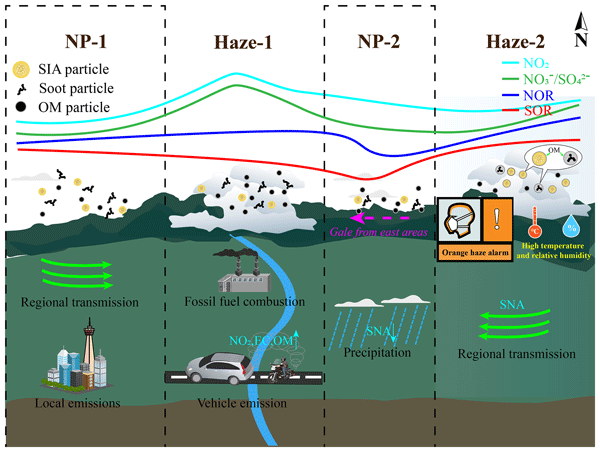
Typical haze events in Chengdu at the beginning of 2023 were investigated with bulk-chemical and single-particle analyses along with numerical model simulations. By integrating the obtained chemical composition, source, mixing state and numerical simulation results, we infer that Haze-1 was mainly caused by pollutants related to fossil fuel combustion, especially local mobile sources, while Haze-2 was triggered by the secondary pollutants, which mainly came from regional transmission.
Yanqin Ren, Gehui Wang, Jie Wei, Jun Tao, Zhisheng Zhang, and Hong Li
Atmos. Chem. Phys., 23, 6835–6848, https://doi.org/10.5194/acp-23-6835-2023, https://doi.org/10.5194/acp-23-6835-2023, 2023
Short summary
Short summary
Nine quantified nitrated aromatic compounds (NACs) in PM2.5 were examined at the peak of Mt. Wuyi. They manifested a significant rise in overall abundance in the winter and autumn. The transport of contaminants had a significant impact on NACs. Under low-NOx conditions, the formation of NACs was comparatively sensitive to NO2, suggesting that NACs would become significant in the aerosol characteristics when nitrate concentrations decreased as a result of emission reduction measures.
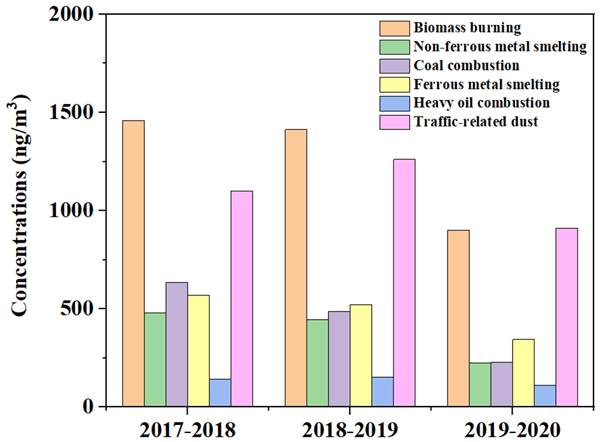
Rui Li, Yining Gao, Yubao Chen, Meng Peng, Weidong Zhao, Gehui Wang, and Jiming Hao
Atmos. Chem. Phys., 23, 4709–4726, https://doi.org/10.5194/acp-23-4709-2023, https://doi.org/10.5194/acp-23-4709-2023, 2023
Short summary
Short summary
A random forest model was used to isolate the effects of emission and meteorology to trace elements in PM2.5 in Tangshan. The results suggested that control measures facilitated decreases of Ga, Co, Pb, Zn, and As, due to the strict implementation of coal-to-gas strategies and optimisation of industrial structure and layout. However, the deweathered levels of Ca, Cr, and Fe only displayed minor decreases, indicating that ferrous metal smelting and vehicle emission controls should be enhanced.
Can Wu, Cong Cao, Jianjun Li, Shaojun Lv, Jin Li, Xiaodi Liu, Si Zhang, Shijie Liu, Fan Zhang, Jingjing Meng, and Gehui Wang
Atmos. Chem. Phys., 22, 15621–15635, https://doi.org/10.5194/acp-22-15621-2022, https://doi.org/10.5194/acp-22-15621-2022, 2022
Short summary
Short summary
Over the past decade, the relative abundance of NH4NO3 in aerosol has been enhanced in most urban areas of China, which profoundly affects the PM2.5 pollution episodes. Our work finds that fine-particle nitrate and ammonium exhibited distinct, different physicochemical behaviors in the aerosol aging process.
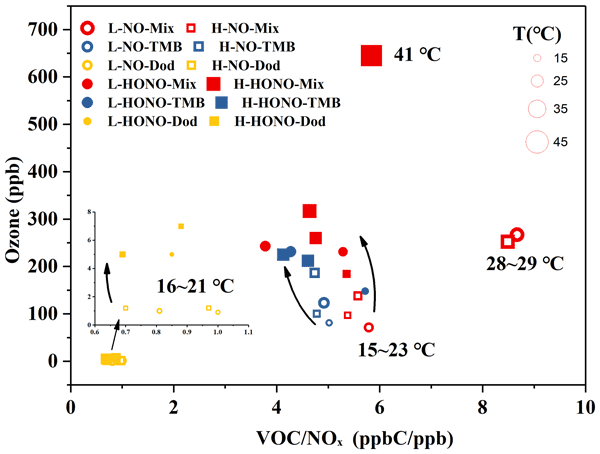
Junling Li, Kun Li, Hao Zhang, Xin Zhang, Yuanyuan Ji, Wanghui Chu, Yuxue Kong, Yangxi Chu, Yanqin Ren, Yujie Zhang, Haijie Zhang, Rui Gao, Zhenhai Wu, Fang Bi, Xuan Chen, Xuezhong Wang, Weigang Wang, Hong Li, and Maofa Ge
Atmos. Chem. Phys., 22, 10489–10504, https://doi.org/10.5194/acp-22-10489-2022, https://doi.org/10.5194/acp-22-10489-2022, 2022
Short summary
Short summary
Ozone formation is enhanced by higher OH concentration and higher temperature but is influenced little by SO2. SO2 can largely enhance the particle formation. Organo-sulfates and organo-nitrates are detected in the formed particles, and the presence of SO2 can promote the formation of organo-sulfates. The results provide a scientific basis for systematically evaluating the effects of SO2, OH concentration, and temperature on the oxidation of mixed organic gases in the atmosphere.
Shijie Liu, Dandan Huang, Yiqian Wang, Si Zhang, Xiaodi Liu, Can Wu, Wei Du, and Gehui Wang
Atmos. Chem. Phys., 21, 17759–17773, https://doi.org/10.5194/acp-21-17759-2021, https://doi.org/10.5194/acp-21-17759-2021, 2021
Short summary
Short summary
A series of chamber experiments was performed to probe the individual and common effects of NH3 and NOx on toluene secondary organic aerosol (SOA) formation through OH photooxidation. The synergetic effects of NH3 and NOx on the toluene SOA concentration and optical absorption were observed. The higher-volatility products formed in the presence of NOx could precipitate into the particle phase when NH3 was added. The formation pathways of N-containing OAs through NOx or NH3 are also discussed.
Cited articles
Aiona, P. K., Lee, H. J., Leslie, R., Lin, P., Laskin, A., Laskin, J., and Nizkorodov, S. A.: Photochemistry of Products of the Aqueous Reaction of Methylglyoxal with Ammonium Sulfate, ACS Earth and Space Chemistry, 1, 522–532, https://doi.org/10.1021/acsearthspacechem.7b00075, 2017.
Andreae, M. O. and Gelencsér, A.: Black carbon or brown carbon? The nature of light-absorbing carbonaceous aerosols, Atmos. Chem. Phys., 6, 3131–3148, https://doi.org/10.5194/acp-6-3131-2006, 2006.
Cao, T., Li, M., Zou, C., Fan, X., Song, J., Jia, W., Yu, C., Yu, Z., and Peng, P.: Chemical composition, optical properties, and oxidative potential of water- and methanol-soluble organic compounds emitted from the combustion of biomass materials and coal, Atmos. Chem. Phys., 21, 13187–13205, https://doi.org/10.5194/acp-21-13187-2021, 2021.
Chen, H. B., Zhou, R. Z., Fang, L., Sun, H. L., Yang, Q. Y., Niu, H. Y., Liu, J. W., Tian, Y. Z., Cui, M., and Yan, C. Q.: Variations in optical properties of water- and methanol-soluble organic carbon in PM2.5 in Tianjin and Handan over the Wintertime of 2018–2020, Atmos. Res., 303, https://doi.org/10.1016/j.atmosres.2024.107332, 2024a.
Chen, J. M., Li, C. L., Ristovski, Z., Milic, A., Gu, Y. T., Islam, M. S., Wang, S. X., Hao, J. M., Zhang, H. F., He, C. R., Guo, H., Fu, H. B., Miljevic, B., Morawska, L., Thai, P., Lam, Y. F., Pereira, G., Ding, A. J., Huang, X., and Dumka, U. C.: A review of biomass burning: Emissions and impacts on air quality, health and climate in China, Sci. Total Environ., 579, 1000-1034, https://doi.org/10.1016/j.scitotenv.2016.11.025, 2017.
Chen, Q., Miao, R. Q., Geng, G. N., Shrivastava, M., Dao, X., Xu, B. Y., Sun, J. Q., Zhang, X., Liu, M. Y., Tang, G. G., Tang, Q., Hu, H. W., Huang, R. J., Wang, H., Zheng, Y., Qin, Y., Guo, S., Hu, M., and Zhu, T.: Widespread 2013–2020 decreases and reduction challenges of organic aerosol in China, Nat. Commun., 15, https://doi.org/10.1038/s41467-024-48902-0, 2024b.
Chen, Y., Xia, M., Zheng, P. G., Li, Y. M., Zou, Z. X., Tong, S. R., Li, K., Feng, X., Hui, L. R., Yuan, Q., Li, J. J., Yu, J. Z., Lee, S. C., Wang, T., and Wang, Z.: Complex gas-particle partitioning of nitro-phenolic compounds: field-based insights and determination of apparent activity coefficient, Npj Climate and Atmospheric Science, 8, https://doi.org/10.1038/s41612-025-01156-z, 2025.
Daellenbach, K. R., Uzu, G., Jiang, J. H., Cassagnes, L. E., Leni, Z., Vlachou, A., Stefenelli, G., Canonaco, F., Weber, S., Segers, A., Kuenen, J. J. P., Schaap, M., Favez, O., Albinet, A., Aksoyoglu, S., Dommen, J., Baltensperger, U., Geiser, M., El Haddad, I., Jaffrezo, J. L., and Prévôt, A. S. H.: Sources of particulate-matter air pollution and its oxidative potential in Europe, Nature, 587, 414–419, https://doi.org/10.1038/s41586-020-2902-8, 2020.
Desyaterik, Y., Sun, Y., Shen, X. H., Lee, T. Y., Wang, X. F., Wang, T., and Collett, J. L.: Speciation of ”brown” carbon in cloud water impacted by agricultural biomass burning in eastern China, J. Geophys. Res.-Atmos., 118, 7389–7399, https://doi.org/10.1002/jgrd.50561, 2013.
Fang, T., Lakey, P. S. J., Weber, R. J., and Shiraiwa, M.: Oxidative Potential of Particulate Matter and Generation of Reactive Oxygen Species in Epithelial Lining Fluid, Environ. Sci. Technol., 53, 12784–12792, https://doi.org/10.1021/acs.est.9b03823, 2019.
Feng, Y., Ramanathan, V., and Kotamarthi, V. R.: Brown carbon: a significant atmospheric absorber of solar radiation?, Atmos. Chem. Phys., 13, 8607–8621, https://doi.org/10.5194/acp-13-8607-2013, 2013.
Finewax, Z., de Gouw, J. A., and Ziemann, P. J.: Identification and Quantification of 4-Nitrocatechol Formed from OH and NO3 Radical-Initiated Reactions of Catechol in Air in the Presence of NOx: Implications for Secondary Organic Aerosol Formation from Biomass Burning, Environ. Sci. Technol., 52, 1981–1989, https://doi.org/10.1021/acs.est.7b05864, 2018.
Gao, K., Zhang, Y. D., Liu, Y. Y., Yang, M. G., and Zhu, T.: Screening of imidazoles in atmospheric aerosol particles using a hybrid targeted and untargeted method based on ultra-performance liquid chromatography-quadrupole time-of-flight mass spectrometry, Anal. Chim. Acta, 1163, https://doi.org/10.1016/j.aca.2021.338516, 2021.
Ge, X., Sun, Y., Trousdell, J., Chen, M., and Zhang, Q.: Enhancing characterization of organic nitrogen components in aerosols and droplets using high-resolution aerosol mass spectrometry, Atmos. Meas. Tech., 17, 423–439, https://doi.org/10.5194/amt-17-423-2024, 2024.
Gligorovski, S., Strekowski, R., Barbati, S., and Vione, D.: Environmental Implications of Hydroxyl Radicals (⚫OH), Chem. Rev., 115, 13051–13092, https://doi.org/10.1021/cr500310b, 2015.
Gong, Y., Huang, R.-J., Yang, L., Wang, T., Yuan, W., Xu, W., Cao, W., Wang, Y., and Li, Y.: Measurement report: Brown carbon aerosol in polluted urban air of the North China Plain – day–night differences in the chromophores and optical properties, Atmos. Chem. Phys., 23, 15197–15207, https://doi.org/10.5194/acp-23-15197-2023, 2023.
Grace, D. N., Lugos, E. N., Ma, S. Q., Griffith, D. R., Hendrickson, H. P., Woo, J. L., and Galloway, M. M.: Brown Carbon Formation Potential of the Biacetyl-Ammonium Sulfate Reaction System, ACS Earth and Space Chemistry, 4, 1104–1113, https://doi.org/10.1021/acsearthspacechem.0c00096, 2020.
Hammer, M. S., Martin, R. V., van Donkelaar, A., Buchard, V., Torres, O., Ridley, D. A., and Spurr, R. J. D.: Interpreting the ultraviolet aerosol index observed with the OMI satellite instrument to understand absorption by organic aerosols: implications for atmospheric oxidation and direct radiative effects, Atmos. Chem. Phys., 16, 2507–2523, https://doi.org/10.5194/acp-16-2507-2016, 2016.
He, S. and Carmichael, G. R.: Sensitivity of photolysis rates and ozone production in the troposphere to aerosol properties, J. Geophys. Res.-Atmos., 104, 26307–26324, https://doi.org/10.1029/1999jd900789, 1999.
Hems, R. F. and Abbatt, J. P. D.: Aqueous Phase Photo-oxidation of Brown Carbon Nitrophenols: Reaction Kinetics, Mechanism, and Evolution of Light Absorption, ACS Earth and Space Chemistry, 2, 225–234, https://doi.org/10.1021/acsearthspacechem.7b00123, 2018.
Hems, R. F., Schnitzler, E. G., Liu-Kang, C., Cappa, C. D., and Abbatt, J. P. D.: Aging of Atmospheric Brown Carbon Aerosol, ACS Earth and Space Chemistry, 5, 722–748, https://doi.org/10.1021/acsearthspacechem.0c00346, 2021.
Hu, X. F., Belle, J. H., Meng, X., Wildani, A., Waller, L. A., Strickland, M. J., and Liu, Y.: Estimating PM2.5 Concentrations in the Conterminous United States Using the Random Forest Approach, Environ. Sci. Technol., 51, 6936–6944, https://doi.org/10.1021/acs.est.7b01210, 2017.
Huang, R. J., Yuan, W., Yang, L., Yang, H. N., Cao, W. J., Guo, J., Zhang, N. N., Zhu, C. S., Wu, Y. F., and Zhang, R. J.: Concentration, optical characteristics, and emission factors of brown carbon emitted by on-road vehicles, Sci. Total Environ., 810, https://doi.org/10.1016/j.scitotenv.2021.151307, 2022.
Jiang, H. H., Frie, A. L., Lavi, A., Chen, J. Y., Zhang, H. F., Bahreini, R., and Lin, Y. H.: Brown Carbon Formation from Nighttime Chemistry of Unsaturated Heterocyclic Volatile Organic Compounds, Environ. Sci. Technol. Letters, 6, 184–190, https://doi.org/10.1021/acs.estlett.9b00017, 2019.
Jiang, X. T., Liu, D. T., Li, Q., Tian, P., Wu, Y. Z., Li, S. Y., Hu, K., Ding, S., Bi, K., Li, R. J., Huang, M. Y., Ding, D. P., Chen, Q. C., Kong, S. F., Li, W. J., Pang, Y., and He, D.: Connecting the Light Absorption of Atmospheric Organic Aerosols with Oxidation State and Polarity, Environ. Sci. Technol., 56, 12873–12885, https://doi.org/10.1021/acs.est.2c02202, 2022.
Jo, D. S., Park, R. J., Lee, S., Kim, S.-W., and Zhang, X.: A global simulation of brown carbon: implications for photochemistry and direct radiative effect, Atmos. Chem. Phys., 16, 3413–3432, https://doi.org/10.5194/acp-16-3413-2016, 2016.
Kirillova, E. N., Andersson, A., Tiwari, S., Srivastava, A. K., Bisht, D. S., and Gustafsson, Ö.: Water-soluble organic carbon aerosols during a full New Delhi winter: Isotope-based source apportionment and optical properties, J. Geophys. Res.-Atmos., 119, 3476–3485, https://doi.org/10.1002/2013jd020041, 2014.
Lack, D. A., Langridge, J. M., Bahreini, R., Cappa, C. D., Middlebrook, A. M., and Schwarz, J. P.: Brown carbon and internal mixing in biomass burning particles, P. Natl. Acad. Sci. USA, 109, 14802–14807, https://doi.org/10.1073/pnas.1206575109, 2012.
Laskin, A., Laskin, J., and Nizkorodov, S. A.: Chemistry of Atmospheric Brown Carbon, Chem. Rev., 115, 4335–4382, https://doi.org/10.1021/cr5006167, 2015.
Li, D. P., Wu, C., Zhang, S., Lei, Y. L., Lv, S. J., Du, W., Liu, S. J., Zhang, F., Liu, X. D., Liu, L., Meng, J. J., Wang, Y. S., Gao, J., and Wang, G. H.: Significant coal combustion contribution to water-soluble brown carbon during winter in Xingtai, China: Optical properties and sources, J. Environ. Sci., 124, 892–900, https://doi.org/10.1016/j.jes.2022.02.026, 2023.
Li, K., Jacob, D. J., Liao, H., Shen, L., Zhang, Q., and Bates, K. H.: Anthropogenic drivers of 2013-2017 trends in summer surface ozone in China, P. Natl. Acad. Sci. USA, 116, 422–427, https://doi.org/10.1073/pnas.1812168116, 2019.
Li, M., Wang, X. F., Zhao, Y. N., Du, P., Li, H. Y., Li, J. R., Shen, H. Q., Liu, Z. Y., Jiang, Y. R., Chen, J., Bi, Y. J., Zhao, Y., Xue, L. K., Wang, Y., Chen, J. M., and Wang, W. X.: Atmospheric Nitrated Phenolic Compounds in Particle, Gaseous, and Aqueous Phases During Cloud Events at a Mountain Site in North China: Distribution Characteristics and Aqueous-Phase Formation, J. Geophys. Res.-Atmos., 127, https://doi.org/10.1029/2022jd037130, 2022a.
Li, X., Hu, M., Wang, Y. J., Xu, N., Fan, H. Y., Zong, T. M., Wu, Z. J., Guo, S., Zhu, W. F., Chen, S. Y., Dong, H. B., Zeng, L. M., Yu, X. N., and Tang, X. Y.: Links between the optical properties and chemical compositions of brown carbon chromophores in different environments: Contributions and formation of functionalized aromatic compounds, Sci. Total Environ., 786, https://doi.org/10.1016/j.scitotenv.2021.147418, 2021a.
Li, X. R., Sun, N. N., Jin, Q. H., Zhao, Z. Y., Wang, L. L., Wang, Q. L., Gu, X., Li, Y. X., and Liu, X. A.: Light absorption properties of black and brown carbon in winter over the North China Plain: Impacts of regional biomass burning, Atmos. Environ., 278, https://doi.org/10.1016/j.atmosenv.2022.119100, 2022b.
Li, Y., Ji, Y., Zhao, J., Wang, Y., Shi, Q., Peng, J., Wang, Y., Wang, C., Zhang, F., Wang, Y., Seinfeld, J. H., and Zhang, R.: Unexpected Oligomerization of Small α-Dicarbonyls for Secondary Organic Aerosol and Brown Carbon Formation, Environ. Sci. Technol., 55, 4430-4439, https://doi.org/10.1021/acs.est.0c08066, 2021b.
Li, Y. M., Fu, T. M., Yu, J. Z., Zhang, A. X., Yu, X., Ye, J. H., Zhu, L., Shen, H. Z., Wang, C., Yang, X., Tao, S., Chen, Q., Li, Y., Li, L., Che, H. Z., and Heald, C. L.: Nitrogen dominates global atmospheric organic aerosol absorption, Science, 387, https://doi.org/10.1126/science.adr4473, 2025.
Lignell, H., Hinks, M. L., and Nizkorodov, S. A.: Exploring matrix effects on photochemistry of organic aerosols, P. Natl. Acad. Sci. USA, 111, 13780–13785, https://doi.org/10.1073/pnas.1322106111, 2014.
Lin, P., Laskin, J., Nizkorodov, S. A., and Laskin, A.: Revealing Brown Carbon Chromophores Produced in Reactions of Methylglyoxal with Ammonium Sulfate, Environ. Sci. Technol., 49, 14257–14266, https://doi.org/10.1021/acs.est.5b03608, 2015.
Liu, D. T., He, C. L., Schwarz, J. P., and Wang, X.: Lifecycle of light-absorbing carbonaceous aerosols in the atmosphere, Npj Climate and Atmospheric Science, 3, https://doi.org/10.1038/s41612-020-00145-8, 2020.
Liu, J., Scheuer, E., Dibb, J., Diskin, G. S., Ziemba, L. D., Thornhill, K. L., Anderson, B. E., Wisthaler, A., Mikoviny, T., Devi, J. J., Bergin, M., Perring, A. E., Markovic, M. Z., Schwarz, J. P., Campuzano-Jost, P., Day, D. A., Jimenez, J. L., and Weber, R. J.: Brown carbon aerosol in the North American continental troposphere: sources, abundance, and radiative forcing, Atmos. Chem. Phys., 15, 7841–7858, https://doi.org/10.5194/acp-15-7841-2015, 2015a.
Liu, X. D., Wang, H. Y., Wang, F. L., Lv, S. J., Wu, C., Zhao, Y., Zhang, S., Liu, S. J., Xu, X. B., Lei, Y. L., and Wang, G. H.: Secondary Formation of Atmospheric Brown Carbon in China Haze: Implication for an Enhancing Role of Ammonia, Environ. Sci. Technol., 57, 11163–11172, https://doi.org/10.1021/acs.est.3c03948, 2023.
Liu, Y., Liggio, J., Staebler, R., and Li, S.-M.: Reactive uptake of ammonia to secondary organic aerosols: kinetics of organonitrogen formation, Atmos. Chem. Phys., 15, 13569–13584, https://doi.org/10.5194/acp-15-13569-2015, 2015b.
Lundberg, S. M. and Lee, S. I.: A Unified Approach to Interpreting Model Predictions, in: 31st Annual Conference on Neural Information Processing Systems (NIPS), Long Beach, CA, 4–9 December 2017, WOS:000452649404081, https://proceedings.neurips.cc/paper/2017/hash/8a20a8621978632d76c43dfd28b67767-Abstract.htmlS16 (last accessed: 23 September 2026), 2017
Ni, H. Y., Huang, R. J., Pieber, S. M., Corbin, J. C., Stefenelli, G., Pospisilova, V., Klein, F., Gysel-Beer, M., Yang, L., Baltensperger, U., El Haddad, I., Slowik, J. G., Cao, J. J., Prévôt, A. S. H., and Dusek, U.: Brown Carbon in Primary and Aged Coal Combustion Emission, Environ. Sci. Technol., 55, 5701–5710, https://doi.org/10.1021/acs.est.0c08084, 2021.
Pankow, J. F., Seinfeld, J. H., Asher, W. E., and Erdakos, G. B.: Modeling the formation of secondary organic aerosol.: 1.: Application of theoretical principles to measurements obtained in the α-pinene/, β- pinene/, sabinene/, Δ3-carene/, and cyclohexene/ozone systems, Environ. Sci. Technol., 35, 1164–1172, https://doi.org/10.1021/es001321d, 2001.
Powelson, M. H., Espelien, B. M., Hawkins, L. N., Galloway, M. M., and De Haan, D. O.: Brown Carbon Formation by Aqueous-Phase Carbonyl Compound Reactions with Amines and Ammonium Sulfate, Environ. Sci. Technol., 48, 985–993, https://doi.org/10.1021/es4038325, 2014.
Qiu, Y. T., Qiu, T., Wu, Z. J., Liu, Y. N., Fang, W. X., Man, R. Q., Liu, Y. C., Wang, J. R., Meng, X. X. Y., Chen, J. C., Liang, D. P., Guo, S., and Hu, M.: Observational Evidence of Brown Carbon Photobleaching in Urban Atmosphere at Molecular Level, Environ. Sci. Technol. Let., 11, 1032–1039, https://doi.org/10.1021/acs.estlett.4c00647, 2024.
Saleh, R.: From Measurements to Models: Toward Accurate Representation of Brown Carbon in Climate Calculations, Current Pollution Reports, 6, 90–104, https://doi.org/10.1007/s40726-020-00139-3, 2020.
Samset, B. H., Stjern, C. W., Andrews, E., Kahn, R. A., Myhre, G., Schulz, M., and Schuster, G. L.: Aerosol Absorption: Progress Towards Global and Regional Constraints, Current Climate Change Reports, 4, 65–83, https://doi.org/10.1007/s40641-018-0091-4, 2018.
Stockwell, C. E., Veres, P. R., Williams, J., and Yokelson, R. J.: Characterization of biomass burning emissions from cooking fires, peat, crop residue, and other fuels with high-resolution proton-transfer-reaction time-of-flight mass spectrometry, Atmos. Chem. Phys., 15, 845–865, https://doi.org/10.5194/acp-15-845-2015, 2015.
Sun, Y., Sun, K., Wu, C., Zhang, H., Chen, Y., Li, Z., Li, R., Xiao, B., Ren, Y., and Wang, G.: Insights into the spatiotemporal differences of brown carbon in North China plain: Composition, optical properties and sources, Atmos. Res., 331, https://doi.org/10.1016/j.atmosres.2025.108648, 2026.
Tang, J., Li, J., Su, T., Han, Y., Mo, Y., Jiang, H., Cui, M., Jiang, B., Chen, Y., Tang, J., Song, J., Peng, P., and Zhang, G.: Molecular compositions and optical properties of dissolved brown carbon in biomass burning, coal combustion, and vehicle emission aerosols illuminated by excitation–emission matrix spectroscopy and Fourier transform ion cyclotron resonance mass spectrometry analysis, Atmos. Chem. Phys., 20, 2513–2532, https://doi.org/10.5194/acp-20-2513-2020, 2020.
Updyke, K. M., Nguyen, T. B., and Nizkorodov, S. A.: Formation of brown carbon via reactions of ammonia with secondary organic aerosols from biogenic and anthropogenic precursors, Atmos. Environ., 63, 22–31, https://doi.org/10.1016/j.atmosenv.2012.09.012, 2012.
Vione, D., Maurino, V., Minero, C., Lucchiari, M., and Pelizzetti, E.: Nitration and hydroxylation of benzene in the presence of nitrite/nitrous acid in aqueous solution, Chemosphere, 56, 1049–1059, https://doi.org/10.1016/j.chemosphere.2004.05.027, 2004.
Vu, T. V., Shi, Z., Cheng, J., Zhang, Q., He, K., Wang, S., and Harrison, R. M.: Assessing the impact of clean air action on air quality trends in Beijing using a machine learning technique, Atmos. Chem. Phys., 19, 11303–11314, https://doi.org/10.5194/acp-19-11303-2019, 2019.
Wang, D. W., Shen, Z. X., Bai, G. Z., Zhang, L. M., Huang, S. S., Zheng, H. H., Li, C. L., Sun, J., Xu, H. M., and Cao, J. J.: Oxidized Nitrogen-Containing Organic Compounds Formation Enhanced the Light Absorption of PM2.5 Brown Carbon, J. Geophys. Res.-Atmos., 130, https://doi.org/10.1029/2024jd042960, 2025a.
Wang, G., Zhang, S., Wu, C., Zhu, T., Xu, X., Ge, S., Sun, H., Sun, Z., Wang, J., Ji, Y., Gao, J., Ren, Y., Li, H., Zhang, F., Wang, Y., and Seinfeld, J. H.: Atmospheric sulfate aerosol formation enhanced by interfacial anions, PNAS Nexus, 4, https://doi.org/10.1093/pnasnexus/pgaf058, 2025b.
Wang, G. H., Kawamura, K., Lee, S., Ho, K. F., and Cao, J. J.: Molecular, seasonal, and spatial distributions of organic aerosols from fourteen Chinese cities, Environ. Sci. Technol., 40, 4619–4625, https://doi.org/10.1021/es060291x, 2006.
Wang, G. H., Zhang, R. Y., Gomez, M. E., Yang, L. X., Zamora, M. L., Hu, M., Lin, Y., Peng, J. F., Guo, S., Meng, J. J., Li, J. J., Cheng, C. L., Hu, T. F., Ren, Y. Q., Wang, Y. S., Gao, J., Cao, J. J., An, Z. S., Zhou, W. J., Li, G. H., Wang, J. Y., Tian, P. F., Marrero-Ortiz, W., Secrest, J., Du, Z. F., Zheng, J., Shang, D. J., Zeng, L. M., Shao, M., Wang, W. G., Huang, Y., Wang, Y., Zhu, Y. J., Li, Y. X., Hu, J. X., Pan, B., Cai, L., Cheng, Y. T., Ji, Y. M., Zhang, F., Rosenfeld, D., Liss, P. S., Duce, R. A., Kolb, C. E., and Molina, M. J.: Persistent sulfate formation from London Fog to Chinese haze, P. Natl. Acad. Sci. USA, 113, 13630–13635, https://doi.org/10.1073/pnas.1616540113, 2016.
Wang, L. Y., Zhang, L., Wang, G. H., An, X. Q., Wu, C., Chen, Y. B., Xie, Y. N., Lv, S. J., Wang, F. L., Li, L., Lu, Y. T., Che, H. Z., and Zhang, X. Y.: Notable Radiative Effects of Brown Carbon in China Haze, Geophys. Res. Lett., 52, https://doi.org/10.1029/2025gl118037, 2025c.
Wang, Y., Hu, M., Wang, Y., Zheng, J., Shang, D., Yang, Y., Liu, Y., Li, X., Tang, R., Zhu, W., Du, Z., Wu, Y., Guo, S., Wu, Z., Lou, S., Hallquist, M., and Yu, J. Z.: The formation of nitro-aromatic compounds under high NOx and anthropogenic VOC conditions in urban Beijing, China, Atmos. Chem. Phys., 19, 7649–7665, https://doi.org/10.5194/acp-19-7649-2019, 2019.
Washenfelder, R. A., Attwood, A. R., Brock, C. A., Guo, H., Xu, L., Weber, R. J., Ng, N. L., Allen, H. M., Ayres, B. R., Baumann, K., Cohen, R. C., Draper, D. C., Duffey, K. C., Edgerton, E., Fry, J. L., Hu, W. W., Jimenez, J. L., Palm, B. B., Romer, P., Stone, E. A., Wooldridge, P. J., and Brown, S. S.: Biomass burning dominates brown carbon absorption in the rural southeastern United States, Geophys. Res. Lett., 42, 653–664, https://doi.org/10.1002/2014gl062444, 2015.
Wong, J. P. S., Nenes, A., and Weber, R. J.: Changes in Light Absorptivity of Molecular Weight Separated Brown Carbon Due to Photolytic Aging, Environ. Sci. Technol., 51, 8414–8421, https://doi.org/10.1021/acs.est.7b01739, 2017.
Wu, C., Chen, Y., Sun, Y., Zhang, H., Zhang, S., Cao, C., Li, J., and Wang, G.: Effects of anthropogenic pollutants on biogenic secondary organic aerosol formation in the atmosphere of Mt. Hua, China, Atmos. Chem. Phys., 25, 11975–11989, https://doi.org/10.5194/acp-25-11975-2025, 2025a.
Wu, C.: Simultaneous observation of brown carbon at five sites across the North China Plain, Zenodo [data set], https://doi.org/10.5281/zenodo.17947347, 2025b.
Wu, C., Liu, X., Zhang, K., Zhang, S., Cao, C., Li, J., Li, R., Zhang, F., and Wang, G.: Measurement report: Formation of tropospheric brown carbon in a lifting air mass, Atmos. Chem. Phys., 24, 9263–9275, https://doi.org/10.5194/acp-24-9263-2024, 2024a.
Wu, C., Wang, G., Li, J., Li, J., Cao, C., Ge, S., Xie, Y., Chen, J., Li, X., Xue, G., Wang, X., Zhao, Z., and Cao, F.: The characteristics of atmospheric brown carbon in Xi'an, inland China: sources, size distributions and optical properties, Atmos. Chem. Phys., 20, 2017–2030, https://doi.org/10.5194/acp-20-2017-2020, 2020.
Wu, Y. Z., Liu, Q., Liu, D. T., Tian, P., Xu, W. Q., Wang, J. F., Hu, K., Li, S. Y., Jiang, X. T., Wang, F., Huang, M. Y., Ding, D. P., Yu, C. J., and Hu, D. W.: Enhanced formation of nitrogenous organic aerosols and brown carbon after aging in the planetary boundary layer, Npj Climate and Atmospheric Science, 7, https://doi.org/10.1038/s41612-024-00726-x, 2024b.
Xiao, B., Wang, G., Li, Z., Li, R., Liang, C., Wang, H., Zhang, S., Wu, C., Li, R., Zhang, F., Zhang, R., Wu, Y., and Zhang, L.: High Contribution of Secondary Formation to Brown Carbon in China Humid Haze: Enhancing Role of Ammonia and Amines, Environ. Sci. Technol., 59, 27530–27540, https://doi.org/10.1021/acs.est.5c13436, 2025.
Xie, M. J., Hays, M. D., and Holder, A. L.: Light-absorbing organic carbon from prescribed and laboratory biomass burning and gasoline vehicle emissions, Scientific Reports, 7, https://doi.org/10.1038/s41598-017-06981-8, 2017.
Yan, C. Q., Zheng, M., Bosch, C., Andersson, A., Desyaterik, Y., Sullivan, A. P., Collett, J. L., Zhao, B., Wang, S. X., He, K. B., and Gustafsson, Ö.: Important fossil source contribution to brown carbon in Beijing during winter, Scientific Reports, 7, https://doi.org/10.1038/srep43182, 2017.
Yang, L., Huang, R. J., Yuan, W., Huang, D. D., and Huang, C.: pH-Dependent Aqueous-Phase Brown Carbon Formation: Rate Constants and Implications for Solar Absorption and Atmospheric Photochemistry, Environ. Sci. Technol., 58, 1236–1243, https://doi.org/10.1021/acs.est.3c07631, 2024.
Yang, Z. M., Tsona, N. T., George, C., and Du, L.: Nitrogen-Containing Compounds Enhance Light Absorption of Aromatic-Derived Brown Carbon, Environ. Sci. Technol., 56, 4005–4016, https://doi.org/10.1021/acs.est.1c08794, 2022.
Zeng, L. H., Zhang, A. X., Wang, Y. H., Wagner, N. L., Katich, J. M., Schwarz, J. P., Schill, G. P., Brock, C., Froyd, K. D., Murphy, D. M., Williamson, C. J., Kupc, A., Scheuer, E., Dibb, J., and Weber, R. J.: Global Measurements of Brown Carbon and Estimated Direct Radiative Effects, Geophys. Res. Lett., 47, https://doi.org/10.1029/2020gl088747, 2020.
Zhang, A., Wang, Y., Zhang, Y., Weber, R. J., Song, Y., Ke, Z., and Zou, Y.: Modeling the global radiative effect of brown carbon: a potentially larger heating source in the tropical free troposphere than black carbon, Atmos. Chem. Phys., 20, 1901–1920, https://doi.org/10.5194/acp-20-1901-2020, 2020.
Zhang, R. Y., Wang, G. H., Guo, S., Zarnora, M. L., Ying, Q., Lin, Y., Wang, W. G., Hu, M., and Wang, Y.: Formation of Urban Fine Particulate Matter, Chem. Rev., 115, 3803–3855, https://doi.org/10.1021/acs.chemrev.5b00067, 2015.
Zhang, S., Gao, Y., Xu, X., Chen, L., Wu, C., Li, Z., Li, R., Xiao, B., Liu, X., Li, R., Zhang, F., and Wang, G.: Heterogeneous formation and light absorption of secondary organic aerosols from acetone photochemical reactions: remarkably enhancing effects of seeds and ammonia, Atmos. Chem. Phys., 24, 14177–14190, https://doi.org/10.5194/acp-24-14177-2024, 2024.
Zhang, Y. Z., Forrister, H., Liu, J. M., Dibb, J., Anderson, B., Schwarz, J. P., Perring, A. E., Jimenez, J. L., Campuzano-Jost, P., Wang, Y. H., Nenes, A., and Weber, R. J.: Top-of-atmosphere radiative forcing affected by brown carbon in the upper troposphere, Nat. Geosci., 10, 486–489, https://doi.org/10.1038/ngeo2960, 2017.
Zheng, B., Tong, D., Li, M., Liu, F., Hong, C., Geng, G., Li, H., Li, X., Peng, L., Qi, J., Yan, L., Zhang, Y., Zhao, H., Zheng, Y., He, K., and Zhang, Q.: Trends in China's anthropogenic emissions since 2010 as the consequence of clean air actions, Atmos. Chem. Phys., 18, 14095–14111, https://doi.org/10.5194/acp-18-14095-2018, 2018.
Zhu, S. Q., Ma, J. L., Wang, S. Y., Sun, S. D., Wang, P., and Zhang, H. L.: Shifts of Formation Regimes and Increases of Atmospheric Oxidation Led to Ozone Increase in North China Plain and Yangtze River Delta From 2016 to 2019, J. Geophys. Res.-Atmos., 128, https://doi.org/10.1029/2022jd038373, 2023.
Zuend, A. and Seinfeld, J. H.: Modeling the gas-particle partitioning of secondary organic aerosol: the importance of liquid-liquid phase separation, Atmos. Chem. Phys., 12, 3857–3882, https://doi.org/10.5194/acp-12-3857-2012, 2012.
Short summary
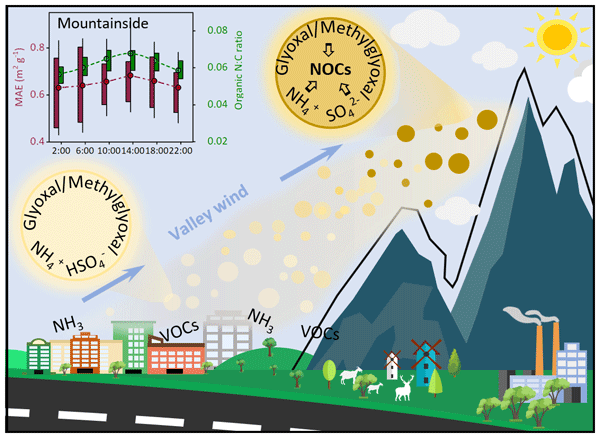
Nitrogenous organic compounds represent the pivotal chromophores governing the optical properties of atmospheric brown carbon (BrC) across the North China Plain, which are mainly formed through ammonia-driven aqueous reactions. Accordingly, the mitigation of ammonia emissions is indispensable for the further abatement of haze and BrC pollution in this region.
Nitrogenous organic compounds represent the pivotal chromophores governing the optical...
Altmetrics
Final-revised paper
Preprint