
Articles | Volume 26, issue 7
https://doi.org/10.5194/acp-26-4917-2026
© Author(s) 2026. This work is distributed under
the Creative Commons Attribution 4.0 License.
the Creative Commons Attribution 4.0 License.
https://doi.org/10.5194/acp-26-4917-2026
© Author(s) 2026. This work is distributed under
the Creative Commons Attribution 4.0 License.
the Creative Commons Attribution 4.0 License.
Research article
| 
14 Apr 2026
Research article |
| 14 Apr 2026
| 14 Apr 2026
Novel insights on causes of disproportionate trends between particulate NO3− and NOx emissions in Canadian urban atmospheres
Qinchu Fan
Key Laboratory of Marine Environment and Ecology (MOE), and Frontiers Science Center for Deep Ocean Multispheres and Earth System, Sanya Oceanographic Institution, Ocean University of China, Qingdao 266100, China
Xiaohong Yao
CORRESPONDING AUTHOR

Key Laboratory of Marine Environment and Ecology (MOE), and Frontiers Science Center for Deep Ocean Multispheres and Earth System, Sanya Oceanographic Institution, Ocean University of China, Qingdao 266100, China
Air Quality Research Division, Science and Technology Branch, Environment and Climate Change Canada, Toronto, Ontario, M3H 5T4, Canada
Related authors
Yu Lin, Leiming Zhang, Qinchu Fan, He Meng, Yang Gao, Huiwang Gao, and Xiaohong Yao
Atmos. Chem. Phys., 22, 16073–16090, https://doi.org/10.5194/acp-22-16073-2022, https://doi.org/10.5194/acp-22-16073-2022, 2022
Short summary
Short summary
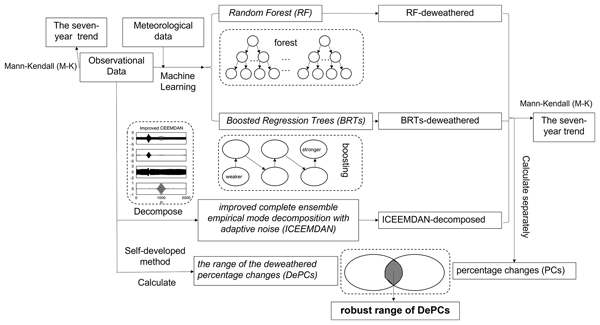
In this study, we analyzed 7-year (from May 2014 to April 2021) concentration data of six criteria air pollutants (PM2.5, PM10, O3, NO2, CO and SO2) as well as the sum of NO2 and O3 in six cities in South China. Three different analysis methods were used to identify emission-driven interannual variations and perturbations from varying weather conditions. In addition, a self-developed method was further introduced to constrain analysis uncertainties.
Chao Yu, Lin Zheng, Yujue Wang, Meijing Guo, Xu Yu, Yuqi Guo, Sisi Song, Kyoung-Soon Jang, Xiaohong Yao, Jian Zhen Yu, and Huiwang Gao
Atmos. Chem. Phys., 26, 13175–13188, https://doi.org/10.5194/acp-26-13175-2026, https://doi.org/10.5194/acp-26-13175-2026, 2026
Short summary
Short summary
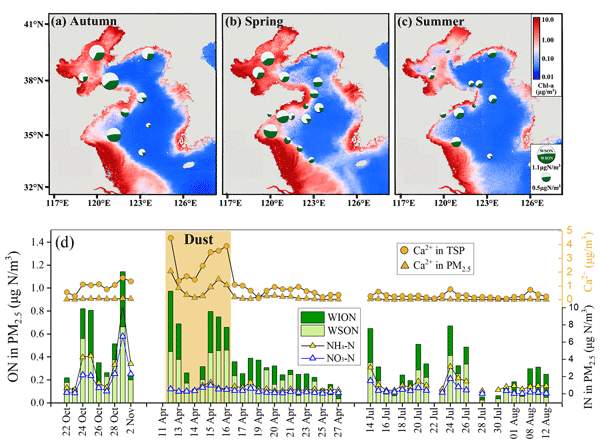
Atmospheric organic nitrogen is an important fraction in marine aerosols, and plays vital roles in organic aerosol absorption and maintaining primary productivity in the open ocean. However, abundance or sources of aerosol organic nitrogen remain unclear in the marine boundary layer. Here, we found that anthropogenic secondary pollutants and dust drove the organic nitrogen formation and the light absorption by organic aerosols over East Asian marginal seas.
Yuxuan Qi, Wenshuai Li, Wen Qu, Haizhou Zhang, Wenqing Zhu, Jinhui Shi, Daizhou Zhang, Yanjing Zhang, Lifang Sheng, Wencai Wang, Yunhui Zhao, Yuanyuan Ma, Danyang Ren, Guanru Wu, Xinfeng Wang, Xiaohong Yao, and Yang Zhou
Atmos. Chem. Phys., 26, 7721–7740, https://doi.org/10.5194/acp-26-7721-2026, https://doi.org/10.5194/acp-26-7721-2026, 2026
Short summary
Short summary
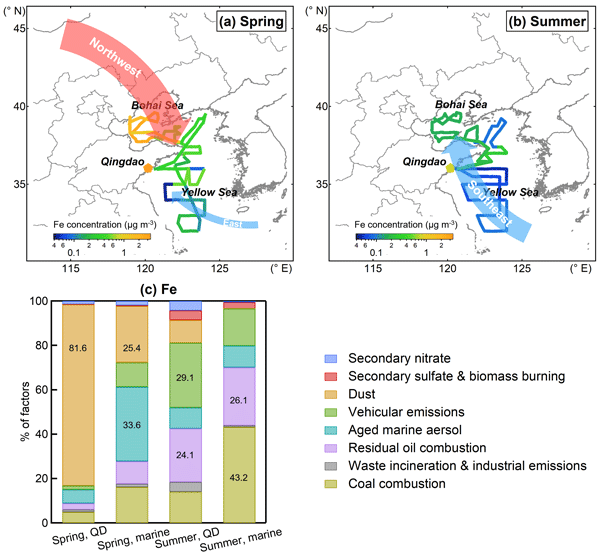
To better constrain poorly resolved trace-element sources across the land-sea gradient, we applied a refined source apportionment to PM2.5 collected in Qingdao and adjacent seas in 2018. It showed that spring Fe, Mn and Cr were mainly dust-derived, although some dust aged and mixed into marine aerosol offshore. In summer, coal combustion enriched marine Zn, Pb, As and Cd, while residual oil combustion increased Fe and Mn, highlighting strong anthropogenic control on marine aerosols.
Tianle Zhang, Yaxin Xiang, Bingxing Zhu, Xiaohong Yao, Xuehua Fan, Yinan Wang, Yuntao Wang, Shuangling Chen, Shunyao Wang, Yan Zhang, Fei Chai, and Mei Zheng
Atmos. Chem. Phys., 26, 3001–3024, https://doi.org/10.5194/acp-26-3001-2026, https://doi.org/10.5194/acp-26-3001-2026, 2026
Short summary
Short summary
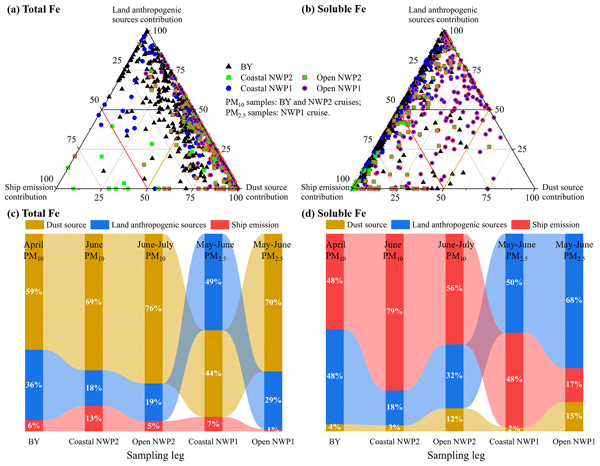
Based on high-time-resolution shipborne measurements, this study examines the sources of iron in aerosols over the Northwest Pacific. We found that non-dust emissions from ships and land-based activities contribute the majority of soluble iron capable of enhancing marine primary productivity, with particularly pronounced contributions in coastal regions and during the summer season. These findings provide improved insight into the influence of human activities on oceanic nutrient supply.
Yujue Wang, Yizhe Yi, Wei Xu, Yiwen Zhang, Shubin Li, Hong-Hai Zhang, Mingliang Gu, Shibo Yan, Jialei Zhu, Chao Zhang, Jinhui Shi, Yang Gao, Xiaohong Yao, and Huiwang Gao
Biogeosciences, 23, 77–93, https://doi.org/10.5194/bg-23-77-2026, https://doi.org/10.5194/bg-23-77-2026, 2026
Short summary
Short summary
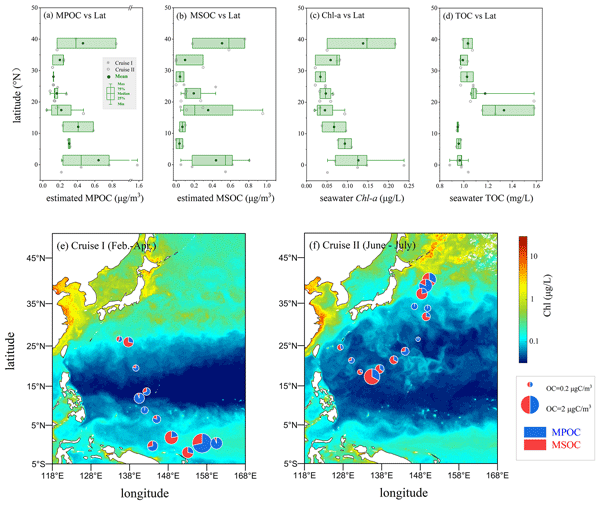
Marine organic aerosols remain poorly quantified, which limits our understanding on the climate regulation of marine aerosols. Based on shipboard cruises over the Pacific Ocean, we proposed an observation-based parameterization approach to estimate the primary and secondary marine organic aerosols using sea surface chlorophyll a and sea salts in marine aerosols. The results highlight that the spatial distribution of marine organic aerosols was driven by the marine biological activities.
Shubin Li, Yujue Wang, Yiwen Zhang, Yizhe Yi, Yuchen Wang, Yuqi Guo, Chao Yu, Yue Jiang, Jinhui Shi, Chao Zhang, Jialei Zhu, Wei Hu, Jianzhen Yu, Xiaohong Yao, Huiwang Gao, and Min Hu
Atmos. Chem. Phys., 25, 12585–12598, https://doi.org/10.5194/acp-25-12585-2025, https://doi.org/10.5194/acp-25-12585-2025, 2025
Short summary
Short summary
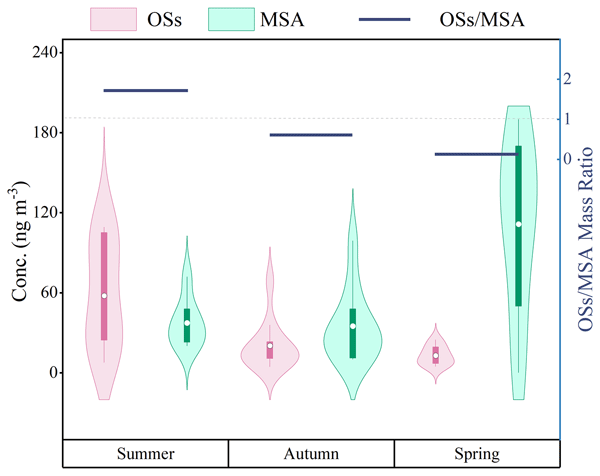
Organosulfates (OSs) are an unrecognized and potentially important component in marine organic aerosols. In this study, we quantified and characterized the OSs over East Asian marginal seas. The chemical nature and spatiotemporal distribution of OSs were modified by the joint influence of marine emissions and transported terrestrial pollutants. The results highlight the vital roles of OSs in shaping organic aerosol formation and sulfur cycle during summer in the marine boundary layer.
Tamara Emmerichs, Abdulla Al Mamun, Lisa Emberson, Huiting Mao, Leiming Zhang, Limei Ran, Clara Betancourt, Anthony Wong, Gerbrand Koren, Giacomo Gerosa, Min Huang, and Pierluigi Guaita
Biogeosciences, 22, 4823–4849, https://doi.org/10.5194/bg-22-4823-2025, https://doi.org/10.5194/bg-22-4823-2025, 2025
Short summary
Short summary
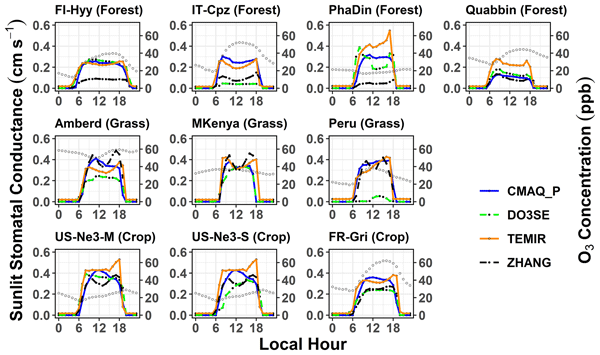
The risk of ozone pollution to plants is estimated based on the flux through the plant pores which still has uncertainties. In this study, we estimate this quantity with nine models at different land types worldwide, driven by measurement data. The models mostly estimated reasonable summertime ozone flux to plants. The model results varied by land cover, mainly related to the a lack of moisture in the soil. This work is an important step for assessing the ozone impact on vegetation.
Anam M. Khan, Olivia E. Clifton, Jesse O. Bash, Sam Bland, Nathan Booth, Philip Cheung, Lisa Emberson, Johannes Flemming, Erick Fredj, Stefano Galmarini, Laurens Ganzeveld, Orestis Gazetas, Ignacio Goded, Christian Hogrefe, Christopher D. Holmes, László Horváth, Vincent Huijnen, Qian Li, Paul A. Makar, Ivan Mammarella, Giovanni Manca, J. William Munger, Juan L. Pérez-Camanyo, Jonathan Pleim, Limei Ran, Roberto San Jose, Donna Schwede, Sam J. Silva, Ralf Staebler, Shihan Sun, Amos P. K. Tai, Eran Tas, Timo Vesala, Tamás Weidinger, Zhiyong Wu, Leiming Zhang, and Paul C. Stoy
Atmos. Chem. Phys., 25, 8613–8635, https://doi.org/10.5194/acp-25-8613-2025, https://doi.org/10.5194/acp-25-8613-2025, 2025
Short summary
Short summary
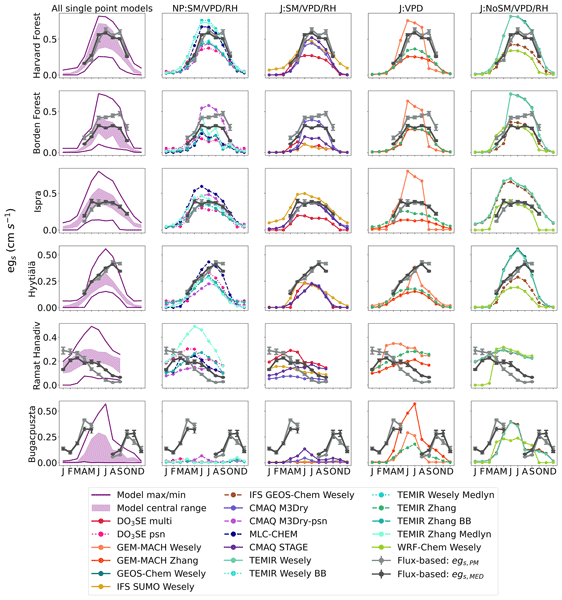
Vegetation removes tropospheric ozone through stomatal uptake, and accurately modeling the stomatal uptake of ozone is important for modeling dry deposition and air quality. We evaluated the stomatal component of ozone dry deposition modeled by atmospheric chemistry models at six sites. We find that models and observation-based estimates agree at times during the growing season at all sites, but some models overestimated the stomatal component during the dry summers at a seasonally dry site.
Irene Cheng, Amanda Cole, Leiming Zhang, and Alexandra Steffen
Atmos. Chem. Phys., 25, 8591–8611, https://doi.org/10.5194/acp-25-8591-2025, https://doi.org/10.5194/acp-25-8591-2025, 2025
Short summary
Short summary
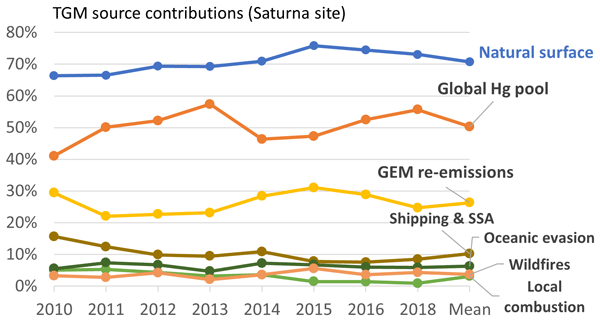
Using the positive matrix factorization (PMF) model and observations, we showed that natural surface emission (wildfires and re-emitted Hg) dominated anthropogenic contributions to total gaseous mercury (TGM). Decreasing TGM was due to reduced shipping, local combustion, and regional emissions. Relative contributions from natural surface emissions increased by 0.3–1.8 % yr-1. Results showed Hg control measures have been effective, but greater attention is needed for monitoring surface re-emissions.
Zihan Song, Leiming Zhang, Chongguo Tian, Qiang Fu, Zhenxing Shen, Renjian Zhang, Dong Liu, and Song Cui
Atmos. Chem. Phys., 24, 13101–13113, https://doi.org/10.5194/acp-24-13101-2024, https://doi.org/10.5194/acp-24-13101-2024, 2024
Short summary
Short summary
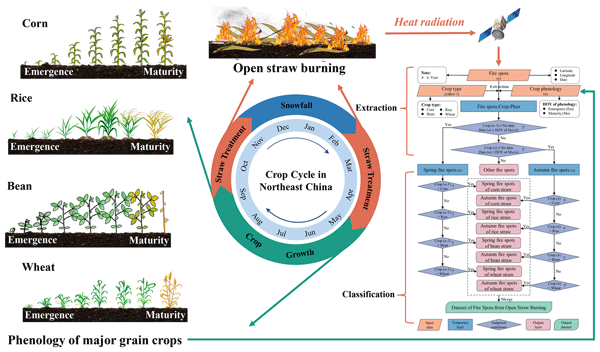
A novel concept integrating crop cycle information into fire spot extraction was proposed. Spatiotemporal variations of open straw burning in Northeast China are revealed. Open straw burning in Northeast China emitted a total of 218 Tg of CO2-eq during 2001–2020. The policy of banning straw burning effectively reduced greenhouse gas emissions.
Pierluigi Renan Guaita, Riccardo Marzuoli, Leiming Zhang, Steven Turnock, Gerbrand Koren, Oliver Wild, Paola Crippa, and Giacomo Alessandro Gerosa
EGUsphere, https://doi.org/10.5194/egusphere-2024-2573, https://doi.org/10.5194/egusphere-2024-2573, 2024
Preprint archived
Short summary
Short summary
This study assesses the global impact of tropospheric ozone on wheat crops in the 21st century under various climate scenarios. The research highlights that ozone damage to wheat varies by region and depends on both ozone levels and climate. Vulnerable regions include East Asia, Northern Europe, and the Southern and Eastern edges of the Tibetan Plateau. Our results emphasize the need of policies to reduce ozone levels and mitigate climate change to protect global food security.
Xiaohong Yao and Leiming Zhang
Atmos. Chem. Phys., 24, 7773–7791, https://doi.org/10.5194/acp-24-7773-2024, https://doi.org/10.5194/acp-24-7773-2024, 2024
Short summary
Short summary
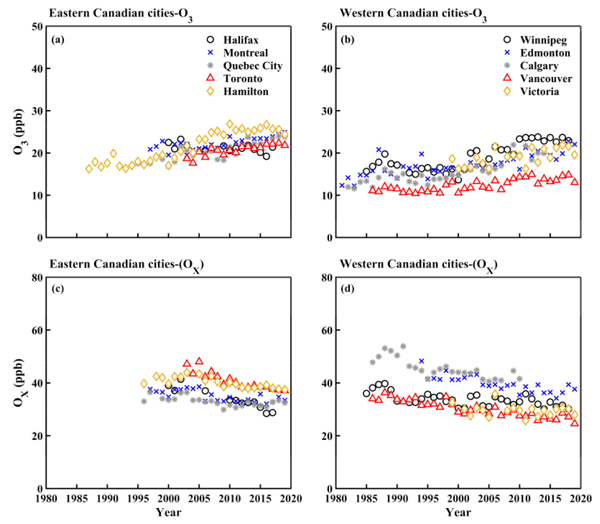
This study investigates long-term trends of criteria air pollutants, including NO2, CO, SO2, O3 and PM2.5, and NO2+O3 measured in 10 Canadian cities during the last 2 to 3 decades. We also investigate associated driving forces in terms of emission reductions, perturbations from varying weather conditions and large-scale wildfires, as well as changes in O3 sources and sinks.
Juanjuan Qin, Leiming Zhang, Yuanyuan Qin, Shaoxuan Shi, Jingnan Li, Zhao Shu, Yuwei Gao, Ting Qi, Jihua Tan, and Xinming Wang
Atmos. Chem. Phys., 24, 7575–7589, https://doi.org/10.5194/acp-24-7575-2024, https://doi.org/10.5194/acp-24-7575-2024, 2024
Short summary
Short summary
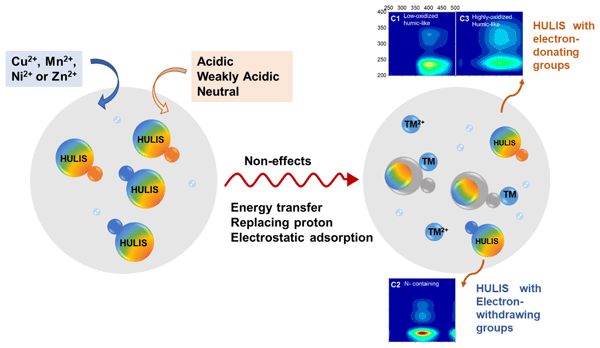
The present research unveiled that acidity dominates while transition metal ions harmonize with the light absorption properties of humic-like substances (HULIS). Cu2+ has quenching effects on HULIS by complexation, hydrogen substitution, or electrostatic adsorption, with aromatic structures of HULIS. Such effects are less pronounced if from Mn2+, Ni2+, Zn2+, and Cu2+. Oxidized HULIS might contain electron-donating groups, whereas N-containing compounds might contain electron-withdrawing groups.
Ming Chu, Xing Wei, Shangfei Hai, Yang Gao, Huiwang Gao, Yujiao Zhu, Biwu Chu, Nan Ma, Juan Hong, Yele Sun, and Xiaohong Yao
Atmos. Chem. Phys., 24, 6769–6786, https://doi.org/10.5194/acp-24-6769-2024, https://doi.org/10.5194/acp-24-6769-2024, 2024
Short summary
Short summary
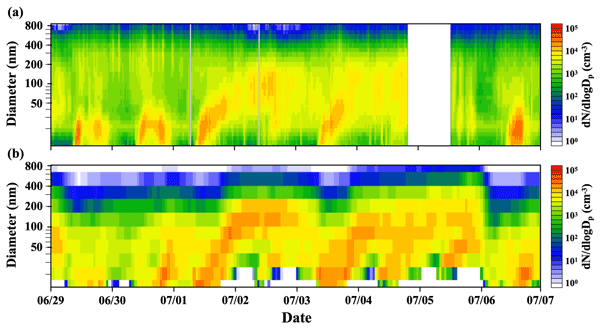
We used a 20-bin WRF-Chem model to simulate NPF events in the NCP during a three-week observational period in the summer of 2019. The model was able to reproduce the observations during June 29–July 6, which was characterized by a high frequency of NPF occurrence.
Jiawei Li, Zhiwei Han, Pingqing Fu, Xiaohong Yao, and Mingjie Liang
Atmos. Chem. Phys., 24, 3129–3161, https://doi.org/10.5194/acp-24-3129-2024, https://doi.org/10.5194/acp-24-3129-2024, 2024
Short summary
Short summary
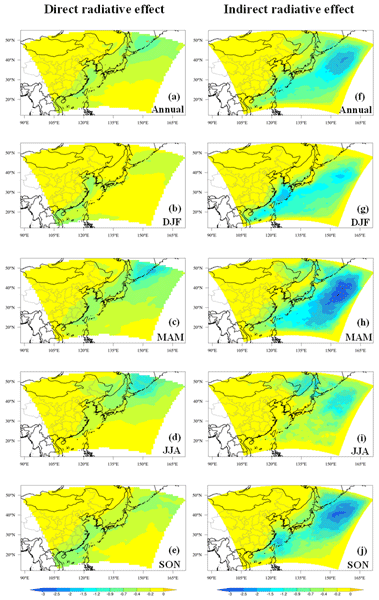
Organic aerosols of marine origin are important for aerosol climatic effects but are poorly understood. For the first time, an online coupled regional chemistry–climate model is applied to explore the characteristics of emission, distribution, and direct and indirect radiative effects of marine organic aerosols over the western Pacific, which reveals an important role of marine organic aerosols in perturbing cloud and radiation and promotes understanding of global aerosol climatic impact.
Feifan Yan, Hang Su, Yafang Cheng, Rujin Huang, Hong Liao, Ting Yang, Yuanyuan Zhu, Shaoqing Zhang, Lifang Sheng, Wenbin Kou, Xinran Zeng, Shengnan Xiang, Xiaohong Yao, Huiwang Gao, and Yang Gao
Atmos. Chem. Phys., 24, 2365–2376, https://doi.org/10.5194/acp-24-2365-2024, https://doi.org/10.5194/acp-24-2365-2024, 2024
Short summary
Short summary
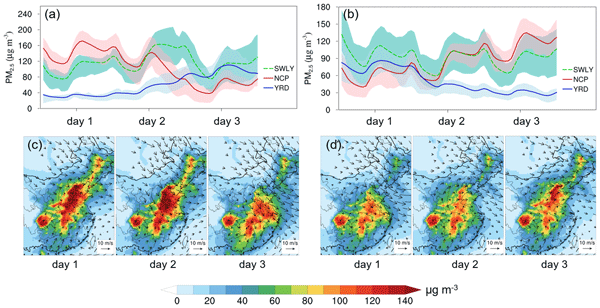
PM2.5 pollution is a major air quality issue deteriorating human health, and previous studies mostly focus on regions like the North China Plain and Yangtze River Delta. However, the characteristics of PM2.5 concentrations between these two regions are studied less often. Focusing on the transport corridor region, we identify an interesting seesaw transport phenomenon with stagnant weather conditions, conducive to PM2.5 accumulation over this region, resulting in large health effects.
Xing Wei, Yanjie Shen, Xiao-Ying Yu, Yang Gao, Huiwang Gao, Ming Chu, Yujiao Zhu, and Xiaohong Yao
Atmos. Chem. Phys., 23, 15325–15350, https://doi.org/10.5194/acp-23-15325-2023, https://doi.org/10.5194/acp-23-15325-2023, 2023
Short summary
Short summary
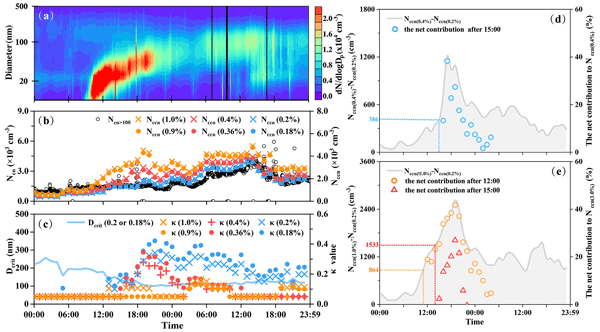
We investigate the contribution of grown new particles to Nccn at a rural mountain site in the North China Plain. The total particle number concentrations (Ncn) observed on 8 new particle formation (NPF) days were higher compared to non-NPF days. The Nccn at 0.2 % supersaturation (SS) and 0.4 % SS on the NPF days was significantly lower than on non-NPF days. Only one of eight NPF events had detectable net contributions to Nccn at 0.4 % SS and 1.0 % SS with increased κ values.
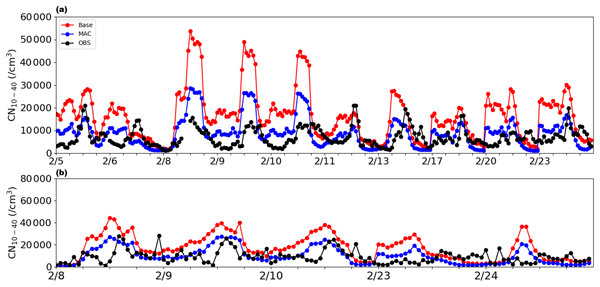
Chupeng Zhang, Shangfei Hai, Yang Gao, Yuhang Wang, Shaoqing Zhang, Lifang Sheng, Bin Zhao, Shuxiao Wang, Jingkun Jiang, Xin Huang, Xiaojing Shen, Junying Sun, Aura Lupascu, Manish Shrivastava, Jerome D. Fast, Wenxuan Cheng, Xiuwen Guo, Ming Chu, Nan Ma, Juan Hong, Qiaoqiao Wang, Xiaohong Yao, and Huiwang Gao
Atmos. Chem. Phys., 23, 10713–10730, https://doi.org/10.5194/acp-23-10713-2023, https://doi.org/10.5194/acp-23-10713-2023, 2023
Short summary
Short summary
New particle formation is an important source of atmospheric particles, exerting critical influences on global climate. Numerical models are vital tools to understanding atmospheric particle evolution, which, however, suffer from large biases in simulating particle numbers. Here we improve the model chemical processes governing particle sizes and compositions. The improved model reveals substantial contributions of newly formed particles to climate through effects on cloud condensation nuclei.
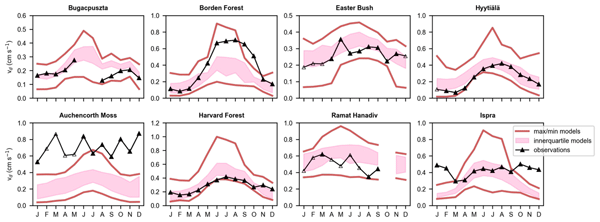
Olivia E. Clifton, Donna Schwede, Christian Hogrefe, Jesse O. Bash, Sam Bland, Philip Cheung, Mhairi Coyle, Lisa Emberson, Johannes Flemming, Erick Fredj, Stefano Galmarini, Laurens Ganzeveld, Orestis Gazetas, Ignacio Goded, Christopher D. Holmes, László Horváth, Vincent Huijnen, Qian Li, Paul A. Makar, Ivan Mammarella, Giovanni Manca, J. William Munger, Juan L. Pérez-Camanyo, Jonathan Pleim, Limei Ran, Roberto San Jose, Sam J. Silva, Ralf Staebler, Shihan Sun, Amos P. K. Tai, Eran Tas, Timo Vesala, Tamás Weidinger, Zhiyong Wu, and Leiming Zhang
Atmos. Chem. Phys., 23, 9911–9961, https://doi.org/10.5194/acp-23-9911-2023, https://doi.org/10.5194/acp-23-9911-2023, 2023
Short summary
Short summary
A primary sink of air pollutants is dry deposition. Dry deposition estimates differ across the models used to simulate atmospheric chemistry. Here, we introduce an effort to examine dry deposition schemes from atmospheric chemistry models. We provide our approach’s rationale, document the schemes, and describe datasets used to drive and evaluate the schemes. We also launch the analysis of results by evaluating against observations and identifying the processes leading to model–model differences.
Yu Lin, Leiming Zhang, Qinchu Fan, He Meng, Yang Gao, Huiwang Gao, and Xiaohong Yao
Atmos. Chem. Phys., 22, 16073–16090, https://doi.org/10.5194/acp-22-16073-2022, https://doi.org/10.5194/acp-22-16073-2022, 2022
Short summary
Short summary
In this study, we analyzed 7-year (from May 2014 to April 2021) concentration data of six criteria air pollutants (PM2.5, PM10, O3, NO2, CO and SO2) as well as the sum of NO2 and O3 in six cities in South China. Three different analysis methods were used to identify emission-driven interannual variations and perturbations from varying weather conditions. In addition, a self-developed method was further introduced to constrain analysis uncertainties.
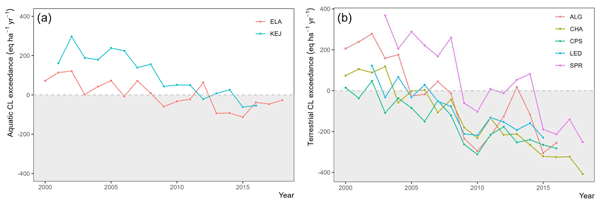
Irene Cheng, Leiming Zhang, Zhuanshi He, Hazel Cathcart, Daniel Houle, Amanda Cole, Jian Feng, Jason O'Brien, Anne Marie Macdonald, Julian Aherne, and Jeffrey Brook
Atmos. Chem. Phys., 22, 14631–14656, https://doi.org/10.5194/acp-22-14631-2022, https://doi.org/10.5194/acp-22-14631-2022, 2022
Short summary
Short summary
Nitrogen (N) and sulfur (S) deposition decreased significantly at 14 Canadian sites during 2000–2018. The greatest decline was observed in southeastern Canada owing to regional SO2 and NOx reductions. Wet deposition was more important than dry deposition, comprising 71–95 % of total N and 45–89 % of total S deposition. While critical loads (CLs) were exceeded at a few sites in the early 2000s, acidic deposition declined below CLs after 2012, which signifies recovery from legacy acidification.
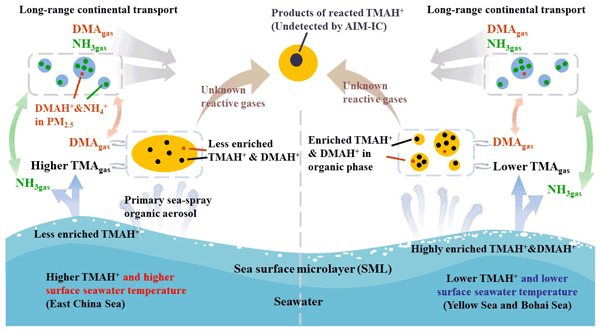
Yating Gao, Dihui Chen, Yanjie Shen, Yang Gao, Huiwang Gao, and Xiaohong Yao
Atmos. Chem. Phys., 22, 1515–1528, https://doi.org/10.5194/acp-22-1515-2022, https://doi.org/10.5194/acp-22-1515-2022, 2022
Short summary
Short summary
This study focuses on spatiotemporal heterogeneity of observed gaseous amines, NH3, their particulate counterparts in PM2.5 over different sea zones, and the disproportional release of alkaline gases and corresponding particulate counterparts from seawater in the sea zones in terms of different extents of enrichment of TMAH+ and DMAH+ in the sea surface microlayer (SML). A novel hypothesis is delivered.
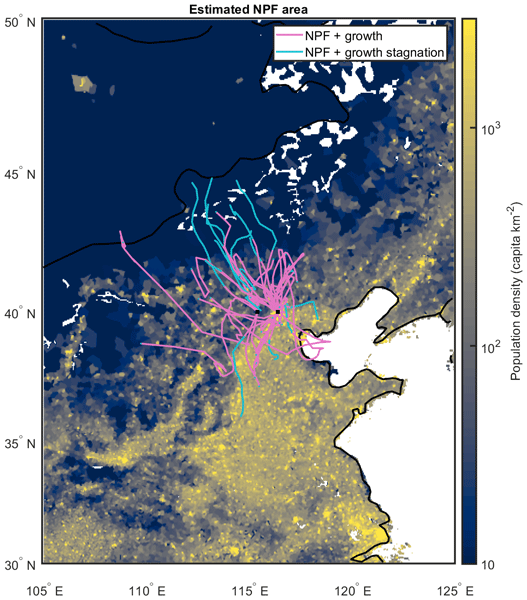
Ying Zhou, Simo Hakala, Chao Yan, Yang Gao, Xiaohong Yao, Biwu Chu, Tommy Chan, Juha Kangasluoma, Shahzad Gani, Jenni Kontkanen, Pauli Paasonen, Yongchun Liu, Tuukka Petäjä, Markku Kulmala, and Lubna Dada
Atmos. Chem. Phys., 21, 17885–17906, https://doi.org/10.5194/acp-21-17885-2021, https://doi.org/10.5194/acp-21-17885-2021, 2021
Short summary
Short summary
We characterized the connection between new particle formation (NPF) events in terms of frequency, intensity and growth at a near-highway location in central Beijing and at a background mountain site 80 km away. Due to the substantial contribution of NPF to the global aerosol budget, identifying the conditions that promote the occurrence of regional NPF events could help understand their contribution on a large scale and would improve their implementation in global models.
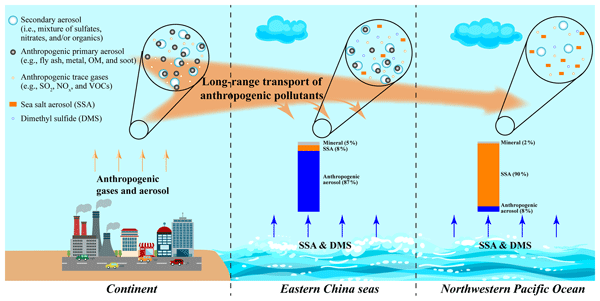
Liang Xu, Xiaohuan Liu, Huiwang Gao, Xiaohong Yao, Daizhou Zhang, Lei Bi, Lei Liu, Jian Zhang, Yinxiao Zhang, Yuanyuan Wang, Qi Yuan, and Weijun Li
Atmos. Chem. Phys., 21, 17715–17726, https://doi.org/10.5194/acp-21-17715-2021, https://doi.org/10.5194/acp-21-17715-2021, 2021
Short summary
Short summary
We quantified different types of marine aerosols and explored the Cl depletion of sea salt aerosol (SSA) in the eastern China seas and the northwestern Pacific Ocean. We found that anthropogenic acidic gases in the troposphere were transported longer distances compared to the anthropogenic aerosols and could significantly impact remote marine aerosols. Meanwhile, variations of chloride depletion in SSA can serve as a potential indicator for anthropogenic gaseous pollutants in remote marine air.

Dihui Chen, Yanjie Shen, Juntao Wang, Yang Gao, Huiwang Gao, and Xiaohong Yao
Atmos. Chem. Phys., 21, 16413–16425, https://doi.org/10.5194/acp-21-16413-2021, https://doi.org/10.5194/acp-21-16413-2021, 2021
Short summary
Short summary
The study provides solid evidence to demonstrate that atmospheric trimethylamine (TMAgas) and particulate trimethylaminium in PM2.5 (TMAH+) observed in marine atmospheres were uniquely derived from seawater emissions. As sea-derived TMAgas correlated significantly with DMAgas and NH3gas, sea-derived DMAgas and NH3gas can be estimated and can quantify the contribution to the observed species in the marine atmosphere. Similarly, the contributions of primary DMAH+ have also been estimated.
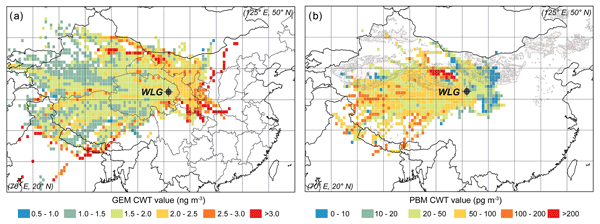
Hui Zhang, Xuewu Fu, Ben Yu, Baoxin Li, Peng Liu, Guoqing Zhang, Leiming Zhang, and Xinbin Feng
Atmos. Chem. Phys., 21, 15847–15859, https://doi.org/10.5194/acp-21-15847-2021, https://doi.org/10.5194/acp-21-15847-2021, 2021
Short summary
Short summary
Our observations of speciated atmospheric mercury at the Waliguan GAW Baseline Observatory show that concentrations of gaseous elemental mercury (GEM) and particulate bound mercury (PBM) were elevated compared to the Northern Hemisphere background. We propose that the major sources of GEM and PBM were mainly related to anthropogenic emissions and desert dust sources. This study highlights that dust-related sources played an important role in the variations of PBM in the Tibetan Plateau.
Cited articles
Aas, W., Mortier, A., Bowersox, V., Cherian, R., Faluvegi, G., Fagerli, H., Hand, J., Klimont, Z., Galy-Lacaux, C., Lehmann, C. M. B., Myhre, C. L., Myhre, G., Olivié, D., Sato, K., Quaas, J., Rao, P. S. P., Schulz, M., Shindell, D., Skeie, R. B., Stein, A., Takemura, T., Tsyro, S., Vet, R., and Xu, X.: Global and regional trends of atmospheric sulfur, Sci. Rep., 9, 953, https://doi.org/10.1038/s41598-018-37304-0, 2019.
Andersson, C., Langner, J., and Bergström, R.: Interannual variation and trends in air pollution over Europe due to climate variability during 1958–2001 simulated with a regional CTM coupled to the ERA40 reanalysis, Tellus B, 59, 77–98, https://doi.org/10.1111/j.1600-0889.2006.00196.x, 2007.
Balamurugan, V., Chen, J., Qu, Z., Bi, X., and Keutsch, F. N.: Secondary PM2.5 decreases significantly less than NO2 emission reductions during COVID lockdown in Germany, Atmos. Chem. Phys., 22, 7105–7129, https://doi.org/10.5194/acp-22-7105-2022, 2022.
Bari, M. A. and Kindzierski, W. B.: Fine particulate matter (PM2.5) in Edmonton, Canada: source apportionment and potential risk for human health, Environ. Pollut., 218, 219–229, https://doi.org/10.1016/j.envpol.2016.06.014, 2016a.
Bari, M. A. and Kindzierski, W. B.: Eight-year (2007–2014) trends in ambient fine particulate matter (PM2.5) and its chemical components in the capital region of Alberta, Canada, Environ. Int., 91, 122–132, https://doi.org/10.1016/j.envint.2016.02.033, 2016b.
Bell, M. L., Dominici, F., Ebisu, K., Zeger, S. L., and Samet, J. M.: Spatial and temporal variation in PM2.5 chemical composition in the United States for health effects studies, Environ. Health Perspect., 115, 989–995, https://doi.org/10.1289/ehp.9621, 2007.
Bose, S., Rosa, M. J., Chiu, Y.-H. M., Hsu, H.-H. L., Di, Q., Lee, A., Kloog, I., Wilson, A., Schwartz, J., Wright, R. O., Morgan, W. J., Coull, B. A., and Wright, R. J.: Prenatal nitrate air pollution exposure and reduced child lung function: Timing and fetal sex effects, Environ. Res., 167, 591–597, https://doi.org/10.1016/j.envres.2018.08.019, 2018.
Burakowski, E. A., Wake, C. P., Braswell, B., and Brown, D. P.: Trends in wintertime climate in the northeastern United States: 1965–2005, J. Geophys. Res.-Atmos., 113, D20114, https://doi.org/10.1029/2008JD009870, 2008.
Canada Electricity Advisory Council: Powering Canada: A blueprint for success, https://natural-resources.canada.ca/energy-sources/powering-canada-blueprint-success (last access: 28 March 2026), 2024.
Chalbot, M.-C., McElroy, B., and Kavouras, I. G.: Sources, trends and regional impacts of fine particulate matter in southern Mississippi valley: significance of emissions from sources in the Gulf of Mexico coast, Atmos. Chem. Phys., 13, 3721–3732, https://doi.org/10.5194/acp-13-3721-2013, 2013.
Chan, Y.-C., Evans, M. J., He, P., Holmes, C. D., Jaeglé, L., Kasibhatla, P., Liu, X.-Y., Sherwen, T., Thornton, J. A., Wang, X., Xie, Z., Zhai, S., and Alexander, B.: Heterogeneous nitrate production mechanisms in intense haze events in the North China Plain, J. Geophys. Res.-Atmos., 126, e2021JD034688, https://doi.org/10.1029/2021JD034688, 2021.
Chen, G., Fan, X., Yu, S., Tham, Y. J., Lin, Z., Ji, X., Xu, L., and Chen, J.: HOCl formation driven by photochemical processes enhanced atmospheric oxidation capacity in a coastal atmosphere, Environ. Sci. Technol., 59, 5164–5171, https://doi.org/10.1021/acs.est.5c01363, 2025.
Cheng, B., Alapaty, K., and Arunachalam, S.: Spatiotemporal trends in PM2.5 chemical composition in the conterminous U.S. during 2006–2020, Atmos. Environ., 316, 120188, https://doi.org/10.1016/j.atmosenv.2023.120188, 2024.
Cheng, I. and Zhang, L.: Long-term air concentrations, wet deposition, and scavenging ratios of inorganic ions, HNO3, and SO2 and assessment of aerosol and precipitation acidity at Canadian rural locations, Atmos. Chem. Phys., 17, 4711–4730, https://doi.org/10.5194/acp-17-4711-2017, 2017.
Dabek-Zlotorzynska, E., Dann, T. F., Martinelango, P. K., Celo, V., Brook, J. R., Mathieu, D., Ding, L., and Austin, C. C.: Canadian National Air Pollution Surveillance (NAPS) PM2.5 speciation program: Methodology and PM2.5 chemical composition for the years 2003–2008, Atmos. Environ., 45, 673–686, https://doi.org/10.1016/j.atmosenv.2010.10.024, 2011.
Dabek-Zlotorzynska, E., Celo, V., Ding, L., Herod, D., Jeong, C.-H., Evans, G., and Hilker, N.: Characteristics and sources of PM2.5 and reactive gases near roadways in two metropolitan areas in Canada, Atmos. Environ., 218, 116980, https://doi.org/10.1016/j.atmosenv.2019.116980, 2019.
Dang, R., Jacob, D. J., Zhai, S., Yang, L. H., Pendergrass, D. C., Coheur, P., Clarisse, L., Van Damme, M., Choi, J., Park, J., Liu, Z., Xie, P., and Liao, H.: A satellite-based indicator for diagnosing particulate nitrate sensitivity to precursor emissions: application to East Asia, Europe, and North America, Environ. Sci. Technol., 58, 20101–20113, https://doi.org/10.1021/acs.est.4c08082, 2024.
Drugé, T., Nabat, P., Mallet, M., and Somot, S.: Model simulation of ammonium and nitrate aerosols distribution in the Euro-Mediterranean region and their radiative and climatic effects over 1979–2016, Atmos. Chem. Phys., 19, 3707–3731, https://doi.org/10.5194/acp-19-3707-2019, 2019.
Duce, R. A., LaRoche, J., Altieri, K., Arrigo, K. R., Baker, A. R., Capone, D. G., Cornell, S., Dentener, F., Galloway, J., Ganeshram, R. S., Geider, R. J., Jickells, T., Kuypers, M. M., Langlois, R., Liss, P. S., Liu, S. M., Middelburg, J. J., Moore, C. M., Nickovic, S., Oschlies, A., Pedersen, T., Prospero, J., Schlitzer, R., Seitzinger, S., Sorensen, L. L., Uematsu, M., Ulloa, O., Voss, M., Ward, B., and Zamora, L.: Impacts of atmospheric anthropogenic nitrogen on the open ocean, Science, 320, 893–897, https://doi.org/10.1126/science.1150369, 2008.
ECCC: Canada–United States transboundary particulate matter science assessment 2013, https://publications.gc.ca/site/eng/9.811711/publication.html (last access: 13 November 2025), 2016.
ECCC: Air pollutant emissions, https://www.canada.ca/en/environment-climate-change/services/environmental-indicators/air-pollutant-emissions.html (last access: 13 November 2021), 2021.
Edgerton, E. S., Hsu, Y.-M., White, E. M., Fenn, M. E., and Landis, M. S.: Ambient concentrations and total deposition of inorganic sulfur, inorganic nitrogen and base cations in the Athabasca oil sands region, Sci. Total Environ., 706, 134864, https://doi.org/10.1016/j.scitotenv.2019.134864, 2020.
Environmental Protection Agency: Method 202 – Dry Impinger Method for Determining Condensable Particulate Emissions From Stationary Sources, proposed rule, Fed. Regist., 82, 42508–42530, 2017.
Fan, M.-Y., Zhang, Y.-L., Lin, Y.-C., Cao, F., Zhao, Z.-Y., Sun, Y., Qiu, Y., Fu, P., and Wang, Y.: Changes of emission sources to nitrate aerosols in Beijing after the clean air actions: evidence from dual isotope compositions, J. Geophys. Res.-Atmos., 125, e2019JD031998, https://doi.org/10.1029/2019JD031998, 2020.
Feng, J., Chan, E., and Vet, R.: Air quality in the eastern United States and Eastern Canada for 1990–2015: 25 years of change in response to emission reductions of SO2 and NOx in the region, Atmos. Chem. Phys., 20, 3107–3134, https://doi.org/10.5194/acp-20-3107-2020, 2020.
Font, A., de Brito, J. F., Riffault, V., Conil, S., Jaffrezo, J.-L., and Bourin, A.: Long-term measurements of aerosol composition at rural background sites in France: sources, seasonality and mass closure of PM2.5, Atmos. Environ., 334, 120724, https://doi.org/10.1016/j.atmosenv.2024.120724, 2024.
Gen, M., Liang, Z., Zhang, R., Go Mabato, B. R., and Chan, C. K.: Particulate nitrate photolysis in the atmosphere, Environ. Sci. Atmos., 2, 111–127, https://doi.org/10.1039/d1ea00087j, 2022.
Guo, T., Li, K., Zhu, Y., Gao, H., and Yao, X.: Concentration and size distribution of particulate oxalate in marine and coastal atmospheres – implication for the increased importance of oxalate in nanometer atmospheric particles, Atmos. Environ., 142, 19–31, https://doi.org/10.1016/j.atmosenv.2016.07.026, 2016.
Hand, J. L., Prenni, A. J., and Schichtel, B. A.: Trends in seasonal mean speciated aerosol composition in remote areas of the United States from 2000 through 2021, J. Geophys. Res.-Atmos., 129, e2023JD039902, https://doi.org/10.1029/2023JD039902, 2024.
Harrison, R. M., Beddows, D. C. S., Tong, C., and Damayanti, S.: Non-linearity of secondary pollutant formation estimated from emissions data and measured precursor-secondary pollutant relationships, npj Clim. Atmos. Sci., 5, 71, https://doi.org/10.1038/s41612-022-00297-9, 2022.
He, K., Yang, F., Ma, Y., Zhang, Q., Yao, X., Chan, C. K., Cadle, S., Chan, T., and Mulawa, P.: The characteristics of PM2.5 in Beijing, China, Atmos. Environ., 35, 4959–4970, https://doi.org/10.1016/S1352-2310(01)00301-6, 2001.
Higgins, R. W., Leetmaa, A., and Kousky, V. E.: Relationships between climate variability and winter temperature extremes in the United States, J. Climate, 15, 1555–1572, https://doi.org/10.1175/1520-0442(2002)015<1555:RBCVAW>2.0.CO;2, 2002.
Höpfner, M., Ungermann, J., Borrmann, S., Wagner, R., Spang, R., Riese, M., Stiller, G., Appel, O., Batenburg, A. M., Bucci, S., Cairo, F., Dragoneas, A., Friedl-Vallon, F., Hünig, A., Johansson, S., Krasauskas, L., Legras, B., Leisner, T., Mahnke, C., Möhler, O., Molleker, S., Müller, R., Neubert, T., Orphal, J., Preusse, P., Rex, M., Saathoff, H., Stroh, F., Weigel, R., and Wohltmann, I.: Ammonium nitrate particles formed in upper troposphere from ground ammonia sources during Asian monsoons, Nat. Geosci., 12, 608–612, https://doi.org/10.1038/s41561-019-0385-8, 2019.
Huo, H., Gao, Y., Sun, L., Gao, Y., Gao, H., and Yao, X.: Investigating dual character of atmospheric ammonia on particulate NH4NO3: reducing evaporation versus promoting formation, Atmos.-Basel, 16, 685, https://doi.org/10.3390/atmos16060685, 2025.
Iizuka, Y., Matsumoto, M., Kawakami, K., Sasage, M., Ishino, S., Hattori, S., Uemura, R., Matsui, H., Fujita, K., Oshima, N., Spolaor, A., Svensson, A., Vinther, B. M., Ohno, H., Seki, O., and Matoba, S.: Acidity-driven gas-particle partitioning of nitrate regulates its transport to Arctic through the industrial era, Nat. Commun., 16, 4272, https://doi.org/10.1038/s41467-025-59208-0, 2025.
Javed, M. T., Irfan, N., and Gibbs, B. M.: Control of combustion-generated nitrogen oxides by selective non-catalytic reduction, J. Environ. Manage., 83, 251–289, https://doi.org/10.1016/j.jenvman.2006.03.006, 2007.
Jeong, C., McGuire, M. L., Herod, D., Dann, T., Dabek–Zlotorzynska, E., Wang, D., Ding, L., Celo, V., Mathieu, D., and Evans, G.: Receptor model based identification of PM2.5 sources in Canadian cities, Atmos. Pollut. Res., 2, 158–171, https://doi.org/10.5094/APR.2011.021, 2011.
Jeong, C.-H., Traub, A., Huang, A., Hilker, N., Wang, J. M., Herod, D., Dabek-Zlotorzynska, E., Celo, V., and Evans, G. J.: Long-term analysis of PM2.5 from 2004 to 2017 in Toronto: composition, sources, and oxidative potential, Environ. Pollut., 263, 114652, https://doi.org/10.1016/j.envpol.2020.114652, 2020.
Jonson, J. E., Fagerli, H., Scheuschner, T., and Tsyro, S.: Modelling changes in secondary inorganic aerosol formation and nitrogen deposition in Europe from 2005 to 2030, Atmos. Chem. Phys., 22, 1311–1331, https://doi.org/10.5194/acp-22-1311-2022, 2022.
Kim, H., Walters, W. W., Kysela, L., and Hastings, M. G.: Long-term trends in inorganic aerosol chemical composition and chemistry at an urban and rural site in the Northeastern US, Sci. Total Environ., 904, 166848, https://doi.org/10.1016/j.scitotenv.2023.166848, 2023.
Kim, Y. J., Spak, S. N., Carmichael, G. R., Riemer, N., and Stanier, C. O.: Modeled aerosol nitrate formation pathways during wintertime in the Great Lakes region of North America, J. Geophys. Res.-Atmos., 119, 12420–12445, https://doi.org/10.1002/2014JD022320, 2014.
Li, Y. and Shiraiwa, M.: Timescales of secondary organic aerosols to reach equilibrium at various temperatures and relative humidities, Atmos. Chem. Phys., 19, 5959–5971, https://doi.org/10.5194/acp-19-5959-2019, 2019.
Lin, Y., Zhang, L., Fan, Q., Meng, H., Gao, Y., Gao, H., and Yao, X.: Decoupling impacts of weather conditions on interannual variations in concentrations of criteria air pollutants in South China – constraining analysis uncertainties by using multiple analysis tools, Atmos. Chem. Phys., 22, 16073–16090, https://doi.org/10.5194/acp-22-16073-2022, 2022.
Luo, G., Yu, F., and Schwab, J.: Revised treatment of wet scavenging processes dramatically improves GEOS-Chem 12.0.0 simulations of surface nitric acid, nitrate, and ammonium over the United States, Geosci. Model Dev., 12, 3439–3447, https://doi.org/10.5194/gmd-12-3439-2019, 2019.
Man, H., Zhu, Y., Ji, F., Yao, X., Lau, N. T., Li, Y., Lee, B. P., and Chan, C. K.: Comparison of daytime and nighttime new particle growth at the HKUST supersite in Hong Kong, Environ. Sci. Technol., 49, 7170–7178, https://doi.org/10.1021/acs.est.5b02143, 2015.
McDonald, B. C., de Gouw, J. A., Gilman, J. B., Jathar, S. H., Akherati, A., Cappa, C. D., Jimenez, J. L., Lee-Taylor, J., Hayes, P. L., McKeen, S. A., Cui, Y. Y., Kim, S.-W., Gentner, D. R., Isaacman-VanWertz, G., Goldstein, A. H., Harley, R. A., Frost, G. J., Roberts, J. M., Ryerson, T. B., and Trainer, M.: Volatile chemical products emerging as largest petrochemical source of urban organic emissions, Science, 359, 760–764, https://doi.org/10.1126/science.aaq0524, 2018.
Meng, Z. and Seinfeld, J. H.: Time scales to achieve atmospheric gas-aerosol equilibrium for volatile species, Atmos. Environ., 30, 2889–2900, https://doi.org/10.1016/1352-2310(95)00493-9, 1996.
Palash, S. M., Masjuki, H. H., Kalam, M. A., Masum, B. M., Sanjid, A., and Abedin, M. J.: State of the art of NOx mitigation technologies and their effect on the performance and emission characteristics of biodiesel-fueled compression ignition engines, Energy Conv. Manag., 76, 400–420, https://doi.org/10.1016/j.enconman.2013.07.059, 2013.
Pappin, A. J., Charman, N., Egyed, M., Blagden, P., Duhamel, A., Miville, J., Popadic, I., Manseau, P. M., Marcotte, G., Mashayekhi, R., Racine, J., Rittmaster, R., Edwards, B., Kipusi, W., and Smith-Doiron, M.: Attribution of fine particulate matter and ozone health impacts in Canada to domestic and US emission sources, Sci. Total Environ., 909, 168529, https://doi.org/10.1016/j.scitotenv.2023.168529, 2024.
Park, R. J., Jacob, D. J., Field, B. D., Yantosca, R. M., and Chin, M.: Natural and transboundary pollution influences on sulfate-nitrate-ammonium aerosols in the United States: Implications for policy, J. Geophys. Res.-Atmos., 109, D15204, https://doi.org/10.1029/2003JD004473, 2004.
Peng, W., Zhu, B., Kang, H., Chen, K., Lu, W., Lu, C., Kang, N., Hu, J., Chen, H., and Liao, H.: Inconsistent 3-d structures and sources of sulfate ammonium and nitrate ammonium aerosols during cold front episodes, J. Geophys. Res.-Atmos., 129, e2023JD039958, https://doi.org/10.1029/2023JD039958, 2024.
Peng, X., Wang, T., Wang, W., Ravishankara, A. R., George, C., Xia, M., Cai, M., Li, Q., Salvador, C. M., Lau, C., Lyu, X., Poon, C. N., Mellouki, A., Mu, Y., Hallquist, M., Saiz-Lopez, A., Guo, H., Herrmann, H., Yu, C., Dai, J., Wang, Y., Wang, X., Yu, A., Leung, K., Lee, S., and Chen, J.: Photodissociation of particulate nitrate as a source of daytime tropospheric Cl2, Nat. Commun., 13, 939, https://doi.org/10.1038/s41467-022-28383-9, 2022.
Pullokaran, D., Bhardwaj, A., Haswani, D., Yadav, K., Sunder Raman, R., Shukla, D., Dhandapani, A., Iqbal, J., Kumar, R. N., Prasad, L., Venkatesh, P., and Murthy, B. M. S.: Spatio-temporal trends of the relationships between surface PM2.5 and its chemical constituents across three COALESCE network locations in India: a mass closure investigation, J. Geophys. Res.-Atmos., 129, e2023JD039855, https://doi.org/10.1029/2023JD039855, 2024.
Pun, B. K., Balmori, R. T. F., and Seigneur, C.: Modeling wintertime particulate matter formation in central California, Atmos. Environ., 43, 402–409, https://doi.org/10.1016/j.atmosenv.2008.08.040, 2009.
Qi, J., Liu, X., Yao, X., Zhang, R., Chen, X., Lin, X., Gao, H., and Liu, R.: The concentration, source and deposition flux of ammonium and nitrate in atmospheric particles during dust events at a coastal site in northern China, Atmos. Chem. Phys., 18, 571–586, https://doi.org/10.5194/acp-18-571-2018, 2018.
Russell, M., Hakami, A., Makar, P. A., Akingunola, A., Zhang, J., Moran, M. D., and Zheng, Q.: An evaluation of the efficacy of very high resolution air-quality modelling over the Athabasca oil sands region, Alberta, Canada, Atmos. Chem. Phys., 19, 4393–4417, https://doi.org/10.5194/acp-19-4393-2019, 2019.
Seinfeld, J. H. and Pandis, S. N.: Atmospheric Chemistry and Physics: From Air Pollution to Climate Change, 3rd edn., John Wiley & Sons, Hoboken, NJ, ISBN 9781118947401, 2016.
Semeniuk, K., Dastoor, A., and Lupu, A.: Implementation of the MOSAIC aerosol module (v1.0) in the Canadian air quality model GEM-MACH (v3.1), Geosci. Model Dev., 18, 6479–6515, https://doi.org/10.5194/gmd-18-6479-2025, 2025.
Shah, V., Jaeglé, L., Thornton, J. A., Lopez-Hilfiker, F. D., Lee, B. H., Schroder, J. C., Campuzano-Jost, P., Jimenez, J. L., Guo, H., Sullivan, A. P., Weber, R. J., Green, J. R., Fiddler, M. N., Bililign, S., Campos, T. L., Stell, M., Weinheimer, A. J., Montzka, D. D., and Brown, S. S.: Chemical feedbacks weaken the wintertime response of particulate sulfate and nitrate to emissions reductions over the eastern United States, P. Natl. Acad. Sci. USA, 115, 8110–8115, https://doi.org/10.1073/pnas.1803295115, 2018.
Shen, Y., Meng, H., Yao, X., Peng, Z., Sun, Y., Zhang, J., Gao, Y., Feng, L., Liu, X., and Gao, H.: Does ambient secondary conversion or the prolonged fast conversion in combustion plumes cause severe PM2.5 air pollution in China?, Atmos.-Basel, 13, 673, https://doi.org/10.3390/atmos13050673, 2022.
Sickles II, J. E. and Shadwick, D. S.: Air quality and atmospheric deposition in the eastern US: 20 years of change, Atmos. Chem. Phys., 15, 173–197, https://doi.org/10.5194/acp-15-173-2015, 2015.
Smyth, S. C., Jiang, W., Roth, H., Moran, M. D., Makar, P. A., Yang, F., Bouchet, V. S., and Landry, H.: A comparative performance evaluation of the AURAMS and CMAQ air-quality modelling systems, Atmos. Environ., 43, 1059–1070, https://doi.org/10.1016/j.atmosenv.2008.11.027, 2009.
Squizzato, S., Masiol, M., Rich, D. Q., and Hopke, P. K.: PM2.5 and gaseous pollutants in New York state during 2005–2016: spatial variability, temporal trends, and economic influences, Atmos. Environ., 183, 209–224, https://doi.org/10.1016/j.atmosenv.2018.03.045, 2018.
Statistics Canada: New motor vehicle registrations, fourth quarter 2023, The Daily, released 12 March 2024, https://www150.statcan.gc.ca/n1/daily-quotidien/240312/dq240312c-eng.htm (last access: 24 February 2026), 2024.
Sun, P., Wang, J., Liu, Y., Nie, W., Chi, X., Xu, Z., Ge, D., Ren, C., Zhu, C., Huang, X., and Ding, A.: Enhanced particulate nitrate formation in residual layer exacerbates near-surface pollution: insights from tethered airship and long-term ground measurements, J. Geophys. Res.-Atmos., 130, e2024JD042672, https://doi.org/10.1029/2024JD042672, 2025.
Sun, W., Shao, M., Granier, C., Liu, Y., Ye, C. S., and Zheng, J. Y.: Long-term trends of anthropogenic SO2, NOx, CO, and NMVOCs emissions in China, Earths Future, 6, 1112–1133, https://doi.org/10.1029/2018EF000822, 2018.
Tang, Y. S., Braban, C. F., Dragosits, U., Simmons, I., Leaver, D., van Dijk, N., Poskitt, J., Thacker, S., Patel, M., Carter, H., Pereira, M. G., Keenan, P. O., Lawlor, A., Conolly, C., Vincent, K., Heal, M. R., and Sutton, M. A.: Acid gases and aerosol measurements in the UK (1999–2015): regional distributions and trends, Atmos. Chem. Phys., 18, 16293–16324, https://doi.org/10.5194/acp-18-16293-2018, 2018.
Thunis, P., Clappier, A., Beekmann, M., Putaud, J. P., Cuvelier, C., Madrazo, J., and de Meij, A.: Non-linear response of PM2.5 to changes in NOx and NH3 emissions in the Po basin (Italy): consequences for air quality plans, Atmos. Chem. Phys., 21, 9309–9327, https://doi.org/10.5194/acp-21-9309-2021, 2021.
Velazquez-Garcia, A., Crumeyrolle, S., de Brito, J. F., Tison, E., Bourrianne, E., Chiapello, I., and Riffault, V.: Deriving composition-dependent aerosol absorption, scattering and extinction mass efficiencies from multi-annual high time resolution observations in northern France, Atmos. Environ., 298, 119613, https://doi.org/10.1016/j.atmosenv.2023.119613, 2023.
Walker, J. M., Philip, S., Martin, R. V., and Seinfeld, J. H.: Simulation of nitrate, sulfate, and ammonium aerosols over the United States, Atmos. Chem. Phys., 12, 11213–11227, https://doi.org/10.5194/acp-12-11213-2012, 2012.
Wang, G., Zhang, R., Gomez, M. E., Yang, L., Levy Zamora, M., Hu, M., Lin, Y., Peng, J., Guo, S., Meng, J., Li, J., Cheng, C., Hu, T., Ren, Y., Wang, Y., Gao, J., Cao, J., An, Z., Zhou, W., Li, G., Wang, J., Tian, P., Marrero-Ortiz, W., Secrest, J., Du, Z., Zheng, J., Shang, D., Zeng, L., Shao, M., Wang, W., Huang, Y., Wang, Y., Zhu, Y., Li, Y., Hu, J., Pan, B., Cai, L., Cheng, Y., Ji, Y., Zhang, F., Rosenfeld, D., Liss, P. S., Duce, R. A., Kolb, C. E., and Molina, M. J.: Persistent sulfate formation from London fog to Chinese haze, P. Natl. Acad. Sci. USA, 113, 13630–13635, https://doi.org/10.1073/pnas.1616540113, 2016.
Wang, H., Zhang, L., Cheng, I., Yao, X., and Dabek-Zlotorzynska, E.: Spatiotemporal trends of PM2.5 and its major chemical components at urban sites in Canada, J. Environ. Sci., 103, 1–11, https://doi.org/10.1016/j.jes.2020.09.035, 2021.
Wang, H., Wang, H., Lu, X., Lu, K., Zhang, L., Tham, Y. J., Shi, Z., Aikin, K., Fan, S., Brown, S. S., and Zhang, Y.: Increased night-time oxidation over China despite widespread decrease across the globe, Nat. Geosci., 16, 217–223, https://doi.org/10.1038/s41561-022-01122-x, 2023.
Wang, M., Kong, W., Marten, R., He, X.-C., Chen, D., Pfeifer, J., Heitto, A., Kontkanen, J., Dada, L., Kürten, A., Yli-Juuti, T., Manninen, H. E., Amanatidis, S., Amorim, A., Baalbaki, R., Baccarini, A., Bell, D. M., Bertozzi, B., Bräkling, S., Brilke, S., Murillo, L. C., Chiu, R., Chu, B., De Menezes, L.-P., Duplissy, J., Finkenzeller, H., Carracedo, L. G., Granzin, M., Guida, R., Hansel, A., Hofbauer, V., Krechmer, J., Lehtipalo, K., Lamkaddam, H., Lampimäki, M., Lee, C. P., Makhmutov, V., Marie, G., Mathot, S., Mauldin, R. L., Mentler, B., Müller, T., Onnela, A., Partoll, E., Petäjä, T., Philippov, M., Pospisilova, V., Ranjithkumar, A., Rissanen, M., Rörup, B., Scholz, W., Shen, J., Simon, M., Sipilä, M., Steiner, G., Stolzenburg, D., Tham, Y. J., Tomé, A., Wagner, A. C., Wang, D. S., Wang, Y., Weber, S. K., Winkler, P. M., Wlasits, P. J., Wu, Y., Xiao, M., Ye, Q., Zauner-Wieczorek, M., Zhou, X., Volkamer, R., Riipinen, I., Dommen, J., Curtius, J., Baltensperger, U., Kulmala, M., Worsnop, D. R., Kirkby, J., Seinfeld, J. H., El-Haddad, I., Flagan, R. C., and Donahue, N. M.: Rapid growth of new atmospheric particles by nitric acid and ammonia condensation, Nature, 581, 184–189, https://doi.org/10.1038/s41586-020-2270-4, 2020.
Wang, M., Xiao, M., Bertozzi, B., Marie, G., Rörup, B., Schulze, B., Bardakov, R., He, X.-C., Shen, J., Scholz, W., Marten, R., Dada, L., Baalbaki, R., Lopez, B., Lamkaddam, H., Manninen, H. E., Amorim, A., Ataei, F., Bogert, P., Brasseur, Z., Caudillo, L., De Menezes, L.-P., Duplissy, J., Ekman, A. M. L., Finkenzeller, H., Carracedo, L. G., Granzin, M., Guida, R., Heinritzi, M., Hofbauer, V., Höhler, K., Korhonen, K., Krechmer, J. E., Kürten, A., Lehtipalo, K., Mahfouz, N. G. A., Makhmutov, V., Massabò, D., Mathot, S., Mauldin, R. L., Mentler, B., Müller, T., Onnela, A., Petäjä, T., Philippov, M., Piedehierro, A. A., Pozzer, A., Ranjithkumar, A., Schervish, M., Schobesberger, S., Simon, M., Stozhkov, Y., Tomé, A., Umo, N. S., Vogel, F., Wagner, R., Wang, D. S., Weber, S. K., Welti, A., Wu, Y., Zauner-Wieczorek, M., Sipilä, M., Winkler, P. M., Hansel, A., Baltensperger, U., Kulmala, M., Flagan, R. C., Curtius, J., Riipinen, I., Gordon, H., Lelieveld, J., El-Haddad, I., Volkamer, R., Worsnop, D. R., Christoudias, T., Kirkby, J., Möhler, O., and Donahue, N. M.: Synergistic HNO3–H2SO4–NH3 upper tropospheric particle formation, Nature, 605, 483–489, https://doi.org/10.1038/s41586-022-04605-4, 2022.
Ward, R. X., Baliaka, H. D., Schulze, B. C., Kerr, G. H., Crounse, J. D., Hasheminassab, S., Bahreini, R., Dillner, A. M., Russell, A., Ng, N. L., Wennberg, P. O., Flagan, R. C., and Seinfeld, J. H.: Poorly quantified trends in ammonium nitrate remain critical to understand future urban aerosol control strategies, Sci. Adv., 11, eadt8957, https://doi.org/10.1126/sciadv.adt8957, 2025.
Wernis, R. A., Kreisberg, N. M., Weber, R. J., Drozd, G. T., and Goldstein, A. H.: Source apportionment of VOCs, IVOCs and SVOCs by positive matrix factorization in suburban Livermore, California, Atmos. Chem. Phys., 22, 14987–15019, https://doi.org/10.5194/acp-22-14987-2022, 2022.
Wetherbee, G. A. and Mast, M. A.: Annual variations in wet-deposition chemistry related to changes in climate, Clim. Dyn., 47, 3141–3155, https://doi.org/10.1007/s00382-016-3017-7, 2016.
Wexler, A. S. and Seinfeld, J. H.: The distribution of ammonium salts among a size and composition dispersed aerosol, Atmos. Environ. A, 24, 1231–1246, https://doi.org/10.1016/0960-1686(90)90088-5, 1990.
Wexler, A. S. and Seinfeld, J. H.: Analysis of aerosol ammonium nitrate: departures from equilibrium during SCAQS, Atmos. Environ. A, 26, 579–591, https://doi.org/10.1016/0960-1686(92)90171-G, 1992.
Xiao, H., Chen, T., Zhang, Q., Wang, R., Xiao, H., Xu, Y., Guan, W., Long, A., and Xiao, H.: Changes in the dominant contributions of nitrate formation and sources during haze episodes: insights from dual isotopic evidence, J. Geophys. Res.-Atmos., 130, e2024JD042175, https://doi.org/10.1029/2024JD042175, 2025.
Yan, C., Tham, Y. J., Nie, W., Xia, M., Wang, H., Guo, Y., Ma, W., Zhan, J., Hua, C., Li, Y., Deng, C., Li, Y., Zheng, F., Chen, X., Li, Q., Zhang, G., Mahajan, A. S., Cuevas, C. A., Huang, D. D., Wang, Z., Sun, Y., Saiz-Lopez, A., Bianchi, F., Kerminen, V.-M., Worsnop, D. R., Donahue, N. M., Jiang, J., Liu, Y., Ding, A., and Kulmala, M.: Increasing contribution of nighttime nitrogen chemistry to wintertime haze formation in Beijing observed during COVID-19 lockdowns, Nat. Geosci., 16, 975–981, https://doi.org/10.1038/s41561-023-01285-1, 2023.
Yang, L., Shi, Y., and Luo, L.: Review of emission characteristics of fine particles during coal-fired SCR DeNOx process, Proc. Chin. Soc. Electr. Eng., 36, 4342–4348, https://doi.org/10.13334/j.0258-8013.pcsee.160371, 2016.
Yang, T., Li, H., Xu, W., Song, Y., Xu, L., Wang, H., Wang, F., Sun, Y., Wang, Z., and Fu, P.: Strong impacts of regional atmospheric transport on the vertical distribution of aerosol ammonium over Beijing, Environ. Sci. Technol. Lett., 11, 29–34, https://doi.org/10.1021/acs.estlett.3c00791, 2024.
Yao, X. and Zhang, L.: Chemical processes in sea-salt chloride depletion observed at a Canadian rural coastal site, Atmos. Environ., 46, 189–194, https://doi.org/10.1016/j.atmosenv.2011.09.081, 2012a.
Yao, X. H. and Zhang, L.: Supermicron modes of ammonium ions related to fog in rural atmosphere, Atmos. Chem. Phys., 12, 11165–11178, https://doi.org/10.5194/acp-12-11165-2012, 2012b.
Yao, X. and Zhang, L.: Causes of large increases in atmospheric ammonia in the last decade across North America, ACS Omega, 4, 22133–22142, https://doi.org/10.1021/acsomega.9b03284, 2019.
Yao, X. and Zhang, L.: Decoding long-term trends in the wet deposition of sulfate, nitrate, and ammonium after reducing the perturbation from climate anomalies, Atmos. Chem. Phys., 20, 721–733, https://doi.org/10.5194/acp-20-721-2020, 2020.
Yao, X. and Zhang, L.: Identifying decadal trends in deweathered concentrations of criteria air pollutants in Canadian urban atmospheres with machine learning approaches, Atmos. Chem. Phys., 24, 7773–7791, https://doi.org/10.5194/acp-24-7773-2024, 2024.
Yao, X., Lau, A. P. S., Fang, M., Chan, C. K., and Hu, M.: Size distributions and formation of ionic species in atmospheric particulate pollutants in Beijing, China: 1 – inorganic ions, Atmos. Environ., 37, 2991–3000, https://doi.org/10.1016/S1352-2310(03)00255-3, 2003.
Yao, X., Lee, C. J., Evans, G. J., Chu, A., Godri, K. J., McGuire, M. L., Ng, A. C., and Whitelaw, C.: Evaluation of ambient SO2 measurement methods at roadside sites, Atmos. Environ., 45, 2781–2788, https://doi.org/10.1016/j.atmosenv.2011.01.070, 2011.
Yeganeh, B., Shakerdonyavi, A., Zafarmomen, N., and Taheri, A.: Comprehensive spatiotemporal analysis of long-term mobile monitoring for traffic-related particles in a complex urban environment, Atmos. Pollut. Res., 102870, https://doi.org/10.1016/j.apr.2025.102870, 2025.
Zaveri, R. A., Easter, R. C., Singh, B., Wang, H., Lu, Z., Tilmes, S., Emmons, L. K., Vitt, F., Zhang, R., Liu, X., Ghan, S. J., and Rasch, P. J.: Development and evaluation of chemistry-aerosol-climate model CAM5-Chem-MAM7-MOSAIC: Global atmospheric distribution and radiative effects of nitrate aerosol, J. Adv. Model. Earth Syst., 13, e2020MS002346, https://doi.org/10.1029/2020MS002346, 2021.
Zhai, S., Jacob, D. J., Wang, X., Liu, Z., Wen, T., Shah, V., Li, K., Moch, J. M., Bates, K. H., Song, S., Shen, L., Zhang, Y., Luo, G., Yu, F., Sun, Y., Wang, L., Qi, M., Tao, J., Gui, K., Xu, H., Zhang, Q., Zhao, T., Wang, Y., Lee, H. C., Choi, H., and Liao, H.: Control of particulate nitrate air pollution in China, Nat. Geosci., 14, 389–395, https://doi.org/10.1038/s41561-021-00726-z, 2021.
Zhang, L., Vet, R., Wiebe, A., Mihele, C., Sukloff, B., Chan, E., Moran, M. D., and Iqbal, S.: Characterization of the size-segregated water-soluble inorganic ions at eight Canadian rural sites, Atmos. Chem. Phys., 8, 7133–7151, https://doi.org/10.5194/acp-8-7133-2008, 2008.
Zhang, Q., Wang, Y., Liu, M., Zheng, M., Yuan, L., Liu, J., Tao, S., and Wang, X.: Wintertime formation of large sulfate particles in China and implications for human health, Environ. Sci. Technol., 57, 20010–20023, https://doi.org/10.1021/acs.est.3c05645, 2023.
Zhang, Z., Li, Y., Zhang, X., Zhang, H., and Wang, L.: Review of hazardous materials in condensable particulate matter, Fuel Process. Technol., 220, 106892, https://doi.org/10.1016/j.fuproc.2021.106892, 2021.
Zhao, S., Hu, B., Gao, W., Li, L., Huang, W., Wang, L., Yang, Y., Liu, J., Li, J., Ji, D., Zhang, R., Zhang, Y., and Wang, Y.: Effect of the “coal to gas” project on atmospheric NOX during the heating period at a suburban site between Beijing and Tianjin, Atmos. Res., 241, 104977, https://doi.org/10.1016/j.atmosres.2020.104977, 2020.
Zhou, M., Nie, W., Qiao, L., Huang, D. D., Zhu, S., Lou, S., Wang, H., Wang, Q., Tao, S., Sun, P., Liu, Y., Xu, Z., An, J., Yan, R., Su, H., Huang, C., Ding, A., and Chen, C.: Elevated formation of particulate nitrate from N2O5 hydrolysis in the Yangtze River Delta region from 2011 to 2019, Geophys. Res. Lett., 49, e2021GL097393, https://doi.org/10.1029/2021GL097393, 2022.
Zhu, Y., Sabaliauskas, K., Liu, X., Meng, H., Gao, H., Jeong, C.-H., Evans, G. J., and Yao, X.: Comparative analysis of new particle formation events in less and severely polluted urban atmosphere, Atmos. Environ., 98, 655–664, https://doi.org/10.1016/j.atmosenv.2014.09.043, 2014.
Short summary
This study finds that the disproportionate multi-decadal trends between particulate nitrate and NOx emissions in Canadian urban atmospheres are driven by reductions in primary fine-fraction nitrate emissions, localized dispersion processes, and wind anomalies modulated by the Arctic Oscillation. These results help explain the weak or absent response of fine-fraction nitrate to NOx emission reductions observed globally, particularly in cold-climate regions.
This study finds that the disproportionate multi-decadal trends between particulate nitrate and...


Altmetrics
Final-revised paper
Preprint