
Articles | Volume 26, issue 20
https://doi.org/10.5194/acp-26-15257-2026
© Author(s) 2026. This work is distributed under
the Creative Commons Attribution 4.0 License.
the Creative Commons Attribution 4.0 License.
https://doi.org/10.5194/acp-26-15257-2026
© Author(s) 2026. This work is distributed under
the Creative Commons Attribution 4.0 License.
the Creative Commons Attribution 4.0 License.
Research article
| 
29 Oct 2026
Research article |
| 29 Oct 2026
| 29 Oct 2026
Impacts of the heterogeneous ammonia uptake on air quality in the North China Plain
Yuxuan Lu
State Key Laboratory of Loess Science, Institute of Earth Environment, Chinese Academy of Sciences, Xi'an 710061, China
University of Chinese Academy of Sciences, Beijing 100049, China
Ruonan Wang
State Key Laboratory of Loess Science, Institute of Earth Environment, Chinese Academy of Sciences, Xi'an 710061, China
Ningning Zhang
CORRESPONDING AUTHOR

State Key Laboratory of Loess Science, Institute of Earth Environment, Chinese Academy of Sciences, Xi'an 710061, China
Qiyuan Wang
State Key Laboratory of Loess Science, Institute of Earth Environment, Chinese Academy of Sciences, Xi'an 710061, China
Yuepeng Pan
State Key Laboratory of Atmospheric Boundary Layer Physics and Atmospheric Chemistry, Institute of Atmospheric Physics, Chinese Academy of Sciences, Beijing 100029, China
Qian Jiang
State Key Laboratory of Loess Science, Institute of Earth Environment, Chinese Academy of Sciences, Xi'an 710061, China
Xuexi Tie
State Key Laboratory of Loess Science, Institute of Earth Environment, Chinese Academy of Sciences, Xi'an 710061, China
Related authors
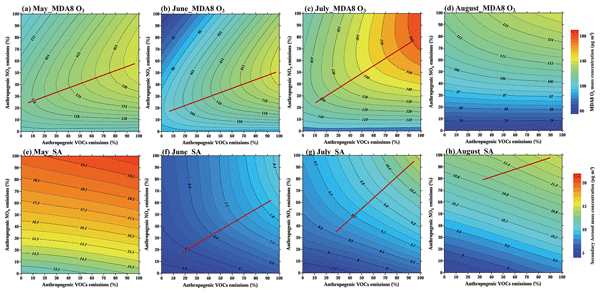
Ruonan Wang, Ningning Zhang, Jiarui Wu, Qian Jiang, Jiaoyang Yu, Yuxuan Lu, and Xuexi Tie
Atmos. Chem. Phys., 26, 3417–3438, https://doi.org/10.5194/acp-26-3417-2026, https://doi.org/10.5194/acp-26-3417-2026, 2026
Short summary
Short summary
Air pollution in China has shifted from particles to ozone as a main concern in warm-seasons. We combined ten years of observations with model simulations to explore how ozone and secondary particles change in the Guanzhong Basin. We find that chemical drivers shift during the season, leading to different pollution responses. These insights point to targeted, season-specific strategies that can improve air quality more effectively.
Lijuan Li, Hongmei Xu, Xin Zhang, Qiyuan Wang, Hui Su, Fengxian Liu, Yang Chen, Yuemei Han, and Junji Cao
EGUsphere, https://doi.org/10.5194/egusphere-2026-4948, https://doi.org/10.5194/egusphere-2026-4948, 2026
Short summary
Short summary
We compared fine particles collected in a city road tunnel with particles from controlled tests of gasoline vehicle exhaust. The exhaust samples reproduced the main chemical pattern in the tunnel but missed many chemicals containing sulfur and substances linked to tire wear. The results show that tailpipe exhaust alone cannot fully describe traffic pollution and that road wear and chemical changes near roads should also be considered.
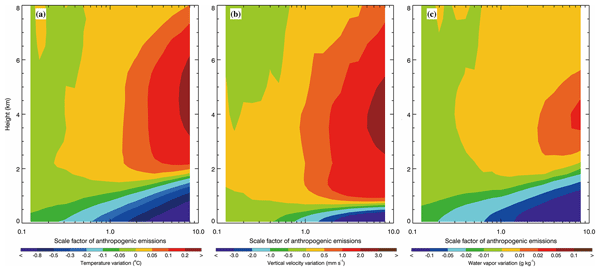
Yuning Yang, Naifang Bei, Ruonan Wang, Qing Ji, Haiyue Hong, Zhe Li, Xuexi Tie, and Guohui Li
Atmos. Chem. Phys., 26, 11923–11942, https://doi.org/10.5194/acp-26-11923-2026, https://doi.org/10.5194/acp-26-11923-2026, 2026
Short summary
Short summary
This study examines how air pollution affects snowfall during a winter storm in central China. Using a detailed computer model of weather and air pollution, we compared conditions with different pollution levels. We find that pollution can either increase or decrease snowfall, depending on air moisture and whether snow forms mainly as ice or liquid. Pollution mainly changes how often snowfall occurs, rather than where it falls, improving understanding of weather and climate impacts.
Ruonan Wang, Ningning Zhang, Jiarui Wu, Qian Jiang, Jiaoyang Yu, Yuxuan Lu, and Xuexi Tie
Atmos. Chem. Phys., 26, 3417–3438, https://doi.org/10.5194/acp-26-3417-2026, https://doi.org/10.5194/acp-26-3417-2026, 2026
Short summary
Short summary
Air pollution in China has shifted from particles to ozone as a main concern in warm-seasons. We combined ten years of observations with model simulations to explore how ozone and secondary particles change in the Guanzhong Basin. We find that chemical drivers shift during the season, leading to different pollution responses. These insights point to targeted, season-specific strategies that can improve air quality more effectively.
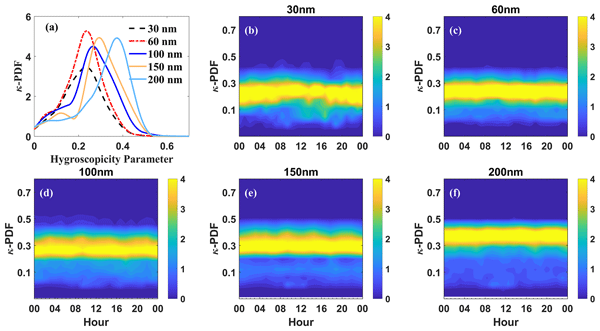
Jingnan Shi, Zhisheng Zhang, Li Li, Li Liu, Yaqing Zhou, Shuang Han, Shaobin Zhang, Minghua Liang, Linhong Xie, Weikang Ran, Shaowen Zhu, Hanbing Xu, Jiangchuan Tao, Alfred Wiedensohler, Qiaoqiao Wang, Qiyuan Wang, Nan Ma, and Juan Hong
Atmos. Chem. Phys., 26, 1–13, https://doi.org/10.5194/acp-26-1-2026, https://doi.org/10.5194/acp-26-1-2026, 2026
Short summary
Short summary
This study examines the aerosol hygroscopicity and mixing state at Huashan (2060 m), a key free tropospheric site in central China. We find that hygroscopicity depends on particle size, source-related changes, and moisture-driven processing, which distinguishes this region from other high-altitude regions and may provide key constraints for aerosol-cloud and regional climate models.
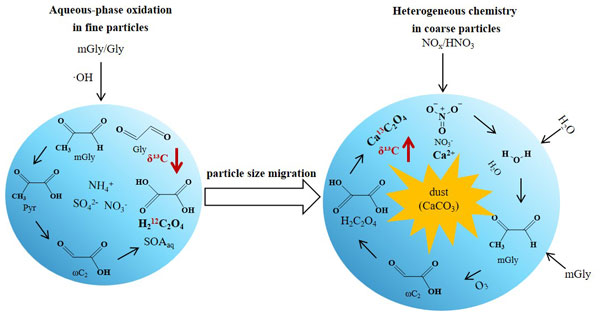
Minxia Shen, Weining Qi, Yali Liu, Yifan Zhang, Wenting Dai, Lu Li, Xiao Guo, Yue Cao, Yingkun Jiang, Qian Wang, Shicong Li, Qiyuan Wang, and Jianjun Li
Atmos. Chem. Phys., 25, 16147–16165, https://doi.org/10.5194/acp-25-16147-2025, https://doi.org/10.5194/acp-25-16147-2025, 2025
Short summary
Short summary
This study examines how dust transport modulates oxalic acid formation pathways in aerosols across different elevations of Mount Hua. During dust events, oxalic acid and precursors shift from fine to coarse particles, with concurrent heterogeneous reactions on coarse particle surfaces. The characteristic isotopic fractionation signatures accompanying these transformations yield novel theoretical frameworks for elucidating aerosol aging mechanisms in mountainous environments.
Shuyu Zhao, Tian Feng, Xuexi Tie, Biao Tian, Xiao Hu, Bo Hu, Dong Yang, Sinan Gu, and Minghu Ding
Atmos. Chem. Phys., 25, 12483–12496, https://doi.org/10.5194/acp-25-12483-2025, https://doi.org/10.5194/acp-25-12483-2025, 2025
Short summary
Short summary
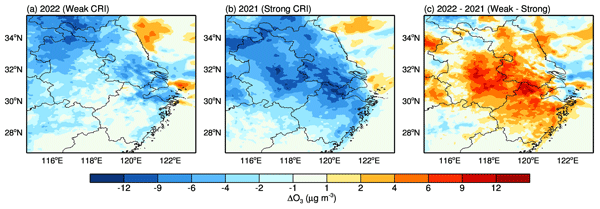
This study investigated how cloud–radiation interactions influence ozone formation in a warming climate. Using measurements, reanalysis data, and models, we found that cloud–radiation interactions can worsen O3 pollution, and climate warming will amplify the influence. We highlight that climate change will pose greater challenges for China's O3 pollution prevention and control, and actions such as reducing O3 precursors emissions and mitigating climate change are urgently needed.
Tian Feng, Guohui Li, Shuyu Zhao, Naifang Bei, Xin Long, Yuepeng Pan, Yu Song, Ruonan Wang, Xuexi Tie, and Luisa T. Molina
Atmos. Chem. Phys., 25, 11703–11718, https://doi.org/10.5194/acp-25-11703-2025, https://doi.org/10.5194/acp-25-11703-2025, 2025
Short summary
Short summary
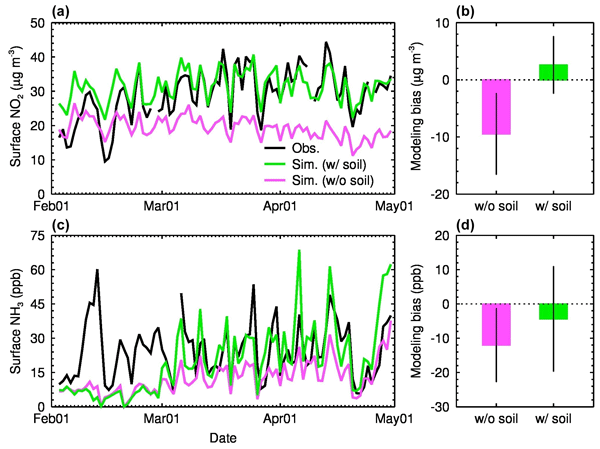
The impacts of agricultural fertilization on nitrogen oxide and air quality are becoming more pronounced with continuous reductions in fossil fuel sources in China. We report that atmospheric nitrogen dioxide pulses driven by agricultural fertilization largely complicate air pollution in the North China Plain, highlighting the necessity of agricultural emission control.
Zheng Yang, Qiaoqiao Wang, Qiyuan Wang, Nan Ma, Jie Tian, Yaqing Zhou, Ge Xu, Miao Gao, Xiaoxian Zhou, Yang Zhang, Weikang Ran, Ning Yang, Jiangchuan Tao, Juan Hong, Yunfei Wu, Junji Cao, Hang Su, and Yafang Cheng
Atmos. Chem. Phys., 25, 11051–11065, https://doi.org/10.5194/acp-25-11051-2025, https://doi.org/10.5194/acp-25-11051-2025, 2025
Short summary
Short summary
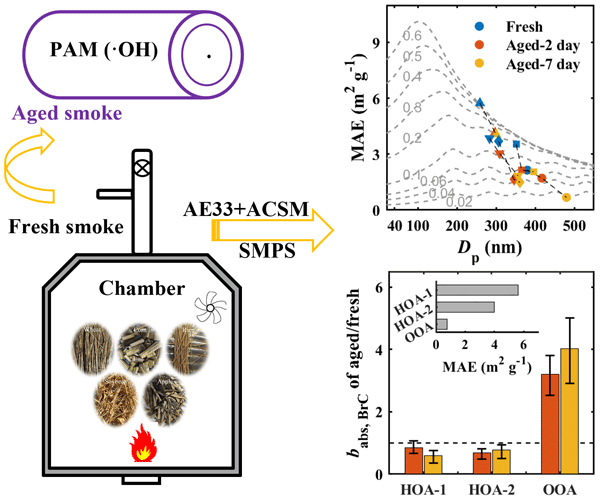
Our results demonstrate that the reduction in mass absorption efficiency from biomass burning is mainly driven by the decline in the imaginary part, with particle size playing a minor role. And light absorption of oxygenated brown carbon (BrC) increases significantly with aging, but hydrocarbon-like BrC decreases over time. These results emphasize the necessity to classify BrC into different groups based on their mass absorption efficiency and atmospheric behavior in climate models.
Naifang Bei, Bo Xiao, Ruonan Wang, Yuning Yang, Lang Liu, Yongming Han, and Guohui Li
Atmos. Chem. Phys., 25, 10931–10948, https://doi.org/10.5194/acp-25-10931-2025, https://doi.org/10.5194/acp-25-10931-2025, 2025
Short summary
Short summary
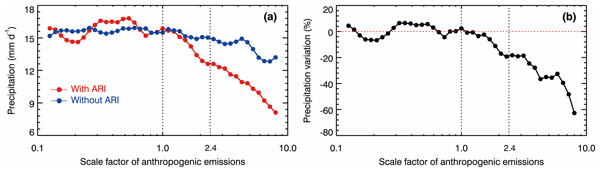
This study uses a cloud-resolving model to examine how aerosols influence a mesoscale convective system (MCS) in central China via aerosol–radiation interaction (ARI) and aerosol–cloud interaction (ACI). Without ARIs, added aerosols do not significantly affect precipitation due to cloud competition for moisture. ARIs can stabilize or enhance convection. High aerosol levels lead to a combined ARI and ACI effect that greatly reduces precipitation.
Xuehong Gong, Zeyu Liu, Jie Tian, Qiyuan Wang, Guohui Li, Zhisheng An, and Yongming Han
Atmos. Chem. Phys., 25, 10379–10401, https://doi.org/10.5194/acp-25-10379-2025, https://doi.org/10.5194/acp-25-10379-2025, 2025
Short summary
Short summary
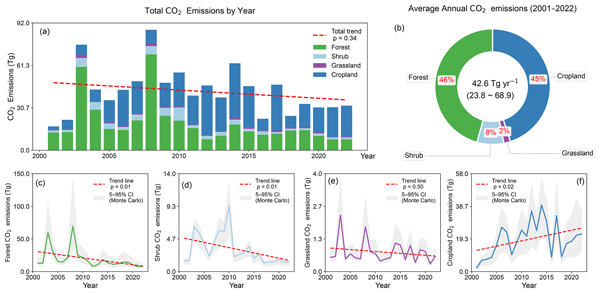
We studied wildfire carbon dioxide emissions across China from 2001 to 2022 and found that cropland and forest fires are the main contributors. While forest and shrub fires have decreased, cropland fires are rising, especially in northeastern China. Our findings suggest that climate and local policies affect wildfire emissions and that better fire management is needed to reduce future carbon impacts.
Jiamao Zhou, Jiarui Wu, Xiaoli Su, Ruonan Wang, Imad EI Haddad, Xia Li, Qian Jiang, Ting Zhang, Wenting Dai, Junji Cao, Andre S. H. Prevot, Xuexi Tie, and Guohui Li
Atmos. Chem. Phys., 25, 7563–7580, https://doi.org/10.5194/acp-25-7563-2025, https://doi.org/10.5194/acp-25-7563-2025, 2025
Short summary
Short summary
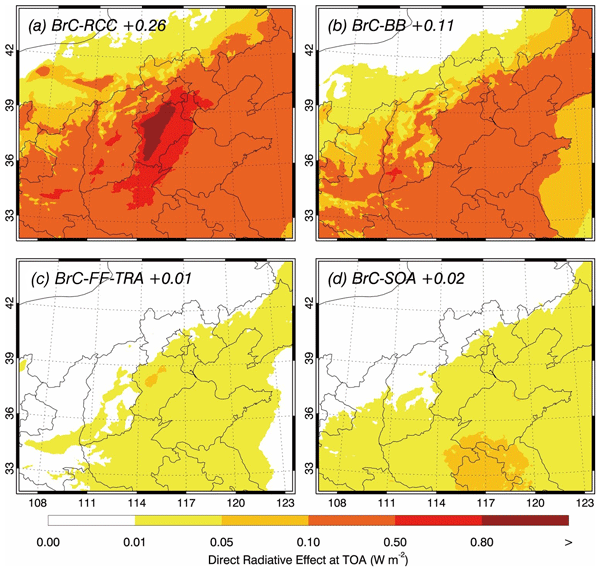
Brown carbon (BrC) is a type of airborne particle produced from various combustion sources which is light absorption. Historically, climate models have categorizing organic particles as either non-absorbing or purely reflective. Our study shows that BrC can reduce the usual cooling effect of organic particles. While BrC is often linked to biomass burning, however, BrC from fossil fuels contributes significantly to atmospheric heating.
Qianqian Zhang, K. Folkert Boersma, Chiel van der Laan, Alba Mols, Bin Zhao, Shengyue Li, and Yuepeng Pan
Atmos. Chem. Phys., 25, 3313–3326, https://doi.org/10.5194/acp-25-3313-2025, https://doi.org/10.5194/acp-25-3313-2025, 2025
Short summary
Short summary
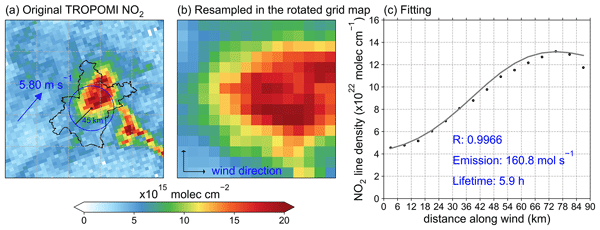
Accurate NOx emission estimates are required to better understand air pollution. This study investigates and demonstrates the ability of the superposition column model in combination with TROPOMI tropospheric NO2 column data to estimate city-scale NOx emissions and lifetimes and their variabilities. The results of this work nevertheless confirm the strength of the superposition column model in estimating urban NOx emissions with reasonable accuracy.
Meng Wang, Qiyuan Wang, Steven Sai Hang Ho, Jie Tian, Yong Zhang, Shun-cheng Lee, and Junji Cao
Atmos. Chem. Phys., 24, 11175–11189, https://doi.org/10.5194/acp-24-11175-2024, https://doi.org/10.5194/acp-24-11175-2024, 2024
Short summary
Short summary
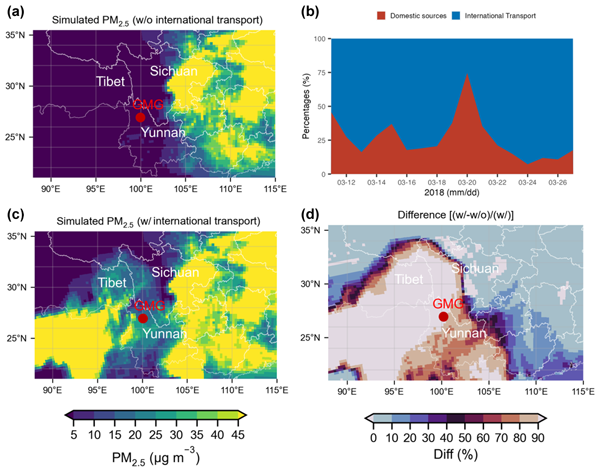
We studied nitrogen-containing organic compounds (NOCs) in particulate matter <2.5 µm particles on the southeastern Tibetan Plateau. We found that biomass burning and transboundary transport are the main sources of NOCs in the high-altitude area. Understanding these aerosol sources informs how they add to regional and potentially global climate changes. Our findings could help shape effective environmental policies to enhance air quality and address climate impacts in this sensitive region.
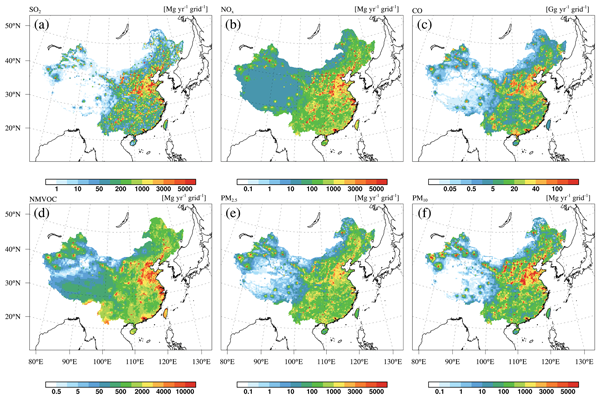
Lei Kong, Xiao Tang, Zifa Wang, Jiang Zhu, Jianjun Li, Huangjian Wu, Qizhong Wu, Huansheng Chen, Lili Zhu, Wei Wang, Bing Liu, Qian Wang, Duohong Chen, Yuepeng Pan, Jie Li, Lin Wu, and Gregory R. Carmichael
Earth Syst. Sci. Data, 16, 4351–4387, https://doi.org/10.5194/essd-16-4351-2024, https://doi.org/10.5194/essd-16-4351-2024, 2024
Short summary
Short summary
A new long-term inversed emission inventory for Chinese air quality (CAQIEI) is developed in this study, which contains constrained monthly emissions of NOx, SO2, CO, PM2.5, PM10, and NMVOCs in China from 2013 to 2020 with a horizontal resolution of 15 km. Emissions of different air pollutants and their changes during 2013–2020 were investigated and compared with previous emission inventories, which sheds new light on the complex variations of air pollutant emissions in China.
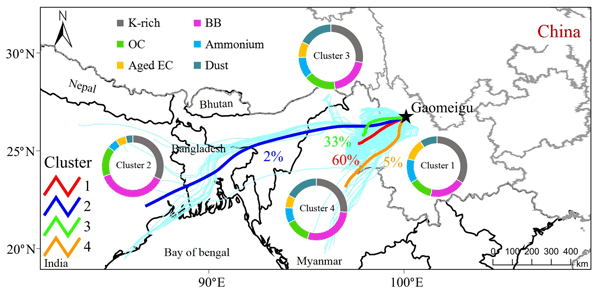
Li Li, Qiyuan Wang, Jie Tian, Huikun Liu, Yong Zhang, Steven Sai Hang Ho, Weikang Ran, and Junji Cao
Atmos. Chem. Phys., 23, 9597–9612, https://doi.org/10.5194/acp-23-9597-2023, https://doi.org/10.5194/acp-23-9597-2023, 2023
Short summary
Short summary
The Tibetan Plateau has a unique geographical location, but there is a lack of detailed research on the real-time characteristics of full aerosol composition. This study elaborates the changes in chemical characteristics between transport and local fine particles during the pre-monsoon, reveals the size distribution and the mixing states of different individual particles, and highlights the contributions of photooxidation and aqueous reaction to the formation of the secondary species.
Yong Zhang, Jie Tian, Qiyuan Wang, Lu Qi, Manousos Ioannis Manousakas, Yuemei Han, Weikang Ran, Yele Sun, Huikun Liu, Renjian Zhang, Yunfei Wu, Tianqu Cui, Kaspar Rudolf Daellenbach, Jay Gates Slowik, André S. H. Prévôt, and Junji Cao
Atmos. Chem. Phys., 23, 9455–9471, https://doi.org/10.5194/acp-23-9455-2023, https://doi.org/10.5194/acp-23-9455-2023, 2023
Short summary
Short summary
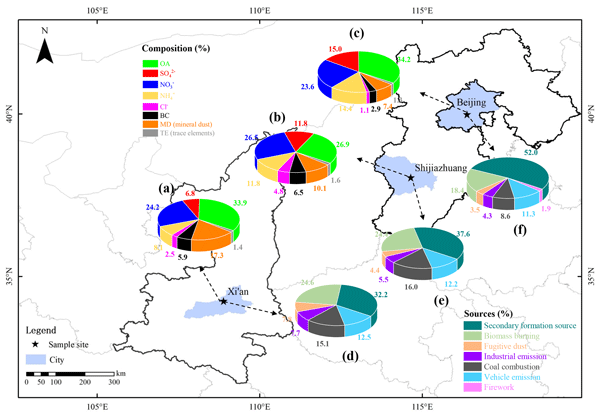
PM2.5 pollution still frequently occurs in northern China during winter, and it is necessary to figure out the causes of air pollution based on intensive real-time measurement. The findings elaborate the chemical characteristics and source contributions of PM2.5 in three pilot cities, reveal potential formation mechanisms of secondary aerosols, and highlight the importance of controlling biomass burning and inhibiting generation of secondary aerosol for air quality improvement.
Jie Tian, Qiyuan Wang, Yongyong Ma, Jin Wang, Yongming Han, and Junji Cao
Atmos. Chem. Phys., 23, 1879–1892, https://doi.org/10.5194/acp-23-1879-2023, https://doi.org/10.5194/acp-23-1879-2023, 2023
Short summary
Short summary
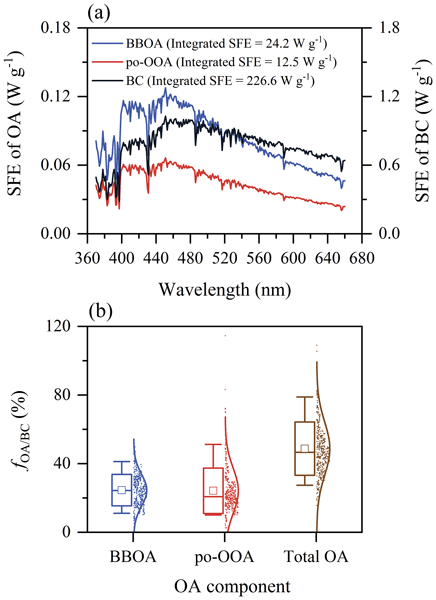
We investigated the light absorption properties of brown carbon (BrC) in the Tibetan Plateau (TP). BrC made a substantial contribution to the submicron aerosol absorption, which is related to the cross-border transport of biomass burning emission and secondary aerosol from Southeast Asia. The radiative effect of BrC was half that of black carbon, which can remarkably affect the radiative balance of the TP.
Qian Zhang, Yujie Zhang, Zhichun Wu, Bin Zhang, Yaling Zeng, Jian Sun, Hongmei Xu, Qiyuan Wang, Zhihua Li, Junji Cao, and Zhenxing Shen
Atmos. Chem. Phys. Discuss., https://doi.org/10.5194/acp-2022-801, https://doi.org/10.5194/acp-2022-801, 2022
Revised manuscript not accepted
Short summary
Short summary
We identified the brown carbon (BrC) molecules and their absorbing abilities on a molecular level from animal dung fuel combustion over the Tibetan Plateau region in China. The ultra-high performance liquid chromatography quadrupole time-of-flight mass spectrometer coupled with the partial least squares regression were precisely applied to characterize the molecular absorptions, key molecular markers, and radiative effects of BrC from household combustion scenarios at the high-altitude area.
Meng Wang, Yusen Duan, Wei Xu, Qiyuan Wang, Zhuozhi Zhang, Qi Yuan, Xinwei Li, Shuwen Han, Haijie Tong, Juntao Huo, Jia Chen, Shan Gao, Zhongbiao Wu, Long Cui, Yu Huang, Guangli Xiu, Junji Cao, Qingyan Fu, and Shun-cheng Lee
Atmos. Chem. Phys., 22, 12789–12802, https://doi.org/10.5194/acp-22-12789-2022, https://doi.org/10.5194/acp-22-12789-2022, 2022
Short summary
Short summary
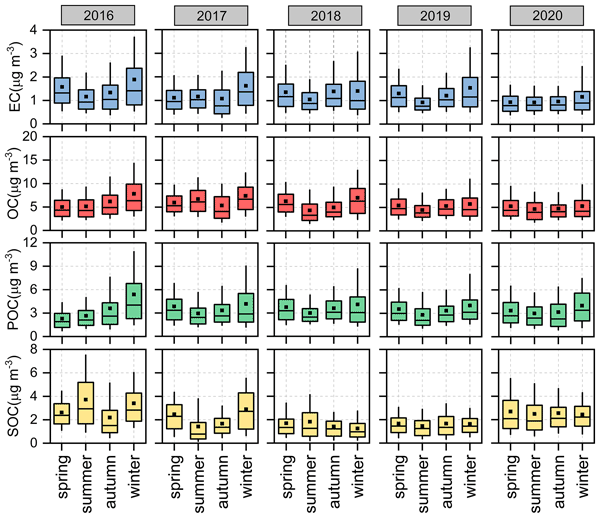
In this study, we report the long-term measurement of organic carbon (OC) and elementary carbon (EC) in PM2.5 with hourly time resolution conducted at a regional site in Shanghai from 2016 to 2020. The results from this study provide critical information about the long-term trend of carbonaceous aerosol, in particular secondary OC, in one of the largest megacities in the world and are helpful for developing pollution control measures from a long-term planning perspective.

Huikun Liu, Qiyuan Wang, Suixin Liu, Bianhong Zhou, Yao Qu, Jie Tian, Ting Zhang, Yongming Han, and Junji Cao
Atmos. Chem. Phys., 22, 11739–11757, https://doi.org/10.5194/acp-22-11739-2022, https://doi.org/10.5194/acp-22-11739-2022, 2022
Short summary
Short summary
Atmospheric motions play an important role in the mass concentration and the direct radiative effect (DRE) of black carbon (BC). The finding from this study elaborated the impacts of different scales of atmospheric motion on source-specific BC and its DREs, which revealed the nonlinear change between BC mass concentration and its DREs and emphasizes the importance of regionally transported BC for potential climatic effects.

Jie Tian, Qiyuan Wang, Huikun Liu, Yongyong Ma, Suixin Liu, Yong Zhang, Weikang Ran, Yongming Han, and Junji Cao
Atmos. Chem. Phys., 22, 8369–8384, https://doi.org/10.5194/acp-22-8369-2022, https://doi.org/10.5194/acp-22-8369-2022, 2022
Short summary
Short summary
We investigated aerosol optical properties and the direct radiative effect (DRE) at an urban site in China before and during the COVID-19 lockdown. The total light extinction coefficient (bext) decreased under emission control measures; however, bext from biomass burning increased due to the undiminished need for residential cooking and heating. Biomass burning, rather than traffic-related emissions, became the largest positive effect contributor to aerosol DRE in the lockdown.

Minxia Shen, Kin Fai Ho, Wenting Dai, Suixin Liu, Ting Zhang, Qiyuan Wang, Jingjing Meng, Judith C. Chow, John G. Watson, Junji Cao, and Jianjun Li
Atmos. Chem. Phys., 22, 7489–7504, https://doi.org/10.5194/acp-22-7489-2022, https://doi.org/10.5194/acp-22-7489-2022, 2022
Short summary
Short summary
Looking at characteristics and δ13C compositions of dicarboxylic acids and related compounds in BB aerosols, we used a combined combustion and aging system to generate fresh and aged aerosols from burning straw. The results showed the emission factors (EFaged) of total diacids of aging experiments were around an order of magnitude higher than EFfresh. This meant that dicarboxylic acids are involved with secondary photochemical processes in the atmosphere rather than primary emissions from BB.
Cited articles
Behera, S., Sharma, M., Aneja, V., and Balasubramanian, R.: Ammonia in the atmosphere: A review on emission sources, atmospheric chemistry and deposition on terrestrial bodies, Environ. Sci. Pollut. Res. Int., 20, 8092–8131, https://doi.org/10.1007/s11356-013-2051-9, 2013.
Bei, N., Wu, J., Elser, M., Feng, T., Cao, J., El-Haddad, I., Li, X., Huang, R., Li, Z., Long, X., Xing, L., Zhao, S., Tie, X., Prévôt, A. S. H., and Li, G.: Impacts of meteorological uncertainties on the haze formation in Beijing–Tianjin–Hebei (BTH) during wintertime: a case study, Atmos. Chem. Phys., 17, 14579–14591, https://doi.org/10.5194/acp-17-14579-2017, 2017.
Cheng, Y., Li, S.-M., and Leithead, A.: Chemical Characteristics and Origins of Nitrogen-Containing Organic Compounds in PM2.5 Aerosols in the Lower Fraser Valley, Environ. Sci. Technol., 40, 5846–5852, https://doi.org/10.1021/es0603857, 2006.
Cheng, Y., Zheng, G., Wei, C., Mu, Q., Zheng, B., Wang, Z., Gao, M., Zhang, Q., He, K., Carmichael, G., Pöschl, U., and Su, H.: Reactive nitrogen chemistry in aerosol water as a source of sulfate during haze events in China, Sci. Adv., 2, e1601530, https://doi.org/10.1126/sciadv.1601530, 2016.
Clarisse, L., Clerbaux, C., Dentener, F., Hurtmans, D., and Coheur, P.-F.: Global ammonia distribution derived from infrared satellite observations, Nat. Geosci., 2, 479–483, https://doi.org/10.1038/ngeo551, 2009.
Crowley, J. N., Ammann, M., Cox, R. A., Hynes, R. G., Jenkin, M. E., Mellouki, A., Rossi, M. J., Troe, J., and Wallington, T. J.: Evaluated kinetic and photochemical data for atmospheric chemistry: Volume V – heterogeneous reactions on solid substrates, Atmos. Chem. Phys., 10, 9059–9223, https://doi.org/10.5194/acp-10-9059-2010, 2010.
Feng, T., Bei, N., Zhao, S., Wu, J., Liu, S., Li, X., Liu, L., Wang, R., Zhang, X., Tie, X., and Li, G.: Nitrate debuts as a dominant contributor to particulate pollution in Beijing: Roles of enhanced atmospheric oxidizing capacity and decreased sulfur dioxide emission, Atmos. Environ., 244, 117995, https://doi.org/10.1016/j.atmosenv.2020.117995, 2021.
Fu, H., Luo, Z., and Hu, S.: A temporal-spatial analysis and future trends of ammonia emissions in China, Sci. Total Environ., 731, 138897, https://doi.org/10.1016/j.scitotenv.2020.138897, 2020.
Fu, X., Wang, S., Xing, J., Zhang, X., Wang, T., and Hao, J.: Increasing Ammonia Concentrations Reduce the Effectiveness of Particle Pollution Control Achieved via SO2 and NOx Emissions Reduction in East China, Environ. Sci. Tech. Let., 4, 221–227, https://doi.org/10.1021/acs.estlett.7b00143, 2017.
Harrison, M. A. J., Barra, S., Borghesi, D., Vione, D., Arsene, C., and Iulian Olariu, R.: Nitrated phenols in the atmosphere: a review, Atmos. Environ., 39, 231–248, https://doi.org/10.1016/j.atmosenv.2004.09.044, 2005.
Ianniello, A., Spataro, F., Esposito, G., Allegrini, I., Rantica, E., Ancora, M. P., Hu, M., and Zhu, T.: Occurrence of gas phase ammonia in the area of Beijing (China), Atmos. Chem. Phys., 10, 9487–9503, https://doi.org/10.5194/acp-10-9487-2010, 2010.
Lachatre, M., Fortems-Cheiney, A., Foret, G., Siour, G., Dufour, G., Clarisse, L., Clerbaux, C., Coheur, P.-F., Van Damme, M., and Beekmann, M.: The unintended consequence of SO2 and NO2 regulations over China: increase of ammonia levels and impact on PM2.5 concentrations, Atmos. Chem. Phys., 19, 6701–6716, https://doi.org/10.5194/acp-19-6701-2019, 2019.
Laskin, A., Smith, J. S., and Laskin, J.: Molecular characterization of nitrogen-containing organic compounds in biomass burning aerosols using high-resolution mass spectrometry, Environ. Sci. Technol., 43, 3764–3771, https://doi.org/10.1021/es803456n, 2009.
Laskin, A., Laskin, J., and Nizkorodov, S. A.: Chemistry of Atmospheric Brown Carbon, Chem. Rev., 115, 4335–4382, https://doi.org/10.1021/cr5006167, 2015.
Laskin, J., Laskin, A., Nizkorodov, S. A., Roach, P., Eckert, P., Gilles, M. K., Wang, B., Lee, H. J., and Hu, Q.: Molecular Selectivity of Brown Carbon Chromophores, Environ. Sci. Technol., 48, 12047–12055, https://doi.org/10.1021/es503432r, 2014.
Li, G., Lei, W., Zavala, M., Volkamer, R., Dusanter, S., Stevens, P., and Molina, L. T.: Impacts of HONO sources on the photochemistry in Mexico City during the MCMA-2006/MILAGO Campaign, Atmos. Chem. Phys., 10, 6551–6567, https://doi.org/10.5194/acp-10-6551-2010, 2010.
Li, G., Bei, N., Tie, X., and Molina, L. T.: Aerosol effects on the photochemistry in Mexico City during MCMA-2006/MILAGRO campaign, Atmos. Chem. Phys., 11, 5169–5182, https://doi.org/10.5194/acp-11-5169-2011, 2011a.
Li, G., Zavala, M., Lei, W., Tsimpidi, A. P., Karydis, V. A., Pandis, S. N., Canagaratna, M. R., and Molina, L. T.: Simulations of organic aerosol concentrations in Mexico City using the WRF-CHEM model during the MCMA-2006/MILAGRO campaign, Atmos. Chem. Phys., 11, 3789–3809, https://doi.org/10.5194/acp-11-3789-2011, 2011b.
Liu, L., Xu, W., Lu, X., Zhong, B., Guo, Y., Lu, X., Zhao, Y., He, W., Wang, S., Zhang, X., Liu, X., and Vitousek, P.: Exploring global changes in agricultural ammonia emissions and their contribution to nitrogen deposition since 1980, P. Natl. Acad. Sci. USA, 119, e2121998119, https://doi.org/10.1073/pnas.2121998119, 2022a.
Liu, P., Ding, J., Ji, Y., Xu, H., Liu, S., Xiao, B., Jin, H., Zhong, X., Guo, Z., Wang, H., and Liu, L.: Satellite Support to Estimate Livestock Ammonia Emissions: A Case Study in Hebei, China, Atmosphere, 13, 1552, https://doi.org/10.3390/atmos13101552, 2022b.
Liu, Y., Liggio, J., Staebler, R., and Li, S.-M.: Reactive uptake of ammonia to secondary organic aerosols: kinetics of organonitrogen formation, Atmos. Chem. Phys., 15, 13569–13584, https://doi.org/10.5194/acp-15-13569-2015, 2015.
Lu, C., Wang, X., Li, R., Gu, R., Zhang, Y., Li, W., Gao, R., Chen, B., Xue, L., and Wang, W.: Emissions of fine particulate nitrated phenols from residential coal combustion in China, Atmos. Environ., 203, 10–17, https://doi.org/10.1016/j.atmosenv.2019.01.047, 2019.
Luo, C., Zender, C. S., Bian, H., and Metzger, S.: Role of ammonia chemistry and coarse mode aerosols in global climatological inorganic aerosol distributions, Atmos. Environ., 41, 2510–2533, https://doi.org/10.1016/j.atmosenv.2006.11.030, 2007.
Ma, J., Shi, H., Zhu, Y., Li, R., Wang, S., Lu, N., Yao, Y., Bian, Z., and Huang, K.: The Evolution of Global Surface Ammonia Concentrations during 2001–2019: Magnitudes, Patterns, and Drivers, Environ. Sci. Technol., 59, 5066–5079, https://doi.org/10.1021/acs.est.4c14020, 2025.
Makar, P. A., Moran, M. D., Zheng, Q., Cousineau, S., Sassi, M., Duhamel, A., Besner, M., Davignon, D., Crevier, L.-P., and Bouchet, V. S.: Modelling the impacts of ammonia emissions reductions on North American air quality, Atmos. Chem. Phys., 9, 7183–7212, https://doi.org/10.5194/acp-9-7183-2009, 2009.
Mang, S. A., Henricksen, D. K., Bateman, A. P., and Nizkorodov, S. A.: Contribution of Carbonyl Photochemistry to Aging of Atmospheric Secondary Organic Aerosol, J. Phys. Chem. A, 112, 8337–8344, https://doi.org/10.1021/jp804376c, 2008.
Moise, T., Flores, J. M., and Rudich, Y.: Optical Properties of Secondary Organic Aerosols and Their Changes by Chemical Processes, Chem. Rev., 115, 4400–4439, https://doi.org/10.1021/cr5005259, 2015.
Na, K., Song, C., Switzer, C., and Cocker, D. R.: Effect of ammonia on secondary organic aerosol formation from alpha-pinene ozonolysis in dry and humid conditions, Environ. Sci. Technol., 41, 6096–6102, https://doi.org/10.1021/es061956y, 2007.
Nenes, A., Pandis, S. N., and Pilinis, C.: ISORROPIA: A new thermodynamic equilibrium model for multiphase multicomponent inorganic aerosols, Aquat. Geochem., 4, 123–152, https://doi.org/10.1023/A:1009604003981, 1998.
Nenes, A., Pandis, S. N., Weber, R. J., and Russell, A.: Aerosol pH and liquid water content determine when particulate matter is sensitive to ammonia and nitrate availability, Atmos. Chem. Phys., 20, 3249–3258, https://doi.org/10.5194/acp-20-3249-2020, 2020.
Nguyen, T. B., Lee, P. B., Updyke, K. M., Bones, D. L., Laskin, J., Laskin, A., and Nizkorodov, S. A.: Formation of nitrogen- and sulfur-containing light-absorbing compounds accelerated by evaporation of water from secondary organic aerosols, J. Geophys. Res.-Atmos., 117, D01207, https://doi.org/10.1029/2011JD016944, 2012.
Pan, Y., Tian, S., Zhao, Y., Zhang, L., Zhu, X., Gao, J., Huang, W., Zhou, Y., Song, Y., Zhang, Q., and Wang, Y.: Identifying Ammonia Hotspots in China Using a National Observation Network, Environ. Sci. Technol., 52, 3926–3934, https://doi.org/10.1021/acs.est.7b05235, 2018.
Pye, H. O. T., Nenes, A., Alexander, B., Ault, A. P., Barth, M. C., Clegg, S. L., Collett Jr., J. L., Fahey, K. M., Hennigan, C. J., Herrmann, H., Kanakidou, M., Kelly, J. T., Ku, I.-T., McNeill, V. F., Riemer, N., Schaefer, T., Shi, G., Tilgner, A., Walker, J. T., Wang, T., Weber, R., Xing, J., Zaveri, R. A., and Zuend, A.: The acidity of atmospheric particles and clouds, Atmos. Chem. Phys., 20, 4809–4888, https://doi.org/10.5194/acp-20-4809-2020, 2020.
Seinfeld, J. H. and Pandis, S. N.: Atmospheric chemistry and physics: from air pollution to climate change, John Wiley & Sons, New York, 1326 pp., ISBN 9780471178156, 1998.
Van Damme, M., Clarisse, L., Whitburn, S., Hadji-Lazaro, J., Hurtmans, D., Clerbaux, C., and Coheur, P.-F.: Industrial and agricultural ammonia point sources exposed, Nature, 564, 99–103, https://doi.org/10.1038/s41586-018-0747-1, 2018.
Van Damme, M., Clarisse, L., Franco, B., Sutton, M., Erisman, J. W., Wichink Kruit, R., van Zanten, M., Whitburn, S., Hadji-Lazaro, J., Hurtmans, D., Clerbaux, C., and Coheur, P.-F.: Global, regional and national trends of atmospheric ammonia derived from a decadal (2008–2018) satellite record, Environ. Res. Lett., 16, 055017, https://doi.org/10.1088/1748-9326/abd5e0, 2021.
Wang, C., Li, X., Zhang, T., Tang, A., Cui, M., Liu, X., Ma, X., Zhang, Y., Liu, X., and Zheng, M.: Developing Nitrogen Isotopic Source Profiles of Atmospheric Ammonia for Source Apportionment of Ammonia in Urban Beijing, Front. Environ. Sci., 10, 903013, https://doi.org/10.3389/fenvs.2022.903013, 2022a.
Wang, M., Wang, Q., Ho, S. S. H., Li, H., Zhang, R., Ran, W., Qu, L., Lee, S. C., and Cao, J.: Chemical characteristics and sources of nitrogen-containing organic compounds at a regional site in the North China Plain during the transition period of autumn and winter, Sci. Total Environ., 812, 151451, https://doi.org/10.1016/j.scitotenv.2021.151451, 2022b.
Wang, M., Wang, Q., Ho, S. S. H., Tian, J., Zhang, Y., Lee, S., and Cao, J.: Dominant influence of biomass combustion and cross-border transport on nitrogen-containing organic compound levels in the southeastern Tibetan Plateau, Atmos. Chem. Phys., 24, 11175–11189, https://doi.org/10.5194/acp-24-11175-2024, 2024.
Wang, X. F., Wang, H. L., Jing, H., Wang, W. N., Cui, W. D., Williams, B. J., and Biswas, P.: Formation of nitrogen-containing organic aerosol during combustion of high-sulfur-content coal, Energ. Fuel., 31, 14161–14168, https://doi.org/10.1021/acs.energyfuels.7b02273, 2017.
Wen, L., Chen, J., Yang, L., Wang, X., Xu, C., Sui, X., Yao, L., Zhu, Y., Zhang, J., Zhu, T., and Wang, W.: Enhanced formation of fine particulate nitrate at a rural site on the North China Plain in summer: The important roles of ammonia and ozone, Atmos. Environ., 101, 294–302, https://doi.org/10.1016/j.atmosenv.2014.11.037, 2015.
Wu, J., Li, G., Cao, J., Bei, N., Wang, Y., Feng, T., Huang, R., Liu, S., Zhang, Q., and Tie, X.: Contributions of trans-boundary transport to summertime air quality in Beijing, China, Atmos. Chem. Phys., 17, 2035–2051, https://doi.org/10.5194/acp-17-2035-2017, 2017.
Wu, J., Bei, N., Hu, B., Liu, S., Zhou, M., Wang, Q., Li, X., Liu, L., Feng, T., Liu, Z., Wang, Y., Cao, J., Tie, X., Wang, J., Molina, L. T., and Li, G.: Aerosol–radiation feedback deteriorates the wintertime haze in the North China Plain, Atmos. Chem. Phys., 19, 8703–8719, https://doi.org/10.5194/acp-19-8703-2019, 2019.
Wu, K., Zhu, S., Liu, Y., Wang, H., Yang, X., Liu, L., Dabdub, D., and Cappa, C. D.: Modeling Ammonia and Its Uptake by Secondary Organic Aerosol Over China, J. Geophys. Res.-Atmos., 126, e2020JD034109, https://doi.org/10.1029/2020JD034109, 2021.
Xu, R., Tian, H., Pan, S., Prior, S. A., Feng, Y., Batchelor, W. D., Chen, J., and Yang, J.: Global ammonia emissions from synthetic nitrogen fertilizer applications in agricultural systems: Empirical and process-based estimates and uncertainty, Glob. Change Biol., 25, 314–326, https://doi.org/10.1111/gcb.14499, 2019.
Yang, S. L., Wang, M. Y., Wang, M. J., Zhang, X., Han, Q., Wang, H., Xiong, Q., Zhang, C., and Wang, M.: Establishing an emission inventory for ammonia, a key driver of haze formation in the southern North China plain during the COVID-19 pandemic, Sci. Total Environ., 904, 166857, https://doi.org/10.1016/j.scitotenv.2023.166857, 2023.
Zhang, G., Lian, X., Fu, Y., Lin, Q., Li, L., Song, W., Wang, Z., Tang, M., Chen, D., Bi, X., Wang, X., and Sheng, G.: High secondary formation of nitrogen-containing organics (NOCs) and its possible link to oxidized organics and ammonium, Atmos. Chem. Phys., 20, 1469–1481, https://doi.org/10.5194/acp-20-1469-2020, 2020.
Zhang, G., Wang, T., Lin, Q., Liu, K., Sun, W., Chen, D., Li, L., Wang, X., and Bi, X.: A comparative study on the formation of nitrogen-containing organic compounds in cloud droplets and aerosol particles, J. Environ. Sci., 146, 456–464, https://doi.org/10.1016/j.jes.2024.01.026, 2025.
Zhang, G., Li, T., Sun, W., Huang, X., Wang, T., Wang, X., Ma, N., Hu, W., Tang, M., Shi, Z., Wang, X., Peng, P., and Bi, X.: Molecular Evidence of Aqueous-Processed NOCs: From Mechanistic Insights to Environmental Impacts, J. Geophys. Res.-Atmos., 131, e2025JD045757, https://doi.org/10.1029/2025JD045757, 2026.
Zhang, R., Han, Y., Shi, A., Sun, X., Yan, X., Huang, Y., and Wang, Y.: Characteristics of ambient ammonia and its effects on particulate ammonium in winter of urban Beijing, China, Environ. Sci. Pollut. R., 28, 62828–62838, https://doi.org/10.1007/s11356-021-14108-w, 2021.
Zheng, G., Su, H., and Cheng, Y.: Role of Carbon Dioxide, Ammonia, and Organic Acids in Buffering Atmospheric Acidity: The Distinct Contribution in Clouds and Aerosols, Environ. Sci. Technol., 57, 12571–12582, https://doi.org/10.1021/acs.est.2c09851, 2023.
Zhu, S., Horne, J. R., Montoya-Aguilera, J., Hinks, M. L., Nizkorodov, S. A., and Dabdub, D.: Modeling reactive ammonia uptake by secondary organic aerosol in CMAQ: application to the continental US, Atmos. Chem. Phys., 18, 3641–3657, https://doi.org/10.5194/acp-18-3641-2018, 2018.
Zhu, S., Wu, K., Nizkorodov, S. A., and Dabdub, D.: Modeling reactive ammonia uptake by secondary organic aerosol in a changing climate: a WRF-CMAQ evaluation, Front. Environ. Sci., 10, 867908, https://doi.org/10.3389/fenvs.2022.867908, 2022.
Short summary
This study explored how ammonia reacts with secondary organic aerosols over northern China using model simulations constrained by observational data. The reaction had little effect on overall fine particle pollution but may provide an additional source of nitrogen-containing organic particles, improving understanding of atmospheric pollution formation and chemical processes in air quality models.
This study explored how ammonia reacts with secondary organic aerosols over northern China using...


Altmetrics
Final-revised paper
Preprint