
Articles | Volume 26, issue 19
https://doi.org/10.5194/acp-26-14439-2026
© Author(s) 2026. This work is distributed under
the Creative Commons Attribution 4.0 License.
the Creative Commons Attribution 4.0 License.
https://doi.org/10.5194/acp-26-14439-2026
© Author(s) 2026. This work is distributed under
the Creative Commons Attribution 4.0 License.
the Creative Commons Attribution 4.0 License.
Research article
| 
13 Oct 2026
Research article |
| 13 Oct 2026
| 13 Oct 2026
Summertime ozone sensitivity to temperature in China: observational evidence and mechanistic attribution in urban and rural areas in the Yangtze River Delta region
Chang Su
CORRESPONDING AUTHOR

School of GeoSciences, University of Edinburgh, Edinburgh, UK
Massimo Bollasina
School of GeoSciences, University of Edinburgh, Edinburgh, UK
James Weber
Department of Meteorology, University of Reading, Reading, UK
David Stevenson
School of GeoSciences, University of Edinburgh, Edinburgh, UK
Related authors
No articles found.
Tianhui Zhou and Massimo A. Bollasina
EGUsphere, https://doi.org/10.5194/egusphere-2026-5006, https://doi.org/10.5194/egusphere-2026-5006, 2026
This preprint is open for discussion and under review for Weather and Climate Dynamics (WCD).
Short summary
Short summary
We compare two ways of estimating the climate effects of human-produced aerosols in a global climate model. The two methods give broadly similar results for the historical period, but diverge strongly in the future, especially for rainfall and atmospheric circulation over Asia and the Indo-Pacific. The differences arise because aerosols act within a changing climate shaped by rising greenhouse gases, showing that aerosol impacts depend on the background climate state.
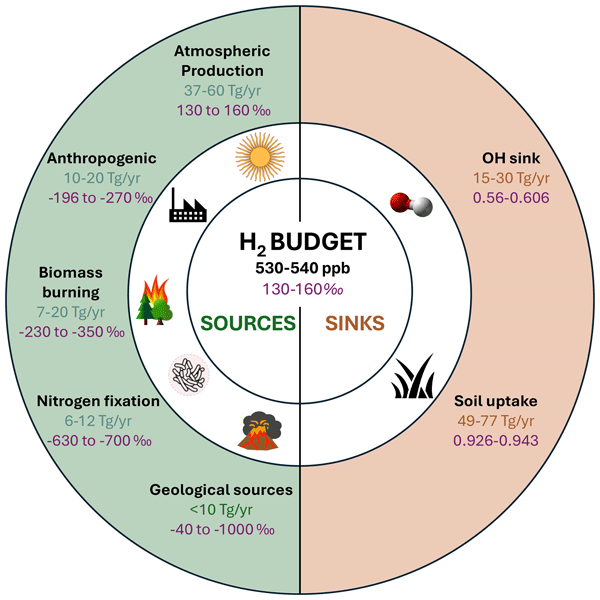
Srinath Krishnan, Ragnhild Bieltvedt Skeie, Øivind Hodnebrog, Gunnar Myhre, Maria Sand, Marit Sandstad, Hannah Bryant, Didier A. Hauglustaine, Fabien Paulot, Michael Prather, and David Stevenson
Atmos. Chem. Phys., 26, 9509–9539, https://doi.org/10.5194/acp-26-9509-2026, https://doi.org/10.5194/acp-26-9509-2026, 2026
Short summary
Short summary
Hydrogen (H2) is an indirect greenhouse gas that can affect climate through chemical reactions in the atmosphere. To better understand this impact, it is important to constrain the sources and sinks of hydrogen. Using a suite of three-dimensional and one-dimensional models, we find that atmospheric production of hydrogen is 37–60 Tg/yr and that the geological source of H2 is much smaller than suggested. More field and isotopic measurements are needed to improve these estimates.
Karen E. Helliesen, Bosi Sheng, and Massimo A. Bollasina
EGUsphere, https://doi.org/10.5194/egusphere-2026-3557, https://doi.org/10.5194/egusphere-2026-3557, 2026
Short summary
Short summary
Midlatitude storms follow preferred pathways known as storm tracks, which shift poleward and change in strength as the climate warms, affecting precipitation across the Northern Hemisphere. Winter changes are less certain due to natural climate fluctuations, while summer changes are more consistent. These findings have implications for regional storm track and rainfall projections and climate adaptation planning.
Tianhui Zhou, Massimo A. Bollasina, and David S. Stevenson
EGUsphere, https://doi.org/10.5194/egusphere-2026-3416, https://doi.org/10.5194/egusphere-2026-3416, 2026
Short summary
Short summary
Future drought risk will be shaped not only by greenhouse-gas-driven warming, but also by changes in air-pollution-related emissions. We examine how reducing non-methane short-lived climate forcers affects future droughts characteristics. The Sahel, Middle East, and Central Asia face substantially worsened drought conditions. Our findings show that air-pollution mitigation can substantially increase future drought risk and population exposure in vulnerable regions.
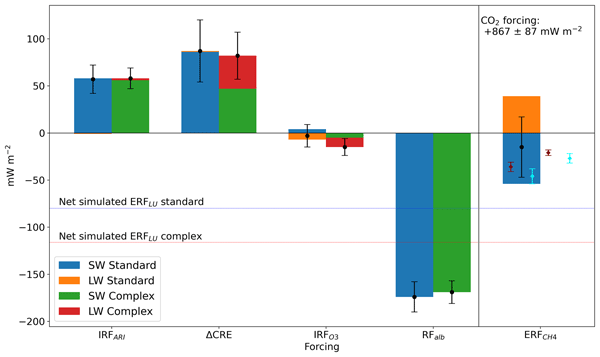
Emma Sands, Fiona M. O'Connor, James Weber, Ruth M. Doherty, and Richard J. Pope
Atmos. Chem. Phys., 26, 8553–8573, https://doi.org/10.5194/acp-26-8553-2026, https://doi.org/10.5194/acp-26-8553-2026, 2026
Short summary
Short summary
Land use impacts climate through changes in atmospheric composition but the relative importance of various pathways is uncertain. We use a model to separate the forcing from pre-industrial to present-day land use change into contributions from various greenhouse gases, aerosol effects, and surface albedo change. The inclusion of updated processes highlights the role of changes in cloud properties. The carbon dioxide forcing dominates, but other processes have substantial regional impacts.
Bosi Sheng, Massimo A. Bollasina, Alexandre S. Gagnon, Laura J. Wilcox, Thomas P. S. Reynolds, Christopher T. S. Beckett, Haolin Wang, Qingxiang Li, Pierre Nabat, Robert J. Allen, Bjørn H. Samset, Joonas Merikanto, Geeta G. Persad, Toshihiko Takemura, Kostas Tsigaridis, Sharar Ahmadi, Maxwell T. Elling, Knut von Salzen, Daniel M. Westervelt, Naga Oshima, and Tsuyoshi Koshiro
EGUsphere, https://doi.org/10.5194/egusphere-2026-2198, https://doi.org/10.5194/egusphere-2026-2198, 2026
Short summary
Short summary
Observational records indicate that austral summer rainfall over southern Africa experienced substantial wetting during the late 20th century, followed by pronounced drying over the past two decades. We show that East Asian sulphate aerosol emissions played a key role in shaping these rainfall trends. These findings have important implications for reducing uncertainties in regional rainfall projections and for understanding their links to ecosystem changes.
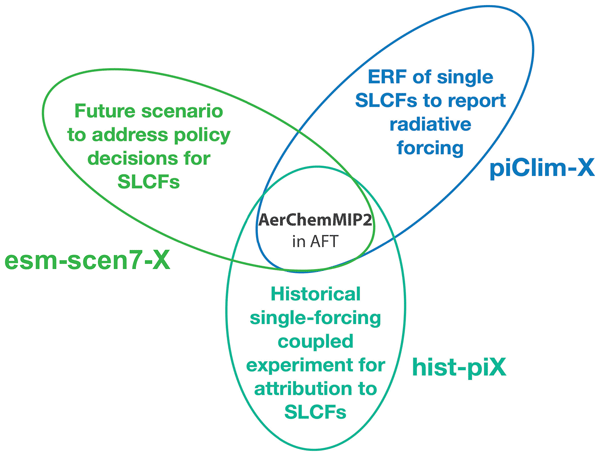
Stephanie Fiedler, Fiona M. O'Connor, Duncan Watson-Parris, Robert J. Allen, William J. Collins, Paul T. Griffiths, Matthew Kasoar, Jarmo Kikstra, Jasper F. Kok, Lee T. Murray, Fabien Paulot, Maria Sand, Steven T. Turnock, James Weber, Laura J. Wilcox, and Vaishali Naik
Geosci. Model Dev., 19, 3477–3508, https://doi.org/10.5194/gmd-19-3477-2026, https://doi.org/10.5194/gmd-19-3477-2026, 2026
Short summary
Short summary
The Aerosol and Chemistry Model Intercomparison Project phase two (AerChemMIP2) allows the community to compare results from contemporary Earth system models. AerChemMIP2 is asking modelling centres to perform experiments following the same protocol. It includes experiments for enabling new science and for tracking progress. Model output will be used for addressing research and policy questions about anthropogenic and natural drivers of climate change, and the impacts on air quality.
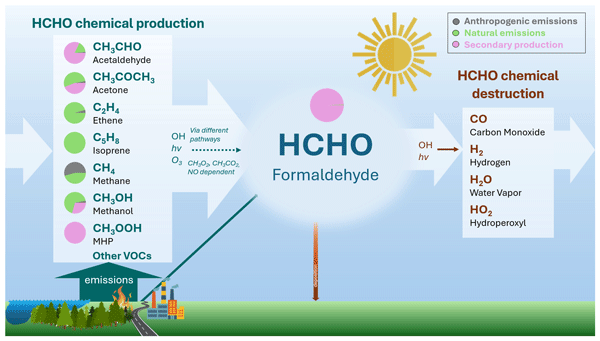
Gunnar Myhre, Øivind Hodnebrog, Srinath Krishnan, Maria Sand, Marit Sandstad, Ragnhild B. Skeie, Lieven Clarisse, Bruno Franco, Dylan B. Millet, Kelley C. Wells, Alexander Archibald, Hannah N. Bryant, Alex T. Chaudhri, David S. Stevenson, Didier Hauglustaine, Michael Prather, J. Christopher Kaiser, Dirk J. L. Olivie, Michael Schulz, Oliver Wild, Ye Wang, Thérèse Salameh, Jason E. Williams, Philippe Le Sager, Fabien Paulot, Kostas Tsigaridis, and Haley E. Plaas
Geosci. Model Dev., 19, 2577–2591, https://doi.org/10.5194/gmd-19-2577-2026, https://doi.org/10.5194/gmd-19-2577-2026, 2026
Short summary
Short summary
Volatile organic compounds (VOCs) affect air quality and climate, but their behavior in the atmosphere is still uncertain. We launched a global research effort to compare how different models represent these compounds and to improve their accuracy. By analyzing model results alongside observations and satellite data, we aim to better understand the atmospheric composition of these compounds.
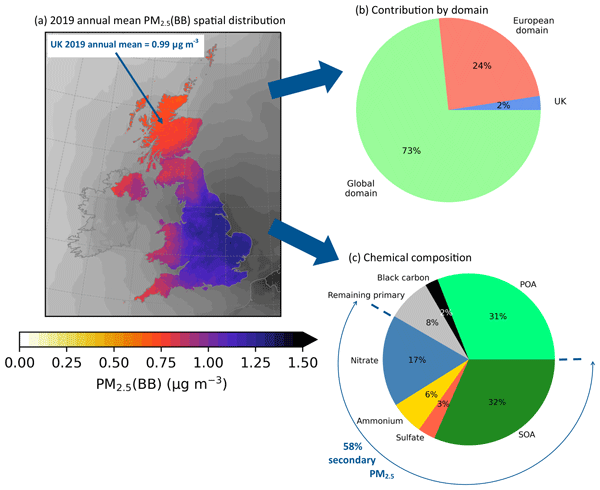
Damaris Y. T. Tan, Mathew R. Heal, David S. Stevenson, Stefan Reis, Massimo Vieno, and Eiko Nemitz
Atmos. Chem. Phys., 26, 3973–3993, https://doi.org/10.5194/acp-26-3973-2026, https://doi.org/10.5194/acp-26-3973-2026, 2026
Short summary
Short summary
Our focus is the cumulative influence of biomass burning (BB) on PM2.5 concentrations in a country far-removed from major BB sources. We find that ~10% of UK annual mean PM2.5 is conditional on BB emissions, 97% and 73% from BB outside the UK and outside Europe. The majority of the long-range component is secondary, of which much of the inorganic is mediated through local anthropogenic emissions. The relative contribution of BB in such locations is an increasing challenge for PM2.5 targets.
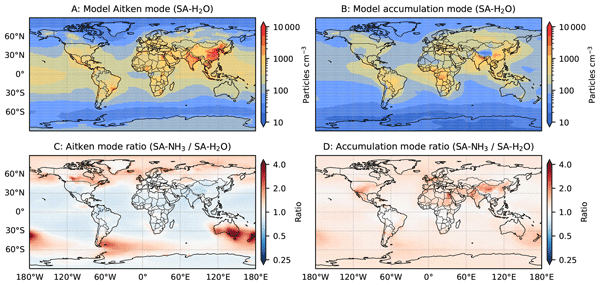
Xu-Cheng He, Nathan Luke Abraham, Han Ding, Maria R. Russo, Daniel P. Grosvenor, Yao Ge, Xuemei Wang, Anthony C. Jones, Pedro Campuzano-Jost, Benjamin Nault, Agnieszka Kupc, Donald Blake, Jose L. Jimenez, Christina J. Williamson, James Weber, Alexander T. Archibald, and Hamish Gordon
Atmos. Chem. Phys., 26, 3805–3851, https://doi.org/10.5194/acp-26-3805-2026, https://doi.org/10.5194/acp-26-3805-2026, 2026
Short summary
Short summary
Aerosols affect clouds and climate. However, current climate models still struggle to simulate them accurately. We used aircraft data from a global mission to evaluate how well the UK Earth System Model represents aerosols and their precursors. Our results show that the model misses key formation processes in clean ocean regions, suggesting that future improvements should focus on better representing how aerosols form naturally in the atmosphere.
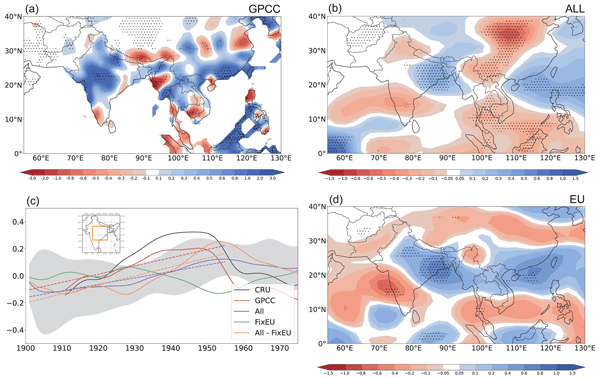
Weihao Sun, Massimo A. Bollasina, Ioana Colfescu, Guoxiong Wu, and Yimin Liu
Atmos. Chem. Phys., 26, 2027–2039, https://doi.org/10.5194/acp-26-2027-2026, https://doi.org/10.5194/acp-26-2027-2026, 2026
Short summary
Short summary
Observational records show that the Asian monsoon underwent substantial changes during the early 20th century, including a wetting trend over South Asia and a southward shift in rainfall over East Asia. We show that increasing European sulphate aerosol emissions played a crucial role in shaping the monsoon rainfall trends. This has important implications for reducing uncertainties in monsoon projections, particularly in light of the diverse future aerosol emission scenarios for the region.
William J. Collins, John S. Daniel, Martyn P. Chipperfield, Martin Cussac, Makoto Deushi, Gregory Faluvegi, Paul Griffiths, Øivind Hodnebrog, Larry W. Horowitz, James Keeble, Douglas Kinnison, Vaishali Naik, Fiona M. O'Connor, Drew Shindell, Simone Tilmes, Kostas Tsigaridis, Zihao Wang, and James Weber
EGUsphere, https://doi.org/10.5194/egusphere-2025-6033, https://doi.org/10.5194/egusphere-2025-6033, 2026
Short summary
Short summary
Ozone depleting substances (ODSs) are also greenhouse gases that cause global warming. However, their destruction of ozone contributes a global cooling. We have used results from climate models that include atmospheric chemistry and found that the cooling effect of the ozone depletion diagnosed in the models was larger than that calculated using a standard method. We find that some ODSs have a net cooling effect whereas for others the warming effect is significantly reduced.
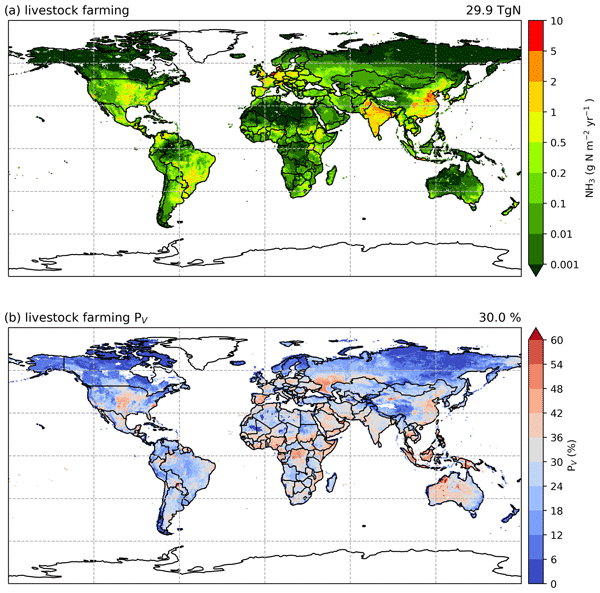
Jize Jiang, David S. Stevenson, Aimable Uwizeye, Giuseppe Tempio, Alessandra Falcucci, Flavia Casu, and Mark A. Sutton
Geosci. Model Dev., 18, 5051–5099, https://doi.org/10.5194/gmd-18-5051-2025, https://doi.org/10.5194/gmd-18-5051-2025, 2025
Short summary
Short summary
A special model called AMmonia–CLIMate (AMCLIM) has been developed to understand and calculate NH3 emissions from livestock farming. It is estimated that about 30 % of excreted N from livestock is lost due to NH3 emissions from housing, manure management and land application of manure. High NH3 volatilization often occurs in hot regions, while poor management practices also result in significant N losses through NH3 emissions.
Zixuan Jia, Massimo A. Bollasina, Wenjun Zhang, and Ying Xiang
Atmos. Chem. Phys., 25, 8805–8820, https://doi.org/10.5194/acp-25-8805-2025, https://doi.org/10.5194/acp-25-8805-2025, 2025
Short summary
Short summary
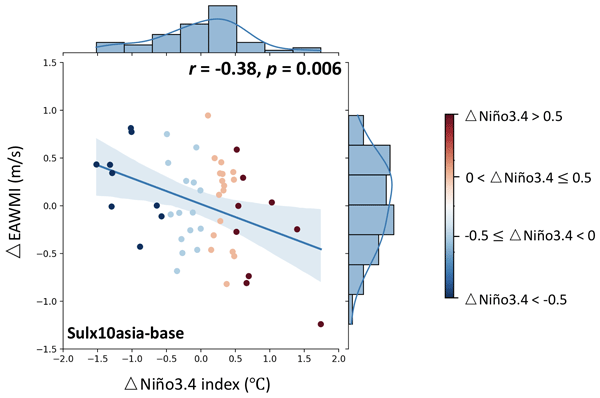
Using multi-model mean data from regional aerosol perturbation experiments, we find that increased Asian sulfate aerosols strengthen the link between ENSO (El Niño–Southern Oscillation) and the East Asian winter monsoon. In coupled simulations, aerosol-induced broad cooling increases the ENSO amplitude by affecting the tropical Pacific mean state, contributing to the increase in monsoon interannual variability. These results provide important implications to reduce uncertainties in future projections of regional extreme variability.
Emma Sands, Ruth M. Doherty, Fiona M. O'Connor, Richard J. Pope, James Weber, and Daniel P. Grosvenor
Atmos. Chem. Phys., 25, 7269–7297, https://doi.org/10.5194/acp-25-7269-2025, https://doi.org/10.5194/acp-25-7269-2025, 2025
Short summary
Short summary
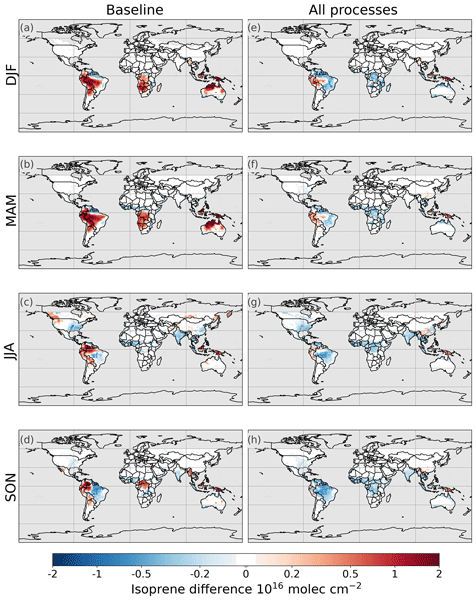
We perform a detailed satellite–model comparison for isoprene, formaldehyde and aerosol optical depth in an Earth system model. We quantify the impacts of several processes that affect how biosphere–atmosphere interactions influence atmospheric chemistry and aerosols. Our findings highlight that the aerosol direct effect is sensitive to the processes studied. These results can inform future investigations of how the biosphere can affect atmospheric composition and climate.
Alexander K. Tardito Chaudhri and David S. Stevenson
Atmos. Chem. Phys., 25, 7369–7385, https://doi.org/10.5194/acp-25-7369-2025, https://doi.org/10.5194/acp-25-7369-2025, 2025
Short summary
Short summary
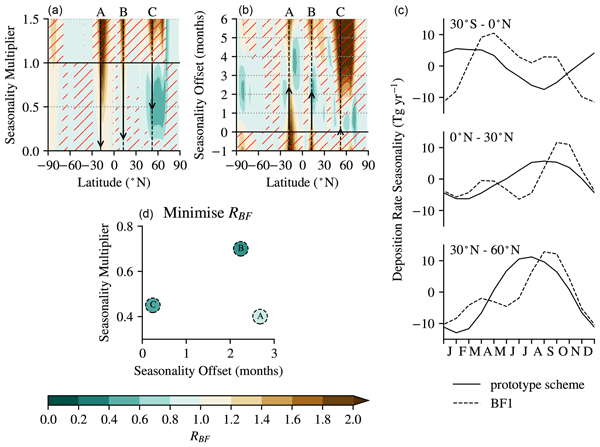
There remains a large uncertainty in the global warming potential of atmospheric hydrogen due to poor constraints on its soil deposition and, therefore, its lifetime. A new analysis of the latitudinal variation in the observed seasonality of hydrogen is used to constrain its surface fluxes. This is complemented with a simple latitude–height model where surface fluxes are adjusted from a prototype deposition scheme.
Alok K. Pandey, David S. Stevenson, Alcide Zhao, Richard J. Pope, Ryan Hossaini, Krishan Kumar, and Martyn P. Chipperfield
Atmos. Chem. Phys., 25, 4785–4802, https://doi.org/10.5194/acp-25-4785-2025, https://doi.org/10.5194/acp-25-4785-2025, 2025
Short summary
Short summary
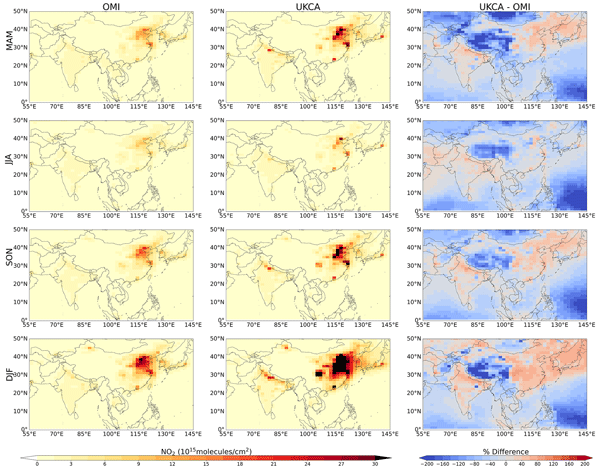
Nitrogen dioxide is an air pollutant largely controlled by human activity that affects ozone, methane, and aerosols. Satellite instruments can quantify column NO2 and, by carefully matching the time and location of measurements, enable evaluation of model simulations. NO2 over south and east Asia is assessed, showing that the model captures not only many features of the measurements, but also important differences that suggest model deficiencies in representing several aspects of the atmospheric chemistry of NO2.
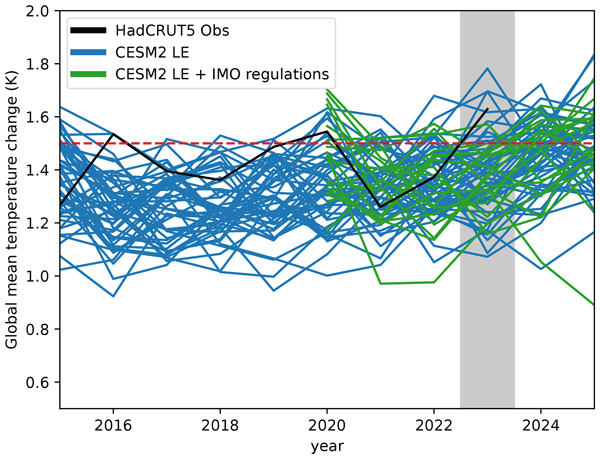
Duncan Watson-Parris, Laura J. Wilcox, Camilla W. Stjern, Robert J. Allen, Geeta Persad, Massimo A. Bollasina, Annica M. L. Ekman, Carley E. Iles, Manoj Joshi, Marianne T. Lund, Daniel McCoy, Daniel M. Westervelt, Andrew I. L. Williams, and Bjørn H. Samset
Atmos. Chem. Phys., 25, 4443–4454, https://doi.org/10.5194/acp-25-4443-2025, https://doi.org/10.5194/acp-25-4443-2025, 2025
Short summary
Short summary
In 2020, regulations by the International Maritime Organization aimed to reduce aerosol emissions from ships. These aerosols previously had a cooling effect, which the regulations might reduce, revealing more greenhouse gas warming. Here we find that, while there is regional warming, the global 2020–2040 temperature rise is only +0.03 °C. This small change is difficult to distinguish from natural climate variability, indicating the regulations have had a limited effect on observed warming to date.
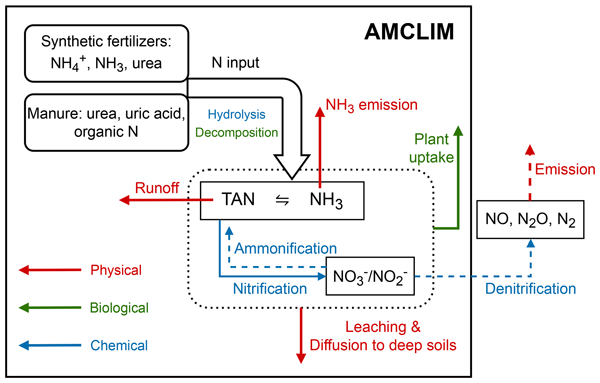
Jize Jiang, David S. Stevenson, and Mark A. Sutton
Geosci. Model Dev., 17, 8181–8222, https://doi.org/10.5194/gmd-17-8181-2024, https://doi.org/10.5194/gmd-17-8181-2024, 2024
Short summary
Short summary
A special model called AMmonia–CLIMate (AMCLIM) has been developed to understand and calculate NH3 emissions from fertilizer use and also taking into account how the environment influences these NH3 emissions. It is estimated that about 17 % of applied N in fertilizers was lost due to NH3 emissions. Hot and dry conditions and regions with high-pH soils can expect higher NH3 emissions.
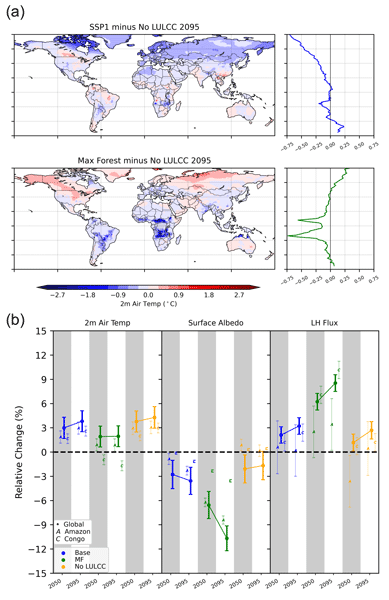
James A. King, James Weber, Peter Lawrence, Stephanie Roe, Abigail L. S. Swann, and Maria Val Martin
Biogeosciences, 21, 3883–3902, https://doi.org/10.5194/bg-21-3883-2024, https://doi.org/10.5194/bg-21-3883-2024, 2024
Short summary
Short summary
Tackling climate change by adding, restoring, or enhancing forests is gaining global support. However, it is important to investigate the broader implications of this. We used a computer model of the Earth to investigate a future where tree cover expanded as much as possible. We found that some tropical areas were cooler because of trees pumping water into the atmosphere, but this also led to soil and rivers drying. This is important because it might be harder to maintain forests as a result.
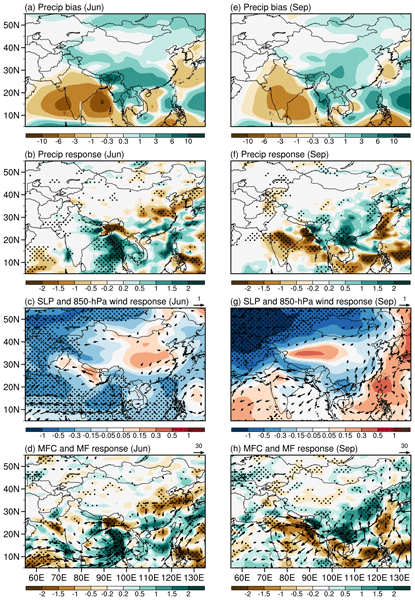
Zhen Liu, Massimo A. Bollasina, and Laura J. Wilcox
Atmos. Chem. Phys., 24, 7227–7252, https://doi.org/10.5194/acp-24-7227-2024, https://doi.org/10.5194/acp-24-7227-2024, 2024
Short summary
Short summary
The aerosol impact on monsoon precipitation and circulation is strongly influenced by a model-simulated spatio-temporal variability in the climatological monsoon precipitation across Asia, which critically modulates the efficacy of aerosol–cloud–precipitation interactions, the predominant driver of the total aerosol response. There is a strong interplay between South Asia and East Asia monsoon precipitation biases and their relative predominance in driving the overall monsoon response.
Prerita Agarwal, David S. Stevenson, and Mathew R. Heal
Atmos. Chem. Phys., 24, 2239–2266, https://doi.org/10.5194/acp-24-2239-2024, https://doi.org/10.5194/acp-24-2239-2024, 2024
Short summary
Short summary
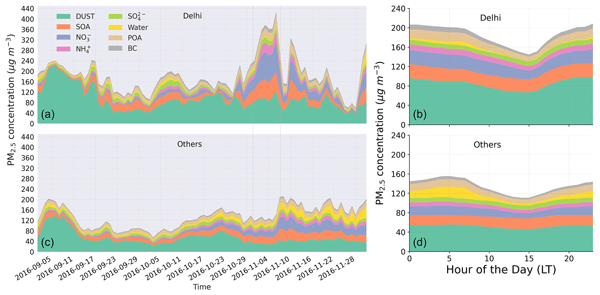
Air pollution levels across northern India are amongst some of the worst in the world, with episodic and hazardous haze events. Here, the ability of the WRF-Chem model to predict air quality over northern India is assessed against several datasets. Whilst surface wind speed and particle pollution peaks are over- and underestimated, respectively, meteorology and aerosol trends are adequately captured, and we conclude it is suitable for investigating severe particle pollution events.
Joseph Smith, Cathryn Birch, John Marsham, Simon Peatman, Massimo Bollasina, and George Pankiewicz
Nat. Hazards Earth Syst. Sci., 24, 567–582, https://doi.org/10.5194/nhess-24-567-2024, https://doi.org/10.5194/nhess-24-567-2024, 2024
Short summary
Short summary
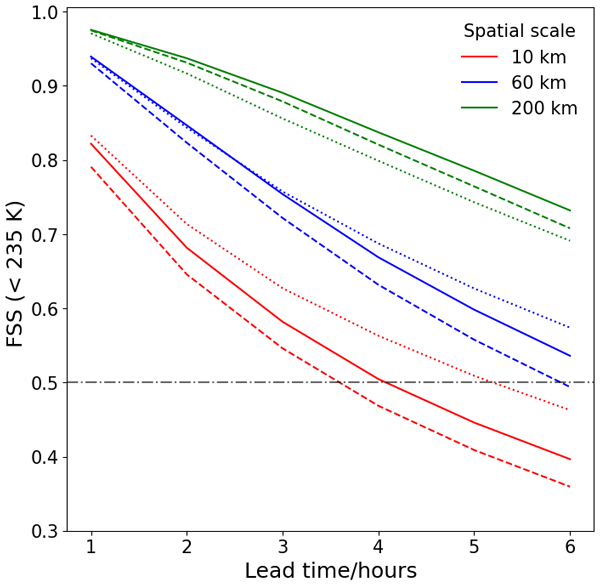
Nowcasting uses observations to make predictions of the atmosphere on short timescales and is particularly applicable to the Maritime Continent, where storms rapidly develop and cause natural disasters. This paper evaluates probabilistic and deterministic satellite nowcasting algorithms over the Maritime Continent. We show that the probabilistic approach is most skilful at small scales (~ 60 km), whereas the deterministic approach is most skilful at larger scales (~ 200 km).
Ben A. Cala, Scott Archer-Nicholls, James Weber, N. Luke Abraham, Paul T. Griffiths, Lorrie Jacob, Y. Matthew Shin, Laura E. Revell, Matthew Woodhouse, and Alexander T. Archibald
Atmos. Chem. Phys., 23, 14735–14760, https://doi.org/10.5194/acp-23-14735-2023, https://doi.org/10.5194/acp-23-14735-2023, 2023
Short summary
Short summary
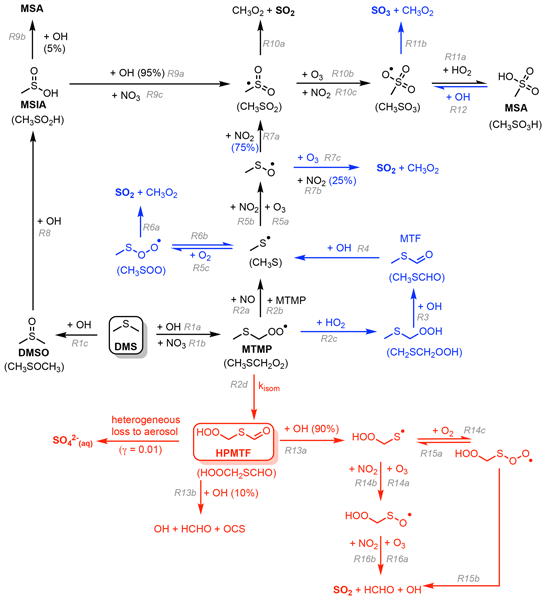
Dimethyl sulfide (DMS) is an important trace gas emitted from the ocean recognised as setting the sulfate aerosol background, but its oxidation is complex. As a result representation in chemistry-climate models is greatly simplified. We develop and compare a new mechanism to existing mechanisms via a series of global and box model experiments. Our studies show our updated DMS scheme is a significant improvement but significant variance exists between mechanisms.
Laura J. Wilcox, Robert J. Allen, Bjørn H. Samset, Massimo A. Bollasina, Paul T. Griffiths, James Keeble, Marianne T. Lund, Risto Makkonen, Joonas Merikanto, Declan O'Donnell, David J. Paynter, Geeta G. Persad, Steven T. Rumbold, Toshihiko Takemura, Kostas Tsigaridis, Sabine Undorf, and Daniel M. Westervelt
Geosci. Model Dev., 16, 4451–4479, https://doi.org/10.5194/gmd-16-4451-2023, https://doi.org/10.5194/gmd-16-4451-2023, 2023
Short summary
Short summary
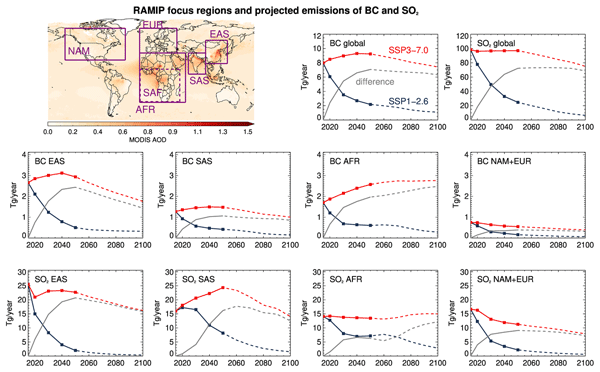
Changes in anthropogenic aerosol emissions have strongly contributed to global and regional climate change. However, the size of these regional impacts and the way they arise are still uncertain. With large changes in aerosol emissions a possibility over the next few decades, it is important to better quantify the potential role of aerosol in future regional climate change. The Regional Aerosol Model Intercomparison Project will deliver experiments designed to facilitate this.

Maria Rosa Russo, Brian John Kerridge, Nathan Luke Abraham, James Keeble, Barry Graham Latter, Richard Siddans, James Weber, Paul Thomas Griffiths, John Adrian Pyle, and Alexander Thomas Archibald
Atmos. Chem. Phys., 23, 6169–6196, https://doi.org/10.5194/acp-23-6169-2023, https://doi.org/10.5194/acp-23-6169-2023, 2023
Short summary
Short summary
Tropospheric ozone is an important component of the Earth system as it can affect both climate and air quality. In this work we use observed tropospheric ozone derived from satellite observations and compare it to tropospheric ozone from model simulations. Our aim is to investigate recent changes (2005–2018) in tropospheric ozone in the North Atlantic region and to understand what factors are driving such changes.
Yao Ge, Massimo Vieno, David S. Stevenson, Peter Wind, and Mathew R. Heal
Atmos. Chem. Phys., 23, 6083–6112, https://doi.org/10.5194/acp-23-6083-2023, https://doi.org/10.5194/acp-23-6083-2023, 2023
Short summary
Short summary
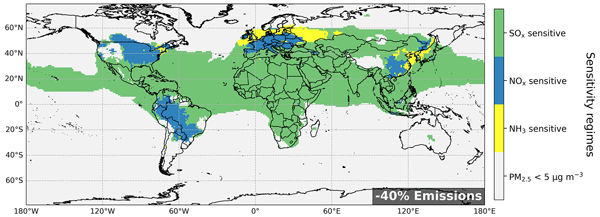
The sensitivity of fine particles and reactive N and S species to reductions in precursor emissions is investigated using the EMEP MSC-W (European Monitoring and Evaluation Programme Meteorological Synthesizing Centre – West) atmospheric chemistry transport model. This study reveals that the individual emissions reduction has multiple and geographically varying co-benefits and small disbenefits on different species, demonstrating the importance of prioritizing regional emissions controls.
James Weber, James A. King, Katerina Sindelarova, and Maria Val Martin
Geosci. Model Dev., 16, 3083–3101, https://doi.org/10.5194/gmd-16-3083-2023, https://doi.org/10.5194/gmd-16-3083-2023, 2023
Short summary
Short summary
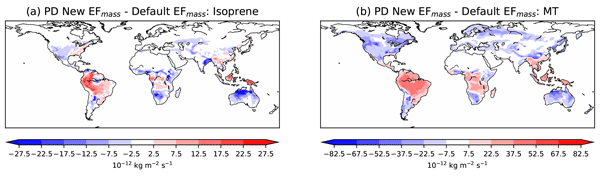
The emissions of volatile organic compounds from vegetation (BVOCs) influence atmospheric composition and contribute to certain gases and aerosols (tiny airborne particles) which play a role in climate change. BVOC emissions are likely to change in the future due to changes in climate and land use. Therefore, accurate simulation of BVOC emission is important, and this study describes an update to the simulation of BVOC emissions in the United Kingdom Earth System Model (UKESM).

Andrew P. Schurer, Gabriele C. Hegerl, Hugues Goosse, Massimo A. Bollasina, Matthew H. England, Michael J. Mineter, Doug M. Smith, and Simon F. B. Tett
Clim. Past, 19, 943–957, https://doi.org/10.5194/cp-19-943-2023, https://doi.org/10.5194/cp-19-943-2023, 2023
Short summary
Short summary
We adopt an existing data assimilation technique to constrain a model simulation to follow three important modes of variability, the North Atlantic Oscillation, El Niño–Southern Oscillation and the Southern Annular Mode. How it compares to the observed climate is evaluated, with improvements over simulations without data assimilation found over many regions, particularly the tropics, the North Atlantic and Europe, and discrepancies with global cooling following volcanic eruptions are reconciled.

Nora L. S. Fahrenbach and Massimo A. Bollasina
Atmos. Chem. Phys., 23, 877–894, https://doi.org/10.5194/acp-23-877-2023, https://doi.org/10.5194/acp-23-877-2023, 2023
Short summary
Short summary
We studied the monthly-scale climate response to COVID-19 aerosol emission reductions during January–May 2020 using climate models. Our results show global temperature and rainfall anomalies driven by circulation changes. The climate patterns reverse polarity from JF to MAM due to a shift in the main SO2 reduction region from China to India. This real-life example of rapid climate adjustments to abrupt, regional aerosol emission reduction has large implications for future climate projections.
David S. Stevenson, Richard G. Derwent, Oliver Wild, and William J. Collins
Atmos. Chem. Phys., 22, 14243–14252, https://doi.org/10.5194/acp-22-14243-2022, https://doi.org/10.5194/acp-22-14243-2022, 2022
Short summary
Short summary
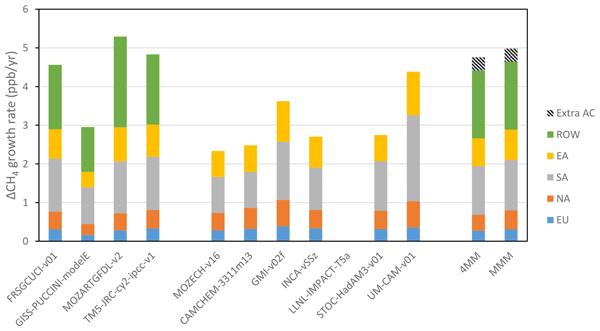
Atmospheric methane’s growth rate rose by 50 % in 2020 relative to 2019. Lower nitrogen oxide (NOx) emissions tend to increase methane’s atmospheric residence time; lower carbon monoxide (CO) and non-methane volatile organic compound (NMVOC) emissions decrease its lifetime. Combining model sensitivities with emission changes, we find that COVID-19 lockdown emission reductions can explain over half the observed increases in methane in 2020.
Yao Ge, Massimo Vieno, David S. Stevenson, Peter Wind, and Mathew R. Heal
Atmos. Chem. Phys., 22, 8343–8368, https://doi.org/10.5194/acp-22-8343-2022, https://doi.org/10.5194/acp-22-8343-2022, 2022
Short summary
Short summary
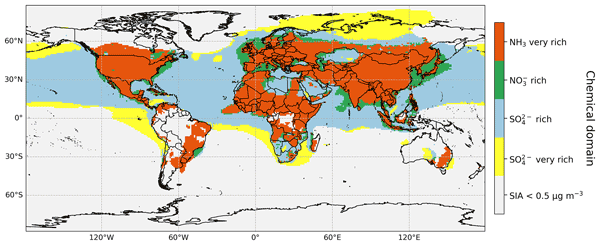
Reactive N and S gases and aerosols are critical determinants of air quality. We report a comprehensive analysis of the concentrations, wet and dry deposition, fluxes, and lifetimes of these species globally as well as for 10 world regions. We used the EMEP MSC-W model coupled with WRF meteorology and 2015 global emissions. Our work demonstrates the substantial regional variation in these quantities and the need for modelling to simulate atmospheric responses to precursor emissions.

Yao Ge, Mathew R. Heal, David S. Stevenson, Peter Wind, and Massimo Vieno
Geosci. Model Dev., 14, 7021–7046, https://doi.org/10.5194/gmd-14-7021-2021, https://doi.org/10.5194/gmd-14-7021-2021, 2021
Short summary
Short summary
This study reports the first evaluation of the global EMEP MSC-W ACTM driven by WRF meteorology, with a focus on surface concentrations and wet deposition of reactive N and S species. The model–measurement comparison is conducted both spatially and temporally, covering 10 monitoring networks worldwide. The statistics from the comprehensive evaluations presented in this study support the application of this model framework for global analysis of the budgets and fluxes of reactive N and SIA.
Liang Guo, Laura J. Wilcox, Massimo Bollasina, Steven T. Turnock, Marianne T. Lund, and Lixia Zhang
Atmos. Chem. Phys., 21, 15299–15308, https://doi.org/10.5194/acp-21-15299-2021, https://doi.org/10.5194/acp-21-15299-2021, 2021
Short summary
Short summary
Severe haze remains serious over Beijing despite emissions decreasing since 2008. Future haze changes in four scenarios are studied. The pattern conducive to haze weather increases with the atmospheric warming caused by the accumulation of greenhouse gases. However, the actual haze intensity, measured by either PM2.5 or optical depth, decreases with aerosol emissions. We show that only using the weather pattern index to predict the future change of Beijing haze is insufficient.
Cited articles
An, J., Huang, Y., Huang, C., Wang, X., Yan, R., Wang, Q., Wang, H., Jing, S., Zhang, Y., Liu, Y., Chen, Y., Xu, C., Qiao, L., Zhou, M., Zhu, S., Hu, Q., Lu, J., and Chen, C.: Emission inventory of air pollutants and chemical speciation for specific anthropogenic sources based on local measurements in the Yangtze River Delta region, China, Atmos. Chem. Phys., 21, 2003–2025, https://doi.org/10.5194/acp-21-2003-2021, 2021.
Archer-Nicholls, S., Abraham, N. L., Shin, Y. M., Weber, J., Russo, M. R., Lowe, D., Utembe, S. R., O'Connor, F. M., Kerridge, B., Latter, B., Siddans, R., Jenkin, M., Wild, O., and Archibald, A. T.: The Common Representative Intermediates Mechanism Version 2 in the United Kingdom Chemistry and Aerosols Model, J. Adv. Model. Earth Sy., 13, e2020MS002420, https://doi.org/10.1029/2020MS002420, 2021.
Archibald, A. T., O'Connor, F. M., Abraham, N. L., Archer-Nicholls, S., Chipperfield, M. P., Dalvi, M., Folberth, G. A., Dennison, F., Dhomse, S. S., Griffiths, P. T., Hardacre, C., Hewitt, A. J., Hill, R. S., Johnson, C. E., Keeble, J., Köhler, M. O., Morgenstern, O., Mulcahy, J. P., Ordóñez, C., Pope, R. J., Rumbold, S. T., Russo, M. R., Savage, N. H., Sellar, A., Stringer, M., Turnock, S. T., Wild, O., and Zeng, G.: Description and evaluation of the UKCA stratosphere–troposphere chemistry scheme (StratTrop vn 1.0) implemented in UKESM1, Geosci. Model Dev., 13, 1223–1266, https://doi.org/10.5194/gmd-13-1223-2020, 2020a.
Archibald, A. T., Turnock, S. T., Griffiths, P. T., Cox, T., Derwent, R. G., Knote, C., and Shin, M.: On the changes in surface ozone over the twenty-first century: sensitivity to changes in surface temperature and chemical mechanisms, Philos. T. R. Soc. A, 378, 20190329, https://doi.org/10.1098/rsta.2019.0329, 2020b.
Bates, K. H. and Jacob, D. J.: An Expanded Definition of the Odd Oxygen Family for Tropospheric Ozone Budgets: Implications for Ozone Lifetime and Stratospheric Influence, Geophys. Res. Lett., 47, e2019GL084486, https://doi.org/10.1029/2019GL084486, 2020.
Bloomer, B. J., Vinnikov, K. Y., and Dickerson, R. R.: Changes in seasonal and diurnal cycles of ozone and temperature in the eastern U.S, Atmos. Environ., 44, 2543–2551, https://doi.org/10.1016/j.atmosenv.2010.04.031, 2010.
Chen, P., Zhao, X., Wang, O., Shao, M., Xiao, X., Wang, S., and Wang, Q. g.: Characteristics of VOCs and their Potentials for O3 and SOA Formation in a Medium-sized City in Eastern China, Aerosol Air Qual. Res., 22, 210239, https://doi.org/10.4209/aaqr.210239, 2022.
Cleary, P. A., Wooldridge, P. J., Millet, D. B., McKay, M., Goldstein, A. H., and Cohen, R. C.: Observations of total peroxy nitrates and aldehydes: measurement interpretation and inference of OH radical concentrations, Atmos. Chem. Phys., 7, 1947–1960, https://doi.org/10.5194/acp-7-1947-2007, 2007.
Clifton, O. E., Fiore, A. M., Massman, W. J., Baublitz, C. B., Coyle, M., Emberson, L., Fares, S., Farmer, D. K., Gentine, P., Gerosa, G., Guenther, A. B., Helmig, D., Lombardozzi, D. L., Munger, J. W., Patton, E. G., Pusede, S. E., Schwede, D. B., Silva, S. J., Sörgel, M., Steiner, A. L., and Tai, A. P. K.: Dry Deposition of Ozone Over Land: Processes, Measurement, and Modeling, Rev. Geophys., 58, e2019RG000670, https://doi.org/10.1029/2019RG000670, 2020a.
Clifton, O. E., Paulot, F., Fiore, A. M., Horowitz, L. W., Correa, G., Baublitz, C. B., Fares, S., Goded, I., Goldstein, A. H., Gruening, C., Hogg, A. J., Loubet, B., Mammarella, I., Munger, J. W., Neil, L., Stella, P., Uddling, J., Vesala, T., and Weng, E.: Influence of Dynamic Ozone Dry Deposition on Ozone Pollution, J. Geophys. Res.-Atmos., 125, e2020JD032398, https://doi.org/10.1029/2020JD032398, 2020b.
Cohen, A. J., Brauer, M., Burnett, R., Anderson, H. R., Frostad, J., Estep, K., Balakrishnan, K., Brunekreef, B., Dandona, L., Dandona, R., Feigin, V., Freedman, G., Hubbell, B., Jobling, A., Kan, H., Knibbs, L., Liu, Y., Martin, R., Morawska, L., Pope III, C. A., Shin, H., Straif, K., Shaddick, G., Thomas, M., van Dingenen, R., van Donkelaar, A., Vos, T., Murray, C. J. L., and Forouzanfar, M. H.: Estimates and 25-year trends of the global burden of disease attributable to ambient air pollution: an analysis of data from the Global Burden of Diseases Study 2015, The Lancet, 389, 1907-1918, https://doi.org/10.1016/S0140-6736(17)30505-6, 2017.
Dee, D. P., Uppala, S. M., Simmons, A. J., Berrisford, P., Poli, P., Kobayashi, S., Andrae, U., Balmaseda, M. A., Balsamo, G., Bauer, P., Bechtold, P., Beljaars, A. C. M., van de Berg, L., Bidlot, J., Bormann, N., Delsol, C., Dragani, R., Fuentes, M., Geer, A. J., Haimberger, L., Healy, S. B., Hersbach, H., Hólm, E. V., Isaksen, L., Kållberg, P., Köhler, M., Matricardi, M., McNally, A. P., Monge-Sanz, B. M., Morcrette, J. J., Park, B. K., Peubey, C., de Rosnay, P., Tavolato, C., Thépaut, J. N., and Vitart, F.: The ERA-Interim reanalysis: configuration and performance of the data assimilation system, Q. J. Roy. Meteor. Soc., 137, 553–597, https://doi.org/10.1002/qj.828, 2011.
Duc, H. N., Rahman, M. M., Trieu, T., Azzi, M., Riley, M., Koh, T., Liu, S., Bandara, K., Krishnan, V., Yang, Y., Silver, J., Kirley, M., White, S., Capnerhurst, J., and Kirkwood, J.: Study of Planetary Boundary Layer, Air Pollution, Air Quality Models and Aerosol Transport Using Ceilometers in New South Wales (NSW), Australia, Atmosphere, 13, 176, https://doi.org/10.3390/atmos13020176, 2022.
Ebi, K. L., Capon, A., Berry, P., Broderick, C., de Dear, R., Havenith, G., Honda, Y., Kovats, R. S., Ma, W., Malik, A., Morris, N. B., Nybo, L., Seneviratne, S. I., Vanos, J., and Jay, O.: Hot weather and heat extremes: health risks, The Lancet, 398, 698–708, https://doi.org/10.1016/S0140-6736(21)01208-3, 2021.
Engdaw, M. M., Ballinger, A. P., Hegerl, G. C., and Steiner, A. K.: Changes in temperature and heat waves over Africa using observational and reanalysis data sets, Int. J. Climatol., 42, 1165–1180, https://doi.org/10.1002/joc.7295, 2022.
Feng, T., Zhao, S., Hu, B., Bei, N., Zhang, X., Wu, J., Li, X., Liu, L., Wang, R., Tie, X., and Li, G.: Assessment of Atmospheric Oxidizing Capacity Over the Beijing-Tianjin-Hebei (BTH) Area, China, J. Geophys. Res.-Atmos., 126, e2020JD033834, https://doi.org/10.1029/2020JD033834, 2021.
Fischer, E. M. and Schär, C.: Consistent geographical patterns of changes in high-impact European heatwaves, Nat. Geosci., 3, 398–403, https://doi.org/10.1038/ngeo866, 2010.
Fischer, E. V., Jacob, D. J., Yantosca, R. M., Sulprizio, M. P., Millet, D. B., Mao, J., Paulot, F., Singh, H. B., Roiger, A., Ries, L., Talbot, R. W., Dzepina, K., and Pandey Deolal, S.: Atmospheric peroxyacetyl nitrate (PAN): a global budget and source attribution, Atmos. Chem. Phys., 14, 2679–2698, https://doi.org/10.5194/acp-14-2679-2014, 2014.
García-Martínez, I. and Bollasina, M.: Identifying the evolving human imprint on heat wave trends over the United States and Mexico, Environ. Res. Lett., 16, 094039, https://doi.org/10.1088/1748-9326/ac1edb, 2021.
Geng, F., Tie, X., Guenther, A., Li, G., Cao, J., and Harley, P.: Effect of isoprene emissions from major forests on ozone formation in the city of Shanghai, China, Atmos. Chem. Phys., 11, 10449–10459, https://doi.org/10.5194/acp-11-10449-2011, 2011.
Gong, Y., Cai, M., Yao, L., Cheng, L., Hao, C., and Zhao, Z.: Assessing Changes in the Ecosystem Services Value in Response to Land-Use/Land-Cover Dynamics in Shanghai from 2000 to 2020, Int. J. Environ. Res. Publ. He., 19, 12080, https://doi.org/10.3390/ijerph191912080, 2022.
Gu, C., Wang, S., Zhu, J., Wu, S., Duan, Y., Gao, S., and Zhou, B.: Investigation on the urban ambient isoprene and its oxidation processes, Atmos. Environ., 270, 118870, https://doi.org/10.1016/j.atmosenv.2021.118870, 2022.
Gu, Y., Li, K., Xu, J., Liao, H., and Zhou, G.: Observed dependence of surface ozone on increasing temperature in Shanghai, China, Atmos. Environ., 221, 117108, https://doi.org/10.1016/j.atmosenv.2019.117108, 2020.
Guenther, A. B., Jiang, X., Heald, C. L., Sakulyanontvittaya, T., Duhl, T., Emmons, L. K., and Wang, X.: The Model of Emissions of Gases and Aerosols from Nature version 2.1 (MEGAN2.1): an extended and updated framework for modeling biogenic emissions, Geosci. Model Dev., 5, 1471–1492, https://doi.org/10.5194/gmd-5-1471-2012, 2012.
Heard, D. E., Carpenter, L. J., Creasey, D. J., Hopkins, J. R., Lee, J. D., Lewis, A. C., Pilling, M. J., Seakins, P. W., Carslaw, N., and Emmerson, K. M.: High levels of the hydroxyl radical in the winter urban troposphere, Geophys. Res. Lett., 31, https://doi.org/10.1029/2004GL020544, 2004.
Hoesly, R. M., Smith, S. J., Feng, L., Klimont, Z., Janssens-Maenhout, G., Pitkanen, T., Seibert, J. J., Vu, L., Andres, R. J., Bolt, R. M., Bond, T. C., Dawidowski, L., Kholod, N., Kurokawa, J.-I., Li, M., Liu, L., Lu, Z., Moura, M. C. P., O'Rourke, P. R., and Zhang, Q.: Historical (1750–2014) anthropogenic emissions of reactive gases and aerosols from the Community Emissions Data System (CEDS), Geosci. Model Dev., 11, 369–408, https://doi.org/10.5194/gmd-11-369-2018, 2018.
Hu, L., Jacob, D. J., Liu, X., Zhang, Y., Zhang, L., Kim, P. S., Sulprizio, M. P., and Yantosca, R. M.: Global budget of tropospheric ozone: Evaluating recent model advances with satellite (OMI), aircraft (IAGOS), and ozonesonde observations, Atmos. Environ., 167, 323–334, https://doi.org/10.1016/j.atmosenv.2017.08.036, 2017.
Jin, X. and Holloway, T.: Spatial and temporal variability of ozone sensitivity over China observed from the Ozone Monitoring Instrument, J. Geophys. Res.-Atmos., 120, 7229–7246, https://doi.org/10.1002/2015JD023250, 2015.
Kalisa, E., Fadlallah, S., Amani, M., Nahayo, L., and Habiyaremye, G.: Temperature and air pollution relationship during heatwaves in Birmingham, UK, Sustain. Cities Soc., 43, 111–120, https://doi.org/10.1016/j.scs.2018.08.033, 2018.
Kanaya, Y., Cao, R., Akimoto, H., Fukuda, M., Komazaki, Y., Yokouchi, Y., Koike, M., Tanimoto, H., Takegawa, N., and Kondo, Y.: Urban photochemistry in central Tokyo: 1. Observed and modeled OH and HO2 radical concentrations during the winter and summer of 2004, J. Geophys. Res.-Atmos., 112, https://doi.org/10.1029/2007JD008670, 2007.
Kavassalis, S. C. and Murphy, J. G.: Understanding ozone-meteorology correlations: A role for dry deposition, Geophys. Res. Lett., 44, 2922–2931, https://doi.org/10.1002/2016GL071791, 2017.
Li, M., Yu, S., Chen, X., Li, Z., Zhang, Y., Wang, L., Liu, W., Li, P., Lichtfouse, E., Rosenfeld, D., and Seinfeld, J. H.: Large scale control of surface ozone by relative humidity observed during warm seasons in China, Environ. Chem. Lett., 19, 3981–3989, https://doi.org/10.1007/s10311-021-01265-0, 2021.
Li, X., Gong, P., Zhou, Y., Wang, J., Bai, Y., Chen, B., Hu, T., Xiao, Y., Xu, B., Yang, J., Liu, X., Cai, W., Huang, H., Wu, T., Wang, X., Lin, P., Li, X., Chen, J., He, C., Li, X., Yu, L., Clinton, N., and Zhu, Z.: Mapping global urban boundaries from the global artificial impervious area (GAIA) data, Environ. Res. Lett., 15, 094044, https://doi.org/10.1088/1748-9326/ab9be3, 2020.
Lishui Municipal Statistics Bureau: Introduction of Lishui, http://tjj.lishui.gov.cn/col/col1229215882/index.html, last access: 17 September 2025 (in Chinese).
Liu, H., Liu, S., Xue, B., Lv, Z., Meng, Z., Yang, X., Xue, T., Yu, Q., and He, K.: Ground-level ozone pollution and its health impacts in China, Atmos. Environ., 173, 223–230, https://doi.org/10.1016/j.atmosenv.2017.11.014, 2018.
Liu, P. and Miao, Y.: Biogenic VOCs from Regional Forests Amplify Ozone Pollution in Shanghai Under Extreme Heat Stress Conditions, B. Environ. Contam. Tox., 117, 23, https://doi.org/10.1007/s00128-026-04303-1, 2026.
Liu, Y., Shen, H., Mu, J., Li, H., Chen, T., Yang, J., Jiang, Y., Zhu, Y., Meng, H., Dong, C., Wang, W., and Xue, L.: Formation of peroxyacetyl nitrate (PAN) and its impact on ozone production in the coastal atmosphere of Qingdao, North China, Sci. Total Environ., 778, 146265, https://doi.org/10.1016/j.scitotenv.2021.146265, 2021a.
Liu, Z., Doherty, R. M., Wild, O., Hollaway, M., and O’Connor, F. M.: Contrasting chemical environments in summertime for atmospheric ozone across major Chinese industrial regions: the effectiveness of emission control strategies, Atmos. Chem. Phys., 21, 10689–10706, https://doi.org/10.5194/acp-21-10689-2021, 2021b.
Ma, M., Gao, Y., Ding, A., Su, H., Liao, H., Wang, S., Wang, X., Zhao, B., Zhang, S., Fu, P., Guenther, A. B., Wang, M., Li, S., Chu, B., Yao, X., and Gao, H.: Development and Assessment of a High-Resolution Biogenic Emission Inventory from Urban Green Spaces in China, Environ. Sci. Technol., 56, 175–184, https://doi.org/10.1021/acs.est.1c06170, 2022a.
Ma, X., Tan, Z., Lu, K., Yang, X., Chen, X., Wang, H., Chen, S., Fang, X., Li, S., Li, X., Liu, J., Liu, Y., Lou, S., Qiu, W., Wang, H., Zeng, L., and Zhang, Y.: OH and HO2 radical chemistry at a suburban site during the EXPLORE-YRD campaign in 2018, Atmos. Chem. Phys., 22, 7005–7028, https://doi.org/10.5194/acp-22-7005-2022, 2022b.
McDuffie, E. E., Edwards, P. M., Gilman, J. B., Lerner, B. M., Dubé, W. P., Trainer, M., Wolfe, D. E., Angevine, W. M., deGouw, J., Williams, E. J., Tevlin, A. G., Murphy, J. G., Fischer, E. V., McKeen, S., Ryerson, T. B., Peischl, J., Holloway, J. S., Aikin, K., Langford, A. O., Senff, C. J., Alvarez Ii, R. J., Hall, S. R., Ullmann, K., Lantz, K. O., and Brown, S. S.: Influence of oil and gas emissions on summertime ozone in the Colorado Northern Front Range, J. Geophys. Res.-Atmos., 121, 8712–8729, https://doi.org/10.1002/2016JD025265, 2016.
Meehl, G. A., Tebaldi, C., Tilmes, S., Lamarque, J.-F., Bates, S., Pendergrass, A., and Lombardozzi, D.: Future heat waves and surface ozone, Environ. Res. Lett., 13, 064004, https://doi.org/10.1088/1748-9326/aabcdc, 2018.
Meng, X., Jiang, J., Chen, T., Zhang, Z., Lu, B., Liu, C., Xue, L., Chen, J., Herrmann, H., and Li, X.: Chemical drivers of ozone change in extreme temperatures in eastern China, Sci. Total Environ., 874, 162424, https://doi.org/10.1016/j.scitotenv.2023.162424, 2023.
Min, K.-E., Pusede, S. E., Browne, E. C., LaFranchi, B. W., and Cohen, R. C.: Eddy covariance fluxes and vertical concentration gradient measurements of NO and NO2 over a ponderosa pine ecosystem: observational evidence for within-canopy chemical removal of NOx, Atmos. Chem. Phys., 14, 5495–5512, https://doi.org/10.5194/acp-14-5495-2014, 2014.
Mulcahy, J. P., Johnson, C., Jones, C. G., Povey, A. C., Scott, C. E., Sellar, A., Turnock, S. T., Woodhouse, M. T., Abraham, N. L., Andrews, M. B., Bellouin, N., Browse, J., Carslaw, K. S., Dalvi, M., Folberth, G. A., Glover, M., Grosvenor, D. P., Hardacre, C., Hill, R., Johnson, B., Jones, A., Kipling, Z., Mann, G., Mollard, J., O'Connor, F. M., Palmiéri, J., Reddington, C., Rumbold, S. T., Richardson, M., Schutgens, N. A. J., Stier, P., Stringer, M., Tang, Y., Walton, J., Woodward, S., and Yool, A.: Description and evaluation of aerosol in UKESM1 and HadGEM3-GC3.1 CMIP6 historical simulations, Geosci. Model Dev., 13, 6383–6423, https://doi.org/10.5194/gmd-13-6383-2020, 2020.
Nguyen, D.-H., Lin, C., Vu, C.-T., Cheruiyot, N. K., Nguyen, M. K., Le, T. H., Lukkhasorn, W., Vo, T.-D.-H., and Bui, X.-T.: Tropospheric ozone and NOx: A review of worldwide variation and meteorological influences, Environ. Technol. Innovation, 28, 102809, https://doi.org/10.1016/j.eti.2022.102809, 2022.
Ning, G., Wardle, D. A., and Yim, S. H. L.: Suppression of Ozone Formation at High Temperature in China: From Historical Observations to Future Projections, Geophys. Res. Lett., 49, e2021GL097090, https://doi.org/10.1029/2021GL097090, 2022.
Nolte, C. G., Spero, T. L., Bowden, J. H., Sarofim, M. C., Martinich, J., and Mallard, M. S.: Regional temperature-ozone relationships across the U.S. under multiple climate and emissions scenarios, J. Air Waste Manage. A., 71, 1251–1264, https://doi.org/10.1080/10962247.2021.1970048, 2021.
Olivier, J., Peters, J., Granier, C., Pétron, G., Müller, J.-F., and Wallens, S.: Present and future surface emissions of atmospheric compounds (POET Report #2), EU project EVK2-1999-00011 (POET), 2003.
Otero, N., Rust, H. W., and Butler, T.: Temperature dependence of tropospheric ozone under NOx reductions over Germany, Atmos. Environ., 253, 118334, https://doi.org/10.1016/j.atmosenv.2021.118334, 2021.
Pacifico, F., Harrison, S. P., Jones, C. D., Arneth, A., Sitch, S., Weedon, G. P., Barkley, M. P., Palmer, P. I., Serça, D., Potosnak, M., Fu, T.-M., Goldstein, A., Bai, J., and Schurgers, G.: Evaluation of a photosynthesis-based biogenic isoprene emission scheme in JULES and simulation of isoprene emissions under present-day climate conditions, Atmos. Chem. Phys., 11, 4371–4389, https://doi.org/10.5194/acp-11-4371-2011, 2011.
Pfister, G. G., Walters, S., Lamarque, J. F., Fast, J., Barth, M. C., Wong, J., Done, J., Holland, G., and Bruyère, C. L.: Projections of future summertime ozone over the U.S, J. Geophys. Res.-Atmos., 119, 5559–5582, https://doi.org/10.1002/2013JD020932, 2014.
Phillips, G. J., Pouvesle, N., Thieser, J., Schuster, G., Axinte, R., Fischer, H., Williams, J., Lelieveld, J., and Crowley, J. N.: Peroxyacetyl nitrate (PAN) and peroxyacetic acid (PAA) measurements by iodide chemical ionisation mass spectrometry: first analysis of results in the boreal forest and implications for the measurement of PAN fluxes, Atmos. Chem. Phys., 13, 1129–1139, https://doi.org/10.5194/acp-13-1129-2013, 2013.
Pope, R. J., Kerridge, B. J., Chipperfield, M. P., Siddans, R., Latter, B. G., Ventress, L. J., Pimlott, M. A., Feng, W., Comyn-Platt, E., Hayman, G. D., Arnold, S. R., and Graham, A. M.: Investigation of the summer 2018 European ozone air pollution episodes using novel satellite data and modelling, Atmos. Chem. Phys., 23, 13235–13253, https://doi.org/10.5194/acp-23-13235-2023, 2023.
Pusede, S. E., Steiner, A. L., and Cohen, R. C.: Temperature and Recent Trends in the Chemistry of Continental Surface Ozone, Chem. Rev., 115, 3898–3918, https://doi.org/10.1021/cr5006815, 2015.
Qin, M., She, Y., Wang, M., Wang, H., Chang, Y., Tan, Z., An, J., Huang, J., Yuan, Z., Lu, J., Wang, Q., Liu, C., Liu, Z., Xie, X., Li, J., Liao, H., Pye, H. O. T., Huang, C., Guo, S., Hu, M., Zhang, Y., Jacob, D. J., and Hu, J.: Increased urban ozone in heatwaves due to temperature-induced emissions of anthropogenic volatile organic compounds, Nat. Geosci., 18, 50–56, https://doi.org/10.1038/s41561-024-01608-w, 2025.
Ren, J., Guo, F., and Xie, S.: Diagnosing ozone–NOx–VOC sensitivity and revealing causes of ozone increases in China based on 2013–2021 satellite retrievals, Atmos. Chem. Phys., 22, 15035–15047, https://doi.org/10.5194/acp-22-15035-2022, 2022.
Ren, X., Brune, W. H., Mao, J., Mitchell, M. J., Lesher, R. L., Simpas, J. B., Metcalf, A. R., Schwab, J. J., Cai, C., Li, Y., Demerjian, K. L., Felton, H. D., Boynton, G., Adams, A., Perry, J., He, Y., Zhou, X., and Hou, J.: Behavior of OH and HO2 in the winter atmosphere in New York City, Atmos. Environ., 40, 252–263, https://doi.org/10.1016/j.atmosenv.2005.11.073, 2006.
Shanghai Municipal Statistics Bureau: 2023, Statistical Communiqué of Shanghai on the 2023 National Economic and Social Development, https://tjj.sh.gov.cn/tjgb/20240321/f66c5b25ce604a1f9af755941d5f454a.html (last access: 17 September 2025), 2024 (in Chinese).
Shen, L., Mickley, L. J., and Gilleland, E.: Impact of increasing heat waves on U.S. ozone episodes in the 2050s: Results from a multimodel analysis using extreme value theory, Geophys. Res. Lett., 43, 4017–4025, https://doi.org/10.1002/2016GL068432, 2016.
Sillman, S.: The relation between ozone, NOx and hydrocarbons in urban and polluted rural environments, Atmos. Environ., 33, 1821–1845, https://doi.org/10.1016/S1352-2310(98)00345-8, 1999.
Simon, H., Reff, A., Wells, B., Xing, J., and Frank, N.: Ozone Trends Across the United States over a Period of Decreasing NOx and VOC Emissions, Environ. Sci. Technol., 49, 186–195, https://doi.org/10.1021/es504514z, 2015.
Solberg, S., Hov, Ø., Søvde, A., Isaksen, I. S. A., Coddeville, P., De Backer, H., Forster, C., Orsolini, Y., and Uhse, K.: European surface ozone in the extreme summer 2003, J. Geophys. Res.-Atmos., 113, https://doi.org/10.1029/2007JD009098, 2008.
Steiner, A. L., Tonse, S., Cohen, R. C., Goldstein, A. H., and Harley, R. A.: Influence of future climate and emissions on regional air quality in California, J. Geophys. Res.-Atmos., 111, https://doi.org/10.1029/2005JD006935, 2006.
Steiner, A. L., Davis, A. J., Sillman, S., Owen, R. C., Michalak, A. M., and Fiore, A. M.: Observed suppression of ozone formation at extremely high temperatures due to chemical and biophysical feedbacks, P. Natl. Acad. Sci. USA, 107, 19685–19690, https://doi.org/10.1073/pnas.1008336107, 2010.
Stella, P., Loubet, B., Lamaud, E., Laville, P., and Cellier, P.: Ozone deposition onto bare soil: A new parameterisation, Agr. Forest Meteorol., 151, 669–681, https://doi.org/10.1016/j.agrformet.2011.01.015, 2011.
Sun, W., Hess, P., and Liu, C.: The impact of meteorological persistence on the distribution and extremes of ozone, Geophys. Res. Lett., 44, 1545–1553, https://doi.org/10.1002/2016GL071731, 2017.
Sun, Y., Ilango, S. D., Schwarz, L., Wang, Q., Chen, J.-C., Lawrence, J. M., Wu, J., and Benmarhnia, T.: Examining the joint effects of heatwaves, air pollution, and green space on the risk of preterm birth in California, Environ. Res. Lett., 15, 104099, https://doi.org/10.1088/1748-9326/abb8a3, 2020.
Szopa, S., Naik, V., Adhikary, B., Artaxo, P., Berntsen, T., Collins, W. D., Fuzzi, S., Gallardo, L., Kiendler-Scharr, A., Klimont, Z., Liao, H., Unger, N., and Zanis, P.: Short-Lived Climate Forcers, in: Climate Change 2021: The Physical Science Basis. Contribution of Working Group I to the Sixth Assessment Report of the Intergovernmental Panel on Climate Change, edited by: Masson-Delmotte, V., Zhai, P., Pirani, A., Connors, S. L., Péan, C., Berger, S., Caud, N., Chen, Y., Goldfarb, L., Gomis, M. I., Huang, M., Leitzell, K., Lonnoy, E., Matthews, J. B. R., Maycock, T. K., Waterfield, T., Yelekçi, O., Yu, R., and Zhou, B., Cambridge University Press, Cambridge, UK; New York, NY, USA, 817–922, https://doi.org/10.1017/9781009157896.008, 2021.
Tang, Y., Tang, J., Yu, X., Qiu, L., Wang, J., Hou, X., and Chen, D.: Land ecological protection polices improve ecosystem services: A case study of Lishui, China, Front. Environ. Sci., 10, 973524, https://doi.org/10.3389/fenvs.2022.973524, 2022.
Telford, P. J., Abraham, N. L., Archibald, A. T., Braesicke, P., Dalvi, M., Morgenstern, O., O'Connor, F. M., Richards, N. A. D., and Pyle, J. A.: Implementation of the Fast-JX Photolysis scheme (v6.4) into the UKCA component of the MetUM chemistry-climate model (v7.3), Geosci. Model Dev., 6, 161–177, https://doi.org/10.5194/gmd-6-161-2013, 2013.
UKCA: Box model (UKCA Wiki): https://www.ukca.ac.uk/wiki/index.php/Box_model, last access: 6 October 2025.
Utembe, S. R., Rayner, P. J., Silver, J. D., Guérette, E.-A., Fisher, J. A., Emmerson, K. M., Cope, M., Paton-Walsh, C., Griffiths, A. D., Duc, H., Monk, K., and Scorgie, Y.: Hot Summers: Effect of Extreme Temperatures on Ozone in Sydney, Australia, Atmosphere, 9, 466, https://doi.org/10.3390/atmos9120466, 2018.
Walters, D., Baran, A. J., Boutle, I., Brooks, M., Earnshaw, P., Edwards, J., Furtado, K., Hill, P., Lock, A., Manners, J., Morcrette, C., Mulcahy, J., Sanchez, C., Smith, C., Stratton, R., Tennant, W., Tomassini, L., Van Weverberg, K., Vosper, S., Willett, M., Browse, J., Bushell, A., Carslaw, K., Dalvi, M., Essery, R., Gedney, N., Hardiman, S., Johnson, B., Johnson, C., Jones, A., Jones, C., Mann, G., Milton, S., Rumbold, H., Sellar, A., Ujiie, M., Whitall, M., Williams, K., and Zerroukat, M.: The Met Office Unified Model Global Atmosphere 7.0/7.1 and JULES Global Land 7.0 configurations, Geosci. Model Dev., 12, 1909–1963, https://doi.org/10.5194/gmd-12-1909-2019, 2019.
Wang, M., Li, M., An, Q., Zhang, Z., and Lu, J.: Investigating the Seasonal Effect of Climatic Factors on Evapotranspiration in the Monsoon Climate Zone: A Case Study of the Yangtze River Basin, Atmosphere, 14, 1282, https://doi.org/10.3390/atmos14081282, 2023.
Wang, P., Yang, Y., Li, H., Chen, L., Dang, R., Xue, D., Li, B., Tang, J., Leung, L. R., and Liao, H.: North China Plain as a hot spot of ozone pollution exacerbated by extreme high temperatures, Atmos. Chem. Phys., 22, 4705–4719, https://doi.org/10.5194/acp-22-4705-2022, 2022a.
Wang, W., Parrish, D. D., Wang, S., Bao, F., Ni, R., Li, X., Yang, S., Wang, H., Cheng, Y., and Su, H.: Long-term trend of ozone pollution in China during 2014–2020: distinct seasonal and spatial characteristics and ozone sensitivity, Atmos. Chem. Phys., 22, 8935–8949, https://doi.org/10.5194/acp-22-8935-2022, 2022b.
Wesely, M. L.: Parameterization of surface resistances to gaseous dry deposition in regional-scale numerical models, Atmos. Environ., 23, 1293–1304, https://doi.org/10.1016/0004-6981(89)90153-4, 1989.
Wilson, B., Pope, M., Porter, J. R., Kearns, E., Shu, E., Bauer, M., Freeman, N., Amodeo, M., Melecio-Vazquez, D., Hsieh, H., and Tarasovitch, M.: Characterizing changes in extreme ozone levels under 2050s climate conditions: An extreme-value analysis in California, Atmos. Environ.-X, 16, 100195, https://doi.org/10.1016/j.aeaoa.2022.100195, 2022.
World Meteorological Organization: State of the Climate in 2018 shows accelerating climate change impacts, https://public.wmo.int/media/news/state-of-climate-2018-shows-accelerating-climate-change-impacts (last access: 7 October 2026), 2019.
Wu, K., Yang, X., Chen, D., Gu, S., Lu, Y., Jiang, Q., Wang, K., Ou, Y., Qian, Y., Shao, P., and Lu, S.: Estimation of biogenic VOC emissions and their corresponding impact on ozone and secondary organic aerosol formation in China, Atmos. Res., 231, 104656, https://doi.org/10.1016/j.atmosres.2019.104656, 2020.
Wu, S., Mickley, L. J., Leibensperger, E. M., Jacob, D. J., Rind, D., and Streets, D. G.: Effects of 2000–2050 global change on ozone air quality in the United States, J. Geophys. Res.-Atmos., 113, https://doi.org/10.1029/2007JD008917, 2008.
Wu, W., Fu, T.-M., Arnold, S. R., Spracklen, D. V., Zhang, A., Tao, W., Wang, X., Hou, Y., Mo, J., Chen, J., Li, Y., Feng, X., Lin, H., Huang, Z., Zheng, J., Shen, H., Zhu, L., Wang, C., Ye, J., and Yang, X.: Temperature-Dependent Evaporative Anthropogenic VOC Emissions Significantly Exacerbate Regional Ozone Pollution, Environ. Sci. Technol., 58, 5430–5441, https://doi.org/10.1021/acs.est.3c09122, 2024.
Wu, X., Wang, Y., Xu, K., Han, Y., Li, Q., Liu, Y., Fu, H., Zhang, L., and Chen, J.: Seasonal discrepancies and inter-relationship of peroxyacetyl nitrate (PAN), ozone, and other environmental factors in Hangzhou, East China, Atmos. Environ., 314, 120126, https://doi.org/10.1016/j.atmosenv.2023.120126, 2023.
Wu, Y., Zhao, K., Huang, J., Arend, M., Gross, B., and Moshary, F.: Observation of heat wave effects on the urban air quality and PBL in New York City area, Atmos. Environ., 218, 117024, https://doi.org/10.1016/j.atmosenv.2019.117024, 2019.
Xia, Y., Hu, Y., Huang, Y., Bian, J., Zhao, C., Wei, J., Yan, Y., Xie, F., and Lin, J.: Concurrent hot extremes and high ultraviolet radiation in summer over the Yangtze Plain and their possible impact on surface ozone, Environ. Res. Lett., 17, 064001, https://doi.org/10.1088/1748-9326/ac6c3c, 2022.
Xu, J., Huang, X., Wang, N., Li, Y., and Ding, A.: Understanding ozone pollution in the Yangtze River Delta of eastern China from the perspective of diurnal cycles, Sci. Total Environ., 752, 141928, https://doi.org/10.1016/j.scitotenv.2020.141928, 2021.
Xu, T., Nie, W., Xu, Z., Yan, C., Liu, Y., Zha, Q., Wang, R., Li, Y., Wang, L., Ge, D., Chen, L., Qi, X., Chi, X., and Ding, A.: Investigation on the budget of peroxyacetyl nitrate (PAN) in the Yangtze River Delta: Unravelling local photochemistry and regional impact, Sci. Total Environ., 917, 170373, https://doi.org/10.1016/j.scitotenv.2024.170373, 2024.
Yamada, H.: Contribution of evaporative emissions from gasoline vehicles toward total VOC emissions in Japan, Sci. Total Environ., 449, 143–149, https://doi.org/10.1016/j.scitotenv.2013.01.045, 2013.
Yin, Q., Ma, Q., Lin, W., Xu, X., and Yao, J.: Measurement report: Long-term variations in surface NOx and SO2 mixing ratios from 2006 to 2016 at a background site in the Yangtze River Delta region, China, Atmos. Chem. Phys., 22, 1015–1033, https://doi.org/10.5194/acp-22-1015-2022, 2022.
Zhang, G., Jing, S., Xu, W., Gao, Y., Yan, C., Liang, L., Huang, C., and Wang, H.: Simultaneous observation of atmospheric peroxyacetyl nitrate and ozone in the megacity of Shanghai, China: Regional transport and thermal decomposition, Environ. Pollut., 274, 116570, https://doi.org/10.1016/j.envpol.2021.116570, 2021.
Zhang, G., Hu, R., Xie, P., Lou, S., Wang, F., Wang, Y., Qin, M., Li, X., Liu, X., Wang, Y., and Liu, W.: Observation and simulation of HOx radicals in an urban area in Shanghai, China, Sci. Total Environ., 810, 152275, https://doi.org/10.1016/j.scitotenv.2021.152275, 2022.
Zhang, J., Gao, Y., Luo, K., Leung, L. R., Zhang, Y., Wang, K., and Fan, J.: Impacts of compound extreme weather events on ozone in the present and future, Atmos. Chem. Phys., 18, 9861–9877, https://doi.org/10.5194/acp-18-9861-2018, 2018.
Zhang, L., Brook, J. R., and Vet, R.: A revised parameterization for gaseous dry deposition in air-quality models, Atmos. Chem. Phys., 3, 2067–2082, https://doi.org/10.5194/acp-3-2067-2003, 2003.
Zhao, A., Bollasina, M. A., and Stevenson, D. S.: Strong Influence of Aerosol Reductions on Future Heatwaves, Geophys. Res. Lett., 46, 4913–4923, https://doi.org/10.1029/2019GL082269, 2019.
Short summary
Hot weather can strongly increase surface ozone, a harmful air pollutant, but the reasons differ between urban and rural areas. We studied a large city and a nearby rural region in eastern China using air quality observations and simplified chemistry modelling. We found that heat-driven plant emissions dominate ozone increases in the city, while chemical nitrogen cycling is key in the rural area. Our results help identify heat-resilient air pollution control strategies under climate change.
Hot weather can strongly increase surface ozone, a harmful air pollutant, but the reasons differ...


Altmetrics
Final-revised paper
Preprint