
Articles | Volume 26, issue 4
https://doi.org/10.5194/acp-26-3253-2026
© Author(s) 2026. This work is distributed under
the Creative Commons Attribution 4.0 License.
the Creative Commons Attribution 4.0 License.
Special issue:
https://doi.org/10.5194/acp-26-3253-2026
© Author(s) 2026. This work is distributed under
the Creative Commons Attribution 4.0 License.
the Creative Commons Attribution 4.0 License.
Research article
| 
03 Mar 2026
Research article |
| 03 Mar 2026
| 03 Mar 2026
Atmospheric CO2 dynamics in a coastal megacity: spatiotemporal patterns, sea–land breeze impacts, and anthropogenic–biogenic emission partitioning
Jinwen Zhang
College of Environment and Climate, Institute of Mass Spectrometry and Atmospheric Environment, Guangdong Provincial Engineering Research Center for Online Source Apportionment System of Air Pollution, Guangdong–Hongkong–Macau Joint Laboratory of Collaborative Innovation for Environmental Quality, Jinan University, Guangzhou 511443, China
Yongjian Liang
Guangzhou Ecological and Environmental Monitoring Center Station, Guangdong, Guangzhou 510006, China
Chenglei Pei
Guangzhou Ecological and Environmental Monitoring Center Station, Guangdong, Guangzhou 510006, China
Bo Huang
Guangzhou Hexin Instrument Co., Ltd., Guangdong, Guangzhou 510530, China
Yingyan Huang
Guangzhou Ecological and Environmental Monitoring Center Station, Guangdong, Guangzhou 510006, China
Xiufeng Lian
College of Environment and Climate, Institute of Mass Spectrometry and Atmospheric Environment, Guangdong Provincial Engineering Research Center for Online Source Apportionment System of Air Pollution, Guangdong–Hongkong–Macau Joint Laboratory of Collaborative Innovation for Environmental Quality, Jinan University, Guangzhou 511443, China
Guangzhou Hexin Instrument Co., Ltd., Guangdong, Guangzhou 510530, China
Shaojie Song
College of Environmental Science and Engineering, Nankai University, Tianjin 300350, China
Chunlei Cheng
College of Environment and Climate, Institute of Mass Spectrometry and Atmospheric Environment, Guangdong Provincial Engineering Research Center for Online Source Apportionment System of Air Pollution, Guangdong–Hongkong–Macau Joint Laboratory of Collaborative Innovation for Environmental Quality, Jinan University, Guangzhou 511443, China
College of Environment and Climate, Institute of Mass Spectrometry and Atmospheric Environment, Guangdong Provincial Engineering Research Center for Online Source Apportionment System of Air Pollution, Guangdong–Hongkong–Macau Joint Laboratory of Collaborative Innovation for Environmental Quality, Jinan University, Guangzhou 511443, China
Zhen Zhou
College of Environment and Climate, Institute of Mass Spectrometry and Atmospheric Environment, Guangdong Provincial Engineering Research Center for Online Source Apportionment System of Air Pollution, Guangdong–Hongkong–Macau Joint Laboratory of Collaborative Innovation for Environmental Quality, Jinan University, Guangzhou 511443, China
Junjie Li
School of Environment, Beijing Jiaotong University, Beijing 100044, China
Mei Li
CORRESPONDING AUTHOR

College of Environment and Climate, Institute of Mass Spectrometry and Atmospheric Environment, Guangdong Provincial Engineering Research Center for Online Source Apportionment System of Air Pollution, Guangdong–Hongkong–Macau Joint Laboratory of Collaborative Innovation for Environmental Quality, Jinan University, Guangzhou 511443, China
Related authors
Jinwen Zhang, Yongjian Liang, Yufei Yang, Chenglei Pei, Hebiao Huang, Bo Huang, Xiufeng Lian, Yingyan Huang, Yuwen Peng, Chunlei Cheng, Cheng Wu, Zhen Zhou, and Mei Li
EGUsphere, https://doi.org/10.5194/egusphere-2026-3381, https://doi.org/10.5194/egusphere-2026-3381, 2026
Short summary
Short summary
Separating human-related carbon dioxide emissions from vegetation exchange in cities often requires costly measurements. We developed a more accessible approach by combining tower-based carbon dioxide flux observations, satellite vegetation data, and ecological models. We found that vegetation uptake partly masked human-related emissions during the day, and gridded inventories showed possible spatial mismatches. This approach can help cities better separate carbon dioxide sources and sinks.
Jinwen Zhang, Yongjian Liang, Yufei Yang, Chenglei Pei, Hebiao Huang, Bo Huang, Xiufeng Lian, Yingyan Huang, Yuwen Peng, Chunlei Cheng, Cheng Wu, Zhen Zhou, and Mei Li
EGUsphere, https://doi.org/10.5194/egusphere-2026-3381, https://doi.org/10.5194/egusphere-2026-3381, 2026
Short summary
Short summary
Separating human-related carbon dioxide emissions from vegetation exchange in cities often requires costly measurements. We developed a more accessible approach by combining tower-based carbon dioxide flux observations, satellite vegetation data, and ecological models. We found that vegetation uptake partly masked human-related emissions during the day, and gridded inventories showed possible spatial mismatches. This approach can help cities better separate carbon dioxide sources and sinks.
Wenfei Zhu, Qinghong Wang, Qingsong Wang, Jialin Shi, Yu Sun, Juntao Huo, Yi Sun, Jia Chen, Yue Zhao, Mei Li, Jun Chen, Shengrong Lou, and Hui Chen
EGUsphere, https://doi.org/10.5194/egusphere-2026-2447, https://doi.org/10.5194/egusphere-2026-2447, 2026
Short summary
Short summary
This study examines nitrate-containing particles during winter haze in eastern China. A framework combining single-particle mass spectrometry and statistical analysis was developed to better quantify nitrate sources. Results show that nitrate is mainly found in aged particles and strongly mixed with combustion and marine emissions. Pollution episodes are driven by stagnant conditions, high humidity, nighttime reactions, and regional transport.
Xiufeng Lian, Chenglei Pei, Wei Sun, Chen Lv, Kunlun Huang, Lei Lei, Bo Huang, Chunlei Cheng, Guohua Zhang, Xinhui Bi, Zhen Zhou, and Mei Li
EGUsphere, https://doi.org/10.5194/egusphere-2026-1853, https://doi.org/10.5194/egusphere-2026-1853, 2026
Short summary
Short summary
Fireworks release tiny particles that affect air quality. In Guangzhou, we tracked how barium particles from fireworks change in the air. Fireworks raised barium levels up to one thousand times above normal. These particles transformed through chemical reactions. Local policies cut pollution in restricted areas. Long-term health risks stay low, but short-term exposure can be much higher, which may concern children. Our findings help explain particle aging and guide air quality management.
Ke Yue, Yulong Yan, Yueyuan Niu, Jiaqi Dong, Chao Yang, Yongqian Zhou, Danning Wang, Junjie Li, Zhen Li, and Lin Peng
Atmos. Chem. Phys., 26, 3195–3210, https://doi.org/10.5194/acp-26-3195-2026, https://doi.org/10.5194/acp-26-3195-2026, 2026
Short summary
Short summary
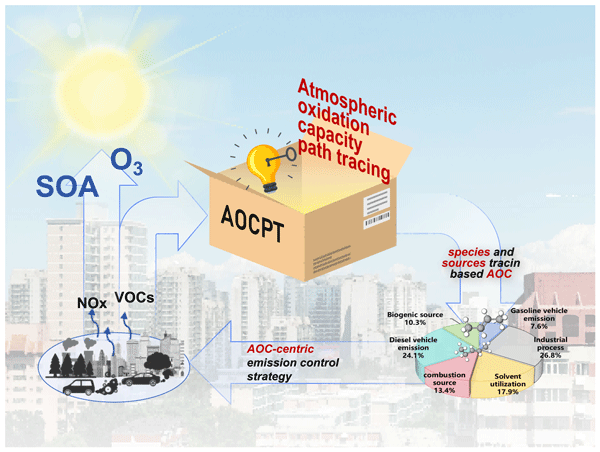
Atmospheric Oxidation Capacity (AOC) is the key driver for forming secondary pollutants like ozone (O3) and Secondary Organic Aerosol (SOA). The secondary pollution remains severe in China and its co-control challenging. To address this, an atmospheric oxidation path tracking (AOCPT) approach was introduced. This approach facilitates the synergistic control of O3 and SOA through source apportionment and targeted regulation of AOC, offering a strategy for effective air quality management.
Xi Chen, Xiaoyang Chen, Long Wang, Shucheng Chang, Minhui Li, Chong Shen, Chenghao Liao, Yongbo Zhang, Mei Li, and Xuemei Wang
Atmos. Chem. Phys., 26, 879–897, https://doi.org/10.5194/acp-26-879-2026, https://doi.org/10.5194/acp-26-879-2026, 2026
Short summary
Short summary
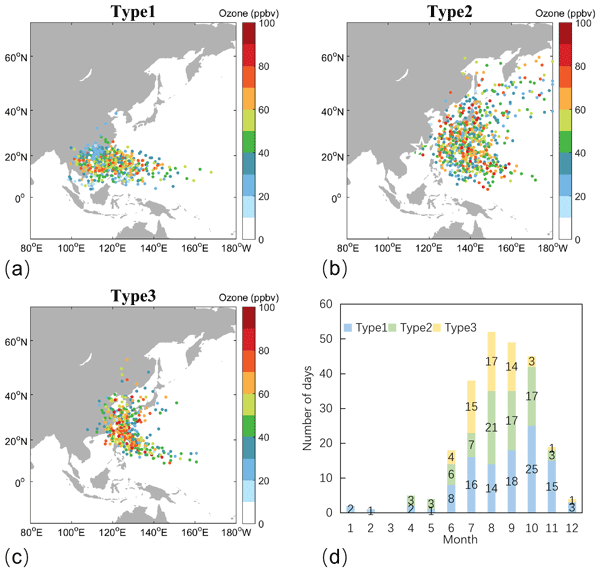
Typhoons moving north near China create ozone pollution in Guangdong by combining strong sunlight with stagnant air. These tyhoons also push ozone-rich air from high altitudes down to ground level. When multiple north-moving typhoons occur back-to-back, they cause widespread and long-lasting ozone pollution. Vertical air currents during these events can contribute up to 16 % of boundary layer ozone.
Song Liu, Xiaopu Lyu, Fumo Yang, Zongbo Shi, Xin Huang, Tengyu Liu, Hongli Wang, Mei Li, Jian Gao, Nan Chen, Guoliang Shi, Yu Zou, Chenglei Pei, Chengxu Tong, Xinyi Liu, Li Zhou, Alex B. Guenther, and Nan Wang
Atmos. Chem. Phys., 26, 635–646, https://doi.org/10.5194/acp-26-635-2026, https://doi.org/10.5194/acp-26-635-2026, 2026
Short summary
Short summary
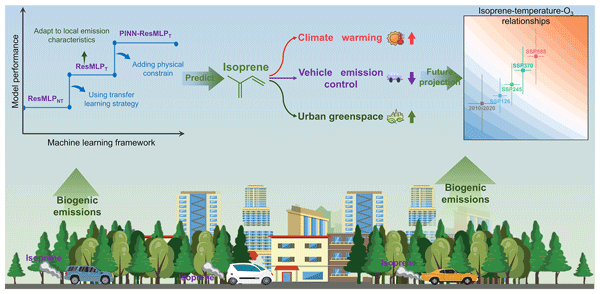
We studied the invisible gas isoprene, which trees and vehicles release into the air and which can worsen urban smog. Using advanced computer learning trained on measurements from many cities, we uncovered how temperature, sunlight, and city greening shape isoprene levels. Comparing Hong Kong and London, we found climate warming boosts isoprene and future ozone pollution, but strong cuts in anthropogenic emission could limit this impact.
Weichao Huang, Sihang Wang, Peng Cheng, Bingna Chen, Bin Yuan, Pengfei Yu, Haichao Wang, Nan Ma, Mei Li, and Keding Lu
Atmos. Chem. Phys., 25, 15403–15414, https://doi.org/10.5194/acp-25-15403-2025, https://doi.org/10.5194/acp-25-15403-2025, 2025
Short summary
Short summary
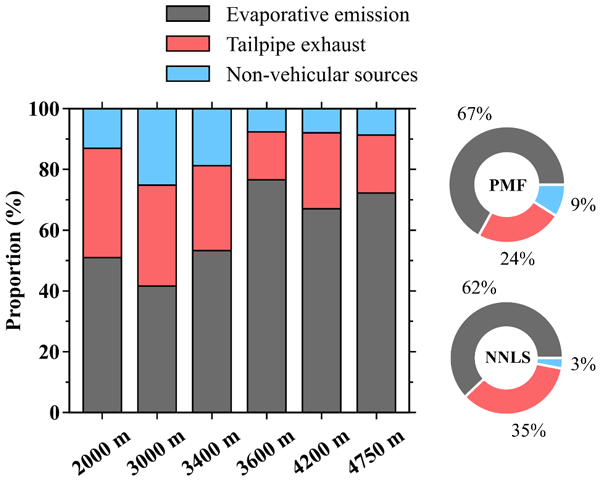
We studied vehicle emissions from ten 3000-meter tunnels on the Tibetan Plateau. Emissions of volatile organic compounds (VOCs) increase with elevation due to the evaporation of fuel oil from low pressure, unlike at lower elevations where tailpipe is predominant. This suggests that specific emission control measures are needed. This research aims to understand emissions at high altitudes and to guide cleaner transport.
Xiufeng Lian, Yongjiang Xu, Fengxian Liu, Long Peng, Xiaodong Hu, Guigang Tang, Xu Dao, Hui Guo, Liwei Wang, Bo Huang, Chunlei Cheng, Lei Li, Guohua Zhang, Xinhui Bi, Xiaofei Wang, Zhen Zhou, and Mei Li
Atmos. Chem. Phys., 25, 8891–8905, https://doi.org/10.5194/acp-25-8891-2025, https://doi.org/10.5194/acp-25-8891-2025, 2025
Short summary
Short summary
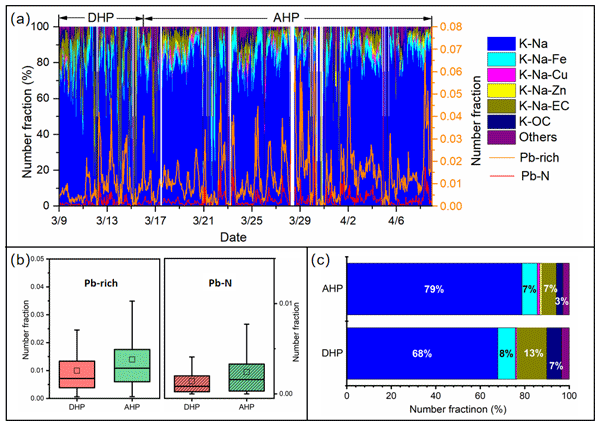
In this study, we analyzed the mixing state and atmospheric chemical processes of Pb-rich single particles in Beijing. We focused on analyzing the differences in Pb-rich particles between the heating period and non-heating period, as well as the formation mechanism of lead nitrate after coal-to-gas conversion. Our results highlighted the improvement of Pb levels in the particulate as a result of coal-to-gas conversion.
Zhouxing Zou, Tianshu Chen, Qianjie Chen, Weihang Sun, Shichun Han, Zhuoyue Ren, Xinyi Li, Wei Song, Aoqi Ge, Qi Wang, Xiao Tian, Chenglei Pei, Xinming Wang, Yanli Zhang, and Tao Wang
Atmos. Chem. Phys., 25, 8147–8161, https://doi.org/10.5194/acp-25-8147-2025, https://doi.org/10.5194/acp-25-8147-2025, 2025
Short summary
Short summary
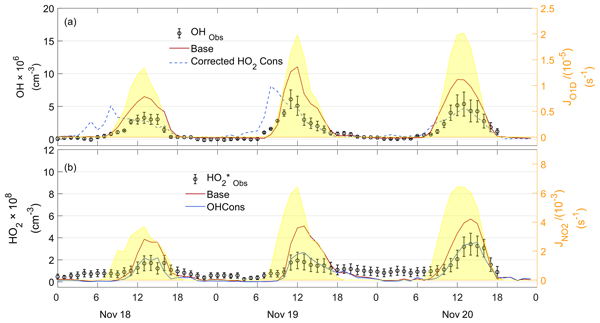
We measured ambient OH and HO2* (HO2 and contribution from RO2, organic peroxyl radicals) concentrations at a subtropical rural site and compared our observations with model results. During warm periods, the model overestimated concentrations of OH and HO2, leading to overestimation of ozone and nitric acid production. Our findings highlight the need to better understand how OH and HO2 are formed and removed, which is important for accurate air quality and climate predictions.
Baoshuang Liu, Yao Gu, Yutong Wu, Qili Dai, Shaojie Song, Yinchang Feng, and Philip K. Hopke
Atmos. Chem. Phys., 24, 12861–12879, https://doi.org/10.5194/acp-24-12861-2024, https://doi.org/10.5194/acp-24-12861-2024, 2024
Short summary
Short summary
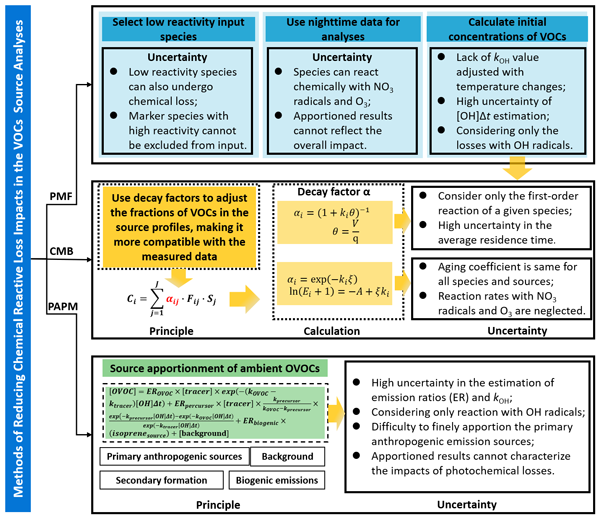
Reactive loss of volatile organic compounds (VOCs) is a long-term issue yet to be resolved in VOC source analyses. We assess common methods of, and existing issues in, reducing losses, impacts of losses, and sources in current source analyses. We offer a potential supporting role for solving issues of VOC conversion. Source analyses of consumed VOCs that reacted to produce ozone and secondary organic aerosols can play an important role in the effective control of secondary pollution in air.
Haoqi Wang, Xiao Tian, Wanting Zhao, Jiacheng Li, Haoyu Yu, Yinchang Feng, and Shaojie Song
Atmos. Chem. Phys., 24, 6583–6592, https://doi.org/10.5194/acp-24-6583-2024, https://doi.org/10.5194/acp-24-6583-2024, 2024
Short summary
Short summary
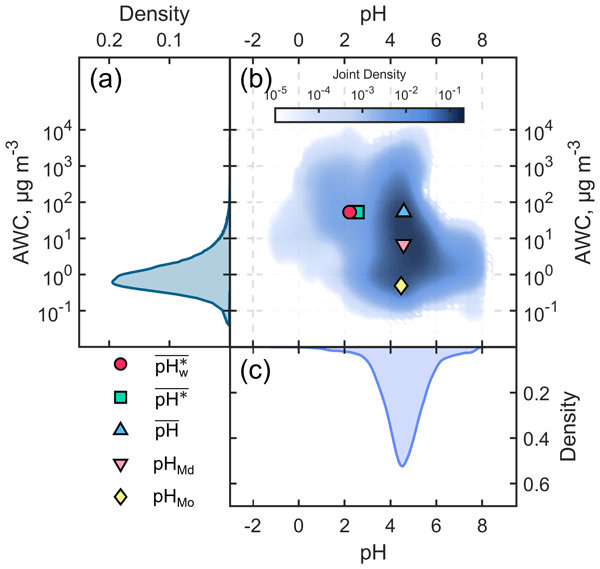
pH is a key property of ambient aerosols, which affect many atmospheric processes. As aerosol pH is a non-conservative parameter, diverse averaging metrics and temporal resolutions may influence the pH values calculated by thermodynamic models. This technical note seeks to quantitatively evaluate the average pH using varied metrics and resolutions. The ultimate goal is to establish standardized reporting practices in future research endeavors.

Liangbin Wu, Cheng Wu, Tao Deng, Dui Wu, Mei Li, Yong Jie Li, and Zhen Zhou
Atmos. Meas. Tech., 17, 2917–2936, https://doi.org/10.5194/amt-17-2917-2024, https://doi.org/10.5194/amt-17-2917-2024, 2024
Short summary
Short summary
Field comparison of dual-spot (AE33) and single-spot (AE31) Aethalometers by full-year collocated measurements suggests that site-specific correction factors are needed to ensure the long-term data continuity for AE31-to-AE33 transition in black carbon monitoring networks; babs agrees well between AE33 and AE31, with slight variations by wavelength (slope: 0.87–1.04; R2: 0.95–0.97). A ~ 20 % difference in secondary brown carbon light absorption was found between AE33 and AE31.
Xubing Du, Qinhui Xie, Qing Huang, Xuan Li, Junlin Yang, Zhihui Hou, Jingjing Wang, Xue Li, Zhen Zhou, Zhengxu Huang, Wei Gao, and Lei Li
Atmos. Meas. Tech., 17, 1037–1050, https://doi.org/10.5194/amt-17-1037-2024, https://doi.org/10.5194/amt-17-1037-2024, 2024
Short summary
Short summary
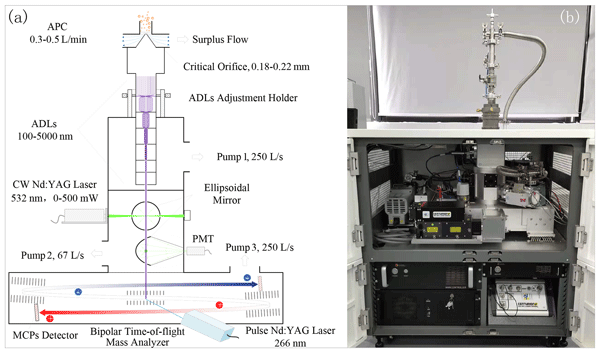
Currently, the limitations of single-particle mass spectrometry detection capabilities render it not yet well suited for analyzing complex aerosol components in low-concentration environments. In this study, a new high-performance single-particle aerosol mass spectrometer (HP-SPAMS) is developed to enhance instrument performance regarding the number of detected particles, transmission efficiency, resolution, and sensitivity, which will help in aerosol science.
Guowen He, Cheng He, Haofan Wang, Xiao Lu, Chenglei Pei, Xiaonuan Qiu, Chenxi Liu, Yiming Wang, Nanxi Liu, Jinpu Zhang, Lei Lei, Yiming Liu, Haichao Wang, Tao Deng, Qi Fan, and Shaojia Fan
Atmos. Chem. Phys., 23, 13107–13124, https://doi.org/10.5194/acp-23-13107-2023, https://doi.org/10.5194/acp-23-13107-2023, 2023
Short summary
Short summary
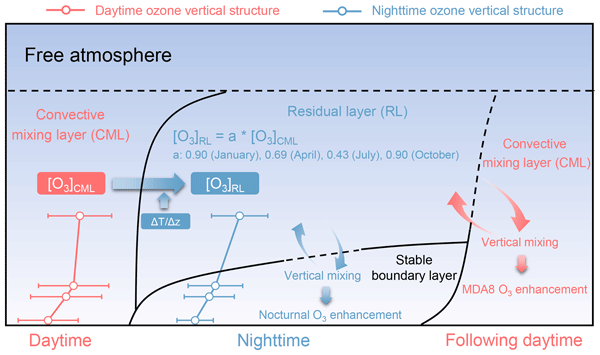
We analyze nighttime ozone in the lower boundary layer (up to 500 m) from the 2017–2019 measurements at the Canton Tower and the WRF-CMAQ model. We identify a strong ability of the residual layer to store daytime ozone in the convective mixing layer, investigate the chemical and meteorological factors controlling nighttime ozone in the residual layer, and quantify the contribution of nighttime ozone in the residual layer to both the nighttime and the following day’s surface ozone air quality.
Bojiang Su, Xinhui Bi, Zhou Zhang, Yue Liang, Congbo Song, Tao Wang, Yaohao Hu, Lei Li, Zhen Zhou, Jinpei Yan, Xinming Wang, and Guohua Zhang
Atmos. Chem. Phys., 23, 10697–10711, https://doi.org/10.5194/acp-23-10697-2023, https://doi.org/10.5194/acp-23-10697-2023, 2023
Short summary
Short summary
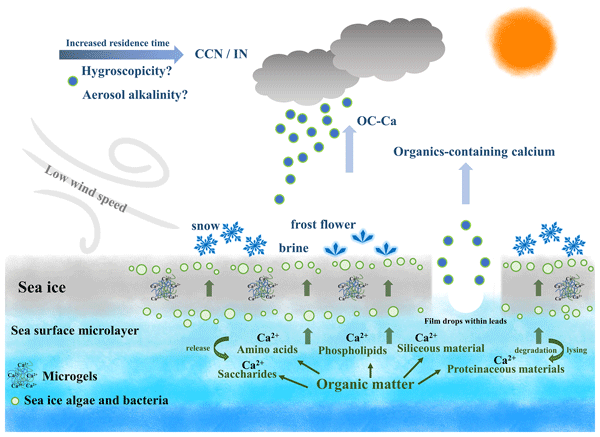
During the R/V Xuelong cruise observation over the Ross Sea, Antarctica, the mass concentrations of water-soluble Ca2+ and the mass spectra of individual calcareous particles were measured. Our results indicated that lower temperature, lower wind speed, and the presence of sea ice may facilitate Ca2+ enrichment in sea spray aerosols and highlighted the potential contribution of organically complexed calcium to calcium enrichment, which is inaccurate based solely on water-soluble Ca2+ estimation.

Liyuan Zhou, Zhancong Liang, Brix Raphael Go, Rosemarie Ann Infante Cuevas, Rongzhi Tang, Mei Li, Chunlei Cheng, and Chak K. Chan
Atmos. Chem. Phys., 23, 5251–5261, https://doi.org/10.5194/acp-23-5251-2023, https://doi.org/10.5194/acp-23-5251-2023, 2023
Short summary
Short summary
This study reveals the sulfate formation in photosensitized particles from biomass burning under UV and SO2, of which the relative atmospheric importance in sulfate production was qualitatively compared to nitrate photolysis. On the basis of single-particle aerosol mass spectrometry measurements, the number percentage of sulfate-containing particles and relative peak area of sulfate in single-particle spectra exhibited a descending order of 3,4-dimethoxybenzaldehyde > vanillin > syringaldehyde.
Tingting Feng, Yingkun Wang, Weiwei Hu, Ming Zhu, Wei Song, Wei Chen, Yanyan Sang, Zheng Fang, Wei Deng, Hua Fang, Xu Yu, Cheng Wu, Bin Yuan, Shan Huang, Min Shao, Xiaofeng Huang, Lingyan He, Young Ro Lee, Lewis Gregory Huey, Francesco Canonaco, Andre S. H. Prevot, and Xinming Wang
Atmos. Chem. Phys., 23, 611–636, https://doi.org/10.5194/acp-23-611-2023, https://doi.org/10.5194/acp-23-611-2023, 2023
Short summary
Short summary
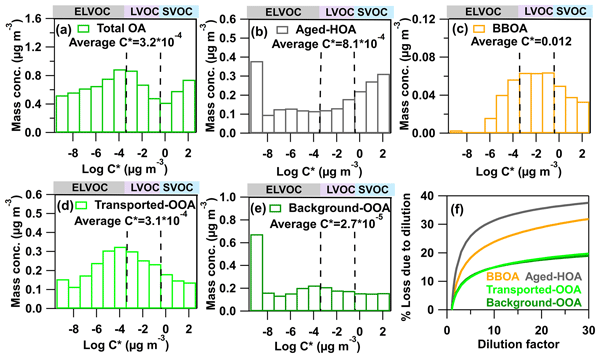
To investigate the impact of aging processes on organic aerosols (OA), we conducted a comprehensive field study at a continental remote site using an on-line mass spectrometer. The results show that OA in the Chinese outflows were strongly influenced by upwind anthropogenic emissions. The aging processes can significantly decrease the OA volatility and result in a varied viscosity of OA under different circumstances, signifying the complex physiochemical properties of OA in aged plumes.
Zhancong Liang, Liyuan Zhou, Xinyue Li, Rosemarie Ann Infante Cuevas, Rongzhi Tang, Mei Li, Chunlei Cheng, Yangxi Chu, and Chak Keung Chan
Atmos. Chem. Phys. Discuss., https://doi.org/10.5194/acp-2022-838, https://doi.org/10.5194/acp-2022-838, 2022
Preprint withdrawn
Short summary
Short summary
Incense burning is a common religious ritual, especially in Asian and African communities, with massive particles emitted. While previous research mainly focused on the chemical compositions and potential health impacts of fresh incense particles, our work reveals that nitrate, accompanied by SOA, can rapidly form in incense-burning particles upon photochemical oxidation in the atmosphere. This finding could deepen our understanding of air pollution caused by religious activities.
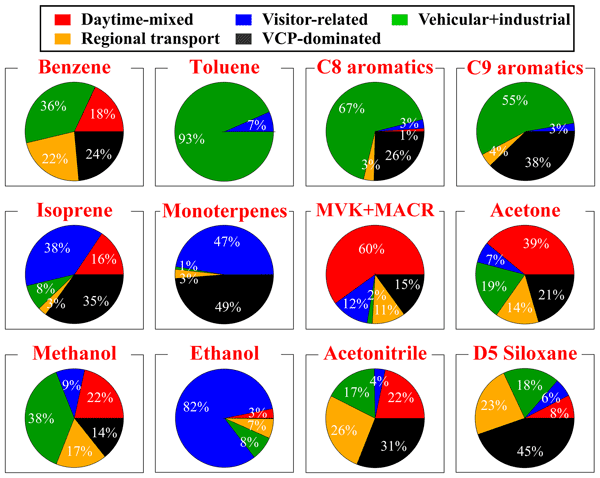
Xiao-Bing Li, Bin Yuan, Sihang Wang, Chunlin Wang, Jing Lan, Zhijie Liu, Yongxin Song, Xianjun He, Yibo Huangfu, Chenglei Pei, Peng Cheng, Suxia Yang, Jipeng Qi, Caihong Wu, Shan Huang, Yingchang You, Ming Chang, Huadan Zheng, Wenda Yang, Xuemei Wang, and Min Shao
Atmos. Chem. Phys., 22, 10567–10587, https://doi.org/10.5194/acp-22-10567-2022, https://doi.org/10.5194/acp-22-10567-2022, 2022
Short summary
Short summary
High-time-resolution measurements of volatile organic compounds (VOCs) were made using an online mass spectrometer at a 600 m tall tower in urban region. Compositions, temporal variations, and sources of VOCs were quantitatively investigated in this study. We find that VOC measurements in urban regions aloft could better characterize source characteristics of anthropogenic emissions. Our results could provide important implications in making future strategies for control of VOCs.
Xuan Li, Lei Li, Zeming Zhuo, Guohua Zhang, Xubing Du, Xue Li, Zhengxu Huang, Zhen Zhou, and Zhi Cheng
EGUsphere, https://doi.org/10.5194/egusphere-2022-598, https://doi.org/10.5194/egusphere-2022-598, 2022
Preprint archived
Short summary
Short summary
The particle size and chemical composition of bioaerosol were analyzed based on single particle aerosol mass spectrometer. Fungal aerosol of 10 μm was measured for the first time and the characteristic spectrum of bioaerosol was updated. The ion peak ratio method can distinguish bioaerosols from interferers by 97 %. The factors influencing the differentiation of bioaerosols are also discussed. Single particle mass spectrometry can be a new method for real-time identification of bioaerosols.
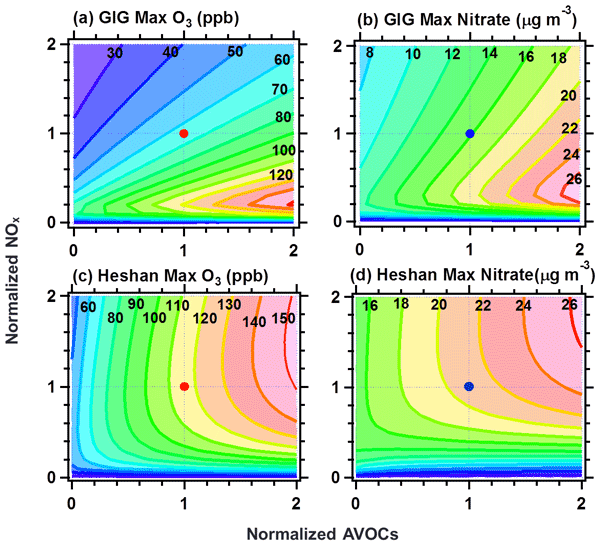
Suxia Yang, Bin Yuan, Yuwen Peng, Shan Huang, Wei Chen, Weiwei Hu, Chenglei Pei, Jun Zhou, David D. Parrish, Wenjie Wang, Xianjun He, Chunlei Cheng, Xiao-Bing Li, Xiaoyun Yang, Yu Song, Haichao Wang, Jipeng Qi, Baolin Wang, Chen Wang, Chaomin Wang, Zelong Wang, Tiange Li, E Zheng, Sihang Wang, Caihong Wu, Mingfu Cai, Chenshuo Ye, Wei Song, Peng Cheng, Duohong Chen, Xinming Wang, Zhanyi Zhang, Xuemei Wang, Junyu Zheng, and Min Shao
Atmos. Chem. Phys., 22, 4539–4556, https://doi.org/10.5194/acp-22-4539-2022, https://doi.org/10.5194/acp-22-4539-2022, 2022
Short summary
Short summary
We use a model constrained using observations to study the formation of nitrate aerosol in and downwind of a representative megacity. We found different contributions of various chemical reactions to ground-level nitrate concentrations between urban and suburban regions. We also show that controlling VOC emissions are effective for decreasing nitrate formation in both urban and regional environments, although VOCs are not direct precursors of nitrate aerosol.
Jiaxing Sun, Zhe Wang, Wei Zhou, Conghui Xie, Cheng Wu, Chun Chen, Tingting Han, Qingqing Wang, Zhijie Li, Jie Li, Pingqing Fu, Zifa Wang, and Yele Sun
Atmos. Chem. Phys., 22, 561–575, https://doi.org/10.5194/acp-22-561-2022, https://doi.org/10.5194/acp-22-561-2022, 2022
Short summary
Short summary
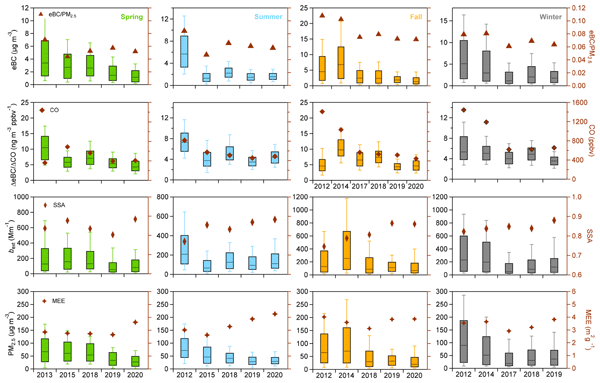
We analyzed 9-year measurements of BC and aerosol optical properties from 2012 to 2020 in Beijing, China. Our results showed large reductions in BC and light extinction coefficient due to the Clean Air Action Plan. As a response, both SSA and mass extinction efficiency (MEE) showed considerable increases, demonstrating a future challenge in visibility improvement. The primary and secondary BrC was also separated and quantified, and the changes in radiative forcing of BC and BrC were estimated.
Qi En Zhong, Chunlei Cheng, Zaihua Wang, Lei Li, Mei Li, Dafeng Ge, Lei Wang, Yuanyuan Li, Wei Nie, Xuguang Chi, Aijun Ding, Suxia Yang, Duohong Chen, and Zhen Zhou
Atmos. Chem. Phys., 21, 17953–17967, https://doi.org/10.5194/acp-21-17953-2021, https://doi.org/10.5194/acp-21-17953-2021, 2021
Short summary
Short summary
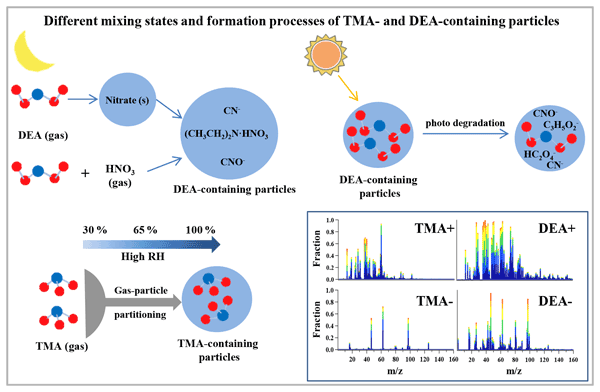
Particulate amines play important roles in new particle formation, aerosol acidity, and hygroscopicity. Most of the field observations did not distinguish the different behavior of each type amine under the same ambient influencing factors. In this study, two amine-containing single particles exhibited different mixing states and disparate enrichment of secondary organics, which provide insight into the discriminated fates of organics during the formation and evolution processes.
Wei Sun, Yuzhen Fu, Guohua Zhang, Yuxiang Yang, Feng Jiang, Xiufeng Lian, Bin Jiang, Yuhong Liao, Xinhui Bi, Duohong Chen, Jianmin Chen, Xinming Wang, Jie Ou, Ping'an Peng, and Guoying Sheng
Atmos. Chem. Phys., 21, 16631–16644, https://doi.org/10.5194/acp-21-16631-2021, https://doi.org/10.5194/acp-21-16631-2021, 2021
Short summary
Short summary
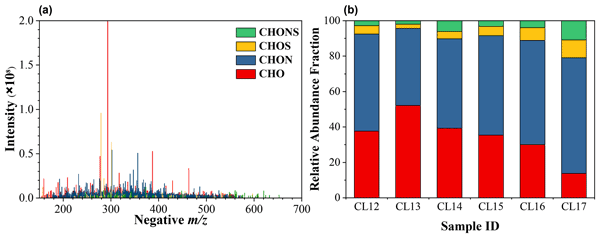
We sampled cloud water at a remote mountain site and investigated the molecular characteristics. CHON and CHO are dominant in cloud water. No statistical difference in the oxidation state is observed between cloud water and interstitial PM2.5. Most of the formulas are aliphatic and olefinic species. CHON, with aromatic structures and organosulfates, are abundant, especially in nighttime samples. The in-cloud and multi-phase dark reactions likely contribute significantly.
Cited articles
Ahmadov, R., Gerbig, C., Kretschmer, R., Koerner, S., Neininger, B., Dolman, A., and Sarrat, C.: Mesoscale covariance of transport and CO2 fluxes: Evidence from observations and simulations using the WRF-VPRM coupled atmosphere-biosphere model, J. Geophys. Res.-Atmos., 112, https://doi.org/10.1029/2007JD008552, 2007.
Allouche, M., Bou-Zeid, E., and Iipponen, J.: The influence of synoptic wind on land–sea breezes, Q. J. Roy. Meteor. Soc., 149, 3198–3219, https://doi.org/10.1002/qj.4552, 2023.
Atkins, N. T. and Wakimoto, R. M.: Influence of the synoptic-scale flow on sea breezes observed during CaPE, Mon. Weather Rev., 125, 2112–2130, https://doi.org/10.1175/1520-0493(1997)125<2112:IOTSSF>2.0.CO;2, 1997.
Berhanu, T. A., Szidat, S., Brunner, D., Satar, E., Schanda, R., Nyfeler, P., Battaglia, M., Steinbacher, M., Hammer, S., and Leuenberger, M.: Estimation of the fossil fuel component in atmospheric CO2 based on radiocarbon measurements at the Beromünster tall tower, Switzerland, Atmos. Chem. Phys., 17, 10753–10766, https://doi.org/10.5194/acp-17-10753-2017, 2017.
Boon, A., Broquet, G., Clifford, D. J., Chevallier, F., Butterfield, D. M., Pison, I., Ramonet, M., Paris, J.-D., and Ciais, P.: Analysis of the potential of near-ground measurements of CO2 and CH4 in London, UK, for the monitoring of city-scale emissions using an atmospheric transport model, Atmos. Chem. Phys., 16, 6735–6756, https://doi.org/10.5194/acp-16-6735-2016, 2016.
Briber, B. M., Hutyra, L. R., Dunn, A. L., Raciti, S. M., and Munger, J. W.: Variations in atmospheric CO2 mixing ratios across a Boston, MA urban to rural gradient, Land, 2, 304–327, https://doi.org/10.3390/land2030304, 2013.
Cai, Z., Che, K., Liu, Y., Yang, D., Liu, C., and Yue, X.: Decreased anthropogenic CO2 emissions during the COVID-19 pandemic estimated from FTS and MAX-DOAS measurements at urban Beijing, Remote Sens.-Basel, 13, 517, https://doi.org/10.3390/rs13030517, 2021.
Che, K., Liu, Y., Cai, Z., Yang, D., Wang, H., Ji, D., Yang, Y., and Wang, P.: Characterization of regional combustion efficiency using ΔXCO : ΔXCO2 observed by a portable Fourier-Transform Spectrometer at an urban site in Beijing, Adv. Atmos. Sci., 39, 1299–1315, https://doi.org/10.1007/s00376-022-1247-7, 2022a.
Che, K., Cai, Z., Liu, Y., Wu, L., Yang, D., Chen, Y., Meng, X., Zhou, M., Wang, J., Yao, L., and Wang, P.: Lagrangian inversion of anthropogenic CO2 emissions from Beijing using differential column measurements, Environ. Res. Lett., 17, https://doi.org/10.1088/1748-9326/ac7477, 2022b.
Chen, Y., Ma, Q., Lin, W., Xu, X., Yao, J., and Gao, W.: Measurement report: Long-term variations in carbon monoxide at a background station in China's Yangtze River Delta region, Atmos. Chem. Phys., 20, 15969–15982, https://doi.org/10.5194/acp-20-15969-2020, 2020.
Chen, Y., Lu, Y., Qi, B., Ma, Q., Zang, K., Lin, Y., Liu, S., Pan, F., Li, S., and Guo, P.: Atmospheric CO2 in the megacity Hangzhou, China: Urban-suburban differences, sources and impact factors, Sci. Total Environ., 926, 171635, https://doi.org/10.1016/j.scitotenv.2024.171635, 2024.
Corro, L. M., Bagstad, K. J., Heris, M. P., Ibsen, P. C., Schleeweis, K. G., Diffendorfer, J. E., Troy, A., Megown, K., and O'Neil-Dunne, J. P. M.: An enhanced national-scale urban tree canopy cover dataset for the United States, Sci. Data, 12, 490, https://doi.org/10.1038/s41597-025-04816-0, 2025.
Crippa, M., Solazzo, E., Huang, G., Guizzardi, D., Koffi, E., Muntean, M., Schieberle, C., Friedrich, R., and Janssens-Maenhout, G.: High resolution temporal profiles in the Emissions Database for Global Atmospheric Research, Sci. Data, 7, https://doi.org/10.1038/s41597-020-0462-2, 2020.
Crippa, M., Guizzardi, D., Pisoni, E., Solazzo, E., Guion, A., Muntean, M., Florczyk, A., Schiavina, M., Melchiorri, M., and Hutfilter, A. F.: Global anthropogenic emissions in urban areas: patterns, trends, and challenges, Environ. Res. Lett., 16, https://doi.org/10.1088/1748-9326/ac00e2, 2021.
Crippa, M., Guizzardi, D., Pagani, F., Banja, M., Muntean, M., Schaaf, E., Monforti-Ferrario, F., Becker, W. E., Quadrelli, R., Risquez Martin, A., Taghavi-Moharamli, P., Köykkä, J., Grassi, G., Rossi, S., Melo, J., Oom, D., Branco, A., San-Miguel, J., Manca, G., Pisoni, E., Vignati, E., and Pekar, F.: GHG emissions of all world countries, Publications Office of the European Union, https://doi.org/10.2760/4002897, 2024.
Deng, A., Lauvaux, T., Davis, K. J., Gaudet, B. J., Miles, N., Richardson, S. J., Wu, K., Sarmiento, D. P., Hardesty, R. M., and Bonin, T. A.: Toward reduced transport errors in a high resolution urban CO2 inversion system, Elem. Sci. Anth., 5, 20, https://doi.org/10.1525/elementa.133, 2017.
Didan, K.: MOD13A3 MODIS/Terra Vegetation Indices Monthly L3 Global 1km SIN Grid V006, NASA Land Processes Distributed Active Archive Center [data set], https://doi.org/10.5067/MODIS/MOD13A3.006, 2015.
Dusenge, M. E., Duarte, A. G., and Way, D. A.: Plant carbon metabolism and climate change: elevated CO2 and temperature impacts on photosynthesis, photorespiration and respiration, New Phytol., 221, 32–49, https://doi.org/10.1111/nph.15283, 2019.
Fasoli, B.: uataq/stilt: Geoscientific Model Development 2018 (v1.0), Zenodo [code], https://doi.org/10.5281/zenodo.1196561, 2018.
Fasoli, B., Lin, J. C., Bowling, D. R., Mitchell, L., and Mendoza, D.: Simulating atmospheric tracer concentrations for spatially distributed receptors: updates to the Stochastic Time-Inverted Lagrangian Transport model's R interface (STILT-R version 2), Geosci. Model Dev., 11, 2813–2824, https://doi.org/10.5194/gmd-11-2813-2018, 2018.
Gao, S., Zhang, X., and Chen, M.: Spatiotemporal dynamics and driving forces of city-level CO2 emissions in China from 2000 to 2019, J. Clean. Prod., 377, 134358, https://doi.org/10.1016/j.jclepro.2022.134358, 2022.
Gao, Y., Lee, X., Liu, S., Hu, N., Wei, X., Hu, C., Liu, C., Zhang, Z., and Yang, Y.: Spatiotemporal variability of the near-surface CO2 concentration across an industrial-urban-rural transect, Nanjing, China, Sci. Total Environ., 631, 1192–1200, https://doi.org/10.1016/j.scitotenv.2018.03.126, 2018.
Gately, C. K. and Hutyra, L. R.: Large Uncertainties in Urban-Scale Carbon Emissions, J. Geophys. Res.-Atmos., 122, https://doi.org/10.1002/2017jd027359, 2017.
George, K., Ziska, L. H., Bunce, J. A., and Quebedeaux, B.: Elevated atmospheric CO2 concentration and temperature across an urban–rural transect, Atmos. Environ., 41, 7654–7665, https://doi.org/10.1016/j.atmosenv.2007.08.018, 2007.
Gerbig, C., Lin, J., Wofsy, S., Daube, B., Andrews, A., Stephens, B., Bakwin, P., and Grainger, C.: Toward constraining regional-scale fluxes of CO2 with atmospheric observations over a continent: 2. Analysis of COBRA data using a receptor-oriented framework, J. Geophys. Res.-Atmos., 108, https://doi.org/10.1029/2002JD003018, 2003.
Glauch, T., Marshall, J., Gerbig, C., Botía, S., Gałkowski, M., Vardag, S. N., and Butz, A.: pyVPRM: a next-generation vegetation photosynthesis and respiration model for the post-MODIS era, Geosci. Model Dev., 18, 4713–4742, https://doi.org/10.5194/gmd-18-4713-2025, 2025.
Griffin, R. J., Chen, J., Carmody, K., Vutukuru, S., and Dabdub, D.: Contribution of gas phase oxidation of volatile organic compounds to atmospheric carbon monoxide levels in two areas of the United States, J. Geophys. Res.-Atmos., 112, https://doi.org/10.1029/2006JD007602, 2007.
Guangzhou Municipal Bureau of Statistics: Guangzhou Statistical Yearbook 2024, Tech. rep., https://tjj.gz.gov.cn/datav/admin/home/www_nj/ (last access: 1 December 2025), 2024.
Gurney, K. R., Patarasuk, R., Liang, J., Song, Y., O'Keeffe, D., Rao, P., Whetstone, J. R., Duren, R. M., Eldering, A., and Miller, C.: The Hestia fossil fuel CO2 emissions data product for the Los Angeles megacity (Hestia-LA), Earth Syst. Sci. Data, 11, 1309–1335, https://doi.org/10.5194/essd-11-1309-2019, 2019.
Han, P., Yao, B., Cai, Q., Chen, H., Sun, W., Liang, M., Zhang, X., Zhao, M., Martin, C., Liu, Z., Ye, H., Wang, P., Li, Y., and Zeng, N.: Support Carbon Neutral Goal with a High-Resolution Carbon Monitoring System in Beijing, B. Am. Meteorol. Soc., 105, E2461–E2481, https://doi.org/10.1175/bams-d-23-0025.1, 2024.
Han, S., Kondo, Y., Oshima, N., Takegawa, N., Miyazaki, Y., Hu, M., Lin, P., Deng, Z., Zhao, Y., and Sugimoto, N.: Temporal variations of elemental carbon in Beijing, J. Geophys. Res.-Atmos., 114, https://doi.org/10.1029/2009JD012027, 2009.
Hao, T., Chen, S., Cai, Z., Shan, X., Meng, L., Han, S., and Dong, G.: Influence of sea breeze on atmospheric pollutant concentration over Tianjin, China Environmental Science, 37, 3247–3257, https://doi.org/10.3969/j.issn.1000-6923.2017.09.006, 2017.
Hao, T., Chen, S., Liu, J., Tang, Y., and Han, S.: An observational study on the impact of sea-land breeze and low-level jet on air pollutant transport in the Bohai Bay, Atmos. Pollut. Res., 15, 102143, https://doi.org/10.1016/j.apr.2024.102143, 2024.
He, H., Kramer, R. J., Soden, B. J., and Jeevanjee, N.: State dependence of CO2 forcing and its implications for climate sensitivity, Science, 382, 7, https://doi.org/10.1126/science.abq6872, 2023.
Hersbach, H., Bell, B., Berrisford, P., Biavati, G., Horányi, A., Muñoz Sabater, J., Nicolas, J., Peubey, C., Radu, R., Rozum, I., Schepers, D., Simmons, A., Soci, C., Dee, D., and Thépaut, J.-N: ERA5 hourly data on single levels from 1940 to present, Copernicus Climate Change Service (C3S) Climate Data Store (CDS) [data set], https://doi.org/10.24381/cds.adbb2d47, 2023.
Hu, M., Wang, Y., Wang, S., Jiao, M., Huang, G., and Xia, B.: Spatial-temporal heterogeneity of air pollution and its relationship with meteorological factors in the Pearl River Delta, China, Atmos. Environ., 254, 118415, https://doi.org/10.1016/j.atmosenv.2021.118415, 2021.
Huang, Y., Li, S., Zhu, Y., Liu, Y., Hong, Y., Chen, X., Deng, W., Xi, X., Lu, X., and Fan, Q.: Increasing sea-land breeze frequencies over coastal areas of China in the past five decades, Geophys. Res. Lett., 52, e2024GL112480, https://doi.org/10.1029/2024GL112480, 2025.
Hüser, I., Harder, H., Heil, A., and Kaiser, J. W.: Assumptions about footprint layer heights influence the quantification of emission sources: a case study for Cyprus, Atmos. Chem. Phys., 17, 10955–10967, https://doi.org/10.5194/acp-17-10955-2017, 2017.
Kim, J., Berelson, W. M., Rollins, N. E., Asimow, N. G., Newman, C., Cohen, R. C., Miller, J. B., McDonald, B. C., Peischl, J., and Lehman, S. J.: Observing Anthropogenic and Biogenic CO2 Emissions in Los Angeles Using a Dense Sensor Network, Environ. Sci. Technol., 59, 3508–3517, https://doi.org/10.1021/acs.est.4c11392, 2025.
Kumar, P.: Climate change and cities: challenges ahead, Front. Sustain. Cities, 3, 645613, https://doi.org/10.3389/frsc.2021.645613, 2021.
Kunik, L., Mallia, D. V., Gurney, K. R., Mendoza, D. L., Oda, T., and Lin, J. C.: Bayesian inverse estimation of urban CO2 emissions: Results from a synthetic data simulation over Salt Lake City, UT, Elem. Sci. Anth., 7, 36, https://doi.org/10.1525/elementa.375, 2019.
Lauvaux, T., Miles, N. L., Deng, A., Richardson, S. J., Cambaliza, M. O., Davis, K. J., Gaudet, B., Gurney, K. R., Huang, J., O'Keefe, D., Song, Y., Karion, A., Oda, T., Patarasuk, R., Razlivanov, I., Sarmiento, D., Shepson, P., Sweeney, C., Turnbull, J., and Wu, K.: High-resolution atmospheric inversion of urban CO2 emissions during the dormant season of the Indianapolis Flux Experiment (INFLUX), J. Geophys. Res.-Atmos., 121, 5213–5236, https://doi.org/10.1002/2015JD024473, 2016.
Lei, B.-Q., Li, L., and Chan, P. W.: Long-term trend in the sea-land breeze in Hong Kong, Urban. Clim., 55, 101981, https://doi.org/10.1016/j.uclim.2024.101981, 2024.
Leroyer, S., Bélair, S., Husain, S. Z., and Mailhot, J.: Subkilometer numerical weather prediction in an urban coastal area: A case study over the Vancouver metropolitan area, J. Appl. Meteorol. Clim., 53, 1433–1453, https://doi.org/10.1175/JAMC-D-13-0202.1, 2014.
Lian, J., Lauvaux, T., Utard, H., Bréon, F.-M., Broquet, G., Ramonet, M., Laurent, O., Albarus, I., Chariot, M., Kotthaus, S., Haeffelin, M., Sanchez, O., Perrussel, O., Denier van der Gon, H. A., Dellaert, S. N. C., and Ciais, P.: Can we use atmospheric CO2 measurements to verify emission trends reported by cities? Lessons from a 6-year atmospheric inversion over Paris, Atmos. Chem. Phys., 23, 8823–8835, https://doi.org/10.5194/acp-23-8823-2023, 2023.
Lin, J. C., Gerbig, C., Wofsy, S., Andrews, A., Daube, B., Davis, K., and Grainger, C.: A near-field tool for simulating the upstream influence of atmospheric observations: The Stochastic Time-Inverted Lagrangian Transport (STILT) model, J. Geophys. Res.-Atmos., 108, https://doi.org/10.1029/2002JD003161, 2003.
Lin, J. C., Bares, R., Fasoli, B., Garcia, M., Crosman, E., and Lyman, S.: Declining methane emissions and steady, high leakage rates observed over multiple years in a western US oil/gas production basin, Sci. Rep.-UK, 11, 22291, https://doi.org/10.1038/s41598-021-01721-5, 2021.
Liu, C., Huang, J.-P., Diao, Y.-W., Wen, X.-F., Xiao, W., Zhang, M., Lee, X.-H., and Liu, S.-D.: Optimization and evaluation of vegetation photosynthesis and respiration model using the measurements collected from the forest site of subtropical coniferous-evergreen, Chinese Journal of Plant Ecology, 39, 388–397, https://doi.org/10.17521/cjpe.2015.0038, 2015.
Liu, H., Chan, J. C., and Cheng, A. Y.: Internal boundary layer structure under sea-breeze conditions in Hong Kong, Atmos. Environ., 35, 683–692, https://doi.org/10.1016/S1352-2310(00)00335-6, 2001.
Liu, W., Niu, Z., Feng, X., Zhou, W., Liang, D., Wang, G., and Liu, L.: Determining the key meteorological factors affecting atmospheric CO2 and CH4 using machine learning algorithms at a suburban site in China, Urban. Clim., 59, 102312, https://doi.org/10.1016/j.uclim.2025.102312, 2025.
Ma, M., Gao, Y., Ding, A., Su, H., Liao, H., Wang, S., Wang, X., Zhao, B., Zhang, S., Fu, P., Guenther, A. B., Wang, M., Li, S., Chu, B., Yao, X., and Gao, H.: Development and Assessment of a High-Resolution Biogenic Emission Inventory from Urban Green Spaces in China, Environ. Sci. Technol., 56, 175–184, https://doi.org/10.1021/acs.est.1c06170, 2022.
Mai, B., Deng, X., Liu, X., Li, T., Guo, J., and Ma, Q.: The climatology of ambient CO2 concentrations from long-term observation in the Pearl River Delta region of China: Roles of anthropogenic and biogenic processes, Atmos. Environ., 251, 118266, https://doi.org/10.1016/j.atmosenv.2021.118266, 2021.
Mai, B., Diao, Y., Yang, H., Deng, T., Zou, Y., Wang, Y., Lan, W., Liu, X., and Deng, X.: Assessing atmospheric CO2 concentrations and contributions from biogenic and anthropogenic sources in the Pearl River Delta region, Urban. Clim., 54, 101864, https://doi.org/10.1016/j.uclim.2024.101864, 2024a.
Mai, J., Yu, L., Deng, T., Wu, D., Qing, P., and Yu, X.: Impact of sea-land breezes on the ozone pollution over the Pearl River Estuary, China Environmental Science, 45, 1198–1209, https://doi.org/10.19674/j.cnki.issn1000-6923.20241102.001, 2024b.
Menzer, O. and McFadden, J. P.: Statistical partitioning of a three-year time series of direct urban net CO2 flux measurements into biogenic and anthropogenic components, Atmos. Environ., 170, 319–333, https://doi.org/10.1016/j.atmosenv.2017.09.049, 2017.
Miller, J. B., Lehman, S. J., Verhulst, K. R., Miller, C. E., Duren, R. M., Yadav, V., Newman, S., and Sloop, C. D.: Large and seasonally varying biospheric CO2 fluxes in the Los Angeles megacity revealed by atmospheric radiocarbon, P. Natl. Acad. Sci. USA, 117, 26681–26687, https://doi.org/10.1073/pnas.2005253117, 2020.
Mitchell, L. E., Lin, J. C., Bowling, D. R., Pataki, D. E., Strong, C., Schauer, A. J., Bares, R., Bush, S. E., Stephens, B. B., and Mendoza, D.: Long-term urban carbon dioxide observations reveal spatial and temporal dynamics related to urban characteristics and growth, P. Natl. Acad. Sci. USA, 115, 2912–2917, https://doi.org/10.1073/pnas.1702393115, 2018.
Nalini, K., Lauvaux, T., Abdallah, C., Lian, J., Ciais, P., Utard, H., Laurent, O., and Ramonet, M.: High-resolution Lagrangian inverse modeling of CO2 emissions over the Paris region during the first 2020 lockdown period, J. Geophys. Res.-Atmos., 127, e2021JD036032, https://doi.org/10.1029/2021JD036032, 2022.
Newman, S., Jeong, S., Fischer, M. L., Xu, X., Haman, C. L., Lefer, B., Alvarez, S., Rappenglueck, B., Kort, E. A., Andrews, A. E., Peischl, J., Gurney, K. R., Miller, C. E., and Yung, Y. L.: Diurnal tracking of anthropogenic CO2 emissions in the Los Angeles basin megacity during spring 2010, Atmos. Chem. Phys., 13, 4359–4372, https://doi.org/10.5194/acp-13-4359-2013, 2013.
Pan, C., Zhu, X., Wei, N., Zhu, X., She, Q., Jia, W., Liu, M., and Xiang, W.: Spatial variability of daytime CO2 concentration with landscape structure across urbanization gradients, Shanghai, China, Clim. Res., 69, 107–116, https://doi.org/10.3354/cr01394, 2016.
Park, C., Jeong, S., Shin, Y.-S., Cha, Y.-S., and Lee, H.-C.: Reduction in urban atmospheric CO2 enhancement in Seoul, South Korea, resulting from social distancing policies during the COVID-19 pandemic, Atmos. Pollut. Res., 12, 101176, https://doi.org/10.1016/j.apr.2021.101176, 2021.
Pitt, J. R., Lopez-Coto, I., Hajny, K. D., Tomlin, J., Kaeser, R., Jayarathne, T., Stirm, B. H., Floerchinger, C. R., Loughner, C. P., and Gately, C. K.: New York City greenhouse gas emissions estimated with inverse modeling of aircraft measurements, Elem. Sci. Anth., 10, 00082, https://doi.org/10.1525/elementa.2021.00082, 2022.
Qingdao Municipal Bureau of Statistics: Qingdao Statistical Yearbook 2024, Tech. rep., http://qdtj.qingdao.gov.cn/tongjisj/tjsj_tjnj/tjnj_2024/202501/P020250114376271252952.pdf (last access: 1 December 2025), 2024.
Qiu, X. and Fan, S.: Study on the application of auto-meteorological station data in local circulations analysis such as the sea-land breeze, Acta Scientiarum Naturalium Universitatis Sunyatseni, 52, 133–136, https://doi.org/10.13471/j.cnki.acta.snus.2013.02.025, 2013.
Reddy, T. R., Mehta, S. K., Ananthavel, A., Ali, S., Annamalai, V., and Rao, D. N.: Seasonal characteristics of sea breeze and thermal internal boundary layer over Indian east coast region, Meteorol. Atmos. Phys., 133, 217–232, https://doi.org/10.1007/s00703-020-00746-1, 2021.
Sargent, M., Barrera, Y., Nehrkorn, T., Hutyra, L. R., Gately, C. K., Jones, T., McKain, K., Sweeney, C., Hegarty, J., Hardiman, B., Wang, J. A., and Wofsy, S. C.: Anthropogenic and biogenic CO2 fluxes in the Boston urban region, P. Natl. Acad. Sci. USA, 115, 7491–7496, https://doi.org/10.1073/pnas.1803715115, 2018.
Shen, L., Zhao, C., Ma, Z., Li, Z., Li, J., and Wang, K.: Observed decrease of summer sea-land breeze in Shanghai from 1994 to 2014 and its association with urbanization, Atmos. Res., 227, 198–209, https://doi.org/10.1016/j.atmosres.2019.05.007, 2019.
Shen, L., Zhao, C., and Yang, X.: Climate-driven characteristics of sea-land breezes over the globe, Geophys. Res. Lett., 48, e2020GL092308, https://doi.org/10.1029/2020GL092308, 2021.
Shen, L., Zhao, C., Xu, C., Yan, Y., Chen, A., Yang, Y., Hang, R., Zhu, Y., Zhang, Z., and Song, X.: Effects of sea land breeze on air-sea turbulent heat fluxes in different seasons using platform observation in East China Sea, J. Geophys. Res.-Atmos., 129, e2023JD040001, https://doi.org/10.1029/2023JD040001, 2024.
Shenzhen Municipal Bureau of Statistics: Shenzhen Statistical Yearbook, Tech. rep., https://tjj.sz.gov.cn/attachment/1/1568/1568796/12061198.pdf (last access: 1 December 2025), 2024.
Shusterman, A. A., Kim, J., Lieschke, K. J., Newman, C., Wooldridge, P. J., and Cohen, R. C.: Observing local CO2 sources using low-cost, near-surface urban monitors, Atmos. Chem. Phys., 18, 13773–13785, https://doi.org/10.5194/acp-18-13773-2018, 2018.
Soininen, J., Kohonen, K.-M., Rantala, P., Kulmala, L., Aaltonen, H., and Järvi, L.: Carbon uptake of an urban green space inferred from carbonyl sulfide fluxes, npj Clim. Atmos. Sci., 8, https://doi.org/10.1038/s41612-025-00958-5, 2025.
Stauffer, R. M., Thompson, A. M., Martins, D. K., Clark, R. D., Goldberg, D. L., Loughner, C. P., Delgado, R., Dickerson, R. R., Stehr, J. W., and Tzortziou, M. A.: Bay breeze influence on surface ozone at Edgewood, MD during July 2011, J. Atmos. Chem., 72, 335–353, https://doi.org/10.1007/s10874-012-9241-6, 2015.
Sun, L., Tian, W., Zhang, W., Liu, C., and Fang, C.: Characteristics of sea-land breezes and their impact on PM2.5 and O3 in Shanghai and adjacent areas, Acta Scientiae Circumstantiae, 42, 339–350, https://doi.org/10.13671/j.hjkxxb.2022.0111, 2022.
Tianjin Municipal Bureau of Statistics: Tianjin Statistical Yearbook, Tech. rep., https://stats.tj.gov.cn/nianjian/2024nj/zk/indexch.htm (last access: 1 December 2025), 2024.
Turnbull, J. C., Tans, P. P., Lehman, S. J., Baker, D., Conway, T. J., Chung, Y., Gregg, J., Miller, J. B., Southon, J. R., and Zhou, L. X.: Atmospheric observations of carbon monoxide and fossil fuel CO2 emissions from East Asia, J. Geophys. Res.-Atmos., 116, https://doi.org/10.1029/2011JD016691, 2011.
Turnbull, J. C., Sweeney, C., Karion, A., Newberger, T., Lehman, S. J., Tans, P. P., Davis, K. J., Lauvaux, T., Miles, N. L., and Richardson, S. J.: Toward quantification and source sector identification of fossil fuel CO2 emissions from an urban area: Results from the INFLUX experiment, J. Geophys. Res.-Atmos., 120, 292–312, https://doi.org/10.1002/2014JD022555, 2015.
Turnbull, J. C., Karion, A., Davis, K. J., Lauvaux, T., Miles, N. L., Richardson, S. J., Sweeney, C., McKain, K., Lehman, S. J., and Gurney, K. R.: Synthesis of urban CO2 emission estimates from multiple methods from the Indianapolis Flux Project (INFLUX), Environ. Sci. Technol., 53, 287–295, https://doi.org/10.1021/acs.est.8b05552, 2018.
Velasco, E., Roth, M., Tan, S. H., Quak, M., Nabarro, S. D. A., and Norford, L.: The role of vegetation in the CO2 flux from a tropical urban neighbourhood, Atmos. Chem. Phys., 13, 10185–10202, https://doi.org/10.5194/acp-13-10185-2013, 2013.
Verhulst, K. R., Karion, A., Kim, J., Salameh, P. K., Keeling, R. F., Newman, S., Miller, J., Sloop, C., Pongetti, T., Rao, P., Wong, C., Hopkins, F. M., Yadav, V., Weiss, R. F., Duren, R. M., and Miller, C. E.: Carbon dioxide and methane measurements from the Los Angeles Megacity Carbon Project – Part 1: calibration, urban enhancements, and uncertainty estimates, Atmos. Chem. Phys., 17, 8313–8341, https://doi.org/10.5194/acp-17-8313-2017, 2017.
Vimont, I. J., Turnbull, J. C., Petrenko, V. V., Place, P. F., Sweeney, C., Miles, N., Richardson, S., Vaughn, B. H., and White, J. W. C.: An improved estimate for the δ13C and δ18O signatures of carbon monoxide produced from atmospheric oxidation of volatile organic compounds, Atmos. Chem. Phys., 19, 8547–8562, https://doi.org/10.5194/acp-19-8547-2019, 2019.
Wang, B., Geddes, J. A., Adams, T. J., Lind, E. S., McDonald, B. C., He, J., Harkins, C., Li, D., and Pfister, G. G.: Implications of sea breezes on air quality monitoring in a coastal urban environment: Evidence from high resolution modeling of NO2 and O3, J. Geophys. Res.-Atmos., 128, e2022JD037860, https://doi.org/10.1029/2022JD037860, 2023.
Wang, P., Zhou, W., Niu, Z., Xiong, X., Wu, S., Cheng, P., Hou, Y., Lu, X., and Du, H.: Spatio-temporal variability of atmospheric CO2 and its main causes: A case study in Xi'an city, China, Atmos. Res., 249, 105346, https://doi.org/10.1016/j.atmosres.2020.105346, 2021.
Wang, P., Zhou, W., Xiong, X., Wu, S., Niu, Z., Yu, Y., Liu, J., Feng, T., Cheng, P., and Du, H.: Source attribution of atmospheric CO2 using 14C and 13C as tracers in two Chinese megacities during winter, J. Geophys. Res.-Atmos., 127, e2022JD036504, https://doi.org/10.1029/2022JD036504, 2022.
Wang, Y., Munger, J. W., Xu, S., McElroy, M. B., Hao, J., Nielsen, C. P., and Ma, H.: CO2 and its correlation with CO at a rural site near Beijing: implications for combustion efficiency in China, Atmos. Chem. Phys., 10, 8881–8897, https://doi.org/10.5194/acp-10-8881-2010, 2010.
Wei, D., Reinmann, A., Schiferl, L. D., and Commane, R.: High resolution modeling of vegetation reveals large summertime biogenic CO2 fluxes in New York City, Environ. Res. Lett., 17, 124031, https://doi.org/10.1088/1748-9326/aca68f, 2022.
WMO: WMO Greenhouse Gas Bulletin No. 20 – The State of Greenhouse Gases in the Atmosphere Based on Global Observations through 2023, Tech. rep., https://library.wmo.int/idurl/4/69057 (last access: 18 June 2025), 2024.
WMO: GAW Report No. 314 – Integrated Global Greenhouse Gas Information System: Urban Emission Observation and Monitoring Good Research Practice Guidelines, Tech. rep., https://library.wmo.int/idurl/4/69623 (last access: 1 December 2025), 2025.
Wu, D., Lin, J. C., Duarte, H. F., Yadav, V., Parazoo, N. C., Oda, T., and Kort, E. A.: A model for urban biogenic CO2 fluxes: Solar-Induced Fluorescence for Modeling Urban biogenic Fluxes (SMUrF v1), Geosci. Model Dev., 14, 3633–3661, https://doi.org/10.5194/gmd-14-3633-2021, 2021.
Wu, D., Liu, J., Wennberg, P. O., Palmer, P. I., Nelson, R. R., Kiel, M., and Eldering, A.: Towards sector-based attribution using intra-city variations in satellite-based emission ratios between CO2 and CO, Atmos. Chem. Phys., 22, 14547–14570, https://doi.org/10.5194/acp-22-14547-2022, 2022a.
Wu, K., Davis, K. J., Miles, N. L., Richardson, S. J., Lauvaux, T., Sarmiento, D. P., Balashov, N. V., Keller, K., Turnbull, J., and Gurney, K. R.: Source decomposition of eddy-covariance CO2 flux measurements for evaluating a high-resolution urban CO2 emissions inventory, Environ. Res. Lett., 17, 074035, https://doi.org/10.1088/1748-9326/ac7c29, 2022b.
Wu, M., Wu, D., Fan, Q., Wang, B. M., Li, H. W., and Fan, S. J.: Observational studies of the meteorological characteristics associated with poor air quality over the Pearl River Delta in China, Atmos. Chem. Phys., 13, 10755–10766, https://doi.org/10.5194/acp-13-10755-2013, 2013.
Xiao, Y., Yang, J., Cui, L., Deng, J., Fu, P., and Zhu, J.: Weakened Sea-Land Breeze in a Coastal Megacity Driven by Urbanization and Ocean Warming, Earth's Future, 11, e2022EF003341, https://doi.org/10.1029/2022EF003341, 2023.
Xu, R., Tong, D., Xiao, Q., Qin, X., Chen, C., Yan, L., Cheng, J., Cui, C., Hu, H., and Liu, W.: MEIC-global-CO2: A new global CO2 emission inventory with highly-resolved source category and sub-country information, Sci. China Earth Sci, 67, 450–465, https://doi.org/10.1007/s11430-023-1230-3, 2024.
Xueref-Remy, I., Dieudonné, E., Vuillemin, C., Lopez, M., Lac, C., Schmidt, M., Delmotte, M., Chevallier, F., Ravetta, F., Perrussel, O., Ciais, P., Bréon, F.-M., Broquet, G., Ramonet, M., Spain, T. G., and Ampe, C.: Diurnal, synoptic and seasonal variability of atmospheric CO2 in the Paris megacity area, Atmos. Chem. Phys., 18, 3335–3362, https://doi.org/10.5194/acp-18-3335-2018, 2018.
Yadav, V., Ghosh, S., Mueller, K., Karion, A., Roest, G., Gourdji, S. M., Lopez-Coto, I., Gurney, K. R., Parazoo, N., and Verhulst, K. R.: The impact of COVID-19 on CO2 emissions in the Los Angeles and Washington DC/Baltimore metropolitan areas, Geophys. Res. Lett., 48, e2021GL092744, https://doi.org/10.1029/2021GL092744, 2021.
Yang, H., Wu, K., Shen, H., Janssens-Maenhout, G., Crippa, M., Guizzardi, D., and Zhou, M.: A comparative analysis of China's anthropogenic CO2 emissions (2000–2023): insights from six bottom-up inventories and uncertainty assessment, Atmos. Chem. Phys., 25, 18111–18127, https://doi.org/10.5194/acp-25-18111-2025, 2025.
Yang, J. and Huang, X.: The 30 m annual land cover datasets and its dynamics in China from 1985 to 2024, in: Earth System Science Data (1.0.4, Vol. 13, Number 1, pp. 3907–3925), Zenodo [data set], https://doi.org/10.5281/zenodo.15853565, 2025.
Yang, T., Li, H. Y., Cao, J., Lu, Q. Q., Wang, Z. F., He, L. T., Sun, H. H., and Han, K.: Investigating the climatology of North China's urban inland lake based on six years of observations, Sci. Total Environ., 826, https://doi.org/10.1016/j.scitotenv.2022.154120, 2022.
Yang, Y., Zhou, M., Wang, T., Yao, B., Han, P., Ji, D., Zhou, W., Sun, Y., Wang, G., and Wang, P.: Spatial and temporal variations of CO2 mole fractions observed at Beijing, Xianghe, and Xinglong in North China, Atmos. Chem. Phys., 21, 11741–11757, https://doi.org/10.5194/acp-21-11741-2021, 2021.
Ye, X., Lauvaux, T., Kort, E. A., Oda, T., Feng, S., Lin, J. C., Yang, E. G., and Wu, D.: Constraining fossil fuel CO2 emissions from urban area using OCO-2 observations of total column CO2, J. Geophys. Res.-Atmos., 125, e2019JD030528, https://doi.org/10.1029/2019JD030528, 2020.
You, C. and Chi-Hung Fung, J.: Characteristics of the Sea-Breeze Circulation in the Pearl River Delta Region and Its Dynamical Diagnosis, J. Appl. Meteorol. Clim., 58, 741–755, https://doi.org/10.1175/jamc-d-18-0153.1, 2019.
Young, H. A., Turnbull, J. C., Keller, E. D., Domingues, L. G., Parry-Thompson, J., Hilton, T. W., Brailsford, G. W., Gray, S., Moss, R. C., and Mikaloff-Fletcher, S.: Urban flask measurements of CO2ff and CO to identify emission sources at different site types in Auckland, New Zealand, Philos. T. Roy. Soc. A, 381, 20220204, https://doi.org/10.1098/rsta.2022.0204, 2023.
Zhang, L., Lin, J., Shao, Y., Huang, S., Fan, S., and Wei, W.: Understanding the impact of sea and land breezes on ozone pollution in the Pearl River Delta, Acta Scientiae Circumstantiae, 44, 74–85, https://doi.org/10.13671/j.hjkxxb.2023.0285, 2024.
Zhao, D., Xin, J., Wang, W., Jia, D., Wang, Z., Xiao, H., Liu, C., Zhou, J., Tong, L., and Ma, Y.: Effects of the sea-land breeze on coastal ozone pollution in the Yangtze River Delta, China, Sci. Total Environ., 807, 150306, https://doi.org/10.1016/j.scitotenv.2021.150306, 2022.
Zheng, B., Tong, D., Li, M., Liu, F., Hong, C., Geng, G., Li, H., Li, X., Peng, L., Qi, J., Yan, L., Zhang, Y., Zhao, H., Zheng, Y., He, K., and Zhang, Q.: Trends in China's anthropogenic emissions since 2010 as the consequence of clean air actions, Atmos. Chem. Phys., 18, 14095–14111, https://doi.org/10.5194/acp-18-14095-2018, 2018.
Zheng, Y., Jiang, F., Feng, S., Shen, Y., Liu, H., Guo, H., Lyu, X., Jia, M., and Lou, C.: Large-scale land-sea interactions extend ozone pollution duration in coastal cities along northern China, Env. Sci. Ecotechnol., 18, 100322, https://doi.org/10.1016/j.ese.2023.100322, 2024.
Short summary
Inadequate characterization of carbon dioxide (CO2) dynamics limits the understanding of coastal megacity carbon cycles. Using an observation-driven framework integrating high-precision CO2/CO measurements, this study shows that the "coastal CO2 dome" can shift seasonally away from the urban core, reveals nonlinear sea–land breeze effects, quantifies urban vegetation's role in CO2 budgets, thereby providing new insights into coastal carbon monitoring and mitigation assessment.
Inadequate characterization of carbon dioxide (CO2) dynamics limits the understanding of coastal...


Special issue
Altmetrics
Final-revised paper
Preprint