
Articles | Volume 26, issue 19
https://doi.org/10.5194/acp-26-14073-2026
© Author(s) 2026. This work is distributed under
the Creative Commons Attribution 4.0 License.
the Creative Commons Attribution 4.0 License.
https://doi.org/10.5194/acp-26-14073-2026
© Author(s) 2026. This work is distributed under
the Creative Commons Attribution 4.0 License.
the Creative Commons Attribution 4.0 License.
Research article
| 
08 Oct 2026
Research article |
| 08 Oct 2026
| 08 Oct 2026
Isotopic composition of aerosol iron from anthropogenic sources: implications for source apportionment of aerosol iron
Yifan Zhang
State Key Laboratory of Advanced Environmental Technology, Guangzhou Institute of Geochemistry, Chinese Academy of Sciences, Guangzhou, China
College of Earth and Planetary Sciences, University of Chinese Academy of Sciences, Beijing, China
Guanhong Zhu
State Key Laboratory of Deep Earth Processes and Resources, Guangzhou Institute of Geochemistry, Chinese Academy of Sciences, Guangzhou, China
Department of Environmental Health, School of Public Health, Shanxi Medical University, Taiyuan, China
Mingyuan Liu
Division of Ambient Air Monitoring, China National Environmental Monitoring Centre, Beijing, China
Yi Yang
Key Laboratory of Geographic Information Science of the Ministry of Education, School of Geographic Sciences, East China Normal University, Shanghai, China
Tianyu Zhang
State Key Laboratory of Advanced Environmental Technology, Guangzhou Institute of Geochemistry, Chinese Academy of Sciences, Guangzhou, China
Yizhu Chen
State Key Laboratory of Advanced Environmental Technology, Guangzhou Institute of Geochemistry, Chinese Academy of Sciences, Guangzhou, China
Jinlong Ma
CORRESPONDING AUTHOR

State Key Laboratory of Deep Earth Processes and Resources, Guangzhou Institute of Geochemistry, Chinese Academy of Sciences, Guangzhou, China
Xinming Wang
State Key Laboratory of Advanced Environmental Technology, Guangzhou Institute of Geochemistry, Chinese Academy of Sciences, Guangzhou, China
State Key Laboratory of Advanced Environmental Technology, Guangzhou Institute of Geochemistry, Chinese Academy of Sciences, Guangzhou, China
Institute of Surface-Earth System Science, School of Earth System Science, Tianjin University, Tianjin, China
Related authors
Rui Li, Haley E. Plaas, Yifan Zhang, Yizhu Chen, Tianyu Zhang, Yi Yang, Sagar Rathod, Guohua Zhang, Xinming Wang, Douglas S. Hamilton, and Mingjin Tang
Atmos. Chem. Phys., 26, 9037–9060, https://doi.org/10.5194/acp-26-9037-2026, https://doi.org/10.5194/acp-26-9037-2026, 2026
Short summary
Short summary
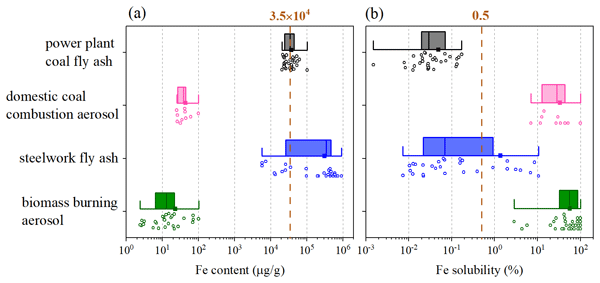
This work measured solubility of aerosol Fe from several distinct anthropogenic sources, updated aerosol Fe solubility parameterizations used in the Community Earth System model, and found that residential burning is a significant source of soluble aerosol Fe to the ocean.
Tianyu Zhang, Yizhu Chen, Huanhuan Zhang, Lei Liu, Chengpeng Huang, Zhengyang Fang, Yifan Zhang, Fu Wang, Lan Luo, Guohua Zhang, Xinming Wang, and Mingjin Tang
Atmos. Chem. Phys., 25, 17091–17106, https://doi.org/10.5194/acp-25-17091-2025, https://doi.org/10.5194/acp-25-17091-2025, 2025
Short summary
Short summary
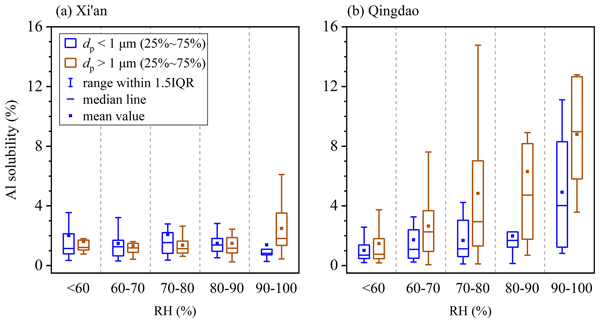
This work investigated seasonal variations of aerosol aluminium solubility for supermicron and submicron particles at two locations in northern China. We conclude that atmospheric chemical processing, in which aerosol liquid water and acidity play vital roles, dictates aerosol aluminium solubility.
Yifan Zhang, Rui Li, Zachary B. Bunnell, Yizhu Chen, Guanhong Zhu, Jinlong Ma, Guohua Zhang, Tim M. Conway, and Mingjin Tang
Atmos. Chem. Phys., 25, 11067–11086, https://doi.org/10.5194/acp-25-11067-2025, https://doi.org/10.5194/acp-25-11067-2025, 2025
Short summary
Short summary
The sources of aerosol Fe, especially soluble aerosol Fe, remain to be constrained. The stable isotope ratio of Fe has emerged as a potential tracer for discriminating and quantifying sources of aerosol Fe. In this review, we examine the state of the field for using Fe isotopes as an aerosol source tracer, and constraints on endmember signatures.
Xiaocong Peng, Wei Song, Guohua Zhang, Qinhao Lin, Jianlin Cheng, Yang Li, Xinru Huang, Baoyi Chen, Jianzhong Song, Yingjun Chen, Gan Zhang, Ping’an Peng, Xinming Wang, and Xinhui Bi
EGUsphere, https://doi.org/10.5194/egusphere-2026-5314, https://doi.org/10.5194/egusphere-2026-5314, 2026
This preprint is open for discussion and under review for Atmospheric Chemistry and Physics (ACP).
Short summary
Short summary
Burning biomass releases black carbon (BC), but its precursors are unclear. We burned two fuels at three temperatures, measuring particles, gases, and BC. Furans, oxygenated aromatics, single-ring aromatics, and polycyclic aromatic hydrocarbons correlated with BC in the particle phase. Higher temperatures boosted BC—not by producing more precursors, but by converting them efficiently. Different fuels also produced distinct molecular fingerprints. These explain why BC emissions vary so much.
Shan Huang, Lina Wu, Yi Kuang, Yuan Liu, Weiwei Hu, Ye Kuang, Wei Li, Qicong Song, Yuwen Peng, Suxia Yang, Mingfu Cai, Duohong Chen, Dingli Yue, Wei Song, Bin Yuan, Xinming Wang, and Min Shao
EGUsphere, https://doi.org/10.5194/egusphere-2026-4552, https://doi.org/10.5194/egusphere-2026-4552, 2026
Short summary
Short summary
This study reports field measurements of particulate organonitrates in a mixed anthropogenic-biogenic subtropical atmosphere, revealing contrasting formation regimes between urban and rural sites. Daytime photochemistry and regional transport dominated urban organonitrates, while nighttime formation from anthropogenic precursors and refractory organic nitrate from biomass burning both contributed to rural organonitrates. Our findings improve understanding of organonitrate formation.
Hua Fang, Hongling Xu, Jun Li, Qina Jia, Shutan Ma, Xuanxuan Duan, Bing Hong, Ting Wu, Fuliu Xu, and Xinming Wang
EGUsphere, https://doi.org/10.5194/egusphere-2026-4389, https://doi.org/10.5194/egusphere-2026-4389, 2026
Short summary
Short summary
We conducted four‑season field measurements of primary intermediate‑volatility organic compounds (IVOCs) at an urban site in the Yangtze River Delta, China. Measured IVOCs peaked in summer and reached a minimum in winter, driven by temperature‑dependent evaporative emissions and gas/particle partitioning. Our findings highlight that evaporative emissions are increasingly important for urban IVOC budgets under climate warming and should be considered in air quality models and control strategies.
Xiao Tian, Hongcheng Lu, Wei Song, Xue Yu, and Xinming Wang
Atmos. Meas. Tech., 19, 4797–4813, https://doi.org/10.5194/amt-19-4797-2026, https://doi.org/10.5194/amt-19-4797-2026, 2026
Short summary
Short summary
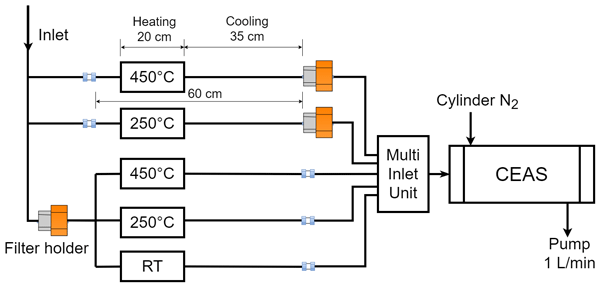
Organic nitrates influence ozone formation and fine particle pollution, yet measuring them in both gas and particle phases remains challenging. We developed an instrument using thermal dissociation with NO2 detector to quantify two organic nitrate classes in both phases. A correction-model corrects biases from nitrogen oxides. Field tests in Guangzhou showed continuous tracking of organic nitrate levels and phase distribution, a tool for studying reactive nitrogen in urban air.
Rui Li, Haley E. Plaas, Yifan Zhang, Yizhu Chen, Tianyu Zhang, Yi Yang, Sagar Rathod, Guohua Zhang, Xinming Wang, Douglas S. Hamilton, and Mingjin Tang
Atmos. Chem. Phys., 26, 9037–9060, https://doi.org/10.5194/acp-26-9037-2026, https://doi.org/10.5194/acp-26-9037-2026, 2026
Short summary
Short summary
This work measured solubility of aerosol Fe from several distinct anthropogenic sources, updated aerosol Fe solubility parameterizations used in the Community Earth System model, and found that residential burning is a significant source of soluble aerosol Fe to the ocean.
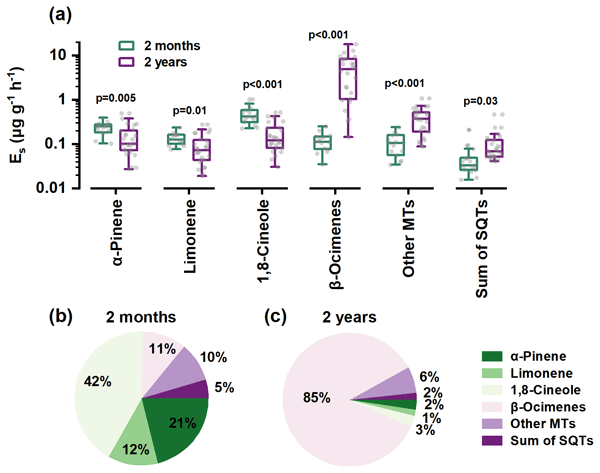
Xiao Tian, Jianqiang Zeng, Yanli Zhang, Weihua Pang, Yuting Lu, Haofan Ran, Hao Guo, Zhaobin Mu, Wei Song, and Xinming Wang
Atmos. Chem. Phys., 26, 6213–6221, https://doi.org/10.5194/acp-26-6213-2026, https://doi.org/10.5194/acp-26-6213-2026, 2026
Short summary
Short summary
This study measured a statistically representative number of 2-month-old and 2-year-old eucalyptus trees using both leaf cuvettes and dynamic branch chambers. It demonstrated equivalent isoprene results between the two enclosure methods, yet contrasting emission magnitude and speciation among age groups. Current seedling- and adult-tree-mixed emission factor databases may thus misjudge ozone and secondary organic aerosol simulation, thus age-resolved data will improve air quality forecasts.
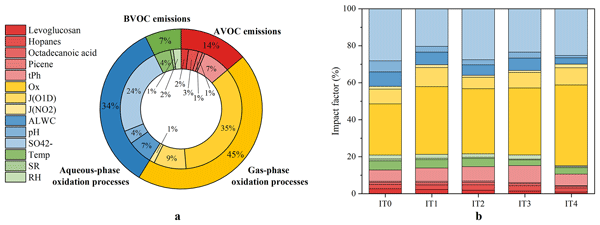
Yunfeng He, Xiang Ding, Quanfu He, Yuqing Zhang, Metin Baykara, Duohong Chen, Tao Zhang, Kong Yang, Junqi Wang, Qian Cheng, Hao Jiang, Zirui Wang, Ping Liu, Xinming Wang, and Michael Boy
Atmos. Chem. Phys., 26, 1093–1107, https://doi.org/10.5194/acp-26-1093-2026, https://doi.org/10.5194/acp-26-1093-2026, 2026
Short summary
Short summary
This study conducted long-term measurements of oxalic acid and molecular markers of primary anthropogenic emissions and secondary organic aerosols (SOA). We found that the reductions in anthropogenic precursors had limited impacts on SOA formation. The results highlight the increasing role of gas-phase oxidation under low-pollution conditions, emphasizing the need for effective ozone control strategies to mitigate SOA formation.
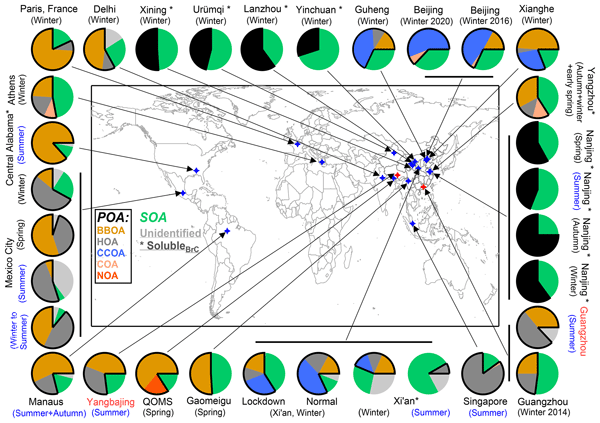
Wenhui Zhao, Weiwei Hu, Zhaoce Liu, Tianle Pan, Tingting Feng, Jun Wang, Yiyu Cai, Lin Liang, Shan Huang, Bin Yuan, Nan Ma, Min Shao, Guohua Zhang, Xinhui Bi, Xinming Wang, and Pengfei Yu
Atmos. Chem. Phys., 26, 135–154, https://doi.org/10.5194/acp-26-135-2026, https://doi.org/10.5194/acp-26-135-2026, 2026
Short summary
Short summary
Our study examined brown carbon – organic aerosols that absorb light – at the remote Tibet and urban Guangzhou. Field data showed Tibet’s brown carbon absorbs about 10 times less than Guangzhou’s, due to cleaner air. Yet, over 75 % of its light absorption still comes from primary emission, which causes over 98 % of its climate-warming effect in both places. This study advances understanding of brown carbon dynamics and its sources in diverse environments for global climate effects.
Tianyu Zhang, Yizhu Chen, Huanhuan Zhang, Lei Liu, Chengpeng Huang, Zhengyang Fang, Yifan Zhang, Fu Wang, Lan Luo, Guohua Zhang, Xinming Wang, and Mingjin Tang
Atmos. Chem. Phys., 25, 17091–17106, https://doi.org/10.5194/acp-25-17091-2025, https://doi.org/10.5194/acp-25-17091-2025, 2025
Short summary
Short summary
This work investigated seasonal variations of aerosol aluminium solubility for supermicron and submicron particles at two locations in northern China. We conclude that atmospheric chemical processing, in which aerosol liquid water and acidity play vital roles, dictates aerosol aluminium solubility.
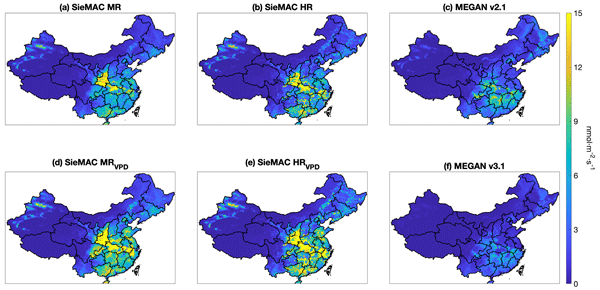
Shengjun Xi, Yuhang Wang, Xiangyang Yuan, Zhaozhong Feng, Fanghe Zhao, Yanli Zhang, and Xinming Wang
Geosci. Model Dev., 18, 8627–8649, https://doi.org/10.5194/gmd-18-8627-2025, https://doi.org/10.5194/gmd-18-8627-2025, 2025
Short summary
Short summary
We developed the Speciated Isoprene Emission Model with Model of Emissions of Gases and Aerosols from Nature Algorithm for China to improve biogenic emission estimates using updated vegetation data and local measurements. The model predicts summer 2013 emissions of 10.92–11.37 teragrams of carbon. Validation shows our model performs better than the existing models, revealing underestimated isoprene impacts on ozone pollution in eastern China.
Mingjin Tang, Morgane M. G. Perron, Alex R. Baker, Rui Li, Andrew R. Bowie, Clifton S. Buck, Ashwini Kumar, Rachel Shelley, Simon J. Ussher, Robert Clough, Scott Meyerink, Prema P. Panda, Ashley T. Townsend, and Neil Wyatt
Atmos. Meas. Tech., 18, 6125–6141, https://doi.org/10.5194/amt-18-6125-2025, https://doi.org/10.5194/amt-18-6125-2025, 2025
Short summary
Short summary
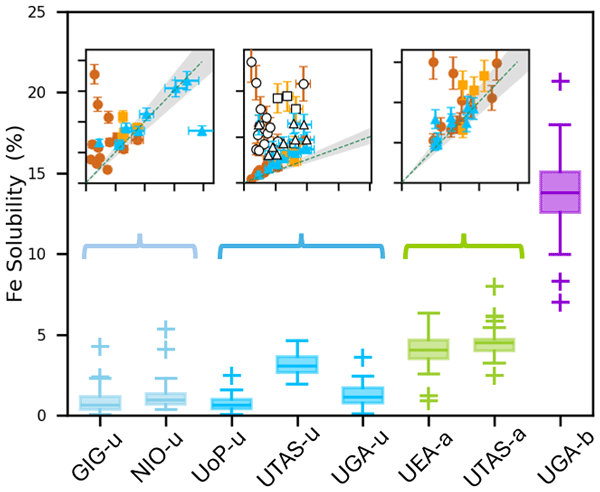
This work, initiated by the SCOR (Scientific Committee on Oceanic Research) Working Group 167, has examined eight leaching protocols commonly used in the literature, is the first large-scale international laboratory comparison for aerosol trace element leaching protocols.
Yunfeng He, Xiang Ding, Quanfu He, Yuqing Zhang, Duohong Chen, Tao Zhang, Kong Yang, Junqi Wang, Qian Cheng, Hao Jiang, Zirui Wang, Ping Liu, Xinming Wang, and Michael Boy
Atmos. Chem. Phys., 25, 13729–13745, https://doi.org/10.5194/acp-25-13729-2025, https://doi.org/10.5194/acp-25-13729-2025, 2025
Short summary
Short summary
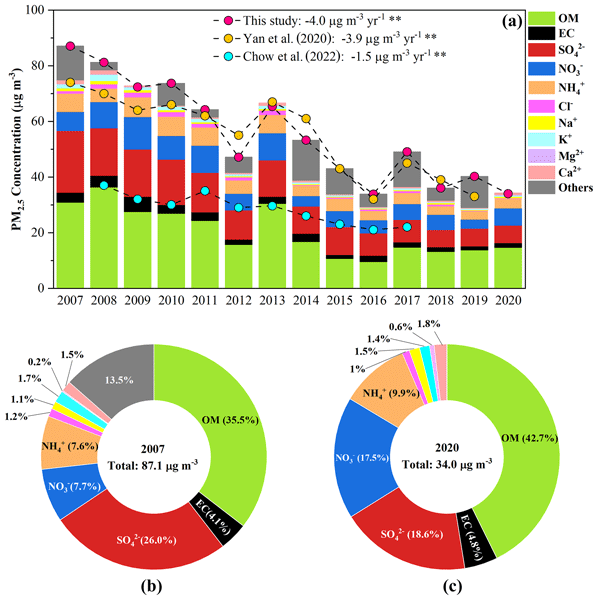
This study presented field measurements of PM2.5 and its chemical composition at a regional background site in the Pearl River Delta (PRD) from 2007 to 2020. As air quality improved, secondary species became more dominant. The changes in chemical composition led to the reductions in aerosol acidity, liquid water content and light extinction coefficient. Our results help to improve understanding of the secondary species formation under decreasing anthropogenic emissions.
Yifan Zhang, Rui Li, Zachary B. Bunnell, Yizhu Chen, Guanhong Zhu, Jinlong Ma, Guohua Zhang, Tim M. Conway, and Mingjin Tang
Atmos. Chem. Phys., 25, 11067–11086, https://doi.org/10.5194/acp-25-11067-2025, https://doi.org/10.5194/acp-25-11067-2025, 2025
Short summary
Short summary
The sources of aerosol Fe, especially soluble aerosol Fe, remain to be constrained. The stable isotope ratio of Fe has emerged as a potential tracer for discriminating and quantifying sources of aerosol Fe. In this review, we examine the state of the field for using Fe isotopes as an aerosol source tracer, and constraints on endmember signatures.
Min Li, Xinfeng Wang, Tianshuai Li, Yujia Wang, Yueru Jiang, Yujiao Zhu, Wei Nie, Rui Li, Jian Gao, Likun Xue, Qingzhu Zhang, and Wenxing Wang
Atmos. Chem. Phys., 25, 8407–8425, https://doi.org/10.5194/acp-25-8407-2025, https://doi.org/10.5194/acp-25-8407-2025, 2025
Short summary
Short summary
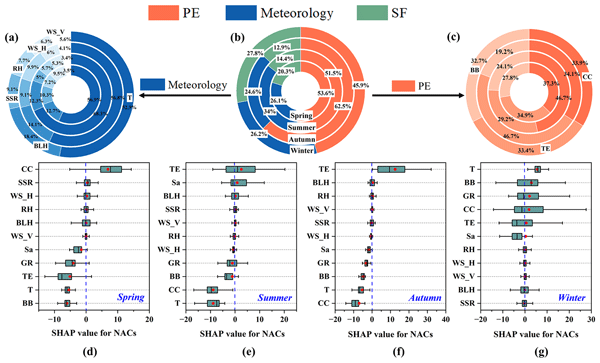
By integrating field measurements with an interpretable ensemble machine learning framework, we comprehensively identified key driving factors of nitro-aromatic compounds (NACs), demonstrated complex interrelationships, and quantified their contributions across different locations. This work provides a reliable modeling approach for recognizing causes of NAC pollution, enhances our understanding of variations of atmospheric NACs, and highlights the necessity of strengthening emission controls.
Zhouxing Zou, Tianshu Chen, Qianjie Chen, Weihang Sun, Shichun Han, Zhuoyue Ren, Xinyi Li, Wei Song, Aoqi Ge, Qi Wang, Xiao Tian, Chenglei Pei, Xinming Wang, Yanli Zhang, and Tao Wang
Atmos. Chem. Phys., 25, 8147–8161, https://doi.org/10.5194/acp-25-8147-2025, https://doi.org/10.5194/acp-25-8147-2025, 2025
Short summary
Short summary
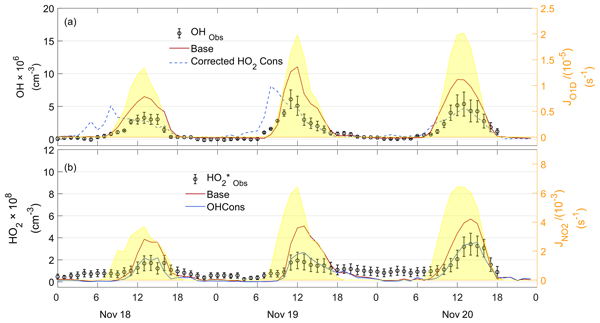
We measured ambient OH and HO2* (HO2 and contribution from RO2, organic peroxyl radicals) concentrations at a subtropical rural site and compared our observations with model results. During warm periods, the model overestimated concentrations of OH and HO2, leading to overestimation of ozone and nitric acid production. Our findings highlight the need to better understand how OH and HO2 are formed and removed, which is important for accurate air quality and climate predictions.
Yue Sun, Yujiao Zhu, Hengde Liu, Lanxiadi Chen, Hongyong Li, Yujian Bi, Di Wu, Xiangkun Yin, Can Cui, Ping Liu, Yu Yang, Jisheng Zhang, Yanqiu Nie, Lanxin Zhang, Jiangshan Mu, Yuhong Liu, Zhaoxin Guo, Qinyi Li, Yuqiang Zhang, Xinfeng Wang, Mingjin Tang, Wenxing Wang, and Likun Xue
EGUsphere, https://doi.org/10.5194/egusphere-2025-2855, https://doi.org/10.5194/egusphere-2025-2855, 2025
Preprint archived
Short summary
Short summary
Rainwater samples collected at the summit of Mount Tai were analyzed for ice-nucleating particles (INPs). Our findings revealed that INP concentrations peaked in spring, driven predominantly by long-range transport of dust aerosols. Mineral dust contributed 43.6 % of annual INPs, with its contribution rising sharply to 71.7 % in spring. Satellite observations further revealed that the long-range transport of dust in spring promotes large-scale cloud formation over the NCP region.
Jianqiang Zeng, Yanli Zhang, Haofan Ran, Weihua Pang, Hao Guo, Zhaobin Mu, Wei Song, and Xinming Wang
Atmos. Meas. Tech., 18, 1811–1821, https://doi.org/10.5194/amt-18-1811-2025, https://doi.org/10.5194/amt-18-1811-2025, 2025
Short summary
Short summary
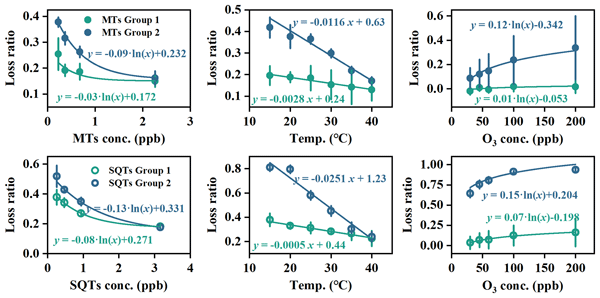
This study revealed the existence of significant species-specific adsorptive and reactive losses of monoterpenes and sesquiterpenes in dynamic chambers. The deuterated α-pinene-d3 and β-caryophyllene-d2 were proven as effective surrogates in tracing these losses for some key monoterpenes and sesquiterpenes. The findings highlight the importance of selecting internal surrogates that closely match the adsorptive and reactive behaviors of target compounds for precise loss correction.
Junling Li, Chaofan Lian, Mingyuan Liu, Hao Zhang, Yongxin Yan, Yufei Song, Chun Chen, Jiaqi Wang, Haijie Zhang, Yanqin Ren, Yucong Guo, Weigang Wang, Yisheng Xu, Hong Li, Jian Gao, and Maofa Ge
Atmos. Chem. Phys., 25, 2551–2568, https://doi.org/10.5194/acp-25-2551-2025, https://doi.org/10.5194/acp-25-2551-2025, 2025
Short summary
Short summary
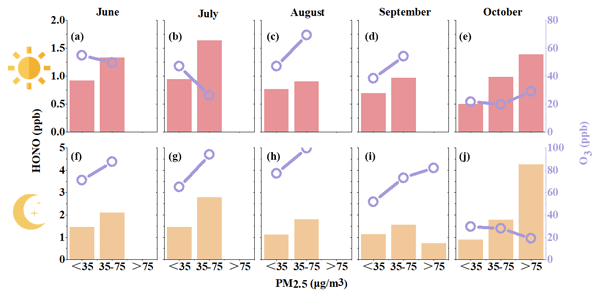
As a key source of hydroxyl (OH) radical, nitrous acid (HONO) has attracted much attention for its important role in the atmospheric oxidant capacity (AOC) increase. In this study, we made a comparison of the ambient levels, variation patterns, sources, and formation pathway in the warm season on the basis of continuous intensive observations at an urban site of Beijing. This work highlights the importance of HONO for the AOC in the warm season.
Tianle Pan, Andrew T. Lambe, Weiwei Hu, Yicong He, Minghao Hu, Huaishan Zhou, Xinming Wang, Qingqing Hu, Hui Chen, Yue Zhao, Yuanlong Huang, Doug R. Worsnop, Zhe Peng, Melissa A. Morris, Douglas A. Day, Pedro Campuzano-Jost, Jose-Luis Jimenez, and Shantanu H. Jathar
Atmos. Meas. Tech., 17, 4915–4939, https://doi.org/10.5194/amt-17-4915-2024, https://doi.org/10.5194/amt-17-4915-2024, 2024
Short summary
Short summary
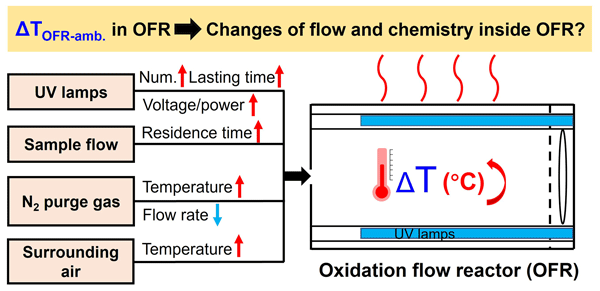
This study systematically characterizes the temperature enhancement in the lamp-enclosed oxidation flow reactor (OFR). The enhancement varied multiple dimensional factors, emphasizing the complexity of temperature inside of OFR. The effects of temperature on the flow field and gas- or particle-phase reaction inside OFR were also evaluated with experiments and model simulations. Finally, multiple mitigation strategies were demonstrated to minimize this temperature increase.
Yuanyuan Qin, Xinghua Zhang, Wei Huang, Juanjuan Qin, Xiaoyu Hu, Yuxuan Cao, Tianyi Zhao, Yang Zhang, Jihua Tan, Ziyin Zhang, Xinming Wang, and Zhenzhen Wang
Atmos. Chem. Phys., 24, 8737–8750, https://doi.org/10.5194/acp-24-8737-2024, https://doi.org/10.5194/acp-24-8737-2024, 2024
Short summary
Short summary
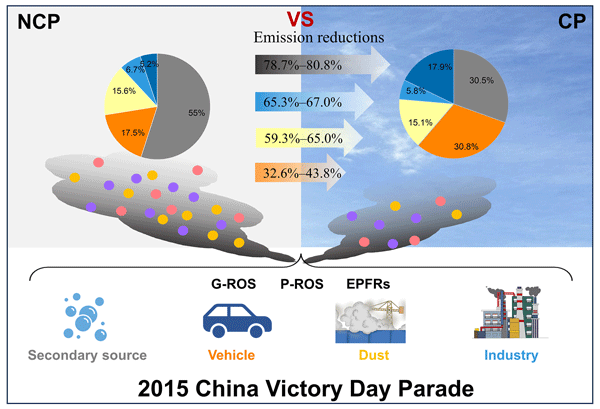
Environmental persistent free radicals (EPFRs) and reactive oxygen species (ROSs) play an active role in the atmosphere. Despite control measures having effectively reduced their emissions, reductions were less than in PM2.5. Emission control measures performed well in achieving Parade Blue, but reducing the impact of the atmosphere on human health remains challenging. Thus, there is a need to reassess emission control measures to better address the challenges posed by EPFRs and ROSs.
Juanjuan Qin, Leiming Zhang, Yuanyuan Qin, Shaoxuan Shi, Jingnan Li, Zhao Shu, Yuwei Gao, Ting Qi, Jihua Tan, and Xinming Wang
Atmos. Chem. Phys., 24, 7575–7589, https://doi.org/10.5194/acp-24-7575-2024, https://doi.org/10.5194/acp-24-7575-2024, 2024
Short summary
Short summary
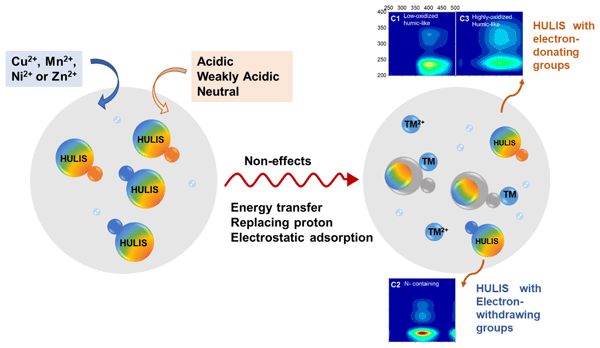
The present research unveiled that acidity dominates while transition metal ions harmonize with the light absorption properties of humic-like substances (HULIS). Cu2+ has quenching effects on HULIS by complexation, hydrogen substitution, or electrostatic adsorption, with aromatic structures of HULIS. Such effects are less pronounced if from Mn2+, Ni2+, Zn2+, and Cu2+. Oxidized HULIS might contain electron-donating groups, whereas N-containing compounds might contain electron-withdrawing groups.
Wei Sun, Xiaodong Hu, Yuzhen Fu, Guohua Zhang, Yujiao Zhu, Xinfeng Wang, Caiqing Yan, Likun Xue, He Meng, Bin Jiang, Yuhong Liao, Xinming Wang, Ping'an Peng, and Xinhui Bi
Atmos. Chem. Phys., 24, 6987–6999, https://doi.org/10.5194/acp-24-6987-2024, https://doi.org/10.5194/acp-24-6987-2024, 2024
Short summary
Short summary
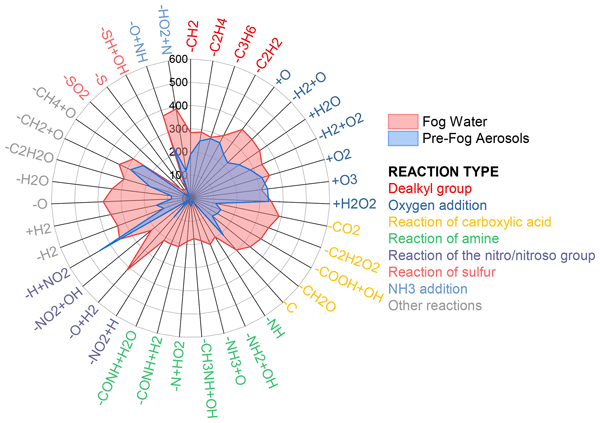
The formation pathways of nitrogen-containing compounds (NOCs) in the atmosphere remain unclear. We investigated the composition of aerosols and fog water by state-of-the-art mass spectrometry and compared the formation pathways of NOCs. We found that NOCs in aerosols were mainly formed through nitration reaction, while ammonia addition played a more important role in fog water. The results deepen our understanding of the processes of organic particulate pollution.
Rui Li, Prema Piyusha Panda, Yizhu Chen, Zhenming Zhu, Fu Wang, Yujiao Zhu, He Meng, Yan Ren, Ashwini Kumar, and Mingjin Tang
Atmos. Meas. Tech., 17, 3147–3156, https://doi.org/10.5194/amt-17-3147-2024, https://doi.org/10.5194/amt-17-3147-2024, 2024
Short summary
Short summary
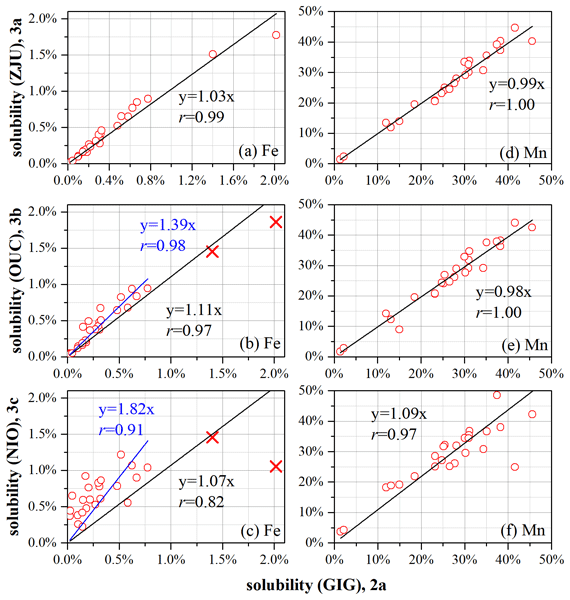
We found that for ultrapure water batch leaching, the difference in specific experimental parameters, including agitation methods, filter pore size, and contact time, only led to a small and sometimes insignificant difference in determined aerosol trace element solubility. Furthermore, aerosol trace element solubility determined using four common ultrapure water leaching protocols showed good agreement.
Ping Liu, Xiang Ding, Bo-Xuan Li, Yu-Qing Zhang, Daniel J. Bryant, and Xin-Ming Wang
Atmos. Meas. Tech., 17, 3067–3079, https://doi.org/10.5194/amt-17-3067-2024, https://doi.org/10.5194/amt-17-3067-2024, 2024
Short summary
Short summary
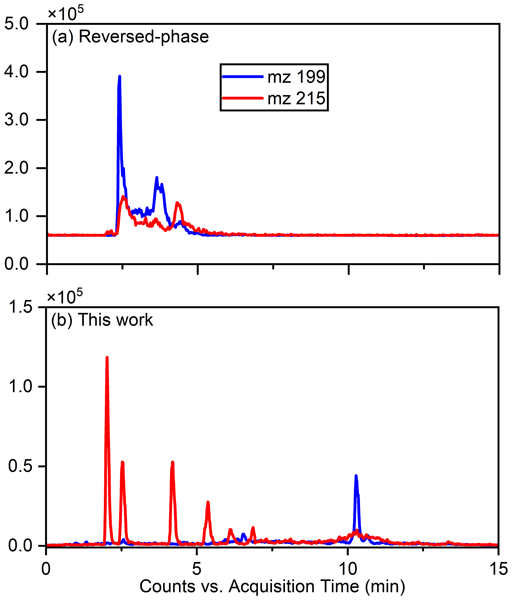
In this paper, we further optimize the measurement of atmospheric organosulfates by hydrophilic interaction liquid chromatography (HILIC), offering an improved method for quantifying and speciating atmospheric organosulfates. These efforts will contribute to a deeper understanding of secondary organic aerosol precursors, formation mechanisms, and the contribution of organosulfate to atmospheric aerosols, ultimately guiding research in the field of air pollution prevention and control.
Wenjie Wang, Bin Yuan, Hang Su, Yafang Cheng, Jipeng Qi, Sihang Wang, Wei Song, Xinming Wang, Chaoyang Xue, Chaoqun Ma, Fengxia Bao, Hongli Wang, Shengrong Lou, and Min Shao
Atmos. Chem. Phys., 24, 4017–4027, https://doi.org/10.5194/acp-24-4017-2024, https://doi.org/10.5194/acp-24-4017-2024, 2024
Short summary
Short summary
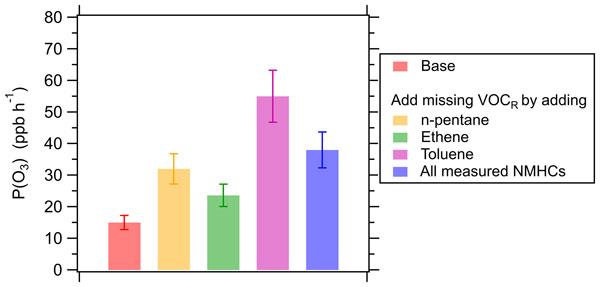
This study investigates the important role of unmeasured volatile organic compounds (VOCs) in ozone formation. Based on results in a megacity of China, we show that unmeasured VOCs can contribute significantly to ozone fomation and also influence the determination of ozone control strategy. Our results show that these unmeasured VOCs are mainly from human sources.
Yue Sun, Yujiao Zhu, Yanbin Qi, Lanxiadi Chen, Jiangshan Mu, Ye Shan, Yu Yang, Yanqiu Nie, Ping Liu, Can Cui, Ji Zhang, Mingxuan Liu, Lingli Zhang, Yufei Wang, Xinfeng Wang, Mingjin Tang, Wenxing Wang, and Likun Xue
Atmos. Chem. Phys., 24, 3241–3256, https://doi.org/10.5194/acp-24-3241-2024, https://doi.org/10.5194/acp-24-3241-2024, 2024
Short summary
Short summary
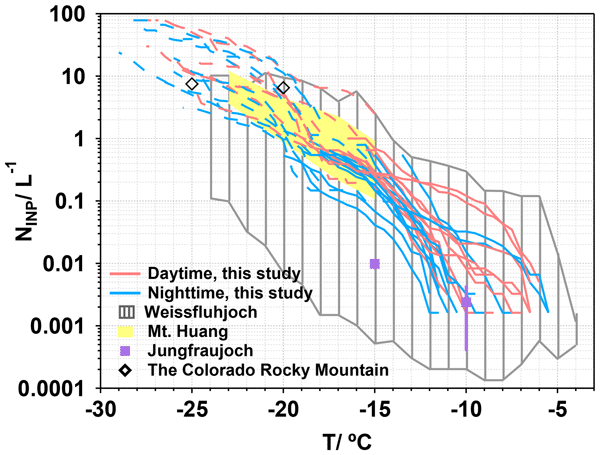
Field observations were conducted at the summit of Changbai Mountain in northeast Asia. The cumulative number concentration of ice-nucleating particles (INPs) varied from 1.6 × 10⁻³ to 78.3 L−1 over the temperature range of −5.5 to −29.0 ℃. Biological INPs (bio-INPs) accounted for the majority of INPs, and the proportion exceeded 90% above −13.0 ℃. Planetary boundary layer height, valley breezes, and long-distance transport of air mass influence the abundance of bio-INPs.
Hua Fang, Ting Wu, Shutan Ma, Qina Jia, Fengyu Zan, Juan Zhao, Jintao Zhang, Zhi Yang, Hongling Xu, Yuzhe Huang, and Xinming Wang
EGUsphere, https://doi.org/10.5194/egusphere-2023-2998, https://doi.org/10.5194/egusphere-2023-2998, 2024
Preprint archived
Short summary
Short summary
Using in situ VOC flux measurements, we reveal that the freshwater wetland is a potential source of atmospheric VOCs and that litter decomposition enhances net VOC emission. Ambient temperature is the key factor driving the seasonal variation of net VOC flux. Notably, the release or uptake of VOCs varies depending on chemical groups and is jointly controlled by biotic and abiotic processes.
Zhanyu Su, Lanxiadi Chen, Yuan Liu, Peng Zhang, Tianzeng Chen, Biwu Chu, Mingjin Tang, Qingxin Ma, and Hong He
Atmos. Chem. Phys., 24, 993–1003, https://doi.org/10.5194/acp-24-993-2024, https://doi.org/10.5194/acp-24-993-2024, 2024
Short summary
Short summary
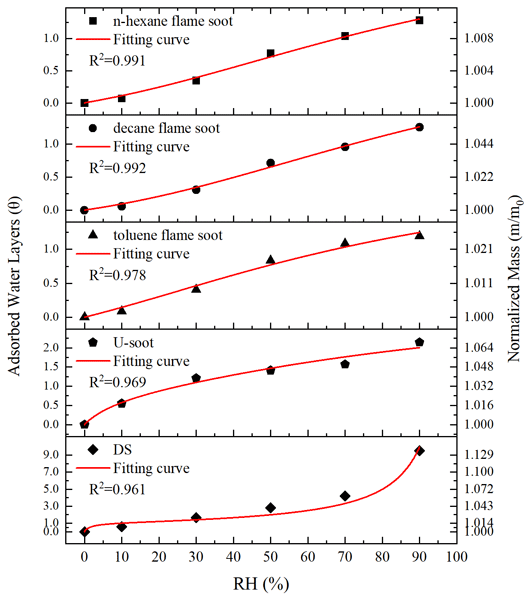
In this study, different soot particles were analyzed to better understand their behavior. It was discovered that water-soluble substances in soot facilitate water adsorption at low humidity while increasing the number of water layers at high humidity. Soot from organic fuels exhibits hygroscopicity influenced by organic carbon and microstructure. Additionally, the presence of sulfate ions due to the oxidation of SO2 enhances soot's hygroscopicity.
Morgane M. G. Perron, Susanne Fietz, Douglas S. Hamilton, Akinori Ito, Rachel U. Shelley, and Mingjin Tang
Atmos. Meas. Tech., 17, 165–166, https://doi.org/10.5194/amt-17-165-2024, https://doi.org/10.5194/amt-17-165-2024, 2024
Short summary
Short summary
The solubility of vital and toxic trace elements delivered by the atmosphere determines their potential to fertilise or limit ocean productivity. A poor understanding of aeolian trace element solubility and the absence of a standard method to define this parameter hinder accurate model representation of the impact of atmospheric deposition on ocean productivity in a changing climate. The inter-journal special issue aims at “Reducing Uncertainty in Soluble aerosol Trace Element Deposition”.
Bojiang Su, Xinhui Bi, Zhou Zhang, Yue Liang, Congbo Song, Tao Wang, Yaohao Hu, Lei Li, Zhen Zhou, Jinpei Yan, Xinming Wang, and Guohua Zhang
Atmos. Chem. Phys., 23, 10697–10711, https://doi.org/10.5194/acp-23-10697-2023, https://doi.org/10.5194/acp-23-10697-2023, 2023
Short summary
Short summary
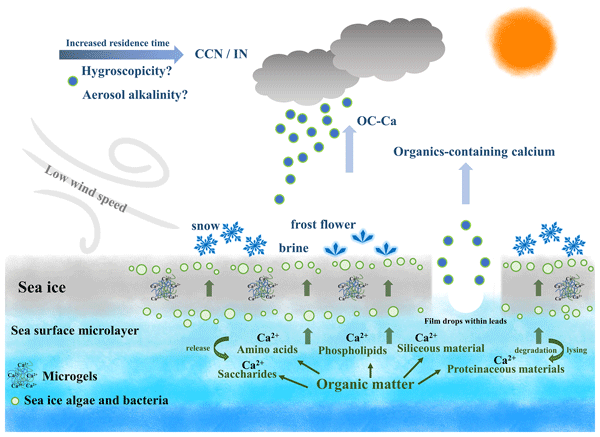
During the R/V Xuelong cruise observation over the Ross Sea, Antarctica, the mass concentrations of water-soluble Ca2+ and the mass spectra of individual calcareous particles were measured. Our results indicated that lower temperature, lower wind speed, and the presence of sea ice may facilitate Ca2+ enrichment in sea spray aerosols and highlighted the potential contribution of organically complexed calcium to calcium enrichment, which is inaccurate based solely on water-soluble Ca2+ estimation.
Yiyu Cai, Chenshuo Ye, Wei Chen, Weiwei Hu, Wei Song, Yuwen Peng, Shan Huang, Jipeng Qi, Sihang Wang, Chaomin Wang, Caihong Wu, Zelong Wang, Baolin Wang, Xiaofeng Huang, Lingyan He, Sasho Gligorovski, Bin Yuan, Min Shao, and Xinming Wang
Atmos. Chem. Phys., 23, 8855–8877, https://doi.org/10.5194/acp-23-8855-2023, https://doi.org/10.5194/acp-23-8855-2023, 2023
Short summary
Short summary
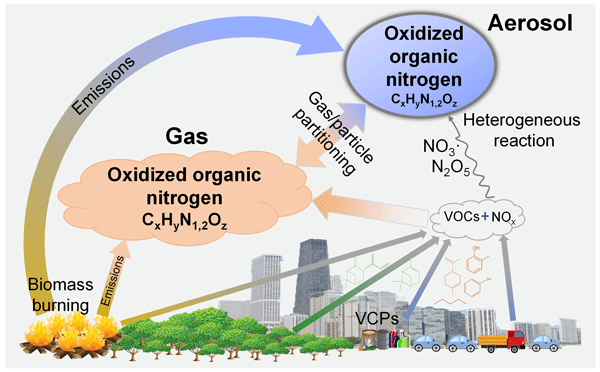
We studied the variability and molecular composition of ambient oxidized organic nitrogen (OON) in both gas and particle phases using a state-of-the-art online mass spectrometer in urban air. Biomass burning and secondary formation were found to be the two major sources of OON. Daytime nitrate radical chemistry for OON formation was more important than previously thought. Our results improved the understanding of the sources and molecular composition of OON in the polluted urban atmosphere.
Joanna E. Dyson, Lisa K. Whalley, Eloise J. Slater, Robert Woodward-Massey, Chunxiang Ye, James D. Lee, Freya Squires, James R. Hopkins, Rachel E. Dunmore, Marvin Shaw, Jacqueline F. Hamilton, Alastair C. Lewis, Stephen D. Worrall, Asan Bacak, Archit Mehra, Thomas J. Bannan, Hugh Coe, Carl J. Percival, Bin Ouyang, C. Nicholas Hewitt, Roderic L. Jones, Leigh R. Crilley, Louisa J. Kramer, W. Joe F. Acton, William J. Bloss, Supattarachai Saksakulkrai, Jingsha Xu, Zongbo Shi, Roy M. Harrison, Simone Kotthaus, Sue Grimmond, Yele Sun, Weiqi Xu, Siyao Yue, Lianfang Wei, Pingqing Fu, Xinming Wang, Stephen R. Arnold, and Dwayne E. Heard
Atmos. Chem. Phys., 23, 5679–5697, https://doi.org/10.5194/acp-23-5679-2023, https://doi.org/10.5194/acp-23-5679-2023, 2023
Short summary
Short summary
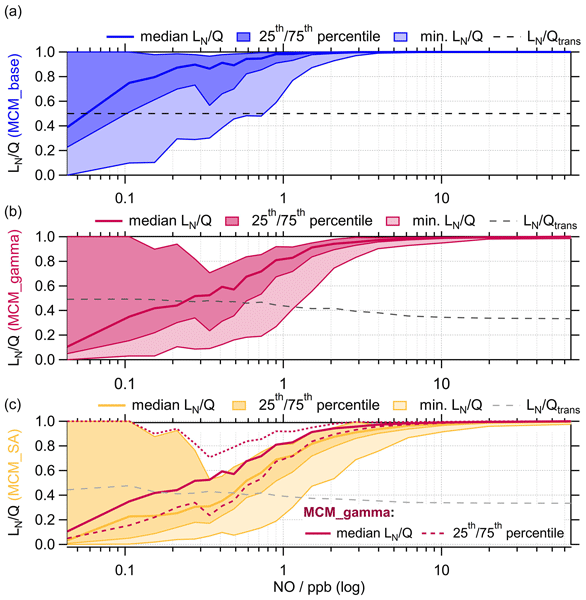
The hydroxyl (OH) and closely coupled hydroperoxyl (HO2) radicals are vital for their role in the removal of atmospheric pollutants. In less polluted regions, atmospheric models over-predict HO2 concentrations. In this modelling study, the impact of heterogeneous uptake of HO2 onto aerosol surfaces on radical concentrations and the ozone production regime in Beijing in the summertime is investigated, and the implications for emissions policies across China are considered.
Huanhuan Zhang, Rui Li, Chengpeng Huang, Xiaofei Li, Shuwei Dong, Fu Wang, Tingting Li, Yizhu Chen, Guohua Zhang, Yan Ren, Qingcai Chen, Ru-jin Huang, Siyu Chen, Tao Xue, Xinming Wang, and Mingjin Tang
Atmos. Chem. Phys., 23, 3543–3559, https://doi.org/10.5194/acp-23-3543-2023, https://doi.org/10.5194/acp-23-3543-2023, 2023
Short summary
Short summary
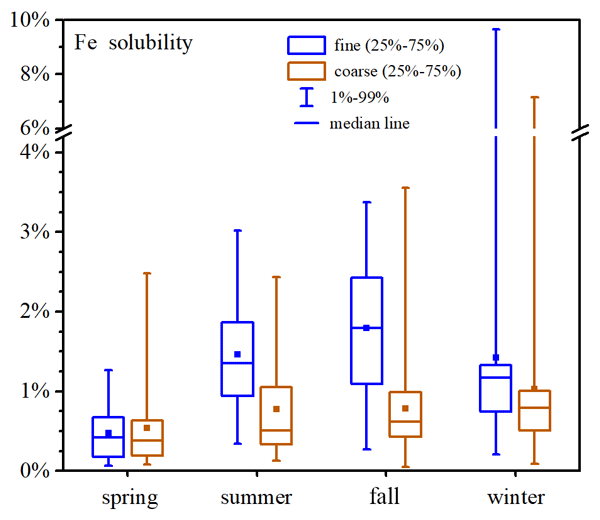
This work investigated the seasonal variation of aerosol Fe solubility for coarse and fine particles in Xi’an, a megacity in northwestern China severely affected by anthropogenic emission and desert dust aerosol. In addition, we discussed in depth what controlled aerosol Fe solubility at different seasons for coarse and fine particles.
Tingting Feng, Yingkun Wang, Weiwei Hu, Ming Zhu, Wei Song, Wei Chen, Yanyan Sang, Zheng Fang, Wei Deng, Hua Fang, Xu Yu, Cheng Wu, Bin Yuan, Shan Huang, Min Shao, Xiaofeng Huang, Lingyan He, Young Ro Lee, Lewis Gregory Huey, Francesco Canonaco, Andre S. H. Prevot, and Xinming Wang
Atmos. Chem. Phys., 23, 611–636, https://doi.org/10.5194/acp-23-611-2023, https://doi.org/10.5194/acp-23-611-2023, 2023
Short summary
Short summary
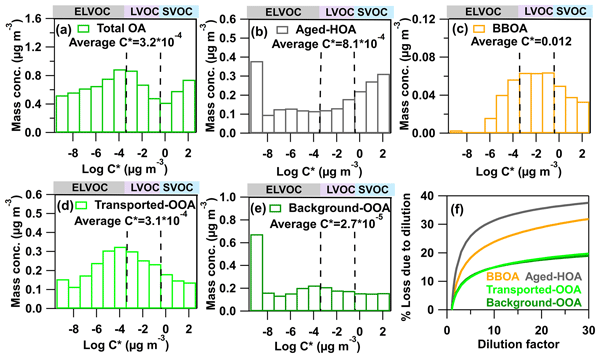
To investigate the impact of aging processes on organic aerosols (OA), we conducted a comprehensive field study at a continental remote site using an on-line mass spectrometer. The results show that OA in the Chinese outflows were strongly influenced by upwind anthropogenic emissions. The aging processes can significantly decrease the OA volatility and result in a varied viscosity of OA under different circumstances, signifying the complex physiochemical properties of OA in aged plumes.
Kanishk Gohil, Chun-Ning Mao, Dewansh Rastogi, Chao Peng, Mingjin Tang, and Akua Asa-Awuku
Atmos. Chem. Phys., 22, 12769–12787, https://doi.org/10.5194/acp-22-12769-2022, https://doi.org/10.5194/acp-22-12769-2022, 2022
Short summary
Short summary
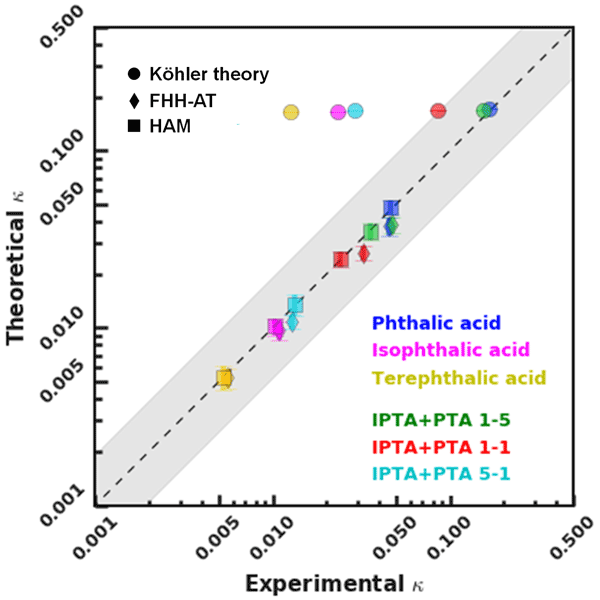
The Hybrid Activity Model (HAM) is a promising new droplet growth model that can be potentially used for the analysis of any type of atmospheric compound. HAM may potentially improve the representation of hygroscopicity of organic aerosols in large-scale global climate models (GCMs), hence reducing the uncertainties in the climate forcing due to the aerosol indirect effect.
Xueyin Ruan, Chun Zhao, Rahul A. Zaveri, Pengzhen He, Xinming Wang, Jingyuan Shao, and Lei Geng
Geosci. Model Dev., 15, 6143–6164, https://doi.org/10.5194/gmd-15-6143-2022, https://doi.org/10.5194/gmd-15-6143-2022, 2022
Short summary
Short summary
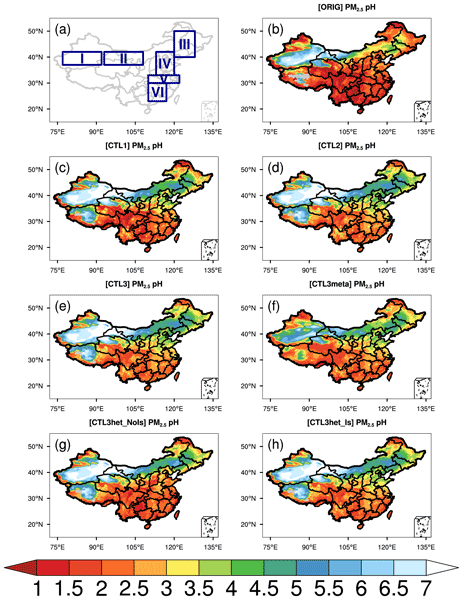
Accurate prediction of aerosol pH in chemical transport models is essential to aerosol modeling. This study examines the performance of the Weather Research and Forecasting model coupled with Chemistry (WRF-Chem) on aerosol pH predictions and the sensitivities to emissions of nonvolatile cations and NH3, aerosol-phase state assumption, and heterogeneous sulfate production. Temporal evolution of aerosol pH during haze cycles in Beijing and the driving factors are also presented and discussed.
Guohua Zhang, Xiaodong Hu, Wei Sun, Yuxiang Yang, Ziyong Guo, Yuzhen Fu, Haichao Wang, Shengzhen Zhou, Lei Li, Mingjin Tang, Zongbo Shi, Duohong Chen, Xinhui Bi, and Xinming Wang
Atmos. Chem. Phys., 22, 9571–9582, https://doi.org/10.5194/acp-22-9571-2022, https://doi.org/10.5194/acp-22-9571-2022, 2022
Short summary
Short summary
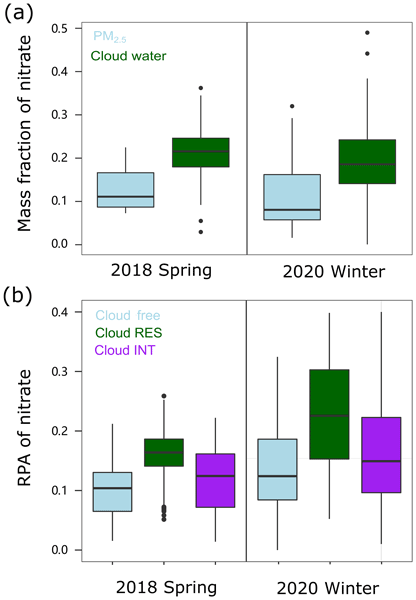
We show a significant enhancement of nitrate mass fraction in cloud water and relative intensity of nitrate in the cloud residual particles and highlight that hydrolysis of N2O5 serves as the critical route for the in-cloud formation of nitrate, even during the daytime. Given that N2O5 hydrolysis acts as a major sink of NOx in the atmosphere, further model updates may improve our understanding about the processes contributing to nitrate production in cloud and the cycling of odd nitrogen.
Yihang Yu, Peng Cheng, Huirong Li, Wenda Yang, Baobin Han, Wei Song, Weiwei Hu, Xinming Wang, Bin Yuan, Min Shao, Zhijiong Huang, Zhen Li, Junyu Zheng, Haichao Wang, and Xiaofang Yu
Atmos. Chem. Phys., 22, 8951–8971, https://doi.org/10.5194/acp-22-8951-2022, https://doi.org/10.5194/acp-22-8951-2022, 2022
Short summary
Short summary
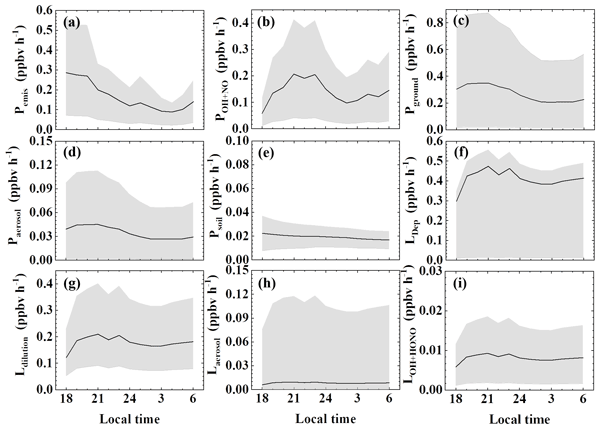
We have investigated the budget of HONO at an urban site in Guangzhou. Budget and comprehensive uncertainty analysis suggest that at such locations as ours, HONO direct emissions and NO + OH can become comparable or even surpass other HONO sources that typically receive greater attention and interest, such as the NO2 heterogeneous source and the unknown daytime photolytic source. Our findings emphasize the need to reduce the uncertainties of both conventional and novel HONO sources and sinks.
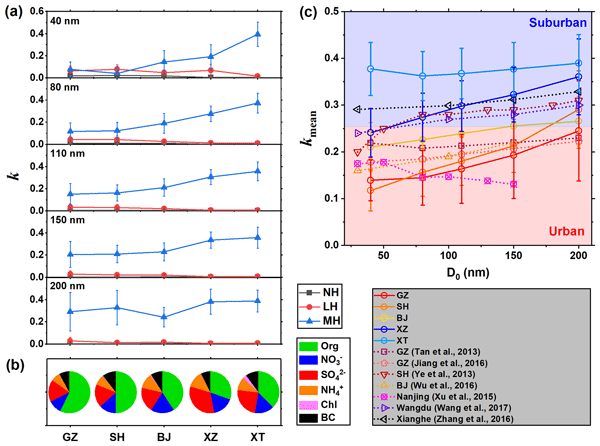
Lu Chen, Fang Zhang, Dongmei Zhang, Xinming Wang, Wei Song, Jieyao Liu, Jingye Ren, Sihui Jiang, Xue Li, and Zhanqing Li
Atmos. Chem. Phys., 22, 6773–6786, https://doi.org/10.5194/acp-22-6773-2022, https://doi.org/10.5194/acp-22-6773-2022, 2022
Short summary
Short summary
Aerosol hygroscopicity is critical when evaluating its effect on visibility and climate. Here, the size-resolved particle hygroscopicity at five sites in China is characterized using field measurements. We show the distinct behavior of hygroscopic particles during pollution evolution among the five sites. Moreover, different hygroscopic behavior during NPF events were also observed. The dataset is helpful for understanding the spatial variability in particle composition and formation mechanisms.
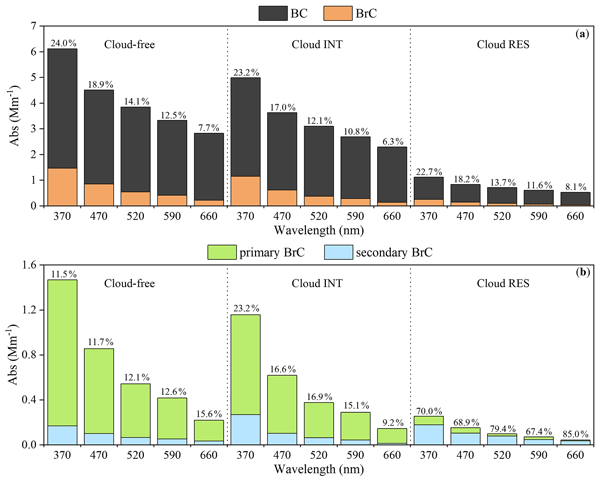
Ziyong Guo, Yuxiang Yang, Xiaodong Hu, Xiaocong Peng, Yuzhen Fu, Wei Sun, Guohua Zhang, Duohong Chen, Xinhui Bi, Xinming Wang, and Ping'an Peng
Atmos. Chem. Phys., 22, 4827–4839, https://doi.org/10.5194/acp-22-4827-2022, https://doi.org/10.5194/acp-22-4827-2022, 2022
Short summary
Short summary
We show that in-cloud aqueous processing facilitates the formation of brown carbon (BrC), based on the simultaneous measurements of the light-absorption properties of the cloud residuals, cloud interstitial, and cloud-free particles. While extensive laboratory evidence indicated the formation of BrC in aqueous phase, our study represents the first attempt to show the possibility in real clouds, which would have potential implications in the atmospheric evolution and radiation forcing of BrC.
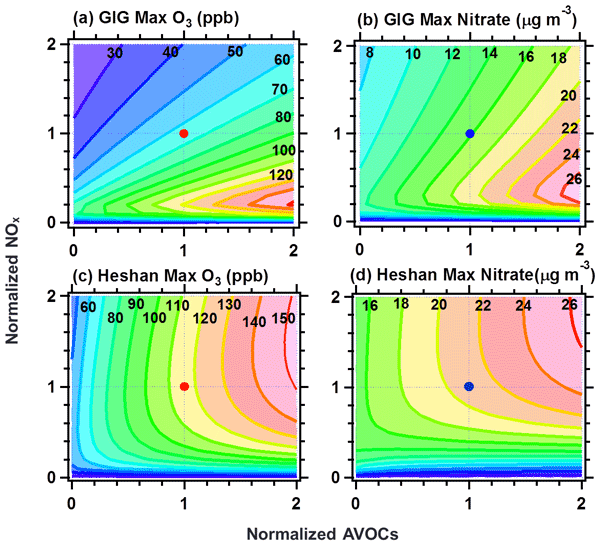
Suxia Yang, Bin Yuan, Yuwen Peng, Shan Huang, Wei Chen, Weiwei Hu, Chenglei Pei, Jun Zhou, David D. Parrish, Wenjie Wang, Xianjun He, Chunlei Cheng, Xiao-Bing Li, Xiaoyun Yang, Yu Song, Haichao Wang, Jipeng Qi, Baolin Wang, Chen Wang, Chaomin Wang, Zelong Wang, Tiange Li, E Zheng, Sihang Wang, Caihong Wu, Mingfu Cai, Chenshuo Ye, Wei Song, Peng Cheng, Duohong Chen, Xinming Wang, Zhanyi Zhang, Xuemei Wang, Junyu Zheng, and Min Shao
Atmos. Chem. Phys., 22, 4539–4556, https://doi.org/10.5194/acp-22-4539-2022, https://doi.org/10.5194/acp-22-4539-2022, 2022
Short summary
Short summary
We use a model constrained using observations to study the formation of nitrate aerosol in and downwind of a representative megacity. We found different contributions of various chemical reactions to ground-level nitrate concentrations between urban and suburban regions. We also show that controlling VOC emissions are effective for decreasing nitrate formation in both urban and regional environments, although VOCs are not direct precursors of nitrate aerosol.
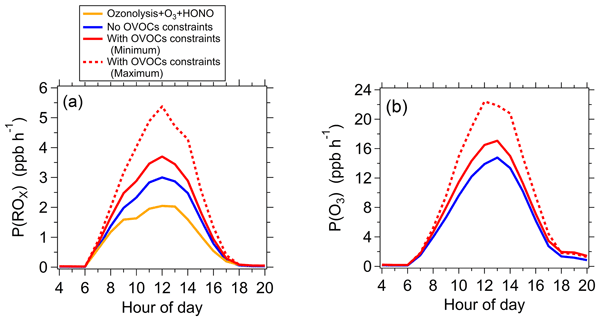
Wenjie Wang, Bin Yuan, Yuwen Peng, Hang Su, Yafang Cheng, Suxia Yang, Caihong Wu, Jipeng Qi, Fengxia Bao, Yibo Huangfu, Chaomin Wang, Chenshuo Ye, Zelong Wang, Baolin Wang, Xinming Wang, Wei Song, Weiwei Hu, Peng Cheng, Manni Zhu, Junyu Zheng, and Min Shao
Atmos. Chem. Phys., 22, 4117–4128, https://doi.org/10.5194/acp-22-4117-2022, https://doi.org/10.5194/acp-22-4117-2022, 2022
Short summary
Short summary
From thorough measurements of numerous oxygenated volatile organic compounds, we show that their photodissociation can be important for radical production and ozone formation in the atmosphere. This effect was underestimated in previous studies, as measurements of them were lacking.
Haichao Wang, Chao Peng, Xuan Wang, Shengrong Lou, Keding Lu, Guicheng Gan, Xiaohong Jia, Xiaorui Chen, Jun Chen, Hongli Wang, Shaojia Fan, Xinming Wang, and Mingjin Tang
Atmos. Chem. Phys., 22, 1845–1859, https://doi.org/10.5194/acp-22-1845-2022, https://doi.org/10.5194/acp-22-1845-2022, 2022
Short summary
Short summary
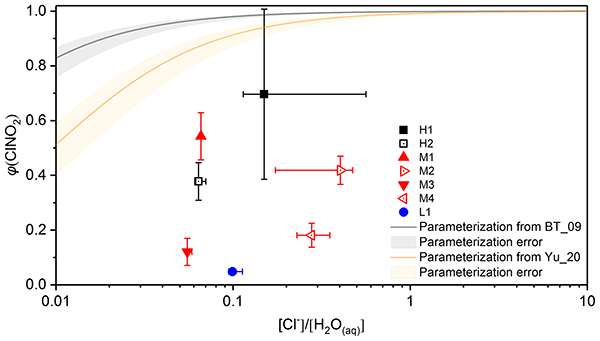
Via combining laboratory and modeling work, we found that heterogeneous reaction of N2O5 with saline mineral dust aerosol could be an important source of tropospheric ClNO2 in inland regions.
Juanjuan Qin, Jihua Tan, Xueming Zhou, Yanrong Yang, Yuanyuan Qin, Xiaobo Wang, Shaoxuan Shi, Kang Xiao, and Xinming Wang
Atmos. Chem. Phys., 22, 465–479, https://doi.org/10.5194/acp-22-465-2022, https://doi.org/10.5194/acp-22-465-2022, 2022
Short summary
Short summary
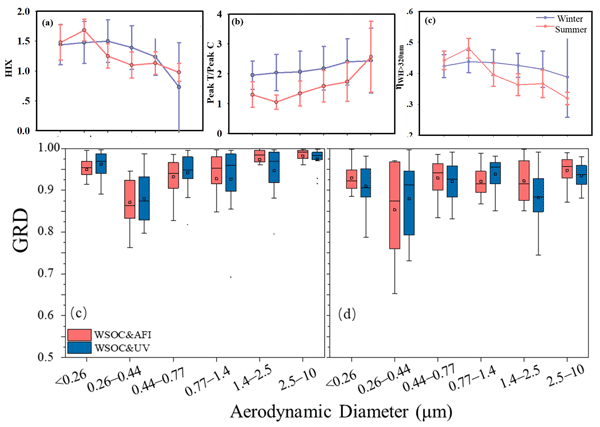
Water-soluble organic compounds (WSOCs) play important roles in atmospheric particle formation, migration, and transformation processes. In this work, size-segregated atmospheric particles were collected in a rural area of Beijing, and 3D fluorescence spectroscopy was used to investigate the optical properties of WSOCs as a means of inferring information about their atmospheric sources. It was found that these data could efficiently reveal the secondary transformation processes of WSOCs.
Jianqiang Zeng, Yanli Zhang, Huina Zhang, Wei Song, Zhenfeng Wu, and Xinming Wang
Atmos. Meas. Tech., 15, 79–93, https://doi.org/10.5194/amt-15-79-2022, https://doi.org/10.5194/amt-15-79-2022, 2022
Short summary
Short summary
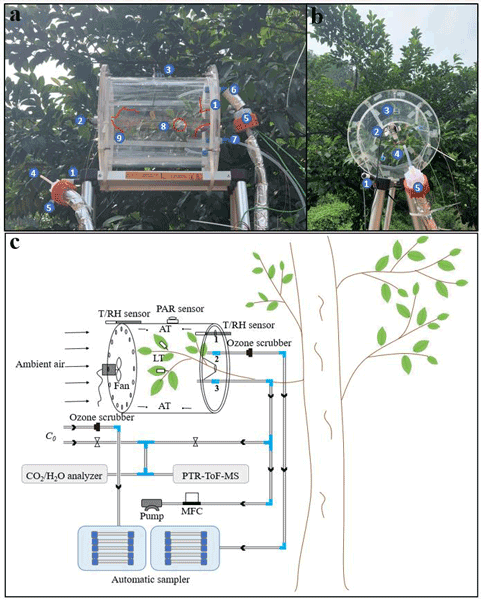
The emission of biogenic volatile organic compounds (BVOCs) from plant leaves is an essential part of biosphere–atmosphere interactions. Here we demonstrate how a dynamic chamber for measuring branch-scale BVOC emissions could be characterized both in the lab for adsorptive losses and in the field for ambient–enclosure environmental differences. The results also imply emission factors for terpenes might be underestimated if measured using dynamic chambers without certified transfer efficiencies.
Wei Sun, Yuzhen Fu, Guohua Zhang, Yuxiang Yang, Feng Jiang, Xiufeng Lian, Bin Jiang, Yuhong Liao, Xinhui Bi, Duohong Chen, Jianmin Chen, Xinming Wang, Jie Ou, Ping'an Peng, and Guoying Sheng
Atmos. Chem. Phys., 21, 16631–16644, https://doi.org/10.5194/acp-21-16631-2021, https://doi.org/10.5194/acp-21-16631-2021, 2021
Short summary
Short summary
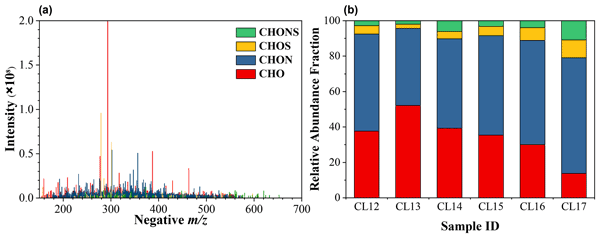
We sampled cloud water at a remote mountain site and investigated the molecular characteristics. CHON and CHO are dominant in cloud water. No statistical difference in the oxidation state is observed between cloud water and interstitial PM2.5. Most of the formulas are aliphatic and olefinic species. CHON, with aromatic structures and organosulfates, are abundant, especially in nighttime samples. The in-cloud and multi-phase dark reactions likely contribute significantly.
Cited articles
Al-Abadleh, H. A.: Iron content in aerosol particles and its impact on atmospheric chemistry, Chem. Commun., 60, 1840–1855, https://doi.org/10.1039/d3cc04614a, 2024.
Beard, B. L. and Johnson, C. M.: Fe isotope variations in the modern and ancient earth and other planetary bodies, Rev. Mineral. Geochem., 55, 319–357, https://doi.org/10.2138/gsrmg.55.1.319, 2004.
Beard, B. L., Johnson, C. M., Von Damm, K. L., and Poulson, R. L.: Iron isotope constraints on Fe cycling and mass balance in oxygenated Earth oceans, Geology, 31, 629–632, https://doi.org/10.1130/0091-7613(2003)031<0629:Iicofc>2.0.Co;2, 2003a.
Beard, B. L., Johnson, C. M., Skulan, J. L., Nealson, K. H., Cox, L., and Sun, H.: Application of Fe isotopes to tracing the geochemical and biological cycling of Fe, Chem. Geol., 195, 87–117, https://doi.org/10.1016/s0009-2541(02)00390-x, 2003b.
Boyd, P. W. and Ellwood, M. J.: The biogeochemical cycle of iron in the ocean, Nat. Geosci., 3, 675–682, https://doi.org/10.1038/ngeo964, 2010.
Boyd, P. W., Jickells, T., Law, C. S., Blain, S., Boyle, E. A., Buesseler, K. O., Coale, K. H., Cullen, J. J., de Baar, H. J. W., Follows, M., Harvey, M., Lancelot, C., Levasseur, M., Owens, N. P. J., Pollard, R., Rivkin, R. B., Sarmiento, J., Schoemann, V., Smetacek, V., Takeda, S., Tsuda, A., Turner, S., and Watson, A. J.: Mesoscale iron enrichment experiments 1993–2005: Synthesis and future directions, Science, 315, 612–617, https://doi.org/10.1126/science.1131669, 2007.
Bunnell, Z. B., Sieber, M., Hamilton, D. S., Marsay, C. M., Buck, C. S., Landing, W. M., John, S. G., and Conway, T. M.: The Influence of Natural, Anthropogenic, and Wildfire Sources on Iron and Zinc Aerosols Delivered to the North Pacific Ocean, Geophys. Res. Lett., 52, e2024GL113877, https://doi.org/10.1029/2024GL113877, 2025.
Camin, C., Lacan, F., Pradoux, C., Labatut, M., Johansen, A., and Murray, J. W.: Iron isotopes suggest significant aerosol dissolution over the Pacific Ocean, Atmos. Chem. Phys., 25, 8213–8228, https://doi.org/10.5194/acp-25-8213-2025, 2025.
Chen, L., Peng, C., Gu, W., Fu, H., Jian, X., Zhang, H., Zhang, G., Zhu, J., Wang, X., and Tang, M.: On mineral dust aerosol hygroscopicity, Atmos. Chem. Phys., 20, 13611–13626, https://doi.org/10.5194/acp-20-13611-2020, 2020.
Chen, Y., Wang, Z., Fang, Z., Huang, C., Xu, H., Zhang, H., Zhang, T., Wang, F., Luo, L., Shi, G., Wang, X., and Tang, M.: Dominant Contribution of Non-dust Primary Emissions and Secondary Processes to Dissolved Aerosol Iron, Environ. Sci. Technol., 58, 17355–17363, https://doi.org/10.1021/acs.est.4c05816, 2024.
Conway, T. M., Rosenberg, A. D., Adkins, J. F., and John, S. G.: A new method for precise determination of iron, zinc and cadmium stable isotope ratios in seawater by double-spike mass spectrometry, Anal. Chim. Acta, 793, 44–52, https://doi.org/10.1016/j.aca.2013.07.025, 2013.
Conway, T. M., Hamilton, D. S., Shelley, R. U., Aguilar-Islas, A. M., Landing, W. M., Mahowald, N. M., and John, S. G.: Tracing and constraining anthropogenic aerosol iron fluxes to the North Atlantic Ocean using iron isotopes, Nat. Commun., 10, 2628, https://doi.org/10.1038/s41467-019-10457-w, 2019.
Dauphas, N., Pourmand, A., and Teng, F.: Routine isotopic analysis of iron by HR-MC-ICPMS: How precise and how accurate, Chem. Geol., 267, 175–184, https://doi.org/10.1016/j.chemgeo.2008.12.011, 2009.
Ding, X., Li, Q., Wu, D., Liang, Y. G., Xu, X. M., Xie, G. Z., Wei, Y. Q., Sun, H., Zhu, C., Fu, H. B., and Chen, J. M.: Unexpectedly Increased Particle Emissions from the Steel Industry Determined by Wet/Semidry/Dry Flue Gas Desulfurization Technologies, Environ. Sci. Technol., 53, 10361–10370, https://doi.org/10.1021/acs.est.9b03081, 2019.
Du, D., Wang, X., Yang, T., Chen, X., Li, J., and Li, W.: Origin of heavy Fe isotope compositions in high-silica igneous rocks: A rhyolite perspective, Geochim. Cosmochim. Ac., 218, 58–72, https://doi.org/10.1016/j.gca.2017.09.014, 2017.
Fitzsimmons, J. N. and Conway, T. M.: Novel Insights into Marine Iron Biogeochemistry from Iron Isotopes, Annu. Rev. Mar. Sci., 15, 383–406, https://doi.org/10.1146/annurev-marine-032822-103431, 2023.
Flament, P., Mattielli, N., Aimoz, L., Choel, M., Deboudt, K., de Jong, J., Rimetz-Planchon, J., and Weis, D.: Iron isotopic fractionation in industrial emissions and urban aerosols, Chemosphere, 73, 1793–1798, https://doi.org/10.1016/j.chemosphere.2008.08.042, 2008.
Fu, H., Lin, J., Shang, G., Dong, W., Grassian, V. H., Carmichael, G. R., Li, Y., and Chen, J.: Solubility of Iron from Combustion Source Particles in Acidic Media Linked to Iron Speciation, Environ. Sci. Technol., 46, 11119–11127, https://doi.org/10.1021/es302558m, 2012.
Gong, Y., Xia, Y., Huang, F., and Yu, H.: Average iron isotopic compositions of the upper continental crust: constrained by loess from the Chinese Loess Plateau, Acta Geochim., 36, 125–131, https://doi.org/10.1007/s11631-016-0131-5, 2017.
Guelke, M. and Von Blanckenburg, F.: Fractionation of stable iron isotopes in higher plants, Environ. Sci. Technol., 41, 1896–1901, https://doi.org/10.1021/es062288j, 2007.
Hamilton, D. S., Perron, M. M. G., Bond, T. C., Bowie, A. R., Buchholz, R. R., Guieu, C., Ito, A., Maenhaut, W., Myriokefalitakis, S., Olgun, N., Rathod, S. D., Schepanski, K., Tagliabue, A., Wagner, R., and Mahowald, N. M.: Earth, Wind, Fire, and Pollution: Aerosol Nutrient Sources and Impacts on Ocean Biogeochemistry, Annu. Rev. Mar. Sci., 14, 303–330, https://doi.org/10.1146/annurev-marine-031921-013612, 2022.
Hsieh, C. C. and Ho, T. Y.: Contribution of Anthropogenic and Lithogenic Aerosol Fe in the East China Sea, J. Geophys. Res.-Oceans, 129, e2024JC021113, https://doi.org/10.1029/2024jc021113, 2024.
Ito, A., Myriokefalitakis, S., Kanakidou, M., Mahowald, N. M., Scanza, R. A., Hamilton, D. S., Baker, A. R., Jickells, T., Sarin, M., Bikkina, S., Gao, Y., Shelley, R. U., Buck, C. S., Landing, W. M., Bowie, A. R., Perron, M. M. G., Guieu, C., Meskhidze, N., Johnson, M. S., Feng, Y., Kok, J. F., Nenes, A., and Duce, R. A.: Pyrogenic iron: The missing link to high iron solubility in aerosols, Sci. Adv., 5, eaau7671, https://doi.org/10.1126/sciadv.aau7671, 2019.
Jickells, T. D., An, Z. S., Andersen, K. K., Baker, A. R., Bergametti, G., Brooks, N., Cao, J. J., Boyd, P. W., Duce, R. A., Hunter, K. A., Kawahata, H., Kubilay, N., laRoche, J., Liss, P. S., Mahowald, N., Prospero, J. M., Ridgwell, A. J., Tegen, I., and Torres, R.: Global iron connections between desert dust, ocean biogeochemistry, and climate, Science, 308, 67–71, https://doi.org/10.1126/science.1105959, 2005.
Johnson, C., Beard, B., and Weyer, S.: Iron geochemistry: an isotopic perspective, Springer, https://doi.org/10.1007/978-3-030-33828-2, 2020.
Keboletse, K. P., Ntuli, F., and Oladijo, O. P.: Influence of coal properties on coal conversion processes-coal carbonization, carbon fiber production, gasification and liquefaction technologies: a review, Int. J. Coal Sci. Technol., 8, 817–843, https://doi.org/10.1007/s40789-020-00401-5, 2021.
Kobayashi, T. and Nishizawa, N. K.: Iron Uptake, Translocation, and Regulation in Higher Plants, Annu. Rev. Plant Biol., 63, 131–152, https://doi.org/10.1146/annurev-arplant-042811-105522, 2012.
Kubik, E., Moynier, F., Paquet, M., and Siebert, J.: Iron Isotopic Composition of Biological Standards Relevant to Medical and Biological Applications, Front. Med., 8, 696367, https://doi.org/10.3389/fmed.2021.696367, 2021.
Kurisu, M. and Takahashi, Y.: Testing Iron Stable Isotope Ratios as a Signature of Biomass Burning, Atmosphere-Basel, 10, 76, https://doi.org/10.3390/atmos10020076, 2019.
Kurisu, M., Takahashi, Y., Iizuka, T., and Uematsu, M.: Very low isotope ratio of iron in fine aerosols related to its contribution to the surface ocean, J. Geophys. Res.-Atmos., 121, 11119–11136, https://doi.org/10.1002/2016jd024957, 2016a.
Kurisu, M., Sakata, K., Miyamoto, C., Takaku, Y., Iizuka, T., and Takahashi, Y.: Variation of Iron Isotope Ratios in Anthropogenic Materials Emitted through Combustion Processes, Chem. Lett., 45, 970–972, https://doi.org/10.1246/cl.160451, 2016b.
Kurisu, M., Adachi, K., Sakata, K., and Takahashi, Y.: Stable Isotope Ratios of Combustion Iron Produced by Evaporation in a Steel Plant, ACS Earth Space Chem., 3, 588–598, https://doi.org/10.1021/acsearthspacechem.8b00171, 2019.
Kurisu, M., Sakata, K., Uematsu, M., Ito, A., and Takahashi, Y.: Contribution of combustion Fe in marine aerosols over the northwestern Pacific estimated by Fe stable isotope ratios, Atmos. Chem. Phys., 21, 16027–16050, https://doi.org/10.5194/acp-21-16027-2021, 2021.
Kurisu, M., Sakata, K., Nishioka, J., Obata, H., Conway, T. M., Hunt, H. R., Sieber, M., Suzuki, K., Kashiwabara, T., Kubo, S., Takada, M., and Takahashi, Y.: Source and fate of atmospheric iron supplied to the subarctic North Pacific traced by stable iron isotope ratios, Geochim. Cosmochim. Ac., 378, 168–185, https://doi.org/10.1016/j.gca.2024.06.009, 2024.
Kurisu, M., Zhu, C., Miyakawa, T., Ito, A., Suzuki, K., Kashiwabara, T., Kubo, S., Takahashi, Y., Harada, N., Foret, G., Dubois, N., and Kanaya, Y.: Identification of anthropogenic Fe originated from East Asia using Fe stable isotope ratios of aerosols collected on Fukue Island, Atmos. Environ., 373, 121893, https://doi.org/10.1016/j.atmosenv.2026.121893, 2026.
Labatut, M., Lacan, F., Pradoux, C., Chmeleff, J., Radic, A., Murray, J. W., Poitrasson, F., Johansen, A. M., and Thil, F.: Iron sources and dissolved-particulate interactions in the seawater of the Western Equatorial Pacific, iron isotope perspectives, Global Biogeochem. Cy., 28, 1044–1065, https://doi.org/10.1002/2014gb004928, 2014.
Li, R., Zhang, H., Wang, F., He, Y., Huang, C., Luo, L., Dong, S., Jia, X., and Tang, M.: Mass fractions, solubility, speciation and isotopic compositions of iron in coal and municipal waste fly ash, Sci. Total Environ., 838, 155974, https://doi.org/10.1016/j.scitotenv.2022.155974, 2022.
Li, R., Plaas, H. E., Zhang, Y., Chen, Y., Zhang, T., Yang, Y., Rathod, S., Zhang, G., Wang, X., Hamilton, D. S., and Tang, M.: Residential burning is a potentially significant source of soluble iron to the ocean, Atmos. Chem. Phys., 26, 9037–9060, https://doi.org/10.5194/acp-26-9037-2026, 2026.
Liu, S. A., Teng, F. Z., Li, S. G., Wei, G. J., Ma, J. L., and Li, D. D.: Copper and iron isotope fractionation during weathering and pedogenesis: Insights from saprolite profiles, Geochim. Cosmochim. Ac., 146, 59–75, https://doi.org/10.1016/j.gca.2014.09.040, 2014.
Mahowald, N. M., Hamilton, D. S., Mackey, K. R. M., Moore, J. K., Baker, A. R., Scanza, R. A., and Zhang, Y.: Aerosol trace metal leaching and impacts on marine microorganisms, Nat. Commun., 9, 2614, https://doi.org/10.1038/s41467-018-04970-7, 2018.
Malinovsky, D., Stenberg, A., Rodushkin, I., Andren, H., Ingri, J., Öhlander, B., and Baxter, D. C.: Performance of high resolution MC-ICP-MS for Fe isotope ratio measurements in sedimentary geological materials, J. Anal. Atom. Spectrom., 18, 687–695,https://doi.org/10.1039/b302312e, 2003.
Maters, E. C., Mulholland, D. S., Flament, P., de Jong, J., Mattielli, N., Deboudt, K., Dhont, G., and Bychkov, E.: Laboratory study of iron isotope fractionation during dissolution of mineral dust and industrial ash in simulated cloud water, Chemosphere, 299, 134472, https://doi.org/10.1016/j.chemosphere.2022.134472, 2022.
Mead, C., Herckes, P., Majestic, B. J., and Anbar, A. D.: Source apportionment of aerosol iron in the marine environment using iron isotope analysis, Geophys. Res. Lett., 40, 5722–5727, https://doi.org/10.1002/2013gl057713, 2013.
Moore, C. M., Mills, M. M., Arrigo, K. R., Berman-Frank, I., Bopp, L., Boyd, P. W., Galbraith, E. D., Geider, R. J., Guieu, C., Jaccard, S. L., Jickells, T. D., La Roche, J., Lenton, T. M., Mahowald, N. M., Maranon, E., Marinov, I., Moore, J. K., Nakatsuka, T., Oschlies, A., Saito, M. A., Thingstad, T. F., Tsuda, A., and Ulloa, O.: Processes and patterns of oceanic nutrient limitation, Nat. Geosci., 6, 701–710, https://doi.org/10.1038/ngeo1765, 2013.
Poitrasson, F.: On the iron isotope homogeneity level of the continental crust, Chem. Geol., 235, 195–200, https://doi.org/10.1016/j.chemgeo.2006.06.010, 2006.
Rathod, S. D., Hamilton, D. S., Mahowald, N. M., Klimont, Z., Corbett, J. J., and Bond, T. C.: A Mineralogy-Based Anthropogenic Combustion-Iron Emission Inventory, J. Geophys. Res.-Atmos., 125, e2019JD032114, https://doi.org/10.1029/2019jd032114, 2020.
Shuai, W., Zhang, K., Zhang, T., Zheng, W., Liu, Y., Lang, Y., Fu, P., Feng, Y., Peng, J., and Chen, J.: Unraveling the Origin of Atmospheric Soluble Iron during Asian Dust Storms, Environ. Sci. Technol., 59, 23962–23973, https://doi.org/10.1021/acs.est.5c10539, 2025.
Tagliabue, A., Bowie, A. R., Boyd, P. W., Buck, K. N., Johnson, K. S., and Saito, M. A.: The integral role of iron in ocean biogeochemistry, Nature, 543, 51–59, https://doi.org/10.1038/nature21058, 2017.
Tang, M., Zhang, H., Gu, W., Gao, J., Jian, X., Shi, G., Zhu, B., Xie, L., Guo, L., Gao, X., Wang, Z., Zhang, G., and Wang, X.: Hygroscopic Properties of Saline Mineral Dust From Different Regions in China: Geographical Variations, Compositional Dependence, and Atmospheric Implications, J. Geophys. Res.-Atmos., 124, 10844–10857, https://doi.org/10.1029/2019jd031128, 2019.
Wang, Y., Wu, L., Hu, W., Li, W., Shi, Z., Harrison, R. M., and Fu, P.: Stable iron isotopic composition of atmospheric aerosols: An overview, npj Clim. Atmos. Sci., 5, 75, https://doi.org/10.1038/s41612-022-00299-7, 2022.
Wei, T., Dong, Z., Zong, C., Liu, X., Kang, S., Yan, Y., and Ren, J.: Global-scale constraints on the origins of aerosol iron using stable iron isotopes: A review, Earth-Sci. Rev., 258, 104943, https://doi.org/10.1016/j.earscirev.2024.104943, 2024.
Weyer, S. and Schwieters, J.: High precision Fe isotope measurements with high mass resolution MC-ICPMS, Int. J. Mass Spectrom., 226, 355–368, https://doi.org/10.1016/s1387-3806(03)00078-2, 2003.
Wu, D., Zheng, H., Li, Q., Wang, S., Zhao, B., Jin, L., Lyu, R., Li, S., Liu, Y., Chen, X., Zhang, F., Wu, Q., Liu, T., Jiang, J., Wang, L., Li, X., Chen, J., and Hao, J.: Achieving health-oriented air pollution control requires integrating unequal toxicities of industrial particles, Nat. Commun., 14, 6491, https://doi.org/10.1038/s41467-023-42089-6, 2023.
Zhang, Y., Li, R., Bunnell, Z. B., Chen, Y., Zhu, G., Ma, J., Zhang, G., Conway, T. M., and Tang, M.: A critical review of the use of iron isotopes in atmospheric aerosol research, Atmos. Chem. Phys., 25, 11067–11086, https://doi.org/10.5194/acp-25-11067-2025, 2025.
Zhao, X. M., Cao, H. H., Mi, X., Evans, N. J., Qi, Y. H., Huang, F., and Zhang, H. F.: Combined iron and magnesium isotope geochemistry of pyroxenite xenoliths from Hannuoba, North China Craton: implications for mantle metasomatism, Contrib. Mineral. Petr., 172, 40, https://doi.org/10.1007/s00410-017-1356-y, 2017.
Zhu, G. H., Ma, J. L., Wei, G. J., and An, Y. J.: A novel procedure for separating iron from geological materials for isotopic analysis using MC-ICP-MS, J. Anal. Atom. Spectrom., 35, 873–877, https://doi.org/10.1039/c9ja00446g, 2020.
Zuo, P., Huang, Y., Liu, P., Zhang, J., Yang, H., Liu, L., Bi, J., Lu, D., Zhang, Q., Liu, Q., and Jiang, G.: Stable Iron Isotopic Signature Reveals Multiple Sources of Magnetic Particulate Matter in the 2021 Beijing Sandstorms, Environ. Sci. Tech. Let., 9, 299–305, https://doi.org/10.1021/acs.estlett.2c00144, 2022.
Short summary
This work measured isotopic compositions for aerosol Fe from desert dust and several anthropogenic sources. We revealed large variability in the Fe isotopic endmember values both among and within different anthropogenic aerosols, and found that not all the anthropogenic aerosol Fe is isotopically lighter than natural dust Fe.
This work measured isotopic compositions for aerosol Fe from desert dust and several...


Altmetrics
Final-revised paper
Preprint