
Articles | Volume 26, issue 17
https://doi.org/10.5194/acp-26-12715-2026
© Author(s) 2026. This work is distributed under
the Creative Commons Attribution 4.0 License.
the Creative Commons Attribution 4.0 License.
https://doi.org/10.5194/acp-26-12715-2026
© Author(s) 2026. This work is distributed under
the Creative Commons Attribution 4.0 License.
the Creative Commons Attribution 4.0 License.
Research article
| 
08 Sep 2026
Research article |
| 08 Sep 2026
| 08 Sep 2026
Chlorine enhances nocturnal heterogeneous uptake of NO2 in coastal atmosphere under sea-land breeze circulation
Ziyi Lin
State Key Laboratory of Advanced Environmental Technology, Institute of Urban Environment, Chinese Academy of Sciences, Xiamen 361021, China
Fujian Key Laboratory of Atmospheric Ozone Pollution Prevention, Institute of Urban Environment, Chinese Academy of Sciences, Xiamen 361021, China
University of Chinese Academy of Sciences, Beijing 100049, China
Xiuwen Yong
State Key Laboratory of Advanced Environmental Technology, Institute of Urban Environment, Chinese Academy of Sciences, Xiamen 361021, China
Fujian Key Laboratory of Atmospheric Ozone Pollution Prevention, Institute of Urban Environment, Chinese Academy of Sciences, Xiamen 361021, China
Fujian Agriculture and Forestry University, Fuzhou, 350002, China
Lingjun Li
State Key Laboratory of Advanced Environmental Technology, Institute of Urban Environment, Chinese Academy of Sciences, Xiamen 361021, China
Fujian Key Laboratory of Atmospheric Ozone Pollution Prevention, Institute of Urban Environment, Chinese Academy of Sciences, Xiamen 361021, China
Fujian Agriculture and Forestry University, Fuzhou, 350002, China
Yuping Chen
State Key Laboratory of Advanced Environmental Technology, Institute of Urban Environment, Chinese Academy of Sciences, Xiamen 361021, China
Fujian Key Laboratory of Atmospheric Ozone Pollution Prevention, Institute of Urban Environment, Chinese Academy of Sciences, Xiamen 361021, China
University of Chinese Academy of Sciences, Beijing 100049, China
Lingling Xu
CORRESPONDING AUTHOR

State Key Laboratory of Advanced Environmental Technology, Institute of Urban Environment, Chinese Academy of Sciences, Xiamen 361021, China
Fujian Key Laboratory of Atmospheric Ozone Pollution Prevention, Institute of Urban Environment, Chinese Academy of Sciences, Xiamen 361021, China
University of Chinese Academy of Sciences, Beijing 100049, China
Xiaoting Ji
State Key Laboratory of Advanced Environmental Technology, Institute of Urban Environment, Chinese Academy of Sciences, Xiamen 361021, China
Fujian Key Laboratory of Atmospheric Ozone Pollution Prevention, Institute of Urban Environment, Chinese Academy of Sciences, Xiamen 361021, China
University of Chinese Academy of Sciences, Beijing 100049, China
Chen Yang
State Key Laboratory of Advanced Environmental Technology, Institute of Urban Environment, Chinese Academy of Sciences, Xiamen 361021, China
Fujian Key Laboratory of Atmospheric Ozone Pollution Prevention, Institute of Urban Environment, Chinese Academy of Sciences, Xiamen 361021, China
University of Chinese Academy of Sciences, Beijing 100049, China
Keran Zhang
State Key Laboratory of Advanced Environmental Technology, Institute of Urban Environment, Chinese Academy of Sciences, Xiamen 361021, China
Fujian Key Laboratory of Atmospheric Ozone Pollution Prevention, Institute of Urban Environment, Chinese Academy of Sciences, Xiamen 361021, China
University of Chinese Academy of Sciences, Beijing 100049, China
Feng Zhang
State Key Laboratory of Advanced Environmental Technology, Institute of Urban Environment, Chinese Academy of Sciences, Xiamen 361021, China
Fujian Key Laboratory of Atmospheric Ozone Pollution Prevention, Institute of Urban Environment, Chinese Academy of Sciences, Xiamen 361021, China
Ziying Chen
State Key Laboratory of Advanced Environmental Technology, Institute of Urban Environment, Chinese Academy of Sciences, Xiamen 361021, China
Fujian Key Laboratory of Atmospheric Ozone Pollution Prevention, Institute of Urban Environment, Chinese Academy of Sciences, Xiamen 361021, China
University of Chinese Academy of Sciences, Beijing 100049, China
Gaojie Chen
State Key Laboratory of Advanced Environmental Technology, Institute of Urban Environment, Chinese Academy of Sciences, Xiamen 361021, China
Fujian Key Laboratory of Atmospheric Ozone Pollution Prevention, Institute of Urban Environment, Chinese Academy of Sciences, Xiamen 361021, China
University of Chinese Academy of Sciences, Beijing 100049, China
Xiaolong Fan
State Key Laboratory of Advanced Environmental Technology, Institute of Urban Environment, Chinese Academy of Sciences, Xiamen 361021, China
Fujian Key Laboratory of Atmospheric Ozone Pollution Prevention, Institute of Urban Environment, Chinese Academy of Sciences, Xiamen 361021, China
Mengren Li
State Key Laboratory of Advanced Environmental Technology, Institute of Urban Environment, Chinese Academy of Sciences, Xiamen 361021, China
Fujian Key Laboratory of Atmospheric Ozone Pollution Prevention, Institute of Urban Environment, Chinese Academy of Sciences, Xiamen 361021, China
State Key Laboratory of Advanced Environmental Technology, Institute of Urban Environment, Chinese Academy of Sciences, Xiamen 361021, China
Fujian Key Laboratory of Atmospheric Ozone Pollution Prevention, Institute of Urban Environment, Chinese Academy of Sciences, Xiamen 361021, China
University of Chinese Academy of Sciences, Beijing 100049, China
Related authors
Ziyi Lin, Chuanyou Ying, Lingling Xu, Xiaoting Ji, Keran Zhang, Feng Zhang, Gaojie Chen, Lingjun Li, Chen Yang, Yuping Chen, Ziying Chen, and Jinsheng Chen
Atmos. Chem. Phys., 25, 17747–17759, https://doi.org/10.5194/acp-25-17747-2025, https://doi.org/10.5194/acp-25-17747-2025, 2025
Short summary
Short summary
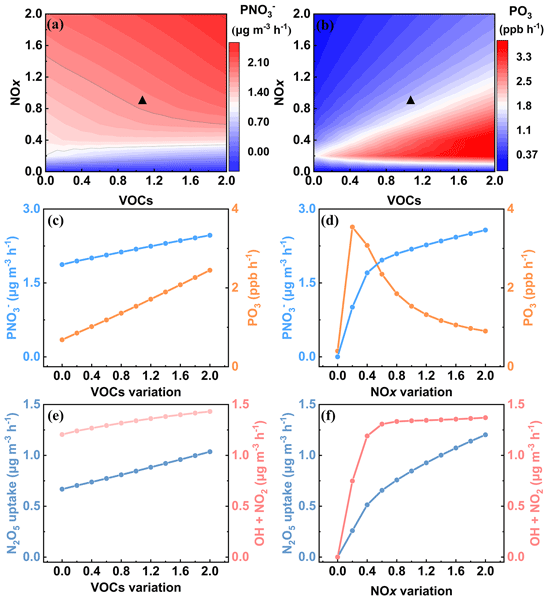
Based on field observations of N2O5, we found extremely high nighttime concentrations of N2O5, with a maximum value of 2.52 ppb. Further multiphase box model analysis revealed that the heterogeneous uptake of N2O5 is the most significant nitrate formation pathway in NO2-limited urban areas. Additionally, we further analyzed the reasons for this high N2O5 uptake contribution, and discussed the synergistic reduction of nitrates and O3.
Yuping Chen, Lingling Xu, Xiaolong Fan, Ziyi Lin, Chen Yang, Gaojie Chen, Ronghua Zheng, Youwei Hong, Mengren Li, Yanru Zhang, and Jinsheng Chen
Atmos. Chem. Phys., 25, 16315–16330, https://doi.org/10.5194/acp-25-16315-2025, https://doi.org/10.5194/acp-25-16315-2025, 2025
Short summary
Short summary
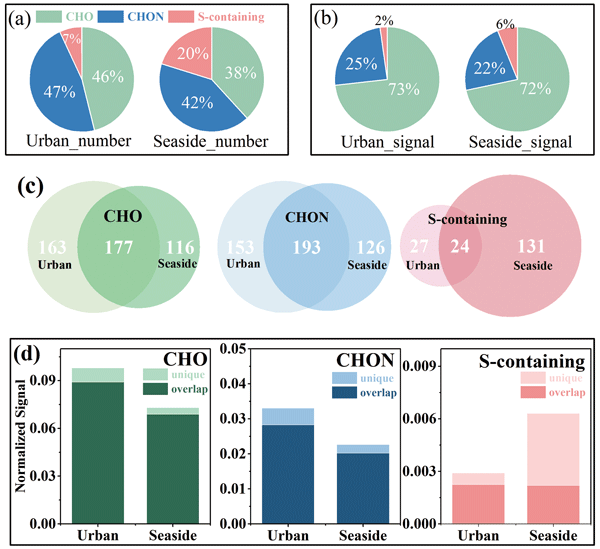
This study investigates the molecular characteristics and chemical evolution of organic aerosol (OA) in contrasting urban and seaside environments by offline Chemical Ionization Mass Spectrometry. Urban OA was enriched in aromatic species, while seaside OA featured aliphatic and highly oxidized compounds. Marine-derived humid air masses promoted aqueous/heterogeneous phase OA formation, leading to a higher oxidation state.
Gaojie Chen, Xiaolong Fan, Haichao Wang, Yee Jun Tham, Ziyi Lin, Xiaoting Ji, Lingling Xu, Baoye Hu, and Jinsheng Chen
Atmos. Chem. Phys., 25, 7815–7828, https://doi.org/10.5194/acp-25-7815-2025, https://doi.org/10.5194/acp-25-7815-2025, 2025
Short summary
Short summary
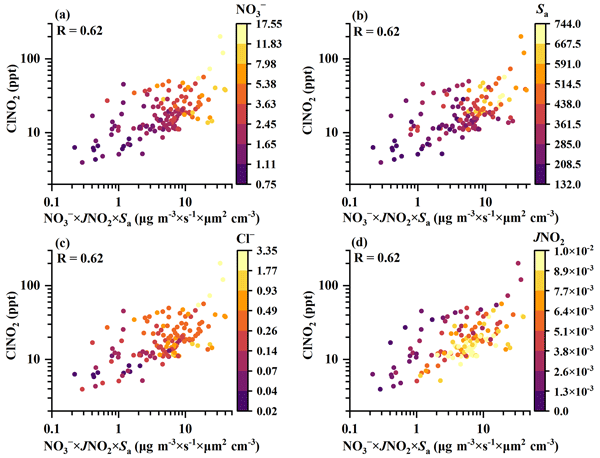
Our study revealed that the nighttime heterogeneous dinitrogen pentoxide (N2O5) uptake process was the major contributor of nitryl chloride (ClNO2) sources, while nitrate photolysis may promote the elevation of daytime ClNO2 concentrations. The rates of alkane oxidation by chlorine (Cl) radical in the early morning exceeded those by OH radical, significantly promoted the formation of ROx and ozone (O3), and further enhanced the atmospheric oxidation capacity levels.
Lingjun Li, Mengren Li, Xiaolong Fan, Yuping Chen, Ziyi Lin, Anqi Hou, Siqing Zhang, Ronghua Zheng, and Jinsheng Chen
Atmos. Chem. Phys., 25, 3669–3685, https://doi.org/10.5194/acp-25-3669-2025, https://doi.org/10.5194/acp-25-3669-2025, 2025
Short summary
Short summary
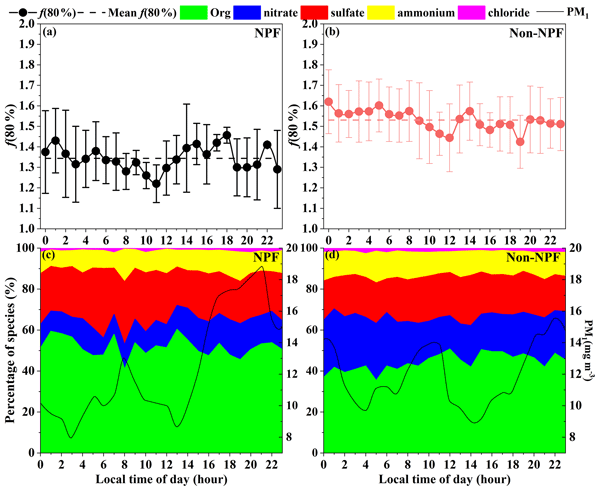
Here, we show differences and variations in the aerosol scattering hygroscopic growth factor (f(RH)) between new particle formation (NPF) and non-NPF days and the effect of aerosol chemical compositions on f(RH) in Xiamen with in situ observations. The findings are helpful for the further understanding of aerosol hygroscopicity in a coastal city and the use of hygroscopic growth factors in models of air quality and climate change.
Taotao Liu, Yiling Lin, Jinsheng Chen, Gaojie Chen, Chen Yang, Lingling Xu, Mengren Li, Xiaolong Fan, Yanting Chen, Liqian Yin, Yuping Chen, Xiaoting Ji, Ziyi Lin, Fuwang Zhang, Hong Wang, and Youwei Hong
Atmos. Chem. Phys. Discuss., https://doi.org/10.5194/acp-2022-292, https://doi.org/10.5194/acp-2022-292, 2022
Revised manuscript not accepted
Short summary
Short summary
Field observations and models analysis were carried out in a coastal city to study HCHO formation mechanism and its impacts on photochemistry. HCHO contributed to atmospheric oxidation by around 10 %, reflecting its significance in photochemistry. Disabling HCHO mechanism made net O3 production rates decrease by 31 %, which were dominated by the reductions of pathways relating to radical reactions, indicating the HCHO affected O3 mainly by controlling the efficiencies of radical propagation.
Jing Cai, Yongchun Liu, Feixue Zheng, Dian Ding, Wei Du, Liang Yuan, Yingjie Zou, Lazong Suolang, Rongxiang Lu, Wanwei Li, Chao Liu, Xiaolong Fan, Qiaozhi Zha, Mengxiao Luan, and Jiandong Wang
EGUsphere, https://doi.org/10.5194/egusphere-2026-4106, https://doi.org/10.5194/egusphere-2026-4106, 2026
Short summary
Short summary
Characterizing organic aerosol (OA) molecular composition, sources and toxicity in the North China Plain remains difficult. Through comprehensive online and offline measurements in Weifang, a representative medium-sized city, we identify combustion-derived OA with a moderate oxidation state as the key drivers of oxidative potential (OP). These insights are critical for health risk assessments amidst the region’s ongoing reduction in particulate mass due to emission controls.
Yishuo Guo, Chao Yan, Chang Li, Chenjuan Deng, Ying Zhang, Ying Zhou, Haotian Zheng, Yueqi Jiang, Xin Chen, Wei Ma, Nina Sarnela, Zhuohui Lin, Chenjie Hua, Xiaolong Fan, Feixue Zheng, Zemin Feng, Zongcheng Wang, Yusheng Zhang, Jingkun Jiang, Bin Zhao, Markku Kulmala, and Yongchun Liu
Atmos. Chem. Phys., 26, 3467–3487, https://doi.org/10.5194/acp-26-3467-2026, https://doi.org/10.5194/acp-26-3467-2026, 2026
Short summary
Short summary
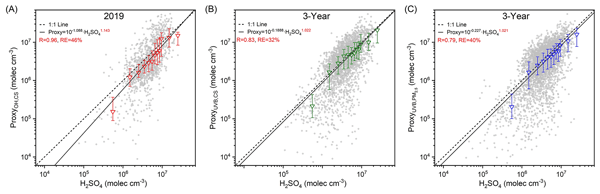
Gaseous sulfuric acid (H2SO4) is a key precursor in atmospheric cluster formation. Measurement challenges hinder its widespread observation. We conducted a three-year continuous measurement of H2SO4 in urban Beijing during 2019–2021, characterize its interannual, seasonal, and diurnal variations, and derives proxies to estimate its concentration. These proxies and parameters therein could be applicable at diverse sites and thus provide H2SO4 concentration covering many regions worldwide.
Ziyi Lin, Chuanyou Ying, Lingling Xu, Xiaoting Ji, Keran Zhang, Feng Zhang, Gaojie Chen, Lingjun Li, Chen Yang, Yuping Chen, Ziying Chen, and Jinsheng Chen
Atmos. Chem. Phys., 25, 17747–17759, https://doi.org/10.5194/acp-25-17747-2025, https://doi.org/10.5194/acp-25-17747-2025, 2025
Short summary
Short summary
Based on field observations of N2O5, we found extremely high nighttime concentrations of N2O5, with a maximum value of 2.52 ppb. Further multiphase box model analysis revealed that the heterogeneous uptake of N2O5 is the most significant nitrate formation pathway in NO2-limited urban areas. Additionally, we further analyzed the reasons for this high N2O5 uptake contribution, and discussed the synergistic reduction of nitrates and O3.
Yuping Chen, Lingling Xu, Xiaolong Fan, Ziyi Lin, Chen Yang, Gaojie Chen, Ronghua Zheng, Youwei Hong, Mengren Li, Yanru Zhang, and Jinsheng Chen
Atmos. Chem. Phys., 25, 16315–16330, https://doi.org/10.5194/acp-25-16315-2025, https://doi.org/10.5194/acp-25-16315-2025, 2025
Short summary
Short summary
This study investigates the molecular characteristics and chemical evolution of organic aerosol (OA) in contrasting urban and seaside environments by offline Chemical Ionization Mass Spectrometry. Urban OA was enriched in aromatic species, while seaside OA featured aliphatic and highly oxidized compounds. Marine-derived humid air masses promoted aqueous/heterogeneous phase OA formation, leading to a higher oxidation state.
Gaojie Chen, Xiaolong Fan, Haichao Wang, Yee Jun Tham, Ziyi Lin, Xiaoting Ji, Lingling Xu, Baoye Hu, and Jinsheng Chen
Atmos. Chem. Phys., 25, 7815–7828, https://doi.org/10.5194/acp-25-7815-2025, https://doi.org/10.5194/acp-25-7815-2025, 2025
Short summary
Short summary
Our study revealed that the nighttime heterogeneous dinitrogen pentoxide (N2O5) uptake process was the major contributor of nitryl chloride (ClNO2) sources, while nitrate photolysis may promote the elevation of daytime ClNO2 concentrations. The rates of alkane oxidation by chlorine (Cl) radical in the early morning exceeded those by OH radical, significantly promoted the formation of ROx and ozone (O3), and further enhanced the atmospheric oxidation capacity levels.
Lingjun Li, Mengren Li, Xiaolong Fan, Yuping Chen, Ziyi Lin, Anqi Hou, Siqing Zhang, Ronghua Zheng, and Jinsheng Chen
Atmos. Chem. Phys., 25, 3669–3685, https://doi.org/10.5194/acp-25-3669-2025, https://doi.org/10.5194/acp-25-3669-2025, 2025
Short summary
Short summary
Here, we show differences and variations in the aerosol scattering hygroscopic growth factor (f(RH)) between new particle formation (NPF) and non-NPF days and the effect of aerosol chemical compositions on f(RH) in Xiamen with in situ observations. The findings are helpful for the further understanding of aerosol hygroscopicity in a coastal city and the use of hygroscopic growth factors in models of air quality and climate change.
Baoye Hu, Naihua Chen, Rui Li, Mingqiang Huang, Jinsheng Chen, Youwei Hong, Lingling Xu, Xiaolong Fan, Mengren Li, Lei Tong, Qiuping Zheng, and Yuxiang Yang
Atmos. Chem. Phys., 25, 905–921, https://doi.org/10.5194/acp-25-905-2025, https://doi.org/10.5194/acp-25-905-2025, 2025
Short summary
Short summary
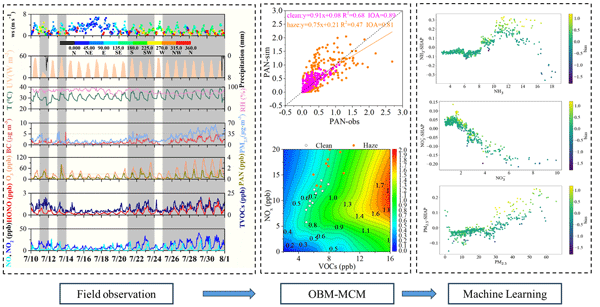
Box modeling with the Master Chemical Mechanism (MCM) was used to explore summertime peroxyacetyl nitrate (PAN) formation and its link to aerosol pollution under high-ozone conditions. The MCM model is effective in the study of PAN photochemical formation and performed better during the clean period than the haze period. Machine learning analysis identified ammonia, nitrate, and fine particulate matter as the top three factors contributing to simulation bias.
Yusheng Zhang, Feixue Zheng, Zemin Feng, Chaofan Lian, Weigang Wang, Xiaolong Fan, Wei Ma, Zhuohui Lin, Chang Li, Gen Zhang, Chao Yan, Ying Zhang, Veli-Matti Kerminen, Federico Bianch, Tuukka Petäjä, Juha Kangasluoma, Markku Kulmala, and Yongchun Liu
Atmos. Chem. Phys., 24, 8569–8587, https://doi.org/10.5194/acp-24-8569-2024, https://doi.org/10.5194/acp-24-8569-2024, 2024
Short summary
Short summary
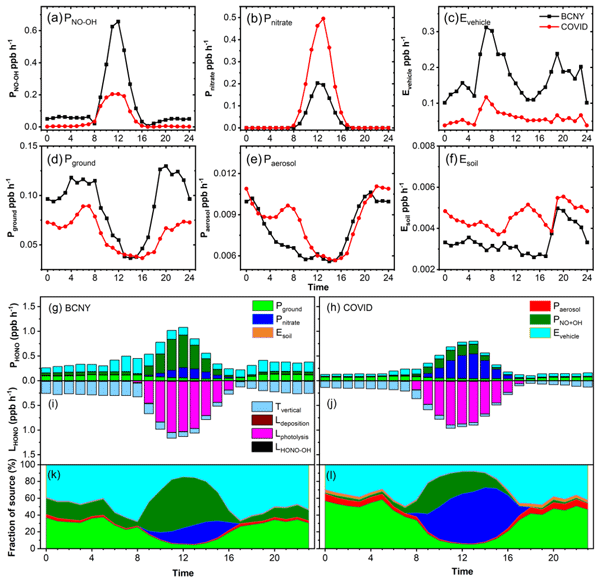
The nitrous acid (HONO) budget was validated during a COVID-19 lockdown event. The main conclusions are (1) HONO concentrations showed a significant decrease from 0.97 to 0.53 ppb during lockdown; (2) vehicle emissions accounted for 53 % of nighttime sources, with the heterogeneous conversion of NO2 on ground surfaces more important than aerosol; and (3) the dominant daytime source shifted from the homogenous reaction between NO and OH (51 %) to nitrate photolysis (53 %) during lockdown.
Youwei Hong, Keran Zhang, Dan Liao, Gaojie Chen, Min Zhao, Yiling Lin, Xiaoting Ji, Ke Xu, Yu Wu, Ruilian Yu, Gongren Hu, Sung-Deuk Choi, Likun Xue, and Jinsheng Chen
Atmos. Chem. Phys., 23, 10795–10807, https://doi.org/10.5194/acp-23-10795-2023, https://doi.org/10.5194/acp-23-10795-2023, 2023
Short summary
Short summary
Particle uptakes of HCHO and the impacts on PM2.5 and O3 production remain highly uncertain. Based on the investigation of co-occurring wintertime O3 and PM2.5 pollution in a coastal city of southeast China, we found enhanced heterogeneous formation of hydroxymethanesulfonate (HMS) and increased ROx concentrations and net O3 production rates. The findings of this study are helpful to better explore the mechanisms of key precursors for co-occurring PM2.5 and O3 pollution.
Jiayan Shi, Yuping Chen, Lingling Xu, Youwei Hong, Mengren Li, Xiaolong Fan, Liqian Yin, Yanting Chen, Chen Yang, Gaojie Chen, Taotao Liu, Xiaoting Ji, and Jinsheng Chen
Atmos. Chem. Phys., 22, 11187–11202, https://doi.org/10.5194/acp-22-11187-2022, https://doi.org/10.5194/acp-22-11187-2022, 2022
Short summary
Short summary
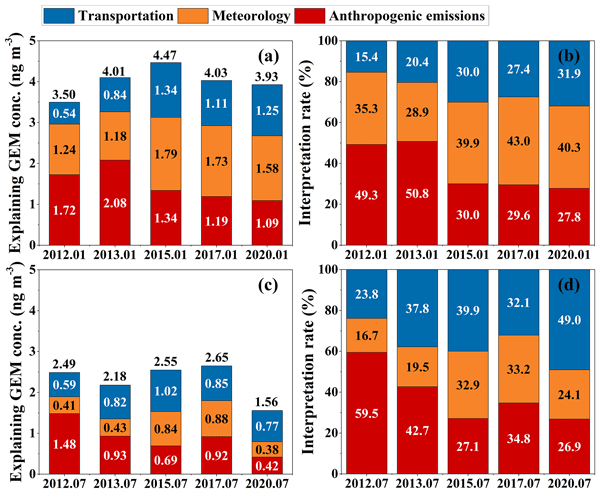
Gaseous elemental mercury (GEM) was observed in Southeast China over the period 2012–2020. The observed GEM concentrations showed no distinct inter-annual variation trends. The interpretation rate of transportation and meteorology on GEM variations displayed an increasing trend. In contrast, anthropogenic emissions have shown a decreasing interpretation rate since 2012, indicating the effectiveness of emission mitigation measures in reducing GEM concentrations in the study region.
Youwei Hong, Xinbei Xu, Dan Liao, Taotao Liu, Xiaoting Ji, Ke Xu, Chunyang Liao, Ting Wang, Chunshui Lin, and Jinsheng Chen
Atmos. Chem. Phys., 22, 7827–7841, https://doi.org/10.5194/acp-22-7827-2022, https://doi.org/10.5194/acp-22-7827-2022, 2022
Short summary
Short summary
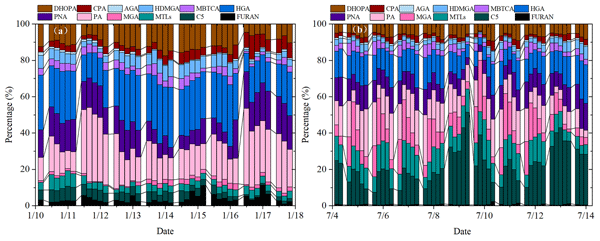
Secondary organic aerosol (SOA) simulation remains uncertain, due to the unknown SOA formation mechanisms. Aerosol samples with a 4 h time resolution were collected, along with online measurements of aerosol chemical compositions and meteorological parameters. We found that anthropogenic emissions, atmospheric oxidation capacity and halogen chemistry have significant effects on the formation of biogenic SOA (BSOA). The findings of this study are helpful to better explore the missed SOA sources.
Taotao Liu, Yiling Lin, Jinsheng Chen, Gaojie Chen, Chen Yang, Lingling Xu, Mengren Li, Xiaolong Fan, Yanting Chen, Liqian Yin, Yuping Chen, Xiaoting Ji, Ziyi Lin, Fuwang Zhang, Hong Wang, and Youwei Hong
Atmos. Chem. Phys. Discuss., https://doi.org/10.5194/acp-2022-292, https://doi.org/10.5194/acp-2022-292, 2022
Revised manuscript not accepted
Short summary
Short summary
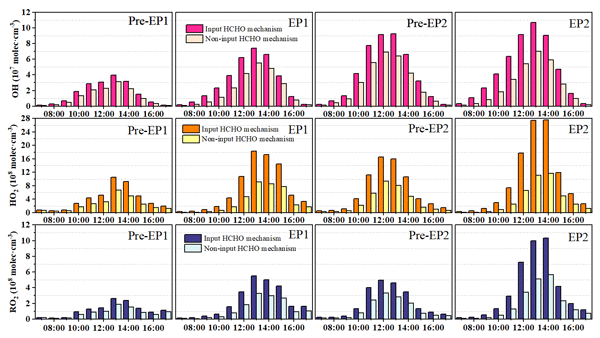
Field observations and models analysis were carried out in a coastal city to study HCHO formation mechanism and its impacts on photochemistry. HCHO contributed to atmospheric oxidation by around 10 %, reflecting its significance in photochemistry. Disabling HCHO mechanism made net O3 production rates decrease by 31 %, which were dominated by the reductions of pathways relating to radical reactions, indicating the HCHO affected O3 mainly by controlling the efficiencies of radical propagation.
Taotao Liu, Gaojie Chen, Jinsheng Chen, Lingling Xu, Mengren Li, Youwei Hong, Yanting Chen, Xiaoting Ji, Chen Yang, Yuping Chen, Weiguo Huang, Quanjia Huang, and Hong Wang
Atmos. Chem. Phys., 22, 4339–4353, https://doi.org/10.5194/acp-22-4339-2022, https://doi.org/10.5194/acp-22-4339-2022, 2022
Short summary
Short summary
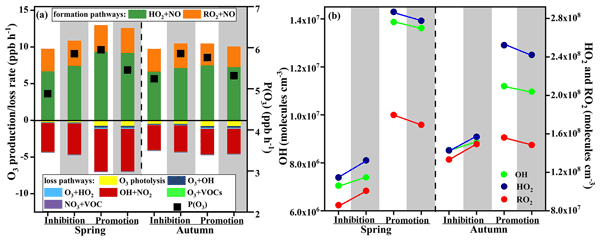
We clarified the seasonal variations of PAN pollution, influencing factors, its mechanisms, and impacts on O3 based on OBM and GAM models. PAN presented inhibition and promotion effects on O3 under low and high ROx levels. Monitoring of PAN and its precursors, and the quantification of its impacts on O3 formation, significantly guide photochemical pollution control. The analysis methods used in this study provide a reference for study of the formation mechanisms of PAN and O3 in other regions.
Taotao Liu, Youwei Hong, Mengren Li, Lingling Xu, Jinsheng Chen, Yahui Bian, Chen Yang, Yangbin Dan, Yingnan Zhang, Likun Xue, Min Zhao, Zhi Huang, and Hong Wang
Atmos. Chem. Phys., 22, 2173–2190, https://doi.org/10.5194/acp-22-2173-2022, https://doi.org/10.5194/acp-22-2173-2022, 2022
Short summary
Short summary
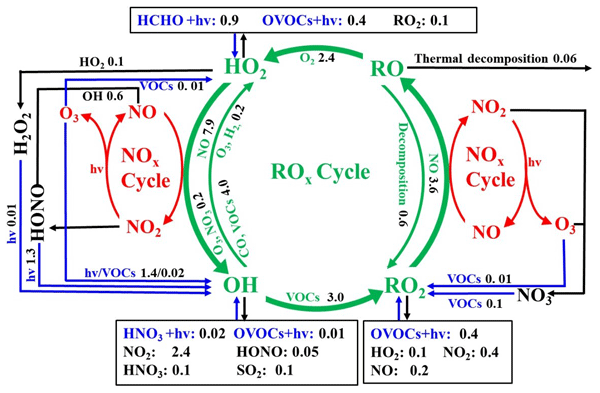
Based on the OBM-MCM model analyses, the study aims to clarify (1) the pollution characteristics of O3 and its precursors, (2) the atmospheric oxidation capacity and radical chemistry, and (3) the O3 formation mechanism and sensitivity analysis. The results are expected to enhance the understanding of the O3 formation mechanism with low O3 precursor levels and provide scientific evidence for O3 pollution control in coastal cities.
Baoye Hu, Jun Duan, Youwei Hong, Lingling Xu, Mengren Li, Yahui Bian, Min Qin, Wu Fang, Pinhua Xie, and Jinsheng Chen
Atmos. Chem. Phys., 22, 371–393, https://doi.org/10.5194/acp-22-371-2022, https://doi.org/10.5194/acp-22-371-2022, 2022
Short summary
Short summary
There has been a lack of research into HONO in coastal cities with low concentrations of PM2.5, but strong sunlight and high humidity. Insufficient research on coastal cities with good air quality has resulted in certain obstacles to assessing the photochemical processes in these areas. Furthermore, HONO contributes to the atmospheric photochemistry depending on the season. Therefore, observations of HONO across four seasons in the southeastern coastal area of China are urgently needed.
Lingling Xu, Jiayan Shi, Yuping Chen, Yanru Zhang, Mengrong Yang, Yanting Chen, Liqian Yin, Lei Tong, Hang Xiao, and Jinsheng Chen
Atmos. Chem. Phys., 21, 18543–18555, https://doi.org/10.5194/acp-21-18543-2021, https://doi.org/10.5194/acp-21-18543-2021, 2021
Short summary
Short summary
Mercury (Hg) isotopic compositions in aerosols are the mixed results of emission sources and atmospheric processes. This study presents Hg isotopic compositions in PM2.5 from different types of locations and total Hg from offshore surface seawater. The results indicate that atmospheric transformations induce significant mass independent fractionation of Hg isotopes, which obscures Hg isotopic signatures of initial emissions.
Cited articles
Acker, K., Möller, D., Wieprecht, W., Meixner, F. X., Bohn, B., Gilge, S., Plass-Dülmer, C., and Berresheim, H.: Strong daytime production of OH from HNO2 at a rural mountain site, Geophys. Res. Lett., 33, https://doi.org/10.1029/2005GL024643, 2006.
Alicke, B., Geyer, A., Hofzumahaus, A., Holland, F., Konrad, S., Pätz, H. W., Schäfer, J., Stutz, J., Volz-Thomas, A., and Platt, U.: OH formation by HONO photolysis during the BERLIOZ experiment, J. Geophys. Res.: Atmos., 108, PHO 3-1–PHO 3-17, https://doi.org/10.1029/2001JD000579, 2003.
Bertram, T. H. and Thornton, J. A.: Toward a general parameterization of N2O5 reactivity on aqueous particles: the competing effects of particle liquid water, nitrate and chloride, Atmos. Chem. Phys., 9, 8351–8363, https://doi.org/10.5194/acp-9-8351-2009, 2009a.
Bertram, T. H. and Thornton, J. A.: Toward a general parameterization of N2O5 reactivity on aqueous particles: the competing effects of particle liquid water, nitrate and chloride, Atmos. Chem. Phys., 9, 8351–8363, https://doi.org/10.5194/acp-9-8351-2009, 2009b.
Breiman, L.: Random Forests, Mach. Learn., 45, 5–32, https://doi.org/10.1023/A:1010933404324, 2001.
Cao, Y., Ma, Q., Chu, B., and He, H.: Homogeneous and heterogeneous photolysis of nitrate in the atmosphere: state of the science, current research needs, and future prospects, Front. Environ. Sci. Eng., 17, 48, https://doi.org/10.1007/s11783-023-1648-6, 2022.
Carter, W. P. L., Atkinson, R., Winer, A. M., and Pitts Jr., J. N.: Experimental investigation of chamber-dependent radical sources, Int. J. Chem. Kinet., 14, 1071-1103, https://doi.org/10.1002/kin.550141003, 1982.
Chen, X., Wang, H., Lu, K., Li, C., Zhai, T., Tan, Z., Ma, X., Yang, X., Liu, Y., Chen, S., Dong, H., Li, X., Wu, Z., Hu, M., Zeng, L., and Zhang, Y.: Field Determination of Nitrate Formation Pathway in Winter Beijing, Environ. Sci. Technol., 54, 9243–9253, https://doi.org/10.1021/acs.est.0c00972, 2020.
Chen, Y., Yang, C., Xu, L., Chen, J., Zhang, Y., Shi, J., Fan, X., Zheng, R., Hong, Y., and Li, M.: Chemical composition of NR-PM1 in a coastal city of Southeast China: Temporal variations and formation pathways, Atmos. Environ., 285, 119243, https://doi.org/10.1016/j.atmosenv.2022.119243, 2022.
Chen, Y., Yang, C., Xu, L., Fan, X., Shi, J., Zheng, R., Hong, Y., Li, M., Liu, T., Chen, G., Yin, L., and Chen, J.: Variations of chemical composition of NR-PM1 under the influence of sea land breeze in a coastal city of Southeast China, Atmos. Res., 285, 106626, https://doi.org/10.1016/j.atmosres.2023.106626, 2023.
Cui, L., Li, R., Zhang, Y., Meng, Y., Fu, H., and Chen, J.: An observational study of nitrous acid (HONO) in Shanghai, China: The aerosol impact on HONO formation during the haze episodes, Sci. Tot. Environ., 630, 1057–1070, https://doi.org/10.1016/j.scitotenv.2018.02.063, 2018.
Evans, M. J. and Jacob, D. J.: Impact of new laboratory studies of N2O5 hydrolysis on global model budgets of tropospheric nitrogen oxides, ozone, and OH, Geophys. Res. Lett., 32, https://doi.org/10.1029/2005GL022469, 2005.
Gen, M., Zheng, H., Sun, Y., Xu, W., Ma, N., Su, H., Cheng, Y., Wang, S., Xing, J., Zhang, S., Xue, L., Xue, C., Mu, Y., Tian, X., Matsuki, A., and Song, S.: Rapid hydrolysis of NO2 at High Ionic Strengths of Deliquesced Aerosol Particles, Environ. Sci. Technol., 58, 7904–7915, https://doi.org/10.1021/acs.est.3c08810, 2024.
Goldstein, A., Kapelner, A., Bleich, J., and Pitkin, E.: Peeking Inside the Black Box: Visualizing Statistical Learning With Plots of Individual Conditional Expectation, J. Comput. Graph. Stat., 24, 44–65, https://doi.org/10.1080/10618600.2014.907095, 2015.
Gregorutti, B., Michel, B., and Saint-Pierre, P.: Correlation and variable importance in random forests, Stat. Comput., 27, 659–678, https://doi.org/10.1007/s11222-016-9646-1, 2017.
Griffiths, P. T., Badger, C. L., Cox, R. A., Folkers, M., Henk, H. H., and Mentel, T. F.: Reactive Uptake of N2O5 by Aerosols Containing Dicarboxylic Acids. Effect of Particle Phase, Composition, and Nitrate Content, J. Phys. Chem. A, 113, 5082–5090, https://doi.org/10.1021/jp8096814, 2009.
Hallquist, M., Stewart, D. J., Stephenson, S. K., and Anthony Cox, R.: Hydrolysis of N2O5 on sub-micron sulfate aerosols, Phys. Chem. Chem. Phys., 5, 3453–3463, https://doi.org/10.1039/B301827J, 2003.
Han, C., Yang, W., Wu, Q., Yang, H., and Xue, X.: Heterogeneous Photochemical Conversion of NO2 to HONO on the Humic Acid Surface under Simulated Sunlight, Environ. Sci. Technol., 50, 5017–5023, https://doi.org/10.1021/acs.est.5b05101, 2016.
Hao, Q., Jiang, N., Zhang, R., Yang, L., and Li, S.: Characteristics, sources, and reactions of nitrous acid during winter at an urban site in the Central Plains Economic Region in China, Atmos. Chem. Phys., 20, 7087–7102, https://doi.org/10.5194/acp-20-7087-2020, 2020.
Hersbach, H., Bell, B., Berrisford, P., Hirahara, S., Horányi, A., Muñoz-Sabater, J., Nicolas, J., Peubey, C., Radu, R., Schepers, D., Simmons, A., Soci, C., Abdalla, S., Abellan, X., Balsamo, G., Bechtold, P., Biavati, G., Bidlot, J., Bonavita, M., De Chiara, G., Dahlgren, P., Dee, D., Diamantakis, M., Dragani, R., Flemming, J., Forbes, R., Fuentes, M., Geer, A., Haimberger, L., Healy, S., Hogan, R. J., Hólm, E., Janisková, M., Keeley, S., Laloyaux, P., Lopez, P., Lupu, C., Radnoti, G., de Rosnay, P., Rozum, I., Vamborg, F., Villaume, S., and Thépaut, J.-N.: The ERA5 global reanalysis, Q. J. R. Meteorol. Soc., 146, 1999–2049, https://doi.org/10.1002/qj.3803, 2020.
Huang, L., Zhang, X., Emery, C., Mu, Q., Yarwood, G., Zhai, H., Sun, Z., Xue, S., Wang, Y., Fu, J. S., and Li, L.: Recommendations on benchmarks for numerical air quality model applications in China – Part 2: Ozone and uncertainty analysis, Atmos. Chem. Phys., 25, 4233–4249, https://doi.org/10.5194/acp-25-4233-2025, 2025.
Jia, C., Tong, S., Zhang, W., Zhang, X., Li, W., Wang, Z., Wang, L., Liu, Z., Hu, B., Zhao, P., and Ge, M.: Pollution characteristics and potential sources of nitrous acid (HONO) in early autumn 2018 of Beijing, Sci. Tot. Environ., 735, 139317, https://doi.org/10.1016/j.scitotenv.2020.139317, 2020.
Jungwirth, P. and Tobias, D. J.: Specific Ion Effects at the Air/Water Interface, Chem. Rev., 106, 1259–1281, https://doi.org/10.1021/cr0403741, 2006.
Kleffmann, J., Kurtenbach, R., Lörzer, J., Wiesen, P., Kalthoff, N., Vogel, B., and Vogel, H.: Measured and simulated vertical profiles of nitrous acid—Part I: Field measurements, Atmos. Environ., 37, 2949–2955, https://doi.org/10.1016/S1352-2310(03)00242-5, 2003.
Knipping, E. M., Lakin, M. J., Foster, K. L., Jungwirth, P., Tobias, D. J., Gerber, R. B., Dabdub, D., and Finlayson-Pitts, B. J.: Experiments and Simulations of Ion-Enhanced Interfacial Chemistry on Aqueous NaCl Aerosols, Science, 288, 301–306, https://doi.org/10.1126/science.288.5464.301, 2000.
Kulmala, M., Petäjä, T., Nieminen, T., Sipilä, M., Manninen, H. E., Lehtipalo, K., Dal Maso, M., Aalto, P. P., Junninen, H., Paasonen, P., Riipinen, I., Lehtinen, K. E. J., Laaksonen, A., and Kerminen, V.-M.: Measurement of the nucleation of atmospheric aerosol particles, Nat. Protoc., 7, 1651–1667, https://doi.org/10.1038/nprot.2012.091, 2012.
Lee, Y. N. and Schwartz, S. E.: Reaction kinetics of nitrogen dioxide with liquid water at low partial pressure, J. Phys. Chem., 85, 840–848, https://doi.org/10.1021/j150607a022, 1981.
Li, L., Lin, Z., Li, M., Fan, X., Yang, C., Hou, A., Chen, Y., Xu, L., Hong, Y., and Chen, J.: Importance of Methanesulfonic Acid in New Particle Formation in a Coastal City of Southeast China, Geophys. Res. Lett., 52, e2025GL117238, https://doi.org/10.1029/2025GL117238, 2025.
Li, X., Brauers, T., Häseler, R., Bohn, B., Fuchs, H., Hofzumahaus, A., Holland, F., Lou, S., Lu, K. D., Rohrer, F., Hu, M., Zeng, L. M., Zhang, Y. H., Garland, R. M., Su, H., Nowak, A., Wiedensohler, A., Takegawa, N., Shao, M., and Wahner, A.: Exploring the atmospheric chemistry of nitrous acid (HONO) at a rural site in Southern China, Atmos. Chem. Phys., 12, 1497–1513, https://doi.org/10.5194/acp-12-1497-2012, 2012.
Lin, Z., Ying, C., Xu, L., Ji, X., Zhang, K., Zhang, F., Chen, G., Li, L., Yang, C., Chen, Y., Chen, Z., and Chen, J.: Measurement report: High contribution of N2O5 uptake to particulate nitrate formation in NO2-limited urban areas, Atmos. Chem. Phys., 25, 17747–17759, https://doi.org/10.5194/acp-25-17747-2025, 2025.
Lin, Z., Ji, X., Xu, L., Chen, G., Yang, C., Zhang, K., Zhang, F., Li, L., Chen, Y., and Chen, J.: Enhanced NO2-driven multiphase formation of particulate nitrate and sulfate under high-humidity conditions, npj Clim. Atmos. Sci., 9, 76, https://doi.org/10.1038/s41612-026-01352-5, 2026a.
Lin, Z., Li, L., Xu, L., Ji, X., Zhang, K., Yang, C., Chen, G., Fan, X., and Chen, J.: Unexpected Daytime N2O5 in Urban Areas: Formation Mechanisms and Environmental Impacts, Geophys. Res. Lett., 53, e2025GL121461, https://doi.org/10.1029/2025GL121461, 2026b.
Lin, Z., Lingling, X., and Jinsheng, C.: Data for Chlorine enhances nocturnal heterogeneous uptake of NO2 in coastal atmosphere under sea-land breeze circulation, Zenodo [data set], https://doi.org/10.5281/zenodo.21037074, 2026c.
Liu, C., Wang, H., Li, L., Chen, X., Lu, X., and Fan, S.: Impacts of sea-land breeze on the coastal ozone in the Pearl River Delta, China, J. Environ. Sci., https://doi.org/10.1016/j.jes.2025.08.037, 2025.
Liu, T. and Abbatt, J. P. D.: Oxidation of sulfur dioxide by nitrogen dioxide accelerated at the interface of deliquesced aerosol particles, Nat. Chem., 13, 1173–1177, https://doi.org/10.1038/s41557-021-00777-0, 2021.
Liu, T., Hong, Y., Li, M., Xu, L., Chen, J., Bian, Y., Yang, C., Dan, Y., Zhang, Y., Xue, L., Zhao, M., Huang, Z., and Wang, H.: Atmospheric oxidation capacity and ozone pollution mechanism in a coastal city of southeastern China: analysis of a typical photochemical episode by an observation-based model, Atmos. Chem. Phys., 22, 2173–2190, https://doi.org/10.5194/acp-22-2173-2022, 2022.
Liu, Y., Nie, W., Xu, Z., Wang, T., Wang, R., Li, Y., Wang, L., Chi, X., and Ding, A.: Semi-quantitative understanding of source contribution to nitrous acid (HONO) based on 1 year of continuous observation at the SORPES station in eastern China, Atmos. Chem. Phys., 19, 13289–13308, https://doi.org/10.5194/acp-19-13289-2019, 2019.
Ma, W., Chen, X., Wang, Y., Zhang, Y., Zheng, F., Li, J., Hua, C., Zhao, Z., Yuan, Q., Wu, J., Jiang, J., Ye, P., Kulmala, M., Worsnop, D. R., Yang, H., and Liu, Y.: High Aerosol Ionic Strength Possibly Affecting Nocturnal Chlorine Formation via Heterogeneous Reaction in Urban Beijing, Environ. Sci. Technol., 60, 902–912, https://doi.org/10.1021/acs.est.5c09187, 2026.
Ma, X., Liu, H., and Peng, Z.: Improving PM2.5 and PM10 predictions in China from WRF Chem through a deep learning method: Multiscale depth-separable UNet, Environ. Pollu., 364, 125344, https://doi.org/10.1016/j.envpol.2024.125344, 2025.
Mao, J., Li, L., Li, J., Sulaymon, I. D., Xiong, K., Wang, K., Zhu, J., Chen, G., Ye, F., Zhang, N., Qin, Y., Qin, M., and Hu, J.: Evaluation of Long-Term Modeling Fine Particulate Matter and Ozone in China During 2013–2019, Front. Environ. Sci., 10, https://doi.org/10.3389/fenvs.2022.872249, 2022.
Nie, W., Yan, C., Huang, D. D., Wang, Z., Liu, Y., Qiao, X., Guo, Y., Tian, L., Zheng, P., Xu, Z., Li, Y., Xu, Z., Qi, X., Sun, P., Wang, J., Zheng, F., Li, X., Yin, R., Dallenbach, K. R., Bianchi, F., Petäjä, T., Zhang, Y., Wang, M., Schervish, M., Wang, S., Qiao, L., Wang, Q., Zhou, M., Wang, H., Yu, C., Yao, D., Guo, H., Ye, P., Lee, S., Li, Y. J., Liu, Y., Chi, X., Kerminen, V.-M., Ehn, M., Donahue, N. M., Wang, T., Huang, C., Kulmala, M., Worsnop, D., Jiang, J., and Ding, A.: Secondary organic aerosol formed by condensing anthropogenic vapours over China's megacities, Nat. Geosci., 15, 255–261, https://doi.org/10.1038/s41561-022-00922-5, 2022.
Piatkowski, L., Zhang, Z., Backus, E. H. G., Bakker, H. J., and Bonn, M.: Extreme surface propensity of halide ions in water, Nat. Commun., 5, 4083, https://doi.org/10.1038/ncomms5083, 2014.
Qin, M., Xie, P., Su, H., Gu, J., Peng, F., Li, S., Zeng, L., Liu, J., Liu, W., and Zhang, Y.: An observational study of the HONO–NO2 coupling at an urban site in Guangzhou City, South China, Atmos. Environ., 43, 5731–5742, https://doi.org/10.1016/j.atmosenv.2009.08.017, 2009.
Qu, R. and Han, G.: A critical review of the variation in rainwater acidity in 24 Chinese cities during 1982–2018, Elementa, 9, 00142, https://doi.org/10.1525/elementa.2021.00142, 2021.
Seinfeld, J. H., Pandis, S. N., and Noone, K. J.: Atmospheric Chemistry and Physics: From Air Pollution to Climate Change, Phys. Today, 51, 88–90, 1998.
Shen, H., Li, Q., Xu, F., Xue, L., Hu, Y., Saiz-Lopez, A., Wang, W., and Wang, T.: Aerosol iodide accelerates reactive nitrogen cycling in the marine atmosphere, Nat. Commun., 16, 8148, https://doi.org/10.1038/s41467-025-63420-3, 2025.
Shi, X., Ge, Y., Zheng, J., Ma, Y., Ren, X., and Zhang, Y.: Budget of nitrous acid and its impacts on atmospheric oxidative capacity at an urban site in the central Yangtze River Delta region of China, Atmos. Environ., 238, 117725, https://doi.org/10.1016/j.atmosenv.2020.117725, 2020.
Stemmler, K., Ammann, M., Donders, C., Kleffmann, J., and George, C.: Photosensitized reduction of nitrogen dioxide on humic acid as a source of nitrous acid, Nature, 440, 195–198, https://doi.org/10.1038/nature04603, 2006.
Su, H., Cheng, Y. F., Cheng, P., Zhang, Y. H., Dong, S., Zeng, L. M., Wang, X., Slanina, J., Shao, M., and Wiedensohler, A.: Observation of nighttime nitrous acid (HONO) formation at a non-urban site during PRIDE-PRD2004 in China, Atmos. Environ., 42, 6219–6232, https://doi.org/10.1016/j.atmosenv.2008.04.006, 2008.
Sun, L., Zhang, J., Ducruet, C., Itoh, H., and Liu, X.: The impact of shipping activities on air quality and residents' health in China's port cities, J. Transp. Geogr., 123, 104099, https://doi.org/10.1016/j.jtrangeo.2024.104099, 2025.
Wagner, N. L., Riedel, T. P., Young, C. J., Bahreini, R., Brock, C. A., Dubé, W. P., Kim, S., Middlebrook, A. M., Öztürk, F., Roberts, J. M., Russo, R., Sive, B., Swarthout, R., Thornton, J. A., VandenBoer, T. C., Zhou, Y., and Brown, S. S.: N2O5 uptake coefficients and nocturnal NO2 removal rates determined from ambient wintertime measurements, J. Geophys. Res.: Atmos., 118, 9331–9350, https://doi.org/10.1002/jgrd.50653, 2013.
Wang, G., Zhang, S., Wu, C., Zhu, T., Xu, X., Ge, S., Sun, H., Sun, Z., Wang, J., Ji, Y., Gao, J., Ren, Y., Li, H., Zhang, F., Wang, Y., and Seinfeld, J. H.: Atmospheric sulfate aerosol formation enhanced by interfacial anions, PNAS Nexus, 4, pgaf058, https://doi.org/10.1093/pnasnexus/pgaf058, 2025a.
Wang, H., Lu, K., Chen, X., Zhu, Q., Chen, Q., Guo, S., Jiang, M., Li, X., Shang, D., Tan, Z., Wu, Y., Wu, Z., Zou, Q., Zheng, Y., Zeng, L., Zhu, T., Hu, M., and Zhang, Y.: High N2O5 Concentrations Observed in Urban Beijing: Implications of a Large Nitrate Formation Pathway, Environ. Sci. Technol. Lett., 4, 416–420, https://doi.org/10.1021/acs.estlett.7b00341, 2017a.
Wang, H., Lu, K., Guo, S., Wu, Z., Shang, D., Tan, Z., Wang, Y., Le Breton, M., Lou, S., Tang, M., Wu, Y., Zhu, W., Zheng, J., Zeng, L., Hallquist, M., Hu, M., and Zhang, Y.: Efficient N2O5 uptake and NO3 oxidation in the outflow of urban Beijing, Atmos. Chem. Phys., 18, 9705–9721, https://doi.org/10.5194/acp-18-9705-2018, 2018.
Wang, J., Zhang, X., Guo, J., Wang, Z., and Zhang, M.: Observation of nitrous acid (HONO) in Beijing, China: Seasonal variation, nocturnal formation and daytime budget, Sci. Tot. Environ., 587–588, 350–359, https://doi.org/10.1016/j.scitotenv.2017.02.159, 2017b.
Wang, Y., Liu, P., Zhang, C., Xue, C., Zhao, X., Fu, S., Wu, Z., Song, Y., Wang, Y., Liu, C., and Mu, Y.: Evaluating the contribution of residential coal combustion to atmospheric nitrous acid (HONO) in winter, Environ. Pollut., 378, 126488, https://doi.org/10.1016/j.envpol.2025.126488, 2025b.
Wen, Y., Liu, M., Zhang, S., Wu, X., Wu, Y., and Hao, J.: Updating On-Road Vehicle Emissions for China: Spatial Patterns, Temporal Trends, and Mitigation Drivers, Environ. Sci. Technol., 57, 14299–14309, https://doi.org/10.1021/acs.est.3c04909, 2023.
Wentzell, J. J. B., Schiller, C. L., and Harris, G. W.: Measurements of HONO during BAQS-Met, Atmos. Chem. Phys., 10, 12285–12293, https://doi.org/10.5194/acp-10-12285-2010, 2010.
Wolfe, G. M., Marvin, M. R., Roberts, S. J., Travis, K. R., and Liao, J.: The Framework for 0-D Atmospheric Modeling (F0AM) v3.1, Geosci. Model Dev., 9, 3309–3319, https://doi.org/10.5194/gmd-9-3309-2016, 2016.
Xie, J., Sun, J., Li, Y., Chan, P. W., Li, L., Huang, C., Tang, L., Fan, S., Zheng, Y., and Fan, Z.: Sea-land breezes in the Guangdong- Hong Kong- Macau Greater Bay Area coastal zone from 2013 to 2022, Atmos. Res., 296, 107044, https://doi.org/10.1016/j.atmosres.2023.107044, 2023.
Xu, W., Kuang, Y., Xu, W., Liu, L., Xu, H., Wang, X., Liu, Y., Cheng, H., Zhang, X., Zhai, M., Liu, C., Liang, L., Zhang, G., Luo, B., Tao, J., Liu, J., Zhao, H., Ren, S., Zhou, G., Liu, P., Xu, X., and Sun, Y.: Efficient Nitrate Formation in Fog Events Implicates Fog Interstitial Aerosols as Significant Drivers of Atmospheric Chemistry, Environ. Sci. Technol., 58, 22298–22311, https://doi.org/10.1021/acs.est.4c09078, 2024.
Xu, Z., Wang, T., Wu, J., Xue, L., Chan, J., Zha, Q., Zhou, S., Louie, P. K. K., and Luk, C. W. Y.: Nitrous acid (HONO) in a polluted subtropical atmosphere: Seasonal variability, direct vehicle emissions and heterogeneous production at ground surface, Atmos. Environ., 106, 100–109, https://doi.org/10.1016/j.atmosenv.2015.01.061, 2015.
Xuan, H., Zhao, Y., Ma, Q., Chen, T., Liu, J., Wang, Y., Liu, C., Wang, Y., Liu, Y., Mu, Y., and He, H.: Formation mechanisms and atmospheric implications of summertime nitrous acid (HONO) during clean, ozone pollution and double high-level PM2.5 and O3 pollution periods in Beijing, Sci. Tot. Environ., 857, 159538, https://doi.org/10.1016/j.scitotenv.2022.159538, 2023.
Xuan, H., Liu, J., Zhao, Y., Cao, Q., Chen, T., Wang, Y., Liu, Z., Sun, X., Li, H., Zhang, P., Chu, B., Ma, Q., and He, H.: Relative humidity driven nocturnal HONO formation mechanism in autumn haze events of Beijing, npj Clim. Atmos. Sci., 7, 193, https://doi.org/10.1038/s41612-024-00745-8, 2024.
Xuan, H., Liu, C., Zhang, P., Chu, B., Liang, L., Ma, Q., and He, H.: A Review of Laboratory Studies on the Heterogeneous Chemistry of NO2: Mechanisms and Uptake Kinetics, J. Phys. Chem. A, 129, 815–835, https://doi.org/10.1021/acs.jpca.4c07943, 2025.
Yang, C., Dong, H., Chen, Y., Wang, Y., Fan, X., Tham, Y. J., Chen, G., Xu, L., Lin, Z., Li, M., Hong, Y., and Chen, J.: Machine Learning Reveals the Parameters Affecting the Gaseous Sulfuric Acid Distribution in a Coastal City: Model Construction and Interpretation, Environ. Sci. Technol. Lett., 10, 1045–1051, https://doi.org/10.1021/acs.estlett.3c00170, 2023.
Yang, C., Dong, H., Chen, Y., Xu, L., Chen, G., Fan, X., Wang, Y., Tham, Y. J., Lin, Z., Li, M., Hong, Y., and Chen, J.: New Insights on the Formation of Nucleation Mode Particles in a Coastal City Based on a Machine Learning Approach, Environ. Sci. Technol., 58, 1187–1198, https://doi.org/10.1021/acs.est.3c07042, 2024.
Yang, J., Shen, H., Guo, M.-Z., Zhao, M., Jiang, Y., Chen, T., Liu, Y., Li, H., Zhu, Y., Meng, H., Wang, W., and Xue, L.: Strong marine-derived nitrous acid (HONO) production observed in the coastal atmosphere of northern China, Atmos. Environ., 244, 117948, https://doi.org/10.1016/j.atmosenv.2020.117948, 2021.
Ye, C., Zhang, N., Gao, H., and Zhou, X.: Photolysis of Particulate Nitrate as a Source of HONO and NOx, Environ. Sci. Technol., 51, 6849–6856, https://doi.org/10.1021/acs.est.7b00387, 2017.
Zha, Q., Xue, L., Wang, T., Xu, Z., Yeung, C., Louie, P. K. K., and Luk, C. W. Y.: Large conversion rates of NO2 to HNO2 observed in air masses from the South China Sea: Evidence of strong production at sea surface?, Geophys. Res. Lett., 41, 7710–7715, https://doi.org/10.1002/2014GL061429, 2014.
Zhang, R., Minamikawa, R., Gen, M., Singh, N., Daniel, D., Li, Y. J., Wang, X., and Chan, C. K.: Evidence on Interfacial Reaction Governing NO2 Hydrolysis in Deliquesced Aerosol Particles, Environ. Sci. Technol., 59, 11708–11719, https://doi.org/10.1021/acs.est.5c05223, 2025a.
Zhang, W., Tong, S., Jia, C., Wang, L., Liu, B., Tang, G., Ji, D., Hu, B., Liu, Z., Li, W., Wang, Z., Liu, Y., Wang, Y., and Ge, M.: Different HONO Sources for Three Layers at the Urban Area of Beijing, Environ. Sci. Technol., 54, 12870–12880, https://doi.org/10.1021/acs.est.0c02146, 2020.
Zhang, X., Tong, S., Jia, C., Zhang, W., Li, J., Wang, W., Sun, Y., Wang, X., Wang, L., Ji, D., Wang, L., Zhao, P., Tang, G., Xin, J., Li, A., and Ge, M.: The Levels and Sources of Nitrous Acid (HONO) in Winter of Beijing and Sanmenxia, J. Geophys. Res.: Atmos., 127, e2021JD036278, https://doi.org/10.1029/2021JD036278, 2022.
Zhang, X., Tong, S., Jia, C., Zhang, W., Wang, Z., Tang, G., Hu, B., Liu, Z., Wang, L., Zhao, P., Pan, Y., and Ge, M.: Elucidating HONO formation mechanism and its essential contribution to OH during haze events, npj Clim. Atmos. Sci., 6, 55, https://doi.org/10.1038/s41612-023-00371-w, 2023.
Zhang, Y., Zheng, F., Feng, Z., Lian, C., Wang, W., Fan, X., Ma, W., Lin, Z., Li, C., Zhang, G., Yan, C., Zhang, Y., Kerminen, V.-M., Bianch, F., Petäjä, T., Kangasluoma, J., Kulmala, M., and Liu, Y.: Concentration and source changes of nitrous acid (HONO) during the COVID-19 lockdown in Beijing, Atmos. Chem. Phys., 24, 8569–8587, https://doi.org/10.5194/acp-24-8569-2024, 2024.
Zhang, Y., Liu, Y., Ma, W., Hua, C., Zheng, F., Lian, C., Wang, W., Xia, M., Zhao, Z., Li, J., Xie, J., Wang, Z., Wang, Y., Chen, X., Zhang, Y., Feng, Z., Yan, C., Chu, B., Du, W., Kerminen, V.-M., Bianchi, F., Petäjä, T., Worsnop, D., and Kulmala, M.: Changing aerosol chemistry is redefining HONO sources, Nat. Commun., 16, 5238, https://doi.org/10.1038/s41467-025-60614-7, 2025b.
Zheng, J., Shi, X., Ma, Y., Ren, X., Jabbour, H., Diao, Y., Wang, W., Ge, Y., Zhang, Y., and Zhu, W.: Contribution of nitrous acid to the atmospheric oxidation capacity in an industrial zone in the Yangtze River Delta region of China, Atmos. Chem. Phys., 20, 5457–5475, https://doi.org/10.5194/acp-20-5457-2020, 2020.
Zhou, X., Zhang, N., TerAvest, M., Tang, D., Hou, J., Bertman, S., Alaghmand, M., Shepson, P. B., Carroll, M. A., Griffith, S., Dusanter, S., and Stevens, P. S.: Nitric acid photolysis on forest canopy surface as a source for tropospheric nitrous acid, Nat. Geosci., 4, 440-443, https://doi.org/10.1038/ngeo1164, 2011.
Short summary
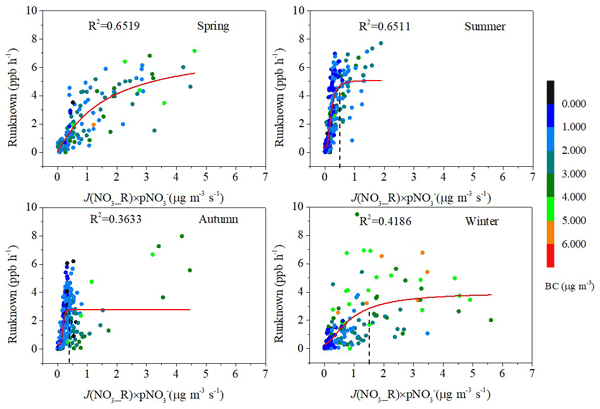
Nitrogen dioxide can react on wet surfaces, producing pollutants that affect air quality. To understand why this process is stronger in coastal regions, we conducted field measurements in a Chinese coastal city during sea–land breeze periods. We found that chloride from sea salt greatly enhances nitrogen dioxide uptake, increasing the formation of nitrous acid and nitrate. This highlights a key role of chlorine in coastal air pollution and improves predictions of nighttime atmospheric chemistry.
Nitrogen dioxide can react on wet surfaces, producing pollutants that affect air quality. To...


Altmetrics
Final-revised paper
Preprint