
Articles | Volume 13, issue 3
https://doi.org/10.5194/acp-13-1439-2013
© Author(s) 2013. This work is distributed under
the Creative Commons Attribution 3.0 License.
the Creative Commons Attribution 3.0 License.
https://doi.org/10.5194/acp-13-1439-2013
© Author(s) 2013. This work is distributed under
the Creative Commons Attribution 3.0 License.
the Creative Commons Attribution 3.0 License.
Research article
| 
06 Feb 2013
Research article |
| 06 Feb 2013
Eddy covariance emission and deposition flux measurements using proton transfer reaction – time of flight – mass spectrometry (PTR-TOF-MS): comparison with PTR-MS measured vertical gradients and fluxes
J.-H. Park
Department of Environmental Science, Policy, and Management, University of California, Berkeley, CA 94720, USA
Institute for Marine and Atmospheric Research Utrecht, Princetonplein 5, 3584 CC, Utrecht, The Netherlands
now at: Institute of Alpine and Arctic Research (INSTAAR), University of Colorado, Boulder, CO 80309-0450, USA
A. H. Goldstein
Department of Environmental Science, Policy, and Management, University of California, Berkeley, CA 94720, USA
Department of Civil and Environmental Engineering, University of California, Berkeley, CA 94720, USA
J. Timkovsky
Institute for Marine and Atmospheric Research Utrecht, Princetonplein 5, 3584 CC, Utrecht, The Netherlands
Department of Environmental Science, Policy, and Management, University of California, Berkeley, CA 94720, USA
Consiglio per la Ricerca e la sperimentazione in Agricoltura – Centro di ricerca per lo studio delle Relazioni tra Pianta e Suolo, Rome, Italy
R. Weber
Department of Environmental Science, Policy, and Management, University of California, Berkeley, CA 94720, USA
J. Karlik
University of California Cooperative Extension, Bakersfield, CA 93307, USA
R. Holzinger
Institute for Marine and Atmospheric Research Utrecht, Princetonplein 5, 3584 CC, Utrecht, The Netherlands
Related authors
No articles found.
Farhan R. Nursanto, Quanfu He, Sophia van de Wouw, Annika Zanders, Thorsten Hohaus, Willem S. J. Kroese, Robert Wegener, Max Gerrit Adam, Benjamin Winter, René Dubus, Lukas Kesper, Franz Rohrer, Yuwei Wang, Emily Matthews, Aristeidis Voliotis, Thomas J. Bannan, Gordon McFiggans, Hugh Coe, Yizhen Wu, Milan Roska, Manjula Canagaratna, Mitch Alton, Matthew M. Coggon, Chelsea E. Stockwell, Kelvin H. Bates, Eva Y. Pfannerstill, Sören R. Zorn, Hui Wang, Matthieu Riva, Sebastien Perrier, Boxing Yang, Lu Liu, Anna Novelli, Michelle Färber, Hendrik Fuchs, Andrea Carolina Marcillo Lara, Achim Grasse, Christian Wesolek, Ralf Tillmann, Rupert Holzinger, Maarten C. Krol, Georgios I. Gkatzelis, and Juliane L. Fry
EGUsphere, https://doi.org/10.5194/egusphere-2025-6310, https://doi.org/10.5194/egusphere-2025-6310, 2026
This preprint is open for discussion and under review for Atmospheric Chemistry and Physics (ACP).
Short summary
Short summary
Urban air contains reactive gases that can form organic nitrate particles and carry nitrogen oxides pollution far from cities. We recreated urban emissions in a large atmospheric chamber and observed their reactions under day and night conditions. We found that these emissions form organic nitrate particles similar to those from natural sources, with higher amounts and heavier particles at night, making nitrogen pollution longer lived and likely to travel further before depositing on ecosystems.
Peng Yao, Rupert Holzinger, Beatriz Sayuri Oyama, Agne Masalaite, Dipayan Paul, Haiyan Ni, Hanne Noto, Dušan Materić, Maria de Fátima Andrade, Ru-Jin Huang, and Ulrike Dusek
EGUsphere, https://doi.org/10.5194/egusphere-2025-5655, https://doi.org/10.5194/egusphere-2025-5655, 2025
Short summary
Short summary
We identify a previously unrecognized class of synthetic organic compounds, large molecular methylsiloxanes, in ambient aerosols across diverse environments in three countries. These compounds are present at substantial levels, primarily originating from traffic emissions related to engine lubrication. Their high abundance and significant daily human exposure suggest potential, yet still poorly understood, implications for both health and climate.
Erin F. Katz, Caleb M. Arata, Eva Y. Pfannerstill, Robert J. Weber, Darian Ng, Michael J. Milazzo, Haley Byrne, Hui Wang, Alex B. Guenther, Camilo Rey-Sanchez, Joshua Apte, Dennis D. Baldocchi, and Allen H. Goldstein
Atmos. Chem. Phys., 25, 15281–15299, https://doi.org/10.5194/acp-25-15281-2025, https://doi.org/10.5194/acp-25-15281-2025, 2025
Short summary
Short summary
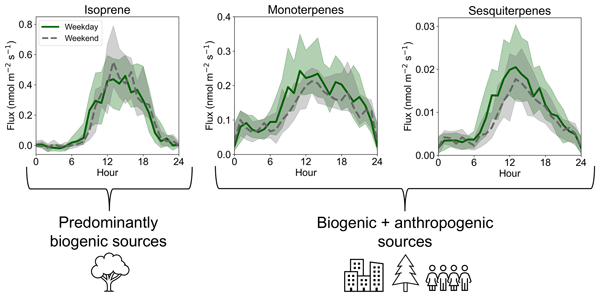
Terpenoids are organic gases that can originate from natural and human-caused sources, and their reactions in the atmosphere can cause air pollution. In this study, emissions of organic gases in an urban environment were measured. For some terpenoids, human-caused sources were responsible for about a quarter of the emissions, while others were predominantly from vegetation. This study contributes to a better understanding of urban emission sources and causes of air pollution.
Inês Vieira, Félicien Meunier, Maria Carolina Duran Rojas, Stephen Sitch, Flossie Brown, Giacomo Gerosa, Silvano Fares, Pascal Boeckx, Marijn Bauters, and Hans Verbeeck
Biogeosciences, 22, 6205–6223, https://doi.org/10.5194/bg-22-6205-2025, https://doi.org/10.5194/bg-22-6205-2025, 2025
Short summary
Short summary
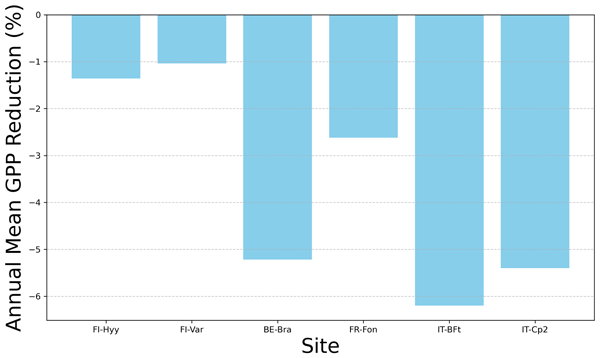
We used a computer model to study how ozone pollution reduces plant growth in six European forests, from Finland to Italy. Combining field data and simulations, we found that ozone can lower carbon uptake by up to 6 % each year, especially in Mediterranean areas. Our study shows that local climate and forest type influence ozone damage and highlights the need to include ozone effects in forest and climate models.
Farhan R. Nursanto, Douglas A. Day, Roy Meinen, Rupert Holzinger, Harald Saathoff, Jinglan Fu, Jan Mulder, Ulrike Dusek, and Juliane L. Fry
Atmos. Meas. Tech., 18, 3051–3072, https://doi.org/10.5194/amt-18-3051-2025, https://doi.org/10.5194/amt-18-3051-2025, 2025
Short summary
Short summary
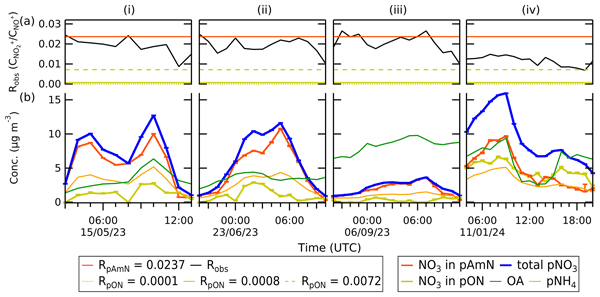
It is of increasing importance to monitor nitrate pollution that can harm ecosystems. However, commonly used aerosol monitoring equipment cannot distinguish inorganic from organic forms of nitrate, which may have different consequences for the environment. We describe a method to differentiate types of nitrates that can be applied to ambient monitoring to improve understanding of its formation and impact.
James D. A. Butler, Afsara Tasnia, Deep Sengupta, Nathan Kreisberg, Kelley C. Barsanti, Allen H. Goldstein, Chelsea V. Preble, Rebecca A. Sugrue, and Thomas W. Kirchstetter
EGUsphere, https://doi.org/10.5194/egusphere-2025-2295, https://doi.org/10.5194/egusphere-2025-2295, 2025
Short summary
Short summary
Prescribed burns are controlled fires used to prevent wildfires. Smoke emissions were measured to characterize emission factors and optical properties of black and brown soot particles. Brown particles were emitted at 7–14 times that of black particles and contributed 82 % of atmospheric absorption by particles for ultraviolet light and 23 % for total solar radiation. These findings will improve inventories and climate models for prescribed burns.
Maitane Iturrate-Garcia, Thérèse Salameh, Paul Schlauri, Annarita Baldan, Martin K. Vollmer, Evdokia Stratigou, Sebastien Dusanter, Jianrong Li, Stefan Persijn, Anja Claude, Rupert Holzinger, Christophe Sutour, Tatiana Macé, Yasin Elshorbany, Andreas Ackermann, Céline Pascale, and Stefan Reimann
Atmos. Meas. Tech., 18, 371–403, https://doi.org/10.5194/amt-18-371-2025, https://doi.org/10.5194/amt-18-371-2025, 2025
Short summary
Short summary
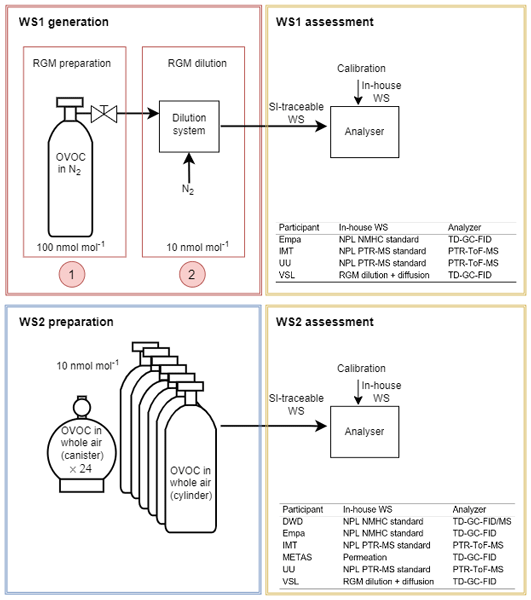
Accurate and comparable measurements of oxygenated organic compounds (OVOCs) are crucial in assessing tropospheric ozone burdens and trends. However, the monitoring of many OVOCs remains challenging because of their low atmospheric abundance and lack of stable and traceable calibration standards. This paper describes the calibration standards developed for OVOCs at a low amount of substance fractions (<100 nmol mol-1) to transfer traceability of the International System of Units to the field.
Qindan Zhu, Rebecca H. Schwantes, Matthew Coggon, Colin Harkins, Jordan Schnell, Jian He, Havala O. T. Pye, Meng Li, Barry Baker, Zachary Moon, Ravan Ahmadov, Eva Y. Pfannerstill, Bryan Place, Paul Wooldridge, Benjamin C. Schulze, Caleb Arata, Anthony Bucholtz, John H. Seinfeld, Carsten Warneke, Chelsea E. Stockwell, Lu Xu, Kristen Zuraski, Michael A. Robinson, J. Andrew Neuman, Patrick R. Veres, Jeff Peischl, Steven S. Brown, Allen H. Goldstein, Ronald C. Cohen, and Brian C. McDonald
Atmos. Chem. Phys., 24, 5265–5286, https://doi.org/10.5194/acp-24-5265-2024, https://doi.org/10.5194/acp-24-5265-2024, 2024
Short summary
Short summary
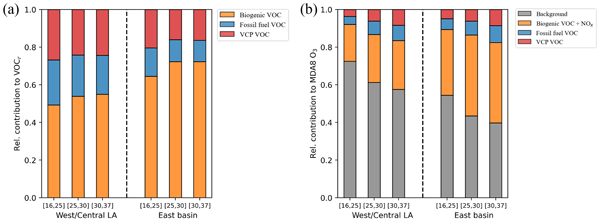
Volatile organic compounds (VOCs) fuel the production of air pollutants like ozone and particulate matter. The representation of VOC chemistry remains challenging due to its complexity in speciation and reactions. Here, we develop a chemical mechanism, RACM2B-VCP, that better represents VOC chemistry in urban areas such as Los Angeles. We also discuss the contribution of VOCs emitted from volatile chemical products and other anthropogenic sources to total VOC reactivity and O3.
Matthew M. Coggon, Chelsea E. Stockwell, Megan S. Claflin, Eva Y. Pfannerstill, Lu Xu, Jessica B. Gilman, Julia Marcantonio, Cong Cao, Kelvin Bates, Georgios I. Gkatzelis, Aaron Lamplugh, Erin F. Katz, Caleb Arata, Eric C. Apel, Rebecca S. Hornbrook, Felix Piel, Francesca Majluf, Donald R. Blake, Armin Wisthaler, Manjula Canagaratna, Brian M. Lerner, Allen H. Goldstein, John E. Mak, and Carsten Warneke
Atmos. Meas. Tech., 17, 801–825, https://doi.org/10.5194/amt-17-801-2024, https://doi.org/10.5194/amt-17-801-2024, 2024
Short summary
Short summary
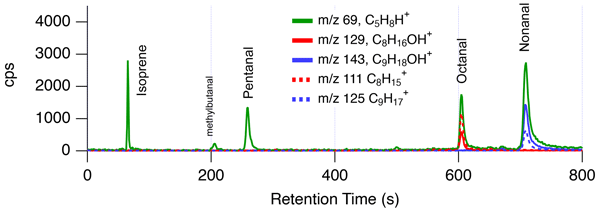
Mass spectrometry is a tool commonly used to measure air pollutants. This study evaluates measurement artifacts produced in the proton-transfer-reaction mass spectrometer. We provide methods to correct these biases and better measure compounds that degrade air quality.
Clara M. Nussbaumer, Bryan K. Place, Qindan Zhu, Eva Y. Pfannerstill, Paul Wooldridge, Benjamin C. Schulze, Caleb Arata, Ryan Ward, Anthony Bucholtz, John H. Seinfeld, Allen H. Goldstein, and Ronald C. Cohen
Atmos. Chem. Phys., 23, 13015–13028, https://doi.org/10.5194/acp-23-13015-2023, https://doi.org/10.5194/acp-23-13015-2023, 2023
Short summary
Short summary
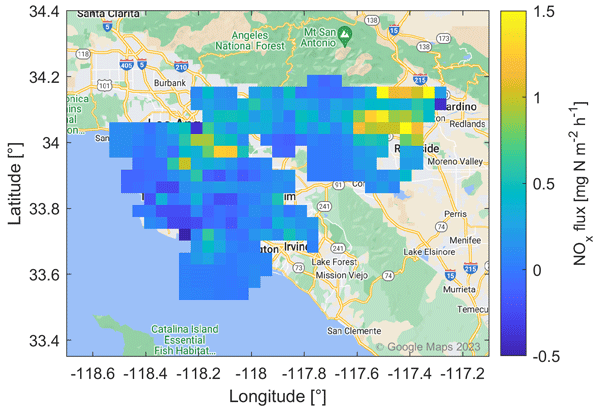
NOx is a precursor to hazardous tropospheric ozone and can be emitted from various anthropogenic sources. It is important to quantify NOx emissions in urban environments to improve the local air quality, which still remains a challenge, as sources are heterogeneous in space and time. In this study, we calculate NOx emissions over Los Angeles, based on aircraft measurements in June 2021, and compare them to a local emission inventory, which we find mostly overpredicts the measured values.
Eva Y. Pfannerstill, Caleb Arata, Qindan Zhu, Benjamin C. Schulze, Roy Woods, John H. Seinfeld, Anthony Bucholtz, Ronald C. Cohen, and Allen H. Goldstein
Atmos. Chem. Phys., 23, 12753–12780, https://doi.org/10.5194/acp-23-12753-2023, https://doi.org/10.5194/acp-23-12753-2023, 2023
Short summary
Short summary
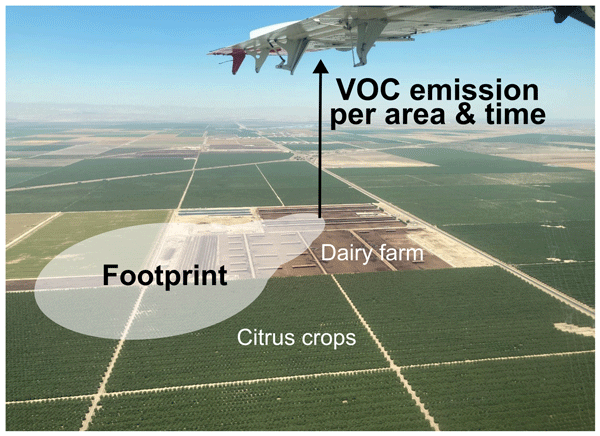
The San Joaquin Valley is an agricultural area with poor air quality. Organic gases drive the formation of hazardous air pollutants. Agricultural emissions of these gases are not well understood and have rarely been quantified at landscape scale. By combining aircraft-based emission measurements with land cover information, we found mis- or unrepresented emission sources. Our results help in understanding of pollution sources and in improving predictions of air quality in agricultural regions.
Yutong Liang, Rebecca A. Wernis, Kasper Kristensen, Nathan M. Kreisberg, Philip L. Croteau, Scott C. Herndon, Arthur W. H. Chan, Nga L. Ng, and Allen H. Goldstein
Atmos. Chem. Phys., 23, 12441–12454, https://doi.org/10.5194/acp-23-12441-2023, https://doi.org/10.5194/acp-23-12441-2023, 2023
Short summary
Short summary
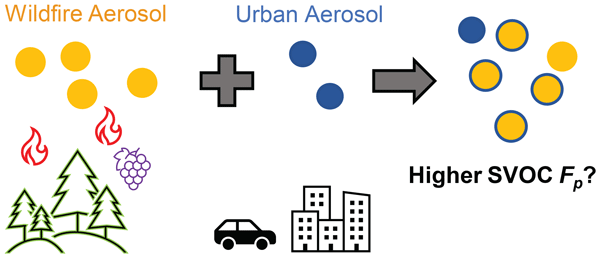
We measured the gas–particle partitioning behaviors of biomass burning markers and examined the effect of wildfire organic aerosol on the partitioning of semivolatile organic compounds. Most compounds measured are less volatile than model predictions. Wildfire aerosol enhanced the condensation of polar compounds and caused some nonpolar (e.g., polycyclic aromatic hydrocarbons) compounds to partition into the gas phase, thus affecting their lifetimes in the atmosphere and the mode of exposure.
Farhan R. Nursanto, Roy Meinen, Rupert Holzinger, Maarten C. Krol, Xinya Liu, Ulrike Dusek, Bas Henzing, and Juliane L. Fry
Atmos. Chem. Phys., 23, 10015–10034, https://doi.org/10.5194/acp-23-10015-2023, https://doi.org/10.5194/acp-23-10015-2023, 2023
Short summary
Short summary
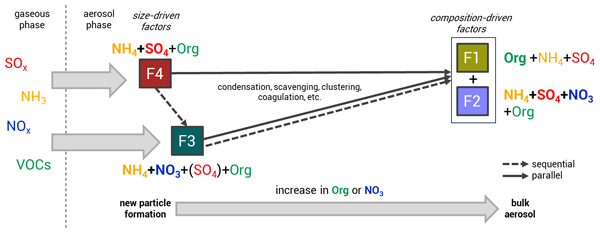
Particulate matter (PM) is a harmful air pollutant that depends on the complex mixture of natural and anthropogenic emissions into the atmosphere. Thus, in different regions and seasons, the way that PM is formed and grows can differ. In this study, we use a combined statistical analysis of the chemical composition and particle size distribution to determine what drives particle formation and growth across seasons, using varying wind directions to elucidate the role of different sources.
Qindan Zhu, Bryan Place, Eva Y. Pfannerstill, Sha Tong, Huanxin Zhang, Jun Wang, Clara M. Nussbaumer, Paul Wooldridge, Benjamin C. Schulze, Caleb Arata, Anthony Bucholtz, John H. Seinfeld, Allen H. Goldstein, and Ronald C. Cohen
Atmos. Chem. Phys., 23, 9669–9683, https://doi.org/10.5194/acp-23-9669-2023, https://doi.org/10.5194/acp-23-9669-2023, 2023
Short summary
Short summary
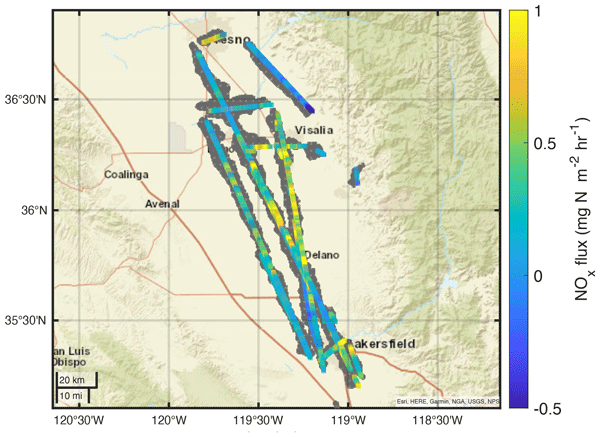
Nitrogen oxide (NOx) is a hazardous air pollutant, and it is the precursor of short-lived climate forcers like tropospheric ozone and aerosol particles. While NOx emissions from transportation has been strictly regulated, soil NOx emissions are overlooked. We use the airborne flux measurements to observe NOx emissions from highways and urban and cultivated soil land cover types. We show non-negligible soil NOx emissions, which are significantly underestimated in current model simulations.
David R. Worton, Sergi Moreno, Kieran O'Daly, and Rupert Holzinger
Atmos. Meas. Tech., 16, 1061–1072, https://doi.org/10.5194/amt-16-1061-2023, https://doi.org/10.5194/amt-16-1061-2023, 2023
Short summary
Short summary
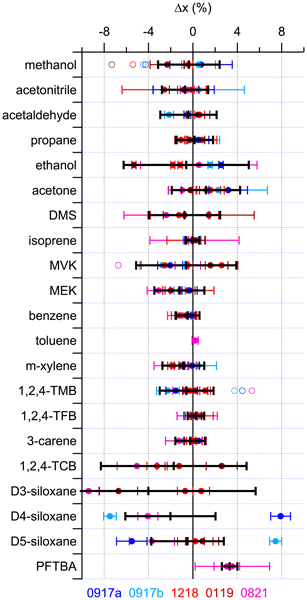
Proton-transfer-reaction mass spectrometry is widely used in the environmental, health, and food and beverage sectors. As a result, there is a need for accurate and comparable measurements. In this work we have developed a 20-component gravimetrically prepared traceable primary reference material (gas standard in a high-pressure cylinder) to enable quantitative and comparable measurements. The accuracy of all components was better than 3 %–10 % with stabilities of better than 1–2 years.
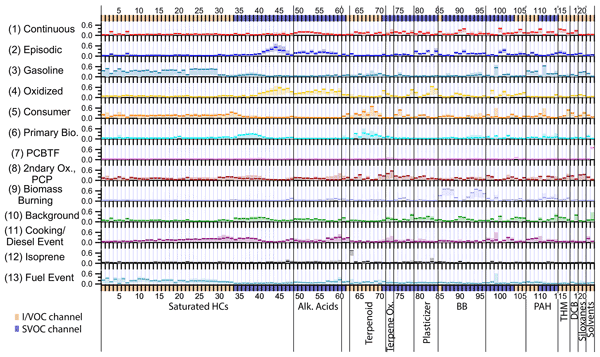
Rebecca A. Wernis, Nathan M. Kreisberg, Robert J. Weber, Greg T. Drozd, and Allen H. Goldstein
Atmos. Chem. Phys., 22, 14987–15019, https://doi.org/10.5194/acp-22-14987-2022, https://doi.org/10.5194/acp-22-14987-2022, 2022
Short summary
Short summary
We measured volatile and intermediate-volatility gases and semivolatile gas- and particle-phase compounds in the atmosphere during an 11 d period in a Bay Area suburb. We separated compounds based on variability in time to arrive at 13 distinct sources. Some compounds emitted from plants are found in greater quantities as fragrance compounds in consumer products. The wide volatility range of these measurements enables the construction of more complete source profiles.
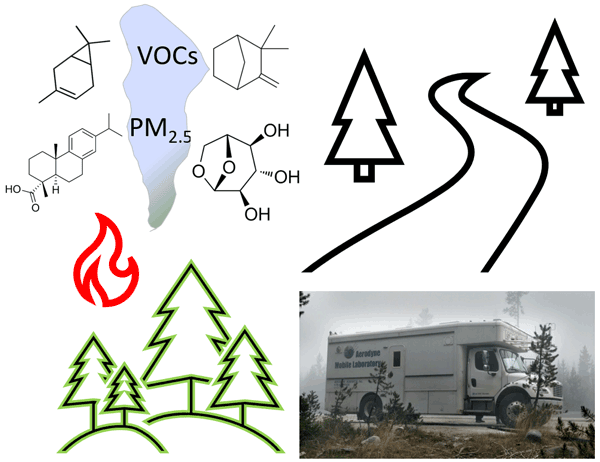
Yutong Liang, Christos Stamatis, Edward C. Fortner, Rebecca A. Wernis, Paul Van Rooy, Francesca Majluf, Tara I. Yacovitch, Conner Daube, Scott C. Herndon, Nathan M. Kreisberg, Kelley C. Barsanti, and Allen H. Goldstein
Atmos. Chem. Phys., 22, 9877–9893, https://doi.org/10.5194/acp-22-9877-2022, https://doi.org/10.5194/acp-22-9877-2022, 2022
Short summary
Short summary
This article reports the measurements of organic compounds emitted from western US wildfires. We identified and quantified 240 particle-phase compounds and 72 gas-phase compounds emitted in wildfire and related the emissions to the modified combustion efficiency. Higher emissions of diterpenoids and monoterpenes were observed, likely due to distillation from unburned heated vegetation. Our results can benefit future source apportionment and modeling studies as well as exposure assessments.

Emily B. Franklin, Lindsay D. Yee, Bernard Aumont, Robert J. Weber, Paul Grigas, and Allen H. Goldstein
Atmos. Meas. Tech., 15, 3779–3803, https://doi.org/10.5194/amt-15-3779-2022, https://doi.org/10.5194/amt-15-3779-2022, 2022
Short summary
Short summary
The composition of atmospheric aerosols are extremely complex, containing hundreds of thousands of estimated individual compounds. The majority of these compounds have never been catalogued in widely used databases, making them extremely difficult for atmospheric chemists to identify and analyze. In this work, we present Ch3MS-RF, a machine-learning-based model to enable characterization of complex mixtures and prediction of structure-specific properties of unidentifiable organic compounds.

Andrew J. Lindsay, Daniel C. Anderson, Rebecca A. Wernis, Yutong Liang, Allen H. Goldstein, Scott C. Herndon, Joseph R. Roscioli, Christoph Dyroff, Ed C. Fortner, Philip L. Croteau, Francesca Majluf, Jordan E. Krechmer, Tara I. Yacovitch, Walter B. Knighton, and Ezra C. Wood
Atmos. Chem. Phys., 22, 4909–4928, https://doi.org/10.5194/acp-22-4909-2022, https://doi.org/10.5194/acp-22-4909-2022, 2022
Short summary
Short summary
Wildfire smoke dramatically impacts air quality and often has elevated concentrations of ozone. We present measurements of ozone and its precursors at a rural site periodically impacted by wildfire smoke. Measurements of total peroxy radicals, key ozone precursors that have been studied little within wildfires, compare well with chemical box model predictions. Our results indicate no serious issues with using current chemistry mechanisms to model chemistry in aged wildfire plumes.
Rupert Holzinger, Oliver Eppers, Kouji Adachi, Heiko Bozem, Markus Hartmann, Andreas Herber, Makoto Koike, Dylan B. Millet, Nobuhiro Moteki, Sho Ohata, Frank Stratmann, and Atsushi Yoshida
Atmos. Chem. Phys. Discuss., https://doi.org/10.5194/acp-2022-95, https://doi.org/10.5194/acp-2022-95, 2022
Revised manuscript not accepted
Short summary
Short summary
In spring 2018 the research aircraft Polar 5 conducted flights in the Arctic atmosphere. The flight operation was from Station Nord in Greenland, 1700 km north of the Arctic Circle (81°43'N, 17°47'W). Using a mass spectrometer we measured more than 100 organic compounds in the air. We found a clear signature of natural organic compounds that are transported from forests to the high Arctic. These compounds have the potential to change the cloud cover and energy budget of the Arctic region.
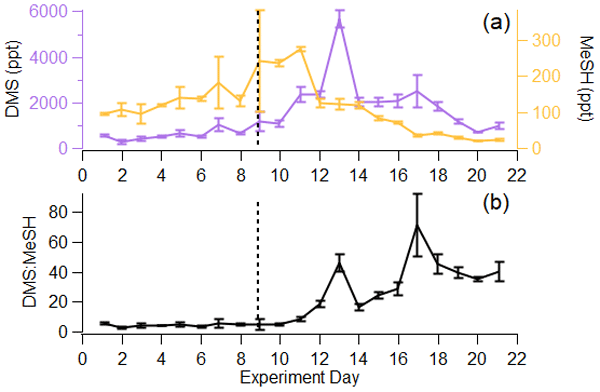
Delaney B. Kilgour, Gordon A. Novak, Jon S. Sauer, Alexia N. Moore, Julie Dinasquet, Sarah Amiri, Emily B. Franklin, Kathryn Mayer, Margaux Winter, Clare K. Morris, Tyler Price, Francesca Malfatti, Daniel R. Crocker, Christopher Lee, Christopher D. Cappa, Allen H. Goldstein, Kimberly A. Prather, and Timothy H. Bertram
Atmos. Chem. Phys., 22, 1601–1613, https://doi.org/10.5194/acp-22-1601-2022, https://doi.org/10.5194/acp-22-1601-2022, 2022
Short summary
Short summary
We report measurements of gas-phase volatile organosulfur molecules made during a mesocosm phytoplankton bloom experiment. Dimethyl sulfide (DMS), methanethiol (MeSH), and benzothiazole accounted for on average over 90 % of total gas-phase sulfur emissions. This work focuses on factors controlling the production and emission of DMS and MeSH and the role of non-DMS molecules (such as MeSH and benzothiazole) in secondary sulfate formation in coastal marine environments.
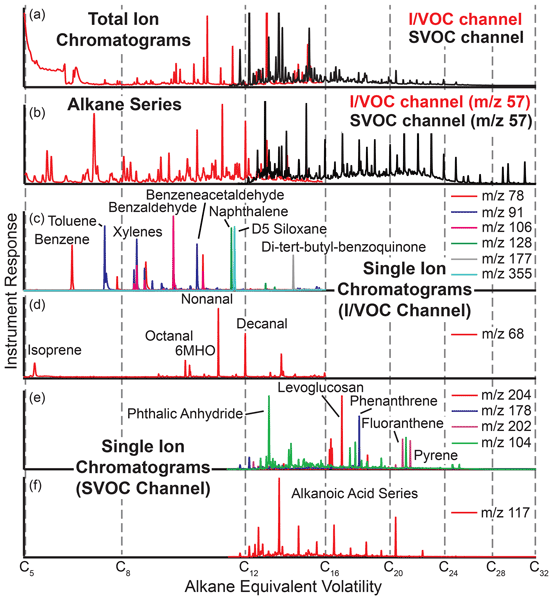
Rebecca A. Wernis, Nathan M. Kreisberg, Robert J. Weber, Yutong Liang, John Jayne, Susanne Hering, and Allen H. Goldstein
Atmos. Meas. Tech., 14, 6533–6550, https://doi.org/10.5194/amt-14-6533-2021, https://doi.org/10.5194/amt-14-6533-2021, 2021
Short summary
Short summary
cTAG is a new scientific instrument that measures concentrations of organic chemicals in the atmosphere. cTAG is the first instrument capable of measuring small, light chemicals as well as heavier chemicals and everything in between on a single detector, every hour. In this work we explain how cTAG works and some of the tests we performed to verify that it works properly and reliably. We also present measurements of alkanes that suggest they have three dominant sources in a Bay Area suburb.
Yutong Liang, Coty N. Jen, Robert J. Weber, Pawel K. Misztal, and Allen H. Goldstein
Atmos. Chem. Phys., 21, 5719–5737, https://doi.org/10.5194/acp-21-5719-2021, https://doi.org/10.5194/acp-21-5719-2021, 2021
Short summary
Short summary
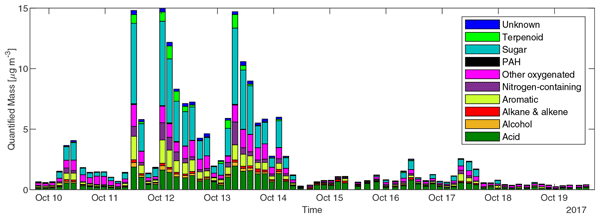
This article reports the molecular composition of smoke particles people in SF Bay Area were exposed to during northern California wildfires in Oct. 2017. Major components are sugars, acids, aromatics, and terpenoids. These observations can be used to better understand health impacts of smoke exposure. Tracer compounds indicate which fuels burned, including diterpenoids for softwood and syringyls for hardwood. A statistical analysis reveals a group of secondary compounds formed in daytime aging.
Jakob B. Pernov, Rossana Bossi, Thibaut Lebourgeois, Jacob K. Nøjgaard, Rupert Holzinger, Jens L. Hjorth, and Henrik Skov
Atmos. Chem. Phys., 21, 2895–2916, https://doi.org/10.5194/acp-21-2895-2021, https://doi.org/10.5194/acp-21-2895-2021, 2021
Short summary
Short summary
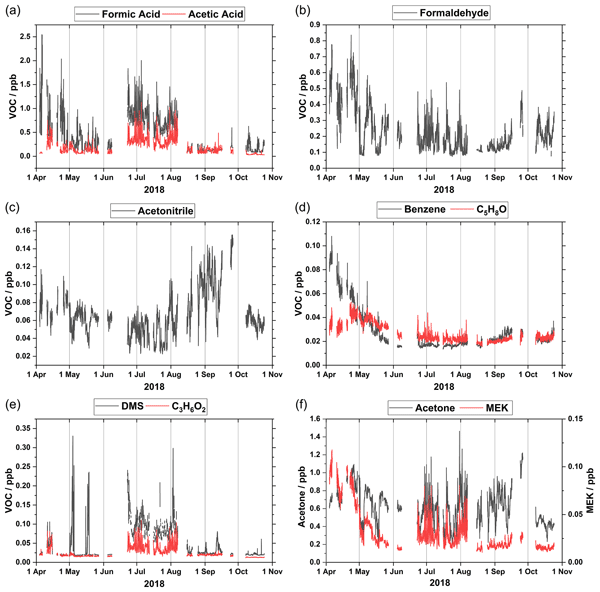
Volatile organic compounds (VOCs) are an important constituent in the Arctic atmosphere due to their effect on aerosol and ozone formation. However, an understanding of their sources is lacking. This research presents a multiseason high-time-resolution dataset of VOCs in the Arctic and details their temporal characteristics and source apportionment. Four sources were identified: biomass burning, marine cryosphere, background, and Arctic haze.
Jan Pisek, Angela Erb, Lauri Korhonen, Tobias Biermann, Arnaud Carrara, Edoardo Cremonese, Matthias Cuntz, Silvano Fares, Giacomo Gerosa, Thomas Grünwald, Niklas Hase, Michal Heliasz, Andreas Ibrom, Alexander Knohl, Johannes Kobler, Bart Kruijt, Holger Lange, Leena Leppänen, Jean-Marc Limousin, Francisco Ramon Lopez Serrano, Denis Loustau, Petr Lukeš, Lars Lundin, Riccardo Marzuoli, Meelis Mölder, Leonardo Montagnani, Johan Neirynck, Matthias Peichl, Corinna Rebmann, Eva Rubio, Margarida Santos-Reis, Crystal Schaaf, Marius Schmidt, Guillaume Simioni, Kamel Soudani, and Caroline Vincke
Biogeosciences, 18, 621–635, https://doi.org/10.5194/bg-18-621-2021, https://doi.org/10.5194/bg-18-621-2021, 2021
Short summary
Short summary
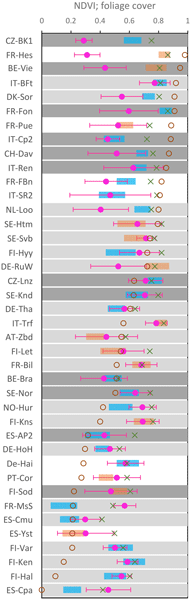
Understory vegetation is the most diverse, least understood component of forests worldwide. Understory communities are important drivers of overstory succession and nutrient cycling. Multi-angle remote sensing enables us to describe surface properties by means that are not possible when using mono-angle data. Evaluated over an extensive set of forest ecosystem experimental sites in Europe, our reported method can deliver good retrievals, especially over different forest types with open canopies.
Tamara Emmerichs, Astrid Kerkweg, Huug Ouwersloot, Silvano Fares, Ivan Mammarella, and Domenico Taraborrelli
Geosci. Model Dev., 14, 495–519, https://doi.org/10.5194/gmd-14-495-2021, https://doi.org/10.5194/gmd-14-495-2021, 2021
Short summary
Short summary
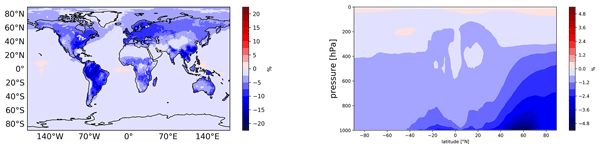
Dry deposition to vegetation is a major sink of ground-level ozone. Its parameterization in atmospheric chemistry models represents a significant source of uncertainty for global tropospheric ozone. We extended the current model parameterization with a relevant pathway and important meteorological adjustment factors. The comparison with measurements shows that this enables a more realistic model representation of ozone dry deposition velocity. Globally, annual dry deposition loss increases.
Cited articles
Ambrose, J. L., Haase, K., Russo, R. S., Zhou, Y., White, M. L., Frinak, E. K., Jordan, C., Mayne, H. R., Talbot, R., and Sive, B. C.: A comparison of GC-FID and PTR-MS toluene measurements in ambient air under conditions of enhanced monoterpene loading, Atmos. Meas. Tech., 3, 959–980, https://doi.org/10.5194/amt-3-959-2010, 2010.
Andreae, M. O. and Crutzen, P. J.: Atmospheric aerosols: Biogeochemical sources and role in atmospheric chemistry, Science, 276, 1052–1058, 1997.
Baldocchi, D. D.: Assessing the eddy covariance technique for evaluating carbon dioxide exchange rates of ecosystems: past, present and future, Global Change Biol., 9, 479–492, 2003.
Baldocchi, D. D., Hicks, B. B., and Meyers, T. P.: Measuring Biosphere-Atmosphere Exchanges of Biologically Related Gases with Micrometeorological Methods, Ecology, 69, 1331–1340, 1988.
Bamberger, I., Hortnagl, L., Ruuskanen, T. M., Schnitzhofer, R., Muller, M., Graus, M., Karl, T., Wohlfahrt, G., and Hansel, A.: Deposition fluxes of terpenes over grassland, J. Geophys. Res.-Atmos., 116, D14305, https://doi.org/10.1029/2010jd015457, 2011.
Bianco, L., Djalalova, I. V., King, C. W., and Wilczak, J. M.: Diurnal Evolution and Annual Variability of Boundary-Layer Height and Its Correlation to Other Meteorological Variables in California's Central Valley, Bound.-Lay. Meteorol., 140, 491–511, https://doi.org/10.1007/s10546-011-9622-4, 2011.
Bouvier-Brown, N. C., Goldstein, A. H., Gilman, J. B., Kuster, W. C., and de Gouw, J. A.: In-situ ambient quantification of monoterpenes, sesquiterpenes, and related oxygenated compounds during BEARPEX 2007: implications for gas- and particle-phase chemistry, Atmos. Chem. Phys., 9, 5505–5518, https://doi.org/10.5194/acp-9-5505-2009, 2009.
Businger, J. A. and Delany, A. C.: Chemical Sensor Resolution Required for Measuring Surface Fluxes by 3 Common Micrometeorological Techniques, J. Atmos. Chem., 10, 399–410, https://doi.org/10.1007/Bf00115782, 1990.
Cantrell, C. A.: Technical Note: Review of methods for linear least-squares fitting of data and application to atmospheric chemistry problems, Atmos. Chem. Phys., 8, 5477–5487, https://doi.org/10.5194/acp-8-5477-2008, 2008.
Chameides, W. L., Lindsay, R. W., Richardson, J., and Kiang, C. S.: The Role of Biogenic Hydrocarbons in Urban Photochemical Smog – Atlanta as a Case-Study, Science, 241, 1473–1475, 1988.
Ciccioli, P., Brancaleoni, E., Frattoni, M., Di Palo, V., Valentini, R., Tirone, G., Seufert, G., Bertin, N., Hansen, U., Csiky, O., Lenz, R., and Sharma, M.: Emission of reactive terpene compounds from orange orchards and their removal by within-canopy processes, J. Geophys. Res.-Atmos., 104, 8077–8094, 1999.
Dabberdt, W. F., Lenschow, D. H., Horst, T. W., Zimmerman, P. R., Oncley, S. P., and Delany, A. C.: Atmosphere-Surface Exchange Measurements, Science, 260, 1472–1481, 1993.
Davison, B., Taipale, R., Langford, B., Misztal, P., Fares, S., Matteucci, G., Loreto, F., Cape, J. N., Rinne, J., and Hewitt, C. N.: Concentrations and fluxes of biogenic volatile organic compounds above a Mediterranean macchia ecosystem in western Italy, Biogeosciences, 6, 1655–1670, https://doi.org/10.5194/bg-6-1655-2009, 2009.
de Gouw, J. and Warneke, C.: Measurements of volatile organic compounds in the earth's atmosphere using proton-transfer-reaction mass spectrometry, Mass Spectrom. Rev., 26, 223–257, https://doi.org/10.1002/Mas.20119, 2007.
DiGangi, J. P., Boyle, E. S., Karl, T., Harley, P., Turnipseed, A., Kim, S., Cantrell, C., Maudlin III, R. L., Zheng, W., Flocke, F., Hall, S. R., Ullmann, K., Nakashima, Y., Paul, J. B., Wolfe, G. M., Desai, A. R., Kajii, Y., Guenther, A., and Keutsch, F. N.: First direct measurements of formaldehyde flux via eddy covariance: implications for missing in-canopy formaldehyde sources, Atmos. Chem. Phys., 11, 10565–10578, https://doi.org/10.5194/acp-11-10565-2011, 2011.
Fares, S., Gentner, D. R., Park, J. H., Ormeno, E., Karlik, J., and Goldstein, A. H.: Biogenic emissions from Citrus species in California, Atmos. Environ., 45, 4557–4568, https://doi.org/10.1016/j.atmosenv.2011.05.066, 2011.
Fares, S., Park, J.-H., Gentner, D. R., Weber, R., Ormeño, E., Karlik, J., and Goldstein, A. H.: Seasonal cycles of biogenic volatile organic compound fluxes and concentrations in a California citrus orchard, Atmos. Chem. Phys., 12, 9865–9880, https://doi.org/10.5194/acp-12-9865-2012, 2012a.
Fares, S., Weber, R., Park, J.-H., Gentner, D., Karlik, J., and Goldstein, A. H.: Ozone deposition to an orange orchard: Partitioning between stomatal and non-stomatal sinks, Environ. Pollut., 169, 258–266, https://doi.org/10.1016/j.envpol.2012.01.030, 2012b.
Farmer, D. K., Wooldridge, P. J., and Cohen, R. C.: Application of thermal-dissociation laser induced fluorescence (TD-LIF) to measurement of HNO3, Salkyl nitrates, Speroxy nitrates, and NO2 fluxes using eddy covariance, Atmos. Chem. Phys., 6, 3471–3486, https://doi.org/10.5194/acp-6-3471-2006, 2006.
Foken, T. and Wichura, B.: Tools for quality assessment of surface-based flux measurements, Agr. Forest Meteorol., 78, 83–105, 1996.
Fuentes, J. D., Lerdau, M., Atkinson, R., Baldocchi, D., Bottenheim, J. W., Ciccioli, P., Lamb, B., Geron, C., Gu, L., Guenther, A., Sharkey, T. D., and Stockwell, W.: Biogenic hydrocarbons in the atmospheric boundary layer: A review, B. Am. Meteorol. Soc., 81, 1537–1575, 2000.
Goldan, P. D., Kuster, W. C., Fehsenfeld, F. C., and Montzka, S. A.: Hydrocarbon measurements in the southeastern United States: The Rural Oxidants in the Southern Environment (ROSE) program 1990, J. Geophys. Res.-Atmos., 100, 25945–25963, 1995.
Goldstein, A. H. and Galbally, I. E.: Known and unexplored organic constituents in the earth's atmosphere, Environ. Sci. Technol., 41, 1514–1521, 2007.
Graus, M., Muller, M., and Hansel, A.: High Resolution PTR-TOF: Quantification and Formula Confirmation of VOC in Real Time, J. Am. Soc. Mass Spectr., 21, 1037–1044, https://doi.org/10.1016/j.jasms.2010.02.006, 2010.
Guenther, A. B. and Hills, A. J.: Eddy covariance measurement of isoprene fluxes, J. Geophys. Res.-Atmos., 103, 13145–13152, 1998.
Guenther, A., Hewitt, C. N., Erickson, D., Fall, R., Geron, C., Graedel, T., Harley, P., Klinger, L., Lerdau, M., Mckay, W. A., Pierce, T., Scholes, B., Steinbrecher, R., Tallamraju, R., Taylor, J., and Zimmerman, P.: A Global-Model of Natural Volatile Organic-Compound Emissions, J. Geophys. Res.-Atmos., 100, 8873–8892, 1995.
Guenther, A., Karl, T., Harley, P., Wiedinmyer, C., Palmer, P. I., and Geron, C.: Estimates of global terrestrial isoprene emissions using MEGAN (Model of Emissions of Gases and Aerosols from Nature), Atmos. Chem. Phys., 6, 3181–3210, https://doi.org/10.5194/acp-6-3181-2006, 2006.
Hallquist, M., Wenger, J. C., Baltensperger, U., Rudich, Y., Simpson, D., Claeys, M., Dommen, J., Donahue, N. M., George, C., Goldstein, A. H., Hamilton, J. F., Herrmann, H., Hoffmann, T., Iinuma, Y., Jang, M., Jenkin, M. E., Jimenez, J. L., Kiendler-Scharr, A., Maenhaut, W., McFiggans, G., Mentel, Th. F., Monod, A., Prévôt, A. S. H., Seinfeld, J. H., Surratt, J. D., Szmigielski, R., and Wildt, J.: The formation, properties and impact of secondary organic aerosol: current and emerging issues, Atmos. Chem. Phys., 9, 5155–5236, https://doi.org/10.5194/acp-9-5155-2009, 2009.
Heiden, A. C., Kobel, K., Komenda, M., Koppmann, R., Shao, M., and Wildt, J.: Toluene emissions from plants, Geophys. Res. Lett., 26, 1283–1286, 1999.
Holzinger, R., Jordan, A., Hansel, A., and Lindinger, W.: Methanol measurements in the lower troposphere near Innsbruck (047 degrees 16´ N; 011 degrees 24´ E), Austria, Atmos. Environ., 35, 2525–2532, 2001.
Holzinger, R., Kasper-Giebl, A., Staudinger, M., Schauer, G., and Röckmann, T.: Analysis of the chemical composition of organic aerosol at the Mt. Sonnblick observatory using a novel high mass resolution thermal-desorption proton-transfer-reaction mass-spectrometer (hr-TD-PTR-MS), Atmos. Chem. Phys., 10, 10111–10128, https://doi.org/10.5194/acp-10-10111-2010, 2010a.
Holzinger, R., Williams, J., Herrmann, F., Lelieveld, J., Donahue, N. M., and Röckmann, T.: Aerosol analysis using a Thermal-Desorption Proton-Transfer-Reaction Mass Spectrometer (TD-PTR-MS): a new approach to study processing of organic aerosols, Atmos. Chem. Phys., 10, 2257–2267, https://doi.org/10.5194/acp-10-2257-2010, 2010b.
Horst, T. W.: A simple formula for attenuation of eddy fluxes measured with first-order-response scalar sensors, Bound.-Lay. Meteorol., 82, 219–233, 1997.
Jacob, D. J., Field, B. D., Jin, E. M., Bey, I., Li, Q. B., Logan, J. A., Yantosca, R. M., and Singh, H. B.: Atmospheric budget of acetone, J. Geophys. Res.-Atmos., 107, 4100, https://doi.org/10.1029/2001jd000694, 2002.
Jang, M. S., Czoschke, N. M., Lee, S., and Kamens, R. M.: Heterogeneous atmospheric aerosol production by acid-catalyzed particle-phase reactions, Science, 298, 814–817, 2002.
Jardine, K., Yañez Serrano, A., Arneth, A., Abrell, L., Jardine, A., Artaxo, P., Alves, E., Kesselmeier, J., Taylor, T., Saleska, S., and Huxman, T.: Ecosystem-scale compensation points of formic and acetic acid in the central Amazon, Biogeosciences, 8, 3709–3720, https://doi.org/10.5194/bg-8-3709-2011, 2011.
Jardine, K. J., Monson, R. K., Abrell, L., Saleska, S. R., Arneth, A., Jardine, A., Ishida, F. Y., Yañez Serrano, A. M., Artaxo, P., Karl, T., Fares, S., Goldstein, A., Loreto, F., and Huxman, T.: Within-plant isoprene oxidation confirmed by direct emissions of oxidation products methyl vinyl ketone and methacrolein, Glob. Change Biol., 18, 973–984, https://doi.org/10.1111/j.1365-2486.2011.02610.x, 2012.
Jordan, A., Haidacher, S., Hanel, G., Hartungen, E., Mark, L., Seehauser, H., Schottkowsky, R., Sulzer, P., and Mark, T. D.: A high resolution and high sensitivity proton-transfer-reaction time-of-flight mass spectrometer (PTR-TOF-MS), Int. J. Mass Spectrom., 286, 122–128, https://doi.org/10.1016/j.ijms.2009.07.005, 2009.
Karl, T. G., Spirig, C., Rinne, J., Stroud, C., Prevost, P., Greenberg, J., Fall, R., and Guenther, A.: Virtual disjunct eddy covariance measurements of organic compound fluxes from a subalpine forest using proton transfer reaction mass spectrometry, Atmos. Chem. Phys., 2, 279–291, https://doi.org/10.5194/acp-2-279-2002, 2002.
Karl, T., Potosnak, M., Guenther, A., Clark, D., Walker, J., Herrick, J. D., and Geron, C.: Exchange processes of volatile organic compounds above a tropical rain forest: Implications for modeling tropospheric chemistry above dense vegetation, J. Geophys. Res.-Atmos., 109, D18306, https://doi.org/10.1029/2004jd004738, 2004.
Karl, T., Harley, P., Emmons, L., Thornton, B., Guenther, A., Basu, C., Turnipseed, A., and Jardine, K.: Efficient Atmospheric Cleansing of Oxidized Organic Trace Gases by Vegetation, Science, 330, 816–819, https://doi.org/10.1126/science.1192534, 2010.
Kesselmeier, J.: Exchange of short-chain oxygenated volatile organic compounds (VOCs) between plants and the atmosphere: A compilation of field and laboratory studies, J. Atmos. Chem., 39, 219–233, 2001.
Kesselmeier, J. and Staudt, M.: Biogenic volatile organic compounds (VOC): An overview on emission, physiology and ecology, J. Atmos. Chem., 33, 23–88, 1999.
Kim, S., Karl, T., Helmig, D., Daly, R., Rasmussen, R., and Guenther, A.: Measurement of atmospheric sesquiterpenes by proton transfer reaction-mass spectrometry (PTR-MS), Atmos. Meas. Tech., 2, 99–112, https://doi.org/10.5194/amt-2-99-2009, 2009.
Lamanna, M. S. and Goldstein, A. H.: In situ measurements of C-2-C-10 volatile organic compounds above a Sierra Nevada ponderosa pine plantation, J. Geophys. Res.-Atmos., 104, 21247–21262, 1999.
Lee, X., Massman, W. J., and Law, B. E.: Handbook of micrometeorology : a guide for surface flux measurement and analysis, Atmospheric and oceanographic sciences library, 29, Kluwer Academic, Dordrecht; Boston; London, xiv, 250 pp., 2004.
Lenschow, D. H. and Kristensen, L.: Uncorrelated noise in turbulence measurements, J. Atmos. Ocean. Technol., 2, 68–81, 1985.
Lindinger, W., Hansel, A., and Jordan, A.: On-line monitoring of volatile organic compounds at pptv levels by means of proton-transfer-reaction mass spectrometry (PTR-MS) - Medical applications, food control and environmental research, Int. J. Mass Spectrom., 173, 191–241, 1998.
Massman, W. J.: The Attenuation of Concentration Fluctuations in Turbulent-Flow through a Tube, J. Geophys. Res.-Atmos., 96, 15269–15273, 1991.
Misztal, P. K., Heal, M. R., Nemitz, E., and Cape, J. N.: Development of PTR-MS selectivity for structural isomers: Monoterpenes as a case study, Int. J. Mass Spectrom., 310, 10–19, 2012.
Moore, C. J.: Frequency-Response Corrections for Eddy-Correlation Systems, Bound.-Lay. Meteorol., 37, 17–35, 1986.
Müller, M., Graus, M., Ruuskanen, T. M., Schnitzhofer, R., Bamberger, I., Kaser, L., Titzmann, T., Hörtnagl, L., Wohlfahrt, G., Karl, T., and Hansel, A.: First eddy covariance flux measurements by PTR-TOF, Atmos. Meas. Tech., 3, 387–395, https://doi.org/10.5194/amt-3-387-2010, 2010.
Oncley, S. P., Friehe, C. A., Larue, J. C., Businger, J. A., Itsweire, E. C., and Chang, S. S.: Surface-layer fluxes, profiles, and turbulence measurements over uniform terrain under near-neutral conditions, J. Atmos. Sci., 53, 1029–1044, 1996.
Ormeño, E., Gentner, D. R., Fares, S., Karlik, J., Park, J. H., and Goldstein, A. H.: Sesquiterpenoid Emissions from Agricultural Crops: Correlations to Monoterpenoid Emissions and Leaf Terpene Content, Environ. Sci. Technol., 44, 3758–3764, https://doi.org/10.1021/Es903674m, 2010.
Pierce, T., Geron, C., Bender, L., Dennis, R., Tonnesen, G., and Guenther, A.: Influence of increased isoprene emissions on regional ozone modeling, J. Geophys. Res.-Atmos., 103, 25611–25629, 1998.
Pöschl, U., Williams, J., Hoor, P., Fischer, H., Crutzen, P. J., Warneke, C., Holzinger, R., Hansel, A., Jordan, A., Lindinger, W., Scheeren, H. A., Peters, W., and Lelieveld, J.: High acetone concentrations throughout the 0-12 km altitude range over the tropical rainforest in Surinam, J. Atmos. Chem., 38, 115–132, 2001.
Ritter, J. A., Lenschow, D. H., Barrick, J. D. W., Gregory, G. L., Sachse, G. W., Hill, G. F., and Woerner, M. A.: Airborne Flux Measurements and Budget Estimates of Trace Species over the Amazon Basin during the Gte Able-2b Expedition, J. Geophys. Res.-Atmos., 95, 16875–16886, 1990.
Ruuskanen, T. M., Müller, M., Schnitzhofer, R., Karl, T., Graus, M., Bamberger, I., Hörtnagl, L., Brilli, F., Wohlfahrt, G., and Hansel, A.: Eddy covariance VOC emission and deposition fluxes above grassland using PTR-TOF, Atmos. Chem. Phys., 11, 611–625, https://doi.org/10.5194/acp-11-611-2011, 2011.
Schade, G. W. and Goldstein, A. H.: Fluxes of oxygenated volatile organic compounds from a ponderosa pine plantation, J. Geophys. Res.-Atmos., 106, 3111–3123, 2001.
Schade, G. W. and Goldstein, A. H.: Seasonal measurements of acetone and methanol: Abundances and implications for atmospheric budgets, Global Biogeochem. Cy., 20, Gb1011, https://doi.org/10.1029/2005gb002566, 2006.
Schade, G. W., Solomon, S. J., Dellwik, E., Pilegaard, K., and Ladstatter-Weissenmayer, A.: Methanol and other VOC fluxes from a Danish beech forest during late springtime, Biogeochemistry, 106, 337–355, https://doi.org/10.1007/s10533-010-9515-5, 2011.
Shaw, W. J., Spicer, C. W., and Kenny, D. V.: Eddy correlation fluxes of trace gases using a tandem mass spectrometer, Atmos. Environ., 32, 2887–2898, 1998.
Tani, A., Hayward, S., and Hewitta, C. N.: Measurement of monoterpenes and related compounds by proton transfer reaction-mass spectrometry (PTR-MS), Int. J. Mass Spectrom., 223, 561–578, 2003.
Tani, A., Tobe, S., and Shimizu, S.: Uptake of Methacrolein and Methyl Vinyl Ketone by Tree Saplings and Implications for Forest Atmosphere, Environ. Sci. Technol., 44, 7096–7101, https://doi.org/10.1021/Es1017569, 2010.
White, M. L., Russo, R. S., Zhou, Y., Ambrose, J. L., Haase, K., Frinak, E. K., Varner, R. K., Wingenter, O. W., Mao, H., Talbot, R., and Sive, B. C.: Are biogenic emissions a significant source of summertime atmospheric toluene in the rural Northeastern United States?, Atmos. Chem. Phys., 9, 81–92, https://doi.org/10.5194/acp-9-81-2009, 2009.
Wilczak, J. M., Oncley, S. P., and Stage, S. A.: Sonic anemometer tilt correction algorithms, Bound.-Lay. Meteorol., 99, 127–150, 2001.
Wolfe, G. M., Thornton, J. A., Yatavelli, R. L. N., McKay, M., Goldstein, A. H., LaFranchi, B., Min, K.-E., and Cohen, R. C.: Eddy covariance fluxes of acyl peroxy nitrates (PAN, PPN and MPAN) above a Ponderosa pine forest, Atmos. Chem. Phys., 9, 615–634, https://doi.org/10.5194/acp-9-615-2009, 2009.


Altmetrics
Final-revised paper
Preprint