
Articles | Volume 26, issue 11
https://doi.org/10.5194/acp-26-8211-2026
© Author(s) 2026. This work is distributed under
the Creative Commons Attribution 4.0 License.
the Creative Commons Attribution 4.0 License.
https://doi.org/10.5194/acp-26-8211-2026
© Author(s) 2026. This work is distributed under
the Creative Commons Attribution 4.0 License.
the Creative Commons Attribution 4.0 License.
Research article
| 
12 Jun 2026
Research article |
| 12 Jun 2026
| 12 Jun 2026
Liquid-phase reactions of aromatic organosulfates with OH radicals: kinetics, mechanisms, and environmental effects
Yu Yang
Environment Research Institute, Shandong University, Qingdao, Shandong 266237, China
Caiqing Yan
Environment Research Institute, Shandong University, Qingdao, Shandong 266237, China
Ruyu Yuan
Environment Research Institute, Shandong University, Qingdao, Shandong 266237, China
Ping Liu
Environment Research Institute, Shandong University, Qingdao, Shandong 266237, China
Hanyuan Zhang
Environment Research Institute, Shandong University, Qingdao, Shandong 266237, China
Haibiao Chen
Environment Research Institute, Shandong University, Qingdao, Shandong 266237, China
Yujiao Zhu
Environment Research Institute, Shandong University, Qingdao, Shandong 266237, China
Hengqing Shen
Environment Research Institute, Shandong University, Qingdao, Shandong 266237, China
Yan Wu
School of Environmental Science and Engineering, Shandong University, Qingdao, Shandong 266237, China
Likun Xue
Environment Research Institute, Shandong University, Qingdao, Shandong 266237, China

Environment Research Institute, Shandong University, Qingdao, Shandong 266237, China
Related authors
Hengqing Shen, Liubin Huang, Yue Zhao, Min Zhao, Yu Yang, Huan Li, Huihui Wu, and Zhongming Chen
Atmos. Chem. Phys., 26, 10029–10042, https://doi.org/10.5194/acp-26-10029-2026, https://doi.org/10.5194/acp-26-10029-2026, 2026
Short summary
Short summary
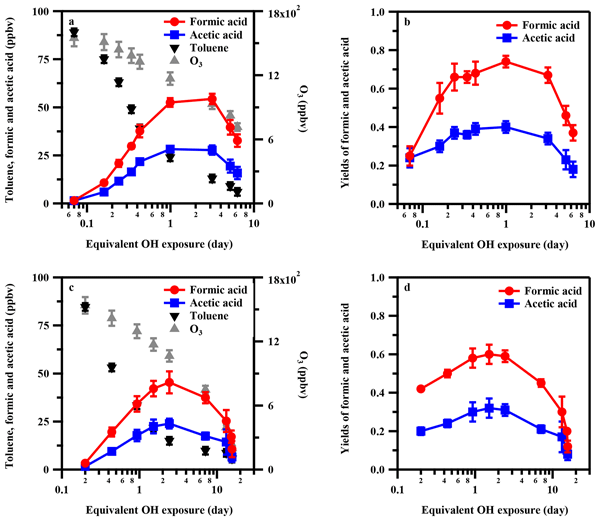
This study shows that the air pollutant toluene produces much more formic acid and acetic acid during atmospheric aging than previously thought. Laboratory experiments show these acids mainly form through multiple oxidation steps and are poorly represented in current models. This missing chemistry helps explain why models underestimate organic acids and highlights their role in air quality and climate.
Yue Sun, Yujiao Zhu, Hengde Liu, Lanxiadi Chen, Hongyong Li, Yujian Bi, Di Wu, Xiangkun Yin, Can Cui, Ping Liu, Yu Yang, Jisheng Zhang, Yanqiu Nie, Lanxin Zhang, Jiangshan Mu, Yuhong Liu, Zhaoxin Guo, Qinyi Li, Yuqiang Zhang, Xinfeng Wang, Mingjin Tang, Wenxing Wang, and Likun Xue
EGUsphere, https://doi.org/10.5194/egusphere-2025-2855, https://doi.org/10.5194/egusphere-2025-2855, 2025
Preprint archived
Short summary
Short summary
Rainwater samples collected at the summit of Mount Tai were analyzed for ice-nucleating particles (INPs). Our findings revealed that INP concentrations peaked in spring, driven predominantly by long-range transport of dust aerosols. Mineral dust contributed 43.6 % of annual INPs, with its contribution rising sharply to 71.7 % in spring. Satellite observations further revealed that the long-range transport of dust in spring promotes large-scale cloud formation over the NCP region.
Yue Sun, Yujiao Zhu, Yanbin Qi, Lanxiadi Chen, Jiangshan Mu, Ye Shan, Yu Yang, Yanqiu Nie, Ping Liu, Can Cui, Ji Zhang, Mingxuan Liu, Lingli Zhang, Yufei Wang, Xinfeng Wang, Mingjin Tang, Wenxing Wang, and Likun Xue
Atmos. Chem. Phys., 24, 3241–3256, https://doi.org/10.5194/acp-24-3241-2024, https://doi.org/10.5194/acp-24-3241-2024, 2024
Short summary
Short summary
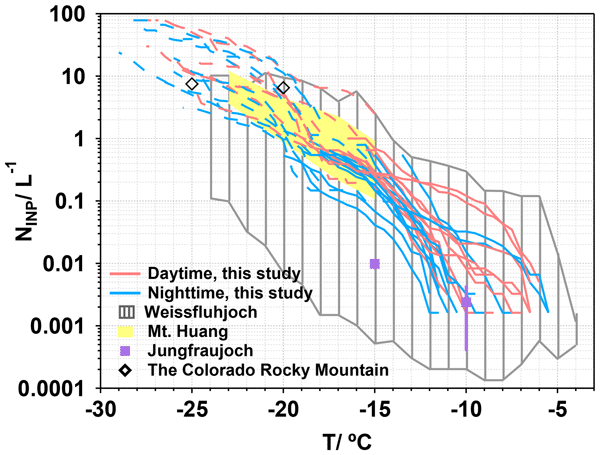
Field observations were conducted at the summit of Changbai Mountain in northeast Asia. The cumulative number concentration of ice-nucleating particles (INPs) varied from 1.6 × 10⁻³ to 78.3 L−1 over the temperature range of −5.5 to −29.0 ℃. Biological INPs (bio-INPs) accounted for the majority of INPs, and the proportion exceeded 90% above −13.0 ℃. Planetary boundary layer height, valley breezes, and long-distance transport of air mass influence the abundance of bio-INPs.
Xuelian Zhong, Hengqing Shen, Min Zhao, Ji Zhang, Yue Sun, Yuhong Liu, Yingnan Zhang, Ye Shan, Hongyong Li, Jiangshan Mu, Yu Yang, Yanqiu Nie, Jinghao Tang, Can Dong, Xinfeng Wang, Yujiao Zhu, Mingzhi Guo, Wenxing Wang, and Likun Xue
Atmos. Chem. Phys., 23, 14761–14778, https://doi.org/10.5194/acp-23-14761-2023, https://doi.org/10.5194/acp-23-14761-2023, 2023
Short summary
Short summary
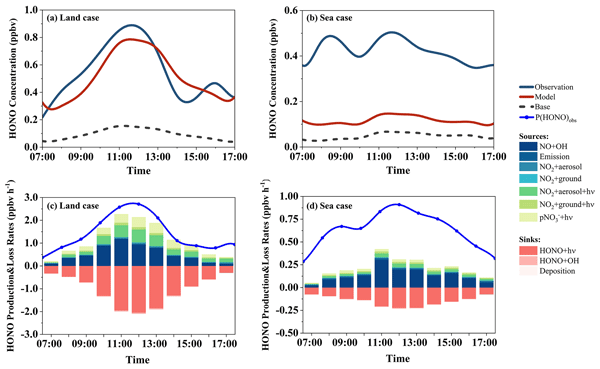
Nitrous acid (HONO) is vital for atmospheric oxidation. In research at Mount Lao, China, models revealed a significant unidentified marine HONO source. Overlooking this could skew our understanding of air quality and climate change. This finding emphasizes HONO’s importance in the coastal atmosphere, uncovering previously unnoticed interactions.
Caiqing Yan, Haibiao Chen, Buqing Xu, Gan Zhang, Bin Jiang, Qinglong Fu, Ruiyu Li, Xuehua Zhou, and Mei Zheng
EGUsphere, https://doi.org/10.5194/egusphere-2026-5498, https://doi.org/10.5194/egusphere-2026-5498, 2026
This preprint is open for discussion and under review for Atmospheric Chemistry and Physics (ACP).
Short summary
Short summary
Relative humidity (RH) affects brown carbon (BrC) light absorption and radiative forcing, but this relationship is still unclear. Using field observations across wide RH and pollution ranges with molecular-level measurements, this study shows that RH non-linearly affects water-soluble BrC absorption, with magnitude varying by pollution level. Molecular analysis reveals the mechanisms, improving understanding of BrC radiative effects and aiding humidity-dependent absorption in climate models.
Hengqing Shen, Liubin Huang, Yue Zhao, Min Zhao, Yu Yang, Huan Li, Huihui Wu, and Zhongming Chen
Atmos. Chem. Phys., 26, 10029–10042, https://doi.org/10.5194/acp-26-10029-2026, https://doi.org/10.5194/acp-26-10029-2026, 2026
Short summary
Short summary
This study shows that the air pollutant toluene produces much more formic acid and acetic acid during atmospheric aging than previously thought. Laboratory experiments show these acids mainly form through multiple oxidation steps and are poorly represented in current models. This missing chemistry helps explain why models underestimate organic acids and highlights their role in air quality and climate.
Jiangshan Mu, Chenliang Tao, Yuqiang Zhang, Zhou Liu, Yingnan Zhang, Na Zhao, Bin Luo, Qionghui Zhou, Qingzhu Zhang, Hongliang Zhang, and Likun Xue
Earth Syst. Sci. Data, 18, 2999–3011, https://doi.org/10.5194/essd-18-2999-2026, https://doi.org/10.5194/essd-18-2999-2026, 2026
Short summary
Short summary
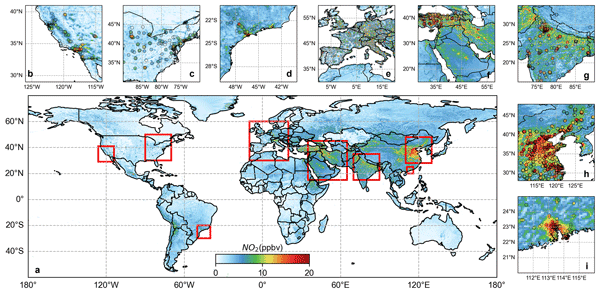
Nitrogen dioxide is a common air pollutant that varies strongly across space and time, yet consistent global information has been limited. We developed a new global dataset that describes daily nitrogen dioxide levels from 2005 to 2023 by combining satellite observations, weather data, and ground measurements using artificial intelligence. The dataset reveals long-term changes and regional patterns and provides a reliable resource for future air quality research.
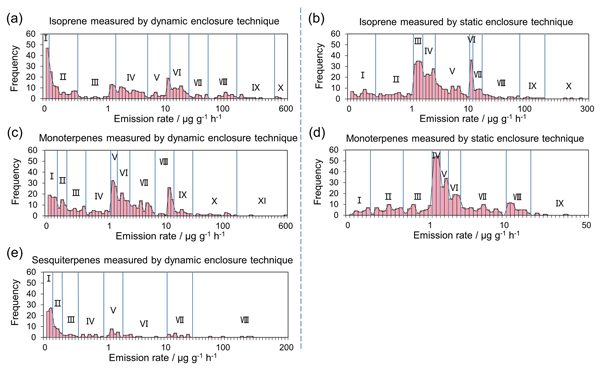
Huijuan Han, Yanqi Jia, Rende Shi, Changliang Nie, Yoshizumi Kajii, Yan Wu, and Lingyu Li
Atmos. Chem. Phys., 26, 1587–1604, https://doi.org/10.5194/acp-26-1587-2026, https://doi.org/10.5194/acp-26-1587-2026, 2026
Short summary
Short summary
Chinese biogenic volatile organic compound (BVOC) emission estimate mainly applies global emission rates, causing its high uncertainty. We established a localized plant species-specific BVOC emission rate library using a developed statistical approach, based on local measurements. The usage of library can improve the emission model performance by better catching the spatial variations of emissions.
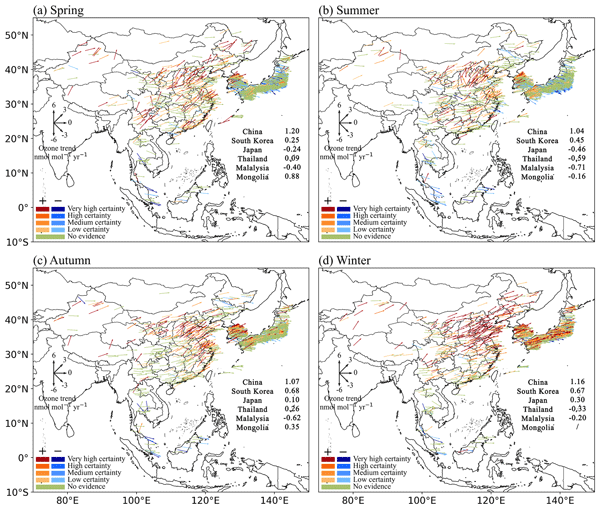
Ke Li, Rong Tan, Wenhao Qiao, Taegyung Lee, Yufen Wang, Danyuting Zhang, Minglong Tang, Wenqing Zhao, Yixuan Gu, Shaojia Fan, Jinqiang Zhang, Xiaopu Lyu, Likun Xue, Jianming Xu, Zhiqiang Ma, Mohd Talib Latif, Teerachai Amnuaylojaroen, Junsu Gil, Mee-Hye Lee, Juseon Bak, Joowan Kim, Hong Liao, Yugo Kanaya, Xiao Lu, Tatsuya Nagashima, and Ja-Ho Koo
Atmos. Chem. Phys., 25, 11575–11596, https://doi.org/10.5194/acp-25-11575-2025, https://doi.org/10.5194/acp-25-11575-2025, 2025
Short summary
Short summary
East Asia and Southeast Asia have been identified as a global hot spot, with the fastest ozone increase. This paper presents the most comprehensive observational review of ozone distributions and evolution over East Asia and Southeast Asia across different spatiotemporal scales in the past two decades, which will have important implications for assessing ozone impacts on public health and crop yields and for developing future ozone control strategies.
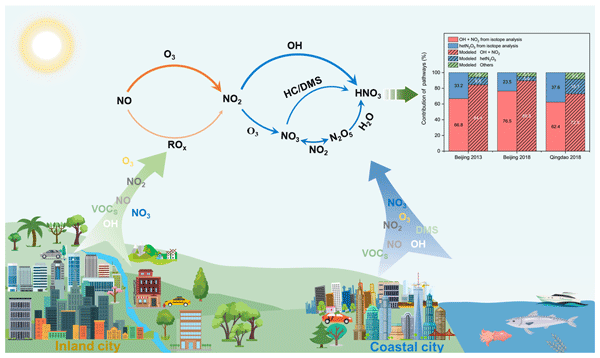
Zhenze Liu, Jianhua Qi, Yuanzhe Ni, Likun Xue, and Xiaohuan Liu
Atmos. Chem. Phys., 25, 8719–8742, https://doi.org/10.5194/acp-25-8719-2025, https://doi.org/10.5194/acp-25-8719-2025, 2025
Short summary
Short summary
Our research investigated nitrate formation in air pollution across inland and coastal cities in northern China during the winters of 2013 and 2018. Using air quality models and isotopic analysis, we identified regional differences, with coastal cities showing more contribution from the dinitrogen pentoxide (N2O5) heterogeneous reaction. Reducing nitrogen oxides (NOx), volatile organic compounds (VOCs), and ammonia (NH3) was crucial for lowering nitrate levels and improving air quality.
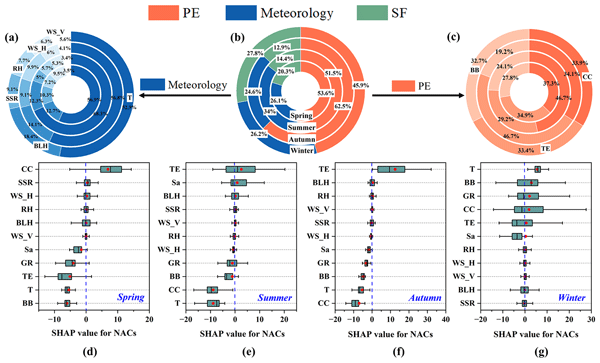
Min Li, Xinfeng Wang, Tianshuai Li, Yujia Wang, Yueru Jiang, Yujiao Zhu, Wei Nie, Rui Li, Jian Gao, Likun Xue, Qingzhu Zhang, and Wenxing Wang
Atmos. Chem. Phys., 25, 8407–8425, https://doi.org/10.5194/acp-25-8407-2025, https://doi.org/10.5194/acp-25-8407-2025, 2025
Short summary
Short summary
By integrating field measurements with an interpretable ensemble machine learning framework, we comprehensively identified key driving factors of nitro-aromatic compounds (NACs), demonstrated complex interrelationships, and quantified their contributions across different locations. This work provides a reliable modeling approach for recognizing causes of NAC pollution, enhances our understanding of variations of atmospheric NACs, and highlights the necessity of strengthening emission controls.
Shuhong Fang, Ximeng Zhao, Zhaohui Chen, Tingyu Yan, and Caiqing Yan
EGUsphere, https://doi.org/10.5194/egusphere-2025-3127, https://doi.org/10.5194/egusphere-2025-3127, 2025
Preprint archived
Short summary
Short summary
This study examines Per- and polyfluoroalkyl substances (PFASs) distribution in China's remote marine atmospheres. Results show that the main PFASs was Perfluorooctanoic acid (PFOA). Laoshan sources: fluoropolymer (46.9 %) & electroplating (36.3 %); Xisha sources: textiles (53.4 %) & precious metals (42.2 %). Northern/southeastern transport to Laoshan versus northeastern paths to Xisha. Overlapping trajectories at same altitudes confirm atmospheric PFAS transport bridges these coastal systems.
Yue Sun, Yujiao Zhu, Hengde Liu, Lanxiadi Chen, Hongyong Li, Yujian Bi, Di Wu, Xiangkun Yin, Can Cui, Ping Liu, Yu Yang, Jisheng Zhang, Yanqiu Nie, Lanxin Zhang, Jiangshan Mu, Yuhong Liu, Zhaoxin Guo, Qinyi Li, Yuqiang Zhang, Xinfeng Wang, Mingjin Tang, Wenxing Wang, and Likun Xue
EGUsphere, https://doi.org/10.5194/egusphere-2025-2855, https://doi.org/10.5194/egusphere-2025-2855, 2025
Preprint archived
Short summary
Short summary
Rainwater samples collected at the summit of Mount Tai were analyzed for ice-nucleating particles (INPs). Our findings revealed that INP concentrations peaked in spring, driven predominantly by long-range transport of dust aerosols. Mineral dust contributed 43.6 % of annual INPs, with its contribution rising sharply to 71.7 % in spring. Satellite observations further revealed that the long-range transport of dust in spring promotes large-scale cloud formation over the NCP region.
Yujia Wang, Hongbin Wang, Bo Zhang, Peng Liu, Xinfeng Wang, Shuchun Si, Likun Xue, Qingzhu Zhang, and Qiao Wang
Atmos. Chem. Phys., 25, 5537–5555, https://doi.org/10.5194/acp-25-5537-2025, https://doi.org/10.5194/acp-25-5537-2025, 2025
Short summary
Short summary
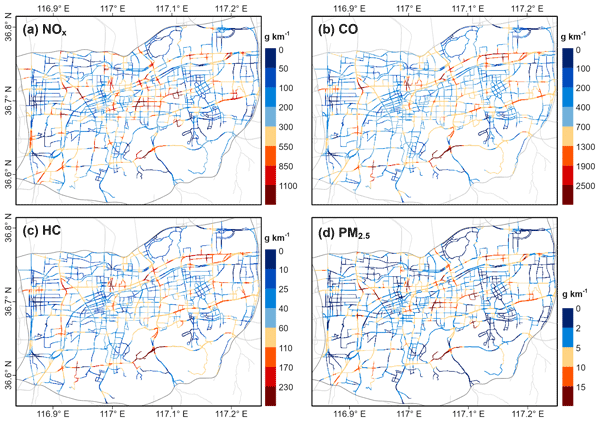
This study established a bottom-up approach that employs real-time traffic flows and interpolation to obtain a spatially continuous on-road vehicle emission mapping for the main urban area of Jinan. The diurnal variation, spatial distribution, and emission hotspots were analyzed with clustering and hotspot analysis, showing unique fine-scale variation characteristics of on-road vehicle emissions. Future scenario analysis demonstrates remarkable benefits of electrification on emission reduction.
Bin Luo, Yuqiang Zhang, Tao Tang, Hongliang Zhang, Jianlin Hu, Jiangshan Mu, Wenxing Wang, and Likun Xue
Atmos. Chem. Phys., 25, 4767–4783, https://doi.org/10.5194/acp-25-4767-2025, https://doi.org/10.5194/acp-25-4767-2025, 2025
Short summary
Short summary
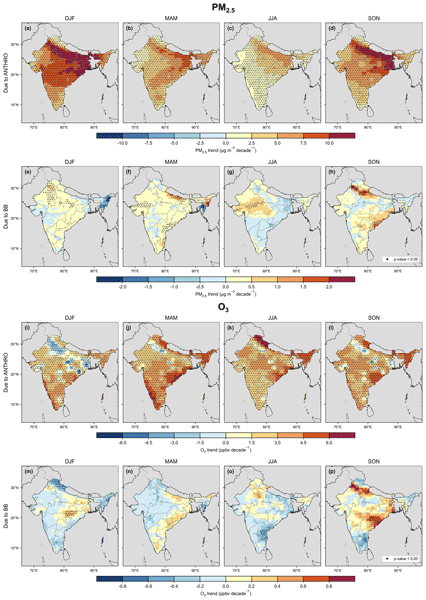
India is facing a severe air pollution crisis that poses significant health risks, particularly from PM2.5 and O3. Our study reveals rising levels of both pollutants from 1995 to 2014, leading to increased premature mortality. While anthropogenic emissions play a significant role, biomass burning also impacts air quality, in particular seasons and regions in India. This study underscores the urgent need for localized policies to protect public health amid escalating environmental challenges.
Haibiao Chen, Caiqing Yan, Liubin Huang, Lin Du, Yang Yue, Xinfeng Wang, Qingcai Chen, Mingjie Xie, Junwen Liu, Fengwen Wang, Shuhong Fang, Qiaoyun Yang, Hongya Niu, Mei Zheng, Yan Wu, and Likun Xue
Atmos. Chem. Phys., 25, 3647–3667, https://doi.org/10.5194/acp-25-3647-2025, https://doi.org/10.5194/acp-25-3647-2025, 2025
Short summary
Short summary
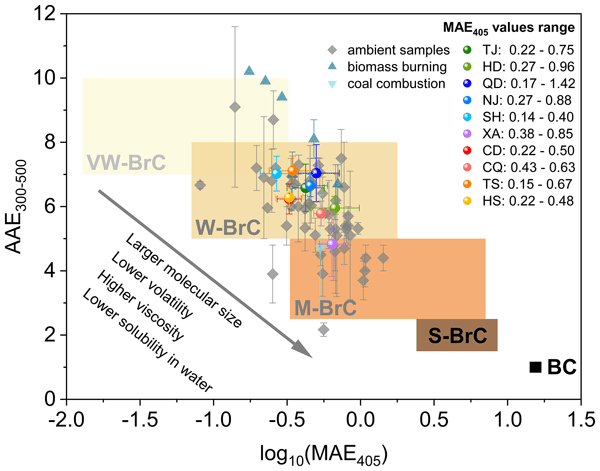
A comprehensive understanding of the optical properties of brown carbon (BrC) is essential to accurately assess its climatic effects. Based on multi-site spectroscopic measurements, this study demonstrated the significant spatial heterogeneity in the optical and structural properties of water-soluble organic carbon (WSOC) in different regions of China and revealed factors affecting WSOC light absorption and the relationship between fluorophores and light absorption of WSOC.
Zizhen Han, Yuqiang Zhang, Zhou Liu, Kexin Zhang, Zhuyi Wang, Bin Luo, Likun Xue, and Xinfeng Wang
EGUsphere, https://doi.org/10.5194/egusphere-2024-2951, https://doi.org/10.5194/egusphere-2024-2951, 2024
Preprint archived
Short summary
Short summary
During the COVID-19 lockdown, changes in air pollutants offered a real-world test of emission reductions. JPL’s chemical reanalysis data showed a general decrease in CO, NO2, O3, and nitrate aerosols across most African countries, but an increase in SO2, sulfate aerosols, and O3 in Southern Africa during winter. We concluded that air quality changes are influenced by both natural and anthropogenic factors, emphasizing the need for stricter emission standards and clean energy promotion in Africa.
Hongyong Li, Xiaopu Lyu, Likun Xue, Yunxi Huo, Dawen Yao, Haoxian Lu, and Hai Guo
Atmos. Chem. Phys., 24, 7085–7100, https://doi.org/10.5194/acp-24-7085-2024, https://doi.org/10.5194/acp-24-7085-2024, 2024
Short summary
Short summary
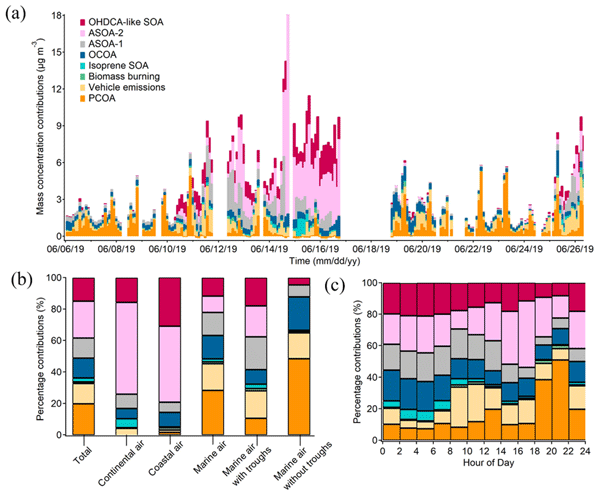
Organic aerosol is ubiquitous in the atmosphere and largely explains the gap between current levels of fine particulate matter in many cities and the World Health Organization guideline values. This study highlights the dominant contributions of cooking emissions to organic aerosol when marine air prevailed in Hong Kong, which were occasionally overwhelmed by aromatics-derived secondary organic aerosol in continental ouflows.
Wei Sun, Xiaodong Hu, Yuzhen Fu, Guohua Zhang, Yujiao Zhu, Xinfeng Wang, Caiqing Yan, Likun Xue, He Meng, Bin Jiang, Yuhong Liao, Xinming Wang, Ping'an Peng, and Xinhui Bi
Atmos. Chem. Phys., 24, 6987–6999, https://doi.org/10.5194/acp-24-6987-2024, https://doi.org/10.5194/acp-24-6987-2024, 2024
Short summary
Short summary
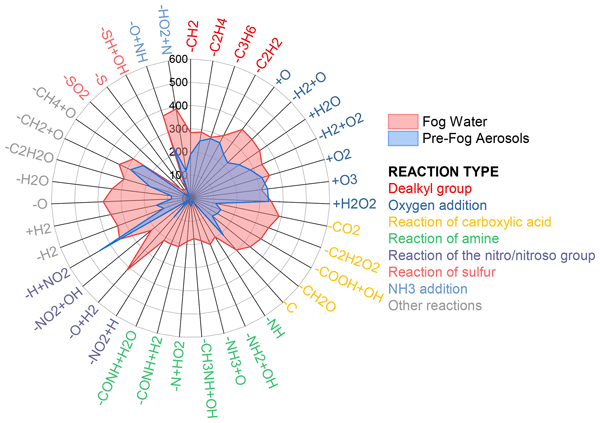
The formation pathways of nitrogen-containing compounds (NOCs) in the atmosphere remain unclear. We investigated the composition of aerosols and fog water by state-of-the-art mass spectrometry and compared the formation pathways of NOCs. We found that NOCs in aerosols were mainly formed through nitration reaction, while ammonia addition played a more important role in fog water. The results deepen our understanding of the processes of organic particulate pollution.
Ming Chu, Xing Wei, Shangfei Hai, Yang Gao, Huiwang Gao, Yujiao Zhu, Biwu Chu, Nan Ma, Juan Hong, Yele Sun, and Xiaohong Yao
Atmos. Chem. Phys., 24, 6769–6786, https://doi.org/10.5194/acp-24-6769-2024, https://doi.org/10.5194/acp-24-6769-2024, 2024
Short summary
Short summary
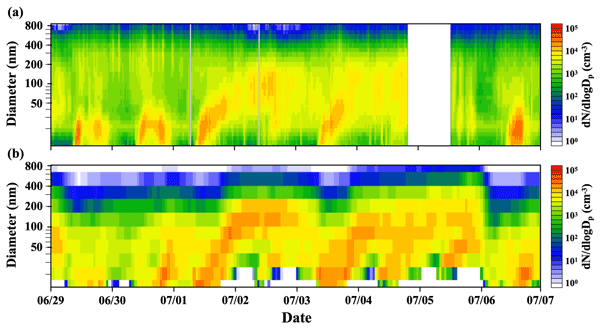
We used a 20-bin WRF-Chem model to simulate NPF events in the NCP during a three-week observational period in the summer of 2019. The model was able to reproduce the observations during June 29–July 6, which was characterized by a high frequency of NPF occurrence.
Rui Li, Prema Piyusha Panda, Yizhu Chen, Zhenming Zhu, Fu Wang, Yujiao Zhu, He Meng, Yan Ren, Ashwini Kumar, and Mingjin Tang
Atmos. Meas. Tech., 17, 3147–3156, https://doi.org/10.5194/amt-17-3147-2024, https://doi.org/10.5194/amt-17-3147-2024, 2024
Short summary
Short summary
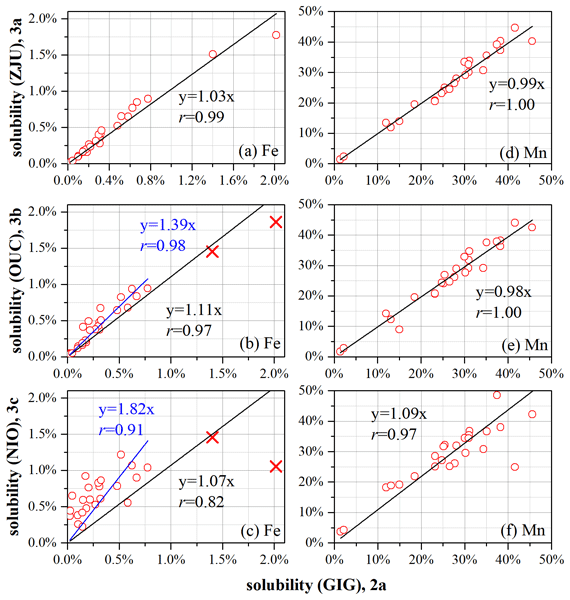
We found that for ultrapure water batch leaching, the difference in specific experimental parameters, including agitation methods, filter pore size, and contact time, only led to a small and sometimes insignificant difference in determined aerosol trace element solubility. Furthermore, aerosol trace element solubility determined using four common ultrapure water leaching protocols showed good agreement.
Yue Sun, Yujiao Zhu, Yanbin Qi, Lanxiadi Chen, Jiangshan Mu, Ye Shan, Yu Yang, Yanqiu Nie, Ping Liu, Can Cui, Ji Zhang, Mingxuan Liu, Lingli Zhang, Yufei Wang, Xinfeng Wang, Mingjin Tang, Wenxing Wang, and Likun Xue
Atmos. Chem. Phys., 24, 3241–3256, https://doi.org/10.5194/acp-24-3241-2024, https://doi.org/10.5194/acp-24-3241-2024, 2024
Short summary
Short summary
Field observations were conducted at the summit of Changbai Mountain in northeast Asia. The cumulative number concentration of ice-nucleating particles (INPs) varied from 1.6 × 10⁻³ to 78.3 L−1 over the temperature range of −5.5 to −29.0 ℃. Biological INPs (bio-INPs) accounted for the majority of INPs, and the proportion exceeded 90% above −13.0 ℃. Planetary boundary layer height, valley breezes, and long-distance transport of air mass influence the abundance of bio-INPs.
Xing Wei, Yanjie Shen, Xiao-Ying Yu, Yang Gao, Huiwang Gao, Ming Chu, Yujiao Zhu, and Xiaohong Yao
Atmos. Chem. Phys., 23, 15325–15350, https://doi.org/10.5194/acp-23-15325-2023, https://doi.org/10.5194/acp-23-15325-2023, 2023
Short summary
Short summary
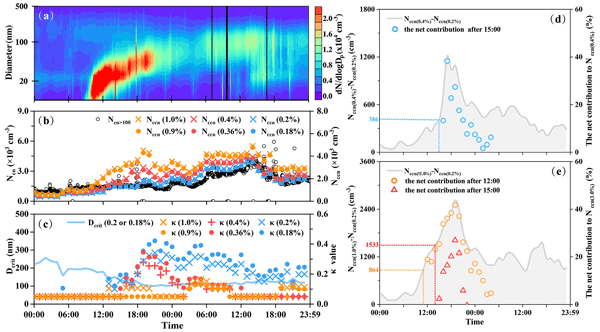
We investigate the contribution of grown new particles to Nccn at a rural mountain site in the North China Plain. The total particle number concentrations (Ncn) observed on 8 new particle formation (NPF) days were higher compared to non-NPF days. The Nccn at 0.2 % supersaturation (SS) and 0.4 % SS on the NPF days was significantly lower than on non-NPF days. Only one of eight NPF events had detectable net contributions to Nccn at 0.4 % SS and 1.0 % SS with increased κ values.
Xuelian Zhong, Hengqing Shen, Min Zhao, Ji Zhang, Yue Sun, Yuhong Liu, Yingnan Zhang, Ye Shan, Hongyong Li, Jiangshan Mu, Yu Yang, Yanqiu Nie, Jinghao Tang, Can Dong, Xinfeng Wang, Yujiao Zhu, Mingzhi Guo, Wenxing Wang, and Likun Xue
Atmos. Chem. Phys., 23, 14761–14778, https://doi.org/10.5194/acp-23-14761-2023, https://doi.org/10.5194/acp-23-14761-2023, 2023
Short summary
Short summary
Nitrous acid (HONO) is vital for atmospheric oxidation. In research at Mount Lao, China, models revealed a significant unidentified marine HONO source. Overlooking this could skew our understanding of air quality and climate change. This finding emphasizes HONO’s importance in the coastal atmosphere, uncovering previously unnoticed interactions.
Youwei Hong, Keran Zhang, Dan Liao, Gaojie Chen, Min Zhao, Yiling Lin, Xiaoting Ji, Ke Xu, Yu Wu, Ruilian Yu, Gongren Hu, Sung-Deuk Choi, Likun Xue, and Jinsheng Chen
Atmos. Chem. Phys., 23, 10795–10807, https://doi.org/10.5194/acp-23-10795-2023, https://doi.org/10.5194/acp-23-10795-2023, 2023
Short summary
Short summary
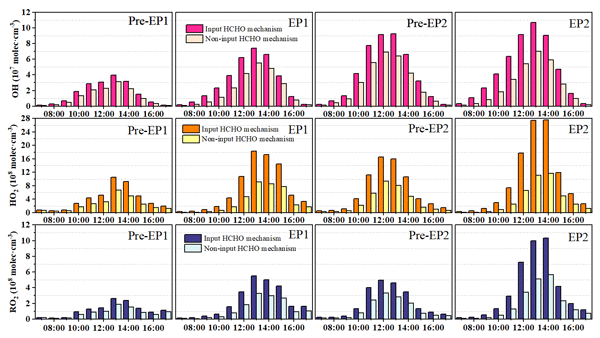
Particle uptakes of HCHO and the impacts on PM2.5 and O3 production remain highly uncertain. Based on the investigation of co-occurring wintertime O3 and PM2.5 pollution in a coastal city of southeast China, we found enhanced heterogeneous formation of hydroxymethanesulfonate (HMS) and increased ROx concentrations and net O3 production rates. The findings of this study are helpful to better explore the mechanisms of key precursors for co-occurring PM2.5 and O3 pollution.
Han Zang, Yue Zhao, Juntao Huo, Qianbiao Zhao, Qingyan Fu, Yusen Duan, Jingyuan Shao, Cheng Huang, Jingyu An, Likun Xue, Ziyue Li, Chenxi Li, and Huayun Xiao
Atmos. Chem. Phys., 22, 4355–4374, https://doi.org/10.5194/acp-22-4355-2022, https://doi.org/10.5194/acp-22-4355-2022, 2022
Short summary
Short summary
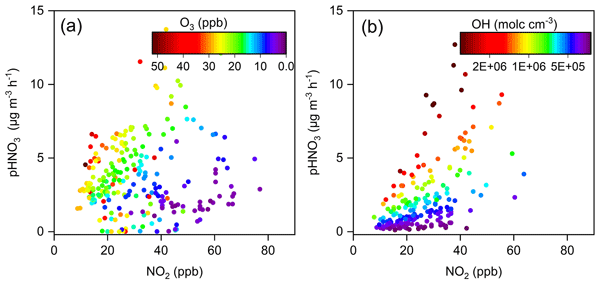
Particulate nitrate plays an important role in wintertime haze pollution in eastern China, yet quantitative constraints on detailed nitrate formation mechanisms remain limited. Here we quantified the contributions of the heterogeneous N2O5 hydrolysis (66 %) and gas-phase OH + NO2 reaction (32 %) to nitrate formation in this region and identified the atmospheric oxidation capacity (i.e., availability of O3 and OH radicals) as the driving factor of nitrate formation from both processes.
Chaoyang Xue, Can Ye, Jörg Kleffmann, Chenglong Zhang, Valéry Catoire, Fengxia Bao, Abdelwahid Mellouki, Likun Xue, Jianmin Chen, Keding Lu, Yong Zhao, Hengde Liu, Zhaoxin Guo, and Yujing Mu
Atmos. Chem. Phys., 22, 3149–3167, https://doi.org/10.5194/acp-22-3149-2022, https://doi.org/10.5194/acp-22-3149-2022, 2022
Short summary
Short summary
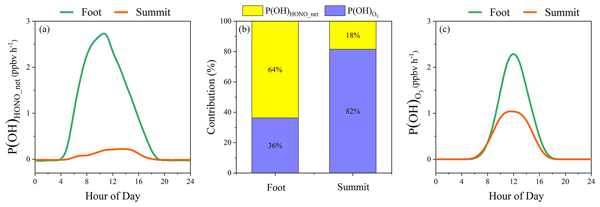
Summertime measurements of nitrous acid (HONO) and related parameters were conducted at the foot and the summit of Mt. Tai (1534 m above sea level). We proposed a rapid vertical air mass exchange between the foot and the summit level, which enhances the role of HONO in the oxidizing capacity of the upper boundary layer. Kinetics for aerosol-derived HONO sources were constrained. HONO formation from different paths was quantified and discussed.
Taotao Liu, Youwei Hong, Mengren Li, Lingling Xu, Jinsheng Chen, Yahui Bian, Chen Yang, Yangbin Dan, Yingnan Zhang, Likun Xue, Min Zhao, Zhi Huang, and Hong Wang
Atmos. Chem. Phys., 22, 2173–2190, https://doi.org/10.5194/acp-22-2173-2022, https://doi.org/10.5194/acp-22-2173-2022, 2022
Short summary
Short summary
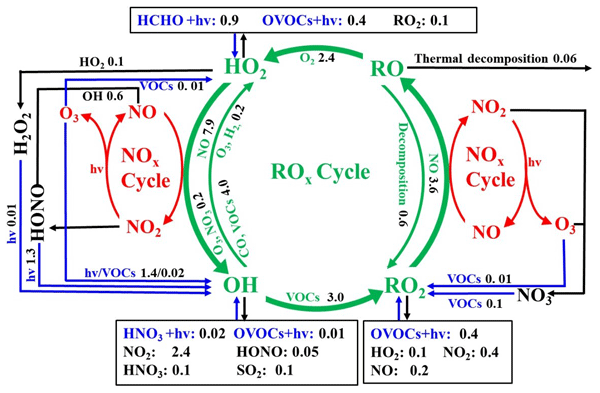
Based on the OBM-MCM model analyses, the study aims to clarify (1) the pollution characteristics of O3 and its precursors, (2) the atmospheric oxidation capacity and radical chemistry, and (3) the O3 formation mechanism and sensitivity analysis. The results are expected to enhance the understanding of the O3 formation mechanism with low O3 precursor levels and provide scientific evidence for O3 pollution control in coastal cities.
Men Xia, Xiang Peng, Weihao Wang, Chuan Yu, Zhe Wang, Yee Jun Tham, Jianmin Chen, Hui Chen, Yujing Mu, Chenglong Zhang, Pengfei Liu, Likun Xue, Xinfeng Wang, Jian Gao, Hong Li, and Tao Wang
Atmos. Chem. Phys., 21, 15985–16000, https://doi.org/10.5194/acp-21-15985-2021, https://doi.org/10.5194/acp-21-15985-2021, 2021
Short summary
Short summary
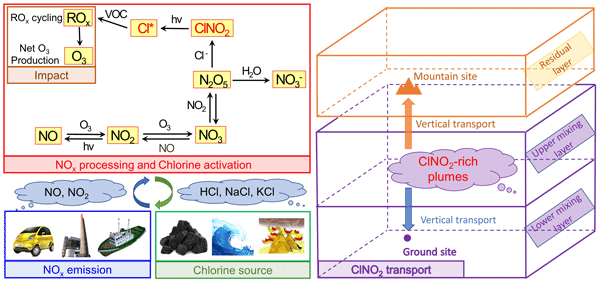
ClNO2 is an important precursor of chlorine radical that affects photochemistry. However, its production and impact are not well understood. Our study presents field observations of ClNO2 at three sites in northern China. These observations provide new insights into nighttime processes that produce ClNO2 and the significant impact of ClNO2 on secondary pollutions during daytime. The results improve the understanding of photochemical pollution in the lower part of the atmosphere.
Cited articles
Arciva, S., Niedek, C., Mavis, C., Yoon, M., Sanchez, M. E., Zhang, Q., and Anastasio, C.: Aqueous ⚫OH oxidation of highly substituted phenols as a source of secondary organic aerosol, Environ. Sci. Technol., 56, 9959–9967, https://doi.org/10.1021/acs.est.2c02225, 2022.
Arciva, S., Ma, L., Mavis, C., Guzman, C., and Anastasio, C.: Formation and loss of light absorbance by phenolic aqueous SOA by ⚫OH and an organic triplet excited state, Atmos. Chem. Phys., 24, 4473–4485, https://doi.org/10.5194/acp-24-4473-2024, 2024.
Baltaretu, C. O., Lichtman, E. I., Hadler, A. B., and Elrod, M. J.: Primary atmospheric oxidation mechanism for toluene, J. Phys. Chem. A, 113, 221–230, https://doi.org/10.1021/jp806841t, 2009.
Bianco, A., Minella, M., Laurentiis, E. D., Maurino, V., Minero, C., and Vione, D.: Photochemical generation of photoactive compounds with fulvic-like and humic-like fluorescence in aqueous solution, Chemosphere, 111, 529–536, https://doi.org/10.1016/j.chemosphere.2014.04.035, 2014.
Bloss, C., Wagner, V., Jenkin, M. E., Volkamer, R., Bloss, W. J., Lee, J. D., Heard, D. E., Wirtz, K., Martin-Reviejo, M., Rea, G., Wenger, J. C., and Pilling, M. J.: Development of a detailed chemical mechanism (MCMv3.1) for the atmospheric oxidation of aromatic hydrocarbons, Atmos. Chem. Phys., 5, 641–664, https://doi.org/10.5194/acp-5-641-2005, 2005.
Buxton, G. V., Greenstock, C. L., Helman, W. P., and Ross, A. B.: Critical review of rate constants for reactions of hydrated electrons, hydrogen atoms and hydroxyl radicals (
Cai, D., Wang, X., Chen, J., and Li, X.: Molecular characterization of organosulfates in highly polluted atmosphere using ultra-high-resolution mass spectrometry, J. Geophys. Res.-Atmos., 125, e2019JD032253, https://doi.org/10.1029/2019JD032253, 2020.
Calvert, C. T. and Schnitzler, E. G.: Light absorption by cinnamaldehyde constituents of biomass burning organic aerosol modeled using time-dependent density functional theory, ACS Earth Space Chem., 7, 490–500, https://doi.org/10.1021/acsearthspacechem.2c00344, 2023.
Cao, T., Li, M., Xu, C., Song, J., Fan, X., Li, J., Jia, W., and Peng, P.: Technical note: Chemical composition and source identification of fluorescent components in atmospheric water-soluble brown carbon by excitation–emission matrix spectroscopy with parallel factor analysis – potential limitations and applications, Atmos. Chem. Phys., 23, 2613–2625, https://doi.org/10.5194/acp-23-2613-2023, 2023.
Chang, J. L. and Thompson, J. E.: Characterization of colored products formed during irradiation of aqueous solutions containing H2O2 and phenolic compounds, Atmos. Environ., 44, 541–551, https://doi.org/10.1016/j.atmosenv.2009.10.042, 2010.
Chen, J. Y., Rodriguez, E., Jiang, H., Chen, K., Frie, A., Zhang, H., Bahreini, R., and Lin, Y.-H.: Time-dependent density functional theory investigation of the UV–Vis spectra of organonitrogen chromophores in brown carbon, ACS Earth Space Chem., 4, 311–320, https://doi.org/10.1021/acsearthspacechem.9b00328, 2020a.
Chen, Y., Zhang, Y., Lambe, A. L., Xu, R., Lei, Z., Olson, N. E., Zhang, Z., Szalkowski, T., Cui, T., Vizuete, W., Gold, A., Turpin, B. J., Ault, A. P., Chan, M. N., and Surratt, J. D.: Heterogeneous hydroxyl radical oxidation of isoprene-epoxydiol-derived methyltetrol sulfates: Plausible formation mechanisms of previously unexplained organosulfates in ambient fine aerosols, Environ. Sci. Tech. Let., 7, 460–468, https://doi.org/10.1021/acs.estlett.0c00276, 2020b.
Darer, A. I., Cole-Filipiak, N. C., O'Connor, A. E., and Elrod, M. J.: Formation and stability of atmospherically relevant isoprene-derived organosulfates and organonitrates, Environ. Sci. Technol., 45, 1895–1902, https://doi.org/10.1021/es103797z, 2011.
Dong, P., Chen, Z., Qin, X., and Gong, Y.: Water significantly changes the ring-cleavage process during aqueous photooxidation of toluene, Environ. Sci. Technol., 55, 16316–16325, https://doi.org/10.1021/acs.est.1c04770, 2021.
Dorfman, L. M. and Adams, G. E.: Reactivity of the hydroxyl radical in aqueous solutions, National Bureau of Standards, 76, https://doi.org/10.6028/NBS.NSRDS.46, 1973.
Fleming, L. T., Lin, P., Roberts, J. M., Selimovic, V., Yokelson, R., Laskin, J., Laskin, A., and Nizkorodov, S. A.: Molecular composition and photochemical lifetimes of brown carbon chromophores in biomass burning organic aerosol, Atmos. Chem. Phys., 20, 1105–1129, https://doi.org/10.5194/acp-20-1105-2020, 2020.
Forstner, H. J. L., Flagan, R. C., and Seinfeld, J. H.: Secondary organic aerosol from the photooxidation of aromatic hydrocarbons: Molecular composition, Environ. Sci. Technol., 31, 1345–1358, https://doi.org/10.1021/es9605376, 1997.
Garmash, O., Rissanen, M. P., Pullinen, I., Schmitt, S., Kausiala, O., Tillmann, R., Zhao, D., Percival, C., Bannan, T. J., Priestley, M., Hallquist, Å. M., Kleist, E., Kiendler-Scharr, A., Hallquist, M., Berndt, T., McFiggans, G., Wildt, J., Mentel, T. F., and Ehn, M.: Multi-generation OH oxidation as a source for highly oxygenated organic molecules from aromatics, Atmos. Chem. Phys., 20, 515–537, https://doi.org/10.5194/acp-20-515-2020, 2020.
Gweme, D. T. and Styler, S. A.: OH radical oxidation of organosulfates in the atmospheric aqueous phase, J. Phys. Chem. A, 128, 9462–9475, https://doi.org/10.1021/acs.jpca.4c02877, 2024.
Hansen, A. M. K., Kristensen, K., Nguyen, Q. T., Zare, A., Cozzi, F., Nøjgaard, J. K., Skov, H., Brandt, J., Christensen, J. H., Ström, J., Tunved, P., Krejci, R., and Glasius, M.: Organosulfates and organic acids in Arctic aerosols: speciation, annual variation and concentration levels, Atmos. Chem. Phys., 14, 7807–7823, https://doi.org/10.5194/acp-14-7807-2014, 2014.
He, J., Li, L., Li, Y., Huang, M., Zhu, Y., and Deng, S.: Synthesis, MS/MS characteristics and quantification of six aromatic organosulfates in atmospheric PM2.5, Atmos. Environ., 290, 119361, https://doi.org/10.1016/j.atmosenv.2022.119361, 2022.
Hems, R. F. and Abbatt, J. P. D.: Aqueous phase photo-oxidation of brown carbon nitrophenols: Reaction kinetics, mechanism, and evolution of light absorption, ACS Earth Space Chem., 2, 225–234, https://doi.org/10.1021/acsearthspacechem.7b00123, 2018.
Herrmann, H., Tilgner, A., Barzaghi, P., Majdik, Z., Gligorovski, S., Poulain, L., and Monod, A.: Towards a more detailed description of tropospheric aqueous phase organic chemistry: CAPRAM 3.0, Atmos. Environ., 39, 4351–4363, https://doi.org/10.1016/j.atmosenv.2005.02.016, 2005.
Herrmann, H., Hoffmann, D., Schaefer, T., Bräuer, P., and Tilgner, A.: Tropospheric aqueous-phase free-radical chemistry: Radical sources, spectra, reaction kinetics and prediction tools, ChemPhysChem, 11, 3796–3822, https://doi.org/10.1002/cphc.201000533, 2010.
Herrmann, H., Schaefer, T., Tilgner, A., Styler, S. A., Weller,C., Teich, M., and Otto, T.: Tropospheric aqueous-phase chemistry: Kinetics, mechanisms, and its coupling to a changing gas phase, Chem. Rev., 115, 4259–4334, https://doi.org/10.1021/cr500447k, 2015.
Hettiyadura, A. P. S., Jayarathne, T., Baumann, K., Goldstein, A. H., de Gouw, J. A., Koss, A., Keutsch, F. N., Skog, K., and Stone, E. A.: Qualitative and quantitative analysis of atmospheric organosulfates in Centreville, Alabama, Atmos. Chem. Phys., 17, 1343–1359, https://doi.org/10.5194/acp-17-1343-2017, 2017.
Hettiyadura, A. P. S., Al-Naiema, I. M., Hughes, D. D., Fang, T., and Stone, E. A.: Organosulfates in Atlanta, Georgia: anthropogenic influences on biogenic secondary organic aerosol formation, Atmos. Chem. Phys., 19, 3191–3206, https://doi.org/10.5194/acp-19-3191-2019, 2019.
Hu, K. S., Darer, A. I., and Elrod, M. J.: Thermodynamics and kinetics of the hydrolysis of atmospherically relevant organonitrates and organosulfates, Atmos. Chem. Phys., 11, 8307–8320, https://doi.org/10.5194/acp-11-8307-2011, 2011.
Hu, W. W., Campuzano-Jost, P., Palm, B. B., Day, D. A., Ortega, A. M., Hayes, P. L., Krechmer, J. E., Chen, Q., Kuwata, M., Liu, Y. J., de Sá, S. S., McKinney, K., Martin, S. T., Hu, M., Budisulistiorini, S. H., Riva, M., Surratt, J. D., St. Clair, J. M., Isaacman-Van Wertz, G., Yee, L. D., Goldstein, A. H., Carbone, S., Brito, J., Artaxo, P., de Gouw, J. A., Koss, A., Wisthaler, A., Mikoviny, T., Karl, T., Kaser, L., Jud, W., Hansel, A., Docherty, K. S., Alexander, M. L., Robinson, N. H., Coe, H., Allan, J. D., Canagaratna, M. R., Paulot, F., and Jimenez, J. L.: Characterization of a real-time tracer for isoprene epoxydiols-derived secondary organic aerosol (IEPOX-SOA) from aerosol mass spectrometer measurements, Atmos. Chem. Phys., 15, 11807–11833, https://doi.org/10.5194/acp-15-11807-2015, 2015.
Huang, L., Cochran, R. E., Coddens, E. M., and Grassian, V. H.: Formation of organosulfur compounds through transition metal ion-catalyzed aqueous phase reactions, Environ. Sci. Tech. Let., 5, 315–321, https://doi.org/10.1021/acs.estlett.8b00225, 2018.
Huang, L., Wang, Y., Zhao, Y., Hu, H., Yang, Y., Wang, Y., Yu, J.-Z., Chen, T., Cheng, Z., Li, C., and Xiao., H.: Biogenic and anthropogenic contributions to atmospheric organosulfates in a typical megacity in eastern China, J. Geophys. Res.-Atmos., 128, e2023JD038848, https://doi.org/10.1029/2023JD038848, 2023.
Iinuma, Y., Müller, C., Berndt, T., Böge, O., Claeys, M., and Herrmann, H.: Evidence for the existence of organosulfates from β-Pinene ozonolysis in ambient secondary organic aerosol, Environ. Sci. Technol., 41, 6678–6683, https://doi.org/10.1021/es070938t, 2007.
Kuang, B. Y., Lin, P., Hu, M., and Yu, J. Z.: Aerosol size distribution characteristics of organosulfates in the Pearl River Delta region, China, Atmos. Environ., 130, 23–35, https://doi.org/10.1016/j.atmosenv.2015.09.024, 2016.
Kundu, S., Quraishi, T. A., Yu, G., Suarez, C., Keutsch, F. N., and Stone, E. A.: Evidence and quantitation of aromatic organosulfates in ambient aerosols in Lahore, Pakistan, Atmos. Chem. Phys., 13, 4865–4875, https://doi.org/10.5194/acp-13-4865-2013, 2013.
Kwong, K. C., Chim, M. M., Davies, J. F., Wilson, K. R., and Chan, M. N.: Importance of sulfate radical anion formation and chemistry in heterogeneous OH oxidation of sodium methyl sulfate, the smallest organosulfate, Atmos. Chem. Phys., 18, 2809–2820, https://doi.org/10.5194/acp-18-2809-2018, 2018.
Kristensen, K. and Glasius, M.: Organosulfates and oxidation products from biogenic hydrocarbons in fine aerosols from a forest in north west Europe during spring, Atmos. Environ., 45, 4546–4556, https://doi.org/10.1016/j.atmosenv.2011.05.063, 2011.
Lai, D., Schaefer, T., Zhang, Y., Li, Y. J., Xing, S., Herrmann, H., and Chan, M. N.: Deactivating effect of hydroxyl radicals reactivity by sulfate and sulfite functional groups in aqueous phase-atmospheric implications for small organosulfur compounds, ACS EST Air, 1, 678–689, https://doi.org/10.1021/acsestair.4c00033, 2024.
Lai, D., Bai, Y., Zhang, Z., So, P.-K., Li, Y. J., Tse, Y.-L. S., Yeung, Y.-Y., Schaefer, T., Herrmann, H., Yu, J. Z., Wang, Y., and Chan, M. N.: Rapid aqueous-phase oxidation of an α-pinene-derived organosulfate by hydroxyl radicals: a potential source of some unclassified oxygenated and small organosulfates in the atmosphere, Atmos. Chem. Phys., 25, 12569–12584, https://doi.org/10.5194/acp-25-12569-2025, 2025.
Lam, H. K., Kwong, K. C., Poon, H. Y., Davies, J. F., Zhang, Z., Gold, A., Surratt, J. D., and Chan, M. N.: Heterogeneous OH oxidation of isoprene-epoxydiol-derived organosulfates: kinetics, chemistry and formation of inorganic sulfate, Atmos. Chem. Phys., 19, 2433–2440, https://doi.org/10.5194/acp-19-2433-2019, 2019.
Lay, T. H., Bozzelli, J. W., and Seinfeld, J. H.: Atmospheric photochemical oxidation of benzene: benzene + OH and the benzene–OH adduct (hydroxyl-2,4-cyclohexadienyl) + O2, J. Phys. Chem., 100, 6543–6554, https://doi.org/10.1021/jp951726y, 1996.
Lei, Z., Chen, Y., Zhang, Y., Cooke, M. E., Ledsky, I. R., Armstrong, N. C., Olson, N. E., Zhang, Z., Gold, A., Surratt, J. D., and Ault, A. P.: Initial pH governs secondary organic aerosol phase state and morphology after uptake of isoprene epoxydiols (IEPOX), Environ. Sci. Technol., 56, 10596–10607, https://doi.org/10.1021/acs.est.2c01579, 2022.
Li, F., Tsona, N. T., Li, J., and Du, L.: Aqueous-phase oxidation of syringic acid emitted from biomass burning: Formation of light-absorbing compounds, Sci. Total Environ., 765, 144239, https://doi.org/10.1016/j.scitotenv.2020.144239, 2021.
Li, S., Wang, Y., Zhang, Y., Yi, Y., Wang, Y., Guo, Y., Yu, C., Jiang, Y., Shi, J., Zhang, C., Zhu, J., Hu, W., Yu, J., Yao, X., Gao, H., and Hu, M.: Atmospheric organosulfate formation regulated by continental outflows and marine emissions over East Asian marginal seas, Atmos. Chem. Phys., 25, 12585–12598, https://doi.org/10.5194/acp-25-12585-2025, 2025.
Lin, Y.-H., Knipping, E. M., Edgerton, E. S., Shaw, S. L., and Surratt, J. D.: Investigating the influences of SO2 and NH3 levels on isoprene-derived secondary organic aerosol formation using conditional sampling approaches, Atmos. Chem. Phys., 13, 8457–8470, https://doi.org/10.5194/acp-13-8457-2013, 2013.
Liu, F., Xu, T., Ng, N. L., and Lu, H.: Linking cell health and reactive oxygen species from secondary organic aerosols exposure, Environ. Sci. Technol., 57, 1039–1048, https://doi.org/10.1021/acs.est.2c05171, 2022.
Liu, G., Ji, J., Huang, H., Xie, R., Feng, Q., Shu, Y., Zhan, Y., Fang, R., He, M., Liu, S., Ye, X., and Leung, D. Y. C.: UV/H2O2: An efficient aqueous advanced oxidation process for VOCs removal, Chem. Eng. J., 324, 44–50, https://doi.org/10.1016/j.cej.2017.04.105, 2017.
Lukács, H., Gelencsér, A., Hoffer, A., Kiss, G., Horváth, K., and Hartyáni, Z.: Quantitative assessment of organosulfates in size-segregated rural fine aerosol, Atmos. Chem. Phys., 9, 231–238, https://doi.org/10.5194/acp-9-231-2009, 2009.
Ma, J., Reininger, N., Zhao, C, Döbler, D., Rüdiger, J., Qiu, Y., Ungeheuer, F., Simon, M., D'Angelo, L., Breuninger, A., David, J., Bai, Y., Li, Y., Xue, Y., Li, L., Wang, Y., Hildmann, S., Hoffmann, T., Liu, B., Niu, H., Wu, Z., and Vogel, A. L.: Unveiling a large fraction of hidden organosulfates in ambient organic aerosol, Nat. Commun., 16, 4098, https://doi.org/10.1038/s41467-025-59420-y, 2025.
Ma, Y., Xu, X., Song, W., Geng, F., and Wang, L.: Seasonal and diurnal variations of particulate organosulfates in urban Shanghai, China, Atmos. Environ., 85, 152–160, https://doi.org/10.1016/j.atmosenv.2013.12.017, 2014.
Mael, L. E., Jacobs, M. I., and Elrod, M. J.: Organosulfate and nitrate formation and reactivity from epoxides derived from 2-Methyl-3-buten-2-ol, J. Phys. Chem. A, 119, 4464–4472, https://doi.org/10.1021/jp510033s, 2015.
Minakata, D., Song, W., Mezyk, S. P., and Cooper, W. J.: Experimental and theoretical studies on aqueous-phase reactivity of hydroxyl radicals with multiple carboxylated and hydroxylated benzene compounds, Phys. Chem. Chem. Phys., 17, 11796–11812, https://doi.org/10.1039/C5CP00861A, 2015.
Minerath, E. C., Casale, M. T., and Elrod, M. J.: Kinetics feasibility study of alcohol sulfate esterification reactions in tropospheric aerosols, Environ. Sci. Technol., 42, 4410–4415, https://doi.org/10.1021/es8004333, 2008.
Monod, A. and Doussin, J. F.: Structure-activity relationship for the estimation of OH-oxidation rate constants of aliphatic organic compounds in the aqueous phase: alkanes, alcohols, organic acids and bases, Atmos. Environ., 42, 7611–7622, https://doi.org/10.1016/j.atmosenv.2008.06.005, 2008.
Nozière, B., Ekström, S., Alsberg, T., and Holmström S.: Radical-initiated formation of organosulfates and surfactants in atmospheric aerosols, Geophys. Res. Lett., 37, L05806, https://doi.org/10.1029/2009GL041683, 2010.
Passananti, M., Kong, L., Shang, J., Dupart, Y., Perrier, S., Chen, J., Donaldson, J., and George, C.: Organosulfate formation through the heterogeneous reaction of sulfur dioxide with unsaturated fatty acids and long-chain alkenes, Angew. Chem. Int. Edit., 55, 10336–10339, https://doi.org/10.1002/anie.201605266, 2016.
Peng, X., Xie, T.-T., Tang, M.-X., Cheng, Y., Peng, Y., Wei, F.-H., Cao, L.-M., Yu, K., Du, K., He, L.-Y., and Huang, X.-F.: Critical role of secondary organic aerosol in urban atmospheric visibility improvement identified by machine learning, Environ. Sci. Tech. Let., 10, 976–982, https://doi.org/10.1021/acs.estlett.3c00084, 2023.
Pye, H. O. T., Nenes, A., Alexander, B., Ault, A. P., Barth, M. C., Clegg, S. L., Collett Jr., J. L., Fahey, K. M., Hennigan, C. J., Herrmann, H., Kanakidou, M., Kelly, J. T., Ku, I.-T., McNeill, V. F., Riemer, N., Schaefer, T., Shi, G., Tilgner, A., Walker, J. T., Wang, T., Weber, R., Xing, J., Zaveri, R. A., and Zuend, A.: The acidity of atmospheric particles and clouds, Atmos. Chem. Phys., 20, 4809–4888, https://doi.org/10.5194/acp-20-4809-2020, 2020.
Richards-Henderson, N. K., Hansel, A. K., Valsaraj, K. T., and Anastasio, C.: Aqueous oxidation of green leaf volatiles by hydroxyl radical as a source of SOA: Kinetics and SOA yields, Atmos. Environ., 95, 105–112, https://doi.org/10.1016/j.atmosenv.2014.06.026, 2014.
Riva, M., Chen, Y., Zhang, Y., Lei, Z., Olson, N. E., Boyer, H. C., Narayan, S., Yee, L. D., Green, H. S., Cui, T., Zhang, Z., Baumann, K., Fort, M., Edgerton, E., Budisulistiorini, S. H., Rose, C. A., Ribeiro, I. O., Oliveira, R. L., Santos, E. O., Machado, C. M. D., Szopa, S., Zhao, Y., Alves, E. G., Sá, S. S., Hu, W., Knipping, E. M., Shaw, S. L., Junior, S. D., Souza, R. A. F., Palm, B. B., Jimenez, J.-L., Glasius, M., Goldstein, A. H., Pye, H. O. T., Gold, A., Turpin, B. J., Vizuete, W., Martin, S. T., Thornton, J. A., Dutcher, C. S., Ault, A. P., and Surratt, J. D.: Increasing isoprene epoxydiol-to-inorganic sulfate aerosol ratio results in extensive conversion of inorganic sulfate to organosulfur forms: Implications for aerosol physicochemical properties, Environ. Sci. Technol., 53, 8682–8694, https://doi.org/10.1021/acs.est.9b01019, 2019.
Schindelka, J., Iinuma, Y., Hoffmann, D., and Herrmann, H.: Sulfate radical-initiated formation of isoprene-derived organosulfates in atmospheric aerosols, Faraday Discuss., 165, 237–259, https://doi.org/10.1039/C3FD00042G, 2013.
Schuler, R. H. and Albarran, G.: The rate constants for reaction of ⚫OH radicals with benzene and toluene, Radiat. Phys. Chem., 64, 189–195, https://doi.org/10.1016/S0969-806X(01)00497-2, 2002.
Shang, J., Passananti, M., Dupart, Y., Ciuraru, R., Tinel, L., Rossignol, S., Perrier, S., Zhu, T., and George, C.: SO2 uptake on oleic acid: A new formation pathway of organosulfur compounds in the atmosphere, Environ. Sci. Tech. Let., 3, 67–72, https://doi.org/10.1021/acs.estlett.6b00006, 2016.
Shrivastava, M., Cappa, C. D., Fan, J., Goldstein, A. H., Guenther, A. B., Jimenez, J. L., Kuang, C., Laskin, A., Martin, S. T., Ng, N. L., Petaja, T., Pierce, J. R., Rasch, P. J., Roldin, P., Seinfeld, J. H., Shilling, J., Smith, J. N., Thornton, J. A., Volkamer, R., Wang, J., Worsnop, D. R., Zaveri, R. A., Zelenyuk, A., and Zhang, Q.: Recent advances in understanding secondary organic aerosol: Implications for global climate forcing, Rev. Geophys., 55, 509–559, https://doi.org/10.1002/2016RG000540, 2017.
Singla, R., Ashokkumar, M., and Grieser, F.: The mechanism of the sonochemical degradation of benzoic acid in aqueous solutions, Res. Chem. Intermediat., 30, 723–733, https://doi.org/10.1163/1568567041856963, 2004.
Smith, J. D., Kinney, H., and Anastasio, C.: Aqueous benzene-diols react with an organic triplet excited state and hydroxyl radical to form secondary organic aerosol, Phys. Chem. Chem. Phys., 17, 10227–10237, https://doi.org/10.1039/C4CP06095D, 2015.
Staudt, S., Kundu, S., Lehmler, H.-J., He, X., Cui, T., Lin, Y.-H., Kristensen, K., Glasius, M., Zhang, X., Weber, R. J., Surratt, J. D., and Stone, E. A.: Aromatic organosulfates in atmospheric aerosols: Synthesis, characterization, and abundance, Atmos. Environ., 94, 366–373, https://doi.org/10.1016/j.atmosenv.2014.05.049, 2014.
Surratt, J. D., Gómez-González, Y., Chan, A. W. H., Vermeylen, R., Shahgholi, M., Kleindienst, T. E., Edney, E. O., Offenberg, J. H., Lewandowski, M., Jaoui, M., Maenhaut, W., Claeys, M., Flagan, R. C., and Seinfeld, J. H.: Organosulfate formation in biogenic secondary organic aerosol, J. Phys. Chem. A, 112, 8345–8378, https://doi.org/10.1021/jp802310p, 2008.
Surratt, J. D., Chan, A. W. H., Eddingsaas, N. C., and Seinfeld, J. H.: Reactive intermediates revealed in secondary organic aerosol formation from isoprene, P. Natl. Acad. Sci. USA, 107, 6640–6645, https://doi.org/10.1073/pnas.0911114107, 2010.
Tang, S., Li, F., Tsona, N. T., Lu, C., Wang, X., and Du, L.: Aqueous-phase photooxidation of vanillic acid: A potential source of Humic-Like Substances (HULIS), ACS Earth Space Chem., 4, 862–872, https://doi.org/10.1021/acsearthspacechem.0c00070, 2020.
Thomas, A. E., Glicker, H. S., Guenther, A. B., Seco, R., Vega Bustillos, O., Tota, J., Souza, R. A. F., and Smith, J. N.: Seasonal investigation of ultrafine-particle organic composition in an eastern Amazonian rainforest, Atmos. Chem. Phys., 25, 959–977, https://doi.org/10.5194/acp-25-959-2025, 2025.
Tolocka, M. P. and Turpin, B.: Contribution of organosulfur compounds to organic aerosol mass, Environ. Sci. Technol., 46, 7978–7983, https://doi.org/10.1021/es300651v, 2012.
Tsona Tchinda, N., Lv, X., Tasheh, S. N., Ghogomu, J. N., and Du, L.: Atmospheric fate of organosulfates through gas-phase and aqueous-phase reactions with hydroxyl radicals: implications for inorganic sulfate formation, Atmos. Chem. Phys., 25, 8575–8590, https://doi.org/10.5194/acp-25-8575-2025, 2025.
Wang, L., Wu, R., and Xu, C.: Atmospheric oxidation mechanism of benzene. Fates of alkoxy radical intermediates and revised mechanism, J. Phys. Chem. A, 117, 14163–14168, https://doi.org/10.1021/jp4101762, 2013.
Wang, S., Zhou, S., Tao, Y., Tsui, W. G., Ye, J., Yu, J. Z., Murphy, J. G., McNeill, V. F., Abbat, J. P. D., and Chan, A. W. H.: Organic peroxides and sulfur dioxide in aerosol: source of particulate sulfate, Environ. Sci. Technol., 53, 10695–10704, https://doi.org/10.1021/acs.est.9b02591, 2019.
Wang, Y., Hu, M., Guo, S., Wang, Y., Zheng, J., Yang, Y., Zhu, W., Tang, R., Li, X., Liu, Y., Le Breton, M., Du, Z., Shang, D., Wu, Y., Wu, Z., Song, Y., Lou, S., Hallquist, M., and Yu, J.: The secondary formation of organosulfates under interactions between biogenic emissions and anthropogenic pollutants in summer in Beijing, Atmos. Chem. Phys., 18, 10693–10713, https://doi.org/10.5194/acp-18-10693-2018, 2018.
Wang, Y., Zhao, Y., Wang, Y., Yu, J.-Z., Shao, J., Liu, P., Zhu, W., Cheng, Z., Li, Z., Yan, N., and Xiao, H.: Organosulfates in atmospheric aerosols in Shanghai, China: seasonal and interannual variability, origin, and formation mechanisms, Atmos. Chem. Phys., 21, 2959–2980, https://doi.org/10.5194/acp-21-2959-2021, 2021.
Wang, Y., Ma, Y., Kuang, B., Lin, P., Liang, Y., Huang, C., and Yu, J. Z.: Abundance of organosulfates derived from biogenic volatile organic compounds: Seasonal and spatial contrasts at four sites in China, Sci. Total Environ., 806, 151275, https://doi.org/10.1016/j.scitotenv.2021.151275, 2022.
Xu, R., Ge, Y., Kwong, K. C., Poon, H. Y., Wilson, K. R., Yu, J. Z., and Chan, M. N.: Inorganic sulfur species formed upon heterogeneous ⚫OH oxidation of organosulfates: A case study of methyl sulfate, ACS Earth Space Chem., 4, 2041–2049, https://doi.org/10.1021/acsearthspacechem.0c00209, 2020.
Xu, R., Ng, S. I. M., Chow, W. S., Wong, Y. K., Wang, Y., Lai, D., Yao, Z., So, P.-K., Yu, J. Z., and Chan, M. N.: Chemical transformation of α-pinene-derived organosulfate via heterogeneous OH oxidation: implications for sources and environmental fates of atmospheric organosulfates, Atmos. Chem. Phys., 22, 5685–5700, https://doi.org/10.5194/acp-22-5685-2022, 2022.
Xu, R., Chen, Y., Ng, S. I. M., Zhang, Z, Gold, A., Turpin, B. J., Ault, A. P., Surratt, J. D., and Chan, M. N.: Formation of inorganic sulfate and volatile nonsulfated products from heterogeneous hydroxyl radical oxidation of 2-methyltetrol sulfate aerosols: Mechanisms and atmospheric implications, Environ. Sci. Tech. Let., 11, 968–974, https://doi.org/10.1021/acs.estlett.4c00451, 2024.
Yang, T., Xu, Y., Ye, Q., Ma, Y.-J., Wang, Y.-C., Yu, J.-Z., Duan, Y.-S., Li, C.-X., Xiao, H.-W., Li, Z.-Y., Zhao, Y., and Xiao, H.-Y.: Spatial and diurnal variations of aerosol organosulfates in summertime Shanghai, China: potential influence of photochemical processes and anthropogenic sulfate pollution, Atmos. Chem. Phys., 23, 13433–13450, https://doi.org/10.5194/acp-23-13433-2023, 2023.
Yao, M., Zhao, Y., Hu, M., Huang, D., Wang, Y., Yu, J. Z., and Yan, N.: Multiphase reactions between secondary organic aerosol and sulfur dioxide: kinetics and contributions to sulfate formation and aerosol aging, Environ. Sci. Tech. Let., 6, 768–774, https://doi.org/10.1021/acs.estlett.9b00657, 2019.
Yao, M., Zhao, Y., Chang, C., Wang, S., Li, Z., Li, C., Chan, A. W. H., and Xiao, H.: Multiphase reactions between organic peroxides and sulfur dioxide in internally mixed inorganic and organic particles: key roles of particle phase separation and acidity, Environ. Sci. Technol., 57, 15558–15570, https://doi.org/10.1021/acs.est.3c04975, 2023.
Zhang, H., Worton, D. R., Lewandowski, M., Ortega, J., Rubitschun, C. L., Park, J.-H., Kristensen, K., Campuzano-Jost, P., Day, D. A., Jimenez, J. L., Jaoui, M., Offenberg, J. H., Kleindienst, T. E., Gilman, J., Kuster, W. C., Gouw, J., Park, C., Schade, G. W., Frossard, A. A., Russell, L., Kaser, L., Jud, W., Hansel, A., Cappellin. L., Karl, T., Glasius, M., Guenther, A., Goldstein, A. H., Seinfeld, J. H., Gold, A., Kamens, R. M., and Surratt, J. D.: Organosulfates as tracers for secondary organic aerosol (SOA) formation from 2-Methyl-3-Buten-2-ol (MBO) in the atmosphere, Environ. Sci. Technol., 46, 9437–9446, https://doi.org/10.1021/es301648z, 2012.
Short summary
This work reveals that aromatic organosulfates can undergo rapid transformation by the liquid-phase •OH oxidation, leading to the formation of both functionalized and fragmented organosulfates as well as inorganic sulfate, and thereby enhancing light absorption and inducing new fluorescence features. These findings advance our understanding of the atmospheric fate of aromatic organosulfates and underscore the influence of this transformation pathway on the sulfur cycle and climate effects.
This work reveals that aromatic organosulfates can undergo rapid transformation by the...


Altmetrics
Final-revised paper
Preprint