
Articles | Volume 26, issue 4
https://doi.org/10.5194/acp-26-2831-2026
© Author(s) 2026. This work is distributed under
the Creative Commons Attribution 4.0 License.
the Creative Commons Attribution 4.0 License.
https://doi.org/10.5194/acp-26-2831-2026
© Author(s) 2026. This work is distributed under
the Creative Commons Attribution 4.0 License.
the Creative Commons Attribution 4.0 License.
Research article
| 
26 Feb 2026
Research article |
| 26 Feb 2026
| 26 Feb 2026
Multi-site non-methane hydrocarbon source apportionment and ozone insights in Southern Taiwan using positive matrix factorization
Duy-Hieu Nguyen
Department of Chemistry, National Central University, Taoyuan, 320317, Taiwan
Hsin-Cheng Hsieh
Department of Chemistry, National Central University, Taoyuan, 320317, Taiwan
Mao-Chang Liang
Institute of Earth Sciences, Academia Sinica, Taipei 115201, Taiwan
Neng-Huei Lin
Department of Atmospheric Science, National Central University, Taoyuan, 320317, Taiwan
Chieh-Heng Wang
CORRESPONDING AUTHOR

Center for Environmental Studies, National Central University, Taoyuan, 320317, Taiwan
Jia-Lin Wang
CORRESPONDING AUTHOR
Department of Chemistry, National Central University, Taoyuan, 320317, Taiwan
Related authors
No articles found.
Jackson Hian-Wui Chang, Ahmad Fairudz bin Jamaluddin, Sharifah Faridah binti Syed Mahbar, Yong Jie Wong, Maggie Chel-Gee Ooi, Juneng Liew, Fuei Pien Chee, Jedol Dayou, Justin Sentian, Raul R. Cordero, and Neng-Huei Lin
EGUsphere, https://doi.org/10.5194/egusphere-2026-4717, https://doi.org/10.5194/egusphere-2026-4717, 2026
Short summary
Short summary
Climate change is expected to alter how air moves through the upper atmosphere, affecting the distribution of ozone, water vapour, and other important gases. We combined climate model simulations with satellite observations to better understand these changes. Our results show that climate warming mainly speeds up transport in the lower part of the upper atmosphere, providing new evidence that can improve future climate predictions and assessments.
Saginela Ravindra Babu and Neng-Huei Lin
Atmos. Chem. Phys., 26, 8961–8979, https://doi.org/10.5194/acp-26-8961-2026, https://doi.org/10.5194/acp-26-8961-2026, 2026
Short summary
Short summary
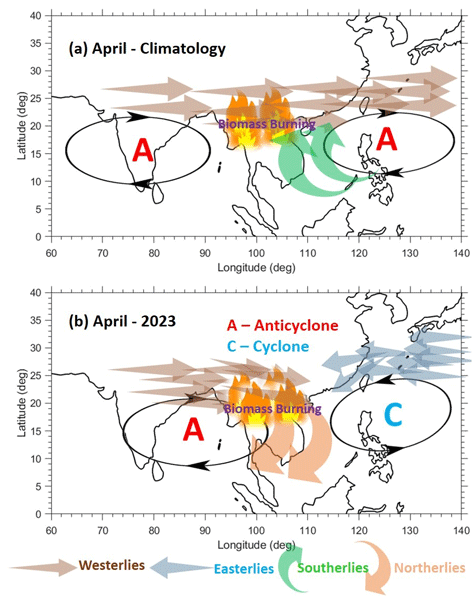
This study examines the record aerosol loading over the South China Sea in April 2023, using satellite data, trajectory analyses, and atmospheric reanalysis. It finds that intensified biomass burning in northern Peninsular Southeast Asia led to elevated aerosol levels, with anomalous atmospheric circulation boosting smoke transport and accumulation, resulting in severe transboundary pollution.
Santanasawry A. L. David Arul, Jackson Hian-Wui Chang, Yong Jie Wong, Maggie Chel-Gee Ooi, Juneng Liew, Fuei Pien Chee, Jedol Dayou, Justin Sentian, Putu Aryastana, and Neng-Huei Lin
Atmos. Meas. Tech., 19, 3713–3739, https://doi.org/10.5194/amt-19-3713-2026, https://doi.org/10.5194/amt-19-3713-2026, 2026
Short summary
Short summary
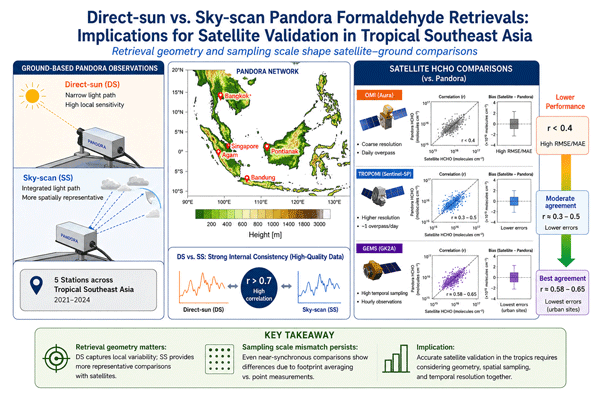
This study examines how ground-based instruments measure air pollution and how well these measurements match satellite observations over Southeast Asia. We compared two observing methods and found that one captures more detailed short-term changes, while the other provides more stable and representative results. Satellite data improved with newer technology but still showed differences. These findings help improve how scientists interpret satellite data for air quality and climate studies.
Sheng-Po Chen, Chieh-Heng Wang, Yi-Ju Lee, Fang-Yi Cheng, and Jia-Lin Wang
Atmos. Chem. Phys., 26, 5497–5516, https://doi.org/10.5194/acp-26-5497-2026, https://doi.org/10.5194/acp-26-5497-2026, 2026
Short summary
Short summary
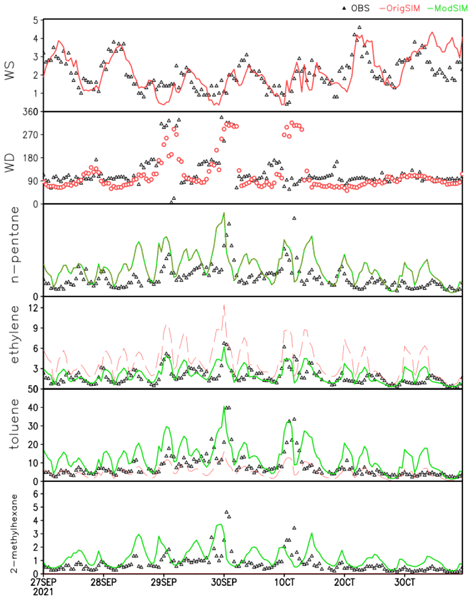
Air quality models often group many chemicals together, which can limit their ability to reflect real-world air pollution. In this study, we improved a widely used model by simulating 54 individual organic air pollutants measured across Taiwan. By comparing the model with observations, we corrected emission estimates and improved accuracy. The results show that a small number of pollutants strongly influence ozone formation, offering clear guidance for more effective air quality control.
Po-Hsun Lin, Sheng-Hsiang Wang, Otto Klemm, and Neng-Huei Lin
Atmos. Chem. Phys., 26, 2083–2102, https://doi.org/10.5194/acp-26-2083-2026, https://doi.org/10.5194/acp-26-2083-2026, 2026
Short summary
Short summary
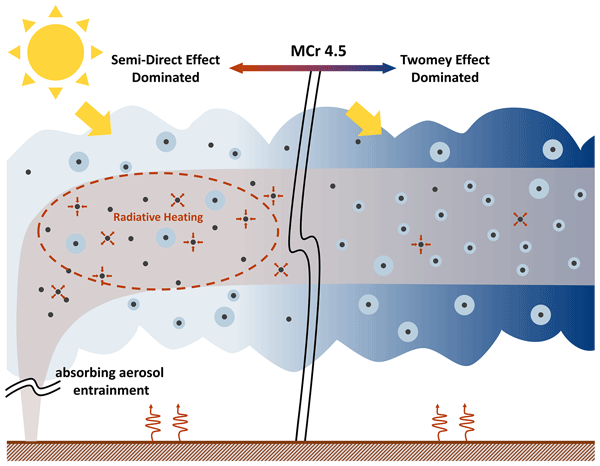
This study used in-situ observations to explore how long-range transported biomass-burning aerosols affect the development of warm clouds in Southeast Asia. Our findings provide evidence of the nonlinear responses of cloud systems to absorbing aerosols. When liquid water is relatively abundant compared to aerosol concentration, increased aerosols tend to enhance droplet formation; otherwise, aerosols may suppress cloud development by altering the surrounding environment.
Steven Soon-Kai Kong, Joshua S. Fu, Neng-Huei Lin, Guey-Rong Sheu, and Wei-Syun Huang
Atmos. Chem. Phys., 25, 7245–7268, https://doi.org/10.5194/acp-25-7245-2025, https://doi.org/10.5194/acp-25-7245-2025, 2025
Short summary
Short summary
The accuracy of the chemical transport model, a key focus of our research, is strongly dependent on the dry deposition parameterization. Our findings show that the refined CMAQ dust model correlated well with ground-based and high-altitude in situ measurements by implementing the suggested dry deposition schemes. Furthermore, we reveal the mixing state of two types of aerosols at the upper level, a finding supported by both the optimized model and measurements.
Steven Soon-Kai Kong, Saginela Ravindra Babu, Sheng-Hsiang Wang, Stephen M. Griffith, Jackson Hian-Wui Chang, Ming-Tung Chuang, Guey-Rong Sheu, and Neng-Huei Lin
Atmos. Chem. Phys., 24, 1041–1058, https://doi.org/10.5194/acp-24-1041-2024, https://doi.org/10.5194/acp-24-1041-2024, 2024
Short summary
Short summary
In this study, we combined ground observations from 7-SEAS Dongsha Experiment, MERRA-2 reanalysis, and MODIS satellite images for evaluation and improvement of the CMAQ dust model for cases of East Asian Dust reaching the Taiwan region, including Dongsha in the western Pacific. We proposed a better CMAQ dust treatment over East Asia and for the first time revealed the impact of typhoons on dust transport.
Jackson Hian-Wui Chang, Stephen M. Griffith, Steven Soon-Kai Kong, Ming-Tung Chuang, and Neng-Huei Lin
Atmos. Chem. Phys., 23, 6357–6382, https://doi.org/10.5194/acp-23-6357-2023, https://doi.org/10.5194/acp-23-6357-2023, 2023
Short summary
Short summary
A novel CMAQ–PMF-based composite index is developed to identify the key VOC source species for an effective ozone abatement strategy. The index provides information as to which VOC species are key to ozone formation and where to reduce sources of these VOC species. Using the composite index, we recommended the VOC control measures in southern Taiwan should prioritize solvent usage, vehicle emissions, and the petrochemical industry.
Saginela Ravindra Babu, Chang-Feng Ou-Yang, Stephen M. Griffith, Shantanu Kumar Pani, Steven Soon-Kai Kong, and Neng-Huei Lin
Atmos. Chem. Phys., 23, 4727–4740, https://doi.org/10.5194/acp-23-4727-2023, https://doi.org/10.5194/acp-23-4727-2023, 2023
Short summary
Short summary
In October 2006 and 2015, extensive fire episodes occurred in Indonesia, releasing an enormous amount of CO emissions. By combining in situ and satellite CO measurements and reanalysis products, we reported plausible transport pathways of CO from Indonesia to the Lulin Atmospheric Background Station (LABS; 23.47° N, 120.87° E; 2862 m a.s.l.) in Taiwan. We identified (i) horizontal transport in the free troposphere and (ii) vertical transport through the Hadley circulation.
Hana Jurikova, Osamu Abe, Fuh-Kwo Shiah, and Mao-Chang Liang
Biogeosciences, 19, 2043–2058, https://doi.org/10.5194/bg-19-2043-2022, https://doi.org/10.5194/bg-19-2043-2022, 2022
Short summary
Short summary
We studied the isotopic composition of oxygen dissolved in seawater in the South China Sea. This tells us about the origin of oxygen in the water column, distinguishing between biological oxygen produced by phytoplankton communities and atmospheric oxygen entering seawater through gas exchange. We found that the East Asian Monsoon plays an important role in determining the amount of oxygen produced vs. consumed by the phytoplankton, as well as in inducing vertical water mass mixing.
Clémence Rose, Martine Collaud Coen, Elisabeth Andrews, Yong Lin, Isaline Bossert, Cathrine Lund Myhre, Thomas Tuch, Alfred Wiedensohler, Markus Fiebig, Pasi Aalto, Andrés Alastuey, Elisabeth Alonso-Blanco, Marcos Andrade, Begoña Artíñano, Todor Arsov, Urs Baltensperger, Susanne Bastian, Olaf Bath, Johan Paul Beukes, Benjamin T. Brem, Nicolas Bukowiecki, Juan Andrés Casquero-Vera, Sébastien Conil, Konstantinos Eleftheriadis, Olivier Favez, Harald Flentje, Maria I. Gini, Francisco Javier Gómez-Moreno, Martin Gysel-Beer, Anna Gannet Hallar, Ivo Kalapov, Nikos Kalivitis, Anne Kasper-Giebl, Melita Keywood, Jeong Eun Kim, Sang-Woo Kim, Adam Kristensson, Markku Kulmala, Heikki Lihavainen, Neng-Huei Lin, Hassan Lyamani, Angela Marinoni, Sebastiao Martins Dos Santos, Olga L. Mayol-Bracero, Frank Meinhardt, Maik Merkel, Jean-Marc Metzger, Nikolaos Mihalopoulos, Jakub Ondracek, Marco Pandolfi, Noemi Pérez, Tuukka Petäjä, Jean-Eudes Petit, David Picard, Jean-Marc Pichon, Veronique Pont, Jean-Philippe Putaud, Fabienne Reisen, Karine Sellegri, Sangeeta Sharma, Gerhard Schauer, Patrick Sheridan, James Patrick Sherman, Andreas Schwerin, Ralf Sohmer, Mar Sorribas, Junying Sun, Pierre Tulet, Ville Vakkari, Pieter Gideon van Zyl, Fernando Velarde, Paolo Villani, Stergios Vratolis, Zdenek Wagner, Sheng-Hsiang Wang, Kay Weinhold, Rolf Weller, Margarita Yela, Vladimir Zdimal, and Paolo Laj
Atmos. Chem. Phys., 21, 17185–17223, https://doi.org/10.5194/acp-21-17185-2021, https://doi.org/10.5194/acp-21-17185-2021, 2021
Short summary
Short summary
Aerosol particles are a complex component of the atmospheric system the effects of which are among the most uncertain in climate change projections. Using data collected at 62 stations, this study provides the most up-to-date picture of the spatial distribution of particle number concentration and size distribution worldwide, with the aim of contributing to better representation of aerosols and their interactions with clouds in models and, therefore, better evaluation of their impact on climate.
Cited articles
AACOG: Alamo Area Council of Governments: Alamo Ozone Advance Program: Regional Sustainability Initiatives – 2017 Update, Alamo Area Council of Governments, San Antonio, Texas, https://www.epa.gov/sites/default/files/2017-10/documents/update.oct_2017.pdf (last access: 23 February 2026), 2017.
Atkinson, R.: Kinetics and mechanisms of the gas-phase reactions of the hydroxyl radical with organic compounds under atmospheric conditions, Chemical Reviews, 86, 69–201, 1986.
Atkinson, R. and Arey, J.: Atmospheric degradation of volatile organic compounds, Chemical Reviews, 103, 4605–4638, https://pubs.acs.org/doi/full/10.1021/cr0206420, 2003.
Baidar, S., Hardesty, R., Kim, S. W., Langford, A., Oetjen, H., Senff, C., Trainer, M., and Volkamer, R.: Weakening of the weekend ozone effect over California's South Coast Air Basin, Geophysical Research Letters, 42, 9457–9464, https://doi.org/10.1002/2015GL066419, 2015.
Baker, A. K., Beyersdorf, A. J., Doezema, L. A., Katzenstein, A., Meinardi, S., Simpson, I. J., Blake, D. R., and Rowland, F. S.: Measurements of nonmethane hydrocarbons in 28 United States cities, Atmospheric Environment, 42, 170–182, https://doi.org/10.1016/j.atmosenv.2007.09.007, 2008.
Bari, M. A. and Kindzierski, W. B.: Ambient volatile organic compounds (VOCs) in Calgary, Alberta: sources and screening health risk assessment, Science of the Total Environment, 631, 627–640, https://doi.org/10.1016/j.scitotenv.2018.03.023, 2018.
Bourtsoukidis, E., Ernle, L., Crowley, J. N., Lelieveld, J., Paris, J.-D., Pozzer, A., Walter, D., and Williams, J.: Non-methane hydrocarbon (C2–C8) sources and sinks around the Arabian Peninsula, Atmospheric Chemistry and Physics, 19, 7209–7232, https://doi.org/10.5194/acp-19-7209-2019, 2019.
Burling, I. R., Yokelson, R. J., Griffith, D. W. T., Johnson, T. J., Veres, P., Roberts, J. M., Warneke, C., Urbanski, S. P., Reardon, J., Weise, D. R., Hao, W. M., and de Gouw, J.: Laboratory measurements of trace gas emissions from biomass burning of fuel types from the southeastern and southwestern United States, Atmospheric Chemistry and Physics, 10, 11115–11130, https://doi.org/10.5194/acp-10-11115-2010, 2010.
Buzcu, B. and Fraser, M. P.: Source identification and apportionment of volatile organic compounds in Houston, TX, Atmospheric Environment, 40, 2385–2400, https://doi.org/10.1016/j.atmosenv.2005.12.020, 2006.
Cai, C., Geng, F., Tie, X., Yu, Q., and An, J.: Characteristics and source apportionment of VOCs measured in Shanghai, China, Atmospheric Environment, 44, 5005–5014, https://doi.org/10.1016/j.atmosenv.2010.07.059, 2010.
Carter, W. P.: Development of the SAPRC-07 chemical mechanism, Atmospheric Environment, 44, 5324–5335, https://doi.org/10.1016/j.atmosenv.2010.01.026, 2010.
Chang, C.-C., Lo, S.-J., Lo, J.-G., and Wang, J.-L.: Analysis of methyl tert-butyl ether in the atmosphere and implications as an exclusive indicator of automobile exhaust, Atmospheric Environment, 37, 4747–4755, https://doi.org/10.1016/j.atmosenv.2003.08.017, 2003.
Chang, C.-C., Chen, T.-Y., Chou, C., and Liu, S.-C.: Assessment of traffic contribution to hydrocarbons using 2, 2-dimethylbutane as a vehicular indicator, Terrestrial Atmospheric Ocenanic Sciences, 15, 697–712, 2004.
Chang, C.-C., Wang, J.-L., Lung, S.-C. C., Chang, C.-Y., Lee, P.-J., Chew, C., Liao, W.-C., Chen, W.-N., and Ou-Yang, C.-F.: Seasonal characteristics of biogenic and anthropogenic isoprene in tropical–subtropical urban environments, Atmospheric Environment, 99, 298–308, https://doi.org/10.1016/j.atmosenv.2014.09.019, 2014.
Chang, J. H.-W., Griffith, S. M., Kong, S. S.-K., Chuang, M.-T., and Lin, N.-H.: Development of a CMAQ–PMF-based composite index for prescribing an effective ozone abatement strategy: a case study of sensitivity of surface ozone to precursor volatile organic compound species in southern Taiwan, Atmospheric Chemistry and Physics, 23, 6357–6382, https://doi.org/10.5194/acp-23-6357-2023, 2023.
Chen, C., Wang, L., Qin, Y., Zhang, Y., Zheng, S., Yang, Y., Jin, S., and Yang, X.: Voc characteristics and their source apportionment in the yangtze river delta region during the g20 summit, Atmosphere, 12, 928, https://doi.org/10.3390/atmos12070928, 2021a.
Chen, C.-H., Chuang, Y.-C., Hsieh, C.-C., and Lee, C.-S.: VOC characteristics and source apportionment at a PAMS site near an industrial complex in central Taiwan, Atmospheric Pollution Research, 10, 1060–1074, 2019.
Chen, S.-P., Liu, T.-H., Chen, T.-F., Yang, C.-F. O., Wang, J.-L., and Chang, J. S.: Diagnostic modeling of PAMS VOC observation, Environmental Science Technology, 44, 4635–4644, https://doi.org/10.1021/es903361r, 2010.
Chen, S.-P., Liao, W.-C., Chang, C.-C., Su, Y.-C., Tong, Y.-H., Chang, J. S., and Wang, J.-L.: Network monitoring of speciated vs. total non-methane hydrocarbon measurements, Atmospheric Environment, 90, 33–42, 2014.
Chen, S.-P., Liu, W.-T., Hsieh, H.-C., and Wang, J.-L.: Taiwan ozone trend in response to reduced domestic precursors and perennial transboundary influence, Environmental Pollution, 289, 117883, https://doi.org/10.1016/j.envpol.2021.117883, 2021b.
Cheng, J.-O., Ko, F.-C., Lee, C.-L., and Fang, M.-D.: Atmospheric polycyclic aromatic hydrocarbons (PAHs) of southern Taiwan in relation to monsoons, Environmental Science Pollution Research, 23, 15675–15688, https://doi.org/10.1007/s11356-016-6751-9, 2016.
Chou, C. C. K., Lung, S.-C. C., Hsiao, T.-C., and Lee, C.-T.: Regional and Urban Air Quality in East Asia: Taiwan, in: Handbook of Air Quality and Climate Change, 38 pp., https://doi.org/10.1007/978-981-15-2527-8_71-1, 2022.
Deng, Y.-M., Wu, H.-W., and Liao, H.-E.: Utilization intention of community pharmacy service under the dual threats of air pollution and COVID-19 epidemic: Moderating effects of knowledge and attitude toward COVID-19, International Journal of Environmental Research Public Health, 19, 3744, https://doi.org/10.3390/ijerph19063744, 2022.
Desservettaz, M., Pikridas, M., Stavroulas, I., Bougiatioti, A., Liakakou, E., Hatzianastassiou, N., Sciare, J., Mihalopoulos, N., and Bourtsoukidis, E.: Emission of volatile organic compounds from residential biomass burning and their rapid chemical transformations, Science of The Total Environment, 903, 166592, https://doi.org/10.1016/j.scitotenv.2023.166592, 2023.
Dong, Z., Zhang, D., Wang, T., Song, X., Hao, Y., Wang, S., and Wang, S.: Sources and environmental impacts of volatile organic components in a street canyon: Implication for vehicle emission, Science of The Total Environment, 917, 170569, https://doi.org/10.1016/j.scitotenv.2024.170569, 2024.
Dumanoglu, Y., Kara, M., Altiok, H., Odabasi, M., Elbir, T., and Bayram, A.: Spatial and seasonal variation and source apportionment of volatile organic compounds (VOCs) in a heavily industrialized region, Atmospheric Environment, 98, 168–178, https://doi.org/10.1016/j.atmosenv.2014.08.048, 2014.
Finlayson-Pitts, B. and Pitts Jr., J.: Atmospheric chemistry of tropospheric ozone formation: scientific and regulatory implications, Air Waste, 43, 1091–1100, 1993.
Gentner, D. R., Harley, R. A., Miller, A. M., and Goldstein, A. H.: Diurnal and seasonal variability of gasoline-related volatile organic compound emissions in Riverside, California, Environmental Science Technology, 43, 4247–4252, 2009.
Gilman, J. B., Burkhart, J. F., Lerner, B. M., Williams, E. J., Kuster, W. C., Goldan, P. D., Murphy, P. C., Warneke, C., Fowler, C., Montzka, S. A., Miller, B. R., Miller, L., Oltmans, S. J., Ryerson, T. B., Cooper, O. R., Stohl, A., and de Gouw, J. A.: Ozone variability and halogen oxidation within the Arctic and sub-Arctic springtime boundary layer, Atmospheric Chemistry and Physics, 10, 10223–10236, https://doi.org/10.5194/acp-10-10223-2010, 2010.
Gilman, J. B., Lerner, B. M., Kuster, W. C., and De Gouw, J.: Source signature of volatile organic compounds from oil and natural gas operations in northeastern Colorado, Environmental Science Technology, 47, 1297–1305, 2013.
Gu, Y., Liu, B., Li, Y., Zhang, Y., Bi, X., Wu, J., Song, C., Dai, Q., Han, Y., and Ren, G.: Multi-scale volatile organic compound (VOC) source apportionment in Tianjin, China, using a receptor model coupled with 1-hr resolution data, Environmental Pollution, 265, 115023, https://doi.org/10.1016/j.envpol.2020.115023, 2020.
Guan, Y., Wang, L., Wang, S., Zhang, Y., Xiao, J., Wang, X., Duan, E., and Hou, L. A.: Temporal variations and source apportionment of volatile organic compounds at an urban site in Shijiazhuang, China, Journal of Environmental Sciences, 97, 25–34, https://doi.org/10.1016/j.jes.2020.04.022, 2020.
Guo, H., Cheng, H., Ling, Z., Louie, P., and Ayoko, G.: Which emission sources are responsible for the volatile organic compounds in the atmosphere of Pearl River Delta?, Journal of Hazardous Materials, 188, 116–124, https://doi.org/10.1016/j.jhazmat.2011.01.081, 2011.
Guo, H., Ling, Z., Cheng, H., Simpson, I., Lyu, X., Wang, X., Shao, M., Lu, H., Ayoko, G., and Zhang, Y.: Tropospheric volatile organic compounds in China, Science of The Total Environment, 574, 1021–1043, https://doi.org/10.1016/j.scitotenv.2016.09.116, 2017.
Han, Y., Wang, T., Li, R., Fu, H., Duan, Y., Gao, S., Zhang, L., and Chen, J.: Measurement report: Volatile organic compound characteristics of the different land-use types in Shanghai: spatiotemporal variation, source apportionment and impact on secondary formations of ozone and aerosol, Atmospheric Chemistry and Physics, 23, 2877–2900, https://doi.org/10.5194/acp-23-2877-2023, 2023.
Henry, R. F.: Weekday/weekend differences in gasoline related hydrocarbons at coastal PAMS sites due to recreational boating, Atmospheric Environment, 75, 58–65, https://doi.org/10.1016/j.atmosenv.2013.03.053, 2013.
Hsieh, H.-C., Ou-Yang, C.-F., and Wang, J.-L.: Revelation of coupling biogenic with anthropogenic isoprene by highly time-resolved observations, Aerosol Air Quality Research, 17, 721–729, https://doi.org/10.4209/aaqr.2016.04.0133, 2017.
Huang, Y. S. and Hsieh, C. C.: Ambient volatile organic compound presence in the highly urbanized city: source apportionment and emission position, Atmospheric Environment, 206, 45–59, https://doi.org/10.1016/j.atmosenv.2019.02.046, 2019.
Hui, L., Liu, X., Tan, Q., Feng, M., An, J., Qu, Y., Zhang, Y., and Jiang, M.: Characteristics, source apportionment and contribution of VOCs to ozone formation in Wuhan, Central China, Atmospheric Environment, 192, 55–71, https://doi.org/10.1016/j.atmosenv.2018.08.042, 2018.
Jung, U. and Choi, S.-S.: Variation in abundance ratio of isoprene and dipentene produced from wear particles composed of natural rubber by pyrolysis depending on the particle size and thermal aging, Polymers, 15, 929, https://doi.org/10.3390/polym15040929, 2023.
Kim, E., Brown, S. G., Hafner, H. R., and Hopke, P. K.: Characterization of non-methane volatile organic compounds sources in Houston during 2001 using positive matrix factorization, Atmospheric Environment, 39, 5934–5946, https://doi.org/10.1016/j.atmosenv.2005.06.045, 2005.
Kleinman, L. I., Daum, P. H., Lee, Y. N., Nunnermacker, L. J., Springston, S. R., Weinstein-Lloyd, J., and Rudolph, J.: Ozone production efficiency in an urban area, Journal of Geophysical Research: Atmospheres, 107, ACH 23-21–ACH 23-12, https://doi.org/10.1029/2002JD002529, 2002.
Ko, Y.-C.: Air Pollution and Its Health Effects on Residents in Taiwanese Communities, The Kaohsiung Journal of Medical Sciences, 12, 657–699, https://doi.org/10.6452/kjms.199612.0657, 1996.
Kumar, A., Sinha, V., Shabin, M., Hakkim, H., Bonsang, B., and Gros, V.: Non-methane hydrocarbon (NMHC) fingerprints of major urban and agricultural emission sources for use in source apportionment studies, Atmospheric Chemistry and Physics, 20, 12133–12152, https://doi.org/10.5194/acp-20-12133-2020, 2020.
Kuo, C.-P., Liao, H.-T., Chou, C. C.-K., and Wu, C.-F.: Source apportionment of particulate matter and selected volatile organic compounds with multiple time resolution data, Science of the Total Environment, 472, 880–887, 2014.
Languille, B., Gros, V., Petit, J.-E., Honoré, C., Baudic, A., Perrussel, O., Foret, G., Michoud, V., Truong, F., and Bonnaire, N.: Wood burning: A major source of Volatile Organic Compounds during wintertime in the Paris region, Science of The Total Environment, 711, 135055, https://doi.org/10.1016/j.scitotenv.2019.135055, 2020.
Lau, A. K. H., Yuan, Z., Yu, J. Z., and Louie, P. K.: Source apportionment of ambient volatile organic compounds in Hong Kong, Science of the Total Environment, 408, 4138–4149, https://doi.org/10.1016/j.scitotenv.2010.05.025, 2010.
Leuchner, M. and Rappenglück, B.: VOC source–receptor relationships in Houston during TexAQS-II, Atmospheric Environment, 44, 4056–4067, https://doi.org/10.1016/j.atmosenv.2009.02.029, 2010.
Li, C., Liu, Y., Cheng, B., Zhang, Y., Liu, X., Qu, Y., An, J., Kong, L., Zhang, Y., and Zhang, C.: A comprehensive investigation on volatile organic compounds (VOCs) in 2018 in Beijing, China: Characteristics, sources and behaviours in response to O3 formation, Science of the Total Environment, 806, 150247, https://doi.org/10.1016/j.scitotenv.2021.150247, 2022.
Li, J., Xie, S. D., Zeng, L. M., Li, L. Y., Li, Y. Q., and Wu, R. R.: Characterization of ambient volatile organic compounds and their sources in Beijing, before, during, and after Asia-Pacific Economic Cooperation China 2014, Atmospheric Chemistry and Physics, 15, 7945–7959, https://doi.org/10.5194/acp-15-7945-2015, 2015.
Li, K., Jacob, D. J., Liao, H., Shen, L., Zhang, Q., and Bates, K. H.: Anthropogenic drivers of 2013–2017 trends in summer surface ozone in China, Proceedings of the National Academy of Sciences, 116, 422–427, https://doi.org/10.1073/pnas.1812168116, 2019.
Li, L. and Wang, X.: Seasonal and diurnal variations of atmospheric non-methane hydrocarbons in Guangzhou, China, International Journal of Environmental Research and Public Health, 9, 1859–1873, https://doi.org/10.3390/ijerph9051859, 2012.
Liao, H.-T., Yau, Y.-C., Huang, C.-S., Chen, N., Chow, J. C., Watson, J. G., Tsai, S.-W., Chou, C. C.-K., and Wu, C.-F.: Source apportionment of urban air pollutants using constrained receptor models with a priori profile information, Environmental Pollution, 227, 323–333, 2017.
Liao, H.-T., Yen, C.-M., Chen, Y.-R., Wu, J.-D., Tsai, S.-W., and Wu, C.-F.: Vertical variation of source-apportioned PM2.5 and selected volatile organic compounds near an elevated expressway in an urban area, Environmental Science Pollution Research, 31, 20477–20487, 2024.
Lin, C.-W., Chiang, S.-B., and Lu, S.-J.: Investigation of MTBE and aromatic compound concentrations at a gas service station, Environmental Monitoring Assessment, 105, 327–339, 2005.
Lin, C.-Y., Wang, Z., Chou, C. C. K., Chang, C.-C., and Liu, S. C.: A numerical study of an autumn high ozone episode over southwestern Taiwan, Atmospheric Environment, 41, 3684–3701, https://doi.org/10.1016/j.atmosenv.2006.12.050, 2007.
Lingwall, J. W. and Christensen, W. F.: Pollution source apportionment using a priori information and positive matrix factorization, Chemometrics Intelligent Laboratory Systems, 87, 281–294, https://doi.org/10.1016/j.chemolab.2007.03.007, 2007.
Liu, Y., Shao, M., Fu, L., Lu, S., Zeng, L., and Tang, D.: Source profiles of volatile organic compounds (VOCs) measured in China: Part I, Atmospheric Environment, 42, 6247–6260, https://doi.org/10.1016/j.atmosenv.2008.01.070, 2008a.
Liu, Y., Shao, M., Lu, S., Chang, C.-C., Wang, J.-L., and Fu, L.: Source apportionment of ambient volatile organic compounds in the Pearl River Delta, China: Part II, Atmospheric Environment, 42, 6261–6274, https://doi.org/10.1016/j.atmosenv.2008.02.027, 2008b.
McFiggans, G., Mentel, T. F., Wildt, J., Pullinen, I., Kang, S., Kleist, E., Schmitt, S., Springer, M., Tillmann, R., and Wu, C.: Secondary organic aerosol reduced by mixture of atmospheric vapours, Nature, 565, 587–593, https://doi.org/10.1038/s41586-018-0871-y, 2019.
Mo, Z., Shao, M., Lu, S., Qu, H., Zhou, M., Sun, J., and Gou, B.: Process-specific emission characteristics of volatile organic compounds (VOCs) from petrochemical facilities in the Yangtze River Delta, China, Science of the Total Environment, 533, 422–431, https://doi.org/10.1016/j.scitotenv.2015.06.089, 2015.
Mo, Z., Shao, M., Lu, S., Niu, H., Zhou, M., and Sun, J.: Characterization of non-methane hydrocarbons and their sources in an industrialized coastal city, Yangtze River Delta, China, Science of the Total Environment, 593, 641–653, https://doi.org/10.1016/j.scitotenv.2017.03.123, 2017.
MOE – Ministry of Environment: Implementation of Air Pollution Control Plan Achieves Remarkable Results, https://www.moenv.gov.tw/en/news/press-releases/17363.html (last access: 23 February 2026), 2022.
MOE – Ministry of Environment: Latest Air Pollution Inventory Shows 19 % Reduction Compared to Last Edition, https://www.moenv.gov.tw/en/news/press-releases/7230.html (last access: 23 February 2026), 2023.
Na, K. and Kim, Y. P.: Chemical mass balance receptor model applied to ambient C2–C9 VOC concentration in Seoul, Korea: effect of chemical reaction losses, Atmospheric Environment, 41, 6715–6728, https://doi.org/10.1016/j.atmosenv.2007.04.054, 2007.
Nakashima, Y., Kamei, N., Kobayashi, S., and Kajii, Y.: Total OH reactivity and VOC analyses for gasoline vehicular exhaust with a chassis dynamometer, Atmospheric Environment, 44, 468–475, https://doi.org/10.1016/j.atmosenv.2009.11.006, 2010.
Nelson, P. and Quigley, S.: The hydrocarbon composition of exhaust emitted from gasoline fuelled vehicles, Atmospheric Environment, 18, 79–87, https://doi.org/10.1016/0004-6981(84)90230-0, 1984.
Nguyen, D. H., Hsieh, H. C., Chen, S. P., Ou-Yang, C. F., Chang, C. C., Liu, W. T., Wang, C. H., and Wang, J. L.: Analysis of high-ozone episodes using a chemical metric based on the reactivities of organic precursors, Journal of Geophysical Research: Atmospheres, 130, e2025JD043921, https://doi.org/10.1029/2025JD043921, 2025.
Paatero, P.: Least squares formulation of robust non-negative factor analysis, Chemometrics Intelligent Laboratory Systems, 37, 23–35, https://doi.org/10.1016/S0169-7439(96)00044-5, 1997.
Paatero, P. and Tapper, U.: Positive matrix factorization: A non-negative factor model with optimal utilization of error estimates of data values, Environmetrics, 5, 111–126, https://doi.org/10.1002/env.3170050203, 1994.
Pallavi, S. B., Sinha, B., and Sinha, V.: Source apportionment of volatile organic compounds in the northwest Indo-Gangetic Plain using a positive matrix factorization model, Atmospheric Chemistry and Physics, 19, 15467–15482, https://doi.org/10.5194/acp-19-15467-2019, 2019.
Park, C., Schade, G. W., and Boedeker, I.: Characteristics of the flux of isoprene and its oxidation products in an urban area, Journal of Geophysical Research: Atmospheres, 116, https://doi.org/10.1029/2011JD015856, 2011.
Pedrozo, H. A., Reartes, S. B. R., Diaz, M. S., Vecchietti, A., and Grossmann, I. E.: Coproduction of ethylene and propylene based on ethane and propane feedstocks, in: Computer Aided Chemical Engineering, Elsevier, 907–912, https://doi.org/10.1016/B978-0-12-823377-1.50152-X, 2020.
Pekney, N. J., Davidson, C. I., Zhou, L., and Hopke, P. K.: Application of PSCF and CPF to PMF-modeled sources of PM2.5 in Pittsburgh, Aerosol Science Technology, 40, 952–961, https://doi.org/10.1080/02786820500543324, 2006.
Peron, A., Graus, M., Striednig, M., Lamprecht, C., Wohlfahrt, G., and Karl, T.: Deciphering anthropogenic and biogenic contributions to selected non-methane volatile organic compound emissions in an urban area, Atmospheric Chemistry and Physics, 24, 7063–7083, https://doi.org/10.5194/acp-24-7063-2024, 2024.
Pollack, I., Ryerson, T., Trainer, M., Parrish, D., Andrews, A., Atlas, E. L., Blake, D., Brown, S., Commane, R., and Daube, B.: Airborne and ground-based observations of a weekend effect in ozone, precursors, and oxidation products in the California South Coast Air Basin, Journal of Geophysical Research: Atmospheres, 117, https://doi.org/10.1029/2011JD016772, 2012.
Ramírez, A. S., Ramondt, S., Van Bogart, K., and Perez-Zuniga, R.: Public awareness of air pollution and health threats: challenges and opportunities for communication strategies to improve environmental health literacy, Journal of Health Communication, 24, 75–83, https://doi.org/10.1080/10810730.2019.1574320, 2019.
Ren, J., Guo, F., and Xie, S.: Diagnosing ozone–NOx–VOC sensitivity and revealing causes of ozone increases in China based on 2013–2021 satellite retrievals, Atmospheric Chemistry and Physics, 22, 15035–15047, https://doi.org/10.5194/acp-22-15035-2022, 2022.
Rubin, J. I., Kean, A. J., Harley, R. A., Millet, D. B., and Goldstein, A. H.: Temperature dependence of volatile organic compound evaporative emissions from motor vehicles, Journal of Geophysical Research: Atmospheres, 111, https://doi.org/10.1029/2005JD006458, 2006.
Scheff, P. A., Wadden, R. A., Bates, B. A., and Aronian, P. F.: Source fingerprints for receptor modeling of volatile organics, JAPCA, 39, 469–478, https://doi.org/10.1080/08940630.1989.10466546, 1989.
Shao, P., An, J., Xin, J., Wu, F., Wang, J., Ji, D., and Wang, Y.: Source apportionment of VOCs and the contribution to photochemical ozone formation during summer in the typical industrial area in the Yangtze River Delta, China, Atmospheric Research, 176, 64–74, https://doi.org/10.1016/j.atmosres.2016.02.015, 2016.
Shen, L., Xiang, P., Liang, S., Chen, W., Wang, M., Lu, S., and Wang, Z.: Sources profiles of volatile organic compounds (VOCs) measured in a typical industrial process in Wuhan, Central China, Atmosphere, 9, 297, https://doi.org/10.3390/atmos9080297, 2018.
Sillman, S.: The relation between ozone, NOx and hydrocarbons in urban and polluted rural environments, Atmospheric Environment, 33, 1821–1845, https://doi.org/10.1016/S1352-2310(98)00345-8, 1999.
Song, M., Tan, Q., Feng, M., Qu, Y., Liu, X., An, J., and Zhang, Y.: Source apportionment and secondary transformation of atmospheric nonmethane hydrocarbons in Chengdu, Southwest China, Journal of Geophysical Research: Atmospheres, 123, 9741–9763, https://doi.org/10.1029/2018JD028479, 2018.
Song, M., Li, X., Yang, S., Yu, X., Zhou, S., Yang, Y., Chen, S., Dong, H., Liao, K., Chen, Q., Lu, K., Zhang, N., Cao, J., Zeng, L., and Zhang, Y.: Spatiotemporal variation, sources, and secondary transformation potential of volatile organic compounds in Xi'an, China, Atmospheric Chemistry and Physics, 21, 4939–4958, https://doi.org/10.5194/acp-21-4939-2021, 2021.
Su, Y.-C., Chen, S.-P., Tong, Y.-H., Fan, C.-L., Chen, W.-H., Wang, J.-L., and Chang, J. S.: Assessment of regional influence from a petrochemical complex by modeling and fingerprint analysis of volatile organic compounds (VOCs), Atmospheric Environment, 141, 394–407, https://doi.org/10.1016/j.atmosenv.2016.07.006, 2016.
Su, Y. C., Chen, W. H., Fan, C. L., Tong, Y. H., Weng, T. H., Chen, S. P., Kuo, C. P., Wang, J. L., and Chang, J. S.: Source Apportionment of Volatile Organic Compounds (VOCs) by Positive Matrix Factorization (PMF) supported by Model Simulation and Source Markers – Using Petrochemical Emissions as a Showcase, Environmental Pollution, 254, 112848, https://doi.org/10.1016/j.envpol.2019.07.016, 2019.
Swarthout, R. F., Russo, R. S., Zhou, Y., Hart, A. H., and Sive, B. C.: Volatile organic compound distributions during the NACHTT campaign at the Boulder Atmospheric Observatory: Influence of urban and natural gas sources, Journal of Geophysical Research: Atmospheres, 118, 10614–10637, 2013.
Thiruvenkataswamy, P., Eljack, F. T., Roy, N., Mannan, M. S., and El-Halwagi, M. M.: Safety and techno-economic analysis of ethylene technologies, Journal of Loss Prevention in the Process Industries, 39, 74–84, https://doi.org/10.1016/j.jlp.2015.11.019, 2016.
Thompson, C. R., Hueber, J., and Helmig, D.: Influence of oil and gas emissions on ambient atmospheric non-methane hydrocarbons in residential areas of Northeastern Colorado, Elementa, 3, 000035, https://doi.org/10.12952/journal.elementa.000035, 2014.
Vettikkat, L., Miettinen, P., Buchholz, A., Rantala, P., Yu, H., Schallhart, S., Petäjä, T., Seco, R., Männistö, E., Kulmala, M., Tuittila, E.-S., Guenther, A. B., and Schobesberger, S.: High emission rates and strong temperature response make boreal wetlands a large source of isoprene and terpenes, Atmospheric Chemistry and Physics, 23, 2683–2698, https://doi.org/10.5194/acp-23-2683-2023, 2023.
Wang, C., Li, X., Miao, X., Li, J., Li, Y., Song, C., Yang, Z., Qi, J., and Jin, T.: Diesel vehicle emissions: Dissecting the multi-factorial effect on variations of VOC-component concentrations, Urban Climate, 58, 102157, https://doi.org/10.1016/j.uclim.2024.102157, 2024.
Wang, H., Lou, S., Huang, C., Qiao, L., Tang, X., Chen, C., Zeng, L., Wang, Q., Zhou, M., and Lu, S.: Source profiles of volatile organic compounds from biomass burning in Yangtze River Delta, China, Aerosol Air Quality Research, 14, 818–828, 2014.
Wang, Q., Li, S., Dong, M., Li, W., Gao, X., Ye, R., and Zhang, D.: VOCs emission characteristics and priority control analysis based on VOCs emission inventories and ozone formation potentials in Zhoushan, Atmospheric Environment, 182, 234–241, https://doi.org/10.1016/j.atmosenv.2018.03.034, 2018.
Wang, W., van der A, R., Ding, J., van Weele, M., and Cheng, T.: Spatial and temporal changes of the ozone sensitivity in China based on satellite and ground-based observations, Atmospheric Chemistry and Physics, 21, 7253–7269, https://doi.org/10.5194/acp-21-7253-2021, 2021.
Wei, W., Lv, Z., Yang, G., Cheng, S., Li, Y., and Wang, L.: VOCs emission rate estimate for complicated industrial area source using an inverse-dispersion calculation method: A case study on a petroleum refinery in Northern China, Environmental Pollution, 218, 681–688, https://doi.org/10.1016/j.envpol.2016.07.062, 2016.
Wernis, R. A., Kreisberg, N. M., Weber, R. J., Drozd, G. T., and Goldstein, A. H.: Source apportionment of VOCs, IVOCs and SVOCs by positive matrix factorization in suburban Livermore, California, Atmospheric Chemistry and Physics, 22, 14987–15019, https://doi.org/10.5194/acp-22-14987-2022, 2022.
Wu, F., Yu, Y., Sun, J., Zhang, J., Wang, J., Tang, G., and Wang, Y.: Characteristics, source apportionment and reactivity of ambient volatile organic compounds at Dinghu Mountain in Guangdong Province, China, Science of the Total Environment, 548, 347–359, https://doi.org/10.1016/j.scitotenv.2015.11.069, 2016.
Wu, S., Alaimo, C. P., Green, P. G., Young, T. M., Zhao, Y., Liu, S., Kuwayama, T., and Kleeman, M. J.: Source apportionment of Volatile Organic Compounds (VOCs) in the South Coast Air Basin (SoCAB) During RECAP-CA, Atmospheric Environment, 338, 120847, https://doi.org/10.1016/j.atmosenv.2024.120847, 2024.
Xie, Y. and Berkowitz, C. M.: The use of positive matrix factorization with conditional probability functions in air quality studies: an application to hydrocarbon emissions in Houston, Texas, Atmospheric Environment, 40, 3070–3091, https://doi.org/10.1016/j.atmosenv.2005.12.065, 2006.
Xu, H., Jia, Y., Sun, Z., Su, J., Liu, Q. S., Zhou, Q., and Jiang, G.: Environmental pollution, a hidden culprit for health issues, Eco-Environment Health, 1, 31–45, https://doi.org/10.1016/j.eehl.2022.04.003, 2022.
Xu, Z., Huang, X., Nie, W., Chi, X., Xu, Z., Zheng, L., Sun, P., and Ding, A.: Influence of synoptic condition and holiday effects on VOCs and ozone production in the Yangtze River Delta region, China, Atmospheric Environment, 168, 112–124, https://doi.org/10.1016/j.atmosenv.2017.08.035, 2017.
Yang, Y., Liu, B., Hua, J., Yang, T., Dai, Q., Wu, J., Feng, Y., and Hopke, P. K.: Global review of source apportionment of volatile organic compounds based on highly time-resolved data from 2015 to 2021, Environment International, 165, 107330, https://doi.org/10.1016/j.envint.2022.107330, 2022.
Yeh, C.-K., Lin, C., Shen, H.-C., Cheruiyot, N. K., Nguyen, D.-H., and Chang, C.-C.: Real-time energy consumption and air pollution emission during the transpacific crossing of a container ship, Scientific Reports, 12, 15272, https://doi.org/10.1038/s41598-022-19605-7, 2022.
Zeng, J., Zhang, Y., Mu, Z., Pang, W., Zhang, H., Wu, Z., Song, W., and Wang, X.: Temperature and light dependency of isoprene and monoterpene emissions from tropical and subtropical trees: Field observations in south China, Applied Geochemistry, 155, 105727, https://doi.org/10.1016/j.apgeochem.2023.105727, 2023.
Zhang, K., Li, L., Huang, L., Wang, Y., Huo, J., Duan, Y., Wang, Y., and Fu, Q.: The impact of volatile organic compounds on ozone formation in the suburban area of Shanghai, Atmospheric Environment, 232, 117511, https://doi.org/10.1016/j.atmosenv.2020.117511, 2020.
Zhang, X., Han, L., Wei, H., Tan, X., Zhou, W., Li, W., and Qian, Y.: Linking urbanization and air quality together: A review and a perspective on the future sustainable urban development, Journal of Cleaner Production, 346, 130988, https://doi.org/10.1016/j.jclepro.2022.130988, 2022.
Zhang, Y., Wang, X., Zhang, Z., Lü, S., Huang, Z., and Li, L.: Sources of C2–C4 alkenes, the most important ozone nonmethane hydrocarbon precursors in the Pearl River Delta region, Science of the Total Environment, 502, 236–245, https://doi.org/10.1016/j.scitotenv.2014.09.024, 2015.
Zhang, Y., Li, R., Fu, H., Zhou, D., and Chen, J.: Observation and analysis of atmospheric volatile organic compounds in a typical petrochemical area in Yangtze River Delta, China, Journal of Environmental Sciences, 71, 233–248, https://doi.org/10.1016/j.jes.2018.05.027, 2018.
Zhou, S., Davy, P. K., Huang, M., Duan, J., Wang, X., Fan, Q., Chang, M., Liu, Y., Chen, W., Xie, S., Ancelet, T., and Trompetter, W. J.: High-resolution sampling and analysis of ambient particulate matter in the Pearl River Delta region of southern China: source apportionment and health risk implications, Atmospheric Chemistry and Physics, 18, 2049–2064, https://doi.org/10.5194/acp-18-2049-2018, 2018.
Zou, Y., Deng, X. J., Zhu, D., Gong, D. C., Wang, H., Li, F., Tan, H. B., Deng, T., Mai, B. R., Liu, X. T., and Wang, B. G.: Characteristics of 1 year of observational data of VOCs, NOx and O3 at a suburban site in Guangzhou, China, Atmospheric Chemistry and Physics, 15, 6625–6636, https://doi.org/10.5194/acp-15-6625-2015, 2015.
Zou, Y., Deng, X. J., Deng, T., Yin, C. Q., and Li, F.: One-year characterization and reactivity of isoprene and its impact on surface ozone formation at a suburban site in Guangzhou, China, Atmosphere, 10, 201, https://doi.org/10.3390/atmos10040201, 2019.
Short summary
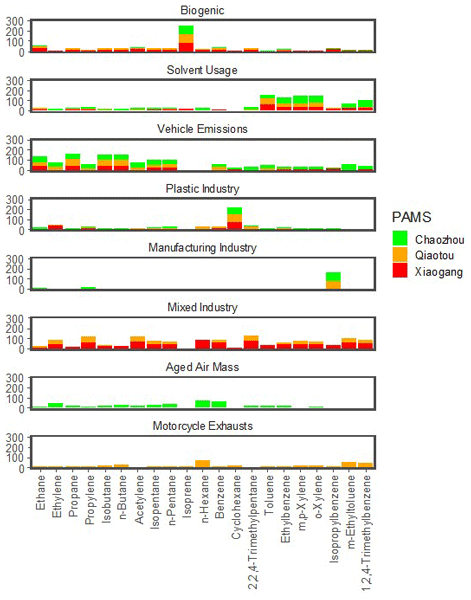
Using year-round, high-frequency non-methane hydrocarbons measurements from three monitoring sites, each with distinct source–receptor characteristics, this study applied the source apportionment model to resolve eight sources and assess ozone-forming potential. Distinct acetylene plumes at Linyuan (R² > 0.99) provided an internal consistency check. Results reveal spatial–seasonal source variability and highlight the roles of petroleum, mixed, and aged air sources in ozone formation management.
Using year-round, high-frequency non-methane hydrocarbons measurements from three monitoring...


Altmetrics
Final-revised paper
Preprint