
Articles | Volume 26, issue 2
https://doi.org/10.5194/acp-26-1321-2026
© Author(s) 2026. This work is distributed under
the Creative Commons Attribution 4.0 License.
the Creative Commons Attribution 4.0 License.
https://doi.org/10.5194/acp-26-1321-2026
© Author(s) 2026. This work is distributed under
the Creative Commons Attribution 4.0 License.
the Creative Commons Attribution 4.0 License.
Research article
| Highlight paper
| 
27 Jan 2026
Research article | Highlight paper |
| 27 Jan 2026
| 27 Jan 2026
Emerging Mineral Dust Source in ’A’ą̈y Chù’ Valley, Yukon, Canada Poses Potential Health Risk via Exposure to Metal and Metalloids Enriched in PM10 and PM2.5 Size Fractions
Arnold R. Downey
Department of Chemistry, Faculty of Arts and Sciences, Université de Montréal, Montréal, H2V0B3, Canada
Alisée Dourlent
Department of Chemistry, Faculty of Arts and Sciences, Université de Montréal, Montréal, H2V0B3, Canada
Departement de la chimie, Faculté des Sciences et Ingénierie, Université de Sorbonne, Sorbonne, 75005, France
Daniel Bellamy
Department of Geography, Faculty of Arts and Sciences, Université de Montréal, Montréal, H2V0B3, Canada
James King
Department of Geography, Faculty of Arts and Sciences, Université de Montréal, Montréal, H2V0B3, Canada
Patrick L. Hayes
CORRESPONDING AUTHOR

Department of Chemistry, Faculty of Arts and Sciences, Université de Montréal, Montréal, H2V0B3, Canada
Related authors
Nansi Fakhri, Robin Stevens, Arnold Downey, Konstantina Oikonomou, Jean Sciare, Charbel Afif, and Patrick L. Hayes
Atmos. Chem. Phys., 24, 1193–1212, https://doi.org/10.5194/acp-24-1193-2024, https://doi.org/10.5194/acp-24-1193-2024, 2024
Short summary
Short summary
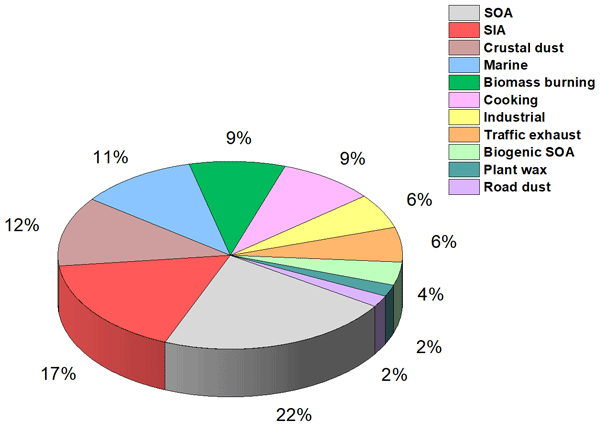
We investigated the chemical composition of atmospheric fine particles, their emission sources, and the potential human health risk associated with trace elements in particles for an urban site in Montréal over a 3-month period (August–November). This study represents the first time that such extensive composition measurements were included in an urban source apportionment study in Canada, and it provides greater resolution of fine-particle sources than has been previously achieved in Canada.
Daniel Bellamy, Martina Klose, Daniel F. Nadeau, Sebastian Engelstaedter, Richard Washington, and James King
Atmos. Chem. Phys., 26, 12613–12639, https://doi.org/10.5194/acp-26-12613-2026, https://doi.org/10.5194/acp-26-12613-2026, 2026
Short summary
Short summary
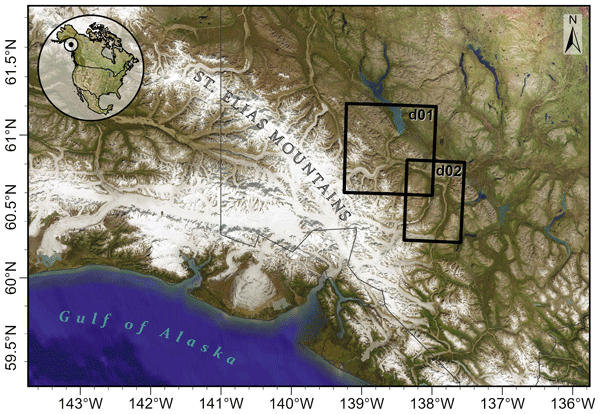
Mineral dust emissions are simulated for the first time from proglacial valleys of the St. Elias Mountains (western Canada/Alaska) to elucidate their contributions to regional climate forcing and global mineral dust loading. We implement a regional-scale dust emission model and evaluate simulated meteorology, dust emissions, and boundary layer processes for a holistic evaluation of how well aerosol dispersion can be simulated within this remote, mountainous landscape.
Clarissa Baldo, Servanne Chevaillier, Sophie Nowak, Gael Noyalet, Sandra Lafon, Claudia Di Biagio, Amelie Chaput, James King, Mathieu Cazaunau, Edouard Pangui, Jean-Francois Doussin, Remi Stanus, Nadine Mattielli, Heleen C. Vos, Gregory S. Okin, Brigitte Language, Tjaart Van Der Walt, Stuart Piketh, Karine Desboeufs, Akinori Ito, Silvia Becagli, Eugene Marais, Laurie Barrier, Stéphane Jacquemoud, and Paola Formenti
Atmos. Chem. Phys., 26, 10727–10749, https://doi.org/10.5194/acp-26-10727-2026, https://doi.org/10.5194/acp-26-10727-2026, 2026
Short summary
Short summary
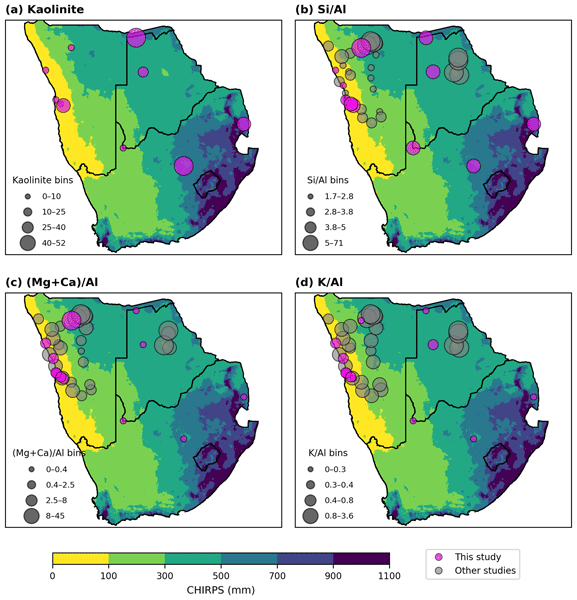
Our results show that crustal element ratios and clay contents distinguish dust aerosols from arid western coastal areas and humid eastern inland regions in Southern Africa. This dust contains key micronutrients that can become bioaccessible during atmospheric transport to nearby and remote marine ecosystems. It is also enriched in carbonates and K-feldspar, serving as a source of cloud condensation and ice nuclei, with potential implications ranging from regional to sub-hemispheric scales.
Seyed Ali Sayedain, Norman T. O'Neill, Keyvan Ranjbar, Phillipe Gauvin-Bourdon, Rachel Chang, Patrick L. Hayes, and James King
Atmos. Meas. Tech., 19, 4553–4581, https://doi.org/10.5194/amt-19-4553-2026, https://doi.org/10.5194/amt-19-4553-2026, 2026
Short summary
Short summary
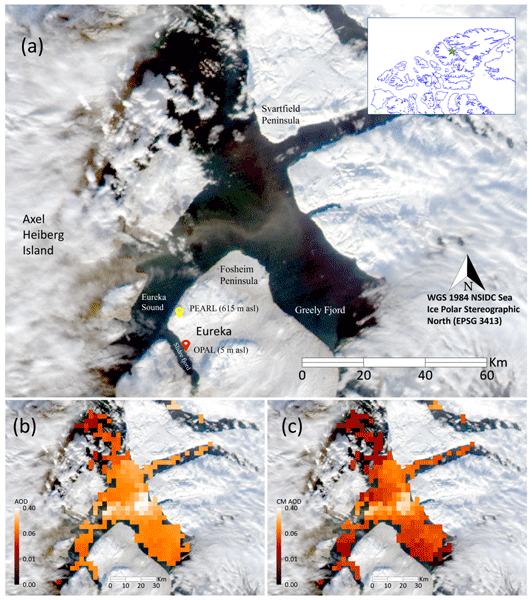
Dust plumes in the Canadian Arctic have important climatic change (CC) impacts on (i) snow and ice (darkening and thus premature melting) and (ii) as nuclei for cloud formation (cloud reflectivity is a poorly characterized but key CC parameter). Ground measurements of dust in that region are rare. We characterized plumes close to their drainage basin sources using ground- and satellite-based remote sensing (RS) estimates of such key parameters as plume height, speed, and opacity (concentration).
Claudia Di Biagio, Elisa Bru, Avila Orta, Servanne Chevaillier, Clarissa Baldo, Antonin Bergé, Mathieu Cazaunau, Sandra Lafon, Sophie Nowak, Edouard Pangui, Meinrat O. Andreae, Pavla Dagsson-Waldhauserova, Kebonyethata Dintwe, Konrad Kandler, James S. King, Amelie Chaput, Gregory S. Okin, Stuart Piketh, Thuraya Saeed, David Seibert, Zongbo Shi, Earle Williams, Pasquale Sellitto, and Paola Formenti
Atmos. Chem. Phys., 26, 1079–1091, https://doi.org/10.5194/acp-26-1079-2026, https://doi.org/10.5194/acp-26-1079-2026, 2026
Short summary
Short summary
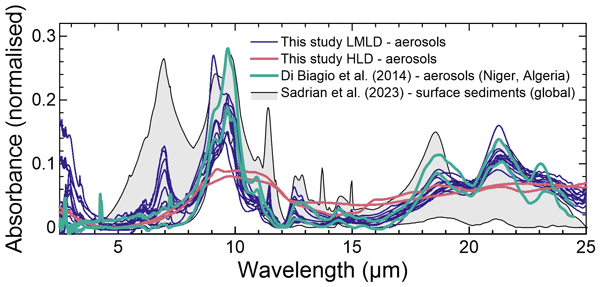
Spectroscopy measurements show that the absorbance of dust in the far-infrared up to 25 µm is comparable in intensity to that in the mid-infrared (3–15 µm) suggesting possible relevance for its direct radiative effect. Absorption signatures differ between Icelandic and low/mid-latitude dust due to differences in mineralogical composition. Spectral differences could be used to characterise the mineralogy and trace the origin of airborne dust based on infrared remote sensing observations.
Nansi Fakhri, Robin Stevens, Arnold Downey, Konstantina Oikonomou, Jean Sciare, Charbel Afif, and Patrick L. Hayes
Atmos. Chem. Phys., 24, 1193–1212, https://doi.org/10.5194/acp-24-1193-2024, https://doi.org/10.5194/acp-24-1193-2024, 2024
Short summary
Short summary
We investigated the chemical composition of atmospheric fine particles, their emission sources, and the potential human health risk associated with trace elements in particles for an urban site in Montréal over a 3-month period (August–November). This study represents the first time that such extensive composition measurements were included in an urban source apportionment study in Canada, and it provides greater resolution of fine-particle sources than has been previously achieved in Canada.
Seyed Ali Sayedain, Norman T. O'Neill, James King, Patrick L. Hayes, Daniel Bellamy, Richard Washington, Sebastian Engelstaedter, Andy Vicente-Luis, Jill Bachelder, and Malo Bernhard
Atmos. Meas. Tech., 16, 4115–4135, https://doi.org/10.5194/amt-16-4115-2023, https://doi.org/10.5194/amt-16-4115-2023, 2023
Short summary
Short summary
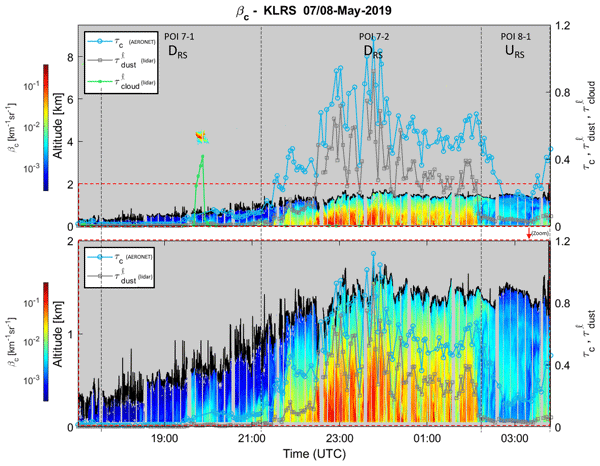
We used (columnar) ground-based remote sensing (RS) tools and surface measurements to characterize local (drainage-basin) dust plumes at a site in the Yukon. Plume height, particle size, and column-to-surface ratios enabled insights into how satellite RS could be used to analyze Arctic-wide dust transport. This helps modelers refine dust impacts in their climate change simulations. It is an important step since local dust is a key source of dust deposition on snow in the sensitive Arctic region.
Rosemary Huck, Robert G. Bryant, and James King
Atmos. Chem. Phys., 23, 6299–6318, https://doi.org/10.5194/acp-23-6299-2023, https://doi.org/10.5194/acp-23-6299-2023, 2023
Short summary
Short summary
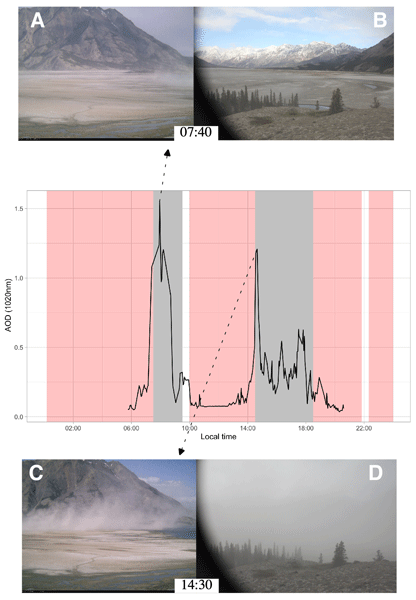
This study shows that mineral aerosol (dust) emission events in high-latitude areas are under-represented in both ground- and space-based detecting methods. This is done through a suite of ground-based data to prove that dust emissions from the proglacial area, Lhù’ààn Mân, occur almost daily but are not always recorded at different timescales. Dust has multiple effects on atmospheric processes; therefore, accurate quantification is important in the calibration and validation of climate models.
Outi Meinander, Pavla Dagsson-Waldhauserova, Pavel Amosov, Elena Aseyeva, Cliff Atkins, Alexander Baklanov, Clarissa Baldo, Sarah L. Barr, Barbara Barzycka, Liane G. Benning, Bojan Cvetkovic, Polina Enchilik, Denis Frolov, Santiago Gassó, Konrad Kandler, Nikolay Kasimov, Jan Kavan, James King, Tatyana Koroleva, Viktoria Krupskaya, Markku Kulmala, Monika Kusiak, Hanna K. Lappalainen, Michał Laska, Jerome Lasne, Marek Lewandowski, Bartłomiej Luks, James B. McQuaid, Beatrice Moroni, Benjamin Murray, Ottmar Möhler, Adam Nawrot, Slobodan Nickovic, Norman T. O’Neill, Goran Pejanovic, Olga Popovicheva, Keyvan Ranjbar, Manolis Romanias, Olga Samonova, Alberto Sanchez-Marroquin, Kerstin Schepanski, Ivan Semenkov, Anna Sharapova, Elena Shevnina, Zongbo Shi, Mikhail Sofiev, Frédéric Thevenet, Throstur Thorsteinsson, Mikhail Timofeev, Nsikanabasi Silas Umo, Andreas Uppstu, Darya Urupina, György Varga, Tomasz Werner, Olafur Arnalds, and Ana Vukovic Vimic
Atmos. Chem. Phys., 22, 11889–11930, https://doi.org/10.5194/acp-22-11889-2022, https://doi.org/10.5194/acp-22-11889-2022, 2022
Short summary
Short summary
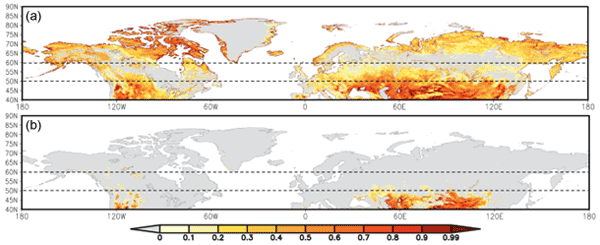
High-latitude dust (HLD) is a short-lived climate forcer, air pollutant, and nutrient source. Our results suggest a northern HLD belt at 50–58° N in Eurasia and 50–55° N in Canada and at >60° N in Eurasia and >58° N in Canada. Our addition to the previously identified global dust belt (GDB) provides crucially needed information on the extent of active HLD sources with both direct and indirect impacts on climate and environment in remote regions, which are often poorly understood and predicted.
Cited articles
Aarons, S. M., Aciego, S. M., Arendt, C. A., Blakowski, M. A., Steigmeyer, A., Gabrielli, P., Sierra-Hernández, M. R., Beaudon, E., Delmonte, B., Baccolo, G., May, N. W., and Pratt, K. A.: Dust composition changes from Taylor Glacier (East Antarctica) during the last glacial-interglacial transition: A multi-proxy approach, Quaternary Science Reviews, 162, 60–71, https://doi.org/10.1016/j.quascirev.2017.03.011, 2017.
Albani, S., Mahowald, N. M., Delmonte, B., Maggi, V., and Winckler, G.: Comparing modeled and observed changes in mineral dust transport and deposition to Antarctica between the Last Glacial Maximum and current climates, Climate Dynamics, 38, 1731–1755, https://doi.org/10.1007/s00382-011-1139-5, 2012.
Ali, M. U., Liu, G., Yousaf, B., Ullah, H., Abbas, Q., and Munir, M. A. M.: A systematic review on global pollution status of particulate matter-associated potential toxic elements and health perspectives in urban environment, Environmental Geochemistry and Health, 41, 1131–1162, https://doi.org/10.1007/s10653-018-0203-z, 2019.
Bachelder, J., Cadieux, M., Liu-Kang, C., Lambert, P., Filoche, A., Galhardi, J. A., Hadioui, M., Chaput, A., Bastien-Thibault, M.-P., and Wilkinson, K. J.: Chemical and microphysical properties of wind-blown dust near an actively retreating glacier in Yukon, Canada, Aerosol Science and Technology, 54, 2–20, https://doi.org/10.1080/02786826.2019.1676394, 2020.
Badaloni, C., Cesaroni, G., Cerza, F., Davoli, M., Brunekreef, B., and Forastiere, F.: Effects of long-term exposure to particulate matter and metal components on mortality in the Rome longitudinal study, Environment international, 109, 146–154, https://doi.org/10.1016/j.envint.2017.09.005, 2017.
Barr, S. L., Wyld, B., McQuaid, J. B., Neely III, R. R., and Murray, B. J.: Southern Alaska as a source of atmospheric mineral dust and ice-nucleating particles, Science Advances, 9, eadg3708, https://doi.org/10.1126/sciadv.adg3708, 2023.
Beck, H. E., Zimmermann, N. E., McVicar, T. R., Vergopolan, N., Berg, A., and Wood, E. F.: Present and future Köppen-Geiger climate classification maps at 1-km resolution, Scientific data, 5, 1–12, https://doi.org/10.1038/sdata.2018.214, 2018.
Bellamy, D., King, J., and Nadeau, D. F.: Mineral dust emissions from proglacial valleys of western Canada: Historical and future dynamics, Earth Surface Processes and Landforms, 50, e70069, https://doi.org/10.1002/esp.70069, 2025a.
Bellamy, D., Nadeau, D. F., and King, J.: Forcing Mechanisms of Strong Surface Winds in a Dust Storm–Prone, High-Latitude Proglacial Valley, Journal of Applied Meteorology and Climatology, 64, 77–97, https://doi.org/10.1175/JAMC-D-24-0044.1, 2025b.
Boy, M., Thomson, E. S., Acosta Navarro, J.-C., Arnalds, O., Batchvarova, E., Bäck, J., Berninger, F., Bilde, M., Brasseur, Z., Dagsson-Waldhauserova, P., Castarède, D., Dalirian, M., de Leeuw, G., Dragosics, M., Duplissy, E.-M., Duplissy, J., Ekman, A. M. L., Fang, K., Gallet, J.-C., Glasius, M., Gryning, S.-E., Grythe, H., Hansson, H.-C., Hansson, M., Isaksson, E., Iversen, T., Jonsdottir, I., Kasurinen, V., Kirkevåg, A., Korhola, A., Krejci, R., Kristjansson, J. E., Lappalainen, H. K., Lauri, A., Leppäranta, M., Lihavainen, H., Makkonen, R., Massling, A., Meinander, O., Nilsson, E. D., Olafsson, H., Pettersson, J. B. C., Prisle, N. L., Riipinen, I., Roldin, P., Ruppel, M., Salter, M., Sand, M., Seland, Ø., Seppä, H., Skov, H., Soares, J., Stohl, A., Ström, J., Svensson, J., Swietlicki, E., Tabakova, K., Thorsteinsson, T., Virkkula, A., Weyhenmeyer, G. A., Wu, Y., Zieger, P., and Kulmala, M.: Interactions between the atmosphere, cryosphere, and ecosystems at northern high latitudes, Atmos. Chem. Phys., 19, 2015–2061, https://doi.org/10.5194/acp-19-2015-2019, 2019.
Bullard, J. E.: Contemporary glacigenic inputs to the dust cycle, Earth Surface Processes and Landforms, 38, 71–89, https://doi.org/10.1002/esp.3315, 2013.
Butwin, M. K., Pfeffer, M. A., von Löwis, S., Storen, E. W. N., Bali, E., and Thorsteinsson, T.: Properties of dust source material and volcanic ash in Iceland, Sedimentology, 67, 3067–3087, https://doi.org/10.1111/sed.12734, 2020.
Canadell, J. G., Monteiro, P. M., Costa, M. H., Da Cunha, L. C., Cox, P. M., Eliseev, A. V., Henson, S., Ishii, M., Jaccard, S., and Koven, C.: Global carbon and other biogeochemical cycles and feedbacks, IPCC AR6 WGI, final government distribution, chap. 5, https://doi.org/10.1017/9781009157896.007, 2021.
Chen, J. and Hoek, G.: Long-term exposure to PM and all-cause and cause-specific mortality: a systematic review and meta-analysis, Environment International, 143, 105974, https://doi.org/10.1016/j.envint.2020.105974, 2020.
Chen, L. C. and Lippmann, M.: Effects of metals within ambient air particulate matter (PM) on human health, Inhalation Toxicology, 21, 1–31, https://doi.org/10.1080/08958370802105405, 2009.
Chen, M. and Ma, L. Q.: Comparison of three aqua regia digestion methods for twenty Florida soils, Soil science society of America Journal, 65, 491–499, https://doi.org/10.2136/sssaj2001.652491x, 2001.
Chen, Y. Q., Ge, C. X., Liu, Z. K., Xu, H. Z., Zhang, X., and Shen, T.: Characteristics, sources and health risk assessment of trace metals and polycyclic aromatic hydrocarbons in PM2.5 from Hefei, China, Environmental Geochemistry and Health, 45, https://doi.org/10.1007/s10653-023-01638-0, 2023.
Clague, J. J. and Shugar, D. H.: Impacts of Loss of Cryosphere in the High Mountains of Northwest North America, Quaternary, 6, https://doi.org/10.3390/quat6010001, 2023.
Clarke, G. K. C., Jarosch, A. H., Anslow, F. S., Radic, V., and Menounos, B.: Projected deglaciation of western Canada in the twenty-first century, Nature Geoscience, 8, 372–377, https://doi.org/10.1038/ngeo2407, 2015.
Collins, D., Johnsson, H., Seinfeld, J., Flagan, R., Gasso, S., Hegg, D., Russell, P., Schmid, B., Livingston, J., and Öström, E.: In situ aerosol-size distributions and clear-column radiative closure during ACE-2, Tellus B, 52, 498–525, https://doi.org/10.1034/j.1600-0889.2000.00008.x, 2000.
Dagsson-Waldhauserova, P., Arnalds, O., Olafsson, H., Skrabalova, L., Sigurdardottir, G. M., Branis, M., Hladil, J., Skala, R., Navratil, T., Chadimova, L., Menar, S. V. O., Thorsteinsson, T., Carlsen, H. K., and Jonsdottir, I.: Physical properties of suspended dust during moist and low wind conditions in Iceland, Icelandic Agricultural Sciences, 27, 25–39, 2014.
Dagsson-Waldhauserova, P., Renard, J.-B., Olafsson, H., Vignelles, D., Berthet, G., Verdier, N., and Duverger, V.: Vertical distribution of aerosols in dust storms during the Arctic winter, Scientific Reports, 9, 16122, https://doi.org/10.1038/s41598-019-51764-y, 2019.
Dang, C., Brandt, R. E., and Warren, S. G.: Parameterizations for narrowband and broadband albedo of pure snow and snow containing mineral dust and black carbon, Journal of Geophysical Research: Atmospheres, 120, 5446–5468, https://doi.org/10.1002/2014JD022646, 2015.
Davies, R.: Particle size analysis, Industrial & Engineering Chemistry, 62, 87–93, https://doi.org/10.1021/ie50732a011, 1970.
Denton, G. H. and Stuiver, M.: Neoglacial chronology, northeastern Saint Elias Mountains, Canada, American Journal of Science, 264, 577–599, https://doi.org/10.2475/ajs.264.8.577, 1966.
Denton, G. H. and Stuiver, M.: Late Pleistocene glacial stratigraphy and chronology, northeastern St Elias Mountains, Yukon Territory, Canada, Geological Society of America Bulletin, 78, 485–510, https://doi.org/10.1130/0016-7606(1967)78[485:LPGSAC]2.0.CO;2, 1967.
Downey, A.: Diurnal Statistics for Temperature, Relative Humidity, Wind Speed, PM10, and PM2.5 Concentrations at ’A’ą̈y Chù’ Valley in Kluane National Park, Yukon, Canada for June 2021, Borealis [data set], https://doi.org/10.5683/SP3/1WHR3P, 2025a.
Downey, A.: Raw Optical Particle Counter (OPC) Data for 3.3 and 6.3 meters off ground in ’A’ą̈y Chù’ Valley in Yukon, Canada Late Spring Early Summer 2021, Borealis [data set], https://doi.org/10.5683/SP3/FKSRWL, 2025b.
Downey, A.: Concentrations of Select Metals and Metalloids in Air in ’A’ą̈y Chù’ Valley Mineral Dust Spring/Summer 2021, Borealis [data set], https://doi.org/10.5683/SP3/Y4CTDC, 2025c.
Dupont, S., Klose, M., Irvine, M. R., González-Flórez, C., Alastuey, A., Bonnefond, J.-M., Dagsson-Waldhauserova, P., Gonzalez-Romero, A., Hussein, T., Lamaud, E., Meyer, H., Panta, A., Querol, X., Schepanski, K., Vergara Palacio, S., Wieser, A., Yus-Díez, J., Kandler, K., and Pérez García-Pando, C.: Impact of Dust Source Patchiness on the Existence of a Constant Dust Flux Layer During Aeolian Erosion Events, Journal of Geophysical Research: Atmospheres, 129, e2023JD040657, https://doi.org/10.1029/2023JD040657, 2024.
Fang, Y.: Heterogeneous Chemistry of Atmospheric Organic Acids and Other Organic Compounds with Oxide Surfaces Representative of Mineral Dust and Indoor Surfaces, PhD thesis, University of California, San Diego, United States – California, 252 pp., https://escholarship.org/content/qt4wn282rd/qt4wn282rd_noSplash_05d441d2bef197784ed4cd4e9ca4a604.pdf (last access: 12 December 2025), 2018.
Flanner, M. G., Zender, C. S., Hess, P. G., Mahowald, N. M., Painter, T. H., Ramanathan, V., and Rasch, P. J.: Springtime warming and reduced snow cover from carbonaceous particles, Atmos. Chem. Phys., 9, 2481–2497, https://doi.org/10.5194/acp-9-2481-2009, 2009.
Flanner, M. G., Arnheim, J. B., Cook, J. M., Dang, C., He, C., Huang, X., Singh, D., Skiles, S. M., Whicker, C. A., and Zender, C. S.: SNICAR-ADv3: a community tool for modeling spectral snow albedo, Geosci. Model Dev., 14, 7673–7704, https://doi.org/10.5194/gmd-14-7673-2021, 2021.
Foy, N., Copland, L., Zdanowicz, C., Demuth, M., and Hopkinson, C.: Recent volume and area changes of Kaskawulsh Glacier, Yukon, Canada, Journal of Glaciology, 57, 515–525, https://doi.org/10.3189/002214311796905596, 2011.
Gonzalez, C. and Choquette, S.: Certificate of analysis, Standard Reference Material 2710a, https://tsapps.nist.gov/srmext/certificates/2710a.pdf (last access: 12 December 2025), 2018.
González-Romero, A., González-Flórez, C., Panta, A., Yus-Díez, J., Córdoba, P., Alastuey, A., Moreno, N., Kandler, K., Klose, M., Clark, R. N., Ehlmann, B. L., Greenberger, R. N., Keebler, A. M., Brodrick, P., Green, R. O., Querol, X., and Pérez García-Pando, C.: Probing Iceland's dust-emitting sediments: particle size distribution, mineralogy, cohesion, Fe mode of occurrence, and reflectance spectra signatures, Atmos. Chem. Phys., 24, 6883–6910, https://doi.org/10.5194/acp-24-6883-2024, 2024.
Helgren, D. and Prospero, J.: Wind velocities associated with dust deflation events in the Western Sahara, Journal of climate and applied meteorology, 1147–1151, https://doi.org/10.1175/1520-0450(1987)026<1147:WVAWDD>2.0.CO;2, 1987.
Hofmann, W.: Modelling inhaled particle deposition in the human lung – A review, Journal of Aerosol Science, 42, 693–724, https://doi.org/10.1016/j.jaerosci.2011.05.007, 2011.
Human Toxicology and Air Standards Section: Ambient Air Quality Criteria, https://files.ontario.ca/mecp-ambient-air-quality-criteria-list-en-2020-05-01.pdf (last access: 12 December 2025), 2020.
Hurley, J.: Sizing particles with a Coulter counter, Biophysical Journal, 10, 74–79, https://doi.org/10.1016/S0006-3495(70)86286-5, 1970.
IPCC: Ocean, Cryosphere and Sea Level Change, in: Climate Change 2021 – The Physical Science Basis: Working Group I Contribution to the Sixth Assessment Report of the Intergovernmental Panel on Climate Change, edited by: Intergovernmental Panel on Climate, C., Cambridge University Press, Cambridge, 1211–1362, https://doi.org/10.1017/9781009157896.011, 2021.
Kalma, J., Speight, J., and Wasson, R.: Potential wind erosion in Australia: A continental perspective, Journal of Climatology, 8, 411–428, https://doi.org/10.1002/joc.3370080408, 1988.
Kandler, K., Schneiders, K., Heuser, J., Waza, A., Aryasree, S., Althausen, D., Hofer, J., Abdullaev, S. F., and Makhmudov, A. N.: Differences and similarities of central Asian, African, and arctic dust composition from a single particle perspective, Atmosphere, 11, 269, https://doi.org/10.3390/atmos11030269, 2020.
Kastury, F., Smith, E., and Juhasz, A. L.: A critical review of approaches and limitations of inhalation bioavailability and bioaccessibility of metal (loid) s from ambient particulate matter or dust, Science of the Total Environment, 574, 1054–1074, https://doi.org/10.1016/j.scitotenv.2016.09.056, 2017.
Kastury, F., Smith, E., Karna, R. R., Scheckel, K. G., and Juhasz, A.: An inhalation-ingestion bioaccessibility assay (IIBA) for the assessment of exposure to metal (loid) s in PM10, Science of the Total Environment, 631, 92–104, 2018.
Kienholz, C., Herreid, S., Rich, J. L., Arendt, A. A., Hock, R., and Burgess, E. W.: Derivation and analysis of a complete modern-date glacier inventory for Alaska and northwest Canada, Journal of Glaciology, 61, 403–420, https://doi.org/10.3189/2015JoG14J230, 2015.
Kok, J. F., Parteli, E. J., Michaels, T. I., and Karam, D. B.: The physics of wind-blown sand and dust, Reports on progress in Physics, 75, 106901, https://doi.org/10.1088/0034-4885/75/10/106901, 2012.
Kok, J. F., Storelvmo, T., Karydis, V. A., Adebiyi, A. A., Mahowald, N. M., Evan, A. T., He, C., and Leung, D. M.: Mineral dust aerosol impacts on global climate and climate change, Nature Reviews Earth & Environment, 4, 71–86, https://doi.org/10.1038/s43017-022-00379-5, 2023.
Komuro, Y., Nakazawa, F., Goto-azuma, K., Hirabayashi, M., Shigeyama, W., Fujita, K., Steffensen, J. P., and Dahl-jensen, D.: Major metallic elements (Al, Ca, and Fe) and size distribution of mineral particles in recent snow in inland Northeast Greenland, Bulletin of Glaciological Research, 42, 49–60, https://doi.org/10.5331/bgr.24A02, 2024.
Lai, Z. L., Cheng, Z. Z., Lata, N. N., Mathai, S., Marcus, M. A., Mazzola, M., Mazzoleni, C., Gilardoni, S., and China, S.: Chemical Composition and Mixing State of Wintertime Aerosol from the European Arctic Site of Ny-Ålesund, Svalbard, Acs Earth and Space Chemistry, https://doi.org/10.1021/acsearthspacechem.5c00175, 2025.
Lee, H., Kim, M. Y., and Park, S. H.: A Comparative Review of Wind-Blown Dust Emission Models, Journal of Korean Society for Atmospheric Environment, 35, 149–171, https://doi.org/10.5572/KOSAE.2019.35.2.149, 2019.
Linsinger, T. P.: Use of recovery and bias information in analytical chemistry and estimation of its uncertainty contribution, TrAC Trends in Analytical Chemistry, 27, 916–923, https://doi.org/10.1016/j.trac.2008.08.013, 2008.
Liu, Y., Xu, F., Liu, W., Liu, X., and Wang, D.: Characteristics, Sources, Exposure, and Health Effects of Heavy Metals in Atmospheric Particulate Matter, Current Pollution Reports, 11, 16, https://doi.org/10.1007/s40726-025-00344-y, 2025.
Marticorena, B.: Dust production mechanisms, in: Mineral dust: A key player in the earth system, edited by: Peter, K. J.-B. W., Stuut, Springer Dordrecht, Dordrecht, Netherlands, 93-120, https://doi.org/10.1007/978-94-017-8978-3, 2014.
McMurry, P. H.: A review of atmospheric aerosol measurements, Atmospheric Environment, 34, 1959–1999, https://doi.org/10.1016/S1352-2310(99)00455-0, 2000.
McTainsh, G., Lynch, A., and Hales, R.: Particle-size analysis of aeolian dusts, soils and sediments in very small quantities using a Coulter Multisizer, Earth Surface Processes and Landforms, 22, 1207–1216, https://doi.org/10.1002/(SICI)1096-9837(199724)22:13<1207::AID-ESP820>3.3.CO;2-B, 1997.
Meinander, O., Dagsson-Waldhauserova, P., Amosov, P., Aseyeva, E., Atkins, C., Baklanov, A., Baldo, C., Barr, S. L., Barzycka, B., Benning, L. G., Cvetkovic, B., Enchilik, P., Frolov, D., Gassó, S., Kandler, K., Kasimov, N., Kavan, J., King, J., Koroleva, T., Krupskaya, V., Kulmala, M., Kusiak, M., Lappalainen, H. K., Laska, M., Lasne, J., Lewandowski, M., Luks, B., McQuaid, J. B., Moroni, B., Murray, B., Möhler, O., Nawrot, A., Nickovic, S., O’Neill, N. T., Pejanovic, G., Popovicheva, O., Ranjbar, K., Romanias, M., Samonova, O., Sanchez-Marroquin, A., Schepanski, K., Semenkov, I., Sharapova, A., Shevnina, E., Shi, Z., Sofiev, M., Thevenet, F., Thorsteinsson, T., Timofeev, M., Umo, N. S., Uppstu, A., Urupina, D., Varga, G., Werner, T., Arnalds, O., and Vukovic Vimic, A.: Newly identified climatically and environmentally significant high-latitude dust sources, Atmos. Chem. Phys., 22, 11889–11930, https://doi.org/10.5194/acp-22-11889-2022, 2022.
Miller, R., Cakmur, R., Perlwitz, J., Geogdzhayev, I., Ginoux, P., Koch, D., Kohfeld, K., Prigent, C., Ruedy, R., and Schmidt, G.: Mineral dust aerosols in the NASA Goddard Institute for Space Sciences ModelE atmospheric general circulation model, Journal of Geophysical Research: Atmospheres, 111, https://doi.org/10.1029/2005JD005796, 2006.
Moroni, B., Cappelletti, D., Crocchianti, S., Becagli, S., Caiazzo, L., Traversi, R., Udisti, R., Mazzola, M., Markowicz, K., Ritter, C., and Zielinski, T.: Morphochemical characteristics and mixing state of long range transported wildfire particles at Ny-Alesund (Svalbard Islands), Atmospheric Environment, 156, 135–145, https://doi.org/10.1016/j.atmosenv.2017.02.037, 2017.
Mukherjee, S.: Physical properties of clay and soil mechanics, in: The science of clays, applications in industry, engineering, and environment, Springer, Netherlands, https://doi.org/10.1007/978-94-007-6683-9_5, 2013.
Natural Resources Canada, Atlas of Canada, Environment Canada, and Inland Waters Branch: Inventory of Freshwater Lakes, https://www150.statcan.gc.ca/n1/pub/11-402-x/2012000/chap/geo/tbl/tbl05-eng.htm (last access: 12 December 2025), 1973.
Neufeld, D.: Kluane National Park Reserve, 1923–1974: Modernity and Pluralism, in: A Century of Parks Canada, http://parkscanadahistory.com/publications/kluane/modernity-pluralism.pdf (last access: 12 December 2025), 1972.
Nickling, W. and Gillies, J.: Emission of fine-grained particulates from desert soils, in: Paleoclimatology and Paleometeorology: modern and past patterns of global atmospheric transport, Springer, 133–165, https://doi.org/10.1007/978-94-009-0995-3_5, 1989.
Olumayede, E. G., Babalola, B., and Oghenovo, I.: Trace Elements in Urban Particulate Matters: Variations in Serum Levels, Inhalation Bioaccessibility, Health and Disease Effects, in: Trace Elements and Their Effects on Human Health and Diseases, 79–90, 2021.
Panta, A., Kandler, K., Schepanski, K., Alastuey, A., Dagsson Waldhauserova, P., Dupont, S., Eknayan, M., González-Flórez, C., González-Romero, A., Klose, M., Montag, M., Querol, X., Yus-Díez, J., and Pérez García-Pando, C.: Unveiling single-particle composition, size, shape, and mixing state of freshly emitted Icelandic dust via electron microscopy analysis, Atmos. Chem. Phys., 25, 10457–10478, https://doi.org/10.5194/acp-25-10457-2025, 2025.
Porter, G. C. E., Sikora, S. N. F., Adams, M. P., Proske, U., Harrison, A. D., Tarn, M. D., Brooks, I. M., and Murray, B. J.: Resolving the size of ice-nucleating particles with a balloon deployable aerosol sampler: the SHARK, Atmos. Meas. Tech., 13, 2905–2921, https://doi.org/10.5194/amt-13-2905-2020, 2020.
Reid, J. S., Jonsson, H. H., Maring, H. B., Smirnov, A., Savoie, D. L., Cliff, S. S., Reid, E. A., Livingston, J. M., Meier, M. M., and Dubovik, O.: Comparison of size and morphological measurements of coarse mode dust particles from Africa, Journal of Geophysical Research: Atmospheres, 108, https://doi.org/10.1029/2002JD002485, 2003.
Rencz, A. and Shilts, W.: Nickel in soils and vegetation of glaciated terrains, in: Nickel in the Environment, John Wiley & Sons, New York, 151–188, ISBN 978-0471058854, 1980.
Rinaldi, M., Hiranuma, N., Santachiara, G., Mazzola, M., Mansour, K., Paglione, M., Rodriguez, C. A., Traversi, R., Becagli, S., Cappelletti, D., and Belosi, F.: Ice-nucleating particle concentration measurements from Ny-Ålesund during the Arctic spring–summer in 2018, Atmos. Chem. Phys., 21, 14725–14748, https://doi.org/10.5194/acp-21-14725-2021, 2021.
Schepanski, K.: Transport of mineral dust and its impact on climate, Geosciences, 8, 151, https://doi.org/10.3390/geosciences8050151, 2018.
Scheuvens, D. and Kandler, K.: On Composition, Morphology, and Size Distribution of Airborne Mineral Dust, in: Mineral Dust: A Key Player in the Earth System, edited by: Knippertz, P. and Stuut, J.-B. W., Springer Dordrecht, Dordrecht, Netherlands, 15–49, https://doi.org/10.1007/978-94-017-8978-3, 2014.
Shao, Y. and Lu, H.: A simple expression for wind erosion threshold friction velocity, Journal of Geophysical Research: Atmospheres, 105, 22437–22443, https://doi.org/10.1029/2000JD900304, 2000.
Shilts, W. W.: Till Geochemistry in Finland and Canada, Journal of Geochemical Exploration, 21, 95–117, https://doi.org/10.1016/0375-6742(84)90037-2, 1984a.
Shilts, W. W.: Workshop 1: Till Geochemistry in Mineral Exploration, Journal of Geochemical Exploration, 21, 119–122, https://doi.org/10.1016/0375-6742(84)90038-4, 1984b.
Shilts, W. W.: Geological Survey of Canada's contributions to understanding the composition of glacial sediments, Canadian Journal of Earth Sciences, 30, 333–353, https://doi.org/10.1139/e93-026, 1993.
Shugar, D. H., Clague, J. J., Best, J. L., Schoof, C., Willis, M. J., Copland, L., and Roe, G. H.: River piracy and drainage basin reorganization led by climate-driven glacier retreat, Nature Geoscience, 10, 370–375, https://doi.org/10.1038/NGEO2932, 2017.
Smart, C. and Willis, E.: Determination of refractive indices of polystyrene latices by light scattering, Journal of Colloid and Interface Science, 25, 577–583, https://doi.org/10.1016/0021-9797(67)90071-9, 1967.
Sokolik, I. N.: Dust, in: Encyclopedia of Atmospheric Sciences, edited by: Holton, J. R., Elsevier, Amsterdam, ISBN 9780122270901, 2002.
Tardif, Y., Richard, L., Bellamy, D., Ahabchane, H.-E., Tharaud, M., Schlatt, L., Dourlent, A., Trieu, N., King, J., Wilkinson, K. J., and Hayes, P. L.: Contrasting the elemental composition of fine particulate matter in urban and remote samples using single particle inductively coupled plasma time-of-flight mass spectrometry (SP ICP-ToF-MS), Aerosol Science and Technology, 1–17, https://doi.org/10.1080/02786826.2025.2519091, 2025.
Tegen, I. and Fung, I.: Modeling of mineral dust in the atmosphere: Sources, transport, and optical thickness, Journal of Geophysical Research: Atmospheres, 99, 22897–22914, https://doi.org/10.1029/94JD01928, 1994.
Tegen, I. and Lacis, A. A.: Modeling of particle size distribution and its influence on the radiative properties of mineral dust aerosol, Journal of Geophysical Research: Atmospheres, 101, 19237–19244, https://doi.org/10.1029/95JD03610, 1996.
U.S. EPA: Method 3051A microwave assisted acid digestion of sediments, sludges, soils, and oils, https://www.epa.gov/sites/default/files/2015-12/documents/3051a.pdf (last access: 12 December 2025), 2007.
U.S. EPA: Quality Assurance Guidance Document 2.12 Monitoring PM2.5 in Ambient Air Using Designated Reference or Class I Equivalent Methods, https://www3.epa.gov/ttnamti1/files/ambient/pm25/qa/m212.pdf (last access: 12 December 2025), 2016.
Vicente-Luis, A., Tremblay, S., Dionne, J., Chang, R. Y. W., Fogal, P. F., Leaitch, W. R., Sharma, S., Kolonjari, F., and Hayes, P. L.: In situ optical and microphysical properties of tropospheric aerosols in the Canadian High Arctic from 2016 to 2019, Atmospheric Environment, 250, https://doi.org/10.1016/j.atmosenv.2021.118254, 2021.
World Health Organization: WHO global air quality guidelines: particulate matter (PM2.5 and PM10), ozone, nitrogen dioxide, sulfur dioxide and carbon monoxide, World Health Organization, https://iris.who.int/server/api/core/bitstreams/551b515e-2a32-4e1a-a58c-cdaecd395b19/content (last access: 12 December 2025), 2021.
Wriedt, T.: Mie theory: a review, in: The Mie theory: Basics and applications, 53–71, https://doi.org/10.1007/978-3-642-28738-1, 2012.
Xi, Y., Xu, C., Downey, A., Stevens, R., Bachelder, J. O., King, J., Hayes, P. L., and Bertram, A. K.: Ice nucleating properties of airborne dust from an actively retreating glacier in Yukon, Canada, Environmental Science: Atmospheres, https://doi.org/10.1039/d1ea00101a, 2022.
Yukon Regulations: Occupational Health and Safety Act, https://laws.yukon.ca/cms/images/LEGISLATION/SUBORDINATE/1986/1986-0164/1986-0164.pdf (last access: 12 December 2025), 1986.
Zhang, X. L., Wu, G. J., Zhang, C. L., Xu, T. L., and Zhou, Q. Q.: What is the real role of iron oxides in the optical properties of dust aerosols?, Atmos. Chem. Phys., 15, 12159–12177, https://doi.org/10.5194/acp-15-12159-2015, 2015a.
Zhang, Y., Mahowald, N., Scanza, R. A., Journet, E., Desboeufs, K., Albani, S., Kok, J. F., Zhuang, G., Chen, Y., Cohen, D. D., Paytan, A., Patey, M. D., Achterberg, E. P., Engelbrecht, J. P., and Fomba, K. W.: Modeling the global emission, transport and deposition of trace elements associated with mineral dust, Biogeosciences, 12, 5771–5792, https://doi.org/10.5194/bg-12-5771-2015, 2015b.
Editorial statement
Atmospheric dust is changing in response to human impacts on climate and hydrology. This paper investigates airborne dust originating from sediments associated with a retreating glacier in Canada, and finds a composition enriched in various metals and metaloids. While the primary focus of this paper is on local health impacts, there may also be wider implications for aerosol-cloud interactions and biogeochemical cycles, should this phenomenon prove to be widespread in response to climate change.
Atmospheric dust is changing in response to human impacts on climate and hydrology. This paper...
Short summary
Glacial sediment of the ’A’ą̈y Chù’ Valley in Yukon, Canada is exposed to strong winds, and consequently, has become a significant mineral dust source. Mineral dust is known to have an impact on human health, partly due to various metals it contains, with the size of the particles also being an important factor. The goal of this study was to determine the concentration of various metals in the dust, how this relates to dust size, and whether air quality standards were surpassed.
Glacial sediment of the ’A’ą̈y Chù’ Valley in Yukon, Canada is exposed to strong winds, and...


Altmetrics
Final-revised paper
Preprint