
Articles | Volume 26, issue 14
https://doi.org/10.5194/acp-26-10587-2026
© Author(s) 2026. This work is distributed under
the Creative Commons Attribution 4.0 License.
the Creative Commons Attribution 4.0 License.
https://doi.org/10.5194/acp-26-10587-2026
© Author(s) 2026. This work is distributed under
the Creative Commons Attribution 4.0 License.
the Creative Commons Attribution 4.0 License.
Research article
| 
29 Jul 2026
Research article |
| 29 Jul 2026
| 29 Jul 2026
Indoor Burning of Arabian Incense Generates Abundant Ultrafine Particles with Strong Oxidative Potential

State Key Laboratory of Advanced Environmental Technology, Institute of Urban Environment, Chinese Academy of Sciences, Xiamen 361021, China
Division of Biological and Environmental Science and Engineering, King Abdullah University of Science and Technology, Thuwal, Jeddah 23955-6900, Kingdom of Saudi Arabia
Zhancong Liang
Division of Biological and Environmental Science and Engineering, King Abdullah University of Science and Technology, Thuwal, Jeddah 23955-6900, Kingdom of Saudi Arabia
State Key Laboratory of Advanced Environmental Technology, Institute of Urban Environment, Chinese Academy of Sciences, Xiamen 361021, China
Ru-Jin Huang
State Key Laboratory of Loess Science, Institute of Earth Environment, Chinese Academy of Sciences, Xi'an 710061, China
Patrick K. H. Lee
School of Energy and Environment, City University of Hong Kong, Hong Kong SAR, China
Division of Biological and Environmental Science and Engineering, King Abdullah University of Science and Technology, Thuwal, Jeddah 23955-6900, Kingdom of Saudi Arabia
Related authors
Ting Wang, Youwei Hong, Jing Duan, Liyuan Zhou, Ying Wang, and Wei Xu
EGUsphere, https://doi.org/10.5194/egusphere-2026-4296, https://doi.org/10.5194/egusphere-2026-4296, 2026
This preprint is open for discussion and under review for Atmospheric Chemistry and Physics (ACP).
Short summary
Short summary
Organosulfates are important components of fine particles, but their formation in mountain regions remains poorly constrained. Seasonal samples from Wuyi Mountain were analyzed using high-resolution mass spectrometry. Summer formation was closely linked to acidic, sulfate-rich particles, while winter formation was more influenced by atmospheric oxidation, nitrogen chemistry, and anthropogenic precursors. The results show that seasonal changes reflect both local chemistry and regional transport.

Liyuan Zhou, Zhancong Liang, Brix Raphael Go, Rosemarie Ann Infante Cuevas, Rongzhi Tang, Mei Li, Chunlei Cheng, and Chak K. Chan
Atmos. Chem. Phys., 23, 5251–5261, https://doi.org/10.5194/acp-23-5251-2023, https://doi.org/10.5194/acp-23-5251-2023, 2023
Short summary
Short summary
This study reveals the sulfate formation in photosensitized particles from biomass burning under UV and SO2, of which the relative atmospheric importance in sulfate production was qualitatively compared to nitrate photolysis. On the basis of single-particle aerosol mass spectrometry measurements, the number percentage of sulfate-containing particles and relative peak area of sulfate in single-particle spectra exhibited a descending order of 3,4-dimethoxybenzaldehyde > vanillin > syringaldehyde.
Zhancong Liang, Liyuan Zhou, Xinyue Li, Rosemarie Ann Infante Cuevas, Rongzhi Tang, Mei Li, Chunlei Cheng, Yangxi Chu, and Chak Keung Chan
Atmos. Chem. Phys. Discuss., https://doi.org/10.5194/acp-2022-838, https://doi.org/10.5194/acp-2022-838, 2022
Preprint withdrawn
Short summary
Short summary
Incense burning is a common religious ritual, especially in Asian and African communities, with massive particles emitted. While previous research mainly focused on the chemical compositions and potential health impacts of fresh incense particles, our work reveals that nitrate, accompanied by SOA, can rapidly form in incense-burning particles upon photochemical oxidation in the atmosphere. This finding could deepen our understanding of air pollution caused by religious activities.
Ting Wang, Youwei Hong, Jing Duan, Liyuan Zhou, Ying Wang, and Wei Xu
EGUsphere, https://doi.org/10.5194/egusphere-2026-4296, https://doi.org/10.5194/egusphere-2026-4296, 2026
This preprint is open for discussion and under review for Atmospheric Chemistry and Physics (ACP).
Short summary
Short summary
Organosulfates are important components of fine particles, but their formation in mountain regions remains poorly constrained. Seasonal samples from Wuyi Mountain were analyzed using high-resolution mass spectrometry. Summer formation was closely linked to acidic, sulfate-rich particles, while winter formation was more influenced by atmospheric oxidation, nitrogen chemistry, and anthropogenic precursors. The results show that seasonal changes reflect both local chemistry and regional transport.
Jing Duan, Ting Wang, Ru-Jin Huang, Jingye Ren, Haobin Zhong, Wei Xu, Chunshui Lin, Yanan Zhan, Huabin Huang, and Yongjie Li
Atmos. Chem. Phys., 26, 11683–11693, https://doi.org/10.5194/acp-26-11683-2026, https://doi.org/10.5194/acp-26-11683-2026, 2026
Short summary
Short summary
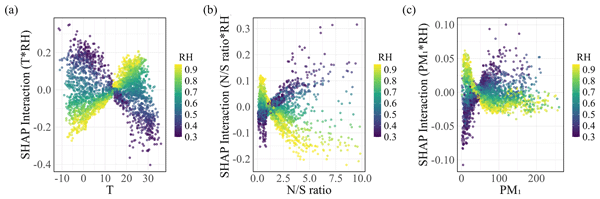
This study combines explainable machine learning with thermodynamic modeling to quantitatively assess how meteorological conditions and chemical composition jointly contribute to aerosol pH variation in an ammonia-rich urban atmosphere. The analysis highlights regime-dependent interactions, threshold behaviors, and sample-specific variability, providing a data-driven framework for interpreting aerosol acidity under diverse environmental conditions.
Lu Lei, Wei Xu, Chunshui Lin, Kirsten N. Fossum, Darius Ceburnis, John Gallagher, Colin O'Dowd, and Jurgita Ovadnevaite
Atmos. Chem. Phys., 26, 10927–10946, https://doi.org/10.5194/acp-26-10927-2026, https://doi.org/10.5194/acp-26-10927-2026, 2026
Short summary
Short summary
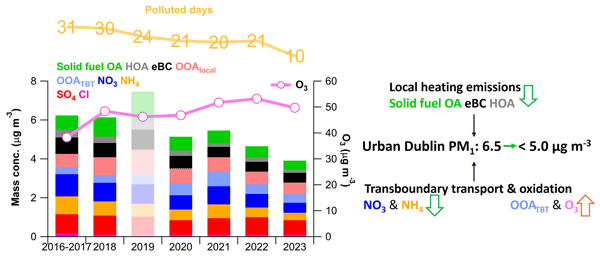
Home heating is the major driver of air pollution across Europe, yet pollution trends and mitigation responses remain limited. PM1 observations from 2016–2023 in a temperate European city influenced by continental pollution reveal changing sources and composition. Major pollution contributors were identified, shaping clear seasonal patterns. Air quality has improved with reduced heating emissions and regional precursors reductions, while secondary organic aerosols show increasing importance.
Jingye Ren, Songjian Zou, Honghao Xu, Guiquan Liu, Zhe Wang, Anran Zhang, Chuanfeng Zhao, Min Hu, Dongjie Shang, Lizi Tang, Ru-Jin Huang, Yele Sun, and Fang Zhang
Geosci. Model Dev., 19, 6403–6416, https://doi.org/10.5194/gmd-19-6403-2026, https://doi.org/10.5194/gmd-19-6403-2026, 2026
Short summary
Short summary
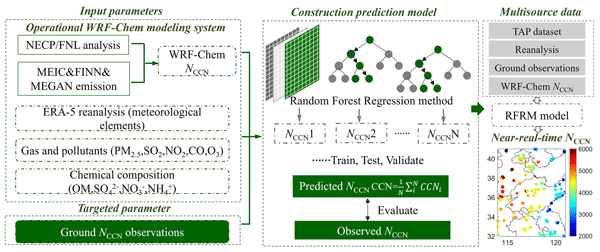
In this study, a new framework of cloud condensation nuclei (CCN) prediction in polluted region has been developed and it achieves well prediction of hourly-to-yearly scale across North China Plain. The study reveals the machine learning model can largely reduce the uncertainty in simulating cloud radiative forcing, illustrating the high sensitivity of climate forcing to changes in CCN. This improvement of our new model would be helpful to aerosols climate effect assessment in models.
Emmanuel Chevassus, Vaios Moschos, Kirsten N. Fossum, Lu Lei, Liz Coleman, Dagmar B. Stengel, Vignesh Prabhu, Wei Xu, Darius Ceburnis, Colin O'Dowd, and Jurgita Ovadnevaite
EGUsphere, https://doi.org/10.5194/egusphere-2026-2745, https://doi.org/10.5194/egusphere-2026-2745, 2026
Short summary
Short summary
The ocean is a major source of tiny airborne particles that can influence clouds and climate, but their biological controls remain poorly understood. Here, one year of measurements at Mace Head, Ireland, was combined with ocean biology and air transport data. Sea spray particle formation was found to depend on plankton community, small marine animals, and the combined effects of season, wind, waves and temperature. These results call for mesocosm experiments to better represent sea spray.
Peng Yao, Rupert Holzinger, Beatriz Sayuri Oyama, Agne Masalaite, Dipayan Paul, Haiyan Ni, Hanne Noto, Dušan Materić, Maria de Fátima Andrade, Ru-Jin Huang, and Ulrike Dusek
Atmos. Chem. Phys., 26, 5005–5018, https://doi.org/10.5194/acp-26-5005-2026, https://doi.org/10.5194/acp-26-5005-2026, 2026
Short summary
Short summary
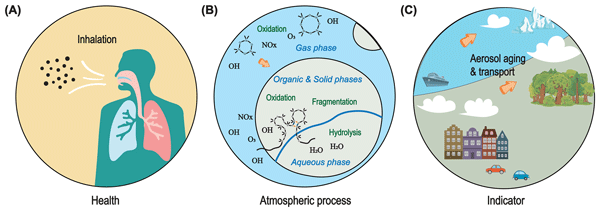
We identify a previously unrecognized class of synthetic organic compounds, large molecular methylsiloxanes, in ambient aerosols across diverse environments in three countries. These compounds are present at substantial levels, primarily originating from traffic emissions related to engine lubrication. Their high abundance and significant daily human exposure suggest potential, yet still poorly understood, implications for both health and climate.
Jingye Ren, Wei Xu, Ru-Jin Huang, Fang Zhang, Ying Wang, Lu Chen, Jurgita Ovadnevaite, Darius Ceburnis, Colin O'Dowd, and Yele Sun
Atmos. Chem. Phys., 26, 2985–3000, https://doi.org/10.5194/acp-26-2985-2026, https://doi.org/10.5194/acp-26-2985-2026, 2026
Short summary
Short summary
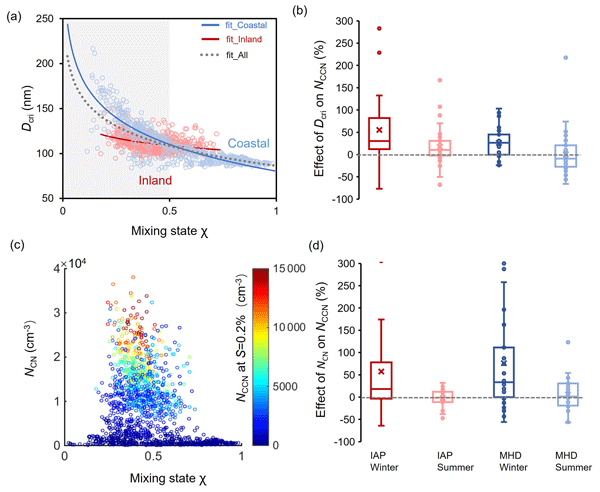
Impact of mixing state on cloud condensation nuclei (CCN) was incorporated in limited modeling with simplified assumption. This study derived a mixing state index from hygroscopicity and systematically investigated the covariation between the mixing state and CCN activity in inland and coastal air. We propose a practical approach for estimating critical diameter from mixing state index, applicable when the aerosol particles are not highly aged.
Chunshui Lin, Ru-Jin Huang, Jing Duan, Jing Qu, Jiahua Liu, Yi Liu, Yan Luo, Wei Huang, Wei Xu, Yanan Zhan, Zhitao Liu, Sihan Liu, Qingshuang Zhang, Quan Liu, Zirui Liu, Shengrong Lou, Huinan Yang, Dan Dan Huang, Cheng Huang, and Hongli Wang
Atmos. Chem. Phys., 26, 2635–2647, https://doi.org/10.5194/acp-26-2635-2026, https://doi.org/10.5194/acp-26-2635-2026, 2026
Short summary
Short summary
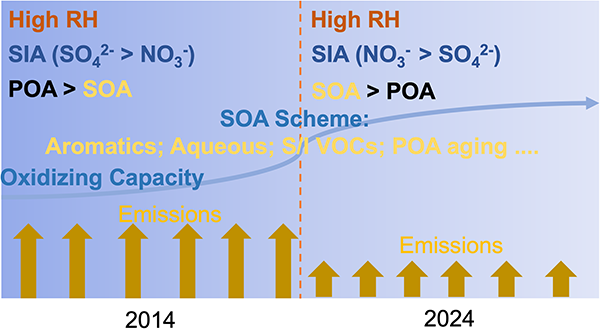
Since China's 2013 Clean Air Act cut PM2.5 by over half, winter haze in the North China Plain persists partly due to secondary organic aerosols now dominating primary organic aerosol, requiring urgent regional cooperation to address model-underestimated chemical transformations and cross-border pollution.
Yujue Wang, Yizhe Yi, Wei Xu, Yiwen Zhang, Shubin Li, Hong-Hai Zhang, Mingliang Gu, Shibo Yan, Jialei Zhu, Chao Zhang, Jinhui Shi, Yang Gao, Xiaohong Yao, and Huiwang Gao
Biogeosciences, 23, 77–93, https://doi.org/10.5194/bg-23-77-2026, https://doi.org/10.5194/bg-23-77-2026, 2026
Short summary
Short summary
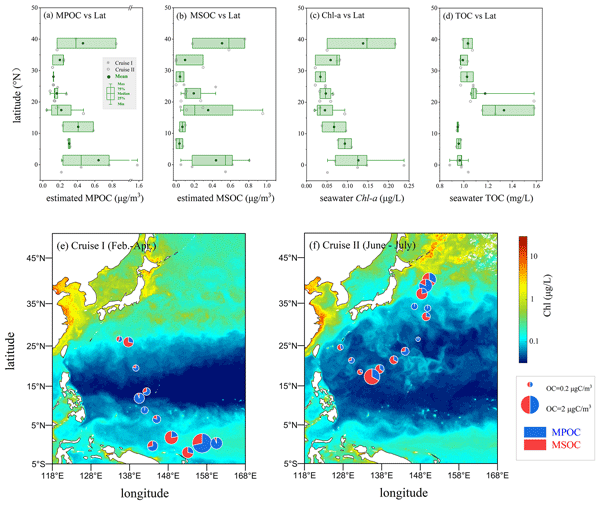
Marine organic aerosols remain poorly quantified, which limits our understanding on the climate regulation of marine aerosols. Based on shipboard cruises over the Pacific Ocean, we proposed an observation-based parameterization approach to estimate the primary and secondary marine organic aerosols using sea surface chlorophyll a and sea salts in marine aerosols. The results highlight that the spatial distribution of marine organic aerosols was driven by the marine biological activities.
Baihua Chen, Lu Lei, Emmanuel Chevassus, Wei Xu, Ling Zhen, Haobin Zhong, Lin Wang, Chunshui Lin, Ru-Jin Huang, Darius Ceburnis, Colin O'Dowd, and Jurgita Ovadnevaite
Atmos. Chem. Phys., 25, 14205–14219, https://doi.org/10.5194/acp-25-14205-2025, https://doi.org/10.5194/acp-25-14205-2025, 2025
Short summary
Short summary
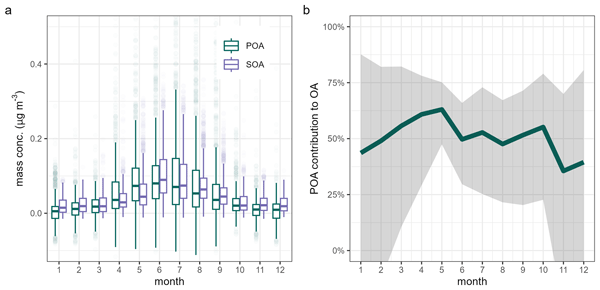
This study uses machine learning to separate marine primary organic aerosol (POA) and secondary organic aerosol (SOA) from 1 decade of high-resolution data. POA averages 51 % of marine organic aerosols annually, peaking at 63 % in summer. A support vector regression model, validated via fuzzy clustering and Monte Carlo simulations, identifies seasonal patterns of POA linked to biological activity. We found diverse impacts of marine POA and SOA on the aerosol hygroscopicity and mixing state.
Jingye Ren, Songjian Zou, Honghao Xu, Guiquan Liu, Zhe Wang, Anran Zhang, Chuanfeng Zhao, Min Hu, Dongjie Shang, Lizi Tang, Ru-Jin Huang, Yele Sun, and Fang Zhang
EGUsphere, https://doi.org/10.5194/egusphere-2025-1483, https://doi.org/10.5194/egusphere-2025-1483, 2025
Preprint archived
Short summary
Short summary
In this study, a new framework of cloud condensation nuclei (CCN) prediction in polluted region has been developed and it achieves well prediction of hourly-to-yearly scale across North China Plain. The study reveals a significant long-term decreasing trend of CCN concentration at typical supersaturations due to a rapid reduction in aerosol concentrations from 2014 to 2018. This improvement of our new model would be helpful to aerosols climate effect assessment in models.
Emmanuel Chevassus, Kirsten N. Fossum, Darius Ceburnis, Lu Lei, Chunshui Lin, Wei Xu, Colin O'Dowd, and Jurgita Ovadnevaite
Atmos. Chem. Phys., 25, 4107–4129, https://doi.org/10.5194/acp-25-4107-2025, https://doi.org/10.5194/acp-25-4107-2025, 2025
Short summary
Short summary
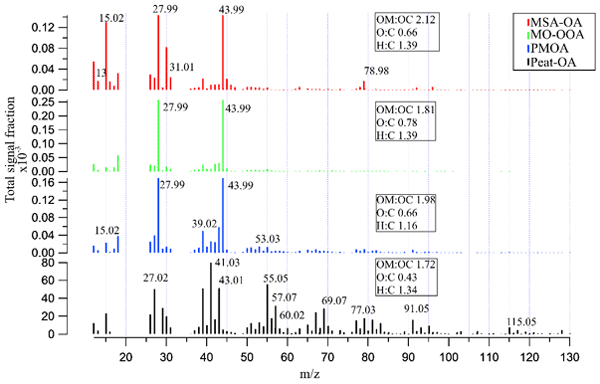
This study presents the first source apportionment of organic aerosol at Mace Head via high-resolution mass spectrometry. Introducing transfer entropy as a novel method reveals that aged organic aerosol originates from both open-ocean ozonolysis and local peat-burning oxidation. Methanesulfonic acid and organic sea spray both mirror phytoplankton activity, with the former closely tied to coccolithophore blooms and the latter linked to diatoms, chlorophytes, and cyanobacteria.
Tiantian Wang, Jun Zhang, Houssni Lamkaddam, Kun Li, Ka Yuen Cheung, Lisa Kattner, Erlend Gammelsæter, Michael Bauer, Zachary C. J. Decker, Deepika Bhattu, Rujin Huang, Rob L. Modini, Jay G. Slowik, Imad El Haddad, Andre S. H. Prevot, and David M. Bell
Atmos. Chem. Phys., 25, 2707–2724, https://doi.org/10.5194/acp-25-2707-2025, https://doi.org/10.5194/acp-25-2707-2025, 2025
Short summary
Short summary
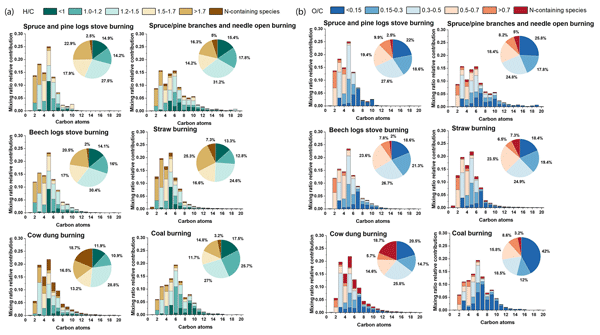
Our study analyzes real-time emissions of organic vapors from solid fuel combustion. Using the mass spectrometer, we tested various fuels, finding higher emission factors for organic vapors from wood burning. Intermediate-volatility organic compounds constituted a significant fraction of emissions in solid fuel combustion. Statistical tests identified unique potential markers. Our insights benefit air quality, climate, and health, aiding accurate emission assessments.
Rongzhi Tang, Jialiang Ma, Ruifeng Zhang, Weizhen Cui, Yuanyuan Qin, Yangxi Chu, Yiming Qin, Alexander L. Vogel, and Chak K. Chan
Atmos. Chem. Phys., 25, 425–439, https://doi.org/10.5194/acp-25-425-2025, https://doi.org/10.5194/acp-25-425-2025, 2025
Short summary
Short summary
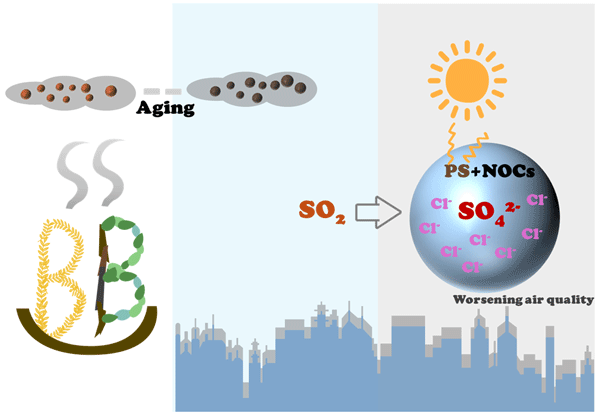
This study provides laboratory evidence that the photosensitizers in biomass burning extracts can enhance sulfate formation in NaCl particles, primarily by triggering the formation of secondary oxidants under light and air conditions, with a lower contribution of direct photosensitization via triplets.
Wei Yuan, Ru-Jin Huang, Chao Luo, Lu Yang, Wenjuan Cao, Jie Guo, and Huinan Yang
Atmos. Chem. Phys., 24, 13219–13230, https://doi.org/10.5194/acp-24-13219-2024, https://doi.org/10.5194/acp-24-13219-2024, 2024
Short summary
Short summary
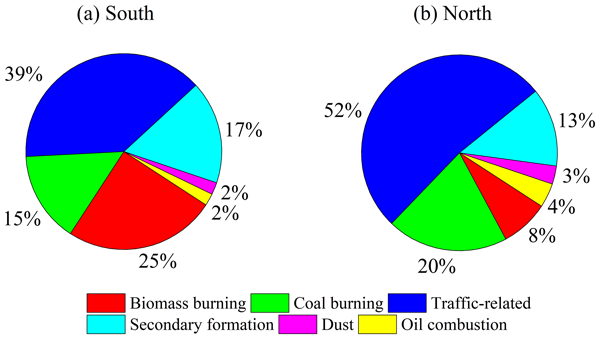
We characterized water-soluble oxidative potential (OP) levels in wintertime PM2.5 in the south and north of Beijing. Our results show that the volume-normalized dithiothreitol (DTTv) in the north was comparable to that in the south, while the mass-normalized dithiothreitol (DTTm) in the north was almost twice that in the south. Traffic-related emissions and biomass burning were the main sources of DTTv in the south, and traffic-related emissions contributed the most to DTTv in the north.
Liyuan Zhou, Qianyun Liu, Christian M. Salvador, Michael Le Breton, Mattias Hallquist, Jian Zhen Yu, Chak K. Chan, and Åsa M. Hallquist
Atmos. Chem. Phys., 24, 11045–11061, https://doi.org/10.5194/acp-24-11045-2024, https://doi.org/10.5194/acp-24-11045-2024, 2024
Short summary
Short summary
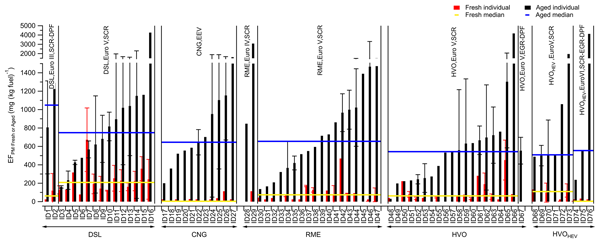
Our research on city bus emissions reveals that alternative fuels (compressed natural gas and biofuels) reduce fresh particle emissions compared to diesel. However, all fuels lead to secondary air pollution. Aiming at guiding better environmental policies, we studied 76 buses using advanced emission measurement techniques. This work sheds light on the complex effects of bus fuels on urban air quality, emphasizing the need for comprehensive evaluations of future transportation technologies.
Xinya Liu, Diego Alves Gouveia, Bas Henzing, Arnoud Apituley, Arjan Hensen, Danielle van Dinther, Rujin Huang, and Ulrike Dusek
Atmos. Chem. Phys., 24, 9597–9614, https://doi.org/10.5194/acp-24-9597-2024, https://doi.org/10.5194/acp-24-9597-2024, 2024
Short summary
Short summary
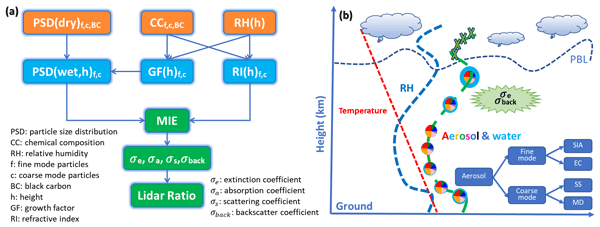
The vertical distribution of aerosol optical properties is important for their effect on climate. This is usually measured by lidar, which has limitations, most notably the assumption of a lidar ratio. Our study shows that routine surface-level aerosol measurements are able to predict this lidar ratio reasonably well within the lower layers of the atmosphere and thus provide a relatively simple and cost-effective method to improve lidar measurements.
Jing Duan, Ru-Jin Huang, Ying Wang, Wei Xu, Haobin Zhong, Chunshui Lin, Wei Huang, Yifang Gu, Jurgita Ovadnevaite, Darius Ceburnis, and Colin O'Dowd
Atmos. Chem. Phys., 24, 7687–7698, https://doi.org/10.5194/acp-24-7687-2024, https://doi.org/10.5194/acp-24-7687-2024, 2024
Short summary
Short summary
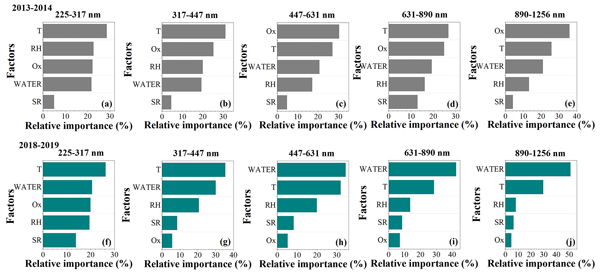
The chemical composition of atmospheric particles has shown significant changes in recent years. We investigated the potential effects of changes in inorganics on aerosol water uptake and, thus, secondary organic aerosol formation in wintertime haze based on the size-resolved measurements of non-refractory fine particulate matter (NR-PM2.5) in Xi’an, northwestern China. We highlight the key role of aerosol water as a medium to link inorganics and organics in their multiphase processes.
Xinya Liu, Bas Henzing, Arjan Hensen, Jan Mulder, Peng Yao, Danielle van Dinther, Jerry van Bronckhorst, Rujin Huang, and Ulrike Dusek
Atmos. Chem. Phys., 24, 3405–3420, https://doi.org/10.5194/acp-24-3405-2024, https://doi.org/10.5194/acp-24-3405-2024, 2024
Short summary
Short summary
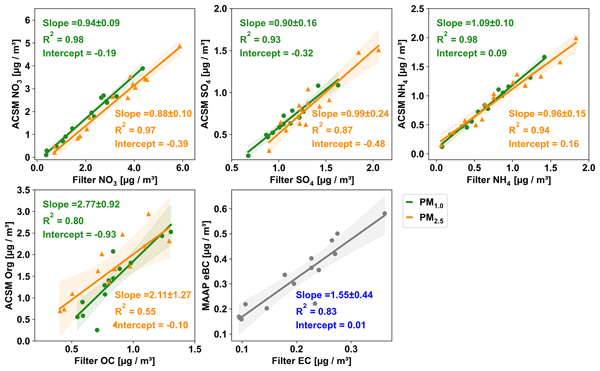
We evaluated the time-of-flight aerosol chemical speciation monitor (TOF-ACSM) following the implementation of the PM2.5 aerodynamic lens and a capture vaporizer (CV). The results showed that it significantly improved the accuracy and precision of ACSM in the field observations. The paper elucidates the measurement outcomes of various instruments and provides an analysis of their biases. This comprehensive evaluation is expected to benefit the ACSM community and other aerosol field measurements.
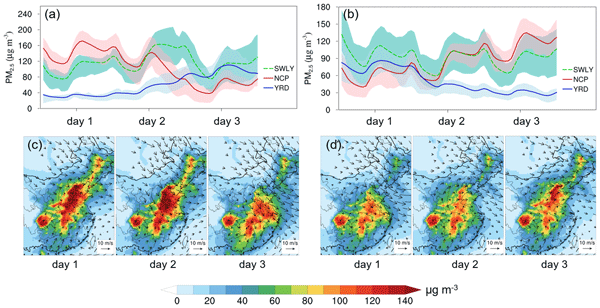
Feifan Yan, Hang Su, Yafang Cheng, Rujin Huang, Hong Liao, Ting Yang, Yuanyuan Zhu, Shaoqing Zhang, Lifang Sheng, Wenbin Kou, Xinran Zeng, Shengnan Xiang, Xiaohong Yao, Huiwang Gao, and Yang Gao
Atmos. Chem. Phys., 24, 2365–2376, https://doi.org/10.5194/acp-24-2365-2024, https://doi.org/10.5194/acp-24-2365-2024, 2024
Short summary
Short summary
PM2.5 pollution is a major air quality issue deteriorating human health, and previous studies mostly focus on regions like the North China Plain and Yangtze River Delta. However, the characteristics of PM2.5 concentrations between these two regions are studied less often. Focusing on the transport corridor region, we identify an interesting seesaw transport phenomenon with stagnant weather conditions, conducive to PM2.5 accumulation over this region, resulting in large health effects.
Shuzheng Guo, Chunxiang Ye, Weili Lin, Yi Chen, Limin Zeng, Xuena Yu, Jinhui Cui, Chong Zhang, Jing Duan, Haobin Zhong, Rujin Huang, Xuguang Chi, Wei Nie, and Aijun Ding
EGUsphere, https://doi.org/10.5194/egusphere-2024-262, https://doi.org/10.5194/egusphere-2024-262, 2024
Preprint archived
Short summary
Short summary
@Tibet field campaigns 2021 discovered surprisingly high levels and activity contributions of oxygenated volatile organic compounds on the southeast of the Tibetan Plateau, which suggests that OVOCs may play a larger role in the chemical reactions that occur in high-altitude regions than previously thought.
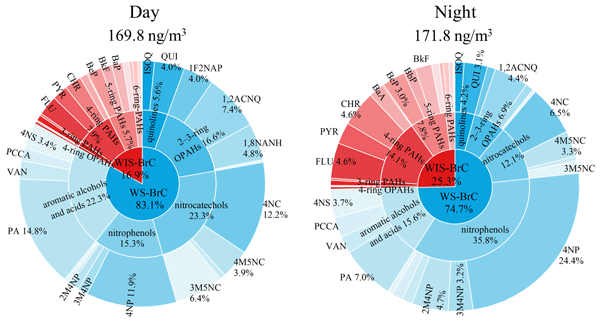
Yuquan Gong, Ru-Jin Huang, Lu Yang, Ting Wang, Wei Yuan, Wei Xu, Wenjuan Cao, Yang Wang, and Yongjie Li
Atmos. Chem. Phys., 23, 15197–15207, https://doi.org/10.5194/acp-23-15197-2023, https://doi.org/10.5194/acp-23-15197-2023, 2023
Short summary
Short summary
This study reveals the large day–night differences in brown carbon (BrC) chromophore composition, which was not known previously. The results provide insights into the effects of atmospheric processes and emissions on BrC composition.
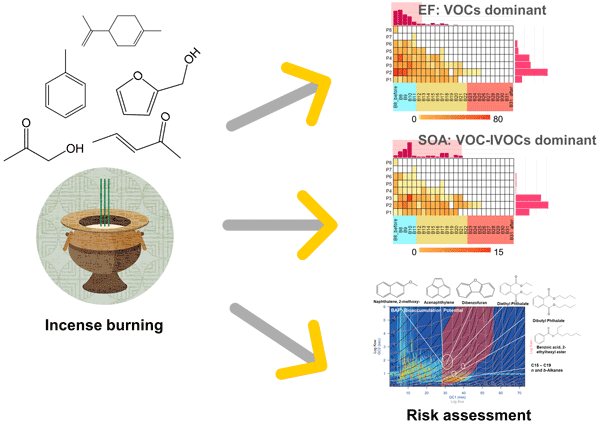
Kai Song, Rongzhi Tang, Jingshun Zhang, Zichao Wan, Yuan Zhang, Kun Hu, Yuanzheng Gong, Daqi Lv, Sihua Lu, Yu Tan, Ruifeng Zhang, Ang Li, Shuyuan Yan, Shichao Yan, Baoming Fan, Wenfei Zhu, Chak K. Chan, Maosheng Yao, and Song Guo
Atmos. Chem. Phys., 23, 13585–13595, https://doi.org/10.5194/acp-23-13585-2023, https://doi.org/10.5194/acp-23-13585-2023, 2023
Short summary
Short summary
Incense burning is common in Asia, posing threats to human health and air quality. However, less is known about its emissions and health risks. Full-volatility organic species from incense-burning smoke are detected and quantified. Intermediate-volatility volatile organic compounds (IVOCs) are crucial organics accounting for 19.2 % of the total emission factors (EFs) and 40.0 % of the secondary organic aerosol (SOA) estimation, highlighting the importance of incorporating IVOCs into SOA models.
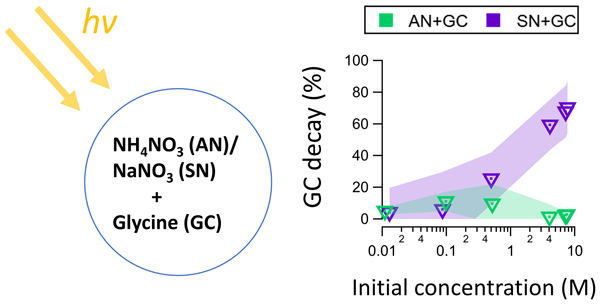
Zhancong Liang, Zhihao Cheng, Ruifeng Zhang, Yiming Qin, and Chak K. Chan
Atmos. Chem. Phys., 23, 9585–9595, https://doi.org/10.5194/acp-23-9585-2023, https://doi.org/10.5194/acp-23-9585-2023, 2023
Short summary
Short summary
In this study, we found that the photolysis of sodium nitrate leads to a much quicker decay of free amino acids (FAAs, with glycine as an example) in the particle phase than ammonium nitrate photolysis, which is likely due to the molecular interactions between FAAs and different nitrate salts. Since sodium nitrate likely co-exists with FAAs in the coarse-mode particles, particulate nitrate photolysis can possibly contribute to a rapid decay of FAAs and affect atmospheric nitrogen cycling.
Ruifeng Zhang and Chak Keung Chan
Atmos. Chem. Phys., 23, 6113–6126, https://doi.org/10.5194/acp-23-6113-2023, https://doi.org/10.5194/acp-23-6113-2023, 2023
Short summary
Short summary
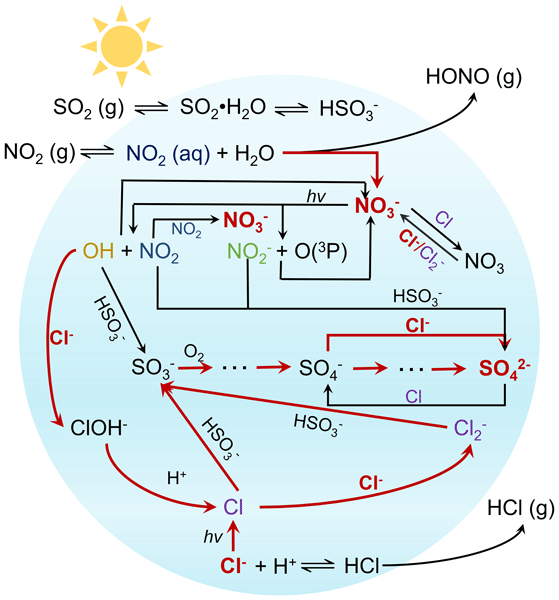
Research into sulfate and nitrate formation from co-uptake of NO2 and SO2, especially under irradiation, is rare. We studied the co-uptake of NO2 and SO2 by NaCl droplets under various conditions, including irradiation and dark, and RHs, using Raman spectroscopy flow cell and kinetic model simulation. Significant nitrate formation from NO2 hydrolysis can be photolyzed to generate OH radicals that can further react with chloride to produce reactive chlorine species and promote sulfate formation.
Yifang Gu, Ru-Jin Huang, Jing Duan, Wei Xu, Chunshui Lin, Haobin Zhong, Ying Wang, Haiyan Ni, Quan Liu, Ruiguang Xu, Litao Wang, and Yong Jie Li
Atmos. Chem. Phys., 23, 5419–5433, https://doi.org/10.5194/acp-23-5419-2023, https://doi.org/10.5194/acp-23-5419-2023, 2023
Short summary
Short summary
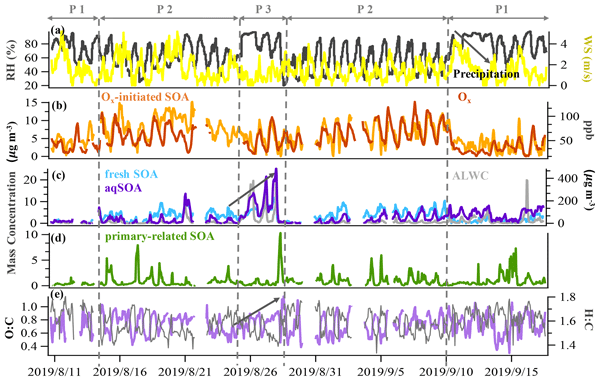
Secondary organic aerosol (SOA) can be produced by various pathways, but its formation mechanisms are unclear. Observations were conducted in the North China Plain during a highly oxidizing atmosphere in summer. We found that fast photochemistry dominated SOA formation during daytime. Two types of aqueous-phase chemistry (nocturnal and daytime processing) take place at high relative humidity. The potential transformation from primary organic aerosol (POA) to SOA was also an important pathway.
Liyuan Zhou, Zhancong Liang, Brix Raphael Go, Rosemarie Ann Infante Cuevas, Rongzhi Tang, Mei Li, Chunlei Cheng, and Chak K. Chan
Atmos. Chem. Phys., 23, 5251–5261, https://doi.org/10.5194/acp-23-5251-2023, https://doi.org/10.5194/acp-23-5251-2023, 2023
Short summary
Short summary
This study reveals the sulfate formation in photosensitized particles from biomass burning under UV and SO2, of which the relative atmospheric importance in sulfate production was qualitatively compared to nitrate photolysis. On the basis of single-particle aerosol mass spectrometry measurements, the number percentage of sulfate-containing particles and relative peak area of sulfate in single-particle spectra exhibited a descending order of 3,4-dimethoxybenzaldehyde > vanillin > syringaldehyde.
Chunshui Lin, Ru-Jin Huang, Haobin Zhong, Jing Duan, Zixi Wang, Wei Huang, and Wei Xu
Atmos. Chem. Phys., 23, 3595–3607, https://doi.org/10.5194/acp-23-3595-2023, https://doi.org/10.5194/acp-23-3595-2023, 2023
Short summary
Short summary
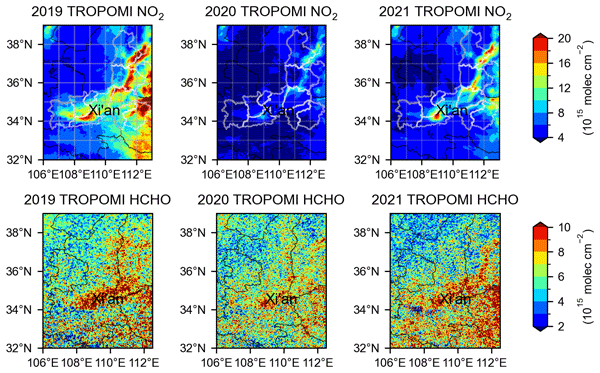
The complex interaction between O3 and PM2.5, coupled with the topology of the Fenwei Plain and the evolution of the boundary layer height, highlights the challenges in further reducing particulate pollution in winter despite years of efforts to reduce emissions. Through scenario analysis in a chemical box model constrained by observation, we show the co-benefits of reducing NOx and VOCs simultaneously in reducing ozone and SOA.
Huanhuan Zhang, Rui Li, Chengpeng Huang, Xiaofei Li, Shuwei Dong, Fu Wang, Tingting Li, Yizhu Chen, Guohua Zhang, Yan Ren, Qingcai Chen, Ru-jin Huang, Siyu Chen, Tao Xue, Xinming Wang, and Mingjin Tang
Atmos. Chem. Phys., 23, 3543–3559, https://doi.org/10.5194/acp-23-3543-2023, https://doi.org/10.5194/acp-23-3543-2023, 2023
Short summary
Short summary
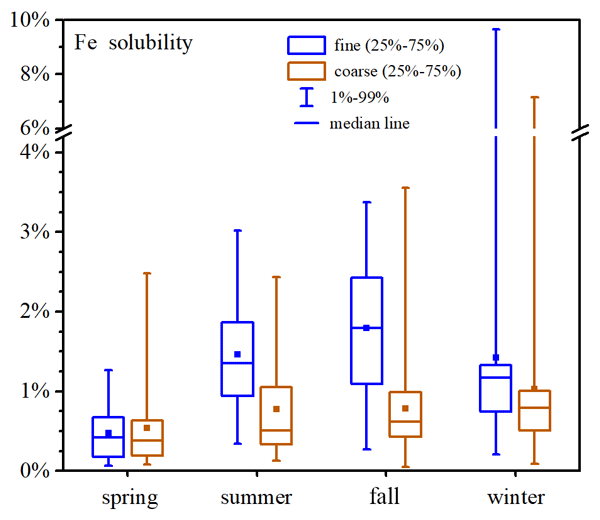
This work investigated the seasonal variation of aerosol Fe solubility for coarse and fine particles in Xi’an, a megacity in northwestern China severely affected by anthropogenic emission and desert dust aerosol. In addition, we discussed in depth what controlled aerosol Fe solubility at different seasons for coarse and fine particles.
Brix Raphael Go, Yong Jie Li, Dan Dan Huang, Yalin Wang, and Chak K. Chan
Atmos. Chem. Phys., 23, 2859–2875, https://doi.org/10.5194/acp-23-2859-2023, https://doi.org/10.5194/acp-23-2859-2023, 2023
Short summary
Short summary
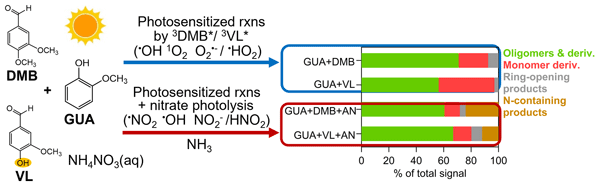
We compared non-phenolic and phenolic methoxybenzaldehydes as photosensitizers for aqueous secondary organic aerosol (aqSOA) formation under cloud and fog conditions. We showed that the structural features of photosensitizers affect aqSOA formation. We also elucidated potential interactions between photosensitization and ammonium nitrate photolysis. Our findings are useful for evaluating the importance of photosensitized reactions on aqSOA formation, which could improve aqSOA predictive models.
Yushuo Liu, Chee Kent Lim, Zhiyong Shen, Patrick K. H. Lee, and Theodora Nah
Atmos. Chem. Phys., 23, 1731–1747, https://doi.org/10.5194/acp-23-1731-2023, https://doi.org/10.5194/acp-23-1731-2023, 2023
Short summary
Short summary
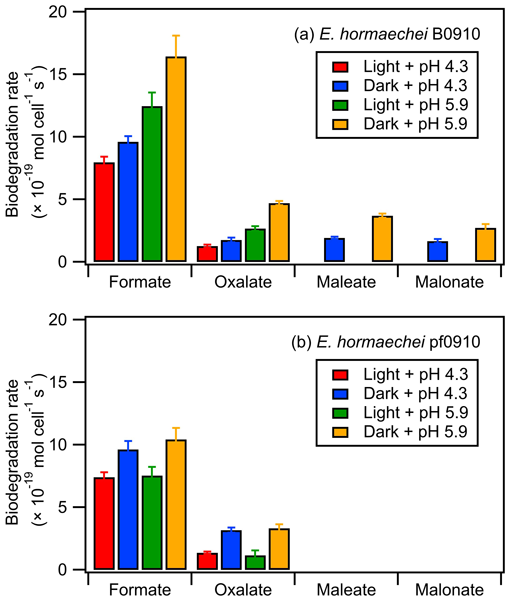
We investigated how cloud water pH and solar radiation impact the survival and energetic metabolism of two neutrophilic bacteria species and their biodegradation of organic acids. Experiments were performed using artificial cloud water that mimicked the pH and composition of cloud water in South China. We found that there is a minimum cloud water pH threshold at which neutrophilic bacteria will survive and biodegrade organic compounds in cloud water during the daytime and/or nighttime.
Zhancong Liang, Liyuan Zhou, Xinyue Li, Rosemarie Ann Infante Cuevas, Rongzhi Tang, Mei Li, Chunlei Cheng, Yangxi Chu, and Chak Keung Chan
Atmos. Chem. Phys. Discuss., https://doi.org/10.5194/acp-2022-838, https://doi.org/10.5194/acp-2022-838, 2022
Preprint withdrawn
Short summary
Short summary
Incense burning is a common religious ritual, especially in Asian and African communities, with massive particles emitted. While previous research mainly focused on the chemical compositions and potential health impacts of fresh incense particles, our work reveals that nitrate, accompanied by SOA, can rapidly form in incense-burning particles upon photochemical oxidation in the atmosphere. This finding could deepen our understanding of air pollution caused by religious activities.
Meng Wang, Yusen Duan, Wei Xu, Qiyuan Wang, Zhuozhi Zhang, Qi Yuan, Xinwei Li, Shuwen Han, Haijie Tong, Juntao Huo, Jia Chen, Shan Gao, Zhongbiao Wu, Long Cui, Yu Huang, Guangli Xiu, Junji Cao, Qingyan Fu, and Shun-cheng Lee
Atmos. Chem. Phys., 22, 12789–12802, https://doi.org/10.5194/acp-22-12789-2022, https://doi.org/10.5194/acp-22-12789-2022, 2022
Short summary
Short summary
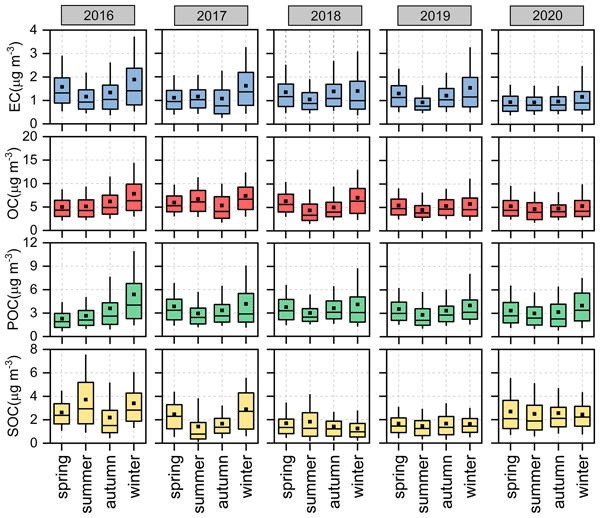
In this study, we report the long-term measurement of organic carbon (OC) and elementary carbon (EC) in PM2.5 with hourly time resolution conducted at a regional site in Shanghai from 2016 to 2020. The results from this study provide critical information about the long-term trend of carbonaceous aerosol, in particular secondary OC, in one of the largest megacities in the world and are helpful for developing pollution control measures from a long-term planning perspective.
Jing Duan, Ru-Jin Huang, Yifang Gu, Chunshui Lin, Haobin Zhong, Wei Xu, Quan Liu, Yan You, Jurgita Ovadnevaite, Darius Ceburnis, Thorsten Hoffmann, and Colin O'Dowd
Atmos. Chem. Phys., 22, 10139–10153, https://doi.org/10.5194/acp-22-10139-2022, https://doi.org/10.5194/acp-22-10139-2022, 2022
Short summary
Short summary
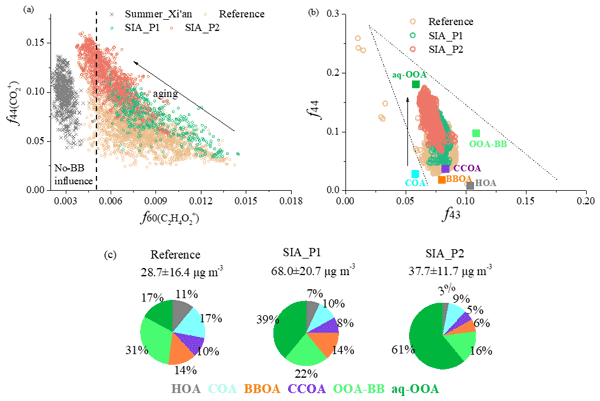
Biomass-burning-influenced oxygenated organic aerosol (OOA-BB), formed from the photochemical oxidation and aging of biomass burning OA (BBOA), was resolved in urban Xi’an. The aqueous-phase processed oxygenated OA (aq-OOA) concentration was more dependent on secondary inorganic aerosol (SIA) content and aerosol liquid water content (ALWC). The increased aq-OOA contribution during SIA-enhanced periods likely reflects OA evolution due to the addition of alcohol or peroxide groups
Haobin Zhong, Ru-Jin Huang, Chunshui Lin, Wei Xu, Jing Duan, Yifang Gu, Wei Huang, Haiyan Ni, Chongshu Zhu, Yan You, Yunfei Wu, Renjian Zhang, Jurgita Ovadnevaite, Darius Ceburnis, and Colin D. O'Dowd
Atmos. Chem. Phys., 22, 9513–9524, https://doi.org/10.5194/acp-22-9513-2022, https://doi.org/10.5194/acp-22-9513-2022, 2022
Short summary
Short summary
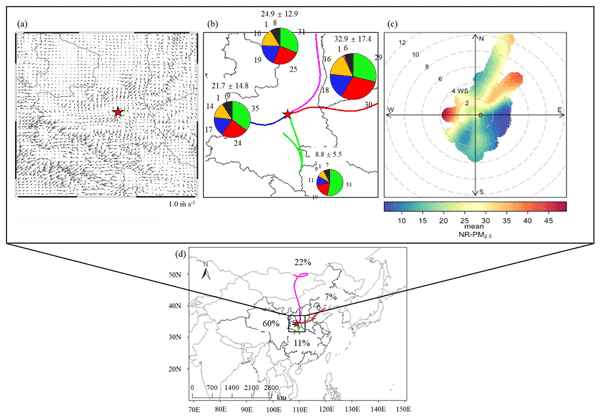
To investigate the physico-chemical properties of aerosol transported from major pollution regions in China, observations were conducted ~200 m above the ground at the junction location of the two key pollution areas. We found that the formation efficiency, oxidation state and production rate of secondary aerosol were different in the transport sectors from different pollution regions, and they were largely enhanced by the regional long-distance transport.
Zhancong Liang, Yangxi Chu, Masao Gen, and Chak K. Chan
Atmos. Chem. Phys., 22, 3017–3044, https://doi.org/10.5194/acp-22-3017-2022, https://doi.org/10.5194/acp-22-3017-2022, 2022
Short summary
Short summary
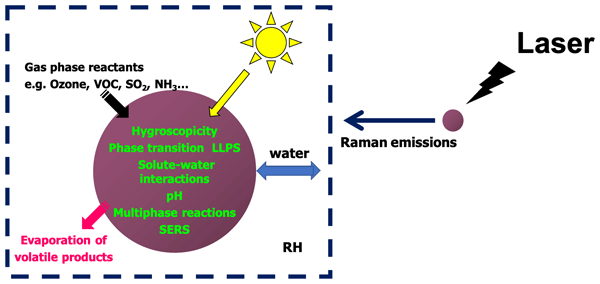
The properties and fate of individual airborne particles can be significantly different, leading to distinct environmental impacts (e.g., climate and human health). While many instruments only analyze an ensemble of these particles, single-particle Raman spectroscopy enables unambiguous characterization of individual particles. This paper comprehensively reviews the applications of such a technique in studying atmospheric particles, especially for their physicochemical processing.
Shang Gao, Mona Kurppa, Chak K. Chan, and Keith Ngan
Atmos. Chem. Phys., 22, 2703–2726, https://doi.org/10.5194/acp-22-2703-2022, https://doi.org/10.5194/acp-22-2703-2022, 2022
Short summary
Short summary
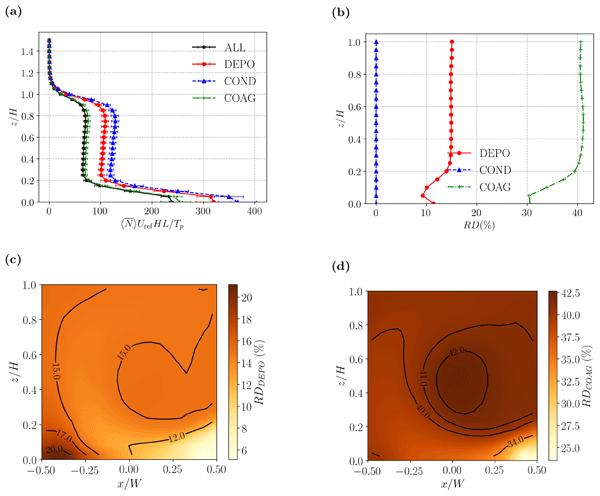
The contribution of cooking emissions to organic aerosols may exceed that of motor vehicles. However, little is known about how cooking-generated aerosols evolve in the outdoor environment. In this paper, we present a numerical study of the dispersion of cooking emissions. For plausible choices of the emission strength, cooking can yield much higher concentrations than traffic. This has important implications for public health and city planning.
Brix Raphael Go, Yan Lyu, Yan Ji, Yong Jie Li, Dan Dan Huang, Xue Li, Theodora Nah, Chun Ho Lam, and Chak K. Chan
Atmos. Chem. Phys., 22, 273–293, https://doi.org/10.5194/acp-22-273-2022, https://doi.org/10.5194/acp-22-273-2022, 2022
Short summary
Short summary
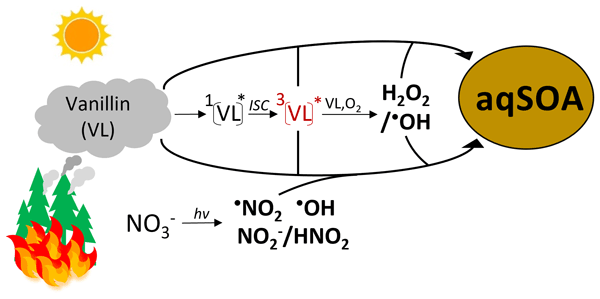
Biomass burning (BB) is a global phenomenon that releases large quantities of pollutants such as phenols and aromatic carbonyls into the atmosphere. These compounds can form secondary organic aerosols (SOAs) which play an important role in the Earth’s energy budget. In this work, we demonstrated that the direct irradiation of vanillin (VL) could generate aqueous SOA (aqSOA) such as oligomers. In the presence of nitrate, VL photo-oxidation can also form nitrated compounds.

Chunshui Lin, Darius Ceburnis, Anna Trubetskaya, Wei Xu, William Smith, Stig Hellebust, John Wenger, Colin O'Dowd, and Jurgita Ovadnevaite
Atmos. Meas. Tech., 14, 6905–6916, https://doi.org/10.5194/amt-14-6905-2021, https://doi.org/10.5194/amt-14-6905-2021, 2021
Short summary
Short summary
Source apportionment of solid-fuel-burning emissions can be complicated by the use of different fuels, stoves, and burning conditions. Here, the organic aerosol mass spectra produced from burning a range of solid fuels in several stoves were compared. This study accounts for the source variability and provides better constraints on the primary factor contributions to the ambient organic aerosol estimations, holding significant implications for public health and policymakers.
Cited articles
Abbatt, J. P. D. and Wang, C.: The atmospheric chemistry of indoor environments, Environ. Sci.: Process. Impacts, 22, 25–48, https://doi.org/10.1039/C9EM00386J, 2020.
Al-Rawas, O. A., Al-Maniri, A. A., and Al-Riyami, B. M.: Home exposure to Arabian incense (bakhour) and asthma symptoms in children: a community survey in two regions in Oman, BMC Pulm. Med., 9, 23, https://doi.org/10.1186/1471-2466-9-23, 2009.
Alarifi, S. A., Mubarak, M. M., and Alokail, M. S.: Ultrastructural changes of pneumocytes of rat exposed to Arabian incense (Bakhour), Saudi Med. J., 25, 1689–1693, 2004.
Ault, A. P., Grassian, V. H., Carslaw, N., Collins, D. B., Destaillats, H., Donaldson, D. J., Farmer, D. K., Jimenez, J. L., McNeill, V. F., and Morrison, G. C.: Indoor surface chemistry: developing a molecular picture of reactions on indoor interfaces, Chem., 6, 3203–3218, https://doi.org/10.1016/j.chempr.2020.08.023, 2020.
Brehmer, C., Lai, A., Clark, S., Shan, M., Ni, K., Ezzati, M., Yang, X., Baumgartner, J., Schauer, J. J., and Carter, E.: The oxidative potential of personal and household PM2.5 in a rural setting in southwestern China, Environ. Sci. Technol., 53, 2788–2798, 2019.
Browne, C. L., Keith, C. H., and Allen, R. E.: The effect of filter ventilation on the yield and composition of mainstream and sidestream smokes, Beitr. Tabakforsch. Int, 10, 81–90, https://doi.org/10.2478/cttr-2013-0473, 1980.
Bu-Olayan, A. H. and Thomas, B. V.: Exposition of respiratory ailments from trace metals concentrations in incenses, Sci. Rep., 11, 10210, https://doi.org/10.1038/s41598-021-89493-w, 2021.
Charrier, J. G. and Anastasio, C.: On dithiothreitol (DTT) as a measure of oxidative potential for ambient particles: evidence for the importance of soluble transition metals, Atmos. Chem. Phys., 12, 9321–9333, https://doi.org/10.5194/acp-12-9321-2012, 2012.
Charrier, J. G., McFall, A. S., Vu, K. K. T., Baroi, J., Olea, C., Hasson, A., and Anastasio, C.: A bias in the “mass-normalized” DTT response–An effect of non-linear concentration-response curves for copper and manganese, Atmos. Environ., 144, 325–334, 2016.
Chen, C. and Zhao, B.: Indoor Emissions Contributed the Majority of Ultrafine Particles in Chinese Urban Residences, Environ. Sci. Technol., 58, 8444–8456, https://doi.org/10.1021/acs.est.4c00556, 2024.
Chen, K., Raeofy, N., Lum, M., Mayorga, R., Woods, M., Bahreini, R., Zhang, H., and Lin, Y. H.: Solvent effects on chemical composition and optical properties of extracted secondary brown carbon constituents, Aerosol Sci. Tech., 56, 917–930, https://doi.org/10.1080/02786826.2022.2100734, 2022.
Cho, A. K., Sioutas, C., Miguel, A. H., Kumagai, Y., Schmitz, D. A., Singh, M., Eiguren-Fernandez, A., and Froines, J. R.: Redox activity of airborne particulate matter at different sites in the Los Angeles Basin, Environ. Res., 99, 40–47, https://doi.org/10.1016/j.envres.2005.01.003, 2005.
Chuang, H. C., BéruBé, K., Lung, S. C. C., Bai, K. J., and Jones, T.: Investigation into the oxidative potential generated by the formation of particulate matter from incense combustion, J. Hazard. Mater., 244–245, 142–150, https://doi.org/10.1016/j.jhazmat.2012.11.034, 2013.
Cincinelli, A. and Martellini, T.: Indoor air quality and health, Int. J. Environ. Res. Public Health, 14, 1286, https://doi.org/10.3390/ijerph14111286, 2017.
Cohen, R., Sexton, K. G., and Yeatts, K. B.: Hazard assessment of United Arab Emirates (UAE) incense smoke, Sci. Tot. Environ., 458, 176–186, 2013.
Dalibalta, S., Elsayed, Y., Alqtaishat, F., Gomes, I., and Fernandes, N.: A health risk assessment of Arabian incense (Bakhour) smoke in the United Arab Emirates, Sci. Tot. Environ., 511, 684–691, https://doi.org/10.1016/j.scitotenv.2014.12.024, 2015.
DeCarlo, P. F., Slowik, J. G., Worsnop, D. R., Davidovits, P., and Jimenez, J. L.: Particle morphology and density characterization by combined mobility and aerodynamic diameter measurements, Part 1: Theory, Aerosol Sci. Tech., 38, 1185–1205, https://doi.org/10.1080/027868290903907, 2004.
Dewald, P., Lelieveld, J., and Crowley, J. N.: NO3 reactivity measurements in an indoor environment: a pilot study, Environ. Sci.: Atmos., 3, 1778–1790, https://doi.org/10.1039/D3EA00137G, 2023.
Diapouli, E., Chaloulakou, A., and Koutrakis, P.: Estimating the concentration of indoor particles of outdoor origin: A review, J. Air Waste Manag. Assoc., 63, 1113–1129, https://doi.org/10.1080/10962247.2013.791649, 2013.
Dou, J., Lin, P., Kuang, B. Y., and Yu, J. Z.: Reactive Oxygen Species Production Mediated by Humic-like Substances in Atmospheric Aerosols: Enhancement Effects by Pyridine, Imidazole, and Their Derivatives, Environ. Sci. Technol., 49, 6457–6465, https://doi.org/10.1021/es5059378, 2015.
Elsayed, Y., Dalibalta, S., Gomes, I., Fernandes, N., and Alqtaishat, F.: Chemical composition and potential health risks of raw Arabian incense (Bakhour), J. Saudi Chem. Soc., 20, 465–473, https://doi.org/10.1016/j.jscs.2014.10.005, 2016.
Escalante, J., Chen, W. H., Tabatabaei, M., Hoang, A. T., Kwon, E. E., Lin, K. Y. A., and Saravanakumar, A.: Pyrolysis of lignocellulosic, algal, plastic, and other biomass wastes for biofuel production and circular bioeconomy: A review of thermogravimetric analysis (TGA) approach, Renew. Sustain. Energy Rev., 169, 112914, 2022.
Fang, T., Zeng, L., Gao, D., Verma, V., Stefaniak, A. B., and Weber, R. J.: Ambient size distributions and lung deposition of aerosol dithiothreitol-measured oxidative potential: contrast between soluble and insoluble particles, Environ. Sci. Technol., 51, 6802–6811, 2017.
Fang, T., Hwang, B. C. H., Kapur, S., Hopstock, K. S., Wei, J., Nguyen, V., Nizkorodov, S. A., and Shiraiwa, M.: Wildfire particulate matter as a source of environmentally persistent free radicals and reactive oxygen species, Environ. Sci.: Atmos., 3, 581–594, https://doi.org/10.1039/D2EA00170E, 2023.
Fritz, K. S. and Petersen, D. R.: An overview of the chemistry and biology of reactive aldehydes, Free Radic. Biol. Med., 59, 85–91, 2013.
Gao, D., Fang, T., Verma, V., Zeng, L., and Weber, R. J.: A method for measuring total aerosol oxidative potential (OP) with the dithiothreitol (DTT) assay and comparisons between an urban and roadside site of water-soluble and total OP, Atmos. Meas. Tech., 10, 2821–2835, https://doi.org/10.5194/amt-10-2821-2017, 2017.
Gligorovski, S. and Abbatt, J. P. D.: An indoor chemical cocktail, Science, 359, 632–633, https://doi.org/10.1126/science.aar6837, 2018.
Go, B. R., Lyu, Y., Ji, Y., Li, Y. J., Huang, D. D., Li, X., Nah, T., Lam, C. H., and Chan, C. K.: Aqueous secondary organic aerosol formation from the direct photosensitized oxidation of vanillin in the absence and presence of ammonium nitrate, Atmos. Chem. Phys., 22, 273–293, https://doi.org/10.5194/acp-22-273-2022, 2022.
Hinds, W. C. and Zhu, Y.: Aerosol technology: properties, behavior, and measurement of airborne particles, 3rd edn., John Wiley & Sons, ISBN 978-1-119-49404-1, 2022.
Hofmann, W.: Modelling inhaled particle deposition in the human lung – A review, J. Aerosol Sci., 42, 693–724, https://doi.org/10.1016/j.jaerosci.2011.05.007, 2011.
Hu, H., Ye, J., Liu, C., Yan, L., Yang, F., and Qian, H.: Emission and oxidative potential of PM2.5 generated by nine indoor sources, Build. Environ., 230, 110021, https://doi.org/10.1016/j.buildenv.2023.110021, 2023.
Indraganti, M., Boussaa, D., and Asadi, S.: Necessity of the Adaptive Comfort Standard for the Middle East in the Times of Rising Energy Use, Qatar Foundation Annual Research Conference Proceedings, EEPP3015, https://doi.org/10.5339/qfarc.2016.EEPP3015, 2016.
Isenor, B. H., Varnaite, G., Jeong, C. H., Subramanian, P. S. G., Duruisseau-Kuntz, R., Zaherddine, V., Chan, T. W., Al-Jabiri, M. H., Askari, A., Rivellini, L. H., Olfert, J. S., Sharma, S., Evans, G. J., Verma, V., Abbatt, J. P. D., and Chan, A. W. H.: Impacts of the 2023 Canadian wildfires on the oxidative potential of particulate matter, ACS ES&T Air, 2, 2238–2250, https://doi.org/10.1021/acsestair.5c00182, 2025.
Jareebi, M. A., Alqassim, A. Y., Almraysi, S. A., Alfaifi, W. A., Masri, T. A., Alaki, R. S., Qawfashi, W. M., Nehari, K. I., Hakami, S. B., and Gosadi, I. M.: Exploring the Relationship Between Bakhour Use and Respiratory Health: A Cross-Sectional Study in the Jazan Region, Saudi Arabia, Int. J. Gen. Med., 17, 2833–2845, https://doi.org/10.2147/IJGM.S461772, 2024.
Jetter, J. J., Guo, Z., McBrian, J. A., and Flynn, M. R.: Characterization of emissions from burning incense, Sci. Tot. Environ., 295, 51–67, https://doi.org/10.1016/S0048-9697(02)00043-8, 2002.
Ji, X., Le Bihan, O., Ramalho, O., Mandin, C., D'Anna, B., Martinon, L., Nicolas, M., Bard, D., and Pairon, J. C.: Characterization of particles emitted by incense burning in an experimental house, Indoor Air, 20, 147–158, 2010.
Jiang, H., Ahmed, C. M. S., Canchola, A., Chen, J. Y., and Lin, Y. H.: Use of dithiothreitol assay to evaluate the oxidative potential of atmospheric aerosols, Atmosphere, 10, 571, https://doi.org/10.3390/atmos10100571, 2019.
Jiang, J., Jung, N., and Boor, B. E.: Using building energy and smart thermostat data to evaluate indoor ultrafine particle source and loss processes in a net-zero energy house, ACS ES&T Engineering, 1, 780–793, https://doi.org/10.1021/acsestengg.1c00002, 2021.
Kim, M., Han, C. H., and Lee, M. Y.: NADPH oxidase and the cardiovascular toxicity associated with smoking, Toxicol. Res., 30, 149–57, https://doi.org/10.5487/tr.2014.30.3.149, 2014.
Klosterköther, A., Kurtenbach, R., Wiesen, P., and Kleffmann, J.: Determination of the emission indices for NO, NO2, HONO, HCHO, CO, and particles emitted from candles, Indoor Air, 31, 116–127, 2021.
Koch, B. P. and Dittmar, T.: From mass to structure: An aromaticity index for high-resolution mass data of natural organic matter, Rapid Commun. Mass Spectrom., 20, 926–932, https://doi.org/10.1002/rcm.2386, 2006.
Ku, B. K. and Maynard, A. D.: Comparing aerosol surface-area measurements of monodisperse ultrafine silver agglomerates by mobility analysis, transmission electron microscopy and diffusion charging, J. Aerosol Sci., 36, 1108–1124, 2005.
Kuye, A. and Kumar, P.: A review of the physicochemical characteristics of ultrafine particle emissions from domestic solid fuel combustion during cooking and heating, Sci. Tot. Environ., 886, 163747, 2023.
Lai, R. W. S., Qiu, T., Zhang, X., Wang, Y., Hao, T., Ge, X., Du, L., Tang, M., Hoi, K. I., Mok, K. M., and Li, Y. J.: Deciphering the key drivers of oxidative potential during ammonium nitrate-mediated aqueous-phase photoreaction of methoxyphenols, Atmos. Environ., 340, 120895, https://doi.org/10.1016/j.atmosenv.2024.120895, 2025.
Lee, A. K. Y., Chan, C. K., Fang, M., and Lau, A. P. S.: The 3-hydroxy fatty acids as biomarkers for quantification and characterization of endotoxins and Gram-negative bacteria in atmospheric aerosols in Hong Kong, Atmos. Environ., 38, 6307–6317, 2004.
Levin, M., Witschger, O., Bau, S., Jankowska, E., Koponen, I. K., Koivisto, A. J., Clausen, P. A., Jensen, A., Mølhave, K., and Asbach, C.: Can we trust real time measurements of lung deposited surface area concentrations in dust from powder nanomaterials?, Aerosol Air Qual. Res., 16, 1105–1117, 2016.
Liang, Z., Zhou, L., Chang, Y., Qin, Y., and Chan, C. K.: Biomass-burning organic aerosols as a pool of atmospheric reactive triplets to drive multiphase sulfate formation, Proc. Natl. Acad. Sci. USA, 121, e2416803121, https://doi.org/10.1073/pnas.2416803121, 2024.
Liigand, P., Kaupmees, K., Haav, K., Liigand, J., Leito, I., Girod, M., Antoine, R., and Kruve, A.: Think negative: finding the best electrospray ionization/MS mode for your analyte, Anal. Chem., 89, 5665–5668, 2017.
Lionetto, M. G., Guascito, M. R., Giordano, M. E., Caricato, R., De Bartolomeo, A. R., Romano, M. P., Conte, M., Dinoi, A., and Contini, D.: Oxidative potential, cytotoxicity, and intracellular oxidative stress generating capacity of PM10: A case study in South of Italy, Atmosphere, 12, 464, https://doi.org/10.3390/atmos12040464, 2021.
Liu, F., Saavedra, M. G., Champion, J. A., Griendling, K. K., and Ng, N. L.: Prominent Contribution of Hydrogen Peroxide to Intracellular Reactive Oxygen Species Generated upon Exposure to Naphthalene Secondary Organic Aerosols, Environ. Sci. Technol. Lett., 7, 171–177, https://doi.org/10.1021/acs.estlett.9b00773, 2020a.
Liu, F., Whitley, J., Ng, N. L., and Lu, H.: Time-Resolved Single-Cell Assay for Measuring Intracellular Reactive Oxygen Species upon Exposure to Ambient Particulate Matter, Environ. Sci. Technol., 54, 13121–13130, https://doi.org/10.1021/acs.est.0c02889, 2020b.
Liu, F., Joo, T., Ditto, J. C., Saavedra, M. G., Takeuchi, M., Boris, A. J., Yang, Y., Weber, R. J., Dillner, A. M., Gentner, D. R., and Ng, N. L.: Oxidized and Unsaturated: Key Organic Aerosol Traits Associated with Cellular Reactive Oxygen Species Production in the Southeastern United States, Environ. Sci. Technol., 57, 14150–14161, https://doi.org/10.1021/acs.est.3c03641, 2023.
Liu, X., Testa, B., and Fahr, A.: Lipophilicity and its relationship with passive drug permeation, Pharm. Res., 28, 962–977, 2011.
Lopachin, R. M. and Gavin, T.: Molecular mechanisms of aldehyde toxicity: a chemical perspective, Chem. Res. Toxicol., 27, 1081–91, https://doi.org/10.1021/tx5001046, 2014.
Lyu, Y., Guo, H., Cheng, T., and Li, X.: Particle size distributions of oxidative potential of lung-deposited particles: assessing contributions from quinones and water-soluble metals, Environ. Sci. Technol., 52, 6592–6600, 2018.
Maitra, U., Singh, N., Gan, L., Ringwood, L., and Li, L.: IRAK-1 contributes to lipopolysaccharide-induced reactive oxygen species generation in macrophages by inducing NOX-1 transcription and Rac1 activation and suppressing the expression of antioxidative enzymes, J. Biol. Chem., 284, 35403–35411, 2009.
Nazaroff, W. W. and Weschler, C. J.: Indoor ozone: Concentrations and influencing factors, Indoor Air, 32, e12942, https://doi.org/10.1111/ina.12942, 2022.
Oberdörster, G., Oberdörster, E., and Oberdörster, J.: Nanotoxicology: an emerging discipline evolving from studies of ultrafine particles, Environ. Health Perspect., 113, 823–839, https://pmc.ncbi.nlm.nih.gov/articles/PMC1257642/ (last access: 27 July 2026), 2005.
Oh, H. J., Chen, Y., and Kim, H.: Deposition of secondary organic aerosol in human lung model: effect of photochemically aged aerosol on human respiratory system, Ecotoxicol. Environ. Saf., 265, 115497, https://doi.org/10.1016/j.ecoenv.2023.115497, 2023.
Ott, W. R., Zhao, T., Cheng, K. C., Wallace, L. A., and Hildemann, L. M.: Measuring indoor fine particle concentrations, emission rates, and decay rates from cannabis use in a residence, Atmos. Environ.: X, 10, 100106, https://doi.org/10.1016/j.aeaoa.2021.100106, 2021.
Pan, A., Clark, M. L., Ang, L. W., Yu, M. C., Yuan, J. M., and Koh, W. P.: Incense use and cardiovascular mortality among Chinese in Singapore: the Singapore Chinese Health Study, Environ. Health Perspect., 122, 1279–1284, https://pmc.ncbi.nlm.nih.gov/articles/PMC4256695/ (last access: 27 July 2026), 2014.
Park, J. H., Troxel, A. B., Harvey, R. G., and Penning, T. M.: Polycyclic Aromatic Hydrocarbon (PAH) o-Quinones Produced by the Aldo-Keto-Reductases (AKRs) Generate Abasic Sites, Oxidized Pyrimidines, and 8-Oxo-dGuo via Reactive Oxygen Species, Chem. Res. Toxicol., 19, 719–728, https://doi.org/10.1021/tx0600245, 2006.
Patriarca, C., Bergquist, J., Sjoberg, P. J. R., Tranvik, L., and Hawkes, J. A.: Online HPLC-ESI-HRMS method for the analysis and comparison of different dissolved organic matter samples, Environ. Sci. Technol., 52, 2091–2099, 2018.
Pillarisetti, A., Ye, W., and Chowdhury, S.: Indoor Air Pollution and Health: Bridging Perspectives from Developing and Developed Countries, Annu. Rev. Environ. Resour., 47, 197–229, https://doi.org/10.1146/annurev-environ-012220-010602, 2022.
Sadoun, E. T., Fthenou, E., Kakosimos, K., Saraga, D., and Maggos, T.: Chemical Characterization of Indoor and Outdoor PM2.5, PM10 and VOCs in a Public Building in Doha City, Qatar Foundation Annual Research Conference Proceedings, EEPP1931, https://doi.org/10.5339/qfarc.2016.EEPP1931, 2016.
Salthammer, T.: Critical evaluation of approaches in setting indoor air quality guidelines and reference values, Chemosphere, 82, 1507–1517, https://doi.org/10.1016/j.chemosphere.2010.11.023, 2011.
Sanlioglu, S., Williams, C. M., Samavati, L., Butler, N. S., Wang, G., McCray Jr, P. B., Ritchie, T. C., Hunninghake, G. W., Zandi, E., and Engelhardt, J. F.: Lipopolysaccharide induces Rac1-dependent reactive oxygen species formation and coordinates tumor necrosis factor-α secretion through IKK regulation of NF-κB, J. Biol. Chem., 276, 30188–30198, 2001.
Seinfeld, J. H. and Pandis, S. N.: Atmospheric chemistry and physics: from air pollution to climate change, 3rd edn., John Wiley & Sons, ISBN 978-1-118-94740-1, 2016.
Seo, J., Kim, H., Park, E., Woo, J., and Lee, K. H.: Source and condition specific toxicity of combustion-derived PM: Linking physicochemical properties with acellular and cellular assays, J. Hazard. Mater., 496, 139344, https://doi.org/10.1016/j.jhazmat.2025.139344, 2025.
Shen, G., Gaddam, C. K., Ebersviller, S. M., Vander Wal, R. L., Williams, C., Faircloth, J. W., Jetter, J. J., and Hays, M. D.: A laboratory comparison of emission factors, number size distributions, and morphology of ultrafine particles from 11 different household cookstove-fuel systems, Environ. Sci. Technol., 51, 6522–6532, 2017.
Shultz, C. A., Quinn, A. M., Park, J. H., Harvey, R. G., Bolton, J. L., Maser, E., and Penning, T. M.: Specificity of human aldo-keto reductases, NAD(P)H:quinone oxidoreductase, and carbonyl reductases to redox-cycle polycyclic aromatic hydrocarbon diones and 4-hydroxyequilenin-o-quinone, Chem. Res. Toxicol., 24, 2153–2166, 2011.
Smith, J. S., Laskin, A., and Laskin, J.: Molecular characterization of biomass burning aerosols using high-resolution mass spectrometry, Anal. Chem., 81, 1512–1521, 2009.
Song, J., Li, M., Fan, X., Zou, C., Zhu, M., Jiang, B., Yu, Z., Jia, W., Liao, Y., and Peng, P. A.: Molecular characterization of water-and methanol-soluble organic compounds emitted from residential coal combustion using ultrahigh-resolution electrospray ionization Fourier transform ion cyclotron resonance mass spectrometry, Environ. Sci. Technol., 53, 13607–13617, 2019.
Song, J., Li, M., Zou, C., Cao, T., Fan, X., Jiang, B., Yu, Z., Jia, W., and Peng, P. A.: Molecular characterization of nitrogen-containing compounds in humic-like substances emitted from biomass burning and coal combustion, Environ. Sci. Technol., 56, 119–130, 2021.
Tian, Y., Arata, C., Boedicker, E., Lunderberg, D. M., Patel, S., Sankhyan, S., Kristensen, K., Misztal, P. K., Farmer, D. K., Vance, M., Novoselac, A., Nazaroff, W. W., and Goldstein, A. H.: Indoor emissions of total and fluorescent supermicron particles during HOMEChem, Indoor Air, 31, 88–98, https://doi.org/10.1111/ina.12731, 2021.
Tsuji, K. and Harrison, S. J.: Dry-heat destruction of lipopolysaccharide: dry-heat destruction kinetics, Appl. Environ. Microbiol., 36, 710–714, 1978.
Tuet, W. Y., Chen, Y., Fok, S., Gao, D., Weber, R. J., Champion, J. A., and Ng, N. L.: Chemical and cellular oxidant production induced by naphthalene secondary organic aerosol (SOA): effect of redox-active metals and photochemical aging, Sci. Rep., 7, 15157, 2017.
Tuet, W. Y., Fok, S., Verma, V., Rodriguez, M. S. T., Grosberg, A., Champion, J. A., and Ng, N. L.: Dose-dependent intracellular reactive oxygen and nitrogen species (ROS/RNS) production from particulate matter exposure: comparison to oxidative potential and chemical composition, Atmos. Environ., 144, 335–344, 2016.
Tuet, W. Y., Liu, F., de Oliveira Alves, N., Fok, S., Artaxo, P., Vasconcellos, P., Champion, J. A., and Ng, N. L.: Chemical Oxidative Potential and Cellular Oxidative Stress from Open Biomass Burning Aerosol, Environ. Sci. Technol. Letters, 6, 126–132, https://doi.org/10.1021/acs.estlett.9b00060, 2019.
Wahab, A. A. and Mostafa, O. A.: Arabian incense exposure among Qatari asthmatic children. A possible risk factor, Saudi Med. J., 28, 476–478, 2007.
Wallace, L.: Indoor sources of ultrafine and accumulation mode particles: size distributions, size-resolved concentrations, and source strengths, Aerosol Sc. Technol., 40, 348–360, 2006.
Wang, C., Collins, D. B., Hems, R. F., Borduas, N., Antiñolo, M., and Abbatt, J. P. D.: Exploring conditions for ultrafine particle formation from oxidation of cigarette smoke in indoor environments, Environ. Sci. Technol., 52, 4623–4631, 2018a.
Wang, K., Huang, R. J., Brüggemann, M., Zhang, Y., Yang, L., Ni, H., Guo, J., Wang, M., Han, J., and Bilde, M.: Urban organic aerosol composition in eastern China differs from north to south: molecular insight from a liquid chromatography–mass spectrometry (Orbitrap) study, Atmos. Chem. Phys., 21, 9089–9104, https://doi.org/10.5194/acp-21-9089-2021, 2021.
Wang, S., Ye, J., Soong, R., Wu, B., Yu, L., Simpson, A. J., and Chan, A. W. H.: Relationship between chemical composition and oxidative potential of secondary organic aerosol from polycyclic aromatic hydrocarbons, Atmos. Chem. Phys., 18, 3987–4003, https://doi.org/10.5194/acp-18-3987-2018, 2018b.
Wang, S., Gallimore, P. J., Liu-Kang, C., Yeung, K., Campbell, S. J., Utinger, B., Liu, T., Peng, H., Kalberer, M., and Chan, A. W. H.: Dynamic wood smoke aerosol toxicity during oxidative atmospheric aging, Environ. Sci. Technol., 57, 1246–1256, 2023.
Wang, X. and Chan, A. W. H.: Particulate matter and volatile organic compound emissions generated from a domestic air fryer, Environ. Sci. Technol., 57, 17384–17392, 2023.
Waring, M. S. and Wells, J. R.: Volatile organic compound conversion by ozone, hydroxyl radicals, and nitrate radicals in residential indoor air: Magnitudes and impacts of oxidant sources, Atmos. Environ., 106, 382–391, 2015.
Weschler, C. J. and Carslaw, N.: Indoor chemistry, Environ. Sci. Technol., 52, 2419–2428, 2018.
Wong, J. P. S., Tsagkaraki, M., Tsiodra, I., Mihalopoulos, N., Violaki, K., Kanakidou, M., Sciare, J., Nenes, A., and Weber, R. J.: Effects of atmospheric processing on the oxidative potential of biomass burning organic aerosols, Environ. Sci. Technol., 53, 6747–6756, 2019.
Wu, C. L., Chao, C. Y. H., Sze-To, G. N., Wan, M. P., and Chan, T. C.: Ultrafine Particle Emissions from Cigarette Smouldering, Incense Burning, Vacuum Cleaner Motor Operation and Cooking, Indoor and Built Environment, 21, 782–796, https://doi.org/10.1177/1420326x11421356, 2012.
Xiong, Q., Yu, H., Wang, R., Wei, J., and Verma, V.: Rethinking dithiothreitol-based particulate matter oxidative potential: measuring dithiothreitol consumption versus reactive oxygen species generation, Environ. Sci. Technol., 51, 6507–6514, 2017.
Yeatts, K. B., El-Sadig, M., Leith, D., Kalsbeek, W., Al-Maskari, F., Couper, D., Funk, W. E., Zoubeidi, T., Chan, R. L., and Trent, C. B.: Indoor air pollutants and health in the United Arab Emirates, Environ. Health Perspect., 120, 687–694, https://pmc.ncbi.nlm.nih.gov/articles/PMC3346777/ (last access: 27 July 2026), 2012.
Zannoni, N., Lakey, P. S. J., Won, Y., Shiraiwa, M., Rim, D., Weschler, C. J., Wang, N., Ernle, L., Li, M., and Bekö, G.: The human oxidation field, Science, 377, 1071–1077, 2022.
Zhang, L., Li, Y., Li, J., Xing, R., Liu, X., Zhao, J., Shen, G., Pan, B., Li, X., and Tao, S.: Pollutant emissions and oxidative potentials of particles from the indoor burning of biomass pellets, Environ. Sci. Technol., 58, 16016–16027, https://doi.org/10.1021/acs.est.4c03967, 2024.
Zhang, Y., McMurry, P. H., Yu, F., and Jacobson, M. Z.: A comparative study of nucleation parameterizations: 1. Examination and evaluation of the formulations, J. Geophys. Res.-Atmos., 115, D20212, https://doi.org/10.1029/2010JD014150, 2010.
Zhao, L. and Liu, J.: Operating behavior and corresponding performance of mechanical ventilation systems in Chinese residential buildings, Build. Environ., 170, 106600, https://doi.org/10.1016/j.buildenv.2019.106600, 2020.
Zhao, W., Jiao, X., Xie, Y., Liu, T., Zhou, L., Yang, B., Yuan, W., Zhang, L., Huang, W., and Yang, X.: Impact of Mosquito-Repellent Incense Emissions and Aging Processes in the Indoor Environment, ACS ES&T Air, 2, 2659–2668, 2025.
Short summary
Indoor combustion sources are an important but still poorly understood cause of indoor particle pollution. Using chamber experiments, we studied a widely used incense-burning practice and found that it produces ultrafine-rich particles with strong oxidative activity. We also showed that the burning material, ignition charcoal, and ozone exposure affect how these particles form and change. This work highlights the important role of indoor combustion sources in shaping indoor particle pollution.
Indoor combustion sources are an important but still poorly understood cause of indoor particle...


Altmetrics
Final-revised paper
Preprint