
Articles | Volume 26, issue 14
https://doi.org/10.5194/acp-26-10101-2026
© Author(s) 2026. This work is distributed under
the Creative Commons Attribution 4.0 License.
the Creative Commons Attribution 4.0 License.
https://doi.org/10.5194/acp-26-10101-2026
© Author(s) 2026. This work is distributed under
the Creative Commons Attribution 4.0 License.
the Creative Commons Attribution 4.0 License.
Research article
| 
17 Jul 2026
Research article |
| 17 Jul 2026
| 17 Jul 2026
Reconstructed VOC emissions reveal hidden ozone precursors: Overlooked roles of primary OVOCs and unmeasured species
Sijia Yin
Shanghai Key Laboratory of Air Quality and Environmental Health, Department of Environmental Science and Engineering, Fudan University, Shanghai 200438, China
Gan Yang
Shanghai Key Laboratory of Air Quality and Environmental Health, Department of Environmental Science and Engineering, Fudan University, Shanghai 200438, China
Chuang Li
Shanghai Key Laboratory of Air Quality and Environmental Health, Department of Environmental Science and Engineering, Fudan University, Shanghai 200438, China
Qingyan Fu
Shanghai Environmental Monitoring Center, Shanghai 200030, China
Juntao Huo
Shanghai Environmental Monitoring Center, Shanghai 200030, China
Yuruo Fu
Shanghai Key Laboratory of Air Quality and Environmental Health, Department of Environmental Science and Engineering, Fudan University, Shanghai 200438, China
Rengqi Yan
Shanghai Key Laboratory of Air Quality and Environmental Health, Department of Environmental Science and Engineering, Fudan University, Shanghai 200438, China
Shanghai Key Laboratory of Air Quality and Environmental Health, Department of Environmental Science and Engineering, Fudan University, Shanghai 200438, China

Shanghai Key Laboratory of Air Quality and Environmental Health, Department of Environmental Science and Engineering, Fudan University, Shanghai 200438, China
National Observations and Research Station for Wetland Ecosystems of the Yangtze Estuary, Shanghai 200438, China
IRDR International Center of Excellence on Risk Interconnectivity and Governance on Weather/Climate Extremes Impact and Public Health, Fudan University, Shanghai 200438, China
Shanghai Institute of Pollution Control and Ecological Security, Shanghai 200092, China
Related authors
No articles found.
Ya-Nan Zhan, Dan Dan Huang, Yaqin Gao, Sheng’ao Jing, Jun Pan, Yingjie Li, Juntao Huo, Yi Sun, Haobin Zhong, Wei Xu, Jing Duan, Ting Wang, Qianying Liu, Lulu Zeng, Yong Jie Li, Cheng Huang, Hongli Wang, Qingyan Fu, and Ru-Jin Huang
EGUsphere, https://doi.org/10.5194/egusphere-2026-6370, https://doi.org/10.5194/egusphere-2026-6370, 2026
This preprint is open for discussion and under review for Atmospheric Chemistry and Physics (ACP).
Short summary
Short summary
This study investigates secondary organic aerosol formation in coastal air using a field-deployed oxidation flow reactor, quantitatively constrains its formation potential and the contributions of major precursors, reveals contrasting production from marine and continental air masses, and highlights the roles of high humidity and continental outflow in secondary organic aerosol formation. These results have implications for air pollution in nearby urban regions.
Qiongqiong Wang, Zhongliang Huang, Zongjun Li, Shuihui Zhu, Liping Qiao, Min Zhou, Dandan Huang, Hongli Wang, Qingyan Fu, Kezheng Liao, and Jian Zhen Yu
EGUsphere, https://doi.org/10.5194/egusphere-2026-4766, https://doi.org/10.5194/egusphere-2026-4766, 2026
Short summary
Short summary
Brown carbon (BrC) is a poorly understood carbonaceous aerosol component that significantly affects climate and air quality. We examined the sources and secondary formation of BrC based on long-term field measurements of bihourly BrC and a suite of organic and elemental tracers in urban Shanghai. Seasonal contrast of source contributions and complexity of secondary formation and evolution was observed. This study offers a scientific basis for BrC mitigation and urban air quality improvement.
Xun Rong, Lei Yao, Chuang Li, Cong An, Gan Yang, Jiali Shen, Runlong Cai, Douglas R. Worsnop, and Lin Wang
Atmos. Chem. Phys., 26, 11339–11354, https://doi.org/10.5194/acp-26-11339-2026, https://doi.org/10.5194/acp-26-11339-2026, 2026
Short summary
Short summary
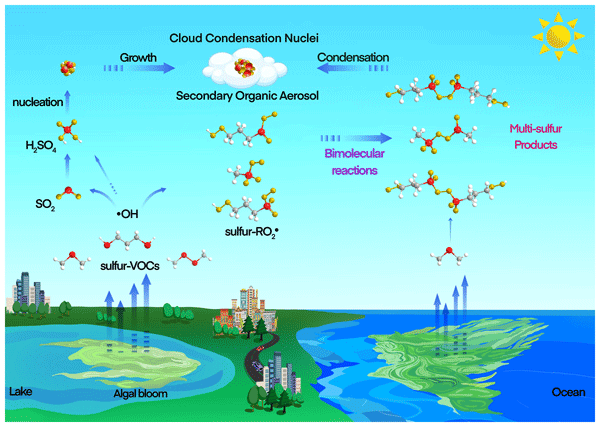
This study presents a systematic chamber study on reaction kinetics and the formation of multi-sulfur products from a series of sulfur-containing volatile organic compounds including thiols and sulfides with OH radicals. The findings advance our understanding of the role of sulfur-VOCs (volatile organic compounds) in atmospheric sulfur cycle and their potential contribution to secondary aerosol formation.
Chuang Li, Runlong Cai, Zexin Chen, Gan Yang, Feilin Zhao, Yueyang Li, Jingyu An, Qiwen Sun, Sijia Yin, Shimeng Xu, Yiliang Liu, Douglas Worsnop, Lei Yao, and Lin Wang
EGUsphere, https://doi.org/10.5194/egusphere-2026-3174, https://doi.org/10.5194/egusphere-2026-3174, 2026
Short summary
Short summary
Aerosols are tiny particles that help clouds form and shape the climate. Newly formed particles must grow quickly to survive, yet how they grow is poorly understood. Combining laboratory experiments with field measurements, we tested seven common methods for predicting this growth. Most overestimate how strongly organic vapours condense onto particles, especially in polluted air, and even the best cannot fully explain the growth we observe, revealing a gap in our understanding.
Wenfei Zhu, Qinghong Wang, Qingsong Wang, Jialin Shi, Yu Sun, Juntao Huo, Yi Sun, Jia Chen, Yue Zhao, Mei Li, Jun Chen, Shengrong Lou, and Hui Chen
EGUsphere, https://doi.org/10.5194/egusphere-2026-2447, https://doi.org/10.5194/egusphere-2026-2447, 2026
Short summary
Short summary
This study examines nitrate-containing particles during winter haze in eastern China. A framework combining single-particle mass spectrometry and statistical analysis was developed to better quantify nitrate sources. Results show that nitrate is mainly found in aged particles and strongly mixed with combustion and marine emissions. Pollution episodes are driven by stagnant conditions, high humidity, nighttime reactions, and regional transport.
Jiaqi Jin, Runlong Cai, Yiliang Liu, Gan Yang, Yueyang Li, Chuang Li, Lei Yao, Jingkun Jiang, Xiuhui Zhang, and Lin Wang
Atmos. Chem. Phys., 25, 17125–17138, https://doi.org/10.5194/acp-25-17125-2025, https://doi.org/10.5194/acp-25-17125-2025, 2025
Short summary
Short summary
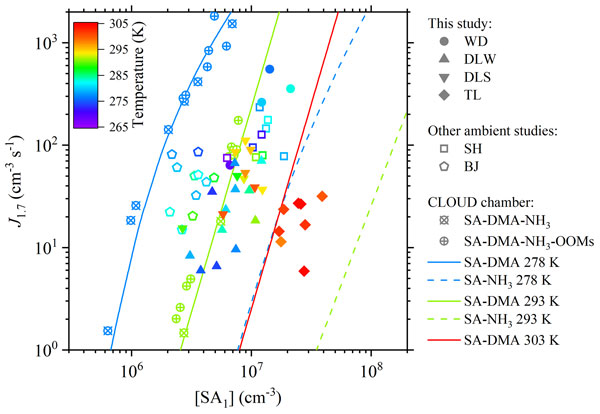
Based on observed atmospheric new particle formation events at multiple sites in eastern China, we find that sulfuric acid and dimethylamine can explain the observed atmospheric nucleation and the differences in the nucleation intensity among campaigns can be largely attributed to temperature and precursor concentrations. Our results also show that oxygenated organic molecules can make a great contribution to the initial growth of freshly nucleated particles in the real atmosphere.
Xiaofei Qin, Hao Li, Jia Chen, Junjie Wei, Hao Ding, Xiaohao Wang, Guochen Wang, Chengfeng Liu, Da Lu, Shengqian Zhou, Haowen Li, Yucheng Zhu, Ziwei Liu, Qingyan Fu, Juntao Huo, Yanfen Lin, Congrui Deng, Yisheng Zhang, and Kan Huang
Atmos. Chem. Phys., 25, 13815–13830, https://doi.org/10.5194/acp-25-13815-2025, https://doi.org/10.5194/acp-25-13815-2025, 2025
Short summary
Short summary
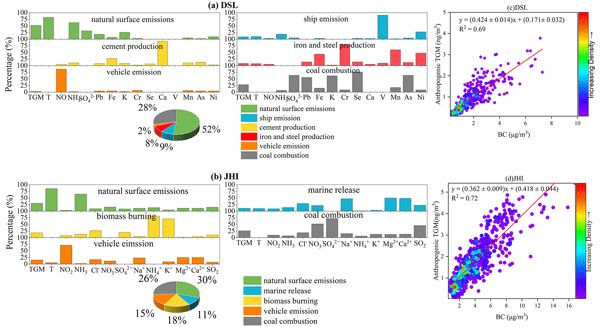
Mercury is a persistent toxic pollutant that has equally important anthropogenic and natural sources. This study developed a quantitative method for separating the anthropogenic and natural contributions of total gaseous mercury. The underlying impacts on the sea–air exchange fluxes of mercury are evaluated. The new method developed in this study can be reproduced in other regions, and the findings are innovative in the field of mercury sources and biogeochemical cycles.
Zheng Li, Gehui Wang, Binyu Xiao, Rongjie Li, Can Wu, Shaojun Lv, Feng Wu, Qingyan Fu, and Yusen Duan
Atmos. Chem. Phys., 25, 12037–12049, https://doi.org/10.5194/acp-25-12037-2025, https://doi.org/10.5194/acp-25-12037-2025, 2025
Short summary
Short summary
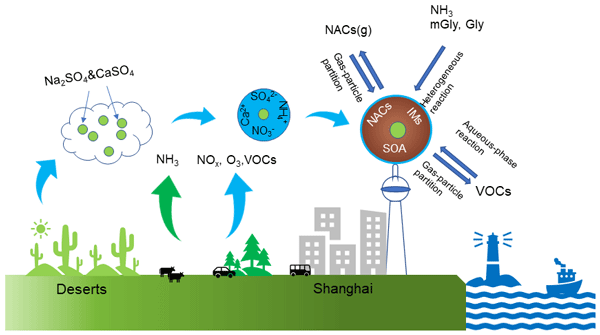
Gas-to-aerosol partitioning of organics was investigated in Shanghai during the 2023 dust storm period. We found the partitioning coefficients (Fp) of water-soluble organic compounds in the dust storm period (DS) were comparable to those during a haze episode (HE), and aerosol liquid water content primarily drove Fp variation in HE, while pH was the dominant factor in DS. Moreover, an enhanced light absorption of Asian dust by brown carbon, mainly in coarse mode, formation was revealed.
Chuang Li, Lei Yao, Yuwei Wang, Mingliang Fang, Xiaojia Chen, Lihong Wang, Yueyang Li, Gan Yang, and Lin Wang
Atmos. Chem. Phys., 25, 11247–11260, https://doi.org/10.5194/acp-25-11247-2025, https://doi.org/10.5194/acp-25-11247-2025, 2025
Short summary
Short summary
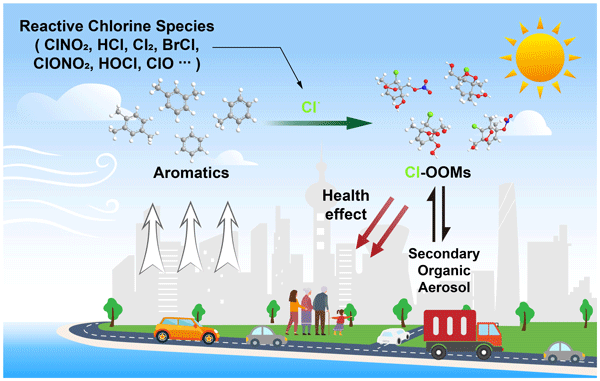
Abundant chlorine-containing oxygenated organic molecules (Cl-OOMs) were formed from the reactions between Cl atoms and aromatics, and Cl-addition was identified as a non-negligible pathway for the formation of Cl-OOMs. Furthermore, many ambient Cl-OOMs potentially derived from Cl atoms and aromatics were measured in suburban Shanghai and most of them have adverse health effects. These findings provide critical insights into the formation mechanisms of Cl-OOMs in polluted settings.
Ying Zhang, Yuwei Wang, Chuang Li, Yueyang Li, Sijia Yin, Megan S. Claflin, Brian M. Lerner, Douglas Worsnop, and Lin Wang
Atmos. Meas. Tech., 18, 3547–3568, https://doi.org/10.5194/amt-18-3547-2025, https://doi.org/10.5194/amt-18-3547-2025, 2025
Short summary
Short summary
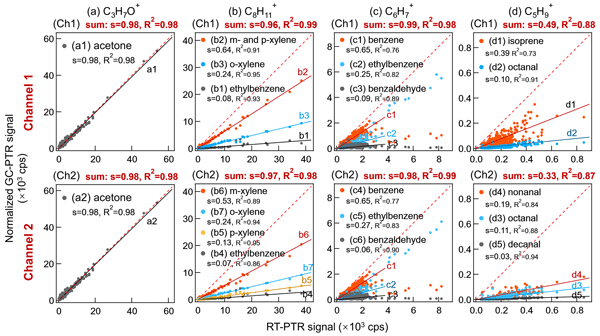
This study provides insight into how individual ions measured by proton-transfer-reaction (PTR) mass spectrometry are produced by multiple volatile organic compounds (VOCs). A reference table is provided for attributing the PTR signal to contributing VOC species. The signals are grouped according to the complexity of their potential identities. We find that a number of signal ions such as C6H7+ for benzene and C5H9+ for isoprene merely give an upper limit of their corresponding concentrations.
Shuai Wang, Mengyuan Zhang, Hui Zhao, Peng Wang, Sri Harsha Kota, Qingyan Fu, Cong Liu, and Hongliang Zhang
Earth Syst. Sci. Data, 16, 3565–3577, https://doi.org/10.5194/essd-16-3565-2024, https://doi.org/10.5194/essd-16-3565-2024, 2024
Short summary
Short summary
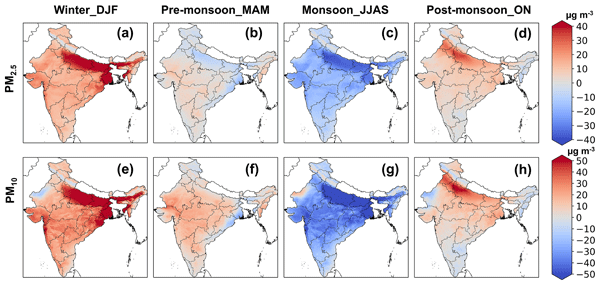
Long-term, open-source, gap-free daily ground-level PM2.5 and PM10 datasets for India (LongPMInd) were reconstructed using a robust machine learning model to support health assessment and air quality management.
Zijun Zhang, Weiqi Xu, Yi Zhang, Wei Zhou, Xiangyu Xu, Aodong Du, Yinzhou Zhang, Hongqin Qiao, Ye Kuang, Xiaole Pan, Zifa Wang, Xueling Cheng, Lanzhong Liu, Qingyan Fu, Douglas R. Worsnop, Jie Li, and Yele Sun
Atmos. Chem. Phys., 24, 8473–8488, https://doi.org/10.5194/acp-24-8473-2024, https://doi.org/10.5194/acp-24-8473-2024, 2024
Short summary
Short summary
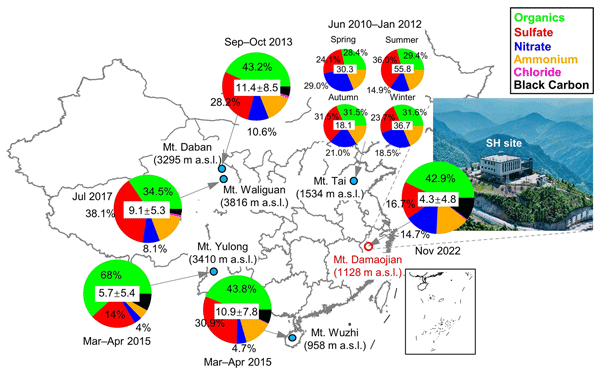
We investigated aerosol composition and sources and the interaction between secondary organic aerosol (SOA) and clouds at a regional mountain site in southeastern China. Clouds efficiently scavenge more oxidized SOA; however, cloud evaporation leads to the production of less oxidized SOA. The unexpectedly high presence of nitrate in aerosol particles indicates that nitrate formed in polluted areas has undergone interactions with clouds, significantly influencing the regional background site.
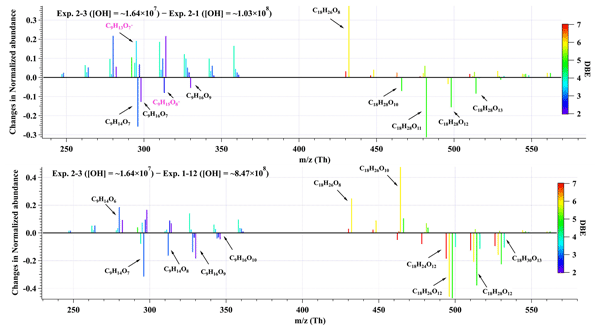
Yuwei Wang, Chuang Li, Ying Zhang, Yueyang Li, Gan Yang, Xueyan Yang, Yizhen Wu, Lei Yao, Hefeng Zhang, and Lin Wang
Atmos. Chem. Phys., 24, 7961–7981, https://doi.org/10.5194/acp-24-7961-2024, https://doi.org/10.5194/acp-24-7961-2024, 2024
Short summary
Short summary
The formation and evolution mechanisms of aromatics-derived highly oxygenated organic molecules (HOMs) are essential to understand the formation of secondary organic aerosol pollution. Our conclusion highlights an underappreciated formation pathway of aromatics-derived HOMs and elucidates detailed formation mechanisms of certain HOMs, which advances our understanding of HOMs and potentially explains the existing gap between model prediction and ambient measurement of the HOMs' concentrations.
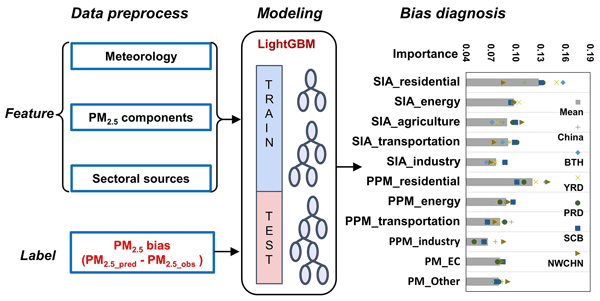
Shuai Wang, Mengyuan Zhang, Yueqi Gao, Peng Wang, Qingyan Fu, and Hongliang Zhang
Geosci. Model Dev., 17, 3617–3629, https://doi.org/10.5194/gmd-17-3617-2024, https://doi.org/10.5194/gmd-17-3617-2024, 2024
Short summary
Short summary
Numerical models are widely used in air pollution modeling but suffer from significant biases. The machine learning model designed in this study shows high efficiency in identifying such biases. Meteorology (relative humidity and cloud cover), chemical composition (secondary organic components and dust aerosols), and emission sources (residential activities) are diagnosed as the main drivers of bias in modeling PM2.5, a typical air pollutant. The results will help to improve numerical models.
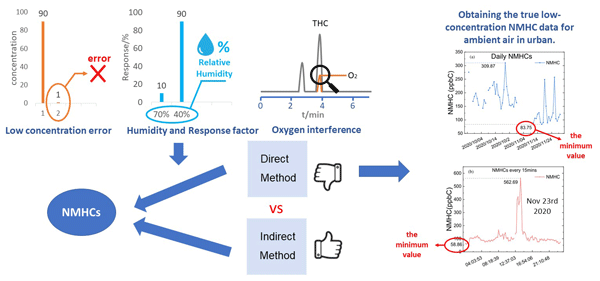
Song Gao, Yong Yang, Xiao Tong, Linyuan Zhang, Yusen Duan, Guigang Tang, Qiang Wang, Changqing Lin, Qingyan Fu, Lipeng Liu, and Lingning Meng
Atmos. Meas. Tech., 16, 5709–5723, https://doi.org/10.5194/amt-16-5709-2023, https://doi.org/10.5194/amt-16-5709-2023, 2023
Short summary
Short summary
We optimized and conducted an experimental program for the real-time monitoring of non-methane hydrocarbon instruments using the direct method. Changing the enrichment and specially designed columns further improved the test effect. The results correct the measurement errors that have prevailed for many years and can lay a foundation for the evaluation of volatile organic compounds in the regional ambient air and provide direction for the measurement of low-concentration ambient air pollutants.
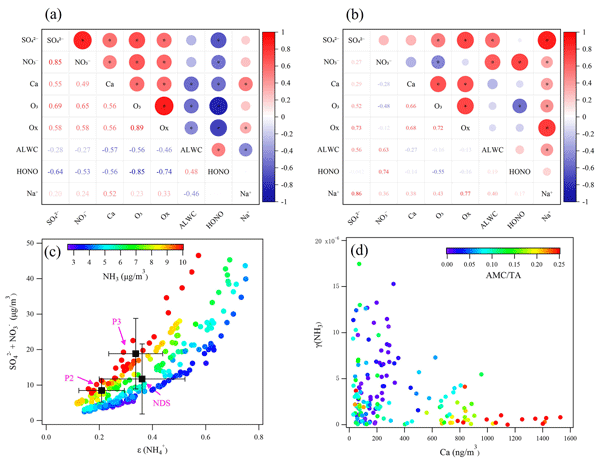
Da Lu, Hao Li, Mengke Tian, Guochen Wang, Xiaofei Qin, Na Zhao, Juntao Huo, Fan Yang, Yanfen Lin, Jia Chen, Qingyan Fu, Yusen Duan, Xinyi Dong, Congrui Deng, Sabur F. Abdullaev, and Kan Huang
Atmos. Chem. Phys., 23, 13853–13868, https://doi.org/10.5194/acp-23-13853-2023, https://doi.org/10.5194/acp-23-13853-2023, 2023
Short summary
Short summary
Environmental conditions during dust are usually not favorable for secondary aerosol formation. However in this study, an unusual dust event was captured in a Chinese mega-city and showed “anomalous” meteorology and a special dust backflow transport pathway. The underlying formation mechanisms of secondary aerosols are probed in the context of this special dust event. This study shows significant implications for the varying dust aerosol chemistry in the future changing climate.
Qianqian Gao, Shengqiang Zhu, Kaili Zhou, Jinghao Zhai, Shaodong Chen, Qihuang Wang, Shurong Wang, Jin Han, Xiaohui Lu, Hong Chen, Liwu Zhang, Lin Wang, Zimeng Wang, Xin Yang, Qi Ying, Hongliang Zhang, Jianmin Chen, and Xiaofei Wang
Atmos. Chem. Phys., 23, 13049–13060, https://doi.org/10.5194/acp-23-13049-2023, https://doi.org/10.5194/acp-23-13049-2023, 2023
Short summary
Short summary
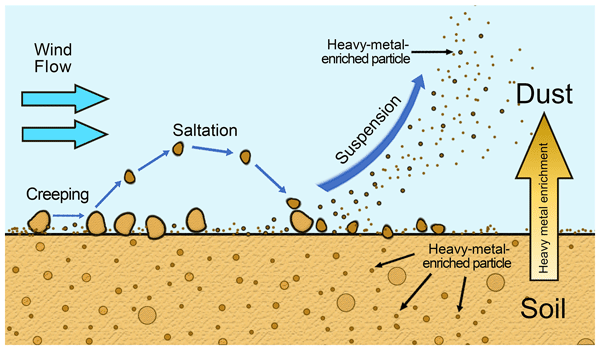
Dust is a major source of atmospheric aerosols. Its chemical composition is often assumed to be similar to the parent soil. However, this assumption has not been rigorously verified. Dust aerosols are mainly generated by wind erosion, which may have some chemical selectivity. Mn, Cd and Pb were found to be highly enriched in fine-dust (PM2.5) aerosols. In addition, estimation of heavy metal emissions from dust generation by air quality models may have errors without using proper dust profiles.
Meng Wang, Yusen Duan, Zhuozhi Zhang, Qi Yuan, Xinwei Li, Shuwen Han, Juntao Huo, Jia Chen, Yanfen Lin, Qingyan Fu, Tao Wang, Junji Cao, and Shun-cheng Lee
Atmos. Chem. Phys., 23, 10313–10324, https://doi.org/10.5194/acp-23-10313-2023, https://doi.org/10.5194/acp-23-10313-2023, 2023
Short summary
Short summary
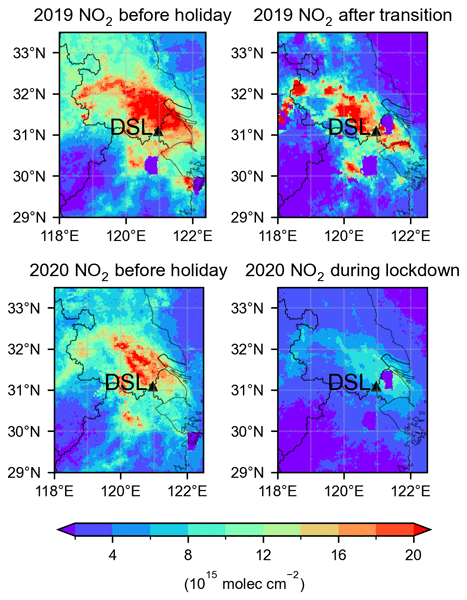
Hourly elemental carbon (EC) and NOx were continuously measured for 5 years (2016–2020) at a sampling site near a highway in western Shanghai. We use a machine learning model to rebuild the measured EC and NOx, and a business-as-usual (BAU) scenario was assumed in 2020 and compared with the measured EC and NOx.
Yizhen Wu, Juntao Huo, Gan Yang, Yuwei Wang, Lihong Wang, Shijian Wu, Lei Yao, Qingyan Fu, and Lin Wang
Atmos. Chem. Phys., 23, 2997–3014, https://doi.org/10.5194/acp-23-2997-2023, https://doi.org/10.5194/acp-23-2997-2023, 2023
Short summary
Short summary
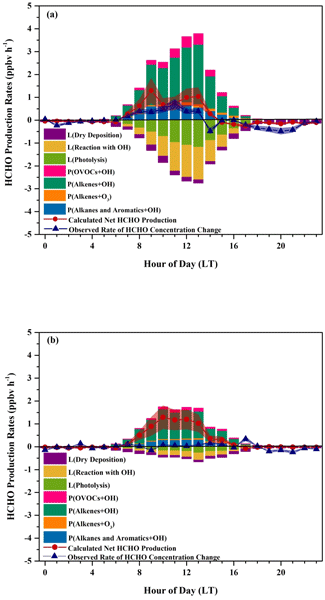
Based on a field campaign in a suburban area of Shanghai during summer 2021, we calculated formaldehyde (HCHO) production rates from 24 volatile organic compounds (VOCs). In addition, HCHO photolysis, reactions with OH radicals, and dry deposition were considered for the estimation of HCHO loss rates. Our results reveal the key precursors of HCHO and suggest that HCHO wet deposition may be an important loss term on cloudy and rainy days, which needs to be further investigated.
Changqin Yin, Jianming Xu, Wei Gao, Liang Pan, Yixuan Gu, Qingyan Fu, and Fan Yang
Atmos. Chem. Phys., 23, 1329–1343, https://doi.org/10.5194/acp-23-1329-2023, https://doi.org/10.5194/acp-23-1329-2023, 2023
Short summary
Short summary
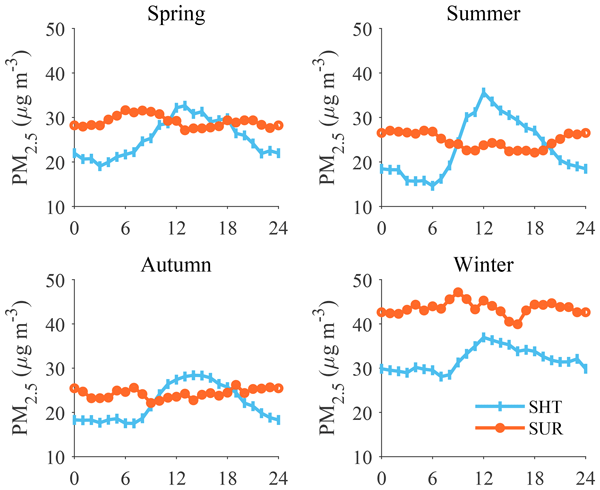
The particle matter (PM2.5) at the top of the 632 m high Shanghai Tower was found to be higher than the surface from June to October due to unexpected larger PM2.5 levels during early to middle afternoon at Shanghai Tower. We suppose the significant chemical production of secondary species existed in the mid-upper planetary boundary layer. We found a high nitrate concentration at the tower site for both daytime and nighttime in winter, implying efficient gas-phase and heterogeneous formation.
Xiaofei Qin, Shengqian Zhou, Hao Li, Guochen Wang, Cheng Chen, Chengfeng Liu, Xiaohao Wang, Juntao Huo, Yanfen Lin, Jia Chen, Qingyan Fu, Yusen Duan, Kan Huang, and Congrui Deng
Atmos. Chem. Phys., 22, 15851–15865, https://doi.org/10.5194/acp-22-15851-2022, https://doi.org/10.5194/acp-22-15851-2022, 2022
Short summary
Short summary
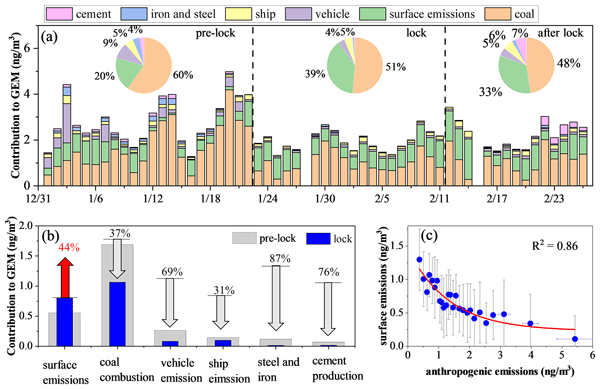
Using artificial neural network modeling and an explainable analysis approach, natural surface emissions (NSEs) were identified as a main driver of gaseous elemental mercury (GEM) variations during the COVID-19 lockdown. A sharp drop in GEM concentrations due to a significant reduction in anthropogenic emissions may disrupt the surface–air exchange balance of Hg, leading to increases in NSEs. This implies that NSEs may pose challenges to the future control of Hg pollution.
Meng Wang, Yusen Duan, Wei Xu, Qiyuan Wang, Zhuozhi Zhang, Qi Yuan, Xinwei Li, Shuwen Han, Haijie Tong, Juntao Huo, Jia Chen, Shan Gao, Zhongbiao Wu, Long Cui, Yu Huang, Guangli Xiu, Junji Cao, Qingyan Fu, and Shun-cheng Lee
Atmos. Chem. Phys., 22, 12789–12802, https://doi.org/10.5194/acp-22-12789-2022, https://doi.org/10.5194/acp-22-12789-2022, 2022
Short summary
Short summary
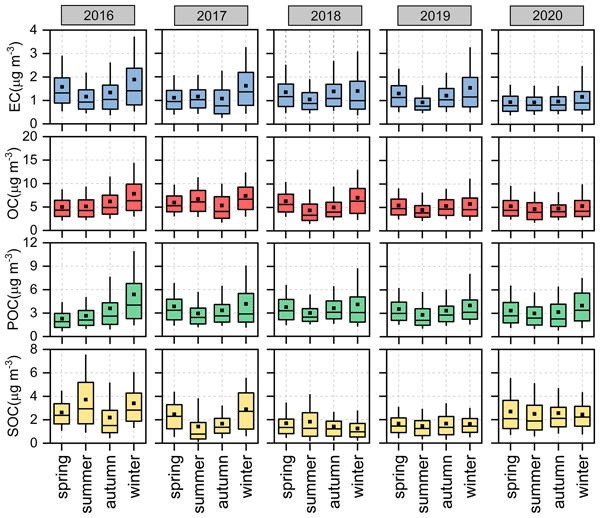
In this study, we report the long-term measurement of organic carbon (OC) and elementary carbon (EC) in PM2.5 with hourly time resolution conducted at a regional site in Shanghai from 2016 to 2020. The results from this study provide critical information about the long-term trend of carbonaceous aerosol, in particular secondary OC, in one of the largest megacities in the world and are helpful for developing pollution control measures from a long-term planning perspective.
Chao Yan, Yicheng Shen, Dominik Stolzenburg, Lubna Dada, Ximeng Qi, Simo Hakala, Anu-Maija Sundström, Yishuo Guo, Antti Lipponen, Tom V. Kokkonen, Jenni Kontkanen, Runlong Cai, Jing Cai, Tommy Chan, Liangduo Chen, Biwu Chu, Chenjuan Deng, Wei Du, Xiaolong Fan, Xu-Cheng He, Juha Kangasluoma, Joni Kujansuu, Mona Kurppa, Chang Li, Yiran Li, Zhuohui Lin, Yiliang Liu, Yuliang Liu, Yiqun Lu, Wei Nie, Jouni Pulliainen, Xiaohui Qiao, Yonghong Wang, Yifan Wen, Ye Wu, Gan Yang, Lei Yao, Rujing Yin, Gen Zhang, Shaojun Zhang, Feixue Zheng, Ying Zhou, Antti Arola, Johanna Tamminen, Pauli Paasonen, Yele Sun, Lin Wang, Neil M. Donahue, Yongchun Liu, Federico Bianchi, Kaspar R. Daellenbach, Douglas R. Worsnop, Veli-Matti Kerminen, Tuukka Petäjä, Aijun Ding, Jingkun Jiang, and Markku Kulmala
Atmos. Chem. Phys., 22, 12207–12220, https://doi.org/10.5194/acp-22-12207-2022, https://doi.org/10.5194/acp-22-12207-2022, 2022
Short summary
Short summary
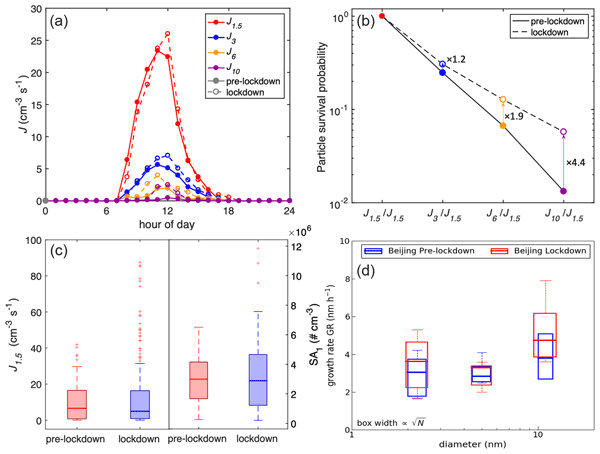
Atmospheric new particle formation (NPF) is a dominant source of atmospheric ultrafine particles. In urban environments, traffic emissions are a major source of primary pollutants, but their contribution to NPF remains under debate. During the COVID-19 lockdown, traffic emissions were significantly reduced, providing a unique chance to examine their relevance to NPF. Based on our comprehensive measurements, we demonstrate that traffic emissions alone are not able to explain the NPF in Beijing.
Yishuo Guo, Chao Yan, Yuliang Liu, Xiaohui Qiao, Feixue Zheng, Ying Zhang, Ying Zhou, Chang Li, Xiaolong Fan, Zhuohui Lin, Zemin Feng, Yusheng Zhang, Penggang Zheng, Linhui Tian, Wei Nie, Zhe Wang, Dandan Huang, Kaspar R. Daellenbach, Lei Yao, Lubna Dada, Federico Bianchi, Jingkun Jiang, Yongchun Liu, Veli-Matti Kerminen, and Markku Kulmala
Atmos. Chem. Phys., 22, 10077–10097, https://doi.org/10.5194/acp-22-10077-2022, https://doi.org/10.5194/acp-22-10077-2022, 2022
Short summary
Short summary
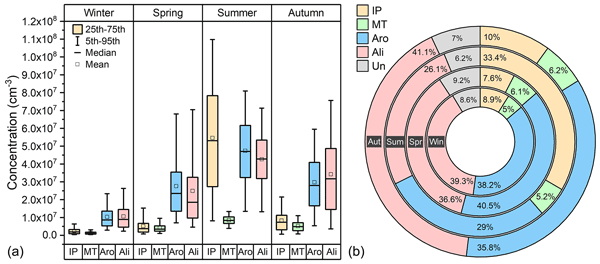
Gaseous oxygenated organic molecules (OOMs) are able to form atmospheric aerosols, which will impact on human health and climate change. Here, we find that OOMs in urban Beijing are dominated by anthropogenic sources, i.e. aromatic (29 %–41 %) and aliphatic (26 %–41 %) OOMs. They are also the main contributors to the condensational growth of secondary organic aerosols (SOAs). Therefore, the restriction on anthropogenic VOCs is crucial for the reduction of SOAs and haze formation.
Siman Ren, Lei Yao, Yuwei Wang, Gan Yang, Yiliang Liu, Yueyang Li, Yiqun Lu, Lihong Wang, and Lin Wang
Atmos. Chem. Phys., 22, 9283–9297, https://doi.org/10.5194/acp-22-9283-2022, https://doi.org/10.5194/acp-22-9283-2022, 2022
Short summary
Short summary
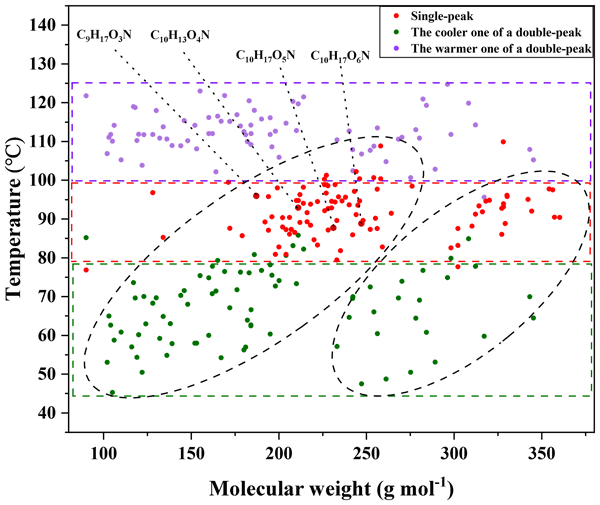
We improved the empirical functions between volatility and chemical formulas of organic aerosols based on lab experiments and field observations. It was found that organic compounds in ambient aerosols can be divided into two groups according to their O / C ratios and that there should be specialized volatility parameterizations for different O / C organic compounds.
Han Zang, Yue Zhao, Juntao Huo, Qianbiao Zhao, Qingyan Fu, Yusen Duan, Jingyuan Shao, Cheng Huang, Jingyu An, Likun Xue, Ziyue Li, Chenxi Li, and Huayun Xiao
Atmos. Chem. Phys., 22, 4355–4374, https://doi.org/10.5194/acp-22-4355-2022, https://doi.org/10.5194/acp-22-4355-2022, 2022
Short summary
Short summary
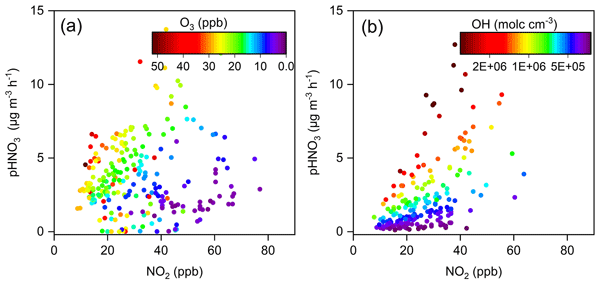
Particulate nitrate plays an important role in wintertime haze pollution in eastern China, yet quantitative constraints on detailed nitrate formation mechanisms remain limited. Here we quantified the contributions of the heterogeneous N2O5 hydrolysis (66 %) and gas-phase OH + NO2 reaction (32 %) to nitrate formation in this region and identified the atmospheric oxidation capacity (i.e., availability of O3 and OH radicals) as the driving factor of nitrate formation from both processes.
Jing Cai, Cheng Wu, Jiandong Wang, Wei Du, Feixue Zheng, Simo Hakala, Xiaolong Fan, Biwu Chu, Lei Yao, Zemin Feng, Yongchun Liu, Yele Sun, Jun Zheng, Chao Yan, Federico Bianchi, Markku Kulmala, Claudia Mohr, and Kaspar R. Daellenbach
Atmos. Chem. Phys., 22, 1251–1269, https://doi.org/10.5194/acp-22-1251-2022, https://doi.org/10.5194/acp-22-1251-2022, 2022
Short summary
Short summary
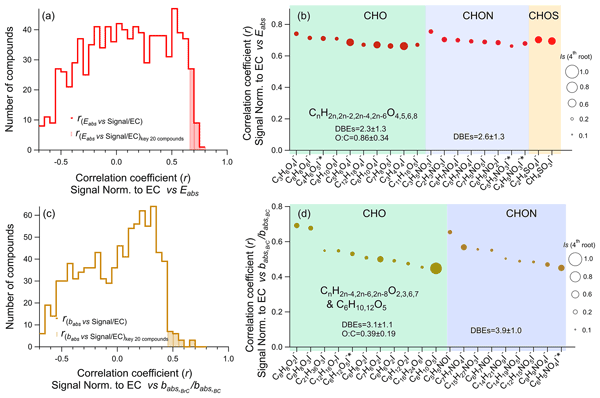
This study investigates the connection between organic aerosol (OA) molecular composition and particle absorptive properties in autumn in Beijing. We find that the molecular properties of OA compounds in different episodes influence particle light absorption properties differently: the light absorption enhancement of black carbon and light absorption coefficient of brown carbon were mostly related to more oxygenated OA (low C number and four O atoms) and aromatics/nitro-aromatics, respectively.
Cited articles
Anglada, J. M. and Solé, A.: The Atmospheric Oxidation of HONO by OH, Cl, and ClO Radicals, J. Phys. Chem. A, 121, 9698–9707, https://doi.org/10.1021/acs.jpca.7b10715, 2017.
Atkinson, R. and Arey, J.: Atmospheric Degradation of Volatile Organic Compounds, Chem. Rev., 103, 4605–4638, https://doi.org/10.1021/cr0206420, 2003.
Atkinson, R. and Carter, W. P. L.: Kinetics and mechanisms of the gas-phase reactions of ozone with organic compounds under atmospheric conditions, Chem. Rev., 84, 437–470, https://doi.org/10.1021/cr00063a002, 1984.
Borbon, A., Fontaine, H., Veillerot, M., Locoge, N., Galloo, J. C., and Guillermo, R.: An investigation into the traffic-related fraction of isoprene at an urban location, Atmos. Environ., 35, 3749–3760, https://doi.org/10.1016/S1352-2310(01)00170-4, 2001.
Calogirou, A., Larsen, B. R., and Kotzias, D.: Gas-phase terpene oxidation products: a review, Atmos. Environ., 33, 1423–1439, https://doi.org/10.1016/S1352-2310(98)00277-5, 1999.
Carter, W. P.: Development of ozone reactivity scales for volatile organic compounds, Air Waste, 44, 881–899, 1994.
Carter, W. P.: Development of the SAPRC-07 chemical mechanism, Atmos. Environ., 44, 5324–5335, 2010.
Cui, L., Wu, D., Wang, S., Xu, Q., Hu, R., and Hao, J.: Measurement report: Ambient volatile organic compound (VOC) pollution in urban Beijing: characteristics, sources, and implications for pollution control, Atmos. Chem. Phys., 22, 11931–11944, https://doi.org/10.5194/acp-22-11931-2022, 2022.
De Gouw, J. A., Middlebrook, A. M., Warneke, C., Goldan, P. D., Kuster, W. C., Roberts, J. M., Fehsenfeld, F. C., Worsnop, D. R., Canagaratna, M. R., Pszenny, A. P., Keene, W. C., Marchewka, M., Bertman, S. B., and Bates, T. S.: Budget of organic carbon in a polluted atmosphere: Results from the New England Air Quality Study in 2002, J. Geophys. Res.-Atmos., 110, D16305, https://doi.org/10.1029/2004JD005623, 2005.
De Gouw, J. A., Gilman, J. B., Kim, S.-W., Alvarez, S. L., Dusanter, S., Graus, M., Griffith, S. M., Isaacman-VanWertz, G., Kuster, W. C., Lefer, B. L., Lerner, B. M., McDonald, B. C., Rappenglück, B., Roberts, J. M., Stevens, P. S., Stutz, J., Thalman, R., Veres, P. R., Volkamer, R., Warneke, C., Washenfelder, R. A., and Young, C. J.: Chemistry of Volatile Organic Compounds in the Los Angeles Basin: Formation of Oxygenated Compounds and Determination of Emission Ratios, J. Geophys. Res.-Atmos., 123, 2298–2319, https://doi.org/10.1002/2017JD027976, 2018.
Di Carlo, P., Brune, W. H., Martinez, M., Harder, H., Lesher, R., Ren, X., Thornberry, T., Carroll, M. A., Young, V., Shepson, P. B., Riemer, D., Apel, E., and Campbell, C.: Missing OH Reactivity in a Forest: Evidence for Unknown Reactive Biogenic VOCs, Science, 304, 722–725, https://doi.org/10.1126/science.1094392, 2004.
Feng, J., Ren, E., Hu, M., Fu, Q., Duan, Y., Huang, C., Zhao, Y., and Wang, S.: Budget of atmospheric nitrous acid (HONO) during the haze and clean periods in Shanghai: Importance of heterogeneous reactions, Sci. Total Environ., 900, 165717, https://doi.org/10.1016/j.scitotenv.2023.165717, 2023.
Fuchs, H., Novelli, A., Rolletter, M., Hofzumahaus, A., Pfannerstill, E. Y., Kessel, S., Edtbauer, A., Williams, J., Michoud, V., Dusanter, S., Locoge, N., Zannoni, N., Gros, V., Truong, F., Sarda-Esteve, R., Cryer, D. R., Brumby, C. A., Whalley, L. K., Stone, D., Seakins, P. W., Heard, D. E., Schoemaecker, C., Blocquet, M., Coudert, S., Batut, S., Fittschen, C., Thames, A. B., Brune, W. H., Ernest, C., Harder, H., Muller, J. B. A., Elste, T., Kubistin, D., Andres, S., Bohn, B., Hohaus, T., Holland, F., Li, X., Rohrer, F., Kiendler-Scharr, A., Tillmann, R., Wegener, R., Yu, Z., Zou, Q., and Wahner, A.: Comparison of OH reactivity measurements in the atmospheric simulation chamber SAPHIR, Atmos. Meas. Tech., 10, 4023–4053, https://doi.org/10.5194/amt-10-4023-2017, 2017.
Gao, Y., Wang, H., Zhu, S., Jing, S., Wang, Q., Huang, D. D., Li, Y., Lou, S., Fu, Q., Huang, C., and Su, H.: More Complete Reactive Organic Gases Measurements Reveal Greater Role of Combustion Emissions in Shanghai Megacity, J. Geophys. Res.-Atmos., 130, https://doi.org/10.1029/2024JD043129, 2025.
Gu, S., Guenther, A., and Faiola, C.: Effects of Anthropogenic and Biogenic Volatile Organic Compounds on Los Angeles Air Quality, Environ. Sci. Technol., 55, 12191–12201, https://doi.org/10.1021/acs.est.1c01481, 2021.
Gu, S., Luo, W., Charmchi, A., McWhirter, K. J., Rosenstiel, T., Pankow, J., and Faiola, C. L.: Limonene Enantiomeric Ratios from Anthropogenic and Biogenic Emission Sources, Environ. Sci. Technol. Lett., 11, 130–135, https://doi.org/10.1021/acs.estlett.3c00794, 2024.
Huang, X.-F., Zhang, B., Xia, S.-Y., Han, Y., Wang, C., Yu, G.-H., and Feng, N.: Sources of oxygenated volatile organic compounds (OVOCs) in urban atmospheres in North and South China, Environ. Pollut., 261, 114152, https://doi.org/10.1016/j.envpol.2020.114152, 2020.
Huang, Z., Zhong, Z., Sha, Q., Xu, Y., Zhang, Z., Wu, L., Wang, Y., Zhang, L., Cui, X., Tang, M., Shi, B., Zheng, C., Li, Z., Hu, M., Bi, L., Zheng, J., and Yan, M.: An updated model-ready emission inventory for Guangdong Province by incorporating big data and mapping onto multiple chemical mechanisms, Sci. Total Environ., 769, 144535, https://doi.org/10.1016/j.scitotenv.2020.144535, 2021.
Hui, L., Feng, X., Yuan, Q., Chen, Y., Xu, Y., Zheng, P., Lee, S., and Wang, Z.: Abundant oxygenated volatile organic compounds and their contribution to photochemical pollution in subtropical Hong Kong, Environ. Pollut., 335, 122287, https://doi.org/10.1016/j.envpol.2023.122287, 2023.
Li, H., Riva, M., Rantala, P., Heikkinen, L., Daellenbach, K., Krechmer, J. E., Flaud, P.-M., Worsnop, D., Kulmala, M., Villenave, E., Perraudin, E., Ehn, M., and Bianchi, F.: Terpenes and their oxidation products in the French Landes forest: insights from Vocus PTR-TOF measurements, Atmos. Chem. Phys., 20, 1941–1959, https://doi.org/10.5194/acp-20-1941-2020, 2020.
Li, K., Zhang, J., Bell, D. M., Wang, T., Lamkaddam, H., Cui, T., Qi, L., Surdu, M., Wang, D., Du, L., El Haddad, I., Slowik, J. G., and Prevot, A. S. H.: Uncovering the dominant contribution of intermediate volatility compounds in secondary organic aerosol formation from biomass-burning emissions, Natl. Sci. Rev., 11, https://doi.org/10.1093/nsr/nwae014, 2024a.
Li, Z.-J., He, L.-Y., Ma, H.-N., Peng, X., Tang, M.-X., Du, K., and Huang, X.-F.: Sources of atmospheric oxygenated volatile organic compounds in different air masses in Shenzhen, China, Environ. Pollut., 340, 122871, https://doi.org/10.1016/j.envpol.2023.122871, 2024b.
Ma, M., Gao, Y., Ding, A., Su, H., Liao, H., Wang, S., Wang, X., Zhao, B., Zhang, S., Fu, P., Guenther, A. B., Wang, M., Li, S., Chu, B., Yao, X., and Gao, H.: Development and Assessment of a High-Resolution Biogenic Emission Inventory from Urban Green Spaces in China, Environ. Sci. Technol., 56, 175–184, https://doi.org/10.1021/acs.est.1c06170, 2022a.
Ma, W., Feng, Z., Zhan, J., Liu, Y., Liu, P., Liu, C., Ma, Q., Yang, K., Wang, Y., He, H., Kulmala, M., Mu, Y., and Liu, J.: Influence of photochemical loss of volatile organic compounds on understanding ozone formation mechanism, Atmos. Chem. Phys., 22, 4841–4851, https://doi.org/10.5194/acp-22-4841-2022, 2022b.
Mattila, J. M., Brophy, P., Kirkland, J., Hall, S., Ullmann, K., Fischer, E. V., Brown, S., McDuffie, E., Tevlin, A., and Farmer, D. K.: Tropospheric sources and sinks of gas-phase acids in the Colorado Front Range, Atmos. Chem. Phys., 18, 12315–12327, https://doi.org/10.5194/acp-18-12315-2018, 2018.
Mellouki, A., Wallington, T. J., and Chen, J.: Atmospheric Chemistry of Oxygenated Volatile Organic Compounds: Impacts on Air Quality and Climate, Chem. Rev., 115, 3984–4014, https://doi.org/10.1021/cr500549n, 2015.
Misztal, P. K., Hewitt, C. N., Wildt, J., Blande, J. D., Eller, A. S. D., Fares, S., Gentner, D. R., Gilman, J. B., Graus, M., Greenberg, J., Guenther, A. B., Hansel, A., Harley, P., Huang, M., Jardine, K., Karl, T., Kaser, L., Keutsch, F. N., Kiendler-Scharr, A., Kleist, E., Lerner, B. M., Li, T., Mak, J., Nölscher, A. C., Schnitzhofer, R., Sinha, V., Thornton, B., Warneke, C., Wegener, F., Werner, C., Williams, J., Worton, D. R., Yassaa, N., and Goldstein, A. H.: Atmospheric benzenoid emissions from plants rival those from fossil fuels, Sci. Rep., 5, 12064, https://doi.org/10.1038/srep12064, 2015.
Ou, J., Zheng, J., Li, R., Huang, X., Zhong, Z., Zhong, L., and Lin, H.: Speciated OVOC and VOC emission inventories and their implications for reactivity-based ozone control strategy in the Pearl River Delta region, China, Sci. Total Environ., 530–531, 393–402, https://doi.org/10.1016/j.scitotenv.2015.05.062, 2015.
Pai, S. J., Heald, C. L., and Murphy, J. G.: Exploring the Global Importance of Atmospheric Ammonia Oxidation, ACS Earth Space Chem., 5, 1674–1685, https://doi.org/10.1021/acsearthspacechem.1c00021, 2021.
Ren, J., Guo, F., and Xie, S.: Diagnosing ozone-NOx-VOC sensitivity and revealing causes of ozone increases in China based on 2013–2021 satellite retrievals, Atmos. Chem. Phys., 22, 15035–15047, https://doi.org/10.5194/acp-22-15035-2022, 2022.
Roberts, J. M., Fehsenfeld, F. C., Liu, S. C., Bollinger, M. J., Hahn, C., Albritton, D. L., and Sievers, R. E.: Measurements of aromatic hydrocarbon ratios and NOx concentrations in the rural troposphere: Observation of air mass photochemical aging and NOx removal, Atmospheric Environ (1967), 18, 2421–2432, https://doi.org/10.1016/0004-6981(84)90012-X, 1984.
Salvador, C. M. G., Wood, J. D., Cochran, E. G., Seubert, H. A., Kamplain, B. D., Overby, S. S., Birdwell, K. R., Gu, L., and Mayes, M. A.: Measurement report: Extreme heat and wildfire emissions enhance volatile organic compounds in a temperate forest, Atmos. Chem. Phys., 25, 16611–16629, https://doi.org/10.5194/acp-25-16611-2025, 2025.
Sekimoto, K., Coggon, M. M., Gkatzelis, G. I., Stockwell, C. E., Peischl, J., Soja, A. J., and Warneke, C.: Fuel-Type Independent Parameterization of Volatile Organic Compound Emissions from Western US Wildfires, Environ. Sci. Technol., 57, 13193–13204, https://doi.org/10.1021/acs.est.3c00537, 2023.
Seltzer, K. M., Pennington, E., Rao, V., Murphy, B. N., Strum, M., Isaacs, K. K., and Pye, H. O. T.: Reactive organic carbon emissions from volatile chemical products, Atmos. Chem. Phys., 21, 5079–5100, https://doi.org/10.5194/acp-21-5079-2021, 2021.
Shang, Y., Chen, W., Bao, Q., Yu, Y., Pang, X., Zhang, Y., Guo, L., Fu, J., and Feng, W.: Characteristics and source profiles of atmospheric volatile organic compounds (VOCs) in the heavy industrial province of Northeast China with cruise monitoring, Front. Environ. Sci., 10, https://doi.org/10.3389/fenvs.2022.1055886, 2022.
Sinha, V., Williams, J., Crowley, J. N., and Lelieveld, J.: The Comparative Reactivity Method – a new tool to measure total OH Reactivity in ambient air, Atmos. Chem. Phys., 8, 2213–2227, https://doi.org/10.5194/acp-8-2213-2008, 2008.
Spinelle, L., Gerboles, M., Kok, G., Persijn, S., and Sauerwald, T.: Review of Portable and Low-Cost Sensors for the Ambient Air Monitoring of Benzene and Other Volatile Organic Compounds, Sensors, 17, 1520, https://doi.org/10.3390/s17071520, 2017.
Stroud, C. A., Roberts, J. M., Goldan, P. D., Kuster, W. C., Murphy, P. C., Williams, E. J., Hereid, D., Parrish, D., Sueper, D., Trainer, M., Fehsenfeld, F. C., Apel, E. C., Riemer, D., Wert, B., Henry, B., Fried, A., Martinez-Harder, M., Harder, H., Brune, W. H., Li, G., Xie, H., and Young, V. L.: Isoprene and its oxidation products, methacrolein and methylvinyl ketone, at an urban forested site during the 1999 Southern Oxidants Study, J. Geophys. Res.-Atmos., 106, 8035–8046, https://doi.org/10.1029/2000JD900628, 2001.
Tan, Z., Lu, K., Hofzumahaus, A., Fuchs, H., Bohn, B., Holland, F., Liu, Y., Rohrer, F., Shao, M., Sun, K., Wu, Y., Zeng, L., Zhang, Y., Zou, Q., Kiendler-Scharr, A., Wahner, A., and Zhang, Y.: Experimental budgets of OH, HO2, and RO2 radicals and implications for ozone formation in the Pearl River Delta in China 2014, Atmos. Chem. Phys., 19, 7129–7150, https://doi.org/10.5194/acp-19-7129-2019, 2019.
Vermeuel, M. P., Novak, G. A., Kilgour, D. B., Claflin, M. S., Lerner, B. M., Trowbridge, A. M., Thom, J., Cleary, P. A., Desai, A. R., and Bertram, T. H.: Observations of biogenic volatile organic compounds over a mixed temperate forest during the summer to autumn transition, Atmos. Chem. Phys., 23, 4123–4148, https://doi.org/10.5194/acp-23-4123-2023, 2023.
Wang, C., Yuan, B., Wu, C., Wang, S., Qi, J., Wang, B., Wang, Z., Hu, W., Chen, W., Ye, C., Wang, W., Sun, Y., Wang, C., Huang, S., Song, W., Wang, X., Yang, S., Zhang, S., Xu, W., Ma, N., Zhang, Z., Jiang, B., Su, H., Cheng, Y., Wang, X., and Shao, M.: Measurements of higher alkanes using NO+ chemical ionization in PTR-ToF-MS: important contributions of higher alkanes to secondary organic aerosols in China, Atmos. Chem. Phys., 20, 14123–14138, https://doi.org/10.5194/acp-20-14123-2020, 2020.
Wang, L., Lun, X., Wang, Q., and Wu, J.: Biogenic volatile organic compounds emissions, atmospheric chemistry, and environmental implications: a review, Environ. Chem. Lett., 22, 3033–3058, https://doi.org/10.1007/s10311-024-01785-5, 2024a.
Wang, R., Zhang, S., Xue, J., Guo, L., and Li, L.: Speciated VOCs emissions and ozone formation potential from on-road vehicles in North China Plain based on detailed and localized source profiles, Environ. Technol. Innov., 32, 103422, https://doi.org/10.1016/j.eti.2023.103422, 2023.
Wang, W., Yuan, B., Su, H., Cheng, Y., Qi, J., Wang, S., Song, W., Wang, X., Xue, C., Ma, C., Bao, F., Wang, H., Lou, S., and Shao, M.: A large role of missing volatile organic compound reactivity from anthropogenic emissions in ozone pollution regulation, Atmos. Chem. Phys., 24, 4017–4027, https://doi.org/10.5194/acp-24-4017-2024, 2024.
Wine, P. H., Kreutter, N. M., Gump, C. A., and Ravishankara, A. R.: Kinetics of hydroxyl radical reactions with the atmospheric sulfur compounds hydrogen sulfide, methanethiol, ethanethiol, and dimethyl disulfide, J. Phys. Chem., 85, 2660–2665, https://doi.org/10.1021/j150618a019, 1981.
Wohl, C., Li, Q., Cuevas, C. A., Fernandez, R. F., Yang, M., Saiz-Lopez, A., and Simó, R.: Marine biogenic emissions of benzene and toluene and their contribution to secondary organic aerosols over the polar oceans, Sci. Adv., https://doi.org/10.1126/sciadv.add9031, 2023.
Wu, C., Wang, C., Wang, S., Wang, W., Yuan, B., Qi, J., Wang, B., Wang, H., Wang, C., Song, W., Wang, X., Hu, W., Lou, S., Ye, C., Peng, Y., Wang, Z., Huangfu, Y., Xie, Y., Zhu, M., Zheng, J., Wang, X., Jiang, B., Zhang, Z., and Shao, M.: Measurement report: Important contributions of oxygenated compounds to emissions and chemistry of volatile organic compounds in urban air, Atmos. Chem. Phys., 20, 14769–14785, https://doi.org/10.5194/acp-20-14769-2020, 2020.
Wu, Y., Huo, J., Yang, G., Wang, Y., Wang, L., Wu, S., Yao, L., Fu, Q., and Wang, L.: Measurement report: Production and loss of atmospheric formaldehyde at a suburban site of Shanghai in summertime, Atmos. Chem. Phys., 23, 2997–3014, https://doi.org/10.5194/acp-23-2997-2023, 2023.
Xie, Q., Chen, W., Yuan, B., Huangfu, Y., He, X., Wu, L., Liu, M., You, Y., Shao, M., and Wang, X.: Significant but Overlooked: The Role of Anthropogenic Monoterpenes in Ozone Formation in a Chinese Megacity, Environ. Sci. Technol., https://doi.org/10.1021/acs.est.5c00001, 2025.
Yan, X., Qiu, X., Yao, Z., Liu, J., and Wang, L.: Emissions of Oxygenated Volatile Organic Compounds and Their Roles in Ozone Formation in Beijing, Atmosphere, 15, 970, https://doi.org/10.3390/atmos15080970, 2024.
Yang, G.: Data for the study for total OH reactivity measurements in a suburban site of Shanghai, figshare [data set], https://doi.org/10.6084/m9.figshare.19361159.v1, 2022.
Yang, G., Huo, J., Wang, L., Wang, Y., Wu, S., Yao, L., Fu, Q., and Wang, L.: Total OH Reactivity Measurements in a Suburban Site of Shanghai, J. Geophys. Res.-Atmos., 127, https://doi.org/10.1029/2021JD035981, 2022.
Yang, Y., Shao, M., Keßel, S., Li, Y., Lu, K., Lu, S., Williams, J., Zhang, Y., Zeng, L., Nölscher, A. C., Wu, Y., Wang, X., and Zheng, J.: How the OH reactivity affects the ozone production efficiency: case studies in Beijing and Heshan, China, Atmos. Chem. Phys., 17, 7127–7142, https://doi.org/10.5194/acp-17-7127-2017, 2017.
Yin, S.: Reconstructed VOC emissions reveal hidden ozone precursors: Overlooked roles of primary OVOCs and unmeasured species, Zenodo [data set], https://doi.org/10.5281/zenodo.20606085, 2026.
Zhang, B., Hu, X., Yao, L., Wang, M., Yang, G., Lu, Y., Liu, Y., and Wang, L.: Hydroxyl radical-initiated aging of particulate squalane, Atmos. Environ., 237, 117663, https://doi.org/10.1016/j.atmosenv.2020.117663, 2020.
Zhang, Y., Xu, W., Zhou, W., Li, Y., Zhang, Z., Du, A., Qiao, H., Kuang, Y., Liu, L., Zhang, Z., He, X., Cheng, X., Pan, X., Fu, Q., Wang, Z., Ye, P., Worsnop, D. R., and Sun, Y.: Characterization of organic vapors by a Vocus proton-transfer-reaction mass spectrometry at a mountain site in southeastern China, Sci. Total Environ., 919, 170633, https://doi.org/10.1016/j.scitotenv.2024.170633, 2024.
Zheng, X. and Xie, S.: Differences in the key volatile organic compound species between their emitted and ambient concentrations in ozone formation, Atmos. Chem. Phys., 25, 3807–3820, https://doi.org/10.5194/acp-25-3807-2025, 2025.
Zhou, J., Wang, W., Wang, Y., Zhou, Z., Lv, X., Zhong, M., Zhong, B., Deng, M., Jiang, B., Luo, J., Cai, J., Li, X.-B., Yuan, B., and Shao, M.: Intercomparison of measured and modelled photochemical ozone production rates: Suggestion of chemistry hypothesis regarding unmeasured VOCs, Sci. Total Environ., 951, 175290, https://doi.org/10.1016/j.scitotenv.2024.175290, 2024.
Short summary
Estimating ozone formation potential from ambient volatile organic compound observations introduces bias by ignoring photochemical aging. Reconstructed initial emissions for a Shanghai suburban site reveal that primary oxygenated compounds and unmeasured species constitute 40.8 % and 12.6 % of total emissions, respectively. These overlooked precursors exhibit ozone formation capacity comparable to non-methane hydrocarbons, highlighting the need to include them in mitigation strategies.
Estimating ozone formation potential from ambient volatile organic compound observations...


Altmetrics
Final-revised paper
Preprint