
Articles | Volume 25, issue 24
https://doi.org/10.5194/acp-25-18355-2025
© Author(s) 2025. This work is distributed under
the Creative Commons Attribution 4.0 License.
the Creative Commons Attribution 4.0 License.
https://doi.org/10.5194/acp-25-18355-2025
© Author(s) 2025. This work is distributed under
the Creative Commons Attribution 4.0 License.
the Creative Commons Attribution 4.0 License.
Research article
| 
16 Dec 2025
Research article |
| 16 Dec 2025
| 16 Dec 2025
The critical role of oxygenated volatile organic compounds (OVOCs) in shaping photochemical O3 chemistry and control strategy in a subtropical coastal environment
Lirong Hui
Division of Environment and Sustainability, The Hong Kong University of Science and Technology, Hong Kong SAR, 999077, China
Division of Environment and Sustainability, The Hong Kong University of Science and Technology, Hong Kong SAR, 999077, China
Department of Chemistry, The Hong Kong University of Science and Technology, Hong Kong SAR, China
Xin Feng
Division of Environment and Sustainability, The Hong Kong University of Science and Technology, Hong Kong SAR, 999077, China
Hao Sun
Division of Environment and Sustainability, The Hong Kong University of Science and Technology, Hong Kong SAR, 999077, China
Jia Guo
Environmental Central Facility, Institute of Environment, The Hong Kong University of Science and Technology, Hong Kong SAR, 999077, China
Yang Xu
Division of Environment and Sustainability, The Hong Kong University of Science and Technology, Hong Kong SAR, 999077, China
Yao Chen
Division of Environment and Sustainability, The Hong Kong University of Science and Technology, Hong Kong SAR, 999077, China
Penggang Zheng
Division of Environment and Sustainability, The Hong Kong University of Science and Technology, Hong Kong SAR, 999077, China
Division of Environment and Sustainability, The Hong Kong University of Science and Technology, Hong Kong SAR, 999077, China

Division of Environment and Sustainability, The Hong Kong University of Science and Technology, Hong Kong SAR, 999077, China
Related authors
No articles found.
Maoyu Cao, Chao Yan, Yuliang Liu, Dafeng Ge, Junchao Yin, Yuanyuan Li, Tao Xu, Ziqian Wei, Jinbo Wang, Ying Zhang, Zhenning Wang, Valter Mickwitz, Ziheng Chen, Bisen Han, Jianxun Wang, Caijun Zhu, Ximeng Qi, Qiaozhi Zha, Xuguang Chi, Zhe Wang, Jian Zhao, Mikael Ehn, Wei Nie, Jingkun Jiang, and Aijun Ding
EGUsphere, https://doi.org/10.5194/egusphere-2026-3647, https://doi.org/10.5194/egusphere-2026-3647, 2026
Short summary
Short summary
Fine airborne particles affect air quality, human health, and climate, yet their molecular composition is difficult to measure. Using a newly characterized instrument that detects these molecules in real time, we carried out the first such study in an eastern Chinese city. We find that particle composition is shaped not only by molecules condensing from the air, but also by chemical reactions within the particles, with natural and human sources and regional transport all contributing.
Aoxing Zhang, Tzung-May Fu, Yuhang Wang, Enyu Xiong, Wenlu Wu, Yumin Li, Lei Zhu, Wei Tao, Kelley C. Wells, Dylan B. Millet, Zhe Wang, Bin Yuan, Min Shao, Christophe Lerot, Thomas Danckaert, Ruixiong Zhang, and Kelvin H. Bates
Atmos. Chem. Phys., 26, 5123–5150, https://doi.org/10.5194/acp-26-5123-2026, https://doi.org/10.5194/acp-26-5123-2026, 2026
Short summary
Short summary
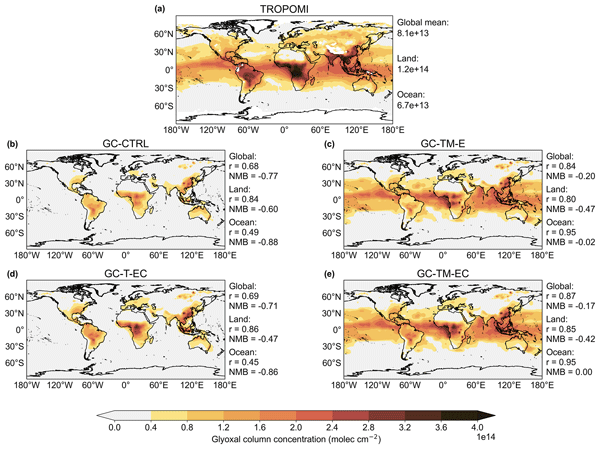
Glyoxal, a product of volatile organic compound oxidation, influences atmospheric oxidation and aerosol formation but is underestimated in models. By improving emissions, chemistry, and marine sources in GEOS-Chem, we better reproduce observed glyoxal over land and ocean, which strengthens global oxidation capacity and aerosol formation. The results highlight glyoxal's role as a proxy of atmospheric oxidation, and emphasize the needs of accurately representing glyoxal chemistry.
Xueying Liu, Yeqi Huang, Yao Chen, Xin Feng, Jiading Li, Yang Xu, Yi Chen, Dasa Gu, Hao Sun, Zhi Ning, Jianzhen Yu, Wing Sze Chow, Changqing Lin, Yan Xiang, Tianshu Zhang, Claire Granier, Guy Brasseur, Zhe Wang, and Jimmy C. H. Fung
Atmos. Chem. Phys., 25, 17629–17649, https://doi.org/10.5194/acp-25-17629-2025, https://doi.org/10.5194/acp-25-17629-2025, 2025
Short summary
Short summary
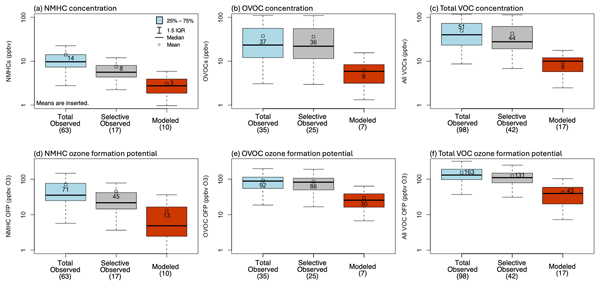
Volatile organic compounds (VOCs) affect ozone formation and air quality. However, our understanding is limited due to insufficient measurements, especially for oxygenated VOCs. This study combines land, ship, and satellite data in Hong Kong, showing that oxygenated VOCs make up a significant portion of total VOCs. Despite their importance, many are underestimated in current models. These findings highlight the need to improve VOC representation in models to enhance air quality management.
Ge Yu, Yueya Wang, Zhe Wang, and Xiaoming Shi
Atmos. Chem. Phys., 25, 7527–7542, https://doi.org/10.5194/acp-25-7527-2025, https://doi.org/10.5194/acp-25-7527-2025, 2025
Short summary
Short summary
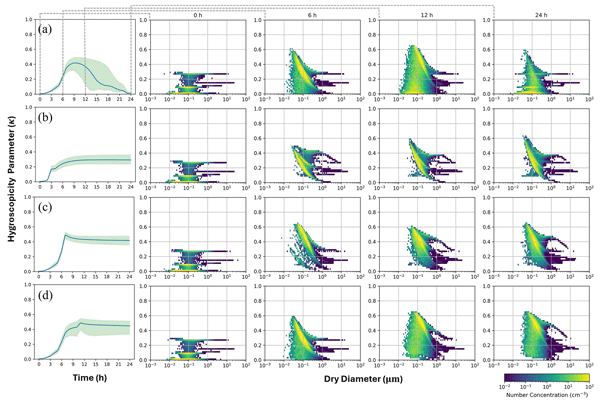
Studying the cloud-forming capacity of aerosols is crucial in climate research. The PartMC model can provide detailed particle information and help these studies. This model is integrated with the ideal meteorological Cloud Model 1 (CM1) to simulate the aerosols at cloud-forming locations. Significant changes are revealed in the hygroscopicity distribution of aerosols within ascending air parcels. Additionally, different ascent times also affect aerosol aging processes.
Xiao-Bing Li, Bin Yuan, Yibo Huangfu, Suxia Yang, Xin Song, Jipeng Qi, Xianjun He, Sihang Wang, Yubin Chen, Qing Yang, Yongxin Song, Yuwen Peng, Guiqian Tang, Jian Gao, Dasa Gu, and Min Shao
Atmos. Chem. Phys., 25, 2459–2472, https://doi.org/10.5194/acp-25-2459-2025, https://doi.org/10.5194/acp-25-2459-2025, 2025
Short summary
Short summary
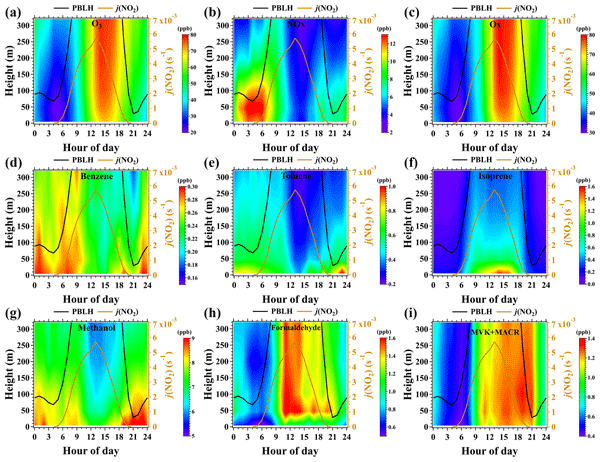
Online vertical gradient measurements of volatile organic compounds (VOCs), ozone, and NOx were conducted based on a 325 m tall tower in urban Beijing. Vertical changes in the concentrations, compositions, key drivers, and environmental impacts of VOCs were analyzed in this study. We find that VOC species display differentiated vertical variation patterns and distinct roles in contributing to photochemical ozone formation with increasing height in the urban planetary boundary layer.
Yifan Jiang, Men Xia, Zhe Wang, Penggang Zheng, Yi Chen, and Tao Wang
Atmos. Chem. Phys., 23, 14813–14828, https://doi.org/10.5194/acp-23-14813-2023, https://doi.org/10.5194/acp-23-14813-2023, 2023
Short summary
Short summary
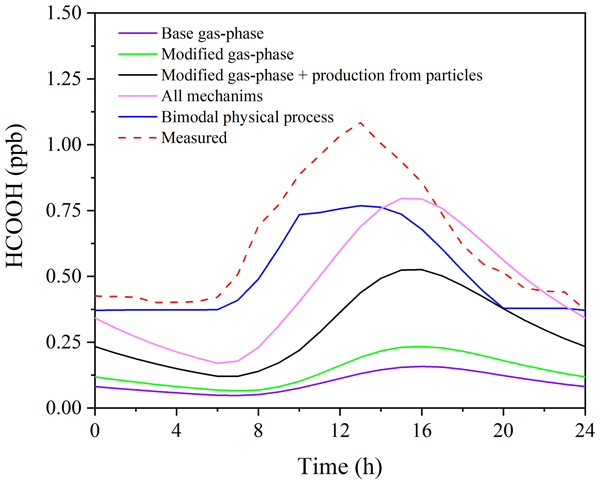
This study provides the first estimate of high rates of formic acid (HCOOH) production from the photochemical aging of real ambient particles and demonstrates the potential importance of this pathway in the formation of HCOOH under ambient conditions. Incorporating this pathway significantly improved the performance of a widely used chemical model. Our solution irradiation experiments demonstrated the importance of nitrate photolysis in HCOOH production via the production of oxidants.
Eliane Gomes Alves, Raoni Aquino Santana, Cléo Quaresma Dias-Júnior, Santiago Botía, Tyeen Taylor, Ana Maria Yáñez-Serrano, Jürgen Kesselmeier, Efstratios Bourtsoukidis, Jonathan Williams, Pedro Ivo Lembo Silveira de Assis, Giordane Martins, Rodrigo de Souza, Sérgio Duvoisin Júnior, Alex Guenther, Dasa Gu, Anywhere Tsokankunku, Matthias Sörgel, Bruce Nelson, Davieliton Pinto, Shujiro Komiya, Diogo Martins Rosa, Bettina Weber, Cybelli Barbosa, Michelle Robin, Kenneth J. Feeley, Alvaro Duque, Viviana Londoño Lemos, Maria Paula Contreras, Alvaro Idarraga, Norberto López, Chad Husby, Brett Jestrow, and Iván Mauricio Cely Toro
Atmos. Chem. Phys., 23, 8149–8168, https://doi.org/10.5194/acp-23-8149-2023, https://doi.org/10.5194/acp-23-8149-2023, 2023
Short summary
Short summary
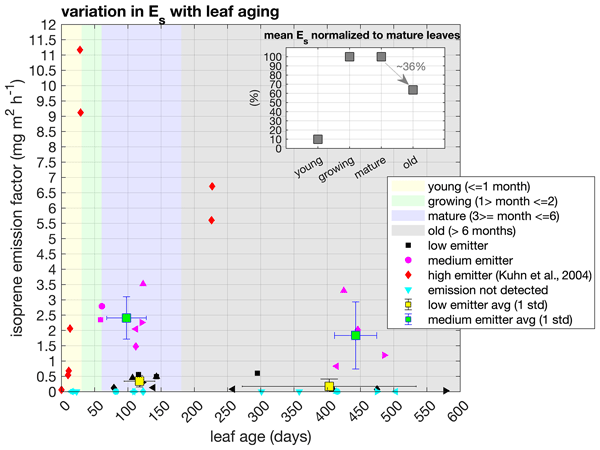
Isoprene is emitted mainly by plants and can influence atmospheric chemistry and air quality. But, there are uncertainties in model emission estimates and follow-up atmospheric processes. In our study, with long-term observational datasets of isoprene and biological and environmental factors from central Amazonia, we show that isoprene emission estimates could be improved when biological processes were mechanistically incorporated into the model.
Zhouxing Zou, Qianjie Chen, Men Xia, Qi Yuan, Yi Chen, Yanan Wang, Enyu Xiong, Zhe Wang, and Tao Wang
Atmos. Chem. Phys., 23, 7057–7074, https://doi.org/10.5194/acp-23-7057-2023, https://doi.org/10.5194/acp-23-7057-2023, 2023
Short summary
Short summary
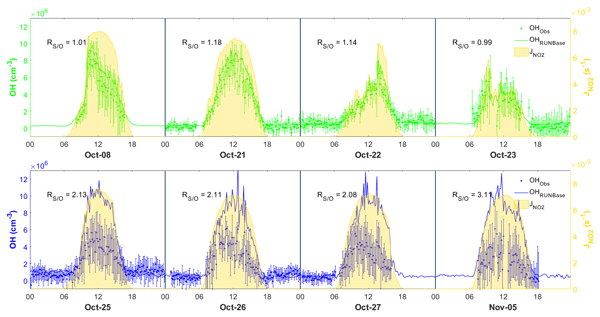
We present OH observation and model simulation results at a coastal site in Hong Kong. The model predicted the OH concentration under high-NOx well but overpredicted it under low-NOx conditions. This implies an insufficient understanding of OH chemistry under low-NOx conditions. We show evidence of missing OH sinks as a possible cause of the overprediction.
Qiongqiong Wang, Shan Wang, Yuk Ying Cheng, Hanzhe Chen, Zijing Zhang, Jinjian Li, Dasa Gu, Zhe Wang, and Jian Zhen Yu
Atmos. Chem. Phys., 22, 11239–11253, https://doi.org/10.5194/acp-22-11239-2022, https://doi.org/10.5194/acp-22-11239-2022, 2022
Short summary
Short summary
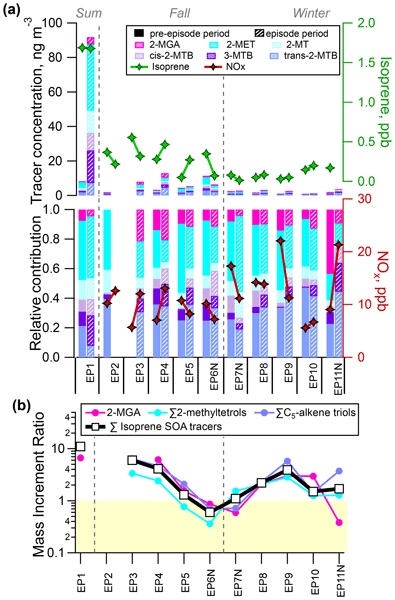
Secondary organic aerosol (SOA) is often enhanced during fine-particulate-matter (PM2.5) episodes. We examined bi-hourly measurements of SOA molecular tracers in suburban Hong Kong during 11 city-wide PM2.5 episodes. The tracers showed regional characteristics for both anthropogenic and biogenic SOA as well as biomass-burning-derived SOA. Multiple tracers of the same precursor revealed the dominance of low-NOx formation pathways for isoprene SOA and less-aged monoterpene SOA during winter.
Yishuo Guo, Chao Yan, Yuliang Liu, Xiaohui Qiao, Feixue Zheng, Ying Zhang, Ying Zhou, Chang Li, Xiaolong Fan, Zhuohui Lin, Zemin Feng, Yusheng Zhang, Penggang Zheng, Linhui Tian, Wei Nie, Zhe Wang, Dandan Huang, Kaspar R. Daellenbach, Lei Yao, Lubna Dada, Federico Bianchi, Jingkun Jiang, Yongchun Liu, Veli-Matti Kerminen, and Markku Kulmala
Atmos. Chem. Phys., 22, 10077–10097, https://doi.org/10.5194/acp-22-10077-2022, https://doi.org/10.5194/acp-22-10077-2022, 2022
Short summary
Short summary
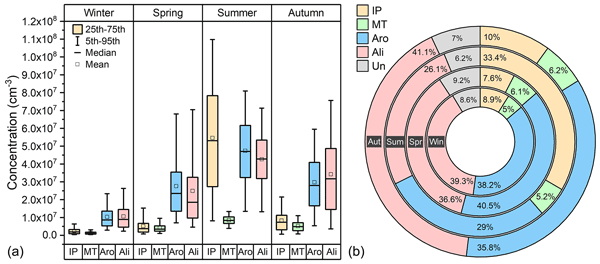
Gaseous oxygenated organic molecules (OOMs) are able to form atmospheric aerosols, which will impact on human health and climate change. Here, we find that OOMs in urban Beijing are dominated by anthropogenic sources, i.e. aromatic (29 %–41 %) and aliphatic (26 %–41 %) OOMs. They are also the main contributors to the condensational growth of secondary organic aerosols (SOAs). Therefore, the restriction on anthropogenic VOCs is crucial for the reduction of SOAs and haze formation.
Men Xia, Xiang Peng, Weihao Wang, Chuan Yu, Zhe Wang, Yee Jun Tham, Jianmin Chen, Hui Chen, Yujing Mu, Chenglong Zhang, Pengfei Liu, Likun Xue, Xinfeng Wang, Jian Gao, Hong Li, and Tao Wang
Atmos. Chem. Phys., 21, 15985–16000, https://doi.org/10.5194/acp-21-15985-2021, https://doi.org/10.5194/acp-21-15985-2021, 2021
Short summary
Short summary
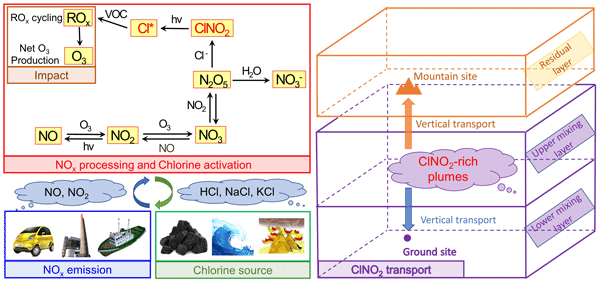
ClNO2 is an important precursor of chlorine radical that affects photochemistry. However, its production and impact are not well understood. Our study presents field observations of ClNO2 at three sites in northern China. These observations provide new insights into nighttime processes that produce ClNO2 and the significant impact of ClNO2 on secondary pollutions during daytime. The results improve the understanding of photochemical pollution in the lower part of the atmosphere.
Mingshuai Zhang, Chun Zhao, Yuhan Yang, Qiuyan Du, Yonglin Shen, Shengfu Lin, Dasa Gu, Wenjing Su, and Cheng Liu
Geosci. Model Dev., 14, 6155–6175, https://doi.org/10.5194/gmd-14-6155-2021, https://doi.org/10.5194/gmd-14-6155-2021, 2021
Short summary
Short summary
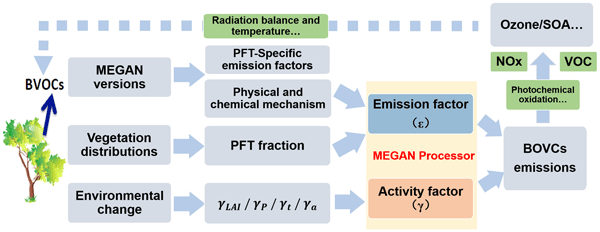
Biogenic volatile organic compounds (BVOCs) can influence atmospheric chemistry and secondary pollutant formation. This study examines the performance of different versions of the Model of Emissions of Gases and Aerosols from Nature (MEGAN) in modeling BVOCs and ozone and their sensitivities to vegetation distributions over eastern China. The results suggest more accurate vegetation distribution and measurements of BVOC emission fluxes are needed to reduce the uncertainties.
Yuliang Liu, Wei Nie, Yuanyuan Li, Dafeng Ge, Chong Liu, Zhengning Xu, Liangduo Chen, Tianyi Wang, Lei Wang, Peng Sun, Ximeng Qi, Jiaping Wang, Zheng Xu, Jian Yuan, Chao Yan, Yanjun Zhang, Dandan Huang, Zhe Wang, Neil M. Donahue, Douglas Worsnop, Xuguang Chi, Mikael Ehn, and Aijun Ding
Atmos. Chem. Phys., 21, 14789–14814, https://doi.org/10.5194/acp-21-14789-2021, https://doi.org/10.5194/acp-21-14789-2021, 2021
Short summary
Short summary
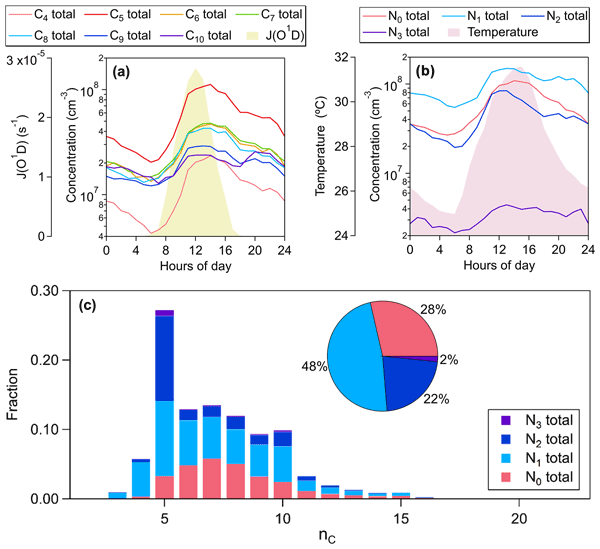
Oxygenated organic molecules (OOMs) are crucial intermediates linking volatile organic compounds to secondary organic aerosols. Using nitrate time-of-flight chemical ionization mass spectrometry in eastern China, we performed positive matrix factorization (PMF) on binned OOM mass spectra. We reconstructed over 1000 molecules from 14 derived PMF factors and identified about 72 % of the observed OOMs as organic nitrates, highlighting the decisive role of NOx in OOM formation in populated areas.
Cited articles
Bloss, C., Wagner, V., Bonzanini, A., Jenkin, M. E., Wirtz, K., Martin-Reviejo, M., and Pilling, M. J.: Evaluation of detailed aromatic mechanisms (MCMv3 and MCMv3.1) against environmental chamber data, Atmos. Chem. Phys., 5, 623–639, https://doi.org/10.5194/acp-5-623-2005, 2005.
Brito, J., Wurm, F., Yanez-Serrano, A. M., de Assuncao, J. V., Godoy, J. M., and Artaxo, P.: Vehicular Emission Ratios of VOCs in a Megacity Impacted by Extensive Ethanol Use: Results of Ambient Measurements in Sao Paulo, Brazil, Environ. Sci. Technol., 49, 11381–11387, https://doi.org/10.1021/acs.est.5b03281, 2015.
Byron, J., Kreuzwieser, J., Purser, G., van Haren, J., Ladd, S. N., Meredith, L. K., Werner, C., and Williams, J.: Chiral monoterpenes reveal forest emission mechanisms and drought responses, Nature, 609, 307–312, https://doi.org/10.1038/s41586-022-05020-5, 2022.
Chai, W., Wang, M., Li, J., Tang, G., Zhang, G., and Chen, W.: Pollution characteristics, sources, and photochemical roles of ambient carbonyl compounds in summer of Beijing, China, Environ. Pollut., 336, 122403, https://doi.org/10.1016/j.envpol.2023.122403, 2023.
Chen, J., Liu, T., Gong, D., Li, J., Chen, X., Li, Q., Liao, T., Zhou, Y., Zhang, T., Wang, Y., Wang, H., and Wang, B.: Insight into decreased ozone formation across the Chinese National Day Holidays at a regional background site in the Pearl River Delta, Atmos. Environ., 315, https://doi.org/10.1016/j.atmosenv.2023.120142, 2023.
Chen, T., Xue, L., Zheng, P., Zhang, Y., Liu, Y., Sun, J., Han, G., Li, H., Zhang, X., Li, Y., Li, H., Dong, C., Xu, F., Zhang, Q., and Wang, W.: Volatile organic compounds and ozone air pollution in an oil production region in northern China, Atmos. Chem. Phys., 20, 7069–7086, https://doi.org/10.5194/acp-20-7069-2020, 2020.
Cheng, H., Guo, H., Wang, X., Saunders, S. M., Lam, S. H., Jiang, F., Wang, T., Ding, A., Lee, S., and Ho, K. F.: On the relationship between ozone and its precursors in the Pearl River Delta: application of an observation-based model (OBM), Environ. Sci. Pollut. Res. Int., 17, 547–560, https://doi.org/10.1007/s11356-009-0247-9, 2010.
Claflin, M. S., Pagonis, D., Finewax, Z., Handschy, A. V., Day, D. A., Brown, W. L., Jayne, J. T., Worsnop, D. R., Jimenez, J. L., Ziemann, P. J., de Gouw, J., and Lerner, B. M.: An in situ gas chromatograph with automatic detector switching between PTR- and EI-TOF-MS: isomer-resolved measurements of indoor air, Atmos. Meas. Tech., 14, 133–152, https://doi.org/10.5194/amt-14-133-2021, 2021.
Coggon, M. M., Stockwell, C. E., Claflin, M. S., Pfannerstill, E. Y., Xu, L., Gilman, J. B., Marcantonio, J., Cao, C., Bates, K., Gkatzelis, G. I., Lamplugh, A., Katz, E. F., Arata, C., Apel, E. C., Hornbrook, R. S., Piel, F., Majluf, F., Blake, D. R., Wisthaler, A., Canagaratna, M., Lerner, B. M., Goldstein, A. H., Mak, J. E., and Warneke, C.: Identifying and correcting interferences to PTR-ToF-MS measurements of isoprene and other urban volatile organic compounds, Atmos. Meas. Tech., 17, 801–825, https://doi.org/10.5194/amt-17-801-2024, 2024.
Ding, A., Wang, T., and Fu, C.: Transport characteristics and origins of carbon monoxide and ozone in Hong Kong, South China, Journal of Geophysical Research: Atmospheres, 118, 9475–9488, https://doi.org/10.1002/jgrd.50714, 2013.
Feng, X., Guo, J., Wang, Z., Gu, D., Ho, K.-F., Chen, Y., Liao, K., Cheung, V. T. F., Louie, P. K. K., Leung, K. K. M., Yu, J. Z., Fung, J. C. H., and Lau, A. K. H.: Investigation of the multi-year trend of surface ozone and ozone-precursor relationship in Hong Kong, Atmos. Environ., 315, https://doi.org/10.1016/j.atmosenv.2023.120139, 2023.
Feng, Z., De Marco, A., Anav, A., Gualtieri, M., Sicard, P., Tian, H., Fornasier, F., Tao, F., Guo, A., and Paoletti, E.: Economic losses due to ozone impacts on human health, forest productivity and crop yield across China, Environ. Int., 131, 104966, https://doi.org/10.1016/j.envint.2019.104966, 2019.
Guo, H., Ling, Z. H., Cheung, K., Jiang, F., Wang, D. W., Simpson, I. J., Barletta, B., Meinardi, S., Wang, T. J., Wang, X. M., Saunders, S. M., and Blake, D. R.: Characterization of photochemical pollution at different elevations in mountainous areas in Hong Kong, Atmos. Chem. Phys., 13, 3881–3898, https://doi.org/10.5194/acp-13-3881-2013, 2013.
Guo, W., Yang, Y., Chen, Q., Zhu, Y., Zhang, Y., Zhang, Y., Liu, Y., Li, G., Sun, W., and She, J.: Chemical reactivity of volatile organic compounds and their effects on ozone formation in a petrochemical industrial area of Lanzhou, Western China, Sci. Total Environ., 839, 155901, https://doi.org/10.1016/j.scitotenv.2022.155901, 2022.
Han, C., Liu, R., Luo, H., Li, G., Ma, S., Chen, J., and An, T.: Pollution profiles of volatile organic compounds from different urban functional areas in Guangzhou China based on GC/MS and PTR-TOF-MS: Atmospheric environmental implications, Atmos. Environ., 214, https://doi.org/10.1016/j.atmosenv.2019.116843, 2019.
Han, J., Liu, Z., Hu, B., Zhu, W., Tang, G., Liu, Q., Ji, D., and Wang, Y.: Observations and explicit modeling of summer and autumn ozone formation in urban Beijing: Identification of key precursor species and sources, Atmos. Environ., 309, https://doi.org/10.1016/j.atmosenv.2023.119932, 2023.
He, Z., Wang, X., Ling, Z., Zhao, J., Guo, H., Shao, M., and Wang, Z.: Contributions of different anthropogenic volatile organic compound sources to ozone formation at a receptor site in the Pearl River Delta region and its policy implications, Atmos. Chem. Phys., 19, 8801–8816, https://doi.org/10.5194/acp-19-8801-2019, 2019.
Hofzumahaus, A., Rohrer, F., Lu, K., Bohn, B., Brauers, T., Chang, C.-C., Fuchs, H., Holland, F., Kita, K., Kondo, Y., Li, X., Lou, S., Shao, M., Zeng, L., Wahner, A., and Zhang, Y.: Amplified Trace Gas Removal in the Troposphere, Science, 324, https://doi.org/10.1126/science.1164566, 2009.
Holzinger, R., Acton, W. J. F., Bloss, W. J., Breitenlechner, M., Crilley, L. R., Dusanter, S., Gonin, M., Gros, V., Keutsch, F. N., Kiendler-Scharr, A., Kramer, L. J., Krechmer, J. E., Languille, B., Locoge, N., Lopez-Hilfiker, F., Materić, D., Moreno, S., Nemitz, E., Quéléver, L. L. J., Sarda Esteve, R., Sauvage, S., Schallhart, S., Sommariva, R., Tillmann, R., Wedel, S., Worton, D. R., Xu, K., and Zaytsev, A.: Validity and limitations of simple reaction kinetics to calculate concentrations of organic compounds from ion counts in PTR-MS, Atmos. Meas. Tech., 12, 6193–6208, https://doi.org/10.5194/amt-12-6193-2019, 2019.
Hong, Z., Li, M., Wang, H., Xu, L., Hong, Y., Chen, J., Chen, J., Zhang, H., Zhang, Y., Wu, X., Hu, B., and Li, M.: Characteristics of atmospheric volatile organic compounds (VOCs) at a mountainous forest site and two urban sites in the southeast of China, Sci. Total Environ., 657, 1491–1500, https://doi.org/10.1016/j.scitotenv.2018.12.132, 2019.
Huang, J. P., Fung, J. C. H., Lau, A. K. H., and Qin, Y.: Numerical simulation and process analysis of typhoon-related ozone episodes in Hong Kong, Journal of Geophysical Research: Atmospheres, 110, https://doi.org/10.1029/2004jd004914, 2005.
Huang, W., Zhao, Q., Liu, Q., Chen, F., He, Z., Guo, H., and Ling, Z.: Assessment of atmospheric photochemical reactivity in the Yangtze River Delta using a photochemical box model, Atmospheric Research, 245, https://doi.org/10.1016/j.atmosres.2020.105088, 2020a.
Huang, X. F., Wang, C., Zhu, B., Lin, L. L., and He, L. Y.: Exploration of sources of OVOCs in various atmospheres in southern China, Environ. Pollut., 249, 831–842, https://doi.org/10.1016/j.envpol.2019.03.106, 2019.
Huang, X. F., Zhang, B., Xia, S. Y., Han, Y., Wang, C., Yu, G. H., and Feng, N.: Sources of oxygenated volatile organic compounds (OVOCs) in urban atmospheres in North and South China, Environ. Pollut., 261, 114152, https://doi.org/10.1016/j.envpol.2020.114152, 2020b.
Huang, Y., Ling, Z. H., Lee, S. C., Ho, S. S. H., Cao, J. J., Blake, D. R., Cheng, Y., Lai, S. C., Ho, K. F., Gao, Y., Cui, L., and Louie, P. K. K.: Characterization of volatile organic compounds at a roadside environment in Hong Kong: An investigation of influences after air pollution control strategies, Atmos. Environ., 122, 809–818, https://doi.org/10.1016/j.atmosenv.2015.09.036, 2015.
Hui, L., Feng, X., Yuan, Q., Chen, Y., Xu, Y., Zheng, P., Lee, S., and Wang, Z.: Abundant oxygenated volatile organic compounds and their contribution to photochemical pollution in subtropical Hong Kong, Environ. Pollut., 335, 122287, https://doi.org/10.1016/j.envpol.2023.122287, 2023.
Kammer, J., Flaud, P. M., Chazeaubeny, A., Ciuraru, R., Le Menach, K., Geneste, E., Budzinski, H., Bonnefond, J. M., Lamaud, E., Perraudin, E., and Villenave, E.: Biogenic volatile organic compounds (BVOCs) reactivity related to new particle formation (NPF) over the Landes forest, Atmospheric Research, 237, https://doi.org/10.1016/j.atmosres.2020.104869, 2020.
Karl, T., Striednig, M., Graus, M., Hammerle, A., and Wohlfahrt, G.: Urban flux measurements reveal a large pool of oxygenated volatile organic compound emissions, Proc. Natl. Acad. Sci. USA, 115, 1186–1191, https://doi.org/10.1073/pnas.1714715115, 2018.
Kim, S., Karl, T., Helmig, D., Daly, R., Rasmussen, R., and Guenther, A.: Measurement of atmospheric sesquiterpenes by proton transfer reaction-mass spectrometry (PTR-MS), Atmos. Meas. Tech., 2, 99–112, https://doi.org/10.5194/amt-2-99-2009, 2009.
Koss, A. R., Sekimoto, K., Gilman, J. B., Selimovic, V., Coggon, M. M., Zarzana, K. J., Yuan, B., Lerner, B. M., Brown, S. S., Jimenez, J. L., Krechmer, J., Roberts, J. M., Warneke, C., Yokelson, R. J., and de Gouw, J.: Non-methane organic gas emissions from biomass burning: identification, quantification, and emission factors from PTR-ToF during the FIREX 2016 laboratory experiment, Atmos. Chem. Phys., 18, 3299–3319, https://doi.org/10.5194/acp-18-3299-2018, 2018.
Li, B., Ho, S. S. H., Gong, S., Ni, J., Li, H., Han, L., Yang, Y., Qi, Y., and Zhao, D.: Characterization of VOCs and their related atmospheric processes in a central Chinese city during severe ozone pollution periods, Atmos. Chem. Phys., 19, 617–638, https://doi.org/10.5194/acp-19-617-2019, 2019a.
Li, H., Canagaratna, M. R., Riva, M., Rantala, P., Zhang, Y., Thomas, S., Heikkinen, L., Flaud, P.-M., Villenave, E., Perraudin, E., Worsnop, D., Kulmala, M., Ehn, M., and Bianchi, F.: Atmospheric organic vapors in two European pine forests measured by a Vocus PTR-TOF: insights into monoterpene and sesquiterpene oxidation processes, Atmos. Chem. Phys., 21, 4123–4147, https://doi.org/10.5194/acp-21-4123-2021, 2021.
Li, K., Jacob, D. J., Liao, H., Shen, L., Zhang, Q., and Bates, K. H.: Anthropogenic drivers of 2013–2017 trends in summer surface ozone in China, Proc. Natl. Acad. Sci. USA, 116, 422–427, https://doi.org/10.1073/pnas.1812168116, 2019b.
Li, K., Jacob, D. J., Shen, L., Lu, X., De Smedt, I., and Liao, H.: Increases in surface ozone pollution in China from 2013 to 2019: anthropogenic and meteorological influences, Atmos. Chem. Phys., 20, 11423–11433, https://doi.org/10.5194/acp-20-11423-2020, 2020.
Li, K., Chen, L., Ying, F., White, S. J., Jang, C., Wu, X., Gao, X., Hong, S., Shen, J., Azzi, M., and Cen, K.: Meteorological and chemical impacts on ozone formation: A case study in Hangzhou, China, Atmospheric Research, 196, 40–52, https://doi.org/10.1016/j.atmosres.2017.06.003, 2017.
Li, L., Xie, S., Zeng, L., Wu, R., and Li, J.: Characteristics of volatile organic compounds and their role in ground-level ozone formation in the Beijing-Tianjin-Hebei region, China, Atmos. Environ., 113, 247–254, https://doi.org/10.1016/j.atmosenv.2015.05.021, 2015.
Li, X., Rohrer, F., Brauers, T., Hofzumahaus, A., Lu, K., Shao, M., Zhang, Y. H., and Wahner, A.: Modeling of HCHO and CHOCHO at a semi-rural site in southern China during the PRIDE-PRD2006 campaign, Atmos. Chem. Phys., 14, 12291–12305, https://doi.org/10.5194/acp-14-12291-2014, 2014.
Lin, H., Wang, M., Duan, Y., Fu, Q., Ji, W., Cui, H., Jin, D., Lin, Y., and Hu, K.: O3 Sensitivity and Contributions of Different NMHC Sources in O3 Formation at Urban and Suburban Sites in Shanghai, Atmosphere-Basel, 11, https://doi.org/10.3390/atmos11030295, 2020.
Liu, X., Lyu, X., Wang, Y., Jiang, F., and Guo, H.: Intercomparison of O3 formation and radical chemistry in the past decade at a suburban site in Hong Kong, Atmos. Chem. Phys., 19, 5127–5145, https://doi.org/10.5194/acp-19-5127-2019, 2019.
Liu, X., Wang, N., Lyu, X., Zeren, Y., Jiang, F., Wang, X., Zou, S., Ling, Z., and Guo, H.: Photochemistry of ozone pollution in autumn in Pearl River Estuary, South China, Sci. Total Environ., 754, 141812, https://doi.org/10.1016/j.scitotenv.2020.141812, 2021.
Liu, Y., Qiu, P., Li, C., Li, X., Ma, W., Yin, S., Yu, Q., Li, J., and Liu, X.: Evolution and variations of atmospheric VOCs and O3 photochemistry during a summer O3 event in a county-level city, Southern China, Atmos. Environ., 272, https://doi.org/10.1016/j.atmosenv.2022.118942, 2022.
Lu, H., Cai, Q. Y., Wen, S., Chi, Y., Guo, S., Sheng, G., and Fu, J.: Seasonal and diurnal variations of carbonyl compounds in the urban atmosphere of Guangzhou, China, Sci. Total Environ., 408, 3523–3529, https://doi.org/10.1016/j.scitotenv.2010.05.013, 2010.
Lyu, X., Guo, H., Zou, Q., Li, K., Xiong, E., Zhou, B., Guo, P., Jiang, F., and Tian, X.: Evidence for Reducing Volatile Organic Compounds to Improve Air Quality from Concurrent Observations and In Situ Simulations at 10 Stations in Eastern China, Environ. Sci. Technol., 56, 15356–15364, https://doi.org/10.1021/acs.est.2c04340, 2022.
Ma, X., Tan, Z., Lu, K., Yang, X., Liu, Y., Li, S., Li, X., Chen, S., Novelli, A., Cho, C., Zeng, L., Wahner, A., and Zhang, Y.: Winter photochemistry in Beijing: Observation and model simulation of OH and HO2 radicals at an urban site, Sci. Total Environ., 685, 85–95, https://doi.org/10.1016/j.scitotenv.2019.05.329, 2019.
Mellouki, A., Bras, G. L., and Sidebottom, H.: Kinetics and Mechanisms of the Oxidation of Oxygenated Organic Compounds in the Gas Phase, Chem. Rev., 103, 5077–5096, 2003.
Mills, G., Pleijel, H., Malley, C. S., Sinha, B., Cooper, O. R., Schultz, M. G., Neufeld, H. S., Simpson, D., Sharps, K., Feng, Z., Gerosa, G., Harmens, H., Kobayashi, K., Saxena, P., Paoletti, E., Sinha, V., and Xu, X.: Tropospheric Ozone Assessment Report: Present-day tropospheric ozone distribution and trends relevant to vegetation, Elem. Sci. Anth., 6, 47, https://doi.org/10.1525/elementa.302, 2018.
Mo, Z., Shao, M., and Lu, S.: Compilation of a source profile database for hydrocarbon and OVOC emissions in China, Atmos. Environ., 143, 209–217, https://doi.org/10.1016/j.atmosenv.2016.08.025, 2016.
Rohrer, F., Lu, K., Hofzumahaus, A., Bohn, B., Brauers, T., Chang, C.-C., Fuchs, H., Häseler, R., Holland, F., Hu, M., Kita, K., Kondo, Y., Li, X., Lou, S., Oebel, A., Shao, M., Zeng, L., Zhu, T., Zhang, Y., and Wahner, A.: Maximum efficiency in the hydroxyl-radical-based self-cleansing of the troposphere, Nature Geoscience, 7, 559–563, https://doi.org/10.1038/ngeo2199, 2014.
Sekimoto, K., Li, S.-M., Yuan, B., Koss, A., Coggon, M., Warneke, C., and de Gouw, J.: Calculation of the sensitivity of proton-transfer-reaction mass spectrometry (PTR-MS) for organic trace gases using molecular properties, International Journal of Mass Spectrometry, 421, 71–94, https://doi.org/10.1016/j.ijms.2017.04.006, 2017.
Shen, H., Liu, Y., Zhao, M., Li, J., Zhang, Y., Yang, J., Jiang, Y., Chen, T., Chen, M., Huang, X., Li, C., Guo, D., Sun, X., Xue, L., and Wang, W.: Significance of carbonyl compounds to photochemical ozone formation in a coastal city (Shantou) in eastern China, Sci. Total Environ., 764, 144031, https://doi.org/10.1016/j.scitotenv.2020.144031, 2021.
Sun, H., Gu, D., Feng, X., Wang, Z., Cao, X., Sun, M., Ning, Z., Zheng, P., Mai, Y., Xu, Z., Chan, W. M., Li, X., Zhang, W., Lee, H. W., Leung, K. F., Yu, J. Z., Lee, E., Louie, P. K. K., and Leung, K.: Cruise observation of ambient volatile organic compounds over Hong Kong coastal water, Atmos. Environ., 323, https://doi.org/10.1016/j.atmosenv.2024.120387, 2024.
Tan, Z., Lu, K., Jiang, M., Su, R., Dong, H., Zeng, L., Xie, S., Tan, Q., and Zhang, Y.: Exploring ozone pollution in Chengdu, southwestern China: A case study from radical chemistry to O3–VOC–NOx sensitivity, Sci. Total Environ., 636, 775–786, https://doi.org/10.1016/j.scitotenv.2018.04.286, 2018.
Tan, Z., Lu, K., Jiang, M., Su, R., Wang, H., Lou, S., Fu, Q., Zhai, C., Tan, Q., Yue, D., Chen, D., Wang, Z., Xie, S., Zeng, L., and Zhang, Y.: Daytime atmospheric oxidation capacity in four Chinese megacities during the photochemically polluted season: a case study based on box model simulation, Atmos. Chem. Phys., 19, 3493–3513, https://doi.org/10.5194/acp-19-3493-2019, 2019a.
Tan, Z., Lu, K., Hofzumahaus, A., Fuchs, H., Bohn, B., Holland, F., Liu, Y., Rohrer, F., Shao, M., Sun, K., Wu, Y., Zeng, L., Zhang, Y., Zou, Q., Kiendler-Scharr, A., Wahner, A., and Zhang, Y.: Experimental budgets of OH, HO2, and RO2 radicals and implications for ozone formation in the Pearl River Delta in China 2014, Atmos. Chem. Phys., 19, 7129–7150, https://doi.org/10.5194/acp-19-7129-2019, 2019b.
Wang, H., Lyu, X., Guo, H., Wang, Y., Zou, S., Ling, Z., Wang, X., Jiang, F., Zeren, Y., Pan, W., Huang, X., and Shen, J.: Ozone pollution around a coastal region of South China Sea: interaction between marine and continental air, Atmos. Chem. Phys., 18, 4277–4295, https://doi.org/10.5194/acp-18-4277-2018, 2018a.
Wang, N., Guo, H., Jiang, F., Ling, Z. H., and Wang, T.: Simulation of ozone formation at different elevations in mountainous area of Hong Kong using WRF-CMAQ model, Sci. Total Environ., 505, 939–951, https://doi.org/10.1016/j.scitotenv.2014.10.070, 2015.
Wang, R., Wang, L., Yang, Y., Zhan, J., Ji, D., Hu, B., Ling, Z., Xue, M., Zhao, S., Yao, D., Liu, Y., and Wang, Y.: Comparative analysis for the impacts of VOC subgroups and atmospheric oxidation capacity on O3 based on different observation-based methods at a suburban site in the North China Plain, Environ Res, 248, 118250, https://doi.org/10.1016/j.envres.2024.118250, 2024.
Wang, W., Yuan, B., Peng, Y., Su, H., Cheng, Y., Yang, S., Wu, C., Qi, J., Bao, F., Huangfu, Y., Wang, C., Ye, C., Wang, Z., Wang, B., Wang, X., Song, W., Hu, W., Cheng, P., Zhu, M., Zheng, J., and Shao, M.: Direct observations indicate photodegradable oxygenated volatile organic compounds (OVOCs) as larger contributors to radicals and ozone production in the atmosphere, Atmos. Chem. Phys., 22, 4117–4128, https://doi.org/10.5194/acp-22-4117-2022, 2022a.
Wang, X., Yin, S., Zhang, R., Yuan, M., and Ying, Q.: Assessment of summertime O3 formation and the O3-NOX-VOC sensitivity in Zhengzhou, China using an observation-based model, Sci. Total Environ., 813, 152449, https://doi.org/10.1016/j.scitotenv.2021.152449, 2022b.
Wang, Y., Guo, H., Zou, S., Lyu, X., Ling, Z., Cheng, H., and Zeren, Y.: Surface O3 photochemistry over the South China Sea: Application of a near-explicit chemical mechanism box model, Environ. Pollut., 234, 155–166, https://doi.org/10.1016/j.envpol.2017.11.001, 2018b.
Wang, Y., Wang, H., Guo, H., Lyu, X., Cheng, H., Ling, Z., Louie, P. K. K., Simpson, I. J., Meinardi, S., and Blake, D. R.: Long-term O3–precursor relationships in Hong Kong: field observation and model simulation, Atmos. Chem. Phys., 17, 10919–10935, https://doi.org/10.5194/acp-17-10919-2017, 2017.
Wang, Z.: Oxygenated volatile organic compounds measured at HKUST, DataSpace@HKUST [data set], https://doi.org/10.14711/dataset/ZV6FMX, 2025.
Whalley, L. K., Stone, D., Dunmore, R., Hamilton, J., Hopkins, J. R., Lee, J. D., Lewis, A. C., Williams, P., Kleffmann, J., Laufs, S., Woodward-Massey, R., and Heard, D. E.: Understanding in situ ozone production in the summertime through radical observations and modelling studies during the Clean air for London project (ClearfLo), Atmos. Chem. Phys., 18, 2547–2571, https://doi.org/10.5194/acp-18-2547-2018, 2018.
Whalley, L. K., Slater, E. J., Woodward-Massey, R., Ye, C., Lee, J. D., Squires, F., Hopkins, J. R., Dunmore, R. E., Shaw, M., Hamilton, J. F., Lewis, A. C., Mehra, A., Worrall, S. D., Bacak, A., Bannan, T. J., Coe, H., Percival, C. J., Ouyang, B., Jones, R. L., Crilley, L. R., Kramer, L. J., Bloss, W. J., Vu, T., Kotthaus, S., Grimmond, S., Sun, Y., Xu, W., Yue, S., Ren, L., Acton, W. J. F., Hewitt, C. N., Wang, X., Fu, P., and Heard, D. E.: Evaluating the sensitivity of radical chemistry and ozone formation to ambient VOCs and NOx in Beijing, Atmos. Chem. Phys., 21, 2125–2147, https://doi.org/10.5194/acp-21-2125-2021, 2021.
Wolfe, G. M., Marvin, M. R., Roberts, S. J., Travis, K. R., and Liao, J.: The Framework for 0-D Atmospheric Modeling (F0AM) v3.1, Geosci. Model Dev., 9, 3309–3319, https://doi.org/10.5194/gmd-9-3309-2016, 2016.
Wu, C., Wang, C., Wang, S., Wang, W., Yuan, B., Qi, J., Wang, B., Wang, H., Wang, C., Song, W., Wang, X., Hu, W., Lou, S., Ye, C., Peng, Y., Wang, Z., Huangfu, Y., Xie, Y., Zhu, M., Zheng, J., Wang, X., Jiang, B., Zhang, Z., and Shao, M.: Measurement report: Important contributions of oxygenated compounds to emissions and chemistry of volatile organic compounds in urban air, Atmos. Chem. Phys., 20, 14769–14785, https://doi.org/10.5194/acp-20-14769-2020, 2020.
Xu, C., He, X., Sun, S., Bo, Y., Cui, Z., Zhang, Z., and Dong, H.: Sensitivity of Ozone Formation in Summer in Jinan Using Observation-Based Model, Atmosphere-Basel, 13, https://doi.org/10.3390/atmos13122024, 2022.
Xue, L., Gu, R., Wang, T., Wang, X., Saunders, S., Blake, D., Louie, P. K. K., Luk, C. W. Y., Simpson, I., Xu, Z., Wang, Z., Gao, Y., Lee, S., Mellouki, A., and Wang, W.: Oxidative capacity and radical chemistry in the polluted atmosphere of Hong Kong and Pearl River Delta region: analysis of a severe photochemical smog episode, Atmos. Chem. Phys., 16, 9891–9903, https://doi.org/10.5194/acp-16-9891-2016, 2016.
Yang, X., Feng, X., Chen, Y., Zheng, P., Hui, L., Chen, Y., Yu, J. Z., and Wang, Z.: Development of an enhanced method for atmospheric carbonyls and characterizing their roles in photochemistry in subtropical Hong Kong, Sci. Total Environ., 165135, https://doi.org/10.1016/j.scitotenv.2023.165135, 2023.
Yang, X., Xue, L., Wang, T., Wang, X., Gao, J., Lee, S., Blake, D. R., Chai, F., and Wang, W.: Observations and Explicit Modeling of Summertime Carbonyl Formation in Beijing: Identification of Key Precursor Species and Their Impact on Atmospheric Oxidation Chemistry, Journal of Geophysical Research: Atmospheres, 123, 1426–1440, https://doi.org/10.1002/2017jd027403, 2018.
Yang, X., Xue, L., Yao, L., Li, Q., Wen, L., Zhu, Y., Chen, T., Wang, X., Yang, L., Wang, T., Lee, S., Chen, J., and Wang, W.: Carbonyl compounds at Mount Tai in the North China Plain: Characteristics, sources, and effects on ozone formation, Atmospheric Research, 196, 53–61, https://doi.org/10.1016/j.atmosres.2017.06.005, 2017.
Yang, Y., Ji, D., Sun, J., Wang, Y., Yao, D., Zhao, S., Yu, X., Zeng, L., Zhang, R., Zhang, H., Wang, Y., and Wang, Y.: Ambient volatile organic compounds in a suburban site between Beijing and Tianjin: Concentration levels, source apportionment and health risk assessment, Sci. Total Environ., 695, 133889, https://doi.org/10.1016/j.scitotenv.2019.133889, 2019.
Yu, D., Tan, Z., Lu, K., Ma, X., Li, X., Chen, S., Zhu, B., Lin, L., Li, Y., Qiu, P., Yang, X., Liu, Y., Wang, H., He, L., Huang, X., and Zhang, Y.: An explicit study of local ozone budget and NOx–VOCs sensitivity in Shenzhen China, Atmos. Environ., 224, https://doi.org/10.1016/j.atmosenv.2020.117304, 2020.
Yuan, B., Koss, A. R., Warneke, C., Coggon, M., Sekimoto, K., and de Gouw, J. A.: Proton-Transfer-Reaction Mass Spectrometry: Applications in Atmospheric Sciences, Chem. Rev., 117, 13187–13229, https://doi.org/10.1021/acs.chemrev.7b00325, 2017.
Yue, X. and Unger, N.: Ozone vegetation damage effects on gross primary productivity in the United States, Atmos. Chem. Phys., 14, 9137–9153, https://doi.org/10.5194/acp-14-9137-2014, 2014.
Zhang, J., Wang, T., Chameides, W. L., Cardelino, C., Kwok, J., Blake, D. R., Ding, A., and So, K. L.: Ozone production and hydrocarbon reactivity in Hong Kong, Southern China, Atmos. Chem. Phys., 7, 557–573, https://doi.org/10.5194/acp-7-557-2007, 2007.
Zhang, Y., Dai, W., Li, J., Ho, S. S. H., Li, L., Shen, M., Wang, Q., and Cao, J.: Comprehensive observations of carbonyls of Mt. Hua in Central China: Vertical distribution and effects on ozone formation, Sci. Total Environ., 907, 167983, https://doi.org/10.1016/j.scitotenv.2023.167983, 2024.
Zhang, Y., Wang, Y., Li, C., Li, Y., Yin, S., Claflin, M. S., Lerner, B. M., Worsnop, D., and Wang, L.: Interpretation of mass spectra by a Vocus proton-transfer-reaction mass spectrometer (PTR-MS) at an urban site: insights from gas chromatographic pre-separation, Atmos. Meas. Tech., 18, 3547–3568, https://doi.org/10.5194/amt-18-3547-2025, 2025.
Zhang, Y. H., Su, H., Zhong, L. J., Cheng, Y. F., Zeng, L. M., Wang, X. S., Xiang, Y. R., Wang, J. L., Gao, D. F., and Shao, M.: Regional ozone pollution and observation-based approach for analyzing ozone–precursor relationship during the PRIDE-PRD2004 campaign, Atmos. Environ., 42, 6203–6218, https://doi.org/10.1016/j.atmosenv.2008.05.002, 2008.
Zhang, Z., Man, H., Duan, F., Lv, Z., Zheng, S., Zhao, J., Huang, F., Luo, Z., He, K., and Liu, H.: Evaluation of the VOC pollution pattern and emission characteristics during the Beijing resurgence of COVID-19 in summer 2020 based on the measurement of PTR-ToF-MS, Environ. Res. Lett., 17, https://doi.org/10.1088/1748-9326/ac3e99, 2022.
Zhao, M., Zhang, Y., Pei, C., Chen, T., Mu, J., Liu, Y., Wang, Y., Wang, W., and Xue, L.: Worsening ozone air pollution with reduced NOx and VOCs in the Pearl River Delta region in autumn 2019: Implications for national control policy in China, J. Environ. Manage., 324, 116327, https://doi.org/10.1016/j.jenvman.2022.116327, 2022.
Zhao, Y., Chen, L., Li, K., Han, L., Zhang, X., Wu, X., Gao, X., Azzi, M., and Cen, K.: Atmospheric ozone chemistry and control strategies in Hangzhou, China: Application of a 0-D box model, Atmospheric Research, 246, https://doi.org/10.1016/j.atmosres.2020.105109, 2020.
Zhou, X., Li, Z. Q., Zhang, T. J., Wang, F., Wang, F. T., Tao, Y., Zhang, X., Wang, F. L., and Huang, J.: Volatile organic compounds in a typical petrochemical industrialized valley city of northwest China based on high-resolution PTR-MS measurements: Characterization, sources and chemical effects, Sci. Total Environ., 671, 883–896, https://doi.org/10.1016/j.scitotenv.2019.03.283, 2019.
Short summary
This study finds that oxygenated organic gases play a much greater role in ozone pollution than previously known. Based on detailed air measurements and modeling, the research shows these gases strongly influence radicals and ozone formation. Overlooking them may lead to ineffective policies. The findings highlight the need for better measurement of these gases to improve pollution forecasts and support smarter air quality strategies.
This study finds that oxygenated organic gases play a much greater role in ozone pollution than...


Altmetrics
Final-revised paper
Preprint