
Articles | Volume 26, issue 10
https://doi.org/10.5194/acp-26-6727-2026
© Author(s) 2026. This work is distributed under
the Creative Commons Attribution 4.0 License.
the Creative Commons Attribution 4.0 License.
https://doi.org/10.5194/acp-26-6727-2026
© Author(s) 2026. This work is distributed under
the Creative Commons Attribution 4.0 License.
the Creative Commons Attribution 4.0 License.
Research article
| 
19 May 2026
Research article |
| 19 May 2026
| 19 May 2026
Organic amine weakens chloride depletion in coastal atmosphere
Aijing Song
Qingdao Key Laboratory for Prevention and Control of Atmospheric Pollution in Coastal Cities, Environment Research Institute, Shandong University, Qingdao 266237, China
Qingdao Key Laboratory for Prevention and Control of Atmospheric Pollution in Coastal Cities, Environment Research Institute, Shandong University, Qingdao 266237, China
Zhaomin Yang
Qingdao Key Laboratory for Prevention and Control of Atmospheric Pollution in Coastal Cities, Environment Research Institute, Shandong University, Qingdao 266237, China
Li Xu
School of Environmental Science and Engineering, Shandong University, Qingdao 266237, China
Narcisse Tsona Tchinda
Qingdao Key Laboratory for Prevention and Control of Atmospheric Pollution in Coastal Cities, Environment Research Institute, Shandong University, Qingdao 266237, China

Qingdao Key Laboratory for Prevention and Control of Atmospheric Pollution in Coastal Cities, Environment Research Institute, Shandong University, Qingdao 266237, China
School of Environmental Science and Engineering, Shandong University, Qingdao 266237, China
State Key Laboratory of Microbial Technology, Shandong University, Qingdao 266237, China
Related authors
No articles found.
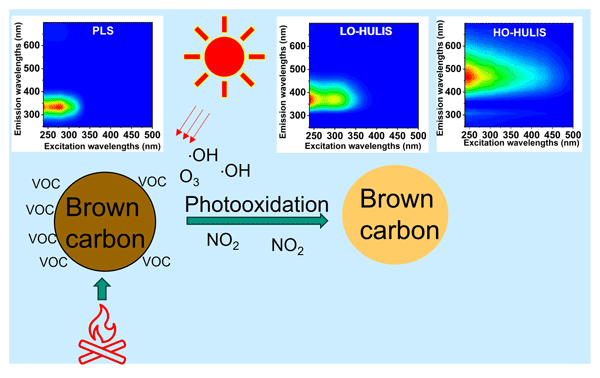
Feng Jiang, Jun Zhang, David M. Bell, Kun Li, Nadine Borduas-Dedekind, Andre S. H. Prevot, Hongbiao Cui, Harald Saathoff, and Thomas Leisner
Atmos. Chem. Phys., 26, 11733–11746, https://doi.org/10.5194/acp-26-11733-2026, https://doi.org/10.5194/acp-26-11733-2026, 2026
Short summary
Short summary
We studied chemical compositions and chromophores of brown carbon aerosol from combustion emission before and after photooxidation using an oxidative flow reactor. The chromophore and chemical composition of brown carbon were determined by excitation-emission spectroscopy and mass spectrometry. This work helps to get a better understanding of evolution process of the chromophores from primary combustion emissions during the real atmospheric transportation.
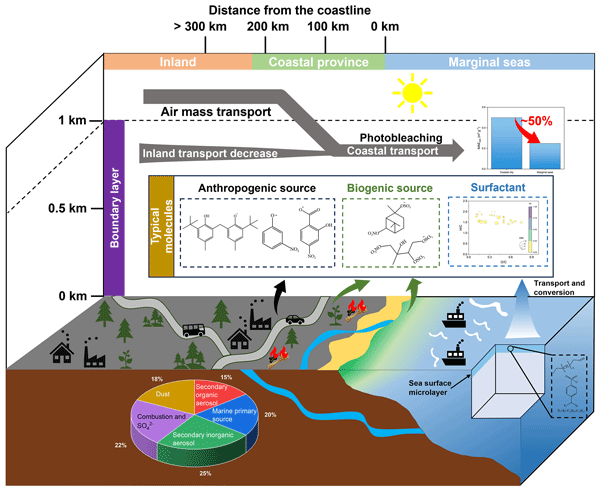
Kuanyun Hu, Narcisse Tsona Tchinda, Kun Li, Hartmut Herrmann, Jianlong Li, and Lin Du
Atmos. Chem. Phys., 26, 2225–2240, https://doi.org/10.5194/acp-26-2225-2026, https://doi.org/10.5194/acp-26-2225-2026, 2026
Short summary
Short summary
This study reveals that summer aerosols over the Bohai and Yellow Seas are mainly influenced by coastal emissions. Despite a high proportion of marine air masses, molecular and isotopic analyses of aerosols show strong terrestrial characteristics. Biomass burning contributes 60–80 % of carbonaceous aerosols, while marine sources account for only ~ 20 %. The findings highlight that controlling coastal emissions within ~ 260 km is crucial for mitigating marginal sea pollution.

Jie Hu, Jianlong Li, Narcisse Tsona Tchinda, Christian George, Feng Xu, Min Hu, and Lin Du
Atmos. Chem. Phys., 26, 2191–2208, https://doi.org/10.5194/acp-26-2191-2026, https://doi.org/10.5194/acp-26-2191-2026, 2026
Short summary
Short summary
Phytoplankton blooms dynamically enrich dissolved organic carbon (DOC) in sea spray aerosol by 10–30 times, with proteins and saccharides transferring at different bloom stages. The sea-to-air transfer of DOC is driven by the synergy of biological and the interaction between DOC and bubble rupture. This synergistically-driven DOC flux affects aerosol properties and climate, highlighting the ocean–atmosphere link in organic carbon cycling.
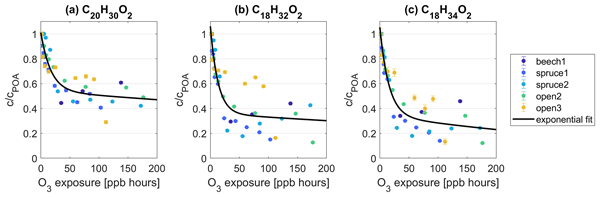
Sophie Bogler, Jun Zhang, Rico K. Y. Cheung, Kun Li, André S. H. Prévôt, Imad El Haddad, and David M. Bell
Atmos. Chem. Phys., 25, 10229–10243, https://doi.org/10.5194/acp-25-10229-2025, https://doi.org/10.5194/acp-25-10229-2025, 2025
Short summary
Short summary
Authentic aerosols emitted from residential wood stoves and open burning processes are only slightly oxidized by ozone in the atmosphere. Under dry conditions, the reaction does not proceed to completion, while under high humidity conditions, the reactivity proceeds further. These results indicate that the reactivity with ozone is likely impacted by aerosol phase state (e.g., aerosol viscosity).
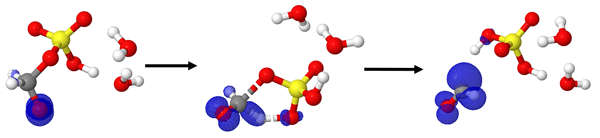
Narcisse Tsona Tchinda, Xiaofan Lv, Stanley Numbonui Tasheh, Julius Numbonui Ghogomu, and Lin Du
Atmos. Chem. Phys., 25, 8575–8590, https://doi.org/10.5194/acp-25-8575-2025, https://doi.org/10.5194/acp-25-8575-2025, 2025
Short summary
Short summary
This study examines the transformation of organosulfates through reaction with HO• radicals. The results show that the nature of substituents on the carbon chain can effectively affect the decomposition rate of organosulfates, and ozone is unveiled as a complementary oxidant in the intermediate steps of this decomposition. The primary products from these reactions include carbonyl compounds and inorganic sulfate, which highlights the role of organosulfates in altering aerosol chemical composition.
Haibiao Chen, Caiqing Yan, Liubin Huang, Lin Du, Yang Yue, Xinfeng Wang, Qingcai Chen, Mingjie Xie, Junwen Liu, Fengwen Wang, Shuhong Fang, Qiaoyun Yang, Hongya Niu, Mei Zheng, Yan Wu, and Likun Xue
Atmos. Chem. Phys., 25, 3647–3667, https://doi.org/10.5194/acp-25-3647-2025, https://doi.org/10.5194/acp-25-3647-2025, 2025
Short summary
Short summary
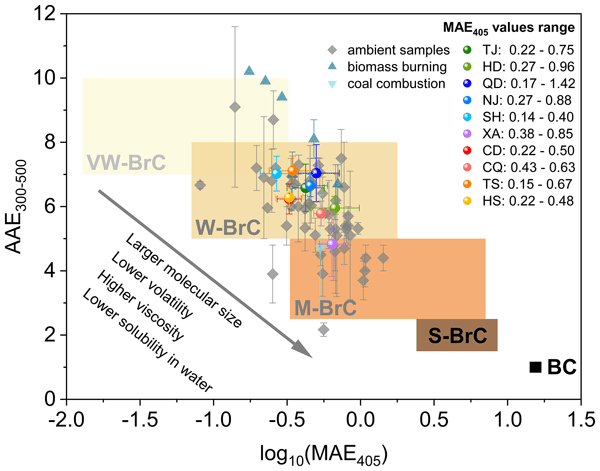
A comprehensive understanding of the optical properties of brown carbon (BrC) is essential to accurately assess its climatic effects. Based on multi-site spectroscopic measurements, this study demonstrated the significant spatial heterogeneity in the optical and structural properties of water-soluble organic carbon (WSOC) in different regions of China and revealed factors affecting WSOC light absorption and the relationship between fluorophores and light absorption of WSOC.
Tiantian Wang, Jun Zhang, Houssni Lamkaddam, Kun Li, Ka Yuen Cheung, Lisa Kattner, Erlend Gammelsæter, Michael Bauer, Zachary C. J. Decker, Deepika Bhattu, Rujin Huang, Rob L. Modini, Jay G. Slowik, Imad El Haddad, Andre S. H. Prevot, and David M. Bell
Atmos. Chem. Phys., 25, 2707–2724, https://doi.org/10.5194/acp-25-2707-2025, https://doi.org/10.5194/acp-25-2707-2025, 2025
Short summary
Short summary
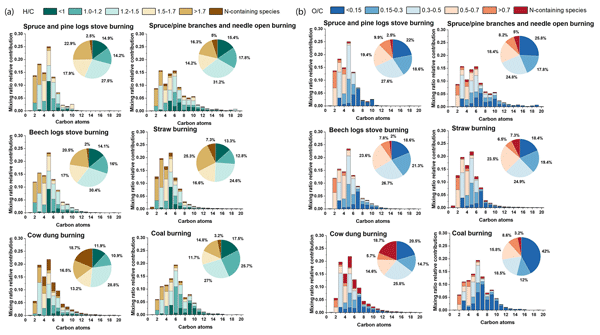
Our study analyzes real-time emissions of organic vapors from solid fuel combustion. Using the mass spectrometer, we tested various fuels, finding higher emission factors for organic vapors from wood burning. Intermediate-volatility organic compounds constituted a significant fraction of emissions in solid fuel combustion. Statistical tests identified unique potential markers. Our insights benefit air quality, climate, and health, aiding accurate emission assessments.
Yaru Song, Jianlong Li, Narcisse Tsona Tchinda, Kun Li, and Lin Du
Atmos. Chem. Phys., 24, 5847–5862, https://doi.org/10.5194/acp-24-5847-2024, https://doi.org/10.5194/acp-24-5847-2024, 2024
Short summary
Short summary
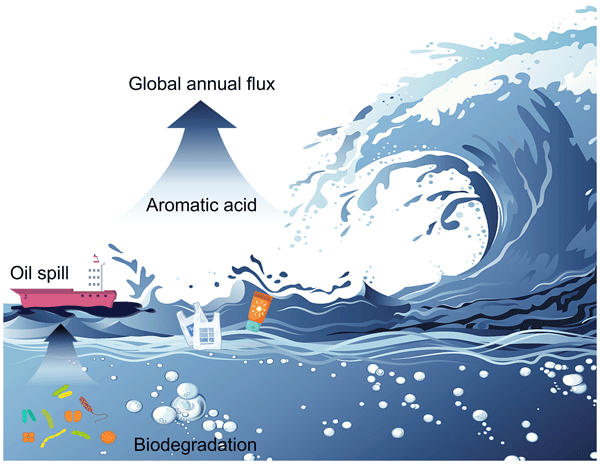
Aromatic acids can be transferred from seawater to the atmosphere through bubble bursting. The air–sea transfer efficiency of aromatic acids was evaluated by simulating SSA generation with a plunging jet. As a whole, the transfer capacity of aromatic acids may depend on their functional groups and on the bridging effect of cations, as well as their concentration in seawater, as these factors influence the global emission flux of aromatic acids via SSA.
Xiaowen Chen, Lin Du, Zhaomin Yang, Shan Zhang, Narcisse Tsona Tchinda, Jianlong Li, and Kun Li
EGUsphere, https://doi.org/10.5194/egusphere-2023-2960, https://doi.org/10.5194/egusphere-2023-2960, 2024
Preprint archived
Short summary
Short summary
In this study, the interactions between α-pinene and marine emission dimethyl sulfide (DMS) are investigated. It is found that the yield of secondary organic aerosol initially increases and then decreases with the increasing DMS/α-pinene ratio. This trend can be explained by OH regeneration, acid-catalyzed reactions, and the change in OH reactivity, etc. These findings can improve our understanding of atmospheric processes in coastal areas.
Lin Du, Xiaofan Lv, Makroni Lily, Kun Li, and Narcisse Tsona Tchinda
Atmos. Chem. Phys., 24, 1841–1853, https://doi.org/10.5194/acp-24-1841-2024, https://doi.org/10.5194/acp-24-1841-2024, 2024
Short summary
Short summary
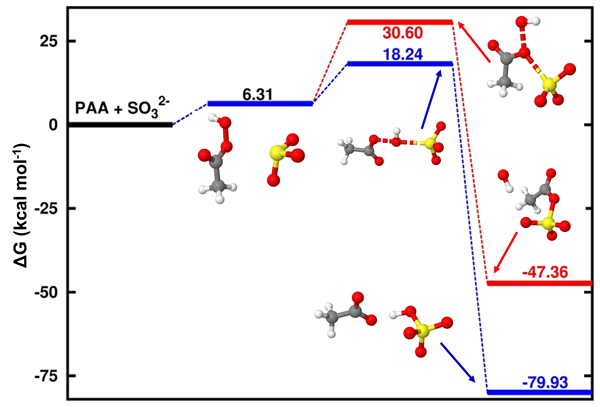
This study explores the pH effect on the reaction of dissolved SO2 with selected organic peroxides. Results show that the formation of organic and/or inorganic sulfate from these peroxides strongly depends on their electronic structures, and these processes are likely to alter the chemical composition of dissolved organic matter in different ways. The rate constants of these reactions exhibit positive pH and temperature dependencies within pH 1–10 and 240–340 K ranges.
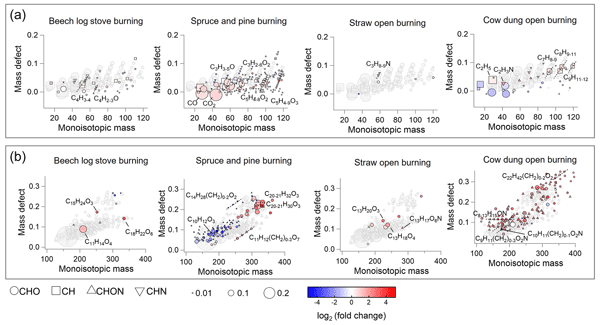
Jun Zhang, Kun Li, Tiantian Wang, Erlend Gammelsæter, Rico K. Y. Cheung, Mihnea Surdu, Sophie Bogler, Deepika Bhattu, Dongyu S. Wang, Tianqu Cui, Lu Qi, Houssni Lamkaddam, Imad El Haddad, Jay G. Slowik, Andre S. H. Prevot, and David M. Bell
Atmos. Chem. Phys., 23, 14561–14576, https://doi.org/10.5194/acp-23-14561-2023, https://doi.org/10.5194/acp-23-14561-2023, 2023
Short summary
Short summary
We conducted burning experiments to simulate various types of solid fuel combustion, including residential burning, wildfires, agricultural burning, cow dung, and plastic bag burning. The chemical composition of the particles was characterized using mass spectrometers, and new potential markers for different fuels were identified using statistical analysis. This work improves our understanding of emissions from solid fuel burning and offers support for refined source apportionment.
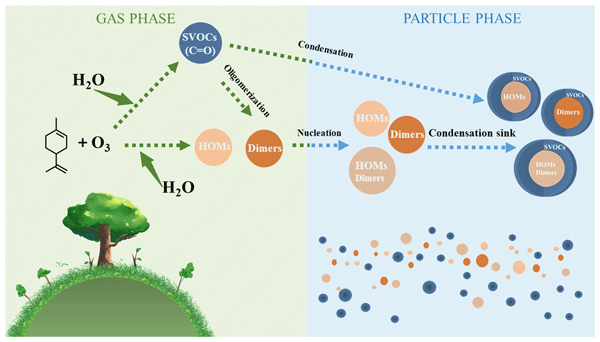
Shan Zhang, Lin Du, Zhaomin Yang, Narcisse Tsona Tchinda, Jianlong Li, and Kun Li
Atmos. Chem. Phys., 23, 10809–10822, https://doi.org/10.5194/acp-23-10809-2023, https://doi.org/10.5194/acp-23-10809-2023, 2023
Short summary
Short summary
In this study, we have investigated the distinct impacts of humidity on the ozonolysis of two structurally different monoterpenes (limonene and Δ3-carene). We found that the molecular structure of precursors can largely influence the SOA formation under high RH by impacting the multi-generation reactions. Our results could advance knowledge on the roles of water content in aerosol formation and inform ongoing research on particle environmental effects and applications in models.
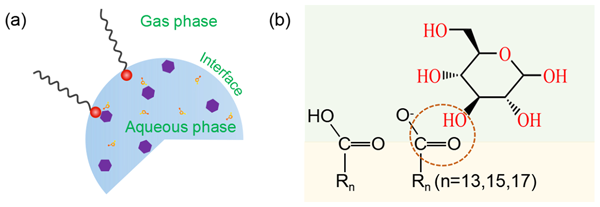
Minglan Xu, Narcisse Tsona Tchinda, Jianlong Li, and Lin Du
Atmos. Chem. Phys., 23, 2235–2249, https://doi.org/10.5194/acp-23-2235-2023, https://doi.org/10.5194/acp-23-2235-2023, 2023
Short summary
Short summary
The promotion of soluble saccharides on sea spray aerosol (SSA) generation and the changes in particle morphology were observed. On the contrary, the coexistence of surface insoluble fatty acid film and soluble saccharides significantly inhibited the production of SSA. This is the first demonstration that hydrogen bonding mediated by surface-insoluble fatty acids contributes to saccharide transfer in seawater, providing a new mechanism for saccharide enrichment in SSA.
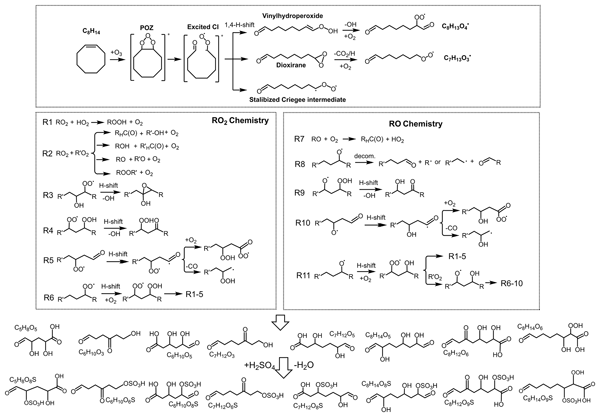
Zhaomin Yang, Kun Li, Narcisse T. Tsona, Xin Luo, and Lin Du
Atmos. Chem. Phys., 23, 417–430, https://doi.org/10.5194/acp-23-417-2023, https://doi.org/10.5194/acp-23-417-2023, 2023
Short summary
Short summary
SO2 significantly promotes particle formation during cyclooctene ozonolysis. Carboxylic acids and their dimers were major products in particles formed in the absence of SO2. SO2 can induce production of organosulfates with stronger particle formation ability than their precursors, leading to the enhancement in particle formation. Formation mechanisms and structures of organosulfates were proposed, which is helpful for better understanding how SO2 perturbs the formation and fate of particles.
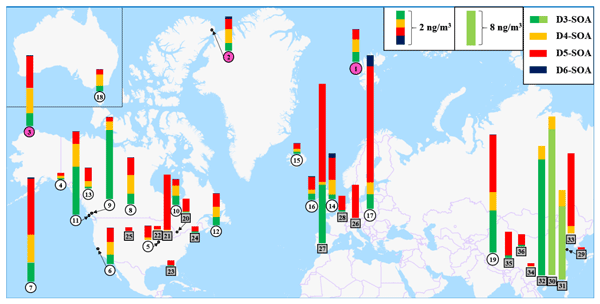
Chong Han, Hongxing Yang, Kun Li, Patrick Lee, John Liggio, Amy Leithead, and Shao-Meng Li
Atmos. Chem. Phys., 22, 10827–10839, https://doi.org/10.5194/acp-22-10827-2022, https://doi.org/10.5194/acp-22-10827-2022, 2022
Short summary
Short summary
We presented yields and compositions of Si-containing SOAs generated from the reaction of cVMSs (D3–D6) with OH radicals. NOx played a negative role in cVMS SOA formation, while ammonium sulfate seeds enhanced D3–D5 SOA yields at short photochemical ages under high-NOx conditions. The aerosol mass spectra confirmed that the components of cVMS SOAs significantly relied on OH exposure. A global cVMS-derived SOA source strength was estimated in order to understand SOA formation potentials of cVMSs.
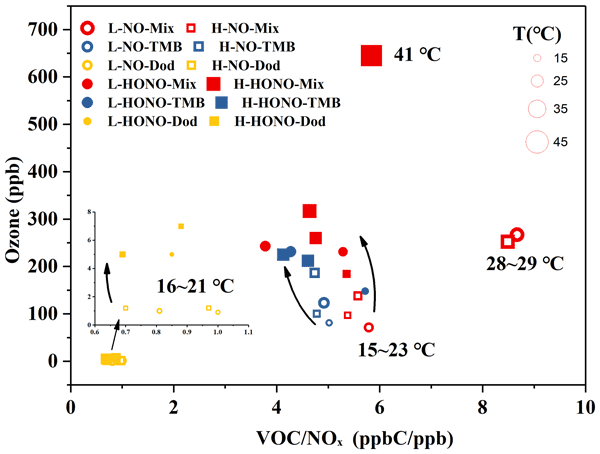
Junling Li, Kun Li, Hao Zhang, Xin Zhang, Yuanyuan Ji, Wanghui Chu, Yuxue Kong, Yangxi Chu, Yanqin Ren, Yujie Zhang, Haijie Zhang, Rui Gao, Zhenhai Wu, Fang Bi, Xuan Chen, Xuezhong Wang, Weigang Wang, Hong Li, and Maofa Ge
Atmos. Chem. Phys., 22, 10489–10504, https://doi.org/10.5194/acp-22-10489-2022, https://doi.org/10.5194/acp-22-10489-2022, 2022
Short summary
Short summary
Ozone formation is enhanced by higher OH concentration and higher temperature but is influenced little by SO2. SO2 can largely enhance the particle formation. Organo-sulfates and organo-nitrates are detected in the formed particles, and the presence of SO2 can promote the formation of organo-sulfates. The results provide a scientific basis for systematically evaluating the effects of SO2, OH concentration, and temperature on the oxidation of mixed organic gases in the atmosphere.

Narcisse Tsona Tchinda, Lin Du, Ling Liu, and Xiuhui Zhang
Atmos. Chem. Phys., 22, 1951–1963, https://doi.org/10.5194/acp-22-1951-2022, https://doi.org/10.5194/acp-22-1951-2022, 2022
Short summary
Short summary
This study explores the effect of pyruvic acid (PA) both in the SO3 hydrolysis and in sulfuric-acid-based aerosol formation. Results show that in dry and polluted areas, PA-catalyzed SO3 hydrolysis is about 2 orders of magnitude more efficient at forming sulfuric acid than the water-catalyzed reaction. Moreover, PA can effectively enhance the ternary SA-PA-NH3 particle formation rate by up to 4.7×10² relative to the binary SA-NH3 particle formation rate at cold temperatures.
Cited articles
Armstrong, N. C., Chen, Y., Cui, T., Zhang, Y., Christensen, C., Zhang, Z., Turpin, B. J., Chan, M. N., Gold, A., Ault, A. P., and Surratt, J. D.: Isoprene epoxydiol-derived sulfated and nonsulfated oligomers suppress particulate mass loss during oxidative aging of secondary organic aerosol, Environ. Sci. Technol., 56, 16611–16620, https://doi.org/10.1021/acs.est.2c03200, 2022.
Bates, K. H., Jacob, D. J., Cope, J. D., Chen, X., Millet, D. B., and Nguyen, T. B.: Emerging investigator series: Aqueous oxidation of isoprene-derived organic aerosol species as a source of atmospheric formic and acetic acids, Environ. Sci.-Atmos., 3, 1651–1664, https://doi.org/10.1039/d3ea00076a, 2023.
Behera, S. N. and Sharma, M.: Transformation of atmospheric ammonia and acid gases into components of PM2.5: An environmental chamber study, Environ. Sci. Pollut. Res. 19, 1187–1197, https://doi.org/10.1007/s11356-011-0635-9, 2012.
Behera, S. N., Sharma, M., Aneja, V. P., and Balasubramanian, R.: Ammonia in the atmosphere: A review on emission sources, atmospheric chemistry and deposition on terrestrial bodies, Environ. Sci. Pollut. Res., 20, 8092–8131, https://doi.org/10.1007/s11356-013-2051-9, 2013.
Berner, A. H. and David Felix, J.: Investigating ammonia emissions in a coastal urban airshed using stable isotope techniques, Sci. Total Environ., 707, 134952, https://doi.org/10.1016/j.scitotenv.2019.134952, 2020.
Bian, Q., Huang, X. H. H., and Yu, J. Z.: One-year observations of size distribution characteristics of major aerosol constituents at a coastal receptor site in Hong Kong – Part 1: Inorganic ions and oxalate, Atmos. Chem. Phys., 14, 9013–9027, https://doi.org/10.5194/acp-14-9013-2014, 2014.
Braun, R. A., Dadashazar, H., MacDonald, A. B., Aldhaif, A. M., Maudlin, L. C., Crosbie, E., Aghdam, M. A., Hossein Mardi, A., and Sorooshian, A.: Impact of wildfire emissions on chloride and bromide depletion in marine aerosol particles, Environ. Sci. Technol., 51, 9013–9021, https://doi.org/10.1021/acs.est.7b02039, 2017.
Chen, D., Yao, X., Chan, C. K., Tian, X., Chu, Y., Clegg, S. L., Shen, Y., Gao, Y., and Gao, H.: Competitive uptake of dimethylamine and trimethylamine against ammonia on acidic particles in marine atmospheres, Environ. Sci. Technol., 56, 5430–5439, https://doi.org/10.1021/acs.est.1c08713, 2022.
Chen, D.-P., Ma, W., Yang, C.-H., Li, M., Zhou, Z.-Z., Zhang, Y., Wang, X.-C., and Quan, Z.-J.: Formation of atmospheric molecular clusters containing nitric acid with ammonia, methylamine, and dimethylamine, Environ. Sci.-Processes Impacts, 26, 2036–2050, https://doi.org/10.1039/d4em00330f, 2024a.
Chen, G., Xu, L., Yu, S., Xue, L., Lin, Z., Yang, C., Ji, X., Fan, X., Tham, Y. J., Wang, H., Hong, Y., Li, M., Seinfeld, J. H., and Chen, J.: Increasing contribution of chlorine chemistry to wintertime ozone formation promoted by enhanced nitrogen chemistry, Environ. Sci. Technol., 58, 22714–22721, https://doi.org/10.1021/acs.est.4c09523, 2024b.
Chen, H., Yan, C., Fu, Q., Wang, X., Tang, J., Jiang, B., Sun, H., Luan, T., Yang, Q., Zhao, Q., Li, J., Zhang, G., Zheng, M., Zhou, X., Chen, B., Du, L., Zhou, R., Zhou, T., and Xue, L.: Optical properties and molecular composition of wintertime atmospheric water-soluble organic carbon in different coastal cities of eastern China, Sci. Total Environ., 892, 164702, https://doi.org/10.1016/j.scitotenv.2023.164702, 2023.
Chen, W., Wang, X., Cohen, J. B., Zhou, S., Zhang, Z., Chang, M., and Chan, C.-Y.: Properties of aerosols and formation mechanisms over southern China during the monsoon season, Atmos. Chem. Phys., 16, 13271–13289, https://doi.org/10.5194/acp-16-13271-2016, 2016.
Dai, J., Wang, T., Shen, H., Xia, M., Sun, W., and Brasseur, G. P.: Significant impact of a daytime halogen oxidant on coastal air quality, Environ. Sci. Technol., 59, 2169–2180, https://doi.org/10.1021/acs.est.4c08360, 2025.
DeRieux, W.-S. W., Li, Y., Lin, P., Laskin, J., Laskin, A., Bertram, A. K., Nizkorodov, S. A., and Shiraiwa, M.: Predicting the glass transition temperature and viscosity of secondary organic material using molecular composition, Atmos. Chem. Phys., 18, 6331–6351, https://doi.org/10.5194/acp-18-6331-2018, 2018.
DeRieux, W.-S. W., Lakey, P. S. J., Chu, Y., Chan, C. K., Glicker, H. S., Smith, J. N., Zuend, A., and Shiraiwa, M.: Effects of phase state and phase separation on dimethylamine uptake of ammonium sulfate and ammonium sulfate-sucrose mixed particles, ACS Earth Space Chem., 3, 1268–1278, https://doi.org/10.1021/acsearthspacechem.9b00142, 2019.
Du, L., Xu, L., Li, K., George, C., and Ge, M.: NH3 weakens the enhancing effect of SO2 on biogenic secondary organic aerosol formation, Environ. Sci. Technol. Let., 10, 145–151, https://doi.org/10.1021/acs.estlett.2c00959, 2023.
Du, W., Wang, X., Yang, F., Bai, K., Wu, C., Liu, S., Wang, F., Lv, S., Chen, Y., Wang, J., Liu, W., Wang, L., Chen, X., and Wang, G.: Particulate amines in the background atmosphere of the Yangtze River Delta, China: Concentration, size distribution, and sources, Adv. Atmos. Sci., 38, 1128–1140, https://doi.org/10.1007/s00376-021-0274-0, 2021.
Duan, Y., Liu, Y., Zhang, K., Li, L., Huo, J., Chen, J., Fu, Q., Gao, Z., Xiu, G., and Hu, T.: Variations of chloride depletion and its impacts on ozone formation: Case study of a coastal area in Shanghai, Sci. Total Environ., 957, 176899, https://doi.org/10.1016/j.scitotenv.2024.176899, 2024.
Edwards, E.-L., Choi, Y., Crosbie, E. C., DiGangi, J. P., Diskin, G. S., Robinson, C. E., Shook, M. A., Winstead, E. L., Ziemba, L. D., and Sorooshian, A.: Sea salt reactivity over the northwest Atlantic: an in-depth look using the airborne ACTIVATE dataset, Atmos. Chem. Phys., 24, 3349–3378, https://doi.org/10.5194/acp-24-3349-2024, 2024.
Ghosh, A., Roy, A., Das, S. K., Ghosh, S. K., Raha, S., and Chatterjee, A.: Identification of most preferable reaction pathways for chloride depletion from size segregated sea-salt aerosols: A study over high altitude Himalaya, tropical urban metropolis and tropical coastal mangrove forest in eastern India, Chemosphere, 245, 125673, https://doi.org/10.1016/j.chemosphere.2019.125673, 2020.
Hoffmann, E. H., Tilgner, A., Wolke, R., and Herrmann, H.: Enhanced chlorine and bromine atom activation by hydrolysis of halogen nitrates from marine aerosols at polluted coastal areas, Environ. Sci. Technol., 53, 771–778, https://doi.org/10.1021/acs.est.8b05165, 2019.
Jenkin, M. E., Young, J. C., and Rickard, A. R.: The MCM v3.3.1 degradation scheme for isoprene, Atmos. Chem. Phys., 15, 11433–11459, https://doi.org/10.5194/acp-15-11433-2015, 2015.
Kupiainen, O., Ortega, I. K., Kurtén, T., and Vehkamäki, H.: Amine substitution into sulfuric acid – ammonia clusters, Atmos. Chem. Phys., 12, 3591–3599, https://doi.org/10.5194/acp-12-3591-2012, 2012.
Lan, Z., Lin, W., and Zhao, G.: Sources, variations, and effects on air quality of atmospheric ammonia, Curr. Pollution Rep., 10, 40–53, https://doi.org/10.1007/s40726-023-00291-6, 2024.
Li, X., Jia, L., Xu, Y., and Pan, Y.: A novel reaction between ammonia and Criegee intermediates can form amines and suppress oligomers from isoprene, Sci. Total Environ., 956, 177389, https://doi.org/10.1016/j.scitotenv.2024.177389, 2024.
Liu, M., Wang, X., Liu, Z., Jiang, Y., Li, M., Zhang, J., Sun, Y., Zhu, Y., Xue, L., and Wang, W.: Characteristics and origins of fine particulate amines at a coastal mountain site in northern China in spring, Atmos. Environ., 321, https://doi.org/10.1016/j.atmosenv.2024.120365, 2024a.
Liu, M., Wang, X., Liu, Z., Jiang, Y., Li, M., Zhang, J., Sun, Y., Zhu, Y., Xue, L., and Wang, W.: Characteristics and origins of fine particulate amines at a coastal mountain site in northern China in spring, Atmos. Environ., 321, 120365, https://doi.org/10.1016/j.atmosenv.2024.120365, 2024b.
Liu, T., Xu, Y., Sun, Q. B., Xiao, H. W., Zhu, R. G., Li, C. X., Li, Z. Y., Zhang, K. Q., Sun, C. X., and Xiao, H. Y.: Characteristics, origins, and atmospheric processes of amines in fine aerosol particles in winter in China, J. Geophys. Res.-Atmos., 128, e2023JD038974, https://doi.org/10.1029/2023jd038974, 2023.
Liu, X., Liu, L., Zhang, B., Liu, P., Huang, R.-J., Hildebrandt Ruiz, L., Miao, R., Chen, Q., and Wang, X.: Modeling the global impact of chlorine chemistry on secondary organic aerosols, Environ. Sci. Technol., 58, 23064–23074, https://doi.org/10.1021/acs.est.4c05037, 2024c.
Liu, Z., Li, M., Wang, X., Liang, Y., Jiang, Y., Chen, J., Mu, J., Zhu, Y., Meng, H., Yang, L., Hou, K., Wang, Y., and Xue, L.: Large contributions of anthropogenic sources to amines in fine particles at a coastal area in northern China in winter, Sci. Total Environ., 839, 156281, https://doi.org/10.1016/j.scitotenv.2022.156281, 2022.
Loukonen, V., Kurtén, T., Ortega, I. K., Vehkamäki, H., Pádua, A. A. H., Sellegri, K., and Kulmala, M.: Enhancing effect of dimethylamine in sulfuric acid nucleation in the presence of water – a computational study, Atmos. Chem. Phys., 10, 4961–4974, https://doi.org/10.5194/acp-10-4961-2010, 2010.
Lu, Y., Liu, L., Ning, A., Yang, G., Liu, Y., Kurtén, T., Vehkamäki, H., Zhang, X., and Wang, L.: Atmospheric sulfuric acid-dimethylamine nucleation enhanced by trifluoroacetic acid, Geophys. Res. Lett., 47, e2019GL085627, https://doi.org/10.1029/2019gl085627, 2020.
Møller, K. H., Berndt, T., and Kjaergaard, H. G.: Atmospheric autoxidation of amines, Environ. Sci. Technol., 54, 11087–11099, https://doi.org/10.1021/acs.est.0c03937, 2020.
Murphy, S. M., Sorooshian, A., Kroll, J. H., Ng, N. L., Chhabra, P., Tong, C., Surratt, J. D., Knipping, E., Flagan, R. C., and Seinfeld, J. H.: Secondary aerosol formation from atmospheric reactions of aliphatic amines, Atmos. Chem. Phys., 7, 2313–2337, https://doi.org/10.5194/acp-7-2313-2007, 2007.
Nielsen, C. J., Herrmann, H., and Weller, C.: Atmospheric chemistry and environmental impact of the use of amines in carbon capture and storage (CCS), Chem. Soc. Rev., 41, 6684–6704, https://doi.org/10.1039/c2cs35059a, 2012.
Nolte, C., Bhave, P., Arnold, J., Dennis, R., Zhang, K., and Wexler, A.: Modeling urban and regional aerosols-Application of the CMAQ-UCD aerosol model to Tampa, a coastal urban site, Atmos. Environ., 42, 3179–3191, https://doi.org/10.1016/j.atmosenv.2007.12.059, 2008.
Nolte, C. G., Appel, K. W., Kelly, J. T., Bhave, P. V., Fahey, K. M., Collett Jr., J. L., Zhang, L., and Young, J. O.: Evaluation of the Community Multiscale Air Quality (CMAQ) model v5.0 against size-resolved measurements of inorganic particle composition across sites in North America, Geosci. Model Dev., 8, 2877–2892, https://doi.org/10.5194/gmd-8-2877-2015, 2015.
Ortega, I. K., Kupiainen, O., Kurtén, T., Olenius, T., Wilkman, O., McGrath, M. J., Loukonen, V., and Vehkamäki, H.: From quantum chemical formation free energies to evaporation rates, Atmos. Chem. Phys., 12, 225–235, https://doi.org/10.5194/acp-12-225-2012, 2012.
Rankin, A. M. and Wolff, E. W.: A year-long record of size-segregated aerosol composition at Halley, Antarctica, J. Geophys. Res.-Atmos., 108, 4775, https://doi.org/10.1029/2003jd003993, 2003.
Sauerwein, M. and Chan, C. K.: Heterogeneous uptake of ammonia and dimethylamine into sulfuric and oxalic acid particles, Atmos. Chem. Phys., 17, 6323–6339, https://doi.org/10.5194/acp-17-6323-2017, 2017.
Smith, A. M., Keene, W. C., Maben, J. R., Pszenny, A. A. P., Fischer, E., and Stohl, A.: Ammonia sources, transport, transformation, and deposition in coastal New England during summer, J. Geophys. Res.-Atmos., 112, https://doi.org/10.1029/2006jd007574, 2007.
Smith, N. R., Montoya-Aguilera, J., Dabdub, D., and Nizkorodov, S. A.: Effect of humidity on the reactive uptake of ammonia and dimethylamine by nitrogen-containing secondary organic aerosol, Atmosphere, 12, https://doi.org/10.3390/atmos12111502, 2021.
Song, A. and Du, L.: Organic amine weakens chloride depletion in coastal atmosphere, Zenodo [data set], https://doi.org/10.5281/zenodo.18795123, 2026.
Song, A., Li, K., Yang, Z., Tsona Tchinda, N., and Du, L.: Marine volatile organic compounds promote the chloride depletion in sea salt aerosols, J. Geophys. Res. Atmos., 130, e2025JD043495, https://doi.org/10.1029/2025JD043495, 2025.
Song, A., Li, K., Yang, Z., Xu, L., Chen, X., Tsona Tchinda, N., and Du, L.: Anthropogenic-biogenic interaction drives chloride depletion in coastal atmospheres, Environ. Sci. Technol., https://doi.org/10.1021/acs.est.6c02035, 2026.
Su, B., Wang, T., Zhang, G., Liang, Y., Lv, C., Hu, Y., Li, L., Zhou, Z., Wang, X., and Bi, X.: A review of atmospheric aging of sea spray aerosols: Potential factors affecting chloride depletion, Atmos. Environ., 290, 119365, https://doi.org/10.1016/j.atmosenv.2022.119365, 2022.
Wach, P., Spólnik, G., Surratt, J. D., Blaziak, K., Rudzinski, K. J., Lin, Y.-H., Maenhaut, W., Danikiewicz, W., Claeys, M., and Szmigielski, R.: Structural characterization of lactone-containing MW 212 organosulfates originating from isoprene oxidation in ambient fine aerosol, Environ. Sci. Technol., 54, 1415–1424, https://doi.org/10.1021/acs.est.9b06190, 2020.
Wang, C., Liu, Y., Huang, T., Feng, Y., Wang, Z., Lu, R., and Jiang, S.: Sulfuric acid-dimethylamine particle formation enhanced by functional organic acids: An integrated experimental and theoretical study, Phys. Chem. Chem. Phys., 24, 23540–23550, https://doi.org/10.1039/d2cp01671k, 2022a.
Wang, D. S., Masoud, C. G., Modi, M., and Hildebrandt Ruiz, L.: Isoprene-chlorine oxidation in the presence of NOx and implications for urban atmospheric chemistry, Environ. Sci. Technol., 56, 9251–9264, https://doi.org/10.1021/acs.est.1c07048, 2022b.
Wang, L., Lal, V., Khalizov, A. F., and Zhang, R.: Heterogeneous chemistry of alkylamines with sulfuric acid implications for atmospheric formation-of alkylaminium sulfates, Environ. Sci. Technol., 44, 2461–2465, https://doi.org/10.1021/es9036868, 2010.
Wang, M., Kong, W., Marten, R., He, X.-C., Chen, D., Pfeifer, J., Heitto, A., Kontkanen, J., Dada, L., Kürten, A., Yli-Juuti, T., Manninen, H. E., Amanatidis, S., Amorim, A., Baalbaki, R., Baccarini, A., Bell, D. M., Bertozzi, B., Bräkling, S., Brilke, S., Murillo, L. C., Chiu, R., Chu, B., De Menezes, L.-P., Duplissy, J., Finkenzeller, H., Carracedo, L. G., Granzin, M., Guida, R., Hansel, A., Hofbauer, V., Krechmer, J., Lehtipalo, K., Lamkaddam, H., Lampimäki, M., Lee, C. P., Makhmutov, V., Marie, G., Mathot, S., Mauldin, R. L., Mentler, B., Müller, T., Onnela, A., Partoll, E., Petäjä, T., Philippov, M., Pospisilova, V., Ranjithkumar, A., Rissanen, M., Rörup, B., Scholz, W., Shen, J., Simon, M., Sipilä, M., Steiner, G., Stolzenburg, D., Tham, Y. J., Tomé, A., Wagner, A. C., Wang, D. S., Wang, Y., Weber, S. K., Winkler, P. M., Wlasits, P. J., Wu, Y., Xiao, M., Ye, Q., Zauner-Wieczorek, M., Zhou, X., Volkamer, R., Riipinen, I., Dommen, J., Curtius, J., Baltensperger, U., Kulmala, M., Worsnop, D. R., Kirkby, J., Seinfeld, J. H., El-Haddad, I., Flagan, R. C., and Donahue, N. M.: Rapid growth of new atmospheric particles by nitric acid and ammonia condensation, Nature, 581, 184–189, https://doi.org/10.1038/s41586-020-2270-4, 2020.
Wennberg, P. O., Bates, K. H., Crounse, J. D., Dodson, L. G., McVay, R. C., Mertens, L. A., Nguyen, T. B., Praske, E., Schwantes, R. H., Smarte, M. D., St Clair, J. M., Teng, A. P., Zhang, X., and Seinfeld, J. H.: Gas-phase reactions of isoprene and its major oxidation products, Chem. Rev., 118, 3337–3390, https://doi.org/10.1021/acs.chemrev.7b00439, 2018.
Wolfe, G. M., Marvin, M. R., Roberts, S. J., Travis, K. R., and Liao, J.: The Framework for 0-D Atmospheric Modeling (F0AM) v3.1, Geosci. Model Dev., 9, 3309–3319, https://doi.org/10.5194/gmd-9-3309-2016, 2016.
Wu, K., Zhu, S., Liu, Y., Wang, H., Yang, X., Liu, L., Dabdub, D., and Cappa, C. D.: Modeling ammonia and its uptake by secondary organic aerosol over China, J. Geophys. Res.-Atmos., 126, e2020JD034109, https://doi.org/10.1029/2020jd034109, 2021.
Xie, H., Feng, L., Hu, Q., Zhu, Y., Gao, H., Gao, Y., and Yao, X.: Concentration and size distribution of water-extracted dimethylaminium and trimethylaminium in atmospheric particles during nine campaigns – Implications for sources, phase states and formation pathways, Sci. Total Environ., 631–632, 130–141, https://doi.org/10.1016/j.scitotenv.2018.02.303, 2018.
Xu, L., Liu, X., Gao, H., Yao, X., Zhang, D., Bi, L., Liu, L., Zhang, J., Zhang, Y., Wang, Y., Yuan, Q., and Li, W.: Long-range transport of anthropogenic air pollutants into the marine air: insight into fine particle transport and chloride depletion on sea salts, Atmos. Chem. Phys., 21, 17715–17726, https://doi.org/10.5194/acp-21-17715-2021, 2021.
Yang, Z., Li, K., and Du, L.: Highly oxidized molecules make a significant contribution to enhanced aromatic-derived secondary organic aerosol under a humid environment, Adv. Atmos. Sci., 42, 641–652, https://doi.org/10.1007/s00376-024-4085-y, 2025.
Yao, X., Fang, M., and Chan, C. K.: The size dependence of chloride depletion in fine and coarse sea-salt particles, Atmos. Environ., 37, 743–751, https://doi.org/10.1016/S1352-2310(02)00955-X, 2003.
Yu, Z. and Li, Y.: Marine volatile organic compounds and their impacts on marine aerosol – A review, Sci. Total Environ., 768, 145054, https://doi.org/10.1016/j.scitotenv.2021.145054, 2021.
Zhan, J., Li, W., Chen, L., Lin, Q., and Gao, Y.: Anthropogenic influences on aerosols at Ny-Ålesund in the summer Arctic, Atmos. Pollut. Res., 8, 383–393, https://doi.org/10.1016/j.apr.2016.10.010, 2017.
Zhang, R. and Chan, C. K.: Simultaneous formation of sulfate and nitrate via co-uptake of SO2 and NO2 by aqueous NaCl droplets: combined effect of nitrate photolysis and chlorine chemistry, Atmos. Chem. Phys., 23, 6113–6126, https://doi.org/10.5194/acp-23-6113-2023, 2023.
Zhang, W., Ji, Y., Li, G., Shi, Q., and An, T.: The heterogeneous reaction of dimethylamine/ammonia with sulfuric acid to promote the growth of atmospheric nanoparticles, Environ. Sci.-Nano, 6, 2767–2776, https://doi.org/10.1039/c9en00619b, 2019.
Zhang, W., Weber, J., Archibald, A. T., Abraham, N. L., Booge, D., Yang, M., and Gu, D.: Global atmospheric composition effects from marine isoprene emissions, Environ. Sci. Technol., 59, 2554–2564, https://doi.org/10.1021/acs.est.4c10657, 2025.
Zhou, S., Salter, M., Bertram, T., Brito Azevedo, E., Reis, F., and Wang, J.: Shoreline wave breaking strongly enhances the coastal sea spray aerosol population: Climate and air quality implications, Sci. Adv., 11, eadw0343, https://doi.org/10.1126/sciadv.adw0343, 2025.
Zou, Z., Chen, Q., Xia, M., Yuan, Q., Chen, Y., Wang, Y., Xiong, E., Wang, Z., and Wang, T.: OH measurements in the coastal atmosphere of South China: possible missing OH sinks in aged air masses, Atmos. Chem. Phys., 23, 7057–7074, https://doi.org/10.5194/acp-23-7057-2023, 2023.
Short summary
This study characterized the changes in chloride depletion under the influence of alkaline species, and further analyzed subsequent formation of corresponding organic chlorinated compounds using high-resolution mass spectrometry. Results demonstrated that the weakening effect of organic amine on chloride depletion is more pronounced than that of NH3 due its stronger alkalinity and nucleation ability. This further enhances our understanding of the mechanism influencing chloride depletion.
This study characterized the changes in chloride depletion under the influence of alkaline...


Altmetrics
Final-revised paper
Preprint