
Articles | Volume 26, issue 5
https://doi.org/10.5194/acp-26-3607-2026
© Author(s) 2026. This work is distributed under
the Creative Commons Attribution 4.0 License.
the Creative Commons Attribution 4.0 License.
https://doi.org/10.5194/acp-26-3607-2026
© Author(s) 2026. This work is distributed under
the Creative Commons Attribution 4.0 License.
the Creative Commons Attribution 4.0 License.
Research article
| 
10 Mar 2026
Research article |
| 10 Mar 2026
| 10 Mar 2026
Wind estimation based on flight dynamics of unmanned aerial vehicle: influencing variables and its environmental application
Dukun Chen
State Key Laboratory of Soil Pollution Prevention and Remediation for Soil Security, Southern University of Science and Technology, Shenzhen 518055, China
Shenzhen Key Laboratory of Precision Measurement and Early Warning Technology for Urban Environmental Health Risks, School of Environmental Science and Engineering, Southern University of Science and Technology, Shenzhen 518055, China
Weifeng Su
State Key Laboratory of Soil Pollution Prevention and Remediation for Soil Security, Southern University of Science and Technology, Shenzhen 518055, China
Shaojie Jiang
State Key Laboratory of Soil Pollution Prevention and Remediation for Soil Security, Southern University of Science and Technology, Shenzhen 518055, China
Jiangsu Key Laboratory of Atmospheric Environment Monitoring and Pollution Control, School of Environmental Science and Engineering, Nanjing University of Information Science and Technology, Nanjing, 210000, China
Honglong Yang
Shenzhen National Climate Observatory, Meteorological Bureau of Shenzhen Municipality, Shenzhen 518040, China
Chunsheng Zhang
Shenzhen National Climate Observatory, Meteorological Bureau of Shenzhen Municipality, Shenzhen 518040, China
Shutong Jiang
Soarability Pte. Ltd., Singapore 409051, Singapore
Dongyang Chang
Soarability Pte. Ltd., Singapore 409051, Singapore
Yuxin Liang
State Key Laboratory of Soil Pollution Prevention and Remediation for Soil Security, Southern University of Science and Technology, Shenzhen 518055, China
Hao Wang
Shenzhen Key Laboratory for Air Vehicle and Gust Simulation, School of Mechanics and Aerospace Engineering, Southern University of Science and Technology, Shenzhen 518055, China
State Key Laboratory of Soil Pollution Prevention and Remediation for Soil Security, Southern University of Science and Technology, Shenzhen 518055, China
Tzung-May Fu
State Key Laboratory of Soil Pollution Prevention and Remediation for Soil Security, Southern University of Science and Technology, Shenzhen 518055, China
Zhenzhong Zeng
State Key Laboratory of Soil Pollution Prevention and Remediation for Soil Security, Southern University of Science and Technology, Shenzhen 518055, China
State Key Laboratory of Soil Pollution Prevention and Remediation for Soil Security, Southern University of Science and Technology, Shenzhen 518055, China
Huizhong Shen
State Key Laboratory of Soil Pollution Prevention and Remediation for Soil Security, Southern University of Science and Technology, Shenzhen 518055, China
Chen Wang
State Key Laboratory of Soil Pollution Prevention and Remediation for Soil Security, Southern University of Science and Technology, Shenzhen 518055, China

State Key Laboratory of Soil Pollution Prevention and Remediation for Soil Security, Southern University of Science and Technology, Shenzhen 518055, China
Shenzhen Key Laboratory of Precision Measurement and Early Warning Technology for Urban Environmental Health Risks, School of Environmental Science and Engineering, Southern University of Science and Technology, Shenzhen 518055, China
Guangdong Provincial Observation and Research Station for Coastal Atmosphere and Climate of the Greater Bay Area, Shenzhen, 518055, China
Related authors
No articles found.
Tian Xian, Yuping Sun, Tianmeng Chen, Hui Xu, Xiaoran Guo, Zhen Zhang, Zhongwang Wu, Huaquan Hu, Juan Chen, Liping Zeng, Yifei Wang, Shuairu Jiang, Pengzhan Yao, Ning Li, Honglong Yang, and Jianping Guo
EGUsphere, https://doi.org/10.5194/egusphere-2026-5822, https://doi.org/10.5194/egusphere-2026-5822, 2026
This preprint is open for discussion and under review for Atmospheric Chemistry and Physics (ACP).
Short summary
Short summary
Turbulence in the planetary boundary layer (PBL) affects cloud and precipitation, yet little is known about it across China. With summertime 2022 data from 132 radar wind profilers, we map the turbulence dissipation rate (ε) within and above the PBL. Stability and wind shear jointly govern turbulence within the PBL, whereas shear dominates above it; clouds enhance turbulence aloft, and topography and land cover shape its regional pattern, offering new constraints for weather and climate models.
Andres Barrio-Martin, Carlos Calvo-Sancho, Nuria P. Plaza-Martin, Cesar Azorin-Molina, Andreas F. Prein, Tim R. McVicar, Sergio M. Vicente-Serrano, Luis Gimeno, Raquel Nieto, Zhenzhong Zeng, Ana Morata, and Deliang Chen
EGUsphere, https://doi.org/10.5194/egusphere-2026-5202, https://doi.org/10.5194/egusphere-2026-5202, 2026
This preprint is open for discussion and under review for Natural Hazards and Earth System Sciences (NHESS).
Short summary
Short summary
We identified the atmospheric conditions that distinguish ordinary thunderstorms from four severe weather hazards, highlighting numerical proxies for their modelling in the Mediterranean. Severe winds occur in warm, unstable air (summer) or with strong mid-level winds (other seasons); tornadoes are favored by instability near the ground; large hail occurs when instability and strong winds combine; and short-duration heavy precipitation is favored by high moisture and slow-moving thunderstorms.
Juan Zhao, Jianping Guo, Jidong Gao, and Honglong Yang
EGUsphere, https://doi.org/10.5194/egusphere-2026-3350, https://doi.org/10.5194/egusphere-2026-3350, 2026
This preprint is open for discussion and under review for Geoscientific Model Development (GMD).
Short summary
Short summary
Expanding low-altitude activities demand better lower-atmosphere weather data. Using observing system simulation experiments (OSSEs) over the Beijing-Tianjin-Hebei region, we tested if meteorological drone observations of temperature, humidity, and wind improve short-term rainfall forecasts. Dense, multi-height networks with wind measurements yield best accuracy, especially over mountains where storms form. These findings guide low-altitude observing network design to support safe operations.
Yin Zhang, Jinghao Zhai, Yaling Zeng, Shao Shi, Baohua Cai, Ke Yang, Yu Yan, Xin Yuan, Tianlong Hu, Chen Wang, Tzung-May Fu, Lei Zhu, Huizhong Shen, Jianhuai Ye, and Xin Yang
Atmos. Chem. Phys., 26, 12197–12210, https://doi.org/10.5194/acp-26-12197-2026, https://doi.org/10.5194/acp-26-12197-2026, 2026
Short summary
Short summary
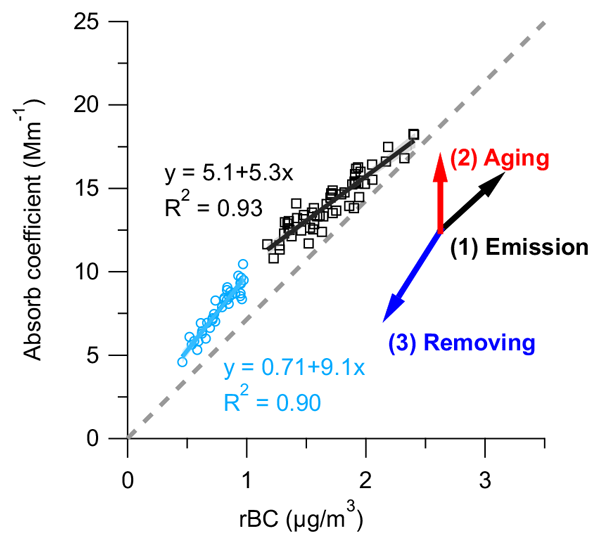
Black carbon warms our climate, but its atmospheric changes remain unclear. We measured individual urban particles with advanced instruments to track this process. We found that black carbon ages through distinct chemical reactions at night versus sunlight-driven processes during the day. Both pathways coat the particles, significantly increasing their ability to absorb light. This helps accurately predict their warming effects.
Yue Yan, Xin Jiang, Sihuan Wei, Yubin Jin, Xinyu Zou, Junwei Liu, Yaotong Cai, Jianhuai Ye, Zhilin Guo, and Zhenzhong Zeng
Earth Syst. Sci. Data, 18, 5951–5968, https://doi.org/10.5194/essd-18-5951-2026, https://doi.org/10.5194/essd-18-5951-2026, 2026
Short summary
Short summary
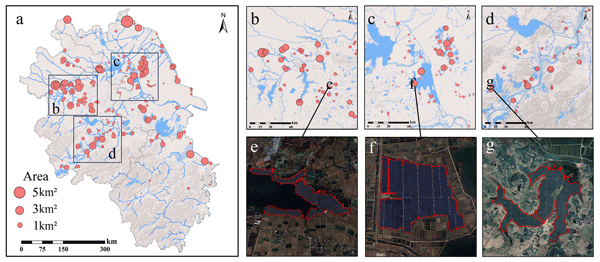
Floating solar is growing rapidly in China, but its long-term development remains poorly documented. We created a decade-long map of floating solar installations in the Yangtze River Delta using satellite observations and visual verification. The mapped area increased from 17.4 square kilometers in 2015 to 145.4 square kilometers in 2024. This dataset supports renewable energy planning and future studies of environmental changes related to floating solar expansion.
Zelin Mai, Huizhong Shen, Qiming Liu, Ruixin Zhang, Peng Guo, Han Shen, Tiancheng Luan, Junpeng Xu, Jinling He, Zhiyu Zheng, Yilin Chen, Shunliu Zhao, and Amir Hakami
EGUsphere, https://doi.org/10.5194/egusphere-2026-3583, https://doi.org/10.5194/egusphere-2026-3583, 2026
Short summary
Short summary
Emission inventories underpin air-quality policy yet can diverge from reality. We developed an adjoint-based inversion framework that assimilates multi-source observations to simultaneously optimize multi-species emissions. Observing system simulation experiments over China show that the method recovers emissions with errors below 30 %, while avoiding spurious trade-offs between SO2 and NH3, enabling more reliable emission constraints.
Baohua Cai, Yuanlong Huang, Wenqing Jiang, Yanchen Li, Yali Li, Jinghao Zhai, Yaling Zeng, Jianhuai Ye, Huizhong Shen, Chen Wang, Lei Zhu, Tzung-May Fu, Qi Zhang, and Xin Yang
Atmos. Chem. Phys., 26, 5713–5725, https://doi.org/10.5194/acp-26-5713-2026, https://doi.org/10.5194/acp-26-5713-2026, 2026
Short summary
Short summary
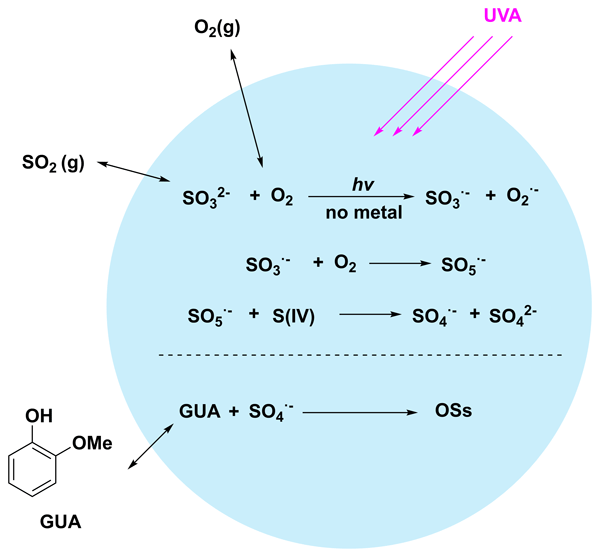
This study reveals a novel Ultraviolet A-driven, metal-free mechanism for aqueous-phase tetravalent sulfur (S(IV)) oxidation that leads to organosulfates formation, addressing a critical knowledge gap in atmospheric sulfur and organic aerosol chemistry and highlighting a previously overlooked photochemical pathway with broad environmental implications.
Aoxing Zhang, Tzung-May Fu, Yuhang Wang, Enyu Xiong, Wenlu Wu, Yumin Li, Lei Zhu, Wei Tao, Kelley C. Wells, Dylan B. Millet, Zhe Wang, Bin Yuan, Min Shao, Christophe Lerot, Thomas Danckaert, Ruixiong Zhang, and Kelvin H. Bates
Atmos. Chem. Phys., 26, 5123–5150, https://doi.org/10.5194/acp-26-5123-2026, https://doi.org/10.5194/acp-26-5123-2026, 2026
Short summary
Short summary
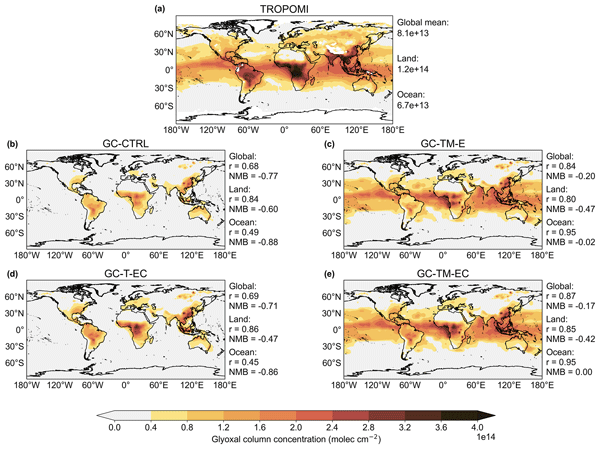
Glyoxal, a product of volatile organic compound oxidation, influences atmospheric oxidation and aerosol formation but is underestimated in models. By improving emissions, chemistry, and marine sources in GEOS-Chem, we better reproduce observed glyoxal over land and ocean, which strengthens global oxidation capacity and aerosol formation. The results highlight glyoxal's role as a proxy of atmospheric oxidation, and emphasize the needs of accurately representing glyoxal chemistry.
Ning Li, Jianping Guo, Xiaoran Guo, Tianmeng Chen, Zhen Zhang, Na Tang, Yifei Wang, Honglong Yang, Yongguang Zheng, and Yongshui Zhou
Atmos. Chem. Phys., 26, 3339–3356, https://doi.org/10.5194/acp-26-3339-2026, https://doi.org/10.5194/acp-26-3339-2026, 2026
Short summary
Short summary
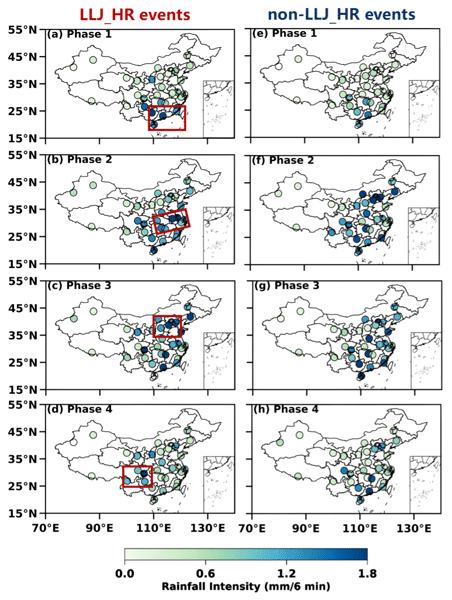
Nighttime rainfall often links to low-level jets (LLJs), but we lack clarity on nationwide LLJ features. We here used a nationwide radar wind profiler network to study LLJ changes 2 hours before rainfall, covering China’s 2023–2024 rainy seasons. 56% nighttime rainfall had LLJs. The LLJs-associated heavy rain needed a rapid adjustment of LLJs’ vertical structure, especially a significant intensification within 30 minutes preceding rain. This shows the importance of LLJ in nowcasting rainfall.
Yaotong Cai, Baoni Li, Xiaoye Liu, Xin Jiang, Yakun Zhu, Shuxin Luo, Yingzuo Qin, Shudi Xie, Jianhuai Ye, Huizhong Shen, Zhilin Guo, Xiaoping Liu, and Zhenzhong Zeng
Earth Syst. Sci. Data Discuss., https://doi.org/10.5194/essd-2026-78, https://doi.org/10.5194/essd-2026-78, 2026
Preprint under review for ESSD
Short summary
Short summary
Persistent clouds and small farm sizes in Southeast Asia have historically hindered accurate mapping. We combined satellite imagery with advanced artificial intelligence to produce the first 10-meter annual cropland map for the region (2019–2024). Achieving over 92 % accuracy, our dataset reveals three to four times more farming on steep slopes than previously reported, providing a vital baseline for monitoring food security and deforestation risks.
Yuguang Zhu, Zhilin Guo, Sichen Wan, Kewei Chen, Yushan Wang, Zhenzhong Zeng, Huizhong Shen, Jianhuai Ye, and Chunmiao Zheng
Hydrol. Earth Syst. Sci., 30, 693–708, https://doi.org/10.5194/hess-30-693-2026, https://doi.org/10.5194/hess-30-693-2026, 2026
Short summary
Short summary
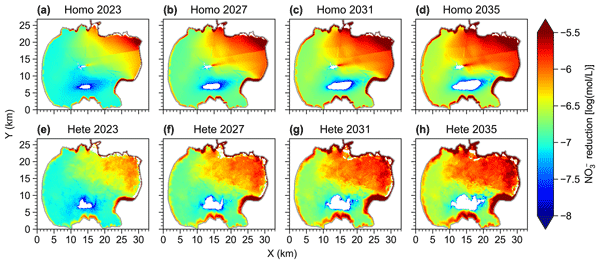
Long-term overuse of groundwater has lowered water levels and increased pollution in parts of northern China. We studied whether adding river water back into the ground can restore groundwater and reduce nitrate pollution. Using computer simulations based on field data, we found that recharge can significantly raise water levels and lower nitrate levels, mainly by dilution rather than natural removal processes.
Qinghui Li, Haoran Li, Xuejin Sun, Yun Zhang, Weitao Lyu, Zheng Ruan, Liping Liu, Aiming Liu, and Chunsheng Zhang
Atmos. Chem. Phys., 26, 1249–1264, https://doi.org/10.5194/acp-26-1249-2026, https://doi.org/10.5194/acp-26-1249-2026, 2026
Short summary
Short summary
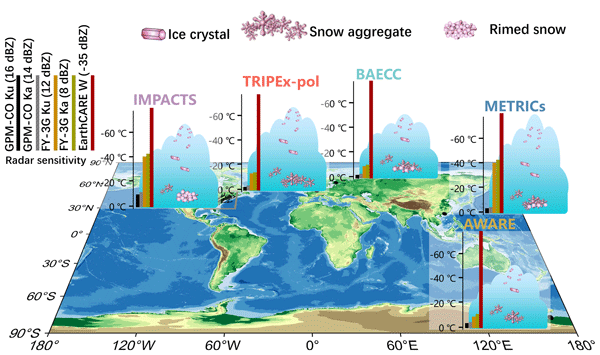
Despite the increasing complexity of snow microphysics schemes employed in numerical models, whether the dominant snow microphysical process is reasonably identified remains an open question. This study using unprecedented triple-frequency radar observations for the first time unravels the key snow growth processes over diverse geographies. The unique cross-continental datasets from triple-frequency campaigns shed new insights for model evaluation and future satellite missions.
Jinghao Zhai, Yujie Zhang, Baohua Cai, Yaling Zeng, Jingyi Zhang, Jianhuai Ye, Chen Wang, Tzung-May Fu, Lei Zhu, Huizhong Shen, and Xin Yang
Atmos. Chem. Phys., 26, 623–633, https://doi.org/10.5194/acp-26-623-2026, https://doi.org/10.5194/acp-26-623-2026, 2026
Short summary
Short summary
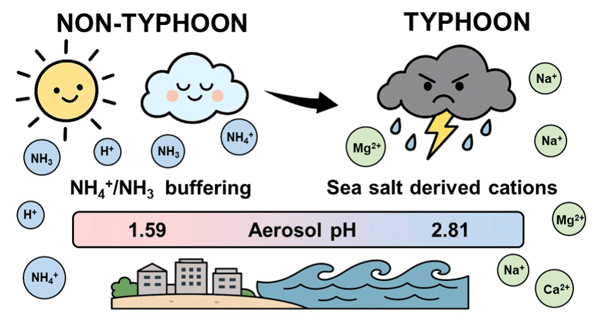
This work investigates the regulation of aerosol acidity in a coastal megacity under contrasting meteorological regimes. By integrating field observations with thermodynamic modeling, we show that ammonia and aerosol water dominate acidity control under typical conditions, whereas sea-salt cations prevail during typhoons. These findings reveal that extreme weather can alter the governing mechanisms of aerosol acidity, with implications for air quality and climate evaluation.
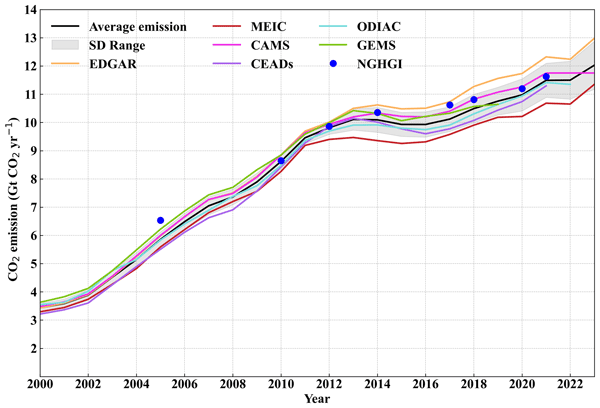
Huirong Yang, Kai Wu, Huizhong Shen, Greet Janssens-Maenhout, Monica Crippa, Diego Guizzardi, and Minqiang Zhou
Atmos. Chem. Phys., 25, 18111–18127, https://doi.org/10.5194/acp-25-18111-2025, https://doi.org/10.5194/acp-25-18111-2025, 2025
Short summary
Short summary
We compare six major anthropogenic CO2 emission inventories in China during the period 2000–2023 to assess emission trends and uncertainties. National emissions show a clear three‑phase pattern, with uncertainties below 5 % (1σ) at the national scale but much higher at the provincial level (10–50 %, 1σ). High-emission regions often have the largest uncertainties. Our findings support more accurate emission estimates and the verification emission reduction policies.
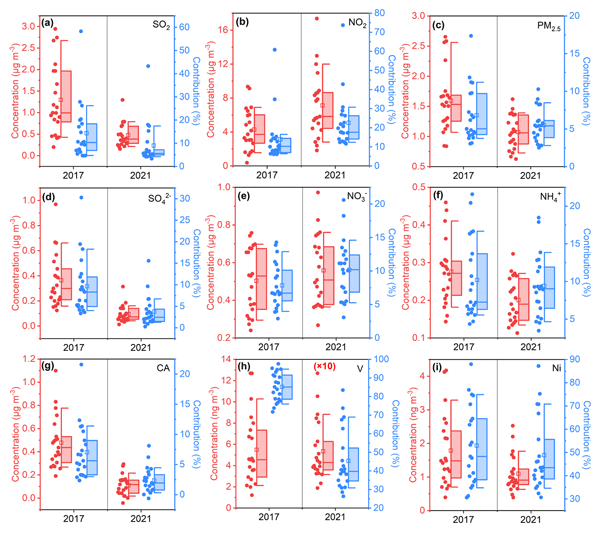
Guangyuan Yu, Yan Zhang, Qian Wang, Zimin Han, Shenglan Jiang, Fan Yang, Xin Yang, and Cheng Huang
Atmos. Chem. Phys., 25, 9497–9518, https://doi.org/10.5194/acp-25-9497-2025, https://doi.org/10.5194/acp-25-9497-2025, 2025
Short summary
Short summary
China has carried out staged low-sulfur fuel policies since 2017. This study simulated the changing spatiotemporal patterns of the impacts of ship emissions on PM2.5 from 2017 to 2021 based on the updated emission inventories and mapping of chemical species in the CMAQ (Community Multiscale Air Quality). Fuel policies caused evident relative changes in inorganic and organic components of the shipping-related PM2.5 over China’s port cities. The driving factors of the interannual, seasonal, and diurnal patterns were discussed.
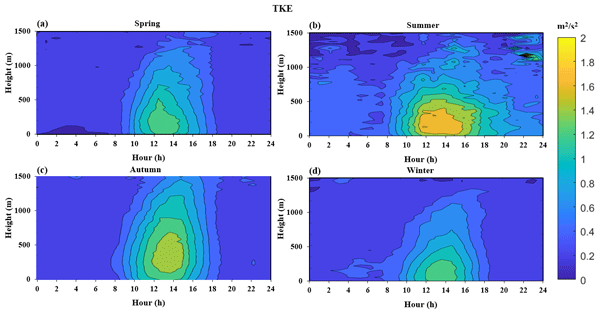
Jinhong Xian, Zongxu Qiu, Huayan Rao, Zhigang Cheng, Xiaoling Lin, Chao Lu, Honglong Yang, and Ning Zhang
Atmos. Chem. Phys., 25, 8427–8441, https://doi.org/10.5194/acp-25-8427-2025, https://doi.org/10.5194/acp-25-8427-2025, 2025
Short summary
Short summary
We studied how turbulence kinetic energy (TKE) changes in the lower atmosphere over Shenzhen, focusing on its role in weather and climate. Using advanced wind lidar technology, we tracked how TKE varies with height and across seasons. We found that heat near the ground drives turbulence, while wind effects become stronger higher up. Our results help improve weather and climate models by providing better data on how turbulence behaves in the atmosphere, aiding understanding of climate change.
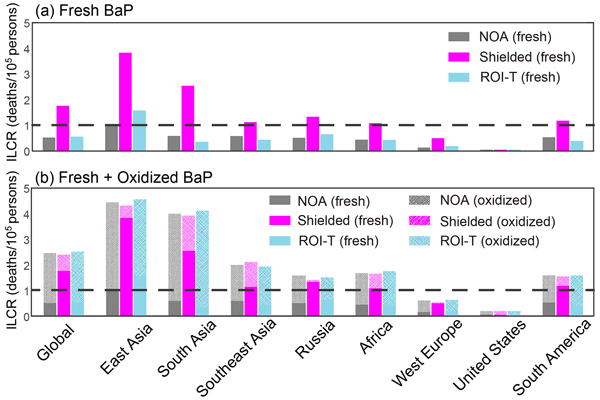
Sijia Lou, Manish Shrivastava, Alexandre Albinet, Sophie Tomaz, Deepchandra Srivastava, Olivier Favez, Huizhong Shen, and Aijun Ding
Atmos. Chem. Phys., 25, 8163–8183, https://doi.org/10.5194/acp-25-8163-2025, https://doi.org/10.5194/acp-25-8163-2025, 2025
Short summary
Short summary
Polycyclic aromatic hydrocarbons (PAHs), emitted from incomplete combustion, pose serious health risks due to their carcinogenic properties. This research demonstrates that viscous organic aerosol coatings significantly hinder PAH oxidation, with spatial distributions sensitive to the degradation modeling approach. Our findings emphasize the need for accurate modeling of PAH oxidation processes in risk assessments, considering both fresh and oxidized PAHs in evaluating human health risks.
Jinghao Zhai, Yin Zhang, Pengfei Liu, Yujie Zhang, Antai Zhang, Yaling Zeng, Baohua Cai, Jingyi Zhang, Chunbo Xing, Honglong Yang, Xiaofei Wang, Jianhuai Ye, Chen Wang, Tzung-May Fu, Lei Zhu, Huizhong Shen, Shu Tao, and Xin Yang
Atmos. Chem. Phys., 25, 7959–7972, https://doi.org/10.5194/acp-25-7959-2025, https://doi.org/10.5194/acp-25-7959-2025, 2025
Short summary
Short summary
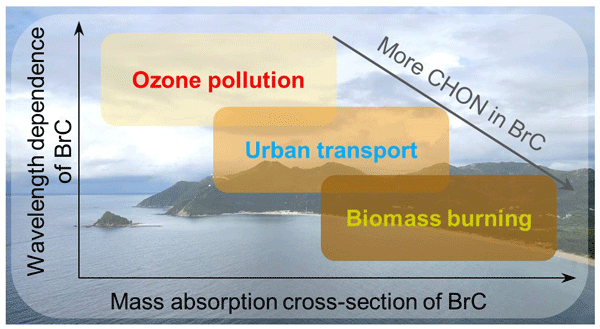
Our study shows that the optical properties of brown carbon depend on its source. Brown carbon from ozone pollution had the weakest light absorption but the strongest wavelength dependence, while biomass burning brown carbon showed the strongest absorption and the weakest wavelength dependence. Nitrogen-containing organic carbon compounds were identified as key light absorbers. These results improve understanding of brown carbon sources and help refine climate models.
Tiangang Yuan, Tzung-May Fu, Aoxing Zhang, David H. Y. Yung, Jin Wu, Sien Li, and Amos P. K. Tai
Atmos. Chem. Phys., 25, 4211–4232, https://doi.org/10.5194/acp-25-4211-2025, https://doi.org/10.5194/acp-25-4211-2025, 2025
Short summary
Short summary
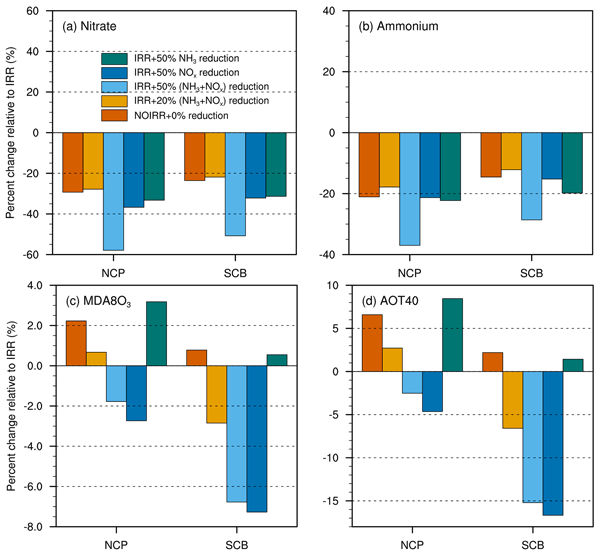
This study utilizes a regional climate–air quality coupled model to first investigate the complex interaction between irrigation, climate and air quality in China. We found that large-scale irrigation practices reduce summertime surface ozone while raising secondary inorganic aerosol concentration via complicated physical and chemical processes. Our results emphasize the importance of making a tradeoff between air pollution controls and sustainable agricultural development.
Jinhong Xian, Zongxu Qiu, Hongyan Luo, Yuanyuan Hu, Xiaoling Lin, Chao Lu, Yan Yang, Honglong Yang, and Ning Zhang
Atmos. Chem. Phys., 25, 441–457, https://doi.org/10.5194/acp-25-441-2025, https://doi.org/10.5194/acp-25-441-2025, 2025
Short summary
Short summary
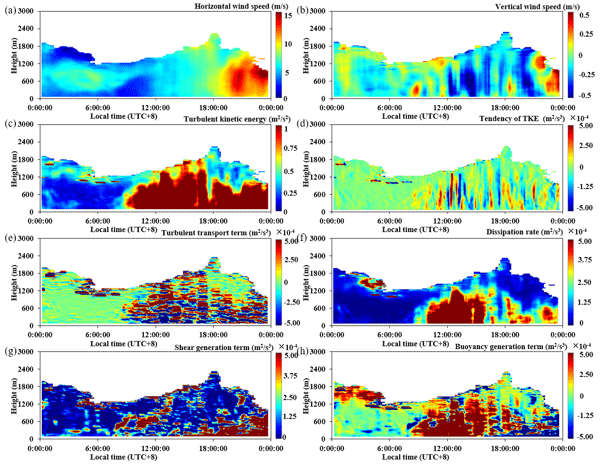
The existing methods for observing turbulent kinetic energy (TKE) budget terms can only rely on ground-based towers. We have developed a new detection method that can directly observe and analyze the generation and dissipation mechanisms of turbulent energy at different heights in the vertical direction of the boundary layer. This research result will extend our study of TKE budget terms from near the ground to high altitude, providing a higher and more detailed perspective.
Li Fang, Jianbing Jin, Arjo Segers, Ke Li, Ji Xia, Wei Han, Baojie Li, Hai Xiang Lin, Lei Zhu, Song Liu, and Hong Liao
Geosci. Model Dev., 17, 8267–8282, https://doi.org/10.5194/gmd-17-8267-2024, https://doi.org/10.5194/gmd-17-8267-2024, 2024
Short summary
Short summary
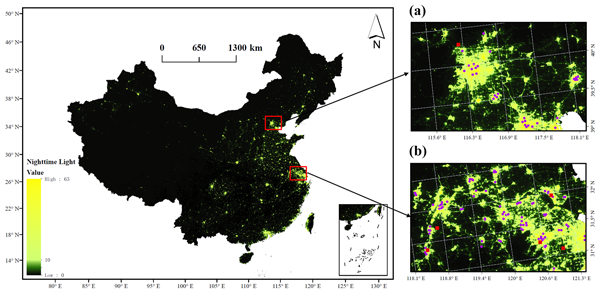
Model evaluations against ground observations are usually unfair. The former simulates mean status over coarse grids and the latter the surrounding atmosphere. To solve this, we proposed the new land-use-based representative (LUBR) operator that considers intra-grid variance. The LUBR operator is validated to provide insights that align with satellite measurements. The results highlight the importance of considering fine-scale urban–rural differences when comparing models and observation.
Jun Zhou, Chunsheng Zhang, Aiming Liu, Bin Yuan, Yan Wang, Wenjie Wang, Jie-Ping Zhou, Yixin Hao, Xiao-Bing Li, Xianjun He, Xin Song, Yubin Chen, Suxia Yang, Shuchun Yang, Yanfeng Wu, Bin Jiang, Shan Huang, Junwen Liu, Yuwen Peng, Jipeng Qi, Minhui Deng, Bowen Zhong, Yibo Huangfu, and Min Shao
Atmos. Chem. Phys., 24, 9805–9826, https://doi.org/10.5194/acp-24-9805-2024, https://doi.org/10.5194/acp-24-9805-2024, 2024
Short summary
Short summary
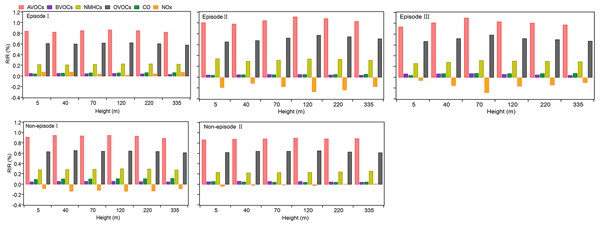
In-depth understanding of the near-ground vertical variability in photochemical ozone (O3) formation is crucial for mitigating O3 pollution. Utilizing a self-built vertical observation system, a direct net photochemical O3 production rate detection system, and an observation-based model, we diagnosed the vertical distributions and formation mechanism of net photochemical O3 production rates and sensitivity in the Pearl River Delta region, one of the most O3-polluted areas in China.

Shao Shi, Jinghao Zhai, Xin Yang, Yechun Ruan, Yuanlong Huang, Xujian Chen, Antai Zhang, Jianhuai Ye, Guomao Zheng, Baohua Cai, Yaling Zeng, Yixiang Wang, Chunbo Xing, Yujie Zhang, Tzung-May Fu, Lei Zhu, Huizhong Shen, and Chen Wang
Atmos. Chem. Phys., 24, 7001–7012, https://doi.org/10.5194/acp-24-7001-2024, https://doi.org/10.5194/acp-24-7001-2024, 2024
Short summary
Short summary
The determination of ions in the mass spectra of individual particles remains uncertain. We have developed a standard-free mass calibration algorithm applicable to more than 98 % of ambient particles. With our algorithm, ions with ~ 0.05 Th mass difference could be determined. Therefore, many more atmospheric species could be determined and involved in the source apportionment of aerosols, the study of chemical reaction mechanisms, and the analysis of single-particle mixing states.
Jinhong Xian, Chao Lu, Xiaoling Lin, Honglong Yang, Ning Zhang, and Li Zhang
Atmos. Meas. Tech., 17, 1837–1850, https://doi.org/10.5194/amt-17-1837-2024, https://doi.org/10.5194/amt-17-1837-2024, 2024
Short summary
Short summary
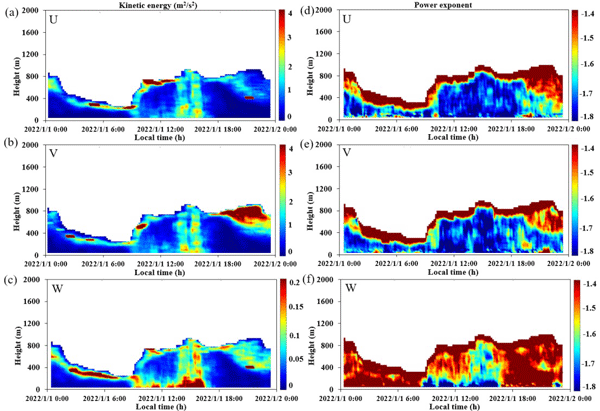
Improving the monitoring capability of atmospheric turbulence can help unravel the mystery of turbulence. Based on some assumptions, scientists have proposed various detection methods. However, these assumptions limit their applicability. We abandoned these assumptions and proposed a more accurate method, revealing some new results. Our method can provide more accurate three-dimensional features of turbulence, which will have a huge driving effect on the development of turbulence.
Yi Liu, Lihong Zhou, Yingzuo Qin, Cesar Azorin-Molina, Cheng Shen, Rongrong Xu, and Zhenzhong Zeng
Atmos. Meas. Tech., 17, 1123–1131, https://doi.org/10.5194/amt-17-1123-2024, https://doi.org/10.5194/amt-17-1123-2024, 2024
Short summary
Short summary
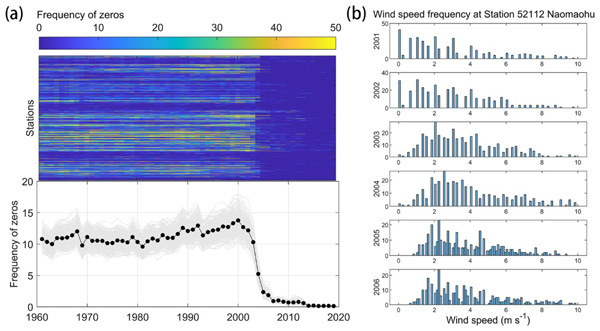
Our research analyzed China's wind speed data and addressed inconsistencies caused by factors like equipment changes and station relocations. After improving data quality, China's recent wind speed decrease reduced by 41 %, revealing an increasing trend. This emphasizes the importance of rigorous data processing for accurate trend assessments in various research fields.
Qianqian Gao, Shengqiang Zhu, Kaili Zhou, Jinghao Zhai, Shaodong Chen, Qihuang Wang, Shurong Wang, Jin Han, Xiaohui Lu, Hong Chen, Liwu Zhang, Lin Wang, Zimeng Wang, Xin Yang, Qi Ying, Hongliang Zhang, Jianmin Chen, and Xiaofei Wang
Atmos. Chem. Phys., 23, 13049–13060, https://doi.org/10.5194/acp-23-13049-2023, https://doi.org/10.5194/acp-23-13049-2023, 2023
Short summary
Short summary
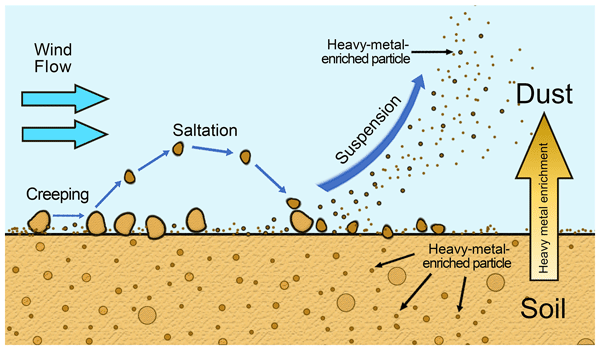
Dust is a major source of atmospheric aerosols. Its chemical composition is often assumed to be similar to the parent soil. However, this assumption has not been rigorously verified. Dust aerosols are mainly generated by wind erosion, which may have some chemical selectivity. Mn, Cd and Pb were found to be highly enriched in fine-dust (PM2.5) aerosols. In addition, estimation of heavy metal emissions from dust generation by air quality models may have errors without using proper dust profiles.
Feng Yang and Zhenzhong Zeng
Earth Syst. Sci. Data, 15, 4011–4021, https://doi.org/10.5194/essd-15-4011-2023, https://doi.org/10.5194/essd-15-4011-2023, 2023
Short summary
Short summary
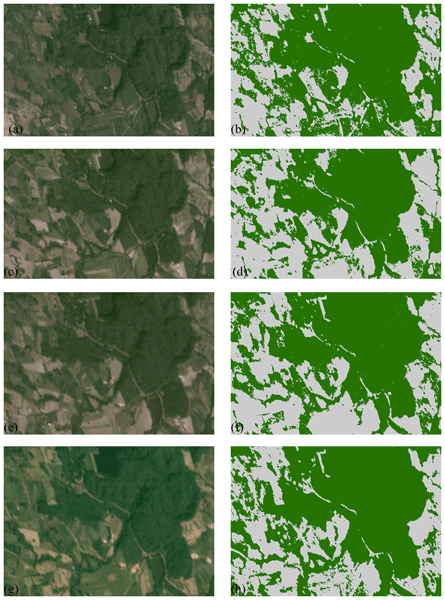
We generated a 4.77 m resolution annual tree cover map product for Southeast Asia (SEA) for 2016–2021 using Planet-NICFI and Sentinel-1 imagery. Maps were created with good accuracy and high consistency during 2016–2021. The baseline maps at 4.77 m can be converted to forest cover maps for SEA at various resolutions to meet different users’ needs. Our products can help resolve rounding errors in forest cover mapping by counting isolated trees and monitoring long, narrow forest cover removal.
Lei Shu, Lei Zhu, Juseon Bak, Peter Zoogman, Han Han, Song Liu, Xicheng Li, Shuai Sun, Juan Li, Yuyang Chen, Dongchuan Pu, Xiaoxing Zuo, Weitao Fu, Xin Yang, and Tzung-May Fu
Atmos. Chem. Phys., 23, 3731–3748, https://doi.org/10.5194/acp-23-3731-2023, https://doi.org/10.5194/acp-23-3731-2023, 2023
Short summary
Short summary
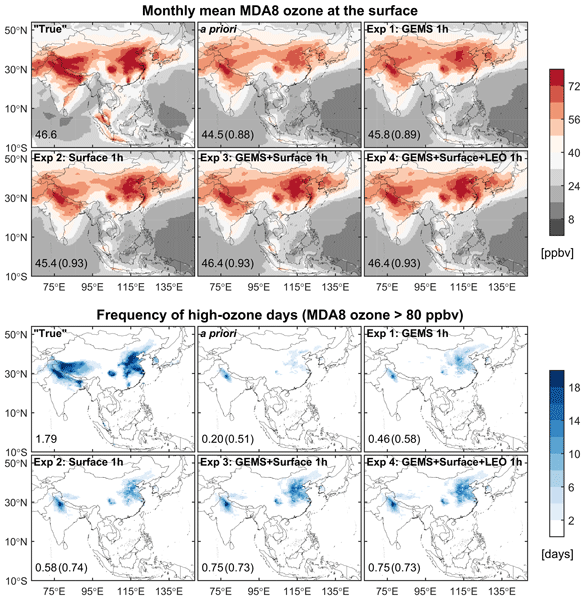
We quantify the benefit of multisource observations (GEMS, LEO satellite, and surface) on ozone simulations in Asia. Data assimilation improves the monitoring of exceedance, spatial pattern, and diurnal variation of surface ozone, with the regional mean bias reduced from −2.1 to −0.2 ppbv. Data assimilation also better represents ozone vertical distributions in the middle to upper troposphere at low latitudes. Our results offer a valuable reference for future ozone simulations.
Amir H. Souri, Matthew S. Johnson, Glenn M. Wolfe, James H. Crawford, Alan Fried, Armin Wisthaler, William H. Brune, Donald R. Blake, Andrew J. Weinheimer, Tijl Verhoelst, Steven Compernolle, Gaia Pinardi, Corinne Vigouroux, Bavo Langerock, Sungyeon Choi, Lok Lamsal, Lei Zhu, Shuai Sun, Ronald C. Cohen, Kyung-Eun Min, Changmin Cho, Sajeev Philip, Xiong Liu, and Kelly Chance
Atmos. Chem. Phys., 23, 1963–1986, https://doi.org/10.5194/acp-23-1963-2023, https://doi.org/10.5194/acp-23-1963-2023, 2023
Short summary
Short summary
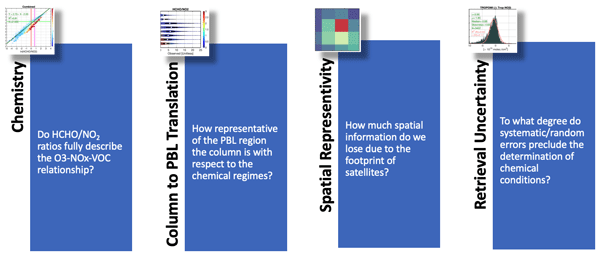
We have rigorously characterized different sources of error in satellite-based HCHO / NO2 tropospheric columns, a widely used metric for diagnosing near-surface ozone sensitivity. Specifically, the errors were categorized/quantified into (i) an inherent chemistry error, (ii) the decoupled relationship between columns and the near-surface concentration, (iii) the spatial representativeness error of ground satellite pixels, and (iv) the satellite retrieval errors.
Xun Li, Momei Qin, Lin Li, Kangjia Gong, Huizhong Shen, Jingyi Li, and Jianlin Hu
Atmos. Chem. Phys., 22, 14799–14811, https://doi.org/10.5194/acp-22-14799-2022, https://doi.org/10.5194/acp-22-14799-2022, 2022
Short summary
Short summary
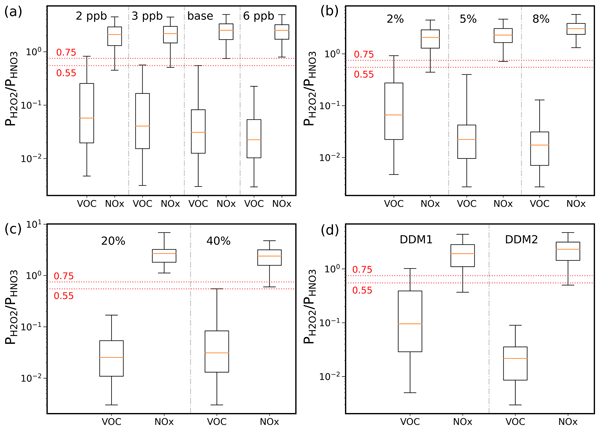
Photochemical indicators have been widely used to predict O3–NOx–VOC sensitivity with given thresholds. Here we assessed the effectiveness of four indicators with a case study in the Yangtze River Delta, China. The overall performance was good, while some indicators showed inconsistencies with the O3 isopleths. The methodology used to determine the thresholds may produce uncertainties. These results would improve our understanding of the use of photochemical indicators in policy implications.
Tianlang Zhao, Jingqiu Mao, William R. Simpson, Isabelle De Smedt, Lei Zhu, Thomas F. Hanisco, Glenn M. Wolfe, Jason M. St. Clair, Gonzalo González Abad, Caroline R. Nowlan, Barbara Barletta, Simone Meinardi, Donald R. Blake, Eric C. Apel, and Rebecca S. Hornbrook
Atmos. Chem. Phys., 22, 7163–7178, https://doi.org/10.5194/acp-22-7163-2022, https://doi.org/10.5194/acp-22-7163-2022, 2022
Short summary
Short summary
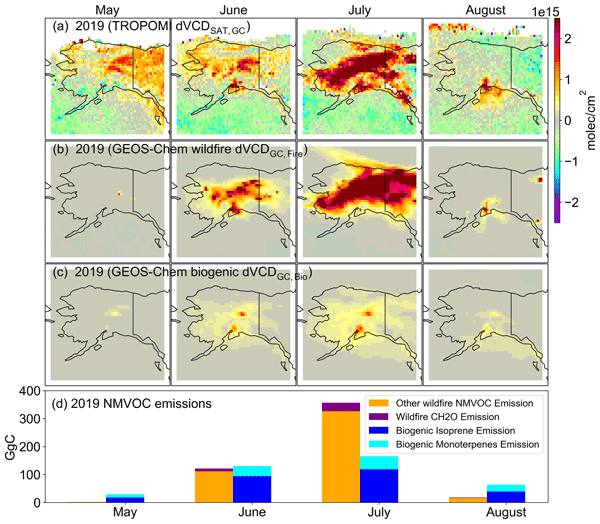
Monitoring formaldehyde (HCHO) can help us understand Arctic vegetation change. Here, we compare satellite data and model and show that Alaska summertime HCHO is largely dominated by a background from methane oxidation during mild wildfire years and is dominated by wildfire (largely from direct emission of fire) during strong fire years. Consequently, it is challenging to use satellite HCHO to study vegetation change in the Arctic region.

Xiaotian Xu, Xu Feng, Haipeng Lin, Peng Zhang, Shaojian Huang, Zhengcheng Song, Yiming Peng, Tzung-May Fu, and Yanxu Zhang
Geosci. Model Dev., 15, 3845–3859, https://doi.org/10.5194/gmd-15-3845-2022, https://doi.org/10.5194/gmd-15-3845-2022, 2022
Short summary
Short summary
Mercury is one of the most toxic pollutants in the environment, and wet deposition is a major process for atmospheric mercury to enter, causing ecological and human health risks. High-mercury wet deposition in the southeastern US has been a problem for many years. Here we employed a newly developed high-resolution WRF-GC model with the capability to simulate mercury to study this problem. We conclude that deep convection caused enhanced mercury wet deposition in the southeastern US.
Adrian Chappell, Nicholas Webb, Mark Hennen, Charles Zender, Philippe Ciais, Kerstin Schepanski, Brandon Edwards, Nancy Ziegler, Sandra Jones, Yves Balkanski, Daniel Tong, John Leys, Stephan Heidenreich, Robert Hynes, David Fuchs, Zhenzhong Zeng, Marie Ekström, Matthew Baddock, Jeffrey Lee, and Tarek Kandakji
Geosci. Model Dev. Discuss., https://doi.org/10.5194/gmd-2021-337, https://doi.org/10.5194/gmd-2021-337, 2021
Revised manuscript not accepted
Short summary
Short summary
Dust emissions influence global climate while simultaneously reducing the productive potential and resilience of landscapes to climate stressors, together impacting food security and human health. Our results indicate that tuning dust emission models to dust in the atmosphere has hidden dust emission modelling weaknesses and its poor performance. Our new approach will reduce uncertainty and driven by prognostic albedo improve Earth System Models of aerosol effects on future environmental change.
Cited articles
Achermann, F., Stastny, T., Danciu, B., Kolobov, A., Chung, J. J., Siegwart, R., and Lawrance, N.: WindSeer: real-time volumetric wind prediction over complex terrain aboard a small uncrewed aerial vehicle, Nat. Commun., 15, 3507, https://doi.org/10.1038/s41467-024-47778-4, 2024.
Ahmed, Z., Halefom, M. H., and Woolsey, C.: Tutorial review of indirect wind estimation methods using small uncrewed air vehicles, J. Aerosp. Inf. Syst., 21, 667–683, https://doi.org/10.2514/1.I011345, 2024.
Alfonso-Corcuera, D., Ogueta-Gutiérrez, M., Fernández-Soler, A., González-Bárcena, D., and Pindado, S.: Measuring relative wind speeds in stratospheric balloons with cup anemometers: the TASEC-lab mission, Sensors, 22, 5575, https://doi.org/10.3390/s22155575, 2022.
Alizadeh, O., Abniki, M., Babaei, M., and Irannejad, P.: Climatology and the dynamic mechanism of the levar wind and dust events in eastern Iran, Int. J. Climatol., 42, 9288–9303, https://doi.org/10.1002/joc.7818, 2022.
Asher, E., Hills, A. J., Hornbrook, R. S., Shertz, S., Gabbard, S., Stephens, B. B., Helmig, D., and Apel, E. C.: Unpiloted aircraft system instrument for the rapid collection of whole air samples and measurements for environmental monitoring and air quality studies, Environ. Sci. Technol., 55, 5657–5667, https://doi.org/10.1021/acs.est.0c07213, 2021.
Batista, C. E., Ye, J., Ribeiro, I. O., Guimarães, P. C., Medeiros, A. S. S., Barbosa, R. G., Oliveira, R. L., Duvoisin, S., Jardine, K. J., Gu, D., Guenther, A. B., McKinney, K. A., Martins, L. D., Souza, R. A. F., and Martin, S. T.: Intermediate-scale horizontal isoprene concentrations in the near-canopy forest atmosphere and implications for emission heterogeneity, P. Natl. Acad. Sci., 116, 19318–19323, https://doi.org/10.1073/pnas.1904154116, 2019.
Brosy, C., Krampf, K., Zeeman, M., Wolf, B., Junkermann, W., Schäfer, K., Emeis, S., and Kunstmann, H.: Simultaneous multicopter-based air sampling and sensing of meteorological variables, Atmos. Meas. Tech., 10, 2773–2784, https://doi.org/10.5194/amt-10-2773-2017, 2017.
Curbelo, J. and Rypina, I. I.: A three dimensional Lagrangian analysis of the smoke plume from the 2019/2020 Australian wildfire event, J. Geophys. Res.-Atmos., 128, e2023JD039773, https://doi.org/10.1029/2023JD039773, 2023.
Diasinos, S., Beves, C., and Barber, T.: Alignment technique for three-dimensional laser doppler anemometry, Meas. Sci. Technol., 24, 17001, https://doi.org/10.1088/0957-0233/24/1/017001, 2013.
Ding, L. and Wang, Z.: A robust control for an aerial robot quadrotor under wind gusts, J. Robot., 2018, 1–8, https://doi.org/10.1155/2018/5607362, 2018.
Feng, Y., Fu, D., Zhao, Z., Zong, W., Yu, T., Sheng, Z., and Zhu, Y.: An overview of spaceborne atmospheric wind field measurement with passive optical remote sensing, Acta Opt. Sin., 43, 0601011, https://doi.org/10.3788/AOS221462, 2023.
Gaeta Lopes, G. M., da Silva Junior, D. P., de Franca, J. A., de Morais Franca, M. B., Ribeiro, L. de S., Moreira, M., and Elias, P.: Development of 3-D ultrasonic anemometer with nonorthogonal geometry for the determination of high-intensity winds, IEEE T. Instrum. Meas., 66, 2836–2844, https://doi.org/10.1109/TIM.2017.2714438, 2017.
González-Rocha, J., Woolsey, C. A., Sultan, C., and De Wekker, S. F. J.: Sensing wind from quadrotor motion, J. Guid. Control Dynam., 42, 836–852, https://doi.org/10.2514/1.G003542, 2019.
González-Rocha, J., Bilyeu, L., Ross, S. D., Foroutan, H., Jacquemin, S. J., Ault, A. P., and Schmale, D. G.: Sensing atmospheric flows in aquatic environments using a multirotor small uncrewed aircraft system (sUAS), Environ. Sci. Atmos., 3, 305–315, https://doi.org/10.1039/D2EA00042C, 2023.
Guimarães, P., Ye, J., Batista, C., Barbosa, R., Ribeiro, I., Medeiros, A., Souza, R., and Martin, S. T.: Vertical profiles of ozone concentration collected by an unmanned aerial vehicle and the mixing of the nighttime boundary layer over an Amazonian urban area, Atmosphere, 10, 599, https://doi.org/10.3390/atmos10100599, 2019.
Guimarães, P., Ye, J., Batista, C., Barbosa, R., Ribeiro, I., Medeiros, A., Zhao, T., Hwang, W.-C., Hung, H.-M., Souza, R., and T. Martin, S.: Vertical profiles of atmospheric species concentrations and nighttime boundary layer structure in the dry season over an urban environment in central Amazon collected by an unmanned aerial vehicle, Atmosphere, 11, 1371, https://doi.org/10.3390/atmos11121371, 2020.
Guo, J., Miao, Y., Zhang, Y., Liu, H., Li, Z., Zhang, W., He, J., Lou, M., Yan, Y., Bian, L., and Zhai, P.: The climatology of planetary boundary layer height in China derived from radiosonde and reanalysis data, Atmos. Chem. Phys., 16, 13309–13319, https://doi.org/10.5194/acp-16-13309-2016, 2016.
Han, D., Kim, S., and Park, S.: Two-dimensional ultrasonic anemometer using the directivity angle of an ultrasonic sensor, Microelectron. J., 39, 1195–1199, https://doi.org/10.1016/j.mejo.2008.01.090, 2008.
Hauser, D., Abdalla, S., Ardhuin, F., Bidlot, J.-R., Bourassa, M., Cotton, D., Gommenginger, C., Evers-King, H., Johnsen, H., Knaff, J., Lavender, S., Mouche, A., Reul, N., Sampson, C., Steele, E. C. C., and Stoffelen, A.: Satellite remote sensing of surface winds, waves, and currents: where are we now?, Surv. Geophys., 44, 1357–1446, https://doi.org/10.1007/s10712-023-09771-2, 2023.
Horton, D. E., Skinner, C. B., Singh, D., and Diffenbaugh, N. S.: Occurrence and persistence of future atmospheric stagnation events, Nat. Clim. Change, 4, 698–703, https://doi.org/10.1038/nclimate2272, 2014.
Huang, H., Su, J., and Wang, F.-Y.: The potential of low-altitude airspace: the future of urban air transportation, IEEE Trans. Intell. Veh., 9, 5250–5254, https://doi.org/10.1109/TIV.2024.3483889, 2024.
Jiang, S., Wang, Y., Huang, X., Liu, B., Nie, D., Ge, Y., Ma, L., Wang, Q., Wang, J., Ma, Y., Jiang, S., Shu, Z., Zhang, Y., Sun, J., Wu, C., Ge, X., Zhu, L., Shen, H., Wang, C., Zheng, Y., Fu, T.-M., Yang, X., Li, Y. J., Chen, Q., and Ye, J.: Characteristics of nocturnal boundary layer over a subtropical forest: implications for the dispersion and fate of atmospheric species, Environ. Sci. Technol., 58, 23075–23087, https://doi.org/10.1021/acs.est.4c05051, 2024.
Jung, S.: Precision landing of unmanned aerial vehicle under wind disturbance using derivative sliding mode nonlinear disturbance observer-based control method, Aerospace, 11, 265, https://doi.org/10.3390/aerospace11040265, 2024.
Knöller, W., Bagheri, G., von Olshausen, P., and Wilczek, M.: Analysis of the measurement uncertainty for a 3D wind lidar, Atmos. Meas. Tech., 17, 6913–6931, https://doi.org/10.5194/amt-17-6913-2024, 2024.
Lee, B.: Review of the present status of optical fiber sensors, Opt. Fiber Technol., 9, 57–79, https://doi.org/10.1016/S1068-5200(02)00527-8, 2003.
Lei, Y. and Lin, R.: Effect of wind disturbance on the aerodynamic performance of coaxial rotors during hovering, Meas. Control, 52, 665–674, https://doi.org/10.1177/0020294019834961, 2019.
Li, Y., Zhang, C., Su, W., Jiang, S., Nie, D., Wang, Y., Wang, Y., He, H., Chen, Q., Martin, S. T., and Ye, J.: Copter-type UAV-based sensing in atmospheric chemistry: recent advances, applications, and future perspectives, Environ. Sci. Technol., 59, 13532–13550, https://doi.org/10.1021/acs.est.5c00074, 2025.
Liu, J., Zhao, Z., Fang, Z., Li, Y., and Du, L.: Correction of error of airborne anemometers caused by self-excited air turbulence, Sensors, 23, 4288, https://doi.org/10.3390/s23094288, 2023.
Lynch, A. H. and Cassano, J. J.: Applied Atmospheric Dynamics, John Wiley & Sons, Hoboken, NJ, USA, https://doi.org/10.1002/met.28, 2007.
Michaelides, S., Lane, J., and Kasparis, T.: Effect of vertical air motion on disdrometer derived Z-R coefficients, Atmosphere, 10, 77–98, https://doi.org/10.3390/atmos10020077, 2019.
Neumann, P. P. and Bartholmai, M.: Real-time wind estimation on a micro unmanned aerial vehicle using its inertial measurement unit, Sens. Actuators Phys., 235, 300–310, https://doi.org/10.1016/j.sna.2015.09.036, 2015.
Otsuka, H., Sasaki, D., and Nagatani, K.: Reduction of the head-up pitching moment of small quad-rotor unmanned aerial vehicles in uniform flow, Int. J. Micro Air Veh., 10, 85–105, https://doi.org/10.1177/1756829317745318, 2018.
Palomaki, R. T., Rose, N. T., Van Den Bossche, M., Sherman, T. J., and De Wekker, S. F. J.: Wind estimation in the lower atmosphere using multirotor aircraft, J. Atmos. Ocean. Tech., 34, 1183–1191, https://doi.org/10.1175/JTECH-D-16-0177.1, 2017.
Pindado, S., Cubas, J., and Sorribes-Palmer, F.: The cup anemometer, a fundamental meteorological instrument for the wind energy industry. Research at the IDR/UPM institute, Sensors, 14, 21418–21452, https://doi.org/10.3390/s141121418, 2014.
Richiardone, R., Manfrin, M., Ferrarese, S., Francone, C., Fernicola, V., Gavioso, R. M., and Mortarini, L.: Influence of the sonic anemometer temperature calibration on turbulent heat-flux measurements, Bound.-Layer Meteorol., 142, 425–442, https://doi.org/10.1007/s10546-011-9688-z, 2012.
Saadé, R. G., Hao, L., and Kuusiholma, T.: Global governance & aerospace – the need for a management-integrated air and space education paradigm, J. Space Saf. Eng., 12, 17–27, https://doi.org/10.1016/j.jsse.2025.04.003, 2025.
Salmabadi, H., Khalidy, R., and Saeedi, M.: Transport routes and potential source regions of the Middle Eastern dust over Ahvaz during 2005–2017, Atmos. Res., 241, 104947, https://doi.org/10.1016/j.atmosres.2020.104947, 2020.
Shan, Z., Xie, X., and Liu, X.: Wind speed and direction measurement based on three mutually transmitting ultrasonic sensors, IEEE Geosci. Remote S., 20, 8000205, https://doi.org/10.1109/LGRS.2023.3236005, 2023.
Sikkel, L. N. C., de Croon, G. C. H. E., De Wagter, C., and Chu, Q. P.: A novel online model-based wind estimation approach for quadrotor micro air vehicles using low cost MEMS IMUs, in: 2016 IEEE/RSJ International Conference on Intelligent Robots and Systems (IROS), 2141–2146, https://doi.org/10.1109/IROS.2016.7759336, 2016.
Tan, H., Guo, Z., Yan, J., Zhang, D., Chen, Y., and Zhang, H.: Advancing low-carbon smart cities: leveraging UAVs-enabled low-altitude economy principles and innovations, Renew. Sustain. Energy Rev., 222, 115942, https://doi.org/10.1016/j.rser.2025.115942, 2025.
Tominaga, Y. and Shirzadi, M.: Wind tunnel measurement of three-dimensional turbulent flow structures around a building group: impact of high-rise buildings on pedestrian wind environment, Build. Environ., 206, 108389, https://doi.org/10.1016/j.buildenv.2021.108389, 2021.
Wang, H.-J. and Chen, H.-P.: Understanding the recent trend of haze pollution in eastern China: roles of climate change, Atmos. Chem. Phys., 16, 4205–4211, https://doi.org/10.5194/acp-16-4205-2016, 2016.
Yang, J., Wu, L., Li, R., Liu, X., and Tao, C.: Effects of surrounding urban morphology and wind direction on hazardous gas dispersion from chemical plants: morphological analysis and fluid dynamics insights into industry-urban interactions, Phys. Fluids, 37, 27103, https://doi.org/10.1063/5.0251016, 2025a.
Yang, Y., Russell, L. M., Lou, S., Liu, Y., Singh, B., and Ghan, S. J.: Rain-aerosol relationships influenced by wind speed, Geophys. Res. Lett., 43, 2267–2274, https://doi.org/10.1002/2016GL067770, 2016.
Yang, Y., Russell, L. M., Lou, S., Liao, H., Guo, J., Liu, Y., Singh, B., and Ghan, S. J.: Dust-wind interactions can intensify aerosol pollution over eastern China, Nat. Commun., 8, 15333, https://doi.org/10.1038/ncomms15333, 2017.
Yang, Y., Zhang, Y., Han, T., Xie, C., Liu, Y., Huang, Y., Zhou, J., Sun, H., Zhao, D., Zhang, K., and Li, S.-M.: A correction algorithm for rotor-induced airflow and flight attitude changes during three-dimensional wind speed measurements made from a rotary unoccupied aerial vehicle, Atmos. Meas. Tech., 18, 3035–3050, https://doi.org/10.5194/amt-18-3035-2025, 2025b.
Ye, J., Batista, C. E., Guimarães, P. C., Ribeiro, I. O., Vidoudez, C., Barbosa, R. G., Oliveira, R. L., Ma, Y., Jardine, K. J., Surratt, J. D., Guenther, A. B., Souza, R. A. F., and Martin, S. T.: Near-canopy horizontal concentration heterogeneity of semivolatile oxygenated organic compounds and implications for 2-methyltetrols primary emissions, Environ. Sci. Atmos., 1, 8–20, https://doi.org/10.1039/D0EA00006J, 2021.
Ye, J., Batista, C. E., Zhao, T., Campos, J., Ma, Y., Guimarães, P., Ribeiro, I. O., Medeiros, A. S. S., Stewart, M. P., Vilà-Guerau De Arellano, J., Guenther, A. B., Souza, R. A. F. D., and Martin, S. T.: River winds and transport of forest volatiles in the Amazonian riparian ecoregion, Environ. Sci. Technol., 56, 12667–12677, https://doi.org/10.1021/acs.est.1c08460, 2022.
Zhao, T., Ye, J., Ribeiro, I. O., Ma, Y., Hung, H.-M., Batista, C. E., Stewart, M. P., Guimarães, P. C., Vilà-Guerau De Arellano, J., De Souza, R. A. F., Guenther, A. B., and Martin, S. T.: River winds and pollutant recirculation near the Manaus city in the central Amazon, Commun. Earth Environ., 2, 205, https://doi.org/10.1038/s43247-021-00277-6, 2021.
Zhou, Y.: Unmanned aerial vehicles based low-altitude economy with lifecycle techno-economic-environmental analysis for sustainable and smart cities, J. Clean. Prod., 499, 145050, https://doi.org/10.1016/j.jclepro.2025.145050, 2025.
Zhu, S., Zhao, T., Zhang, H., Chen, Y., Yang, D., Liu, Y., and Cao, J.: UAVs' flight dynamics is all you need for wind speed and direction measurement in air, Drones, 9, 466, https://doi.org/10.3390/drones9070466, 2025.
Short summary
This research presents a sensor-free method to transform UAVs (unmanned aerial vehicles) into precise wind measurement platforms by calibrating their flight dynamics against wind. The approach quantifies how wind tilts the aircraft, enabling accurate estimation of wind speed and direction without additional sensors. This provides a low-cost, high-resolution monitoring of complex wind patterns, with applications in pollution tracking, air quality modeling, and operational safety in the emerging low-altitude economy.
This research presents a sensor-free method to transform UAVs (unmanned aerial vehicles) into...


Altmetrics
Final-revised paper
Preprint