
Articles | Volume 26, issue 22
https://doi.org/10.5194/acp-26-16373-2026
© Author(s) 2026. This work is distributed under
the Creative Commons Attribution 4.0 License.
the Creative Commons Attribution 4.0 License.
https://doi.org/10.5194/acp-26-16373-2026
© Author(s) 2026. This work is distributed under
the Creative Commons Attribution 4.0 License.
the Creative Commons Attribution 4.0 License.
Research article
| 
17 Nov 2026
Research article |
| 17 Nov 2026
| 17 Nov 2026
Addressing systematic underestimation in a global ship emission inventory through improved fleet representation and fuel compliance characterization
Weiwei Zhang
State Key Laboratory of Regional Environment and Sustainability, School of Environment, Tsinghua University, Beijing 100084, China
Institute for Carbon Neutrality, Tsinghua University, Beijing 100084, China
Zhaofeng Lv
State Key Laboratory of Regional Environment and Sustainability, School of Environment, Tsinghua University, Beijing 100084, China
Wen Yi
State Key Laboratory of Regional Environment and Sustainability, School of Environment, Tsinghua University, Beijing 100084, China
Institute for Carbon Neutrality, Tsinghua University, Beijing 100084, China
Tingkun He
State Key Laboratory of Regional Environment and Sustainability, School of Environment, Tsinghua University, Beijing 100084, China
Institute for Carbon Neutrality, Tsinghua University, Beijing 100084, China
Bensheng Xiao
State Key Laboratory of Regional Environment and Sustainability, School of Environment, Tsinghua University, Beijing 100084, China
Feng Sun
COSCO SHIPPING Heavy Industry (Dalian) Co., Ltd, Dalian 116113, China
Qiang Zhang
Ministry of Education Key Laboratory for Earth System Modeling, Department of Earth System Science, Tsinghua University, Beijing 100084, China

State Key Laboratory of Regional Environment and Sustainability, School of Environment, Tsinghua University, Beijing 100084, China
Institute for Carbon Neutrality, Tsinghua University, Beijing 100084, China
Related authors
No articles found.
Christopher R. Oxford, Haihui Zhu, Maya Mehrotra, Xuan Liu, Yuxuan Ren, Maya Arnott, Isaac Abionum Adimula, Taiye Benjamin Ajibolataiye, Clement Akoshile, Omar Amador-Munoz, Araya Asfaw, Rachel Ying-Wen Chang, Sagnik Dey, Ann M. Dillner, David J. Diner, Connor J. Flynn, Diana Francis, Paterne Gahungu, Rebecca M. Garland, Michel Grutter, Sina Hasheminassab, Fahad Imam, Jhoon Kim, Kristy Langerman, Pei-Chen Lee, Puji Lestari, Po-Hsiung Lin, S. Marcela Loria-Salazar, Tesfaye Mamo, Olga L. Mayol-Bracero, Mogesh Naidoo, Narendra Nelli, Sang Seo Park, Abdus Salam, Bighnaraj Sarangi, Trailokya Saud, Robyn Schofield, Yoav Schechner, Sachchida N. Tripathi, Emily K. West, Eli Windwer, Ming-Tsang Wu, Qiang Zhang, Michael Brauer, Yinon Rudich, Jay R. Turner, and Randall V. Martin
EGUsphere, https://doi.org/10.5194/egusphere-2026-3224, https://doi.org/10.5194/egusphere-2026-3224, 2026
Short summary
Short summary
A high-sensitivity balance, controlled temperature and relative humidity chamber, and filter samples collected around the world were used to develop a mass as a function of relative humidity relationship. We subsequently measured the chemical composition of these same samples. A relationship between the chemical composition and water mass was created and used to calculate aerosol water content showing how composition and water content varies worldwide.
Zeyu Yang, Fan Cheng, Jian Gao, Huan Liu, and Jing Wei
Atmos. Chem. Phys., 26, 7933–7947, https://doi.org/10.5194/acp-26-7933-2026, https://doi.org/10.5194/acp-26-7933-2026, 2026
Short summary
Short summary
We developed a machine learning approach to map daily air pollution across China at high resolution, covering six major pollutants. Our results reveal how different pollutants respond differently to changes in human activity and emissions, uncovering the underlying chemical and atmospheric processes. This study provides detailed evidence of air pollution patterns and interactions, offering insights that can guide more effective strategies to protect air quality and public health.
Shuling Xu, Yang Liu, Sha Yu, Weidong Jia, Yongye Jiang, Yuqin Li, Zeyuan Liu, Andy Miller, Jianxiang Shen, Jingyang Song, Can Wang, Huaxuan Wang, Rui Wang, Fan Wu, Hongzhi Zhang, Mengting Zhu, Rongqi Zhu, Jenna Behrendt, Matthew Binsted, Jing Cheng, Robert Dahowski, Casie Davidson, Shiyu Deng, Jay Fuhrman, Matthew Gidden, Chaoyi Guo, Jill Horing, Hanwoong Kim, Chaojun Li, Bo Liu, Xunzhang Pan, Pralit Patel, Meiyin Qian, Yang Qiu, Tianming Shao, Yisheng Sun, Lining Wang, Yuyao Yang, Brinda Yarlagadda, Zihua Yin, Jian Zang, Qianzhi Zhang, Wenjia Cai, Wenying Chen, Leon Clarke, Ryna Cui, Nathan Hultman, Bengang Li, Jiashuo Li, Xi Lu, Haewon McJeon, Bo Wang, Can Wang, Peng Wang, Shuxiao Wang, Zhaohua Wang, Lixiao Zhang, Qiang Zhang, and Yang Ou
EGUsphere, https://doi.org/10.5194/egusphere-2026-1919, https://doi.org/10.5194/egusphere-2026-1919, 2026
Short summary
Short summary
This study introduces a new open-source model GCAM-China-v8, developed by the community to better understand China’s energy and emissions at both national and provincial levels. The model links detailed regional systems with global trends, allowing users to explore how economic growth, technology, and policy choices shape future pathways. It provides a transparent and flexible tool to support research and decision making on energy and climate issues.
Detlef P. Van Vuuren, Brian C. O'Neill, Claudia Tebaldi, Benjamin M. Sanderson, Louise P. Chini, Pierre Friedlingstein, Tomoko Hasegawa, Keywan Riahi, Bala Govindasamy, Nico Bauer, Veronika Eyring, Cheikh M. N. Fall, Katja Frieler, Matthew J. Gidden, Laila K. Gohar, Annika Högner, Andrew D. Jones, Jarmo Kikstra, Andrew King, Reto Knutti, Elmar Kriegler, Peter Lawrence, Chris Lennard, Jason Lowe, Camilla Mathison, Shahbaz Mehmood, Zebedee Nicholls, Luciana F. Prado, Qiang Zhang, Steven K. Rose, Alex C. Ruane, Marit Sandstad, Carl-Friedrich Schleussner, Roland Seferian, Jana Sillmann, Chris Smith, Anna A. Sörensson, Swapna Panickal, Kaoru Tachiiri, Naomi Vaughan, Saritha S. Vishwanathan, Tokuta Yokohata, Marco Zecchetto, and Tilo Ziehn
Geosci. Model Dev., 19, 2627–2656, https://doi.org/10.5194/gmd-19-2627-2026, https://doi.org/10.5194/gmd-19-2627-2026, 2026
Short summary
Short summary
We propose a set of seven plausible 21st century emission scenarios, and their multi-century extensions, that will be used by the international community of climate modeling centers to produce the next generation of climate projections. These projections will support climate, impact and mitigation researchers, provide information to practitioners to address future risks from climate change, and contribute to policymakers’ considerations of the trade-offs among various levels of mitigation.
Diego Guizzardi, Monica Crippa, Tim Butler, Terry Keating, Rosa Wu, Jacek Kaminski, Jeroen Kuenen, Junichi Kurokawa, Satoru Chatani, Tazuko Morikawa, George Pouliot, Jacinthe Racine, Michael D. Moran, Zbigniew Klimont, Patrick M. Manseau, Rabab Mashayekhi, Barron H. Henderson, Steven J. Smith, Rachel Hoesly, Marilena Muntean, Manjola Banja, Edwin Schaaf, Federico Pagani, Jung-Hun Woo, Jinseok Kim, Enrico Pisoni, Junhua Zhang, David Niemi, Mourad Sassi, Annie Duhamel, Tabish Ansari, Kristen Foley, Guannan Geng, Yifei Chen, and Qiang Zhang
Earth Syst. Sci. Data, 17, 5915–5950, https://doi.org/10.5194/essd-17-5915-2025, https://doi.org/10.5194/essd-17-5915-2025, 2025
Short summary
Short summary
The global air pollution emission mosaic HTAP_v3.2 is the state-of-the-art inventory to address the evolution of a set of policy-relevant pollutants over the past 2 decades. The mosaic is made harmonising and blending seven regional inventories, gapfilled with the most recent release of the Emissions Database for Global Atmospheric Research. By incorporating the best available local information, the HTAP_v3.2 emission mosaic can be used for policy-relevant studies at regional and global level.
Zhenyu Luo, Li Peng, Zhaofeng Lv, Junchao Zhao, Tingkun He, Wen Yi, Yongyue Wang, Kebin He, and Huan Liu
Atmos. Chem. Phys., 25, 13635–13649, https://doi.org/10.5194/acp-25-13635-2025, https://doi.org/10.5194/acp-25-13635-2025, 2025
Short summary
Short summary
This study explores how shipping emissions affect ozone pollution in China. By combining atmospheric simulation and machine learning, we show that shipping emissions increase ozone levels by an average of 3.5 ppb nationwide, with large differences depending on location and season. Our findings highlight that controlling shipping emissions together with land-based sources is critical for improving air quality.
Zhige Wang, Ce Zhang, Kejian Shi, Yulin Shangguan, Bifeng Hu, Xueyao Chen, Danqing Wei, Songchao Chen, Peter M. Atkinson, and Qiang Zhang
Earth Syst. Sci. Data, 17, 5355–5375, https://doi.org/10.5194/essd-17-5355-2025, https://doi.org/10.5194/essd-17-5355-2025, 2025
Short summary
Short summary
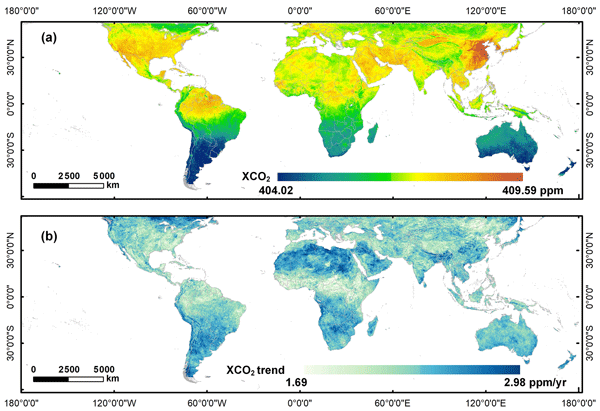
The irreversible trend in global warming underscores the necessity for accurate monitoring of atmospheric carbon dynamics on a global scale. This study generated a global dataset of column-averaged dry-air mole fraction of CO2 (XCO2) at 0.05° resolution with full coverage using carbon satellite data and a deep learning model. The dataset accurately depicts global and regional XCO2 patterns, advancing the monitoring of carbon emissions and understanding of global carbon dynamics.
Ruochong Xu, Hanchen Ma, Jingxian Li, Dan Tong, Liu Yan, Lanyuan Wang, Xinying Qin, Qingyang Xiao, Xizhe Yan, Hanwen Hu, Yujia Fu, Nana Wu, Huaxuan Wang, Yuexuanzi Wang, Xiaodong Liu, Guannan Geng, Kebin He, and Qiang Zhang
Atmos. Chem. Phys., 25, 12675–12700, https://doi.org/10.5194/acp-25-12675-2025, https://doi.org/10.5194/acp-25-12675-2025, 2025
Short summary
Short summary
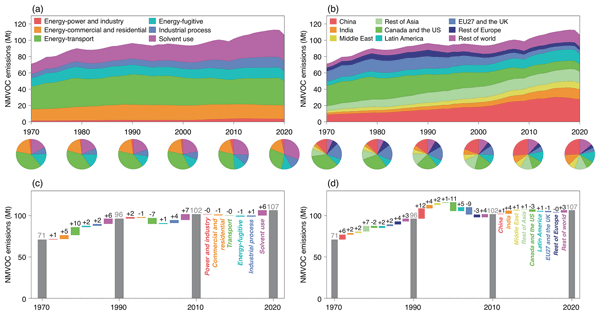
In this study, we developed a new global emission inventory for non-methane volatile organic compounds (NMVOC) for the period of 1970–2020, with a focus on improving the representation of NMVOC-emission-related technologies. Our analysis revealed that activity growth, technology advancements, and policy-driven emission controls were key driving forces of NMVOC emission changes, but their roles were different across sectors and regions.
Xiaolin Duan, Guangjie Zheng, Chuchu Chen, Qiang Zhang, and Kebin He
Atmos. Chem. Phys., 25, 3919–3928, https://doi.org/10.5194/acp-25-3919-2025, https://doi.org/10.5194/acp-25-3919-2025, 2025
Short summary
Short summary
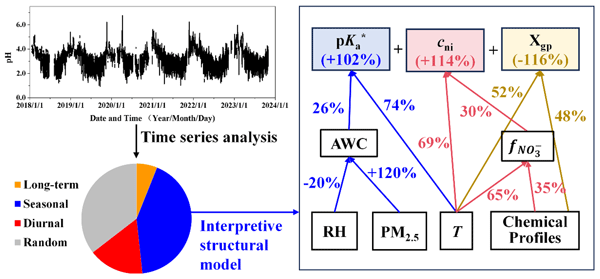
Aerosol acidity is an important parameter in atmospheric chemistry, while its driving factors, especially chemical profiles versus meteorological conditions, are not yet fully understood. Here, we established a hierarchical quantitative analysis framework to understand the driving factors of aerosol acidity on different timescales. Its application in Changzhou, China, revealed distinct driving factors and corresponding mechanisms of aerosol acidity from annual trends to random residuals.
Wen Yi, Xiaotong Wang, Tingkun He, Huan Liu, Zhenyu Luo, Zhaofeng Lv, and Kebin He
Earth Syst. Sci. Data, 17, 277–292, https://doi.org/10.5194/essd-17-277-2025, https://doi.org/10.5194/essd-17-277-2025, 2025
Short summary
Short summary
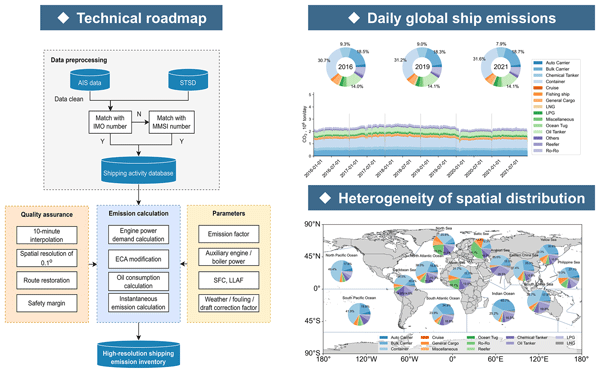
This study presents a detailed global dataset on ship emissions, covering the years 2013 and 2016–2021, using advanced modeling techniques. The dataset includes emissions data for four types of greenhouse gases and five types of air pollutants. The data, available for research, offer valuable insights into ship emission spatiotemporal patterns by vessel type and age, providing a solid data foundation for fine-scale scientific research and shipping emission mitigation.
Liu Yan, Qiang Zhang, Bo Zheng, and Kebin He
Earth Syst. Sci. Data, 16, 4497–4509, https://doi.org/10.5194/essd-16-4497-2024, https://doi.org/10.5194/essd-16-4497-2024, 2024
Short summary
Short summary
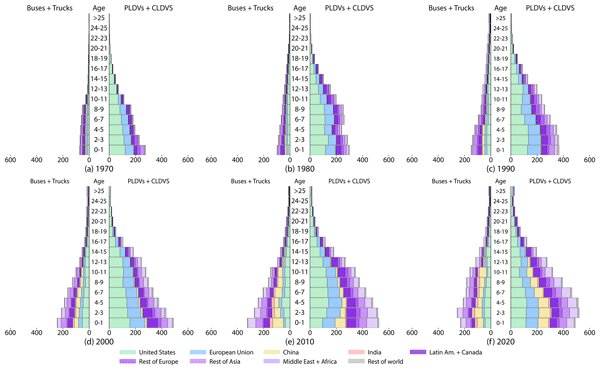
A new database of fuel-, vehicle-type-, and age-specific CO2 emissions from global on-road vehicles from 1970 to 2020 is developed with the fleet turnover model built in this study. Based on this database, the evolution of the global vehicle stock over 50 years is analyzed, the dominant emission contributors by vehicle and fuel type are identified, and the age distribution of on-road CO2 emissions is characterized further.
Yuan Cheng, Xu-bing Cao, Sheng-qiang Zhu, Zhi-qing Zhang, Jiu-meng Liu, Hong-liang Zhang, Qiang Zhang, and Ke-bin He
Atmos. Chem. Phys., 24, 9869–9883, https://doi.org/10.5194/acp-24-9869-2024, https://doi.org/10.5194/acp-24-9869-2024, 2024
Short summary
Short summary
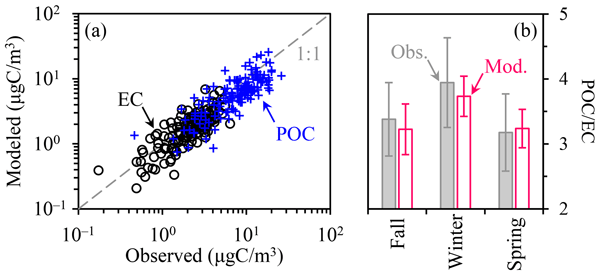
The agreement between observational and modeling results is essential for the development of efficient air pollution control strategies. Here we constrained the modeling results of carbonaceous aerosols by field observation in Northeast China, a historically overlooked but recently targeted region of national clean-air actions. Our study suggested that the simulation of agricultural fire emissions and secondary organic aerosols remains challenging.
Nana Wu, Guannan Geng, Ruochong Xu, Shigan Liu, Xiaodong Liu, Qinren Shi, Ying Zhou, Yu Zhao, Huan Liu, Yu Song, Junyu Zheng, Qiang Zhang, and Kebin He
Earth Syst. Sci. Data, 16, 2893–2915, https://doi.org/10.5194/essd-16-2893-2024, https://doi.org/10.5194/essd-16-2893-2024, 2024
Short summary
Short summary
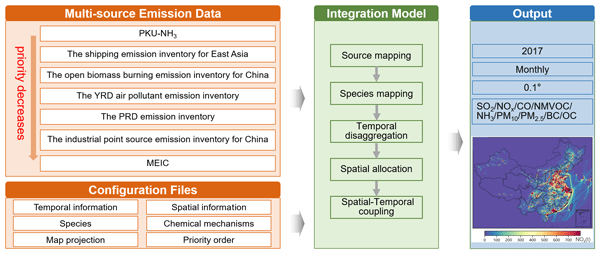
The commonly used method for developing large-scale air pollutant emission datasets for China faces challenges due to limited availability of detailed parameter information. In this study, we develop an efficient integrated framework to gather such information by harmonizing seven heterogeneous inventories from five research institutions. Emission characterizations are analyzed and validated, demonstrating that the dataset provides more accurate emission magnitudes and spatiotemporal patterns.
Meng Li, Junichi Kurokawa, Qiang Zhang, Jung-Hun Woo, Tazuko Morikawa, Satoru Chatani, Zifeng Lu, Yu Song, Guannan Geng, Hanwen Hu, Jinseok Kim, Owen R. Cooper, and Brian C. McDonald
Atmos. Chem. Phys., 24, 3925–3952, https://doi.org/10.5194/acp-24-3925-2024, https://doi.org/10.5194/acp-24-3925-2024, 2024
Short summary
Short summary
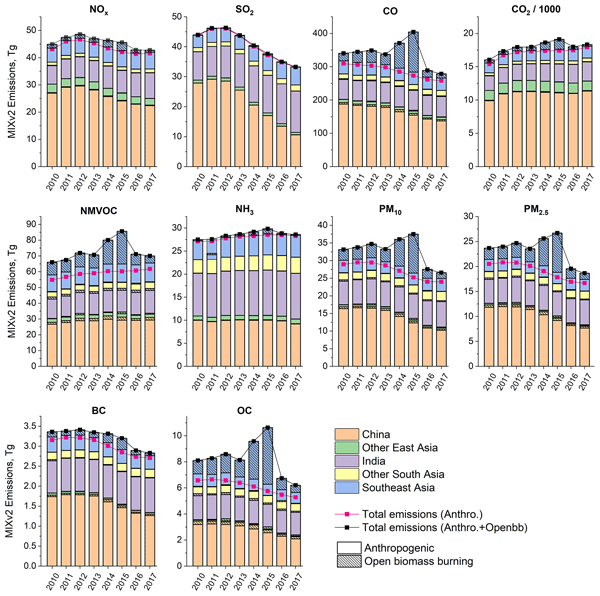
In this work, we developed MIXv2, a mosaic Asian emission inventory for 2010–2017. With high spatial (0.1°) and monthly temporal resolution, MIXv2 integrates anthropogenic and open biomass burning emissions across seven sectors following a mosaic methodology. It provides CO2 emissions data alongside nine key pollutants and three chemical mechanisms. Our publicly accessible gridded monthly emissions data can facilitate long-term atmospheric and climate model analyses.
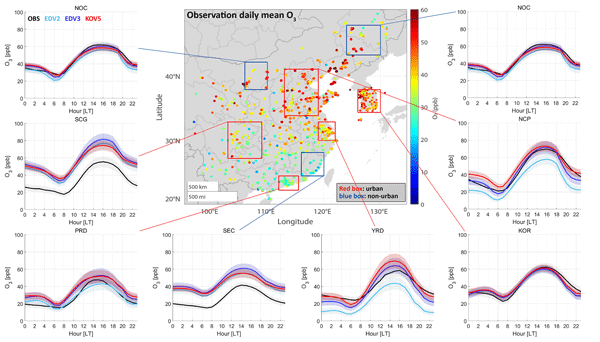
Kyoung-Min Kim, Si-Wan Kim, Seunghwan Seo, Donald R. Blake, Seogju Cho, James H. Crawford, Louisa K. Emmons, Alan Fried, Jay R. Herman, Jinkyu Hong, Jinsang Jung, Gabriele G. Pfister, Andrew J. Weinheimer, Jung-Hun Woo, and Qiang Zhang
Geosci. Model Dev., 17, 1931–1955, https://doi.org/10.5194/gmd-17-1931-2024, https://doi.org/10.5194/gmd-17-1931-2024, 2024
Short summary
Short summary
Three emission inventories were evaluated for East Asia using data acquired during a field campaign in 2016. The inventories successfully reproduced the daily variations of ozone and nitrogen dioxide. However, the spatial distributions of model ozone did not fully agree with the observations. Additionally, all simulations underestimated carbon monoxide and volatile organic compound (VOC) levels. Increasing VOC emissions over South Korea resulted in improved ozone simulations.
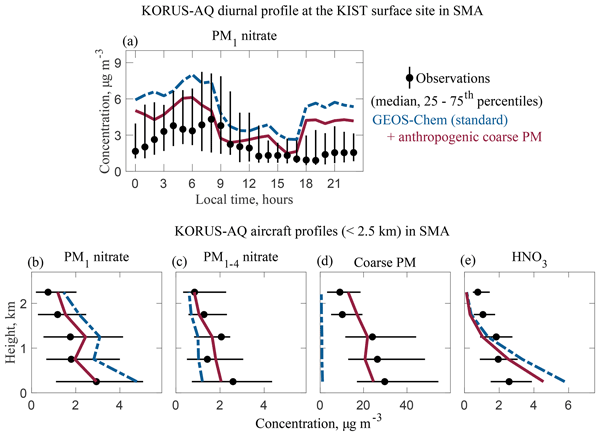
Shixian Zhai, Daniel J. Jacob, Drew C. Pendergrass, Nadia K. Colombi, Viral Shah, Laura Hyesung Yang, Qiang Zhang, Shuxiao Wang, Hwajin Kim, Yele Sun, Jin-Soo Choi, Jin-Soo Park, Gan Luo, Fangqun Yu, Jung-Hun Woo, Younha Kim, Jack E. Dibb, Taehyoung Lee, Jin-Seok Han, Bruce E. Anderson, Ke Li, and Hong Liao
Atmos. Chem. Phys., 23, 4271–4281, https://doi.org/10.5194/acp-23-4271-2023, https://doi.org/10.5194/acp-23-4271-2023, 2023
Short summary
Short summary
Anthropogenic fugitive dust in East Asia not only causes severe coarse particulate matter air pollution problems, but also affects fine particulate nitrate. Due to emission control efforts, coarse PM decreased steadily. We find that the decrease of coarse PM is a major driver for a lack of decrease of fine particulate nitrate, as it allows more nitric acid to form fine particulate nitrate. The continuing decrease of coarse PM requires more stringent ammonia and nitrogen oxides emission controls.
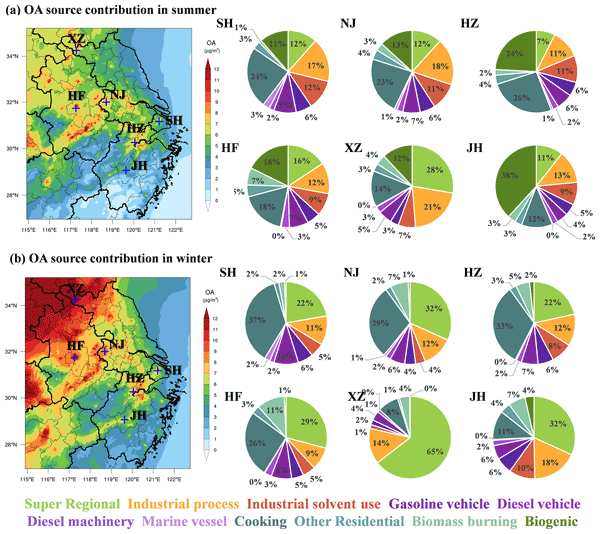
Jingyu An, Cheng Huang, Dandan Huang, Momei Qin, Huan Liu, Rusha Yan, Liping Qiao, Min Zhou, Yingjie Li, Shuhui Zhu, Qian Wang, and Hongli Wang
Atmos. Chem. Phys., 23, 323–344, https://doi.org/10.5194/acp-23-323-2023, https://doi.org/10.5194/acp-23-323-2023, 2023
Short summary
Short summary
This paper aims to build up an approach to establish a high-resolution emission inventory of intermediate-volatility and semi-volatile organic compounds in city-scale and detailed source categories and incorporate it into the CMAQ model. We believe this approach can be widely applied to improve the simulation of secondary organic aerosol and its source contributions.
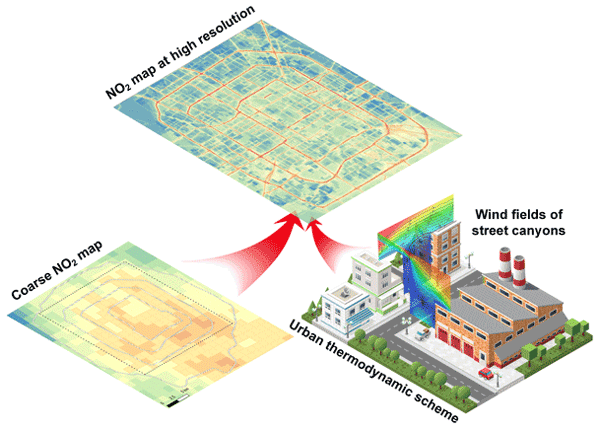
Zhaofeng Lv, Zhenyu Luo, Fanyuan Deng, Xiaotong Wang, Junchao Zhao, Lucheng Xu, Tingkun He, Yingzhi Zhang, Huan Liu, and Kebin He
Atmos. Chem. Phys., 22, 15685–15702, https://doi.org/10.5194/acp-22-15685-2022, https://doi.org/10.5194/acp-22-15685-2022, 2022
Short summary
Short summary
This study developed a hybrid model, CMAQ-RLINE_URBAN, to predict the urban NO2 concentrations at a high spatial resolution. To estimate the influence of various street canyons on the dispersion of air pollutants, a new parameterization scheme was established based on computational fluid dynamics and machine learning methods. This work created a new method to identify the characteristics of vehicle-related air pollution at both city and street scales simultaneously and accurately.

Qingyang Xiao, Guannan Geng, Shigan Liu, Jiajun Liu, Xia Meng, and Qiang Zhang
Atmos. Chem. Phys., 22, 13229–13242, https://doi.org/10.5194/acp-22-13229-2022, https://doi.org/10.5194/acp-22-13229-2022, 2022
Short summary
Short summary
We provided complete coverage PM2.5 concentrations at a 1-km resolution from 2000 to the present, carefully considering the significant changes in land use characteristics in China. This high-resolution PM2.5 data successfully revealed the local-scale PM2.5 variations. We noticed changes in PM2.5 spatial patterns in association with the clean air policies, with the pollution hotspots having transferred from urban centers to rural regions with limited air quality monitoring.
Le Yuan, Olalekan A. M. Popoola, Christina Hood, David Carruthers, Roderic L. Jones, Haitong Zhe Sun, Huan Liu, Qiang Zhang, and Alexander T. Archibald
Atmos. Chem. Phys., 22, 8617–8637, https://doi.org/10.5194/acp-22-8617-2022, https://doi.org/10.5194/acp-22-8617-2022, 2022
Short summary
Short summary
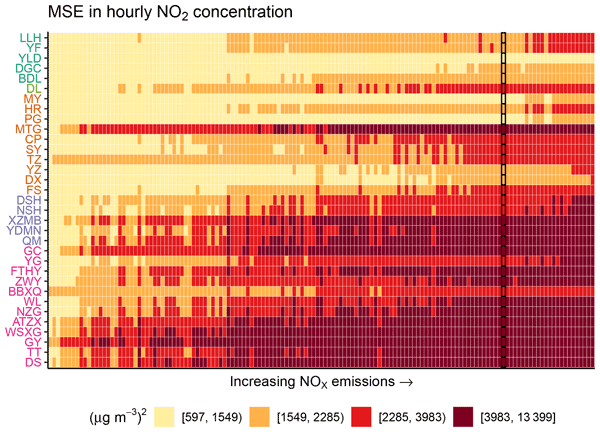
Emission estimates represent a major source of uncertainty in air quality modelling. We developed a novel approach to improve emission estimates from existing inventories using air quality models and routine in situ observations. Using this approach, we derived improved estimates of NOx emissions from the transport sector in Beijing in 2016. This approach has great potential in deriving timely updates of emissions for other pollutants, particularly in regions undergoing rapid emission changes.
Marios Panagi, Roberto Sommariva, Zoë L. Fleming, Paul S. Monks, Gongda Lu, Eloise A. Marais, James R. Hopkins, Alastair C. Lewis, Qiang Zhang, James D. Lee, Freya A. Squires, Lisa K. Whalley, Eloise J. Slater, Dwayne E. Heard, Robert Woodward-Massey, Chunxiang Ye, and Joshua D. Vande Hey
Atmos. Chem. Phys. Discuss., https://doi.org/10.5194/acp-2022-379, https://doi.org/10.5194/acp-2022-379, 2022
Revised manuscript not accepted
Short summary
Short summary
A dispersion model and a box model were combined to investigate the evolution of VOCs in Beijing once they are emitted from anthropogenic sources. It was determined that during the winter time the VOC concentrations in Beijing are driven predominantly by sources within Beijing and by a combination of transport and chemistry during the summer. Furthermore, the results in the paper highlight the need for a season specific policy.
Shixian Zhai, Daniel J. Jacob, Jared F. Brewer, Ke Li, Jonathan M. Moch, Jhoon Kim, Seoyoung Lee, Hyunkwang Lim, Hyun Chul Lee, Su Keun Kuk, Rokjin J. Park, Jaein I. Jeong, Xuan Wang, Pengfei Liu, Gan Luo, Fangqun Yu, Jun Meng, Randall V. Martin, Katherine R. Travis, Johnathan W. Hair, Bruce E. Anderson, Jack E. Dibb, Jose L. Jimenez, Pedro Campuzano-Jost, Benjamin A. Nault, Jung-Hun Woo, Younha Kim, Qiang Zhang, and Hong Liao
Atmos. Chem. Phys., 21, 16775–16791, https://doi.org/10.5194/acp-21-16775-2021, https://doi.org/10.5194/acp-21-16775-2021, 2021
Short summary
Short summary
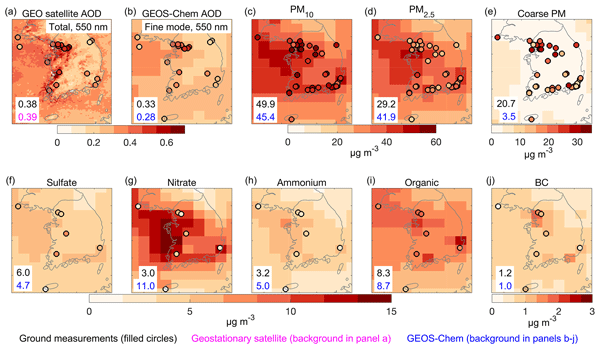
Geostationary satellite aerosol optical depth (AOD) has tremendous potential for monitoring surface fine particulate matter (PM2.5). Our study explored the physical relationship between AOD and PM2.5 by integrating data from surface networks, aircraft, and satellites with the GEOS-Chem chemical transport model. We quantitatively showed that accurate simulation of aerosol size distributions, boundary layer depths, relative humidity, coarse particles, and diurnal variations in PM2.5 are essential.
Cited articles
Anastasopolos, A. T., Sofowote, U. M., Hopke, P. K., Rouleau, M., Shin, T., Dheri, A., Peng, H., Kulka, R., Gibson, M. D., Farah, P.-M., and Sundar, N.: Air quality in Canadian port cities after regulation of low-sulphur marine fuel in the North American Emissions Control Area, Sci. Total Environ., 791, 147949, https://doi.org/10.1016/j.scitotenv.2021.147949, 2021.
Anenberg, S. C., Miller, J., Henze, D. K., Minjares, R., and Achakulwisut, P.: The global burden of transportation tailpipe emissions on air pollution-related mortality in 2010 and 2015, Environ. Res. Lett., 14, 094012, https://doi.org/10.1088/1748-9326/ab35fc, 2019.
Aulinger, A., Matthias, V., Zeretzke, M., Bieser, J., Quante, M., and Backes, A.: The impact of shipping emissions on air pollution in the greater North Sea region – Part 1: Current emissions and concentrations, Atmos. Chem. Phys., 16, 739–758, https://doi.org/10.5194/acp-16-739-2016, 2016.
Baek, W.-K., Kim, E., Jeon, H.-K., Lee, K.-J., Kim, S.-W., Lee, Y.-K., and Ryu, J.-H.: Monitoring Maritime Ship Characteristics Using Satellite Remote Sensing Data from Different Sensors, Ocean Sci. J., 59, https://doi.org/10.1007/s12601-023-00131-0, 2024.
Cames, M., Graichen, J., Siemons, A., and Cook, V.: Emission Reduction Targets for International Aviation and Shipping European Parliament, https://www.europarl.europa.eu/RegData/etudes/STUD/2015/569964/IPOL_STU(2015)569964_EN.pdf (last access: 14 November 2026), 2015.
Chen, D., Wang, X., Nelson, P., Li, Y., Zhao, N., Zhao, Y., Lang, J., Zhou, Y., and Guo, X.: Ship emission inventory and its impact on the PM2.5 air pollution in Qingdao Port, North China, Atmos. Environ., 166, 351–361, https://doi.org/10.1016/j.atmosenv.2017.07.021, 2017.
Cherkassky, B. V., Goldberg, A. V., and Radzik, T.: Shortest paths algorithms: Theory and experimental evaluation, Math. Program., 73, 129–174, https://doi.org/10.1007/BF02592101, 1996.
Chu Van, T., Ramirez, J., Rainey, T., Ristovski, Z., and Brown, R. J.: Global impacts of recent IMO regulations on marine fuel oil refining processes and ship emissions, Transport. Res. D–Tr. E., 70, 123–134, https://doi.org/10.1016/j.trd.2019.04.001, 2019.
Crippa, M., Guizzardi, D., Pagani, F., Schiavina, M., Melchiorri, M., Pisoni, E., Graziosi, F., Muntean, M., Maes, J., Dijkstra, L., Van Damme, M., Clarisse, L., and Coheur, P.: Insights into the spatial distribution of global, national, and subnational greenhouse gas emissions in the Emissions Database for Global Atmospheric Research (EDGAR v8.0), Earth Syst. Sci. Data, 16, 2811–2830, https://doi.org/10.5194/essd-16-2811-2024, 2024.
Crippa, M., Guizzardi, D., Pagani F., Banja M., Muntean M., Schaaf, E., Quadrelli, R., Risquez Martin, A., Taghavi-Moharamli, P., Grassi, G., Rossi, S., Melo, J., Oom, D., Branco, A., Suarez Moreno, M., Sedano, F. San-Miguel, J., Manca, G., Pisoni, E., and Pekar, F.: GHG emissions of all world countries – JRC/IEA 2025 Report, LuxembourgJRC143227, https://doi.org/10.2760/9816914, 2025.
Deng, J., Wang, X., Wei, Z., Wang, L., Wang, C., and Chen, Z.: A review of NOx and SOx emission reduction technologies for marine diesel engines and the potential evaluation of liquefied natural gas fuelled vessels, Sci. Total Environ., 766, 144319, https://doi.org/10.1016/j.scitotenv.2020.144319, 2021.
Feng, X., Ma, Y., Lin, H., Fu, T.-M., Zhang, Y., Wang, X., Zhang, A., Yuan, Y., Han, Z., Mao, J., Wang, D., Zhu, L., Wu, Y., Li, Y., and Yang, X.: Impacts of Ship Emissions on Air Quality in Southern China: Opportunistic Insights from the Abrupt Emission Changes in Early 2020, Environ. Sci. Technol., 57, 16999–17010, https://doi.org/10.1021/acs.est.3c04155, 2023.
Fu, M., Liu, H., Jin, X., and He, K.: National- to port-level inventories of shipping emissions in China, Environ. Res. Lett., 12, 114024, https://doi.org/10.1088/1748-9326/aa897a, 2017.
Goldsworthy, B., Enshaei, H., and Jayasinghe, S.: Comparison of large-scale ship exhaust emissions across multiple resolutions: From annual to hourly data, Atmos. Environ., 214, 116829, https://doi.org/10.1016/j.atmosenv.2019.116829, 2019.
Grigoriadis, A., Kousias, N., Raptopoulos-Chatzistefanou, A., Salberg, H., Moldanová, J., Hermansson, A.-L., Cha, Y., Kontses, A., Toumasatos, Z., Mamarikas, S., and Ntziachristos, L.: Particulate and Gaseous Emissions from a Large Two-Stroke Slow-Speed Marine Engine Equipped with Open-Loop Scrubber under Real Sailing Conditions, Atmosphere, 15, 845, https://doi.org/10.3390/atmos15070845, 2024.
Gu, C., Wang, Y., Ji, Y., Zhang, L., Sun, S., Bian, Y., Zhang, Z., Zhu, J., Zhao, W., Zhong, S., and Zhao, Y.: Technical note: Rapid assessment of drivers and air quality effects of regional daily changes in air pollutant emissions based on near-real-time techniques, Atmos. Chem. Phys., 26, 8913–8935, https://doi.org/10.5194/acp-26-8913-2026, 2026.
Heikkilä, M., Kuittinen, N., and Grönholm, T.: Comparing modelled and measured exhaust gas components from two LNG-powered ships, Atmos. Environ. X, 23, 100275, https://doi.org/10.1016/j.aeaoa.2024.100275, 2024.
Hoesly, R., Smith, S. J., Ahsan, H., Prime, N., O'Rourke, P., Crippa, M., Klimont, Z., Guizzardi, D., Feng, L., Harkins, C., Mcdonald, B., and Wang, S.: CEDS v_2025_03_18 Aggregate Data (v_2025_03_18), Zenodo, https://doi.org/10.5281/zenodo.15059443, 2025.
Huang, I.-L., Lee, M.-C., Nieh, C.-Y., and Huang, J.-C.: Ship Classification Based on AIS Data and Machine Learning Methods, Electronics, 13, 98, https://doi.org/10.3390/electronics13010098, 2024.
Huang, L., Wen, Y., Zhang, Y., Zhou, C., Zhang, F., and Yang, T.: Dynamic calculation of ship exhaust emissions based on real-time AIS data, Transport. Res. D–Tr. E., 80, 102277, https://doi.org/10.1016/j.trd.2020.102277, 2020.
Im, U., Christensen, J. H., Geels, C., Hansen, K. M., Brandt, J., Solazzo, E., Alyuz, U., Balzarini, A., Baro, R., Bellasio, R., Bianconi, R., Bieser, J., Colette, A., Curci, G., Farrow, A., Flemming, J., Fraser, A., Jimenez-Guerrero, P., Kitwiroon, N., Liu, P., Nopmongcol, U., Palacios-Peña, L., Pirovano, G., Pozzoli, L., Prank, M., Rose, R., Sokhi, R., Tuccella, P., Unal, A., Vivanco, M. G., Yarwood, G., Hogrefe, C., and Galmarini, S.: Influence of anthropogenic emissions and boundary conditions on multi-model simulations of major air pollutants over Europe and North America in the framework of AQMEII3, Atmos. Chem. Phys., 18, 8929–8952, https://doi.org/10.5194/acp-18-8929-2018, 2018.
IMO: Fourth IMO GHG Study – Final Report, International Maritime Organization, https://www.imo.org/en/ourwork/environment/pages/fourth-imo-greenhouse-gas-study-2020.aspx (last access: 14 November 2026), 2020.
IMO: Report of fuel oil consumption data submitted to the IMO Ship Fuel Oil Consumption Database in GISIS (Reporting year: 2023), MEPC 82/6/38, International Maritime Organization, https://wwwcdn.imo.org/localresources/en/OurWork/Environment/Documents/Reporting year 2023.pdf (last access: 14 November 2026), 2024.
Jalkanen, J.-P., Brink, A., Kalli, J., Pettersson, H., Kukkonen, J., and Stipa, T.: A modelling system for the exhaust emissions of marine traffic and its application in the Baltic Sea area, Atmos. Chem. Phys., 9, 9209–9223, https://doi.org/10.5194/acp-9-9209-2009, 2009.
Jalkanen, J.-P., Johansson, L., Wilewska-Bien, M., Granhag, L., Ytreberg, E., Eriksson, K. M., Yngsell, D., Hassellöv, I.-M., Magnusson, K., Raudsepp, U., Maljutenko, I., Winnes, H., and Moldanova, J.: Modelling of discharges from Baltic Sea shipping, Ocean Sci., 17, 699–728, https://doi.org/10.5194/os-17-699-2021, 2021.
Ji, C. and El-Halwagi, M. M.: A data-driven study of IMO compliant fuel emissions with consideration of black carbon aerosols, Ocean Eng., 218, 108241, https://doi.org/10.1016/j.oceaneng.2020.108241, 2020.
Jia, G., Huang, Z., Tang, X., Ou, J., Lu, M., Xu, Y., Zhong, Z., Sha, Q. e., Wu, H., Zheng, C., Deng, T., Chen, D., He, M., and Zheng, J.: A meteorologically adjusted ensemble Kalman filter approach for inversing daily emissions: A case study in the Pearl River Delta, China, J. Environ. Sci., 114, 233–248, https://doi.org/10.1016/j.jes.2021.08.048, 2022.
Johansson, L., Jalkanen, J.-P., and Kukkonen, J.: Global assessment of shipping emissions in 2015 on a high spatial and temporal resolution, Atmos. Environ., 167, 403–415, https://doi.org/10.1016/j.atmosenv.2017.08.042, 2017.
Kramel, D., Muri, H., Kim, Y., Lonka, R., Nielsen, J. B., Ringvold, A. L., Bouman, E. A., Steen, S., and Strømman, A. H.: Global Shipping Emissions from a Well-to-Wake Perspective: The MariTEAM Model, Environ. Sci. Technol., 55, 15040–15050, https://doi.org/10.1021/acs.est.1c03937, 2021.
Kuittinen, N., Jalkanen, J.-P., Alanen, J., Ntziachristos, L., Hannuniemi, H., Johansson, L., Karjalainen, P., Saukko, E., Isotalo, M., Aakko-Saksa, P., Lehtoranta, K., Keskinen, J., Simonen, P., Saarikoski, S., Asmi, E., Laurila, T., Hillamo, R., Mylläri, F., Lihavainen, H., Timonen, H., and Rönkkö, T.: Shipping Remains a Globally Significant Source of Anthropogenic PN Emissions Even after 2020 Sulfur Regulation, Environ. Sci. Technol., 55, 129–138, https://doi.org/10.1021/acs.est.0c03627, 2021.
Kuittinen, N., Timonen, H., Karjalainen, P., Murtonen, T., Vesala, H., Bloss, M., Honkanen, M., Lehtoranta, K., Aakko-Saksa, P., and Rönkkö, T.: In-depth characterization of exhaust particles performed on-board a modern cruise ship applying a scrubber, Sci. Total Environ., 946, 174052, https://doi.org/10.1016/j.scitotenv.2024.174052, 2024.
Li, Z., Fei, J., Du, Y., Ong, K.-L., and Arisian, S.: A near real-time carbon accounting framework for the decarbonization of maritime transport, Transport. Res. E–Log., 191, 103724, https://doi.org/10.1016/j.tre.2024.103724, 2024.
Liu, H., Fu, M., Jin, X., Shang, Y., Shindell, D., Faluvegi, G., Shindell, C., and He, K.: Health and climate impacts of ocean-going vessels in East Asia, Nat. Clim. Chang., 6, 1037–1041, https://doi.org/10.1038/nclimate3083, 2016.
Liu, H., Meng, Z.-H., Lv, Z.-F., Wang, X.-T., Deng, F.-Y., Liu, Y., Zhang, Y.-N., Shi, M.-S., Zhang, Q., and He, K.-B.: Emissions and health impacts from global shipping embodied in US–China bilateral trade, Nat. Sustain., 2, 1027–1033, https://doi.org/10.1038/s41893-019-0414-z, 2019.
Liu, H., Yi, W., Jalkanen, J.-P., Luo, Z., Majamäki, E., Matthias, V., Moldanová, J., Shi, Z., and He, K.: Atmospheric impacts and regulation framework of shipping emissions: achievements, challenges and frontiers, Fundamental Res., https://doi.org/10.1016/j.fmre.2024.02.013, 2024.
Lunde Hermansson, A., Hassellöv, I.-M., Grönholm, T., Jalkanen, J.-P., Fridell, E., Parsmo, R., Hassellöv, J., and Ytreberg, E.: Strong economic incentives of ship scrubbers promoting pollution, Nat. Sustain., 7, 812–822, https://doi.org/10.1038/s41893-024-01347-1, 2024.
Luo, Z., Lv, Z., Zhao, J., Sun, H., He, T., Yi, W., Zhang, Z., He, K., and Liu, H.: Shipping-related pollution decreased but mortality increased in Chinese port cities, Nat. Cities, 1, 295–304, https://doi.org/10.1038/s44284-024-00050-8, 2024.
Raman, R., Jethava, G., Chandrasekaran, H., and Tiwari, V.: Utilizing AIS Data and Machine Learning Techniques for Ship Type Classification, 2025 International Conference on Knowledge Engineering and Communication Systems (ICKECS), 28–29 April 2025, 1–6, https://doi.org/10.1109/ICKECS65700.2025.11034805, 2025.
S&P Global: Sea-web™: The Ultimate Marine Online Database, S&P Global, https://www.spglobal.com/market-intelligence/en/solutions/sea-web-maritime-reference (last access: 14 November 2026), 2026.
Santos, L. F. E. D., Salo, K., Kong, X., Hartmann, M., Sjöblom, J., and Thomson, E. S.: Marine Fuel Regulations and Engine Emissions: Impacts on Physicochemical Properties, Cloud Activity and Emission Factors, J. Geophys. Res.-Atmos., 129, e2023JD040389, https://doi.org/10.1029/2023JD040389, 2024.
Schwarzkopf, D. A., Petrik, R., Matthias, V., Quante, M., Majamäki, E., and Jalkanen, J.-P.: A ship emission modeling system with scenario capabilities, Atmos. Environ. X, 12, 100132, https://doi.org/10.1016/j.aeaoa.2021.100132, 2021.
Seppälä, S. D., Kuula, J., Hyvärinen, A.-P., Saarikoski, S., Rönkkö, T., Keskinen, J., Jalkanen, J.-P., and Timonen, H.: Effects of marine fuel sulfur restrictions on particle number concentrations and size distributions in ship plumes in the Baltic Sea, Atmos. Chem. Phys., 21, 3215–3234, https://doi.org/10.5194/acp-21-3215-2021, 2021.
Sharmina, M., Edelenbosch, O. Y., Wilson, C., Freeman, R., Gernaat, D. E. H. J., Gilbert, P., Larkin, A., Littleton, E. W., Traut, M., van Vuuren, D. P., Vaughan, N. E., Wood, F. R., and Le Quéré, C.: Decarbonising the critical sectors of aviation, shipping, road freight and industry to limit warming to 1.5–2 °C, Clim. Policy, 21, 455–474, https://doi.org/10.1080/14693062.2020.1831430, 2021.
Shi, Z., Endres, S., Rutgersson, A., Al-Hajjaji, S., Brynolf, S., Booge, D., Hassellöv, I.-M., Kontovas, C., Kumar, R., Liu, H., Marandino, C., Matthias, V., Moldanová, J., Salo, K., Sebe, M., Yi, W., Yang, M., and Zhang, C.: Perspectives on shipping emissions and their impacts on the surface ocean and lower atmosphere: An environmental-social-economic dimension, Elementa-Sci. Anthrop., 11, https://doi.org/10.1525/elementa.2023.00052, 2023.
Sokhi, R. S., Moussiopoulos, N., Baklanov, A., Bartzis, J., Coll, I., Finardi, S., Friedrich, R., Geels, C., Grönholm, T., Halenka, T., Ketzel, M., Maragkidou, A., Matthias, V., Moldanova, J., Ntziachristos, L., Schäfer, K., Suppan, P., Tsegas, G., Carmichael, G., Franco, V., Hanna, S., Jalkanen, J.-P., Velders, G. J. M., and Kukkonen, J.: Advances in air quality research – current and emerging challenges, Atmos. Chem. Phys., 22, 4615–4703, https://doi.org/10.5194/acp-22-4615-2022, 2022.
Song, S.-K., Shon, Z.-H., Moon, S.-H., Lee, T.-H., Kim, H.-S., Kang, S.-H., Park, G.-H., and Yoo, E.-C.: Impact of international Maritime Organization 2020 sulfur content regulations on port air quality at international hub port, J. Clean. Prod., 347, 131298, https://doi.org/10.1016/j.jclepro.2022.131298, 2022.
Starcrest Consulting Group, L.: PORT OF LOS ANGELES Inventory of Air Emission 2021, https://kentico.portoflosangeles.org/getmedia/f26839cd-54cd-4da9-92b7-a34094ee75a8/2021_air_emissions_inventory (last access: 14 November 2026), 2022.
Viana, M., Fann, N., Tobías, A., Querol, X., Rojas-Rueda, D., Plaza, A., Aynos, G., Conde, J. A., Fernández, L., and Fernández, C.: Environmental and Health Benefits from Designating the Marmara Sea and the Turkish Straits as an Emission Control Area (ECA), Environ. Sci. Technol., 49, 3304–3313, https://doi.org/10.1021/es5049946, 2015.
Wang, X., Yi, W., Lv, Z., Deng, F., Zheng, S., Xu, H., Zhao, J., Liu, H., and He, K.: Ship emissions around China under gradually promoted control policies from 2016 to 2019, Atmos. Chem. Phys., 21, 13835–13853, https://doi.org/10.5194/acp-21-13835-2021, 2021.
Wang, X., Liu, H., Zhang, J., Fu, X., Chen, D., Zhang, W., Yi, W., Lv, Z., Zhang, Q., and He, K.: Global shipping emissions from 1970 to 2021: Structural and spatial change driven by trade dynamics, One Earth, https://doi.org/10.1016/j.oneear.2025.101243, 2025.
Winnes, H., Fridell, E., and Moldanová, J.: Effects of Marine Exhaust Gas Scrubbers on Gas and Particle Emissions, https://doi.org/10.3390/jmse8040299, 2020.
Xu, Y., Huang, Z., Ye, J., and Zheng, J.: Hourly emissions of air pollutants and greenhouse gases from open biomass burning in China during 2016–2020, Sci. Data, 10, 629, https://doi.org/10.1038/s41597-023-02541-0, 2023.
Yang, J., Tang, T., Jiang, Y., Karavalakis, G., Durbin, T. D., Wayne Miller, J., Cocker, D. R., and Johnson, K. C.: Controlling emissions from an ocean-going container vessel with a wet scrubber system, Fuel, 304, 121323, https://doi.org/10.1016/j.fuel.2021.121323, 2021.
Yang, T., Wang, X., and Liu, Z.: Ship Type Recognition Based on Ship Navigating Trajectory and Convolutional Neural Network, J. Mar. Sci. Eng., 10, 84, https://doi.org/10.3390/jmse10010084, 2022.
Yang, Y., Liu, Y., Li, G., Zhang, Z., and Liu, Y.: Harnessing the power of Machine learning for AIS Data-Driven maritime Research: A comprehensive review, Transportation Res. E-Log., 183, 103426, https://doi.org/10.1016/j.tre.2024.103426, 2024.
Yi, W., He, T., Wang, X., Soo, Y. H., Luo, Z., Xie, Y., Peng, X., Zhang, W., Wang, Y., Lv, Z., He, K., and Liu, H.: Ship emission variations during the COVID-19 from global and continental perspectives, Total Environ., 176633, https://doi.org/10.1016/j.scitotenv.2024.176633, 2024.
Yi, W., Wang, X., He, T., Liu, H., Luo, Z., Lv, Z., and He, K.: The high-resolution global shipping emission inventory by the Shipping Emission Inventory Model (SEIM), Earth Syst. Sci. Data, 17, 277–292, https://doi.org/10.5194/essd-17-277-2025, 2025.
Yuan, T., Song, H., Oreopoulos, L., Wood, R., Bian, H., Breen, K., Chin, M., Yu, H., Barahona, D., Meyer, K., and Platnick, S.: Abrupt reduction in shipping emission as an inadvertent geoengineering termination shock produces substantial radiative warming, Commun. Earth Environ., 5, 281, https://doi.org/10.1038/s43247-024-01442-3, 2024.
Zhang, J., Chen, Y.-S., Gryspeerdt, E., Yamaguchi, T., and Feingold, G.: Radiative forcing from the 2020 shipping fuel regulation is large but hard to detect, Commun. Earth Environ., 6, 18, https://doi.org/10.1038/s43247-024-01911-9, 2025a.
Zhang, W., Yi, W., He, T., Peng, X., Xing, Q., Wu, X., Yang, Z., Xie, R., Xian, A., Liu, H., and Hao, J.: Ship emissions and reduction potential under domestic policies and international cooperation: A case study in Hainan, China, J. Environ. Sci., 156, 253–266, https://doi.org/10.1016/j.jes.2025.02.006, 2025b.
Zhang, X., Zhang, Y., Liu, Y., Zhao, J., Zhou, Y., Wang, X., Yang, X., Zou, Z., Zhang, C., Fu, Q., Xu, J., Gao, W., Li, N., and Chen, J.: Changes in the SO2 Level and PM2.5 Components in Shanghai Driven by Implementing the Ship Emission Control Policy, Environ. Sci. Technol., 53, 11580–11587, https://doi.org/10.1021/acs.est.9b03315, 2019.
Zhang, Y., Eastham, S. D., Lau, A. K. H., Fung, J. C. H., and Selin, N. E.: Global air quality and health impacts of domestic and international shipping, Environ. Res. Lett., 16, 084055, https://doi.org/10.1088/1748-9326/ac146b, 2021.
Short summary
Global shipping affects climate change and air quality, but its emissions remain uncertain. We developed an updated approach using ship movement data, improved vessel information, and fuel-use assessments. We found that previous estimates missed important emissions, especially fine particles, by overlooking newly identified ships and different fuel sulfur regulation responses. Our findings support better understanding of shipping impacts and future environmental policies.
Global shipping affects climate change and air quality, but its emissions remain uncertain. We...


Altmetrics
Final-revised paper
Preprint