
Articles | Volume 26, issue 16
https://doi.org/10.5194/acp-26-11683-2026
© Author(s) 2026. This work is distributed under
the Creative Commons Attribution 4.0 License.
the Creative Commons Attribution 4.0 License.
https://doi.org/10.5194/acp-26-11683-2026
© Author(s) 2026. This work is distributed under
the Creative Commons Attribution 4.0 License.
the Creative Commons Attribution 4.0 License.
Research article
| 
19 Aug 2026
Research article |
| 19 Aug 2026
| 19 Aug 2026
Quantitative insights into regime-dependent aerosol pH variability in ammonia-rich urban Beijing from explainable machine learning
Jing Duan
State Key Laboratory of Loess Science, Institute of Earth Environment, Chinese Academy of Sciences, Xi'an 710061, China
Ting Wang
State Key Laboratory of Loess Science, Institute of Earth Environment, Chinese Academy of Sciences, Xi'an 710061, China
Ru-Jin Huang
CORRESPONDING AUTHOR

State Key Laboratory of Loess Science, Institute of Earth Environment, Chinese Academy of Sciences, Xi'an 710061, China
Institute of Global Environmental Change, Xi'an Jiaotong University, Xi'an 710049, China
University of Chinese Academy of Sciences, Beijing 100049, China
Jingye Ren
State Key Laboratory of Loess Science, Institute of Earth Environment, Chinese Academy of Sciences, Xi'an 710061, China
Haobin Zhong
School of Advanced Materials Engineering, Jiaxing Nanhu University, Jiaxing 314001, China
State Key Laboratory of Advanced Environmental Technology, Institute of Urban Environment, Chinese Academy of Sciences, Xiamen 361021, China
Chunshui Lin
State Key Laboratory of Loess Science, Institute of Earth Environment, Chinese Academy of Sciences, Xi'an 710061, China
Yanan Zhan
State Key Laboratory of Loess Science, Institute of Earth Environment, Chinese Academy of Sciences, Xi'an 710061, China
Institute of Global Environmental Change, Xi'an Jiaotong University, Xi'an 710049, China
Huabin Huang
College of Environment and Public Health, Xiamen Huaxia University, Xiamen 361024, China
Yongjie Li
Department of Civil and Environmental Engineering, Faculty of Science and Technology, University of Macau, Taipa, Macau SAR 999078, China
Related authors
Ting Wang, Youwei Hong, Jing Duan, Liyuan Zhou, Ying Wang, and Wei Xu
EGUsphere, https://doi.org/10.5194/egusphere-2026-4296, https://doi.org/10.5194/egusphere-2026-4296, 2026
This preprint is open for discussion and under review for Atmospheric Chemistry and Physics (ACP).
Short summary
Short summary
Organosulfates are important components of fine particles, but their formation in mountain regions remains poorly constrained. Seasonal samples from Wuyi Mountain were analyzed using high-resolution mass spectrometry. Summer formation was closely linked to acidic, sulfate-rich particles, while winter formation was more influenced by atmospheric oxidation, nitrogen chemistry, and anthropogenic precursors. The results show that seasonal changes reflect both local chemistry and regional transport.
Chunshui Lin, Ru-Jin Huang, Jing Duan, Jing Qu, Jiahua Liu, Yi Liu, Yan Luo, Wei Huang, Wei Xu, Yanan Zhan, Zhitao Liu, Sihan Liu, Qingshuang Zhang, Quan Liu, Zirui Liu, Shengrong Lou, Huinan Yang, Dan Dan Huang, Cheng Huang, and Hongli Wang
Atmos. Chem. Phys., 26, 2635–2647, https://doi.org/10.5194/acp-26-2635-2026, https://doi.org/10.5194/acp-26-2635-2026, 2026
Short summary
Short summary
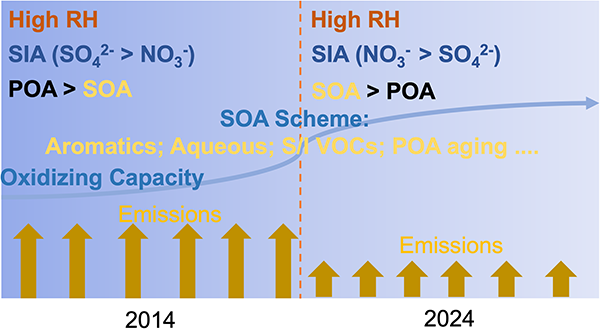
Since China's 2013 Clean Air Act cut PM2.5 by over half, winter haze in the North China Plain persists partly due to secondary organic aerosols now dominating primary organic aerosol, requiring urgent regional cooperation to address model-underestimated chemical transformations and cross-border pollution.
Jing Duan, Ru-Jin Huang, Ying Wang, Wei Xu, Haobin Zhong, Chunshui Lin, Wei Huang, Yifang Gu, Jurgita Ovadnevaite, Darius Ceburnis, and Colin O'Dowd
Atmos. Chem. Phys., 24, 7687–7698, https://doi.org/10.5194/acp-24-7687-2024, https://doi.org/10.5194/acp-24-7687-2024, 2024
Short summary
Short summary
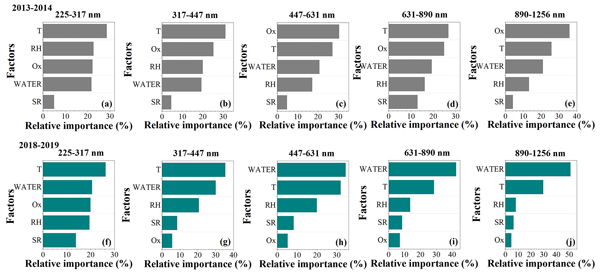
The chemical composition of atmospheric particles has shown significant changes in recent years. We investigated the potential effects of changes in inorganics on aerosol water uptake and, thus, secondary organic aerosol formation in wintertime haze based on the size-resolved measurements of non-refractory fine particulate matter (NR-PM2.5) in Xi’an, northwestern China. We highlight the key role of aerosol water as a medium to link inorganics and organics in their multiphase processes.
Shuzheng Guo, Chunxiang Ye, Weili Lin, Yi Chen, Limin Zeng, Xuena Yu, Jinhui Cui, Chong Zhang, Jing Duan, Haobin Zhong, Rujin Huang, Xuguang Chi, Wei Nie, and Aijun Ding
EGUsphere, https://doi.org/10.5194/egusphere-2024-262, https://doi.org/10.5194/egusphere-2024-262, 2024
Preprint archived
Short summary
Short summary
@Tibet field campaigns 2021 discovered surprisingly high levels and activity contributions of oxygenated volatile organic compounds on the southeast of the Tibetan Plateau, which suggests that OVOCs may play a larger role in the chemical reactions that occur in high-altitude regions than previously thought.
Yifang Gu, Ru-Jin Huang, Jing Duan, Wei Xu, Chunshui Lin, Haobin Zhong, Ying Wang, Haiyan Ni, Quan Liu, Ruiguang Xu, Litao Wang, and Yong Jie Li
Atmos. Chem. Phys., 23, 5419–5433, https://doi.org/10.5194/acp-23-5419-2023, https://doi.org/10.5194/acp-23-5419-2023, 2023
Short summary
Short summary
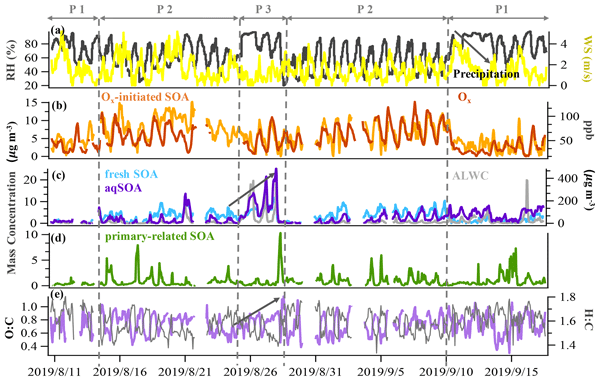
Secondary organic aerosol (SOA) can be produced by various pathways, but its formation mechanisms are unclear. Observations were conducted in the North China Plain during a highly oxidizing atmosphere in summer. We found that fast photochemistry dominated SOA formation during daytime. Two types of aqueous-phase chemistry (nocturnal and daytime processing) take place at high relative humidity. The potential transformation from primary organic aerosol (POA) to SOA was also an important pathway.
Chunshui Lin, Ru-Jin Huang, Haobin Zhong, Jing Duan, Zixi Wang, Wei Huang, and Wei Xu
Atmos. Chem. Phys., 23, 3595–3607, https://doi.org/10.5194/acp-23-3595-2023, https://doi.org/10.5194/acp-23-3595-2023, 2023
Short summary
Short summary
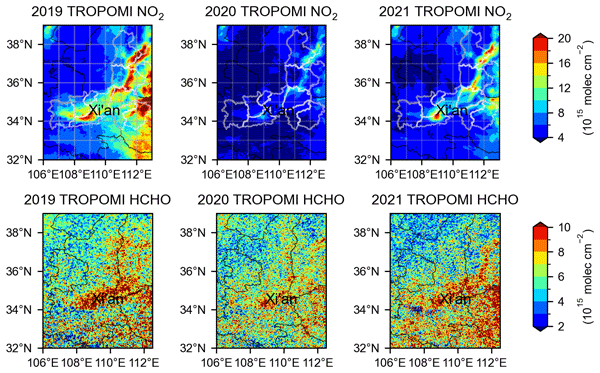
The complex interaction between O3 and PM2.5, coupled with the topology of the Fenwei Plain and the evolution of the boundary layer height, highlights the challenges in further reducing particulate pollution in winter despite years of efforts to reduce emissions. Through scenario analysis in a chemical box model constrained by observation, we show the co-benefits of reducing NOx and VOCs simultaneously in reducing ozone and SOA.
Jing Duan, Ru-Jin Huang, Yifang Gu, Chunshui Lin, Haobin Zhong, Wei Xu, Quan Liu, Yan You, Jurgita Ovadnevaite, Darius Ceburnis, Thorsten Hoffmann, and Colin O'Dowd
Atmos. Chem. Phys., 22, 10139–10153, https://doi.org/10.5194/acp-22-10139-2022, https://doi.org/10.5194/acp-22-10139-2022, 2022
Short summary
Short summary
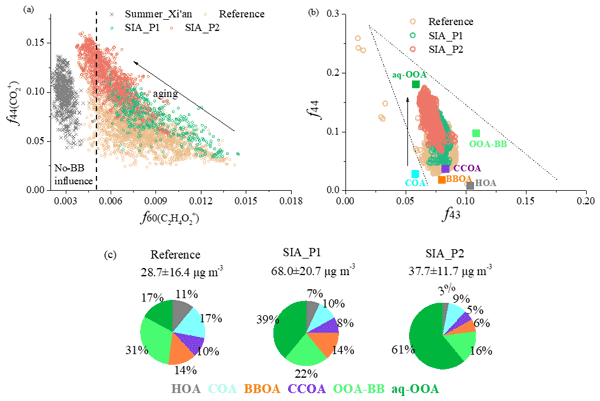
Biomass-burning-influenced oxygenated organic aerosol (OOA-BB), formed from the photochemical oxidation and aging of biomass burning OA (BBOA), was resolved in urban Xi’an. The aqueous-phase processed oxygenated OA (aq-OOA) concentration was more dependent on secondary inorganic aerosol (SIA) content and aerosol liquid water content (ALWC). The increased aq-OOA contribution during SIA-enhanced periods likely reflects OA evolution due to the addition of alcohol or peroxide groups
Haobin Zhong, Ru-Jin Huang, Chunshui Lin, Wei Xu, Jing Duan, Yifang Gu, Wei Huang, Haiyan Ni, Chongshu Zhu, Yan You, Yunfei Wu, Renjian Zhang, Jurgita Ovadnevaite, Darius Ceburnis, and Colin D. O'Dowd
Atmos. Chem. Phys., 22, 9513–9524, https://doi.org/10.5194/acp-22-9513-2022, https://doi.org/10.5194/acp-22-9513-2022, 2022
Short summary
Short summary
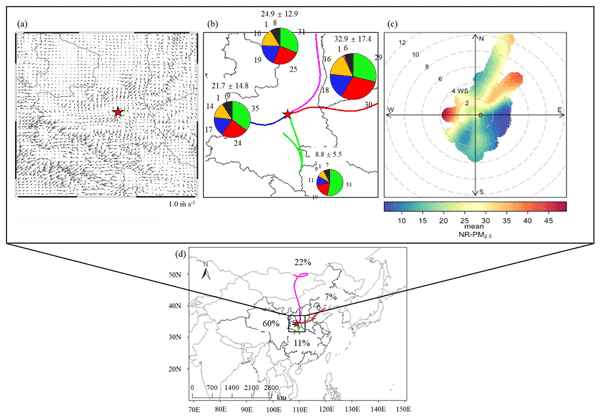
To investigate the physico-chemical properties of aerosol transported from major pollution regions in China, observations were conducted ~200 m above the ground at the junction location of the two key pollution areas. We found that the formation efficiency, oxidation state and production rate of secondary aerosol were different in the transport sectors from different pollution regions, and they were largely enhanced by the regional long-distance transport.
Ting Wang, Youwei Hong, Jing Duan, Liyuan Zhou, Ying Wang, and Wei Xu
EGUsphere, https://doi.org/10.5194/egusphere-2026-4296, https://doi.org/10.5194/egusphere-2026-4296, 2026
This preprint is open for discussion and under review for Atmospheric Chemistry and Physics (ACP).
Short summary
Short summary
Organosulfates are important components of fine particles, but their formation in mountain regions remains poorly constrained. Seasonal samples from Wuyi Mountain were analyzed using high-resolution mass spectrometry. Summer formation was closely linked to acidic, sulfate-rich particles, while winter formation was more influenced by atmospheric oxidation, nitrogen chemistry, and anthropogenic precursors. The results show that seasonal changes reflect both local chemistry and regional transport.
Lu Lei, Wei Xu, Chunshui Lin, Kirsten N. Fossum, Darius Ceburnis, John Gallagher, Colin O'Dowd, and Jurgita Ovadnevaite
Atmos. Chem. Phys., 26, 10927–10946, https://doi.org/10.5194/acp-26-10927-2026, https://doi.org/10.5194/acp-26-10927-2026, 2026
Short summary
Short summary
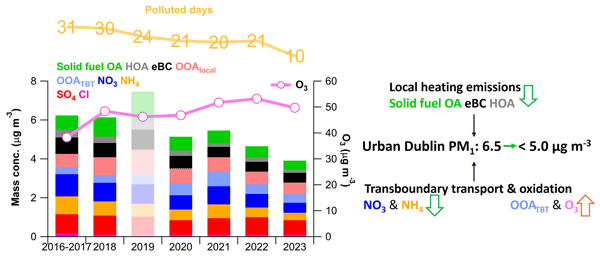
Home heating is the major driver of air pollution across Europe, yet pollution trends and mitigation responses remain limited. PM1 observations from 2016–2023 in a temperate European city influenced by continental pollution reveal changing sources and composition. Major pollution contributors were identified, shaping clear seasonal patterns. Air quality has improved with reduced heating emissions and regional precursors reductions, while secondary organic aerosols show increasing importance.
Liyuan Zhou, Zhancong Liang, Wei Xu, Ru-Jin Huang, Patrick K. H. Lee, and Chak K. Chan
Atmos. Chem. Phys., 26, 10587–10604, https://doi.org/10.5194/acp-26-10587-2026, https://doi.org/10.5194/acp-26-10587-2026, 2026
Short summary
Short summary
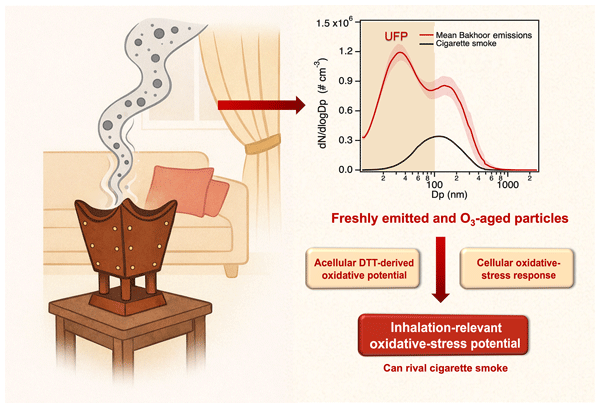
Indoor combustion sources are an important but still poorly understood cause of indoor particle pollution. Using chamber experiments, we studied a widely used incense-burning practice and found that it produces ultrafine-rich particles with strong oxidative activity. We also showed that the burning material, ignition charcoal, and ozone exposure affect how these particles form and change. This work highlights the important role of indoor combustion sources in shaping indoor particle pollution.
Jingye Ren, Songjian Zou, Honghao Xu, Guiquan Liu, Zhe Wang, Anran Zhang, Chuanfeng Zhao, Min Hu, Dongjie Shang, Lizi Tang, Ru-Jin Huang, Yele Sun, and Fang Zhang
Geosci. Model Dev., 19, 6403–6416, https://doi.org/10.5194/gmd-19-6403-2026, https://doi.org/10.5194/gmd-19-6403-2026, 2026
Short summary
Short summary
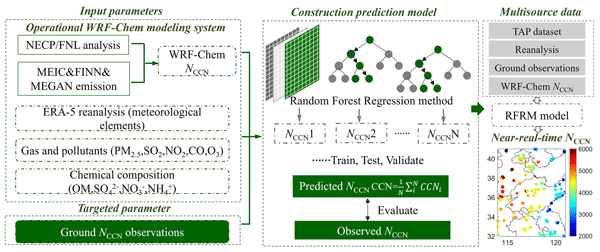
In this study, a new framework of cloud condensation nuclei (CCN) prediction in polluted region has been developed and it achieves well prediction of hourly-to-yearly scale across North China Plain. The study reveals the machine learning model can largely reduce the uncertainty in simulating cloud radiative forcing, illustrating the high sensitivity of climate forcing to changes in CCN. This improvement of our new model would be helpful to aerosols climate effect assessment in models.
Emmanuel Chevassus, Vaios Moschos, Kirsten N. Fossum, Lu Lei, Liz Coleman, Dagmar B. Stengel, Vignesh Prabhu, Wei Xu, Darius Ceburnis, Colin O'Dowd, and Jurgita Ovadnevaite
EGUsphere, https://doi.org/10.5194/egusphere-2026-2745, https://doi.org/10.5194/egusphere-2026-2745, 2026
Short summary
Short summary
The ocean is a major source of tiny airborne particles that can influence clouds and climate, but their biological controls remain poorly understood. Here, one year of measurements at Mace Head, Ireland, was combined with ocean biology and air transport data. Sea spray particle formation was found to depend on plankton community, small marine animals, and the combined effects of season, wind, waves and temperature. These results call for mesocosm experiments to better represent sea spray.
Peng Yao, Rupert Holzinger, Beatriz Sayuri Oyama, Agne Masalaite, Dipayan Paul, Haiyan Ni, Hanne Noto, Dušan Materić, Maria de Fátima Andrade, Ru-Jin Huang, and Ulrike Dusek
Atmos. Chem. Phys., 26, 5005–5018, https://doi.org/10.5194/acp-26-5005-2026, https://doi.org/10.5194/acp-26-5005-2026, 2026
Short summary
Short summary
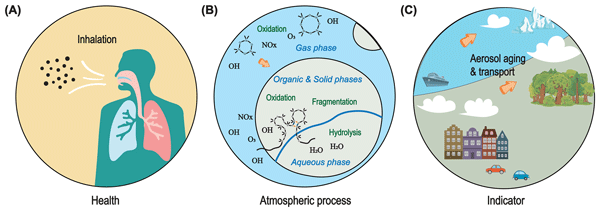
We identify a previously unrecognized class of synthetic organic compounds, large molecular methylsiloxanes, in ambient aerosols across diverse environments in three countries. These compounds are present at substantial levels, primarily originating from traffic emissions related to engine lubrication. Their high abundance and significant daily human exposure suggest potential, yet still poorly understood, implications for both health and climate.
Jingye Ren, Wei Xu, Ru-Jin Huang, Fang Zhang, Ying Wang, Lu Chen, Jurgita Ovadnevaite, Darius Ceburnis, Colin O'Dowd, and Yele Sun
Atmos. Chem. Phys., 26, 2985–3000, https://doi.org/10.5194/acp-26-2985-2026, https://doi.org/10.5194/acp-26-2985-2026, 2026
Short summary
Short summary
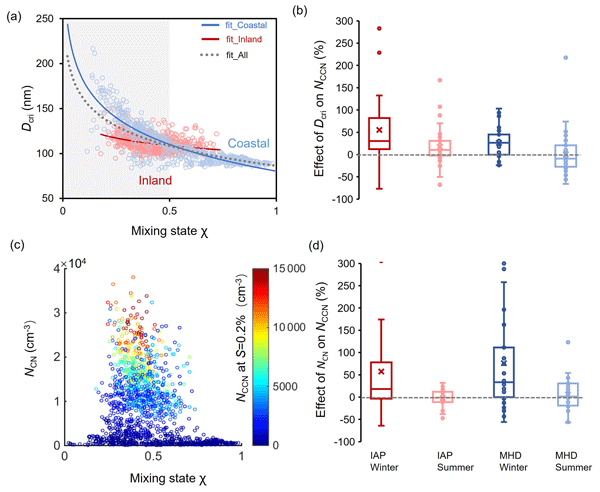
Impact of mixing state on cloud condensation nuclei (CCN) was incorporated in limited modeling with simplified assumption. This study derived a mixing state index from hygroscopicity and systematically investigated the covariation between the mixing state and CCN activity in inland and coastal air. We propose a practical approach for estimating critical diameter from mixing state index, applicable when the aerosol particles are not highly aged.
Chunshui Lin, Ru-Jin Huang, Jing Duan, Jing Qu, Jiahua Liu, Yi Liu, Yan Luo, Wei Huang, Wei Xu, Yanan Zhan, Zhitao Liu, Sihan Liu, Qingshuang Zhang, Quan Liu, Zirui Liu, Shengrong Lou, Huinan Yang, Dan Dan Huang, Cheng Huang, and Hongli Wang
Atmos. Chem. Phys., 26, 2635–2647, https://doi.org/10.5194/acp-26-2635-2026, https://doi.org/10.5194/acp-26-2635-2026, 2026
Short summary
Short summary
Since China's 2013 Clean Air Act cut PM2.5 by over half, winter haze in the North China Plain persists partly due to secondary organic aerosols now dominating primary organic aerosol, requiring urgent regional cooperation to address model-underestimated chemical transformations and cross-border pollution.
Yujue Wang, Yizhe Yi, Wei Xu, Yiwen Zhang, Shubin Li, Hong-Hai Zhang, Mingliang Gu, Shibo Yan, Jialei Zhu, Chao Zhang, Jinhui Shi, Yang Gao, Xiaohong Yao, and Huiwang Gao
Biogeosciences, 23, 77–93, https://doi.org/10.5194/bg-23-77-2026, https://doi.org/10.5194/bg-23-77-2026, 2026
Short summary
Short summary
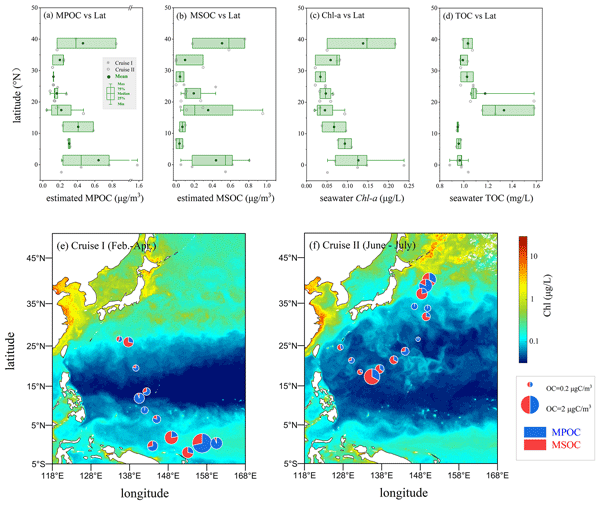
Marine organic aerosols remain poorly quantified, which limits our understanding on the climate regulation of marine aerosols. Based on shipboard cruises over the Pacific Ocean, we proposed an observation-based parameterization approach to estimate the primary and secondary marine organic aerosols using sea surface chlorophyll a and sea salts in marine aerosols. The results highlight that the spatial distribution of marine organic aerosols was driven by the marine biological activities.
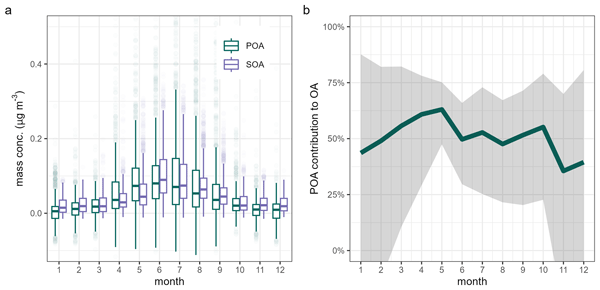
Baihua Chen, Lu Lei, Emmanuel Chevassus, Wei Xu, Ling Zhen, Haobin Zhong, Lin Wang, Chunshui Lin, Ru-Jin Huang, Darius Ceburnis, Colin O'Dowd, and Jurgita Ovadnevaite
Atmos. Chem. Phys., 25, 14205–14219, https://doi.org/10.5194/acp-25-14205-2025, https://doi.org/10.5194/acp-25-14205-2025, 2025
Short summary
Short summary
This study uses machine learning to separate marine primary organic aerosol (POA) and secondary organic aerosol (SOA) from 1 decade of high-resolution data. POA averages 51 % of marine organic aerosols annually, peaking at 63 % in summer. A support vector regression model, validated via fuzzy clustering and Monte Carlo simulations, identifies seasonal patterns of POA linked to biological activity. We found diverse impacts of marine POA and SOA on the aerosol hygroscopicity and mixing state.
Jingye Ren, Songjian Zou, Honghao Xu, Guiquan Liu, Zhe Wang, Anran Zhang, Chuanfeng Zhao, Min Hu, Dongjie Shang, Lizi Tang, Ru-Jin Huang, Yele Sun, and Fang Zhang
EGUsphere, https://doi.org/10.5194/egusphere-2025-1483, https://doi.org/10.5194/egusphere-2025-1483, 2025
Preprint archived
Short summary
Short summary
In this study, a new framework of cloud condensation nuclei (CCN) prediction in polluted region has been developed and it achieves well prediction of hourly-to-yearly scale across North China Plain. The study reveals a significant long-term decreasing trend of CCN concentration at typical supersaturations due to a rapid reduction in aerosol concentrations from 2014 to 2018. This improvement of our new model would be helpful to aerosols climate effect assessment in models.
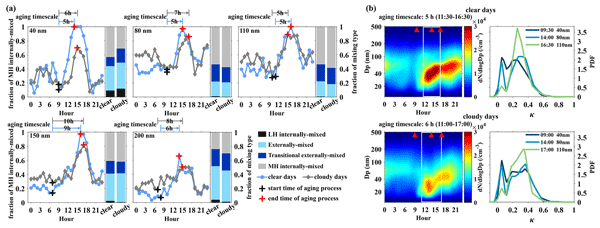
Jieyao Liu, Fang Zhang, Jingye Ren, Lu Chen, Anran Zhang, Zhe Wang, Songjian Zou, Honghao Xu, and Xingyan Yue
Atmos. Chem. Phys., 25, 5075–5086, https://doi.org/10.5194/acp-25-5075-2025, https://doi.org/10.5194/acp-25-5075-2025, 2025
Short summary
Short summary
Particle mixing states and aging timescales are important for the evaluation of aerosol climate effects, but they are poorly parameterized in current models. We unravel the evolution of real-time mixing states and the aging timescale of size-resolved particles based on field measurements in urban Beijing. This study provides an observational basis for accurately parameterizing the aging timescale of aerosol particles in climate models.
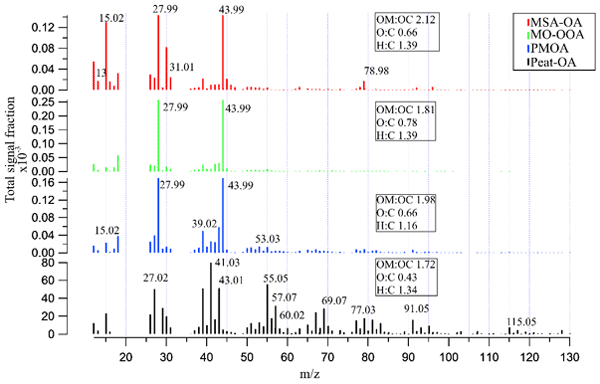
Emmanuel Chevassus, Kirsten N. Fossum, Darius Ceburnis, Lu Lei, Chunshui Lin, Wei Xu, Colin O'Dowd, and Jurgita Ovadnevaite
Atmos. Chem. Phys., 25, 4107–4129, https://doi.org/10.5194/acp-25-4107-2025, https://doi.org/10.5194/acp-25-4107-2025, 2025
Short summary
Short summary
This study presents the first source apportionment of organic aerosol at Mace Head via high-resolution mass spectrometry. Introducing transfer entropy as a novel method reveals that aged organic aerosol originates from both open-ocean ozonolysis and local peat-burning oxidation. Methanesulfonic acid and organic sea spray both mirror phytoplankton activity, with the former closely tied to coccolithophore blooms and the latter linked to diatoms, chlorophytes, and cyanobacteria.
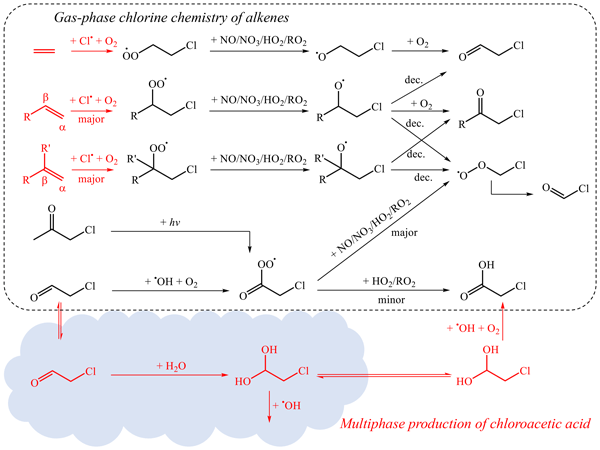
Mingxue Li, Men Xia, Chunshui Lin, Yifan Jiang, Weihang Sun, Yurun Wang, Yingnan Zhang, Maoxia He, and Tao Wang
Atmos. Chem. Phys., 25, 3753–3764, https://doi.org/10.5194/acp-25-3753-2025, https://doi.org/10.5194/acp-25-3753-2025, 2025
Short summary
Short summary
Our field campaigns observed a strong diel pattern of chloroacetic acid as well as a strong correlation between its level and that of reactive chlorine species at a coastal site. Using quantum chemical calculations and box model simulation with an updated Master Chemical Mechanism, we found that the formation pathway of chloroacetic acid involved multiphase processes. Our study enhances understanding of atmospheric organic chlorine chemistry and emphasizes the importance of multiphase reactions.
Tiantian Wang, Jun Zhang, Houssni Lamkaddam, Kun Li, Ka Yuen Cheung, Lisa Kattner, Erlend Gammelsæter, Michael Bauer, Zachary C. J. Decker, Deepika Bhattu, Rujin Huang, Rob L. Modini, Jay G. Slowik, Imad El Haddad, Andre S. H. Prevot, and David M. Bell
Atmos. Chem. Phys., 25, 2707–2724, https://doi.org/10.5194/acp-25-2707-2025, https://doi.org/10.5194/acp-25-2707-2025, 2025
Short summary
Short summary
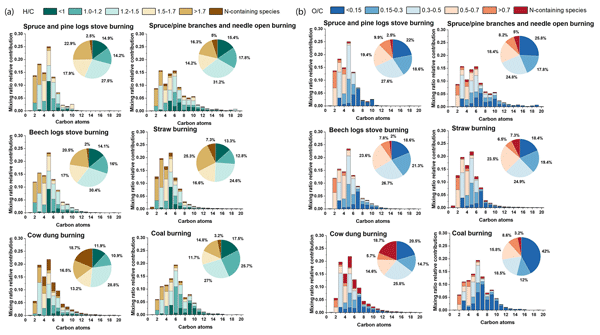
Our study analyzes real-time emissions of organic vapors from solid fuel combustion. Using the mass spectrometer, we tested various fuels, finding higher emission factors for organic vapors from wood burning. Intermediate-volatility organic compounds constituted a significant fraction of emissions in solid fuel combustion. Statistical tests identified unique potential markers. Our insights benefit air quality, climate, and health, aiding accurate emission assessments.
Wei Yuan, Ru-Jin Huang, Chao Luo, Lu Yang, Wenjuan Cao, Jie Guo, and Huinan Yang
Atmos. Chem. Phys., 24, 13219–13230, https://doi.org/10.5194/acp-24-13219-2024, https://doi.org/10.5194/acp-24-13219-2024, 2024
Short summary
Short summary
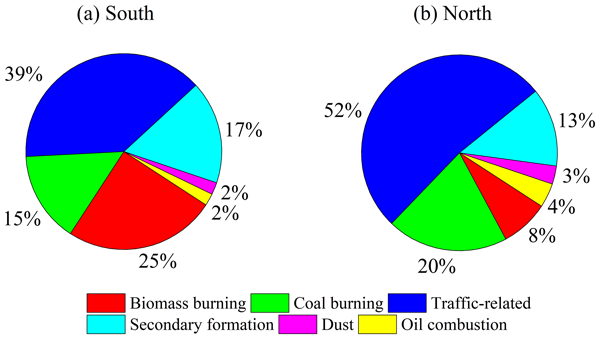
We characterized water-soluble oxidative potential (OP) levels in wintertime PM2.5 in the south and north of Beijing. Our results show that the volume-normalized dithiothreitol (DTTv) in the north was comparable to that in the south, while the mass-normalized dithiothreitol (DTTm) in the north was almost twice that in the south. Traffic-related emissions and biomass burning were the main sources of DTTv in the south, and traffic-related emissions contributed the most to DTTv in the north.
Kirsten N. Fossum, Chunshui Lin, Niall O'Sullivan, Lu Lei, Stig Hellebust, Darius Ceburnis, Aqeel Afzal, Anja Tremper, David Green, Srishti Jain, Steigvilė Byčenkienė, Colin O'Dowd, John Wenger, and Jurgita Ovadnevaite
Atmos. Chem. Phys., 24, 10815–10831, https://doi.org/10.5194/acp-24-10815-2024, https://doi.org/10.5194/acp-24-10815-2024, 2024
Short summary
Short summary
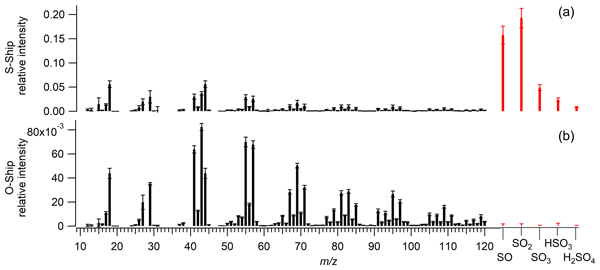
The chemical composition and sources of submicron aerosol in the Dublin Port area were investigated over a month-long campaign. Two distinct types of ship emissions were identified and characterised: sulfate-rich plumes from the use of heavy fuel oil with scrubbers and organic-rich plumes from the use of low-sulfur fuels. The latter were more frequent, emitting double the particle number and having a typical V / Ni ratio for ship emission.
Xinya Liu, Diego Alves Gouveia, Bas Henzing, Arnoud Apituley, Arjan Hensen, Danielle van Dinther, Rujin Huang, and Ulrike Dusek
Atmos. Chem. Phys., 24, 9597–9614, https://doi.org/10.5194/acp-24-9597-2024, https://doi.org/10.5194/acp-24-9597-2024, 2024
Short summary
Short summary
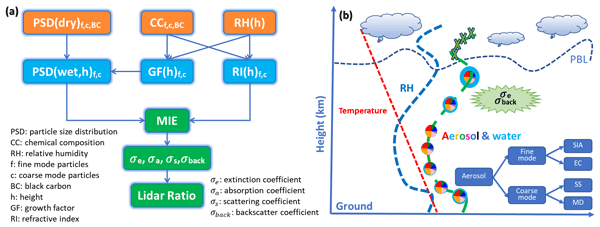
The vertical distribution of aerosol optical properties is important for their effect on climate. This is usually measured by lidar, which has limitations, most notably the assumption of a lidar ratio. Our study shows that routine surface-level aerosol measurements are able to predict this lidar ratio reasonably well within the lower layers of the atmosphere and thus provide a relatively simple and cost-effective method to improve lidar measurements.
Jing Duan, Ru-Jin Huang, Ying Wang, Wei Xu, Haobin Zhong, Chunshui Lin, Wei Huang, Yifang Gu, Jurgita Ovadnevaite, Darius Ceburnis, and Colin O'Dowd
Atmos. Chem. Phys., 24, 7687–7698, https://doi.org/10.5194/acp-24-7687-2024, https://doi.org/10.5194/acp-24-7687-2024, 2024
Short summary
Short summary
The chemical composition of atmospheric particles has shown significant changes in recent years. We investigated the potential effects of changes in inorganics on aerosol water uptake and, thus, secondary organic aerosol formation in wintertime haze based on the size-resolved measurements of non-refractory fine particulate matter (NR-PM2.5) in Xi’an, northwestern China. We highlight the key role of aerosol water as a medium to link inorganics and organics in their multiphase processes.
Xinya Liu, Bas Henzing, Arjan Hensen, Jan Mulder, Peng Yao, Danielle van Dinther, Jerry van Bronckhorst, Rujin Huang, and Ulrike Dusek
Atmos. Chem. Phys., 24, 3405–3420, https://doi.org/10.5194/acp-24-3405-2024, https://doi.org/10.5194/acp-24-3405-2024, 2024
Short summary
Short summary
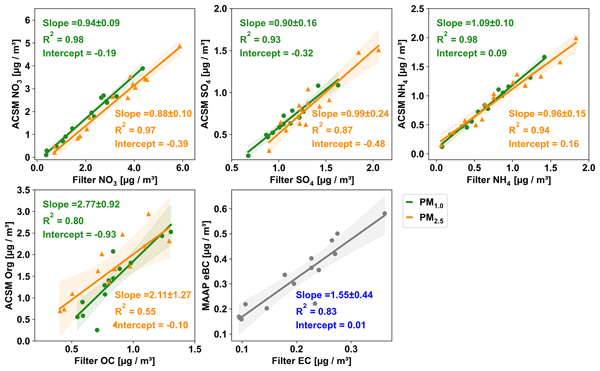
We evaluated the time-of-flight aerosol chemical speciation monitor (TOF-ACSM) following the implementation of the PM2.5 aerodynamic lens and a capture vaporizer (CV). The results showed that it significantly improved the accuracy and precision of ACSM in the field observations. The paper elucidates the measurement outcomes of various instruments and provides an analysis of their biases. This comprehensive evaluation is expected to benefit the ACSM community and other aerosol field measurements.
Feifan Yan, Hang Su, Yafang Cheng, Rujin Huang, Hong Liao, Ting Yang, Yuanyuan Zhu, Shaoqing Zhang, Lifang Sheng, Wenbin Kou, Xinran Zeng, Shengnan Xiang, Xiaohong Yao, Huiwang Gao, and Yang Gao
Atmos. Chem. Phys., 24, 2365–2376, https://doi.org/10.5194/acp-24-2365-2024, https://doi.org/10.5194/acp-24-2365-2024, 2024
Short summary
Short summary
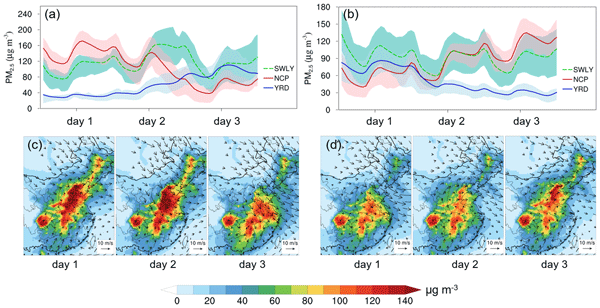
PM2.5 pollution is a major air quality issue deteriorating human health, and previous studies mostly focus on regions like the North China Plain and Yangtze River Delta. However, the characteristics of PM2.5 concentrations between these two regions are studied less often. Focusing on the transport corridor region, we identify an interesting seesaw transport phenomenon with stagnant weather conditions, conducive to PM2.5 accumulation over this region, resulting in large health effects.
Shuzheng Guo, Chunxiang Ye, Weili Lin, Yi Chen, Limin Zeng, Xuena Yu, Jinhui Cui, Chong Zhang, Jing Duan, Haobin Zhong, Rujin Huang, Xuguang Chi, Wei Nie, and Aijun Ding
EGUsphere, https://doi.org/10.5194/egusphere-2024-262, https://doi.org/10.5194/egusphere-2024-262, 2024
Preprint archived
Short summary
Short summary
@Tibet field campaigns 2021 discovered surprisingly high levels and activity contributions of oxygenated volatile organic compounds on the southeast of the Tibetan Plateau, which suggests that OVOCs may play a larger role in the chemical reactions that occur in high-altitude regions than previously thought.
Yuquan Gong, Ru-Jin Huang, Lu Yang, Ting Wang, Wei Yuan, Wei Xu, Wenjuan Cao, Yang Wang, and Yongjie Li
Atmos. Chem. Phys., 23, 15197–15207, https://doi.org/10.5194/acp-23-15197-2023, https://doi.org/10.5194/acp-23-15197-2023, 2023
Short summary
Short summary
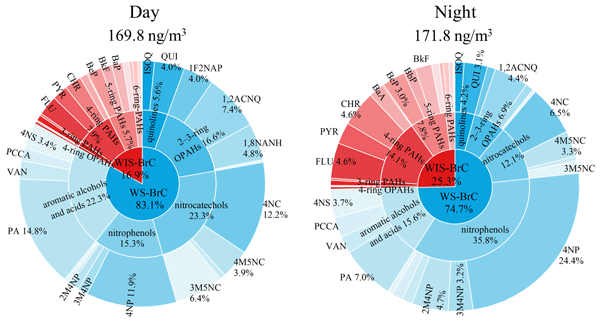
This study reveals the large day–night differences in brown carbon (BrC) chromophore composition, which was not known previously. The results provide insights into the effects of atmospheric processes and emissions on BrC composition.
Yifang Gu, Ru-Jin Huang, Jing Duan, Wei Xu, Chunshui Lin, Haobin Zhong, Ying Wang, Haiyan Ni, Quan Liu, Ruiguang Xu, Litao Wang, and Yong Jie Li
Atmos. Chem. Phys., 23, 5419–5433, https://doi.org/10.5194/acp-23-5419-2023, https://doi.org/10.5194/acp-23-5419-2023, 2023
Short summary
Short summary
Secondary organic aerosol (SOA) can be produced by various pathways, but its formation mechanisms are unclear. Observations were conducted in the North China Plain during a highly oxidizing atmosphere in summer. We found that fast photochemistry dominated SOA formation during daytime. Two types of aqueous-phase chemistry (nocturnal and daytime processing) take place at high relative humidity. The potential transformation from primary organic aerosol (POA) to SOA was also an important pathway.
Chunshui Lin, Ru-Jin Huang, Haobin Zhong, Jing Duan, Zixi Wang, Wei Huang, and Wei Xu
Atmos. Chem. Phys., 23, 3595–3607, https://doi.org/10.5194/acp-23-3595-2023, https://doi.org/10.5194/acp-23-3595-2023, 2023
Short summary
Short summary
The complex interaction between O3 and PM2.5, coupled with the topology of the Fenwei Plain and the evolution of the boundary layer height, highlights the challenges in further reducing particulate pollution in winter despite years of efforts to reduce emissions. Through scenario analysis in a chemical box model constrained by observation, we show the co-benefits of reducing NOx and VOCs simultaneously in reducing ozone and SOA.
Huanhuan Zhang, Rui Li, Chengpeng Huang, Xiaofei Li, Shuwei Dong, Fu Wang, Tingting Li, Yizhu Chen, Guohua Zhang, Yan Ren, Qingcai Chen, Ru-jin Huang, Siyu Chen, Tao Xue, Xinming Wang, and Mingjin Tang
Atmos. Chem. Phys., 23, 3543–3559, https://doi.org/10.5194/acp-23-3543-2023, https://doi.org/10.5194/acp-23-3543-2023, 2023
Short summary
Short summary
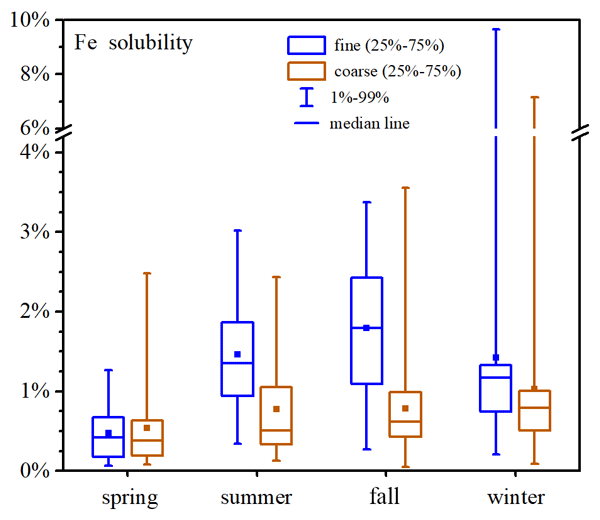
This work investigated the seasonal variation of aerosol Fe solubility for coarse and fine particles in Xi’an, a megacity in northwestern China severely affected by anthropogenic emission and desert dust aerosol. In addition, we discussed in depth what controlled aerosol Fe solubility at different seasons for coarse and fine particles.
Meng Wang, Yusen Duan, Wei Xu, Qiyuan Wang, Zhuozhi Zhang, Qi Yuan, Xinwei Li, Shuwen Han, Haijie Tong, Juntao Huo, Jia Chen, Shan Gao, Zhongbiao Wu, Long Cui, Yu Huang, Guangli Xiu, Junji Cao, Qingyan Fu, and Shun-cheng Lee
Atmos. Chem. Phys., 22, 12789–12802, https://doi.org/10.5194/acp-22-12789-2022, https://doi.org/10.5194/acp-22-12789-2022, 2022
Short summary
Short summary
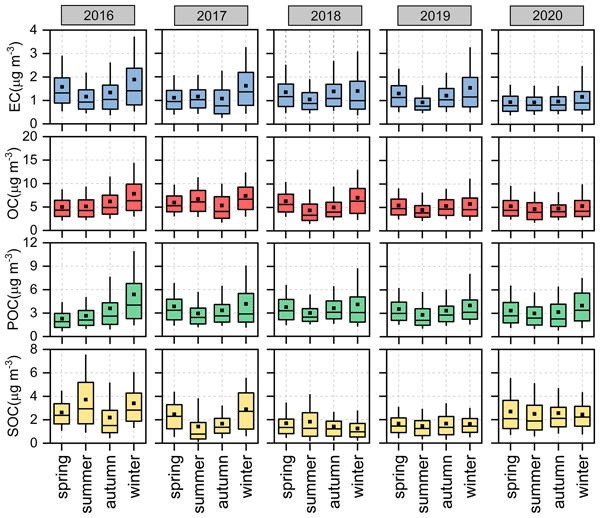
In this study, we report the long-term measurement of organic carbon (OC) and elementary carbon (EC) in PM2.5 with hourly time resolution conducted at a regional site in Shanghai from 2016 to 2020. The results from this study provide critical information about the long-term trend of carbonaceous aerosol, in particular secondary OC, in one of the largest megacities in the world and are helpful for developing pollution control measures from a long-term planning perspective.
Marta Via, Gang Chen, Francesco Canonaco, Kaspar R. Daellenbach, Benjamin Chazeau, Hasna Chebaicheb, Jianhui Jiang, Hannes Keernik, Chunshui Lin, Nicolas Marchand, Cristina Marin, Colin O'Dowd, Jurgita Ovadnevaite, Jean-Eudes Petit, Michael Pikridas, Véronique Riffault, Jean Sciare, Jay G. Slowik, Leïla Simon, Jeni Vasilescu, Yunjiang Zhang, Olivier Favez, André S. H. Prévôt, Andrés Alastuey, and María Cruz Minguillón
Atmos. Meas. Tech., 15, 5479–5495, https://doi.org/10.5194/amt-15-5479-2022, https://doi.org/10.5194/amt-15-5479-2022, 2022
Short summary
Short summary
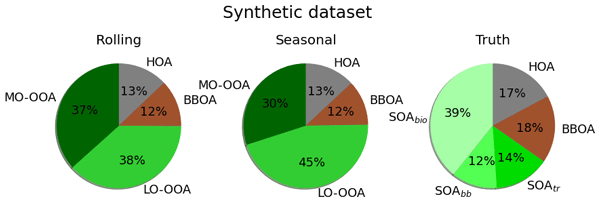
This work presents the differences resulting from two techniques (rolling and seasonal) of the positive matrix factorisation model that can be run for organic aerosol source apportionment. The current state of the art suggests that the rolling technique is more accurate, but no proof of its effectiveness has been provided yet. This paper tackles this issue in the context of a synthetic dataset and a multi-site real-world comparison.
Jing Duan, Ru-Jin Huang, Yifang Gu, Chunshui Lin, Haobin Zhong, Wei Xu, Quan Liu, Yan You, Jurgita Ovadnevaite, Darius Ceburnis, Thorsten Hoffmann, and Colin O'Dowd
Atmos. Chem. Phys., 22, 10139–10153, https://doi.org/10.5194/acp-22-10139-2022, https://doi.org/10.5194/acp-22-10139-2022, 2022
Short summary
Short summary
Biomass-burning-influenced oxygenated organic aerosol (OOA-BB), formed from the photochemical oxidation and aging of biomass burning OA (BBOA), was resolved in urban Xi’an. The aqueous-phase processed oxygenated OA (aq-OOA) concentration was more dependent on secondary inorganic aerosol (SIA) content and aerosol liquid water content (ALWC). The increased aq-OOA contribution during SIA-enhanced periods likely reflects OA evolution due to the addition of alcohol or peroxide groups
Haobin Zhong, Ru-Jin Huang, Chunshui Lin, Wei Xu, Jing Duan, Yifang Gu, Wei Huang, Haiyan Ni, Chongshu Zhu, Yan You, Yunfei Wu, Renjian Zhang, Jurgita Ovadnevaite, Darius Ceburnis, and Colin D. O'Dowd
Atmos. Chem. Phys., 22, 9513–9524, https://doi.org/10.5194/acp-22-9513-2022, https://doi.org/10.5194/acp-22-9513-2022, 2022
Short summary
Short summary
To investigate the physico-chemical properties of aerosol transported from major pollution regions in China, observations were conducted ~200 m above the ground at the junction location of the two key pollution areas. We found that the formation efficiency, oxidation state and production rate of secondary aerosol were different in the transport sectors from different pollution regions, and they were largely enhanced by the regional long-distance transport.
Youwei Hong, Xinbei Xu, Dan Liao, Taotao Liu, Xiaoting Ji, Ke Xu, Chunyang Liao, Ting Wang, Chunshui Lin, and Jinsheng Chen
Atmos. Chem. Phys., 22, 7827–7841, https://doi.org/10.5194/acp-22-7827-2022, https://doi.org/10.5194/acp-22-7827-2022, 2022
Short summary
Short summary
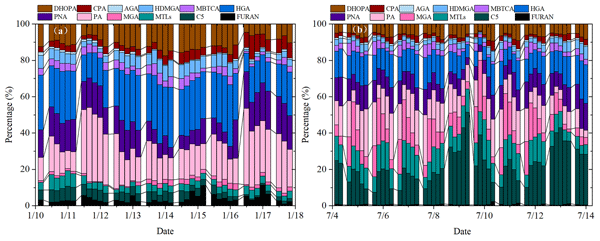
Secondary organic aerosol (SOA) simulation remains uncertain, due to the unknown SOA formation mechanisms. Aerosol samples with a 4 h time resolution were collected, along with online measurements of aerosol chemical compositions and meteorological parameters. We found that anthropogenic emissions, atmospheric oxidation capacity and halogen chemistry have significant effects on the formation of biogenic SOA (BSOA). The findings of this study are helpful to better explore the missed SOA sources.

Chunshui Lin, Darius Ceburnis, Anna Trubetskaya, Wei Xu, William Smith, Stig Hellebust, John Wenger, Colin O'Dowd, and Jurgita Ovadnevaite
Atmos. Meas. Tech., 14, 6905–6916, https://doi.org/10.5194/amt-14-6905-2021, https://doi.org/10.5194/amt-14-6905-2021, 2021
Short summary
Short summary
Source apportionment of solid-fuel-burning emissions can be complicated by the use of different fuels, stoves, and burning conditions. Here, the organic aerosol mass spectra produced from burning a range of solid fuels in several stoves were compared. This study accounts for the source variability and provides better constraints on the primary factor contributions to the ambient organic aerosol estimations, holding significant implications for public health and policymakers.
Cited articles
Bergmeir, C. and Benítez, J. M.: On the use of cross-validation for time series predictor evaluation, Inform. Sci., 191, 192–213, https://doi.org/10.1016/j.ins.2011.12.028, 2012.
Cai, A., Wang, L., Zhang, Y., Wu, H., Zhang, H., Guo, R., and Wu, J.: Uncovering the multiple socio-economic driving factors of carbon emissions in nine urban agglomerations of China based on machine learning, Energy, 319, 134859, https://doi.org/10.1016/j.energy.2025.134859, 2025.
Cao, Y., Zhang, Z., Xiao, H., Xie, Y., Liang, Y., and Xiao, H.: How aerosol pH responds to nitrate to sulfate ratio of fine-mode particulate, Environ Sci. Pollut. Res. Int., 27, 35031–35039, https://doi.org/10.1007/s11356-020-09810-0, 2020.
Chen, C.-C., Wang, Y.-R., Yeh, H.-Y., Lin, T.-H., Huang, C.-S., and Wu, C.-F.: Estimating monthly PM2.5 concentrations from satellite remote sensing data, meteorological variables, and land use data using ensemble statistical modeling and a random forest approach, Environ. Pollut., 291, 118114, https://doi.org/10.1016/j.envpol.2021.118114, 2021.
Clegg, S. L., Seinfeld, J. H., and Brimblecombe, P.: Thermodynamic modelling of aqueous aerosols containing electrolytes and dissolved organic compounds, J. Aerosol Sci., 32, 713–738, 2001.
Dai, T., Dai, Q., Ding, J., Liu, B., Bi, X., Wu, J., Zhang, Y., and Feng, Y.: Measuring the Emission Changes and Meteorological Dependence of Source-Specific BC Aerosol Using Factor Analysis Coupled With Machine Learning, J. Geophys. Res.-Atmos., 128, e2023JD038696, https://doi.org/10.1029/2023jd038696, 2023.
Ding, J., Zhao, P., Su, J., Dong, Q., Du, X., and Zhang, Y.: Aerosol pH and its driving factors in Beijing, Atmos. Chem. Phys., 19, 7939–7954, https://doi.org/10.5194/acp-19-7939-2019, 2019.
Duan, J. and Wang, T.: Quantitative insights into regime-dependent aerosol pH variability in an ammonia-rich urban atmosphere from explainable machine learning, Zenodo [data set], https://doi.org/10.5281/zenodo.19585093, 2026.
Duan, X., Zheng, G., Chen, C., Zhang, Q., and He, K.: Driving factors of aerosol acidity: a new hierarchical quantitative analysis framework and its application in Changzhou, China, Atmos. Chem. Phys., 25, 3919–3928, https://doi.org/10.5194/acp-25-3919-2025, 2025.
Fountoukis, C. and Nenes, A.: ISORROPIA II: a computationally efficient thermodynamic equilibrium model for K+–Ca2+–Mg2+–NH
Fu, Z., Cheng, L., Ye, X., Ma, Z., Wang, R., Duan, Y., Juntao, H., and Chen, J.: Characteristics of aerosol chemistry and acidity in Shanghai after PM(2.5) satisfied national guideline: Insight into future emission control, Sci. Total Environ., 827, 154319, https://doi.org/10.1016/j.scitotenv.2022.154319, 2022.
Giorio, C., D'Aronco, S., Di Marco, V., Badocco, D., Battaglia, F., Solda, L., Pastore, P., and Tapparo, A.: Emerging investigator series: aqueous-phase processing of atmospheric aerosol influences dissolution kinetics of metal ions in an urban background site in the Po Valley, Environ. Sci.: Process. Impacts, 24, 884–897, https://doi.org/10.1039/d2em00023g, 2022.
Grange, S. K., Carslaw, D. C., Lewis, A. C., Boleti, E., and Hueglin, C.: Random forest meteorological normalisation models for Swiss PM10 trend analysis, Atmos. Chem. Phys., 18, 6223–6239, https://doi.org/10.5194/acp-18-6223-2018, 2018.
Gui, K., Che, H., Zeng, Z., Wang, Y., Zhai, S., Wang, Z., Luo, M., Zhang, L., Liao, T., Zhao, H., Li, L., Zheng, Y., and Zhang, X.: Construction of a virtual PM(2.5) observation network in China based on high-density surface meteorological observations using the Extreme Gradient Boosting model, Environ. Int., 141, 105801, https://doi.org/10.1016/j.envint.2020.105801, 2020.
Guo, H., Xu, L., Bougiatioti, A., Cerully, K. M., Capps, S. L., Hite Jr., J. R., Carlton, A. G., Lee, S.-H., Bergin, M. H., Ng, N. L., Nenes, A., and Weber, R. J.: Fine-particle water and pH in the southeastern United States, Atmos. Chem. Phys., 15, 5211–5228, https://doi.org/10.5194/acp-15-5211-2015, 2015.
Guo, H., Sullivan, A. P., Campuzano-Jost, P., Schroder, J. C., Lopez-Hilfiker, F. D., Dibb, J. E., Jimenez, J. L., Thornton, J. A., Brown, S. S., Nenes, A., and Weber, R. J.: Fine particle pH and the partitioning of nitric acid during winter in the northeastern United States, J. Geophys. Res.-Atmos., 121, 10–355, https://doi.org/10.1002/2016jd025311, 2016.
Guo, H., Liu, J., Froyd, K. D., Roberts, J. M., Veres, P. R., Hayes, P. L., Jimenez, J. L., Nenes, A., and Weber, R. J.: Fine particle pH and gas–particle phase partitioning of inorganic species in Pasadena, California, during the 2010 CalNex campaign, Atmos. Chem. Phys., 17, 5703–5719, https://doi.org/10.5194/acp-17-5703-2017, 2017.
Hennigan, C. J., Izumi, J., Sullivan, A. P., Weber, R. J., and Nenes, A.: A critical evaluation of proxy methods used to estimate the acidity of atmospheric particles, Atmos. Chem. Phys., 15, 2775–2790, https://doi.org/10.5194/acp-15-2775-2015, 2015.
Hou, L., Dai, Q., Song, C., Liu, B., Guo, F., Dai, T., Li, L., Liu, B., Bi, X., Zhang, Y., and Feng, Y.: Revealing Drivers of Haze Pollution by Explainable Machine Learning, Environ. Sci. Technol. Lett., 9, 112–119, https://doi.org/10.1021/acs.estlett.1c00865, 2022.
Huang, R. J., Duan, J., Li, Y., Chen, Q., Chen, Y., Tang, M., Yang, L., Ni, H., Lin, C., Xu, W., Liu, Y., Chen, C., Yan, Z., Ovadnevaite, J., Ceburnis, D., Dusek, U., Cao, J., Hoffmann, T., and O'Dowd, C. D.: Effects of NH(3) and alkaline metals on the formation of particulate sulfate and nitrate in wintertime Beijing, Sci. Total Environ., 717, 137190, https://doi.org/10.1016/j.scitotenv.2020.137190, 2020.
Jia, S., Chen, W., Zhang, Q., Krishnan, P., Mao, J., Zhong, B., Huang, M., Fan, Q., Zhang, J., Chang, M., Yang, L., and Wang, X.: A quantitative analysis of the driving factors affecting seasonal variation of aerosol pH in Guangzhou, China, Sci. Total Environ., 725, 138228, https://doi.org/10.1016/j.scitotenv.2020.138228, 2020.
Liu, M., Song, Y., Zhou, T., Xu, Z., Yan, C., Zheng, M., Wu, Z., Hu, M., Wu, Y., and Zhu, T.: Fine particle pH during severe haze episodes in northern China, Geophys. Res. Lett., 44, 5213–5221, https://doi.org/10.1002/2017gl073210, 2017.
Lundberg, S. M., Erion, G., Chen, H., DeGrave, A., Prutkin, J. M., Nair, B., Katz, R., Himmelfarb, J., Bansal, N., and Lee, S. I.: From Local Explanations to Global Understanding with Explainable AI for Trees, Nat. Mach. Intell., 2, 56–67, https://doi.org/10.1038/s42256-019-0138-9, 2020.
Maasikmets, M., Teinemaa, E., Kaasik, A., and Kimmel, V.: Measurement and analysis of ammonia, hydrogen sulphide and odour emissions from the cattle farming in Estonia, Biosyst. Eng., 139, 48–59, https://doi.org/10.1016/j.biosystemseng.2015.08.002, 2015.
Mekic, M. and Gligorovski, S.: Ionic strength effects on heterogeneous and multiphase chemistry: Clouds versus aerosol particles, Atmos. Environ., 244, 117911, https://doi.org/10.1016/j.atmosenv.2020.117911, 2021.
Mo, Y., Li, J., Liu, J., Zhong, G., Cheng, Z., Tian, C., Chen, Y., and Zhang, G.: The influence of solvent and pH on determination of the light absorption properties of water-soluble brown carbon, Atmos. Environ., 161, 90–98, https://doi.org/10.1016/j.atmosenv.2017.04.037, 2017.
Myriokefalitakis, S., Ito, A., Kanakidou, M., Nenes, A., Krol, M. C., Mahowald, N. M., Scanza, R. A., Hamilton, D. S., Johnson, M. S., Meskhidze, N., Kok, J. F., Guieu, C., Baker, A. R., Jickells, T. D., Sarin, M. M., Bikkina, S., Shelley, R., Bowie, A., Perron, M. M. G., and Duce, R. A.: Reviews and syntheses: the GESAMP atmospheric iron deposition model intercomparison study, Biogeosciences, 15, 6659–6684, https://doi.org/10.5194/bg-15-6659-2018, 2018.
Ng, N. L., Herndon, S. C., Trimborn, A., Canagaratna, M. R., Croteau, P. L., Onasch, T. B., Sueper, D., Worsnop, D. R., Zhang, Q., Sun, Y. L., and Jayne, J. T.: An Aerosol Chemical Speciation Monitor (ACSM) for Routine Monitoring of the Composition and Mass Concentrations of Ambient Aerosol, Aerosol. Sci. Tech., 45, 780–794, https://doi.org/10.1080/02786826.2011.560211, 2011.
Peng, X., Xie, T.-T., Tang, M.-X., Cheng, Y., Peng, Y., Wei, F.-H., Cao, L.-M., Yu, K., Du, K., He, L.-Y., and Huang, X.-F.: Critical Role of Secondary Organic Aerosol in Urban Atmospheric Visibility Improvement Identified by Machine Learning, Environ. Sci. Technol. Lett., 10, 976–982, https://doi.org/10.1021/acs.estlett.3c00084, 2023.
Pöhlker, M. L., Pöhlker, C., Quaas, J., Mülmenstädt, J., Pozzer, A., Andreae, M. O., Artaxo, P., Block, K., Coe, H., Ervens, B., Gallimore, P., Gaston, C. J., Gunthe, S. S., Henning, S., Herrmann, H., Krüger, O. O., McFiggans, G., Poulain, L., Raj, S. S., Reyes-Villegas, E., Royer, H. M., Walter, D., Wang, Y., and Pöschl, U.: Global organic and inorganic aerosol hygroscopicity and its effect on radiative forcing, Nat. Commun., 14, 6139, https://doi.org/10.1038/s41467-023-41695-8, 2023.
Qi, J., Xiong, W., Li, J., Zheng, J., Ye, Q., and Hu, M.: Investigating non-linear and synergistic effects of urban functional zone morphology on land surface temperature, Sustain. Cities Soc., 130, 106546, https://doi.org/10.1016/j.scs.2025.106546, 2025.
Qin, Y., Ye, J., Ohno, P., Liu, P., Wang, J., Fu, P., Zhou, L., Li, Y. J., Martin, S. T., and Chan, C. K.: Assessing the Nonlinear Effect of Atmospheric Variables on Primary and Oxygenated Organic Aerosol Concentration Using Machine Learning, ACS Earth Space Chem., 6, 1059–1066, https://doi.org/10.1021/acsearthspacechem.1c00443, 2022.
Sharma, B., Jia, S., Polana, A. J., Ahmed, M. S., Haque, R. R., Singh, S., Mao, J., and Sarkar, S.: Seasonal variations in aerosol acidity and its driving factors in the eastern Indo-Gangetic Plain: A quantitative analysis, Chemosphere, 305, 135490, https://doi.org/10.1016/j.chemosphere.2022.135490, 2022.
Shi, G., Xu, J., Shi, X., Liu, B., Bi, X., Xiao, Z., Chen, K., Wen, J., Dong, S., Tian, Y., Feng, Y., Yu, H., Song, S., Zhao, Q., Gao, J., and Russell, A. G.: Aerosol pH Dynamics During Haze Periods in an Urban Environment in China: Use of Detailed, Hourly, Speciated Observations to Study the Role of Ammonia Availability and Secondary Aerosol Formation and Urban Environment, J. Geophys. Res.-Atmos., 124, 9730–9742, https://doi.org/10.1029/2018jd029976, 2019.
Song, C., Becagli, S., Beddows, D. C. S., Brean, J., Browse, J., Dai, Q., Dall'Osto, M., Ferracci, V., Harrison, R. M., Harris, N., Li, W., Jones, A. E., Kirchgassner, A., Kramawijaya, A. G., Kurganskiy, A., Lupi, A., Mazzola, M., Severi, M., Traversi, R., and Shi, Z.: Understanding Sources and Drivers of Size-Resolved Aerosol in the High Arctic Islands of Svalbard Using a Receptor Model Coupled with Machine Learning, Environ. Sci. Technol., 56, 11189–11198, https://doi.org/10.1021/acs.est.1c07796, 2022.
Song, S., Gao, M., Xu, W., Shao, J., Shi, G., Wang, S., Wang, Y., Sun, Y., and McElroy, M. B.: Fine-particle pH for Beijing winter haze as inferred from different thermodynamic equilibrium models, Atmos. Chem. Phys., 18, 7423–7438, https://doi.org/10.5194/acp-18-7423-2018, 2018.
Su, H., Cheng, Y., and Poschl, U.: New Multiphase Chemical Processes Influencing Atmospheric Aerosols, Air Quality, and Climate in the Anthropocene, Acc. Chem. Res., 53, 2034–2043, https://doi.org/10.1021/acs.accounts.0c00246, 2020.
Tao, J., Wu, Y., Deng, Y., Hu, B., and Zhou, Z.: Thermodynamic regulation of aerosol pH by temperature and humidity: The role of gas-particle partitioning of semi-volatile inorganic species in a subtropical region, Environ. Res., 286, 122727, https://doi.org/10.1016/j.envres.2025.122727, 2025.
Tao, Y. and Murphy, J. G.: The Mechanisms Responsible for the Interactions among Oxalate, pH, and Fe Dissolution in PM2.5, ACS Earth Space Chem., 3, 2259–2265, https://doi.org/10.1021/acsearthspacechem.9b00172, 2019.
Tao, Y. and Murphy, J. G.: Simple Framework to Quantify the Contributions from Different Factors Influencing Aerosol pH Based on NH(x) Phase-Partitioning Equilibrium, Environ. Sci. Technol., 55, 10310–10319, https://doi.org/10.1021/acs.est.1c03103, 2021.
Tilgner, A., Schaefer, T., Alexander, B., Barth, M., Collett Jr., J. L., Fahey, K. M., Nenes, A., Pye, H. O. T., Herrmann, H., and McNeill, V. F.: Acidity and the multiphase chemistry of atmospheric aqueous particles and clouds, Atmos. Chem. Phys., 21, 13483–13536, https://doi.org/10.5194/acp-21-13483-2021, 2021.
Wang, G., Zhang, R., Gomez, M. E., Yang, L., Levy Zamora, M., Hu, M., Lin, Y., Peng, J., Guo, S., Meng, J., Li, J., Cheng, C., Hu, T., Ren, Y., Wang, Y., Gao, J., Cao, J., An, Z., Zhou, W., Li, G., Wang, J., Tian, P., Marrero-Ortiz, W., Secrest, J., Du, Z., Zheng, J., Shang, D., Zeng, L., Shao, M., Wang, W., Huang, Y., Wang, Y., Zhu, Y., Li, Y., Hu, J., Pan, B., Cai, L., Cheng, Y., Ji, Y., Zhang, F., Rosenfeld, D., Liss, P. S., Duce, R. A., Kolb, C. E., and Molina, M. J.: Persistent sulfate formation from London Fog to Chinese haze, P. Natl. Acad. Sci. USA, 113, 13630–13635, https://doi.org/10.1073/pnas.1616540113, 2016.
Wang, G., Tao, Y., Chen, J., Liu, C., Qin, X., Li, H., Yun, L., Zhang, M., Zheng, H., Gui, H., Liu, J., Huo, J., Fu, Q., Deng, C., and Huang, K.: Quantitative Decomposition of Influencing Factors to Aerosol pH Variation over the Coasts of the South China Sea, East China Sea, and Bohai Sea, Environ. Sci. Technol. Lett., 9, 815–821, https://doi.org/10.1021/acs.estlett.2c00527, 2022.
Wang, J., Wu, Z., Qiu, T., Man, R., Zong, T., Qiu, Y., Fang, W., Chen, S., Liang, D., Song, M., Ahn, J., Lee, J., and Hu, M.: Impacts of aerosol acidity and liquid water content on secondary inorganic aerosol pollution in East Asian megacities: Beijing and Seoul, Atmos. Environ., 361, https://doi.org/10.1016/j.atmosenv.2025.121479, 2025.
Wang, S., Wang, L., Li, Y., Wang, C., Wang, W., Yin, S., and Zhang, R.: Effect of ammonia on fine-particle pH in agricultural regions of China: comparison between urban and rural sites, Atmos. Chem. Phys., 20, 2719–2734, https://doi.org/10.5194/acp-20-2719-2020, 2020.
Wang, Y. C., Huang, R. J., Ni, H. Y., Chen, Y., Wang, Q. Y., Li, G. H., Tie, X. X., Shen, Z. X., Huang, Y., Liu, S. X., Dong, W. M., Xue, P., Fröhlich, R., Canonaco, F., Elser, M., Daellenbach, K. R., Bozzetti, C., El Haddad, I., Prévôt, A. S. H., Canagaratna, M. R., Worsnop, D. R., and Cao, J. J.: Chemical composition, sources and secondary processes of aerosols in Baoji city of northwest China, Atmos. Environ., 158, 128–137, https://doi.org/10.1016/j.atmosenv.2017.03.026, 2017.
Wei, N., Jia, Z., Men, Z., Ren, C., Zhang, Y., Peng, J., Wu, L., Wang, T., Zhang, Q., and Mao, H.: Machine Learning Predicts Emissions of Brake Wear PM2.5: Model Construction and Interpretation, Environ. Sci. Technol. Lett., 9, 352–358, https://doi.org/10.1021/acs.estlett.2c00117, 2022.
Wei, Y., Wang, S., Jiang, N., Zhang, R., and Hao, Q.: Comparative multi-model study of PM(2.5) acidity trend changes in ammonia-rich regions in winter: Based on a new ammonia concentration assessment method, J. Hazard. Mater., 458, 131970, https://doi.org/10.1016/j.jhazmat.2023.131970, 2023.
Xie, F., Su, Y., Tian, Y., Shi, Y., Zhou, X., Wang, P., Yu, R., Wang, W., He, J., Xin, J., and Lü, C.: The shifting of secondary inorganic aerosol formation mechanisms during haze aggravation: the decisive role of aerosol liquid water, Atmos. Chem. Phys., 23, 2365–2378, https://doi.org/10.5194/acp-23-2365-2023, 2023.
Xie, Y., Wang, G., Wang, X., Chen, J., Chen, Y., Tang, G., Wang, L., Ge, S., Xue, G., Wang, Y., and Gao, J.: Nitrate-dominated PM2.5 and elevation of particle pH observed in urban Beijing during the winter of 2017, Atmos. Chem. Phys., 20, 5019–5033, https://doi.org/10.5194/acp-20-5019-2020, 2020.
Xu, K., Yin, L., Chen, Q., Liao, D., Ji, X., Zhang, K., Wu, Y., Xu, L., Li, M., Fan, X., Zhang, F., Huang, Z., Chen, J., and Hong, Y.: Quantitative analysis of influencing factors to aerosol pH and its responses to PM(2.5) and O(3) pollution in a coastal city, J. Environ. Sci., 151, 284–297, https://doi.org/10.1016/j.jes.2024.03.044, 2025.
Yang, C., Dong, H., Chen, Y., Wang, Y., Fan, X., Tham, Y. J., Chen, G., Xu, L., Lin, Z., Li, M., Hong, Y., and Chen, J.: Machine Learning Reveals the Parameters Affecting the Gaseous Sulfuric Acid Distribution in a Coastal City: Model Construction and Interpretation, Environ. Sci. Technol. Lett., 10, 1045–1051, https://doi.org/10.1021/acs.estlett.3c00170, 2023.
Yang, C., Dong, H., Chen, Y., Xu, L., Chen, G., Fan, X., Wang, Y., Tham, Y. J., Lin, Z., Li, M., Hong, Y., and Chen, J.: New Insights on the Formation of Nucleation Mode Particles in a Coastal City Based on a Machine Learning Approach, Environ. Sci. Technol., 58, 1187–1198, https://doi.org/10.1021/acs.est.3c07042, 2024.
Yang, J., Wang, S., Zhang, R., and Yin, S.: Elevated particle acidity enhanced the sulfate formation during the COVID-19 pandemic in Zhengzhou, China, Environ. Pollut., 296, 118716, https://doi.org/10.1016/j.envpol.2021.118716, 2022.
Zhang, B., Shen, H., Liu, P., Guo, H., Hu, Y., Chen, Y., Xie, S., Xi, Z., Skipper, T. N., and Russell, A. G.: Significant contrasts in aerosol acidity between China and the United States, Atmos. Chem. Phys., 21, 8341–8356, https://doi.org/10.5194/acp-21-8341-2021, 2021.
Zheng, G., Su, H., Wang, S., Andreae, M. O., Pöschl, U., and Cheng, Y.: Multiphase buffer theory explains contrasts in atmospheric aerosol acidity, Science, 369, 1374–1377, 2020.
Zhou, M., Zheng, G., Wang, H., Qiao, L., Zhu, S., Huang, D., An, J., Lou, S., Tao, S., Wang, Q., Yan, R., Ma, Y., Chen, C., Cheng, Y., Su, H., and Huang, C.: Long-term trends and drivers of aerosol pH in eastern China, Atmos. Chem. Phys., 22, 13833–13844, https://doi.org/10.5194/acp-22-13833-2022, 2022.
Short summary
This study combines explainable machine learning with thermodynamic modeling to quantitatively assess how meteorological conditions and chemical composition jointly contribute to aerosol pH variation in an ammonia-rich urban atmosphere. The analysis highlights regime-dependent interactions, threshold behaviors, and sample-specific variability, providing a data-driven framework for interpreting aerosol acidity under diverse environmental conditions.
This study combines explainable machine learning with thermodynamic modeling to quantitatively...


Altmetrics
Final-revised paper
Preprint