
Articles | Volume 26, issue 15
https://doi.org/10.5194/acp-26-10789-2026
© Author(s) 2026. This work is distributed under
the Creative Commons Attribution 4.0 License.
the Creative Commons Attribution 4.0 License.
https://doi.org/10.5194/acp-26-10789-2026
© Author(s) 2026. This work is distributed under
the Creative Commons Attribution 4.0 License.
the Creative Commons Attribution 4.0 License.
Research article
| 
03 Aug 2026
Research article |
| 03 Aug 2026
| 03 Aug 2026
Direct thermal enhancement dominates over emission-mediated pathways in heatwave-induced O3 and SOA increases across China

Department of Atmospheric and Oceanic Sciences, Fudan University, Shanghai 200438, China
Institute of Eco-Chongming (IEC), Shanghai 202151, China
Shanghai Key Laboratory of Ocean-land-atmosphere Boundary Dynamics and Climate Change, Shanghai 200438, China
Wenxuan Yu
Department of Environmental Science & Engineering, Fudan University, Shanghai, 200438, China
IRDR ICoE on Risk Interconnectivity and Governance on Weather/Climate Extremes Impact and Public Health, Fudan University, Shanghai 200438, China
Zhaolei Zhang
Department of Environmental Science & Engineering, Fudan University, Shanghai, 200438, China
Jianyan Lu
Department of Atmospheric and Oceanic Sciences, Fudan University, Shanghai 200438, China
Shanghai Frontiers Science Center of Atmosphere-Ocean Interaction, Shanghai 200438, China
Shenxin Li
School of Environment and Architecture, University of Shanghai for Science and Technology, Shanghai 200093, China
School of Environment and Architecture, University of Shanghai for Science and Technology, Shanghai 200093, China
Institute of Eco-Chongming (IEC), Shanghai 202151, China
IRDR ICoE on Risk Interconnectivity and Governance on Weather/Climate Extremes Impact and Public Health, Fudan University, Shanghai 200438, China
Related authors
Xinlu Liu, Zhongyi Sun, Chong Shi, Peng Wang, Tangzhe Nie, Qingnan Chu, Huazhe Shang, Lu Sun, Dabin Ji, Meng Guo, Kunpeng Yi, Zhenghong Tan, Lan Wu, Xinchun Lu, and Shuai Yin
Earth Syst. Sci. Data, 18, 1203–1224, https://doi.org/10.5194/essd-18-1203-2026, https://doi.org/10.5194/essd-18-1203-2026, 2026
Short summary
Short summary
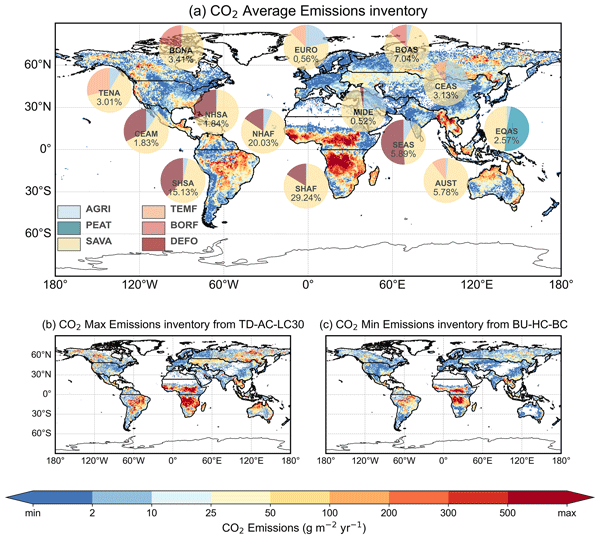
Estimates of global biomass burning emissions differ, posing a challenge for environment and climate change research. In response to this challenge, our new 2003–2023 dataset integrates top-down and bottom-up methods with multi-source data. This provides a plausible emissions range to quantify uncertainty, revealing that the greatest uncertainty is not in traditional hotspots but in regions with infrequent, extreme fires. This work offers vital data for more robust climate models.
Shuai Wang, Mengyuan Zhang, Hui Zhao, Peng Wang, Sri Harsha Kota, Qingyan Fu, Cong Liu, and Hongliang Zhang
Earth Syst. Sci. Data, 16, 3565–3577, https://doi.org/10.5194/essd-16-3565-2024, https://doi.org/10.5194/essd-16-3565-2024, 2024
Short summary
Short summary
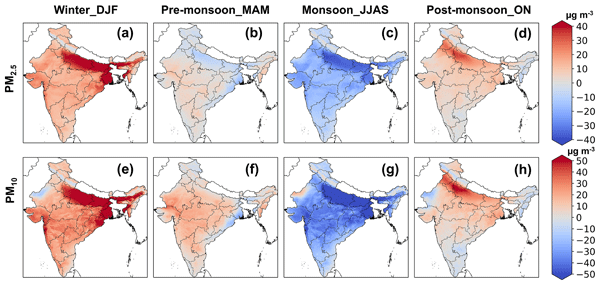
Long-term, open-source, gap-free daily ground-level PM2.5 and PM10 datasets for India (LongPMInd) were reconstructed using a robust machine learning model to support health assessment and air quality management.
Shuai Wang, Mengyuan Zhang, Yueqi Gao, Peng Wang, Qingyan Fu, and Hongliang Zhang
Geosci. Model Dev., 17, 3617–3629, https://doi.org/10.5194/gmd-17-3617-2024, https://doi.org/10.5194/gmd-17-3617-2024, 2024
Short summary
Short summary
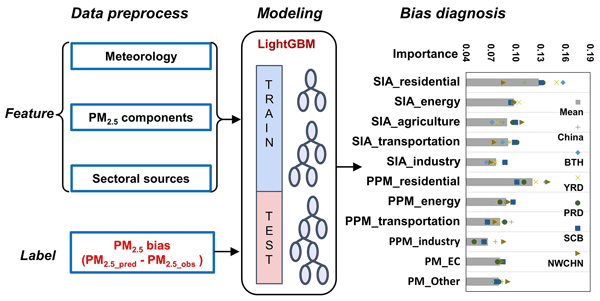
Numerical models are widely used in air pollution modeling but suffer from significant biases. The machine learning model designed in this study shows high efficiency in identifying such biases. Meteorology (relative humidity and cloud cover), chemical composition (secondary organic components and dust aerosols), and emission sources (residential activities) are diagnosed as the main drivers of bias in modeling PM2.5, a typical air pollutant. The results will help to improve numerical models.
Jinlong Ma, Shengqiang Zhu, Siyu Wang, Peng Wang, Jianmin Chen, and Hongliang Zhang
Atmos. Chem. Phys., 23, 4311–4325, https://doi.org/10.5194/acp-23-4311-2023, https://doi.org/10.5194/acp-23-4311-2023, 2023
Short summary
Short summary
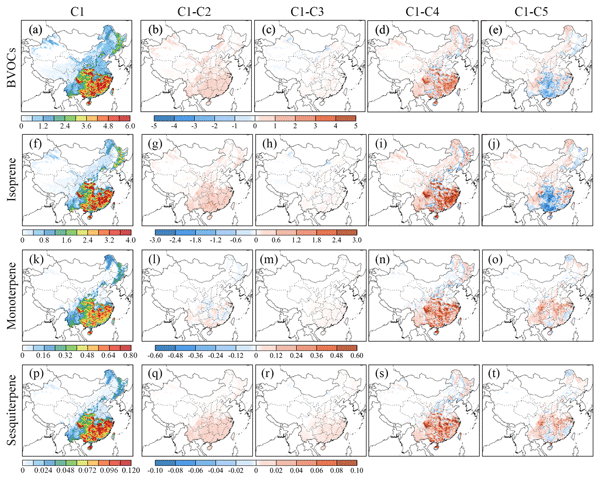
An updated version of the CMAQ model with biogenic volatile organic compound (BVOC) emissions from MEGAN was applied to study the impacts of different land cover inputs on O3 and secondary organic aerosol (SOA) in China. The estimated BVOC emissions ranged from 25.42 to 37.39 Tg using different leaf area index (LAI) and land cover (LC) inputs. Those differences further induced differences of 4.8–6.9 ppb in O3 concentrations and differences of 5.3–8.4 µg m−3 in SOA concentrations in China.
Peng Wang, Ruhan Zhang, Shida Sun, Meng Gao, Bo Zheng, Dan Zhang, Yanli Zhang, Gregory R. Carmichael, and Hongliang Zhang
Atmos. Chem. Phys., 23, 2983–2996, https://doi.org/10.5194/acp-23-2983-2023, https://doi.org/10.5194/acp-23-2983-2023, 2023
Short summary
Short summary
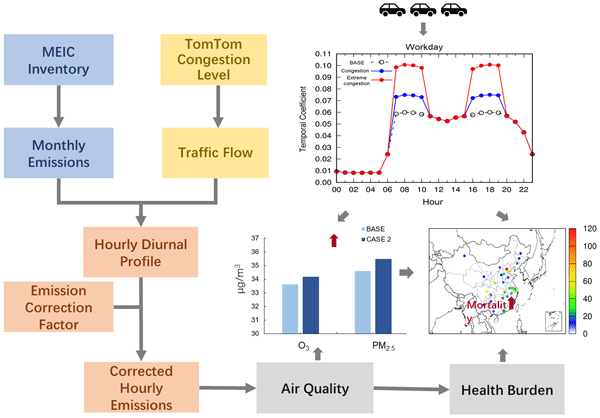
In China, the number of vehicles has jumped significantly in the last decade. This caused severe traffic congestion and aggravated air pollution. In this study, we developed a new temporal allocation approach to quantify the impacts of traffic congestion. We found that traffic congestion worsens air quality and the health burden across China, especially in the urban clusters. More effective and comprehensive vehicle emission control policies should be implemented to improve air quality in China.
Jiangshan Mu, Chenliang Tao, Yuqiang Zhang, Zhou Liu, Yingnan Zhang, Na Zhao, Bin Luo, Qionghui Zhou, Qingzhu Zhang, Hongliang Zhang, and Likun Xue
Earth Syst. Sci. Data, 18, 2999–3011, https://doi.org/10.5194/essd-18-2999-2026, https://doi.org/10.5194/essd-18-2999-2026, 2026
Short summary
Short summary
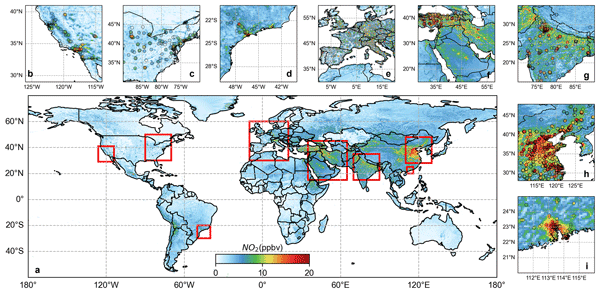
Nitrogen dioxide is a common air pollutant that varies strongly across space and time, yet consistent global information has been limited. We developed a new global dataset that describes daily nitrogen dioxide levels from 2005 to 2023 by combining satellite observations, weather data, and ground measurements using artificial intelligence. The dataset reveals long-term changes and regional patterns and provides a reliable resource for future air quality research.
Guochao Chen, Yiheng Wang, Qi Ying, Xiaofei Wang, and Hongliang Zhang
EGUsphere, https://doi.org/10.5194/egusphere-2026-1196, https://doi.org/10.5194/egusphere-2026-1196, 2026
Short summary
Short summary
Brown carbon (BrC) aerosols absorb solar shortwave radiation and affect the environment and climate. Using a chemical transport model, we investigated the sources and long-term trends of primary BrC in China. Residential and industrial emissions dominate primary BrC in China, unlike the global pattern. Anthropogenic BrC accounts for most of the direct radiative effects and responds significantly to emission changes, indicating potential climate benefits of emission control measures.
Xinlu Liu, Zhongyi Sun, Chong Shi, Peng Wang, Tangzhe Nie, Qingnan Chu, Huazhe Shang, Lu Sun, Dabin Ji, Meng Guo, Kunpeng Yi, Zhenghong Tan, Lan Wu, Xinchun Lu, and Shuai Yin
Earth Syst. Sci. Data, 18, 1203–1224, https://doi.org/10.5194/essd-18-1203-2026, https://doi.org/10.5194/essd-18-1203-2026, 2026
Short summary
Short summary
Estimates of global biomass burning emissions differ, posing a challenge for environment and climate change research. In response to this challenge, our new 2003–2023 dataset integrates top-down and bottom-up methods with multi-source data. This provides a plausible emissions range to quantify uncertainty, revealing that the greatest uncertainty is not in traditional hotspots but in regions with infrequent, extreme fires. This work offers vital data for more robust climate models.
Qianqian Gao, Guochao Chen, Xiaohui Lu, Jianmin Chen, Hongliang Zhang, and Xiaofei Wang
Atmos. Chem. Phys., 25, 12657–12673, https://doi.org/10.5194/acp-25-12657-2025, https://doi.org/10.5194/acp-25-12657-2025, 2025
Short summary
Short summary
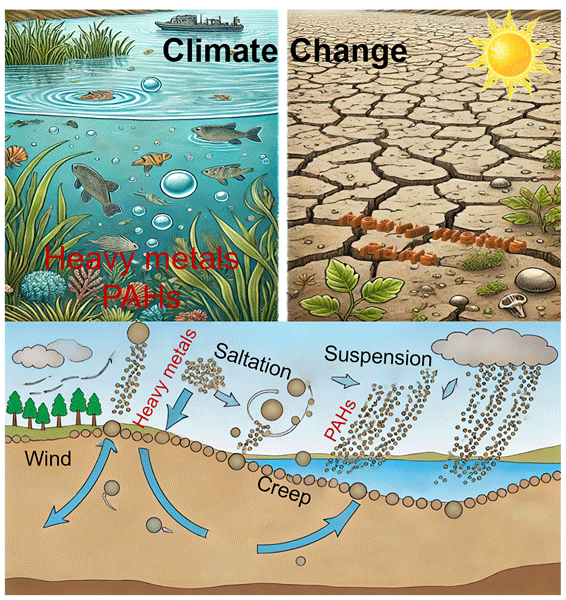
Numerous lakes are shrinking, owing to climate change and human activities, releasing pollutants from dried lake beds as dust aerosols. The health risks remain unclear. Recently, Poyang and Dongting lakes faced record droughts, exposing 99 % and 88 % of their areas. We show that lake bed dust can raise PM10 to 637.5 μg m-³ and exceed non-carcinogenic (HQ = 4.13) and Cr carcinogenic (approx. 2.10 × 10−⁶) risk thresholds, posing growing health threats.
Mingjie Kang, Hongliang Zhang, and Qi Ying
Atmos. Chem. Phys., 25, 11453–11467, https://doi.org/10.5194/acp-25-11453-2025, https://doi.org/10.5194/acp-25-11453-2025, 2025
Short summary
Short summary
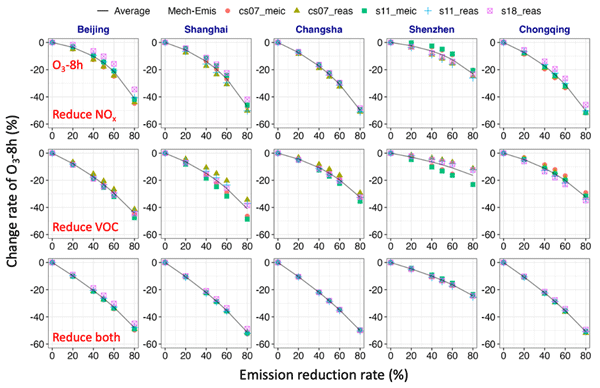
This study examines the impacts of reducing nitrogen oxides and volatile organic compounds on ozone (O3), secondary inorganic aerosols (SIAs), and OH and NO3 radicals. The results show similar predictions for 8 h O3 but significant variability for SIA and radicals, with differences up to 30 % for SIA and 200 % for radicals across chemical mechanisms and inventories. The findings highlight that evaluating control strategies for SIA and atmospheric oxidation capacity requires an ensemble approach.
Bin Luo, Yuqiang Zhang, Tao Tang, Hongliang Zhang, Jianlin Hu, Jiangshan Mu, Wenxing Wang, and Likun Xue
Atmos. Chem. Phys., 25, 4767–4783, https://doi.org/10.5194/acp-25-4767-2025, https://doi.org/10.5194/acp-25-4767-2025, 2025
Short summary
Short summary
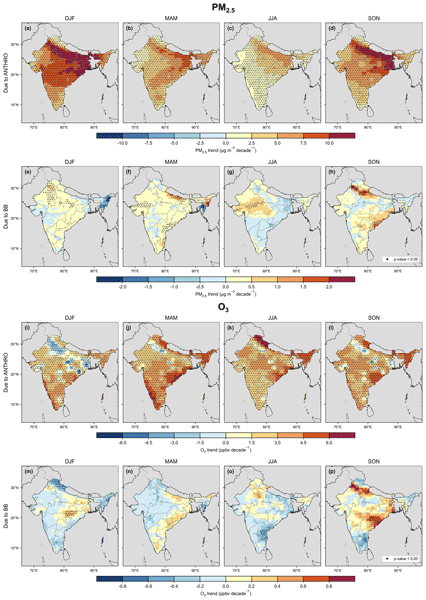
India is facing a severe air pollution crisis that poses significant health risks, particularly from PM2.5 and O3. Our study reveals rising levels of both pollutants from 1995 to 2014, leading to increased premature mortality. While anthropogenic emissions play a significant role, biomass burning also impacts air quality, in particular seasons and regions in India. This study underscores the urgent need for localized policies to protect public health amid escalating environmental challenges.
Jianing Dai, Guy P. Brasseur, Mihalis Vrekoussis, Maria Kanakidou, Kun Qu, Yijuan Zhang, Hongliang Zhang, and Tao Wang
Atmos. Chem. Phys., 24, 12943–12962, https://doi.org/10.5194/acp-24-12943-2024, https://doi.org/10.5194/acp-24-12943-2024, 2024
Short summary
Short summary
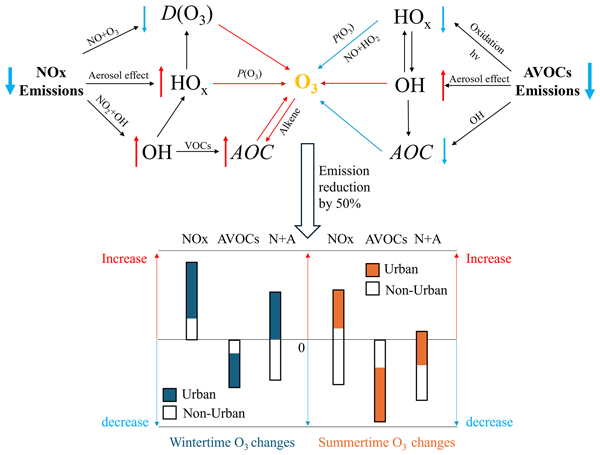
This paper employs a regional chemical transport model to quantify the sensitivity of air pollutants and photochemical parameters to specified emission reductions in China for representative winter and summer conditions. The study provides insights into further air quality control in China with reduced primary emissions.
Shuai Wang, Mengyuan Zhang, Hui Zhao, Peng Wang, Sri Harsha Kota, Qingyan Fu, Cong Liu, and Hongliang Zhang
Earth Syst. Sci. Data, 16, 3565–3577, https://doi.org/10.5194/essd-16-3565-2024, https://doi.org/10.5194/essd-16-3565-2024, 2024
Short summary
Short summary
Long-term, open-source, gap-free daily ground-level PM2.5 and PM10 datasets for India (LongPMInd) were reconstructed using a robust machine learning model to support health assessment and air quality management.
Shuai Wang, Mengyuan Zhang, Yueqi Gao, Peng Wang, Qingyan Fu, and Hongliang Zhang
Geosci. Model Dev., 17, 3617–3629, https://doi.org/10.5194/gmd-17-3617-2024, https://doi.org/10.5194/gmd-17-3617-2024, 2024
Short summary
Short summary
Numerical models are widely used in air pollution modeling but suffer from significant biases. The machine learning model designed in this study shows high efficiency in identifying such biases. Meteorology (relative humidity and cloud cover), chemical composition (secondary organic components and dust aerosols), and emission sources (residential activities) are diagnosed as the main drivers of bias in modeling PM2.5, a typical air pollutant. The results will help to improve numerical models.
Jianing Dai, Guy P. Brasseur, Mihalis Vrekoussis, Maria Kanakidou, Kun Qu, Yijuan Zhang, Hongliang Zhang, and Tao Wang
Atmos. Chem. Phys., 23, 14127–14158, https://doi.org/10.5194/acp-23-14127-2023, https://doi.org/10.5194/acp-23-14127-2023, 2023
Short summary
Short summary
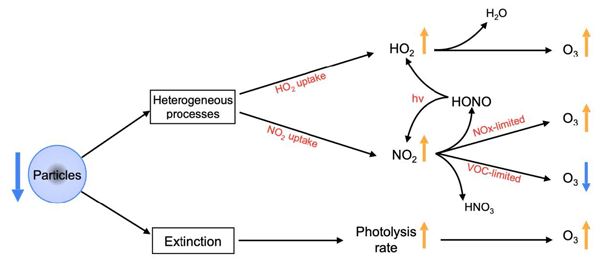
In this study, we used a regional chemical transport model to characterize the different parameters of atmospheric oxidative capacity in recent chemical environments in China. These parameters include the production and destruction rates of ozone and other oxidants, the ozone production efficiency, the OH reactivity, and the length of the reaction chain responsible for the formation of ozone and ROx. They are also affected by the aerosol burden in the atmosphere.
Qianqian Gao, Shengqiang Zhu, Kaili Zhou, Jinghao Zhai, Shaodong Chen, Qihuang Wang, Shurong Wang, Jin Han, Xiaohui Lu, Hong Chen, Liwu Zhang, Lin Wang, Zimeng Wang, Xin Yang, Qi Ying, Hongliang Zhang, Jianmin Chen, and Xiaofei Wang
Atmos. Chem. Phys., 23, 13049–13060, https://doi.org/10.5194/acp-23-13049-2023, https://doi.org/10.5194/acp-23-13049-2023, 2023
Short summary
Short summary
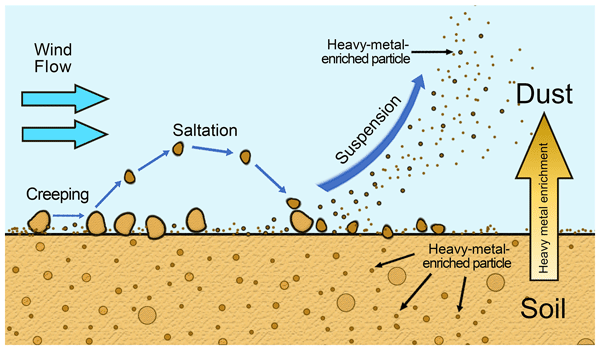
Dust is a major source of atmospheric aerosols. Its chemical composition is often assumed to be similar to the parent soil. However, this assumption has not been rigorously verified. Dust aerosols are mainly generated by wind erosion, which may have some chemical selectivity. Mn, Cd and Pb were found to be highly enriched in fine-dust (PM2.5) aerosols. In addition, estimation of heavy metal emissions from dust generation by air quality models may have errors without using proper dust profiles.
Xiaodong Xie, Jianlin Hu, Momei Qin, Song Guo, Min Hu, Dongsheng Ji, Hongli Wang, Shengrong Lou, Cheng Huang, Chong Liu, Hongliang Zhang, Qi Ying, Hong Liao, and Yuanhang Zhang
Atmos. Chem. Phys., 23, 10563–10578, https://doi.org/10.5194/acp-23-10563-2023, https://doi.org/10.5194/acp-23-10563-2023, 2023
Short summary
Short summary
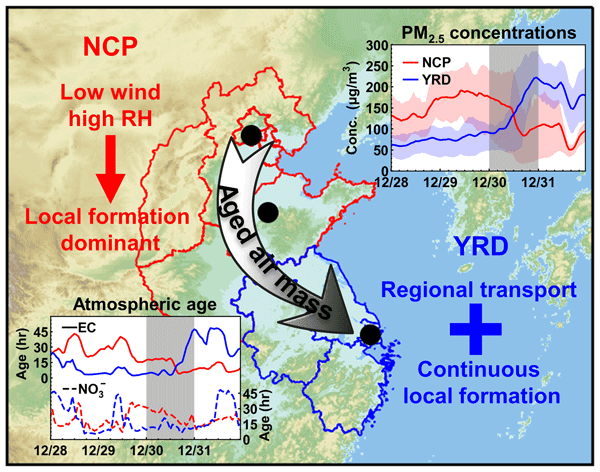
The atmospheric age of particles reflects how long particles have been formed and suspended in the atmosphere, which is closely associated with the evolution processes of particles. An analysis of the atmospheric age of PM2.5 provides a unique perspective on the evolution processes of different PM2.5 components. The results also shed lights on how to design effective emission control actions under unfavorable meteorological conditions.
Jinlong Ma, Shengqiang Zhu, Siyu Wang, Peng Wang, Jianmin Chen, and Hongliang Zhang
Atmos. Chem. Phys., 23, 4311–4325, https://doi.org/10.5194/acp-23-4311-2023, https://doi.org/10.5194/acp-23-4311-2023, 2023
Short summary
Short summary
An updated version of the CMAQ model with biogenic volatile organic compound (BVOC) emissions from MEGAN was applied to study the impacts of different land cover inputs on O3 and secondary organic aerosol (SOA) in China. The estimated BVOC emissions ranged from 25.42 to 37.39 Tg using different leaf area index (LAI) and land cover (LC) inputs. Those differences further induced differences of 4.8–6.9 ppb in O3 concentrations and differences of 5.3–8.4 µg m−3 in SOA concentrations in China.
Peng Wang, Ruhan Zhang, Shida Sun, Meng Gao, Bo Zheng, Dan Zhang, Yanli Zhang, Gregory R. Carmichael, and Hongliang Zhang
Atmos. Chem. Phys., 23, 2983–2996, https://doi.org/10.5194/acp-23-2983-2023, https://doi.org/10.5194/acp-23-2983-2023, 2023
Short summary
Short summary
In China, the number of vehicles has jumped significantly in the last decade. This caused severe traffic congestion and aggravated air pollution. In this study, we developed a new temporal allocation approach to quantify the impacts of traffic congestion. We found that traffic congestion worsens air quality and the health burden across China, especially in the urban clusters. More effective and comprehensive vehicle emission control policies should be implemented to improve air quality in China.
Cited articles
An, N., Chen, Y., Zhai, P., Li, J., and Wei, Y.: Compound hot and ozone extremes in urban China, Urban Climate, 52, 101689, https://doi.org/10.1016/j.uclim.2023.101689, 2023.
An, Z., Huang, R. J., Zhang, R., Tie, X., Li, G., Cao, J., Zhou, W., Shi, Z., Han, Y., Gu, Z., and Ji, Y.: Severe haze in northern China: A synergy of anthropogenic emissions and atmospheric processes, P. Natl. Acad. Sci. USA, 116, 8657–8666, https://doi.org/10.1073/pnas.1900125116, 2019.
Bai, Y., Zhao, T., Hu, W., Zhou, Y., Xiong, J., Wang, Y., Liu, L., Shen, L., Kong, S., Meng, K., and Zheng, H.: Meteorological mechanism of regional PM2.5 transport building a receptor region for heavy air pollution over Central China, Sci. Total Environ., 808, 151951, https://doi.org/10.1016/j.scitotenv.2021.151951, 2022.
Byun, D. and Schere, K. L.: Review of the Governing Equations, Computational Algorithms, and Other Components of the Models-3 Community Multiscale Air Quality (CMAQ) Modeling System, Appl. Mech. Rev., 59, 51–77, https://doi.org/10.1115/1.2128636, 2006.
Cao, J., Situ, S., Hao, Y., Xie, S., and Li, L.: Enhanced summertime ozone and SOA from biogenic volatile organic compound (BVOC) emissions due to vegetation biomass variability during 1981–2018 in China, Atmos. Chem. Phys., 22, 2351–2364, https://doi.org/10.5194/acp-22-2351-2022, 2022.
Chang, K.-H., Yu, J.-Y., Chen, T.-F., and Lin, Y.-P.: Estimating Taiwan biogenic VOC emission: Leaf energy balance consideration, Atmos. Environ., 43, 5092—5100, https://doi.org/10.1016/j.atmosenv.2009.06.038, 2009.
Chen, T., Wang, T., Xue, L., and Brasseur, G.: Heatwave exacerbates air pollution in China through intertwined climate-energy-environment interactions, Sci. Bull., 69, 2765–2775, https://doi.org/10.1016/j.scib.2024.05.018, 2024.
Clinton, N. and Gong, P.: MODIS detected surface urban heat islands and sinks: Global locations and controls, Remote Sens. Environ., 134, 294–304, https://doi.org/10.1016/j.rse.2013.03.008, 2013.
Coates, J., Mar, K. A., Ojha, N., and Butler, T. M.: The influence of temperature on ozone production under varying NOx conditions – a modelling study, Atmos. Chem. Phys., 16, 11601–11615, https://doi.org/10.5194/acp-16-11601-2016, 2016.
Conti, S., Meli, P., Minelli, G., Solimini, R., Toccaceli, V., Vichi, M., Beltrano, C., and Perini, L.: Epidemiologic study of mortality during the Summer 2003 heat wave in Italy, Environ. Res., 98, 390–399, https://doi.org/10.1016/j.envres.2004.10.009, 2005.
Delcloo, A., Duchêne, F., Hamdi, R., Berckmans, J., Deckmyn, A., and Termonia, P.: The impact of heat waves and urban heat island on the production of ozone concentrations under present and future climate conditions for the Belgian domain, Air Pollution Modeling and its Application XXV, 35, 189–193, 2018.
Ding, H., Cao, L., Jiang, H., Jia, W., Chen, Y., and An, J.: Influence on the temperature estimation of the planetary boundary layer scheme with different minimum eddy diffusivity in WRF v3.9.1.1, Geosci. Model Dev., 14, 6135–6153, https://doi.org/10.5194/gmd-14-6135-2021, 2021.
Donahue, N. M., Robinson, A. L., Stanier, C. O., and Pandis, S. N.: Coupled Partitioning, Dilution, and Chemical Aging of Semivolatile Organics, Environ. Sci. Technol., 40, 2635–2643, https://doi.org/10.1021/es052297c, 2006.
Duan, J., Huang, R.-J., Li, Y., Chen, Q., Zheng, Y., Chen, Y., Lin, C., Ni, H., Wang, M., Ovadnevaite, J., Ceburnis, D., Chen, C., Worsnop, D. R., Hoffmann, T., O'Dowd, C., and Cao, J.: Summertime and wintertime atmospheric processes of secondary aerosol in Beijing, Atmos. Chem. Phys., 20, 3793–3807, https://doi.org/10.5194/acp-20-3793-2020, 2020.
Emery, C., Liu, Z., Russell, A. G., Odman, M. T., Yarwood, G., and Kumar, N.: Recommendations on statistics and benchmarks to assess photochemical model performance, J. Air Waste Manage., 67, 582–598, https://doi.org/10.1080/10962247.2016.1265027, 2017.
Eremenko, M., Dufour, G., Foret, G., Keim, C., Orphal, J., Beekmann, M., Bergametti, G., and Flaud, J. M.: Tropospheric ozone distributions over Europe during the heat wave in July 2007 observed from infrared nadir spectra recorded by IASI, Geophys. Res. Lett., 35, https://doi.org/10.1029/2008GL034803, 2008.
Filleul, L., Cassadou, S., Médina, S., Fabres, P., Lefranc, A., Eilstein, D., Le Tertre, A., Pascal, L., Chardon, B., Blanchard, M., Declercq, C., Jusot, J.-F., Prouvost, H., and Ledrans, M.: The Relation Between Temperature, Ozone, and Mortality in Nine French Cities During the Heat Wave of 2003, Environ. Health Persp., 114, 1344–1347, https://doi.org/10.1289/ehp.8328, 2006.
García-García, A., Cuesta-Valero, F. J., Miralles, D. G., Mahecha, M. D., Quaas, J., Reichstein, M., Zscheischler, J., and Peng, J.: Soil heat extremes can outpace air temperature extremes, Nat. Clim. Change, 13, 1237–1241, https://doi.org/10.1038/s41558-023-01812-3, 2023.
Guenther, A. B., Jiang, X., Heald, C. L., Sakulyanontvittaya, T., Duhl, T., Emmons, L. K., and Wang, X.: The Model of Emissions of Gases and Aerosols from Nature version 2.1 (MEGAN2.1): an extended and updated framework for modeling biogenic emissions, Geosci. Model Dev., 5, 1471–1492, https://doi.org/10.5194/gmd-5-1471-2012, 2012.
Hu, F. and Guo, Y.: Health impacts of air pollution in China, Front. Env. Sci. Eng., 15, 74, https://doi.org/10.1007/s11783-020-1367-1, 2020.
Huang, J., Pan, X., Guo, X., and Li, G.: Health impact of China's Air Pollution Prevention and Control Action Plan: an analysis of national air quality monitoring and mortality data, Lancet – Planetary Health, 2, e313–e323, https://doi.org/10.1016/s2542-5196(18)30141-4, 2018.
Huang, L., Fang, J., Liao, J., Yarwood, G., Chen, H., Wang, Y., and Li, L.: Insights into soil NO emissions and the contribution to surface ozone formation in China, Atmos. Chem. Phys., 23, 14919–14932, https://doi.org/10.5194/acp-23-14919-2023, 2023.
Huang, R.-J., Zhang, Y., Bozzetti, C., Ho, K.-F., Cao, J.-J., Han, Y., Daellenbach, K. R., Slowik, J. G., Platt, S. M., Canonaco, F., Zotter, P., Wolf, R., Pieber, S. M., Bruns, E. A., Crippa, M., Ciarelli, G., Piazzalunga, A., Schwikowski, M., Abbaszade, G., Schnelle-Kreis, J., Zimmermann, R., An, Z., Szidat, S., Baltensperger, U., Haddad, I. E., and Prévôt, A. S. H.: High secondary aerosol contribution to particulate pollution during haze events in China, Nature, 514, 218–222, https://doi.org/10.1038/nature13774, 2014.
Huang, X., Ding, A., Wang, Z., Ding, K., Gao, J., Chai, F., and Fu, C.: Amplified transboundary transport of haze by aerosol–boundary layer interaction in China, Nat. Geosci., 13, 428–434, https://doi.org/10.1038/s41561-020-0583-4, 2020.
Huang, X., Tang, G., Zhang, J., Liu, B., Liu, C., Zhang, J., Cong, L., Cheng, M., Yan, G., Gao, W., Wang, Y., and Wang, Y.: Characteristics of PM2.5 pollution in Beijing after the improvement of air quality, J. Environ. Sci., 100, 1–10, https://doi.org/10.1016/j.jes.2020.06.004, 2021.
Ji, X., Chen, G., Chen, J., Xu, L., Lin, Z., Zhang, K., Fan, X., Li, M., Zhang, F., Wang, H., Huang, Z., and Hong, Y.: Meteorological impacts on the unexpected ozone pollution in coastal cities of China during the unprecedented hot summer of 2022, Sci. Total Environ., 914, 170035, https://doi.org/10.1016/j.scitotenv.2024.170035, 2024.
Li, D., Shindell, D., Ding, D., Lu, X., Zhang, L., and Zhang, Y.: Surface ozone impacts on major crop production in China from 2010 to 2017, Atmos. Chem. Phys., 22, 2625–2638, https://doi.org/10.5194/acp-22-2625-2022, 2022.
Li, K., Jacob, D. J., Shen, L., Lu, X., De Smedt, I., and Liao, H.: Increases in surface ozone pollution in China from 2013 to 2019: anthropogenic and meteorological influences, Atmos. Chem. Phys., 20, 11423–11433, https://doi.org/10.5194/acp-20-11423-2020, 2020.
Li, M., Huang, X., Yan, D., Lai, S., Zhang, Z., Zhu, L., Lu, Y., Jiang, X., Wang, N., Wang, T., Song, Y., and Ding, A.: Coping with the concurrent heatwaves and ozone extremes in China under a warming climate, Sci. Bull., https://doi.org/10.1016/j.scib.2024.05.034, 2024.
Li, Y., Qin, M., Hu, W., Zhao, B., Li, Y., Pye, H. O. T., Li, J., Zeng, L., Guo, S., Hu, M., and Hu, J.: Evaluating simulations of organic aerosol volatility and degree of oxygenation in eastern China , Atmos. Chem. Phys., 26, 1001–1020, https://doi.org/10.5194/acp-26-1001-2026, 2026.
Lin, H., Ding, K., Huang, X., Lou, S., Xue, L., Wang, Z., Ma, Y., and Ding, A.: Impacts of Northward Typhoons on Autumn Haze Pollution Over North China Plain, J. Geophys. Res.-Atmos., 129, e2023JD040465, https://doi.org/10.1029/2023JD040465, 2024.
Liu, T., Hong, Y., Li, M., Xu, L., Chen, J., Bian, Y., Yang, C., Dan, Y., Zhang, Y., Xue, L., Zhao, M., Huang, Z., and Wang, H.: Atmospheric oxidation capacity and ozone pollution mechanism in a coastal city of southeastern China: analysis of a typical photochemical episode by an observation-based model, Atmos. Chem. Phys., 22, 2173–2190, https://doi.org/10.5194/acp-22-2173-2022, 2022.
Liu, Y. and Wang, T.: Worsening urban ozone pollution in China from 2013 to 2017 – Part 1: The complex and varying roles of meteorology, Atmos. Chem. Phys., 20, 6305–6321, https://doi.org/10.5194/acp-20-6305-2020, 2020.
Liu, Z., Wang, Y., Gu, D., Zhao, C., Huey, L. G., Stickel, R., Liao, J., Shao, M., Zhu, T., Zeng, L., Amoroso, A., Costabile, F., Chang, C.-C., and Liu, S.-C.: Summertime photochemistry during CAREBeijing-2007: ROx budgets and O3 formation, Atmos. Chem. Phys., 12, 7737–7752, https://doi.org/10.5194/acp-12-7737-2012, 2012.
Lu, R., Xu, K., Chen, R., Chen, W., Li, F., and Lv, C.: Heat waves in summer 2022 and increasing concern regarding heat waves in general, Atmos. Ocean. Sc. Lett., 16, 100290, https://doi.org/10.1016/j.aosl.2022.100290, 2023.
Luo, M. and Lau, N.-C.: Heat Waves in Southern China: Synoptic Behavior, Long-Term Change, and Urbanization Effects, Environ. Sci. Technol., 30, 703–720, https://doi.org/10.1175/JCLI-D-16-0269.1, 2017.
Lyu, X., Li, K., Guo, H., Morawska, L., Zhou, B., Zeren, Y., Jiang, F., Chen, C., Goldstein, A. H., Xu, X., Wang, T., Lu, X., Zhu, T., Querol, X., Chatani, S., Latif, M. T., Schuch, D., Sinha, V., Kumar, P., Mullins, B., Seguel, R., Shao, M., Xue, L., Wang, N., Chen, J., Gao, J., Chai, F., Simpson, I., Sinha, B., and Blake, D. R.: A synergistic ozone-climate control to address emerging ozone pollution challenges, One Earth, 6, 964–977, https://doi.org/10.1016/j.oneear.2023.07.004, 2023.
Ma, M., Gao, Y., Wang, Y., Zhang, S., Leung, L. R., Liu, C., Wang, S., Zhao, B., Chang, X., Su, H., Zhang, T., Sheng, L., Yao, X., and Gao, H.: Substantial ozone enhancement over the North China Plain from increased biogenic emissions due to heat waves and land cover in summer 2017, Atmos. Chem. Phys., 19, 12195–12207, https://doi.org/10.5194/acp-19-12195-2019, 2019.
Megaritis, A. G., Fountoukis, C., Charalampidis, P. E., Pilinis, C., and Pandis, S. N.: Response of fine particulate matter concentrations to changes of emissions and temperature in Europe, Atmos. Chem. Phys., 13, 3423–3443, https://doi.org/10.5194/acp-13-3423-2013, 2013.
Meng, X., Jiang, J., Chen, T., Zhang, Z., Lu, B., Liu, C., Xue, L., Chen, J., Herrmann, H., and Li, X.: Chemical drivers of ozone change in extreme temperatures in eastern China, Sci. Total Environ., 874, 162424, https://doi.org/10.1016/j.scitotenv.2023.162424, 2023.
Mousavinezhad, S., Choi, Y., Pouyaei, A., Ghahremanloo, M., and Nelson, D. L.: A comprehensive investigation of surface ozone pollution in China, 2015–2019: Separating the contributions from meteorology and precursor emissions, Atmos. Res., 257, 105599, https://doi.org/10.1016/j.atmosres.2021.105599, 2021.
Nasong, D., Zhou, S., Kornhuber, K., and Yu, B.: Concurrent Heat Extremes in Relation to Global Warming, High Atmospheric Pressure and Low Soil Moisture in the Northern Hemisphere, Earth's Future, 13, e2024EF005256, https://doi.org/10.1029/2024EF005256, 2025.
National Centers for Environmental Prediction/National Weather Service/NOAA/U.S. Department of Commerce: NCEP FNL Operational Model Global Tropospheric Analyses, continuing from July 1999, updated daily, NSF National Center for Atmospheric Research [data set], https://doi.org/10.5065/D6M043C6, 2000.
Oh, H.-J., Chen, Y., and Kim, H.: Deposition of secondary organic aerosol in human lung model: Effect of photochemically aged aerosol on human respiratory system, Ecotox. Environ. Safe., 265, 115497, https://doi.org/10.1016/j.ecoenv.2023.115497, 2023.
Oikawa, P. Y., Ge, C., Wang, J., Eberwein, J. R., Liang, L. L., Allsman, L. A., Grantz, D. A., and Jenerette, G. D.: Unusually high soil nitrogen oxide emissions influence air quality in a high-temperature agricultural region, Nat. Commun., 6, 8753, https://doi.org/10.1038/ncomms9753, 2015.
Oke, T. R.: The energetic basis of the urban heat island, Q. J. Roy. Meteor. Soc., 108, 1–24, https://doi.org/10.1002/qj.49710845502, 1982.
Otero, N., Sillmann, J., Schnell, J. L., Rust, H. W., and Butler, T.: Synoptic and meteorological drivers of extreme ozone concentrations over Europe, Environ. Res. Lett., 11, 024005, https://doi.org/10.1088/1748-9326/11/2/024005, 2016.
Ou, J., Yuan, Z., Zheng, J., Huang, Z., Shao, M., Li, Z., Huang, X., Guo, H., and Louie, P. K. K.: Ambient Ozone Control in a Photochemically Active Region: Short-Term Despiking or Long-Term Attainment?, Environ. Sci. Technol., 50, 5720–5728, https://doi.org/10.1021/acs.est.6b00345, 2016.
Seco, R., Holst, T., Davie-Martin, C. L., Simin, T., Guenther, A., Pirk, N., Rinne, J., and Rinnan, R.: Strong isoprene emission response to temperature in tundra vegetation, P. Natl. Acad. Sci., 119, e2118014119, https://doi.org/10.1073/pnas.2118014119, 2022.
Shao, T., Wang, P., Yu, W., Gao, Y., Zhu, S., Zhang, Y., Hu, D., Zhang, B., and Zhang, H.: Drivers of alleviated PM2.5 and O3 concentrations in China from 2013 to 2020, Resour. Conserv. Recy., 197, 107110, https://doi.org/10.1016/j.resconrec.2023.107110, 2023.
Sillman, S.: The use of NOy, H2O2, and HNO3 as indicators for ozone-NOx-hydrocarbon sensitivity in urban locations, J. Geophys. Res.-Atmos., 100, 14175–14188, https://doi.org/10.1029/94JD02953, 1995.
Su, X., Yan, X., and Tsai, C.-L.: Linear regression, WIREs Computational Statistics, 4, 275–294, https://doi.org/10.1002/wics.1198, 2012.
Sun, Y., Zhang, X., Zwiers, F. W., Song, L., Wan, H., Hu, T., Yin, H., and Ren, G.: Rapid increase in the risk of extreme summer heat in Eastern China, Nat. Clim. Change, 4, 1082–1085, https://doi.org/10.1038/nclimate2410, 2014.
Tian, Y., Kleidon, A., Lesk, C., Zhou, S., Luo, X., Ghausi, S. A., Wang, G., Zhong, D., and Zscheischler, J.: Characterizing heatwaves based on land surface energy budget, Commun. Earth Environ., 5, 617, https://doi.org/10.1038/s43247-024-01784-y, 2024.
Wang, H., Wu, K., Liu, Y., Sheng, B., Lu, X., He, Y., Xie, J., Wang, H., and Fan, S.: Role of Heat Wave-Induced Biogenic VOC Enhancements in Persistent Ozone Episodes Formation in Pearl River Delta, J. Geophys. Res.-Atmos., 126, e2020JD034317, https://doi.org/10.1029/2020JD034317, 2021a.
Wang, J., Ye, J., Zhang, Q., Zhao, J., Wu, Y., Li, J., Liu, D., Li, W., Zhang, Y., Wu, C., Xie, C., Qin, Y., Lei, Y., Huang, X., Guo, J., Liu, P., Fu, P., Li, Y., Lee, H. C., Choi, H., Zhang, J., Liao, H., Chen, M., Sun, Y., Ge, X., Martin, S. T., and Jacob, D. J.: Aqueous production of secondary organic aerosol from fossil-fuel emissions in winter Beijing haze, P. Natl. Acad. Sci., 118, e2022179118, https://doi.org/10.1073/pnas.2022179118, 2021b.
Wang, J., Wang, D., Ge, B., Lin, W., Ji, D., Pan, X., Li, J., and Wang, Z.: Increase in daytime ozone exposure due to nighttime accumulation in a typical city in eastern China during 2014–2020, Atmos. Pollut. Res., 13, 101387, https://doi.org/10.1016/j.apr.2022.101387, 2022.
Wang, N., Lyu, X., Deng, X., Huang, X., Jiang, F., and Ding, A.: Aggravating O3 pollution due to NOx emission control in eastern China, Sci. Total Environ., 677, 732–744, https://doi.org/10.1016/j.scitotenv.2019.04.388, 2019.
Wang, N., Du, Y., Chen, D., Meng, H., Chen, X., Zhou, L., Shi, G., Zhan, Y., Feng, M., Li, W., Chen, M., Li, Z., and Yang, F.: Spatial disparities of ozone pollution in the Sichuan Basin spurred by extreme, hot weather, Atmos. Chem. Phys., 24, 3029–3042, https://doi.org/10.5194/acp-24-3029-2024, 2024.
Wang, Y., Du, H., Xu, Y., Lu, D., Wang, X., and Guo, Z.: Temporal and spatial variation relationship and influence factors on surface urban heat island and ozone pollution in the Yangtze River Delta, China, Sci. Total Environ., 631–632, 921–933, https://doi.org/10.1016/j.scitotenv.2018.03.050, 2018.
Weng, Z., Tong, D., Wu, S., and Xie, Y.: Improved air quality from China's clean air actions alleviates health expenditure inequality, Environ. Int., 173, 107831, https://doi.org/10.1016/j.envint.2023.107831, 2023.
Xing, J., Wang, J., Mathur, R., Wang, S., Sarwar, G., Pleim, J., Hogrefe, C., Zhang, Y., Jiang, J., Wong, D. C., and Hao, J.: Impacts of aerosol direct effects on tropospheric ozone through changes in atmospheric dynamics and photolysis rates, Atmos. Chem. Phys., 17, 9869–9883, https://doi.org/10.5194/acp-17-9869-2017, 2017.
Yuan, Y., Liao, Z., Zhou, B., and Zhai, P.: Unprecedented Hot Extremes Observed in City Clusters in China during Summer 2022, J. Meteorol. Res., 37, 141–148, https://doi.org/10.1007/s13351-023-2184-9, 2023.
Zhang, H., Yee, L. D., Lee, B. H., Curtis, M. P., Worton, D. R., Isaacman-VanWertz, G., Offenberg, J. H., Lewandowski, M., Kleindienst, T. E., Beaver, M. R., Holder, A. L., Lonneman, W. A., Docherty, K. S., Jaoui, M., Pye, H. O. T., Hu, W., Day, D. A., Campuzano-Jost, P., Jimenez, J. L., Guo, H., Weber, R. J., de Gouw, J., Koss, A. R., Edgerton, E. S., Brune, W., Mohr, C., Lopez-Hilfiker, F. D., Lutz, A., Kreisberg, N. M., Spielman, S. R., Hering, S. V., Wilson, K. R., Thornton, J. A., and Goldstein, A. H.: Monoterpenes are the largest source of summertime organic aerosol in the southeastern United States, P. Natl. Acad. Sci., 115, 2038–2043, https://doi.org/10.1073/pnas.1717513115, 2018.
Zhang, J., Su, Y., Chen, C., Guo, W., Tan, Q., Feng, M., Song, D., Jiang, T., Chen, Q., Li, Y., Li, W., Wang, Y., Huang, X., Han, L., Wu, W., and Wang, G.: Chemical composition, sources and formation mechanism of urban PM2.5 in Southwest China: a case study at the beginning of 2023, Atmos. Chem. Phys., 24, 2803–2820, https://doi.org/10.5194/acp-24-2803-2024, 2024.
Zhang, Q., Zheng, Y., Tong, D., Shao, M., Wang, S., Zhang, Y., Xu, X., Wang, J., He, H., Liu, W., Ding, Y., Lei, Y., Li, J., Wang, Z., Zhang, X., Wang, Y., Cheng, J., Liu, Y., Shi, Q., Yan, L., Geng, G., Hong, C., Li, M., Liu, F., Zheng, B., Cao, J., Ding, A., Gao, J., Fu, Q., Huo, J., Liu, B., Liu, Z., Yang, F., He, K., and Hao, J.: Drivers of improved PM2.5 air quality in China from 2013 to 2017, P. Natl. Acad. Sci., 116, 24463–24469, https://doi.org/10.1073/pnas.1907956116, 2019.
Zhang, Y., Dai, J., Li, Q., Chen, T., Mu, J., Brasseur, G., Wang, T., and Xue, L.: Biogenic volatile organic compounds enhance ozone production and complicate control efforts: Insights from long-term observations in Hong Kong, Atmos. Environ., 309, 119917, https://doi.org/10.1016/j.atmosenv.2023.119917, 2023.
Zhang, Y., Ran, H., Guenther, A., Zhang, Q., George, C., Mellouki, W., Sheng, G., Peng, P. A., and Wang, X.: Improved modelling of biogenic emissions in human-disturbed forest edges and urban areas, Nat. Commun., 16, 8064, https://doi.org/10.1038/s41467-025-63437-8, 2025.
Zhao, B., Zheng, H., Wang, S., Smith, K. R., Lu, X., Aunan, K., Gu, Y., Wang, Y., Ding, D., Xing, J., Fu, X., Yang, X., Liou, K.-N., and Hao, J.: Change in household fuels dominates the decrease in PM2.5 exposure and premature mortality in China in 2005–2015, P. Natl. Acad. Sci., 115, 12401–12406, https://doi.org/10.1073/pnas.1812955115, 2018.
Zhao, J., Lv, Z., Qi, L., Zhao, B., Deng, F., Chang, X., Wang, X., Luo, Z., Zhang, Z., Xu, H., Ying, Q., Wang, S., He, K., and Liu, H.: Comprehensive Assessment for the Impacts of S/IVOC Emissions from Mobile Sources on SOA Formation in China, Environ. Sci. Technol., 56, 16695–16706, https://doi.org/10.1021/acs.est.2c07265, 2022.
Zheng, B., Tong, D., Li, M., Liu, F., Hong, C., Geng, G., Li, H., Li, X., Peng, L., Qi, J., Yan, L., Zhang, Y., Zhao, H., Zheng, Y., He, K., and Zhang, Q.: Trends in China's anthropogenic emissions since 2010 as the consequence of clean air actions, Atmos. Chem. Phys., 18, 14095–14111, https://doi.org/10.5194/acp-18-14095-2018, 2018.
Zheng, Y., Xue, T., Zhang, Q., Geng, G., Tong, D., Li, X., and He, K.: Air quality improvements and health benefits from China's clean air action since 2013, Environ. Res. Lett., 12, 114020, https://doi.org/10.1088/1748-9326/aa8a32, 2017.
Zhu, S., Poetzscher, J., Shen, J., Wang, S., Wang, P., and Zhang, H.: Comprehensive Insights Into O3 Changes During the COVID-19 From O3 Formation Regime and Atmospheric Oxidation Capacity, Geophys. Res. Lett., 48, e2021GL093668, https://doi.org/10.1029/2021GL093668, 2021.
Zhu, S., Ma, J., Wang, S., Sun, S., Wang, P., and Zhang, H.: Shifts of Formation Regimes and Increases of Atmospheric Oxidation Led to Ozone Increase in North China Plain and Yangtze River Delta From 2016 to 2019, J. Geophys. Res.-Atmos., 128, e2022JD038373, https://doi.org/10.1029/2022JD038373, 2023.
Zhu, X., Ma, Z., Li, Z., Wu, J., Guo, H., Yin, X., Ma, X., and Qiao, L.: Impacts of meteorological conditions on nocturnal surface ozone enhancement during the summertime in Beijing, Atmos. Environ., 225, 117368, https://doi.org/10.1016/j.atmosenv.2020.117368, 2020.
Short summary
Heatwaves worsen ozone and secondary organic aerosol pollution. We quantified how much comes from heat speeding up chemical reactions versus increasing natural emissions in China. High temperatures drive over 80 % of the pollution increase nationwide by making the atmosphere more chemically reactive. The effect was strongest in the Yangtze River Delta and Pearl River Delta. Limiting climate change is essential for controlling future pollution and protecting health.
Heatwaves worsen ozone and secondary organic aerosol pollution. We quantified how much comes...


Altmetrics
Final-revised paper
Preprint