
Articles | Volume 26, issue 12
https://doi.org/10.5194/acp-26-9207-2026
© Author(s) 2026. This work is distributed under
the Creative Commons Attribution 4.0 License.
the Creative Commons Attribution 4.0 License.
https://doi.org/10.5194/acp-26-9207-2026
© Author(s) 2026. This work is distributed under
the Creative Commons Attribution 4.0 License.
the Creative Commons Attribution 4.0 License.
Research article
| 
30 Jun 2026
Research article |
| 30 Jun 2026
| 30 Jun 2026
El Niño meets elevated Tibetan Plateau snow cover: independent and synergistic effects on the winter PM2.5 dipole pattern in China
Xiaorui Zhang
Key Laboratory for Geographical Process Analysis and Simulation of Hubei Province, College of Urban and Environmental Sciences, Central China Normal University, Wuhan, China
Key Laboratory of Urban Meteorology, China Meteorological Administration, Beijing, China
Department of Geography, Hong Kong Baptist University, Hong Kong SAR, China
Institute for Research and Continuing Education, Hong Kong Baptist University, Shenzhen, China
Yuyang Han
Department of Geography, Hong Kong Baptist University, Hong Kong SAR, China
Institute for Research and Continuing Education, Hong Kong Baptist University, Shenzhen, China
Siyu Chen
Key Laboratory for Semi-Arid Climate Change of the Ministry of Education, Lanzhou University, Lanzhou, China
Xiadong An
Department of Atmospheric Sciences, Yunnan University, Kunming, China
Chen Sheng
Laboratory of Atmospheric and Oceanic Dynamics, Institute of Atmospheric Physics, Chinese Academy of Sciences, Beijing, China
Wansuo Duan
State Key Laboratory of Earth System Numerical Modeling and Applications (LabESM), Institute of Atmospheric Physics, Chinese Academy of Sciences, Beijing, China
State Key Laboratory of Earth System Numerical Modeling and Applications (LabESM), Institute of Atmospheric Physics, Chinese Academy of Sciences, Beijing, China
Qinglong You
Key Laboratory of Polar Atmosphere-ocean-ice System for Weather and Climate, Ministry of Education & Department of Atmospheric and Oceanic Sciences, Fudan University, Shanghai, China
Xingyue Hao
Key Laboratory for Geographical Process Analysis and Simulation of Hubei Province, College of Urban and Environmental Sciences, Central China Normal University, Wuhan, China
Ziqi Qiu
Key Laboratory for Geographical Process Analysis and Simulation of Hubei Province, College of Urban and Environmental Sciences, Central China Normal University, Wuhan, China
Zhihan Zhang
Key Laboratory for Geographical Process Analysis and Simulation of Hubei Province, College of Urban and Environmental Sciences, Central China Normal University, Wuhan, China
Zicheng Zhuang
Key Laboratory for Geographical Process Analysis and Simulation of Hubei Province, College of Urban and Environmental Sciences, Central China Normal University, Wuhan, China

Department of Geography, Hong Kong Baptist University, Hong Kong SAR, China
Institute for Research and Continuing Education, Hong Kong Baptist University, Shenzhen, China
Related authors
No articles found.
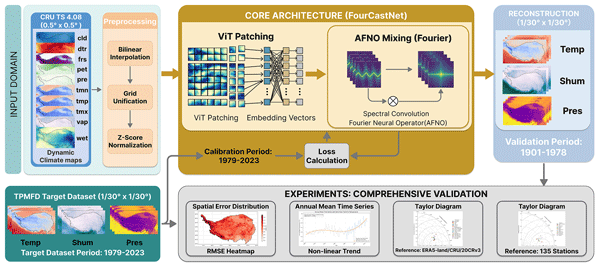
Zheng Jin, Zezhou Chen, Qinglong You, Zhaoxiang Liu, Jintao Zhang, Huan Hu, Ping Chen, Xiang Liu, Zipeng Wang, Kai Wang, Shiguo Lian, and Shichang Kang
Earth Syst. Sci. Data, 18, 6763–6781, https://doi.org/10.5194/essd-18-6763-2026, https://doi.org/10.5194/essd-18-6763-2026, 2026
Short summary
Short summary
This study presents the TPHH (Tibetan Plateau Historical High) dataset, a high-resolution (1/30°) monthly climate dataset for the Tibetan Plateau spanning 1901–2023, featuring 2 m temperature, specific humidity, and surface pressure. By employing a hybrid deep learning framework (FourCastNet), we downscaled coarse historical data through the synergistic mapping of total-field signals and terrain constraints. Validated against independent observations, this physically-consistent dataset bridges the pre-satellite data gap.
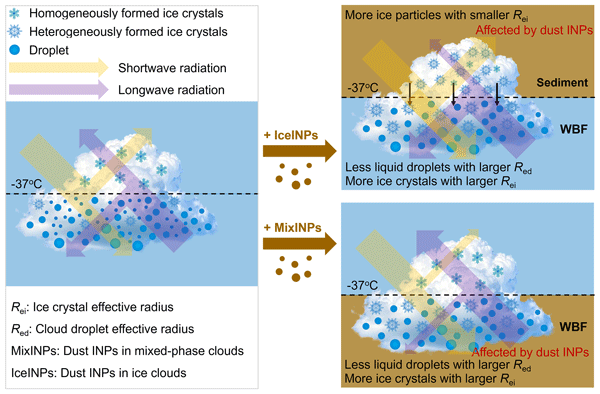
Hua Zhang, Shuxiao Wang, Xi Zhao, Zhijun Wu, Yan Yin, Siyu Chen, Dantong Liu, Jingchuan Chen, Hui Jiang, Jiewen Shen, Da Gao, Dejia Yin, Yicong He, Zeqi Li, Shengyue Li, Zhaoxin Dong, Manish Shrivastava, Jonathan H. Jiang, Muyan Peng, and Bin Zhao
Atmos. Chem. Phys., 26, 12329–12354, https://doi.org/10.5194/acp-26-12329-2026, https://doi.org/10.5194/acp-26-12329-2026, 2026
Short summary
Short summary
Mineral dust can initiate ice formation in clouds, affecting cloud properties and regional climate. Using an improved model, we examined their contrasting impacts in mixed-phase and ice clouds over East Asia. In mixed-phase clouds, dust promotes liquid-to-ice conversion and reduces cloud reflectivity, causing moderate warming, whereas in ice clouds, it greatly enhances ice formation and leads to stronger warming. This study advances understanding of aerosol–cloud–climate interactions.
Ganquan Zeng, Xiang Weng, Haofan Wang, Haolin Wang, Shuai Li, Guowen He, Ke Li, Meng Gao, and Xiao Lu
EGUsphere, https://doi.org/10.5194/egusphere-2026-4864, https://doi.org/10.5194/egusphere-2026-4864, 2026
This preprint is open for discussion and under review for Atmospheric Chemistry and Physics (ACP).
Short summary
Short summary
We develop a novel, dual-CTM bias correction framework to attribute summertime PM2.5 and ozone changes over eastern China during 2015–2024. The framework substantially reduces the CTM biases and reconciles the inter-model discrepancies in the attribution. Emission reductions dominate both the PM2.5 decline and ozone increase, but there is a marked transition of their role after 2019. Persistent unfavorable meteorological conditions contribute to ozone increase especially before 2019.
Mei Chong, Shengkai Wang, Xi Chen, Yuan Liang, Bing Pu, Shian-Jiann Lin, Zhi Liang, and Yimin Liu
Earth Syst. Sci. Data Discuss., https://doi.org/10.5194/essd-2025-628, https://doi.org/10.5194/essd-2025-628, 2026
Preprint under review for ESSD
Short summary
Short summary
The wind speed needed to lift dust from surfaces governs the highest uncertainty in emission models, making it the root cause of dust forecasting errors. We developed iDust-ut, a global threshold dataset by fusing ground observations, satellite data, and reanalysis products. Tests with the iDust model show doubled severe dust storm prediction accuracy. The dataset works directly in any model with built-in adaptation for wind biases, substantially improving operational dust forecasting worldwide.
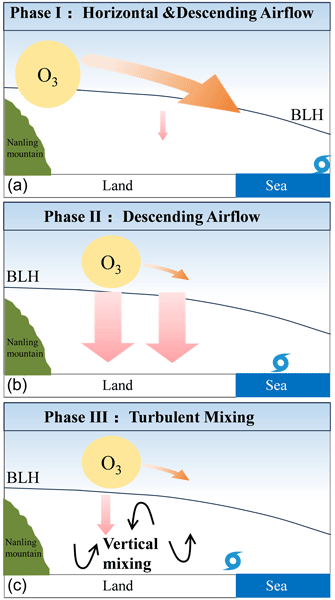
Yuanjian Yang, Chenjie Qian, Minxuan Zhang, Chenchao Zhan, Zhenxin Liu, Pak Wai Chan, Xueyan Bi, Meng Gao, and Simone Lolli
Atmos. Meas. Tech., 19, 1345–1363, https://doi.org/10.5194/amt-19-1345-2026, https://doi.org/10.5194/amt-19-1345-2026, 2026
Short summary
Short summary
Up to ~ 40 % of ozone pollution in the Greater Bay Area of China is related to tropical cyclones. The O3 pollution was found to be transported from inland areas to coastal areas. The transport process can be roughly divided into three phases: downdraft control, horizontal transport, and vertical mixing.
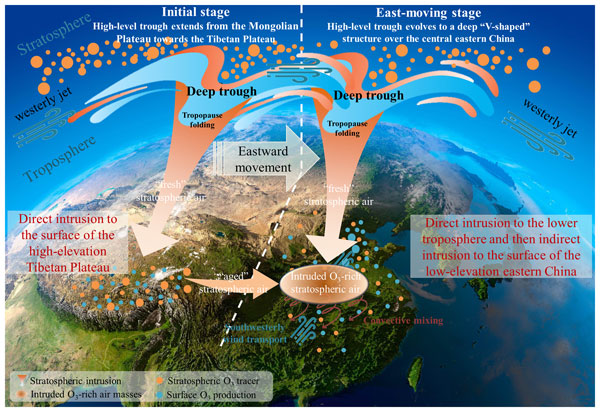
Zhiheng Liao, Jinqiang Zhang, Meng Gao, and Zhiqiang Ma
Atmos. Chem. Phys., 25, 14865–14877, https://doi.org/10.5194/acp-25-14865-2025, https://doi.org/10.5194/acp-25-14865-2025, 2025
Short summary
Short summary
We present evidence for widespread stratospheric intrusion influence on surface ozone pollution from western plateaus to eastern plains over China in a deep trough event based on multi-site ozonesondes and validated ozone reanalysis. The findings refine the fundamental understanding of stratospheric ozone intrusion and its contribution to surface ozone pollution in China.
Xiadong An, Wen Chen, Tianjiao Ma, and Lifang Sheng
Atmos. Chem. Phys., 25, 13343–13357, https://doi.org/10.5194/acp-25-13343-2025, https://doi.org/10.5194/acp-25-13343-2025, 2025
Short summary
Short summary
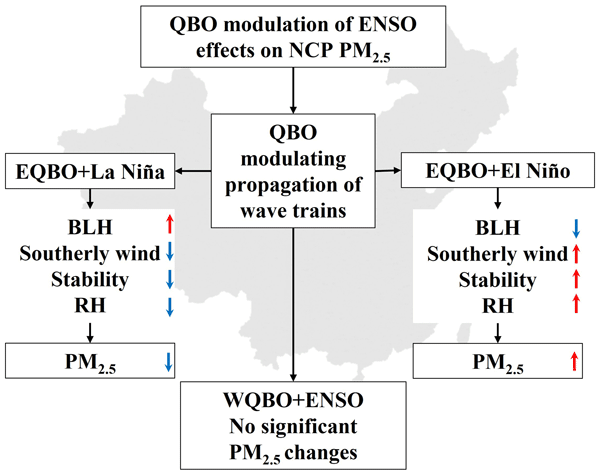
Air pollution in the North China Plain is tends to be influenced by El Niño-Southern Oscillation (ENSO) and stratospheric Quasi-Biennial Oscillation (QBO). During El Niño and easterly QBO, pollution rises, while La Niña and easterly QBO improve air quality through changes in atmospheric circulation and weather conditions.
Tenglong Shi, Jiayao Wang, Daizhou Zhang, Jiecan Cui, Zihang Wang, Yue Zhou, Wei Pu, Yang Bai, Zhigang Han, Meng Liu, Yanbiao Liu, Hongbin Xie, Minghui Yang, Ying Li, Meng Gao, and Xin Wang
The Cryosphere, 19, 2821–2835, https://doi.org/10.5194/tc-19-2821-2025, https://doi.org/10.5194/tc-19-2821-2025, 2025
Short summary
Short summary
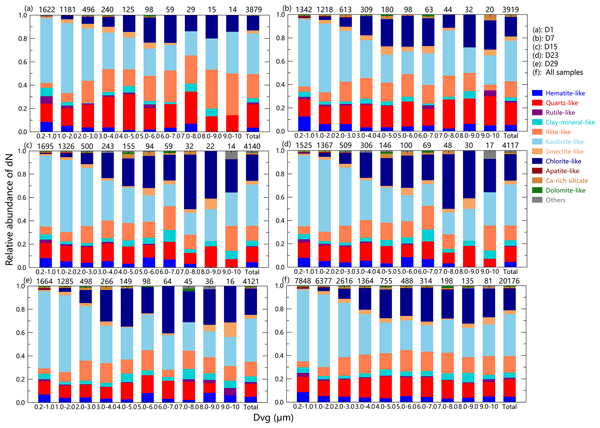
This study examines the properties of dust in snow in Changchun, China, using advanced technology to analyze its size, shape, and light absorption. We found that dust composition affects how much heat is absorbed by snow, with certain minerals, such as hematite, making snowmelt faster. Our research highlights the importance of creating clear standards for classifying dust, which could improve climate models and field observations. This work helps better understand dust's role in climate change.
Xiao Lu, Yiming Liu, Jiayin Su, Xiang Weng, Tabish Ansari, Yuqiang Zhang, Guowen He, Yuqi Zhu, Haolin Wang, Ganquan Zeng, Jingyu Li, Cheng He, Shuai Li, Teerachai Amnuaylojaroen, Tim Butler, Qi Fan, Shaojia Fan, Grant L. Forster, Meng Gao, Jianlin Hu, Yugo Kanaya, Mohd Talib Latif, Keding Lu, Philippe Nédélec, Peer Nowack, Bastien Sauvage, Xiaobin Xu, Lin Zhang, Ke Li, Ja-Ho Koo, and Tatsuya Nagashima
Atmos. Chem. Phys., 25, 7991–8028, https://doi.org/10.5194/acp-25-7991-2025, https://doi.org/10.5194/acp-25-7991-2025, 2025
Short summary
Short summary
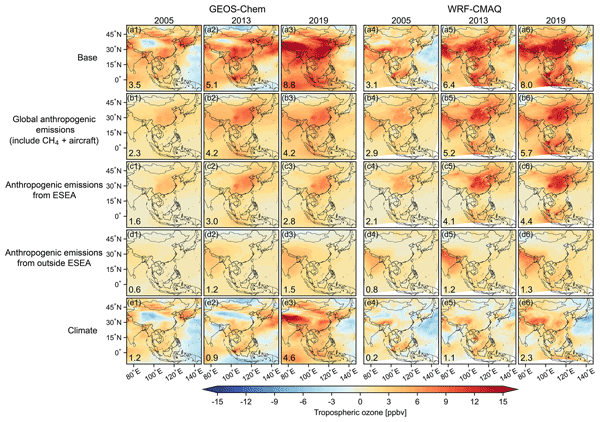
This study analyzes summertime ozone trends in East and Southeast Asia derived from a comprehensive observational database spanning from 1995 to 2019, incorporating aircraft observations, ozonesonde data, and measurements from 2500 surface sites. Multiple models are applied to attribute to changes in anthropogenic emissions and climate. The results highlight that increases in anthropogenic emissions are the primary driver of ozone increases both in the free troposphere and at the surface.
Wenbin Kou, Yang Gao, Dan Tong, Xiaojie Guo, Xiadong An, Wenyu Liu, Mengshi Cui, Xiuwen Guo, Shaoqing Zhang, Huiwang Gao, and Lixin Wu
Atmos. Chem. Phys., 25, 3029–3048, https://doi.org/10.5194/acp-25-3029-2025, https://doi.org/10.5194/acp-25-3029-2025, 2025
Short summary
Short summary
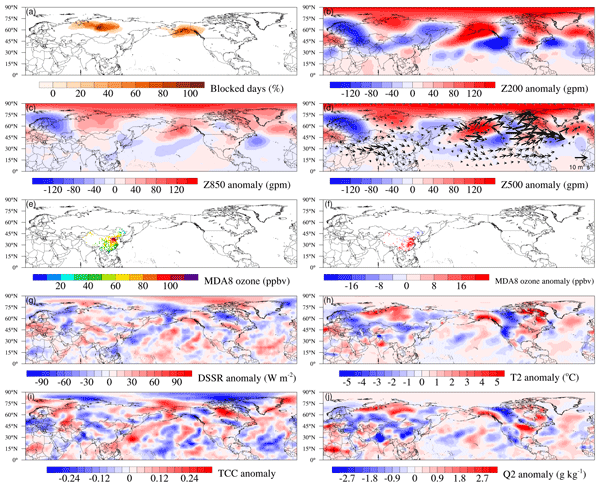
Unlike traditional numerical studies, we apply a high-resolution Earth system model, improving simulations of surface ozone and large-scale circulations such as atmospheric blocking. Besides local heat waves, we quantify the impact of atmospheric blocking on downstream ozone concentrations, which is closely associated with the blocking position. We identify three major pathways of Rossby wave propagation, stressing the critical role of large-scale circulation in regional air quality.
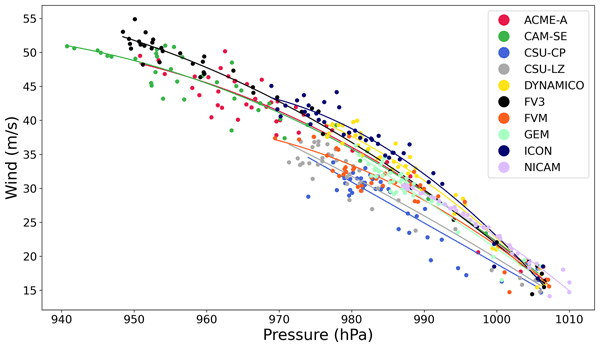
Justin L. Willson, Kevin A. Reed, Christiane Jablonowski, James Kent, Peter H. Lauritzen, Ramachandran Nair, Mark A. Taylor, Paul A. Ullrich, Colin M. Zarzycki, David M. Hall, Don Dazlich, Ross Heikes, Celal Konor, David Randall, Thomas Dubos, Yann Meurdesoif, Xi Chen, Lucas Harris, Christian Kühnlein, Vivian Lee, Abdessamad Qaddouri, Claude Girard, Marco Giorgetta, Daniel Reinert, Hiroaki Miura, Tomoki Ohno, and Ryuji Yoshida
Geosci. Model Dev., 17, 2493–2507, https://doi.org/10.5194/gmd-17-2493-2024, https://doi.org/10.5194/gmd-17-2493-2024, 2024
Short summary
Short summary
Accurate simulation of tropical cyclones (TCs) is essential to understanding their behavior in a changing climate. One way this is accomplished is through model intercomparison projects, where results from multiple climate models are analyzed to provide benchmark solutions for the wider climate modeling community. This study describes and analyzes the previously developed TC test case for nine climate models in an intercomparison project, providing solutions that aid in model development.
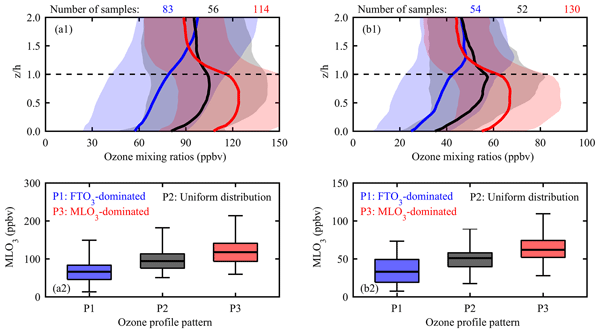
Zhiheng Liao, Meng Gao, Jinqiang Zhang, Jiaren Sun, Jiannong Quan, Xingcan Jia, Yubing Pan, and Shaojia Fan
Atmos. Chem. Phys., 24, 3541–3557, https://doi.org/10.5194/acp-24-3541-2024, https://doi.org/10.5194/acp-24-3541-2024, 2024
Short summary
Short summary
This study collected 1897 ozonesondes from two Chinese megacities (Beijing and Hong Kong) in 2000–2022 to investigate the climatological vertical heterogeneity of lower-tropospheric ozone distribution with a mixing-layer-height-referenced (h-referenced) vertical coordinate system. This vertical coordinate system highlighted O3 stratification features existing at the mixing layer–free troposphere interface and provided a better understanding of O3 pollution in urban regions.
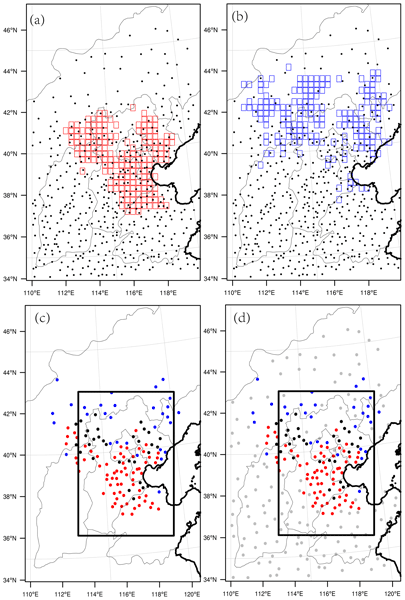
Lichao Yang, Wansuo Duan, and Zifa Wang
Geosci. Model Dev., 16, 3827–3848, https://doi.org/10.5194/gmd-16-3827-2023, https://doi.org/10.5194/gmd-16-3827-2023, 2023
Short summary
Short summary
An approach is proposed to refine a ground meteorological observation network to improve the PM2.5 forecasts in the Beijing–Tianjin–Hebei region. A cost-effective observation network is obtained and makes the relevant PM2.5 forecasts assimilate fewer observations but achieve the forecasting skill comparable to or higher than that obtained by assimilating all ground station observations, suggesting that many of the current ground stations can be greatly scattered to avoid much unnecessary work.
Yu Chen, Yue Zhang, Siyu Chen, Ben Yang, Huiping Yan, Jixiang Li, Chao Zhang, Gaotong Lou, Junyan Chen, Lulu Lian, and Chuwei Liu
Geosci. Model Dev. Discuss., https://doi.org/10.5194/gmd-2023-81, https://doi.org/10.5194/gmd-2023-81, 2023
Revised manuscript not accepted
Short summary
Short summary
The numerical models seriously ignoring the aeolian erosion and dust emission process on the potential sources. Six sets of dynamic dust sources were built by combine surface bareness and topographic feature. Results show that dust sources are closely related to surface exposure and topographic characteristics, which respectively control the spatial distribution and numerical value of dynamic dust sources.
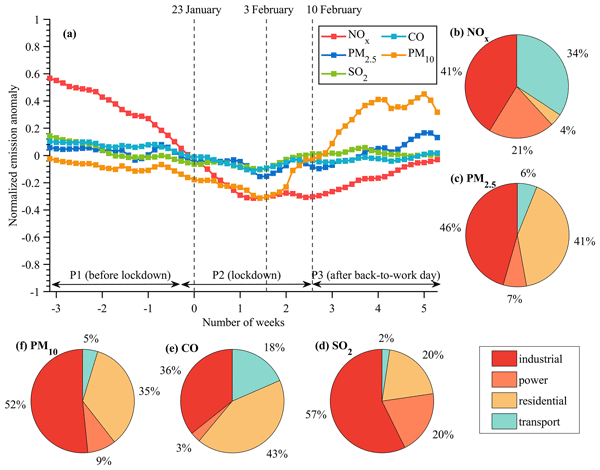
Lei Kong, Xiao Tang, Jiang Zhu, Zifa Wang, Yele Sun, Pingqing Fu, Meng Gao, Huangjian Wu, Miaomiao Lu, Qian Wu, Shuyuan Huang, Wenxuan Sui, Jie Li, Xiaole Pan, Lin Wu, Hajime Akimoto, and Gregory R. Carmichael
Atmos. Chem. Phys., 23, 6217–6240, https://doi.org/10.5194/acp-23-6217-2023, https://doi.org/10.5194/acp-23-6217-2023, 2023
Short summary
Short summary
A multi-air-pollutant inversion system has been developed in this study to estimate emission changes in China during COVID-19 lockdown. The results demonstrate that the lockdown is largely a nationwide road traffic control measure with NOx emissions decreasing by ~40 %. Emissions of other species only decreased by ~10 % due to smaller effects of lockdown on other sectors. Assessment results further indicate that the lockdown only had limited effects on the control of PM2.5 and O3 in China.
Huanhuan Zhang, Rui Li, Chengpeng Huang, Xiaofei Li, Shuwei Dong, Fu Wang, Tingting Li, Yizhu Chen, Guohua Zhang, Yan Ren, Qingcai Chen, Ru-jin Huang, Siyu Chen, Tao Xue, Xinming Wang, and Mingjin Tang
Atmos. Chem. Phys., 23, 3543–3559, https://doi.org/10.5194/acp-23-3543-2023, https://doi.org/10.5194/acp-23-3543-2023, 2023
Short summary
Short summary
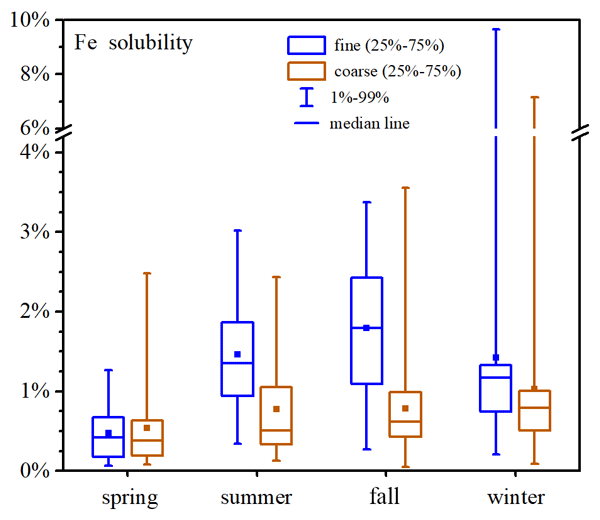
This work investigated the seasonal variation of aerosol Fe solubility for coarse and fine particles in Xi’an, a megacity in northwestern China severely affected by anthropogenic emission and desert dust aerosol. In addition, we discussed in depth what controlled aerosol Fe solubility at different seasons for coarse and fine particles.
Yilin Chen, Yuanjian Yang, and Meng Gao
Atmos. Meas. Tech., 16, 1279–1294, https://doi.org/10.5194/amt-16-1279-2023, https://doi.org/10.5194/amt-16-1279-2023, 2023
Short summary
Short summary
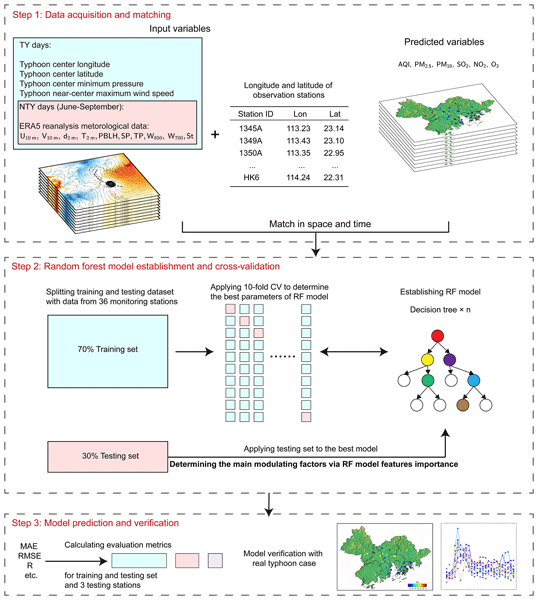
The Guangdong–Hong Kong–Macao Greater Bay Area suffers from summertime air pollution events related to typhoons. The present study leverages machine learning to predict typhoon-associated air quality over the area. The model evaluation shows that the model performs excellently. Moreover, the change in meteorological drivers of air quality on typhoon days and non-typhoon days suggests that air pollution control strategies should have different focuses on typhoon days and non-typhoon days.
Peng Wang, Ruhan Zhang, Shida Sun, Meng Gao, Bo Zheng, Dan Zhang, Yanli Zhang, Gregory R. Carmichael, and Hongliang Zhang
Atmos. Chem. Phys., 23, 2983–2996, https://doi.org/10.5194/acp-23-2983-2023, https://doi.org/10.5194/acp-23-2983-2023, 2023
Short summary
Short summary
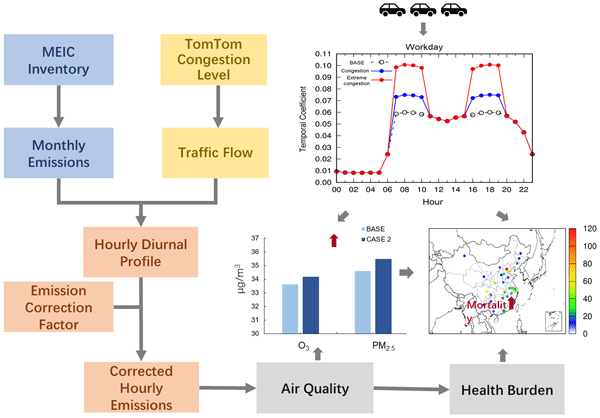
In China, the number of vehicles has jumped significantly in the last decade. This caused severe traffic congestion and aggravated air pollution. In this study, we developed a new temporal allocation approach to quantify the impacts of traffic congestion. We found that traffic congestion worsens air quality and the health burden across China, especially in the urban clusters. More effective and comprehensive vehicle emission control policies should be implemented to improve air quality in China.
Haolin Wang, Xiao Lu, Daniel J. Jacob, Owen R. Cooper, Kai-Lan Chang, Ke Li, Meng Gao, Yiming Liu, Bosi Sheng, Kai Wu, Tongwen Wu, Jie Zhang, Bastien Sauvage, Philippe Nédélec, Romain Blot, and Shaojia Fan
Atmos. Chem. Phys., 22, 13753–13782, https://doi.org/10.5194/acp-22-13753-2022, https://doi.org/10.5194/acp-22-13753-2022, 2022
Short summary
Short summary
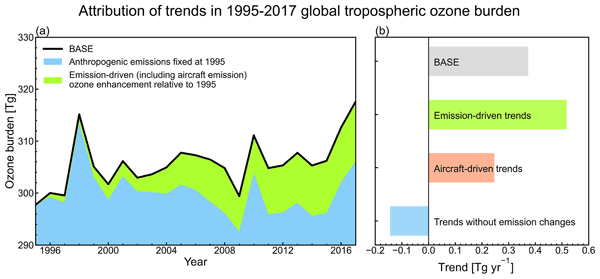
We report significant global tropospheric ozone increases in 1995–2017 based on extensive aircraft and ozonesonde observations. Using GEOS-Chem (Goddard Earth Observing System chemistry model) multi-decadal global simulations, we find that changes in global anthropogenic emissions, in particular the rapid increases in aircraft emissions, contribute significantly to the increases in tropospheric ozone and resulting radiative impact.
Fan Wang, Gregory R. Carmichael, Jing Wang, Bin Chen, Bo Huang, Yuguo Li, Yuanjian Yang, and Meng Gao
Atmos. Chem. Phys., 22, 13341–13353, https://doi.org/10.5194/acp-22-13341-2022, https://doi.org/10.5194/acp-22-13341-2022, 2022
Short summary
Short summary
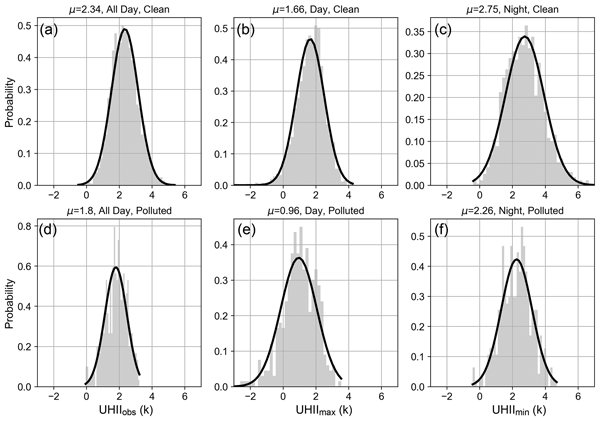
Unprecedented urbanization in China has led to serious urban heat island (UHI) issues, exerting intense heat stress on urban residents. We find diverse influences of aerosol pollution on urban heat island intensity (UHII) under different circulations. Our results also highlight the role of black carbon in aggravating UHI, especially during nighttime. It could thus be targeted for cooperative management of heat islands and aerosol pollution.
Lichao Yang, Wansuo Duan, Zifa Wang, and Wenyi Yang
Atmos. Chem. Phys., 22, 11429–11453, https://doi.org/10.5194/acp-22-11429-2022, https://doi.org/10.5194/acp-22-11429-2022, 2022
Short summary
Short summary
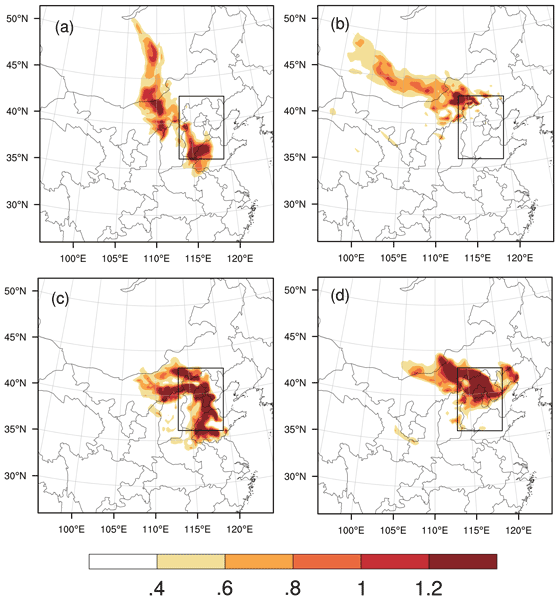
The initial meteorological state has a great impact on PM2.5 forecasts. Assimilating additional observations is an effective way to improve the accuracy of the initial meteorological state. Here we used an advanced optimization approach to identify where we should preferentially place the meteorological observations associated with PM2.5 forecasts in the Beijing–Tianjin–Hebei region of China. We provide evidence that the target observation strategy is effective for improving PM2.5 forecasts.
Bo Li, Cheng Liu, Qihou Hu, Mingzhai Sun, Chengxin Zhang, Shulin Zhang, Yizhi Zhu, Ting Liu, Yike Guo, Gregory R. Carmichael, and Meng Gao
EGUsphere, https://doi.org/10.5194/egusphere-2022-578, https://doi.org/10.5194/egusphere-2022-578, 2022
Preprint archived
Short summary
Short summary
Ambient particles have an important impact on human health, meteorology and climate change. By building a deep spatiotemporal neural network model we have overcome the long-standing limitations and get the full time and space coverage ground PM2.5 concentrations. We open the neural network black box data model by using sensitivity analysis and visualization techniques. This research will help improve health effects studies, climate effects of aerosols, and air quality prediction.
Na Ying, Wansuo Duan, Zhidan Zhao, and Jingfang Fan
Earth Syst. Dynam., 13, 1029–1039, https://doi.org/10.5194/esd-13-1029-2022, https://doi.org/10.5194/esd-13-1029-2022, 2022
Short summary
Short summary
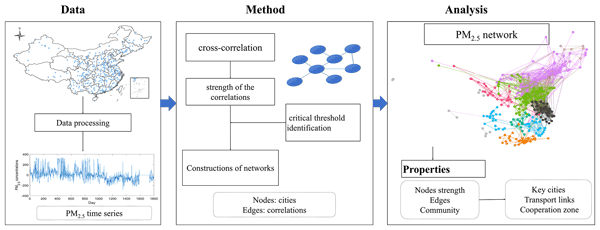
A complex PM2.5 measurement network has been built to investigate transport patterns and cooperative regions in China. Network-based degree measurements are used to reveal the spatial transport pattern of PM2.5. The study also attempts to investigate the seasonal transport path of PM2.5. In addition, the cooperation regions of PM2.5 are quantified according to their synchronicity characteristics. The proposed study can be applied to other air pollutant data, such as ozone and NOx.
Chenhong Zhou, Fan Wang, Yike Guo, Cheng Liu, Dongsheng Ji, Yuesi Wang, Xiaobin Xu, Xiao Lu, Yan Wang, Gregory Carmichael, and Meng Gao
Earth Syst. Sci. Data Discuss., https://doi.org/10.5194/essd-2022-187, https://doi.org/10.5194/essd-2022-187, 2022
Manuscript not accepted for further review
Short summary
Short summary
We develop an eXtreme Gradient Boosting (XGBoost) model integrating high-resolution meteorological data, satellite retrievals of trace gases, etc. to provide reconstructed daily ground-level O3 over 2005–2021 in China. It can facilitate climatological, ecological, and health research. The dataset is freely available at Zenodo (https://zenodo.org/record/6507706#.Yo8hKujP13g; Zhou, 2022).
Lian Zong, Yuanjian Yang, Haiyun Xia, Meng Gao, Zhaobin Sun, Zuofang Zheng, Xianxiang Li, Guicai Ning, Yubin Li, and Simone Lolli
Atmos. Chem. Phys., 22, 6523–6538, https://doi.org/10.5194/acp-22-6523-2022, https://doi.org/10.5194/acp-22-6523-2022, 2022
Short summary
Short summary
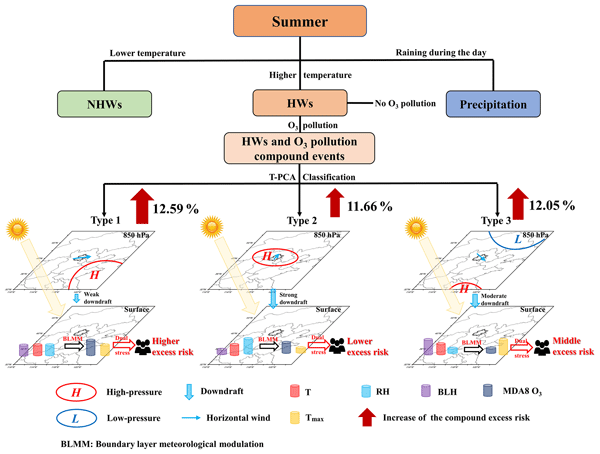
Heatwaves (HWs) paired with higher ozone (O3) concentration at surface level pose a serious threat to human health. Taking Beijing as an example, three unfavorable synoptic weather patterns were identified to dominate the compound HW and O3 pollution events. Under the synergistic stress of HWs and O3 pollution, public mortality risk increased, and synoptic patterns and urbanization enhanced the compound risk of events in Beijing by 33.09 % and 18.95 %, respectively.
Xiadong An, Wen Chen, Peng Hu, Shangfeng Chen, and Lifang Sheng
Atmos. Chem. Phys., 22, 6507–6521, https://doi.org/10.5194/acp-22-6507-2022, https://doi.org/10.5194/acp-22-6507-2022, 2022
Short summary
Short summary
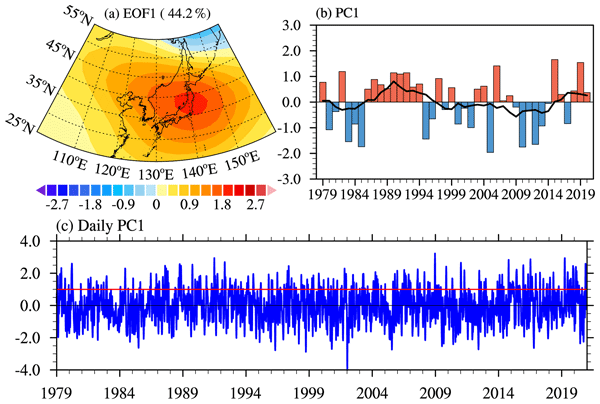
The intraseasonal NAAA usually establishes quickly on day −3 with a life span of 8 days. Further results revealed that the probability of regional PM2.5 pollution related to the NAAA for at least 2 days in the NCP is 80% in NDJ period 2000–2021. Particularly, air quality in the NCP tends to deteriorate on day 2 prior to the peak day of the NAAA and reaches a peak on day −1 with a life cycle of 4 days. The corresponding meteorological conditions support these conclusions.
Xiadong An, Lifang Sheng, Chun Li, Wen Chen, Yulian Tang, and Jingliang Huangfu
Atmos. Chem. Phys., 22, 725–738, https://doi.org/10.5194/acp-22-725-2022, https://doi.org/10.5194/acp-22-725-2022, 2022
Short summary
Short summary
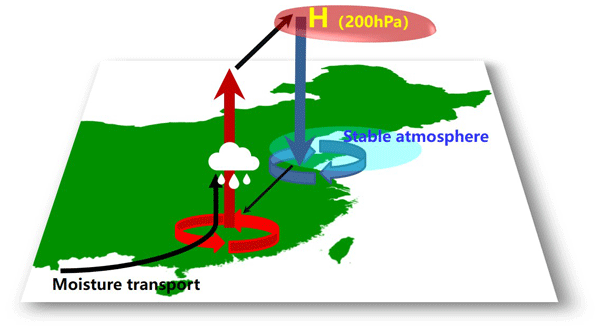
The North China Plain (NCP) suffered many periods of haze in winter during 1985–2015, related to the rainfall-induced diabatic heating over southern China. The haze over the NCP is modulated by an anomalous anticyclone caused by the Rossby wave and a north–south circulation (NSC) induced mainly by diabatic heating. As a Rossby wave source, rainfall-induced diabatic heating supports waves and finally strengthens the anticyclone over the NCP. These changes favor haze over the NCP.
Chengzhi Xing, Cheng Liu, Hongyu Wu, Jinan Lin, Fan Wang, Shuntian Wang, and Meng Gao
Earth Syst. Sci. Data, 13, 4897–4912, https://doi.org/10.5194/essd-13-4897-2021, https://doi.org/10.5194/essd-13-4897-2021, 2021
Short summary
Short summary
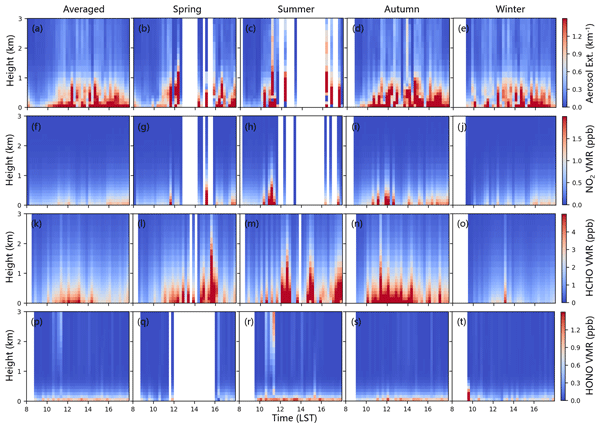
Observations of atmospheric composition, especially vertical profile observations, remain sparse and rare on the Tibetan Plateau (TP), due to extremely high altitude, topographical heterogeneity and the grinding environment. This paper introduces a high-time-resolution (~ 15 min) vertical profile observational dataset of atmospheric composition (aerosols, NO2, HCHO and HONO) on the TP for more than 1 year (2017–2019) using a passive remote sensing technique.
Cited articles
An, X., Wang, F., Sheng, L., and Li, C.: Pattern of wintertime southern rainfall and northern pollution over eastern China: The role of the strong eastern Pacific El Niño, J. Climate, 35, 7259–7273, 2022.
An, X., Chen, W., Sheng, L., Li, C., and Ma, T.: Synergistic effect of El Niño and Arctic sea-ice increment on wintertime Northeast Asian anomalous anticyclone and its corresponding PM2.5 pollution, J. Geophys. Res.-Atmos., 128, e2022JD037840, 2023.
Apte, J. S., Marshall, J. D., Cohen, A. J., and Brauer, M.: Addressing global mortality from ambient PM2.5, Environ. Sci. Technol., 49, 8057–8066, 2015.
Bai, K. and Li, K.: LGHAP v2: Global daily 1-km gap-free PM2.5 grids (2020), Zenodo [data set], https://doi.org/10.5281/zenodo.8313613, 2023.
Bai, K., Li, K., Shao, L., Li, X., Liu, C., Li, Z., Ma, M., Han, D., Sun, Y., Zheng, Z., Li, R., Chang, N.-B., and Guo, J.: LGHAP v2: a global gap-free aerosol optical depth and PM2.5 concentration dataset since 2000 derived via big Earth data analytics, Earth Syst. Sci. Data, 16, 2425–2448, https://doi.org/10.5194/essd-16-2425-2024, 2024.
Barnett, T., Dümenil, L., Schlese, U., and Roeckner, E.: The effect of Eurasian snow cover on global climate, Science, 239, 504–507, 1988.
Berman, J. D., Burkhardt, J., Bayham, J., Carter, E., and Wilson, A.: Acute air pollution exposure and the risk of violent behavior in the United States, Epidemiology, 30, 799–806, 2019.
Boylan, J. W. and Russell, A. G.: PM and light extinction model performance metrics, goals, and criteria for three-dimensional air quality models, Atmos. Environ., 40, 4946–4959, 2006.
Chen, Z., Wu, R., and Wang, Z.: Impact of autumn-winter Tibetan Plateau snow cover anomalies on the East Asian Winter Monsoon and its interdecadal change, Front. Earth Sci., 9, 699358, https://doi.org/10.3389/feart.2021.699358, 2021.
Chen, Z., Chen, D., Zhao, C., Kwan, M.-P., Cai, J., Zhuang, Y., Zhao, B., Wang, X., Chen, B., and Yang, J.: Influence of meteorological conditions on PM2.5 concentrations across China: A review of methodology and mechanism, Environ. Int., 139, 105558, https://doi.org/10.1016/j.envint.2020.105558, 2020.
Cheng, Y., He, K.-B., Du, Z.-Y., Zheng, M., Duan, F.-K., and Ma, Y.-L.: Humidity plays an important role in the PM2.5 pollution in Beijing, Environ. Pollut., 197, 68–75, 2015.
Cohen, J. and Rind, D.: The effect of snow cover on the climate, J. Climate, 4, 689–706, 1991.
Danabasoglu, G., Lamarque, J. F., Bacmeister, J., Bailey, D., DuVivier, A., Edwards, J., Emmons, L., Fasullo, J., Garcia, R., and Gettelman, A.: The community earth system model version 2 (CESM2), J. Adv. Model. Earth Sy., 12, e2019MS001916, https://doi.org/10.1029/2019ms001916, 2020.
Gao, M., Wang, F., Ding, Y., Wu, Z., Xu, Y., Lu, X., Wang, Z., Carmichael, G. R., and McElroy, M. B.: Large-scale climate patterns offer preseasonal hints on the co-occurrence of heat wave and O3 pollution in China, P. Natl. Acad. Sci. USA, 120, e2218274120, https://doi.org/10.1073/pnas.2218274120, 2023.
Gao, M., Liu, Z., Zheng, B., Ji, D., Sherman, P., Song, S., Xin, J., Liu, C., Wang, Y., Zhang, Q., Xing, J., Jiang, J., Wang, Z., Carmichael, G. R., and McElroy, M. B.: China's emission control strategies have suppressed unfavorable influences of climate on wintertime PM2.5 concentrations in Beijing since 2002, Atmos. Chem. Phys., 20, 1497–1505, https://doi.org/10.5194/acp-20-1497-2020, 2020.
Gent, P. R., Danabasoglu, G., Donner, L. J., Holland, M. M., Hunke, E. C., Jayne, S. R., Lawrence, D. M., Neale, R. B., Rasch, P. J., and Vertenstein, M.: The community climate system model version 4, J. Climate, 24, 4973–4991, 2011.
Gettelman, A., Mills, M., Kinnison, D., Garcia, R., Smith, A., Marsh, D., Tilmes, S., Vitt, F., Bardeen, C., and McInerny, J.: The whole atmosphere community climate model version 6 (WACCM6), J. Geophys. Res.-Atmos., 124, 12380–12403, 2019.
Han, T., Wang, H., and Sun, J.: Strengthened relationship between the Antarctic Oscillation and ENSO after the mid-1990s during austral spring, Adv. Atmos. Sci., 34, 54–65, 2017.
Hersbach, H., Bell, B., Berrisford, P., Hirahara, S., Horányi, A., Muñoz-Sabater, J., Nicolas, J., Peubey, C., Radu, R., and Schepers, D.: The ERA5 global reanalysis, Q. J. Roy. Meteor. Soc., 146, 1999–2049, 2020.
Huang, R.-J., Zhang, Y., Bozzetti, C., Ho, K.-F., Cao, J.-J., Han, Y., Daellenbach, K. R., Slowik, J. G., Platt, S. M., and Canonaco, F.: High secondary aerosol contribution to particulate pollution during haze events in China, Nature, 514, 218–222, 2014.
Huang, W., Yu, Y., Yin, Z., Chen, H., and Gao, M.: Appreciable role of stratospheric polar vortex in the abnormal diffusion of air pollutant in North China in 2015/2016 winter and implications for prediction, Atmos. Environ., 259, 118549, https://doi.org/10.1016/j.atmosenv.2021.118549, 2021.
Jia, X., Zhang, C., Wu, R., and Qian, Q.: Influence of Tibetan Plateau autumn snow cover on interannual variations in spring precipitation over southern China, Clim. Dynam., 56, 767–782, 2021.
Li, J., Zheng, F., Sun, C., Feng, J., and Wang, J.: Pathways of influence of the Northern Hemisphere mid-high latitudes on East Asian climate: a review, Adv. Atmos. Sci., 36, 902–921, 2019.
Li, W., Guo, W., Qiu, B., Xue, Y., Hsu, P.-C., and Wei, J.: Influence of Tibetan Plateau snow cover on East Asian atmospheric circulation at medium-range time scales, Nat. Commun., 9, 4243, https://doi.org/10.1038/s41467-018-06762-5, 2018.
Lin, H., Wang, X., Qian, Z. M., Guo, S., Yao, Z., Vaughn, M. G., Dong, G., Liu, T., Xiao, J., and Li, X.: Daily exceedance concentration hours: A novel indicator to measure acute cardiovascular effects of PM2.5 in six Chinese subtropical cities, Environ. Int., 111, 117–123, 2018.
Liu, Y., Dong, X., Wang, M., Emmons, L. K., Liu, Y., Liang, Y., Li, X., and Shrivastava, M.: Analysis of secondary organic aerosol simulation bias in the Community Earth System Model (CESM2.1), Atmos. Chem. Phys., 21, 8003–8021, https://doi.org/10.5194/acp-21-8003-2021, 2021.
North, G. R., Bell, T. L., Cahalan, R. F., and Moeng, F. J.: Sampling errors in the estimation of empirical orthogonal functions, Mon. Weather Rev., 110, 699–706, 1982.
O'Brien, R. M.: A caution regarding rules of thumb for variance inflation factors, Qual. Quant., 41, 673–690, 2007.
Robinson, D. A., Estilow, T. W., and NOAA CDR Program: NOAA Climate Data Record (CDR) of Northern Hemisphere (NH) Snow Cover Extent (SCE), Version 1, NOAA National Centers for Environmental Information [data set], https://doi.org/10.7289/V5N014G9, 2012.
Shaman, J. and Tziperman, E.: The effect of ENSO on Tibetan Plateau snow depth: A stationary wave teleconnection mechanism and implications for the South Asian monsoons, J. Climate, 18, 2067–2079, 2005.
Takaya, K. and Nakamura, H.: A formulation of a phase-independent wave-activity flux for stationary and migratory quasigeostrophic eddies on a zonally varying basic flow, J. Atmos. Sci., 58, 608–627, 2001.
Wang, Y., Gao, W., Wang, S., Song, T., Gong, Z., Ji, D., Wang, L., Liu, Z., Tang, G., and Huo, Y.: Contrasting trends of PM2.5 and surface-ozone concentrations in China from 2013 to 2017, Natl. Sci. Rev., 7, 1331–1339, 2020.
Wang, Z., Wu, R., Chen, Z., Zhu, L., Yang, K., Liu, K., and Yang, Y.: Decreasing influence of summer snow cover over the Western Tibetan Plateau on East Asian precipitation under global warming, Front. Earth Sci., 9, 787971, https://doi.org/10.3389/feart.2021.787971, 2021.
Wu, N., Geng, G., Xu, R., Liu, S., Liu, X., Shi, Q., Zhou, Y., Zhao, Y., Liu, H., Song, Y., Zheng, J., Zhang, Q., and He, K.: Development of a high-resolution integrated emission inventory of air pollutants for China, Earth Syst. Sci. Data, 16, 2893–2915, https://doi.org/10.5194/essd-16-2893-2024, 2024.
Xiao, Q., Zheng, Y., Geng, G., Chen, C., Huang, X., Che, H., Zhang, X., He, K., and Zhang, Q.: Separating emission and meteorological contributions to long-term PM2.5 trends over eastern China during 2000–2018, Atmos. Chem. Phys., 21, 9475–9496, https://doi.org/10.5194/acp-21-9475-2021, 2021.
Xiao, X., Liu, R., Yu, Y., Zhang, Z., Knibbs, L. D., Jalaludin, B., Morawska, L., Dharmage, S. C., Heinrich, J., and Papatheodorou, S.: Evidence of interactive effects of late-pregnancy exposure to air pollution and extreme temperature on preterm birth in China: a nationwide study, Environ. Res. Lett., 18, 094017, https://doi.org/10.1088/1748-9326/aceb0b, 2023.
Xie, B., Yang, Y., Wang, P., and Liao, H.: Impacts of ENSO on wintertime PM2.5 pollution over China during 2014–2021, Atmospheric and Oceanic Science Letters, 15, 100189, https://doi.org/10.1016/j.aosl.2022.100189, 2022.
Xie, L., Yan, T., Pietrafesa, L. J., Karl, T., and Xu, X.: Relationship between western North Pacific typhoon activity and Tibetan Plateau winter and spring snow cover, Geophysical research letters, 32, L16703, https://doi.org/10.1029/2005GL023237, 2005.
Yao, T., Thompson, L., Yang, W., Yu, W., Gao, Y., Guo, X., Yang, X., Duan, K., Zhao, H., and Xu, B.: Different glacier status with atmospheric circulations in Tibetan Plateau and surroundings, Nat. clim. Change, 2, 663–667, 2012.
Yao, T., Wu, F., Ding, L., Sun, J., Zhu, L., Piao, S., Deng, T., Ni, X., Zheng, H., and Ouyang, H.: Multispherical interactions and their effects on the Tibetan Plateau's earth system: a review of the recent researches, Natl. Sci. Rev., 2, 468–488, 2015.
Yao, T., Xue, Y., Chen, D., Chen, F., Thompson, L., Cui, P., Koike, T., Lau, W. K.-M., Lettenmaier, D., and Mosbrugger, V.: Recent third pole's rapid warming accompanies cryospheric melt and water cycle intensification and interactions between monsoon and environment: Multidisciplinary approach with observations, modeling, and analysis, B. Am. Meteor. Soc., 100, 423–444, 2019.
Yin, Z., Zhou, B., Chen, H., and Li, Y.: Synergetic impacts of precursory climate drivers on interannual-decadal variations in haze pollution in North China: A review, Sci. Total Environ., 755, 143017, https://doi.org/10.1016/j.scitotenv.2020.143017, 2021.
You, Q., Wu, T., Shen, L., Pepin, N., Zhang, L., Jiang, Z., Wu, Z., Kang, S., and AghaKouchak, A.: Review of snow cover variation over the Tibetan Plateau and its influence on the broad climate system, Earth-Sci. Rev., 201, 103043, https://doi.org/10.1016/j.earscirev.2019.103043, 2020.
Zhai, S., Jacob, D. J., Wang, X., Shen, L., Li, K., Zhang, Y., Gui, K., Zhao, T., and Liao, H.: Fine particulate matter (PM2.5) trends in China, 2013–2018: separating contributions from anthropogenic emissions and meteorology, Atmos. Chem. Phys., 19, 11031–11041, https://doi.org/10.5194/acp-19-11031-2019, 2019.
Zhang, X. and Gao, M.: Unveiling future individual and compound heat and air pollution extremes in China: insights for mitigation, B. Am. Meteor. Soc., BAMS-D-25-0333.0331, https://doi.org/10.1175/BAMS-D-25-0333.1, 2026.
Zhang, X., Gao, M., and Carmichael, G. R.: Foreseeable Co-occurring O3 and PM2.5 Pollution in Eastern China Driven by Climate Teleconnections, ACS Environmental Au, 5, 625–635, 2025.
Zhang, X., Xiao, X., Wang, F., Brasseur, G., Chen, S., Wang, J., and Gao, M.: Observed sensitivities of PM2. 5 and O3 extremes to meteorological conditions in China and implications for the future, Environ. Int., 168, 107428, https://doi.org/10.1016/j.envint.2022.107428, 2022.
Zhao, P. and Chen, L.: Climatic features of atmospheric heat source/sink over the Qinghai-Xizang Plateau in 35 years and its relation to rainfall in China, Sci. China Ser. D, 44, 858–864, 2001.
Zhao, W., Chen, S., Zhang, H., Wang, J., Chen, W., Wu, R., Xing, W., Wang, Z., Hu, P., and Piao, J.: Distinct impacts of ENSO on haze pollution in the Beijing–Tianjin–Hebei region between early and late winters, J. Climate, 35, 687–704, 2022.
Zhou, B., Qu, H., Du, X., Yang, B., and Liu, F.: Air quality and inbound tourism in China, Tourism Analysis, 23, 159–164, 2018.
Short summary
This study examines how snow cover over the Tibetan Plateau and oceanic conditions influence air quality in China during winter. By analyzing weather data and pollution levels, we found that variations in snow cover affect weather patterns linked to fine particulate matter pollution. Our results emphasize the need to consider both snow and ocean influences in air quality predictions, aiming to improve forecasting models and support better public health and environmental management strategies.
This study examines how snow cover over the Tibetan Plateau and oceanic conditions influence air...


Altmetrics
Final-revised paper
Preprint