
Articles | Volume 26, issue 4
https://doi.org/10.5194/acp-26-2881-2026
© Author(s) 2026. This work is distributed under
the Creative Commons Attribution 4.0 License.
the Creative Commons Attribution 4.0 License.
https://doi.org/10.5194/acp-26-2881-2026
© Author(s) 2026. This work is distributed under
the Creative Commons Attribution 4.0 License.
the Creative Commons Attribution 4.0 License.
Research article
| 
26 Feb 2026
Research article |
| 26 Feb 2026
| 26 Feb 2026
Effects of mass ratio heterogeneity and coating-related optical characteristics on the light absorption enhancement of black carbon-containing particles
Jing Wei
State Key Laboratory of Soil Pollution Control and Safety, Zhejiang Provincial Key Laboratory of Organic Pollution Process and Control, College of Environmental and Resource Sciences, Zhejiang University, Hangzhou 310058, China
Jin-Mei Ding
Ecological and Environmental Monitoring Center of Zhejiang Province, Hangzhou 310012, China
Yao Song
State Key Laboratory of Soil Pollution Control and Safety, Zhejiang Provincial Key Laboratory of Organic Pollution Process and Control, College of Environmental and Resource Sciences, Zhejiang University, Hangzhou 310058, China
Xiao-Yuan Wang
Ecological and Environmental Monitoring Center of Zhejiang Province, Hangzhou 310012, China
Xiang-Yu Pei
State Key Laboratory of Soil Pollution Control and Safety, Zhejiang Provincial Key Laboratory of Organic Pollution Process and Control, College of Environmental and Resource Sciences, Zhejiang University, Hangzhou 310058, China
Sheng-Chen Xu
Ecological and Environmental Monitoring Center of Zhejiang Province, Hangzhou 310012, China
Fei Zhang
State Key Laboratory of Soil Pollution Control and Safety, Zhejiang Provincial Key Laboratory of Organic Pollution Process and Control, College of Environmental and Resource Sciences, Zhejiang University, Hangzhou 310058, China
Zheng-Ning Xu
State Key Laboratory of Soil Pollution Control and Safety, Zhejiang Provincial Key Laboratory of Organic Pollution Process and Control, College of Environmental and Resource Sciences, Zhejiang University, Hangzhou 310058, China
Xu-Dong Tian
Ecological and Environmental Monitoring Center of Zhejiang Province, Hangzhou 310012, China
Bing-Ye Xu
CORRESPONDING AUTHOR
Ecological and Environmental Monitoring Center of Zhejiang Province, Hangzhou 310012, China
Zhi-Bin Wang
CORRESPONDING AUTHOR

State Key Laboratory of Soil Pollution Control and Safety, Zhejiang Provincial Key Laboratory of Organic Pollution Process and Control, College of Environmental and Resource Sciences, Zhejiang University, Hangzhou 310058, China
ZJU-Hangzhou Global Scientific and Technological Innovation Center, Zhejiang University, Hangzhou 311200, China
Related authors
Yao Song, Jing Wei, Wenlong Zhao, Jinmei Ding, Xiangyu Pei, Fei Zhang, Zhengning Xu, Ruifang Shi, Ya Wei, Lu Zhang, Lingling Jin, and Zhibin Wang
Atmos. Chem. Phys., 25, 4755–4766, https://doi.org/10.5194/acp-25-4755-2025, https://doi.org/10.5194/acp-25-4755-2025, 2025
Short summary
Short summary
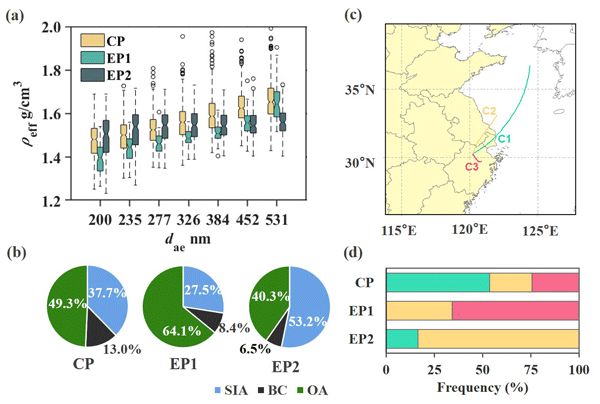
This study investigates the size-resolved effective density (ρeff) of aerosol particles in Hangzhou using a tandem aerodynamic aerosol classifier and scanning mobility particle sizer system. The ρeff values ranged from 1.47 to 1.63 g cm-3, increasing with particle diameter. The relationship between ρeff and the particle diameter varies due to differences in the chemical composition of the particles. A new method to derive the size-resolved chemical composition of particles from ρeff is proposed.
Kewei Zhang, Zhengning Xu, Fei Zhang, and Zhibin Wang
Atmos. Chem. Phys., 26, 2241–2254, https://doi.org/10.5194/acp-26-2241-2026, https://doi.org/10.5194/acp-26-2241-2026, 2026
Short summary
Short summary
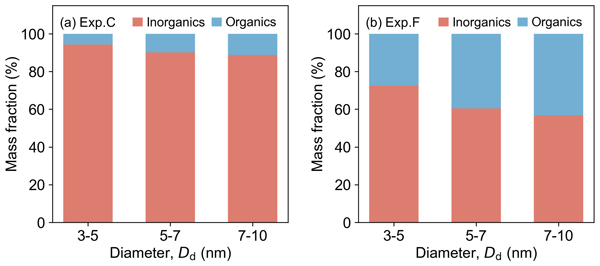
This study investigates how organics contribute to initial particle growth in the 3–10 nm size range. Through laboratory experiments, it was found that sulfuric acid dominates the growth of smaller particles, while organics play an increasingly important role as particle size increases. Elevated humidity also significantly enhances the contribution of organics. These findings further our understanding of new particle formation and subsequent growth.
Guochen Wang, Xuedong Cui, Bingye Xu, Can Wu, Minkang Zhi, Keliang Li, Liang Xu, Qi Yuan, Yuntao Wang, Yele Sun, Zongbo Shi, Akinori Ito, Shixian Zhai, and Weijun Li
Atmos. Chem. Phys., 26, 1483–1496, https://doi.org/10.5194/acp-26-1483-2026, https://doi.org/10.5194/acp-26-1483-2026, 2026
Short summary
Short summary
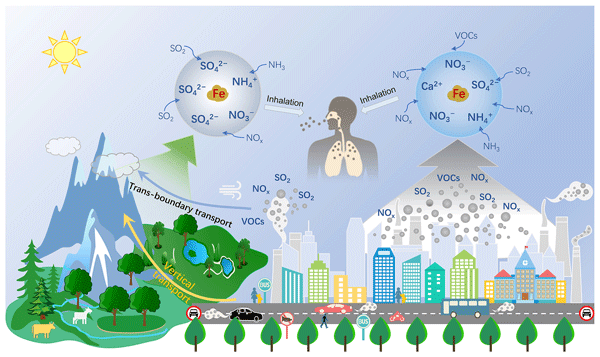
Iron acidification process is primarily driven by sulphuric acid in the upper mixing layer different from nitric acid at the ground-level. Enhanced atmospheric aging process contributes to high iron solubility in the upper mixing layer. Numerical models should consider vertical variations in iron dissolution to improve simulation accuracy.
Yao Song, Jing Wei, Wenlong Zhao, Jinmei Ding, Xiangyu Pei, Fei Zhang, Zhengning Xu, Ruifang Shi, Ya Wei, Lu Zhang, Lingling Jin, and Zhibin Wang
Atmos. Chem. Phys., 25, 4755–4766, https://doi.org/10.5194/acp-25-4755-2025, https://doi.org/10.5194/acp-25-4755-2025, 2025
Short summary
Short summary
This study investigates the size-resolved effective density (ρeff) of aerosol particles in Hangzhou using a tandem aerodynamic aerosol classifier and scanning mobility particle sizer system. The ρeff values ranged from 1.47 to 1.63 g cm-3, increasing with particle diameter. The relationship between ρeff and the particle diameter varies due to differences in the chemical composition of the particles. A new method to derive the size-resolved chemical composition of particles from ρeff is proposed.
Junyue Yang, Zhengning Xu, Zheng Xia, Xiangyu Pei, Yunye Yang, Botian Qiu, Shuang Zhao, Yuzhong Zhang, and Zhibin Wang
Atmos. Chem. Phys., 25, 4571–4585, https://doi.org/10.5194/acp-25-4571-2025, https://doi.org/10.5194/acp-25-4571-2025, 2025
Short summary
Short summary
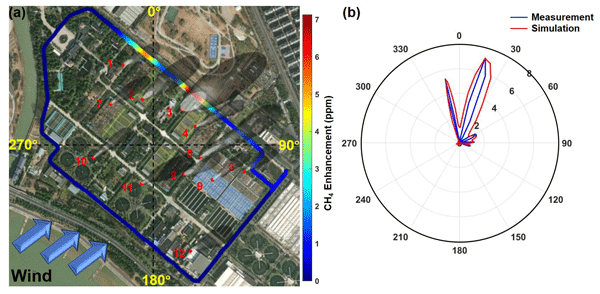
Mobile CH4 measurements were conducted at a wastewater treatment plant in Hangzhou in the summer and winter of 2023. A multi-source Gaussian plume model, combined with a genetic algorithm inversion framework, was used to locate major CH4 sources at the plant and quantify emissions. Results indicate that the summer CH4 emissions (603.33 ± 152.66 t a-1) were 2.8 times as high as inventory values, and winter values (418.95 ± 187.59 t a-1) were twice as high. The main sources were the screen and primary clarifier.
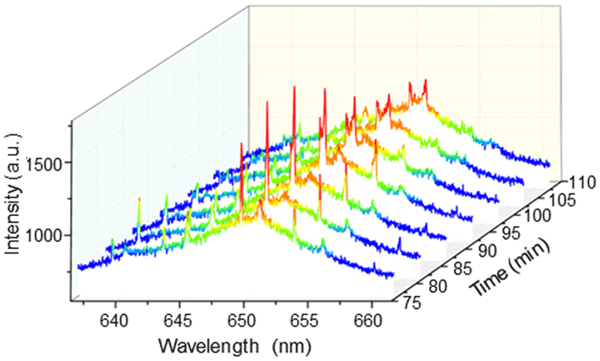
Xiangyu Pei, Yikan Meng, Yueling Chen, Huichao Liu, Yao Song, Zhengning Xu, Fei Zhang, Thomas C. Preston, and Zhibin Wang
Atmos. Chem. Phys., 24, 5235–5246, https://doi.org/10.5194/acp-24-5235-2024, https://doi.org/10.5194/acp-24-5235-2024, 2024
Short summary
Short summary
An aerosol optical tweezer (AOT) Raman spectroscopy system is developed to capture a single aerosol droplet for phase transition monitoring and morphology studies. Rapid droplet capture is achieved and accurate droplet size and refractive index are retrieved. Results indicate that mixed inorganic/organic droplets are more inclined to form core–shell morphology when RH decreases. The phase transitions of secondary mixed organic aerosol/inorganic droplets vary with their precursors.
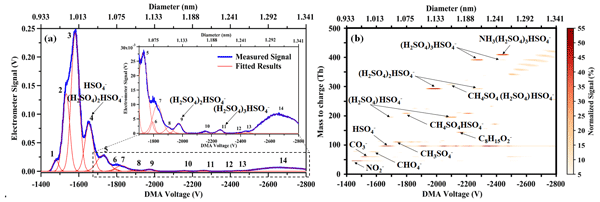
Zhengning Xu, Jian Gao, Zhuanghao Xu, Michel Attoui, Xiangyu Pei, Mario Amo-González, Kewei Zhang, and Zhibin Wang
Atmos. Meas. Tech., 16, 5995–6006, https://doi.org/10.5194/amt-16-5995-2023, https://doi.org/10.5194/amt-16-5995-2023, 2023
Short summary
Short summary
Planar differential mobility analyzers (DMAs) have higher ion transmission efficiency and sizing resolution compared to cylindrical DMAs and are more suitable for use with mass spectrometers (MSs). Performance of the latest planar DMA (P5) was characterized. Sizing resolution and ion transmission efficiency were 5–16 times and ∼10 times higher than cylindrical DMAs. Sulfuric acid clusters were measured by DMA(P5)-MSs. This technique can be applied for natural products and biomolecule analysis.
Yueling Chen, Xiangyu Pei, Huichao Liu, Yikan Meng, Zhengning Xu, Fei Zhang, Chun Xiong, Thomas C. Preston, and Zhibin Wang
Atmos. Chem. Phys., 23, 10255–10265, https://doi.org/10.5194/acp-23-10255-2023, https://doi.org/10.5194/acp-23-10255-2023, 2023
Short summary
Short summary
The impact of acidity on the phase transition behavior of levitated aerosol particles was examined. Our results revealed that lower acidity decreases the separation relative humidity of aerosol droplets mixed with ammonium sulfate and secondary organic aerosol proxy. Our research suggests that in real atmospheric conditions, with the high acidity found in many ambient aerosol particles, droplets encounter heightened impediments to phase separation and tend to display a homogeneous structure.
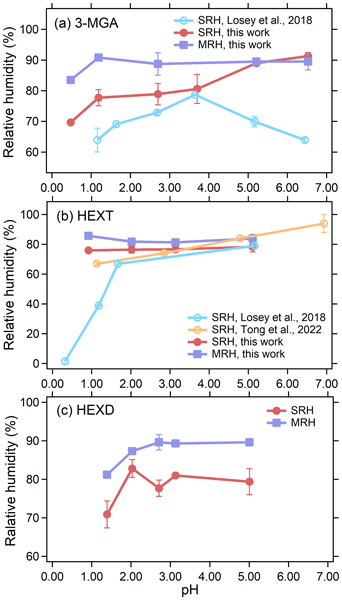
Chun Xiong, Binyu Kuang, Fei Zhang, Xiangyu Pei, Zhengning Xu, and Zhibin Wang
Atmos. Chem. Phys., 23, 8979–8991, https://doi.org/10.5194/acp-23-8979-2023, https://doi.org/10.5194/acp-23-8979-2023, 2023
Short summary
Short summary
In hydration, an apparent water diffusion hindrance by an organic surfactant shell was confirmed, raising the inorganic deliquescence relative humidity (RH) to a nearly saturated condition. In dehydration, phase separations were observed for inorganic surfactant systems, showing a strong dependence on the organic molecular
oxygen-to-carbon ratio. Our results could improve fundamental knowledge about aerosol mixing states and decrease uncertainty in model estimations of global radiative effects.
Juan Hong, Min Tang, Qiaoqiao Wang, Nan Ma, Shaowen Zhu, Shaobin Zhang, Xihao Pan, Linhong Xie, Guo Li, Uwe Kuhn, Chao Yan, Jiangchuan Tao, Ye Kuang, Yao He, Wanyun Xu, Runlong Cai, Yaqing Zhou, Zhibin Wang, Guangsheng Zhou, Bin Yuan, Yafang Cheng, and Hang Su
Atmos. Chem. Phys., 23, 5699–5713, https://doi.org/10.5194/acp-23-5699-2023, https://doi.org/10.5194/acp-23-5699-2023, 2023
Short summary
Short summary
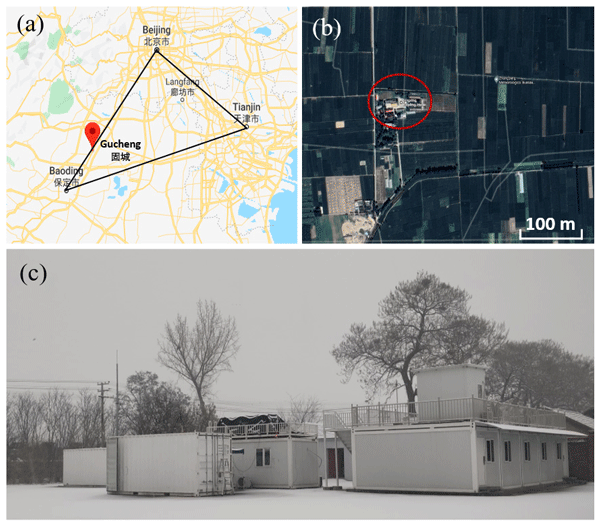
A comprehensive investigation of the characteristics of new particle formation (NPF) events was conducted at a rural site on the North China Plain (NCP), China, during the wintertime of 2018 by covering the particle number size distribution down to sub–3 nm. Potential mechanisms for NPF under the current environment were explored, followed by a further discussion on the factors governing the occurrence of NPF at this rural site compared with other regions (e.g., urban areas) in the NCP region.
Chun Xiong, Xueyan Chen, Xiaolei Ding, Binyu Kuang, Xiangyu Pei, Zhengning Xu, Shikuan Yang, Huan Hu, and Zhibin Wang
Atmos. Chem. Phys., 22, 16123–16135, https://doi.org/10.5194/acp-22-16123-2022, https://doi.org/10.5194/acp-22-16123-2022, 2022
Short summary
Short summary
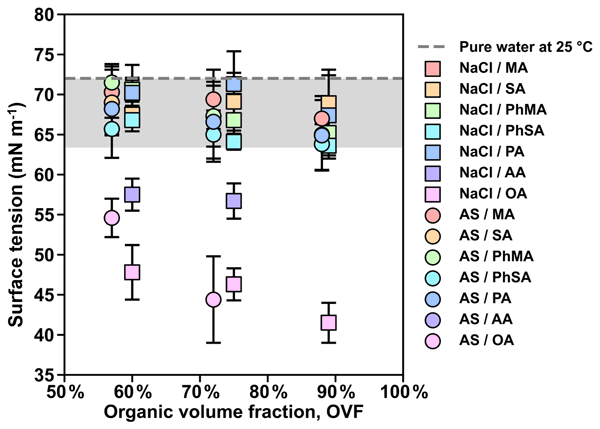
Water surface tension is applied widely in current aerosol–cloud models but could be inappropriate in the presence of atmospheric surfactants. With cloud condensation nuclei (CCN) activity and atomic force microscopy (AFM) measurement results of mixed inorganic salt and dicarboxylic acid particles, we concluded that surface tension reduction and phase state should be carefully considered in aerosol–cloud interactions. Our results could help to decease uncertainties in climate models.
Rui Zhang, Yuying Wang, Zhanqing Li, Zhibin Wang, Russell R. Dickerson, Xinrong Ren, Hao He, Fei Wang, Ying Gao, Xi Chen, Jialu Xu, Yafang Cheng, and Hang Su
Atmos. Chem. Phys., 22, 14879–14891, https://doi.org/10.5194/acp-22-14879-2022, https://doi.org/10.5194/acp-22-14879-2022, 2022
Short summary
Short summary
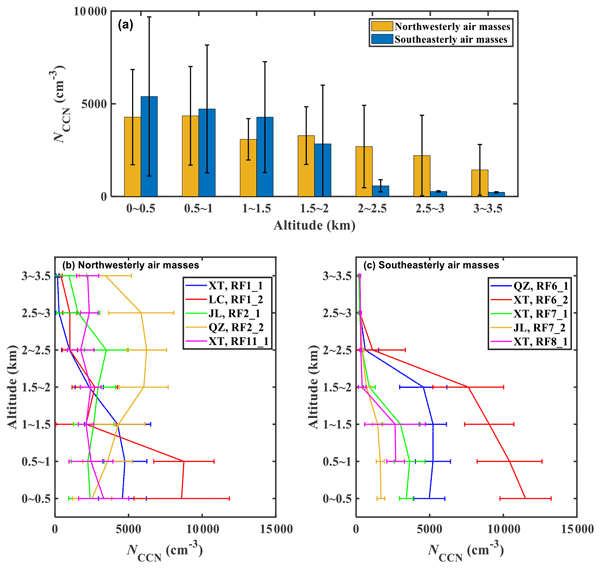
Factors of cloud condensation nuclei number concentration (NCCN) profiles determined in the North China Plain include air mass sources, temperature structure, anthropogenic emissions, and terrain distribution. Cloud condensation nuclei (CCN) spectra suggest that the ability of aerosol activation into CCN is stronger in southeasterly than in northwesterly air masses and stronger in the free atmosphere than near the surface. A good method to parameterize NCCN from aerosol optical data is found.
Yao Song, Xiangyu Pei, Huichao Liu, Jiajia Zhou, and Zhibin Wang
Atmos. Meas. Tech., 15, 3513–3526, https://doi.org/10.5194/amt-15-3513-2022, https://doi.org/10.5194/amt-15-3513-2022, 2022
Short summary
Short summary
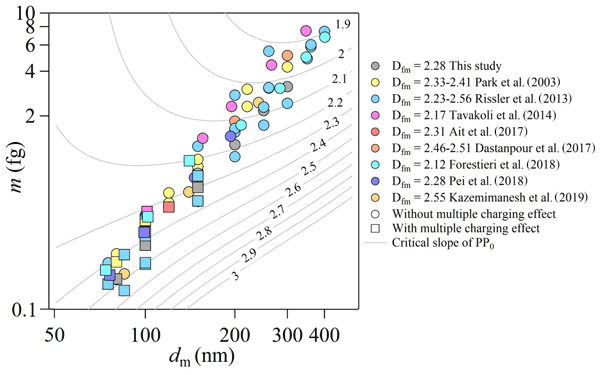
Accurate particle classification is very important in aerosol studies. Differential mobility analyzers (DMAs), centrifugal particle mass analyzers (CPMAs), aerodynamic aerosol classifiers (AACs) and their tandem systems are commonly used. We demonstrated that DMA–CPMA is more susceptible to the multiple charging effect than DMA–AAC. It is not suggested to reduce the resolutions of the instruments, especially when selecting small-size soot particles.
Cuiqi Zhang, Zhijun Wu, Jingchuan Chen, Jie Chen, Lizi Tang, Wenfei Zhu, Xiangyu Pei, Shiyi Chen, Ping Tian, Song Guo, Limin Zeng, Min Hu, and Zamin A. Kanji
Atmos. Chem. Phys., 22, 7539–7556, https://doi.org/10.5194/acp-22-7539-2022, https://doi.org/10.5194/acp-22-7539-2022, 2022
Short summary
Short summary
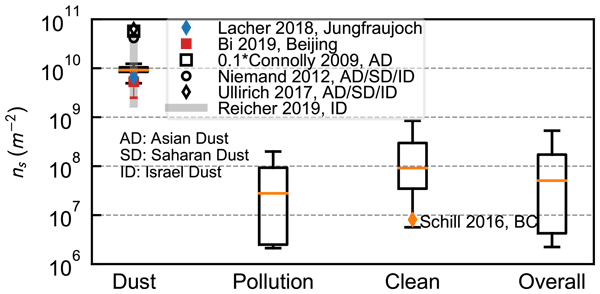
The immersion ice nucleation effectiveness of aerosols from multiple sources in the urban environment remains elusive. In this study, we demonstrate that the immersion ice-nucleating particle (INP) concentration increased dramatically during a dust event in an urban atmosphere. Pollutant aerosols, including inorganic salts formed through secondary transformation (SIA) and black carbon (BC), might not act as effective INPs under mixed-phase cloud conditions.
Yaqing Zhou, Nan Ma, Qiaoqiao Wang, Zhibin Wang, Chunrong Chen, Jiangchuan Tao, Juan Hong, Long Peng, Yao He, Linhong Xie, Shaowen Zhu, Yuxuan Zhang, Guo Li, Wanyun Xu, Peng Cheng, Uwe Kuhn, Guangsheng Zhou, Pingqing Fu, Qiang Zhang, Hang Su, and Yafang Cheng
Atmos. Chem. Phys., 22, 2029–2047, https://doi.org/10.5194/acp-22-2029-2022, https://doi.org/10.5194/acp-22-2029-2022, 2022
Short summary
Short summary
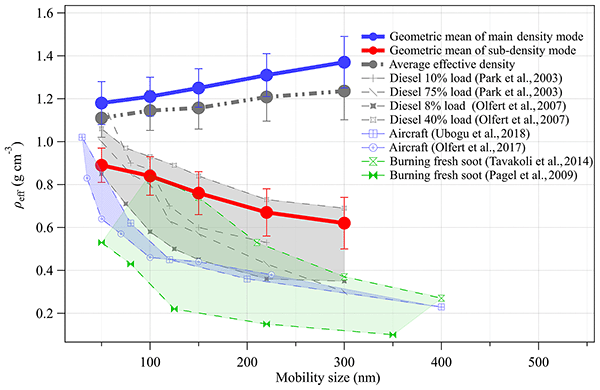
This study characterizes size-resolved particle effective densities and their evolution associated with emissions and aging processes in a rural area of the North China Plain. Particle effective density exhibits a high-frequency bimodal distribution, and two density modes exhibit opposite trends with increasing particle size. SIA and BC mass fractions are key factors of particle effective density, and a value of 0.6 g cm−3 is appropriate to represent BC effective density in bulk particles.
Yuliang Liu, Wei Nie, Yuanyuan Li, Dafeng Ge, Chong Liu, Zhengning Xu, Liangduo Chen, Tianyi Wang, Lei Wang, Peng Sun, Ximeng Qi, Jiaping Wang, Zheng Xu, Jian Yuan, Chao Yan, Yanjun Zhang, Dandan Huang, Zhe Wang, Neil M. Donahue, Douglas Worsnop, Xuguang Chi, Mikael Ehn, and Aijun Ding
Atmos. Chem. Phys., 21, 14789–14814, https://doi.org/10.5194/acp-21-14789-2021, https://doi.org/10.5194/acp-21-14789-2021, 2021
Short summary
Short summary
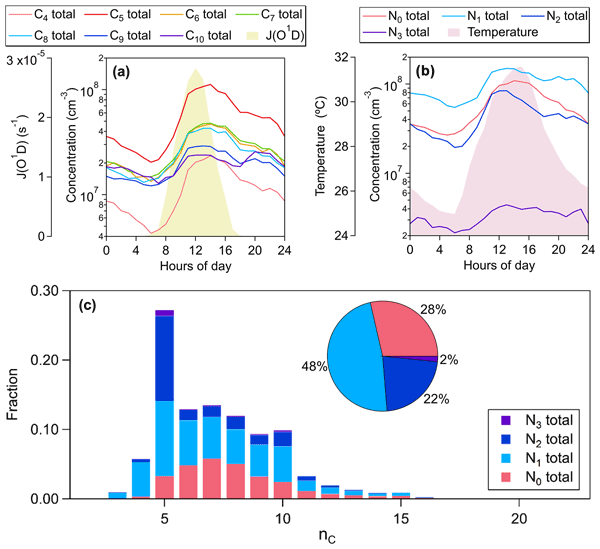
Oxygenated organic molecules (OOMs) are crucial intermediates linking volatile organic compounds to secondary organic aerosols. Using nitrate time-of-flight chemical ionization mass spectrometry in eastern China, we performed positive matrix factorization (PMF) on binned OOM mass spectra. We reconstructed over 1000 molecules from 14 derived PMF factors and identified about 72 % of the observed OOMs as organic nitrates, highlighting the decisive role of NOx in OOM formation in populated areas.
Cited articles
Adachi, K. and Buseck, P. R.: Changes of ns-soot mixing states and shapes in an urban area during CalNex, Journal of Geophysical Research-Atmospheres, 118, 3723–3730, https://doi.org/10.1002/jgrd.50321, 2013.
Adachi, K., Chung, S. H., and Buseck, P. R.: Shapes of soot aerosol particles and implications for their effects on climate, Journal of Geophysical Research: Atmospheres, 115, D15206, https://doi.org/10.1029/2009jd012868, 2010.
Adachi, K., Moteki, N., Kondo, Y., and Igarashi, Y.: Mixing states of light-absorbing particles measured using a transmission electron microscope and a single-particle soot photometer in Tokyo, Japan, Journal of Geophysical Research-Atmospheres, 121, 9153–9164, https://doi.org/10.1002/2016jd025153, 2016.
Bauer, S. E., Ault, A. P., and Prather, K. A.: Evaluation of aerosol mixing state classes in the GISS modelE-MATRIX climate model using single-particle mass spectrometry measurements, Journal of Geophysical Research: Atmospheres, 118, 9834–9844, https://doi.org/10.1002/jgrd.50700, 2013.
Baumgardner, D., Popovicheva, O., Allan, J., Bernardoni, V., Cao, J., Cavalli, F., Cozic, J., Diapouli, E., Eleftheriadis, K., Genberg, P. J., Gonzalez, C., Gysel, M., John, A., Kirchstetter, T. W., Kuhlbusch, T. A. J., Laborde, M., Lack, D., Müller, T., Niessner, R., Petzold, A., Piazzalunga, A., Putaud, J. P., Schwarz, J., Sheridan, P., Subramanian, R., Swietlicki, E., Valli, G., Vecchi, R., and Viana, M.: Soot reference materials for instrument calibration and intercomparisons: a workshop summary with recommendations, Atmospheric Measurement Techniques, 5, 1869–1887, https://doi.org/10.5194/amt-5-1869-2012, 2012.
Beeler, P., Kumar, J., Schwarz, J. P., Adachi, K., Fierce, L., Perring, A. E., Katich, J. M., and Chakrabarty, R. K.: Light absorption enhancement of black carbon in a pyrocumulonimbus cloud, Nature Communications, 15, https://doi.org/10.1038/s41467-024-50070-0, 2024.
Bond, T. C. and Bergstrom, R. W.: Light Absorption by Carbonaceous Particles: An Investigative Review, Aerosol Science and Technology, 40, 27–67, https://doi.org/10.1080/02786820500421521, 2006.
Brooks, J., Liu, D., Allan, J. D., Williams, P. I., Haywood, J., Highwood, E. J., Kompalli, S. K., Babu, S. S., Satheesh, S. K., Turner, A. G., and Coe, H.: Black carbon physical and optical properties across northern India during pre-monsoon and monsoon seasons, Atmospheric Chemistry and Physics, 19, 13079–13096, https://doi.org/10.5194/acp-19-13079-2019, 2019.
Cappa, C. D., Onasch, T. B., Massoli, P., Worsnop, D. R., Bates, T. S., Cross, E. S., Davidovits, P., Hakala, J., Hayden, K. L., Jobson, B. T., Kolesar, K. R., Lack, D. A., Lerner, B. M., Li, S.-M., Mellon, D., Nuaaman, I., Olfert, J. S., Petäjä, T., Quinn, P. K., Song, C., Subramanian, R., Williams, E. J., and Zaveri, R. A.: Radiative Absorption Enhancements Due to the Mixing State of Atmospheric Black Carbon, Science, 337, 1078–1081, https://doi.org/10.1126/science.1223447, 2012.
Cappa, C. D., Zhang, X., Russell, L. M., Collier, S., Lee, A. K. Y., Chen, C. L., Betha, R., Chen, S., Liu, J., Price, D. J., Sanchez, K. J., McMeeking, G. R., Williams, L. R., Onasch, T. B., Worsnop, D. R., Abbatt, J., and Zhang, Q.: Light Absorption by Ambient Black and Brown Carbon and its Dependence on Black Carbon Coating State for Two California, USA, Cities in Winter and Summer, Journal of Geophysical Research: Atmospheres, 124, 1550–1577, https://doi.org/10.1029/2018JD029501, 2019.
Chakrabarty, R. K., Moosmueller, H., Arnott, W. P., Garro, M. A., and Walker, J.: Structural and fractal properties of particles emitted from spark ignition engines, Environmental Science & Technology, 40, 6647–6654, https://doi.org/10.1021/es060537y, 2006.
Chen, G., Liu, C., Wang, J., Yin, Y., and Wang, Y.: Accounting for Black Carbon Mixing State, Nonsphericity, and Heterogeneity Effects in Its Optical Property Parameterization in a Climate Model, Journal of Geophysical Research: Atmospheres, 129, e2024JD041135, https://doi.org/10.1029/2024JD041135, 2024.
China, S., Mazzoleni, C., Gorkowski, K., Aiken, A. C., Dubey, M. K., and Michigan Technological Univ, H. M. I.: Morphology and mixing state of individual freshly emitted wildfire carbonaceous particles, Nature Communications, 4, 2122–2122, https://doi.org/10.1038/ncomms3122, 2013.
Corbin, J. C., Modini, R. L., and Gysel-Beer, M.: Mechanisms of soot-aggregate restructuring and compaction, Aerosol Science and Technology, 57, 89–111, https://doi.org/10.1080/02786826.2022.2137385, 2023.
Cross, E. S., Onasch, T. B., Ahern, A., Wrobel, W., Slowik, J. G., Olfert, J., Lack, D. A., Massoli, P., Cappa, C. D., Schwarz, J. P., Spackman, J. R., Fahey, D. W., Sedlacek, A., Trimborn, A., Jayne, J. T., Freedman, A., Williams, L. R., Ng, N. L., Mazzoleni, C., Dubey, M., Brem, B., Kok, G., Subramanian, R., Freitag, S., Clarke, A., Thornhill, D., Marr, L. C., Kolb, C. E., Worsnop, D. R., and Davidovits, P.: Soot Particle StudiesInstrument Inter-ComparisonProject Overview, Aerosol Science and Technology, 44, 592–611, https://doi.org/10.1080/02786826.2010.482113, 2010.
Fierce, L., Onasch, T. B., Cappa, C. D., Mazzoleni, C., China, S., Bhandari, J., Davidovits, P., Al Fischer, D., Helgestad, T., Lambe, A. T., Sedlacek, A. J., Smith, G. D., Wolff, L., Brookhaven National Lab, U. N. Y., and Pacific Northwest National Lab, R. W. A.: Radiative absorption enhancements by black carbon controlled by particle-to-particle heterogeneity in composition, Proceedings of the National Academy of Sciences, 117, 5196–5203, https://doi.org/10.1073/pnas.1919723117, 2020.
Gao, R. S., Schwarz, J. P., Kelly, K. K., Fahey, D. W., Watts, L. A., Thompson, T. L., Spackman, J. R., Slowik, J. G., Cross, E. S., Han, J. H., Davidovits, P., Onasch, T. B., and Worsnop, D. R.: A Novel Method for Estimating Light-Scattering Properties of Soot Aerosols Using a Modified Single-Particle Soot Photometer, Aerosol Science and Technology, 41, 125–135, https://doi.org/10.1080/02786820601118398, 2007.
Gysel, M., Laborde, M., Olfert, J. S., Subramanian, R., and Gröhn, A. J.: Effective density of Aquadag and fullerene soot black carbon reference materials used for SP2 calibration, Atmospheric Measurement Techniques, 4, 2851–2858, https://doi.org/10.5194/amt-4-2851-2011, 2011.
Huang, X.-F., Peng, Y., Wei, J., Peng, J., Lin, X.-Y., Tang, M.-X., Cheng, Y., Men, Z., Fang, T., Zhang, J., He, L.-Y., Cao, L. M., Liu, C., Zhang, C., Mao, H., Seinfeld, J. H., and Wang, Y.: Microphysical complexity of black carbon particles restricts their warming potential, One Earth, 7, https://doi.org/10.1016/j.oneear.2023.12.004, 2024.
Jiang, F., Zheng, Z., Coe, H., Healy, R. M., Poulain, L., Gros, V., Zhang, H., Li, W., Liu, D., West, M., Topping, D., and Riemer, N.: Integrating Simulations and Observations: A Foundation Model for Estimating the Aerosol Mixing State Index, Environmental Science & Technology Air, https://doi.org/10.1021/acsestair.4c00329, 2025.
Kahnert, M. and Kanngießer, F.: Modelling optical properties of atmospheric black carbon aerosols, Journal of Quantitative Spectroscopy & Radiative Transfer, 244, 106849, https://doi.org/10.1016/j.jqsrt.2020.106849, 2020.
Laborde, M., Schnaiter, M., Linke, C., Saathoff, H., Naumann, K.-H., Möhler, O., Berlenz, S., Wagner, U., Taylor, J. W., Liu, D., Flynn, M., Allan, J. D., Coe, H., Heimerl, K., Dahlkötter, F., Weinzierl, B., Wollny, A. G., Zanatta, M., Cozic, J., Laj, P., Hitzenberger, R., Schwarz, J. P., and Gysel, M.: Single Particle Soot Photometer intercomparison at the AIDA chamber, Atmospheric Measurement Techniques, 5, 3077–3097, https://doi.org/10.5194/amt-5-3077-2012, 2012.
Li, W., Riemer, N., Xu, L., Wang, Y., Adachi, K., Shi, Z., Zhang, D., Zheng, Z., and Laskin, A.: Microphysical properties of atmospheric soot and organic particles: measurements, modeling, and impacts, npj Climate and Atmospheric Science, 7, 65, https://doi.org/10.1038/s41612-024-00610-8, 2024.
Liu, D., Taylor, J. W., Young, D. E., Flynn, M. J., Coe, H., and Allan, J. D.: The effect of complex black carbon microphysics on the determination of the optical properties of brown carbon: BC morphology on BrC optical properties, Geophysical Research Letters, 42, 613–619, https://doi.org/10.1002/2014GL062443, 2015a.
Liu, D., Allan, J. D., Young, D. E., Coe, H., Beddows, D., Fleming, Z. L., Flynn, M. J., Gallagher, M. W., Harrison, R. M., Lee, J., Prevot, A. S. H., Taylor, J. W., Yin, J., Williams, P. I., and Zotter, P.: Size distribution, mixing state and source apportionment of black carbon aerosol in London during wintertime, Atmospheric Chemistry and Physics, 14, 10061–10084, https://doi.org/10.5194/acp-14-10061-2014, 2014.
Liu, D., Whitehead, J., Alfarra, M. R., Reyes-Villegas, E., Spracklen, D. V., Reddington, C. L., Kong, S., Williams, P. I., Ting, Y.-C., Haslett, S., Taylor, J. W., Flynn, M. J., Morgan, W. T., McFiggans, G., Coe, H., and Allan, J. D.: Black-carbon absorption enhancement in the atmosphere determined by particle mixing state, Nature Geoscience, 10, 184–188, https://doi.org/10.1038/ngeo2901, 2017a.
Liu, H., Pan, X., Liu, D., Liu, X., Chen, X., Tian, Y., Sun, Y., Fu, P., and Wang, Z.: Mixing characteristics of refractory black carbon aerosols at an urban site in Beijing, Atmospheric Chemistry and Physics, 20, 5771–5785, https://doi.org/10.5194/acp-20-5771-2020, 2020.
Liu, H., Pan, X. L., Wang, D. W., Liu, X. Y., Tian, Y., Yao, W. J., Lei, S. D., Zhang, Y. T., Li, J., Lei, L., Xie, C. H., Fu, P. Q., Sun, Y. L., and Wang, Z. F.: Mixing characteristics of black carbon aerosols in a coastal city using the CPMA-SP2 system, Atmospheric Research, 265, https://doi.org/10.1016/j.atmosres.2021.105867, 2022.
Liu, S., Aiken, A. C., Gorkowski, K., Dubey, M. K., Cappa, C. D., Williams, L. R., Herndon, S. C., Massoli, P., Fortner, E. C., Chhabra, P. S., Brooks, W. A., Onasch, T. B., Jayne, J. T., Worsnop, D. R., China, S., Sharma, N., Mazzoleni, C., Xu, L., Ng, N. L., Liu, D., Allan, J. D., Lee, J. D., Fleming, Z. L., Mohr, C., Zotter, P., Szidat, S., Prévôt, A. S. H., Los Alamos National Lab, L. A. N. M., and Univ. of California, D. C. A.: Enhanced light absorption by mixed source black and brown carbon particles in UK winter, Nature Communications, 6, 8435–8435, https://doi.org/10.1038/ncomms9435, 2015b.
Liu, Y., Wu, Z., Wang, Y., Xiao, Y., Gu, F., Zheng, J., Tan, T., Shang, D., Wu, Y., Zeng, L., Hu, M., Bateman, A. P., and Martin, S. T.: Submicrometer Particles Are in the Liquid State during Heavy Haze Episodes in the Urban Atmosphere of Beijing, China, Environmental Science & Technology Letters, 4, 427–432, https://doi.org/10.1021/acs.estlett.7b00352, 2017b.
Modini, R. L., Corbin, J. C., Brem, B. T., Irwin, M., Bertò, M., Pileci, R. E., Fetfatzis, P., Eleftheriadis, K., Henzing, B., Moerman, M. M., Liu, F., Müller, T., and Gysel-Beer, M.: Detailed characterization of the CAPS single-scattering albedo monitor (CAPS PMssa) as a field-deployable instrument for measuring aerosol light absorption with the extinction-minus-scattering method, Atmospheric Measurement Techniques, 14, 819–851, https://doi.org/10.5194/amt-14-819-2021, 2021.
Moffet, R. C., O'Brien, R. E., Alpert, P. A., Kelly, S. T., Pham, D. Q., Gilles, M. K., Knopf, D. A., and Laskin, A.: Morphology and mixing of black carbon particles collected in central California during the CARES field study, Atmospheric Chemistry and Physics, 16, 14515–14525, https://doi.org/10.5194/acp-16-14515-2016, 2016.
Moteki, N. and Kondo, Y.: Effects of Mixing State on Black Carbon Measurements by Laser-Induced Incandescence, Aerosol Science and Technology, 41, 398–417, https://doi.org/10.1080/02786820701199728, 2007.
Moteki, N. and Kondo, Y.: Dependence of Laser-Induced Incandescence on Physical Properties of Black Carbon Aerosols: Measurements and Theoretical Interpretation, Aerosol Science and Technology, 44, 663–675, https://doi.org/10.1080/02786826.2010.484450, 2010.
Naseri, A., Sipkens, T. A., Rogak, S. N., and Olfert, J. S.: An improved inversion method for determining two-dimensional mass distributions of non-refractory materials on refractory black carbon, Aerosol Science and Technology, 55, 104–118, https://doi.org/10.1080/02786826.2020.1825615, 2021.
Naseri, A., Sipkens, T. A., Rogak, S. N., and Olfert, J. S.: Optimized instrument configurations for tandem particle mass analyzer and single particle-soot photometer experiments, Journal of Aerosol Science, 160, https://doi.org/10.1016/j.jaerosci.2021.105897, 2022.
Naseri, A., Corbin, J. C., and Olfert, J. S.: Comparison of the LEO and CPMA-SP2 techniques for black-carbon mixing-state measurements, Atmospheric Measurement Techniques, 17, 3719–3738, https://doi.org/10.5194/amt-17-3719-2024, 2024.
Olfert, J. S. and Collings, N.: New method for particle mass classification – the Couette centrifugal particle mass analyzer, Journal of Aerosol Science, 36, 1338–1352, https://doi.org/10.1016/j.jaerosci.2005.03.006, 2005.
Peng, J., Hu, M., Guo, S., Du, Z., Zheng, J., Shang, D., Zamora, M. L., Zeng, L., Shao, M., Wu, Y.-S., Zheng, J., Wang, Y., Glen, C. R., Collins, D. R., Molina, M. J., and Zhang, R.: Markedly enhanced absorption and direct radiative forcing of black carbon under polluted urban environments, Proceedings of the National Academy of Sciences, 113, 4266–4271, https://doi.org/10.1073/pnas.1602310113, 2016.
Qian, H., Xu, B., Xu, Z., Zou, Q., Zi, Q., Zuo, H., Zhang, F., Wei, J., Pei, X., Zhou, W., Jin, L., Tian, X., Zhao, W., and Wang, Z.: Anthropogenic Oxygenated Volatile Organic Compounds Dominate Atmospheric Oxidation Capacity and Ozone Production via Secondary Formation of Formaldehyde in the Urban Atmosphere, ACS ES&T Air, 2, 1033–1041, https://doi.org/10.1021/acsestair.4c00317, 2025.
Radney, J. G., You, R. A., Ma, X. F., Conny, J. M., Zachariah, M. R., Hodges, J. T., and Zangmeister, C. D.: Dependence of Soot Optical Properties on Particle Morphology: Measurements and Model Comparisons, Environmental Science & Technology, 48, 3169–3176, https://doi.org/10.1021/es4041804, 2014.
Romshoo, B., Müller, T., Ahlawat, A., Wiedensohler, A., Haneef, M. V., Imran, M., Warsi, A. B., Mandariya, A. K., Habib, G., and Pöhlker, M. L.: Significant contribution of fractal morphology to aerosol light absorption in polluted environments dominated by black carbon (BC), npj Climate and Atmospheric Science, 7, 87, https://doi.org/10.1038/s41612-024-00634-0, 2024.
Schloesser, H.: Use of a Multi-Wavelength Integrating Nephelometer to Determine Source Influences on Particle Concentration Measurements. Atmospheric optics: aerosols, visibility and the radiatiov balance 2016, vol. 1: Atmospheric optics conference, 27–30 September 2016, Jackson Hole, Wyoming, USA, https://iccpa.lbl.gov/wp-content/uploads/sites/10/2018/03/schloesser-poster.pdf?utm_source=chatgpt.com (last access: 13 February 2026), 2016.
Schwarz, J. P., Katich, J. M., Lee, S. L., Thomson, D. S., and Watts, L. A.: “Invisible bias” in the single particle soot photometer due to trigger deadtime, Aerosol Science and Technology, 56, 623–635, https://doi.org/10.1080/02786826.2022.2064265, 2022.
Seinfeld, J.: Atmospheric science – Black carbon and brown clouds, Nature Geoscience, 1, 15–16, https://doi.org/10.1038/ngeo.2007.62, 2008.
Stephens, M., Turner, N., and Sandberg, J.: Particle identification by laser-induced incandescence in a solid-state laser cavity, Applied Optics, 42, 3726–3736, https://doi.org/10.1364/ao.42.003726, 2003.
Stier, P., Feichter, J., Kinne, S., Kloster, S., Vignati, E., Wilson, J., Ganzeveld, L., Tegen, I., Werner, M., Balkanski, Y., Schulz, M., Boucher, O., Minikin, A., and Petzold, A.: The aerosol-climate model ECHAM5-HAM, Atmos. Chem. Phys., 5, 1125–1156, https://doi.org/10.5194/acp-5-1125-2005, 2005.
Szopa, S., Naik, V., Adhikary, B., Artaxo, P., Berntsen, T., Collins, W. D., Fuzzi, S., Gallardo, L., Kiendler-Scharr, A., Klimont, Z., Liao, H., Unger, N., and Zanis, P.: Short-Lived Climate Forcers, in: Climate Change 2021: The Physical Science Basis. Contribution of Working Group I to the Sixth Assessment Report of the Intergovernmental Panel on Climate Change, edited by: Masson-Delmotte, V., Zhai, P., Pirani, A., Connors, S. L., Péan, C., Berger, S., Caud, N., Chen, Y., Goldfarb, L., Gomis, M. I., Huang, M., Leitzell, K., Lonnoy, E., Matthews, J. B. R., Maycock, T. K., Waterfield, T., Yelekçi, O., Yu, R., and Zhou, B., IPCC, 2021.
Ueda, S., Nakayama, T., Taketani, F., Adachi, K., Matsuki, A., Iwamoto, Y., Sadanaga, Y., and Matsumi, Y.: Light absorption and morphological properties of soot-containing aerosols observed at an East Asian outflow site, Noto Peninsula, Japan, Atmospheric Chemistry and Physics, 16, 2525–2541, https://doi.org/10.5194/acp-16-2525-2016, 2016.
Wang, J., Wang, J., Cai, R., Liu, C., Jiang, J., Nie, W., Wang, J., Moteki, N., Zaveri, R. A., Huang, X., Ma, N., Chen, G., Wang, Z., Jin, Y., Cai, J., Zhang, Y., Chi, X., Holanda, B. A., Xing, J., Liu, T., Qi, X., Wang, Q., Pöhlker, C., Su, H., Cheng, Y., Wang, S., Hao, J., Andreae, M. O., and Ding, A.: Unified theoretical framework for black carbon mixing state allows greater accuracy of climate effect estimation, Nature Communications, 14, 2703, https://doi.org/10.1038/s41467-023-38330-x, 2023.
Wang, T. T., Zhao, G., Tan, T. Y., Yu, Y., Tang, R. Z., Dong, H. B., Chen, S. Y., Li, X., Lu, K. D., Zeng, L. M., Gao, Y. Q., Wang, H. L., Lou, S. R., Liu, D. T., Hu, M., Zhao, C. S., and Guo, S.: Effects of biomass burning and photochemical oxidation on the black carbon mixing state and light absorption in summer season, Atmospheric Environment, 248, https://doi.org/10.1016/j.atmosenv.2021.118230, 2021a.
Wang, Y., Pang, Y., Huang, J., Bi, L., Che, H., Zhang, X., and Li, W.: Constructing Shapes and Mixing Structures of Black Carbon Particles With Applications to Optical Calculations, Journal of Geophysical Research: Atmospheres, 126, https://doi.org/10.1029/2021jd034620, 2021b.
Wang, Y., Li, W., Huang, J., Liu, L., Pang, Y., He, C., Liu, F., Liu, D., Bi, L., Zhang, X., and Shi, Z.: Nonlinear Enhancement of Radiative Absorption by Black Carbon in Response to Particle Mixing Structure, Geophysical Research Letters, 48, https://doi.org/10.1029/2021gl096437, 2021c.
Weber, P., Petzold, A., Bischof, O. F., Fischer, B., Berg, M., Freedman, A., Onasch, T. B., and Bundke, U.: Relative errors in derived multi-wavelength intensive aerosol optical properties using cavity attenuated phase shift single-scattering albedo monitors, a nephelometer, and tricolour absorption photometer measurements, Atmospheric Measurement Techniques, 15, 3279–3296, https://doi.org/10.5194/amt-15-3279-2022, 2022.
Wei, J., Ding, J.-M., Song, Y., Wang, X.-Y., Pei, X.-Y., Xu, S.-C., Zhang, F., Xu, Z.-N., Tian, X.-D., Xu, B.-Y., and Wang, Z.-B.: Figure for Effects of Mass Ratio Heterogeneity and Coating-Related Optical Characteristics on the Light Absorption Enhancement of Black Carbon-Containing Particles, figshare [data set], https://doi.org/10.6084/m9.figshare.31131391, 2026.
Wu, Y., Cheng, T., and Zheng, L.: Light absorption of black carbon aerosols strongly influenced by particle morphology distribution, Environmental Research Letters, 15, 94051, https://doi.org/10.1088/1748-9326/aba2ff, 2020.
Zanatta, M., Gysel, N., Bukowiecki, T., Müller, E., and Weingartner: A European aerosol phenomenology-5: Climatology of black carbon optical properties at 9 regional background sites across Europe, Atmospheric Environment, https://doi.org/10.1016/j.atmosenv.2016.09.035, 2016.
Zanatta, M., Bogert, P., Ginot, P., Gong, Y., Hoshyaripour, G. A., Hu, Y., Jiang, F., Laj, P., Li, Y., Linke, C., Möhler, O., Saathoff, H., Schnaiter, M., Umo, N. S., Vogel, F., and Wagner, R.: AIDA Arctic transport experiment – Part 1: Simulation of northward transport and aging effect on fundamental black carbon properties, Aerosol Research, 3, 477–502, https://doi.org/10.5194/ar-3-477-2025, 2025.
Zeng, L., Tan, T., Zhao, G., Du, Z., Hu, S., Shang, D., and Hu, M.: Overestimation of black carbon light absorption due to mixing state heterogeneity, npj Climate and Atmospheric Science, 7, https://doi.org/10.1038/s41612-023-00535-8, 2024.
Zhai, J., Yang, X., Li, L., Bai, B., Liu, P., Huang, Y., Fu, T.-M., Zhu, L., Zeng, Z., Tao, S., Lu, X., Ye, X., Wang, X., Wang, L., and Chen, J.: Absorption Enhancement of Black Carbon Aerosols Constrained by Mixing-State Heterogeneity, Environmental Science & Technology, 56, 1586–1593, https://doi.org/10.1021/acs.est.1c06180, 2022.
Zhang, F., Shen, J., Xu, D., Shen, J., Qin, Y., Shi, R., Wei, J., Xu, Z., Pei, X., Tang, Q., Chen, H., Xu, B., and Wang, Z.: Unveiling the key drivers and formation pathways for secondary organic aerosols in an eastern China megacity, Journal of Hazardous Materials, 498, https://doi.org/10.1016/j.jhazmat.2025.139925, 2025a.
Zhang, J., Wang, Y., Teng, X., Liu, L., Xu, Y., Ren, L., Shi, Z., Zhang, Y., Jiang, J., Liu, D., Hu, M., Shao, L., Chen, J., Martin, S. T., Zhang, X., and Li, W.: Liquid-liquid phase separation reduces radiative absorption by aged black carbon aerosols, Communications Earth & Environment, 3, https://doi.org/10.1038/s43247-022-00462-1, 2022.
Zhang, R. Y., Khalizov, A. F., Pagels, J., Zhang, D., Xue, H. X., and McMurry, P. H.: Variability in morphology, hygroscopicity, and optical properties of soot aerosols during atmospheric processing, Proc. Natl. Acad. Sci. U.S.A., 105, 10291–10296, https://doi.org/10.1073/pnas.0804860105, 2008.
Zhang, Y., Zhang, Q., Cheng, Y., Su, H., Kecorius, S., Wang, Z., Wu, Z., Hu, M., Zhu, T., Wiedensohler, A., and He, K.: Measuring the morphology and density of internally mixed black carbon with SP2 and VTDMA: new insight into the absorption enhancement of black carbon in the atmosphere, Atmospheric Measurement Techniques , 9, 1833–1843, https://doi.org/10.5194/amt-9-1833-2016, 2016.
Zhang, Y., Zhang, Q., Cheng, Y., Su, H., Li, H., Li, M., Zhang, X., Ding, A., and He, K.: Amplification of light absorption of black carbon associated with air pollution, Atmospheric Chemistry and Physics, 18, 9879–9896, https://doi.org/10.5194/acp-18-9879-2018, 2018.
Zhang, Y. X., Zhang, Q., Yao, Z. L., and Li, H. Y.: Particle Size and Mixing State of Freshly Emitted Black Carbon from Different Combustion Sources in China, Environmental Science & Technology, 54, 7776–7774, https://doi.org/10.1021/acs.est.9b07373, 2020.
Zhang, Z., Wang, J., Wang, J., Riemer, N., Liu, C., Jin, Y., Tian, Z., Cai, J., Cheng, Y., Chen, G., Wang, B., Wang, S., and Ding, A.: Steady-state mixing state of black carbon aerosols from a particle-resolved model, Atmos. Chem. Phys., 25, 1869–1881, https://doi.org/10.5194/acp-25-1869-2025, 2025b.
Zhao, G., Shen, C., and Zhao, C.: Technical note: Mismeasurement of the core-shell structure of black carbon-containing ambient aerosols by SP2 measurements, Atmospheric Environment, 243, 117885, https://doi.org/10.1016/j.atmosenv.2020.117885, 2020.
Short summary
Black carbon (BC) is a light-absorbing particle that contributes to atmospheric warming, but its radiative impact remains highly uncertain. We conducted field measurements in Hangzhou, China, to examine how the mass ratio (MR, coating-to-BC) affects light absorption enhancement (Eabs). Our results show that widely used optical models overestimate Eabs, especially under clean conditions. A new MR-dependent parameterization improves model accuracy and reduces this uncertainty.
Black carbon (BC) is a light-absorbing particle that contributes to atmospheric warming, but its...


Altmetrics
Final-revised paper
Preprint