
Articles | Volume 26, issue 20
https://doi.org/10.5194/acp-26-14617-2026
© Author(s) 2026. This work is distributed under
the Creative Commons Attribution 4.0 License.
the Creative Commons Attribution 4.0 License.
https://doi.org/10.5194/acp-26-14617-2026
© Author(s) 2026. This work is distributed under
the Creative Commons Attribution 4.0 License.
the Creative Commons Attribution 4.0 License.
Measurement report
| 
15 Oct 2026
Measurement report |
| 15 Oct 2026
| 15 Oct 2026
Measurement report: Soil reactive nitrogen gas emissions in the Tibetan Plateau
Lingling Deng
Key Laboratory of Geographic Information Science (Ministry of Education), School of Geographic Sciences, East China Normal University, 200241 Shanghai, China
Yuhan Chen
Key Laboratory of Geographic Information Science (Ministry of Education), School of Geographic Sciences, East China Normal University, 200241 Shanghai, China
Chunxiang Ye
State Key Joint Laboratory for Environmental Simulation and Pollution Control, Center for Environment and Health, College of Environmental Sciences and Engineering, Peking University, Beijing 100871, China
Rui Wang
Key Laboratory of Geographic Information Science (Ministry of Education), School of Geographic Sciences, East China Normal University, 200241 Shanghai, China
Ruhai Wang
State Key Laboratory of Soil and Sustainable Agriculture, Institute of soil Sciences, Chinese Academy of Sciences, 210008 Nanjing, China
Zehua Fu
State Key Laboratory of Soil and Sustainable Agriculture, Institute of soil Sciences, Chinese Academy of Sciences, 210008 Nanjing, China
Hongfang Zhao
CORRESPONDING AUTHOR

Key Laboratory of Geographic Information Science (Ministry of Education), School of Geographic Sciences, East China Normal University, 200241 Shanghai, China
Key Laboratory of Geographic Information Science (Ministry of Education), School of Geographic Sciences, East China Normal University, 200241 Shanghai, China
Related authors
No articles found.
Wenhao Zhou, Shunde Pan, Chunxiang Ye, Jianshu Wang, Chong Zhang, Haoqi Wang, Shaojie Song, Weili Lin, and Tong Zhu
EGUsphere, https://doi.org/10.5194/egusphere-2026-5878, https://doi.org/10.5194/egusphere-2026-5878, 2026
This preprint is open for discussion and under review for Atmospheric Chemistry and Physics (ACP).
Short summary
Short summary
Air quality models often miss a source of nitrous acid, a gas that drives reactions affecting pollution. We used laboratory and field data to model how sunlight turns nitrate in grime on outdoor surfaces into nitrous acid. Adding this process to an air quality model for China explained up to 85 % of the gap between modelled and measured levels. It was especially important in clean air, showing that nitrate stored on surfaces can keep shaping ozone and particle pollution after the air clears.
Qiqi Mo, Longjie Wen, Gang Zhao, Chunxiang Ye, Jie Sun, Weili Lin, Fengjun Shen, Tong Liu, Yicheng Gao, Yi Chen, Tiantian Zhang, and Tong Zhu
Atmos. Chem. Phys., 26, 11473–11489, https://doi.org/10.5194/acp-26-11473-2026, https://doi.org/10.5194/acp-26-11473-2026, 2026
Short summary
Short summary
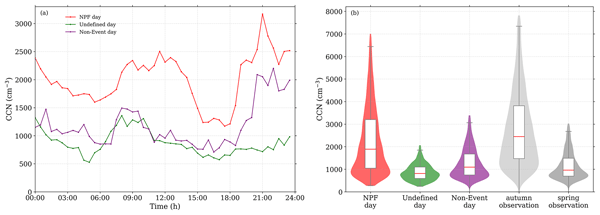
Measurements in Lhasa show that new airborne particles formed on most observation days. They were more frequent during the autumn campaign than during the spring campaign and were linked to increases in particles that can help form clouds. The findings improve our understanding of how city air may affect clouds and climate in high-altitude regions.
Tiantian Zhang, Peng Zuo, Yi Chen, Tong Liu, Linghan Zeng, Weili Lin, and Chunxiang Ye
Atmos. Chem. Phys., 25, 16331–16346, https://doi.org/10.5194/acp-25-16331-2025, https://doi.org/10.5194/acp-25-16331-2025, 2025
Short summary
Short summary
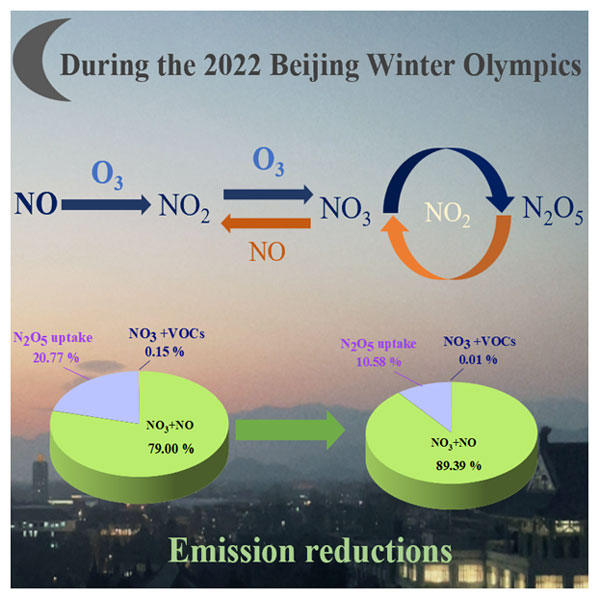
During the 2022 Beijing Winter Olympics, we conducted field observations of N2O5. By comparing pre- and post-Olympic pollutant levels, we evaluated the impact of emission reductions on nocturnal chemistry. The results showed that the reactivity of nitric oxide (NO) and volatile organic compounds (VOCs) with NO3 decreased, and that the heterogeneous uptake of N2O5 played a critical role in nocturnal nitrate formation.
Rui Li, Yumeng Shao, Dongmei Tang, Yining Gao, and Hongfang Zhao
Atmos. Chem. Phys., 25, 14501–14511, https://doi.org/10.5194/acp-25-14501-2025, https://doi.org/10.5194/acp-25-14501-2025, 2025
Short summary
Short summary
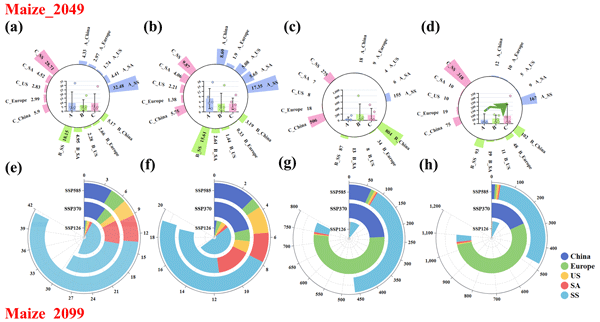
In both of historical and future scenarios, Sub-Sahara Africa (SS) and South America (SA) showed the highest fire-sourced maximum daily 8 h average (MDA8) O3 concentrations. However, the crop production losses (CPL) caused by O3 exposure reached the highest values in China. The emission control measures largely decreased the O3 damage to crop in China instead of SS and SA.
Zhongyi Zhang, Chunxiang Ye, Yichao Wu, Tao Zhou, Pengfei Chen, Shichang Kang, Chong Zhang, Zhuang Jiang, and Lei Geng
Atmos. Chem. Phys., 25, 10625–10641, https://doi.org/10.5194/acp-25-10625-2025, https://doi.org/10.5194/acp-25-10625-2025, 2025
Short summary
Short summary
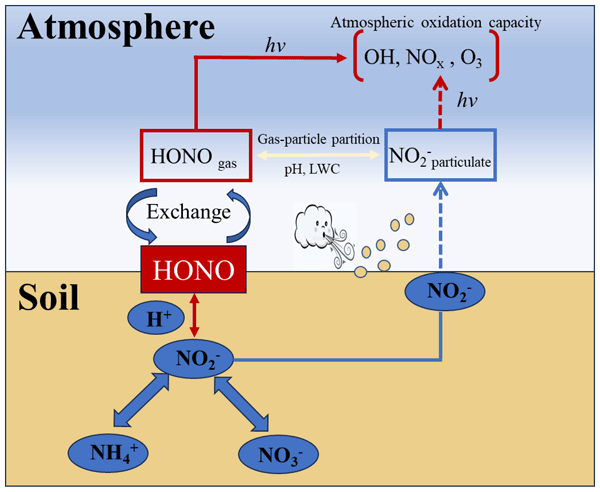
This study reveals unexpectedly high levels of particulate nitrite at the Base Camp of Mt. Qomolangma, which overwhelmingly exists in coarse mode, and demonstrates that lofted surface soil and long-range transported pollutants contribute to the high levels of nitrite. The high particulate nitrite is likely to participate in atmospheric reactive nitrogen cycling through gas-particle partitioning or photolysis, leading to production of HONO, OH and NO and thereby influencing oxidation chemistry.
Gang Zhao, Ping Tian, Chunxiang Ye, Weili Lin, Yicheng Gao, Jie Sun, Yi Chen, Fengjun Shen, and Tong Zhu
EGUsphere, https://doi.org/10.5194/egusphere-2025-3012, https://doi.org/10.5194/egusphere-2025-3012, 2025
Preprint archived
Short summary
Short summary
Understanding aerosol size distribution helps us predict how aerosols move, grow, and interact with the environment and climate. We used "maximum entropy" to demonstrate that the aerosol particle number size distribution would follow the Weibull distribution in the clean atmosphere during the new particle formation and growth process. The observations showed good consistency with the theoretical analysis.
Chengzhi Xing, Cheng Liu, Chunxiang Ye, Jingkai Xue, Hongyu Wu, Xiangguang Ji, Jinping Ou, and Qihou Hu
Atmos. Chem. Phys., 24, 10093–10112, https://doi.org/10.5194/acp-24-10093-2024, https://doi.org/10.5194/acp-24-10093-2024, 2024
Short summary
Short summary
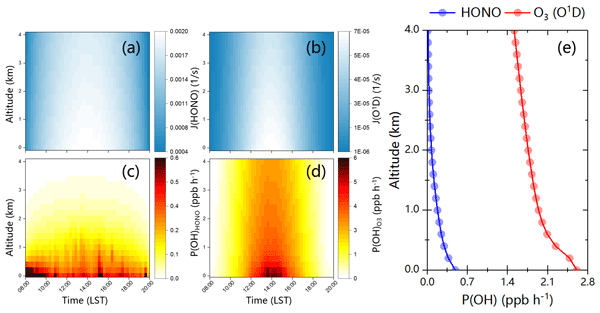
We identified the contributions of ozone (O3) and nitrous acid (HONO) to the production rates of hydroxide (OH) in vertical space on the Tibetan Plateau (TP). A new insight was offered: the contributions of HONO and O3 to the production rates of OH on the TP are even greater than in lower-altitudes areas. This study enriches the understanding of vertical distribution of atmospheric components and explains the strong atmospheric oxidation capacity (AOC) on the TP.
Xi Cheng, Yong Jie Li, Yan Zheng, Keren Liao, Theodore K. Koenig, Yanli Ge, Tong Zhu, Chunxiang Ye, Xinghua Qiu, and Qi Chen
Atmos. Chem. Phys., 24, 2099–2112, https://doi.org/10.5194/acp-24-2099-2024, https://doi.org/10.5194/acp-24-2099-2024, 2024
Short summary
Short summary
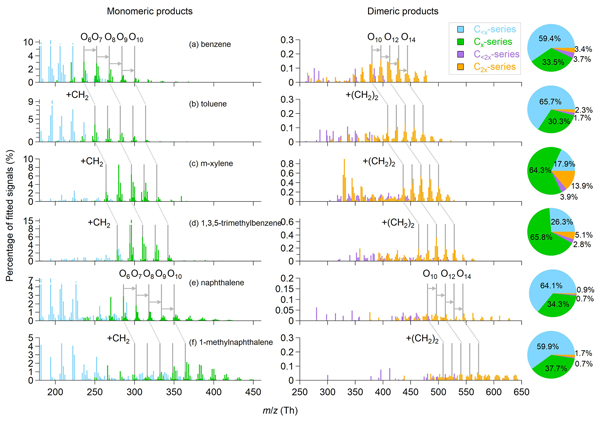
In this study we conducted laboratory measurements to investigate the formation of gas-phase oxygenated organic molecules (OOMs) from six aromatic volatile organic compounds (VOCs). We provide a thorough analysis on the effects of precursor structure (substituents and ring numbers) on product distribution and highlight from a laboratory perspective that heavy (e.g., double-ring) aromatic VOCs are important in initial particle growth during secondary organic aerosol formation.
Shuzheng Guo, Chunxiang Ye, Weili Lin, Yi Chen, Limin Zeng, Xuena Yu, Jinhui Cui, Chong Zhang, Jing Duan, Haobin Zhong, Rujin Huang, Xuguang Chi, Wei Nie, and Aijun Ding
EGUsphere, https://doi.org/10.5194/egusphere-2024-262, https://doi.org/10.5194/egusphere-2024-262, 2024
Preprint archived
Short summary
Short summary
@Tibet field campaigns 2021 discovered surprisingly high levels and activity contributions of oxygenated volatile organic compounds on the southeast of the Tibetan Plateau, which suggests that OVOCs may play a larger role in the chemical reactions that occur in high-altitude regions than previously thought.
Chunxiang Ye, Shuzheng Guo, Weili Lin, Fangjie Tian, Jianshu Wang, Chong Zhang, Suzhen Chi, Yi Chen, Yingjie Zhang, Limin Zeng, Xin Li, Duo Bu, Jiacheng Zhou, and Weixiong Zhao
Atmos. Chem. Phys., 23, 10383–10397, https://doi.org/10.5194/acp-23-10383-2023, https://doi.org/10.5194/acp-23-10383-2023, 2023
Short summary
Short summary
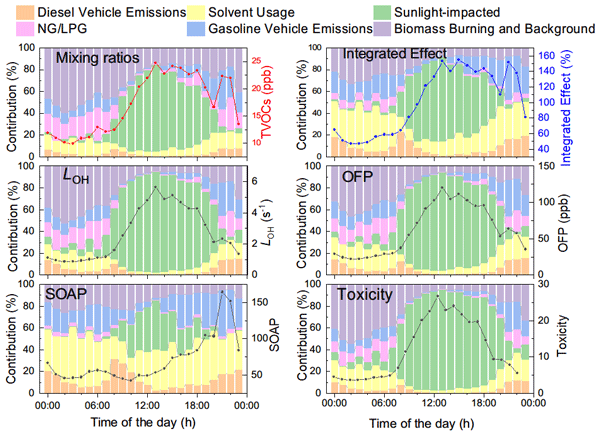
Online volatile organic compound (VOC) measurements by gas chromatography–mass spectrometry, with other O3 precursors, were used to identify key VOC and other key sources in Lhasa. Total VOCs (TVOCs), alkanes, and aromatics are half as abundant as in Beijing. Oxygenated VOCs (OVOCs) consist of 52 % of the TVOCs. Alkenes and OVOCs account for 80 % of the ozone formation potential. Aromatics dominate secondary organic aerosol potential. Positive matrix factorization decomposed residential sources.
Yaru Wang, Yi Chen, Suzhen Chi, Jianshu Wang, Chong Zhang, Weixiong Zhao, Weili Lin, and Chunxiang Ye
Atmos. Meas. Tech. Discuss., https://doi.org/10.5194/amt-2023-192, https://doi.org/10.5194/amt-2023-192, 2023
Revised manuscript not accepted
Short summary
Short summary
We reported an optimized system (Mea-OPR) for direct measurement of ozone production rate, which showed a precise, sensitive and reliable measurement of OPR for at least urban and suburban atmosphere, and active O3 photochemical production in winter Beijing. Herein, the Mea-OPR system also shows its potential in exploring the fundamental O3 photochemistry, i.e., surprisingly high ozone production even under high-NOx conditions.
Wanyun Xu, Yuxuan Bian, Weili Lin, Yingjie Zhang, Yaru Wang, Zhiqiang Ma, Xiaoyi Zhang, Gen Zhang, Chunxiang Ye, and Xiaobin Xu
Atmos. Chem. Phys., 23, 7635–7652, https://doi.org/10.5194/acp-23-7635-2023, https://doi.org/10.5194/acp-23-7635-2023, 2023
Short summary
Short summary
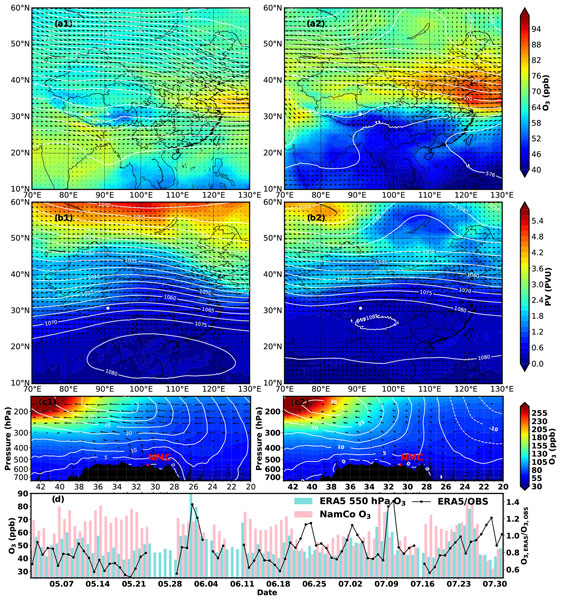
Tropospheric ozone (O3) and peroxyacetyl nitrate (PAN) are both photochemical pollutants harmful to the ecological environment and human health, especially in the Tibetan Plateau (TP). However, the factors determining their variations in the TP have not been comprehensively investigated. Results from field measurements and observation-based models revealed that day-to-day variations in O3 and PAN were in fact controlled by distinct physiochemical processes.
Joanna E. Dyson, Lisa K. Whalley, Eloise J. Slater, Robert Woodward-Massey, Chunxiang Ye, James D. Lee, Freya Squires, James R. Hopkins, Rachel E. Dunmore, Marvin Shaw, Jacqueline F. Hamilton, Alastair C. Lewis, Stephen D. Worrall, Asan Bacak, Archit Mehra, Thomas J. Bannan, Hugh Coe, Carl J. Percival, Bin Ouyang, C. Nicholas Hewitt, Roderic L. Jones, Leigh R. Crilley, Louisa J. Kramer, W. Joe F. Acton, William J. Bloss, Supattarachai Saksakulkrai, Jingsha Xu, Zongbo Shi, Roy M. Harrison, Simone Kotthaus, Sue Grimmond, Yele Sun, Weiqi Xu, Siyao Yue, Lianfang Wei, Pingqing Fu, Xinming Wang, Stephen R. Arnold, and Dwayne E. Heard
Atmos. Chem. Phys., 23, 5679–5697, https://doi.org/10.5194/acp-23-5679-2023, https://doi.org/10.5194/acp-23-5679-2023, 2023
Short summary
Short summary
The hydroxyl (OH) and closely coupled hydroperoxyl (HO2) radicals are vital for their role in the removal of atmospheric pollutants. In less polluted regions, atmospheric models over-predict HO2 concentrations. In this modelling study, the impact of heterogeneous uptake of HO2 onto aerosol surfaces on radical concentrations and the ozone production regime in Beijing in the summertime is investigated, and the implications for emissions policies across China are considered.
Lizi Tang, Min Hu, Dongjie Shang, Xin Fang, Jianjiong Mao, Wanyun Xu, Jiacheng Zhou, Weixiong Zhao, Yaru Wang, Chong Zhang, Yingjie Zhang, Jianlin Hu, Limin Zeng, Chunxiang Ye, Song Guo, and Zhijun Wu
Atmos. Chem. Phys., 23, 4343–4359, https://doi.org/10.5194/acp-23-4343-2023, https://doi.org/10.5194/acp-23-4343-2023, 2023
Short summary
Short summary
There was an evident distinction in the frequency of new particle formation (NPF) events at Nam Co station on the Tibetan Plateau: 15 % in pre-monsoon season and 80 % in monsoon season. The frequent NPF events in monsoon season resulted from the higher frequency of southerly air masses, which brought the organic precursors to participate in the NPF process. It increased the amount of aerosol and CCN compared with those in pre-monsoon season, which may markedly affect earth's radiation balance.

Hao Yin, Youwen Sun, Justus Notholt, Mathias Palm, Chunxiang Ye, and Cheng Liu
Atmos. Chem. Phys., 22, 14401–14419, https://doi.org/10.5194/acp-22-14401-2022, https://doi.org/10.5194/acp-22-14401-2022, 2022
Short summary
Short summary
Improved knowledge of the chemistry and drivers of surface ozone over the Qinghai-Tibet Plateau (QTP) is significant for regulatory and control purposes in this high-altitude region in the Himalayas. Our study investigates the processes and drivers of surface ozone anomalies by using machine-learning model-based meteorological normalization methods between 2015 and 2020 in urban areas over the QTP. This study can provide valuable implication for ozone mitigation over the QTP.
Yuhan Liu, Xuejiao Wang, Jing Shang, Weiwei Xu, Mengshuang Sheng, and Chunxiang Ye
Atmos. Chem. Phys., 22, 11347–11358, https://doi.org/10.5194/acp-22-11347-2022, https://doi.org/10.5194/acp-22-11347-2022, 2022
Short summary
Short summary
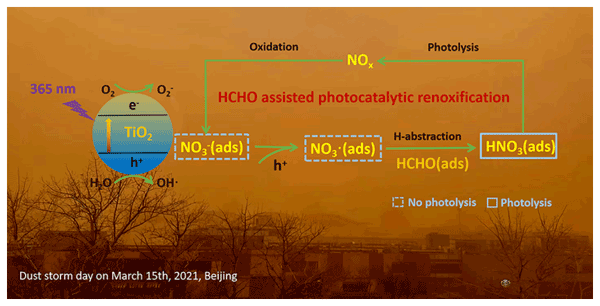
In this study, the influence of HCHO on renoxification on nitrate-doped TiO2 particles is investigated by using an experimental chamber. Mass NOx release is suggested to follow the NO−3-NO3·-HNO3-NOx pathway, with HCHO involved in the transformation of NO3· to HNO3 through hydrogen abstraction. Our proposed reaction mechanism by which HCHO promotes photocatalytic renoxification is helpful for deeply understanding the atmospheric photochemical processes and nitrogen cycling.
Marios Panagi, Roberto Sommariva, Zoë L. Fleming, Paul S. Monks, Gongda Lu, Eloise A. Marais, James R. Hopkins, Alastair C. Lewis, Qiang Zhang, James D. Lee, Freya A. Squires, Lisa K. Whalley, Eloise J. Slater, Dwayne E. Heard, Robert Woodward-Massey, Chunxiang Ye, and Joshua D. Vande Hey
Atmos. Chem. Phys. Discuss., https://doi.org/10.5194/acp-2022-379, https://doi.org/10.5194/acp-2022-379, 2022
Revised manuscript not accepted
Short summary
Short summary
A dispersion model and a box model were combined to investigate the evolution of VOCs in Beijing once they are emitted from anthropogenic sources. It was determined that during the winter time the VOC concentrations in Beijing are driven predominantly by sources within Beijing and by a combination of transport and chemistry during the summer. Furthermore, the results in the paper highlight the need for a season specific policy.
Yuting Zhu, Youfeng Wang, Xianliang Zhou, Yasin F. Elshorbany, Chunxiang Ye, Matthew Hayden, and Andrew J. Peters
Atmos. Chem. Phys., 22, 6327–6346, https://doi.org/10.5194/acp-22-6327-2022, https://doi.org/10.5194/acp-22-6327-2022, 2022
Short summary
Short summary
The daytime chemistry of nitrous acid (HONO), which plays an important role in the oxidation capacity of the troposphere, is not well understood. In this work, we report new field measurement results of HONO and the relevant parameters in the marine boundary layer at Tudor Hill Marine Atmospheric Observatory in Bermuda. We evaluate the daytime HONO budgets in air masses under different types of interaction with the island and examine the strengths of different HONO formation and loss mechanisms.
Cited articles
Baker, B. J., De Anda, V., Seitz, K. W., Dombrowski, N., Santoro, A. E., and Lloyd, K. G.: Diversity, ecology and evolution of Archaea, Nat. Microbiol., 5, 887–900, https://doi.org/10.1038/s41564-020-0715-z, 2020.
Bala, G., Devaraju, N., Chaturvedi, R. K., Caldeira, K., and Nemani, R.: Nitrogen deposition: how important is it for global terrestrial carbon uptake?, Biogeosciences, 10, 7147–7160, https://doi.org/10.5194/bg-10-7147-2013, 2013.
Bao, F., Cheng, Y., Kuhn, U., Li, G., Wang, W., Kratz, A. M., Weber, J., Weber, B., Pöschl, U., and Su, H.: Key Role of Equilibrium HONO Concentration over Soil in Quantifying Soil–Atmosphere HONO Fluxes, Environ. Sci. Technol., 56, 2204–2212, https://doi.org/10.1021/acs.est.1c06716, 2022.
Bao, Y., Dolfing, J., Guo, Z., Chen, R., Wu, M., Li, Z., Lin, X., and Feng, Y.: Important ecophysiological roles of non-dominant Actinobacteria in plant residue decomposition, especially in less fertile soils, Microbiome, 9, 84, https://doi.org/10.1186/s40168-021-01032-x, 2021.
Behera, S. N., Sharma, M., Aneja, V. P., and Balasubramanian, R.: Ammonia in the atmosphere: a review on emission sources, atmospheric chemistry and deposition on terrestrial bodies, Environ. Sci. Pollut. R., 20, 8092–8131, https://doi.org/10.1007/s11356-013-2051-9, 2013.
Behrendt, T., Veres, P. R., Ashuri, F., Song, G., Flanz, M., Mamtimin, B., Bruse, M., Williams, J., and Meixner, F. X.: Characterisation of NO production and consumption: new insights by an improved laboratory dynamic chamber technique, Biogeosciences, 11, 5463–5492, https://doi.org/10.5194/bg-11-5463-2014, 2014.
Berthrong, S. T., Yeager, C. M., Gallegos-Graves, L., Steven, B., Eichorst, S. A., Jackson, R. B., and Kuske, C. R.: Nitrogen Fertilization Has a Stronger Effect on Soil Nitrogen-Fixing Bacterial Communities than Elevated Atmospheric CO2, Appl. Environ. Microb., 80, 3103–3112, https://doi.org/10.1128/AEM.04034-13, 2014.
Bhattarai, H. R., Virkajärvi, P., Yli-Pirilä, P., and Maljanen, M.: Emissions of atmospherically important nitrous acid (HONO) gas from northern grassland soil increases in the presence of nitrite (
Bhattarai, H. R., Wanek, W., Siljanen, H. M. P., Ronkainen, J. G., Liimatainen, M., Hu, Y., Nykänen, H., Biasi, C., and Maljanen, M.: Denitrification is the major nitrous acid production pathway in boreal agricultural soils, Commun. Earth Environ., 2, 54, https://doi.org/10.1038/s43247-021-00125-7, 2021.
Bray, C. D., Battye, W. H., Aneja, V. P., and Schlesinger, W. H.: Global emissions of NH3, NOx, and N2O from biomass burning and the impact of climate change, J. Air Waste Manage., 71, 102–114, https://doi.org/10.1080/10962247.2020.1842822, 2021.
Brochier-Armanet, C., Boussau, B., Gribaldo, S., and Forterre, P.: Mesophilic crenarchaeota: proposal for a third archaeal phylum, the Thaumarchaeota, Nat. Rev. Microbiol., 6, 245–252, https://doi.org/10.1038/nrmicro1852, 2008.
Cai, Y., Ding, W., and Xiang, J.: Mechanisms of nitrous oxide and nitric oxide production in soils: A review, Soils, 44, 712–718, https://doi.org/10.3969/j.issn.0253-9829.2012.05.002, 2012.
Cao, J., Wang, H., Holden, N. M., Adamowski, J. F., Biswas, A., Zhang, X., and Feng, Q.: Soil properties and microbiome of annual and perennial cultivated grasslands on the Qinghai–Tibetan Plateau, Land Degrad. Dev., 32, 5306–5321, https://doi.org/10.1002/ldr.4110, 2021.
Cao, J., Jiao, Y., Che, R., Holden, N. M., Zhang, X., Biswas, A., and Feng, Q.: The effects of grazer exclosure duration on soil microbial communities on the Qinghai-Tibetan Plateau, Sci. Total Environ., 839, 156238, https://doi.org/10.1016/j.scitotenv.2022.156238, 2022.
Chen, C., Xiao, W., and Chen, H. Y. H.: Mapping global soil acidification under N deposition, Glob. Change Biol., 29, 4652–4661, https://doi.org/10.1111/gcb.16813, 2023.
Chen, H., Ju, P., Zhu, Q., Xu, X., Wu, N., Gao, Y., Feng, X., Tian, J., Niu, S., Zhang, Y., Peng, C., and Wang, Y.: Carbon and nitrogen cycling on the Qinghai–Tibetan Plateau, Nat. Rev. Earth Environ., 3, 701–716, https://doi.org/10.1038/s43017-022-00344-2, 2022a.
Chen, W., Wang, J., Chen, X., Meng, Z., Xu, R., Duoji, D., Zhang, J., He, J., Wang, Z., Chen, J., Liu, K., Hu, T., and Zhang, Y.: Soil microbial network complexity predicts ecosystem function along elevation gradients on the Tibetan Plateau, Soil Biol. Biochem., 172, 108766, https://doi.org/10.1016/j.soilbio.2022.108766, 2022b.
Dang, H., Zhang, X., Sun, J., Li, T., Zhang, Z., and Yang, G.: Diversity and spatial distribution of sediment ammonia-oxidizing crenarchaeota in response to estuarine and environmental gradients in the Changjiang Estuary and East China Sea, Microbiology, 154, 2084–2095, https://doi.org/10.1099/mic.0.2007/013581-0, 2008.
Delaria, E. R. and Cohen, R. C.: Measurements of Atmosphere–Biosphere Exchange of Oxidized Nitrogen and Implications for the Chemistry of Atmospheric NOx, Accounts Chem. Res., 56, 1720–1730, https://doi.org/10.1021/acs.accounts.3c00090, 2023.
Deng, L., Chen, Y., Ye, C., Wang, R., Wang, R., Fu, Z., Zhao, H., and Wu, D.: Soil Reactive Nitrogen Gas Emissions in the Tibetan Plateau, Zenodo [data set], https://doi.org/10.5281/zenodo.21628446, 2026.
Donaldson, M. A., Bish, D. L., and Raff, J. D.: Soil surface acidity plays a determining role in the atmospheric-terrestrial exchange of nitrous acid, P. Natl. Acad. Sci. USA, 111, 18472–18477, https://doi.org/10.1073/pnas.1418545112, 2014.
Du, E., Fenn, M. E., De Vries, W., and Ok, Y. S.: Atmospheric nitrogen deposition to global forests: Status, impacts and management options, Environ. Pollut., 250, 1044–1048, https://doi.org/10.1016/j.envpol.2019.04.014, 2019.
Erisman, J. W., Galloway, J., Seitzinger, S., Bleeker, A., and Butterbach-Bahl, K.: Reactive nitrogen in the environment and its effect on climate change, Curr. Opin. Env. Sust., 3, 281–290, https://doi.org/10.1016/j.cosust.2011.08.012, 2011.
Ermel, M., Behrendt, T., Oswald, R., Derstroff, B., Wu, D., Hohlmann, S., Stönner, C., Pommerening-Röser, A., Könneke, M., Williams, J., Meixner, F. X., Andreae, M. O., Trebs, I., and Sörgel, M.: Hydroxylamine released by nitrifying microorganisms is a precursor for HONO emission from drying soils, Sci. Rep., 8, 1877, https://doi.org/10.1038/s41598-018-20170-1, 2018.
Fan, M.-Y., Xiang, Y.-K., Zhang, Y.-L., Lin, Y.-C., Cao, F., Jiang, R., Liu, X., and Su, H.: Comparative contributions of primary emission and secondary production of HONO from unfertilized soil in Eastern China, Sustainable Horizons, 14, 100136, https://doi.org/10.1016/j.horiz.2025.100136, 2025.
Fierer, N., Lauber, C. L., Ramirez, K. S., Zaneveld, J., Bradford, M. A., and Knight, R.: Comparative metagenomic, phylogenetic and physiological analyses of soil microbial communities across nitrogen gradients, ISME J., 6, 1007–1017, https://doi.org/10.1038/ismej.2011.159, 2012.
Fowler, D., Coyle, M., Skiba, U., Sutton, M. A., Cape, J. N., Reis, S., Sheppard, L. J., Jenkins, A., Grizzetti, B., Galloway, J. N., Vitousek, P., Leach, A., Bouwman, A. F., Butterbach-Bahl, K., Dentener, F., Stevenson, D., Amann, M., and Voss, M.: The global nitrogen cycle in the twenty-first century, Philos. T. R. Soc. B, 368, 20130164, https://doi.org/10.1098/rstb.2013.0164, 2013.
Fu, W., Wu, H., Zhao, A.-H., Hao, Z.-P., and Chen, B.-D.: Ecological impacts of nitrogen deposition on terrestrial ecosystems: research progresses and prospects, Chinese Journal of Plant Ecology, 44, 475–493, https://doi.org/10.17521/cjpe.2019.0163, 2020.
Gao, Y.-H., Ma, X., and Cooper, D. J.: Short-term effect of nitrogen addition on nitric oxide emissions from an alpine meadow in the Tibetan Plateau, Environ. Sci. Pollut. R. 23, 12474–12479, 2016.
He, J., Li, J., and Zheng, Y.: Thoughts on the microbial diversity-stability relationship in soil ecosystems, Biodiversity Science, 21, 411–420, https://doi.org/10.3724/SP.J.1003.2013.10033, 2013.
Heil, J., Vereecken, H., and Brüggemann, N.: A review of chemical reactions of nitrification intermediates and their role in nitrogen cycling and nitrogen trace gas formation in soil, Eur. J. Soil Sci., 67, 23–39, https://doi.org/10.1111/ejss.12306, 2016.
Hereid, D. P. and Monson, R. K.: Nitrogen oxide fluxes between corn (Zea mays L.) leaves and the atmosphere, Atmos. Environ., 35, 975–983, https://doi.org/10.1016/S1352-2310(00)00342-3, 2001.
Holst, J., Liu, C., Brüggemann, N., Butterbach-Bahl, K., Zheng, X., Wang, Y., Han, S., Yao, Z., Yue, J., and Han, X.: Microbial N Turnover and N-Oxide (N2O/NO/NO2) Fluxes in Semi-arid Grassland of Inner Mongolia, Ecosystems, 10, 623–634, https://doi.org/10.1007/s10021-007-9043-x, 2007.
Hong, S., Li, Z., Tang, M., Li, F., Yao, Y., Yan, Y., He, M., Wang, X., Zeng, H., and Piao, S.: Magnitude, distribution and temporal trend of nitrous oxide emissions from China's natural soils over 1980–2022, Science China Earth Sciences, 68, 1074–1085, https://doi.org/10.1007/s11430-024-1522-4, 2025.
Jia, Y., Yu, G., Gao, Y., He, N., Wang, Q., Jiao, C., and Zuo, Y.: Global inorganic nitrogen dry deposition inferred from ground- and space-based measurements, Sci. Rep., 6, 19810, https://doi.org/10.1038/srep19810, 2016.
Johnson, S. S., Hebsgaard, M. B., Christensen, T. R., Mastepanov, M., Nielsen, R., Munch, K., Brand, T., Gilbert, M. T. P., Zuber, M. T., Bunce, M., Rønn, R., Gilichinsky, D., Froese, D., and Willerslev, E.: Ancient bacteria show evidence of DNA repair, P. Natl. Acad. Sci. USA, 104, 14401–14405, https://doi.org/10.1073/pnas.0706787104, 2007.
Kang, E., Li, Y., Zhang, X., Yan, Z., Wu, H., Li, M., Yan, L., Zhang, K., Wang, J., and Kang, X.: Soil pH and nutrients shape the vertical distribution of microbial communities in an alpine wetland, Sci. Total Environ., 774, 145780, https://doi.org/10.1016/j.scitotenv.2021.145780, 2021.
Kim, M. and Or, D.: Microscale pH variations during drying of soils and desert biocrusts affect HONO and NH3 emissions, Nat. Commun., 10, 3944, https://doi.org/10.1038/s41467-019-11956-6, 2019.
Kumar, P., Broquet, G., Hauglustaine, D., Beaudor, M., Clarisse, L., Van Damme, M., Coheur, P., Cozic, A., Zheng, B., Revilla Romero, B., Delavois, A., and Ciais, P.: Global atmospheric inversion of the anthropogenic NH3 emissions over 2019–2022 using the LMDZ-INCA chemistry transport model and the IASI NH3 observations, Atmos. Chem. Phys., 25, 12379–12407, https://doi.org/10.5194/acp-25-12379-2025, 2025.
Leff, J. W., Jones, S. E., Prober, S. M., Barberán, A., Borer, E. T., Firn, J. L., Harpole, W. S., Hobbie, S. E., Hofmockel, K. S., Knops, J. M. H., McCulley, R. L., La Pierre, K., Risch, A. C., Seabloom, E. W., Schütz, M., Steenbock, C., Stevens, C. J., and Fierer, N.: Consistent responses of soil microbial communities to elevated nutrient inputs in grasslands across the globe, P. Natl. Acad. Sci. USA, 112, 10967–10972, https://doi.org/10.1073/pnas.1508382112, 2015.
Levy-Booth, D. J., Prescott, C. E., and Grayston, S. J.: Microbial functional genes involved in nitrogen fixation, nitrification and denitrification in forest ecosystems, Soil Biol. Biochem., 75, 11–25, https://doi.org/10.1016/j.soilbio.2014.03.021, 2014.
Li, M., Mao, J., Chen, S., Bian, J., Bai, Z., Wang, X., Chen, W., and Yu, P.: Significant contribution of lightning NOx to summertime surface O3 on the Tibetan Plateau, Sci. Total Environ., 829, 154639, https://doi.org/10.1016/j.scitotenv.2022.154639, 2022.
Li, R., Fan, Q., Shao, Y., Shen, Y., Haider, H., Wu, D., Yao, Y., and Wang, G.: Global Soil Nitrous Acid (HONO) Emission Has Aggravated PM2.5 Pollution and Health Risks over the Last Century, Environ. Sci. Technol., 60, 4261–4270, https://doi.org/10.1021/acs.est.5c08207, 2026.
Liang, W., Yang, Z., Luo, J., Tian, H., Bai, Z., Li, D., Li, Q., Zhang, J., Wang, H., Ba, B., and Yang, Y.: Impacts of the atmospheric apparent heat source over the Tibetan Plateau on summertime ozone vertical distributions over Lhasa, Atmospheric and Oceanic Science Letters, 14, 100047, https://doi.org/10.1016/j.aosl.2021.100047, 2021.
Lin, F., Liu, C., Hu, X., Fu, Y., Zheng, X., Wang, R., Zhang, W., and Cao, G.: Characterizing nitric oxide emissions from two typical alpine ecosystems, Journal of Environmental Sciences, 77, 312–322, https://doi.org/10.1016/j.jes.2018.08.011, 2019.
Linzhi Municipal People's Government: Overview of Linzhi Prefecture, Official Website of Linzhi Municipal People's Government, https://www.linzhi.gov.cn/linzhi/c100176/201812/619ee1659dfe4e499dae551b7add7d0e.shtml (last access: 9 September 2025), 2018.
Liu, J., Liu, Z., Ma, Z., Yang, S., Yao, D., Zhao, S., Hu, B., Tang, G., Sun, J., Cheng, M., Xu, Z., and Wang, Y.: Detailed budget analysis of HONO in Beijing, China: Implication on atmosphere oxidation capacity in polluted megacity, Atmos. Environ., 244, 117957, https://doi.org/10.1016/j.atmosenv.2020.117957, 2021.
Liu, M., Huang, X., Song, Y., Tang, J., Cao, J., Zhang, X., Zhang, Q., Wang, S., Xu, T., Kang, L., Cai, X., Zhang, H., Yang, F., Wang, H., Yu, J. Z., Lau, A. K. H., He, L., Huang, X., Duan, L., Ding, A., Xue, L., Gao, J., Liu, B., and Zhu, T.: Ammonia emission control in China would mitigate haze pollution and nitrogen deposition, but worsen acid rain, P. Natl. Acad. Sci. USA, 116, 7760–7765, https://doi.org/10.1073/pnas.1814880116, 2019.
Liu, X. J., Xu, W., Du, E. Z., Tang, A. H., Zhang, Y., Zhang, Y. Y., Wen, Z., Hao, T. X., Pan, Y. P., Zhang, L., Gu, B. J., Zhao, Y., Shen, J. L., Zhou, F., Gao, Z. L., Feng, Z. Z., Chang, Y. H., Goulding, K., Collett, J. L., Vitousek, P. M., and Zhang, F. S.: Environmental impacts of nitrogen emissions in China and the role of policies in emission reduction, Philos. T. R. Soc. A, 378, 20190324, https://doi.org/10.1098/rsta.2019.0324, 2020.
Lu, M., Yang, Y., Luo, Y., Fang, C., Zhou, X., Chen, J., Yang, X., and Li, B.: Responses of ecosystem nitrogen cycle to nitrogen addition: a meta-analysis, New Phytol., 189, 1040–1050, https://doi.org/10.1111/j.1469-8137.2010.03563.x, 2011.
Lu, X., Ye, X., Zhou, M., Zhao, Y., Weng, H., Kong, H., Li, K., Gao, M., Zheng, B., Lin, J., Zhou, F., Zhang, Q., Wu, D., Zhang, L., and Zhang, Y.: The underappreciated role of agricultural soil nitrogen oxide emissions in ozone pollution regulation in North China, Nat. Commun., 12, 5021, https://doi.org/10.1038/s41467-021-25147-9, 2021.
Luo, L., Ran, L., Rasool, Q. Z., and Cohan, D. S.: Integrated Modeling of U. S. Agricultural Soil Emissions of Reactive Nitrogen and Associated Impacts on Air Pollution, Health, and Climate, Environ. Sci. Technol., 56, 9265–9276, https://doi.org/10.1021/acs.est.1c08660, 2022.
Lv, P., Sun, S., Zhao, X., Li, Y., Zhao, S., Zhang, J., Hu, Y., Guo, A., Yue, P., and Zuo, X.: Effects of altered precipitation patterns on soil nitrogen transformation in different landscape types during the growing season in northern China, CATENA, 222, 106813, https://doi.org/10.1016/j.catena.2022.106813, 2023.
Lyu, X., Li, K., Guo, H., Morawska, L., Zhou, B., Zeren, Y., Jiang, F., Chen, C., Goldstein, A. H., Xu, X., Wang, T., Lu, X., Zhu, T., Querol, X., Chatani, S., Latif, M. T., Schuch, D., Sinha, V., Kumar, P., Mullins, B., Seguel, R., Shao, M., Xue, L., Wang, N., Chen, J., Gao, J., Chai, F., Simpson, I., Sinha, B., and Blake, D. R.: A synergistic ozone-climate control to address emerging ozone pollution challenges, One Earth, 6, 964–977, https://doi.org/10.1016/j.oneear.2023.07.004, 2023.
Ma, L., Jiang, X., Liu, G., Yao, L., Liu, W., Pan, Y., and Zuo, Y.: Environmental Factors and Microbial Diversity and Abundance Jointly Regulate Soil Nitrogen and Carbon Biogeochemical Processes in Tibetan Wetlands, Environ. Sci. Technol., 54, 3267–3277, https://doi.org/10.1021/acs.est.9b06716, 2020.
Ma, R., Yu, K., Xiao, S., Liu, S., Ciais, P., and Zou, J.: Data-driven estimates of fertilizer-induced soil NH3, NO and N2O emissions from croplands in China and their climate change impacts, Glob. Change Biol., 28, 1008–1022, https://doi.org/10.1111/gcb.15975, 2022.
Magnani, F., Mencuccini, M., Borghetti, M., Berbigier, P., Berninger, F., Delzon, S., Grelle, A., Hari, P., Jarvis, P. G., Kolari, P., Kowalski, A. S., Lankreijer, H., Law, B. E., Lindroth, A., Loustau, D., Manca, G., Moncrieff, J. B., Rayment, M., Tedeschi, V., Valentini, R., and Grace, J.: The human footprint in the carbon cycle of temperate and boreal forests, Nature, 447, 849–851, https://doi.org/10.1038/nature05847, 2007.
Maier, S., Kratz, A. M., Weber, J., Prass, M., Liu, F., Clark, A. T., Abed, R. M. M., Su, H., Cheng, Y., Eickhorst, T., Fiedler, S., Pöschl, U., and Weber, B.: Water-driven microbial nitrogen transformations in biological soil crusts causing atmospheric nitrous acid and nitric oxide emissions, ISME J., 16, 1012–1024, https://doi.org/10.1038/s41396-021-01127-1, 2022.
Maljanen, M., Yli-Pirilä, P., Hytönen, J., Joutsensaari, J., and Martikainen, P. J.: Acidic northern soils as sources of atmospheric nitrous acid (HONO), Soil Biol. Biochem., 67, 94–97, https://doi.org/10.1016/j.soilbio.2013.08.013, 2013.
Mamtimin, B., Meixner, F. X., Behrendt, T., Badawy, M., and Wagner, T.: The contribution of soil biogenic NO and HONO emissions from a managed hyperarid ecosystem to the regional NOx emissions during growing season, Atmos. Chem. Phys., 16, 10175–10194, https://doi.org/10.5194/acp-16-10175-2016, 2016.
McCalley, C. K., Strahm, B. D., Sparks, K. L., Eller, A. S. D., and Sparks, J. P.: The effect of long-term exposure to elevated CO2 on nitrogen gas emissions from Mojave Desert soils , J. Geophys. Res.-Biogeo., 116, G03022, https://doi.org/10.1029/2011JG001667, 2011.
Medinets, S., Skiba, U., Rennenberg, H., and Butterbach-Bahl, K.: A review of soil NO transformation: Associated processes and possible physiological significance on organisms, Soil Biol. Biochem., 80, 92–117, https://doi.org/10.1016/j.soilbio.2014.09.025, 2015.
Meusel, H., Tamm, A., Kuhn, U., Wu, D., Leifke, A. L., Fiedler, S., Ruckteschler, N., Yordanova, P., Lang-Yona, N., Pöhlker, M., Lelieveld, J., Hoffmann, T., Pöschl, U., Su, H., Weber, B., and Cheng, Y.: Emission of nitrous acid from soil and biological soil crusts represents an important source of HONO in the remote atmosphere in Cyprus, Atmos. Chem. Phys., 18, 799–813, https://doi.org/10.5194/acp-18-799-2018, 2018.
Mushinski, R. M., Phillips, R. P., Payne, Z. C., Abney, R. B., Jo, I., Fei, S., Pusede, S. E., White, J. R., Rusch, D. B., and Raff, J. D.: Microbial mechanisms and ecosystem flux estimation for aerobic NOy emissions from deciduous forest soils, P. Natl. Acad. Sci. USA, 116, 2138–2145, https://doi.org/10.1073/pnas.1814632116, 2019.
Ning, Q., Gu, Q., Shen, J., Lv, X., Yang, J., Zhang, X., He, J., Huang, J., Wang, H., Xu, Z., and Han, X.: Effects of nitrogen deposition rates and frequencies on the abundance of soil nitrogen-related functional genes in temperate grassland of northern China, J. Soil. Sediment., 15, 694–704, https://doi.org/10.1007/s11368-015-1061-2, 2015.
Oswald, R., Behrendt, T., Ermel, M., Wu, D., Su, H., Cheng, Y., Breuninger, C., Moravek, A., Mougin, E., Delon, C., Loubet, B., Pommerening-Röser, A., Sörgel, M., Pöschl, U., Hoffmann, T., Andreae, M. O., Meixner, F. X., and Trebs, I.: HONO Emissions from Soil Bacteria as a Major Source of Atmospheric Reactive Nitrogen, Science, 341, 1233–1235, https://doi.org/10.1126/science.1242266, 2013.
Pilegaard, K.: Processes regulating nitric oxide emissions from soils, Philos. T. R. Soc. B, 368, 20130126, https://doi.org/10.1098/rstb.2013.0126, 2013.
Ren, C., Huang, X., Wang, Y., Zhang, L., Zhou, X., Sun, W., Zhang, H., Liu, T., Ding, A., and Wang, T.: Enhanced Soil Emissions of Reactive Nitrogen Gases by Fertilization and Their Impacts on Secondary Air Pollution in Eastern China, Environ. Sci. Technol., 59, 5119–5130, https://doi.org/10.1021/acs.est.4c12324, 2025.
Scharko, N. K., Schütte, U. M. E., Berke, A. E., Banina, L., Peel, H. R., Donaldson, M. A., Hemmerich, C., White, J. R., and Raff, J. D.: Combined Flux Chamber and Genomics Approach Links Nitrous Acid Emissions to Ammonia Oxidizing Bacteria and Archaea in Urban and Agricultural Soil, Environ. Sci. Technol., 49, 13825–13834, https://doi.org/10.1021/acs.est.5b00838, 2015.
Škerlak, B., Sprenger, M., and Wernli, H.: A global climatology of stratosphere–troposphere exchange using the ERA-Interim data set from 1979 to 2011, Atmos. Chem. Phys., 14, 913–937, https://doi.org/10.5194/acp-14-913-2014, 2014.
Slessarev, E. W., Lin, Y., Bingham, N. L., Johnson, J. E., Dai, Y., Schimel, J. P., and Chadwick, O. A.: Water balance creates a threshold in soil pH at the global scale, Nature, 540, 567–569, https://doi.org/10.1038/nature20139, 2016.
Song, S., Zhang, C., Gao, Y., Zhu, X., Wang, R., Wang, M., Zheng, Y., Hou, L., Liu, M., and Wu, D.: Responses of wetland soil bacterial community and edaphic factors to two-year experimental warming and Spartina alterniflora invasion in Chongming Island, J. Clean. Prod., 250, 119502, https://doi.org/10.1016/j.jclepro.2019.119502, 2020.
Song, Y., Wu, D., Ju, X., Dörsch, P., Wang, M., Wang, R., Song, X., Deng, L., Wang, R., Gao, Z., Haider, H., Hou, L., Liu, M., and Yu, Y.: Nitrite stimulates HONO and NOx but not N2O emissions in Chinese agricultural soils during nitrification, Sci. Total Environ., 902, 166451, https://doi.org/10.1016/j.scitotenv.2023.166451, 2023.
Song, Y., Wu, D., Dörsch, P., Yue, L., Deng, L., Liao, C., Sha, Z., Dong, W., and Yu, Y.: Adaptation of
Sörgel, M., Trebs, I., Wu, D., and Held, A.: A comparison of measured HONO uptake and release with calculated source strengths in a heterogeneous forest environment, Atmos. Chem. Phys., 15, 9237–9251, https://doi.org/10.5194/acp-15-9237-2015, 2015.
Su, H., Cheng, Y., Oswald, R., Behrendt, T., Trebs, I., Meixner, F. X., Andreae, M. O., Cheng, P., Zhang, Y., and Pöschl, U.: Soil Nitrite as a Source of Atmospheric HONO and OH Radicals, Science, 333, 1616–1618, https://doi.org/10.1126/science.1207687, 2011.
Su, H., Cheng, Y., and Pöschl, U.: The Exchange of Soil Nitrite and Atmospheric HONO: A Missing Process in the Nitrogen Cycle and Atmospheric Chemistry, in: Disposal of Dangerous Chemicals in Urban Areas and Mega Cities, NATO Science for Peace and Security Series C: Environmental Security, edited by: Barnes, I. and Rudziński, K., Springer, Dordrecht, 93–99, https://doi.org/10.1007/978-94-007-5034-0_7, 2013.
Sutton, M. A., Reis, S., and Bahl, K. B.: Reactive nitrogen in agroecosystems: Integration with greenhouse gas interactions, Agr. Ecosyst. Environ. 133(3), 135–138, https://doi.org/10.1016/j.agee.2009.06.008, 2009.
Swarnalakshmi, K., Senthilkumar, M., and Ramakrishnan, B.: Endophytic Actinobacteria: Nitrogen Fixation, Phytohormone Production, and Antibiosis, Springer Singapore, Singapore, https://doi.org/10.1007/978-981-10-0707-1_8, 2016.
Tang, K., Qin, M., Duan, J., Fang, W., Meng, F., Liang, S., Xie, P., Liu, J., Liu, W., Xue, C., and Mu, Y.: A dual dynamic chamber system based on IBBCEAS for measuring fluxes of nitrous acid in agricultural fields in the North China Plain, Atmos. Environ., 196, 10–19, https://doi.org/10.1016/j.atmosenv.2018.09.059, 2019.
Tang, L., Hu, M., Shang, D., Fang, X., Mao, J., Xu, W., Zhou, J., Zhao, W., Wang, Y., Zhang, C., Zhang, Y., Hu, J., Zeng, L., Ye, C., Guo, S., and Wu, Z.: High frequency of new particle formation events driven by summer monsoon in the central Tibetan Plateau, China, Atmos. Chem. Phys., 23, 4343–4359, https://doi.org/10.5194/acp-23-4343-2023, 2023.
Tian, X., Yin, Y., He, K., Qiu, R., Cong, J., Wang, Z., Yu, H., Chen, Z., Chu, Y., Ying, H., and Cui, Z.: Data-driven estimation of nitric oxide emissions from global soils based on dominant vegetation covers, Glob. Change Biol., 29, 5955–5967, https://doi.org/10.1111/gcb.16864, 2023.
Treseder, K. K.: Nitrogen additions and microbial biomass: a meta-analysis of ecosystem studies, Ecol. Lett., 11, 1111–1120, https://doi.org/10.1111/j.1461-0248.2008.01230.x, 2008.
VandenBoer, T. C., Young, C. J., Talukdar, R. K., Markovic, M. Z., Brown, S. S., Roberts, J. M., and Murphy, J. G.: Nocturnal loss and daytime source of nitrous acid through reactive uptake and displacement, Nature, Geoscience 8(1), 55–60, https://doi.org/10.1038/ngeo2298, 2015.
Wang, C., Liu, D., and Bai, E.: Decreasing soil microbial diversity is associated with decreasing microbial biomass under nitrogen addition, Soil Biol. Biochem., 120, 126–133, https://doi.org/10.1016/j.soilbio.2018.02.003, 2018.
Wang, J., Zhang, Y., Zhang, C., Wang, Y., Zhou, J., Whalley, L. K., Slater, E. J., Dyson, J. E., Xu, W., Cheng, P., Han, B., Wang, L., Yu, X., Wang, Y., Woodward-Massey, R., Lin, W., Zhao, W., Zeng, L., Ma, Z., Heard, D. E., and Ye, C.: Validating HONO as an Intermediate Tracer of the External Cycling of Reactive Nitrogen in the Background Atmosphere, Environ. Sci. Technol., 57, 5474–5484, https://doi.org/10.1021/acs.est.2c06731, 2023a.
Wang, J., Wang, H., Zhang, C., Wang, Y., Zhang, Y., Zhou, J., Xu, W., Whalley, L. K., Dyson, J. E., Slater, E. J., Xing, C., Chi, S., Wang, Y., Wang, L., Yu, X., Zeng, L., Lin, W., Zhao, W., Heard, D. E., Song, S., and Ye, C.: Ozone Production Underestimation Over the Tibetan Plateau: The Role of NOx and OVOCs Modeling Uncertainties, J. Geophys. Res.-Atmos., 130, e2025JD043321, https://doi.org/10.1029/2025JD043321, 2025a.
Wang, Y., Sheng, H.-F., He, Y., Wu, J.-Y., Jiang, Y.-X., Tam, N. F.-Y., and Zhou, H.-W.: Comparison of the Levels of Bacterial Diversity in Freshwater, Intertidal Wetland, and Marine Sediments by Using Millions of Illumina Tags, Appl. Environ. Microb., 78, 8264–8271, https://doi.org/10.1128/AEM.01821-12, 2012.
Wang, Y., Liu, Y., Xia, L., Akiyama, H., Chen, X., Chen, J., Fang, Y., Vancov, T., Li, Y., Yao, Y., Wu, D., Yu, B., Chang, S. X., and Cai, Y.: Accounting for differences between crops and regions reduces estimates of nitrate leaching from nitrogen-fertilized soils, Commun. Earth Environ. 6(1), 29, https://doi.org/10.1038/s43247-025-02001-0, 2025b.
Wang, Z., Huang, L., and Shao, M. A.: Spatial variations and influencing factors of soil organic carbon under different land use types in the alpine region of Qinghai-Tibet Plateau, CATENA, 220, 106706, https://doi.org/10.1016/j.catena.2022.106706, 2023b.
Weber, B., Wu, D., Tamm, A., Ruckteschler, N., Rodríguez-Caballero, E., Steinkamp, J., Meusel, H., Elbert, W., Behrendt, T., Sörgel, M., Cheng, Y., Crutzen, P. J., Su, H., and Pöschl, U.: Biological soil crusts accelerate the nitrogen cycle through large NO and HONO emissions in drylands, P. Natl. Acad. Sci. USA, 112, 15384–15389, https://doi.org/10.1073/pnas.1515818112, 2015.
Wu, D., Horn, M. A., Behrendt, T., Müller, S., Li, J., Cole, J. A., Xie, B., Ju, X., Li, G., Ermel, M., Oswald, R., Fröhlich-Nowoisky, J., Hoor, P., Hu, C., Liu, M., Andreae, M. O., Pöschl, U., Cheng, Y., Su, H., Trebs, I., Weber, B., and Sörgel, M.: Soil HONO emissions at high moisture content are driven by microbial nitrate reduction to nitrite: tackling the HONO puzzle, ISME J., 13, 1688–1699, https://doi.org/10.1038/s41396-019-0379-y, 2019.
Wu, D., Deng, L., Liu, Y., Xi, D., Zou, H., Wang, R., Sha, Z., Pan, Y., Hou, L., and Liu, M.: Comparisons of the effects of different drying methods on soil nitrogen fractions: Insights into emissions of reactive nitrogen gases (HONO and NO), Atmospheric and Oceanic Science Letters, 13, 224–231, https://doi.org/10.1080/16742834.2020.1733388, 2020.
Wu, D., Deng, L., Sun, Y., Wang, R., Zhang, L., Wang, R., Song, Y., Gao, Z., Haider, H., Wang, Y., Hou, L., and Liu, M.: Climate warming, but not Spartina alterniflora invasion, enhances wetland soil HONO and NOx emissions, Sci. Total Environ., 823, 153710, https://doi.org/10.1016/j.scitotenv.2022.153710, 2022a.
Wu, D., Zhang, J., Wang, M., An, J., Wang, R., Haider, H., Xu-Ri, Huang, Y., Zhang, Q., Zhou, F., Tian, H., Zhang, X., Deng, L., Pan, Y., Chen, X., Yu, Y., Hu, C., Wang, R., Song, Y., Gao, Z., Wang, Y., Hou, L., and Liu, M.: Global and Regional Patterns of Soil Nitrous Acid Emissions and Their Acceleration of Rural Photochemical Reactions, J. Geophys. Res.-Atmos., 127, e2021JD036379, https://doi.org/10.1029/2021JD036379, 2022b.
Wu, F., Zhao, Y., Zhang, S., Liu, K., and Han, T.: Analysis and Prospect of the Causes and Prevention Measures of Soil Acidification in Farmland, Environm. Sci., 47, 531–542, https://doi.org/10.13227/j.hjkx.202412155, 2026.
Xu, W., Bian, Y., Lin, W., Zhang, Y., Wang, Y., Ma, Z., Zhang, X., Zhang, G., Ye, C., and Xu, X.: O3 and PAN in southern Tibetan Plateau determined by distinct physical and chemical processes, Atmos. Chem. Phys., 23, 7635–7652, https://doi.org/10.5194/acp-23-7635-2023, 2023.
Xu, X., Zhang, H., Lin, W., Wang, Y., Xu, W., and Jia, S.: First simultaneous measurements of peroxyacetyl nitrate (PAN) and ozone at Nam Co in the central Tibetan Plateau: impacts from the PBL evolution and transport processes, Atmos. Chem. Phys., 18, 5199–5217, https://doi.org/10.5194/acp-18-5199-2018, 2018.
Xue, C., Ye, C., Zhang, Y., Ma, Z., Liu, P., Zhang, C., Zhao, X., Liu, J., and Mu, Y.: Development and application of a twin open-top chambers method to measure soil HONO emission in the North China Plain, Sci. Total Environ., 659, 621–631, https://doi.org/10.1016/j.scitotenv.2018.12.245, 2019.
Xue, C., Ye, C., Zhang, C., Catoire, V., Liu, P., Gu, R., Zhang, J., Ma, Z., Zhao, X., Zhang, W., Ren, Y., Krysztofiak, G., Tong, S., Xue, L., An, J., Ge, M., Mellouki, A., and Mu, Y.: Evidence for Strong HONO Emission from Fertilized Agricultural Fields and its Remarkable Impact on Regional O3 Pollution in the Summer North China Plain, ACS Earth Space Chem., 5, 340–347, https://doi.org/10.1021/acsearthspacechem.0c00314, 2021.
Xue, C., Ye, C., Lu, K., Liu, P., Zhang, C., Su, H., Bao, F., Cheng, Y., Wang, W., Liu, Y., Catoire, V.r., Ma, Z., Zhao, X., Song, Y., Ma, X., McGillen, M. R., Mellouki, A., Mu, Y., and Zhang, Y.: Reducing Soil-Emitted Nitrous Acid as a Feasible Strategy for Tackling Ozone Pollution, Environ. Sci. Technol., 58, 9227–9235, https://doi.org/10.1021/acs.est.4c01070, 2024.
Yan, X., Shi, G., Li, R., Li, Y., Chai, J., Xu, B., Wang, L., Huang, Y., Li, Z., and Hastings, M.: Declining Δ17O of nitrate in the northeastern Tibetan Plateau reveals changing atmospheric oxidative capacity, Commun. Earth Environ. 7(1), 231, https://doi.org/10.1038/s43247-026-03266-9, 2026.
Yang, F., Zhang, Z., Barberán, A., Yang, Y., Hu, S., and Guo, H.: Nitrogen-induced acidification plays a vital role driving ecosystem functions: Insights from a 6-year nitrogen enrichment experiment in a Tibetan alpine meadow, Soil Biol. Biochem., 153, 108107, https://doi.org/10.1016/j.soilbio.2020.108107, 2021.
Yang, J. and Huang, X.: The 30 m annual land cover datasets and its dynamics in China from 1985 to 2024, Earth Syst. Sci. Data, 13, 3907–3925, https://doi.org/10.5281/zenodo.15853565, 2025.
Yang, Y., Chen, Q., Yu, W., and Shi, Z.: Estimating soil bacterial abundance and diversity in the Southeast Qinghai-Tibet Plateau, Geoderma, 416, 115807, https://doi.org/10.1016/j.geoderma.2022.115807, 2022.
Yao, Z., Ma, L., Zhang, H., Zheng, X., Wang, K., Zhu, B., Wang, R., Wang, Y., Zhang, W., Liu, C., and Butterbach-Bahl, K.: Characteristics of annual greenhouse gas flux and NO release from alpine meadow and forest on the eastern Tibetan Plateau, Agr. Forest Meteorol., 272-273, 166–175, https://doi.org/10.1016/j.agrformet.2019.04.007, 2019.
Yin, X., Kang, S., de Foy, B., Cong, Z., Luo, J., Zhang, L., Ma, Y., Zhang, G., Rupakheti, D., and Zhang, Q.: Surface ozone at Nam Co in the inland Tibetan Plateau: variation, synthesis comparison and regional representativeness, Atmos. Chem. Phys., 17, 11293–11311, https://doi.org/10.5194/acp-17-11293-2017, 2017.
Yu, G., Jia, Y., He, N., Zhu, J., Chen, Z., Wang, Q., Piao, S., Liu, X., He, H., Guo, X., Wen, Z., Li, P., Ding, G., and Goulding, K.: Stabilization of atmospheric nitrogen deposition in China over the past decade, Nat. Geosci., 12, 424–429, https://doi.org/10.1038/s41561-019-0352-4, 2019.
Zhang, H., Yao, Z., Wang, K., Zheng, X., Ma, L., Wang, R., Liu, C., Zhang, W., Zhu, B., Tang, X., Hu, Z., and Han, S.: Annual N2O emissions from conventionally grazed typical alpine grass meadows in the eastern Qinghai–Tibetan Plateau, Sci. Total Environ., 625, 885–899, https://doi.org/10.1016/j.scitotenv.2017.12.216, 2018a.
Zhang, T. A., Chen, H. Y. H., and Ruan, H.: Global negative effects of nitrogen deposition on soil microbes, ISME J., 12, 1817–1825, https://doi.org/10.1038/s41396-018-0096-y, 2018b.
Zhang, X. F., Zhao, L., Xu, S. J., Jr, Liu, Y. Z., Liu, H. Y., and Cheng, G. D.: Soil moisture effect on bacterial and fungal community in Beilu River (Tibetan Plateau) permafrost soils with different vegetation types, J. Appl. Microbiol., 114, 1054–1065, https://doi.org/10.1111/jam.12106, 2013.
Zhu, H., Chen, Y., Zhao, Y., Zhang, L., Zhang, X., Zheng, B., Liu, L., Pan, Y., Xu, W., and Liu, X.: The Response of Nitrogen Deposition in China to Recent and Future Changes in Anthropogenic Emissions, J. Geophys. Res.-Atmos., 127, e2022JD037437, https://doi.org/10.1029/2022JD037437, 2022.
Zhu, X., Shen, J., Li, Y., Liu, X., Xu, W., Zhou, F., Wang, J., Reis, S., and Wu, J.: Nitrogen emission and deposition budget in an agricultural catchment in subtropical central China, Environ. Pollut., 289, 117870, https://doi.org/10.1016/j.envpol.2021.117870, 2021.
Zou, L., Bai, Y.-P., Huang, J., Xiao, D.-R., and Yang, G.: Soil pH and dissolved organic carbon shape microbial communities in wetlands with two different vegetation types in Changdu area, Tibet, J. Mt. Sci., 20, 750–764, https://doi.org/10.1007/s11629-022-7753-3, 2023.
Short summary
Soil reactive nitrogen (Nr) gas emissions from the Tibetan Plateau remain poorly quantified, especially nitrous acid (HONO) and nitrogen oxides (NOx). We find soil HONO and NOx emissions are substantial across different land use types, with annual emissions of 7.0 ± 3.4 and 20.3 ± 7.0 Gg N yr−1, respectively. Soil HONO emissions contribute approximately 10.5 % of the external daytime atmospheric HONO sources and modulate the regional atmospheric chemical balance by elevating the HONO/NOx ratio.
Soil reactive nitrogen (Nr) gas emissions from the Tibetan Plateau remain poorly quantified,...


Altmetrics
Final-revised paper
Preprint