
Articles | Volume 26, issue 10
https://doi.org/10.5194/acp-26-7523-2026
© Author(s) 2026. This work is distributed under
the Creative Commons Attribution 4.0 License.
the Creative Commons Attribution 4.0 License.
https://doi.org/10.5194/acp-26-7523-2026
© Author(s) 2026. This work is distributed under
the Creative Commons Attribution 4.0 License.
the Creative Commons Attribution 4.0 License.
Research article
| 
29 May 2026
Research article |
| 29 May 2026
| 29 May 2026
Atmospheric forcing of dust source activation across East Asia

School of Ocean and Earth Science, University of Southampton, Waterfront Campus, National Oceanography Centre, Southampton, UK
Kerstin Schepanski
Freie Universität Berlin, Department of Earth Sciences, Institute of Meteorology, Berlin, Germany
now at: Leibniz Institute for Tropospheric Research (TROPOS), Permoser Str. 15, 04318 Leipzig, Germany
Kai Zhang
School of Ocean and Earth Science, University of Southampton, Waterfront Campus, National Oceanography Centre, Southampton, UK
Anya J. Crocker
School of Ocean and Earth Science, University of Southampton, Waterfront Campus, National Oceanography Centre, Southampton, UK
Chuang Xuan
School of Ocean and Earth Science, University of Southampton, Waterfront Campus, National Oceanography Centre, Southampton, UK
Paul A. Wilson
School of Ocean and Earth Science, University of Southampton, Waterfront Campus, National Oceanography Centre, Southampton, UK
Related authors
No articles found.
Simon Bitzan, Fabian Kirsten, and Kerstin Schepanski
EGUsphere, https://doi.org/10.5194/egusphere-2026-5456, https://doi.org/10.5194/egusphere-2026-5456, 2026
This preprint is open for discussion and under review for Earth Surface Dynamics (ESurf).
Short summary
Short summary
This study shows how local aerosol concentration measurements and air-mass modelling can reveal when and from where mineral dust reaches western Crete. North Africa remains the main source, but frequent transport from eastern Europe may also shape aerosol mixtures. The main significance is that this approach adds timing and pathway information to traditional dust-source studies, helping to better understand changing dust input to the eastern Mediterranean.
Sofía Gómez Maqueo Anaya, Sudharaj Aryasree, Konrad Kandler, Eduardo José dos Santos Souza, Khanneh Wadinga Fomba, Dietrich Althausen, Maria Kezoudi, Matthias Faust, Bernd Heinold, Ina Tegen, Moritz Haarig, Holger Baars, and Kerstin Schepanski
Atmos. Chem. Phys., 26, 9929–9966, https://doi.org/10.5194/acp-26-9929-2026, https://doi.org/10.5194/acp-26-9929-2026, 2026
Short summary
Short summary
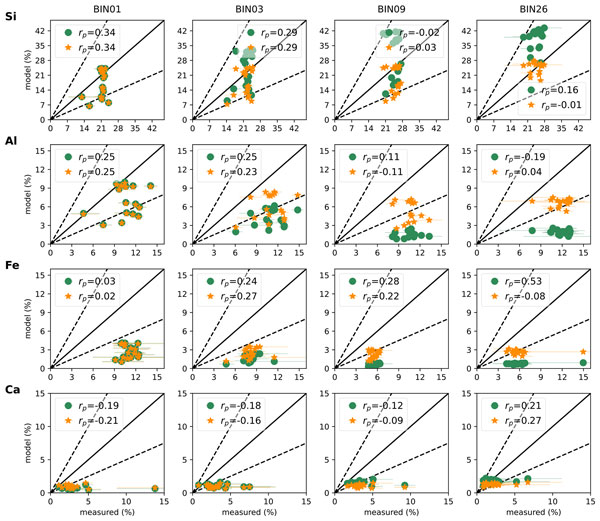
During two 2022 measurement campaigns in Cape Verde, Saharan dust aerosols were collected and analyzed for mineral composition. Mineralogy is crucial for dust–radiation and dust–cloud interactions. We improve dust representation in an atmospheric model by refining the translation of soil into aerosol particle size distributions. Validation with mineral and elemental measurements shows improved representation of some minerals and reveals biases missed by mineral-only comparisons.
Agnesh Panta, Konrad Kandler, Kerstin Schepanski, Andres Alastuey, Pavla Dagsson Waldhauserova, Sylvain Dupont, Melanie Eknayan, Cristina González-Flórez, Adolfo González-Romero, Martina Klose, Mara Montag, Xavier Querol, Jesús Yus-Díez, and Carlos Pérez García-Pando
Atmos. Chem. Phys., 25, 10457–10478, https://doi.org/10.5194/acp-25-10457-2025, https://doi.org/10.5194/acp-25-10457-2025, 2025
Short summary
Short summary
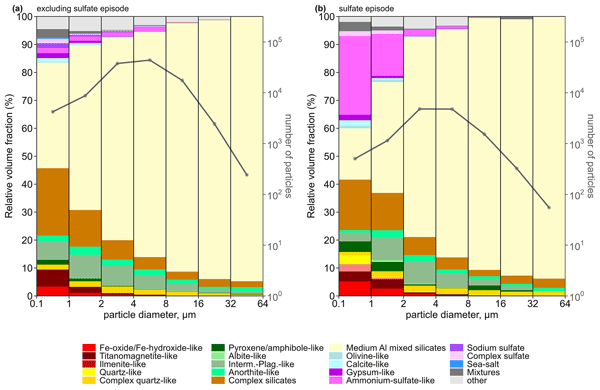
Iceland is among the most active dust source areas in the world. Dust properties are influenced by particle size, mineralogy, shape, and mixing state. This work characterizes freshly emitted individual aerosol particles of Icelandic dust using electron microscopy. Our study provides insights into critical particle-specific information and will contribute to better constraining climate models that consider mineralogical variations in their representation of the dust cycle.
Sofía Gómez Maqueo Anaya, Dietrich Althausen, Julian Hofer, Moritz Haarig, Ulla Wandinger, Bernd Heinold, Ina Tegen, Matthias Faust, Holger Baars, Albert Ansmann, Ronny Engelmann, Annett Skupin, Birgit Heese, and Kerstin Schepanski
Atmos. Chem. Phys., 25, 9737–9764, https://doi.org/10.5194/acp-25-9737-2025, https://doi.org/10.5194/acp-25-9737-2025, 2025
Short summary
Short summary
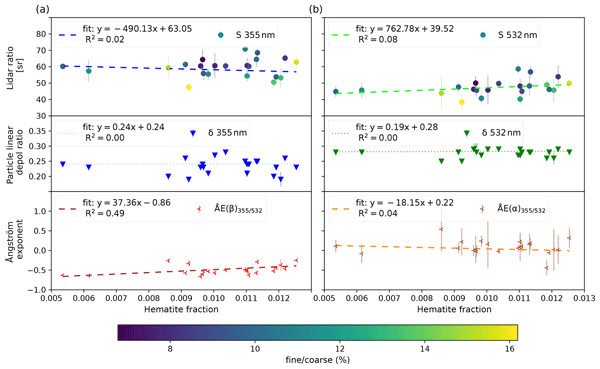
This study investigates how hematite in Sahara dust affects how dust particles interact with radiation. Using lidar data from Cabo Verde (2021–2022) and hematite content from atmospheric model simulations, the results show that a higher hematite fraction leads to a decrease in the particle backscattering coefficients in a spectrally different way. These findings can improve the representation of mineral dust in climate models, particularly regarding their radiative effect.
Werner Ehrmann, Paul A. Wilson, Helge W. Arz, and Gerhard Schmiedl
Clim. Past, 21, 1025–1041, https://doi.org/10.5194/cp-21-1025-2025, https://doi.org/10.5194/cp-21-1025-2025, 2025
Short summary
Short summary
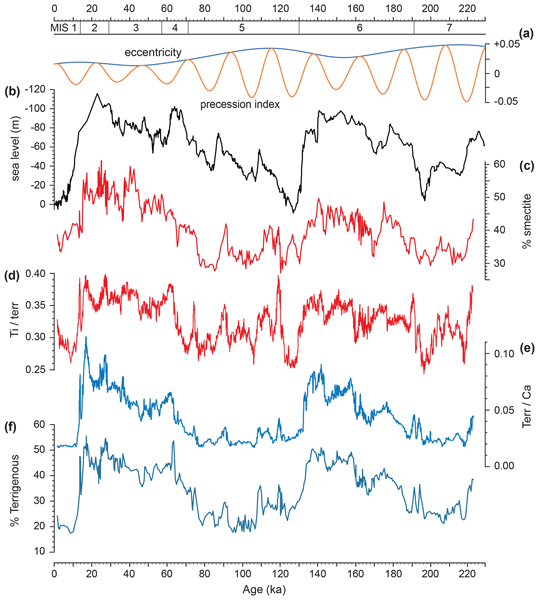
We report palaeoclimate and sediment provenance records for the last 220 kyr from a sediment core from the northern Red Sea. They comprise high-resolution grain size, clay mineral, and geochemical data, together with Nd and Sr isotope data. The data sets document a strong temporal variability in dust influx on glacial–interglacial timescales and several shorter-term strong fluvial episodes. A key finding is that the Nile delta became a major dust source during glacioeustatic sea-level lowstands.
Jamie R. Banks, Bernd Heinold, and Kerstin Schepanski
Atmos. Chem. Phys., 24, 11451–11475, https://doi.org/10.5194/acp-24-11451-2024, https://doi.org/10.5194/acp-24-11451-2024, 2024
Short summary
Short summary
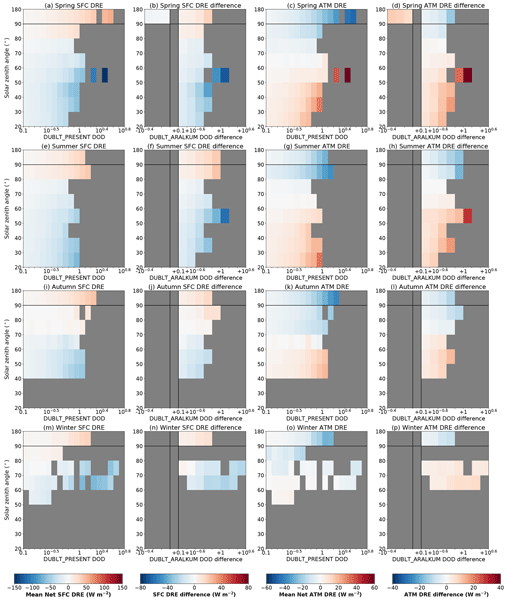
The Aralkum is a new desert in Central Asia formed by the desiccation of the Aral Sea. This has created a source of atmospheric dust, with implications for the balance of solar and thermal radiation. Simulating these effects using a dust transport model, we find that Aralkum dust adds radiative cooling effects to the surface and atmosphere on average but also adds heating events. Increases in surface pressure due to Aralkum dust strengthen the Siberian High and weaken the summer Asian heat low.
Cyrille Flamant, Jean-Pierre Chaboureau, Marco Gaetani, Kerstin Schepanski, and Paola Formenti
Atmos. Chem. Phys., 24, 4265–4288, https://doi.org/10.5194/acp-24-4265-2024, https://doi.org/10.5194/acp-24-4265-2024, 2024
Short summary
Short summary
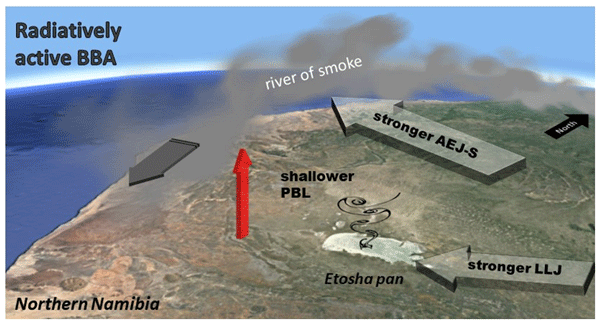
In the austral dry season, the atmospheric composition over southern Africa is dominated by biomass burning aerosols and terrigenous aerosols (so-called mineral dust). This study suggests that the radiative effect of biomass burning aerosols needs to be taken into account to properly forecast dust emissions in Namibia.
Sofía Gómez Maqueo Anaya, Dietrich Althausen, Matthias Faust, Holger Baars, Bernd Heinold, Julian Hofer, Ina Tegen, Albert Ansmann, Ronny Engelmann, Annett Skupin, Birgit Heese, and Kerstin Schepanski
Geosci. Model Dev., 17, 1271–1295, https://doi.org/10.5194/gmd-17-1271-2024, https://doi.org/10.5194/gmd-17-1271-2024, 2024
Short summary
Short summary
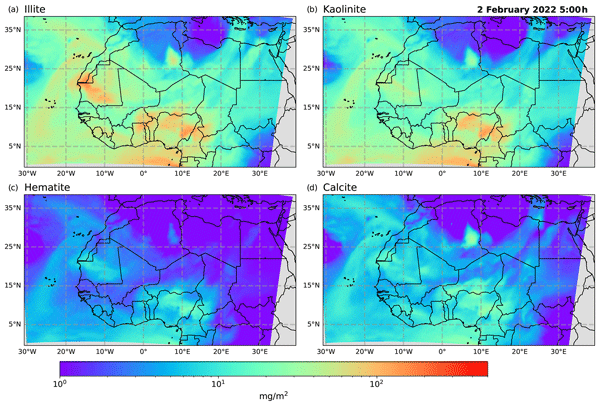
Mineral dust aerosol particles vary greatly in their composition depending on source region, which leads to different physicochemical properties. Most atmosphere–aerosol models consider mineral dust aerosols to be compositionally homogeneous, which ultimately increases model uncertainty. Here, we present an approach to explicitly consider the heterogeneity of the mineralogical composition for simulations of the Saharan atmospheric dust cycle with regard to dust transport towards the Atlantic.
Karine Desboeufs, Paola Formenti, Raquel Torres-Sánchez, Kerstin Schepanski, Jean-Pierre Chaboureau, Hendrik Andersen, Jan Cermak, Stefanie Feuerstein, Benoit Laurent, Danitza Klopper, Andreas Namwoonde, Mathieu Cazaunau, Servanne Chevaillier, Anaïs Feron, Cécile Mirande-Bret, Sylvain Triquet, and Stuart J. Piketh
Atmos. Chem. Phys., 24, 1525–1541, https://doi.org/10.5194/acp-24-1525-2024, https://doi.org/10.5194/acp-24-1525-2024, 2024
Short summary
Short summary
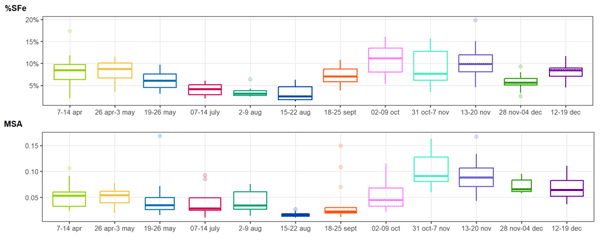
This study investigates the fractional solubility of iron (Fe) in dust particles along the coast of Namibia, a critical region for the atmospheric Fe supply of the South Atlantic Ocean. Our results suggest a possible two-way interplay whereby marine biogenic emissions from the coastal marine ecosystems into the atmosphere would increase the solubility of Fe-bearing dust by photo-reduction processes. The subsequent deposition of soluble Fe could act to further enhance marine biogenic emissions.
Outi Meinander, Pavla Dagsson-Waldhauserova, Pavel Amosov, Elena Aseyeva, Cliff Atkins, Alexander Baklanov, Clarissa Baldo, Sarah L. Barr, Barbara Barzycka, Liane G. Benning, Bojan Cvetkovic, Polina Enchilik, Denis Frolov, Santiago Gassó, Konrad Kandler, Nikolay Kasimov, Jan Kavan, James King, Tatyana Koroleva, Viktoria Krupskaya, Markku Kulmala, Monika Kusiak, Hanna K. Lappalainen, Michał Laska, Jerome Lasne, Marek Lewandowski, Bartłomiej Luks, James B. McQuaid, Beatrice Moroni, Benjamin Murray, Ottmar Möhler, Adam Nawrot, Slobodan Nickovic, Norman T. O’Neill, Goran Pejanovic, Olga Popovicheva, Keyvan Ranjbar, Manolis Romanias, Olga Samonova, Alberto Sanchez-Marroquin, Kerstin Schepanski, Ivan Semenkov, Anna Sharapova, Elena Shevnina, Zongbo Shi, Mikhail Sofiev, Frédéric Thevenet, Throstur Thorsteinsson, Mikhail Timofeev, Nsikanabasi Silas Umo, Andreas Uppstu, Darya Urupina, György Varga, Tomasz Werner, Olafur Arnalds, and Ana Vukovic Vimic
Atmos. Chem. Phys., 22, 11889–11930, https://doi.org/10.5194/acp-22-11889-2022, https://doi.org/10.5194/acp-22-11889-2022, 2022
Short summary
Short summary
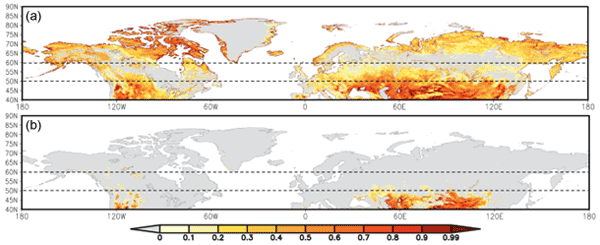
High-latitude dust (HLD) is a short-lived climate forcer, air pollutant, and nutrient source. Our results suggest a northern HLD belt at 50–58° N in Eurasia and 50–55° N in Canada and at >60° N in Eurasia and >58° N in Canada. Our addition to the previously identified global dust belt (GDB) provides crucially needed information on the extent of active HLD sources with both direct and indirect impacts on climate and environment in remote regions, which are often poorly understood and predicted.

Bernd Heinold, Holger Baars, Boris Barja, Matthew Christensen, Anne Kubin, Kevin Ohneiser, Kerstin Schepanski, Nick Schutgens, Fabian Senf, Roland Schrödner, Diego Villanueva, and Ina Tegen
Atmos. Chem. Phys., 22, 9969–9985, https://doi.org/10.5194/acp-22-9969-2022, https://doi.org/10.5194/acp-22-9969-2022, 2022
Short summary
Short summary
The extreme 2019–2020 Australian wildfires produced massive smoke plumes lofted into the lower stratosphere by pyrocumulonimbus convection. Most climate models do not adequately simulate the injection height of such intense fires. By combining aerosol-climate modeling with prescribed pyroconvective smoke injection and lidar observations, this study shows the importance of the representation of the most extreme wildfire events for estimating the atmospheric energy budget.
Mark Hennen, Adrian Chappell, Nicholas Webb, Kerstin Schepanski, Matthew Baddock, Frank Eckardt, Tarek Kandakji, Jeff Lee, Mohamad Nobakht, and Johanna von Holdt
Geosci. Model Dev. Discuss., https://doi.org/10.5194/gmd-2021-423, https://doi.org/10.5194/gmd-2021-423, 2022
Revised manuscript not accepted
Short summary
Short summary
We use 90,000 dust point source observations (DPS), identified in satellite imagery across 9 global dryland environments to develop a novel dust emission model performance assessment. We evaluate the albedo-based dust emission model (AEM), which agrees with dust emission observations, or lack of emission 71 % of the time. Modelled dust occurs 27 % of the time with no observation, caused mostly by the incorrect assumption of infinite sediment supply and lack of dynamic dust entrainment thresholds.
Adrian Chappell, Nicholas Webb, Mark Hennen, Charles Zender, Philippe Ciais, Kerstin Schepanski, Brandon Edwards, Nancy Ziegler, Sandra Jones, Yves Balkanski, Daniel Tong, John Leys, Stephan Heidenreich, Robert Hynes, David Fuchs, Zhenzhong Zeng, Marie Ekström, Matthew Baddock, Jeffrey Lee, and Tarek Kandakji
Geosci. Model Dev. Discuss., https://doi.org/10.5194/gmd-2021-337, https://doi.org/10.5194/gmd-2021-337, 2021
Revised manuscript not accepted
Short summary
Short summary
Dust emissions influence global climate while simultaneously reducing the productive potential and resilience of landscapes to climate stressors, together impacting food security and human health. Our results indicate that tuning dust emission models to dust in the atmosphere has hidden dust emission modelling weaknesses and its poor performance. Our new approach will reduce uncertainty and driven by prognostic albedo improve Earth System Models of aerosol effects on future environmental change.
Cited articles
Aoki, I., Kurosaki, Y., Osada, R., Sato, T., and Kimura, F.: Dust storms generated by mesoscale cold fronts in the Tarim Basin, Northwest China, Geophys. Res. Lett., 32, https://doi.org/10.1029/2004gl021776, 2005.
Chen, L.: Atmospheric Forcing of Dust Source Activation across East Asia – Supplementary Table, Zenodo [data set], https://doi.org/10.5281/zenodo.17527052, 2026.
Chen, L., Schepanski, K., Crocker, A. J., Xuan, C., and Wilson, P. A.: Dust source activation frequency across East Asia, Environ. Res. Lett., 20, 074056, https://doi.org/10.1088/1748-9326/addee6, 2025.
Chen, S. H., McDowell, B., Huang, C. C., and Nathan, T. R.: Formation of a low-level barrier jet and its modulation by dust radiative forcing over the Hexi Corridor in Central China on March 17, 2010, Q. J. Roy. Meteor. Soc., 147, 1873–1891, https://doi.org/10.1002/qj.4000, 2021.
Chen, Y., Chen, S., Zhou, J., Zhao, D., Bi, H., Zhang, Y., Alam, K., Yu, H., Yang, Y., and Chen, J.: A super dust storm enhanced by radiative feedback, npj Climate and Atmospheric Science, 6, https://doi.org/10.1038/s41612-023-00418-y, 2023.
Clements, M. and Washington, R.: Atmospheric Controls on Mineral Dust Emission From the Etosha Pan, Namibia: Observations From the CLARIFY-2016 Field Campaign, J. Geophys. Res.-Atmos., 126, https://doi.org/10.1029/2021jd034746, 2021.
Ding, R., Li, J., Wang, S., and Ren, F.: Decadal change of the spring dust storm in northwest China and the associated atmospheric circulation, Geophys. Res. Lett., 32, https://doi.org/10.1029/2004gl021561, 2005.
Feng, X., Mao, R., Gong, D.-Y., Wu, G., Shi, C., Liang, G., and Wang, Y.: Two Typical Synoptic-Scale Weather Patterns of Dust Events over the Tibetan Plateau, Asia-Pac. J. Atmos. Sci., 59, 403–416, https://doi.org/10.1007/s13143-023-00325-5, 2023.
Fiedler, S., Schepanski, K., Heinold, B., Knippertz, P., and Tegen, I.: Climatology of nocturnal low-level jets over North Africa and implications for modeling mineral dust emission, J. Geophys. Res.-Atmos., 118, 6100–6121, https://doi.org/10.1002/jgrd.50394, 2013.
Fiedler, S., Knippertz, P., Woodward, S., Martin, G. M., Bellouin, N., Ross, A. N., Heinold, B., Schepanski, K., Birch, C. E., and Tegen, I.: A process-based evaluation of dust-emitting winds in the CMIP5 simulation of HadGEM2-ES, Clim. Dynam., 46, 1107–1130, https://doi.org/10.1007/s00382-015-2635-9, 2015.
Ge, J. M., Liu, H., Huang, J., and Fu, Q.: Taklimakan Desert nocturnal low-level jet: climatology and dust activity, Atmos. Chem. Phys., 16, 7773–7783, https://doi.org/10.5194/acp-16-7773-2016, 2016.
Ginoux, P., Prospero, J. M., Torres, O., and Chin, M.: Long-term simulation of global dust distribution with the GOCART model: correlation with North Atlantic Oscillation, Environ. Modell. Softw., 19, 113–128, https://doi.org/10.1016/S1364-8152(03)00114-2, 2004.
Gu, Z., He, Y., Zhang, Y., Su, J., Zhang, R., Yu, C. W., and Zhang, D.: An overview of triggering mechanisms and characteristics of local strong sandstorms in China and haboobs, Atmosphere, 12, 752, https://doi.org/10.3390/atmos12060752, 2021.
Han, Y., Fang, X., Kang, S., Wang, H., and Kang, F.: Shifts of dust source regions over central Asia and the Tibetan Plateau: Connections with the Arctic oscillation and the westerly jet, Atmos. Environ., 42, 2358–2368, https://doi.org/10.1016/j.atmosenv.2007.12.025, 2008.
Han, Y., Wang, K., Liu, F., Zhao, T., Yin, Y., Duan, J., and Luan, Z.: The contribution of dust devils and dusty plumes to the aerosol budget in western China, Atmos. Environ., 126, 21–27, https://doi.org/10.1016/j.atmosenv.2015.11.025, 2016.
Han, Z., Ge, J., Chen, X., Hu, X., Yang, X., and Du, J.: Dust Activities Induced by Nocturnal Low-Level Jet Over the Taklimakan Desert From WRF-Chem Simulation, J. Geophys. Res.-Atmos., 127, https://doi.org/10.1029/2021jd036114, 2022.
Heinold, B., Knippertz, P., Marsham, J., Fiedler, S., Dixon, N., Schepanski, K., Laurent, B., and Tegen, I.: The role of deep convection and nocturnal low-level jets for dust emission in summertime West Africa: Estimates from convection-permitting simulations, J. Geophys. Res.-Atmos., 118, 4385–4400, https://doi.org/10.1002/jgrd.50402, 2013.
Hennen, M., White, K., and Shahgedanova, M.: An Assessment of SEVIRI Imagery at Various Temporal Resolutions and the Effect on Accurate Dust Emission Mapping, Remote Sens., 11, 918, https://doi.org/10.3390/rs11080918, 2019.
Herman, J. R., Bhartia, P. K., Torres, O., Hsu, C., Seftor, C., and Celarier, E.: Global distribution of UV-absorbing aerosols from Nimbus 7/TOMS data, J. Geophys. Res.-Atmos., 102, 16911–16922, https://doi.org/10.1029/96jd03680, 1997.
Hersbach, H., Bell, B., Berrisford, P., Hirahara, S., Horányi, A., Muñoz-Sabater, J., Nicolas, J., Peubey, C., Radu, R., Schepers, D., Simmons, A., Soci, C., Abdalla, S., Abellan, X., Balsamo, G., Bechtold, P., Biavati, G., Bidlot, J., Bonavita, M., De Chiara, G., Dahlgren, P., Dee, D., Diamantakis, M., Dragani, R., Flemming, J., Forbes, R., Fuentes, M., Geer, A., Haimberger, L., Healy, S., Hogan, R. J., Hólm, E., Janisková, M., Keeley, S., Laloyaux, P., Lopez, P., Lupu, C., Radnoti, G., de Rosnay, P., Rozum, I., Vamborg, F., Villaume, S., and Thépaut, J. N.: The ERA5 global reanalysis, Q. J. Roy. Meteor. Soc., 146, 1999–2049, https://doi.org/10.1002/qj.3803, 2020.
Jickells, T., An, Z., Baker, A., Bergametti, G., Cao, J., Boyd, P., Duce, R., and Hunter, K.: Global iron connections between desert dust, ocean biogeochemistry, and climate, Science, 308, 67–71, https://doi.org/10.1126/science.1105959, 2005.
Kohfeld, K. E. and Harrison, S. P.: DIRTMAP: the geological record of dust, Earth-Sci. Rev., 54, 81–114, https://doi.org/10.1016/S0012-8252(01)00042-3, 2001.
Kok, J. F., Adebiyi, A. A., Albani, S., Balkanski, Y., Checa-Garcia, R., Chin, M., Colarco, P. R., Hamilton, D. S., Huang, Y., Ito, A., Klose, M., Li, L., Mahowald, N. M., Miller, R. L., Obiso, V., Pérez García-Pando, C., Rocha-Lima, A., and Wan, J. S.: Contribution of the world's main dust source regions to the global cycle of desert dust, Atmos. Chem. Phys., 21, 8169–8193, https://doi.org/10.5194/acp-21-8169-2021, 2021.
Kok, J. F., Storelvmo, T., Karydis, V. A., Adebiyi, A. A., Mahowald, N. M., Evan, A. T., He, C., and Leung, D. M.: Mineral dust aerosol impacts on global climate and climate change, Nature Reviews Earth and Environment, 4, 71–86, https://doi.org/10.1038/s43017-022-00379-5), 2023.
Kraus, H., Malcher, J., and Schaller, E.: A nocturnal low level jet during PUKK, Bound.-Lay. Meteorol., 31, 187–195, https://doi.org/10.1007/BF00121177, 1985.
Kunkelova, T., Crocker, A. J., Wilson, P. A., and Schepanski, K.: Dust Source Activation Frequency in the Horn of Africa, J. Geophys. Res.-Atmos., 129, https://doi.org/10.1029/2023jd039694, 2024.
Li, J., Hao, X., Liao, H., Yue, X., Li, H., Long, X., and Li, N.: Predominant Type of Dust Storms That Influences Air Quality Over Northern China and Future Projections, Earth's Future, 10, https://doi.org/10.1029/2022ef002649, 2022.
Liu, M., Westphal, D. L., Wang, S., Shimizu, A., Sugimoto, N., Zhou, J., and Chen, Y.: A high-resolution numerical study of the Asian dust storms of April 2001, J. Geophys. Res.-Atmos., 108, https://doi.org/10.1029/2002jd003178, 2003.
Luiz, E. W. and Fiedler, S.: Global Climatology of Low-Level-Jets: Occurrence, Characteristics, and Meteorological Drivers, J. Geophys. Res.-Atmos., 129, https://doi.org/10.1029/2023jd040262, 2024.
Marsham, J. H., Parker, D. J., Grams, C. M., Johnson, B. T., Grey, W. M. F., and Ross, A. N.: Observations of mesoscale and boundary-layer scale circulations affecting dust transport and uplift over the Sahara, Atmos. Chem. Phys., 8, 6979–6993, https://doi.org/10.5194/acp-8-6979-2008, 2008.
Marticorena, B. and Bergametti, G.: Modeling the atmospheric dust cycle: 1. Design of a soil-derived dust emission scheme, J. Geophys. Res.-Atmos., 100, 16415–16430, https://doi.org/10.1029/95JD00690, 1995.
Mu, F. and Fiedler, S.: How much do atmospheric depressions and Mongolian cyclones contribute to spring dust activities in East Asia?, npj Climate and Atmospheric Science, 8, https://doi.org/10.1038/s41612-025-00929-w, 2025.
Mu, F., Luiz, E. W., and Fiedler, S.: On the dynamics and air-quality impact of the exceptional East Asian dust outbreak in mid-March 2021, Atmos. Res., 292, 106846, https://doi.org/10.1016/j.atmosres.2023.106846, 2023.
Natsagdorj, L., Jugder, D., and Chung, Y. S.: Analysis of dust storms observed in Mongolia during 1937–1999, Atmos. Environ., 37, 1401–1411, https://doi.org/10.1016/s1352-2310(02)01023-3, 2003.
Prospero, J. M., Ginoux, P., Torres, O., Nicholson, S. E., and Gill, T. E.: Environmental Characterization of Global Sources of Atmospheric Soil Dust Identified with the Nimbus 7 Total Ozone Mapping Spectrometer (Toms) Absorbing Aerosol Product, Rev. Geophys., 40, https://doi.org/10.1029/2000rg000095, 2002.
Qian, W., Quan, L., and Shi, S.: Variations of the dust storm in China and its climatic control, J. Climate, 15, 1216–1229, https://doi.org/10.1175/1520-0442(2002)015<1216:VOTDSI>2.0.CO;2, 2002.
Rife, D. L., Pinto, J. O., Monaghan, A. J., Davis, C. A., and Hannan, J. R.: Global distribution and characteristics of diurnally varying low-level jets, J. Climate, 23, 5041–5064, https://doi.org/10.1175/2010JCLI3514.1, 2010.
Roe, G.: On the interpretation of Chinese loess as a paleoclimate indicator, Quaternary Res., 71, 150–161, https://doi.org/10.1016/j.yqres.2008.09.004, 2009.
Saeedi, A. and Khoshakhlagh, F.: A composite analysis of the morning cyclone in two Asian deserts, Theor. Appl. Climatol., 137, 713–727, https://doi.org/10.1007/s00704-018-2607-1, 2018.
Schär, C., Lüthi, D., and Schiemann, R.: Seasonality and Interannual Variability of the Westerly Jet in the Tibetan Plateau Region, J. Climate, 22, 2940–2957, https://doi.org/10.1175/2008jcli2625.1, 2009.
Schepanski, K., Tegen, I., Laurent, B., Heinold, B., and Macke, A.: A new Saharan dust source activation frequency map derived from MSG-SEVIRI IR-channels, Geophys. Res. Lett., 34, L18803, https://doi.org/10.1029/2007GL030168, 2007.
Schepanski, K., Tegen, I., Todd, M. C., Heinold, B., Bönisch, G., Laurent, B., and Macke, A.: Meteorological processes forcing Saharan dust emission inferred from MSG-SEVIRI observations of subdaily dust source activation and numerical models, J. Geophys. Res.-Atmos., 114, https://doi.org/10.1029/2008jd010325, 2009.
Schepanski, K., Knippertz, P., Fiedler, S., Timouk, F., and Demarty, J.: The sensitivity of nocturnal low-level jets and near-surface winds over the Sahel to model resolution, initial conditions and boundary-layer set-up, Q. J. Roy. Meteor. Soc., 141, 1442–1456, https://doi.org/10.1002/qj.2453, 2014.
Shimizu, A.: Introduction to Himawari-8 RGB composite imagery, Meteorological Satellite Center Technical Note no. 65, https://www.data.jma.go.jp/mscweb/technotes/msctechrep65-1.pdf (last access: 20 May 2026), 2020.
Shu, H., Zhang, F., Du, Y., Wang, Y., Guo, H., Song, Z., and Zhang, Q.: Characteristics and Formation Mechanisms of Low-Level Jets in Northeastern China, Adv. Atmos. Sci., 41, 2432–2445, https://doi.org/10.1007/s00376-024-3209-8, 2024.
Song, X., Zhou, T., Wang, Y., Li, X., Wu, D., Gu, Y., Lin, Z., Abdullaev, S. F., and Amonov, M. O.: Spatiotemporal evolution of dust over Tarim Basin under continuous clear-sky, Atmos. Res., 312, 107764, https://doi.org/10.1016/j.atmosres.2024.107764, 2024.
Stöckli, R., Vermote, E., Saleous, N., Simmon, R., and Herring, D.: The Blue Marble Next Generation – A true color earth dataset including seasonal dynamics from MODIS, NASA Earth Observatory [data set], https://eoimages.gsfc.nasa.gov/images/imagerecords/74000/74218/readme.pdf (last assess: 20 May 2026), 2005.
Sun, J. and Zhao, L.: Numerical simulation of two East Asian dust storms in spring 2006, Earth Surf. Proc. Land., 33, 1892–1911, https://doi.org/10.1002/esp.1734, 2008.
Sun, J., Zhang, M., and Liu, T.: Spatial and temporal characteristics of dust storms in China and its surrounding regions, 1960–1999: Relations to source area and climate, J. Geophys. Res.-Atmos., 106, 10325–10333, https://doi.org/10.1029/2000jd900665, 2001.
Su, L., Lu, C., Yuan, J., Wang, X., He, Q., and Xia, H.: Measurement report: The promotion of the low-level jet and thermal effects on the development of the deep convective boundary layer at the southern edge of the Taklimakan Desert, Atmos. Chem. Phys., 24, 10947–10963, https://doi.org/10.5194/acp-24-10947-2024, 2024.
Swap, R., Garstang, M., Greco, S., Talbot, R., and Kallberg, P.: Saharan dust in the Amazon Basin, Tellus B, 44, 133–149, https://doi.org/10.1034/j.1600-0889.1992.t01-1-00005.x, 1992.
Takemi, T. and Seino, N.: Dust storms and cyclone tracks over the arid regions in east Asia in spring, J. Geophys. Res.-Atmos., 110, https://doi.org/10.1029/2004jd004698, 2005.
Tegen, I., Schepanski, K., and Heinold, B.: Comparing two years of Saharan dust source activation obtained by regional modelling and satellite observations, Atmos. Chem. Phys., 13, 2381–2390, https://doi.org/10.5194/acp-13-2381-2013, 2013.
Tindan, J. Z., Jin, Q., and Pu, B.: Understanding day–night differences in dust aerosols over the dust belt of North Africa, the Middle East, and Asia, Atmos. Chem. Phys., 23, 5435–5466, https://doi.org/10.5194/acp-23-5435-2023, 2023.
Torres-Alavez, J. A., Das, S., Corrales-Suastegui, A., Coppola, E., Giorgi, F., Raffaele, F., Bukovsky, M. S., Ashfaq, M., Salinas, J. A., and Sines, T.: Future projections in the climatology of global low-level jets from CORDEX-CORE simulations, Clim. Dynam., 57, 1551–1569, https://doi.org/10.1007/s00382-021-05671-6, 2021.
Wilks, D. S.: Statistical methods in the atmospheric sciences, Academic Press, ISBN 978-0-12-385022-5, 2011.
Yan, Y., Cai, X., Wang, X., Miao, Y., and Song, Y.: Low-Level Jet Climatology of China Derived From Long-Term Radiosonde Observations, J. Geophys. Res.-Atmos., 126, https://doi.org/10.1029/2021jd035323, 2021.
Yao, Z., Li, X., and Xiao, J.: Characteristics of daily extreme wind gusts on the Qinghai-Tibet Plateau, China, J. Arid Land, 10, 673–685, https://doi.org/10.1007/s40333-018-0094-y, 2018.
Yu, Y., Kalashnikova, O. V., Garay, M. J., Lee, H., Choi, M., Okin, G. S., Yorks, J. E., Campbell, J. R., and Marquis, J.: A global analysis of diurnal variability in dust and dust mixture using CATS observations, Atmos. Chem. Phys., 21, 1427–1447, https://doi.org/10.5194/acp-21-1427-2021, 2021.
Zhang, G., Zhang, D.-L., and Sun, S.: On the Orographically Generated Low-Level Easterly Jet and Severe Downslope Storms of March 2006 over the Tacheng Basin of Northwest China, Mon. Weather Rev., 146, 1667–1683, https://doi.org/10.1175/mwr-d-17-0355.1, 2018.
Zhang, Y., Ding, Y., and Li, Q.: A climatology of extratropical cyclones over East Asia during 1958–2001, Acta Meteorol. Sin., 26, 261–277, https://doi.org/10.1007/s13351-012-0301-2, 2012.
Zhao, L. and Zhao, S.: Diagnosis and simulation of a rapidly developing cyclone related to a severe dust storm in East Asia, Global Planet. Change, 52, 105–120, https://doi.org/10.1016/j.gloplacha.2006.02.003, 2006.
Zhao, T., Gong, S., Zhang, X., Blanchet, J.-P., McKendry, I., and Zhou, Z.: A simulated climatology of Asian dust aerosol and its trans-Pacific transport. Part I: Mean climate and validation, J. Climate, 19, 88–103, https://doi.org/10.1175/JCLI3605.1, 2006.
Zhou, X., Zhang, C., Li, Y., and Zhang, Z.: Comparison of Spring Wind Gusts in the Eastern Part of the Tibetan Plateau and along the Coast: The Role of Turbulence, Remote Sens., 15, 3655, https://doi.org/10.3390/rs15143655, 2023.
Zhu, R., Sun, C., and Yan, Y.: Formation mechanism and development potential of wind energy resources on the Tibetan plateau, Renew. Energ., 227, 120527, https://doi.org/10.1016/j.renene.2024.120527, 2024.
Short summary
East Asia is among the most dust-active regions globally, yet the atmospheric processes behind these dust emissions remain poorly understood. Using an hourly dust source activation record across East Asia, we identify two primary regions with distinct diurnal cycles: a northern region driven by low-pressure systems, a southern one linked to low-level jet breakdown and deep convection, and a third minor region on the Tibetan Plateau presumably driven by wintertime mountain-valley winds.
East Asia is among the most dust-active regions globally, yet the atmospheric processes behind...


Altmetrics
Final-revised paper
Preprint