
Articles | Volume 26, issue 10
https://doi.org/10.5194/acp-26-7081-2026
© Author(s) 2026. This work is distributed under
the Creative Commons Attribution 4.0 License.
the Creative Commons Attribution 4.0 License.
https://doi.org/10.5194/acp-26-7081-2026
© Author(s) 2026. This work is distributed under
the Creative Commons Attribution 4.0 License.
the Creative Commons Attribution 4.0 License.
Research article
| 
22 May 2026
Research article |
| 22 May 2026
| 22 May 2026
Long-term ozone formation sensitivity in China: spatiotemporal evolution and machine learning attribution
Jinglan Lin
College of Environment and Climate, Jinan University, Guangzhou, 510632, PR China
Liqing Wu
College of Ocean and Meteorology, Guangdong Ocean University, Zhanjiang, 524000, PR China
Chujun Chen
College of Environment and Climate, Jinan University, Guangzhou, 510632, PR China
Yongkang Wu
College of Environment and Climate, Jinan University, Guangzhou, 510632, PR China
Rui Lin
High Performance Computing Department, National Supercomputing Center in Shenzhen, Shenzhen, 518000, PR China
Xuemei Wang
College of Environment and Climate, Jinan University, Guangzhou, 510632, PR China

College of Environment and Climate, Jinan University, Guangzhou, 510632, PR China
Related authors
No articles found.
Xi Chen, Xiaoyang Chen, Long Wang, Shucheng Chang, Minhui Li, Chong Shen, Chenghao Liao, Yongbo Zhang, Mei Li, and Xuemei Wang
Atmos. Chem. Phys., 26, 879–897, https://doi.org/10.5194/acp-26-879-2026, https://doi.org/10.5194/acp-26-879-2026, 2026
Short summary
Short summary
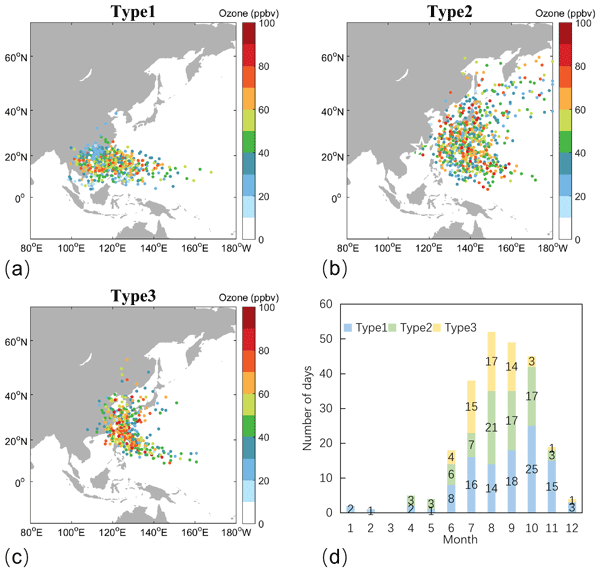
Typhoons moving north near China create ozone pollution in Guangdong by combining strong sunlight with stagnant air. These tyhoons also push ozone-rich air from high altitudes down to ground level. When multiple north-moving typhoons occur back-to-back, they cause widespread and long-lasting ozone pollution. Vertical air currents during these events can contribute up to 16 % of boundary layer ozone.
Chujun Chen, Weihua Chen, Linhao Guo, Yongkang Wu, Xianzhong Duan, Xuemei Wang, and Min Shao
Atmos. Chem. Phys., 25, 15145–15169, https://doi.org/10.5194/acp-25-15145-2025, https://doi.org/10.5194/acp-25-15145-2025, 2025
Short summary
Short summary
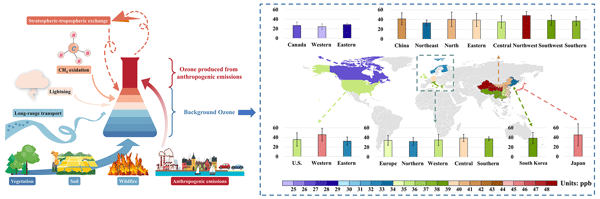
Background O3 forms the baseline level of O3 pollution, even without local human activities. This review examines how background O3 is defined and estimated, revealing significant variations across China, with higher level in the Northwest and lower in the Northeast region. Globally, China’s background O3 levels are medium-to-high and rising. The study calls for integrated estimation methods, international collaboration, and research on climate-ozone links to improve air quality strategies.
Xianzhong Duan, Ming Chang, Guotong Wu, Suping Situ, Shengjie Zhu, Qi Zhang, Yibo Huangfu, Weiwen Wang, Weihua Chen, Bin Yuan, and Xuemei Wang
Atmos. Meas. Tech., 17, 4065–4079, https://doi.org/10.5194/amt-17-4065-2024, https://doi.org/10.5194/amt-17-4065-2024, 2024
Short summary
Short summary
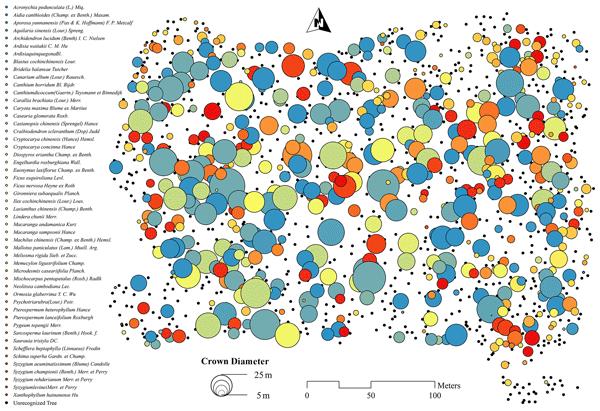
Accurately estimating biogenic volatile organic compound (BVOC) emissions in forest ecosystems has been challenging. This research presents a framework that utilizes drone-based lidar, photogrammetry, and image recognition technologies to identify plant species and estimate BVOC emissions. The largest cumulative isoprene emissions were found in the Myrtaceae family, while those of monoterpenes were from the Rubiaceae family.
Liting Yang, Ming Chang, Shuping Situ, Weiwen Wang, and Xuemei Wang
EGUsphere, https://doi.org/10.5194/egusphere-2024-28, https://doi.org/10.5194/egusphere-2024-28, 2024
Preprint archived
Short summary
Short summary
The study aims to develop and apply the WRF-uEMEP model to simulate air quality at the city scale, with a focus on Foshan, the city with the highest industrial density. The research process included model development, calibration, and validation using existing air quality data in Foshan. Research shows that WRF-uEMEP model effectively captures the impact of urban structure on air pollutant processes and reveals the spatial and temporal distribution of air pollutants in Foshan.
Yongkang Wu, Weihua Chen, Yingchang You, Qianqian Xie, Shiguo Jia, and Xuemei Wang
Atmos. Chem. Phys., 23, 453–469, https://doi.org/10.5194/acp-23-453-2023, https://doi.org/10.5194/acp-23-453-2023, 2023
Short summary
Short summary
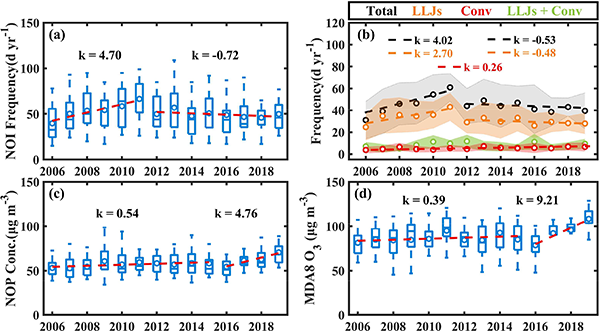
Relying on observed and simulated data, we determine the spatiotemporal characteristics of nocturnal O3 increase (NOI) events in the Pearl River Delta region during 2006–2019. Low-level jets and convective storms are the main meteorological processes causing NOI. Daytime O3 is another essential influencing factor. More importantly, a more prominent role of meteorological processes in NOI has been demonstrated. Our study highlights the important role of meteorology in nocturnal O3 pollution.
Haichao Wang, Bin Yuan, E Zheng, Xiaoxiao Zhang, Jie Wang, Keding Lu, Chenshuo Ye, Lei Yang, Shan Huang, Weiwei Hu, Suxia Yang, Yuwen Peng, Jipeng Qi, Sihang Wang, Xianjun He, Yubin Chen, Tiange Li, Wenjie Wang, Yibo Huangfu, Xiaobing Li, Mingfu Cai, Xuemei Wang, and Min Shao
Atmos. Chem. Phys., 22, 14837–14858, https://doi.org/10.5194/acp-22-14837-2022, https://doi.org/10.5194/acp-22-14837-2022, 2022
Short summary
Short summary
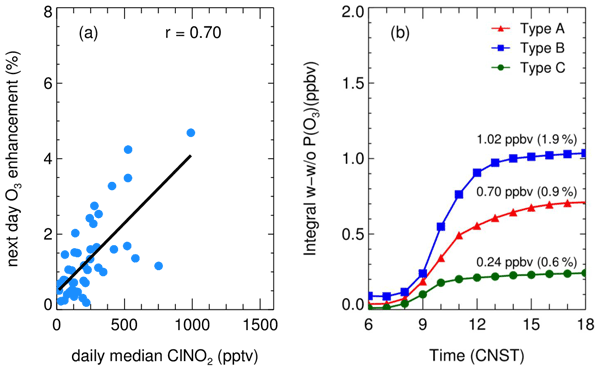
We present intensive field measurement of ClNO2 in the Pearl River Delta in 2019. Large variation in the level, formation, and atmospheric impacts of ClNO2 was found in different air masses. ClNO2 formation was limited by the particulate chloride (Cl−) and aerosol surface area. Our results reveal that Cl− originated from various anthropogenic emissions rather than sea sources and show minor contribution to the O3 pollution and photochemistry.
Xiao-Bing Li, Bin Yuan, Sihang Wang, Chunlin Wang, Jing Lan, Zhijie Liu, Yongxin Song, Xianjun He, Yibo Huangfu, Chenglei Pei, Peng Cheng, Suxia Yang, Jipeng Qi, Caihong Wu, Shan Huang, Yingchang You, Ming Chang, Huadan Zheng, Wenda Yang, Xuemei Wang, and Min Shao
Atmos. Chem. Phys., 22, 10567–10587, https://doi.org/10.5194/acp-22-10567-2022, https://doi.org/10.5194/acp-22-10567-2022, 2022
Short summary
Short summary
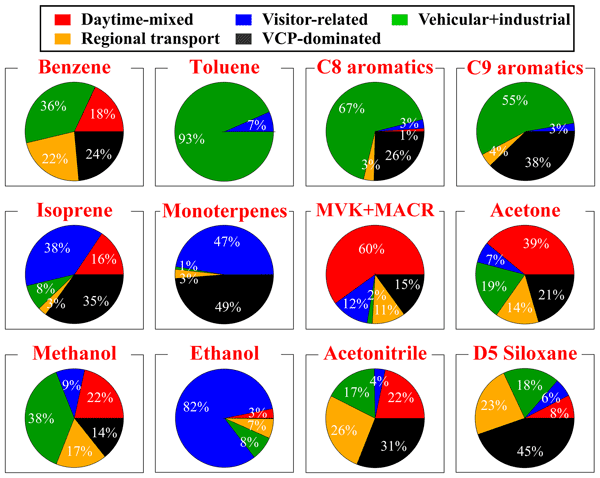
High-time-resolution measurements of volatile organic compounds (VOCs) were made using an online mass spectrometer at a 600 m tall tower in urban region. Compositions, temporal variations, and sources of VOCs were quantitatively investigated in this study. We find that VOC measurements in urban regions aloft could better characterize source characteristics of anthropogenic emissions. Our results could provide important implications in making future strategies for control of VOCs.
Qi Zhang, Shiguo Jia, Weihua Chen, Jingying Mao, Liming Yang, Padmaja Krishnan, Sayantan Sarkar, Min Shao, and Xuemei Wang
Atmos. Chem. Phys. Discuss., https://doi.org/10.5194/acp-2022-394, https://doi.org/10.5194/acp-2022-394, 2022
Revised manuscript not accepted
Short summary
Short summary
We use satellite data in the establishment of methylamines marine biological emission (MBE) inventory for the first time, which considers effects of actual marine environment on methylamines emission fluxes. MBE fluxes of monomethylamine and trimethylamines can be comparable with or even higher than that of terrestrial anthropogenic emissions , while for dimethylamines, the ocean acts as a sink. Wind and Chlorophyll-a were potentially the most important factors affecting MBE fluxes.
Suxia Yang, Bin Yuan, Yuwen Peng, Shan Huang, Wei Chen, Weiwei Hu, Chenglei Pei, Jun Zhou, David D. Parrish, Wenjie Wang, Xianjun He, Chunlei Cheng, Xiao-Bing Li, Xiaoyun Yang, Yu Song, Haichao Wang, Jipeng Qi, Baolin Wang, Chen Wang, Chaomin Wang, Zelong Wang, Tiange Li, E Zheng, Sihang Wang, Caihong Wu, Mingfu Cai, Chenshuo Ye, Wei Song, Peng Cheng, Duohong Chen, Xinming Wang, Zhanyi Zhang, Xuemei Wang, Junyu Zheng, and Min Shao
Atmos. Chem. Phys., 22, 4539–4556, https://doi.org/10.5194/acp-22-4539-2022, https://doi.org/10.5194/acp-22-4539-2022, 2022
Short summary
Short summary
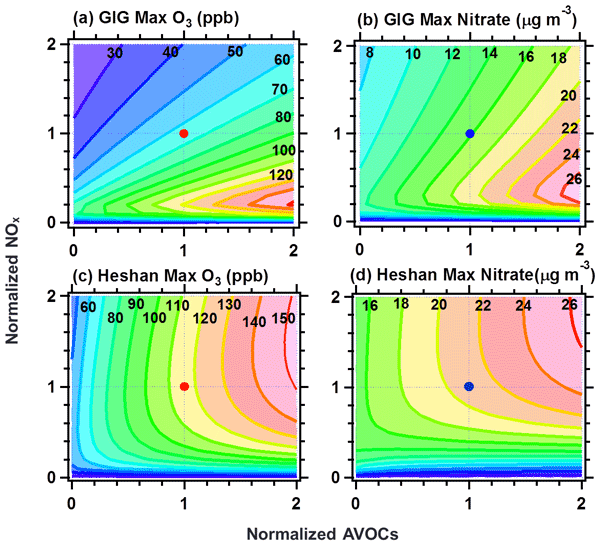
We use a model constrained using observations to study the formation of nitrate aerosol in and downwind of a representative megacity. We found different contributions of various chemical reactions to ground-level nitrate concentrations between urban and suburban regions. We also show that controlling VOC emissions are effective for decreasing nitrate formation in both urban and regional environments, although VOCs are not direct precursors of nitrate aerosol.
Ming Chang, Jiachen Cao, Qi Zhang, Weihua Chen, Guotong Wu, Liping Wu, Weiwen Wang, and Xuemei Wang
Geosci. Model Dev., 15, 787–801, https://doi.org/10.5194/gmd-15-787-2022, https://doi.org/10.5194/gmd-15-787-2022, 2022
Short summary
Short summary
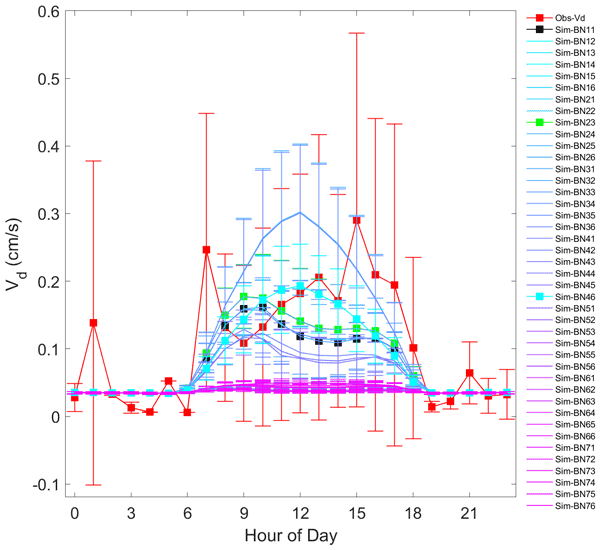
Despite the importance of nitrogen deposition, its simulation is still insufficiently represented in current atmospheric chemistry models. In this study, the improvement of the canopy stomatal resistance mechanism and the nitrogen-limiting schemes in Noah-MP-WDDM v1.42 give new options for simulating nitrogen dry deposition velocity. This study finds that the combined BN-23 mechanism agrees better with the observed NO2 dry deposition velocity, with the mean bias reduced by 50.1 %.
Cited articles
Ahmed, A. N., Van Thieu, N., Chong, K. L., Huang, Y. F., and El-Shafie, A.: A comparative analysis of machine learning models for simulating, classifying, and assessment river inflow, Water Resour. Manage., 39, 4051–4069, https://doi.org/10.1007/s11269-025-04146-1, 2025.
Badia, A., Vidal, V., Ventura, S., Curcoll, R., Segura, R., and Villalba, G.: Modelling the impacts of emission changes on O3 sensitivity, atmospheric oxidation capacity, and pollution transport over the Catalonia region, Atmos. Chem. Phys., 23, 10751–10774, https://doi.org/10.5194/acp-23-10751-2023, 2023.
Bai, J., de Leeuw, G., van der A, R., De Smedt, I., Theys, N., Van Roozendael, M., Sogacheva, L., and Chai, W.: Variations and photochemical transformations of atmospheric constituents in North China, Atmos. Environ., 189, 213–226, https://doi.org/10.1016/j.atmosenv.2018.07.004, 2018.
Baruah, U. D., Robeson, S. M., Saikia, A., Mili, N., Sung, K., and Chand, P.: Spatio-temporal characterization of tropospheric ozone and its precursor pollutants NO2 and HCHO over South Asia, Sci. Total Environ., 809, 151135, https://doi.org/10.1016/j.scitotenv.2021.151135, 2022.
Bauwens, M., Verreyken, B., Stavrakou, T., Müller, J. F., and Smedt, I. D.: Spaceborne evidence for significant anthropogenic VOC trends in Asian cities over 2005–2019, Environ. Res. Lett., 17, 015008, https://doi.org/10.1088/1748-9326/ac46eb, 2022.
Bian, Y., Huang, Z., Ou, J., Zhong, Z., Xu, Y., Zhang, Z., Xiao, X., Ye, X., Wu, Y., Yin, X., Li, C., Chen, L., Shao, M., and Zheng, J.: Evolution of anthropogenic air pollutant emissions in Guangdong Province, China, from 2006 to 2015, Atmos. Chem. Phys., 19, 11701–11719, https://doi.org/10.5194/acp-19-11701-2019, 2019.
Breiman, L.: Bagging Predictors, Mach. Learn., 24, 123–140, https://doi.org/10.1023/A:1018054314350, 1996.
Breiman, L.: Random Forests, Mach. Learn., 45, 5–32, https://doi.org/10.1023/A:1010933404324, 2001.
Chance, K.: OMI/Aura Formaldehyde (HCHO) Total Column Daily L3 Weighted Mean Global 0.1deg Lat/Lon Grid V003, Goddard Earth Sciences Data and Information Services Center (GES DISC) [data set], Greenbelt, MD, USA, https://doi.org/10.5067/Aura/OMI/DATA3010, 2019.
Chen, N., Yang, Y., Wang, D., You, J., Gao, Y., Zhang, L., Zeng, Z., and Hu, B.: Changing ozone sensitivity in Fujian Province, China, during 2012–2021: Importance of controlling VOC emissions, Environ. Pollut., 359, 124757, https://doi.org/10.1016/j.envpol.2024.124757, 2024.
Chen, Y., Yan, H., Yao, Y., Zeng, C., Gao, P., Zhuang, L., Fan, L., and Ye, D.: Relationships of ozone formation sensitivity with precursors emissions, meteorology and land use types, in Guangdong-Hong Kong-Macao Greater Bay Area, China, J. Environ. Sci., 94, 1–13, https://doi.org/10.1016/j.jes.2020.04.005, 2020.
Chen, Y., Han, H., Zhang, M., Zhao, Y., Huang, Y., Zhou, M., Wang, C., He, G., Huang, R., Luo, B., and Hu, Y.: Trends and variability of ozone pollution over the mountain-basin areas in Sichuan Province during 2013–2020: Synoptic impacts and formation regimes, Atmosphere, 12, 1557, https://doi.org/10.3390/atmos12121557, 2021.
Chen, Y., Wang, M., Yao, Y., Zeng, C., Zhang, W., Yan, H., Gao, P., Fan, L., and Ye, D.: Research on the ozone formation sensitivity indicator of four urban agglomerations of China using Ozone Monitoring Instrument (OMI) satellite data and ground-based measurements, Sci. Total Environ., 869, 161679, https://doi.org/10.1016/j.scitotenv.2023.161679, 2023.
Chinese State Council: Action plan on air pollution prevention and control, http://www.gov.cn/zwgk/2013-09/12/content_2486773.htm (last access: 6 November 2025), 2013 (in Chinese).
Chinese State Council: Three-year action plan on defending the blue Sky, http://www.gov.cn/zhengce/content/2018-07/03/content_5303158.htm (last access: 6 November 2025), 2018 (in Chinese).
Deng, C., Tian, S., Li, Z., and Li, K.: Spatiotemporal characteristics of PM2.5 and ozone concentrations in Chinese urban clusters, Chemosphere, 295, 133813, https://doi.org/10.1016/j.chemosphere.2022.133813, 2022.
Du, X., Tang, W., Cheng, M., Zhang, Z., Li, Y., Li, Y., and Meng, F.: Modeling of spatial and temporal variations of ozone–NOx–VOC sensitivity based on photochemical indicators in China, J. Environ. Sci., 114, 454–464, https://doi.org/10.1016/j.jes.2021.12.026, 2022.
Duncan, B. N., Yoshida, Y., Damon, M. R., Douglass, A. R., and Witte, J. C.: Temperature dependence of factors controlling isoprene emissions, Geophys. Res. Lett., 36, L05813, https://doi.org/10.1029/2008GL037090, 2009.
Duncan, B. N., Yoshida, Y., Olson, J. R., Sillman, S., Martin, R. V., Lamsal, L., Hu, Y., Pickering, K. E., Retscher, C., Allen, D. J., and Crawford, J. H.: Application of OMI observations to a space-based indicator of NOx and VOC controls on surface ozone formation, Atmos. Environ., 44, 2213–2223, https://doi.org/10.1016/j.atmosenv.2010.03.010, 2010.
Fang, J., Zhang, Y., Hauglustaine, D., Zheng, B., Wang, M., Li, J., Sun, Y., Li, H., Wang, J., Wu, Y., Yuan, B., Chen, M., and Ge, X.: Tracking surface ozone responses to clean air actions under a warming climate in China using machine learning, Atmos. Chem. Phys., 26, 851–867, https://doi.org/10.5194/acp-26-851-2026, 2026.
Feng, X., Li, Q., Zhu, Y., Wang, J., Liang, H., and Xu, R.: Formation and dominant factors of haze pollution over Beijing and its peripheral areas in winter, Atmos. Pollut. Res., 5, 528–538, https://doi.org/10.5094/APR.2014.062, 2014.
Fernandez, A., Garcia, S., Herrera, F., and Chawla, N. V.: SMOTE for learning from imbalanced data: Progress and challenges, marking the 15-year anniversary, J. Artif. Intell. Res., 61, 863–905, https://doi.org/10.1613/jair.1.11192, 2018.
Fu, Y., Sun, W., Fan, D., Zhang, Z., and Hao, Y.: An assessment of China's industrial emission characteristics using satellite observations of XCO2, SO2, and NO2, Atmos. Pollut. Res., 13, 101486, https://doi.org/10.1016/j.apr.2022.101486, 2022.
Geng, G., Liu, Y., Liu, Y., Liu, S., Cheng, J., Yan, L., Wu, N., Hu, H., Tong, D., Zheng, B., Yin, Z., He, K., and Zhang, Q.: Efficacy of China's clean air actions to tackle PM2.5 pollution between 2013 and 2020, Nat. Geosci., 17, 987–994, https://doi.org/10.1038/s41561-024-01540-z, 2024.
González Abad, G., Liu, X., Chance, K., Wang, H., Kurosu, T. P., and Suleiman, R.: Updated Smithsonian Astrophysical Observatory Ozone Monitoring Instrument (SAO OMI) formaldehyde retrieval, Atmos. Meas. Tech., 8, 19–32, https://doi.org/10.5194/amt-8-19-2015, 2015.
Guan, Y., Xiao, Y., Rong, B., Zhang, N., and Chu, C.: Long-term health impacts attributable to PM2.5 and ozone pollution in China's most polluted region during 2015–2020, J. Clean. Prod., 321, 128970, https://doi.org/10.1016/j.jclepro.2021.128970, 2021.
Hastie, T., Tibshirani, R., and Friedman, J.: Model Assessment and Selection, in: The Elements of Statistical Learning, Springer Series in Statistics, Springer, New York, NY, 219–259, https://doi.org/10.1007/978-0-387-84858-7_7, 2009.
Hersbach, H., Bell, B., Berrisford, P., Hirahara, S., Horányi, A., Muñoz-Sabater, J., Nicolas, J., Peubey, C., Radu, R., Schepers, D., Simmons, A., Soci, C., Abdalla, S., Abellan, X., Balsamo, G., Bechtold, P., Biavati, G., Bidlot, J., Bonavita, M., De Chiara, G., Dahlgren, P., Dee, D., Diamantakis, M., Dragani, R., Flemming, J., Forbes, R., Fuentes, M., Geer, A., Haimberger, L., Healy, S., Hogan, R. J., Hólm, E., Janisková, M., Keeley, S., Laloyaux, P., Lopez, P., Lupu, C., Radnoti, G., de Rosnay, P., Rozum, I., Vamborg, F., Villaume, S., and Thépaut, J.-N.: The ERA5 global reanalysis, Q.J.R. Meteorol. Soc., 146, 1999–2049, https://doi.org/10.1002/qj.3803, 2020.
Hersbach, H., Bell, B., Berrisford, P., Biavati, G., Horányi, A., Muñoz Sabater, J., Nicolas, J., Peubey, C., Radu, R., Rozum, I., Schepers, D., Simmons, A., Soci, C., Dee, D., and Thépaut, J-N.: ERA5 monthly averaged data on pressure levels from 1940 to present, Copernicus Climate Change Service (C3S) Climate Data Store (CDS) [data set], Reading, UK, https://doi.org/10.24381/cds.6860a573, 2023a.
Hersbach, H., Bell, B., Berrisford, P., Biavati, G., Horányi, A., Muñoz Sabater, J., Nicolas, J., Peubey, C., Radu, R., Rozum, I., Schepers, D., Simmons, A., Soci, C., Dee, D., and Thépaut, J-N.: ERA5 monthly averaged data on single levels from 1940 to present, Copernicus Climate Change Service (C3S) Climate Data Store (CDS) [data set], Reading, UK, https://doi.org/10.24381/cds.f17050d7, 2023b.
Hirsch, R. M., Slack, J. R., and Smith, R. A.: Techniques of trend analysis for monthly water quality data, Water Resour. Res., 18, 107–121, https://doi.org/10.1029/WR018i001p00107, 1982.
Hu, T., Lin, Y., Liu, R., Xu, Y., Ouyang, S., Wang, B., Zhang, Y., and Liu, S. C.: What caused large ozone variabilities in three megacity clusters in eastern China during 2015–2020?, Atmos. Chem. Phys., 24, 1607–1626, https://doi.org/10.5194/acp-24-1607-2024, 2024.
Hua, Q., Meng, X., Chen, W., Xu, Y., Xu, R., Shi, Y., Li, J., Meng, X., Li, A., Chai, Q., Sheng, M., Yao, Y., Fan, Y., Qiao, R., Zhang, Y., Wang, T., Zhang, Y., Cui, X., Yu, Y., Li, H., Tang, R., Yan, M., Duo, B., Dunzhu, D., Ga, Z., Hou, L., Liu, Y., Shang, J., Chen, Q., Qiu, X., Ye, C., Gong, J., and Zhu, T.: Associations of short-term ozone exposure with hypoxia and arterial stiffness, J. Am. Coll. Cardiol., 85, 606–621, https://doi.org/10.1016/j.jacc.2024.11.044, 2025.
Itahashi, S., Irie, H., Shimadera, H., and Chatani, S.: Fifteen-Year trends (2005–2019) in the satellite-derived ozone-sensitive regime in East Asia: A gradual shift from VOC-sensitive to NOx-sensitive, Remote Sens., 14, 4512, https://doi.org/10.3390/rs14184512, 2022.
Jin, X. and Holloway, T.: Spatial and temporal variability of ozone sensitivity over China observed from the Ozone Monitoring Instrument, J. Geophys. Res.-Atmos., 120, 7229–7246, https://doi.org/10.1002/2015JD023250, 2015.
Jin, X., Fiore, A., Boersma, K. F., Smedt, I. D., and Valin, L.: Inferring changes in summertime surface ozone–NOx–VOC chemistry over U.S. urban areas from two decades of satellite and ground-based observations, Environ. Sci. Technol., 54, 6518–6529, https://doi.org/10.1021/acs.est.9b07785, 2020.
Johnson, M. S., Philip, S., Meech, S., Kumar, R., Sorek-Hamer, M., Shiga, Y. P., and Jung, J.: Insights into the long-term (2005–2021) spatiotemporal evolution of summer ozone production sensitivity in the Northern Hemisphere derived with the Ozone Monitoring Instrument (OMI), Atmos. Chem. Phys., 24, 10363–10384, https://doi.org/10.5194/acp-24-10363-2024, 2024.
Kleinman, L. I.: Low and high NOx tropospheric photochemistry, J. Geophys. Res.-Atmos., 99, 16831–16838, https://doi.org/10.1029/94JD01028, 1994.
Koukouli, M. E., Balis, D. S., van der A, R. J., Theys, N., Hedelt, P., Richter, A., Krotkov, N., Li, C., and Taylor, M.: Anthropogenic sulphur dioxide load over China as observed from different satellite sensors, Atmos. Environ., 145, 45–59, https://doi.org/10.1016/j.atmosenv.2016.09.007, 2016.
Krotkov, N. A., Lamsal, L. N., Marchenko, S. V., Celarier, E. A., Bucsela, E. J., Swartz, W. H., Joiner, J., and the OMI core team: OMI/Aura NO2 Cloud-Screened Total and Tropospheric Column L3 Global Gridded 0.25 degree × 0.25 degree V3, NASA Goddard Space Flight Center, Goddard Earth Sciences Data and Information Services Center (GES DISC) [data set], Greenbelt, MD, USA, https://doi.org/10.5067/Aura/OMI/DATA3007, 2019.
Levelt, P. F., Oord, G. H. J. v. d., Dobber, M. R., Mälkki, A., Huib, V., Johan de, V., Stammes, P., Lundell, J. O. V., and Saari, H.: The ozone monitoring instrument, IEEE T. Geosci. Remote, 44, 1093–1101, https://doi.org/10.1109/TGRS.2006.872333, 2006.
Li, C., Zhang, Q., Krotkov, N. A., Streets, D. G., He, K., Tsay, S.-C., and Gleason, J. F.: Recent large reduction in sulfur dioxide emissions from Chinese power plants observed by the Ozone Monitoring Instrument, Geophys. Res. Lett., 37, L08807, https://doi.org/10.1029/2010GL042594, 2010.
Li, J., Zhu, K., Chen, C., Huang, Z., Huang, Y., Sha, Q., Zhu, M., Chen, H., and Zheng, J.: Spatiotemporal evolution of anthropogenic emissions and their impact on air pollution in Guangdong Province from 2006 to 2020, Sustainability, 17, 4844, https://doi.org/10.3390/su17114844, 2025.
Li, K., Jacob, D. J., Liao, H., Shen, L., Zhang, Q., and Bates, K. H.: Anthropogenic drivers of 2013–2017 trends in summer surface ozone in China, P. Natl. Acad. Sci. USA, 116, 422–427, https://doi.org/10.1073/pnas.1812168116, 2019.
Li, K., Jacob, D. J., Shen, L., Lu, X., De Smedt, I., and Liao, H.: Increases in surface ozone pollution in China from 2013 to 2019: anthropogenic and meteorological influences, Atmos. Chem. Phys., 20, 11423–11433, https://doi.org/10.5194/acp-20-11423-2020, 2020.
Li, M., Liu, H., Geng, G., Hong, C., Liu, F., Song, Y., Tong, D., Zheng, B., Cui, H., Man, H., Zhang, Q., and He, K.: Anthropogenic emission inventories in China: a review, Natl. Sci. Rev., 4, 834–866, https://doi.org/10.1093/nsr/nwx150, 2017.
Li, S., Wang, S., Wu, Q., Zhang, Y., Ouyang, D., Zheng, H., Han, L., Qiu, X., Wen, Y., Liu, M., Jiang, Y., Yin, D., Liu, K., Zhao, B., Zhang, S., Wu, Y., and Hao, J.: Emission trends of air pollutants and CO2 in China from 2005 to 2021, Earth Syst. Sci. Data, 15, 2279–2294, https://doi.org/10.5194/essd-15-2279-2023, 2023.
Li, Y., Yu, C., Tao, J., Lu, X., and Chen, L.: Analysis of ozone formation sensitivity in Chinese representative regions using satellite and ground-based Data, Remote Sens., 16, 316, https://doi.org/10.3390/rs16020316, 2024.
Liang, S., Chen, Y., Sun, X., Dong, X., He, G., Pu, Y., Fan, J., Zhong, X., Chen, Z., Lin, Z., Ma, W., and Liu, T.: Long-term exposure to ambient ozone and cardiovascular diseases: Evidence from two national cohort studies in China, J. Adv. Res., 62, 165–173, https://doi.org/10.1016/j.jare.2023.08.010, 2024a.
Liang, Y., Wang, X., Qi, S., Xu, J., and Liu, R.: Sensitivity analysis of ozone generation in Guangdong Province based on OMI satellite and ground observation data, Environ. Sci., 45, 6248–6254, https://doi.org/10.13227/j.hjkx.202311261, 2024b (in Chinese).
Lin, Y., Jiang, F., Zhao, J., Zhu, G., He, X., Ma, X., Li, S., Sabel, C. E., and Wang, H.: Impacts of O3 on premature mortality and crop yield loss across China, Atmos. Environ., 194, 41–47, https://doi.org/10.1016/j.atmosenv.2018.09.024, 2018.
Liu, C. and Shi, K.: A review on methodology in O3–NOx–VOC sensitivity study, Environ. Pollut., 291, 118249, https://doi.org/10.1016/j.envpol.2021.118249, 2021.
Liu, R., Shao, M., and Wang, Q.: Multi-timescale variation characteristics of PM2.5 in different regions of China during 2014–2022, Sci. Total Environ., 920, 171008, https://doi.org/10.1016/j.scitotenv.2024.171008, 2024.
Lu, X., Hong, J., Zhang, L., Cooper, O. R., Schultz, M. G., Xu, X., Wang, T., Gao, M., Zhao, Y., and Zhang, Y.: Severe surface ozone pollution in China: A global perspective, Environ. Sci. Technol. Lett., 5, 487–494, https://doi.org/10.1021/acs.estlett.8b00366, 2018.
Lu, X., Chen, Y., Huang, Y., Chen, D., Shen, J., Lin, C., Li, Z., Fung, J. C. H., and Lau, A. K. H.: Exposure and mortality apportionment of PM2.5 between 2006 and 2015 over the Pearl River Delta region in southern China, Atmos. Environ., 231, 117512, https://doi.org/10.1016/j.atmosenv.2020.117512, 2020a.
Lu, X., Zhang, L., Wang, X., Gao, M., Li, K., Zhang, Y., Yue, X., and Zhang, Y.: Rapid increases in warm-season surface ozone and resulting health impact in China since 2013, Environ. Sci. Technol. Lett., 7, 240–247, https://doi.org/10.1021/acs.estlett.0c00171, 2020b.
Lundberg, S. M. and Lee, S.-I.: A unified approach to interpreting model predictions, arXiv [preprint], https://doi.org/10.48550/arXiv.1705.07874, 2017.
Luo, Z., Lu, P., Chen, Z., and Liu, R.: Ozone concentration estimation and meteorological impact quantification in the Beijing–Tianjin–Hebei region based on machine learning models, Earth Space Sci., 11, e2023EA003346, https://doi.org/10.1029/2023EA003346, 2024.
Martin, R. V., Fiore, A. M., and Van Donkelaar, A.: Space-based diagnosis of surface ozone sensitivity to anthropogenic emissions, Geophys. Res. Lett., 31, https://doi.org/10.1029/2004GL019416, 2004.
Milford, J. B., Gao, D., Sillman, S., Blossey, P., and Russell, A. G.: Total reactive nitrogen (NOy) as an indicator of the sensitivity of ozone to reductions in hydrocarbon and NOx emissions, J. Geophys. Res., 99, 3533–3542, https://doi.org/10.1029/93JD03224, 1994.
Ni, Y., Yang, Y., Wang, H., Li, H., Li, M., Wang, P., Li, K., and Liao, H.: Contrasting changes in ozone during 2019–2021 between eastern and the other regions of China attributed to anthropogenic emissions and meteorological conditions, Sci. Total Environ., 908, 168272, https://doi.org/10.1016/j.scitotenv.2023.168272, 2024.
Ozone Pollution Control Committee of Chinese Society of Environmental Sciences: China blue book on prevention and control of atmospheric ozone pollution (2023), Science Press, Chinese mainland, 164 pp., ISBN 9787030781840, 2024.
Özüpak, Y., Alpsalaz, F., and Aslan, E.: Air quality forecasting using machine learning: Comparative analysis and ensemble strategies for enhanced prediction, Water Air Soil Pollut., 236, 464, https://doi.org/10.1007/s11270-025-08122-8, 2025.
Pétron, G., Harley, P., Greenberg, J., and Guenther, A.: Seasonal temperature variations influence isoprene emission, Geophys. Res. Lett., 28, 1707–1710, https://doi.org/10.1029/2000GL011583, 2001.
Pettitt, A. N.: A Non-Parametric Approach to the Change-Point Problem, J.R. Stat. Soc. Ser. C Appl. Stat., 28, 126–135, https://doi.org/10.2307/2346729, 1979.
Qiao, J., Liu, X., Ma, Q., Li, Y., and Li, J.: Impact of Covid-19 pandemic on atmospheric environment over China: a satellite perspective, in: Proceedings of IGARSS 2022–2022 IEEE International Geoscience and Remote Sensing Symposium, Kuala Lumpur, Malaysia, 17–22 July 2022, 6614–6617, https://doi.org/10.1109/IGARSS46834.2022.9884338, 2022.
Ren, J., Guo, F., and Xie, S.: Diagnosing ozone–NOx–VOC sensitivity and revealing causes of ozone increases in China based on 2013–2021 satellite retrievals, Atmos. Chem. Phys., 22, 15035–15047, https://doi.org/10.5194/acp-22-15035-2022, 2022.
Ren, X., van Duin, D., Cazorla, M., Chen, S., Mao, J., Zhang, L., Brune, W. H., Flynn, J. H., Grossberg, N., Lefer, B. L., Rappenglück, B., Wong, K. W., Tsai, C., Stutz, J., Dibb, J. E., Thomas Jobson, B., Luke, W. T., and Kelley, P.: Atmospheric oxidation chemistry and ozone production: Results from SHARP 2009 in Houston, Texas, J. Geophys. Res.-Atmos., 118, 5770–5780, https://doi.org/10.1002/jgrd.50342, 2013.
Sadaiyandi, J., Arumugam, P., Sangaiah, A. K., and Zhang, C.: Stratified sampling-based deep learning approach to increase prediction accuracy of unbalanced dataset, Electronics, 12, 4423, https://doi.org/10.3390/electronics12214423, 2023.
Schroeder, J. R., Crawford, J. H., Fried, A., Walega, J., Weinheimer, A., Wisthaler, A., Müller, M., Mikoviny, T., Chen, G., Shook, M., Blake, D. R., and Tonnesen, G. S.: New insights into the column CH2O/NO2 ratio as an indicator of near-surface ozone sensitivity, J. Geophys. Res.-Atmos., 122, 8885–8907, https://doi.org/10.1002/2017JD026781, 2017.
Seinfeld, J. H. and Pandis, S. N.: Atmospheric Chemistry and Physics, in: Air Pollution to Climate Change, John Wiley & Sons, 1152 pp., ISBN 978-1-118-94740-1, 2016.
Sen, P. K.: Estimates of the regression coefficient based on Kendall's tau, J. Am. Stat. Assoc., 63, 1379–1389, https://doi.org/10.1080/01621459.1968.10480934, 1968.
Shah, V., Jacob, D. J., Li, K., Silvern, R. F., Zhai, S., Liu, M., Lin, J., and Zhang, Q.: Effect of changing NOx lifetime on the seasonality and long-term trends of satellite-observed tropospheric NO2 columns over China, Atmos. Chem. Phys., 20, 1483–1495, https://doi.org/10.5194/acp-20-1483-2020, 2020.
Sillman, S.: The use of NOy, H2O2, and HNO3 as indicators for ozone–NOx–hydrocarbon sensitivity in urban locations, J. Geophys. Res.-Atmos., 100, 14175–14188, https://doi.org/10.1029/94JD02953, 1995.
Sillman, S.: The relation between ozone, NOx and hydrocarbons in urban and polluted rural environments, Atmos. Environ., 33, 1821–1845, https://doi.org/10.1016/S1352-2310(98)00345-8, 1999.
Song, H., Zhao, W., Yang, X., Hou, W., Chen, L., and Ma, P.: Ozone sensitivity analysis and ozone formation regimes division in the Beijing–Tianjin–Hebei region based on satellite remote sensing data, Atmosphere, 14, 1637, https://doi.org/10.3390/atmos14111637, 2023.
Stavrakou, T., Müller, J.-F., Bauwens, M., Doumbia, T., Elguindi, N., Darras, S., Granier, C., Smedt, I. D., Lerot, C., Van Roozendael, M., Franco, B., Clarisse, L., Clerbaux, C., Coheur, P.-F., Liu, Y., Wang, T., Shi, X., Gaubert, B., Tilmes, S., and Brasseur, G.: Atmospheric impacts of COVID-19 on NOx and VOC levels over China based on TROPOMI and IASI satellite data and modeling, Atmosphere, 12, 946, https://doi.org/10.3390/atmos12080946, 2021.
Thieu, N. V.: PerMetrics: A framework of performance metrics for machine learning models, J. Open Source Softw., 9, 6143, https://doi.org/10.21105/joss.06143, 2024.
Tonnesen, G. S. and Dennis, R. L.: Analysis of radical propagation efficiency to assess ozone sensitivity to hydrocarbons and NOx: 2. Long-lived species as indicators of ozone concentration sensitivity, J. Geophys. Res.-Atmos., 105, 9227–9241, https://doi.org/10.1029/1999JD900372, 2000.
Vazquez Santiago, J., Hata, H., Martinez-Noriega, E. J., and Inoue, K.: Ozone trends and their sensitivity in global megacities under the warming climate, Nat. Commun., 15, 10236, https://doi.org/10.1038/s41467-024-54490-w, 2024.
Wang, N., Du, Y., Chen, D., Meng, H., Chen, X., Zhou, L., Shi, G., Zhan, Y., Feng, M., Li, W., Chen, M., Li, Z., and Yang, F.: Spatial disparities of ozone pollution in the Sichuan Basin spurred by extreme, hot weather, Atmos. Chem. Phys., 24, 3029–3042, https://doi.org/10.5194/acp-24-3029-2024, 2024.
Wang, S., Ren, Y., and Xia, B.: PM2.5 and O3 concentration estimation based on interpretable machine learning, Atmos. Pollut. Res., 14, 101866, https://doi.org/10.1016/j.apr.2023.101866, 2023.
Wang, T., Xue, L., Brimblecombe, P., Lam, Y. F., Li, L., and Zhang, L.: Ozone pollution in China: A review of concentrations, meteorological influences, chemical precursors, and effects, Sci. Total Environ., 575, 1582–1596, https://doi.org/10.1016/j.scitotenv.2016.10.081, 2017.
Wang, W., van der A, R., Ding, J., van Weele, M., and Cheng, T.: Spatial and temporal changes of the ozone sensitivity in China based on satellite and ground-based observations, Atmos. Chem. Phys., 21, 7253–7269, https://doi.org/10.5194/acp-21-7253-2021, 2021.
Wang, W., Parrish, D. D., Wang, S., Bao, F., Ni, R., Li, X., Yang, S., Wang, H., Cheng, Y., and Su, H.: Long-term trend of ozone pollution in China during 2014–2020: distinct seasonal and spatial characteristics and ozone sensitivity, Atmos. Chem. Phys., 22, 8935–8949, https://doi.org/10.5194/acp-22-8935-2022, 2022.
Wei, J., Li, Z., Li, K., Dickerson, R. R., Pinker, R. T., Wang, J., Liu, X., Sun, L., Xue, W., and Cribb, M.: Full-coverage mapping and spatiotemporal variations of ground-level ozone (O3) pollution from 2013 to 2020 across China, Remote Sens. Environ., 270, 112775, https://doi.org/10.1016/j.rse.2021.112775, 2022.
Weng, X., Forster, G. L., and Nowack, P.: A machine learning approach to quantify meteorological drivers of ozone pollution in China from 2015 to 2019, Atmos. Chem. Phys., 22, 8385–8402, https://doi.org/10.5194/acp-22-8385-2022, 2022.
Wu, K., Yang, X., Chen, D., Gu, S., Lu, Y., Jiang, Q., Wang, K., Ou, Y., Qian, Y., Shao, P., and Lu, S.: Estimation of biogenic VOC emissions and their corresponding impact on ozone and secondary organic aerosol formation in China, Atmos. Res., 231, 104656, https://doi.org/10.1016/j.atmosres.2019.104656, 2020.
Wu, W., Fu, T.-M., Arnold, S. R., Spracklen, D. V., Zhang, A., Tao, W., Wang, X., Hou, Y., Mo, J., Chen, J., Li, Y., Feng, X., Lin, H., Huang, Z., Zheng, J., Shen, H., Zhu, L., Wang, C., Ye, J., and Yang, X.: Temperature-Dependent evaporative anthropogenic VOC emissions significantly exacerbate regional ozone pollution, Environ. Sci. Technol., 58, 5430–5441, https://doi.org/10.1021/acs.est.3c09122, 2024.
Wu, Y., Chen, W., Yan, F., Mao, J., Yuan, B., Wang, W., and Wang, X.: Nonlinear response relationship between ozone and precursor emissions in the Pearl River Delta region under different transmission channels, Environ. Sci., 43, 160–169, https://doi.org/10.13227/j.hjkx.202104141, 2022 (in Chinese).
Xia, H., Wang, D., Abad, G. G., Yang, X., Zhu, L., Pu, D., Feng, X., Zhang, A., Song, Z., Mo, Y., and Wang, J.: Multi-scale correlation reveals the evolution of socio-natural contributions to tropospheric HCHO over China from 2005 to 2022, Sci. Total Environ., 954, 176197, https://doi.org/10.1016/j.scitotenv.2024.176197, 2024.
Xiong, K., Xie, X., Huang, L., and Hu, J.: Improved O3 predictions in China by combining chemical transport model and multi-source data with machining learning techniques, Atmos. Environ., 318, 120269, https://doi.org/10.1016/j.atmosenv.2023.120269, 2024.
Xu, W., Yang, H., He, M., Yang, Z., Zhang, Y., Liu, Z. H., and He, Y. M.: Spatial and temporal characteristics of ozone formation sensitivity and its influencing factors in Chengdu-Chongqing area, Environ. Sci., 46, 736–745, https://doi.org/10.13227/j.hjkx.202312065, 2025 (in Chinese).
Xue, L. K., Wang, T., Gao, J., Ding, A. J., Zhou, X. H., Blake, D. R., Wang, X. F., Saunders, S. M., Fan, S. J., Zuo, H. C., Zhang, Q. Z., and Wang, W. X.: Ground-level ozone in four Chinese cities: precursors, regional transport and heterogeneous processes, Atmos. Chem. Phys., 14, 13175–13188, https://doi.org/10.5194/acp-14-13175-2014, 2014.
Yao, T., Ye, H., Wang, Y., Zhang, J., Guo, J., and Li, J.: Kolmogorov-Zurbenko filter coupled with machine learning to reveal multiple drivers of surface ozone pollution in China from 2015 to 2022, Sci. Total Environ., 949, 175093, https://doi.org/10.1016/j.scitotenv.2024.175093, 2024.
Ye, X., Song, Y., Cai, X., and Zhang, H.: Study on the synoptic flow patterns and boundary layer process of the severe haze events over the North China Plain in January 2013, Atmos. Environ., 124, 129–145, https://doi.org/10.1016/j.atmosenv.2015.06.011, 2016.
Zeng, J., Zhang, Y., Mu, Z., Pang, W., Zhang, H., Wu, Z., Song, W., and Wang, X.: Temperature and light dependency of isoprene and monoterpene emissions from tropical and subtropical trees: Field observations in south China, Appl. Geochem., 155, 105727, https://doi.org/10.1016/j.apgeochem.2023.105727, 2023.
Zhan, J., Liu, Y., Ma, W., Zhang, X., Wang, X., Bi, F., Zhang, Y., Wu, Z., and Li, H.: Ozone formation sensitivity study using machine learning coupled with the reactivity of volatile organic compound species, Atmos. Meas. Tech., 15, 1511–1520, https://doi.org/10.5194/amt-15-1511-2022, 2022.
Zhang, C., Xie, Y., Shao, M., and Wang, Q.: Application of machine learning to analyze ozone sensitivity to influencing factors: A case study in Nanjing, China, Sci. Total Environ., 929, 172544, https://doi.org/10.1016/j.scitotenv.2024.172544, 2024a.
Zhang, J., Shen, A., Jin, Y., Cui, Y., Xu, Y., Lu, X., Liu, Y., and Fan, Q.: Evolution of ozone formation regimes during different periods in representative regions of China, Atmos. Environ., 338, 120830, https://doi.org/10.1016/j.atmosenv.2024.120830, 2024b.
Zhang, Q., Xue, Z., Yi, L., Wang, J., and Liu, E.: Temperature regulates BVOCs-induced O3 formation potential across various vegetation types in the Sichuan Basin, China, Forests, 16, 1091, https://doi.org/10.3390/f16071091, 2025a.
Zhang, R., Cohan, A., Pour Biazar, A., and Cohan, D. S.: Source apportionment of biogenic contributions to ozone formation over the United States, Atmos. Environ., 164, 8–19, https://doi.org/10.1016/j.atmosenv.2017.05.044, 2017.
Zhang, S., Yuan, Z., Zheng, Z., and Zhao, K.: Quantitative impacts of dominant large-scale circulation systems on surface ozone pollution in China, J. Environ. Sci., 156, 42–55, https://doi.org/10.1016/j.jes.2024.07.015, 2025b.
Zhang, Y. and Song, X.: Techniques of abrupt change detection and trends analysis in hydroclimatic time-series: Advances and evaluation, Arid Land Geogr., 38, 652–665, https://doi.org/10.13826/j.cnki.cn65-1103/x.2015.04.002, 2015 (in Chinese).
Zhang, Y., Gao, J., Zhu, Y., Liu, Y., Li, H., Yang, X., Zhong, X., Zhao, M., Wang, W., Che, F., Zhou, D., Wang, S., Zhi, G., Xue, L., and Li, H.: Evolution of ozone formation sensitivity during a persistent regional ozone episode in Northeastern China and its implication for a control strategy, Environ. Sci. Technol., 58, 617–627, https://doi.org/10.1021/acs.est.3c03884, 2024c.
Zhao, C., Zhang, C., Lin, J., Wang, S., Liu, H., Wu, H., and Liu, C.: Variations of urban NO2 pollution during the COVID-19 outbreak and post-epidemic era in China: A synthesis of remote sensing and in situ measurements, Remote Sens., 14, 419, https://doi.org/10.3390/rs14020419, 2022.
Zheng, B., Tong, D., Li, M., Liu, F., Hong, C., Geng, G., Li, H., Li, X., Peng, L., Qi, J., Yan, L., Zhang, Y., Zhao, H., Zheng, Y., He, K., and Zhang, Q.: Trends in China's anthropogenic emissions since 2010 as the consequence of clean air actions, Atmos. Chem. Phys., 18, 14095–14111, https://doi.org/10.5194/acp-18-14095-2018, 2018.
Zhou, D., Zhao, S., Zhang, L., Sun, G., and Liu, Y.: The footprint of urban heat island effect in China, Sci. Rep., 5, 11160, https://doi.org/10.1038/srep11160, 2015.
Zhu, L., Mickley, L. J., Jacob, D. J., Marais, E. A., Sheng, J., Hu, L., Abad, G. G., and Chance, K.: Long-term (2005–2014) trends in formaldehyde (HCHO) columns across North America as seen by the OMI satellite instrument: Evidence of changing emissions of volatile organic compounds, Geophys. Res. Lett., 44, 7079–7086, https://doi.org/10.1002/2017GL073859, 2017.
Short summary
By integrating satellite data from 2005–2023 (warm seasons), we analyzed the spatiotemporal evolution of ozone formation sensitivity across China. Results show a shift toward NOx-limited and transitional regimes under policy measures. Explainable machine learning suggests this evolution is mainly associated with emission changes, while meteorological factors become increasingly important under cleaner conditions. These findings support more precise, region-specific ozone control strategies.
By integrating satellite data from 2005–2023 (warm seasons), we analyzed the spatiotemporal...


Altmetrics
Final-revised paper
Preprint