
Articles | Volume 26, issue 4
https://doi.org/10.5194/acp-26-3237-2026
© Author(s) 2026. This work is distributed under
the Creative Commons Attribution 4.0 License.
the Creative Commons Attribution 4.0 License.
https://doi.org/10.5194/acp-26-3237-2026
© Author(s) 2026. This work is distributed under
the Creative Commons Attribution 4.0 License.
the Creative Commons Attribution 4.0 License.
Research article
| 
03 Mar 2026
Research article |
| 03 Mar 2026
| 03 Mar 2026
Controlled chamber formation of per- and polyfluoroalkyl substances (PFAS) aerosols with Pseudomonas fluorescens: size distributions, effects, and inhalation deposition potential
Ivan Kourtchev
CORRESPONDING AUTHOR

Centre for Agroecology Water and Resilience (CAWR), Coventry University, Wolston Lane, Ryton on Dunsmore, CV8 3LG, UK
Steve Coupe
Centre for Agroecology Water and Resilience (CAWR), Coventry University, Wolston Lane, Ryton on Dunsmore, CV8 3LG, UK
Alison Buckley
Toxicology Department, Radiation, Chemical, Climate and Environmental Hazards Directorate, UK Health Security Agency, Harwell Campus, Chilton, Oxfordshire, OX11 0RQ, UK
Jishnu Pandamkulangara Kizhakkethil
Centre for Agroecology Water and Resilience (CAWR), Coventry University, Wolston Lane, Ryton on Dunsmore, CV8 3LG, UK
Elena Gatta
Dipartimento di Fisica, Università di Genova, Genoa, Italy
Dario Massabò
Dipartimento di Fisica, Università di Genova, Genoa, Italy
Istituto Nazionale di Fisica Nucleare (INFN), Sezione di Genova, Genoa, Italy
Paolo Prati
Dipartimento di Fisica, Università di Genova, Genoa, Italy
Istituto Nazionale di Fisica Nucleare (INFN), Sezione di Genova, Genoa, Italy
Virginia Vernocchi
Istituto Nazionale di Fisica Nucleare (INFN), Sezione di Genova, Genoa, Italy
Federico Mazzei
Dipartimento di Fisica, Università di Genova, Genoa, Italy
Istituto Nazionale di Fisica Nucleare (INFN), Sezione di Genova, Genoa, Italy
Related authors
Jishnu Pandamkulangara Kizhakkethil, Zongbo Shi, Anna Bogush, and Ivan Kourtchev
Atmos. Chem. Phys., 25, 5947–5958, https://doi.org/10.5194/acp-25-5947-2025, https://doi.org/10.5194/acp-25-5947-2025, 2025
Short summary
Short summary
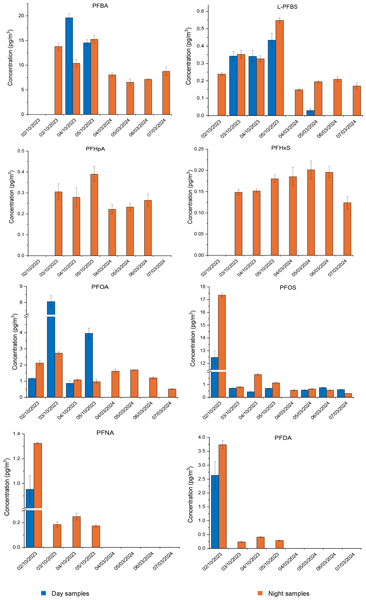
Pollution with per- and polyfluoroalkyl substances (PFAS) has received attention due to their environmental persistence and bioaccumulation, but their sources remain poorly understood. PM10 (particulate matter) collected above a scaled-down activated sludge tank treating domestic sewage in the UK was analysed for a range of short-, medium-, and long-chain PFAS. Eight PFAS were detected in the PM10. Our results suggest that wastewater treatment processes, i.e. activated sludge aeration, could aerosolise PFAS into airborne PM.
Hendrik Fuchs, Niklas Illmann, Amalia Muñoz, Mila Ródenas, Bénédicte Picquet-Varrault, M. Rami Alfarra, Cecilia Arsene, Iustinian G. Bejan, David M. Bell, Merete Bilde, Alexander Böhmländer, Mixtli Campos-Pineda, Mathieu Cazaunau, Patrice Coll, Véronique Daële, Claudia Di Biagio, Michael Flynn, Paola Formenti, Hartmut Herrmann, Kristina Höhler, Thorsten Hohaus, Matthew S. Johnson, Eija Juurola, Niku Kivekäs, Jan Kaiser, Christos Kaltsonoudis, Paolo Laj, Dario Massabò, Federico Mazzei, Gordon McFiggans, Max R. McGillen, Abdelwahid Mellouki, Peter Mettke, Ottmar Möhler, Falk Mothes, Dennis Niedermeier, Anna Novelli, Romeo I. Olariu, Spyros N. Pandis, Iulia Patroescu-Klotz, Rosa Maria Petracca Altieri, Paolo Prati, Claudiu Roman, Albert A. Ruth, Harald Saathoff, Silvio Schmalfuß, Frank Stratmann, Virginia Vernocchi, Aristeidis Voliotis, Jens Voigtländer, Annele Virtanen, Andreas Wahner, Robert Wagner, John Wenger, Sören Zorn, Peter Wiesen, and Jean-Francois Doussin
Atmos. Meas. Tech., 19, 4165–4199, https://doi.org/10.5194/amt-19-4165-2026, https://doi.org/10.5194/amt-19-4165-2026, 2026
Short summary
Short summary
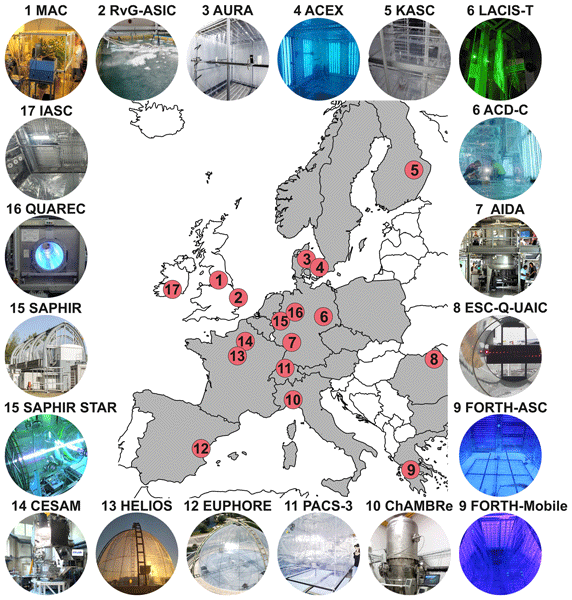
Atmospheric simulation chambers enable experiments to be conducted under controlled conditions, improving our understanding of, and ability to predict, changes in the composition of the atmosphere. This is important for assessing air quality and its effects on human health, climate, the environment, and the economy. This paper describes the chambers of the European ACTRIS research infrastructure and discusses topics and directions that can be addressed in future chamber experiments.
Laura Renzi, Claudia Di Biagio, Johannes Heuser, Marco Zanatta, Mathieu Cazaunau, Antonin Bergé, Edouard Pangui, Jérôme Yon, Tommaso Isolabella, Dario Massabò, Virginia Vernocchi, Martina Mazzini, Franziska Vogel, Chenjie Yu, Paola Formenti, Benedicte Picquet-Varrault, Jean-Francois Doussin, and Angela Marinoni
Atmos. Meas. Tech., 19, 1365–1383, https://doi.org/10.5194/amt-19-1365-2026, https://doi.org/10.5194/amt-19-1365-2026, 2026
Short summary
Short summary
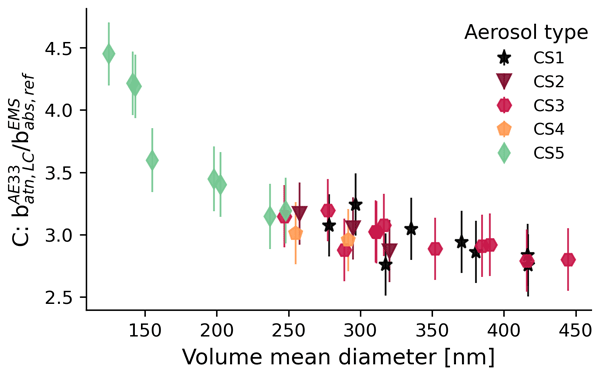
This study investigates how particle properties affect the accuracy of a common air pollution instrument, the dual-spot aethalometer. By combining lab experiments with real-world data from a mountain site in Italy, we found that the correction factor for this instrument varies mainly due to particle size and measurement conditions. Understanding these influences helps improve air quality monitoring, which is important for assessing pollution impacts on health and climate.
Federico Mazzei, Marco Brunoldi, Elena Gatta, Franco Parodi, Paolo Prati, Virginia Vernocchi, and Dario Massabò
Atmos. Chem. Phys., 26, 1265–1275, https://doi.org/10.5194/acp-26-1265-2026, https://doi.org/10.5194/acp-26-1265-2026, 2026
Short summary
Short summary
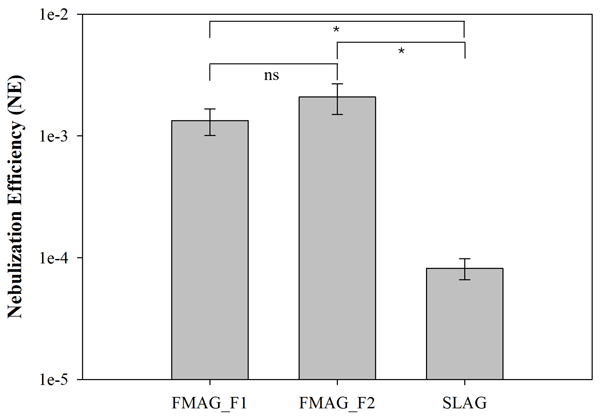
The goal of this study was to compare the performance of two aerosol generators in terms of nebulization efficiency, size distribution, bacterial fragmentation, and the stresses produced on bacteria during nebulization, including loss of viability and culturability. Our findings indicated that bacterial viability is significantly influenced by nebulization procedures, and nebulization efficiency varies among different nebulizers.
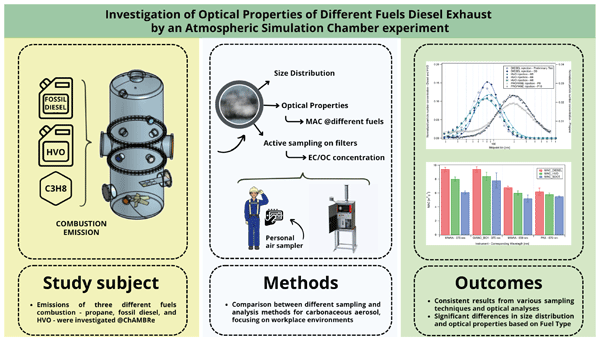
Silvia G. Danelli, Lorenzo Caponi, Marco Brunoldi, Matilde De Camillis, Dario Massabò, Federico Mazzei, Tommaso Isolabella, Annalisa Pascarella, Paolo Prati, Matteo Santostefano, Francesca Tarchino, Virginia Vernocchi, and Paolo Brotto
Atmos. Chem. Phys., 25, 9387–9401, https://doi.org/10.5194/acp-25-9387-2025, https://doi.org/10.5194/acp-25-9387-2025, 2025
Short summary
Short summary
This study examines optical properties and the variability of the mass absorption coefficient of carbonaceous aerosols produced by the combustion of different fuels. Experiments, conducted in an atmospheric simulation chamber, tested different methods of sampling and analyzing carbonaceous aerosols, with a focus on workplace environments. Results highlight the need to understand the variability in aerosol optical properties for accurate monitoring and health and environmental impact assessments.
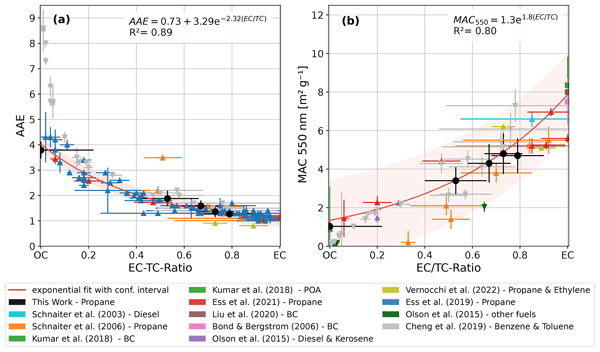
Johannes Heuser, Claudia Di Biagio, Jérôme Yon, Mathieu Cazaunau, Antonin Bergé, Edouard Pangui, Marco Zanatta, Laura Renzi, Angela Marinoni, Satoshi Inomata, Chenjie Yu, Vera Bernardoni, Servanne Chevaillier, Daniel Ferry, Paolo Laj, Michel Maillé, Dario Massabò, Federico Mazzei, Gael Noyalet, Hiroshi Tanimoto, Brice Temime-Roussel, Roberta Vecchi, Virginia Vernocchi, Paola Formenti, Bénédicte Picquet-Varrault, and Jean-François Doussin
Atmos. Chem. Phys., 25, 6407–6428, https://doi.org/10.5194/acp-25-6407-2025, https://doi.org/10.5194/acp-25-6407-2025, 2025
Short summary
Short summary
The spectral optical properties of combustion soot aerosols with varying black (BC) and brown carbon (BrC) content were studied in an atmospheric simulation chamber. Measurements of the mass spectral absorption cross section (MAC), supplemented by literature data, allowed us to establish a generalised exponential relationship between the spectral absorption and the elemental-to-total-carbon ratio (EC / TC) in soot. This relationship can provide a useful tool for modelling the properties of soot.
Jishnu Pandamkulangara Kizhakkethil, Zongbo Shi, Anna Bogush, and Ivan Kourtchev
Atmos. Chem. Phys., 25, 5947–5958, https://doi.org/10.5194/acp-25-5947-2025, https://doi.org/10.5194/acp-25-5947-2025, 2025
Short summary
Short summary
Pollution with per- and polyfluoroalkyl substances (PFAS) has received attention due to their environmental persistence and bioaccumulation, but their sources remain poorly understood. PM10 (particulate matter) collected above a scaled-down activated sludge tank treating domestic sewage in the UK was analysed for a range of short-, medium-, and long-chain PFAS. Eight PFAS were detected in the PM10. Our results suggest that wastewater treatment processes, i.e. activated sludge aeration, could aerosolise PFAS into airborne PM.
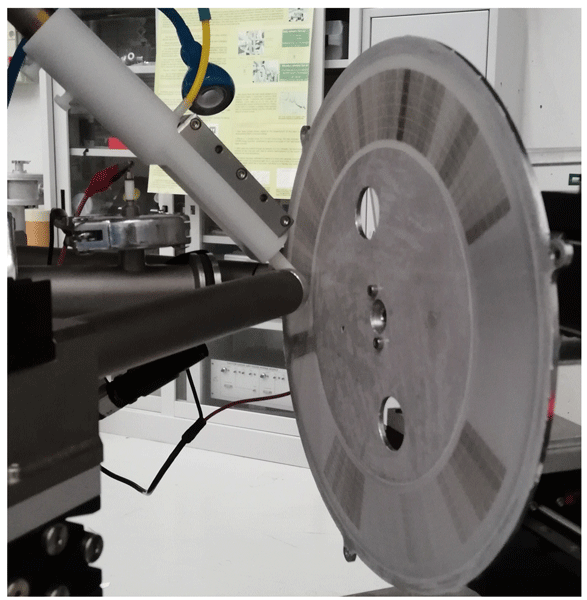
Silvia Nava, Roberta Vecchi, Paolo Prati, Vera Bernardoni, Laura Cadeo, Giulia Calzolai, Luca Carraresi, Carlo Cialdai, Massimo Chiari, Federica Crova, Alice Forello, Cosimo Fratticioli, Fabio Giardi, Marco Manetti, Dario Massabò, Federico Mazzei, Luca Repetto, Gianluigi Valli, Virginia Vernocchi, and Franco Lucarelli
Atmos. Meas. Tech., 18, 2137–2147, https://doi.org/10.5194/amt-18-2137-2025, https://doi.org/10.5194/amt-18-2137-2025, 2025
Short summary
Short summary
The new high-time-resolution sampler STRAS has been designed, developed and tested. It enables automatic sequential sampling of up to 168 hourly samples of PM10, PM2.5 or PM1. It has been conceived for subsequent elemental composition analysis (from Na to Pb) by particle-induced X-ray emission (PIXE), but optical techniques may also be applied to measure black and brown carbon. Its use combined with other high-temporal-resolution instrumentation can provide complete chemical speciation of aerosols on an hourly basis.
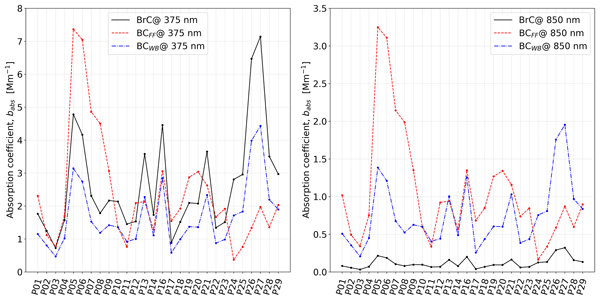
Tommaso Isolabella, Vera Bernardoni, Alessandro Bigi, Marco Brunoldi, Federico Mazzei, Franco Parodi, Paolo Prati, Virginia Vernocchi, and Dario Massabò
Atmos. Meas. Tech., 17, 1363–1373, https://doi.org/10.5194/amt-17-1363-2024, https://doi.org/10.5194/amt-17-1363-2024, 2024
Short summary
Short summary
We present an innovative software toolkit to differentiate sources of carbonaceous aerosol in the atmosphere. Our toolkit implements an upgraded mathematical model which allows for determination of fundamental optical properties of the aerosol, its sources, and the mass concentration of different carbonaceous species of particulate matter. We have tested the functionality of the software by re-analysing published data, and we obtained a compatible results with additional information.
Alessandro Bigi, Giorgio Veratti, Elisabeth Andrews, Martine Collaud Coen, Lorenzo Guerrieri, Vera Bernardoni, Dario Massabò, Luca Ferrero, Sergio Teggi, and Grazia Ghermandi
Atmos. Chem. Phys., 23, 14841–14869, https://doi.org/10.5194/acp-23-14841-2023, https://doi.org/10.5194/acp-23-14841-2023, 2023
Short summary
Short summary
Atmospheric particles include compounds that play a key role in the greenhouse effect and air toxicity. Concurrent observations of these compounds by multiple instruments are presented, following deployment within an urban environment in the Po Valley, one of Europe's pollution hotspots. The study compares these data, highlighting the impact of ground emissions, mainly vehicular traffic and biomass burning, on the absorption of sun radiation and, ultimately, on climate change and air quality.
Virginia Vernocchi, Elena Abd El, Marco Brunoldi, Silvia Giulia Danelli, Elena Gatta, Tommaso Isolabella, Federico Mazzei, Franco Parodi, Paolo Prati, and Dario Massabò
Atmos. Meas. Tech., 16, 5479–5493, https://doi.org/10.5194/amt-16-5479-2023, https://doi.org/10.5194/amt-16-5479-2023, 2023
Short summary
Short summary
Bioaerosol are airborne particles or droplets that contain living organisms or biological materials, such as bacteria, viruses, fungi, pollen, or other organic matter. The study of the relationship between bioaerosol viability and air quality or meteorological conditions is an open field, and running experiments of the bioareosol viability in an atmospheric simulation chamber gives the possibility to set up well-defined conditions to evaluate the interaction between bioaerosol and pollutants.
Virginia Vernocchi, Marco Brunoldi, Silvia G. Danelli, Franco Parodi, Paolo Prati, and Dario Massabò
Atmos. Meas. Tech., 15, 2159–2175, https://doi.org/10.5194/amt-15-2159-2022, https://doi.org/10.5194/amt-15-2159-2022, 2022
Short summary
Short summary
The performance of a mini inverted soot generator was investigated at a simulation chamber facility by studying the soot generated by ethylene and propane combustion, together with the number, size, optical properties, and EC / OC concentrations. Mass absorption coefficients and Ångström absorption exponents are compatible with the literature, with some differences. The characterization of MISG soot particles is fundamental to design and perform experiments in atmospheric simulation chambers.
Lucía Caudillo, Birte Rörup, Martin Heinritzi, Guillaume Marie, Mario Simon, Andrea C. Wagner, Tatjana Müller, Manuel Granzin, Antonio Amorim, Farnoush Ataei, Rima Baalbaki, Barbara Bertozzi, Zoé Brasseur, Randall Chiu, Biwu Chu, Lubna Dada, Jonathan Duplissy, Henning Finkenzeller, Loïc Gonzalez Carracedo, Xu-Cheng He, Victoria Hofbauer, Weimeng Kong, Houssni Lamkaddam, Chuan P. Lee, Brandon Lopez, Naser G. A. Mahfouz, Vladimir Makhmutov, Hanna E. Manninen, Ruby Marten, Dario Massabò, Roy L. Mauldin, Bernhard Mentler, Ugo Molteni, Antti Onnela, Joschka Pfeifer, Maxim Philippov, Ana A. Piedehierro, Meredith Schervish, Wiebke Scholz, Benjamin Schulze, Jiali Shen, Dominik Stolzenburg, Yuri Stozhkov, Mihnea Surdu, Christian Tauber, Yee Jun Tham, Ping Tian, António Tomé, Steffen Vogt, Mingyi Wang, Dongyu S. Wang, Stefan K. Weber, André Welti, Wang Yonghong, Wu Yusheng, Marcel Zauner-Wieczorek, Urs Baltensperger, Imad El Haddad, Richard C. Flagan, Armin Hansel, Kristina Höhler, Jasper Kirkby, Markku Kulmala, Katrianne Lehtipalo, Ottmar Möhler, Harald Saathoff, Rainer Volkamer, Paul M. Winkler, Neil M. Donahue, Andreas Kürten, and Joachim Curtius
Atmos. Chem. Phys., 21, 17099–17114, https://doi.org/10.5194/acp-21-17099-2021, https://doi.org/10.5194/acp-21-17099-2021, 2021
Short summary
Short summary
We performed experiments in the CLOUD chamber at CERN at low temperatures to simulate new particle formation in the upper free troposphere (at −30 ºC and −50 ºC). We measured the particle and gas phase and found that most of the compounds present in the gas phase are detected as well in the particle phase. The major compounds in the particles are C8–10 and C18–20. Specifically, we showed that C5 and C15 compounds are detected in a mixed system with isoprene and α-pinene at −30 ºC, 20 % RH.
Cited articles
Ahrens, L., Shoeib, M., Harner, T., Lee, S. C., Guo, R., and Reiner, E. J.: Wastewater Treatment Plant and Landfills as Sources of Polyfluoroalkyl Compounds to the Atmosphere, Environ. Sci. Technol., 45, 8098–8105, https://doi.org/10.1021/es1036173, 2011.
Alves, A. V., Tsianou, M., and Alexandridis, P.: Fluorinated Surfactant Adsorption on Mineral Surfaces: Implications for PFAS Fate and Transport in the Environment, Surfaces, 3, 516–566, https://doi.org/10.3390/surfaces3040037, 2020.
Anjilvel, S. and Asgharian, B.: A Multiple-Path Model of Particle Deposition in the Rat Lung, Fundam. Appl. Toxicol., 28, 41–50, https://doi.org/10.1006/faat.1995.1144, 1995.
Barber, J. L., Berger, U., Chaemfa, C., Huber, S., Jahnke, A., Temme, C., and Jones, K. C.: Analysis of per- and polyfluorinated alkyl substances in air samples from Northwest Europe, J. Environ. Monit., 9, 530–541, https://doi.org/10.1039/B701417A, 2007.
Batrich, M., Maskeri, L., Schubert, R., Ho, B., Kohout, M., Abdeljaber, M., Abuhasna, A., Kholoki, M., Psihogios, P., Razzaq, T., Sawhney, S., Siddiqui, S., Xoubi, E., Cooper, A., Hatzopoulos, T., and Putonti, C.: Pseudomonas Diversity Within Urban Freshwaters, Front Microbiol., 10, 195, https://doi.org/10.3389/fmicb.2019.00195, 2019.
Baum, M. M., Kainović, A., O'Keeffe, T., Pandita, R., McDonald, K., Wu, S., and Webster, P.: Characterization of structures in biofilms formed by a Pseudomonas fluorescens isolated from soil, BMC Microbiol., 9, 103, https://doi.org/10.1186/1471-2180-9-103, 2009.
Boyd Chelsea, D., Smith, T. J., El-Kirat-Chatel, S., Newell Peter, D., Dufrêne Yves, F., and O'Toole George, A.: Structural Features of the Pseudomonas fluorescens Biofilm Adhesin LapA Required for LapG-Dependent Cleavage, Biofilm Formation, and Cell Surface Localization, J. Bacteriol., 196, 2775–2788, https://doi.org/10.1128/jb.01629-14, 2014.
Cai, W., Navarro, D. A., Du, J., Ying, G., Yang, B., McLaughlin, M. J., and Kookana, R. S.: Increasing ionic strength and valency of cations enhance sorption through hydrophobic interactions of PFAS with soil surfaces, Sci. Total Environ., 817, 152975, https://doi.org/10.1016/j.scitotenv.2022.152975, 2022.
Charlton, S. G. V., Jana, S., and Chen, J.: Yielding behaviour of chemically treated Pseudomonas fluorescens biofilms, Biofilm, 8, 100209, https://doi.org/10.1016/j.bioflm.2024.100209, 2024.
Cheong, W. J. and Carr, P. W.: The Surface Tension of Mixtures of Methanol, Acetonitrile, Tetrahydrofuran, Isopropanol, Tertiary Butanol and Dimethyl-Sulfoxide with Water at °C, J. Liq. Chromatogr., 10, 561–581, https://doi.org/10.1080/01483918708069009, 1987.
Cookson, E. S. and Detwiler, R. L.: Global patterns and temporal trends of perfluoroalkyl substances in municipal wastewater: A meta-analysis, Water Res., 221, 118784, https://doi.org/10.1016/j.watres.2022.118784, 2022.
Dai, M., Yan, N., and Brusseau, M. L.: Potential impact of bacteria on the transport of PFAS in porous media, Water Res., 243, 120350, https://doi.org/10.1016/j.watres.2023.120350, 2023.
Després, V., Huffman, J. A., Burrows, S. M., Hoose, C., Safatov, A., Buryak, G., Fröhlich-Nowoisky, J., Elbert, W., Andreae, M., Pöschl, U., and Jaenicke, R.: Primary biological aerosol particles in the atmosphere: a review, Tellus B, 64, 15598, https://doi.org/10.3402/tellusb.v64i0.15598, 2012.
Dreyer, A., Kirchgeorg, T., Weinberg, I., and Matthias, V.: Particle-size distribution of airborne poly- and perfluorinated alkyl substances, Chemosphere, 129, 142–149, https://doi.org/10.1016/j.chemosphere.2014.06.069, 2015.
Engvall, A.-C., Krejci, R., Ström, J., Treffeisen, R., Scheele, R., Hermansen, O., and Paatero, J.: Changes in aerosol properties during spring-summer period in the Arctic troposphere, Atmos. Chem. Phys., 8, 445–462, https://doi.org/10.5194/acp-8-445-2008, 2008.
Ellis, D. A., Martin, J. W., De Silva, A. O., Mabury, S. A., Hurley, M. D., Sulbaek Andersen, M. P., and Wallington, T. J.: Degradation of Fluorotelomer Alcohols: A Likely Atmospheric Source of Perfluorinated Carboxylic Acids, Environ. Sci. Technol., 38, 3316–3321, https://doi.org/10.1021/es049860w, 2004.
Ervens, B. and Amato, P.: The global impact of bacterial processes on carbon mass, Atmos. Chem. Phys., 20, 1777–1794, https://doi.org/10.5194/acp-20-1777-2020, 2020.
Estillore, A. D., Trueblood, J. V., and Grassian, V. H.: Atmospheric chemistry of bioaerosols: heterogeneous and multiphase reactions with atmospheric oxidants and other trace gases, Chem. Sci., 7, 6604–6616, https://doi.org/10.1039/C6SC02353C, 2016.
Evich, M. G., Davis, M. J. B., McCord, J. P., Acrey, B., Awkerman, J. A., Knappe, D. R. U., Lindstrom, A. B., Speth, T. F., Tebes-Stevens, C., Strynar, M. J., Wang, Z., Weber, E. J., Henderson, W. M., and Washington, J. W.: Per- and polyfluoroalkyl substances in the environment, Science, 375, eabg9065, https://doi.org/10.1126/science.abg9065, 2022.
Farmer, D. K., Boedicker, E. K., and DeBolt, H. M.: Dry Deposition of Atmospheric Aerosols: Approaches, Observations, and Mechanisms, Annu. Rev. Phys. Chem., 72, 375–397, https://doi.org/10.1146/annurev-physchem-090519-034936, 2021.
Fathollahi, A. and Coupe, S. J.: Effect of environmental and nutritional conditions on the formation of single and mixed-species biofilms and their efficiency in cadmium removal, Chemosphere, 283, 131152, https://doi.org/10.1016/j.chemosphere.2021.131152, 2021.
Faust, J. A.: PFAS on atmospheric aerosol particles: a review, Environ. Sci. Processes Impacts, 25, 133–150, https://doi.org/10.1039/D2EM00002D, 2023.
Finlayson-Pitts, B. J. and Pitts, J.N.: Chemistry of the Upper and Lower Atmosphere: Theory, Experiments, and Applications, Academic Press, San Diego, CA, 969, IBSN 9780122570605, 2000.
Folorunsho, O., Bogush, A., and Kourtchev, I.: Investigation of Per- and Polyfluoroalkyl Substances (PFAS) Adsorption onto the Medium Size Quartz Gravel, Environ. Contam. Causes Solutions., 1, 4, https://doi.org/10.53941/eccs.2025.100004, 2025.
Fröhlich-Nowoisky, J., Kampf, C. J., Weber, B., Huffman, J. A., Pöhlker, C., Andreae, M. O., Lang-Yona, N., Burrows, S. M., Gunthe, S. S., Elbert, W., Su, H., Hoor, P., Thines, E., Hoffmann, T., Després, V. R., and Pöschl, U.: Bioaerosols in the Earth system: Climate, health, and ecosystem interactions, Atmos. Res., 182, 346–376, https://doi.org/10.1016/j.atmosres.2016.07.018, 2016.
Gatta, E., Abd El, E., Brunoldi, M., Irfan, M., Isolabella, T., Massabò, D., Parodi, F., Prati, P., Vernocchi, V., and Mazzei, F.: Viability studies of bacterial strains exposed to nitrogen oxides and light in controlled atmospheric conditions, Sci. Rep., 15, 10320, https://doi.org/10.1038/s41598-025-94898-y, 2025.
Ge, H., Yamazaki, E., Yamashita, N., Taniyasu, S., Ogata, A., and Furuuchi, M.: Particle size specific distribution of perfluoro alkyl substances in atmospheric particulate matter in Asian cities, Environ. Sci. Processes Impacts., 19, 549–560, https://doi.org/10.1039/C6EM00564K, 2017.
Glüge, J., Scheringer, M., Cousins, I. T., DeWitt, J. C., Goldenman, G., Herzke, D., Lohmann, R., Ng, C. A., Trier, X., and Wang, Z.: An overview of the uses of per- and polyfluoroalkyl substances (PFAS), Environ. Sci. Processes Impacts., 22, 2345–2373, https://doi.org/10.1039/D0EM00291G, 2020.
Guo, B., Saleem, H., and Brusseau, M. L.: Predicting Interfacial Tension and Adsorption at Fluid–Fluid Interfaces for Mixtures of PFAS and/or Hydrocarbon Surfactants, Environ. Sci. Technol., 57, 8044–8052, https://doi.org/10.1021/acs.est.2c08601, 2023.
Guo, M., Lyu, Y., Xu, T., Yao, B., Song, W., Li, M., Yang, X., Cheng, T., and Li, X.: Particle size distribution and respiratory deposition estimates of airborne perfluoroalkyl acids during the haze period in the megacity of Shanghai, Environ. Pollut., 234, 9–19, https://doi.org/10.1016/j.envpol.2017.10.128, 2018.
Harada, K., Nakanishi, S., Sasaki, K., Furuyama, K., Nakayama, S., Saito, N., Yamakawa, K., and Koizumi, A.: Particle Size Distribution and Respiratory Deposition Estimates of Airborne Perfluorooctanoate and Perfluorooctanesulfonate in Kyoto Area, Japan, Bull. Environ. Contam. Toxicol., 76, 306–310, https://doi.org/10.1007/s00128-006-0922-1, 2006.
Hong, S., Kim, M.-W., and Jang, J.: Physical collection and viability of airborne bacteria collected under electrostatic field with different sampling media and protocols towards rapid detection, Sci. Rep., 11, 14598, https://doi.org/10.1038/s41598-021-94033-7, 2021.
Johansson, J. H., Salter, M. E., Acosta Navarro, J. C., Leck, C., Nilsson, E. D., and Cousins, I. T.: Global transport of perfluoroalkyl acids via sea spray aerosol, Environ. Sci. Processes Impacts., 21, 635–649, https://doi.org/10.1039/C8EM00525G, 2019.
Key, B. D., Howell, R. D., and Criddle, C. S.: Defluorination of Organofluorine Sulfur Compounds by Pseudomonas Sp. Strain D2, Environ. Sci. Technol., 32, 2283–2287, https://doi.org/10.1021/es9800129, 1998.
Kizhakkethil, J. P., Shi, Z., Bogush, A., and Kourtchev, I.: Measurement report: Per- and polyfluoroalkyl substances (PFAS) in particulate matter (PM10) from activated sludge aeration, Atmos. Chem. Phys., 25, 5947–5958, https://doi.org/10.5194/acp-25-5947-2025, 2025.
Klevan, C., Van Allen, O., Xia, S., Mukai, K., Gomes, A., Caines, S., Woodcock, M. J., and Pennell, K. D.: Evaluation of co-foaming agents for enhanced removal of per-and polyfluoroalkyl substances (PFAS) by foam fractionation, J. Hazard. Mater., 494, 138423, https://doi.org/10.1016/j.jhazmat.2025.138423, 2025.
Kourtchev, I.: HRMS_Data_TNA, Zenodo [data set], https://doi.org/10.5281/zenodo.17756210, 2025.
Kourtchev, I., Hellebust, S., Heffernan, E., Wenger, J., Towers, S., Diapouli, E., and Eleftheriadis, K.: A new on-line SPE LC-HRMS method for the analysis of Perfluoroalkyl and Polyfluoroalkyl Substances (PFAS) in PM2.5 and its application for screening atmospheric particulates from Dublin and Enniscorthy, Ireland, Sci. Total Environ., 835, 155496, https://doi.org/10.1016/j.scitotenv.2022.155496, 2022.
Kourtchev, I., Sebben, B. G., Brill, S., Barbosa, C. G. G., Weber, B., Ferreira, R. R., D'Oliveira, F. A. F., Dias-Junior, C. Q., Popoola, O. A. M., Williams, J., Pöhlker, C., and Godoi, R. H. M.: Occurrence of a “forever chemical” in the atmosphere above pristine Amazon Forest, Sci. Total Environ., 944, 173918, https://doi.org/10.1016/j.scitotenv.2024.173918, 2024.
Kourtchev, I., McGillen, M. R., Wenger, J., and Donahue, N. M.: Rethinking environmental boundaries for contaminants of emerging concern, Atmos. Environ., 361, 121492, https://doi.org/10.1016/j.atmosenv.2025.121492, 2025.
Kutsuna, S., Hori, H., Sonoda, T., Iwakami, T., and Wakisaka, A.: Preferential solvation of perfluorooctanoic acid (PFOA) by methanol in methanol–water mixtures: A potential overestimation of the dissociation constant of PFOA using a Yasuda–Shedlovsky plot, Atmos. Environ., 49, 411–414, https://doi.org/10.1016/j.atmosenv.2011.12.009, 2012.
Leung, S. C. E., Wanninayake, D., Chen, D., Nguyen, N.-T., and Li, Q.: Physicochemical properties and interactions of perfluoroalkyl substances (PFAS) – Challenges and opportunities in sensing and remediation, Sci. Total Environ., 905, 166764, https://doi.org/10.1016/j.scitotenv.2023.166764, 2023.
Li, J., Zhou, L., Zhang, X., Xu, C., Dong, L., and Yao, M.: Bioaerosol emissions and detection of airborne antibiotic resistance genes from a wastewater treatment plant, Atmos. Environ., 124, 404–412, https://doi.org/10.1016/j.atmosenv.2015.06.030, 2016.
Lin, H., Lao, J.-Y., Wang, Q., Ruan, Y., He, Y., Lee, P. K. H., Leung, K. M. Y., and Lam, P. K. S.: Per- and polyfluoroalkyl substances in the atmosphere of waste management infrastructures: Uncovering secondary fluorotelomer alcohols, particle size distribution, and human inhalation exposure, Environ. Int., 167, 107434, https://doi.org/10.1016/j.envint.2022.107434, 2022.
Luczkiewicz, A., Kotlarska, E., Artichowicz, W., Tarasewicz, K., and Fudala-Ksiazek, S.: Antimicrobial resistance of Pseudomonas spp. isolated from wastewater and wastewater-impacted marine coastal zone, Environ. Sci. Pollut. Res., 22, 19823–19834, https://doi.org/10.1007/s11356-015-5098-y, 2015.
Lyu, Y., Wang, B., Du, X., Guo, B., and Brusseau, M. L.: Air-water interfacial adsorption of C4-C10 perfluorocarboxylic acids during transport in unsaturated porous media, Sci. Total Environ., 831, 154905, https://doi.org/10.1016/j.scitotenv.2022.154905, 2022.
Mancini, M., Gioia, V., Simonetti, F., Frugis, A., and Cinti, S.: Evaluation of pure PFAS decrease in controlled settings, ACS Meas. Sci. Au., 3, 444–451, https://doi.org/10.1021/acsmeasuresciau.3c00027, 2023.
Massabò, D., Danelli, S. G., Brotto, P., Comite, A., Costa, C., Di Cesare, A., Doussin, J. F., Ferraro, F., Formenti, P., Gatta, E., Negretti, L., Oliva, M., Parodi, F., Vezzulli, L., and Prati, P.: ChAMBRe: a new atmospheric simulation chamber for aerosol modelling and bio-aerosol research, Atmos. Meas. Tech., 11, 5885–5900, https://doi.org/10.5194/amt-11-5885-2018, 2018.
Pandamkulangara Kizhakkethil, J. and Kourtchev, I.: Aerosolisation of new generation perfluoroalkyl ether carboxylic and sulfonic acids from aeration of contaminated aqueous solutions, Atmos. Environ., 352, 121218, https://doi.org/10.1016/j.atmosenv.2025.121218, 2025.
Pandamkulangara Kizhakkethil, J., Shi, Z., Bogush, A., and Kourtchev, I.: Aerosolisation of per- and polyfluoroalkyl substances (PFAS) during aeration of contaminated aqueous solutions, Atmos. Environ., 334, 120716, https://doi.org/10.1016/j.atmosenv.2024.120716, 2024.
Park, D., Kim, Y. H., Woo Park, C., Hwang, J., and Kim, Y. J.: New bio-aerosol collector using a micromachined virtual impactor, J Aerosol Sci, 40, 415–422, https://doi.org/10.1016/J.JAEROSCI.2008.12.007, 2009.
Patel, R., Saab, L. E., Brahana, P. J., Valsaraj, K. T., and Bharti, B.: Interfacial Activity and Surface pKa of Perfluoroalkyl Carboxylic Acids (PFCAs), Langmuir, 40, 3651–3658, https://doi.org/10.1021/acs.langmuir.3c03398, 2024.
Poopedi, E., Pierneef, R., Singh, T., and Gomba, A.: Opportunistic bacterial pathogens in bioaerosols emitted at municipal wastewater treatment plants, South Africa, Sci. Rep., 15, 10318, https://doi.org/10.1038/s41598-025-95484-y, 2025.
Pope III, C. A. and Dockery, D. W.: Health Effects of Fine Particulate Air Pollution: Lines that Connect, Air Waste Manage. Assoc. J., 56, 709–742, https://doi.org/10.1080/10473289.2006.10464485, 2006.
Reth, M., Berger, U., Broman, D., Cousins, I. T., Nilsson, E. D., and McLachlan, M. S.: Water-to-air transfer of perfluorinated carboxylates and sulfonates in a sea spray simulator, Environ. Chem., 8, 381–388, https://doi.org/10.1071/EN11007, 2011.
Romakkaniemi, S., Kokkola, H., Smith, J. N., Prisle, N. L., Schwier, A. N., McNeill, V. F., and Laaksonen, A.: Partitioning of semivolatile surface-active compounds between bulk, surface and gas phase, Geophys. Res. Lett., 38, https://doi.org/10.1029/2010GL046147, 2011.
Schaefer, C. E., Culina, V., Nguyen, D., and Field, J.: Uptake of Poly- and Perfluoroalkyl Substances at the Air–Water Interface, Environ. Sci. Technol., 53, 12442–12448, https://doi.org/10.1021/acs.est.9b04008, 2019.
Schenker, U., Scheringer, M., MacLeod, M., Martin, J. W., Cousins, I. T., and Hungerbühler, K.: Contribution of Volatile Precursor Substances to the Flux of Perfluorooctanoate to the Arctic, Environ. Sci. Technol., 42, 3710-3-716, https://doi.org/10.1021/es703165m, 2008.
Sha, B., Johansson, J. H., Benskin, J. P., Cousins, I. T., and Salter, M. E.: Influence of Water Concentrations of Perfluoroalkyl Acids (PFAAs) on Their Size-Resolved Enrichment in Nascent Sea Spray Aerosols, Environ. Sci. Technol., 55, 9489–9497, https://doi.org/10.1021/acs.est.0c03804, 2021.
Sha, B., Ungerovich, E., Salter, M. E., Cousins, I. T., and Johansson, J. H.: Enrichment of Perfluoroalkyl Acids on Sea Spray Aerosol in Laboratory Experiments: The Role of Dissolved Organic Matter, Air Entrainment Rate and Inorganic Ion Composition, Environ. Sci. Technol. Lett., 11, 746–751, https://doi.org/10.1021/acs.estlett.4c00287, 2024.
Shoeib, M., Schuster, J., Rauert, C., Su, K., Smyth, S.-A., and Harner, T.: Emission of poly and perfluoroalkyl substances, UV-filters and siloxanes to air from wastewater treatment plants, Environ. Pollut., 218, 595–604, https://doi.org/10.1016/j.envpol.2016.07.043, 2016.
Sillankorva, S., Neubauer, P., and Azeredo, J.: Isolation and characterization of a T7-like lytic phage for Pseudomonas fluorescens, BMC Biotechnol., 8, 80, https://doi.org/10.1186/1472-6750-8-80, 2008.
Steele, W. V., Chirico, R. D., Knipmeyer, S. E., and Nguyen, A.: Vapor Pressure, Heat Capacity, and Density along the Saturation Line: Measurements for Benzenamine, Butylbenzene, sec-Butylbenzene, tert-Butylbenzene, 2,2-Dimethylbutanoic Acid, Tridecafluoroheptanoic Acid, 2-Butyl-2-ethyl-1,3-propanediol, 2,2,4-Trimethyl-1,3-pentanediol, and 1-Chloro-2-propanol, J. Chem. Eng. Data., 47, 648–666, https://doi.org/10.1021/je010083e, 2002.
Stolzenburg, D., Fischer, L., Vogel, A. L., Heinritzi, M., Schervish, M., Simon, M., Wagner, A. C., Dada, L., Ahonen, L. R., Amorim, A., Baccarini, A., Bauer, P. S., Baumgartner, B., Bergen, A., Bianchi, F., Breitenlechner, M., Brilke, S., Buenrostro Mazon, S., Chen, D., Dias, A., Draper, D. C., Duplissy, J., El Haddad, I., Finkenzeller, H., Frege, C., Fuchs, C., Garmash, O., Gordon, H., He, X., Helm, J., Hofbauer, V., Hoyle, C. R., Kim, C., Kirkby, J., Kontkanen, J., Kürten, A., Lampilahti, J., Lawler, M., Lehtipalo, K., Leiminger, M., Mai, H., Mathot, S., Mentler, B., Molteni, U., Nie, W., Nieminen, T., Nowak, J. B., Ojdanic, A., Onnela, A., Passananti, M., Petäjä, T., Quéléver, L. L. J., Rissanen, M. P., Sarnela, N., Schallhart, S., Tauber, C., Tomé, A., Wagner, R., Wang, M., Weitz, L., Wimmer, D., Xiao, M., Yan, C., Ye, P., Zha, Q., Baltensperger, U., Curtius, J., Dommen, J., Flagan, R. C., Kulmala, M., Smith, J. N., Worsnop, D. R., Hansel, A., Donahue, N. M., and Winkler, P. M.: Rapid growth of organic aerosol nanoparticles over a wide tropospheric temperature range, Proc. Natl. Acad. Sci. U.S.A., 115, 9122–9127, https://doi.org/10.1073/pnas.1807604115, 2018.
Torres, E.: Biosorption: A Review of the Latest Advances, Processes, 8, 1584 https://doi.org/10.3390/pr8121584, 2020.
Tsuda, A., Henry, F. S., and Butler, J. P.: Particle Transport and Deposition: Basic Physics of Particle Kinetics, Compr. Physiol., 3, 1437–1471, https://doi.org/10.1002/j.2040-4603.2013.tb00526.x, 2013.
Ungeheuer, F., Caudillo, L., Ditas, F., Simon, M., van Pinxteren, D., Kılıç, D., Rose, D., Jacobi, S., Kürten, A., Curtius, J., and Vogel, A. L.: Nucleation of jet engine oil vapours is a large source of aviation-related ultrafine particles, Commun. Earth Environ., 3, 319, https://doi.org/10.1038/s43247-022-00653-w, 2022.
US EPA: Estimation Programs Interface Suite™ for Microsoft® Windows, v 4.11, https://www.epa.gov/tsca-screening-tools/epi-suitetm-estimation-program-interface (last access: 8 November 2025), 2012.
US EPA: Drinking Water Health Advisory: Hexafluoropropylene Oxide (HFPO) Dimer Acid (CASRN 13252-13-6) and HFPO Dimer Acid Ammonium Salt (CASRN 62037-80-3), Also Known as “GenX Chemicals”, https://www.epa.gov/system/files/documents/2022-06/drinking-water-genx-2022.pdf (last access: 8 November 2025), 2022.
Vernocchi, V., Abd El, E., Brunoldi, M., Danelli, S. G., Gatta, E., Isolabella, T., Mazzei, F., Parodi, F., Prati, P., and Massabò, D.: Airborne bacteria viability and air quality: a protocol to quantitatively investigate the possible correlation by an atmospheric simulation chamber, Atmos. Meas. Tech., 16, 5479–5493, https://doi.org/10.5194/amt-16-5479-2023, 2023.
Wang, J. and Chen, C.: Biosorbents for heavy metals removal and their future, Biotechnol. Adv., 27, 195–226, https://doi.org/10.1016/j.biotechadv.2008.11.002, 2009.
Wanzek, T., Stults, J. F., Johnson, M. G., Field, J. A., and Kleber, M.: Role of Mineral–Organic Interactions in PFAS Retention by AFFF-Impacted Soil, Environ. Sci. Technol., 57, 5231–5242, https://doi.org/10.1021/acs.est.2c08806, 2023.
Wu, W., Jin, Y., and Carlsten, C.: Inflammatory health effects of indoor and outdoor particulate matter, J. Allergy Clin. Immunol., 141, 833–844, https://doi.org/10.1016/j.jaci.2017.12.981, 2018.
Xu, P., Zhang, C., Mou, X., and Wang, X. C.: Bioaerosol in a typical municipal wastewater treatment plant: concentration, size distribution, and health risk assessment, Water Science and Technology, 82, 1547–1559, https://doi.org/10.2166/wst.2020.416, 2020.
Zhang, L. and Vet, R.: A review of current knowledge concerning size-dependent aerosol removal, China Particuology, 4, 272–282, https://doi.org/10.1016/S1672-2515(07)60276-0, 2006.
Short summary
This study examined how a range of forever chemicals enter the air when aerosolised from contaminated solutions, with & without bacteria-seed (bioaerosol). The way these chemicals were aerosolised was key to their behaviour in air and their inhalation relevance, as they mainly formed tiny particles that reach deep in the lungs. The bacterium had little effect, suggesting the chemicals are unlikely to be removed by bioaerosol, enabling long range transport and contributing to inhalation exposure.
This study examined how a range of forever chemicals enter the air when aerosolised from...


Altmetrics
Final-revised paper
Preprint