
Articles | Volume 26, issue 4
https://doi.org/10.5194/acp-26-2797-2026
© Author(s) 2026. This work is distributed under
the Creative Commons Attribution 4.0 License.
the Creative Commons Attribution 4.0 License.
https://doi.org/10.5194/acp-26-2797-2026
© Author(s) 2026. This work is distributed under
the Creative Commons Attribution 4.0 License.
the Creative Commons Attribution 4.0 License.
Research article
| 
24 Feb 2026
Research article |
| 24 Feb 2026
| 24 Feb 2026
Gas-particle partitioning of pesticides in the atmosphere of the North China Plain
Liping Guo
State Key Laboratory of Nutrient Use and Management, College of Resources and Environmental Sciences, China Agricultural University, Beijing 100193, China
National Academy of Agriculture Green Development, China Agricultural University, Beijing 100193, China
Key Laboratory of Plant-Soil Interactions of Ministry of Education, National Observation and Research Station of Agriculture Green Development (Quzhou, Hebei), China Agricultural University, Beijing 100193, China
Shuping Shi
State Key Laboratory of Nutrient Use and Management, College of Resources and Environmental Sciences, China Agricultural University, Beijing 100193, China
National Academy of Agriculture Green Development, China Agricultural University, Beijing 100193, China
Key Laboratory of Plant-Soil Interactions of Ministry of Education, National Observation and Research Station of Agriculture Green Development (Quzhou, Hebei), China Agricultural University, Beijing 100193, China
Key Laboratory of Industrial Ecology and Environmental Engineering (Ministry of Education), School of Environmental Science and Technology, Dalian University of Technology, Dalian 116024, China
Martin Brüggemann
Bayer AG, Crop Science Division, R&D, Environmental Safety, Monheim, Germany
Mingyu Zhao
State Key Laboratory of Nutrient Use and Management, College of Resources and Environmental Sciences, China Agricultural University, Beijing 100193, China
National Academy of Agriculture Green Development, China Agricultural University, Beijing 100193, China
Key Laboratory of Plant-Soil Interactions of Ministry of Education, National Observation and Research Station of Agriculture Green Development (Quzhou, Hebei), China Agricultural University, Beijing 100193, China
Hongyu Mu
State Key Laboratory of Nutrient Use and Management, College of Resources and Environmental Sciences, China Agricultural University, Beijing 100193, China
National Academy of Agriculture Green Development, China Agricultural University, Beijing 100193, China
Key Laboratory of Plant-Soil Interactions of Ministry of Education, National Observation and Research Station of Agriculture Green Development (Quzhou, Hebei), China Agricultural University, Beijing 100193, China
Daniel M. Figueiredo
Institute for Risk Assessment Sciences, Utrecht University, 3584 CM Utrecht, the Netherlands
Junxue Wu
Institute of Plant Protection, Beijing Academy of Agriculture and Forestry Science, Beijing 100097, China

State Key Laboratory of Nutrient Use and Management, College of Resources and Environmental Sciences, China Agricultural University, Beijing 100193, China
National Academy of Agriculture Green Development, China Agricultural University, Beijing 100193, China
Key Laboratory of Plant-Soil Interactions of Ministry of Education, National Observation and Research Station of Agriculture Green Development (Quzhou, Hebei), China Agricultural University, Beijing 100193, China
Related authors
No articles found.
Sara L. Farrell, Quazi Z. Rasool, Havala O. T. Pye, Yue Zhang, Ying Li, Yuzhi Chen, Chi-Tsan Wang, Haofei Zhang, Ryan Schmedding, Manabu Shiraiwa, Jaime Green, Sri H. Budisulistiorini, Jose L. Jimenez, Weiwei Hu, Jason D. Surratt, and William Vizuete
Atmos. Chem. Phys., 26, 13557–13579, https://doi.org/10.5194/acp-26-13557-2026, https://doi.org/10.5194/acp-26-13557-2026, 2026
Short summary
Short summary
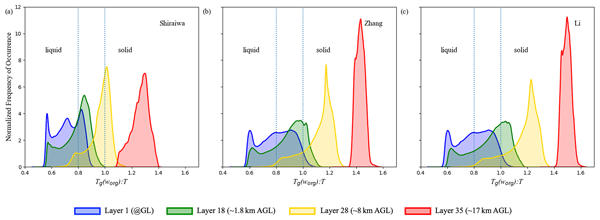
Fine particulate matter (PM2.5) has become increasingly important to regulate and model. In this study, we parameterize non-ideal aerosol mixing and phase state into the Community Multiscale Air Quality (CMAQ) model and analyze its impact on the formation of a globally important source of PM2.5, isoprene epoxydiol (IEPOX)-derived PM2.5. Incorporating these features furthers model bias in IEPOX-derived PM2.5, however, this work provides potential phase state bounds for future PM2.5 modeling work.
Fobang Liu, Yun Zhang, Siyao Yue, Helmi-Marja K. Keskinen, Tuukka Petäjä, Markku Kulmala, Pingqing Fu, Thorsten Hoffmann, Kai Wang, and Haijie Tong
EGUsphere, https://doi.org/10.5194/egusphere-2026-3897, https://doi.org/10.5194/egusphere-2026-3897, 2026
Short summary
Short summary
Reactive oxygen species (ROS) produced by airborne particles are linked to adverse health effects, but the organic compounds responsible remain unclear. We developed a new molecular framework to classify complex organic compounds using advanced mass spectrometry. The framework shows that particles rich in oxidized organic compounds produce more ROS per unit mass, while polluted urban air produces more total ROS mainly because of higher particle concentrations.
Shanshan Chen, Qishen Huang, Ying Li, Shu-Feng Pang, Pai Liu, and Yun-Hong Zhang
Atmos. Chem. Phys., 26, 9967–9980, https://doi.org/10.5194/acp-26-9967-2026, https://doi.org/10.5194/acp-26-9967-2026, 2026
Short summary
Short summary
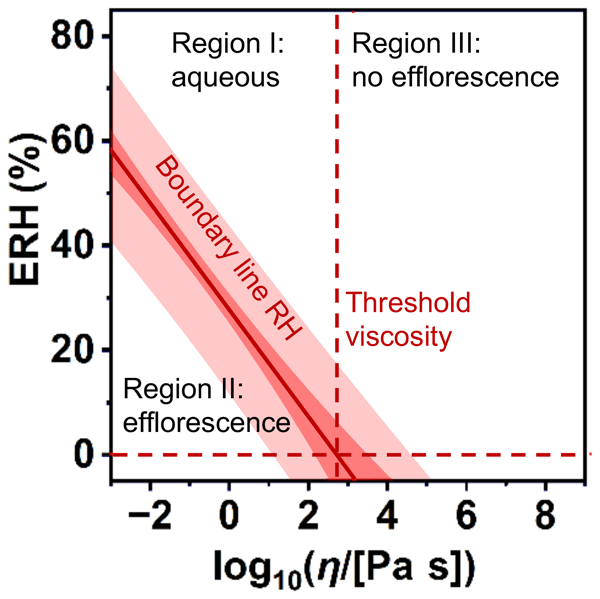
Atmospheric aerosol efflorescence strongly influences their growth, optical properties, and chemical reactivity. By combining thermodynamic viscosity modeling with literature-reported laboratory data, we develop a viscosity–humidity framework that defines empirical boundaries separating aqueous, efflorescence, and non-efflorescence regions. This framework provides quantitative constraints on aerosol phase-transition behavior across diverse organic–inorganic aerosol systems.
Atta Ullah, Ying Li, and Mijung Song
Atmos. Chem. Phys., 26, 2319–2329, https://doi.org/10.5194/acp-26-2319-2026, https://doi.org/10.5194/acp-26-2319-2026, 2026
Short summary
Short summary
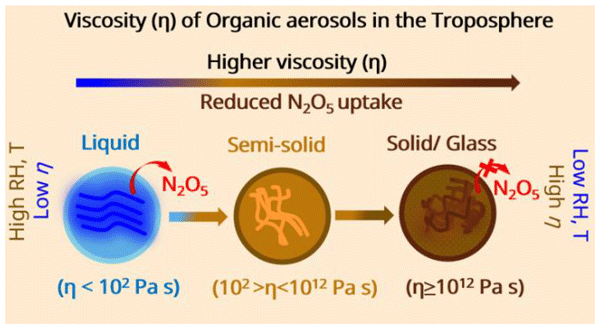
We investigated the temperature- and relative-humidity-dependent viscosity of organic aerosols using sucrose-water droplets as a model. The results show that particles remain liquid near the Earth’s surface but become semi-solid or glassy at higher altitudes. These viscosity changes influence chemical reactions such as nitrogen oxide uptake, improving understanding of air quality and climate processes.
Yu Li, Momei Qin, Weiwei Hu, Bin Zhao, Ying Li, Havala O. T. Pye, Jingyi Li, Linghan Zeng, Song Guo, Min Hu, and Jianlin Hu
Atmos. Chem. Phys., 26, 1001–1020, https://doi.org/10.5194/acp-26-1001-2026, https://doi.org/10.5194/acp-26-1001-2026, 2026
Short summary
Short summary
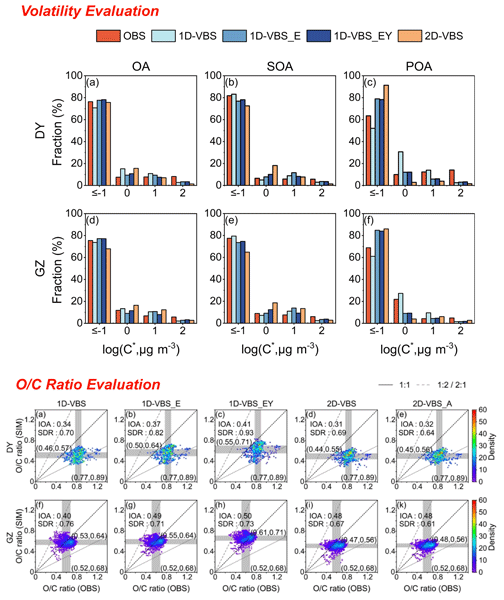
We evaluated how well a widely used air quality model simulates key properties of organic particles in the atmosphere, such as volatility and oxygen content, which influence how particles age, spread, and affect both air quality and climate. Using observations in eastern China, we found the model underestimated particle mass and misrepresented their properties. Our results highlight the need for improved emissions and chemical treatments to better predict air quality and climate impacts.
Tenglong Shi, Jiayao Wang, Daizhou Zhang, Jiecan Cui, Zihang Wang, Yue Zhou, Wei Pu, Yang Bai, Zhigang Han, Meng Liu, Yanbiao Liu, Hongbin Xie, Minghui Yang, Ying Li, Meng Gao, and Xin Wang
The Cryosphere, 19, 2821–2835, https://doi.org/10.5194/tc-19-2821-2025, https://doi.org/10.5194/tc-19-2821-2025, 2025
Short summary
Short summary
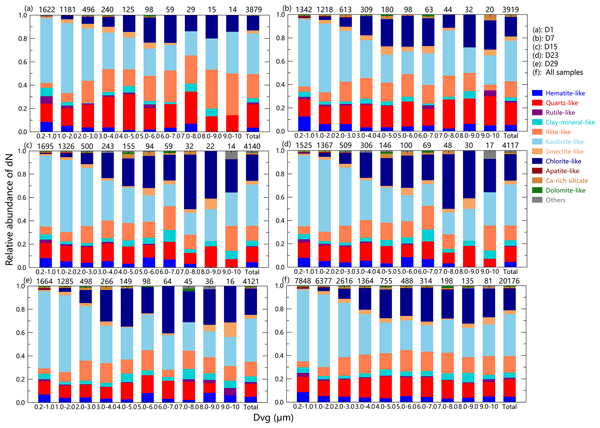
This study examines the properties of dust in snow in Changchun, China, using advanced technology to analyze its size, shape, and light absorption. We found that dust composition affects how much heat is absorbed by snow, with certain minerals, such as hematite, making snowmelt faster. Our research highlights the importance of creating clear standards for classifying dust, which could improve climate models and field observations. This work helps better understand dust's role in climate change.
Zichen Wu, Xueshun Chen, Zifa Wang, Huansheng Chen, Zhe Wang, Qing Mu, Lin Wu, Wending Wang, Xiao Tang, Jie Li, Ying Li, Qizhong Wu, Yang Wang, Zhiyin Zou, and Zijian Jiang
Geosci. Model Dev., 17, 8885–8907, https://doi.org/10.5194/gmd-17-8885-2024, https://doi.org/10.5194/gmd-17-8885-2024, 2024
Short summary
Short summary
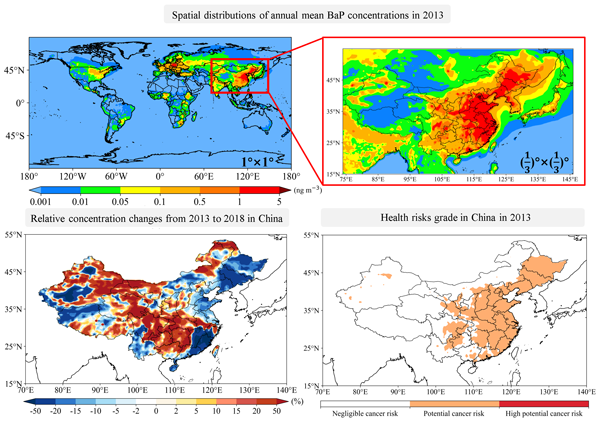
We developed a model to simulate polycyclic aromatic hydrocarbons (PAHs) from global to regional scales. The model can reproduce PAH distribution well. The concentration of BaP (indicator species for PAHs) could exceed the target values of 1 ng m-3 over some areas (e.g., in central Europe, India, and eastern China). The change in BaP is lower than that in PM2.5 from 2013 to 2018. China still faces significant potential health risks posed by BaP although the Action Plan has been implemented.
Xu Yang, Fobang Liu, Shuqi Yang, Yuling Yang, Yanan Wang, Jingjing Li, Mingyu Zhao, Zhao Wang, Kai Wang, Chi He, and Haijie Tong
Atmos. Chem. Phys., 24, 11029–11043, https://doi.org/10.5194/acp-24-11029-2024, https://doi.org/10.5194/acp-24-11029-2024, 2024
Short summary
Short summary
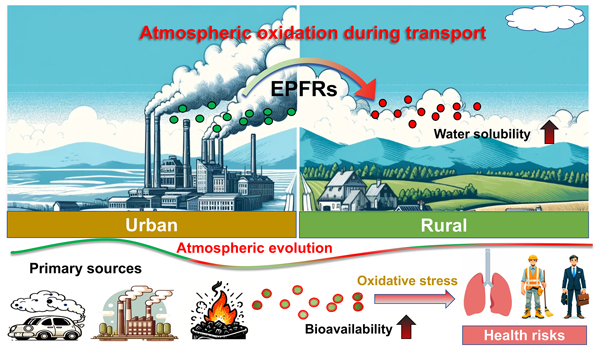
A study in the rural North China Plain showed environmentally persistent free radicals (EPFRs) in atmospheric particulate matter (PM), with a notable water-soluble fraction likely from atmospheric oxidation during transport. Significant positive correlations between EPFRs and the water-soluble oxidative potential of PM2.5 were found, primarily attributable to the water-soluble fractions of EPFRs. These findings emphasize understanding EPFRs' atmospheric evolution for climate and health impacts.
Zhiqiang Zhang, Ying Li, Haiyan Ran, Junling An, Yu Qu, Wei Zhou, Weiqi Xu, Weiwei Hu, Hongbin Xie, Zifa Wang, Yele Sun, and Manabu Shiraiwa
Atmos. Chem. Phys., 24, 4809–4826, https://doi.org/10.5194/acp-24-4809-2024, https://doi.org/10.5194/acp-24-4809-2024, 2024
Short summary
Short summary
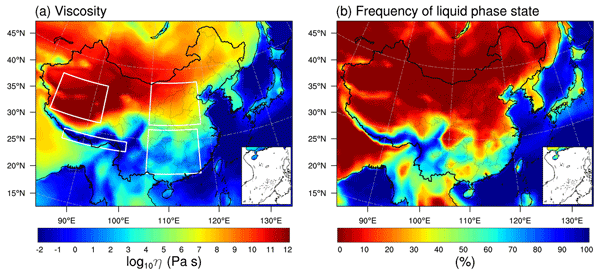
Secondary organic aerosols (SOAs) can exist in liquid, semi-solid, or amorphous solid states, which are rarely accounted for in current chemical transport models. We predict the phase state of SOA particles over China and find that in northwestern China SOA particles are mostly highly viscous or glassy solid. Our results indicate that the particle phase state should be considered in SOA formation in chemical transport models for more accurate prediction of SOA mass concentrations.
Fanlei Meng, Yibo Zhang, Jiahui Kang, Mathew R. Heal, Stefan Reis, Mengru Wang, Lei Liu, Kai Wang, Shaocai Yu, Pengfei Li, Jing Wei, Yong Hou, Ying Zhang, Xuejun Liu, Zhenling Cui, Wen Xu, and Fusuo Zhang
Atmos. Chem. Phys., 22, 6291–6308, https://doi.org/10.5194/acp-22-6291-2022, https://doi.org/10.5194/acp-22-6291-2022, 2022
Short summary
Short summary
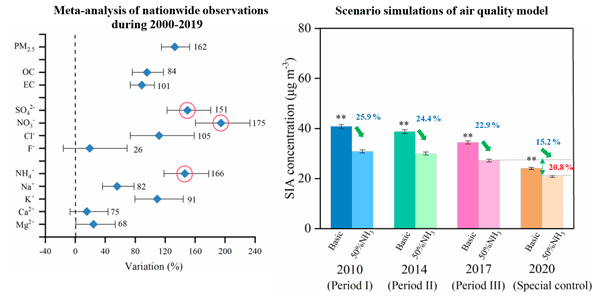
PM2.5 pollution is a pressing environmental issue threatening human health and food security globally. We combined a meta-analysis of nationwide measurements and air quality modeling to identify efficiency gains by striking a balance between controlling NH3 and acid gas emissions. Persistent secondary inorganic aerosol pollution in China is limited by acid gas emissions, while an additional control on NH3 emissions would become more important as reductions in SO2 and NOx emissions progress.
Cited articles
Aktar, W., Sengupta, D., and Chowdhury, A.: Impact of pesticides use in agriculture: their benefits and hazards, Interdisciplinary toxicology, 2, 1, https://doi.org/10.2478/v10102-009-0001-7, 2009.
An, Z. S., Huang, R. J., Zhang, R. Y,, Tie, X. X., Li, G. H., Cao, J. J., Zhou, W. J., Shi, Z. G., Han, Y. M., and Gu, Z. L.: Severe haze in northern China: A synergy of anthropogenic emissions and atmospheric processes, P. Natl. Acad. Sci. USA, 116, 8657–8666, https://doi.org/10.1073/pnas.1900125116, 2019.
Barredo Yera, A. M. and Vasconcellos, P. C.: Pesticides in the atmosphere of urban sites with different characteristics, Process. Saf. Environ., 156, 559–567, https://doi.org/10.1016/j.psep.2021.10.049, 2021.
Baskaran, S., Lei, Y. D., and Wania, F.: Reliable Prediction of the Octanol-Air Partition Ratio, Environ. Toxicol. Chem., 40, 3166–3180, https://doi.org/10.1002/etc.5201, 2021.
Bedos, C., Cellier, P., Calvet, R., and Barriuso, E.: Occurrence of pesticides in the atmosphere in France, Agronomie, 22, 35–49, https://doi.org/10.1051/agro:2001004, 2002.
Brüggemann, M., Mayer, S., Brown, D., Terry, A., Rüdiger, J., and Hoffmann, T.: Measuring pesticides in the atmosphere: current status, emerging trends and future perspectives, Environmental Sciences Europe, 36, 39, https://doi.org/10.1186/s12302-024-00870-4, 2024.
Cabrerizo, A., Dachs, J., Jones, K. C., and Barceló, D.: Soil-Air exchange controls on background atmospheric concentrations of organochlorine pesticides, Atmos. Chem. Phys., 11, 12799–12811, https://doi.org/10.5194/acp-11-12799-2011, 2011.
Clymo, A. S., Shin, J. Y., and Holmén, B. A.: Herbicide Sorption to Fine Particulate Matter Suspended Downwind of Agricultural Operations: Field and Laboratory Investigations, Environ. Sci. Technol., 39, 421–430, https://doi.org/10.1021/es049210s, 2005.
Cui, J. K., Huang, W. K., Peng, H. Lv, Y., Kong, L. A., Li, H. X., Luo, S. J., Wang, Y., and Peng, D. L.: Efficacy Evaluation of Seed-Coating Compounds Against Cereal Cyst Nematodes and Root Lesion Nematodes on Wheat, Plant Disease, 101, 428–433, https://doi.org/10.1094/PDIS-06-16-0862-RE, 2016.
Degrendele, C., Okonski, K., Melymuk, L., Landlová, L., Kukučka, P., Audy, O., Kohoutek, J., Čupr, P., and Klánová, J.: Pesticides in the atmosphere: a comparison of gas-particle partitioning and particle size distribution of legacy and current-use pesticides, Atmos. Chem. Phys., 16, 1531–1544, https://doi.org/10.5194/acp-16-1531-2016, 2016.
FAO: Pesticides use and trade – 1990–2023, FAOSTAT Analytical Briefs, No. 109, Rome, https://doi.org/10.4060/cd5968en, 2025.
Feng, S. J., Xu, W., Cheng, M. M., Ma, Y. X., Wu, L. B., Kang, J. H., Wang, K., Tang, A. H., Jeffrey, L. C. J., Fang, Y. T., Keith, G., Liu, X. J., and Zhang F. S.: Overlooked Nonagricultural and Wintertime Agricultural NH3 Emissions in Quzhou County, North China Plain: Evidence from 15N-Stable Isotopes, Environ. Sci. Tech. Lett., 9, 127–133, https://doi.org/10.1021/acs.estlett.1c00935, 2022.
Fleagle, R. G.: Atmospheric processes, Science, 140, 653–654, https://doi.org/10.1126/science.140.3567.653.b, 1963.
Glotfelty, D. E., Leech, M. M., Jersey, J., and Taylor, A. W.: Volatilization and wind erosion of soil surface applied atrazine, simazine, alachlor, and toxaphene, Journal of agricultural and food chemistry, 37, 546–551, https://doi.org/10.1021/jf00086a059, 1989.
Gungormus, E., Sofuoglu, A., Celik, H., Gedik, K., Mulder, M. D., Lammel, G., Sofuoglu, S. C., Okten, E., Ugranli, T., and Birgul, A.: Selected persistent organic pollutants in ambient air in Turkey: Regional sources and controlling factors, Environ. Sci. Technol., 55, 9434–9443, https://doi.org/10.1021/acs.est.0c06272, 2021.
Guo, L., Shi, S., Li, Y., Martin, B., Zhao, M., Mu, H., Daniel, M. F., Wu, J., and Wang, K.: Gas-particle partitioning of pesticides in the atmosphere of the North China Plain, Zenodo [data set], https://doi.org/10.5281/zenodo.17641894, 2025.
Harner, T. and Bidleman, T. F.: Octanol–air partition coefficient for describing particle/gas partitioning of aromatic compounds in urban air, Environ. Sci. Technol., 32, 1494–1502, https://doi.org/10.1016/S1352-2310(97)00013-7, 1998.
He, J. and Balasubramanian, R.: A study of gas/particle partitioning of SVOCs in the tropical atmosphere of Southeast Asia, Atmos. Environ., 43, 4375–4383, https://doi.org/10.1016/j.atmosenv.2009.03.055, 2009.
Hebei Provincial Bureau of Statistics: Hebei statistical yearbook 2024, edited by: Yang, Z., Yin, F., and Tian, W., China Statistics Press, ISBN 978-7-5230-0633-7, 2024.
Hu, Y., Wu, S., Wu, C., Wei, Z., Ning, J., and She, D.: Risk assessment of airborne agricultural pesticide exposure in humans in rural China, Environ Geochem Health, 46, 117, https://doi.org/10.1007/s10653-024-01882-y, 2024.
Iakovides, M., Oikonomou, K., Sciare, J., and Mihalopoulos, N.: Evidence of stockpile contamination for legacy polychlorinated biphenyls and organochlorine pesticides in the urban environment of Cyprus (Eastern Mediterranean): influence of meteorology on air level variability and gas/particle partitioning based on equilibrium and steady-state models, J. Hazard. Mater., 439, 129544, https://doi.org/10.1016/j.jhazmat.2022.129544, 2022.
Jiang, L., Gao, W., Ma, X., Wang, Y., Wang, C., Li, Y., Yang, R., Fu, J., Shi, J., Zhang. Q. H., Wang, Y. W., and Jiang, G. B.: Long-term investigation of the temporal trends and gas/particle partitioning of short-and medium-chain chlorinated paraffins in ambient air of King George Island, Antarctica, Environ. Sci. Technol., 55, 230–239, https://doi.org/10.1021/acs.est.0c05964, 2020.
Kaur, R., Mavi, G. K., Raghav, S., and Khan, I.: Pesticides classification and its impact on environment, Int. J. Curr. Microbiol. Appl. Sci, 8, 1889–1897, https://doi.org/10.20546/ijcmas.2019.803.224, 2019.
Li, Y. and Shiraiwa, M.: Timescales of secondary organic aerosols to reach equilibrium at various temperatures and relative humidities, Atmos. Chem. Phys., 19, 5959–5971, https://doi.org/10.5194/acp-19-5959-2019, 2019.
Li, Y.-F., Ma, W.-L., and Yang, M.: Prediction of gas/particle partitioning of polybrominated diphenyl ethers (PBDEs) in global air: A theoretical study, Atmos. Chem. Phys., 15, 1669–1681, https://doi.org/10.5194/acp-15-1669-2015, 2015.
Lohmann, R., Jaward, F. M., Durham, L., Barber, J. L., Ockenden, W., Jones, K. C., Bruhn, R., Lakaschus, S., Dachs, J., and Booij, K.: Potential contamination of shipboard air samples by diffusive emissions of PCBs and other organic pollutants: Implications and solutions, Environ. Sci. Technol., 38, 3965–3970, https://doi.org/10.1021/es035005l, 2004.
Mayer, L., Degrendele, C., Šenk, P., Kohoutek, J., Přibylová, P., Kukučka, P., Melymuk, L., Durand, A., Ravier, S., Alastuey, A., Baker, A. R., Baltensperger, U., Baumann-Stanzer, K., Biermann, T., Bohlin-Nizzetto, P., Ceburnis, D., Conil, S., Couret, C., Degórska, A., Diapouli, E., Eckhardt, S., Eleftheriadis, K., Forster, G. L., Freier, K., Gheusi, F., Gini, M. I., Hellén, H., Henne, S., Herrmann, H., Holubová Šmejkalová, A., Hõrrak, U., Hüglin, C., Junninen, H., Kristensson, A., Langrene, L., Levula, J., Lothon, M., Ludewig, E., Makkonen, U., Matejovičová, J., Mihalopoulos, N., Mináriková, V., Moche, W., Noe, S. M., Pérez, N., Petäjä, T., Pont, V., Poulain, L., Quivet, E., Ratz, G., Rehm, T., Reimann, S., Simmons, I., Sonke, J. E., Sorribas, M., Spoor, R., Swart, D. P. J., Vasilatou, V., Wortham, H., Yela, M., Zarmpas, P., Zellweger Fäsi, C., Tørseth, K., Laj, P., Klánová, J., and Lammel, G.: Widespread Pesticide Distribution in the European Atmosphere Questions their Degradability in Air, Environ. Sci. Technol., 58, 3342–3352, https://doi.org/10.1021/acs.est.3c08488, 2024.
McEachran Andrew, D., Blackwell Brett, R., Hanson, J. D., Wooten Kimberly, J., Mayer Gregory, D., Cox Stephen, B., and Smith Philip, N.: Antibiotics, Bacteria, and Antibiotic Resistance Genes: Aerial Transport from Cattle Feed Yards via Particulate Matter, Environ. Health Perspect., 123, 337–343, https://doi.org/10.1289/ehp.1408555, 2015.
Ministry of Agriculture and Rural Affairs of the People's Republic of China: Ministry of Agriculture, Ministry of Industry and Information Technology, Ministry of Environmental Protection Announcement No. 1157, edited, https://www.moa.gov.cn/govpublic/ZZYGLS/201006/t20100606_1534288.htm (last access: 21 February 2026), 2009.
Ministry of Agriculture and Rural Affairs of the People's Republic of China: The goal of achieving zero growth in the usage of fertilizers and pesticides has been successfully accomplished, https://www.moa.gov.cn/xw/zwdt/202101/t20210117_6360031.htm (last access: 21 February 2026), 2021.
Mu, H. Y. Zhang, J. C. Yang, X. M., Wang, K., Xu, W., Zhang, H. Y., Liu, X. J., Ritsema, C. J., and Geissen., V.: Pesticide screening and health risk assessment of residential dust in a rural region of the North China Plain, Chemosphere, 303, 2, https://doi.org/10.1016/j.chemosphere.2022.135115, 2022.
Ngo, M., Pinkerton, K., Freeland, S., Geller, M., Ham, W., Cliff, S., Hopkins, L., Kleeman, M., Kodavanti, U., and Meharg, E.: Airborne particles in the San Joaquin Valley may affect human health, California Agriculture, 64, 12–16, https://doi.org/10.3733/ca.v064n01p12, 2010.
Pankow, J. F.: Review and comparative analysis of the theories on partitioning between the gas and aerosol particulate phases in the atmosphere, Atmos. Environ., 21, 2275–2283, https://doi.org/10.1016/0004-6981(87)90363-5, 1987.
Qiao, L. N., Zhang, Z. F., Liu, L. Y., Song, W. W., Ma, W. L., Zhu, N. Z., and Li, Y. F.: Measurement and modeling the gas/particle partitioning of organochlorine pesticides (OCPs) in atmosphere at low temperatures, Sci. Total Environ, 667, 318–324, https://doi.org/10.1016/j.scitotenv.2019.02.347, 2019.
Sanlı, G. E. and Tasdemir, Y.: Seasonal variations of organochlorine pesticides (OCPs) in air samples during day and night periods in Bursa, Turkey, Atmospheric Pollution Research, 11, 2142–2153, https://doi.org/10.1016/j.apr.2020.06.010, 2020.
Scheyer, A., Morville, S., Mirabel, P., and Millet, M.: Gas/particle partitioning of lindane and current-used pesticides and their relationship with temperature in urban and rural air in Alsace region (east of France), Atmos. Environ., 42, 7695–7705, https://doi.org/10.1016/j.atmosenv.2008.05.029, 2008.
Skevas, T., Stefanou, S. E., and Oude Lansink, A.: Pesticide use, environmental spillovers and efficiency: A DEA risk-adjusted efficiency approach applied to Dutch arable farming, Eur. J. Oper. Res., 237, 658–664, https://doi.org/10.1016/j.ejor.2014.01.046, 2014
Socorro, J., Durand, A., Temime-Roussel, B., Gligorovski, S., Wortham, H., and Quivet, E.: The persistence of pesticides in atmospheric particulate phase: An emerging air quality issue, Sci. Rep., 6, 33456, https://doi.org/10.1038/srep33456, 2016.
Solano Díaz, K., Ruepert, C., Ramírez Quesada, M. M., Hoppin, J. A., Wania, F., and van Wendel de Joode, B.: Evaluation of passive air sampling for monitoring Current-Use Pesticide pollution near large-scale banana plantations in Costa Rica, Environ. Sci. Technol., 60, 3384–3393, https://doi.org/10.1021/acs.est.5c11224, 2026.
Sun, H., Chen, H., Yao, L., Chen, J. P., Zhu, Z. H., Wei, Y. Q., Ding, X., and Chen, J. M.: Sources and health risks of PM2.5-bound polychlorinated biphenyls (PCBs) and organochlorine pesticides (OCPs) in a North China rural area, J. Environ. Sci., 95, 240–247, https://doi.org/10.1016/j.jes.2020.03.051, 2020.
The Matplotlib Development Team: Matplotlib: Visualization with Python (v3.8.4), Zenodo [software], https://doi.org/10.5281/zenodo.10916799, 2024.
Tian, L. L., Li, J, Zhao, S. Z., Tang, J., Li, J., Guo, H., Liu, X., Zhong, G. C., Xu, Y., Lin, T., Lyv, X. P., Chen, D. H., Li, K. C., Shen, J., and Zhang, G.: DDT, Chlordane, and Hexachlorobenzene in the Air of the Pearl River Delta Revisited: A Tale of Source, History, and Monsoon, Environ. Sci. Technol., 55, 9740–9749, https://doi.org/10.1021/acs.est.1c01045, 2021.
Tudi, M., Li, H. R., Li, H. Y., Wang, L., Lyu, J., Yang, L. S., Tong, S. M., Yu, Q. J., Ruan, H. D., Atabila, A., Phung, D. T., Sadler, R., and Connell, D.: Exposure routes and health risks associated with pesticide application, Toxics, 10, 335, https://doi.org/10.3390/toxics10060335, 2022.
Turusov, V., Rakitsky, V., and Tomatis, L.: Dichlorodiphenyltrichloroethane (DDT): ubiquity, persistence, and risks, Environ. Health Perspect., 110, 125–128, https://doi.org/10.1289/ehp.02110125, 2002.
Van den Berg, F., Kubiak, R., Benjey, W. G., Majewski, M. S., Yates, S. R., Reeves, G. L., Smelt, J. H., and van der Linden, A. M. A.: Emission of Pesticides into the Air, Water Air Soil Pollut., 115, 195–218, https://doi.org/10.1023/A:1005234329622, 1999.
Wang, D. Q., Jia, S. M., Yang, P. F., Zhu, F. J., and Ma, W. L.: Size-resolved gas-particle partitioning of polycyclic aromatic hydrocarbons in a large temperature range of 50 °C, J. Hazard. Mater., 479, 135607, https://doi.org/10.1016/j.jhazmat.2024.135607, 2024.
Wang, S. R., Salamova, A., and Venier, M.: Occurrence, Spatial, and Seasonal Variations, and Gas–Particle Partitioning of Atmospheric Current-Use Pesticides (CUPs) in the Great Lakes Basin, Environ. Sci. Technol., 55, 3539–3548, https://doi.org/10.1021/acs.est.0c06470, 2021.
Woodrow, J. E., Gibson, K. A., and Seiber, J. N.: Pesticides and related toxicants in the atmosphere, Reviews of Environmental Contamination and Toxicology, 247, 147–196, https://doi.org/10.1007/398_2018_19, 2019.
Yu, B. G., Liu, Y. M., Chen, X. X., Cao, W. Q., Ding, T. B., and Zou, C. Q.: Foliar Zinc Application to Wheat May Lessen the Zinc Deficiency Burden in Rural Quzhou, China, Frontiers in Nutrition, 8, https://doi.org/10.3389/fnut.2021.697817, 2021.
Yusà, V., Coscollà, C., Mellouki, W., Pastor, A., and De La Guardia, M.: Sampling and analysis of pesticides in ambient air, J. Chromatogr. A, 1216, 2972–2983, https://doi.org/10.1016/j.chroma.2009.02.019, 2009.
Zhao, M. Y., Wu, J. X., Figueiredo, D. M., Zhang, Y., Zou, Z. Y., Cao, Y. X., Li, J. J., Chen, X., Shi, S. P., Wei, Z. Y., Li, J. D., Zhang, H. Y., Zhao, E. C., Geissen, V., Ritsema, C. J., Liu, X. J., Han, J. J., and Wang, K.: Spatial-temporal distribution and potential risk of pesticides in ambient air in the North China Plain, Environ. Int., 182, 108342, https://doi.org/10.1016/j.envint.2023.108342, 2023.
Zhou, Y., Guo, J. Y., Wang, Z. K., Zhang, B. Y., Sun, Z., Yun, X., and Zhang, J. B.: Levels and inhalation health risk of neonicotinoid insecticides in fine particulate matter (PM2.5) in urban and rural areas of China, Environ. Int., 142, 105822, https://doi.org/10.1016/j.envint.2020.105822, 2020.
Zhu, F. J., Ma, W. L., Liu, L. Y., Zhang, Z. F., Song, W. W., Hu, P. T., Li, W. L., Qiao, L. N., and Fan, H. Z.: Temporal trends of atmospheric PAHs: Implications for the gas-particle partition, Atmos. Environ., 261, 118595, https://doi.org/10.1016/j.atmosenv.2021.118595, 2021.
Short summary
Gas-particle partitioning is critical to govern the environmental fate of atmospheric pesticides, yet it remains poorly studied. Our work investigated atmospheric pesticides in gas and particulate phases in the North China Plain and their gas-particle partitioning mechanism. Results revealed pesticides in particulate phase were dominant. Absorption is the main mechanism of gas-particle partitioning, indicating atmospheric pesticides were absorbed into the interior organic film of particles.
Gas-particle partitioning is critical to govern the environmental fate of atmospheric...


Altmetrics
Final-revised paper
Preprint