
Articles | Volume 26, issue 21
https://doi.org/10.5194/acp-26-15931-2026
© Author(s) 2026. This work is distributed under
the Creative Commons Attribution 4.0 License.
the Creative Commons Attribution 4.0 License.
https://doi.org/10.5194/acp-26-15931-2026
© Author(s) 2026. This work is distributed under
the Creative Commons Attribution 4.0 License.
the Creative Commons Attribution 4.0 License.
Measurement report
| 
11 Nov 2026
Measurement report |
| 11 Nov 2026
| 11 Nov 2026
Measurement report: Size-resolved seasonal study of inorganic ions and isotopic carbon signatures of aerosol particles at the Wadden Sea
Katrin Zenker
Centre for Isotope Research, University of Groningen, Groningen, the Netherlands
Peter Redl
Research Group Environmental Analytics, Institute of Chemical Technologies and Analytics, TU Wien, Vienna, Austria
now at: GeoSphere Austria, Chemical Weather Forecasts, Vienna, Austria
Anne Kasper-Giebl
Research Group Environmental Analytics, Institute of Chemical Technologies and Analytics, TU Wien, Vienna, Austria
Ulrike Dusek
CORRESPONDING AUTHOR

Centre for Isotope Research, University of Groningen, Groningen, the Netherlands
Related authors
No articles found.
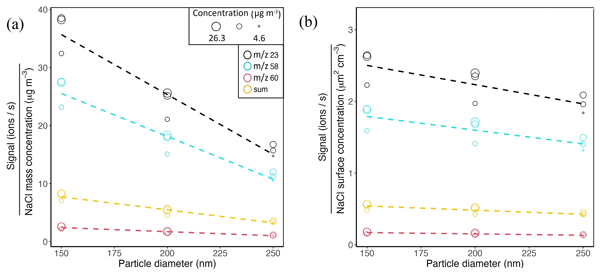
Marije van den Born, Hengjia Ou, Jan Mulder, Jinglan Fu, Harald Saathoff, and Ulrike Dusek
Aerosol Research, 4, 577–587, https://doi.org/10.5194/ar-4-577-2026, https://doi.org/10.5194/ar-4-577-2026, 2026
Short summary
Short summary
Sea spray aerosol plays an important role in climate and atmospheric chemistry, yet sea salt is rarely quantified by online mass spectrometers due to its refractory nature. This study shows that a capture vaporizer time-of-flight aerosol chemical speciation monitor can detect sea salt aerosol using Na and NaCl fragments. Laboratory and field results demonstrate robust real-time measurements of NaCl surface area, while accurate mass concentrations require particle size information.
Ardit Arifi, Hailing Jia, Guangliang Fu, Athanasios Tsikerdekis, Nick Schutgens, Anne Kubin, Yusuf Bhatti, Ulrike Dusek, and Otto Hasekamp
EGUsphere, https://doi.org/10.5194/egusphere-2026-5361, https://doi.org/10.5194/egusphere-2026-5361, 2026
This preprint is open for discussion and under review for Atmospheric Chemistry and Physics (ACP).
Short summary
Short summary
Aerosols are tiny particles that affect climate by scattering and absorbing sunlight and altering clouds. Much of the uncertainty in their climate effect comes from poorly known emissions. Here we provide a new global estimate of aerosol emissions using PACE/SPEXone satellite observations of aerosol amount, size, and absorption. Combining these with a global aerosol climate model through data assimilation, we find a substantial update to current estimates, suggesting stronger aerosol cooling.
Stijn S. A. van Rijn, Haiyan Ni, Martijn A. R. Goudberg, Merel R. van Helten, Anatoli Mokhov, and Ulrike Dusek
Aerosol Research Discuss., https://doi.org/10.5194/ar-2026-21, https://doi.org/10.5194/ar-2026-21, 2026
Revised manuscript under review for AR
Short summary
Short summary
Combusting hydrogen alongside carbon-based fuels has been proposed to reduce CO2 emissions. In this work, we investigate how this affects the emitted particles, using a model flame. Increasing hydrogen leads to smaller particles containing a higher of organic material and less of the of the strongly light absorbing elemental carbon. However, the organic material shows considerable light absorption at shorter visible wavelength and in the UV.
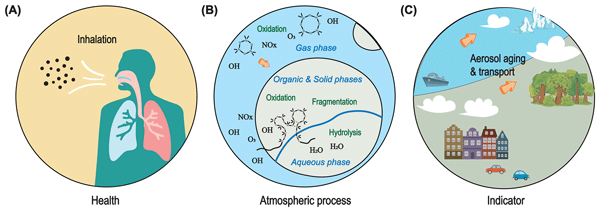
Peng Yao, Rupert Holzinger, Beatriz Sayuri Oyama, Agne Masalaite, Dipayan Paul, Haiyan Ni, Hanne Noto, Dušan Materić, Maria de Fátima Andrade, Ru-Jin Huang, and Ulrike Dusek
Atmos. Chem. Phys., 26, 5005–5018, https://doi.org/10.5194/acp-26-5005-2026, https://doi.org/10.5194/acp-26-5005-2026, 2026
Short summary
Short summary
We identify a previously unrecognized class of synthetic organic compounds, large molecular methylsiloxanes, in ambient aerosols across diverse environments in three countries. These compounds are present at substantial levels, primarily originating from traffic emissions related to engine lubrication. Their high abundance and significant daily human exposure suggest potential, yet still poorly understood, implications for both health and climate.
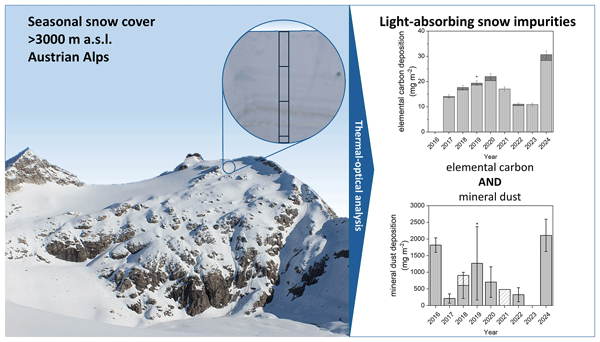
Daniela Kau, Marion Greilinger, Andjela Vukićević, Jakub Bielecki, Laura Kronlachner, and Anne Kasper-Giebl
The Cryosphere, 20, 1619–1633, https://doi.org/10.5194/tc-20-1619-2026, https://doi.org/10.5194/tc-20-1619-2026, 2026
Short summary
Short summary
We quantify elemental carbon and mineral dust in the seasonal snow cover sampled at a high-alpine site (2016–2024). The co-occurrence of these compounds in thermal-optical analysis necessitates a linear laser correction to minimize the bias for elemental carbon. We identify samples containing mineral dust via thermal-optical analysis and compare it to an approach from literature. We approximate mineral dust from thermal-optical analysis data and the composition of dust from long-range transport.
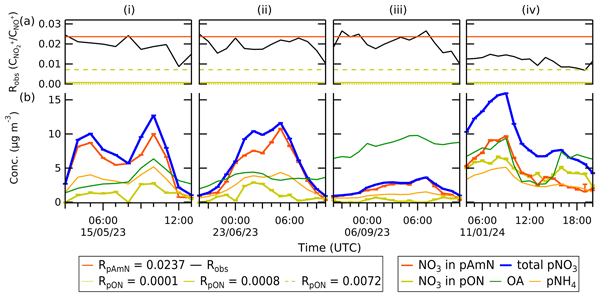
Farhan R. Nursanto, Douglas A. Day, Roy Meinen, Rupert Holzinger, Harald Saathoff, Jinglan Fu, Jan Mulder, Ulrike Dusek, and Juliane L. Fry
Atmos. Meas. Tech., 18, 3051–3072, https://doi.org/10.5194/amt-18-3051-2025, https://doi.org/10.5194/amt-18-3051-2025, 2025
Short summary
Short summary
It is of increasing importance to monitor nitrate pollution that can harm ecosystems. However, commonly used aerosol monitoring equipment cannot distinguish inorganic from organic forms of nitrate, which may have different consequences for the environment. We describe a method to differentiate types of nitrates that can be applied to ambient monitoring to improve understanding of its formation and impact.
Xinya Liu, Diego Alves Gouveia, Bas Henzing, Arnoud Apituley, Arjan Hensen, Danielle van Dinther, Rujin Huang, and Ulrike Dusek
Atmos. Chem. Phys., 24, 9597–9614, https://doi.org/10.5194/acp-24-9597-2024, https://doi.org/10.5194/acp-24-9597-2024, 2024
Short summary
Short summary
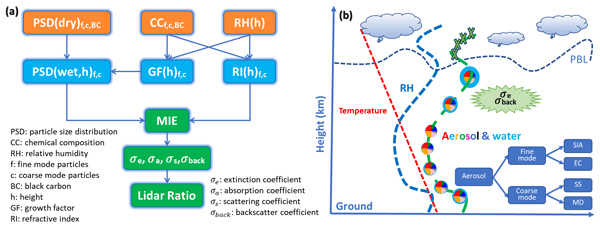
The vertical distribution of aerosol optical properties is important for their effect on climate. This is usually measured by lidar, which has limitations, most notably the assumption of a lidar ratio. Our study shows that routine surface-level aerosol measurements are able to predict this lidar ratio reasonably well within the lower layers of the atmosphere and thus provide a relatively simple and cost-effective method to improve lidar measurements.
Xinya Liu, Bas Henzing, Arjan Hensen, Jan Mulder, Peng Yao, Danielle van Dinther, Jerry van Bronckhorst, Rujin Huang, and Ulrike Dusek
Atmos. Chem. Phys., 24, 3405–3420, https://doi.org/10.5194/acp-24-3405-2024, https://doi.org/10.5194/acp-24-3405-2024, 2024
Short summary
Short summary
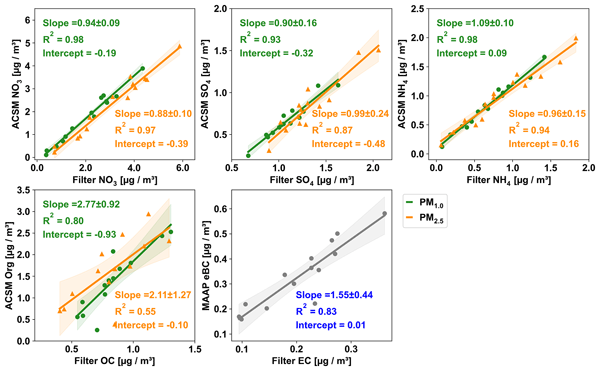
We evaluated the time-of-flight aerosol chemical speciation monitor (TOF-ACSM) following the implementation of the PM2.5 aerodynamic lens and a capture vaporizer (CV). The results showed that it significantly improved the accuracy and precision of ACSM in the field observations. The paper elucidates the measurement outcomes of various instruments and provides an analysis of their biases. This comprehensive evaluation is expected to benefit the ACSM community and other aerosol field measurements.
Karl Espen Yttri, Are Bäcklund, Franz Conen, Sabine Eckhardt, Nikolaos Evangeliou, Markus Fiebig, Anne Kasper-Giebl, Avram Gold, Hans Gundersen, Cathrine Lund Myhre, Stephen Matthew Platt, David Simpson, Jason D. Surratt, Sönke Szidat, Martin Rauber, Kjetil Tørseth, Martin Album Ytre-Eide, Zhenfa Zhang, and Wenche Aas
Atmos. Chem. Phys., 24, 2731–2758, https://doi.org/10.5194/acp-24-2731-2024, https://doi.org/10.5194/acp-24-2731-2024, 2024
Short summary
Short summary
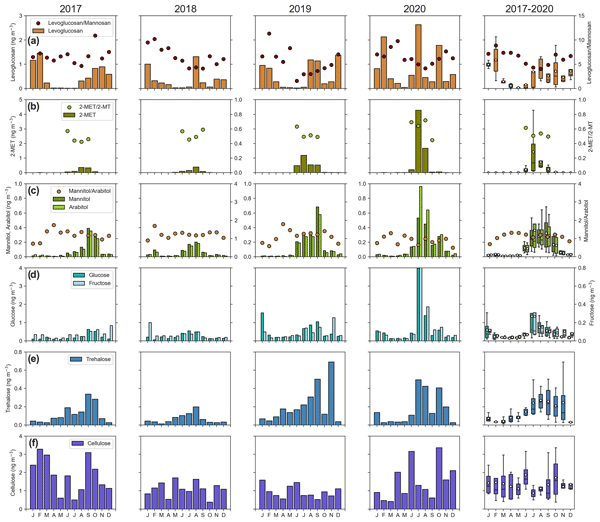
We discuss carbonaceous aerosol (CA) observed at the high Arctic Zeppelin Observatory (2017 to 2020). We find that organic aerosol is a significant fraction of the Arctic aerosol, though less than sea salt aerosol and mineral dust, as well as non-sea-salt sulfate, originating mainly from anthropogenic sources in winter and from natural sources in summer, emphasizing the importance of wildfires for biogenic secondary organic aerosol and primary biological aerosol particles observed in the Arctic.
Farhan R. Nursanto, Roy Meinen, Rupert Holzinger, Maarten C. Krol, Xinya Liu, Ulrike Dusek, Bas Henzing, and Juliane L. Fry
Atmos. Chem. Phys., 23, 10015–10034, https://doi.org/10.5194/acp-23-10015-2023, https://doi.org/10.5194/acp-23-10015-2023, 2023
Short summary
Short summary
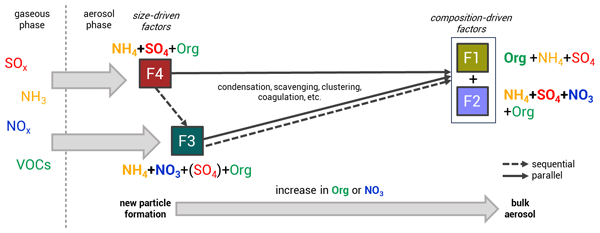
Particulate matter (PM) is a harmful air pollutant that depends on the complex mixture of natural and anthropogenic emissions into the atmosphere. Thus, in different regions and seasons, the way that PM is formed and grows can differ. In this study, we use a combined statistical analysis of the chemical composition and particle size distribution to determine what drives particle formation and growth across seasons, using varying wind directions to elucidate the role of different sources.

Daniela Kau, Marion Greilinger, Bernadette Kirchsteiger, Aron Göndör, Christopher Herzig, Andreas Limbeck, Elisabeth Eitenberger, and Anne Kasper-Giebl
Atmos. Meas. Tech., 15, 5207–5217, https://doi.org/10.5194/amt-15-5207-2022, https://doi.org/10.5194/amt-15-5207-2022, 2022
Short summary
Short summary
The use of thermal–optical analysis for the determination of elemental carbon (EC) and organic carbon (OC) can be biased by mineral dust (MD). We present a method that utilizes this interference to quantify iron contained in MD in snow samples. Possibilities and limitations of applying this method to particulate matter samples are presented. The influence of light-absorbing iron compounds in MD on the transmittance signal can be used to identify samples experiencing a bias of the OC / EC split.
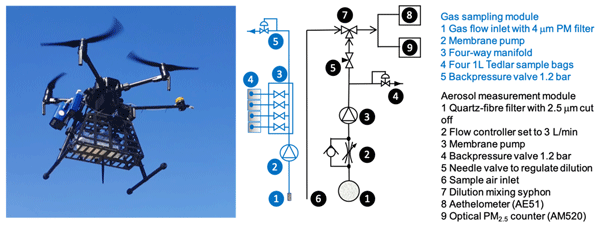
Roland Vernooij, Patrik Winiger, Martin Wooster, Tercia Strydom, Laurent Poulain, Ulrike Dusek, Mark Grosvenor, Gareth J. Roberts, Nick Schutgens, and Guido R. van der Werf
Atmos. Meas. Tech., 15, 4271–4294, https://doi.org/10.5194/amt-15-4271-2022, https://doi.org/10.5194/amt-15-4271-2022, 2022
Short summary
Short summary
Landscape fires are a substantial emitter of greenhouse gases and aerosols. Previous studies have indicated savanna emission factors to be highly variable. Improving fire emission estimates, and understanding future climate- and human-induced changes in fire regimes, requires in situ measurements. We present a drone-based method that enables the collection of a large amount of high-quality emission factor measurements that do not have the biases of aircraft or surface measurements.
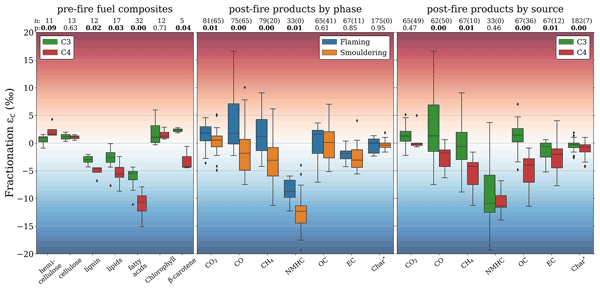
Roland Vernooij, Ulrike Dusek, Maria Elena Popa, Peng Yao, Anupam Shaikat, Chenxi Qiu, Patrik Winiger, Carina van der Veen, Thomas Callum Eames, Natasha Ribeiro, and Guido R. van der Werf
Atmos. Chem. Phys., 22, 2871–2890, https://doi.org/10.5194/acp-22-2871-2022, https://doi.org/10.5194/acp-22-2871-2022, 2022
Short summary
Short summary
Landscape fires are a major source of greenhouse gases and aerosols, particularly in sub-tropical savannas. Stable carbon isotopes in emissions can be used to trace the contribution of C3 plants (e.g. trees or shrubs) and C4 plants (e.g. savanna grasses) to greenhouse gases and aerosols if the process is well understood. This helps us to link individual vegetation types to emissions, identify biomass burning emissions in the atmosphere, and improve the reconstruction of historic fire regimes.
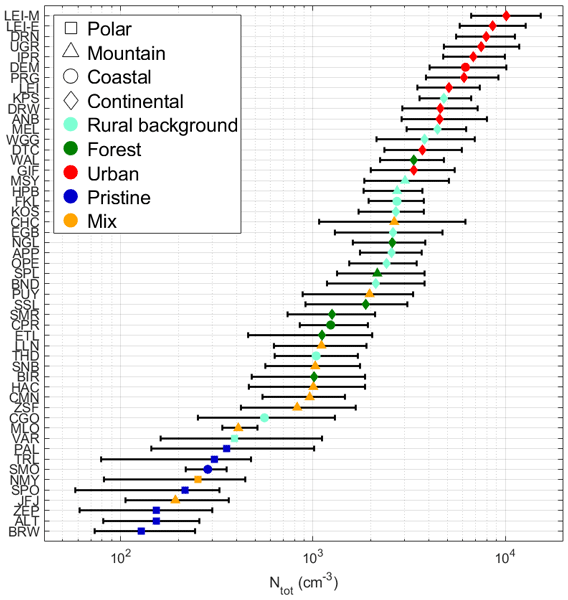
Clémence Rose, Martine Collaud Coen, Elisabeth Andrews, Yong Lin, Isaline Bossert, Cathrine Lund Myhre, Thomas Tuch, Alfred Wiedensohler, Markus Fiebig, Pasi Aalto, Andrés Alastuey, Elisabeth Alonso-Blanco, Marcos Andrade, Begoña Artíñano, Todor Arsov, Urs Baltensperger, Susanne Bastian, Olaf Bath, Johan Paul Beukes, Benjamin T. Brem, Nicolas Bukowiecki, Juan Andrés Casquero-Vera, Sébastien Conil, Konstantinos Eleftheriadis, Olivier Favez, Harald Flentje, Maria I. Gini, Francisco Javier Gómez-Moreno, Martin Gysel-Beer, Anna Gannet Hallar, Ivo Kalapov, Nikos Kalivitis, Anne Kasper-Giebl, Melita Keywood, Jeong Eun Kim, Sang-Woo Kim, Adam Kristensson, Markku Kulmala, Heikki Lihavainen, Neng-Huei Lin, Hassan Lyamani, Angela Marinoni, Sebastiao Martins Dos Santos, Olga L. Mayol-Bracero, Frank Meinhardt, Maik Merkel, Jean-Marc Metzger, Nikolaos Mihalopoulos, Jakub Ondracek, Marco Pandolfi, Noemi Pérez, Tuukka Petäjä, Jean-Eudes Petit, David Picard, Jean-Marc Pichon, Veronique Pont, Jean-Philippe Putaud, Fabienne Reisen, Karine Sellegri, Sangeeta Sharma, Gerhard Schauer, Patrick Sheridan, James Patrick Sherman, Andreas Schwerin, Ralf Sohmer, Mar Sorribas, Junying Sun, Pierre Tulet, Ville Vakkari, Pieter Gideon van Zyl, Fernando Velarde, Paolo Villani, Stergios Vratolis, Zdenek Wagner, Sheng-Hsiang Wang, Kay Weinhold, Rolf Weller, Margarita Yela, Vladimir Zdimal, and Paolo Laj
Atmos. Chem. Phys., 21, 17185–17223, https://doi.org/10.5194/acp-21-17185-2021, https://doi.org/10.5194/acp-21-17185-2021, 2021
Short summary
Short summary
Aerosol particles are a complex component of the atmospheric system the effects of which are among the most uncertain in climate change projections. Using data collected at 62 stations, this study provides the most up-to-date picture of the spatial distribution of particle number concentration and size distribution worldwide, with the aim of contributing to better representation of aerosols and their interactions with clouds in models and, therefore, better evaluation of their impact on climate.
Cited articles
Aakko-Saksa, P. T., Lehtoranta, K., Kuittinen, N., Järvinen, A., Jalkanen, J.-P., Johnson, K., Jung, H., Ntziachristos, L., Gagné, S., Takahashi, C., Karjalainen, P., Rönkkö, T., and Timonen, H.: Reduction in greenhouse gas and other emissions from ship engines: Current trends and future options, Prog. Energ. Combust., 94, 101055, https://doi.org/10.1016/j.pecs.2022.101055, 2023. a
Aerts-Bijma, A. T., Paul, D., Dee, M. W., Palstra, S. W. L., and Meijer, H. A. J.: AN INDEPENDENT ASSESSMENT OF UNCERTAINTY FOR RADIOCARBON ANALYSIS WITH THE NEW GENERATION HIGH-YIELD ACCELERATOR MASS SPECTROMETERS, Radiocarbon, 63, 1–22, https://doi.org/10.1017/RDC.2020.101, 2021. a
Ausmeel, S., Eriksson, A., Ahlberg, E., Sporre, M. K., Spanne, M., and Kristensson, A.: Ship plumes in the Baltic Sea Sulfur Emission Control Area: chemical characterization and contribution to coastal aerosol concentrations, Atmos. Chem. Phys., 20, 9135–9151, https://doi.org/10.5194/acp-20-9135-2020, 2020. a
Boucher, O., Randall, D., Artaxo, P., Bretherton, C., Feingold, G., Forster, P., Kerminen, V.-M., Kondo, Y., Liao, H., Lohmann, U., Rasch, P., Satheesh, S. K., Sherwood, S., Stevens, B., and Zhang, X. Y.: Clouds and Aerosols, in: Climate Change 2013: The Physical Science Basis. Contribution of Working Group I to the Fifth Assessment Report of the Intergovernmental Panel on Climate Change, edited by: Stocker, T., Qin, D., Plattner, G.-K., Tignor, M., Allen, S., Boschung, J., Nauels, A., Xia, Y., Bex, V., and Midgley, P., chap. 7, 571–658, Cambridge University Press, Cambridge, United Kingdom and New York, NY, USA, ISBN 978-1-107-66182-0, https://doi.org/10.1017/CBO9781107415324.016, 2013. a
Cavalli, F., Viana, M., Yttri, K. E., Genberg, J., and Putaud, J.-P.: Toward a standardised thermal-optical protocol for measuring atmospheric organic and elemental carbon: the EUSAAR protocol, Atmos. Meas. Tech., 3, 79–89, https://doi.org/10.5194/amt-3-79-2010, 2010. a
Ceburnis, D., Garbaras, A., Szidat, S., Rinaldi, M., Fahrni, S., Perron, N., Wacker, L., Leinert, S., Remeikis, V., Facchini, M. C., Prevot, A. S. H., Jennings, S. G., Ramonet, M., and O'Dowd, C. D.: Quantification of the carbonaceous matter origin in submicron marine aerosol by 13C and 14C isotope analysis, Atmos. Chem. Phys., 11, 8593–8606, https://doi.org/10.5194/acp-11-8593-2011, 2011. a, b
Chesselet, R., Fontugne, M., Buat-Ménard, P., Ezat, U., and Lambert, C. E.: The origin of particulate organic carbon in the marine atmosphere as indicated by its stable carbon isotopic composition, Geophys. Res. Lett., 8, 345–348, https://doi.org/10.1029/GL008i004p00345, 1981. a
Cubison, M. J., Alfarra, M. R., Allan, J., Bower, K. N., Coe, H., McFiggans, G. B., Whitehead, J. D., Williams, P. I., Zhang, Q., Jimenez, J. L., Hopkins, J., and Lee, J.: The characterisation of pollution aerosol in a changing photochemical environment, Atmos. Chem. Phys., 6, 5573–5588, https://doi.org/10.5194/acp-6-5573-2006, 2006. a
Donahue, N. M., Robinson, A. L., and Pandis, S. N.: Atmospheric organic particulate matter: From smoke to secondary organic aerosol, Atmos. Environ., 43, 94–106, https://doi.org/10.1016/j.atmosenv.2008.09.055, 2009. a
Dusek, U., Meusinger, C., Oyama, B., Ramon, W., de Wilde, P. A., Holzinger, R., and Röckmann, T.: A thermal desorption system for measuring δ13C ratios on organic aerosol, J. Aerosol Sci., 66, 72–82, https://doi.org/10.1016/j.jaerosci.2013.08.005, 2013. a
Dusek, U., Hitzenberger, R., Kasper-Giebl, A., Kistler, M., Meijer, H. A. J., Szidat, S., Wacker, L., Holzinger, R., and Röckmann, T.: Sources and formation mechanisms of carbonaceous aerosol at a regional background site in the Netherlands: insights from a year-long radiocarbon study, Atmos. Chem. Phys., 17, 3233–3251, https://doi.org/10.5194/acp-17-3233-2017, 2017. a, b, c, d, e
Dusek, U., Cosijn, M. M., Ni, H., Huang, R.-J., Meijer, H. A. J., and van Heuven, S.: Technical Note: An Automated System for Separate Combustion of Elemental and Organic Carbon for 14C Analysis of Carbonaceous Aerosol, Aerosol Air Qual. Res., 19, 2604–2611, https://doi.org/10.4209/aaqr.2019.06.0287, 2019. a
Dzubay, T. G., Hines, L. E., and Stevens, R. K.: Particle bounce errors in cascade impactors, Atmos. Environ., 10, 229–234, https://doi.org/10.1016/0004-6981(76)90095-0, 1976. a
Fitzgerald, J. W.: Marine aerosols: A review, Atmos. Environ. A-Gen., 25, 533–545, https://doi.org/10.1016/0960-1686(91)90050-H, 1991. a
Fuzzi, S., Baltensperger, U., Carslaw, K., Decesari, S., Denier van der Gon, H., Facchini, M. C., Fowler, D., Koren, I., Langford, B., Lohmann, U., Nemitz, E., Pandis, S., Riipinen, I., Rudich, Y., Schaap, M., Slowik, J. G., Spracklen, D. V., Vignati, E., Wild, M., Williams, M., and Gilardoni, S.: Particulate matter, air quality and climate: lessons learned and future needs, Atmos. Chem. Phys., 15, 8217–8299, https://doi.org/10.5194/acp-15-8217-2015, 2015. a
Genberg, J., Hyder, M., Stenström, K., Bergström, R., Simpson, D., Fors, E. O., Jönsson, J. Å., and Swietlicki, E.: Source apportionment of carbonaceous aerosol in southern Sweden, Atmos. Chem. Phys., 11, 11387–11400, https://doi.org/10.5194/acp-11-11387-2011, 2011. a
Gensch, I., Kiendler-Scharr, A., and Rudolph, J.: Isotope ratio studies of atmospheric organic compounds: Principles, methods, applications and potential, Int. J. Mass Spectrom., 365–366, 206–221, https://doi.org/10.1016/j.ijms.2014.02.004, 2014. a
Gu, B., Zhang, L., Van Dingenen, R., Vieno, M., Van Grinsven, H. J. M., Zhang, X., Zhang, S., Chen, Y., Wang, S., Ren, C., Rao, S., Holland, M., Winiwarter, W., Chen, D., Xu, J., and Sutton, M. A.: Abating ammonia is more cost-effective than nitrogen oxides for mitigating PM2.5 air pollution, Science, 374, 758–762, https://doi.org/10.1126/science.abf8623, 2021. a
Guo, H., Otjes, R., Schlag, P., Kiendler-Scharr, A., Nenes, A., and Weber, R. J.: Effectiveness of ammonia reduction on control of fine particle nitrate, Atmos. Chem. Phys., 18, 12241–12256, https://doi.org/10.5194/acp-18-12241-2018, 2018. a
Holzinger, R., Goldstein, A. H., Hayes, P. L., Jimenez, J. L., and Timkovsky, J.: Chemical evolution of organic aerosol in Los Angeles during the CalNex 2010 study, Atmos. Chem. Phys., 13, 10125–10141, https://doi.org/10.5194/acp-13-10125-2013, 2013. a, b
Huang, L., Brook, J. R., Zhang, W., Li, S. M., Graham, L., Ernst, D., Chivulescu, A., and Lu, G.: Stable isotope measurements of carbon fractions (OC/EC) in airborne particulate: A new dimension for source characterization and apportionment, Atmos. Environ., 40, 2690–2705, https://doi.org/10.1016/j.atmosenv.2005.11.062, 2006. a
Jayaraman, A., Lubin, D., Ramachandran, S., Ramanathan, V., Woodbridge, E., Collins, W. D., and Zalpuri, K. S.: Direct observations of aerosol radiative forcing over the tropical Indian Ocean during the January–February 1996 pre-INDOEX cruise, J. Geophys. Res.-Atmos., 103, 13827–13836, https://doi.org/10.1029/98JD00559, 1998. a
Jonson, J. E., Fagerli, H., Scheuschner, T., and Tsyro, S.: Modelling changes in secondary inorganic aerosol formation and nitrogen deposition in Europe from 2005 to 2030, Atmos. Chem. Phys., 22, 1311–1331, https://doi.org/10.5194/acp-22-1311-2022, 2022 a
Kirillova, E. N., Andersson, A., Sheesley, R. J., Kruså, M., Praveen, P. S., Budhavant, K., Safai, P. D., Rao, P. S. P., and Gustafsson, Ö.: 13C- and 14C-based study of sources and atmospheric processing of water-soluble organic carbon (WSOC) in South Asian aerosols, J. Geophys. Res.-Atmos., 118, 614–626, https://doi.org/10.1002/jgrd.50130, 2013. a
Levin, I., Naegler, T., Kromer, B., Diehl, M., Francey, R., Gomez-Pelaez, A., Steele, P., Wagenbach, D., Weller, R., and Worthy, D.: Observations and modelling of the global distribution and long-term trend of atmospheric 14CO2, Tellus B, 62, 26–46, https://doi.org/10.1111/j.1600-0889.2009.00446.x, 2010. a, b
Liu, Y., Cain, J. P., Wang, H., and Laskin, A.: Kinetic Study of Heterogeneous Reaction of Deliquesced NaCl Particles with Gaseous HNO3 Using Particle-on-Substrate Stagnation Flow Reactor Approach, J. Phys. Chem. A, 111, 10026–10043, https://doi.org/10.1021/jp072005p, 2007. a
Martinsson, J., Andersson, A., Sporre, M. K., Friberg, J., Kristensson, A., Swietlicki, E., Olsson, P.-A., and Eriksson Stenström, K.: Evaluation of δ13C in Carbonaceous Aerosol Source Apportionment at a Rural Measurement Site, Aerosol Air Qual. Res., 17, 2081–2094, https://doi.org/10.4209/aaqr.2016.09.0392, 2017. a
Masalaite, A., Holzinger, R., Remeikis, V., Röckmann, T., and Dusek, U.: Characteristics, sources and evolution of fine aerosol (PM1) at urban, coastal and forest background sites in Lithuania, Atmos. Environ., 148, 62–76, https://doi.org/10.1016/j.atmosenv.2016.10.038, 2017. a
Masalaite, A., Holzinger, R., Ceburnis, D., Remeikis, V., Ulevičius, V., Röckmann, T., and Dusek, U.: Sources and atmospheric processing of size segregated aerosol particles revealed by stable carbon isotope ratios and chemical speciation, Environ. Pollut., 240, 286–296, https://doi.org/10.1016/j.envpol.2018.04.073, 2018. a, b
Masalaite, A., Remeikis, V., Zenker, K., Westra, I., Meijer, H. A. J., and Dusek, U.: Seasonal changes of sources and volatility of carbonaceous aerosol at urban, coastal and forest sites in Eastern Europe (Lithuania), Atmos. Environ., 225, 117374, https://doi.org/10.1016/j.atmosenv.2020.117374, 2020. a, b, c, d
Masalaite, A., Holzinger, R., Plukis, A., Kairys, N., Meijer, H. A. J., and Dusek, U.: Chemical and isotopic characterization of carbonaceous aerosol particles from burning of different fuels, Atmos. Res., 336, 108895, https://doi.org/10.1016/j.atmosres.2026.108895, 2026. a, b, c
Matthias, V., Bewersdorff, I., Aulinger, A., and Quante, M.: The contribution of ship emissions to air pollution in the North Sea regions, Environ. Pollut., 158, 2241–2250, https://doi.org/10.1016/j.envpol.2010.02.013, 2010. a
McMeeking, G. R., Bart, M., Chazette, P., Haywood, J. M., Hopkins, J. R., McQuaid, J. B., Morgan, W. T., Raut, J.-C., Ryder, C. L., Savage, N., Turnbull, K., and Coe, H.: Airborne measurements of trace gases and aerosols over the London metropolitan region, Atmos. Chem. Phys., 12, 5163–5187, https://doi.org/10.5194/acp-12-5163-2012, 2012. a
Mensah, A. A., Holzinger, R., Otjes, R., Trimborn, A., Mentel, Th. F., ten Brink, H., Henzing, B., and Kiendler-Scharr, A.: Aerosol chemical composition at Cabauw, The Netherlands as observed in two intensive periods in May 2008 and March 2009, Atmos. Chem. Phys., 12, 4723–4742, https://doi.org/10.5194/acp-12-4723-2012, 2012. a
Meusinger, C., Dusek, U., King, S. M., Holzinger, R., Rosenørn, T., Sperlich, P., Julien, M., Remaud, G. S., Bilde, M., Röckmann, T., and Johnson, M. S.: Chemical and isotopic composition of secondary organic aerosol generated by α-pinene ozonolysis, Atmos. Chem. Phys., 17, 6373–6391, https://doi.org/10.5194/acp-17-6373-2017, 2017. a
Millero, F. J.: Chemical oceanography, 2nd edn., CRC Press, ISBN 978-0-8493-8423-3, 1996. a
Moroni, B., Cappelletti, D., Ferrero, L., Crocchianti, S., Busetto, M., Mazzola, M., Becagli, S., Traversi, R., and Udisti, R.: Local vs. long-range sources of aerosol particles upon Ny-Ålesund (Svalbard Islands): mineral chemistry and geochemical records, Rend. Fis. Acc. Lincei, 27, 115–127, https://doi.org/10.1007/s12210-016-0533-7, 2016. a
Myhre, G., Shindell, D., Bréon, F.-M., Collins, W., Fuglestvedt, J., Huang, J., Koch, D., Lamarque, J.-F., Lee, D., Mendoza, B., Nakajima, T., Robock, A., Stephens, G., Takemura, T., and Zhang, H.: Anthropogenic and Natural Radiative Forcing, in: Climate Change 2013: The Physical Science Basis. Contribution of Working Group I to the Fifth Assessment Report of the Intergovernmental Panel on Climate Change, edited by: Stocker, T., Qin, D., Plattner, G.-K., Tignor, M., Allen, S., Boschung, J., Nauels, A., Xia, Y., Bex, V., and Midgley, P., chap. 8, 659–740, Cambridge University Press, Cambridge, United Kingdom and New York, NY, USA, ISBN 978-1-107-66182-0, https://doi.org/10.1017/CBO9781107415324.018, 2013. a
Nel, A.: Air Pollution-Related Illness: Effects of Particles, Science, 308, 804–806, https://doi.org/10.1126/science.1108752, 2005. a
Ni, H., Huang, R.-J., Yao, P., Cosijn, M. M., Kairys, N., Zhong, H., and Dusek, U.: Organic aerosol formation and aging processes in Beijing constrained by size-resolved measurements of radiocarbon and stable isotopic 13C, Environ. Int., 158, 106890, https://doi.org/10.1016/j.envint.2021.106890, 2022. a, b, c, d, e, f, g, h
Ni, H., Yao, P., Zhu, C., Qu, Y., Tian, J., Ma, Y., Yang, L., Zhong, H., Huang, R.-J., and Dusek, U.: Non-Fossil Origin Explains the Large Seasonal Variation of Highly Processed Organic Aerosol in the Northeastern Tibetan Plateau (3,200 m a.s.l.), Geophys. Res. Lett., 50, e2023GL104710, https://doi.org/10.1029/2023GL104710, 2023. a, b
O'Leary, M. H.: Carbon Isotopes in Photosynthesis: Fractionation techniques may reveal new aspects of carbon dynamics in plants, BioScience, 38, 328–336, https://doi.org/10.2307/1310735, 1988. a
Pope III, C. A. and Dockery, D. W.: Health Effects of Fine Particulate Air Pollution: Lines that Connect, J. Air Waste Manage., 56, 709–742, https://doi.org/10.1080/10473289.2006.10464485, 2006. a
Pöschl, U.: Atmospheric Aerosols: Composition, Transformation, Climate and Health Effects, Angew. Chem. Int. Edit., 44, 7520–7540, https://doi.org/10.1002/anie.200501122, 2005. a, b
Putaud, J.-P., Raes, F., Van Dingenen, R., Brüggemann, E., Facchini, M.-C., Decesari, S., Fuzzi, S., Gehrig, R., Hüglin, C., Laj, P., Lorbeer, G., Maenhaut, W., Mihalopoulos, N., Müller, K., Querol, X., Rodriguez, S., Schneider, J., Spindler, G., ten Brink, H., Tørseth, K., and Wiedensohler, A.: A European aerosol phenomenology – 2: chemical characteristics of particulate matter at kerbside, urban, rural and background sites in Europe, Atmos. Environ., 38, 2579–2595, https://doi.org/10.1016/j.atmosenv.2004.01.041, 2004. a
Reimer, P. J., Brown, T. A., and Reimer, R. W.: Discussion: Reporting and Calibration of post-bomb 14C Data, Radiocarbon, 46, 1299–1304, https://doi.org/10.1017/S0033822200033154, 2004. a
Rolph, G., Stein, A., and Stunder, B.: Real-time Environmental Applications and Display sYstem: READY, Environ. Modell. Softw., 95, 210–228, https://doi.org/10.1016/j.envsoft.2017.06.025, 2017. a
Schimmelmann, A., Qi, H., Coplen, T. B., Brand, W. A., Fong, J., Meier-Augenstein, W., Kemp, H. F., Toman, B., Ackermann, A., Assonov, S., Aerts-Bijma, A. T., Brejcha, R., Chikaraishi, Y., Darwish, T., Elsner, M., Gehre, M., Geilmann, H., Gröning, M., Hélie, J.-F., Herrero-Martín, S., Meijer, H. A. J., Sauer, P. E., Sessions, A. L., and Werner, R. A.: Organic Reference Materials for Hydrogen, Carbon, and Nitrogen Stable Isotope-Ratio Measurements: Caffeines, n-Alkanes, Fatty Acid Methyl Esters, Glycines, L-Valines, Polyethylenes, and Oils, Anal. Chem., 88, 4294–4302, https://doi.org/10.1021/acs.analchem.5b04392, 2016. a
Schlag, P., Kiendler-Scharr, A., Blom, M. J., Canonaco, F., Henzing, J. S., Moerman, M., Prévôt, A. S. H., and Holzinger, R.: Aerosol source apportionment from 1-year measurements at the CESAR tower in Cabauw, the Netherlands, Atmos. Chem. Phys., 16, 8831–8847, https://doi.org/10.5194/acp-16-8831-2016, 2016. a
Schuur, E. A. G., Druffel, E., and Trumbore, S. E.: Radiocarbon and Climate Change – Mechanisms, Applications and Laboratory Techniques, Springer Cham, ISBN 978-3-319-25641-2, 2016. a
Stein, A. F., Draxler, R. R., Rolph, G. D., Stunder, B. J. B., Cohen, M. D., and Ngan, F.: NOAA's HYSPLIT Atmospheric Transport and Dispersion Modeling System, B. Am. Meteorol. Soc., 96, 2059–2077, https://doi.org/10.1175/BAMS-D-14-00110.1, 2015. a
Synal, H.-A., Stocker, M., and Suter, M.: MICADAS: A new compact radiocarbon AMS system, Nucl. Instrum. Meth. B, 259, 7–13, https://doi.org/10.1016/j.nimb.2007.01.138, 2007. a
Szidat, S., Jenk, T. M., Synal, H.-A., Kalberer, M., Wacker, L., Hajdas, I., Kasper-Giebl, A., and Baltensperger, U.: Contributions of fossil fuel, biomass-burning, and biogenic emissions to carbonaceous aerosols in Zurich as traced by 14C, J. Geophys. Res.-Atmos., 111, D07206, https://doi.org/10.1029/2005JD006590, 2006. a
ten Brink, H. M.: Reactive uptake of HNO3 and H2SO4 in sea-salt (NaCl) particles, J. Aerosol Sci., 29, 57–64, https://doi.org/10.1016/S0021-8502(97)00460-6, 1998. a
Turšič, J., Podkrajšek, B., Grgić, I., Ctyroky, P., Berner, A., Dusek, U., and Hitzenberger, R.: Chemical composition and hygroscopic properties of size-segregated aerosol particles collected at the Adriatic coast of Slovenia, Chemosphere, 63, 1193–1202, https://doi.org/10.1016/j.chemosphere.2005.08.040, 2006. a, b
Vernooij, R., Dusek, U., Popa, M. E., Yao, P., Shaikat, A., Qiu, C., Winiger, P., van der Veen, C., Eames, T. C., Ribeiro, N., and van der Werf, G. R.: Stable carbon isotopic composition of biomass burning emissions – implications for estimating the contribution of C3 and C4 plants, Atmos. Chem. Phys., 22, 2871–2890, https://doi.org/10.5194/acp-22-2871-2022, 2022. a, b
Wacker, L., Christl, M., and Synal, H.-A.: Bats: A new tool for AMS data reduction, Nucl. Instrum. Meth. B, 268, 976–979, https://doi.org/10.1016/j.nimb.2009.10.078, 2010. a
Weijers, E. P., Schaap, M., Nguyen, L., Matthijsen, J., Denier van der Gon, H. A. C., ten Brink, H. M., and Hoogerbrugge, R.: Anthropogenic and natural constituents in particulate matter in the Netherlands, Atmos. Chem. Phys., 11, 2281–2294, https://doi.org/10.5194/acp-11-2281-2011, 2011. a, b
Wever, D., Coenen, P. W. H. G., Dröge, R., Geilenkirchen, G. P., van Huijstee, J., 't Hoen, M., Honig, E., te Molder, R. A. B., Smeets, W. L. M., van Zanten, M. C., and van der Zee, T.: Informative Inventory Report 2021: Emissions of Transboundary Air Pollutants in the Netherlands 1990–2019, Tech. Rep. 2021-0005, National Institute for Public Health and the Environment (RIVM), Bilthoven, the Netherlands, https://doi.org/10.21945/RIVM-2021-0005, 2021. a
Yao, P., Huang, R.-J., Ni, H., Kairys, N., Yang, L., Meijer, H. A., and Dusek, U.: 13C signatures of aerosol organic and elemental carbon from major combustion sources in China compared to worldwide estimates, Sci. Total Environ., 810, 151284, https://doi.org/10.1016/j.scitotenv.2021.151284, 2022a. a
Yao, P., Ni, H., Paul, D., Masalaite, A., Huang, R.-J., Meijer, H. A., and Dusek, U.: An automated method for thermal-optical separation of aerosol organic/elemental carbon for 13C analysis at the sub-µgC level: A comprehensive assessment, Sci. Total Environ., 804, 150031, https://doi.org/10.1016/j.scitotenv.2021.150031, 2022b. a
Yttri, K. E., Simpson, D., Nøjgaard, J. K., Kristensen, K., Genberg, J., Stenström, K., Swietlicki, E., Hillamo, R., Aurela, M., Bauer, H., Offenberg, J. H., Jaoui, M., Dye, C., Eckhardt, S., Burkhart, J. F., Stohl, A., and Glasius, M.: Source apportionment of the summer time carbonaceous aerosol at Nordic rural background sites, Atmos. Chem. Phys., 11, 13339–13357, https://doi.org/10.5194/acp-11-13339-2011, 2011. a
Zenker, K., Sirignano, C., Riccio, A., Chianese, E., Calfapietra, C., Prati, M. V., Masalaite, A., Remeikis, V., Mook, E., Meijer, H. A. J., and Dusek, U.: δ13C signatures of organic aerosols: Measurement method evaluation and application in a source study, J. Aerosol Sci., 145, 105534, https://doi.org/10.1016/j.jaerosci.2020.105534, 2020. a, b, c, d, e, f, g, h, i, j, k
Zenker, K., Kasper-Giebl, A., Redl, P., and Dusek, U.: Dataset for “Measurement report: Size-resolved seasonal study of inorganic ions and isotopic carbon signatures of aerosol particles at the Wadden Sea”, Zenodo [data set], https://doi.org/10.5281/zenodo.19990975, 2026. a, b, c
Zotter, P., El Haddad, I., Zhang, Y., Hayes, P. L., Zhang, X., Lin, Y.-H., Wacker, L., Schnelle-Kreis, J., Abbaszade, G., Zimmermann, R., Surratt, J. D., Weber, R., Jimenez, J. L., Szidat, S., Baltensperger, U., and Prévôt, A. S. H.: Diurnal cycle of fossil and nonfossil carbon using radiocarbon analyses during CalNex, J. Geophys. Res.-Atmos., 119, 6818–6835, https://doi.org/10.1002/2013JD021114, 2014. a
Short summary
This study presents size-resolved mass concentrations of inorganic ions, levoglucosan, and total carbon of aerosol particles from a coastal station at the Dutch Wadden Sea as well as isotopic signatures (13C and 14C) of organic carbon. Aerosol advected out to the North Sea consists mainly of ammonium nitrate and carbonaceous material. Fossil sources contribute a small mass fraction to organic carbon. 13C signatures differ strongly from those of primary sources, highlighting secondary processes.
This study presents size-resolved mass concentrations of inorganic ions, levoglucosan, and total...


Altmetrics
Final-revised paper
Preprint